分类: Selection Guides

Equipment selection by lifting capacity, technology and working environment.

  • Scrap Handling Crane

    Scrap Handling Crane

    Scrap Handling Crane

    Henan Mine Crane · Scrap Yard and Recycling Lifting Systems

    Scrap Handling Crane

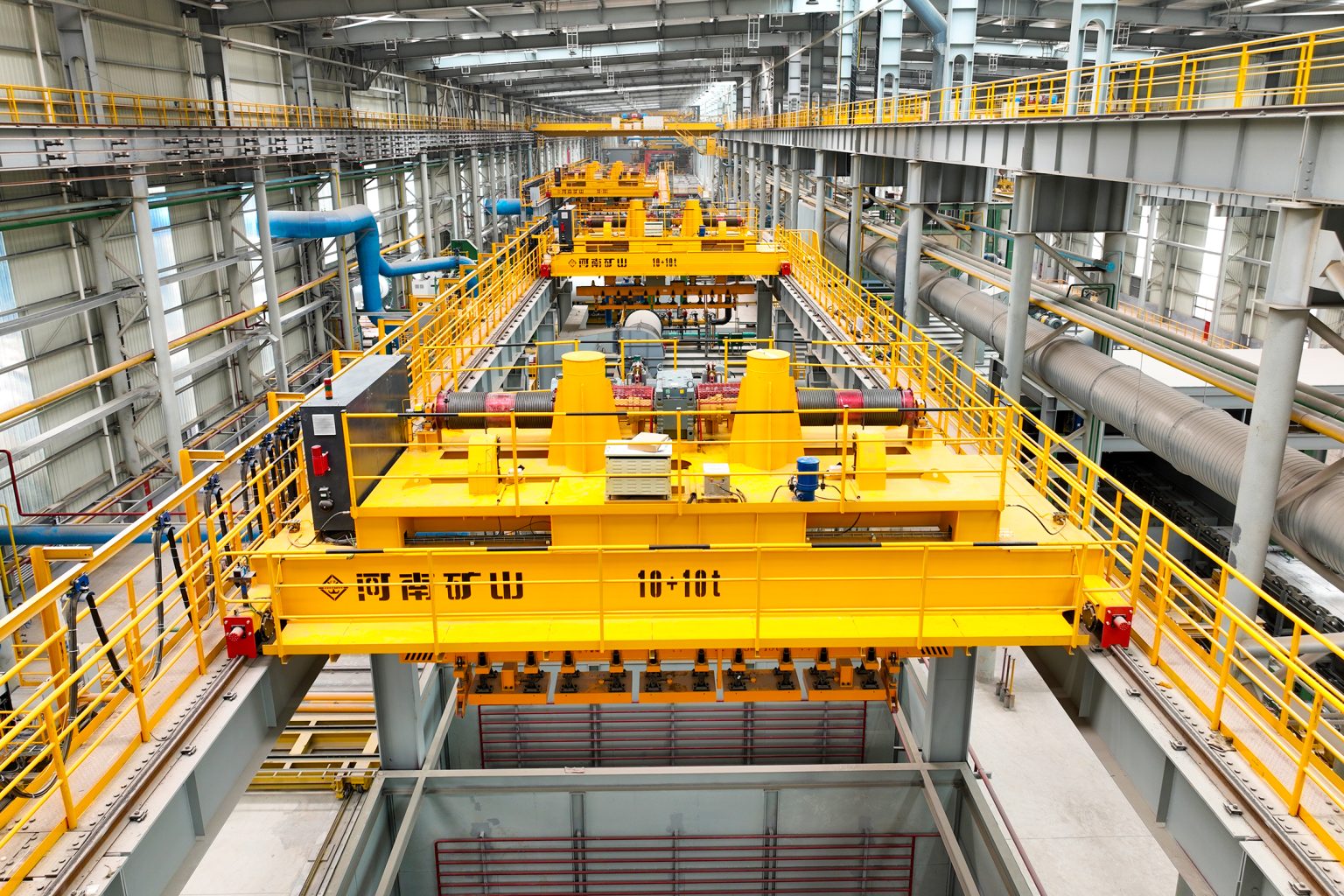
    Custom overhead and gantry crane systems with lifting magnets, orange-peel grabs, hooks or dual-purpose attachments for steel mills, recycling yards, foundries, ports and waste-processing facilities.

    Henan Mine Crane engineers the crane, attachment, power and control system around the actual scrap composition, bulk density, maximum piece size, temperature, required throughput, operating cycle, yard layout and destination requirements.

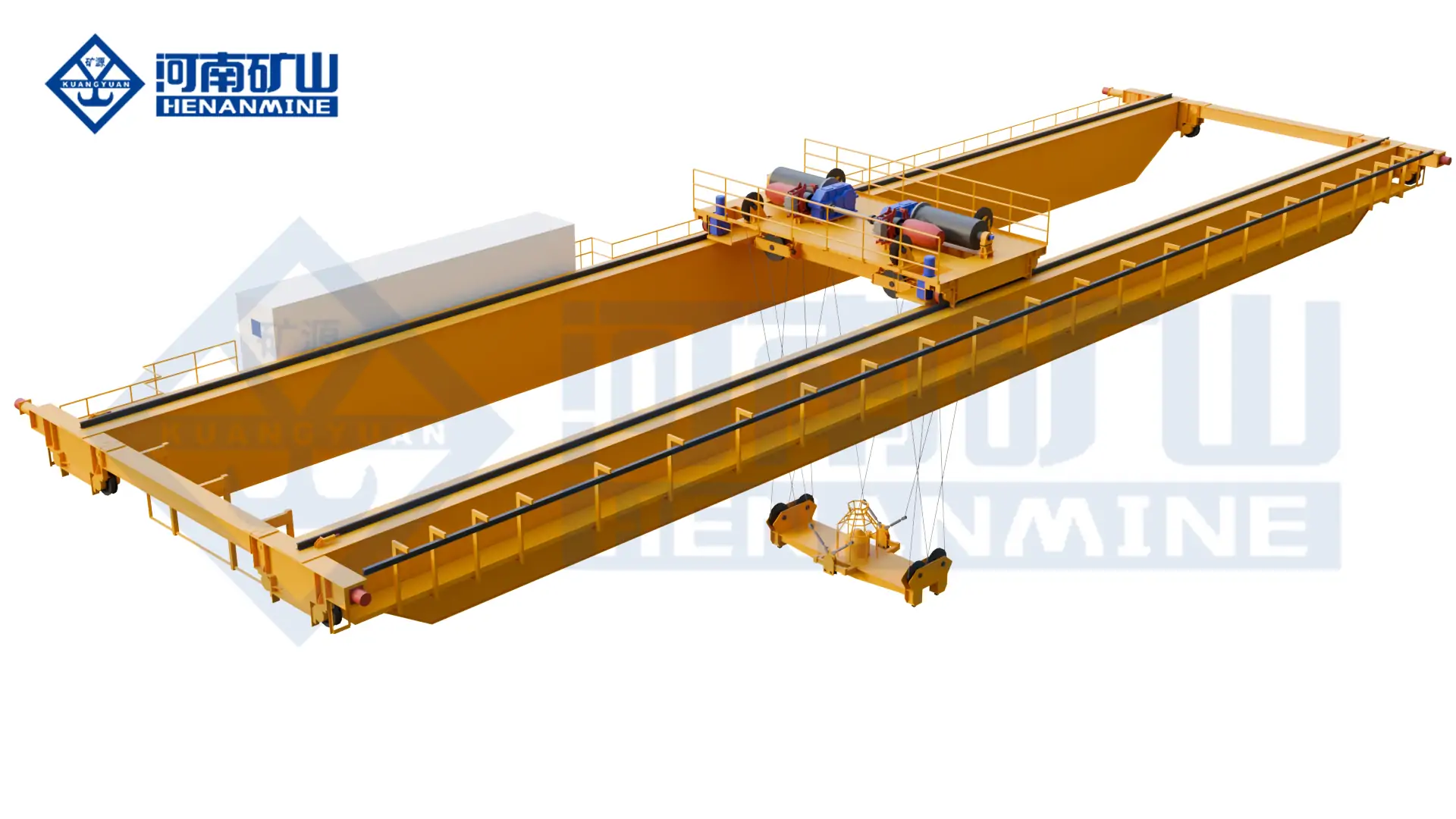
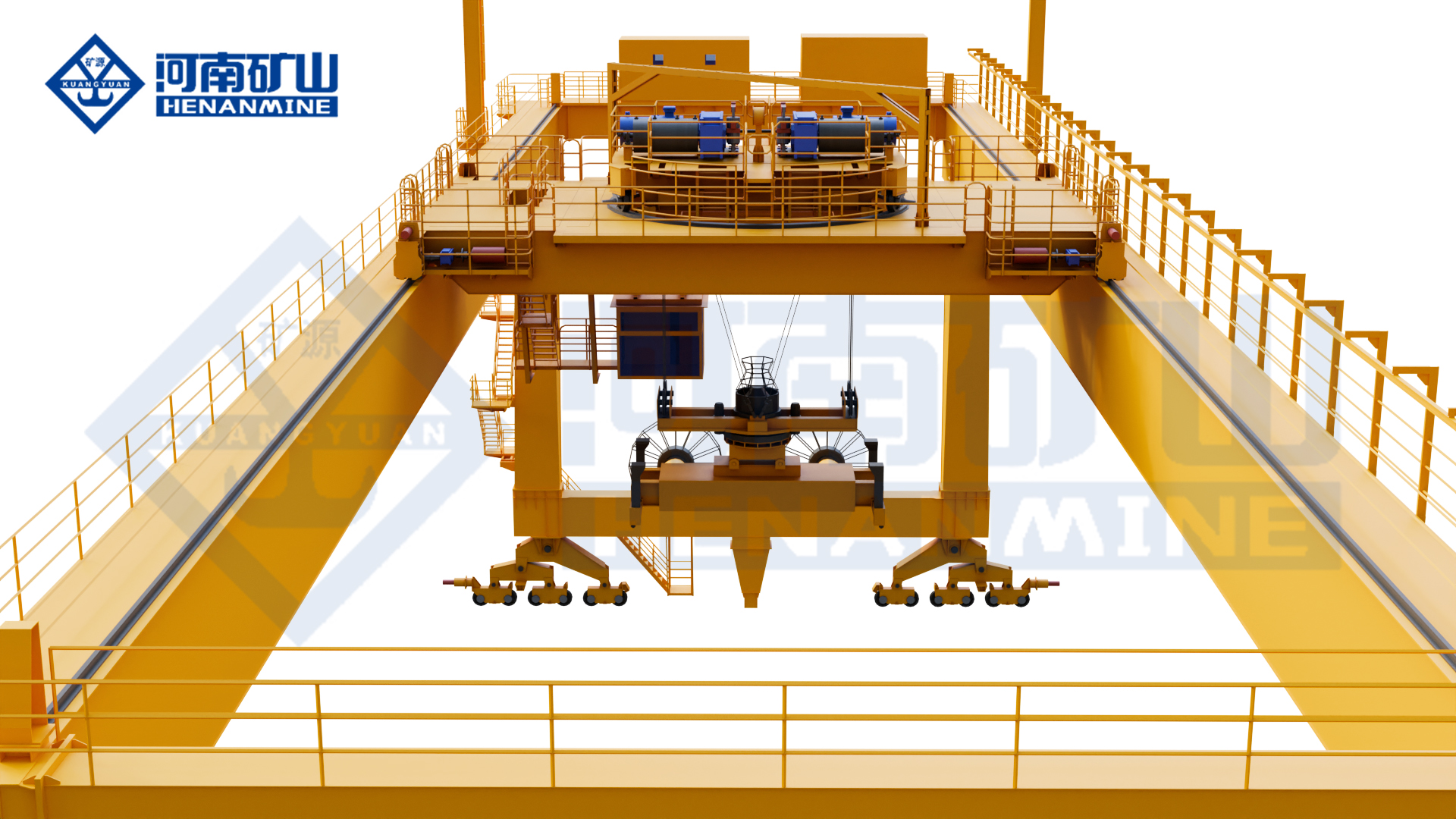
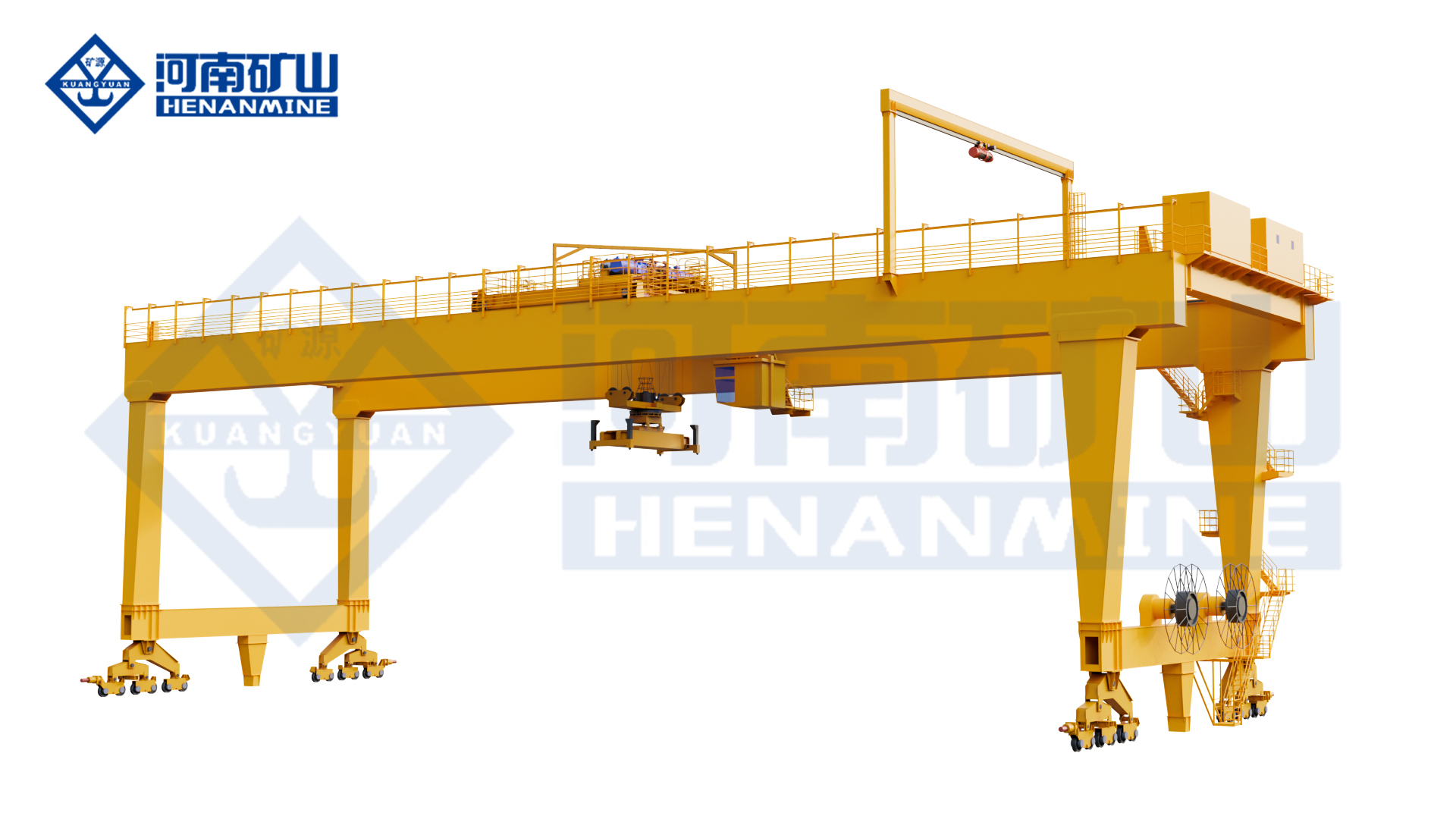
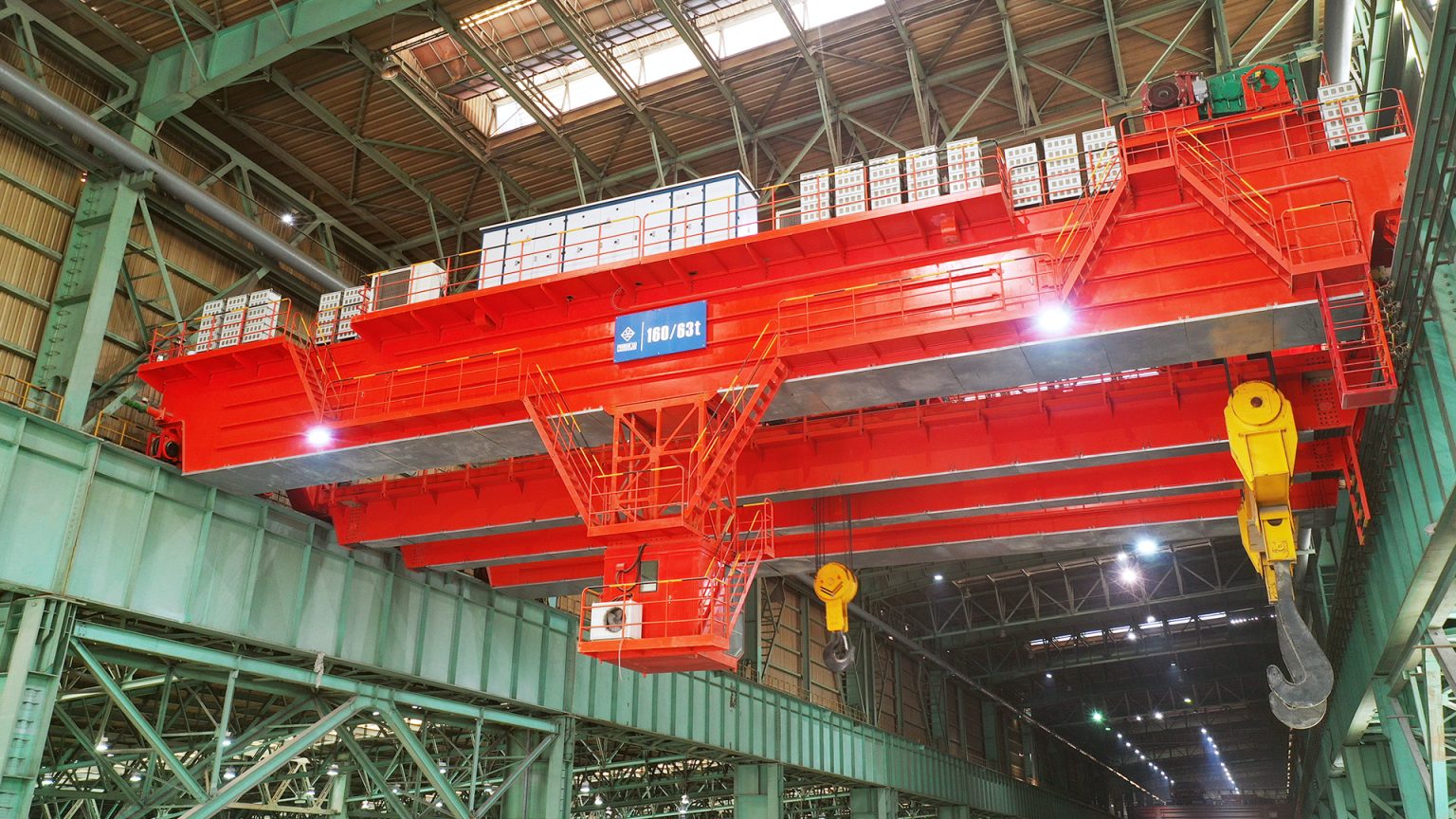
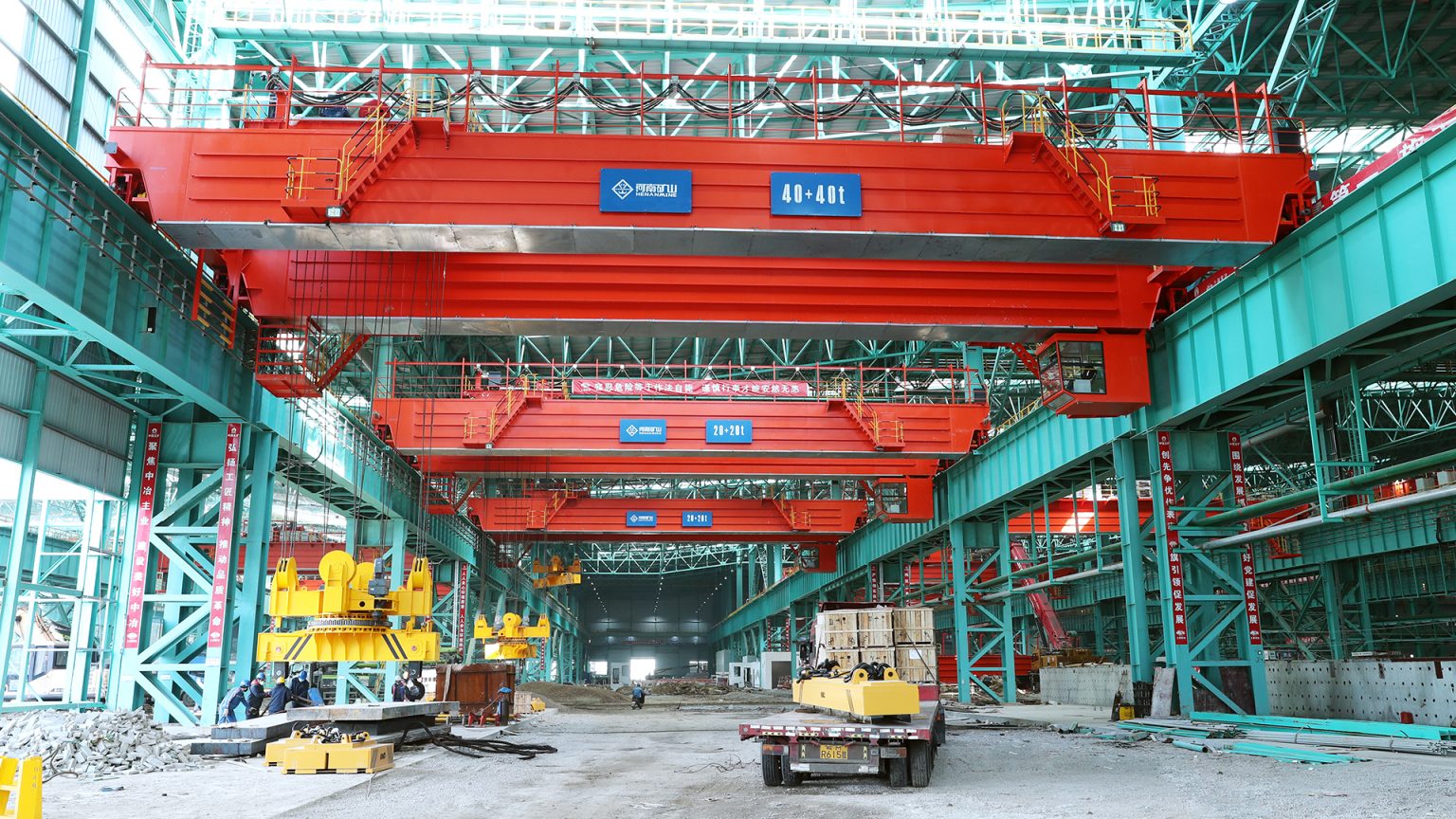
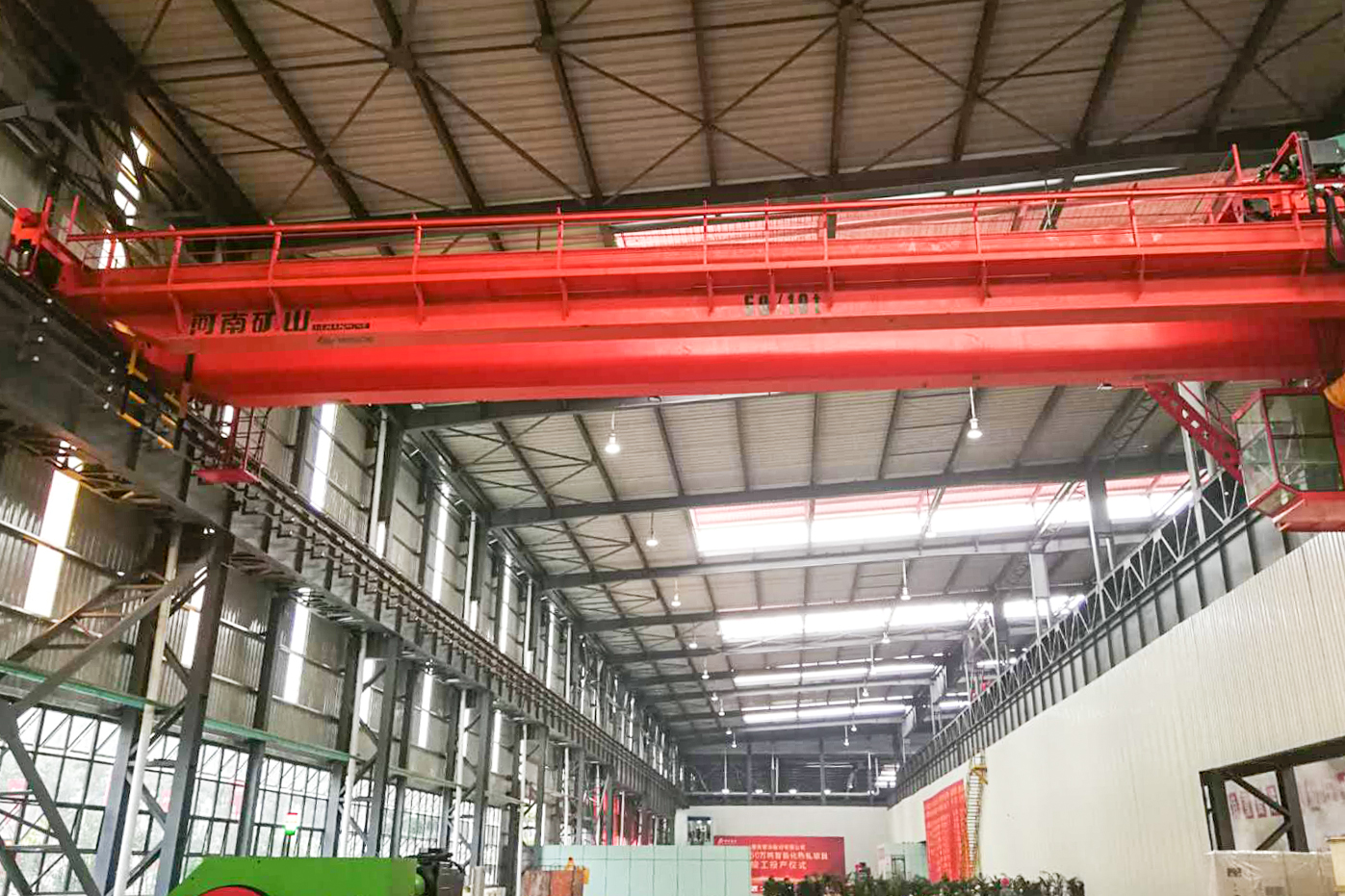
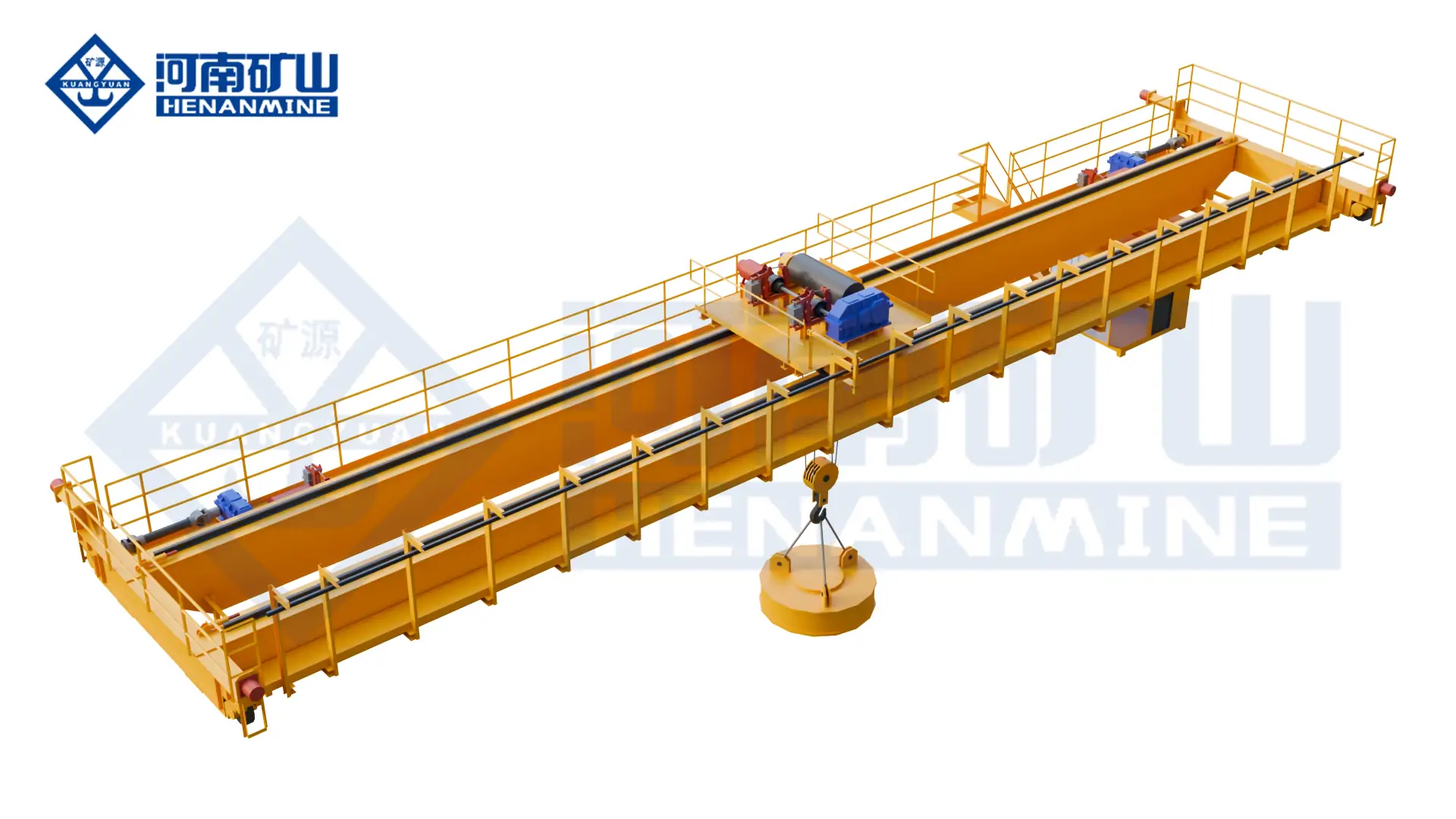
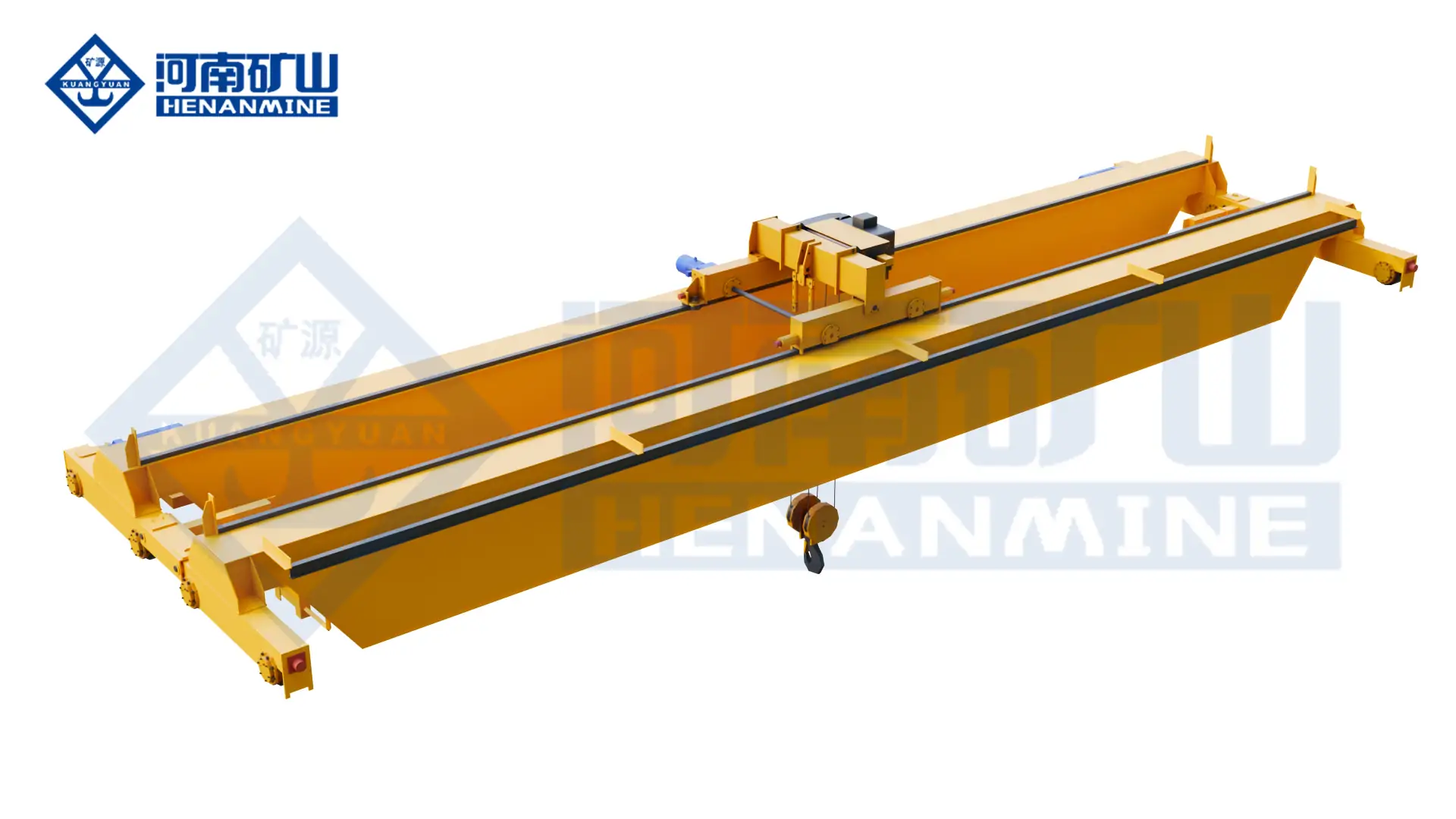
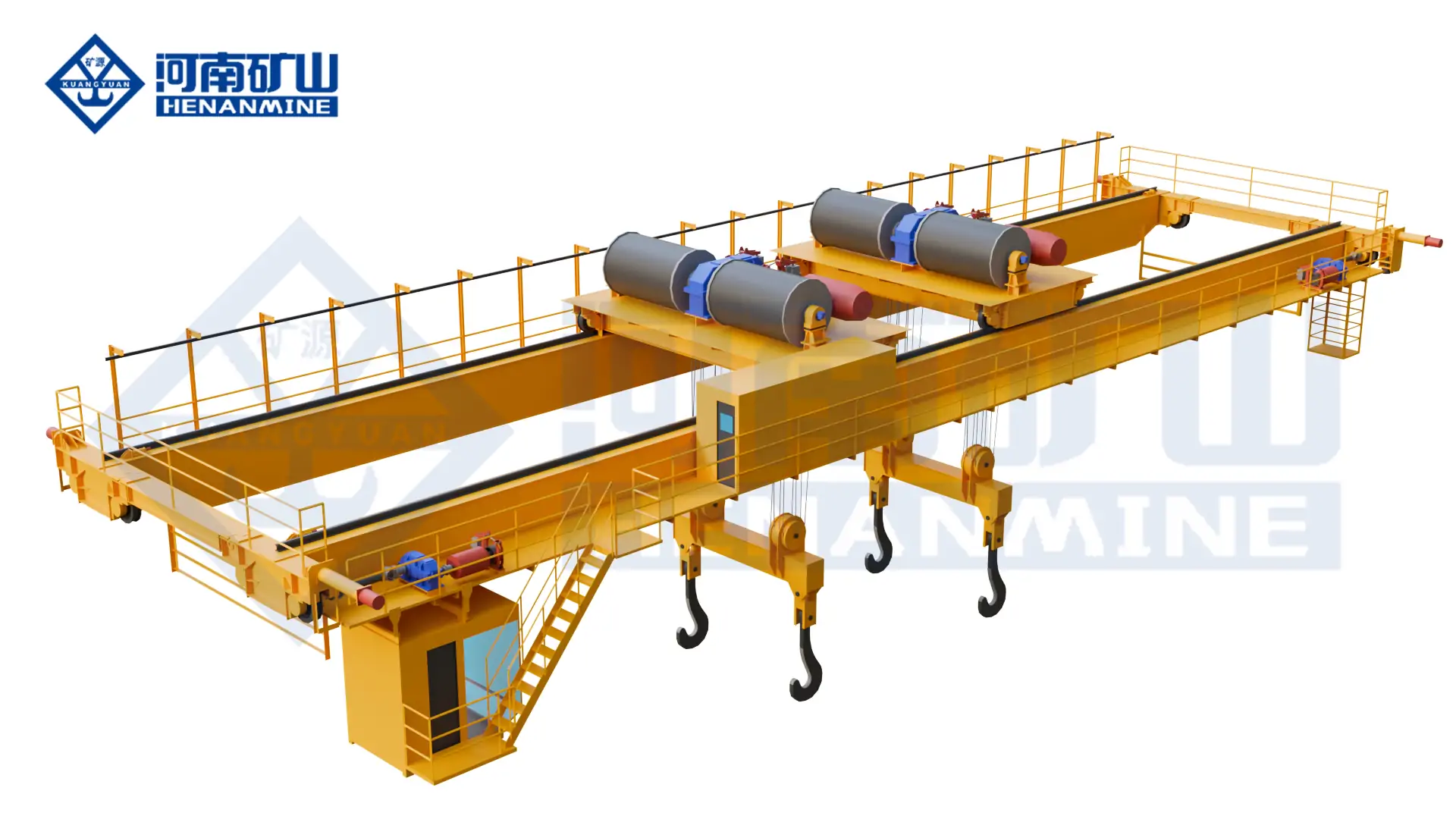
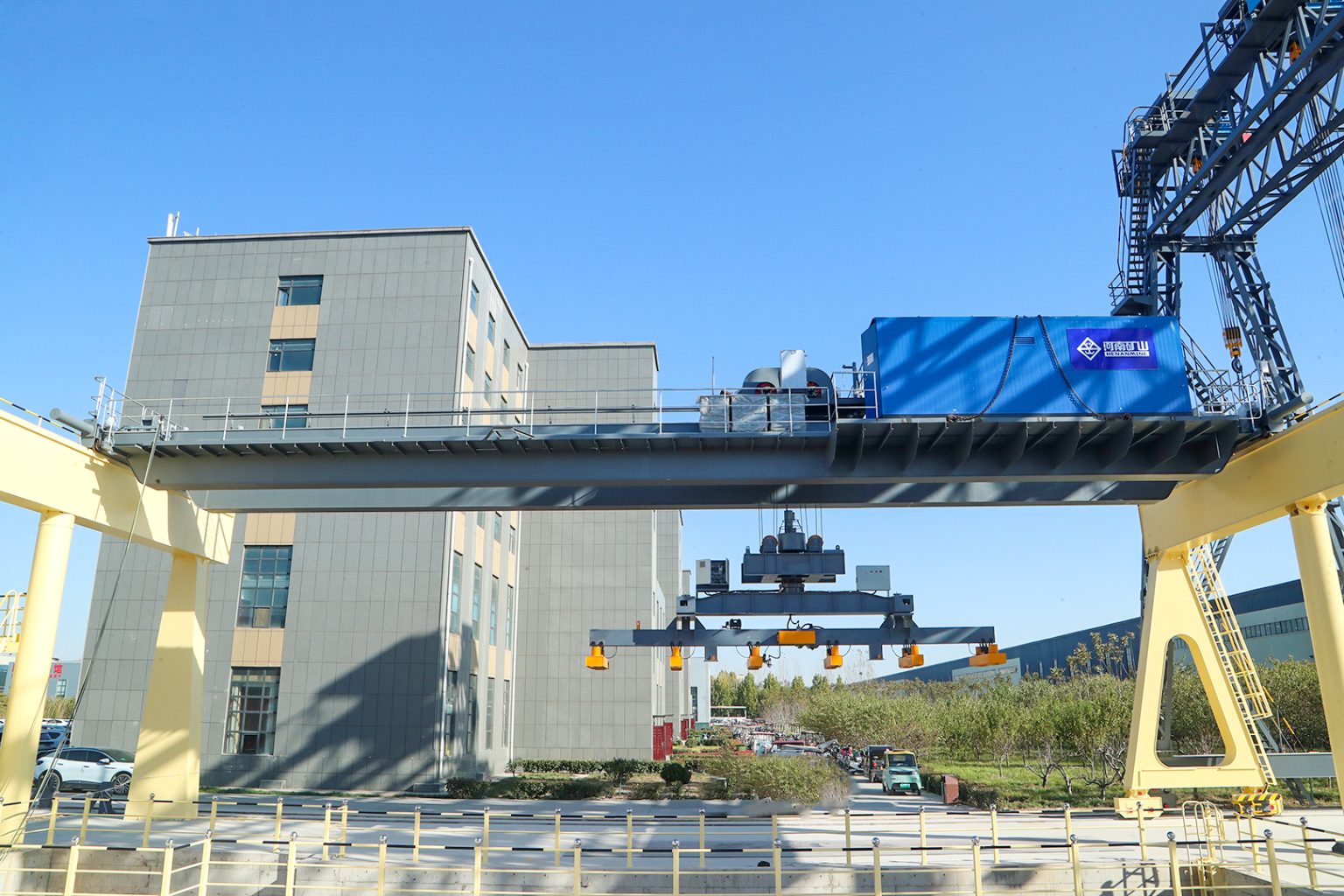
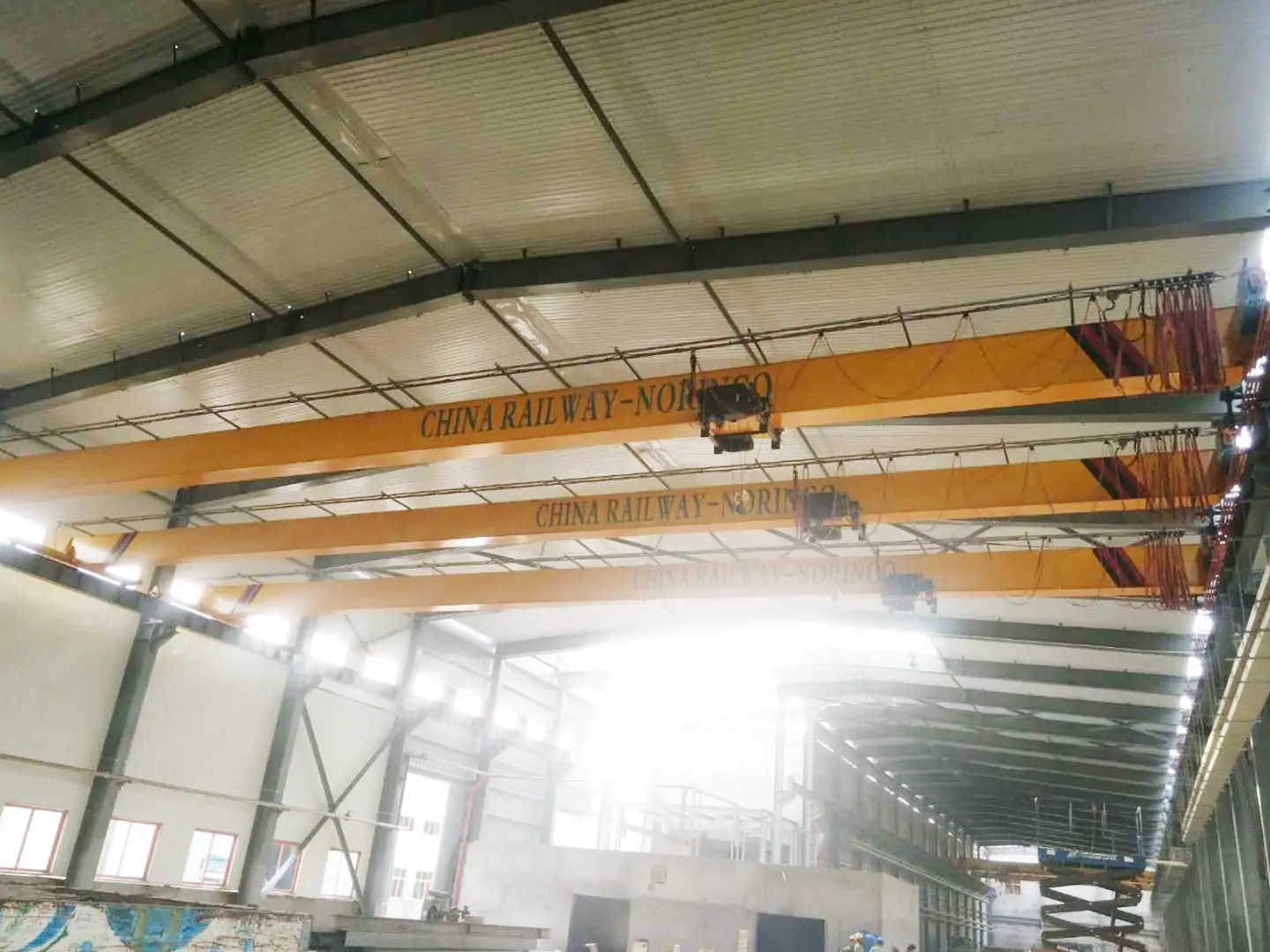
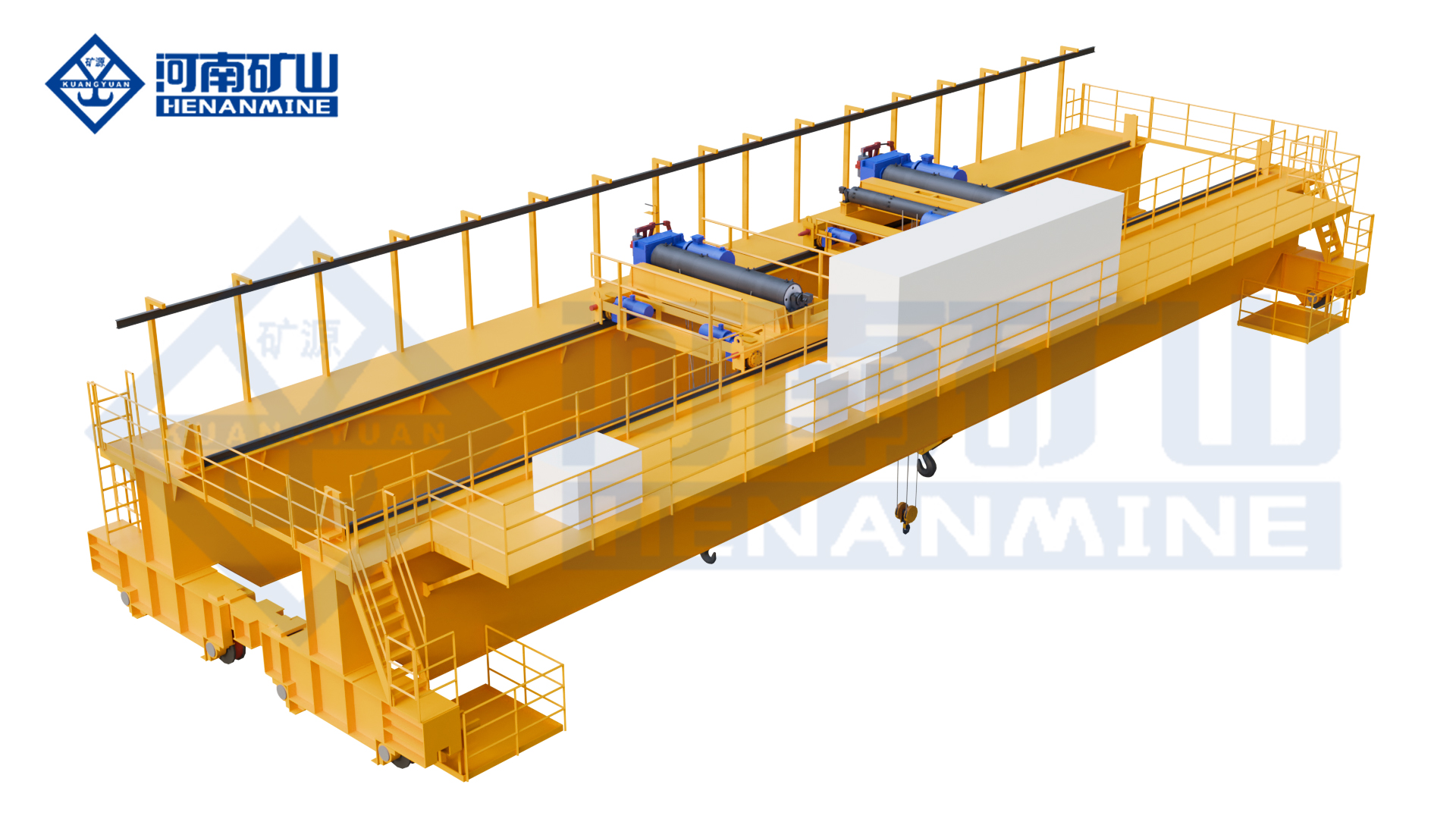
    Henan Mine Crane electromagnetic overhead crane for scrap metal handling
    A scrap handling crane is specified as a complete system. Crane duty, attachment tare, material behavior and the pickup-to-discharge cycle are evaluated together.

    Applications
    Scrap yards, steel mills, foundries, ports and recycling plants

    Attachment options
    Magnet, orange-peel grab, hook or dual-purpose system

    Critical scrap data
    Composition, density, piece size, temperature and throughput

    Commercial basis
    Defined technical scope and project quotation

    Crane Systems for Scrap Metal Handling

    A scrap handling crane transfers loose, bundled or irregular metal between stockpiles, railcars, trucks, shredders, shears, charging boxes, sorting stations, furnaces and outbound loading areas. The system may use an overhead bridge crane inside a building or a gantry crane for an outdoor yard. The correct arrangement depends on the operating envelope, required coverage, material stream and facility structure.

    The lifting device is selected before the final crane capacity is approved. A lifting magnet is generally suitable for verified ferromagnetic scrap with predictable magnetic response. An orange-peel grab is generally suitable for mixed, irregular, contaminated or non-ferrous material that cannot be lifted reliably by magnetism. Hook service remains useful for maintenance, containers, bundles and approved rigging tasks.

    Scrap service can combine high cycle rates, impact, dust, sharp edges, heat and highly variable loads. The design therefore addresses the complete load spectrum, attachment self-weight, shock and extraction forces, visibility, exclusion zones, power-loss behavior, wear protection and planned maintenance. A general-purpose crane should not be converted to scrap duty solely by adding a magnet or grab without structural, mechanical, electrical and operational verification.

    Scrap Handling Crane Configurations

    01 · Electromagnetic Overhead Crane

    A circular or purpose-arranged magnet lifts ferrous scrap without manual slinging. Magnet geometry, duty cycle, magnetic test results, rectifier, cable management, current monitoring, heat dissipation and power-loss holding strategy are matched to the scrap stream. This system is not suitable for aluminum, copper or other non-ferrous material.

    02 · Orange-Peel Grab Overhead Crane

    A multi-tine orange-peel grab penetrates and closes around loose, irregular or mixed scrap. Tine count and profile, open diameter, volume, closing force, grab tare, wear plate, rotator and rope, hydraulic or electro-hydraulic drive are selected from the material and cycle. Dynamic pull-out loads require specific verification.

    03 · Magnet and Hook Dual-Purpose Crane

    A magnet handles ferrous scrap while a hook supports approved maintenance, rigging or unit-load work. The magnet, lifting beam and hook have separate operating rules and rated-load conditions. Changeover, attachment recognition, control permissives and stored attachment locations are defined in the operating concept.

    04 · Grab and Hook Dual-Purpose Crane

    A detachable grab expands a crane from bulk handling to conventional hook service. The arrangement is appropriate where scrap transfer is important but not the only process. Hook capacity, grab capacity, reeving, hydraulic or electrical connection, attachment parking and changeover risk are specified separately.

    05 · Automated Scrap Handling Crane

    Laser scanning or machine vision, absolute position feedback, pile mapping, anti-sway, path planning, hopper interlocks and collision avoidance can support semi-automatic or unmanned transfer. Automation is based on a defined material envelope, controlled work zones and documented recovery modes.

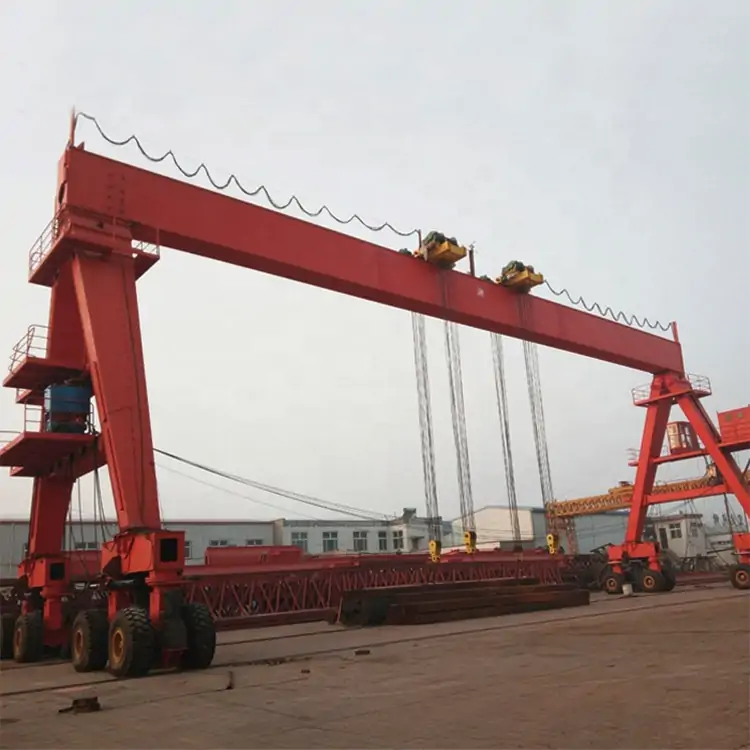
    06 · Outdoor Scrap Gantry Crane

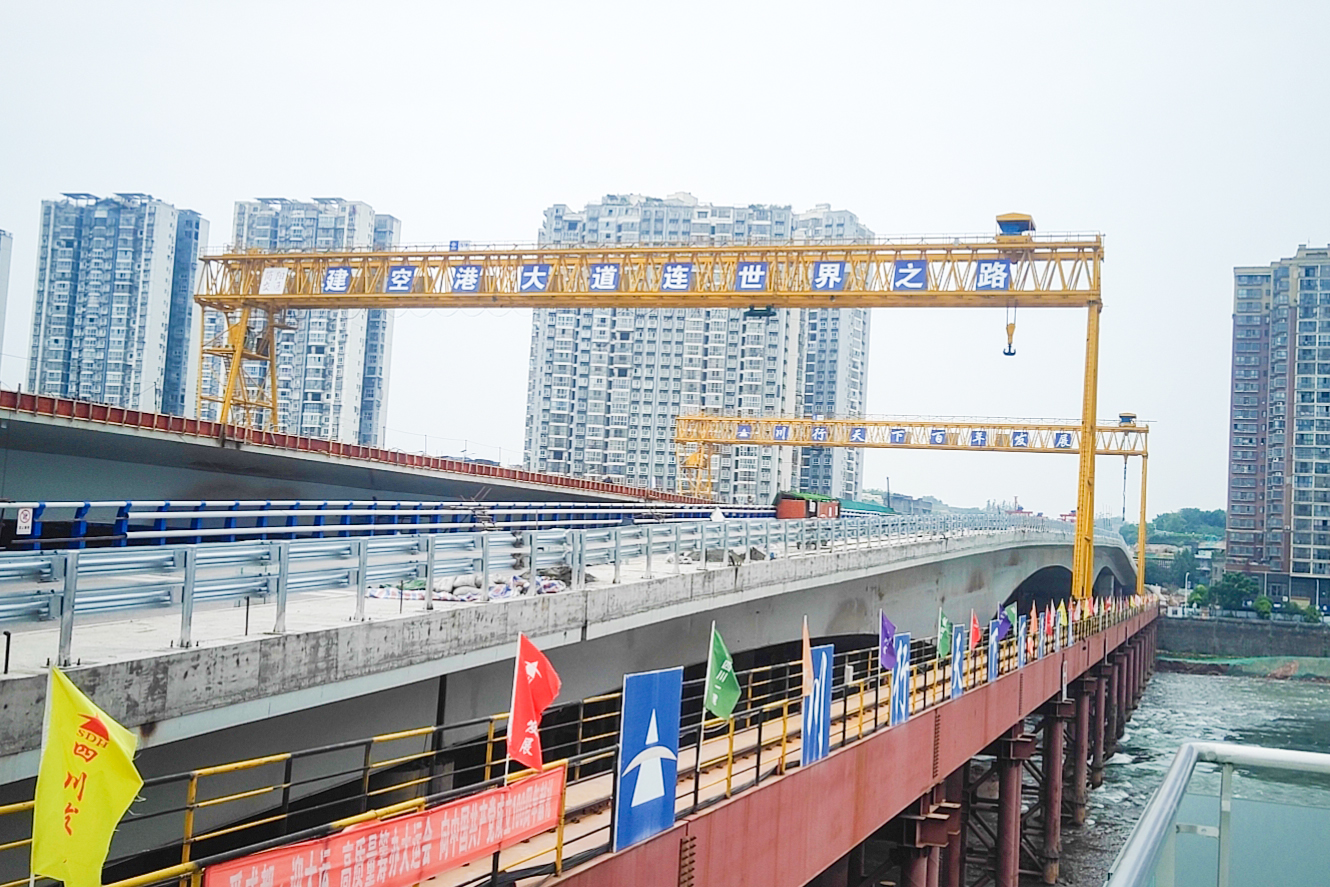
    A rail-mounted gantry crane covers outdoor stockpiles, loading lanes or port yards without relying on a complete building runway. Wind operating limits, storm anchoring, lightning protection, corrosion class, drainage, rail foundations and vehicle segregation become part of the project scope.

    Compare Magnet, Orange-Peel Grab and Dual-Purpose Systems

    Attachment selection is governed by scrap behavior and the required operation, not by crane tonnage alone. Representative material samples and the full handling route should be reviewed before the crane and attachment are approved.

    Lifting system Best-matched scrap Primary advantage Critical engineering issue Commercial fit
    Electromagnet Predominantly ferromagnetic, loose steel scrap with verified pickup behavior Fast pickup and release without mechanical tine penetration Air gaps, material temperature, power failure, residual magnetism and dropped-load zone Dedicated high-cycle ferrous scrap flow
    Orange-peel grab Mixed, irregular, non-ferrous, contaminated or weakly magnetic scrap Mechanical capture across a wider material range Penetration, closing force, fill factor, tine wear and dynamic extraction load Mixed recycling feed and irregular scrap piles
    Hook with approved rigging Bundles, bins, charging boxes, maintenance items and defined lifting points Flexible for unit loads and maintenance work Manual rigging exposure, sling protection and slower cycle Low-frequency or secondary operations
    Magnet and hook Ferrous scrap plus planned unit-load or maintenance service Two defined operating modes on one crane Attachment changeover and separate capacity/control states Yards requiring operational flexibility
    Grab and hook Bulk scrap plus bins, bundles or maintenance lifts Mechanical handling of mixed material with hook capability Grab parking, connection, reeving and mode interlocks Multi-purpose industrial facilities

    Selection rule: choose a magnet only when the scrap is sufficiently ferromagnetic and representative pickup tests confirm the required holding performance. Choose an orange-peel grab when the material is mixed, irregular, non-ferrous or mechanically interlocked. Where the material stream changes frequently, a dual-purpose or quick-change concept can be evaluated with separate ratings, controls and safe attachment storage.

    Calculate Capacity, Grab Volume and Required Throughput

    The crane rating covers the total suspended load. For magnetic service, this includes the maximum permitted scrap payload, magnet, lifting beam, cable and all suspended interfaces. For grab service, it includes the actual scrap payload, complete grab tare, rotator or power unit and rigging.

    Magnet crane capacity ≥ maximum scrap payload + magnet/beam/cable tare + suspended interfaces
    Grab crane capacity ≥ maximum scrap payload + complete grab/rotator/power-unit tare + suspended interfaces

    Preliminary orange-peel grab volume is derived from the required payload divided by loose bulk density and the achievable fill factor. The result is then checked against tine penetration, open diameter, pile geometry, maximum piece size and discharge opening. A large nominal volume does not guarantee a larger useful payload if the material bridges or the tines cannot close effectively.

    Interlocked scrap can resist the grab as it is extracted from the pile. Pull-out force can exceed the static grab-plus-payload weight, so hoist, rope, drum, structure, brakes and control logic are checked for the defined extraction and snatch condition. The operator or automatic sequence should prevent dragging and uncontrolled side pull.

    Required throughput is evaluated from average useful payload per cycle and the complete cycle time: approach, lower, penetrate or magnetize, close or pick, hoist, travel, position, discharge, return and delays. A realistic calculation includes pile changes, partial grabs, vehicle access, hopper availability and operator or automation performance.

    Scrap Material and Application Matrix

    Scrap or process Preferred starting point Data requiring confirmation Design implication
    Heavy melting steel and plate offcuts Magnet after pickup testing; orange-peel grab for irregular interlocked piles Piece size, thickness, air gaps, pile interlocking and maximum single-piece mass Magnet geometry or reinforced penetrating tines and extraction-load allowance
    Shredded steel and turnings Magnet for verified clean ferrous feed; grab for mixed or contaminated feed Bulk density, moisture, oil, fines, tramp material and magnetic response Magnet cooling and release behavior or semi-closed tine profile
    Automotive bodies and demolition scrap Orange-peel grab, with magnet evaluated only for a verified segregated stream Long projections, enclosed fluids, non-metallic content and unstable centers of gravity Large open span, secure closure, controlled acceleration and generous clearance envelope
    Stainless, aluminum, copper and mixed non-ferrous scrap Orange-peel grab or other mechanical attachment Alloy mix, piece form, value segregation and contamination limits Mechanical capture; do not base the lifting plan on magnetic attraction
    Bundles, bins and charging boxes Hook, beam or approved container attachment Rated lifting points, dimensions, center of gravity and rigging access Defined below-the-hook device and positive load engagement
    Hot slag or high-temperature metallic residue Dedicated temperature-rated system after process risk assessment Maximum material and radiant temperature, flame, dust and emergency conditions Heat shielding, protected electrics, suitable rope and lubrication, remote operation and special inspection

    Technical Specification Framework

    Scrap crane specifications are finalized from the material study, process layout and duty calculation. A complete technical schedule should define the crane, attachment and facility interfaces rather than listing only rated capacity, span and lifting height.

    Henan Mine Crane uses the confirmed design basis to prepare the general arrangement, load and speed schedule, wheel reactions, attachment data, control philosophy, electrical single-line information, safety functions, inspection plan and commercial boundary.
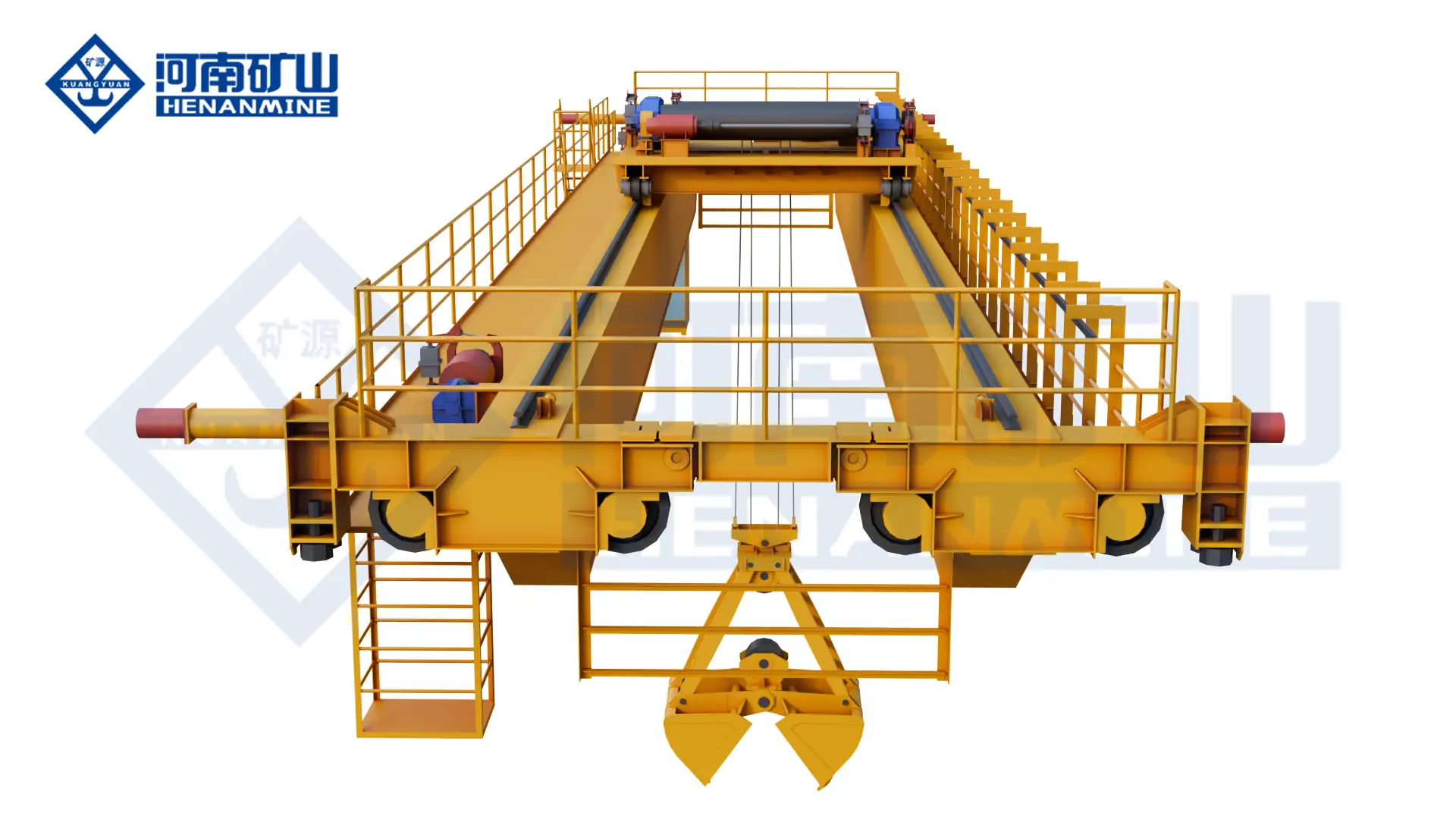
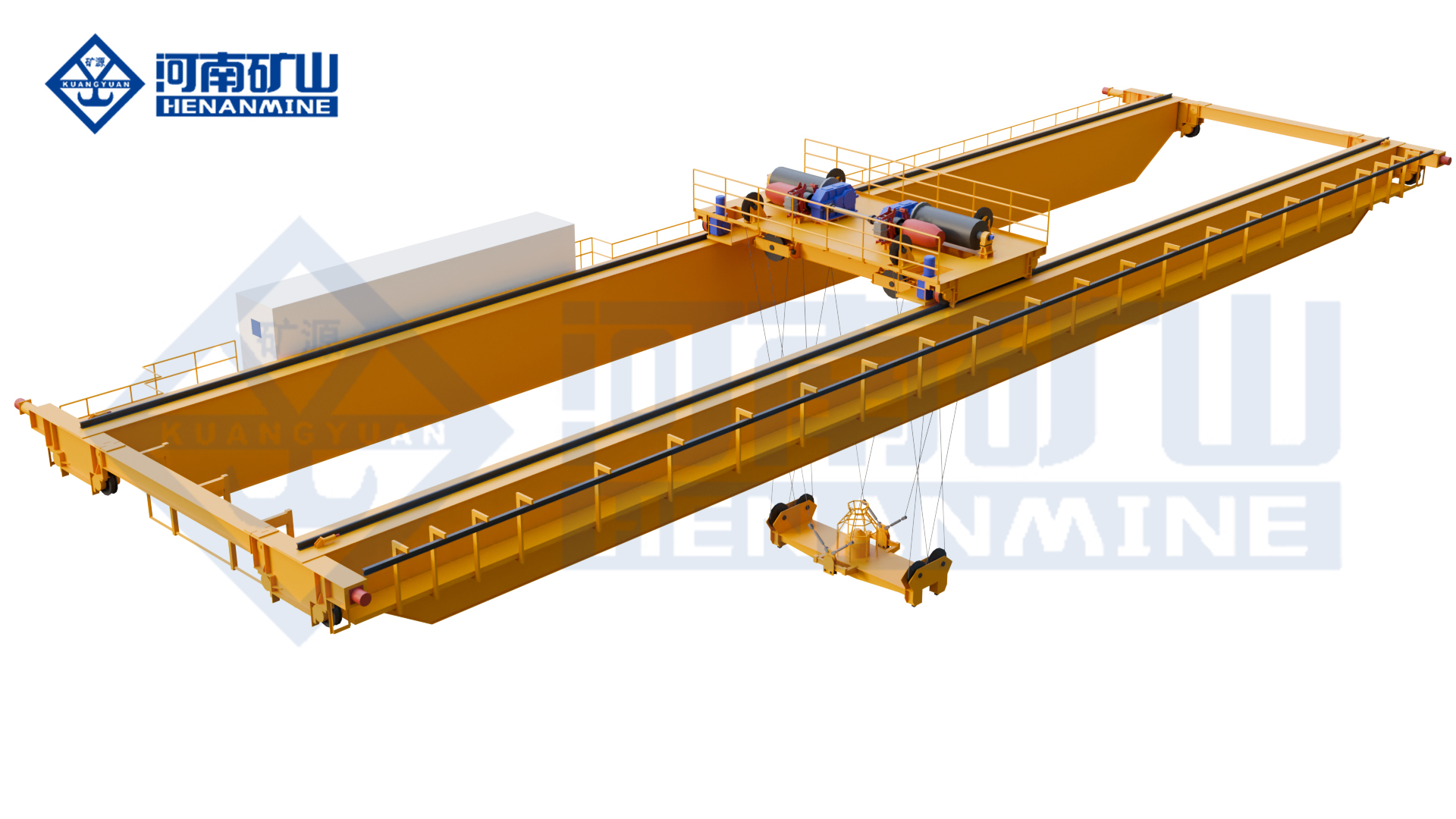
    Henan Mine Crane heavy-duty grab overhead crane structure
    A heavy-duty grab crane platform can be configured for the required attachment, duty, control mode and material-handling cycle.
    Specification item Required project input Engineering output
    Rated capacity Maximum useful scrap payload and complete attachment tare Total suspended rating and separate capacity for each operating mode
    Span and travel Building or yard layout, rail centers, approaches and obstacles Crane geometry, end approaches, hook or attachment coverage and rail reactions
    Lifting height and headroom Pile height, vehicle or hopper elevation, attachment depth and roof level Required hook path, rope travel, upper clearance and maintenance access
    Working duty Lifts per hour, shifts, operating days, load spectrum and design life Crane and mechanism classifications based on the actual duty calculation
    Magnet system Scrap test data, temperature, duty cycle and loss-of-power risk assessment Magnet arrangement, rectifier, cable reel, current monitoring, backup and release logic
    Orange-peel grab Density, fill factor, piece size, pile geometry and desired payload Volume, tine profile, open span, closing force, wear package and drive system
    Motion speeds Required tonnes per hour, travel distances and positioning tolerance Hoist, trolley and bridge speeds with VFD acceleration and micro-speed where required
    Control mode Visibility, operator location, automation level and process interfaces Cabin, radio remote, control room, semi-automatic or automatic operation
    Environment Temperature, dust, fumes, corrosion, rainfall, wind and hazardous-area classification Enclosures, cooling or heating, coating, sealing, wind protection and component selection
    Codes and acceptance Destination regulations, purchaser specification and inspection requirements Agreed crane, electrical and below-the-hook-device code matrix and test plan

    Published Henan Mine Crane reference families include electromagnetic overhead cranes rated 5–32 t including the magnet, with 10.5–31.5 m spans, 6–30 m lifting heights and project-selected duty; intelligent four-rope grab cranes rated 5–50 t with A6–A8 duty; and electromagnetic-hook gantry cranes rated 10–50 t with 18–35 m spans. These are product-family reference ranges, not a substitute for scrap-specific capacity, attachment and duty verification.

    Controls, Safety and Environmental Protection

    Crane Motion Protection

    Overload protection, upper and lower hoist limits, travel limits, service and emergency brakes, buffers, anti-derailment measures, controlled acceleration and defined emergency-stop functions protect the lifting and travel system.

    Magnet Load-Retention Strategy

    Current and voltage monitoring, temperature supervision, backup energy or electro-permanent technology, alarm logic and controlled emergency placement are selected from the risk assessment. Personnel and vehicles remain outside the potential drop zone.

    Grab and Rotator Protection

    Closing pressure or rope force, tine position, hydraulic pressure, hose routing, rotator condition and attachment state can be monitored. Control logic limits side pulling, dragging, incomplete closure and unsafe travel near obstacles.

    Operator Visibility and Segregation

    Cabin position, camera coverage, radio remote control, warning devices, barriers, vehicle routes and access interlocks are coordinated with the pile, loading lanes and discharge points to maintain a controlled operating zone.

    Automation and Recovery

    Pile scanning, position encoders, anti-sway, obstacle detection, collision avoidance, hopper or furnace interlocks and attachment-state permissives support automatic work. Manual fallback and controlled recovery are included in the functional design.

    Dust, Heat and Outdoor Exposure

    Protected enclosures, filtered or conditioned cabins, heat shielding, high-temperature cabling, corrosion-resistant coating, sealed components, wind alarms, storm anchoring and lightning protection are selected for the site environment.
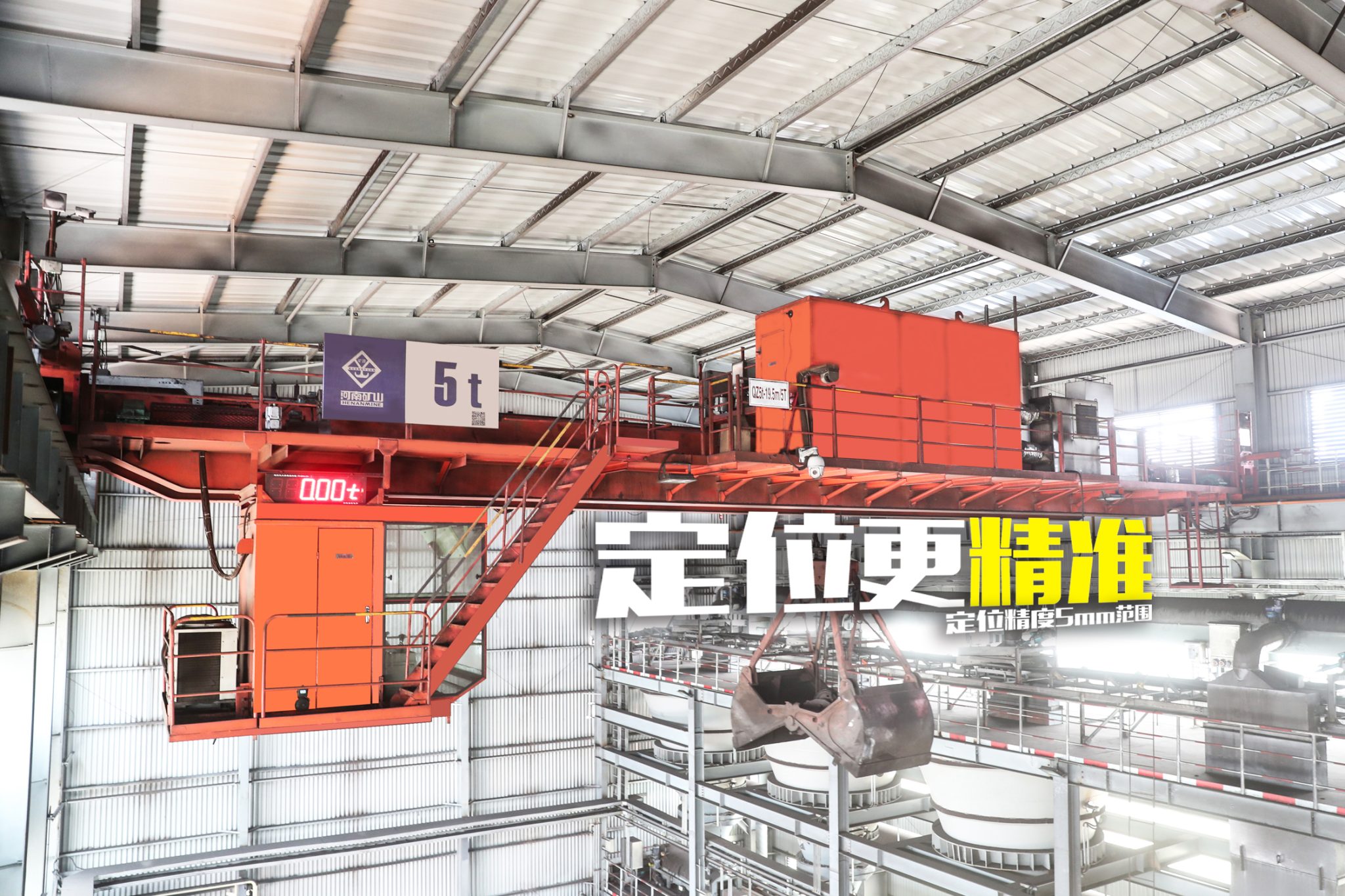
    Henan Mine Crane unmanned grab bucket overhead crane project
    Unmanned grab crane technology combines pile scanning, position feedback, automatic path control and controlled fallback operation.

    Verified Project Case

    Unmanned Grab Crane for Steel-Plant Material Handling

    Henan Mine Crane developed unmanned grab crane systems for metallurgical bulk-material applications, including the 250,000-ton rotary kiln project at Baowu Group’s Shaoguan Steel Plant and the No. 2 blast-furnace renovation at Ningbo Steel. The platform integrates three-dimensional pile scanning, absolute position feedback, automatic positioning, obstacle avoidance and remote, cabin and wireless control modes.

    The control architecture creates a material-pile model and coordinates pickup, travel and discharge positions with the production process. Multiple operating modes provide a defined recovery path when automatic operation is interrupted or site intervention is required.

    This published case demonstrates automation capability for complex metallurgical material piles. A scrap-yard version requires separate validation of the orange-peel grab geometry, scrap density, maximum piece size, dynamic extraction forces, wear package, throughput and controlled drop zones.

    View Case Details →

    Engineering Deliverables and Quality Records

    A procurement-ready proposal defines the complete scrap handling system and its interfaces. Henan Mine Crane can prepare project-specific engineering and manufacturing records for technical approval, installation and acceptance.

    Design basis

    Approved scrap schedule, bulk-density range, throughput, load spectrum, duty calculation, layout, wheel reactions, clearances and code matrix.

    Attachment engineering

    Magnetic test basis or grab volume and tine design, total tare, load path, controls, interlocks, power-loss state, wear parts and rated-load marking.

    Manufacturing records

    Material traceability, welding procedures, welder qualifications, dimensional inspection, NDT reports and component certificates as contractually required.

    Factory acceptance

    Functional checks, brake and limit tests, control simulation, attachment cycles, magnet or grab verification and witnessed testing when included in the contract.

    Review Henan Mine Crane manufacturing equipment and quality capabilities →

    Installation, Commissioning and Maintenance Planning

    Before Manufacture

    Confirm runway or foundation geometry, supporting-structure capacity, clearances, pile and discharge coordinates, vehicle routes, power supply, process interfaces, access for attachment maintenance and site responsibilities.

    Erection and Commissioning

    Coordinate unloading, erection method, rail survey, mechanical and electrical installation, no-load testing, proof load, attachment functions, representative scrap trials, process interlocks and operator training.

    Planned Maintenance

    Maintain brakes, ropes, drums, wheels, rails, reducers, fasteners and electrics together with magnet cables and backup power or grab tines, pins, bushings, ropes, rotator, hoses, cylinders and wear plates.

    Commissioning should include representative low-density and high-density scrap, difficult pile conditions, maximum operating reach, magnet power-loss or grab-recovery behavior, control-mode transfer, emergency functions and acceptance criteria agreed before shipment.

    Scrap Handling Crane Price and Supply Scope

    Scrap handling crane price cannot be established from crane tonnage alone. Span, lifting height, working duty, magnet or grab type, total attachment tare, throughput, control mode, environmental protection, runway scope, destination and installation responsibility all affect the commercial result.

    The following September 2026 observations are preliminary market budget bands in US dollars. They are not a Henan Mine Crane quotation and are not directly comparable without matching design code, duty, material test basis, attachment scope, delivery term, condition and included services.

    Budget item Indicative market range Commercial interpretation
    Conventional 10–20 t double-girder base crane Approximately US$12,000–US$60,000 across observed factory guides Base equipment only; scrap attachment, heavy-duty design, special controls and site scope are additional
    Electromagnetic overhead crane equipment listings Approximately US$3,000–US$95,000 across selected online offers The unusually wide range reflects incomplete scopes, capacities and listing quality; it is not a reliable turnkey scrap-yard budget
    Individual industrial scrap lifting magnet Common selected listing level approximately US$1,000–US$6,000 per unit Does not include beam, rectifier, cable reel, backup energy, controls, material testing or crane integration
    Orange-peel grab Approximately US$3,000–US$80,000+ from light rope-operated units to large heavy-duty hydraulic systems Volume, tare, drive, tine material, rotator, hydraulic package, inspection and certification cause major price differences
    Complete heavy-duty or automated scrap handling crane Project quotation Requires confirmed material data, process layout, throughput, duty, safety concept, interface matrix and delivery boundary

    Define the Quotation Boundary

    Crane equipment Bridge or gantry structure, trolley, hoist, drives, electrics, controls, access and crane safety devices
    Scrap attachment Magnet, beam, rectifier, backup power and cable system or orange-peel grab, rotator and power package
    Automation package Pile scanning, positioning, anti-sway, cameras, PLC, network, MES/WMS/DCS interfaces and functional testing
    Runway and civil works Rails, supporting steel, columns, foundations, conductor system, drainage, platforms and building checks
    Delivery and installation Packing, inland transport, ocean freight, insurance, unloading, erection, supervision and site lifting equipment
    Testing and support Proof load, representative scrap trials, third-party inspection, commissioning, training, spares and warranty boundary

    A valid bid comparison uses the same scrap schedule, useful payload, total suspended capacity, span, height, working duty, attachment and safety scope, automation functions, applicable code, Incoterm, currency, quotation validity and site responsibilities.

    Scrap Handling Crane RFQ Information

    Submit scrap categories and proportions; loose bulk density; typical and maximum piece size and individual mass; ferrous content; temperature, moisture, oil and contamination; representative photos or samples; required tonnes per hour; pickup and discharge layout; span, travel length, lifting height and approaches; operating hours and load spectrum; runway or foundation data; power supply; preferred magnet, grab or dual-purpose arrangement; control and automation interfaces; destination and applicable code; and required freight, installation, testing, training and spare-parts scope.

    Send Scrap Handling Requirements
    A defined crane, attachment, interface schedule and itemized commercial scope can then be prepared.

    Frequently Asked Questions

    Which is better for scrap handling: a magnet or an orange-peel grab?

    A magnet is generally preferable for verified ferromagnetic scrap with predictable pickup behavior. An orange-peel grab is generally preferable for mixed, irregular, contaminated, non-ferrous or weakly magnetic material. Representative scrap testing should confirm the selection.

    Can one scrap crane use both a magnet and a grab?

    Yes, if the trolley, reeving, power supply, cable management, controls and attachment parking are designed for both. Each attachment has a separate tare, rated payload, operating mode and inspection requirement.

    How is scrap handling crane capacity calculated?

    Capacity includes the maximum useful scrap payload plus the complete magnet, beam, grab, rotator, power unit and suspended interface tare. Dynamic extraction, impact, eccentricity, wheel loads and runway or foundation capacity are also checked.

    How is orange-peel grab volume selected?

    Preliminary volume follows target payload, loose bulk density and expected fill factor. Tine penetration, open span, maximum piece size, pile geometry, closing force, discharge opening and complete grab tare then determine the final design.

    What happens if power fails while a scrap magnet is lifting?

    The project risk assessment defines backup energy, alarm and current monitoring, emergency placement, controlled exclusion zones and the required load-retention strategy. Electro-permanent technology may also be evaluated for suitable material and process conditions.

    Can a scrap handling crane be automated?

    Yes. Pile scanning, position feedback, path planning, anti-sway, attachment-state monitoring, obstacle detection, hopper or furnace interlocks and MES, WMS or DCS communication can be integrated within a defined functional specification.

    What working duty is required for a scrap crane?

    Continuous scrap service often requires a heavy-duty A6–A8 solution, but the final crane and mechanism classifications are calculated from operating hours, lifts per hour, load spectrum, travel distances, attachment actions and design life.

    Can a scrap crane operate outdoors?

    Yes. An outdoor bridge or gantry crane can be configured with suitable corrosion protection, enclosure ratings, wind alarms, operating limits, storm anchoring, lightning protection, drainage and temperature controls for the destination.

    How much does a scrap handling crane cost?

    Observed factory guides place conventional 10–20 t double-girder base cranes at approximately US$12,000–US$60,000 before the scrap attachment and special controls. Large grabs, magnet systems, heavy-duty design, automation, runway, freight and installation require an itemized project quotation.

    What information is needed for a scrap crane quotation?

    Provide material categories, density, piece size, ferrous content, temperature, photos, throughput, operating cycle, pile and discharge layout, span, height, duty, power supply, control requirements, destination, applicable code and the required delivery and installation boundary.

    Technical content record

    Prepared by Henan Mine Crane Technical Sales · Technically reviewed by Crane Engineering · Last reviewed September 2026

    Related Scrap Handling Crane Products
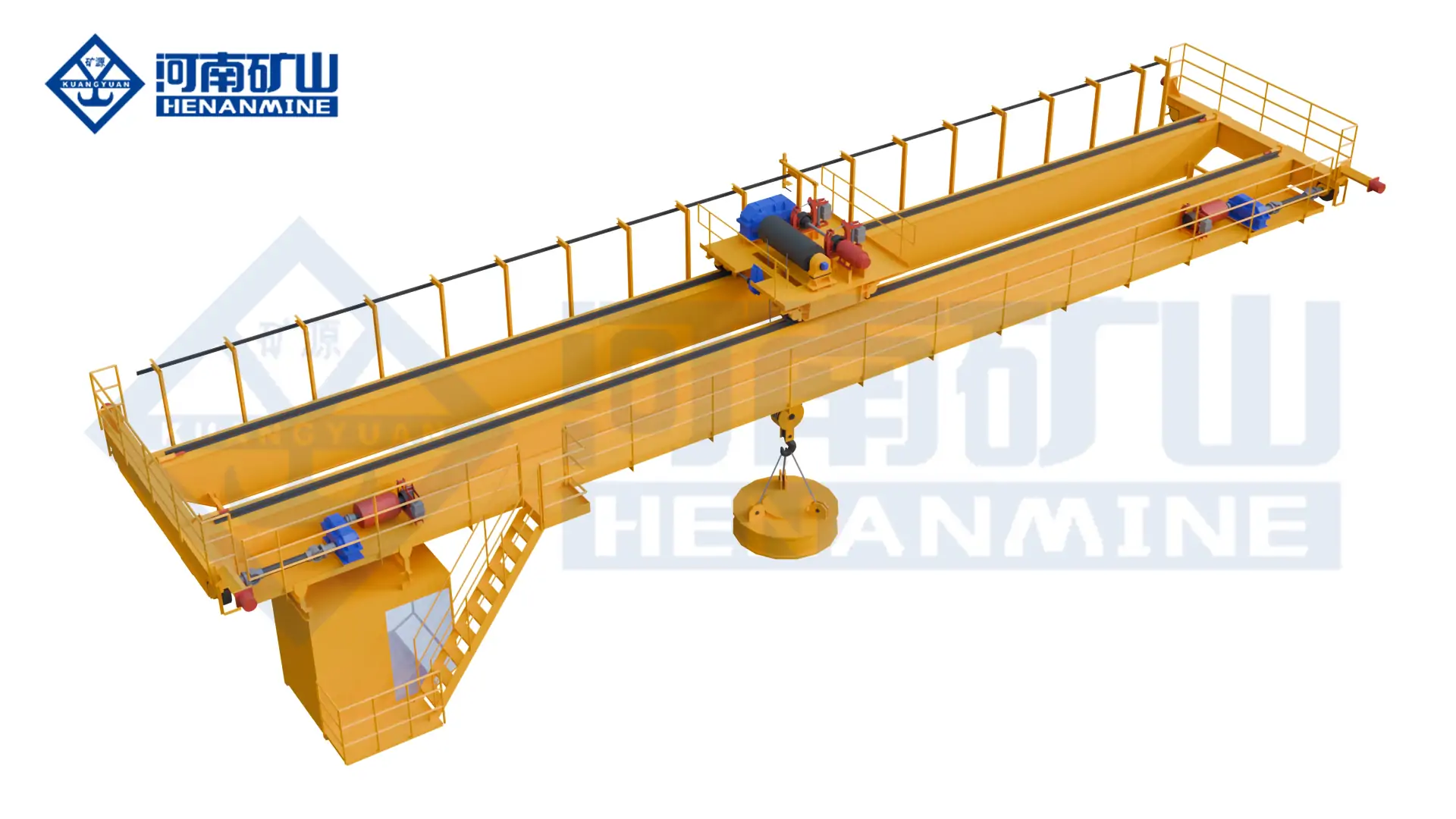
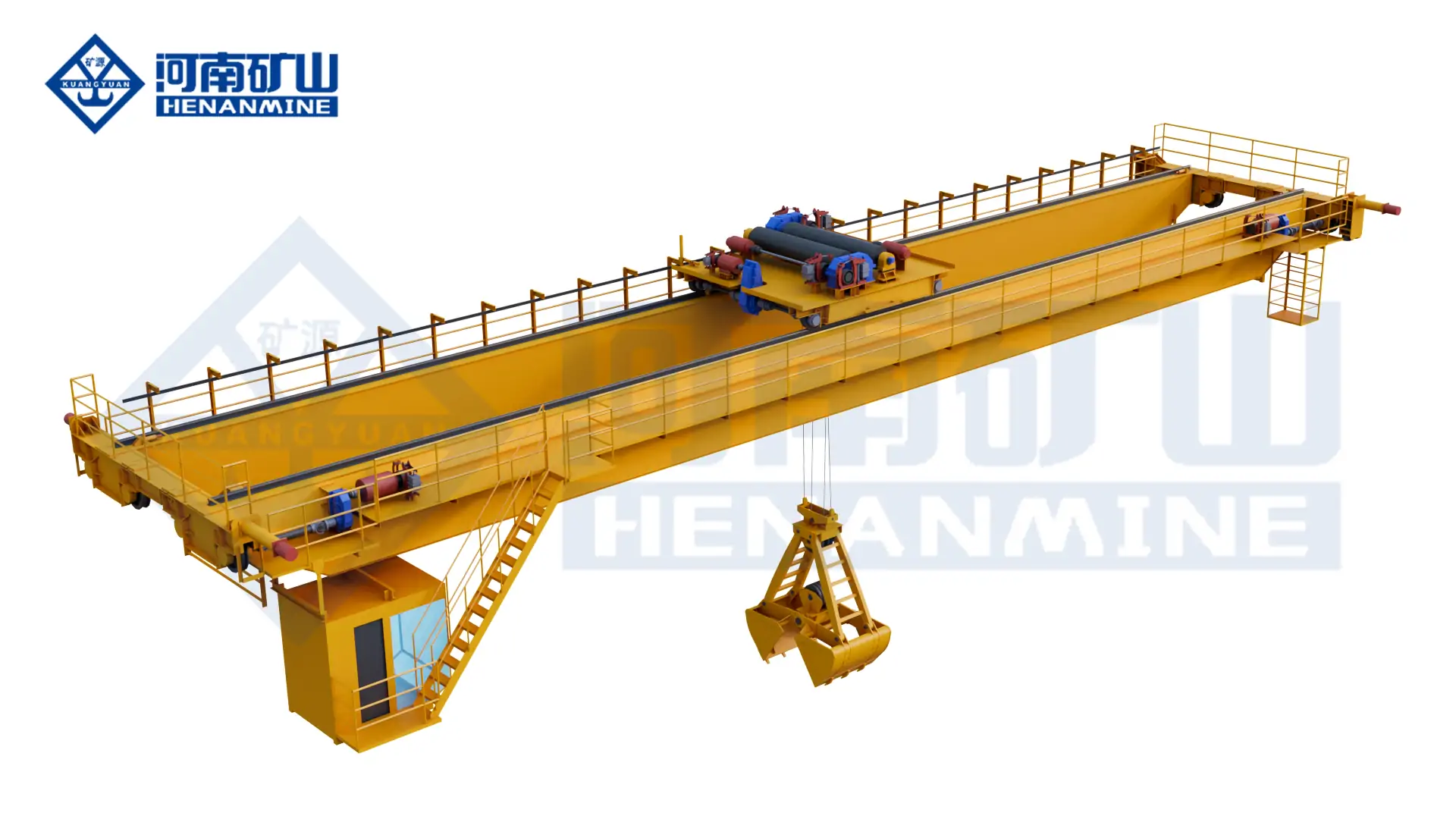
    Henan Mine Crane electromagnetic bridge crane for ferrous scrap handling

    Electromagnetic Bridge Crane

    Magnetic overhead crane platform for approved ferrous scrap, billets, plate, pipe and other magnetically responsive loads.
    View Details →

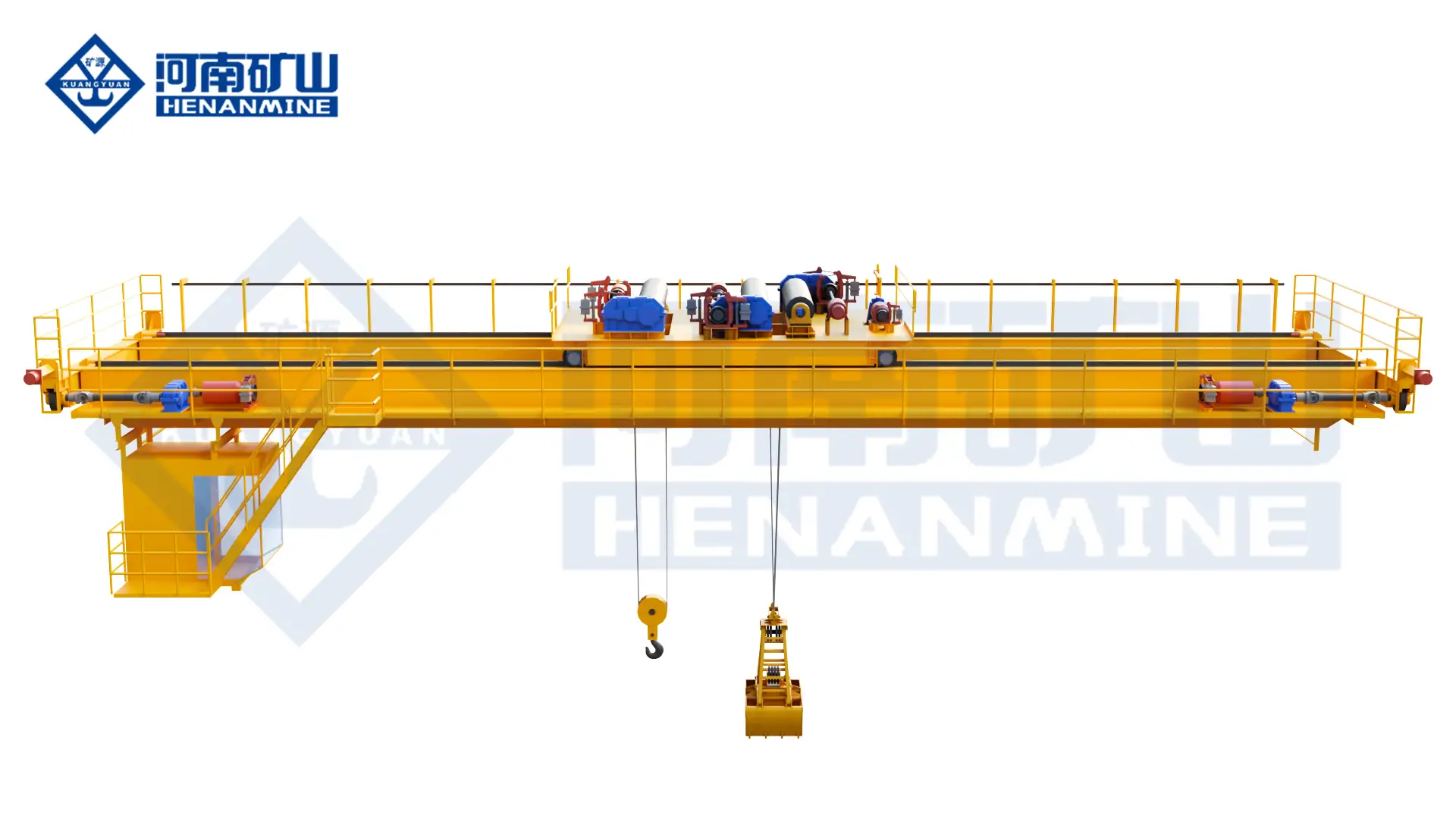
    Henan Mine Crane intelligent grab double girder overhead crane

    Intelligent Grab Overhead Crane

    Heavy-duty four-rope grab crane family with PLC control and optional production-system integration for bulk handling.
    View Details →

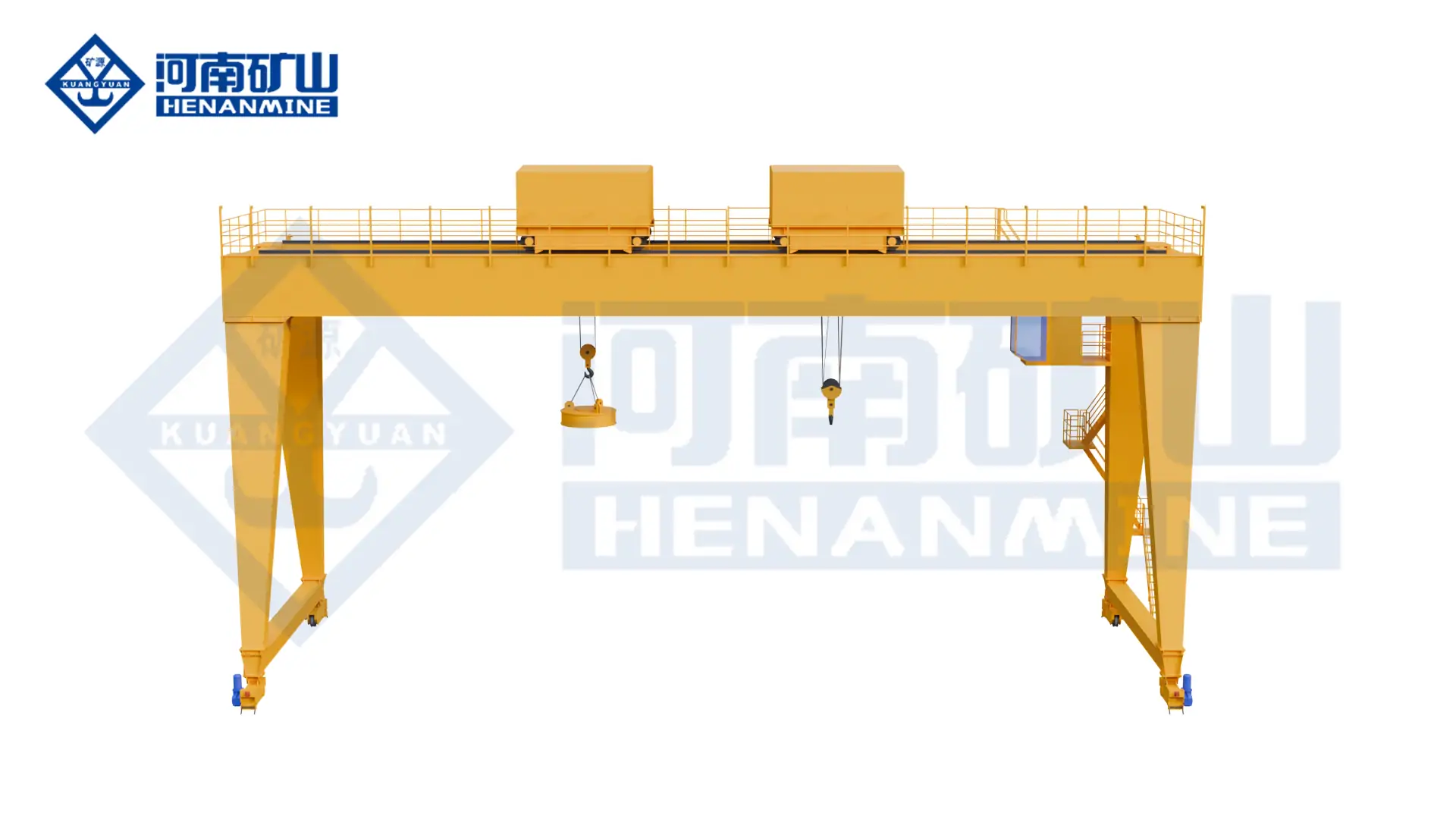
    Henan Mine Crane grab and hook dual purpose overhead crane

    Grab and Hook Dual-Purpose Crane

    Flexible overhead crane for bulk material handling and approved hook lifting within separately defined operating modes.
    View Details →

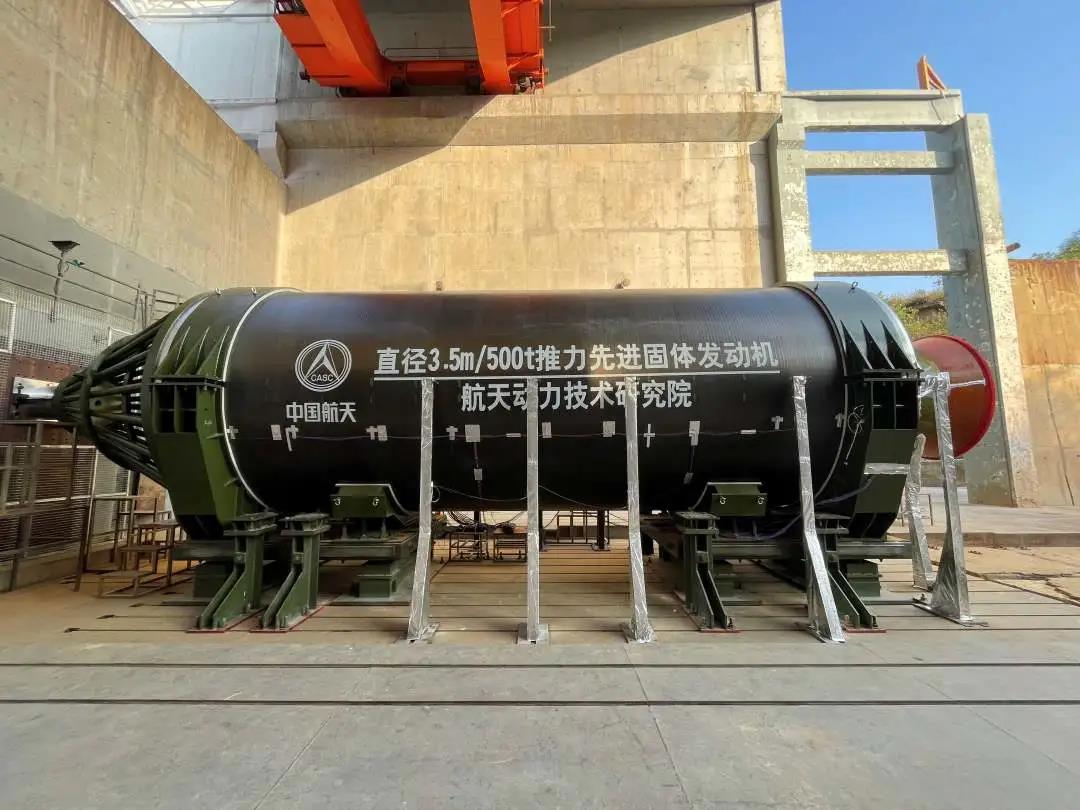
    Henan Mine Crane electromagnetic hook double girder gantry crane

    Electromagnetic Hook Gantry Crane

    Outdoor double-girder gantry crane with magnetic and hook handling modes for steel yards, ports and recycling facilities.
    View Details →

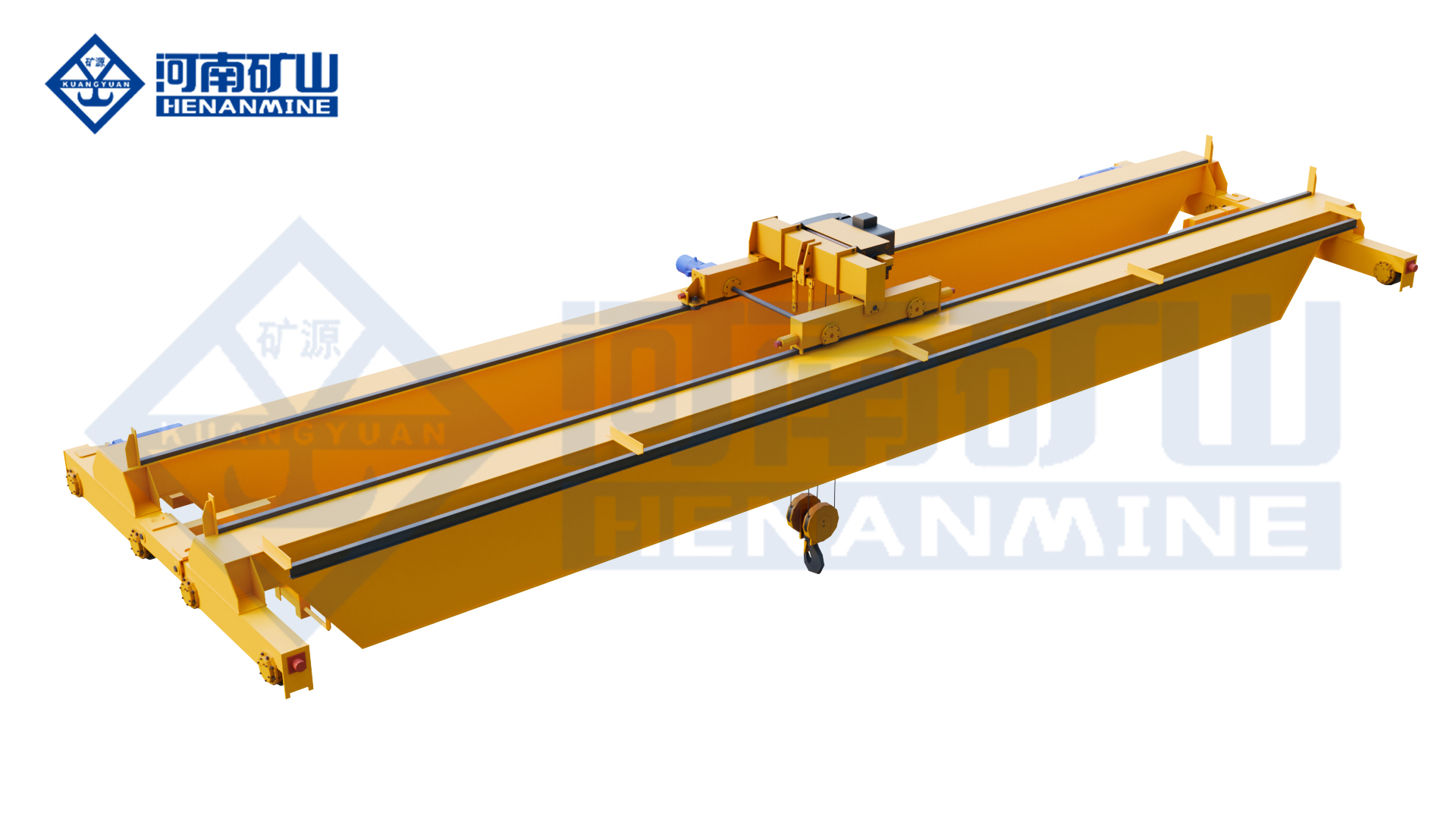
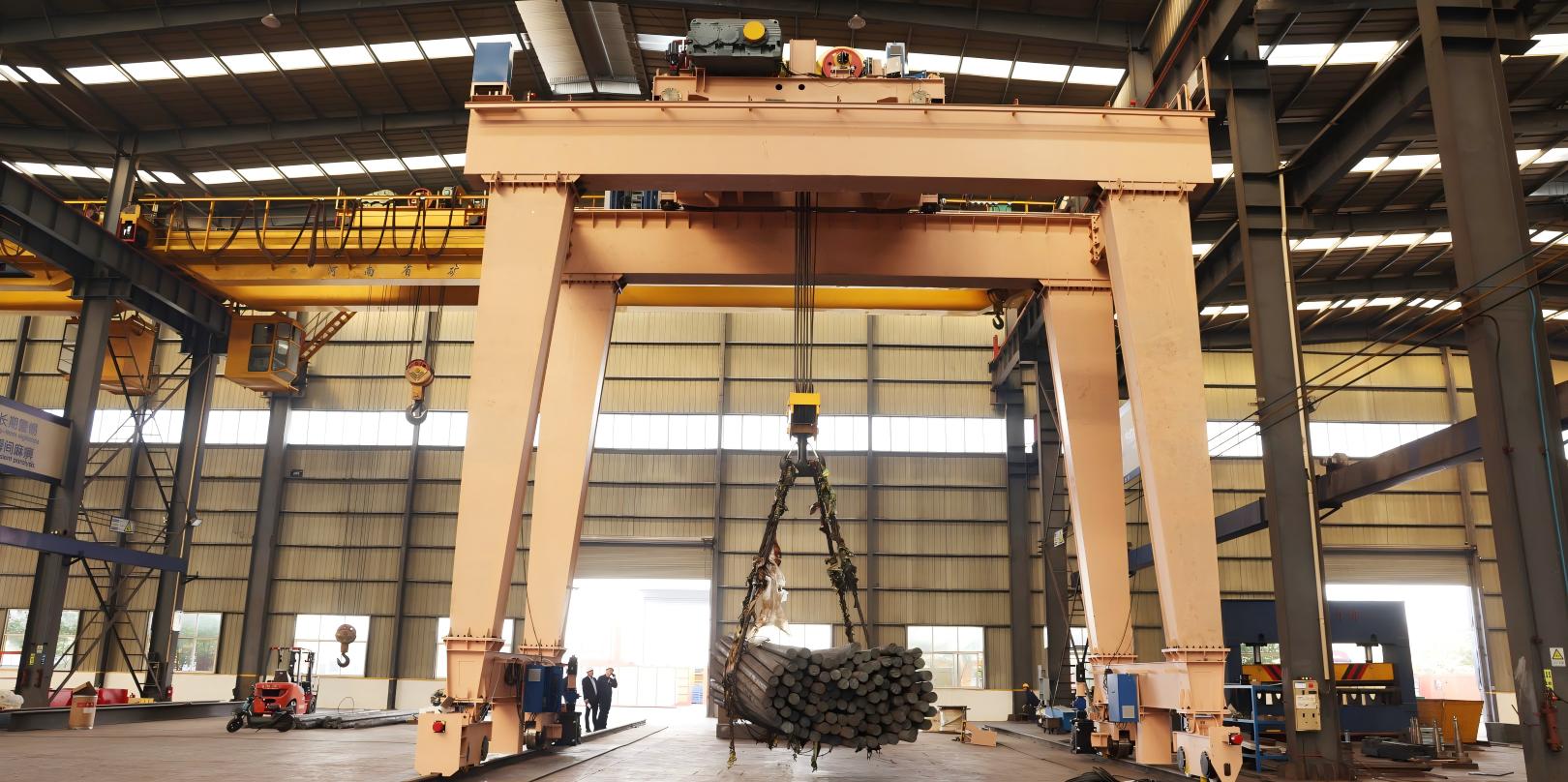
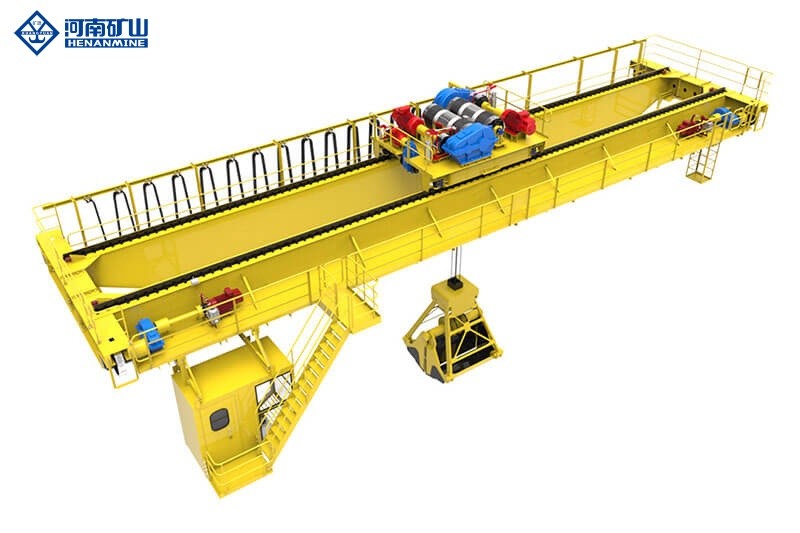
    Henan Mine Crane double girder bridge crane for custom scrap attachment

    Double-Girder Bridge Crane

    Customizable overhead crane platform for hook, magnet, grab, beam or other engineered below-the-hook equipment.
    View Details →

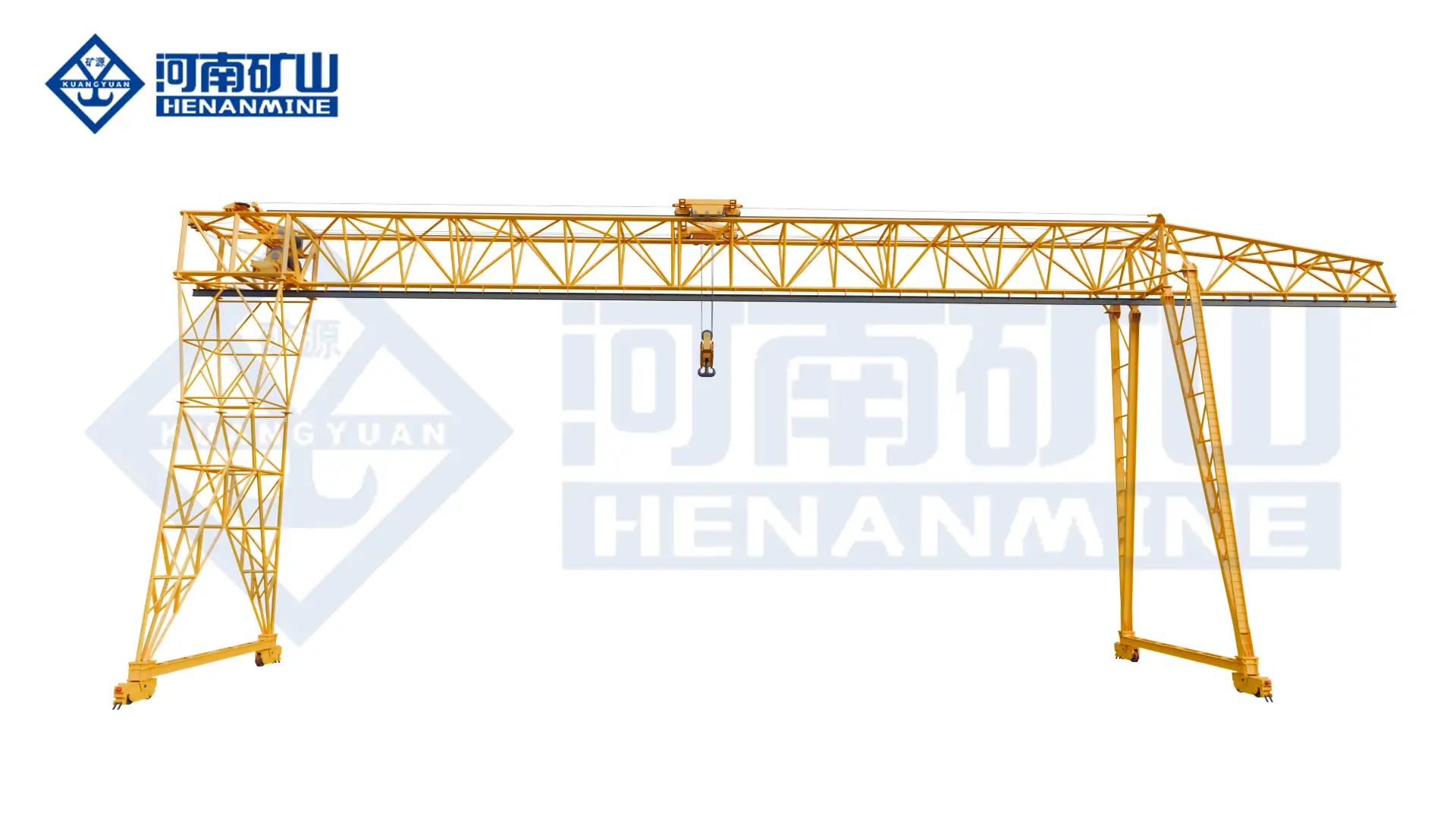
    Henan Mine Crane double girder gantry crane for outdoor scrap yard

    Double-Girder Gantry Crane

    Outdoor gantry platform for stockyard coverage where a complete building runway is unavailable or impractical.

    View Details →

    Engineered Scrap Handling Proposal

    Request a Scrap Handling Crane Quote

    Provide the scrap schedule, material samples or photos, bulk density, piece-size range, required throughput, pickup and discharge layout, operating cycle, facility dimensions, duty, controls, destination and delivery boundary. Henan Mine Crane will develop the crane and attachment as one defined handling system.
    Henan Mine CraneDiscuss your requirements ↗
  • Scrap Handling Crane

    Scrap Handling Crane

    Scrap Handling Crane

    Henan Mine Crane · Scrap Yard and Recycling Lifting Systems

    Scrap Handling Crane

    Custom overhead and gantry crane systems with lifting magnets, orange-peel grabs, hooks or dual-purpose attachments for steel mills, recycling yards, foundries, ports and waste-processing facilities.

    Henan Mine Crane engineers the crane, attachment, power and control system around the actual scrap composition, bulk density, maximum piece size, temperature, required throughput, operating cycle, yard layout and destination requirements.

    Henan Mine Crane electromagnetic overhead crane for scrap metal handling
    A scrap handling crane is specified as a complete system. Crane duty, attachment tare, material behavior and the pickup-to-discharge cycle are evaluated together.

    APPLICATIONS

    Steel Mills, Scrap Yards, Recycling Plants & Foundries

    LIFTING SYSTEMS

    Magnet, Orange-Peel Grab, Hook or Dual Purpose

    DESIGN BASIS

    Material, Throughput, Duty, Layout & Environment

    PRICE BASIS

    Engineered Project Quotation

    What Is a Scrap Handling Crane?

    A scrap handling crane, also specified as a scrap yard crane or scrap crane, transfers loose, bundled or irregular metal between stockpiles, railcars, trucks, shredders, shears, charging boxes, sorting stations, furnaces and outbound loading areas. The system may use an overhead bridge crane inside a building or a gantry crane for an outdoor yard. The correct arrangement depends on the operating envelope, required coverage, material stream and facility structure.

    The lifting device is selected before the final crane capacity is approved. A lifting magnet is generally suitable for verified ferromagnetic scrap with predictable magnetic response. An orange-peel grab is generally suitable for mixed, irregular, contaminated or non-ferrous material that cannot be lifted reliably by magnetism. Hook service remains useful for maintenance, containers, bundles and approved rigging tasks.

    Scrap service can combine high cycle rates, impact, dust, sharp edges, heat and highly variable loads. The design therefore addresses the complete load spectrum, attachment self-weight, shock and extraction forces, visibility, exclusion zones, power-loss behavior, wear protection and planned maintenance. A general-purpose crane should not be converted to scrap duty solely by adding a magnet or grab without structural, mechanical, electrical and operational verification.

    Scrap Handling Crane Configurations

    01 · Electromagnetic Overhead Crane

    A circular or purpose-arranged magnet lifts ferrous scrap without manual slinging. Magnet geometry, duty cycle, magnetic test results, rectifier, cable management, current monitoring, heat dissipation and power-loss holding strategy are matched to the scrap stream. This system is not suitable for aluminum, copper or other non-ferrous material.

    02 · Orange-Peel Grab Overhead Crane

    A multi-tine orange-peel grab penetrates and closes around loose, irregular or mixed scrap. Tine count and profile, open diameter, volume, closing force, grab tare, wear plate, rotator and rope, hydraulic or electro-hydraulic drive are selected from the material and cycle. Dynamic pull-out loads require specific verification.

    03 · Magnet and Hook Dual-Purpose Crane

    A magnet handles ferrous scrap while a hook supports approved maintenance, rigging or unit-load work. The magnet, lifting beam and hook have separate operating rules and rated-load conditions. Changeover, attachment recognition, control permissives and stored attachment locations are defined in the operating concept.

    04 · Grab and Hook Dual-Purpose Crane

    A detachable grab expands a crane from bulk handling to conventional hook service. The arrangement is appropriate where scrap transfer is important but not the only process. Hook capacity, grab capacity, reeving, hydraulic or electrical connection, attachment parking and changeover risk are specified separately.

    05 · Automated Scrap Handling Crane

    Laser scanning or machine vision, absolute position feedback, pile mapping, anti-sway, path planning, hopper interlocks and collision avoidance can support semi-automatic or unmanned transfer. Automation is based on a defined material envelope, controlled work zones and documented recovery modes.

    06 · Outdoor Scrap Gantry Crane

    A rail-mounted gantry crane covers outdoor stockpiles, loading lanes or port yards without relying on a complete building runway. Wind operating limits, storm anchoring, lightning protection, corrosion class, drainage, rail foundations and vehicle segregation become part of the project scope.

    Compare Magnet, Orange-Peel Grab and Dual-Purpose Systems

    Attachment selection is governed by scrap behavior and the required operation, not by crane tonnage alone. Representative material samples and the full handling route should be reviewed before the crane and attachment are approved.

    Lifting system Best-matched scrap Primary advantage Critical engineering issue Commercial fit
    Electromagnet Predominantly ferromagnetic, loose steel scrap with verified pickup behavior Fast pickup and release without mechanical tine penetration Air gaps, material temperature, power failure, residual magnetism and dropped-load zone Dedicated high-cycle ferrous scrap flow
    Orange-peel grab Mixed, irregular, non-ferrous, contaminated or weakly magnetic scrap Mechanical capture across a wider material range Penetration, closing force, fill factor, tine wear and dynamic extraction load Mixed recycling feed and irregular scrap piles
    Hook with approved rigging Bundles, bins, charging boxes, maintenance items and defined lifting points Flexible for unit loads and maintenance work Manual rigging exposure, sling protection and slower cycle Low-frequency or secondary operations
    Magnet and hook Ferrous scrap plus planned unit-load or maintenance service Two defined operating modes on one crane Attachment changeover and separate capacity/control states Yards requiring operational flexibility
    Grab and hook Bulk scrap plus bins, bundles or maintenance lifts Mechanical handling of mixed material with hook capability Grab parking, connection, reeving and mode interlocks Multi-purpose industrial facilities

    Selection rule: choose a magnet only when the scrap is sufficiently ferromagnetic and representative pickup tests confirm the required holding performance. Choose an orange-peel grab when the material is mixed, irregular, non-ferrous or mechanically interlocked. Where the material stream changes frequently, a dual-purpose or quick-change concept can be evaluated with separate ratings, controls and safe attachment storage.

    Match the Scrap Handling Crane to the Process Area

    A scrap handling crane should be selected from the complete material route: receiving, unloading, sorting, stockpiling, processing, furnace charging and outbound transfer. The crane layout must cover every pickup and discharge coordinate without dragging the attachment, side pulling the load or carrying scrap above occupied traffic lanes.

    The rated capacity includes the useful scrap payload and the complete magnet, beam, cable, grab, rotator, power unit, hook block and suspended interface tare. For grab service, interlocked scrap can generate extraction forces above the static grab-plus-payload mass. Hoist, rope, drum, brakes, trolley and bridge structure are therefore checked against the defined operating condition.

    Throughput is established from average useful payload per cycle, realistic pickup efficiency, travel distance, hoisting height, discharge time, attachment action and expected delay. Nominal crane speed alone does not establish tonnes per hour.

    automated grab overhead crane operating above an industrial material yard
    The crane envelope, attachment and control mode are coordinated with stockpiles, loading lanes, hoppers, processing equipment and safe set-down positions.
    Process Area Typical Material Recommended Starting Point Critical Interfaces Design Emphasis
    Truck or railcar receiving Loose ferrous, demolition or mixed scrap Magnet for verified ferrous feed; orange-peel grab for mixed feed Vehicle profile, side clearance, unloading sequence and traffic exclusion Fast unloading, visibility, controlled drop and safe vehicle separation
    Sorting and stockpile bays Segregated grades, plate offcuts, turnings or non-ferrous scrap Magnet, grab or dual-purpose system by material schedule Pile height, bay walls, contamination control and grade separation Coverage, repeatable placement, pile stability and attachment wear
    Shredder or shear feed Irregular, interlocked and variable-size scrap Heavy-duty orange-peel grab with suitable tine profile Hopper opening, feed permissive, machine state and extraction loads Penetration, closure, anti-snag logic and cycle consistency
    Charging-box or furnace supply Prepared ferrous scrap, bundles or charging containers Magnet, hook attachment or project-specific charging device Charge recipe, box geometry, furnace zone, heat and process interlocks Batch accuracy, safe route, availability and controlled release
    Baling and dispatch Bales, bundles, bins and prepared unit loads Hook, beam, magnet or positive-engagement attachment Lifting points, center of gravity, truck deck and stacking plan Load security, placement accuracy and damage prevention
    Outdoor scrap yard Inbound stock, processing feed and outbound scrap Rail-mounted double-girder gantry crane with magnet or grab Rail foundation, wind, drainage, corrosion, lightning and storm parking Full yard coverage, weather protection and secure out-of-service condition

    Technical Selection and Specification Framework

    A procurement specification should define the material schedule, operating cycle and acceptance criteria before a price is requested. Values published for a standard crane family are only a starting point; the useful payload, complete attachment tare, dynamic forces and facility interfaces establish the project configuration.

    Specification Item Information to Provide Engineering Decision Why It Changes the System
    Scrap composition Ferrous percentage, alloy mix, contamination, moisture, oil and representative photos or samples Magnet, grab, hook or dual-purpose concept Determines whether magnetic pickup is reliable or mechanical capture is required
    Density and piece envelope Loose bulk density, typical/maximum piece size, maximum single-piece mass and pile interlocking Magnet geometry or grab volume, tine profile, open span and closing force Controls useful payload, fill factor, penetration and extraction load
    Rated capacity Maximum useful payload plus complete attachment and suspended-interface tare Total suspended rating and separate rating for every operating mode Controls the hoist, trolley, bridge, wheels, rail and supporting structure
    Throughput and cycle Required tonnes per hour, pickup efficiency, route length, lift, discharge and delays Payload per cycle, motion speeds, acceleration, drive rating and crane quantity Prevents a nominal-capacity crane from becoming the process bottleneck
    Span, lift and coverage Rail centers, travel length, pickup/discharge elevations, approaches and obstacles Bridge or gantry geometry, headroom, rope travel and maintenance access Determines steel weight, end approaches, wheel loads and usable yard coverage
    Duty and design life Lifts per hour, shifts, annual hours, load spectrum, starts and attachment actions Crane/mechanism classifications, fatigue basis, motor and brake thermal rating Scrap service is selected by repeated cyclic demand, not tonnage alone
    Material temperature Maximum scrap temperature, radiant heat, exposure duration, flame and slag risk Magnet/grab temperature rating, shielding, cable, lubrication and enclosure selection Heat changes magnetic performance, insulation life and component reliability
    Control mode Visibility, operator location, staffing, accuracy, process signals and automation objective Cabin, radio remote, central control, assisted or unmanned operation Changes sensing, communications, zoning, recovery and acceptance testing
    Site environment Dust, fumes, corrosion, indoor/outdoor service, wind, rain, temperature and altitude Enclosures, cooling, filtration, coating, wind devices, anchoring and lightning protection Determines component protection and out-of-service requirements
    Codes and acceptance Destination regulations, purchaser standards, inspection authority and witness points Compliance matrix, design records, FAT, proof load and process trials Defines the verification boundary required before commercial operation

    Published product-family range: Henan Mine Crane electromagnetic bridge cranes are available in 5–32 t configurations including the magnet, with project-customized spans, lifts, duty and controls. Intelligent grab crane and outdoor gantry configurations are engineered separately for the specified material and cycle.

    Controls, Safety and Environmental Protection

    Crane Motion Protection

    Overload protection, upper and lower hoist limits, travel limits, service and emergency brakes, buffers, anti-derailment measures, controlled acceleration and defined emergency-stop functions protect the lifting and travel system.

    Magnet Load-Retention Strategy

    Current and voltage monitoring, temperature supervision, backup energy or electro-permanent technology, alarm logic and controlled emergency placement are selected from the risk assessment. Personnel and vehicles remain outside the potential drop zone.

    Grab and Rotator Protection

    Closing pressure or rope force, tine position, hydraulic pressure, hose routing, rotator condition and attachment state can be monitored. Control logic limits side pulling, dragging, incomplete closure and unsafe travel near obstacles.

    Operator Visibility and Segregation

    Cabin position, camera coverage, radio remote control, warning devices, barriers, vehicle routes and access interlocks are coordinated with the pile, loading lanes and discharge points to maintain a controlled operating zone.

    Automation and Recovery

    Pile scanning, position encoders, anti-sway, obstacle detection, collision avoidance, hopper or furnace interlocks and attachment-state permissives support automatic work. Manual fallback and controlled recovery are included in the functional design.

    Dust, Heat and Outdoor Exposure

    Protected enclosures, filtered or conditioned cabins, heat shielding, high-temperature cabling, corrosion-resistant coating, sealed components, wind alarms, storm anchoring and lightning protection are selected for the site environment.

    Scrap Handling Cycle, Throughput and Automation

    A productive scrap crane repeats a controlled sequence: identify a permitted pickup zone, position the attachment, acquire a stable load, confirm attachment state, lift clear of the pile, travel through an approved route, verify the discharge equipment is ready, release the load and return without conflict.

    Automatic or assisted operation can add three-dimensional pile scanning, absolute position feedback, anti-sway control, path planning, obstacle detection, restricted zones, hopper or furnace handshakes, weight data and MES, WMS or DCS communication. The functional specification also defines ownership of every signal and the safe response to incomplete, contradictory or lost data.

    Required average useful payload per cycle = target throughput ÷ achievable cycles per hour
    Henan Mine Crane unmanned grab crane control and material handling operation
    Automated operation requires controlled work zones, reliable position feedback, validated process handshakes and a documented manual recovery mode.

    Pickup Model

    Material map, pile boundary, prohibited zones, magnet pickup or grab closure, attachment-state confirmation and incomplete-pick recovery.

    Travel Control

    Absolute position, anti-sway, acceleration limits, collision prevention, route zoning and height permissions for vehicles, walls and process equipment.

    Discharge Handshake

    Ready/permit signals, receiving-capacity check, target confirmation, controlled release, completion feedback and fault response for hoppers or charging systems.

    Fallback and Recovery

    Safe stop, retained-load response, manual takeover, camera coverage, local isolation, attachment parking, alarm history and controlled return to automatic service.

    Henan Mine Crane unmanned grab bucket overhead crane project
    Unmanned grab crane technology combines pile scanning, position feedback, automatic path control and controlled fallback operation.

    Project Application

    Unmanned Grab Crane for Steel-Plant Material Handling

    Henan Mine Crane developed unmanned grab crane systems for metallurgical bulk-material applications, including the 250,000-ton rotary kiln project at Baowu Group’s Shaoguan Steel Plant and the No. 2 blast-furnace renovation at Ningbo Steel. The platform integrates three-dimensional pile scanning, absolute position feedback, automatic positioning, obstacle avoidance and remote, cabin and wireless control modes.

    The control architecture creates a material-pile model and coordinates pickup, travel and discharge positions with the production process. Multiple operating modes provide a defined recovery path when automatic operation is interrupted or site intervention is required.

    This project application demonstrates automation capability for complex metallurgical material piles. A scrap-yard version requires separate validation of the orange-peel grab geometry, scrap density, maximum piece size, dynamic extraction forces, wear package, throughput and controlled drop zones.

    View Case Details →

    Engineering Deliverables and Quality Records

    A procurement-ready proposal defines the complete scrap handling system and its interfaces. Henan Mine Crane can prepare project-specific engineering and manufacturing records for technical approval, installation and acceptance.

    Design basis

    Approved scrap schedule, bulk-density range, throughput, load spectrum, duty calculation, layout, wheel reactions, clearances and code matrix.

    Attachment engineering

    Magnetic test basis or grab volume and tine design, total tare, load path, controls, interlocks, power-loss state, wear parts and rated-load marking.

    Manufacturing records

    Material traceability, welding procedures, welder qualifications, dimensional inspection, NDT reports and component certificates as contractually required.

    Factory acceptance

    Functional checks, brake and limit tests, control simulation, attachment cycles, magnet or grab verification and witnessed testing when included in the contract.

    Review Henan Mine Crane manufacturing equipment and quality capabilities →

    Installation, Commissioning and Maintenance Planning

    Before Manufacture

    Confirm runway or foundation geometry, supporting-structure capacity, clearances, pile and discharge coordinates, vehicle routes, power supply, process interfaces, access for attachment maintenance and site responsibilities.

    Erection and Commissioning

    Coordinate unloading, erection method, rail survey, mechanical and electrical installation, no-load testing, proof load, attachment functions, representative scrap trials, process interlocks and operator training.

    Planned Maintenance

    Maintain brakes, ropes, drums, wheels, rails, reducers, fasteners and electrics together with magnet cables and backup power or grab tines, pins, bushings, ropes, rotator, hoses, cylinders and wear plates.

    Commissioning should include representative low-density and high-density scrap, difficult pile conditions, maximum operating reach, magnet power-loss or grab-recovery behavior, control-mode transfer, emergency functions and acceptance criteria agreed before shipment.

    Scrap Handling Crane Price and Supply Scope

    Scrap handling crane price is project-specific. Capacity, span, lift, working duty, attachment tare, material temperature, throughput, automation, outdoor protection, runway or rail scope, destination and site services all change the commercial result.

    Some public online offers reviewed in September 2026 advertise basic electromagnetic overhead crane equipment at approximately US$5,000–20,000. These advertisements are market-screening figures, not a turnkey scrap-yard budget. They frequently omit the verified scrap attachment, lifting beam, rectifier, backup energy, cable system, heavy-duty classification, runway, freight, installation, commissioning and statutory acceptance.

    Quotation Level Typical Included Scope Principal Cost Drivers
    Electromagnetic Scrap Crane Bridge or gantry, trolley, magnet/beam, rectifier, cable management, controls and defined backup-power strategy Scrap pickup test, magnet duty, temperature, capacity, span, cycle rate and load-retention requirements
    Orange-Peel Grab Crane Heavy-duty crane, rope or hydraulic grab, rotator where required, power package, controls and wear parts Grab volume/tare, tine design, closing force, extraction load, duty, throughput and abrasion
    Dual-Purpose or Outdoor Gantry System Multiple attachments or operating modes, attachment parking, gantry structure, rail equipment and weather protection Changeover method, separate ratings, yard width, wind, foundations, corrosion class and storm anchoring
    Automated Scrap-Yard System Crane and attachment plus scanning, positioning, anti-sway, cameras, zoning, process handshakes and system integration Work-zone count, accuracy, throughput, software boundary, redundancy, recovery modes and site trials

    A valid bid comparison uses the same scrap schedule, useful payload, complete suspended rating, duty, attachment, safety functions, automation scope, compliance basis, trade term and site responsibility matrix.

    Crane Equipment

    Bridge or gantry, trolley, hoist, drives, electrics, controls, access and crane safety devices.

    Scrap Attachment

    Magnet, beam, rectifier and cable system or grab, rotator, hydraulic unit and wear package.

    Facility Interface

    Runway, rails, columns, foundations, electrification, drainage, process signals and access boundaries.

    Project Services

    Engineering, FAT, packing, freight, installation, commissioning, proof testing, trials and training.

    Information Required for a Scrap Handling Crane Quote

    A complete inquiry allows the crane, attachment, controls, facility interfaces and commercial boundary to be evaluated as one handling system. Preliminary information can be used for concept selection when assumptions are clearly identified.

    01 · Scrap schedule

    Material categories and proportions, ferrous content, contamination, moisture, oil and representative photographs or samples.

    02 · Density and piece size

    Loose bulk-density range, typical and maximum dimensions, maximum single-piece mass, bundles and pile interlocking.

    03 · Temperature and environment

    Scrap and ambient temperature, radiant heat, dust, fumes, corrosion, rainfall, wind, altitude and hazardous zones.

    04 · Throughput and operating cycle

    Required tonnes per hour, shifts, annual hours, lifts per hour, load spectrum, travel distances and availability target.

    05 · Layout and coverage

    Plan and sections, rail span, runway or gantry travel, pile and discharge coordinates, heights, approaches and obstacles.

    06 · Preferred attachment

    Magnet, orange-peel grab, hook or dual-purpose requirement; existing attachment data and required changeover method.

    07 · Runway or foundation

    Rail section, elevation, alignment, allowable wheel loads, building reserve, foundation data and civil-work boundary.

    08 · Controls and interfaces

    Cabin, radio or central control; manual or automatic mode; cameras, weighing, PLC, MES/WMS/DCS and process handshakes.

    09 · Compliance and acceptance

    Destination, governing standards, inspection authority, document language, witness points, proof load and material trials.

    10 · Commercial boundary

    Delivery location and trade term, packing, freight, installation, local labor, commissioning, training, spares and schedule.

    Frequently Asked Questions

    Which is better for scrap handling: a magnet or an orange-peel grab?

    A magnet is generally preferable for verified ferromagnetic scrap with predictable pickup behavior. An orange-peel grab is generally preferable for mixed, irregular, contaminated, non-ferrous or weakly magnetic material. Representative scrap testing should confirm the selection.

    Can one scrap crane use both a magnet and a grab?

    Yes, if the trolley, reeving, power supply, cable management, controls and attachment parking are designed for both. Each attachment has a separate tare, rated payload, operating mode and inspection requirement.

    How is scrap handling crane capacity calculated?

    Capacity includes the maximum useful scrap payload plus the complete magnet, beam, grab, rotator, power unit and suspended interface tare. Dynamic extraction, impact, eccentricity, wheel loads and runway or foundation capacity are also checked.

    How is orange-peel grab volume selected?

    Preliminary volume follows target payload, loose bulk density and expected fill factor. Tine penetration, open span, maximum piece size, pile geometry, closing force, discharge opening and complete grab tare then determine the final design.

    What happens if power fails while a scrap magnet is lifting?

    The project risk assessment defines backup energy, alarm and current monitoring, emergency placement, controlled exclusion zones and the required load-retention strategy. Electro-permanent technology may also be evaluated for suitable material and process conditions.

    Can a scrap handling crane be automated?

    Yes. Pile scanning, position feedback, path planning, anti-sway, attachment-state monitoring, obstacle detection, hopper or furnace interlocks and MES, WMS or DCS communication can be integrated within a defined functional specification.

    What working duty is required for a scrap crane?

    Continuous scrap service often requires a heavy-duty A6–A8 solution, but the final crane and mechanism classifications are calculated from operating hours, lifts per hour, load spectrum, travel distances, attachment actions and design life.

    Can a scrap crane operate outdoors?

    Yes. An outdoor bridge or gantry crane can be configured with suitable corrosion protection, enclosure ratings, wind alarms, operating limits, storm anchoring, lightning protection, drainage and temperature controls for the destination.

    How much does a scrap handling crane cost?

    Some online equipment offers show low entry prices, but they frequently exclude the verified magnet or grab system, heavy-duty design, runway, freight, installation and commissioning. A procurement-grade price requires an itemized quotation based on the material, throughput, duty, layout and delivery boundary.

    What information is needed for a scrap crane quotation?

    Provide material categories, density, piece size, ferrous content, temperature, photos, throughput, operating cycle, pile and discharge layout, span, height, duty, power supply, control requirements, destination, applicable code and the required delivery and installation boundary.

    Technical content record

    Prepared by Henan Mine Crane Technical Sales · Technically reviewed by Crane Engineering · Last technically reviewed September 2026

    Related Scrap Handling Crane Products

    Henan Mine Crane electromagnetic bridge crane for ferrous scrap handling

    Electromagnetic Bridge Crane

    Magnetic overhead crane platform for approved ferrous scrap, billets, plate, pipe and other magnetically responsive loads.

    View Product →

    Henan Mine Crane intelligent grab double girder overhead crane

    Intelligent Grab Overhead Crane

    Heavy-duty four-rope grab crane family with PLC control and optional production-system integration for bulk handling.

    View Product →

    Henan Mine Crane grab and hook dual purpose overhead crane

    Grab and Hook Dual-Purpose Crane

    Flexible overhead crane for bulk material handling and approved hook lifting within separately defined operating modes.

    View Product →

    Henan Mine Crane electromagnetic hook double girder gantry crane

    Electromagnetic Hook Gantry Crane

    Outdoor double-girder gantry crane with magnetic and hook handling modes for steel yards, ports and recycling facilities.

    View Product →

    Henan Mine Crane double girder bridge crane for custom scrap attachment

    Double-Girder Bridge Crane

    Customizable overhead crane platform for hook, magnet, grab, beam or other engineered below-the-hook equipment.

    View Product →

    Henan Mine Crane double girder gantry crane for outdoor scrap yard

    Double-Girder Gantry Crane

    Outdoor gantry platform for stockyard coverage where a complete building runway is unavailable or impractical.

    View Product →

    Engineered Scrap Handling Proposal

    Request a Scrap Handling Crane Quote

    Provide the scrap schedule, material samples or photos, bulk density, piece-size range, required throughput, pickup and discharge layout, operating cycle, facility dimensions, duty, controls, destination and delivery boundary. Henan Mine Crane will develop the crane and attachment as one defined handling system.

    Henan Mine CraneDiscuss your requirements ↗
  • RTG Crane for Container Yard Operations

    RTG Crane for Container Yard Operations

    RTG Crane for Container Yard Operations

    Henan Mine Crane · Container Terminal and Inland Yard Systems

    RTG Crane for Container Yard Operations

    Rubber-tyred gantry cranes for high-density ISO container stacking, truck exchange and flexible block-to-block deployment.

    Henan Mine Crane configures each RTG around container mass, 5+1 to 7+1 block geometry, stacking height, peak moves, pavement capacity, wind exposure, power infrastructure, automation interfaces and contracted acceptance targets.

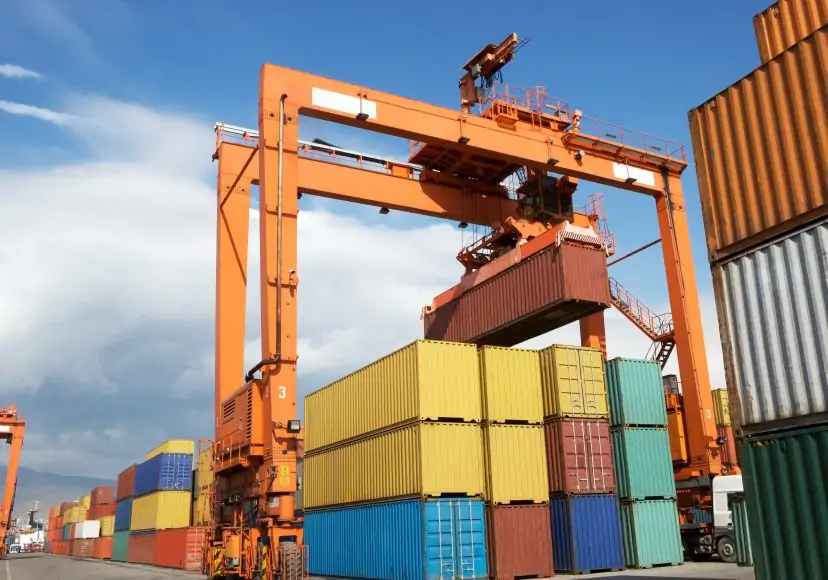
    RTG crane for high-density container yard stacking
    RTG performance is established by the complete block geometry, truck interface, fleet plan, power system and terminal operating method.

    PUBLISHED CAPACITY

    35 t, 40.5 t, 50 t or Custom

    COMMON LAYOUTS

    5+1, 6+1 and 7+1

    POWER OPTIONS

    Diesel, Hybrid and Electric

    WORK CLASS

    A6–A8

    What Is an RTG Crane for a Container Yard?

    An RTG crane, or rubber-tyred gantry crane, is a mobile container-stacking crane carried by multi-wheel rubber-tyred bogies. It straddles several container rows and a truck or terminal-tractor lane, lifts containers with a telescopic spreader and travels along the storage block without fixed runway rails.

    A typical container-yard starting point is 40.5 t under spreader, five to seven container rows plus one vehicle lane, and one-over-four to one-over-six stacking. Final capacity, span, lift height, speed, power source and fleet quantity follow the approved yard plan and operating model.

    RTGs are used in marine terminals, inland container depots, rail-intermodal facilities and logistics hubs where storage density and block mobility are both required. The absence of travel rails supports phased expansion and equipment relocation between compatible blocks.

    rubber-tyred gantry crane handling ISO containers in a yard block
    Hoisting, trolley travel and rubber-tyred gantry travel combine within one container-yard handling cycle.

    RTG Crane Selection Considerations

    Container and Lift Profile

    ISO size mix, maximum gross mass, high-cube share, reefer volume, out-of-gauge handling and single- or twin-lift operation establish capacity and spreader scope.

    Yard Block Geometry

    Row count, truck lane, stack height, row pitch, block length, transfer positions and block-end turning area define the crane envelope.

    Throughput and Duty

    Annual TEU, peak moves, rehandle ratio, operating shifts, productive hours, transfer-vehicle demand and availability target control mechanism duty and fleet size.

    Power and Emissions

    Grid capacity, fuel and electricity costs, block-change frequency, cable routes, charging strategy and local emissions targets affect power architecture.

    Pavement and Environment

    Allowable wheel load, pavement settlement, gradient, drainage, wind, temperature, salt fog, rainfall, dust and seismic criteria require coordinated civil and crane design.

    Control and TOS Integration

    Cab, remote or automated operation; positioning; OCR; anti-sway; communications; diagnostics; TOS/ECS interfaces and recovery modes require defined ownership.

    RTG Crane Configurations Compared

    Configuration Operating Strength Project Check Typical Yard Pattern
    Diesel-Electric RTG Independent power and frequent block changes Fuel use, engine service, noise and local emissions Developing yards or blocks without reliable grid access
    Hybrid RTG Mobile operation with energy recovery and reduced engine loading Battery lifecycle, thermal management and control complexity High-utilization blocks requiring mobility and fuel reduction
    Cable-Reel Electric RTG Low local emissions, low noise and reduced engine maintenance Substation, cable route, changeover and block-transfer method Stable long blocks with limited cross-block movement
    Busbar Electric RTG Continuous grid power along permanent blocks Conductor infrastructure, transfer interface and isolation safety Permanent high-throughput container blocks
    Battery-Electric or Automated RTG Zero local tailpipe emissions and automation-ready control Charging cycle, battery sizing, controlled traffic and system integration Electrified terminals with mature TOS and safety zoning

    Compare diesel and electric RTG lifecycle factors →

    Published RTG Crane Specifications

    The following values are the published Henan Mine Crane RTG product-family range. Contract values remain drawing-specific because span, lift height, speed and power depend on the approved yard geometry and duty cycle.

    Parameter Published Range Project Definition
    Lifting Capacity 35 t, 40.5 t, 50 t or customized State under-spreader or hook basis
    Span 8–35 m or customized Rows, truck lane and clearances
    Lifting Height 6–21 m or customized Stack height and service clearance
    Work Class A6–A8 Load spectrum, cycles and design life
    Published Temperature −25°C to +40°C Site extremes and component package
    double-girder RTG crane structure for container yard duty
    Double-girder RTG arrangement with trolley, telescopic spreader and rubber-tyred travel system.

    Planning Speed Range

    The Henan Mine Crane RTG specification guide lists typical planning ranges of 12–25 m/min for loaded hoisting, 30–60 m/min for trolley travel and 45–90 m/min for gantry travel. Final values follow drive sizing, stability, anti-sway performance and terminal traffic analysis.

    View the Henan Mine Crane RTG product family →

    5+1, 6+1 and 7+1 RTG Yard Layouts

    RTG layout shorthand states the number of container rows plus the vehicle lane under the gantry. A 6+1 RTG spans six storage rows and one truck or terminal-tractor lane. Wider spans increase block coverage but also affect trolley travel, structural mass, wheel loads, drive power and wind response.

    Layout Yard Effect Engineering Focus Typical Application
    5 Rows + 1 Lane Narrower block and shorter trolley path Brownfield geometry and moderate density Inland depot or constrained terminal
    6 Rows + 1 Lane Balanced density and truck interface Cycle time, lane clearance and wheel load General marine or intermodal yard
    7 Rows + 1 Lane Higher storage density per block Longer span, trolley travel and pavement demand High-volume terminal with planned blocks

    Stacking Height

    “One over five” means five stored containers with clearance to carry one container above the stack. High-cube containers, pavement tolerances, tyre deflection, spreader depth, twistlock engagement, structural deflection and operating clearance all enter the vertical envelope.

    One-over-four reduces structural height and wheel load. One-over-five commonly balances density and access. One-over-six increases storage density but also raises wind exposure, lift height and rehandle sensitivity.

    RTG crane operating above container rows and a truck lane
    Row count, vehicle-lane clearance and block-end transfer space are approved as one operating geometry.

    RTG, RMG and Straddle Carrier Compared

    System Mobility Storage Model Infrastructure Strongest Fit
    RTG Crane Moves between compatible blocks Dense multi-row blocks Wheel paths and optional electrical works Flexible allocation and phased growth
    RMG Crane Fixed to a rail runway Wide, repeatable blocks Rails, foundations and power distribution Permanent high-throughput layouts and automation
    Straddle Carrier Free-routing carrier Transport and stacking by one machine Traffic lanes and maintenance facilities Fast point-to-point movement and flexible routing

    Compare RTG and straddle carrier operations →   Compare RTG and RMG project cost →

    Spreader, Anti-Sway, Automation and Yard Infrastructure

    Container Interface

    A telescopic spreader normally covers 20 ft and 40 ft ISO containers; 45 ft handling, twin lift or special interfaces are specified separately. The rated-load definition must state whether capacity is measured below the spreader and whether spreader self-weight is excluded.

    Motion Control

    Rope geometry, drive control and active anti-sway reduce residual motion. The performance specification should define allowable sway, positioning tolerance, twistlock confirmation, landing logic and operating behavior under wind.

    Automation Scope

    Remote or automated RTG operation requires controlled traffic, reliable container identity, communications, safety zoning and exception handling. TOS job data, positioning, cameras, OCR, collision control, recovery modes and acceptance scenarios form one integrated scope.

    RTG crane spreader and anti-sway control during container handling
    Spreader control, anti-sway and target positioning directly affect cycle repeatability.

    Pavement and Wheel Loads

    Maximum and minimum wheel loads, tyre pressure, dynamic factors, settlement limits, braking cases and storm parking loads are issued for civil coordination.

    Steering and Block Change

    Straight, cross, pivot or coordinated steering affects turning radius, block-end width, alignment control and the approved transfer route.

    Wind and Marine Protection

    Operating wind, out-of-service wind, storm travel, anchoring, coating system, enclosure protection and salt-fog exposure require site-specific definition.

    Public Fleet Reference

    55 Hybrid RTGs for Savannah Ocean Terminal

    RTG crane fleet manufacturing and container terminal project planning
    Representative RTG project image; the Savannah data is drawn from the public port-authority announcement.

    Published Project Scope

    Georgia Ports Authority announced a US$170 million purchase of 55 hybrid RTGs for the Port of Savannah Ocean Terminal in 2023. The published operating geometry was six containers high and seven containers wide.

    The authority reported a 47% fuel-consumption reduction compared with an all-diesel crane, estimated annual savings of 8,800 gallons of fuel per crane and an annual emissions reduction of 127 tons per crane.

    This public industry reference is not presented as a Henan Mine Crane delivery. It shows how fleet procurement combines equipment, hybrid power, terminal requirements, delivery program and lifecycle emissions objectives.

    RTG Crane Price for Container Yard Projects

    Public listings support preliminary budgeting but do not represent a delivered Henan Mine Crane quotation. Capacity, span, stacking height, power system, automation, spreader scope, marine protection, destination, civil and electrical works, commissioning and acceptance testing change the final contract value.

    Public Reference Configuration or Scope Published Figure Budget Meaning
    Manufacturer guide, June 2026 40.5 t conventional diesel, manual US$165,000–205,000 Crane-level market guide
    Manufacturer guide, June 2026 40.5 t grid-powered, semi-automatic US$195,000–235,000 Site electrical works require separate scope
    Manufacturer guide, June 2026 40.5 t diesel-lithium hybrid, semi-automatic US$225,000–265,000 Crane-level market guide
    Manufacturer guide, June 2026 40.5 t full-electric, automated US$265,000–305,000 Automation and interface boundary require confirmation
    Southeast Asia guide, 2025 40 t 6-wide diesel to 45 t 6-wide full-electric US$280,000–550,000 Regional guide across multiple configurations
    Georgia Ports Authority, 2022 US$30.25 million for 12 RTGs and other handling equipment US$2.52 million order-total equivalent per RTG Fleet-order context, not a crane-only unit price
    Georgia Ports Authority, 2023 US$170 million for 55 hybrid RTGs US$3.09 million project-total equivalent per RTG Major fleet program, not a hardware-only unit price

    Public reference record: WEIHUA RTG Crane Price Guide, 2 June 2026; Dongqi Crane Southeast Asia RTG guide, 2025; Georgia Ports Authority announcements, 2022 and 2023. Calculated equivalents equal the announced project total divided by the announced crane count and do not establish a standalone equipment price.

    Engineering and Procurement Deliverables

    Design Package

    General arrangement, wheel loads, swept path, mechanism calculations, electrical single-line diagram, interface schedule and coating specification.

    Manufacturing Quality

    Inspection and test plan, material traceability, welding records, NDT reports, electrical checks and factory functional testing.

    Site Acceptance

    Erection supervision, no-load and rated-load tests, safety tests, interface trials, training, spare parts and handover records.

    Review RTG manufacturer qualification criteria →

    Technical Enquiry

    RTG Crane RFQ Checklist

    The following information allows structure, mechanisms, power, fleet quantity and commercial scope to be priced on a consistent basis.

    1. Terminal type, location and applicable standards
    2. Yard drawing with block length, rows, lane width and turning area
    3. Container sizes, maximum gross mass and high-cube percentage
    4. Required 5+1, 6+1, 7+1 or custom geometry
    5. Stacking height and clearance above the top tier
    6. Single-lift, twin-lift, reefer and out-of-gauge requirements
    1. Annual TEU, peak hourly moves and operating shifts
    2. Diesel, hybrid, grid-electric or battery preference
    3. Available voltage, frequency and grid capacity
    4. Cab, remote or automated control and TOS interface
    5. Temperature, wind, corrosion, seismic and rainfall data
    6. Destination, Incoterm, erection and acceptance scope

    Frequently Asked Questions

    What capacity is normally selected for an RTG container crane?

    40.5 t under spreader is a common baseline for loaded ISO containers. Henan Mine Crane publishes 35 t, 40.5 t and 50 t ratings, with project-specific customization.

    What does a 6+1 RTG crane mean?

    It means the crane spans six container rows plus one truck or terminal-tractor lane. Clearances and row pitch establish the final span.

    How high can an RTG crane stack containers?

    RTGs are commonly configured from one-over-three to one-over-six. Henan Mine Crane publishes a 6–21 m lifting-height range, subject to the approved stack and clearance envelope.

    How much does an RTG crane cost?

    Public 2025–2026 manufacturer guides reviewed for this page range from US$165,000 to US$550,000 across diesel, hybrid, electric and automated configurations. Delivered fleet programs can be substantially higher when infrastructure, integration and service are included.

    Can an RTG crane move between yard blocks?

    Yes. Rubber tyres and steering modes permit block changes when the route, turning area, pavement, clearances and power-disconnection method are designed for the movement.

    Can an RTG crane be automated?

    Yes. Assisted, remote and automated operation can be configured with positioning, anti-sway, cameras, safety zones, communications and TOS integration.

    Written by: Henan Mine Crane Technical Sales Team
    Technically reviewed by: Henan Mine Crane Port Crane Engineering Team
    Last reviewed: 2026

    Request an RTG Crane for Container Yard Quote

    Submit the yard plan, container mix, stacking height, throughput duty, power preference, control level and delivery destination for a project-specific RTG configuration and commercial scope.

    Henan Mine CraneDiscuss your requirements ↗
  • RMG Crane for Container Yard Operations

    RMG Crane for Container Yard Operations

    RMG Crane for Container Yard Operations

    Henan Mine Crane · Rail-Mounted Container Handling

    RMG Crane for Container Yard Operations

    Rail-mounted gantry cranes for high-density container stacking, truck and rail exchange, repeatable travel paths and automation-ready terminal operation.

    Henan Mine Crane configures each RMG around container mass, rail gauge, stacking envelope, cantilever reach, peak moves, wheel loads, wind exposure, power supply, control level and terminal-system interfaces.

    rail-mounted gantry crane serving a container yard
    RMG performance is established by the complete rail block, stacking geometry, transfer lanes, operating duty and control architecture.

    PUBLISHED CAPACITY

    35 t, 40.5 t, 50 t or Custom

    PUBLISHED SPAN

    18–35 m or Custom

    PUBLISHED LIFT

    12.3–21 m or Custom

    WORK CLASS

    A6–A8

    What Is an RMG Crane for a Container Yard?

    An RMG crane, or rail-mounted gantry crane, travels on fixed runway rails and handles ISO containers with a telescopic spreader. The structure can span container rows, truck lanes, railway tracks or combinations of these operating zones.

    Fixed rails provide a repeatable travel path for precise positioning, grid-electric operation and progressive automation. RMG systems are therefore suited to permanent high-throughput blocks, intermodal rail terminals, inland container depots and marine-terminal transfer areas.

    The crane is only one part of the operating system. Rail alignment, foundations, power distribution, container transfer positions, safety zoning, terminal data and recovery procedures must be engineered as one coordinated project.

    RMG cranes operating over fixed container yard blocks
    Fixed travel rails support wide spans, electric power, consistent positioning and structured container-yard traffic.

    RMG Crane Selection Considerations

    Container and Lift Profile

    Container sizes, maximum gross mass, high-cube share, reefer volume, out-of-gauge handling and single- or twin-lift duty establish rated load and spreader functions.

    Rail Gauge and Coverage

    Row pitch, rail tracks, truck lanes, service roads, safety clearances and cantilever transfer points define span, outreach and total crane width.

    Stacking and Throughput

    Stack tiers, clearance above the top container, annual TEU, peak moves, rehandle ratio, shifts and availability target control lift, speed and mechanism duty.

    Rails and Foundations

    Rail size, alignment tolerance, wheel loads, settlement limits, drainage, end stops and storm restraints require coordinated crane and civil calculations.

    Power and Environment

    Voltage, frequency, cable route, grid capacity, wind, temperature, salt fog, rainfall, dust and seismic inputs determine electrical and protective design.

    Control and Data Interfaces

    Cab, remote or automated operation; anti-sway; positioning; OCR; truck guidance; diagnostics; ECS and TOS interfaces need defined performance and ownership boundaries.

    RMG Crane Configurations Compared

    Configuration Operating Strength Primary Project Check Typical Application
    Single-Cantilever RMG One external transfer zone with a compact opposite side Truck or rail interface position and maintenance access Space-limited depot or rail-transfer block
    Double-Cantilever RMG Transfer lanes or tracks on both sides of the rail gauge Outreach, wheel loads, traffic separation and wind area High-throughput container yard or intermodal terminal
    Cab or Remote-Control RMG Direct operator control with optional centralized workstations Visibility, camera coverage, communications and recovery access New or upgraded yards with staged digitalization
    Automated RMG Repeatable unmanned cycles and coordinated block operation TOS/ECS integration, safety zoning, exception handling and data quality Permanent high-density blocks with controlled traffic

    Compare RMG and RTG container-yard systems →

    Published RMG Crane Specifications

    The following values are the published Henan Mine Crane RMG product-family range. Contract values remain project-specific and are confirmed in the approved technical specification and general arrangement drawing.

    Parameter Published Value RFQ Definition
    Lifting Capacity 35 t, 40.5 t, 50 t or customized State load under spreader and any hook or special-lift duty
    Span 18–35 m or customized Confirm rail-center gauge, rows, tracks and clearances
    Lifting Height 12.3–21 m or customized Confirm stack tiers, high-cube containers and top clearance
    Work Class A6–A8 Select from load spectrum, cycles, shifts and design life
    Published Temperature −25°C to +40°C State project minimum, maximum, humidity and solar exposure
    Published Hoisting Speed 0–20 m/min Confirm loaded and empty-spreader performance targets
    Spreader 20 ft / 40 ft / 45 ft telescopic Define single, twin, reefer and out-of-gauge functions
    Power Supply AC 380 V, 50 Hz, three-phase or local standard Confirm voltage, frequency, short-circuit level and cable route

    A published product example lists trolley travel up to 30 m/min and gantry travel up to 40 m/min. Final speeds require cycle analysis, structural checks and agreement on positioning accuracy.

    RMG Yard Layout and Stacking Geometry

    Rail gauge is measured between the crane rail centerlines, not by container-row count alone. The span must include row pitch, railway tracks or truck lanes inside the legs, clearance to fixed equipment and the permitted sway envelope.

    Cantilevers place transfer positions outside the runway. Outreach is set from the rail centerline to the spreader centerline at the exchange point, with structural clearance for trucks, wagons, terminal tractors and maintenance routes.

    Lifting height includes the highest planned container tier, the selected top clearance, spreader depth and operating tolerance. Block length, crane quantity and passing strategy must also be resolved before rail and power design is frozen.

    RMG crane spanning container stacks and transfer positions
    Rail gauge, cantilever reach, stacking height and transfer-lane position are fixed from the approved terminal layout.

    RMG vs. RTG for Container Yard Planning

    RMG and RTG cranes can handle the same ISO container flow, but they organize a terminal differently. The selection affects land use, civil works, power distribution, traffic control, fleet flexibility and the route to automation.

    Decision Factor RMG Crane RTG Crane Planning Effect
    Travel System Fixed rails and repeatable runway Rubber tyres and block-change capability RMG favors permanent blocks; RTG favors operating flexibility
    Civil Scope Rails, beams or foundations, end stops and settlement control Heavy-duty pavement, wheel paths and turning areas Whole-site civil cost must be compared, not crane price alone
    Power Normally grid electric along a fixed block Diesel-electric, hybrid, battery or grid-electric Substation capacity and cable routing belong in the layout study
    Automation Fixed travel path supports repeatable positioning Automation must also manage steering and block movement RMG is often selected for controlled automated blocks

    A lifecycle comparison should include equipment quantity, land capacity, rail or pavement works, energy, labor, maintenance, rehandles, expansion strategy and the financial effect of downtime.

    RMG Cycle Time, Fleet Size and Availability

    Rated speeds do not equal productive moves per hour. A realistic operating model separates mechanical motion from container identification, twistlock confirmation, final alignment, truck or wagon arrival, terminal-data handshakes and exception recovery.

    Demand Profile

    Annual TEU is converted into peak-hour lifts by import dwell, train windows, vessel exchange peaks, gate appointments and the share of loaded and empty containers.

    Cycle Components

    Hoist, trolley and gantry travel can overlap within safe limits. Spreader landing, twistlock checks, target confirmation and transfer-vehicle positioning remain separate cycle inputs.

    Operational Losses

    Rehandles, traffic conflicts, weather restrictions, shift changes, inspections, data exceptions and maintenance reduce net productive availability below theoretical output.

    Fleet Resilience

    Crane quantity must allow planned service, fault recovery and peak demand without isolating critical rail or truck exchange positions.

    A procurement specification should state the reference move, starting and ending coordinates, container mass, permissible simultaneous motions, transfer-vehicle assumptions and measured acceptance method. This turns a general moves-per-hour target into a testable performance requirement.

    Rails, Foundations and Power Infrastructure

    Rail and Alignment

    Rail section, fastening, gauge, straightness, level, joint detail and electrical grounding form part of the crane–civil interface schedule.

    Wheel Loads and Settlement

    Maximum, minimum, operating and storm wheel loads are issued for foundation design; differential settlement limits protect wheel sharing and skew control.

    End Stops and Storm Safety

    Buffers, end stops, rail clamps, storm pins or tie-downs are selected from travel speed, site wind and the terminal storm-securement plan.

    Electric Power

    Cable reel, cable trench, conductor system or project-specific supply is coordinated with substations, isolation, emergency power and maintenance access.

    Spreader, Anti-Sway and RMG Automation

    Container Interface

    A telescopic spreader handles 20 ft, 40 ft and 45 ft containers. Twistlock status, flipper control, skew correction, container detection and overload protection are specified around the container mix and operating method.

    Motion Control

    Variable-frequency drives, anti-sway, anti-skew, travel synchronization and target positioning shorten the final approach while protecting containers, trucks, wagons and adjacent stacks.

    Automation Scope

    Remote or automated RMG operation can combine cameras, laser or satellite positioning, OCR, truck guidance, safety scanners, equipment control and terminal operating system interfaces. Manual recovery and exception handling remain part of the acceptance plan.

    anti-sway rail-mounted container gantry crane system
    Anti-sway and positioning functions are selected with the required cycle time, transfer accuracy and automation level.

    RMG Crane Price for Container Yard Projects

    Public online references reviewed in 2026 place rail-mounted container gantry cranes across a wide range because capacity, span, lift, cantilevers, duty, automation and delivery scope vary substantially.

    Public Reference Configuration Published Price Comparison Note
    DGCRANE public configuration 40.5 t, 32 m span, 12 m lift, A6, remote control, full VFD, 7.5 m effective cantilever each side US$294,300 Equipment configuration reference; delivered scope requires confirmation
    DGCRANE public configuration 40.5 t, 32 m span, 12 m lift, A6, remote control, non-VFD, 7.5 m effective cantilever each side US$284,400 Illustrates how drive scope changes the listed equipment value
    DGCRANE public configuration 40.5 t, 40 m span, 15.8 m lift, A7, remote control, 12.5 m effective cantilever each side US$1,015,600 Wider, taller and heavier-duty configuration
    2026 public market guide RMG, 40–100 t capacity and 30–50 m span US$200,000–2,000,000+ Broad equipment-market range rather than a project quotation

    These public figures are market references, not Henan Mine Crane quotations. A comparable commercial offer must state crane quantity, spreader, rails and electrification boundary, automation, civil interfaces, freight, erection, commissioning, testing, training, spare parts, taxes, Incoterm and warranty.

    RMG Maintenance, Spares and Lifecycle Cost

    Capital price is only one part of RMG ownership. Planned access, component standardization, diagnostic data, local service capability and critical-spares strategy affect availability throughout the crane’s working life.

    Maintenance Access

    Platforms, walkways, lighting, lifting points, trolley access, electrical-room clearance and safe isolation provisions should be reviewed on the general arrangement.

    Critical Spare Parts

    Commissioning spares, operating spares and long-lead strategic spares are separated by failure consequence, installed fleet size and local procurement time.

    Condition and Diagnostics

    Fault history, motor and drive status, brake monitoring, operating hours, overload records and alarm trends support planned intervention and faster recovery.

    Structural Protection

    Coating system, drainage, enclosure protection, corrosion allowance and inspection access are matched to marine salt, humidity, rainfall, dust and temperature exposure.

    A complete offer can schedule preventive-maintenance tasks, recommended tools, consumables, spare-parts quantities, training modules, warranty response and technical-document language. These items make competing quotations easier to evaluate on equivalent service scope.

    Project Case

    40.5 t RMG Cranes for Taicang Port

    Henan Mine Crane supplied 40.5 t rail-mounted container gantry cranes for the Taicang Port International Hub upgrade. The project combined heavy container duty with remote operation and equipment-status visualization.

    The RMG system was integrated with the port’s intelligent logistics platform, allowing crane information to support coordinated yard operation. The case demonstrates the importance of defining both lifting equipment and digital interfaces in the project scope.

    View the Taicang Port RMG project →

    40.5 tonne RMG cranes supplied for Taicang Port
    Taicang Port RMG project with remote operation, status visualization and intelligent logistics integration.

    Engineering and Procurement Deliverables

    Design Package

    General arrangement, design basis, wheel loads, rail reactions, power data, interface drawings, equipment list and control architecture.

    Manufacturing Quality

    Inspection and test plan, material traceability, welding records, NDT reports, electrical checks and factory functional testing.

    Site Acceptance

    Erection supervision, no-load and rated-load tests, safety checks, interface trials, performance testing, training, spares and handover records.

    Technical Enquiry

    RMG Crane RFQ Checklist

    The following project data allows structure, mechanisms, civil interfaces, controls and commercial scope to be priced on a consistent basis.

    1. Terminal type, location and applicable design standard
    2. Yard drawing with rail gauge, block length and transfer positions
    3. Container sizes, maximum gross mass and high-cube percentage
    4. Required stack tiers and clearance above the top container
    5. Cantilever reach on each side and obstacles below
    6. Single-lift, twin-lift, reefer and out-of-gauge requirements
    1. Annual TEU, peak hourly moves, operating shifts and design life
    2. Cab, remote or automated control and TOS/ECS interfaces
    3. Available voltage, frequency, grid capacity and cable route
    4. Rail data, foundation status and settlement criteria
    5. Temperature, wind, corrosion, seismic and rainfall data
    6. Destination, Incoterm, erection, testing and acceptance scope

    Frequently Asked Questions

    What is an RMG crane used for?

    An RMG crane stacks and transfers containers in fixed rail-mounted blocks at marine terminals, inland depots and intermodal rail facilities.

    What capacity is common for a container-yard RMG?

    40.5 t under spreader is a common project baseline. Henan Mine Crane publishes 35 t, 40.5 t and 50 t ratings, with customized capacity available.

    How much does an RMG crane cost?

    Public references reviewed in 2026 range from about US$200,000 to more than US$2,000,000. Span, lift, cantilevers, work class, automation and delivered project scope determine the final quotation.

    What is the difference between an RMG and an RTG?

    An RMG travels on fixed rails and is suited to permanent, high-density, electric or automated blocks. An RTG travels on rubber tyres and offers greater flexibility between compatible yard blocks.

    Can an RMG serve railway wagons and truck lanes?

    Yes. Rail tracks, truck lanes or both can be arranged inside the span or below cantilevers when gauge, outreach, clearances and traffic controls are engineered accordingly.

    Can an RMG crane be fully automated?

    Yes. Automated RMG operation can include positioning, anti-sway, OCR, safety scanners, truck guidance, remote exception handling and TOS/ECS integration.

    What civil information is required before ordering an RMG?

    Required inputs include the runway plan, rail gauge, rail and fastening details, foundation capacity, settlement limits, drainage, end-stop arrangement and site survey data.

    How many RMG cranes are required for a container yard?

    Fleet quantity follows peak moves, productive cycle time, rehandles, block length, operating hours, planned maintenance and the required reserve margin.

    Request an RMG Crane for Container Yard Quote

    Submit the yard plan, rail gauge, container mix, stacking height, cantilever reach, peak moves, power data, control level and destination for a project-specific RMG configuration and commercial scope.

    Henan Mine CraneDiscuss your requirements ↗
  • Rebar Handling Crane Systems

    Rebar Handling Crane Systems

    Rebar Handling Crane Systems

    Henan Mine Crane · Engineered Long-Steel Transfer Systems

    Rebar Handling Crane Systems

    Overhead cranes engineered for receiving, transferring, stacking, retrieving and dispatching straight rebar bundles, reinforcing steel bars and compatible long-steel products.

    Henan Mine Crane configures every rebar handling crane from the declared bar material, bundle length and diameter, maximum gross suspended load, bundle condition, surface coating, storage layout, cycle rate, runway limits and required control level. Available concepts include fixed or rotating electromagnetic beams, hook cranes with multi-point spreader beams, purpose-designed clamps and coordinated automatic warehouse systems.

    rotating electromagnetic beam overhead crane platform for rebar and long steel handling
    A double-girder crane can carry a fixed, rotating or telescopic beam with magnets or mechanical lifting points selected for the confirmed rebar bundle matrix.

    PRIMARY ARCHITECTURE

    Top-Running Double Girder

    LOAD FORM

    Straight Rebar Bundles & Long Steel

    LIFTING SYSTEMS

    Magnet, Spreader, Sling or Clamp

    CONTROL OPTIONS

    Cabin, Radio, PLC & Automation

    What Is a Rebar Handling Crane?

    A rebar handling crane is an overhead process crane equipped to lift and position straight reinforcing bars or bundled long steel. It supports rolling-mill finishing bays, rebar production lines, steel service centers, reinforcement fabrication plants, distribution warehouses, truck-loading areas and construction-material logistics facilities.

    Rebar creates a different lifting problem from compact unit loads. A bundle may be 6–18 m long, flexible relative to its length and secured by multiple ties. Its center of gravity can shift when bars are unequal, loose or partly withdrawn. The lifting system must distribute support along the bundle, maintain orientation, avoid excessive sag and place the material within the available rack, truck or processing-line clearance.

    Magnetic handling is efficient for validated ferromagnetic black rebar, but it is not automatically suitable for every reinforcing product. Steel grade, bar diameter, rib geometry, rust or scale, surface coating, temperature, air gaps, bundle shape and the number of bars retained by each magnet all affect the lifting result. Epoxy-coated, galvanized or stainless reinforcing bar may require a protected mechanical system instead.

    Henan Mine Crane combines the lifting attachment with an electromagnetic hanging crane, electromagnetic bridge crane, double-girder bridge crane or process-duty metallurgical platform according to the approved load and operating route.

    Rebar Handling Crane Applications

    Rolling-Mill Finishing Bay

    Transfer cut-to-length bars from collection beds to inspection, bundling, weighing, storage and dispatch positions.

    Finished-Rebar Warehouse

    Stack, retrieve and sequence bundles by heat, diameter, length, grade, customer order or vehicle-loading plan.

    Rebar Fabrication Plant

    Feed straight bars to cutting and bending equipment and move prepared reinforcement assemblies within defined handling zones.

    Steel Service Center

    Handle mixed long-steel inventories where rebar, round bar, sections and fabricated bundles require controlled segregation.

    Truck and Rail Loading

    Load or unload bundles while respecting vehicle geometry, exclusion zones, trailer support points and secured-load procedures.

    Outdoor Rebar Yard

    Serve covered or open storage with project-specific wind, rain, corrosion, temperature and electrification provisions.

    Components and Operating Principle

    1. Bridge and end carriages: carry the trolley and distribute vertical, longitudinal and transverse reactions to the runway.
    2. Hoisting and trolley mechanisms: provide main and creep speeds selected from cycle time, placement tolerance and load control.
    3. Lifting beam: establishes the pickup-point spacing needed to control long bundles and may be fixed, rotating or telescopic.
    4. Load-engagement system: uses purpose-selected magnets, sling points, protected hooks, clamps or a combination arrangement.
    5. Power and controls: coordinate crane motions, magnet circuits, attachment status, limits, alarms and optional WMS/MES communication.
    6. Safety and feedback: monitor overload, position, travel limits, skew or anti-collision functions, magnet state and permitted release conditions.
    rotating electromagnetic beam crane arrangement for long steel material transfer
    Beam length, magnet spacing, rotation envelope and end approach are coordinated with every pickup, rack and dispatch position.

    Capacity basis: the crane is sized for the maximum gross suspended load, including rebar, lifting beam, magnets or clamps, hook block, cables and every other below-hook component. A bundle payload cannot be used as the crane rating without adding the attachment mass and design effects.

    Rebar Handling Crane Selection Considerations

    Selection begins with the complete rebar and route matrix rather than a nominal tonnage. The following inputs determine the crane, beam, pickup method and controls.

    Bundle Matrix

    Minimum and maximum mass, bar length and diameter, bundle diameter or width, bars per bundle, number of bundles per lift and center-of-gravity variation.

    Material and Surface

    Steel grade and magnetic response; black, galvanized, epoxy-coated or stainless surface; temperature, scale, oil, moisture and acceptable contact marks.

    Bundle Integrity

    Tie type, quantity and position; loose or nested bars; permitted sag; overhang; separation method; damaged-bundle and partial-bundle handling procedure.

    Duty and Throughput

    Lifts per hour, shifts, annual hours, load spectrum, travel distances, required cycle time, peak dispatch rate and production consequence of downtime.

    Storage and Vehicle Interface

    Rack or dunnage geometry, stack height, aisle width, truck or rail-car profile, pickup clearance, release height, exclusion zones and required rotation.

    Building and Integration

    Rail-center span, runway length and elevation, wheel-load limits, headroom, approaches, power supply, cabin visibility, positioning tolerance and WMS/MES protocol.

    electromagnetic beam crane engineering platform for rebar bundle handling selection
    The complete operating envelope includes beam rotation, magnet or sling approach, bundle overhang, adjacent stacks, building columns and vehicle clearances.

    Rebar Handling Crane Configurations Compared

    The lifting method is selected from the rebar grade, coating, bundle condition, throughput and layout. No single configuration is appropriate for every reinforcing-steel product.

    Configuration Suitable Handling Pattern Engineering Advantages Critical Limitations and Controls
    Fixed Electromagnetic Beam Crane Repeated transfer of validated ferromagnetic black-rebar bundles in one principal orientation Fast pickup and release without manual sling connection; multiple magnets distribute support Magnetic test, bundle retention, air gaps, temperature, power-failure strategy and fixed orientation
    Rotating Electromagnetic Beam Crane Warehouses or loading bays requiring bundle alignment at different angles Combines magnetic pickup with controlled horizontal orientation and compact stacking Higher headroom, rotation envelope, slewing lock, cable management, controls and maintenance scope
    Hook Crane with Spreader Beam and Slings Mixed grades, coated bars, low-to-medium cycles and nonmagnetic or uncertain materials Broad material compatibility and visible mechanical support at defined pickup points Manual rigging exposure, sling-angle effects, coating protection, tag-line rules and longer cycle time
    Mechanical Rebar Clamp or Tong Crane Standardized bundle sizes requiring powered engagement without magnetic pickup Positive mechanical engagement and possible automation for a controlled bundle envelope Contact pressure, bundle-size range, open/closed feedback, retention and protected contact faces
    Automatic Rebar Warehouse Crane High-volume storage with stable product data, fixed coordinates and controlled traffic zones Automated task execution, inventory traceability, sequencing and repeatable placement Reliable identification, position feedback, zone control, WMS/MES interface and recovery logic

    A rotating magnetic beam can reduce manual intervention and improve storage density, but it adds slewing machinery, magnet circuits, sensors, emergency-power provisions and software. Lifecycle maintenance and production-critical spares should be evaluated together with the initial equipment price.

    Rebar Handling Crane Technical Specification Framework

    Final values are confirmed on the approved technical schedule. Published product-family positions support preliminary configuration but do not establish a guaranteed rebar-handling combination.

    Specification Item Required Input Engineering Output Contract Evidence
    Rated load Maximum rebar plus complete beam, magnets, rigging and block Crane rating and permitted attachment combinations Load schedule and nameplate basis
    Bundle envelope Length, mass, diameter, bar count, grade, coating and bundles per lift Approved handling matrix and pickup-point arrangement Attachment data sheet and operating limits
    Span, lift and approaches Runway drawings, rail centers, elevations, rack and vehicle clearances General arrangement and complete load coverage Approved GA and clearance study
    Duty classification Load spectrum, lifts, starts, shifts, annual hours and process criticality Crane and mechanism classifications under the chosen standard Duty calculation and design basis
    Motion performance Cycle target, travel distances, placement tolerance and permitted sway Main/creep speeds, acceleration, braking and anti-sway functions Drive schedule and witnessed cycle test
    Runway reactions Building capacity, rail, supports and permissible horizontal loads Maximum/minimum wheel loads and longitudinal/transverse forces Reaction schedule for structural approval
    Controls and interfaces Operating modes, location accuracy, identification, zones and WMS/MES messages Control narrative, I/O, protocols and fallback mode Functional specification and acceptance test

    Published Henan Mine Crane Reference Platforms

    Product Platform Published Position Possible Rebar Role Application Boundary
    Upper-Rotating Magnetic Overhead Crane 5+5 t to 25+25 t; 10.5–31.5 m span; 6–20 m lift; A6–A7 Long bars requiring rotation, alignment and grouped magnetic pickup Published notation must be reconciled with total payload, beam and magnet mass
    Electromagnetic Bridge Crane 5–32 t including electromagnet; 10.5–31.5 m span; 6–30 m lift Ferromagnetic steel transfer using a project-selected magnet system Bar geometry, bundle retention, duty and magnetic performance require validation
    Electromagnetic Hanging Crane 5–50 t; 10.5–31.5 m span; 6–20 m lift; A6–A7 Fixed or rotating-beam long-steel handling Final magnet array, temperature range and retention strategy are process-defined
    Custom Spreader, Sling or Clamp Crane Project-defined capacity, beam length, span, lift, duty and speeds Coated, nonmagnetic, mixed or irregular reinforcing-steel products Final configuration follows representative-load trials and the approved handling matrix

    Published ranges describe product families. They are not a promise that every capacity, span, lift, duty and attachment can be combined in one crane.

    Rebar Bundle and Lifting-Attachment Engineering

    Long bundles need several support or pickup points. Magnet quantity and spacing, sling separation or clamp location are established from the maximum length, minimum bundle stiffness, permissible sag and center-of-gravity range. The outer pickup points must control end droop without overstressing individual bars or bundle ties.

    Representative-load trials are required when lifting performance depends on magnetic contact, friction, coating, bar nesting, tie condition or automated bundle recognition. A solid test weight does not reproduce the air gaps and bar-to-bar movement of a real rebar bundle.

    engineered rotating beam and magnet arrangement for long rebar bundles
    The final magnet or lifting-point array is verified against the shortest, longest, lightest, heaviest and least favorable bundle conditions.

    Magnet Array

    Magnet type, pole geometry, grouped excitation, current control and spacing follow bar diameter, bundle profile, air gaps, temperature and required pickup combinations.

    Spreader and Sling Geometry

    Beam length, sling angles, rated components, protective sleeves and pickup spacing prevent excessive bending and coating damage.

    Rotation and Telescoping

    Rotation is justified by the rack and vehicle approach; telescoping is justified by a wide length range. Both functions require mechanical limits, interlocks and maintenance access.

    Illustrative Long-Rebar Duty

    For an illustrative duty involving three bundles at 3.5 t each and 9–12 m long, the payload is 10.5 t before adding the beam, magnets, cables and block. Crane capacity, magnet grouping, beam deflection, emergency retention and runway reactions must therefore be calculated from the gross suspended mass—not from a single 3.5 t bundle. This example explains the sizing method and is not a standard rating or delivered-project claim.

    Handling Black, Galvanized, Epoxy-Coated and Stainless Rebar

    Rebar Condition Primary Handling Concern Typical Engineering Direction Required Verification
    Black carbon-steel rebar Irregular rib contact, scale, rust, air gaps and bundle movement Validated magnetic beam or multi-point mechanical lift Worst-case representative bundle and secure retention of all bars
    Galvanized rebar Zinc surface marking, abrasion and contamination Protected slings or qualified contact system; magnet only after testing and surface approval Permitted marks, contact material and customer coating requirements
    Epoxy-coated rebar Chipping, scratching, local pressure and impact damage Padded spreader, synthetic slings or approved protected clamp; avoid unprotected chains and dragging Applicable coating specification, allowable damage and repair procedure
    Stainless or specialty rebar Magnetic response varies by alloy and processing condition; ferrous contamination may be prohibited Dedicated protected mechanical system unless magnetic suitability is formally proven Alloy, magnetic test, contamination controls and segregated rigging requirements

    Load Stability, Magnetic Safety and Release Control

    Magnet-Proven Load Envelope

    Every approved grade, diameter, bundle shape, temperature and pickup combination is documented.

    Power-Failure Retention

    Emergency supply or electro-permanent strategy, monitoring and safe-lowering time are defined by risk assessment.

    Release Interlock

    Demagnetization or clamp opening is permitted only inside the defined placement zone and release-height window.

    Traffic and Collision Control

    Crane separation, restricted zones, vehicle presence and end approaches are supervised by agreed devices and logic.

    Motion Control

    VFD acceleration, braking, creep speed and optional anti-sway reduce bundle movement near racks and vehicles.

    Inspection Access

    Walkways and service positions support inspection of ropes, brakes, beam structure, magnets, cables and attachment pins.

    electromagnetic beam overhead crane safety and retention system
    Magnetic status, emergency retention, rotation lock and release permission form one coordinated safety function.

    Manual, Semi-Automatic and Automatic Rebar Handling

    Automation level follows product repeatability, inventory data quality, traffic risk, throughput and the facility’s ability to maintain sensors, networks and software.

    Control Level Typical Functions Appropriate Conditions Required Definition
    Manual control Cabin or radio control, variable speeds, load display, cameras, magnet controls and interlocks Mixed products, irregular bundles and experienced operator supervision Sightlines, operator location, communication, rigging access and exclusion zones
    Semi-automatic Automatic travel or rotation to stored positions with operator-authorized pickup and release Repeated racks or loading stations with occasional exceptions Target coordinates, handover points, confirmation logic and exception recovery
    Fully automatic Task receipt, bundle identification, pickup, transport, stacking, retrieval and completion feedback Controlled warehouses with standardized bundles, stable data and segregated traffic WMS/MES interface, coordinate system, safe-state logic, cybersecurity and manual fallback

    Bundle Identification

    Barcode, RFID, production data or machine vision associates each bundle with heat, grade, diameter, length, mass, order and storage position.

    Positioning and Anti-Sway

    Absolute position feedback, rotation sensing and load-dependent motion control support repeatable pickup and placement.

    Inventory Integration

    The interface defines task ownership, material identity, source, destination, status, alarms, time synchronization and recovery after communication loss.

    automated rotating electromagnetic beam crane for steel warehouse material flow
    Automatic operation requires controlled storage coordinates, dependable bundle data, protected traffic zones and a defined manual-recovery procedure.

    Design Basis, Inspection and Acceptance

    The purchase specification identifies one coherent design route. Local statutory requirements remain applicable at the installation site, and standards from different systems are not combined selectively without an approved compliance matrix.

    Possible Design Routes

    A project may use ISO crane-classification principles with applicable crane and electrical standards; EN 13001 with EN 15011 and EN 13155 where applicable; or a North American route using CMAA specifications with applicable ASME B30.2, B30.20 and ASME BTH-1 requirements. A Chinese-standard route may reference the applicable bridge-crane and lifting-magnet standards. The contract states the selected basis.

    Engineering Deliverables

    General arrangement, wheel loads, duty calculation, rebar matrix, beam and attachment data, magnetic study where applicable, clearance study, electrical drawings, control narrative, interface list, inspection plan and maintenance-access arrangement.

    Manufacturing Inspection

    Material traceability, welding procedures and welder qualification, specified NDT, dimensional checks, machinery alignment, beam and attachment inspection, electrical-panel inspection, cable management, coating and documentation records.

    FAT and Site Acceptance

    Functional tests verify motions, brakes, limits, overload protection, rotation, attachment engagement, alarms and available automation. Site tests then cover runway, erection, load testing, representative rebar bundles, power-loss response, placement tolerance, interfaces, training and handover.

    Relevant Long-Steel and Steel-Mill Experience

    Project references are evaluated by process similarity. The following Henan Mine Crane references demonstrate rotating electromagnetic material handling and process-based crane-fleet planning. A new rebar crane still requires its own bundle matrix, lifting study and acceptance criteria.

    Henan Mine Crane rotating electromagnetic beam crane steel handling reference

    Magnetic Long-Material Reference

    Overhead Rotating Electromagnetic Beam Crane

    The published platform combines a rotating trolley, electromagnetic beam, grouped magnetic control and variable-frequency motion for ferromagnetic steel-material transfer.

    These structural and control principles are relevant to straight-rebar warehouses, while the magnet geometry, bundle envelope and retention strategy remain rebar-specific.

    View Magnetic Crane Reference

    Henan Mine Crane hot rolling mill bridge crane fleet project

    Steel-Mill Fleet Reference

    34 Cranes for a 4.5-Million-Tonne Plate Facility

    Henan Mine Crane supplied 34 double-girder overhead cranes rated from 10 t to 100 t for production, roll handling, tooling, equipment service and maintenance.

    The reference demonstrates process-based fleet planning: rebar production, bundling, warehousing, dispatch and maintenance may require different capacities, speeds and attachments.

    View Steel-Mill Reference

    Reference boundary: these projects demonstrate relevant crane engineering, magnetic-material handling and steel-mill integration capability; they do not establish the final rating, magnet array, cycle performance or price of a new rebar handling crane.

    Rebar Handling Crane Price and Budget Scope

    A responsible rebar handling crane price requires the bundle matrix, lifting method, gross load, beam length, span, lift, duty, speeds, runway scope, controls and destination. Public prices are preliminary market signals rather than comparable project quotations.

    Public Market Signal Checked in September 2026 Published Position What It Indicates Commercial Limitation
    10 t rotating electromagnetic hanging-beam listing US$12,000 for 1–4 units; US$10,500 for 5+ units A low public equipment-listing entry point for a nominal magnetic-beam crane Does not normalize magnet array, true rebar duty, runway, freight, erection, testing or compliance
    10 t steel-bar handling crane listing US$26,000 for 25 m span, 12 m lift and A6 published duty A long-span, process-duty steel-bar crane carries a higher stated equipment value Attachment, controls, delivery boundary and acceptance tests are not fully normalized
    5+5 t steel-mill electromagnetic-beam project US$135,100 for 34 m span, 16 m lift and A6 published duty Large span, heavy-duty platform, cabin and project accessories can materially increase cost Published application is steel-pipe handling, not a like-for-like rebar quotation
    Automatic rebar warehouse crane Project quotation Budget includes crane, beam, identification, positioning, safety zones and software interfaces A complete functional specification, data interface and site boundary are required

    Major budget drivers: maximum gross suspended load; rebar length and bundles per lift; fixed, rotating or telescopic beam; magnet quantity and emergency supply; protected rigging or clamps; span, lift and approaches; working class; positioning and anti-sway; WMS/MES integration; cabin and environmental protection; runway and electrification; export packing, freight, erection, load tests and local compliance.

    The figures above are third-party public market observations, not Henan Mine Crane offers. Marketplace values may be placeholders, volume prices or equipment-only figures. Contract comparisons require a line-by-line technical and commercial scope reconciliation.

    Rebar Handling Crane RFQ Information

    A complete enquiry allows the crane, beam, pickup method, runway reactions, controls and commercial scope to be priced on the same basis.

    Rebar and Bundle Data

    Grade and magnetic properties; black, galvanized, epoxy-coated or stainless condition; minimum/maximum bundle mass, length and diameter; bar diameter; bars and bundles per lift; tie details; temperature; drawings and photographs.

    Process and Throughput

    Pickup and placement stations; storage sequence; lifts per hour; shifts; annual hours; load spectrum; travel distances; target cycle time; peak vehicle loading; production consequence of an outage.

    Building and Storage Layout

    Span, runway length, rail section and elevation; required lift; approaches; headroom; rack, dunnage, truck and rail-car drawings; existing wheel-load limits; installation access and site survey.

    Controls and Commercial Scope

    Manual or automatic operation; rotation; positioning tolerance; identification and WMS/MES protocol; voltage and frequency; environment; destination; design standard; Incoterm; runway, electrification, installation, testing and documentation scope.

    Frequently Asked Questions

    How is rebar handling crane capacity calculated?

    Capacity begins with the maximum total rebar payload and adds the lifting beam, magnets or clamps, rigging, hook block and all other suspended equipment. Duty, unbalanced loading and dynamic effects are then applied under the selected design standard.

    Can magnets safely lift rebar bundles?

    Only after validating steel grade, bar diameter, rib profile, bundle shape, air gaps, surface condition, temperature and retention of every bar. Representative bundles must be tested across the approved operating envelope.

    Is a fixed or rotating beam more suitable?

    A fixed beam is simpler where pickup and placement share one orientation. Rotation is justified where racks, lines or vehicles require different angles, but it adds headroom, machinery, controls and inspection requirements.

    How should epoxy-coated rebar be handled?

    The lifting system should use protected contact faces, padded spreaders or suitable synthetic slings under the applicable coating specification. Unprotected chains, sharp edges, dragging and uncontrolled impact should be excluded.

    How much does a rebar handling crane cost?

    Public information reviewed in September 2026 ranged from US$10,500–12,000 for one nominal 10 t rotating magnetic-beam listing, to US$26,000 for a published 10 t steel-bar crane, and US$135,100 for a large-span 5+5 t steel-mill magnetic-beam project. A final price requires a fully reconciled technical and commercial scope.

    Can an existing runway be reused?

    Only after rails, beams, brackets, columns, connections and foundations are checked for condition, alignment, fatigue and the new crane reactions. The magnetic beam and long-span load distribution can change wheel loads materially.

    Can the crane connect to WMS or MES?

    Yes. The interface specification defines tasks, bundle identity, coordinates, stock status, protocol, time synchronization, safety boundaries, manual override and recovery after a network interruption.

    What should be tested before handover?

    Testing covers crane motions, brakes, limits, overload protection, rotation, attachment engagement and release, representative bundles, emergency power response, placement tolerance, safety zones, interfaces and manual recovery under agreed criteria.

    Request a Rebar Handling Crane Quote

    Submit the rebar grade and surface condition, minimum and maximum bundle mass and dimensions, bar diameter, bundles per lift, tie arrangement, handling route, cycle rate, storage and vehicle drawings, span, lift, runway data, control level, power supply, destination and supply boundary. Henan Mine Crane will prepare a configuration-based technical and commercial proposal.

    Henan Mine CraneDiscuss your requirements ↗
  • Railway Maintenance Crane Systems

    Railway Maintenance Crane Systems

    Railway Maintenance Crane Systems

    Henan Mine Crane · Depot and Maintenance Yard Lifting

    Railway Maintenance Crane Systems

    Overhead, gantry and dual-hoist crane configurations for rolling-stock depots, locomotive repair shops and outdoor maintenance yards.

    The right system starts with the maintenance task: the complete suspended load, lifting points, track-to-workstation route, building or yard support, operating duty and site acceptance requirements.

    Henan Mine Crane overhead cranes at a rail transit maintenance depot
    The Lahore Orange Line case documents lifting equipment supplied for vehicle maintenance facilities.

    SERVICE AREAS

    Depot · Workshop · Yard

    CORE EQUIPMENT

    Bridge · Gantry · Semi-gantry

    TYPICAL LOADS

    Bogie · Wheelset · Traction Unit

    FIRST DESIGN INPUT

    Lift route and full load mass

    What Is a Railway Maintenance Crane?

    A railway maintenance crane is lifting equipment selected for servicing, overhauling or assembling rail vehicles and railway assets. Inside a depot, a bridge crane moves components above a maintenance road. In an outdoor repair or storage yard, a gantry crane can serve a fixed travel corridor without relying on a roof-supported runway. A semi-gantry crane can connect a building-supported side to a ground-level rail where the layout permits.

    The term also appears in searches for self-propelled railborne cranes used for track work and accident recovery. Those machines require rail-vehicle approvals, route compatibility and on-track operating rules. The fixed overhead and gantry systems shown here are for depots and yards; they are not railborne breakdown cranes.

    Within one covered workshop, selection narrows to building runways, hook height and the component path. A depot-wide purchase also covers outdoor yards, civil works, simultaneous lifts and fleet availability.

    Plan the Lift from Vehicle to Workstation

    A crane schedule should follow each component through removal, transfer, repair and reinstallation. In a depot, a traction motor may move from a vehicle on a pit road to a service stand. A bogie may travel from a drop-table area to inspection, washing or overhaul positions. Outdoor storage or loading may need a separate gantry because the indoor bridge does not reach the yard.

    • Record vehicle type, maintenance task and approved pickup points.
    • Mark the load path across tracks, pits, doors, platforms and workstations.
    • Set the heaviest complete suspended mass, including beam and rigging.
    • Count ordinary lifts and exceptional heavy or multi-point lifts separately.
    overhead crane above a railway maintenance workshop
    Maintenance routes determine the required bridge coverage and hook approach.

    A fleet plan can use one crane type for repetitive general work and a different engineered solution for occasional long or high-consequence lifts. Do not size every bay from a single headline vehicle weight.

    Railway Maintenance Crane Selection Considerations

    Location and coverage

    Choose by where the load must move: under a roof, along a fixed outdoor track or between a building wall and yard rail.

    Complete load and lift points

    Include the component, beams, slings and clamps; obtain vehicle-maker lifting instructions for bogies or bodies.

    Structure and civil works

    Check roof or runway capacity for bridge cranes and ground rails, drainage and foundations for gantries.

    Duty and availability

    Specify lifts per shift, load spectrum, operating hours, maintenance access and the consequence of a crane being out of service.

    The procurement comparison should keep crane equipment, civil works, electrical installation, commissioning and lifting attachments as separate priced lines.

    Crane Configurations by Maintenance Location

    Maintenance location Configuration to evaluate Deciding interface
    Indoor vehicle or component bay Single- or double-girder bridge crane. Runway rail centers, roof clearance, hook approach and structural wheel loads.
    Long assembly or two-point task Double-trolley bridge crane or a specifically engineered multi-point arrangement. Individual hook ratings, combined load, synchronization and lift plan.
    Open maintenance yard Single- or double-girder gantry crane. Travel-rail route, foundations, vehicle clearances, power and wind conditions.
    Building-to-yard edge Semi-gantry crane where one side has an adequate elevated support. Wall-side runway, ground rail alignment and differential settlement.
    Track renewal or derailment response Specialist railborne or road-rail crane. Rail vehicle approvals, route limits, outriggers and recovery plan.

    Select a fixed crane from the actual service envelope. A railborne crane is a different procurement category from a depot bridge or yard gantry.

    Technical Data That Determines the Crane

    Input Specify Purchase consequence
    Capacity Maximum complete suspended mass and load distribution at each hook. Sets hoist, bridge, brakes, wheels and support reactions.
    Geometry Bridge span or gantry rail gauge, travel length, hook height and approach limits. Defines which tracks and workstations are truly served.
    Operating duty Lifts per hour, shifts, average and maximum load frequency. Changes machinery life, controls and service intervals.
    Precision Positioning requirements at pins, stands, drop pits and fixtures. May justify variable-speed motions and anti-sway controls.
    Site Electrical supply, indoor/outdoor exposure, drainage and maintenance access. Determines protection, civil work and power distribution.

    For a retrofit, an approved general arrangement should follow an actual site survey. For a new depot, send maximum wheel loads and electrical demands to the civil and building designers before they freeze the structural scheme.

    One Crane or a Depot-Wide Fleet?

    A single bridge crane may cover several adjacent work positions only when its runway reaches them, the operating routes remain clear and simultaneous maintenance demand is low enough. Multiple cranes become relevant when separate bays work at the same time or when an indoor crane cannot reach an outdoor yard.

    Estimate peak overlapping lifts by task and bay, then check whether each crane can reach pickup and landing positions without crossing an occupied road. Separate routine handling from rare bogie, carbody or recovery lifts. Availability planning should also state whether maintenance can continue while one crane is isolated for service.

    For outdoor work, compare a shared gantry travel corridor with separate local cranes. Rail crossings, road vehicles, parked rolling stock, turnouts and pedestrian access can limit a theoretically large coverage area.

    Bridge Crane, Yard Gantry or Railborne Crane?

    Bridge crane

    Best evaluated where an engineered building runway exists and the lift stays within a workshop. Leaves the floor free but transfers reactions into the structure.

    Gantry crane

    Best evaluated for a fixed outdoor maintenance route or storage/transfer area. Requires travel rails or an engineered surface and a clear path for legs.

    Railborne crane

    Used for trackside installation, infrastructure work or recovery at changing locations. Must be selected as a rail vehicle with route and operational approvals.

    A container RMG is optimized for container handling at a freight terminal. It should not be specified for bogie or machinery maintenance merely because both gantries run on ground rails.

    Bogie, Wheelset and Long-Load Attachments

    Component-specific lifting gear

    Bogies, wheelsets, traction motors and gearboxes have different centers of gravity and pickup points. The attachment must match the component and the vehicle maker’s instructions. Include lifting beams, hooks, clamps and rigging in the rated load calculation and inspection plan.

    Two-point and multi-point lifting

    A long load may need two hooks on one crane, or another engineered arrangement. Specify the rating of each hoist, maximum combined load, hook spacing, load sharing, control mode, monitoring and response to a fault. A complete carbody lift needs a vehicle-specific design and approved procedure; a standard crane’s nameplate rating is not sufficient evidence.

    Movement quality

    Low-speed hoisting and travel, predictable braking and suitable operator sightlines matter during installation onto stands and fixtures. State the required handling task in the RFQ so the control scheme can be evaluated rather than assumed.

    Runways, Ground Rails and Power

    Bridge cranes need a verified runway span, rail elevation, beam condition and available headroom. Gantry cranes need the travel-rail geometry, ground bearing or foundation design, drainage and safe separation from vehicle and pedestrian routes. Both need a power route that avoids inspection pits, door movements and maintenance access.

    At electrified facilities, define the traction-power isolation boundary and which authority controls it. Crane insulation, if separately specified, does not substitute for isolation or site electrical safety rules. Include earthing, conductor position and emergency-stop zoning in the interface review.

    multiple overhead cranes installed in railway maintenance building
    Building structure, runway rails and power routing are part of the depot lifting design.

    For a yard gantry, also establish the parked position, end stops, wind monitoring and storm-securing method appropriate to the site.

    Safe Operation and Acceptance

    The purchase specification should list overload protection, hoist and travel limits, emergency stop, buffers, alarms, braking and maintenance access. It should also state the local crane rules and railway operator procedures that apply at the destination. Load-test and acceptance arrangements must be agreed before delivery.

    Commissioning should prove travel clearances, electrical functions, braking, control modes and each special attachment. Multi-point lifts require a documented procedure, defined exclusion zone and a competent lifting team. Vehicle movement, pit access and adjacent track use must be controlled during the lift.

    Provide operators and maintainers with the approved drawings, manuals, inspection records, spare-parts list and a planned maintenance schedule for the installed system.

    Published Railway Maintenance Projects

    Lahore Orange Line depot, Pakistan

    Henan Mine Crane reports supplying 32 cranes of various types for the metro line’s operation and maintenance project. Its case states that equipment in the vehicle section and parking area supports vehicle maintenance and commissioning. The published case does not assign a capacity or crane type to each of the 32 units. View project record

    Xi’an locomotive maintenance, China

    Henan Mine Crane’s case identifies a KSQ new double-girder crane for Xi’an Railway Bureau’s high-power locomotive maintenance project, dated October 2024. The source describes the crane’s modular layout but does not publish its capacity or span. View project record

    These records establish railway-maintenance supply experience. The crane schedule for a new depot must still be built from its own vehicle fleet, lift paths and structural conditions.

    Railway Maintenance Crane Price and Project Budget

    Public 2026 supplier prices, checked on 28 September 2026, can frame an equipment budget. They describe standard industrial bridge and gantry cranes, not a completed railway maintenance facility. Every price below is in USD and must be matched to the quoted span, duty, hoist and delivery scope.

    Public 2026 equipment reference Indicative USD price Source and scope
    10 t double-girder overhead crane US$12,000–35,000 Henan Mine Crane market guide; equipment budget, delivery term not stated.
    5 t single-girder gantry, 18 m span US$11,000–17,500 Weiying Crane, 10 June 2026; equipment price reference, delivery term not stated.
    20 t double-girder gantry, 22 m span US$39,000–57,000 Weiying Crane, 10 June 2026; equipment price reference, delivery term not stated.
    10 t double-girder gantry, about 20 m span US$20,000–30,000 Voitto Crane 2026 guide; FOB factory reference from a separate supplier.

    These are market references, not Henan Mine Crane project offers. Shipping, insurance, taxes, foundations, runway or yard rails, power distribution, installation, commissioning, load testing and vehicle-specific lifting fixtures are outside or not defined in these equipment ranges. Synchronized multi-hook systems and railborne recovery cranes need separate engineered quotations. Compare supplier bids only after the same exclusions and delivery terms are shown line by line.

    Lifecycle Planning for a Maintenance Depot

    A depot crane is part of the maintenance timetable. The technical offer should therefore state inspection points, access to brakes, drives and ropes, recommended spares, fault reporting and a method to isolate one crane without disabling unrelated bays. Outdoor gantries also need a site-specific corrosion and weather-protection plan.

    For a fleet of cranes, standardizing controls and critical spare parts where technically appropriate can simplify maintenance. Ask suppliers to identify which components are common across models and which are unique to a heavy or dual-trolley unit.

    Engineering and Procurement Deliverables

    • Crane schedule by bay and yard, with rated loads, spans or rail gauges, hook heights and duty.
    • General arrangements showing lift paths, obstacles, approaches and maintenance access.
    • Maximum wheel loads, foundation or runway reactions, motor power and conductor route.
    • Control narrative, safety-device list and drawings for each special lifting attachment.
    • Factory inspection, site-test plan, manuals, spares, training and service scope.

    The facility structural engineer and railway operator should review the relevant interface documents before fabrication and installation.

    Railway Maintenance Crane RFQ Checklist

    Information to send Required detail
    Maintenance duty Vehicle types, components, maximum complete load, lifting points and lift frequency.
    Location Workshop, covered edge, yard or on-track work; mark every pickup and landing point.
    Geometry Runway span or gantry gauge, travel length, hook height, pit and track levels, obstacles.
    Site services Power supply, structural drawings, ground conditions, weather exposure and local rules.
    Commercial scope Crane only or installed package, destination, Incoterm, testing, training and spares.

    For a multi-point or whole-vehicle lift, send the vehicle manufacturer’s approved lifting information and request a separate engineered concept.

    Railway Maintenance Crane FAQ

    What crane is used for railway maintenance?

    Indoor rolling-stock maintenance commonly uses a bridge crane; a fixed outdoor service corridor may use a gantry or semi-gantry. Trackside construction and recovery use specialist railborne or road-rail equipment.

    How is a railway maintenance crane different from a rail workshop overhead crane?

    A rail workshop overhead crane is one indoor bridge-crane solution. Railway maintenance crane is a broader buying category covering depot bridges, outdoor gantries and the question of specialist on-track equipment.

    Can a gantry crane lift a railway carbody?

    Only when the vehicle lifting points, load sharing, gantry rating, attachments, ground rails and an approved lift procedure have been engineered together. A general-purpose gantry rating alone is insufficient.

    Is one crane enough for a depot?

    That depends on simultaneous lifts, runway coverage, heavy-lift frequency and whether maintenance can continue during crane service. Build a bay-by-bay task schedule before deciding fleet size.

    What should be included in a railway maintenance crane quote?

    Rated load, geometry, duty, control, attachments, wheel loads, site interfaces, testing, delivery term, exclusions and service documents should be stated explicitly.

    How much does a railway maintenance crane cost?

    Public 2026 industrial crane equipment ranges vary from thousands to tens of thousands of US dollars for common bridge and gantry configurations. A depot-ready system depends on civil works, electrical scope, lifting fixtures and installation; railborne recovery cranes are a separate quote category.

    Build the Crane Schedule Around the Maintenance Plan

    Send the bay and yard drawings, heaviest complete lifts, hook routes and operating cycle. Henan Mine Crane can prepare a site-specific equipment configuration and itemized commercial offer.

    Request a Railway Maintenance Crane Quote

    Written by: Henan Mine Crane · Technical review: source-checked product and project records · Last reviewed: 2026

    Henan Mine CraneDiscuss your requirements ↗
  • Rail Workshop Overhead Crane

    Rail Workshop Overhead Crane

    Rail Workshop Overhead Crane

    Henan Mine Crane · Rolling Stock Maintenance Lifting

    Rail Workshop Overhead Crane

    Bridge-crane systems for locomotive, metro and rolling-stock maintenance bays—selected around the actual part, lift path and workshop structure.

    Specify the complete suspended load, rail-center span, hook height over track and inspection pit, runway reactions, lift frequency and any two-point lifting method before choosing a crane model.

    Henan Mine Crane equipment at a rail transit maintenance facility
    Henan Mine Crane documents crane supply for Lahore Orange Line maintenance facilities.

    WORKSHOP USE

    Bogie, wheelset and component handling

    CRANE OPTIONS

    Single / double girder; twin trolley

    KEY SITE CHECK

    Track, pit, roof and runway clearances

    QUOTE BASIS

    Rated load + span + duty + scope

    What Is a Rail Workshop Overhead Crane?

    A rail workshop overhead crane is a bridge crane running on elevated building runways above a railway maintenance, assembly or overhaul bay. Its bridge travels along the workshop, while the hoist or trolley travels across it to move bogies, wheelsets, traction motors, gearboxes and other components between vehicles, pits and workstations.

    It is a building-mounted maintenance machine. A rail-mounted container gantry crane serves intermodal freight handling; a railway mobile crane travels to an outdoor recovery or track-work site. Neither is a direct substitute for a bridge crane inside a rolling-stock depot.

    The most suitable configuration depends on the heaviest complete lift and the handling path. A single-girder hoist can serve a light component bay; a double-girder crane is considered for heavier assemblies, higher duty or special lifting attachments. Whole-carbody lifts require a separately engineered lifting system and procedure, not an assumption based on crane capacity alone.

    Which Maintenance Tasks Must the Crane Cover?

    Map the lift from its pickup point to its landing point before setting crane travel length. In a locomotive or EMU workshop, the crane may remove a traction motor from the vehicle, carry it clear of the rail and pit, then lower it onto a maintenance stand. A bogie or wheelset route may cross several tracks and fixed service platforms.

    • Component removal and replacement above a vehicle or inspection pit.
    • Transfer from track position to bogie drop, wheelset, motor or overhaul bay.
    • Loading a service trolley or test stand without obstructing adjacent trains.
    • Occasional long or off-center loads requiring an approved lifting beam or two-point arrangement.
    overhead crane in Lahore Orange Line maintenance area
    Vehicle-maintenance and commissioning applications are reported for the Lahore Orange Line project.

    Record each load’s weight, center of gravity, pickup height, travel route, landing clearance and expected daily lift count. These facts determine hook approach, speed, control position and safe exclusion zones.

    Rail Workshop Crane Selection Considerations

    Complete suspended load

    Use the heaviest part plus slings, lifting beam, clamps and other gear below the hook; confirm whether the rated load is needed at every pickup point.

    Track-to-hook geometry

    Measure runway rail centers, rail-top level, pit depth, minimum roof clearance, bridge end approach and usable hook travel.

    Workshop structure

    Have the building engineer check runway beams, columns, bracing and foundations against final crane wheel loads and horizontal forces.

    Duty and precision

    Specify lifts per hour, shifts, load spectrum and the low-speed control needed for mating pins, bogies and sensitive assemblies.

    For a retrofit, the usable hook height and existing runway capacity often decide the viable design before a nominal tonnage does. New facilities should coordinate crane reactions with the structural designer before the building steelwork is fixed.

    Which Overhead Crane Configuration Fits the Bay?

    Configuration Appropriate workshop task What to verify before purchase
    Single-girder electric hoist Parts, tools, small wheelsets and general maintenance loads within the selected rating. Hook height, span, hoist duty, rail support and the actual attachment weight.
    Double-girder bridge crane Heavier bogies, machinery and repeated overhaul handling where trolley or duty flexibility is needed. Bridge self-weight, wheel loads, access for maintenance and lift clearances.
    Double-trolley / two-hook crane Long assemblies needing two controlled lifting points on one bridge. Combined rating, individual hook ratings, spacing, load share, synchronization and lifting procedure.
    Suspended / underhung crane Selected light-duty side bays where floor-supported runways are impractical. Roof support capacity, suspension points and hook coverage.

    Henan Mine Crane lists double-girder bridge cranes and double-trolley overhead cranes. A two-hook design is specified from the actual lifting plan; it should not be treated as an automatic approval for lifting a complete carbody.

    Technical Data to Fix Before Manufacturing

    Parameter Buyer input Why it matters
    Rated capacity Maximum complete suspended mass at the hook(s). Selects hoist, bridge, brakes and runway reactions.
    Span and runway length Runway rail center distance and required long-travel coverage. Determines bridge geometry and which workstations are reached.
    Hook height and approach Lowest pickup, highest lift, roof clear height, end and side approach. Prevents conflict with rolling stock, pits, roof and service platforms.
    Duty and motions Lifts per hour, shifts, load spectrum, hoist/cross/long travel speeds. Matches machinery and controls to real service.
    Site and electrical Voltage, frequency, indoor conditions, earthing and conductor route. Defines electrical equipment and interface to the facility.

    Catalogue capacities and spans describe available product families, not a universal railway-workshop specification. The approved general arrangement and crane-load schedule should be based on the specific bay.

    Bogie, Wheelset and Carbody Lifting

    Bogie and wheelset handling

    Select the hook and attachment around the lifting points prescribed for the actual bogie or wheelset. Check load stability, sling angles, floor stand geometry and whether the trolley can place the load clear of nearby vehicles. Controlled low-speed travel is useful when aligning a heavy assembly to pins, jigs or rail vehicles.

    Long components and two-point lifts

    A double-trolley bridge can provide two coordinated hook positions for long components. The design review must state each hoist’s rating, maximum combined load, load sharing, hook separation, controls, interlocks and response to uneven loading. If two independent cranes are proposed, the lift is a separate engineered operation with an approved plan and site controls.

    Whole carbody lifting

    Carbody lifting may require purpose-built lifting jacks, synchronized hoists or an engineered multi-point system matched to the vehicle manufacturer’s approved lift points. Crane capacity by itself does not establish that a vehicle can be lifted safely.

    Workshop Layout, Pits and Rail Interfaces

    A track-centred drawing should show rolling-stock envelope, inspection-pit edges, platforms, doors, HVAC, lighting, cable trays and any overhead electrical equipment. Confirm where personnel stand to operate the crane and whether adjacent roads remain in service during a lift.

    The crane’s span is the distance between runway-rail centers, not the overall building width. The usable hook area is smaller than the nominal bridge envelope because the trolley and end carriages have approach limits. For existing depots, survey the actual runway elevation, rail straightness and support condition rather than relying on architectural dimensions.

    rail maintenance workshop overhead lifting equipment
    Workshop geometry and operating clearances should be checked against the approved lift path.

    Where overhead line equipment is present, the depot electrical authority must define isolation, earthing, access and clearance rules for the lifting zone. An insulated crane design, where specified, does not replace electrical isolation.

    Controls and Below-the-Hook Equipment

    Variable-speed motions

    Inverter-controlled hoist and travel can improve approach to mating surfaces and reduce abrupt movement of suspended assemblies.

    Operator visibility

    Choose pendant, radio remote or cab control according to line of sight, vehicle length, service pits and pedestrian routes.

    Lifting beams and fixtures

    A beam or dedicated fixture must match the rail component’s approved lifting points and be included in total suspended mass.

    Two-hook controls

    For multi-point lifts, define common control, independent control, load monitoring and the required response to loss of synchronization.

    Ask for a control narrative and lifting-attachment drawing with the quotation when precise installation or synchronized lifting is part of the work scope.

    Safety, Inspection and Acceptance

    The technical offer should identify the applicable crane design and local acceptance requirements for the destination. The final configuration must be assessed against the railway operator’s maintenance rules and the building’s structural design. Confirm overload protection, upper/lower limits, travel limits, emergency stop, buffers, alarms, brake behavior and safe maintenance access in the approved specification.

    During installation and commissioning, verify runway geometry, electrical supply, crane travel, hoist motions, braking, controls and each project-specific attachment. Agree on factory inspection, site testing, documentation and the locally required load-test procedure before purchase. Operators also need a documented lift plan for abnormal or multi-point lifts.

    No suspended load should pass over occupied workstations. Define exclusion zones around tracks and pits, lockout for maintenance, and a method to prevent unintended movement of vehicles during lifting.

    Railway Maintenance Project Experience

    Xi’an Railway Bureau locomotive maintenance project

    Henan Mine Crane’s project record identifies a KSQ new double-girder crane for a high-power locomotive maintenance facility in Xi’an, China (October 2024). The published record describes a compact modular design and positioning characteristics. It does not disclose the installed capacity or span. View project record

    Lahore Orange Line maintenance facilities

    Henan Mine Crane reports supplying 32 cranes of various types for the Lahore Orange Line metro operation and maintenance project in Pakistan. Its case record places crane products in the vehicle section and parking area for maintenance and commissioning. It does not state that all 32 were overhead cranes or publish individual crane ratings. View project record

    These cases show experience in railway maintenance settings. A new depot still requires its own load schedule, bay drawings and approved lifting method.

    Rail Workshop Overhead Crane Price and Budget

    Public 2026 prices, checked on 28 September 2026, are a starting budget for ordinary overhead-crane equipment. A rail workshop quotation must be built from the actual crane specification and separately priced site work. The figures below are manufacturer-published market references in USD, not fixed offers for a railway maintenance installation.

    Public 2026 reference Equipment-only range Publication and commercial scope
    5 t single-girder overhead crane US$4,000–14,000 Henan Mine Crane market guide; equipment budget reference, delivery term not specified.
    10 t double-girder overhead crane US$12,000–35,000 Henan Mine Crane market guide; equipment budget reference, delivery term not specified.
    20 t double-girder overhead crane US$22,000–60,000 Henan Mine Crane market guide; equipment budget reference, delivery term not specified.
    10–20 t double-girder overhead crane US$12,000–35,000 Voitto Crane, 5 June 2026; China FOB factory guide, supplier-specific public range.

    These public ranges exclude or do not define freight, insurance, import duty, runway steel, building reinforcement, site electrification, installation, commissioning, local load testing and any bespoke lifting beam. Twin-trolley controls, synchronized lifting or a vehicle-specific fixture need a project quotation. For an installed depot budget, compare itemized crane equipment, structural works, electrical works and site services on the same scope.

    What a Technical Offer Should Include

    • General arrangement showing bridge, trolley, hook approach, clearances and runway rail centers.
    • Rated load, hoist arrangement, duty classification, speeds, motor power and maximum wheel loads.
    • Runway and power-supply interface requirements, including conductor position and electrical data.
    • Safety device list, control narrative and any two-point lifting or attachment drawings.
    • Inspection and test plan, operation and maintenance manuals, spare-parts list and site-service scope.

    For an existing building, the crane supplier’s wheel-load schedule should be reviewed by the facility structural engineer before purchase approval. For new works, exchange these interface documents before runway fabrication.

    Rail Workshop Crane RFQ Checklist

    A useful request for quotation includes a marked-up bay plan and the following inputs:

    Buyer information Detail to send
    Loads and lift points Heaviest bogie, wheelset or machine; attachments; center of gravity; any long or multi-point load.
    Bay geometry Runway rail centers and length; floor, rail and pit elevations; roof clear height; obstacles.
    Operating cycle Lifts per shift, shifts per day, load mix, desired speeds and positioning tolerance.
    Electrical and site Voltage/frequency, power route, ambient conditions, existing runway drawings and destination.
    Commercial scope Crane only or installed package; shipping term; installation, testing, training and spares.

    Where the load is a complete carbody or other special railway assembly, include the vehicle maker’s lifting instructions and ask for a specific lifting concept rather than a generic overhead-crane quote.

    Rail Workshop Overhead Crane FAQ

    What is the difference between a rail workshop overhead crane and an RMG?

    A rail workshop overhead crane runs on elevated building runways to lift rolling-stock components inside a depot. An RMG runs on ground rails across container tracks and truck lanes at a freight terminal.

    What capacity is needed for bogie maintenance?

    Capacity is set by the heaviest complete suspended bogie or component, including beams and rigging. There is no safe universal tonnage; vehicle data and the lifting method must be reviewed.

    Can one overhead crane lift a whole railway car?

    Only if a vehicle-specific, engineered lifting system and approved procedure establish the load, lifting points, synchronization, structure and controls. Rated crane capacity alone is insufficient.

    Is single or double girder better for a locomotive workshop?

    Single girder can suit lighter component handling. Double girder is considered for heavier loads, longer spans, higher duty, precise trolley requirements or multiple hooks. The building and lift geometry decide the final choice.

    How is overhead-crane span measured?

    Span is the center-to-center distance between the crane runway rails. Building width and rail-track gauge are different measurements.

    What makes a railway workshop crane quote more expensive?

    Capacity, span, duty, hook height, variable-speed control, twin trolleys, attachments, runway reinforcement, electrification and site services are major cost drivers.

    Specify a Crane Around the Maintenance Bay

    Send the workshop drawing, heaviest complete lift, required hook path and operating cycle. Henan Mine Crane can prepare a configuration and itemized quotation for the defined scope.

    Request a Rail Workshop Crane Quote

    Written by: Henan Mine Crane · Source review: linked product and project records · Last reviewed: 2026

    Henan Mine CraneDiscuss your requirements ↗
  • Precast Concrete Crane

    Precast Concrete Crane

    Precast Concrete Crane

    Henan Mine Crane · Precast Plant and Yard Lifting Systems

    Precast Concrete Crane

    Engineered overhead and gantry crane systems for demoulding, transfer, curing-area handling, yard stacking and dispatch of precast beams, slabs, wall panels, pipes and tunnel segments.

    Henan Mine Crane configures each precast concrete crane around the complete suspended load, element geometry, approved lifting points, production cycle, yard layout, operating environment and required supply boundary.

    Henan Mine Crane double-girder gantry crane adaptable to precast concrete yard handling
    The crane, lifting beam, rigging, runway and yard workflow must be engineered as one material-handling system.
    Handled products
    Beams, slabs, panels, pipes and segments

    Primary systems
    Overhead, rail-mounted and rubber-tyred cranes

    Critical inputs
    Total load, geometry, lift points and cycle rate

    Commercial basis
    Project-specific technical and price proposal

    Precast Concrete Handling from Mold to Dispatch

    A precast concrete crane supports a production and logistics sequence rather than a single lift. Typical duties include moving reinforcement cages and molds, releasing approved elements from casting beds, transferring components to finishing or curing areas, stacking finished products in the yard and loading delivery vehicles. One facility may require separate indoor and outdoor systems because the loads, travel routes and operating environments are different.

    Concrete components may be heavy, long, flexible or sensitive to edge damage. Improper sling angles, unverified lifting anchors, uncontrolled rotation or unequal loading can damage the product even when the crane remains below its rated capacity. The lifting method therefore defines the required hook arrangement, spreader beam, motion control and operator visibility.

    The element must be released for lifting under the precast producer’s approved quality procedure. Concrete strength at release, lifting-anchor capacity and permissible support locations are process and structural-engineering decisions; they are not replaced by selecting a larger crane.

    Precast Concrete Crane Configurations

    01 · Single-Girder Overhead Crane

    An economical indoor option for lighter precast elements, molds, reinforcement assemblies and general production handling where the capacity, span and duty remain within the selected hoist system.

    02 · Double-Girder Overhead Crane

    A production-bay solution for heavier elements, higher duty, greater hook height or project-defined dual-hook and double-trolley handling inside a precast factory.

    03 · Single-Girder Rail Gantry Crane

    A practical yard crane for smaller and medium precast products along defined storage or loading lanes, subject to wind, rail, wheel-load and duty verification.

    04 · Double-Girder Rail Gantry Crane

    The principal configuration for heavy beams, bridge girders, large wall panels and repeated outdoor loading where stability, span, hook coverage and long-load control are decisive.

    05 · Truss Gantry Crane

    A rail-mounted alternative for selected outdoor spans and transport constraints. Its open structure, connection details, corrosion protection and inspection access must suit the site environment.

    06 · Rubber-Tyred Gantry Crane

    A self-propelled solution for serving multiple production or storage lanes without fixed travel rails. Ground bearing, steering, braking, power source and traffic management become major design inputs.

    Compare Precast Plant and Yard Crane Options

    The correct system follows the production route, not only the maximum tonnage. Indoor overhead cranes, fixed-lane gantry cranes and mobile yard carriers solve different material-flow requirements.

    Configuration Matched duty Principal advantage Procurement constraint
    Indoor overhead crane Casting bay, demoulding, finishing and production transfer Clear floor area and full bay coverage Requires a verified building runway and support reactions
    Single-girder rail gantry Defined yard lane with moderate load and duty Lower structural complexity for suitable applications Capacity, span, headroom and duty are more limited than heavy double-girder systems
    Double-girder rail gantry Heavy beams, panels, segments and truck loading Strong load, span and multi-hook engineering flexibility Rails, foundations, storm restraints and yard alignment are part of the system
    Rubber-tyred gantry Multiple lanes, changing routes and flexible yard logistics Trackless travel between work zones Higher machine complexity; ground, steering and traffic interfaces must be controlled
    Launching gantry Erection of bridge girders at the construction alignment Purpose-designed placement at bridge spans Not a substitute for a factory production or storage-yard crane

    Select Capacity from the Complete Suspended Load

    Crane capacity must cover the governing precast element together with the lifting beam, hook block, slings, shackles, lifting clutches and other below-the-hook equipment included in the approved method. Element weight should come from controlled production data and include the agreed design tolerance.

    Long products require more than sufficient tonnage. The design must confirm centre of gravity, lifting-point spacing, permissible sling angle, allowable support conditions, deflection sensitivity and rotation control. A spreader beam may be required to keep loads at the lifting anchors within the approved directions and to prevent excessive lateral force on the concrete.

    When two hooks, two trolleys or two cranes share a load, allowable load distribution, synchronization, communication, stopping logic and the response to a drive or power fault must be engineered. Two crane nameplate capacities cannot simply be added to authorize a tandem lift.

    Match the Crane and Rigging to the Precast Product

    Precast product Handling priorities Typical crane-system considerations
    Bridge beams and girders Long-load stability, multiple lift points and controlled alignment Double-girder gantry, engineered spreader, synchronized hooks or trolleys where specified
    Wall panels and façade elements Surface protection, controlled rotation and vertical storage interfaces Smooth VFD motion, adequate hook approach, approved lifting frame and protected contact points
    Hollow-core and solid slabs Edge protection, product-specific pick points and stacking sequence Overhead or gantry crane with approved clamps, beams or lifting inserts as defined by the producer
    Pipes, manholes and culverts Roll prevention, balanced pickup and clearance through storage lanes Purpose-approved attachment, stable travel and defined set-down supports
    Tunnel segments Repetitive positioning, curved geometry and finish protection Repeatable control, segment-compatible lifting frame and production-line integration
    Molds and reinforcement cages Frequent production handling and changing load geometry Appropriate overhead crane, attachment changeover and duty based on actual cycles

    Technical Specification for a Precast Concrete Crane

    Final values are established from the element schedule, production layout, civil drawings, operating method and destination requirements. The following information forms the basis of a comparable technical proposal.

    Specification item Project definition
    Rated capacity Heaviest complete suspended load, rigging included, for each hook or operating mode
    Crane type and structure Single or double girder; overhead, rail gantry, truss gantry or rubber-tyred system
    Span and travel length Rail gauge, building bay or yard lane width, runway length, cantilever coverage and end approaches
    Lifting height Lowest pickup, highest obstacle, stack height, vehicle loading height and required safety clearance
    Hoist and hook arrangement Single hook, main and auxiliary hook, double trolley or synchronized lifting arrangement
    Duty and load spectrum Loads per hour, shifts, annual operating days, typical load distribution and expected service life
    Speeds and control Normal and low speeds, acceleration, positioning requirement, control station and automation scope
    Below-the-hook equipment Spreader beam, lifting frame, slings, clutches, approved clamps, storage stand and identification
    Runway or ground interface Rail profile, support spacing, allowable wheel loads, foundation data, ground bearing and drainage
    Environment Indoor or outdoor location, temperature, wind, rain, dust, humidity, corrosivity and altitude
    Electrical supply Voltage, phase, frequency, power-feed method and permitted voltage variation
    Codes and acceptance Destination regulations, agreed design standard, inspection plan, testing and documentation language

    Control, Safety and Outdoor Protection

    Controlled Motion

    Variable-frequency drives, suitable low-speed operation and controlled acceleration reduce shock loading and help position fragile or long elements at molds, racks and vehicles.

    Load Protection

    Overload protection, upper and lower limits, travel limits, service brakes, emergency stop and hook safety devices are specified for the selected crane and local requirements.

    Long-Load Management

    Where required, synchronized controls, load feedback, skew monitoring, anti-sway functions and defined fault responses support the approved multiple-point lifting method.

    Wind and Parking

    Outdoor cranes may require wind indication, operating limits, rail clamps, storm anchors, parking procedures, weather protection, drainage and lightning measures based on site data.

    Operator Visibility

    Pendant, radio remote or cabin control is selected from the travel route and sightlines. Cameras, lighting, warning devices and communication systems can support restricted-visibility areas.

    Restricted Lift Zone

    Traffic separation, exclusion zones, defined signaling and an approved lift plan remain essential. Crane controls do not replace the site’s safe system of work.

    The final safety functions and performance levels are defined in the approved technical specification and risk assessment for the destination and operating method.

    Henan Mine Crane 75t large-span gantry crane project for long bridge components
    Verified project reference: 75t rated capacity, 72m span and 23m lifting height for large bridge-component handling.

    Related Large-Component Handling Project

    75t, 72m Large-Span Bridge Gantry Crane

    Henan Mine Crane supplied a special gantry crane with a 75t rated capacity, 72m span and 23m lifting height for the Jianzhou Bridge project. The system was designed for outdoor lifting and positioning of large steel box-girder components across a wide construction area.

    This verified project handled steel bridge components rather than precast concrete. It is relevant to precast procurement because it demonstrates engineering experience with long loads, large spans, outdoor exposure, rail and civil interfaces, controlled positioning and project-specific structural design.

    A precast concrete crane is re-engineered around concrete-element geometry, approved lifting points, rigging loads, production frequency, stacking layout and surface-protection requirements; the project parameters are not transferred without calculation.

    View Verified Project

    Engineering Deliverables and Quality Records

    A procurement-ready proposal should define the crane and every interface that affects performance, cost or acceptance. Henan Mine Crane can align the documentation package with the agreed code, inspection plan and customer responsibilities.

    Design Definition

    General arrangement, hook coverage, wheel loads, clearances, power demand, control philosophy and below-the-hook interfaces.

    Manufacturing Control

    Material traceability, dimensional inspection, welding and non-destructive examination records can be defined where required by the contract.

    Testing and Handover

    Factory test records, electrical documentation, installation instructions, site-test procedures, manuals, spare-parts list and training scope.

    Henan Mine Crane publishes its production and testing capabilities. The project inspection and documentation matrix should still be agreed before manufacturing begins so that quotation and acceptance boundaries remain consistent.

    Installation, Commissioning and Maintenance Planning

    Civil Readiness

    Confirm runway alignment, rail level, foundations, wheel-load capacity, drainage, earthing, access and erection areas before crane delivery.

    Site Acceptance

    Define installation inspection, no-load and functional tests, proof-load arrangements, synchronized-mode checks and operator training in the contract.

    Lifecycle Availability

    Plan brake, rope, hook, wheel, rail, gearbox and electrical inspections around production shifts; establish critical spares before handover.

    For operating plants, installation must be coordinated with casting schedules, storage capacity and truck-dispatch requirements. For new facilities, crane wheel loads, clearances and power supply should be frozen before the building or yard civil design is finalized.

    Precast Concrete Crane Price and Supply Scope

    Public-market figures reviewed in September 2026 indicate a wide equipment-only budget of approximately US$10,000 to US$280,000+ for conventional precast overhead and rail-mounted gantry systems. Within that broad market, standard double-girder indoor systems are commonly indicated around US$28,000–US$95,000, while conventional outdoor double-girder gantry equipment is often indicated around US$18,000–US$120,000. Basic listings may appear below these levels, but they frequently omit the runway, special lifting beam, freight, installation, testing or destination compliance.

    These figures are planning bands, not a Henan Mine Crane quotation. Heavy long-span cranes, double-trolley systems, high-duty process cranes and self-propelled rubber-tyred machines may exceed the ranges. A valid comparison requires every supplier to price the same performance and delivery boundary.

    Commercial package Items to define before price comparison
    Crane equipment Structure, trolley or hoist, hooks, drives, electrics, controls, access and safety devices
    Precast lifting equipment Spreader beam, lifting frame, slings, clutches or approved clamps, stands and sensors
    Runway and civil interface Rails, foundations, conductor system, embedded parts, storm anchors and structural checks
    Logistics and installation Packing, inland delivery, ocean freight, insurance, lifting equipment, erection and supervision
    Testing and support Commissioning, test weights, third-party inspection, documentation, training, spares and warranty boundary

    Capacity, span, lifting height, duty, number of hooks, speed control, automation, outdoor protection, steel-market conditions, destination and Incoterm materially affect the final price. The quotation should state currency, validity, inclusions, exclusions and site responsibilities.

    Precast Concrete Crane RFQ Information

    Submit the element schedule and maximum complete suspended load; product dimensions and centres of gravity; approved lifting points; rigging concept; casting, curing, stacking and dispatch layout; required span, lift height and travel length; duty cycles; indoor or outdoor environment; runway or ground data; power supply; destination; applicable standard; project schedule; and required freight, installation, testing and training scope.

    Send Project Requirements
    A technical configuration and itemized commercial scope can then be prepared on a consistent design basis.

    Frequently Asked Questions

    What crane is used in a precast concrete plant?

    Indoor production commonly uses single- or double-girder overhead cranes. Outdoor storage and loading commonly use rail-mounted gantry cranes, while rubber-tyred cranes suit yards that require travel between multiple lanes.

    How is precast crane capacity selected?

    Capacity is based on the heaviest element plus the hook block, lifting beam, slings, shackles, lifting clutches and other suspended equipment. The approved lifting method and load distribution must also be verified.

    Is a double-girder crane necessary for concrete beams?

    It is often selected for heavy or long beams, greater spans, higher duty or multi-hook handling. A single-girder crane may remain suitable when the verified load, span, headroom and operating cycle are within its design envelope.

    Can one crane handle both production and outdoor storage?

    Only if the physical route and crane structure provide continuous coverage. Most facilities use separate indoor and yard cranes because buildings, weather exposure, travel paths and stacking duties differ.

    When is a rubber-tyred gantry crane suitable?

    It suits yards that need one machine to serve multiple lanes or changing routes without fixed rails. Ground bearing, grade, turning space, steering mode, braking and mixed-traffic controls must be assessed.

    Can two cranes lift one precast beam?

    A tandem lift is possible only under an engineered method that defines load sharing, crane capacities, controls, communication, travel, fault response and supervision. Independent cranes should not be paired by assumption.

    What lifting device is used for precast concrete?

    The device follows the product engineer’s approved lifting points and may include a spreader beam, lifting frame, slings, clutches or purpose-approved clamps. Sling angle and attachment loads require verification.

    What protection is required for an outdoor precast yard crane?

    The site specification may require suitable coatings, weather-protected electrics, drainage, wind monitoring, rail clamps, storm anchors, lightning protection and low-temperature measures.

    How much does a precast concrete crane cost?

    Conventional equipment-only public budgets may range from about US$10,000 to US$280,000+, but a valid quote requires capacity, span, height, duty, hook arrangement, rigging, runway, controls, delivery and installation scope.

    What information is needed for a fast quotation?

    Provide element weights and dimensions, lift points, rigging, site layout, span, height, travel length, cycle rate, environment, runway or ground details, voltage, destination, schedule and required supply boundary.

    Technical content record

    Prepared by Henan Mine Crane Technical Sales · Technically reviewed by Crane Engineering · Last reviewed September 2026

    Related Precast Concrete Crane Products

    Henan Mine Crane double-girder gantry crane for heavy precast yard service

    Double-Girder Gantry Crane

    Heavy rail-mounted configuration for beams, panels and repeated outdoor handling.

    View Details →

    Henan Mine Crane single-girder gantry crane for precast yard handling

    Single-Girder Gantry Crane

    Cost-conscious yard option for suitable moderate loads, spans and operating cycles.

    View Details →

    Henan Mine Crane double-girder overhead crane for precast production bays

    Double-Girder Overhead Crane

    Indoor production crane for heavier components, frequent duty and engineered multi-hook lifts.

    View Details →

    Henan Mine Crane double-girder truss gantry crane for outdoor yards

    Double-Girder Truss Gantry Crane

    Open-structure rail gantry option for selected outdoor spans and project logistics.

    View Details →

    Henan Mine Crane rubber-tyred gantry crane for flexible precast yard routes

    Rubber-Tyred Gantry Crane

    Trackless mobile configuration for serving multiple yard lanes and work zones.

    View Details →

    Precast Lifting Proposal

    Request a Precast Concrete Crane Quote

    Share the element schedule, complete suspended load, lifting points, factory or yard layout, required coverage, operating cycle, environment, destination and delivery scope. Henan Mine Crane will develop a defined crane configuration and commercial proposal for the precast operation.

    Henan Mine CraneDiscuss your requirements ↗
  • Power Plant Crane

    Power Plant Crane

    Power Plant Crane

    Henan Mine Crane · Power Generation Lifting

    Power Plant Crane

    Engineered overhead crane systems for turbine-generator installation, powerhouse maintenance and supporting material handling across power-generation facilities.

    From a high-capacity turbine-hall bridge crane to a smaller service-bay hoist, Henan Mine Crane selects each configuration around the heaviest approved lift, building geometry, operational life and plant-specific environment.

    Henan Mine Crane double-girder bridge crane shown in a thermal power plant application
    The turbine-hall crane is specified for the generating-unit lifting plan and the facility’s future maintenance requirements.

    Core application
    Generating-unit erection and scheduled maintenance

    Main structure
    Project-rated overhead crane and runway interface

    Control selection
    Defined slow-speed handling, braking and positioning

    Commercial approach
    Scope-based technical and price proposal

    A Power Plant Needs More Than One Lifting Specification

    The main turbine hall must accommodate high-value generators, turbine components, casings and related equipment during initial erection and later overhauls. A power plant crane in this zone is normally a bridge crane selected from the approved lift study, with the required main-hook capacity, potential auxiliary hook, building coverage and controlled motion.

    Other plant zones have different duty. A coal or biomass handling area may need a grab rather than a hook. A mill maintenance bay may need cross-bay access or a compact hoist. A waste-to-energy bunker requires a dedicated high-cycle feed arrangement. Treating all these jobs as one model would produce an incomplete technical and commercial specification.

    Henan Mine Crane can configure separate lifting packages for the turbine hall, auxiliary maintenance areas and suitable bulk-material operations, with a defined interface to the power-station structure and installation schedule.

    Power Plant Crane Configurations

    01 · Turbine-Hall Bridge Crane

    A heavy-duty double-girder configuration for approved turbine-generator erection loads and major maintenance lifts.

    02 · Main and Auxiliary Hooks

    Two separately rated hook functions where the lift plan calls for high-capacity lifts and smaller service operations.

    03 · Auxiliary-Bay Crane

    An appropriately rated bridge crane or electric-hoist solution for workshop, pump, valve or other service-bay loads.

    04 · Track-Switching Access

    A project-specific cross-travel arrangement for designated maintenance routes between compatible track sections.

    05 · Coal or Biomass Grab

    A grab crane for approved loose fuel handling, sized for material properties and actual handling cycles.

    06 · Ash and Slag Handling

    A separate bulk-handling design for the temperature, dust, abrasiveness and operating frequency of the ash area.

    07 · Hydropower Powerhouse Crane

    A generating-unit lifting arrangement developed around turbine, generator and maintenance access in the powerhouse.

    08 · Retrofit or Upgrade

    A replacement study that checks existing runway reactions, hook reach, electrical supply and construction access.

    Power Plant Crane Compared with Other Lifting Configurations

    The equipment must fit its actual lifting duty. A compact electric-hoist bridge crane, for example, is not a direct substitute for a heavy turbine-hall erection crane.

    Crane arrangement Typical task Selection basis Main limitation
    Heavy double-girder bridge Turbine and generator erection Full suspended load, reach and runway capacity Greater building and installation interface
    Electric-hoist bridge Auxiliary maintenance and service bays Local loads, frequency and headroom Not inherently suitable for major-unit erection
    Cross-travel bridge Selected inter-bay maintenance routes Track geometry and safe transfers Requires a designed track-switch interface
    Grab overhead crane Fuel, ash or other loose materials Grab payload, throughput and environment Not a replacement for a hook-type turbine lift

    Engineer the Heaviest Lift and the Everyday Overhaul

    The main hook rating starts with the heaviest approved component, but the suspended weight also includes the lifting beam, slings, shackles and any other below-the-hook equipment. The component’s centre of gravity, certified lifting points and necessary clearances determine how it can be raised and transferred.

    A second design check covers planned maintenance after commissioning: turbine-casing removal, rotor handling, generator work, pump replacement and laydown routes. Hook coverage at both ends of the hall can be as important as rated tonnage. The turbine supplier’s maintenance procedure should be reconciled with the crane’s hook approach and usable lifting height.

    If two cranes or two trolleys will handle one load, the lifting sequence, load sharing, controls and structural reactions require a separate engineered plan. Two nameplate capacities must never simply be added to define an allowable tandem lift.

    Lift Envelope Check

    Maximum component and rigging weight

    Component dimensions and lifting points

    Lowest required hook position

    Highest transfer elevation

    End approach and side approach

    Laydown area and approved travel route

    Technical Specification for a Power Plant Crane

    Every project value is established from turbine supplier drawings, the EPC lifting plan and the station’s maintenance strategy. Installed power-generation capacity, measured in MW, is not the crane’s lifting capacity, measured in tonnes.

    Project parameter Information required to define the crane
    Main lifting capacity Heaviest component plus lifting beam, slings and accessories
    Auxiliary hook Required secondary loads, service tasks and independent rating
    Span and runway Rail gauge, runway length, rail-top elevation and permitted wheel reactions
    Lifting height Hook and load path above equipment, foundations and obstacles
    Hook approaches Coverage at generator, turbine, service platforms and laydown zones
    Duty and speeds Construction lifts, overhaul frequency, load spectrum and low-speed handling
    Controls and protection Operator station, speed control, brakes, limits and emergency functions
    Environment Actual heat, dust, humidity, corrosion and electrical area classification
    Delivery interface Site power, access, erection window, testing requirements and destination

    Controlled Motion, Safety and Plant Conditions

    Low-Speed Positioning

    Hoist and travel drives can be specified for smooth acceleration and a defined slow-speed range as equipment approaches its final position. Acceptance criteria should state the required operating behavior rather than promising an unverified positioning tolerance.

    Protection and Interlocks

    Overload protection, upper and lower limits, end-of-travel controls, emergency stop, braking and safe operation near other cranes are reviewed against the actual crane design and applicable project requirements.

    Dust, Heat and Humidity

    Electrical enclosure protection, cable routing, paint system and service access are selected for measured conditions. Explosion-protected equipment is considered only where a documented hazardous-area classification requires it.

    For nuclear applications, safety classification and project-specific regulatory requirements must be established separately. A conventional thermal-power turbine-hall crane must not be presented as a nuclear-qualified lifting system.
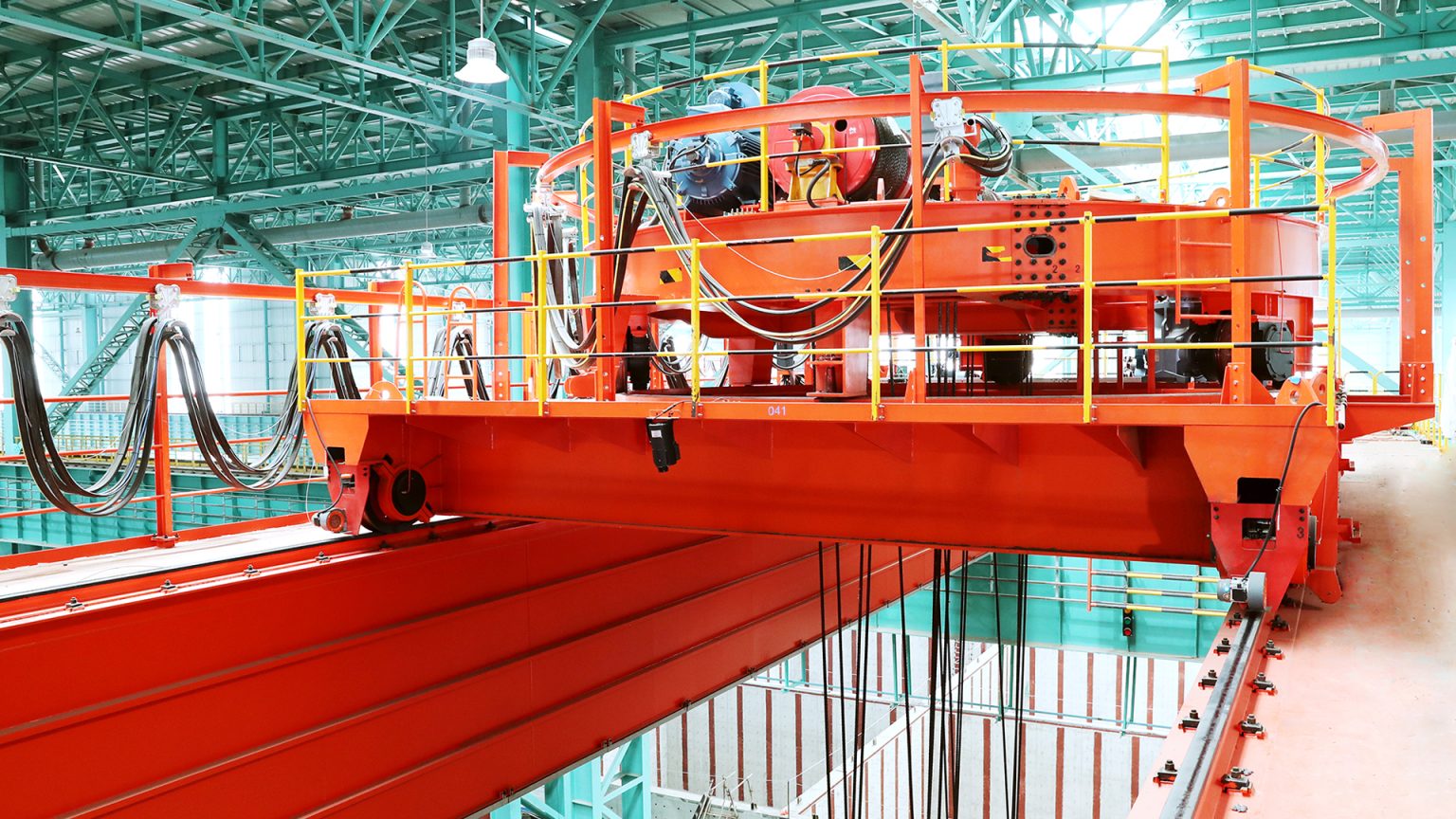
    Power Plant Project · Xinjiang, China

    Generator Stator Lift at a 2 × 350 MW Cogeneration Project

    Henan Mine Crane supplied lifting equipment for a 2 × 350 MW cogeneration project in Jimsar, Xinjiang. During construction, the project crane supported the lift of the Unit 1 generator stator—a critical generating-unit installation task.

    The crane solution incorporates full variable-frequency speed control and PLC-based control for regulated motion, with equipment selected for the site’s heat and dust. The 2 × 350 MW designation describes the plant’s generating output, not the crane’s lifting rating; the latter is defined by the approved lift plan.

    This installation illustrates why the crane, rigging, generator delivery sequence and building clearances must be coordinated before the heavy lift. The project lift path and the station’s subsequent maintenance needs both belong in the original technical specification.

    View the Xinjiang Power Plant Project

    Henan Mine Crane power plant project lifting equipment at the Jimsar cogeneration facility
    Project photograph from Henan Mine Crane’s Jimsar 2 × 350 MW cogeneration installation.

    Overseas Project · Indonesia

    Two 120 t Turbine-Hall Cranes for a Thermal Power Project

    At a thermal power project in Morowali, Central Sulawesi, Henan Mine Crane supplied two double-girder overhead cranes for the construction of three 380 MW generating units. The cranes are described with 120 t main and 30 t auxiliary hook ratings and are used for major unit installation and future maintenance access.

    The project demonstrates a defined main-and-auxiliary-hook arrangement for heavy erection and smaller support lifts. Its ratings are project-specific; a new station’s crane cannot be selected solely from a previous plant’s 120 t marking or the output of its generating units.

    Explore the Thermal Power Crane Application

    Project Data

    Location: Morowali, Central Sulawesi

    Supply: two double-girder overhead cranes

    Hook marking: 120 t main / 30 t auxiliary

    Plant: three 380 MW thermal generating units

    Installation, Acceptance and Long-Term Support

    Building Interface

    Check runway geometry, support reactions, end clearances, lifting access and the stage at which the crane can be assembled inside the turbine hall.

    Testing and Handover

    Agree on factory inspection, site commissioning, load tests, protection checks, manuals and operator instruction under the applicable project standard.

    Lifecycle Maintenance

    Specify inspectable brakes, ropes, wheels, electrics and service platforms; define spare parts and the maintenance plan before the first scheduled outage.

    The purchase schedule should identify when the crane is needed for generator-unit erection, not just when the entire facility is commissioned. Crane delivery, runway completion and load testing are therefore coordinated with the EPC construction milestones.

    Power Plant Crane Price and Supply Scope

    There is no dependable single list price for a power plant crane. Online figures for general workshop bridges, individual hoists or loosely specified high-capacity cranes do not establish the price of a turbine-hall system with approved rigging loads, auxiliary lifting, control requirements and site installation.

    Henan Mine Crane quotes against a defined technical scope. To compare offers on a like-for-like basis, the commercial schedule should identify the following separately:

    Crane and hoists
    Bridge, main and auxiliary hooks, drives, controls and designed duty.

    Civil interface
    Runway, power feed, support checks and any structural modification.

    Project execution
    Inspection, packing, shipping, erection, commissioning and load testing.

    After handover
    Documentation, operator training, warranty boundaries and initial spares.

    Price changes with the heaviest approved load, crane span, lift height, precision-control functions, environmental protection, location and delivery terms. Each quotation should state its currency, Incoterm, validity, exclusions and responsibilities for site work.

    Power Plant Crane RFQ Information

    Supply the turbine-hall and runway drawings, generating-unit component lift list, maximum load including rigging, hook approach targets, lift height, building clearance, erection sequence, expected maintenance lifts, site power, environmental conditions, destination and required acceptance standard. Include the turbine supplier’s lifting instructions where available.

    Send Project RequirementsThe crane configuration and commercial quotation can then be developed against the same lift plan.

    Frequently Asked Questions

    What crane is used in a turbine hall?

    A double-girder overhead crane is commonly specified for heavy turbine and generator erection and future overhaul work. Its final ratings, hook configuration and bridge geometry depend on the approved lift plan.

    How is power plant crane capacity selected?

    Assess the heaviest approved component plus lifting beam and rigging, then check its handling path and site requirements. A generating unit’s MW rating is not an overhead crane capacity.

    What is the auxiliary hook for?

    A separately rated auxiliary hook can handle smaller components, approved rigging operations and some maintenance lifts. Its use with the main hook must be governed by the crane design and lift plan.

    Can an electric-hoist bridge crane replace a turbine-hall crane?

    Not automatically. An electric-hoist bridge may suit a service bay or other defined loads, while main generating-unit erection may require a different lifting mechanism, capacity, hook approach and structural rating.

    Why are hook approach and lifting height important?

    A crane must reach the turbine, generator and service areas while lifting the rigged component clear of foundations, platforms and pipework. A correct tonnage without sufficient reach may still be unusable.

    Can two cranes lift one component together?

    Only under an engineered tandem-lift arrangement that defines load sharing, coordinated control, rigging and runway reactions. Adding the two rated capacities does not establish a permitted combined load.

    Is a grab crane appropriate for all power plant areas?

    No. Grabs are for suitable bulk fuel, ash or other loose materials. Turbine-generator equipment requires approved hooks and rigging; a waste-to-energy feed bunker requires its own application-specific grab system.
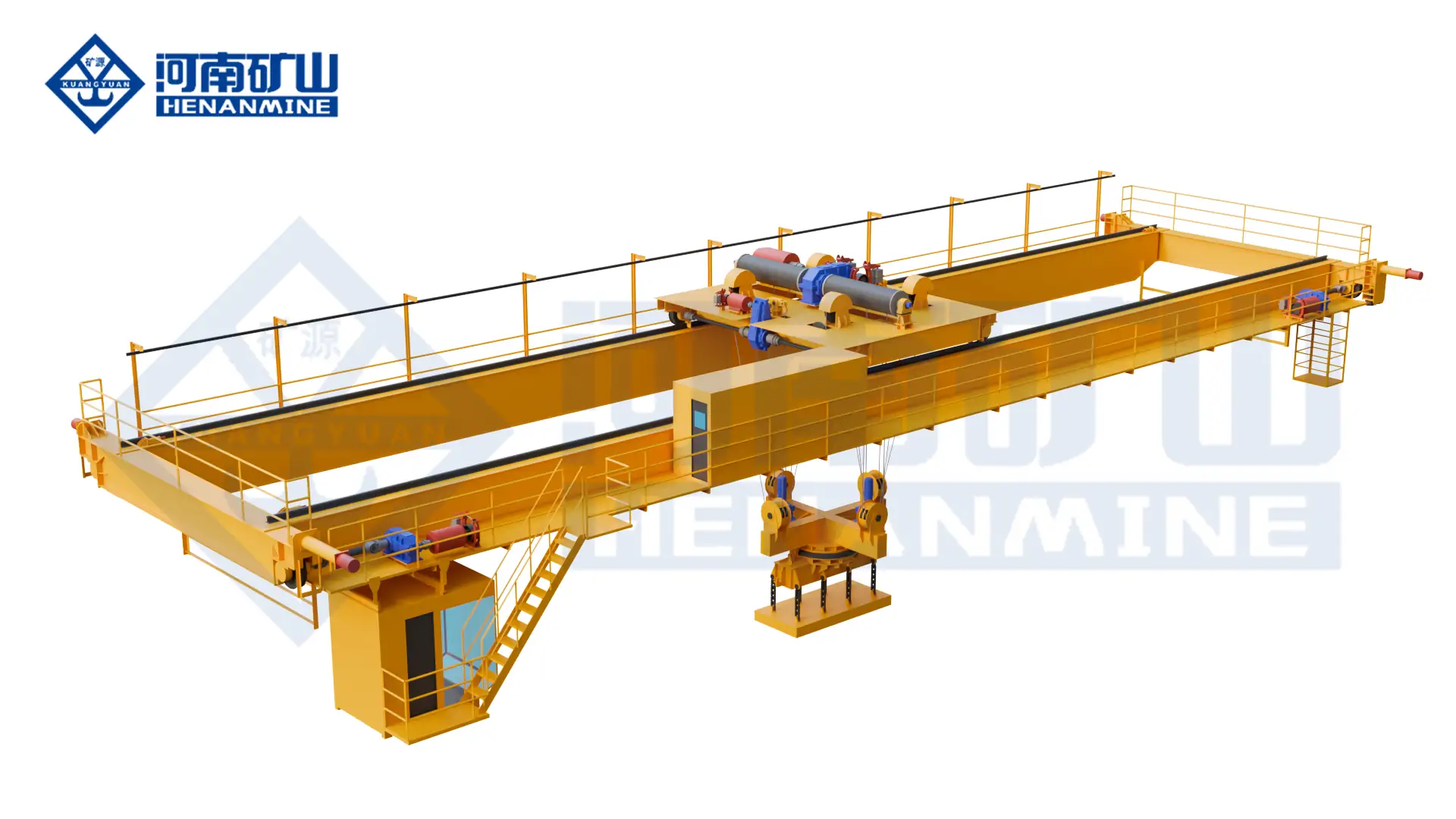
    Does every power plant crane need explosion protection?

    No. Electrical protection is selected according to a documented area classification and the applicable local requirements. Heat and dust alone do not justify assigning a universal explosion-proof rating.
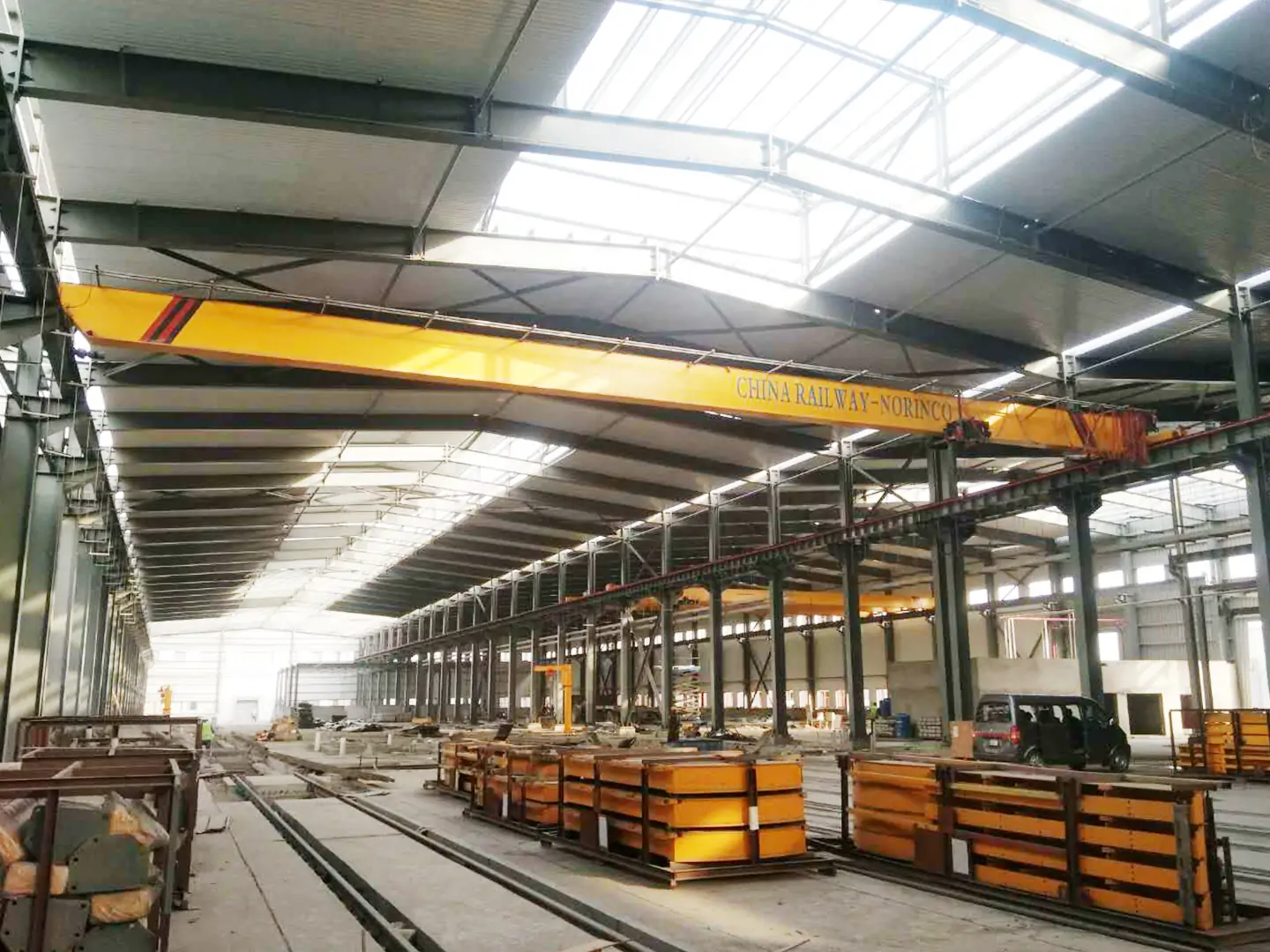
    What determines the price of a turbine-hall crane?

    Hook ratings, span, lifting height, control requirements, duty, plant environment, runway interface, testing and delivery scope. A detailed technical offer is necessary for a meaningful price comparison.

    Can a crane be installed in an existing power station?

    A replacement or retrofit is possible subject to runway capacity, remaining hook travel, power supply, access openings and the construction window available without disrupting operations.

    Related Power Plant Crane Products

    Thermal Power Bridge Crane

    Heavy turbine-generator installation and planned maintenance applications.

    Electric-Hoist Double-Girder Crane

    A separate option for appropriately rated power-station service bays.

    Cross-Travel Overhead Crane

    Track-switching access for engineered power-plant maintenance routes.

    Single-Girder Service Crane

    Smaller maintenance loads where its rating and duty are suitable.

    Grab Double-Girder Overhead Crane

    Bulk fuel or approved loose-material applications, not turbine lifts.

    Power Plant Lifting Proposal

    Request a Power Plant Crane Quote

    Share the power-station lift study, turbine-hall drawings, heaviest component and rigging weights, required hook coverage, environmental conditions and project destination. Henan Mine Crane will develop a defined crane configuration and commercial scope for the generating facility.

    Henan Mine CraneDiscuss your requirements ↗
  • Port Crane Manufacturers

    Port Crane Manufacturers

    Port Crane Manufacturers

    Henan Mine Crane · Port and Terminal Equipment

    Port Crane Manufacturers

    Port crane procurement requires a manufacturer capable of matching the equipment to vessel dimensions, cargo flow, quay strength, yard layout, operating duty and the terminal’s maintenance resources. Henan Mine Crane develops configurable ship-to-shore cranes, portal harbor cranes, rail-mounted gantry cranes, rubber-tyred gantry cranes and container straddle carriers for coastal and inland terminals.

    Equipment selection is only one part of the contract. A complete proposal defines the lifting arrangement, power and control interfaces, wind and corrosion protection, testing, delivery, installation, training and spare-parts scope.

    ship-to-shore container crane at a port terminal
    Ship-to-shore crane geometry is established from vessel profile, berth layout and the required container-handling cycle.
    CARGOContainers · Bulk · General Cargo
    TERMINAL ZONEQuay · Yard · Intermodal
    DESIGN BASISSite and Cargo Data
    COMMERCIAL BASISDefined Project Scope

    Port Crane Systems for Terminal Operations

    The term port crane manufacturer covers several different equipment families. An STS crane transfers containers between vessel and quay. A portal harbor crane handles bulk or general cargo across a working radius. RMG and RTG cranes stack containers in the yard; a straddle carrier transfers and stacks containers across terminal routes. These systems are complementary rather than interchangeable.

    The choice starts with cargo type, vessel and berth dimensions, annual throughput, peak-hour demand, yard stacking plan and intermodal connections. Selecting a crane from rated capacity alone can leave insufficient outreach, poor wheel-load compatibility or a mismatch between quay discharge and yard capacity.

    Selection Considerations

    Cargo and Handling Device

    Confirm container dimensions and maximum gross mass, or bulk density, grab payload, general-cargo dimensions and lifting points.

    Vessel and Berth

    Specify beam, container rows, deck and hatch elevations, tidal range, berth length and required front and back reach.

    Quay and Ground

    Confirm rail gauge, wheel-load limits, existing foundations, apron width, pavement bearing and drainage.

    Throughput and Duty

    Define annual and peak volumes, shifts, operating cycles, required availability and maintenance windows.

    Yard Configuration

    State rows, stacking height, truck lanes, turning areas, rail tracks and future block expansion.

    Wind and Marine Exposure

    Provide operating and storm wind criteria, salt exposure, ambient range and coating requirements.

    Power and Automation

    Identify utility supply, diesel or electric strategy, cable routing, TOS interfaces and control mode.

    Delivery Boundary

    Define crane, spreader or grab, freight, site assembly, commissioning, load testing, training and spares.

    Port Crane Types Compared

    The following equipment families serve different stages of the cargo route. Published ranges on individual product pages are preliminary and must be checked against the project specification.

    Equipment Operating Zone Typical Cargo Decisive Interface
    Ship-to-Shore Crane Quayside Containers Vessel reach, quay reactions and spreader capacity
    Portal Harbor Crane Quay and multipurpose berth Bulk, breakbulk and project cargo Working radius, grab or hook and marine protection
    Rail-Mounted Gantry Crane Fixed yard block or rail terminal Containers Rails, foundations, span and stacking plan
    Rubber-Tyred Gantry Crane Flexible yard blocks Containers Pavement, steering, power and block transfer
    Container Straddle Carrier Yard transfer and stacking Containers Travel routes, turning, stacking and fleet planning

    Quayside Crane Engineering

    portal harbor crane for bulk and general cargo quayside handling
    Portal crane radius, vessel clearance and cargo attachment are engineered as a single working envelope.

    STS Container Handling

    Outreach is set by vessel beam and furthest container row; lift above and below rail follows vessel and tidal extremes. Capacity must identify whether it is under spreader or includes spreader mass. Wheel loads, rail gauge, backreach and boom parking position are checked against the quay.

    Portal Harbor Operations

    Portal cranes require lifting capacity across a specified radius chart, not a single headline capacity. Bulk grab cycles, hook loads and container attachments impose different duty and control requirements.

    Wind and Marine Conditions

    Operating and out-of-service wind criteria, storm anchoring, protective coatings, access routes and maintainable electrical enclosures are included in the technical agreement.

    Container Yard Crane Engineering

    RMG: Defined Rail Corridor

    A fixed rail corridor supports repeatable container handling in high-density blocks and intermodal yards. Rail alignment, wheel reactions, span, cantilevers and truck or rail interfaces must be coordinated before civil construction.

    RTG: Flexible Yard Blocks

    Tyred travel permits movement between yard blocks subject to route width and ground condition. Diesel, hybrid, battery and busbar-assisted configurations differ in infrastructure, operating cost and emissions.

    Shared Selection Basis

    State container rows, stacking height, truck lanes, spreader specification, hoisting and travel speeds, anti-sway requirement, terminal operating system interface and desired fleet availability.

    rail-mounted container gantry crane for an intermodal terminal
    An RMG crane follows a defined rail corridor and requires coordinated yard, rail and power infrastructure.

    Manufacturer Evaluation and Technical Documentation

    Design Evidence

    General arrangement, load chart, wheel reactions, duty basis, structural calculations and wind criteria should match the tender.

    Manufacturing Controls

    Review the proposed inspection plan for steelwork, welding, drives, electrics, coating and factory functional tests.

    Acceptance Criteria

    FAT, site commissioning, load testing, spreader or grab tests and performance demonstrations need contractual pass criteria.

    Lifecycle Support

    Manuals, electrical drawings, parts lists, training, service access and spare-part lead times influence terminal uptime.

    Applicable structural, crane, electrical, maritime and local regulatory requirements are stated in the contract. Certificates or compliance claims are assessed against the exact crane configuration and destination jurisdiction.

    40.5 Tonne RMG Application: Inland Port Handling

    40.5 tonne rail mounted gantry crane application for inland port container handling
    Rail-mounted gantry configuration for container transfer between yard and intermodal handling routes.

    The 40.5 tonne inland-port RMG application sets out a rail-mounted container-handling configuration for dry ports, rail freight areas and intermodal logistics hubs.

    The engineering configuration addresses container specification, handling route, rail geometry, electrical controls and spreader compatibility. Final duty, span, height, interfaces and acceptance criteria depend on terminal-specific data.

    For procurement, the defining interfaces are the rail corridor, container stack envelope and connections to truck and rail handling areas. These details should be reconciled with terminal drawings before freezing the crane general arrangement.

    Installation, Commissioning and Maintenance

    Site Readiness

    Verify quay or yard bearing capacity, rail survey, erection access, lifting plan, power interface and storm-protection foundations.

    Commissioning

    Electrical, brake, limit, interlock and wind-protection checks precede load testing, operating trials and operator training.

    Planned Maintenance

    Structural connections, ropes, brakes, wheels, tyres, spreaders, corrosion protection, cable systems and safety devices require duty-based inspection.

    Port Crane Price and Total Project Cost

    There is no defensible single price for a port crane. Public supplier indications for smaller or simpler container RTG equipment begin at approximately USD 700,000–1.2 million. Larger, electrified or automated units may cost substantially more. These market indications are not Henan Mine Crane quotations and do not establish a comparable price for STS, portal harbor or RMG cranes.

    A commercial evaluation compares equivalent capacity, reach or span, duty, spreader or grab, drive and power technology, controls, wind and corrosion requirements, supply terms and acceptance criteria. STS and portal equipment require an engineered quotation after vessel and quay data are reviewed.

    Crane Equipment

    Structure, machinery, spreader or grab, electrical systems and controls.

    Terminal Infrastructure

    Rails, quay strengthening, pavement, power distribution and communications.

    Delivery and Service

    Freight, insurance, import costs, erection, testing, training and spares.

    Quotation Data

    Cargo type · maximum load under spreader or hook · vessel dimensions · required outreach and lift · quay and rail data · yard layout · annual and peak throughput · duty · wind and corrosion criteria · site power · control and TOS interface · destination port · delivery and site-work scope.

    Port Crane Procurement FAQ

    Which crane handles containers at the berth?

    A ship-to-shore crane is designed for vessel-to-quay container transfer; reach and lift follow vessel and water-level data.

    Which crane is suitable for bulk cargo?

    A grab-equipped portal harbor crane can serve berth handling where outreach, grab payload and tonnes-per-hour duty are established.

    What is the difference between RTG and RMG?

    RTG cranes travel on tyres and may move between blocks; RMG cranes travel on fixed rails within a defined handling corridor.

    How is STS outreach determined?

    The furthest container row, vessel beam, mooring offset and berth layout establish minimum working outreach.

    Does lifting capacity include the spreader?

    Capacity basis must state whether the rating is under spreader or includes spreader and attachment mass.

    Can port cranes connect to terminal software?

    Control interfaces can be specified for a terminal operating system when protocols, safety permissions and acceptance tests are defined.

    How is storm protection specified?

    Operating and parked wind cases govern brakes, clamps, anchors, tie-downs and terminal procedures.

    Does equipment price include installation?

    Not automatically. Freight, civil work, rails, erection, commissioning and testing must be explicitly included or excluded.

    What documents support supplier evaluation?

    General arrangement, load chart, wheel reactions, duty basis, inspection plan, electrical architecture, test plan and spare-parts schedule.

    What information is required for a port crane quote?

    Cargo, vessel profile, berth and yard plans, required output, operating duty, wind criteria, power, destination and supply scope.

    Related Port Crane Products

    Ship-to-Shore Crane

    Quayside handling for container vessels.

    Portal Harbor Crane

    Berth-side lifting for bulk and general cargo.

    RMG Container Crane

    Fixed-rail container yard and intermodal operations.

    RTG Container Crane

    Flexible tyre-mounted yard stacking.

    Container Straddle Carrier

    Terminal container transfer and stacking.

    Port Crane Product Range

    Compare the complete quay and yard equipment range.

    Terminal Equipment Proposal

    Request a Port Crane Quote

    Submit cargo data, vessel profile, berth or yard drawings, required throughput, operating duty, power supply, wind criteria, installation location and project scope. Henan Mine Crane will prepare an equipment configuration and commercial proposal from the confirmed terminal requirements.

    Henan Mine CraneDiscuss your requirements ↗