Engineering · Manufacturing · Project support
info@hnksglobal.comWhatsApp +86 18836207779 ↗

Blog

  • Inland Container Depot Cranes: Layout, Stacking and Transfer Interfaces

    Inland Container Depot Cranes: Layout, Stacking and Transfer Interfaces

    Selection guide

    Inland Container Depot Cranes: Layout, Stacking and Transfer Interfaces

    An inland depot needs its stacking equipment matched to container routes and site constraints. Define the handling cycle, transfer points and supporting infrastructure before comparing suitable crane systems.
    Henan Mine CraneSelection guide · Updated 2026Crane selection, project scope and operating requirements
    Inland Container Depot Crane Systems
    Inland Container Depot Crane Systems
    Project planning notes

    Key points for this crane project.

    1. Application overview
    2. What Is an Inland Container Depot Crane?
    3. Inland Container Depot Crane Selection Considerations
    Read the technical guide

    Application overview

    20 ft, 40 ft and 45 ft ISO Units

    What Is an Inland Container Depot Crane?

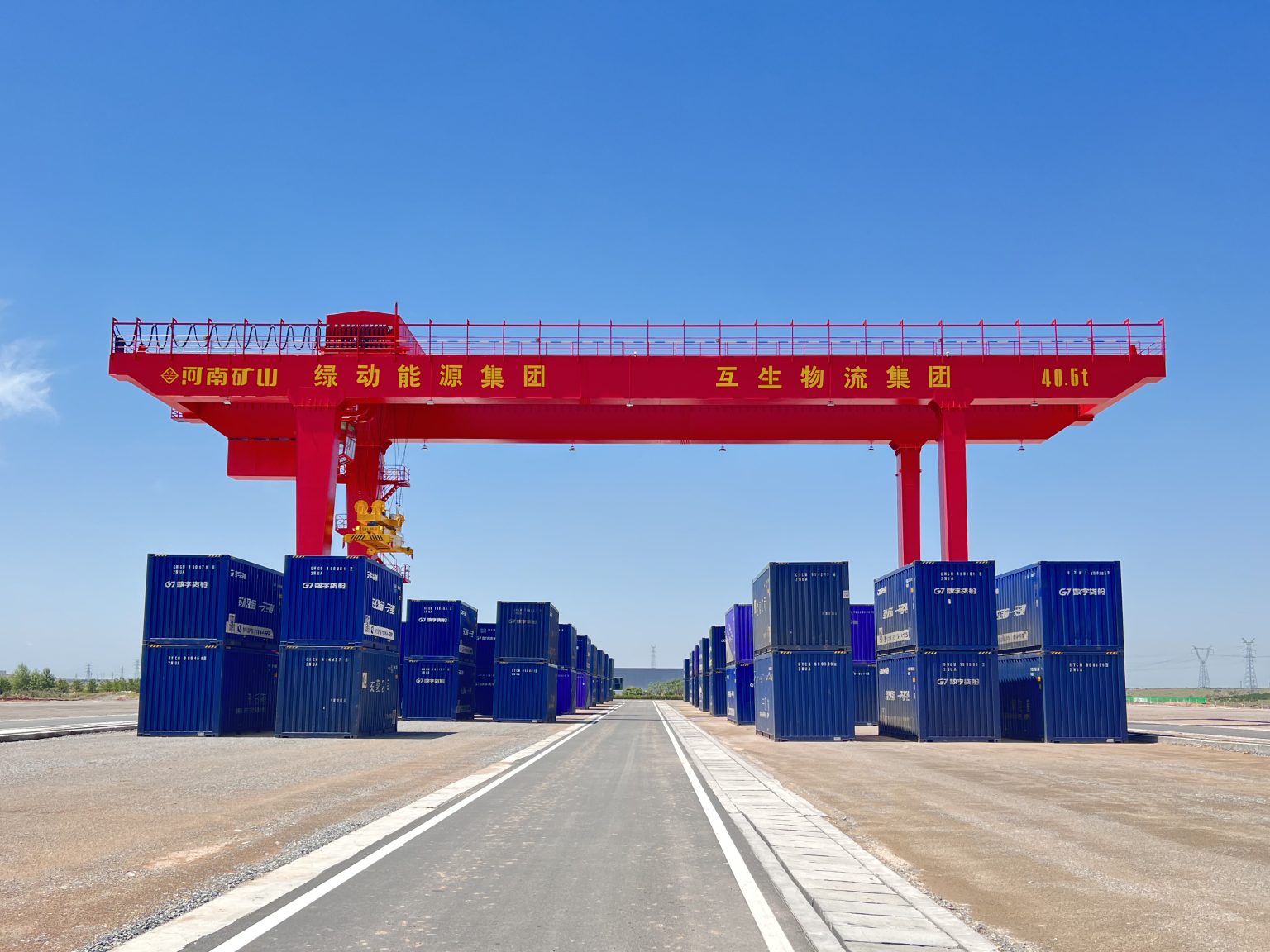
    An inland container depot crane transfers, stacks and retrieves ISO containers at an inland container depot (ICD), dry port or intermodal rail terminal. It connects rail wagons, road trucks, storage blocks, inspection positions and empty-container areas without a ship-to-shore interface.

    The term describes a facility application rather than one machine type. A fixed, high-volume rail apron commonly favors a rail-mounted gantry crane. Flexible storage blocks or staged development commonly favor a rubber-tyred gantry crane. Lower-throughput start-up yards may use reach stackers, while empty-container and repair zones often use dedicated mobile handlers.

    The correct selection therefore begins with the depot operating model: annual TEU, peak train and gate demand, container dwell distribution, required stacking density, rehandle tolerance, rail service pattern, customs status and the date at which expansion must remain possible.

    Inland Container Depot Crane Selection Considerations

    Throughput and Peak Windows

    Annual TEU alone is insufficient. Peak train discharge, truck appointments, operating shifts, wagon cut length and recovery capacity establish the required hourly moves and crane quantity.

    Rail and Truck Interface

    Track count, wagon clearance, electrification, road-truck lanes, chassis queues and transfer-buffer positions determine span, cantilever and operating sequence.

    Container Mix and Dwell

    20/40/45 ft mix, gross mass, reefer share, empties, customs holds, hazardous cargo and dwell-time variation affect block zoning, spreader duty and rehandles.

    Land and Storage Density

    Available hectares, stack height, row count, fire lanes, reefer access and expansion corridors determine whether mobility or fixed high-density coverage has greater value.

    Civil and Utility Readiness

    Ground bearing, axle or wheel loads, rail foundations, drainage, substation capacity, conductor routes and communications infrastructure shape total installed cost.

    Operating Model and Growth

    Manual, remote or automated operation, fleet dispatch, maintenance staffing, customs procedures and staged block commissioning should be fixed before final specification.

    ICD Container Handling Systems Compared

    SystemStrongest FitMain AdvantageMain Constraint
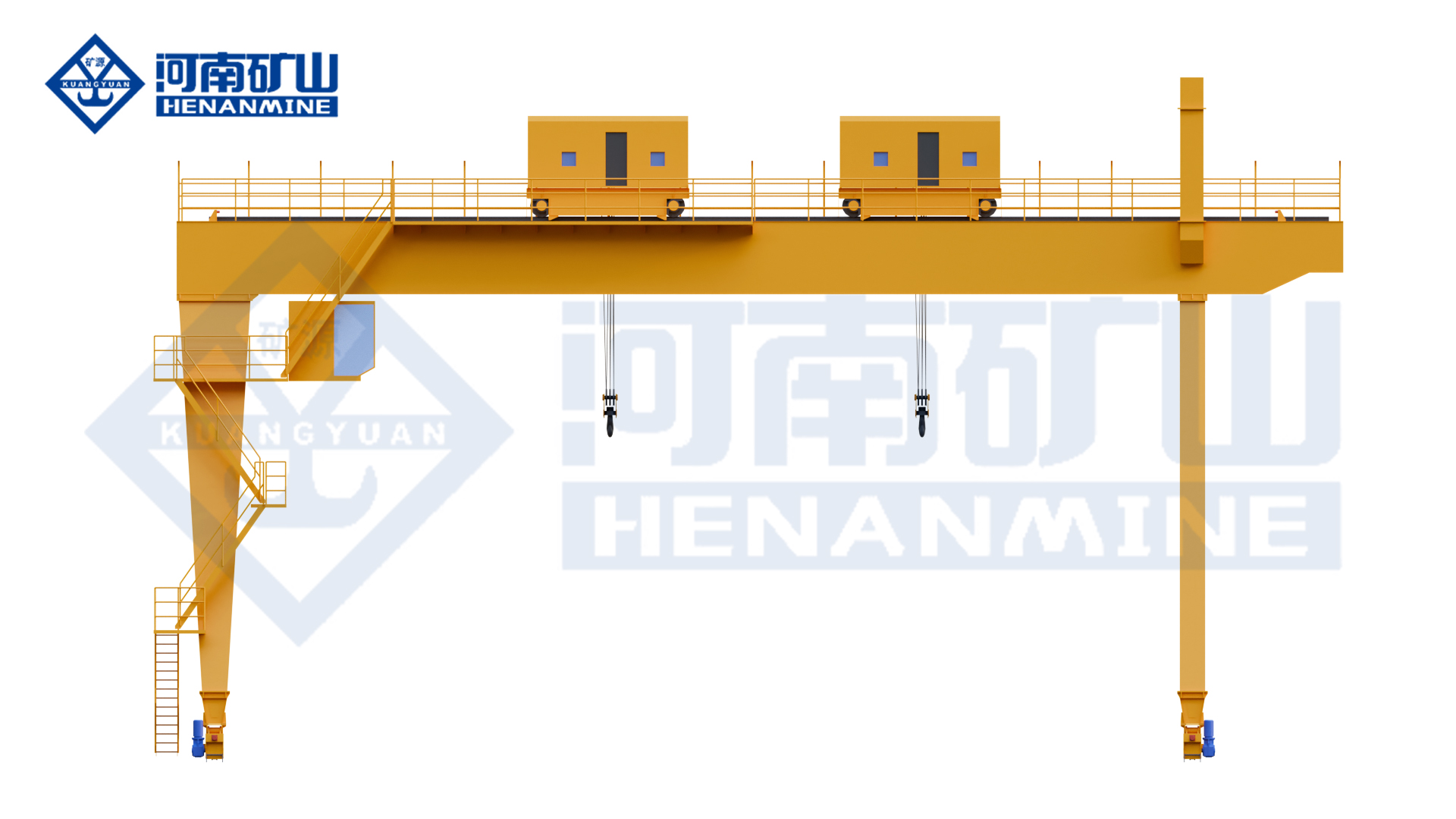
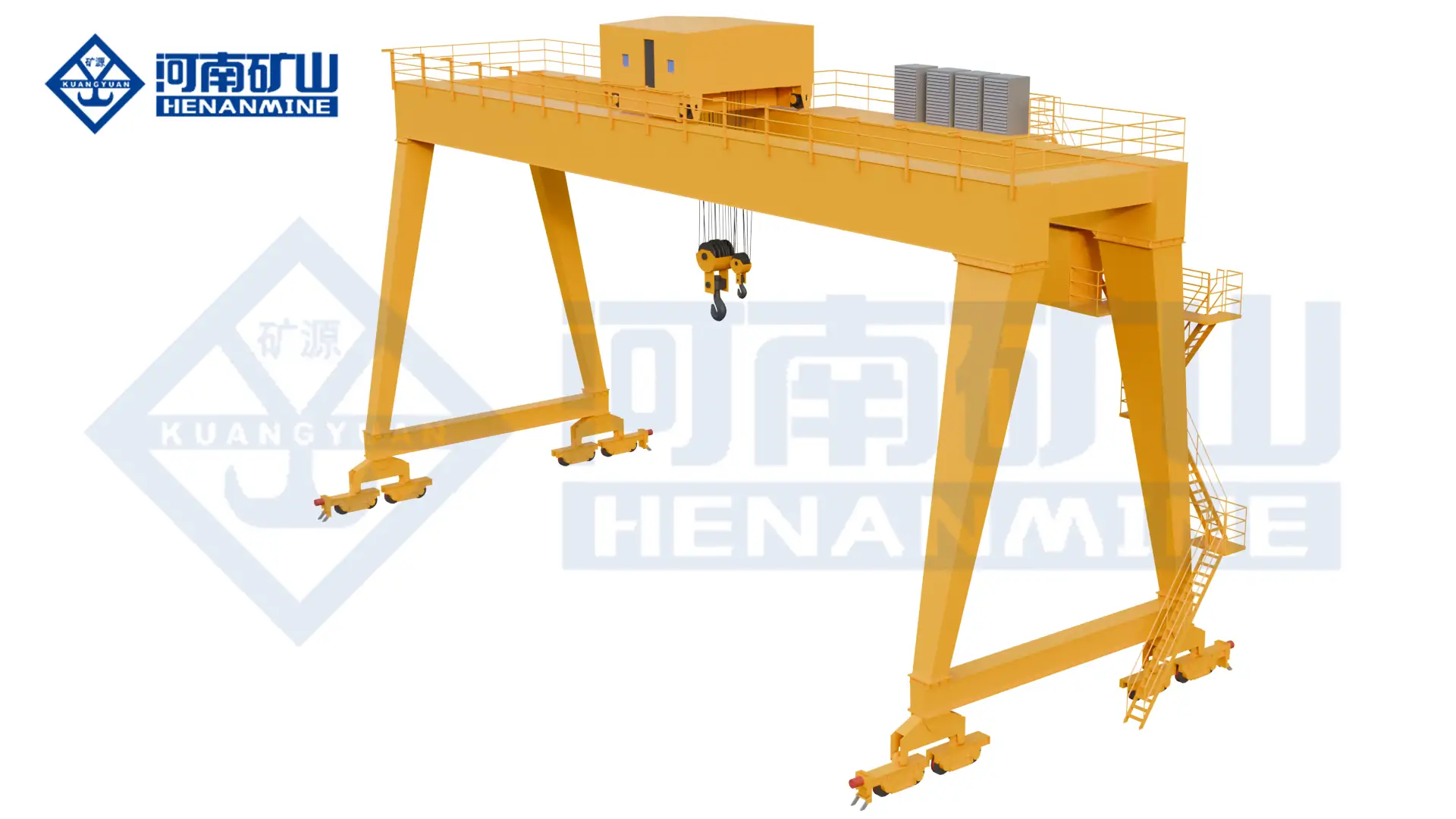
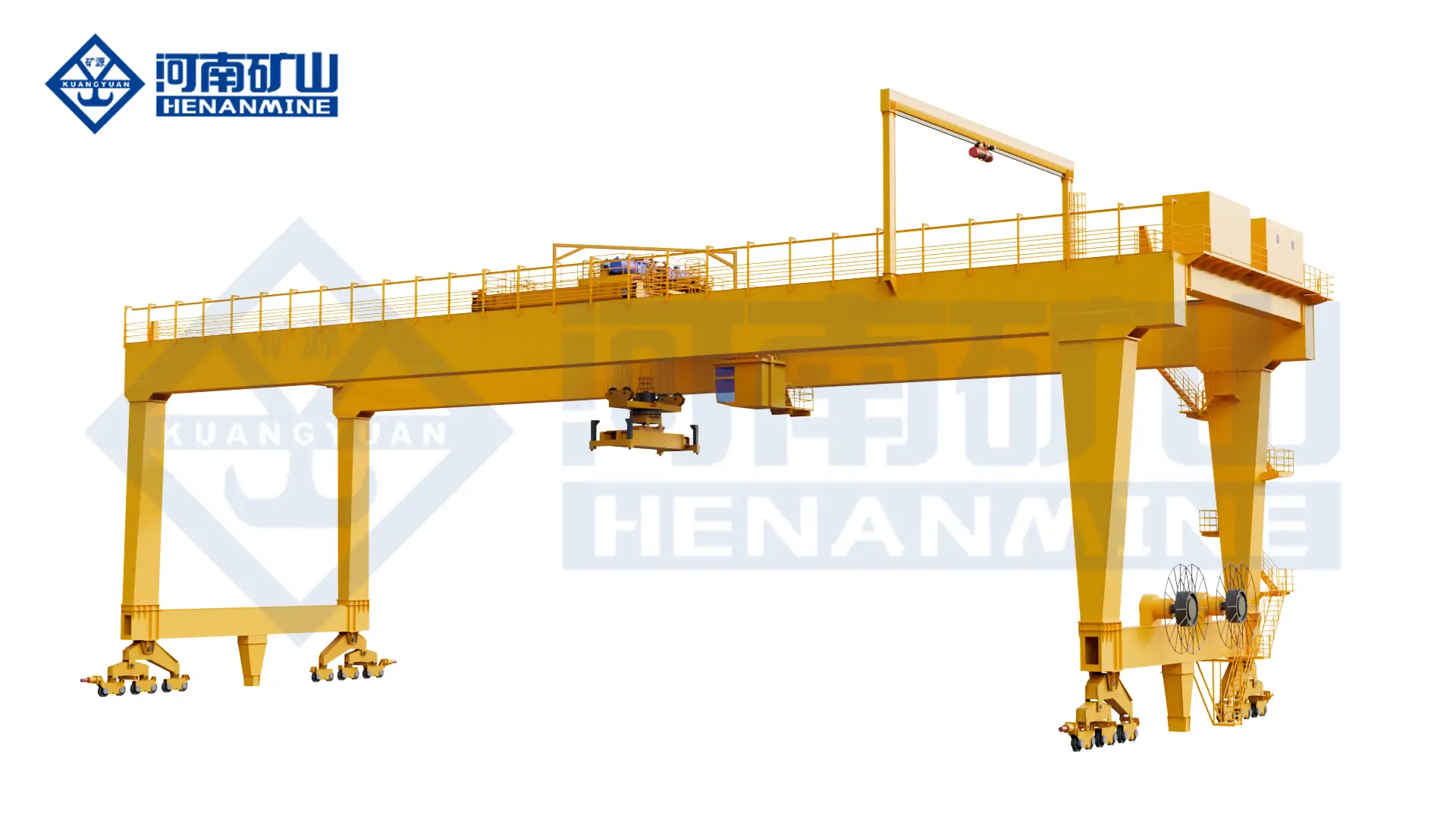
    Rail-Mounted Gantry (RMG)Permanent rail apron or stable high-density blockWide coverage, grid power, repeatable travel path and strong automation potentialRails, foundations and block geometry are fixed capital interfaces
    Rubber-Tyred Gantry (RTG)Growing depot with several storage blocksCan change blocks and supports phased layout developmentPavement, steering, block-change route and power source need control
    Reach StackerStart-up or lower-throughput depot with variable work areasFast deployment and direct rail, truck and stack accessLower storage density, outreach derating, rehandles and concentrated axle loads
    Empty Container HandlerEmpty storage, repair and inspection areaHigh stacking for light containers with mobile deploymentNot a substitute for laden-container duty
    Container Straddle CarrierMobile terminal needing transport plus stackingReduces handovers between horizontal transport and stack equipmentTraffic, lane width, pavement and fleet dispatch become critical
    Fixed Container Overhead CraneCovered inspection, transfer or specialist handling bayControlled fixed-area operation with clear floor routesLimited to the runway envelope and dedicated interfaces

    Configuration rule: reach stackers suit flexible start-up operations; RTGs suit relocatable block development; RMGs suit stable rail interfaces and high-density long-term capacity. Many ICDs use a hybrid fleet rather than one equipment type throughout the site.

    Crane Duties Across an Inland Container Depot

    A rail apron requires predictable wagon access, safe clearance from tracks and a transfer plan that prevents the crane from waiting for trucks. Laden-container blocks prioritize storage density and retrieval sequence. Empty and repair areas prioritize fast sorting, high stacking and workshop access.

    Customs inspection and bonded zones require positive container identification, controlled release status and a defined location for opening, scanning or examination. Reefer rows require electrical access without placing personnel in uncontrolled crane or truck paths.

    Gate buffers, chassis parking, hazardous-goods segregation, fire routes and maintenance access should be represented on the same layout used to define crane span and travel. Isolated equipment selection cannot correct a conflicting depot flow.

    Published Henan Mine Crane RMG and RTG Ranges

    These published product-family ranges support concept selection. The contract specification is established from verified loads, geometry, duty spectrum, wind, temperature, electrical supply, applicable code and the required container spreader.

    Rated load must state whether it applies under the spreader, at the ropes or to another contract reference point. The spreader self-weight, eccentric loading, wind and dynamic effects remain part of the design basis.

    Rail Apron, Truck Lane and Block Layout

    For rail service, the general arrangement should show track centers, wagon and locomotive envelopes, switch locations, signal sightlines, overhead electrification or catenary exclusions, safe access and emergency egress. The crane must not obstruct train assembly or trap road vehicles inside the rail zone.

    For road exchange, truck lanes require verified turning paths, chassis alignment, queue capacity, driver-safe zones and protection from gantry travel. Cantilevers can place exchange positions outside the main rail gauge, but increase structural reactions and foundation scope.

    Future tracks, block extensions and a second crane should appear on the concept layout even when they are not included in phase one. Early reservations for foundations, conductors, substations and network routes prevent later capacity from being blocked by completed civil works.

    ICD Crane Capacity and Fleet Sizing

    Crane quantity follows the busiest operating interval, not an annual average. A sizing model should include productive moves, rehandles, housekeeping moves, train cut changes, truck variability, customs holds, operator changes, planned maintenance and a defined outage scenario.

    A simulation or time-and-motion study is appropriate when one crane serves several tracks, when truck arrivals are highly variable or when two cranes share an overlapping rail apron. The study should state every assumption used to support the contracted capacity.

    Spreader, Anti-Sway and Depot Control Functions

    A telescopic spreader is specified for the required 20 ft, 40 ft and 45 ft containers, twistlock indication, flipper arrangement, sideshift, skew correction and optional rotation. Twin-lift or special cargo duty requires a separate load and operating study.

    Anti-sway, controlled acceleration and fine positioning support safer placement on wagons, chassis and stacks. Position references may include encoders, laser systems, GNSS, cameras or other site-specific sensors; performance must be defined at the actual working position and environmental condition.

    Container ID, job order, location confirmation, release status and fault data can exchange with terminal, yard or customs systems through a documented interface register. The contract should identify the data owner, message format, network boundary, cybersecurity responsibility and fallback operating mode.

    Power, Electrification and Automation Readiness

    RMG cranes normally suit continuous grid power through a cable reel, festoon or conductor arrangement selected for the travel length and site standard. RTG options can include diesel-electric, hybrid, battery or grid-fed arrangements. Utility capacity, harmonic limits, regeneration, redundancy and emergency recovery belong in the early power study.

    Manual cabin or radio operation can be combined with anti-sway, travel positioning and job guidance. Remote or automated operation adds controlled transfer zones, obstacle detection, truck or wagon alignment, equipment-control logic, video coverage, network resilience and formal software acceptance testing.

    An automation-ready first phase can reserve structural mounting points, drive and brake performance, PLC capacity, network pathways, position references and safety interfaces. Reserved features should be listed as supplied, wired, programmed or future-only to avoid an ambiguous upgrade scope.

    Civil, Wind and Environmental Interfaces

    Rail and Foundation

    RMG wheel loads, rail gauge, straightness, level, settlement, end stops, buffers and storm anchors require coordinated tolerances and survey records.

    Pavement and Drainage

    RTG and reach-stacker wheel or axle loads, steering paths, local rutting, drainage falls and buried services should be checked across every operating route.

    Wind and Storm Securing

    Operating limits, alarm thresholds, parking orientation, rail clamps, anchors and out-of-service design wind follow verified local data and the agreed structural code.

    Climate and Corrosion

    Temperature, dust, altitude, humidity, rainfall, lightning, industrial pollution and de-icing exposure determine materials, coatings, enclosures and component conditioning.

    Maintenance Access

    Isolation points, platforms, fall protection, lighting, machinery access, lifting points and component-removal routes support safe planned maintenance.

    Safety, Security and Customs-Controlled Operations

    An inland depot combines heavy equipment, live rail, public road trucks, restricted cargo and human inspection activity. The operating concept should separate people from crane travel, containers and vehicle paths while preserving emergency access and verifiable cargo custody.

    Greenfield and Phased ICD Development

    Development StageTypical Handling ApproachCapacity Reservation
    Start-Up VolumeReach stacker or limited mobile fleet for variable rail, truck and stack workProtect future rails, blocks, substation space and circulation corridors
    Growing DepotRTG blocks with mobile equipment retained for inspection and exceptionsPrepare pavement, power route, data network and block-change path
    Stable High VolumeRMG rail apron or high-density electric blocks with controlled transfer lanesAllow second crane, extended runway, redundant power and automation interfaces

    A phased master plan should preserve the final traffic pattern from the first civil package. Temporary equipment can serve early demand, but permanent rail, drainage and utility decisions should remain compatible with the long-term handling system.

    5-Million-Tonne Logistics Hub

    The land port was planned as a logistics hub for the distribution and transshipment of containers and new-energy-related materials, with a stated annual design target of 5 million tonnes.

    The disclosed crane configuration includes a Schneider variable-frequency drive system, Siemens PLC control, intelligent anti-sway and remote operating-status monitoring. Equipment data connects with the land port energy data platform for coordinated logistics information management.

    The case illustrates an ICD procurement boundary extending beyond steel structure and hoisting machinery: spreader control, positioning, safety logic, data interfaces and site commissioning must be engineered together. Final output remains dependent on the depot layout, train and truck flow, staffing and contracted acceptance test.

    Inland Container Depot Crane Price and Project Budget

    Public prices reviewed on 25 September 2026 show the scale of current equipment references, not a delivered ICD budget. Marketplace listings and manufacturer guides can exclude freight, import charges, rails, pavement, foundations, power distribution, software integration, erection, commissioning and acceptance testing.

    Public ReferenceBudget Interpretation
    Henan Mine Crane GoldSupplier ListingPublic listing range; final geometry, duty, spreader, services and destination remain subject to quotation
    2026 Gantry Crane Price GuideFOB factory starting point; shipping, customs, installation and custom features excluded
    2026 Gantry Crane Price GuidePowertrain, stacking geometry, automation and regional compliance can materially change the price
    2026 Gantry Crane Price GuideBroad configuration band; rails, foundations and terminal integration require separate confirmation
    LTMG Alibaba ListingMarketplace reference; shipping, delivery, options, warranty execution and local support require verification
    HELI Machinio ListingDealer listing; final commercial terms and delivered cost require confirmation
    Henan Mine Crane ICD SystemQuotation follows capacity, span, lift, duty, quantity, interfaces, Incoterm, destination and site scope

    Engineering, Testing and Handover Deliverables

    Design Basis

    General arrangement, load definition, duty spectrum, speeds, wind, environment, codes, power and operating concept.

    Interface Data

    Wheel reactions, rail or pavement criteria, electrical load, conductors, network ports, buffers, anchors and clearances.

    Quality Records

    Inspection and test plan, material traceability, welding and NDT records, certificates, factory tests and document register.

    Site Acceptance

    Survey confirmation, proof load, safety tests, functional trials, interface tests, productivity test and defect closeout.

    Operations Package

    Operating manuals, maintenance plan, electrical and control drawings, software backup, training and emergency procedures.

    Lifecycle Support

    Commissioning spares, recommended two-year spares, special tools, remote diagnostics, warranty and service response terms.

    Inland Container Depot Crane RFQ Data

    RFQ ItemRequired Project DataEngineering Decision
    DemandAnnual and peak TEU, train schedule, gate profile, shifts, target moves and completion windowsEquipment type, quantity, duty and reserve
    Containers20/40/45 ft mix, maximum gross mass, empty, reefer, hazardous, OOG and twin-lift requirementRated load, spreader and load cases
    LayoutCAD plan, track centers, wagon profile, rows, lanes, stack height, block length and future phasesSpan, lift, cantilevers, travel and clearances
    Civil WorksGeotechnical data, pavement capacity, rail gauge, settlement, drainage and anchor locationsWheel arrangement, reactions and tolerances
    Power and ControlsVoltage, frequency, grid capacity, operating mode, anti-sway, positioning and system interfacesPowertrain, drives, PLC, network and automation scope
    EnvironmentOperating and storm wind, temperature, humidity, dust, altitude, lightning and seismic dataStructure, coatings, enclosures and limits
    Commercial ScopeDestination, Incoterm, codes, installation, tests, training, spares, warranty and delivery dateComparable technical and commercial proposal

    A concept proposal can be prepared from the depot layout, traffic forecast, container mix and site environment. A firm quotation requires confirmed civil, power, control, logistics and acceptance boundaries.

    Inland Container Depot Crane FAQ

    What is the best crane for an inland container depot?

    An RMG normally fits a permanent high-volume rail apron or dense block. An RTG fits flexible or phased storage blocks. A reach stacker often fits start-up and lower-throughput work. A hybrid fleet can separate rail, laden, empty and exception duties.

    How much does an inland container depot crane cost?

    Delivered project cost depends on rails or pavement, power, controls, freight, installation and tests.

    When should an ICD replace reach stackers with gantry cranes?

    The change becomes attractive when land density, peak train completion, fuel and maintenance, rehandles or fleet congestion outweigh the flexibility of mobile handlers. A lifecycle model should compare the same throughput and civil boundary.

    Can one RMG serve both rail tracks and storage rows?

    Yes, when the span, cantilevers, clearances and operating sequence cover both functions. Fleet studies should verify that train service does not block stack retrieval or truck exchange during peak periods.

    What information is needed for an accurate ICD crane quote?

    The essential package includes a CAD layout, track and wagon data, stack geometry, throughput profile, container mix, rated-load basis, power supply, wind and climate data, control scope, destination, Incoterm and site-service boundary.

    Can an inland depot crane be automated later?

    Later automation is feasible when the original structure, drives, braking, PLC, positioning references, networks and safety zones support the upgrade. Automation-ready provisions should be contractually defined during the initial purchase.

    Related Inland Terminal Crane Products

    Rail-Mounted Gantry Crane

    Electric crane for fixed rail aprons, dense container blocks and automation-led operations.

    Rubber-Tyred Gantry Crane

    Mobile block crane for flexible allocation, high stacking and phased depot expansion.

    Container Straddle Carrier

    Mobile equipment combining short-distance container transport, lifting and stacking.

    Container Overhead Crane

    Fixed handling for inspection, logistics bays and weather-protected container work.

    Ship-to-Shore Crane

    Quayside equipment for seaport nodes feeding rail and road container corridors.

    Portal Harbor Crane

    Flexible berth equipment for river ports, containers, general cargo and project cargo.

    Discuss the crane arrangement for your project.

    Submit the depot layout, throughput forecast, track and wagon data, container mix, stacking plan, civil information, power supply, control scope, destination and installation boundary for an engineered selection and commercial quotation.

    Related crane configurations

    Anode Carbon Block Stacking Crane

    View product parameters
    Lifting capacity: 10 – 30 tSpan: 13.5-40 mLifting height: 6 – 20 m

    Handle and stack anode carbon blocks with a crane configured around block geometry, gripping method and storage layout. Define the transfer sequence and automation interfaces before selection.

    Container Overhead Crane

    View product parameters
    Lifting capacity: 30-65 tSpan: 18-35 mLifting height: 8 – 20 m

    Transfer containers within a defined overhead runway area using a double-girder bridge and matched spreader. Container size, working clearance and the handling sequence determine the arrangement.

    Updated 2026 · Henan Mine Crane
  • Side-Mounted Single-Girder Crane

    Side-Mounted Single-Girder Crane

    Overhead Cranes / Henan Mine Crane

    Side-Mounted Single-Girder Crane

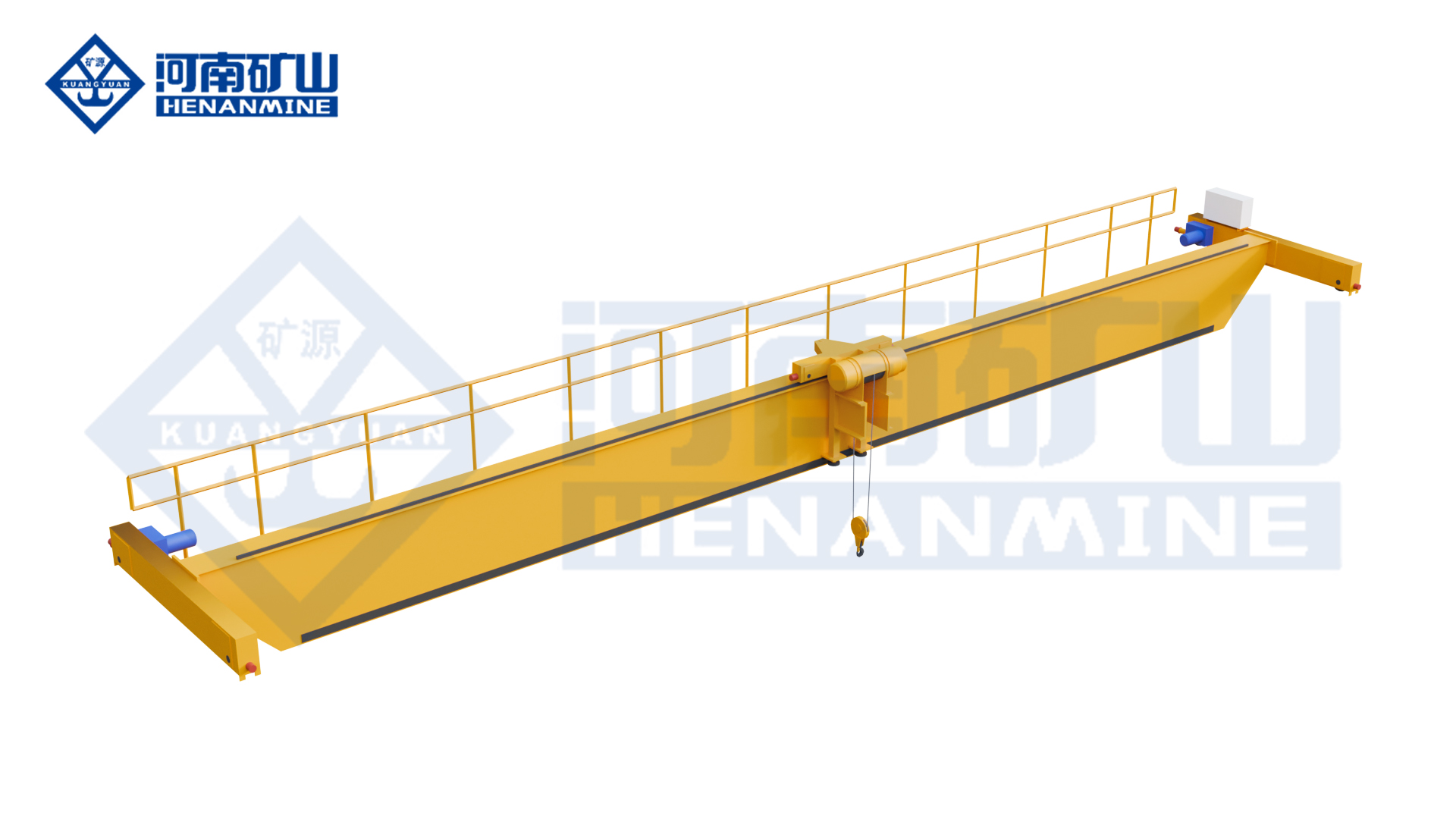
    Position the electric hoist beside the single-girder bridge with an LDP side-mounted arrangement. Coordinate hook approach, available headroom and the work area around the building structure.

    Lifting capacity1t – 10t
    Span7.5m – 28.5m
    Working classA3 – A5
    Technical specifications

    Define the total suspended load, duty and site conditions for your project.

    Technical specifications

    Check the load.
    Plan the configuration.

    Parameters and equipment options are matched to the application and confirmed in the technical proposal.

    Discuss your configuration
    Rated Lifting Capacity1t – 10t
    Span7.5m – 28.5m
    Lifting Height6m – 20m
    Working ClassA3 – A5
    Lifting Speed3.2m/min – 16m/min
    Crane Travel Speed20m/min – 30m/min
    Hoist TypeFixed Electric Hoist
    Control ModeGround handle / Wireless remote control
    Power Supply380V/50Hz; 220V-660V/60Hz
    Protection LevelIP54
    Working Temperature-20℃ ~ 40℃

    Final parameters, dimensions, wheel loads and supply scope follow the approved project specification.

    Application & operation

    Matched to the handling task.

    Restricted workshop envelopes

    Review side-mounted hoist geometry against the available building clearances.

    Local equipment handling

    Reach declared hook positions around machinery and assembly fixtures.

    Selection considerations

    Start with your operating conditions.

    01

    Load & lifting arrangement

    Specify suspended load, required hook positions and lifting accessories. Include lifting-appliance weight and the required lifting positions.

    02

    Site & available space

    Provide runway elevation, side clearances and roof structure. Coordinate the installation interfaces with the available site drawings.

    03

    Duty & control sequence

    Define hoisting duty, positioning requirements and maintenance access. Identify the required movements and control interfaces in the enquiry.

    Configuration comparison

    Compare related lifting arrangements.

    Crane arrangementHandling configuration
    Side-Mounted Single-Girder CranePosition the electric hoist beside the single-girder bridge with an LDP side-mounted arrangement. Coordinate hook approach, available headroom and the work area around the building structure.
    Electric Single Beam Crane For Low ClearanceIncrease usable hook height in a restricted workshop envelope with a low-clearance single-girder arrangement. Match the hoist position, hook approach and structural clearances to the building.
    European-Style Electric Single Girder CraneHandle workshop components with a European-style single-girder crane and electric hoist. Match the compact lifting arrangement and movement control to the building and operating cycle.
    Single-Girder Bridge CraneUse an LDA single-girder bridge and electric hoist for general workshop material handling. Select the lifting capacity, runway geometry and hoist duty around the building and load.

    Operating protection & lifecycle support

    Plan beyond the equipment.

    01

    Operating protection

    Confirm overload protection, travel limits, brakes, emergency controls and the required process interlocks for the declared lifting task.

    02

    Installation & commissioning

    Agree runway reactions, structural interfaces, electrical connections, assembly, inspection and commissioning responsibilities before delivery.

    03

    Inspection & spares

    Plan inspection and maintenance of side-mounted trolley guidance, hoist equipment and end carriages. Agree service access, documentation and the required spare-parts scope.

    Questions before the order

    Clarify the details
    that shape the crane.

    What information is needed for a side-mounted single-girder crane quotation?+

    Provide suspended load, required hook positions and lifting accessories; runway elevation, side clearances and roof structure; and hoisting duty, positioning requirements and maintenance access. Include drawings and the project destination when available.

    How is the side-mounted hoist clearance checked?+

    Supply a workshop cross-section and the required hook positions. The hoist, girder, runway and roof clearances must be checked as one arrangement.

    What installation and support scope should be agreed?+

    Agree runway reactions, structural interfaces, electrical connections, assembly, inspection and commissioning responsibilities before delivery. Specify the documentation, training and spare-parts support needed for the project.

    Related equipment

    Explore the alternatives.

    Let’s discuss your project

    The right crane starts
    with your lifting task.

    Share suspended load, required hook positions and lifting accessories, together with your site layout and operating cycle.

    info@hnksglobal.com
  • Generator Maintenance Cranes: Component Geometry and Removal Routes

    Generator Maintenance Cranes: Component Geometry and Removal Routes

    Selection guide

    Generator Maintenance Cranes: Component Geometry and Removal Routes

    Generator maintenance lifting requires the actual component and approved lifting method to be identified. Provide the load, lifting points and required transfer path so crane coverage and site access can be checked before an outage.

    Henan Mine CraneSelection guide · Updated 2026Crane selection, project scope and operating requirements
    Henan Mine Crane overhead crane inside a workshop bay
    Henan Mine Crane overhead crane inside a workshop bay
    Project planning notes

    Key points for this crane project.

    1. What Is a Generator Maintenance Crane?
    2. Generator Maintenance Applications
    3. Generator Maintenance Crane Selection Considerations
    Read the technical guide

    What Is a Generator Maintenance Crane?

    A generator maintenance crane is the overhead lifting system used to remove and transfer heavy generator parts during a power-plant outage. It normally spans the turbine hall or hydropower machine hall and serves the unit and overhaul area. The governing load might be the complete rotor, a turbine component or, where replacement is planned, the stator. The overhaul strategy decides whether an exceptional stator lift belongs in the crane specification.

    Lifting beams, slings, shackles and other below-hook gear add weight and use headroom. Rotor withdrawal may also require a separate OEM-approved extraction frame or skid arrangement before the overhead hook can take the load. Put those steps on the drawing before ordering the crane.

    LiftInformation to obtainCrane implication
    Generator rotorAssembly mass, center of gravity, lifting points, extraction tooling and maintenance-stand location.Main-hook rating, vertical stroke, hook approach and clear travel path.
    Stator or generator-motor assemblyWhether removal is required, lifting-point reactions, spreader dimensions and allowable tilt.Potential high-capacity or synchronized lift; assess each hook and runway.
    Covers, bearings and auxiliariesIndividual masses, pickup locations and lifting frequency.An auxiliary hook or separate service hoist may suit routine jobs.

    Generator Maintenance Applications

    The crane should cover the actual dismantling, transfer and reassembly operations on the maintenance schedule. The rotor often needs a separate extraction tool before the bridge crane can lift it.

    OperationLifting route and equipmentCrane duty
    Rotor overhaulPick up the rotor from its approved tool or support, clear the unit, move to the service stand and return it.Verify hook access at both ends, rigging height, travel route and precise lowering.
    Stator or generator-motor replacementHandle the complete assembly only where the plant plan requires it and lifting points permit.Check total suspended mass, lift-point loads, hook spacing, runway and any synchronization.
    Bearings, covers and auxiliariesMove parts between the generator, laydown floor and service positions.Use an auxiliary hook or smaller service hoist where it offers better coverage.
    Future unit modernizationRemove replacement assemblies after surrounding pipes, platforms and cable routes are complete.Reserve hook approach and clearance for the fully built plant, not only the construction stage.

    Generator Maintenance Crane Selection Considerations

    A double-girder, top-running overhead crane is the usual starting point for a heavy generator lift. The number of hooks and their rated duties depend on how the actual component is supported.

    ArrangementSuitable liftCritical design check
    Main and auxiliary hooksHeavy rotor handling plus smaller covers, bearings and service components.State each hook’s rating and travel envelope separately. The auxiliary hook is not automatically a second lifting point for the main load.
    Two synchronized main hooksLarge assemblies with two engineered lifting points.Set hook-height difference, load-sharing, fault-response and test criteria.
    Two coordinated bridge cranesExceptional lifts supported by the runways and lift plan.Calculate each crane’s load throughout the motion; nameplate capacities cannot simply be added.
    Separate auxiliary crane or hoistRoutine work outside the heavy generator lift.Check its supports and coverage independently.

    The rated capacity and control scheme are established from approved component and rigging data.

    Generator Maintenance Crane Compared with Other Lifting Arrangements

    Compare the alternatives against the same rotor weight, lifting points, machine-hall drawing and laydown position.

    ArrangementCoverageWhen it fitsLimitation to check
    Main double-girder overhead craneFull turbine or machine-hall bayHeavy rotor and generating-unit liftsRunway strength, hook height and end approach
    Low-headroom heavy bridge craneFull bay in constrained underground hallLarge generator-motor assembly with restricted roof clearanceTrolley envelope and maintenance access
    Electric-hoist double-girder craneService or auxiliary baySmaller components within product ratingNot automatically suitable for primary rotor or stator lift
    Local electric hoistOne station or limited routeCovers, bearings, tools and small equipmentNo full-bay transfer capability

    Powerhouse Layout, Headroom and Existing Runway

    A crane can have enough rated capacity and still fail the lift. Check the rotor and lifting beam at the highest obstruction, hook position above the machine centerline, the route past platforms and pipework, and the floor area where the load will be set down.

    New powerhouse

    Freeze the crane envelope and wheel loads with the building design. Show rail elevation, hook approach, trolley height, walkway and equipment access on a coordinated general arrangement.

    Existing powerhouse

    Survey rails, runway beams and supports. The new bridge’s wheel loads, trolley positions and braking forces can differ from the old crane even at the same hook rating.

    Underground hydro hall

    Confirm the lift above the generator pit and roof-to-rail depth. A low-headroom arrangement can recover hook height, but it must still permit crane inspection and parts removal.

    Capacity and Technical Parameters

    Published Henan Mine Crane catalogue families include the QD hook bridge series below. These are model-family ratings, not preselected generator-maintenance packages. Span, lift, working class, speeds and wheel loads are confirmed against the particular powerhouse.

    QD hook bridge catalogue familySelection note
    QD 75/20–100/20Compare the heaviest suspended maintenance load and auxiliary work.
    QD 125/32–250/50Evaluate rotor or turbine assembly weight and the hall runway.
    QD 300/40–350/75Review major component lifting points, hook coverage and maintenance access.
    QD 400/80–450/80Confirm civil loads, erection access and acceptance scope.
    Project-specific high-capacity systemRequires a separate engineered configuration; not a catalogue QD rating.

    Power Station Project References

    Indonesia: two 120 t turbine-hall cranes

    The cranes handled generating equipment during construction. For future outages, the rotor weights and completed turbine-hall clearances determine the overhaul lifts each crane can perform.

    Pumped storage: 600 t low-headroom crane

    The low-headroom design addresses the confined powerhouse envelope. Its final maintenance duty is defined by the generator-motor lift schedule and powerhouse geometry.

    Hoisting, Control and Outage Reliability

    Low-speed handling

    State loaded hoisting and travel speeds for final approach, plus acceleration and stopping behavior. A VFD is a control choice; the acceptance requirement is stable movement with the specified load.

    Load protection

    Identify limits, overload protection, brakes and emergency stop in the technical schedule. Define how a suspended load is held and recovered after power loss.

    Two-point lifts

    Agree on maximum hook-height difference, load-share limits, alarms and loaded testing before manufacture.

    Outage readiness

    Provide access to brakes, ropes, drives, wheels and controls. Match critical spares and functional checks to the outage plan.

    Generator Maintenance Crane Price and Budget

    There is no reliable list price for a complete generator-maintenance installation. Public manufacturer tables can support an early equipment budget if their listed span and lift remain visible. These figures are independent manufacturers’ reference prices, not Henan Mine Crane quotations.

    Sources: DGCRANE, “Top Running Overhead Crane Price”; Kino Cranes, “Overhead Crane Price”. Public tables checked October 2026. These examples have different specifications and are not like-for-like bids.

    Scope, Inspection and Acceptance

    A useful quotation can be checked against the lift plan and building, not just a capacity label.

    • General arrangement with rail elevation, hook limits, trolley envelope, walkways and maintenance access.
    • Main and auxiliary ratings, load spectrum, duty basis, speeds, motors and brakes.
    • Maximum wheel loads and horizontal actions for the civil engineer.
    • Control description and measurable synchronization criteria, if applicable.
    • Inspection plan, factory witness points, commissioning method and acceptance records.
    • Scope exclusions, delivery term, installation responsibility, manuals, spares and warranty.

    Apply the standards and statutory inspection requirements of the installation country. Final load-test and acceptance values belong in the signed specification and approved procedure.

    Request a Generator Maintenance Crane Quotation

    Send the powerhouse plan and section with the maintenance lift schedule. For a replacement crane, include the existing crane and runway drawings and recent structural inspection records.

    Load and lift plan

    Component mass and dimensions; lifting gear; center of gravity; pickup points; extraction sequence; overhaul-floor route; one-hook or two-point handling.

    Building and project data

    Rail span and length; rail elevation; hook height; obstructions; runway capacity; power supply; destination country; delivery and outage dates.

    Send drawings for a quotation Contact Henan Mine Crane

    Generator Maintenance Crane FAQ

    How do I size the crane for a generator rotor?

    Use the maximum suspended weight under the agreed rating basis, including the rotor assembly and lifting gear. Confirm pickup geometry, vertical stroke and the route to the maintenance stand. MW output does not determine crane capacity.

    Is a 100 t main hook enough for a 100 t component?

    Not on component mass alone. The lifting beam and rigging add weight; the design rules and lift procedure establish the allowable load. Obtain the complete suspended-load schedule first.

    Can two cranes lift a generator stator together?

    Yes, when a qualified plan verifies the load on each crane and lifting point throughout the operation, plus uneven loading, differential motion, runway reactions, communication and a stop or fault response.

    Can the original runway be reused?

    Possibly, after structural and condition checks against the new crane’s wheel loads and horizontal forces. A different trolley layout can require strengthening even when the span is unchanged.

    What lead time should the project allow?

    Set separate dates for drawing approval, fabrication, factory inspection, dispatch, runway readiness, erection and commissioning. The schedule depends on the approved configuration and destination.

    Related Henan Mine Crane Products

    600 t Pumped-Storage Crane

    Low-headroom heavy lifting in a hydro machine hall.

    Dual-Trolley Overhead Crane

    Two trolley positions for an engineered lifting task.

    Discuss the crane arrangement for your project.

    Submit the component lift schedule, rigging masses and powerhouse drawings. Henan Mine Crane can develop the hook arrangement, runway interface, acceptance scope and itemized commercial proposal.

    Related crane configurations

    Explore crane product families and technical parameters ↗

    Updated 2026 · Henan Mine Crane
  • Shipbuilding Gantry Crane

    Shipbuilding Gantry Crane

    Gantry Cranes / Henan Mine Crane

    Shipbuilding Gantry Crane

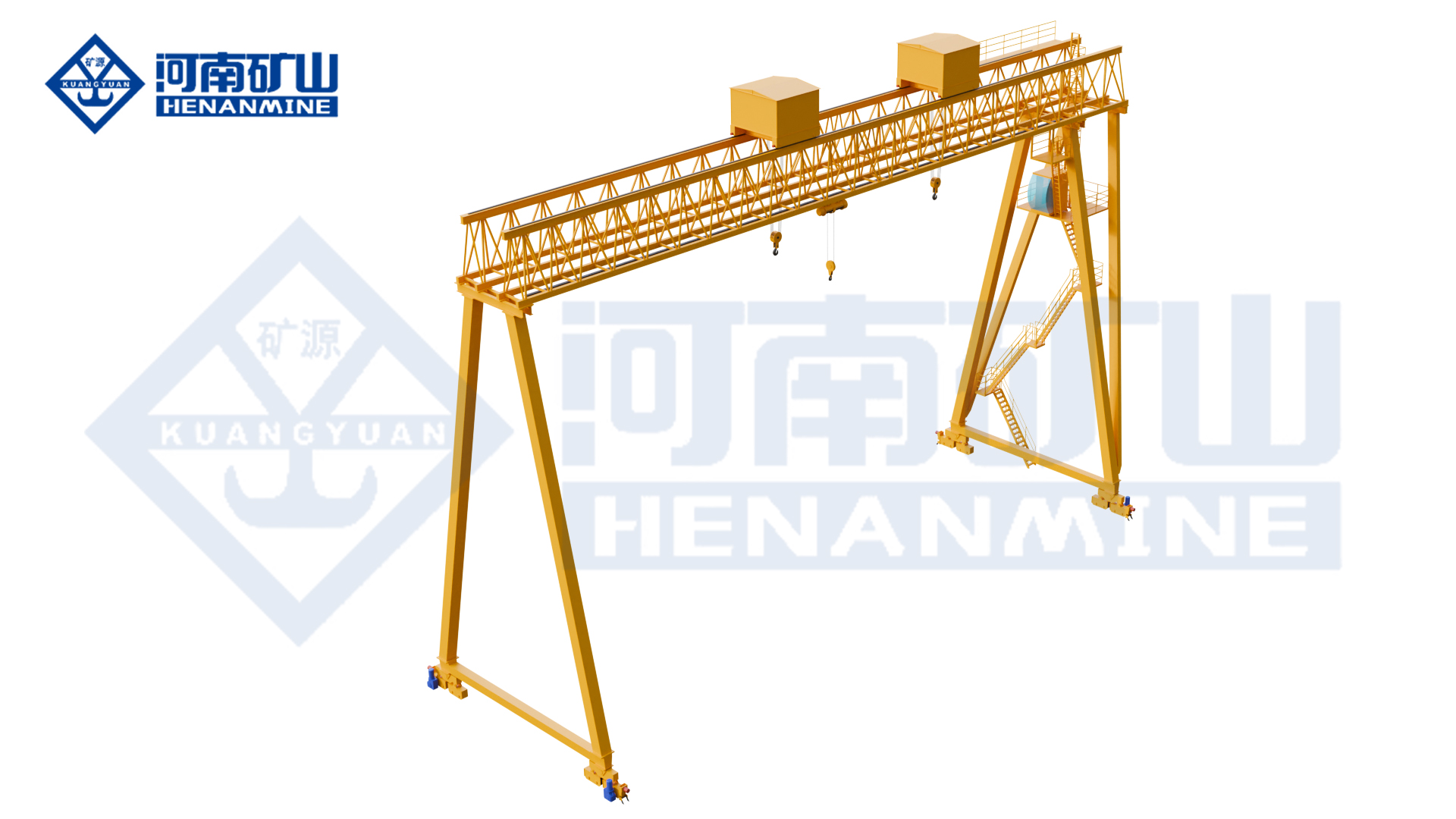
    Lift ship blocks and large assemblies with a shipbuilding gantry configured for the dock and production layout. Define lifting points, trolley functions and any block-turning sequence before selection.

    Lifting capacity100 t, 200 t, 250 t, 450 t
    Span40 – 97 m
    Working classA7 – A8
    Technical specifications

    Define the total suspended load, duty and site conditions for your project.

    Technical specifications

    Check the load.
    Plan the configuration.

    Parameters and equipment options are matched to the application and confirmed in the technical proposal.

    Discuss your configuration
    Lifting Capacity100 t, 200 t, 250 t, 450 t
    Span40 – 97 m
    Max Lifting Height35 – 70 m
    Working ClassA7 – A8
    Working Temperature Range-20℃ ~ 40℃
    Lifting Speed0.5 – 10 m/min (Main Hoist); 1 – 20 m/min (Auxiliary Hoist)
    Traveling Speed5 – 30 m/min (Trolley Travel); 10 – 40 m/min (Long Travel)
    Power Source3-phase AC 380V 50Hz(400V/415V customizable)
    Control ModeCab control, remote operation, wireless remote control

    Final parameters, dimensions, wheel loads and supply scope follow the approved project specification.

    Application & operation

    Matched to the handling task.

    Ship block assembly

    Coordinate several lifting points around large fabricated sections.

    Dry-dock operations

    Match gantry coverage and lifting height to the dock and vessel assembly sequence.

    Selection considerations

    Start with your operating conditions.

    01

    Load & lifting arrangement

    Specify block gross weight, lifting points and centre of gravity. Include lifting-appliance weight and the required lifting positions.

    02

    Site & available space

    Provide dock span, lifting height, travel coverage and assembly access. Coordinate the installation interfaces with the available site drawings.

    03

    Duty & control sequence

    Define turning or coordinated lifting sequence, duty and coastal conditions. Identify the required movements and control interfaces in the enquiry.

    Configuration comparison

    Compare related lifting arrangements.

    Crane arrangementHandling configuration
    Shipbuilding Gantry CraneLift ship blocks and large assemblies with a shipbuilding gantry configured for the dock and production layout. Define lifting points, trolley functions and any block-turning sequence before selection.
    Double Girder Gantry CraneHandle machinery, steelwork and other heavy loads with a double-girder gantry crane. The lifting mechanism, runway, legs and any cantilevers are selected for the complete yard operation.
    Double Girder Truss Gantry CraneUse a double-girder truss gantry for yard or construction handling with the lifting points specified for the load. Define trolley quantity, coordinated movements and the transport or assembly constraints.
    Double Girder Electric Hoist Gantry CraneCover an outdoor handling area with a double-girder gantry and electric-hoist trolley. Select the load rating, leg geometry, cantilever arrangement and travel coverage around the yard layout.

    Operating protection & lifecycle support

    Plan beyond the equipment.

    01

    Operating protection

    Define travel limits, overload protection, traffic clearances and the outdoor operating limits for the proposed arrangement.

    02

    Installation & commissioning

    Agree rail foundations, runway alignment, wheel-load interfaces, erection access, electrical connections and commissioning responsibilities.

    03

    Inspection & spares

    Plan inspection and maintenance of trolley mechanisms, coordinated-control systems and structural connections. Agree service access, documentation and the required spare-parts scope.

    Questions before the order

    Clarify the details
    that shape the crane.

    What information is needed for a shipbuilding gantry crane quotation?+

    Provide block gross weight, lifting points and centre of gravity; dock span, lifting height, travel coverage and assembly access; and turning or coordinated lifting sequence, duty and coastal conditions. Include drawings and the project destination when available.

    What is needed for a block-turning proposal?+

    Provide the block drawing, weight, lifting-point locations and the complete turning sequence. The proposal defines trolley functions, permitted load combinations and movement constraints.

    What installation and support scope should be agreed?+

    Agree rail foundations, runway alignment, wheel-load interfaces, erection access, electrical connections and commissioning responsibilities. Specify the documentation, training and spare-parts support needed for the project.

    Related equipment

    Explore the alternatives.

    Let’s discuss your project

    The right crane starts
    with your lifting task.

    Share block gross weight, lifting points and centre of gravity, together with your site layout and operating cycle.

    info@hnksglobal.com
  • Ship-To-Shore Crane (STS)

    Ship-To-Shore Crane (STS)

    Port Cranes / Henan Mine Crane

    Ship-To-Shore Crane (STS)

    Transfer containers between ship and quay with an STS crane selected for the berth and vessel envelope. Define the lifting-appliance arrangement, outreach, rail position and handling cycle.

    Lifting capacity40-65 80-120 t
    Boom outreach40-72 m
    Working classA8
    Technical specifications

    Define the total suspended load, duty and site conditions for your project.

    Technical specifications

    Check the load.
    Plan the configuration.

    Parameters and equipment options are matched to the application and confirmed in the technical proposal.

    Discuss your configuration
    Rated Lifting Capacity40-65 80-120 t
    Boom Outreach40-72 m
    Lifting Height (Above Rail)25-45 m
    Lifting Height (Below Rail)15-30 m
    Hoisting Speed60-150 m/min
    Trolley Speed120-240 m/min
    Gantry Travel Speed20-45 m/min
    Working ClassA8
    Working Temperature-20 ~ +50
    Protection ClassIP54/IP55
    Control SystemPLC + VFD
    Power Supply380-690V, 50/60Hz

    Final parameters, dimensions, wheel loads and supply scope follow the approved project specification.

    Application & operation

    Matched to the handling task.

    Container berths

    Coordinate the spreader and boom envelope with the declared vessel range.

    Quay transfer operations

    Match trolley coverage and clearances to waterside and landside handling positions.

    Selection considerations

    Start with your operating conditions.

    01

    Load & lifting arrangement

    Specify container sizes, spreader mode and gross suspended loads. Include lifting-appliance weight and the required lifting positions.

    02

    Site & available space

    Provide vessel envelope, boom outreach, quay rails and clearances. Coordinate the installation interfaces with the available site drawings.

    03

    Duty & control sequence

    Define handling cycle, operating winds and terminal control interfaces. Identify the required movements and control interfaces in the enquiry.

    Configuration comparison

    Compare related lifting arrangements.

    Crane arrangementHandling configuration
    Ship-To-Shore Crane (STS)Transfer containers between ship and quay with an STS crane selected for the berth and vessel envelope. Define the lifting-appliance arrangement, outreach, rail position and handling cycle.
    Rail-Mounted Container Gantry CraneHandle containers along a fixed yard runway with a rail-mounted container gantry crane. Coordinate the spreader, stacking geometry, rail layout and transfer positions around the terminal operation.
    Rubber Tyred Gantry (RTG)Use a rubber-tyred gantry for heavy handling where the operating layout requires a mobile tyre-supported arrangement. Define the load, steering modes, route and ground conditions for the project.
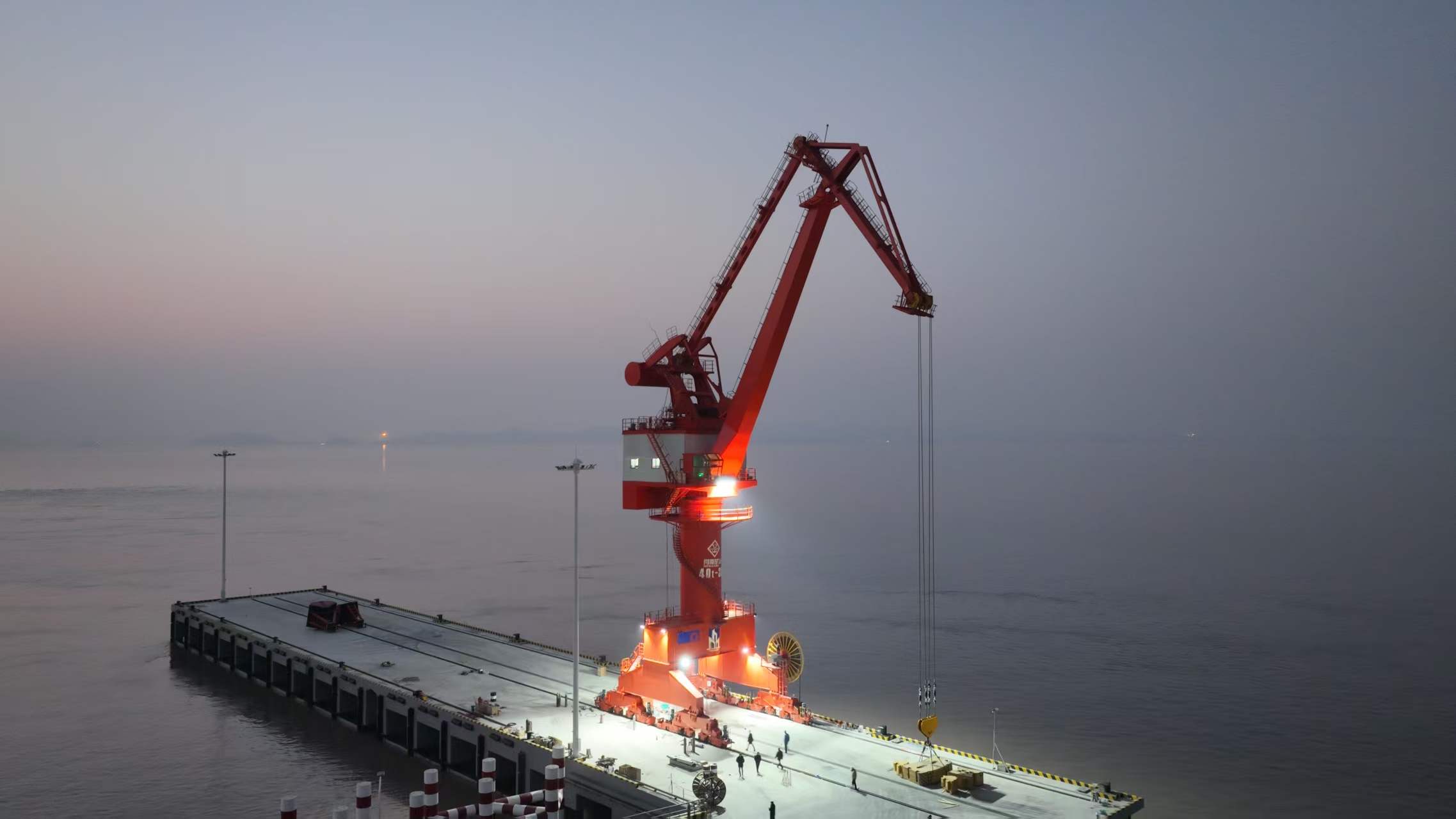
    Portal Harbor CraneHandle cargo with a portal harbor crane configured for the working radius and lifting appliance. Define hook or grab operation, quay interfaces, outreach and the operating cycle.

    Operating protection & lifecycle support

    Plan beyond the equipment.

    01

    Operating protection

    Define the permitted load cases, operating limits, travel protection and lifting-appliance interlocks for the declared cargo-handling modes.

    02

    Installation & commissioning

    Coordinate runway or pavement interfaces, operating clearances, power arrangements, assembly access and the terminal commissioning requirements.

    03

    Inspection & spares

    Plan inspection and maintenance of boom and trolley mechanisms, spreader interlocks and quay travel equipment. Agree service access, documentation and the required spare-parts scope.

    Questions before the order

    Clarify the details
    that shape the crane.

    What information is needed for a ship-to-shore crane (sts) quotation?+

    Provide container sizes, spreader mode and gross suspended loads; vessel envelope, boom outreach, quay rails and clearances; and handling cycle, operating winds and terminal control interfaces. Include drawings and the project destination when available.

    How should STS lifting capacity be stated?+

    Specify the container and spreader operating mode and whether the rating is stated under the spreader or includes the lifting appliance. Define any single, twin or other proposed handling modes separately.

    What installation and support scope should be agreed?+

    Coordinate runway or pavement interfaces, operating clearances, power arrangements, assembly access and the terminal commissioning requirements. Specify the documentation, training and spare-parts support needed for the project.

    Related equipment

    Explore the alternatives.

    Let’s discuss your project

    The right crane starts
    with your lifting task.

    Share container sizes, spreader mode and gross suspended loads, together with your site layout and operating cycle.

    info@hnksglobal.com
  • Gantry Crane Suppliers: Compare the Proposed Site Solution

    Gantry Crane Suppliers: Compare the Proposed Site Solution

    Selection guide

    Gantry Crane Suppliers: Compare the Proposed Site Solution

    A supplier's offer should explain how the crane fits the handling task and supporting site. Review the load, travel arrangement, drawings and installation boundary before comparing price and delivery terms.

    Henan Mine CraneSelection guide · Updated 2026Crane selection, project scope and operating requirements
    Henan Mine Crane overhead crane inside a workshop bay
    Henan Mine Crane overhead crane inside a workshop bay
    Project planning notes

    Key points for this crane project.

    1. What an Engineered Gantry Crane Supplier Must Provide
    2. Gantry Crane Product Range
    3. Engineering and Manufacturing Scope
    Read the technical guide

    What an Engineered Gantry Crane Supplier Must Provide

    A gantry crane supplier must convert the handling requirement into a complete load path. The suspended load passes through the hook or attachment, hoist, trolley, bridge girders, legs, end carriages, wheels, rails and foundations or operating surface. Capacity is only one input; span, lifting height, duty, wind, travel length, skew control, ground conditions and site interfaces establish the actual system.

    A commercially complete proposal identifies the crane configuration, rated capacity, span, lift, speeds, working class, power supply, control method, environment, structural reactions, safety functions and governing acceptance basis. It also separates crane equipment from rails, foundations, runway power, freight, unloading, erection, commissioning, test weights and statutory inspection. This scope definition allows quotations from different gantry crane companies to be normalized.

    Manufacturing capability is evaluated through approved design inputs, material traceability, welding control, dimensional inspection, mechanism selection, electrical documentation, factory testing and packing plans. Project capability is demonstrated through completed installations with comparable capacity, span, duty or operating environment—not through a general product catalogue alone.

    Henan Mine Crane supplies standard industrial gantry platforms and project-specific heavy-lift systems. Published product-family ranges support preliminary selection, while the contract specification, approved general arrangement, calculation basis and signed scope schedule control the delivered crane.

    Gantry Crane Product Range

    Single-Girder Gantry Cranes

    Electric-hoist systems for general production, warehouses and yards.

    Double-Girder Gantry Cranes

    Hoist-trolley or process-trolley systems for higher capacity, longer span, demanding duty and improved hook height.

    Semi-Gantry Cranes

    One side travels on an elevated runway and the opposite side travels on a ground rail. The arrangement serves building edges or production areas requiring partial independent support.

    Truss Gantry Cranes

    Open-web bridge construction reduces wind area and can suit long outdoor spans, construction yards and precast operations.

    Rubber-Tired Gantry Cranes

    Mobile systems provide flexible yard travel without fixed longitudinal rails. Steering, pavement loading, power system, stability and operating route require project-specific coordination.

    Container and Heavy-Lift Gantry Cranes

    RMG, RTG, shipbuilding and custom heavy-lift systems combine process-specific spreaders or lifting beams, higher working duty, coordinated drives and advanced control functions.

    Published capacity and span ranges are not universal combinations. Long spans, high lifts, high wind exposure, severe duty and special attachments require structural and mechanism calculations before a model is confirmed.

    Engineering and Manufacturing Scope

    A gantry crane is engineered as a coordinated structure rather than assembled from isolated components. Bridge stiffness, leg geometry, wheel base, trolley position, wind load, braking forces and rail tolerances influence wheel reactions and travel behavior. The electrical and control design must match the selected mechanisms, duty cycle and operating environment.

    Manufacturing records can include material identification, welding procedures, welder qualifications, nondestructive examination where specified, bridge camber and span inspection, wheel-alignment records, gearbox and brake information, electrical diagrams, coating checks and factory functional tests. Required records and witness points are agreed before production.

    Structural Engineering

    Capacity, span, lift, duty, wind, trolley reactions, fatigue, deflection, transport splits and erection method define bridge, leg and end-carriage design.

    Mechanism Selection

    Hoist, trolley and gantry travel motors, brakes, gearboxes, wheels, drums, ropes and limits are selected for load spectrum, speed and operating hours.

    Electrical Integration

    Panels, VFDs, conductor or cable systems, pendant, radio, cabin or PLC controls are coordinated with voltage, enclosure, alarms and interlocks.

    Quality Planning

    Inspection stages, acceptance criteria, hold points, records and release documentation are linked to the contract specification and agreed standards.

    Transport Engineering

    Shipping dimensions, lifting points, packing protection, container or break-bulk strategy and assembly sequence are developed before dispatch.

    Site Interface

    Rail, foundation, pavement, power, access, erection equipment, test weights and local inspection responsibilities are defined in the scope schedule.

    How to Evaluate Gantry Crane Suppliers

    The lowest initial price can create additional cost when structural interfaces, freight, site services or acceptance documents are omitted.

    Confirm that the proposed configuration is a proven family for the required capacity, span, duty and environment. A portable gantry and a process gantry require different engineering capability.

    The quotation should state load, span, lift, working class, speeds, wind condition, power, attachment, control philosophy and structural assumptions.

    Request evidence for structural fabrication, welding, machining, assembly, electrical production, inspection and functional testing relevant to the proposed crane.

    Equipment, rails, foundations, electrification, freight, installation, commissioning, training and inspection must be listed as included, optional or excluded.

    General arrangement, wheel loads, electrical diagrams, manuals, certificates, inspection records, packing lists and acceptance results require defined submission stages.

    A useful completed project shares meaningful technical conditions such as heavy capacity, long span, outdoor exposure, process duty or advanced control.

    Erection sequence, lifting equipment, site access, rail survey, alignment, temporary works and test-load arrangements should be established before shipment.

    Commissioning response, remote support, recommended spares, wear components, troubleshooting information and maintenance training support long-term availability.

    Gantry Crane Configurations Compared

    Configuration is selected by load path, operating area and duty. The comparison below provides a commercial and technical starting point before project calculations are completed.

    ConfigurationTypical ApplicationPrincipal Advantage
    Single-girder rail-mountedWorkshops, yards, maintenance and general productionLower bridge mass and efficient electric-hoist package
    Double-girder rail-mountedHeavy fabrication, precast, steel and high-duty handlingHigher capacity, stiffness, hook height and trolley flexibility
    Semi-gantryBuilding edge, mixed indoor/outdoor or partial runway supportUses one elevated runway while preserving floor coverage
    Truss gantryOutdoor long-span yards, construction and precast workReduced wind area and efficient outdoor bridge form
    Rubber-tired gantryFlexible yards and container or precast movementTravel route flexibility without fixed longitudinal rails
    Rail-mounted container gantryContainer stacking and terminal operationsHigh stacking productivity and automated control potential
    Shipbuilding or heavy-lift gantryBlock assembly, bridge construction and large-module handlingSynchronized high-capacity handling over large working envelopes

    Published ranges describe product platforms and do not confirm every capacity-span-duty combination. The approved technical schedule and general arrangement determine the contracted configuration.

    Gantry Crane Supplier Qualification Checklist

    A pre-award review should convert broad claims into project deliverables. The following checklist supports technical clarification, commercial comparison and factory assessment.

    Review AreaEvidence to RequestAcceptance QuestionContract Deliverable
    Company and project capabilityRelevant product catalogue, organization, comparable installations and project teamHas the proposed team delivered a crane with comparable engineering demands?Named contacts, responsibility matrix and project schedule
    Design controlDesign-input sheet, preliminary layout, wheel loads and technical deviationsAre all stated assumptions compatible with the site and process?Approved technical specification and general arrangement
    Structural fabricationMaterial controls, welding procedures, welder records and inspection planAre critical welds, dimensions and tolerances controlled?Material and fabrication inspection records
    Mechanisms and electricalSelected makes, data sheets, duty ratings, circuit concept and protection listDo motors, brakes, gearboxes, ropes, controls and enclosures match the operating cycle?Component schedule and electrical drawings
    Factory acceptanceTest procedure, witness plan and calibrated inspection equipmentWhich functions and records are verified before release?Factory test and release package
    Packing and logisticsPacking method, shipping splits, lifting points and preservation planCan the equipment reach the site without damage or unplanned rework?Packing list, marks and handling instructions
    Site completionErection method, commissioning procedure, test-load plan and training contentAre labor, tools, access, power and test weights assigned?Site acceptance and handover records
    Lifecycle supportRecommended spares, maintenance schedule and response arrangementCan routine and critical components be identified and replaced efficiently?Manuals, spare-parts list and service contacts

    Technical Specification and Quotation Data

    An accurate gantry crane quotation requires measurable operating data. The gross suspended load includes the payload, lifting beam, spreader, grab, magnet, slings and every component below the hook or trolley. Future load growth and exceptional handling conditions should be declared during the design stage.

    Load and Attachment

    Maximum and normal load, dimensions, center of gravity, lifting points, attachment mass, load temperature and any rotating or guided handling requirement.

    Geometry and Coverage

    Span between rail centers, lifting height, rail length, cantilevers, hook approaches, rail elevation, ground clearance and obstructions.

    Operating Cycle

    Lifts per hour, load spectrum, travel distances, shifts, annual hours, production peaks and consequence of downtime.

    Motion Performance

    Main and micro speeds, acceleration, positioning tolerance, anti-sway, synchronized lifting, steering or skew-control requirements.

    Site Conditions

    Indoor or outdoor location, wind, temperature, humidity, dust, corrosion, seismic basis, altitude, hazardous classification and drainage.

    Power and Controls

    Voltage, frequency, phase, available supply, cable route, pendant, radio, cabin, PLC, network and remote diagnostic requirements.

    Civil and Rail Interface

    Rail section, foundation or pavement data, allowable reactions, tolerances, end stops, storm anchors and travel-lane restrictions.

    Delivery and Acceptance

    Destination, Incoterm, packing, unloading, installation, inspection authority, test weights, training and required documentation language.

    Manufacturing, Inspection and Quality Records

    Inspection requirements should be proportional to crane duty and project risk. A standard industrial unit and a heavy-lift process crane require different witness plans, but both need traceability from approved specification to completed equipment. Deviations and concessions should be closed before dispatch.

    The inspection and test plan identifies review, witness and hold points. Records are compiled into the final data book with approved drawings, component information, factory results, packing documentation and site acceptance records as contracted.

    Project StageTypical ControlTypical RecordRelease Basis
    Design approvalInput review, calculations, general arrangement, interfaces and technical deviationsApproved specification, drawing register and interface scheduleEngineering approval before fabrication release
    Material and weldingMaterial identification, procedures, qualifications, weld preparation and specified examinationMaterial records, weld logs and examination reportsInspection-plan acceptance
    Dimensional inspectionSpan, camber, diagonals, leg geometry, wheel alignment and connection fit-upDimensional report and assembly marksCompliance with approved tolerances
    Mechanism and electrical checksMotor, brake, gearbox, rope, limit, panel, wiring and protection verificationComponent data, settings and functional-test sheetsApproved component schedule and test procedure
    Factory acceptanceNo-load functions, controls, alarms, interlocks and document review within available setupFactory acceptance and punch-list closureRelease authorization
    Site acceptanceRail survey, assembly, alignment, insulation, limits, no-load and specified load testsCommissioning, load-test and handover reportsSigned site acceptance criteria

    Export Packing, Shipping and Logistics

    Export logistics should be engineered before fabrication is completed. Girder and leg shipping lengths, lifting points, container dimensions, port restrictions, inland route limits and site crane capacity influence structural splits and assembly joints. Protective packing must match open-deck, break-bulk, container or long-distance road transport exposure.

    Shipping Split Plan

    Bridge, legs, end carriages, platforms and rails are divided into transportable sections with identified mass, center of gravity and connection sequence.

    Export Protection

    Machined surfaces, electrical equipment, motors, ropes and loose components receive appropriate wrapping, sealing, bracing and corrosion protection.

    Marking and Inventory

    Package numbers, assembly marks, packing lists and photographs support customs clearance, unloading and controlled site inventory.

    Freight Basis

    Incoterm, departure point, destination, container or break-bulk basis, insurance and abnormal-load permits are stated in the commercial offer.

    Unloading Requirements

    Package weights, lift points, spreader needs, storage surface and weather protection are issued before arrival.

    Site Preservation

    Storage duration, periodic inspection, moisture control, coating repair and mechanism preservation are defined when erection is delayed.

    Installation, Commissioning and Lifecycle Support

    Site completion begins with rail or travel-path verification. Gauge, straightness, elevation, joint condition, end stops, foundation interfaces and electrical supply are checked before crane assembly. Erection proceeds under an approved method statement with appropriate lifting equipment, temporary stability and exclusion zones.

    Pre-Installation Review

    Confirm civil completion, rail survey, access, laydown area, lifting equipment, labor, power, permits and environmental conditions.

    Mechanical Erection

    Assemble bridge and legs, install wheel groups, platforms, hoist trolley, rails or cables, buffers, anchors and safety devices.

    Electrical Commissioning

    Verify supply, grounding, phase sequence, motor direction, brake settings, limits, overload protection, alarms and control logic.

    Functional and Load Testing

    Complete no-load checks, progressive functional tests and contract or statutory load testing with calibrated instruments and approved weights.

    Operator and Maintenance Training

    Cover controls, inspections, abnormal conditions, lockout, lubrication, brakes, ropes, wheels, rails and record keeping.

    Parts and Service Planning

    Define commissioning spares, operating spares, wear parts, critical components and the information required for accurate replacement.

    Project Case: 700 t Gantry Crane for a Yangtze River Bridge Project

    The project required a custom heavy-lift system rather than a standard catalogue configuration.

    The procurement significance extends beyond rated capacity. A project of this scale requires controlled structural design, transportable fabrication modules, coordinated lifting mechanisms, synchronized travel, defined wind limits, engineered foundations or rails, erection planning and a project-specific inspection and commissioning program.

    Comparable heavy-lift enquiries should include component mass and geometry, lifting points, center of gravity, required travel path, assembly sequence, wind conditions, allowable ground reactions, synchronization tolerance and acceptance authority. These inputs establish the safe operating envelope and contract scope.

    Gantry Crane Price and Commercial Scope

    Public market positions vary widely because portable gantries, equipment-only industrial cranes and installed systems represent different supply boundaries. The table supports preliminary budget classification; a binding price requires project dimensions, duty, destination and an agreed scope.

    Budget CategoryTypical BasisPrincipal Cost Variables
    Full engineered gantryTwo-leg structural system within the stated project basisCapacity, span, lift, runway, electrification, installation and testing
    Heavy-lift, process, container or automated gantryCustom engineered crane and project servicesStructure, mechanisms, automation, attachment, wind, logistics, erection and acceptance

    Quotation normalization: capacity, span, lift, duty, speeds, hoist or trolley, bridge and legs, rails, electrification, controls, documentation, freight, installation, testing and taxes should be compared line by line. Equipment price and total installed cost are not interchangeable.

    Indicative market positions were checked in September 2026 and are intended for preliminary capital planning. They are not fixed Henan Mine Crane quotations. Currency, steel cost, destination, specification and site conditions can change the final contract value.

    Request for Quotation and Frequently Asked Questions

    A complete enquiry should include gross suspended load, load dimensions, attachment, span, lift, travel length, cantilevers, working cycle, speeds, control method, indoor or outdoor environment, wind basis, rail or pavement information, power supply, destination, required Incoterm and site-service boundary.

    Technical Data

    Capacity, load spectrum, span, lift, duty, speeds, attachment, hook coverage, wind, temperature and required control functions.

    Engineering and Manufacturing Scope

    Site Interface

    Travel length, rails, foundations, pavement, power, obstructions, erection access, ground pressure and available site lifting equipment.

    Request for Quotation and Frequently Asked Questions

    Compliance and Documentation

    Destination requirements, inspection authority, document language, approval stages, witness points and acceptance testing.

    Commercial Boundary

    Freight term, unloading, installation, commissioning, training, test weights, local labor, taxes and requested spare parts.

    How should gantry crane suppliers be compared?

    Total installed scope provides a stronger comparison than headline price.

    Which gantry crane type is suitable for general industrial service?

    Single-girder rail-mounted cranes commonly suit moderate capacity and general duty. Double-girder systems support higher capacity, longer span, demanding duty, better hook height and specialized trolleys. Site and process data determine the final selection.

    What information is required for an accurate price?

    Rated and normal load, span, lift, travel length, duty, speeds, control, environment, rail or pavement data, power, destination and supply boundary establish the principal cost basis.

    Does a gantry crane quotation include rails and foundations?

    Rails, foundations, pavement work, electrical feed, freight, erection and test weights are included only when expressly listed. The offer should identify every included, optional and excluded item.

    Can a gantry crane operate outdoors?

    Outdoor cranes require declared operating and parked wind conditions, corrosion protection, drainage, environmental enclosures, storm anchors or rail clamps where applicable, and a safe operating procedure.

    What documents should be supplied with the crane?

    Typical documents include approved drawings, wheel loads, electrical diagrams, manuals, component schedules, inspection records, certificates, packing lists and factory or site acceptance results.

    How is installation responsibility divided?

    The contract assigns rail and civil readiness, unloading, erection equipment, labor, supervision, wiring, test weights, permits, statutory inspection and final handover. The installation method should be agreed before dispatch.

    How long does a custom gantry crane project take?

    Schedule depends on engineering approval, material procurement, capacity, span, control complexity, inspection points, shipping route and site readiness. A contract schedule should show drawing approval, manufacture, testing, dispatch and commissioning milestones.

    Related Gantry Crane Products

    Each product platform serves a distinct load, span, duty and travel arrangement. Final model selection follows the approved project specification.

    Single-Girder Gantry Crane

    Efficient electric-hoist gantry for workshops, material yards, maintenance and general production.

    Double-Girder Gantry Crane

    High-capacity two-girder platform for demanding duty, longer spans and specialized trolley arrangements.

    Double-Girder Electric-Hoist Gantry Crane

    Two-girder bridge combined with electric-hoist lifting for industrial handling and maintenance service.

    Semi-Gantry Crane

    Mixed elevated and ground-running support for building edges and partially covered production areas.

    Truss Gantry Crane

    Open-web structure for outdoor yards, construction work and long-span material handling.

    L-Type Offset Gantry Crane

    Offset-leg arrangement providing side approach and cantilever handling for long or bulky materials.

    Discuss the crane arrangement for your project.

    Submit the gross load, span, lifting height, travel length, duty, speed, attachment, operating environment, rail or pavement information, power supply, destination and required delivery boundary. Henan Mine Crane will prepare a configuration-based technical and commercial proposal.

    Related crane configurations

    Explore crane product families and technical parameters ↗

    Updated 2026 · Henan Mine Crane
  • Double-Girder Semi-Gantry Crane

    Double-Girder Semi-Gantry Crane

    Gantry Cranes / Henan Mine Crane

    Double-Girder Semi-Gantry Crane

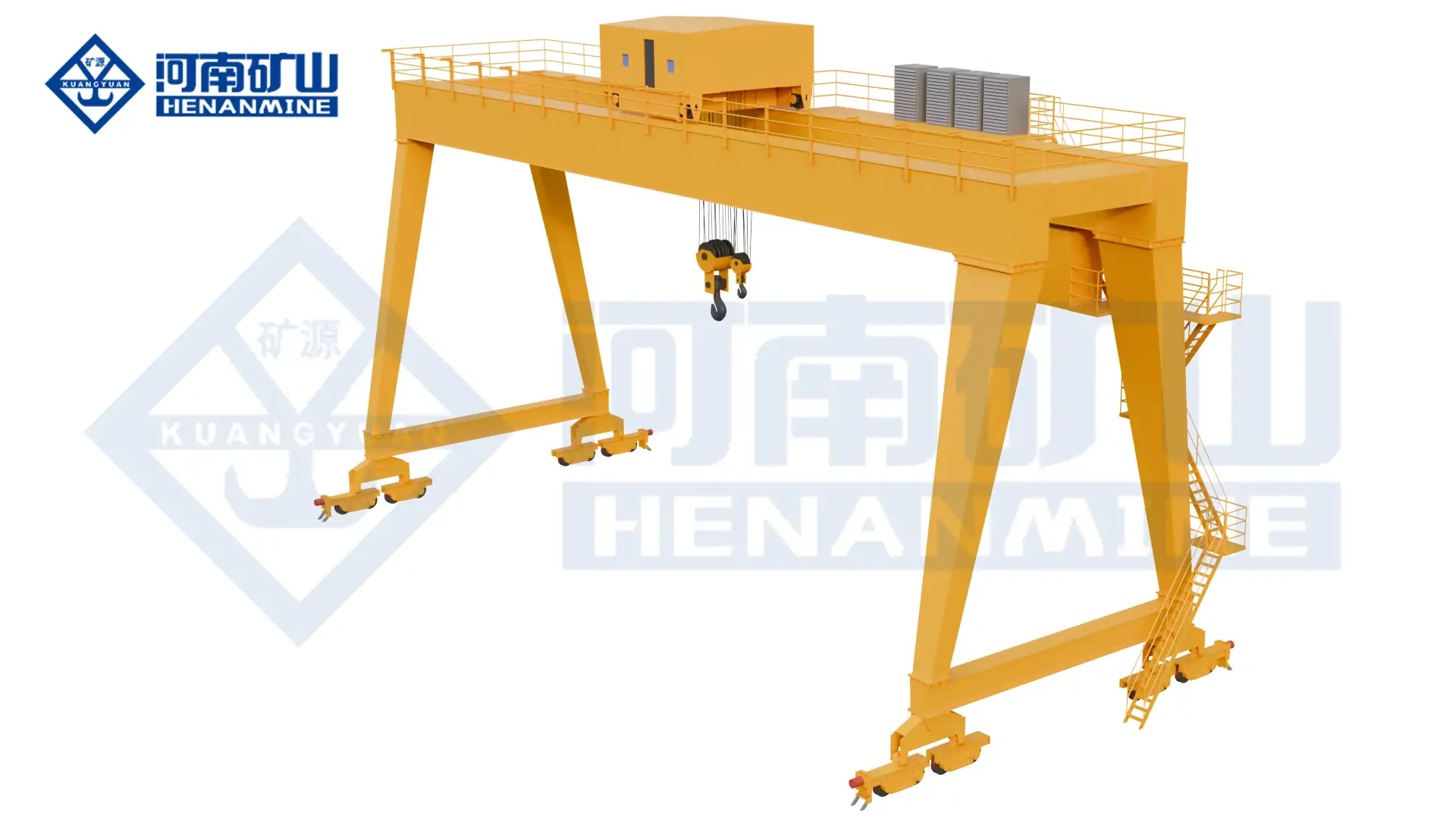
    Cover a workshop edge or yard with a double-girder semi-gantry arrangement. One side uses an elevated runway while the leg-supported side travels on a ground rail, coordinated with site access.

    Lifting capacity3 – 20 t
    Span5 – 30 m
    Working classA3 – A6
    Technical specifications

    Define the total suspended load, duty and site conditions for your project.

    Technical specifications

    Check the load.
    Plan the configuration.

    Parameters and equipment options are matched to the application and confirmed in the technical proposal.

    Discuss your configuration
    Lifting Capacity3 – 20 t
    Span5 – 30 m
    Lifting Height6 – 18 m
    Working ClassA3 – A6
    Working Temperature Range-20℃ ~ 40℃
    Lifting Speed0.33 – 8 m/min
    Traveling Speed5 – 30 m/min(Long Travel); 2 – 20 m/min(Trolley Travel)
    Control ModeGround pendant, cab control, wireless remote control
    Protection ClassIP54(Electrical Components)

    Final parameters, dimensions, wheel loads and supply scope follow the approved project specification.

    Application & operation

    Matched to the handling task.

    Workshop-side handling

    Extend lifting coverage along a building edge or adjacent working area.

    Local material transfer

    Coordinate the elevated and ground-level runways with loading positions and traffic.

    Selection considerations

    Start with your operating conditions.

    01

    Load & lifting arrangement

    Specify load, lifting appliance and required hook coverage. Include lifting-appliance weight and the required lifting positions.

    02

    Site & available space

    Provide elevated runway, ground rail, building reactions and leg clearance. Coordinate the installation interfaces with the available site drawings.

    03

    Duty & control sequence

    Define operating cycle, traffic separation and control requirements. Identify the required movements and control interfaces in the enquiry.

    Configuration comparison

    Compare related lifting arrangements.

    Crane arrangementHandling configuration
    Double-Girder Semi-Gantry CraneCover a workshop edge or yard with a double-girder semi-gantry arrangement. One side uses an elevated runway while the leg-supported side travels on a ground rail, coordinated with site access.
    Single Girder Semi-Gantry CraneExtend lifting coverage along a workshop or yard with a single-girder semi-gantry. Coordinate the elevated runway, ground-travelling leg and electric-hoist arrangement with the working area.
    Double Girder Electric Hoist Gantry CraneCover an outdoor handling area with a double-girder gantry and electric-hoist trolley. Select the load rating, leg geometry, cantilever arrangement and travel coverage around the yard layout.
    Double Girder Gantry CraneHandle machinery, steelwork and other heavy loads with a double-girder gantry crane. The lifting mechanism, runway, legs and any cantilevers are selected for the complete yard operation.

    Operating protection & lifecycle support

    Plan beyond the equipment.

    01

    Operating protection

    Define travel limits, overload protection, traffic clearances and the outdoor operating limits for the proposed arrangement.

    02

    Installation & commissioning

    Agree rail foundations, runway alignment, wheel-load interfaces, erection access, electrical connections and commissioning responsibilities.

    03

    Inspection & spares

    Plan inspection and maintenance of elevated runway interfaces, ground-level travel drives and trolley equipment. Agree service access, documentation and the required spare-parts scope.

    Questions before the order

    Clarify the details
    that shape the crane.

    What information is needed for a double-girder semi-gantry crane quotation?+

    Provide load, lifting appliance and required hook coverage; elevated runway, ground rail, building reactions and leg clearance; and operating cycle, traffic separation and control requirements. Include drawings and the project destination when available.

    Which runway interfaces must be checked?+

    Provide both runway elevations, rail sections, support details and the ground travel route. Crane reactions, alignment and leg clearance must be coordinated across the two sides.

    What installation and support scope should be agreed?+

    Agree rail foundations, runway alignment, wheel-load interfaces, erection access, electrical connections and commissioning responsibilities. Specify the documentation, training and spare-parts support needed for the project.

    Related equipment

    Explore the alternatives.

    Let’s discuss your project

    The right crane starts
    with your lifting task.

    Share load, lifting appliance and required hook coverage, together with your site layout and operating cycle.

    info@hnksglobal.com
  • Rubber Tyred Gantry (RTG)

    Rubber Tyred Gantry (RTG)

    Port Cranes / Henan Mine Crane

    Rubber Tyred Gantry (RTG)

    Use a rubber-tyred gantry for heavy handling where the operating layout requires a mobile tyre-supported arrangement. Define the load, steering modes, route and ground conditions for the project.

    Lifting capacity20t – 100t
    Span5m – 30m
    Working classA6 – A8
    Technical specifications

    Define the total suspended load, duty and site conditions for your project.

    Technical specifications

    Check the load.
    Plan the configuration.

    Parameters and equipment options are matched to the application and confirmed in the technical proposal.

    Discuss your configuration
    Rated Lifting Capacity20t – 100t
    Span5m – 30m
    Lifting Height6m – 30m
    Lifting Speed0.5m/min – 6m/min
    Travel Speed5m/min – 25m/min
    Steering ModeStraight, lateral, diagonal, in-situ rotation
    Working ClassA6 – A8
    Protection LevelIP55 (IP65 optional)
    Site operating conditionsDeclare climate, wind exposure and permitted operating limits for the proposed configuration

    Final parameters, dimensions, wheel loads and supply scope follow the approved project specification.

    Application & operation

    Matched to the handling task.

    Flexible handling areas

    Coordinate travel and lifting positions within a defined operating area.

    Heavy-component transfer

    Match the gantry envelope, steering arrangement and lifting appliance to the cargo.

    Selection considerations

    Start with your operating conditions.

    01

    Load & lifting arrangement

    Specify cargo dimensions, complete suspended load and lifting appliance. Include lifting-appliance weight and the required lifting positions.

    02

    Site & available space

    Provide pavement capacity, route gradients, turning envelope and clearances. Coordinate the installation interfaces with the available site drawings.

    03

    Duty & control sequence

    Define travel and lifting cycles, steering requirements and power arrangement. Identify the required movements and control interfaces in the enquiry.

    Configuration comparison

    Compare related lifting arrangements.

    Crane arrangementHandling configuration
    Rubber Tyred Gantry (RTG)Use a rubber-tyred gantry for heavy handling where the operating layout requires a mobile tyre-supported arrangement. Define the load, steering modes, route and ground conditions for the project.
    Rail-Mounted Gantry (RMG)Use an RMG for container transfer along a fixed rail layout. Select the lifting arrangement, yard coverage and positioning controls from the container flow and stacking requirements.
    Container Straddle CarrierMove containers between handling positions with a straddle carrier matched to the travel route and stacking layout. Define container load, ground conditions, clearance and the preferred drive system.
    Double Girder Gantry CraneHandle machinery, steelwork and other heavy loads with a double-girder gantry crane. The lifting mechanism, runway, legs and any cantilevers are selected for the complete yard operation.

    Operating protection & lifecycle support

    Plan beyond the equipment.

    01

    Operating protection

    Define the permitted load cases, operating limits, travel protection and lifting-appliance interlocks for the declared cargo-handling modes.

    02

    Installation & commissioning

    Coordinate runway or pavement interfaces, operating clearances, power arrangements, assembly access and the terminal commissioning requirements.

    03

    Inspection & spares

    Plan inspection and maintenance of tyres, steering components and lifting mechanisms. Agree service access, documentation and the required spare-parts scope.

    Questions before the order

    Clarify the details
    that shape the crane.

    What information is needed for a rubber tyred gantry (rtg) quotation?+

    Provide cargo dimensions, complete suspended load and lifting appliance; pavement capacity, route gradients, turning envelope and clearances; and travel and lifting cycles, steering requirements and power arrangement. Include drawings and the project destination when available.

    Can the gantry travel anywhere on the site?+

    The operating route must be reviewed for pavement loading, gradients, clearances and turning space. Provide the intended lifting and travelling load cases for the proposed vehicle arrangement.

    What installation and support scope should be agreed?+

    Coordinate runway or pavement interfaces, operating clearances, power arrangements, assembly access and the terminal commissioning requirements. Specify the documentation, training and spare-parts support needed for the project.

    Related equipment

    Explore the alternatives.

    Let’s discuss your project

    The right crane starts
    with your lifting task.

    Share cargo dimensions, complete suspended load and lifting appliance, together with your site layout and operating cycle.

    info@hnksglobal.com
  • Gantry Crane Cost Planning: Equipment, Foundations and Installation

    Gantry Crane Cost Planning: Equipment, Foundations and Installation

    Selection guide

    Gantry Crane Cost Planning: Equipment, Foundations and Installation

    The gantry equipment is only one part of the project budget. Define the load and operating layout, then separate supporting works, electrical supply, installation and delivery responsibilities in the quotation.

    Henan Mine CraneSelection guide · Updated 2026Crane selection, project scope and operating requirements
    Henan Mine Crane overhead crane inside a workshop bay
    Henan Mine Crane overhead crane inside a workshop bay
    Project planning notes

    Key points for this crane project.

    1. What Determines a Gantry Crane Price?
    2. Gantry Crane Types and Their Price Position
    3. Gantry Crane Price Ranges by Type and Capacity
    Read the technical guide

    What Determines a Gantry Crane Price?

    A gantry crane price can range from a few thousand US dollars for a small manual portable frame to a project-engineered budget for a large rail-mounted industrial crane. Capacity is important, but it is only one cost variable.

    Published online prices usually describe portable steel or aluminum frames. The hoist, trolley, electrification, freight and installation may be excluded. Industrial single- and double-girder cranes normally include powered long travel, a hoist or winch trolley, electrical panels and safety devices, but rails, foundations, cable supply, erection and statutory inspection still depend on the contract.

    A reliable commercial comparison therefore begins with one technical data sheet and one responsibility matrix. Every bid should state equipment included, excluded site work, trade term, documentation, testing and commissioning. Henan Mine Crane prepares project pricing after confirming these boundaries rather than applying one price to every crane of the same tonnage.

    Gantry Crane Types and Their Price Position

    01 · Portable Gantry Crane

    A fixed- or adjustable-height frame on casters or wheels for maintenance and workshop lifting. It has the lowest structural cost, but published prices often exclude the hoist and trolley. Capacity, span, height, wheel type and motorization determine the final package.

    02 · Single-Girder Gantry Crane

    An electric hoist travels below one main girder supported by two legs. It is generally the most economical powered rail-mounted choice for light and medium industrial duty where capacity, span and operating frequency remain within the approved design range.

    03 · Double-Girder Gantry Crane

    Two box girders support a rail-mounted hoist or winch trolley. The configuration carries higher capacity and duty and provides greater lifting height or hook approach, but adds structural steel, trolley machinery, wheel loads, shipping volume and erection work.

    04 · Semi-Gantry Crane

    One side travels on an elevated runway and the other on a ground rail. It can reduce the number of supporting legs and use existing building structure, but the elevated runway, building reactions and ground-side foundation must be verified before comparing total cost.

    05 · Truss Gantry Crane

    A lattice or truss girder can reduce self-weight and wind area for long-span outdoor service. Fabrication complexity, corrosion protection, bolted shipping sections and site assembly influence whether it is more economical than a box-girder alternative.

    06 · Special and Heavy-Lift Gantry Crane

    Shipbuilding, bridge construction, hydropower, precast, container and rubber-tyred systems use project-specific structures, attachments, drives and controls. Their price is developed from engineering scope and site interfaces, not a standard tonnage table.

    Gantry Crane Price Ranges by Type and Capacity

    The following September 2026 market bands support preliminary budgeting across portable and rail-mounted configurations. They are indicative equipment ranges rather than a fixed Henan Mine Crane offer. Final pricing requires confirmation of capacity, span, lifting height, duty, operating environment, controls, destination and supply boundary.

    ConfigurationCommonly Included
    Portable steel or aluminum gantryFrame, uprights, beam and wheels in basic retail configurations
    Portable industrial gantryFixed or adjustable steel frame; configuration varies by span and height
    Portable industrial gantryHeavy steel frame and industrial wheel arrangement
    Single-girder rail-mounted gantryGirder, legs, end carriages, electric hoist, travel drives and basic controls
    Semi-gantry craneBridge, one ground leg, end carriages, hoist and crane controls
    Double-girder rail-mounted gantryDouble-girder structure, legs, trolley, travel drives and controls
    Double-girder rail-mounted gantryIndustrial crane equipment for the stated preliminary capacity range
    Heavy-lift or process gantryEngineered structure, lifting machinery, controls and contracted safety package

    Price comparison rule: compare equipment-only bids with equipment-only bids and installed bids with installed bids. A portable frame without a hoist cannot be compared directly with a powered rail-mounted crane.

    Match the Gantry Crane Budget to the Application

    The lowest-priced structure is not always the lowest-cost solution. A portable crane may suit occasional maintenance inside a workshop, while a powered rail-mounted crane is more appropriate for repetitive yard handling. A semi-gantry arrangement can save floor space, but only when the existing building can accept the elevated runway reactions.

    Outdoor operation adds wind, rain, temperature and corrosion requirements. Rail clamps, storm anchors, anemometers, weatherproof electrical equipment, protected motors and the specified coating system should be priced with the crane rather than added after manufacture. Coastal sites require a corrosion strategy based on the actual exposure.

    Process attachments also affect price. A hook crane, grab crane, magnetic crane, precast beam crane and container crane may share a rated capacity while using different trolleys, power supplies, control logic and duty classifications.

    ApplicationStarting ConfigurationPrincipal Cost DriversBudget Risk to Control
    Workshop maintenancePortable or compact single-girder gantryCapacity, adjustable height, casters, hoist, trolley and floor conditionAssuming the listed frame price includes lifting machinery
    General outdoor material yardRail-mounted single-girder gantrySpan, runway length, cantilever, hoist duty, outdoor controls and wind protectionOmitting rails, foundations and power distribution from the budget
    Heavy fabrication or steel yardDouble-girder gantry with hoist or winch trolleyLoad spectrum, span, lift, duty, attachments, cabin and wheel loadsSelecting by tonnage without checking fatigue duty and ground reactions
    Workshop edge or indoor-outdoor transferSemi-gantry craneExisting building runway, one ground rail, lateral space and transfer routeUsing existing structure without survey and reinforcement verification
    Precast or bridge construction yardTruss or double-girder engineering gantryPrecast member geometry, dual lifting points, span, wind, relocation and erection planExcluding lifting beams, foundations, dismantling or project moves
    Port or container yardRMG, RTG or application-specific container craneContainer pattern, stacking height, travel route, spreader, power and automationApplying general-purpose gantry prices to container handling equipment

    Technical Specification Required for an Accurate Price

    The quotation should be developed from a measurable operating basis. Missing dimensions or duty data force suppliers to make different assumptions, producing prices that appear comparable but describe different cranes.

    Specification ItemInformation to ProvideEngineering DecisionPrice Effect
    Maximum gross loadLoad plus beam, grab, magnet, spreader, hook and every suspended componentRated capacity, hoist, trolley, structure, wheels and brakesHigher gross load increases machinery and structural demand
    Span and cantileversDistance between rail centers and working area required beyond each legGirder form, section size, leg geometry and transport splitLonger span and cantilevers add steel, fabrication and erection work
    Lift and headroomRail level, lowest pickup, highest set-down and required clearanceHoist or winch layout, rope capacity and overall crane heightGreater lift changes drum, rope, frame and shipping requirements
    Runway length and travel routeRail length, end approaches, curves or crossings and operating surfaceTravel drive, cable supply, rail type, buffers and alignment toleranceLong runways increase rails, electrification, civil work and installation
    Duty and load spectrumLifts per hour, average load, full-load frequency, shifts and annual hoursWorking class, fatigue design, motors, brakes and component lifeHigh utilization can cost more than a larger occasional-use crane
    Hoisting mechanismRequired speed, positioning, main or auxiliary hooks and attachmentElectric hoist, sitting trolley, open winch or process mechanismTrolley architecture materially changes price and maintenance scope
    Controls and automationPendant, radio, cabin, VFD, PLC, anti-sway and plant interfacesElectrical architecture, sensors, communications and operator stationAutomation and precision require additional hardware and validation
    Outdoor environmentWind data, temperature, rain, dust, corrosion, altitude and coastal exposureAnchors, clamps, anemometer, enclosures, heating, cooling and coatingSite protection should be engineered into the original package

    Six Cost Drivers That Change the Crane Price

    Capacity and Duty Are Separate

    Rated load sizes the crane, while the load spectrum and operating frequency establish fatigue and thermal duty.

    Span Changes More Than Steel Weight

    Increasing span affects girder depth, stiffness, wheel loads, shipping sections, leg geometry and erection method. The working width and rail-center span should be defined separately.

    Hoist or Winch Trolley Selection

    Packaged electric hoists reduce initial cost for general duty. Open-winch trolleys support higher capacity, lift, duty, redundancy and process customization but require more engineering and maintenance access.

    Outdoor and Wind Protection

    Operational wind limits, storm anchoring, rail clamps, anemometers, weatherproof cabinets, heaters, cooling and coatings should match site conditions. These features affect both crane price and civil design.

    Power and Control Architecture

    Long-travel cable reels, conductor systems, festoons, diesel-electric or hybrid power, radio control, cabins, VFDs, PLCs and automation create different equipment and commissioning scopes.

    Shipping and Site Assembly

    Girder shipping splits, containerization, oversize transport, site cranes, welding, bolting, rail alignment and load-test weights influence the delivered and installed cost beyond factory equipment price.

    Equipment Price, Landed Cost and Installed Cost

    The equipment price covers only the items named in the supplier schedule. It may include the steel structure, hoist or trolley, travel mechanisms, electrical panels, pendant or radio control and crane-mounted electrification. It may exclude rails, foundations, power feed, attachment, packing, freight and site work.

    Landed cost adds export packing, inland transport, ocean or road freight, insurance, import handling, duties and taxes under the agreed trade term. Large gantry girders can require split construction, open-top containers, flat racks, breakbulk transport or project cargo planning. Shipping design should be agreed before fabrication.

    Installed cost adds civil works, rail installation, electrical supply, erection equipment, skilled labor, alignment, commissioning, load testing, statutory inspection and training. A complete budget should also identify spare parts, planned maintenance and future relocation or dismantling where applicable.

    700 t Gantry Crane for a Yangtze River Bridge Project

    This scale of crane cannot be budgeted from a standard price-per-ton formula. Component geometry, lifting sequence, span, lift, wind conditions, foundations, positioning requirements, transport sections, erection method and project schedule form one engineering basis.

    The project illustrates why heavy-lift pricing includes structural analysis, lifting machinery, controls, manufacturing verification, logistics planning, site assembly and acceptance. The same commercial principle applies at smaller capacities whenever the crane is integrated with civil works or a production process.

    Engineering Deliverables and Quality Records

    The proposal should identify the documents and verification records supplied with the crane. These deliverables make technical comparison possible and support site acceptance.

    Structural and Mechanism Documents

    Girder and leg arrangement, trolley or hoist data, reeving, drives, brakes, wheels, buffers, access provisions, electrical diagrams and control narrative.

    Manufacturing Quality Records

    Material traceability, welding procedures, welder qualifications, dimensional inspection, specified NDT, machining checks, assembly records and coating reports.

    Testing and Handover Records

    Factory functional tests, brake and limit checks, overload-device settings, site load-test plan, commissioning reports, manuals, spare-parts list and training documents.

    Review Henan Mine Crane manufacturing and quality capabilities →

    Shipping, Installation and Lifecycle Cost Planning

    Packing and International Transport

    Confirm girder shipping splits, container or breakbulk method, corrosion protection, lifting points, package list, inland route, port handling, insurance and destination unloading responsibilities.

    Rails, Foundations and Power

    Survey soil or slab capacity, establish rail tolerances and drainage, define grounding and power feed, and coordinate maximum wheel and horizontal reactions before civil construction.

    Erection and Commissioning

    Plan site cranes, assembly area, temporary supports, bolting or welding, rail alignment, electrical connection, no-load testing, rated-load testing, statutory inspection and operator training.

    Operating and Maintenance Cost

    Budget inspections, lubrication, ropes, brakes, wheels, electrical components, coatings, rail alignment and spare parts. Actual duty and outdoor exposure determine maintenance intervals.

    Gantry Crane Quotation Levels and Supply Scope

    A useful quotation states where supplier responsibility ends and buyer responsibility begins. The following levels should not be compared as if they describe the same purchase.

    Quotation LevelTypical Included ScopeItems Commonly Outside the PriceBest Use
    Portable frame onlyBeam, uprights, braces and caster or wheel assembliesHoist, trolley, electrification, powered travel, freight and assemblyInitial workshop equipment comparison
    Crane equipment packageStructure, legs, end carriages, hoist or trolley, drives, controls and crane-mounted electrificationRails, foundations, incoming power, freight, erection and site acceptanceFactory-equipment purchasing with local site contractors
    Delivered crane packageCrane equipment, contracted documentation, export packing and agreed freight scopeCustoms, taxes, destination unloading, civil works, erection and testing unless listedLanded-cost planning under a defined trade term
    Installed project packageCrane, defined rails and electrification, erection supervision or installation, commissioning and acceptance supportOnly items explicitly assigned to the buyer in the final responsibility matrixTotal-project comparison and management approval

    A technically lower price can produce a higher final project cost when rails, foundations, power distribution, freight or acceptance services are omitted. Commercial evaluation should normalize every bid to the same supply boundary.

    Crane Equipment

    Structure, hoist or trolley, drives, wheels, controls, crane wiring and safety devices.

    Site Infrastructure

    Foundations, rails, drainage, power feed, grounding, access and temporary erection works.

    Logistics

    Packing, shipping sections, inland transport, ocean freight, insurance and destination handling.

    Site Services

    Erection, alignment, electrical connection, commissioning, load testing, inspection and training.

    Information Required for a Gantry Crane Price Quote

    Complete inquiry data allows the crane and site interfaces to be priced on one basis. Preliminary layouts are suitable when assumptions and open items are identified.

    State portable, single girder, double girder, semi-gantry, truss, rubber-tyred or special-process requirement.

    Provide maximum gross load, typical load, attachment mass, dimensions, center of gravity and pickup points.

    Confirm rail-center span, required working width and cantilever length on each side.

    Provide rail level, lowest pickup, highest set-down, required lift and overhead restrictions.

    Provide travel length, rail details, ground or slab data, allowable reactions and drainage conditions.

    List lifts per hour, load spectrum, shifts, annual hours, speeds, positioning and availability target.

    Confirm voltage, frequency, cable supply, pendant, radio, cabin, VFD, PLC and automation needs.

    State wind data, temperature, rain, dust, humidity, corrosion, altitude and coastal exposure.

    Identify destination, governing standards, inspection body, FAT, load test and documentation requirements.

    Confirm delivery location, trade term, packing, freight, rails, civil work, erection, commissioning and spares.

    Gantry Crane Price FAQ

    Why do two gantry cranes with the same capacity have different prices?

    Span, lift, duty, hoist or trolley type, cantilevers, runway length, controls, wind design, corrosion protection, standards and included services can differ even when rated capacity is identical.

    Does a portable gantry crane price include the hoist?

    Often it does not. Many retail prices cover only the frame, beam, uprights and wheels. The product schedule should confirm the hoist, trolley, electrification, end stops, freight and assembly.

    Is a single-girder gantry crane always cheaper?

    It normally uses less structural steel and a simpler hoist arrangement, but suitability depends on capacity, span, lift and duty. A forced single-girder design can become inefficient when the application requires greater stiffness or hook height.

    Does the quoted crane price include foundations and rails?

    Only when explicitly listed. Foundation design, concrete, reinforcement, rail beams, rails, clips, grounding, drainage and alignment are frequently separate site scopes.

    How much does shipping add to gantry crane cost?

    Shipping depends on girder length, weight, containerization, port route, destination and trade term. Long or heavy sections may require flat-rack, open-top, breakbulk or project-cargo transport.

    Can an existing concrete slab support a portable gantry crane?

    The floor must be checked for wheel loads, slab capacity, flatness, joints and movement route. A portable crane does not automatically eliminate structural verification or operational restrictions.

    What is the fastest way to obtain an accurate price?

    Submit capacity, load details, span, lift, runway length, duty, power, controls, wind and environment data, site drawings, destination, standards and a clear supply-scope matrix.

    Related Gantry Crane Products

    Compare the structural form, lifting mechanism and site interface before selecting a product family. Every configuration is finalized from the approved project data.

    Single-Girder Gantry Crane

    Economical electric-hoist gantry crane for general workshop and outdoor material handling.

    Double-Girder Gantry Crane

    Heavy-duty box-girder crane for greater capacity, span, lift and operating duty.

    Double-Girder Electric Hoist Gantry Crane

    Double-girder stability with a cost-controlled electric-hoist lifting mechanism.

    Semi-Gantry Crane

    One elevated runway and one ground rail for workshop-edge or indoor-outdoor handling.

    Truss Gantry Crane

    Lightweight lattice construction for long-span outdoor and engineering applications.

    L-Type Offset Gantry Crane

    Offset-leg configuration supporting long materials and unobstructed side transfer.

    Discuss the crane arrangement for your project.

    Submit the crane type, maximum gross load, span, lift, runway length, duty cycle, speeds, controls, site layout, wind and environmental data, destination standards, delivery location and required installation scope. Henan Mine Crane will prepare a project-specific technical and commercial proposal.

    Related crane configurations

    Explore crane product families and technical parameters ↗

    Updated 2026 · Henan Mine Crane
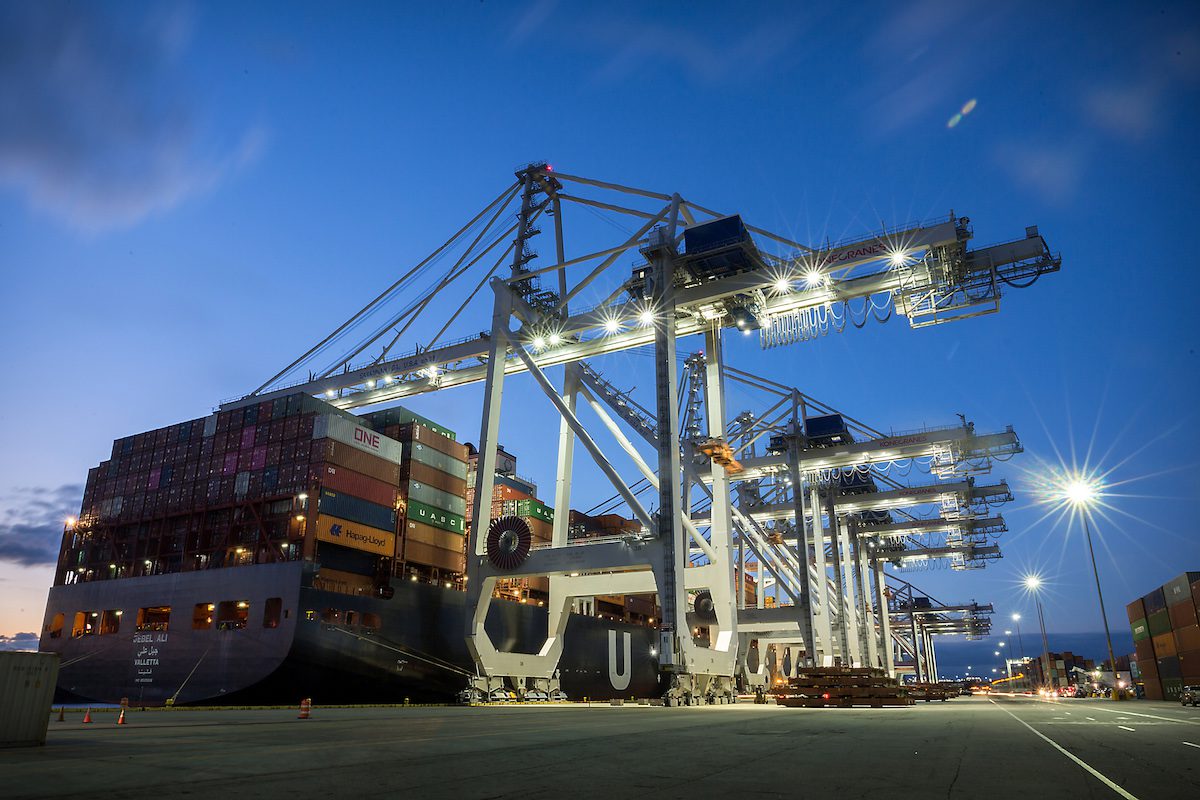
  • Rail-Mounted Gantry (RMG)

    Rail-Mounted Gantry (RMG)

    Port Cranes / Henan Mine Crane

    Rail-Mounted Gantry (RMG)

    Use an RMG for container transfer along a fixed rail layout. Select the lifting arrangement, yard coverage and positioning controls from the container flow and stacking requirements.

    Lifting capacity35 t, 40.5 t, 50 t
    Span18 – 35 m
    Working classA6 – A8
    Technical specifications

    Define the total suspended load, duty and site conditions for your project.

    Technical specifications

    Check the load.
    Plan the configuration.

    Parameters and equipment options are matched to the application and confirmed in the technical proposal.

    Discuss your configuration
    Lifting Capacity35 t, 40.5 t, 50 t
    Span18 – 35 m
    Max Lifting Height12.3 – 21 m
    Working ClassA6 – A8
    Working Temperature Range-20℃ ~ 40℃
    Lifting Speed0 – 20 m/min
    Traveling Speed0 – 30 m/min
    Spreader Type20’/40’/45′ Telescopic Spreader
    Power Source3-phase AC 380V 50Hz(400V/415V customizable)
    Control ModeCab control, remote operation, wireless remote control

    Final parameters, dimensions, wheel loads and supply scope follow the approved project specification.

    Application & operation

    Matched to the handling task.

    Terminal working blocks

    Coordinate container rows and transfer lanes within fixed runway coverage.

    Intermodal transfer

    Match the rail-mounted arrangement to road or rail handling interfaces.

    Selection considerations

    Start with your operating conditions.

    01

    Load & lifting arrangement

    Specify container sizes, gross weights and lifting-appliance requirements. Include lifting-appliance weight and the required lifting positions.

    02

    Site & available space

    Provide rail centres, stacking plan, transfer lanes and clearances. Coordinate the installation interfaces with the available site drawings.

    03

    Duty & control sequence

    Define handling cycle, positioning or automation interfaces and climate. Identify the required movements and control interfaces in the enquiry.

    Configuration comparison

    Compare related lifting arrangements.

    Crane arrangementHandling configuration
    Rail-Mounted Gantry (RMG)Use an RMG for container transfer along a fixed rail layout. Select the lifting arrangement, yard coverage and positioning controls from the container flow and stacking requirements.
    Rubber Tyred Gantry (RTG)Use a rubber-tyred gantry for heavy handling where the operating layout requires a mobile tyre-supported arrangement. Define the load, steering modes, route and ground conditions for the project.
    Container Straddle CarrierMove containers between handling positions with a straddle carrier matched to the travel route and stacking layout. Define container load, ground conditions, clearance and the preferred drive system.
    Container Overhead CraneTransfer containers within a defined overhead runway area using a double-girder bridge and matched spreader. Container size, working clearance and the handling sequence determine the arrangement.

    Operating protection & lifecycle support

    Plan beyond the equipment.

    01

    Operating protection

    Define the permitted load cases, operating limits, travel protection and lifting-appliance interlocks for the declared cargo-handling modes.

    02

    Installation & commissioning

    Coordinate runway or pavement interfaces, operating clearances, power arrangements, assembly access and the terminal commissioning requirements.

    03

    Inspection & spares

    Plan inspection and maintenance of rail travel equipment, spreader functions and positioning systems. Agree service access, documentation and the required spare-parts scope.

    Questions before the order

    Clarify the details
    that shape the crane.

    What information is needed for a rail-mounted gantry (rmg) quotation?+

    Provide container sizes, gross weights and lifting-appliance requirements; rail centres, stacking plan, transfer lanes and clearances; and handling cycle, positioning or automation interfaces and climate. Include drawings and the project destination when available.

    How is the required RMG geometry defined?+

    Provide the container-yard and transfer-lane layout, rail positions, stacking heights and vessel-independent operating area. The spreader travel, clearances and runway loads follow the proposed arrangement.

    What installation and support scope should be agreed?+

    Coordinate runway or pavement interfaces, operating clearances, power arrangements, assembly access and the terminal commissioning requirements. Specify the documentation, training and spare-parts support needed for the project.

    Related equipment

    Explore the alternatives.

    Let’s discuss your project

    The right crane starts
    with your lifting task.

    Share container sizes, gross weights and lifting-appliance requirements, together with your site layout and operating cycle.

    info@hnksglobal.com