
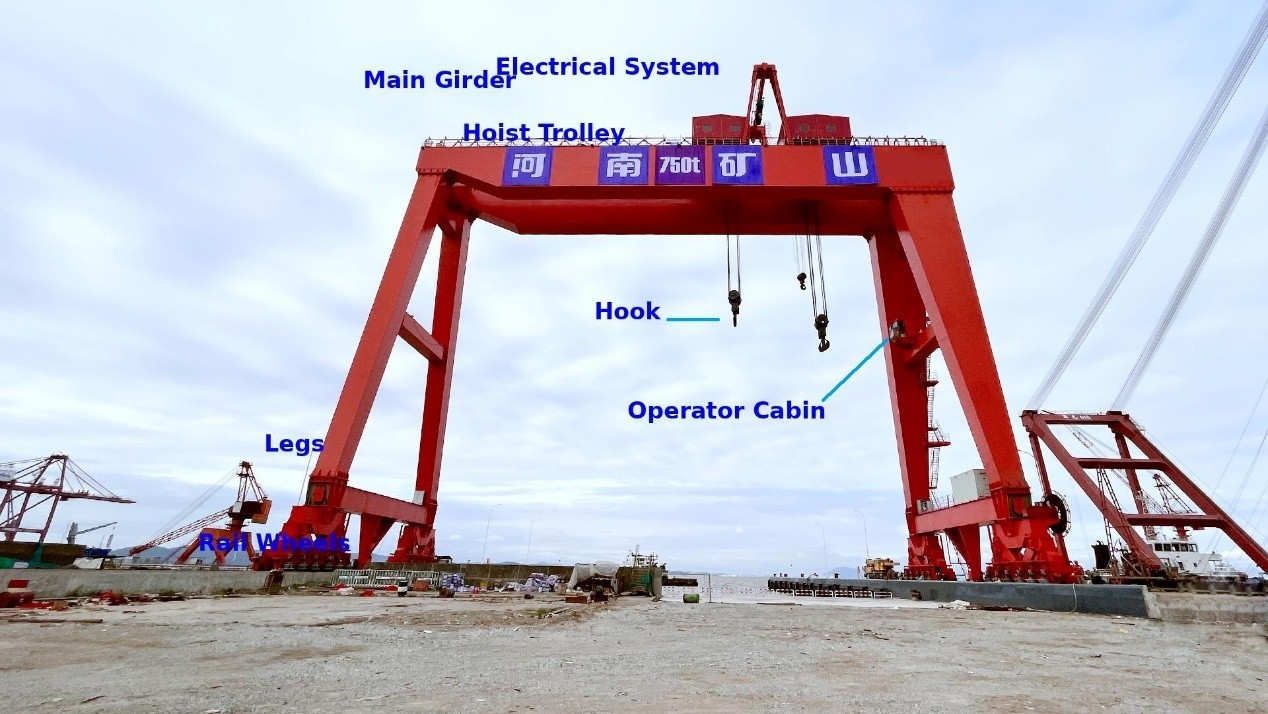
Henan Mine Crane · Gantry Crane Budgeting and Project Specification
Gantry Crane Price and Cost Guide
Compare current gantry crane price ranges by capacity and configuration, then define the equipment, civil works, delivery and installation scope required for a technically valid quotation.
Henan Mine Crane engineers single-girder, double-girder, semi-gantry, truss and special heavy-lift systems for workshops, storage yards, precast plants, steel facilities, construction projects and ports. Final pricing follows the approved load, span, lift, duty, environment and supply boundary.
PRICE REVIEW
September 2026 Market Benchmarks
EQUIPMENT RANGE
Portable, Rail-Mounted & Heavy Lift
COST BOUNDARY
Crane, Rails, Freight, Erection & Tests
QUOTE BASIS
Load, Span, Lift, Duty & Environment
What Determines a Gantry Crane Price?
A gantry crane price can range from a few thousand US dollars for a small manual portable frame to a project-engineered budget for a large rail-mounted industrial crane. Capacity is important, but it is only one cost variable. Span, lifting height, runway length, duty, hoisting mechanism, cantilevers, outdoor protection, controls and destination compliance can change both equipment price and installed project cost.
Published online prices usually describe portable steel or aluminum frames. The hoist, trolley, electrification, freight and installation may be excluded. Industrial single- and double-girder cranes normally include powered long travel, a hoist or winch trolley, electrical panels and safety devices, but rails, foundations, cable supply, erection and statutory inspection still depend on the contract.
A reliable commercial comparison therefore begins with one technical data sheet and one responsibility matrix. Every bid should state equipment included, excluded site work, trade term, documentation, testing and commissioning. Henan Mine Crane prepares project pricing after confirming these boundaries rather than applying one price to every crane of the same tonnage.
Gantry Crane Types and Their Price Position
01 · Portable Gantry Crane
A fixed- or adjustable-height frame on casters or wheels for maintenance and workshop lifting. It has the lowest structural cost, but published prices often exclude the hoist and trolley. Capacity, span, height, wheel type and motorization determine the final package.
02 · Single-Girder Gantry Crane
An electric hoist travels below one main girder supported by two legs. It is generally the most economical powered rail-mounted choice for light and medium industrial duty where capacity, span and operating frequency remain within the approved design range.
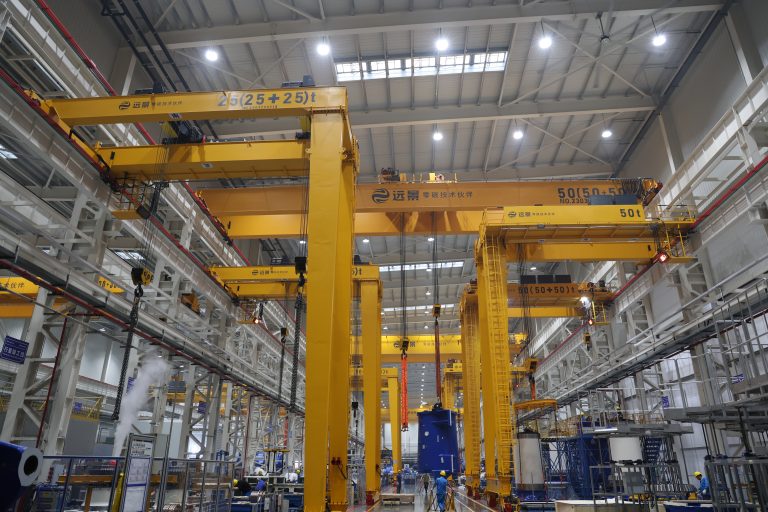
03 · Double-Girder Gantry Crane
Two box girders support a rail-mounted hoist or winch trolley. The configuration carries higher capacity and duty and provides greater lifting height or hook approach, but adds structural steel, trolley machinery, wheel loads, shipping volume and erection work.
04 · Semi-Gantry Crane
One side travels on an elevated runway and the other on a ground rail. It can reduce the number of supporting legs and use existing building structure, but the elevated runway, building reactions and ground-side foundation must be verified before comparing total cost.
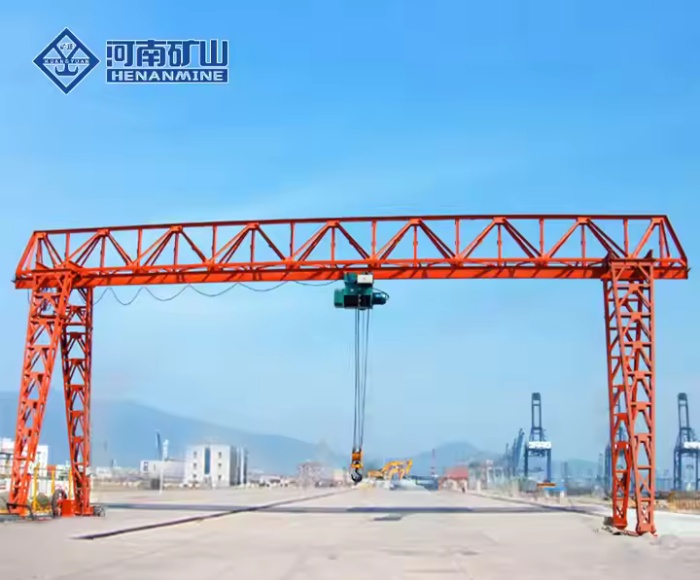
05 · Truss Gantry Crane
A lattice or truss girder can reduce self-weight and wind area for long-span outdoor service. Fabrication complexity, corrosion protection, bolted shipping sections and site assembly influence whether it is more economical than a box-girder alternative.
06 · Special and Heavy-Lift Gantry Crane
Shipbuilding, bridge construction, hydropower, precast, container and rubber-tyred systems use project-specific structures, attachments, drives and controls. Their price is developed from engineering scope and site interfaces, not a standard tonnage table.
Gantry Crane Price Ranges by Type and Capacity
The following September 2026 market bands support preliminary budgeting across portable and rail-mounted configurations. They are indicative equipment ranges rather than a fixed Henan Mine Crane offer. Final pricing requires confirmation of capacity, span, lifting height, duty, operating environment, controls, destination and supply boundary.
| Configuration | Capacity | Indicative Equipment Price | Commonly Included | Important Exclusions or Variables |
|---|---|---|---|---|
| Portable steel or aluminum gantry | 0.25–3 t | US$1,300–8,000 | Frame, uprights, beam and wheels in basic retail configurations | Hoist, trolley, motorization, freight, assembly and proof testing may be separate |
| Portable industrial gantry | 5 t | US$5,300–14,700+ | Fixed or adjustable steel frame; configuration varies by span and height | Many listings exclude hoist and trolley; long spans and tall heights increase cost |
| Portable industrial gantry | 10 t | US$15,600–40,000+ | Heavy steel frame and industrial wheel arrangement | Hoist, powered travel, special casters, freight and installation vary materially |
| Single-girder rail-mounted gantry | 5–10 t | US$15,000–30,000 | Girder, legs, end carriages, electric hoist, travel drives and basic controls | Runway rails, foundations, site power, freight, erection and local acceptance |
| Semi-gantry crane | 5–10 t | US$20,000–40,000 | Bridge, one ground leg, end carriages, hoist and crane controls | Elevated runway, ground rail, building reinforcement and installation |
| Double-girder rail-mounted gantry | 5–10 t | US$30,000–60,000 | Double-girder structure, legs, trolley, travel drives and controls | Rail and foundation works, cantilevers, cabin, outdoor package and site services |
| Double-girder rail-mounted gantry | 16–20 t | US$40,000–80,000 | Industrial crane equipment for the stated preliminary capacity range | Span, lift, duty, trolley type, wind design, shipping sections and destination codes |
| Heavy-lift or process gantry | Above 20 t | Project quotation | Engineered structure, lifting machinery, controls and contracted safety package | Civil works, attachment, automation, logistics, erection, tests and project schedule |
Price comparison rule: compare equipment-only bids with equipment-only bids and installed bids with installed bids. A portable frame without a hoist cannot be compared directly with a powered rail-mounted crane.
Match the Gantry Crane Budget to the Application
The lowest-priced structure is not always the lowest-cost solution. A portable crane may suit occasional maintenance inside a workshop, while a powered rail-mounted crane is more appropriate for repetitive yard handling. A semi-gantry arrangement can save floor space, but only when the existing building can accept the elevated runway reactions.
Outdoor operation adds wind, rain, temperature and corrosion requirements. Rail clamps, storm anchors, anemometers, weatherproof electrical equipment, protected motors and the specified coating system should be priced with the crane rather than added after manufacture. Coastal sites require a corrosion strategy based on the actual exposure.
Process attachments also affect price. A hook crane, grab crane, magnetic crane, precast beam crane and container crane may share a rated capacity while using different trolleys, power supplies, control logic and duty classifications.
| Application | Starting Configuration | Principal Cost Drivers | Budget Risk to Control |
|---|---|---|---|
| Workshop maintenance | Portable or compact single-girder gantry | Capacity, adjustable height, casters, hoist, trolley and floor condition | Assuming the listed frame price includes lifting machinery |
| General outdoor material yard | Rail-mounted single-girder gantry | Span, runway length, cantilever, hoist duty, outdoor controls and wind protection | Omitting rails, foundations and power distribution from the budget |
| Heavy fabrication or steel yard | Double-girder gantry with hoist or winch trolley | Load spectrum, span, lift, duty, attachments, cabin and wheel loads | Selecting by tonnage without checking fatigue duty and ground reactions |
| Workshop edge or indoor-outdoor transfer | Semi-gantry crane | Existing building runway, one ground rail, lateral space and transfer route | Using existing structure without survey and reinforcement verification |
| Precast or bridge construction yard | Truss or double-girder engineering gantry | Precast member geometry, dual lifting points, span, wind, relocation and erection plan | Excluding lifting beams, foundations, dismantling or project moves |
| Port or container yard | RMG, RTG or application-specific container crane | Container pattern, stacking height, travel route, spreader, power and automation | Applying general-purpose gantry prices to container handling equipment |
Technical Specification Required for an Accurate Price
The quotation should be developed from a measurable operating basis. Missing dimensions or duty data force suppliers to make different assumptions, producing prices that appear comparable but describe different cranes.
| Specification Item | Information to Provide | Engineering Decision | Price Effect |
|---|---|---|---|
| Maximum gross load | Load plus beam, grab, magnet, spreader, hook and every suspended component | Rated capacity, hoist, trolley, structure, wheels and brakes | Higher gross load increases machinery and structural demand |
| Span and cantilevers | Distance between rail centers and working area required beyond each leg | Girder form, section size, leg geometry and transport split | Longer span and cantilevers add steel, fabrication and erection work |
| Lift and headroom | Rail level, lowest pickup, highest set-down and required clearance | Hoist or winch layout, rope capacity and overall crane height | Greater lift changes drum, rope, frame and shipping requirements |
| Runway length and travel route | Rail length, end approaches, curves or crossings and operating surface | Travel drive, cable supply, rail type, buffers and alignment tolerance | Long runways increase rails, electrification, civil work and installation |
| Duty and load spectrum | Lifts per hour, average load, full-load frequency, shifts and annual hours | Working class, fatigue design, motors, brakes and component life | High utilization can cost more than a larger occasional-use crane |
| Hoisting mechanism | Required speed, positioning, main or auxiliary hooks and attachment | Electric hoist, sitting trolley, open winch or process mechanism | Trolley architecture materially changes price and maintenance scope |
| Controls and automation | Pendant, radio, cabin, VFD, PLC, anti-sway and plant interfaces | Electrical architecture, sensors, communications and operator station | Automation and precision require additional hardware and validation |
| Outdoor environment | Wind data, temperature, rain, dust, corrosion, altitude and coastal exposure | Anchors, clamps, anemometer, enclosures, heating, cooling and coating | Site protection should be engineered into the original package |
| Rails and foundations | Soil or slab data, allowable loads, rail detail and civil boundary | Wheel arrangement, maximum reactions and foundation concept | Civil and rail work can be a major project cost outside crane supply |
| Codes and acceptance | Destination, governing standards, inspection body and witness requirements | Compliance matrix, documentation, FAT, load test and certification plan | Special documentation and third-party inspection affect price and schedule |
Single-Girder Product-Family Range
Henan Mine Crane product data covers 1–32 t capacity, 4–35 m span and 4–12 m lift for the principal electric-hoist range. Final values follow the approved project.
Double-Girder Product-Family Range
MG double-girder product data covers 5–500 t capacity, 8–40 m span, 6–30 m lift and A3–A8 duty, subject to project-specific engineering.
Six Cost Drivers That Change the Crane Price
Capacity and Duty Are Separate
Rated load sizes the crane, while the load spectrum and operating frequency establish fatigue and thermal duty. A frequently cycled 10 t crane can require a more substantial mechanism than an occasional-use 20 t crane.
Span Changes More Than Steel Weight
Increasing span affects girder depth, stiffness, wheel loads, shipping sections, leg geometry and erection method. The working width and rail-center span should be defined separately.
Hoist or Winch Trolley Selection
Packaged electric hoists reduce initial cost for general duty. Open-winch trolleys support higher capacity, lift, duty, redundancy and process customization but require more engineering and maintenance access.
Outdoor and Wind Protection
Operational wind limits, storm anchoring, rail clamps, anemometers, weatherproof cabinets, heaters, cooling and coatings should match site conditions. These features affect both crane price and civil design.
Power and Control Architecture
Long-travel cable reels, conductor systems, festoons, diesel-electric or hybrid power, radio control, cabins, VFDs, PLCs and automation create different equipment and commissioning scopes.
Shipping and Site Assembly
Girder shipping splits, containerization, oversize transport, site cranes, welding, bolting, rail alignment and load-test weights influence the delivered and installed cost beyond factory equipment price.
Equipment Price, Landed Cost and Installed Cost
The equipment price covers only the items named in the supplier schedule. It may include the steel structure, hoist or trolley, travel mechanisms, electrical panels, pendant or radio control and crane-mounted electrification. It may exclude rails, foundations, power feed, attachment, packing, freight and site work.
Landed cost adds export packing, inland transport, ocean or road freight, insurance, import handling, duties and taxes under the agreed trade term. Large gantry girders can require split construction, open-top containers, flat racks, breakbulk transport or project cargo planning. Shipping design should be agreed before fabrication.
Installed cost adds civil works, rail installation, electrical supply, erection equipment, skilled labor, alignment, commissioning, load testing, statutory inspection and training. A complete budget should also identify spare parts, planned maintenance and future relocation or dismantling where applicable.
Documented Heavy-Lift Application
700 t Gantry Crane for a Yangtze River Bridge Project
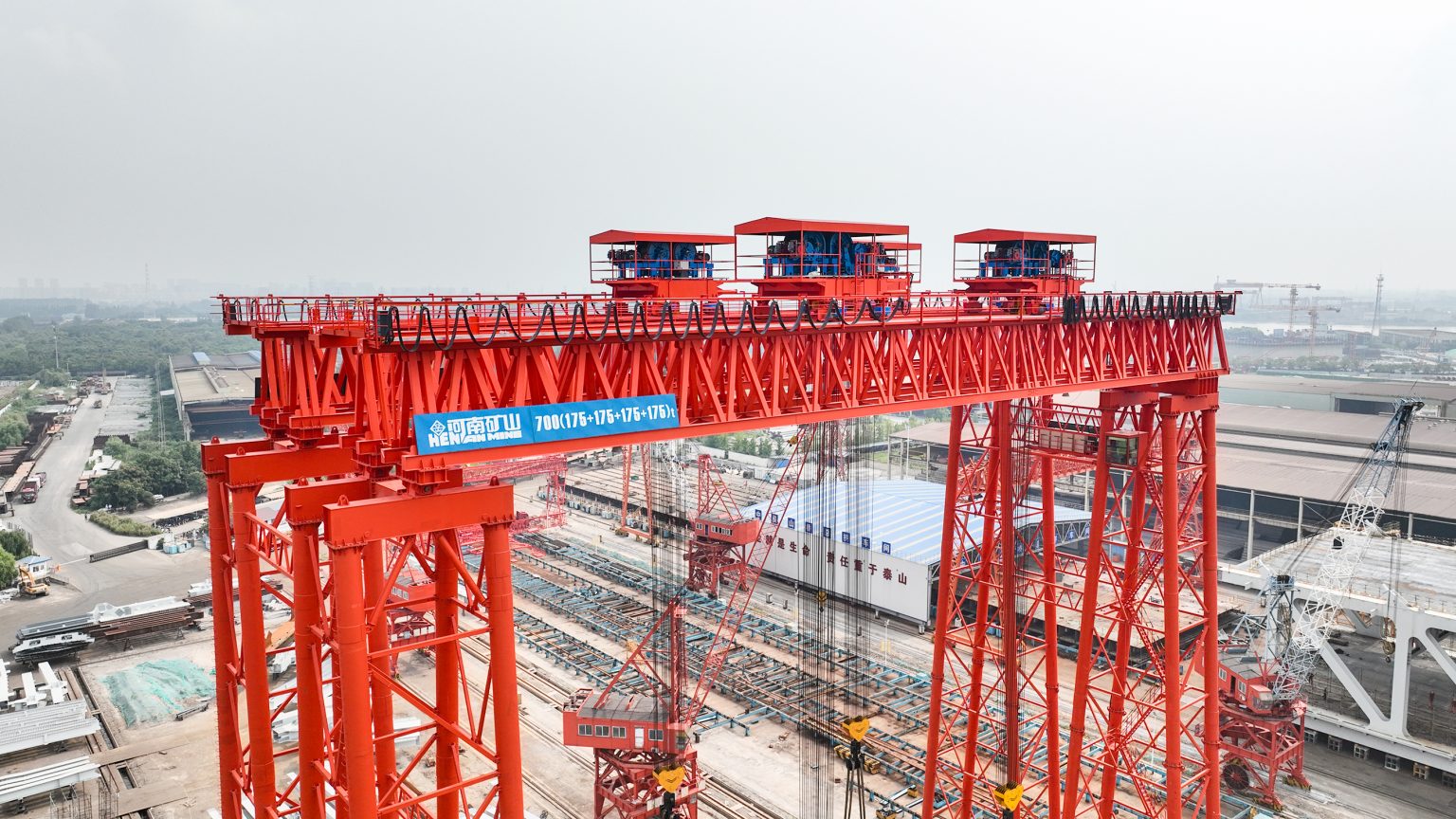
Henan Mine Crane documented a 700 t engineering gantry crane for steel-tower construction at the Zhangjinggao Yangtze River Bridge. The project involved lifting and positioning main steel-tower sections in the 500–650 t class for a bridge tower approximately 350 m high.
This scale of crane cannot be budgeted from a standard price-per-ton formula. Component geometry, lifting sequence, span, lift, wind conditions, foundations, positioning requirements, transport sections, erection method and project schedule form one engineering basis.
The project illustrates why heavy-lift pricing includes structural analysis, lifting machinery, controls, manufacturing verification, logistics planning, site assembly and acceptance. The same commercial principle applies at smaller capacities whenever the crane is integrated with civil works or a production process.
Engineering Deliverables and Quality Records
The proposal should identify the documents and verification records supplied with the crane. These deliverables make technical comparison possible and support site acceptance.
Design Basis Package
Approved load schedule, general arrangement, span and lift, duty basis, wheel loads, foundation reactions, wind data, rail information, power demand and compliance matrix.
Structural and Mechanism Documents
Girder and leg arrangement, trolley or hoist data, reeving, drives, brakes, wheels, buffers, access provisions, electrical diagrams and control narrative.
Manufacturing Quality Records
Material traceability, welding procedures, welder qualifications, dimensional inspection, specified NDT, machining checks, assembly records and coating reports.
Testing and Handover Records
Factory functional tests, brake and limit checks, overload-device settings, site load-test plan, commissioning reports, manuals, spare-parts list and training documents.
Review Henan Mine Crane manufacturing and quality capabilities →
Shipping, Installation and Lifecycle Cost Planning
Packing and International Transport
Confirm girder shipping splits, container or breakbulk method, corrosion protection, lifting points, package list, inland route, port handling, insurance and destination unloading responsibilities.
Rails, Foundations and Power
Survey soil or slab capacity, establish rail tolerances and drainage, define grounding and power feed, and coordinate maximum wheel and horizontal reactions before civil construction.
Erection and Commissioning
Plan site cranes, assembly area, temporary supports, bolting or welding, rail alignment, electrical connection, no-load testing, rated-load testing, statutory inspection and operator training.
Operating and Maintenance Cost
Budget inspections, lubrication, ropes, brakes, wheels, electrical components, coatings, rail alignment and spare parts. Actual duty and outdoor exposure determine maintenance intervals.
Gantry Crane Quotation Levels and Supply Scope
A useful quotation states where supplier responsibility ends and buyer responsibility begins. The following levels should not be compared as if they describe the same purchase.
| Quotation Level | Typical Included Scope | Items Commonly Outside the Price | Best Use |
|---|---|---|---|
| Portable frame only | Beam, uprights, braces and caster or wheel assemblies | Hoist, trolley, electrification, powered travel, freight and assembly | Initial workshop equipment comparison |
| Crane equipment package | Structure, legs, end carriages, hoist or trolley, drives, controls and crane-mounted electrification | Rails, foundations, incoming power, freight, erection and site acceptance | Factory-equipment purchasing with local site contractors |
| Delivered crane package | Crane equipment, contracted documentation, export packing and agreed freight scope | Customs, taxes, destination unloading, civil works, erection and testing unless listed | Landed-cost planning under a defined trade term |
| Installed project package | Crane, defined rails and electrification, erection supervision or installation, commissioning and acceptance support | Only items explicitly assigned to the buyer in the final responsibility matrix | Total-project comparison and management approval |
A technically lower price can produce a higher final project cost when rails, foundations, power distribution, freight or acceptance services are omitted. Commercial evaluation should normalize every bid to the same supply boundary.
Crane Equipment
Structure, hoist or trolley, drives, wheels, controls, crane wiring and safety devices.
Site Infrastructure
Foundations, rails, drainage, power feed, grounding, access and temporary erection works.
Logistics
Packing, shipping sections, inland transport, ocean freight, insurance and destination handling.
Site Services
Erection, alignment, electrical connection, commissioning, load testing, inspection and training.
Information Required for a Gantry Crane Price Quote
Complete inquiry data allows the crane and site interfaces to be priced on one basis. Preliminary layouts are suitable when assumptions and open items are identified.
01 · Crane Type
State portable, single girder, double girder, semi-gantry, truss, rubber-tyred or special-process requirement.
02 · Load Data
Provide maximum gross load, typical load, attachment mass, dimensions, center of gravity and pickup points.
03 · Span and Cantilever
Confirm rail-center span, required working width and cantilever length on each side.
04 · Lift and Site Elevations
Provide rail level, lowest pickup, highest set-down, required lift and overhead restrictions.
05 · Runway and Foundations
Provide travel length, rail details, ground or slab data, allowable reactions and drainage conditions.
06 · Duty and Performance
List lifts per hour, load spectrum, shifts, annual hours, speeds, positioning and availability target.
07 · Power and Controls
Confirm voltage, frequency, cable supply, pendant, radio, cabin, VFD, PLC and automation needs.
08 · Outdoor Environment
State wind data, temperature, rain, dust, humidity, corrosion, altitude and coastal exposure.
09 · Codes and Acceptance
Identify destination, governing standards, inspection body, FAT, load test and documentation requirements.
10 · Commercial Scope
Confirm delivery location, trade term, packing, freight, rails, civil work, erection, commissioning and spares.
Gantry Crane Price FAQ
How much does a gantry crane cost?
Current public prices range from about US$1,300 for small basic portable frames to US$80,000 for preliminary 16–20 t double-girder equipment bands. Larger and process-specific cranes require project quotations.
Why do two gantry cranes with the same capacity have different prices?
Span, lift, duty, hoist or trolley type, cantilevers, runway length, controls, wind design, corrosion protection, standards and included services can differ even when rated capacity is identical.
Does a portable gantry crane price include the hoist?
Often it does not. Many retail prices cover only the frame, beam, uprights and wheels. The product schedule should confirm the hoist, trolley, electrification, end stops, freight and assembly.
What is the typical 5 ton gantry crane price?
Published 5 t portable frames are approximately US$5,300–14,700 or more. Preliminary 5 t powered industrial equipment bands are about US$15,000–25,000 for single girder and US$30,000–45,000 for double girder.
What is the typical 10 ton gantry crane price?
Published 10 t portable industrial cranes are approximately US$15,600–40,000 or more. Preliminary powered equipment bands are about US$18,000–30,000 for single girder and US$35,000–60,000 for double girder.
Is a single-girder gantry crane always cheaper?
It normally uses less structural steel and a simpler hoist arrangement, but suitability depends on capacity, span, lift and duty. A forced single-girder design can become inefficient when the application requires greater stiffness or hook height.
Does the quoted crane price include foundations and rails?
Only when explicitly listed. Foundation design, concrete, reinforcement, rail beams, rails, clips, grounding, drainage and alignment are frequently separate site scopes.
How much does shipping add to gantry crane cost?
Shipping depends on girder length, weight, containerization, port route, destination and trade term. Long or heavy sections may require flat-rack, open-top, breakbulk or project-cargo transport.
Can an existing concrete slab support a portable gantry crane?
The floor must be checked for wheel loads, slab capacity, flatness, joints and movement route. A portable crane does not automatically eliminate structural verification or operational restrictions.
What is the fastest way to obtain an accurate price?
Submit capacity, load details, span, lift, runway length, duty, power, controls, wind and environment data, site drawings, destination, standards and a clear supply-scope matrix.
Related Gantry Crane Products
Compare the structural form, lifting mechanism and site interface before selecting a product family. Every configuration is finalized from the approved project data.
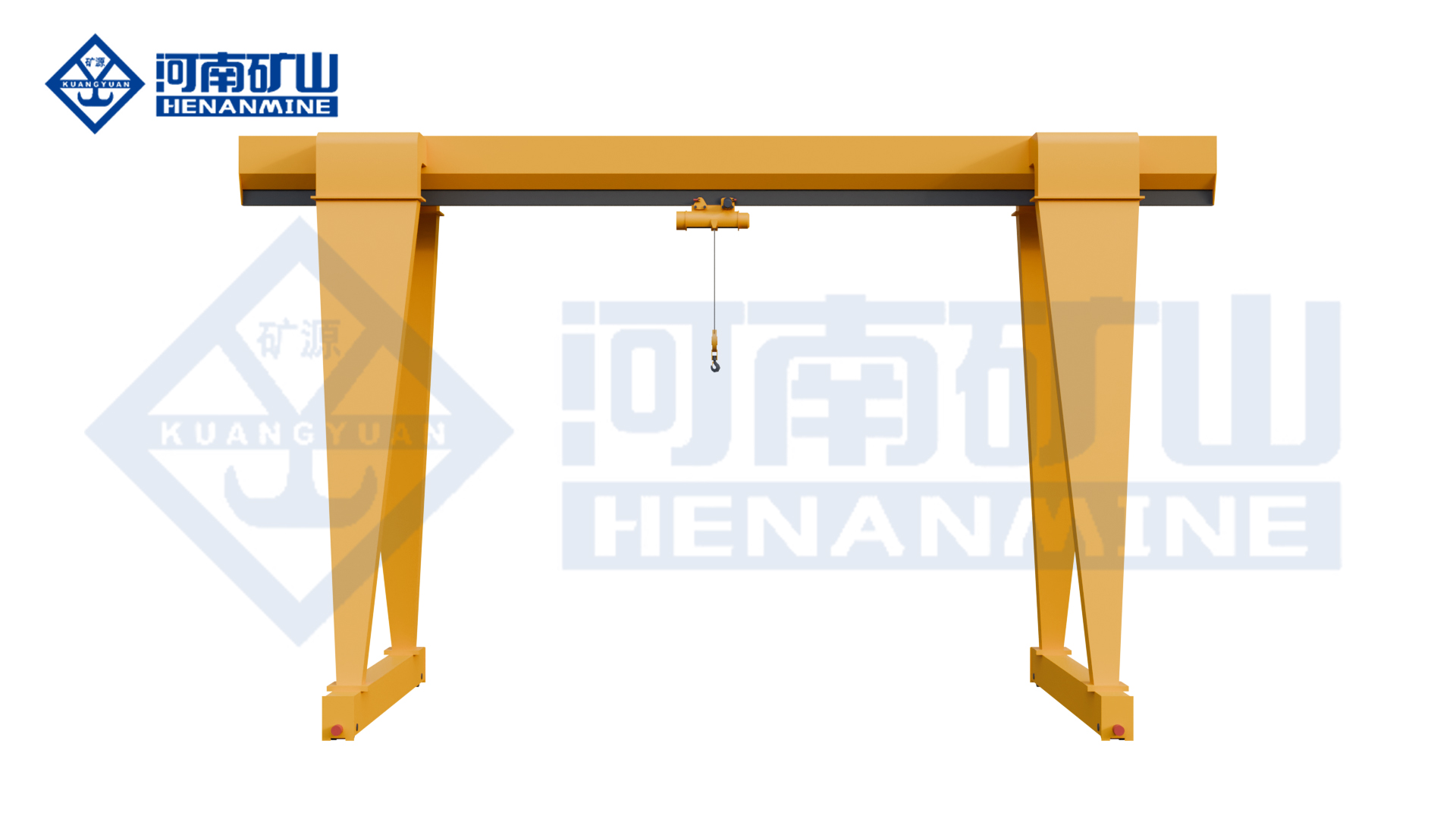
Single-Girder Gantry Crane
Economical electric-hoist gantry crane for general workshop and outdoor material handling.
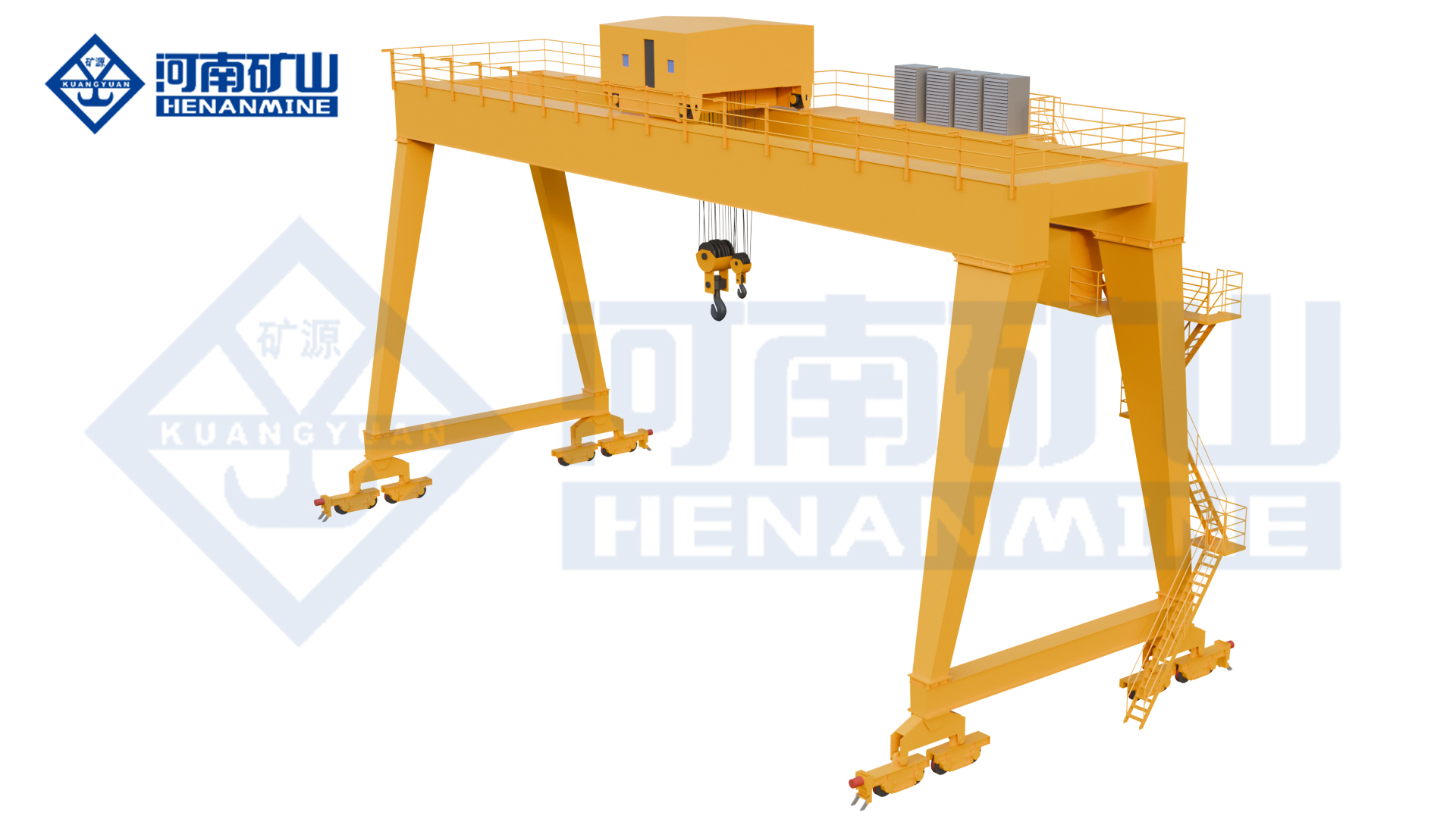
Double-Girder Gantry Crane
Heavy-duty box-girder crane for greater capacity, span, lift and operating duty.
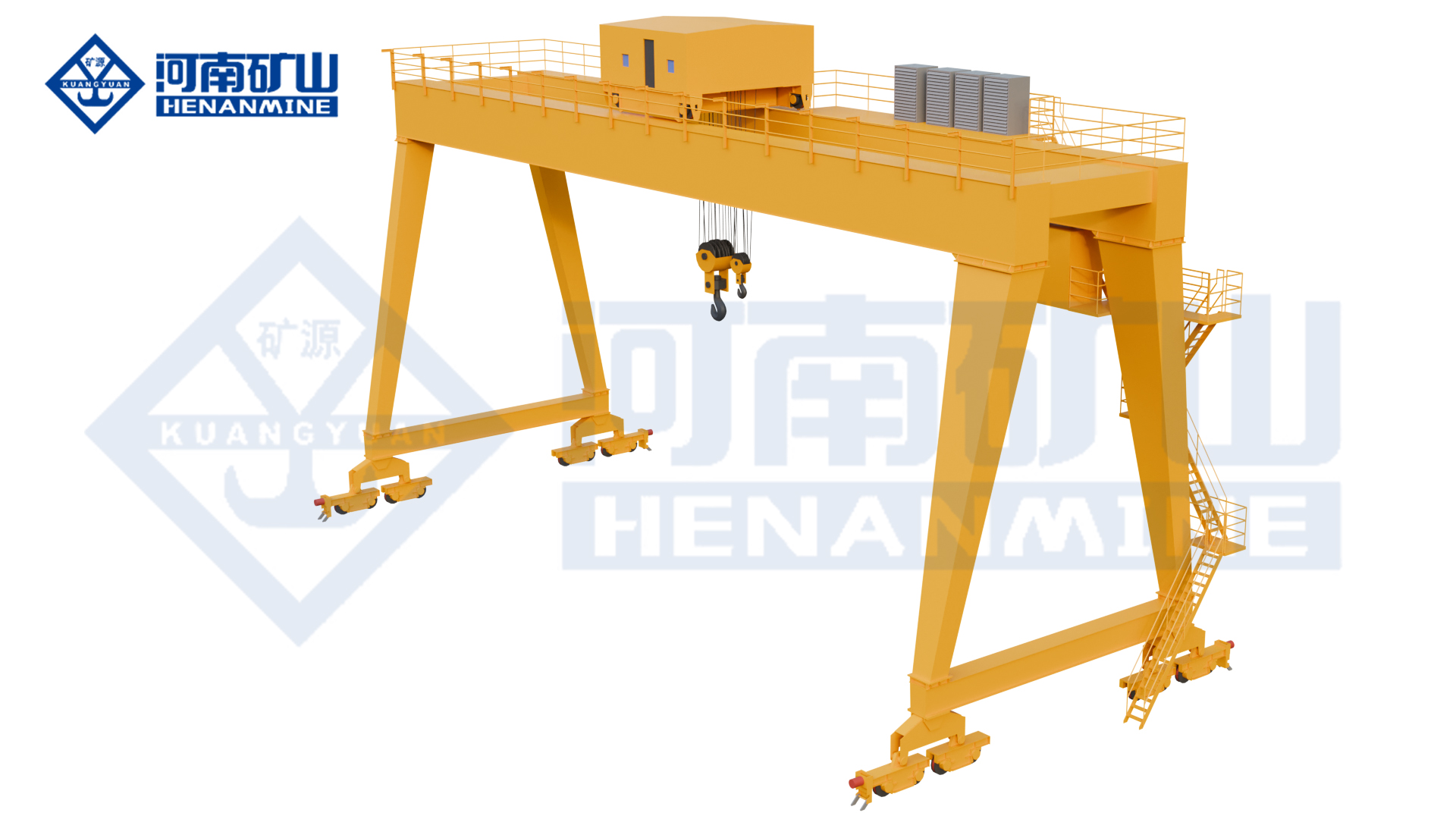
Double-Girder Electric Hoist Gantry Crane
Double-girder stability with a cost-controlled electric-hoist lifting mechanism.
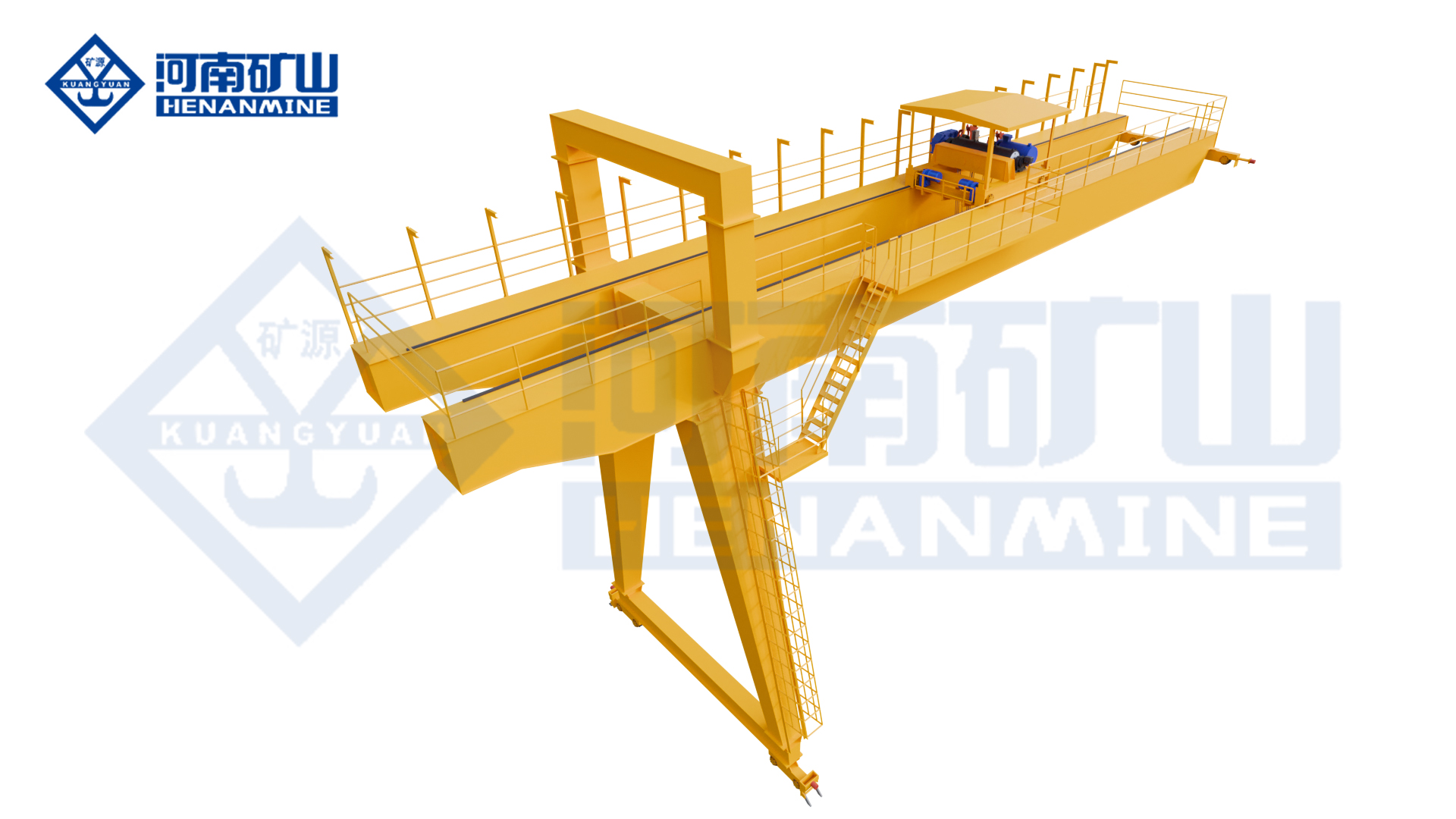
Semi-Gantry Crane
One elevated runway and one ground rail for workshop-edge or indoor-outdoor handling.
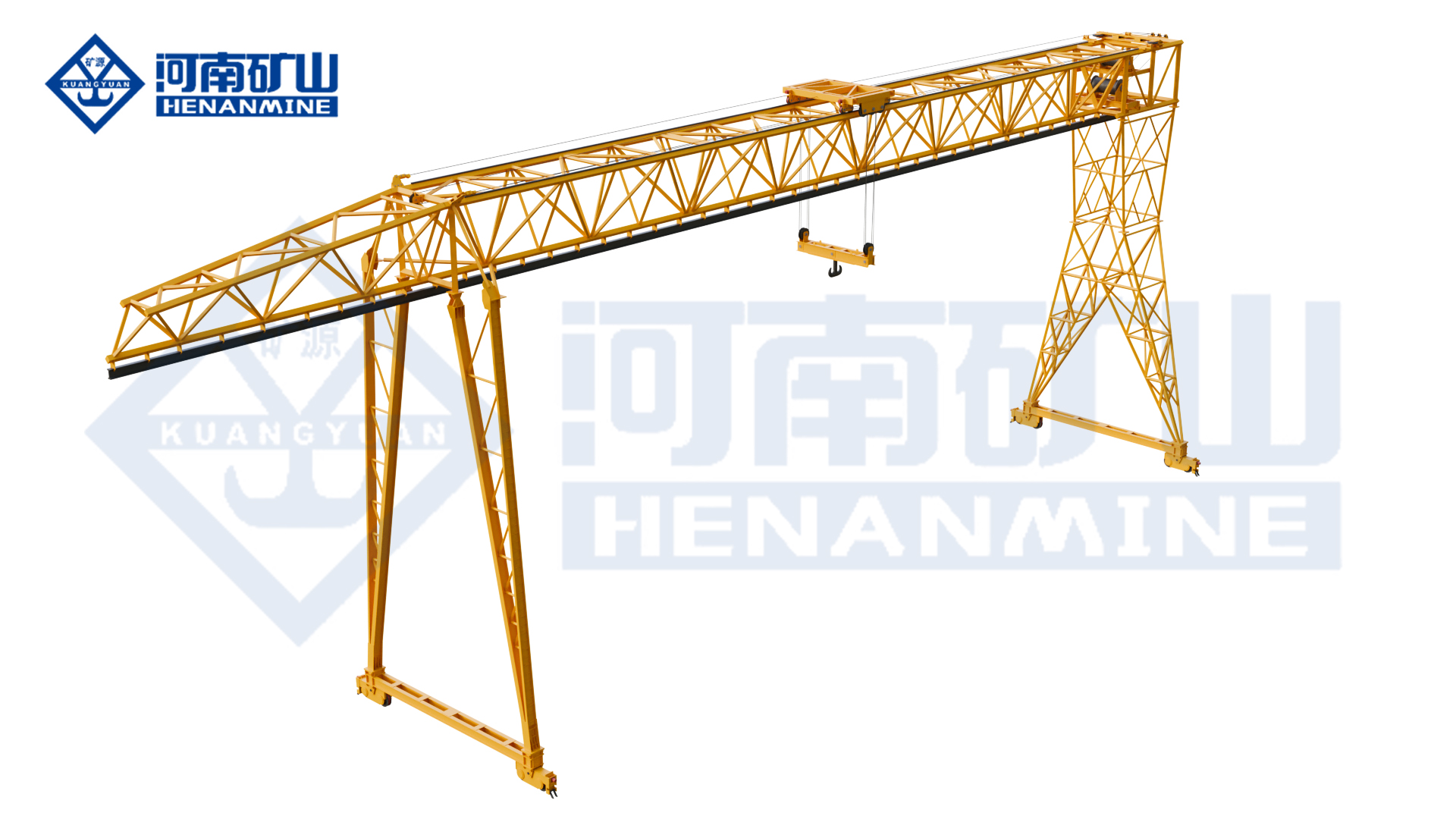
Truss Gantry Crane
Lightweight lattice construction for long-span outdoor and engineering applications.
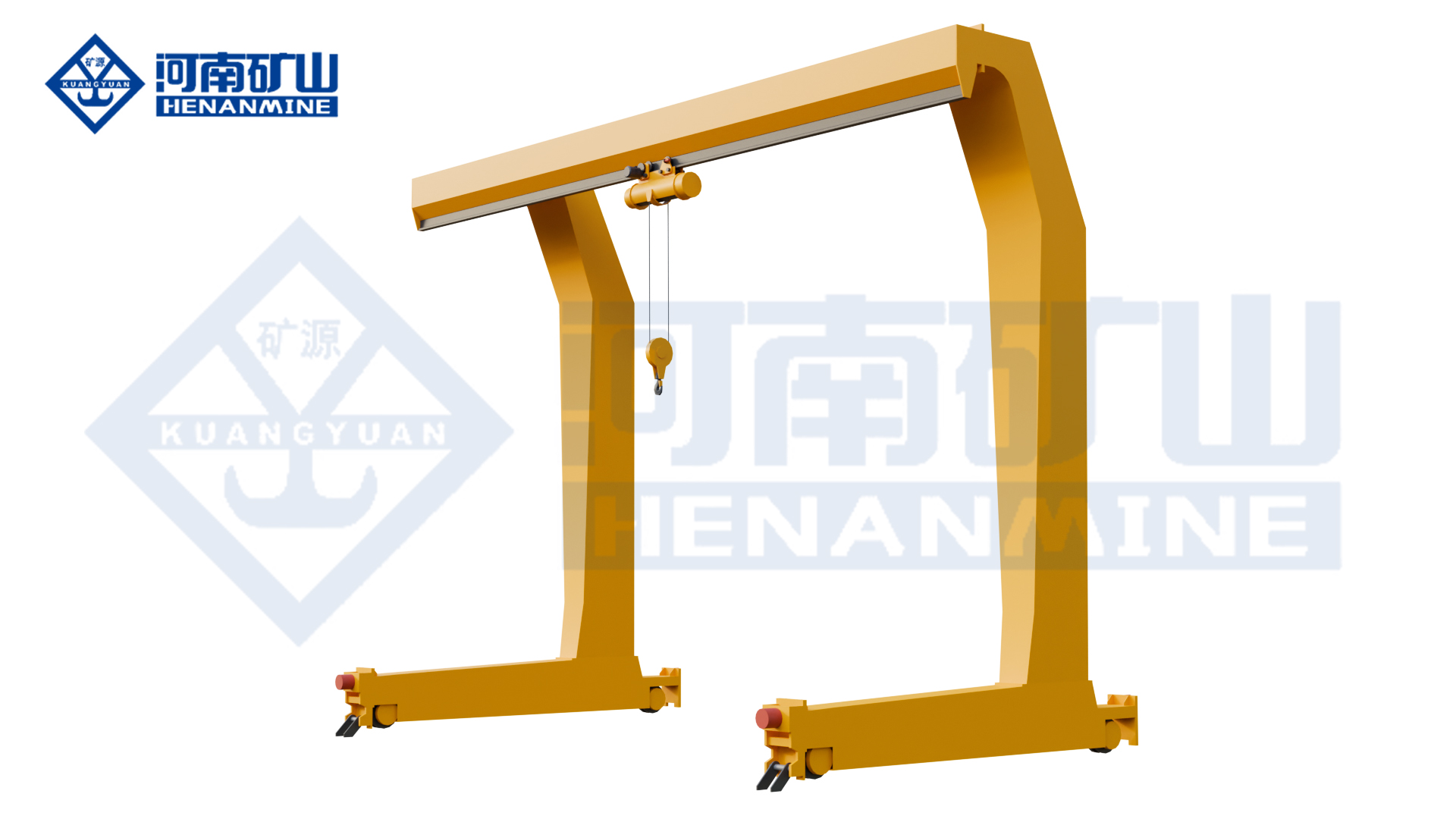
L-Type Offset Gantry Crane
Offset-leg configuration supporting long materials and unobstructed side transfer.
Request a Gantry Crane Price Proposal
Submit the crane type, maximum gross load, span, lift, runway length, duty cycle, speeds, controls, site layout, wind and environmental data, destination standards, delivery location and required installation scope. Henan Mine Crane will prepare a project-specific technical and commercial proposal.