Engineering · Manufacturing · Project support
info@hnksglobal.comWhatsApp +86 18836207779 ↗

Blog

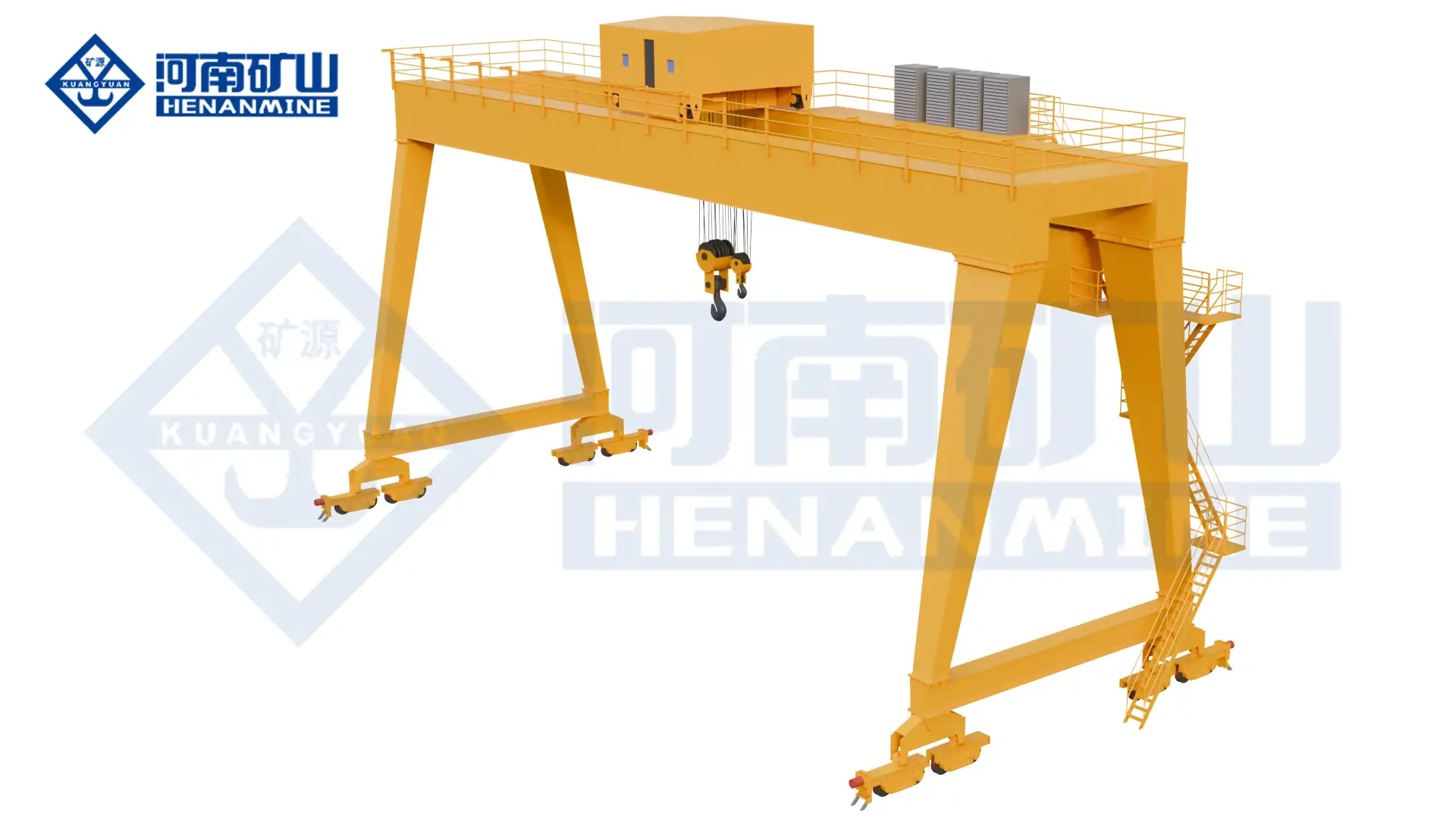
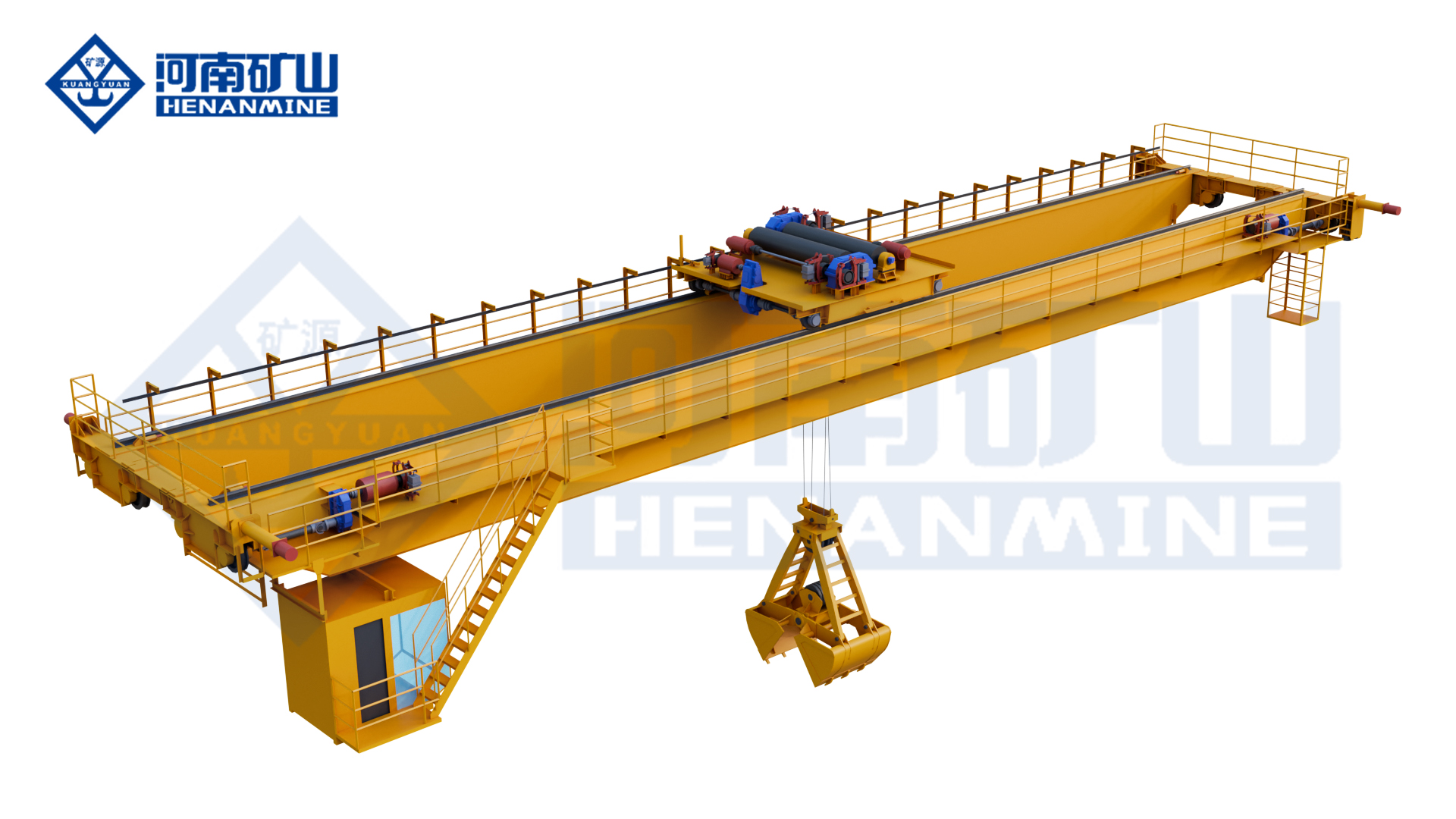
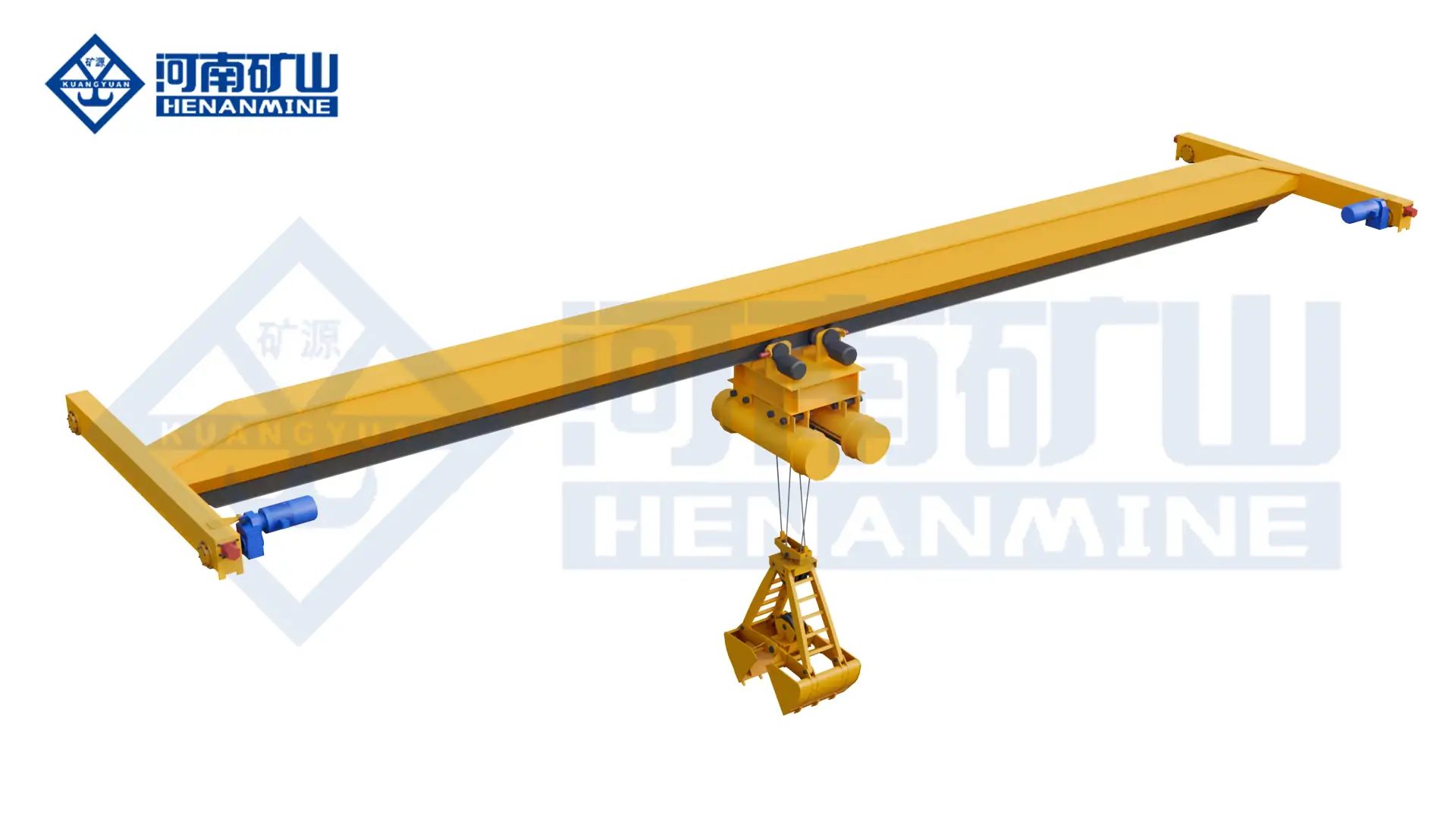
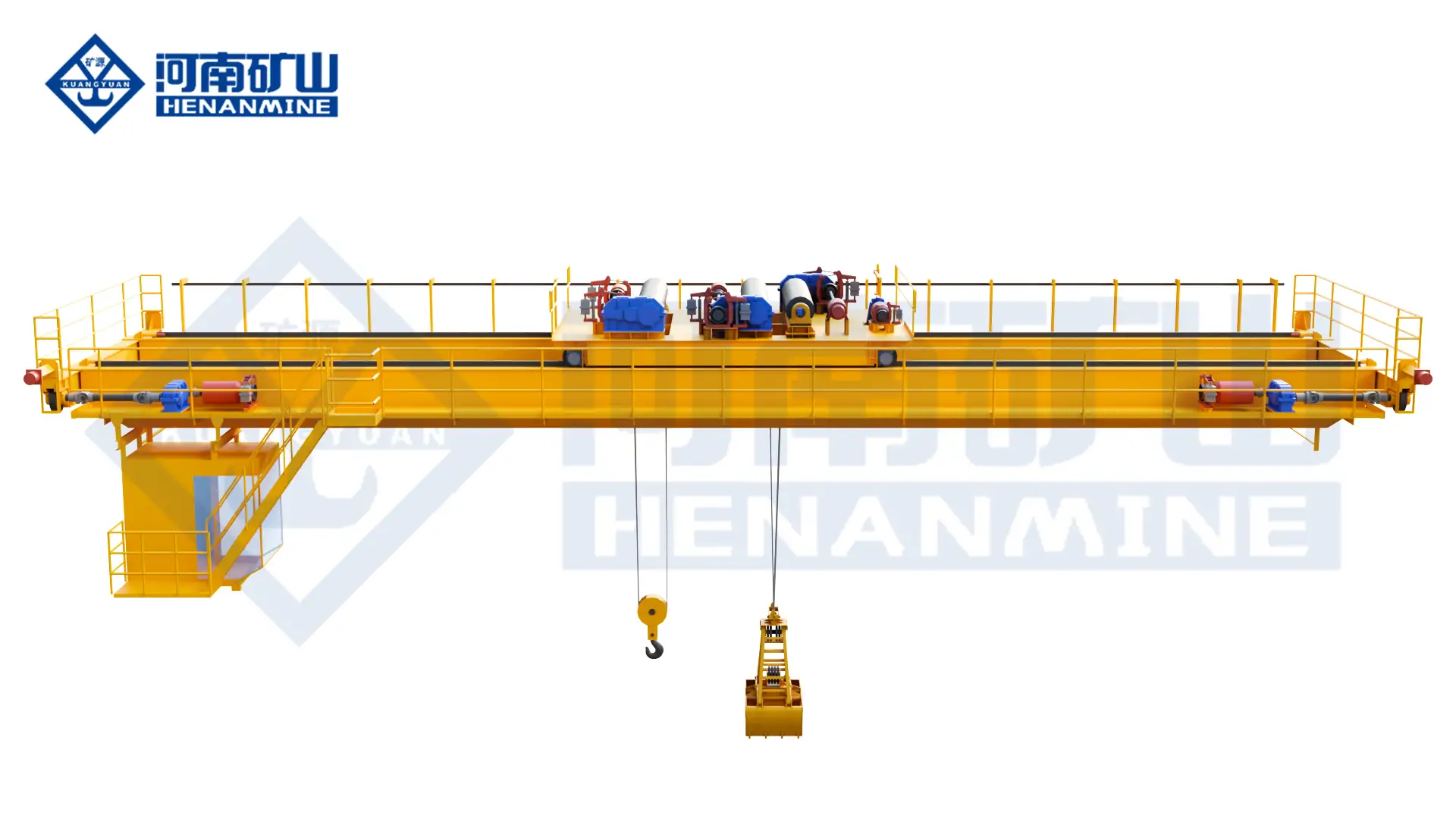
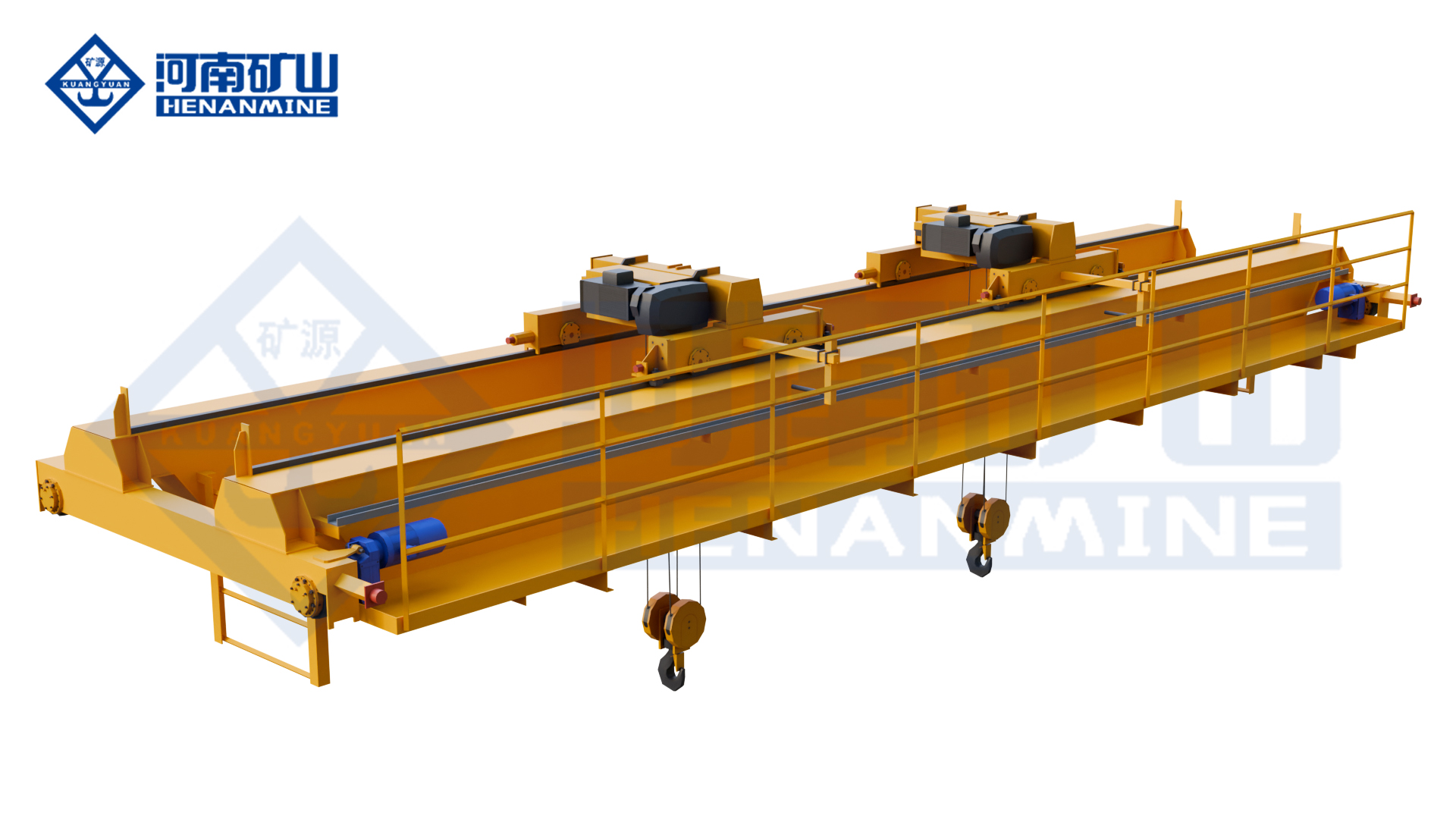
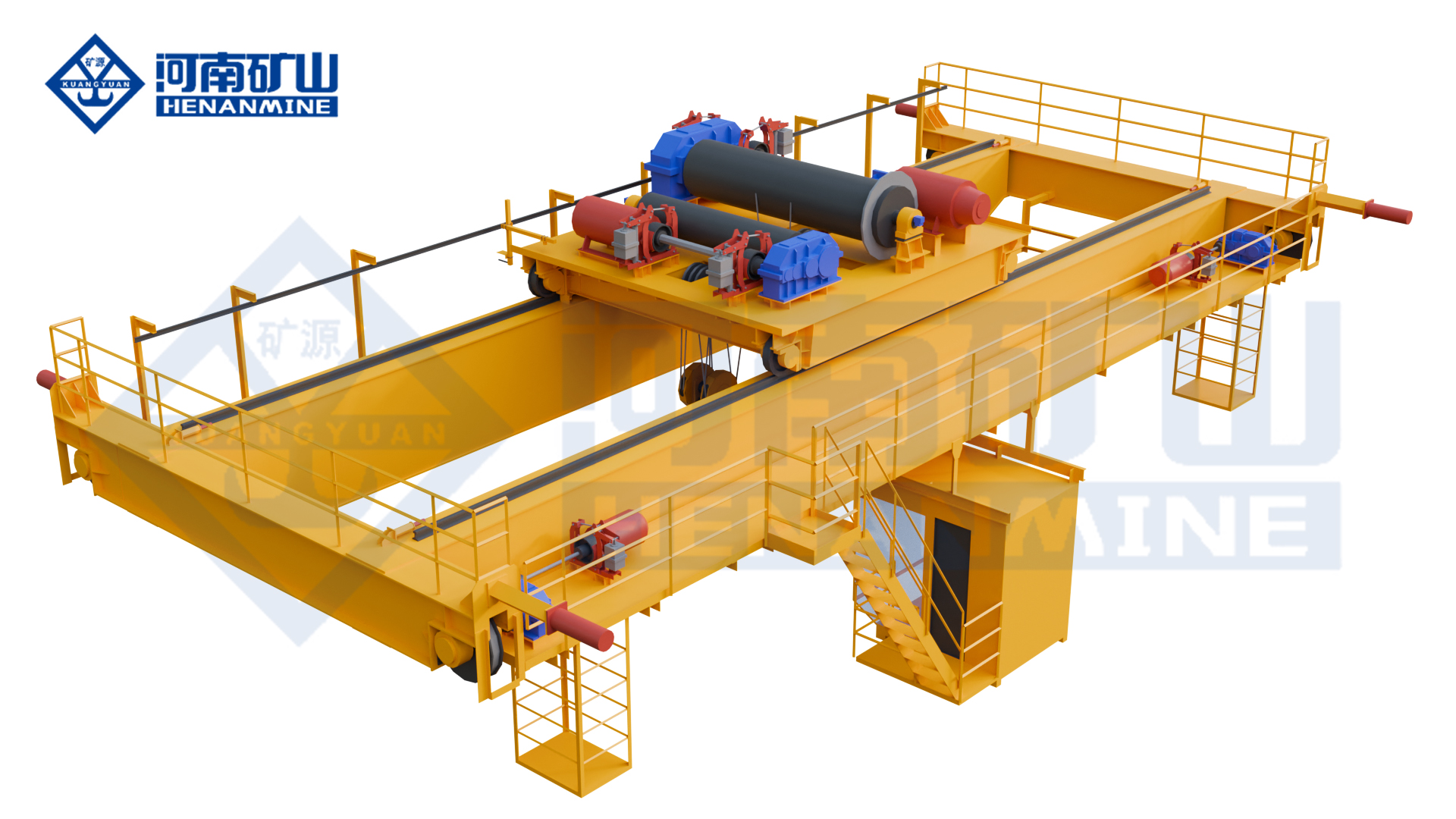
  • Multi-Point Suspension Crane

    Multi-Point Suspension Crane

    Overhead Cranes / Henan Mine Crane

    Multi-Point Suspension Crane

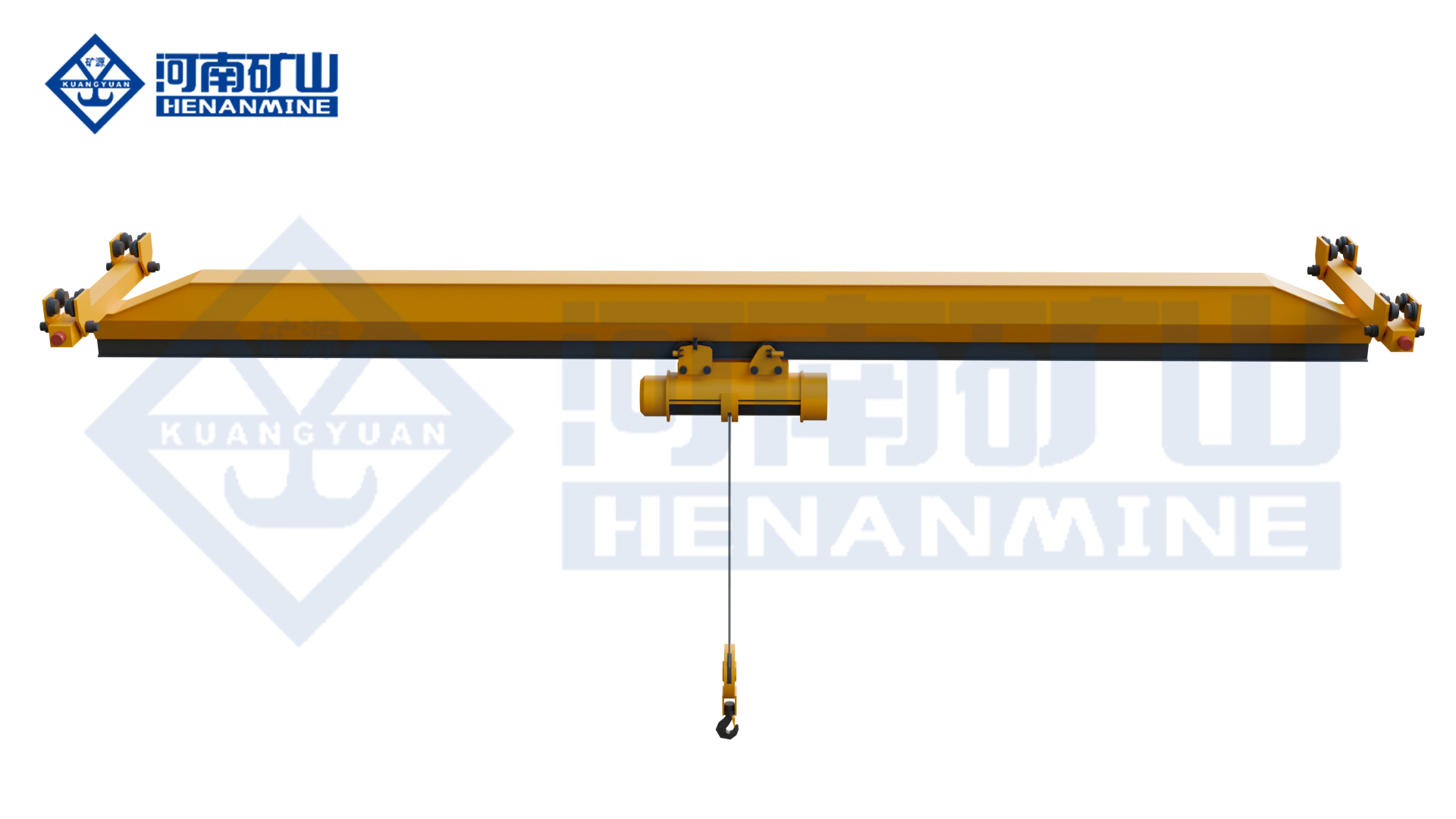
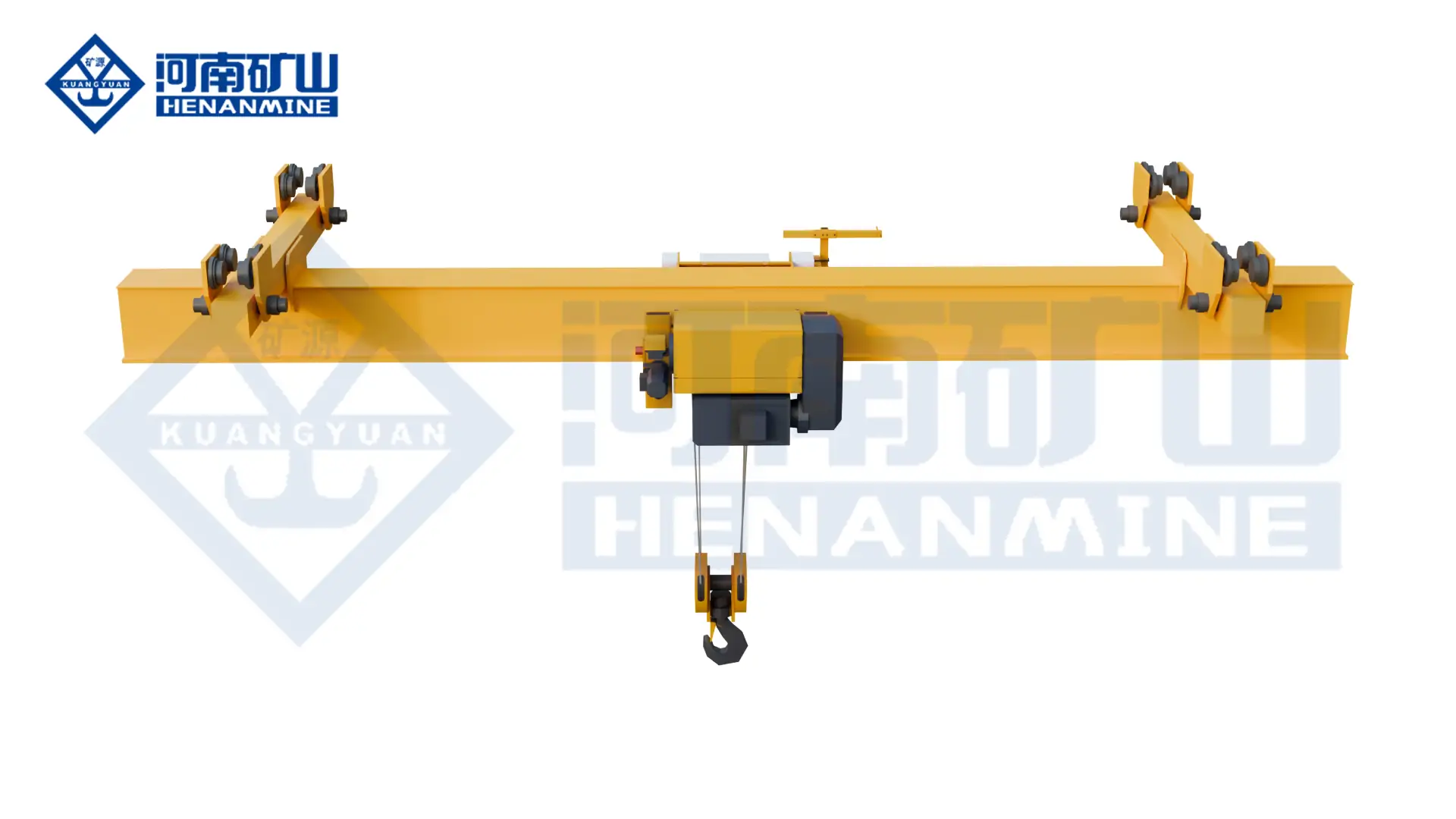
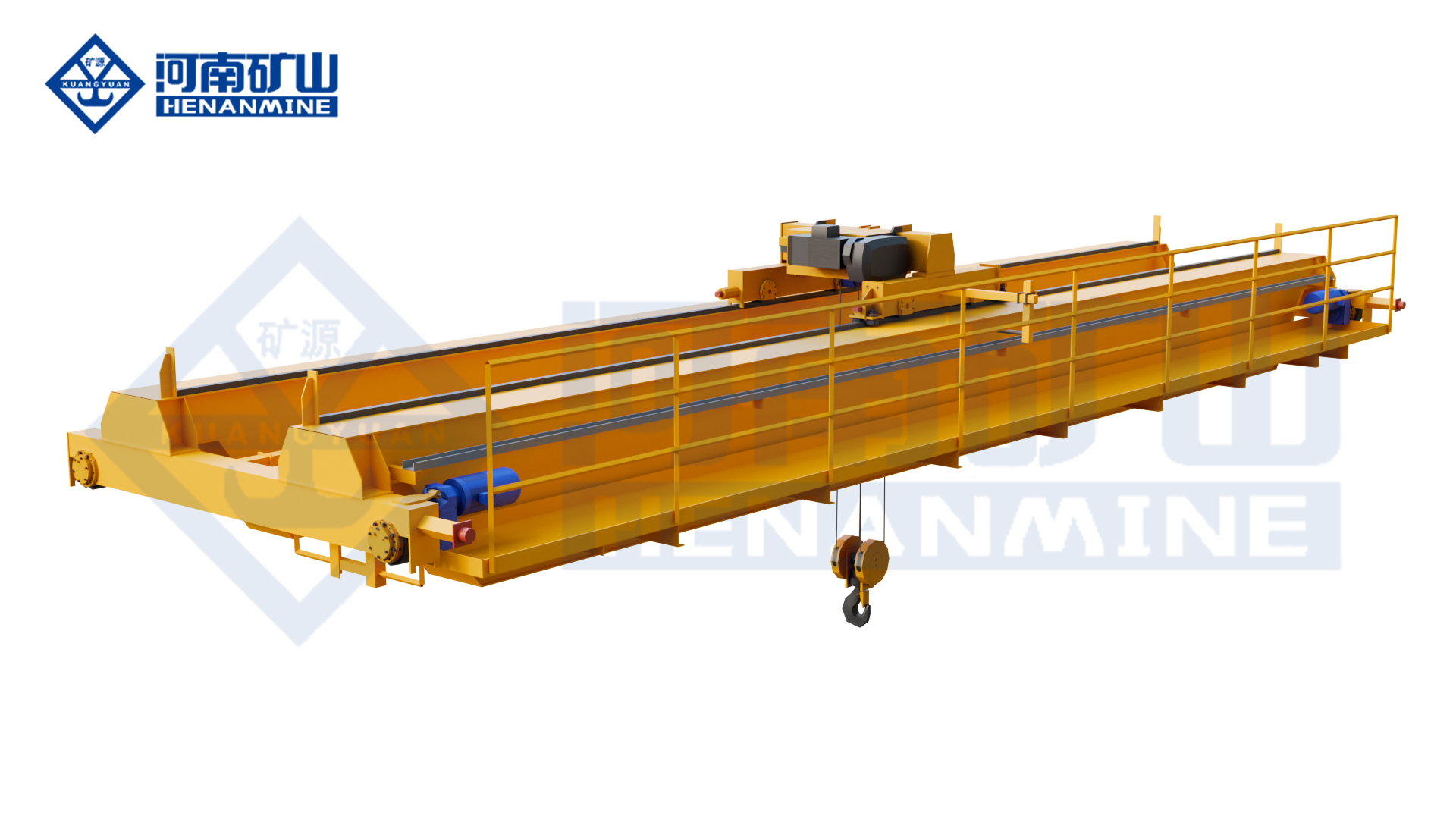
    Cover a wide working area with a multi-point suspended crane arrangement. Coordinate runway support positions, load distribution and travel geometry with the building structure.

    Lifting capacity1t – 20t
    Span10m – 60m
    Working classA3 – A6
    Technical specifications

    Define the total suspended load, duty and site conditions for your project.

    Technical specifications

    Check the load.
    Plan the configuration.

    Parameters and equipment options are matched to the application and confirmed in the technical proposal.

    Discuss your configuration
    Rated Lifting Capacity1t – 20t
    Applicable Span10m – 60m
    Number of Suspension Supports3+ sets
    Drive SystemThree-in-one drive system
    Working ClassA3 – A6
    Lifting Speed2m/min – 12m/min
    Crane Travel Speed15m/min – 30m/min
    Hoist TypeCustom electric hoist
    Control ModeGround handle / Wireless remote control / Cabin control
    Power Supply380V/50Hz; 220V-660V/60Hz
    Protection LevelIP54 (IP65 optional)
    Working Temperature-25℃ ~ 50℃
    Structural FeatureModular assembly

    Final parameters, dimensions, wheel loads and supply scope follow the approved project specification.

    Application & operation

    Matched to the handling task.

    Wide workshop coverage

    Arrange suspension points around available structural support lines.

    Large components

    Coordinate lifting coverage with assembly positions and equipment clearances.

    Selection considerations

    Start with your operating conditions.

    01

    Load & lifting arrangement

    Specify load geometry, lifting attachment and hook coverage. Include lifting-appliance weight and the required lifting positions.

    02

    Site & available space

    Provide support positions, runway sections and building reactions. Coordinate the installation interfaces with the available site drawings.

    03

    Duty & control sequence

    Define load distribution, travel alignment and operating cycle. Identify the required movements and control interfaces in the enquiry.

    Configuration comparison

    Compare related lifting arrangements.

    Crane arrangementHandling configuration
    Multi-Point Suspension CraneCover a wide working area with a multi-point suspended crane arrangement. Coordinate runway support positions, load distribution and travel geometry with the building structure.
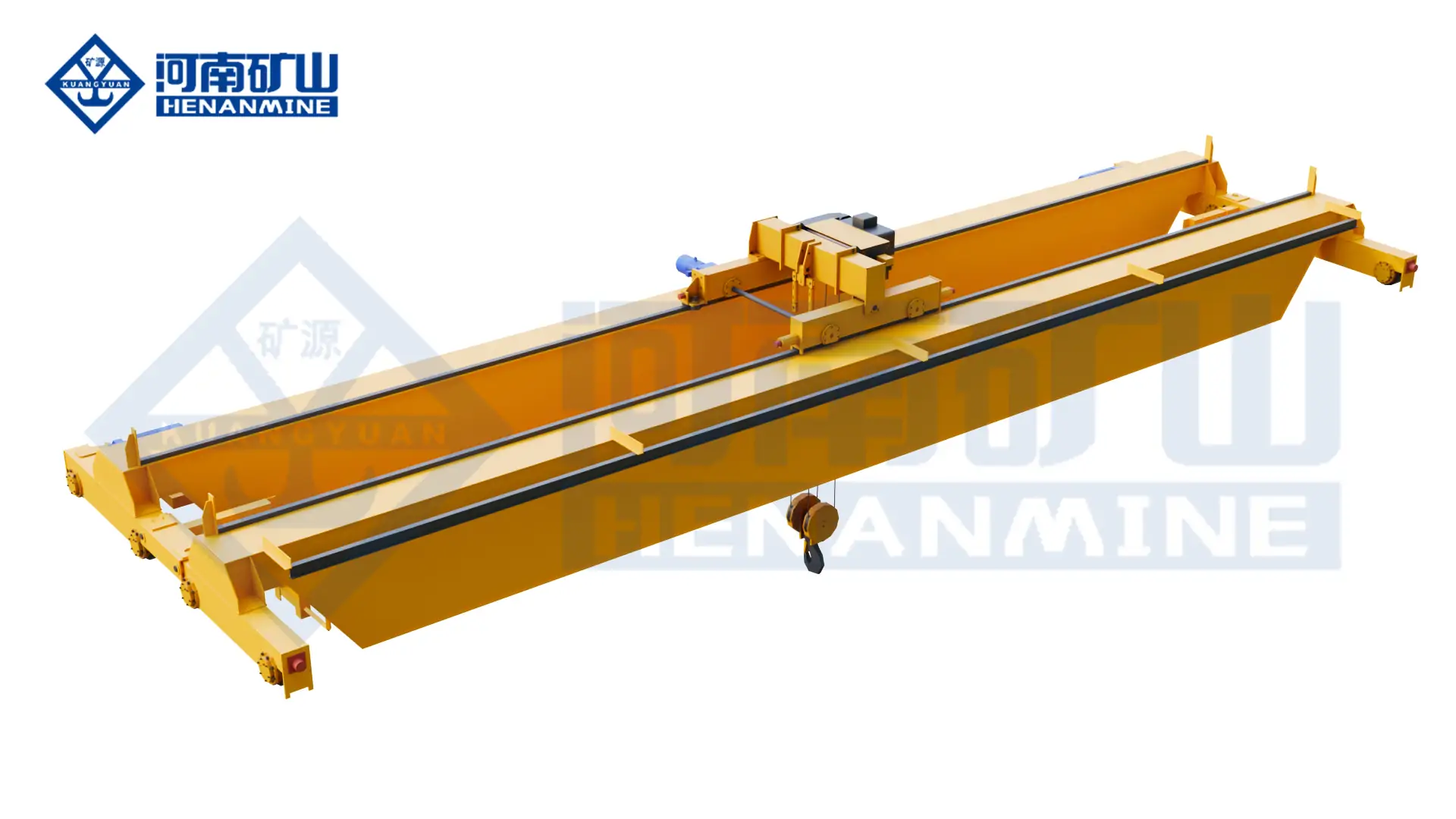
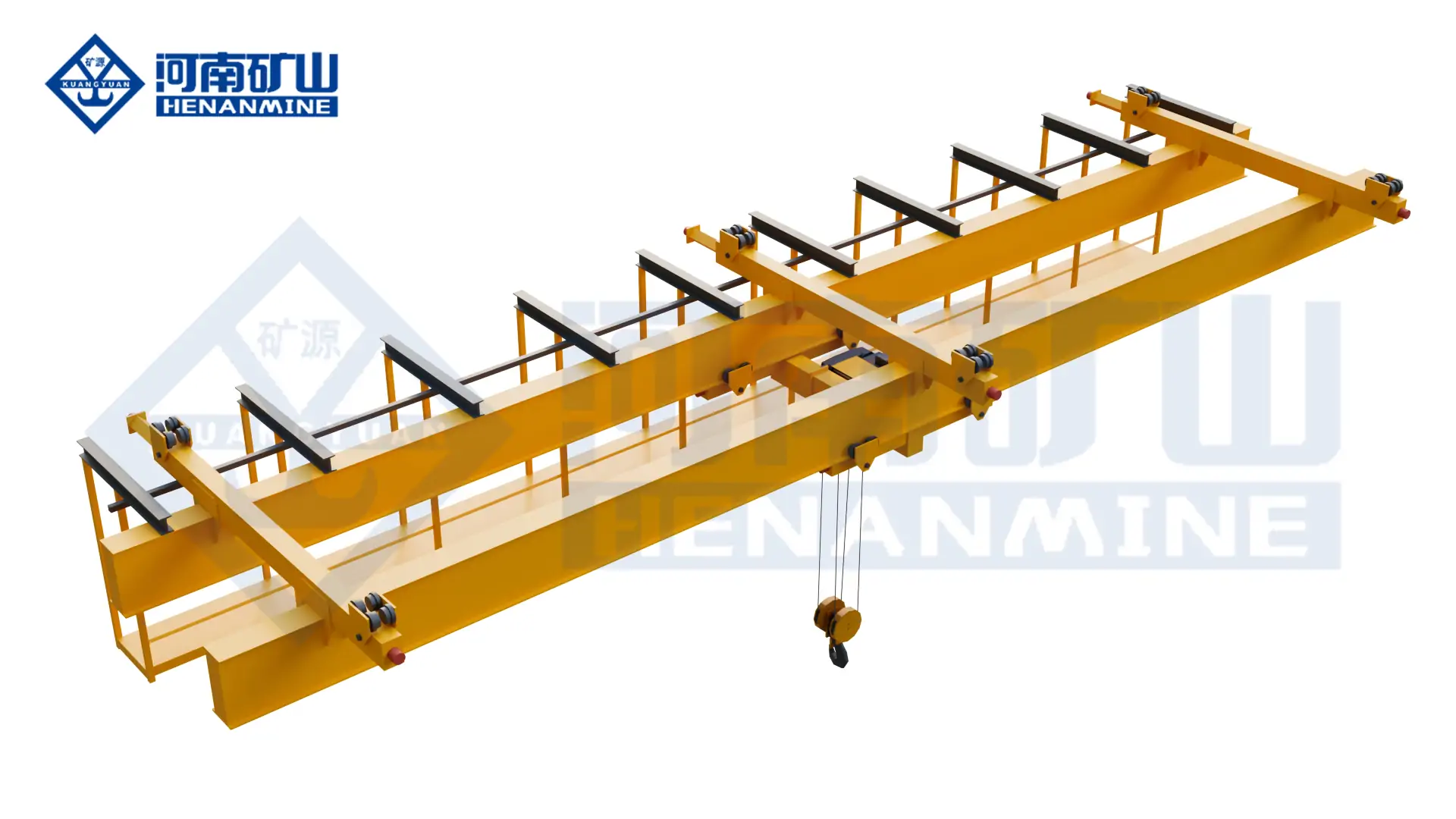
    Multi Support Double Girder Underhung CraneUse a multi-support double-girder underhung arrangement for wide-span working areas and large components. The building supports, lifting coverage and load distribution are designed together.
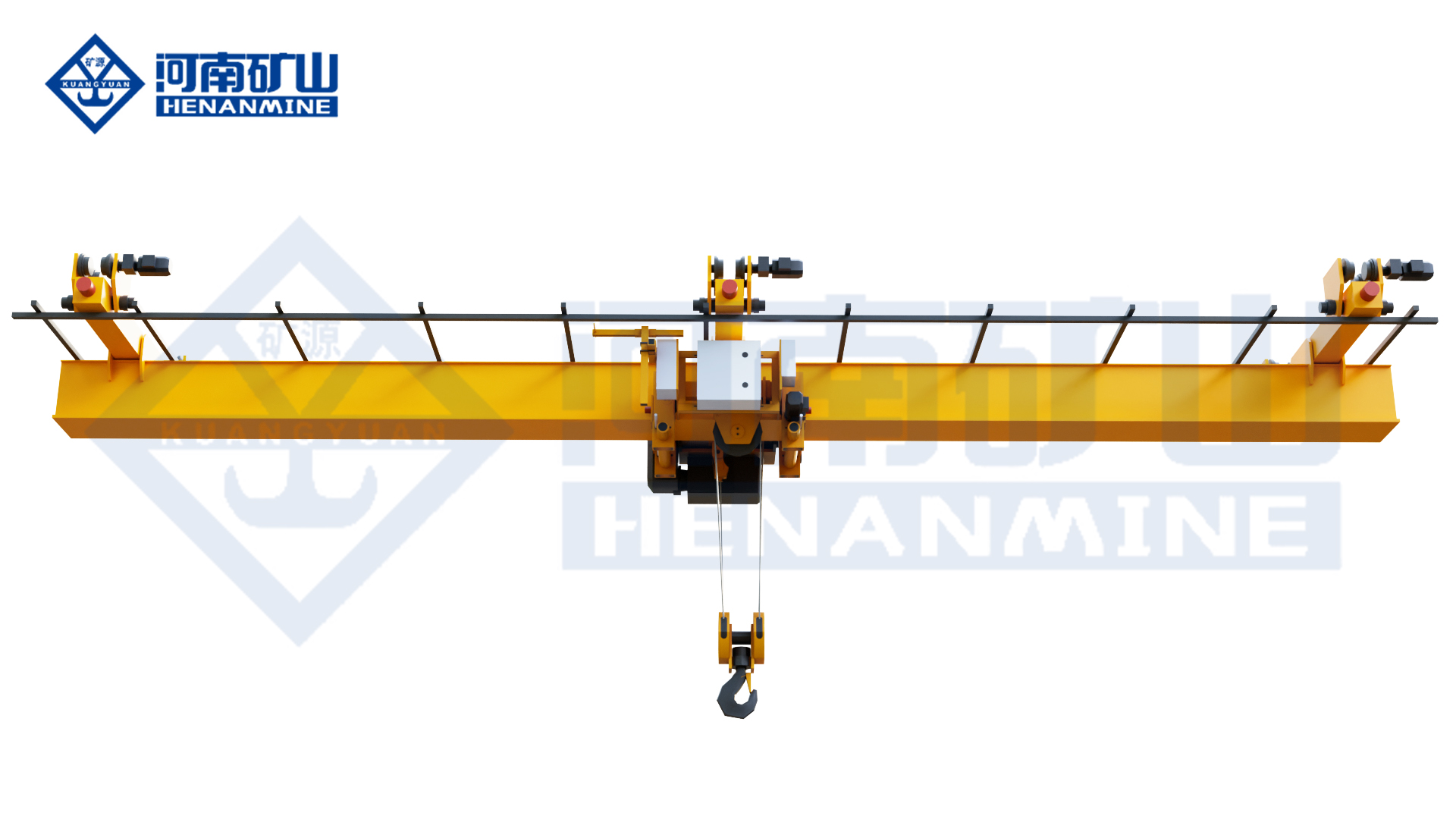
    Single-Beam Suspension CraneSuspend an LX single-girder crane from an approved overhead runway to cover workshop lifting positions. Building support, runway geometry and available hook height determine the installation.
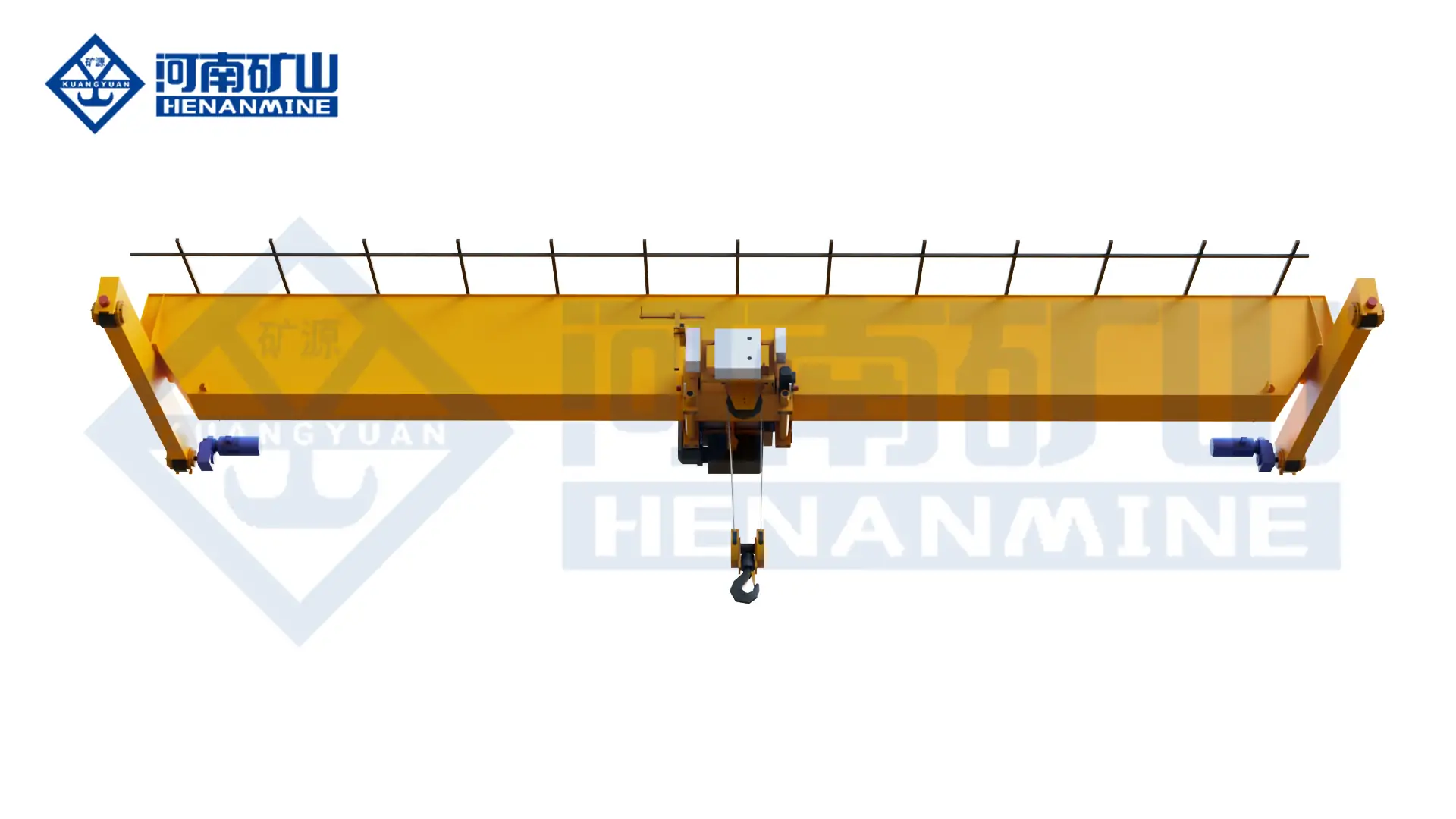
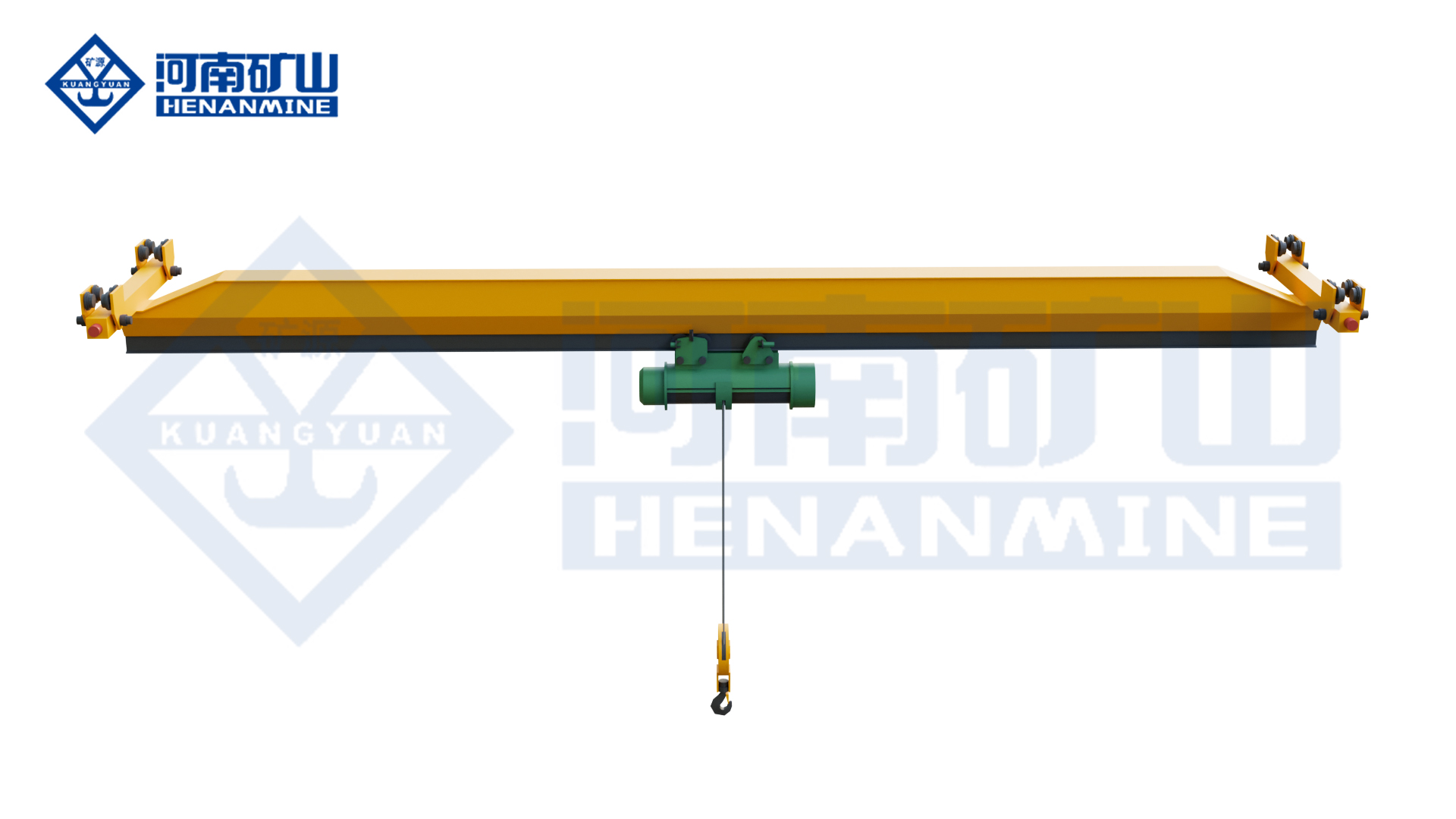
    European Style Electric Single Beam Suspended CraneUse a European-style electric-hoist suspension crane for overhead handling beneath a supported runway. Coordinate compact lifting geometry, travel control and building clearances with the workshop layout.

    Operating protection & lifecycle support

    Plan beyond the equipment.

    01

    Operating protection

    Confirm overload protection, travel limits, brakes, emergency controls and the required process interlocks for the declared lifting task.

    02

    Installation & commissioning

    Agree runway reactions, structural interfaces, electrical connections, assembly, inspection and commissioning responsibilities before delivery.

    03

    Inspection & spares

    Plan inspection and maintenance of suspension joints, runway contact surfaces and travel alignment. Agree service access, documentation and the required spare-parts scope.

    Questions before the order

    Clarify the details
    that shape the crane.

    What information is needed for a multi-point suspension crane quotation?+

    Provide load geometry, lifting attachment and hook coverage; support positions, runway sections and building reactions; and load distribution, travel alignment and operating cycle. Include drawings and the project destination when available.

    Why are all suspension positions needed before quotation?+

    Each support position affects the crane geometry and reactions. Provide the structural grid and runway drawings so load distribution, travel alignment and clearances can be coordinated.

    What installation and support scope should be agreed?+

    Agree runway reactions, structural interfaces, electrical connections, assembly, inspection and commissioning responsibilities before delivery. Specify the documentation, training and spare-parts support needed for the project.

    Related equipment

    Explore the alternatives.
    Let’s discuss your project

    The right crane starts
    with your lifting task.

    Share load geometry, lifting attachment and hook coverage, together with your site layout and operating cycle.
    info@hnksglobal.com
  • 5-Ton Overhead Crane Selection: Bay Dimensions and Working Duty

    5-Ton Overhead Crane Selection: Bay Dimensions and Working Duty

    Selection guide

    5-Ton Overhead Crane Selection: Bay Dimensions and Working Duty

    A five-ton project still needs a defined span, lifting range and operating cycle. Compare the actual hook envelope and support information before selecting a particular crane and hoist configuration.

    Henan Mine CraneSelection guide · Updated 2026Crane selection, project scope and operating requirements
    Henan Mine Crane 5 Ton Overhead Crane
    Henan Mine Crane 5 Ton Overhead Crane
    Project planning notes

    Key points for this crane project.

    1. Start a five-ton selection with the load list
    2. Measure the bay around useful hook coverage
    3. Describe working duty with an operating example
    Read the technical guide

    Start a five-ton selection with the load list

    State that the enquiry uses metric tonnes and identify the maximum load to be handled. List typical loads separately and describe the slings, lifting beam or other attachment. Ask how attachment mass is accounted for in the proposed lifting arrangement.

    Record load dimensions and the intended orientation during transfer. A capacity label does not establish whether a component can pass between machines or be placed at the required station.

    Measure the bay around useful hook coverage

    Provide the runway centreline spacing, travel length and required upper and lower hook positions. Add roof levels, building columns and services to the cross-section.

    Request a drawing showing the proposed hook approaches and crane envelope. Evaluate the pickup and placement points against that drawing. Usable lifting space should be demonstrated at the hook, including the attachment and suspended load.

    Describe working duty with an operating example

    Explain a normal shift: which loads are moved, how often they are moved and the typical travel distances. Identify occasional heavier lifts and periods of intensive production.

    Ask the supplier to state the duty basis for the selected crane and hoist. A five-ton rating does not describe the operating cycle, and a similar crane used elsewhere may have been selected for different service conditions.

    Compare arrangements on the same brief

    Review single-girder, double-girder or suspended alternatives using the same load and building information. Compare the selected hoist position, highest hook level, approaches and support reactions.

    State the operator’s working position and any need for controlled placement. Identify outdoor exposure, dust, heat or other environmental conditions before agreeing the equipment specification.

    Ask for a documented selection response

    Request the proposed configuration, main dimensions, duty basis, support information and electrical requirements. Record assumptions that still depend on a site survey or final attachment selection.

    Henan Mine Crane can use this brief to discuss a five-ton arrangement for the actual bay. Keep the drawing, operating example and scope list together when reviewing the proposal.

    Discuss the crane arrangement for your project.

    A five-ton project still needs a defined span, lifting range and operating cycle. Compare the actual hook envelope and support information before selecting a particular crane and hoist configuration. Share the load, available drawings, working cycle and site conditions with Henan Mine Crane so the required configuration and supply boundary can be discussed.

    Related crane configurations

    5 Ton Overhead Crane

    View product parameters
    Lifting capacity: 5 tSpan: Project-specificLifting height: Project-specific; confirm the required vertical hook travel and available headroom

    Specify a 5 t overhead crane around the load, building and operating cycle. Compare single-girder, double-girder and underhung arrangements for your workshop.

    Single-Girder Bridge Crane

    View product parameters
    Lifting capacity: 1–20 tSpan: 7.5–31.5 mLifting height: 6, 9, 12, 18, 24 or 30 m; capacity-dependent

    Use an LDA single-girder bridge and electric hoist for general workshop material handling. Select the lifting capacity, runway geometry and hoist duty around the building and load.

    Updated 2026 · Henan Mine Crane

  • Metallurgical Electric Single Girder Crane

    Metallurgical Electric Single Girder Crane

    Overhead Cranes / Henan Mine Crane

    Metallurgical Electric Single Girder Crane

    Provide metallurgical lifting with an LDY single-girder crane and a matched metallurgical electric hoist. Define the hot-load duty, lifting appliance and thermal exposure for the complete arrangement.

    Lifting capacity1t – 10t
    Span7.5m – 28.5m
    Working classA6 – A7
    Technical specifications

    Define the total suspended load, duty and site conditions for your project.

    Technical specifications

    Check the load.
    Plan the configuration.

    Parameters and equipment options are matched to the application and confirmed in the technical proposal.

    Discuss your configuration
    Rated Lifting Capacity1t – 10t
    Span7.5m – 28.5m
    Lifting Height6m – 30m
    Working ClassA6 – A7
    Lifting Speed3.2 – 16m/min
    Travel Speed20 – 30m/min
    Hoist ModelYHⅡ Type Metallurgical Electric Hoist
    Protection LevelIP55 (IP67 optional)
    Thermal exposureDeclare ambient temperature, radiant heat and the lifting-task exposure
    Hazardous-area configurationMatched to the declared area classification, material group and temperature requirements

    Final parameters, dimensions, wheel loads and supply scope follow the approved project specification.

    Application & operation

    Matched to the handling task.

    Foundry workstations

    Coordinate lifting coverage around hot-material handling positions.

    Process maintenance

    Match the lifting appliance, operating access and local thermal conditions.

    Selection considerations

    Start with your operating conditions.

    01

    Load & lifting arrangement

    Specify hot load, lifting-appliance weight and material temperature. Include lifting-appliance weight and the required lifting positions.

    02

    Site & available space

    Provide runway span, hook positions and heat-source clearances. Coordinate the installation interfaces with the available site drawings.

    03

    Duty & control sequence

    Define metallurgical duty, hoist requirements and protective functions. Identify the required movements and control interfaces in the enquiry.

    Configuration comparison

    Compare related lifting arrangements.

    Crane arrangementHandling configuration
    Metallurgical Electric Single Girder CraneProvide metallurgical lifting with an LDY single-girder crane and a matched metallurgical electric hoist. Define the hot-load duty, lifting appliance and thermal exposure for the complete arrangement.
    Metallurgical Bridge CraneLift hot process loads with a YZD metallurgical bridge arrangement selected for the complete load and thermal conditions. Specify the lifting appliance, duty cycle and operating-protection requirements.
    Double Girder Casting CraneLift and transfer molten-metal ladles with a YZ casting crane configured for the full suspended load and casting process. Review ladle interfaces, thermal exposure and the operating sequence together.
    YX Metallurgical Bridge CraneLift and turn material boxes with a YX metallurgical crane arrangement. The box interface, centre of gravity, turnover sequence and thermal conditions determine the lifting system.

    Operating protection & lifecycle support

    Plan beyond the equipment.

    01

    Operating protection

    Confirm overload protection, travel limits, brakes, emergency controls and the required process interlocks for the declared lifting task.

    02

    Installation & commissioning

    Agree runway reactions, structural interfaces, electrical connections, assembly, inspection and commissioning responsibilities before delivery.

    03

    Inspection & spares

    Plan inspection and maintenance of metallurgical hoist components, brakes and thermal protection. Agree service access, documentation and the required spare-parts scope.

    Questions before the order

    Clarify the details
    that shape the crane.

    What information is needed for a metallurgical electric single girder crane quotation?+

    Provide hot load, lifting-appliance weight and material temperature; runway span, hook positions and heat-source clearances; and metallurgical duty, hoist requirements and protective functions. Include drawings and the project destination when available.

    Why must the lifting task be declared as metallurgical duty?+

    Thermal exposure, load type and the handling sequence affect the hoist, brakes and protective provisions. Specify the complete process rather than only a nominal lifting capacity.

    What installation and support scope should be agreed?+

    Agree runway reactions, structural interfaces, electrical connections, assembly, inspection and commissioning responsibilities before delivery. Specify the documentation, training and spare-parts support needed for the project.

    Related equipment

    Explore the alternatives.

    Let’s discuss your project

    The right crane starts
    with your lifting task.

    Share hot load, lifting-appliance weight and material temperature, together with your site layout and operating cycle.
    info@hnksglobal.com
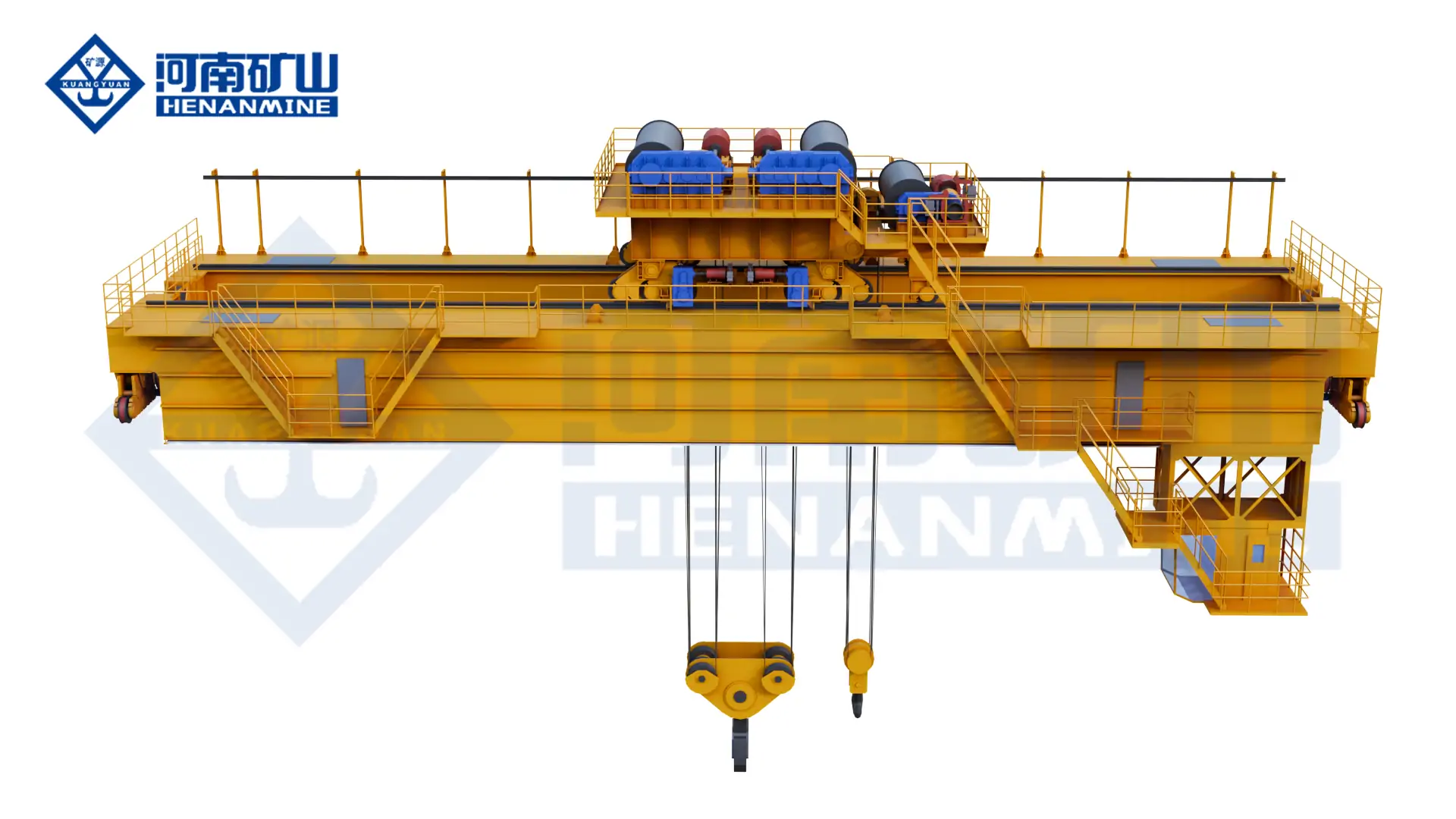
  • Metallurgical Bridge Crane

    Metallurgical Bridge Crane

    Overhead Cranes / Henan Mine Crane

    Metallurgical Bridge Crane

    Lift hot process loads with a YZD metallurgical bridge arrangement selected for the complete load and thermal conditions. Specify the lifting appliance, duty cycle and operating-protection requirements.

    Lifting capacity5–74 t
    Span10 – 35 m
    Working classSpecified for the project
    Technical specifications

    Define the total suspended load, duty and site conditions for your project.

    Technical specifications

    Check the load.
    Plan the configuration.

    Parameters and equipment options are matched to the application and confirmed in the technical proposal.

    Discuss your configuration
    ModelYZD
    Lifting Capacity5–74 t
    Span10 – 35 m
    Lifting Height8 – 30 m
    Thermal exposureDeclare ambient temperature, radiant heat and the lifting-task exposure
    Lifting Speed0.1 – 4 m/min
    Traveling Speed0.5 – 10 m/min
    Protection ClassIP67(Core Components)
    Motor TypeYE4 ultra-high efficiency high-temperature resistant motor

    Final parameters, dimensions, wheel loads and supply scope follow the approved project specification.

    Application & operation

    Matched to the handling task.

    Foundry handling

    Transfer declared molten-metal or hot-solid loads with a process-specific arrangement.

    Metallurgical maintenance

    Coordinate the crane, load attachment and operating access with the production equipment.

    Selection considerations

    Start with your operating conditions.

    01

    Load & lifting arrangement

    Specify complete suspended load, lifting appliance and process temperature. Include lifting-appliance weight and the required lifting positions.

    02

    Site & available space

    Provide pickup positions, runway coverage and access around hot equipment. Coordinate the installation interfaces with the available site drawings.

    03

    Duty & control sequence

    Define working cycle, thermal protection and metallurgical operating requirements. Identify the required movements and control interfaces in the enquiry.

    Configuration comparison

    Compare related lifting arrangements.

    Crane arrangementHandling configuration
    Metallurgical Bridge CraneLift hot process loads with a YZD metallurgical bridge arrangement selected for the complete load and thermal conditions. Specify the lifting appliance, duty cycle and operating-protection requirements.
    Double Girder Casting CraneLift and transfer molten-metal ladles with a YZ casting crane configured for the full suspended load and casting process. Review ladle interfaces, thermal exposure and the operating sequence together.
    Four Beam Casting CraneHandle molten-metal ladles with a YZS four-beam casting crane. Main and auxiliary trolley functions, thermal exposure and the lifting sequence are selected for the casting process.
    Metallurgical Electric Single Girder CraneProvide metallurgical lifting with an LDY single-girder crane and a matched metallurgical electric hoist. Define the hot-load duty, lifting appliance and thermal exposure for the complete arrangement.

    Operating protection & lifecycle support

    Plan beyond the equipment.

    01

    Operating protection

    Confirm overload protection, travel limits, brakes, emergency controls and the required process interlocks for the declared lifting task.

    02

    Installation & commissioning

    Agree runway reactions, structural interfaces, electrical connections, assembly, inspection and commissioning responsibilities before delivery.

    03

    Inspection & spares

    Plan inspection and maintenance of hoisting brakes, heat shields and load attachment connections. Agree service access, documentation and the required spare-parts scope.

    Questions before the order

    Clarify the details
    that shape the crane.

    What information is needed for a metallurgical bridge crane quotation?+

    Provide complete suspended load, lifting appliance and process temperature; pickup positions, runway coverage and access around hot equipment; and working cycle, thermal protection and metallurgical operating requirements. Include drawings and the project destination when available.

    What defines the metallurgical lifting specification?+

    Provide the load and lifting-appliance drawings, thermal exposure, movement sequence and operating cycle. The crane configuration and protective functions are defined for the declared process.

    What installation and support scope should be agreed?+

    Agree runway reactions, structural interfaces, electrical connections, assembly, inspection and commissioning responsibilities before delivery. Specify the documentation, training and spare-parts support needed for the project.

    Related equipment

    Explore the alternatives.

    Let’s discuss your project

    The right crane starts
    with your lifting task.

    Share complete suspended load, lifting appliance and process temperature, together with your site layout and operating cycle.
    info@hnksglobal.com
  • 5-Ton Overhead Crane Price: Prepare a Comparable Quotation Brief

    5-Ton Overhead Crane Price: Prepare a Comparable Quotation Brief

    Selection guide

    5-Ton Overhead Crane Price: Prepare a Comparable Quotation Brief

    The capacity label does not define everything included in a five-ton offer. Specify the span, hook travel, controls and site-work boundary so competing quotations can be compared on the same basis.

    Henan Mine CraneSelection guide · Updated 2026Crane selection, project scope and operating requirements
    Henan Mine Crane 5 Ton Overhead Crane
    Henan Mine Crane 5 Ton Overhead Crane
    Project planning notes

    Key points for this crane project.

    1. Define the five-ton base quotation
    2. Separate equipment from site work
    3. Price options as explicit alternatives
    Read the technical guide

    Define the five-ton base quotation

    A useful price comparison starts with a defined base offer. Specify the rated lifting requirement, span, hook travel, runway length and intended working duty. Identify the project location and power supply.

    Use one equipment schedule for all quotations. Ask suppliers to identify deviations clearly rather than embed a different hoist, control arrangement or supply boundary within the total price.

    Separate equipment from site work

    List the bridge, end carriages, hoist, controls and crane-mounted electrical equipment as identifiable supply items. State whether rails, conductors and other runway equipment are included.

    Allocate supporting steelwork, foundations, installation lifting equipment and incoming power separately. Where the supplier offers installation support, define what that support includes and which local resources are still required.

    Price options as explicit alternatives

    Ask for optional controls, maintenance access, monitoring or special protection to be listed separately where applicable. Describe the required function so alternatives can be compared on a common basis.

    An option may affect crane dimensions or electrical requirements as well as price. Request those consequences in the technical response so the building team can review the complete change.

    Check delivery and acceptance assumptions

    Compare packing, transport responsibility and destination requirements alongside equipment scope. Identify inspection access, documents and the agreed factory or site test activities.

    State the planned installation window and restrictions on unloading or assembly. These conditions can affect the project budget even when they are outside the crane equipment purchase.

    Prepare a comparison that explains differences

    Use columns for technical arrangement, inclusions, exclusions, options and commercial terms. Resolve missing items before selecting an offer by its headline total.

    Send Henan Mine Crane the same five-ton specification and scope schedule used for the comparison. Request a project quotation rather than treating a general online price as the complete installed cost.

    Discuss the crane arrangement for your project.

    The capacity label does not define everything included in a five-ton offer. Specify the span, hook travel, controls and site-work boundary so competing quotations can be compared on the same basis. Share the load, available drawings, working cycle and site conditions with Henan Mine Crane so the required configuration and supply boundary can be discussed.

    Related crane configurations

    5 Ton Overhead Crane

    View product parameters
    Lifting capacity: 5 tSpan: Project-specificLifting height: Project-specific; confirm the required vertical hook travel and available headroom

    Specify a 5 t overhead crane around the load, building and operating cycle. Compare single-girder, double-girder and underhung arrangements for your workshop.

    Single-Girder Bridge Crane

    View product parameters
    Lifting capacity: 1–20 tSpan: 7.5–31.5 mLifting height: 6, 9, 12, 18, 24 or 30 m; capacity-dependent

    Use an LDA single-girder bridge and electric hoist for general workshop material handling. Select the lifting capacity, runway geometry and hoist duty around the building and load.

    Updated 2026 · Henan Mine Crane

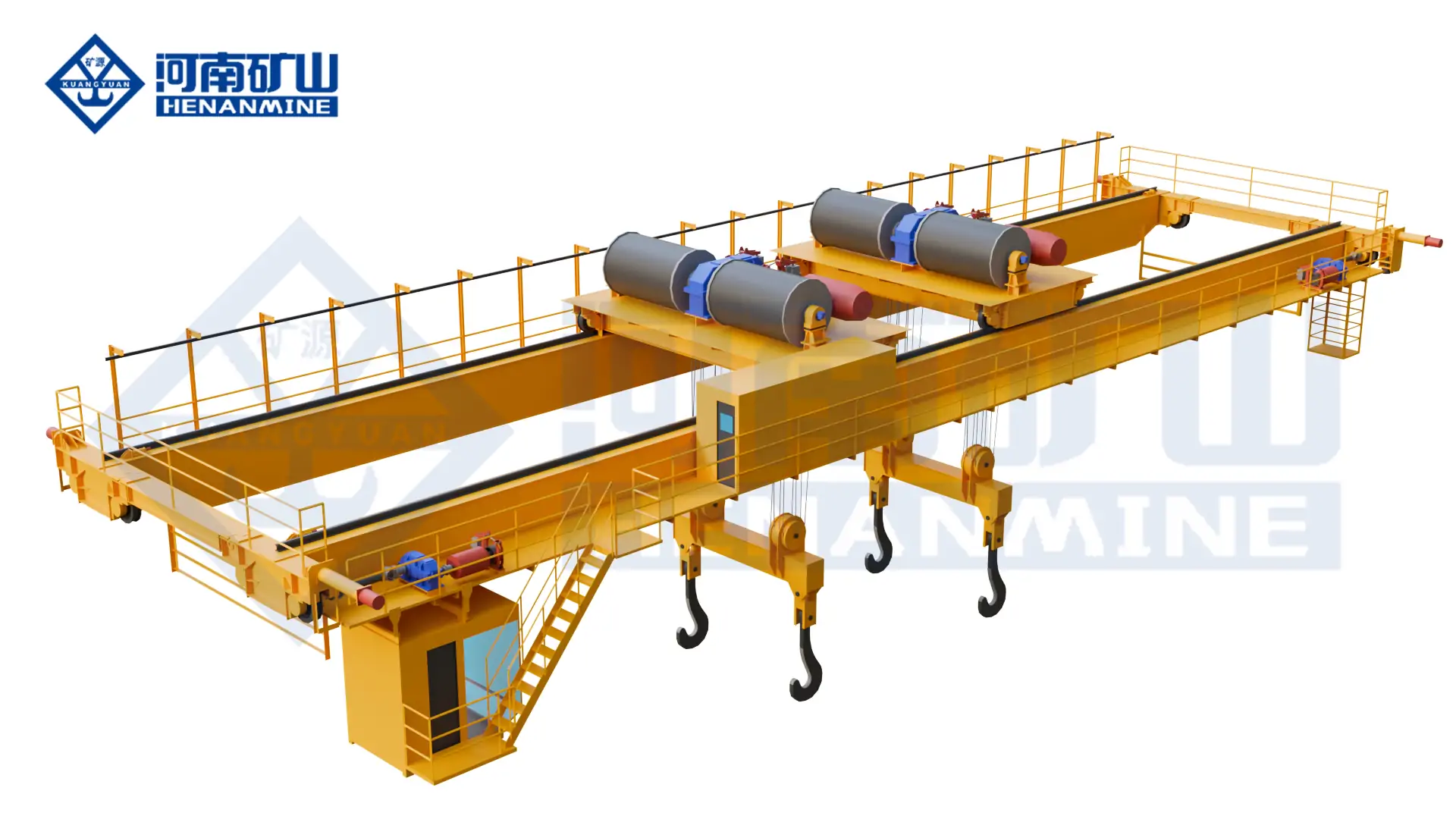
  • L-Type Offset Gantry Crane

    L-Type Offset Gantry Crane

    Gantry Cranes / Henan Mine Crane

    L-Type Offset Gantry Crane

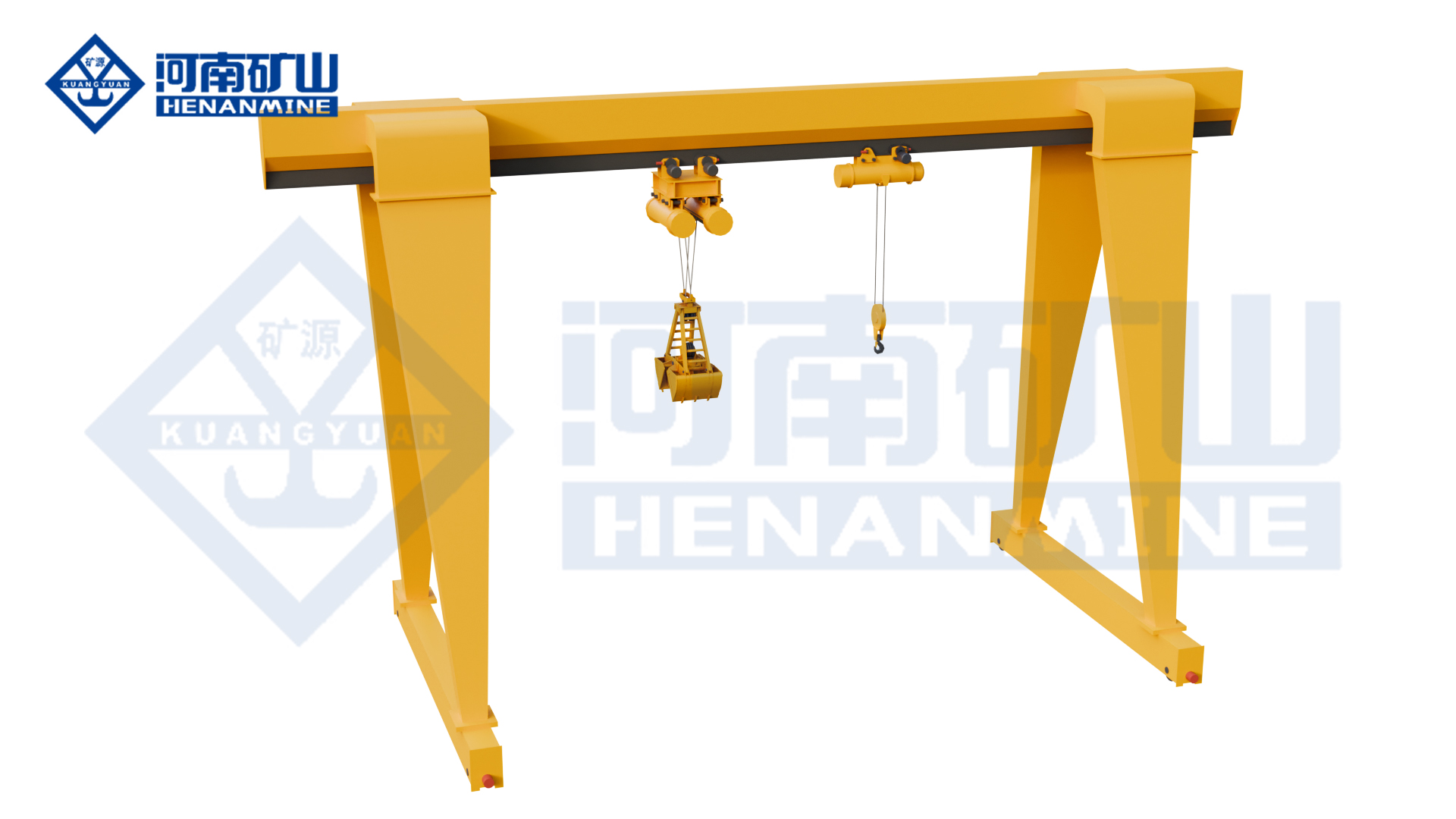
    Use an L-type single-girder gantry to coordinate side access and lifting coverage in a yard. Define the leg geometry, hook positions and workpiece clearance around the load route.

    Lifting capacity1t – 32t
    Span6m – 35m
    Working classA3~A5
    Technical specifications

    Define the total suspended load, duty and site conditions for your project.

    Technical specifications

    Check the load.
    Plan the configuration.

    Parameters and equipment options are matched to the application and confirmed in the technical proposal.

    Discuss your configuration
    TypeMHL
    Product NameElectric Hoist Gantry Crane
    Rated Lifting Capacity1t – 32t
    Span6m – 35m
    Lifting Height4m – 20m
    Working ClassA3~A5
    Structural FormL-shaped leg, single girder
    Lifting MechanismSpecial electric hoist
    Travel DriveThree-in-one frequency conversion drive
    Lifting AttachmentHook / Grab / Electromagnetic chuck
    Structure FeatureCompact structure, light self-weight
    Operation ModePendant control / remote control
    Power Supply380V/50Hz; 220-660V/50-60Hz
    Protection LevelIP54
    ApplicationLong material & general material handling

    Final parameters, dimensions, wheel loads and supply scope follow the approved project specification.

    Application & operation

    Matched to the handling task.

    Long-material handling

    Coordinate the load route and access around long workpieces.

    Outdoor loading

    Match rail positions, vehicle access and hook coverage to the site layout.

    Selection considerations

    Start with your operating conditions.

    01

    Load & lifting arrangement

    Specify workpiece length, lifting points and suspended load. Include lifting-appliance weight and the required lifting positions.

    02

    Site & available space

    Provide leg clearance, rail span, cantilever reach and loading route. Coordinate the installation interfaces with the available site drawings.

    03

    Duty & control sequence

    Define lifting cycle, control method and outdoor conditions. Identify the required movements and control interfaces in the enquiry.

    Configuration comparison

    Compare related lifting arrangements.

    Crane arrangementHandling configuration
    L-Type Offset Gantry CraneUse an L-type single-girder gantry to coordinate side access and lifting coverage in a yard. Define the leg geometry, hook positions and workpiece clearance around the load route.
    European Single Girder Gantry CraneCombine a single-girder gantry with a European-style electric hoist for yard handling. Specify the hook coverage, leg arrangement, travel layout and control requirements for the project.
    Single-Girder Gantry CraneCover an outdoor working area with a single-girder electric-hoist gantry crane. Coordinate span, lifting height, leg geometry and any cantilever coverage with the yard and loading route.
    Double Girder Electric Hoist Gantry CraneCover an outdoor handling area with a double-girder gantry and electric-hoist trolley. Select the load rating, leg geometry, cantilever arrangement and travel coverage around the yard layout.

    Operating protection & lifecycle support

    Plan beyond the equipment.

    01

    Operating protection

    Define travel limits, overload protection, traffic clearances and the outdoor operating limits for the proposed arrangement.

    02

    Installation & commissioning

    Agree rail foundations, runway alignment, wheel-load interfaces, erection access, electrical connections and commissioning responsibilities.

    03

    Inspection & spares

    Plan inspection and maintenance of leg connections, hoist trolley and gantry travel drives. Agree service access, documentation and the required spare-parts scope.

    Questions before the order

    Clarify the details
    that shape the crane.

    What information is needed for a l-type offset gantry crane quotation?+

    Provide workpiece length, lifting points and suspended load; leg clearance, rail span, cantilever reach and loading route; and lifting cycle, control method and outdoor conditions. Include drawings and the project destination when available.

    What determines whether the load can pass the leg area?+

    Provide the workpiece envelope, lifting orientation and vehicle or storage positions. The leg geometry, hook approach and handling route are checked in the proposed arrangement.

    What installation and support scope should be agreed?+

    Agree rail foundations, runway alignment, wheel-load interfaces, erection access, electrical connections and commissioning responsibilities. Specify the documentation, training and spare-parts support needed for the project.

    Related equipment

    Explore the alternatives.

    Let’s discuss your project

    The right crane starts
    with your lifting task.

    Share workpiece length, lifting points and suspended load, together with your site layout and operating cycle.

    info@hnksglobal.com
  • Buying a 5-Ton Overhead Crane: Equipment and Installation Checks

    Buying a 5-Ton Overhead Crane: Equipment and Installation Checks

    Selection guide

    Buying a 5-Ton Overhead Crane: Equipment and Installation Checks

    Before choosing a five-ton crane, connect the lifting task with the available workshop space. Confirm the load arrangement, runway information and installation responsibilities alongside the proposed equipment parameters.

    Henan Mine CraneSelection guide · Updated 2026Crane selection, project scope and operating requirements
    Henan Mine Crane 5 Ton Overhead Crane
    Henan Mine Crane 5 Ton Overhead Crane
    Project planning notes

    Key points for this crane project.

    1. Check site readiness before ordering
    2. Review the offered equipment schedule
    3. Agree how the crane reaches its operating position
    Read the technical guide

    Check site readiness before ordering

    Buying a five-ton overhead crane involves both equipment and a place ready to receive it. Confirm who supplies the runway, electrical feed and installation resources before the purchase order fixes the scope.

    For an existing workshop, collect runway drawings and current measurements. Identify machinery or services that restrict installation. For a new building, set a date for exchanging crane reactions and interface drawings with the structural designer.

    Review the offered equipment schedule

    Check that the bridge arrangement, selected hoist and control method match the enquiry. Compare the dimensional drawing with the required handling positions, including upper hook level and approaches.

    Ask for component identification and maintenance documentation appropriate to the offered equipment. Record the duty basis and environmental assumptions in the technical schedule rather than leave them implicit in a model name.

    Agree how the crane reaches its operating position

    Discuss unloading space, assembly space and access for installation lifting equipment. Identify any need to interrupt production or temporarily remove obstructions.

    Clarify who provides the installation plan and who confirms that supports and electrical services are ready. An equipment delivery date is not necessarily the date on which the crane can enter service.

    Set the handover scope

    Agree drawing approvals, inspection records, electrical diagrams and operating and maintenance manuals. Identify the responsibilities for commissioning, testing and operator familiarisation.

    Record how findings from acceptance will be closed and which documents must accompany handover. Include the spare-parts identification information needed for the maintenance team.

    Keep a practical pre-order checklist

    Before committing, confirm the lifting brief, accepted drawing, support interface, electrical interface, installation boundary and acceptance scope. Assign owners to any item still open.

    Provide Henan Mine Crane with both the operating requirement and site readiness information. This helps the proposal describe the equipment and the work required to put it into service.

    Discuss the crane arrangement for your project.

    Before choosing a five-ton crane, connect the lifting task with the available workshop space. Confirm the load arrangement, runway information and installation responsibilities alongside the proposed equipment parameters. Share the load, available drawings, working cycle and site conditions with Henan Mine Crane so the required configuration and supply boundary can be discussed.

    Related crane configurations

    5 Ton Overhead Crane

    View product parameters
    Lifting capacity: 5 tSpan: Project-specificLifting height: Project-specific; confirm the required vertical hook travel and available headroom

    Specify a 5 t overhead crane around the load, building and operating cycle. Compare single-girder, double-girder and underhung arrangements for your workshop.

    Single-Girder Bridge Crane

    View product parameters
    Lifting capacity: 1–20 tSpan: 7.5–31.5 mLifting height: 6, 9, 12, 18, 24 or 30 m; capacity-dependent

    Use an LDA single-girder bridge and electric hoist for general workshop material handling. Select the lifting capacity, runway geometry and hoist duty around the building and load.

    Updated 2026 · Henan Mine Crane

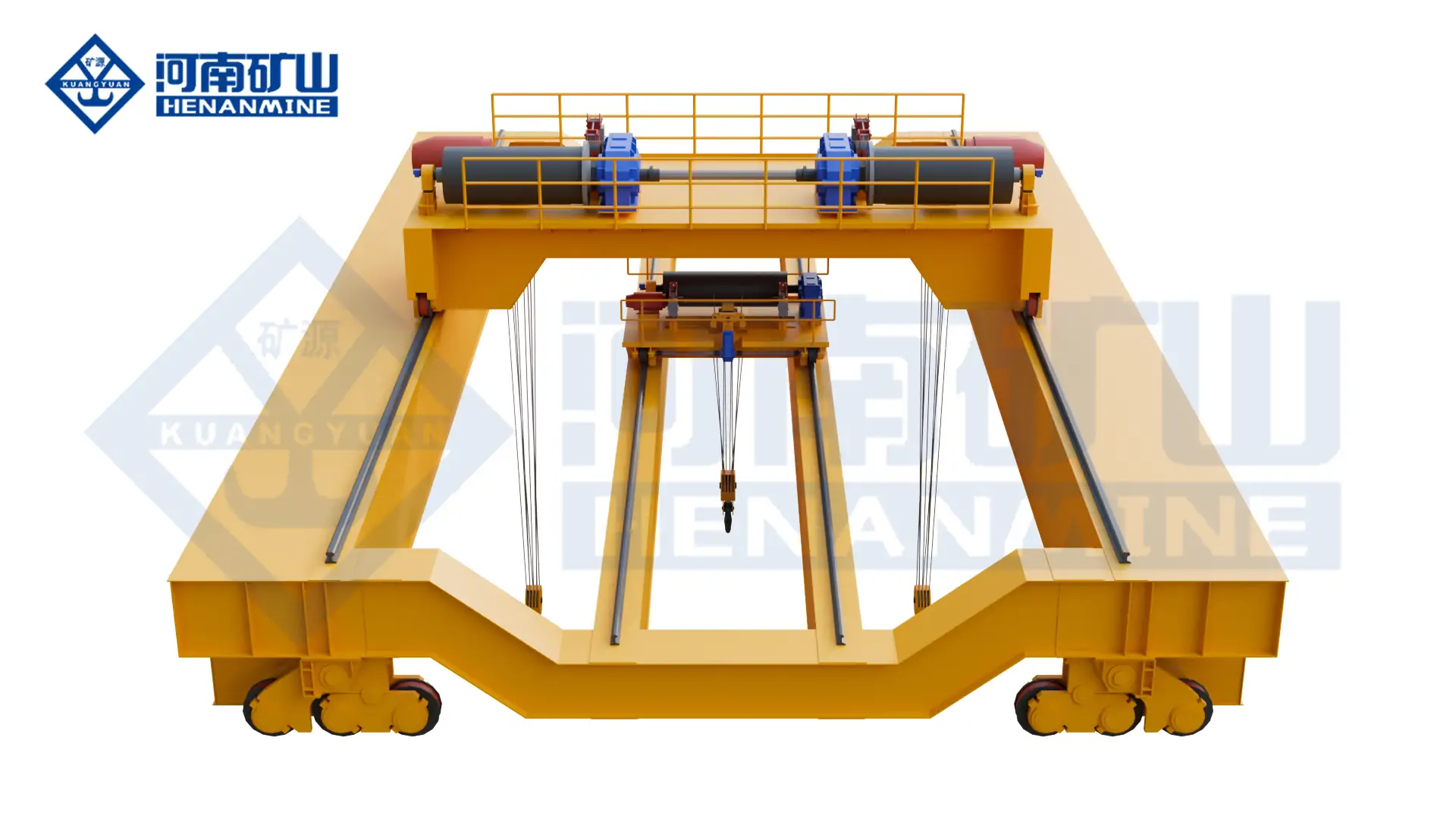
  • Intelligent Grab Overhead Crane

    Intelligent Grab Overhead Crane

    Overhead Cranes / Henan Mine Crane

    Intelligent Grab Overhead Crane

    Handle bulk materials with a grab overhead crane configured for the material and working cycle. Select the grab volume, lifting arrangement and operating sequence from pickup and discharge conditions.

    Lifting capacity5 – 50 t
    Span10.5 – 31.5 m
    Working classA6 – A8
    Technical specifications

    Define the total suspended load, duty and site conditions for your project.

    Technical specifications

    Check the load.
    Plan the configuration.

    Parameters and equipment options are matched to the application and confirmed in the technical proposal.

    Discuss your configuration
    Capacity5 – 50 t
    Span10.5 – 31.5 m
    Lifting height6 – 30 m
    Working classA6 – A8
    Hoisting speed30 – 49 m/min
    Trolley travel31 – 45 m/min
    Crane travel76 – 94 m/min
    Power supply220-690V, 50/60Hz
    ControlsRemote / Cabin / Unmanned Auto
    Lifting arrangementFour-Rope Mechanical Grab

    Final parameters, dimensions, wheel loads and supply scope follow the approved project specification.

    Application & operation

    Matched to the handling task.

    Bulk-material stores

    Transfer loose material between receiving, storage and discharge positions.

    Repeated handling cycles

    Coordinate grab movements and any required positioning or process interfaces.

    Selection considerations

    Start with your operating conditions.

    01

    Load & lifting arrangement

    Specify bulk density, particle size, moisture and grab dead weight. Include lifting-appliance weight and the required lifting positions.

    02

    Site & available space

    Provide pickup area, discharge height and required coverage. Coordinate the installation interfaces with the available site drawings.

    03

    Duty & control sequence

    Define handling cycle, throughput requirement and control or automation scope. Identify the required movements and control interfaces in the enquiry.

    Configuration comparison

    Compare related lifting arrangements.

    Crane arrangementHandling configuration
    Intelligent Grab Overhead CraneHandle bulk materials with a grab overhead crane configured for the material and working cycle. Select the grab volume, lifting arrangement and operating sequence from pickup and discharge conditions.
    Single Girder Grab CraneLift loose bulk material with an LDZ single-girder grab crane. Select the grab, complete suspended load and pickup or discharge geometry around the material and working cycle.
    Grab And Hook Dual Purpose CraneSwitch between bulk-material pickup and hook lifting with a grab-and-hook overhead arrangement. Define each load case, the grab type and the changeover procedure for the working area.
    Grab Hook Gantry CraneCombine grab and hook handling on an electric-hoist gantry arrangement. Match the lifting appliance, load cases and changeover method to the outdoor handling layout.

    Operating protection & lifecycle support

    Plan beyond the equipment.

    01

    Operating protection

    Confirm overload protection, travel limits, brakes, emergency controls and the required process interlocks for the declared lifting task.

    02

    Installation & commissioning

    Agree runway reactions, structural interfaces, electrical connections, assembly, inspection and commissioning responsibilities before delivery.

    03

    Inspection & spares

    Plan inspection and maintenance of grab ropes or actuators, sheaves and positioning devices. Agree service access, documentation and the required spare-parts scope.

    Questions before the order

    Clarify the details
    that shape the crane.

    What information is needed for a intelligent grab overhead crane quotation?+

    Provide bulk density, particle size, moisture and grab dead weight; pickup area, discharge height and required coverage; and handling cycle, throughput requirement and control or automation scope. Include drawings and the project destination when available.

    Does grab volume alone determine handling capacity?+

    The permissible suspended load includes the grab and material. Bulk density, fill conditions, operating cycle and the defined movement distances must be reviewed together.

    What installation and support scope should be agreed?+

    Agree runway reactions, structural interfaces, electrical connections, assembly, inspection and commissioning responsibilities before delivery. Specify the documentation, training and spare-parts support needed for the project.

    Related equipment

    Explore the alternatives.

    Let’s discuss your project

    The right crane starts
    with your lifting task.

    Share bulk density, particle size, moisture and grab dead weight, together with your site layout and operating cycle.
    info@hnksglobal.com
  • Modular Electric Hoist Overhead Crane

    Modular Electric Hoist Overhead Crane

    Overhead Cranes / Henan Mine Crane

    Modular Electric Hoist Overhead Crane

    Use a modular electric-hoist overhead crane for production, assembly and maintenance lifting. Select the hoist arrangement, hook coverage and movement control for the workshop and operating cycle.

    Lifting capacity1 – 32 t
    Span7.5 – 31.5 m
    Working classA5 – A6
    Technical specifications

    Define the total suspended load, duty and site conditions for your project.

    Technical specifications

    Check the load.
    Plan the configuration.

    Parameters and equipment options are matched to the application and confirmed in the technical proposal.

    Discuss your configuration
    Capacity1 – 32 t
    Span7.5 – 31.5 m
    Lifting height6–30 m
    Working classA5 – A6
    Hoisting speed0.8/5 – 8/16 m/min
    Power supply220-690V, 50/60Hz
    ControlsWireless Remote / Pendant Control

    Final parameters, dimensions, wheel loads and supply scope follow the approved project specification.

    Application & operation

    Matched to the handling task.

    Production handling

    Move components between machines, fixtures and storage positions.

    Equipment assembly

    Coordinate hook positions and control requirements around large assemblies.

    Selection considerations

    Start with your operating conditions.

    01

    Load & lifting arrangement

    Specify suspended load, workpiece geometry and placement requirements. Include lifting-appliance weight and the required lifting positions.

    02

    Site & available space

    Provide runway geometry, available headroom and service access. Coordinate the installation interfaces with the available site drawings.

    03

    Duty & control sequence

    Define load spectrum, lifting frequency and movement-control requirements. Identify the required movements and control interfaces in the enquiry.

    Configuration comparison

    Compare related lifting arrangements.

    Crane arrangementHandling configuration
    Modular Electric Hoist Overhead CraneUse a modular electric-hoist overhead crane for production, assembly and maintenance lifting. Select the hoist arrangement, hook coverage and movement control for the workshop and operating cycle.
    LH Electric Hoist Double Girder CraneUse an LH double-girder bridge with an electric-hoist trolley for workshop lifting, assembly and maintenance. Match the hoist arrangement to the suspended load, hook travel and available building space.
    European-Style Electric Single Girder CraneHandle workshop components with a European-style single-girder crane and electric hoist. Match the compact lifting arrangement and movement control to the building and operating cycle.
    Double Trolley Electric Hoist CraneLift long components or serve separate working positions with two electric-hoist trolleys on one bridge. Trolley spacing, load sharing and independent or coordinated operation are specified for the task.

    Operating protection & lifecycle support

    Plan beyond the equipment.

    01

    Operating protection

    Confirm overload protection, travel limits, brakes, emergency controls and the required process interlocks for the declared lifting task.

    02

    Installation & commissioning

    Agree runway reactions, structural interfaces, electrical connections, assembly, inspection and commissioning responsibilities before delivery.

    03

    Inspection & spares

    Plan inspection and maintenance of hoist equipment, trolley drives and control components. Agree service access, documentation and the required spare-parts scope.

    Questions before the order

    Clarify the details
    that shape the crane.

    What information is needed for a modular electric hoist overhead crane quotation?+

    Provide suspended load, workpiece geometry and placement requirements; runway geometry, available headroom and service access; and load spectrum, lifting frequency and movement-control requirements. Include drawings and the project destination when available.

    What information defines the hoist and trolley?+

    Supply the load, lifting height, required movement speeds, daily operating cycle and building clearances. Hoist and trolley geometry are selected together with the bridge and controls.

    What installation and support scope should be agreed?+

    Agree runway reactions, structural interfaces, electrical connections, assembly, inspection and commissioning responsibilities before delivery. Specify the documentation, training and spare-parts support needed for the project.

    Related equipment

    Explore the alternatives.

    Let’s discuss your project

    The right crane starts
    with your lifting task.

    Share suspended load, workpiece geometry and placement requirements, together with your site layout and operating cycle.
    info@hnksglobal.com
  • 5-Ton Gantry Crane Requirements: Site, Span and Travel Arrangement

    5-Ton Gantry Crane Requirements: Site, Span and Travel Arrangement

    Selection guide

    5-Ton Gantry Crane Requirements: Site, Span and Travel Arrangement

    A five-ton gantry needs to suit its support conditions and handling route. Define working coverage, lifting height and travel requirements so the proposed crane can be reviewed for the actual operating site.

    Henan Mine CraneSelection guide · Updated 2026Crane selection, project scope and operating requirements
    Henan Mine Crane 5 Ton Overhead Crane
    Henan Mine Crane 5 Ton Overhead Crane
    Project planning notes

    Key points for this crane project.

    1. Set the five-ton working area
    2. Compare full-gantry and semi-gantry interfaces
    3. Specify the travel route and exposure
    Read the technical guide

    Set the five-ton working area

    Define where the load is collected and where it is placed. Mark the required coverage, travel length and any use outside the main span on the site drawing.

    Include load dimensions, attachment details and the intended transport route. The proposal should demonstrate usable hook access while allowing space for the gantry legs and other structural parts.

    Compare full-gantry and semi-gantry interfaces

    A full gantry supports the bridge through travelling legs. A semi-gantry arrangement uses a different support level on one side. Compare these forms against available building interfaces and ground-level operating space.

    Request a drawing identifying the support and travel arrangement for each alternative. Coordinate elevated and ground interfaces with the parties responsible for building and civil works.

    Specify the travel route and exposure

    Show the proposed rail line or other travel arrangement and its relationship to vehicles, storage and access routes. Describe outdoor exposure or conditions such as dust, moisture and corrosion.

    Ask the supplier to identify requirements for normal travel, parking and out-of-service conditions. Where wind is relevant, provide the site information needed for the proposed design and operating instructions.

    Match the hoist and controls to the task

    Describe typical loads, lifting frequency and required placement positions. Identify whether a pendant, radio control or another arrangement suits the operator’s route and visibility.

    Check the proposed upper hook level and side approaches on the actual drawing. A nominal five-ton rating does not establish how the selected hoist and trolley fit within the available working height.

    Prepare the site and equipment scope together

    Allocate rails, foundations, power supply, installation and commissioning responsibilities. Identify any survey or structural information still needed before the proposal can be finalised.

    Send Henan Mine Crane the handling-area drawing and operating description. Request the selected dimensions, support requirements and duty basis so the complete five-ton gantry project can be reviewed.

    Discuss the crane arrangement for your project.

    A five-ton gantry needs to suit its support conditions and handling route. Define working coverage, lifting height and travel requirements so the proposed crane can be reviewed for the actual operating site. Share the load, available drawings, working cycle and site conditions with Henan Mine Crane so the required configuration and supply boundary can be discussed.

    Related crane configurations

    5 Ton Overhead Crane

    View product parameters
    Lifting capacity: 5 tSpan: Project-specificLifting height: Project-specific; confirm the required vertical hook travel and available headroom

    Specify a 5 t overhead crane around the load, building and operating cycle. Compare single-girder, double-girder and underhung arrangements for your workshop.

    Track Switching Overhead Crane

    View product parameters
    Lifting capacity: 1 – 32 tSpan: 3 – 30 mLifting height: 4 – 20 m

    Transfer an electric hoist between connected crane tracks with a track-switching arrangement. Rail alignment, transfer positions and interlocks are coordinated with the building and lifting sequence.

    Updated 2026 · Henan Mine Crane