OVERHEAD & GANTRY CRANES · PROJECT ENGINEERING · SERVICE SUPPORT
Nuclear Power Plant Crane
Henan Mine Crane supplies engineered overhead and gantry cranes for heavy equipment handling, plant construction and maintenance at nuclear power projects.
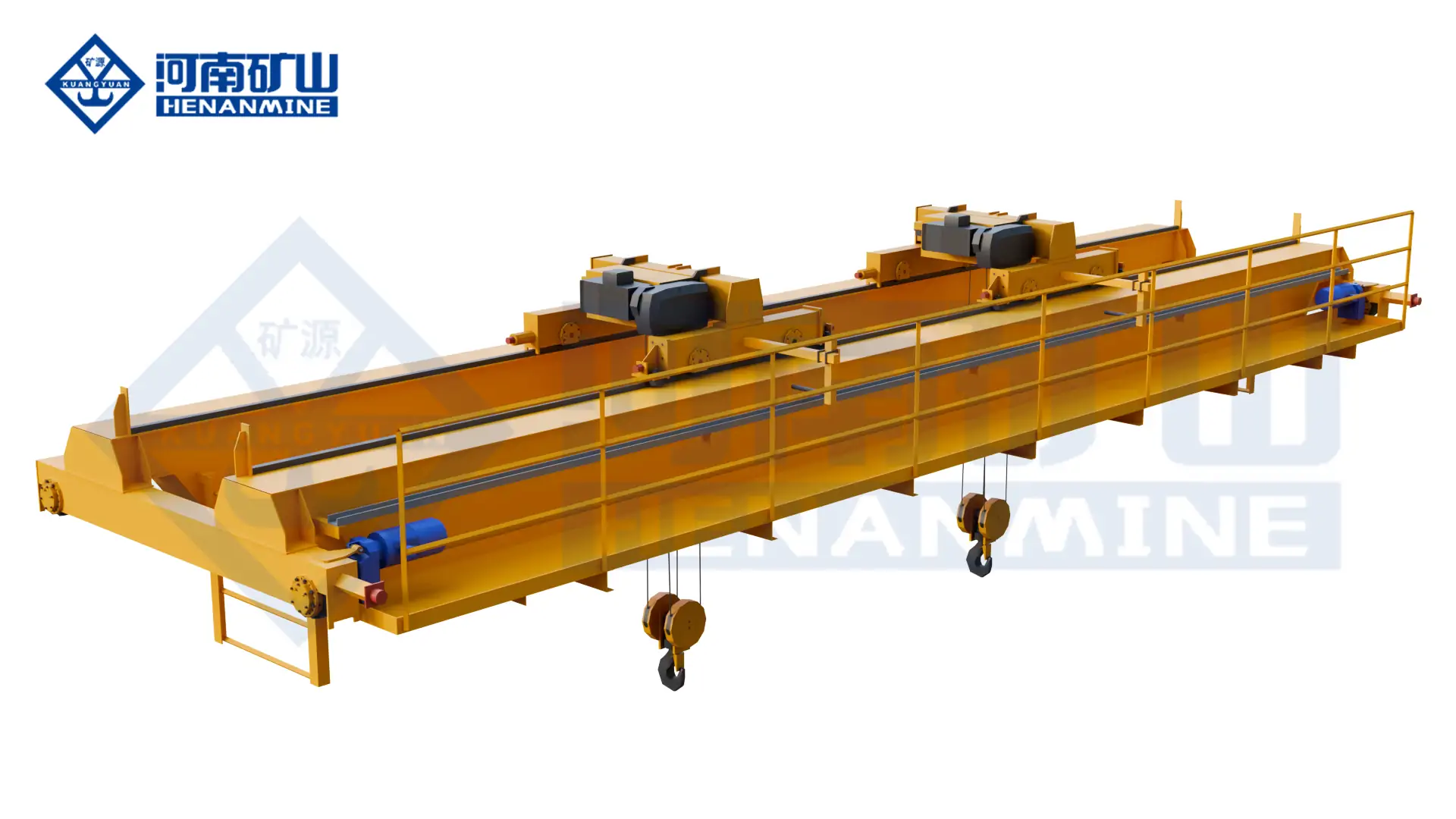
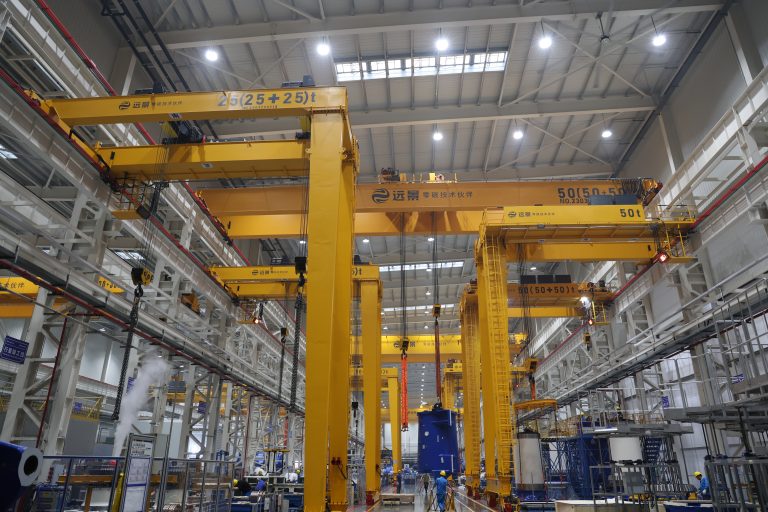
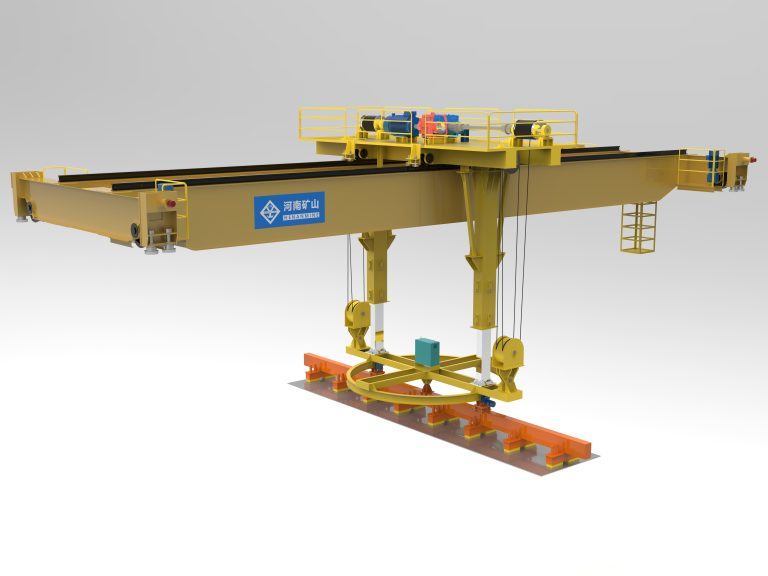
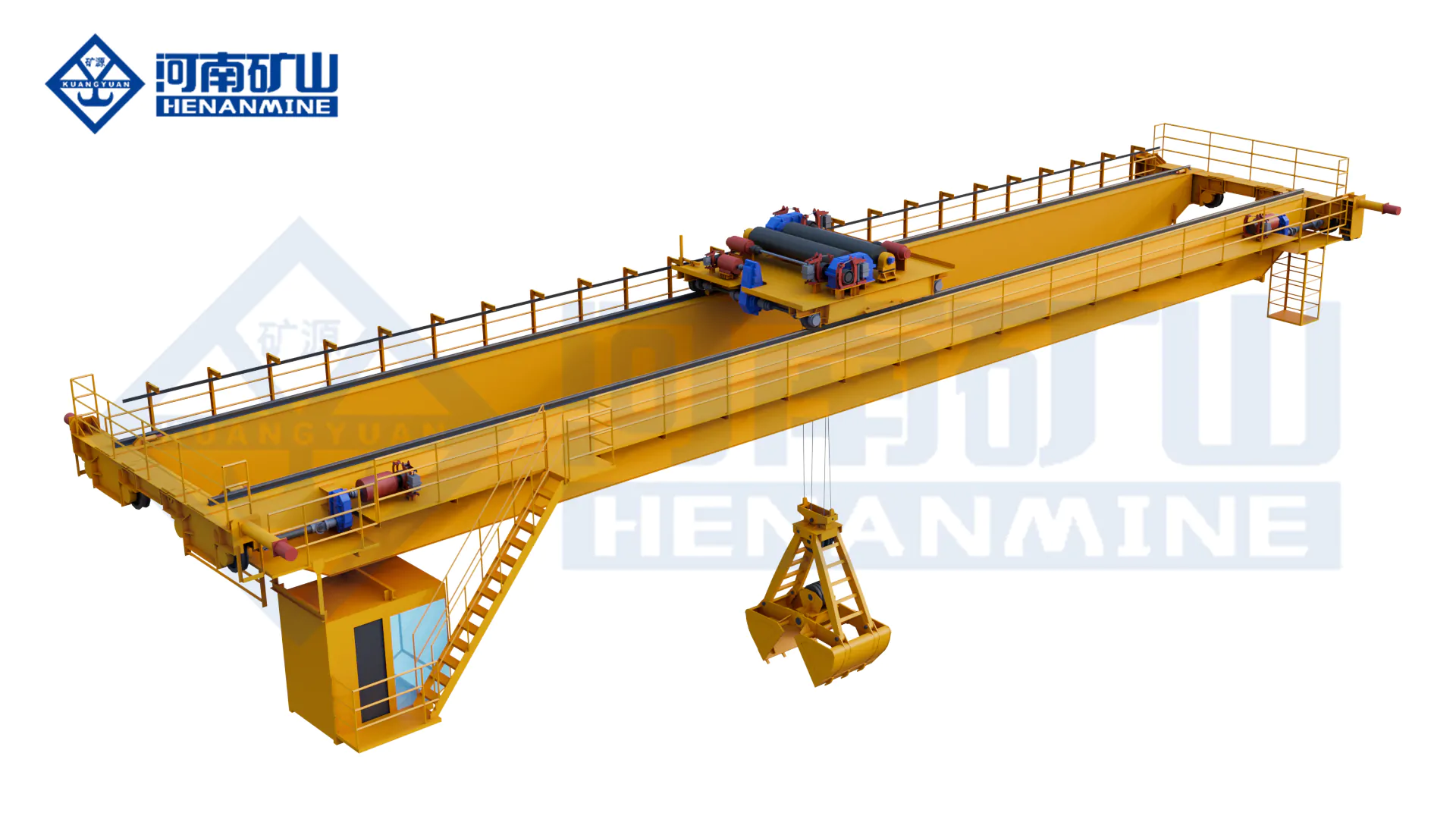
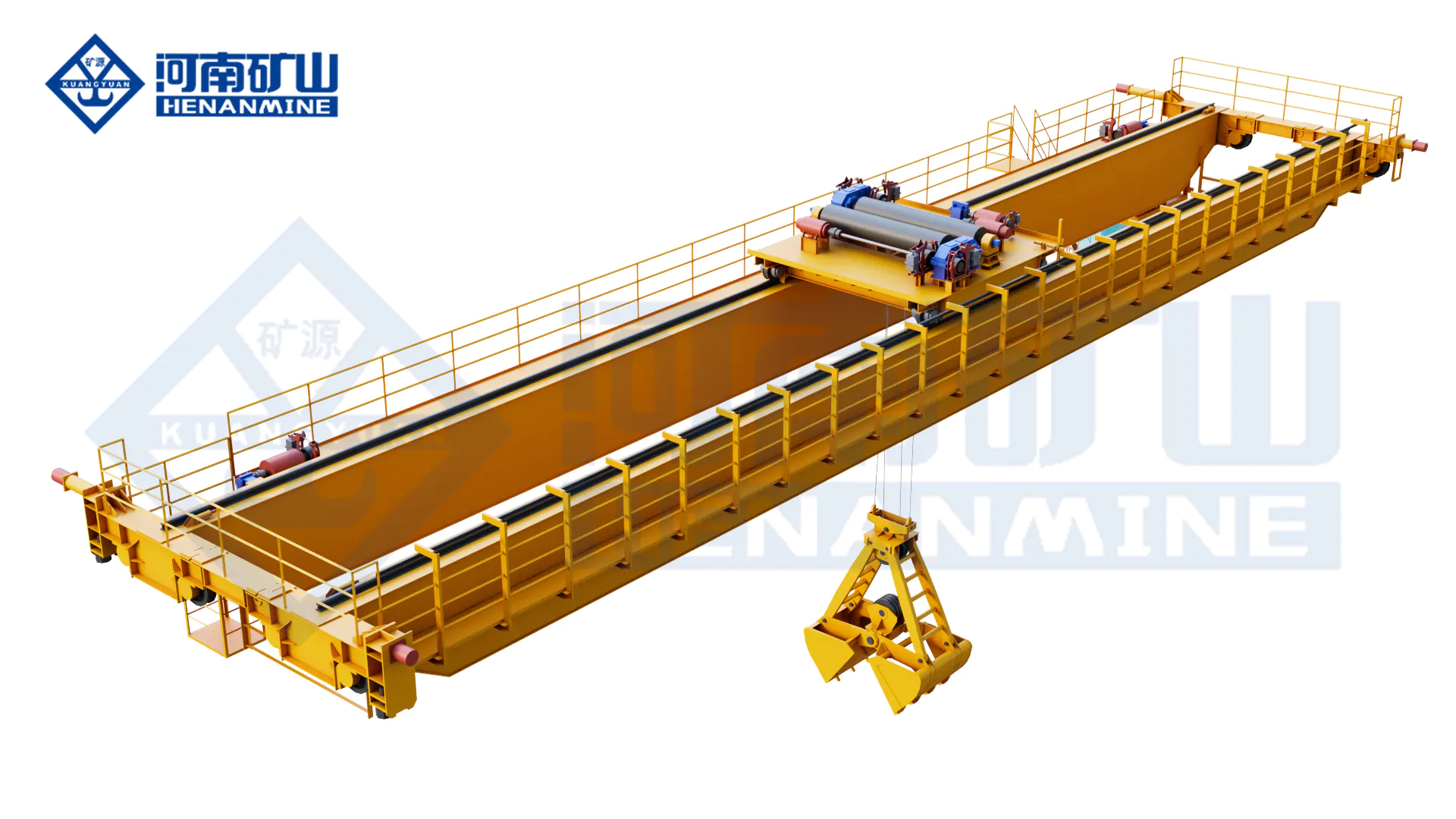
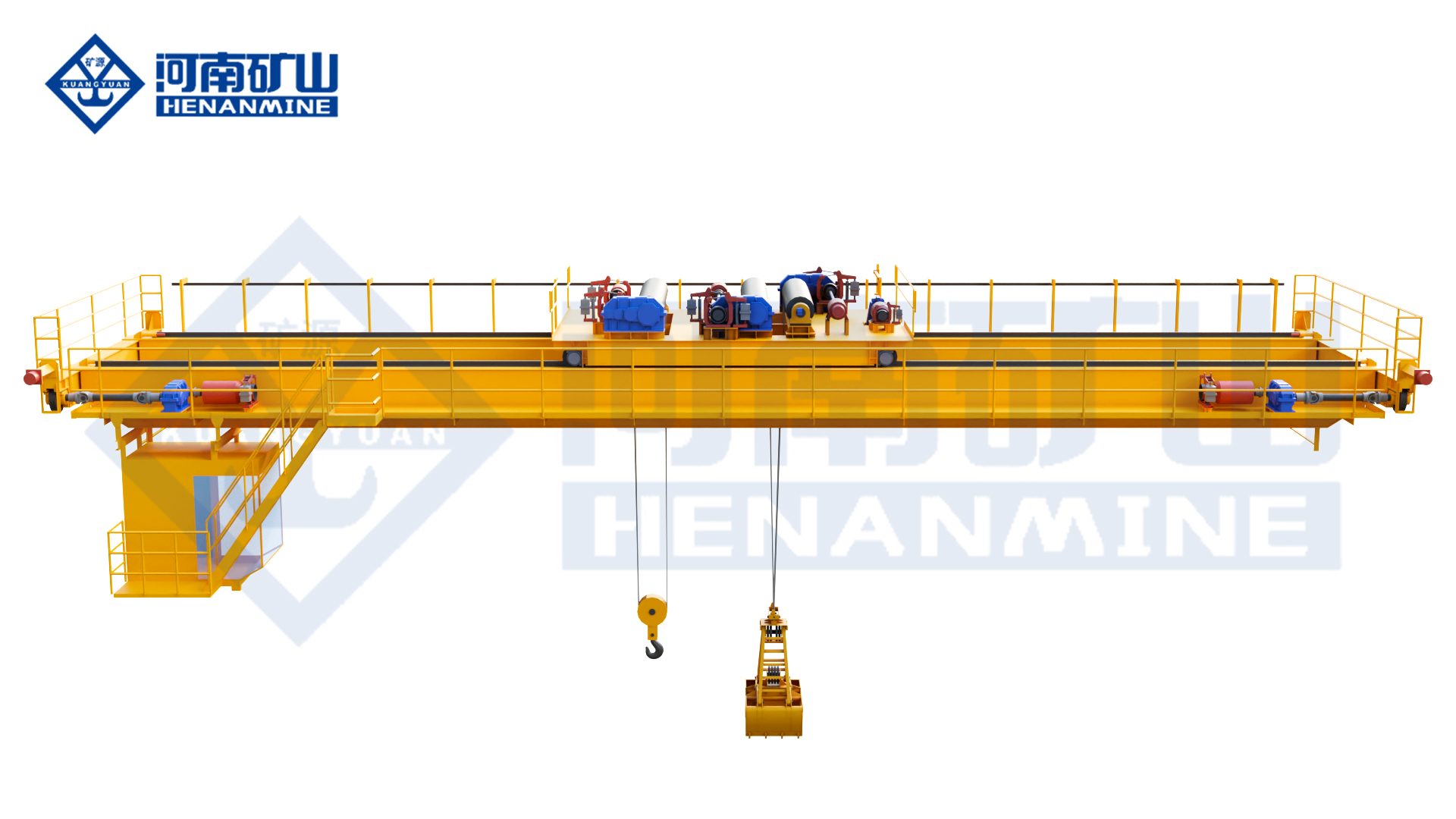
Our published projects include a 100t precision gantry crane and a 550t double-girder overhead crane. We bring the crane structure, hoisting machinery and controls into one equipment proposal, with engineering, inspection and site-service scope stated in the offer.
What Henan Mine Crane Delivers
Crane engineering and manufacture
A coordinated structural, mechanical and electrical design for the lifting task. Your offer identifies the crane arrangement, proposed operating parameters, included equipment and interfaces with the plant.
Controlled heavy-load handling
Variable-frequency drives, PLC control and anti-sway are available within the engineered package. Precision travel and braking arrangements are selected for the component and handling sequence.
Support beyond equipment shipment
Installation guidance, commissioning support, operator training and spare-parts assistance can form part of the supply. The quotation identifies the selected services and site responsibilities.
Why work with us: our nuclear-sector project record includes both precision gantry handling and a 550t overhead crane. That experience gives your procurement team concrete equipment references to discuss alongside the proposed design.
A Crane Selected for the Actual Lifting Location
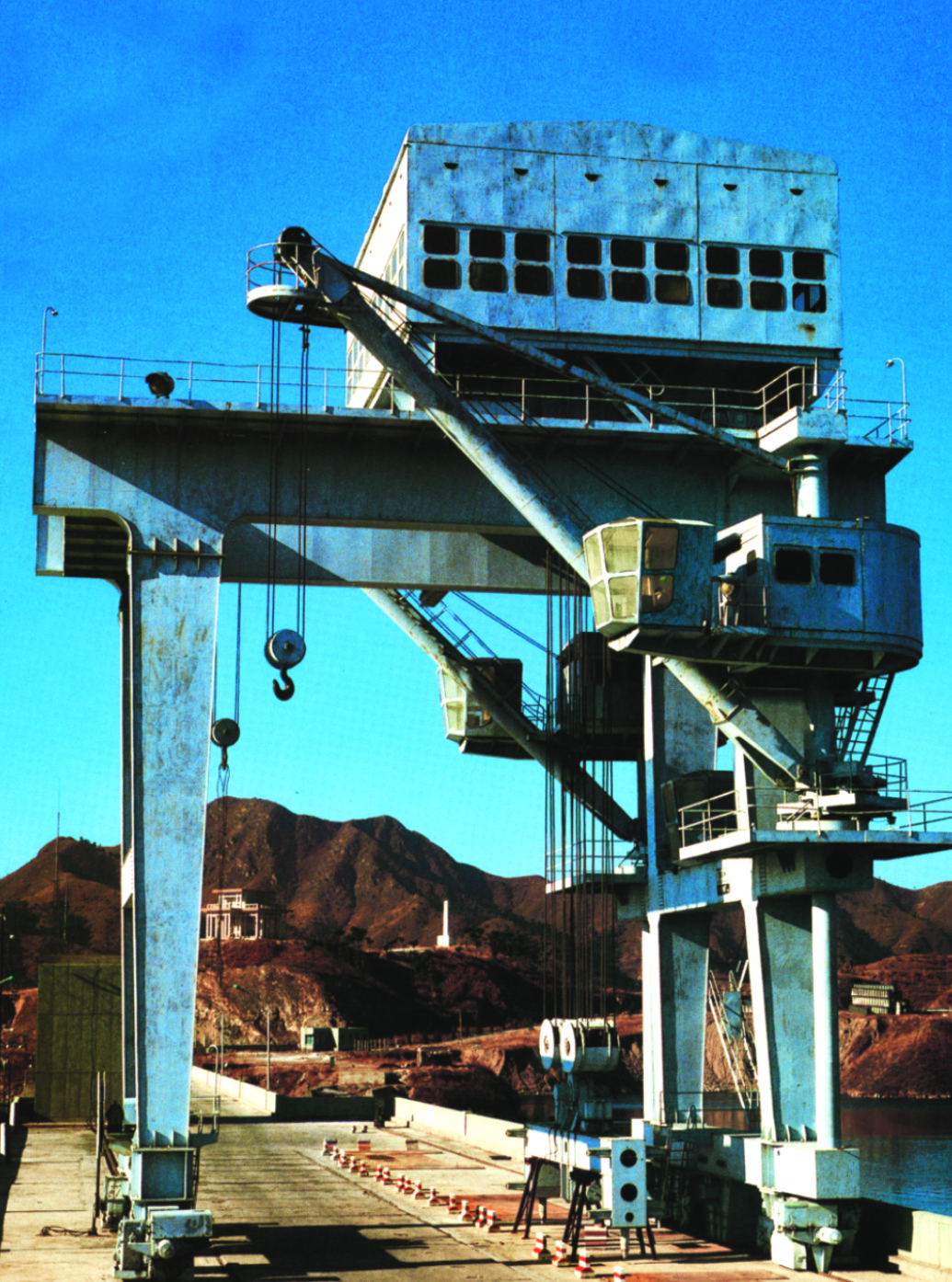
A nuclear power plant crane handles equipment during plant construction, assembly or maintenance. The term covers several different arrangements: a building-mounted overhead crane, a rail-mounted gantry crane and specialized nuclear handling equipment. Location, load path and safety function determine which arrangement belongs in the project.
For conventional-island buildings, workshops and construction areas, we develop overhead or gantry equipment around the load and available space. For safety-important duties, our technical review first addresses the plant classification, procurement standards and supplier qualification requirements. The offer states the accepted design scope and supporting documentation.
Solutions for Plant Equipment Handling
| Lifting task | Equipment we can propose | What the design provides |
|---|---|---|
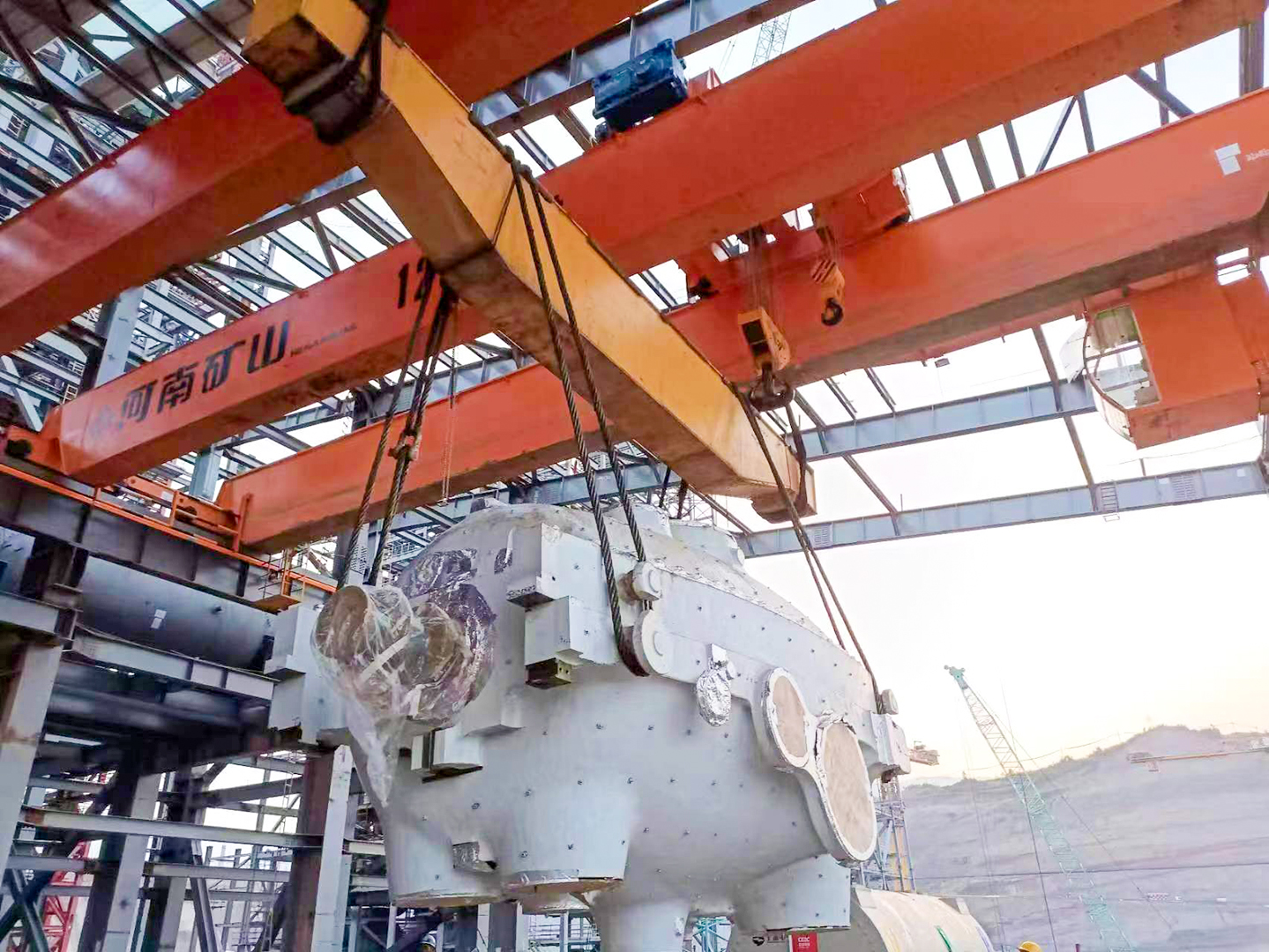
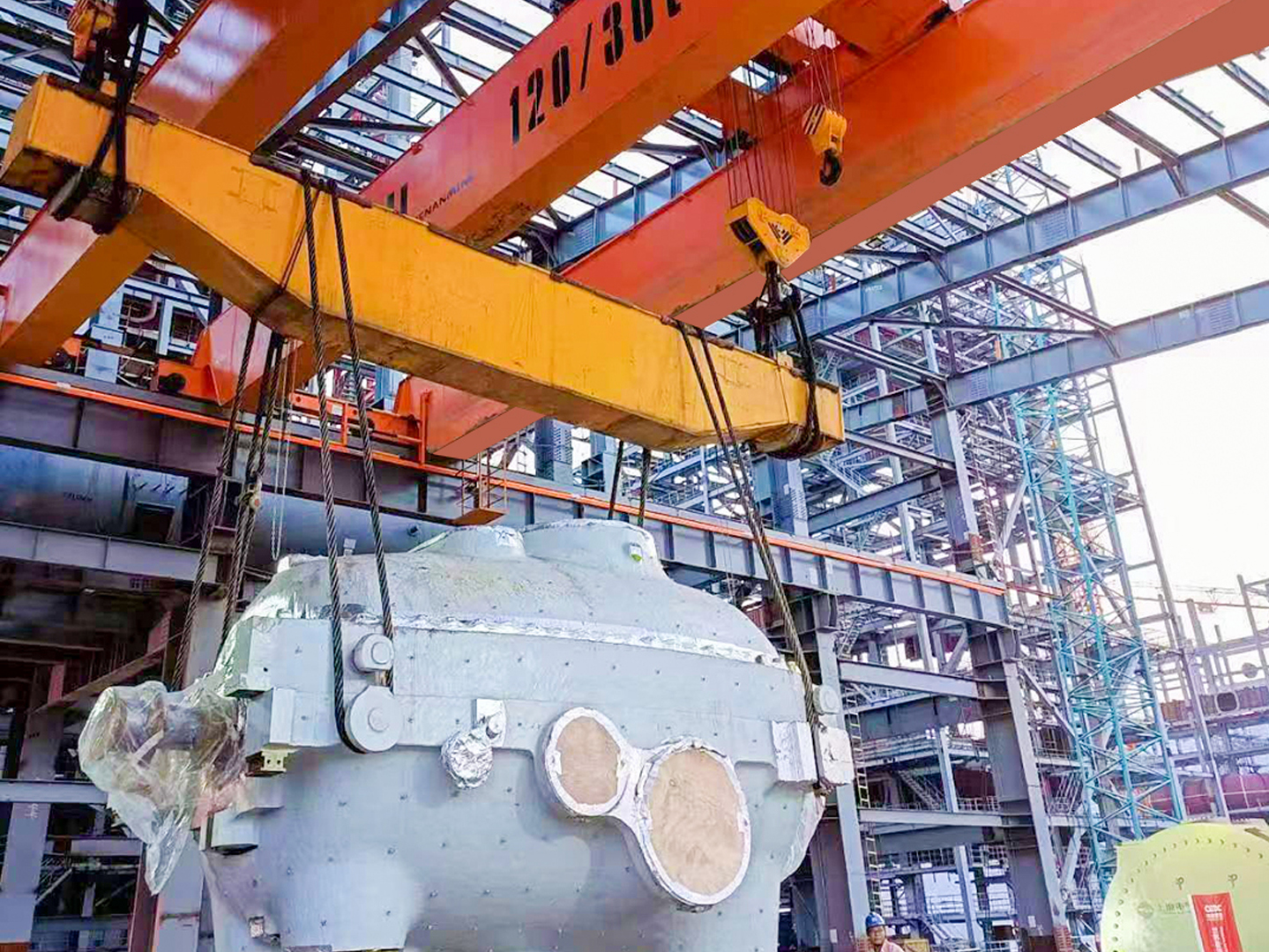
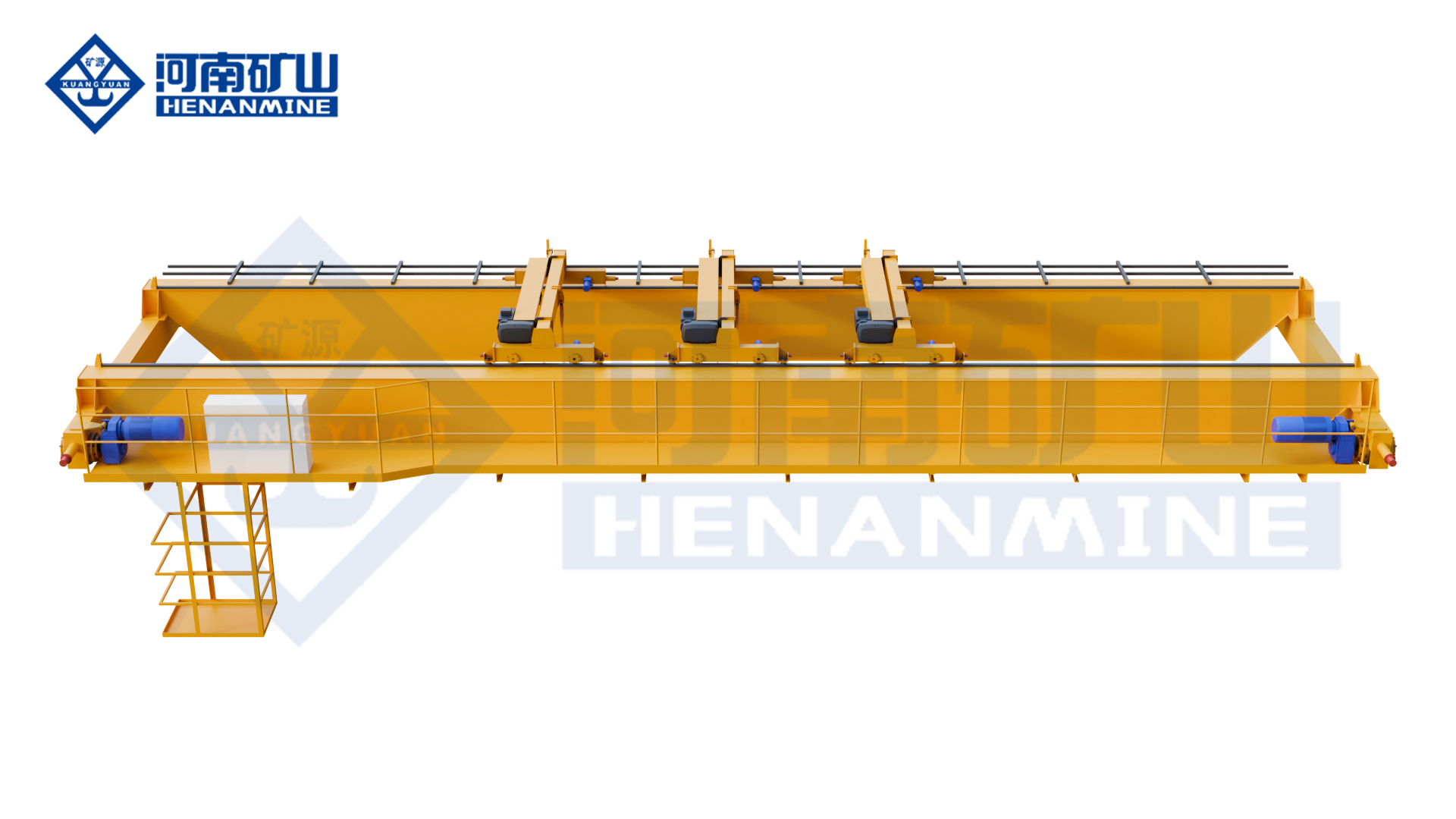
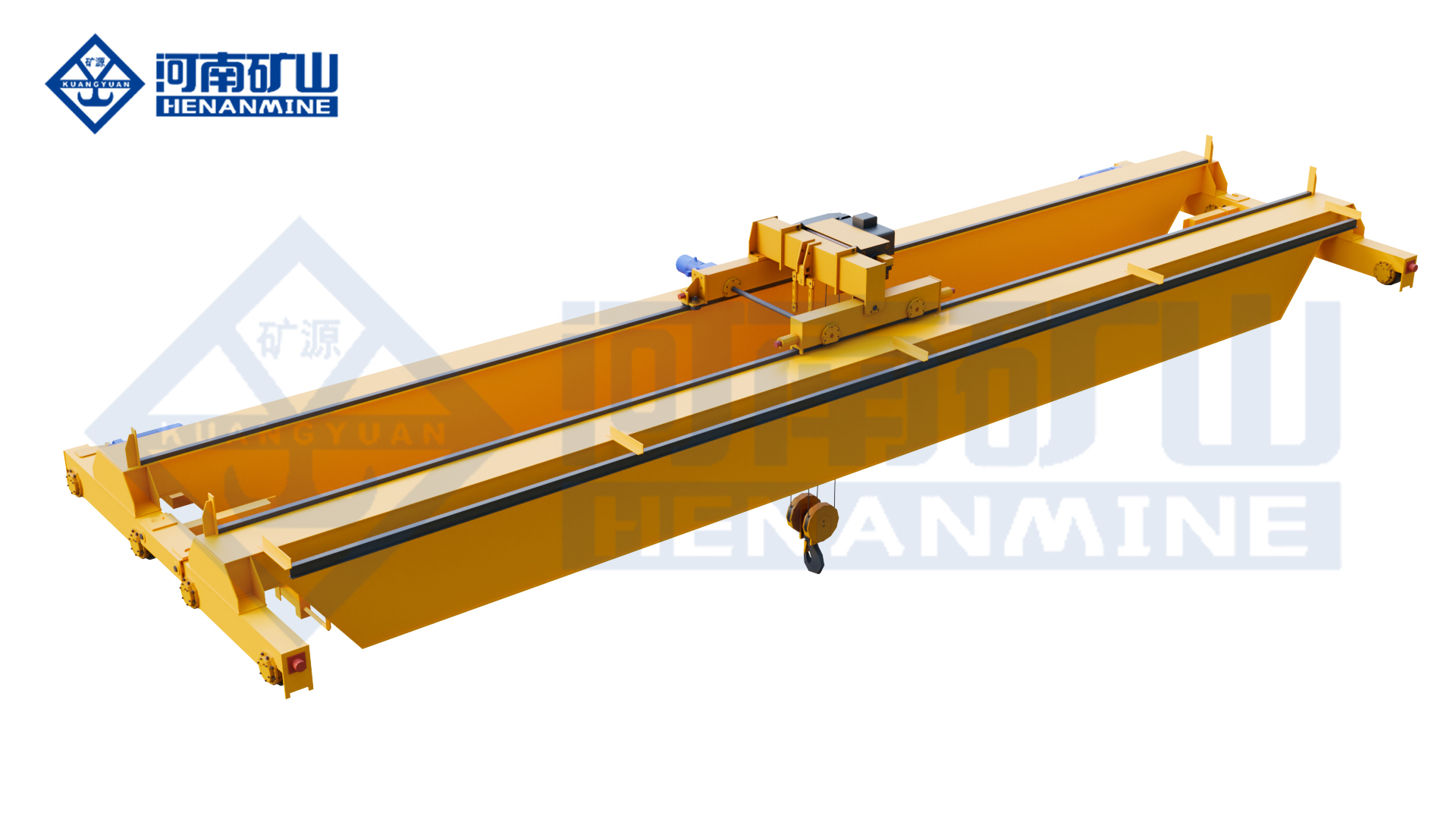
| Turbine and generator maintenance | A double-girder overhead crane with main and auxiliary lifting as appropriate. | Coverage from equipment pickup to the agreed laydown positions, with controlled approach near the component. |
| Heavy component assembly | An engineered overhead or gantry crane for the designated assembly area. | A lifting arrangement matched to component mass, rigging, lifting points and available clearance. |
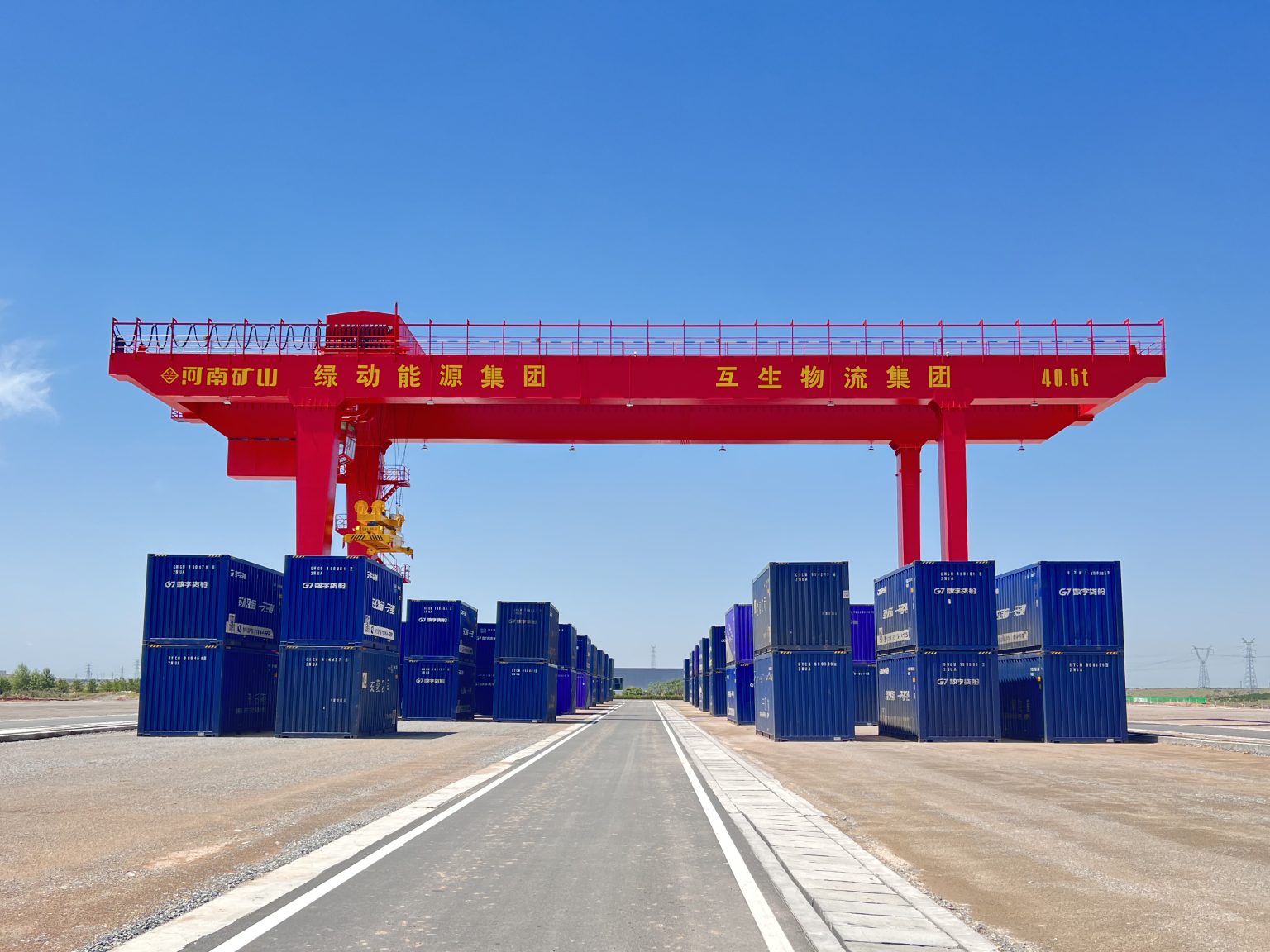
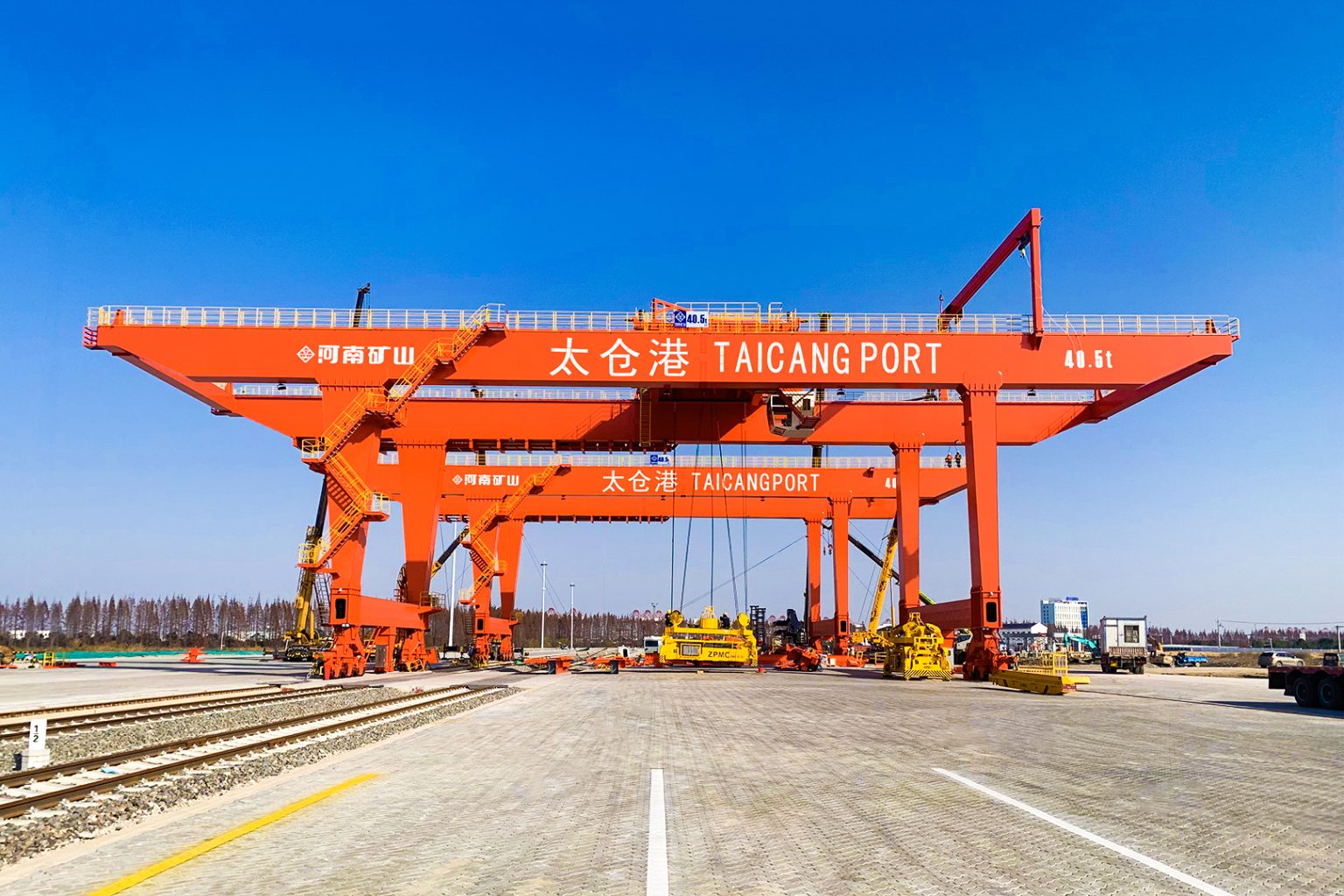
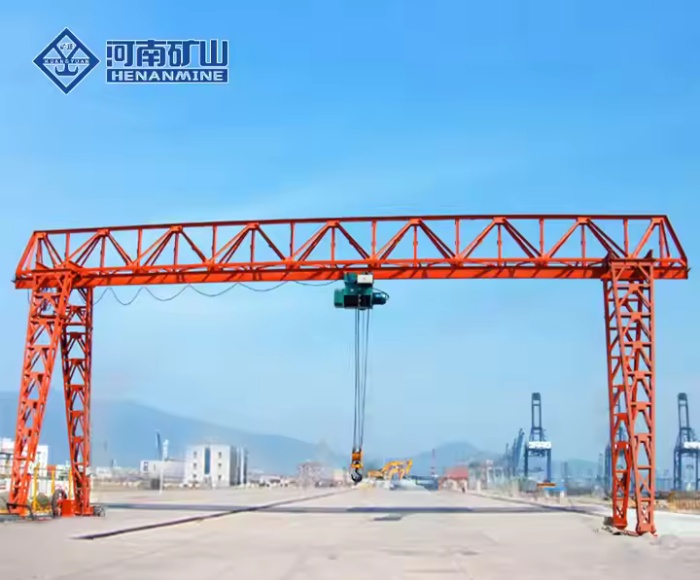
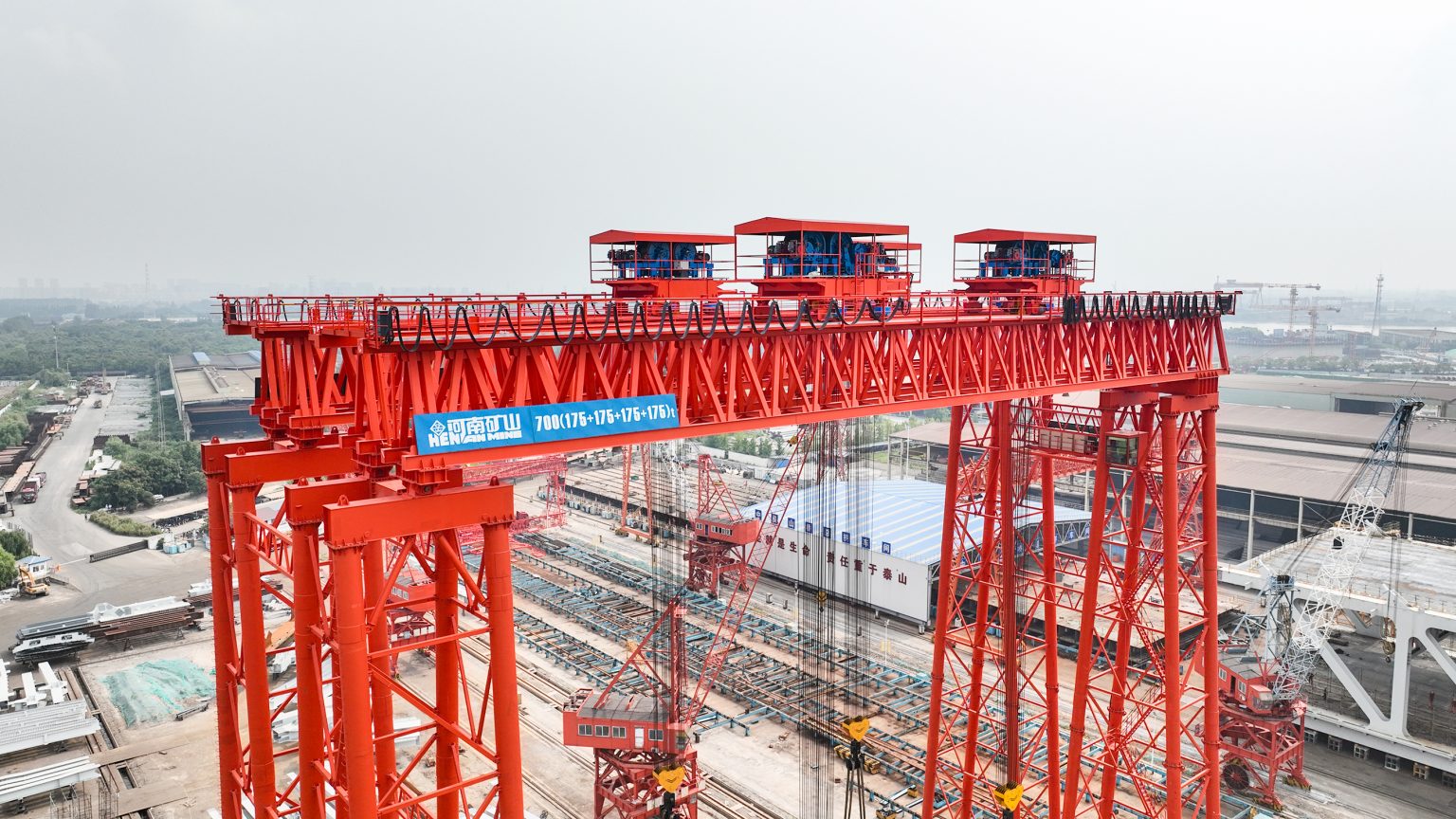
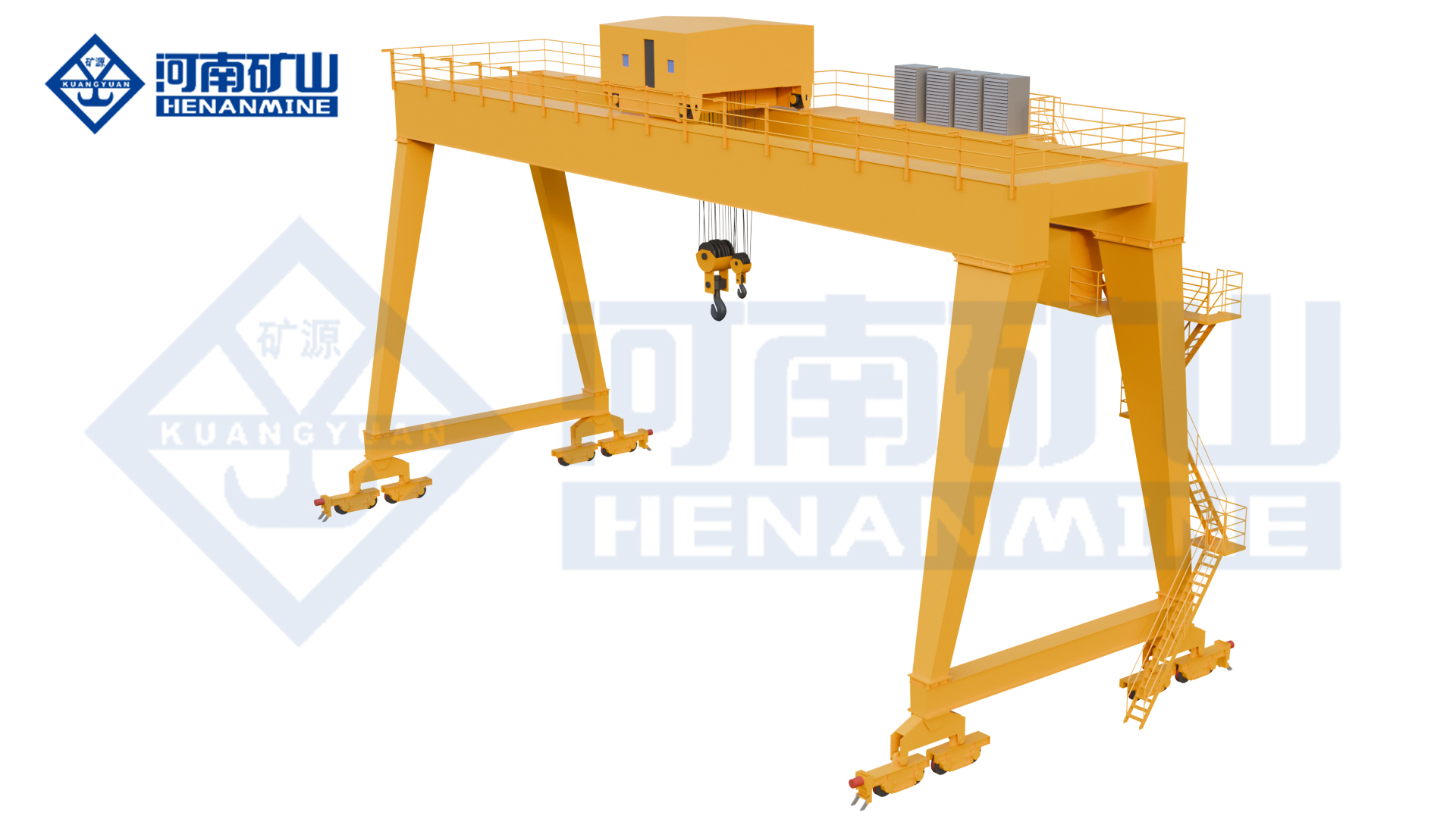
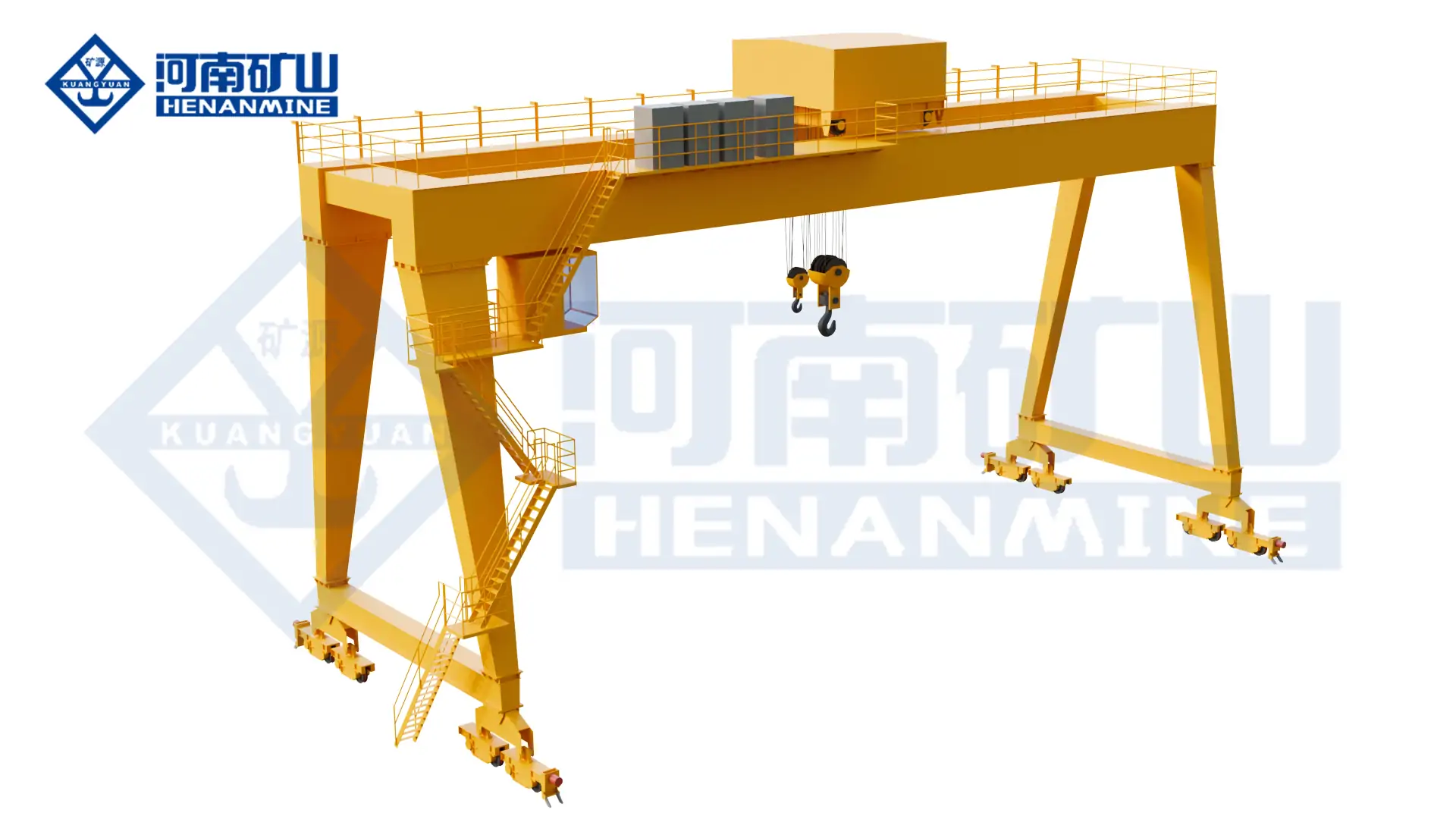
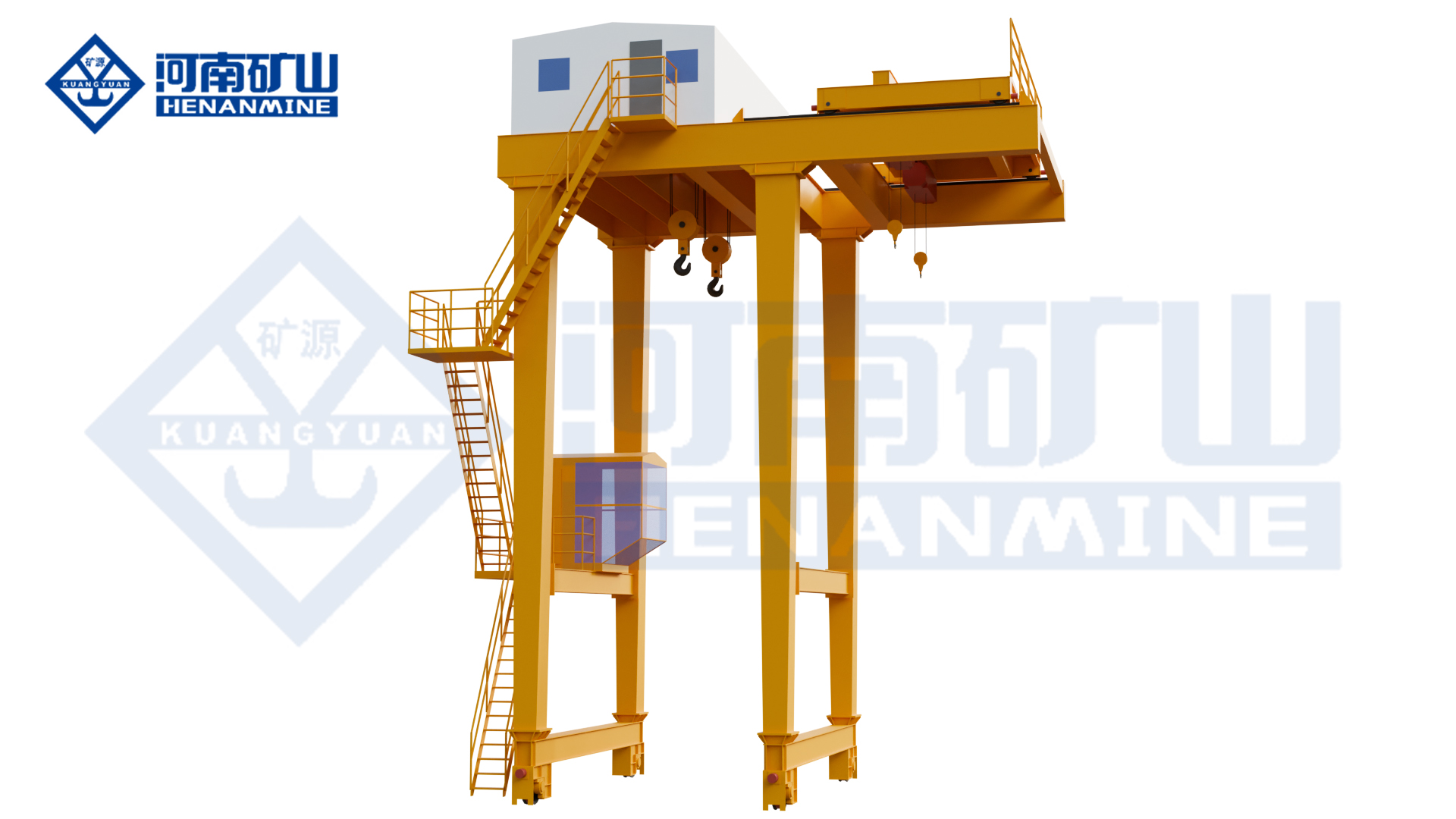
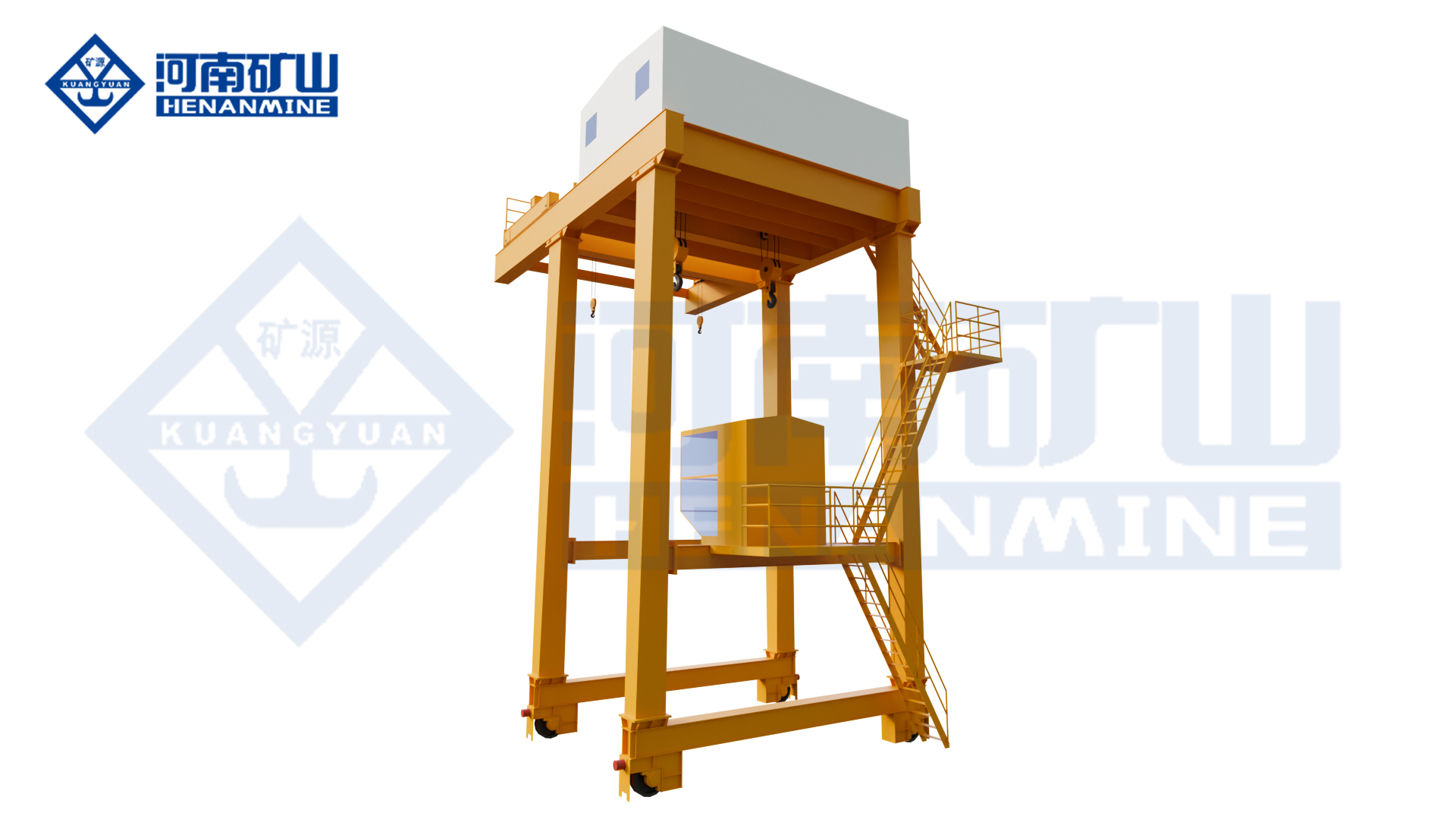
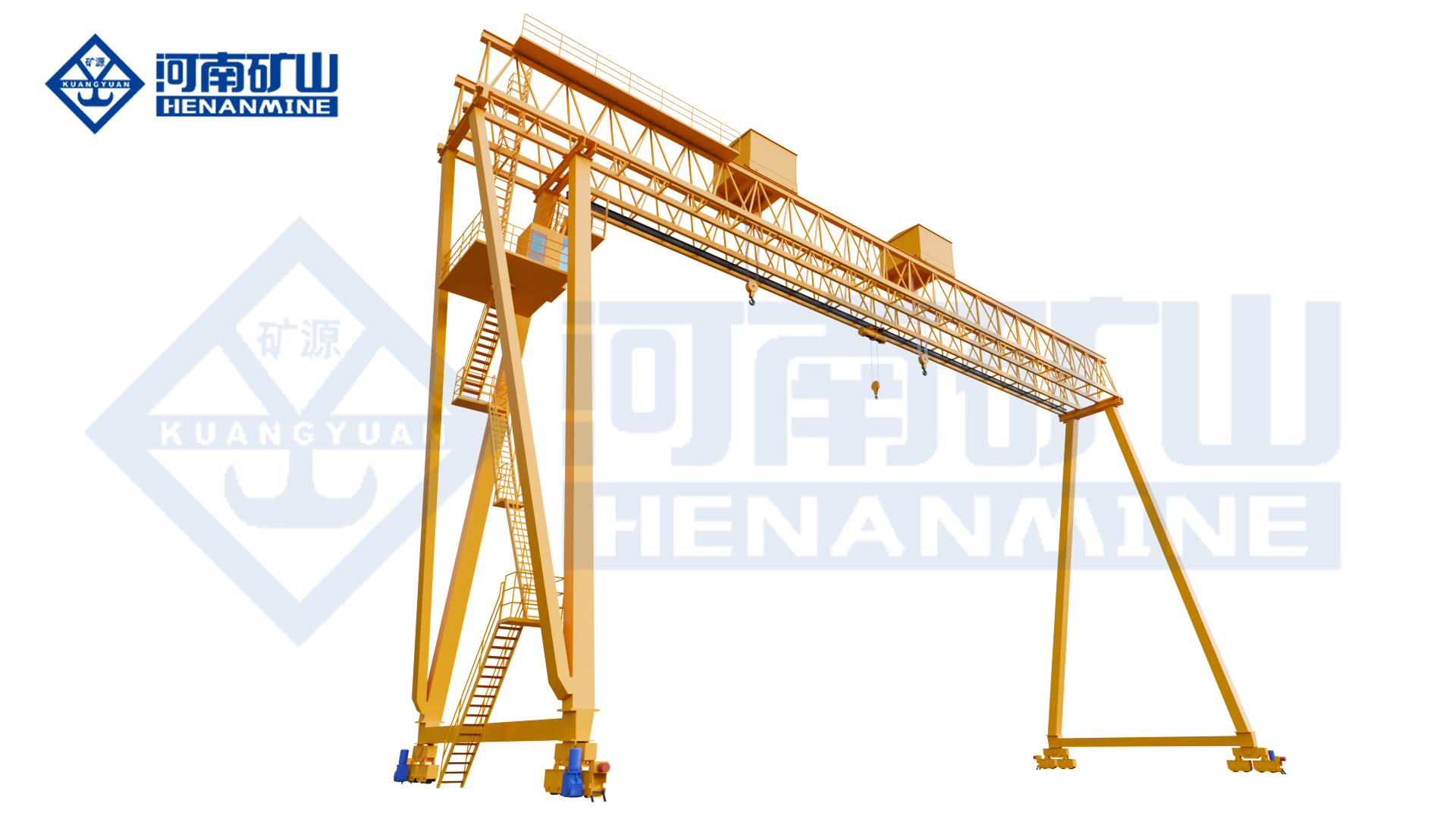
| Construction and fabrication handling | A rail-mounted double-girder gantry crane. | Working coverage across the selected bays, transport interfaces and component staging positions. |
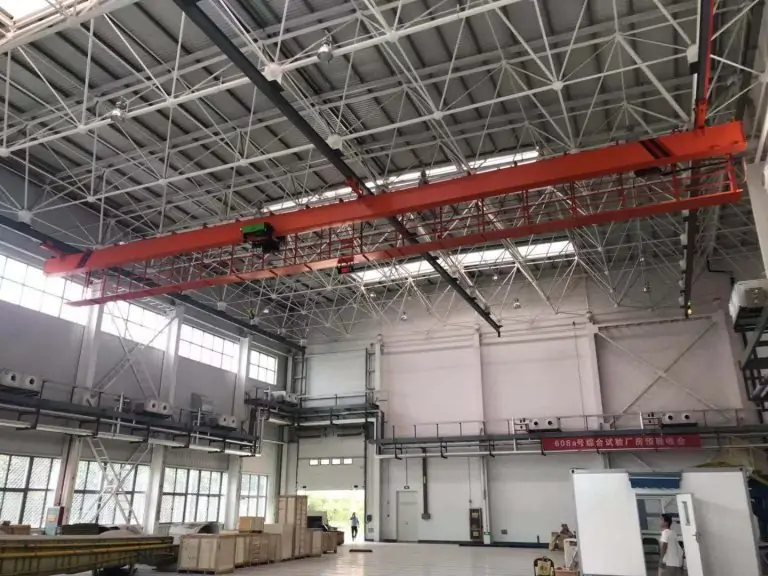
| Maintenance workshops | An overhead crane or electric-hoist arrangement sized for the workshop duty. | Useful hook reach, service access and a configuration suited to the load spectrum. |
| Existing crane replacement | A replacement crane evaluated against the current building or runway. | Proposed wheel reactions, approach dimensions and erection interfaces for plant coordination. |
Reactor polar cranes, refuelling equipment and spent-fuel handling belong to specialized procurement scopes. For these enquiries, project qualification and the applicable safety requirements are reviewed before equipment suitability is offered.
Choose the Overhead or Gantry Configuration
We start with the movement the crane must complete: where the load is collected, how it travels and where it is placed. The proposal then connects that route with the crane geometry, hoisting system and controls.
| Project condition | Our proposed approach | Result for the project |
|---|---|---|
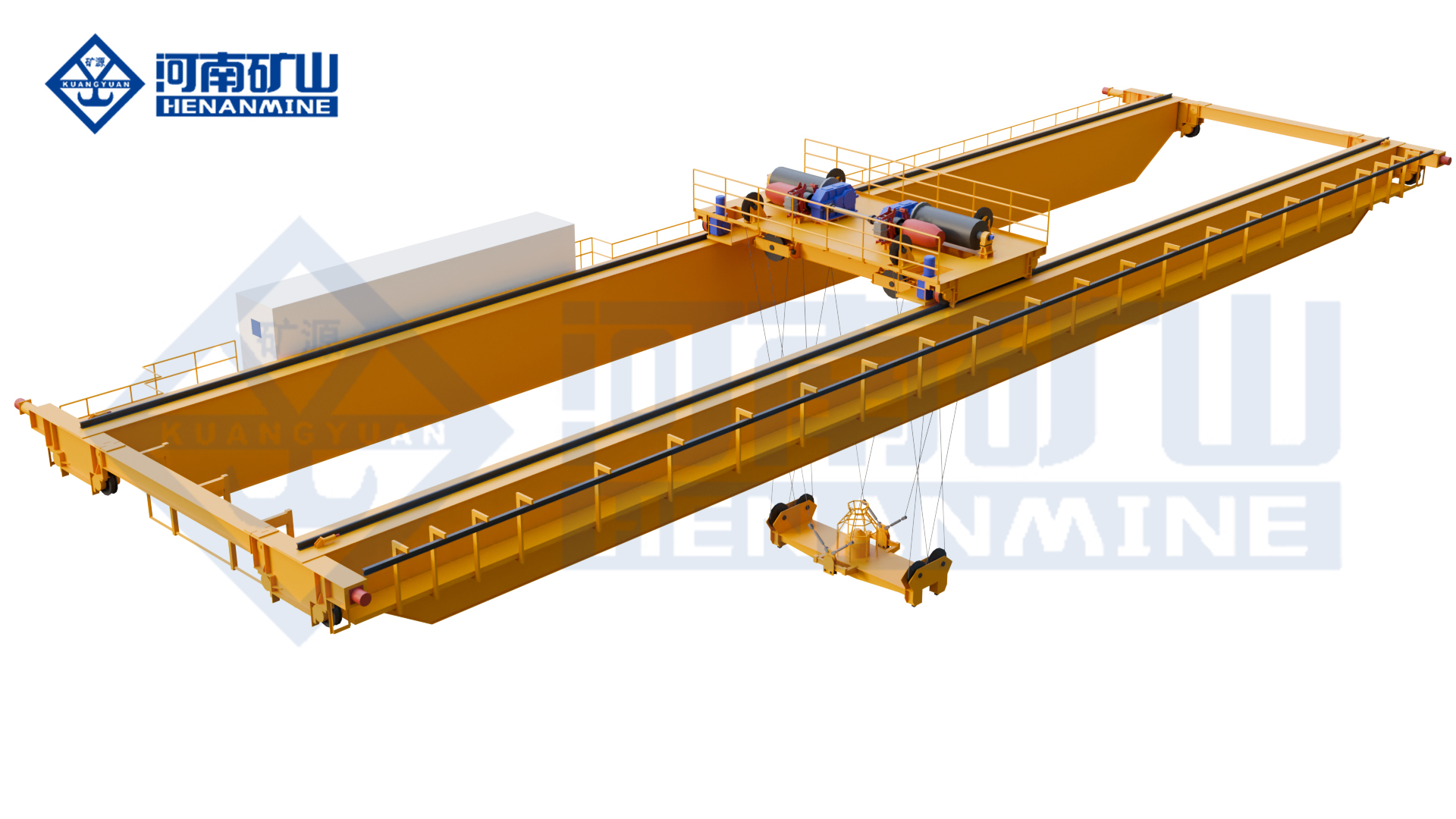
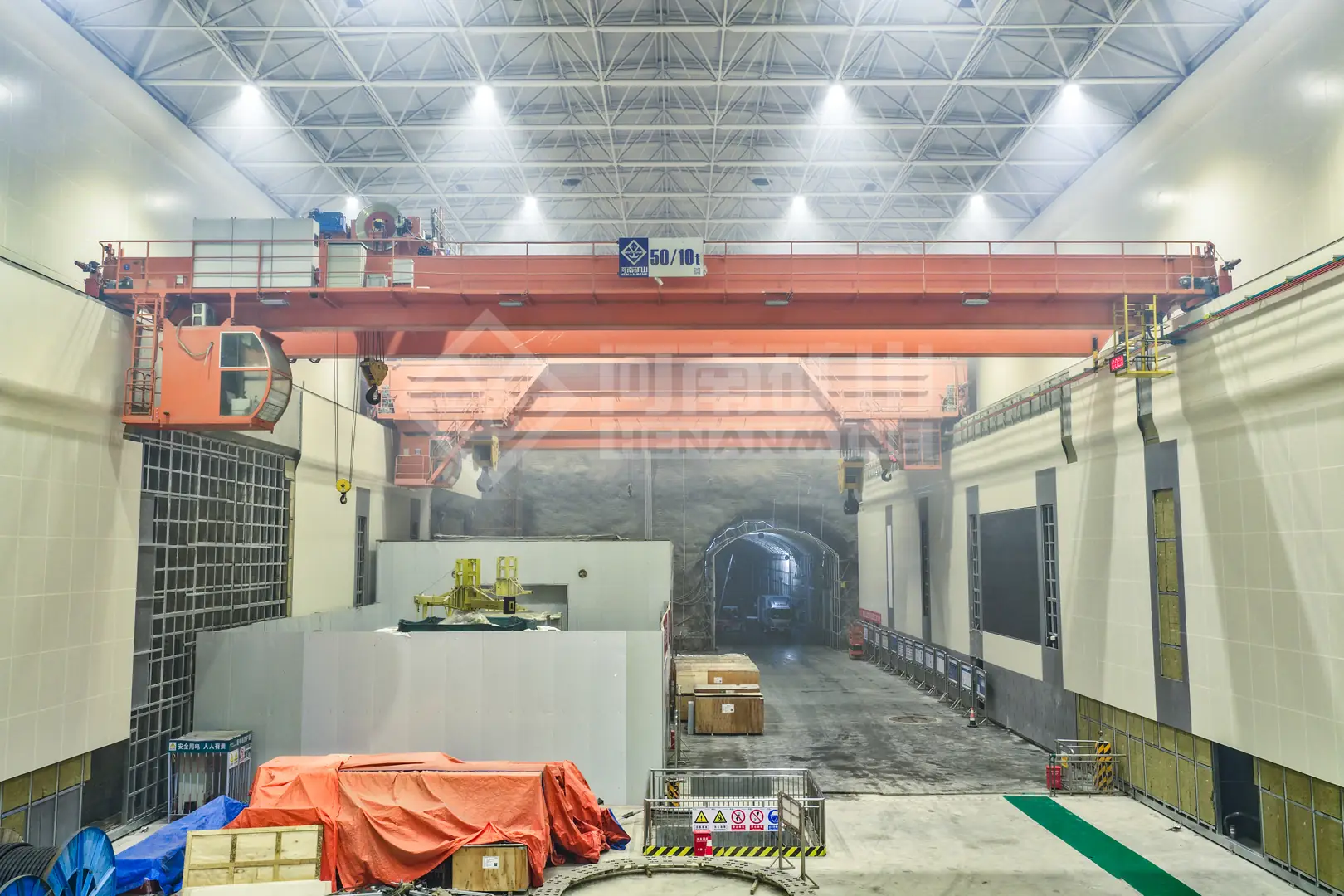
| An indoor bay with building runways | Double-girder overhead crane with the required trolley and hook arrangement. | Lifting coverage within the building, with wheel loads and clearance data for structural coordination. |
| An open yard or a bay without overhead supports | Rail-mounted gantry configuration. | Component transfer supported from ground-level runways. |
| Heavy lifts plus frequent lighter work | Separate main and auxiliary lifting duties where suitable. | Each hoisting mechanism is selected for its own load and operating cycle. |
| A load with two designated lifting points | Engineered beam or coordinated lifting arrangement after reviewing load distribution. | The technical proposal defines attachment geometry, permitted loading and control functions. |
| Restricted installation or maintenance clearance | A layout study covering headroom, hook approach and machinery access. | A crane arrangement that can be assembled and serviced within the available space. |
Compare the Main Crane Arrangements
| Arrangement | Main advantage | Typical selection basis |
|---|---|---|
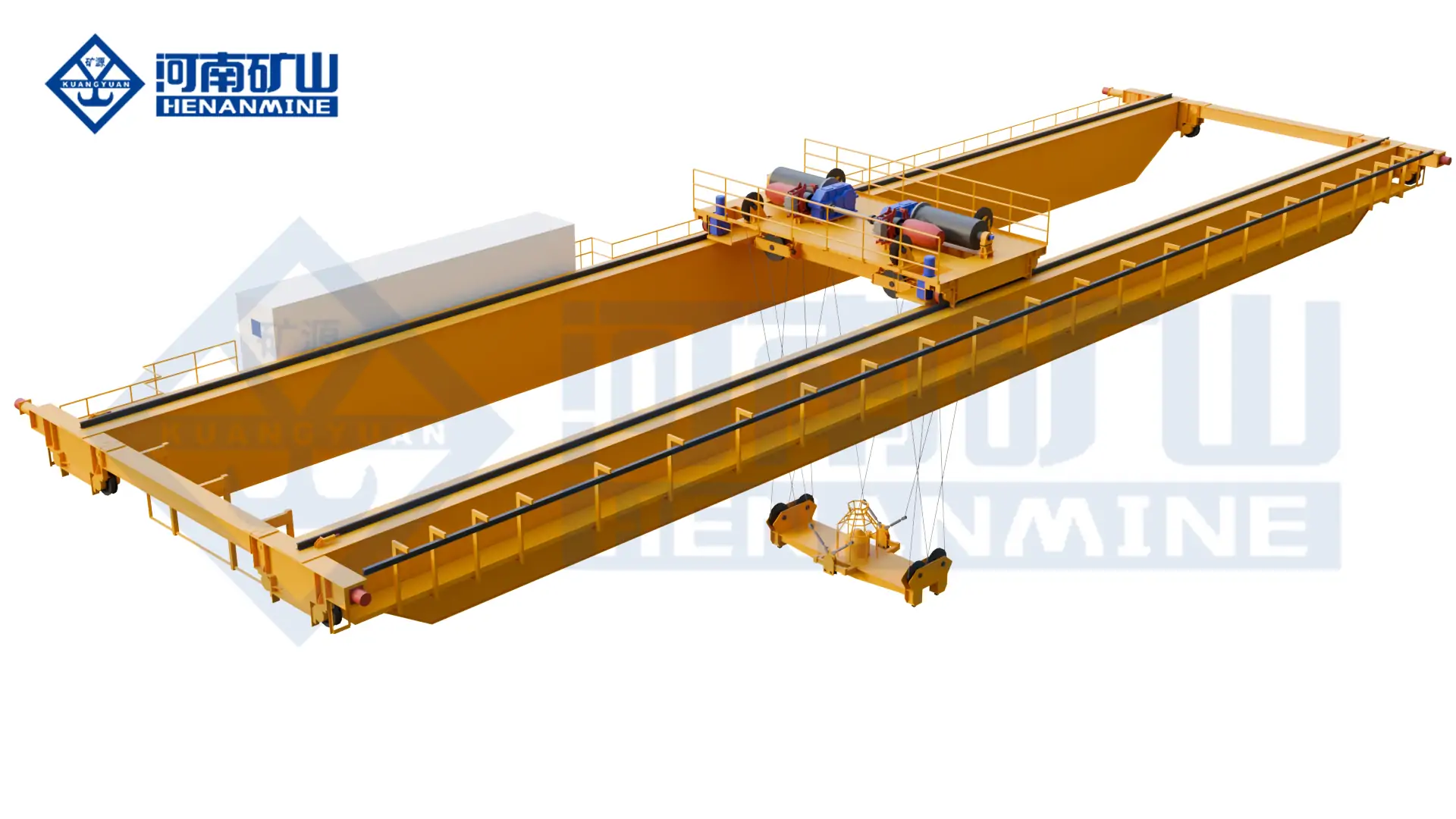
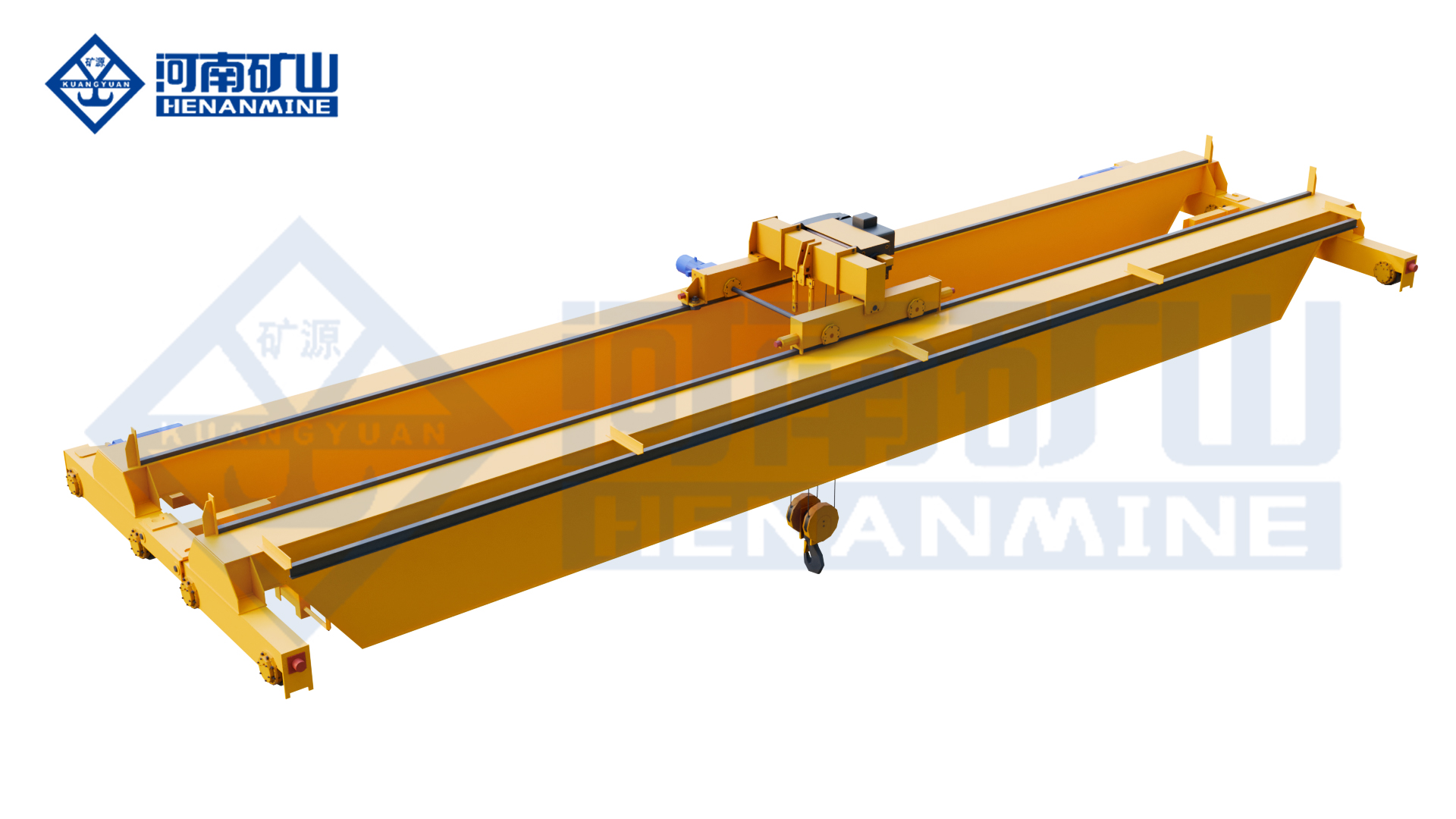
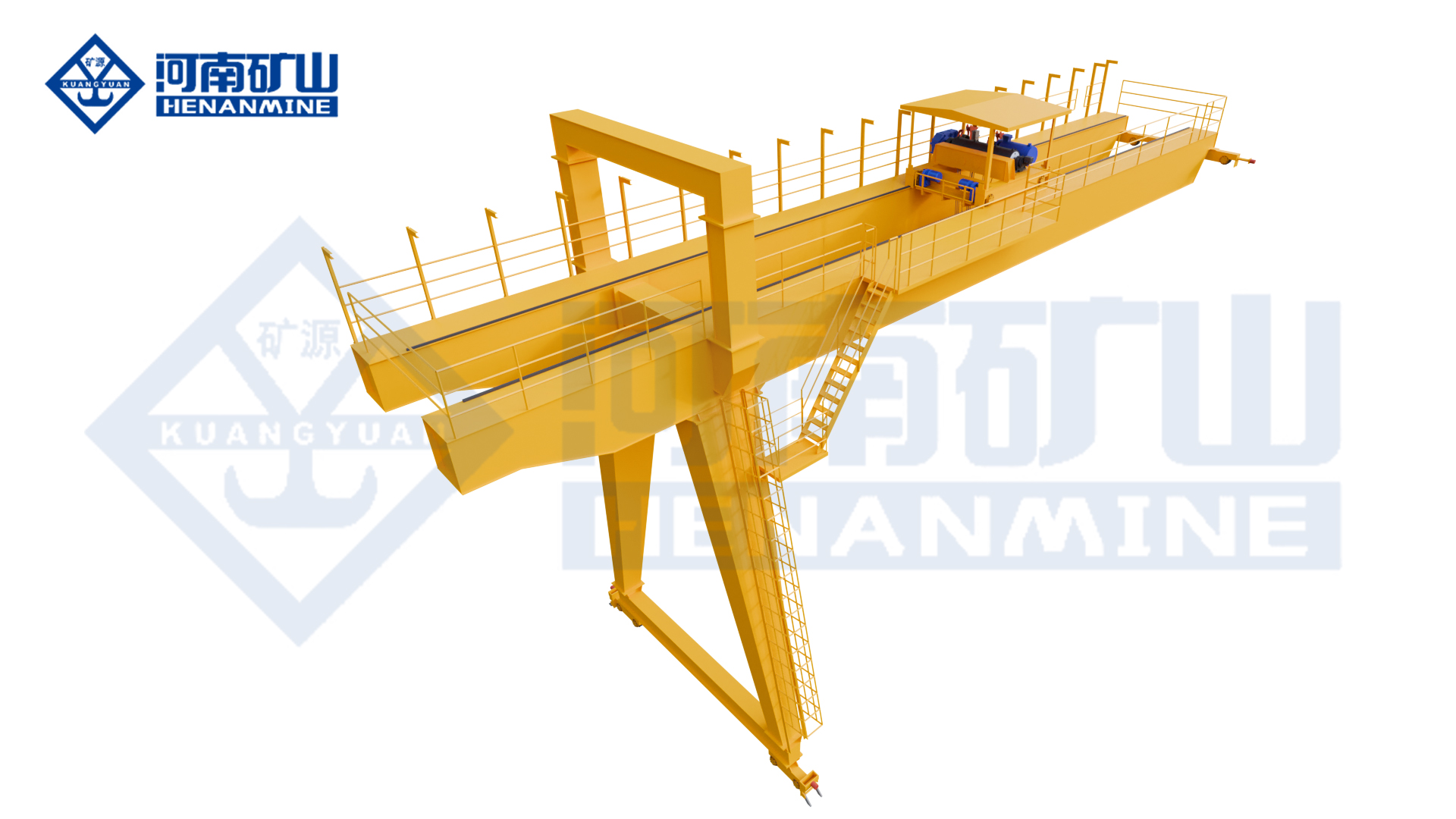
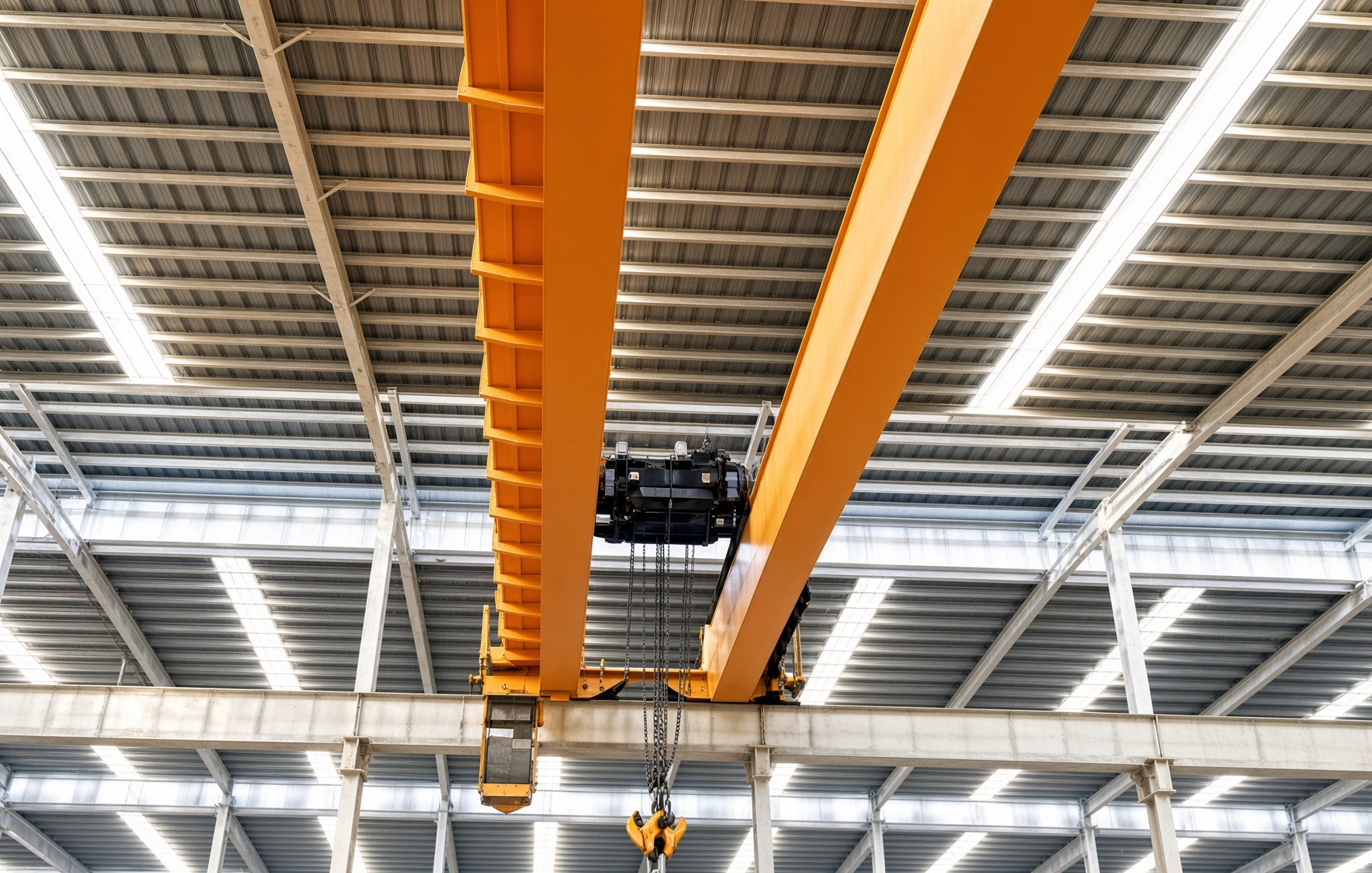
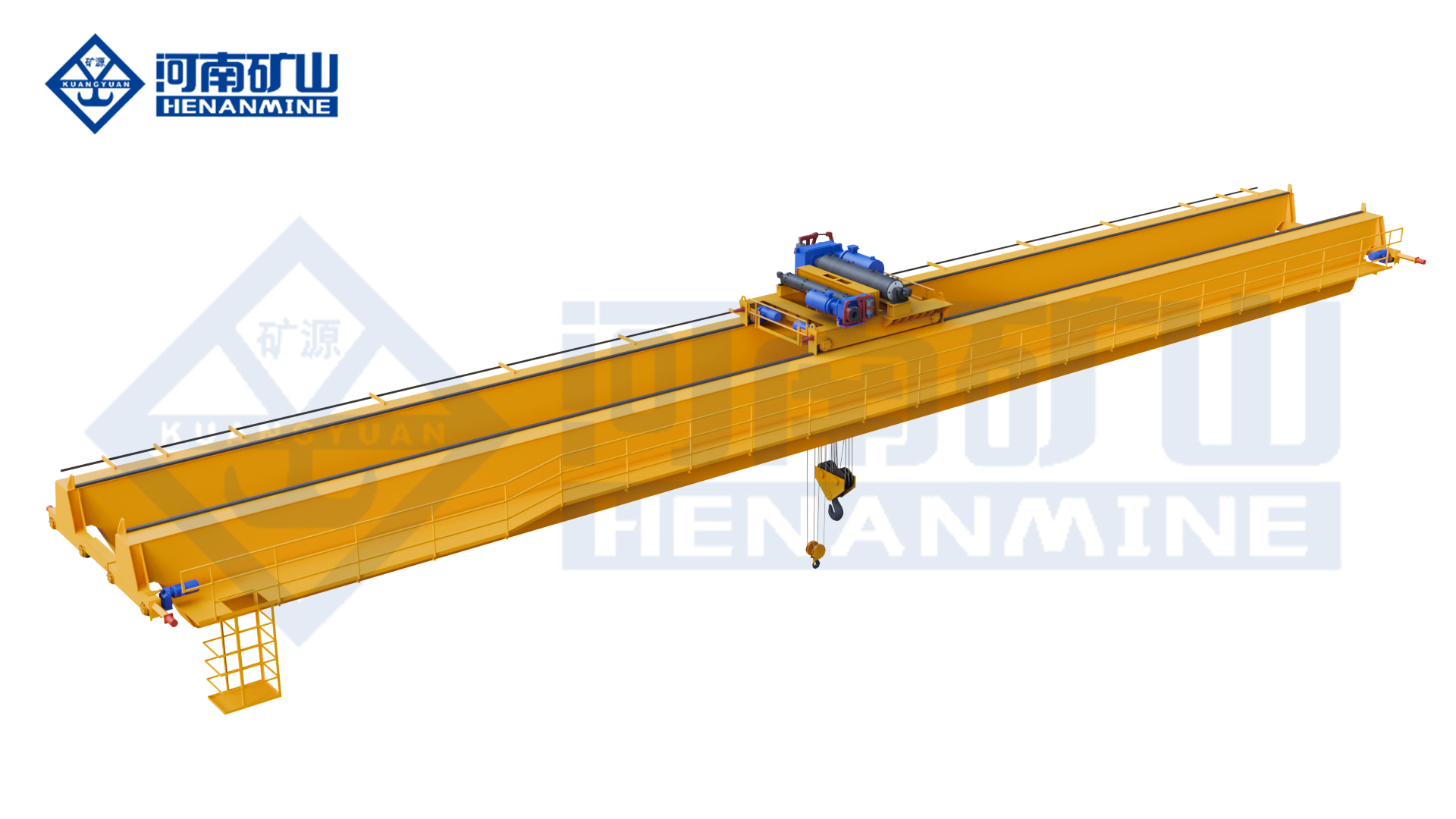
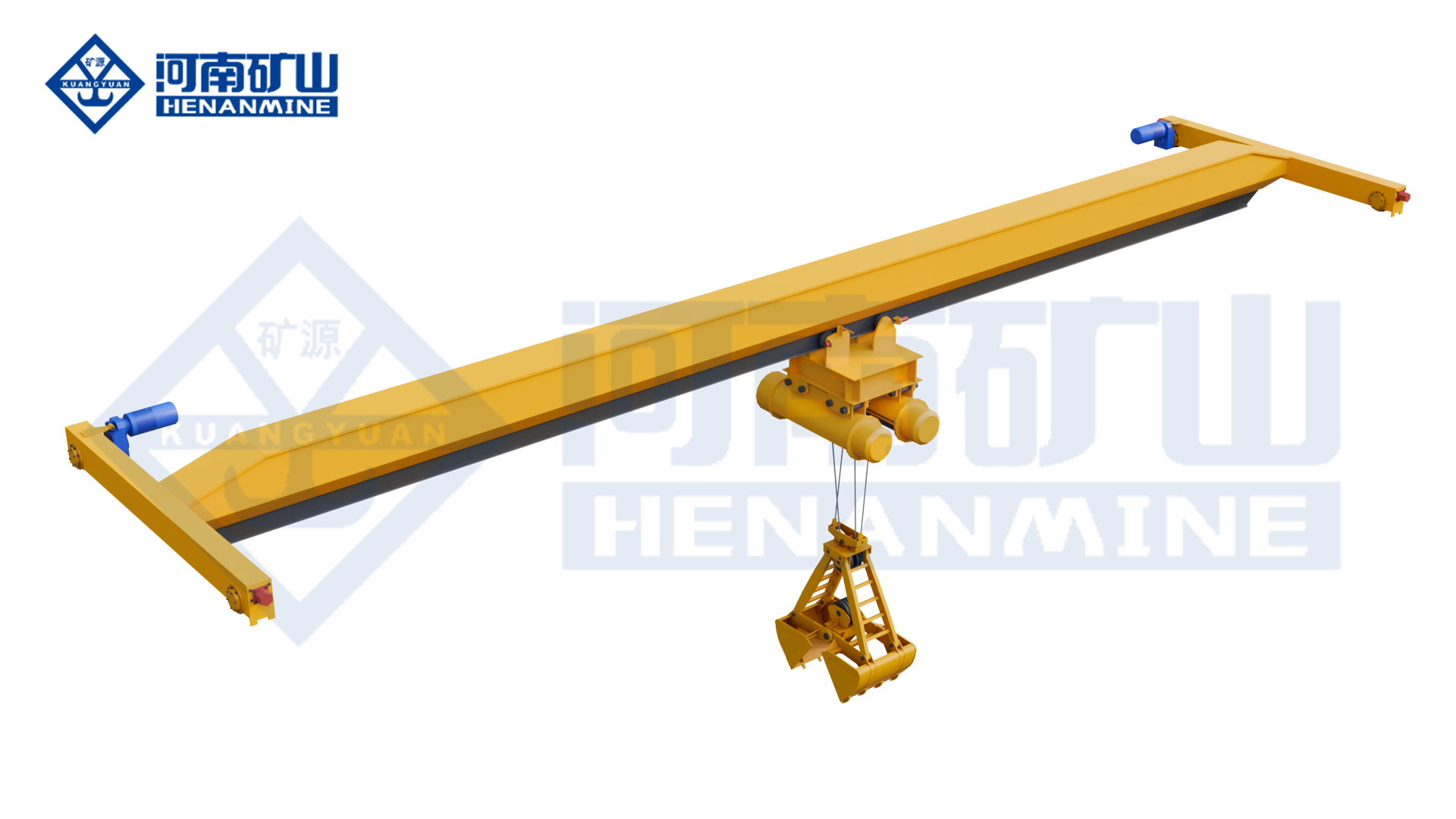
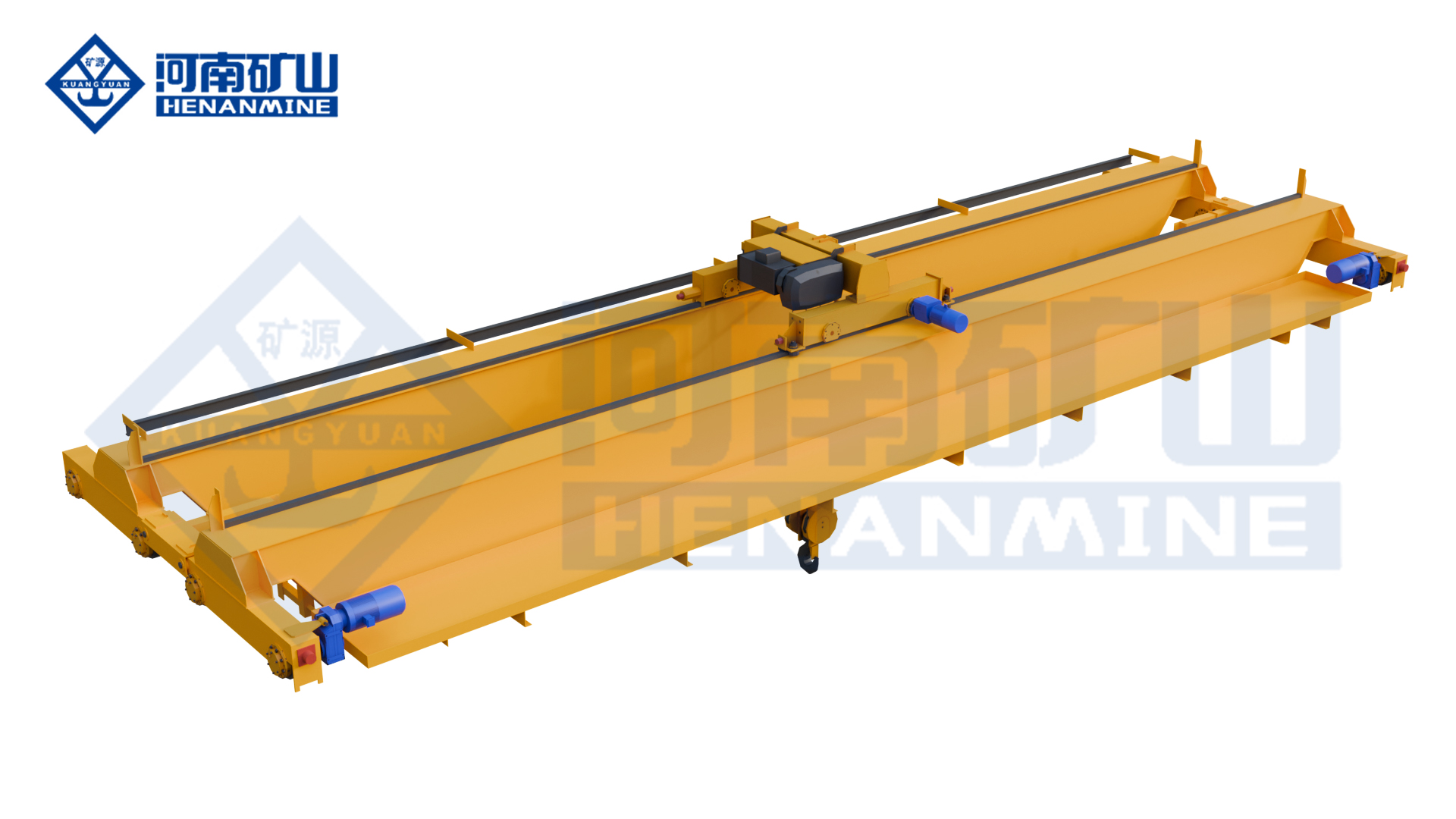
| Double-girder overhead crane | Building-wide coverage without gantry legs at floor level. | Runway capacity, span, hook approach, lifting height and maintenance space. |
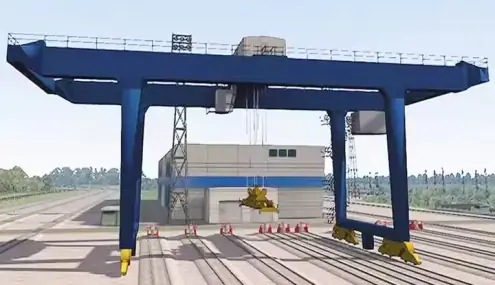
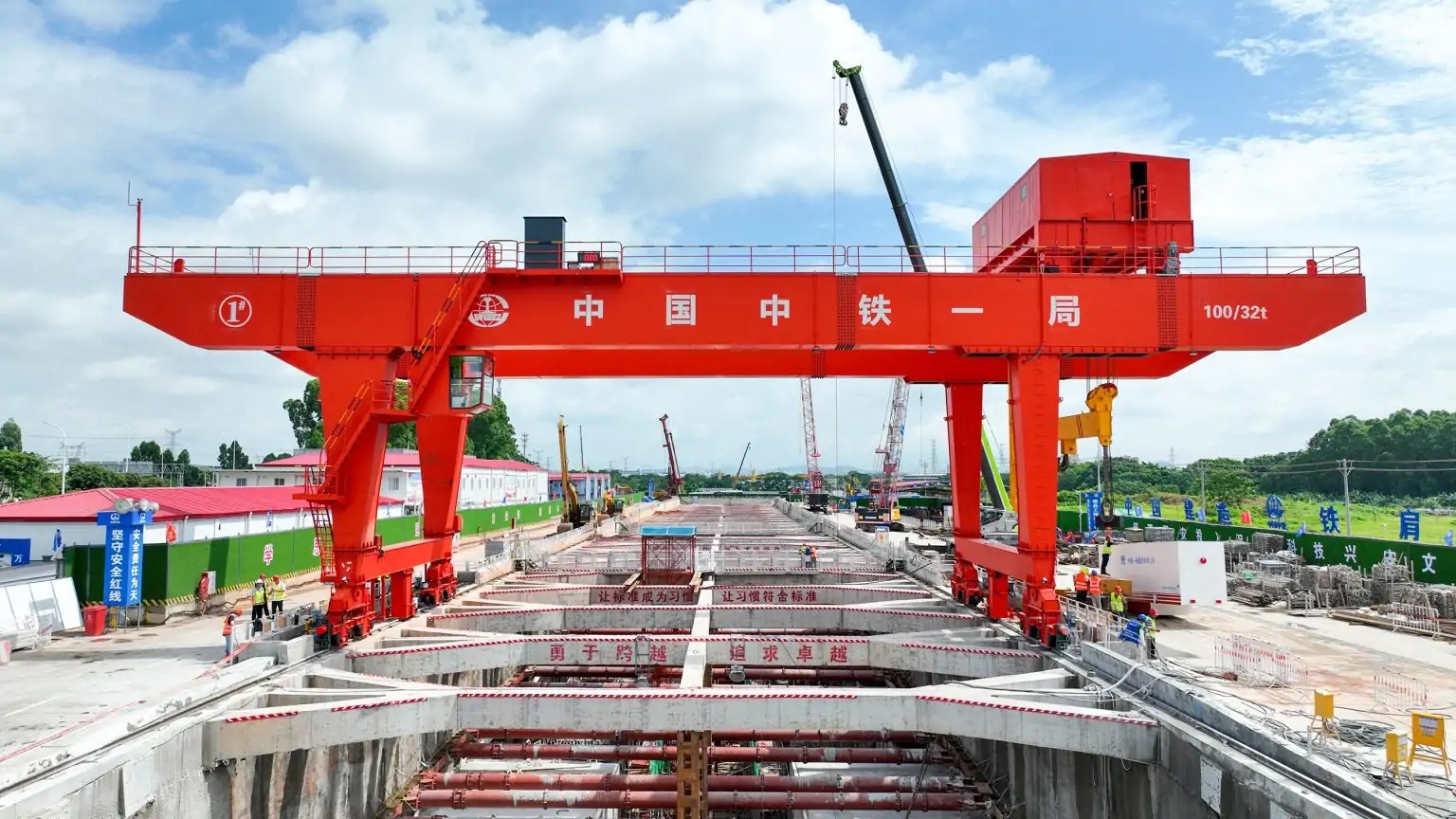
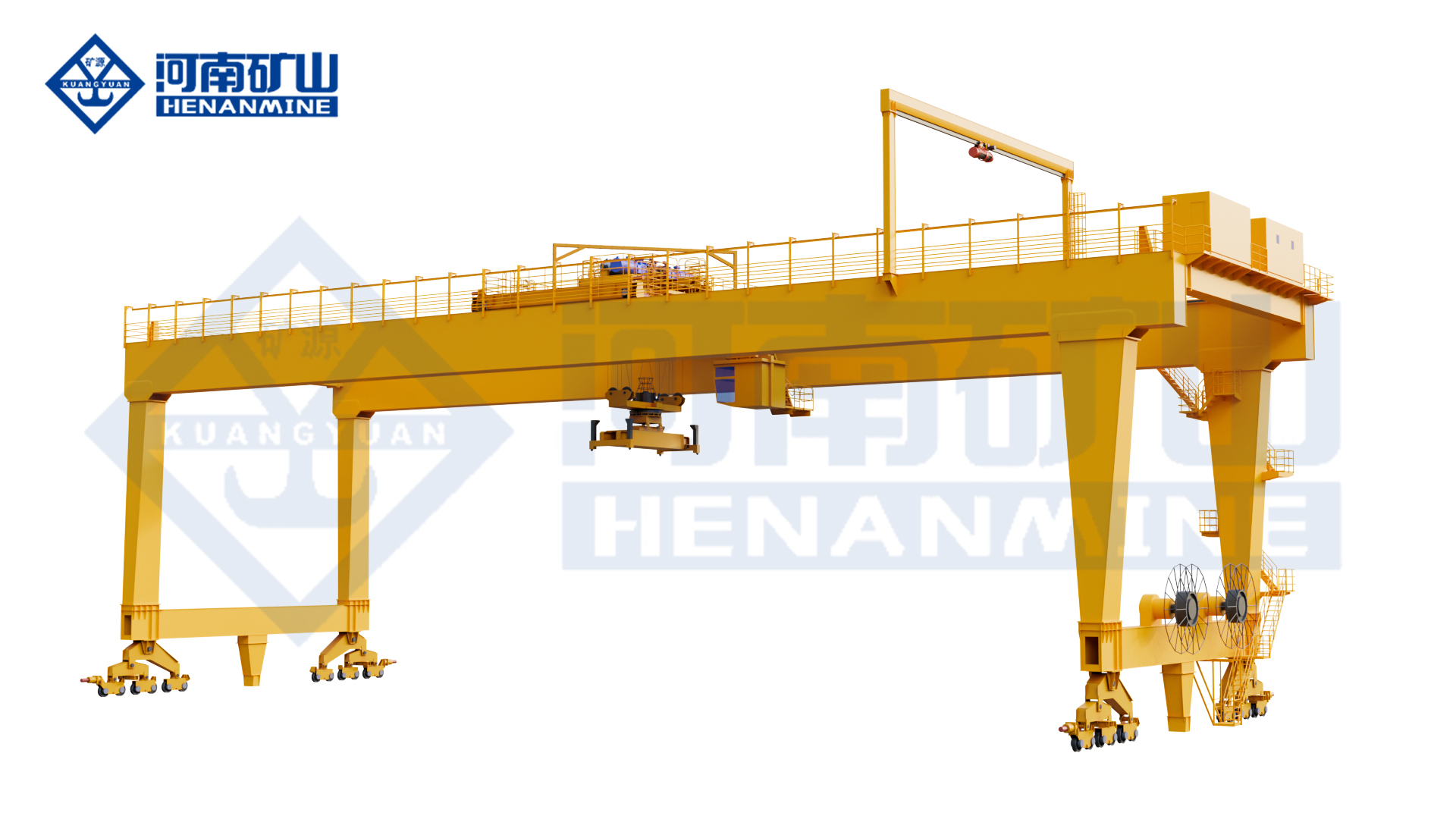
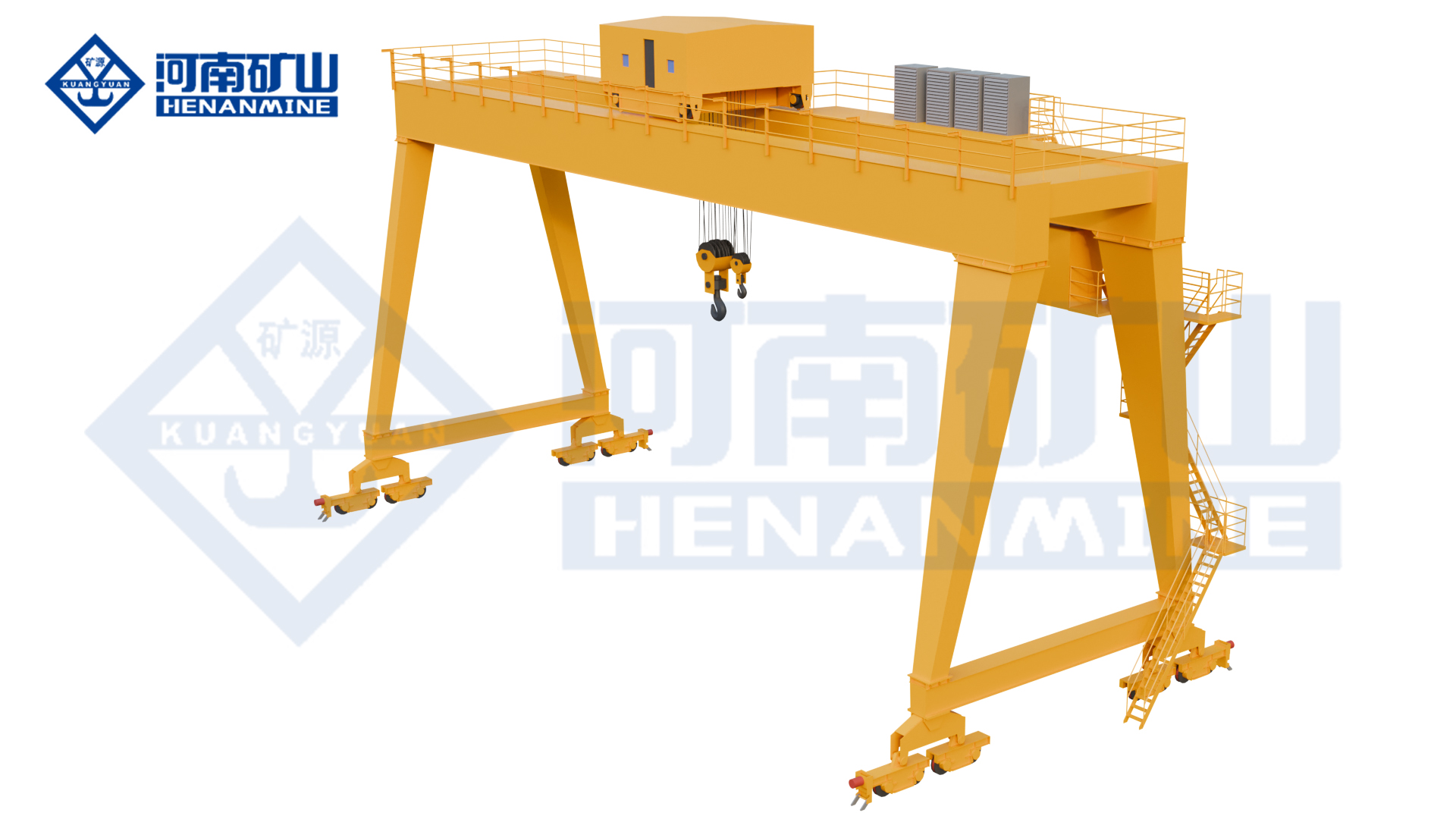
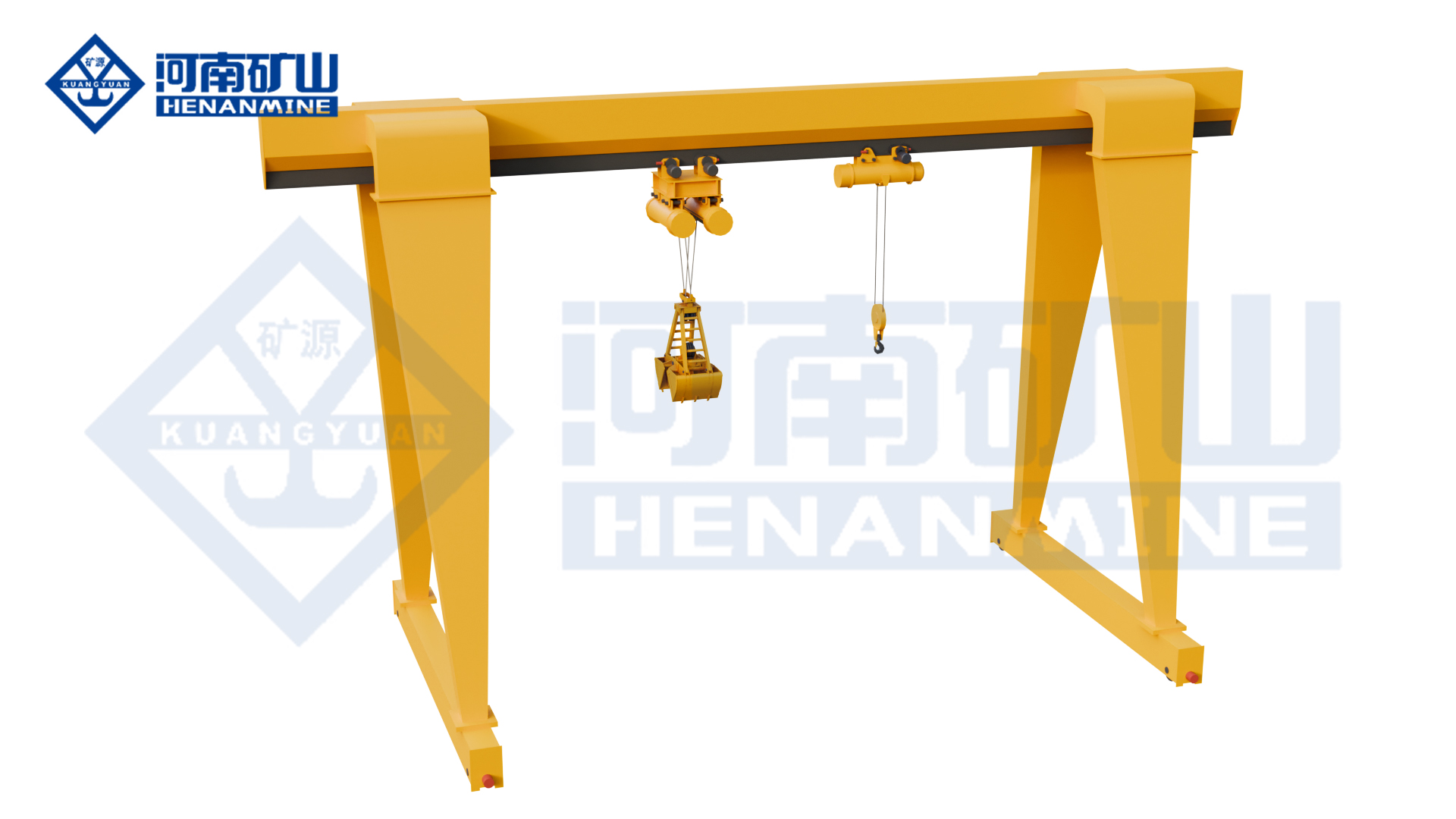
| Double-girder gantry crane | Coverage where a building runway is unavailable. | Rail foundations, yard access, travel route and outdoor conditions. |
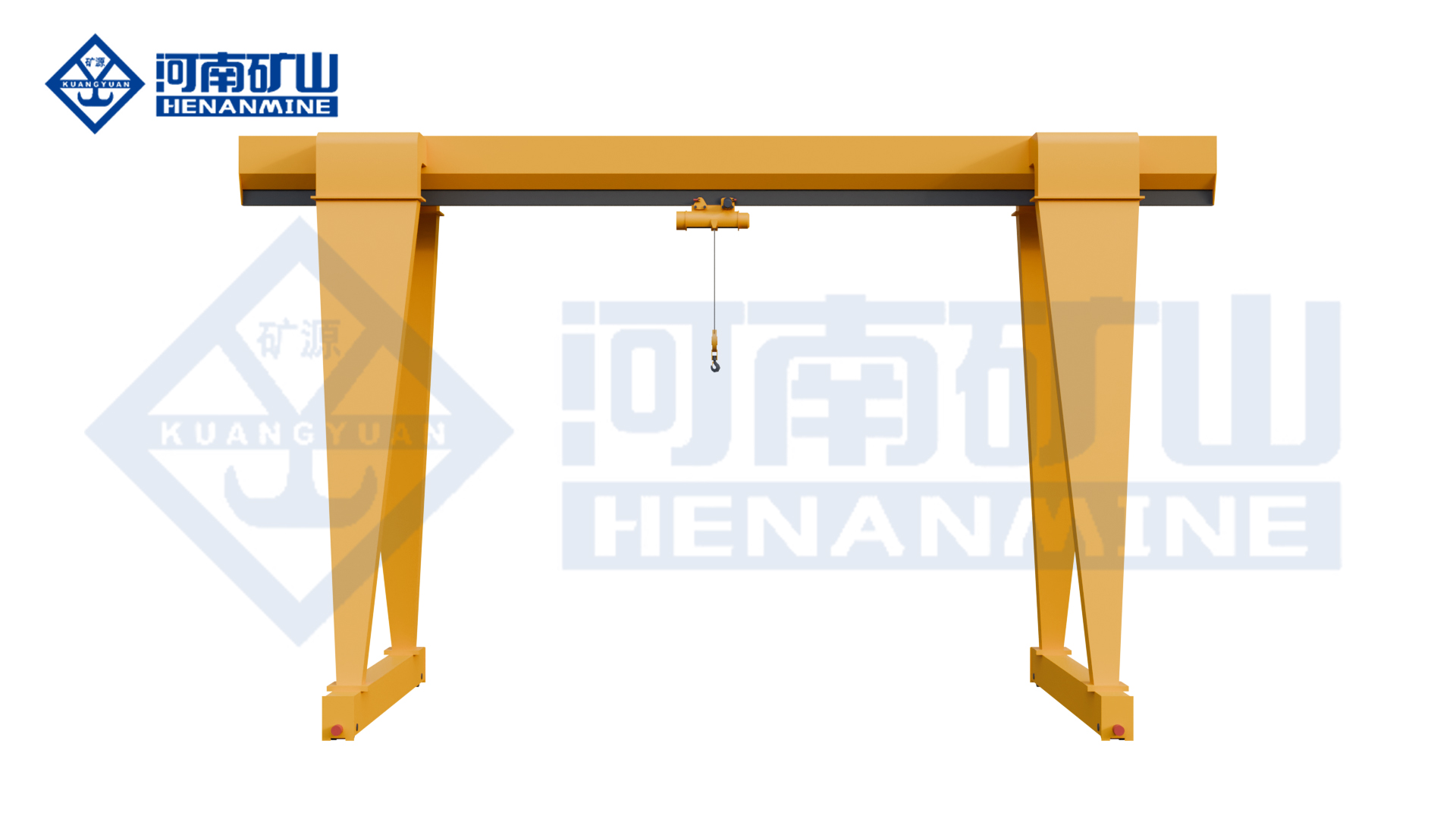
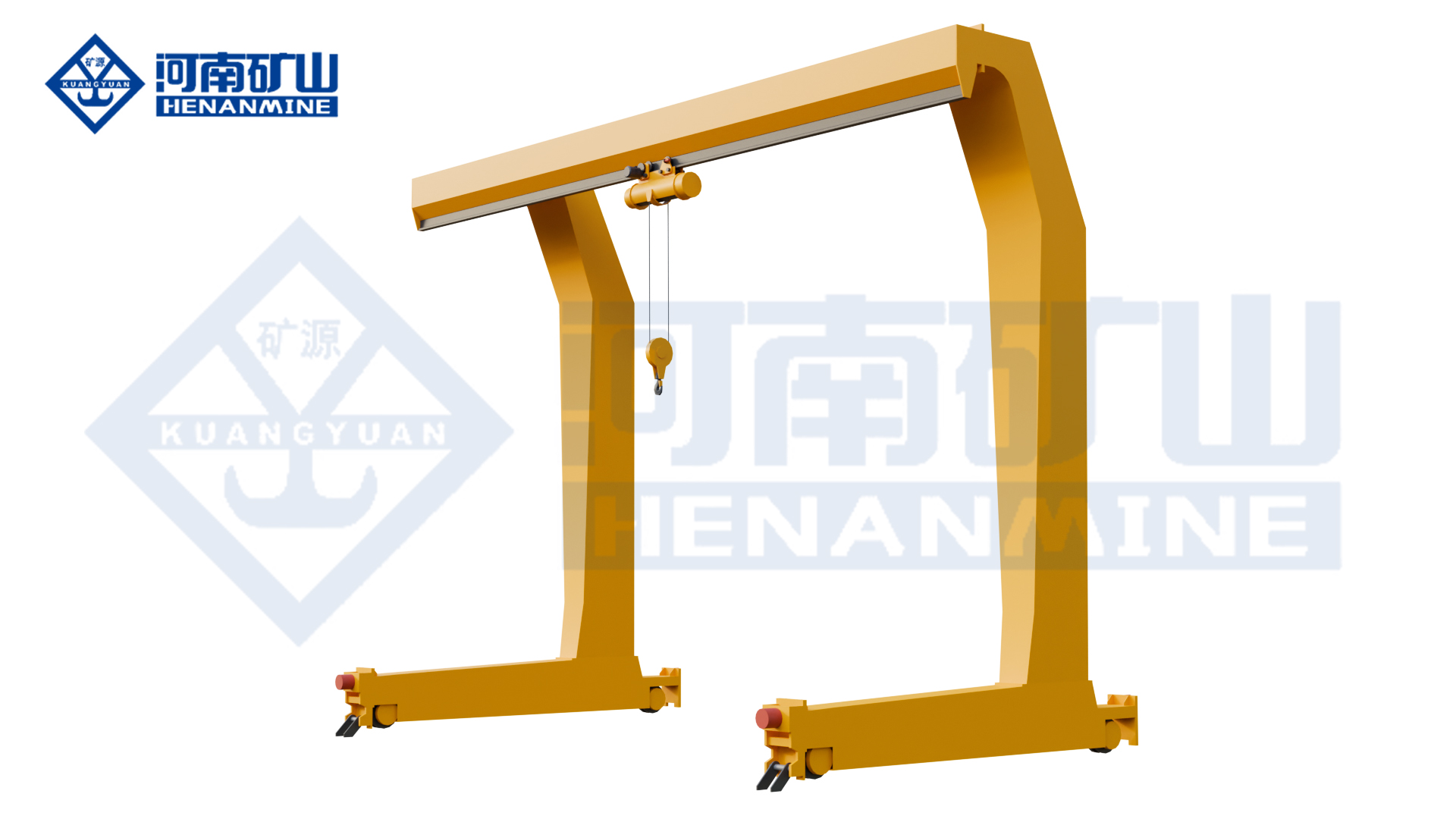
| Workshop electric-hoist crane | A practical arrangement for smaller maintenance loads. | Workshop load spectrum and the installed hoist rating. |
| Specialized nuclear handling crane | Equipment developed for a defined nuclear handling function. | Plant safety classification, procurement code, qualification and approved operating basis. |
Crane geometry and nuclear classification are separate decisions. An overhead or gantry crane may require a specialized design when the lifting location or load path makes the duty safety-important.
Technical Details Included in Your Proposal
The capacity of a previous project is a reference, not a fixed catalogue range. We prepare a technical schedule for the crane being offered, so your engineering and purchasing teams can compare the same configuration.
| Parameter | How our proposal addresses it |
|---|---|
| Rated load | Main and auxiliary ratings derived from the handled component, lifting gear and approved load cases. |
| Span and working coverage | Rail spacing, crane travel, trolley travel and hook approaches shown on the proposed arrangement. |
| Lifting height | Hook travel linked to pickup, transfer and landing elevations. |
| Speeds and positioning | Hoist and travel speeds, low-speed control and any specified positioning tolerance. |
| Duty and service conditions | Design duty linked to the operating cycle, load spectrum and environment. |
| Controls | Operating station, VFD configuration, PLC functions, alarms and contracted monitoring interfaces. |
| Plant interfaces | Wheel reactions, rail geometry, power supply and installation clearances. |
| Safety and documentation | Applicable classification, accepted procurement requirements, inspection stages and contracted records. |
Henan Mine Crane Nuclear-Sector Projects
100t Precision Double-Girder Gantry Crane
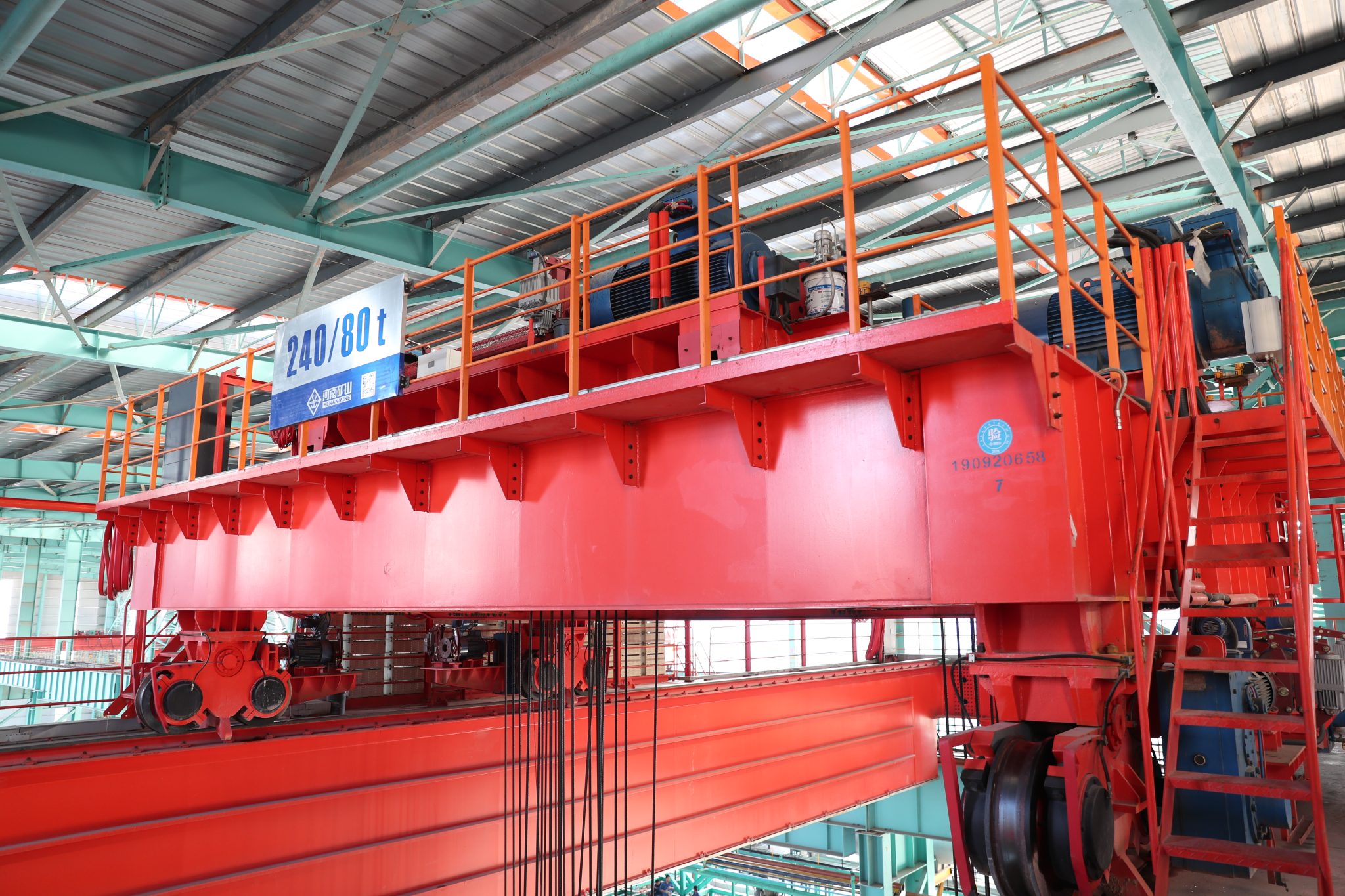
Henan Mine Crane manufactured a 100t double-main-girder gantry crane for a China nuclear power project. The manufacturer’s project report records successful factory acceptance, including heavy-load movement and positioning tests.
| Published project detail | 100t gantry configuration |
|---|---|
| Bridge and trolley travel | Servo control; minimum jog movement of 0.5 mm. |
| Hoisting and load control | Variable-frequency vector control with PLC anti-sway. |
| Reported positioning performance | Within 5 mm under the reported project test conditions. |
| Mechanical arrangement | Modular design and dual brakes on the hoisting mechanism. |
The 0.5 mm figure describes minimum travel jog movement; it is a different measure from positioning accuracy. Performance for a new crane is defined and tested against its own operating conditions.
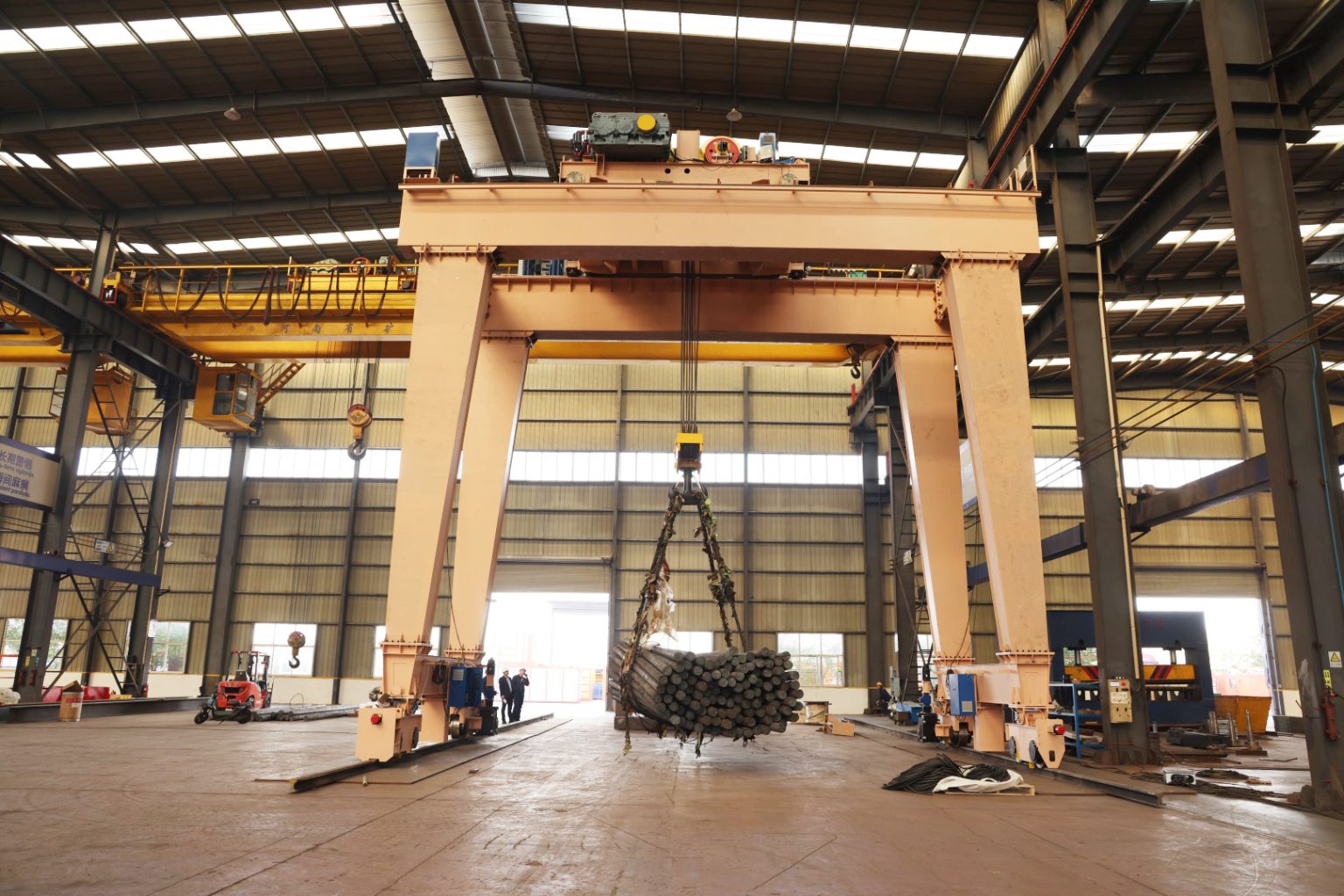
Explore the 100t nuclear-project gantry crane
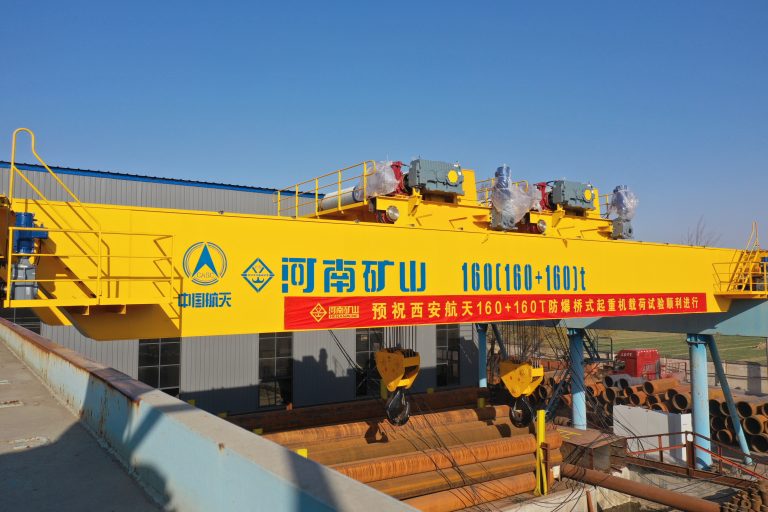
550t Intelligent Double-Girder Overhead Crane
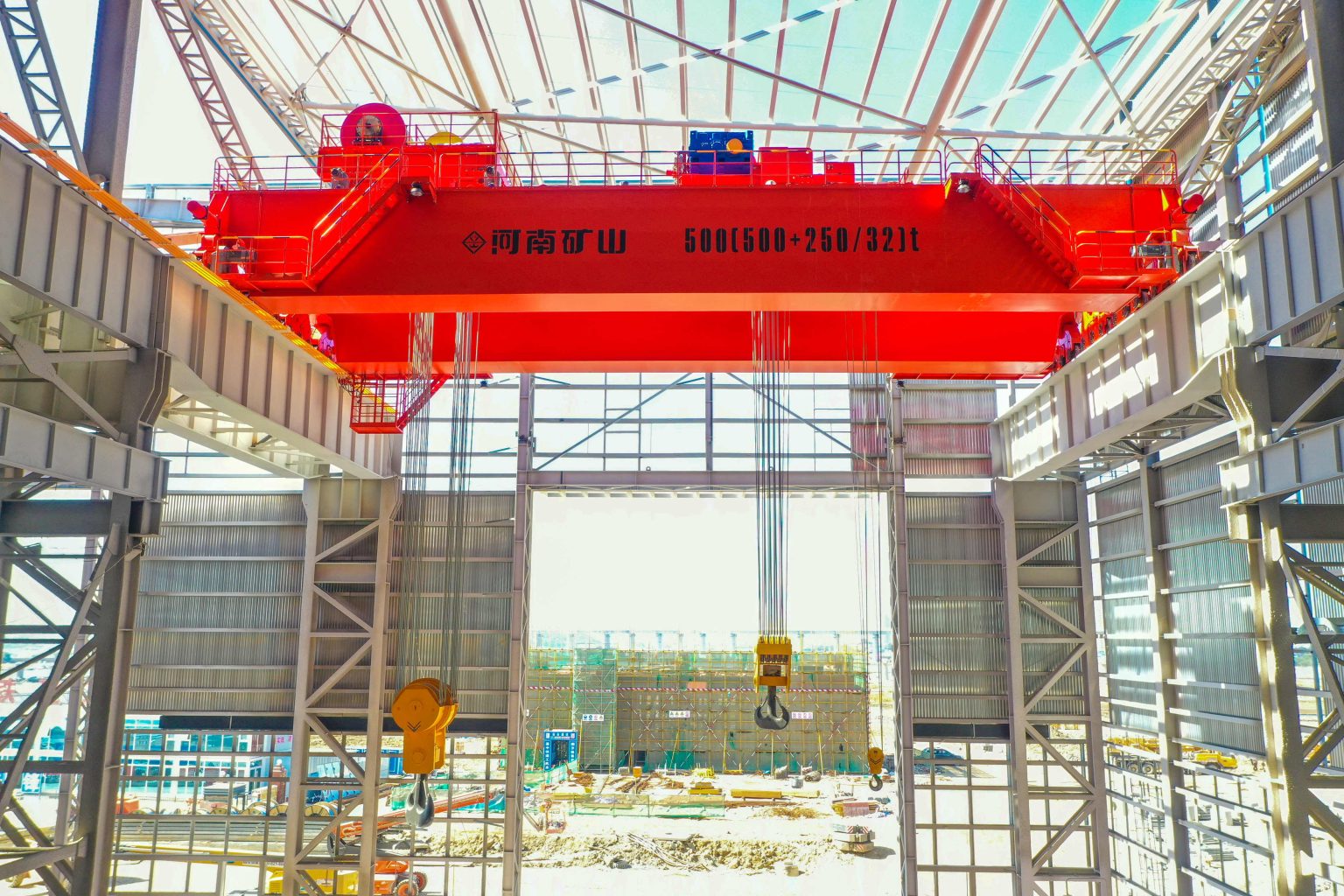
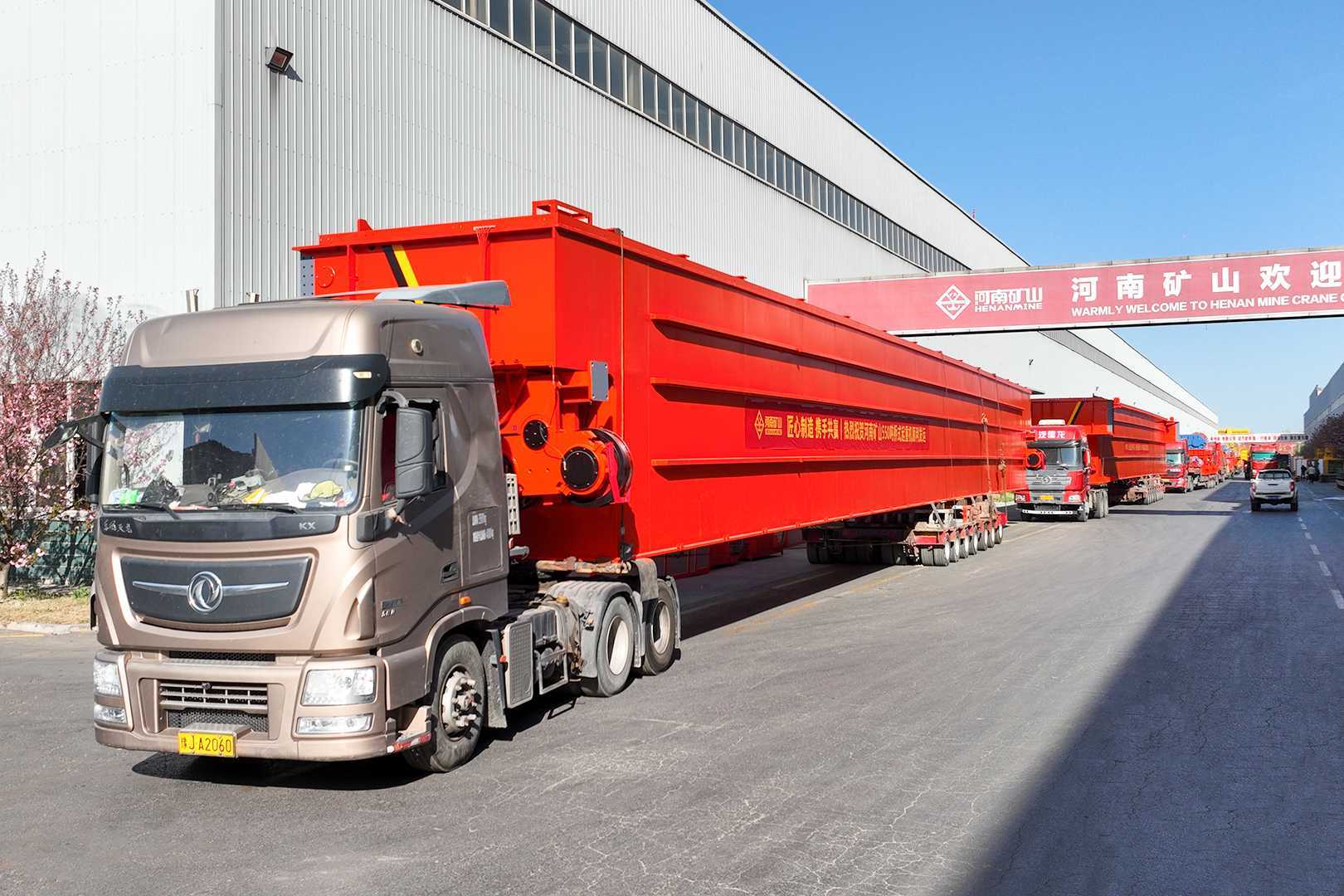
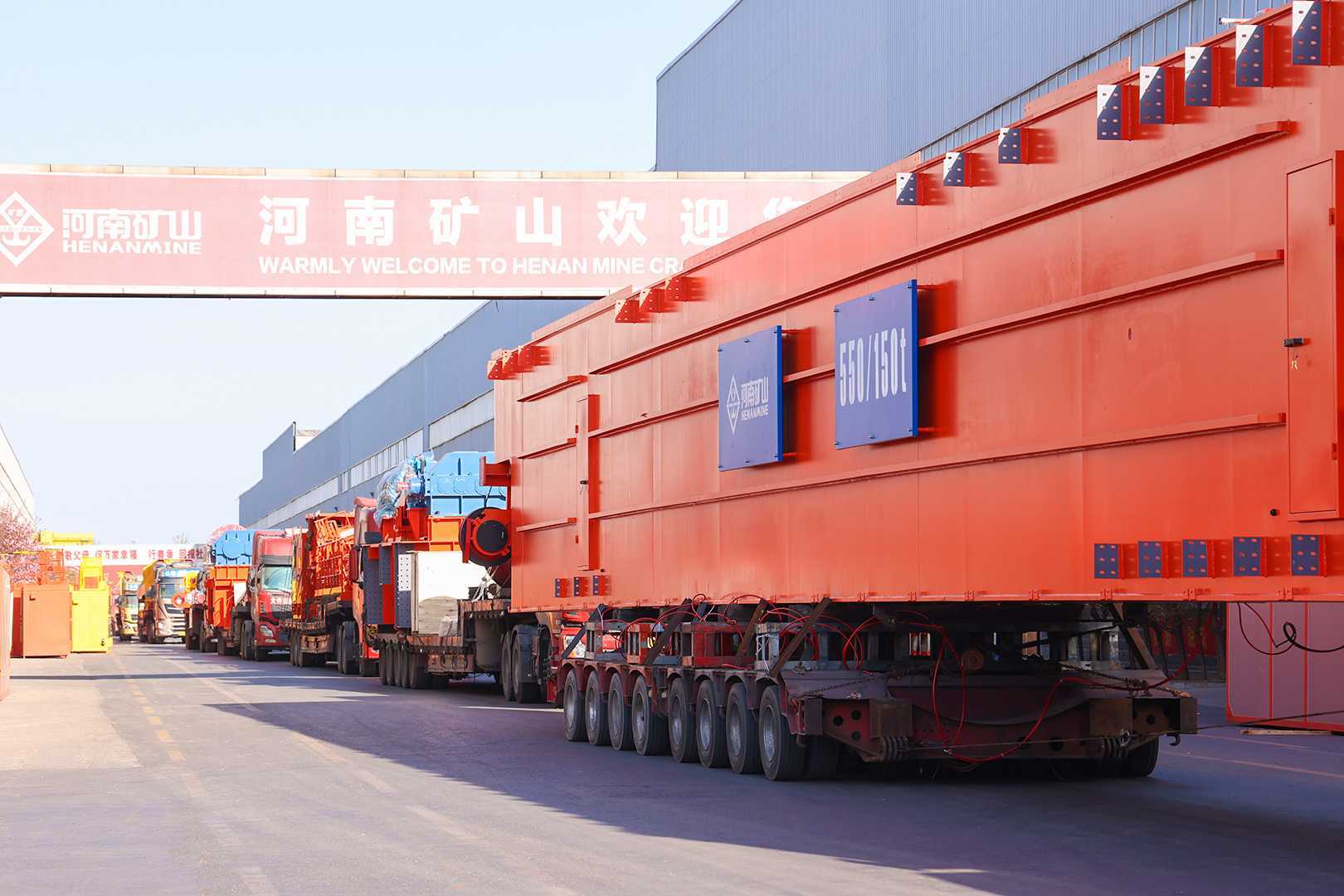
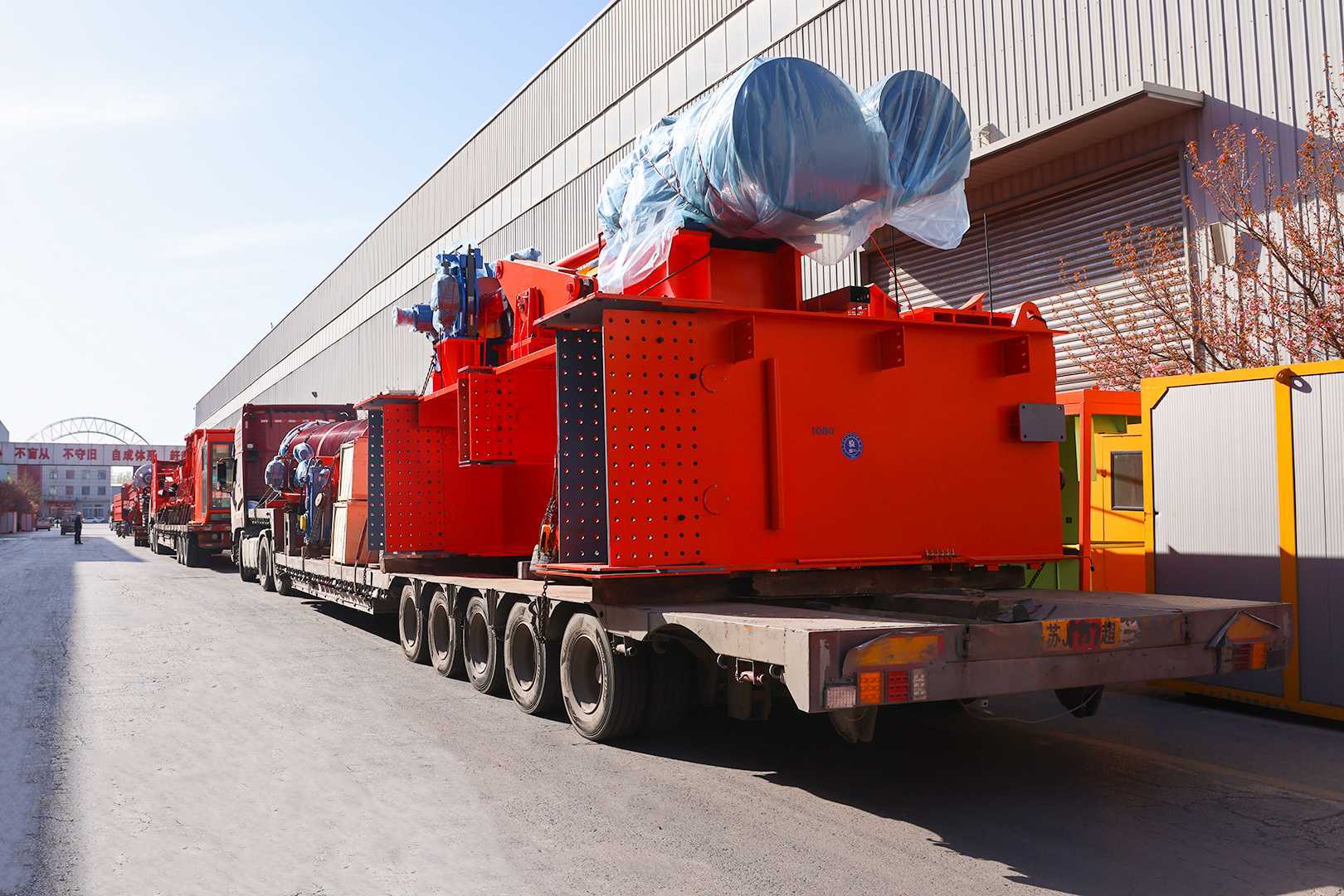
Henan Mine Crane’s published 550t nuclear-power project combines PLC control, full-crane variable-frequency drives, anti-sway and regenerative energy recovery. The crane was dispatched in April 2025.
This project demonstrates our heavy-crane manufacturing scope and an integrated motion-control package. Its published record does not identify a plant safety class or establish qualification for a different nuclear lifting duty.
Controlled Motion for Heavy and High-Value Components
Smooth approach to the landing position
Variable-frequency control allows the motion profile to combine transfer speed with controlled low-speed approach. We select speeds and acceleration around the lifting sequence.
Anti-sway matched to the operating task
The control package can include anti-sway for bridge and trolley movement. Its acceptance conditions are linked to representative loads, rope lengths and travel profiles.
Visible operating status
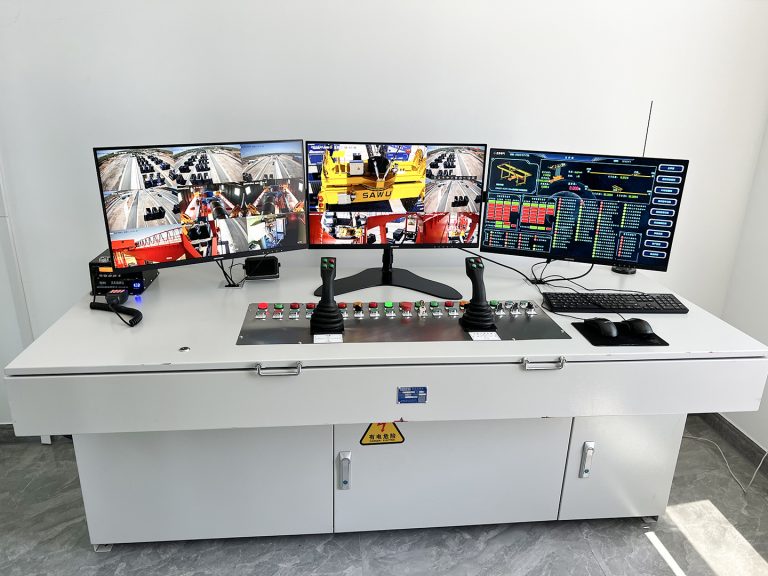
PLC-based controls can bring mechanism status, limits and alarms together. The included displays, records and plant communication interfaces are identified in the electrical scope.
Regenerative drives are an option for suitable duties and site power systems. We assess them against the operating cycle; the 550t project includes energy recovery, but no fixed energy-saving percentage is promised for another crane.
A Defined Basis for Nuclear Project Procurement
The technical offer identifies the accepted crane duty and the requirements used to develop it. For a safety-important application, supplier eligibility, quality assurance, code compliance and qualification evidence are part of the pre-award review.
| Procurement area | How it is addressed |
|---|---|
| Top-running multiple-girder equipment | ASME NOG-1 covers electric overhead and gantry cranes with top-running bridge and trolley used at nuclear facilities. The invoked edition and project requirements belong in the agreed design basis. |
| Heavy-load control at U.S. nuclear facilities | NRC Regulatory Guide 1.244 provides guidance on heavy-load handling. Application follows the plant licensing and procurement basis. |
| Failure response and recovery | The proposal identifies the accepted brake, protection and recovery functions. A single-failure-proof requirement calls for an assessment of the complete lifting system. |
| Seismic or environmental qualification | Where applicable, qualification scope and supporting evidence are reviewed for the defined installation and components. |
| Quality assurance and traceability | The agreed quality plan defines supplier approval, records, inspection participation and document submission. |
Dual brakes and anti-sway are useful equipment features; they do not by themselves establish single-failure-proof performance or nuclear-code compliance. Qualification commitments appear in the project offer with the required evidence.
Inspection and Acceptance Planned with the Equipment
We manufacture against the approved crane design and agreed inspection plan. Your contracted document schedule makes the handover package visible during procurement, rather than leaving test records and manuals until dispatch.
| Stage | Deliverables within the agreed scope |
|---|---|
| Design coordination | General arrangement, technical schedule, civil interface data and electrical documentation. |
| Manufacturing inspection | Material and component records, fabrication inspections and specified welding / examination records. |
| Factory acceptance | Reports for assembly, mechanisms, brakes, limits and contracted control functions; load tests under the approved procedure. |
| Site commissioning | Installation and operating checks, agreed functional tests and site acceptance records. |
| Handover | Operation and maintenance manuals, parts information, drawings and training records. |
Customer or appointed third-party attendance can be coordinated with the agreed inspection stages. Specialized nuclear quality records and qualification reports are included only where expressly accepted in the supply scope.
Nuclear Power Plant Crane Price and Quotation Scope
A nuclear power plant crane is priced for its configuration and procurement scope. Capacity and span affect the equipment cost; classification, qualification, inspection and documentation can materially change the engineering and delivery package.
Henan Mine Crane provides a project quotation with separately identified equipment, engineering and site services. The delivery term and exclusions make it clear whether an offer covers the crane package, delivery to site or additional installation work.
| Quotation item | What the offer identifies |
|---|---|
| Mechanical equipment | Bridge or gantry, trolley, hoisting machinery, travel drives and service access. |
| Electrical and controls | Power distribution, VFDs, PLC, operating stations and selected positioning / monitoring functions. |
| Project engineering and quality | Accepted design requirements, document schedule, inspection stages and any contracted qualification work. |
| Runway and site interfaces | Included rails, electrification and installation materials, with civil works distinguished from crane supply. |
| Logistics and site services | Packing, transport, installation guidance or attendance, commissioning and training as selected. |
| Lifecycle support | Recommended initial spares, warranty scope and the agreed service arrangements. |
Start with the lifting task and available layout for a preliminary budget discussion. We develop the equipment proposal and identify open items before issuing a firm quotation against the agreed scope.
Delivery Planned Around Construction or the Outage Window
We coordinate crane dimensions, shipping sections and assembly access during engineering. For an existing plant, the erection approach is developed alongside runway access, available lifting equipment and the permitted work area.
The project schedule links drawing approval, manufacture, inspection, shipment and contracted site work. The commercial offer states the delivery basis; a shutdown window or plant-access date is incorporated into the agreed programme rather than assumed from a standard lead time.
Commissioning support and operator training help the site team move from assembled equipment to the approved handling sequence. Site attendance, local installation work and plant operating authorization are allocated in the project scope.
Maintenance and Spare-Parts Support
Henan Mine Crane supports parts identification, maintenance planning and technical troubleshooting. Nameplate details, drawings and component references let us identify the relevant rope, brake, drive or electrical part without treating a replacement as a generic catalogue purchase.
The equipment design addresses access to inspection and replacement points. Recommended initial spares and planned-service needs can be discussed before delivery, with warranty terms and service arrangements included in the commercial agreement.
Get an Equipment Proposal from the Information You Have
A brief lifting description, plant layout or existing crane drawing is enough to begin. Include the project country, approximate maximum load and target delivery date. If a procurement specification or crane classification is available, send it with the enquiry.
Our response develops the solution: the proposed crane type, main operating parameters, equipment and service scope, and the items to resolve before a firm offer. We help turn preliminary project information into a defined equipment proposal.
Nuclear Power Plant Crane FAQ
What can Henan Mine Crane supply for a nuclear power project?
We offer engineered overhead and gantry crane packages for heavy equipment handling, construction and maintenance. The project offer defines the accepted lifting duty, equipment, engineering, documentation and selected site services.
What nuclear-sector project experience do you have?
Our published references include a 100t precision double-girder gantry crane that passed factory acceptance and a 550t double-girder overhead crane dispatched in April 2025. Their configurations are described above.
Is every crane used at a nuclear power plant a nuclear safety-class crane?
No. The plant location, load path and safety function determine the procurement requirements. Conventional handling and safety-important duties can require different design, quality and qualification scopes.
Can you quote to an ASME NOG-1 specification?
Send the invoked edition, crane classification and project procurement requirements for technical review. The offer identifies the accepted requirements and evidence scope. Code compliance is established for the specific project, not assumed from the crane capacity.
Can the crane replace equipment on an existing runway?
We can develop a replacement proposal and provide wheel reactions, approach dimensions and installation interfaces. Reuse of the existing runway follows survey information and verification by the appointed structural designer.
How much does a nuclear power plant crane cost?
The price follows the crane geometry, load duty, controls, procurement requirements and service package. We provide an itemized project quotation so equipment, engineering, delivery and selected site services can be budgeted separately.
Do you provide installation, commissioning and training?
These services can be included in the project offer. The agreed package states whether support is remote guidance or on-site attendance, together with commissioning, training and installation responsibilities.
Related Equipment and Project References
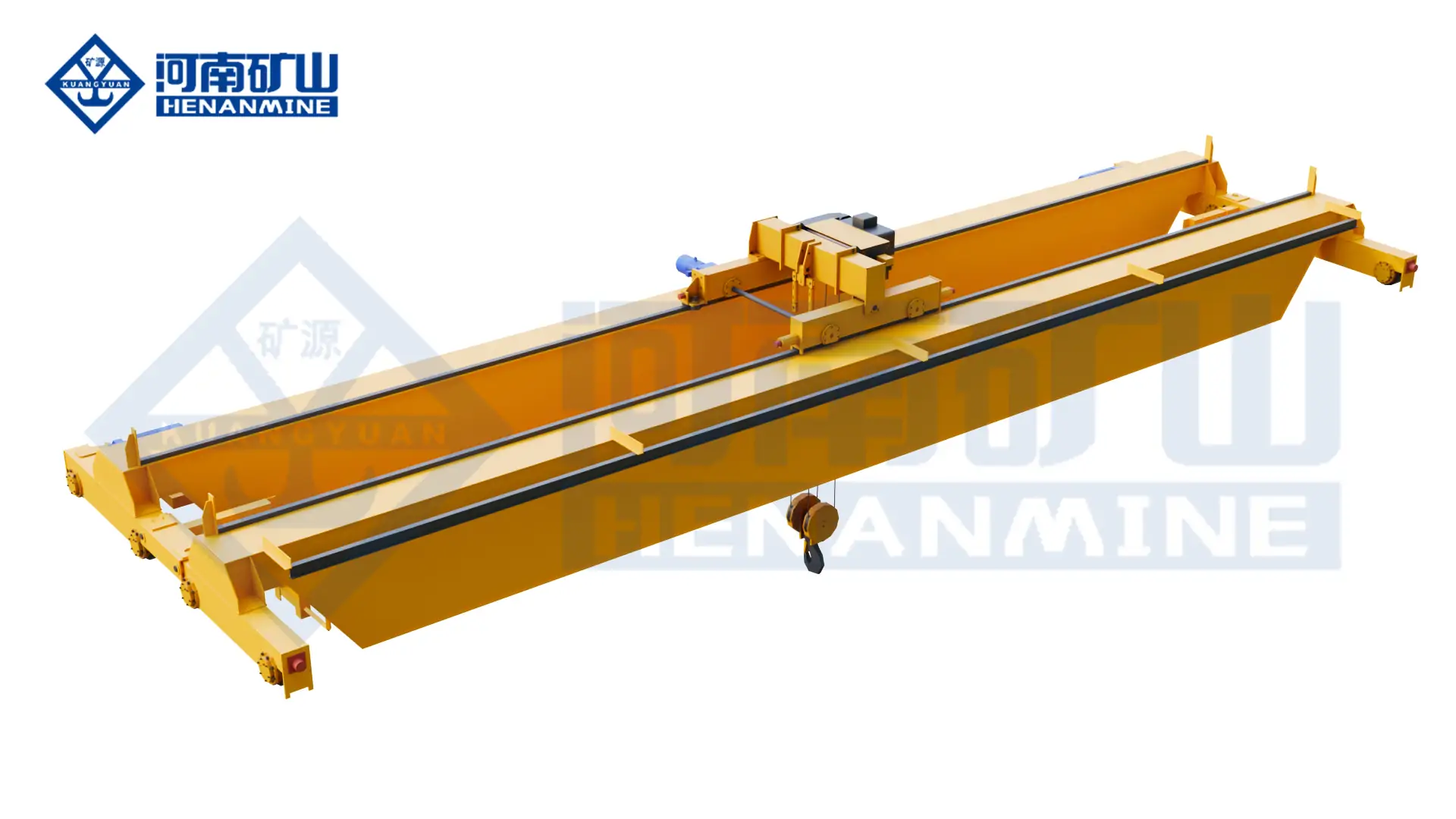
Double-Girder Overhead Crane
Explore electric-hoist configurations for suitable maintenance and workshop duties.
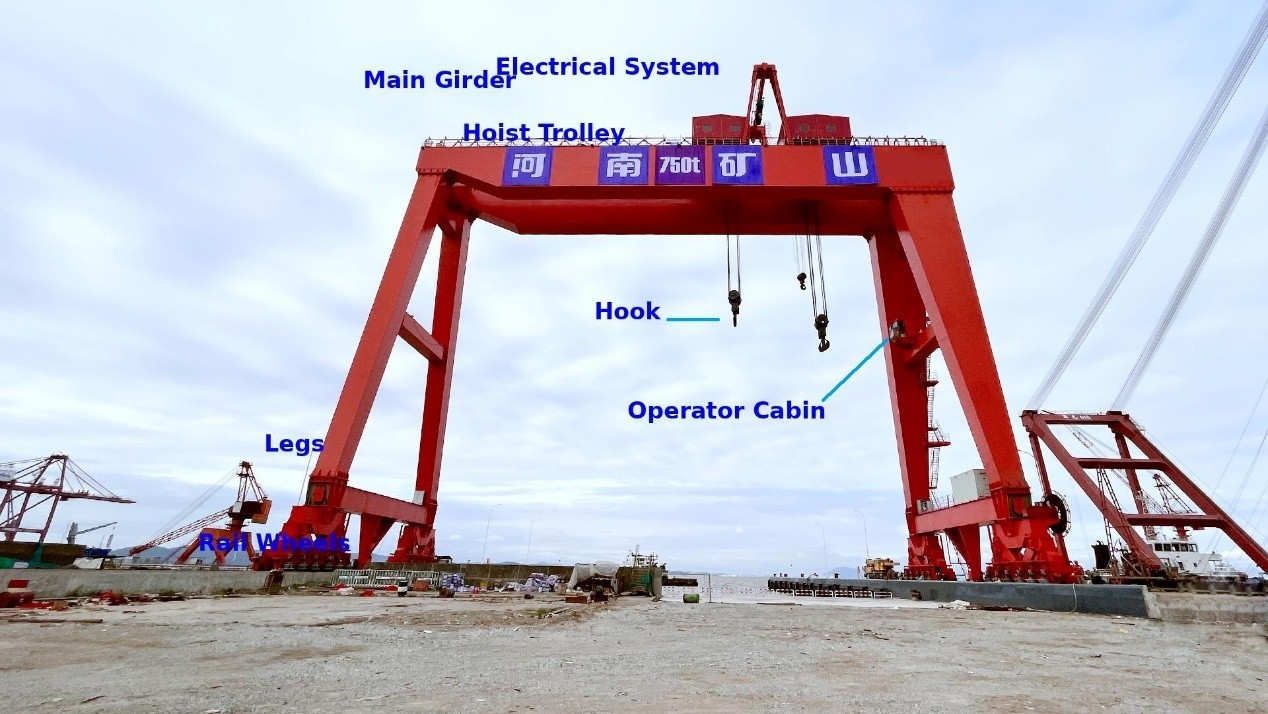
Double-Girder Gantry Crane
Compare rail-mounted arrangements for outdoor component handling.
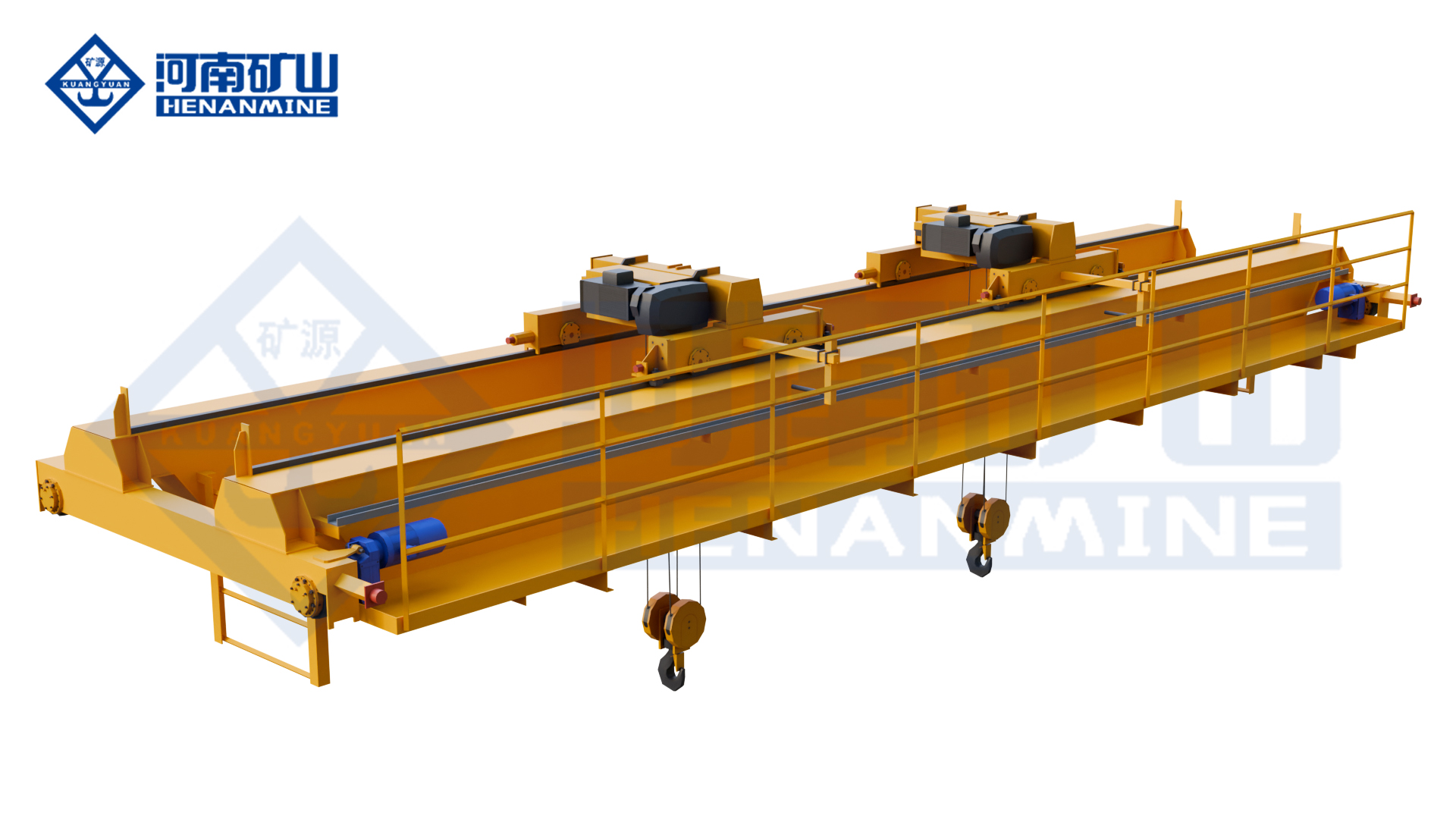
Double-Trolley Hoist Crane
Discuss two-position lifting for suitable loads and approved attachment geometry.
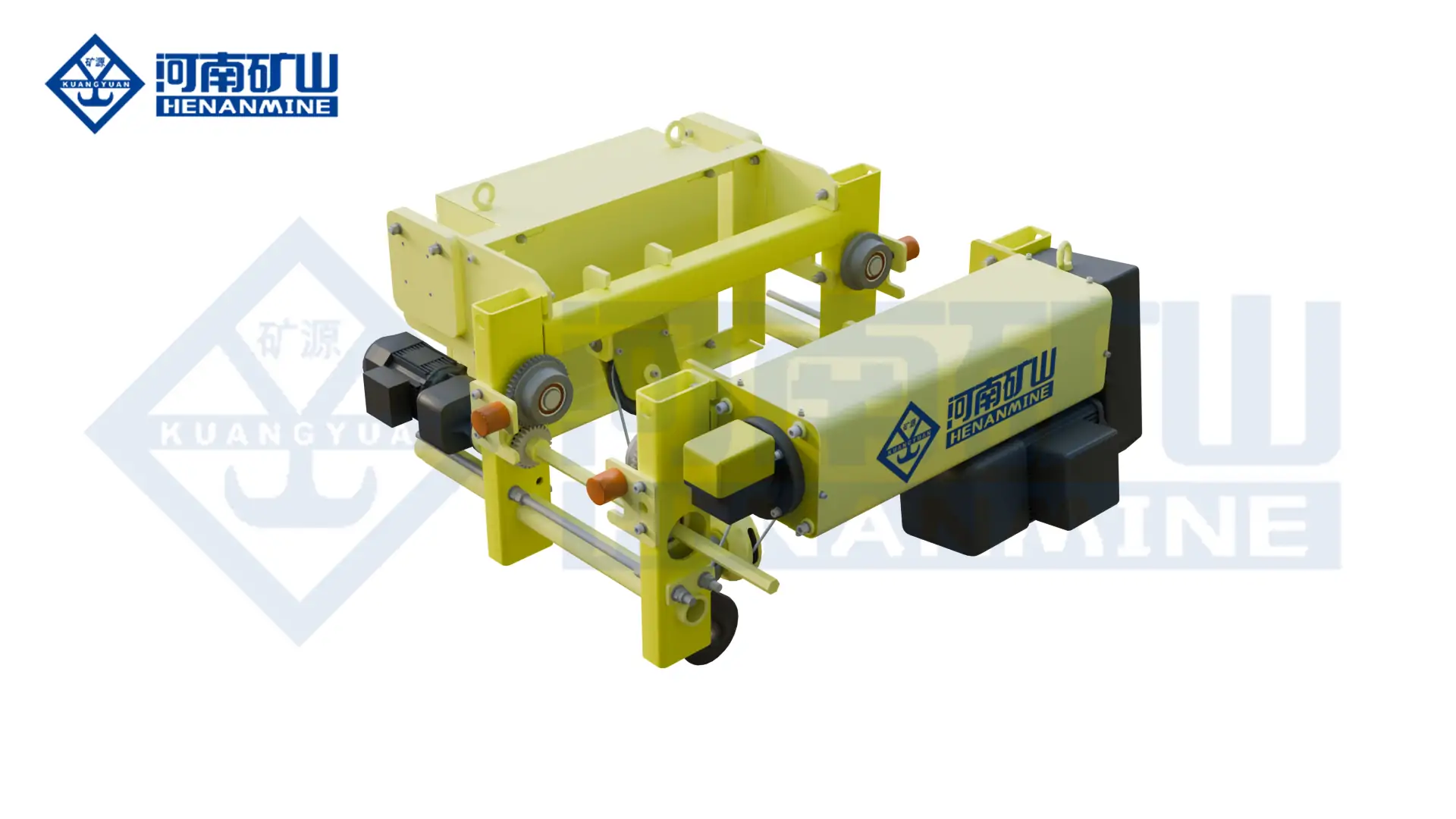
New Electric Hoist
Review compact hoisting equipment for separately rated maintenance tasks.
100t Nuclear-Project Gantry
Read the published precision-control and factory-acceptance project details.
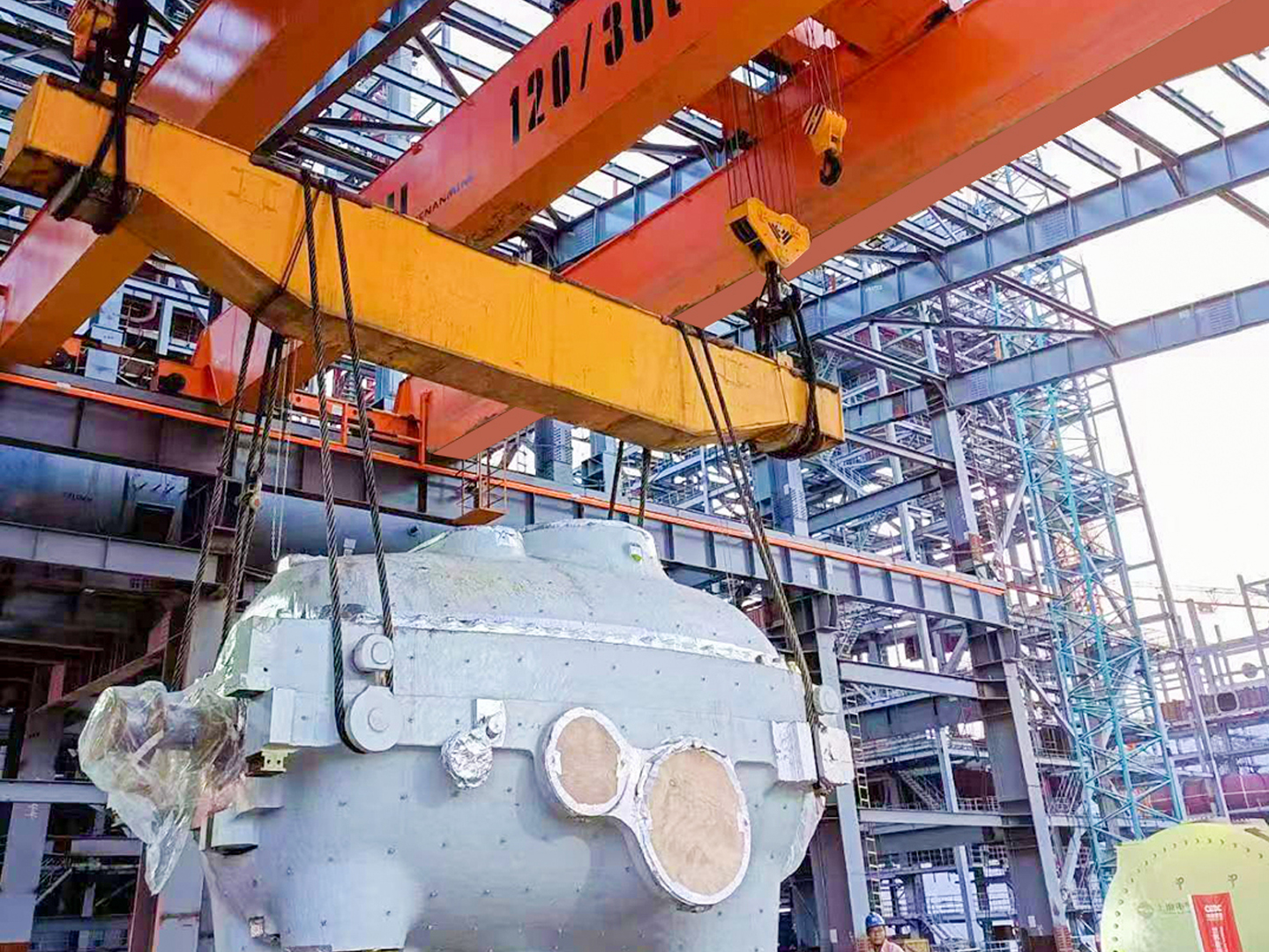
Power-Generation Equipment Handling
Explore a separate power-sector example of heavy component lifting.
Discuss Your Nuclear Power Plant Crane Project
Work with Henan Mine Crane on the equipment arrangement, handling controls and supply scope for your plant. Send your available drawings or a short project description to begin the technical review.
Request a Crane Quote
Email Project Drawings
Email: info@hnksglobal.com