Engineering · Manufacturing · Project support
info@hnksglobal.comWhatsApp +86 18836207779 ↗

博客

  • 5 Ton Overhead Crane

    5 Ton Overhead Crane

    5 Ton Overhead Crane

    Henan Mine Crane · 5 Tonne Lifting Systems

    5 Ton Overhead Crane

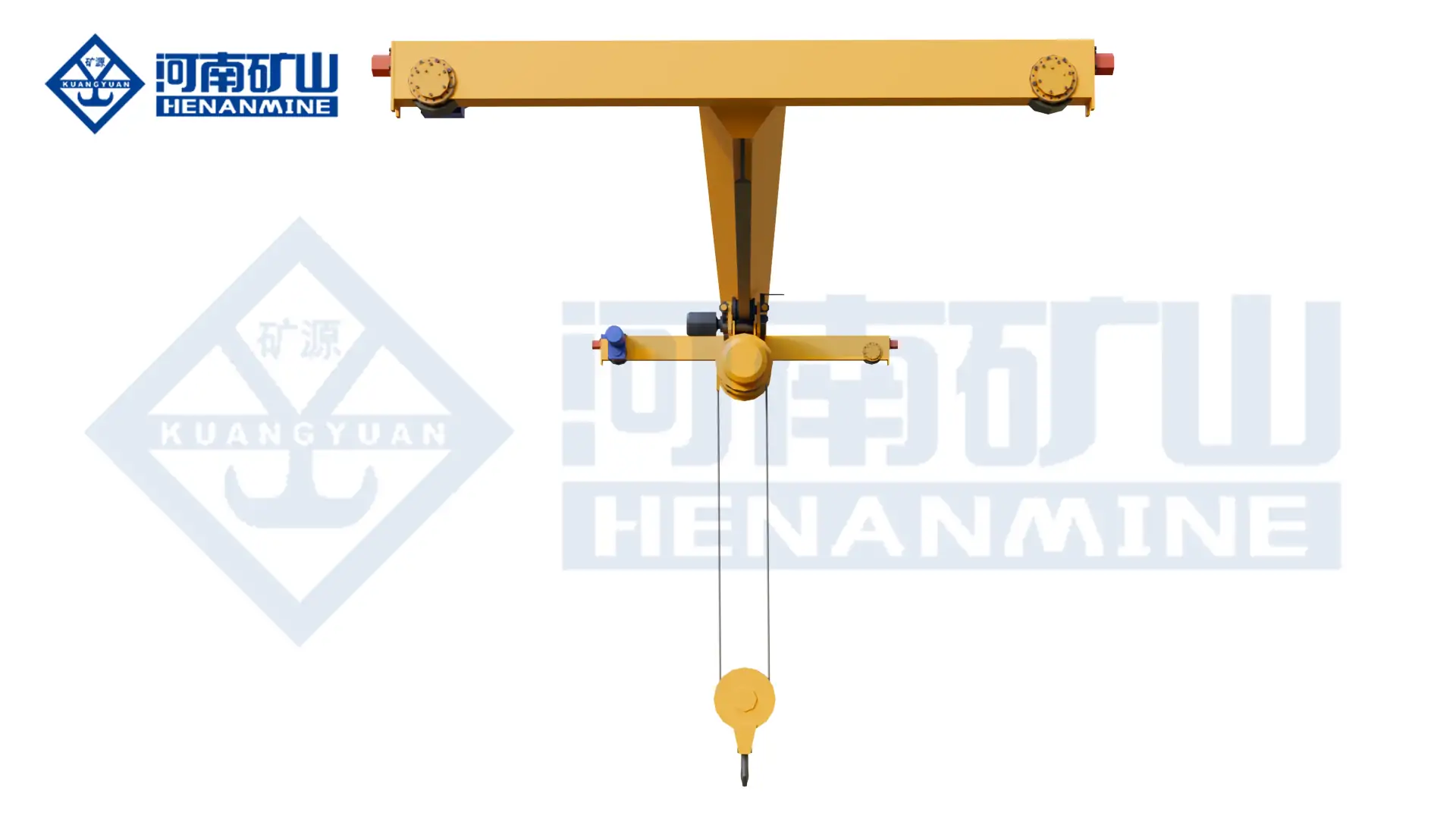
    Configure a 5 ton overhead crane for moving dies, machine components, steel fabrications and maintenance assemblies. Henan Mine Crane manufactures single-girder, double-girder and suspended bridge systems around the required load, building layout and operating cycle.

    For general indoor hook handling, a single-girder electric-hoist arrangement is a practical starting option. Compare it with a double-girder or underhung design when hook height, runway conditions or the handling process calls for a different layout.

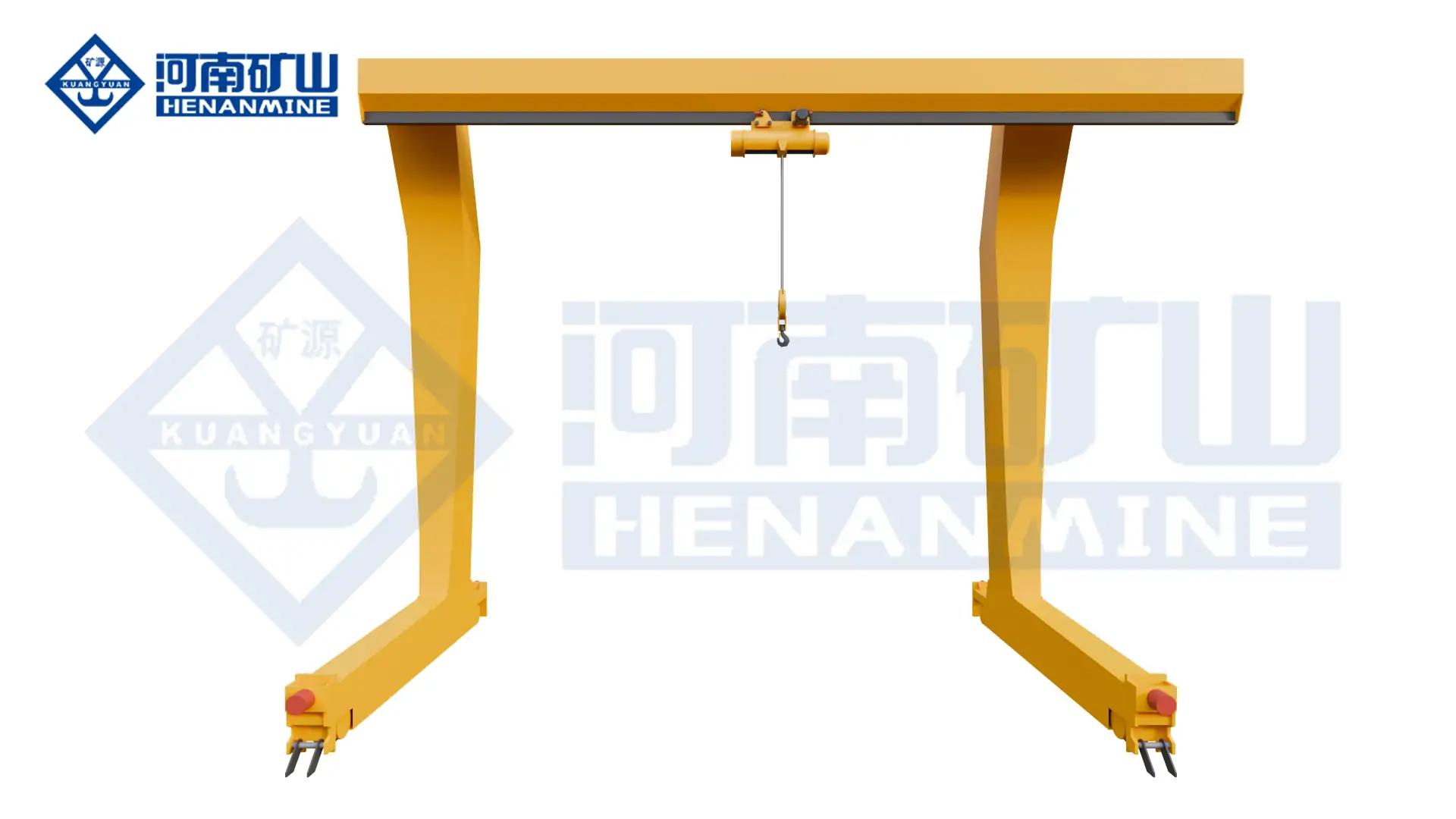
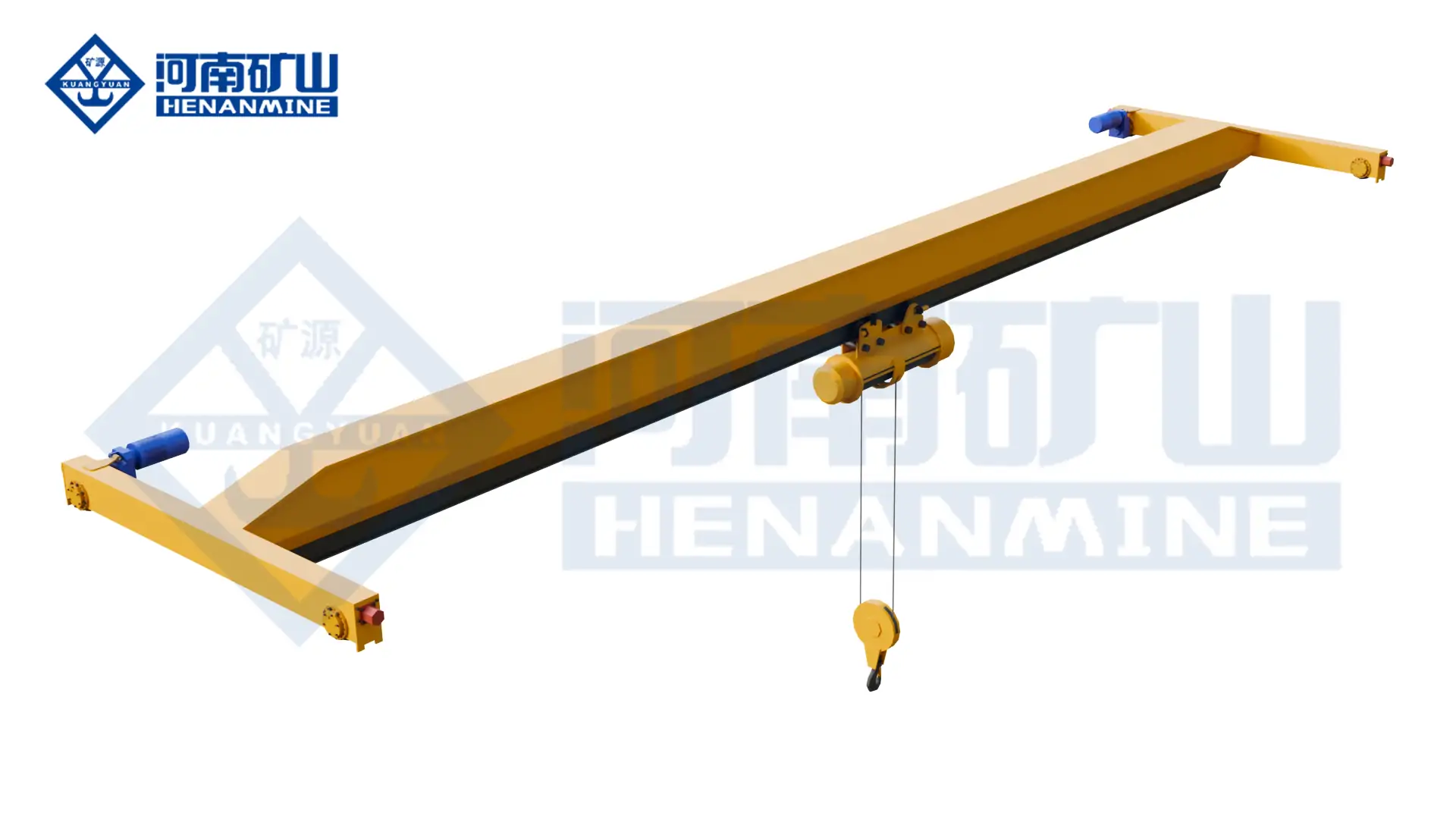
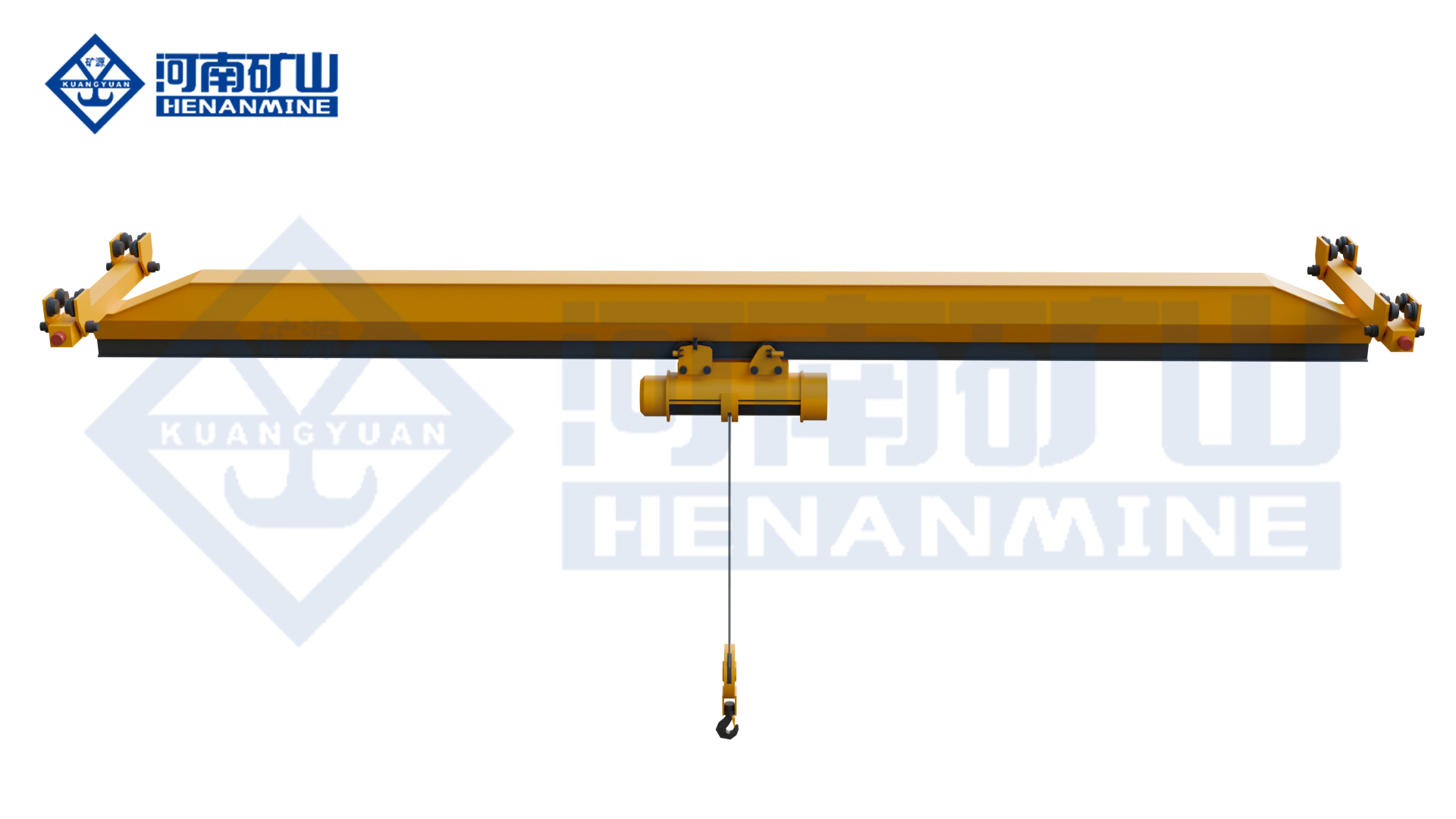
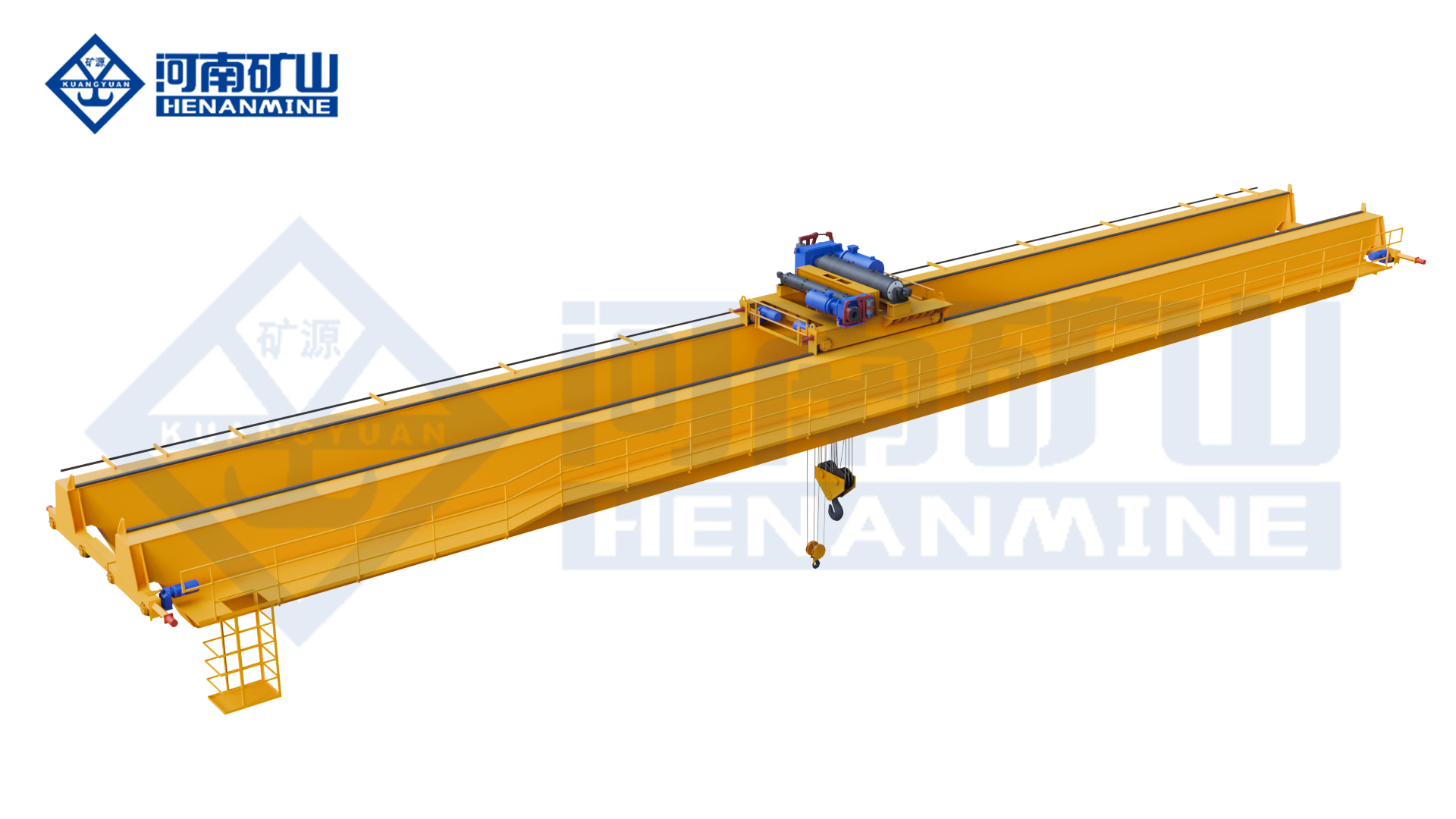
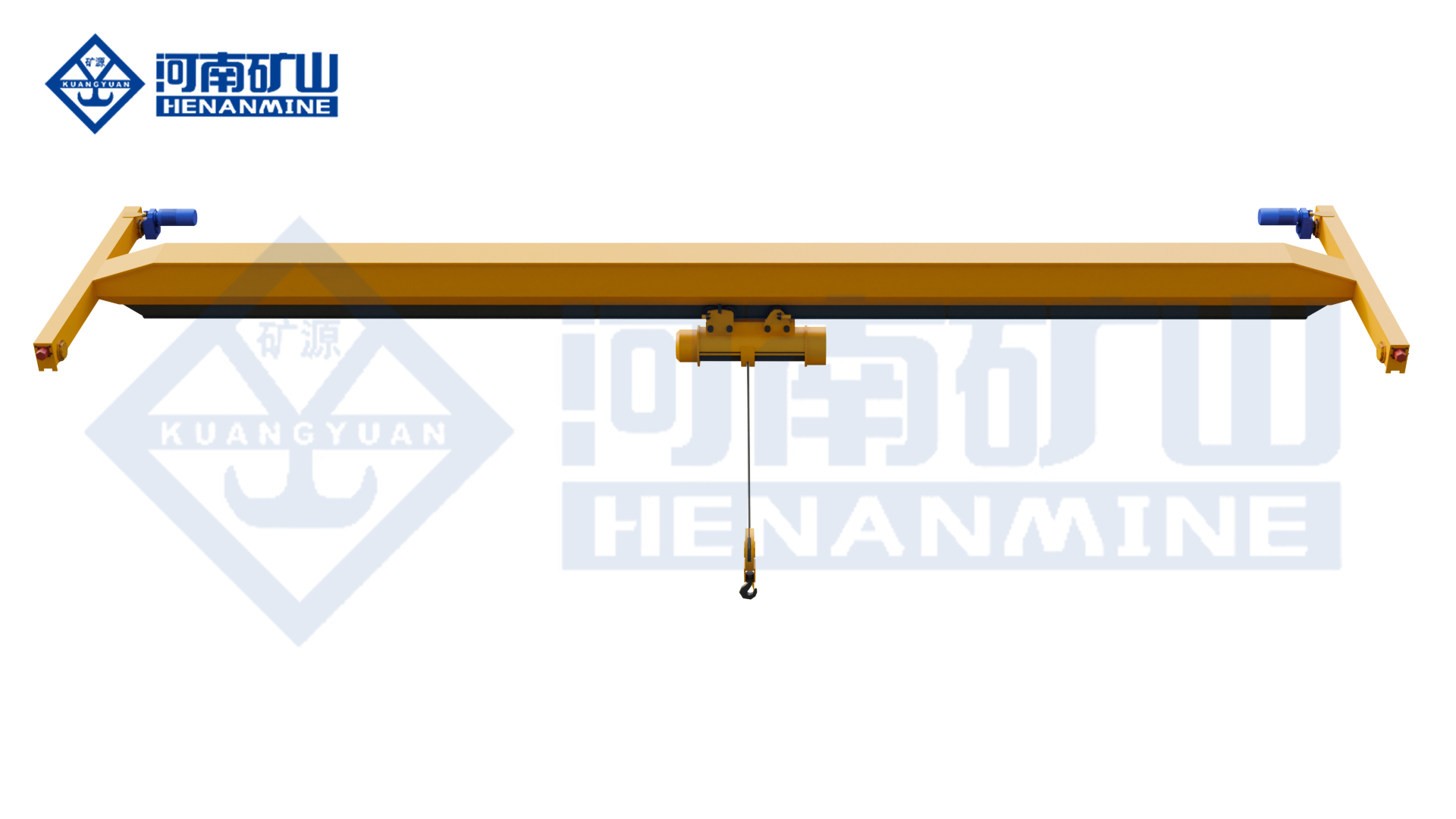
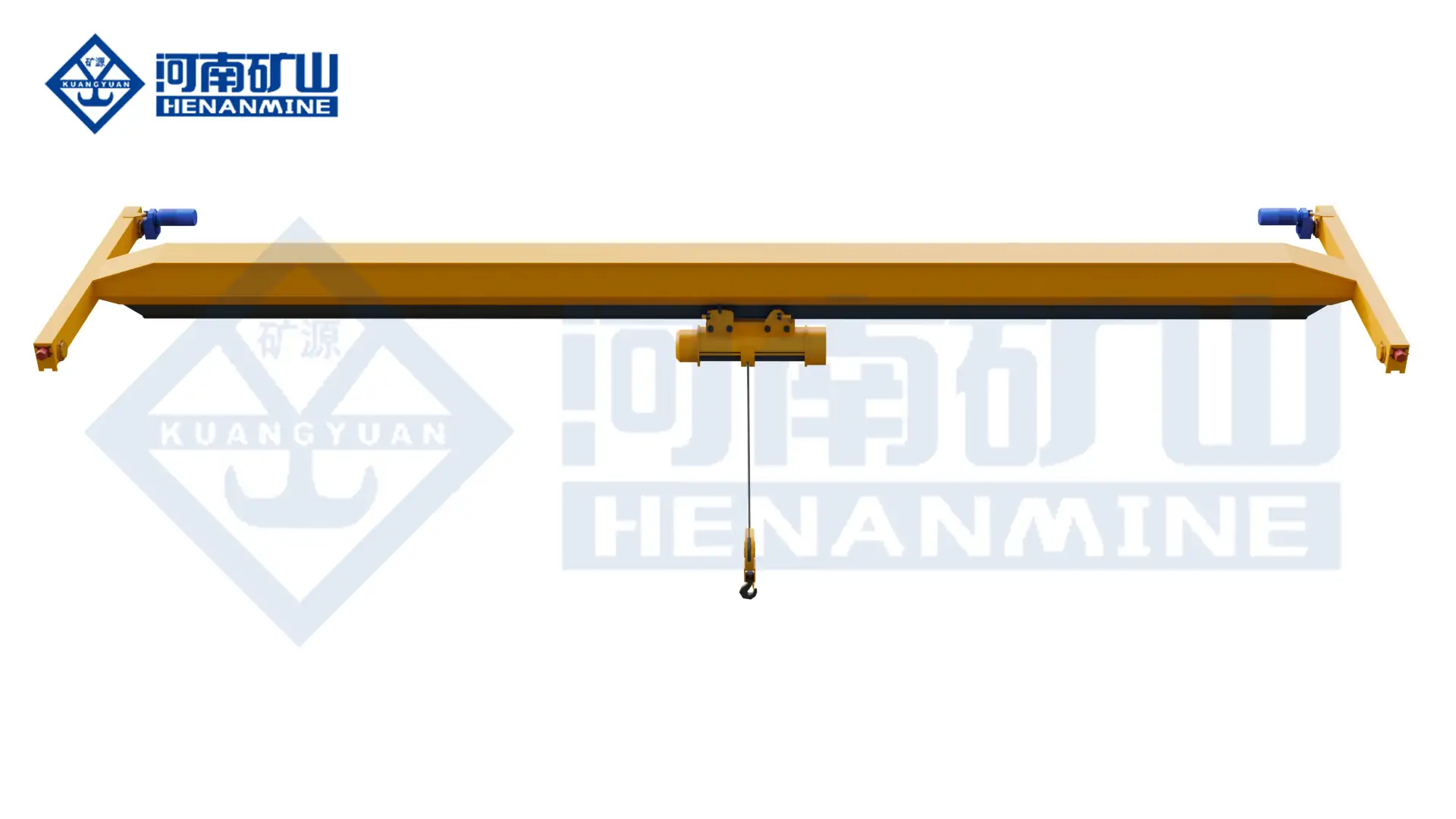
    Single-girder electric-hoist overhead crane from Henan Mine Crane
    Single-girder electric-hoist structure. This product illustration shows the arrangement; the supplied 5 t crane dimensions are defined in the technical proposal.

    RATED CAPACITY

    5 t / 5,000 kg

    GENERAL WORKSHOP OPTION

    Single Girder + Electric Hoist

    OTHER BRIDGE ARRANGEMENTS

    Double Girder & Underhung

    SPECIFICATION INPUTS

    Span, Lift, Duty & Environment

    Is a 5 Ton Overhead Crane the Right Capacity?

    The capacity on this page is 5 metric tonnes, or 5,000 kg. If your specification uses US short tons, state the unit explicitly. For a hook crane, the payload and separately suspended lifting gear must fit within the permitted load for the lifting arrangement.

    Capacity example: a 4,800 kg component plus a 350 kg lifting beam and slings totals 5,150 kg. That exceeds a 5,000 kg rating. Include the complete suspended load when requesting the crane specification.

    Machining and Die Handling

    Transfer fixtures, dies and workpieces between machines and preparation areas. Define load orientation, lifting points and the required placement control.

    Fabrication and Assembly

    Move frames and assemblies within a production bay. Check their dimensions and the complete handling route around equipment and services.

    Warehouse and Maintenance

    Handle suitable unit loads or remove machinery components. Confirm access above racks, repair benches and the equipment being serviced.

    Selection Considerations

    01 / LOAD

    Maximum and Typical Loads

    List the heaviest planned lift, usual payload, lifting attachments and any expected change in production. Include unusual load shapes and centre-of-gravity positions.

    02 / COVERAGE

    Span and Hook Coverage

    Provide runway centreline spacing, travel length and pickup and placement points. Check side and end approaches as well as the nominal crane span.

    03 / STRUCTURE

    Building and Supports

    Show runway elevation, roof members, doors, services and available hook height. Existing supports or a proposed freestanding runway need assessment for the selected crane reactions.

    04 / DUTY

    Operating Cycle

    Describe lifts per hour, load distribution, shifts and positioning moves. Specify temperature, dust, moisture, corrosion and any hazardous-area conditions.

    Single and double girder describe the bridge beams. Top running and underhung describe how the bridge travels on its runways. A hoist travelling below one girder does not by itself make the whole crane an underhung design.

    5 Ton Overhead Crane Compared with Other Overhead Crane Configurations

    Compare bridge structure and application requirements at the same rated load. The linked pages describe product families; special-purpose configurations require confirmation of their 5 t rating, lifting attachment and operating duty in the proposal.

    Configuration Arrangement Application Selection Point
    Single-Girder Overhead Crane One bridge girder with a travelling electric hoist. Routine workshop, assembly and warehouse hook handling. Compare hook height, approaches, hoist duty and runway loading.
    LH Double-Girder Overhead Crane Two bridge girders support the electric-hoist trolley. Projects needing a different trolley layout or lifting envelope. Confirm the complete crane dimensions and duty; girder count alone does not establish service class.
    LX Underhung Overhead Crane Bridge end carriages travel on the lower flanges of suitable runway beams. Layouts where a suspended runway arrangement suits the building. Assess beams, connections, support loads and clearances. Roof suitability requires verification.
    Explosion-Proof Overhead Crane Equipment protection is selected for the classified environment. Handling in a specified hazardous gas or dust area. Provide the area classification, substance information and documentation requirements.
    Grab Overhead Crane A grab and lifting system handle loose bulk material. Bulk loading, transfer and discharge tasks. Define grab mass, material density, fill condition and throughput together.
    Electromagnetic Overhead Crane A lifting magnet and power system handle suitable steel products. Handling selected plates, sections or other ferromagnetic loads. Account for magnet mass, material condition and the required response to loss of power.
    Metallurgical Overhead Crane The crane is designed for the stated hot-material process. Specified steelmaking or other thermal handling duties. Describe heat exposure, load containment and fault consequences; molten-metal lifting needs a dedicated design.

    5 Ton Overhead Crane Specifications

    Henan Mine Crane publishes separate 5 t tables for the following three product families. These catalogue options provide a starting reference. The approved proposal defines the supplied combination, operating duty and building interfaces.

    Parameter Single-Girder Reference LH Double-Girder Reference LX Underhung Reference
    Rated capacity 5 t 5 t 5 t
    Listed spans 7.5, 11.5, 14.5, 17.5, 19.5, 22.5, 25.5, 28.5 m 7.5, 10.5, 13.5, 16.5, 19.5, 22.5, 25.5 m 3.5, 8.5, 12.5, 16.5, 20, 22.5 m
    Listed lifting heights 6, 9, 12, 18, 24, 30 m 6, 9, 12, 18, 24, 30 m 6, 9, 12, 18, 24, 30 m
    Hoisting speed reference 8 m/min or 8/0.8 m/min 8 m/min or 8/0.8 m/min 8 m/min or 8/0.8 m/min
    Trolley travel reference 20 or 30 m/min 20 m/min 20 m/min
    Bridge travel reference 20 or 30 m/min 20 m/min 20 m/min

    The 8/0.8 m/min entry denotes a two-speed hoisting option. Listed values are model references, and every combination requires confirmation. Lifting height describes vertical hook travel; it does not establish the minimum building height.

    Confirm crane and mechanism duty, control method, site voltage, frequency and phases separately. Obtain the selected crane weight, wheel loads, wheel spacing, rail or beam interface and hook approaches in the project drawings.

    Headroom, Hook Coverage and Runway Loads
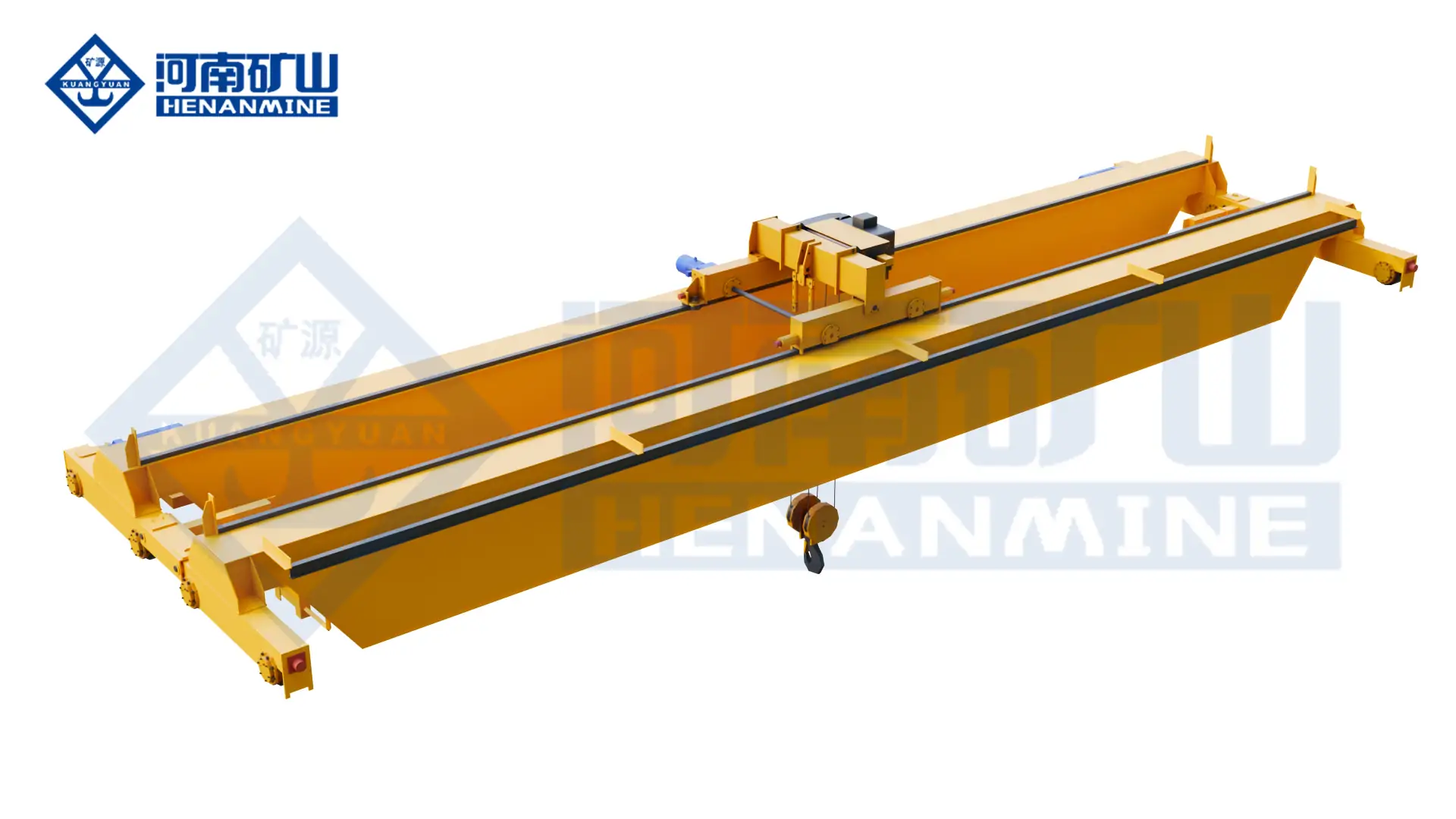
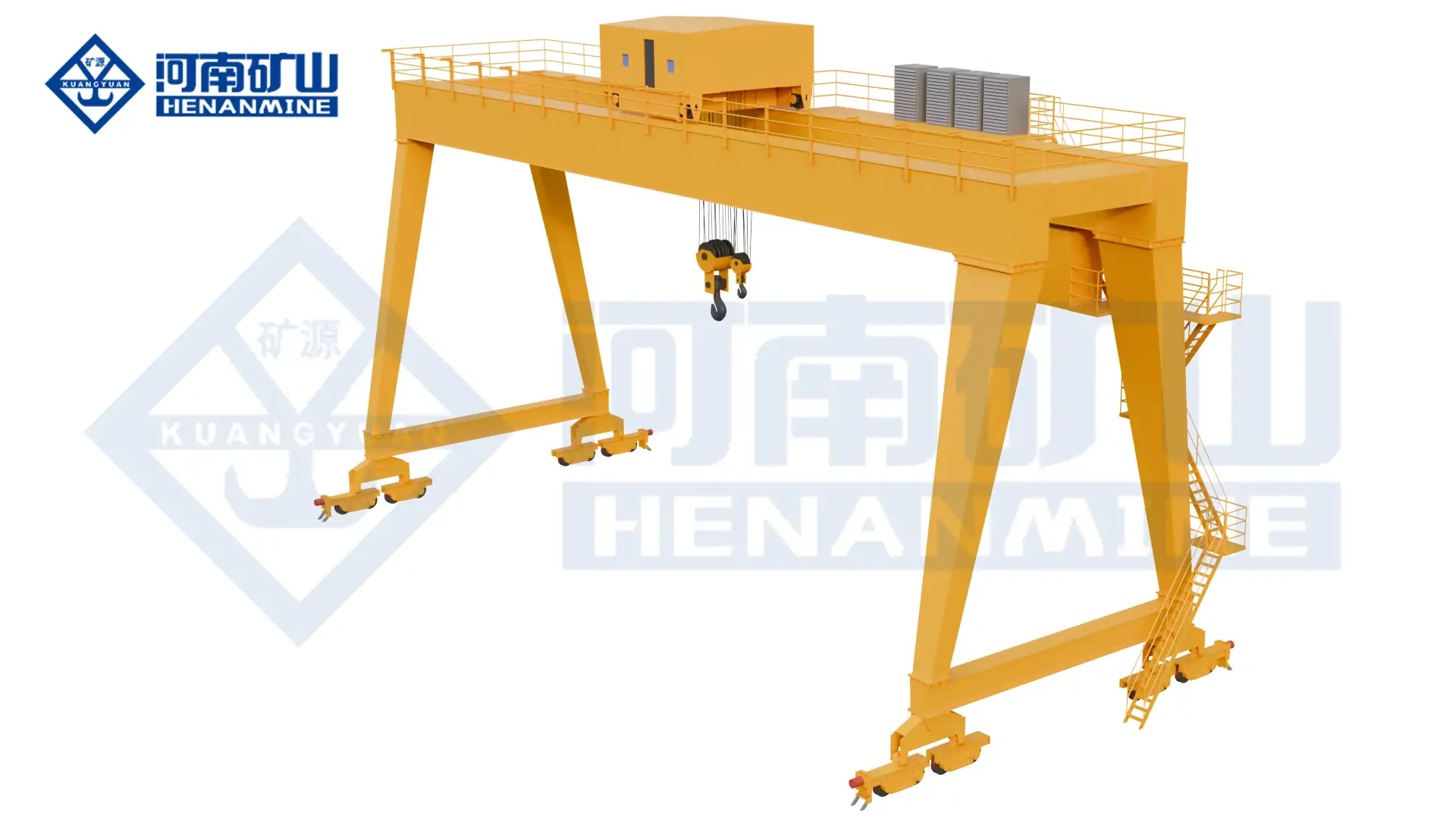
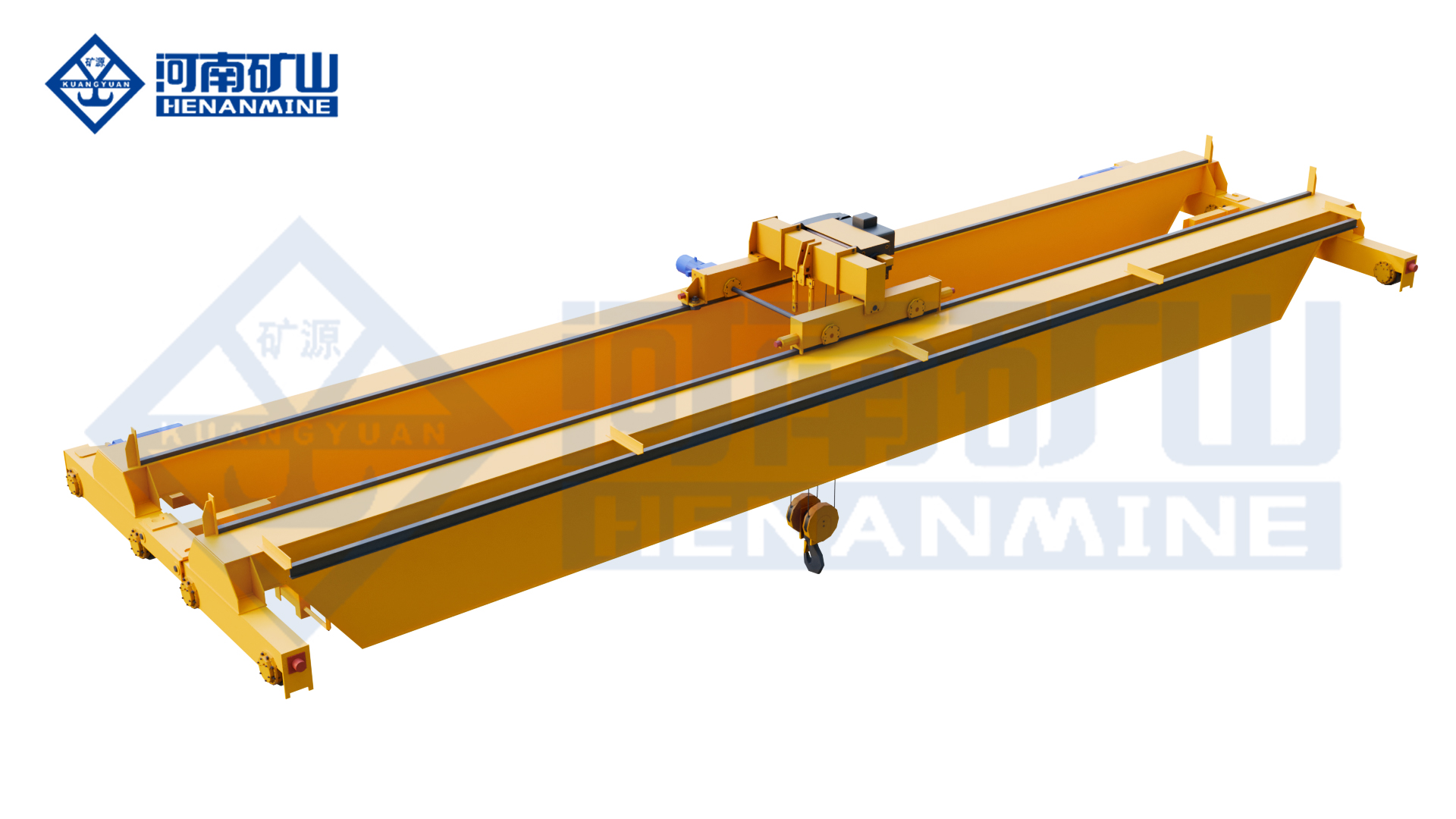
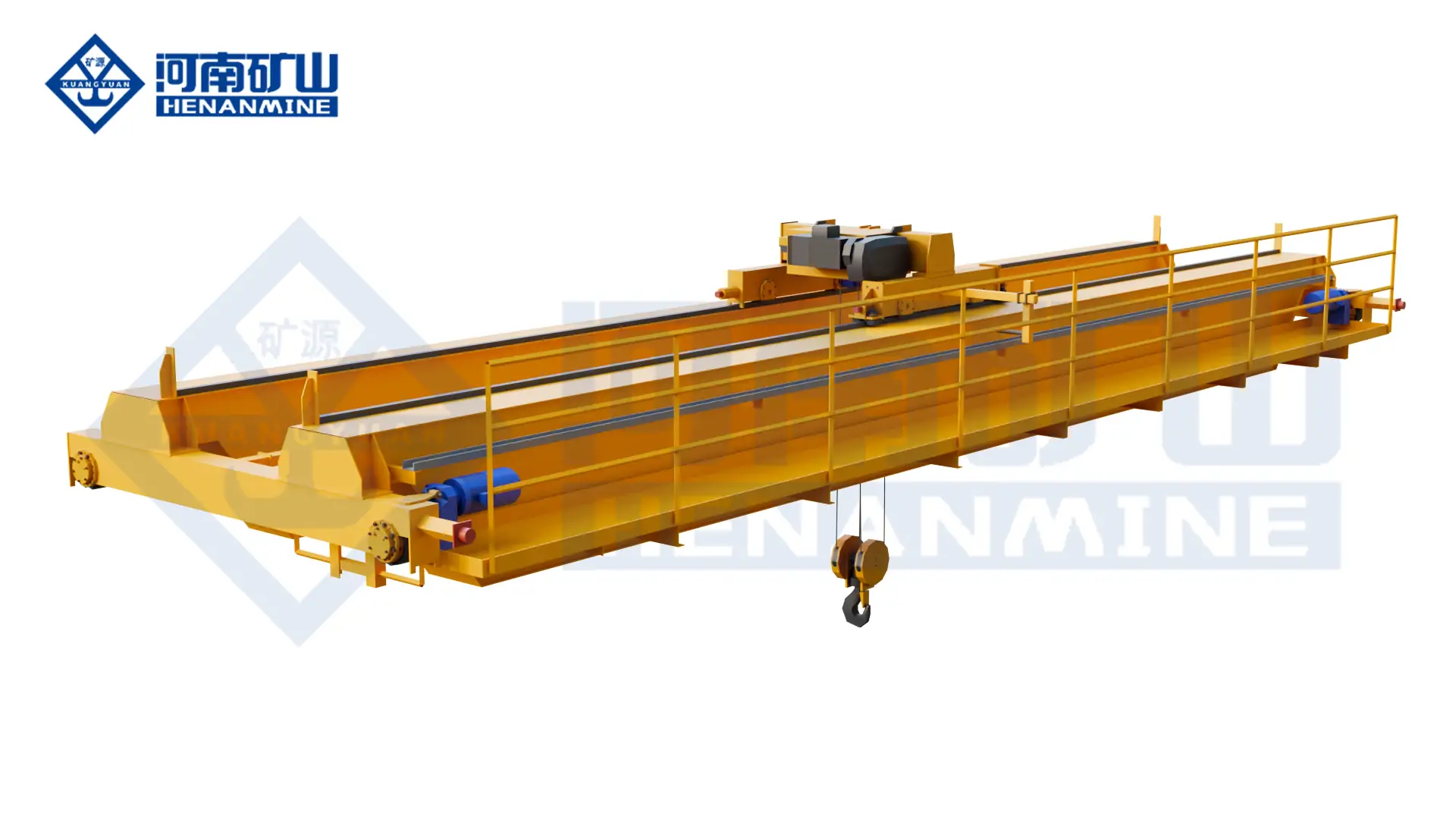
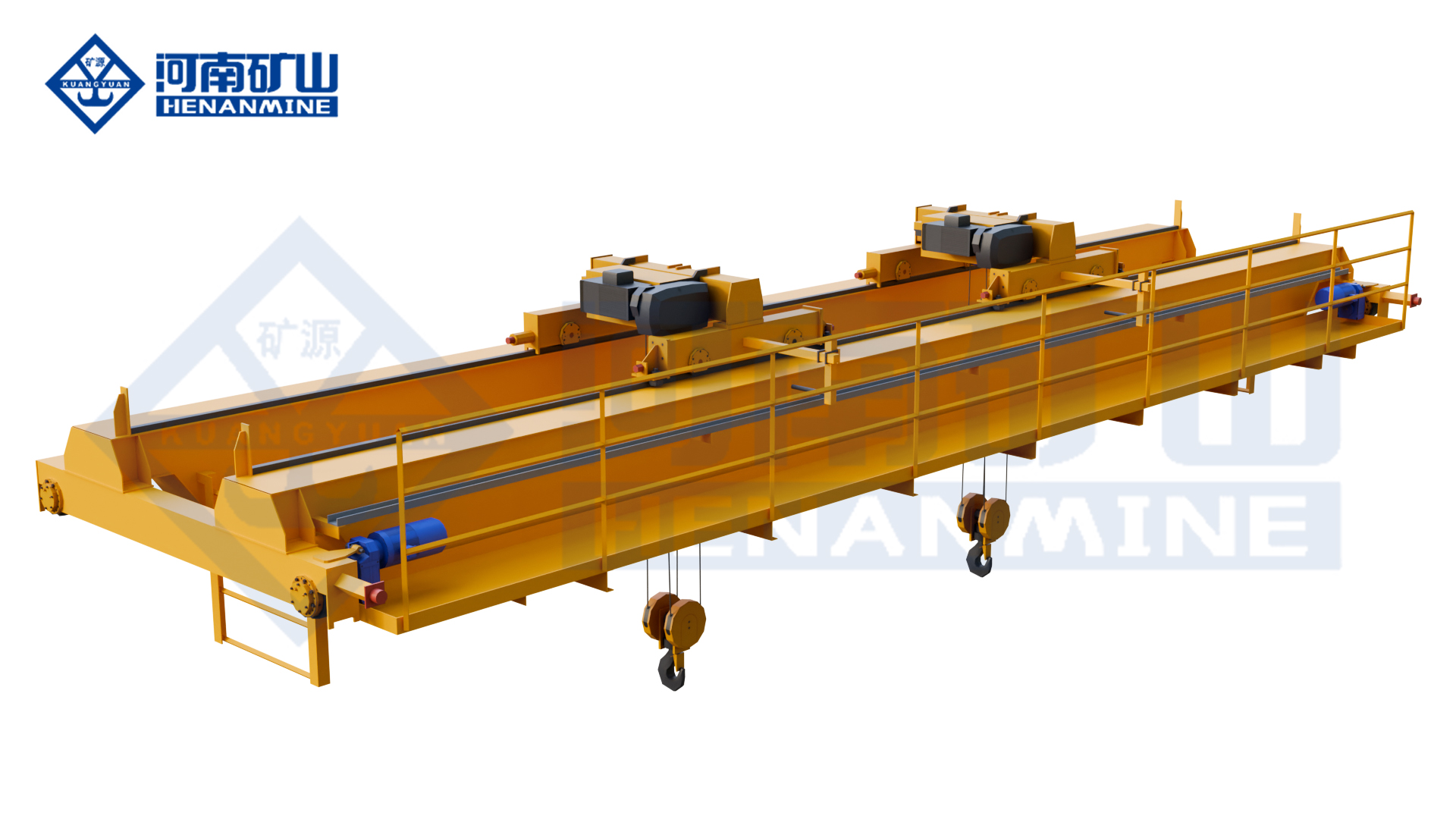
    Double-girder electric-hoist bridge crane from Henan Mine Crane
    Double-girder electric-hoist arrangement. Compare its crane envelope, highest hook position and runway interfaces against the workshop drawing.

    Check the Complete Lifting Envelope

    Show the highest and lowest required hook positions, load dimensions, slings or lifting beam, and any extraction distance above a machine. Allow for the crane structure, trolley, hook block and clearances to roof members and services.

    A low-headroom hoist and an underhung bridge are different design choices. Compare dimensioned arrangements at the required hook position. Include door tracks, lights, ducts and the load route between stations.

    Verify Runway Compatibility

    A runway previously carrying a 5 t crane may still need modification for a replacement. Different crane weights, wheel spacing, reactions and rail interfaces can change the support requirements.

    Where existing building steelwork is unsuitable, a separate engineered support system may be considered. Its columns, bracing and foundations must fit the site and handling routes.

    Hoisting, Travel and Control Options

    Hoisting Motion

    The hoist raises and lowers the load. Select hook travel, braking and speed control around the lifting task, especially when placing a component into machinery.

    Trolley Motion

    The trolley or travelling hoist moves across the bridge. Its dimensions and stopping positions determine usable side approaches.

    Bridge Motion

    End carriages move the bridge along the runways. The drive arrangement and runway alignment must work together over the required travel length.

    Pendant or radio control should suit operator visibility and access. Discuss variable-speed requirements through the Frequency-Conversion Overhead Crane configuration. Frequent starts, short positioning moves and repeated near-capacity lifts all form part of duty selection; a 5 t rating alone does not define continuous operating capability.

    Safety Features and Application Requirements

    Include the safety and control schedule in the technical agreement, with required functions and their verification method identified for the selected crane.

    Load and Motion Protection

    Specify overload protection, hoisting limits, travel limits, brakes, emergency stops and applicable electrical protections. Agree the inspection and functional checks for acceptance.

    Runway and Operator Safety

    Define end stops, buffers and relevant wheel-protection details. Assess shared-runway separation, operator visibility and safe access for inspection and isolation.

    Application-Specific Protection

    Hot loads, lifting magnets and classified hazardous areas require additional design decisions. Define thermal protection, braking or retained-load functions around the actual process.

    For two-hoist handling, review the Double-Trolley Overhead Crane arrangement. State individual and shared-load limits, lifting-point spacing and coordinated movements. Two hoist ratings cannot simply be added to establish the permissible load of the crane.

    Manufacturing and Order Documentation
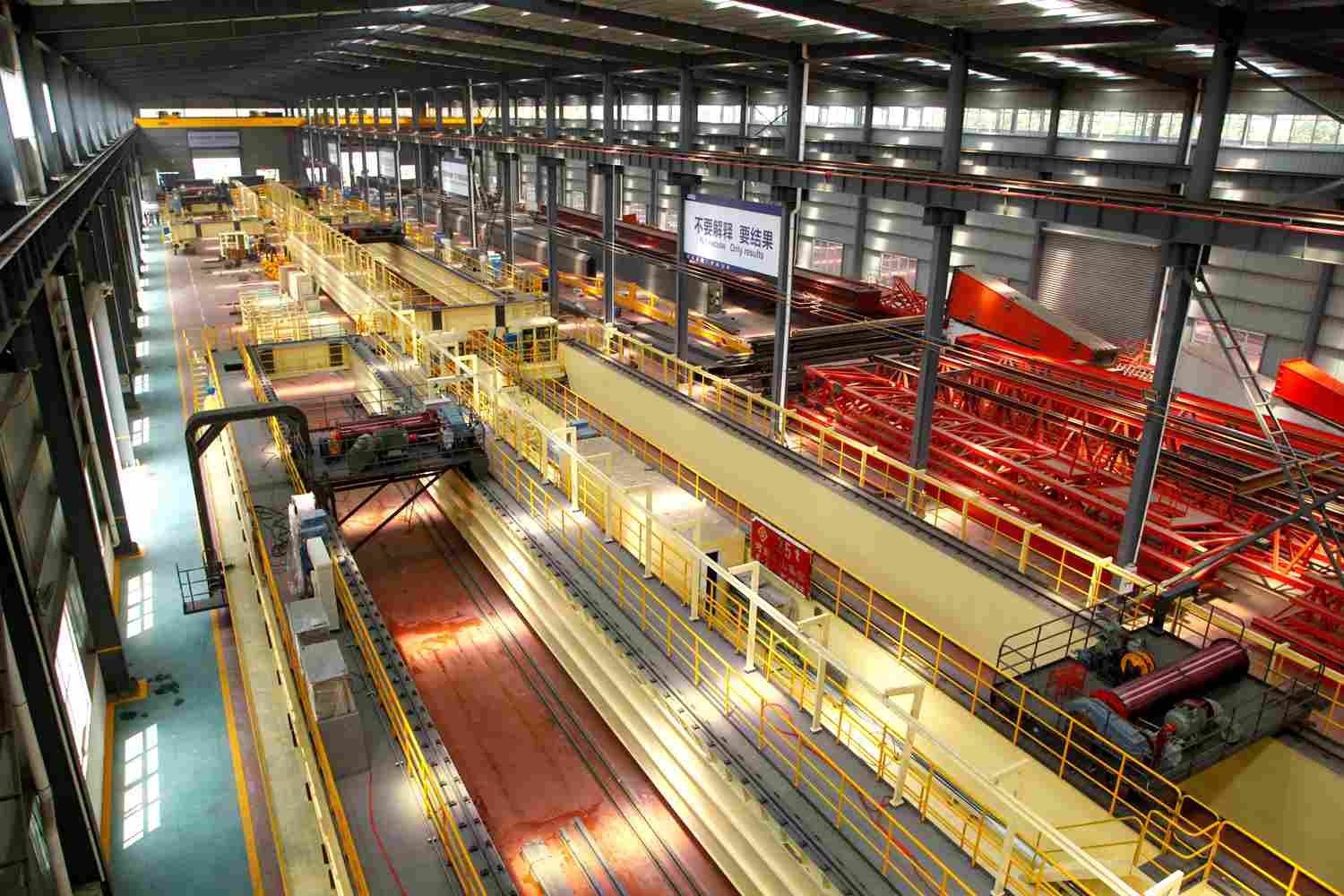
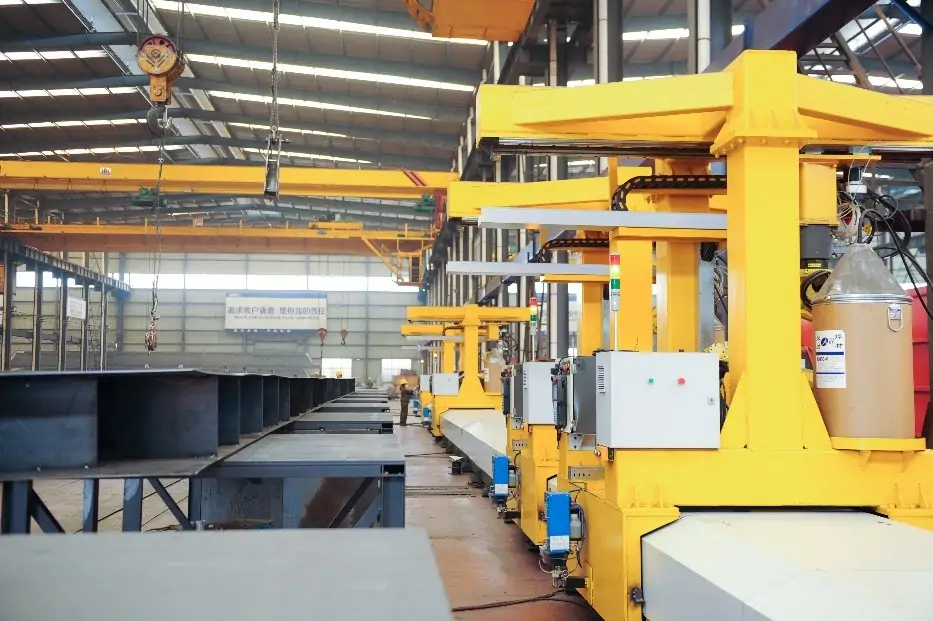
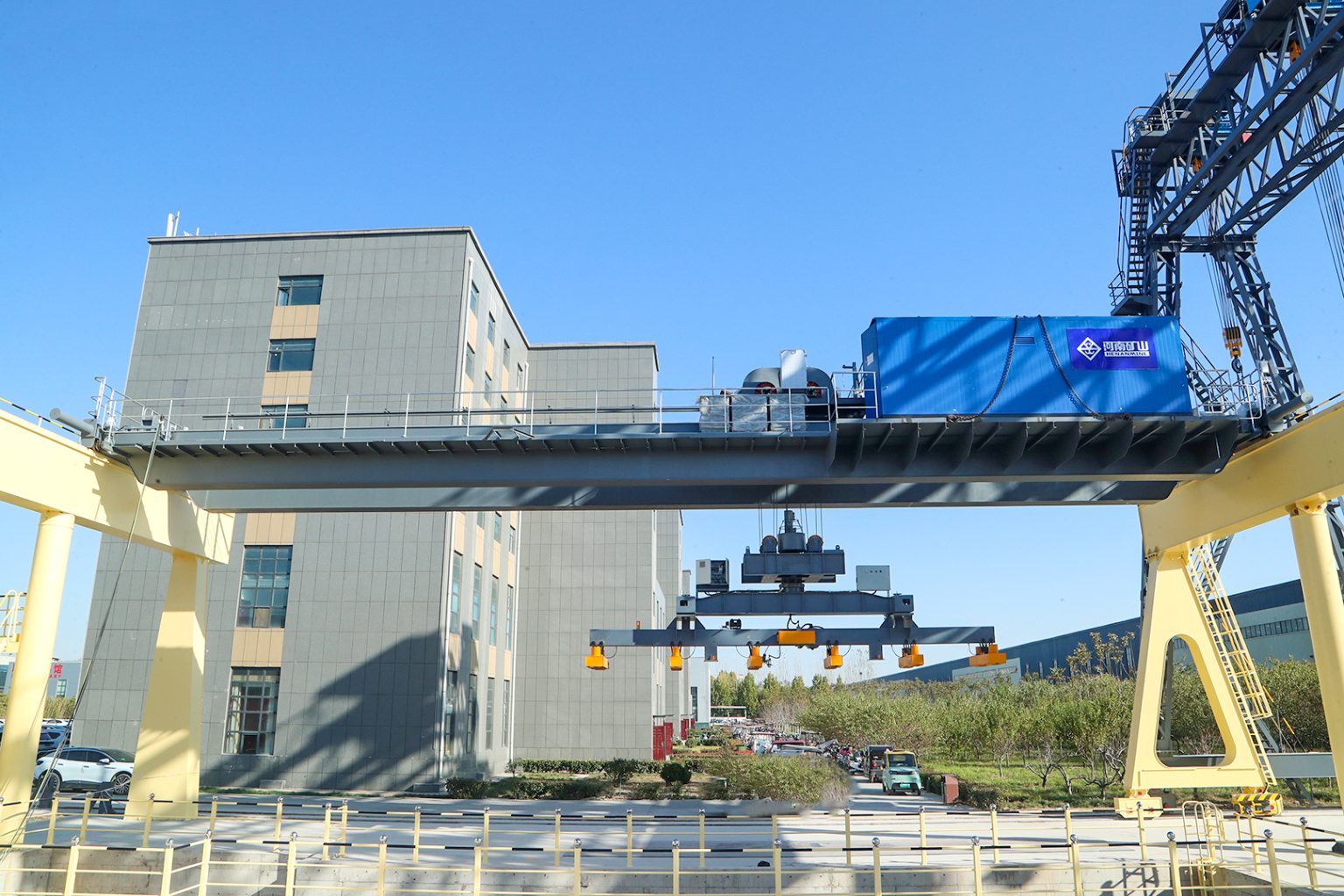
    Crane structure manufacturing workshop shown by Henan Mine Crane
    Crane manufacturing workshop photographed for the Henan Mine Crane factory display.

    Review the Henan Mine Crane Factory Scene Display alongside the product references above. For your crane, agree the drawings, component identification and inspection records that accompany the order.

    • General arrangement drawing with crane envelope and hook approaches.
    • Runway interface data, wheel loads and support reactions.
    • Component schedule, electrical drawings and operating manuals.
    • Factory and site inspection and test records within the agreed supply scope.

    Specify the project location and required standards or documentation before ordering. The technical agreement should establish applicability, responsibilities and acceptance requirements.

    Installation, Commissioning and Maintenance

    Prepare the Site

    Survey runway geometry and clearances, confirm structural suitability and arrange the incoming electrical supply. Plan unloading, assembly space and installation equipment.

    Agree Commissioning

    Define who supplies runway beams, rails, conductors and supports. Agree site inspection, functional testing, applicable load tests, handover and operator familiarisation before installation.

    Maintain the Complete System

    Plan access to ropes, hooks, brakes, limits, wheels, drives and electrical equipment. Set inspection and maintenance intervals using the supplied manuals, operating duty and applicable requirements.

    For an operating workshop, coordinate the installation sequence and required shutdown with production. Confirm component replacement clearances and spare-parts requirements during the layout review.

    What Determines a 5 Ton Overhead Crane Price?

    A firm 5 ton overhead crane price follows the agreed span, lifting height, duty, controls and operating environment. Crane structure, supporting steelwork and installation scope can change the total cost substantially even when the rated capacity is identical.

    When comparing 5 ton overhead cranes for sale, request itemised quotations against the same specification. Confirm the selected components, delivery terms and responsibilities in each of these areas:

    Crane Equipment

    Bridge, end carriages, hoist or trolley, controls and specified protective functions.

    Runway and Electrical Scope

    Rails or beams, supports, foundations, conductors and incoming power interfaces.

    Delivery and Site Services

    Packing, transport, installation, testing, documentation, commissioning and agreed support.

    Send your drawing and operating requirements to request a 5 ton crane quotation. Confirm the production and delivery schedule after the technical scope and inspection requirements are agreed.

    5 Ton Overhead Crane FAQ

    Is a 5 ton overhead crane the same as a 5 ton bridge crane or EOT crane?

    These terms commonly describe the same electrically powered moving-bridge lifting system. The specification should identify the bridge structure, runway arrangement, hoist and capacity unit so that quotations describe the same equipment.

    Should I choose a single-girder or double-girder 5 ton crane?

    Compare usable hook height, side approaches, crane duty, runway reactions and total installed scope. A single-girder electric-hoist design is a starting option for general handling; a double-girder layout is evaluated where the required lifting envelope or equipment arrangement benefits from it.

    How much building height does a 5 ton crane need?

    There is no single minimum for every configuration. Provide the required highest hook position, load and rigging dimensions, runway elevation, roof structure and overhead services. A dimensioned proposal establishes the remaining clearances.

    Can a 5 ton crane be installed on an existing runway?

    It can be assessed using the runway survey, rail or beam details, support information and new crane reactions. The old crane rating alone is insufficient: wheel loads, wheel spacing, geometry and power demand may differ.

    Can a 5 ton crane repeatedly lift its full rated load?

    The selected duty and mechanism ratings must match the load spectrum and operating cycle. State how often near-capacity lifts occur, the lifting and travel distances, and the number of shifts. Rated capacity does not specify an unrestricted continuous work cycle.

    Should I specify 5 tons or 10 tons?

    Start with the maximum planned suspended load, attachments and expected production needs. If these exceed the permissible 5 t load, discuss a higher-capacity system. Compare the resulting crane dimensions, supporting structure and cost with the same site information.

    Does the quoted price include installation and runway beams?

    The supply scope must say so explicitly. Request separate identification of crane equipment, runway components, supports, power supply, freight, installation, testing and commissioning. This makes equipment-only and installed-system quotations easier to compare.

    How long does delivery take?

    Delivery depends on drawing approval, configuration, component availability, production scheduling, inspection scope and transport route. Confirm the agreed milestones and any site-readiness requirements in the order documents.

    Request A 5 Ton Overhead Crane Quote

    Send Henan Mine Crane your load details and workshop drawing for a 5 ton overhead crane proposal. Include:

    • Maximum and typical loads, attachment weights and load dimensions.
    • Runway span and length, required hook positions and building cross-section.
    • Operating cycle, environment, power supply and project location.
    • Required crane, runway, installation, testing and delivery scope.
    Henan Mine CraneDiscuss your requirements ↗
  • 5 Ton Overhead Crane Price

    5 Ton Overhead Crane Price

    5 Ton Overhead Crane Price

    Henan Mine Crane · Commercial Pricing and Configuration

    5 Ton Overhead Crane Price

    A standard 5 ton single-girder overhead crane commonly requires an initial equipment budget of approximately US$5,000–$20,000. Double-girder, compact European-style, hazardous-area and installation-inclusive projects require a higher budget.

    Henan Mine Crane manufactures project-configured 5 ton bridge cranes for workshops, warehouses, fabrication bays, assembly lines and maintenance facilities. Formal pricing is established from the span, lifting height, duty, controls, building interface and contracted supply scope.

    5 ton single girder overhead crane price configuration from Henan Mine Crane
    Single-girder electric-hoist configuration for a project-defined 5 t lifting requirement.

    RATED CAPACITY

    5 t / 5,000 kg

    INITIAL EQUIPMENT BUDGET

    US$5,000–$20,000

    COMMON CONFIGURATION

    Single Girder + Electric Hoist

    PRICE STATUS

    Budget Range · Formal Quote Required

    How Much Does a 5 Ton Overhead Crane Cost?

    Current public market offers indicate approximately US$3,000–$10,000 for basic or underhung 5 ton electric-hoist equipment, US$5,000–$20,000 for general single-girder factory-supply configurations, and US$10,000–$25,000 for double-girder electric-hoist configurations. Compact European-style equipment can reach approximately US$20,000–$30,000.

    These amounts are equipment-budget indications rather than fixed Henan Mine Crane selling prices. Published offers frequently exclude runway beams, columns, foundations, international freight, import charges, unloading, erection, site wiring, commissioning and third-party inspection.

    Market check date: 8 September 2026. Budget bands support feasibility and capital planning. Purchase approval requires a formal quotation with configuration, inclusions, exclusions, delivery term, validity and payment conditions.

    5 Ton Overhead Crane Price by Configuration

    The same 5,000 kg capacity can produce materially different prices because bridge structure, span, headroom, duty and component scope change. The following bands consolidate currently visible market offers into practical procurement categories.

    5 Ton Configuration Indicative Equipment Budget Typical Commercial Basis Principal Variables
    Basic or Underhung Single Girder US$3,000–$10,000 Electric-hoist equipment with limited factory supply Span, suspension runway, hoist, electrification and exclusions
    General Single Girder US$5,000–$20,000 Top-running bridge with wire-rope electric hoist Span, lift, headroom, duty, speeds and component level
    Double Girder with Electric Hoist US$10,000–$25,000 Two girders with trolley-mounted electric hoist Trolley layout, service access, span, duty and wheel loads
    European-Style Compact Single Girder US$20,000–$30,000 Compact hoist, selected components and controlled motions Headroom, component brands, variable speed and documentation
    Branded Crane Component Kit Approximately US$30,800 A current 50 ft market listing for hoist, end trucks, panel and festoon components Main girder, runway, site power and spares excluded

    A low advertised amount may describe a hoist, crane kit or basic factory package rather than a complete operating system. Procurement comparison requires the same span, lift, duty, control, bridge steel, runway boundary and delivery term.

    Selection Considerations

    01 / LOAD

    Complete Suspended Load

    The payload, lifting beam, hook attachment, slings and other below-the-hook equipment must remain within the permitted 5,000 kg load.

    02 / GEOMETRY

    Span, Lift and Headroom

    Runway gauge, hook travel, highest hook position, end approaches and roof clearances determine the structure and steel quantity.

    03 / DUTY

    Operating Cycle

    Lifts per hour, load spectrum, travel distances, shifts and production criticality determine working class and mechanism ratings.

    04 / BUILDING

    Runway and Support Capacity

    Crane weight, wheel spacing, vertical reactions and horizontal forces must be coordinated with the rail, runway and building structure.

    05 / CONTROL

    Motion Performance

    Pendant, radio control, variable-frequency drives, dual speeds and positioning functions affect component scope and commercial value.

    06 / ENVIRONMENT

    Operating Conditions

    Temperature, dust, moisture, corrosion, outdoor exposure and hazardous-area classification require appropriate equipment protection.

    5 Ton Overhead Crane Compared with Other 5 Ton Configurations

    Configuration selection precedes price comparison. The lowest equipment amount does not provide commercial value when hook coverage, runway arrangement, duty or environmental protection is unsuitable.

    Configuration Commercial Position Application Critical Price Inputs
    5 Ton Single-Girder Crane General starting price level Workshop, warehouse, assembly and maintenance lifting Span, hoist, lift, headroom, duty and runway reactions
    5 Ton Double-Girder Crane Higher structural and trolley cost Demanding duty, defined hook envelope or service access Trolley arrangement, access, bridge mass, span and duty
    5 Ton Underhung Crane Equipment cost can be low; building work varies Suspended runway systems with compatible structure Runway beams, suspension points, support spacing and geometry
    5 Ton European-Style Crane Higher component and control price level Compact headroom and controlled production movements Hoist design, drives, controls, component brands and documentation
    5 Ton Explosion-Proof Crane Project-specific premium Specified hazardous gas or dust environments Zone, substance, temperature class, protection and conformity scope

    5 Ton Overhead Crane Project Cost Breakdown

    The crane purchase price and the installed project cost are different commercial values. A complete capital budget separates equipment, infrastructure, logistics and site execution.

    A / CRANE PACKAGE

    Bridge and Hoisting Equipment

    Girder, end carriages, hoist or trolley, drives, controls, electrical panel and crane electrification.

    B / RUNWAY

    Rails and Supporting Structure

    Runway beams, rails, columns, brackets, end stops, foundations and structural verification when included.

    C / LOGISTICS

    Packing and Delivery

    Export packing, inland transport, ocean or land freight, insurance, import charges, unloading and storage.

    D / SITE WORK

    Installation and Commissioning

    Access equipment, erection labour, site wiring, testing, commissioning, training and handover records.

    Budget formula: Installed project cost = crane equipment + runway and structure + electrification + freight and import costs + unloading and erection + commissioning and acceptance.

    How Span, Headroom and Duty Change the Price

    Double girder 5 ton overhead crane structure affecting equipment price
    Double-girder arrangements change structural steel, trolley layout, access provisions and runway reactions.

    Span and Structural Steel

    Longer spans generally require larger structural sections, additional fabrication and higher transport volume. Public factory offers illustrate this effect: a standard single-girder 5 ton crane at approximately 10.5 m span is commonly budgeted below the same capacity at approximately 19.5 m span.

    Headroom and Hook Coverage

    Compact hoists, low-headroom structures and alternative trolley arrangements can preserve lifting height but change the equipment package. A dimensioned layout is required to compare usable hook position rather than nominal crane height.

    Duty and Motion Control

    Frequent cycles, repeated near-capacity lifts, longer travel, faster motion and precise positioning increase mechanism and control requirements. Rated capacity alone does not establish working class or expected service.

    What a Comparable 5 Ton Crane Quotation Must Include

    A price comparison is valid only when every proposal covers the same technical and commercial boundary. The following schedule prevents an equipment-only offer from being compared with an installed system.

    Quotation Item Required Definition Commercial Risk if Omitted
    Technical Configuration Capacity, span, lift, duty, speeds, control, power and environment Low price may reflect lower duty, different dimensions or incomplete controls
    Component Schedule Hoist, motors, brakes, gear units, controls, electrification and protection Unspecified components prevent performance and maintenance comparison
    Runway Boundary Rails, beams, columns, brackets, conductor system and structural responsibility Major supporting steel and civil costs may remain outside the offer
    Delivery and Installation Named delivery term, destination, unloading, erection, wiring and commissioning Unallocated logistics and site work can materially increase final expenditure
    Inspection and Documentation Drawings, manuals, certificates, inspection points, testing and handover records Acceptance requirements may become unpriced variations after order placement

    Purchase Price and Life-Cycle Cost

    Capital cost remains important, but the lowest purchase amount may increase operating expenditure when components, duty selection or maintenance access are unsuitable. Commercial evaluation should include the following ownership factors.

    Energy and Motion

    Motor sizing, travel distances, acceleration, regenerative functions and operating hours influence electricity consumption.

    Inspection and Maintenance

    Access, lubrication, ropes, hooks, brakes, wheels, electrical items and periodic inspection create recurring expenditure.

    Spare Parts and Downtime

    Component availability, critical spares, diagnostic information and production dependency affect outage risk.

    Manufacturing, Inspection and Order Documentation

    Henan Mine Crane manufacturing workshop for 5 ton overhead crane production
    Crane structures and production equipment inside a Henan Mine Crane manufacturing workshop.

    Henan Mine Crane develops the manufacturing package from the approved technical agreement and general arrangement. Inspection and documentation requirements are connected to the contracted crane structure, mechanisms, electrical system and supply boundary.

    • General arrangement with crane envelope, hook approaches and interfaces
    • Wheel loads, wheel spacing, rail data and electrical connection requirements
    • Component schedule, electrical drawings and operating documentation
    • Agreed factory inspection, functional checks and test records
    • Packing schedule and shipment preparation for the destination

    Manufacturing facilities and production scenes are presented in the Henan Mine Crane factory display.

    Information Required for a Formal 5 Ton Crane Price

    A complete RFQ enables configuration selection, dimensioned layout development and a defined commercial proposal.

    Load and Duty

    • Maximum and typical suspended loads
    • Attachment weight and load dimensions
    • Lifts per hour and operating shifts
    • Required speeds and positioning performance

    Building and Runway

    • Runway span and travel length
    • Required hook height and approaches
    • Existing rail, beam and support data
    • Building cross-section and obstruction layout

    Environment and Commercial Scope

    • Temperature, dust, corrosion and hazard data
    • Voltage, frequency and phases
    • Project location and delivery term
    • Runway, freight, installation and testing boundary

    5 Ton Overhead Crane Price FAQ

    What is the current price of a 5 ton overhead crane?

    A general single-girder 5 ton overhead crane currently requires an initial equipment budget of approximately US$5,000–$20,000. Basic underhung offers can fall below this band, while double-girder and compact premium configurations can exceed it.

    Why do online 5 ton crane prices vary so widely?

    Some listings cover only a hoist or component kit, while others include the bridge, end trucks, controls and electrification. Span, lift, duty, component brands, runway scope and delivery region also create substantial differences.

    Does the 5 ton overhead crane price include runway beams?

    Runway beams, rails, columns, brackets, end stops and foundations are separate unless expressly included. Crane reaction data and the structural responsibility boundary must be stated in the proposal.

    Does the quoted amount include freight and installation?

    Freight, insurance, import charges, unloading, erection, site wiring, commissioning and testing are included only when identified in the commercial scope. The named delivery term determines logistics responsibility.

    Is a single-girder crane always cheaper than a double-girder crane?

    A single-girder crane generally has a lower starting equipment cost. Final value depends on hook height, span, duty, trolley arrangement, maintenance access and building modifications required by each structure.

    How does span affect a 5 ton bridge crane price?

    A longer span generally increases structural steel, fabrication, crane mass, wheel reactions and shipment volume. Span must be coordinated with the runway gauge and building rather than selected from a price table alone.

    Can a 5 ton crane operate on an existing runway?

    Compatibility is determined from rail size, runway geometry, alignment, support condition and allowable reactions. Existing crane capacity alone does not confirm suitability for a replacement crane.

    What is required for a formal Henan Mine Crane quotation?

    Rated load, span, lifting height, runway length, operating duty, control method, power supply, environment, project location and required supply scope establish the commercial proposal.

    Request A 5 Ton Overhead Crane Quote

    Submit the 5,000 kg load requirement, span, lifting height, duty, building information, power supply, environment and project location. Henan Mine Crane will prepare a configuration-based proposal with the applicable equipment price and defined supply scope.

    Henan Mine CraneDiscuss your requirements ↗
  • 5 Ton Overhead Crane for Sale

    5 Ton Overhead Crane for Sale

    5 Ton Overhead Crane for Sale

    Henan Mine Crane · Project-Configured Lifting Equipment

    5 Ton Overhead Crane for Sale

    Henan Mine Crane supplies new 5 ton overhead cranes for machinery handling, fabrication, assembly, warehousing and plant maintenance. Single-girder, double-girder, top-running and underhung configurations are engineered around the load, building geometry and operating cycle.

    General single-girder equipment commonly requires an initial factory-equipment budget of approximately US$5,000–$20,000. Double-girder, compact European-style, hazardous-area and installation-inclusive projects require a different commercial scope.

    5 ton single girder overhead crane for sale from Henan Mine Crane
    Single-girder electric-hoist arrangement for a project-defined 5 t lifting system. Final dimensions and interfaces are established in the approved technical proposal.

    RATED CAPACITY

    5 t / 5,000 kg

    GENERAL WORKSHOP OPTION

    Single Girder + Electric Hoist

    OTHER BRIDGE ARRANGEMENTS

    Double Girder & Underhung

    INITIAL EQUIPMENT BUDGET

    US$5,000–$20,000

    Is a 5 Ton Overhead Crane the Right Capacity?

    The stated capacity is 5 metric tonnes, or 5,000 kg. Specifications using US short tons require an explicit unit declaration. For a hook crane, the payload and separately suspended lifting gear must remain within the permitted load for the approved lifting arrangement.

    Capacity example: a 4,800 kg component plus a 350 kg lifting beam and slings totals 5,150 kg. That exceeds a 5,000 kg rating. Include the complete suspended load when requesting the crane specification.

    Machining and Die Handling

    Transfer fixtures, dies and workpieces between machines and preparation areas. Define load orientation, lifting points and the required placement control.

    Fabrication and Assembly

    Move frames and assemblies within a production bay. Check their dimensions and the complete handling route around equipment and services.

    Warehouse and Maintenance

    Handle suitable unit loads or remove machinery components. Confirm access above racks, repair benches and the equipment being serviced.

    Selection Considerations

    01 / LOAD

    Maximum and Typical Loads

    List the heaviest planned lift, usual payload, lifting attachments and any expected change in production. Include unusual load shapes and centre-of-gravity positions.

    02 / COVERAGE

    Span and Hook Coverage

    Provide runway centreline spacing, travel length and pickup and placement points. Check side and end approaches as well as the nominal crane span.

    03 / STRUCTURE

    Building and Supports

    Show runway elevation, roof members, doors, services and available hook height. Existing supports or a proposed freestanding runway need assessment for the selected crane reactions.

    04 / DUTY

    Operating Cycle

    Describe lifts per hour, load distribution, shifts and positioning moves. Specify temperature, dust, moisture, corrosion and any hazardous-area conditions.

    Single and double girder describe the bridge beams. Top running and underhung describe how the bridge travels on its runways. A hoist travelling below one girder does not by itself make the whole crane an underhung design.

    5 Ton Overhead Crane Compared with Other Overhead Crane Configurations

    Compare bridge structure and application requirements at the same rated load. The linked pages describe product families; special-purpose configurations require confirmation of their 5 t rating, lifting attachment and operating duty in the proposal.

    Configuration Arrangement Application Selection Point
    Single-Girder Overhead Crane One bridge girder with a travelling electric hoist. Routine workshop, assembly and warehouse hook handling. Compare hook height, approaches, hoist duty and runway loading.
    LH Double-Girder Overhead Crane Two bridge girders support the electric-hoist trolley. Projects needing a different trolley layout or lifting envelope. Confirm the complete crane dimensions and duty; girder count alone does not establish service class.
    LX Underhung Overhead Crane Bridge end carriages travel on the lower flanges of suitable runway beams. Layouts where a suspended runway arrangement suits the building. Assess beams, connections, support loads and clearances. Roof suitability requires verification.
    Explosion-Proof Overhead Crane Equipment protection is selected for the classified environment. Handling in a specified hazardous gas or dust area. Provide the area classification, substance information and documentation requirements.
    Grab Overhead Crane A grab and lifting system handle loose bulk material. Bulk loading, transfer and discharge tasks. Define grab mass, material density, fill condition and throughput together.
    Electromagnetic Overhead Crane A lifting magnet and power system handle suitable steel products. Handling selected plates, sections or other ferromagnetic loads. Account for magnet mass, material condition and the required response to loss of power.
    Metallurgical Overhead Crane The crane is designed for the stated hot-material process. Specified steelmaking or other thermal handling duties. Describe heat exposure, load containment and fault consequences; molten-metal lifting needs a dedicated design.

    5 Ton Overhead Crane Specifications

    The following configurable ranges cover three Henan Mine Crane product families available at 5 t capacity. The approved proposal defines the supplied span, lifting height, motion speeds, operating duty and building interfaces.

    Parameter Single-Girder Configuration LH Double-Girder Configuration LX Underhung Configuration
    Rated capacity 5 t 5 t 5 t
    Listed spans 7.5, 11.5, 14.5, 17.5, 19.5, 22.5, 25.5, 28.5 m 7.5, 10.5, 13.5, 16.5, 19.5, 22.5, 25.5 m 3.5, 8.5, 12.5, 16.5, 20, 22.5 m
    Listed lifting heights 6, 9, 12, 18, 24, 30 m 6, 9, 12, 18, 24, 30 m 6, 9, 12, 18, 24, 30 m
    Configurable hoisting speed 8 m/min or 8/0.8 m/min 8 m/min or 8/0.8 m/min 8 m/min or 8/0.8 m/min
    Configurable trolley travel 20 or 30 m/min 20 m/min 20 m/min
    Configurable bridge travel 20 or 30 m/min 20 m/min 20 m/min

    The 8/0.8 m/min entry denotes a two-speed hoisting option. Listed values are configurable model ranges, and every combination requires confirmation. Lifting height describes vertical hook travel; it does not establish the minimum building height.

    Confirm crane and mechanism duty, control method, site voltage, frequency and phases separately. Obtain the selected crane weight, wheel loads, wheel spacing, rail or beam interface and hook approaches in the project drawings.

    Headroom, Hook Coverage and Runway Loads

    Double-girder electric-hoist bridge crane from Henan Mine Crane
    Double-girder electric-hoist arrangement. Compare its crane envelope, highest hook position and runway interfaces against the workshop drawing.

    Check the Complete Lifting Envelope

    Show the highest and lowest required hook positions, load dimensions, slings or lifting beam, and any extraction distance above a machine. Allow for the crane structure, trolley, hook block and clearances to roof members and services.

    A low-headroom hoist and an underhung bridge are different design choices. Compare dimensioned arrangements at the required hook position. Include door tracks, lights, ducts and the load route between stations.

    Verify Runway Compatibility

    A runway previously carrying a 5 t crane may still need modification for a replacement. Different crane weights, wheel spacing, reactions and rail interfaces can change the support requirements.

    Where existing building steelwork is unsuitable, a separate engineered support system may be considered. Its columns, bracing and foundations must fit the site and handling routes.

    Hoisting, Travel and Control Options

    Hoisting Motion

    The hoist raises and lowers the load. Select hook travel, braking and speed control around the lifting task, especially when placing a component into machinery.

    Trolley Motion

    The trolley or travelling hoist moves across the bridge. Its dimensions and stopping positions determine usable side approaches.

    Bridge Motion

    End carriages move the bridge along the runways. The drive arrangement and runway alignment must work together over the required travel length.

    Pendant or radio control should suit operator visibility and access. Discuss variable-speed requirements through the Frequency-Conversion Overhead Crane configuration. Frequent starts, short positioning moves and repeated near-capacity lifts all form part of duty selection; a 5 t rating alone does not define continuous operating capability.

    Safety Features and Application Requirements

    Include the safety and control schedule in the technical agreement, with required functions and their verification method identified for the selected crane.

    Load and Motion Protection

    Specify overload protection, hoisting limits, travel limits, brakes, emergency stops and applicable electrical protections. Agree the inspection and functional checks for acceptance.

    Runway and Operator Safety

    Define end stops, buffers and relevant wheel-protection details. Assess shared-runway separation, operator visibility and safe access for inspection and isolation.

    Application-Specific Protection

    Hot loads, lifting magnets and classified hazardous areas require additional design decisions. Define thermal protection, braking or retained-load functions around the actual process.

    For two-hoist handling, review the Double-Trolley Overhead Crane arrangement. State individual and shared-load limits, lifting-point spacing and coordinated movements. Two hoist ratings cannot simply be added to establish the permissible load of the crane.

    Manufacturing and Order Documentation

    Crane structure manufacturing workshop shown by Henan Mine Crane
    Crane manufacturing workshop photographed for the Henan Mine Crane factory display.

    Henan Mine Crane supports order review with manufacturing visibility through the Factory Scene Display. The purchase contract should define drawings, component identification, inspection stages and records supplied with the equipment.

    • General arrangement drawing with crane envelope and hook approaches.
    • Runway interface data, wheel loads and support reactions.
    • Component schedule, electrical drawings and operating manuals.
    • Factory and site inspection and test records within the agreed supply scope.

    Specify the project location and required standards or documentation before ordering. The technical agreement should establish applicability, responsibilities and acceptance requirements.

    Installation, Commissioning and Maintenance

    Prepare the Site

    Survey runway geometry and clearances, confirm structural suitability and arrange the incoming electrical supply. Plan unloading, assembly space and installation equipment.

    Agree Commissioning

    Define who supplies runway beams, rails, conductors and supports. Agree site inspection, functional testing, applicable load tests, handover and operator familiarisation before installation.

    Maintain the Complete System

    Plan access to ropes, hooks, brakes, limits, wheels, drives and electrical equipment. Set inspection and maintenance intervals using the supplied manuals, operating duty and applicable requirements.

    For an operating workshop, coordinate the installation sequence and required shutdown with production. Confirm component replacement clearances and spare-parts requirements during the layout review.

    5 Ton Overhead Crane Price

    General single-girder 5 ton overhead crane equipment commonly falls within an initial budget of approximately US$5,000–$20,000. Bridge structure, span, lifting height, hoist design, working class, controls and environmental protection establish the final equipment value.

    The following values are indicative market equipment budgets rather than fixed Henan Mine Crane selling prices. A formal quotation requires a complete technical and commercial specification.

    5 Ton Configuration Indicative Equipment Budget Commercial Basis Principal Cost Variables
    Basic or Underhung Single Girder US$3,000–$10,000 Electric-hoist equipment with a limited factory supply boundary Span, hoist, suspension runway, electrification and exclusions
    General Top-Running Single Girder US$5,000–$20,000 Bridge, end carriages and wire-rope electric-hoist package Span, lift, headroom, working class, speeds and controls
    Double Girder with Electric Hoist US$12,000–$25,000 Two bridge girders with a trolley-mounted electric hoist Trolley layout, service access, bridge mass, duty and wheel loads
    Compact European-Style Single Girder US$20,000–$30,000 Compact hoist, controlled motions and selected component package Headroom, drives, component brands, controls and documentation

    Low advertised amounts may cover only a hoist, component kit or basic factory package. Runway beams, columns, foundations, incoming power, international freight, import charges, unloading, erection, site wiring, commissioning and third-party inspection remain outside the price unless expressly included.

    Crane Equipment

    Bridge, end carriages, hoist or trolley, travel drives, control panel, operator controls and specified protective functions.

    Runway and Electrical Scope

    Rails, runway beams, columns, brackets, foundations, conductor system and incoming electrical interface.

    Delivery and Site Work

    Export packing, freight, insurance, unloading, erection, testing, commissioning, training and handover records.

    A valid commercial comparison uses the same load, span, lift, working class, control method, component scope, environmental protection and delivery term. Equipment-only pricing should not be compared directly with an installation-inclusive proposal.

    5 Ton Overhead Crane FAQ

    Are the 5 ton overhead cranes supplied as new equipment?

    Henan Mine Crane supplies newly manufactured, project-configured equipment. The order documents define the bridge arrangement, hoist, components, controls, drawings, inspection scope, delivery boundary and warranty terms.

    How much does a 5 ton overhead crane cost?

    General single-girder equipment commonly requires an initial budget of approximately US$5,000–$20,000. Double-girder equipment can require approximately US$12,000–$25,000, while compact European-style configurations can reach approximately US$20,000–$30,000. Runways, freight and site work are additional unless expressly included.

    Is a 5 ton overhead crane the same as a 5 ton bridge crane or EOT crane?

    These terms commonly describe the same electrically powered moving-bridge lifting system. The specification should identify the bridge structure, runway arrangement, hoist and capacity unit so that quotations describe the same equipment.

    Which is more suitable at 5 tons: single girder or double girder?

    Compare usable hook height, side approaches, crane duty, runway reactions and total installed scope. A single-girder electric-hoist design is a starting option for general handling; a double-girder layout is evaluated where the required lifting envelope or equipment arrangement benefits from it.

    How much building height does a 5 ton crane need?

    There is no single minimum for every configuration. Provide the required highest hook position, load and rigging dimensions, runway elevation, roof structure and overhead services. A dimensioned proposal establishes the remaining clearances.

    Can a 5 ton crane be installed on an existing runway?

    It can be assessed using the runway survey, rail or beam details, support information and new crane reactions. The old crane rating alone is insufficient: wheel loads, wheel spacing, geometry and power demand may differ.

    Can a 5 ton crane repeatedly lift its full rated load?

    The selected duty and mechanism ratings must match the load spectrum and operating cycle. State how often near-capacity lifts occur, the lifting and travel distances, and the number of shifts. Rated capacity does not specify an unrestricted continuous work cycle.

    When is a 10 ton crane more suitable than a 5 ton crane?

    Start with the maximum planned suspended load, attachments and expected production needs. If these exceed the permissible 5 t load, discuss a higher-capacity system. Compare the resulting crane dimensions, supporting structure and cost with the same site information.

    Does the quoted price include installation and runway beams?

    The supply scope must say so explicitly. Request separate identification of crane equipment, runway components, supports, power supply, freight, installation, testing and commissioning. This makes equipment-only and installed-system quotations easier to compare.

    How long does delivery take?

    Delivery depends on drawing approval, configuration, component availability, production scheduling, inspection scope and transport route. Confirm the agreed milestones and any site-readiness requirements in the order documents.

    Request A 5 Ton Overhead Crane Quote

    A project-specific 5 ton overhead crane proposal is prepared from the load data, workshop drawing and required commercial boundary. The RFQ should include:

    • Maximum and typical loads, attachment weights and load dimensions.
    • Runway span and length, required hook positions and building cross-section.
    • Operating cycle, environment, power supply and project location.
    • Required crane, runway, installation, testing and delivery scope.
    Henan Mine CraneDiscuss your requirements ↗
  • 5 Ton Gantry Crane

    5 Ton Gantry Crane

    5 Ton Gantry Crane

    Henan Mine Crane · 5 Tonne Gantry Lifting Systems

    5 Ton Gantry Crane

    Henan Mine Crane manufactures 5 ton gantry cranes for machinery handling, steel fabrication, component assembly, yard transfer and maintenance operations. Available configurations include rail-mounted single-girder, double-girder, semi-gantry and application-specific arrangements.

    Powered industrial configurations generally require an initial factory-equipment budget of approximately US$12,000–$45,000. Final pricing is established from the bridge and hoist arrangement, span, lifting height, duty, hook coverage, runway loads, outdoor protection and contracted supply scope.

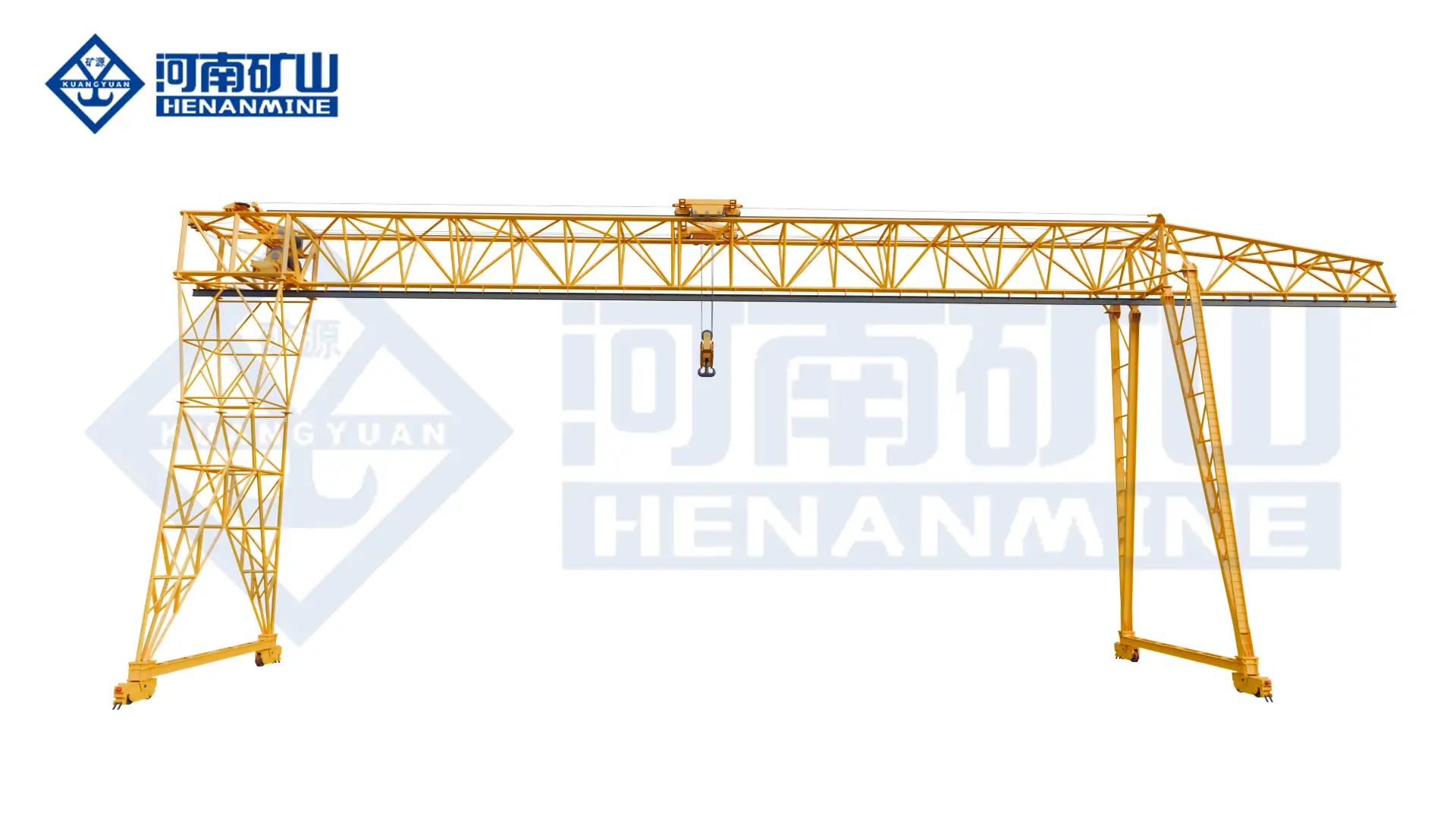
    Single-girder electric-hoist gantry crane from Henan Mine Crane
    Single-girder electric-hoist gantry arrangement. The supplied 5 t crane dimensions, cantilevers and runway interfaces are defined in the project proposal.

    RATED CAPACITY

    5 t / 5,000 kg

    PRIMARY STRUCTURES

    Single Girder or Double Girder

    TRAVEL ARRANGEMENT

    Powered Ground-Rail Travel

    INDICATIVE EQUIPMENT BUDGET

    US$12,000–$45,000

    Is a 5 Ton Gantry Crane the Right Capacity?

    The 5 ton rating on this page means 5 metric tonnes, or 5,000 kg. Specifications using US short tons require an explicit unit declaration. Separately suspended slings, lifting beams, grabs, magnets or other below-the-hook devices consume part of the available rated capacity.

    Capacity example: a 4,600 kg component plus a 500 kg lifting beam and slings totals 5,100 kg. That exceeds a 5,000 kg rating. Provide the complete suspended-load calculation when selecting the crane capacity.

    A rail-mounted gantry uses legs to transfer the bridge loads to ground-level runways. Full industrial gantries are also called goliath or portal cranes in some markets. This page addresses powered industrial equipment; a portable gantry on castors has different limits and site requirements.

    Fabrication and Assembly

    Move structural sections, frames and machinery between fabrication, inspection and assembly positions. Define the load orientation throughout the route.

    Storage and Loading Yards

    Serve designated storage, truck-loading and transfer positions. Coordinate crane travel with vehicle routes, drainage and outdoor operating conditions.

    Maintenance and Construction

    Lift equipment or project components within a defined rail corridor. Include temporary access restrictions and changing site conditions in the planning.

    Selection Considerations

    01 / LOAD

    Load and Attachment

    State the maximum and typical payloads, dimensions, centre of gravity and lifting points. Include the mass of all separately suspended lifting accessories.

    02 / LAYOUT

    Coverage and Clearances

    Mark pickup, travel and placement positions. Check the clear width between the legs, hook approaches, cantilever outreach and the swept path of long loads.

    03 / SITE

    Rails and Ground Support

    Provide runway and foundation information where available. The selected wheel loads, wheel spacing and operating forces are required for civil and structural assessment.

    04 / OPERATION

    Duty and Environment

    Describe lifts per hour, travel distances, shifts and near-capacity lifts. Record wind, rain, temperature, dust, corrosion and any hazardous conditions.

    A 5 t rating identifies capacity, not duty. Single and double girder describe the bridge structure; full and semi-gantry describe how the crane is supported. Select these characteristics separately around the work and site.

    5 Ton Gantry Crane Compared with Other Crane Configurations

    Compare the complete installed arrangements at the same 5 t load and hook position. Structural form, mechanism duty, runway work and outdoor protection can change both suitability and total project cost.

    Configuration Arrangement Application Fit Main Selection Check
    Single-Girder Full Gantry One bridge girder supported by travelling legs on both sides. General hook handling where the electric-hoist layout meets the span, lift and duty. Compare hoist headroom, equipment weight, hook approaches and rail reactions.
    Double-Girder Electric-Hoist Gantry Two bridge girders carry an electric-hoist trolley. Projects needing a different trolley layout or usable hook position. Confirm the actual crane envelope and service duty; two girders alone do not define duty.
    MG Double-Girder Gantry Two girders support a project-selected winch trolley or hook arrangement. A different mechanism arrangement, process duty or future configuration requirement. Compare mechanism duty, trolley access, wheel loads and total installed scope.
    Single-Girder Semi-Gantry A ground-travelling leg on one side and an elevated runway on the other. A working strip beside a suitable building runway or independent elevated support. Assess both runway systems, their alignment and the moving-leg route.
    L-Type Gantry Crane A single girder with offset leg geometry and an electric hoist. Long materials or layouts needing a different clear passage through the legs. Check load rotation, leg clearance, cantilever reach and hook approaches.
    Overhead Bridge Crane The bridge travels on two elevated runways without gantry legs. Buildings with suitable elevated supports and busy floor traffic. Compare building loads, runway cost, headroom and the absence of moving legs.
    Portable Gantry Crane A separate model family commonly supported on wheels or castors. Local lifting tasks where portability is a defined requirement. Floor rating, span, height and loaded-travel permission are model-specific.

    5 Ton Gantry Crane Specifications

    Rated capacity is fixed at 5 t for this page. The remaining values are selected from the site and operating requirement, so the final technical schedule should identify each of the following items.

    Parameter Project Specification
    Rated lifting capacity 5 t / 5,000 kg. Confirm how below-the-hook attachments are included in the load calculation.
    Crane structure Single girder, double girder, semi-gantry, L-type or another agreed project arrangement.
    Span and clear leg width Span is measured between runway centrelines; clear passage through the legs is a separate dimension.
    Lifting height and hook levels Define vertical hook travel plus the highest and lowest working hook positions.
    Runway length and cantilevers State required longitudinal travel, end approaches and any working area beyond the legs.
    Crane and mechanism duty Selected from the load spectrum, operating cycles, travel distances and agreed design requirements.
    Hoisting and travel speeds Single-speed, dual-speed or variable-speed functions are selected for throughput and positioning needs.
    Control method Pendant, radio remote or cabin control, with priority and process interfaces defined where required.
    Electrical supply Confirm destination voltage, frequency, phases, earthing arrangement and incoming power boundary.
    Operating environment Indoor or outdoor exposure, temperature, dust, moisture, corrosion and any formal hazardous-area classification.
    Runway and foundation data The technical proposal should provide wheel loads, wheel spacing, rail interface and governing reactions.

    Henan Mine Crane Product Families Covering 5 Ton Capacity

    The following product families include 5 t within their rated-capacity coverage. Final span, lifting height, duty and component combinations are confirmed through project engineering.

    Product Family Capacity Range Span Range Lifting-Height Range Duty Range
    KSMH Single-Girder Gantry 1–32 t 6–35 m 4–20 m A3–A5
    MHS Double-Girder Electric-Hoist Gantry 3–50 t 7.5–35 m 4–30 m A3–A4
    MG Double-Girder Gantry 5–500 t 8–40 m 6–30 m A3–A8
    KSMB Single-Girder Semi-Gantry 1–32 t 6–35 m 4–20 m A3–A5
    MHL L-Type Gantry Crane 1–32 t 6–35 m 4–20 m A3–A5

    Request a project-specific 5 t data sheet showing the selected span, lifting height, speeds, duty, control system, crane mass, wheel loads and overall dimensions. Do not combine the maximum values from different product families into one specification.

    Leg Clearance, Cantilever Reach and Hook Coverage

    The general arrangement drawing should show the 5 t load route, crane envelope and every interface with the site. This is particularly important when long materials rotate or pass between the legs.

    Layout Item What the Drawing Should Confirm
    Span and clear passage Runway centreline spacing does not equal the clear width through the legs. Leg shape and bracing affect the space available for loads, trucks and site equipment.
    Lifting height and overall height Include load and rigging dimensions above the placement surface. Overall crane height, rail level and usable hook height are different measurements.
    Cantilever working area Define hook outreach beyond each leg and the permitted load at that position. Trolley limits reduce usable reach.
    Runway length and end approaches Allow for buffers, stops, parking and maintenance space. Total rail length is longer than usable hook travel in most arrangements.
    Double-girder electric-hoist gantry crane from Henan Mine Crane
    Double-girder electric-hoist arrangement. The selected trolley, cantilever and access provisions depend on the project.
    Single-girder semi-gantry crane from Henan Mine Crane
    Semi-gantry arrangement: one side runs at ground level and the opposite side uses an elevated runway.

    Hoist, Travel Drives and Operating Duty

    Hoisting and Cross Travel

    The hoist or trolley raises the load and moves it across the bridge. Rope travel, hook arrangement, braking and speed control must suit both lifting and final placement.

    Gantry Long Travel

    The bridge and legs travel together along the ground runways. Wheel geometry, paired drives, frame alignment and rail condition affect tracking and skew behaviour.

    Controls and Attachments

    Select pendant, radio remote or cabin control around operator access and visibility. A grab, magnet or two-point lifting arrangement requires its own load and control definition.

    A 5 ton gantry crane used repeatedly near rated capacity may need different mechanisms from a crane handling occasional lighter loads. Define crane duty and the duty of each mechanism under the agreed standard. For bulk material, review the Grab-and-Hook Gantry Crane configuration and supply material density, grab mass and required throughput.

    Runways, Foundations and Power Supply

    The crane passes vertical and horizontal loads into the runways and their supports. Ground bearing strength alone is not enough to define the foundation; the civil design needs the selected crane reactions and local site information.

    • Rail and foundation interface: confirm rail section, fastenings, wheel loads, wheel spacing, end stops and settlement tolerances for the proposed arrangement.
    • Traffic and drainage: coordinate rails with vehicle crossings, walkways and drains. Protect the moving-leg envelope from fixed obstructions and unplanned storage.
    • Power distribution: compare cable reel, festoon or conductor arrangements against travel length, electrical demand, weather exposure and site traffic.
    • Existing runways: survey geometry, elevation and condition. A previous 5 t crane does not prove compatibility with different wheel loads or spacing.

    The quotation should state which party supplies rails, foundations, power conductors, incoming electricity and civil work. These interfaces strongly affect installed cost and schedule.

    Outdoor Protection and Safety Configuration

    For outdoor operation, define site conditions and distinguish the permitted operating state from the parked, out-of-service state. The selected procedures and limits belong in the crane documentation.

    Wind and Parking Provisions

    Provide site wind information and required operating limits. Specify monitoring, travel brakes, rail clamps, storm anchors and parking locations as applicable to the design.

    Load and Motion Protection

    Identify overload protection, hoisting and travel limits, braking, buffers, end stops, emergency stops and relevant electrical protections. Agree how functions are checked at acceptance.

    Weather and Corrosion Protection

    State rain, temperature, dust, moisture, coastal or chemical exposure. Confirm enclosure protection, coatings, covers, drainage and inspection access in the proposal.

    A classified hazardous area or hot-material process requires dedicated equipment selection. Provide the formal site classification or process details during the enquiry instead of treating outdoor protection as equivalent to explosion or heat protection.

    Manufacturing and Project Documentation

    Crane structures and equipment in a Henan Mine Crane manufacturing workshop
    Crane manufacturing workshop shown in the Henan Mine Crane factory display.

    Henan Mine Crane presents product-family data and manufacturing workshop photographs in its Factory Scene Display. For the actual 5 t order, agree the records that identify the supplied crane and its approved technical scope.

    • General arrangement drawing with crane dimensions, clearances and hook coverage.
    • Wheel loads, wheel spacing and rail-interface information for foundation design.
    • Component schedule, electrical drawings and operating and maintenance manuals.
    • Agreed manufacturing inspections plus factory and site test records.

    State the destination, applicable standards and required documentation before ordering. The contract should define which records are supplied and the acceptance criteria they support.

    Installation, Commissioning and Maintenance

    Prepare the Runways

    Complete the agreed civil work, rails, end stops, power route and earthing provisions. Verify geometry and installation readiness using the approved drawings.

    Plan Assembly and Commissioning

    Reserve unloading and assembly areas and suitable installation equipment. Agree inspection, functional checks, applicable load tests, handover and operator familiarisation.

    Maintain the Complete System

    Provide safe access to the hoist, trolley, wheels, drives and power supply. Set inspection intervals using operating duty, supplied manuals and applicable site requirements.

    For an operating yard, coordinate crane installation with production, traffic and shutdown requirements. Confirm replacement access and recommended spare parts during the design review.

    5 Ton Gantry Crane Price

    A powered industrial 5 ton gantry crane for sale generally requires an initial factory-equipment budget of approximately US$12,000–$45,000. Portable frames, rail-mounted single-girder systems, semi-gantry cranes and double-girder systems have different structural and commercial boundaries.

    5 Ton Configuration Indicative Equipment Budget Commercial Basis Principal Cost Variables
    5 US Short Ton Portable Steel Frame US$5,300–$12,300 10,000 lb portable frame; hoist and trolley excluded Span, under-beam height, wheel type, hoist scope and loaded-travel permission
    Powered Portable Gantry US$12,000–$30,000 Indicative 12 m span and 6 m lift equipment package Frame, travel method, floor conditions, hoist, controls and power supply
    Industrial Single-Girder Gantry US$15,000–$25,000 General factory equipment supply Span, lift, duty, cantilevers, electric hoist and outdoor protection
    Semi-Gantry, 20 m Span / 8 m Lift US$20,000–$35,000 Defined geometry; equipment supply Elevated runway interface, ground leg, span, lift, duty and installation boundary
    Industrial Double-Girder Gantry US$30,000–$45,000 General factory equipment supply Trolley arrangement, bridge steel, span, access, duty, controls and wheel loads

    The portable-frame row uses a 10,000 lb US short-ton rating, which is lower than 5 metric tonnes. It explains why some portable advertisements appear below industrial crane prices and should not be treated as an equivalent 5,000 kg rail-mounted system.

    These figures are market budget bands rather than fixed Henan Mine Crane selling prices. Rails, foundations, incoming power, freight, import charges, unloading, erection, commissioning and third-party inspection remain outside the price unless expressly included.

    Crane Equipment

    Bridge, legs, travel assemblies, hoist or trolley, controls, electrification and specified protection.

    Runway and Civil Scope

    Rails, foundations, end stops, conductor system, incoming power and structural responsibilities.

    Delivery and Site Work

    Packing, freight, insurance, unloading, erection, site wiring, commissioning and acceptance.

    A valid commercial comparison uses the same load, span, lift, duty, control method, environmental protection and delivery term. Equipment-only pricing should not be compared directly with a proposal that includes runways, civil work and site installation.

    5 Ton Gantry Crane FAQ

    How much can a 5 ton gantry crane lift?

    The page uses metric units: 5 t equals 5,000 kg. Separately suspended lifting accessories consume part of that capacity. The permitted load also depends on the approved operating position, attachment and crane configuration.

    Should I choose a single-girder or double-girder 5 ton gantry crane?

    Compare usable hook height, span, duty, trolley arrangement, runway reactions and total installed scope. A single-girder electric-hoist design can suit general handling, while a double-girder layout may provide a more suitable mechanism or lifting envelope for another project.

    Is a 5 ton gantry crane portable?

    The industrial systems on this page use powered travel on fixed ground-level runways. Portable gantries form a separate product type. If portability is required, state the floor, movement route and whether loaded travel is needed so a suitable model can be assessed.

    Can the crane lift 5 tons on a cantilever?

    Only if the approved design permits the 5 t load at the stated outreach. Trolley end limits and structural reactions change with position. Specify the required load and hook location outside the legs in the enquiry.

    Does a rail-mounted 5 ton gantry crane need foundations?

    It needs suitable rails and supporting civil or structural works. Foundation design depends on crane reactions, wheel spacing, ground conditions and local requirements. Request interface data from the selected crane proposal.

    Can the same crane work indoors and outdoors?

    Only where the design covers both environments and travel zones. Outdoor use requires assessment of wind, rain, temperature, corrosion, drainage and parking provisions, together with clear transitions between areas.

    How much does a 5 ton gantry crane cost?

    Powered industrial configurations generally require an initial factory-equipment budget of approximately US$12,000–$45,000. Portable frames can fall below this range, while long-span, double-girder and installation-inclusive projects can exceed it.

    Can an existing 5 ton runway be reused?

    Reuse is considered after surveying rail geometry, elevation, condition and support capacity. The proposed crane may have different wheel loads, wheel spacing, end-carriage dimensions or electrical demand from the previous unit.

    What information is required for a quotation?

    Send the maximum and typical suspended loads, span, lifting height, runway length, cantilever reach, site drawing, work cycle, environment, electrical supply, project location and required delivery and installation scope.

    Request A 5 Ton Gantry Crane Quote

    A project-specific 5 ton gantry crane proposal is prepared from the load details, site drawing and required commercial boundary. The RFQ should include:

    • Maximum and typical loads, lifting attachments and load dimensions.
    • Span, lifting height, runway length, cantilever reach and hook positions.
    • Ground or runway information, traffic routes and installation space.
    • Operating cycle, environment, electrical supply and preferred controls.
    • Project location, required documents, delivery terms and installation scope.
    Henan Mine CraneDiscuss your requirements ↗
  • 5 Ton Gantry Crane for Sale

    5 Ton Gantry Crane for Sale

    5 Ton Gantry Crane for Sale

    Henan Mine Crane · Engineered 5 Tonne Gantry Systems

    5 Ton Gantry Crane for Sale

    New 5 metric ton gantry cranes configured for workshops, fabrication yards, precast operations, maintenance areas, warehouses and outdoor material handling.

    Henan Mine Crane supplies single-girder, double-girder, semi-gantry, truss and offset-leg configurations with electric hoists, motorized travel, project-specific controls and defined delivery scope. Span, lifting height, duty, travel length, outdoor protection and installation interfaces are engineered for the operating site.

    5 ton single girder gantry crane for sale from Henan Mine Crane
    A 5 ton industrial gantry crane combines a load-bearing gantry structure, electric hoist, powered travel, electrification, controls and an engineered ground interface.

    RATED CAPACITY

    5 Metric Tons

    STRUCTURE OPTIONS

    Single, Double or Semi

    TRAVEL OPTIONS

    Rail-Mounted & Motorized

    QUOTE BASIS

    Equipment + Project Scope

    What Is a 5 Ton Gantry Crane?

    A 5 ton gantry crane is a lifting system rated for a maximum gross suspended load of 5 metric tons, approximately 11,023 lb. The bridge is supported by legs that transfer operating forces to ground-level wheels, rails, foundations or an approved floor system. An electric hoist or trolley moves across the bridge, while powered end carriages move the complete gantry along its travel path.

    The capacity rating applies to the complete suspended load at the hook. Payload, lifting beam, clamp, magnet, spreader, slings and other below-hook equipment must remain within the 5 t limit unless the approved design states another basis. Load weight, center of gravity and lifting-point arrangement therefore belong in the purchasing specification.

    A 5 ton crane is not defined by capacity alone. A short-span maintenance gantry with occasional lifts differs materially from a long-span outdoor crane handling fabricated steel throughout two production shifts. Bridge structure, hoist duty, speeds, wheel loads, wind controls, corrosion protection, runway design and electrical supply must match the application.

    For general industrial service, a single-girder electric-hoist gantry is usually the most economical starting point. A double-girder configuration becomes relevant where span, hook approach, lifting height, duty, stiffness, maintenance access or process equipment justify the additional structure. Semi-gantry and offset-leg arrangements solve site-specific access and building-interface constraints.

    5 Ton Gantry Crane Configurations for Sale

    01 · Single-Girder Full Gantry Crane

    One box or rolled-section bridge girder carries an electric wire-rope hoist. The arrangement controls self-weight and equipment cost for workshops, yards, fabrication and general material transfer.

    02 · Double-Girder Gantry Crane

    Two bridge girders support a hoist or top-running trolley. Greater bridge stiffness, improved hook height and maintenance access support longer spans, higher duty and process-oriented operation.

    03 · Semi-Gantry Crane

    One end travels at an elevated building runway while the opposite leg travels at floor level. The configuration serves a defined production zone without installing two ground runways.

    04 · Truss Gantry Crane

    A lattice bridge structure reduces exposed area and structural mass for selected outdoor or transportation-sensitive projects. Connection, corrosion and inspection requirements remain part of the engineering basis.

    05 · L-Type or Offset-Leg Gantry Crane

    An offset leg and cantilever can improve side loading, truck access and material transfer beyond the runway. Wheel reactions and lateral stability require project-specific verification.

    06 · Indoor or Outdoor Engineered System

    The same 5 t rating can be configured with indoor electrification or outdoor weather protection, wind monitoring, rail clamps, storm anchoring and project-specific coating systems.

    Portable caster-mounted frames also appear in the 5 ton gantry crane market. They are compact lifting frames rather than automatic substitutes for a powered industrial gantry. Travel under load, floor condition, caster rating, permitted motion, hoist compatibility and assembly procedure must be confirmed from the specific portable-crane design.

    For repeated material flow across a workshop or yard, a rail-mounted powered gantry normally provides better travel control, defined alignment, longer coverage and easier integration with pendant or radio control.

    5 ton double girder electric hoist gantry crane configuration
    Girder arrangement, hoist position, leg geometry, runway reactions and outdoor protection are selected as one integrated gantry-crane system.

    Selection Considerations

    A technically complete purchase begins with the handling process and operating site. The following inputs determine configuration, structural loads, mechanism duty, protection and commercial scope.

    01 · Gross Suspended Load

    Record maximum payload, normal payload, attachment, spreader, sling and every component carried below the hook. Confirm center of gravity and lifting points.

    02 · Span and Travel

    State rail-center span, total crane travel, cantilever length, pickup zones, placement zones, end approach and side-loading requirements.

    03 · Lift and Clearance

    Define lowest pickup, highest placement, rail elevation, leg clearance, bridge clearance, load height, rigging depth and required hook approach.

    04 · Duty and Load Spectrum

    Provide lifts per hour, shifts, annual hours, average load, full-load frequency, travel distance and any production-critical operating cycle.

    05 · Ground and Runway

    Identify indoor slab, outdoor foundation, rails, embedded plates, drainage, settlement limits, runway straightness and allowable wheel reactions.

    06 · Motion and Control

    Specify lifting and travel speeds, low-speed range, pendant or radio control, variable-frequency drives, positioning needs and multiple-crane interaction.

    07 · Environment

    Declare temperature, rain, snow, wind, dust, humidity, corrosive exposure, hazardous classification, washdown and outdoor storage conditions.

    08 · Delivery and Acceptance

    Define destination, power supply, governing requirements, documentation language, inspection authority, installation boundary and load-test responsibility.

    5 Ton Gantry Crane Configurations Compared

    Configuration Lifting Arrangement Typical Application Commercial Advantage Selection Condition
    Single-girder full gantry Electric wire-rope hoist below one girder General workshops, yards, precast and fabrication Lower structural mass and controlled equipment cost Span, duty and hook approach remain suitable for the hoist arrangement
    Double-girder full gantry Hoist or trolley supported by two girders Longer spans, higher duty and process-oriented handling Greater stiffness, improved hook height and service access Additional structure and higher wheel loads are justified by operating need
    Single-girder semi-gantry One elevated runway and one floor-running leg Production zones beside an existing building support Reduced ground-runway footprint and clear access on one side Building runway and floor runway can accept coordinated reactions
    Truss gantry crane Lattice bridge with full or semi-gantry legs Outdoor yards and transport-sensitive project sites Lower exposed area and structural mass in selected layouts Corrosion, connections and inspection access are properly controlled
    Portable steel gantry frame Fixed or adjustable beam on casters or V-groove wheels Localized maintenance and occasional lifts Low infrastructure requirement and repositioning flexibility Movement rules, floor rating, hoist compatibility and limited coverage are acceptable

    Configuration principle: a 5 t single-girder gantry is the normal commercial baseline for general service. Double-girder, semi-gantry, truss and offset-leg designs should solve a defined span, clearance, duty, environment or material-flow requirement.

    Technical Specification Framework

    The following framework establishes the minimum technical information for a comparable proposal. Published product-family ranges identify available engineering coverage; final parameters depend on the selected structure and approved site data.

    Specification Item 5 Ton Project Basis Engineering Requirement Procurement Control
    Rated capacity 5 metric tons at the hook Gross suspended load includes every below-hook component Load list and center of gravity approved before design release
    Gantry structure Single girder, double girder, truss, semi-gantry or offset leg Box, rolled or lattice structure selected from span and duty General arrangement identifies rigid leg, flexible leg and cantilever geometry
    Span Project-specific; Henan Mine Crane product families cover approximately 4–35 m for common electric-hoist gantries Measured between runway rail centers Site survey and operating clearances govern final value
    Lifting height Project-specific; common product-family coverage extends approximately 4–30 m by configuration Hook travel from lowest pickup to highest required position Attachment depth and below-rail clearance included
    Working class Typically A3–A5 for general 5 t electric-hoist service; higher duty requires separate engineering Selected from load spectrum and operating frequency Crane and hoist mechanism classifications stated in proposal
    Hoisting mechanism Electric wire-rope hoist or engineered trolley Single or dual speed, variable-frequency option Hoist arrangement matched to headroom, duty and maintenance access
    Crane and trolley travel Project-selected speeds with motorized drives Variable-frequency control available for smoother acceleration Wheel, motor, brake and gearbox basis included
    Control Pendant, radio remote, cabin or PLC interface Emergency stop and operating indications integrated Control station, travel direction and restricted zones defined
    Power supply Configured for project voltage, frequency and phase Conductor, cable reel or festoon selected from travel and environment Electrical demand and site isolation point stated
    Outdoor protection Coating, enclosure, wind alarm, rail clamp and anchoring as required Weather and corrosion system follows site conditions Operating and out-of-service wind basis established before approval

    Supply Scope and Quotation Comparison

    Scope Package Typical Content Required Definition Commercial Check
    Gantry crane equipment Bridge girder, legs, lower beams, end carriages, hoist or trolley, travel drives and required access components Approved arrangement, capacity, span, lift and duty Structural connections, fasteners and assembly items listed
    Electrical and controls Panels, pendant or radio, limit switches, alarms, cabling and crane-mounted electrification Voltage, frequency, control method and enclosure protection Runway power feed and site cable excluded or included explicitly
    Runway and rail system Rails, clips, base plates, stops, conductor supports and alignment components where contracted Travel length, rail type, gauge and allowable tolerances Civil foundations and embedded items assigned by party
    Outdoor safety equipment Rail clamps, storm anchors, wind-speed monitoring, wheel chocks and weather protection where required Operating wind and parked-crane design basis Automatic and manual devices identified separately
    Documentation Drawings, reaction data, manuals, inspection records, electrical diagrams and packing list Language, format, approval stages and handover quantity Statutory and third-party documents defined before order
    Logistics Export packing, inland transport, ocean freight, insurance and destination handling as contracted Incoterm, destination port, package limits and route restrictions Taxes, duties, unloading and local storage allocated clearly
    Installation and commissioning Mechanical assembly, rail alignment, electrification, settings, functional checks and operator familiarization where contracted Site readiness, work permits, access equipment and power availability Travel, accommodation, local labor and lifting equipment stated
    Testing and acceptance Factory checks, site commissioning, proof load and operational acceptance as specified Test weights, witness authority, procedure and acceptance criteria Responsibility for test load and certified weights identified

    A low equipment figure can exclude the electric hoist, powered trolley, rails, foundation work, conductor system, freight, erection or load testing. Commercial comparison should normalize every quotation to the same technical and delivery boundary.

    Applications and Working Conditions

    Fabrication Yard

    Moves frames, beams, welded assemblies and production fixtures between fabrication, inspection and dispatch zones. Side loading and cantilever reach may be important.

    Precast Concrete Operation

    Handles molds, reinforcement cages, inserts and approved precast components. Outdoor duty, load geometry, rigging and frequent travel require early definition.

    Workshop Maintenance

    Removes motors, gearboxes, pumps, dies and machine modules where an overhead runway cannot be installed or the lifting area changes over time.

    Warehouse and Logistics Yard

    Transfers machinery, bundled materials and industrial goods between storage positions and trucks. Clear width, stacking height and traffic segregation control layout.

    Equipment Assembly

    Supports staged assembly, alignment and testing of industrial equipment. Low-speed control, hook approach and radio visibility can be more important than maximum speed.

    Outdoor Stockyard

    Handles steel, timber, building products or long materials along a defined rail path. Wind, rain, drainage, corrosion and storm anchoring become part of the crane specification.

    Environmental boundary: standard weather protection does not establish explosion protection, marine corrosion resistance or high-temperature suitability. Hazardous classification, corrosive chemicals, salt exposure and hot loads require a dedicated compliance and material schedule.

    Project Configuration and Gantry Engineering Experience

    Henan Mine Crane double girder gantry crane for subway construction project
    A delivered 100/32 t subway-construction gantry project demonstrates the structural, mechanism, control and documentation disciplines used across custom gantry projects.

    Representative 5 Ton Fabrication-Yard Basis

    A practical starting configuration for general outdoor fabrication is a 5 t single-girder electric-hoist gantry with approximately 10–15 m span, project-defined lifting height, A3–A5 service, motorized long travel, motorized trolley travel, pendant and radio control, variable-frequency motion and a defined rail path. Final dimensions and duty remain subject to the actual load cycle, site survey and runway design.

    Delivered Infrastructure Project Evidence

    Henan Mine Crane supplied a 100/32 t double-girder gantry crane for subway debris removal on the Guangfo Ring Line project. The equipment was configured for deep construction handling with an under-rail lifting depth reaching 40 m, computer-aided gantry optimization and project-specific safety functions.

    The delivered project is not presented as a 5 t model or price example. It demonstrates the engineering process used for load definition, structural optimization, long-lift mechanisms, site constraints, electrical integration, inspection and project documentation. A 5 t proposal applies the same control logic at the appropriate scale.

    View Gantry Crane Project →

    Engineering, Manufacturing and Quality Documentation

    A 5 ton gantry crane purchase should connect approved operating data to structural design, mechanism selection, fabrication, inspection, factory checks and final handover. Required records should be agreed before manufacturing release.

    automated gantry crane girder welding workstation at Henan Mine Crane
    Controlled welding, dimensional inspection, mechanism checks and traceable documentation support project-specific gantry-crane manufacture.

    Design Package

    General arrangement, wheel reactions, hook approaches, mechanism duty, electrical demand, control narrative and runway interface.

    Structural Records

    Material identification, welding procedures, welder qualifications, dimensions, connections and specified examination records.

    Mechanism Data

    Hoist, motor, gearbox, brake, rope, wheel, bearing, buffer and lubrication information matched to declared service.

    Electrical Documents

    Single-line diagram, schematics, drive data, protection settings, conductor details, control voltage and configured parameters.

    Inspection and Tests

    Inspection plan, dimensions, drives, brakes, limits, alarms, interlocks and contracted load-test records.

    Handover Package

    Final drawings, manuals, test records, spare-parts list, maintenance schedule and commissioning settings.

    Delivery, Installation and Commissioning

    Site Survey and Readiness

    Verify travel length, rail centers, clearance, foundations, embedded items, access route, assembly area, power supply and installation equipment.

    Packing and Delivery

    Separate bridge, legs, lower beams, hoist, electrical equipment and accessories into identified packages compatible with transport and site lifting limits.

    Gantry Assembly

    Assemble the structure in the approved sequence, control temporary stability and verify fasteners, joints, diagonals, platforms and access components.

    Rail and Alignment

    Check rail gauge, straightness, elevation, joints, stops, clips and foundation condition before powered crane travel and final wheel alignment.

    Electrical Installation

    Install crane power supply, festoon or conductor, panels, pendant or radio, grounding, limits, alarms and site isolation equipment.

    Functional Commissioning

    Verify travel directions, speeds, brakes, limits, emergency stop, warning devices, rail clamps, wind functions and control interlocks without load.

    Load and Acceptance Tests

    Complete proof, rated-load and operational checks under the approved procedure with assigned responsibility for test weights and witness points.

    Maintenance Handover

    Establish inspection intervals for structure, rails, wheels, brakes, rope, hook, electrification, weather protection and storm-security equipment.

    5 Ton Gantry Crane Price and Total Project Cost

    Market pricing varies sharply because a portable frame, an electric-hoist gantry and a complete installed rail system are different commercial packages. The following positions support preliminary budgeting only; a binding price requires approved dimensions, duty, environment and supply scope.

    5 Ton Market Configuration Indicative Budget Position Normally Included Items Requiring Confirmation
    Fixed-height portable steel frame Approximately US$5,500–7,000 Steel gantry frame and caster or wheel package Hoist, trolley, electrification, freight, assembly and use-under-load limitations
    Large adjustable portable steel frame Approximately US$7,000–15,000 Adjustable steel frame and specified wheel package Hoist and trolley frequently excluded; span and height strongly affect price
    Powered industrial single-girder gantry Approximately US$18,000–30,000 for common 5–15 m market configurations Gantry structure, electric hoist, drives and basic controls in a defined equipment package Rail length, foundations, outdoor protection, freight, installation and testing
    Double-girder, long-span or severe-duty system Project quotation; normally above a comparable single-girder system Heavier structure and project-selected hoist or trolley Duty, hook height, wind system, access, runway reactions and special controls
    Runway, civil and site works Quoted separately unless explicitly included Rails, clips or defined interface materials where contracted Foundations, embedded steel, drainage, grounding, site power and local permits
    International delivery and commissioning Destination-specific Export packing and contracted service scope Incoterm, ocean freight, insurance, duties, unloading, local labor, test weights and travel

    Price control: compare capacity, span, lifting height, working class, hoist duty, travel drives, rail scope, outdoor equipment, electrical supply, documentation, freight and installation on the same basis. Tonnage alone cannot produce a dependable project price.

    Information Required for a 5 Ton Gantry Crane Quote

    A complete inquiry permits faster structural selection, more accurate wheel reactions and a commercially comparable scope. The following information should accompany the request.

    Load Data

    Maximum and normal load, dimensions, center of gravity, lifting points, attachment, sling and any fragile or hazardous characteristic.

    Capacity Basis

    Confirm 5 metric tons at the hook and identify every below-hook component included in the gross suspended load.

    Required Coverage

    Rail-center span, crane travel length, cantilever reach, pickup zones, placement zones and truck or machine access.

    Vertical Dimensions

    Rail elevation, required lifting height, lowest pickup, highest placement, bridge clearance and available installation headroom.

    Operating Cycle

    Lifts per hour, shifts, annual hours, average load, full-load frequency, travel distance and required operating speeds.

    Site and Foundation

    Indoor or outdoor location, slab or foundation information, proposed rail support, drainage, settlement and available drawings.

    Environment

    Temperature, wind, rain, snow, dust, humidity, corrosion, hazardous classification and coating requirement.

    Power and Control

    Voltage, frequency, phase, pendant or radio control, speed requirements, automation interface and preferred power-feed system.

    Commercial Scope

    Destination, Incoterm, packing, freight, rails, installation, commissioning, testing, training and spare-parts requirement.

    Compliance and Documents

    Destination jurisdiction, governing standard, inspection authority, certification boundary and required document language.

    5 Ton Gantry Crane for Sale FAQ

    Is single girder or double girder better for a 5 ton gantry crane?

    Single girder is normally the economical baseline for general service. Double girder becomes appropriate when longer span, greater stiffness, higher duty, improved hook height, trolley access or process equipment creates a clear engineering advantage.

    How much does a 5 ton gantry crane cost?

    Portable steel frames appear around US$5,500–15,000 in current market examples, often without the hoist and trolley. Powered industrial single-girder systems commonly require an equipment budget around US$18,000–30,000 before project-specific rails, foundations, freight and installation.

    Does a 5 ton rating equal 10,000 lb?

    Five metric tons equal approximately 11,023 lb. A 10,000 lb rated crane is approximately 4.54 metric tons and should not be represented as a 5 metric ton crane.

    Can a 5 ton gantry crane operate outdoors?

    Yes, when structure, coating, enclosures, electrification, drainage and wind-security equipment are designed for the declared site. Operating-wind and parked-crane requirements must be established for the project.

    Can the crane be moved while carrying 5 tons?

    A motorized rail-mounted industrial gantry is designed for controlled travel with the rated load under approved operating conditions. Portable caster-mounted frames follow model-specific movement restrictions and should never be assumed suitable for loaded travel.

    Are rails and foundations included?

    They are included only when identified in the commercial scope. Many equipment quotations provide crane wheel reactions and rail requirements while civil foundations, embedded steel, drainage and local installation remain site responsibility.

    What working class is suitable?

    A3–A5 is a common range for general electric-hoist gantries, but final classification follows load spectrum, lift frequency, shifts, annual hours and travel distances. Production service should not be specified from capacity alone.

    How is an accurate quotation prepared?

    Provide the load, span, lifting height, travel length, duty, environment, power supply, site drawings, destination and required delivery scope. The resulting proposal should state inclusions, exclusions, technical assumptions and approval documents.

    Request a 5 Ton Gantry Crane Quote

    Submit load data, span, lifting height, travel length, duty, environment, power supply, destination and required delivery scope for a project-specific gantry crane proposal.

    Henan Mine CraneDiscuss your requirements ↗
  • 5 Ton Bridge Crane

    5 Ton Bridge Crane

    5 Ton Bridge Crane

    Henan Mine Crane · Project-Configured Lifting Equipment

    5 Ton Bridge Crane

    Henan Mine Crane manufactures 5 ton bridge cranes for machinery handling, fabrication, assembly, warehousing and plant maintenance. Single-girder, double-girder, top-running and underhung configurations are engineered around the load, building geometry and operating cycle.

    Standard single-girder factory equipment commonly requires an initial market budget of approximately US$5,000–$12,000. Longer-span, low-headroom, double-girder, special-environment and installation-inclusive projects require a different commercial scope.

    Henan Mine Crane 5 ton single girder bridge crane for an industrial workshop
    Single-girder electric-hoist arrangement for a project-defined 5 t lifting system. Final dimensions and interfaces are established in the approved technical proposal.

    RATED CAPACITY

    5 t / 5,000 kg

    GENERAL WORKSHOP OPTION

    Single Girder + Electric Hoist

    OTHER BRIDGE ARRANGEMENTS

    Double Girder & Underhung

    INITIAL EQUIPMENT BUDGET

    US$5,000–$12,000

    5 Ton Bridge Crane Capacity and Applications

    A 5 ton bridge crane is an overhead travelling crane rated to lift 5 metric tonnes, or 5,000 kg, within its approved configuration. The bridge travels along parallel runways, the hoist or trolley crosses the bridge, and the hook raises or lowers the load to provide three-axis handling across a defined bay.

    Bridge crane, overhead crane and EOT crane are common commercial terms for this equipment family. Specifications using US short tons require an explicit unit declaration. For a hook crane, the payload and separately suspended lifting gear must remain within the permitted load for the approved lifting arrangement.

    Capacity example: a 4,800 kg component plus a 350 kg lifting beam and slings totals 5,150 kg. That exceeds a 5,000 kg rating. Include the complete suspended load when requesting the crane specification.

    Machining and Die Handling

    Transfer fixtures, dies and workpieces between machines and preparation areas. Define load orientation, lifting points and the required placement control.

    Fabrication and Assembly

    Move frames and assemblies within a production bay. Check their dimensions and the complete handling route around equipment and services.

    Warehouse and Maintenance

    Handle suitable unit loads or remove machinery components. Confirm access above racks, repair benches and the equipment being serviced.

    Selection Considerations

    01 / LOAD

    Maximum and Typical Loads

    List the heaviest planned lift, usual payload, lifting attachments and any expected change in production. Include unusual load shapes and centre-of-gravity positions.

    02 / COVERAGE

    Span and Hook Coverage

    Provide runway centreline spacing, travel length and pickup and placement points. Check side and end approaches as well as the nominal crane span.

    03 / STRUCTURE

    Building and Supports

    Show runway elevation, roof members, doors, services and available hook height. Existing supports or a proposed freestanding runway need assessment for the selected crane reactions.

    04 / DUTY

    Operating Cycle

    Describe lifts per hour, load distribution, shifts and positioning moves. Specify temperature, dust, moisture, corrosion and any hazardous-area conditions.

    Single and double girder describe the bridge beams. Top running and underhung describe how the bridge travels on its runways. A hoist travelling below one girder does not by itself make the whole crane an underhung design.

    5 Ton Bridge Crane Compared with Other Overhead Crane Configurations

    Compare bridge structure and application requirements at the same rated load. The linked pages describe product families; special-purpose configurations require confirmation of their 5 t rating, lifting attachment and operating duty in the proposal.

    Configuration Arrangement Application Selection Point
    Single-Girder Overhead Crane One bridge girder with a travelling electric hoist. Routine workshop, assembly and warehouse hook handling. Compare hook height, approaches, hoist duty and runway loading.
    LH Double-Girder Overhead Crane Two bridge girders support the electric-hoist trolley. Projects needing a different trolley layout or lifting envelope. Confirm the complete crane dimensions and duty; girder count alone does not establish service class.
    LX Underhung Overhead Crane Bridge end carriages travel on the lower flanges of suitable runway beams. Layouts where a suspended runway arrangement suits the building. Assess beams, connections, support loads and clearances. Roof suitability requires verification.
    Explosion-Proof Overhead Crane Equipment protection is selected for the classified environment. Handling in a specified hazardous gas or dust area. Provide the area classification, substance information and documentation requirements.
    Grab Overhead Crane A grab and lifting system handle loose bulk material. Bulk loading, transfer and discharge tasks. Define grab mass, material density, fill condition and throughput together.
    Electromagnetic Overhead Crane A lifting magnet and power system handle suitable steel products. Handling selected plates, sections or other ferromagnetic loads. Account for magnet mass, material condition and the required response to loss of power.
    Metallurgical Overhead Crane The crane is designed for the stated hot-material process. Specified steelmaking or other thermal handling duties. Describe heat exposure, load containment and fault consequences; molten-metal lifting needs a dedicated design.

    5 Ton Bridge Crane Specifications

    The following configurable ranges cover three Henan Mine Crane product families available at 5 t capacity. The approved proposal defines the supplied span, lifting height, motion speeds, operating duty and building interfaces.

    Parameter Single-Girder Configuration LH Double-Girder Configuration LX Underhung Configuration
    Rated capacity 5 t 5 t 5 t
    Listed spans 7.5, 11.5, 14.5, 17.5, 19.5, 22.5, 25.5, 28.5 m 7.5, 10.5, 13.5, 16.5, 19.5, 22.5, 25.5 m 3.5, 8.5, 12.5, 16.5, 20, 22.5 m
    Listed lifting heights 6, 9, 12, 18, 24, 30 m 6, 9, 12, 18, 24, 30 m 6, 9, 12, 18, 24, 30 m
    Configurable hoisting speed 8 m/min or 8/0.8 m/min 8 m/min or 8/0.8 m/min 8 m/min or 8/0.8 m/min
    Configurable trolley travel 20 or 30 m/min 20 m/min 20 m/min
    Configurable bridge travel 20 or 30 m/min 20 m/min 20 m/min

    The 8/0.8 m/min entry denotes a two-speed hoisting option. Listed values are configurable model ranges, and every combination requires confirmation. Lifting height describes vertical hook travel; it does not establish the minimum building height.

    Confirm crane and mechanism duty, control method, site voltage, frequency and phases separately. Obtain the selected crane weight, wheel loads, wheel spacing, rail or beam interface and hook approaches in the project drawings.

    Headroom, Hook Coverage and Runway Loads

    Double-girder electric-hoist bridge crane from Henan Mine Crane
    Double-girder electric-hoist arrangement. Compare its crane envelope, highest hook position and runway interfaces against the workshop drawing.

    Check the Complete Lifting Envelope

    Show the highest and lowest required hook positions, load dimensions, slings or lifting beam, and any extraction distance above a machine. Allow for the crane structure, trolley, hook block and clearances to roof members and services.

    A low-headroom hoist and an underhung bridge are different design choices. Compare dimensioned arrangements at the required hook position. Include door tracks, lights, ducts and the load route between stations.

    Verify Runway Compatibility

    A runway previously carrying a 5 t crane may still need modification for a replacement. Different crane weights, wheel spacing, reactions and rail interfaces can change the support requirements.

    Where existing building steelwork is unsuitable, a separate engineered support system may be considered. Its columns, bracing and foundations must fit the site and handling routes.

    Hoisting, Travel and Control Options

    Hoisting Motion

    The hoist raises and lowers the load. Select hook travel, braking and speed control around the lifting task, especially when placing a component into machinery.

    Trolley Motion

    The trolley or travelling hoist moves across the bridge. Its dimensions and stopping positions determine usable side approaches.

    Bridge Motion

    End carriages move the bridge along the runways. The drive arrangement and runway alignment must work together over the required travel length.

    Pendant or radio control should suit operator visibility and access. Discuss variable-speed requirements through the Frequency-Conversion Overhead Crane configuration. Frequent starts, short positioning moves and repeated near-capacity lifts all form part of duty selection; a 5 t rating alone does not define continuous operating capability.

    Safety Features and Application Requirements

    Include the safety and control schedule in the technical agreement, with required functions and their verification method identified for the selected crane.

    Load and Motion Protection

    Specify overload protection, hoisting limits, travel limits, brakes, emergency stops and applicable electrical protections. Agree the inspection and functional checks for acceptance.

    Runway and Operator Safety

    Define end stops, buffers and relevant wheel-protection details. Assess shared-runway separation, operator visibility and safe access for inspection and isolation.

    Application-Specific Protection

    Hot loads, lifting magnets and classified hazardous areas require additional design decisions. Define thermal protection, braking or retained-load functions around the actual process.

    For two-hoist handling, review the Double-Trolley Overhead Crane arrangement. State individual and shared-load limits, lifting-point spacing and coordinated movements. Two hoist ratings cannot simply be added to establish the permissible load of the crane.

    Manufacturing and Order Documentation

    Crane structure manufacturing workshop shown by Henan Mine Crane
    Crane manufacturing workshop photographed for the Henan Mine Crane factory display.

    Henan Mine Crane supports order review with manufacturing visibility through the Factory Scene Display. The purchase contract should define drawings, component identification, inspection stages and records supplied with the equipment.

    • General arrangement drawing with crane envelope and hook approaches.
    • Runway interface data, wheel loads and support reactions.
    • Component schedule, electrical drawings and operating manuals.
    • Factory and site inspection and test records within the agreed supply scope.

    Specify the project location and required standards or documentation before ordering. The technical agreement should establish applicability, responsibilities and acceptance requirements.

    Installation, Commissioning and Maintenance

    Prepare the Site

    Survey runway geometry and clearances, confirm structural suitability and arrange the incoming electrical supply. Plan unloading, assembly space and installation equipment.

    Agree Commissioning

    Define who supplies runway beams, rails, conductors and supports. Agree site inspection, functional testing, applicable load tests, handover and operator familiarisation before installation.

    Maintain the Complete System

    Plan access to ropes, hooks, brakes, limits, wheels, drives and electrical equipment. Set inspection and maintenance intervals using the supplied manuals, operating duty and applicable requirements.

    For an operating workshop, coordinate the installation sequence and required shutdown with production. Confirm component replacement clearances and spare-parts requirements during the layout review.

    5 Ton Bridge Crane Price

    Standard single-girder 5 ton bridge crane equipment commonly falls within an initial factory-supply market budget of approximately US$5,000–$12,000. Longer spans, low-headroom structures, double girders, higher duty, special protection and site services can increase the project value substantially.

    The following values are indicative market budgets rather than fixed Henan Mine Crane selling prices. Factory equipment and an installed turnkey system represent different commercial boundaries. A formal quotation requires the complete technical specification, destination and required supply scope.

    5 Ton Configuration Indicative Equipment Budget Commercial Basis Principal Cost Variables
    Standard Single-Girder Factory Supply US$5,000–$12,000 Bridge, end carriages and standard electric-hoist equipment; site work normally separate Span, lifting height, hoist, speeds, controls and destination voltage
    Low-Headroom or Longer-Span Single Girder US$5,500–$15,600 Compact or offset-hoist arrangement with a defined factory equipment boundary Headroom, span, bridge fabrication, drives, component package and duty
    Double-Girder Factory Supply US$10,000–$20,000 Two bridge girders with the selected trolley or electric-hoist arrangement Trolley design, service access, bridge mass, duty, controls and wheel loads
    Installed 40 ft Bridge Crane Benchmark About US$40,000 single girder; US$60,000 double girder U.S.-market installation benchmark rather than factory-export equipment pricing Regional labor, runway condition, access, erection, startup and testing scope

    Low advertised amounts may cover only a hoist, component kit or basic factory package. Runway beams, columns, foundations, incoming power, international freight, import charges, unloading, erection, site wiring, commissioning and third-party inspection remain outside the price unless expressly included.

    Crane Equipment

    Bridge, end carriages, hoist or trolley, travel drives, control panel, operator controls and specified protective functions.

    Runway and Electrical Scope

    Rails, runway beams, columns, brackets, foundations, conductor system and incoming electrical interface.

    Delivery and Site Work

    Export packing, freight, insurance, unloading, erection, testing, commissioning, training and handover records.

    A valid commercial comparison uses the same load, span, lift, working class, control method, component scope, environmental protection and delivery term. Equipment-only pricing should not be compared directly with an installation-inclusive proposal. A detailed cost structure is available in the 5 Ton Overhead Crane Price Guide.

    5 Ton Bridge Crane FAQ

    Are the 5 ton bridge cranes supplied as new equipment?

    Henan Mine Crane supplies newly manufactured, project-configured equipment. The order documents define the bridge arrangement, hoist, components, controls, drawings, inspection scope, delivery boundary and warranty terms.

    How much does a 5 ton bridge crane cost?

    Indicative factory-equipment budgets commonly range from US$5,000–$12,000 for a standard single-girder configuration, US$5,500–$15,600 for selected longer-span or low-headroom arrangements, and US$10,000–$20,000 for double-girder factory supply. Runways, freight, foundations, installation and site work remain additional unless expressly included.

    Is a 5 ton bridge crane the same as a 5 ton overhead crane or EOT crane?

    These terms commonly describe the same electrically powered moving-bridge lifting system. The specification should identify the bridge structure, runway arrangement, hoist and capacity unit so that quotations describe the same equipment.

    Which is more suitable at 5 tons: single girder or double girder?

    Compare usable hook height, side approaches, crane duty, runway reactions and total installed scope. A single-girder electric-hoist design is a starting option for general handling; a double-girder layout is evaluated where the required lifting envelope or equipment arrangement benefits from it.

    How much building height does a 5 ton crane need?

    There is no single minimum for every configuration. Provide the required highest hook position, load and rigging dimensions, runway elevation, roof structure and overhead services. A dimensioned proposal establishes the remaining clearances.

    Can a 5 ton crane be installed on an existing runway?

    It can be assessed using the runway survey, rail or beam details, support information and new crane reactions. The old crane rating alone is insufficient: wheel loads, wheel spacing, geometry and power demand may differ.

    Can a 5 ton crane repeatedly lift its full rated load?

    The selected duty and mechanism ratings must match the load spectrum and operating cycle. State how often near-capacity lifts occur, the lifting and travel distances, and the number of shifts. Rated capacity does not specify an unrestricted continuous work cycle.

    When is a 10 ton crane more suitable than a 5 ton crane?

    Start with the maximum planned suspended load, attachments and expected production needs. If these exceed the permissible 5 t load, discuss a higher-capacity system. Compare the resulting crane dimensions, supporting structure and cost with the same site information.

    Does the quoted price include installation and runway beams?

    The supply scope must say so explicitly. Request separate identification of crane equipment, runway components, supports, power supply, freight, installation, testing and commissioning. This makes equipment-only and installed-system quotations easier to compare.

    How long does delivery take?

    Delivery depends on drawing approval, configuration, component availability, production scheduling, inspection scope and transport route. Confirm the agreed milestones and any site-readiness requirements in the order documents.

    Request A 5 Ton Bridge Crane Quote

    A project-specific 5 ton bridge crane proposal is prepared from the load data, workshop drawing and required commercial boundary. The RFQ should include:

    • Maximum and typical loads, attachment weights and load dimensions.
    • Runway span and length, required hook positions and building cross-section.
    • Operating cycle, environment, power supply and project location.
    • Required crane, runway, installation, testing and delivery scope.
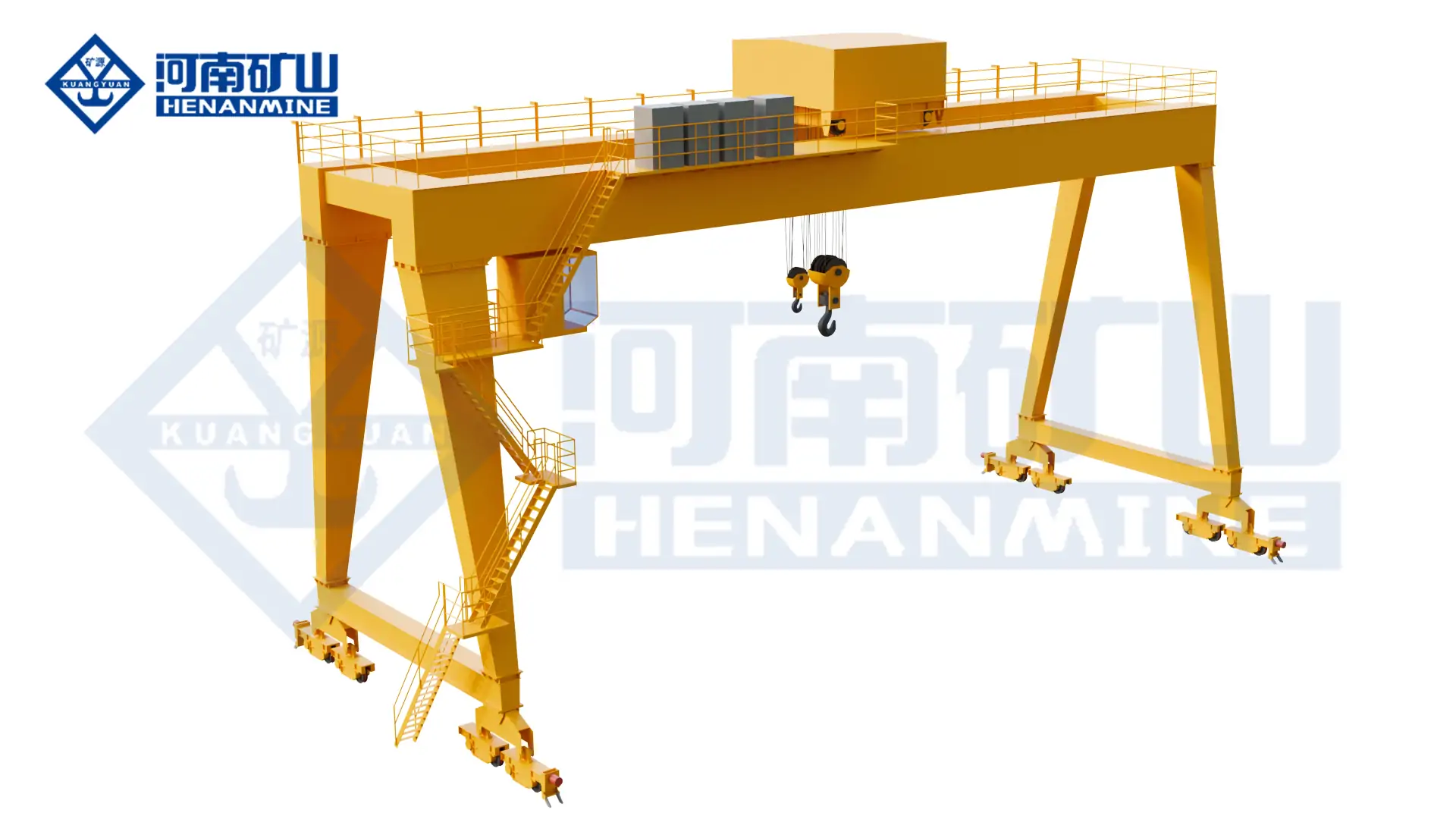
    Henan Mine CraneDiscuss your requirements ↗
  • 4 Ton Gantry Crane

    4 Ton Gantry Crane

    4 Ton Gantry Crane

    Henan Mine Crane · 4 Tonne Gantry Lifting Systems

    4 Ton Gantry Crane

    Configure a 4 metric tonne (4,000 kg) gantry crane for lifting machinery, steel fabrications, precast components and other industrial loads across a workshop or outdoor yard. Henan Mine Crane manufactures rail-mounted single-girder, double-girder, semi-gantry and application-specific arrangements.

    Single-girder electric-hoist gantry crane from Henan Mine Crane
    Single-girder electric-hoist gantry arrangement. The supplied 4 t crane dimensions, cantilevers and runway interfaces are defined in the project proposal.

    RATED CAPACITY

    4 t / 4,000 kg

    PRIMARY STRUCTURES

    Single Girder or Double Girder

    TRAVEL ARRANGEMENT

    Powered Ground-Rail Travel

    PROJECT INPUTS

    Span, Lift, Duty & Site Conditions

    Is a 4 Ton Gantry Crane the Right Capacity?

    A 4 metric tonne gantry crane is rated for 4,000 kg, approximately 8,818 lb. Four US short tons equals 8,000 lb, approximately 3,629 kg. Specify the required unit before quotation because an 8,000 lb portable gantry does not provide a 4,000 kg rated capacity. Slings, lifting beams, grabs, magnets and other separately suspended attachments must be included in the total suspended-load calculation.

    Capacity example: a 3,550 kg component plus a 500 kg lifting beam and slings totals 4,050 kg. That exceeds a 4,000 kg rating. Provide the complete suspended-load calculation instead of quoting only the payload.

    Choose a rail-mounted industrial gantry when the load must travel repeatedly along a fixed workshop or yard route. The bridge is supported by legs running on ground-level rails and may also be called a goliath or portal crane. Choose a portable frame only for localized, intermittent lifting after confirming floor capacity, wheel arrangement and whether the selected model permits loaded travel.

    Fabrication and Assembly

    Move structural sections, frames and machinery between fabrication, inspection and assembly positions. Define load dimensions, orientation and centre of gravity throughout the route.

    Storage and Loading Yards

    Serve designated storage, truck-loading and transfer positions. Coordinate crane travel with vehicle routes, drainage, wind exposure and outdoor operating conditions.

    Maintenance and Construction

    Lift equipment or project components within a defined rail corridor. Include temporary access restrictions, infrequent heavy lifts and changing site conditions in the duty assessment.

    Selection Considerations

    01 / LOAD

    Load and Attachment

    State the maximum and typical payloads, dimensions, centre of gravity and lifting points. Include the mass of all separately suspended lifting accessories.

    02 / LAYOUT

    Coverage and Clearances

    Mark pickup, travel and placement positions. Check the clear width between the legs, hook approaches, cantilever outreach and the swept path of long loads.

    03 / SITE

    Rails and Ground Support

    Provide runway and foundation information where available. The selected wheel loads, wheel spacing and operating forces are required for civil and structural assessment.

    04 / OPERATION

    Duty and Environment

    Describe lifts per hour, travel distances, shifts and near-capacity lifts. Record wind, rain, temperature, dust, corrosion and any hazardous conditions.

    A 4 t rating identifies capacity, not duty. Single and double girder describe the bridge structure; full and semi-gantry describe how the crane is supported. Select these characteristics separately around the work and site.

    4 Ton Gantry Crane Compared with Other Crane Configurations

    Compare the complete installed arrangements at the same 4 t load and hook position. Structural form, mechanism duty, runway work and outdoor protection can change both suitability and total project cost.

    Configuration Arrangement Application Fit Main Selection Check
    Single-Girder Full Gantry One bridge girder supported by travelling legs on both sides. General hook handling where the electric-hoist layout meets the span, lift and duty. Compare hoist headroom, equipment weight, hook approaches and rail reactions.
    Double-Girder Electric-Hoist Gantry Two bridge girders carry an electric-hoist trolley. Projects needing a different trolley layout or usable hook position. Confirm the actual crane envelope and service duty; two girders alone do not define duty.
    MG Double-Girder Gantry Two girders support a project-selected winch trolley or hook arrangement. A different mechanism arrangement, process duty or future configuration requirement. MG double-girder gantries normally start at 5 t. For a 4 t requirement, first compare the single-girder and MHS electric-hoist configurations.
    Single-Girder Semi-Gantry A ground-travelling leg on one side and an elevated runway on the other. A working strip beside a suitable building runway or independent elevated support. Assess both runway systems, their alignment and the moving-leg route.
    L-Type Gantry Crane A single girder with offset leg geometry and an electric hoist. Long materials or layouts needing a different clear passage through the legs. Check load rotation, leg clearance, cantilever reach and hook approaches.
    Overhead Bridge Crane The bridge travels on two elevated runways without gantry legs. Buildings with suitable elevated supports and busy floor traffic. Compare building loads, runway cost, headroom and the absence of moving legs.
    Portable Gantry Crane A separate model family commonly supported on wheels or castors. Local lifting tasks where portability is a defined requirement. An 8,000 lb model is 4 US short tons, not 4,000 kg. Check floor rating, span, height and model-specific permission for loaded travel.

    4 Ton Gantry Crane Specifications

    Every 4 ton gantry crane is configured around the required span, lifting height, hook coverage, work cycle and site conditions. Use the following parameters to prepare a complete technical enquiry and receive comparable quotations.

    Parameter Project Specification
    Rated lifting capacity 4 t / 4,000 kg. Confirm how below-the-hook attachments are included in the load calculation.
    Crane structure Single girder, double girder, semi-gantry, L-type or another agreed project arrangement.
    Span and clear leg width Span is measured between runway centrelines; clear passage through the legs is a separate dimension.
    Lifting height and hook levels Define vertical hook travel plus the highest and lowest working hook positions.
    Runway length and cantilevers State required longitudinal travel, end approaches and any working area beyond the legs.
    Crane and mechanism duty Selected from the load spectrum, operating cycles, travel distances and agreed design requirements.
    Hoisting and travel speeds Single-speed, dual-speed or variable-speed functions are selected for throughput and positioning needs.
    Control method Pendant, radio remote or cabin control, with priority and process interfaces defined where required.
    Electrical supply Confirm destination voltage, frequency, phases, earthing arrangement and incoming power boundary.
    Operating environment Indoor or outdoor exposure, temperature, dust, moisture, corrosion and any formal hazardous-area classification.
    Runway and foundation data The technical proposal should provide wheel loads, wheel spacing, rail interface and governing reactions.

    Available 4 Ton Gantry Crane Configurations

    Henan Mine Crane can configure a 4 t crane within the KSMH single-girder, MHS double-girder electric-hoist, KSMB semi-gantry and MHL L-type families. The MG winch-trolley family begins at 5 t and is normally considered only when a heavier capacity or different mechanism duty is required. Final availability depends on the combined capacity, span, lift, duty and site conditions.

    Product Family Capacity Range Span Range Lifting-Height Range Duty Range
    KSMH Single-Girder Gantry 1–32 t 6–35 m 4–20 m A3–A5
    MHS Double-Girder Electric-Hoist Gantry 3–50 t 7.5–35 m 4–30 m A3–A4
    MG Double-Girder Gantry 5–500 t 8–40 m 6–30 m A3–A8
    KSMB Single-Girder Semi-Gantry 1–32 t 6–35 m 4–20 m A3–A5
    MHL L-Type Gantry Crane 1–32 t 6–35 m 4–20 m A3–A5

    Request a project-specific 4 t data sheet showing the selected span, lifting height, speeds, duty, control system, crane mass, wheel loads and overall dimensions. Do not combine the maximum values from different product families into one specification.

    Leg Clearance, Cantilever Reach and Hook Coverage

    The general arrangement drawing should show the 4 t load route, crane envelope and every interface with the site. This is particularly important when long materials rotate or pass between the legs.

    Layout Item What the Drawing Should Confirm
    Span and clear passage Runway centreline spacing does not equal the clear width through the legs. Leg shape and bracing affect the space available for loads, trucks and site equipment.
    Lifting height and overall height Include load and rigging dimensions above the placement surface. Overall crane height, rail level and usable hook height are different measurements.
    Cantilever working area Define hook outreach beyond each leg and the permitted load at that position. Trolley limits reduce usable reach.
    Runway length and end approaches Allow for buffers, stops, parking and maintenance space. Total rail length is longer than usable hook travel in most arrangements.
    Double-girder electric-hoist gantry crane from Henan Mine Crane
    Double-girder electric-hoist arrangement. The selected trolley, cantilever and access provisions depend on the project.
    Single-girder semi-gantry crane from Henan Mine Crane
    Semi-gantry arrangement: one side runs at ground level and the opposite side uses an elevated runway.

    Hoist, Travel Drives and Operating Duty

    Hoisting and Cross Travel

    The hoist or trolley raises the load and moves it across the bridge. Rope travel, hook arrangement, braking and speed control must suit both lifting and final placement.

    Gantry Long Travel

    The bridge and legs travel together along the ground runways. Wheel geometry, paired drives, frame alignment and rail condition affect tracking and skew behaviour.

    Controls and Attachments

    Select pendant, radio remote or cabin control around operator access and visibility. A grab, magnet or two-point lifting arrangement requires its own load and control definition.

    A 4 ton gantry crane used repeatedly near rated capacity may need different mechanisms from a crane handling occasional lighter loads. Define crane duty and the duty of each mechanism under the agreed standard. For bulk material, review the Grab-and-Hook Gantry Crane configuration and supply material density, grab mass and required throughput.

    Runways, Foundations and Power Supply

    The crane passes vertical and horizontal loads into the runways and their supports. Ground bearing strength alone is not enough to define the foundation; the civil design needs the selected crane reactions and local site information.

    • Rail and foundation interface: confirm rail section, fastenings, wheel loads, wheel spacing, end stops and settlement tolerances for the proposed arrangement.
    • Traffic and drainage: coordinate rails with vehicle crossings, walkways and drains. Protect the moving-leg envelope from fixed obstructions and unplanned storage.
    • Power distribution: compare cable reel, festoon or conductor arrangements against travel length, electrical demand, weather exposure and site traffic.
    • Existing runways: survey geometry, elevation and condition. A previous 4 t crane does not prove compatibility with different wheel loads or spacing.

    The quotation should state which party supplies rails, foundations, power conductors, incoming electricity and civil work. These interfaces strongly affect installed cost and schedule.

    Outdoor Protection and Safety Configuration

    For outdoor operation, define site conditions and distinguish the permitted operating state from the parked, out-of-service state. The selected procedures and limits belong in the crane documentation.

    Wind and Parking Provisions

    Provide site wind information and required operating limits. Specify monitoring, travel brakes, rail clamps, storm anchors and parking locations as applicable to the design.

    Load and Motion Protection

    Identify overload protection, hoisting and travel limits, braking, buffers, end stops, emergency stops and relevant electrical protections. Agree how functions are checked at acceptance.

    Weather and Corrosion Protection

    State rain, temperature, dust, moisture, coastal or chemical exposure. Confirm enclosure protection, coatings, covers, drainage and inspection access in the proposal.

    A classified hazardous area or hot-material process requires dedicated equipment selection. Provide the formal site classification or process details during the enquiry instead of treating outdoor protection as equivalent to explosion or heat protection.

    Manufacturing and Project Documentation

    Crane structures and equipment in a Henan Mine Crane manufacturing workshop
    Crane manufacturing workshop shown in the Henan Mine Crane factory display.

    Henan Mine Crane manufactures structural assemblies and integrates the hoisting, travel and electrical systems around the approved project specification. Before production, confirm the drawings, component schedule, inspections and acceptance records required for the 4 t crane. You can also view the manufacturing facilities.

    • General arrangement drawing with crane dimensions, clearances and hook coverage.
    • Wheel loads, wheel spacing and rail-interface information for foundation design.
    • Component schedule, electrical drawings and operating and maintenance manuals.
    • Agreed manufacturing inspections plus factory and site test records.

    State the destination, applicable standards and required documentation before ordering. The contract should define which records are supplied and the acceptance criteria they support.

    Installation, Commissioning and Maintenance

    Prepare the Runways

    Complete the agreed civil work, rails, end stops, power route and earthing provisions. Verify geometry and installation readiness using the approved drawings.

    Plan Assembly and Commissioning

    Reserve unloading and assembly areas and suitable installation equipment. Agree inspection, functional checks, applicable load tests, handover and operator familiarisation.

    Maintain the Complete System

    Provide safe access to the hoist, trolley, wheels, drives and power supply. Set inspection intervals using operating duty, supplied manuals and applicable site requirements.

    For an operating yard, coordinate crane installation with production, traffic and shutdown requirements. Confirm replacement access and recommended spare parts during the design review.

    4 Ton Gantry Crane Price

    A 4 ton gantry crane price changes with the capacity unit, structure, span, lifting height, work duty and supply scope. A portable 8,000 lb frame is less expensive than a powered 4,000 kg rail-mounted crane, but it provides a different capacity, working area and operating method.

    Indicative Price Range

    Configuration Rated Capacity Planning Budget (USD) Typical Scope
    Portable Steel Gantry Frame 4 US short tons / 8,000 lb Approximately $4,000–$9,000 Usually the steel frame and castors. Hoist, trolley, freight and lifting accessories may be separate. Loaded travel depends on the selected model.
    Industrial Single-Girder Gantry Crane 4 metric tonnes / 4,000 kg Approximately $8,000–$25,000 Crane structure, electric hoist, powered travel and controls as specified. Rails, foundations, freight and installation may be quoted separately.
    Complete Installed System 4 metric tonnes / 4,000 kg Project quotation required The agreed crane equipment plus selected rails, power distribution, transport, installation, commissioning and documentation.

    These ranges support preliminary budgeting only. Final pricing depends on the approved technical specification, destination and contractual supply boundary.

    For an accurate price, provide the required capacity unit, span, lifting height, runway length, operating cycle, environment, electrical supply and project location. Compare quotations only after the following three cost groups have been aligned.

    Crane Equipment

    Bridge, legs, travel assemblies, hoist or trolley, controls and specified protection.

    Site Interfaces

    Rails, foundations, conductor system, incoming power and installation responsibilities.

    Project Delivery

    Drawing approval, inspection, packing, freight, commissioning, documents and service terms.

    Send the same specification to every supplier and request an itemised offer. This prevents an equipment-only price from being compared with a quotation that includes runways, civil work, site power and installation.

    4 Ton Gantry Crane FAQ

    How much can a 4 ton gantry crane lift?

    Four metric tonnes equals 4,000 kg, approximately 8,818 lb. Four US short tons equals 8,000 lb, approximately 3,629 kg. Separately suspended lifting accessories consume part of the crane’s rated capacity, so include them in the load calculation.

    Should I choose a single-girder or double-girder 4 ton gantry crane?

    Compare usable hook height, span, duty, trolley arrangement, runway reactions and total installed scope. A single-girder electric-hoist design can suit general handling, while a double-girder layout may provide a more suitable mechanism or lifting envelope for another project.

    Is a 4 ton gantry crane portable?

    Industrial 4,000 kg systems normally use powered travel on fixed ground-level runways. Portable 8,000 lb gantries are a separate, lower-capacity product type. For a portable crane, specify the floor, movement route and whether loaded travel is required because some models may only be repositioned without a suspended load.

    Can the crane lift 4 tons on a cantilever?

    Only if the approved design permits the 4 t load at the stated outreach. Trolley end limits and structural reactions change with position. Specify the required load and hook location outside the legs in the enquiry.

    Does a rail-mounted 4 ton gantry crane need foundations?

    It needs suitable rails and supporting civil or structural works. Foundation design depends on crane reactions, wheel spacing, ground conditions and local requirements. Request interface data from the selected crane proposal.

    Can the same crane work indoors and outdoors?

    Only where the design covers both environments and travel zones. Outdoor use requires assessment of wind, rain, temperature, corrosion, drainage and parking provisions, together with clear transitions between areas.

    How much does a 4 ton gantry crane cost?

    A portable 8,000 lb steel gantry frame may cost approximately $4,000–$9,000, while a customized 4,000 kg rail-mounted single-girder crane may require an equipment budget of approximately $8,000–$25,000. The final price depends on span, lift, duty, controls, rails, foundations, freight and installation scope.

    Can an existing 4 ton runway be reused?

    Reuse is considered after surveying rail geometry, elevation, condition and support capacity. The proposed crane may have different wheel loads, wheel spacing, end-carriage dimensions or electrical demand from the previous unit.

    What information is required for a quotation?

    Send the maximum and typical suspended loads, span, lifting height, runway length, cantilever reach, site drawing, work cycle, environment, electrical supply, project location and required delivery and installation scope.

    Request A 4 Ton Gantry Crane Quote

    Send Henan Mine Crane your load details and site drawing for a project-specific 4 ton gantry crane proposal. Include:

    • Maximum and typical loads, lifting attachments and load dimensions.
    • Span, lifting height, runway length, cantilever reach and hook positions.
    • Ground or runway information, traffic routes and installation space.
    • Operating cycle, environment, electrical supply and preferred controls.
    • Project location, required documents, delivery terms and installation scope.
    Henan Mine CraneDiscuss your requirements ↗
  • 3 Ton Overhead Crane for Sale

    3 Ton Overhead Crane for Sale

    3 Ton Overhead Crane for Sale

    Henan Mine Crane · Workshop and Production-Line Lifting Systems

    3 Ton Overhead Crane for Sale

    Configure a 3 ton overhead crane for machining, fabrication, assembly, warehousing and plant maintenance. Compare top-running, underhung, double-girder and compact variable-frequency arrangements on one technical and commercial basis.

    Henan Mine Crane engineers each system around the maximum gross suspended load, span, hook coverage, lifting height, operating cycle, building structure and destination requirements. The approved proposal defines the crane, runway interfaces, controls, documentation and supply boundary.

    3 ton single girder overhead crane for workshop lifting
    A single-girder electric-hoist arrangement is a common starting point for a 3 t workshop crane; final dimensions follow the building and load route.

    RATED CAPACITY

    3 t / 3,000 kg

    GENERAL CONFIGURATION

    Single Girder + Electric Hoist

    INITIAL EQUIPMENT BUDGET

    Approximately US$5,000–20,000

    QUOTE BASIS

    Load, Span, Lift, Duty & Scope

    Is a 3 Ton Overhead Crane the Correct Capacity?

    A 3 ton overhead crane is intended for a maximum approved suspended load of 3 metric tonnes, or 3,000 kg. The limit must include the payload, hook-below attachments, lifting beam, magnet, clamps, slings and every other component suspended from the crane. The crane rating is not a 3,000 kg payload allowance plus unrestricted rigging weight.

    For example, a 2,700 kg machine, a 220 kg lifting beam and 120 kg of slings produce a 3,040 kg gross suspended load. That combination exceeds a 3,000 kg rating. A higher-capacity crane, lighter lifting attachment or revised handling method is required. Normal operating load, maximum occasional load and future production changes should be stated separately.

    Capacity units must also be explicit. Three metric tonnes equal 3,000 kg, while three US short tons equal 6,000 lb, or approximately 2,722 kg. Drawings, load plates, quotations and acceptance documents should use one declared unit basis to prevent a material capacity mismatch.

    Machining and Tooling

    Move fixtures, molds, dies, machine components and finished parts between workstations. Define the center of gravity, attachment method and required placement accuracy.

    Fabrication and Assembly

    Transfer frames, weldments and subassemblies through a production bay. Verify load dimensions, turning space, side approach and obstructions along the route.

    Warehouse and Maintenance

    Handle unit loads or remove service components above machinery. Confirm access over racks, maintenance platforms, ducts, doors and existing equipment.

    Production Cells

    Support repeated loading, positioning and unloading around machines or assembly stations. The load spectrum and cycles per hour determine the required mechanism duty.

    3 Ton Overhead Crane Configurations

    The same 3 t rating can be supplied through different bridge and runway arrangements. Selection should begin with the building section, highest hook position, runway concept, operating frequency and handling route rather than girder count alone.

    01 · Top-Running Single Girder

    One bridge girder travels on top of the runway rails and carries an electric wire-rope or chain hoist. It is the primary commercial configuration for routine 3 t workshop lifting where structural reactions, headroom and duty are compatible.

    02 · Underhung Single Girder

    The bridge travels below suitable runway beams. It can serve buildings where a suspended runway arrangement is practical, but the supporting beams, connections, roof loads and end clearances require structural verification.

    03 · Double Girder with Electric Hoist

    Two bridge girders support a trolley-mounted electric hoist. At 3 t, this arrangement is selected for a particular trolley layout, hook envelope, access or structural requirement—not simply because two girders imply a higher rating.

    04 · Compact Variable-Frequency Crane

    A compact hoist, optimized bridge and variable-frequency motions can improve hook approach, positioning and operating smoothness. Component package, headroom target, controls and working class place it above a basic standard configuration in price.

    05 · Freestanding Runway System

    Independent columns and runway beams support the crane when the existing building cannot carry crane loads. The complete project includes column layout, bracing, foundations, rail alignment and coordination with production routes.

    06 · Application-Specific 3 Ton System

    Cleanroom, corrosion-resistant, high-temperature or other special environments require a dedicated technical agreement. Hazardous-area equipment must match the formal area classification; a general workshop crane cannot be relabeled for that service.

    Selection Considerations

    A 3 t capacity confirms only the maximum rated load. The following project data determine whether the crane will reach the load, fit the building, operate at the required pace and transfer acceptable reactions to the supporting structure.

    01 · Gross Suspended Load

    List the heaviest and typical payloads, attachment weights, load dimensions, lifting points and center-of-gravity positions. Identify future products that may change the load spectrum.

    02 · Span and Travel Length

    Provide runway centerline spacing, total travel distance, pickup and placement locations and any required side or end approaches. Nominal building width is not the crane span.

    03 · Hook Height and Headroom

    State the highest required hook position and lowest pickup level. Include load height, slings, lifting beam and any extraction distance needed above machinery.

    04 · Operating Duty

    Define lifts per hour, load distribution, travel distances, shifts and annual operating hours. Repeated positioning moves and near-capacity lifts influence mechanism and crane duty.

    05 · Building and Runway

    Provide column spacing, runway elevation, rail or beam details, roof members and available support information. New crane wheel loads must be checked against the actual structure.

    06 · Controls and Precision

    Specify pendant, radio or cabin control, required speeds, dual-speed or variable-frequency motion, positioning tolerance and any process interlock or anti-sway requirement.

    07 · Environment

    Confirm indoor or outdoor use, temperature, humidity, dust, corrosion, washdown, cleanroom and hazardous-area conditions. Environmental requirements affect materials, enclosures and coatings.

    08 · Destination and Acceptance

    Identify the installation country, power supply, applicable requirements, inspection body, documentation language, factory tests, site tests and commissioning responsibility.

    Configuration rule: single and double girder describe the bridge structure; top running and underhung describe how the bridge travels on its runways. A hoist travelling below a girder does not automatically make the whole crane an underhung system.

    3 Ton Overhead Crane Compared with Other Configurations

    Compare arrangements at the same capacity, hook position and duty. The linked product families are available in ranges that include 3 t, but the final combination of span, lift, speed and working class must be confirmed in the project proposal.

    Configuration Runway Arrangement Typical Use Commercial Position Critical Check
    Top-Running Single Girder Bridge wheels run on rails above the runway beams. General workshop, assembly, maintenance and warehouse hook handling. Primary cost-controlled powered configuration. Hook height, approaches, hoist duty and wheel loads.
    LX Underhung Crane Bridge end carriages run on the lower flanges of suspended runway beams. Buildings suited to an underhung support concept and lighter industrial handling. Can reduce the need for floor columns, subject to building suitability. Beam capacity, connections, roof loads and end clearances.
    Double Girder with Electric Hoist Two girders travel on top-running end carriages. Projects requiring a different trolley layout, access or lifting envelope. Higher structural and shipping cost than a routine single-girder crane. Trolley arrangement, self-weight, wheel loads and maintenance access.
    Compact VFD Overhead Crane Optimized top-running bridge with compact hoist and controlled motions. Production lines needing smooth acceleration, positioning and efficient hook approach. Higher component and control package than a basic standard crane. Required duty, headroom gain, speeds, controls and component schedule.
    Freestanding Bridge Crane System Crane runs on independent steel columns and runway beams. Existing buildings without verified crane-supporting structure. Adds runway steel, bracing, foundations and site erection. Column locations, slab or foundation design and production clearances.

    3 Ton Overhead Crane Technical Framework

    Henan Mine Crane product families provide configurable ranges that include a 3 t rating. The ranges below describe the broader product families and do not mean that every span, lifting height, speed and working-class combination is available without engineering review. The approved data sheet controls the supplied crane.

    Parameter Top-Running Single Girder LX Underhung Double Girder with Electric Hoist Compact VFD Crane
    Rated capacity for this page 3 t 3 t 3 t 3 t
    Product-family capacity range 1–80 t 0.5–20 t 1–80 t 1–32 t
    Product-family span range 7.5–31.5 m 4–22.5 m 7.5–31.5 m 7.5–31.5 m
    Product-family lifting-height range 9–30 m 3–9 m 9–30 m 6–30 m
    Published working-class range A5 product configuration A3–A5 A3–A5 A5–A6
    Control options Pendant or radio; project-defined speed control Pendant or radio; project-defined travel control Pendant or radio; project-defined speed control Variable-frequency motions with project-defined controls
    Primary engineering interface Top-running rail and runway reactions Suspended beam, connection and roof reactions Top-running rail, higher self-weight and trolley envelope Optimized headroom, drives, controls and runway reactions

    Request the selected crane weight, maximum wheel loads, wheel spacing, rail or beam interface, hook approaches, crane envelope, power demand and mechanism data with the quotation. Lifting height means vertical hook travel; it does not by itself establish the minimum required building height.

    Headroom, Hook Coverage and Runway Compatibility

    Highest hook position: show the highest required load position, load height, slings, lifting beam and clearance above the load. A machine-maintenance lift may require vertical extraction before the load can travel horizontally.

    Side and end approaches: the nominal span does not show where the hook can reach. Compare the hook centerline to walls, columns and runway ends, including the trolley and bridge buffers.

    Existing runway: a runway that carried an earlier 3 t crane is not automatically suitable for a replacement. Crane self-weight, wheel spacing, maximum wheel loads, horizontal forces, rail details and operating duty may differ.

    Low-headroom selection: a compact hoist can improve the hook position, while an underhung bridge changes the runway arrangement. These are separate design decisions and should be compared using dimensioned drawings.

    single girder overhead crane showing bridge and hoist arrangement
    The approved general arrangement should show hook approaches, highest hook position, bridge envelope and runway interfaces.

    Hoisting, Travel and Control Options

    The selected motion package should match both throughput and placement requirements. Higher speed is not automatically more productive when operators must repeatedly align the load, and a low-speed function does not replace an appropriate duty rating or braking system.

    Hoisting Motion

    Define normal and precision lifting needs, hook travel, lifting frequency, braking and the percentage of lifts near rated capacity. Two-speed or variable-frequency control can support controlled placement where the process requires it.

    Trolley Motion

    The hoist or trolley moves across the bridge. Its dimensions, wheel arrangement, speed and stopping position determine usable side approach and influence the crane envelope.

    Bridge Motion

    End carriages move along the runways. Drive selection, wheel alignment, runway geometry, acceleration and braking should produce stable travel over the full bay length.

    Operator Control

    Pendant control supports local operation; radio control can improve visibility and operator position. Control selection must account for access, shared work areas, emergency functions and local operating procedures.

    Variable-Frequency Control

    Controlled acceleration and deceleration can reduce abrupt motion and improve positioning. Specify required speed range, response, braking behavior and process interfaces rather than requesting VFDs without a performance basis.

    Power Supply

    Confirm voltage, frequency and phases, together with the runway conductor or festoon scope, isolation point, grounding and any voltage-drop limitation. Destination power data must be agreed before manufacture.

    Safety and Application Requirements

    Safety functions, inspections and acceptance methods should be listed in the technical agreement for the selected configuration and destination. The final design must follow the governing project requirements rather than a generic feature list.

    Load and Hoisting Protection

    Specify overload protection, upper and lower lifting limits, brakes, hook requirements and the verification method used during factory and site acceptance.

    Travel Protection

    Define bridge and trolley limits, buffers, end stops and relevant wheel protection. Shared runways require an agreed separation or anti-collision strategy.

    Electrical Safety

    Establish main isolation, emergency stops, phase and motor protection, enclosure ratings, grounding and identification. Site incoming power and crane-mounted distribution should have a clear interface.

    Operator and Maintenance Access

    Assess visibility, operating position, lockout points and safe access to the hoist, brakes, wheels, limits and electrical equipment. Maintenance clearances belong in the layout review.

    Special Environments

    Heat, corrosive atmosphere, dust, clean areas and outdoor exposure require application-specific materials and protection. A formally classified hazardous area requires verified explosion-protection design and documentation.

    Load Testing and Handover

    Agree factory functional tests, site inspection, applicable proof or load tests, responsibility for test weights, commissioning records, manuals and operator familiarisation before shipment.

    Project Application Case: Intelligent Steel-Plate Warehouse Handling

    Henan Mine Crane developed an intelligent warehouse-management crane for a steel-structure operation that required coordinated inbound handling, storage, sorting and outbound movement of steel plate. The project addressed manual dependence, material identification, inventory coordination and handling consistency.

    The crane solution integrated vehicle recognition, steel-plate identification, automatic marking, stacking and de-stacking functions with warehouse and enterprise information systems. Acceptance activities included checks of recognition functions, travel precision, automatic coding and collision prevention on the company’s 1,200 t crane test bench.

    For a 3 t workshop project, the relevant engineering method is the same: define the load and process route first, select the bridge and control arrangement second, and agree measurable acceptance functions before manufacture. The required capacity and duty for every new system are calculated independently from its load data and operating cycle.

    View the intelligent warehouse crane project →

    intelligent warehouse management overhead crane project
    Application engineering connects the crane, load route, positioning functions, information interfaces and acceptance criteria.

    Engineering Deliverables and Manufacturing Records

    automated crane girder welding workstation at Henan Mine Crane
    Manufacturing evidence should be supported by project drawings, inspection records and the agreed acceptance plan.

    A purchase order should define the drawings, component data and quality records required for approval and handover. Documentation needs vary by destination and project, so the final document register should be agreed before production.

    General Arrangement

    Crane envelope, span, lift, hook approaches, rail or beam interface, wheel spacing, wheel loads, support reactions and maintenance clearances.

    Component and Electrical Data

    Hoist, motors, brakes, gearboxes, wheels, controls, conductor interface, electrical drawings, power demand and selected protective functions.

    Manufacturing Records

    Material identification, welding procedures, welder qualifications, dimensional inspection, specified NDT, machining, assembly and coating records.

    Testing and Handover

    Factory functional checks, limits and brake tests, overload-device settings, site test plan, commissioning reports, manuals, spare-parts list and training records.

    Review Henan Mine Crane manufacturing capabilities →

    Installation, Commissioning and Lifecycle Planning

    Site Survey and Readiness

    Confirm runway geometry, structural capacity, clearances, access, floor loading, incoming power and assembly space. Existing rails or beams should be measured rather than assumed from old drawings.

    Packing and Delivery

    Agree export packing, bridge shipping sections, package list, inland and ocean transport, insurance, destination unloading and storage protection. Long girders may require a different freight method.

    Erection and Alignment

    Define who installs runway components, crane bridge, hoist, conductors and controls. Plan lifting equipment, work permits, production shutdowns, rail alignment and temporary access.

    Commissioning and Acceptance

    Agree no-load checks, rated functions, limits, brakes, controls, applicable load tests, third-party inspection, document handover and operator training.

    Maintenance Access

    Provide safe access for ropes or chains, hooks, brakes, wheels, travel drives, limits and electrical panels. Verify that components can be removed without interference from the roof or services.

    Spare Parts and Service

    Identify commissioning spares, wear parts and long-lead components. Maintenance intervals should follow the supplied manuals, actual operating duty and applicable inspection requirements.

    3 Ton Overhead Crane Price and Supply Scope

    A general 3 ton single-girder equipment package commonly requires an initial factory-equipment budget of approximately US$5,000–20,000. Current market listings range from basic international factory packages to branded modular kits and complete freestanding systems, so price must always be read together with span, lift, duty and included scope.

    The September 2026 bands below support preliminary budgeting and are not fixed Henan Mine Crane selling prices. A formal quotation requires approved project data and a defined commercial boundary.

    3 Ton Configuration Indicative Equipment Budget Typical Commercial Basis Principal Variables
    Basic factory single-girder package US$3,500–12,000 Limited equipment-only supply for a standard span and lifting package Bridge components, hoist, span, lift, controls, documentation and exclusions
    General top-running or underhung equipment US$5,000–20,000 Bridge, end carriages, electric hoist, travel drives and basic crane controls Runway arrangement, headroom, span, lift, duty, speeds and component schedule
    Compact variable-frequency configuration US$12,000–30,000 Compact hoist, optimized bridge and controlled motion package Headroom target, working class, drive package, controls and documentation
    Branded modular crane kit, approximately 20–60 ft span US$26,000–45,400 Hoist and trolley, motorized end trucks, crane controls and selected electrification Main girder steel, runway, freight, erection and installation boundary
    Complete freestanding motorized system Approximately US$49,700+ Support structure, travelling bridge crane, electric chain hoist and festoon in an example configuration Span, runway length, columns, foundations, delivery, erection and local services
    Special environment or process configuration Project quotation Application-specific materials, protections, controls and documentation Classification, temperature, corrosion, cleanroom, automation and acceptance requirements

    Low advertised prices may describe a hoist, component kit or restricted factory package rather than an operating crane system. Compare every proposal using the same load, span, lift, duty, control method, environmental protection, documentation and delivery term.

    Cost Group Typical Included Items Items Requiring Explicit Confirmation Procurement Check
    Crane equipment Bridge, end carriages, hoist or trolley, drives, control panel and crane-mounted wiring Control station, VFDs, special protections, conductor interface and spare parts Confirm the complete component schedule and selected brands or technical requirements.
    Runway and supporting structure Only the rails, beams, columns or brackets expressly listed in the offer Structural assessment, foundation design, concrete, bracing, rail clips and alignment Obtain maximum wheel loads and reactions before site steel or civil work begins.
    Logistics Contracted export packing and freight under the stated trade term Insurance, import charges, destination handling, unloading and inland transport Compare shipment dimensions, package count, trade term and destination responsibilities.
    Installation and acceptance Only erection supervision, installation, testing or training expressly listed Site cranes, access equipment, labor, power connection, test weights and inspection fees Use a responsibility matrix that assigns every activity and acceptance document.

    Equipment Price

    Crane structure, hoist or trolley, travel machinery, controls and the specified crane-mounted safety package.

    Site Infrastructure

    Runway beams or rails, columns, bracing, foundations, incoming power, conductor system and access provisions.

    Delivery Cost

    Export packing, shipping sections, freight, insurance, import handling, unloading and inland delivery.

    Installed Project Cost

    Erection, alignment, electrical connection, commissioning, applicable load testing, inspection and training.

    3 Ton Overhead Crane FAQ

    How much does a 3 ton overhead crane cost?

    A general factory-supplied single-girder equipment package commonly requires an initial budget of approximately US$5,000–20,000. Compact VFD configurations can require approximately US$12,000–30,000, while modular kits currently reach approximately US$26,000–45,400 and complete freestanding systems can be higher. Runways, freight and site work are additional unless expressly included.

    Is a 3 ton overhead crane the same as a bridge crane or EOT crane?

    The terms often describe the same moving-bridge lifting system. A valid specification should identify the bridge arrangement, top-running or underhung runway, hoist type, capacity unit, span, lift and operating duty.

    Can a 3 ton crane lift a 3,000 kg machine?

    Only when the complete suspended load remains within the approved capacity. If the 3,000 kg machine also requires slings, a spreader or another below-hook device, the total exceeds 3,000 kg and a higher-capacity or revised lifting solution is required.

    Which configuration is normally selected for a 3 ton workshop crane?

    A top-running single-girder crane with an electric hoist is a common starting configuration. An underhung, double-girder, compact or freestanding system may be more suitable after the building structure, hook coverage, headroom, duty and site interfaces are evaluated.

    How much building height does a 3 ton crane require?

    There is no universal minimum. Provide the highest required hook position, load and rigging height, runway elevation, roof structure and overhead services. The dimensioned general arrangement establishes the required clearances.

    Can a 3 ton crane use an existing runway?

    The existing runway can be assessed using survey data, rail or beam details, support information and the proposed crane reactions. The former crane rating alone is insufficient because wheel loads, wheel spacing, geometry and duty may differ.

    Can a 3 ton crane repeatedly lift its full rated load?

    The selected crane and mechanism duty must match the operating cycle and load spectrum. State lifts per hour, travel distances, shifts and the frequency of near-capacity loads. Rated capacity alone does not define continuous production capability.

    When should a 5 ton crane be considered instead?

    Consider 5 t when the complete suspended load, future tooling or production growth exceeds the permissible 3 t limit. Compare the resulting crane weight, wheel loads, dimensions, runway requirements and installed cost before increasing capacity.

    Does the quotation include runway beams and installation?

    Only when the commercial offer lists them. Request separate identification of crane equipment, runway and supports, electrification, freight, unloading, erection, testing, commissioning and third-party inspection.

    What information is required for a formal quotation?

    Provide maximum and typical loads, attachments, span, lift, runway length, building section, duty, speeds, controls, power, environment, project location, standards, delivery address and the required installation and acceptance scope.

    Request a 3 Ton Overhead Crane Quote

    A project-specific proposal is prepared from the maximum gross load, lifting attachments, span, runway length, hook positions, building cross-section, operating cycle, controls, power supply, environment, destination and required supply boundary.

    Henan Mine CraneDiscuss your requirements ↗
  • 10 Ton Overhead Crane

    10 Ton Overhead Crane

    10 Ton Overhead Crane

    Henan Mine Crane · Project-Configured Lifting Equipment

    10 Ton Overhead Crane

    Henan Mine Crane manufactures project-configured 10 ton overhead cranes for machinery production, fabrication, assembly, warehousing and plant maintenance. Single-girder, double-girder, top-running and underhung arrangements are selected from the load spectrum, span, hook envelope, operating duty and building structure.

    Current market indications place standard factory-supply equipment at approximately US$10,000–$22,000 for single-girder designs and US$15,000–$32,000 for double-girder designs. Runway systems, freight, installation and site electrical work are separate unless expressly included.

    Henan Mine Crane 10 ton single girder bridge crane for an industrial workshop
    Single-girder electric-hoist arrangement for a project-defined 10 t lifting system. Final dimensions, duty and building interfaces are established in the approved technical proposal.

    RATED CAPACITY

    10 t / 10,000 kg

    GENERAL WORKSHOP OPTION

    Single Girder + Electric Hoist

    CONFIGURATION OPTIONS

    Double Girder & Underhung

    INITIAL EQUIPMENT BUDGET

    US$10,000–$32,000

    10 Ton Overhead Crane Capacity and Applications

    A 10 ton overhead crane is an overhead travelling crane rated to lift 10 metric tonnes, or 10,000 kg, within its approved configuration. The bridge travels along parallel runways, the hoist or trolley crosses the bridge, and the hook raises or lowers the load to provide three-axis material handling across a defined bay.

    Commercial specifications for a 10 ton bridge crane, 10 ton EOT crane or 10 tonne overhead crane commonly describe the same moving-bridge equipment family. The capacity unit must remain explicit because 10 metric tonnes and 10 US short tons are not equal. For a hook crane, the payload and separately suspended lifting gear must remain within the permitted load for the approved lifting arrangement.

    Capacity example: a 9,600 kg component plus a 600 kg lifting beam and slings totals 10,200 kg. That exceeds a 10,000 kg rating. The complete suspended load must remain within the permitted capacity of the selected lifting arrangement.

    Machinery and Tooling

    Transfer machine components, fixtures, dies and tooling between storage, preparation and production stations. Load geometry, lifting points and placement tolerance form part of the specification.

    Fabrication and Assembly

    Move fabricated frames, vessels and assemblies through a production bay. The crane layout must cover pickup, welding, inspection and assembly positions without interference from fixed equipment.

    Warehouse and Maintenance

    Handle suitable unit loads or remove pumps, motors and production machinery for service. Hook coverage must be coordinated with racks, maintenance platforms and removal routes.

    Selection Considerations

    01 / LOAD

    Complete Suspended Load

    Define the maximum payload, typical load distribution, attachment mass, dimensions and centre of gravity. Anticipated production changes should be included before capacity is fixed.

    02 / COVERAGE

    Span and Hook Coverage

    Define runway centreline spacing, travel length, highest and lowest hook positions, and all pickup and placement points. Side and end approaches affect usable coverage.

    03 / STRUCTURE

    Building and Supports

    Provide runway elevation, rail details, roof members, doors and overhead services. Existing supports or a new freestanding runway require verification against crane reactions.

    04 / DUTY

    Operating Cycle

    State lifts per hour, travel distances, shifts, operating hours and the proportion of lifts near 10 t. Crane and mechanism duty must match the actual load spectrum.

    05 / CONTROL

    Motion and Positioning

    Select pendant, radio or cabin control together with motion speeds, dual-speed or variable-frequency drives, braking response and required positioning performance.

    06 / ENVIRONMENT

    Operating Conditions

    Temperature, dust, humidity, corrosion, outdoor exposure and hazardous-area classification determine enclosure, coating, component and conformity requirements.

    Single and double girder describe the bridge beams. Top running and underhung describe how the bridge travels on its runways. A hoist travelling below one girder does not by itself make the whole crane an underhung design.

    10 Ton Overhead Crane Compared with Other Overhead Crane Configurations

    Compare bridge structure and application requirements at the same rated load. The linked pages describe product families; special-purpose configurations require confirmation of their 10 t rating, lifting attachment and operating duty in the proposal.

    Configuration Arrangement Application Selection Point
    Single-Girder Overhead Crane One bridge girder with a travelling electric hoist. Routine workshop, assembly and warehouse hook handling. Compare hook height, approaches, hoist duty and runway loading.
    LH Double-Girder Overhead Crane Two bridge girders support the electric-hoist trolley. Projects needing a different trolley layout or lifting envelope. Confirm the complete crane dimensions and duty; girder count alone does not establish service class.
    LX Underhung Overhead Crane Bridge end carriages travel on the lower flanges of suitable runway beams. Layouts where a suspended runway arrangement suits the building. Assess beams, connections, support loads and clearances. Roof suitability requires verification.
    Explosion-Proof Overhead Crane Equipment protection is selected for the classified environment. Handling in a specified hazardous gas or dust area. Provide the area classification, substance information and documentation requirements.
    European-Style Single-Girder Crane A compact bridge and low-headroom hoist use selected drive and control packages. Production handling requiring controlled motion and efficient use of vertical space. Compare the actual hook height, wheel loads, speeds, component schedule and maintenance access.
    Electromagnetic Overhead Crane A lifting magnet and power system handle suitable steel products. Handling selected plates, sections or other ferromagnetic loads. Account for magnet mass, material condition and the required response to loss of power.
    Metallurgical Overhead Crane The crane is designed for the stated hot-material process. Specified steelmaking or other thermal handling duties. Describe heat exposure, load containment and fault consequences; molten-metal lifting needs a dedicated design.

    10 Ton Overhead Crane Specifications

    The following catalogue data identifies available 10 t configurations within three Henan Mine Crane product families. Single-girder and LX underhung values are shown for the 10 t model; LH double-girder values show the configurable family envelope because the final trolley and mechanism package is selected for the project.

    Parameter Single-Girder Configuration LH Double-Girder Family LX Underhung Configuration
    Rated capacity 10 t 10 t 10 t
    Listed spans 7.5, 11.5, 14.5, 17.5, 19.5, 22.5, 25.5, 28.5 m 7.5–31.5 m family range; final span project-selected 3.5, 8.5, 12.5, 16.5, 20, 22.5 m
    Listed lifting heights 6, 9, 12, 18, 24, 30 m 6–30 m family range; final lift project-selected 6, 9, 12, 18, 24, 30 m
    Configurable hoisting speed 7 m/min or 7/0.7 m/min Project-selected for mechanism duty and positioning requirements 7 m/min or 7/0.7 m/min
    Configurable trolley travel 20 or 30 m/min 10–40 m/min family range 20 m/min
    Configurable bridge travel 20 or 30 m/min 10–40 m/min family range 20 m/min
    Working class A5 catalogue configuration A3–A5 family range A3–A5 family range
    Catalogue motor power 13.8 kW Project-defined 15.2 kW

    The 7/0.7 m/min entry denotes a two-speed hoisting option. Catalogue values establish available equipment ranges, not an automatic combination. Lifting height describes vertical hook travel and does not establish minimum building height.

    Confirm crane and mechanism duty, control method, site voltage, frequency and phases separately. Obtain the selected crane weight, wheel loads, wheel spacing, rail or beam interface and hook approaches in the project drawings.

    Headroom, Hook Coverage and Runway Loads

    Double-girder electric-hoist bridge crane from Henan Mine Crane
    Double-girder electric-hoist arrangement. Compare its crane envelope, highest hook position and runway interfaces against the workshop drawing.

    Check the Complete Lifting Envelope

    Show the highest and lowest required hook positions, load dimensions, slings or lifting beam, and any extraction distance above a machine. Allow for the crane structure, trolley, hook block and clearances to roof members and services.

    A low-headroom hoist and an underhung bridge are different design choices. Compare dimensioned arrangements at the required hook position. Include door tracks, lights, ducts and the load route between stations.

    Verify Runway Compatibility

    A runway previously carrying a 10 t crane may still need modification for a replacement. Different crane weights, wheel spacing, reactions and rail interfaces can change the support requirements.

    Where existing building steelwork is unsuitable, a separate engineered support system may be considered. Its columns, bracing and foundations must fit the site and handling routes.

    Hoisting, Travel and Control Options

    Hoisting Motion

    The hoist raises and lowers the load. Select hook travel, braking and speed control around the lifting task, especially when placing a component into machinery.

    Trolley Motion

    The trolley or travelling hoist moves across the bridge. Its dimensions and stopping positions determine usable side approaches.

    Bridge Motion

    End carriages move the bridge along the runways. The drive arrangement and runway alignment must work together over the required travel length.

    Pendant or radio control should suit operator visibility and access. Discuss variable-speed requirements through the Frequency-Conversion Overhead Crane configuration. Frequent starts, short positioning moves and repeated near-capacity lifts all form part of duty selection; a 10 t rating alone does not define continuous operating capability.

    Safety Features and Application Requirements

    Include the safety and control schedule in the technical agreement, with required functions and their verification method identified for the selected crane.

    Load and Motion Protection

    Specify overload protection, hoisting limits, travel limits, brakes, emergency stops and applicable electrical protections. Agree the inspection and functional checks for acceptance.

    Runway and Operator Safety

    Define end stops, buffers and relevant wheel-protection details. Assess shared-runway separation, operator visibility and safe access for inspection and isolation.

    Application-Specific Protection

    Hot loads, lifting magnets and classified hazardous areas require additional design decisions. Define thermal protection, braking or retained-load functions around the actual process.

    For two-hoist handling, review the Double-Trolley Overhead Crane arrangement. State individual and shared-load limits, lifting-point spacing and coordinated movements. Two hoist ratings cannot simply be added to establish the permissible load of the crane.

    Manufacturing and Order Documentation

    Crane structure manufacturing workshop shown by Henan Mine Crane
    Crane manufacturing workshop photographed for the Henan Mine Crane factory display.

    Henan Mine Crane provides manufacturing visibility through the Factory Scene Display. The technical agreement and inspection plan should define approved drawings, material and component identification, fabrication checkpoints, functional tests and records supplied with the equipment.

    • General arrangement drawing with crane envelope and hook approaches.
    • Runway interface data, wheel loads and support reactions.
    • Hoist, motors, brakes, drives, controls and electrical component schedule.
    • Electrical drawings, operating instructions and maintenance documentation.
    • Dimensional, electrical and functional inspection records within the agreed scope.
    • Factory and site test records, including load testing where contractually required.

    Project location, governing regulations, design standard, documentation language and conformity scope must be stated before order placement. The signed technical agreement establishes applicable requirements, inspection responsibilities and acceptance criteria.

    Installation, Commissioning and Maintenance

    Prepare the Site

    Survey runway geometry and clearances, confirm structural suitability and arrange the incoming electrical supply. Plan unloading, assembly space and installation equipment.

    Agree Commissioning

    Define who supplies runway beams, rails, conductors and supports. Agree site inspection, functional testing, applicable load tests, handover and operator familiarisation before installation.

    Maintain the Complete System

    Plan access to ropes, hooks, brakes, limits, wheels, drives and electrical equipment. Set inspection and maintenance intervals using the supplied manuals, operating duty and applicable requirements.

    For an operating workshop, coordinate the installation sequence and required shutdown with production. Confirm component replacement clearances and spare-parts requirements during the layout review.

    10 Ton Overhead Crane Price

    A standard 10 ton single-girder overhead crane commonly falls within an indicative factory-equipment market budget of US$10,000–$22,000. A double-girder factory package commonly falls within approximately US$15,000–$32,000.

    These figures are market budget bands rather than fixed Henan Mine Crane selling prices. Span, lift, working class, hoist or trolley design, controls, environmental protection, destination and contracted scope determine the formal quotation.

    10 Ton Configuration Indicative Equipment Budget Commercial Basis Principal Cost Variables
    Standard Single-Girder Factory Supply US$10,000–$22,000 Bridge, end carriages and standard electric-hoist equipment; site work normally separate Span, lifting height, hoist, speeds, controls and destination voltage
    Indicative Landed Single-Girder Equipment US$14,000–$28,000 Factory equipment with indicative ocean freight, basic import duty and destination port handling Destination, freight market, duties, port charges and delivery term
    Double-Girder Factory Supply US$15,000–$32,000 Two bridge girders with the selected trolley or electric-hoist arrangement Trolley design, service access, bridge mass, duty, controls and wheel loads
    North American Installed-System Benchmark About US$65,000 single girder; near US$100,000 double girder U.S.-market installation benchmark rather than factory-export equipment pricing Regional labor, runway condition, access, erection, startup and testing scope

    Low advertised amounts may cover only a hoist, component kit or basic factory package. Runway beams, columns, foundations, incoming power, international freight, import charges, unloading, erection, site wiring, commissioning and third-party inspection remain outside the price unless expressly included.

    Crane Equipment

    Bridge, end carriages, hoist or trolley, travel drives, control panel, operator controls and specified protective functions.

    Runway and Electrical Scope

    Rails, runway beams, columns, brackets, foundations, conductor system and incoming electrical interface.

    Delivery and Site Work

    Export packing, freight, insurance, unloading, erection, testing, commissioning, training and handover records.

    A valid commercial comparison uses the same capacity unit, span, lift, working class, control method, component scope, environmental protection and delivery term. Equipment-only pricing is not directly comparable with an installation-inclusive proposal. A detailed cost structure is available in the 10 Ton Overhead Crane Price Guide.

    10 Ton Overhead Crane FAQ

    Are the 10 ton overhead cranes supplied as new equipment?

    Henan Mine Crane supplies newly manufactured, project-configured equipment. The order documents define the bridge arrangement, hoist, components, controls, drawings, inspection scope, delivery boundary and warranty terms.

    How much does a 10 ton overhead crane cost?

    Indicative factory-equipment budgets commonly range from US$10,000–$22,000 for single-girder configurations and US$15,000–$32,000 for double-girder configurations. Runways, freight, foundations, installation, site wiring and commissioning remain additional unless expressly included.

    Is a 10 ton overhead crane the same as a 10 ton bridge crane or EOT crane?

    These terms commonly describe the same electrically powered moving-bridge lifting system. The specification should identify the bridge structure, runway arrangement, hoist and capacity unit so that quotations describe the same equipment.

    Which is more suitable at 10 tons: single girder or double girder?

    Compare usable hook height, side approaches, crane duty, runway reactions and total installed scope. A single-girder electric-hoist design is a starting option for general handling; a double-girder layout is evaluated where the required lifting envelope or equipment arrangement benefits from it.

    How much building height does a 10 ton crane need?

    There is no single minimum for every configuration. Provide the required highest hook position, load and rigging dimensions, runway elevation, roof structure and overhead services. A dimensioned proposal establishes the remaining clearances.

    Can a 10 ton crane be installed on an existing runway?

    It can be assessed using the runway survey, rail or beam details, support information and new crane reactions. The old crane rating alone is insufficient: wheel loads, wheel spacing, geometry and power demand may differ.

    Can a 10 ton crane repeatedly lift its full rated load?

    The selected duty and mechanism ratings must match the load spectrum and operating cycle. State how often near-capacity lifts occur, the lifting and travel distances, and the number of shifts. Rated capacity does not specify an unrestricted continuous work cycle.

    When is a capacity above 10 tons required?

    A higher rating is required when the maximum payload plus below-the-hook equipment exceeds the permitted 10 t load or when planned production changes make 10 t insufficient. The higher-capacity alternative must be checked against crane dimensions, runway reactions and total installed cost.

    Does the quoted price include installation and runway beams?

    The supply scope must say so explicitly. Request separate identification of crane equipment, runway components, supports, power supply, freight, installation, testing and commissioning. This makes equipment-only and installed-system quotations easier to compare.

    How long does delivery take?

    Delivery depends on drawing approval, configuration, component availability, production scheduling, inspection scope and transport route. Confirm the agreed milestones and any site-readiness requirements in the order documents.

    Request A 10 Ton Overhead Crane Quote

    A project-specific 10 ton overhead crane proposal is prepared from the load data, workshop drawing and required commercial boundary. The RFQ should include:

    • Maximum and typical loads, attachment weights and load dimensions.
    • Runway span and length, required hook positions and building cross-section.
    • Operating cycle, environment, power supply and project location.
    • Required crane, runway, installation, testing and delivery scope.
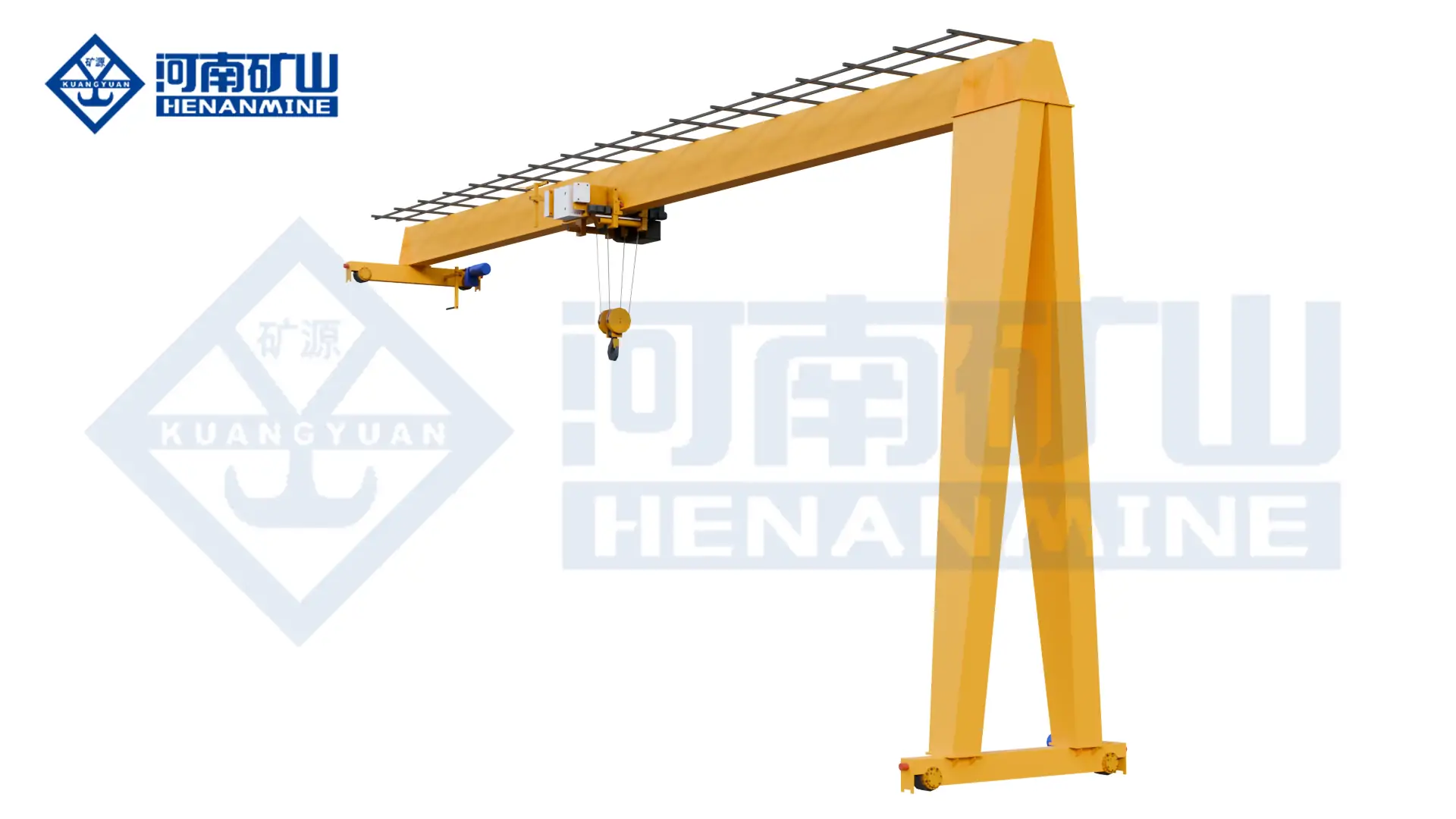
    Henan Mine CraneDiscuss your requirements ↗
  • 10 Ton Overhead Crane Price

    10 Ton Overhead Crane Price

    10 Ton Overhead Crane Price

    Henan Mine Crane · Commercial Pricing and Configuration

    10 Ton Overhead Crane Price

    A 10 ton overhead crane generally requires an initial factory-equipment budget of approximately US$7,000–$35,000. Compact European-style equipment, branded component kits, higher-duty systems and installation-inclusive projects require a higher budget.

    Henan Mine Crane manufactures project-configured 10 ton bridge cranes for workshops, warehouses, fabrication bays, assembly lines and maintenance facilities. Formal pricing is established from the span, lifting height, duty, controls, building interface and contracted supply scope.

    10 ton single girder overhead crane price configuration from Henan Mine Crane
    Single-girder electric-hoist configuration for a project-defined 10 t lifting requirement.

    RATED CAPACITY

    10 t / 10,000 kg

    INITIAL FACTORY BUDGET

    US$7,000–$35,000

    COMMON CONFIGURATION

    Single Girder + Electric Hoist

    PRICE STATUS

    Budget Range · Formal Quote Required

    How Much Does a 10 Ton Overhead Crane Cost?

    As of September 2026, general factory-supply pricing is approximately US$7,000–$15,000 for a 10 ton single-girder crane and US$12,000–$35,000 for a double-girder configuration. Defined 20 m span and 6 m lift packages are commonly positioned at approximately US$20,000–$30,000 for single girder, US$25,000–$40,000 for double girder and US$30,000–$45,000 for compact European-style equipment.

    Regional branded crane kits can range from approximately US$21,900–$43,200, while North American installation-inclusive examples are positioned at approximately US$65,000–$100,000. These categories are not directly interchangeable: a kit may exclude the bridge girder, runway and site power, while an installed project can include local engineering, erection and commissioning.

    These amounts are budget indications rather than fixed Henan Mine Crane selling prices. Runway beams, columns, foundations, international freight, import charges, unloading, erection, site wiring, commissioning and third-party inspection remain outside the price unless expressly included.

    Indicative price basis: September 2026. Budget bands support feasibility and capital planning. Purchase approval requires a formal quotation with configuration, inclusions, exclusions, delivery term, validity and payment conditions.

    10 Ton Overhead Crane Price by Configuration

    The same 10,000 kg capacity can produce materially different prices because bridge structure, span, headroom, duty, component level, regional compliance and supply scope change. Each price band below has a defined commercial basis.

    10 Ton Configuration Indicative Equipment Budget Typical Commercial Basis Principal Variables
    Factory-Supply Single Girder US$7,000–$15,000 Basic factory equipment package; FOB-type scope Span, hoist, lift, duty, electrification and exclusions
    Factory-Supply Double Girder US$12,000–$35,000 Project-defined factory package; FOB-type scope Trolley, span, duty, access, wheel loads and controls
    20 m Span / 6 m Lift Single Girder US$20,000–$30,000 Defined geometry; equipment supply Component grade, duty, speeds and delivery boundary
    20 m Span / 6 m Lift Double Girder US$25,000–$40,000 Defined geometry; equipment supply Trolley arrangement, access, duty and controls
    20 m / 6 m Compact European Style US$30,000–$45,000 Compact equipment with selected components Headroom, drives, brands, controls and documentation
    North American Branded Crane Kit US$21,900–$43,200 Hoist, end trucks, panel, controls and festoon Main bridge girder, runway, site power and spares may be excluded
    North American Installed Example Approximately US$65,000–$100,000 Single- or double-girder system with local installation Region, local labour, engineering, runway scope and acceptance

    A low advertised amount may describe a hoist, crane kit or basic factory package rather than a complete operating system. Procurement comparison requires the same span, lift, duty, control, bridge steel, runway boundary and delivery term.

    Selection Considerations

    01 / LOAD

    Complete Suspended Load

    The payload, lifting beam, hook attachment, slings and other below-the-hook equipment must remain within the permitted 10,000 kg load.

    02 / GEOMETRY

    Span, Lift and Headroom

    Runway gauge, hook travel, highest hook position, end approaches and roof clearances determine the structure and steel quantity.

    03 / DUTY

    Operating Cycle

    Lifts per hour, load spectrum, travel distances, shifts and production criticality determine working class and mechanism ratings.

    04 / BUILDING

    Runway and Support Capacity

    Crane weight, wheel spacing, vertical reactions and horizontal forces must be coordinated with the rail, runway and building structure.

    05 / CONTROL

    Motion Performance

    Pendant, radio control, variable-frequency drives, dual speeds and positioning functions affect component scope and commercial value.

    06 / ENVIRONMENT

    Operating Conditions

    Temperature, dust, moisture, corrosion, outdoor exposure and hazardous-area classification require appropriate equipment protection.

    10 Ton Overhead Crane Compared with Other 10 Ton Configurations

    Configuration selection precedes price comparison. The lowest equipment amount does not provide commercial value when hook coverage, runway arrangement, duty or environmental protection is unsuitable.

    Configuration Commercial Position Application Critical Price Inputs
    10 Ton Single-Girder Crane General starting price level Workshop, warehouse, assembly and maintenance lifting Span, hoist, lift, headroom, duty and runway reactions
    10 Ton Double-Girder Crane Higher structural and trolley cost Demanding duty, defined hook envelope or service access Trolley arrangement, access, bridge mass, span and duty
    10 Ton Underhung Crane Equipment cost can be low; building work varies Suspended runway systems with compatible structure Runway beams, suspension points, support spacing and geometry
    10 Ton European-Style Crane Higher component and control price level Compact headroom and controlled production movements Hoist design, drives, controls, component brands and documentation
    10 Ton Explosion-Proof Crane Project-specific premium Specified hazardous gas or dust environments Zone, substance, temperature class, protection and conformity scope

    10 Ton Overhead Crane Project Cost Breakdown

    The crane purchase price and the installed project cost are different commercial values. A complete capital budget separates equipment, infrastructure, logistics and site execution.

    A / CRANE PACKAGE

    Bridge and Hoisting Equipment

    Girder, end carriages, hoist or trolley, drives, controls, electrical panel and crane electrification.

    B / RUNWAY

    Rails and Supporting Structure

    Runway beams, rails, columns, brackets, end stops, foundations and structural verification when included.

    C / LOGISTICS

    Packing and Delivery

    Export packing, inland transport, ocean or land freight, insurance, import charges, unloading and storage.

    D / SITE WORK

    Installation and Commissioning

    Access equipment, erection labour, site wiring, testing, commissioning, training and handover records.

    Budget formula: Installed project cost = crane equipment + runway and structure + electrification + freight and import costs + unloading and erection + commissioning and acceptance.

    How Span, Headroom and Duty Change the Price

    Double girder 10 ton overhead crane structure affecting equipment price
    Double-girder arrangements change structural steel, trolley layout, access provisions and runway reactions.

    Span and Structural Steel

    Longer spans generally require larger structural sections, additional fabrication, higher crane mass and greater transport volume. A 10 ton crane at a compact span therefore cannot be compared directly with the same capacity at a substantially longer span.

    Headroom and Hook Coverage

    Compact hoists, low-headroom structures and alternative trolley arrangements can preserve lifting height but change the equipment package. A dimensioned layout is required to compare usable hook position rather than nominal crane height.

    Duty and Motion Control

    Frequent cycles, repeated near-capacity lifts, longer travel, faster motion and precise positioning increase mechanism and control requirements. Rated capacity alone does not establish working class or expected service.

    What a Comparable 10 Ton Crane Quotation Must Include

    A price comparison is valid only when every proposal covers the same technical and commercial boundary. The following schedule prevents an equipment-only offer from being compared with an installed system.

    Quotation Item Required Definition Commercial Risk if Omitted
    Technical Configuration Capacity, span, lift, duty, speeds, control, power and environment Low price may reflect lower duty, different dimensions or incomplete controls
    Component Schedule Hoist, motors, brakes, gear units, controls, electrification and protection Unspecified components prevent performance and maintenance comparison
    Runway Boundary Rails, beams, columns, brackets, conductor system and structural responsibility Major supporting steel and civil costs may remain outside the offer
    Delivery and Installation Named delivery term, destination, unloading, erection, wiring and commissioning Unallocated logistics and site work can materially increase final expenditure
    Inspection and Documentation Drawings, manuals, certificates, inspection points, testing and handover records Acceptance requirements may become unpriced variations after order placement

    Purchase Price and Life-Cycle Cost

    Capital cost remains important, but the lowest purchase amount may increase operating expenditure when components, duty selection or maintenance access are unsuitable. Commercial evaluation should include the following ownership factors.

    Energy and Motion

    Motor sizing, travel distances, acceleration, regenerative functions and operating hours influence electricity consumption.

    Inspection and Maintenance

    Access, lubrication, ropes, hooks, brakes, wheels, electrical items and periodic inspection create recurring expenditure.

    Spare Parts and Downtime

    Component availability, critical spares, diagnostic information and production dependency affect outage risk.

    Manufacturing, Inspection and Order Documentation

    Henan Mine Crane manufacturing workshop for 10 ton overhead crane production
    Crane structures and production equipment inside a Henan Mine Crane manufacturing workshop.

    Henan Mine Crane develops the manufacturing package from the approved technical agreement and general arrangement. Inspection and documentation requirements are connected to the contracted crane structure, mechanisms, electrical system and supply boundary.

    • General arrangement with crane envelope, hook approaches and interfaces
    • Wheel loads, wheel spacing, rail data and electrical connection requirements
    • Component schedule, electrical drawings and operating documentation
    • Agreed factory inspection, functional checks and test records
    • Packing schedule and shipment preparation for the destination

    Manufacturing facilities and production scenes are presented in the Henan Mine Crane factory display.

    Information Required for a Formal 10 Ton Crane Price

    A complete RFQ enables configuration selection, dimensioned layout development and a defined commercial proposal.

    Load and Duty

    • Maximum and typical suspended loads
    • Attachment weight and load dimensions
    • Lifts per hour and operating shifts
    • Required speeds and positioning performance

    Building and Runway

    • Runway span and travel length
    • Required hook height and approaches
    • Existing rail, beam and support data
    • Building cross-section and obstruction layout

    Environment and Commercial Scope

    • Temperature, dust, corrosion and hazard data
    • Voltage, frequency and phases
    • Project location and delivery term
    • Runway, freight, installation and testing boundary

    10 Ton Overhead Crane Price FAQ

    What is the current price of a 10 ton overhead crane?

    A general factory-supply 10 ton overhead crane requires an initial equipment budget of approximately US$7,000–$35,000. Defined long-span, compact European-style, branded-kit and installation-inclusive projects can exceed this range.

    Why do online 10 ton crane prices vary so widely?

    Some listings cover only a hoist or component kit, while others include the bridge, end trucks, controls and electrification. Span, lift, duty, component brands, runway scope and delivery region also create substantial differences.

    Does the 10 ton overhead crane price include runway beams?

    Runway beams, rails, columns, brackets, end stops and foundations are separate unless expressly included. Crane reaction data and the structural responsibility boundary must be stated in the proposal.

    Does the quoted amount include freight and installation?

    Freight, insurance, import charges, unloading, erection, site wiring, commissioning and testing are included only when identified in the commercial scope. The named delivery term determines logistics responsibility.

    Is a single-girder crane always cheaper than a double-girder crane?

    A single-girder crane generally has a lower starting equipment cost. Final value depends on hook height, span, duty, trolley arrangement, maintenance access and building modifications required by each structure.

    How does span affect a 10 ton bridge crane price?

    A longer span generally increases structural steel, fabrication, crane mass, wheel reactions and shipment volume. Span must be coordinated with the runway gauge and building rather than selected from a price table alone.

    Can a 10 ton crane operate on an existing runway?

    Compatibility is determined from rail size, runway geometry, alignment, support condition and allowable reactions. Existing crane capacity alone does not confirm suitability for a replacement crane.

    What is required for a formal Henan Mine Crane quotation?

    Rated load, span, lifting height, runway length, operating duty, control method, power supply, environment, project location and required supply scope establish the commercial proposal.

    Request A 10 Ton Overhead Crane Quote

    Submit the 10,000 kg load requirement, span, lifting height, duty, building information, power supply, environment and project location. Henan Mine Crane will prepare a configuration-based proposal with the applicable equipment price and defined supply scope.

    Henan Mine CraneDiscuss your requirements ↗