Henan Mine Crane · Scrap Yard and Recycling Process Handling
Metal Recycling Crane Systems
Heavy-duty overhead and gantry cranes for scrap receiving, sorting, stockpiling, shear and shredder feeding, baler service, processed-metal transfer and dispatch.
Henan Mine Crane engineers each metal recycling crane around the actual scrap mix, attachment deadweight, representative pick mass, pile geometry, cycle rate, duty class, operating environment, safety zones, plant interfaces and contracted supply boundary.
PRIMARY SERVICE
Scrap Receiving, Sorting and Feeding
CRANE ARCHITECTURE
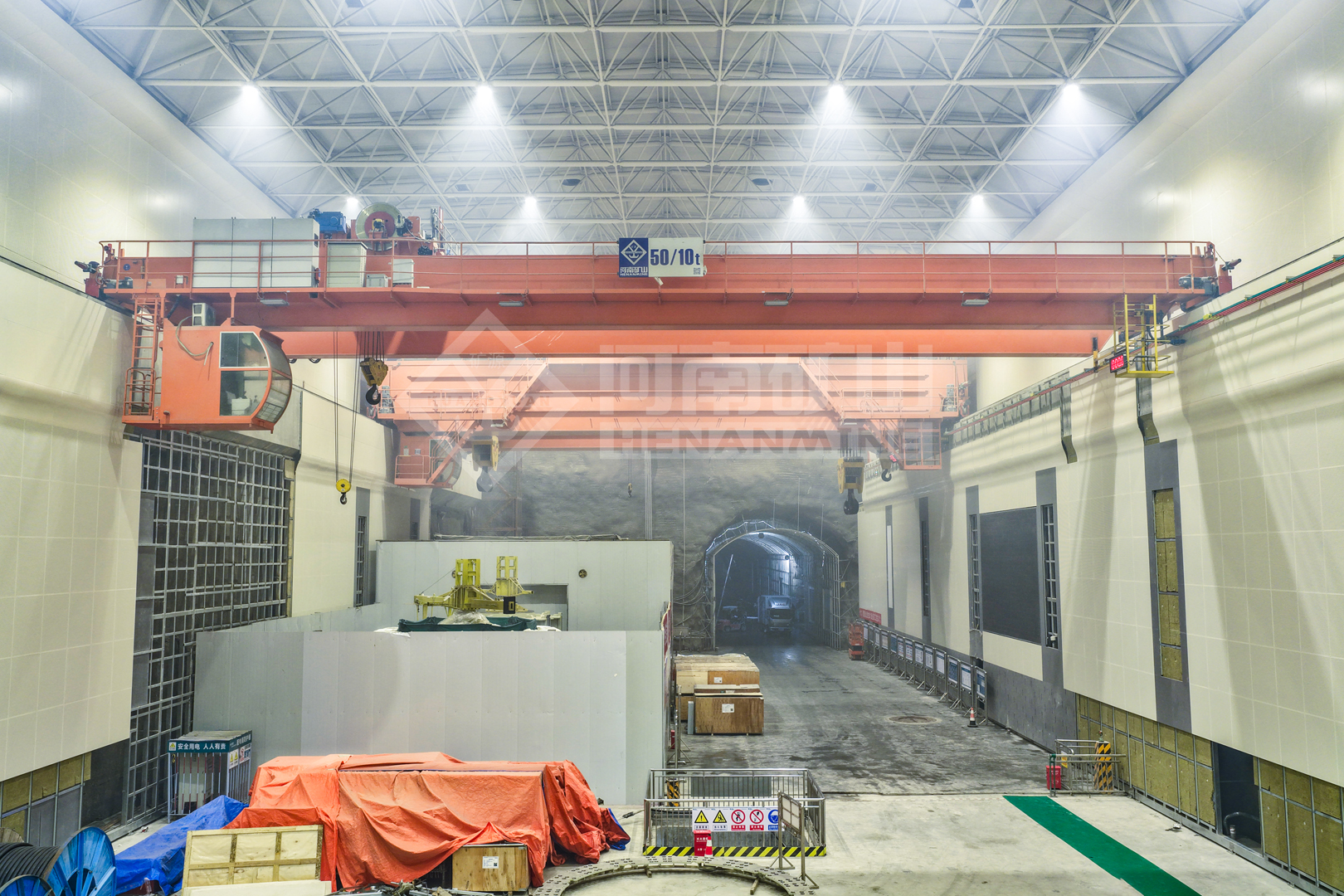
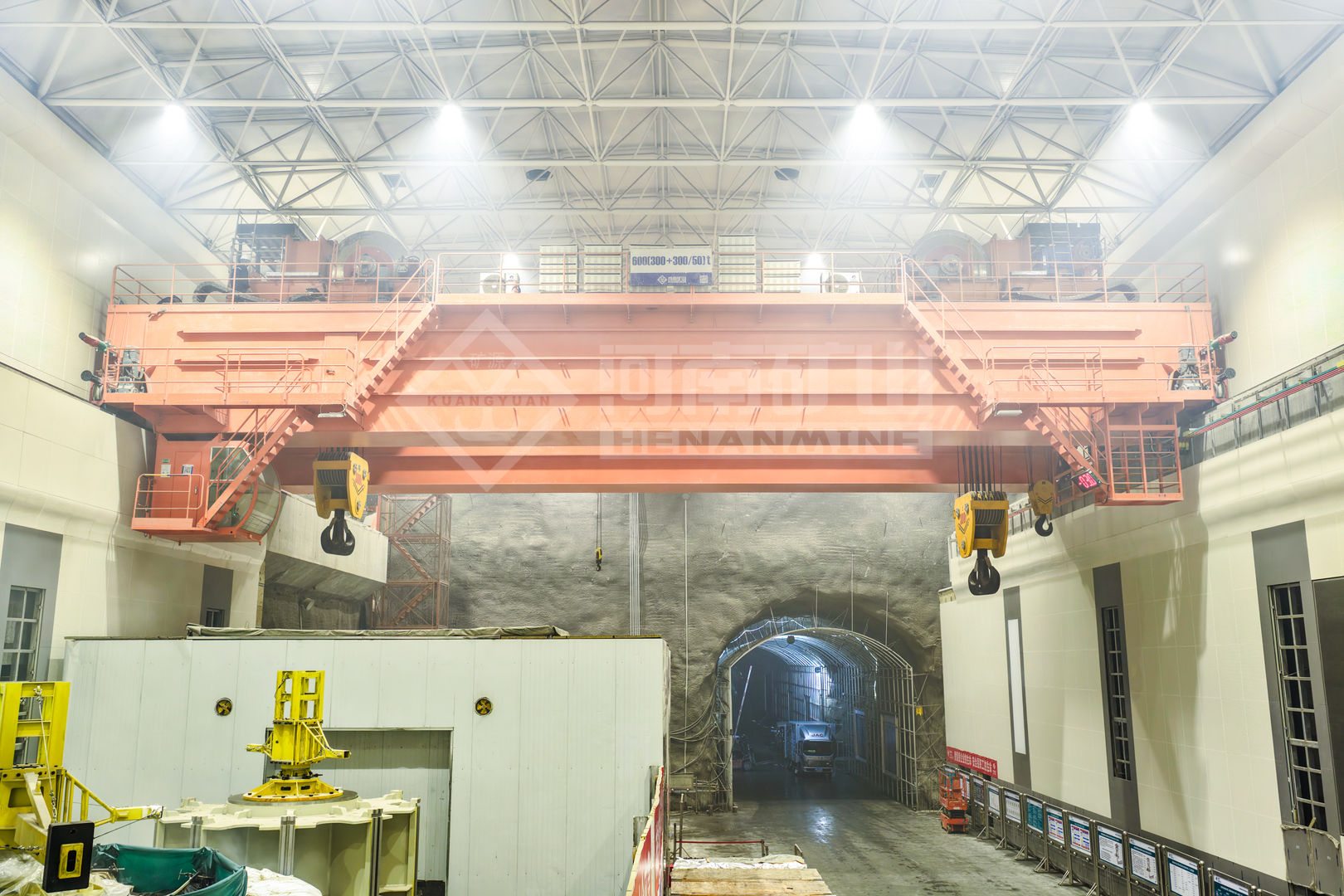
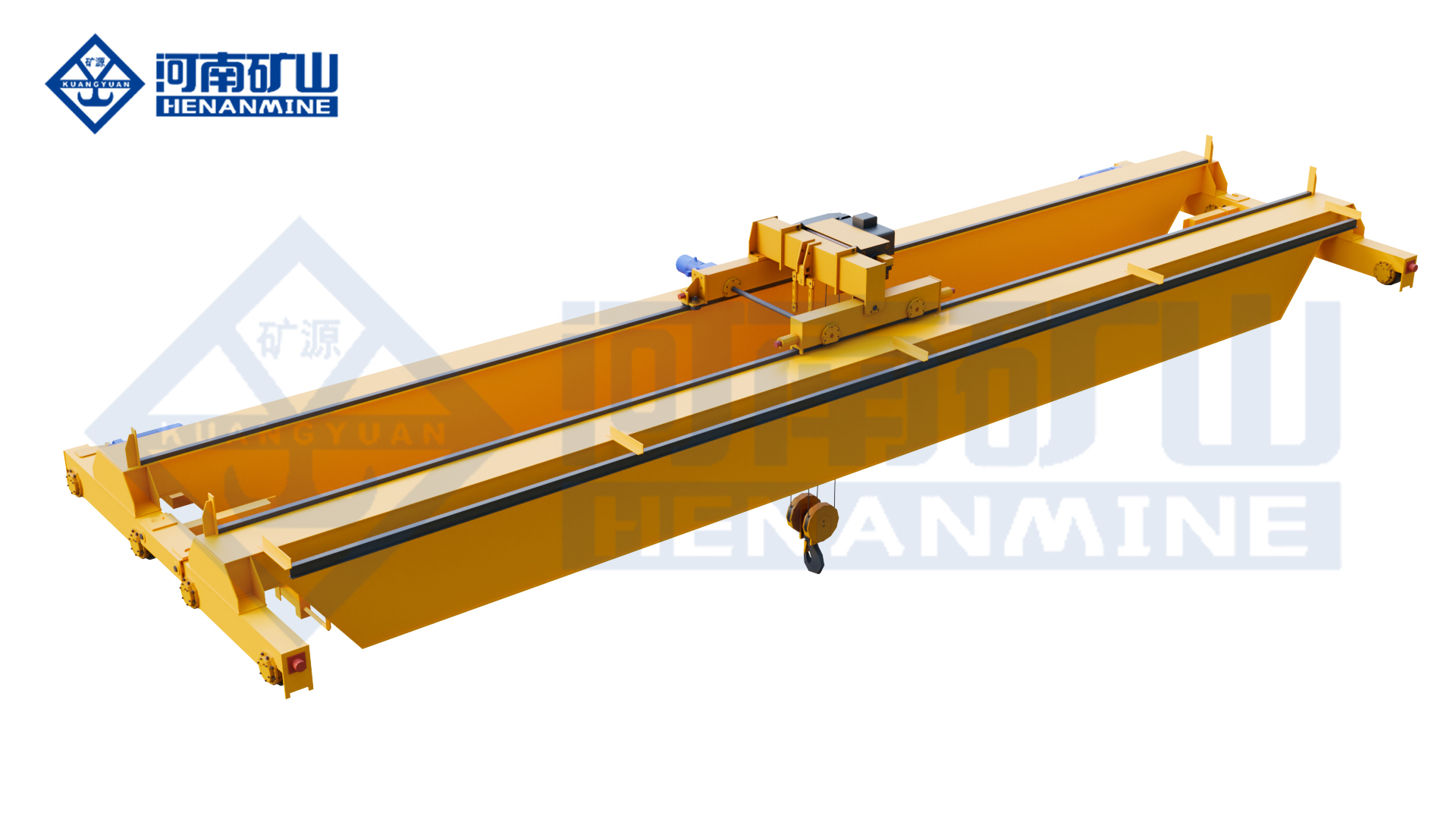
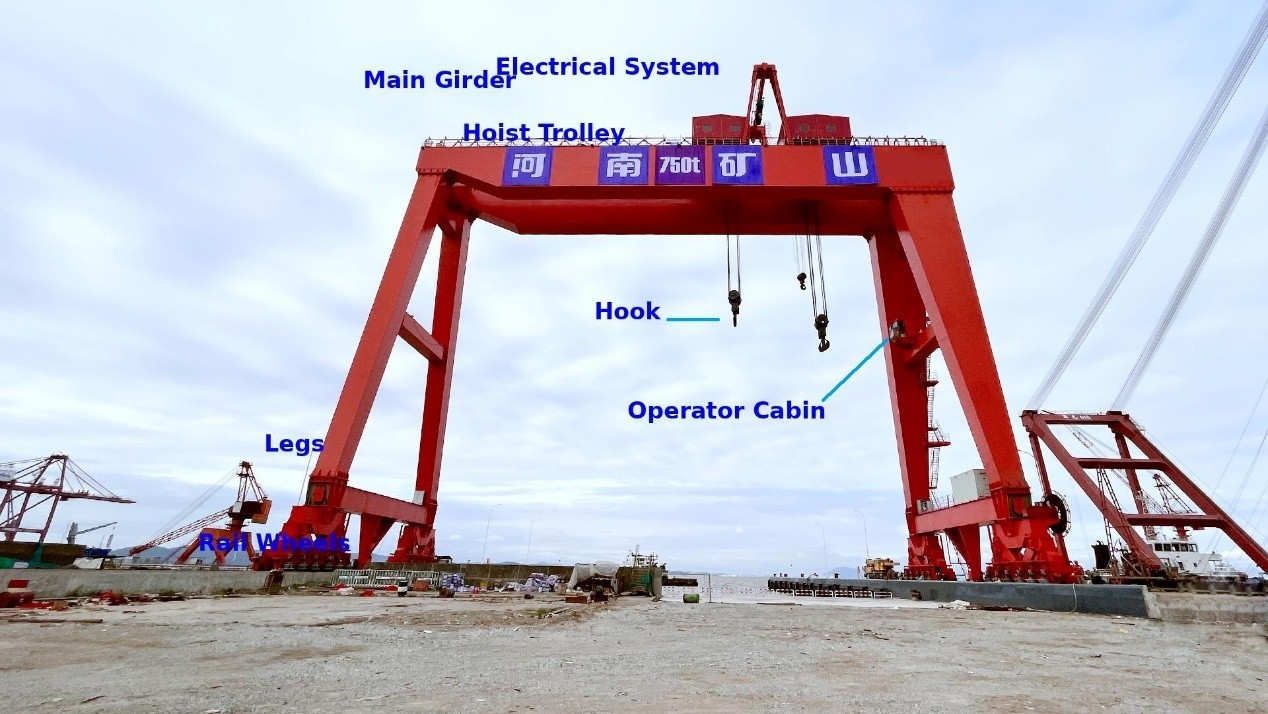
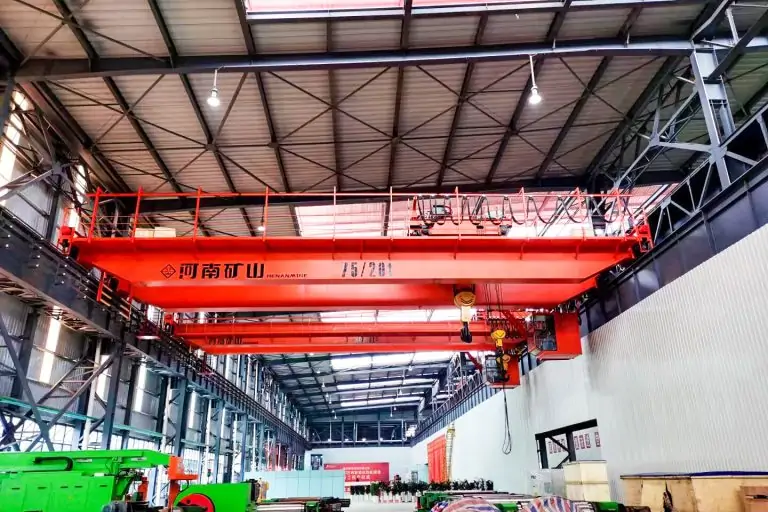
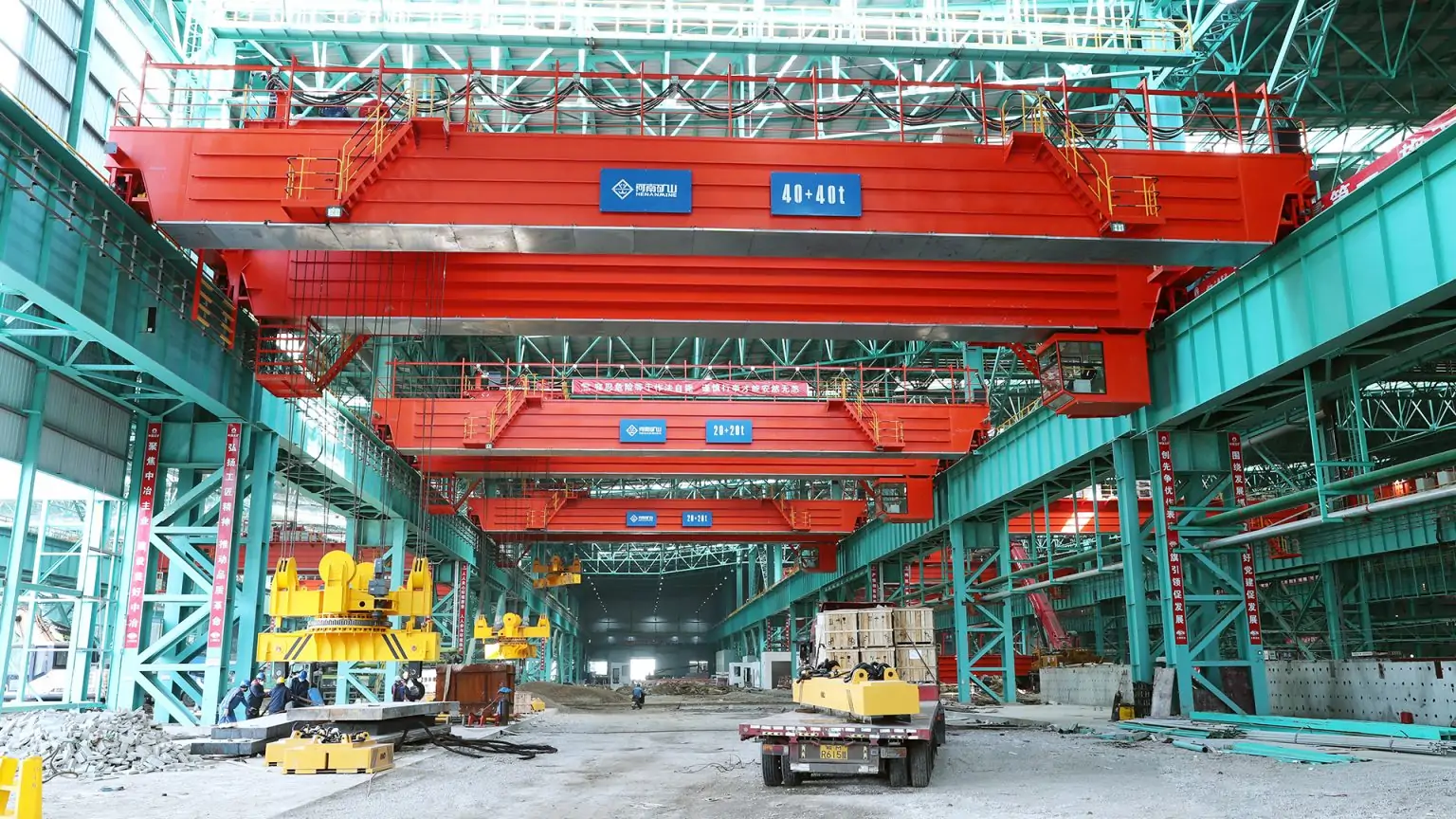
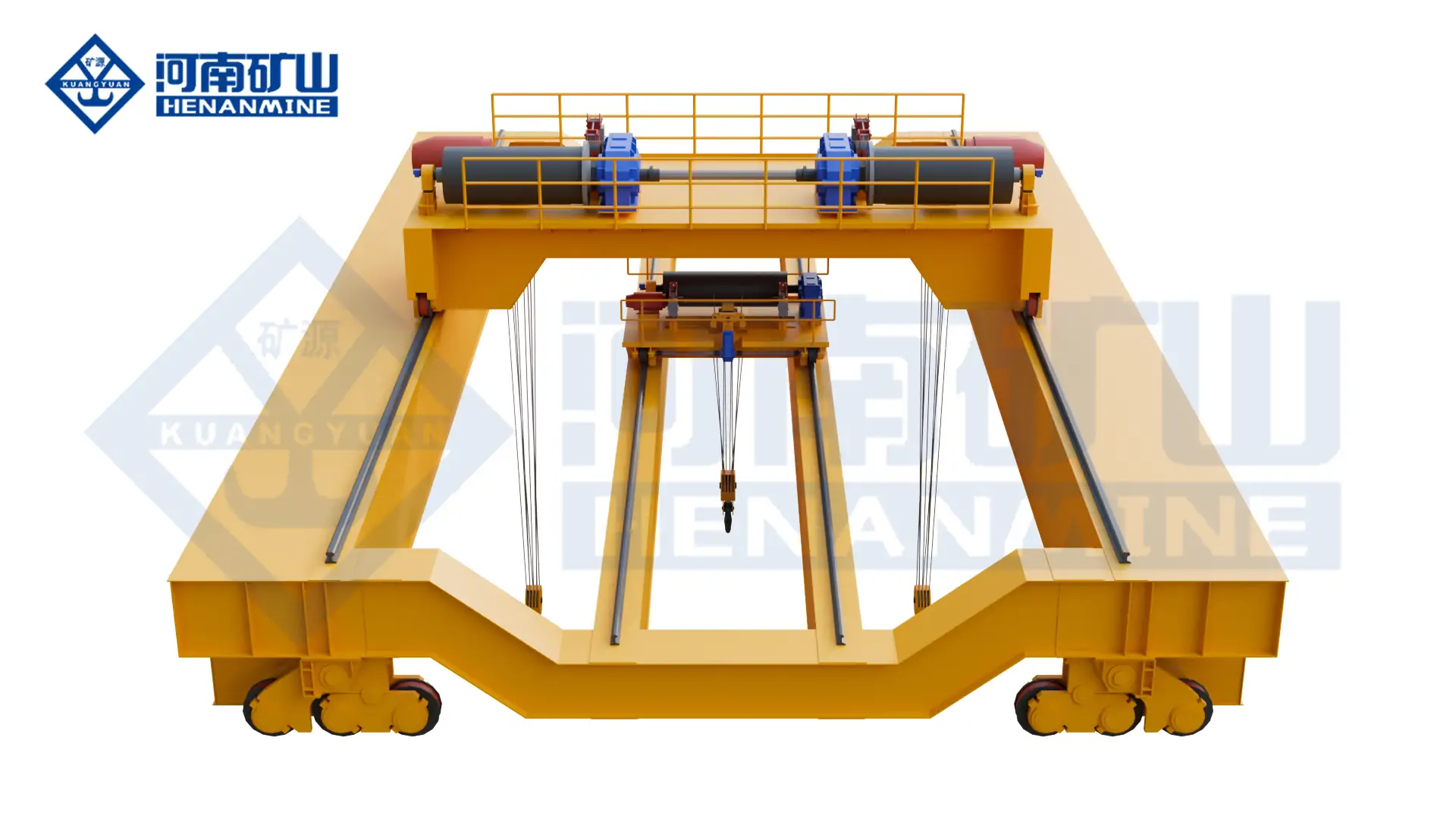
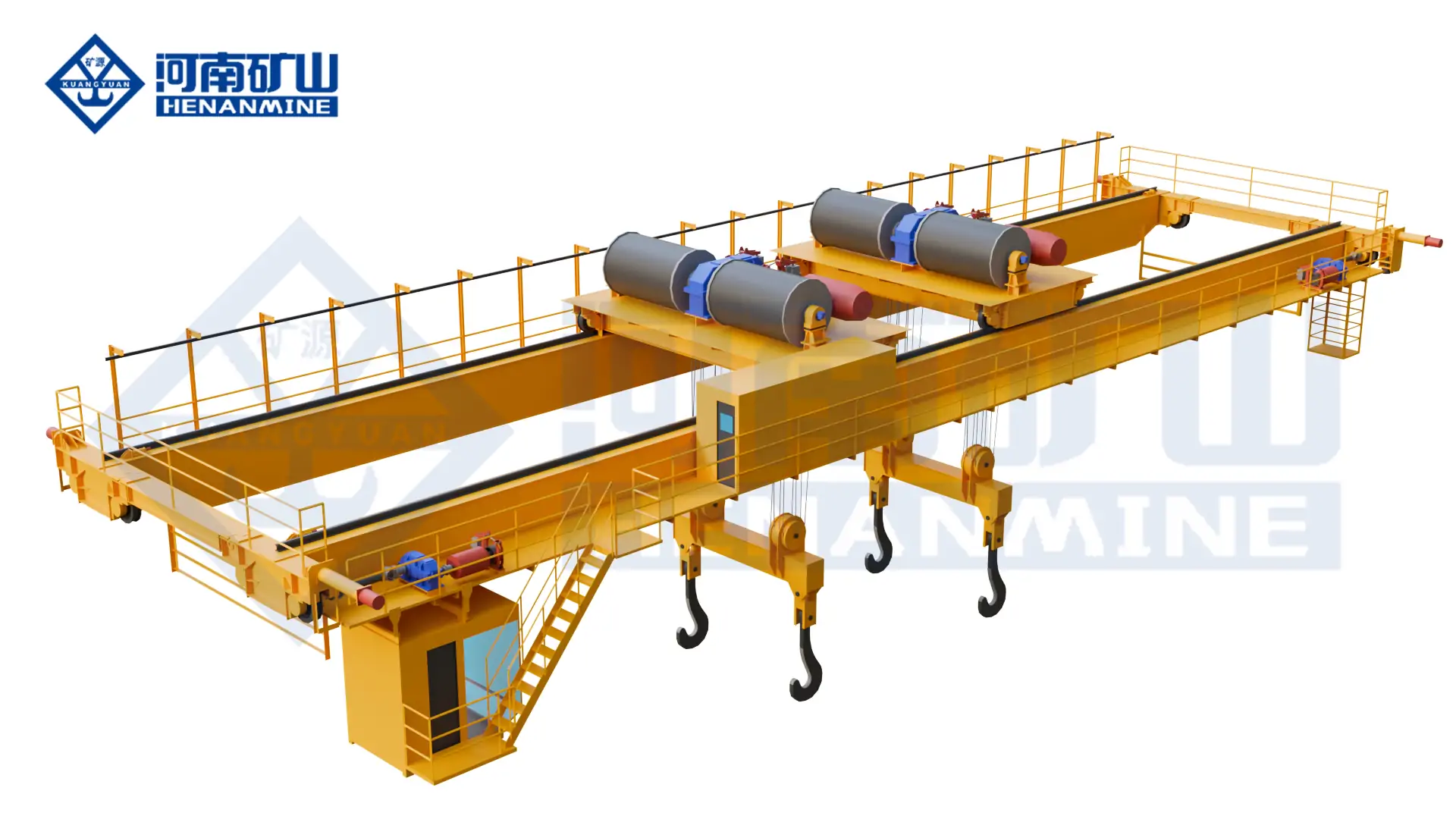
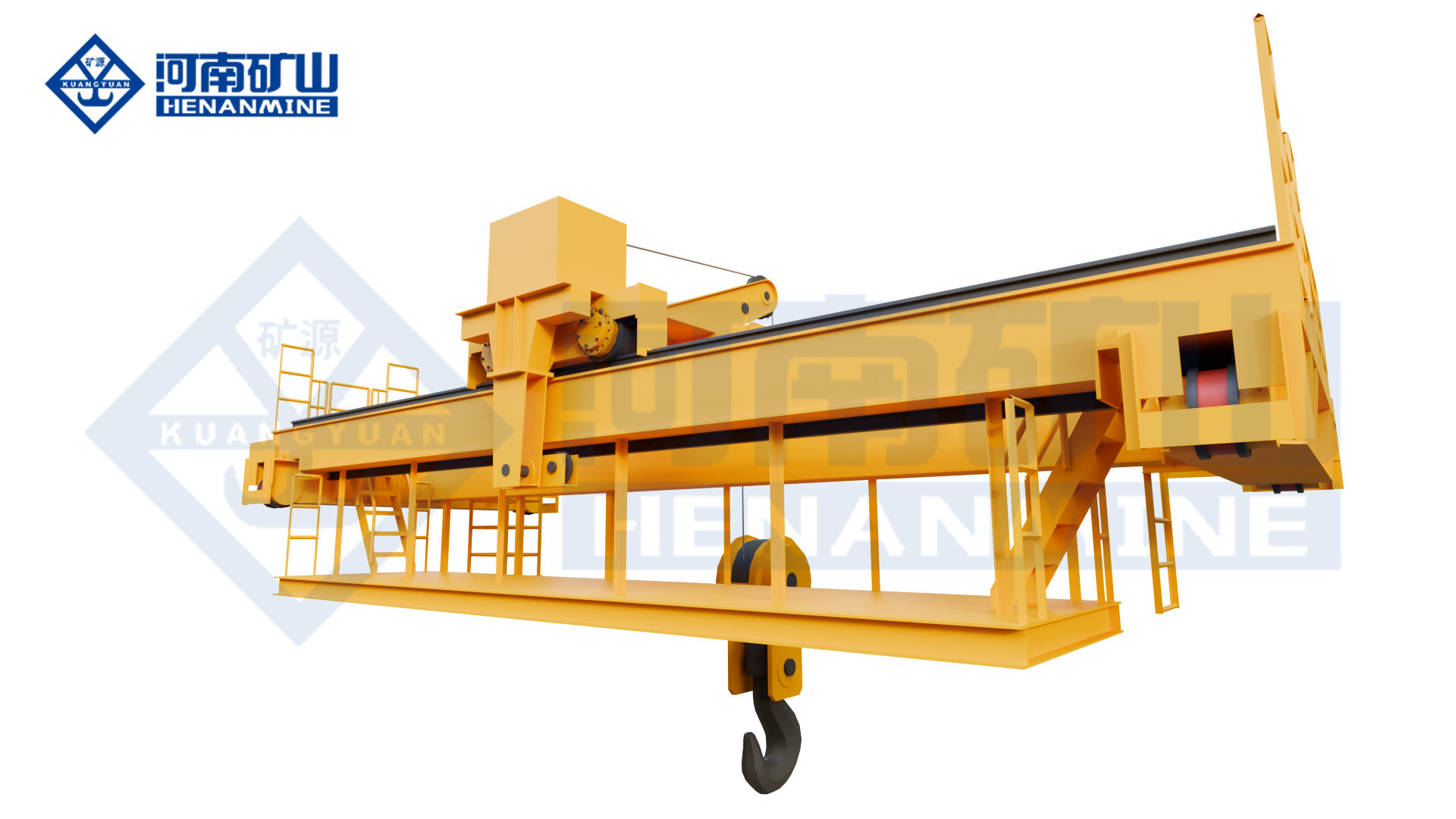
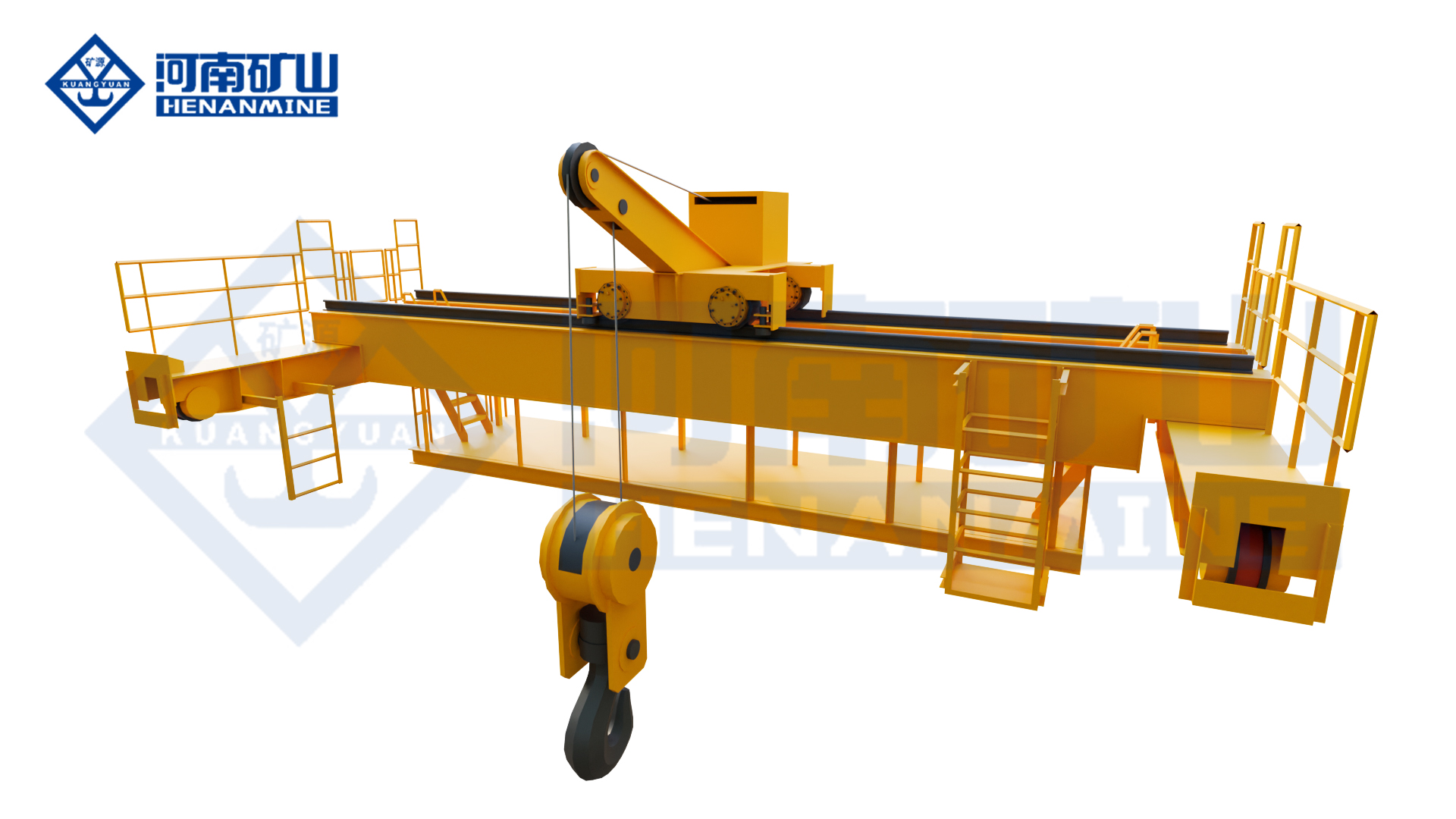
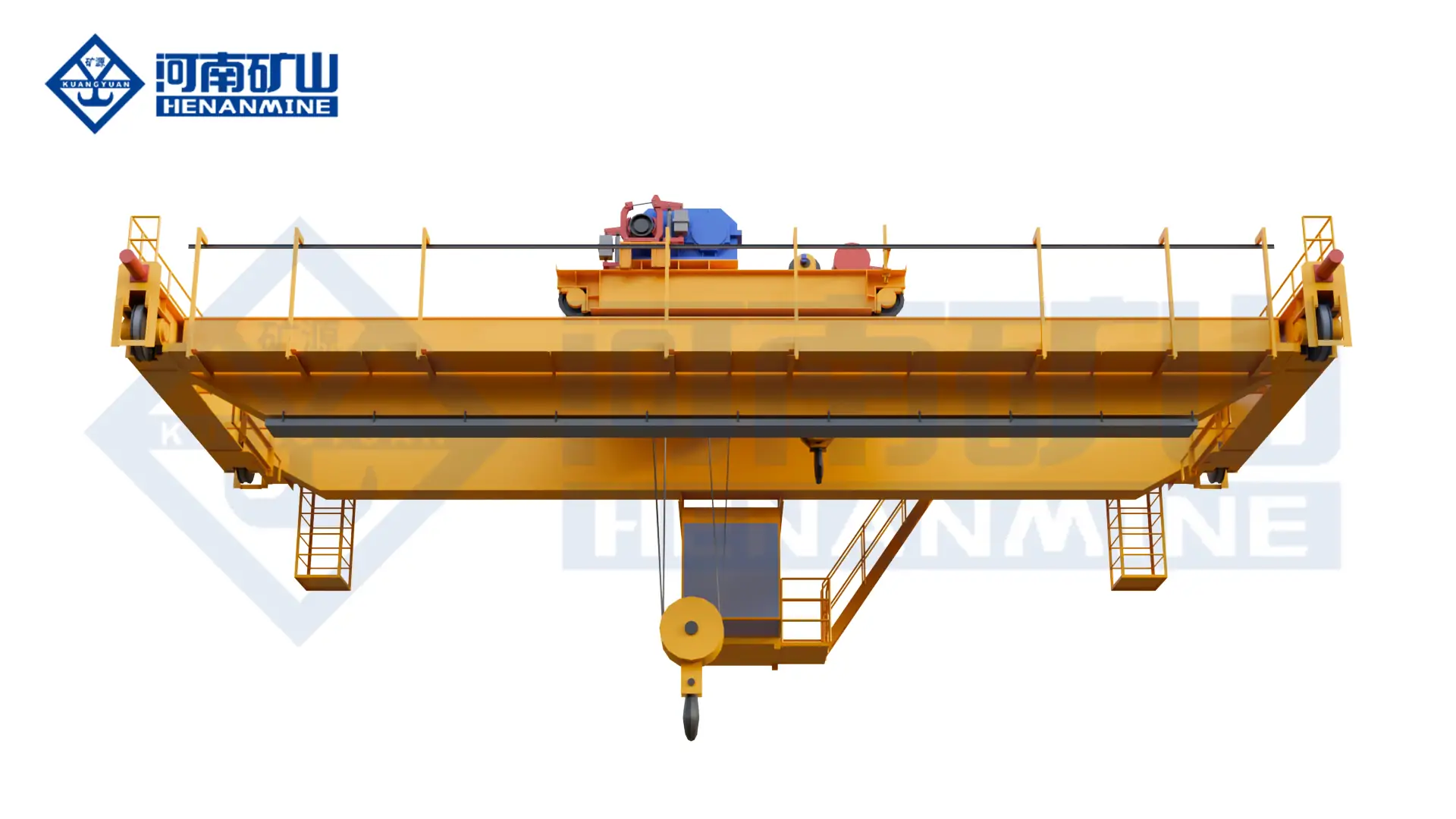
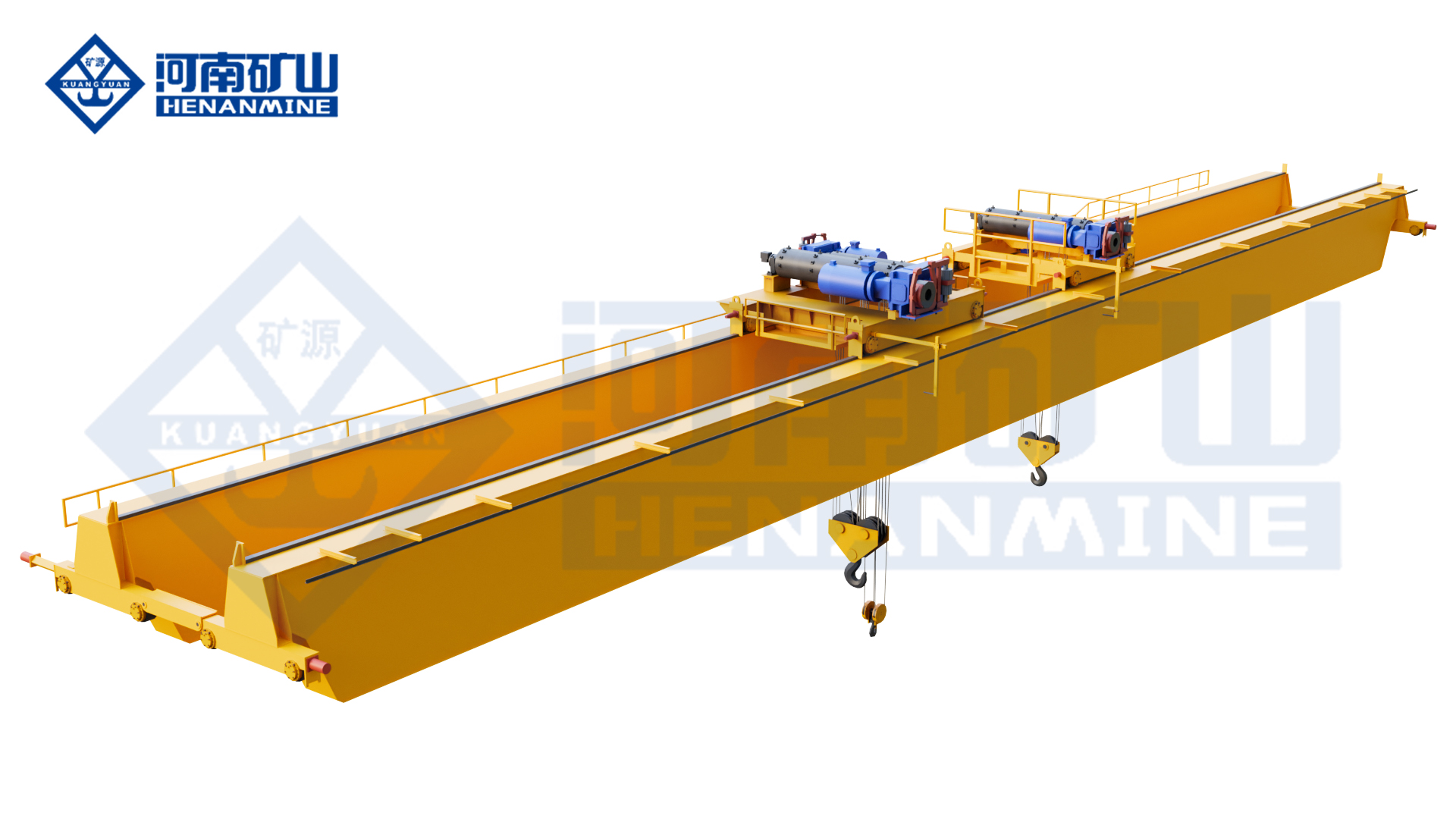
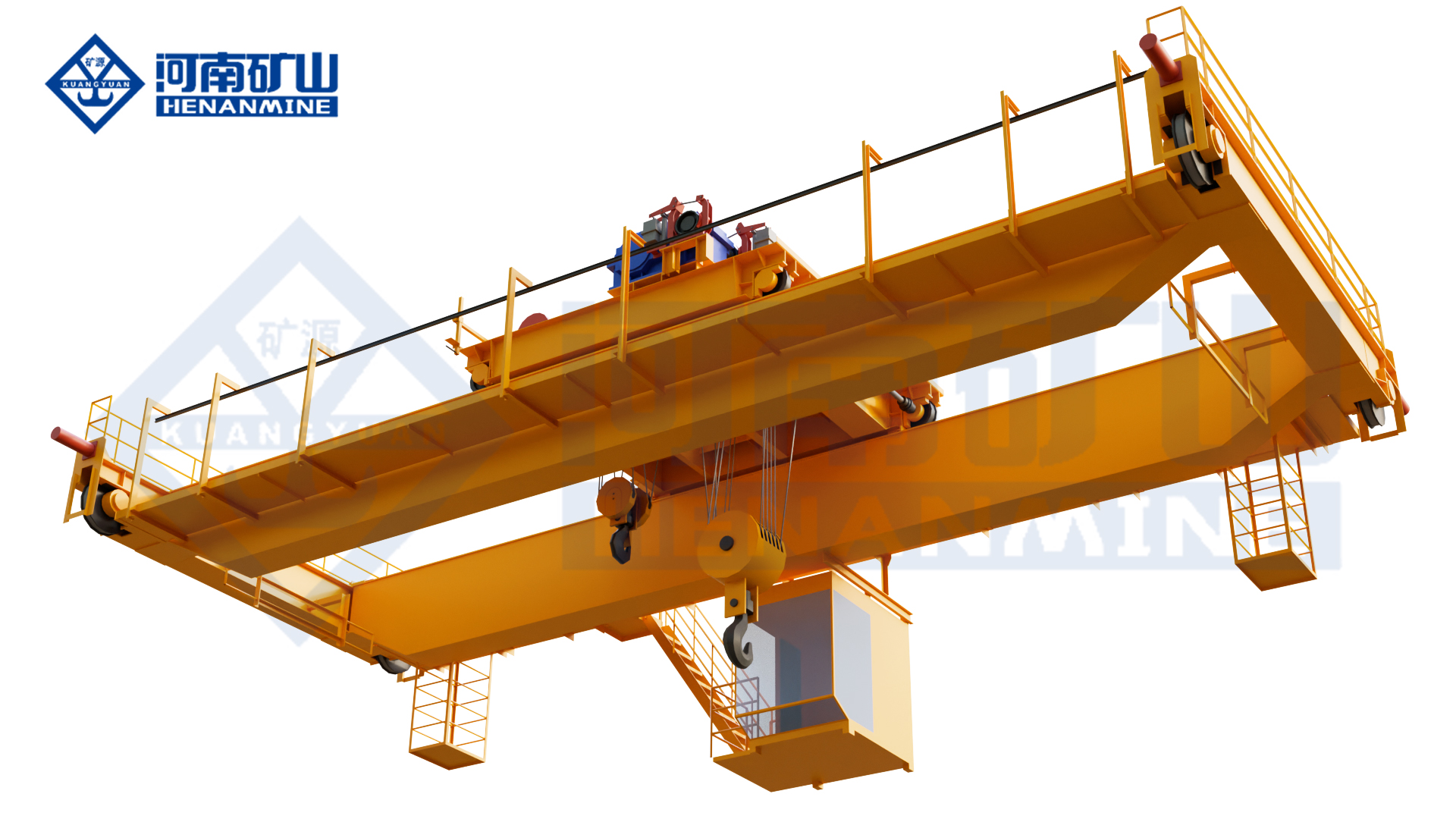
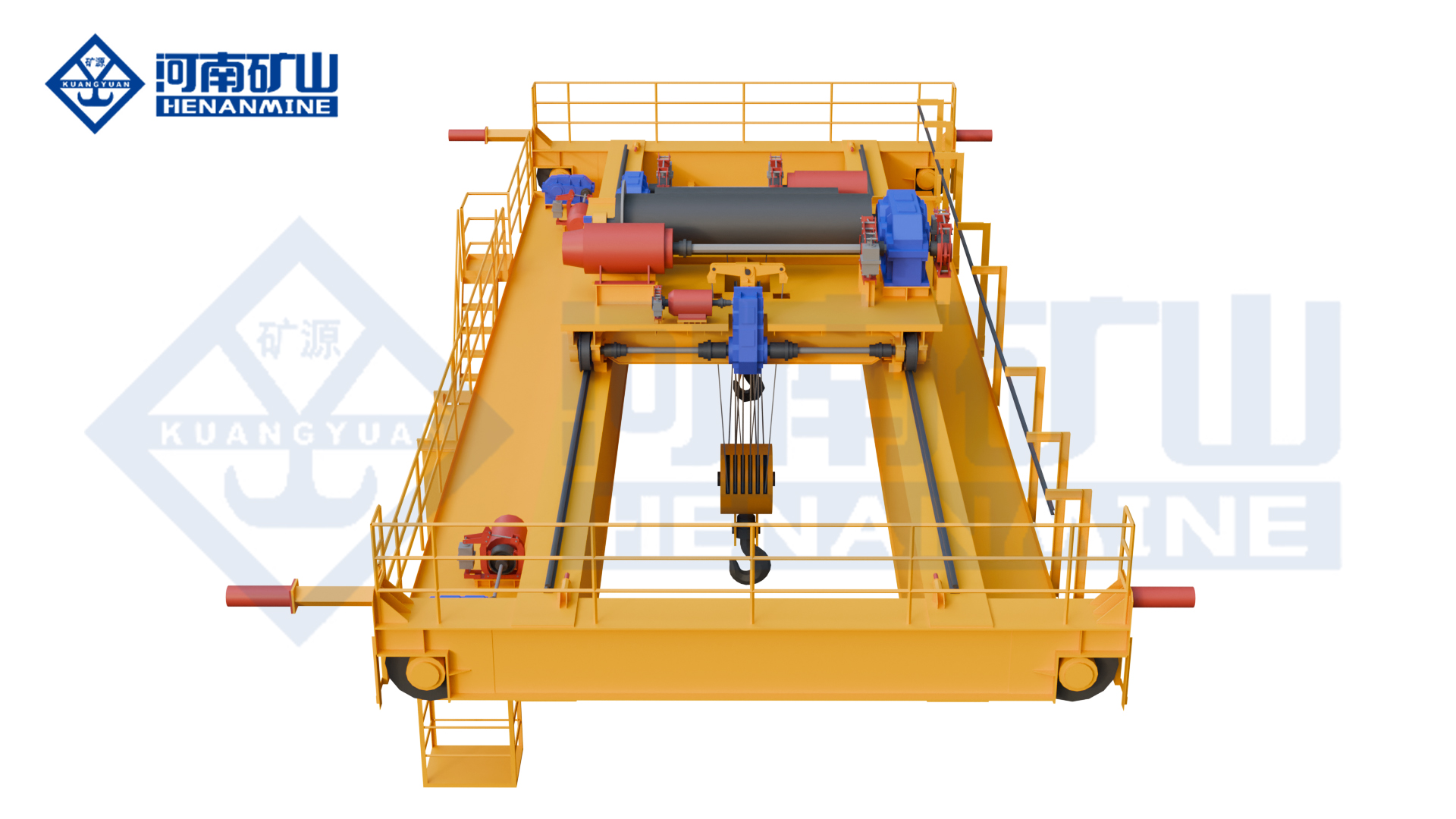
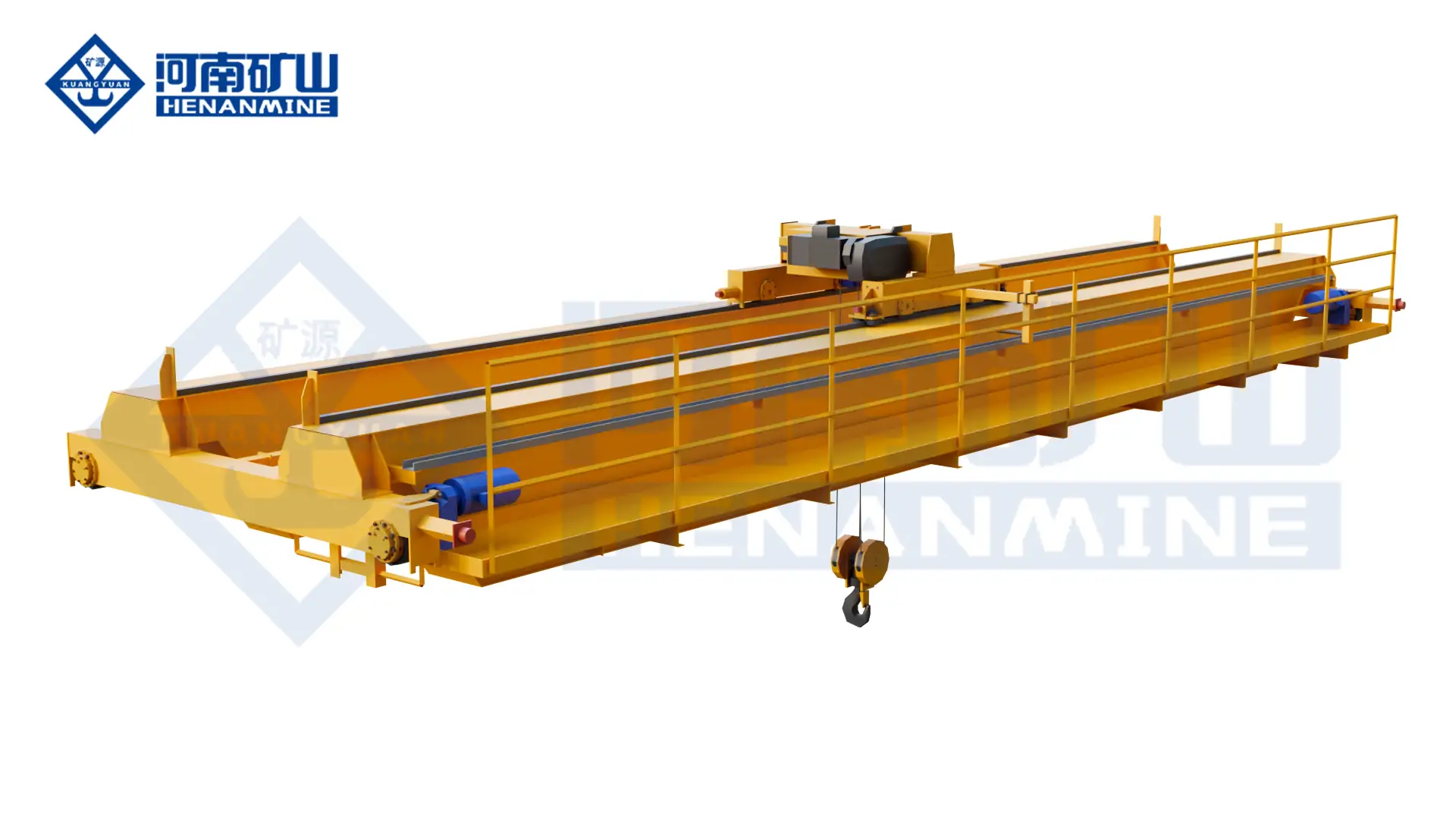
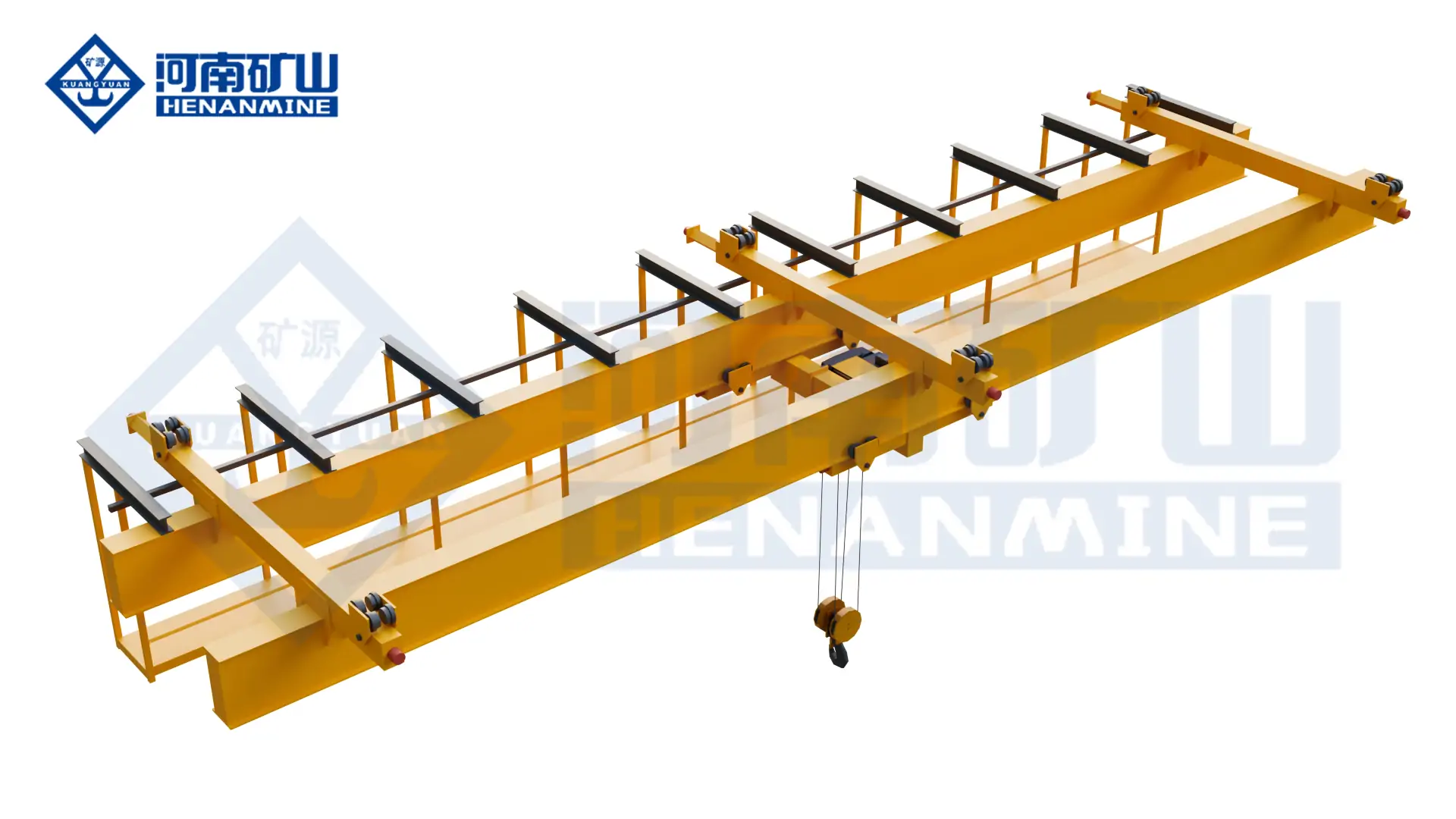
Overhead or Gantry Crane
LIFTING DEVICES
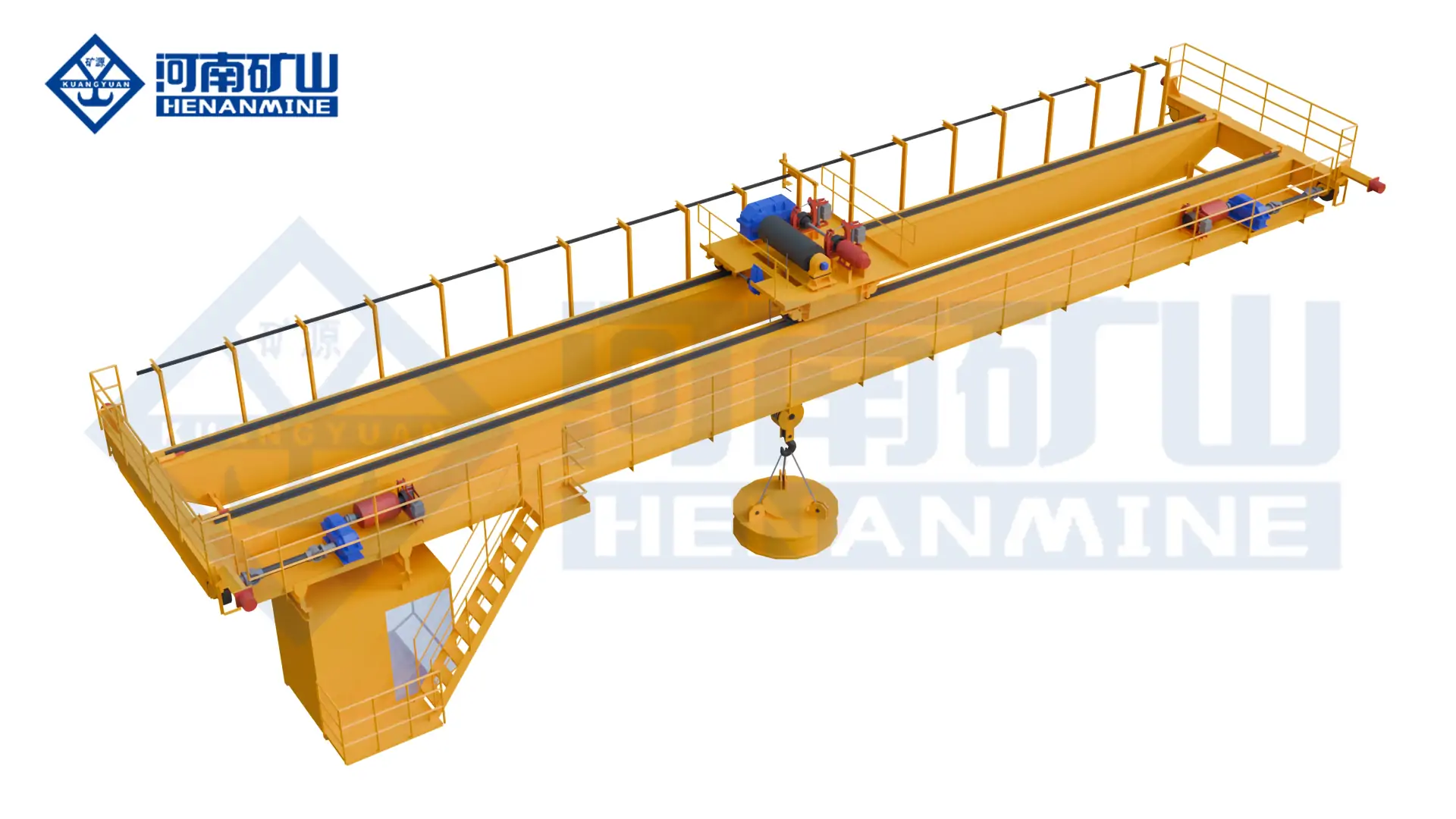
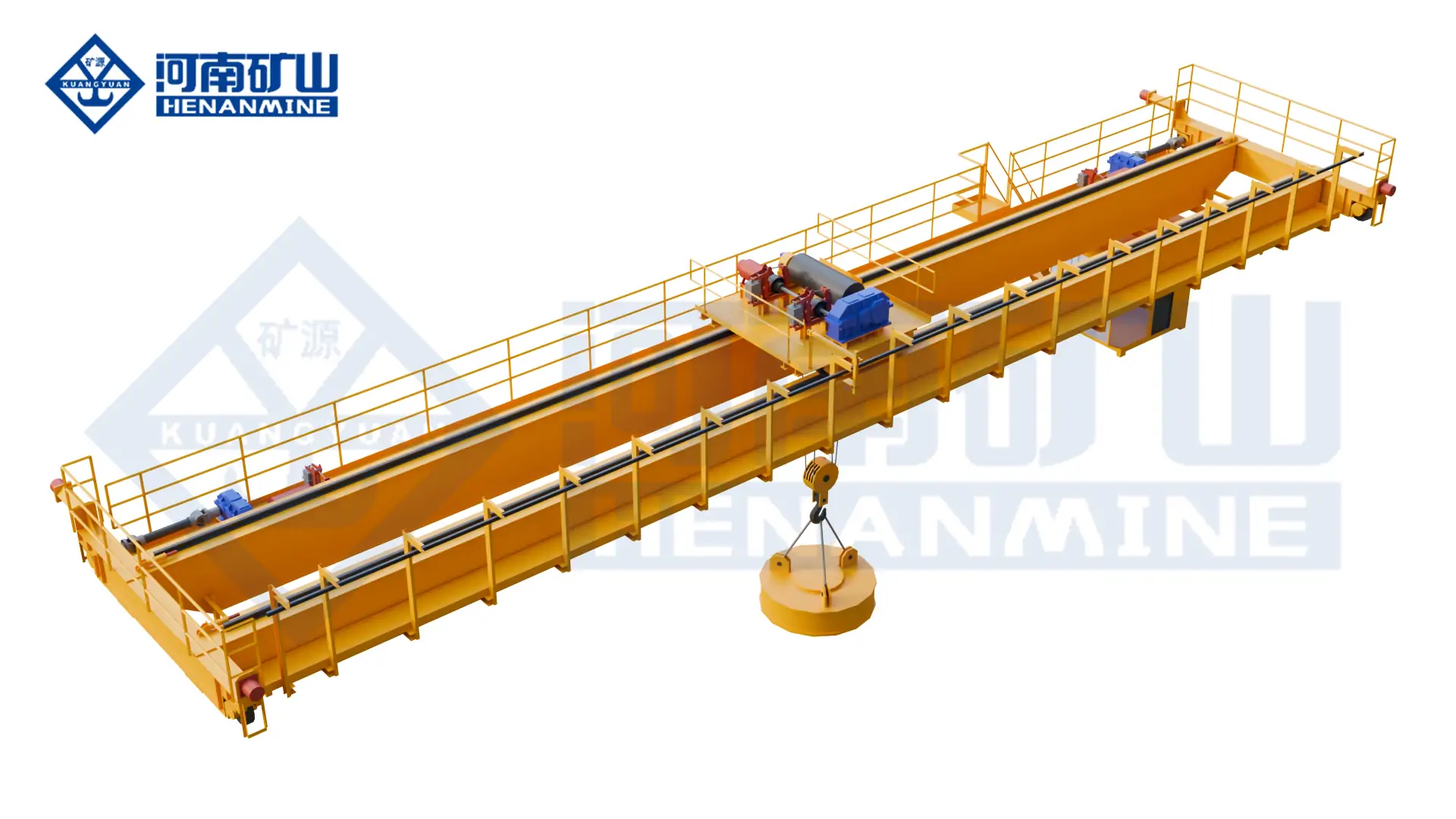
Magnet, Orange-Peel Grab or Hook
CONTROL LEVELS
Cabin, Radio, Assisted or Automatic
What Is a Metal Recycling Crane?
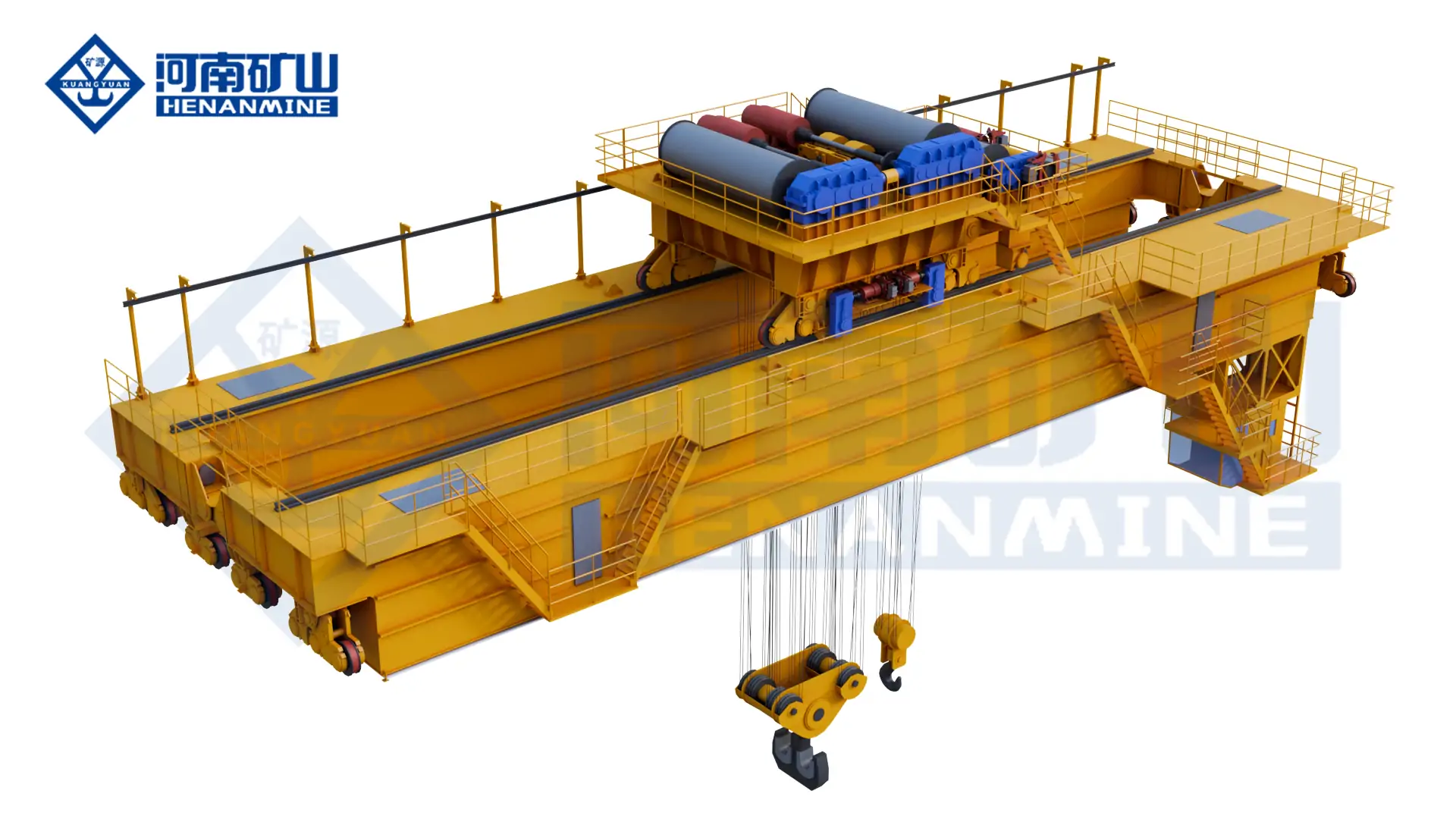
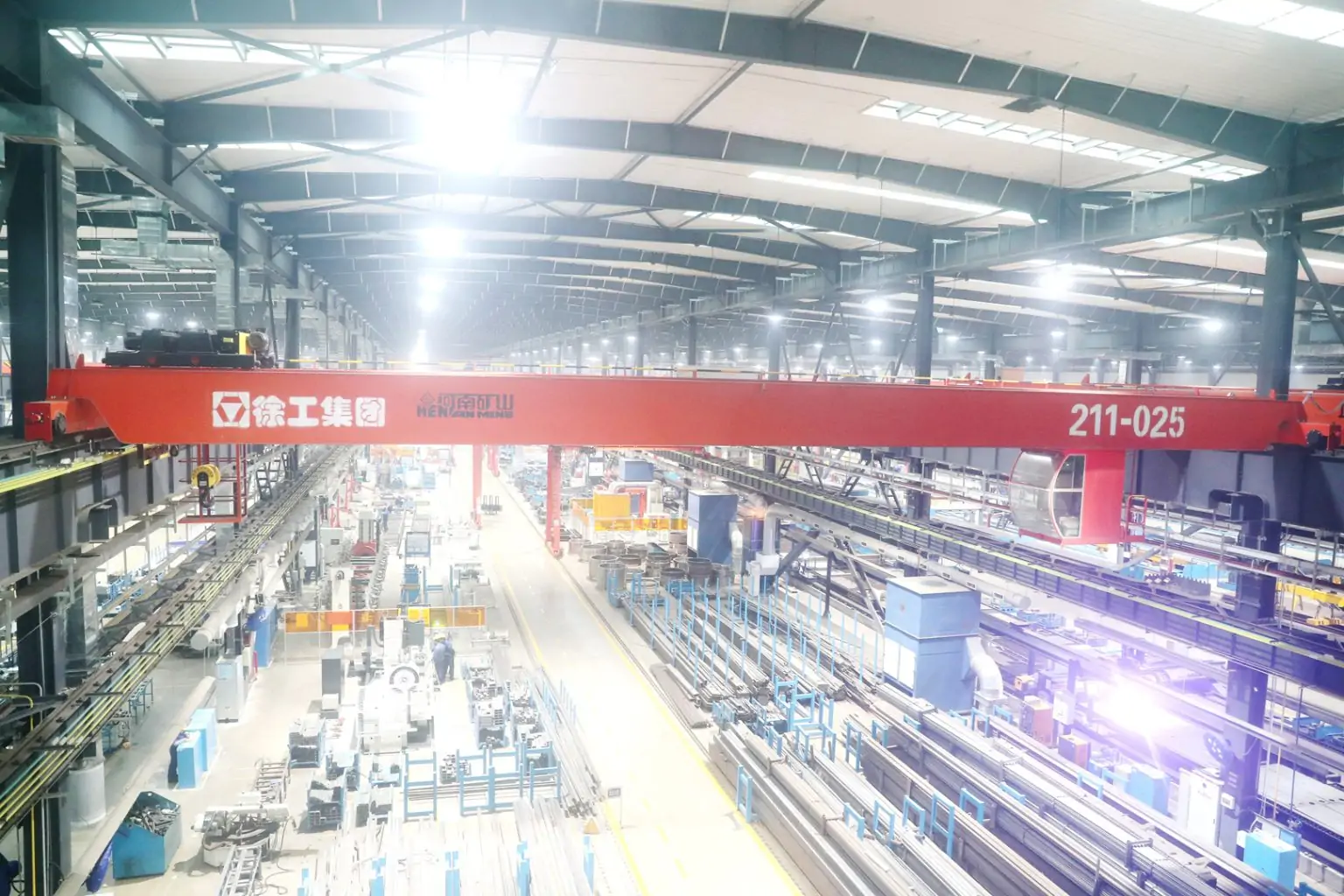
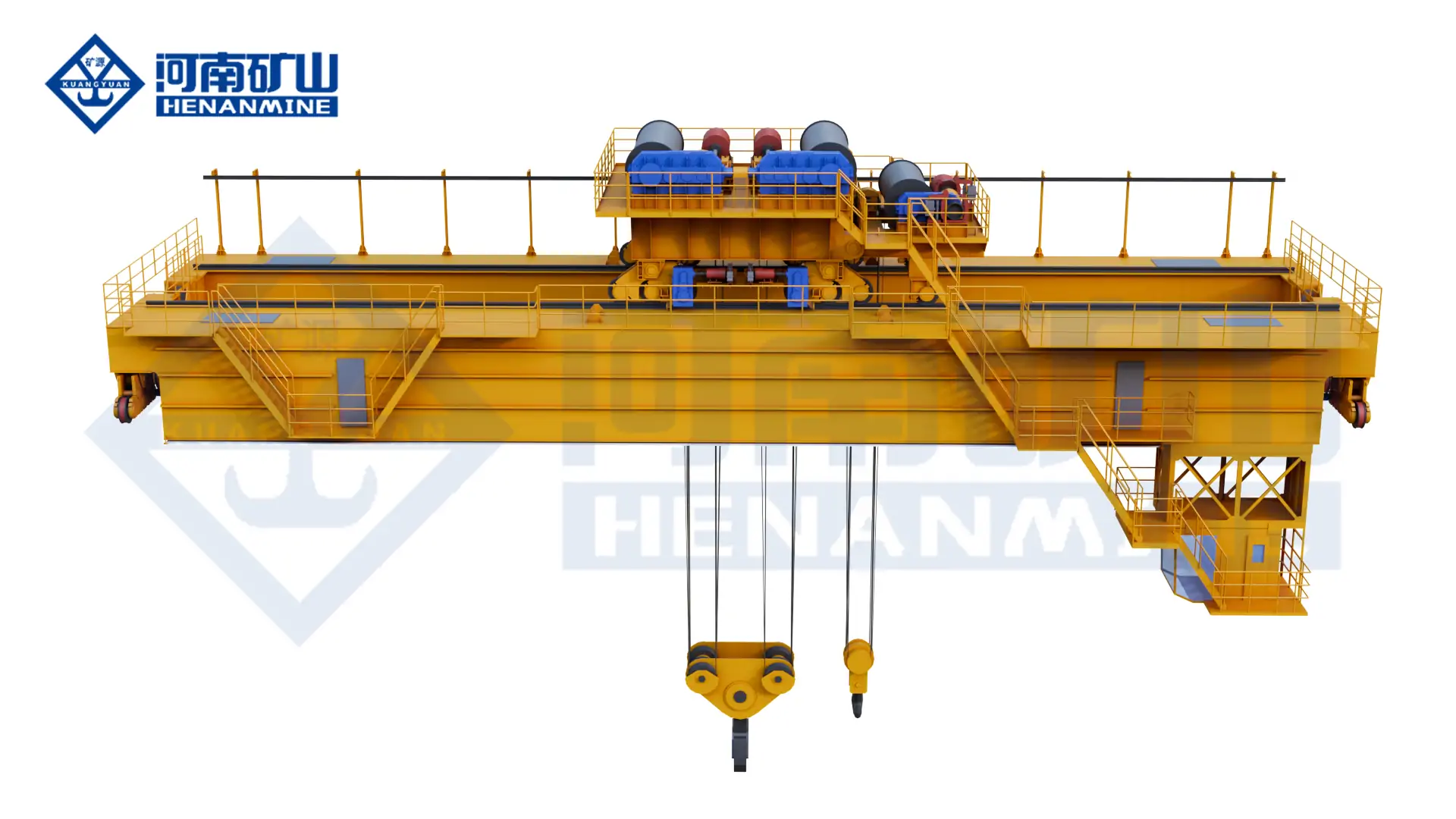
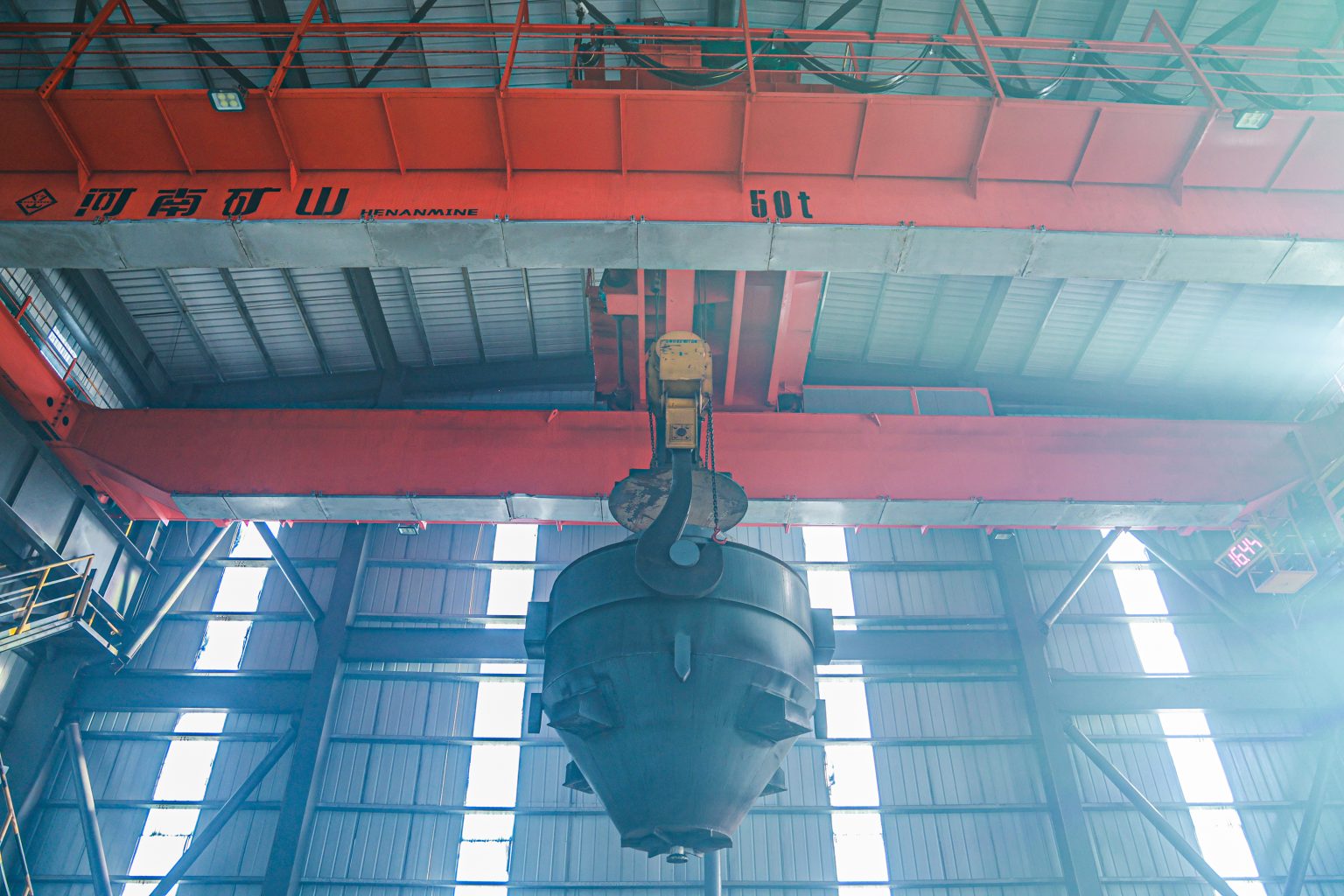
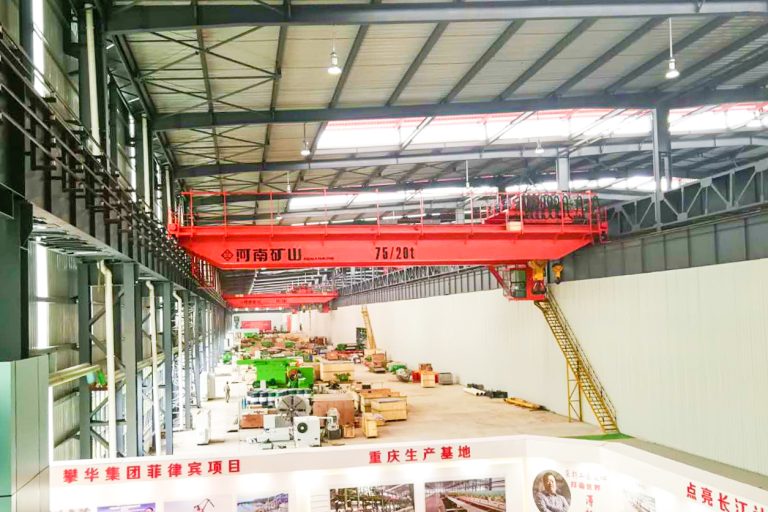
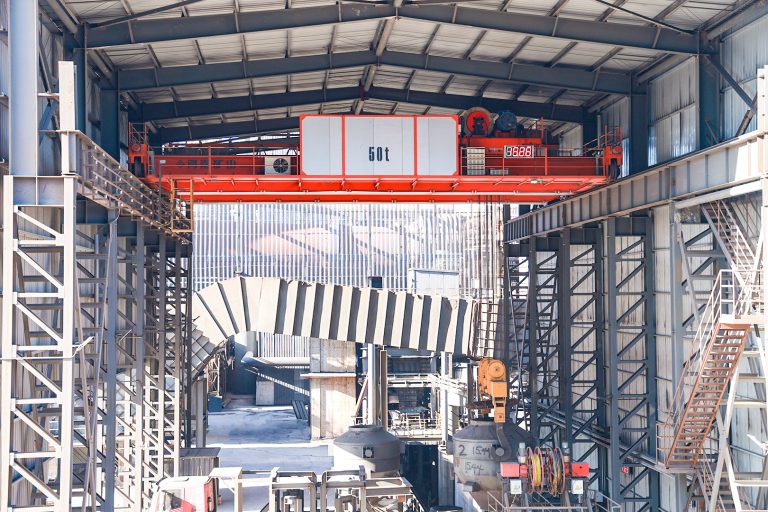
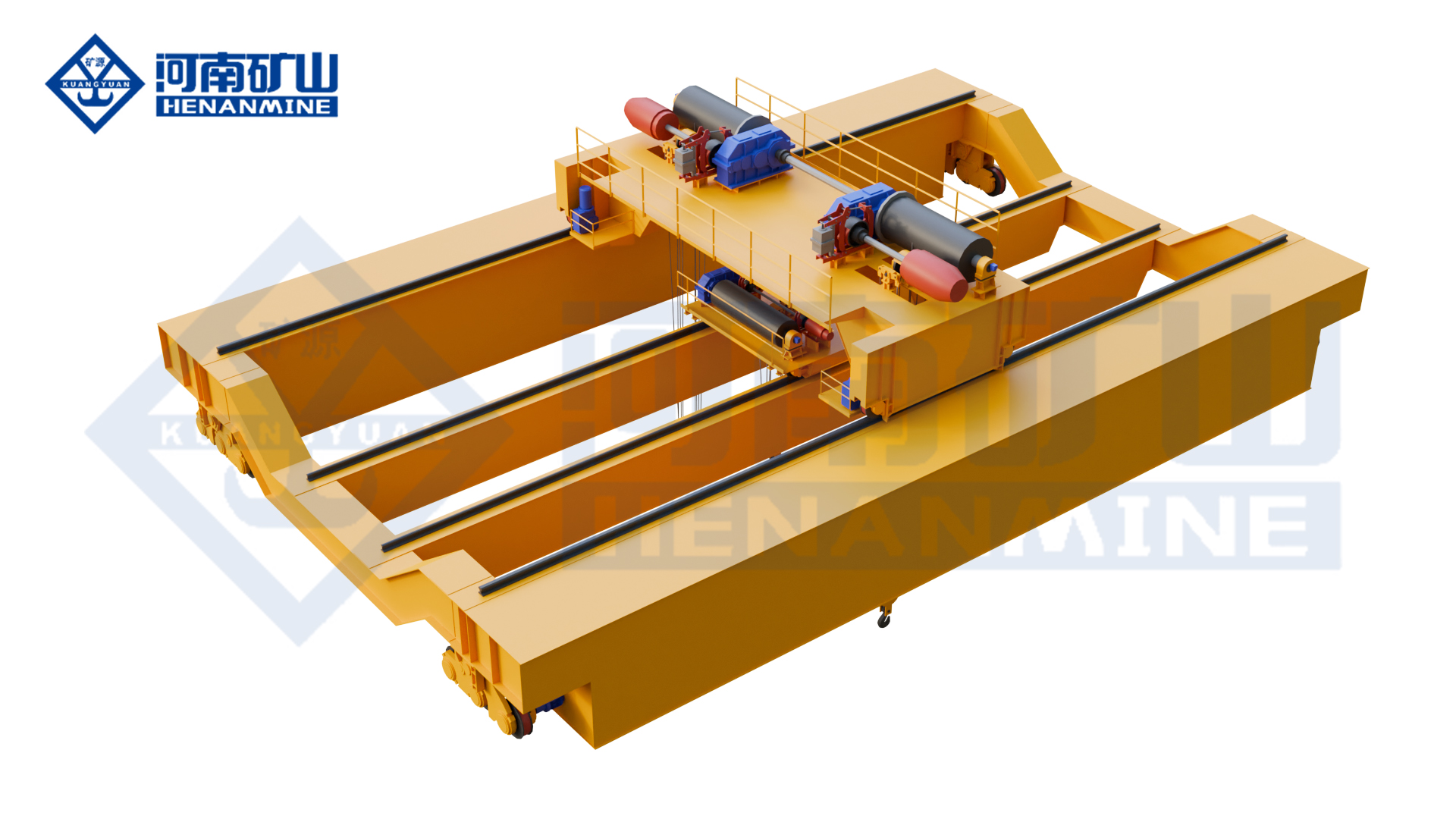
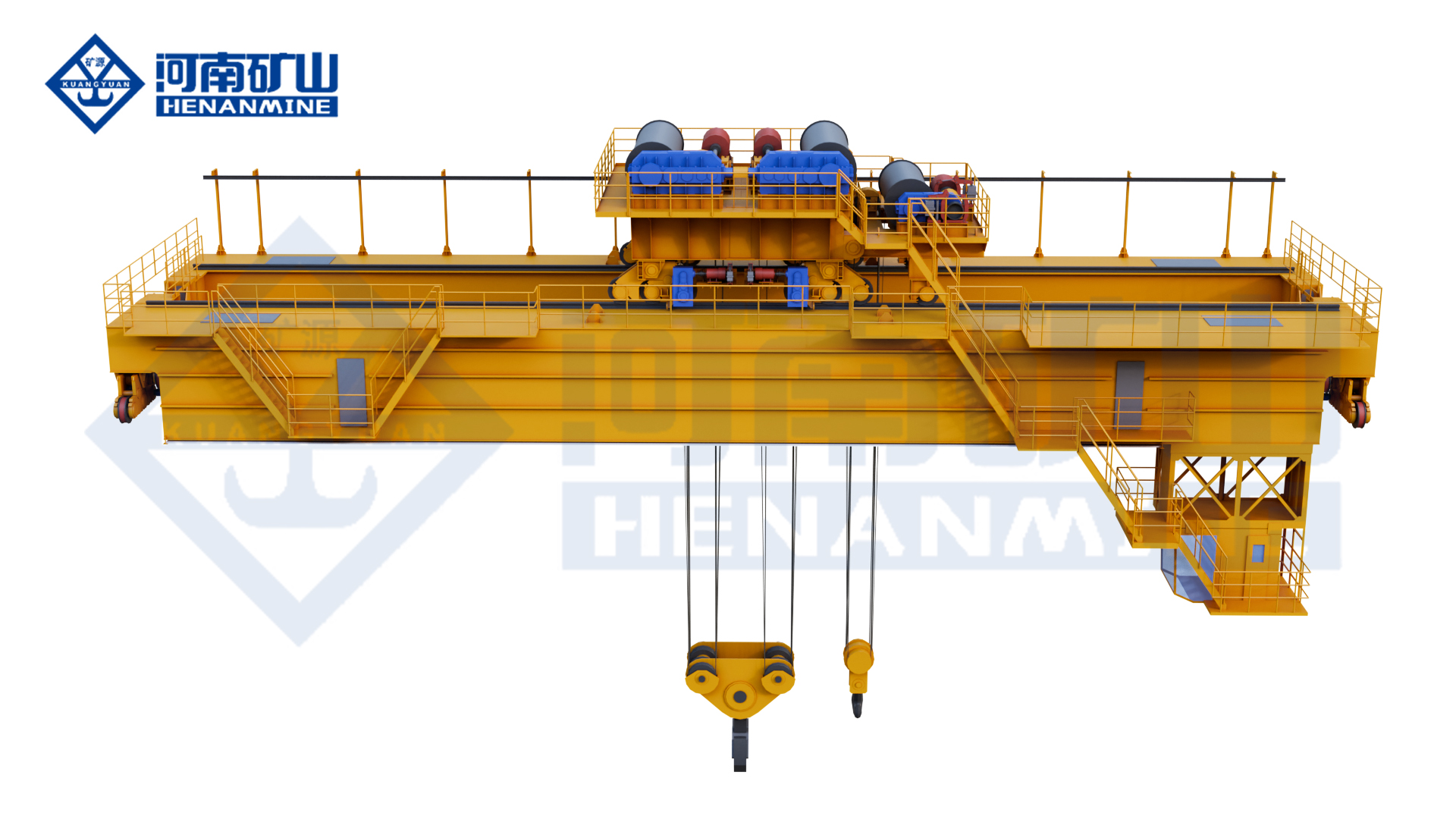
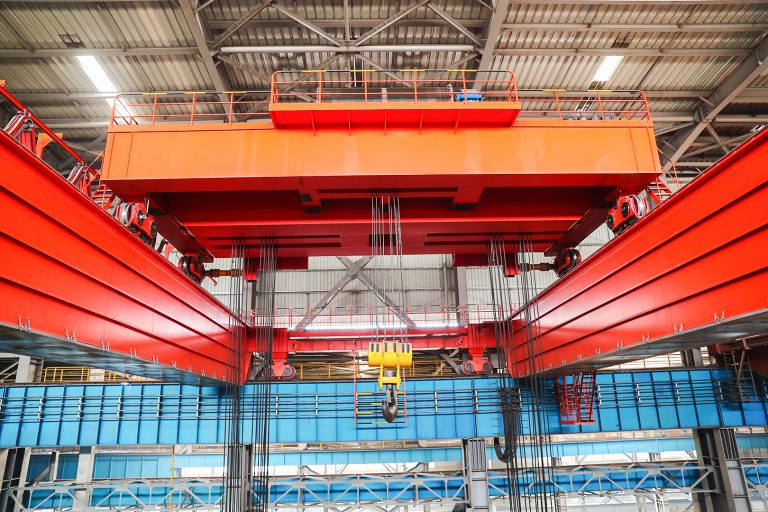
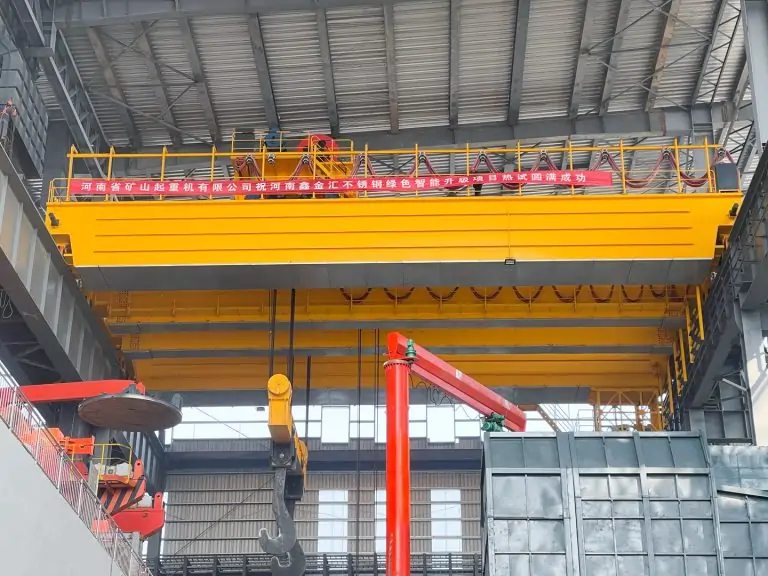
A metal recycling crane is an overhead travelling crane or gantry crane configured to move ferrous scrap, nonferrous scrap, mixed metal, bales, bundles, chips and process equipment within a recycling facility. Typical duties include unloading incoming material, building and reclaiming stockpiles, sorting grades, feeding a shear, shredder, baler or furnace, moving processed material and loading trucks, rail wagons or containers.
The crane is a handling system rather than a catalog bridge fitted with any available attachment. Scrap shape, magnetic response, density, entanglement, contamination, temperature and pile condition determine the lifting device. The chosen magnet or grab then affects crane capacity, hoist reeving, power supply, control logic, cycle time, wheel loads and maintenance access.
Henan Mine Crane develops recycling systems from electromagnetic bridge crane, grab overhead crane, grab-and-hook crane and project-specific gantry crane platforms.
Metal Recycling Material-Handling Flow
A procurement specification begins with every source, destination and abnormal route. Different zones can require different attachments or separate cranes even when the nominal load appears similar.
1. Receiving and Inspection
Unload trucks, rail wagons, containers or transfer bins into an inspection area. The receiving plan covers vehicle clearances, unloading sequence, traffic separation and quarantine of closed vessels, batteries, cylinders, hot material or other rejected items.
2. Sorting and Segregation
Separate ferrous and nonferrous grades, oversize pieces, turnings, plate offcuts, castings and contaminants. Magnetic pickup can support ferrous segregation; mixed or nonmagnetic streams normally require a suitable mechanical grab.
3. Stockpile and Reclaim
Build controlled piles and reclaim material without exceeding floor, retaining-wall, bin or crane-envelope limits. Pile height, slope, buried dense pieces and interlocked scrap affect penetration, pickup stability and cycle time.
4. Process-Line Feeding
Feed a shear, shredder, baler, crusher, sorting line, conveyor hopper or furnace charge system at a controlled rate. Equipment-ready signals, hopper level, gates, safe approach and release permissives are included in the control sequence.
5. Processed-Metal Transfer
Move shredded scrap, cut scrap, compacted bales, bundles or chips to inspection, storage or blending positions. Product form may require a closed grab, magnet, bale clamp, lifting beam or conventional hook rigging.
6. Dispatch and Maintenance
Load outbound vehicles and support planned maintenance of magnets, grabs, shredders, balers and conveyors. Production handling and maintenance lifts are documented separately, with defined attachment changeover and parking arrangements.
Metal Recycling Crane System Architecture
Bridge or Gantry Structure
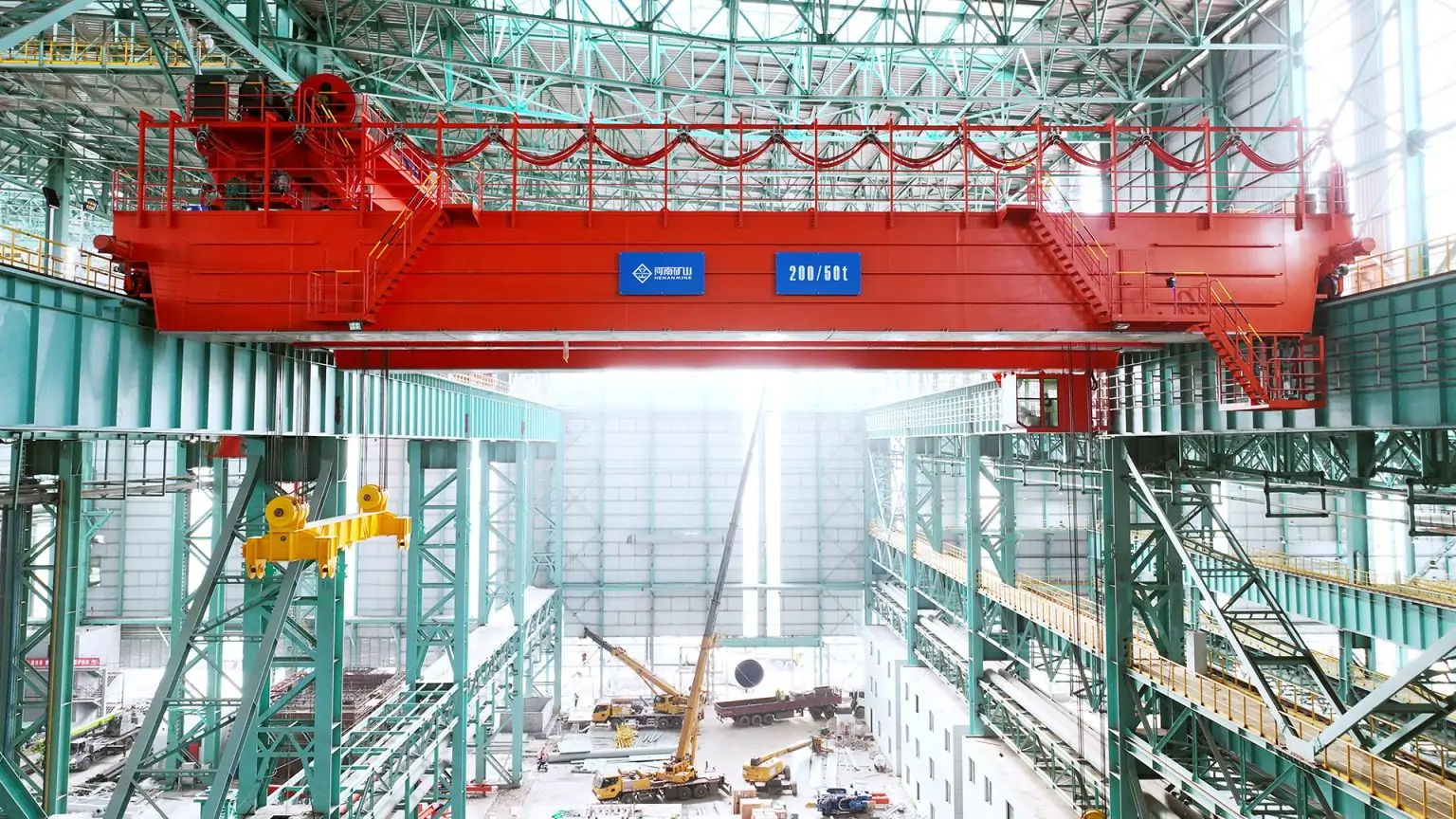
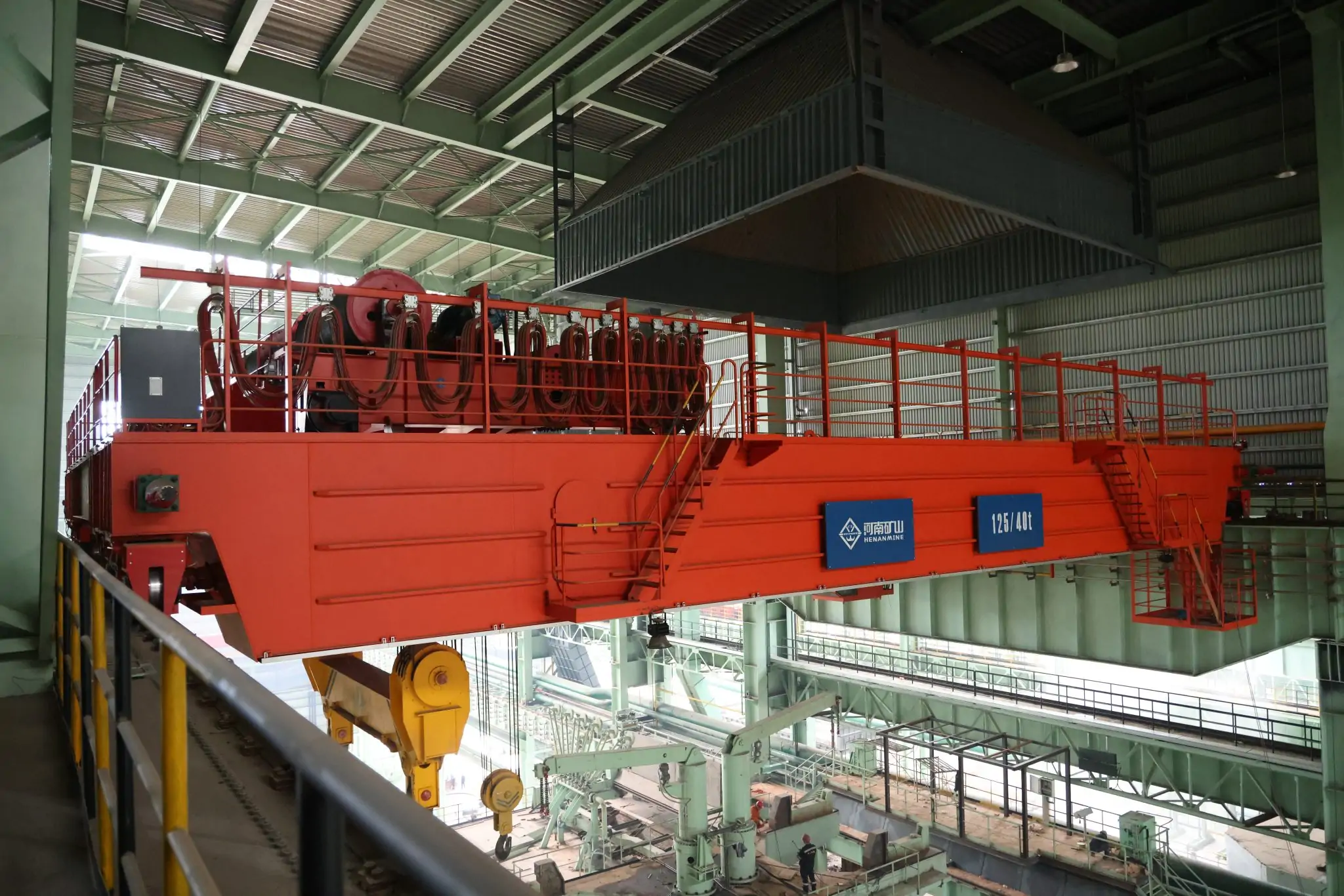
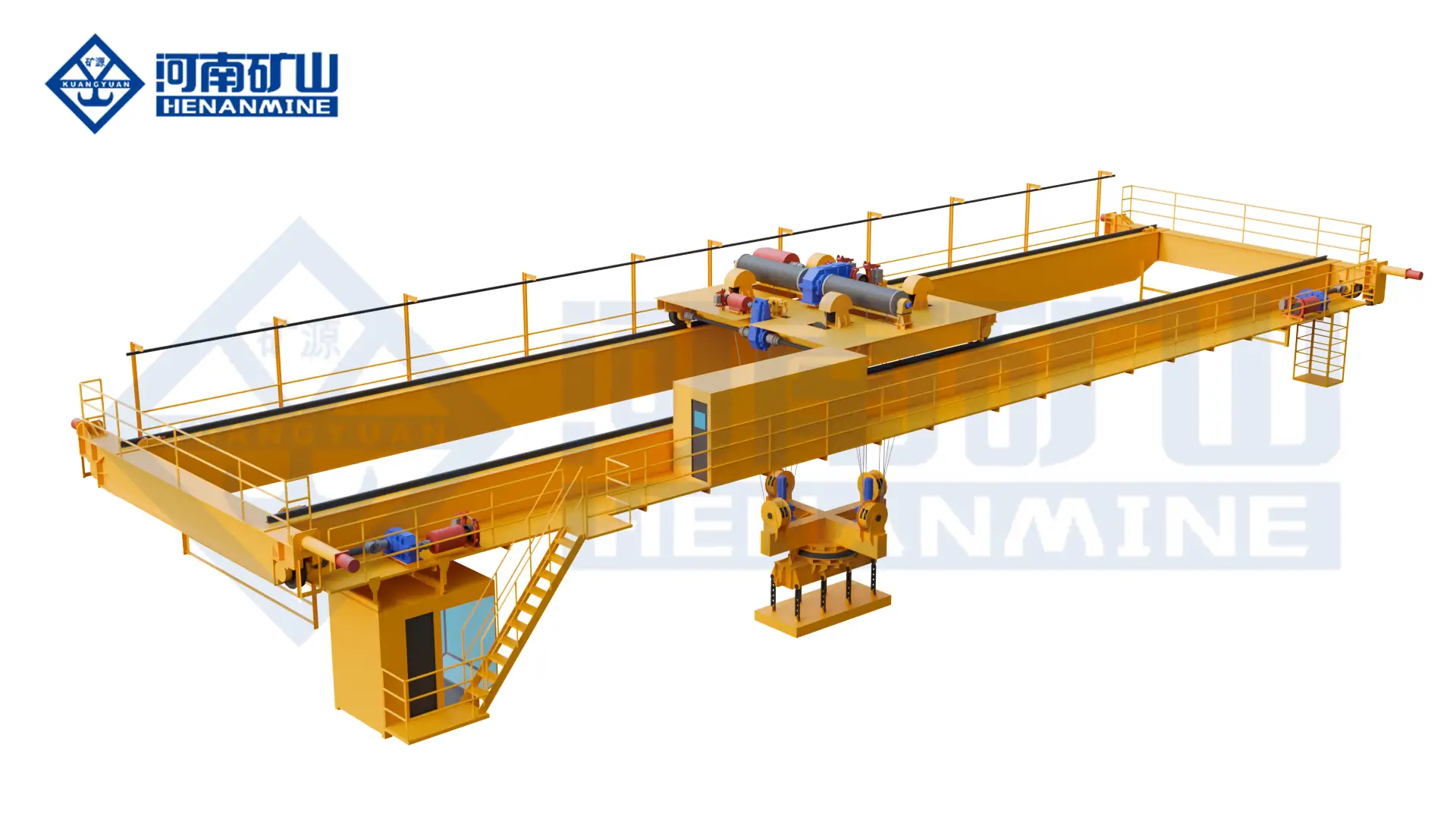
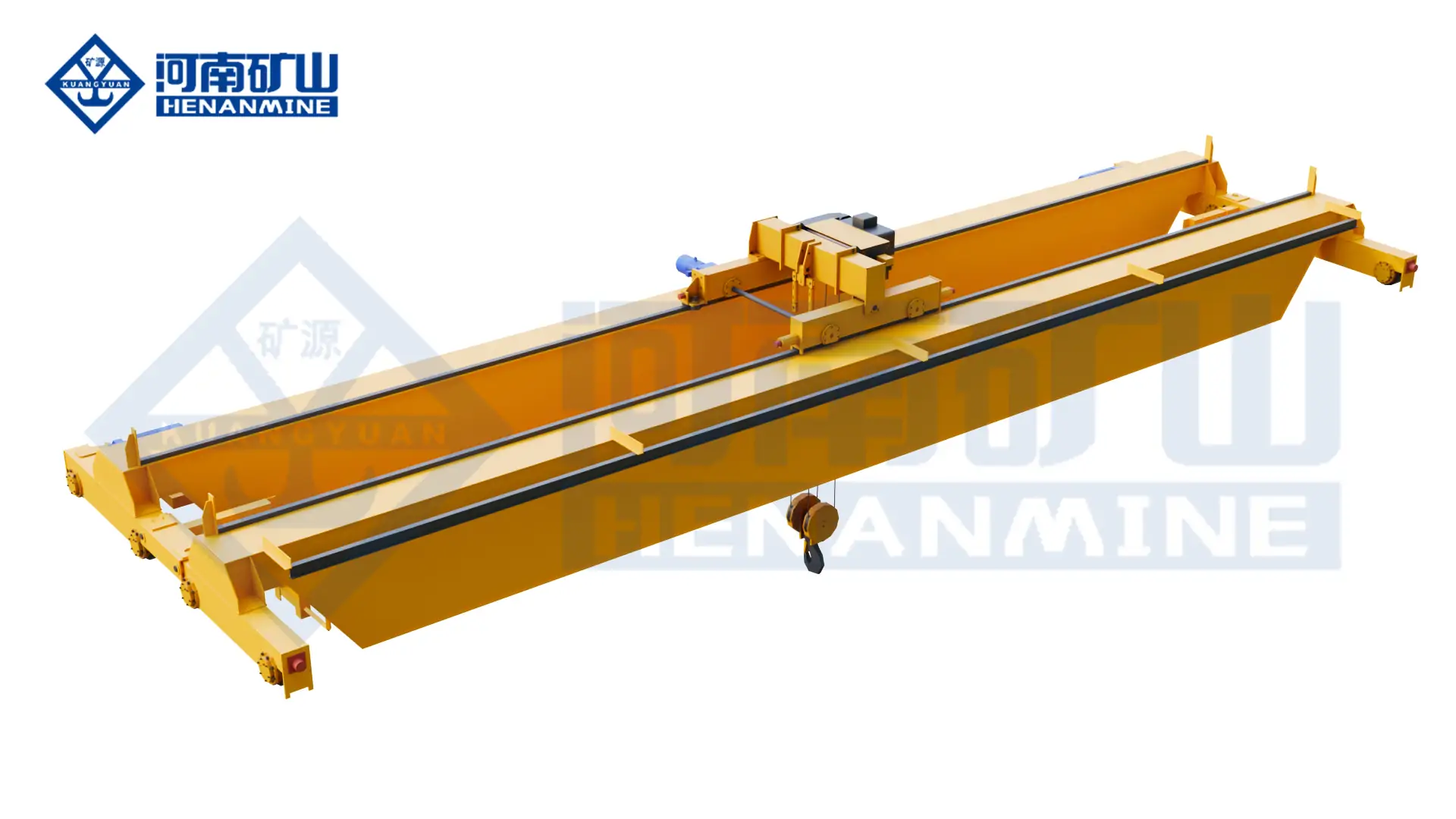
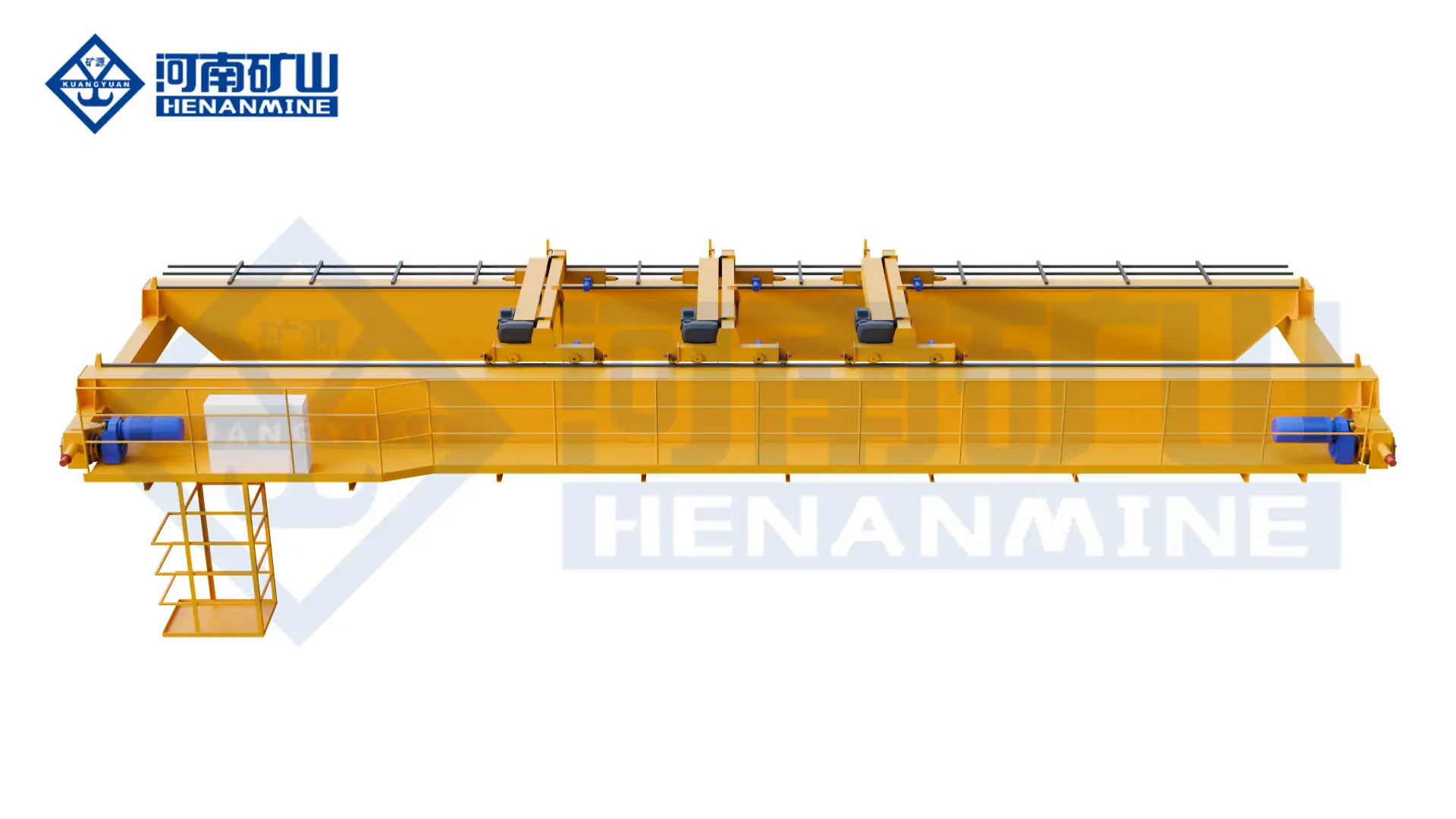
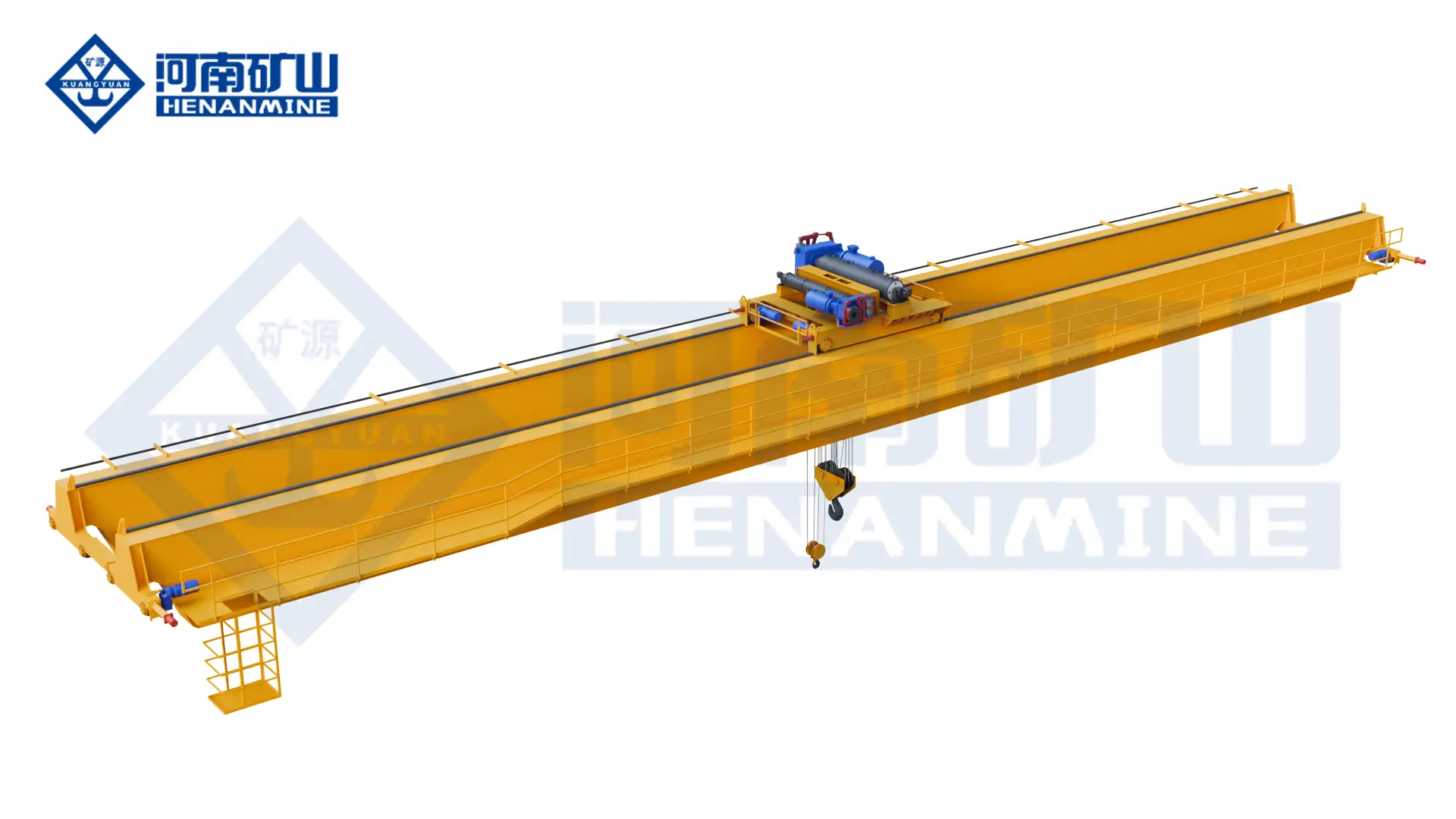
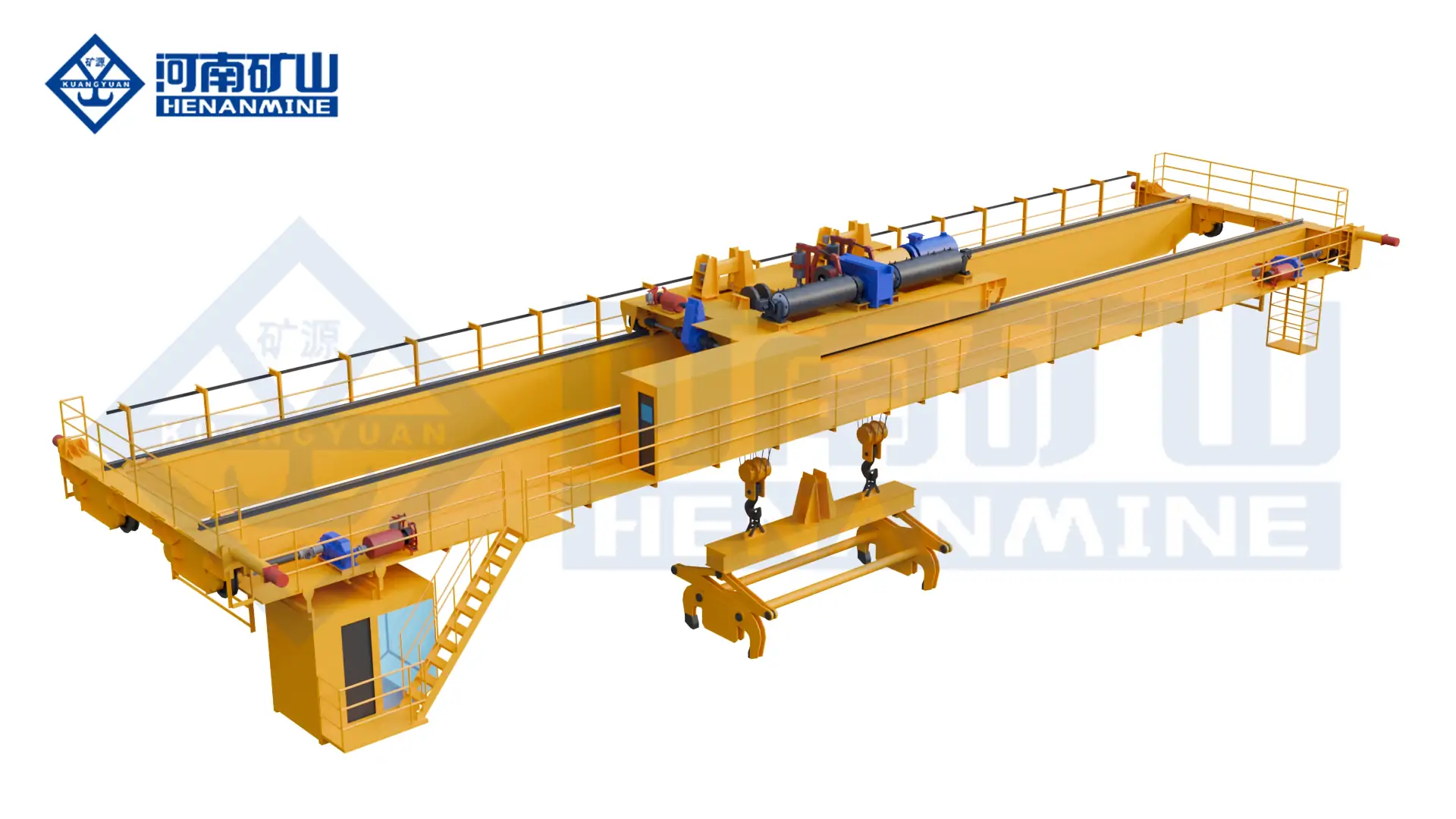
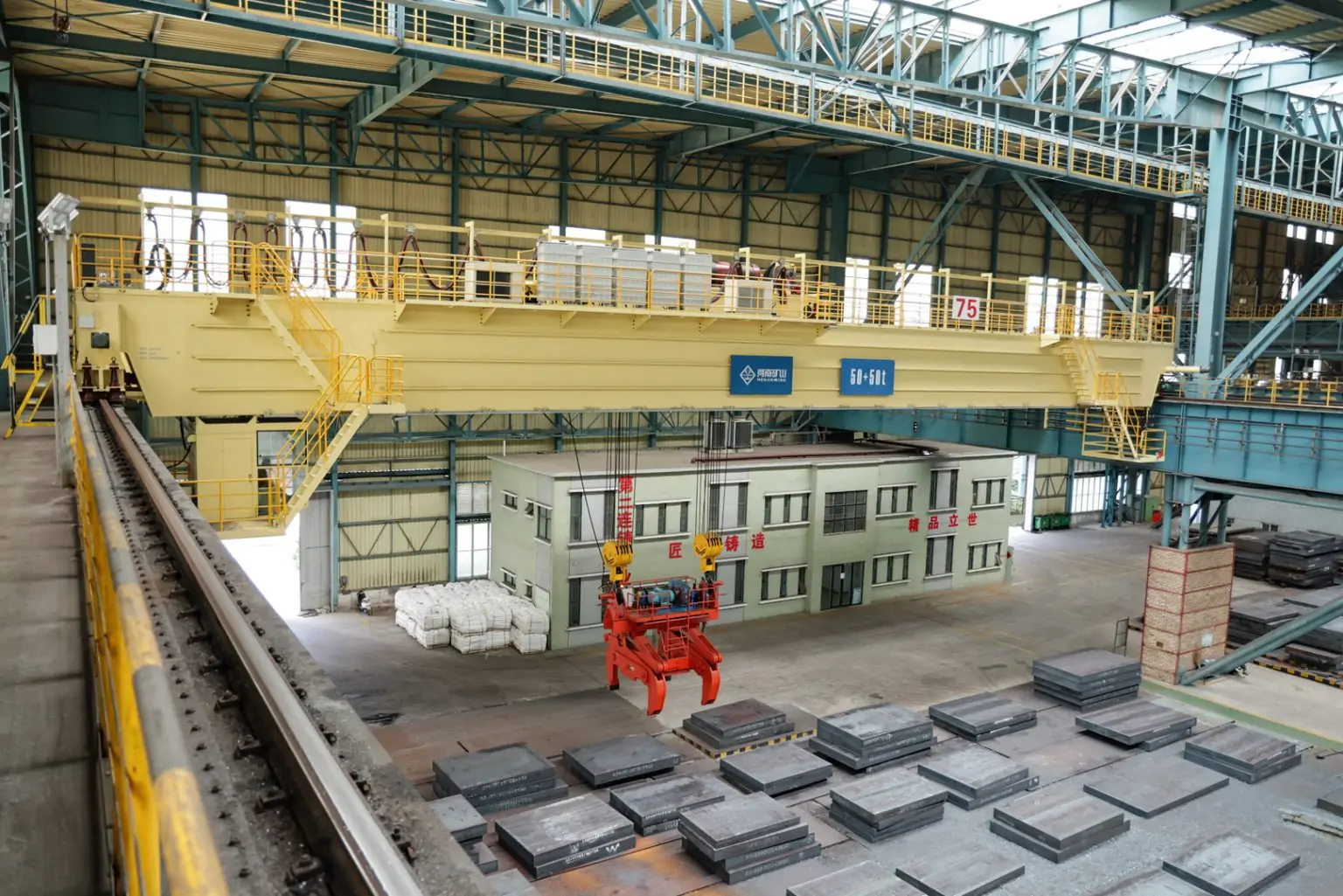
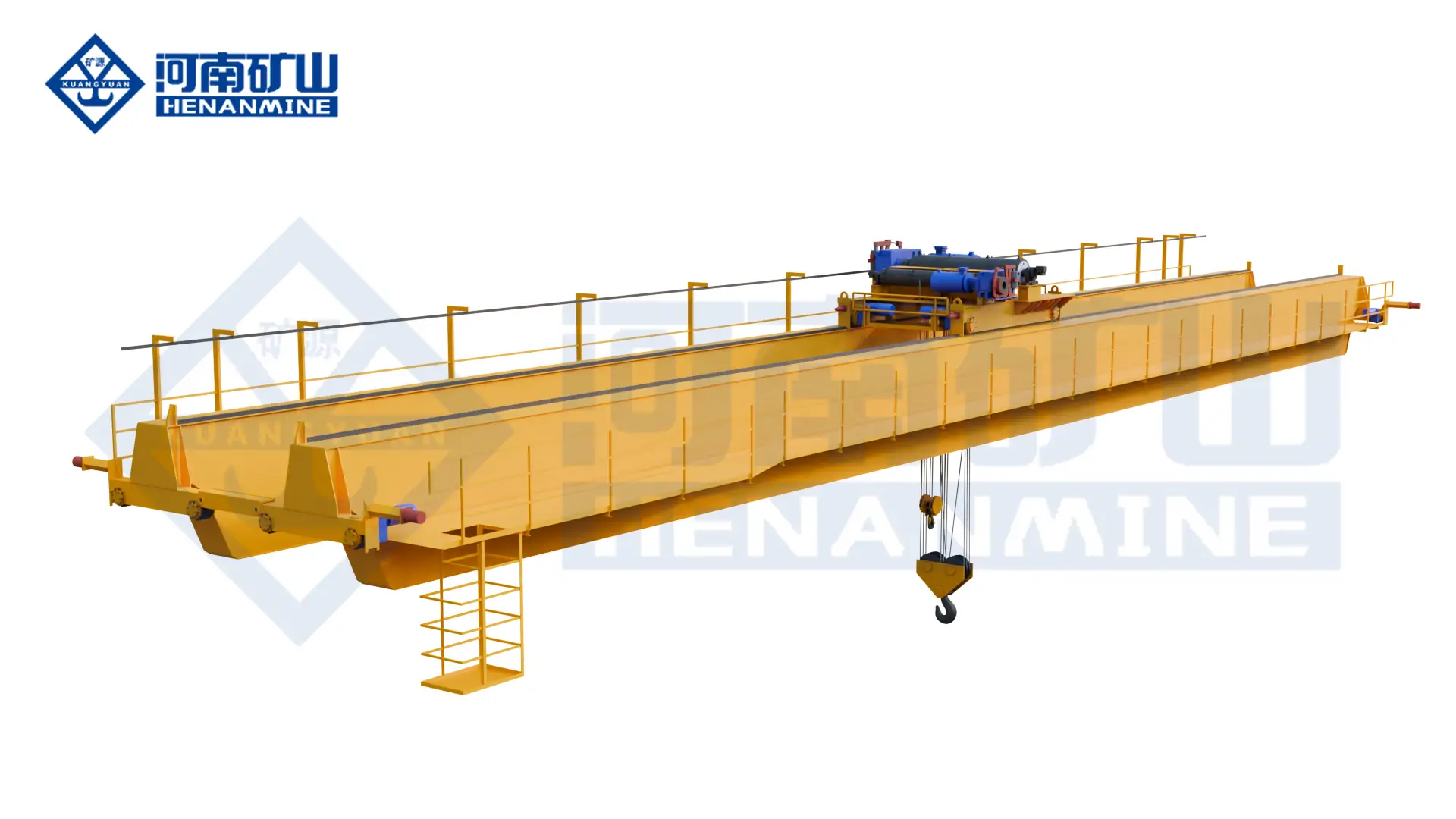
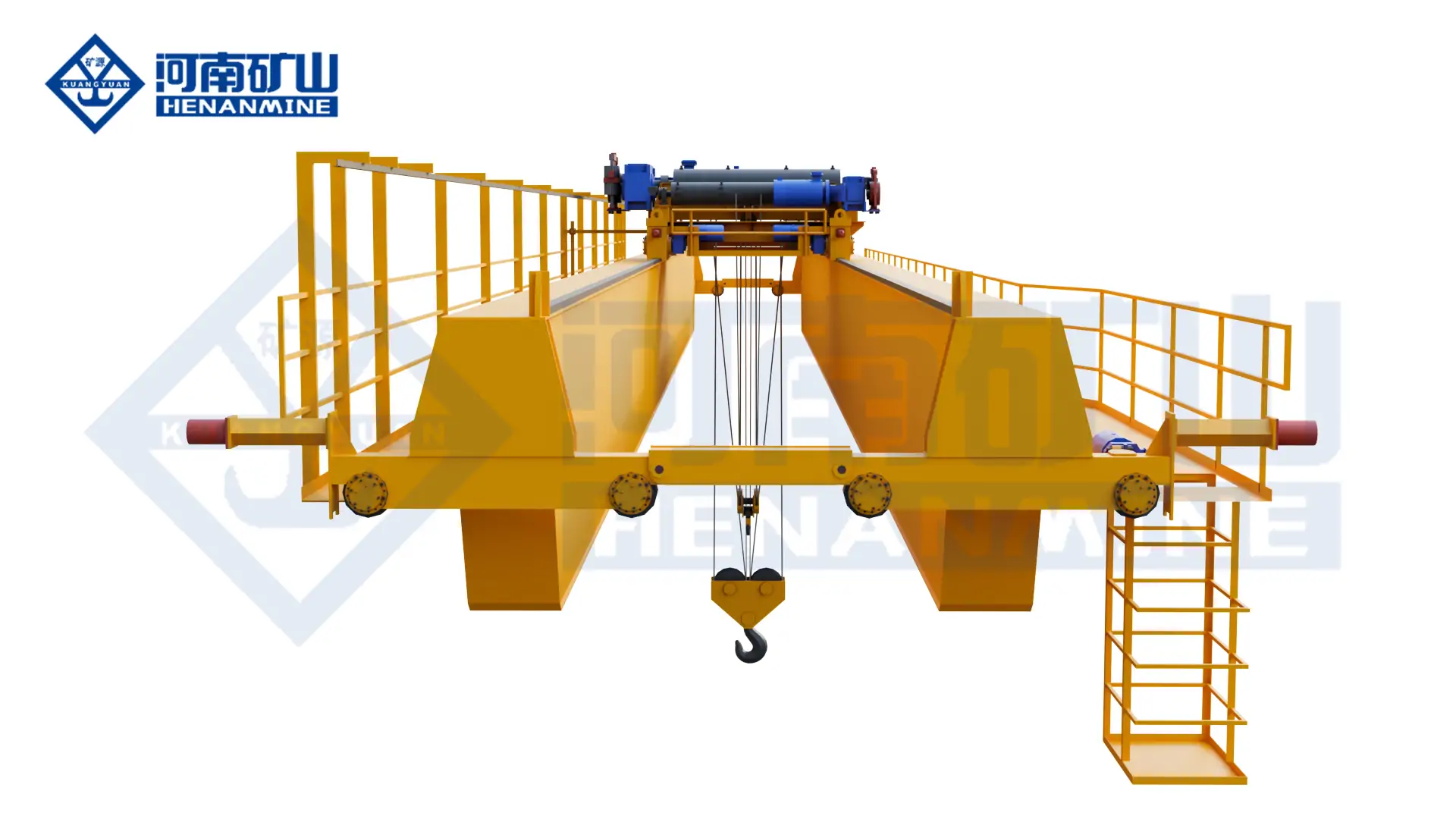
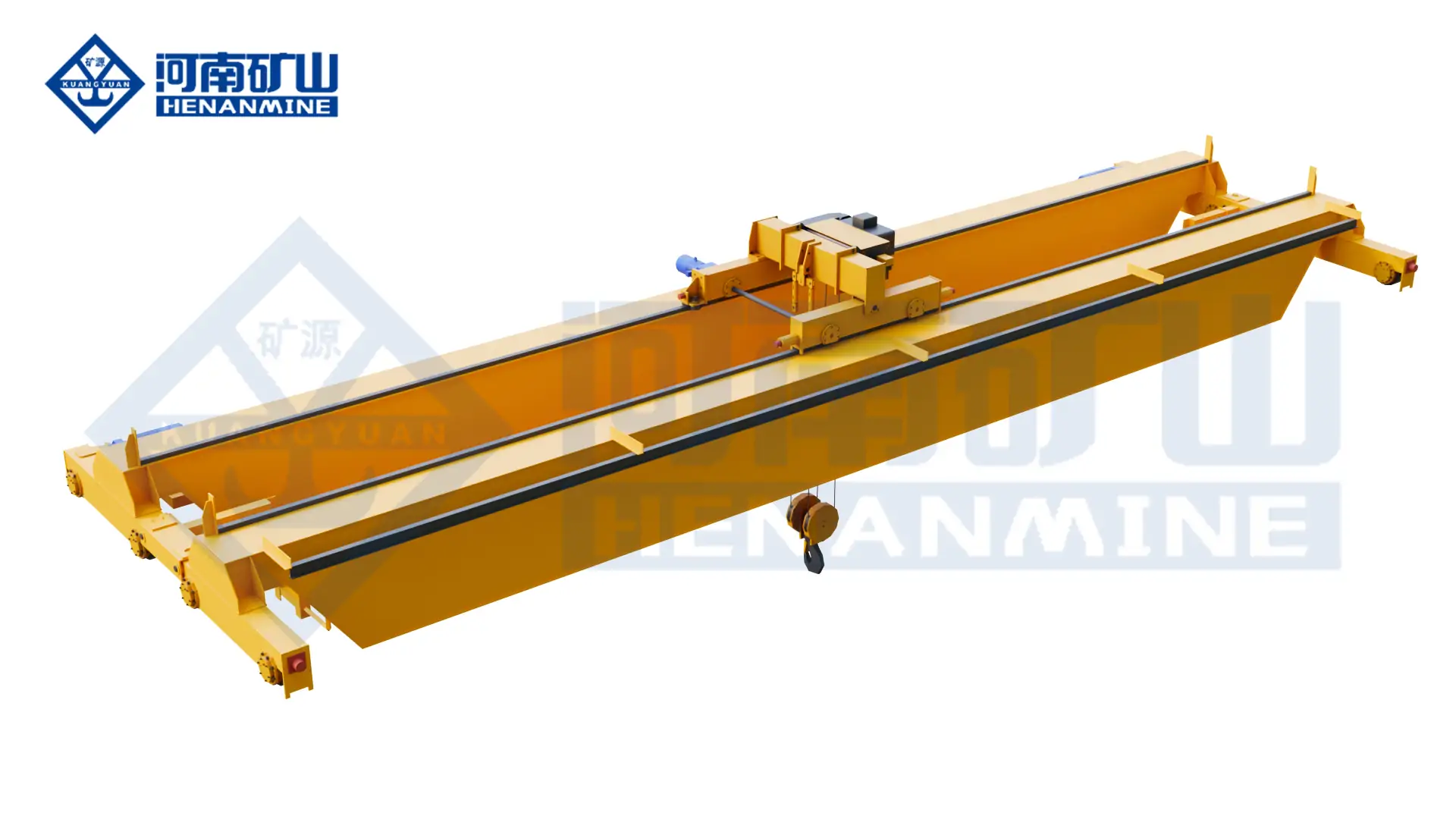
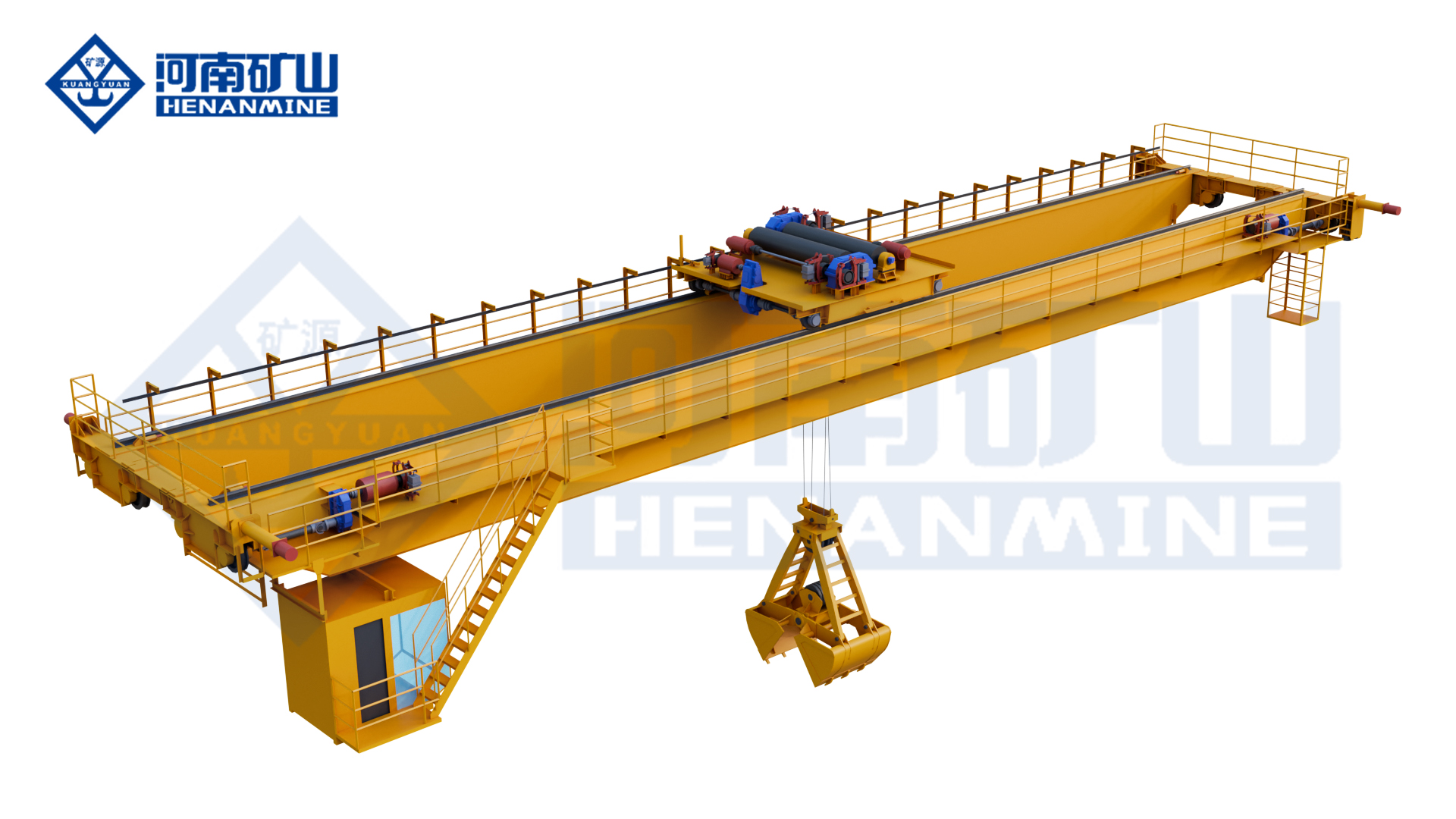
Top-running double-girder cranes suit fixed indoor bays. Gantry cranes serve open yards where a building runway is unavailable. Structure, wheels and drives are calculated from span, fatigue spectrum, skewing, wind and maximum wheel reactions.
Process-Duty Hoisting Machinery
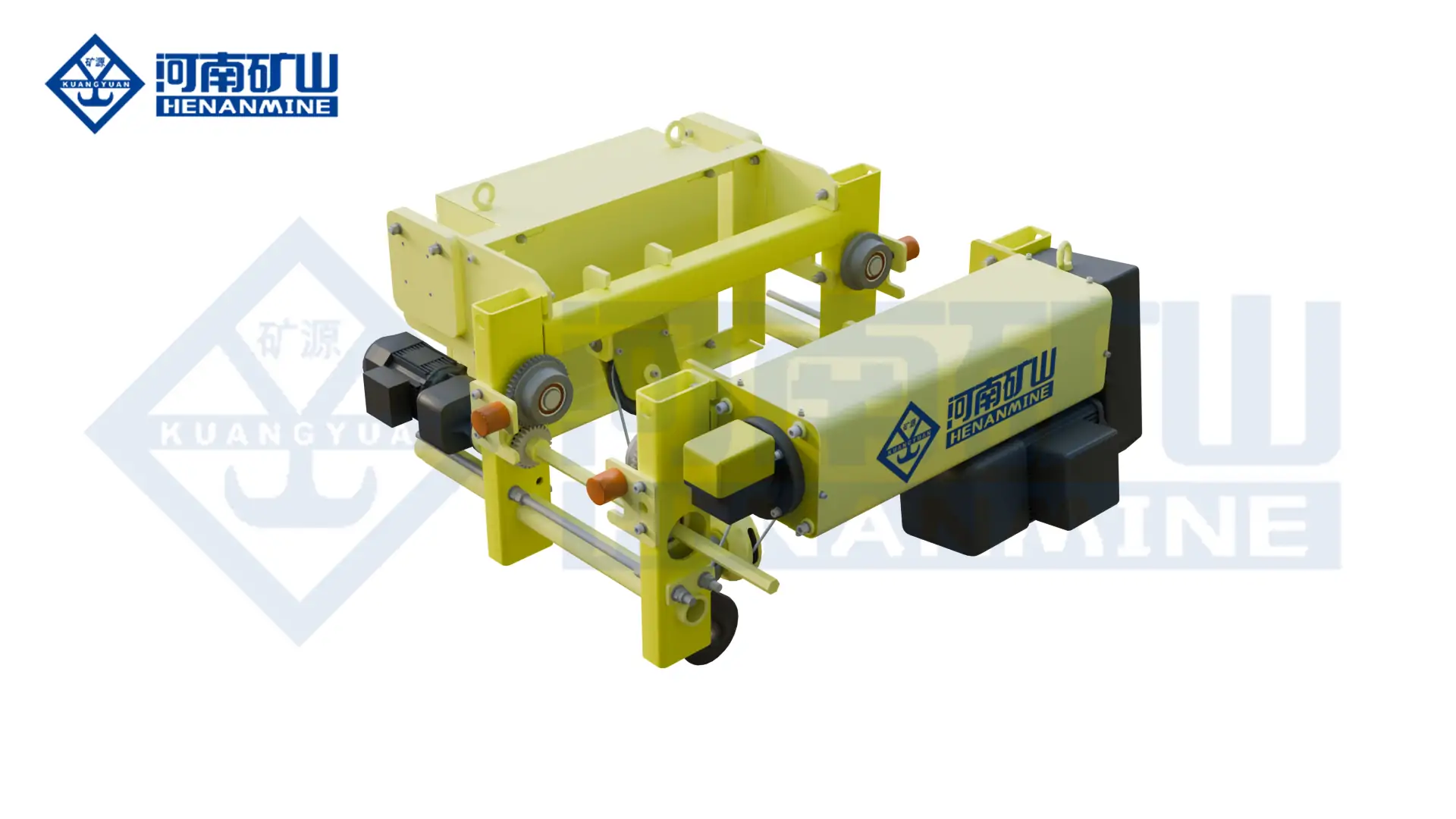
Drum, ropes, sheaves, reducer, motor, brakes and controls are sized for gross suspended load, lifting height, starts per hour, load spectrum, shock and required availability rather than rated tonnage alone.
Scrap Attachment
An electromagnet, orange-peel grab, closed multi-tine grab, bale device, lifting beam or hook is matched to representative material. Attachment mass and service connections remain part of the rated suspended load.
Attachment Power and Protection
Magnet rectifiers, cable reels and retention provisions, or hydraulic power packs, hoses and rotators, are guarded against sharp scrap, impact, abrasion, heat, dust, rain and accidental snagging.
Operator and Control System
Cabin, radio control, assisted functions or automatic operation can include cameras, load display, anti-sway, position tracking, pile profiling, destination confirmation and process-line handshakes.
Access and Maintainability
Walkways, service platforms, guarded access, isolation stations, attachment stands and component-removal paths reduce maintenance exposure above stockpiles and operating equipment.
Metal Recycling Crane Selection Considerations
A reliable selection separates the crane rating, net scrap payload and realistic production throughput. The following inputs define the starting design basis.
Scrap Composition
Ferrous percentage, nonferrous grades, piece dimensions, shape, entanglement, density, coatings, contamination, temperature and seasonal variation are recorded from representative loads.
Attachment and Net Payload
Magnet, grab, rotator, hook block, beam, cables and hoses consume part of the crane rating. Net scrap payload is calculated after every suspended component is included.
Production Throughput
Required tonnes per hour, average verified pickup, full travel path, hoisting heights, destination queues, attachment closing time and operating availability establish the real cycle requirement.
Duty and Load Spectrum
Lifts per hour, shifts, annual hours, average and maximum loads, starts, reversing, impact and production consequence of downtime determine mechanism and structural classification.
Site and Environment
Indoor or outdoor location, temperature, wind, rain, snow, dust, metal fines, salt, fumes, washdown, fire exposure and corrosive contaminants determine protection and component placement.
Layout and Interfaces
Span, lift, runway length, pile limits, vehicle lanes, process openings, attachment envelope, power supply, plant PLC and maintenance access are verified on coordinated drawings.
Metal Recycling Crane Configurations Compared
| Configuration | Typical Material | Principal Strength | Key Design Check |
|---|---|---|---|
| Electromagnetic Overhead Crane | Validated ferromagnetic loose scrap, plate offcuts and steel pieces | Fast pickup and release without mechanical closure | Representative pickup testing, derating, power-loss retention and exclusion zone |
| Orange-Peel Grab Overhead Crane | Mixed, nonferrous, bulky, irregular or interlocking scrap | Mechanical capture across varied material shapes | Grab volume, filling factor, penetration, closure force, wear and hose or cable protection |
| Metal Recycling Gantry Crane | Outdoor yard scrap handled by magnet, grab or hook | Large yard coverage without a full building runway | Wind, storm securing, ground rail, drainage, corrosion and vehicle segregation |
| Hook and Grab or Magnet Crane | Scrap plus bales, bundles, bins and maintenance loads | Multiple duties from one crane platform | Changeover time, parked attachment, connection method, retained rating and recovery procedure |
| Automatic Scrap Handling Crane | Repeatable stockpile, bunker, hopper and process-line routes | Consistent task execution and plant-data integration | Pile sensing, destination state, traffic control, abnormal recovery and maintained safe zones |
Magnet, Orange-Peel Grab or Hook?
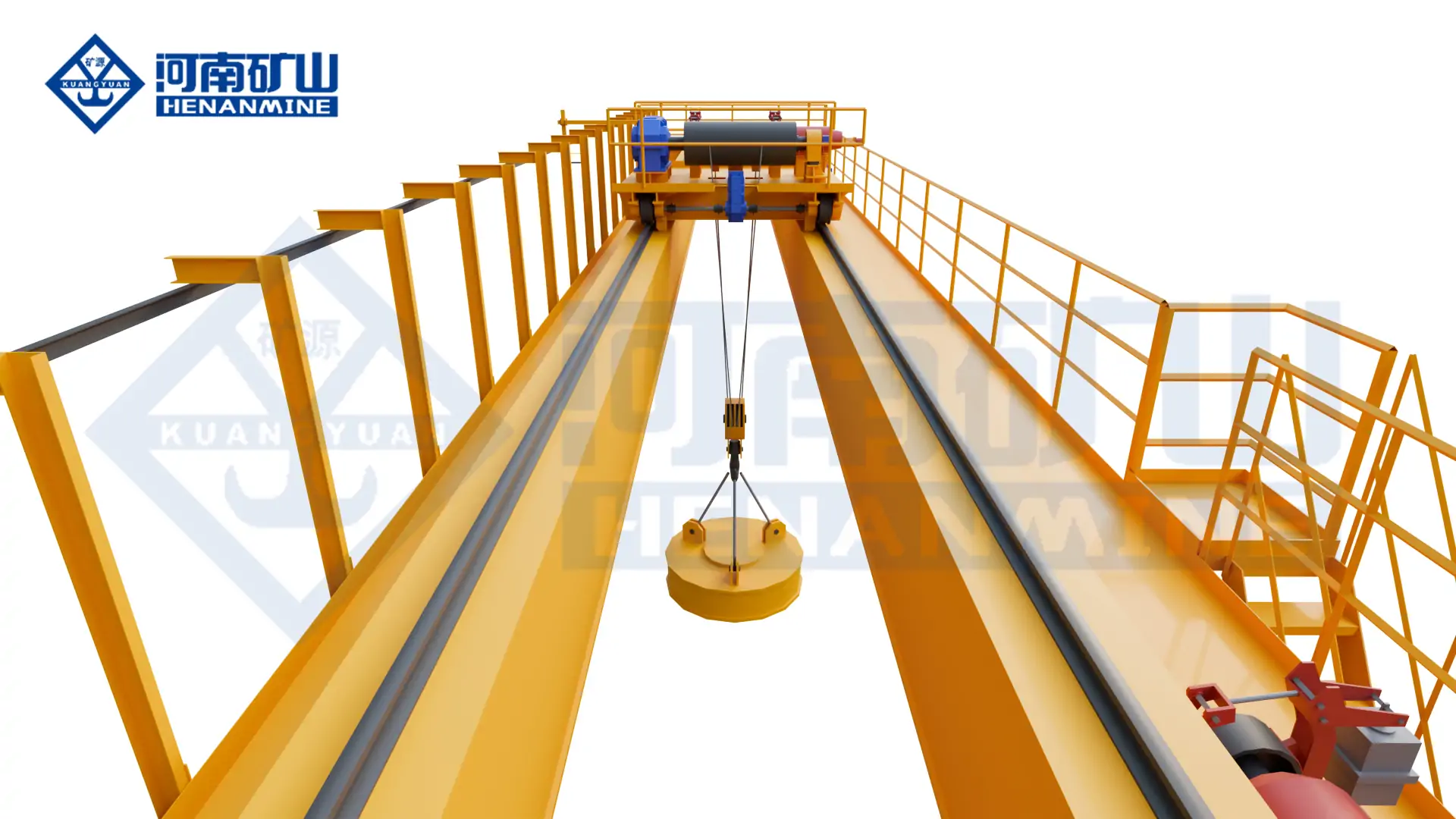
Electromagnet for Verified Ferrous Scrap
An electromagnet supports rapid handling where the stream is ferromagnetic and the pickup behavior is proven. Capacity depends on magnetic properties, piece thickness, surface contact, air gaps, rust, scale, pile depth, geometry, temperature and how the pieces bridge beneath the magnet.
A catalog value established on a clean test plate is not the net capacity for random loose scrap. Representative material tests, operating derating, magnet duty cycle, cable management, backup or retention strategy, residual magnetism and controlled release are specified before acceptance.
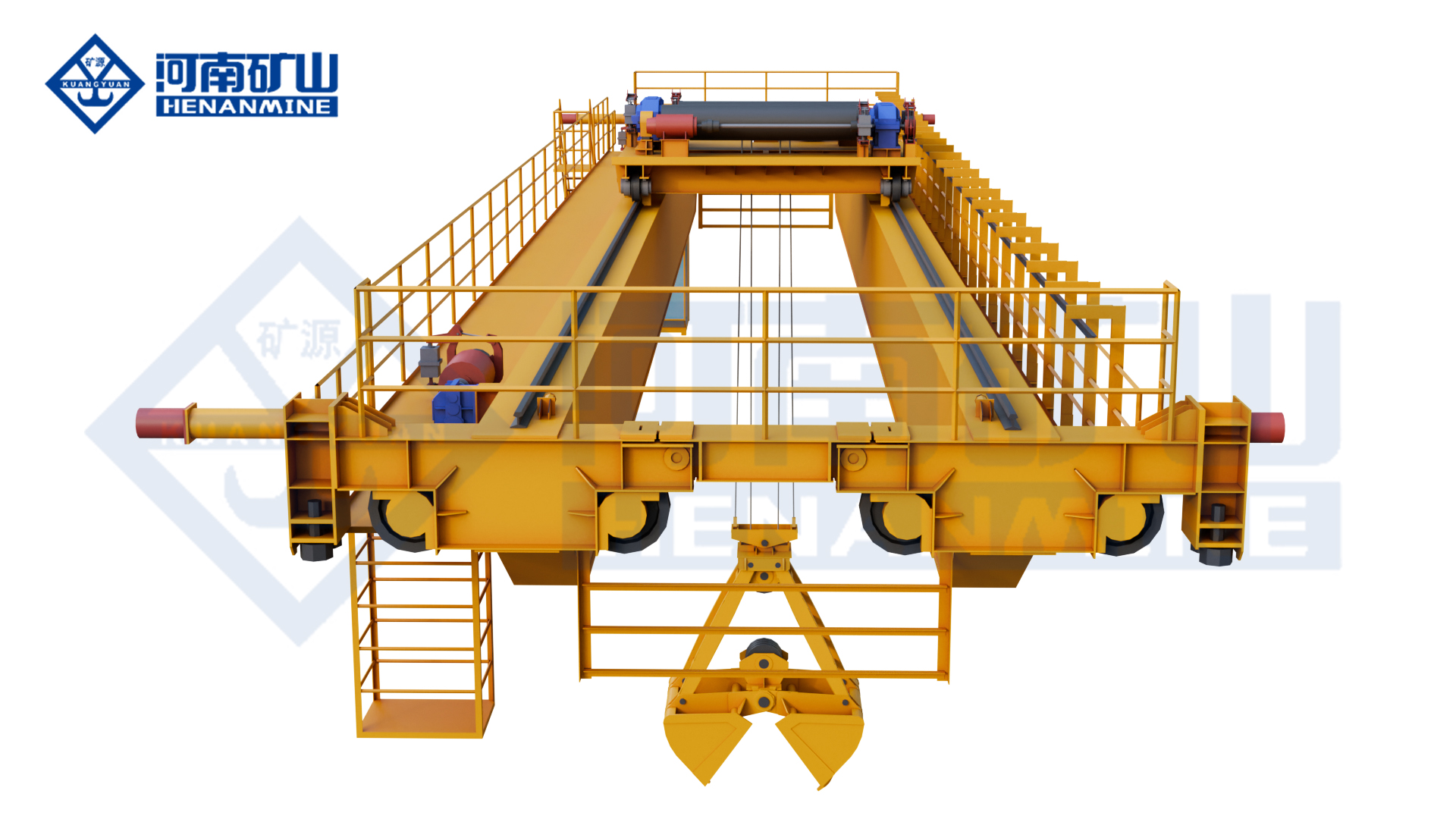
Orange-Peel Grab for Mixed and Irregular Scrap
A multi-tine orange-peel grab mechanically captures mixed, nonferrous, bulky and irregular material. Open tines suit bulky scrap, semi-closed tines suit many mixed or sheared streams, and closed tine arrangements can retain smaller pieces or chips.
Selection covers tine count and profile, open and closed diameter, volume, deadweight, closure force, penetration, rotation, hydraulic or rope actuation, replaceable wear parts, edge protection and expected filling factor for each scrap family.
Hook, Beam or Bale Device
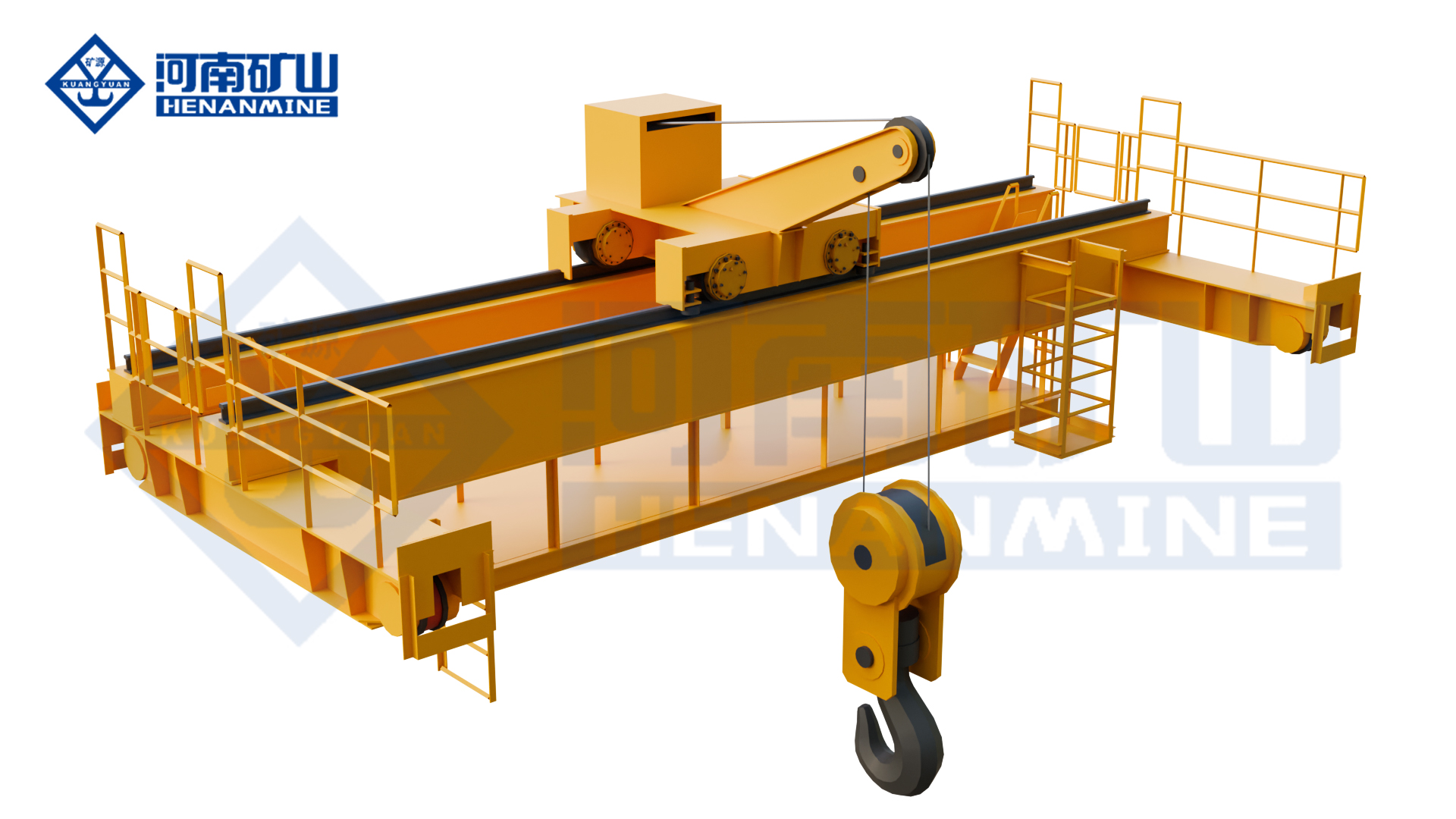
Compacted bales, bundled stock, bins and maintenance loads may require certified slings, a lifting beam, tongs, clamps or a conventional hook. Defined lifting points and stable load geometry remain essential.
Standard Bulk Grab Boundary
A clamshell or four-rope bulk grab designed for ore, coal, slag or other free-flowing material is not presumed suitable for tangled scrap. Structural loads, closure method and shell geometry require separate confirmation.
Multiple Attachments
A dual-purpose crane is practical where attachment exchange frequency, connection safety, parked-attachment location, production interruption and loss of net payload are acceptable within the operating plan.
Capacity, Grab Volume and Throughput
Gross Suspended Load
Crane rated capacity must cover the maximum net scrap mass plus the complete suspended attachment, hook block, rotator, beam, cables and other equipment below the hoist. A crane labeled 20 t does not provide a 20 t scrap payload when a heavy grab or magnet is installed.
Volumetric Grab Check
Expected scrap mass per grab is estimated from usable grab volume multiplied by representative bulk density and a verified filling factor, then limited by crane and attachment ratings. Density can change sharply between light-gauge tangled scrap, shredded material, cast pieces and compacted feed.
Production Cycle Check
Throughput is calculated from the complete cycle: approach, penetration or magnet placement, closure or energization, hoist, travel, destination wait, lowering, release and return. Average production pickup and availability—not only theoretical maximum load—control tonnes per hour.
Capacity Data Required
- Maximum and typical piece mass and dimensions
- Representative loose bulk density by scrap family
- Attachment self-weight, services and rotating equipment
- Measured or trial-based magnet pickup or grab filling factor
- Source and destination coordinates and lift heights
- Required tonnes per hour and peak queue condition
- Daily shifts, annual hours and production availability target
Duty Classification, Controls and Automation
Load Spectrum and Starts
Frequent reversals, high starts per hour, variable loads, impact, grab closure and abrupt magnet release create a fatigue profile different from occasional workshop lifting. ISO, FEM or CMAA classification is selected from the declared service.
Operator Visibility
A cabin, radio station or remote control room is arranged around pile height, dust, glare and blind spots. Cameras can cover the attachment, hopper, vehicles and travel path but do not replace defined exclusion controls.
Assisted Functions
Anti-sway, slow zones, protected travel corridors, height limits, load weighing, position display, grab or magnet status and destination confirmation support repeatable operation.
Automatic Stockpile Handling
Position tracking and pile profiling can generate source coordinates and prevent excessive pile height. Automatic release remains inhibited until the destination and process state are confirmed.
Process-Line Interface
Signals with shears, shredders, balers, conveyors, bunkers and gates define ready, hold, fault, occupancy, level, release and task-complete states. Ownership of every safety permissive is documented.
Recovery and Diagnostics
Safe manual recovery covers failed sensors, incomplete closure, lost magnet feedback, blocked destinations, communications loss and interrupted power. Diagnostics retain events, loads, cycles, alarms and maintenance counters.
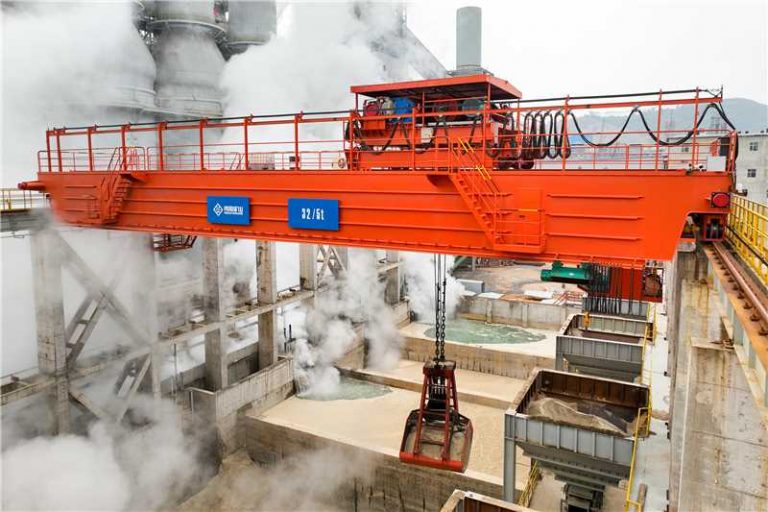
Recycling-Yard Environment and Safety Controls
Dropped-Material Zone
Suspended scrap can shift, detach or project beyond the attachment. Personnel routes, vehicle routes, operating stations and maintenance access are separated from the defined load path and release zone.
Incoming-Scrap Hazards
Batteries, sealed containers, cylinders, residual fluids, hot pieces, radioactive sources and unknown chemicals require receiving inspection, rejection and quarantine procedures. Crane selection does not replace material acceptance controls.
Fire and Emergency State
Fire detection, evacuation, emergency stops, safe parking and response to a retained suspended load are coordinated with the site emergency plan. Battery-containing scrap and hot loads receive specific controls.
Dust, Fines and Abrasion
Sealed enclosures, filtered or pressurized electrical rooms, guarded cables, abrasion-resistant liners, protected sensors and accessible cleaning points are selected from the measured environment.
Outdoor Operation
Wind monitoring, operating and out-of-service wind limits, rail clamps or storm anchors, drainage, low-temperature provisions, lightning protection and corrosion systems are established for the site.
Hazardous-Area Boundary
Explosion-protected equipment is specified only where a formal area classification identifies combustible gas or dust zones. General metal dust or a recycling application name alone does not establish an ATEX or IECEx scope.
Runway, Yard and Maintainability Interfaces
Existing Runway Verification
Reuse requires condition and geometry checks of rails, beams, brackets, columns, connections and foundations. Maximum and minimum wheel loads, lateral and longitudinal forces, buffer reactions and fatigue demand are issued for structural review.
Stockpile and Clearance Model
The model includes maximum pile contours, protruding pieces, attachment swing or rotation, hopper edges, vehicle envelopes, lighting, ductwork, columns and adjacent cranes. Storage rules prevent stockpiles from entering a protected motion envelope.
Wear and Service Access
High-wear tines, shells, magnet chains, cable outlets, hoses, sheaves, wheels and brakes remain inspectable. Attachment stands, safe parking, washdown or cleaning provisions and component-removal paths are defined before fabrication.
Site Documents
- Verified bay, runway and yard drawings
- Allowable wheel reactions and foundation information
- Pile, bin, hopper, building and vehicle envelopes
- Rail condition, elevation, span and alignment survey
- Power, grounding, communications and fire-system interfaces
- Erection opening, laydown area and shutdown window
- Environmental and hazardous-area assessments
Applicable Standards and Acceptance Testing
The purchase specification identifies the governing jurisdiction, crane design standard, electrical requirements and rules for lifting magnets or below-the-hook devices. Common reference frameworks include ISO 4301 for classification, ISO 9927 for inspections and ISO 12480-1 for safe use; EN 13001 and EN 15011; CMAA 70 and ASME B30.2; and ASME B30.20 with ASME BTH-1 where applicable to the lifting device.
IEC 60204-32 can govern electrical equipment for hoisting machines; ISO 13849-1 or IEC 62061 can inform safety-related control functions; IEC 60529 addresses enclosure ingress protection; and ISO 12944 can inform protective coating selection. IEC 60079, ATEX or IECEx requirements apply only when the approved hazardous-area classification establishes that scope. Local law and the signed contract remain controlling.
Design Review
Confirm load cases, classification, gross and net capacities, wheel loads, attachment envelope, material assumptions, protection package, safety functions, interfaces and inspection access.
Factory Acceptance Test
Verify assemblies, drives, brakes, limits, load protection, magnet or grab logic, alarms, safety functions, interface simulation, documentation and contracted quality records before shipment.
Site and Production Acceptance
Test proof loads, representative scrap, pickup retention and release, grab closure, cycle time, hopper interfaces, collision zones, power-loss response, cameras, positioning and abnormal recovery.
Published Adjacent Magnetic-Handling Reference
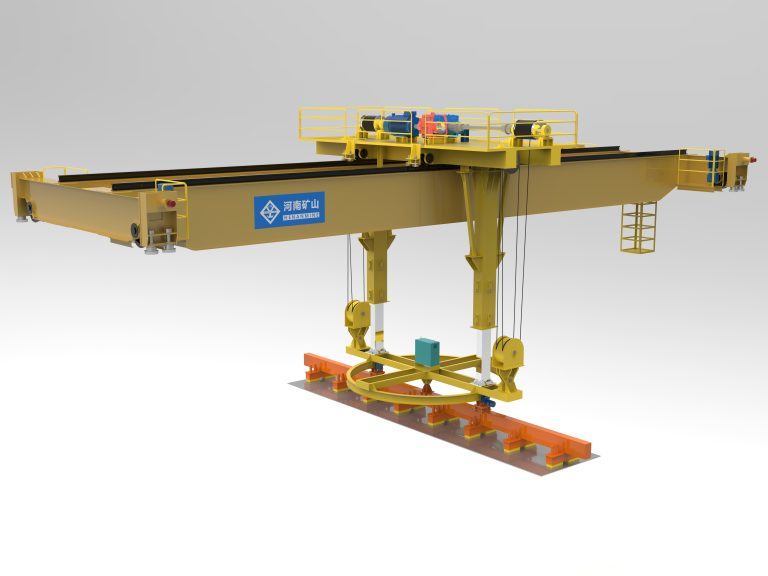
Automatic Rotating Electromagnetic Beam Platform
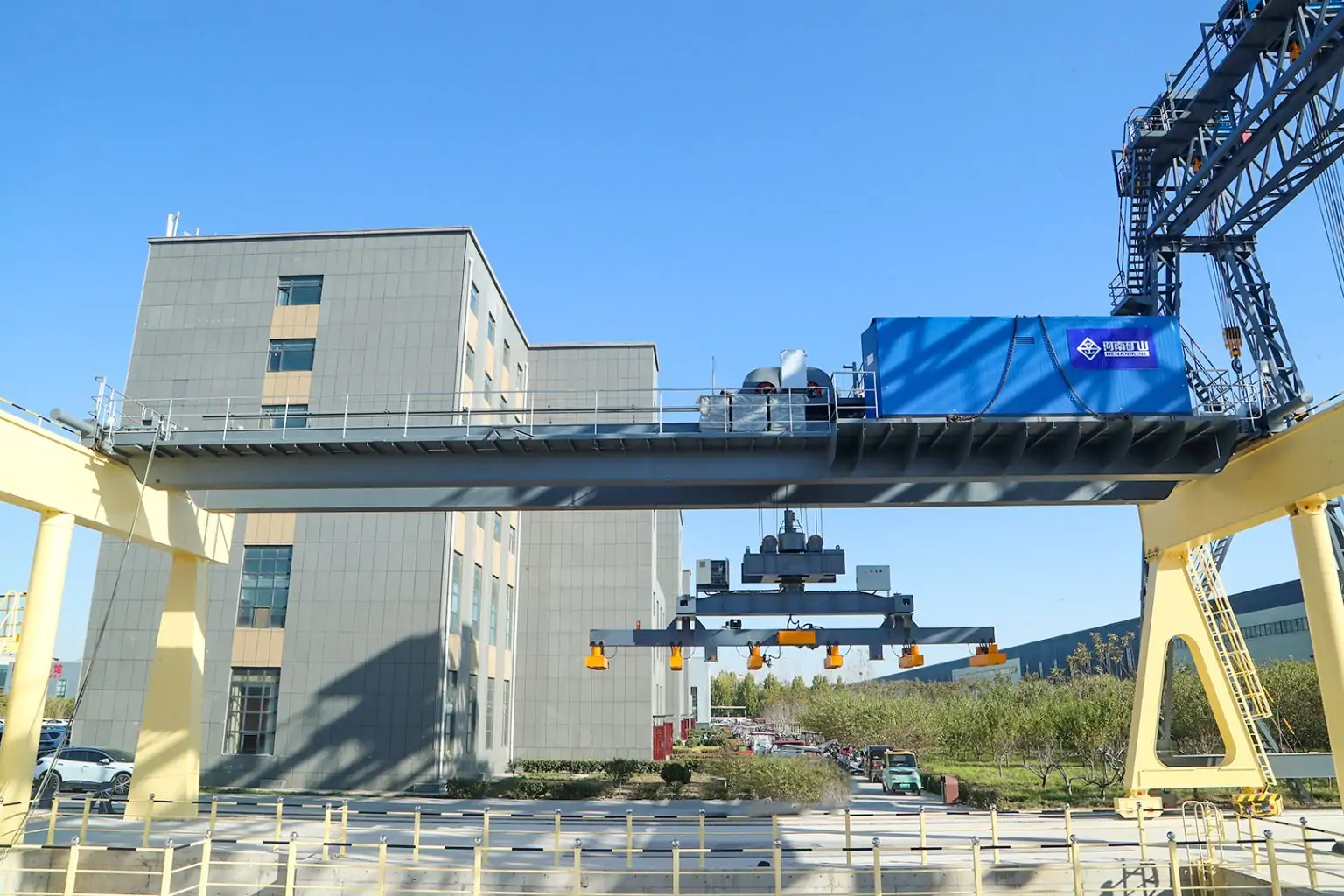
Henan Mine Crane publishes an electromagnetic beam platform with automatic handling functions for steel products and describes a 5–50 t configurable capacity range for the solution family. Positioning, magnetic control and plant interfaces provide relevant engineering experience for ferrous-material handling.
Evidence boundary: the published benchmark project is identified as slab transfer at a steel base, not as a delivered metal recycling yard crane. Random scrap requires a different magnet arrangement, load model, retention assessment, pile strategy and production test.
Metal Recycling Crane Price and Budget Scope
A complete metal recycling crane has no reliable catalog price because crane capacity, duty, span, attachment, control level, runway or gantry scope, site environment, installation and acceptance obligations change the engineered package. Public prices reviewed on 21 September 2026 are shown only to distinguish equipment levels; they are not equivalent quotations or a Henan Mine Crane project offer.
| Public Market Reference | Published Price | Supply Level | Interpretation |
|---|---|---|---|
| Excavator Hydraulic Grapple Listing | US$150–1,000 per piece | Low-cost excavator attachment listing | Not a crane-mounted industrial scrap grab and not comparable with an engineered recycling crane |
| 30 t SWL Electro-Hydraulic Steel Scrap Grab Listing | US$8,000–24,000 per piece | Purpose-built attachment price signal | Grab only; crane, rotator interface, cable system, controls, freight, commissioning and compliance scope require confirmation |
| Customized Electric-Hydraulic Orange-Peel Grab Listing | US$20,000–30,000 per piece | Industrial grab marketplace reference | Attachment-only figure without a normalized scrap mix, volume, deadweight, wear package or project documentation |
| Four-Rope Orange-Peel Scrap Grab Listing | US$10,000–200,000 per piece | Very broad marketplace range | Range reflects widely different sizes and specifications and cannot establish a crane project budget |
| Complete Engineered Metal Recycling Crane Project | Project-specific RFQ | Crane, selected attachment, controls and contracted services | A defensible total requires an approved duty, representative scrap data, site interfaces, destination and commercial boundary |
Primary Price Drivers
Gross capacity and net payload; span and lift; duty classification and speeds; magnet or grab type and size; rotation; gantry or runway; outdoor and corrosion package; cabin; automation; safety zoning; plant interfaces; local code, documentation and certification.
Commercial Scope to Reconcile
Runway rails and structural work; gantry foundations; electrification; freight and insurance; duties and taxes; erection equipment; mechanical and electrical installation; supervision; commissioning; test loads or scrap; training; spares, warranty and production acceptance.
Engineering and Procurement Deliverables
A procurement-ready proposal defines measurable performance, interfaces, evidence and commercial boundaries.
Technical Proposal
Design basis, crane arrangement, capacities, duty class, speeds, attachment concept, expected pickup assumptions, environmental protection, control level and deviations.
Interface Schedule
Wheel reactions, power, grounding, communications, process I/O, operating zones, foundation or runway boundary, erection needs and third-party responsibilities.
Attachment Data
Deadweight, dimensions, volume or magnetic characteristics, service connections, rated limits, wear parts, inspection method, proof test and representative-material test plan.
Safety Documentation
Risk-assessment inputs, safety-function list, exclusion zones, attachment logic, power-loss behavior, isolation, emergency states and required conformity records.
Quality and O&M Records
Inspection and test plan, material and welding records as specified, coating reports, component certificates, manuals, lubrication plan, training and recommended spares.
Commercial Schedule
Price, Incoterm, milestones, packing, freight boundary, installation, commissioning, training, acceptance, warranty, exclusions, validity and optional lifecycle services.
Metal Recycling Crane RFQ Information
The following data supports a configuration-based technical and commercial proposal.
Scrap and Attachment Data
Ferrous and nonferrous percentage; material families; piece size, maximum single piece, loose density, temperature and contaminants; photographs or samples; preferred magnet, orange-peel grab, bale device or hook.
Process and Duty Data
Receiving, pile, shear, shredder, baler, hopper and dispatch routes; tonnes per hour; average pickup; lifts per hour; shifts; annual hours; load spectrum; travel paths and availability target.
Site and Environment Data
Indoor or outdoor location; span, lift and runway length; drawings; wheel-load limits; pile and vehicle envelopes; temperature, wind, dust, corrosion and fire conditions; power supply and project destination.
Controls and Commercial Data
Cabin, radio, assisted or automatic mode; cameras and weighing; process PLC or WMS interface; safety zones; governing standard; Incoterm; freight, installation, commissioning and testing boundary.
Frequently Asked Questions
Which crane is suitable for a scrap yard?
A double-girder overhead crane suits a covered bay with an adequate runway. A gantry crane suits an open yard. The attachment is then selected from scrap composition: magnet for validated ferrous material, orange-peel grab for mixed or irregular scrap, and hook-based devices for defined loads.
Can one crane handle ferrous and nonferrous scrap?
Yes, when a suitable mechanical grab is used or a controlled attachment-change system is provided. An electromagnet alone cannot lift nonferrous material. Changeover time, attachment parking and retained payload must be included in the operating plan.
How is metal recycling crane capacity determined?
Rated capacity starts with the maximum gross suspended load. Net scrap payload equals the available rating after the attachment, hook block, rotator, beam and service equipment are included. Duty, dynamic effects and governing code are then applied.
Does magnet capacity equal loose-scrap lifting capacity?
No. Loose-scrap pickup depends on material, contact, air gaps, piece geometry, pile depth and temperature. Catalog test-plate values require application-specific derating and representative production trials.
What grab is used for irregular scrap?
A multi-tine orange-peel grab is commonly selected. Open, semi-closed or closed tine geometry is matched to bulky scrap, mixed or sheared scrap, or smaller pieces and chips. Volume, deadweight, penetration, closure force and wear remain project-specific.
Can a recycling crane feed a shredder or baler automatically?
Yes. Automatic or assisted feeding can use position tracking, pile profiling, level signals and process permissives. Destination availability, safe release, collision control and manual recovery require a documented interface specification.
How much does a metal recycling crane cost?
Attachment listings can range from a few thousand dollars to much higher values, but they do not establish the installed crane cost. A project price requires capacity, span, duty, attachment, throughput, environment, runway or gantry, controls, destination and supply boundary.
Can an existing runway be reused?
Only after geometry, rail alignment, condition, fatigue history, beams, columns, connections and foundations are verified against the proposed vertical, lateral, longitudinal and buffer reactions.
Related Metal Recycling Crane Products and Solutions
Electromagnetic Bridge Crane
Published 5–32 t configurable platform for ferromagnetic material handling, subject to project load validation.
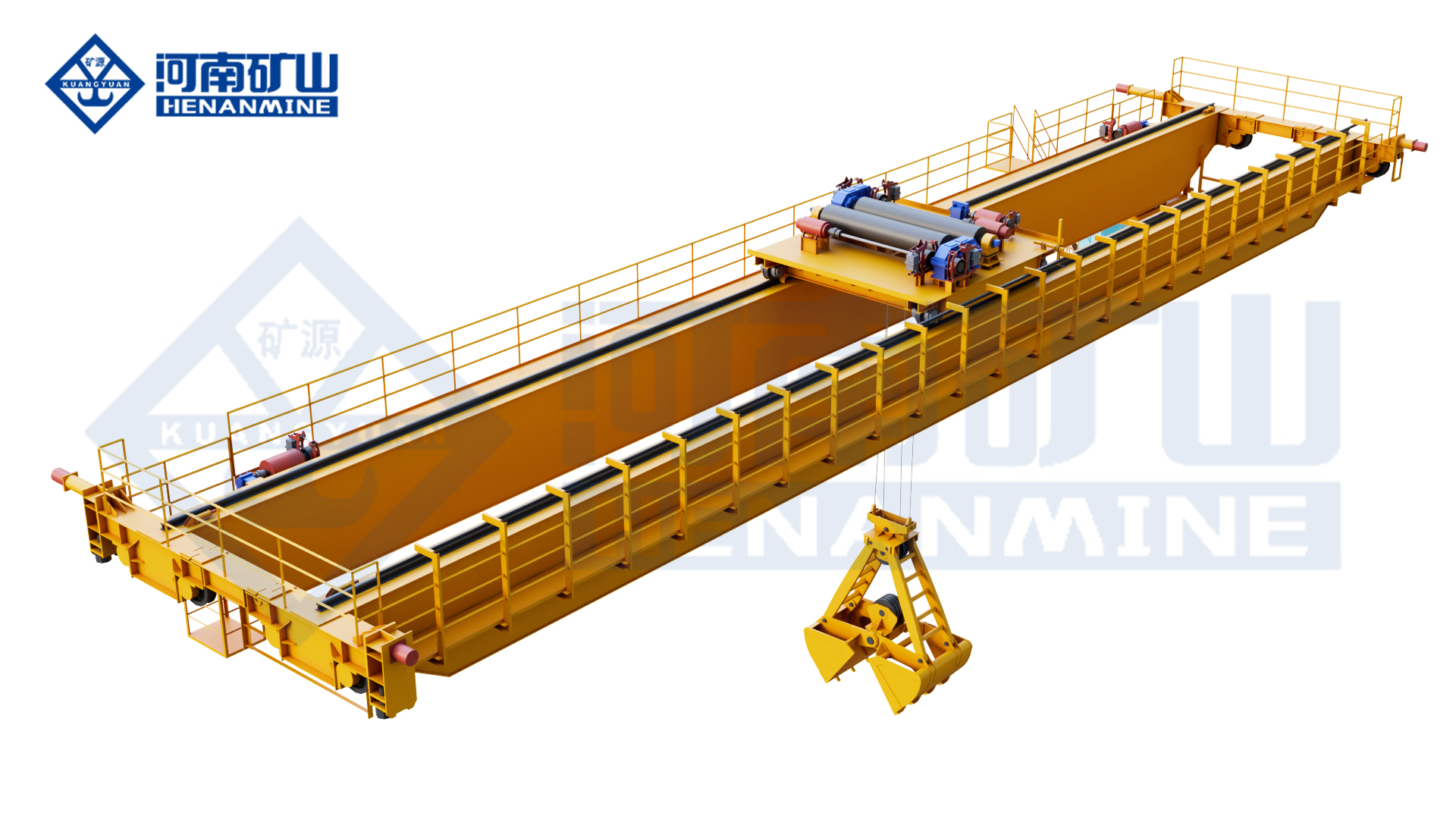
Intelligent Grab Double-Girder Overhead Crane
Published 5–50 t grab-crane platform; a scrap-specific orange-peel attachment requires separate engineering.
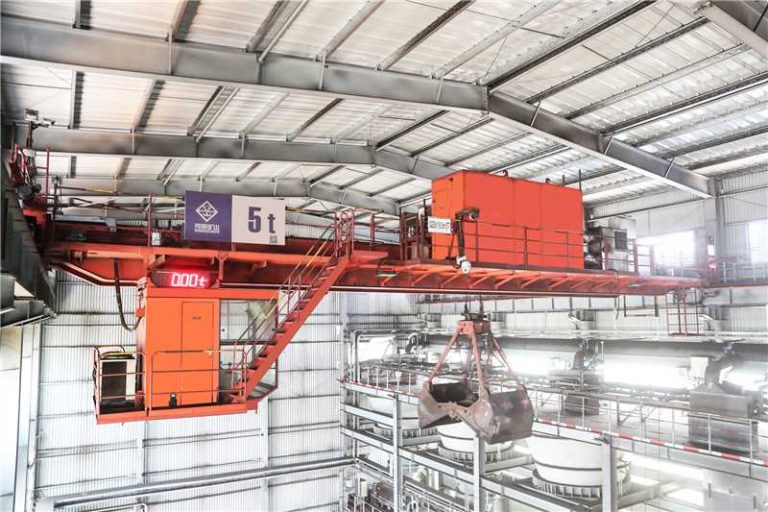
Grab and Hook Dual-Purpose Overhead Crane
Published 5–16 t dual-purpose platform for bulk handling and hook service, with application-specific attachment selection.
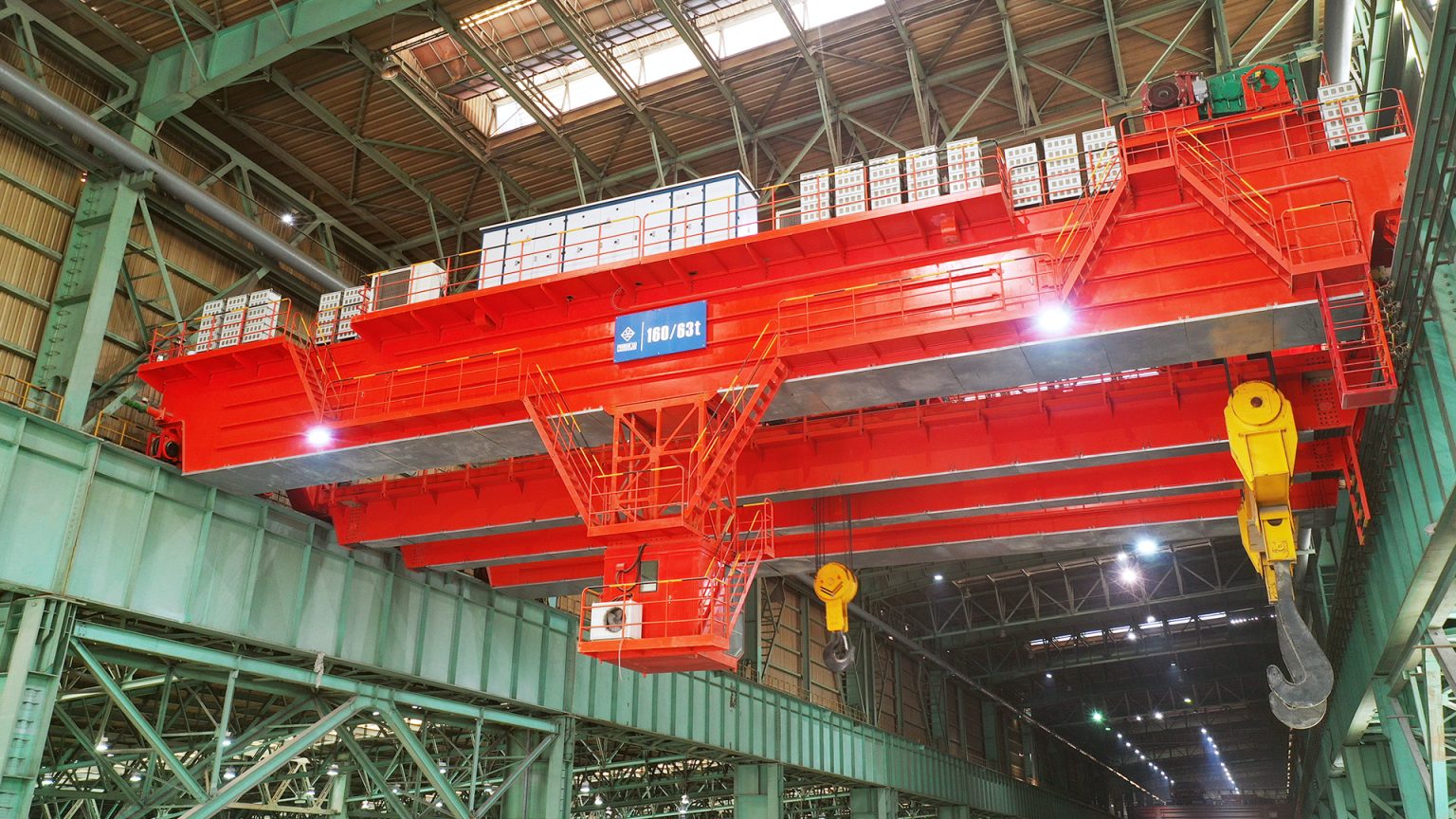
Steel Mill Crane Systems
Plant-wide crane planning for raw-material, process, storage, dispatch and maintenance duties.
Request a Metal Recycling Crane Quote
Submit the scrap families, photographs or sample data, maximum piece and bulk density, required throughput, preferred attachment, span, lift, runway or yard drawings, duty schedule, operating environment, control level, process interfaces, power supply, destination and supply boundary. Henan Mine Crane will prepare a configuration-based technical and commercial proposal.