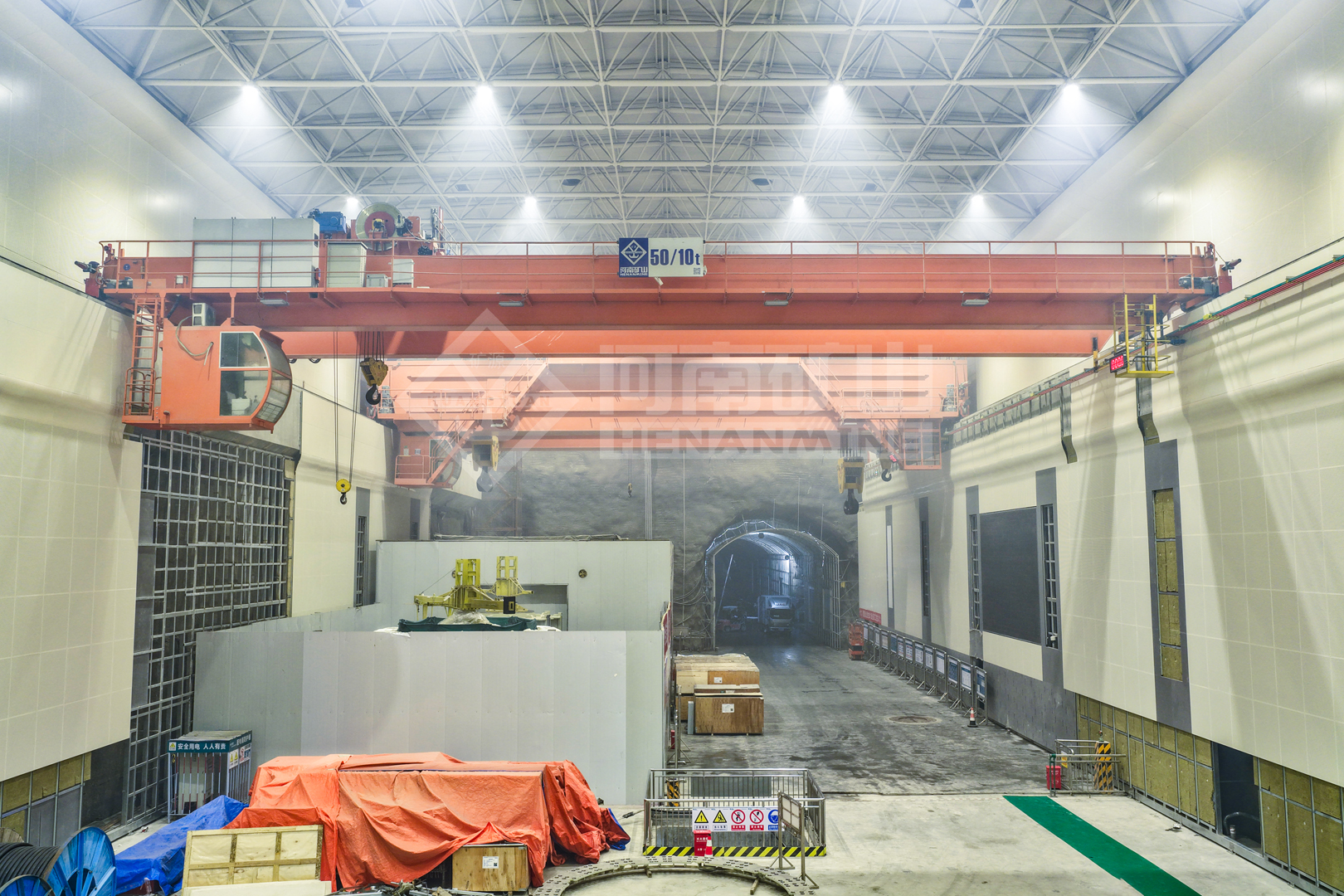
Henan Mine Crane · Hydropower Lifting Systems
Hydropower Plant Crane
Engineered powerhouse overhead cranes and dam-site gantry cranes for turbine-generator erection, major maintenance, intake gates, stoplogs, trash racks and spillway service.
Henan Mine Crane configures each lifting system around the approved critical load, lifting path, plant geometry, civil interface, operating environment and project acceptance requirements.
Core applications
Turbine-generator work and water-control equipment
Primary systems
Powerhouse bridge crane and rail-mounted gantry crane
Engineering basis
Critical lift, coverage, duty and civil interfaces
Commercial model
Project-specific technical and price proposal
One Hydropower Project, Several Distinct Lifting Duties
The powerhouse crane handles the station’s highest-value components. During construction it supports the approved installation sequence for turbine runners, generator rotors and stators, shafts, covers and related assemblies. After commissioning, the same crane must provide the hook coverage and controlled motion required for scheduled outages and major overhaul work.
Dam and waterway operations require a different machine. A rail-mounted gantry crane may handle intake gates, spillway gates, stoplogs, trash racks or maintenance equipment at positions distributed along the dam crest. Its structure, lifting media, below-the-hook device, outdoor protection and rail interface are therefore designed for the gate schedule rather than for turbine-hall work.
Installed generating output in MW does not determine crane capacity in tonnes. The crane rating comes from the heaviest verified suspended load, including the component, lifting beam, slings, shackles and other rigging, together with the specified load path and operating method.
Hydropower Plant Crane Configurations
01 · Powerhouse Overhead Crane
A double-girder bridge crane for generating-unit erection, rotor and stator handling, turbine disassembly and scheduled maintenance across the powerhouse bay.
02 · Pumped-Storage Powerhouse Crane
A high-capacity, frequently low-headroom arrangement for underground caverns, with project-defined synchronized lifting, precision motion and monitoring functions.
03 · Dam-Crest Gantry Crane
A rail-mounted outdoor crane serving multiple gate or stoplog positions, engineered for long travel, wind exposure, drainage, corrosion protection and safe parking.
04 · Intake Gate and Stoplog Crane
A lifting system with a purpose-designed spreader or engagement device for intake gates, emergency gates, stoplogs and trash racks at specified slots.
05 · Tailrace or Draft-Tube Service Crane
A separate crane or hoist for downstream gates, draft-tube stoplogs and maintenance tasks where access, water level and lifting depth differ from the dam crest.
06 · Auxiliary Maintenance Crane
An appropriately rated bridge crane, monorail or electric-hoist system for valve, pump, workshop and service-bay loads that do not require the main crane.
Compare Hydropower Crane and Gate-Lifting Options
The correct machine is selected from the load, location and operating sequence. These configurations are complementary and should not be treated as interchangeable quotations.
| Lifting configuration | Primary duty | Critical design inputs | Procurement distinction |
|---|---|---|---|
| Double-girder powerhouse overhead crane | Turbine-generator erection and overhaul | Critical suspended load, hook approach, lift height, runway reactions | Heavy engineered system integrated with the powerhouse |
| Dam or intake gantry crane | Gate, stoplog and trash-rack handling | Gate weight, slot positions, lifting depth, rail layout, outdoor environment | Mobile outdoor system with project-specific spreader |
| Fixed gate hoist | Routine operation of one dedicated gate or gate group | Gate forces, travel, connection points and operating sequence | Not a traveling crane and normally tied to a fixed location |
| Electric-hoist maintenance crane | Pumps, valves and smaller workshop loads | Local load, headroom, frequency and coverage | Economical for defined service loads, not a substitute for the critical lift |
Select Capacity from the Critical Lift
For a powerhouse crane, the critical lift may be a generator rotor, stator, turbine runner, main shaft or a combined assembly defined by the turbine supplier. Rated capacity must cover the complete suspended mass, not only the equipment nameplate weight. The lifting beam, hook block, slings, shackles and temporary tooling are included in the lift calculation as applicable.
Large circular components require verified lifting points, centre of gravity, allowable inclination and clearances through the erection bay. If two hooks, two trolleys or two cranes are involved, permissible load sharing and synchronization must be engineered. Two nameplate ratings cannot simply be added to authorize a combined lift.
For a gate crane, the design input includes gate or stoplog dead weight together with seating, friction, water-pressure effects and the approved operating condition. The hydropower designer defines the governing forces and lifting sequence for the crane supplier.
Critical Lift Data
Maximum component and complete rigging weight
Component dimensions, centre of gravity and lifting points
Required main and auxiliary hook ratings
Lowest pickup and highest transfer elevations
End approach, side approach and laydown area
Approved operating sequence and acceptance criteria
Technical Specification for a Hydropower Plant Crane
Final values are established from the EPC drawings, turbine or gate supplier data, structural design and operating philosophy. Henan Mine Crane can develop the general arrangement and technical proposal after the following project inputs are confirmed.
| Specification item | Project information required |
|---|---|
| Main and auxiliary capacity | Heaviest complete suspended load and separately defined service loads |
| Span and runway | Rail gauge, runway length, rail profile, support spacing and allowable wheel reactions |
| Lifting height or depth | Hook travel above and below rail, gate-slot depth and required operating elevations |
| Hook and spreader coverage | Generating units, erection bay, gate slots, storage racks and maintenance areas |
| Duty and load spectrum | Construction lifts, overhaul frequency, gate cycles and expected operating life |
| Speeds and positioning | Normal and slow speeds, acceleration, stopping behavior and positioning tolerance |
| Environment | Indoor or outdoor location, humidity, condensation, temperature, corrosion, wind and seismic data |
| Electrical and control system | Site power, control station, communications, monitoring and plant-system interfaces |
| Applicable standards | Contract code, local regulations, inspection plan and required certification |
| Execution scope | Packing, transport limits, erection access, supervision, commissioning, load test and training |
Precision Control and Safety Architecture
Controlled Low-Speed Motion
Variable-frequency drives can provide smooth acceleration, reduced mechanical shock and a specified slow-speed range for alignment over the turbine pit or gate slot.
Hook Synchronization
Where the approved lift uses two hooks or lifting points, feedback and control functions are configured to maintain the project-defined relationship and stop on unacceptable deviation.
Braking and Limits
Hoisting brakes, upper and lower limits, overload protection, travel limits, buffers and emergency functions are selected to the risk assessment and applicable contract standard.
Anti-Sway and Monitoring
Project-defined anti-sway, position feedback, fault recording and operating-data monitoring can support repeatable heavy lifts and maintenance planning.
Crane and Runway Interface
Wheel loads, skew control, rail tolerances, end stops and structural deflection criteria are coordinated with the powerhouse or dam civil design.
Maintenance Access
Service platforms, guarded access, inspection points, lighting and maintainable component placement are incorporated according to the approved arrangement.
Hydropower Environment and Gate-Handling Requirements
An underground powerhouse may combine high humidity, condensation, restricted access and limited headroom. Motors, brakes, enclosures, cable systems, coatings and ventilation are selected for the documented conditions. A low-headroom bridge layout can improve usable hook elevation, but it must be checked together with maintenance access and building reactions.
Outdoor dam cranes require the specified wind design, storm parking and anchoring arrangement, corrosion-protection system, drainage, low-temperature provisions where applicable and weather-resistant electrical equipment. Wind operating limits and out-of-service securing procedures belong in the operating documentation.
Gate and stoplog engagement is application-specific. The spreader, latching device, guide system, sensing and lifting media must match the gate geometry and approved procedure. The crane quotation should clearly identify whether spreaders, lifting beams, storage racks and gate-position interfaces are included.
Specify the Site Conditions
Indoor cavern or exposed dam-crest location
Minimum and maximum ambient temperature
Relative humidity and condensation risk
Corrosion category and coating requirement
Operating and out-of-service wind data
Seismic, altitude and local electrical requirements
Verified Project · Pumped-Storage Power Station
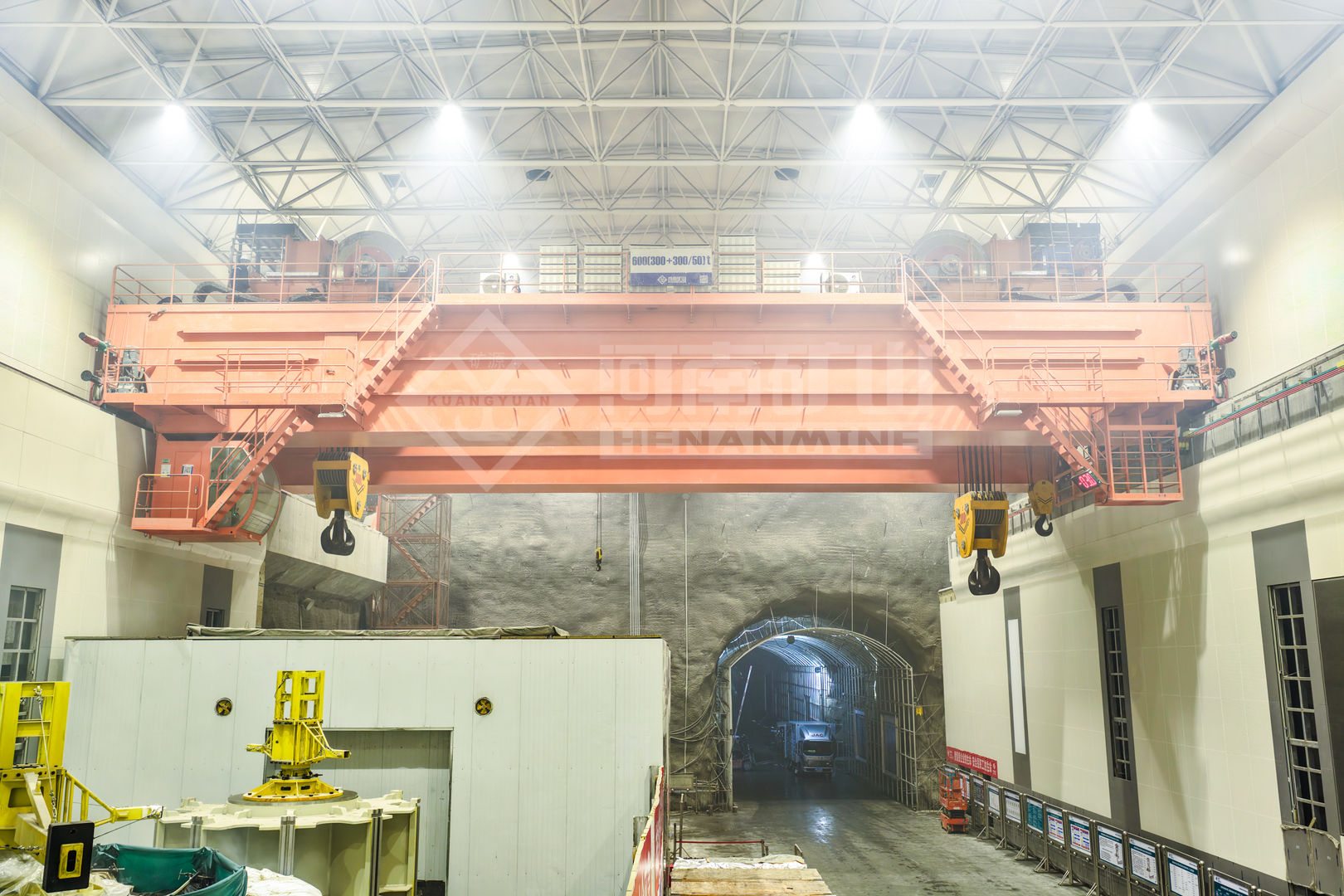
600t Low-Headroom Pumped-Storage Powerhouse Crane
Henan Mine Crane supplied a batch of lifting equipment for a pumped-storage power station, including a 600t overhead crane as the core heavy-lifting system. The crane uses a low-headroom structural arrangement developed for the restricted space of an underground powerhouse.
The equipment incorporates full variable-frequency control, high-precision synchronized operation of two hooks, intelligent anti-sway functions and digital operating-data monitoring. Factory pre-assembly and integrated adjustment were completed before shipment to reduce interface risk during site execution.
This project demonstrates the engineering priorities of a pumped-storage crane: high-capacity lifting, controlled multi-point handling, efficient use of cavern headroom and traceable operating status. Its 600t rating is project-specific and does not establish the required capacity for another station.
Engineering Documentation and Quality Control
Hydropower lifting equipment is integrated with civil works, generating equipment and the construction schedule. The technical submission can be structured around the contract’s document register and inspection plan, with responsibilities clearly assigned before manufacturing.
Design Package
General arrangement, wheel loads, hook approaches, mechanism data, electrical architecture and agreed calculation documents.
Manufacturing Control
Material traceability, welding and inspection records, dimensional control, mechanism checks and agreed witness points.
Testing and Handover
Factory tests, site commissioning, protection verification, load testing, manuals, spare-parts documentation and training records.
24+
Years of crane manufacturing
5,100+
Employees
122+
Countries and regions served
3,500+
Manufacturing and testing equipment sets
Installation, Commissioning and Lifecycle Service
Early Civil Coordination
Confirm runway elevation, support reactions, rails, embedded items, access openings and crane assembly sequence before the structure is closed.
Site Execution
Coordinate transport dimensions, underground access, erection equipment, electrical supply, installation supervision and commissioning resources.
Long-Term Availability
Establish inspection intervals, lubrication points, rope and brake checks, critical spares and outage support before operational handover.
The procurement schedule should identify when the crane is required for turbine-generator erection or gate installation, not only the final plant commissioning date. Manufacturing, delivery, runway readiness and site load testing must be aligned with those milestones.
Hydropower Plant Crane Price and Budget Boundaries
A hydropower plant crane has no dependable universal list price. Public online figures illustrate the scope problem: generic hydropower gantry listings may show equipment-only asking prices of approximately US$10,000–US$300,000, while major turnkey dam-crane replacement programs can extend into tens of millions of US dollars when engineering, removal, civil and rail modifications, installation, testing and multi-year execution are included. These figures are not like-for-like and are not a Henan Mine Crane quotation.
A meaningful commercial comparison requires every bidder to price the same technical boundary. Henan Mine Crane develops the quotation after the lifting duty, structure, controls and delivery responsibilities are defined.
| Commercial package | Items to confirm |
|---|---|
| Crane equipment | Bridge or gantry structure, trolley, hoists, hooks, drives, controls and protection |
| Below-the-hook equipment | Lifting beam, gate spreader, engagement device, slings, storage stand and sensors |
| Runway and civil interface | Rails, power feed, embedded parts, support checks and structural modifications |
| Project execution | Inspection, packing, freight, erection, supervision, commissioning and load testing |
| Handover and support | Documentation, training, initial spares, warranty boundary and lifecycle service |
Capacity, span, lifting height, hook arrangement, precision-control functions, environmental protection, destination and Incoterm materially affect the price. Each proposal should state its currency, validity, exclusions and responsibilities for site work.
Hydropower Plant Crane RFQ Information
Submit the powerhouse, dam or intake drawings; equipment lift list; maximum suspended load including rigging; component or gate dimensions; span; lifting height or depth; hook approaches; runway information; duty; speed and positioning requirements; power supply; environmental data; destination; applicable standard; delivery schedule; and requested installation and testing scope.
Frequently Asked Questions
What type of crane is used in a hydropower powerhouse?
A double-girder overhead crane is commonly selected for turbine-generator erection and major overhaul. Capacity, hook arrangement, span, lift height and duty are established from the station’s approved lift study.
How is hydropower plant crane capacity calculated?
Use the governing component weight plus the complete below-the-hook equipment and rigging, then verify the handling method and load path. The plant’s MW output is not the crane’s rated lifting capacity.
Why may a pumped-storage crane need a low-headroom design?
Many pumped-storage units are located in underground caverns where roof elevation and installation access are constrained. A low-headroom arrangement can improve hook elevation, subject to structural and maintenance-clearance checks.
When are synchronized double hooks required?
They may be specified when the approved lifting method uses two lifting points on a large component. Required load sharing, permitted deviation, feedback and stopping logic must be defined by engineering.
What does a dam gantry crane handle?
Depending on the project, it can handle intake or spillway gates, stoplogs, trash racks and maintenance equipment at multiple positions along a rail. The spreader and lifting sequence are matched to the gate design.
Is a gate hoist the same as a gantry crane?
No. A fixed gate hoist normally serves a defined gate position, while a gantry crane travels along rails and can serve multiple slots or maintenance points. The correct choice follows the operating philosophy.
What protection is needed for an outdoor hydropower crane?
The specification may include a suitable coating system, weather-resistant electrics, drainage, wind monitoring, rail clamps or anchoring, lightning protection and low-temperature measures based on actual site conditions.
Can an existing hydropower crane be replaced or modernized?
A retrofit is possible after checking the existing runway, wheel loads, clearances, electrical supply, access route and outage window. The retained structure and new equipment require a documented interface assessment.
How much does a hydropower plant crane cost?
There is no reliable unit price without capacity, span, lift height, hook or gate-spreader arrangement, controls, environmental protection and supply boundary. An itemized quotation is required for a valid comparison.
What information is needed for a fast quotation?
Provide drawings, the critical lift or gate data, span, lift height or depth, runway details, duty, environment, site power, destination, required standard, schedule and installation or commissioning scope.
Related Hydropower Crane Products and Solutions
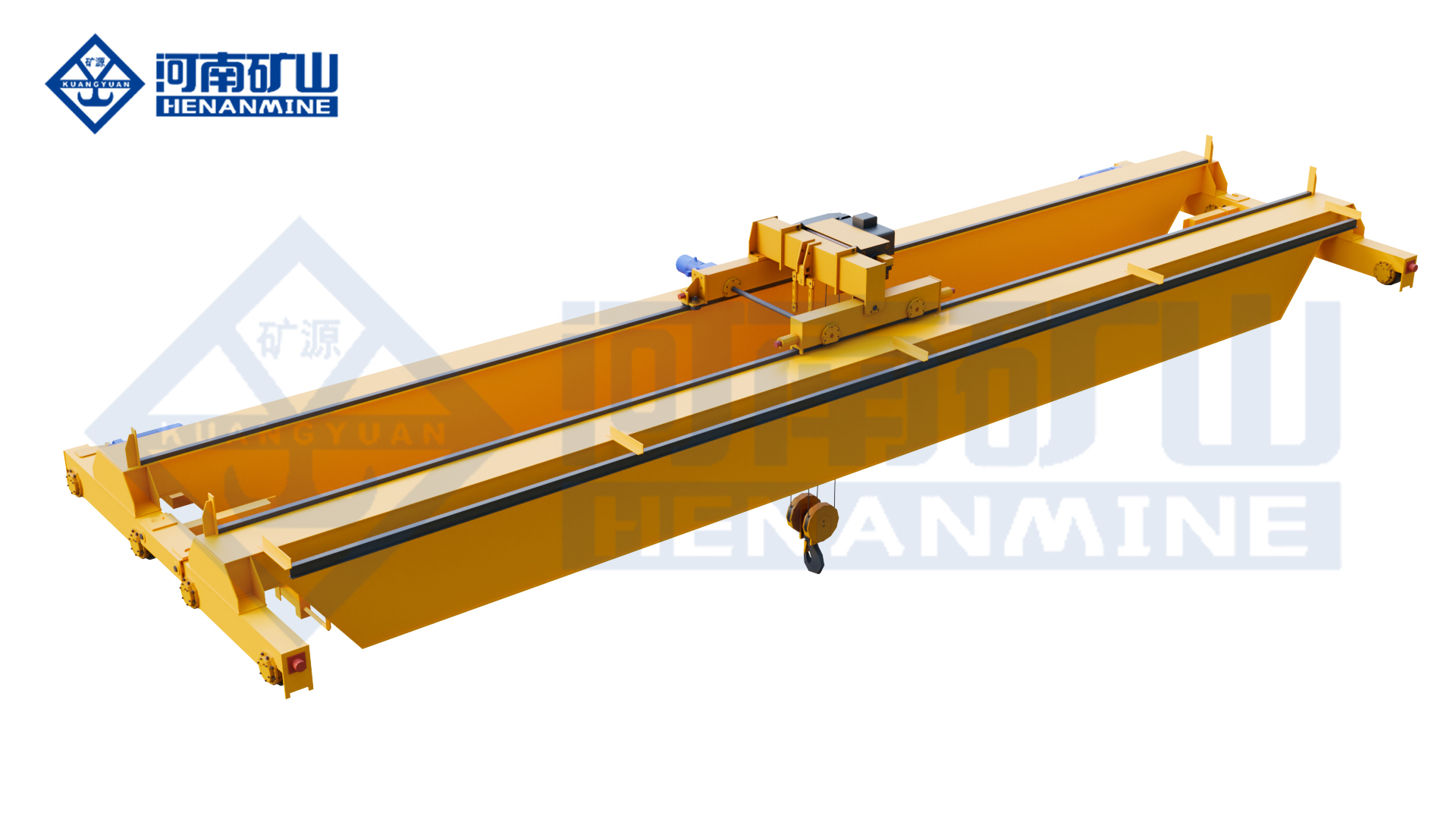
Double-Girder Overhead Crane
Bridge-crane configuration for appropriately rated powerhouse and maintenance duties.
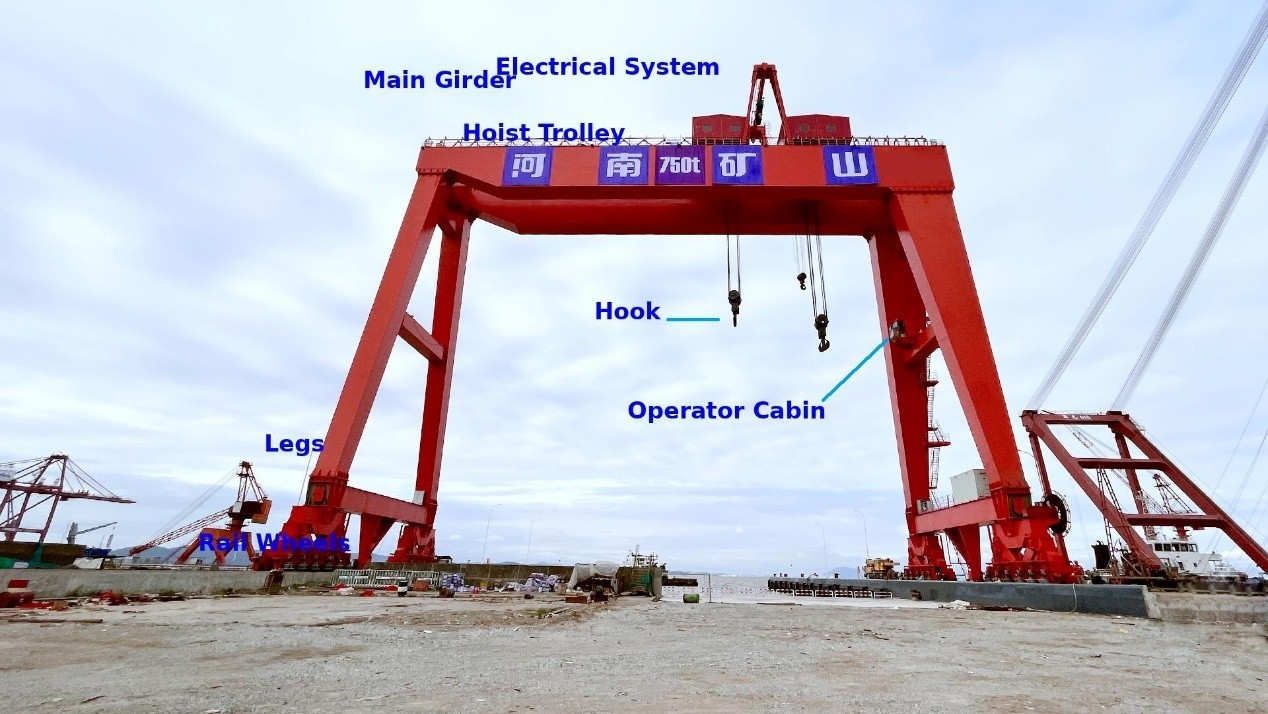
Double-Girder Gantry Crane
Heavy rail-mounted structure adaptable to engineered outdoor hydropower duties.
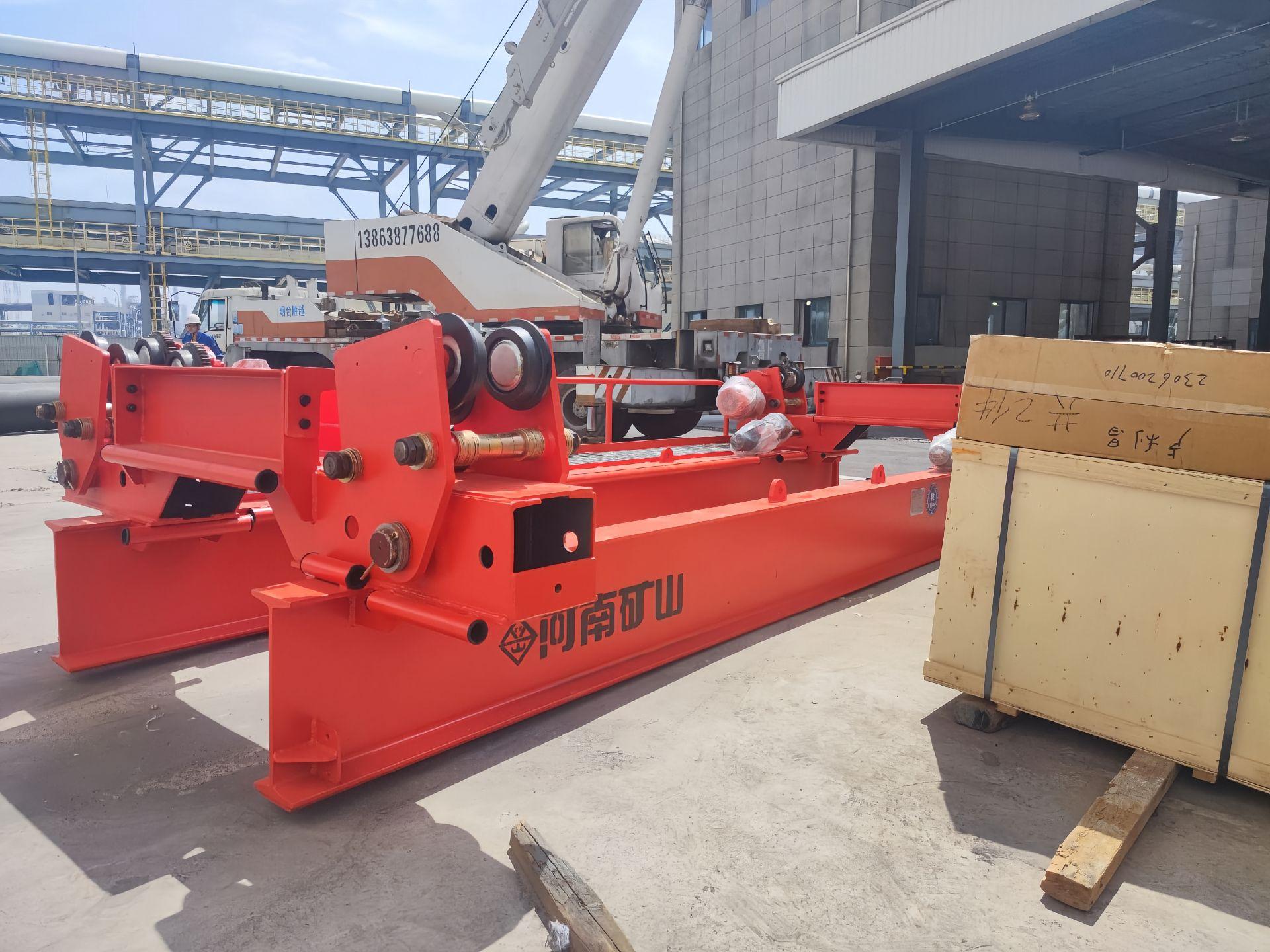
Cross-Travel Overhead Crane
Track-switching access for compatible, specifically engineered maintenance routes.
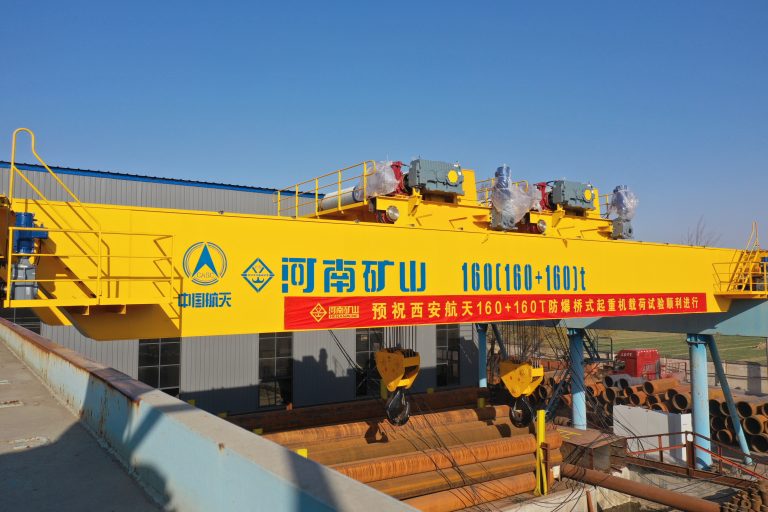
Double-Trolley Electric-Hoist Crane
Coordinated handling option for defined service loads and approved lifting methods.
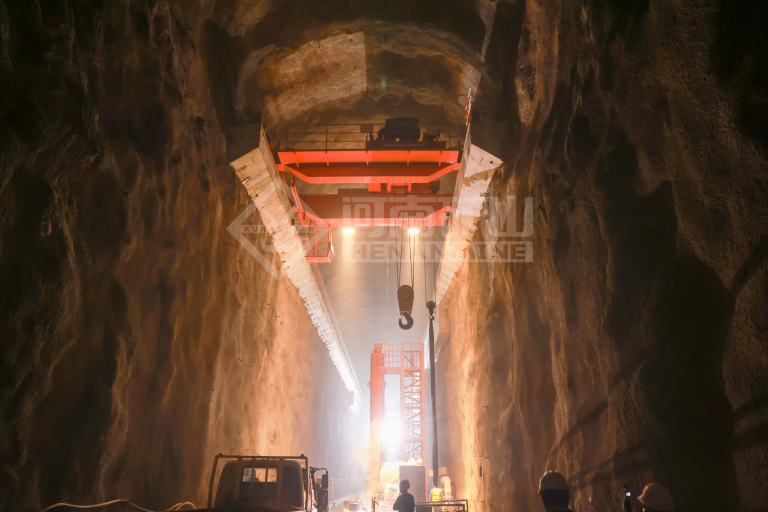
Hydropower Industry Solutions
Explore lifting applications for water conservancy and hydropower projects.
Hydropower Lifting Proposal
Request a Hydropower Plant Crane Quote
Share the critical lift, turbine or gate data, plant drawings, runway information, required operating environment, destination and project schedule. Henan Mine Crane will develop a defined equipment configuration and commercial scope for the hydropower facility.