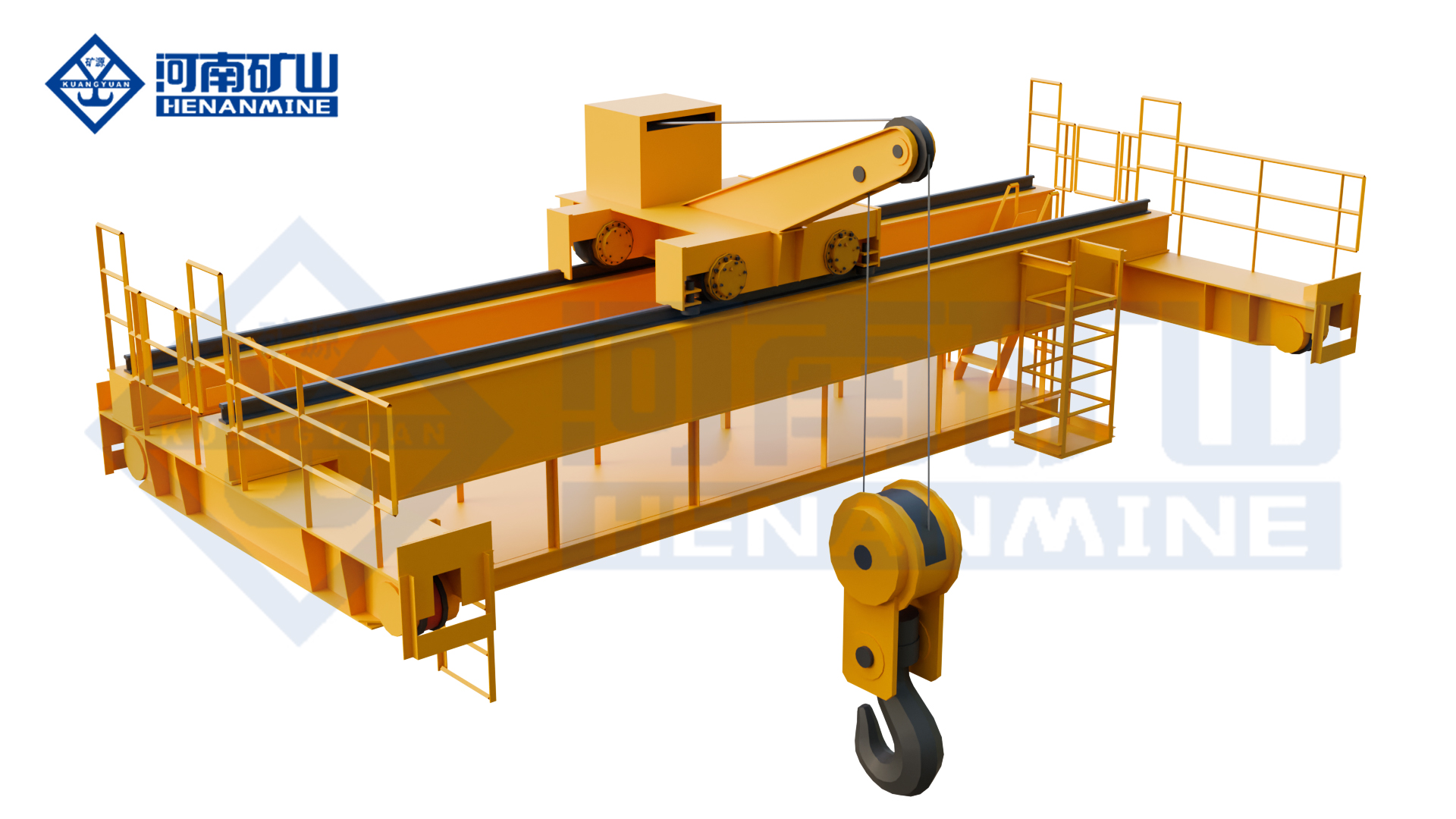
Henan Mine Crane · Process Cranes for Hot-Dip Galvanizing Lines
Galvanizing Line Crane
Engineered overhead crane systems for controlled transfer through pretreatment tanks, drying, molten-zinc immersion, drainage, cooling, unloading and galvanizing-plant maintenance.
Henan Mine Crane configures each system around the suspended load, jig or crossbeam, tank layout, immersion profile, production cycle, corrosive exposure, heat, automation boundary, runway and destination compliance requirements.
PROCESS AREAS
Pretreatment, Zinc Kettle, Cooling & Finishing
HANDLING DUTIES
Transfer, Immersion, Tilting, Drainage & Maintenance
DESIGN CONDITIONS
Corrosive Fumes, Heat, Moisture & Cyclic Duty
PRICE BASIS
Engineered Project Quotation
What Is a Galvanizing Line Crane?
A galvanizing line crane is an overhead process crane engineered to move steel products, racks, baskets or crossbeams through batch hot-dip galvanizing operations. It may execute loading, tank-to-tank transfer, controlled immersion, dwell, withdrawal, drainage, cooling and unloading. Its motions can form part of the production recipe, so the crane must be specified as process equipment rather than as a general workshop lifting machine.
A galvanizing facility may require several distinct crane duties: one or more production-line cranes for the chemical tanks and zinc kettle, a loading or finishing crane outside the aggressive process zone, and a separate maintenance crane for the kettle, furnace equipment, lifting beams and removable plant components. Combining incompatible duties without a route, availability and environmental review can restrict production or create an unsuitable protection concept.
Capacity, span and lifting height are only the starting parameters. A procurement specification also requires the complete suspended mass, workpiece geometry, lifting-point arrangement, tank coordinates, immersion angle, process speeds, cycle histogram, chemical and thermal exposure, automation interfaces, safe-recovery philosophy and responsibility boundary.
Galvanizing Line Crane Types
01 · Single-Girder Process Crane
A compact bridge with one or two hoists for moderate suspended loads, shorter spans and defined production cycles. Hoist synchronization, service access, corrosion protection and the required duty class must be verified before selecting this lower-self-weight arrangement.
02 · Double-Girder Process Crane
A robust platform for longer spans, frequent cycles, higher suspended loads, service walkways and process-specific trolley arrangements. It provides greater flexibility for automation, redundant positioning feedback and maintainable component layouts.
03 · Twin-Hoist or Twin-Trolley Crane
Two lifting points stabilize long workpieces and support controlled entry, withdrawal and drainage angles. The control system defines synchronized lifting, permitted differential height, restricted independent motion and fault recovery.
04 · Automated Galvanizing Transport System
One or more cranes execute recipe-based routes using position feedback, tank handshakes, inter-crane zoning, production tracking and controlled recovery modes. The crane, line PLC and supervisory-system boundaries are defined before quotation.
05 · Cantilever Zinc-Pot Crane
A project-defined cantilever extends hook coverage beyond the normal bridge envelope for empty-pot handling, furnace-area service and equipment maintenance. It is not automatically a substitute for the production transport crane.
06 · Loading, Finishing and Maintenance Crane
A single- or double-girder overhead crane for racking, unloading, inspection, component removal and workshop service. Environmental protection is selected for its actual zone, while process-crane features are included only when the duty requires them.
Compare Galvanizing Line Crane Configurations
The correct configuration follows the workpiece, process route, immersion method, cycle demand and exposure zone. Cranes with the same rated capacity may have different hoist arrangements, controls, protection systems and commercial scope.
| Crane Configuration | Primary Duty | Lifting Arrangement | Critical Design Basis | Not a Substitute For |
|---|---|---|---|---|
| Single-Girder Process Crane | Moderate-load process transfer on a defined line | One or two electric hoists with project-specific beam or rack interface | Span, duty, synchronization, headroom, environment and maintenance access | High-cycle automated systems without a complete engineering review |
| Double-Girder Process Crane | Frequent cycles, longer spans, higher loads and automation | Top-running trolley with single, twin or process-specific hoisting | Cycle histogram, wheel loads, service access, motion control and plant interfaces | A lower-cost general crane selected only by capacity |
| Twin-Hoist or Twin-Trolley Crane | Long-load stabilization, tilting and controlled drainage | Two lifting points operating synchronously or within a restricted differential | Load stiffness, lifting-point spacing, maximum angle, feedback and fault response | Independent uncoordinated hoists without load-control logic |
| Cantilever Zinc-Pot Crane | Pot replacement, furnace maintenance and extended hook coverage | Project-defined cantilever with hook or maintenance lifting beam | Component weights, outreach, headroom, structural forces and service procedure | Automatic tank-to-tank production transport |
| Integrated Multi-Crane System | High-throughput lines, parallel tanks and separated process zones | Multiple coordinated cranes, transfer points and buffer stations | Route simulation, collision zones, queue logic, availability and recovery strategy | A single-crane layout where production continues after one machine stops |
Selection principle: define the crane from the complete process duty. A general overhead crane does not become a galvanizing process crane by adding corrosion-resistant paint, and two standard hoists do not provide controlled tilting without the required synchronization, permissions and fault response.
Match the Crane to the Galvanizing Process Area
A plant-wide handling study records every pickup point, tank coordinate, dwell time, travel route, attachment, restricted zone and line interface. It also separates loading, production and maintenance duties that cannot share one machine because of environmental exposure, incompatible working envelopes or required availability.
For the pretreatment tanks, the study addresses corrosive vapor, liquid carryover, drainage, tank-rim clearance and fume-extraction interfaces. For molten-zinc immersion, it defines slow process speed, load angle, withdrawal profile, drip route, heat exposure, cover permissions and the safe position for abnormal recovery.
Loading, cooling and unloading areas require stable handover, product identification and safe interaction with operators. Pot replacement and furnace maintenance require a separate component-weight schedule, removal route, outreach, shutdown plan and verified set-down points.
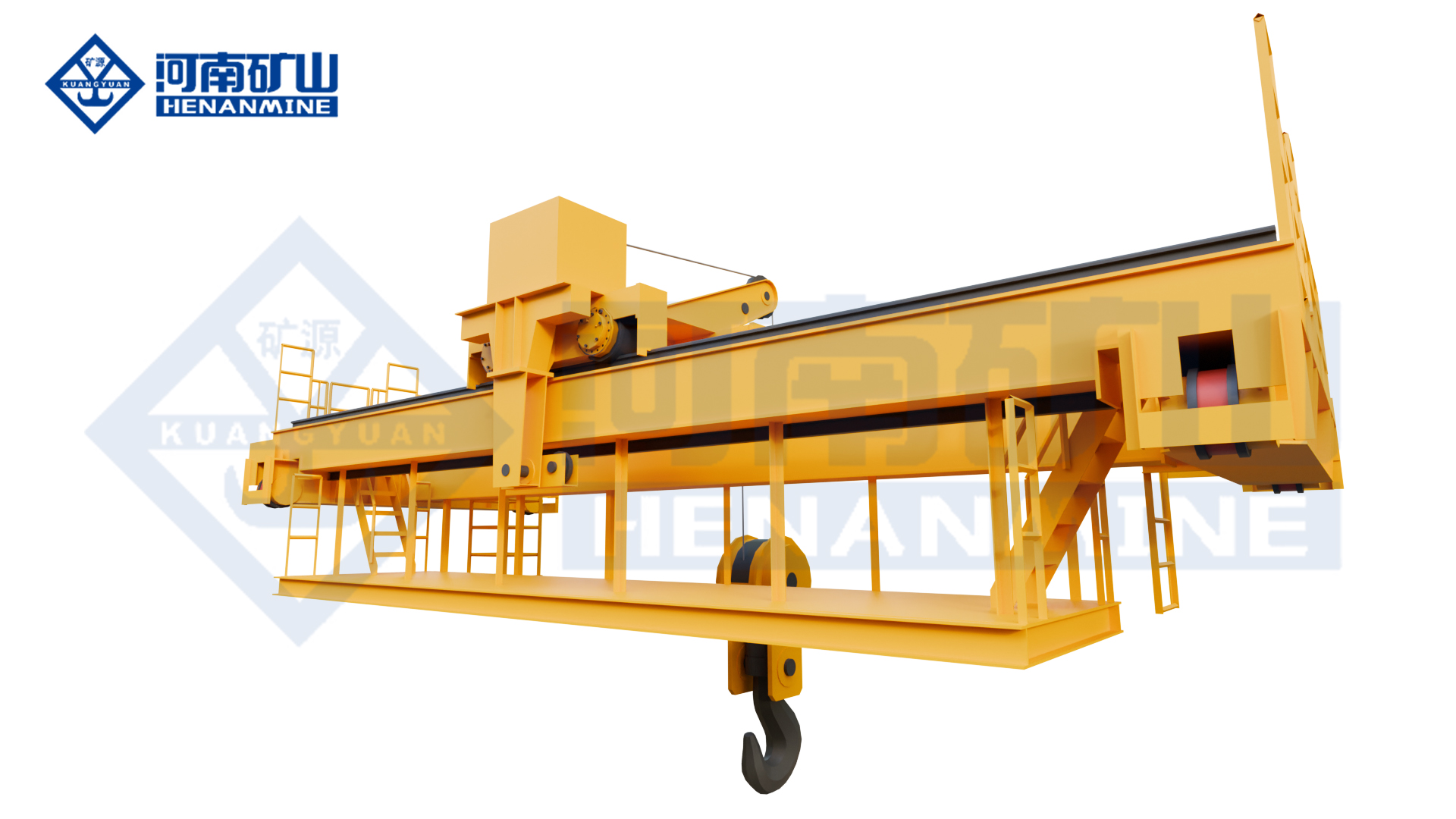
| Process Area | Handling Task | Crane Starting Point | Essential Project Data |
|---|---|---|---|
| Loading and Racking | Pick up prepared jigs, baskets or crossbeams | Loading crane or first process crane | Load geometry, lifting points, identification and handover method |
| Degreasing, Rinsing and Pickling | Lower, dwell, lift, drain and transfer between tanks | Corrosion-protected process crane | Chemicals, vapor, tank layout, liquid carryover and extraction |
| Fluxing and Drying | Maintain process sequence and transfer toward the kettle | Process crane with station interlocks | Dwell time, dryer interface, queue logic and permissible route |
| Molten-Zinc Immersion | Controlled entry, immersion, withdrawal and drainage | Twin-hoist or purpose-built process crane | Angle, slow speed, differential height, heat, fumes and recovery |
| Cooling and Finishing | Transfer hot galvanized loads to inspection and unloading | Process or finishing crane | Temperature, drip route, clearance, tracking and handover |
| Kettle and Plant Maintenance | Remove empty pots, furnace parts, beams and equipment | Independent maintenance or cantilever crane | Component schedule, outreach, removal route and shutdown plan |
Technical Selection and Specification Framework
A procurement specification should convert production requirements into measurable crane performance and assign every building, process and control interface. Each hoist, trolley, lifting beam or process tool may require a separate capacity, speed, duty and acceptance criterion.
| Specification Item | Required Project Input | Engineering Output | Risk if Undefined |
|---|---|---|---|
| Rated Load and Load Case | Workpiece, rack, crossbeam, chains, hooks, retained liquid or zinc and center of gravity | Rated loads by mechanism, load combinations, overload settings and structural basis | Undersized equipment or unnecessary capital cost |
| Span, Runway and Clearances | Rail centers, runway length, elevations, tank rims, covers, ducts and allowable wheel loads | General arrangement, approaches, wheel-load schedule and interference study | Building conflict, reinforcement or delayed installation |
| Immersion and Drainage Profile | Entry angle, lowering speed, dwell, withdrawal speed, drain angle and safe position | Hoist arrangement, differential limits, VFD range, feedback and motion profile | Poor coating flow, load instability or tank-rim contact |
| Duty and Availability | Route variants, loads per hour, dwell times, shifts, annual hours and standby philosophy | Crane classification, motor thermal checks, speeds, fleet quantity and maintenance plan | Premature wear, queue growth or production stoppage |
| Environment and Protection | Chemicals, vapor concentration, humidity, condensation, temperatures, fumes and wash-down | Materials, coating, sealing, enclosure, heating, cooling, cable and sensor selection | Corrosion, overheating, unreliable controls or shortened life |
| Control and Automation | Manual tasks, recipes, positioning, station signals, line PLC, network and data ownership | Operating modes, permissions, interlocks, HMI, communications and recovery logic | Scope gaps between crane, line and plant-control suppliers |
| Compliance and Acceptance | Destination law, purchaser standard, area classification, witness points and trial material | Code matrix, inspection plan, FAT, load tests, SAT and process-trial criteria | Repeated tests, unclear compliance or contractual dispute |
Protection, Controls and Safety for Galvanizing-Line Conditions
Controlled Immersion and Drainage
Variable-frequency hoisting, slow process speed, position feedback and defined approach zones support controlled entry and withdrawal. Twin lifting points require permitted differential height, maximum angle and a documented recovery sequence.
Chemical and Corrosion Protection
Coating systems, protected cavities, corrosion-resistant hardware, sealed bearings, suitable ropes or chains, cable materials and maintainable inspection points are selected from the measured exposure in each process zone.
Heat and Fume Exposure
Heat shields, equipment separation, protected cable routing, ventilation and component temperature ratings are coordinated with the dryer, kettle, enclosure and extraction system rather than assigned from a generic ambient temperature.
Electrical and Control Protection
Enclosures, anti-condensation heating, protected electrification, control cabinets and network hardware are located and rated for the verified humidity, vapor and temperature. Explosion protection is supplied only where formal area classification requires it.
Load, Motion and Collision Safety
Overload limiting, brakes, operating and final limits, attachment confirmation, buffers, anti-derailment measures, fixed-obstacle zones, inter-crane separation and tank-occupancy logic form one coordinated protection architecture.
Access, Isolation and Acceptance
Guarded access, maintenance platforms, isolators, lockout provisions, emergency stops, safe-state logic and manual recovery are verified through functional tests, load tests, interlock trials and fault-recovery demonstrations.
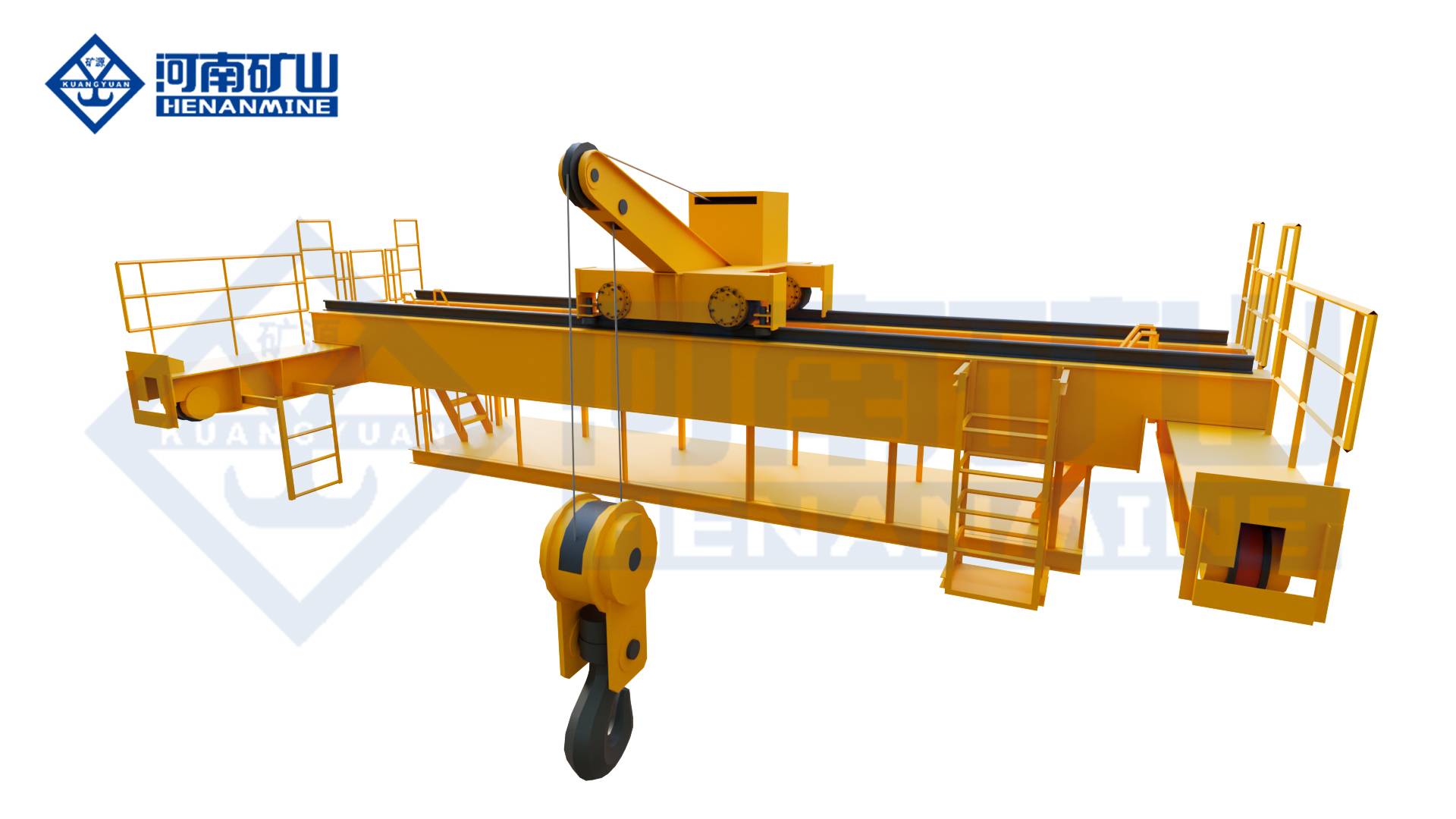
Galvanizing Line Crane Automation and Process Integration
Manual, assisted, semi-automatic and fully automatic operating concepts are available. The correct level depends on product variety, route stability, required throughput, tank demand, operator-access restrictions, traceability and the production consequence of a crane becoming unavailable.
An automated system can manage product identification, recipe association, station sequence, dwell time, approach speed, immersion and withdrawal profiles, drain position, crane separation, buffer priority and alarm history. Tank-ready signals, covers, extraction status, doors and attachment confirmation can be used as process permissions.
The quotation should define the boundary between crane PLC, line PLC, supervisory system, tank equipment, extraction system and production database. Signal lists, network protocols, safe states, manual overrides and restart procedures must be agreed before software development and factory testing.
Henan Mine Crane Galvanizing Crane Configuration
Galvanizing Pot and Maintenance Crane
Henan Mine Crane configures galvanizing special overhead cranes for zinc-pot handling, equipment maintenance and high-temperature workshop service. The available design range includes 5–32 t rated capacity, 10.5–31.5 m span, 6–24 m lifting height, A5–A6 working class, 220–690 V at 50/60 Hz and crane travel speeds of 8–40 m/min, subject to final project engineering.
The crane can be configured with a single- or double-girder structure and a project-defined cantilever to extend vertical hook coverage outside the normal bridge envelope. Variable-frequency motion, overload protection, travel limits, emergency braking and anti-derailment provisions are incorporated according to the final design.
These values define an available design range, not an automatic specification for every galvanizing line. A crane that carries workpieces through chemical tanks and molten zinc requires an independent review of synchronized lifting, process cycle, attachments, corrosion zones, automation interfaces and safe recovery.
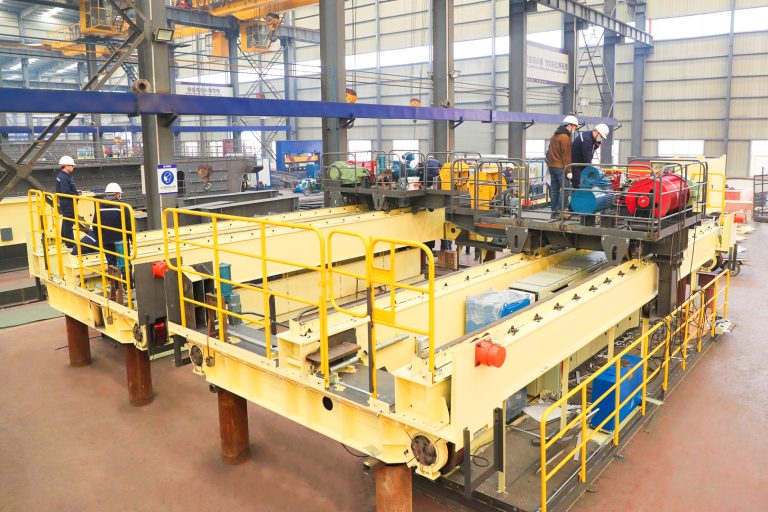
Engineering Deliverables and Quality Records
A procurement-ready proposal defines crane performance, process and building interfaces, inspection, acceptance and site responsibilities. Documents remain traceable from approved inputs through manufacturing, factory testing, installation and commissioning.
Design Basis
Approved load schedule, process route, duty calculations, general arrangement, lifting-device envelope, wheel loads, exposure zones, code matrix and responsibility boundary.
Control Documentation
Electrical diagrams, PLC and network architecture, operating modes, I/O schedule, interlock matrix, alarms, safe states, recovery logic and plant communications.
Manufacturing Records
Material traceability, welding procedures, welder qualifications, dimensional inspection, NDT, machining checks, coating reports and component certificates as contracted.
Factory Acceptance
Drive, brake, limit, overload, alarm and interlock tests; synchronized-hoist functions; control modes; communications; simulated recipes and purchaser witness points.
Review Henan Mine Crane manufacturing and quality capabilities →
Installation, Commissioning and Lifecycle Planning
Site Readiness
Confirm runway survey, rail elevation, building reserve, erection route, tank and kettle coordinates, extraction interfaces, power, network, access controls and shutdown windows.
Installation
Bridge and trolley assembly, rail and conductor checks, lifting-device integration, sensor alignment, control cabinets, utilities and line-network connections follow approved method statements.
Commissioning
Testing progresses from no-load motion and safety devices to proof testing, positioning calibration, synchronized lifting, signal checks, dry recipe simulation and controlled process trials.
Lifecycle Support
Training covers operation, attachment handling, isolation, alarms and recovery. Preventive maintenance addresses mechanisms, controls, electrification, coatings, enclosures and sensors exposed to the process environment.
Galvanizing Line Crane Price and Supply Scope
A purpose-built galvanizing line crane is priced against an approved technical scope. Capacity, span and lifting height affect the equipment cost, but the hoist arrangement, workpiece attachment, corrosion protection, process motion, automation, runway interface, delivery boundary and site services determine whether quotations are technically comparable.
| Quotation Level | Typical Included Scope | Principal Cost Drivers |
|---|---|---|
| Loading or Finishing Crane | Bridge, hoist or trolley, standard controls and defined attachment interface | Capacity, span, lift height, duty, headroom and environmental protection |
| Galvanizing Process Crane | Process hoists, lifting beam interface, VFD motion, corrosion protection, positioning and tank interlocks | Cycle demand, twin-hoist control, immersion profile, protection zones and process interfaces |
| Automated Multi-Crane System | Multiple cranes, route control, collision management, recipe handling, production tracking and plant communication | Crane quantity, throughput, redundancy, software boundary, signal count and trial scope |
| Zinc-Pot Maintenance Crane | Bridge and cantilever structure, maintenance hoist, access, high-temperature protection and dedicated tooling | Maximum component load, outreach, removal route, structural reactions and shutdown requirements |
A valid commercial comparison requires the same technical data sheet, lifting-device boundary, automation responsibility matrix, inspection plan, delivery term and site-service scope. A lower equipment-only price may exclude essential process functions or transfer substantial cost and risk to the purchaser.
Crane Equipment
Bridge, trolleys, hoists, motors, brakes, wheels, platforms, access and power collection.
Process Handling
Crossbeams, racks, baskets, chains, synchronized lifting, tilting and attachment confirmation.
Protection and Controls
Coatings, sealed components, VFDs, PLC, positioning, interlocks, sensors and plant communications.
Project Services
Engineering, documents, FAT, packing, freight, installation, commissioning, trials and training.
Information Required for a Galvanizing Line Crane Quote
A complete inquiry allows the crane configuration, process interfaces, delivery scope and commercial exclusions to be evaluated together. Preliminary drawings are acceptable during concept design when unresolved values are clearly identified.
01 · Plant and process scope
New line, expansion or modernization; loading, pretreatment, kettle, cooling, finishing or maintenance duty; required throughput and crane role.
02 · Building and runway
Layout, sections, rail span, runway length, elevation, headroom, end approaches, rail data, building capacity and allowable wheel loads.
03 · Loads and attachments
Workpiece range, racks, baskets, crossbeams, chains and hooks; maximum suspended mass, dimensions, center of gravity and lifting points.
04 · Tank line and handling route
Tank and kettle coordinates, covers, ducts, pickup and discharge points, route variants, buffers, obstacles and restricted zones.
05 · Process performance
Immersion and withdrawal profile, drain angle, dwell times, speeds, positioning accuracy, cycles, shifts and availability target.
06 · Environmental conditions
Chemicals, concentrations, vapor, humidity, condensation, temperatures, fumes, wash-down, altitude and area classification.
07 · Controls and interfaces
Manual or automatic modes, recipes, line PLC, supervisory system, network protocol, covers, doors, extraction and station sensors.
08 · Power, standards and acceptance
Voltage, frequency, destination, governing crane and electrical standards, inspection authority, FAT, load test and process trials.
09 · Delivery and site scope
Destination, trade term, packing, freight, runway, electrification, installation, commissioning, local labor, training and production support.
10 · Schedule and lifecycle
Required delivery date, shutdown window, documentation language, recommended spares, maintenance capability and service expectations.
Galvanizing Line Crane FAQ
Can a standard overhead crane be used on a galvanizing line?
A general crane may serve a clean loading or maintenance area after verification, but a process crane requires protection and controls selected for chemicals, humidity, heat, fumes, cycle frequency, attachments and immersion movements.
How is the required crane capacity calculated?
Use the maximum combined mass of the workpiece, rack or crossbeam, chains, hooks, lifting devices and retained process liquid or zinc, then apply the required engineering and regulatory allowances.
Why are two hoists used on some galvanizing cranes?
Two lifting points can stabilize long loads and permit a controlled entry, withdrawal and drainage angle. The controls must define synchronized operation, permitted differential height and fault response.
Is full automation necessary?
No. Manual control suits flexible or lower-output plants, semi-automation provides controlled station movements, and full automation is appropriate where repeatable recipes, throughput and restricted access justify the integration.
What corrosion protection is required?
The protection system depends on measured exposure by zone. It may include specialized coatings, sealed components, corrosion-resistant hardware, protected electrification, anti-condensation measures and remote control cabinets.
Does a galvanizing line crane need explosion protection?
Only where a formal hazardous-area classification and applicable local standard require it. The process and chemicals should be reviewed by the plant designer before electrical equipment is specified.
Can the crane communicate with the galvanizing line PLC?
Yes. The project can include station requests, tank-ready signals, cover and extraction status, job identification, recipe data, alarm exchange and production tracking through an agreed protocol.
What determines the number of cranes?
The answer depends on route timing, dwell times, simultaneous tank demand, crane travel distances, queues, maintenance strategy and the production impact of one crane becoming unavailable.
Why do galvanizing line crane quotations vary widely?
The supply may range from a bridge and hoist to a complete process system with synchronized lifting, attachments, corrosion protection, PLC control, line interfaces, documents, freight and site services.
What should be demonstrated before final acceptance?
Verify safety devices, load performance, positioning, synchronization, line interlocks, recipe sequences, alarms, manual recovery, fault recovery, documentation and operator-maintenance training.
Related Galvanizing Line Crane Products
The final lifting system may combine a dedicated galvanizing process crane with separate loading, maintenance or special-environment equipment.
Galvanizing Special Overhead Crane
Project-configured crane for zinc-pot handling, high-temperature service and galvanizing-workshop maintenance.
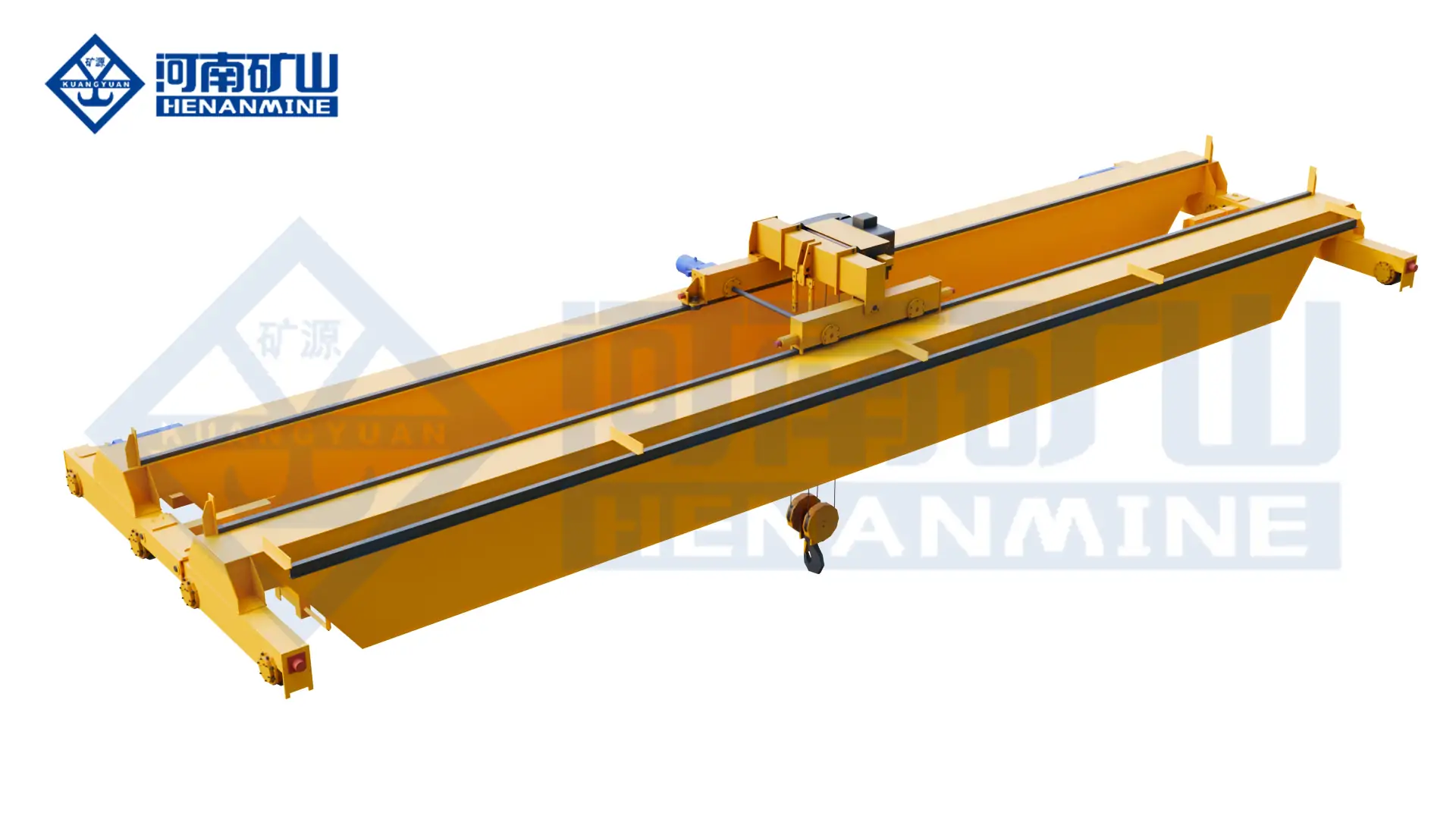
Double Girder Bridge Crane
Flexible structural platform for longer spans, frequent cycles, service access and process-specific hoist arrangements.
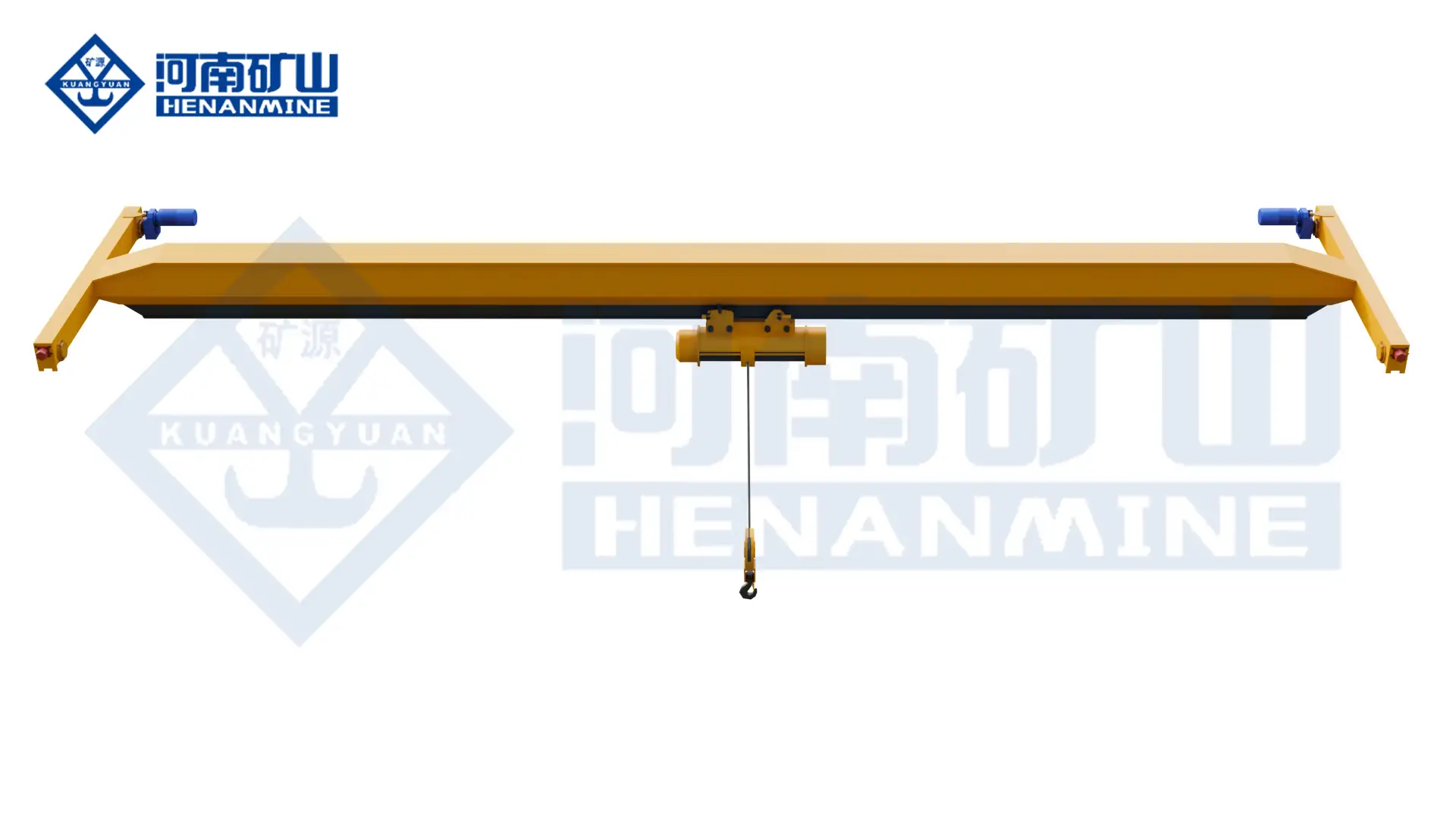
Single Girder Bridge Crane
Compact option for loading, finishing, maintenance or moderate-duty process work after environmental verification.
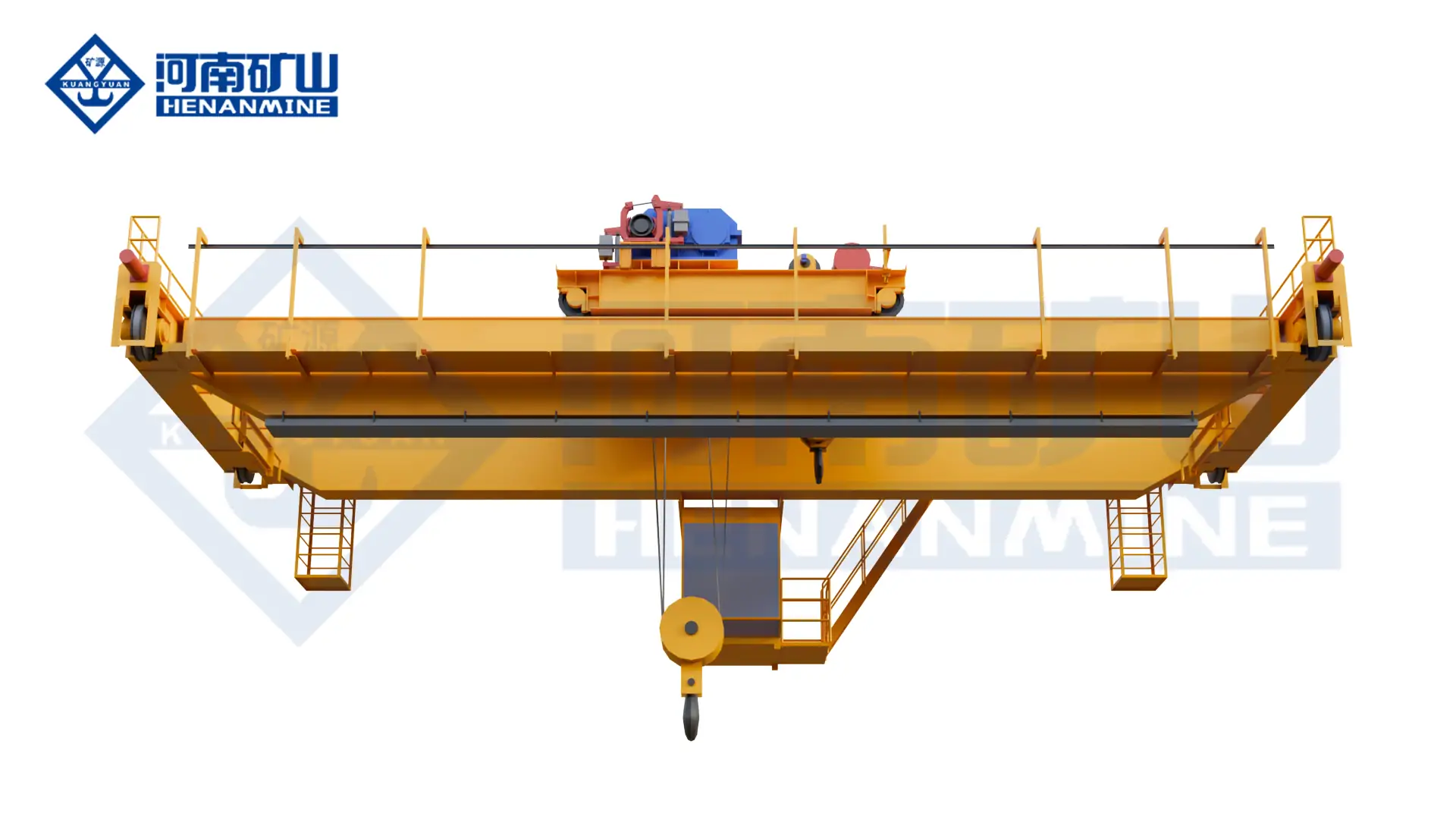
Insulated Bridge Crane
Special configuration for project-defined electrical isolation requirements in industrial process areas.
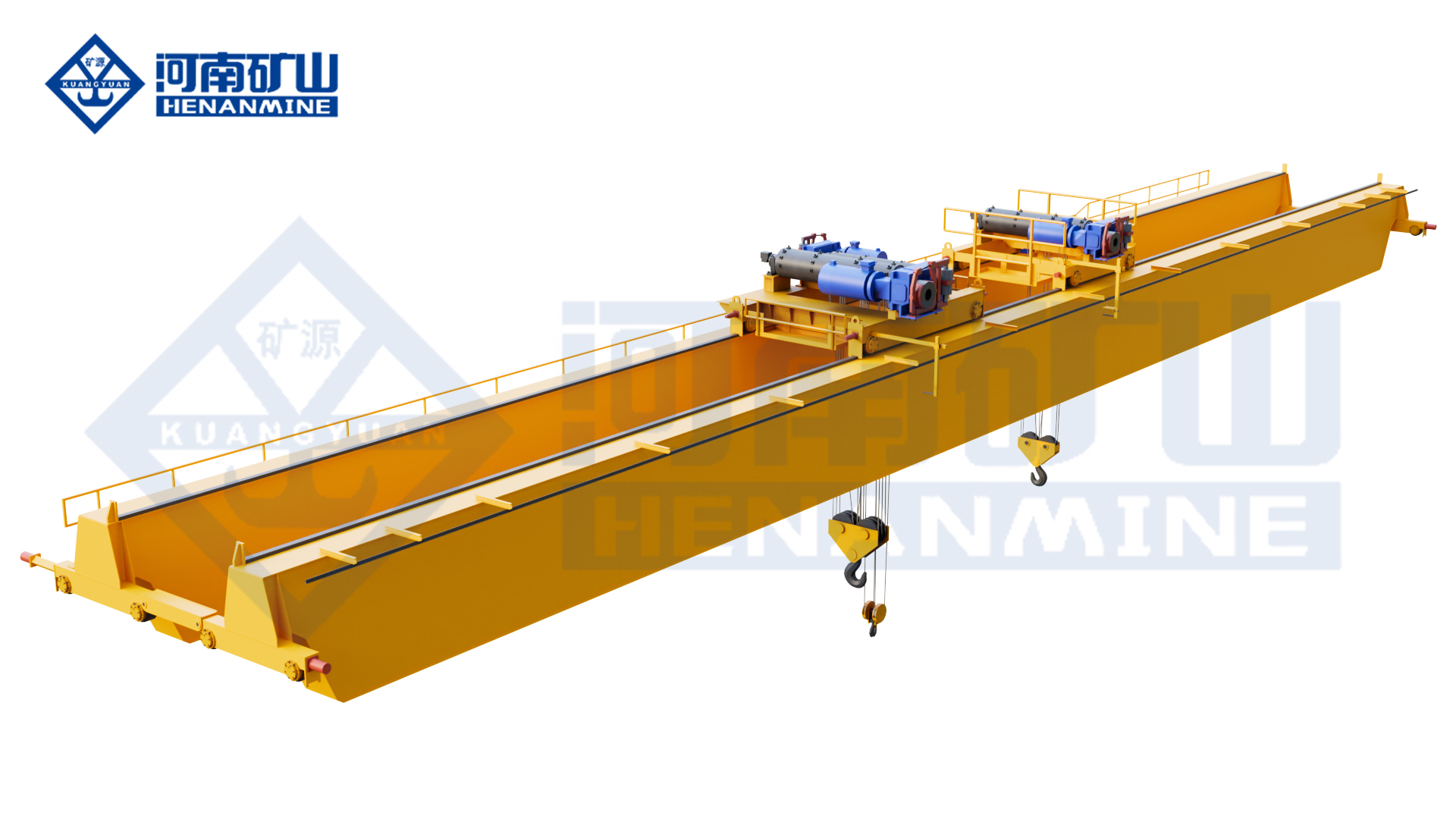
Explosion-Proof Bridge Crane
Hazardous-area lifting solution when required by the formal area classification and destination standard.
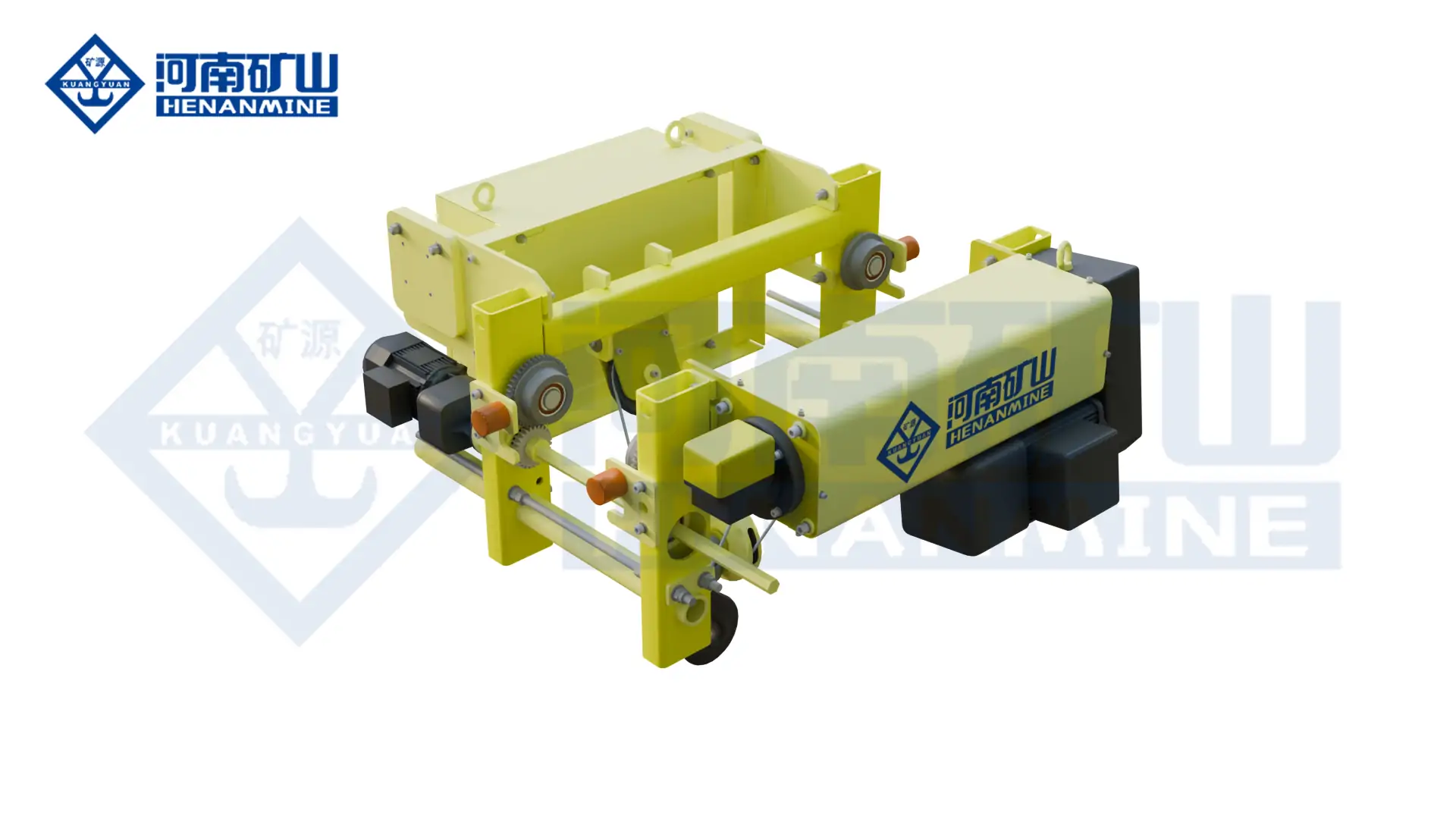
New Electric Hoist
Compact lifting mechanism for compatible light- and medium-duty crane configurations outside severe process exposure.
Request a Galvanizing Line Crane Proposal
Submit the product and attachment data, tank-line drawing, maximum suspended load, production cycle, environmental information, control scope, destination standards and delivery location. Henan Mine Crane will prepare a project-specific technical and commercial proposal.