Extend the original track
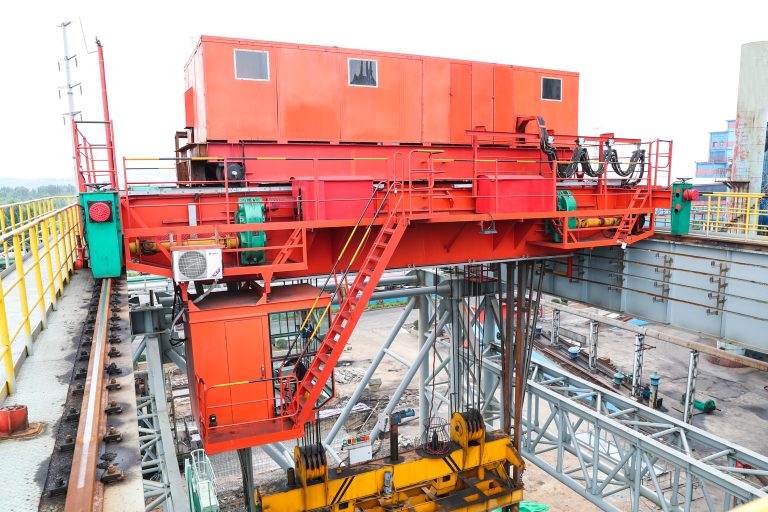
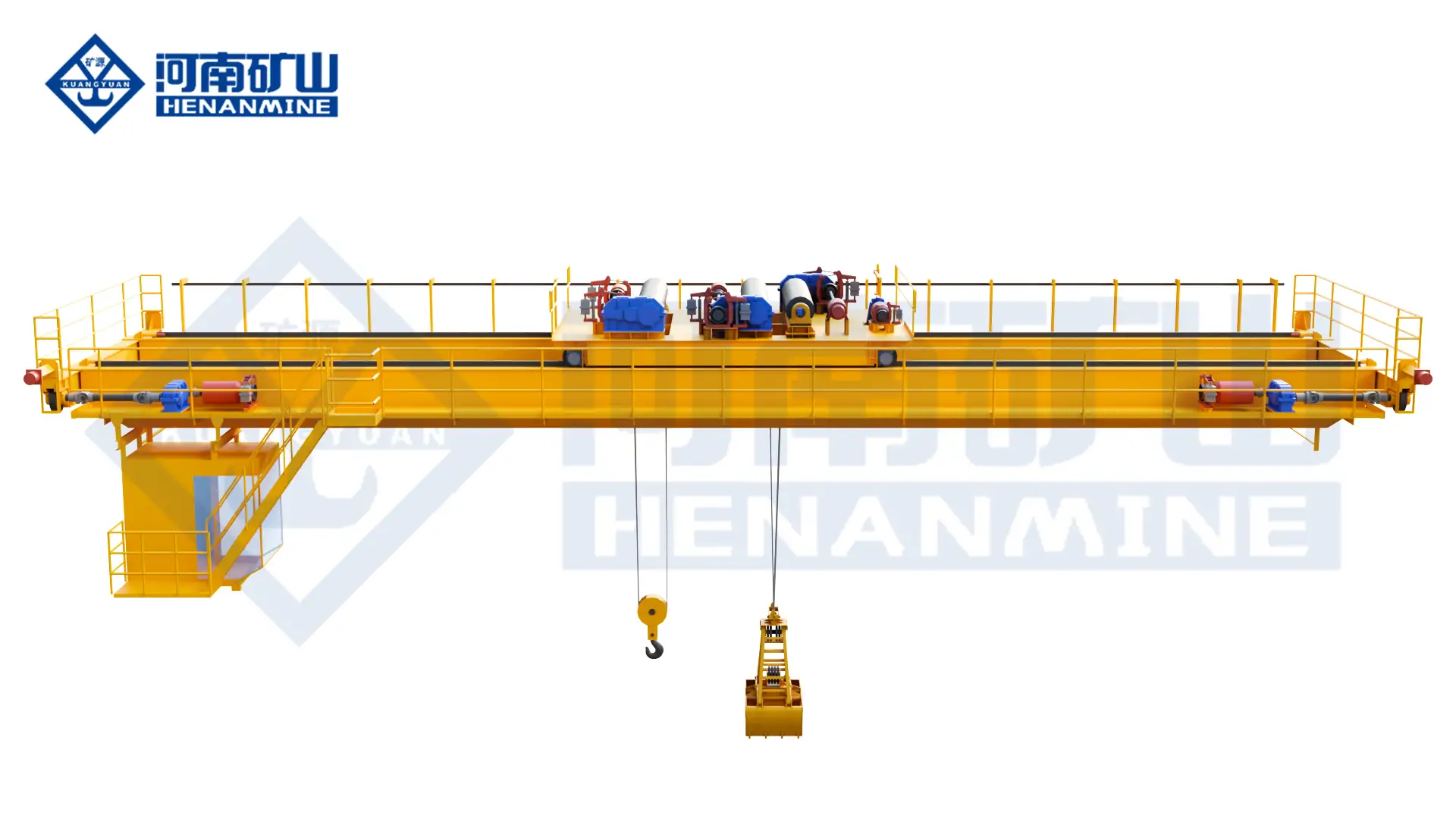
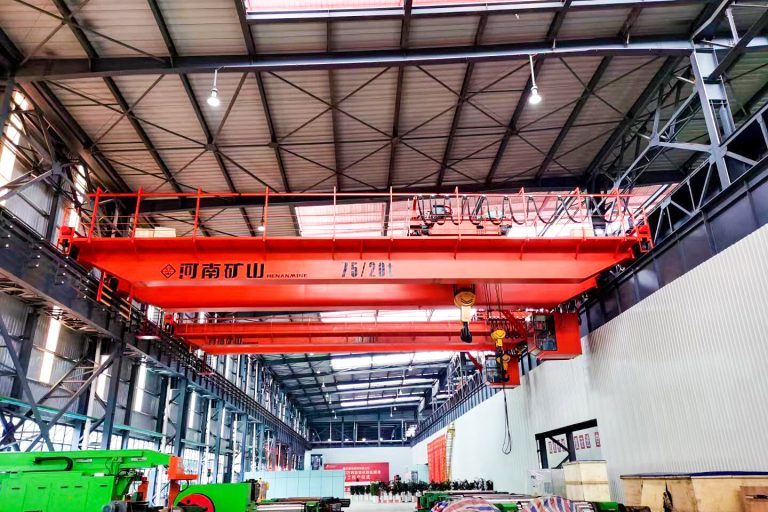
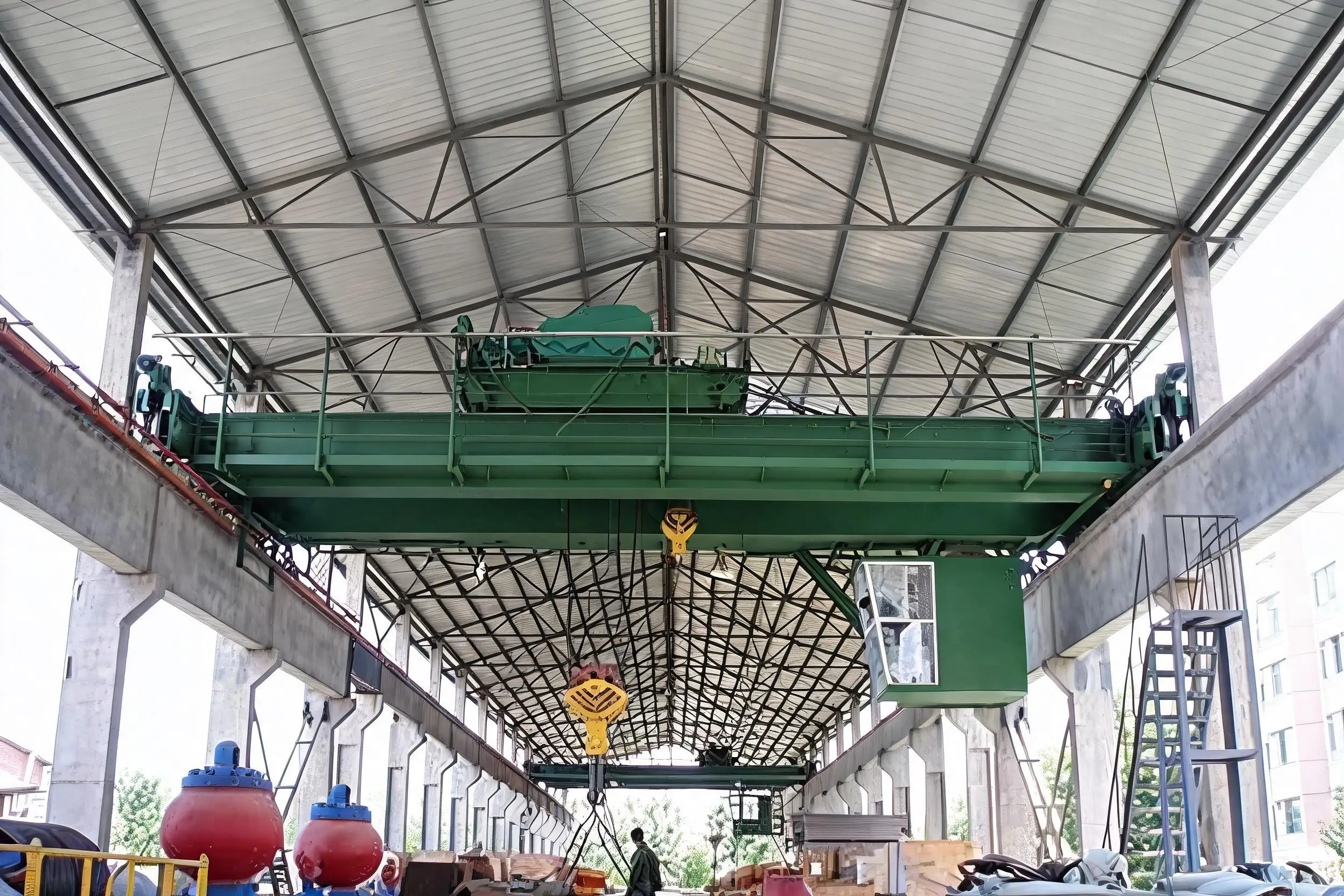
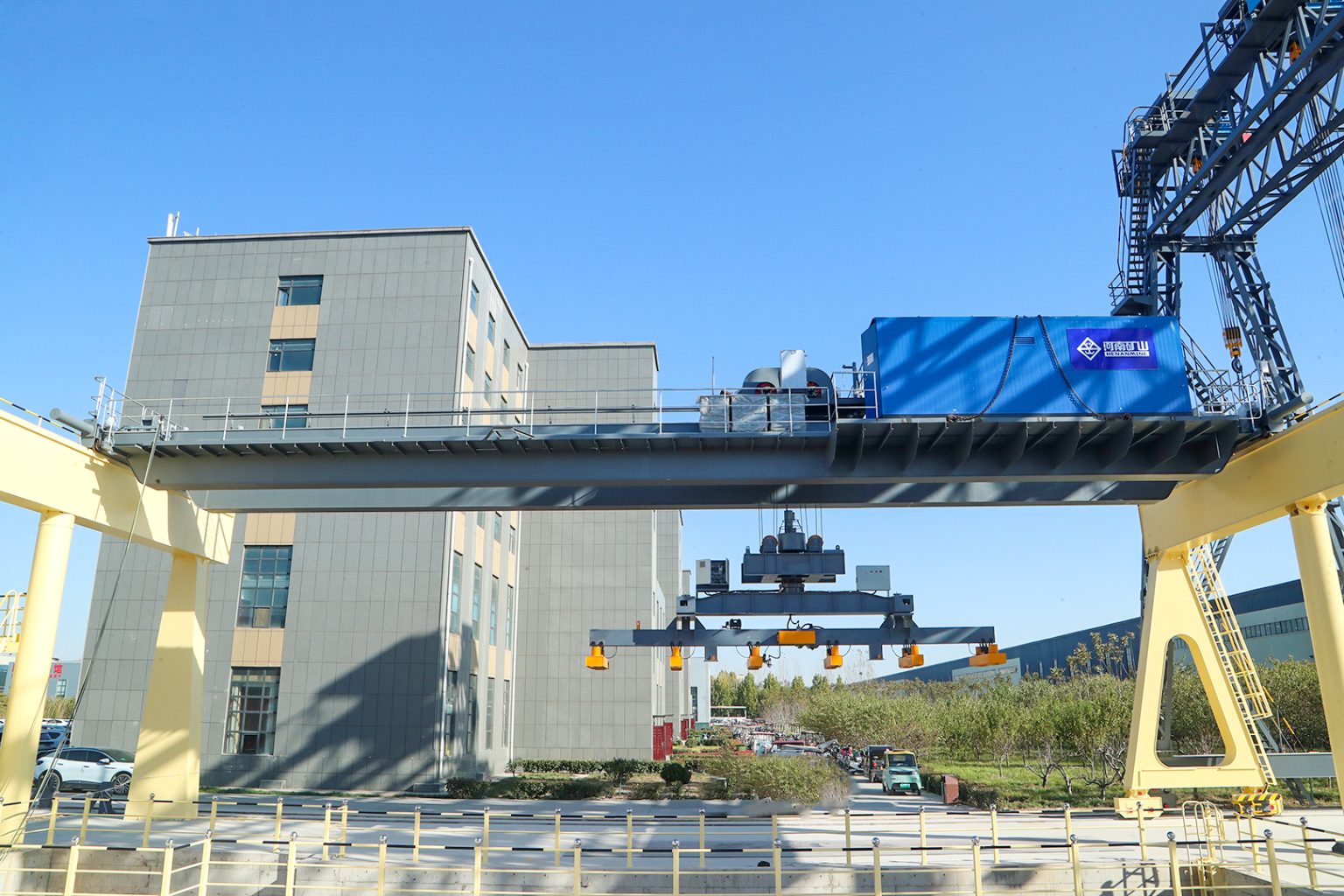
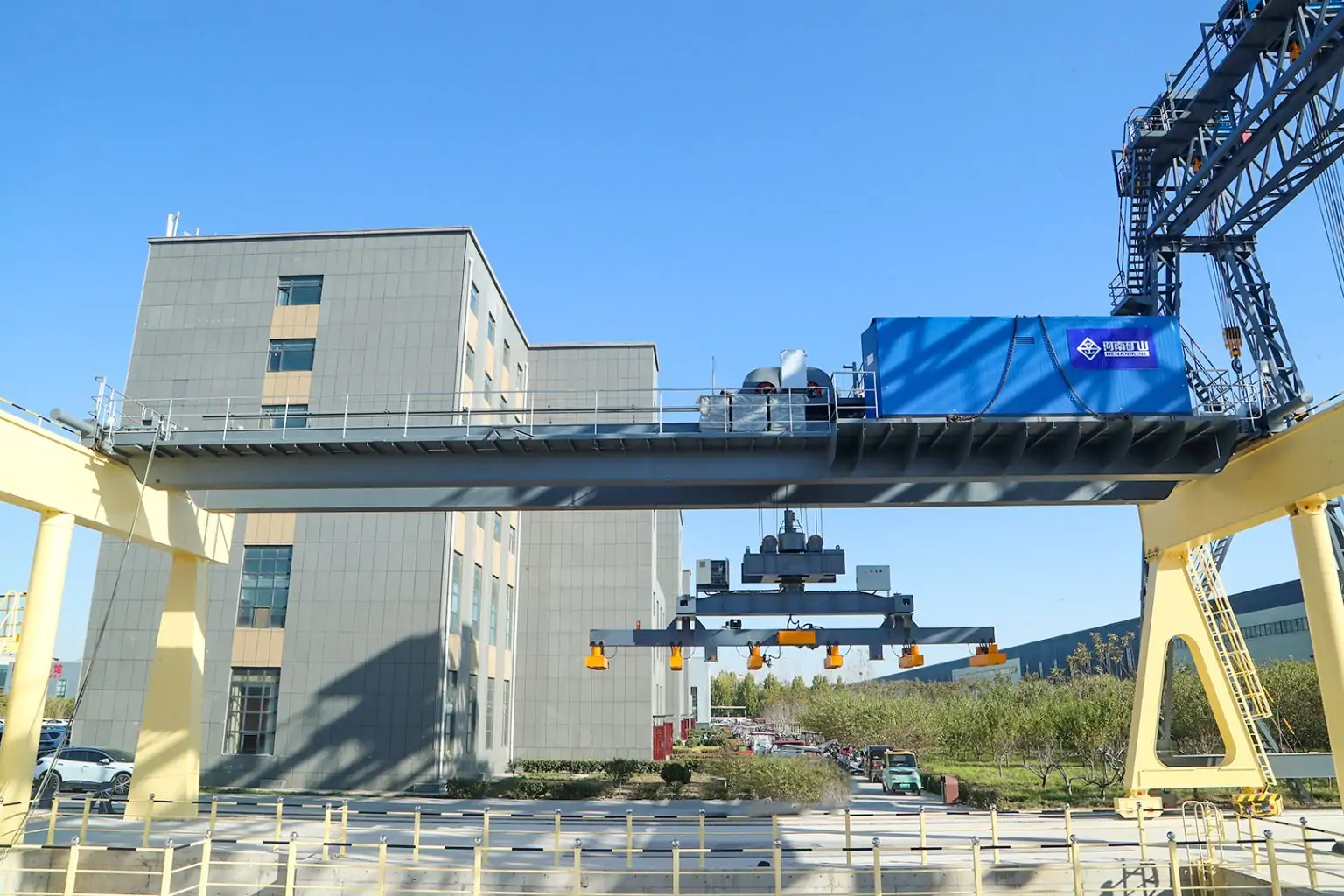
If the load-bearing and foundation conditions of the workshop building permit, extending the crane's operating track is the most cost-effective transformation plan. By lengthening the track of the cart and adjusting the end limit, the travel range of the crane is directly expanded to cover the original blind spot station.
Before the transformation, professional institutions are required to conduct load-bearing tests on the workshop columns, roofing, and foundations to confirm that the structural bearing capacity is up to standard. The scheme can retain the original equipment, the operators do not need to be re-adapted, and the system is unified after the transformation; the disadvantage is that short-term downtime is required during the transformation, and a small number of blind spots will still remain in the complex structure workshop.
Added bridge crane
For large-scale workshops with large spans, multi-stations, and multi-partitions, the transformation of a single crane cannot meet the full coverage requirements, and the addition of a bridge crane is the best choice. The workshop can be divided into independent hoisting areas, and the two cranes operate separately and perform their respective duties.
With a professional anti-collision control system and zoning operation specifications, it can realize the safe and coordinated operation of multiple cranes, completely solve the blind spots of large-area operations, and adapt to high-frequency and large-workload production scenarios.
Supporting auxiliary spreader
For blind spots such as corner stations and small local areas that cannot be covered by the transformation of the main crane, small auxiliary hoisting equipment can be used to accurately fill the gaps without large-scale transformation of the main equipment.:
- Cantilever crane: installed on columns and walls, suitable for high-frequency small hoisting operations of a single fixed station;
- Monorail hoisting: customized fixed material transfer path, suitable for repetitive material hoisting on assembly lines;
- Wall-mounted cranes: suitable for restricted areas where the space is narrow and the bridge crane cannot be installed.
The main crane is responsible for large-scale and long-distance transportation, and the auxiliary equipment is responsible for local and high-frequency hoisting, forming a three-dimensional hoisting system with primary and secondary collocation, taking into account efficiency and cost.
Selection of gantry lifting equipment
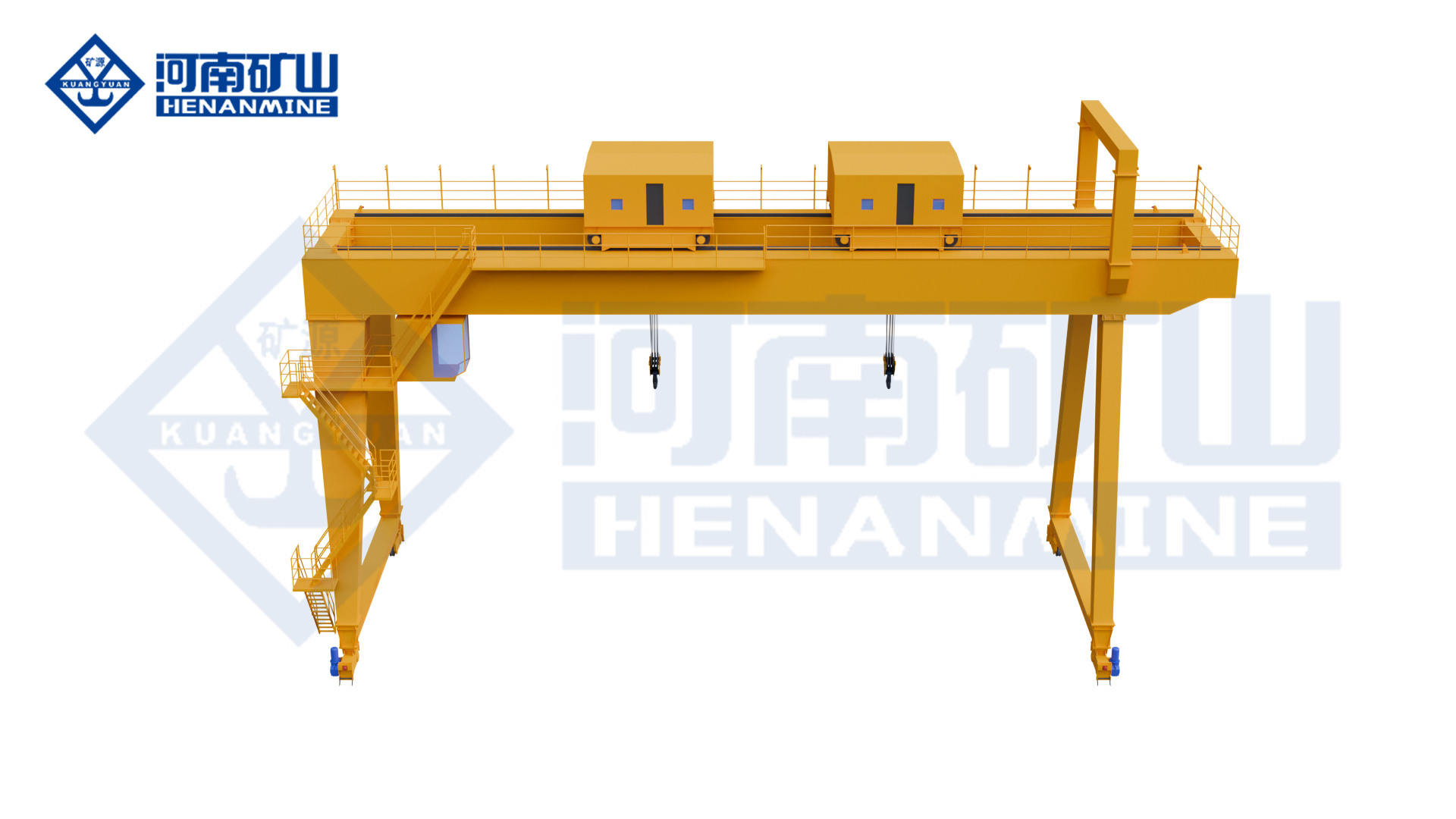
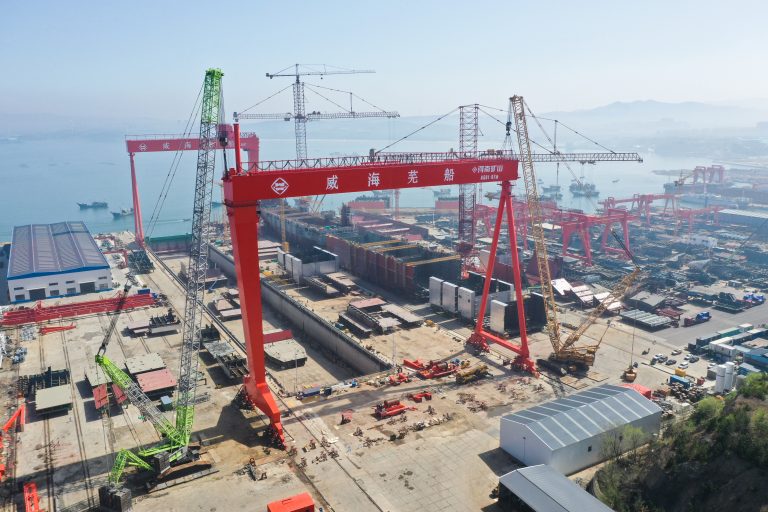
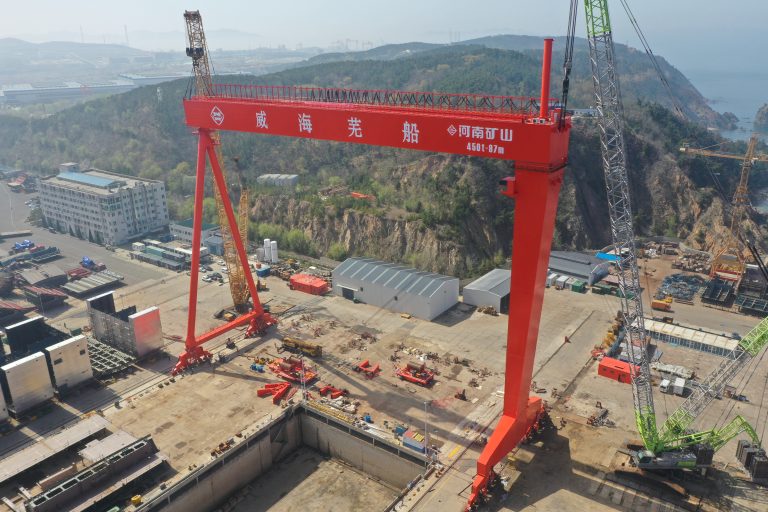
For open-air areas of workshops, semi-open stations, or areas without load-bearing structures and where fixed bridge cranes cannot be installed, gantry cranes and portable lifting equipment can be selected.
There is no need for fixed track installation, the layout is flexible, movable, and adjustable, which is suitable for temporary hoisting operations, outdoor material transfer, and flexible production needs, and perfectly solves the problem of covering blind spots without building structure support.
Optimize material flow
Some blind spot problems do not need to be retrofitted with equipment, and can be completely solved through process optimization. By re-planning the location of the station, the material transfer area, and the storage area, the high-frequency hoisting station and the core transfer point are adjusted to the effective operating range of the crane.;
Optimize the production process and material transfer path, reduce invalid transfer and long-distance handling, so that the material flow direction is accurately matched with the crane's operating range, and avoid the efficiency loss caused by covering blind spots from the source.