Engineering · Manufacturing · Project support
info@hnksglobal.comWhatsApp +86 18836207779 ↗

Blog

  • Gantry Crane Arrangements: Full, Semi, Truss and Mobile Options

    Gantry Crane Arrangements: Full, Semi, Truss and Mobile Options

    Technical guide

    Gantry Crane Arrangements: Full, Semi, Truss and Mobile Options

    Compare gantry types by how they support and move the load across the site. The building interface, runway position and required cargo access help narrow the arrangement before model-specific parameters are considered.
    Henan Mine CraneTechnical guide · Updated 2026Crane selection, project scope and operating requirements
    MGB semi-gantry crane for sale
    MGB semi-gantry crane for sale
    Project planning notes

    Key points for this crane project.

    1. What is a gantry crane?
    2. The classification of gantry crane
    3. Core features
    Read the technical guide

    What is a gantry crane?

    Gantry crane is a gantry structure by the main girder and legs constitute the ground lifting equipment, for heavy lifting and moving, widely used in industrial production and logistics handling.

    Many people will confuse the gantry crane and bridge crane, the core difference between the two is very clear: the bridge crane depends on the plant load-bearing structure installation, while the gantry crane with legs to the ground, without relying on the top of the plant, more flexible.

    This unique structure allows the gantry crane to adapt to a variety of scenarios, outdoor venues, port logistics, precast concrete plant, steel manufacturing plant, etc., are indispensable to ensure smooth operation.

    It can be adapted to the lifting needs of different scenes, whether it is prefabricated components handling, steel, large workpiece lifting, can be a flexible response.

    Different scenes of operational needs vary greatly, so the gantry crane is not a single model, but a variety of types, each type is designed for specific scenes.

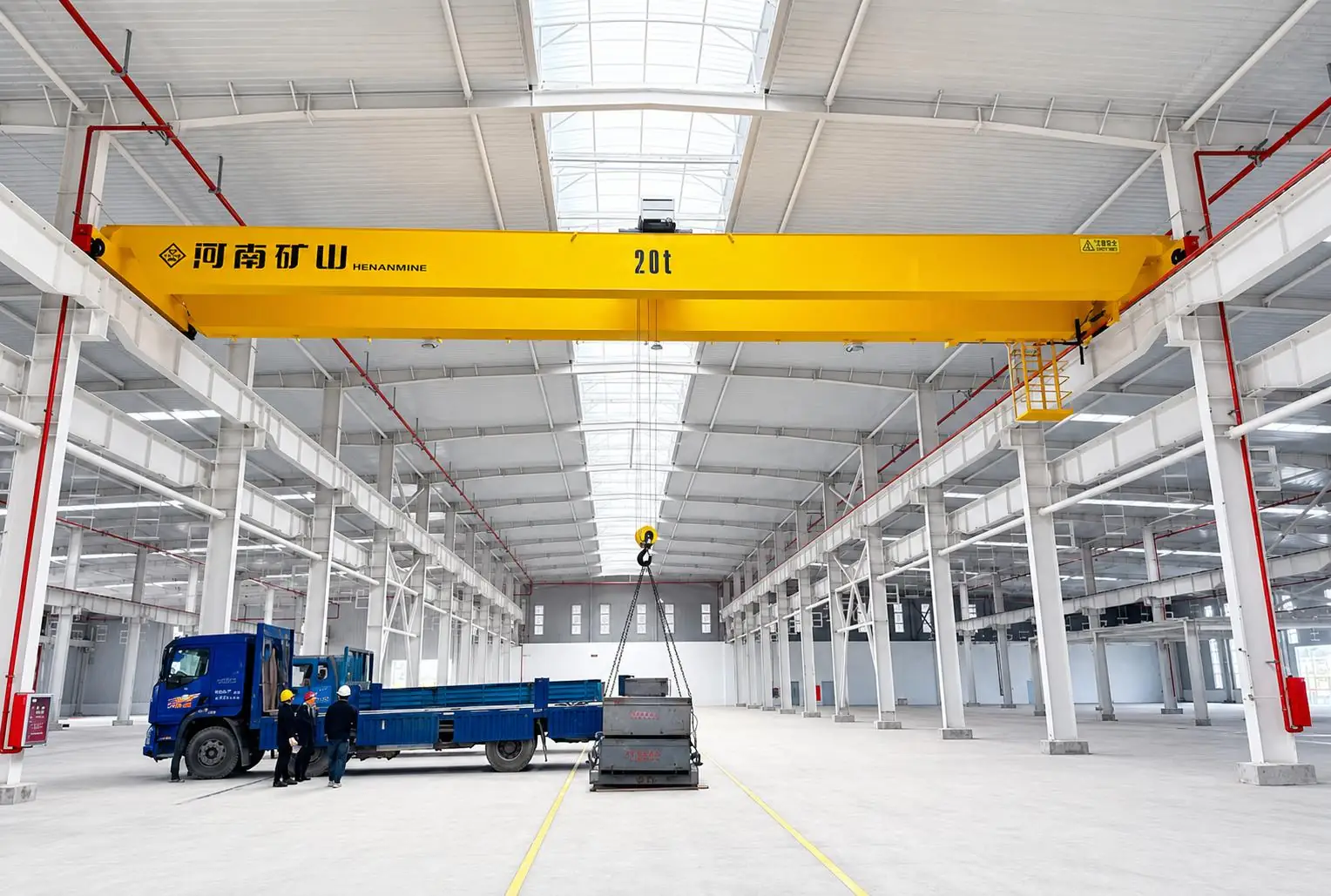
    Henan Mine Crane’s MG double girder gantry crane

    The classification of gantry crane

    Make sense of the type of gantry crane, first clear its classification logic. The industry is usually divided from four core dimensions, clear and easy to understand, easy to quickly match their needs.

    The four core dimensions are: structural design (the number and form of the main girder, determining load-bearing and stability), mobility (travel mode, affecting the flexibility of the operation), span and load (the core parameters, matching the load demand), the application environment (adaptable to indoor, outdoor or extreme scenes).

    The following combination of these dimensions, a detailed description of the various types of gantry crane features, applicable scenes and advantages, to facilitate a comprehensive understanding.

    Core features

    Single girder gantry crane only has a main girder, both ends supported by the legs, simple structure. Lifting mechanism is mostly electric hoist, installed below the main girder, flexible operation.

    Because of its simple structure, light weight, manufacturing process is not complex, the cost is more advantageous, suitable for users with limited budget.

    Typical parameters

    The operating class is mostly A3-A5 (light to medium), suitable for infrequent, light to medium load scenarios, such as daily loading and unloading, small equipment maintenance.

    Optimal Application Scenarios

    Small workshops (e.g. hardware factories, small machinery factories) are the core application scenarios, where raw materials and small workpieces can be lifted to save space and meet the basic lifting requirements.

    Small and medium-sized warehouses, it can be used with shelves to complete the transfer of goods, without the need to invest heavily in building complex lifting systems, cost-effective.

    It is also commonly used in automobile workshops, small repair stations and other places to lift heavy parts, flexible operation, and can improve the maintenance efficiency.

    Advantage

    Cost control is its most prominent advantage, procurement, installation and maintenance costs are lower than large gantry cranes, very suitable for small and medium-sized enterprises.

    It is easy to install, without complex foundation treatment, can be commissioned in a few days; wheel pressure is low, the existing site can be adapted without remodeling.

    Single-girder gantry crane manufactured by Henan Mine Crane

    Core features

    Double girder gantry crane adopts two parallel main girder structure, strong rigidity, good stability. Lifting trolley running on the top of the main girder, can raise the lifting height and carry more load.

    Compared with the single girder gantry crane, its structure is more complex, greater weight, manufacturing process requirements, designed for heavy-duty, high-intensity operations.

    Typical parameters

    The operating class is A5-A8 (intermediate and advanced), which can be adapted to frequent and continuous heavy-duty operations, such as 24-hour non-stop lifting of steel in steel mills and other scenarios.

    The best application scenario

    Steel mills are the core application scenarios. Steel ladle transfer, billet lifting, finished product handling, etc., all require its heavy-duty capacity and stability to ensure safe and efficient operations.

    Shipbuilding plant on the lifting requirements are extremely high, double girder gantry crane of large span, large load characteristics, can be adapted to the hull segments, engines and other super-heavy parts lifting needs.

    Heavy equipment yard, large component prefabrication plant and other large outdoor sites, it is also commonly used to carry large machine tools, prefabricated bridge components and other heavy objects, adapted to the complex outdoor operating environment.

    Advantages

    Outstanding heavy-duty performance is its core advantage, it can stably carry hundreds of tons of heavy loads, and it is not easy to be deformed and malfunctioned under high-intensity operation, so as to ensure the safety of operation.

    Its strong rigidity, lifting shaking small, accurate positioning, suitable for high-precision needs; at the same time can withstand frequent continuous operation, longer service life, suitable for long-term high-intensity production scenarios.

    Henan Mine Crane’s MG double girder gantry crane

    Core features

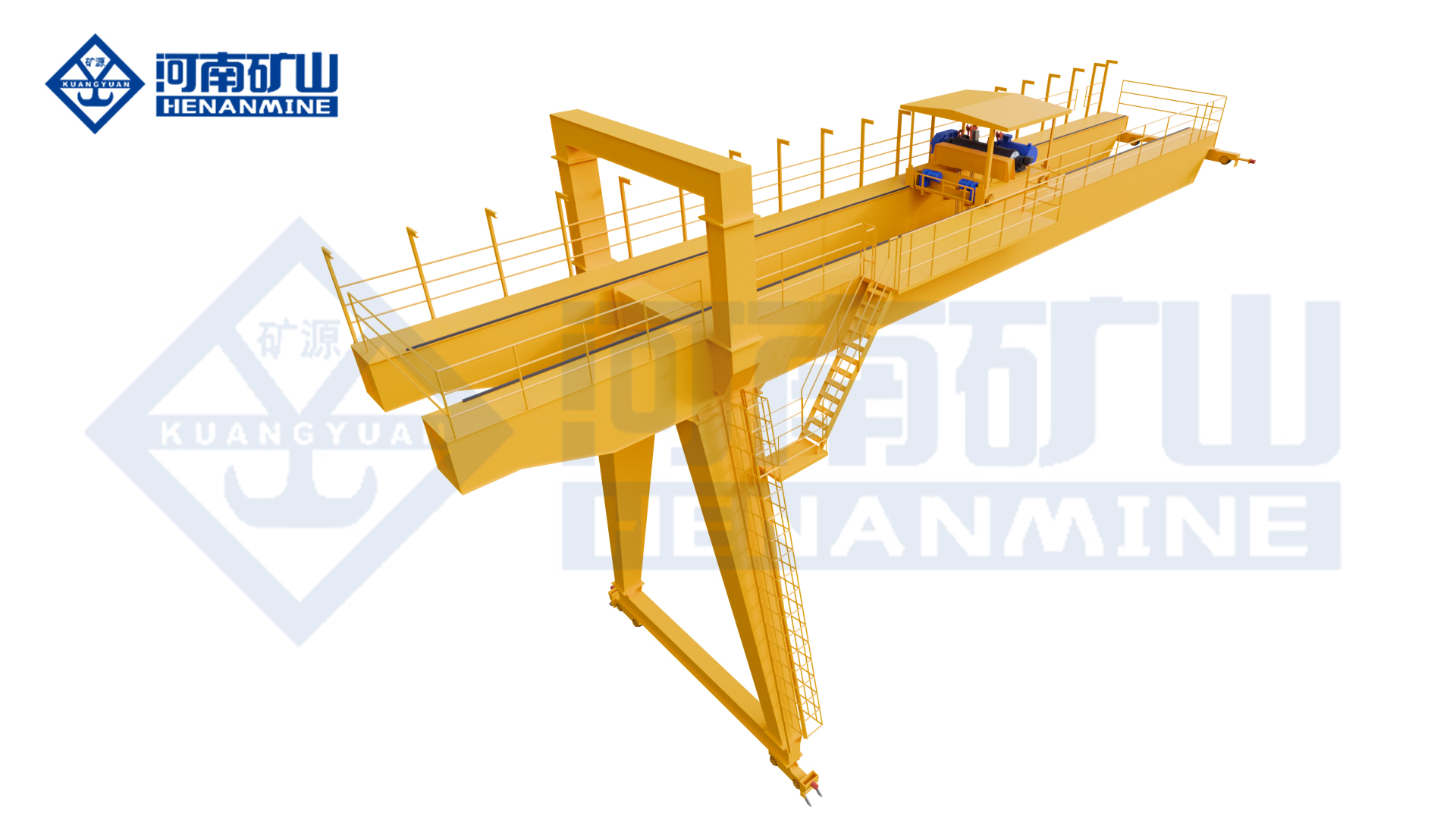
    Half gantry crane structure is special, one side of the legs fall to the ground track, the other side of the wheels run on the factory elevated runway beam, fusion of gantry cranes and bridge cranes, taking into account the advantages of flexibility and space utilization.

    The height and span of the main girder can be adjusted according to the needs, without the need of independent ground foundation on both sides, which is more adaptable to the site.

    Best Application Scenario

    It is most suitable for workshops with limited space (e.g. old narrow workshop). Under the premise that the top structure of the workshop can bear the load, it can make full use of the existing space to complete the lifting of heavy loads without the need to install a full gantry crane.

    It is also suitable for indoor and outdoor combined working areas (e.g. workshop entrances and exits), seamlessly connecting indoor workpiece handling with outdoor cargo loading and unloading, without the need for frequent replacement of lifting equipment.

    Discuss the crane arrangement for your project.

    Compare gantry types by how they support and move the load across the site. The building interface, runway position and required cargo access help narrow the arrangement before model-specific parameters are considered. Share the load, available drawings, working cycle and site conditions with Henan Mine Crane so the required configuration and supply boundary can be discussed.

    Related crane configurations

    Double Girder Truss Gantry Crane

    View product parameters
    Lifting capacity: 5-50 tSpan: 12 – 30 mLifting height: 6 – 18 m

    Use a double-girder truss gantry for yard or construction handling with the lifting points specified for the load. Define trolley quantity, coordinated movements and the transport or assembly constraints.

    Double-Girder Semi-Gantry Crane

    View product parameters
    Lifting capacity: 3 – 20 tSpan: 5 – 30 mLifting height: 6 – 18 m

    Cover a workshop edge or yard with a double-girder semi-gantry arrangement. One side uses an elevated runway while the leg-supported side travels on a ground rail, coordinated with site access.

    Updated 2026 · Henan Mine Crane
  • Henan Mine Crane manufactured special cranes for industrial manufacturing

    Henan Mine Crane manufactured special cranes for industrial manufacturing

    Crane application

    Henan Mine Crane manufactured special cranes for industrial manufacturing

    Review the cranes for industrial manufacturing. Review the handling task, load geometry, working duty and equipment interfaces for your application.

    Henan Mine Crane manufactured special cranes for industrial manufacturing — Henan Mine Crane crane application photograph
    Henan Mine Crane manufactured special cranes for industrial manufacturing — crane application overview.

    Workshop and manufacturing lifting

    Define the largest and most frequent loads, lifting points, hook coverage, building clearances, operating shifts and concurrent work zones. Include maintenance and production flow in the layout.

    Crane configuration and interfaces

    Ask for a general arrangement, duty selection, runway and power interfaces, control mode, maintenance access and agreed factory and site acceptance scope.

    Review the Overhead crane range and Industrial manufacturing cranes before defining the project-specific arrangement.

    Design the lifting process

    Use the project context above as a starting point. The following checks turn a crane application into a technical scope that suppliers can price and demonstrate for your site.

    Production route and coverage

    Mark the incoming material point, production stations, storage positions and dispatch area on one layout. Record the heaviest regular load, unusual maintenance load, dimensions, lifting points and frequency of each move. A crane sized only for the maximum load can still obstruct the production route if hook approach, building height or column spacing is overlooked. For high-bay storage, identify the rack envelope and the clearance required while a load is suspended.

    Automation and environmental interface

    Define whether positioning is manual, assisted or automatic, and list the signals exchanged with warehouse or production software. Specify what happens when a location is occupied or a load cannot be identified. A cold store adds condensation, temperature transition and access constraints; a clean production area may add particle and material requirements. Describe these conditions explicitly so the electrical package, lubrication, protection and inspection method can be designed for them.

    Offer comparison and handover

    Ask for a general arrangement, hook coverage diagram, runway and wheel-load data, duty selection, control narrative and maintenance access plan. State whether rails, conductors, building reinforcement, controls integration and operator training are included. Site acceptance should repeat representative moves between real stations, check limit protection and demonstrate recovery from an interrupted automated cycle. This is more useful than comparing only rated capacity, span and a headline price.

    Compare the proposed crane scope

    DecisionInformation to request
    Crane and lifting attachmentRated loads, load cases, hook coverage and the complete suspended-load calculation.
    Site interfacesRunway loads, rail or building drawings, electrical supply and installation responsibilities.
    Controls and protectionOperating sequence, required safety functions and a method for testing each function.
    Commercial scopeEquipment, transport, installation, commissioning, documentation, training and spare parts as separate line items.

    From technical offer to site acceptance

    Technical submittals

    A usable bid should show a general arrangement and a clear list of assumptions, not just a model name and capacity. Request the load schedule used in design, lifting-attachment drawings where applicable, span and hook-approach dimensions, wheel loads, electrical supply, control narrative and maintenance access. Check every drawing against the actual building or yard layout. Identify the standards and local approval requirements for the destination market in the enquiry, then confirm the bidder’s proposed design and documentation scope in writing.

    Installation and tests

    Agree when the runway or civil works will be ready, how crane components can reach the installation position and who provides lifting equipment for erection. Define the factory test, on-site installation inspection and site acceptance as separate milestones. The acceptance procedure should list representative loads, the travel route, protection devices, emergency stop and any automation or attachment functions included in the order. Record who supplies test weights, operators, power and access equipment; otherwise a nominal commissioning price may omit essential site work.

    Commercial comparison

    Ask for the same delivery basis and currency across proposals. Separate the crane, special lifting appliances, rails or conductors, transport, installation support, commissioning, training and initial spare parts. Lead time should identify the starting event, such as approved drawings or an effective contract, and any dependency on site readiness. Compare warranty scope and service response by the written contract terms. If a key input is still unknown, request a priced option or a stated assumption instead of allowing different bidders to silently use different specifications. Keep a written exception register so the engineering team can resolve open dimensions, process interfaces and responsibility boundaries before issuing the purchase order.

    Information to include in the enquiry

    • Load weights, dimensions, centre of gravity and lifting attachments.
    • Span, lifting height, runway or yard drawings, travel coverage and clearances.
    • Operating cycle, working environment, electrical supply and control requirements.
    • Supply boundaries, inspection documents, installation support and acceptance criteria.

    Discuss a comparable lifting task

    Send the handling task and available site drawings. Henan Mine Crane can define a proposed crane arrangement and identify the remaining information needed for a technical and commercial review.

  • Two Automated Cranes Handle Power-Sector Cable Materials

    Two Automated Cranes Handle Power-Sector Cable Materials

    Products & Technology

    Two Automated Cranes Handle Power-Sector Cable Materials

    Henan Mine Crane supplied two automated cranes for a power-sector project handling cable materials associated with box-type substations.

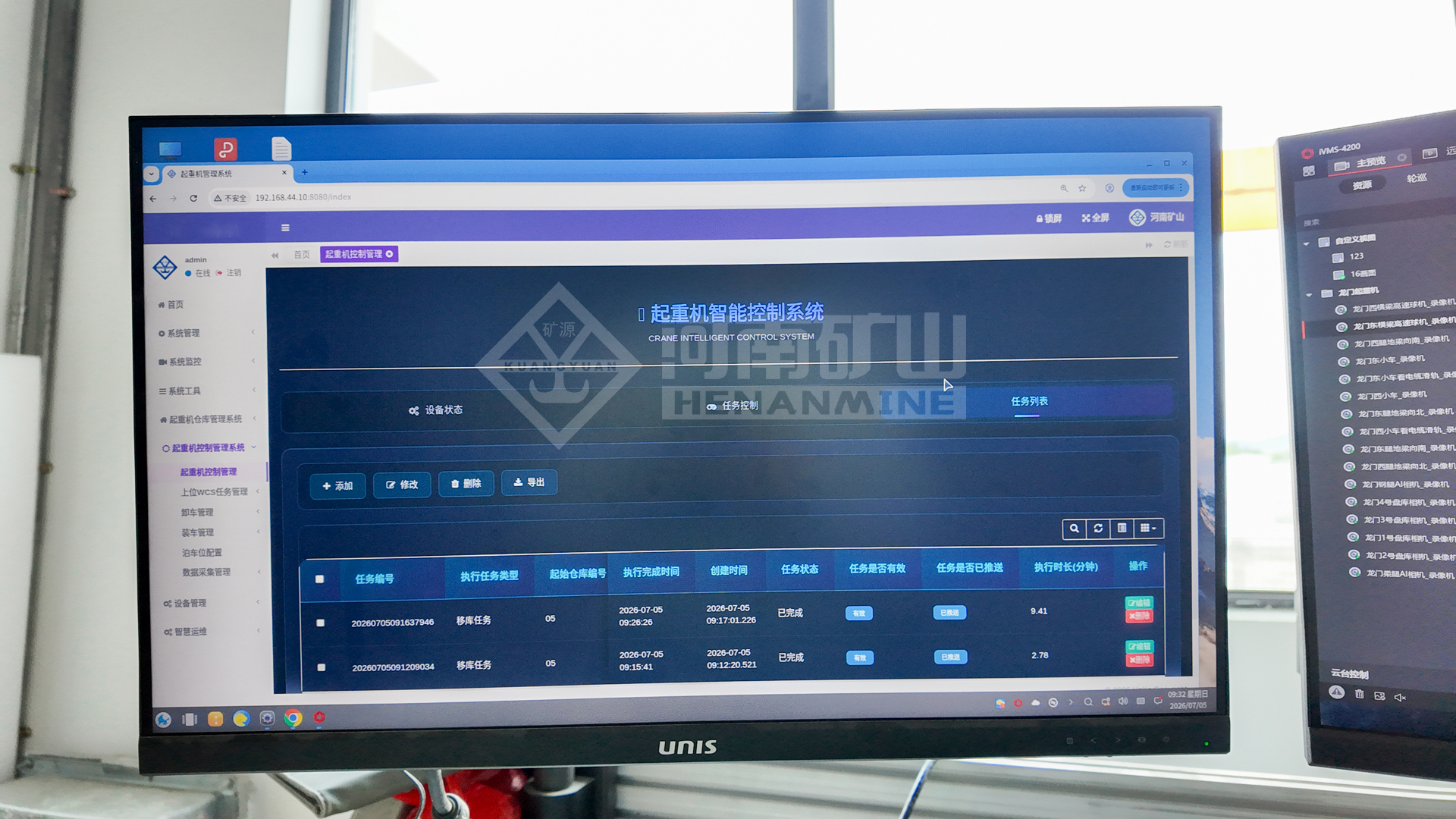
    Overhead handling crane above cable reels in a workshop
    Overhead handling crane above cable reels in a workshop.

    Positioning, identification and lifting

    The cranes use variable-frequency drives and PLC control, with encoders on the hoisting mechanism and coded-bus positioning for crane and trolley travel. Three-dimensional scanning, vision inspection and intelligent lifting attachments support identification, pickup and controlled movement.

    Warehouse and control-system integration

    A control-room server connects WCS dispatch and WMS warehouse management with handling records. For a similar project, the specification should define material geometry, pickup rules, storage locations, system interfaces, manual recovery modes and the agreed acceptance tests.

    Plan an automated warehouse crane

    Share your material data, storage layout, throughput and existing software interfaces so the handling sequence can be reviewed.

  • Henan Mine Crane manufactured for Bridge Use

    Henan Mine Crane manufactured for Bridge Use

    Crane application

    Henan Mine Crane manufactured for Bridge Use

    Review the crane handling for bridge construction. Review component loads, lifting points, rail geometry and construction-site requirements.

    Henan Mine Crane manufactured for Bridge Use — Henan Mine Crane crane application photograph
    Henan Mine Crane manufactured for Bridge Use — crane application overview.

    Heavy construction lifting

    Confirm the full component weight including rigging, centre of gravity, lifting points, assembly sequence, ground conditions and required travel envelope. Coordinate the crane with the temporary works and construction schedule.

    Crane configuration and interfaces

    Ask for lifting and travel arrangements, support reactions, wind limits, erection and dismantling method, site interfaces and acceptance tests for the proposed construction duty.

    Review the Double-girder gantry cranes and Engineering & construction cranes before defining the project-specific arrangement.

    Design the lifting process

    Use the project context above as a starting point. The following checks turn a crane application into a technical scope that suppliers can price and demonstrate for your site.

    Define the lifting task

    Record each load by weight, dimensions, centre of gravity and lifting point, then trace its route through the plant. Distinguish the highest occasional lift from routine handling cycles. Give the span, lift height, hook approach, duty pattern and working environment. These inputs establish what crane arrangement fits the building and process; a headline rated capacity does not show whether the load can be picked up or placed safely.

    Choose interfaces and controls

    Ask for a general arrangement, runway and wheel loads, power supply, control mode, required travel speeds and any lifting attachment. Define what is supplied with the crane and what is supplied by the building or process contractor. If positioning, monitoring or remote operation matters, state the intended sequence and how performance will be measured. Include access for periodic inspection and a safe location for maintenance.

    Compare proposals on the same basis

    Send all bidders the same load schedule and site drawing. Review the structural arrangement, drive and protection functions, installation scope, factory tests, site acceptance, training and spare parts. Confirm the required documents and the boundaries of civil, electrical and commissioning work. This makes a technical comparison meaningful and prevents a low equipment-only price from being mistaken for a complete installed solution.

    Compare the proposed crane scope

    DecisionInformation to request
    Crane and lifting attachmentRated loads, load cases, hook coverage and the complete suspended-load calculation.
    Site interfacesRunway loads, rail or building drawings, electrical supply and installation responsibilities.
    Controls and protectionOperating sequence, required safety functions and a method for testing each function.
    Commercial scopeEquipment, transport, installation, commissioning, documentation, training and spare parts as separate line items.

    From technical offer to site acceptance

    Technical submittals

    A usable bid should show a general arrangement and a clear list of assumptions, not just a model name and capacity. Request the load schedule used in design, lifting-attachment drawings where applicable, span and hook-approach dimensions, wheel loads, electrical supply, control narrative and maintenance access. Check every drawing against the actual building or yard layout. Identify the standards and local approval requirements for the destination market in the enquiry, then confirm the bidder’s proposed design and documentation scope in writing.

    Installation and tests

    Agree when the runway or civil works will be ready, how crane components can reach the installation position and who provides lifting equipment for erection. Define the factory test, on-site installation inspection and site acceptance as separate milestones. The acceptance procedure should list representative loads, the travel route, protection devices, emergency stop and any automation or attachment functions included in the order. Record who supplies test weights, operators, power and access equipment; otherwise a nominal commissioning price may omit essential site work.

    Commercial comparison

    Ask for the same delivery basis and currency across proposals. Separate the crane, special lifting appliances, rails or conductors, transport, installation support, commissioning, training and initial spare parts. Lead time should identify the starting event, such as approved drawings or an effective contract, and any dependency on site readiness. Compare warranty scope and service response by the written contract terms. If a key input is still unknown, request a priced option or a stated assumption instead of allowing different bidders to silently use different specifications. Keep a written exception register so the engineering team can resolve open dimensions, process interfaces and responsibility boundaries before issuing the purchase order.

    Information to include in the enquiry

    • Load weights, dimensions, centre of gravity and lifting attachments.
    • Span, lifting height, runway or yard drawings, travel coverage and clearances.
    • Operating cycle, working environment, electrical supply and control requirements.
    • Supply boundaries, inspection documents, installation support and acceptance criteria.

    Discuss a comparable lifting task

    Send the handling task and available site drawings. Henan Mine Crane can define a proposed crane arrangement and identify the remaining information needed for a technical and commercial review.

  • Bridge Crane Arrangements: Compare Girder and Support Layouts

    Bridge Crane Arrangements: Compare Girder and Support Layouts

    Technical guide

    Bridge Crane Arrangements: Compare Girder and Support Layouts

    Bridge cranes differ in girder construction, lifting mechanism and runway relationship. Compare these arrangements against the required hook envelope and building support details to identify the configurations worth developing further.

    Henan Mine CraneTechnical guide · Updated 2026Crane selection, project scope and operating requirements
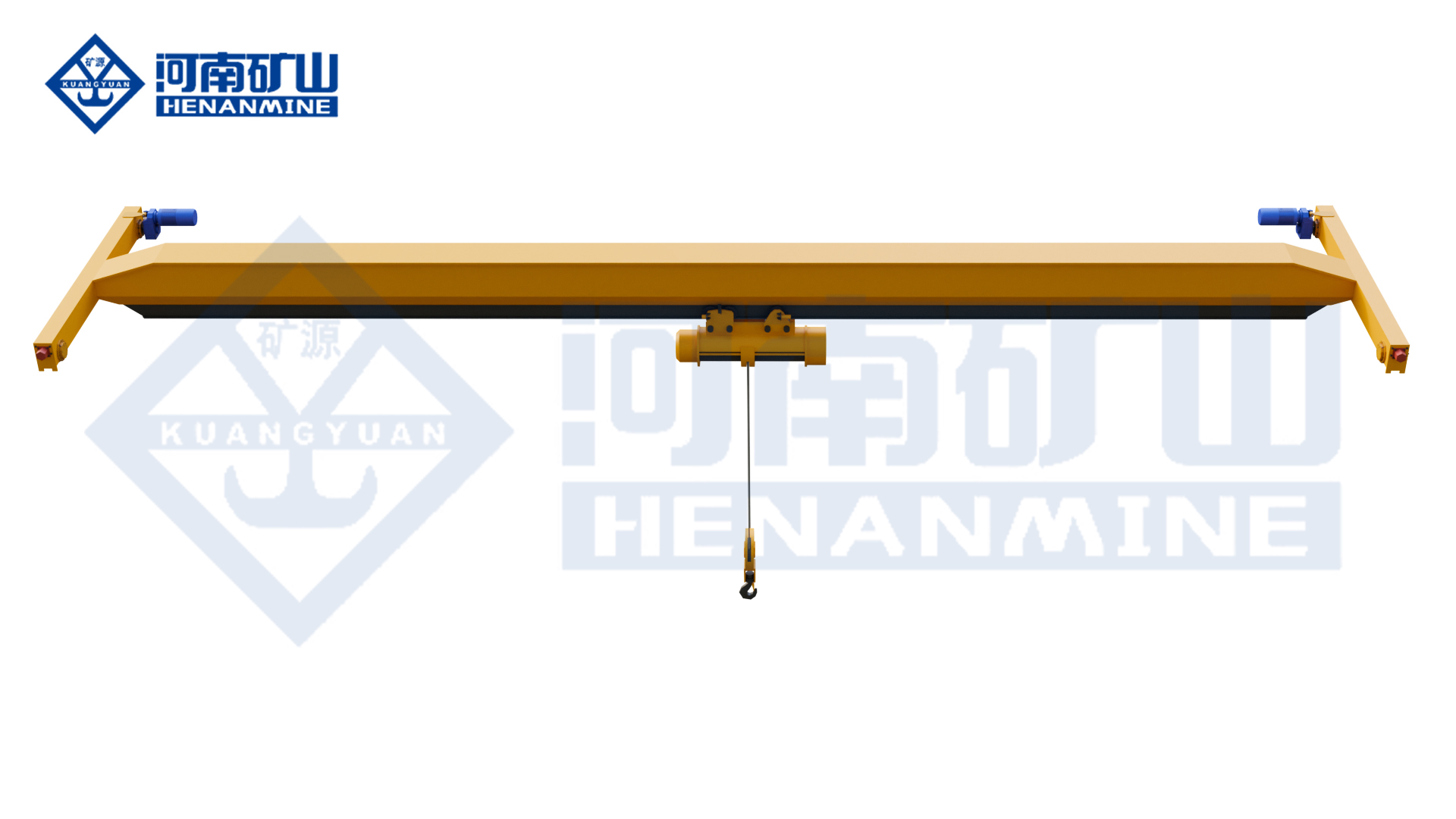
    Electric Single-Girder Crane for Sale
    Electric Single-Girder Crane for Sale
    Project planning notes

    Key points for this crane project.

    1. Classification of overhead cranes
    2. Comparison Table: Different Types of Overhead Cranes
    3. Single Girder Overhead Crane
    Read the technical guide

    Classification of overhead cranes

    According to the main girder design: the most basic classification, divided into single girder, double girder, the number and structure of the main girder to determine the load, stability and applicable scenes, light load with a single girder, heavy load with a double girder.

    According to the support structure: look at the way of rail fixation, divided into top traveling type and bottom hanging type, different requirements on the space and structure of the plant.

    According to application function: customized to fit specific scenes, such as explosion-proof type for chemical industry, European type for precision manufacturing, and special type for metallurgy.

    According to the working level (A1-A8) and automation level: the working level represents the load and operation frequency, the higher the level, the higher the frequency and heavy load; the automation is divided into manual, semi-automatic and full-automatic, which is adapted to the different intelligent needs.

    Comparison Table: Different Types of Overhead Cranes

    Overhead Crane TypeSpan RangeBest Applications
    Top Running Overhead CraneLong spansFacilities with strong building columns
    Underhung (Underslung) Overhead CraneShort to mediumLow-headroom workshops, existing buildings
    European-Style Overhead CraneMedium to longPrecision manufacturing, automated lines
    Explosion-Proof Overhead CraneProject-specificChemical plants, oil & gas, hazardous areas
    Metallurgical (Ladle) CraneLarge spansSteelmaking, foundries
    Grab / Magnetic Overhead CraneMedium to longBulk material handling, scrap yards
    LH Double-Girder Bridge Crane Supplier
    LH Double-Girder Bridge Crane Supplier

    Single Girder Overhead Crane

    The core of single girder overhead travelling crane is a single main girder running through the body, and the hoisting mechanism (hoist) is installed directly under the main girder, which is light in weight and compact in structure, and does not take up too much space in the plant.

    The structure is simple, without complicated double girder connection and top running trolley, easy to install and post maintenance, without complicated construction and professional maintenance team.

    Suitable for small and medium-sized workshops, warehouses and light to medium load production lines, such as machinery factories handling tooling and molds, warehouses stacking loading and unloading, electronic factories transferring parts and components and other scenarios.

    Core advantages: lower procurement and maintenance costs than double girder cranes; light weight, low load-bearing requirements for the plant, without additional reinforcement; short installation cycle, can be quickly put into use.

    Double Girder Overhead Crane

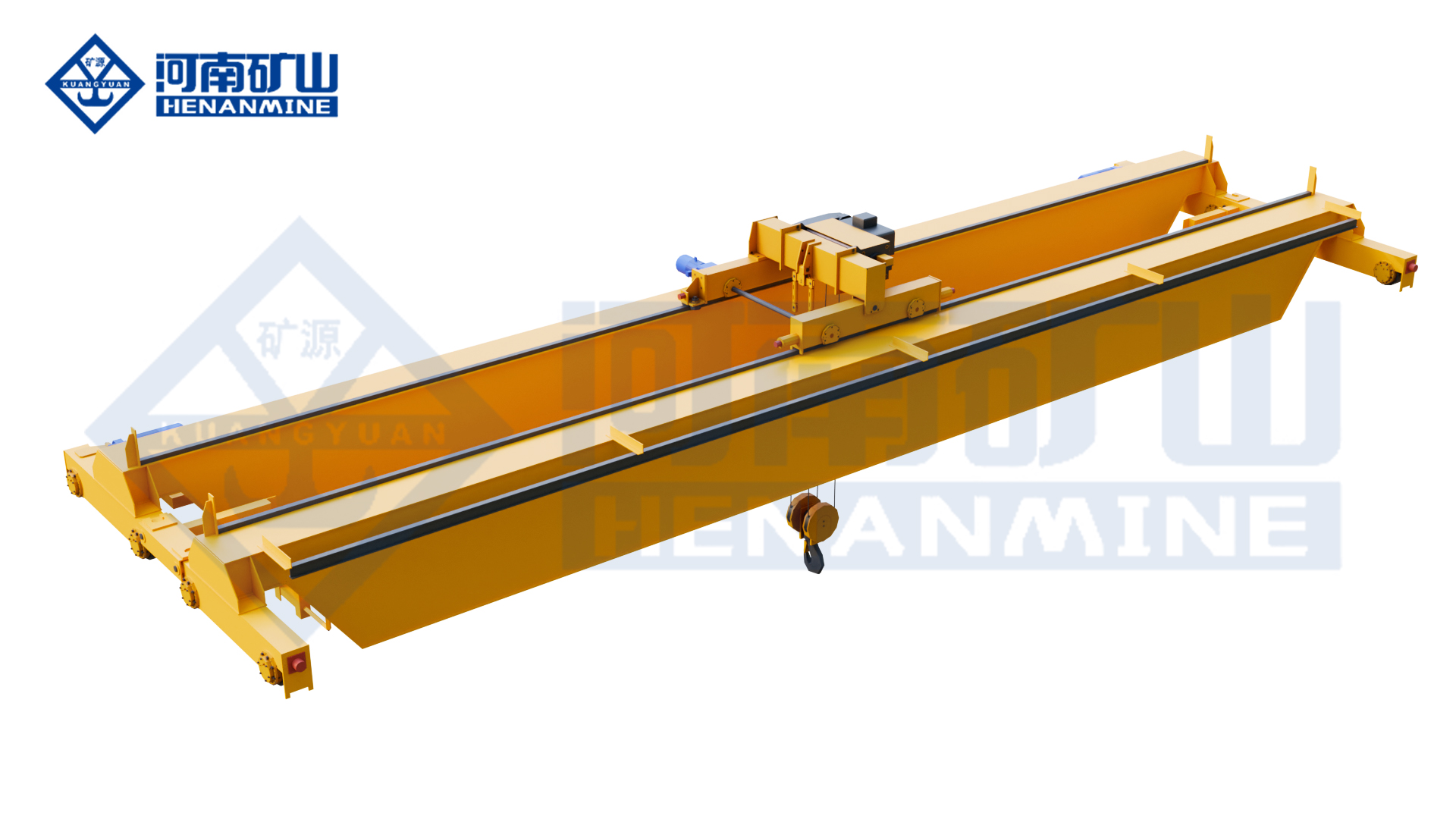
    Double girder overhead travelling crane adopts two parallel main girders, and the hoisting mechanism is mounted on top of the trolley, running along the top of the main girder, and the double girder structure greatly improves the rigidity and stability of the whole machine.

    Compared with single girder model, double girder overhead travelling crane has higher lifting height, smoother and less shaking when running with full load, which is suitable for operations requiring lifting precision.

    It is mainly suitable for heavy-duty industries, such as steel mills (lifting billets and ladles), heavy machinery factories (handling large parts), power plants (equipment installation and maintenance) and other scenarios with extremely high requirements for load and stability.

    Core advantages: strong heavy-duty performance, stable operation, suitable for high-frequency lifting; durable structure, long service life; flexible lifting height and span, can be adapted to the complex operation of large-scale plant.

    Double-Girder Bridge Crane Manufactured by Henan Mine Crane

    Offset Electric Single-Girder Crane
    Offset Electric Single-Girder Crane

    Top Row Type Bridge Crane

    The track of top traveling overhead travelling crane is installed on special track beams, which are fixed on the top of plant columns or independent supports, and the end beams run along the track, which makes the force more reasonable.

    The core advantage of this design is the strong loading capacity, the top load bearing structure can be adapted to large weight and large span operation, suitable for large plant heavy load demand.

    Applicable scenarios: large industrial plants that need to lift heavy goods, such as shipyards, heavy machinery factories, steel mills and other large-load, wide-span scenarios.

    Lower Suspension Type (Suspension Type) Bridge Crane

    The track of under-suspended overhead traveler is suspended below the ceiling or top load-bearing beams of the plant, and the end girders and main girders are suspended on the track as a whole.

    Its core advantage is high space utilization, no ground support columns, low headroom height requirements, the track can be designed according to the layout of the plant complex path, suitable for irregular work areas.

    It is suitable for low headroom workshop, light load operation place and inconvenient to remodel the roof structure of the plant, such as old machinery factory, electronic factory assembly line, small warehouse and other scenes.

    Core advantages: space-saving, adaptable to low headroom and complex layout; low cost of plant transformation, can utilize the existing roof load-bearing; flexible installation, the track can be laid on demand.

    European Type Bridge Crane

    European type overhead travelling crane is a commonly used model in precision manufacturing industry, the core is modular design, the main girder, end girder, hoist and other components can be individually combined to meet different operational requirements.

    The lifting mechanism and end girder adopt compact design, which makes its weight lighter. With frequency conversion drive system, the running speed can be adjusted accurately and the positioning accuracy is higher.

    It is suitable for precision manufacturing and high-efficiency production lines, such as automotive parts, electronic components, medical devices and other workshops with high requirements for lifting precision and efficiency.

    Core advantages: light weight, no need to reinforce the plant; frequency conversion drive is more energy efficient; high positioning accuracy, suitable for precision production processes.

    Explosion-proof Bridge Crane

    Explosion-proof overhead traveling crane is specially designed for flammable and explosive hazardous environments, and the core components are all made explosion-proof, which can prevent the sparks generated by the operation from causing safety accidents.

    Suitable for chemical industry, oil and gas, paint shop and other flammable and explosive places, such scenes must use explosion-proof cranes to ensure operational safety.

    Specialized overhead cranes by industry

    In addition to the above general types, there are also a variety of industry-specific bridge cranes, which are highly targeted, adapted to special operational needs, and are essential equipment for industrial production.

    Metallurgical overhead travelling crane is suitable for steel industry, common ladle and charging crane. Ladle cranes are used to transport ladles of steel, which are high temperature and radiation resistant; charging cranes are used to add materials to steel furnaces, which are fast and accurate in positioning.

    Grab overhead cranes are equipped with grab devices, specializing in transporting bulk materials such as ore, coal, etc., which can be opened and closed automatically with high efficiency, suitable for mining, wharves, grain warehouses and other scenarios.

    Electromagnetic bridge crane with electromagnetic suction cups, adsorption of steel plates, scrap steel and other magnetic materials, without manual binding, efficient and accurate, suitable for steel mills, machinery factories material handling.

    Casting bridge crane is suitable for foundry industry, high and low temperature resistance, dustproof, can lift castings, sand boxes and other materials, stable operation, can cope with complex working conditions in the workshop.

    Automation and intelligent bridge crane

    Under the background of industrial intelligence, automation and intelligent overhead travelling crane is widely used, which can realize semi-/full-automatic material transfer without manual operation, and improve operation efficiency.

    Semi-automatic models are equipped with remote control or semi-automatic control system, operators do not need to operate in close proximity or in the driver’s cab, which is suitable for complex, manually inconvenient operation scenarios.

    Fully-automated models do not require manual intervention, and can complete gripping, transferring, placing and other actions through preset programs, and can also be integrated with MES and WMS systems to seamlessly connect to the production process.

    Most of the intelligent models are equipped with anti-swaying system, which reduces cargo shaking and improves positioning accuracy. Meanwhile, they support remote monitoring, so that operators can check the operation and load status in real time in the control room and troubleshoot in time.

    Suitable for intelligent factories, logistics and warehousing centers and other scenarios, such as automated automotive production lines, e-commerce smart warehouses, which can meet the needs of efficient and highly intelligent transit and reduce labor costs.

    How to choose the right type of bridge crane?

    The core of selection is to adapt to their own needs, no need to blindly pursue high-end heavy-duty or just look at the price, combined with the following key factors can be selected to cost-effective models.

    Confirmation of span and lifting height: the span matches the width of the plant and reserve space for operation, and the lifting height matches the stacking height of the goods and the headroom of the plant to avoid collision.

    Combined with the plant structure selection: according to the column load-bearing, headroom height, etc., low headroom priority to choose the lower hanging type / single beam, insufficient load-bearing not to choose the heavy-duty double girder.

    Match the working level and operation frequency: choose A5 and above for high-frequency continuous operation, and A3-A4 for low-frequency operation.

    Take into account the budget and the full life cycle cost: not only look at the purchase price, but also need to consider the late maintenance, energy consumption, to avoid the pre-cheap late cost is too high.

    Twelve: how to choose the supplier of the crane

    First, verify the qualifications – this is the key

    Calculate total cost of ownership, not just quotes

    Henan Mine Crane , as a professional crane manufacturer, integrates R&D, design, manufacturing, sales and service to provide customers with total solutions and full life cycle services. Please feel free to contact us, we will provide you with free design drawings, and field survey!

    Discuss the crane arrangement for your project.

    Bridge cranes differ in girder construction, lifting mechanism and runway relationship. Compare these arrangements against the required hook envelope and building support details to identify the configurations worth developing further. Share the load, available drawings, working cycle and site conditions with Henan Mine Crane so the required configuration and supply boundary can be discussed.

    Related crane configurations

    Multi Support Double Girder Underhung Crane

    View product parameters
    Lifting capacity: 3 – 40 tSpan: 10 – 80 mLifting height: 6 – 30 m

    Use a multi-support double-girder underhung arrangement for wide-span working areas and large components. The building supports, lifting coverage and load distribution are designed together.

    Single-Girder Bridge Crane

    View product parameters
    Lifting capacity: 1–20 tSpan: 7.5–31.5 mLifting height: 6, 9, 12, 18, 24 or 30 m; capacity-dependent

    Use an LDA single-girder bridge and electric hoist for general workshop material handling. Select the lifting capacity, runway geometry and hoist duty around the building and load.

    Updated 2026 · Henan Mine Crane
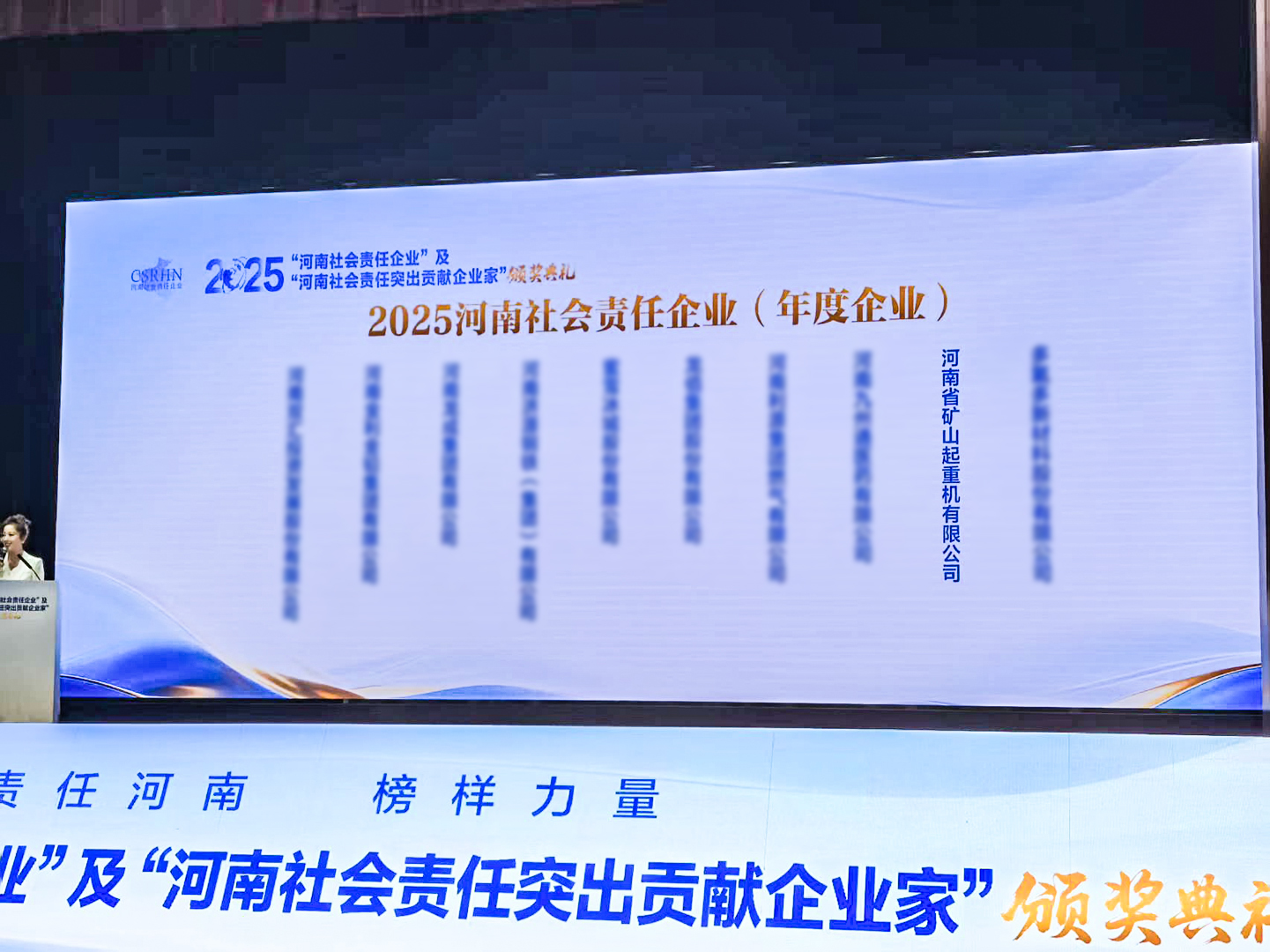
  • Henan Mine Crane Receives a 2025 Henan Corporate Social Responsibility Award

    Henan Mine Crane Receives a 2025 Henan Corporate Social Responsibility Award

    Company & People

    Henan Mine Crane Receives a 2025 Henan Corporate Social Responsibility Award

    Henan Mine Crane received a 2025 Henan corporate social responsibility award at a ceremony in Zhengzhou on 8 July 2026.

    2025 Henan corporate social responsibility award plaque
    2025 Henan corporate social responsibility award plaque.

    Recognition for community programmes

    The award recognised the company’s work in employee care, education assistance, rural development and charitable activities. The ceremony took place in 2026 and referred to the 2025 award year.

    Employee care and education support

    The activities recognised by the award include employee-family care, student assistance, rural development and charitable support. The company described these programmes as continuing parts of its corporate responsibility work.

    Explore the company’s equipment

    Review available crane types or contact the team with the lifting requirement for your project.

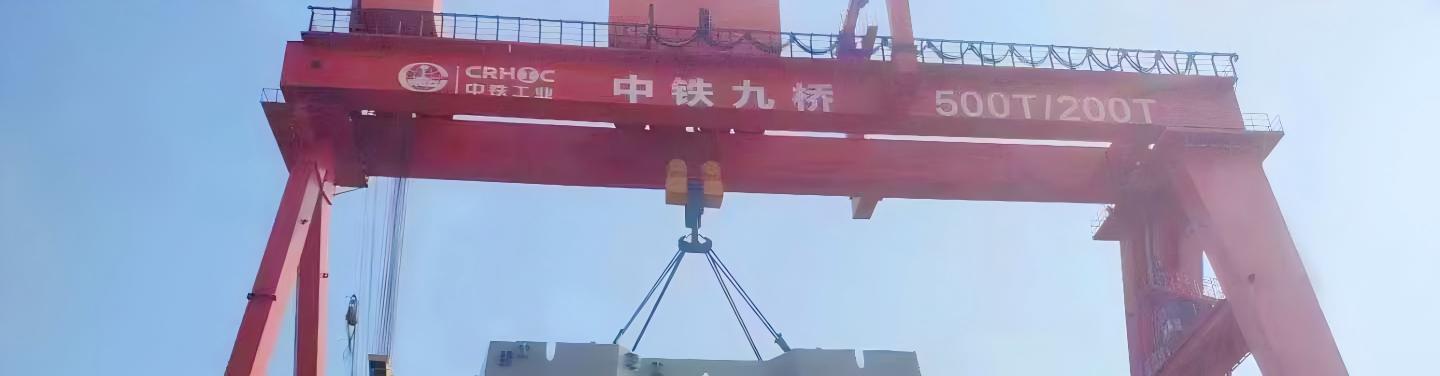
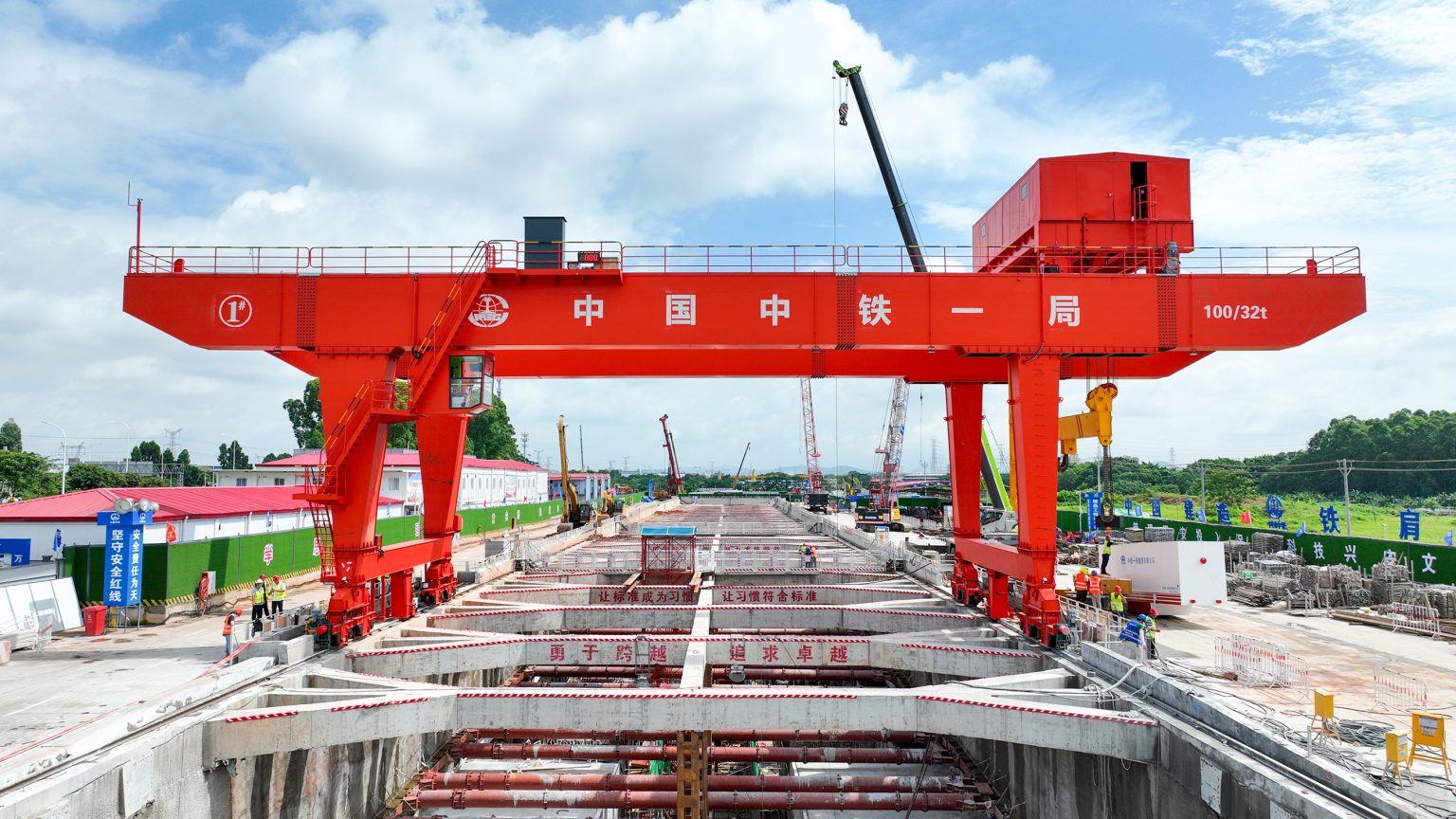
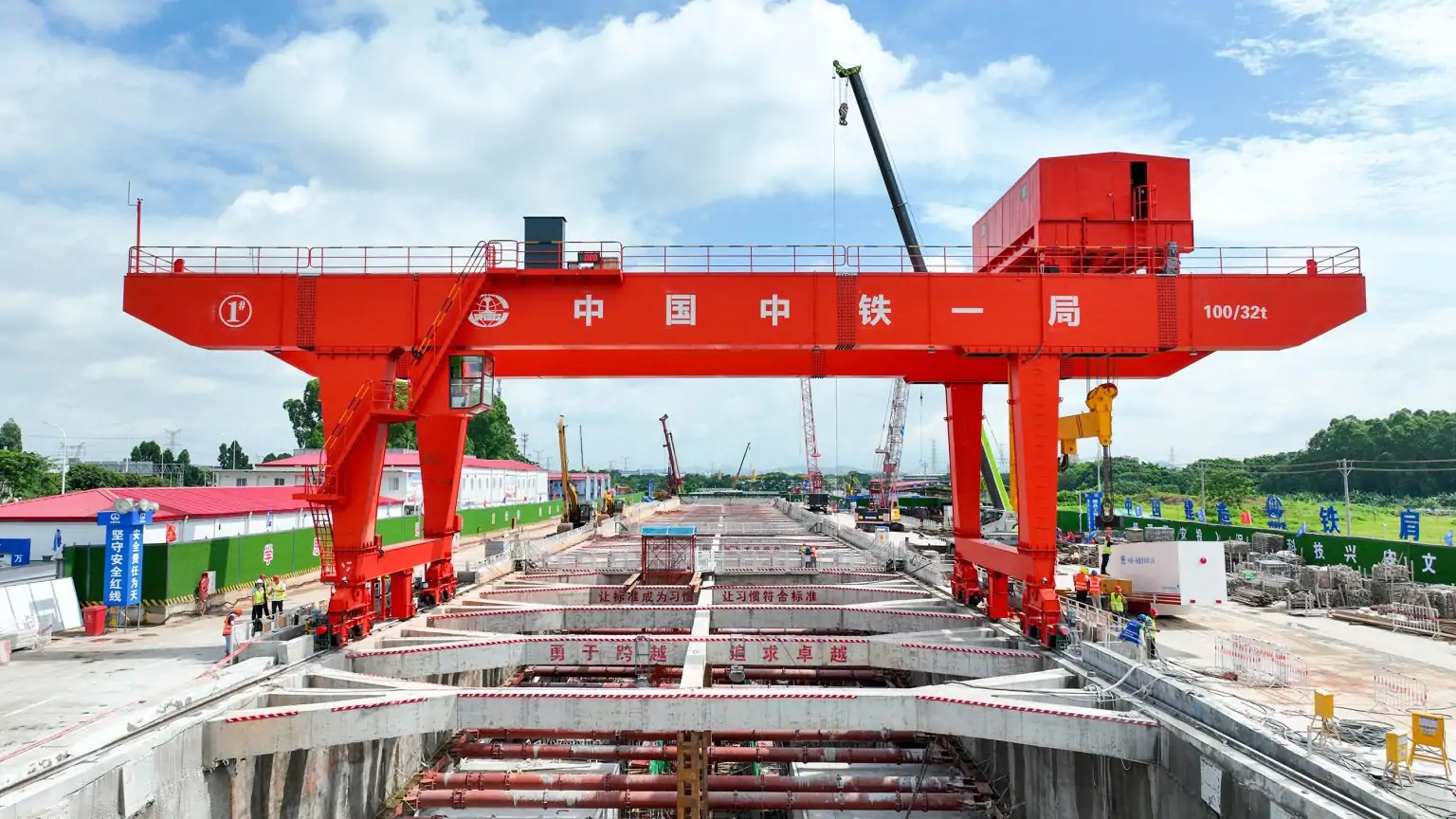
  • Henan Mine Crane manufactured Double-Girder Gantry Crane for Subway Construction

    Henan Mine Crane manufactured Double-Girder Gantry Crane for Subway Construction

    Crane application

    Henan Mine Crane manufactured Double-Girder Gantry Crane for Subway Construction

    Review the double-girder gantry cranes for metro works. Review component loads, lifting points, rail geometry and construction-site requirements.

    Henan Mine Crane manufactured Double-Girder Gantry Crane for Subway Construction — Henan Mine Crane crane application photograph
    Henan Mine Crane manufactured Double-Girder Gantry Crane for Subway Construction — crane application overview.

    Heavy construction lifting

    Confirm the full component weight including rigging, centre of gravity, lifting points, assembly sequence, ground conditions and required travel envelope. Coordinate the crane with the temporary works and construction schedule.

    Crane configuration and interfaces

    Ask for lifting and travel arrangements, support reactions, wind limits, erection and dismantling method, site interfaces and acceptance tests for the proposed construction duty.

    Review the Double-girder gantry cranes and Engineering & construction cranes before defining the project-specific arrangement.

    Design the lifting process

    Use the project context above as a starting point. The following checks turn a crane application into a technical scope that suppliers can price and demonstrate for your site.

    Lifting plan before equipment size

    Provide the heaviest assembly including rigging, the centre of gravity, lifting points and the sequence of picks. Identify each temporary support and the permitted wind and ground conditions during the lift. Large structures may need paired hoists, synchronous travel or staged positioning, but these functions should follow the engineered lifting method. A headline capacity cannot establish whether the crane can pass columns, clear temporary works or place a segment in its final orientation.

    Site geometry and movement

    Share the worksite plan, longitudinal travel length, span, outreach, erection area and transport constraints. Show where the crane can be assembled, how components reach the site and how the machine will be dismantled. For rail or metro work, define the construction possessions and neighbouring operational systems. For bridge and caisson work, include foundation reactions, rail levels and the interface with launching, welding or alignment operations.

    Technical and commercial deliverables

    Request general arrangement and wheel-load drawings, lifting and travel procedures, wind operating limits, installation method, inspection points and acceptance test plan. Separate the supply of foundations, tracks, power, lifting beams and temporary works. Require a method for verifying synchronized motions and emergency stops under the agreed load cases. Delivery schedules should be reviewed against site readiness and the construction programme rather than copied from an unrelated project case.

    Compare the proposed crane scope

    DecisionInformation to request
    Crane and lifting attachmentRated loads, load cases, hook coverage and the complete suspended-load calculation.
    Site interfacesRunway loads, rail or building drawings, electrical supply and installation responsibilities.
    Controls and protectionOperating sequence, required safety functions and a method for testing each function.
    Commercial scopeEquipment, transport, installation, commissioning, documentation, training and spare parts as separate line items.

    From technical offer to site acceptance

    Technical submittals

    A usable bid should show a general arrangement and a clear list of assumptions, not just a model name and capacity. Request the load schedule used in design, lifting-attachment drawings where applicable, span and hook-approach dimensions, wheel loads, electrical supply, control narrative and maintenance access. Check every drawing against the actual building or yard layout. Identify the standards and local approval requirements for the destination market in the enquiry, then confirm the bidder’s proposed design and documentation scope in writing.

    Installation and tests

    Agree when the runway or civil works will be ready, how crane components can reach the installation position and who provides lifting equipment for erection. Define the factory test, on-site installation inspection and site acceptance as separate milestones. The acceptance procedure should list representative loads, the travel route, protection devices, emergency stop and any automation or attachment functions included in the order. Record who supplies test weights, operators, power and access equipment; otherwise a nominal commissioning price may omit essential site work.

    Commercial comparison

    Ask for the same delivery basis and currency across proposals. Separate the crane, special lifting appliances, rails or conductors, transport, installation support, commissioning, training and initial spare parts. Lead time should identify the starting event, such as approved drawings or an effective contract, and any dependency on site readiness. Compare warranty scope and service response by the written contract terms. If a key input is still unknown, request a priced option or a stated assumption instead of allowing different bidders to silently use different specifications. Keep a written exception register so the engineering team can resolve open dimensions, process interfaces and responsibility boundaries before issuing the purchase order.

    Information to include in the enquiry

    • Load weights, dimensions, centre of gravity and lifting attachments.
    • Span, lifting height, runway or yard drawings, travel coverage and clearances.
    • Operating cycle, working environment, electrical supply and control requirements.
    • Supply boundaries, inspection documents, installation support and acceptance criteria.

    Discuss a comparable lifting task

    Send the handling task and available site drawings. Henan Mine Crane can define a proposed crane arrangement and identify the remaining information needed for a technical and commercial review.

  • Crane Selection for Different Factory Layouts: Coverage Comes First

    Crane Selection for Different Factory Layouts: Coverage Comes First

    Technical guide

    Crane Selection for Different Factory Layouts: Coverage Comes First

    A useful crane arrangement serves the actual handling route within the available structure. Mark working zones, traffic lanes and obstructions before comparing overhead, gantry or workstation lifting options.

    Henan Mine CraneTechnical guide · Updated 2026Crane selection, project scope and operating requirements
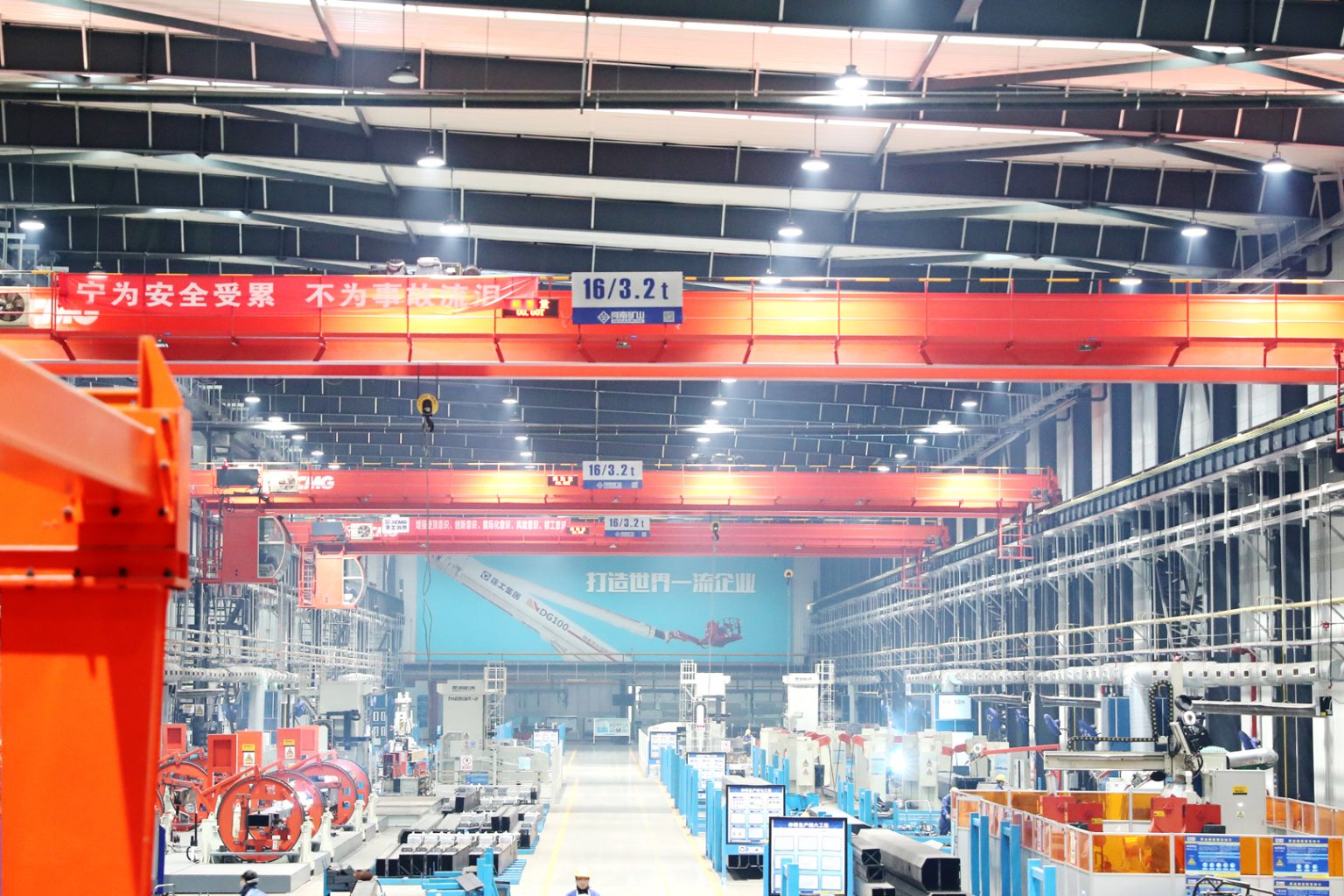
    Henan Mine Crane overhead crane inside a workshop bay
    Henan Mine Crane overhead crane inside a workshop bay
    Project planning notes

    Key points for this crane project.

    1. Why Facility Layout Should Be the First
    2. Types of Industrial Facility Layouts
    3. Best Crane Types for Different Facility Layouts
    Read the technical guide

    Why Facility Layout Should Be the First Consideration When Choosing a Crane

    The load level, work level and functional configuration of the crane are of course important, but if the equipment cannot be adapted to the spatial structure of the plant, the material movement line and the carrying conditions of the building, no matter how good the parameters are, they will not be of value. The layout of the plant directly defines the adaptation type and practical application value of the crane from the three dimensions of physical boundary, production efficiency, and cost control.

    Physical space constraints

    The hardware conditions of the plant set an insurmountable hard standard for the installation and operation of the crane, which is the basic basis for the selection work. The core constraints are as follows:

    • Headroom height and top obstacles: the height of the plant floor and the top facilities such as hvac, sprinklers, and lighting will limit the lifting height. In scenes with insufficient floor height and dense obstacles, conventional double-beam bridge cranes should not be used, and compact models such as low headroom, suspension, and single beam should be preferred.
    • Plant span and space width: The span of the plant and the spacing between the columns determine the coverage of the bridge crane. The large-span structured plant is suitable for bridge cranes, and the narrow space and local stations are more suitable for jib cranes and monorail cranes.
    • Ground and wall obstacles: the layout of plant columns, walls, fixed equipment and production lines will constrain the trajectory of the crane. The open factory building is suitable for full-coverage bridge cranes, and the complex factory area with dense equipment is more suitable for local fixed-point lifting equipment.
    • The bearing capacity of the building structure: the bearing capacity of the steel beams, columns and foundations of the plant determines whether the overhead rail crane can be installed. The carrying capacity of old and light steel factories is limited, and the cost of installing bridge-type transformation is high. Floor-standing gantry cranes are a more economical and safe solution.

    Ignoring the above-mentioned physical constraints can easily cause problems such as equipment installation failure, insufficient lifting height, and limited operating range. In serious cases, the plant structure needs to be modified and dismantled, resulting in great waste of funds and delays in construction.

    Layout adaptability

    Cranes are not independent operating equipment, but important supporting tooling for the production process. It fits the layout of the plant and the selection of material moving lines, and can seamlessly connect the whole process of raw material warehousing, processing and production, and finished product warehousing and outbound, effectively reducing the secondary handling of materials, shortening the operating cycle, and avoiding the congestion of on-site moving lines.

    At the same time, the crane that matches the spatial layout can ensure sufficient safe operation clearance, and avoid the safety risks of collision and overturning between equipment and plant structures, assembly lines, and operators.

    Overhead hanging lifting equipment can make full use of vertical space and completely release the ground operating area; floor-standing lifting equipment can be adapted to special scenarios such as non-top load-bearing structures and outdoor depots to maximize site resources and improve space utilization.

    Types of Industrial Facility Layouts

    Industrial plants are divided into four mainstream layout forms according to product type, production capacity scale, and production technology: assembly line type, functional partition type, fixed station type, and unit type. Most enterprises adopt a mixed layout model, and the material flow logic of different layouts directly determines the most preferred direction of the crane.

    Linear Production Layout

    The layout arranges the equipment and stations in sequence according to the production process, and the materials flow along a fixed linear path. It is suitable for standardized and large-scale mass production scenarios, and is widely used in automobile manufacturing, home appliances and electronic equipment assembly industries.

    Open Warehouse Layout

    The layout centralizes similar processing equipment and similar processes, such as lathe processing areas, welding areas, and grinding areas, and the materials are transferred across regions on demand. It is suitable for small-batch and multi-category customized production, and is mostly used for machining, customized sheet metal, and non-standard parts processing workshops.

    Cell Manufacturing Layout

    This layout is suitable for the production of large-scale, heavy-duty, and non-mobile products. The products are fixed in dedicated workstations, and personnel, equipment, and materials are deployed into the operation on demand. Typical scenarios include shipbuilding, aircraft assembly, large-scale unit installation, heavy machinery production, and large-scale infrastructure construction sites.

    Multi-Bay Workshops

    The unit layout integrates the advantages of assembly lines and functional partitions, and integrates equipment and stations into independent production units. Each unit is responsible for the full-process processing of a class of similar products. It is the mainstream model of lean production and is suitable for medium-batch and multi-category product production.

    Best Crane Types for Different Facility Layouts

    Combining the moving line characteristics, operating requirements and site constraints of various factories, and matching lifting equipment in a targeted manner can maximize material handling efficiency and minimize on-site safety risks. The following are the precise selection schemes that have been verified by a large number of industrial experiments.

    Linear Production Layout

    The core appeal of this type of layout is linear, repetitive, and stable standardized material transfer, which requires lifting equipment to fit the moving line of the production line, fully cover the operating area, and do not interfere with the normal production of the assembly line.

    Optimal adaptation equipment: station bridge crane, monorail crane

    Adaptation advantages: Bridge cranes can achieve full coverage of rectangular areas and run along fixed production line tracks, with accurate positioning and stable operation. The modular design supports the expansion of the length of the operation on demand; monorail cranes focus on point-to-point fixed-point material transfer, which can efficiently connect the material transportation of each station and adapt to high-frequency repetitive operations. Both types of equipment are installed above the ground, which does not occupy space on the ground production line, ensuring the continuous and stable operation of the assembly line.

    Applicable scenarios: large-scale standardized production workshops such as automobile assembly lines, home appliance assembly lines, and electronic product production lines.

    Precautions for selection: The operating path of the equipment is fixed, the flexibility is low, and it is more suitable for the long-term fixed production line layout. It can be used with conveyors to work together to further improve the overall circulation efficiency.

    Open Warehouse Layout

    There is no fixed pattern of material movement in this type of layout, frequent cross-zone operations, and changeable production scenarios. The core requirement is highly flexible, movable, and adaptable lifting equipment for multi-scene switching.

    Optimal adaptation equipment: portable adjustable gantry crane, column/wall-mounted jib crane, light aerial lifting system

    Adaptation advantages: Portable gantry cranes do not need to rely on the building structure of the plant, can be freely shifted, quickly adjust the operating range, and adapt to the temporary hoisting needs of each functional zone; jib cranes can achieve fan-shaped and circular local coverage, suitable for fixed-point hoisting of independent stations, flexible installation and small footprint. Both types of equipment can be transformed and shifted at any time with the adjustment of production layout, which is perfectly adapted to multi-category and changeable customized production scenarios.

    Applicable scenarios: machining workshops, customized sheet metal workshops, non-standard parts processing plants, and small-batch customized production workshops.

    Precautions for selection: Multiple small lifting equipment can be used for partitioning operations in complex multi-partition workshops, and models with adjustable span and height are preferred to improve scene adaptability.

    Cell Manufacturing Layout

    This type of layout product is fixed, large in size, and heavy in tonnage. It needs to continuously transport heavy parts and tooling equipment to fixed stations. The core demand is lifting equipment with large loads, global coverage, and flexible deployment of heavy materials.

    Optimal suitable equipment: heavy-duty gantry crane, heavy-duty jib crane, large-span bridge crane

    Adaptation advantages: large-span bridge cranes can achieve global coverage of the plant and meet the all-round hoisting needs of large-scale stations; heavy-duty gantry cranes do not require building structure support, and are suitable for indoor and outdoor fixed-station operations. The ground is unobstructed, making it easy for personnel and equipment to pass; heavy-duty jib cranes can realize precise fixed-point hoisting around the station to assist in refined assembly operations. The combination of multiple equipment can take into account the global heavy-duty transfer and local precise hoisting.

    Applicable scenarios: shipbuilding, aircraft assembly, large-scale generator set installation, heavy machinery assembly, and large-scale infrastructure construction sites.

    Precautions for selection: special models for high-capacity and heavy loads need to be matched. Multi-machine collaborative operation schemes can be used for large-scale engineering projects, and mobile car cranes can be used to assist construction in outdoor working conditions.

    Multi-Bay Workshops

    The unit layout takes independent production units as the core, and each unit independently completes the whole process of product processing. Miniaturized, specialized, and modular lifting equipment is required to meet the needs of single-element refined operations without interfering with the production order of other units.

    Key Factors to Consider Before Selecting a Crane

    After determining the type of crane to be adapted, it is necessary to combine the ten core parameters to refine the selection, taking into account equipment safety, on-site practicality, investment economy and long-term expandability.

    Work level and frequency of use

    Strictly refer to the CMAA industry classification standards to match working conditions: Class A/B is suitable for low-frequency standby, light-load intermittent operation scenarios; class C/D is suitable for conventional single-shift, medium-load mass production conditions; class E/F corresponds to high-frequency, continuous heavy-duty operations. Accurate matching of work levels can effectively avoid premature equipment wear and frequent failures, while avoiding high redundancy and high costs.

    Space size parameters

    Accurately survey the core spatial parameters of the plant in advance, including the span of the plant, the effective clearance height, the rated lifting height and the safe operating clearance, combined with the distribution of columns, production equipment, and obstacles, accurately approve the crane specifications and effective operation coverage to eliminate space interference.

    Site environmental conditions

    Distinguish between indoor and outdoor operating scenarios, and for special working conditions such as high temperature, high humidity, dust, corrosive media, flammable and explosive, special models for anti-corrosion, explosion-proof, dust-proof, and high temperature resistance are selected as needed to ensure the stable and long-term operation of the equipment in complex environments.

    Layout adaptation

    Strictly conform to the layout of the plant and the law of material flow: the linear standardized production line is adapted to fixed rail-type lifting equipment, flexible customization, and mobile modular equipment is preferred for changeable moving lines. At the same time, the layout adjustment and capacity expansion space are reserved, taking into account the current adaptability and future expansion.

    Automation requirements

    According to the production beat and efficiency requirements, the operating speed of lifting, trolley, and bridge is reasonably matched; the intelligent workshop can optimize the automated lifting equipment, support the docking of AGV, three-dimensional warehouse and other intelligent storage systems, and adapt to the modern intelligent production system.

    Safety compliance standards

    The selection needs to strictly comply with OSHA, CMAA, ANSI and domestic industry safety specifications.

    Installation and power supply conditions

    Combined with the actual carrying conditions of the steel beams, columns, and foundations of the plant, the above-ground fixed or ground-standing lifting equipment is scientifically selected; according to the on-site power supply configuration, it is adapted to electric, manual, pneumatic and other drive forms to ensure that the equipment installation is compatible and feasible, and the long-term operation is stable and reliable.

    Full life cycle cost

    Abandon the one-sided selection thinking that only focuses on the purchase unit price, comprehensively calculate the whole life cycle costs of equipment procurement, installation, energy consumption, maintenance, parts replacement, equipment depreciation, etc., and give priority to the selection of high-quality equipment brands with stable performance, excellent cost performance, and perfect after-sales system.

    Operation and maintenance and extensibility

    Priority is given to the selection of lifting equipment with low failure rate, convenient maintenance, and strong versatility of accessories. The selection stage reserves space for equipment installation, transformation, and expansion in advance, which can be flexibly adapted to the subsequent development needs of enterprises for capacity upgrading, process iteration, and plant layout optimization.

    Common Crane Selection Mistakes

    Most of the hidden dangers, efficiency shortcomings and cost waste of crane operation and maintenance in enterprises are due to selection misunderstandings. The following summarizes the industry's high-frequency errors and standardized avoidance schemes to help companies avoid pitfalls scientifically.

    • Unbalanced load selection: blindly selecting small-tonnage equipment can easily cause overload safety hazards, and blindly pursuing high-capacity equipment will cause a waste of funds and space resources. Avoidance method: carry out accurate load measurement, reserve standard safety margin, and comprehensively select models based on dynamic lifting conditions.
    • Work level matching error: the selection of heavy equipment in low-frequency and light-load scenarios will increase input costs, while the selection of light equipment in high-frequency and heavy-load scenarios will accelerate equipment wear and cause frequent failures. Circumvention method: Accurately count the average daily lifting times, average load-to-weight ratio and equipment running time, and match the corresponding work level.
    • Separation from the layout and selection of the plant: the installation of fixed bridge cranes in flexible customized workshops and the selection of mobile gantry cranes in standardized production lines will lead to poor equipment adaptability and low production efficiency. Avoidance method: Strictly rely on the layout of the plant and the matching equipment of the selection matrix, and give priority to the material movement line and site conditions.
    • Ignoring site environmental constraints: the use of ordinary standard cranes in special working conditions such as corrosion, dust, explosion-proof, etc. can easily cause equipment corrosion, frequent failures, and safety hazards. Avoidance method: According to on-site working conditions, customize special configurations such as anti-corrosion, explosion-proof, dust-proof, and high temperature resistance.
    • Just look at the low price and ignore the full cycle cost: one-sided reduction of the initial procurement cost and the selection of low-cost and inferior equipment will lead to high maintenance costs and large downtime losses in the later stage, and the overall gain is not worth the loss. Avoidance method: Take the whole life cycle cost as the core evaluation criterion, and give priority to brands with reliable quality and perfect after-sales service.

    Discuss the crane arrangement for your project.

    A useful crane arrangement serves the actual handling route within the available structure. Mark working zones, traffic lanes and obstructions before comparing overhead, gantry or workstation lifting options. Share the load, available drawings, working cycle and site conditions with Henan Mine Crane so the required configuration and supply boundary can be discussed.

    Related crane configurations

    Explore crane product families and technical parameters ↗

    Updated 2026 · Henan Mine Crane
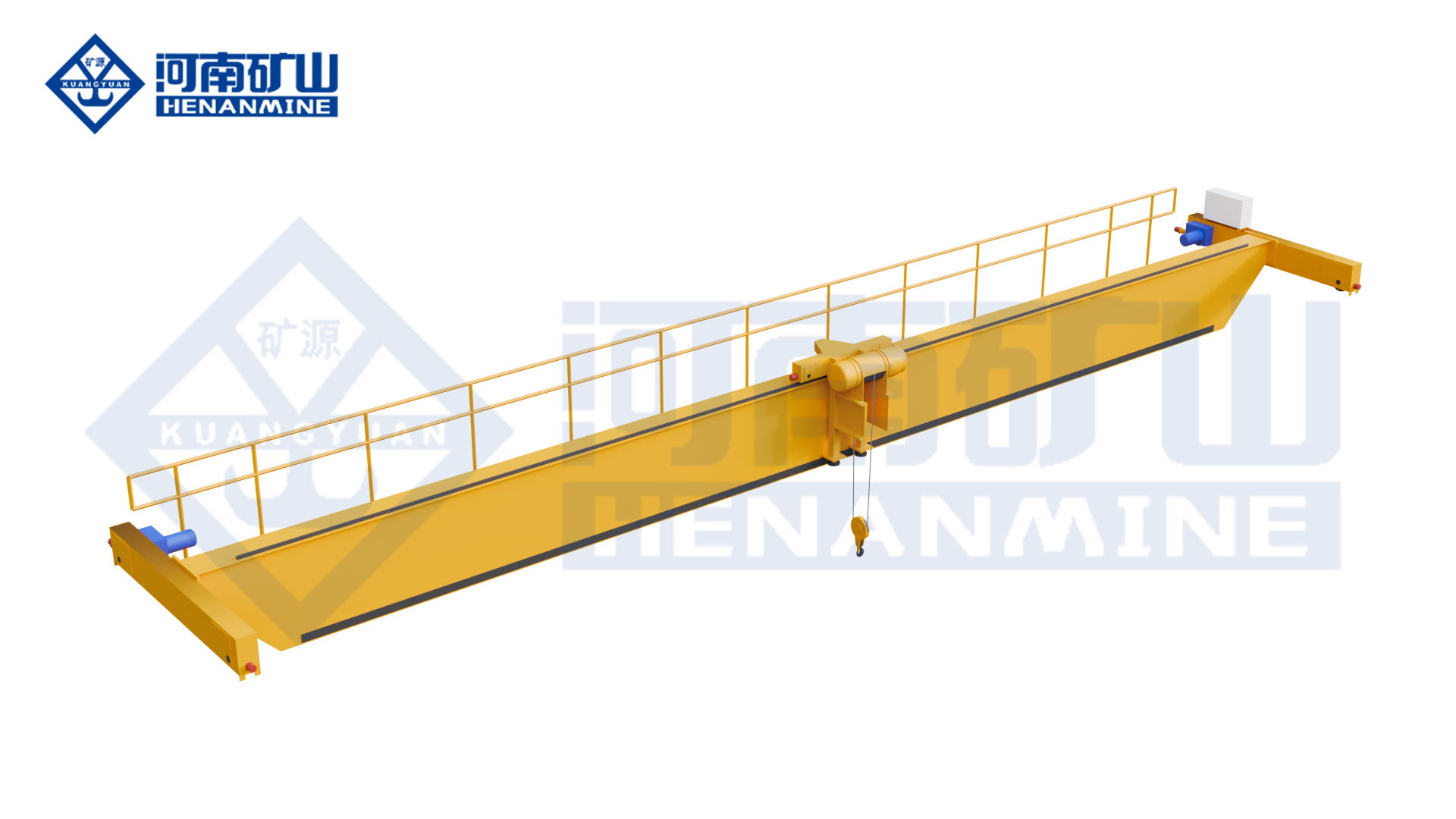
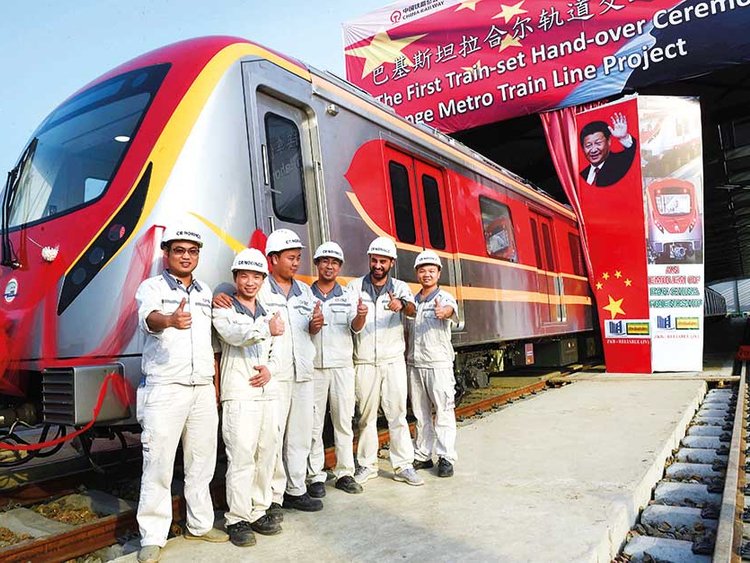
  • Henan Mine Crane Helps China-Pakistan Economic Corridor Lahore Orange Line Metro Open for Operation

    Henan Mine Crane Helps China-Pakistan Economic Corridor Lahore Orange Line Metro Open for Operation

    Crane application

    Henan Mine Crane Helps China-Pakistan Economic Corridor Lahore Orange Line Metro Open for Operation

    Review crane handling for Lahore’s Orange Line metro project. Review lifting tasks, construction interfaces, equipment arrangements and project scope.

    Henan Mine Crane Helps China-Pakistan Economic Corridor Lahore Orange Line Metro Open for Operation — Henan Mine Crane crane application photograph
    Henan Mine Crane Helps China-Pakistan Economic Corridor Lahore Orange Line Metro Open for Operation — crane application overview.

    Heavy construction lifting

    Confirm the full component weight including rigging, centre of gravity, lifting points, assembly sequence, ground conditions and required travel envelope. Coordinate the crane with the temporary works and construction schedule.

    Crane configuration and interfaces

    Ask for lifting and travel arrangements, support reactions, wind limits, erection and dismantling method, site interfaces and acceptance tests for the proposed construction duty.

    Review the Double-girder gantry cranes and Engineering & construction cranes before defining the project-specific arrangement.

    Design the lifting process

    Use the project context above as a starting point. The following checks turn a crane application into a technical scope that suppliers can price and demonstrate for your site.

    Lifting plan before equipment size

    Provide the heaviest assembly including rigging, the centre of gravity, lifting points and the sequence of picks. Identify each temporary support and the permitted wind and ground conditions during the lift. Large structures may need paired hoists, synchronous travel or staged positioning, but these functions should follow the engineered lifting method. A headline capacity cannot establish whether the crane can pass columns, clear temporary works or place a segment in its final orientation.

    Site geometry and movement

    Share the worksite plan, longitudinal travel length, span, outreach, erection area and transport constraints. Show where the crane can be assembled, how components reach the site and how the machine will be dismantled. For rail or metro work, define the construction possessions and neighbouring operational systems. For bridge and caisson work, include foundation reactions, rail levels and the interface with launching, welding or alignment operations.

    Technical and commercial deliverables

    Request general arrangement and wheel-load drawings, lifting and travel procedures, wind operating limits, installation method, inspection points and acceptance test plan. Separate the supply of foundations, tracks, power, lifting beams and temporary works. Require a method for verifying synchronized motions and emergency stops under the agreed load cases. Delivery schedules should be reviewed against site readiness and the construction programme rather than copied from an unrelated project case.

    Compare the proposed crane scope

    DecisionInformation to request
    Crane and lifting attachmentRated loads, load cases, hook coverage and the complete suspended-load calculation.
    Site interfacesRunway loads, rail or building drawings, electrical supply and installation responsibilities.
    Controls and protectionOperating sequence, required safety functions and a method for testing each function.
    Commercial scopeEquipment, transport, installation, commissioning, documentation, training and spare parts as separate line items.

    From technical offer to site acceptance

    Technical submittals

    A usable bid should show a general arrangement and a clear list of assumptions, not just a model name and capacity. Request the load schedule used in design, lifting-attachment drawings where applicable, span and hook-approach dimensions, wheel loads, electrical supply, control narrative and maintenance access. Check every drawing against the actual building or yard layout. Identify the standards and local approval requirements for the destination market in the enquiry, then confirm the bidder’s proposed design and documentation scope in writing.

    Installation and tests

    Agree when the runway or civil works will be ready, how crane components can reach the installation position and who provides lifting equipment for erection. Define the factory test, on-site installation inspection and site acceptance as separate milestones. The acceptance procedure should list representative loads, the travel route, protection devices, emergency stop and any automation or attachment functions included in the order. Record who supplies test weights, operators, power and access equipment; otherwise a nominal commissioning price may omit essential site work.

    Commercial comparison

    Ask for the same delivery basis and currency across proposals. Separate the crane, special lifting appliances, rails or conductors, transport, installation support, commissioning, training and initial spare parts. Lead time should identify the starting event, such as approved drawings or an effective contract, and any dependency on site readiness. Compare warranty scope and service response by the written contract terms. If a key input is still unknown, request a priced option or a stated assumption instead of allowing different bidders to silently use different specifications. Keep a written exception register so the engineering team can resolve open dimensions, process interfaces and responsibility boundaries before issuing the purchase order.

    Information to include in the enquiry

    • Load weights, dimensions, centre of gravity and lifting attachments.
    • Span, lifting height, runway or yard drawings, travel coverage and clearances.
    • Operating cycle, working environment, electrical supply and control requirements.
    • Supply boundaries, inspection documents, installation support and acceptance criteria.

    Discuss a comparable lifting task

    Send the handling task and available site drawings. Henan Mine Crane can define a proposed crane arrangement and identify the remaining information needed for a technical and commercial review.

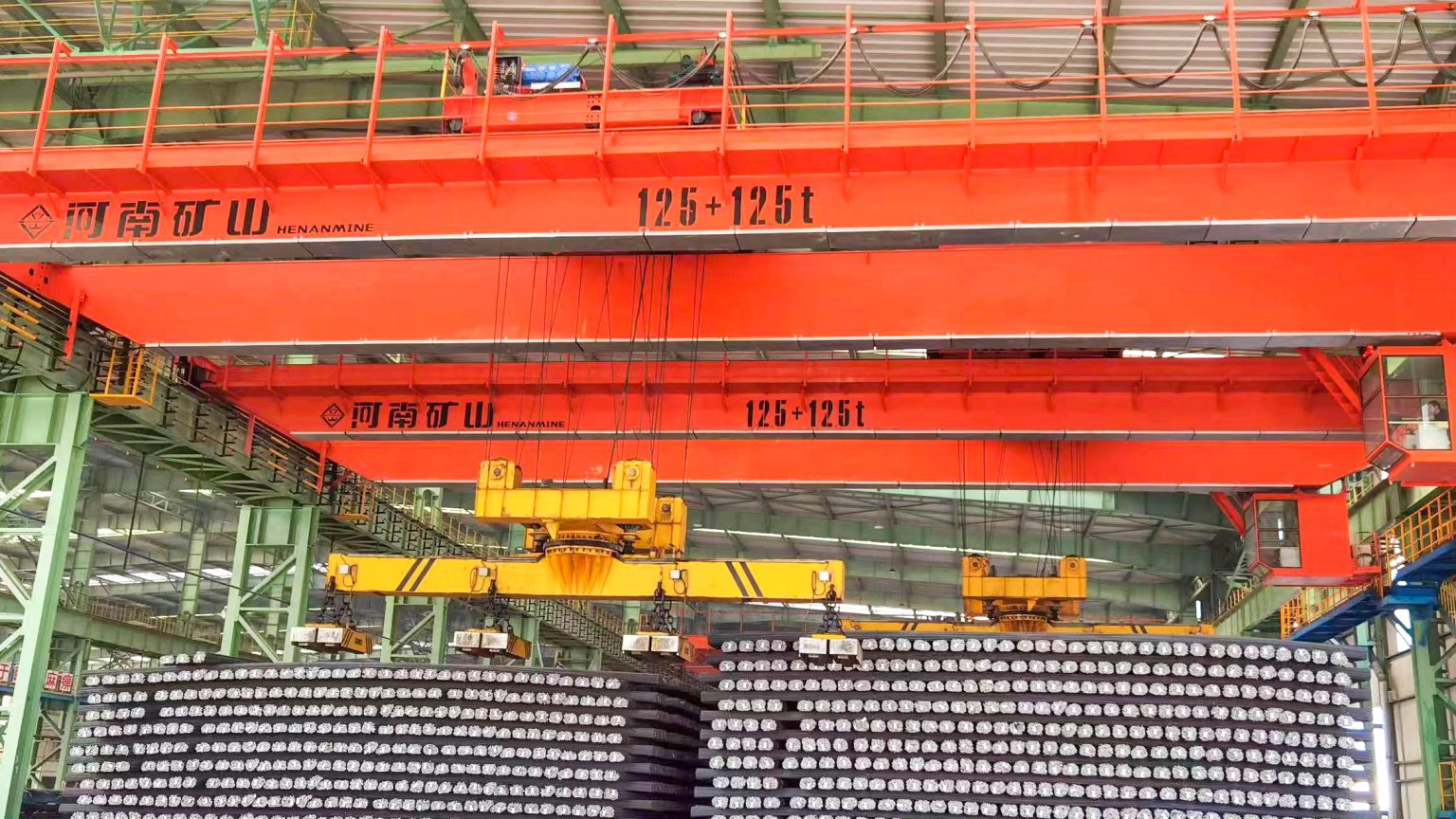
  • Henan Mine Crane 150 sets of cranes to help a plant 6 million tons of project

    Henan Mine Crane 150 sets of cranes to help a plant 6 million tons of project

    Crane application

    Henan Mine Crane 150 sets of cranes to help a plant 6 million tons of project

    Review the crane supply for a steel plant expansion. Review the handling task, load geometry, working duty and equipment interfaces for your application.

    Henan Mine Crane 150 sets of cranes to help a plant 6 million tons of project — Henan Mine Crane crane application photograph
    Henan Mine Crane 150 sets of cranes to help a plant 6 million tons of project — crane application overview.

    Workshop and manufacturing lifting

    Define the largest and most frequent loads, lifting points, hook coverage, building clearances, operating shifts and concurrent work zones. Include maintenance and production flow in the layout.

    Crane configuration and interfaces

    Ask for a general arrangement, duty selection, runway and power interfaces, control mode, maintenance access and agreed factory and site acceptance scope.

    Review the Overhead crane range and Industrial manufacturing cranes before defining the project-specific arrangement.

    Design the lifting process

    Use the project context above as a starting point. The following checks turn a crane application into a technical scope that suppliers can price and demonstrate for your site.

    Define the lifting task

    Record each load by weight, dimensions, centre of gravity and lifting point, then trace its route through the plant. Distinguish the highest occasional lift from routine handling cycles. Give the span, lift height, hook approach, duty pattern and working environment. These inputs establish what crane arrangement fits the building and process; a headline rated capacity does not show whether the load can be picked up or placed safely.

    Choose interfaces and controls

    Ask for a general arrangement, runway and wheel loads, power supply, control mode, required travel speeds and any lifting attachment. Define what is supplied with the crane and what is supplied by the building or process contractor. If positioning, monitoring or remote operation matters, state the intended sequence and how performance will be measured. Include access for periodic inspection and a safe location for maintenance.

    Compare proposals on the same basis

    Send all bidders the same load schedule and site drawing. Review the structural arrangement, drive and protection functions, installation scope, factory tests, site acceptance, training and spare parts. Confirm the required documents and the boundaries of civil, electrical and commissioning work. This makes a technical comparison meaningful and prevents a low equipment-only price from being mistaken for a complete installed solution.

    Compare the proposed crane scope

    DecisionInformation to request
    Crane and lifting attachmentRated loads, load cases, hook coverage and the complete suspended-load calculation.
    Site interfacesRunway loads, rail or building drawings, electrical supply and installation responsibilities.
    Controls and protectionOperating sequence, required safety functions and a method for testing each function.
    Commercial scopeEquipment, transport, installation, commissioning, documentation, training and spare parts as separate line items.

    From technical offer to site acceptance

    Technical submittals

    A usable bid should show a general arrangement and a clear list of assumptions, not just a model name and capacity. Request the load schedule used in design, lifting-attachment drawings where applicable, span and hook-approach dimensions, wheel loads, electrical supply, control narrative and maintenance access. Check every drawing against the actual building or yard layout. Identify the standards and local approval requirements for the destination market in the enquiry, then confirm the bidder’s proposed design and documentation scope in writing.

    Installation and tests

    Agree when the runway or civil works will be ready, how crane components can reach the installation position and who provides lifting equipment for erection. Define the factory test, on-site installation inspection and site acceptance as separate milestones. The acceptance procedure should list representative loads, the travel route, protection devices, emergency stop and any automation or attachment functions included in the order. Record who supplies test weights, operators, power and access equipment; otherwise a nominal commissioning price may omit essential site work.

    Commercial comparison

    Ask for the same delivery basis and currency across proposals. Separate the crane, special lifting appliances, rails or conductors, transport, installation support, commissioning, training and initial spare parts. Lead time should identify the starting event, such as approved drawings or an effective contract, and any dependency on site readiness. Compare warranty scope and service response by the written contract terms. If a key input is still unknown, request a priced option or a stated assumption instead of allowing different bidders to silently use different specifications. Keep a written exception register so the engineering team can resolve open dimensions, process interfaces and responsibility boundaries before issuing the purchase order.

    Information to include in the enquiry

    • Load weights, dimensions, centre of gravity and lifting attachments.
    • Span, lifting height, runway or yard drawings, travel coverage and clearances.
    • Operating cycle, working environment, electrical supply and control requirements.
    • Supply boundaries, inspection documents, installation support and acceptance criteria.

    Discuss a comparable lifting task

    Send the handling task and available site drawings. Henan Mine Crane can define a proposed crane arrangement and identify the remaining information needed for a technical and commercial review.