Engineering · Manufacturing · Project support
info@hnksglobal.comWhatsApp +86 18836207779 ↗

Blog

  • Foundry Crane Enquiries: Load, Heat and Working-Cycle Information

    Foundry Crane Enquiries: Load, Heat and Working-Cycle Information

    Technical guide

    Foundry Crane Enquiries: Load, Heat and Working-Cycle Information

    Foundry selection begins with the material and process rather than capacity alone. Provide the load arrangement, temperature exposure, pick-up positions and operating sequence so the proposed crane can be matched to the application.
    Henan Mine CraneTechnical guide · Updated 2026Crane selection, project scope and operating requirements
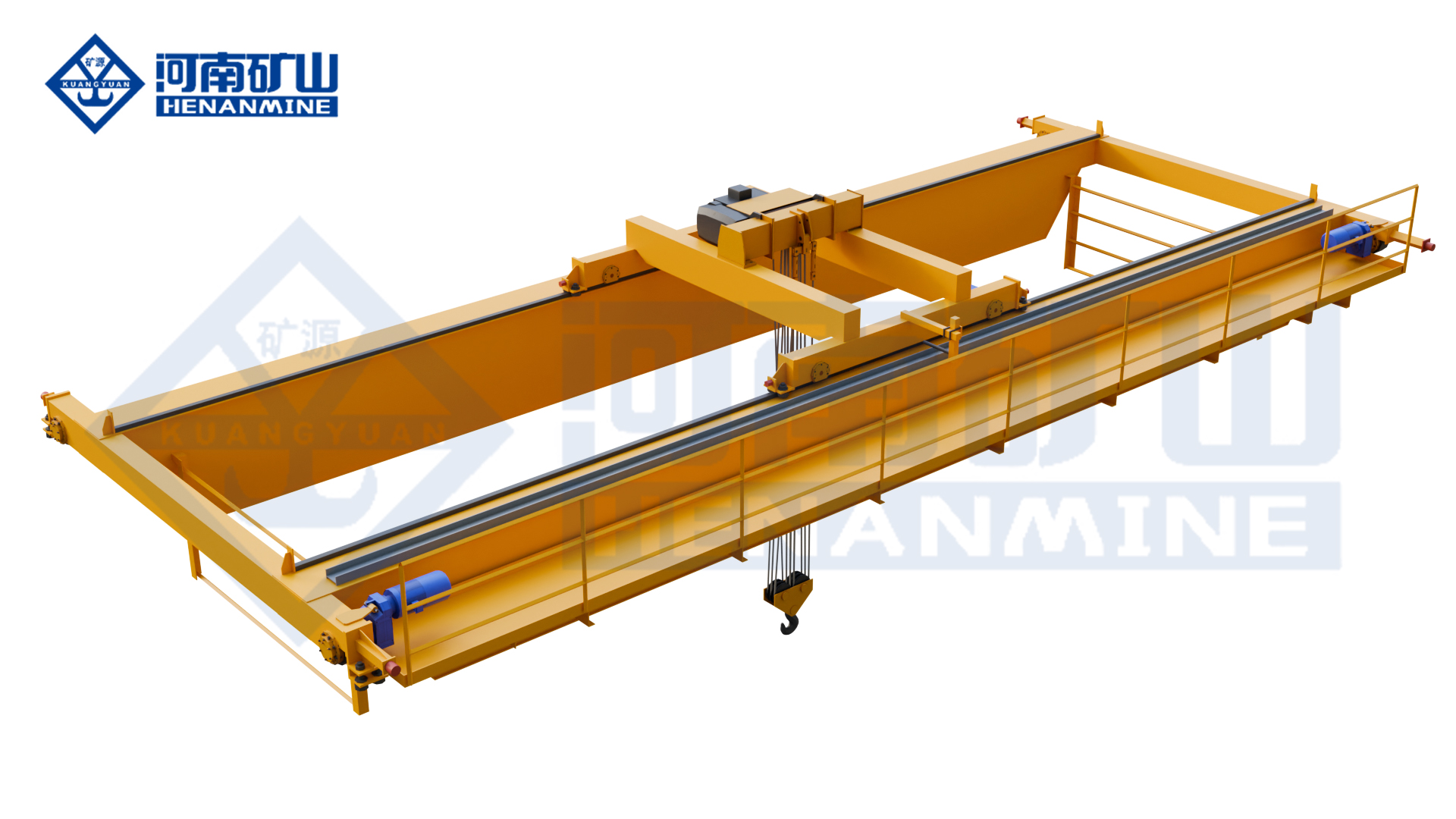
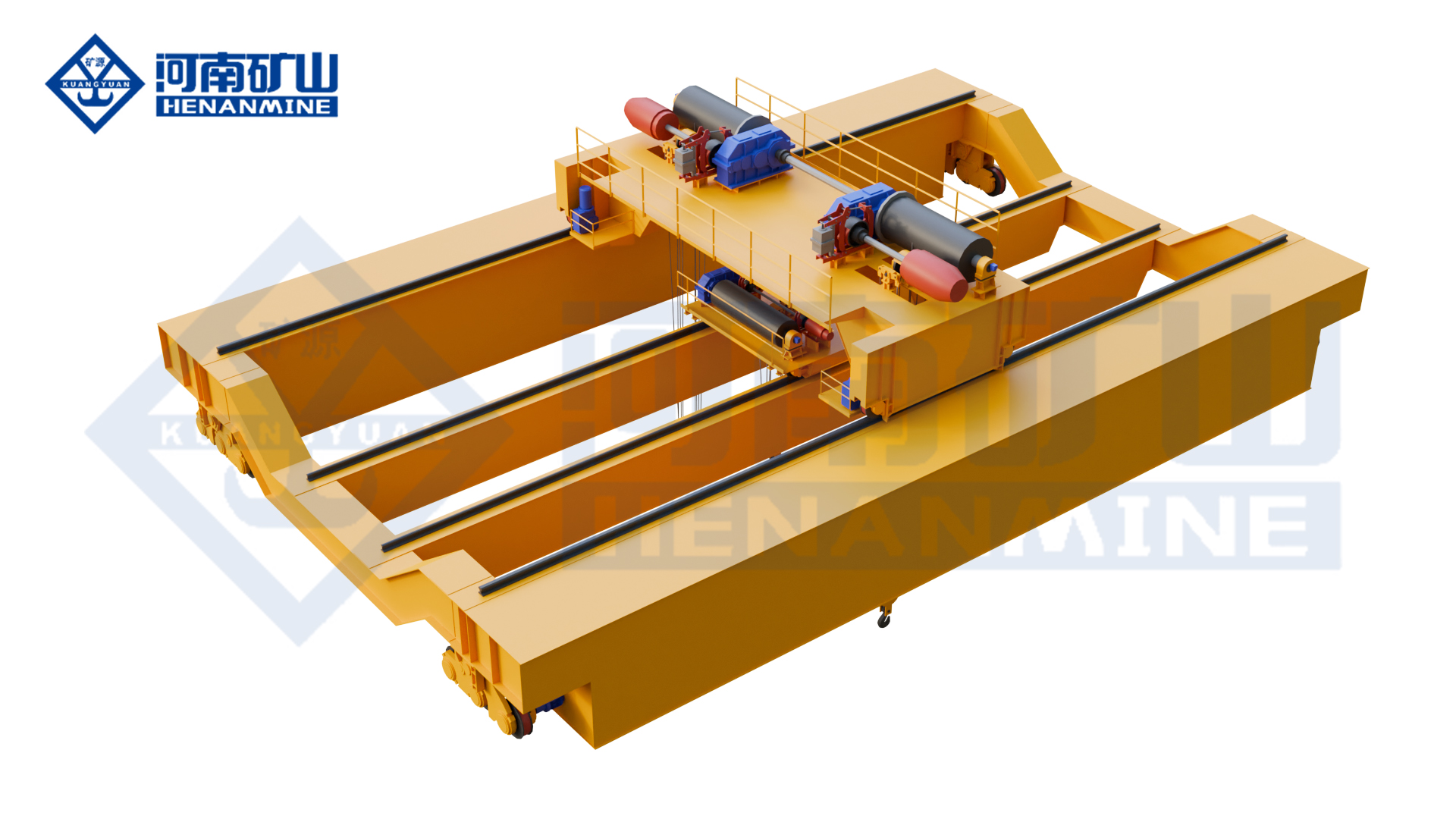
    Henan Mine Crane four-girder casting crane for intensive molten-metal handling
    Henan Mine Crane four-girder casting crane for intensive molten-metal handling
    Project planning notes

    Key points for this crane project.

    1. Application overview
    2. The 12 Data Groups Required for Foundry Crane Selection
    3. Define the Process Duty and Every Permitted Load Case
    Read the technical guide

    Application overview

    Foundry workshops contain several distinct lifting duties. A production crane may transfer a filled ladle from a furnace to a pouring station; another crane may charge a furnace, turn a ladle, move moulds or support maintenance. These tasks can share a bay while imposing different loads, attachments, operating frequencies, heat zones and failure consequences.

    The equipment name alone does not establish suitability. A foundry crane, ladle handling crane, charging crane and maintenance crane can require different load paths and safety functions. Direct molten-metal service must be stated explicitly; it cannot be inferred from the phrases “metallurgical crane” or “high-temperature crane.”

    Complete operating data allow crane suppliers to calculate capacity, classification, motion speeds, heat protection, wheel loads and control functions on the same basis. They also make commercial quotations comparable by defining whether the scope includes the lifting attachment, runway, electrification, installation, testing, training and statutory documentation.

    The 12 Data Groups Required for Foundry Crane Selection

    The following information should be issued for each crane position. Where one crane has several duties, every approved operating mode and load combination should appear in the same schedule.

    Data GroupInformation to ProvideWhy It Changes the Crane
    1. Process dutyLadle transfer, furnace charging, pouring, slag handling, mould handling, ladle maintenance or equipment maintenanceDefines the crane family, lifting attachment, trolley arrangement and risk category
    2. Load scheduleMaximum and minimum mass of metal, ladle, lining, residual slag, attachment, tooling and every permitted combined loadEstablishes the rated-load basis, structural reactions and hoisting mechanism
    3. Ladle and attachmentLadle GA drawing, diameter, height, trunnion geometry, centre of gravity, pickup clearances, beam or plate-hook drawing and tilt pointDetermines engagement, hook approach, reeving, stability, headroom and pouring arrangement
    4. Movement routePickup, transfer, pouring and set-down coordinates; travel distances; elevations; obstacles; restricted areas and emergency set-down positionsControls lift, approach, clearance, visibility, travel zoning and recovery planning
    5. Cycle and load spectrumLifts per hour, shifts per day, days per year, operating life, load-band percentages and movement distancesProvides the basis for crane and mechanism classification, motor thermal duty, brakes and fatigue life
    6. Availability targetProduction consequence of crane outage, allowable recovery time, maintenance window, standby philosophy and emergency placement requirementsInfluences redundancy, access, condition monitoring, spares and whether separate production and maintenance cranes are needed
    7. Thermal conditionsAmbient temperature at crane level, ladle/metal temperature, radiant-heat map, distance from heat sources, exposure duration and splash zonesSets heat shielding, component location, insulation, cooling, cable type and operator protection
    8. Workshop atmosphereDust type and concentration, conductive dust, fumes, humidity, corrosive agents, indoor/outdoor exposure and documented hazardous-area classification if applicableDetermines enclosure, ventilation, sealing, coating and any certified hazardous-area equipment

    Define the Process Duty and Every Permitted Load Case

    The first line of a foundry crane specification should state exactly what the crane lifts and what it does with the load. “Foundry service” is too broad. Direct ladle transfer, crane-assisted pouring, furnace charging, slag-pot handling, mould movement and maintenance are different duties and may require separate cranes.

    Ladle transfer

    Identify the furnace, treatment, holding, pouring and set-down stations. State whether the crane only transports the ladle or also supports deslagging, alloying, treatment or other process operations.

    Controlled pouring

    Provide the pouring method, designated tilt point, permitted angle, pour rate, mould position and communication sequence. Main and auxiliary capacities and coordinated motion depend on this operation.

    Charging and maintenance

    List charging boxes, furnace covers, moulds, ladle covers, refractory tools and maintenance components separately. A crane approved for these duties is not automatically approved for a filled ladle.

    Define the complete suspended system

    The load schedule should separately state the maximum liquid-metal mass, empty ladle shell, refractory lining, expected residual metal or slag, ladle beam or gantry hook, plate hooks, process tooling and every approved combined load. The applicable standard and technical agreement should then identify which items form the rated load and which are treated as crane dead load.

    Nominal furnace or ladle capacity is not sufficient. The heaviest physical condition may occur with a full lining, skull buildup, residual material or a special treatment attachment. Minimum loads also matter because drive control, brake response, load detection and automatic sequences must operate across the full range.

    Provide ladle outside diameter, total height, trunnion diameter and centre distance, trunnion elevation, centre of gravity, lifting-beam envelope, plate-hook throat and seating geometry, pickup clearances, allowed rotation, tilt point and wear limits. Drawings are more reliable than a text description for attachment engineering.

    Provide the Operating Cycle, Load Spectrum and Availability Target

    Foundry crane classification should be calculated from service conditions, not selected from a familiar class name. ISO 4301-1 uses working cycles, load spectrum and average movements as classification inputs. Other systems use different terminology, so a tender should identify the governing standard and provide the operating data behind the requested class.

    Cycle histogram

    Record lifts per heat, heats per shift, shifts per day, operating days per year and intended service life. Separate production, standby, maintenance and exceptional operations.

    Load histogram

    Estimate the percentage of cycles in defined load bands, including full ladles, partially filled ladles, empty ladles, attachments and auxiliary loads. Avoid describing every cycle as either empty or full when production records show a broader spectrum.

    Movement profile

    State typical and maximum hoist, trolley and bridge travel per cycle, waiting time over heat, number of starts, target transfer time and precision required at pickup, pouring and placement stations.

    Production criticality changes the design

    If one crane failure stops a furnace, holds a filled ladle or interrupts an entire pouring line, the project should state the allowable safe-recovery time. This requirement influences redundant functions, emergency lowering or set-down philosophy, maintenance access, condition monitoring, standby equipment and the recommended spare-parts package.

    A high availability target is not achieved by assigning a higher structural class alone. Mechanism architecture, electrical segregation, component access, inspection intervals, trained response, critical spares and safe recovery procedures must be considered together.

    Replace “High Temperature” with Measured Heat Data

    A workshop air temperature does not fully describe thermal exposure. Radiant heat from furnaces, molten metal and hot ladle surfaces can create much higher local temperatures at the trolley, underside of the bridge, cabin, cables and electrical enclosures. The heat condition should therefore be mapped by location, duration and operating state.

    ConditionRequired Site DataDesign Areas Affected
    Ambient temperatureMinimum, normal and maximum air temperature at bridge, trolley, cabin and electrical-panel elevationsMotor and brake ratings, cabinets, ventilation, lubricants, cabin and component derating
    Radiant heatSource locations, surface or process temperature, crane distance, exposure time and shielding already provided by the buildingHeat shields, trolley layout, cable routing, protected walkways, cooling and sensor locations
    Splash and flamePotential splash direction, pouring zone, furnace opening, flame path, incident history and exclusion boundaryGuards, protected access, cabin glazing, cable protection and emergency route
    Dust and fumesComposition, conductivity, concentration, deposition, extraction arrangement, humidity and corrosive contentEnclosure rating, cooling method, filters, seals, coatings and maintenance frequency

    The protection package should be selected from this measured profile. The separate guide to casting crane high-temperature protection explains how heat shields, protected cables, component locations, ventilation and monitoring respond to different exposure conditions.

    Define the Runway, Motion, Control and Safety Boundaries

    A foundry crane is part of the building and the production process. Accurate crane selection therefore depends on interfaces that are often missing from short RFQs.

    Runway and building

    Issue the span, runway elevation and length, rail section, surveyed alignment, column spacing, allowable vertical and horizontal reactions, building clearances, platforms and access openings. Existing runways require condition and capacity verification.

    Motion performance

    Set the target cycle first, then determine hoist, trolley and bridge speeds. State creep-speed needs, positioning tolerance, acceptable sway, acceleration limits, approach distances and the sequence near furnace, ladle car or mould.

    Control positions

    Define cab, radio remote, remote control room and automatic modes separately. Include sightlines, cameras, operator communication, changeover permissions, restricted areas and the safe response to communication loss.

    Process integration

    List interlocks and handshakes with furnaces, ladle cars, treatment stations, pouring equipment, doors, other cranes and plant PLC/MES systems. Define signal ownership, network protocol and manual fallback.

    Safety functions

    Specify the required brake functions, upper limits, overload limiting, overspeed response, travel limits, anti-collision, load engagement confirmation, emergency stops and loss-of-power behavior by function and test method.

    Recovery and maintenance

    Identify safe set-down locations, emergency operating boundaries, rescue access, isolation points, inspection platforms, component-removal routes and the maximum repair window available during production.

    The destination country, owner specification, crane design standard and statutory inspection process should appear in the RFQ. Terms such as CE, ISO, FEM and local occupational-safety rules do not represent one interchangeable approval. For example, U.S. hot-metal crane requirements include specific holding-brake provisions under 29 CFR 1910.179; other destinations use their own mandatory framework.

    How Operating Conditions Change the Foundry Crane Configuration

    The following configurations are not capacity-only alternatives. The correct choice follows the load path, production criticality, auxiliary functions, runway limitations and safety assessment.

    ConfigurationConsider WhenCritical DataImportant Limitation
    Double-Girder Casting CraneDefined ladle-transfer and pouring duty can be served by a double-girder metallurgical arrangement within verified structural and runway limitsGross load, ladle beam, cycles, pouring method, span, lift, heat zones and runway reactionsNot automatically suitable for ultra-heavy, multi-function or exceptional-availability duties
    Four-Girder Casting CraneUltra-heavy ladles, separate main and auxiliary trolleys, intensive operation or demanding stiffness and fault-tolerance requirements justify evaluationMain/auxiliary loads, permitted combinations, trolley rail arrangement, off-centre cases, wheel loads and maintenance accessGreater self-weight, wheel reactions, building demand and project scope require early structural coordination
    Metallurgical Bridge CraneHot components, furnace-area materials or a defined metallurgical duty require enhanced environmental protectionExact load, attachment, temperature, duty, control and applicable molten-metal requirementsThe product name alone does not confirm suitability for a filled ladle
    Separate Auxiliary CraneMoulds, furnace components, ladle covers and maintenance loads would otherwise interrupt the production ladle crane or require a conflicting attachmentMaintenance load matrix, shutdown plan, access, shared runway zones and inter-crane collision controlMust not lift molten metal unless specifically engineered and accepted for that duty

    Why the operating data mattered

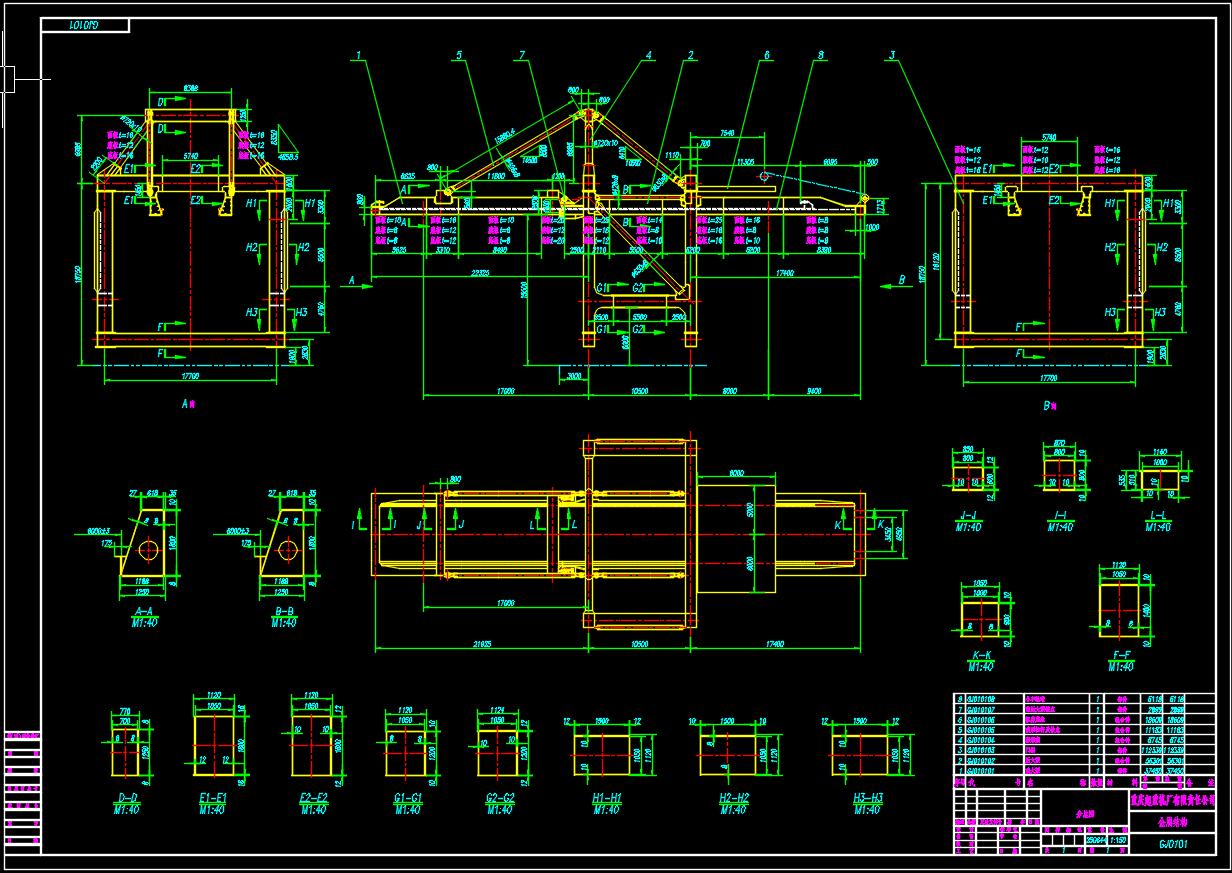
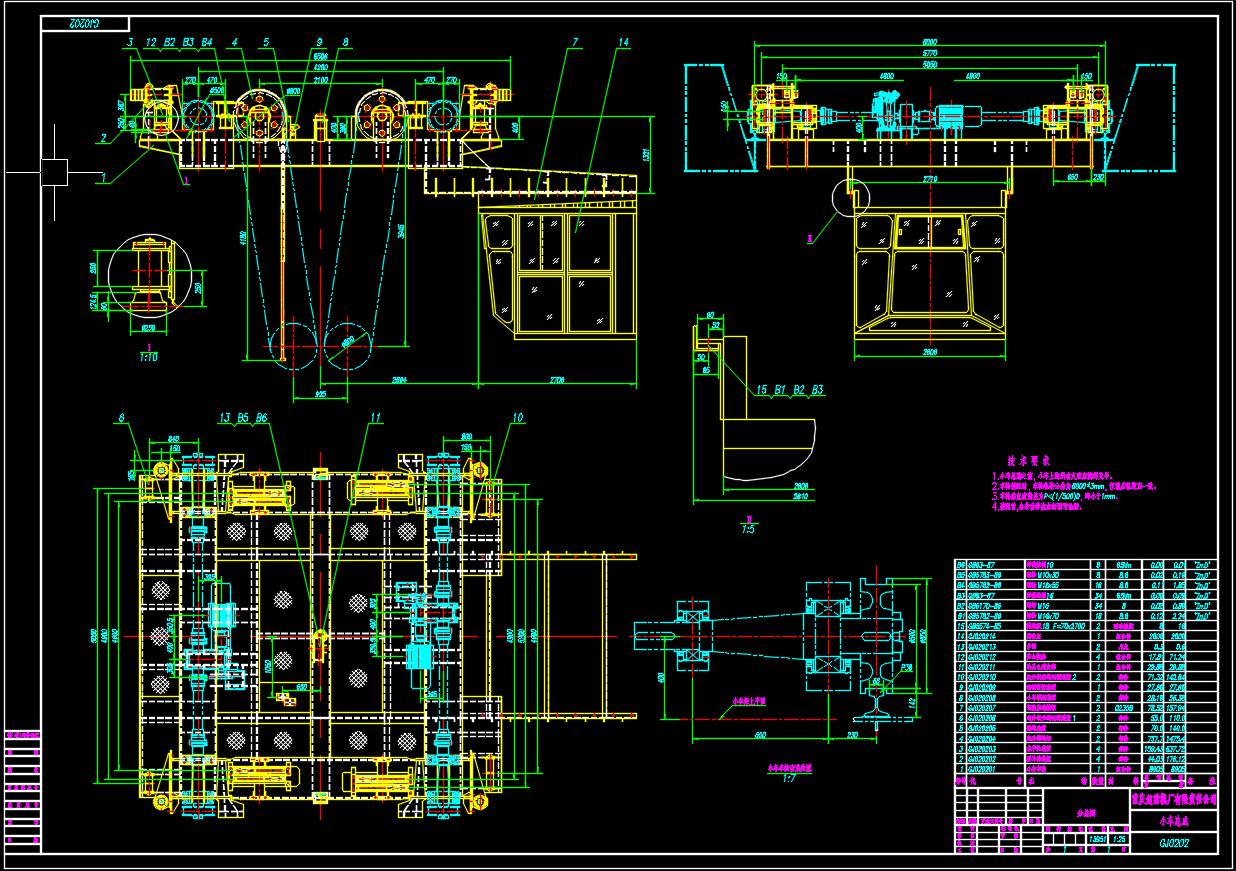
    Henan Mine Crane’s documented 360-ton foundry-crane project for Jinsheng’an Group was configured for a heavy casting workshop. The disclosed structure comprises four girders, four rails and dual trolleys, supporting high-capacity molten-metal and foundry production duties.

    • The main and auxiliary load cases required separate definition.
    • Thermal exposure affected structural, mechanical and electrical protection.
    • The crane and workshop runway had to be coordinated around a multi-rail load path.
    • Production duties, mould handling and maintenance loads required an approved operating envelope.

    This project demonstrates the relationship between operating conditions and configuration; it is not a standard specification for another plant.

    Foundry Crane RFQ Checklist

    The following package provides a practical basis for a preliminary technical proposal. Final design should follow approved drawings, site verification, risk assessment and the applicable standard.

    Process Documents

    Foundry flow diagram; crane task list; furnace, treatment and pouring stations; ladle route; normal and emergency set-down points; operating procedure and personnel exclusion zones.

    Load and Ladle Documents

    Load schedule; liquid-metal and complete ladle masses; attachment mass; ladle and trunnion GA; lifting beam/plate-hook drawing; centre of gravity; tilt point and permitted combinations.

    Production and Environment

    Cycle and load histograms; shifts and annual hours; availability target; ambient/radiant heat map; load temperature; dust and fume data; corrosion and hazardous-area classification where applicable.

    Building and Runway

    Building and runway drawings; span, rail elevation and section; clearances; allowable reactions; electrification; maintenance platforms; installation openings; erection route and shutdown window.

    Controls and Safety

    Operating modes; speed and positioning targets; process I/O; communication protocol; safety-function specification; alarm and interlock matrix; power-loss response and recovery philosophy.

    Commercial and Acceptance Scope

    Destination and standards; power supply; Incoterm; runway/conductor boundary; installation; commissioning; load-test responsibility; FAT/SAT; training; spare parts; manuals and document language.

    Frequently Asked Questions

    What is the minimum information needed for a preliminary foundry crane selection?

    At minimum: process duty, maximum complete suspended load, ladle and trunnion drawing, span, lift, movement route, cycles per hour, load spectrum, thermal conditions, runway data, control mode, power supply, destination and governing standard.

    Is molten-metal weight enough to determine crane capacity?

    The load schedule must include the ladle shell and lining, residual material, lifting beam or gantry hook, plate hooks, tooling and every permitted combined load. The rated-load definition must be stated in the technical agreement.

    Does every foundry crane require A7 or A8 working class?

    No universal class should be assigned from the industry name alone. Classification follows the governing standard, cycle count, load spectrum, movement and design life. Crane and individual mechanisms may also require different classifications.

    How should foundry heat conditions be described?

    Provide minimum and maximum ambient temperatures at crane level, the temperature and location of furnaces and ladles, distance from the crane, duration of exposure, radiant-heat measurements or heat map, and splash or flame zones.

    Can a general metallurgical crane lift a filled ladle?

    Only when the exact molten-metal load case, attachment, braking architecture, thermal protection, controls, inspection provisions and destination requirements have been engineered, verified and accepted. The product name is not evidence of suitability.

    When should a separate maintenance crane be specified?

    A separate crane should be evaluated when moulds, furnace components, ladle covers or repair work would interrupt production, require a conflicting attachment, enter a different heat zone or reduce the availability of the primary ladle crane.

    Classification principles were cross-checked against ISO 4301-1, and the inspection context against ISO 9927-1 and ISO 9927-5.

    Discuss the crane arrangement for your project.

    Submit the process duty, complete load schedule, ladle and trunnion drawings, movement route, cycle and load histograms, heat conditions, span and lift, runway drawings, control requirements, power supply, destination standards and project boundary. Henan Mine Crane will prepare a condition-based crane configuration and commercial scope.

    Related crane configurations

    Double Girder Casting Crane

    View product parameters
    Lifting capacity: 75/20–200/50 tSpan: 10m – 35mLifting height: 6m – 25m

    Lift and transfer molten-metal ladles with a YZ casting crane configured for the full suspended load and casting process. Review ladle interfaces, thermal exposure and the operating sequence together.

    Four Beam Casting Crane

    View product parameters
    Lifting capacity: 125/32–320/80 tSpan: 10m~40mLifting height: 6m~30m

    Handle molten-metal ladles with a YZS four-beam casting crane. Main and auxiliary trolley functions, thermal exposure and the lifting sequence are selected for the casting process.

    Updated 2026 · Henan Mine Crane
  • Smart Warehouse Crane Manufactured by Henan Mine Crane

    Smart Warehouse Crane Manufactured by Henan Mine Crane

    Crane application

    Smart Warehouse Crane Manufactured by Henan Mine Crane

    Review the smart warehouse crane applications. Review storage geometry, material flow, lifting loads and required automation interfaces.

    Smart Warehouse Crane Manufactured by Henan Mine Crane — Henan Mine Crane crane application photograph
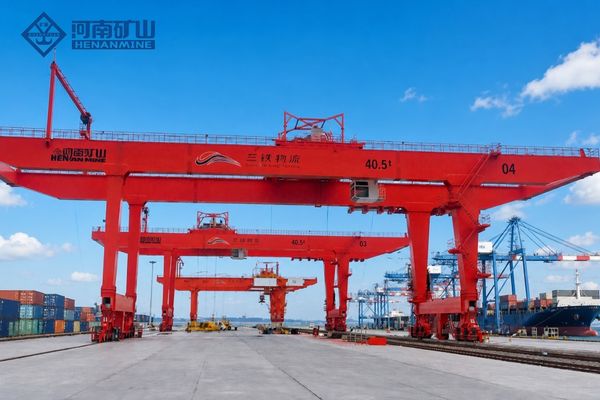
    Smart Warehouse Crane Manufactured by Henan Mine Crane — crane application overview.

    Container and warehouse handling

    Map the load units, storage or yard lanes, stacking height, travel route, handling cycle, building or rail clearances and vehicle interfaces. Specify the operating wind, power and communication conditions where applicable.

    Crane configuration and interfaces

    Ask for a general arrangement, wheel loads, spreader or lifting attachment scope, travel and positioning controls, protection functions and commissioning tests for the declared handling sequence.

    Review the Overhead crane range and Warehousing & logistics cranes before defining the project-specific arrangement.

    Design the lifting process

    Use the project context above as a starting point. The following checks turn a crane application into a technical scope that suppliers can price and demonstrate for your site.

    Production route and coverage

    Mark the incoming material point, production stations, storage positions and dispatch area on one layout. Record the heaviest regular load, unusual maintenance load, dimensions, lifting points and frequency of each move. A crane sized only for the maximum load can still obstruct the production route if hook approach, building height or column spacing is overlooked. For high-bay storage, identify the rack envelope and the clearance required while a load is suspended.

    Automation and environmental interface

    Define whether positioning is manual, assisted or automatic, and list the signals exchanged with warehouse or production software. Specify what happens when a location is occupied or a load cannot be identified. A cold store adds condensation, temperature transition and access constraints; a clean production area may add particle and material requirements. Describe these conditions explicitly so the electrical package, lubrication, protection and inspection method can be designed for them.

    Offer comparison and handover

    Ask for a general arrangement, hook coverage diagram, runway and wheel-load data, duty selection, control narrative and maintenance access plan. State whether rails, conductors, building reinforcement, controls integration and operator training are included. Site acceptance should repeat representative moves between real stations, check limit protection and demonstrate recovery from an interrupted automated cycle. This is more useful than comparing only rated capacity, span and a headline price.

    Compare the proposed crane scope

    DecisionInformation to request
    Crane and lifting attachmentRated loads, load cases, hook coverage and the complete suspended-load calculation.
    Site interfacesRunway loads, rail or building drawings, electrical supply and installation responsibilities.
    Controls and protectionOperating sequence, required safety functions and a method for testing each function.
    Commercial scopeEquipment, transport, installation, commissioning, documentation, training and spare parts as separate line items.

    From technical offer to site acceptance

    Technical submittals

    A usable bid should show a general arrangement and a clear list of assumptions, not just a model name and capacity. Request the load schedule used in design, lifting-attachment drawings where applicable, span and hook-approach dimensions, wheel loads, electrical supply, control narrative and maintenance access. Check every drawing against the actual building or yard layout. Identify the standards and local approval requirements for the destination market in the enquiry, then confirm the bidder’s proposed design and documentation scope in writing.

    Installation and tests

    Agree when the runway or civil works will be ready, how crane components can reach the installation position and who provides lifting equipment for erection. Define the factory test, on-site installation inspection and site acceptance as separate milestones. The acceptance procedure should list representative loads, the travel route, protection devices, emergency stop and any automation or attachment functions included in the order. Record who supplies test weights, operators, power and access equipment; otherwise a nominal commissioning price may omit essential site work.

    Commercial comparison

    Ask for the same delivery basis and currency across proposals. Separate the crane, special lifting appliances, rails or conductors, transport, installation support, commissioning, training and initial spare parts. Lead time should identify the starting event, such as approved drawings or an effective contract, and any dependency on site readiness. Compare warranty scope and service response by the written contract terms. If a key input is still unknown, request a priced option or a stated assumption instead of allowing different bidders to silently use different specifications. Keep a written exception register so the engineering team can resolve open dimensions, process interfaces and responsibility boundaries before issuing the purchase order.

    Information to include in the enquiry

    • Load weights, dimensions, centre of gravity and lifting attachments.
    • Span, lifting height, runway or yard drawings, travel coverage and clearances.
    • Operating cycle, working environment, electrical supply and control requirements.
    • Supply boundaries, inspection documents, installation support and acceptance criteria.

    Discuss a comparable lifting task

    Send the handling task and available site drawings. Henan Mine Crane can define a proposed crane arrangement and identify the remaining information needed for a technical and commercial review.

  • Yacht Handling Crane Capacity: Vessel Weight and Sling Arrangement

    Yacht Handling Crane Capacity: Vessel Weight and Sling Arrangement

    Technical guide

    Yacht Handling Crane Capacity: Vessel Weight and Sling Arrangement

    A marina lifting brief needs the vessel's verified lifting weight and approved support arrangement. Show hull dimensions, sling positions, lifting points and the transfer route before discussing a suitable crane capacity.

    Henan Mine CraneTechnical guide · Updated 2026Crane selection, project scope and operating requirements
    Yacht Handling Crane Capacity: Vessel Weight and Sling Arrangement
    Henan Mine Crane lifting equipment
    Project planning notes

    Key points for this crane project.

    1. What Load Capacity Actually Means for a Marina Crane
    2. Crane Types Used in Marinas and Their Typical
    3. Matching Capacity to Your Marina’s Vessel Mix
    Read the technical guide

    What Load Capacity Actually Means for a Marina Crane

    Every marina crane or travel lift is rated by its lifting capacity, expressed as a Safe Working Load (SWL) in metric or short tons. This figure already builds in a structural safety factor it is not the absolute point of mechanical failure but the maximum load the manufacturer certifies as safe under normal operating conditions.

    It's worth distinguishing gross capacity from net capacity. For heavier lifts, the difference matters: rigging gear alone can consume several tons of a crane's rated capacity, so the true available load for the vessel itself is always somewhat below the number printed on the spec sheet.

    For travel lifts specifically, capacity also interacts with the sling arrangement.

    Crane Types Used in Marinas and Their Typical Capacity Ranges

    Marinas typically rely on a mix of equipment rather than one universal crane. Matching the type to the task avoids paying for capacity you don't need on routine jobs.

    Crane TypeBest For
    Davit craneTenders, jet skis, dinghies; space-constrained docks
    Jib craneEngine/gearbox removal, mast stepping, quayside component handling
    Marine gantry craneFixed-rail installations spanning a work area
    Mobile boat hoist / travel liftFull vessel haul-out, launching, and yard transport
    Shipboard/knuckle-boom craneCargo handling and onboard equipment transfer

    Davit cranes are the most space-efficient option and are common on yachts themselves for launching tenders, but their lifting capacity is limited and they require secure anchoring against lateral forces. Jib cranes are the workhorse of daily marina tasks a single vertical column anchor-bolted to a concrete pad, with a horizontal boom that rotates to cover a working radius, ideal for jobs like engine servicing rather than full vessel extraction.

    Mobile boat hoists (also called travel lifts) are a different category altogether. They straddle the vessel in a haul-out slip on a wheeled, self-propelled frame, pass slings under the hull, and lift the boat completely clear of the water. This is the equipment class that actually determines a marina's maximum vessel size, since jib and gantry cranes handle components, not whole boats.

    Matching Capacity to Your Marina’s Vessel Mix

    The right tonnage class depends heavily on the type of facility you're running:

    Rather than sizing to your "typical" boat, size to the heaviest vessel you currently service or plan to service a single oversized haul-out request that you can't fulfill costs you both the job and the client relationship.

    Our engineering team supports customers from project consultation and equipment selection to manufacturing, installation guidance, and long-term after-sales service.

    Vessel-Specific Factors That Affect Sizing

    Tonnage isn't the only variable. Several vessel characteristics change what a crane needs to handle physically, independent of raw weight:

    • Draft depth:deep-draft sailing yachts with fin keels require slings to be positioned and managed at significant depth from the dock surface, which affects lift frame height and haul-out slip design, not just capacity.
    • Beam width:modern yachts and catamarans are trending wider, which affects pier spacing and the inside clear width a travel lift needs to straddle the vessel.
    • Hull shape and mass distribution:catamarans, trimarans, and vessels with uneven contents may require dual-point lifting or custom sling positions, placing asymmetrical loads on the crane structure that a simple tonnage rating doesn't capture.
    • Tidal range:variation in water level at the haul-out slip needs to be factored into sling positioning and access planning.

    A crane sized correctly on tonnage alone can still be the wrong choice if it can't physically accommodate these hull-specific factors.

    Infrastructure Requirements at Different Capacity Levels

    Capacity decisions and civil infrastructure decisions can't be separated. A heavy-duty hoist concentrates enormous point loads onto a small number of tire contact patches, rather than distributing weight the way a standard vehicle does. That has direct construction implications:

    • Runway thickness:typically scales from standard slabs up to 10–18 inches of high-PSI reinforced concrete for heavier hoist classes, with dense rebar grids required to prevent cracking under repeated loading.
    • Geotechnical review:becomes necessary at higher capacities, since waterfront soil is often soft silt, clay, or reclaimed land that may need soil borings and, in some cases, deep pile foundations to prevent uneven settlement.
    • Haul-out ramp specification:a reinforced ramp with a defined slope, typically in the 1:10 to 1:15 gradient range, along with load-rated hardstanding for vessel storage, is required for travel lift installations.
    • Pier and slip clearance:must accommodate the widest vessels the facility intends to serve, factoring in the trend toward wider modern hulls.

    Before committing to a capacity class, it's worth budgeting the infrastructure cost alongside the equipment cost the crane purchase price is often the smaller of the two line items at higher tonnage levels.

    Planning for Growth: Why Undersizing Costs More Long-Term

    Vessel sizes across both recreational and commercial marine markets have trended consistently larger over recent decades, and a marina correctly specified for today's fleet often finds itself needing higher capacity within the operational life of the equipment. A correctly specified boat hoist represents a 25-to-30-year capital investment, and the incremental cost of stepping up one capacity tier at initial purchase is consistently lower than retrofitting or supplementing undersized equipment later.

    Practically, this means: if your analysis puts you between two standard capacity tiers, the growth-oriented choice is almost always to round up rather than down.

    Environmental and Duty-Cycle Considerations

    How often and how intensively a crane operates changes what capacity and build quality you actually need, beyond the raw tonnage figure. Light-duty, seasonal marinas can typically use smaller-capacity equipment with lower duty ratings, while commercial shipyards or high-throughput operations need continuous-duty systems built with stronger components and higher-powered drive systems to handle sustained daily cycling.

    Marine environments also degrade equipment faster than land-based use. Saltwater exposure calls for corrosion-resistant construction and protective coatings, and in regions with high wind exposure, load charts and permitted lifting conditions may need to account for reduced safe capacity in gusty conditions.

    Common Sizing Mistakes and How to Avoid Them

    1. Sizing to the average boat instead of the heaviest one. A crane rated for your typical vessel will fail you the first time an outlier arrives.
    2. Ignoring rigging weight. Slings, spreader bars, and hooks eat into net capacity verify the crane's net rating, not just the gross figure.
    3. Overlooking hull geometry. A tonnage-appropriate crane can still be wrong for a wide catamaran or deep-draft sailboat if frame height and slip width weren't checked.
    4. Underbuilding the infrastructure. A correctly rated crane on an undersized concrete runway is still a safety failure waiting to happen.
    5. Skipping the growth calculation. Buying exactly to today's fleet, with no margin, guarantees a costly upgrade cycle sooner than expected.

    Discuss the crane arrangement for your project.

    A marina lifting brief needs the vessel's verified lifting weight and approved support arrangement. Show hull dimensions, sling positions, lifting points and the transfer route before discussing a suitable crane capacity. Share the load, available drawings, working cycle and site conditions with Henan Mine Crane so the required configuration and supply boundary can be discussed.

    Related crane configurations

    Explore crane product families and technical parameters ↗

    Updated 2026 · Henan Mine Crane
  • Henan Mine Crane manufactures specialized cranes for subway construction

    Henan Mine Crane manufactures specialized cranes for subway construction

    Crane application

    Henan Mine Crane manufactures specialized cranes for subway construction

    Review the metro construction crane applications. Review component loads, lifting points, rail geometry and construction-site requirements.

    Henan Mine Crane manufactures specialized cranes for subway construction — Henan Mine Crane crane application photograph
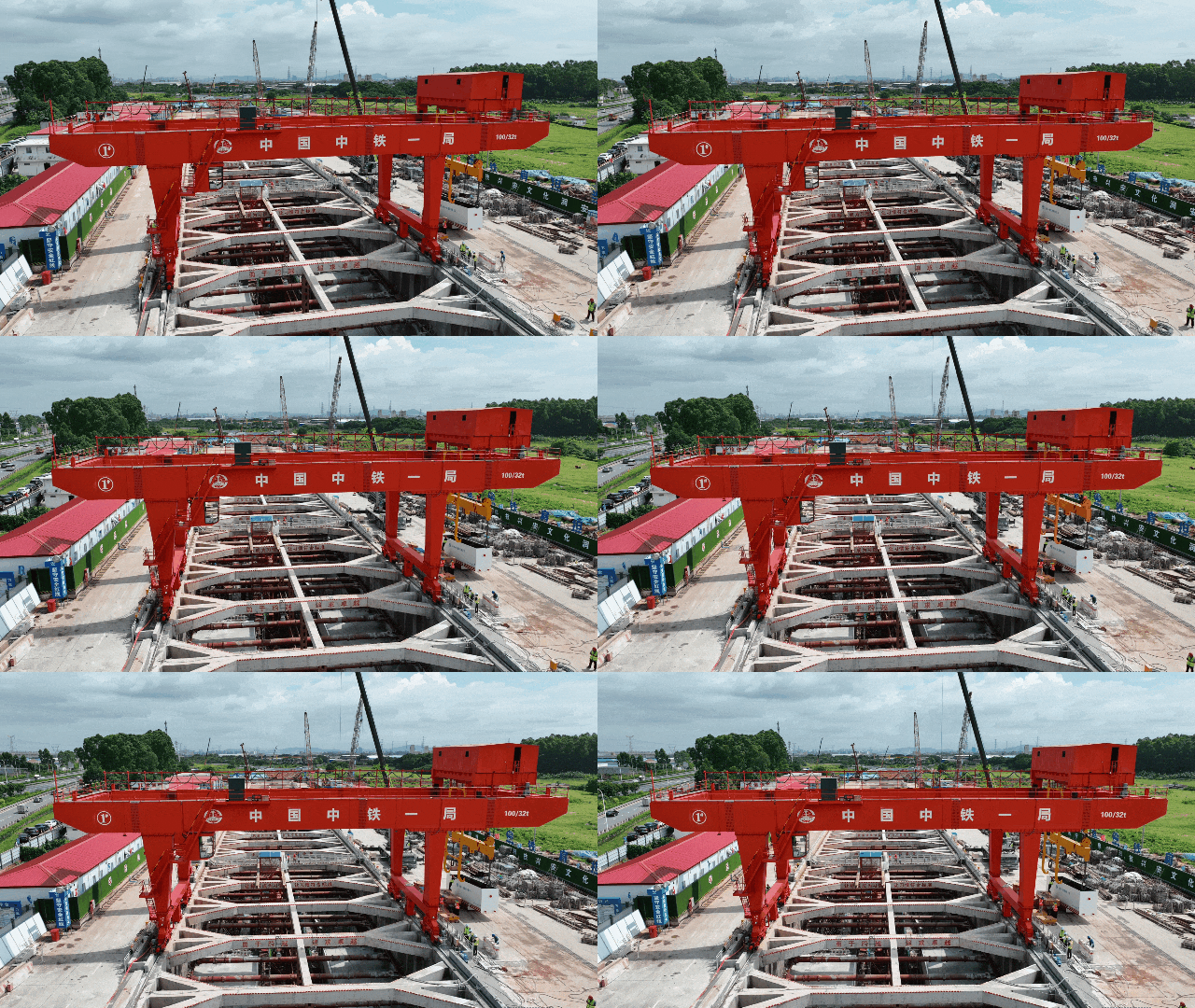
    Henan Mine Crane manufactures specialized cranes for subway construction — crane application overview.

    Heavy construction lifting

    Confirm the full component weight including rigging, centre of gravity, lifting points, assembly sequence, ground conditions and required travel envelope. Coordinate the crane with the temporary works and construction schedule.

    Crane configuration and interfaces

    Ask for lifting and travel arrangements, support reactions, wind limits, erection and dismantling method, site interfaces and acceptance tests for the proposed construction duty.

    Review the Double-girder gantry cranes and Engineering & construction cranes before defining the project-specific arrangement.

    Design the lifting process

    Use the project context above as a starting point. The following checks turn a crane application into a technical scope that suppliers can price and demonstrate for your site.

    Lifting plan before equipment size

    Provide the heaviest assembly including rigging, the centre of gravity, lifting points and the sequence of picks. Identify each temporary support and the permitted wind and ground conditions during the lift. Large structures may need paired hoists, synchronous travel or staged positioning, but these functions should follow the engineered lifting method. A headline capacity cannot establish whether the crane can pass columns, clear temporary works or place a segment in its final orientation.

    Site geometry and movement

    Share the worksite plan, longitudinal travel length, span, outreach, erection area and transport constraints. Show where the crane can be assembled, how components reach the site and how the machine will be dismantled. For rail or metro work, define the construction possessions and neighbouring operational systems. For bridge and caisson work, include foundation reactions, rail levels and the interface with launching, welding or alignment operations.

    Technical and commercial deliverables

    Request general arrangement and wheel-load drawings, lifting and travel procedures, wind operating limits, installation method, inspection points and acceptance test plan. Separate the supply of foundations, tracks, power, lifting beams and temporary works. Require a method for verifying synchronized motions and emergency stops under the agreed load cases. Delivery schedules should be reviewed against site readiness and the construction programme rather than copied from an unrelated project case.

    Compare the proposed crane scope

    DecisionInformation to request
    Crane and lifting attachmentRated loads, load cases, hook coverage and the complete suspended-load calculation.
    Site interfacesRunway loads, rail or building drawings, electrical supply and installation responsibilities.
    Controls and protectionOperating sequence, required safety functions and a method for testing each function.
    Commercial scopeEquipment, transport, installation, commissioning, documentation, training and spare parts as separate line items.

    From technical offer to site acceptance

    Technical submittals

    A usable bid should show a general arrangement and a clear list of assumptions, not just a model name and capacity. Request the load schedule used in design, lifting-attachment drawings where applicable, span and hook-approach dimensions, wheel loads, electrical supply, control narrative and maintenance access. Check every drawing against the actual building or yard layout. Identify the standards and local approval requirements for the destination market in the enquiry, then confirm the bidder’s proposed design and documentation scope in writing.

    Installation and tests

    Agree when the runway or civil works will be ready, how crane components can reach the installation position and who provides lifting equipment for erection. Define the factory test, on-site installation inspection and site acceptance as separate milestones. The acceptance procedure should list representative loads, the travel route, protection devices, emergency stop and any automation or attachment functions included in the order. Record who supplies test weights, operators, power and access equipment; otherwise a nominal commissioning price may omit essential site work.

    Commercial comparison

    Ask for the same delivery basis and currency across proposals. Separate the crane, special lifting appliances, rails or conductors, transport, installation support, commissioning, training and initial spare parts. Lead time should identify the starting event, such as approved drawings or an effective contract, and any dependency on site readiness. Compare warranty scope and service response by the written contract terms. If a key input is still unknown, request a priced option or a stated assumption instead of allowing different bidders to silently use different specifications. Keep a written exception register so the engineering team can resolve open dimensions, process interfaces and responsibility boundaries before issuing the purchase order.

    Information to include in the enquiry

    • Load weights, dimensions, centre of gravity and lifting attachments.
    • Span, lifting height, runway or yard drawings, travel coverage and clearances.
    • Operating cycle, working environment, electrical supply and control requirements.
    • Supply boundaries, inspection documents, installation support and acceptance criteria.

    Discuss a comparable lifting task

    Send the handling task and available site drawings. Henan Mine Crane can define a proposed crane arrangement and identify the remaining information needed for a technical and commercial review.

  • Henan Mine Crane-Manufactured Crane for Electrolytic Aluminum Production

    Henan Mine Crane-Manufactured Crane for Electrolytic Aluminum Production

    Crane application

    Henan Mine Crane-Manufactured Crane for Electrolytic Aluminum Production

    Review the electrolytic aluminum crane applications. Review the handling task, load geometry, working duty and equipment interfaces for your application.

    Henan Mine Crane-Manufactured Crane for Electrolytic Aluminum Production — Henan Mine Crane crane application photograph
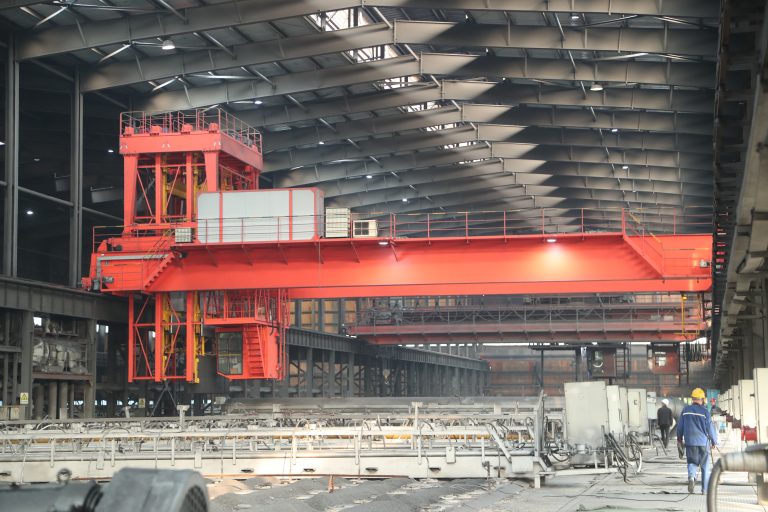
    Henan Mine Crane-Manufactured Crane for Electrolytic Aluminum Production — crane application overview.

    Energy and materials production

    Specify the product or component geometry, process exposure, lifting attachment, handling frequency, working environment and any clean, corrosive or classified-area requirements.

    Crane configuration and interfaces

    Ask for the applicable equipment configuration, area classification where relevant, mechanical and electrical interfaces, inspection access and a site-specific test plan.

    Review the Metallurgical overhead cranes and Energy & new materials cranes before defining the project-specific arrangement.

    Design the lifting process

    Use the project context above as a starting point. The following checks turn a crane application into a technical scope that suppliers can price and demonstrate for your site.

    Process-specific load definition

    Describe whether the crane handles anodes, carbon blocks, bath materials, finished coils or maintenance components. Give the unit size, mass, stacking geometry, handling frequency and lifting attachment. Electrolytic operations may expose equipment to heat, dust and a corrosive atmosphere; these values should come from the plant design. A lifting solution for blocks or containers cannot be selected solely from the main-hook capacity.

    Attachment and control scope

    Specify how each load is gripped or supported and how a safe release is confirmed. Automated stacking requires identified storage positions, obstruction handling, sensor inputs and a recovery method after interruption. Request the approach and clearance drawing, control narrative and electrical interface before accepting a quoted level of automation. Include inspection access and the replacement plan for wear components in the handling attachment.

    Acceptance with representative materials

    Compare offers using the same load cases, cycle distances, duty, building geometry and operating environment. The supplier should identify crane, attachment and plant-interface supply boundaries. A site trial should handle representative units and verify grip confirmation, placement, limits, emergency stop and controlled restart. Ask for documentation of applicable environmental protections and maintenance procedures rather than relying on a general statement about a “special crane”.

    Compare the proposed crane scope

    DecisionInformation to request
    Crane and lifting attachmentRated loads, load cases, hook coverage and the complete suspended-load calculation.
    Site interfacesRunway loads, rail or building drawings, electrical supply and installation responsibilities.
    Controls and protectionOperating sequence, required safety functions and a method for testing each function.
    Commercial scopeEquipment, transport, installation, commissioning, documentation, training and spare parts as separate line items.

    From technical offer to site acceptance

    Technical submittals

    A usable bid should show a general arrangement and a clear list of assumptions, not just a model name and capacity. Request the load schedule used in design, lifting-attachment drawings where applicable, span and hook-approach dimensions, wheel loads, electrical supply, control narrative and maintenance access. Check every drawing against the actual building or yard layout. Identify the standards and local approval requirements for the destination market in the enquiry, then confirm the bidder’s proposed design and documentation scope in writing.

    Installation and tests

    Agree when the runway or civil works will be ready, how crane components can reach the installation position and who provides lifting equipment for erection. Define the factory test, on-site installation inspection and site acceptance as separate milestones. The acceptance procedure should list representative loads, the travel route, protection devices, emergency stop and any automation or attachment functions included in the order. Record who supplies test weights, operators, power and access equipment; otherwise a nominal commissioning price may omit essential site work.

    Commercial comparison

    Ask for the same delivery basis and currency across proposals. Separate the crane, special lifting appliances, rails or conductors, transport, installation support, commissioning, training and initial spare parts. Lead time should identify the starting event, such as approved drawings or an effective contract, and any dependency on site readiness. Compare warranty scope and service response by the written contract terms. If a key input is still unknown, request a priced option or a stated assumption instead of allowing different bidders to silently use different specifications. Keep a written exception register so the engineering team can resolve open dimensions, process interfaces and responsibility boundaries before issuing the purchase order.

    Information to include in the enquiry

    • Load weights, dimensions, centre of gravity and lifting attachments.
    • Span, lifting height, runway or yard drawings, travel coverage and clearances.
    • Operating cycle, working environment, electrical supply and control requirements.
    • Supply boundaries, inspection documents, installation support and acceptance criteria.

    Discuss a comparable lifting task

    Send the handling task and available site drawings. Henan Mine Crane can define a proposed crane arrangement and identify the remaining information needed for a technical and commercial review.

  • QB Explosion-Proof Crane Capacity for Chemical and Oil-Gas Sites

    QB Explosion-Proof Crane Capacity for Chemical and Oil-Gas Sites

    Technical guide

    QB Explosion-Proof Crane Capacity for Chemical and Oil-Gas Sites

    Capacity selection must sit alongside the site's hazardous-area requirements. Provide the complete suspended load, handling dimensions and area classification so the proposed QB arrangement addresses both the lifting task and installation conditions.

    Henan Mine CraneTechnical guide · Updated 2026Crane selection, project scope and operating requirements
    Henan Mine Crane Clean Explosion Proof Bridge Crane
    Henan Mine Crane Clean Explosion Proof Bridge Crane
    Project planning notes

    Key points for this crane project.

    1. What Is a QB Crane?
    2. How Duty Class (A3–A5) Affects Which Capacity You
    3. Matching Load Capacity to Oil & Gas / Chemical Plant
    Read the technical guide

    What Is a QB Crane?

    A QB crane is a double-girder, top-running overhead crane built with explosion-proof electrical components throughout motor, hoist, control panel, pendant, limit switches, and cable routing. The "QB" designation is standard across most Chinese and Asian crane manufacturers and denotes a flameproof (Ex d) double-girder bridge crane rated for use in classified hazardous areas.

    The gas group IIB or IIC determines which specific gases the crane is rated to operate safely around, a distinction covered in more detail below.

    Unlike a standard industrial overhead crane, every spark-capable component on a QB unit is either eliminated or enclosed to contain any internal ignition, preventing it from reaching the surrounding atmosphere. This is why QB cranes carry a meaningful cost premium over a standard double-girder crane of equivalent capacity and why getting the capacity specification right the first time matters so much.

    How Duty Class (A3–A5) Affects Which Capacity You Actually Need

    Tonnage alone doesn't tell you whether a QB crane is correctly specified. Duty class governed by ISO 4301 / FEM 1.001 determines how many lift cycles and what load spectrum the crane's structure and drivetrain are engineered to handle over their service life. For QB cranes, duty class typically runs from A3 to A5, with A5 as the practical ceiling for this series.

    This matters because two plants needing the same 20-ton lift can require very different cranes:

    • A3–A4 (light duty):Batch-process operations with real rest time between lifts maintenance turnarounds, occasional drum handling, infrequent equipment swaps. Roughly 10–30 cycles per shift is typical.
    • A5 (the QB maximum):Regular, near-daily lifting without the extended idle periods of A3–A4, but still short of continuous production-line cycling.

    If your actual usage pattern is closer to continuous multi-shift lifting for example, a reactor feed operation running 40+ cycles an hour across three shifts that workload exceeds what any QB-class crane is designed for. Running that duty cycle on an A5-rated crane pushes the gearbox, hoist motor, and structural welds beyond their fatigue design life, leading to premature failure and unplanned maintenance inside a Zone 1 classified area which is a safety event, not just a maintenance headache.

    1. Average load as a percentage of maximum rated capacity

    Your crane supplier should calculate duty class from this data rather than defaulting to a conservative guess both under- and over-specifying carry real cost consequences.

    Matching Load Capacity to Oil & Gas / Chemical Plant Tasks

    Different areas of an oil and gas or chemical facility generate very different lift profiles. Mapping your task type to a realistic capacity band avoids both under-spec risk and unnecessary overspend:

    Petrochemical reactor and pressure-vessel installation during turnarounds is consistently the heaviest recurring lift category, which is why plants with active turnaround programs often specify the upper end of the QB range even if day-to-day lifting rarely approaches that tonnage. It's common and reasonable for a single facility to run more than one QB crane at different capacities across different bays rather than oversizing one unit for the whole plant.

    Step-by-Step: How to Calculate the Load Capacity You Need

    Sizing a crane by "the heaviest thing we lift" alone is a common and costly shortcut. Use this sequence instead:

    • Determine the maximum actual net weight of equipment/component itself: the data specified in the technical specification of equipment and freight list shall prevail. It is forbidden to adopt estimated value and calculate the heaviest single weight actually required to be hoisted on site.
    • Weight of all lifting tools and accessories included: lifting rigging, balance lifting beam, shackle, lifting beam and crane hook group, etc., all supporting lifting equipment weight shall be included in the total load to be carried by the crane.
    • Considering dynamic load additional coefficient: during hoisting process, component deviation, swing and start-stop impact will produce additional load exceeding static dead weight, especially when reactor special-shaped components and suspended pipelines are hoisted in sections, so dynamic load allowance must be reserved.
    • The two calculation methods are essentially equivalent and are used to reserve safety buffer intervals.
    • In addition to tonnage, synchronous check crane working level: even if the rated lifting capacity of the crane meets the load requirements, if the working cycle frequency does not match the field operation conditions, it is still a selection error.

    QB vs. LB (Single Girder): When 75 Tons Isn’t the Right Question

    Before finalizing the purchase order for QB crane, verify whether the double girder crane is actually required for the working condition.

    QB double-beam crane shall be selected to meet any of the following working conditions:

    • The field conditions require higher lifting height
    • This advantage is especially critical when lifting operations are carried out in narrow areas such as close to plant walls and reactor nozzles.

    Under this tonnage, the type selection cannot be based on the lifting weight alone, but needs to be comprehensively judged in combination with the operation span, lifting height and working level to select the model with better cost performance and adaptability.

    Gas Group & Zone Classification's Effect on Capacity Selection

    Load capacity and hazardous-area rating are specified independently, but both must be confirmed together before ordering. QB cranes are most commonly rated:

    • ExdIIBT4:the standard default configuration, covering the majority of industrial hazardous atmospheres including hydrogen sulfide, ethylene, propylene, and most petroleum and solvent vapors. This is correct for the large majority of petrochemical transfer, refinery, and fuel storage applications.
    • ExdIICT4:required only where hydrogen or acetylene are present, the two most ignition-sensitive gases found in chemical synthesis and some specialty processes.

    Your facility's hazardous area classification document not a general assumption about "the oil and gas industry" should specify which gas group and zone (Zone 1, Zone 2, Zone 21/22 for dust) applies to the specific bay where the crane will operate.

    Common Overspec/Underspec Mistakes in Oil & Gas Procurement

    Three patterns show up repeatedly in QB crane procurement, and both directions of error are expensive:

    • Sizing to the nameplate weight only. Teams frequently specify capacity from an equipment datasheet weight alone, without adding rigging, lifting devices, or a safety margin leaving no buffer for the real-world lift.
    • Ignoring duty class in favor of tonnage. A crane rated for the correct maximum weight but installed in a higher-cycle-frequency application than its duty class supports will fail structurally years ahead of its design life inside a classified hazardous area, where unplanned maintenance carries outsized risk.
    • Defaulting to IIC "to be safe."Specifying the higher gas group as a blanket precaution, rather than confirming actual area classification, adds unnecessary cost without a corresponding safety benefit if the facility's actual atmosphere only requires IIB.

    The fix in all three cases is the same: pull actual cycle, shift, and area-classification data before the RFQ stage rather than after installation reveals the mismatch.

    Cost Implications of Capacity & Duty Class

    Capacity and duty class are the two largest cost drivers on a QB crane order, and they interact rather than stacking independently:

    Specifying accurately upfront correct tonnage, correct duty class, correct gas group is consistently cheaper over the crane's service life than either an oversized "just in case" order or an undersized unit that fails early.

    Frequently Asked Questions

    What is the maximum load capacity of a QB explosion-proof crane?

    Heavy-duty custom configurations for reactor and pressure-vessel installation can extend well beyond that on a project-engineered basis.

    What duty class should a QB crane in an oil and gas plant use?

    QB cranes are typically rated A3 to A5, with A5 as the practical maximum for this series. The correct class depends on your daily lift-cycle count and shift pattern, not on tonnage alone.

    Is gas group IIB or IIC required for a QB crane?

    Gas group IIB covers most petroleum and chemical vapors, including hydrogen sulfide and ethylene, and is the default rating for QB cranes. IIC is required only where hydrogen or acetylene are present in the classified area.

    How much safety margin should I add when specifying crane capacity?

    Should I choose a QB double-girder or LB single-girder crane?

    Discuss the crane arrangement for your project.

    Capacity selection must sit alongside the site's hazardous-area requirements. Provide the complete suspended load, handling dimensions and area classification so the proposed QB arrangement addresses both the lifting task and installation conditions. Share the load, available drawings, working cycle and site conditions with Henan Mine Crane so the required configuration and supply boundary can be discussed.

    Related crane configurations

    Clean Explosion Proof Bridge Crane

    View product parameters
    Lifting capacity: 1t – 32tSpan: 7.5m – 28.5mLifting height: 6m – 20m

    Combine overhead lifting with the declared cleanliness and hazardous-area requirements. Specify particle-control expectations, process exposure and area classification for the complete lifting system.

    Dual Trolley Explosion Proof Bridge Crane

    View product parameters
    Lifting capacity: 20+20tSpan: 10m – 35mLifting height: 6m – 30m

    Combine two-trolley handling with the declared hazardous-area specification. Coordinate hook loads, lifting sequence, electrical protection and operator controls for the complete installation.

    Updated 2026 · Henan Mine Crane
  • Henan Mine Crane-Manufactured Bridge Construction Specialized Crane

    Henan Mine Crane-Manufactured Bridge Construction Specialized Crane

    Crane application

    Henan Mine Crane-Manufactured Bridge Construction Specialized Crane

    Review the bridge construction crane applications. Review component loads, lifting points, rail geometry and construction-site requirements.

    Henan Mine Crane-Manufactured Bridge Construction Specialized Crane — Henan Mine Crane crane application photograph
    Henan Mine Crane-Manufactured Bridge Construction Specialized Crane — crane application overview.

    Heavy construction lifting

    Confirm the full component weight including rigging, centre of gravity, lifting points, assembly sequence, ground conditions and required travel envelope. Coordinate the crane with the temporary works and construction schedule.

    Crane configuration and interfaces

    Ask for lifting and travel arrangements, support reactions, wind limits, erection and dismantling method, site interfaces and acceptance tests for the proposed construction duty.

    Review the Double-girder gantry cranes and Engineering & construction cranes before defining the project-specific arrangement.

    Design the lifting process

    Use the project context above as a starting point. The following checks turn a crane application into a technical scope that suppliers can price and demonstrate for your site.

    Lifting plan before equipment size

    Provide the heaviest assembly including rigging, the centre of gravity, lifting points and the sequence of picks. Identify each temporary support and the permitted wind and ground conditions during the lift. Large structures may need paired hoists, synchronous travel or staged positioning, but these functions should follow the engineered lifting method. A headline capacity cannot establish whether the crane can pass columns, clear temporary works or place a segment in its final orientation.

    Site geometry and movement

    Share the worksite plan, longitudinal travel length, span, outreach, erection area and transport constraints. Show where the crane can be assembled, how components reach the site and how the machine will be dismantled. For rail or metro work, define the construction possessions and neighbouring operational systems. For bridge and caisson work, include foundation reactions, rail levels and the interface with launching, welding or alignment operations.

    Technical and commercial deliverables

    Request general arrangement and wheel-load drawings, lifting and travel procedures, wind operating limits, installation method, inspection points and acceptance test plan. Separate the supply of foundations, tracks, power, lifting beams and temporary works. Require a method for verifying synchronized motions and emergency stops under the agreed load cases. Delivery schedules should be reviewed against site readiness and the construction programme rather than copied from an unrelated project case.

    Compare the proposed crane scope

    DecisionInformation to request
    Crane and lifting attachmentRated loads, load cases, hook coverage and the complete suspended-load calculation.
    Site interfacesRunway loads, rail or building drawings, electrical supply and installation responsibilities.
    Controls and protectionOperating sequence, required safety functions and a method for testing each function.
    Commercial scopeEquipment, transport, installation, commissioning, documentation, training and spare parts as separate line items.

    From technical offer to site acceptance

    Technical submittals

    A usable bid should show a general arrangement and a clear list of assumptions, not just a model name and capacity. Request the load schedule used in design, lifting-attachment drawings where applicable, span and hook-approach dimensions, wheel loads, electrical supply, control narrative and maintenance access. Check every drawing against the actual building or yard layout. Identify the standards and local approval requirements for the destination market in the enquiry, then confirm the bidder’s proposed design and documentation scope in writing.

    Installation and tests

    Agree when the runway or civil works will be ready, how crane components can reach the installation position and who provides lifting equipment for erection. Define the factory test, on-site installation inspection and site acceptance as separate milestones. The acceptance procedure should list representative loads, the travel route, protection devices, emergency stop and any automation or attachment functions included in the order. Record who supplies test weights, operators, power and access equipment; otherwise a nominal commissioning price may omit essential site work.

    Commercial comparison

    Ask for the same delivery basis and currency across proposals. Separate the crane, special lifting appliances, rails or conductors, transport, installation support, commissioning, training and initial spare parts. Lead time should identify the starting event, such as approved drawings or an effective contract, and any dependency on site readiness. Compare warranty scope and service response by the written contract terms. If a key input is still unknown, request a priced option or a stated assumption instead of allowing different bidders to silently use different specifications. Keep a written exception register so the engineering team can resolve open dimensions, process interfaces and responsibility boundaries before issuing the purchase order.

    Information to include in the enquiry

    • Load weights, dimensions, centre of gravity and lifting attachments.
    • Span, lifting height, runway or yard drawings, travel coverage and clearances.
    • Operating cycle, working environment, electrical supply and control requirements.
    • Supply boundaries, inspection documents, installation support and acceptance criteria.

    Discuss a comparable lifting task

    Send the handling task and available site drawings. Henan Mine Crane can define a proposed crane arrangement and identify the remaining information needed for a technical and commercial review.

  • Four-Girder Casting Crane for Steel Mills Manufactured by Henan Mine Crane

    Four-Girder Casting Crane for Steel Mills Manufactured by Henan Mine Crane

    Crane application

    Four-Girder Casting Crane for Steel Mills Manufactured by Henan Mine Crane

    Review the four-girder casting crane applications. Review load definitions, process exposure, lifting arrangements and working duty for your project.

    Four-Girder Casting Crane for Steel Mills Manufactured by Henan Mine Crane — Henan Mine Crane crane application photograph
    Four-Girder Casting Crane for Steel Mills Manufactured by Henan Mine Crane — crane application overview.

    Steelmaking and metal handling

    Define the complete suspended load, ladle or steel-product geometry, process temperature, crane duty and safe travel path. For molten-metal work, include auxiliary lifting, heat shielding, redundant protections and inspection access in the specification.

    Crane configuration and interfaces

    Ask for the crane arrangement, hook and lifting appliance interfaces, runway loads, control and monitoring functions, inspection access and a test plan matched to the plant process.

    Review the Metallurgical overhead cranes and Steel & metallurgy cranes before defining the project-specific arrangement.

    Design the lifting process

    Use the project context above as a starting point. The following checks turn a crane application into a technical scope that suppliers can price and demonstrate for your site.

    Molten-metal lifting sequence

    Describe where a ladle is picked up, where it travels, how it is poured and how it is returned. Provide the mass of the ladle, lining, molten metal, lifting beam and rigging as separate inputs. The main-hook capacity alone does not define the crane: auxiliary-hook duty, hook spacing, approach, travel speed, plant clearances and the number of lifts per shift matter. If the process includes charging, tundish transfer or maintenance lifts, separate those cycles rather than assuming one arrangement can serve them all.

    Protection and maintainability

    For a hot shop, specify ambient and radiant temperatures at the bridge, trolley, electrical cabinets and operator position. Discuss heat shielding, cable routing, braking and overspeed protection, redundant functions where applicable, access for inspection and a safe maintenance position. These features need a project-specific risk assessment and applicable design standard; a catalogue label such as “metallurgical” does not establish suitability for molten-metal duty. Provide runway condition and building clearances so that protective equipment can be installed and serviced.

    What to compare at technical review

    Request general arrangement drawings, the mass calculation for the suspended load, main and auxiliary hook duties, duty classification, wheel loads, electrical interfaces and a list of protective functions. Compare each offer against the same process sequence and site drawings. Define factory and site acceptance tests for rated load, interlocks, brakes, limit switches and operational travel. Agree how production will be isolated during installation and how spare components will be supported. Published case tonnages describe those installations only; a new crane must be sized to its own process.

    Compare the proposed crane scope

    DecisionInformation to request
    Crane and lifting attachmentRated loads, load cases, hook coverage and the complete suspended-load calculation.
    Site interfacesRunway loads, rail or building drawings, electrical supply and installation responsibilities.
    Controls and protectionOperating sequence, required safety functions and a method for testing each function.
    Commercial scopeEquipment, transport, installation, commissioning, documentation, training and spare parts as separate line items.

    From technical offer to site acceptance

    Technical submittals

    A usable bid should show a general arrangement and a clear list of assumptions, not just a model name and capacity. Request the load schedule used in design, lifting-attachment drawings where applicable, span and hook-approach dimensions, wheel loads, electrical supply, control narrative and maintenance access. Check every drawing against the actual building or yard layout. Identify the standards and local approval requirements for the destination market in the enquiry, then confirm the bidder’s proposed design and documentation scope in writing.

    Installation and tests

    Agree when the runway or civil works will be ready, how crane components can reach the installation position and who provides lifting equipment for erection. Define the factory test, on-site installation inspection and site acceptance as separate milestones. The acceptance procedure should list representative loads, the travel route, protection devices, emergency stop and any automation or attachment functions included in the order. Record who supplies test weights, operators, power and access equipment; otherwise a nominal commissioning price may omit essential site work.

    Commercial comparison

    Ask for the same delivery basis and currency across proposals. Separate the crane, special lifting appliances, rails or conductors, transport, installation support, commissioning, training and initial spare parts. Lead time should identify the starting event, such as approved drawings or an effective contract, and any dependency on site readiness. Compare warranty scope and service response by the written contract terms. If a key input is still unknown, request a priced option or a stated assumption instead of allowing different bidders to silently use different specifications. Keep a written exception register so the engineering team can resolve open dimensions, process interfaces and responsibility boundaries before issuing the purchase order.

    Information to include in the enquiry

    • Load weights, dimensions, centre of gravity and lifting attachments.
    • Span, lifting height, runway or yard drawings, travel coverage and clearances.
    • Operating cycle, working environment, electrical supply and control requirements.
    • Supply boundaries, inspection documents, installation support and acceptance criteria.

    Discuss a comparable lifting task

    Send the handling task and available site drawings. Henan Mine Crane can define a proposed crane arrangement and identify the remaining information needed for a technical and commercial review.

  • STS Crane Capacity: Under-Spreader Load and Vessel Requirements

    STS Crane Capacity: Under-Spreader Load and Vessel Requirements

    Technical guide

    STS Crane Capacity: Under-Spreader Load and Vessel Requirements

    Container handling capacity must be considered with the spreader arrangement and intended vessel service. State the required load basis, container modes and ship geometry so the supplier can define the complete ship-to-shore configuration.

    Henan Mine CraneTechnical guide · Updated 2026Crane selection, project scope and operating requirements
    ship to shore container crane manufacturer
    ship to shore container crane manufacturer
    Project planning notes

    Key points for this crane project.

    1. The core definition of STS Crane lifting capacity
    2. According to the docking ship type to determine the
    3. The container mode of operation on the lifting
    Read the technical guide

    The core definition of STS Crane lifting capacity

    The ship-to-shore crane capacity labeled by the port industry is mainly divided into two standards: the rated load under spreader and the rated load under hook, which have completely different purposes and are the most confusing key points for model selection.

    The rated load under spreader is the core parameter of container operation, including container weight, special telescopic spreader weight, and at the same time, it is suitable for different operation modes, such as single container, double container and multi-consolidated container, etc. This is the daily container loading and unloading operation in the terminal. It is the core reference index for daily container loading and unloading operation in terminals, and also the core parameter of bidding documents and equipment contracts.

    The rated load under the hook belongs to the auxiliary operation parameters and is not used for routine container lifting. It is mainly adapted to the sporadic operation of terminals, such as hatch cover dismantling, engineering large lifting, equipment maintenance and counterweighting, and other special working conditions, and most of the conventional terminals will not be used at high frequency.

    Many project acceptance and later operation and maintenance disputes arise from confusing the two sets of parameters. At the stage of procurement and selection, it is necessary to clearly distinguish between container-specific loads and maintenance auxiliary loads, so as to avoid parameter mismatches that may cause the equipment to be unable to go into normal operation.

    According to the docking ship type to determine the basic lifting parameters

    Different container ship deck box layout, stacking height, hull width varies greatly, corresponding to the appropriate STS crane for container terminal lifting capacity is also completely different, which is the primary basis for selection.

    Feeder vessels are the mainstream docking vessels in small and medium-sized ports, with small hull width, fewer rows of deck containers and lower number of stacking layers. This type of ship type operation pressure is small, the standard lifting capacity of conventional single-box operation can meet the demand, without the need for high allocation of large load equipment.

    Panama-type, super Panama-type ships, the hull size is larger, the deck box space is dense, the average daily throughput of the terminal is higher. In order to enhance the speed of berth turnover, this type of ship is generally adapted to double-box operation mode, which requires equipment with higher rated load under the spreader to ensure the stable operation of high-frequency loading and unloading operations.

    Ultra-large super-Panamax vessel (ULCV) is the main ship type of ocean-going trunk line, with wide hull, many stacking layers and large single-carrying capacity, which requires high requirements for equipment operation efficiency and structural stability. These terminals usually use double or even multiple container operation configuration of the quay bridge, with a stronger structural load and stability control system.

    ship to shore container crane manufacturer
    ship to shore container crane manufacturer

    The container mode of operation on the lifting tonnage impact

    The mode of operation directly determines the STS crane rated load under spreader selection criteria, but also to distinguish between the terminal operation level, the upper limit of production capacity of the key factors, the load configuration of different modes of the difference is very obvious.

    Single container operation is the basic operation mode, the equipment only lifts one 20-foot, 40-foot or 45-foot standard container at a time. This mode is suitable for small and medium-sized feeder ports and regional terminals with low throughput, with lower equipment procurement cost, simple operation logic and less pressure on operation and maintenance in the later stage. The corresponding lifting capacity does not need to be too high to meet the standard full container lifting.

    The double container operation relies on the special double container spreader, which can lift two 20-foot standard containers at the same time, and is the standard mode for medium and large mainstream terminals. This mode can greatly improve the work capacity of single equipment, shorten the port call time of ships, and meet the high-frequency operation demand of mainline routes. However, it has higher requirements on equipment load rating, steel structure strength and electrical control system.

    Multi-tandem operation belongs to the high-end terminal configuration, which can lift two 40-foot or four 20-foot containers at the same time, and is only applicable to large-scale deep-water hub ports and transshipment home ports. This type of mode of operation on the lifting capacity requirements are extremely high, the cost of equipment, terminal infrastructure bearing standards will also be synchronized to enhance only high throughput terminals are suitable for this configuration.

    The mainstream STS Crane lifting tonnage range reference

    Combined with the various types of global dock conditions, sorted out different scenarios under the quay crane specification standard tonnage range, to facilitate pre-project parameter benchmarking and quotation reference:

    Terminal & Vessel TypeOperation ModeCore Application Scenario
    Small Feeder PortSingle-liftRegional small terminals, low daily throughput
    Medium Container TerminalSingle / Twin-liftMainline ports, standard Panamax vessel service
    Large Deepwater TerminalTwin-liftSuper Post-Panamax & large vessel operation
    Transshipment HubTandem / Multi-liftHigh-volume automated container terminals

    Accurately calculate the required lifting capacity of STS Crane

    lifting capacity selection cannot only refer to the theoretical weight of the container, must be superimposed on the multiple working conditions coefficients, in order to meet the needs of long-term stable operation. All calculations need to reserve a reasonable margin to avoid the risk of dynamic operation.

    The core calculation logic of single container operation is the maximum full container weight, superimposed with spreader weight, lifting dynamic inertia coefficient and safety margin. Offshore operation wind and waves, equipment start and stop shaking will produce additional loads, purely theoretical tonnage will lead to long-term overloaded equipment operation.

    Double box operation needs to account for the total weight of two fully loaded 20-foot containers, with double box special spreader weight, and at the same time, consider the container offload, alignment deviation brought about by the eccentric load. This is also the core reason why the tonnage of equipment for double box operation is generally higher than that of single box equipment.

    The calculation logic of multi-container operation is even more complex, requiring statistics of the total deadweight of all synchronized lifted containers, superimposed on the weight of large tandem spreaders, while adapting to the load fluctuations under high-frequency start-stop and windy conditions, with a higher standard of safety and redundancy.

    In addition, we should also take into account the fatigue life of the equipment, the future container heavy-duty upgrading, terminal extreme weather operations and other hidden factors, to avoid short-term parameters to meet the standard, long-term working conditions do not match the problem.

    Lifting tonnage and terminal capacity, infrastructure and adaptive logic

    Larger lifting capacity, not directly equivalent to higher operating efficiency, the need for equipment and lifting speed, trolley operating speed, terminal collection and transportation system to match each other. Blindly high matching tonnage will only increase the cost of equipment and infrastructure.

    Small and medium-sized low throughput terminals, high with high-capacity double box bridge cannot play the capacity advantage, but will increase the equipment weight, wheel pressure and energy consumption, raise the later operation and maintenance costs. Large trunk terminals, transit hubs, a reasonable high allocation of tonnage and double box configuration, can effectively shorten the ship docking time, enhance the berth utilization rate.

    lifting capacity will also directly affect the terminal infrastructure standards. high-capacity STS Cranes have greater deadweight, higher wheel pressure, higher requirements for the track foundation, quay surface, load-bearing structure, the preliminary civil investment will increase simultaneously. Selection needs to balance the equipment parameters and infrastructure budget.

    At the same time, the equipment outreach, lifting height must be matched with the tonnage. Large ocean-going vessels are not only large container capacity, hull width and deck height is also higher, only to enhance the tonnage, do not match the outreach and lifting height, still cannot meet the operational requirements.

    Spreader configuration and safety standards on the constraints of tonnage selection

    Spreader is the core component that directly carries the container, different spreader types correspond to the fixed tonnage fitness standard, which is a link that cannot be ignored in the selection.

    Safety system configuration also affects the actual use of tonnage. Qualified twin lift STS crane must be equipped with overload protection, anti-sway, off-load control, wind warning and other systems, through multiple safety protection to offset the risk of dynamic load, to ensure the stable output of rated tonnage.

    The design of all the equipment follows the international common port equipment standards such as FEM, ISO, EN, etc. The strict safety margin design can effectively reduce the fatigue loss of the equipment and minimize the failure and downtime, and it is suitable for the acceptance specifications of the ports in different regions of the world.

    The impact of tonnage selection on the whole life cycle cost of equipment

    From the perspective of TCO of the whole life cycle, tonnage selection directly determines the terminal pre-investment and later operating costs, excessive low allocation and high allocation have disadvantages.

    Higher tonnage equipment, preliminary procurement costs, steel structure materials, electrical configuration, infrastructure support costs are higher, daily energy consumption and spare parts maintenance costs will also rise slightly. However, the equipment is more adaptable to cope with the future upgrading of large-scale ships, to avoid short-term equipment elimination and transformation.

    Low tonnage will significantly reduce the upfront cost, but cannot be adapted to heavy-duty containers and double-box operation, terminal capacity constraints, ship turnover efficiency is low. In the long run, it will generate more berth vacancy cost and capacity loss, and the comprehensive cost performance is lower.

    The optimal selection logic is to match the current situation of the terminal and the 3-5 years development plan, match the docking ship type, throughput and infrastructure conditions, and find a balance between the procurement cost and long-term operating income.

    The industry’s common selection misunderstandings

    Many purchasers only according to the maximum weight of a single container selection, ignoring the spreader weight, dynamic load and the impact of off-load, resulting in frequent triggering of overload protection in the actual operation of the equipment.

    Some small and medium-sized terminals only focus on low price, choose low tonnage equipment, later cannot be adapted to double box operation and large ships docking, limiting the terminal expansion and upgrading. There are also some projects that blindly allocate heavy-duty equipment, resulting in a waste of infrastructure and equipment resources.

    Neglecting the wharf wheel pressure and infrastructure carrying capacity, simply raise the lifting capacity, will lead to the wharf surface, track foundation cannot carry the weight of the equipment, the need for secondary transformation, increase additional investment.

    Frequently Asked Questions

    What is the standard lifting capacity of conventional STS Cranes?

    It is only suitable for single container operation in small feeder terminals, can't support double container lifting and heavy-duty container operation, and is not suitable for future upgrading of large-scale ships.

    Why are 65-ton STS cranes commonly used in mainstream terminals?

    The 65-ton tonnage can be perfectly adapted to double 20-foot fully loaded container lifting, leaving enough safety margin, taking into account the capacity and cost, and adapting to the operation of most of the super-Panamax vessels, with the most versatility.

    Henan Mine Crane

    Selecting the correct lifting capacity for STS cranes is not based on simple container weight data, but on comprehensive factors including vessel type, container handling mode, terminal throughput, quay infrastructure and long-term development plans.

    A matched crane specification can balance initial investment and long-term operational efficiency, avoiding insufficient capacity or resource waste.

    As a professional port crane manufacturer, Henan Mine Crane provides customized STS crane specification design for global container terminals. We can recommend the most suitable container ship crane capacity and complete technical solutions according to your berth conditions, vessel types and productivity goals.

    Discuss the crane arrangement for your project.

    Container handling capacity must be considered with the spreader arrangement and intended vessel service. State the required load basis, container modes and ship geometry so the supplier can define the complete ship-to-shore configuration. Share the load, available drawings, working cycle and site conditions with Henan Mine Crane so the required configuration and supply boundary can be discussed.

    Related crane configurations

    Ship-To-Shore Crane (STS)

    View product parameters
    Lifting capacity: 40-65 80-120 tBoom outreach: 40-72 mWorking class: A8

    Transfer containers between ship and quay with an STS crane selected for the berth and vessel envelope. Define the lifting-appliance arrangement, outreach, rail position and handling cycle.

    Container Overhead Crane

    View product parameters
    Lifting capacity: 30-65 tSpan: 18-35 mLifting height: 8 – 20 m

    Transfer containers within a defined overhead runway area using a double-girder bridge and matched spreader. Container size, working clearance and the handling sequence determine the arrangement.

    Updated 2026 · Henan Mine Crane
  • Automatic Steel Plate Handling Crane Manufactured by Henan Mine Crane

    Automatic Steel Plate Handling Crane Manufactured by Henan Mine Crane

    Crane application

    Automatic Steel Plate Handling Crane Manufactured by Henan Mine Crane

    Review the automatic steel plate handling cranes. Review the handling task, load geometry, working duty and equipment interfaces for your application.

    Automatic Steel Plate Handling Crane Manufactured by Henan Mine Crane — Henan Mine Crane crane application photograph
    Automatic Steel Plate Handling Crane Manufactured by Henan Mine Crane — crane application overview.

    Steelmaking and metal handling

    Define the complete suspended load, ladle or steel-product geometry, process temperature, crane duty and safe travel path. For molten-metal work, include auxiliary lifting, heat shielding, redundant protections and inspection access in the specification.

    Crane configuration and interfaces

    Ask for the crane arrangement, hook and lifting appliance interfaces, runway loads, control and monitoring functions, inspection access and a test plan matched to the plant process.

    Review the Overhead crane range and Steel & metallurgy cranes before defining the project-specific arrangement.

    Design the lifting process

    Use the project context above as a starting point. The following checks turn a crane application into a technical scope that suppliers can price and demonstrate for your site.

    Load shape and lifting attachment

    A handling line must be sized for the material as well as its nominal weight. Record the longest and shortest piece, thickness, stack condition, temperature, centre of gravity and whether several pieces are lifted at once. For magnet beams, provide the number and spacing of magnets, expected residual magnetism and the power-loss response. For clamps, provide gripping faces, allowable pressure and the secure-release sequence. The attachment and the load both count towards the suspended mass.

    Motion and stacking accuracy

    Show the pickup and deposit points, permitted rotation, vertical clearance, storage rack geometry and the tolerance at which a load may be released. Synchronised lifting, anti-sway and automatic stacking are different control scopes; define which movements actually require them. Ask how the operator confirms a safe grip and how the crane responds to a partial pickup, misalignment or obstruction. Interface signals with a production line or warehouse system should be listed before control architecture is chosen.

    Demonstrating the arrangement

    A technical proposal should include the lifting attachment drawing, crane layout, power backup or retention concept where relevant, exclusion zones, maintenance access and the load cases used for design. Witness a handling trial with representative material, including the heaviest and most awkward pieces and an agreed simulated fault condition. Clarify who supplies the magnet, clamp, control interface, spare attachment parts and operator training. A rated crane capacity does not by itself verify a safe plate, slab or block handling process.

    Compare the proposed crane scope

    DecisionInformation to request
    Crane and lifting attachmentRated loads, load cases, hook coverage and the complete suspended-load calculation.
    Site interfacesRunway loads, rail or building drawings, electrical supply and installation responsibilities.
    Controls and protectionOperating sequence, required safety functions and a method for testing each function.
    Commercial scopeEquipment, transport, installation, commissioning, documentation, training and spare parts as separate line items.

    From technical offer to site acceptance

    Technical submittals

    A usable bid should show a general arrangement and a clear list of assumptions, not just a model name and capacity. Request the load schedule used in design, lifting-attachment drawings where applicable, span and hook-approach dimensions, wheel loads, electrical supply, control narrative and maintenance access. Check every drawing against the actual building or yard layout. Identify the standards and local approval requirements for the destination market in the enquiry, then confirm the bidder’s proposed design and documentation scope in writing.

    Installation and tests

    Agree when the runway or civil works will be ready, how crane components can reach the installation position and who provides lifting equipment for erection. Define the factory test, on-site installation inspection and site acceptance as separate milestones. The acceptance procedure should list representative loads, the travel route, protection devices, emergency stop and any automation or attachment functions included in the order. Record who supplies test weights, operators, power and access equipment; otherwise a nominal commissioning price may omit essential site work.

    Commercial comparison

    Ask for the same delivery basis and currency across proposals. Separate the crane, special lifting appliances, rails or conductors, transport, installation support, commissioning, training and initial spare parts. Lead time should identify the starting event, such as approved drawings or an effective contract, and any dependency on site readiness. Compare warranty scope and service response by the written contract terms. If a key input is still unknown, request a priced option or a stated assumption instead of allowing different bidders to silently use different specifications. Keep a written exception register so the engineering team can resolve open dimensions, process interfaces and responsibility boundaries before issuing the purchase order.

    Information to include in the enquiry

    • Load weights, dimensions, centre of gravity and lifting attachments.
    • Span, lifting height, runway or yard drawings, travel coverage and clearances.
    • Operating cycle, working environment, electrical supply and control requirements.
    • Supply boundaries, inspection documents, installation support and acceptance criteria.

    Discuss a comparable lifting task

    Send the handling task and available site drawings. Henan Mine Crane can define a proposed crane arrangement and identify the remaining information needed for a technical and commercial review.