Engineering · Manufacturing · Project support
info@hnksglobal.comWhatsApp +86 18836207779 ↗

Blog

  • 10-Ton Overhead Crane Specification: Load, Span and Hook Positions

    10-Ton Overhead Crane Specification: Load, Span and Hook Positions

    Selection guide

    10-Ton Overhead Crane Specification: Load, Span and Hook Positions

    For a ten-ton project, the proposed configuration needs to fit the complete handling task. Provide attachments, required hook positions and operating cycle so model-specific dimensions and support requirements can be checked.
    Henan Mine CraneSelection guide · Updated 2026Crane selection, project scope and operating requirements
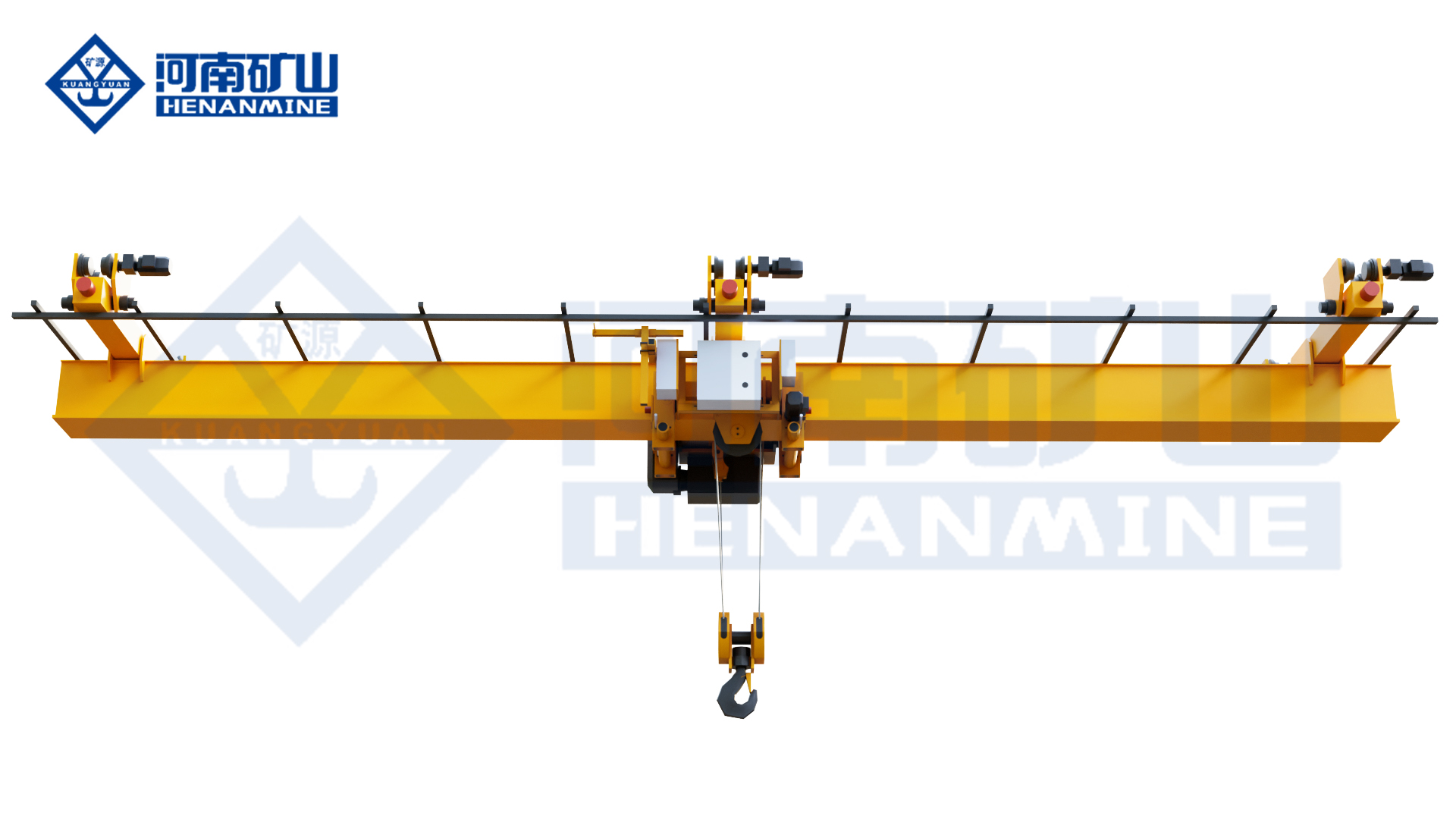
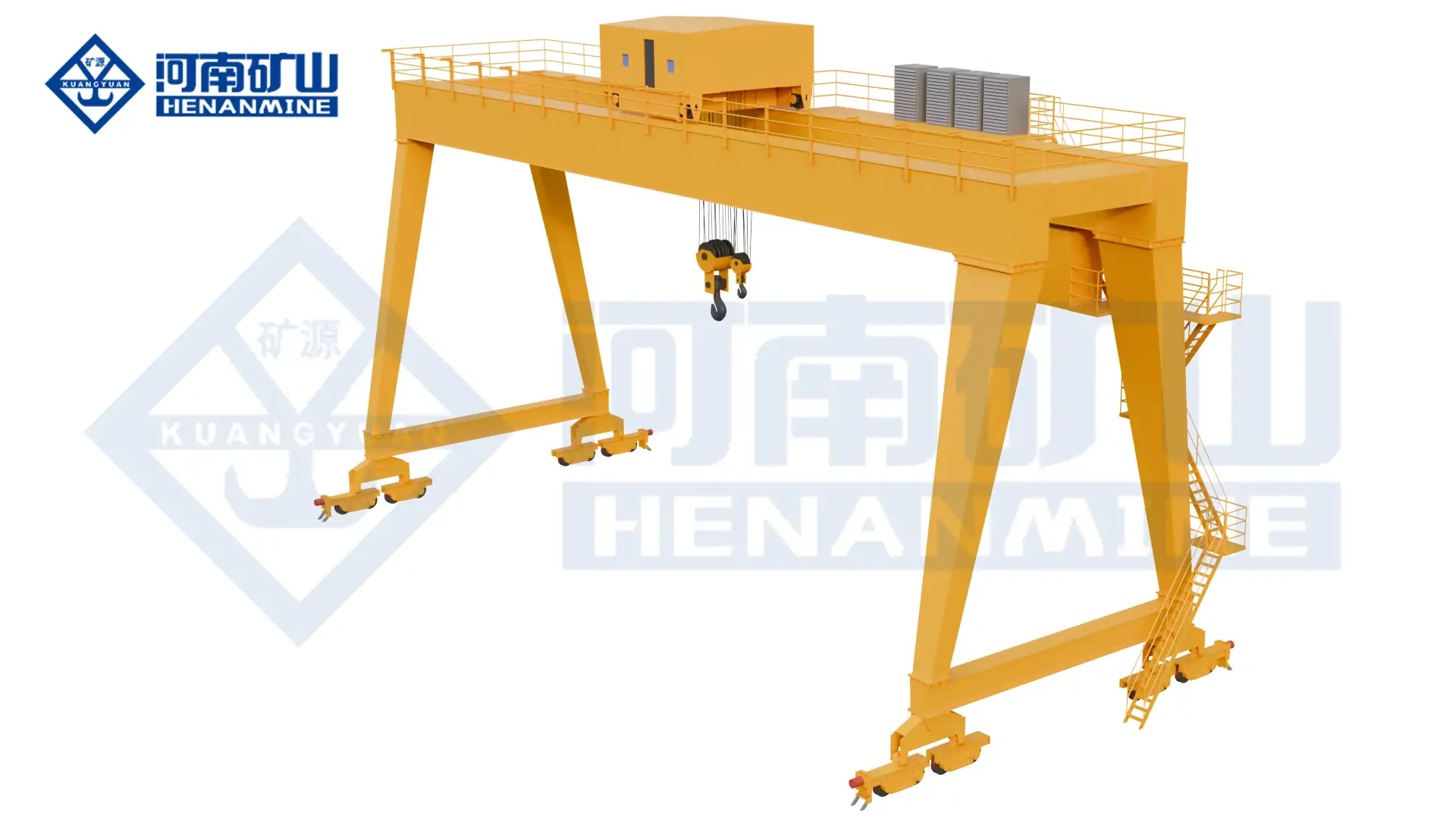
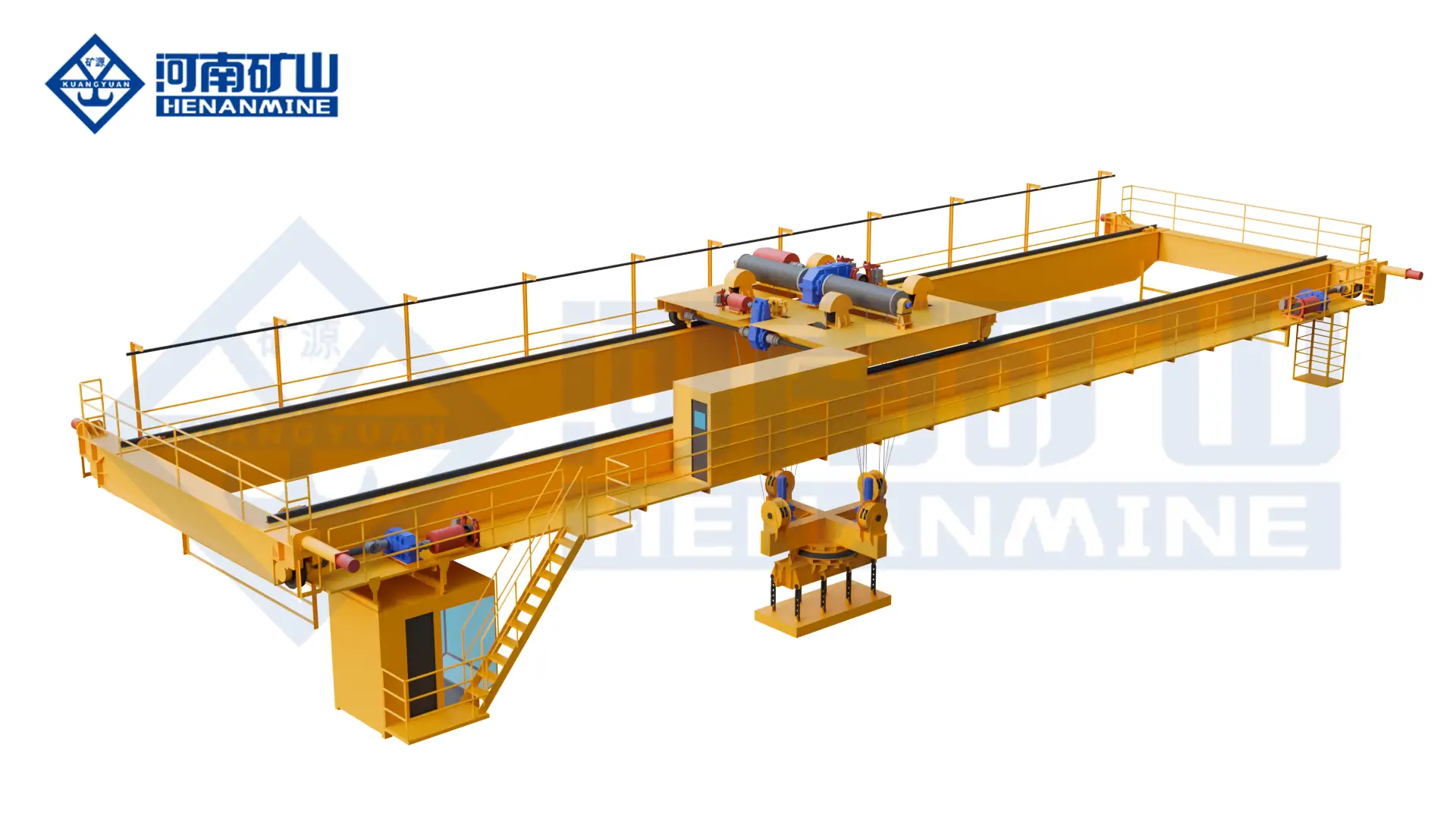
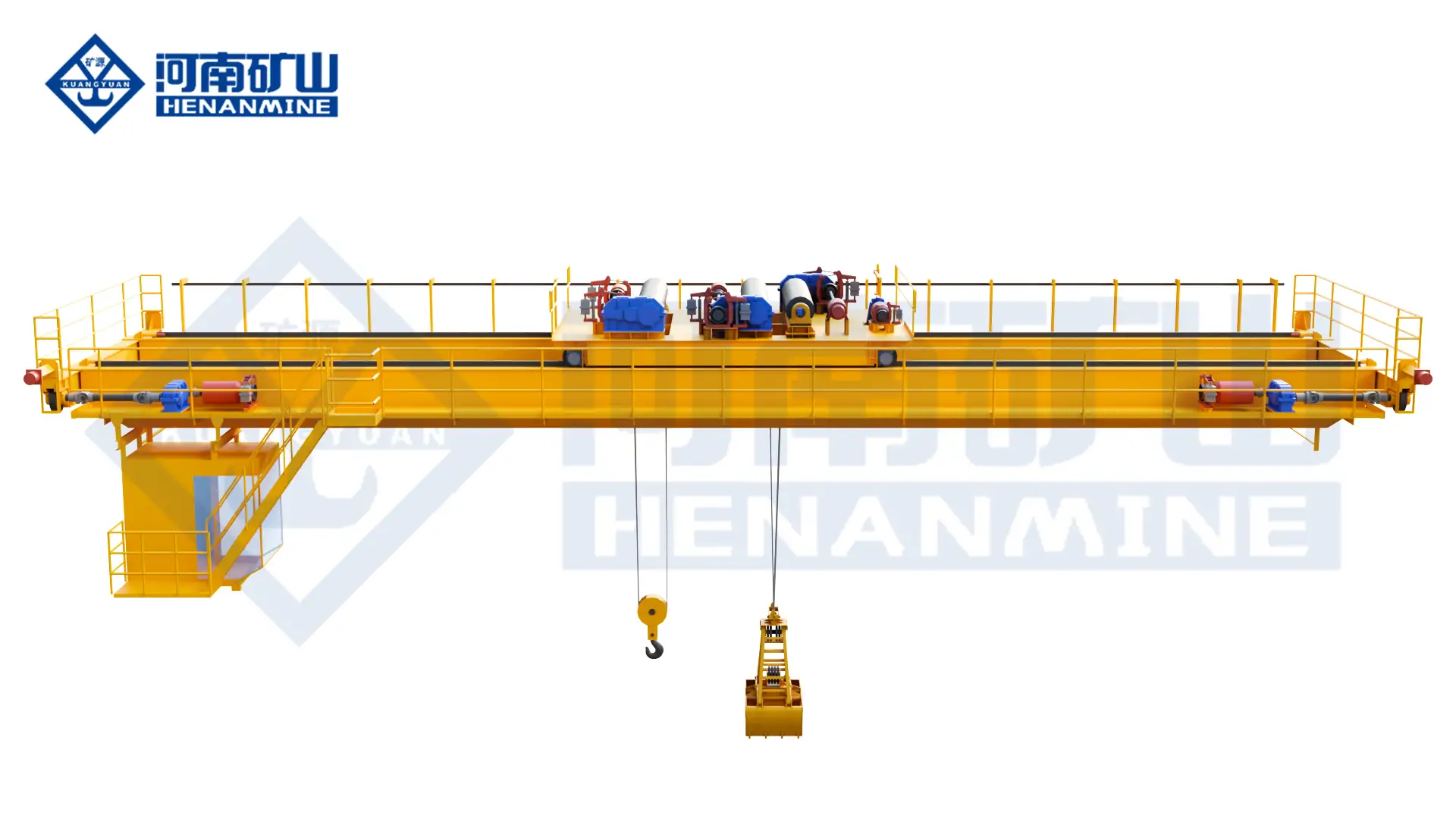
    Henan Mine Crane Grab And Hook Dual Purpose Crane
    Henan Mine Crane Grab And Hook Dual Purpose Crane
    Project planning notes

    Key points for this crane project.

    1. Write a load schedule for the ten-ton specification
    2. Specify geometry using required hook positions
    3. Describe duty and operating functions
    Read the technical guide

    Write a load schedule for the ten-ton specification

    List the maximum load, normal production loads and relevant attachments. State the units and describe how the load is supported and connected. Identify unusual lifting cases separately from routine handling.

    Record dimensions, centre-of-gravity information where relevant and any need to control load orientation. Ask the supplier to identify the basis used for the permissible suspended load and selected lifting arrangement.

    Specify geometry using required hook positions

    Provide runway centreline spacing and travel length, then mark the upper and lower hook positions required by the process. Include pits, raised workstations or other changes in handling level.

    Supply a cross-section showing roof steelwork and services. Request a configuration drawing with the crane envelope, hook approaches and available clearances so the specification can be checked against the building.

    Describe duty and operating functions

    State shifts, lifting frequency, typical travel distances and the pattern of loads. Identify the handling sequence and the locations where controlled placement matters.

    Specify the required control method and any interfaces with production equipment. Ask the supplier to state the proposed duty basis and clarify which operating functions are included, optional or dependent on further engineering.

    List structural and electrical deliverables

    Request the wheel arrangement, support reactions and rail or beam interface information needed for runway review. Assign responsibility for the structural assessment of existing or new supports.

    Identify the site power supply and incoming connection location. Clarify crane-mounted equipment, runway conductors and external electrical work as separate interfaces in the specification.

    Control the specification through quotation review

    Use a numbered schedule for confirmed requirements, supplier responses and unresolved items. Keep alternatives separate so a changed hoist arrangement or dimension is visible to every reviewer.

    Provide Henan Mine Crane with the load schedule and coordinated drawings. A documented ten-ton specification lets the proposed equipment be assessed on its actual duties and interfaces.

    Discuss the crane arrangement for your project.

    For a ten-ton project, the proposed configuration needs to fit the complete handling task. Provide attachments, required hook positions and operating cycle so model-specific dimensions and support requirements can be checked. Share the load, available drawings, working cycle and site conditions with Henan Mine Crane so the required configuration and supply boundary can be discussed.

    Related crane configurations

    Grab And Hook Dual Purpose Crane

    View product parameters
    Lifting capacity: 5 – 16 tSpan: 10.5 – 31.5 mLifting height: 6 – 20 m

    Switch between bulk-material pickup and hook lifting with a grab-and-hook overhead arrangement. Define each load case, the grab type and the changeover procedure for the working area.

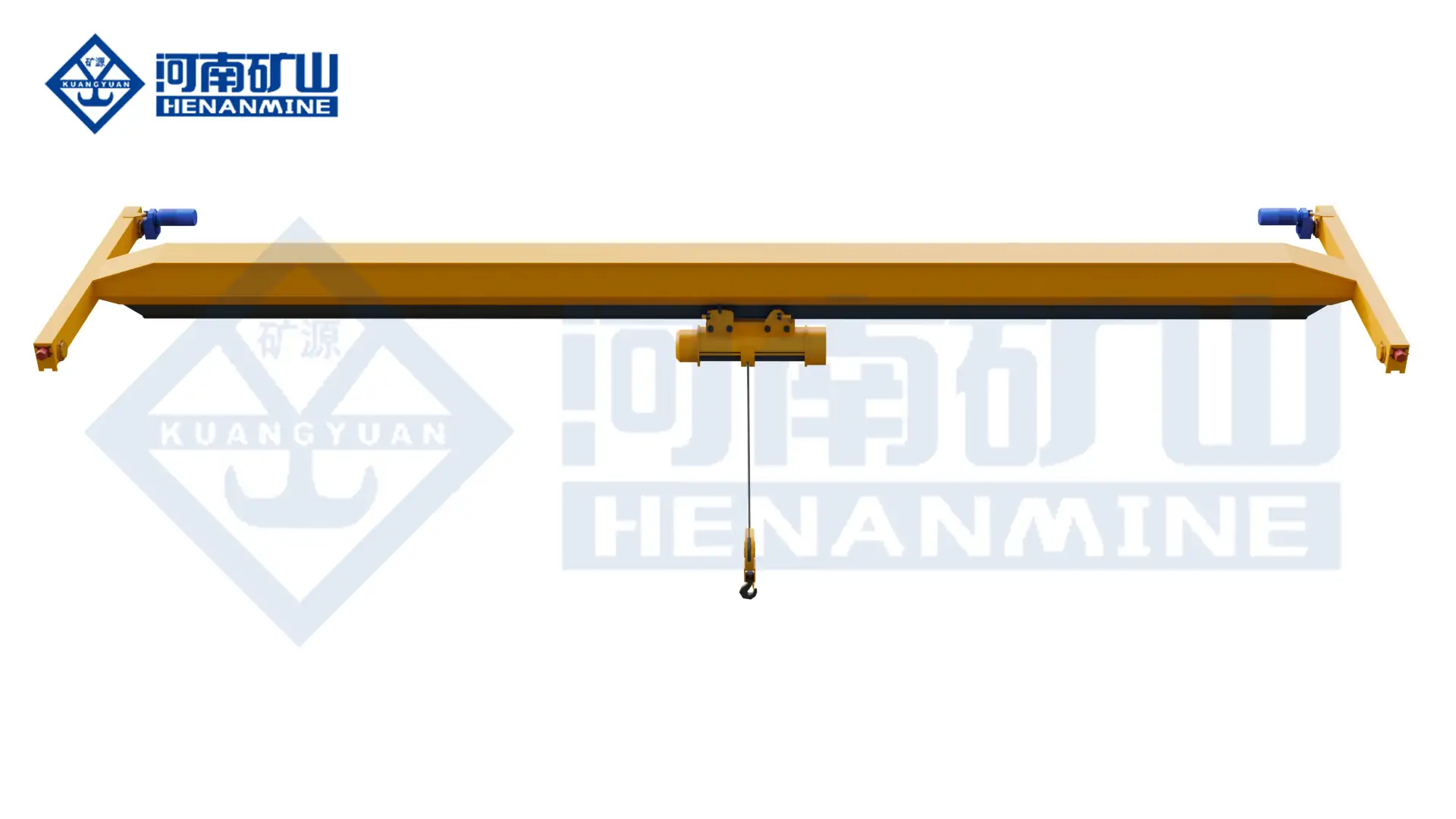
    Single-Girder Bridge Crane

    View product parameters
    Lifting capacity: 1–20 tSpan: 7.5–31.5 mLifting height: 6, 9, 12, 18, 24 or 30 m; capacity-dependent

    Use an LDA single-girder bridge and electric hoist for general workshop material handling. Select the lifting capacity, runway geometry and hoist duty around the building and load.

    Updated 2026 · Henan Mine Crane
  • Explosion-Proof Electric Hoist

    Explosion-Proof Electric Hoist

    Electric Hoists / Henan Mine Crane

    Explosion-Proof Electric Hoist

    Specify an explosion-proof electric hoist for the declared load, mounting arrangement and hazardous area. Coordinate the hoisting mechanism, trolley, controls and electrical protection with the installation.

    Lifting capacity0.25 t – 32 t
    Lifting height6 m – 60 m
    DutyFC=25%
    Technical specifications

    Define the total suspended load, duty and site conditions for your project.

    Technical specifications

    Check the load.
    Plan the configuration.

    Parameters and equipment options are matched to the application and confirmed in the technical proposal.

    Discuss your configuration
    Lifting Capacity0.25 t – 32 t
    Hoisting Height6 m – 60 m
    Hoisting Speed0.3 – 8 m/min
    Travel Speed14 – 30 m/min
    Hazardous-area configurationMatched to the declared area classification, material group and temperature requirements
    Temperature ClassT4 – T6
    Duty ClassFC=25%(Intermediate)
    Power Supply3-phase AC 380V 50Hz
    Working Environment-20℃ ~ 40℃, RH ≤ 85%, Altitude ≤ 1000m
    Steel Wire Rope6×19, 6×37; Diameter 3.6 – 17.5 mm
    Control ModeExplosion-proof wireless remote control, explosion-proof button box
    Minimum Curvature Radius0.8 m – 11 m

    Final parameters, dimensions, wheel loads and supply scope follow the approved project specification.

    Application & operation

    Matched to the handling task.

    Hazardous-area lifting points

    Provide lifting at a defined beam or crane position.

    Crane hoist systems

    Integrate the hoist and travel unit into the approved crane arrangement.

    Selection considerations

    Start with your operating conditions.

    01

    Load & lifting arrangement

    Specify rated suspended load, lifting height and hook arrangement. Include lifting-appliance weight and the required lifting positions.

    02

    Site & available space

    Provide beam section, mounting method and travel requirements. Coordinate the installation interfaces with the available site drawings.

    03

    Duty & control sequence

    Define area classification, temperature limits and hoisting duty. Identify the required movements and control interfaces in the enquiry.

    Configuration comparison

    Compare related lifting arrangements.

    Crane arrangementHandling configuration
    Explosion-Proof Electric HoistSpecify an explosion-proof electric hoist for the declared load, mounting arrangement and hazardous area. Coordinate the hoisting mechanism, trolley, controls and electrical protection with the installation.
    Explosion Proof Electric Hoist Bridge CraneUse an electric-hoist bridge arrangement for a declared hazardous area. The hoist, drives, controls and electrical installation are specified for the area classification and lifting duty.
    Explosion-Proof Suspended Overhead CraneProvide suspended electric-hoist lifting within a declared hazardous area. Review the overhead support, lifting duty and protection of the hoist, travel drives and controls as one system.
    New Electric HoistConfigure a compact electric hoist for a defined lifting point or crane system. Select the mounting arrangement, hook travel and operating duty around the load and installation space.

    Operating protection & lifecycle support

    Plan beyond the equipment.

    01

    Operating protection

    Specify the required load protection, hoisting limits, braking, emergency controls and any declared hazardous-area requirements.

    02

    Installation & commissioning

    Agree mounting or beam interfaces, trolley arrangement, electrical connections, inspection, testing and commissioning responsibilities.

    03

    Inspection & spares

    Plan inspection and maintenance of hoist rope, hook block and protected control equipment. Agree service access, documentation and the required spare-parts scope.

    Questions before the order

    Clarify the details
    that shape the crane.

    What information is needed for a explosion-proof electric hoist quotation?+

    Provide rated suspended load, lifting height and hook arrangement; beam section, mounting method and travel requirements; and area classification, temperature limits and hoisting duty. Include drawings and the project destination when available.

    Is the hoist supplied with a travelling trolley?+

    State whether a fixed hoist or a travelling arrangement is required. Beam geometry, flange width, travel length and the hazardous-area requirements determine the proposed mounting and trolley.

    What installation and support scope should be agreed?+

    Agree mounting or beam interfaces, trolley arrangement, electrical connections, inspection, testing and commissioning responsibilities. Specify the documentation, training and spare-parts support needed for the project.

    Related equipment

    Explore the alternatives.

    Let’s discuss your project

    The right crane starts
    with your lifting task.

    Share rated suspended load, lifting height and hook arrangement, together with your site layout and operating cycle.

    info@hnksglobal.com
  • Explosion Proof Electric Hoist Bridge Crane

    Explosion Proof Electric Hoist Bridge Crane

    Overhead Cranes / Henan Mine Crane

    Explosion Proof Electric Hoist Bridge Crane

    Use an electric-hoist bridge arrangement for a declared hazardous area. The hoist, drives, controls and electrical installation are specified for the area classification and lifting duty.

    Lifting capacity1t – 10t
    Span7.5m – 28.5m
    Working classA3 – A5
    Technical specifications

    Define the total suspended load, duty and site conditions for your project.

    Technical specifications

    Check the load.
    Plan the configuration.

    Parameters and equipment options are matched to the application and confirmed in the technical proposal.

    Discuss your configuration
    Capacity1t – 10t
    Span7.5m – 28.5m
    Lifting height6m – 20m
    Working classA3 – A5
    Hoisting speed2m/min – 10m/min
    Crane travel15m/min – 30m/min
    Power supply380V/50Hz; 220V-660V/60Hz
    ControlsExplosion-proof ground handle / wireless remote
    Lifting arrangementSpecial explosion-proof electric hoist

    Final parameters, dimensions, wheel loads and supply scope follow the approved project specification.

    Application & operation

    Matched to the handling task.

    Classified workshops

    Lift components within a declared gas or dust hazardous area.

    Process maintenance

    Coordinate lifting coverage with the access and isolation needs of process equipment.

    Selection considerations

    Start with your operating conditions.

    01

    Load & lifting arrangement

    Specify suspended load, lifting points and process exposure. Include lifting-appliance weight and the required lifting positions.

    02

    Site & available space

    Provide runway layout, clearances and service access. Coordinate the installation interfaces with the available site drawings.

    03

    Duty & control sequence

    Define area classification, gas or dust group and temperature requirements. Identify the required movements and control interfaces in the enquiry.

    Configuration comparison

    Compare related lifting arrangements.

    Crane arrangementHandling configuration
    Explosion Proof Electric Hoist Bridge CraneUse an electric-hoist bridge arrangement for a declared hazardous area. The hoist, drives, controls and electrical installation are specified for the area classification and lifting duty.
    Explosion-Proof Bridge CraneUse a QB bridge crane for lifting in a declared explosive-gas environment. Select the load rating, main and auxiliary arrangement, electrical protection and control mode for the project.
    Explosion-Proof Suspended Overhead CraneProvide suspended electric-hoist lifting within a declared hazardous area. Review the overhead support, lifting duty and protection of the hoist, travel drives and controls as one system.
    Explosion-Proof Electric HoistSpecify an explosion-proof electric hoist for the declared load, mounting arrangement and hazardous area. Coordinate the hoisting mechanism, trolley, controls and electrical protection with the installation.

    Operating protection & lifecycle support

    Plan beyond the equipment.

    01

    Operating protection

    Confirm overload protection, travel limits, brakes, emergency controls and the required process interlocks for the declared lifting task.

    02

    Installation & commissioning

    Agree runway reactions, structural interfaces, electrical connections, assembly, inspection and commissioning responsibilities before delivery.

    03

    Inspection & spares

    Plan inspection and maintenance of protected hoist equipment, control devices and electrical enclosures. Agree service access, documentation and the required spare-parts scope.

    Questions before the order

    Clarify the details
    that shape the crane.

    What information is needed for a explosion proof electric hoist bridge crane quotation?+

    Provide suspended load, lifting points and process exposure; runway layout, clearances and service access; and area classification, gas or dust group and temperature requirements. Include drawings and the project destination when available.

    Which hazardous-area documents should accompany the enquiry?+

    Provide the area classification and the applicable gas or dust properties, temperature limits and destination requirements. The proposal should identify the equipment configuration and relevant documentation.

    What installation and support scope should be agreed?+

    Agree runway reactions, structural interfaces, electrical connections, assembly, inspection and commissioning responsibilities before delivery. Specify the documentation, training and spare-parts support needed for the project.

    Related equipment

    Explore the alternatives.

    Let’s discuss your project

    The right crane starts
    with your lifting task.

    Share suspended load, lifting points and process exposure, together with your site layout and operating cycle.

    info@hnksglobal.com
  • 10-Ton Overhead Crane Budget: Equipment Options and Site Responsibilities

    10-Ton Overhead Crane Budget: Equipment Options and Site Responsibilities

    Selection guide

    10-Ton Overhead Crane Budget: Equipment Options and Site Responsibilities

    A ten-ton quotation varies with the configuration and supply boundary. Define the hoist arrangement, bay dimensions and site services before comparing equipment options or estimating the complete project cost.

    Henan Mine CraneSelection guide · Updated 2026Crane selection, project scope and operating requirements
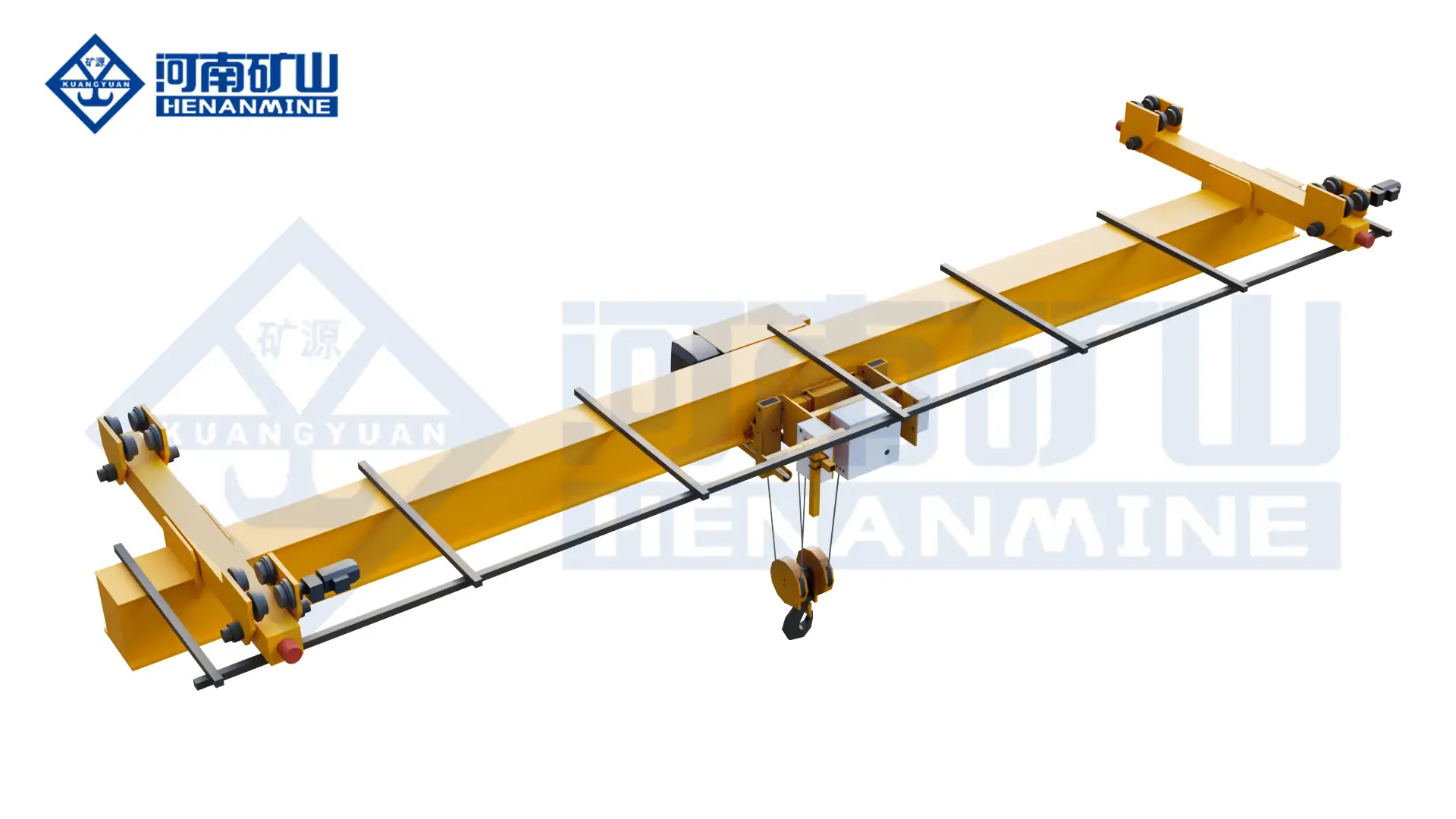
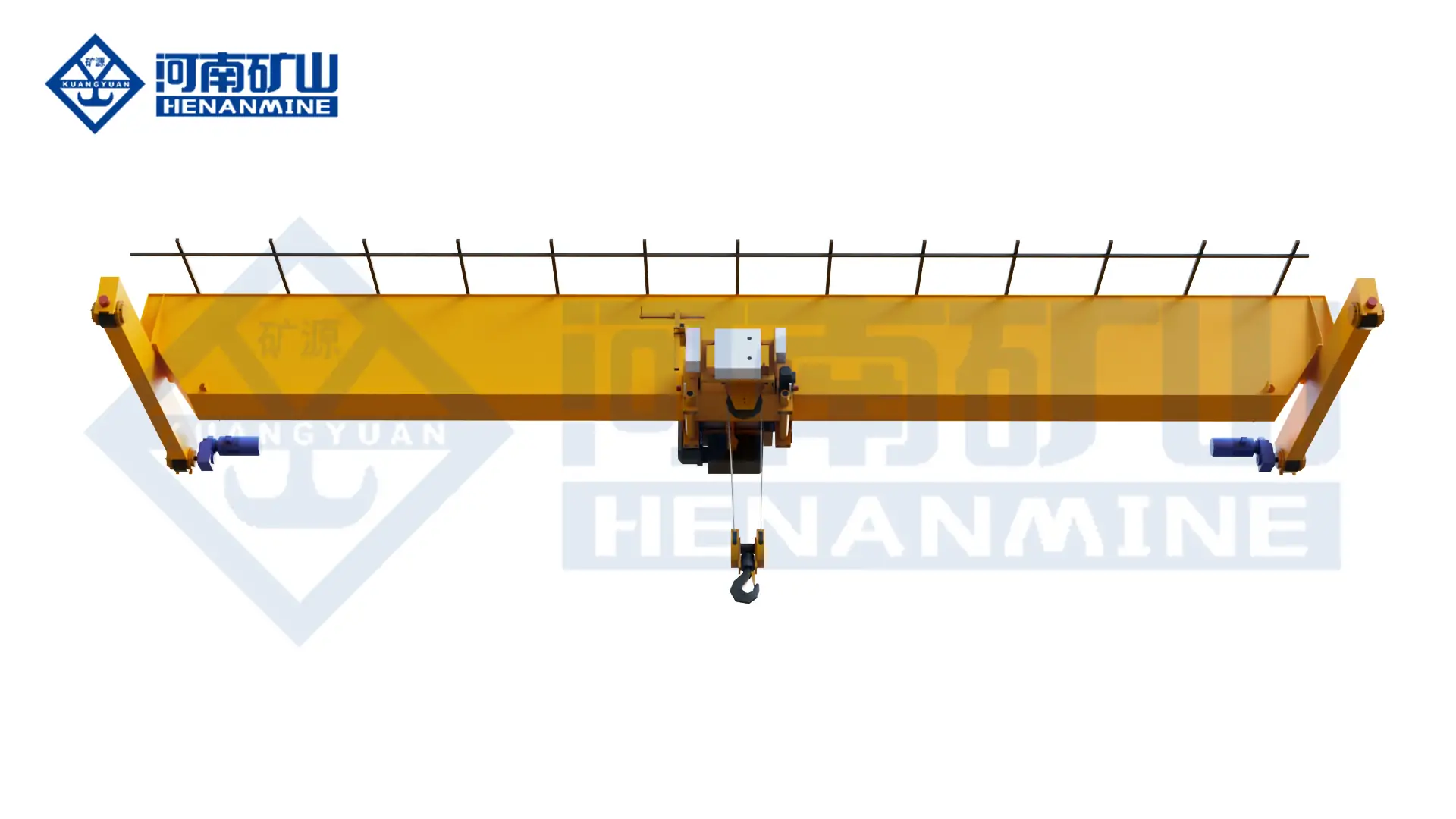
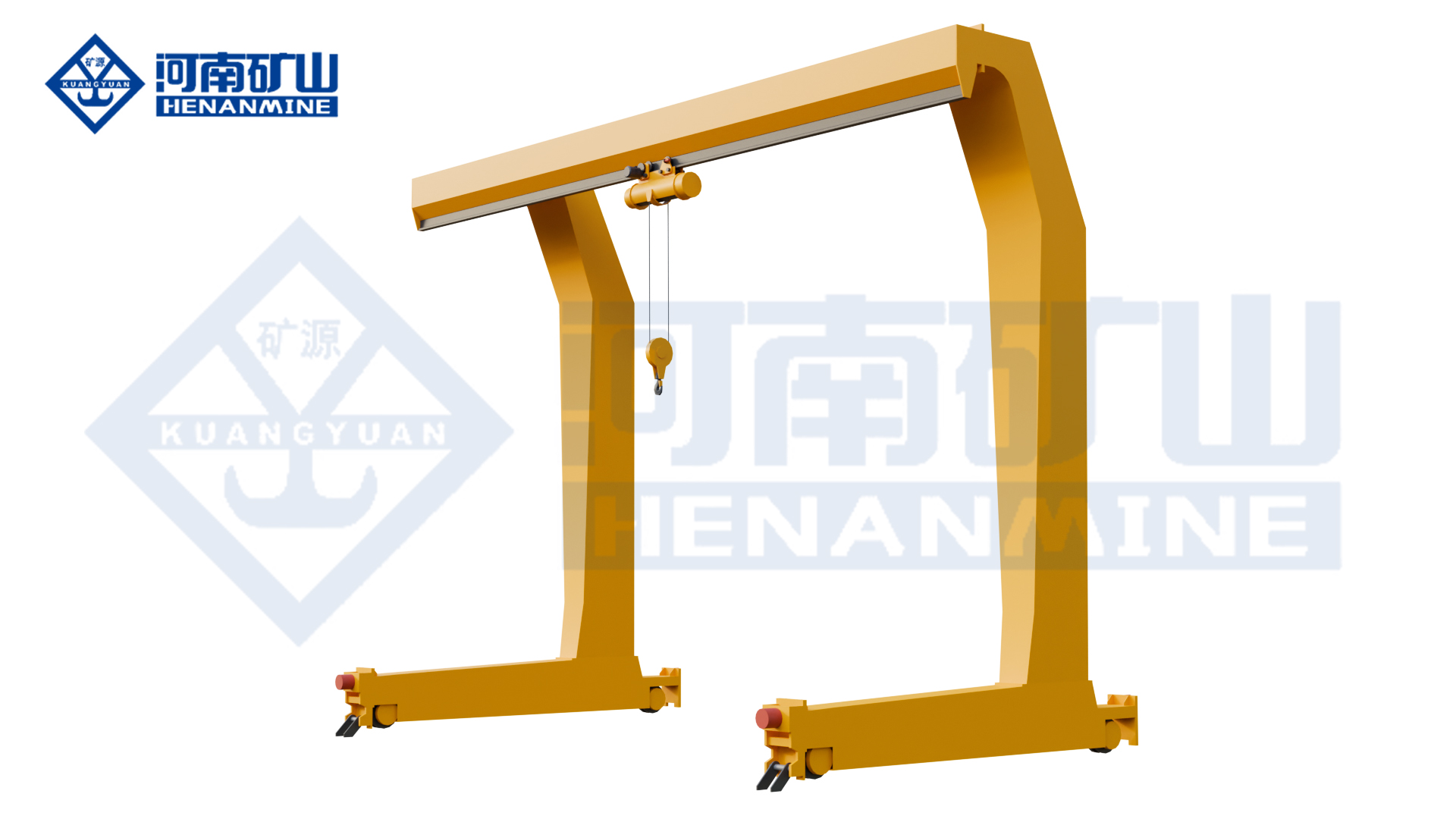
    Henan Mine Crane Single-Girder Bridge Crane
    Henan Mine Crane Single-Girder Bridge Crane
    Project planning notes

    Key points for this crane project.

    1. Build the ten-ton budget by work package
    2. Evaluate configuration options before assigning
    3. Clarify local responsibilities
    Read the technical guide

    Build the ten-ton budget by work package

    Separate the crane equipment purchase from the work needed to install and operate it. Create budget lines for the bridge and lifting mechanism, runway system, power supply, installation and acceptance activities.

    Identify which amounts can be based on a defined scope and which remain provisional. A single equipment allowance can conceal substantial local work when building or installation responsibilities are still unresolved.

    Evaluate configuration options before assigning allowances

    Ask for the proposed bridge and hoist arrangement at the required span, hook range and duty. Compare alternatives using the same load and building conditions.

    Record how each option changes headroom, support requirements and maintenance access. An equipment change may affect supporting steelwork or electrical work, so evaluate its project effect alongside the purchase price.

    Clarify local responsibilities

    Allocate runway beams, rail installation, incoming power, unloading and assembly resources. State whether local contractors or the equipment supplier will perform installation and commissioning work.

    Identify building readiness, access limitations and any production interruption. These are project conditions to price or plan explicitly rather than assume they are included in the crane offer.

    Include delivery and handover costs

    Review packing and transport scope using the agreed delivery responsibilities. Identify documentation, inspection and site acceptance activities required by the project.

    Discuss maintenance documentation and initial spare-parts requirements with the operating team. Keep optional support and equipment items distinguishable from the agreed base supply.

    Update the budget when assumptions close

    Maintain an assumptions register with owners and review dates. Replace provisional allowances with confirmed scopes as drawings, site information and contractor responsibilities become available.

    Send Henan Mine Crane the ten-ton operating brief and budget scope schedule. A project quotation can then support an equipment allowance that is clearly separated from the rest of the installation budget.

    Discuss the crane arrangement for your project.

    A ten-ton quotation varies with the configuration and supply boundary. Define the hoist arrangement, bay dimensions and site services before comparing equipment options or estimating the complete project cost. Share the load, available drawings, working cycle and site conditions with Henan Mine Crane so the required configuration and supply boundary can be discussed.

    Related crane configurations

    Single-Girder Bridge Crane

    View product parameters
    Lifting capacity: 1–20 tSpan: 7.5–31.5 mLifting height: 6, 9, 12, 18, 24 or 30 m; capacity-dependent

    Use an LDA single-girder bridge and electric hoist for general workshop material handling. Select the lifting capacity, runway geometry and hoist duty around the building and load.

    LH Electric Hoist Double Girder Crane

    View product parameters
    Lifting capacity: 3, 5, 10, 16, 20 tSpan: 10.5–31.5 mLifting height: 6, 9, 12 or 18 m

    Use an LH double-girder bridge with an electric-hoist trolley for workshop lifting, assembly and maintenance. Match the hoist arrangement to the suspended load, hook travel and available building space.

    Updated 2026 · Henan Mine Crane
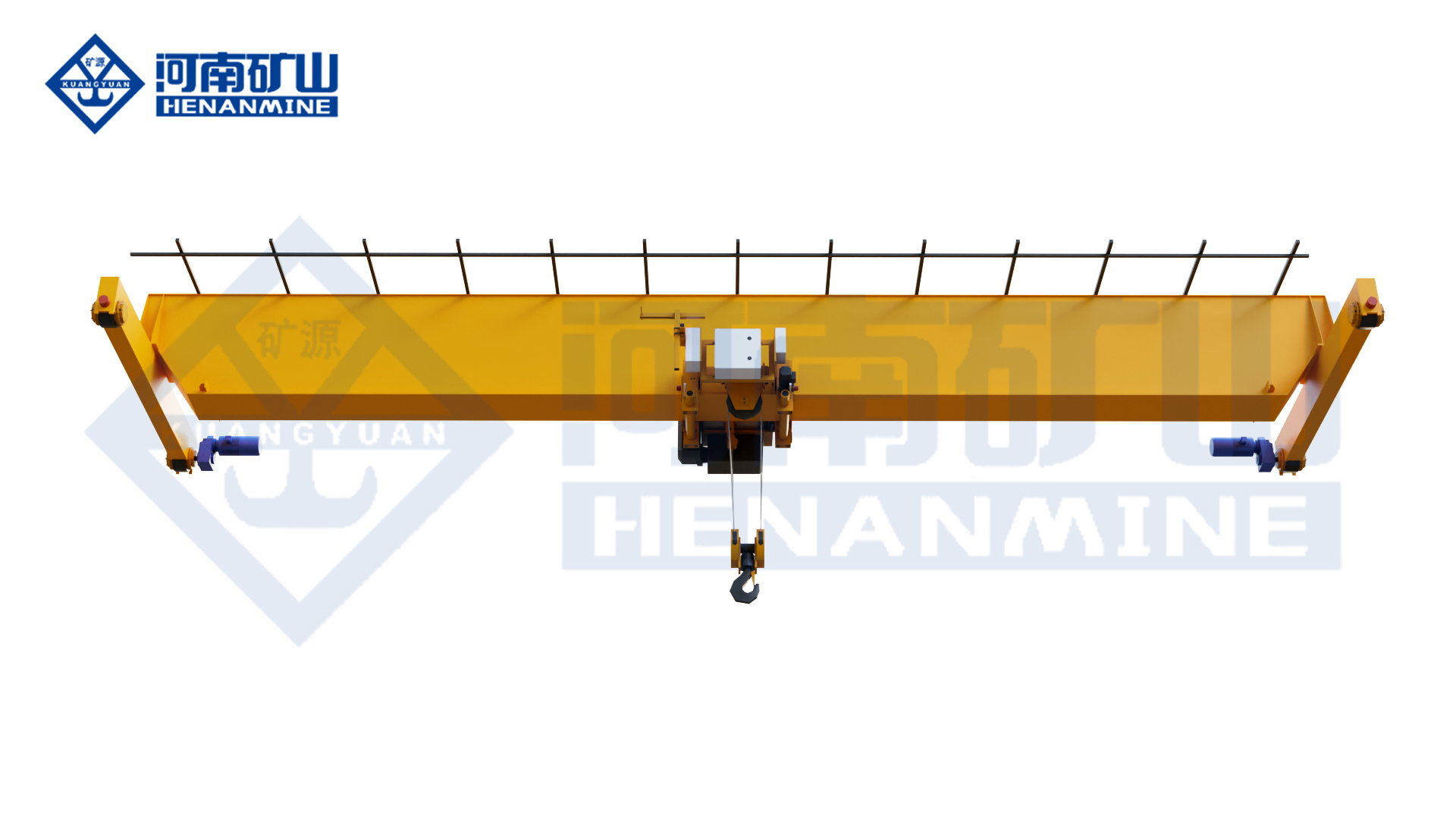
  • European-Style Electric Single Girder Crane

    European-Style Electric Single Girder Crane

    Overhead Cranes / Henan Mine Crane

    European-Style Electric Single Girder Crane

    Handle workshop components with a European-style single-girder crane and electric hoist. Match the compact lifting arrangement and movement control to the building and operating cycle.

    Lifting capacity1t – 10t
    Span7.5m – 28.5m
    Working classA3 – A5
    Technical specifications

    Define the total suspended load, duty and site conditions for your project.

    Technical specifications

    Check the load.
    Plan the configuration.

    Parameters and equipment options are matched to the application and confirmed in the technical proposal.

    Discuss your configuration
    Rated Lifting Capacity1t – 10t
    Span7.5m – 28.5m
    Lifting Height6m – 20m
    Working ClassA3 – A5
    Lifting Speed0.5-16m/min
    Crane Travel Speed5-30m/min
    Hoist TypeNew type electric hoist
    Control ModeGround handle / Wireless remote control
    Power Supply380V/50Hz; 220V-660V/60Hz
    Protection LevelIP55
    Working Temperature-20℃ ~ 45℃
    Design StandardEuropean FEM standard + China national standard

    Final parameters, dimensions, wheel loads and supply scope follow the approved project specification.

    Application & operation

    Matched to the handling task.

    Machinery production

    Coordinate hook coverage and placement around manufacturing equipment.

    Assembly and maintenance

    Select the required lifting height, approach distances and control method.

    Selection considerations

    Start with your operating conditions.

    01

    Load & lifting arrangement

    Specify maximum suspended load and placement requirements. Include lifting-appliance weight and the required lifting positions.

    02

    Site & available space

    Provide runway centres, rail elevation, headroom and hook approach. Coordinate the installation interfaces with the available site drawings.

    03

    Duty & control sequence

    Define lifting frequency, operating shifts and motion-control needs. Identify the required movements and control interfaces in the enquiry.

    Configuration comparison

    Compare related lifting arrangements.

    Crane arrangementHandling configuration
    European-Style Electric Single Girder CraneHandle workshop components with a European-style single-girder crane and electric hoist. Match the compact lifting arrangement and movement control to the building and operating cycle.
    Single-Girder Bridge CraneUse an LDA single-girder bridge and electric hoist for general workshop material handling. Select the lifting capacity, runway geometry and hoist duty around the building and load.
    Electric Single Beam Crane For Low ClearanceIncrease usable hook height in a restricted workshop envelope with a low-clearance single-girder arrangement. Match the hoist position, hook approach and structural clearances to the building.
    Modular Electric Hoist Overhead CraneUse a modular electric-hoist overhead crane for production, assembly and maintenance lifting. Select the hoist arrangement, hook coverage and movement control for the workshop and operating cycle.

    Operating protection & lifecycle support

    Plan beyond the equipment.

    01

    Operating protection

    Confirm overload protection, travel limits, brakes, emergency controls and the required process interlocks for the declared lifting task.

    02

    Installation & commissioning

    Agree runway reactions, structural interfaces, electrical connections, assembly, inspection and commissioning responsibilities before delivery.

    03

    Inspection & spares

    Plan inspection and maintenance of hoist rope, trolley guidance and bridge travel drives. Agree service access, documentation and the required spare-parts scope.

    Questions before the order

    Clarify the details
    that shape the crane.

    What information is needed for a european-style electric single girder crane quotation?+

    Provide maximum suspended load and placement requirements; runway centres, rail elevation, headroom and hook approach; and lifting frequency, operating shifts and motion-control needs. Include drawings and the project destination when available.

    How does the building affect the proposed arrangement?+

    Runway elevation, roof clearance and required hook positions determine the available crane envelope. Supply a workshop cross-section and plan so those dimensions can be checked.

    What installation and support scope should be agreed?+

    Agree runway reactions, structural interfaces, electrical connections, assembly, inspection and commissioning responsibilities before delivery. Specify the documentation, training and spare-parts support needed for the project.

    Related equipment

    Explore the alternatives.

    Let’s discuss your project

    The right crane starts
    with your lifting task.

    Share maximum suspended load and placement requirements, together with your site layout and operating cycle.

    info@hnksglobal.com
  • European Style Electric Single Beam Suspended Crane

    European Style Electric Single Beam Suspended Crane

    Overhead Cranes / Henan Mine Crane

    European Style Electric Single Beam Suspended Crane

    Use a European-style electric-hoist suspension crane for overhead handling beneath a supported runway. Coordinate compact lifting geometry, travel control and building clearances with the workshop layout.

    Lifting capacity1t – 10t
    Span7.5m – 28.5m
    Working classA3 – A5
    Technical specifications

    Define the total suspended load, duty and site conditions for your project.

    Technical specifications

    Check the load.
    Plan the configuration.

    Parameters and equipment options are matched to the application and confirmed in the technical proposal.

    Discuss your configuration
    Rated Lifting Capacity1t – 10t
    Basic Span7.5m – 28.5m
    Lifting Height6m – 20m
    Lifting Speed5m/min (normal); 0.83m/min (micro)
    Travel Speed0-30m/min
    Hoist TypeCustom high-efficiency electric hoist
    Drive SystemVariable frequency speed regulation system
    Control ModeWireless remote (handheld/joystick); ground operation
    Working ClassA3 – A5
    Power Supply380V/50Hz; 220V-660V/60Hz
    Protection LevelIP55
    Working Temperature-20℃ ~ 45℃
    Structural FeatureEuropean lightweight + modular design

    Final parameters, dimensions, wheel loads and supply scope follow the approved project specification.

    Application & operation

    Matched to the handling task.

    Production workshops

    Transfer components between defined assembly and handling stations.

    Overhead coverage

    Coordinate suspended travel paths with production equipment and access routes.

    Selection considerations

    Start with your operating conditions.

    01

    Load & lifting arrangement

    Specify load, lifting accessories and required placement positions. Include lifting-appliance weight and the required lifting positions.

    02

    Site & available space

    Provide supporting runway, roof clearances and hook approach. Coordinate the installation interfaces with the available site drawings.

    03

    Duty & control sequence

    Define lifting frequency, motion control and maintenance access. Identify the required movements and control interfaces in the enquiry.

    Configuration comparison

    Compare related lifting arrangements.

    Crane arrangementHandling configuration
    European Style Electric Single Beam Suspended CraneUse a European-style electric-hoist suspension crane for overhead handling beneath a supported runway. Coordinate compact lifting geometry, travel control and building clearances with the workshop layout.
    Single-Beam Suspension CraneSuspend an LX single-girder crane from an approved overhead runway to cover workshop lifting positions. Building support, runway geometry and available hook height determine the installation.
    Multi-Point Suspension CraneCover a wide working area with a multi-point suspended crane arrangement. Coordinate runway support positions, load distribution and travel geometry with the building structure.
    European-Style Electric Single Girder CraneHandle workshop components with a European-style single-girder crane and electric hoist. Match the compact lifting arrangement and movement control to the building and operating cycle.

    Operating protection & lifecycle support

    Plan beyond the equipment.

    01

    Operating protection

    Confirm overload protection, travel limits, brakes, emergency controls and the required process interlocks for the declared lifting task.

    02

    Installation & commissioning

    Agree runway reactions, structural interfaces, electrical connections, assembly, inspection and commissioning responsibilities before delivery.

    03

    Inspection & spares

    Plan inspection and maintenance of suspension connections, hoist components and travel drives. Agree service access, documentation and the required spare-parts scope.

    Questions before the order

    Clarify the details
    that shape the crane.

    What information is needed for a european style electric single beam suspended crane quotation?+

    Provide load, lifting accessories and required placement positions; supporting runway, roof clearances and hook approach; and lifting frequency, motion control and maintenance access. Include drawings and the project destination when available.

    What should be checked before selecting a suspended layout?+

    The support positions, crane reactions, runway dimensions and building clearances must be reviewed together. Provide the building drawings and the required hook coverage.

    What installation and support scope should be agreed?+

    Agree runway reactions, structural interfaces, electrical connections, assembly, inspection and commissioning responsibilities before delivery. Specify the documentation, training and spare-parts support needed for the project.

    Related equipment

    Explore the alternatives.

    Let’s discuss your project

    The right crane starts
    with your lifting task.

    Share load, lifting accessories and required placement positions, together with your site layout and operating cycle.

    info@hnksglobal.com
  • 10-Ton Gantry Crane Selection: Travel Route and Ground or Rail Support

    10-Ton Gantry Crane Selection: Travel Route and Ground or Rail Support

    Selection guide

    10-Ton Gantry Crane Selection: Travel Route and Ground or Rail Support

    The gantry arrangement should follow the intended material route and support conditions. Provide the load, span, required height and operating cycle so a ten-ton proposal can be assessed within the site layout.

    Henan Mine CraneSelection guide · Updated 2026Crane selection, project scope and operating requirements
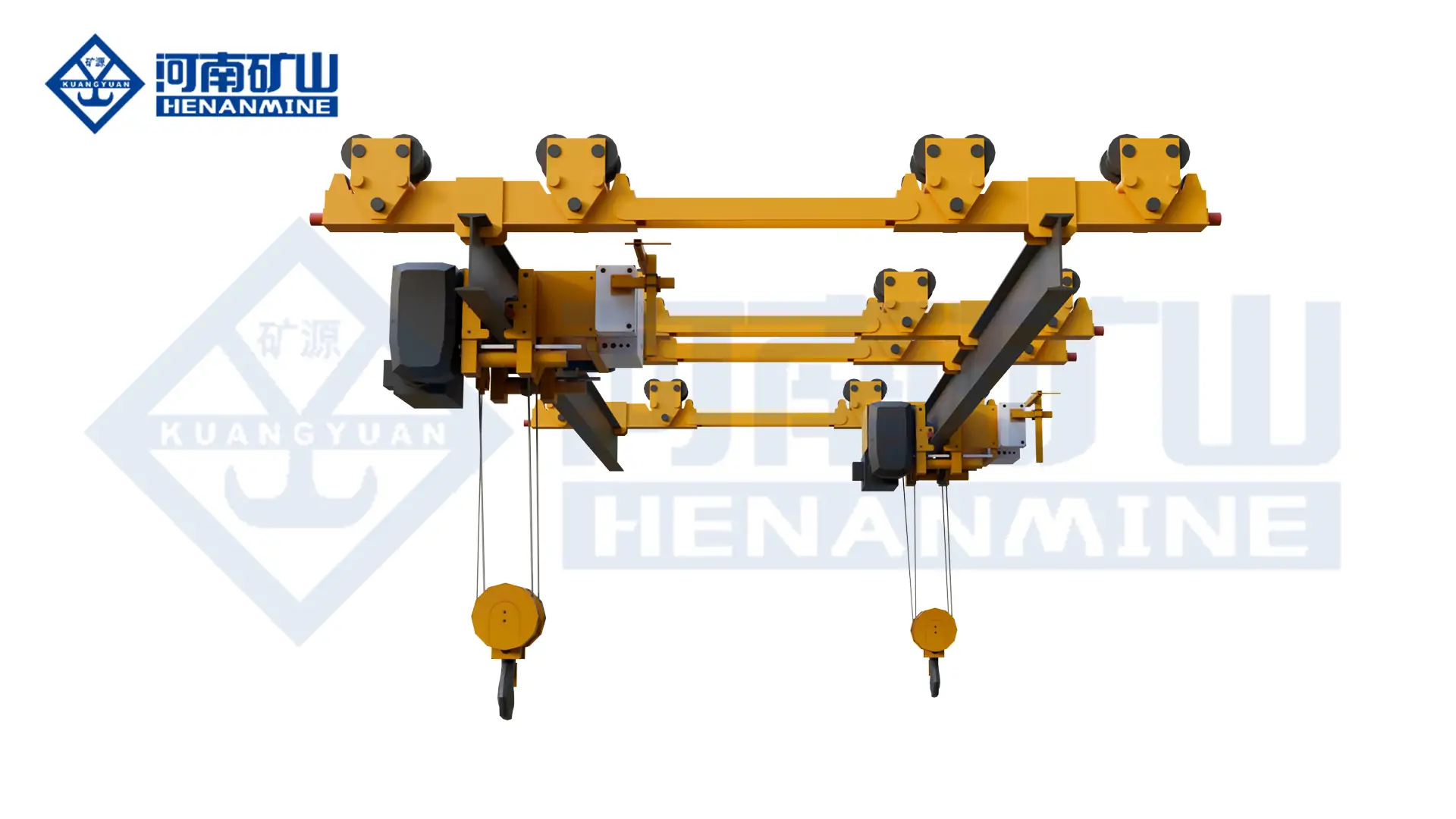
    Henan Mine Crane Track Switching Overhead Crane
    Henan Mine Crane Track Switching Overhead Crane
    Project planning notes

    Key points for this crane project.

    1. Start with the ten-ton material route
    2. Review rail and ground interfaces
    3. Check vehicle and operational separation
    Read the technical guide

    Start with the ten-ton material route

    Draw the pickup and placement positions and the path between them. Show load dimensions, attachment details and the space needed to move the load without interference.

    Distinguish required hook coverage from crane travel. A route may demand changes to the span, lifting height or site layout rather than simply a longer travel distance.

    Review rail and ground interfaces

    Identify the proposed travel system and provide the site information needed to assess it. Show rail positions, supporting works or the route and surface intended for another engineered travel arrangement.

    Request configuration-specific reactions and interface requirements. Have the responsible site engineer review foundations, support conditions and route suitability against those inputs. A ten-ton lifting requirement does not by itself define the ground loads.

    Check vehicle and operational separation

    Show roads, loading areas, pedestrian access and storage boundaries in the crane working area. Account for the gantry legs and end structures through their intended travel.

    Describe how trucks or other equipment enter and leave the loading position. Identify control or procedural interfaces needed to keep the handling route available during operation.

    Define power, environment and parking

    Locate the available power supply and discuss how it reaches the travelling equipment. Consider the cable or conductor arrangement through the full route, including access for inspection.

    Describe outdoor exposure and the site conditions relevant to operation and parking. Ask the supplier to identify the proposed out-of-service provisions and the information still required to finalise them.

    Review the complete gantry proposal

    Compare the offered span, hook levels, approaches, travel arrangement and duty basis with the material route. Allocate civil works, power supply, installation and acceptance before finalising procurement.

    Provide Henan Mine Crane with the route drawing and site data. The resulting ten-ton proposal should make equipment selection and site responsibilities visible in one coordinated review.

    Discuss the crane arrangement for your project.

    The gantry arrangement should follow the intended material route and support conditions. Provide the load, span, required height and operating cycle so a ten-ton proposal can be assessed within the site layout. Share the load, available drawings, working cycle and site conditions with Henan Mine Crane so the required configuration and supply boundary can be discussed.

    Related crane configurations

    Track Switching Overhead Crane

    View product parameters
    Lifting capacity: 1 – 32 tSpan: 3 – 30 mLifting height: 4 – 20 m

    Transfer an electric hoist between connected crane tracks with a track-switching arrangement. Rail alignment, transfer positions and interlocks are coordinated with the building and lifting sequence.

    Multi Support Double Girder Underhung Crane

    View product parameters
    Lifting capacity: 3 – 40 tSpan: 10 – 80 mLifting height: 6 – 30 m

    Use a multi-support double-girder underhung arrangement for wide-span working areas and large components. The building supports, lifting coverage and load distribution are designed together.

    Updated 2026 · Henan Mine Crane
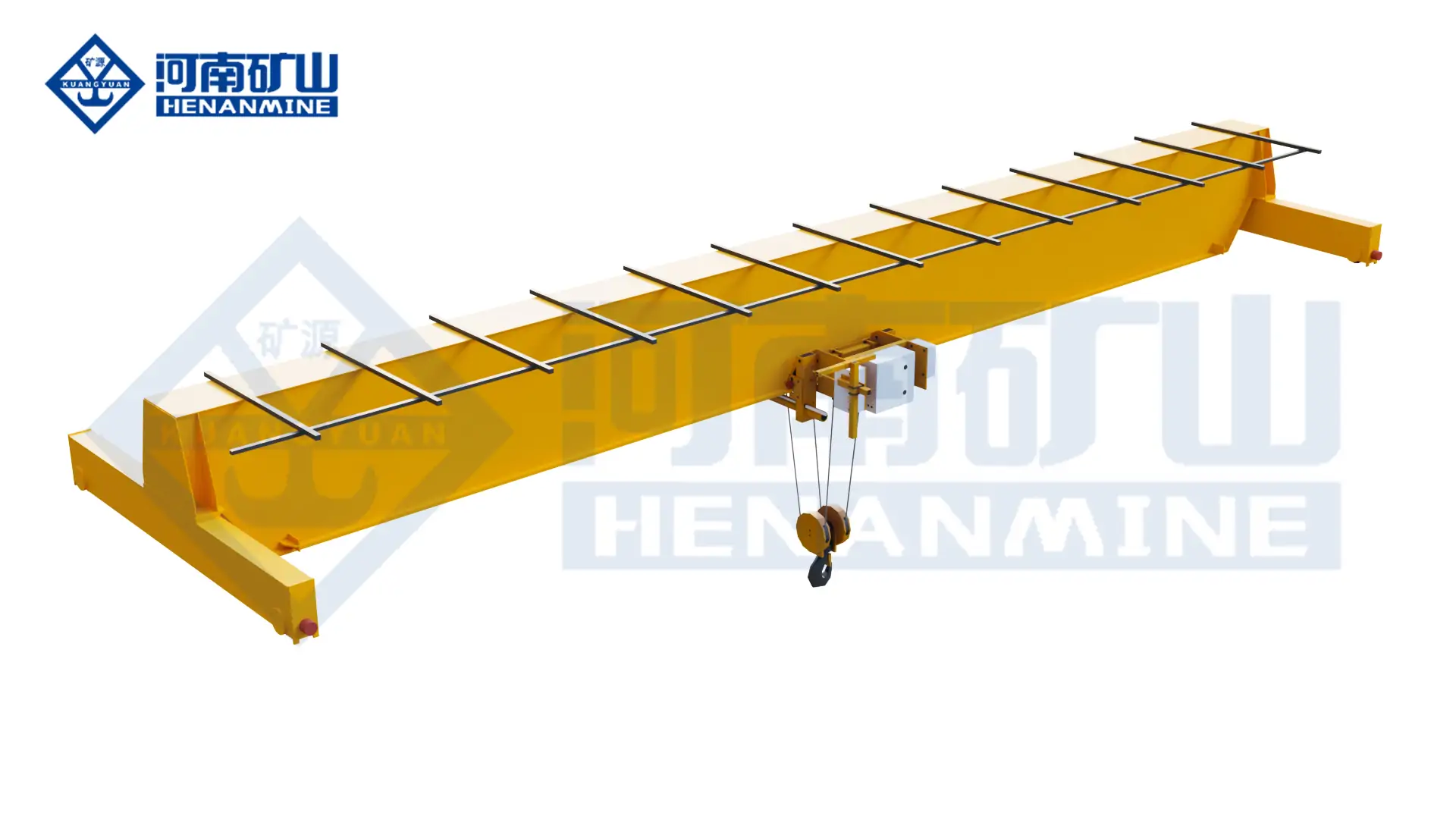
  • European Single Girder Gantry Crane

    European Single Girder Gantry Crane

    Gantry Cranes / Henan Mine Crane

    European Single Girder Gantry Crane

    Combine a single-girder gantry with a European-style electric hoist for yard handling. Specify the hook coverage, leg arrangement, travel layout and control requirements for the project.

    Lifting capacity1t – 32t
    Span6m – 35m
    Working classA3~A5
    Technical specifications

    Define the total suspended load, duty and site conditions for your project.

    Technical specifications

    Check the load.
    Plan the configuration.

    Parameters and equipment options are matched to the application and confirmed in the technical proposal.

    Discuss your configuration
    TypeKSMH
    Product NameElectric Hoist Gantry Crane
    Rated Lifting Capacity1t – 32t
    Span6m – 35m
    Lifting Height4m – 20m
    Working ClassA3~A5
    Structural FormSingle girder, with/without cantilever
    Lifting MechanismEuropean style special electric hoist
    Design FeatureModular, lightweight, quick replacement
    Operation ModePendant control + wireless remote control
    Speed AdjustmentHeavy duty slow, light duty fast
    Power Supply380V/50Hz; 220-660V/50-60Hz
    Protection LevelIP54
    ApplicationGeneral material & bulk cargo handling

    Final parameters, dimensions, wheel loads and supply scope follow the approved project specification.

    Application & operation

    Matched to the handling task.

    Outdoor fabrication

    Move components through defined production and storage positions.

    Loading and maintenance

    Coordinate the hoist, cantilever reach and vehicle access.

    Selection considerations

    Start with your operating conditions.

    01

    Load & lifting arrangement

    Specify workpiece, suspended load and lifting attachment. Include lifting-appliance weight and the required lifting positions.

    02

    Site & available space

    Provide rail span, cantilever reach, leg clearance and yard layout. Coordinate the installation interfaces with the available site drawings.

    03

    Duty & control sequence

    Define hoist duty, movement control and site power. Identify the required movements and control interfaces in the enquiry.

    Configuration comparison

    Compare related lifting arrangements.

    Crane arrangementHandling configuration
    European Single Girder Gantry CraneCombine a single-girder gantry with a European-style electric hoist for yard handling. Specify the hook coverage, leg arrangement, travel layout and control requirements for the project.
    Single-Girder Gantry CraneCover an outdoor working area with a single-girder electric-hoist gantry crane. Coordinate span, lifting height, leg geometry and any cantilever coverage with the yard and loading route.
    Double Girder Electric Hoist Gantry CraneCover an outdoor handling area with a double-girder gantry and electric-hoist trolley. Select the load rating, leg geometry, cantilever arrangement and travel coverage around the yard layout.
    L-Type Offset Gantry CraneUse an L-type single-girder gantry to coordinate side access and lifting coverage in a yard. Define the leg geometry, hook positions and workpiece clearance around the load route.

    Operating protection & lifecycle support

    Plan beyond the equipment.

    01

    Operating protection

    Define travel limits, overload protection, traffic clearances and the outdoor operating limits for the proposed arrangement.

    02

    Installation & commissioning

    Agree rail foundations, runway alignment, wheel-load interfaces, erection access, electrical connections and commissioning responsibilities.

    03

    Inspection & spares

    Plan inspection and maintenance of hoist components, end-carriage drives and rail travel assemblies. Agree service access, documentation and the required spare-parts scope.

    Questions before the order

    Clarify the details
    that shape the crane.

    What information is needed for a european single girder gantry crane quotation?+

    Provide workpiece, suspended load and lifting attachment; rail span, cantilever reach, leg clearance and yard layout; and hoist duty, movement control and site power. Include drawings and the project destination when available.

    How is the hoist arrangement selected?+

    Provide the lifting load, required hook positions, operating cycle and available space. The hoist geometry and bridge arrangement are selected together to meet the project requirements.

    What installation and support scope should be agreed?+

    Agree rail foundations, runway alignment, wheel-load interfaces, erection access, electrical connections and commissioning responsibilities. Specify the documentation, training and spare-parts support needed for the project.

    Related equipment

    Explore the alternatives.

    Let’s discuss your project

    The right crane starts
    with your lifting task.

    Share workpiece, suspended load and lifting attachment, together with your site layout and operating cycle.

    info@hnksglobal.com
  • 10-Ton Bridge Crane Buying: Check the Structural and Hoist Arrangement

    10-Ton Bridge Crane Buying: Check the Structural and Hoist Arrangement

    Selection guide

    10-Ton Bridge Crane Buying: Check the Structural and Hoist Arrangement

    A ten-ton bridge crane requires more definition than the rated load. Compare the proposed lifting mechanism, hook approaches and runway information against the factory's actual handling positions and duty.

    Henan Mine CraneSelection guide · Updated 2026Crane selection, project scope and operating requirements
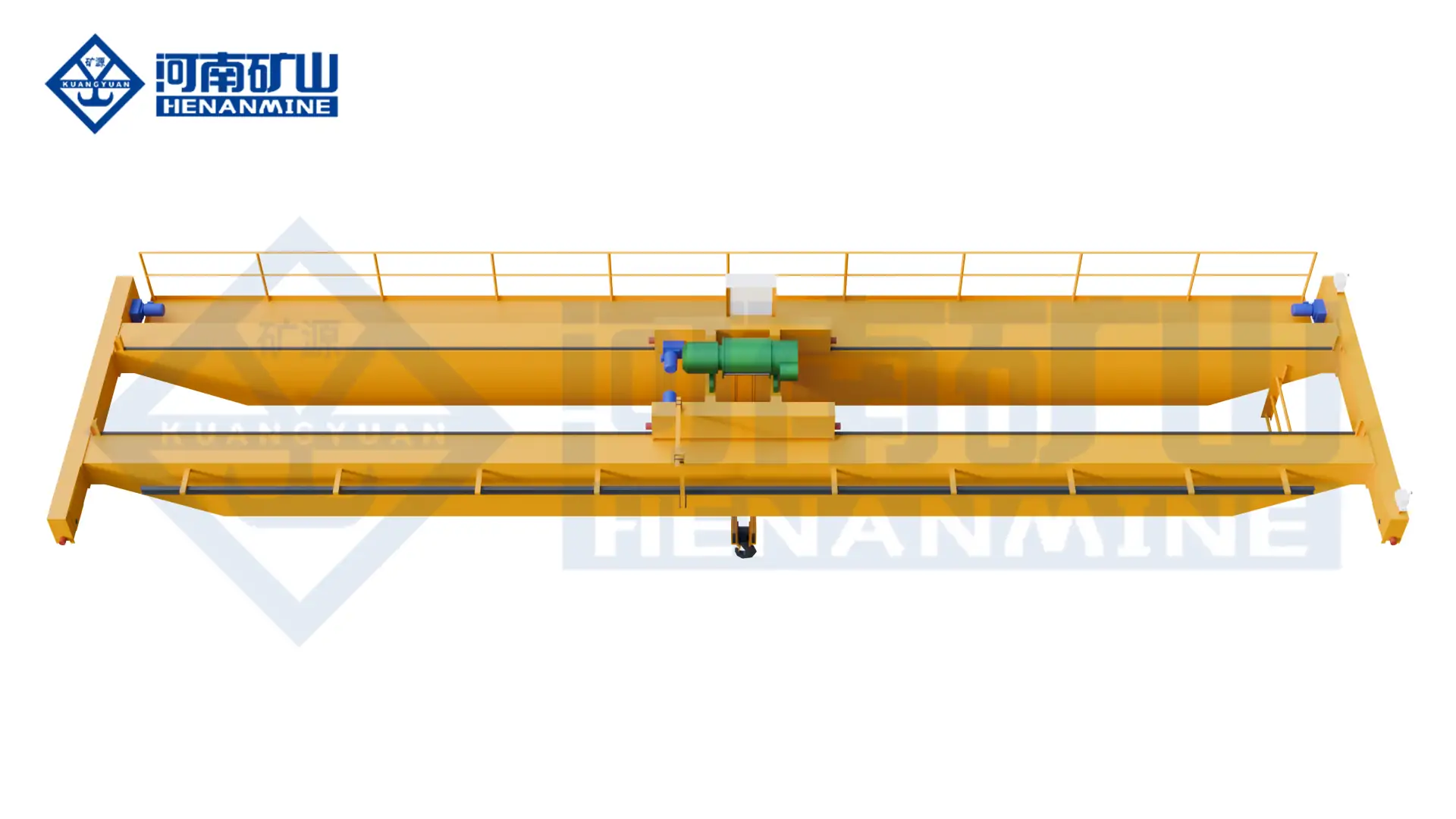
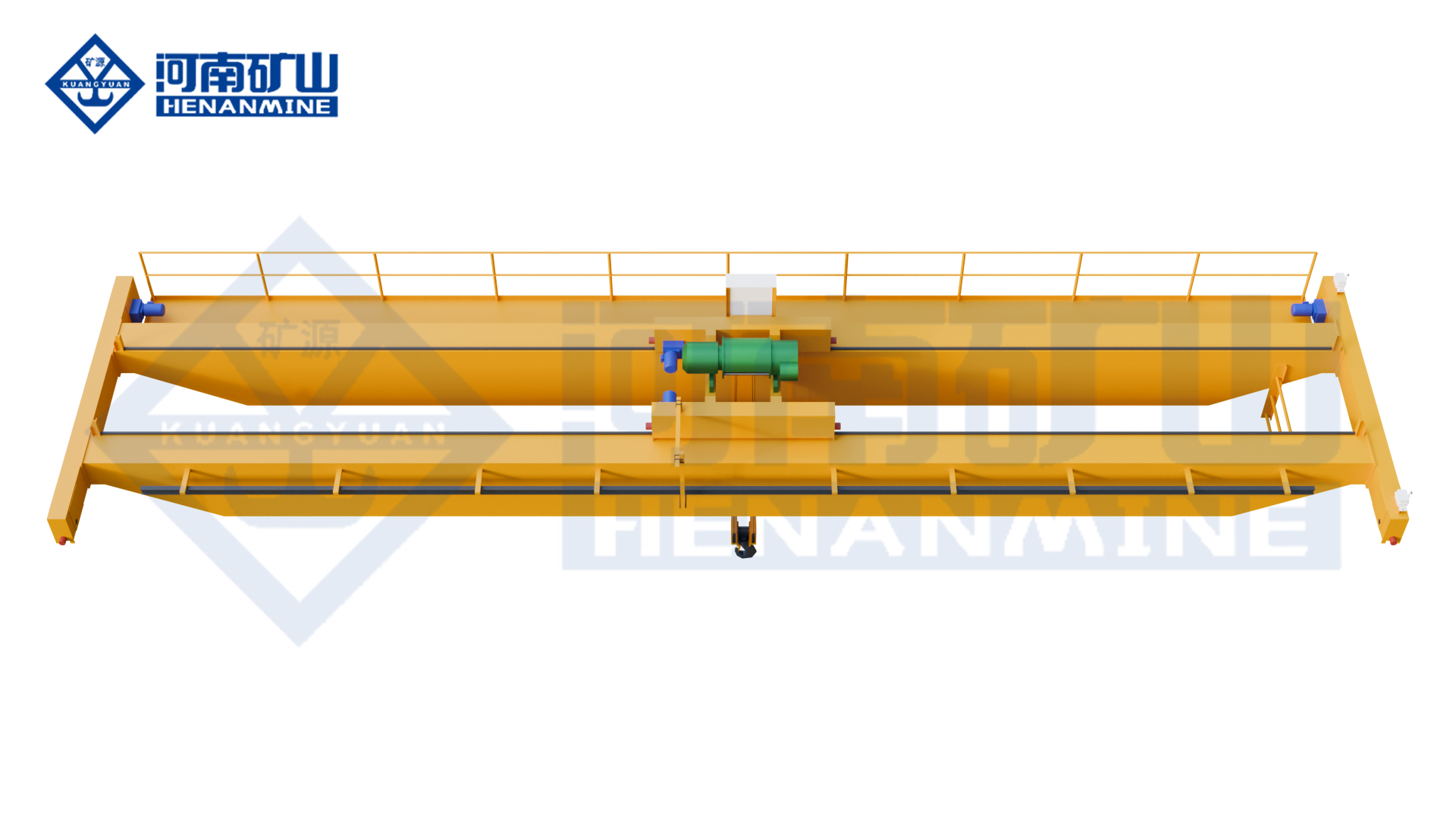
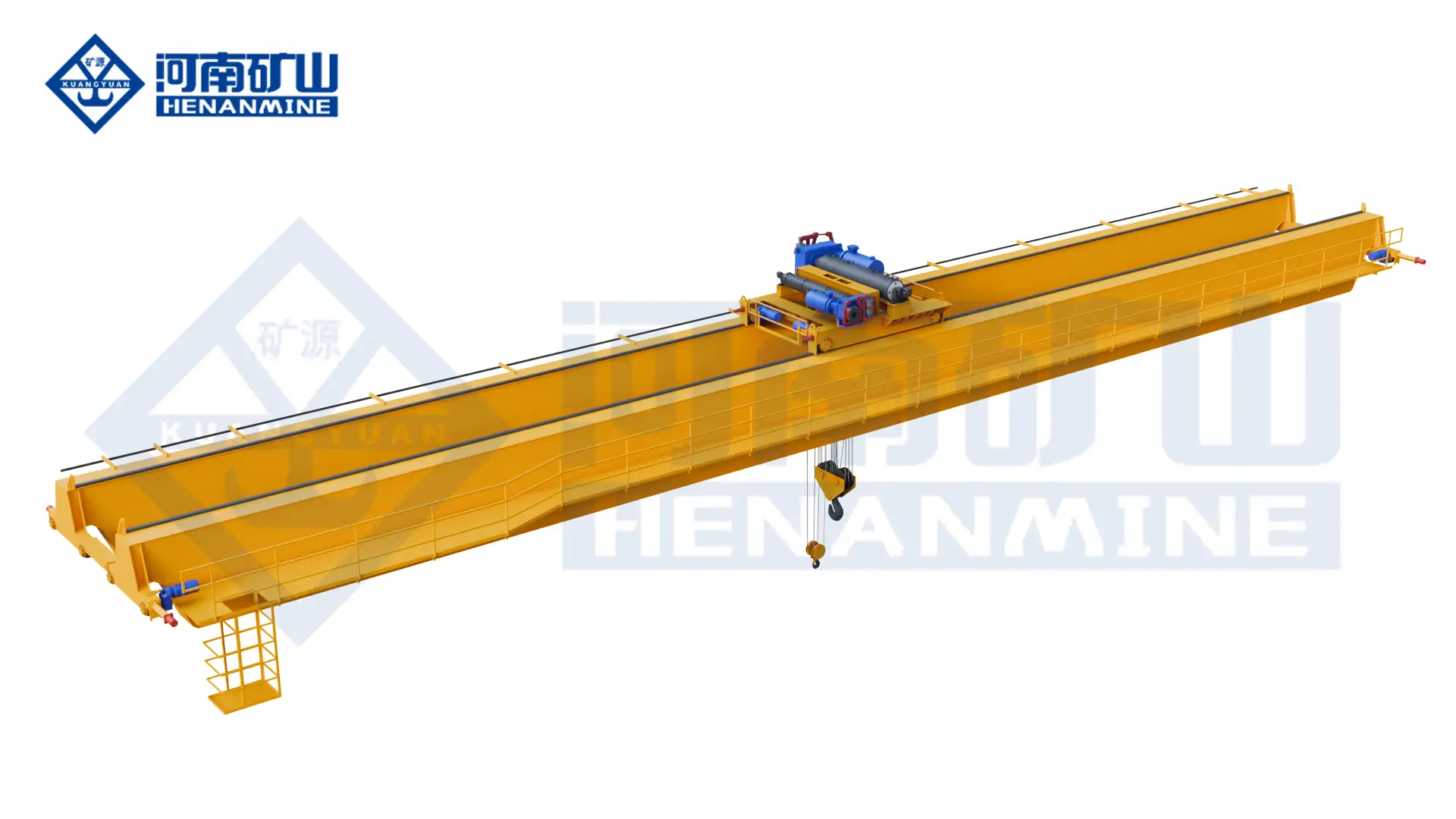
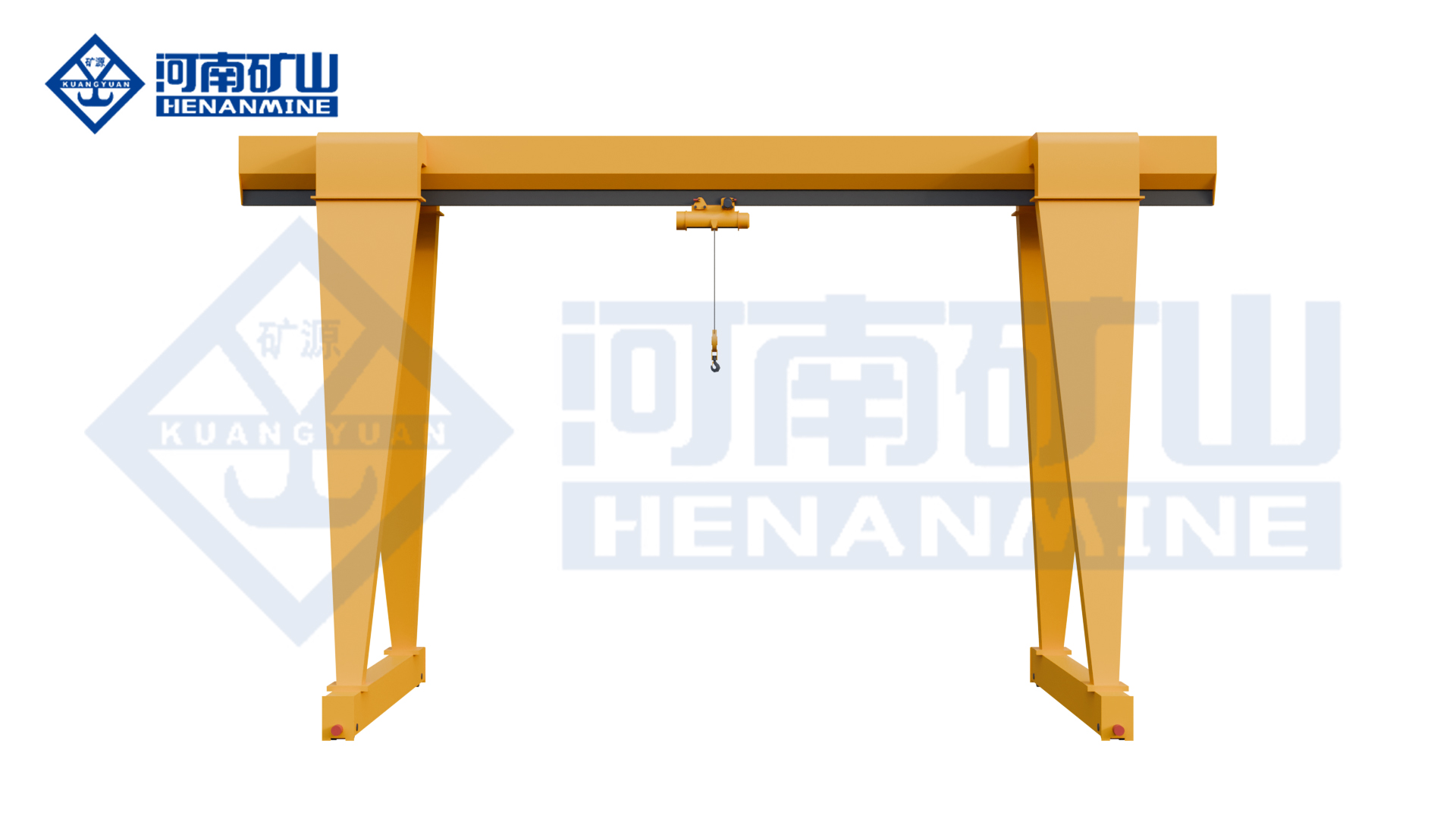
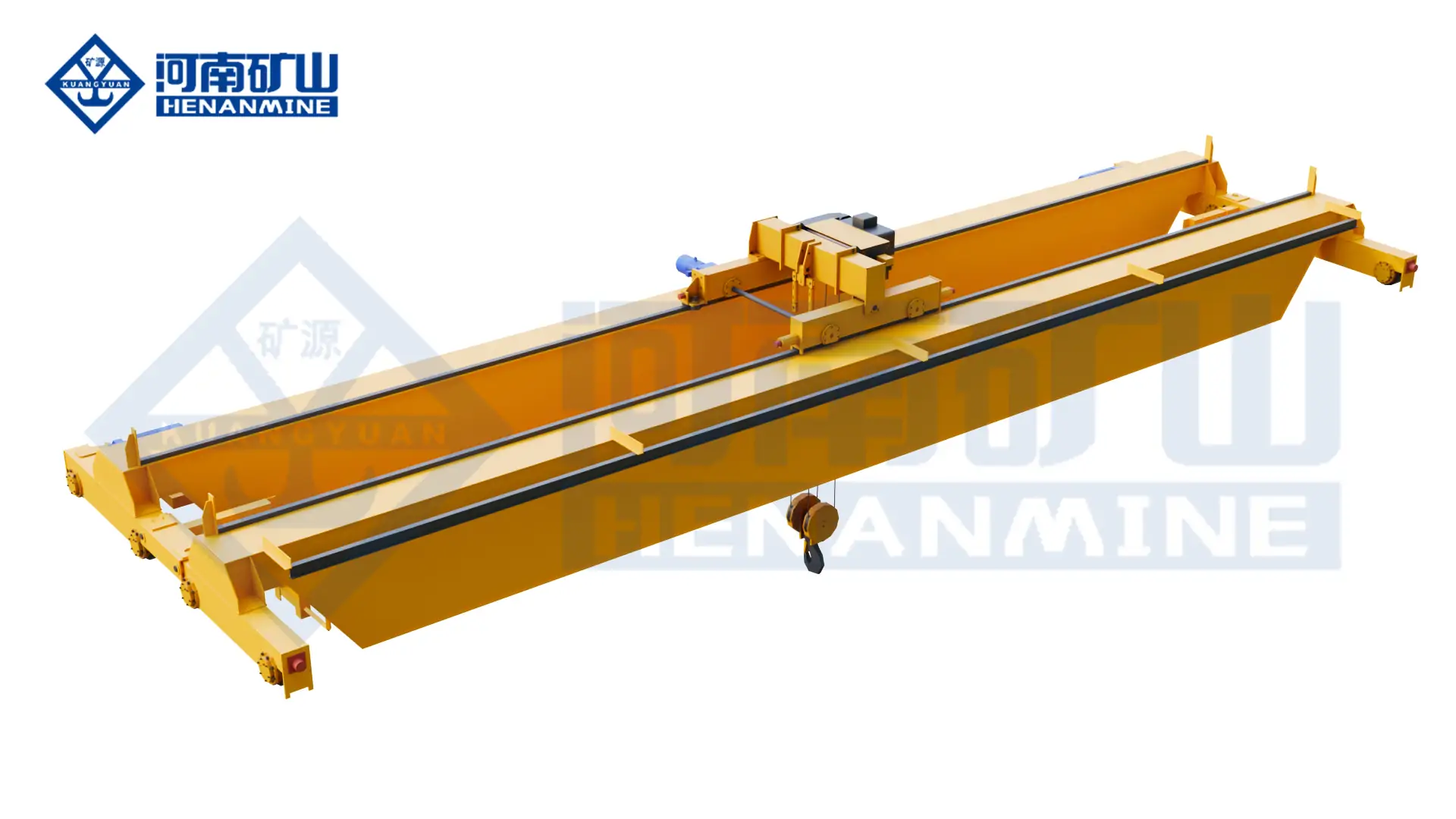
    Double-girder electric-hoist bridge crane from Henan Mine Crane
    Double-girder electric-hoist bridge crane from Henan Mine Crane
    Project planning notes

    Key points for this crane project.

    1. Compare the offered bridge and lifting mechanism
    2. Use the highest hook position in the comparison
    3. Review support compatibility
    Read the technical guide

    Compare the offered bridge and lifting mechanism

    For a ten-ton purchase, ask how the proposed hoist or trolley is arranged on the bridge. Review the equipment schedule and drawing together so structural form, mechanism position and maintenance access are clear.

    Compare single-girder or double-girder proposals against the same lifting task. Girder count is one design feature; it does not replace the specified duty, hook envelope or operating requirements.

    Use the highest hook position in the comparison

    Show the required upper hook level relative to the runway and roof. Include the attachment and the height of the load at its highest required position.

    Ask each supplier to show the relevant crane dimensions and clearances. Evaluate the complete arrangement rather than compare only hoist body dimensions or assume that one trolley form always provides the needed headroom.

    Review support compatibility

    Request wheel loads, spacing, crane weight and the proposed rail interface. Send this information to the party responsible for the runway structure and connections.

    For a replacement, check the existing rail, alignment, support arrangement and available clearance. The former crane’s ten-ton rating is useful background but does not establish compatibility with a different bridge and trolley.

    Check operation and service access

    Describe the handling sequence and operator visibility requirements. Review the proposed controls, travel functions and placement needs as part of the equipment package.

    Identify access to brakes, ropes, drives and electrical equipment. Discuss how major components can be inspected and removed, including any building or production restrictions affecting maintenance.

    Close the purchasing decision with evidence

    Request a final configuration drawing, equipment schedule and resolved interface list. Keep optional equipment and remaining assumptions separate from the accepted base arrangement.

    Send Henan Mine Crane the building information and handling requirements used for the comparison. A ten-ton selection is easier to assess when the structural and lifting arrangements are documented for the actual workshop.

    Discuss the crane arrangement for your project.

    A ten-ton bridge crane requires more definition than the rated load. Compare the proposed lifting mechanism, hook approaches and runway information against the factory's actual handling positions and duty. Share the load, available drawings, working cycle and site conditions with Henan Mine Crane so the required configuration and supply boundary can be discussed.

    Related crane configurations

    LH Electric Hoist Double Girder Crane

    View product parameters
    Lifting capacity: 3, 5, 10, 16, 20 tSpan: 10.5–31.5 mLifting height: 6, 9, 12 or 18 m

    Use an LH double-girder bridge with an electric-hoist trolley for workshop lifting, assembly and maintenance. Match the hoist arrangement to the suspended load, hook travel and available building space.

    Double Trolley Electric Hoist Crane

    View product parameters
    Lifting capacity: 1+1 – 32+32 tSpan: 7.5 – 31.5 mLifting height: 6 – 30 m

    Lift long components or serve separate working positions with two electric-hoist trolleys on one bridge. Trolley spacing, load sharing and independent or coordinated operation are specified for the task.

    Updated 2026 · Henan Mine Crane
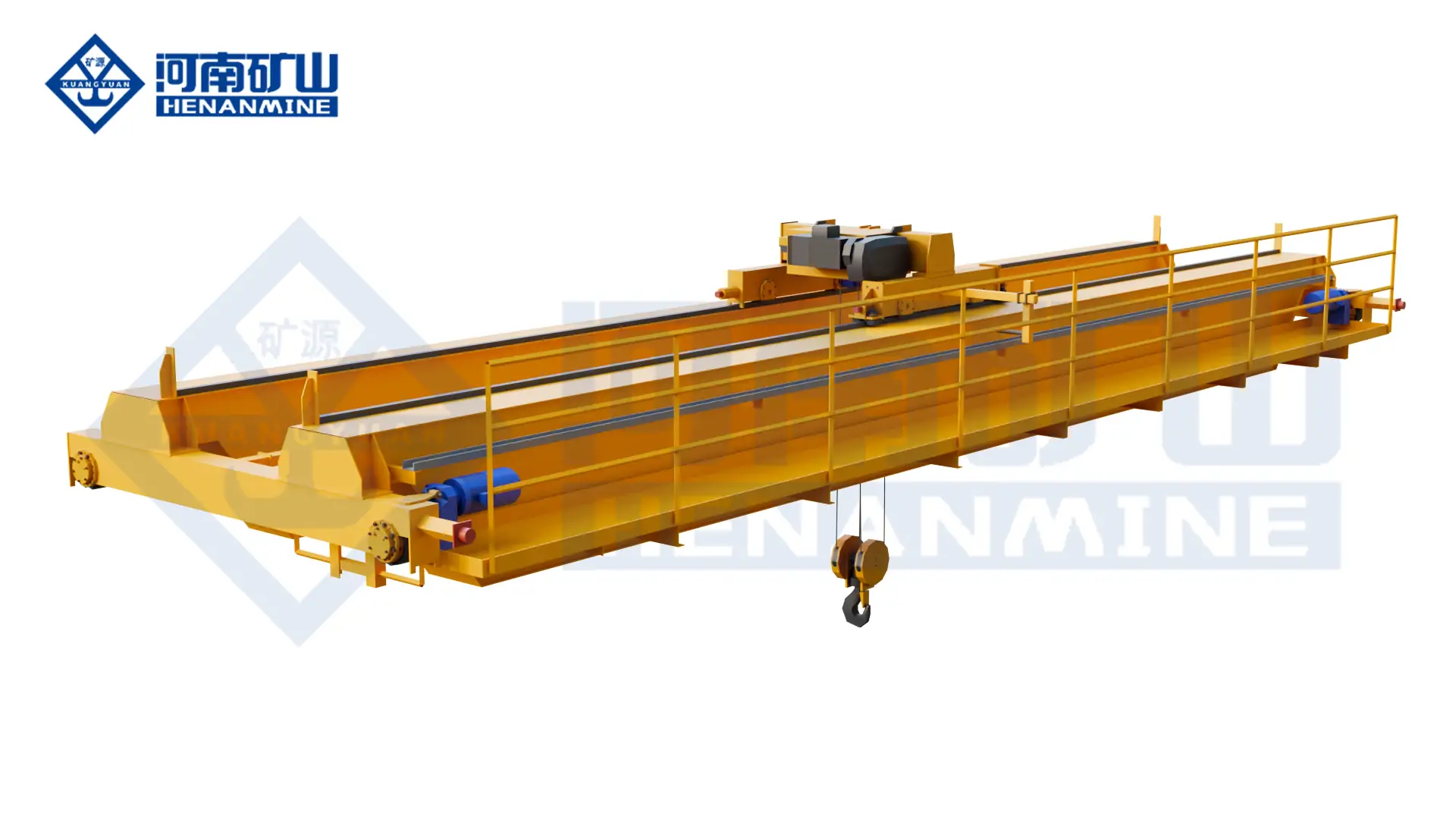
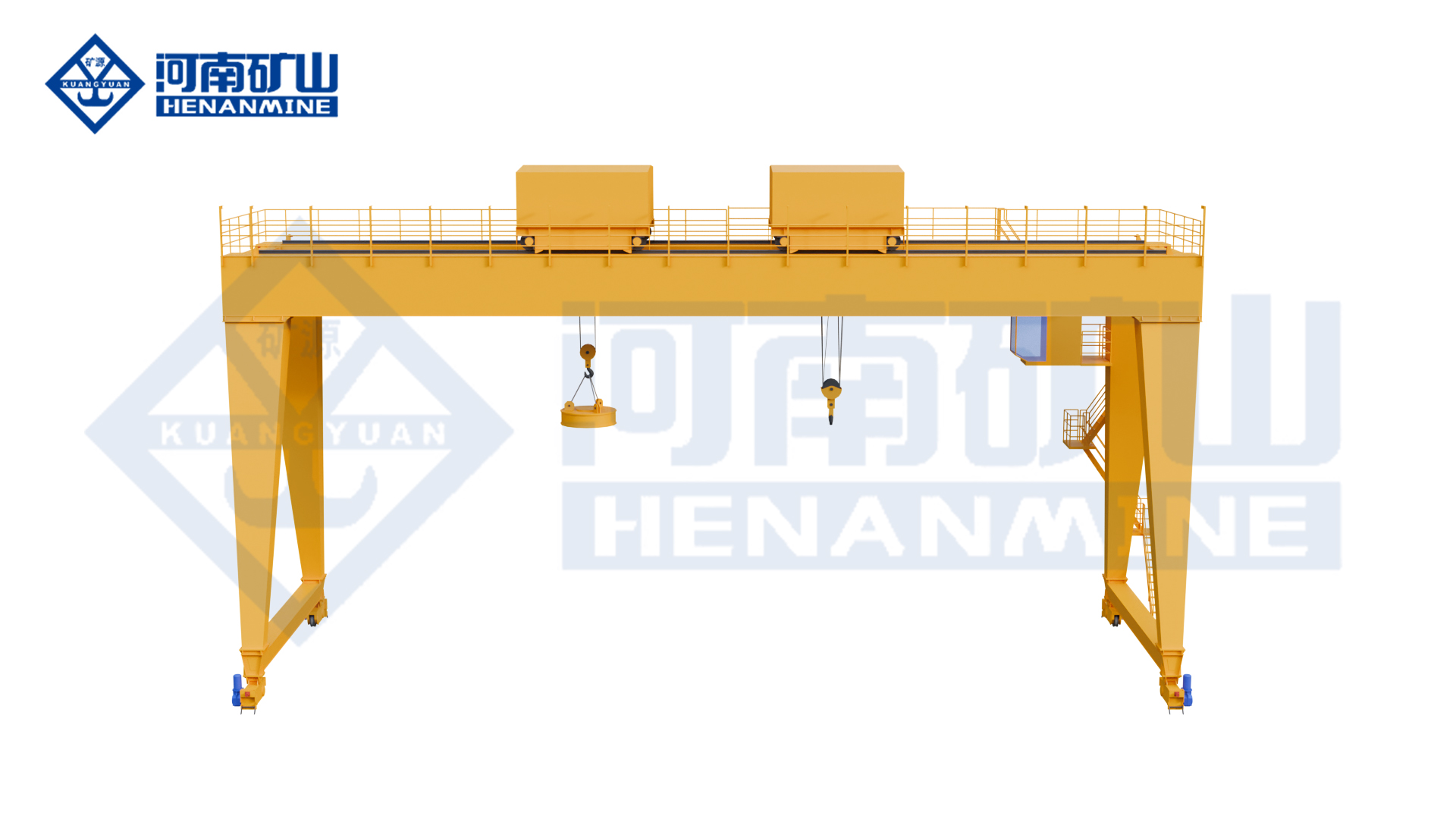
  • Electromagnetic Hook Double Gantry Crane

    Electromagnetic Hook Double Gantry Crane

    Gantry Cranes / Henan Mine Crane
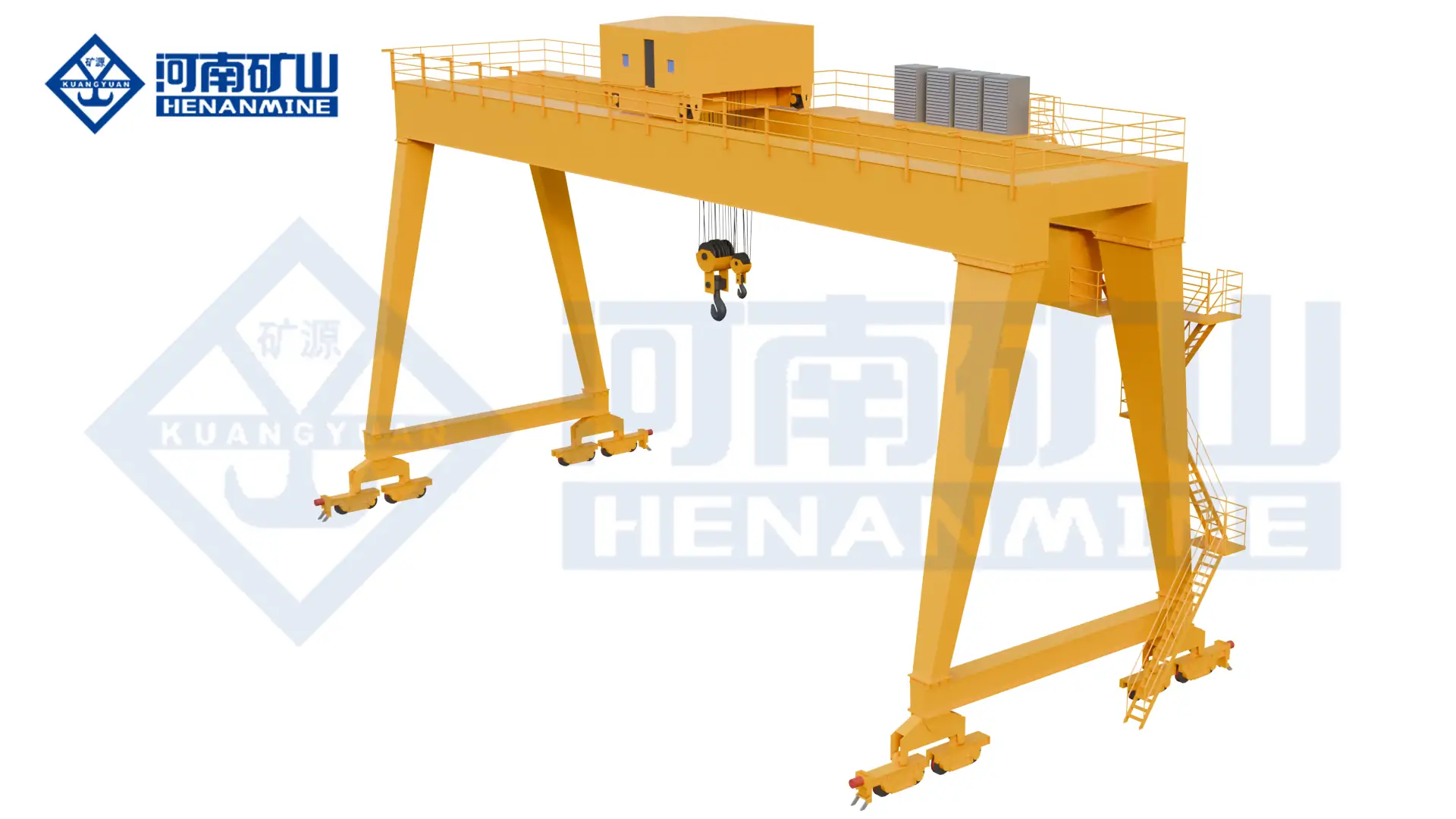
    Electromagnetic Hook Double Gantry Crane

    Handle steel products with a gantry arrangement combining hook and electromagnetic lifting functions. Define the trolley arrangement, load cases and changeover sequence for the yard.

    Lifting capacity10-50 t
    Span18-35 m
    Working classA3-A8
    Technical specifications

    Define the total suspended load, duty and site conditions for your project.

    Technical specifications

    Check the load.
    Plan the configuration.

    Parameters and equipment options are matched to the application and confirmed in the technical proposal.

    Discuss your configuration
    ModelMEN
    Crane TypeGeneral Double Girder Gantry Crane
    Rated Lifting Capacity10-50 t
    Span18-35 m
    Lifting Height8 – 24 m
    Working DutyA3-A8
    Trolley Quantity2
    Lifting DeviceHook + Electromagnetic Magnet
    Control SystemPLC + Touch Screen + WLK Controller
    Hoisting Speed3 – 12 m/min
    Travel Speed15-45 m/min
    Protection LevelIP54
    Power Supply220-690V, 50/60Hz
    MaterialHigh-Strength Q355B Steel
    ApplicationSteel Mill, Scrap Yard, Port, Outdoor Warehouse

    Final parameters, dimensions, wheel loads and supply scope follow the approved project specification.

    Application & operation

    Matched to the handling task.

    Steel yards

    Transfer magnetic steel products and separately rigged loads within the same working area.

    Mixed handling tasks

    Coordinate the declared hook, magnet and trolley operating combinations.

    Selection considerations

    Start with your operating conditions.

    01

    Load & lifting arrangement

    Specify hook loads, magnetic products and lifting-appliance weights. Include lifting-appliance weight and the required lifting positions.

    02

    Site & available space

    Provide trolley spacing, ground rails and storage layout. Coordinate the installation interfaces with the available site drawings.

    03

    Duty & control sequence

    Define changeover sequence, combined lifting conditions and magnet power-loss response. Identify the required movements and control interfaces in the enquiry.

    Configuration comparison

    Compare related lifting arrangements.

    Crane arrangementHandling configuration
    Electromagnetic Hook Double Gantry CraneHandle steel products with a gantry arrangement combining hook and electromagnetic lifting functions. Define the trolley arrangement, load cases and changeover sequence for the yard.
    Double Girder Gantry CraneHandle machinery, steelwork and other heavy loads with a double-girder gantry crane. The lifting mechanism, runway, legs and any cantilevers are selected for the complete yard operation.
    Electromagnetic Hanging Beam CraneSupport long steel products with an electromagnetic hanging beam. Beam length, magnet spacing and lifting points are configured around product geometry, orientation and stacking requirements.
    Grab Hook Gantry CraneCombine grab and hook handling on an electric-hoist gantry arrangement. Match the lifting appliance, load cases and changeover method to the outdoor handling layout.

    Operating protection & lifecycle support

    Plan beyond the equipment.

    01

    Operating protection

    Define travel limits, overload protection, traffic clearances and the outdoor operating limits for the proposed arrangement.

    02

    Installation & commissioning

    Agree rail foundations, runway alignment, wheel-load interfaces, erection access, electrical connections and commissioning responsibilities.

    03

    Inspection & spares

    Plan inspection and maintenance of magnet supply cables, hook assemblies and trolley interlocks. Agree service access, documentation and the required spare-parts scope.

    Questions before the order

    Clarify the details
    that shape the crane.

    What information is needed for a electromagnetic hook double gantry crane quotation?+

    Provide hook loads, magnetic products and lifting-appliance weights; trolley spacing, ground rails and storage layout; and changeover sequence, combined lifting conditions and magnet power-loss response. Include drawings and the project destination when available.

    What must be specified for hook and magnet operation?+

    List each operating mode, its suspended load, the lifting appliances used and whether simultaneous operation is required. The proposal defines the permissible combinations and interlocks.

    What installation and support scope should be agreed?+

    Agree rail foundations, runway alignment, wheel-load interfaces, erection access, electrical connections and commissioning responsibilities. Specify the documentation, training and spare-parts support needed for the project.

    Related equipment

    Explore the alternatives.

    Let’s discuss your project

    The right crane starts
    with your lifting task.

    Share hook loads, magnetic products and lifting-appliance weights, together with your site layout and operating cycle.

    info@hnksglobal.com