
Overhead Cranes / Henan Mine Crane
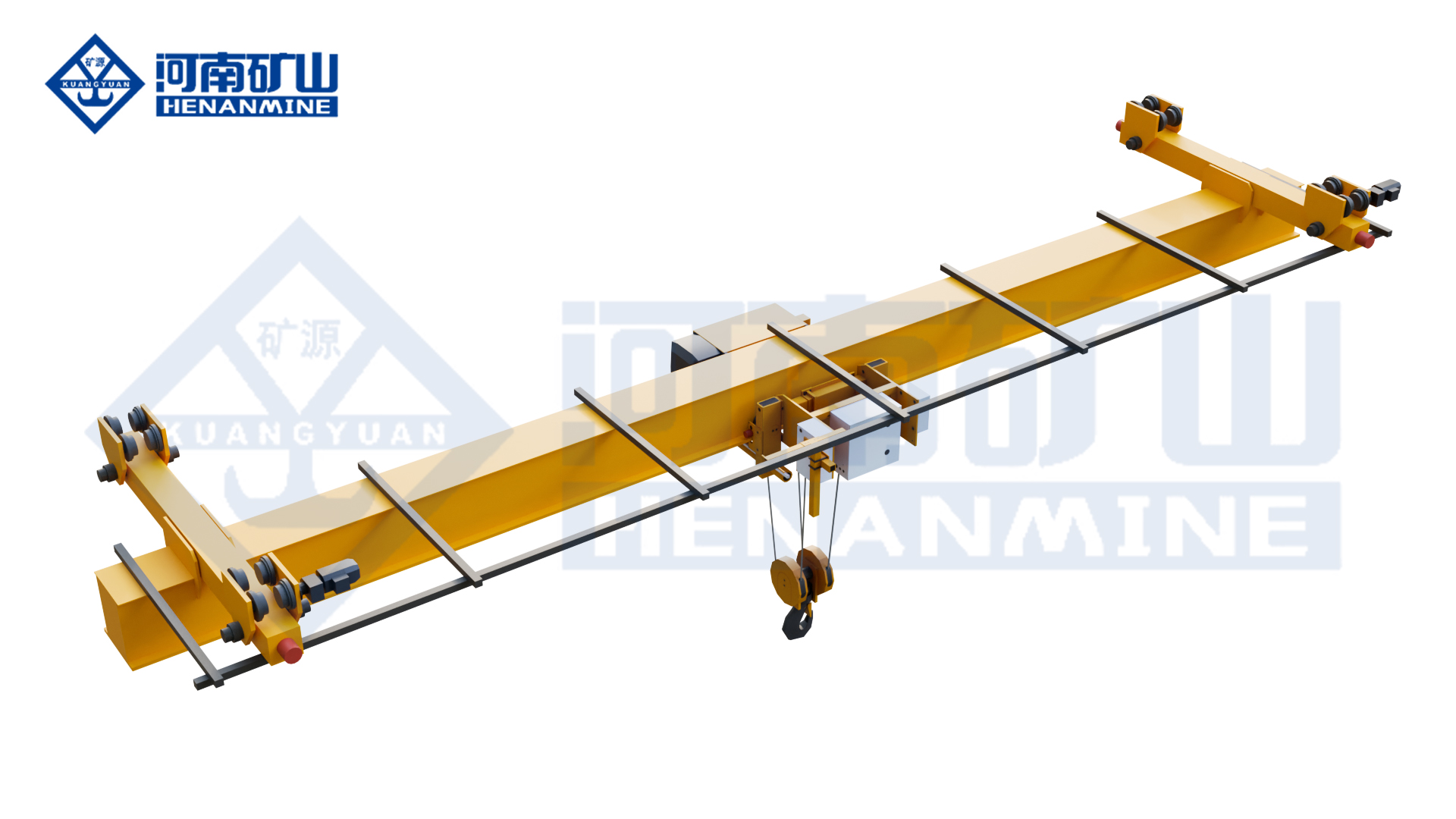
Explosion-Proof Suspended Overhead Crane
Provide suspended electric-hoist lifting within a declared hazardous area. Review the overhead support, lifting duty and protection of the hoist, travel drives and controls as one system.
Define the total suspended load, duty and site conditions for your project.
Technical specifications
Check the load.
Plan the configuration.
Parameters and equipment options are matched to the application and confirmed in the technical proposal.
Discuss your configuration| Rated Lifting Capacity | 1t – 10t |
|---|---|
| Basic Span | 7.5m – 28.5m |
| Lifting Height | 6m – 20m |
| Hazardous-area configuration | Matched to the declared area classification, material group and temperature requirements |
| Hoist Type | Special explosion-proof electric hoist |
| Drive Motor | Explosion-proof type motor |
| Working Class | A3 – A5 |
| Lifting Speed | 2m/min – 10m/min |
| Crane Travel Speed | 15m/min – 25m/min |
| Control Mode | Explosion-proof ground handle / wireless remote |
| Power Supply | 380V/50Hz; 220V-660V/60Hz |
| Protection Level | IP55 (IP65 optional) |
| Working Temperature | -20℃ ~ 45℃ |
| Structural Feature | Modular assembly |
Final parameters, dimensions, wheel loads and supply scope follow the approved project specification.
Application & operation
Matched to the handling task.
Classified workshops
Provide overhead lifting coverage beneath a suspended runway.
Process access
Coordinate the hook positions with maintenance and production equipment.
Selection considerations
Start with your operating conditions.
Load & lifting arrangement
Specify suspended load, lifting height and lifting attachment. Include lifting-appliance weight and the required lifting positions.
Site & available space
Provide runway supports, building reactions and available clearances. Coordinate the installation interfaces with the available site drawings.
Duty & control sequence
Define gas or dust classification, temperature limits and operating duty. Identify the required movements and control interfaces in the enquiry.
Configuration comparison
Compare related lifting arrangements.
| Crane arrangement | Handling configuration |
|---|---|
| Explosion-Proof Suspended Overhead Crane | Provide suspended electric-hoist lifting within a declared hazardous area. Review the overhead support, lifting duty and protection of the hoist, travel drives and controls as one system. |
| Explosion Proof Electric Hoist Bridge Crane | Use an electric-hoist bridge arrangement for a declared hazardous area. The hoist, drives, controls and electrical installation are specified for the area classification and lifting duty. |
| Explosion-Proof Bridge Crane | Use a QB bridge crane for lifting in a declared explosive-gas environment. Select the load rating, main and auxiliary arrangement, electrical protection and control mode for the project. |
| Dust-Proof Explosion-Proof Overhead Crane | Configure suspended lifting for a declared combustible-dust environment. Dust classification, surface-temperature limits and enclosure requirements form part of the crane and hoist specification. |
Operating protection & lifecycle support
Plan beyond the equipment.
Operating protection
Confirm overload protection, travel limits, brakes, emergency controls and the required process interlocks for the declared lifting task.
Installation & commissioning
Agree runway reactions, structural interfaces, electrical connections, assembly, inspection and commissioning responsibilities before delivery.
Inspection & spares
Plan inspection and maintenance of suspension hardware, protected drives and cable systems. Agree service access, documentation and the required spare-parts scope.
Questions before the order
Clarify the details
that shape the crane.
What information is needed for a explosion-proof suspended overhead crane quotation?+
Provide suspended load, lifting height and lifting attachment; runway supports, building reactions and available clearances; and gas or dust classification, temperature limits and operating duty. Include drawings and the project destination when available.
What is required from the building designer?+
Provide runway and supporting-structure information for review against the proposed crane reactions and clearances. The support arrangement and hazardous-area installation must be coordinated.
What installation and support scope should be agreed?+
Agree runway reactions, structural interfaces, electrical connections, assembly, inspection and commissioning responsibilities before delivery. Specify the documentation, training and spare-parts support needed for the project.
Related equipment
Explore the alternatives.
Overhead Cranes
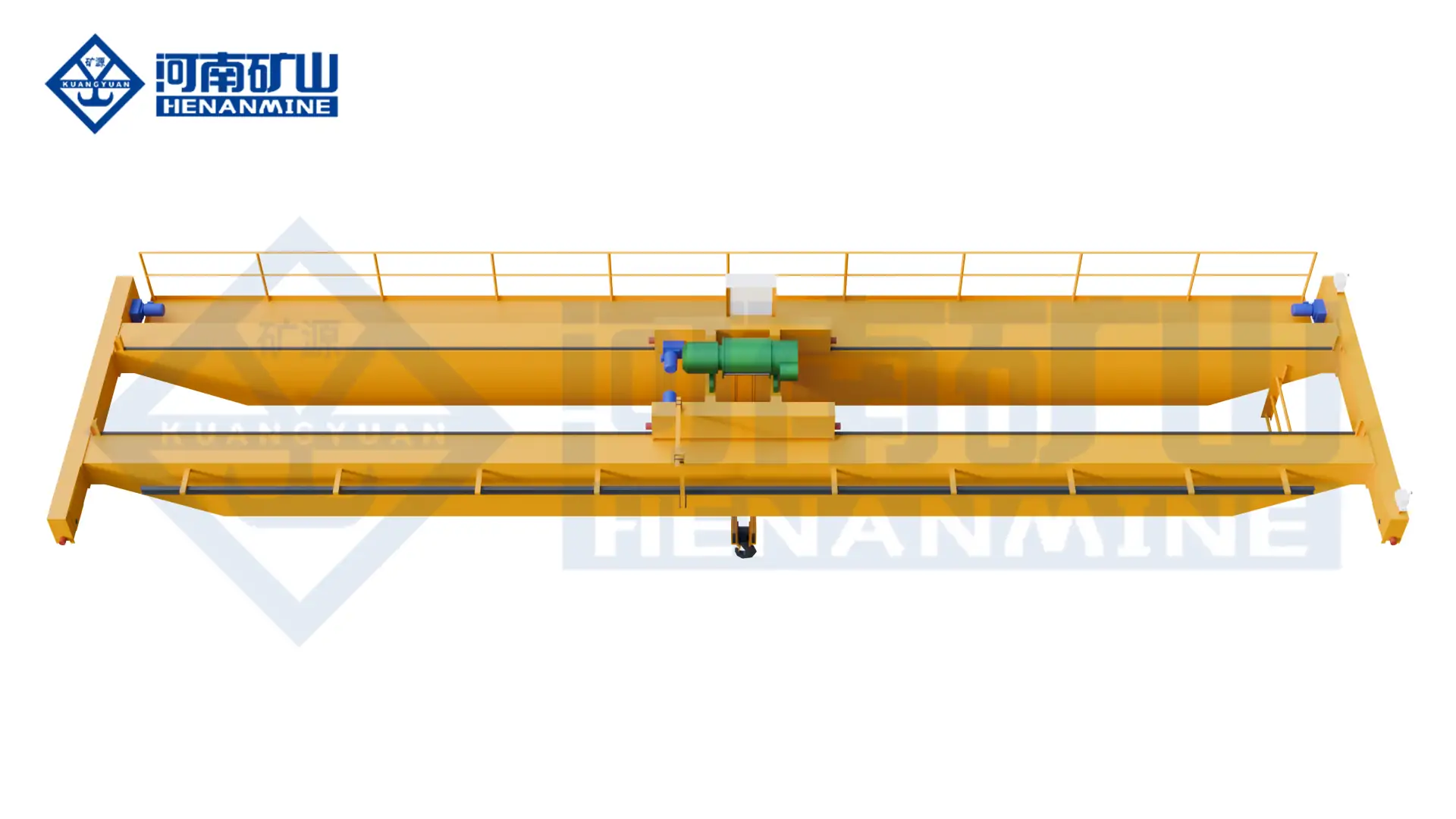
Explosion Proof Electric Hoist Bridge Crane
Use an electric-hoist bridge arrangement for a declared hazardous area. The hoist, drives, controls and electrical installation are specified for the area classification and lifting duty.
View configuration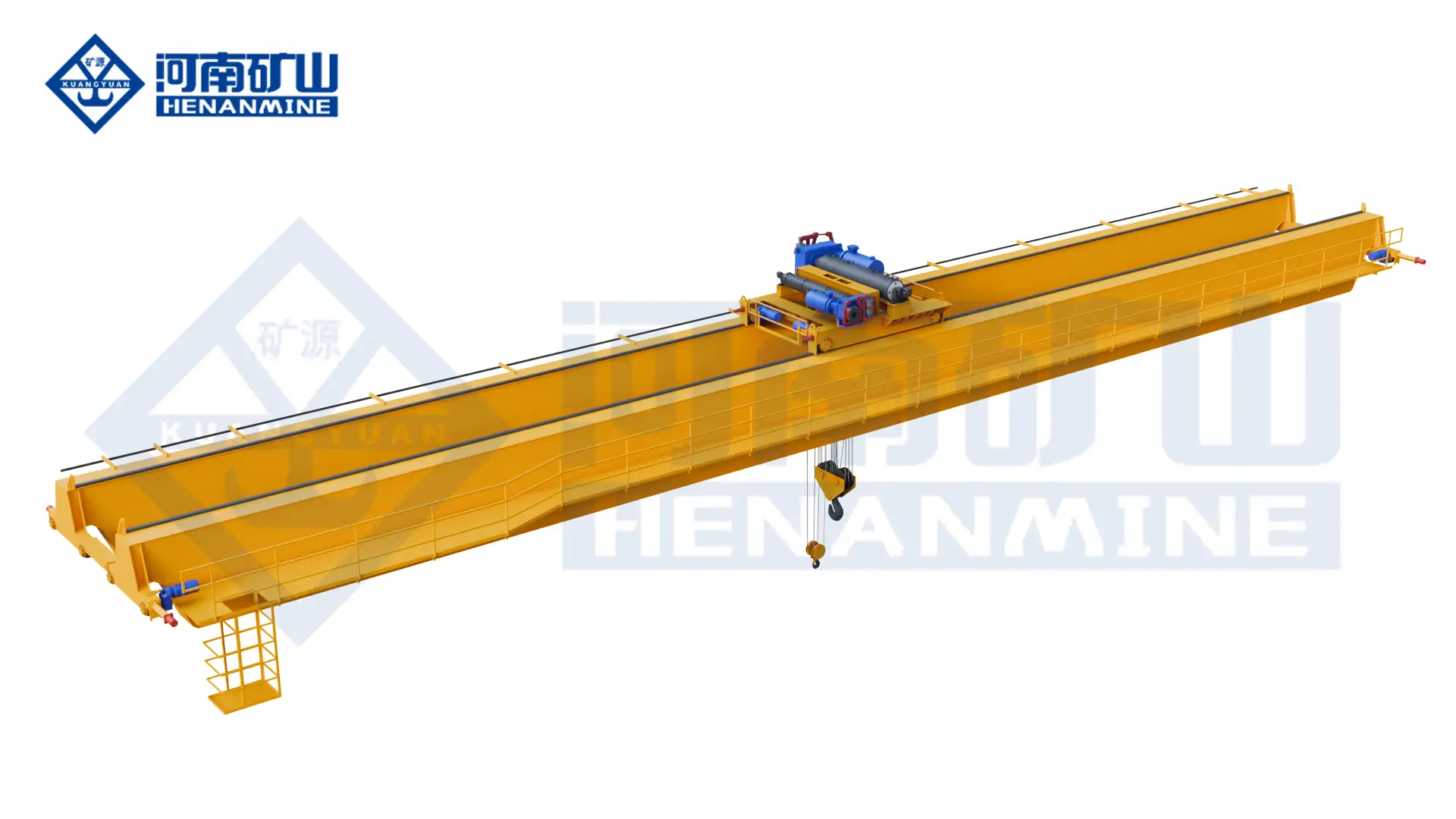
Overhead Cranes
Explosion-Proof Bridge Crane
Use a QB bridge crane for lifting in a declared explosive-gas environment. Select the load rating, main and auxiliary arrangement, electrical protection and control mode for the project.
View configuration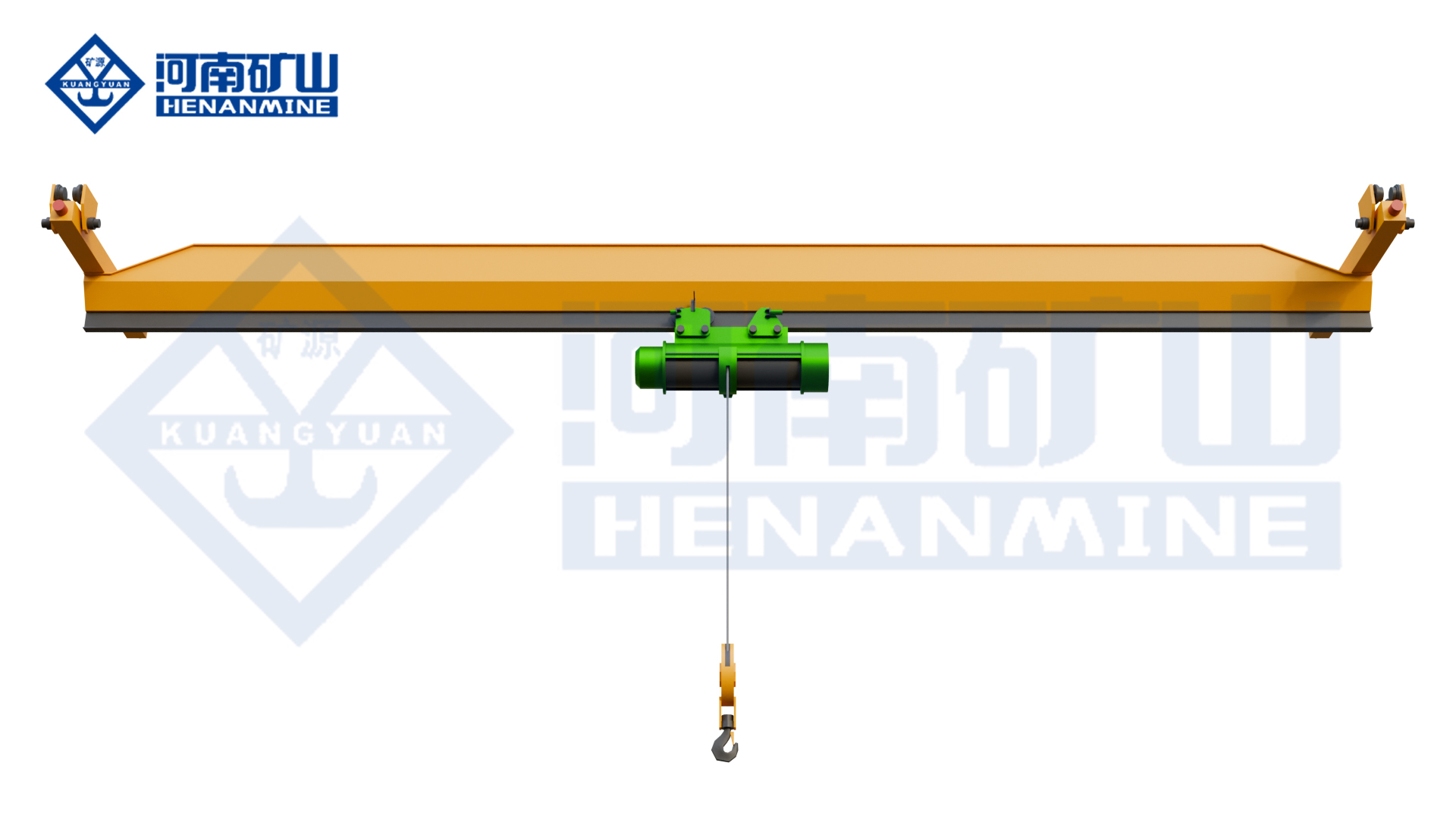
Overhead Cranes
Dust-Proof Explosion-Proof Overhead Crane
Configure suspended lifting for a declared combustible-dust environment. Dust classification, surface-temperature limits and enclosure requirements form part of the crane and hoist specification.
View configurationLet’s discuss your project
The right crane starts
with your lifting task.
Share suspended load, lifting height and lifting attachment, together with your site layout and operating cycle.