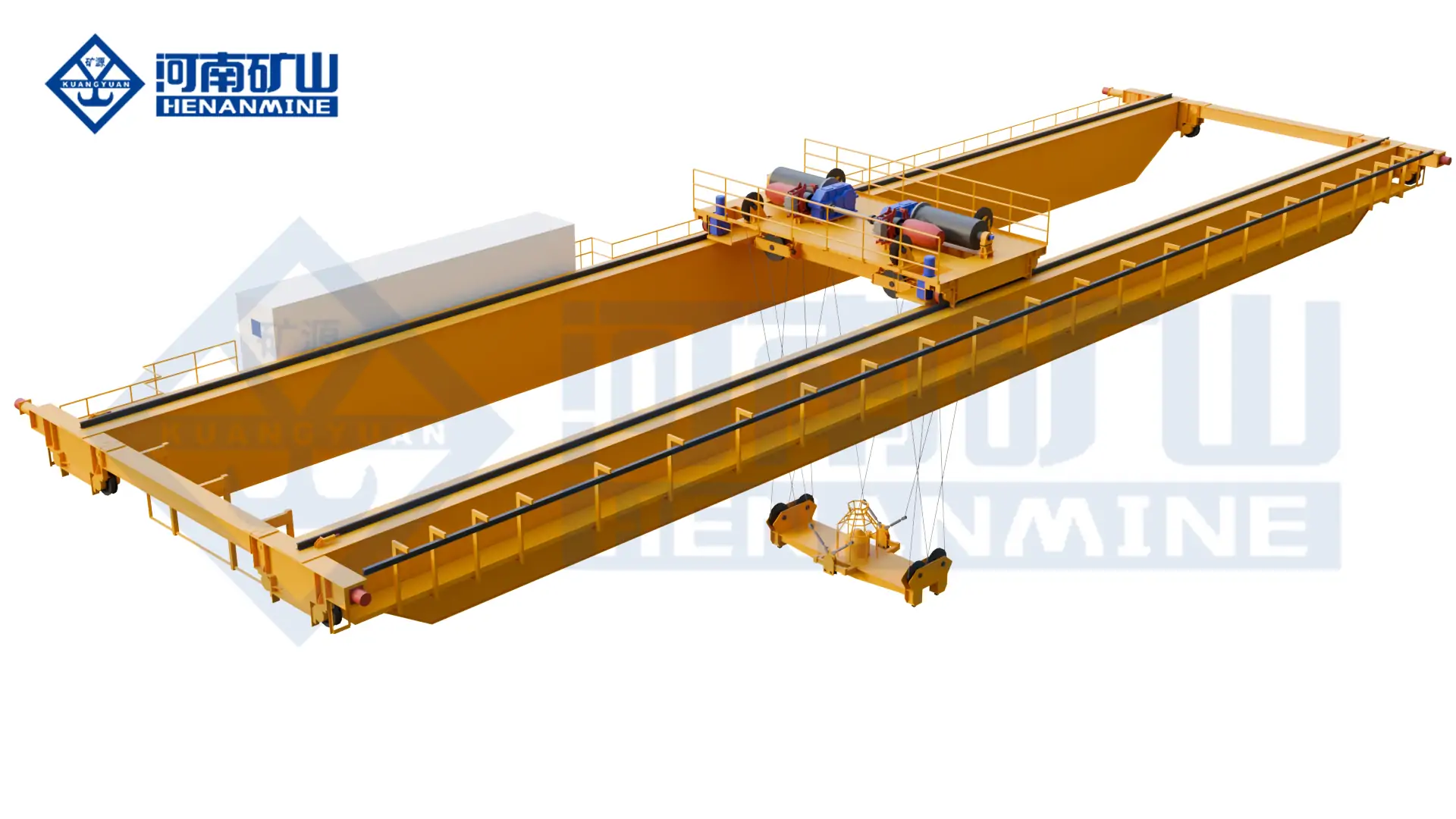
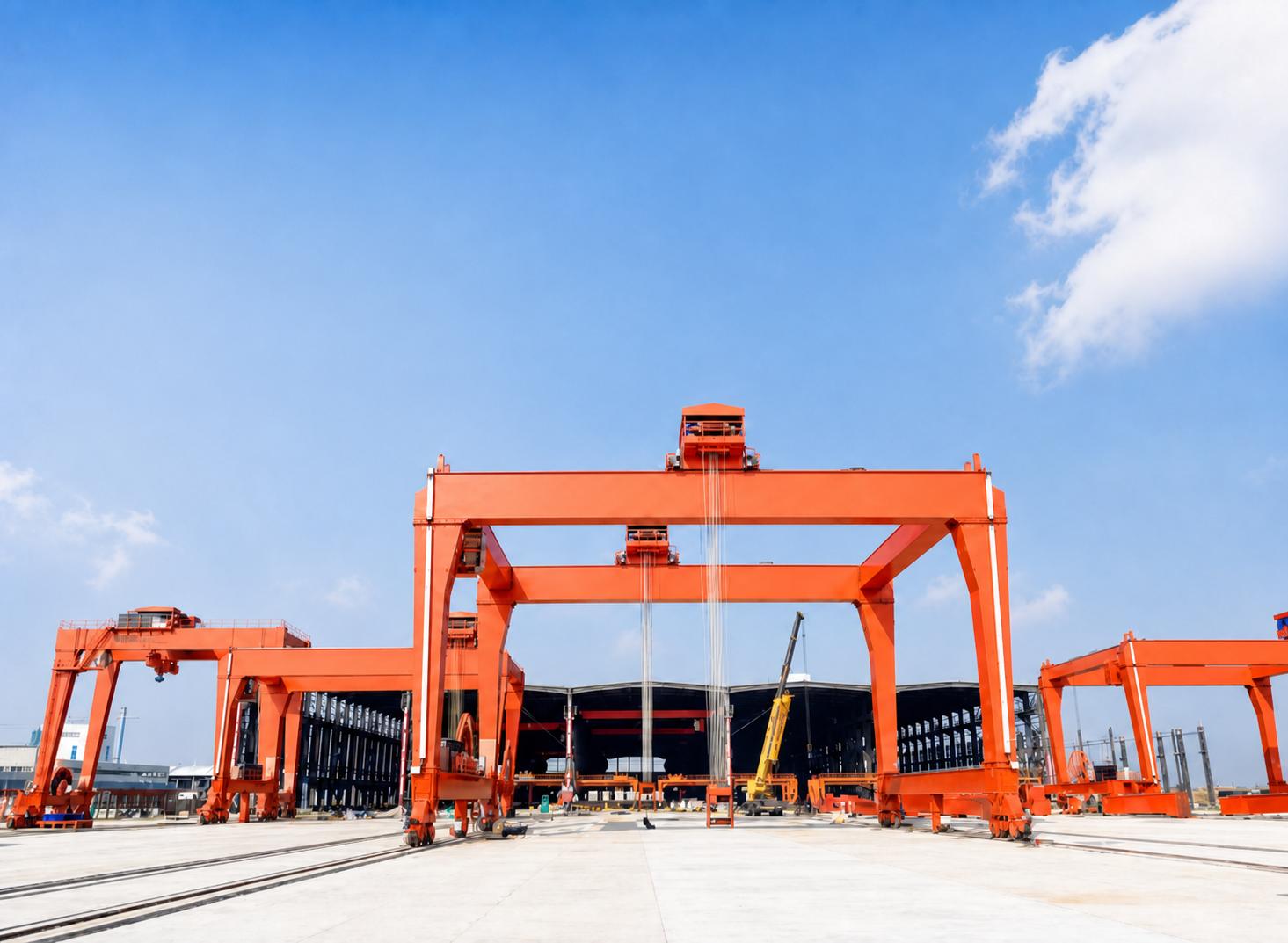
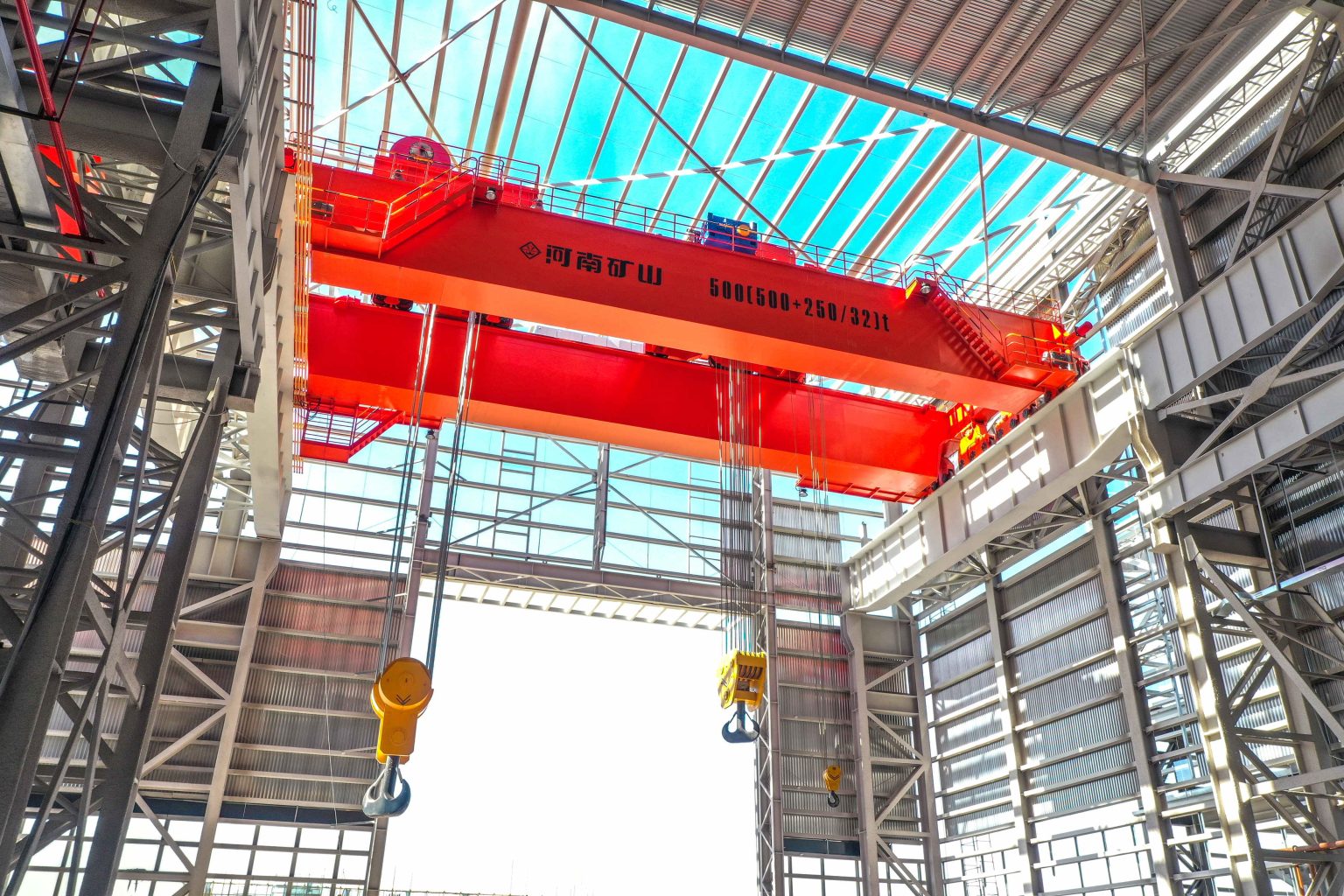
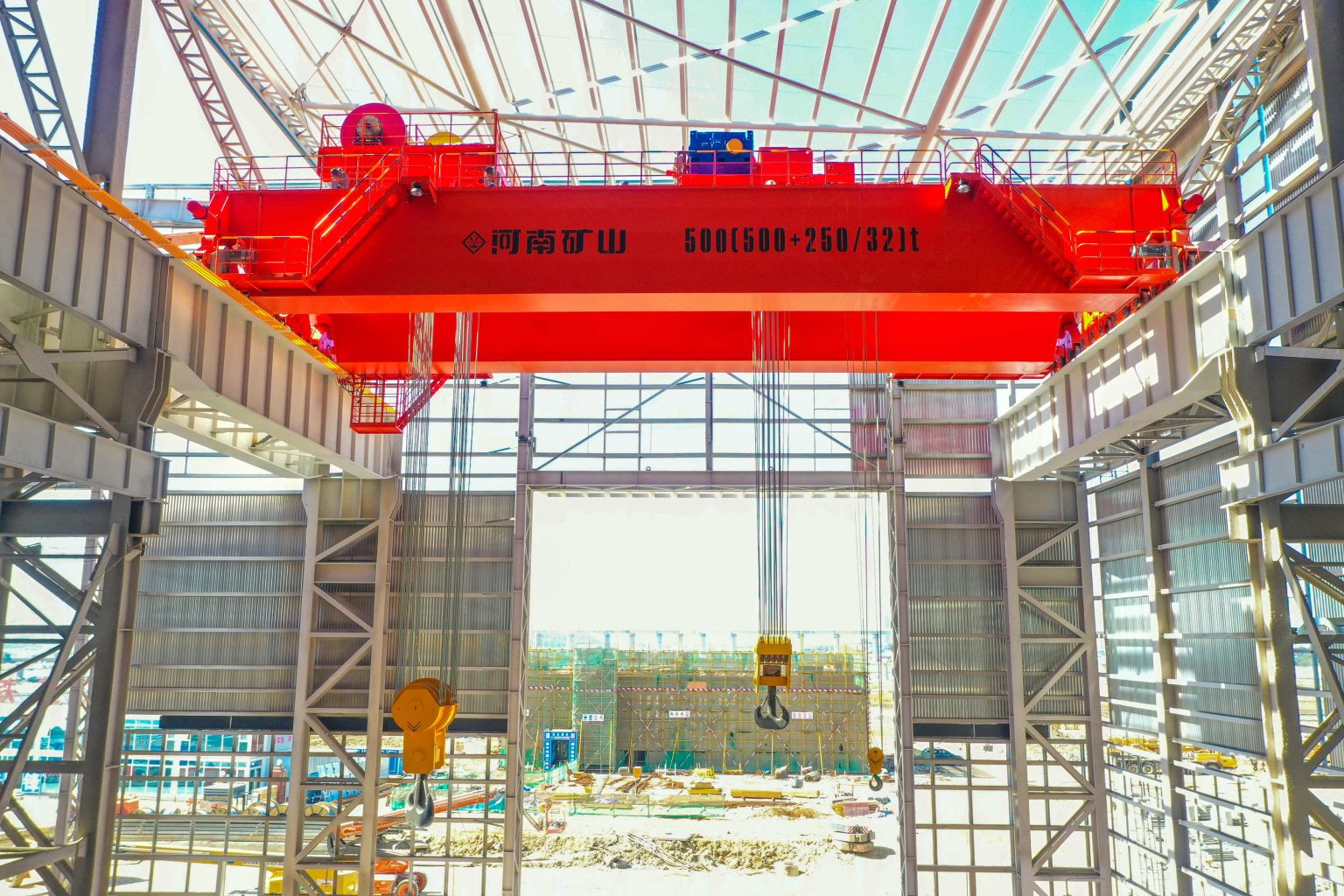
Bridge crane long-term heavy load operation, complex working conditions, easy to appear high-frequency common fault. Most enterprises make inaccurate fault judgment and improper handling methods, resulting in small faults evolving into big problems, increasing operation and maintenance costs and prolonging downtime. For the three major high-frequency faults in the industry, sort out accurate fault causes and standardized solutions, quickly solve equipment problems and restore normal operations.
Wire rope issues
The wire rope is the component with the fastest loss and the highest failure frequency of the Henan Mine Crane manufactured overhead crane. The common faults include broken wire and strand, excessive wear, corrosion aging, kink deformation, lubrication failure, rope skipping and groove removal, etc., which are mostly caused by heavy load operation, insufficient lubrication, track deviation, debris friction and long-term fatigue operation. Wire rope failure directly threatens the safety of lifting operation, which is the key type of failure control.
Solution: Daily found a small amount of broken wire, slight wear, timely clean the wire rope, supplement special lubricating oil, check the drum, pulley stuck problem, adjust the operating parameters, to avoid local concentrated wear. If the single lay length exceeds the standard, the rope diameter exceeds the standard, the strand is broken, serious corrosion occurs, and the permanent kink deformation occurs, the new wire rope must be immediately shut down and replaced. It is strictly prohibited to continue to use after repair. For rope skipping, groove out of the problem, correct drum, pulley coaxial, clean rope groove debris, adjust wire rope tension uniformity. In long-term humid and dusty environment, shorten the inspection and lubrication cycle of steel wire rope, regularly remove rust and corrosion, and prolong service life.
Brake problems
Brake system failure is one of the most dangerous equipment failures. Common problems are ineffective braking, failure to brake, slipping of the hook, failure to turn on the brake, abnormal brake noise, overheating of the brake, etc. The main causes are brake shoe lining wear is serious, brake gap is too large, main spring fatigue failure, coil burning, obstruction accumulation, brake wheel wear and deformation.
Solution: For the problem of brake failure and sliding hook, stop immediately to check the wear of brake lining, replace it in time if the wear exceeds the standard, accurately adjust the brake clearance and brake torque, and replace the fatigue aged main spring. To solve the problem of brake failure and jamming, thoroughly clean up sundries and oil stains of brake mechanism, check mechanical jamming fault, repair or replace faulty coil and brake screw rod. In view of abnormal brake noise and overheating, polish and repair brake wheel wear and burr, adjust brake concentricity, ensure uniform brake fit and avoid local friction overheating. Regularly clean the brake system, fine-tune the brake parameters, and eliminate the recurrence of brake faults.
Electrical faults
High-frequency faults of electrical system mainly include equipment failure to start and stop, operation jam, unstable speed regulation, short-circuit trip, leakage, alarm failure, limit failure, etc., which are mostly caused by aging of lines, damage of insulation layer, short circuit of dust accumulation, ablation of electrical elements, poor grounding and parameter deviation. The faults are highly random and have a wide influence range.
Solution: When the equipment cannot be started or stopped, and the operation fails, priority should be given to checking the power switch, terminal, and operating handle, tightening the loose line, and replacing the fault switch. Unstable speed regulation and vibration of equipment, maintenance of frequency converter and contactor, calibration of frequency conversion parameters, replacement of ablated contact parts. In case of frequent short-circuit tripping and leakage, comprehensively check the damaged parts of cable insulation layer, repair or replace aged cables, clean up dust and oil stains in electrical cabinets, check grounding devices and eliminate potential leakage hazards. When the limit and alarm devices fail, recalibrate the accuracy of the devices, replace the faulty sensors and alarm elements, and put them into use only after the test functions are normal.