3-Ton Overhead Crane Purchasing: Capacity, Hoist and Bay Fit
A three-ton enquiry needs the same attention to geometry and working duty as a larger crane project. Define the load, lifting range and building interfaces before comparing equipment arrangements and supplier scope.
Key points for this crane project.
- Is a 3 Ton Overhead Crane the Correct Capacity?
- 3 Ton Overhead Crane Configurations
- Selection Considerations
Is a 3 Ton Overhead Crane the Correct Capacity?
The limit must include the payload, hook-below attachments, lifting beam, magnet, clamps, slings and every other component suspended from the crane.
A higher-capacity crane, lighter lifting attachment or revised handling method is required. Normal operating load, maximum occasional load and future production changes should be stated separately.
Capacity units must also be explicit. Drawings, load plates, quotations and acceptance documents should use one declared unit basis to prevent a material capacity mismatch.
Machining and Tooling
Move fixtures, molds, dies, machine components and finished parts between workstations. Define the center of gravity, attachment method and required placement accuracy.
Fabrication and Assembly
Transfer frames, weldments and subassemblies through a production bay. Verify load dimensions, turning space, side approach and obstructions along the route.
Warehouse and Maintenance
Handle unit loads or remove service components above machinery. Confirm access over racks, maintenance platforms, ducts, doors and existing equipment.
Production Cells
Support repeated loading, positioning and unloading around machines or assembly stations. The load spectrum and cycles per hour determine the required mechanism duty.
3 Ton Overhead Crane Configurations
Selection should begin with the building section, highest hook position, runway concept, operating frequency and handling route rather than girder count alone.
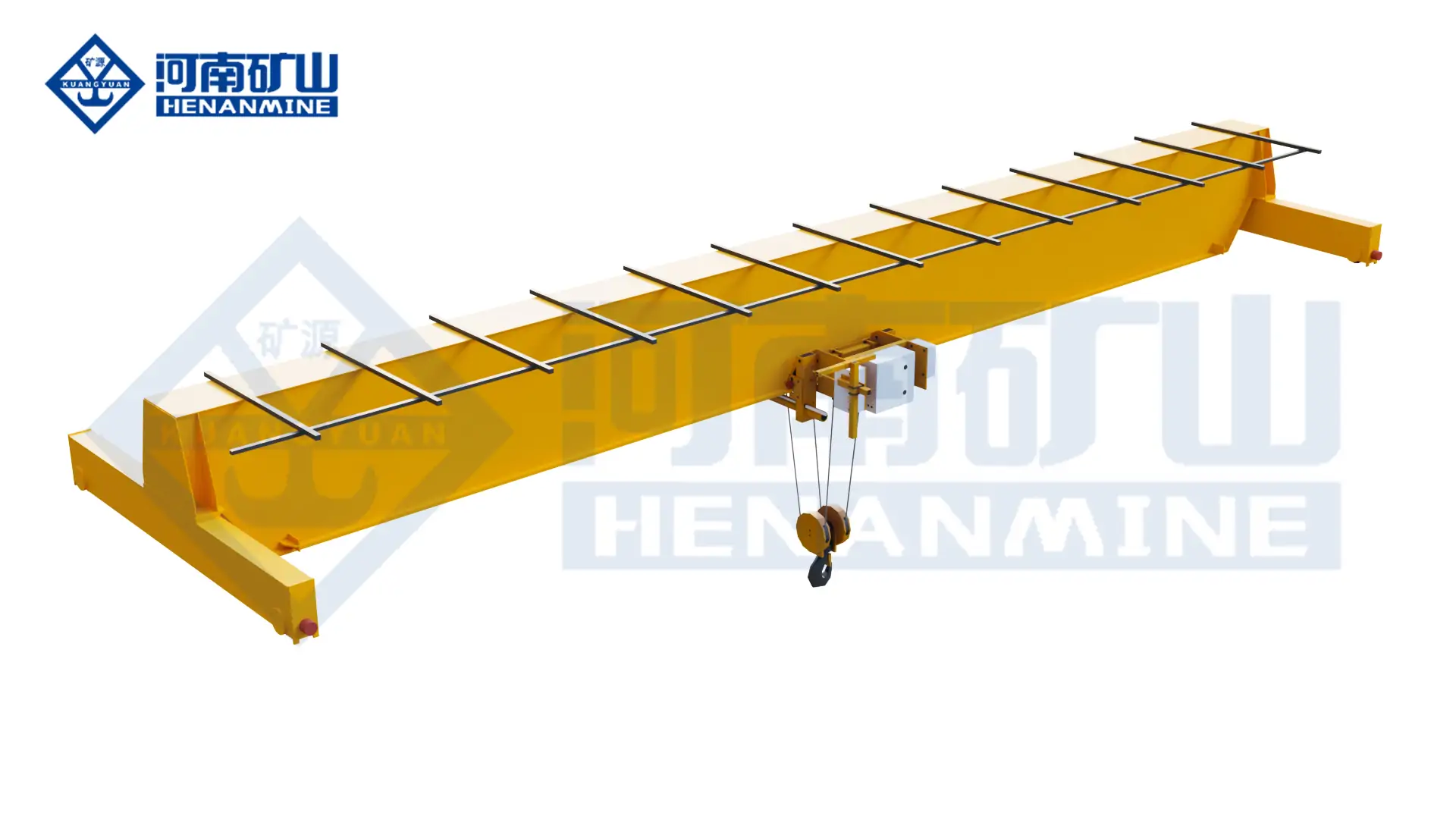
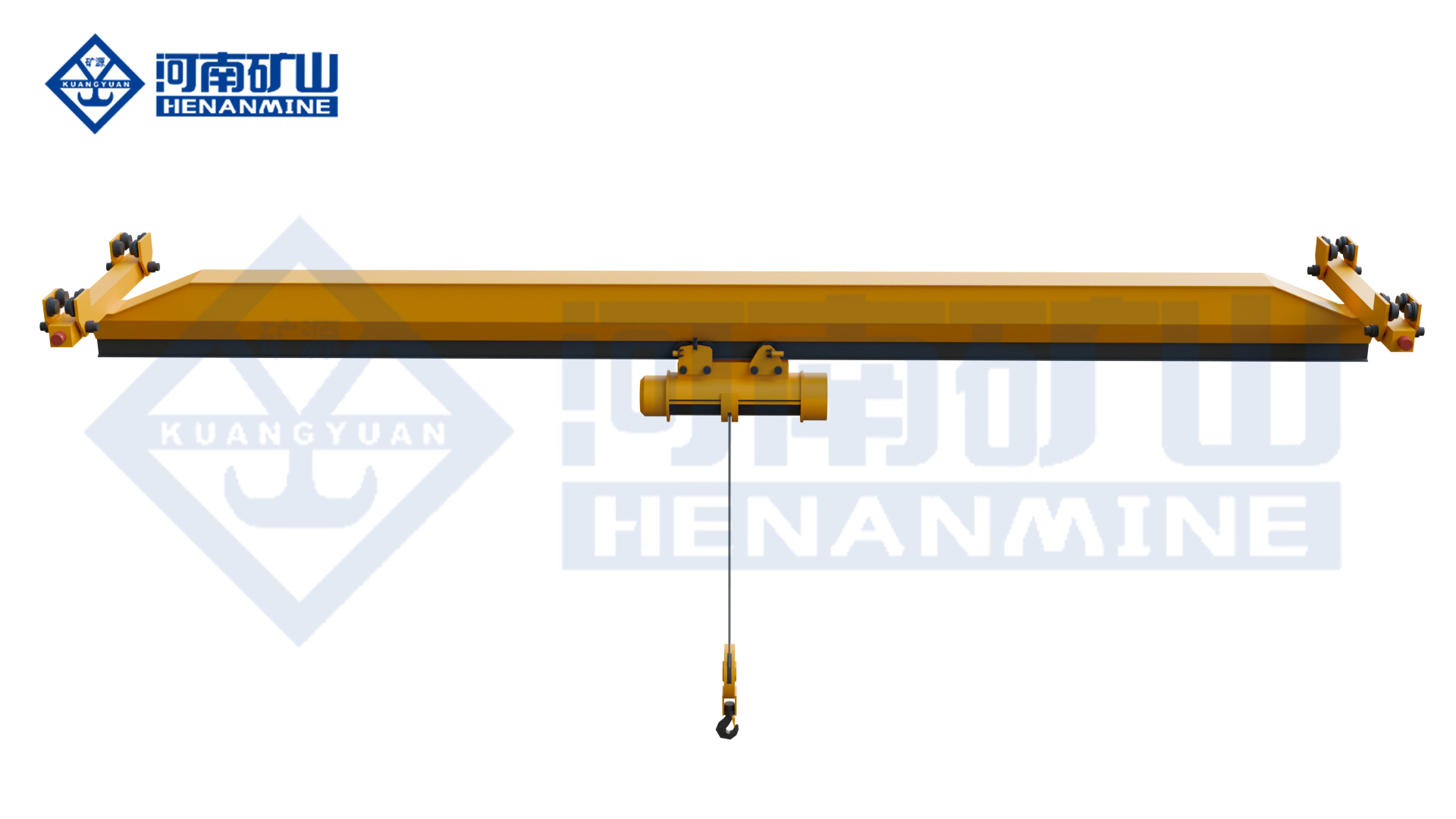
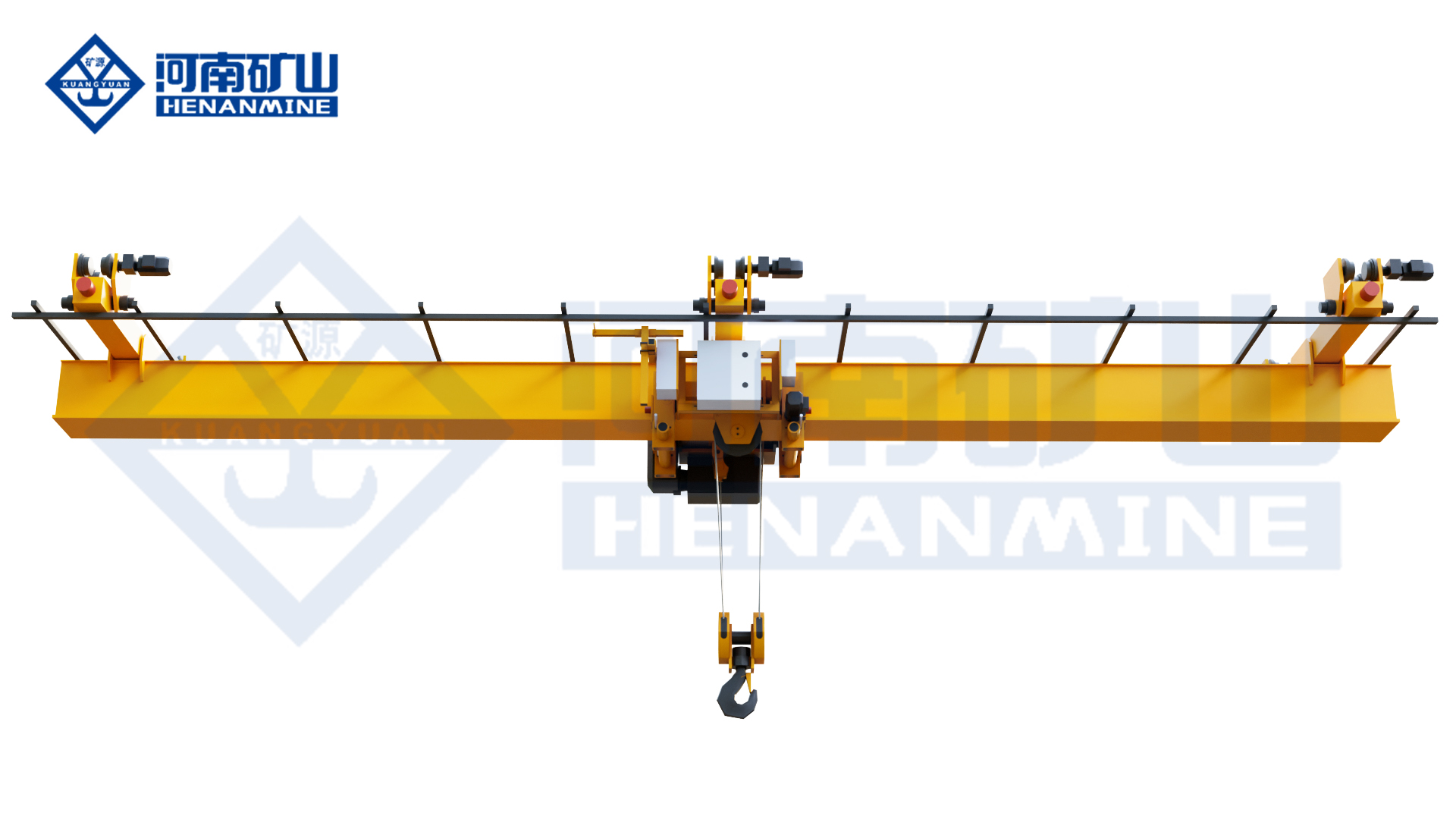
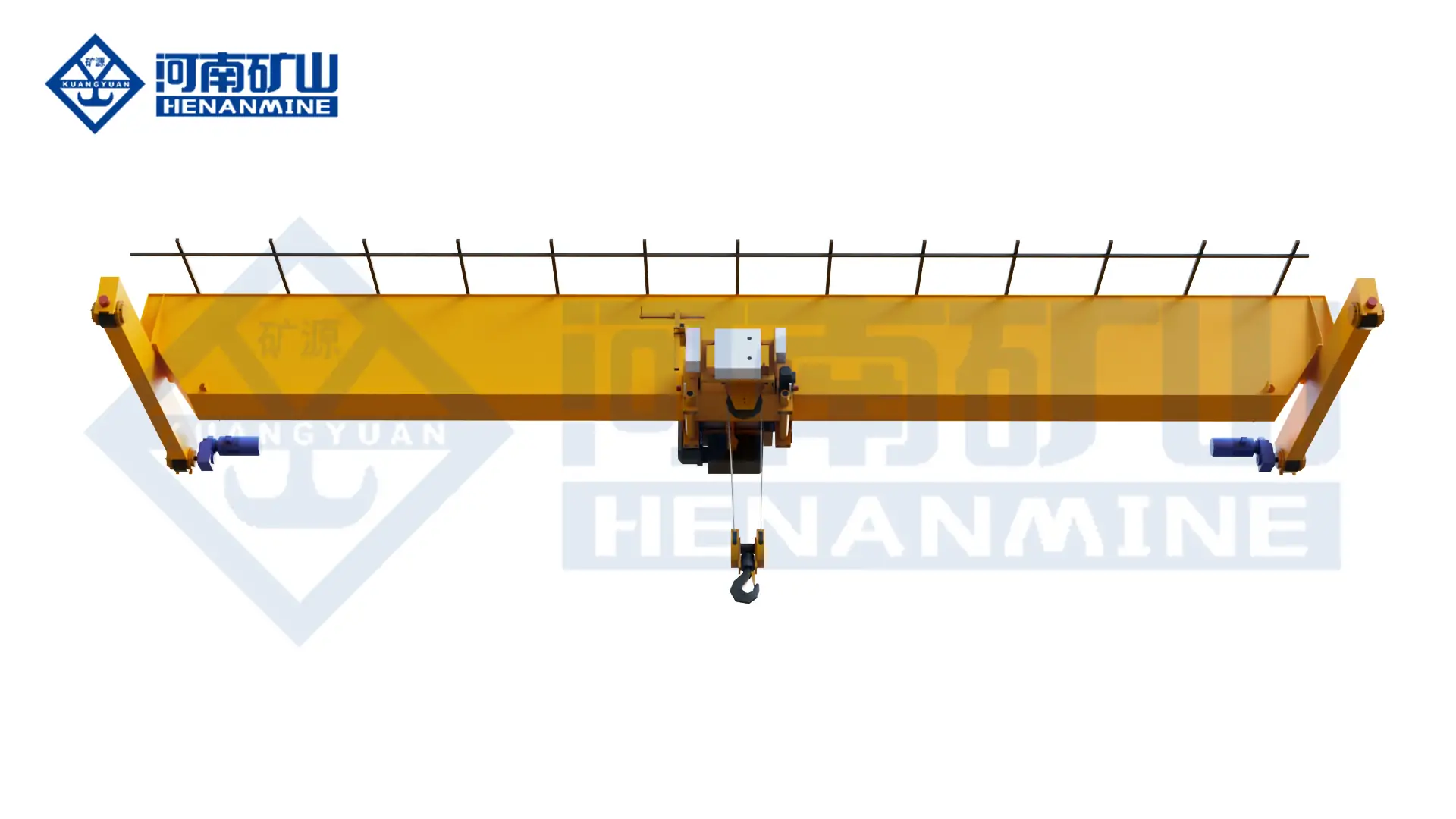
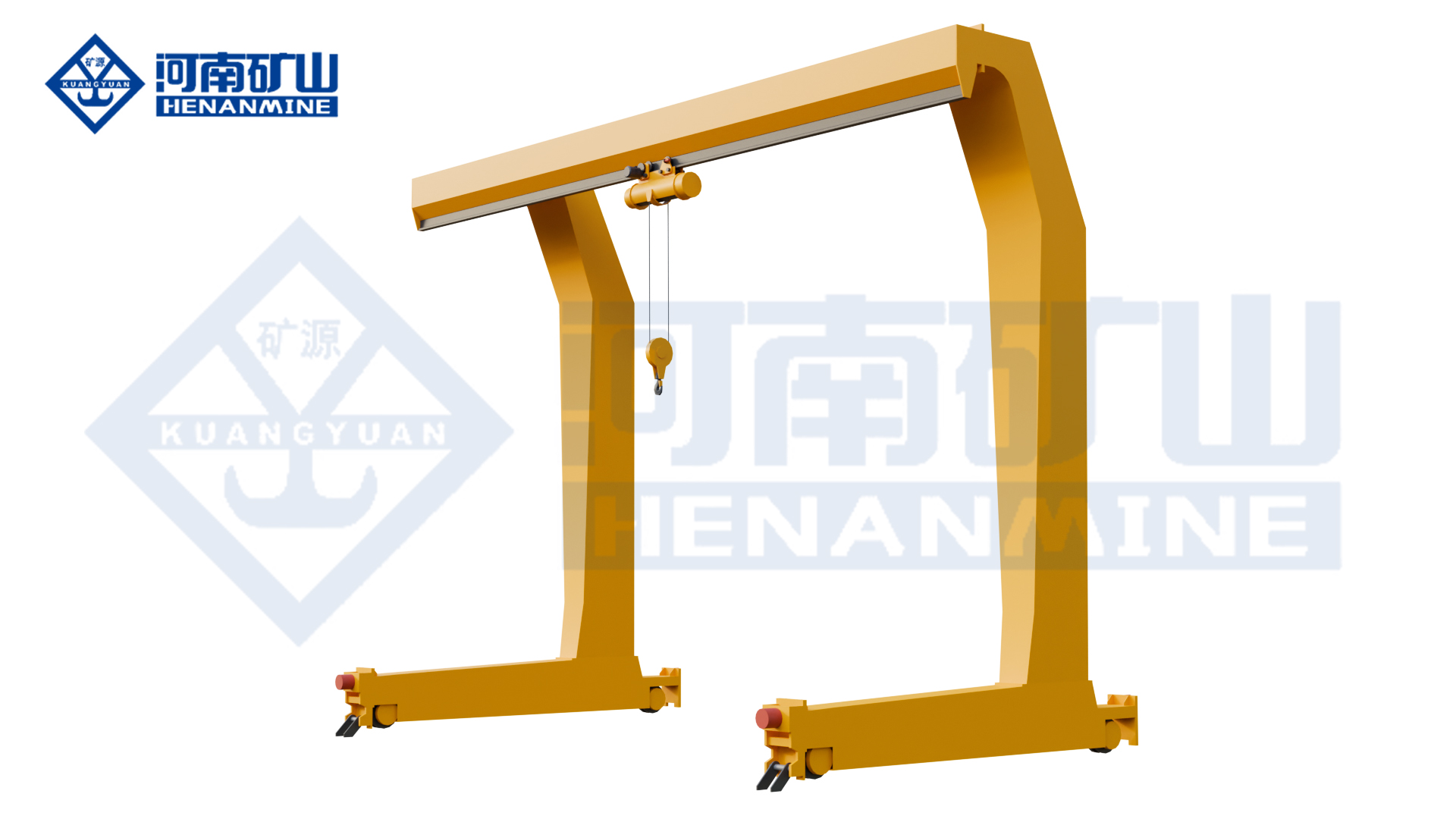
01 · Top-Running Single Girder
One bridge girder travels on top of the runway rails and carries an electric wire-rope or chain hoist.
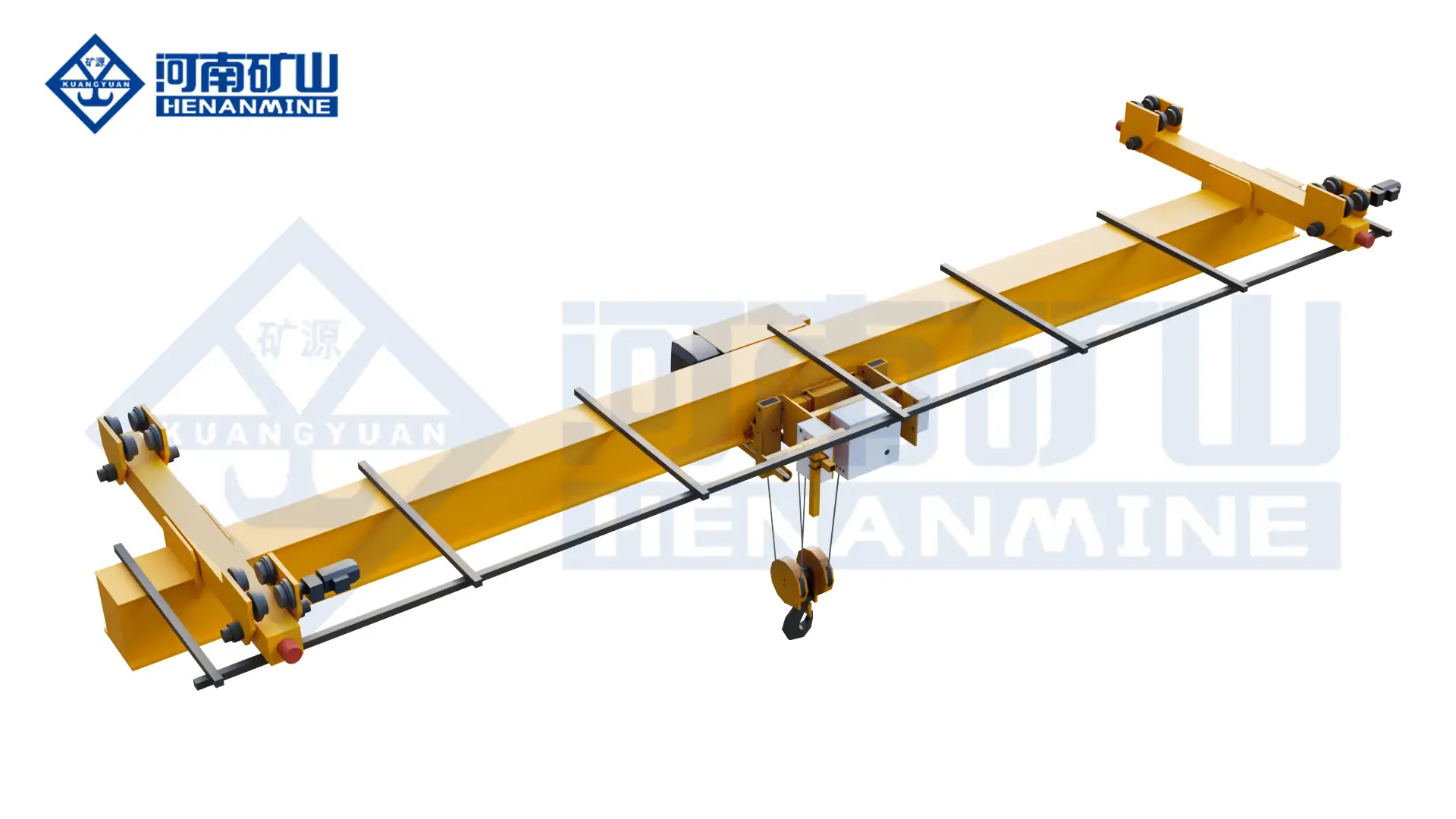
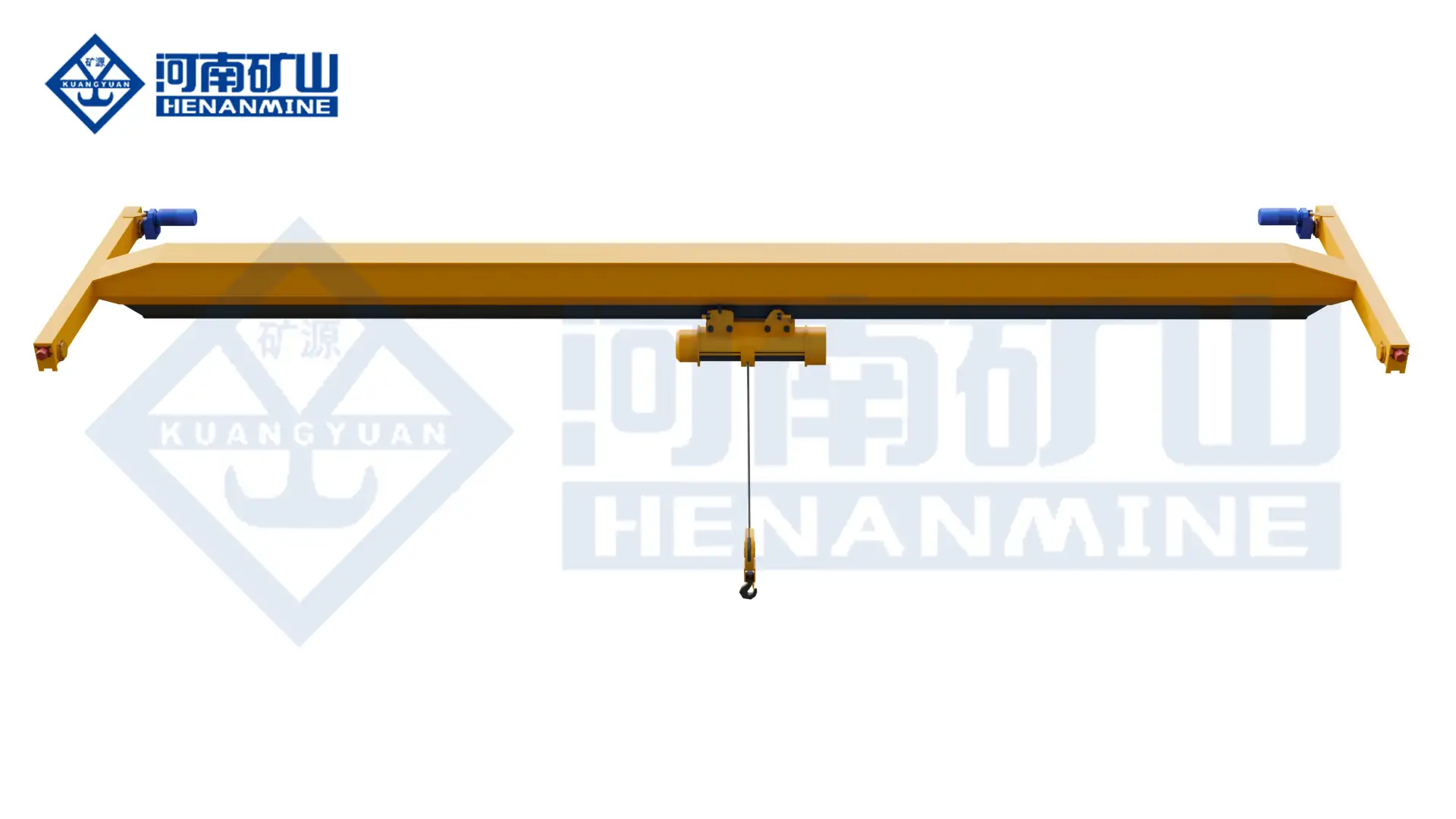
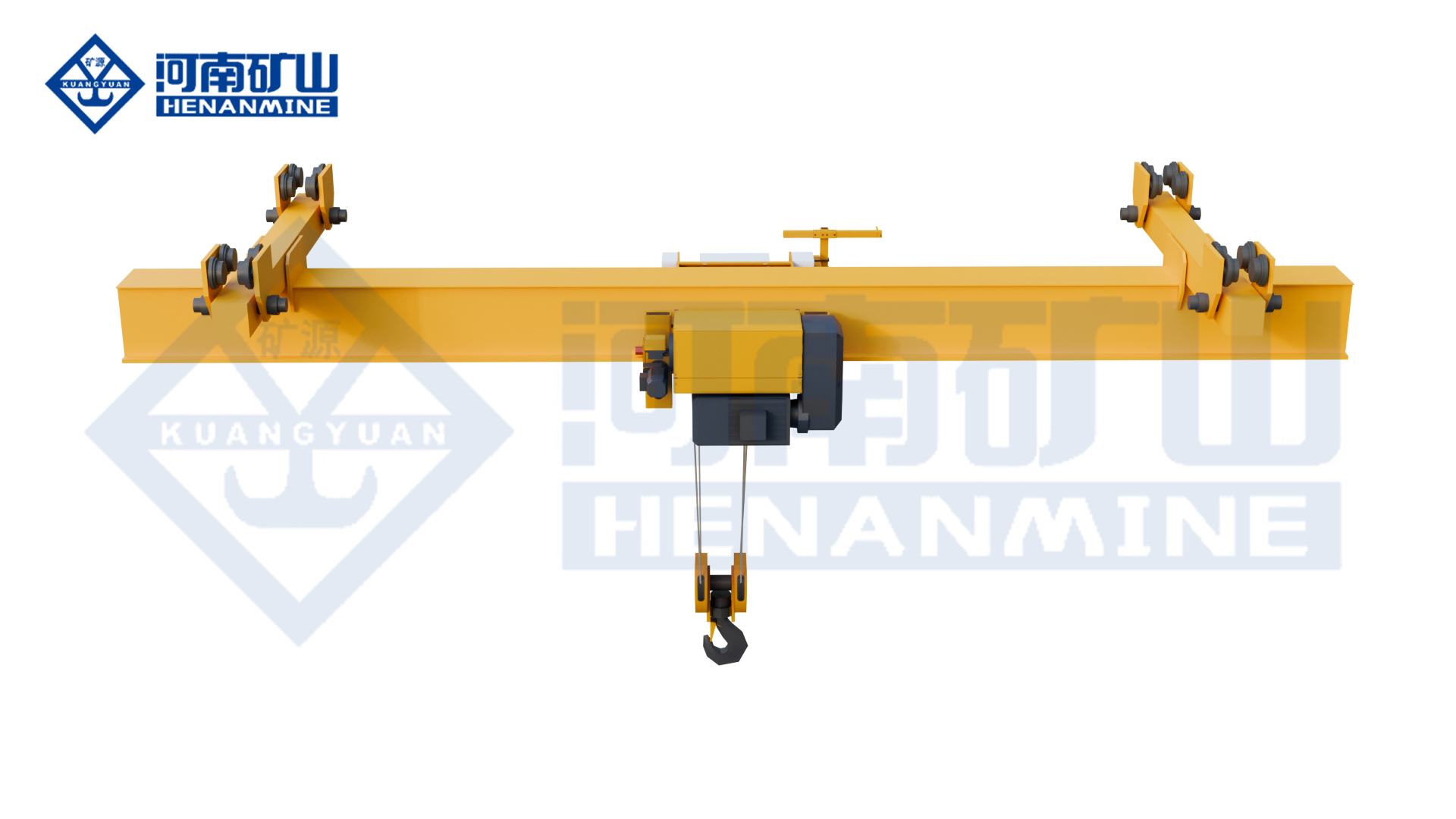
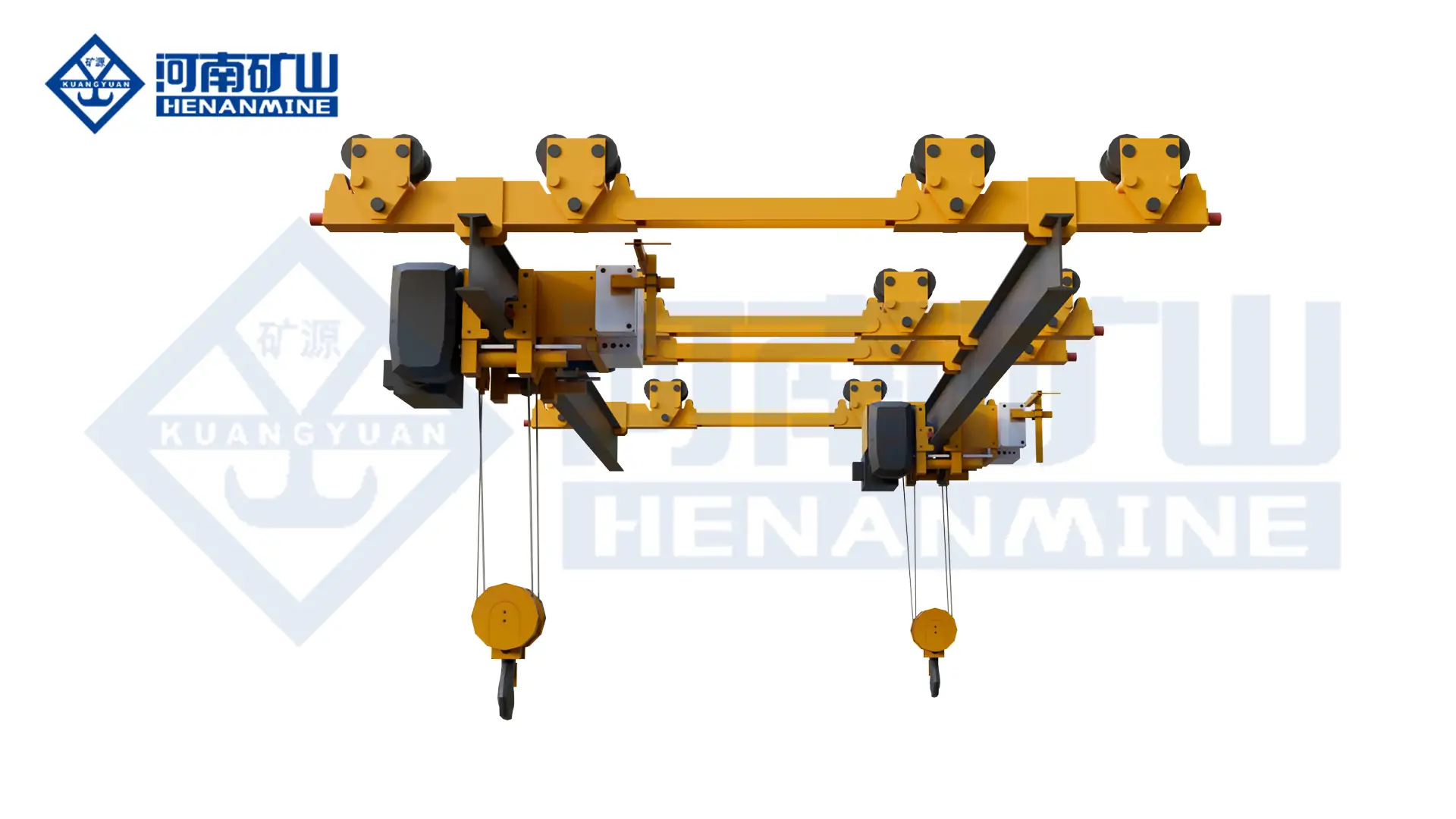
02 · Underhung Single Girder
The bridge travels below suitable runway beams. It can serve buildings where a suspended runway arrangement is practical, but the supporting beams, connections, roof loads and end clearances require structural verification.
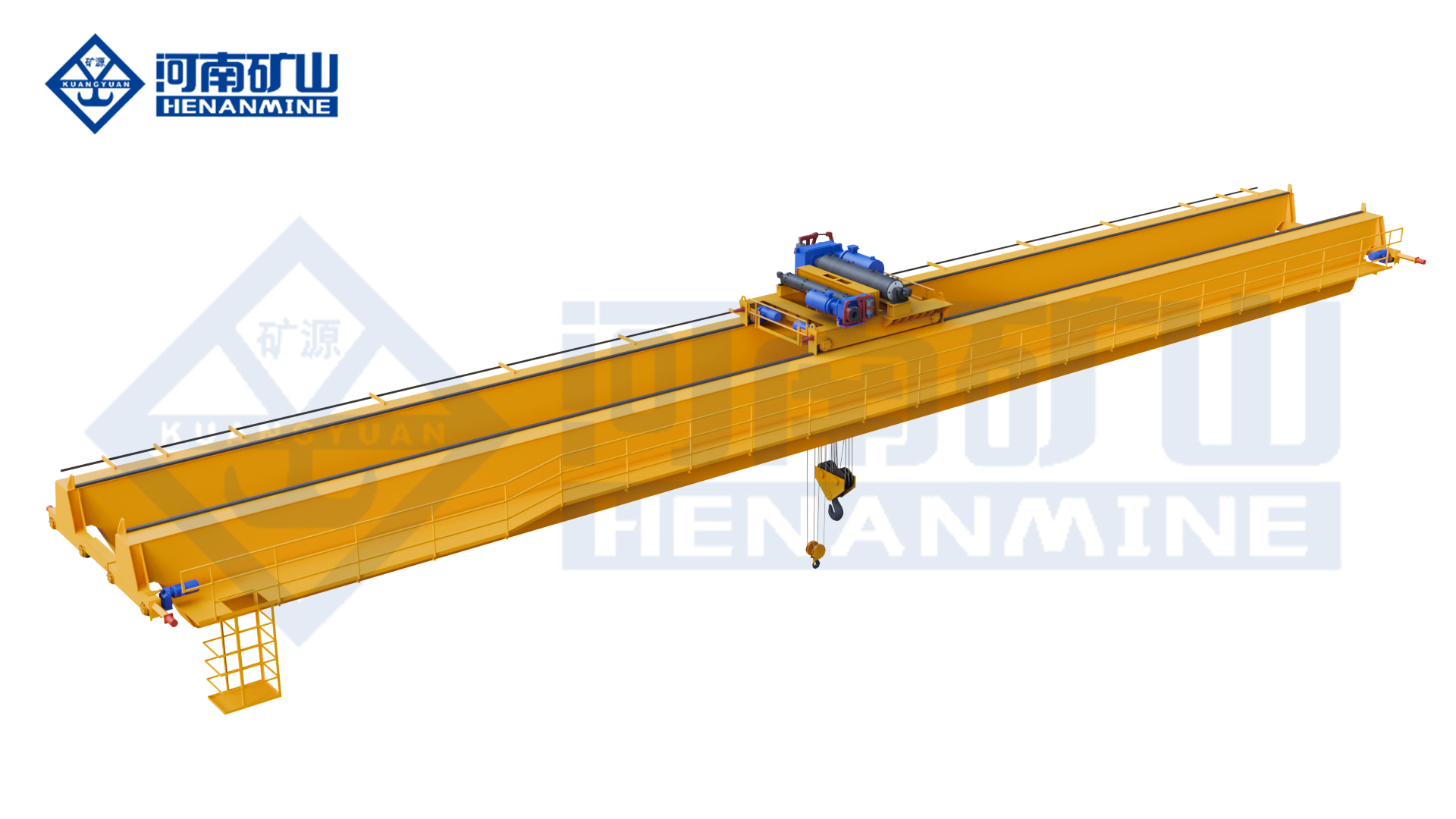
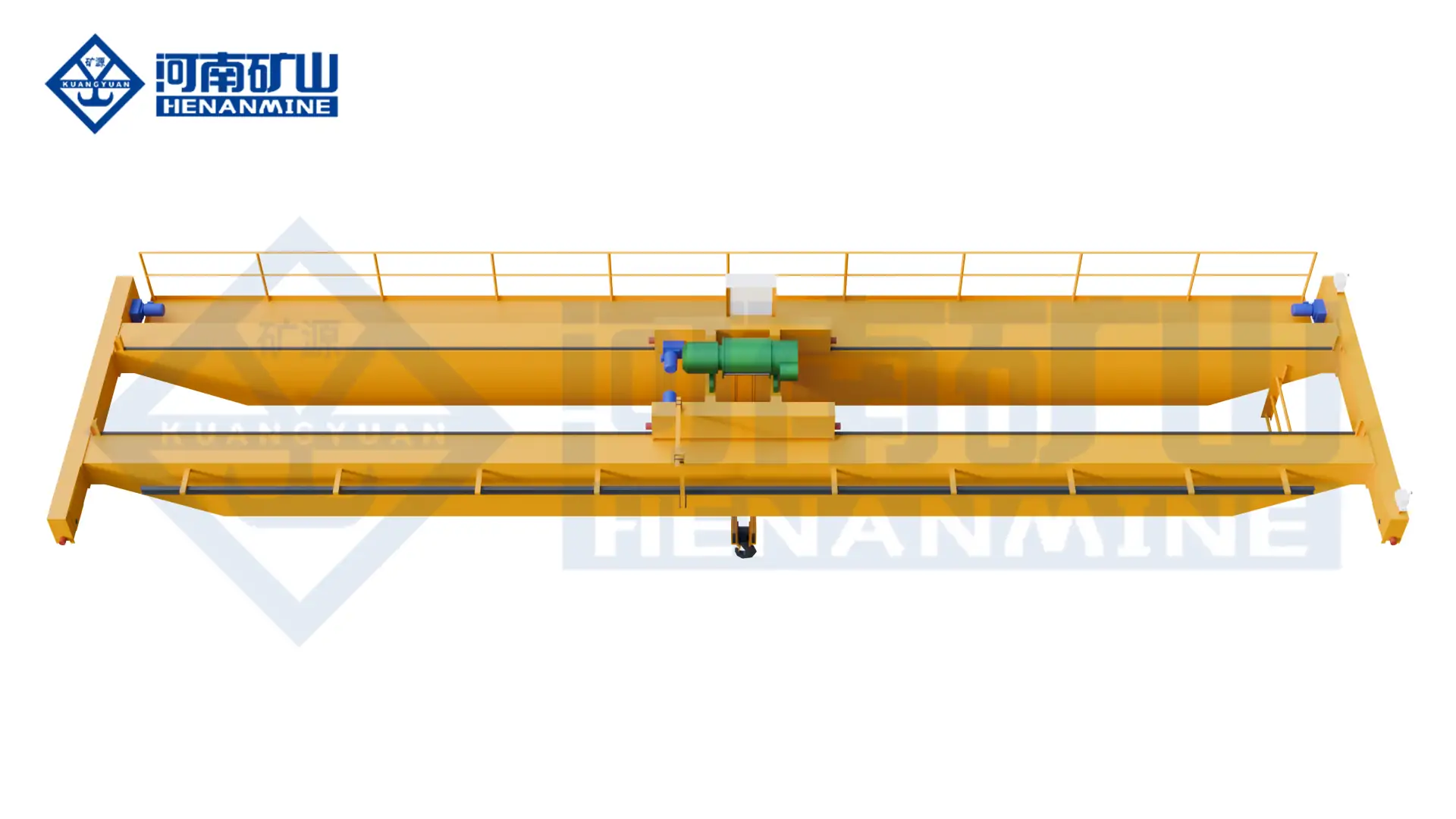
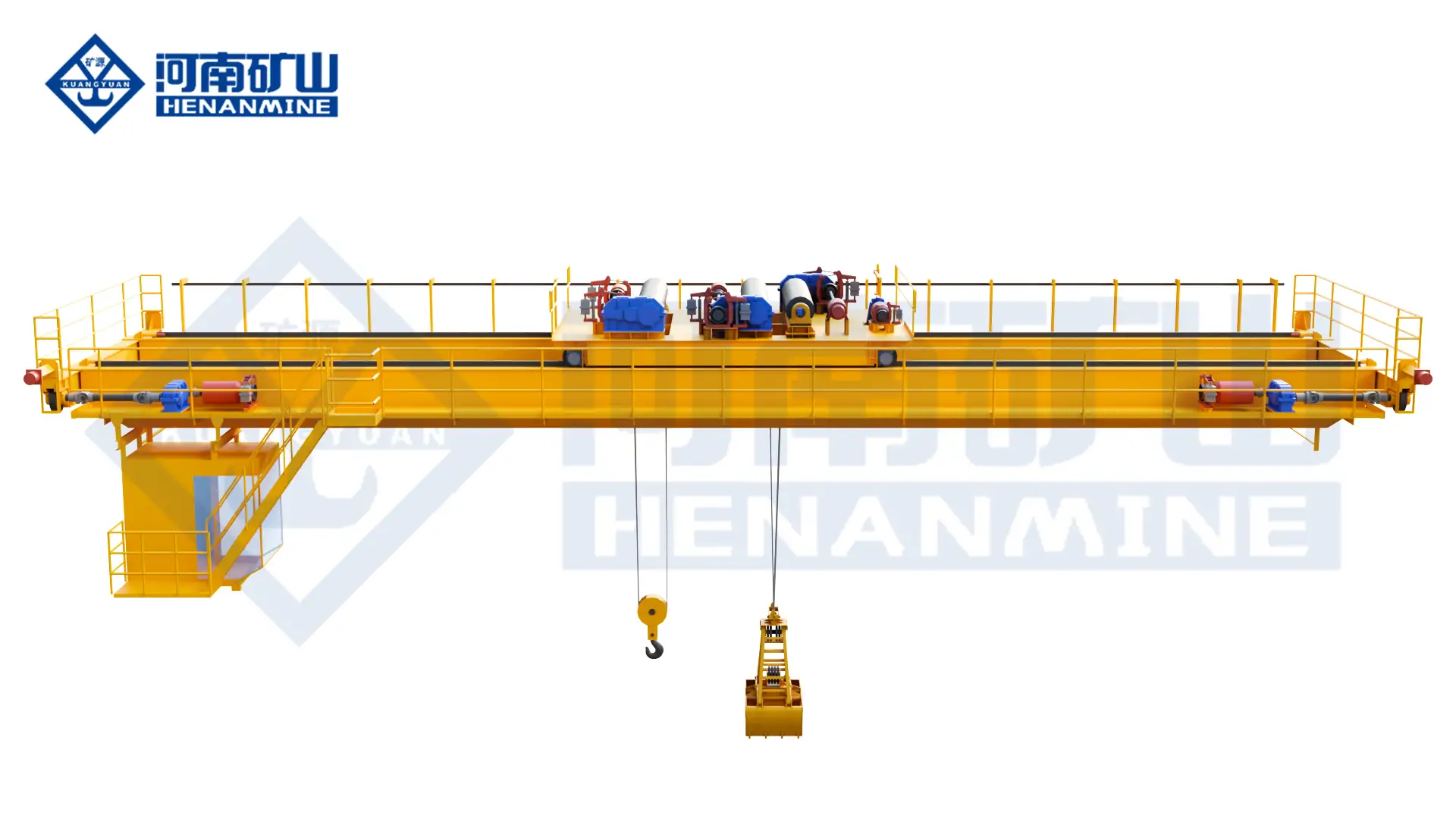
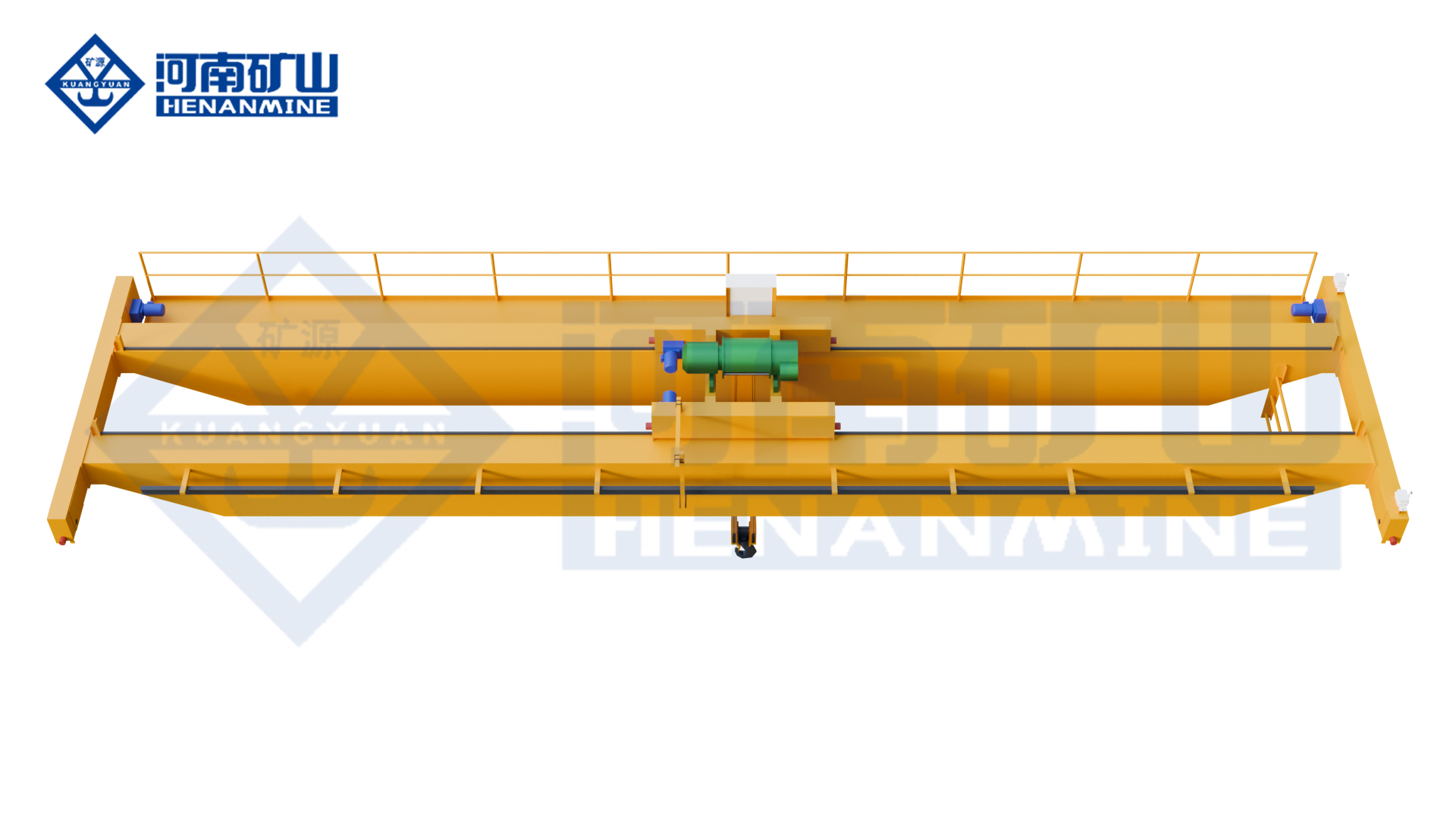
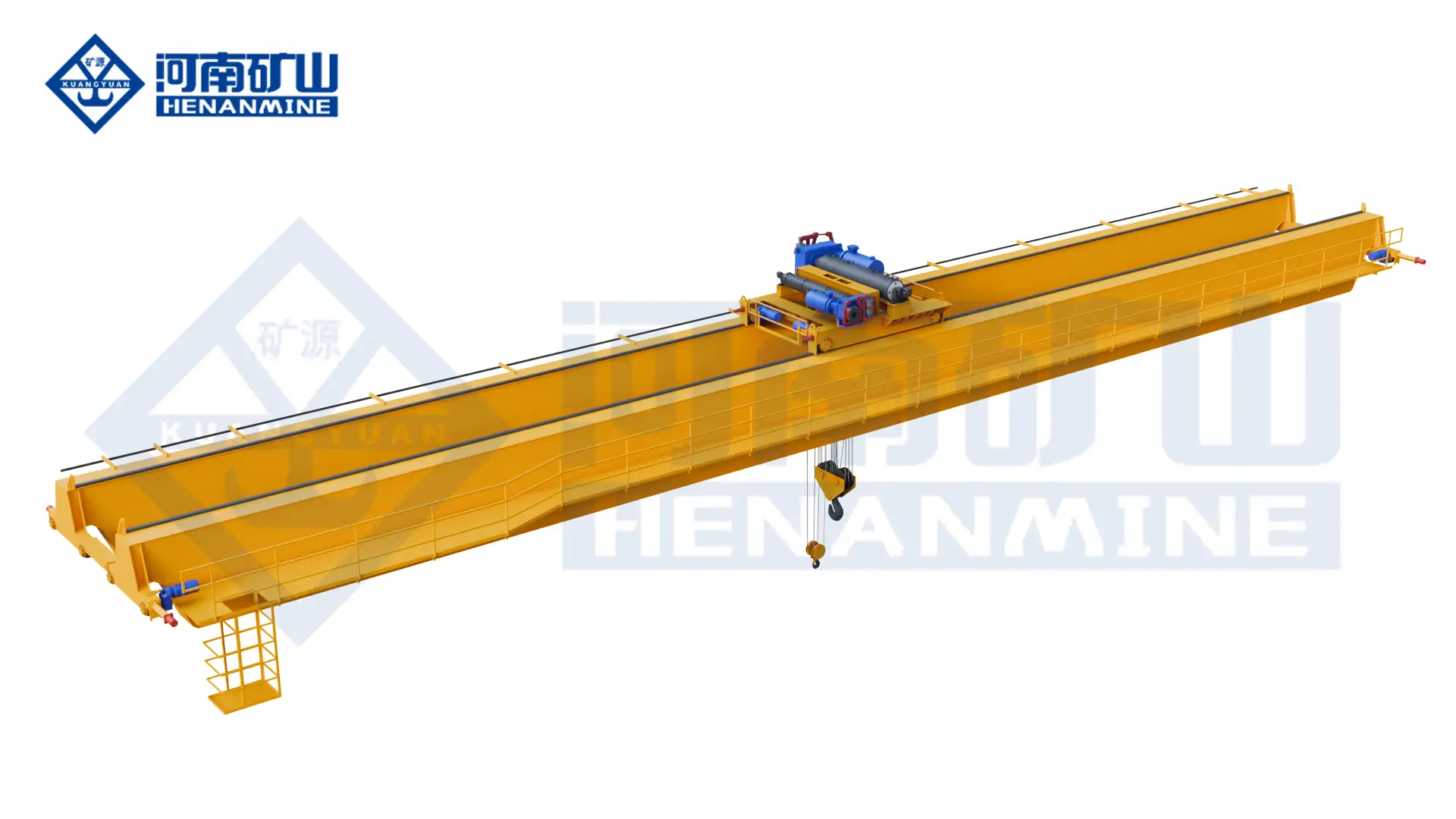
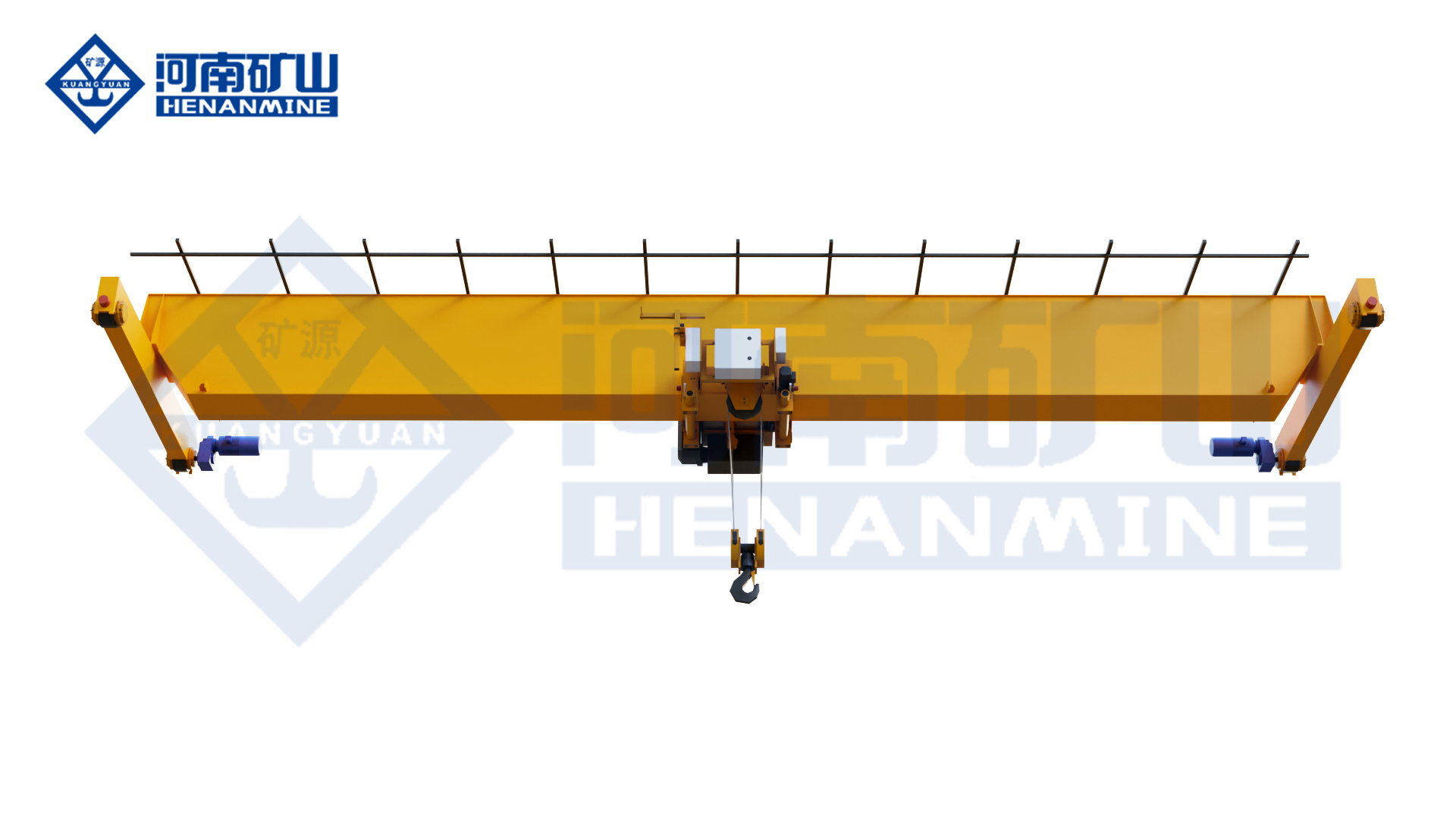
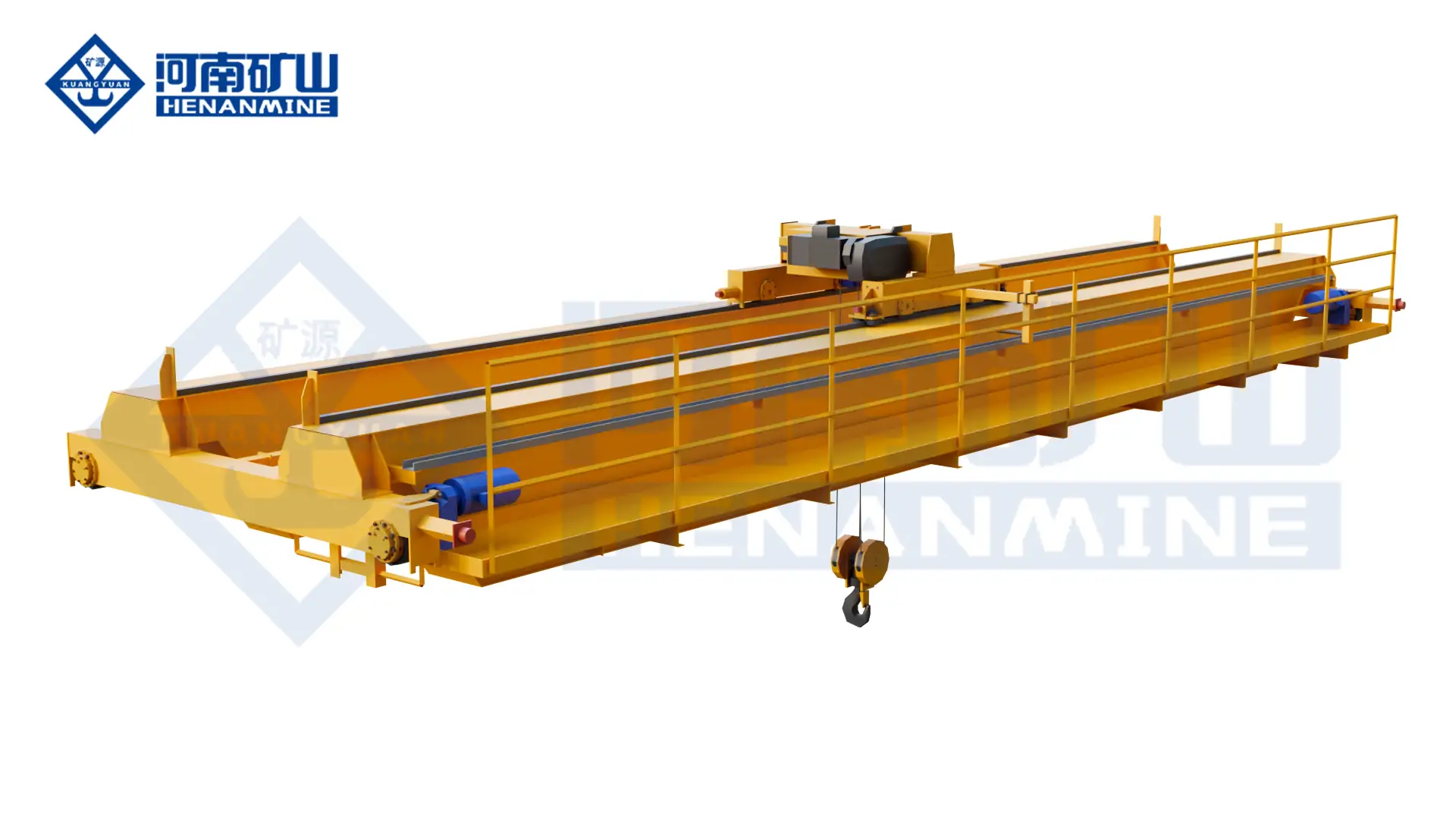
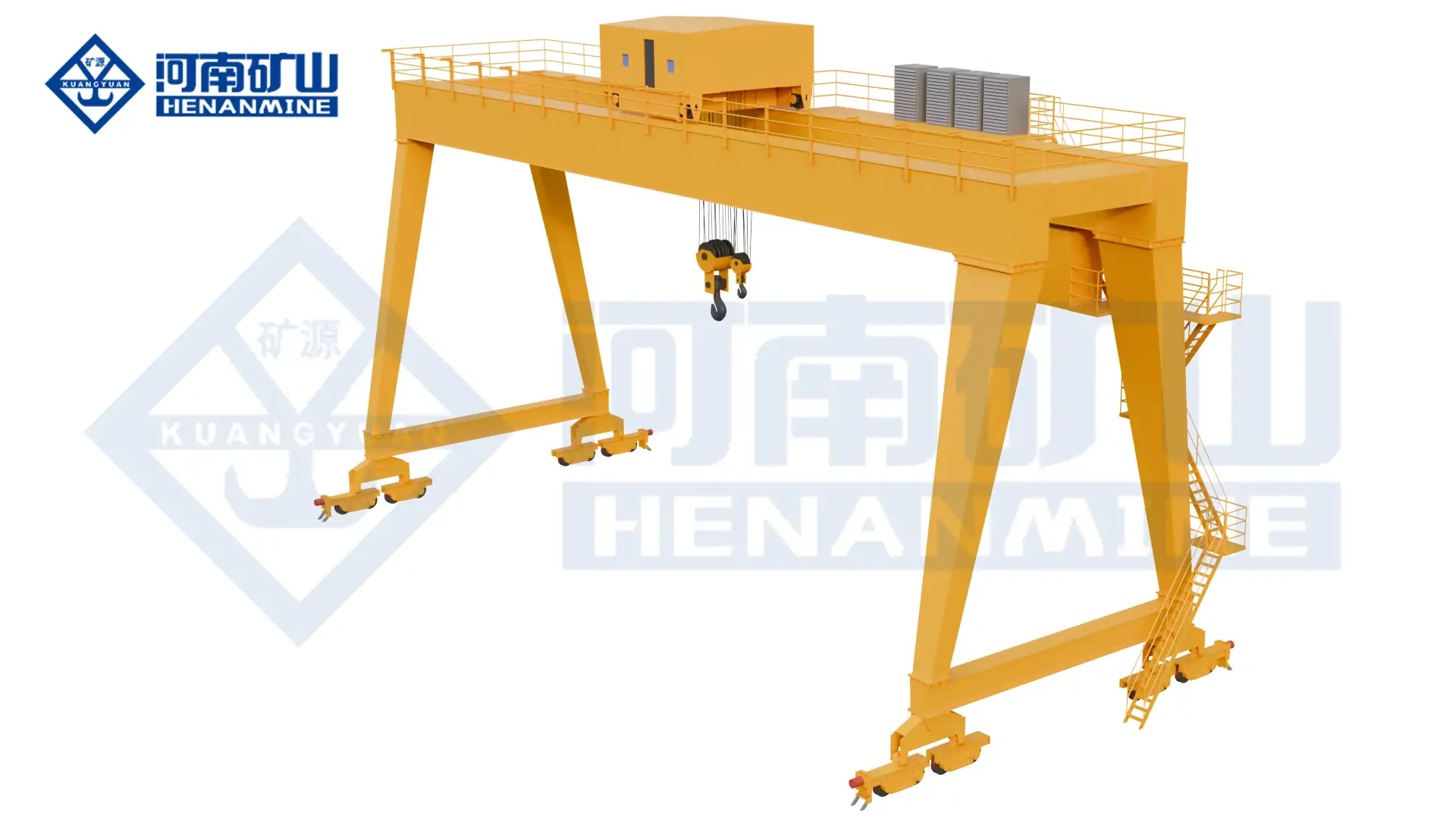
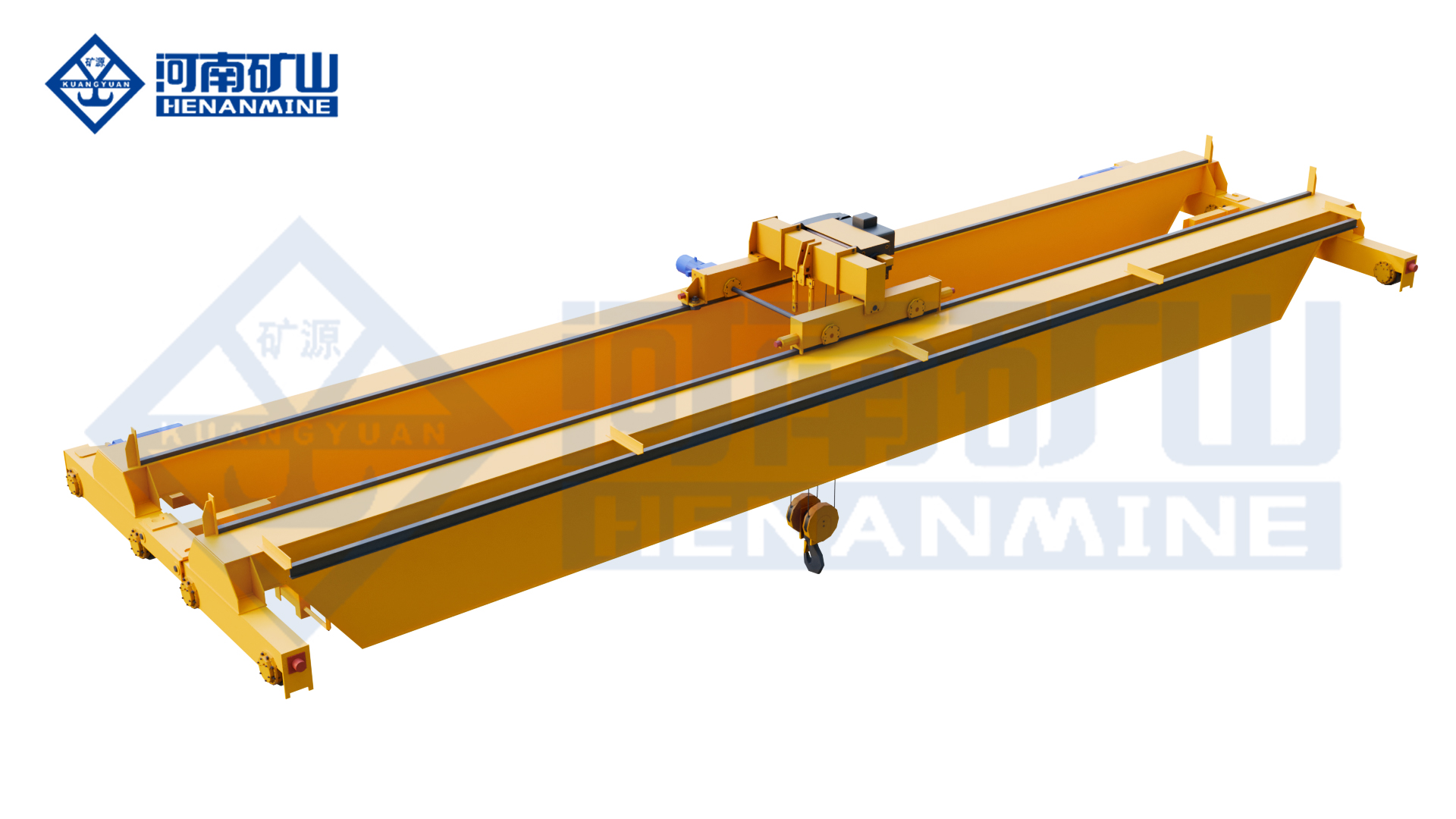
03 · Double Girder with Electric Hoist
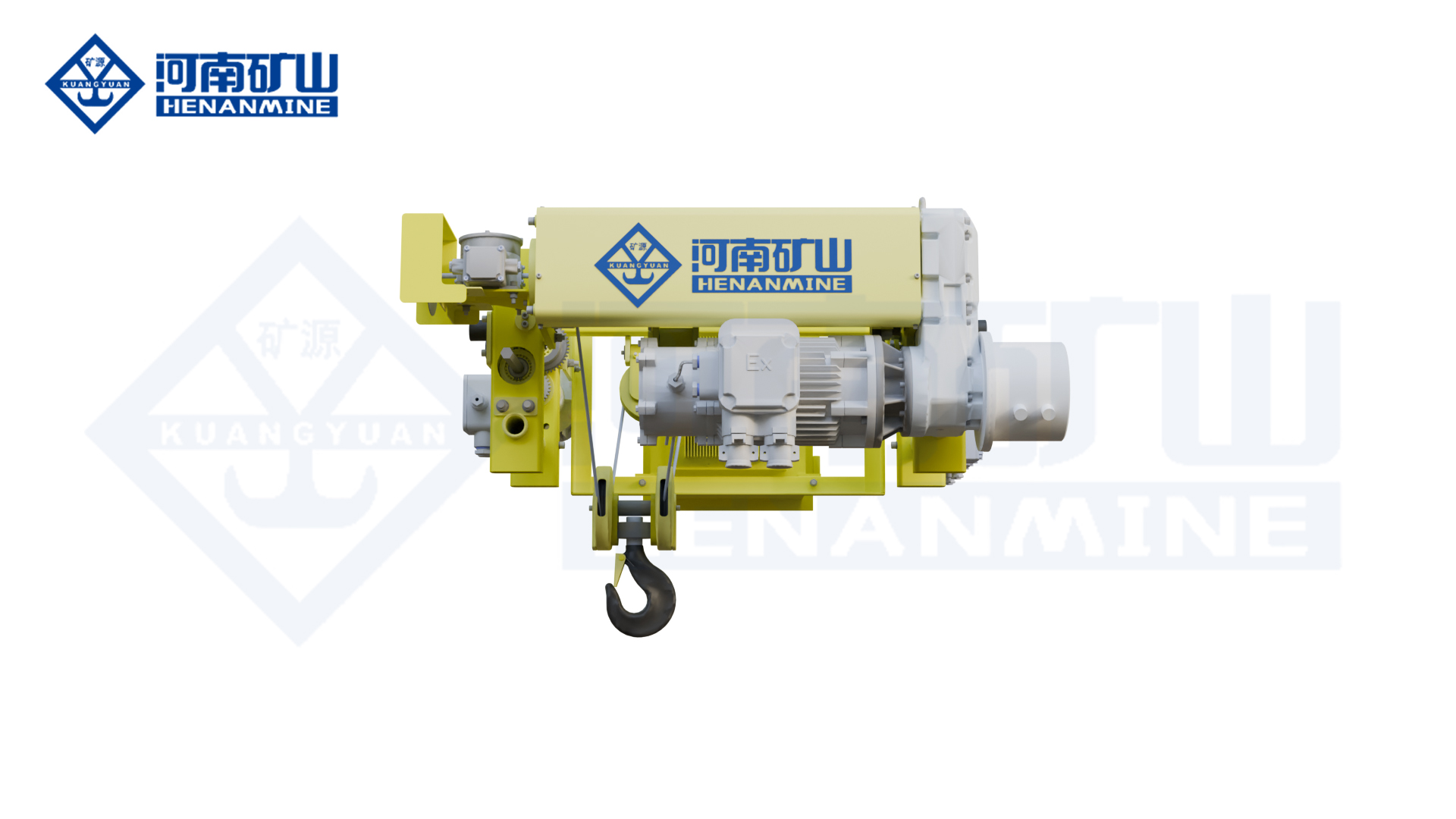
Two bridge girders support a trolley-mounted electric hoist.
04 · Compact Variable-Frequency Crane
A compact hoist, optimized bridge and variable-frequency motions can improve hook approach, positioning and operating smoothness. Component package, headroom target, controls and working class place it above a basic standard configuration in price.
05 · Freestanding Runway System
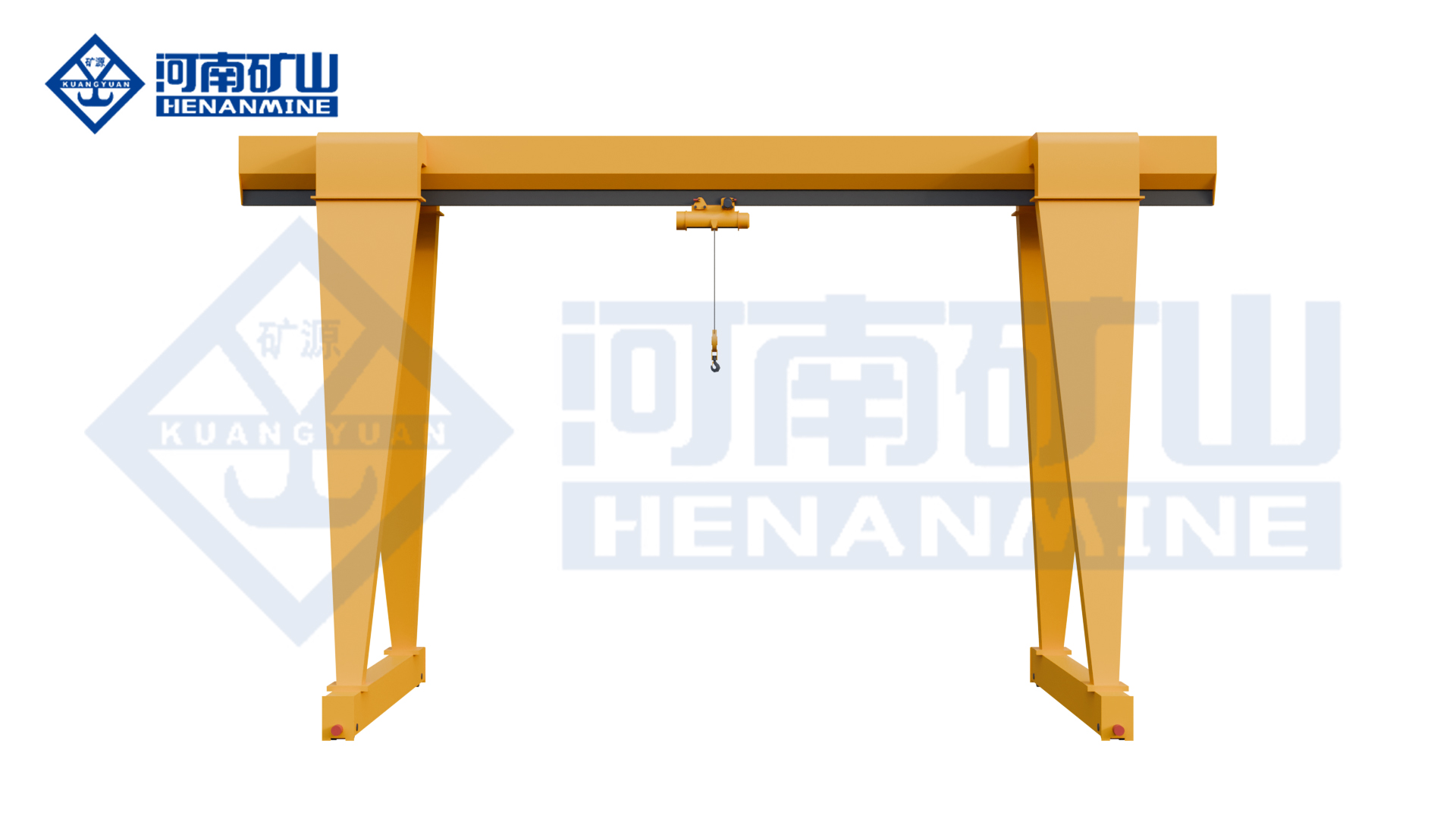
Independent columns and runway beams support the crane when the existing building cannot carry crane loads. The complete project includes column layout, bracing, foundations, rail alignment and coordination with production routes.
06 · Application-Specific 3 Ton System
Cleanroom, corrosion-resistant, high-temperature or other special environments require a dedicated technical agreement. Hazardous-area equipment must match the formal area classification; a general workshop crane cannot be relabeled for that service.
Selection Considerations
The following project data determine whether the crane will reach the load, fit the building, operate at the required pace and transfer acceptable reactions to the supporting structure.
List the heaviest and typical payloads, attachment weights, load dimensions, lifting points and center-of-gravity positions. Identify future products that may change the load spectrum.
Provide runway centerline spacing, total travel distance, pickup and placement locations and any required side or end approaches. Nominal building width is not the crane span.
State the highest required hook position and lowest pickup level. Include load height, slings, lifting beam and any extraction distance needed above machinery.
Define lifts per hour, load distribution, travel distances, shifts and annual operating hours. Repeated positioning moves and near-capacity lifts influence mechanism and crane duty.
Provide column spacing, runway elevation, rail or beam details, roof members and available support information. New crane wheel loads must be checked against the actual structure.
Specify pendant, radio or cabin control, required speeds, dual-speed or variable-frequency motion, positioning tolerance and any process interlock or anti-sway requirement.
Confirm indoor or outdoor use, temperature, humidity, dust, corrosion, washdown, cleanroom and hazardous-area conditions. Environmental requirements affect materials, enclosures and coatings.
Identify the installation country, power supply, applicable requirements, inspection body, documentation language, factory tests, site tests and commissioning responsibility.
Configuration rule: single and double girder describe the bridge structure; top running and underhung describe how the bridge travels on its runways. A hoist travelling below a girder does not automatically make the whole crane an underhung system.
3 Ton Overhead Crane Compared with Other Configurations
Compare arrangements at the same capacity, hook position and duty.
| Configuration | Runway Arrangement | Typical Use | Commercial Position |
|---|---|---|---|
| Top-Running Single Girder | Bridge wheels run on rails above the runway beams. | General workshop, assembly, maintenance and warehouse hook handling. | Primary cost-controlled powered configuration. |
| LX Underhung Crane | Bridge end carriages run on the lower flanges of suspended runway beams. | Buildings suited to an underhung support concept and lighter industrial handling. | Can reduce the need for floor columns, subject to building suitability. |
| Double Girder with Electric Hoist | Two girders travel on top-running end carriages. | Projects requiring a different trolley layout, access or lifting envelope. | Higher structural and shipping cost than a routine single-girder crane. |
| Compact VFD Overhead Crane | Optimized top-running bridge with compact hoist and controlled motions. | Production lines needing smooth acceleration, positioning and efficient hook approach. | Higher component and control package than a basic standard crane. |
| Freestanding Bridge Crane System | Crane runs on independent steel columns and runway beams. | Existing buildings without verified crane-supporting structure. | Adds runway steel, bracing, foundations and site erection. |
3 Ton Overhead Crane Technical Framework
The ranges below describe the broader product families and do not mean that every span, lifting height, speed and working-class combination is available without engineering review. The approved data sheet controls the supplied crane.
Request the selected crane weight, maximum wheel loads, wheel spacing, rail or beam interface, hook approaches, crane envelope, power demand and mechanism data with the quotation. Lifting height means vertical hook travel; it does not by itself establish the minimum required building height.
Headroom, Hook Coverage and Runway Compatibility
Highest hook position: show the highest required load position, load height, slings, lifting beam and clearance above the load. A machine-maintenance lift may require vertical extraction before the load can travel horizontally.
Side and end approaches: the nominal span does not show where the hook can reach. Compare the hook centerline to walls, columns and runway ends, including the trolley and bridge buffers.
Crane self-weight, wheel spacing, maximum wheel loads, horizontal forces, rail details and operating duty may differ.
Low-headroom selection: a compact hoist can improve the hook position, while an underhung bridge changes the runway arrangement. These are separate design decisions and should be compared using dimensioned drawings.
Hoisting, Travel and Control Options
The selected motion package should match both throughput and placement requirements. Higher speed is not automatically more productive when operators must repeatedly align the load, and a low-speed function does not replace an appropriate duty rating or braking system.
Hoisting Motion
Define normal and precision lifting needs, hook travel, lifting frequency, braking and the percentage of lifts near rated capacity. Two-speed or variable-frequency control can support controlled placement where the process requires it.
Trolley Motion
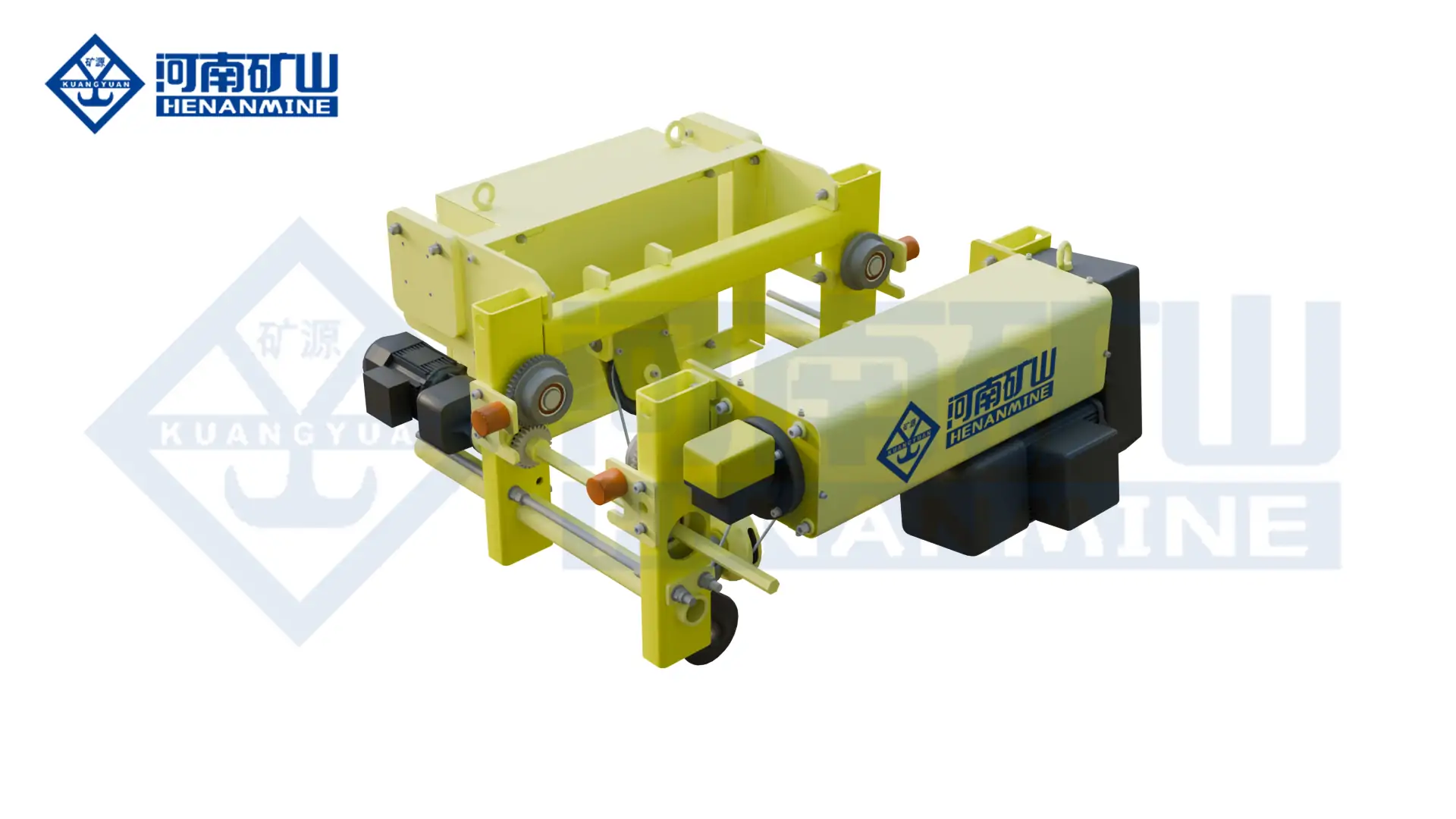
The hoist or trolley moves across the bridge. Its dimensions, wheel arrangement, speed and stopping position determine usable side approach and influence the crane envelope.
Bridge Motion
End carriages move along the runways. Drive selection, wheel alignment, runway geometry, acceleration and braking should produce stable travel over the full bay length.
Operator Control
Pendant control supports local operation; radio control can improve visibility and operator position. Control selection must account for access, shared work areas, emergency functions and local operating procedures.
Variable-Frequency Control
Controlled acceleration and deceleration can reduce abrupt motion and improve positioning. Specify required speed range, response, braking behavior and process interfaces rather than requesting VFDs without a performance basis.
Power Supply
Confirm voltage, frequency and phases, together with the runway conductor or festoon scope, isolation point, grounding and any voltage-drop limitation. Destination power data must be agreed before manufacture.
Safety and Application Requirements
Safety functions, inspections and acceptance methods should be listed in the technical agreement for the selected configuration and destination. The final design must follow the governing project requirements rather than a generic feature list.
Load and Hoisting Protection
Specify overload protection, upper and lower lifting limits, brakes, hook requirements and the verification method used during factory and site acceptance.
Travel Protection
Define bridge and trolley limits, buffers, end stops and relevant wheel protection. Shared runways require an agreed separation or anti-collision strategy.
Electrical Safety
Establish main isolation, emergency stops, phase and motor protection, enclosure ratings, grounding and identification. Site incoming power and crane-mounted distribution should have a clear interface.
Operator and Maintenance Access
Assess visibility, operating position, lockout points and safe access to the hoist, brakes, wheels, limits and electrical equipment. Maintenance clearances belong in the layout review.
Special Environments
Heat, corrosive atmosphere, dust, clean areas and outdoor exposure require application-specific materials and protection. A formally classified hazardous area requires verified explosion-protection design and documentation.
Load Testing and Handover
Agree factory functional tests, site inspection, applicable proof or load tests, responsibility for test weights, commissioning records, manuals and operator familiarisation before shipment.
Project Application Case: Intelligent Steel-Plate Warehouse Handling
Henan Mine Crane developed an intelligent warehouse-management crane for a steel-structure operation that required coordinated inbound handling, storage, sorting and outbound movement of steel plate. The project addressed manual dependence, material identification, inventory coordination and handling consistency.
The crane solution integrated vehicle recognition, steel-plate identification, automatic marking, stacking and de-stacking functions with warehouse and enterprise information systems.
The required capacity and duty for every new system are calculated independently from its load data and operating cycle.
Engineering Deliverables and Manufacturing Records
A purchase order should define the drawings, component data and quality records required for approval and handover. Documentation needs vary by destination and project, so the final document register should be agreed before production.
General Arrangement
Crane envelope, span, lift, hook approaches, rail or beam interface, wheel spacing, wheel loads, support reactions and maintenance clearances.
Component and Electrical Data
Hoist, motors, brakes, gearboxes, wheels, controls, conductor interface, electrical drawings, power demand and selected protective functions.
Manufacturing Records
Material identification, welding procedures, welder qualifications, dimensional inspection, specified NDT, machining, assembly and coating records.
Testing and Handover
Factory functional checks, limits and brake tests, overload-device settings, site test plan, commissioning reports, manuals, spare-parts list and training records.
Installation, Commissioning and Lifecycle Planning
Site Survey and Readiness
Confirm runway geometry, structural capacity, clearances, access, floor loading, incoming power and assembly space. Existing rails or beams should be measured rather than assumed from old drawings.
Packing and Delivery
Agree export packing, bridge shipping sections, package list, inland and ocean transport, insurance, destination unloading and storage protection. Long girders may require a different freight method.
Erection and Alignment
Define who installs runway components, crane bridge, hoist, conductors and controls. Plan lifting equipment, work permits, production shutdowns, rail alignment and temporary access.
Commissioning and Acceptance
Agree no-load checks, rated functions, limits, brakes, controls, applicable load tests, third-party inspection, document handover and operator training.
Maintenance Access
Provide safe access for ropes or chains, hooks, brakes, wheels, travel drives, limits and electrical panels. Verify that components can be removed without interference from the roof or services.
Spare Parts and Service
Identify commissioning spares, wear parts and long-lead components. Maintenance intervals should follow the supplied manuals, actual operating duty and applicable inspection requirements.
3 Ton Overhead Crane Price and Supply Scope
Current market listings range from basic international factory packages to branded modular kits and complete freestanding systems, so price must always be read together with span, lift, duty and included scope.
The September 2026 bands below support preliminary budgeting and are not fixed Henan Mine Crane selling prices. A formal quotation requires approved project data and a defined commercial boundary.
Low advertised prices may describe a hoist, component kit or restricted factory package rather than an operating crane system. Compare every proposal using the same load, span, lift, duty, control method, environmental protection, documentation and delivery term.
| Cost Group | Typical Included Items | Items Requiring Explicit Confirmation | Procurement Check |
|---|---|---|---|
| Crane equipment | Bridge, end carriages, hoist or trolley, drives, control panel and crane-mounted wiring | Control station, VFDs, special protections, conductor interface and spare parts | Confirm the complete component schedule and selected brands or technical requirements. |
| Runway and supporting structure | Only the rails, beams, columns or brackets expressly listed in the offer | Structural assessment, foundation design, concrete, bracing, rail clips and alignment | Obtain maximum wheel loads and reactions before site steel or civil work begins. |
| Logistics | Contracted export packing and freight under the stated trade term | Insurance, import charges, destination handling, unloading and inland transport | Compare shipment dimensions, package count, trade term and destination responsibilities. |
| Installation and acceptance | Only erection supervision, installation, testing or training expressly listed | Site cranes, access equipment, labor, power connection, test weights and inspection fees | Use a responsibility matrix that assigns every activity and acceptance document. |
Equipment Price
Crane structure, hoist or trolley, travel machinery, controls and the specified crane-mounted safety package.
Site Infrastructure
Runway beams or rails, columns, bracing, foundations, incoming power, conductor system and access provisions.
Delivery Cost
Export packing, shipping sections, freight, insurance, import handling, unloading and inland delivery.
Installed Project Cost
Erection, alignment, electrical connection, commissioning, applicable load testing, inspection and training.
How much does a 3 ton overhead crane cost?
Runways, freight and site work are additional unless expressly included.
Is a 3 ton overhead crane the same as a bridge crane or EOT crane?
The terms often describe the same moving-bridge lifting system. A valid specification should identify the bridge arrangement, top-running or underhung runway, hoist type, capacity unit, span, lift and operating duty.
Can a 3 ton crane lift a 3,000 kg machine?
Only when the complete suspended load remains within the approved capacity.
Which configuration is normally selected for a 3 ton workshop crane?
A top-running single-girder crane with an electric hoist is a common starting configuration. An underhung, double-girder, compact or freestanding system may be more suitable after the building structure, hook coverage, headroom, duty and site interfaces are evaluated.
How much building height does a 3 ton crane require?
There is no universal minimum. Provide the highest required hook position, load and rigging height, runway elevation, roof structure and overhead services. The dimensioned general arrangement establishes the required clearances.
Can a 3 ton crane use an existing runway?
The existing runway can be assessed using survey data, rail or beam details, support information and the proposed crane reactions. The former crane rating alone is insufficient because wheel loads, wheel spacing, geometry and duty may differ.
Can a 3 ton crane repeatedly lift its full rated load?
The selected crane and mechanism duty must match the operating cycle and load spectrum. State lifts per hour, travel distances, shifts and the frequency of near-capacity loads. Rated capacity alone does not define continuous production capability.
When should a 5 ton crane be considered instead?
Compare the resulting crane weight, wheel loads, dimensions, runway requirements and installed cost before increasing capacity.
Does the quotation include runway beams and installation?
Only when the commercial offer lists them. Request separate identification of crane equipment, runway and supports, electrification, freight, unloading, erection, testing, commissioning and third-party inspection.
What information is required for a formal quotation?
Provide maximum and typical loads, attachments, span, lift, runway length, building section, duty, speeds, controls, power, environment, project location, standards, delivery address and the required installation and acceptance scope.
Related Overhead Crane Products
Compare product families using the same capacity, hook position, duty, runway and commercial scope.
Single-Girder Overhead Crane
Cost-controlled top-running bridge and electric-hoist arrangement for general industrial lifting.
Double-Girder Electric Hoist Crane
Two-girder bridge with a trolley-mounted electric hoist for project-defined coverage and duty.
LX Underhung Overhead Crane
Suspended bridge arrangement for compatible runway beams and building structures.
Compact VFD Overhead Crane
Compact hoist and variable-frequency motions for controlled production-line handling.
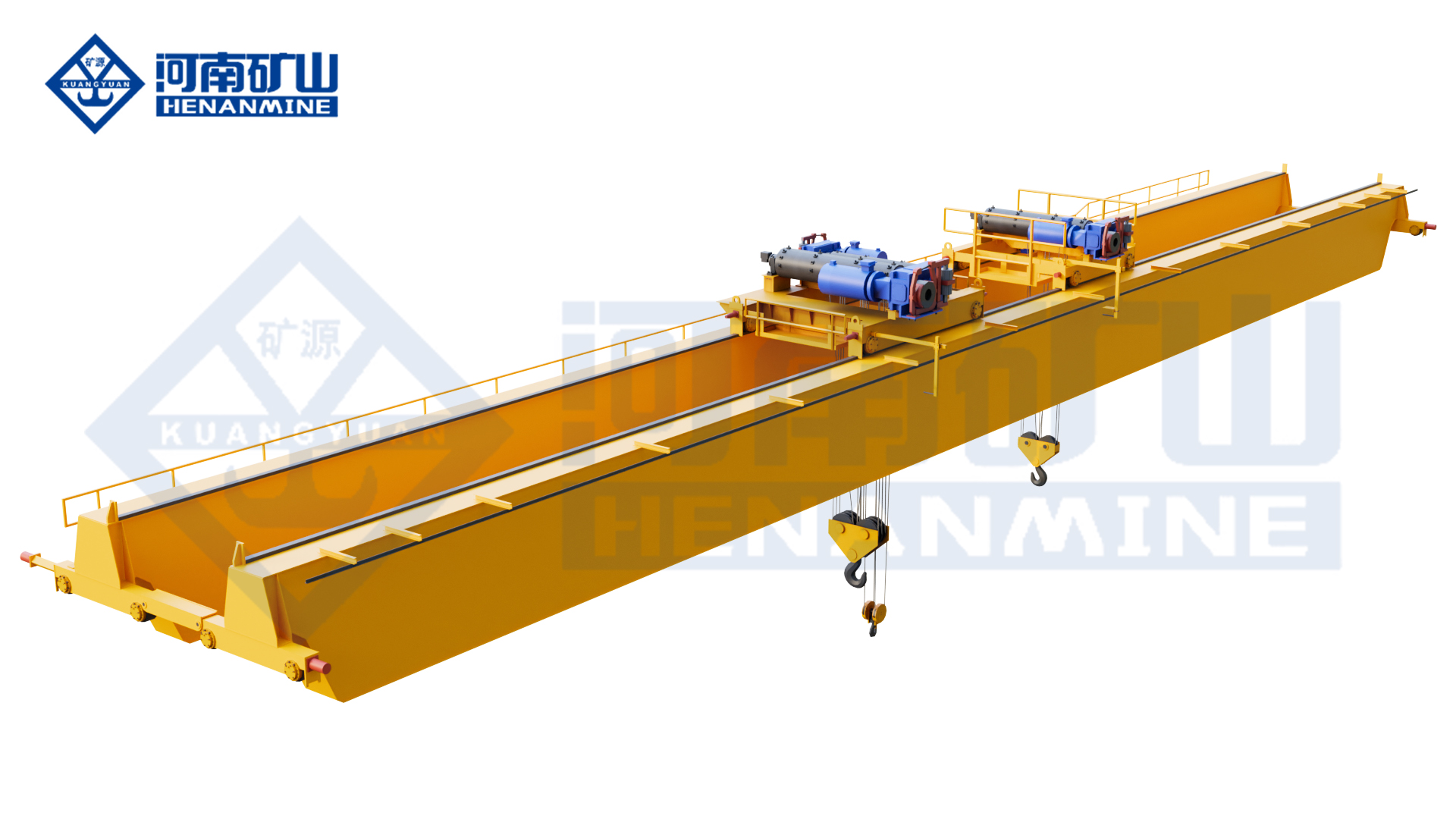
Double-Trolley Overhead Crane
Two-trolley arrangement for loads requiring defined lifting-point spacing or coordinated movement.
Explosion-Proof Overhead Crane
Dedicated crane family for formally classified hazardous gas or dust environments; capacity requires confirmation.
A project-specific proposal is prepared from the maximum gross load, lifting attachments, span, runway length, hook positions, building cross-section, operating cycle, controls, power supply, environment, destination and required supply boundary.
Discuss the crane arrangement for your project.
A three-ton enquiry needs the same attention to geometry and working duty as a larger crane project. Define the load, lifting range and building interfaces before comparing equipment arrangements and supplier scope. Share the load, available drawings, working cycle and site conditions with Henan Mine Crane so the required configuration and supply boundary can be discussed.
Related crane configurations
LH Electric Hoist Double Girder Crane
View product parametersUse an LH double-girder bridge with an electric-hoist trolley for workshop lifting, assembly and maintenance. Match the hoist arrangement to the suspended load, hook travel and available building space.
Double Trolley Electric Hoist Crane
View product parametersLift long components or serve separate working positions with two electric-hoist trolleys on one bridge. Trolley spacing, load sharing and independent or coordinated operation are specified for the task.
Updated 2026 · Henan Mine Crane