Engineering · Manufacturing · Project support
info@hnksglobal.comWhatsApp +86 18836207779 ↗

Blog

  • 78 Coaches Depart with Employees’ Parents for the 2026 Appreciation Tour

    78 Coaches Depart with Employees’ Parents for the 2026 Appreciation Tour

    Company & People

    78 Coaches Depart with Employees’ Parents for the 2026 Appreciation Tour

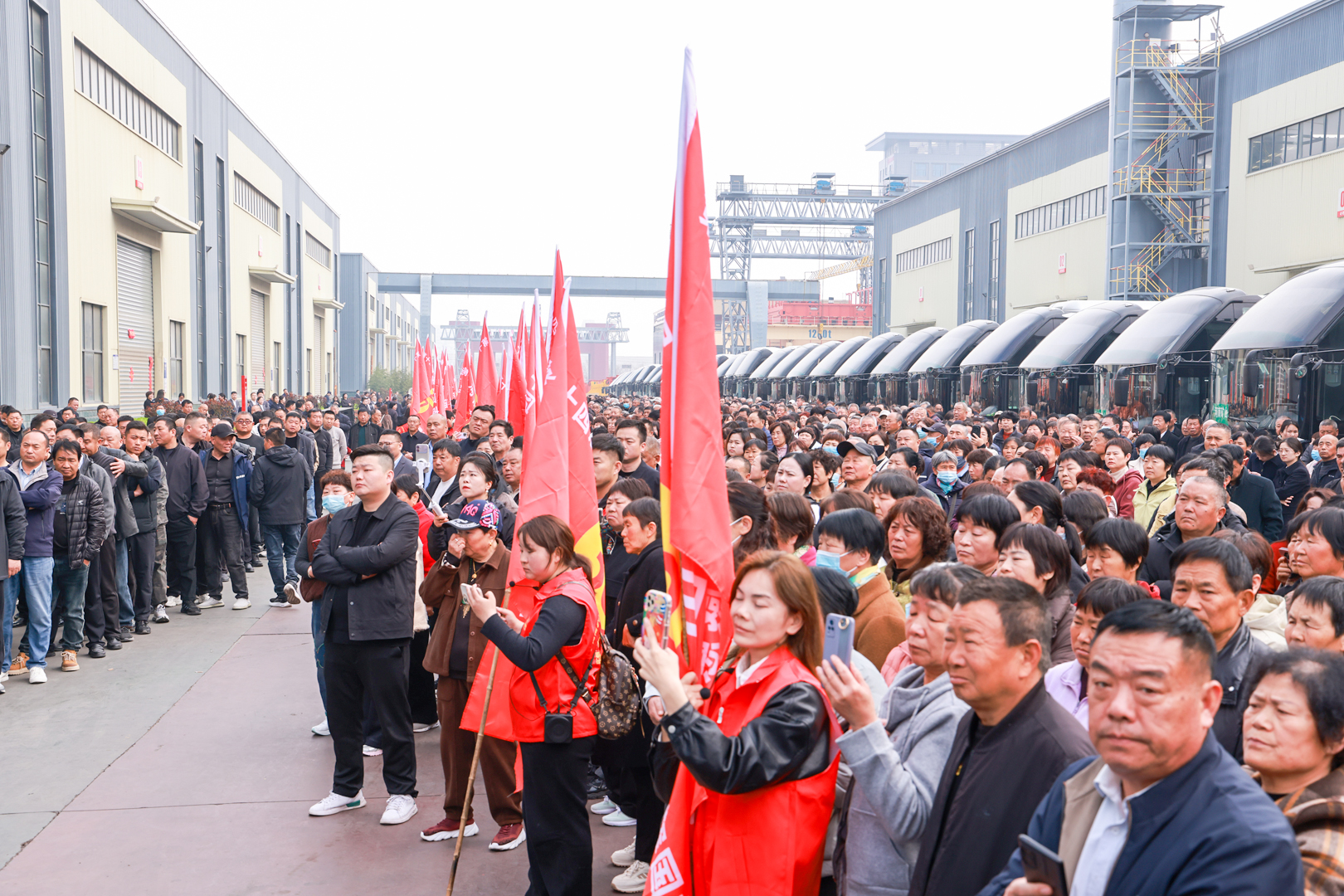
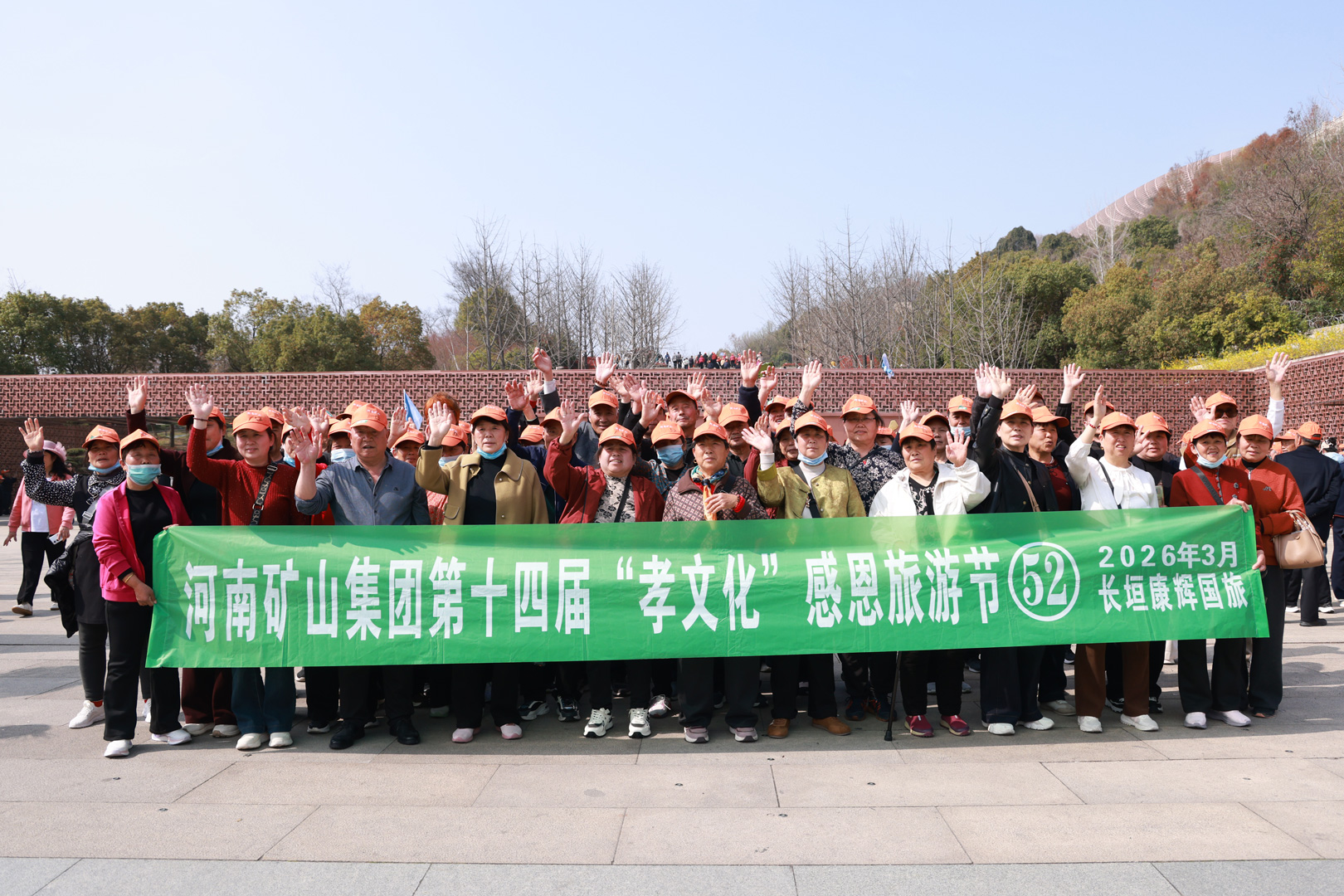
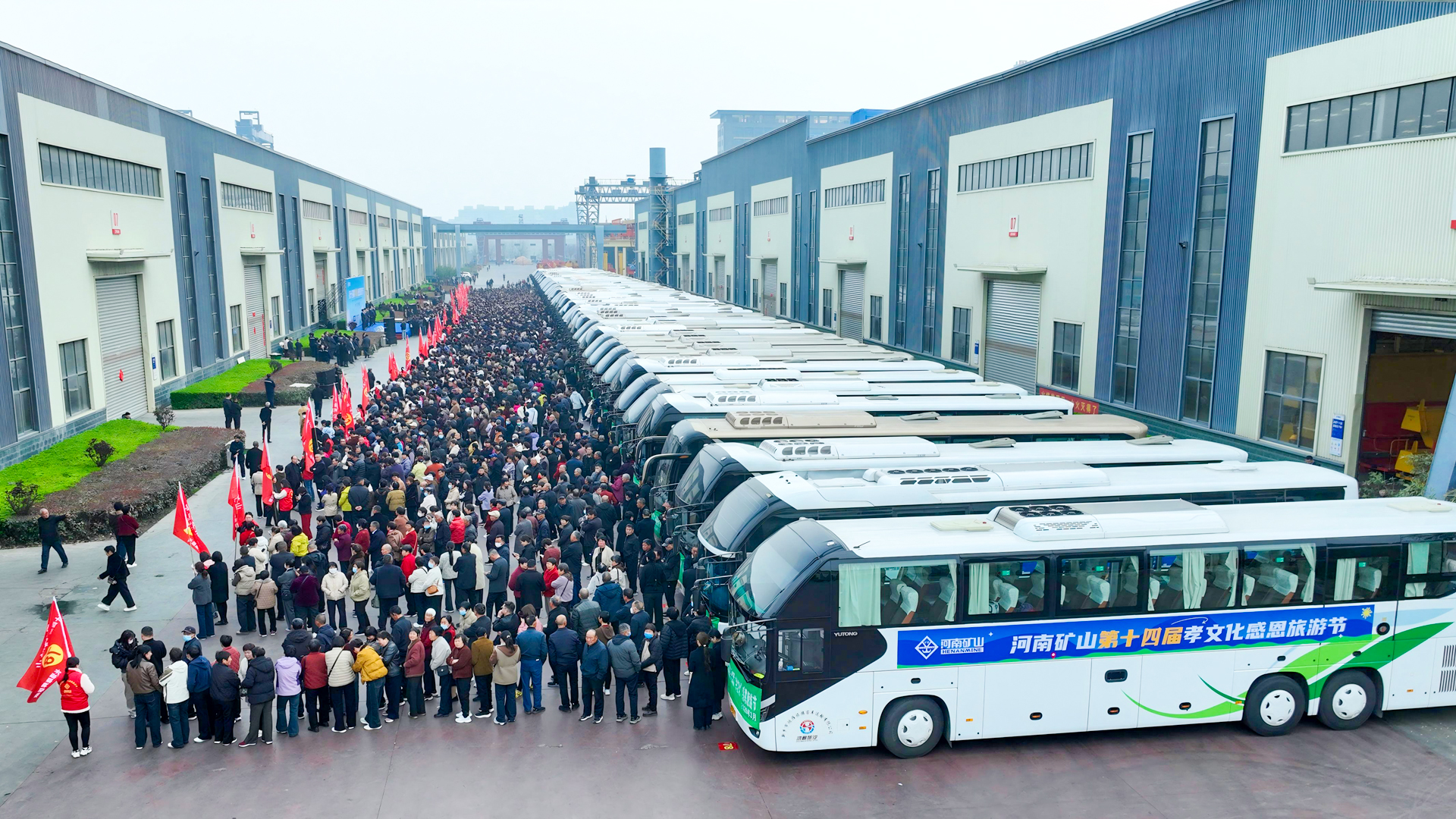
    Henan Mine Crane opened its fourteenth parents’ appreciation tour on 24 March 2026. More than 4,000 employees’ parents departed from the intelligent industrial park in 78 coaches.

    Coaches and participants lined up at the manufacturing park
    Coaches and participants lined up at the manufacturing park.

    Six days across four cities

    The announced route covered Xuzhou, Nanjing, Suzhou and Wuxi over six days. The company-funded programme was organised for employees’ parents as part of its recurring family-support activities.

    Travel organisation and participant care

    At the opening, organisers emphasised consideration for fellow travellers and the responsibilities of drivers and accompanying staff. Meals, travel and rest arrangements formed part of the support programme.

    View the event photo gallery

    Contact Henan Mine Crane

    For product information, a manufacturing visit or a company enquiry, send the relevant details to our team.

  • Parents’ Appreciation Tour Reaches Wuxi Before the Return Journey

    Parents’ Appreciation Tour Reaches Wuxi Before the Return Journey

    Company & People

    Parents’ Appreciation Tour Reaches Wuxi Before the Return Journey

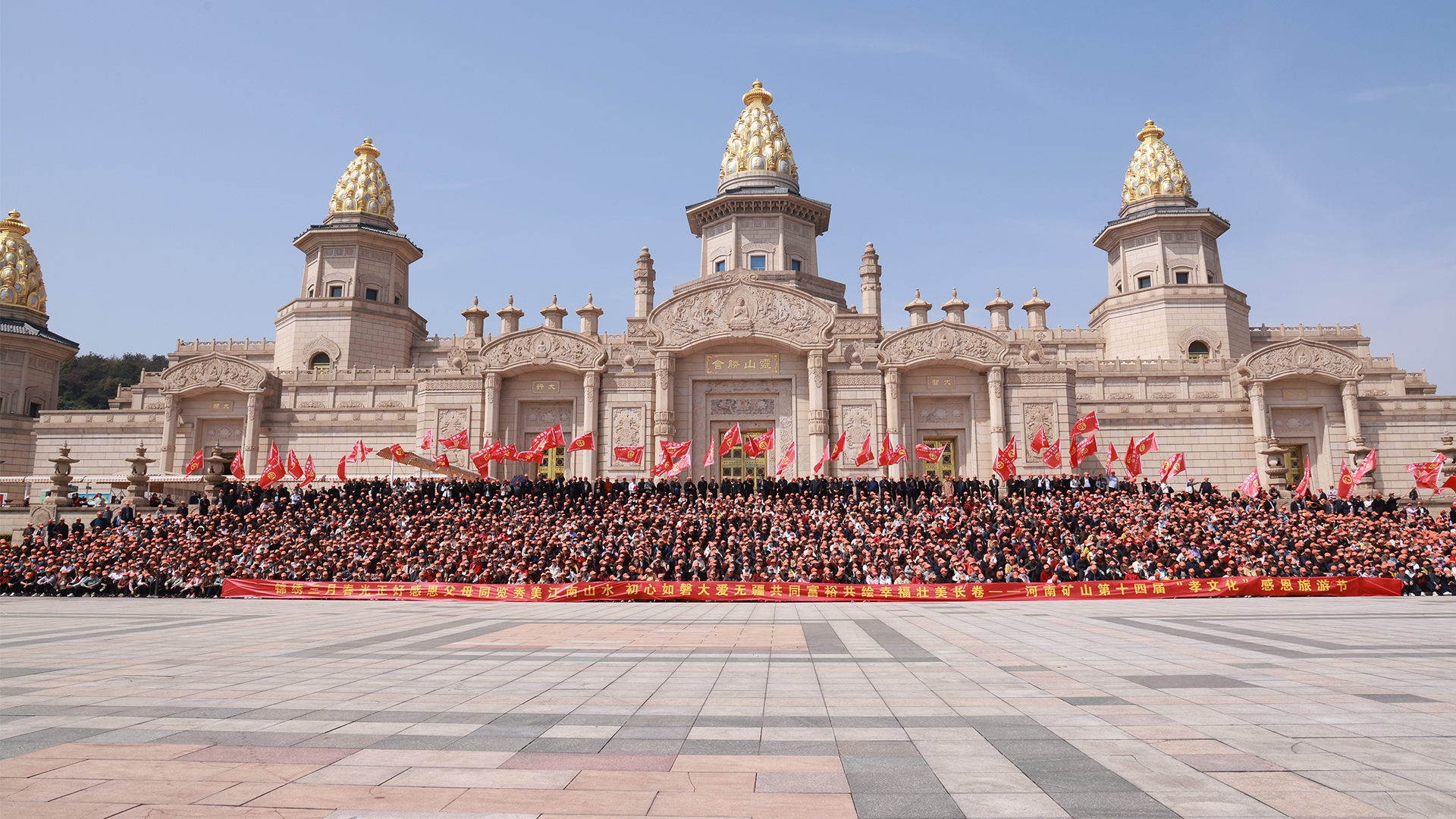
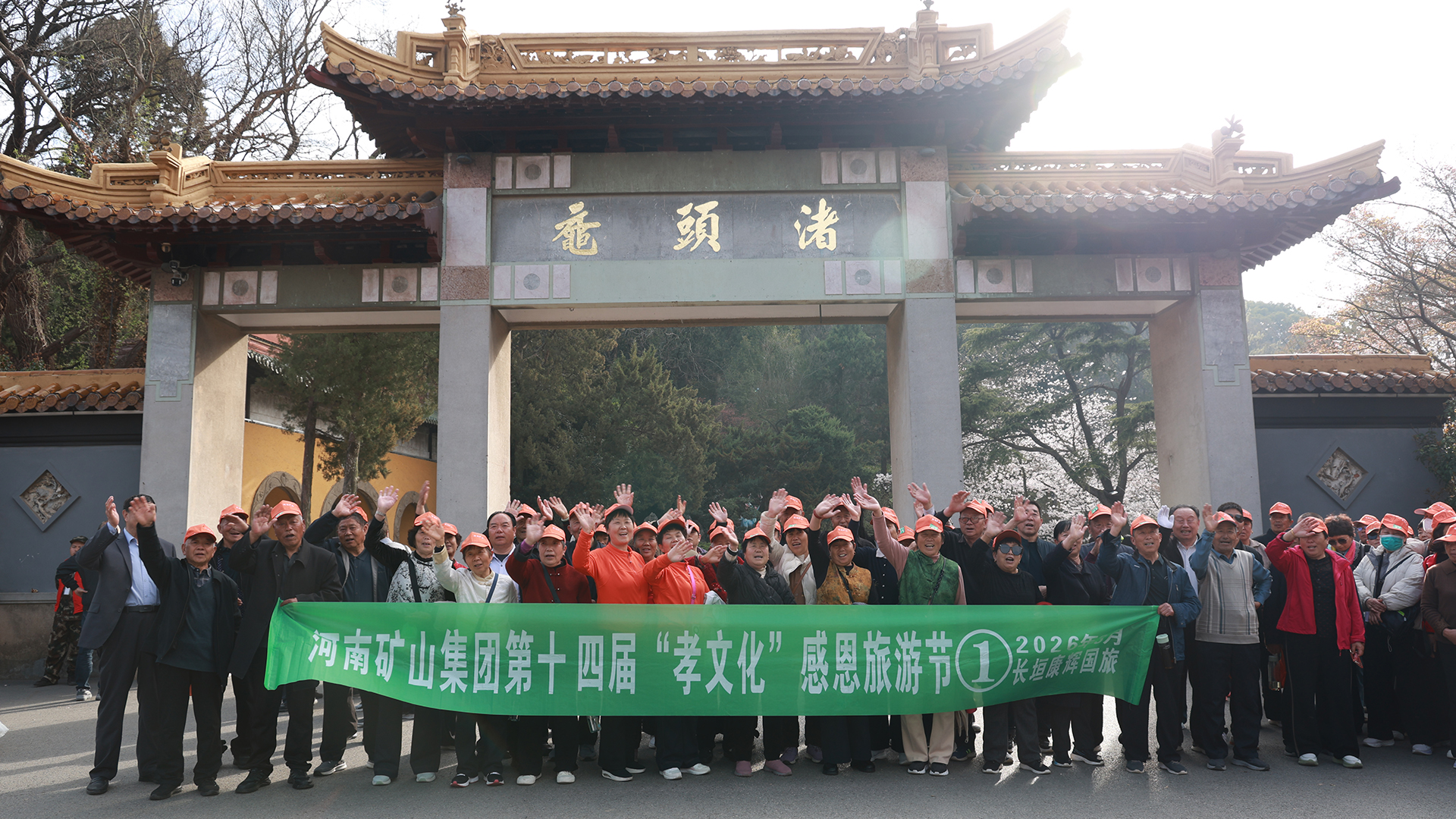
    The Wuxi stage of Henan Mine Crane’s fourteenth parents’ appreciation tour brought employees’ parents to the Lingshan Buddha and Yuantouzhu before the journey home.

    Tour group at the entrance to the Lingshan scenic area during Henan Mine Crane’s 2026 parents’ appreciation tour
    Tour group at the entrance to the Lingshan scenic area.

    Visits around Wuxi and Taihu Lake

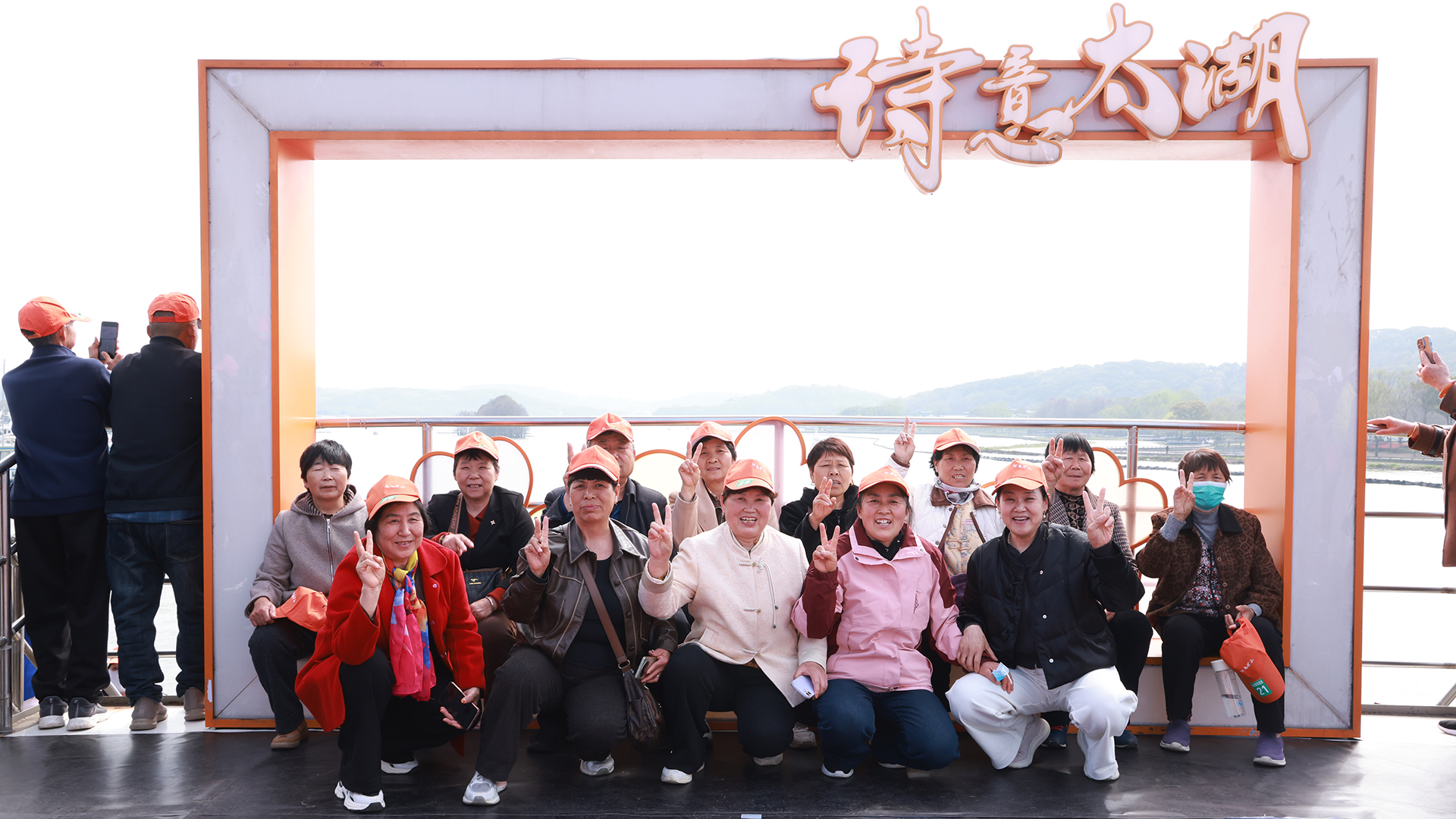
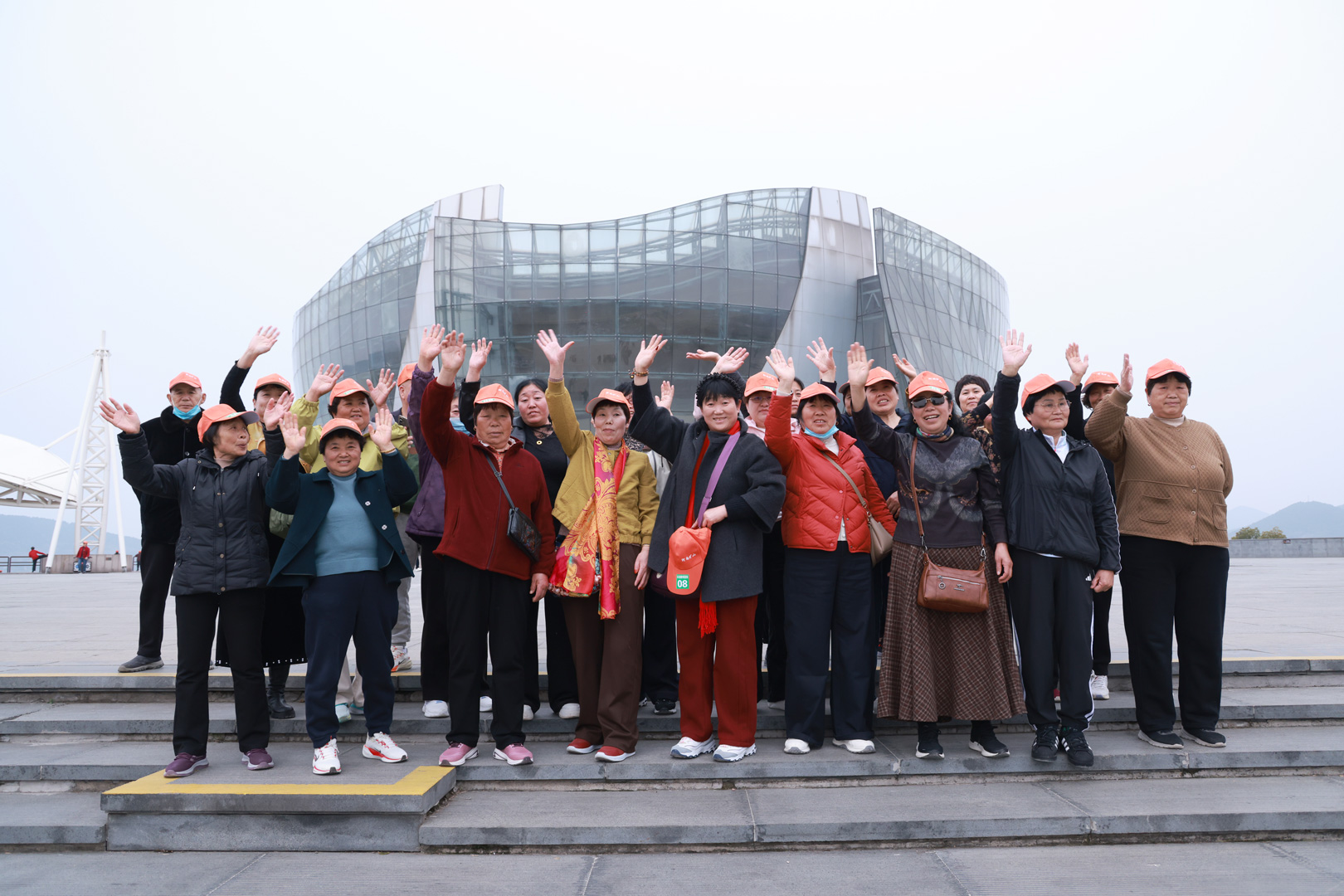
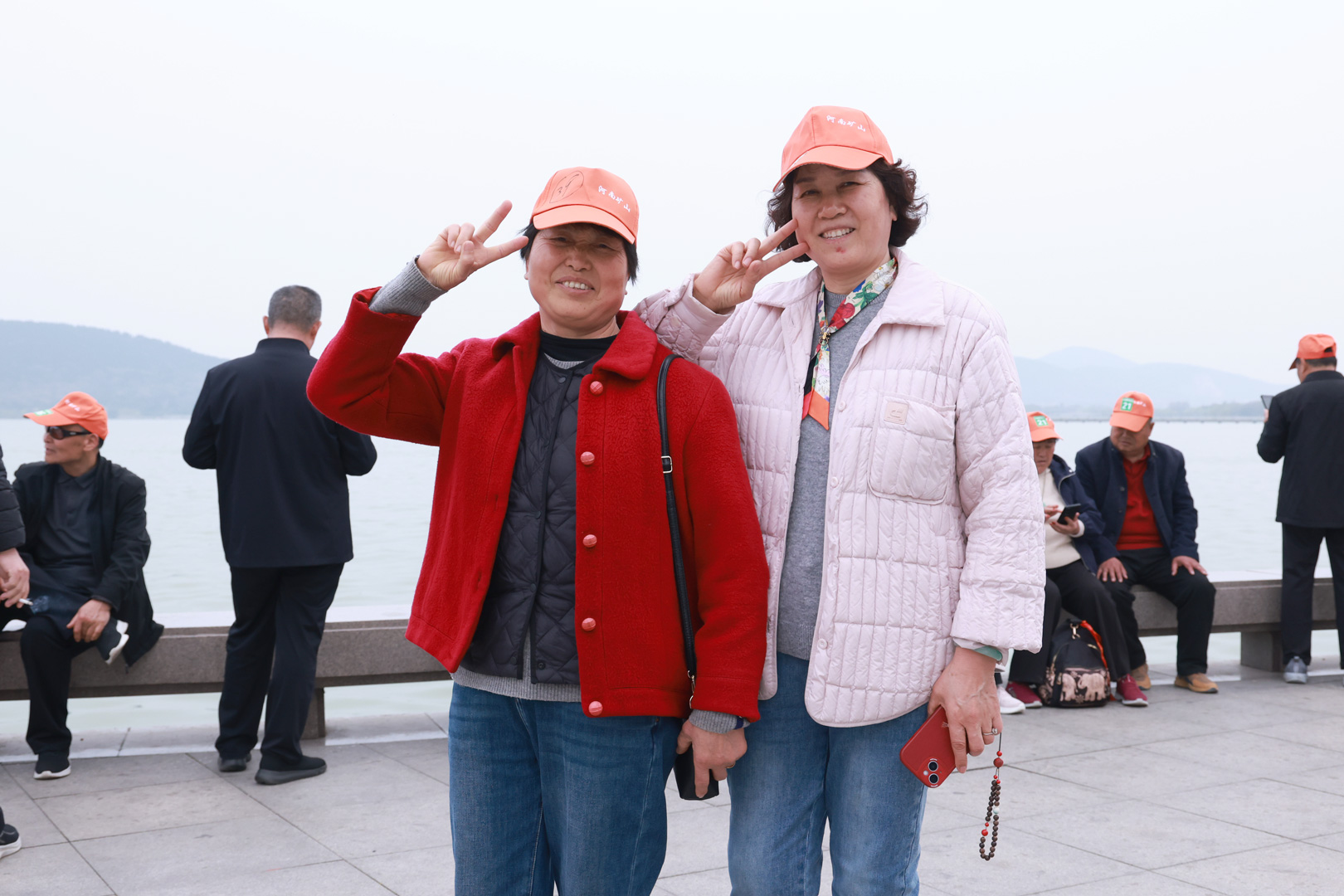
    The group visited the Lingshan Buddha and spent time at Yuantouzhu, a scenic area beside Taihu Lake. The accompanying photographs record sightseeing and group visits.

    Local hospitality and the return route

    A company partner in Wuxi provided gifts for the travelling parents. After the Wuxi programme, the group travelled towards Nanjing for the return stage of the six-day tour.

    View the event photo gallery

    Contact Henan Mine Crane

    For product information, a manufacturing visit or a company enquiry, send the relevant details to our team.

  • Double-Girder Gantry Cranes for Outdoor Port Lifting: Selection Inputs

    Double-Girder Gantry Cranes for Outdoor Port Lifting: Selection Inputs

    Technical guide

    Double-Girder Gantry Cranes for Outdoor Port Lifting: Selection Inputs

    Outdoor heavy lifting requires a coordinated review of payload, runway conditions and environmental exposure. Provide the cargo geometry and operating route so the gantry arrangement can be checked against the actual port site.

    Henan Mine CraneTechnical guide · Updated 2026Crane selection, project scope and operating requirements
    Double-Girder Gantry Cranes for Outdoor Port Lifting: Selection Inputs
    Henan Mine Crane lifting equipment
    Project planning notes

    Key points for this crane project.

    1. Structural Advantages of Double Girder Gantry Cranes
    2. MG Universal Double Girder Gantry Crane
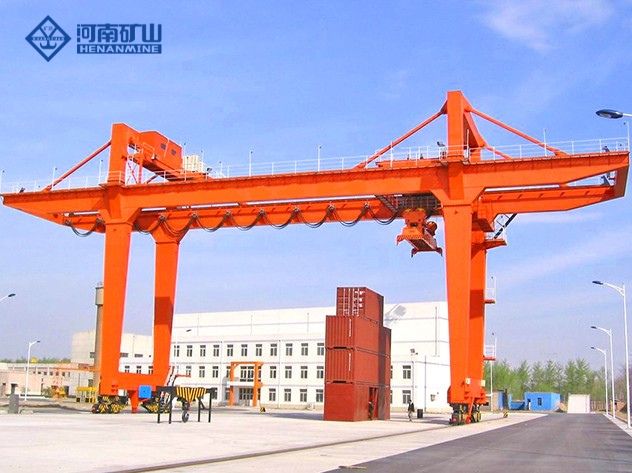
    3. RMG (Rail Mounted Container Gantry Crane)
    Read the technical guide

    Structural Advantages of Double Girder Gantry Cranes

    Core structural components

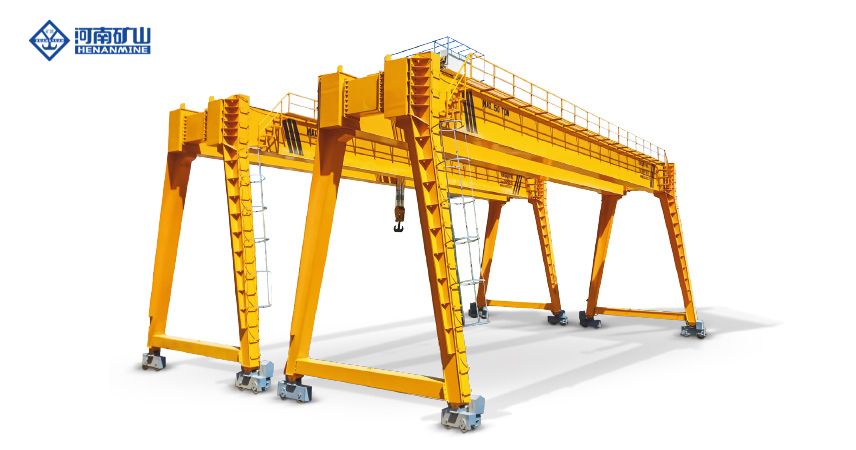
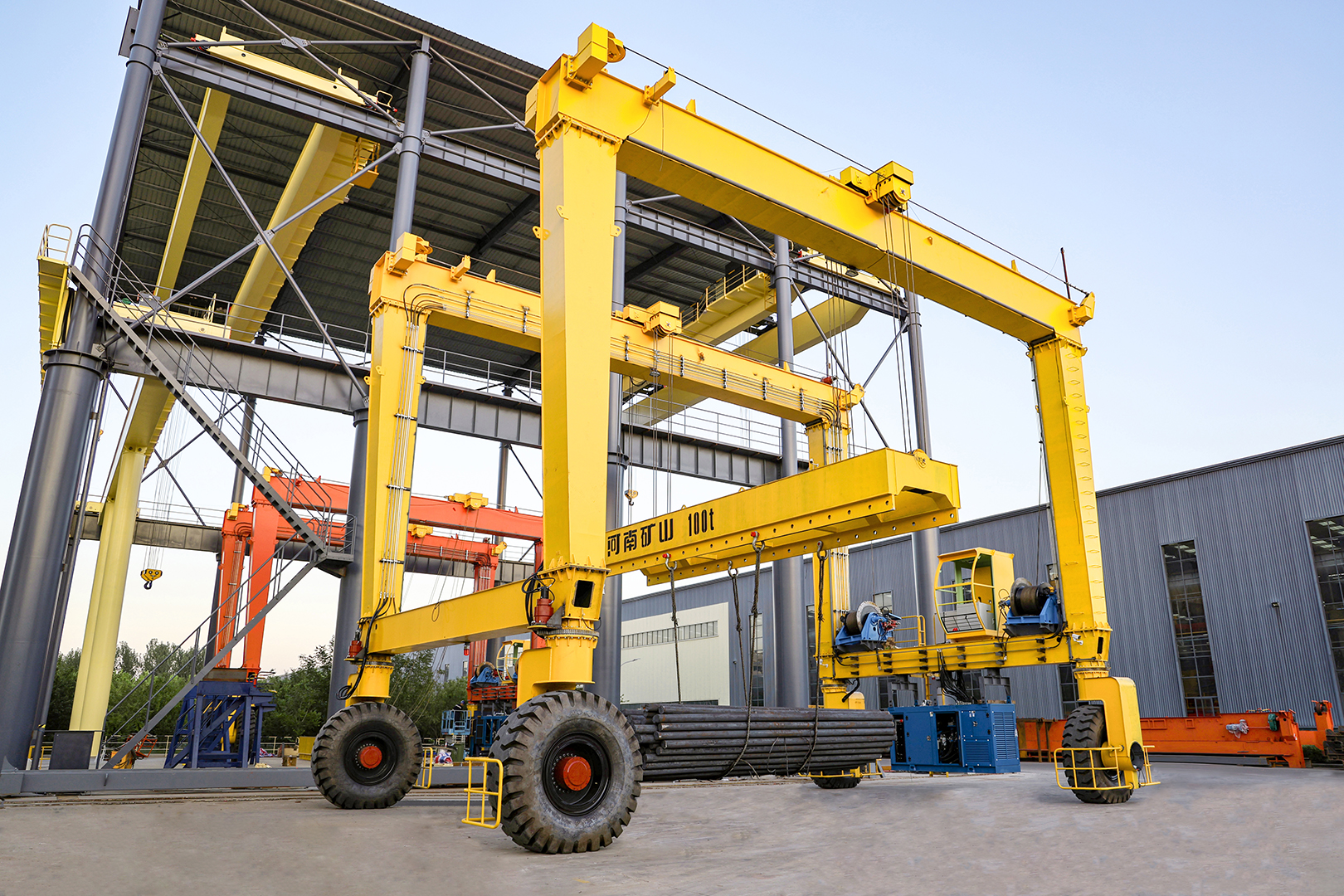
    The core structure of Double Girder Gantry Crane consists of four main components, namely two parallel main girders, outriggers on both sides, ground track travelling mechanism and hoisting trolley system.

    Among them, the hoisting trolley runs along the top rail of the main girder. Compared with the single girder design, the hook position can be lifted above the plane of the main girder, obtaining an additional hook height of 450mm to 900mm, which is especially critical in scenarios such as multi-layer cargo stacking and lifting of tall components in ports, and can effectively adapt to the height requirements of port operations.

    Load-bearing performance advantages

    The core load-carrying advantage of the double girder structure lies in the load dispersal design. The two main girders bear the load independently, which makes the static deflection and dynamic deflection of the whole machine much smaller than that of a single girder crane of the same span, and the structural rigidity is better.

    Functional expansion and maintainability advantages

    Double girder gantry cranes have greater functionality and expandability. The bridge deck space between the two main girders can be installed with an access platform to provide a safe working platform for the main maintenance personnel;

    The top of the main girder can also be integrated with cabs, lighting systems, windproof anchorage devices and other ancillary facilities, solving the single girder structure space constraints, unable to accommodate a variety of ancillary configurations of the pain point.

    Combined with the high-intensity, 24-hour continuous operation characteristics of the harbour, the maintainability of the equipment directly affects the annual downtime and comprehensive operating costs, and this advantage of the double girder design can effectively reduce operational losses and improve operational continuity.

    MG Universal Double Girder Gantry Crane

    The MG model is mainly responsible for bulk cargo handling and bulk material stacking in port yards, which is a cost-effective choice for medium-sized general cargo ports, and the spreader can be flexibly changed to improve the utilisation rate.

    From the parameter selection point of view, port outdoor open-air scene should give priority to the choice of working class A6 or A7 MG type gantry crane. A6 corresponds to the heavy duty working system, the number of working cycles per day, high utilisation rate, to meet the port of the daily multi-shift continuous operation of the intensity of the demand;

    A7 is suitable for all-weather high-frequency operation of busy terminals. In terms of anti-corrosion treatment, coastal ports should require the whole machine structure to adopt anti-salt spray anti-corrosion coating system, and the electrical system is equipped with IP55 or above protection level to resist the corrosive attack of the marine atmosphere.

    MG type universal double girder gantry crane core parameters reference

    • Span: 12m~35m, can be customised to a larger span according to the actual needs of the port yard, suitable for all kinds of site conditions.
    • Lifting height: 6m~20m, can be flexibly customised according to the stacking height of the yard to meet the needs of multi-layer cargo lifting.
    • Working class: covering A5, A6, A7, can be accurately matched according to the intensity of port operations, to ensure the stable operation of the equipment.
    Double-Girder Gantry Cranes for Outdoor Port Lifting: Selection Inputs
    Lifting equipment and application context

    RMG (Rail Mounted Container Gantry Crane)

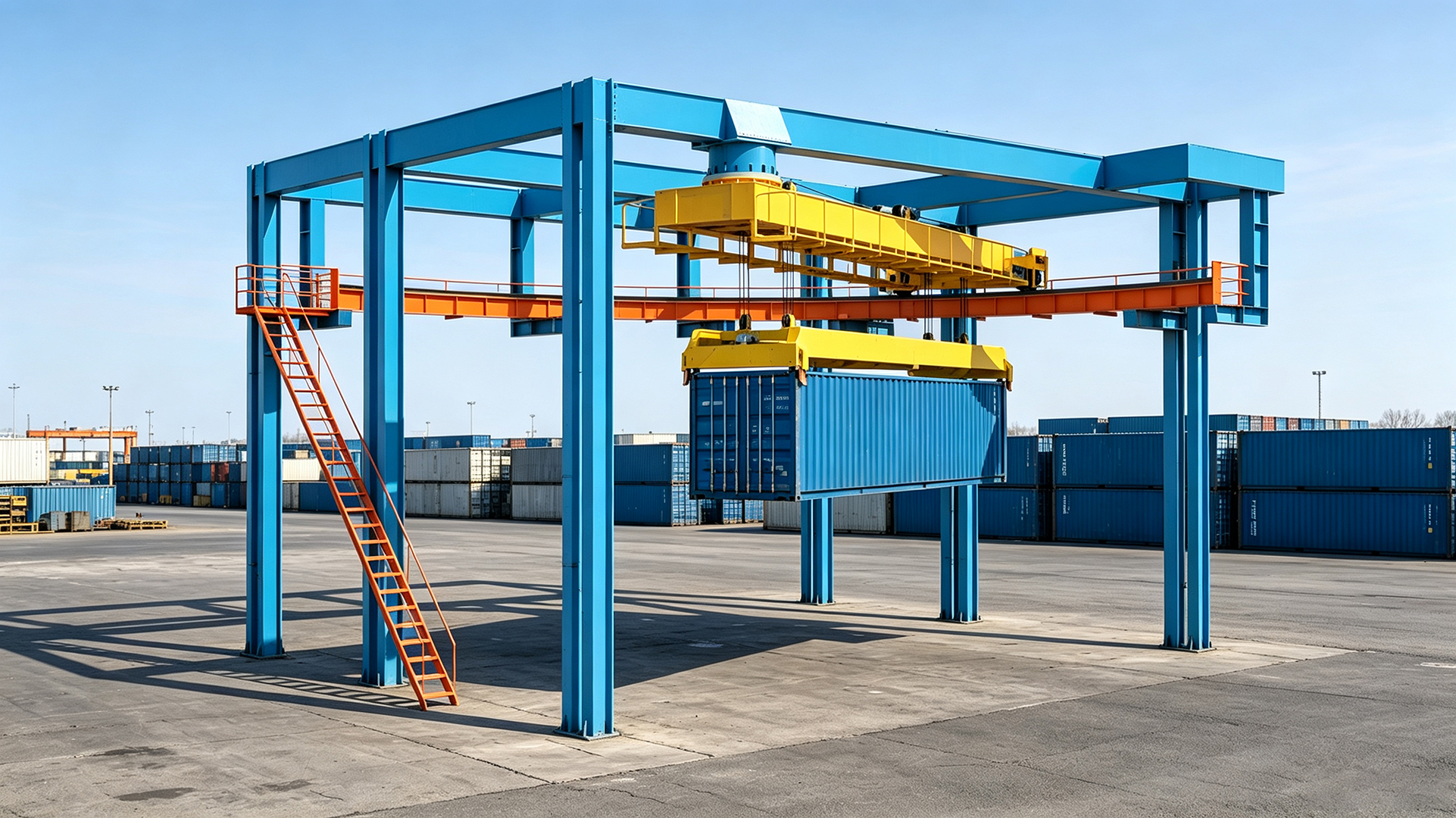
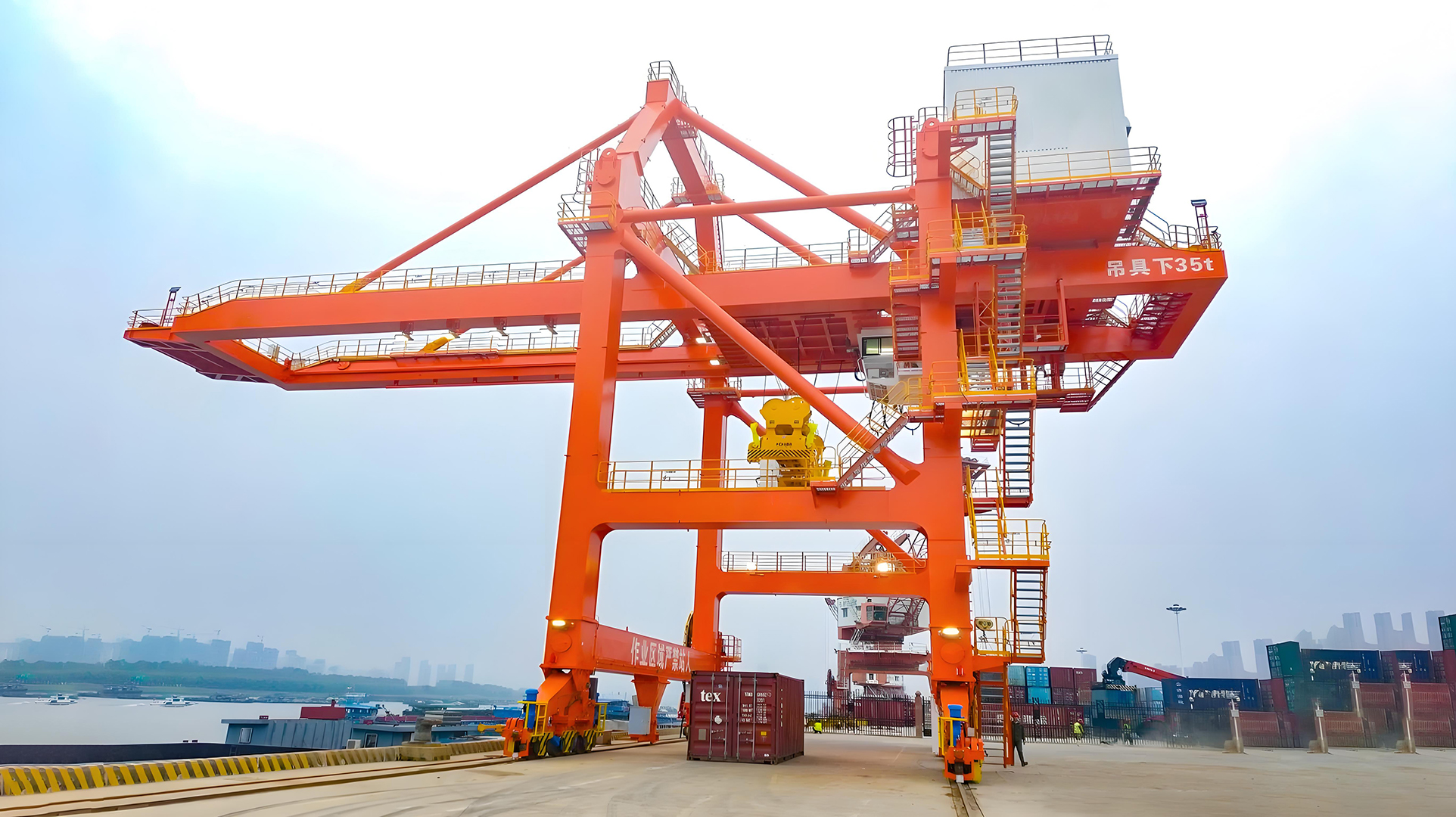
    RMG (Rail Mounted Container Gantry Crane) is the core equipment of container port area, travelling along the ground track, equipped with automatic telescopic spreader, can accurately grab 20 feet, 40 feet standard containers, the operational efficiency is much higher than manual and forklift.

    Compared with RTG, RMG has better stability, accuracy and lower energy consumption.

    RMG core parameters reference

    • Main accessories: Equipped with cargo hooks, grabs, electromagnetic suction cups, lifting beams and other commonly used lifting tools, which can be switched on demand to enhance the utilisation rate of the equipment.
    • Applicable port types: widely applicable to bulk cargo ports, integrated freight terminals, railway container freight stations and open-air cargo yards, with strong versatility.
    • Working level: A6~A8, suitable for high-frequency and high-intensity continuous operation in container ports.
    • Applicable port types: large container ports, railway container loading yards, inland container transfer stations.
    • Power supply: cable reel, slip line or bus duct power supply, all-electric drive design, green and low emission, in line with the demand of port environmental protection.

    Heavy Duty Double Girder Gantry Crane for Shipbuilding

    Gantry cranes for shipbuilding usually use double trolley configuration: the main trolley is responsible for the lifting of the main segments, the deputy trolley is used for auxiliary positioning and turning, the two cars can work together to complete the super-long, super-heavy workpiece into the position of the precise.

    In order to adapt to the outdoor marine environment, the structural steel is made of high-strength weather-resistant steel, and the thickness of the surface anticorrosion coating is usually more than 250 microns, and it is equipped with multiple safety systems such as high wind alarm, automatic windproof anchoring, and anti-deviation limitation.

    The procurement cycle of this type of equipment is usually 12 to 36 months, and it is necessary to synchronise the equipment selection and foundation design work at the dockyard design stage to ensure that the parameters between the track, foundation and crane are coordinated.

    Five Key Dimensions in The Selection of Outdoor Double Girder Gantry Cranes for Harbours

    Lifting capacity and span of the synergistic match

    Special attention should be paid to the fact that the rated lifting capacity refers to the combined weight of the hook and all attachments below it (including spreaders, slings, stretcher beams, etc.).

    Precise positioning of work levels

    The working level (defined as Class A by ISO standard, corresponding to GB/T 3811 by Chinese standard) is the most neglected but most far-reaching parameter in the selection of cranes. Class A5 is suitable for general yard operations with medium frequency and medium load spectrum;

    Class A6 is suitable for high-frequency, heavy-load continuous port operations and is the benchmark configuration for most container ports and bulk terminals;

    Class A7 is suitable for 24-hour, high-intensity, continuous production operations, such as coal loading in coal bunkers of power plants and raw material yards of steel mills, etc. Class A8 corresponds to the most severe continuous full-load working conditions. Selecting a low working class can lead to a serious reduction in the fatigue life of the equipment, often resulting in structural problems such as cracks in the main girder within 3 to 5 years.

    Wind resistance and corrosion protection

    In the open-air operating environment of the port, wind load and salt spray corrosion are the two major ‘natural enemies’ of equipment life. Coastal ports should require the whole machine according to the design of not less than 11 gusts of non-working wind resistance, and configure automatic wind anchorage device (typhoon anchorage piles);

    Power supply and drive system

    Large span, high-capacity double girder door crane electrical drive system is the key to influence the operational efficiency and energy consumption.

    The degree of automation and future scalability

    With the advancement of port intelligent upgrading, the potential of automation transformation of cranes has become an important dimension of the procurement decision. For new container ports, it is recommended to reserve automation interfaces during selection:

    The control system adopts PLC architecture and reserves the communication protocol of the upper system (e.g. OPC-UA), the trolley and trolley travelling encoder reserves the absolute value signal output, and reserves the installation space and wire slots for the future addition of laser anti-shaking, machine vision alignment and other modules.

    Selection and Procurement Precautions

    Avoid the core misunderstanding when purchasing: Do not take the lifting capacity as the only reference and ignore the working level that determines the life of the equipment, the configuration and price difference between different working levels of the same tonnage (e.g.

    Emphasis on after-sales service and spare parts supply: suppliers are required to commit to a 5-year local reserve of key spare parts, 2-4 hours on-site response, and give preference to vendors with local technical service outlets to shorten the troubleshooting cycle and reduce operational risks.

    Discuss the crane arrangement for your project.

    Outdoor heavy lifting requires a coordinated review of payload, runway conditions and environmental exposure. Provide the cargo geometry and operating route so the gantry arrangement can be checked against the actual port site. Share the load, available drawings, working cycle and site conditions with Henan Mine Crane so the required configuration and supply boundary can be discussed.

    Related crane configurations

    LH Electric Hoist Double Girder Crane

    View product parameters
    Lifting capacity: 3, 5, 10, 16, 20 tSpan: 10.5–31.5 mLifting height: 6, 9, 12 or 18 m

    Use an LH double-girder bridge with an electric-hoist trolley for workshop lifting, assembly and maintenance. Match the hoist arrangement to the suspended load, hook travel and available building space.

    Double Girder Electric Hoist Gantry Crane

    View product parameters
    Lifting capacity: 3t – 50tSpan: 7.5m – 35mLifting height: 4m – 30m

    Cover an outdoor handling area with a double-girder gantry and electric-hoist trolley. Select the load rating, leg geometry, cantilever arrangement and travel coverage around the yard layout.

    Updated 2026 · Henan Mine Crane

  • Henan Mine Crane Exhibits at the 2026 Shanghai Heavy Machinery Show

    Henan Mine Crane Exhibits at the 2026 Shanghai Heavy Machinery Show

    Industry & Partnerships

    Henan Mine Crane Exhibits at the 2026 Shanghai Heavy Machinery Show

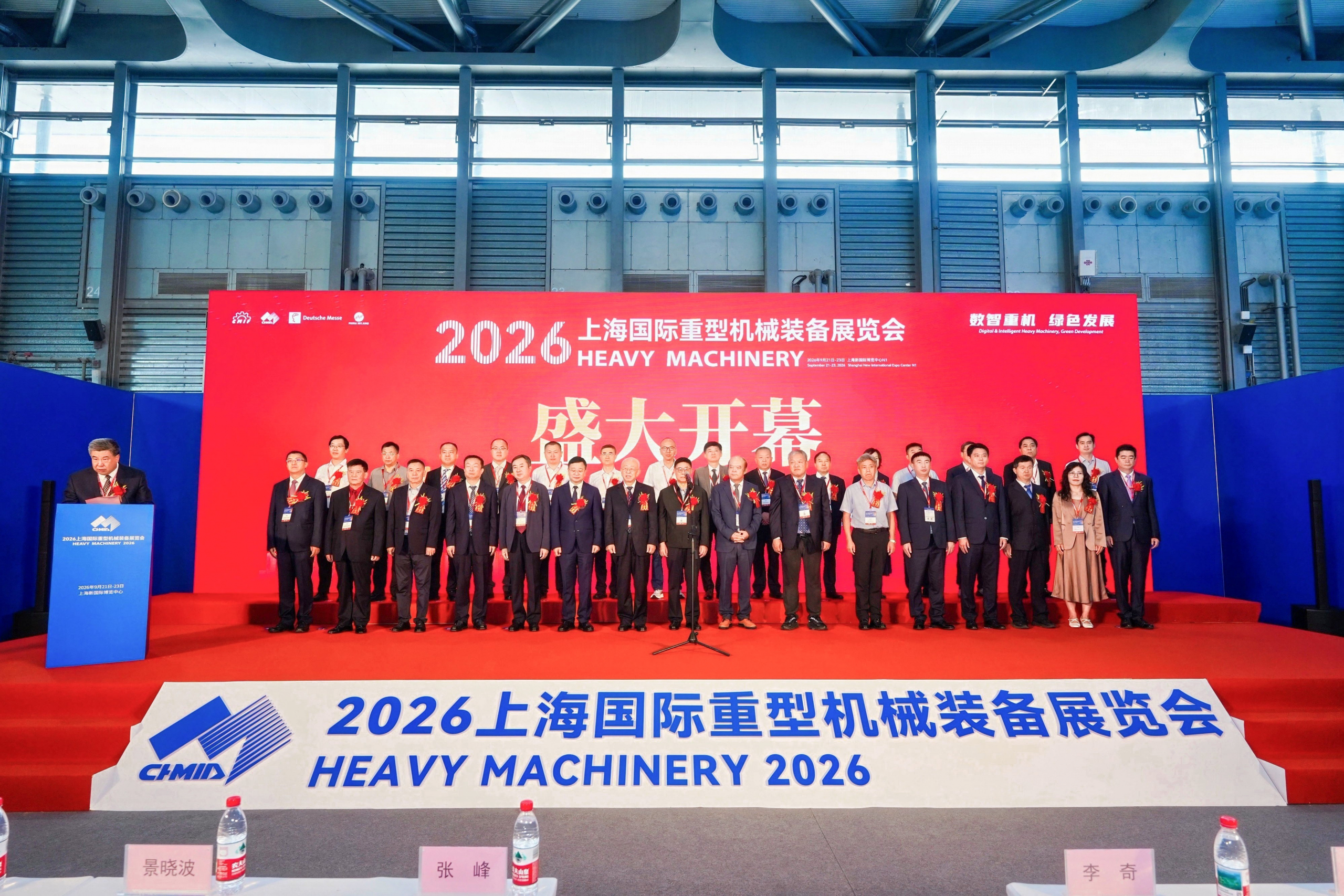
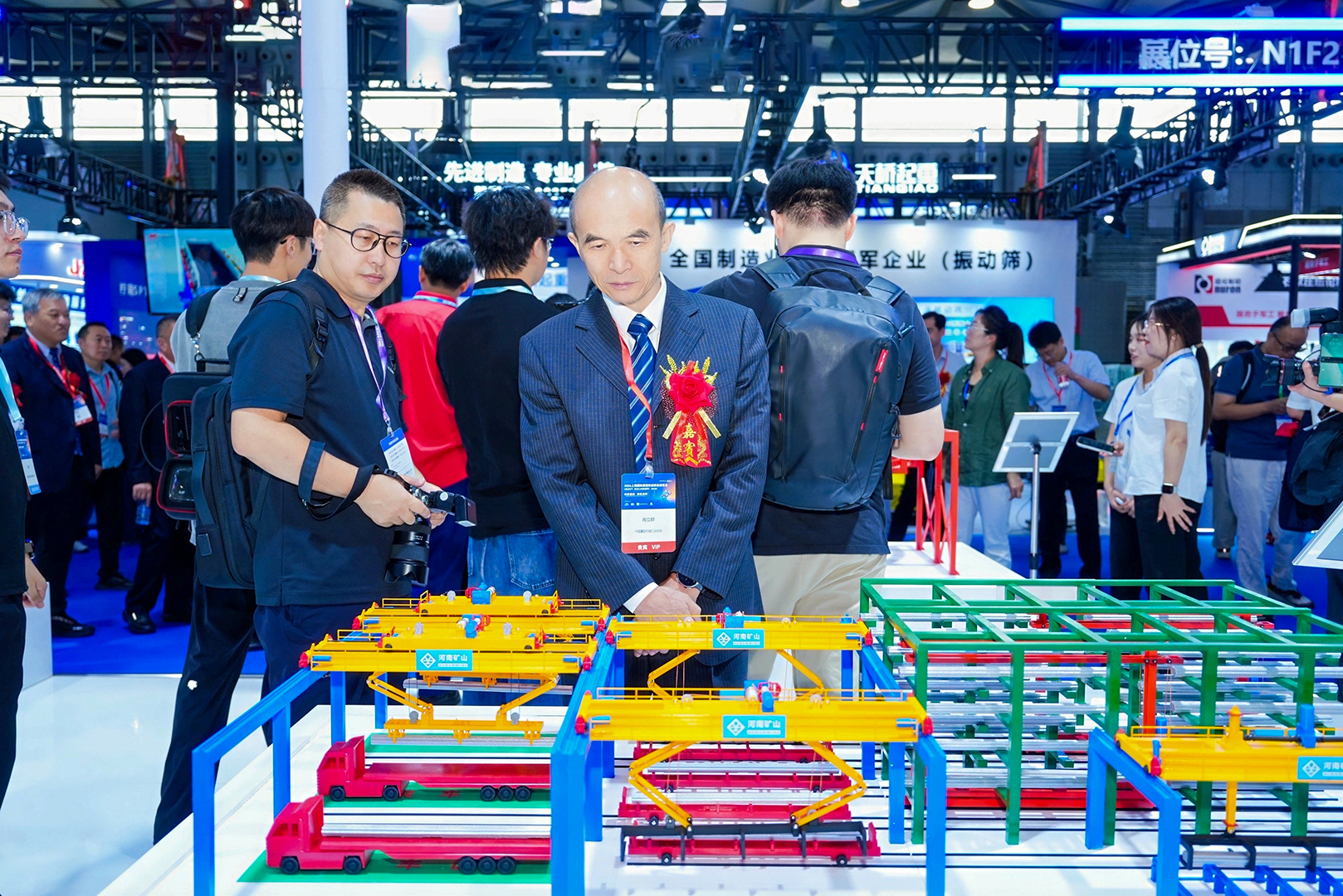
    Henan Mine Crane presented lifting equipment and handling technologies at the Shanghai New International Expo Centre on 21 September 2026.

    Visitors studying a container crane model at the exhibition
    Visitors studying a container crane model at the exhibition.

    Equipment and application discussions

    The exhibition display brought crane configurations, technical developments and industrial handling applications together at stand N1F1. Visitors included industry representatives, technical specialists and potential project partners.

    Turn an exhibition discussion into a specification

    For a new lifting project, the useful starting information is the load, work area, lifting height and operating cycle. A building layout and details of the handled material help the technical team compare suitable crane arrangements.

    Continue your technical discussion

    Send the lifting task, required capacity and site drawing. We can discuss the equipment arrangement and the next information needed for a proposal.

  • Mid-Autumn Benefit Deliveries Begin for Henan Mine Crane Sales Families

    Mid-Autumn Benefit Deliveries Begin for Henan Mine Crane Sales Families

    Company & People

    Mid-Autumn Benefit Deliveries Begin for Henan Mine Crane Sales Families

    Henan Mine Crane began its annual Mid-Autumn benefit delivery programme on 18 September 2026, recognising the contribution of sales employees and their families.

    Vehicles assembled for Mid-Autumn benefit deliveries
    Vehicles assembled for Mid-Autumn benefit deliveries.

    A four-day delivery programme

    The programme arranged 35 vehicles to deliver festival packages to 1,750 sales employee representatives over four days. The deliveries preceded the company’s thirteenth Mid-Autumn family festival, scheduled for 23–24 September.

    Recurring employee and family activities

    The benefit deliveries form part of the company’s recurring employee-family programmes. The annual Mid-Autumn festival brings employees and parents together for a shared celebration.

    View benefit delivery photographs

    Contact the equipment team

    For a crane project, send your application and site requirements so your enquiry can be directed to the relevant team.

  • Henan Mine Crane Joins SEW’s Foshan Opening and Discusses Drive Cooperation

    Henan Mine Crane Joins SEW’s Foshan Opening and Discusses Drive Cooperation

    Industry & Partnerships

    Henan Mine Crane Joins SEW’s Foshan Opening and Discusses Drive Cooperation

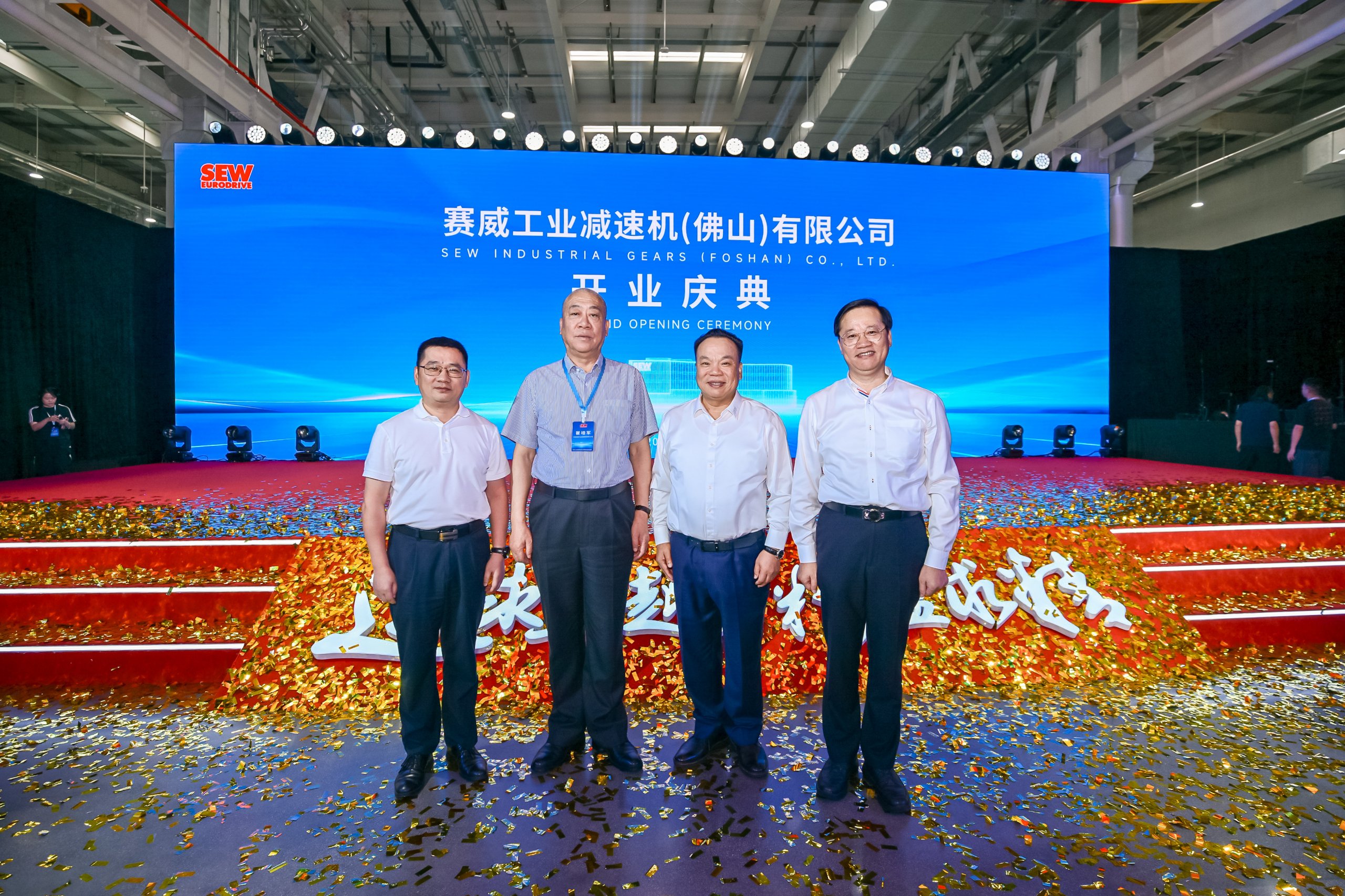
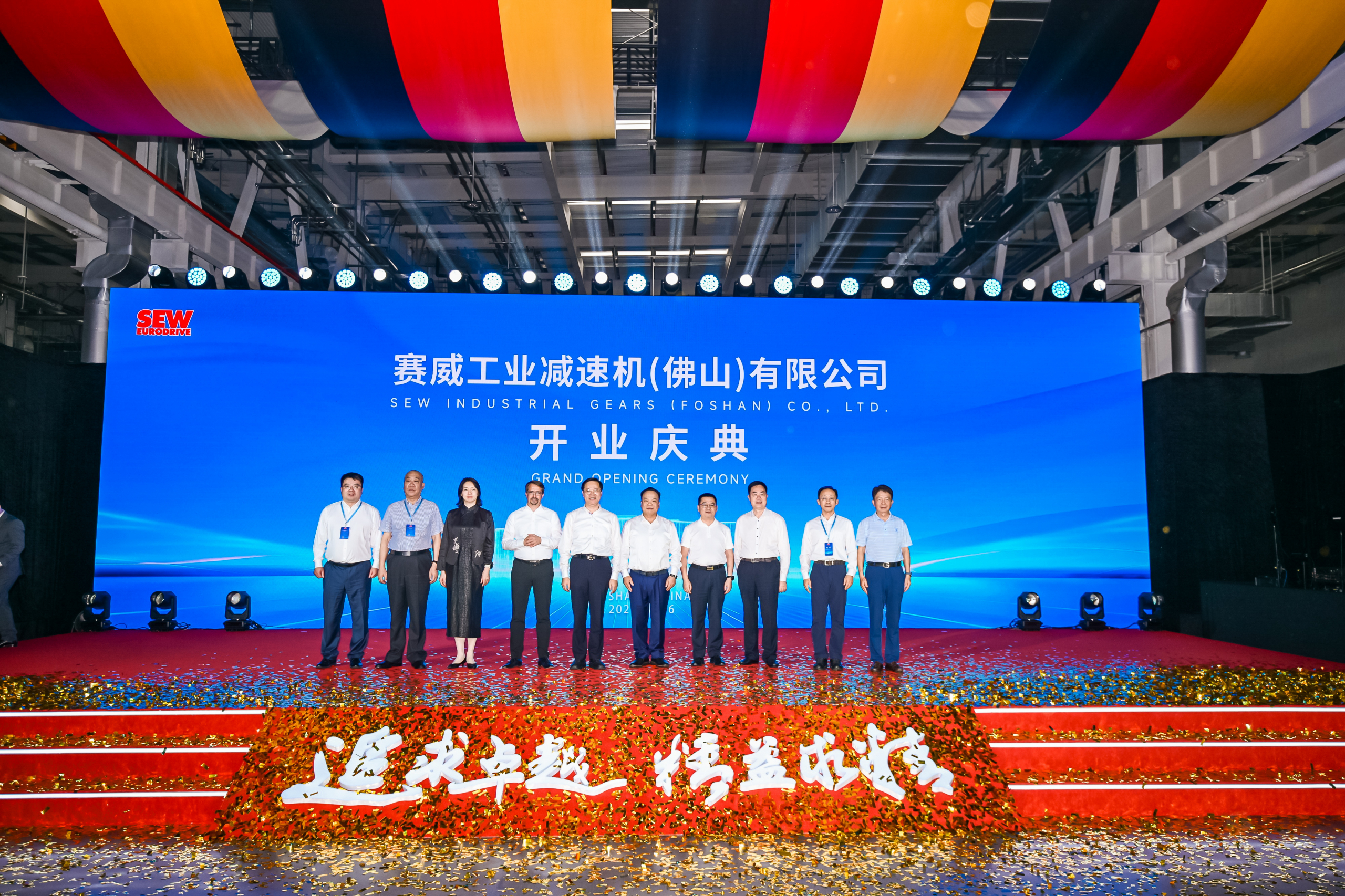
    Henan Mine Crane took part in the opening of SEW’s Foshan branch on 16 September 2026. The event provided an opportunity to discuss future cooperation in drive technology and crane development.

    Representatives at the SEW Foshan opening ceremony
    Representatives at the SEW Foshan opening ceremony.

    Drive systems and automation

    The exchange covered the relationship between crane manufacturing, transmission systems, intelligent drives and industrial automation. Henan Mine Crane’s founder Cui Peijun attended and addressed the opening event.

    Specify components around the lifting task

    A cooperation announcement does not define the bill of materials for every crane. For procurement, drive selection should be confirmed against duty, travel speed, control requirements, ambient conditions and the agreed technical specification.

    Discuss your crane drive requirements

    Share the load spectrum, working cycles, travel speeds and preferred component requirements for your equipment enquiry.

  • Xuzhou Opens the Sightseeing Programme for Employees’ Parents

    Xuzhou Opens the Sightseeing Programme for Employees’ Parents

    Company & People

    Xuzhou Opens the Sightseeing Programme for Employees’ Parents

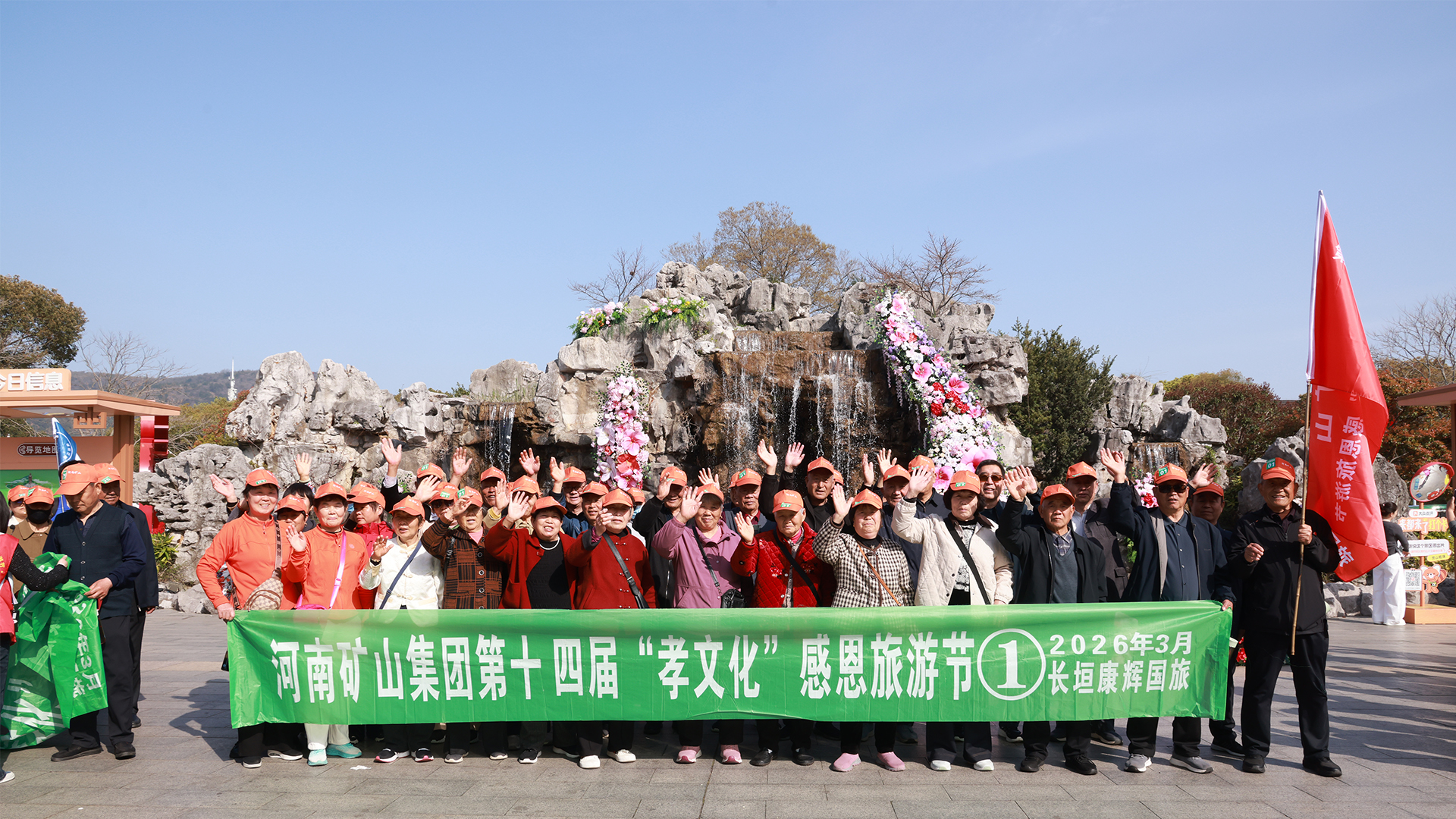
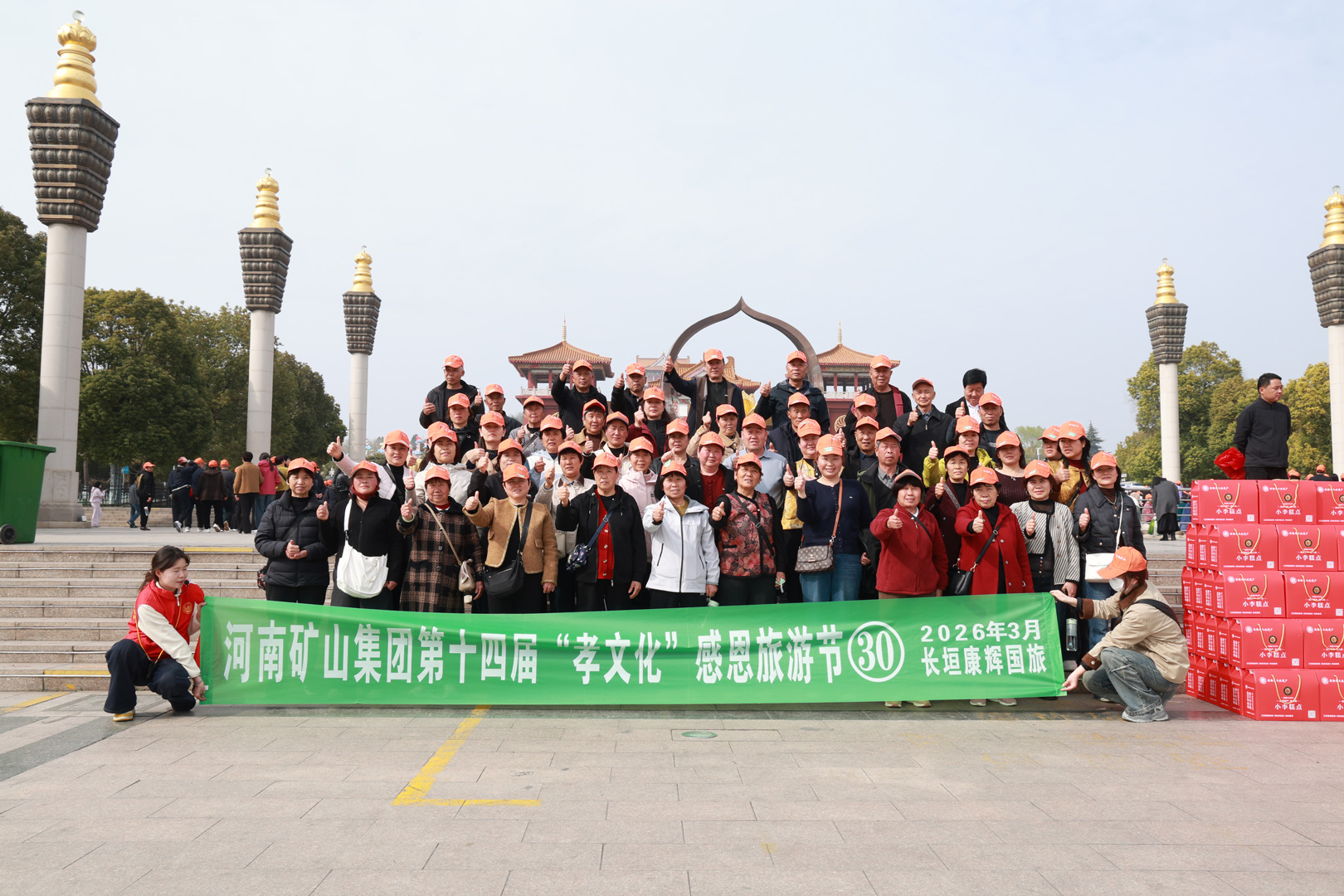
    Xuzhou was the first sightseeing stop on Henan Mine Crane’s fourteenth parents’ appreciation tour, with visits to Baolian Temple and Yunlong Lake.

    Tour group holding a banner in the temple forecourt during Henan Mine Crane’s 2026 parents’ appreciation tour
    Tour group holding a banner in the temple forecourt.

    Baolian Temple and Yunlong Lake

    The travelling parents toured Baolian Temple and took group photographs before continuing to Yunlong Lake. The lakeside programme provided time for walking and sightseeing together.

    Support from the Xuzhou branch

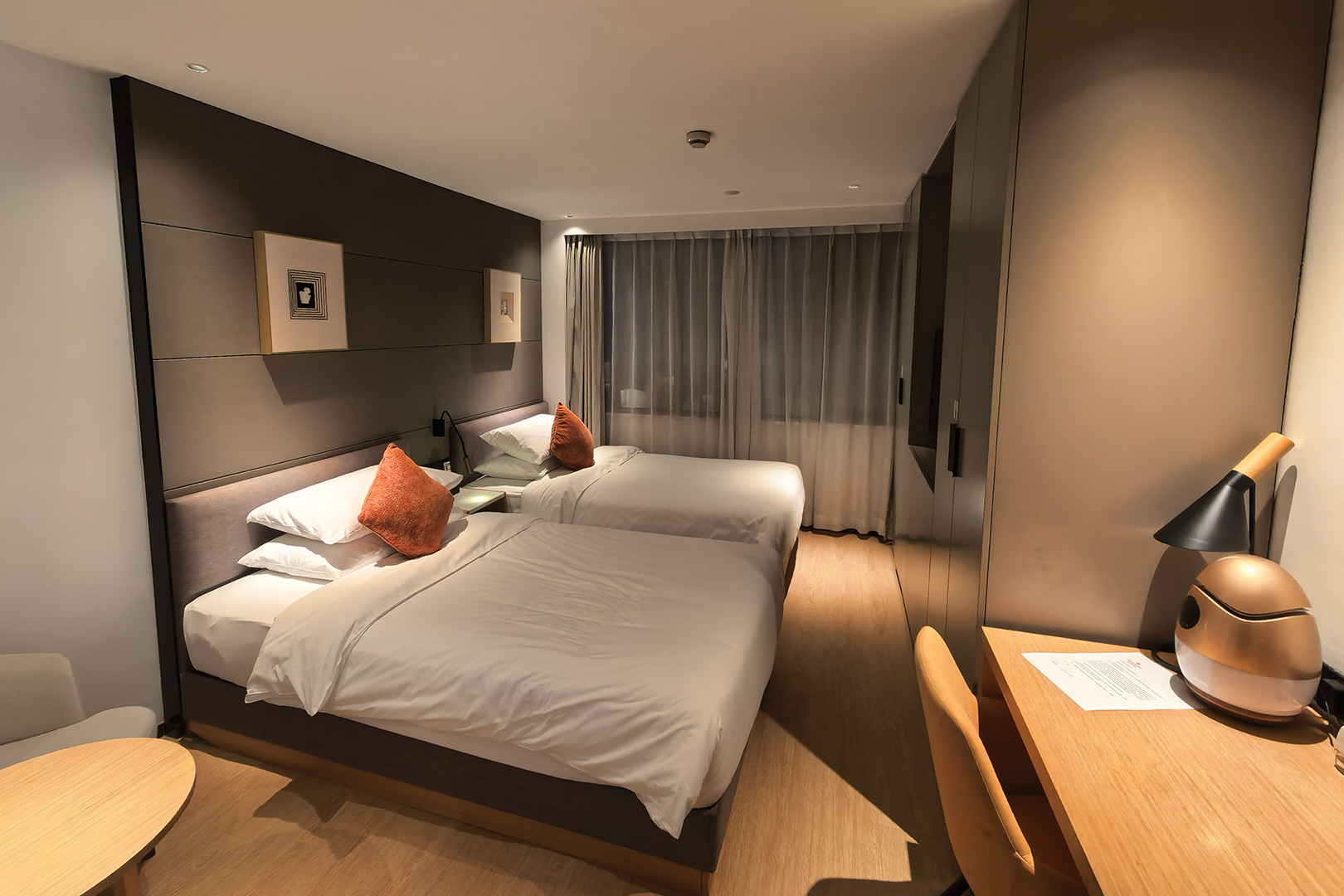
    The company’s Xuzhou branch prepared local gifts for participants. Dinner and accommodation were arranged before the group’s onward journey to Nanjing.

    View the event photo gallery

    Contact Henan Mine Crane

    For product information, a manufacturing visit or a company enquiry, send the relevant details to our team.

  • Overhead Crane Radio Control: Visibility, Access and Operating Requirements

    Overhead Crane Radio Control: Visibility, Access and Operating Requirements

    Technical guide

    Overhead Crane Radio Control: Visibility, Access and Operating Requirements

    Radio control changes where the operator can stand, but it must suit the lifting task and site layout. Review sight lines, operating zones, control functions and emergency arrangements when comparing it with pendant or cabin operation.

    Henan Mine CraneTechnical guide · Updated 2026Crane selection, project scope and operating requirements
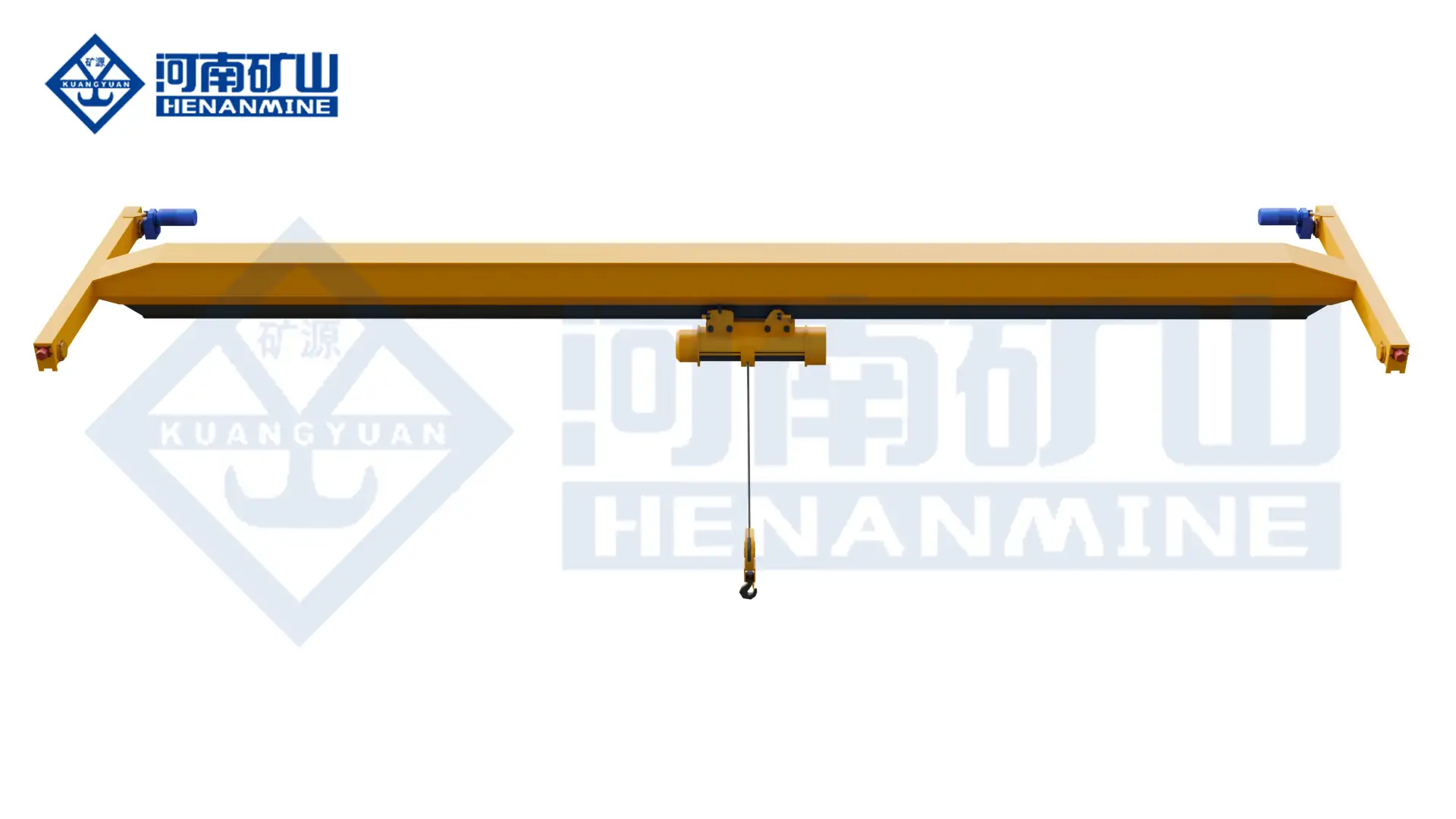
    Henan Mine Crane Single-Girder Bridge Crane
    Henan Mine Crane Single-Girder Bridge Crane
    Project planning notes

    Key points for this crane project.

    1. What Is Remote Control for an Overhead Crane?
    2. When Does Remote Control Make Sense?
    3. When a Pendant Control May Still Be the Better
    Read the technical guide

    What Is Remote Control for an Overhead Crane?

    The remote control system of bridge crane is an intelligent control system that relies on radio frequency technology to transmit operating instructions to the crane receiving terminal through handheld transmitting equipment to get rid of the shackles of wired cables. Unlike the wired handle control of traditional fixed cables, the wireless remote control allows the operator to freely adjust the operating position, which is one of the core configurations of modern industrial crane upgrades.

    Wireless remote control VS wired handle control

    The wired handle is standard for traditional control. The advantage is that the connection is stable, there is no signal interference, no need to charge, and the cost is low. It is suitable for simple and low-frequency hoisting operations; the disadvantage is that the scope of operation is limited by the cable, there are hidden dangers of cable wear, fracture, and personnel stumbling, and the flexibility is poor.

    The wireless remote control relies on radio frequency signal control to get rid of the shackles of cables. The operator can freely choose the best operating station, with a better field of vision, greater safety and flexibility, and adaptability to complex working conditions. The shortcoming is the need to maintain the battery regularly, avoid radio frequency interference, and the initial purchase cost is higher. At present, the dual-control scheme of "remote control as the main and wired handle as the backup" is generally adopted in high-end industrial scenarios, taking into account high efficiency and safety.

    Core operating functions

    The industrial-grade crane remote control system has full coverage of functions, and can accurately control all the core actions of the crane, adapting to the needs of various hoisting operations.:

    • Lifting control: accurately control the lifting and lowering of the hoist, support multi-speed speed regulation and frequency conversion to start and stop smoothly, effectively eliminate the problem of heavy objects shaking and shifting
    • Vertical operation of the cart: control the entire crane to walk back and forth along the track of the plant to complete a wide range of longitudinal displacement hoisting operations
    • Horizontal operation of the trolley: control the movement of the crane and the trolley left and right along the main girder to achieve precise fine-tuning of the lifting point
    • Emergency shutdown: equipped with an eye-catching red emergency stop button, in case of sudden failure or danger, the power of the whole machine can be cut off instantly, all operating actions can be terminated, and safety accidents can be avoided.

    At the same time, the system comes with a safety self-locking function that stops when you let go to prevent misoperation. Some customized models also support auxiliary functions such as horn warning, light reminder, and magnetic suction cup control.

    Core components

    A complete set of wireless remote control system for industrial bridge cranes, with streamlined structure and strong stability, the core contains five components:

    • Handheld transmitter: divided into handheld button-type and waist-mounted control boxes, integrated buttons, joysticks, batteries, coding chips, and antennas, responsible for sending operation instructions
    • On-board receiver: fixed near the crane electrical cabinet, receives wireless signals and decodes them into operating instructions that can be recognized by the equipment
    • Signal antenna: Strengthen the stability of radio frequency signal transmission and avoid blocking interference. The mainstream frequency bands include 433MHz, 915MHz, and 2.4GHz frequency hopping frequency bands.
    • Relay output module: docking crane contactor, frequency conversion drive, PLC system, precise control of motor start and stop, speed regulation
    • Safety interlock power supply module: stable power supply for transmitter and receiver, equipped with fault self-locking and signal loss protection circuit to ensure operation safety

    When Does Remote Control Make Sense?

    Wireless remote control does not just need to be configured, but in complex industrial conditions, it can greatly improve the safety factor and operating efficiency. The following five types of scenarios are the best applicable scenarios for remote control systems.

    Limited field of vision for work

    Traditional wired control is limited by station position, and operators cannot move flexibly. When encountering scenes with dense plant equipment, complex hoisting paths, and obstructed obstacles, blind spots in the field of vision can easily appear, resulting in hoisting offset and collision accidents.

    After being equipped with wireless remote control, the operator can freely move to the best observation point, observe the lifting, moving, and landing status of heavy objects at close range, maintain a safe distance throughout the process, completely solve the problem of blind spots in the field of vision, and adapt to complex path hoisting operations.

    Precision hoisting operation

    In scenarios such as the installation of machinery and equipment, the construction of production lines, the alignment of molds, and the precise splicing of steel structures, the accuracy of hoisting is extremely high, and millimeter-level offsets may cause equipment damage and construction rework.

    The wireless remote control supports the operator to look directly at the trajectory of heavy objects throughout the process, and can fine-tune the hoisting position and operating speed in real time, without the need for special personnel to assist in observation, greatly improving the alignment accuracy, and perfectly adapting to the precise hoisting needs of various precision components and heavy equipment.

    Harsh operating environment

    Scenes such as metallurgical casting, chemical workshops, dust workshops, high-temperature material handling, high-noise factories, and restricted operating areas have safety hazards such as high temperature, dust, chemical corrosion, and noise pollution. Long-term close-range operations by operators can easily cause occupational injuries.

    Wireless remote control allows operators to stay away from high-risk areas for hoisting and operate in a safe location to reduce personal risks. Note: Remote control is only an auxiliary means of risk control and cannot replace basic safety facilities such as overload protection, limit devices, and labor insurance protection. It needs to be used in conjunction.

    Large working area

    Large-scale steel structure workshops, multi-span factories, and large storage areas have large crane operation spans and wide operation coverage. The cable length of the traditional wired handle is limited, and the operator cannot follow the movement of heavy objects throughout the process, resulting in large blind spots and inconvenient operation.

    The wireless remote control has no operating range limit, and the operator can follow the movement of heavy objects throughout the control process, which is suitable for large-span and large-range hoisting operations, and completely solves the problem of space limitations of wired control.

    Hoisting point dispersion

    The hoisting points in some workshops are not fixed, and operators need to frequently switch operating positions and travel to and from multiple stations. The fixed wired control mode is cumbersome and inefficient to operate, and it is also easy to cause cable entanglement and wear problems.

    The high flexibility of wireless remote control can be adapted to multi-point and mobile hoisting operations, without the need for fixed control stations, reducing the configuration of auxiliary personnel, simplifying the operation process and improving construction efficiency.

    When a Pendant Control May Still Be the Better Choice

    Wireless remote control has outstanding advantages, but not all scenarios are suitable. In some simple working conditions, the traditional wired handle control is more cost-effective and practical.:

    • Suitable for small enclosed workshop operation scenarios, the operation area is narrow, the hoisting operation path is organized and simple, there is no high-altitude cross-operation, large-scale rotation and complex positioning operation requirements, the operation process is single, and the traditional control method is fully adapted to the on-site operating conditions.
    • The overall operating utilization rate of the crane is low, and it is only used for temporary and short-term hoisting operations such as equipment maintenance and material transfer. There is no need to install a wireless remote control system to improve operating efficiency.
    • There are no obstructions such as equipment, walls, materials, etc. on the job site, and the field of vision of the job is transparent and there are no blind spots. The operator can clearly observe the whole process of lifting, translation, and positioning of heavy objects in real time at a fixed and safe station, and the equipment can be accurately controlled and the hidden dangers of the operation can be dealt with in a timely manner, without the need for remote control and long-distance operation.
    • The overall operation and maintenance budget of the project and equipment transformation are limited, and the basic control operation plan with simple structure, convenient operation, zero maintenance and low cost is preferred. The purchase and maintenance costs of wireless remote control equipment are high, and there is no need to install it.
    • The on-site hoisting operation mode has a single structure, mostly simple hoisting operations with fixed points, short distances, and repeatability. The operation process has not changed and the operation difficulty is low. The advantages of intelligence and convenience of the wireless remote control system cannot be used, and the efficiency-enhancing effect is minimal.

    The wired handle does not require charging, no signal interference, zero maintenance costs, and extremely low failure rate. It can fully meet the needs of simple low-frequency hoisting operations without additional upgrades to the remote control system.

    Remote Control vs. Pendant Control: What Should Buyers Compare?

    In order to facilitate the rapid selection of models by enterprises, organize the core differences between the two control modes, covering key dimensions such as operational flexibility, applicability, cost, and risk.:

    Comparison FactorRemote ControlWired Pendant Control
    Operator MobilityHigh freedom, no space restrictionsLimited, restricted by cable length
    Load VisibilityFlexible positioning, zero visual blind spotsFixed operating position, prone to blind spots
    Large Workshop AdaptabilityExcellent, allows full load-following operationInconvenient with obvious limitations
    Simple Lifting TasksOverqualified with low cost performanceFully sufficient and well-matched
    Initial Purchase CostRelatively highLow and cost-effective
    Positioning FlexibilityExtremely high, ideal for complex working conditionsModerate, only for basic operations
    Potential Safety HazardsNo cable tripping or abrasion risksCable aging, tripping and breakage risks exist
    Daily Maintenance RequirementsBattery management and anti-interference handling requiredMaintenance-free with stable performance

    Key Factors to Consider Before Choosing Remote Control

    After it is determined that the remote control system needs to be installed, it cannot be purchased blindly. It needs to be combined with the working conditions of the equipment and the environment of the factory to avoid adaptation failures and safety risks.:

    • Crane parameters: reasonable selection based on equipment tonnage, working level and operating frequency, heavy-duty work system, high-capacity bridge crane, it is recommended to give priority to adapting to high-specification industrial remote control systems to ensure the stability of high-intensity operations
    • Scope of operation: combine the span of the plant and the total length of the crane cart to match the corresponding remote control transmission radius to eliminate problems such as incomplete signal coverage and long-distance control failure.
    • Heavy object characteristics: For precision components, special-shaped workpieces, and large-size heavy-duty materials, a remote control system with high fine-tuning accuracy and stable frequency conversion start and stop is preferred to effectively avoid lifting shaking and alignment deviation.
    • Operating environment: distinguish between indoor and outdoor operating scenarios, outdoor, dusty, high humidity, and corrosive working conditions. High-protection remote control models need to be selected to adapt to complex environments and extend the service life of equipment.
    • Signal anti-interference ability: In scenes where the radio frequency equipment in the factory is dense and the steel structure is severely obscured, a frequency hopping anti-interference remote control system must be installed to avoid the risk of signal serial frequency, interruption, and loss of control.
    • Safety configuration: Be sure to verify that the core safety functions are complete, including emergency shutdown, signal loss self-locking, overload linkage protection, etc., to ensure the safety and compliance of hoisting operations in all directions.
    • Comprehensive cost of use: comprehensively consider the battery life of the equipment, the convenience of charging, the cost of replacement of accessories and the difficulty of late maintenance, taking into account the cost performance of initial investment and long-term operation and maintenance.
    • Equipment compatibility: Ensure that the remote control system is perfectly adapted to the existing hoist, drive motor, frequency conversion drive, electrical control cabinet, and stroke limit device on the site, without the need to significantly transform the original equipment and reduce the cost of transformation.

    Safety Features to Look for in a Remote-Controlled Overhead Crane

    Safety is the core criterion of bridge crane operation. For a high-quality remote-controlled crane system, it needs to be equipped with a complete safety protection mechanism as standard to avoid operational risks and ensure construction safety in all directions. The core safety configuration is as follows:

    • Redundant emergency shutdown system: equipped with a dual safety circuit, the shutdown response is rapid and the operation is stable, and the power of the equipment can be cut off instantly in case of emergency.
    • Communication failure self-protection mechanism: real-time monitoring of wireless signals, once the signal is interrupted, beyond the control range, etc., the equipment will automatically stop and lock
    • Anti-collision and stroke limit protection: equipped with stroke limit and anti-collision protection, it can be adapted to multi-machine parallel operation scenarios to avoid collisions and over-range accidents.
    • Sound and light linkage early warning device: lights and beeps are automatically triggered when the equipment is running, and surrounding personnel are reminded to avoid in a timely manner to ensure the order of on-site operations.
    • Multi-level authority control: support multiple authentication methods such as key switch, password unlocking, RFID authorization, etc., effectively prevent unauthorized personnel from misoperation
    • Overload and limit linkage protection: integrated overload protection, lifting and operating limit linkage functions to accurately avoid the risks of illegal operations such as overload and over-range.
    • Encrypted radio frequency transmission technology: independent equipment coding and encryption frequency hopping transmission mode are used to eliminate signal serial frequency, interference, and theft.
    • Single-action interlocking protection: intelligent avoidance of multi-instruction synchronization conflicts, prevent equipment failure due to incorrect instructions, and ensure operational stability

    Discuss the crane arrangement for your project.

    Radio control changes where the operator can stand, but it must suit the lifting task and site layout. Review sight lines, operating zones, control functions and emergency arrangements when comparing it with pendant or cabin operation. Share the load, available drawings, working cycle and site conditions with Henan Mine Crane so the required configuration and supply boundary can be discussed.

    Related crane configurations

    Single-Girder Bridge Crane

    View product parameters
    Lifting capacity: 1–20 tSpan: 7.5–31.5 mLifting height: 6, 9, 12, 18, 24 or 30 m; capacity-dependent

    Use an LDA single-girder bridge and electric hoist for general workshop material handling. Select the lifting capacity, runway geometry and hoist duty around the building and load.

    LH Electric Hoist Double Girder Crane

    View product parameters
    Lifting capacity: 3, 5, 10, 16, 20 tSpan: 10.5–31.5 mLifting height: 6, 9, 12 or 18 m

    Use an LH double-girder bridge with an electric-hoist trolley for workshop lifting, assembly and maintenance. Match the hoist arrangement to the suspended load, hook travel and available building space.

    Updated 2026 · Henan Mine Crane

  • Suzhou Gardens and Tongli Feature in the Parents’ Appreciation Tour

    Suzhou Gardens and Tongli Feature in the Parents’ Appreciation Tour

    Company & People

    Suzhou Gardens and Tongli Feature in the Parents’ Appreciation Tour

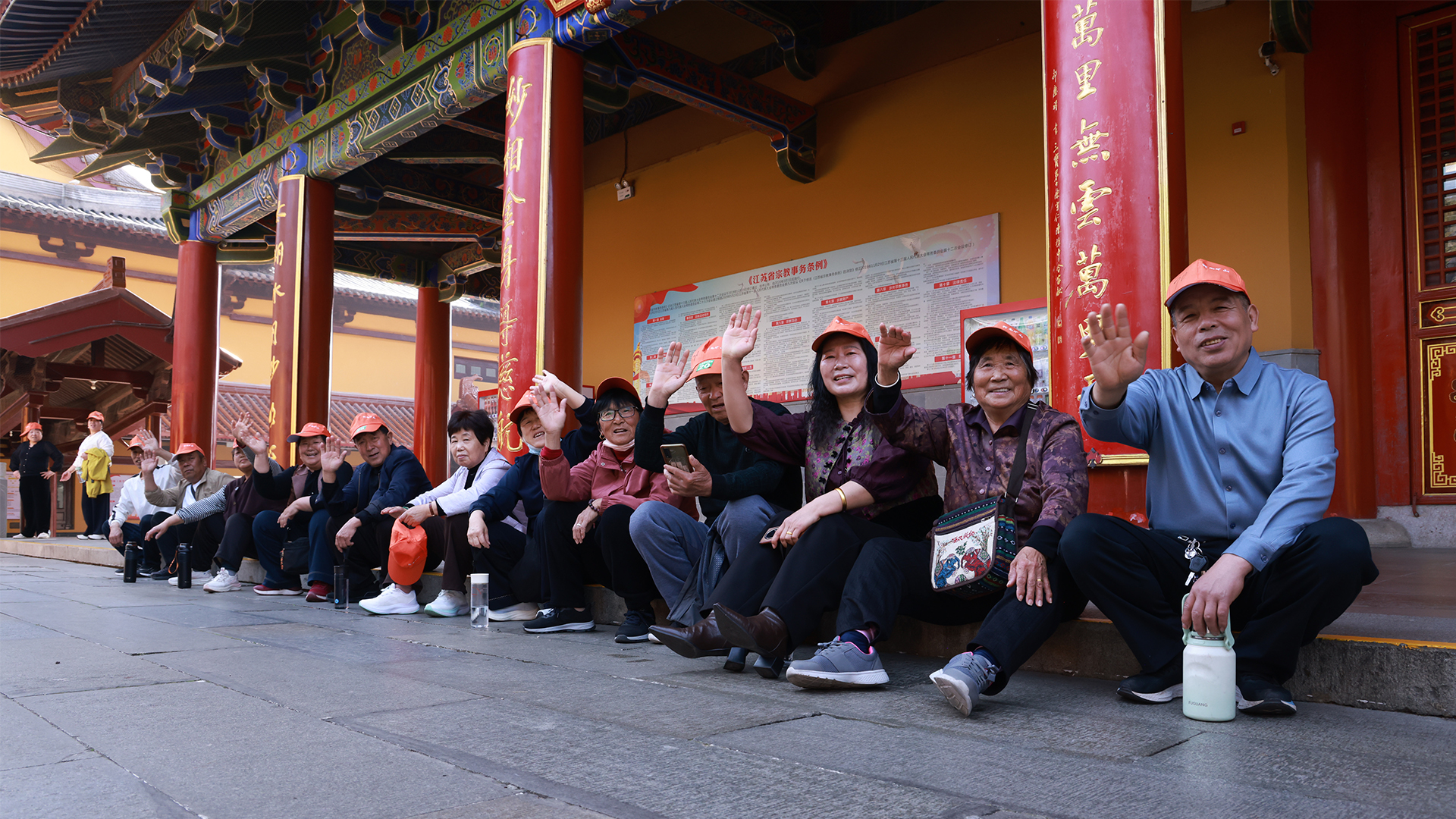
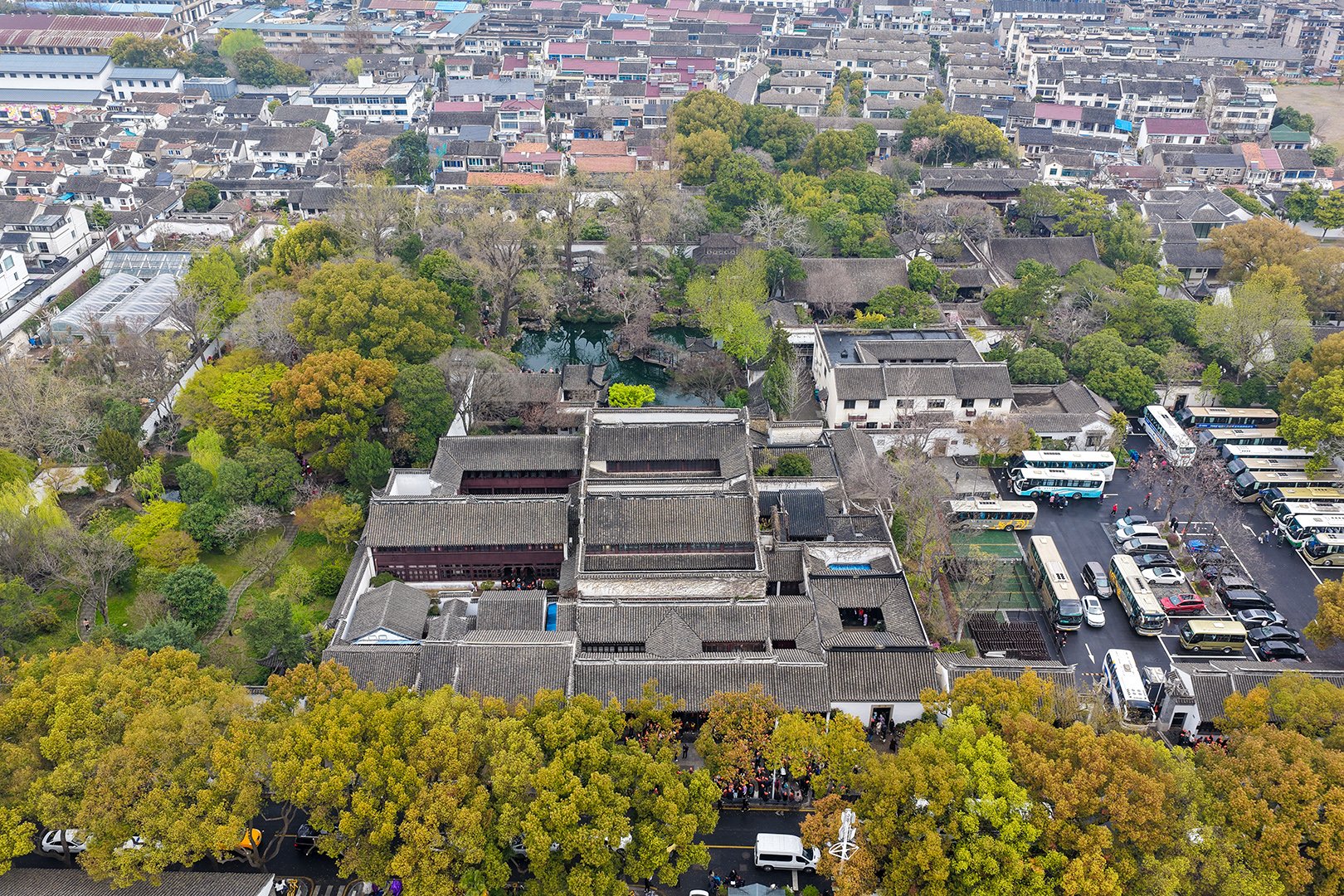
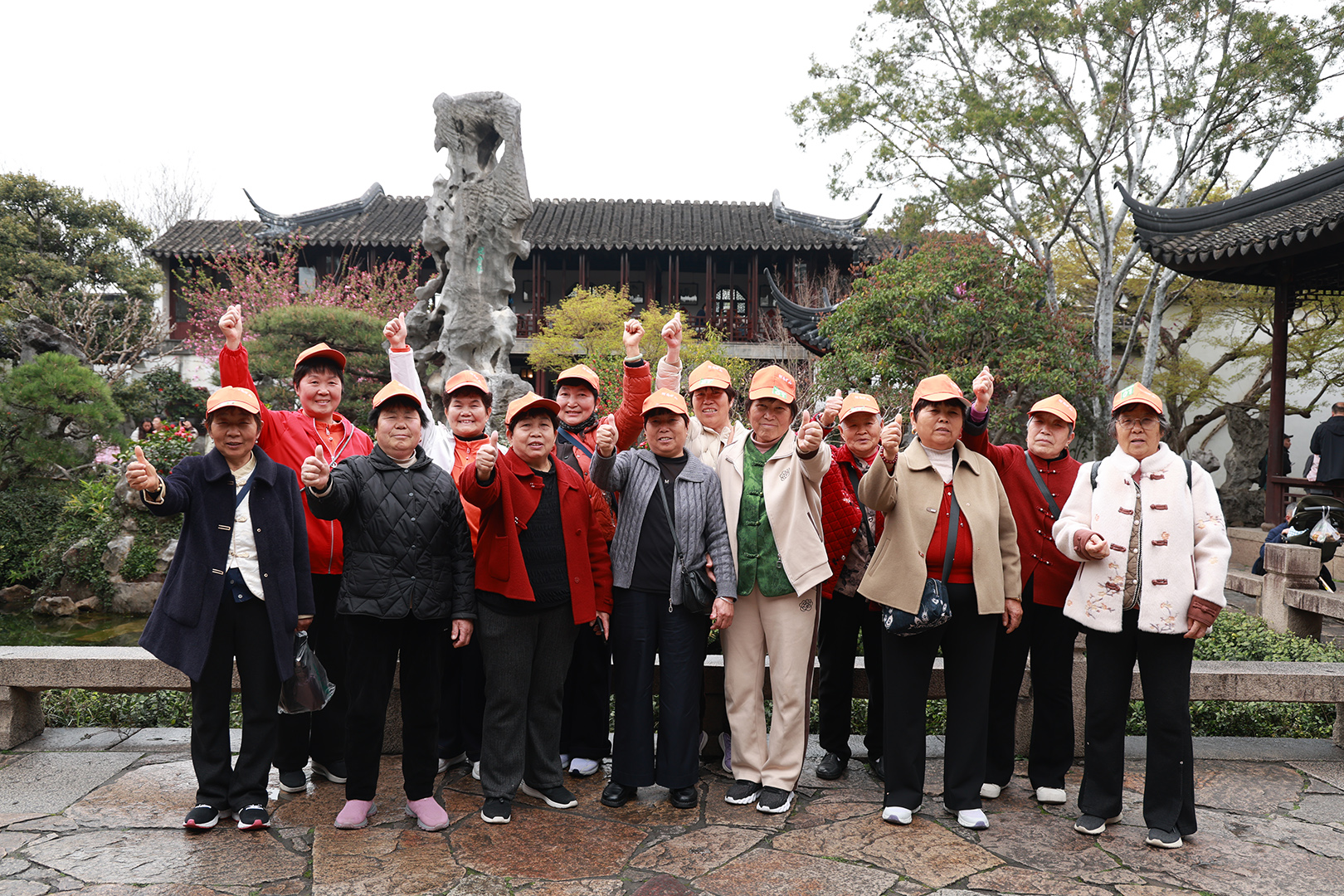
    Employees’ parents visited the Lingering Garden and Tongli during the Suzhou stage of Henan Mine Crane’s 2026 appreciation tour.

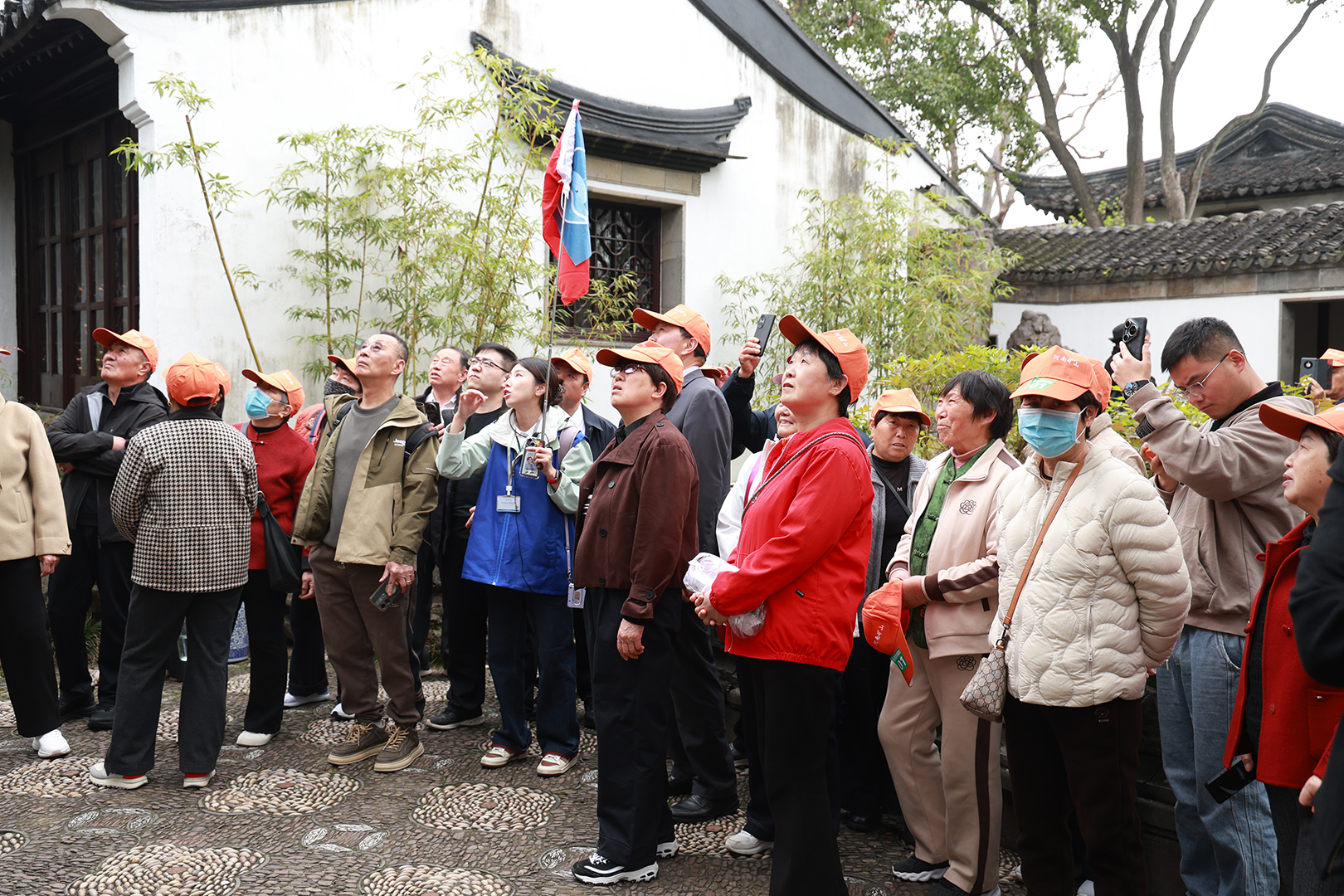
    Employees’ parents standing beside a garden doorway during Henan Mine Crane’s 2026 parents’ appreciation tour
    Employees’ parents standing beside a garden doorway.

    A visit to the Lingering Garden

    The group explored the garden’s courtyards, covered walkways, rock features and planting. The programme gave participants time to visit and take photographs together.
    Tongli and local hospitality

    The itinerary also included Tongli’s waterways, bridges and historic streets. Meals and accommodation were arranged before the group continued to the next stage of the tour.

    View the event photo gallery

    Contact Henan Mine Crane

    For product information, a manufacturing visit or a company enquiry, send the relevant details to our team.

  • Nanjing Visits Bring Employees’ Parents to Niushoushan and Qinhuai

    Nanjing Visits Bring Employees’ Parents to Niushoushan and Qinhuai

    Company & People

    Nanjing Visits Bring Employees’ Parents to Niushoushan and Qinhuai

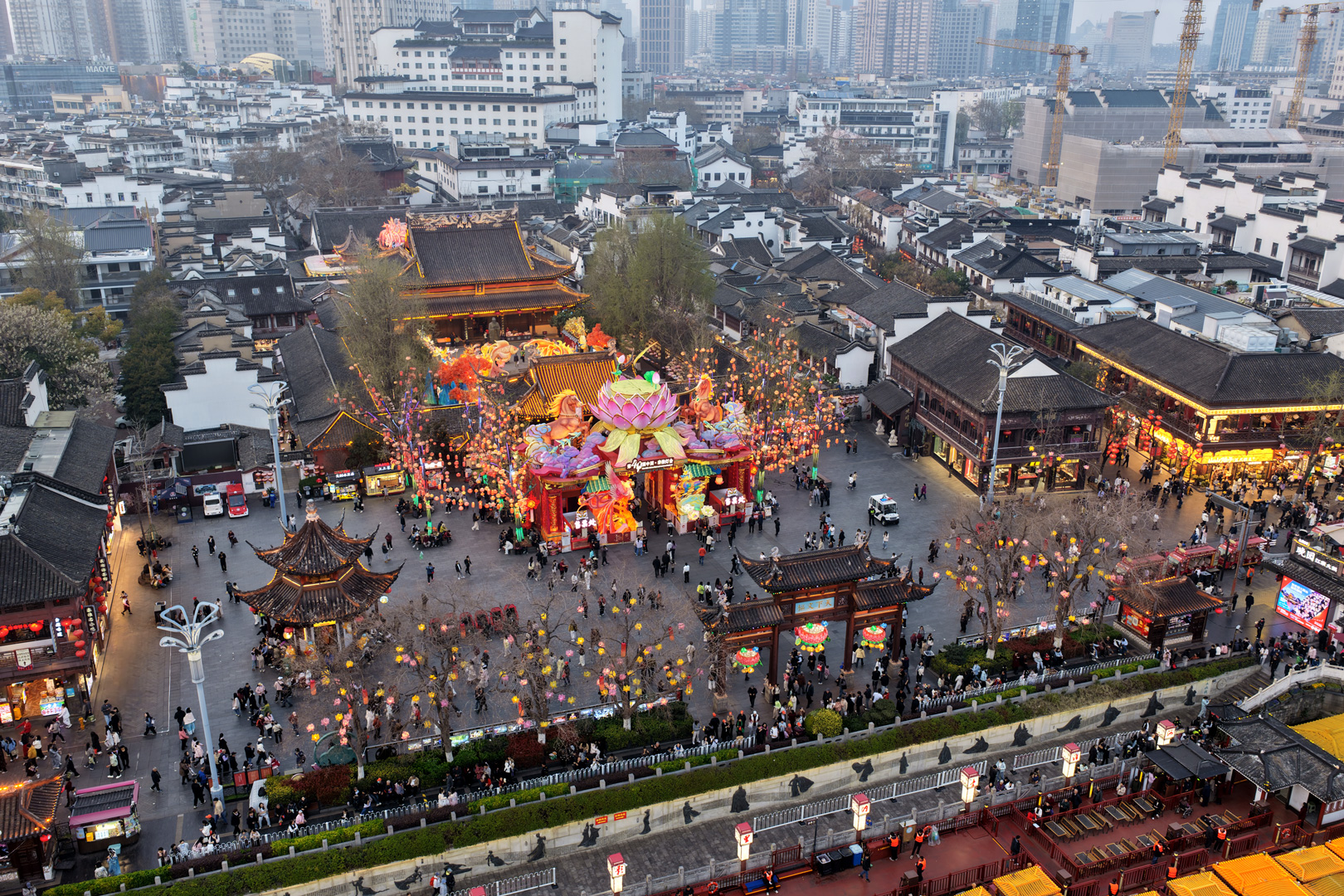
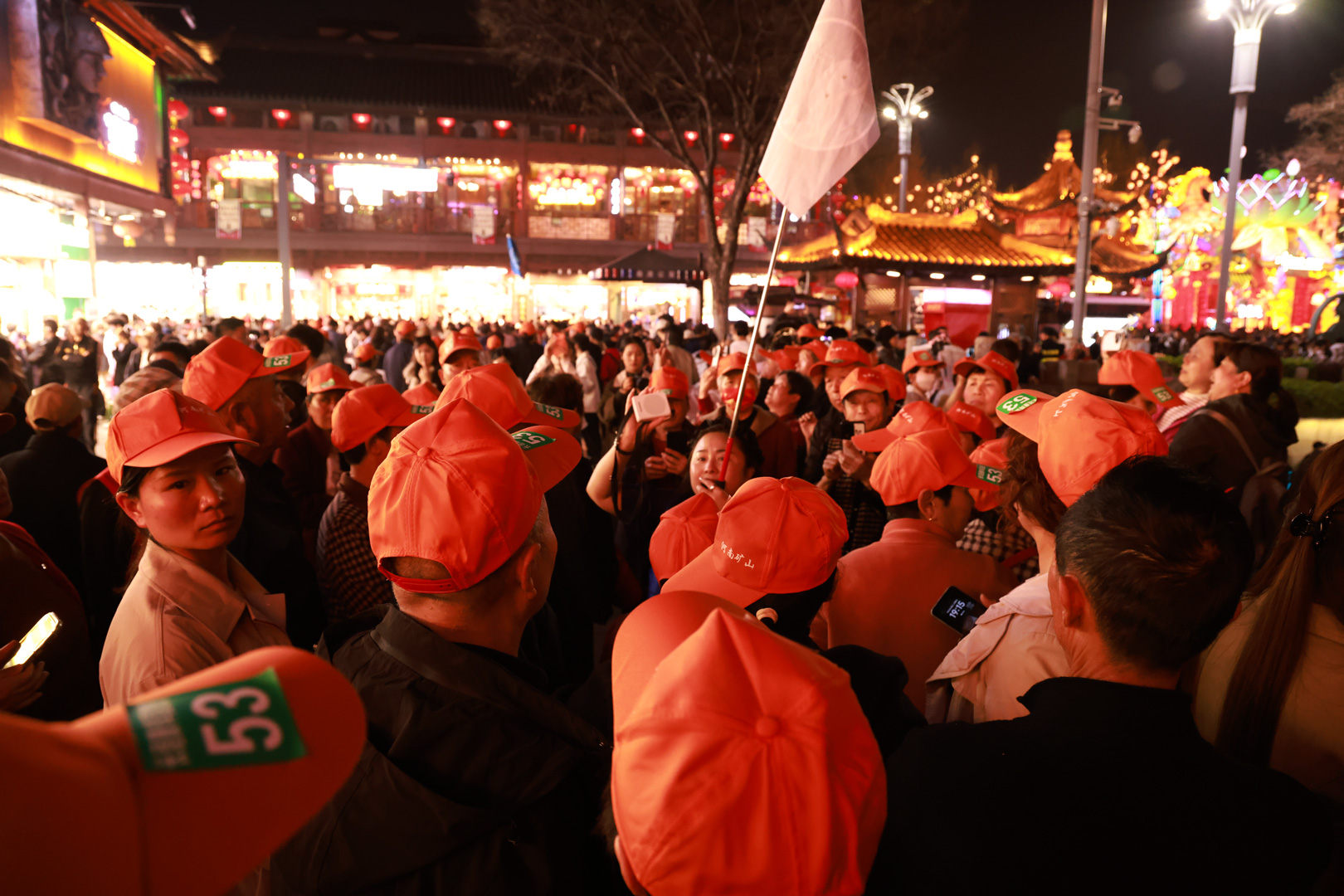
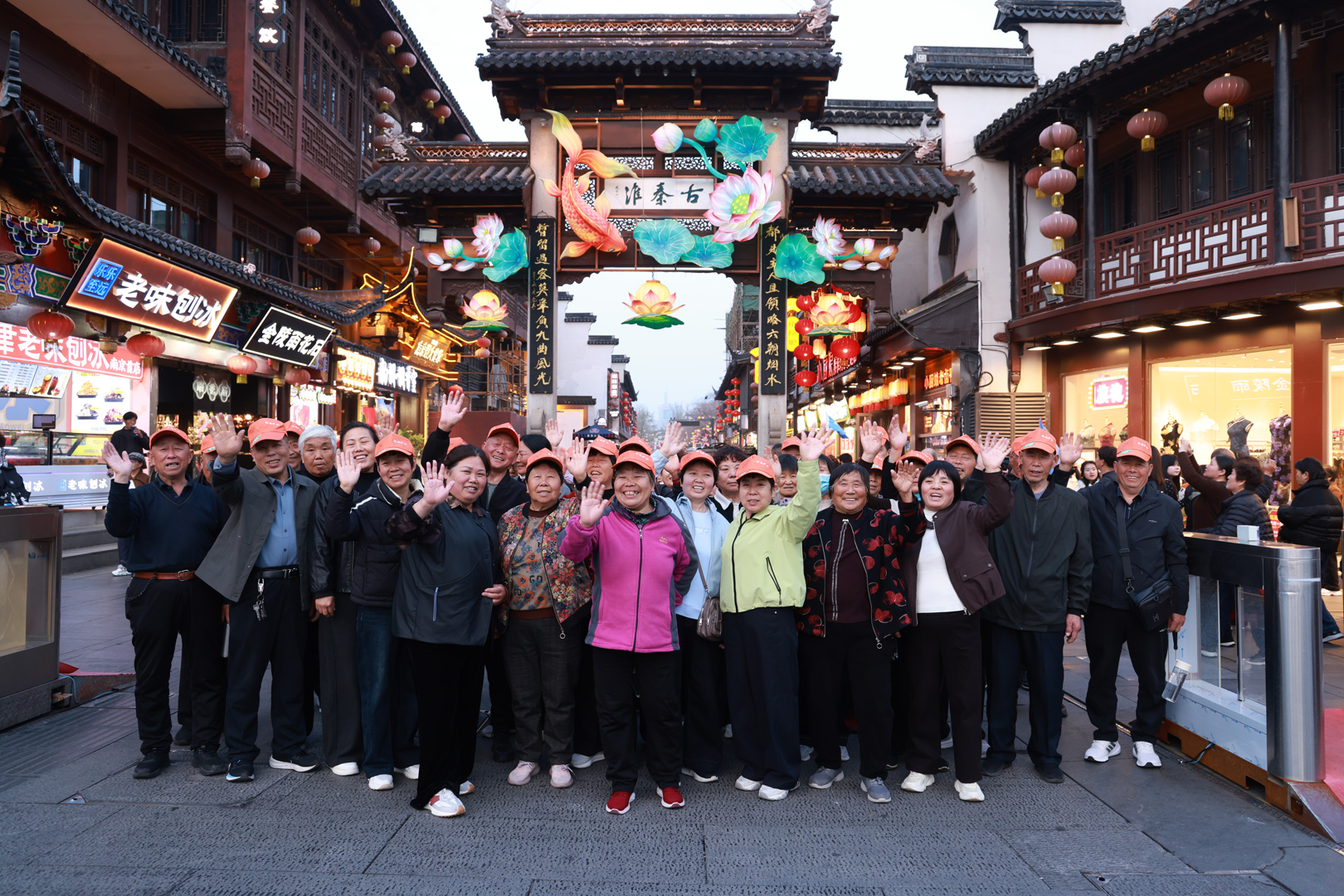
    The Nanjing stage of Henan Mine Crane’s 2026 parents’ appreciation tour included Niushoushan, the Sun Yat-sen Mausoleum and the Confucius Temple area beside the Qinhuai River.

    Tour group with a banner outside Niushoushan during Henan Mine Crane’s 2026 parents’ appreciation tour
    Tour group with a banner outside Niushoushan.

    A programme across Nanjing landmarks

    Participants visited Niushoushan and continued to the Sun Yat-sen Mausoleum. The photo report records the group’s visits and time spent together at the sites.

    Local branch support and evening arrangements

    The Nanjing branch prepared local gifts for the travelling parents. The programme also included the Confucius Temple area, meals and overnight accommodation before the next stage.

    View the event photo gallery

    Contact Henan Mine Crane

    For product information, a manufacturing visit or a company enquiry, send the relevant details to our team.