Engineering · Manufacturing · Project support
info@hnksglobal.comWhatsApp +86 18836207779 ↗

Blog

  • Overhead Crane Selection: Ten Checks Before You Fix the Specification

    Overhead Crane Selection: Ten Checks Before You Fix the Specification

    Technical guide

    Overhead Crane Selection: Ten Checks Before You Fix the Specification

    Start with what the hook must lift and where it must reach. Review the building interface, working cycle and supply scope together so an attractive catalogue configuration also fits the project.
    Henan Mine CraneTechnical guide · Updated 2026Crane selection, project scope and operating requirements
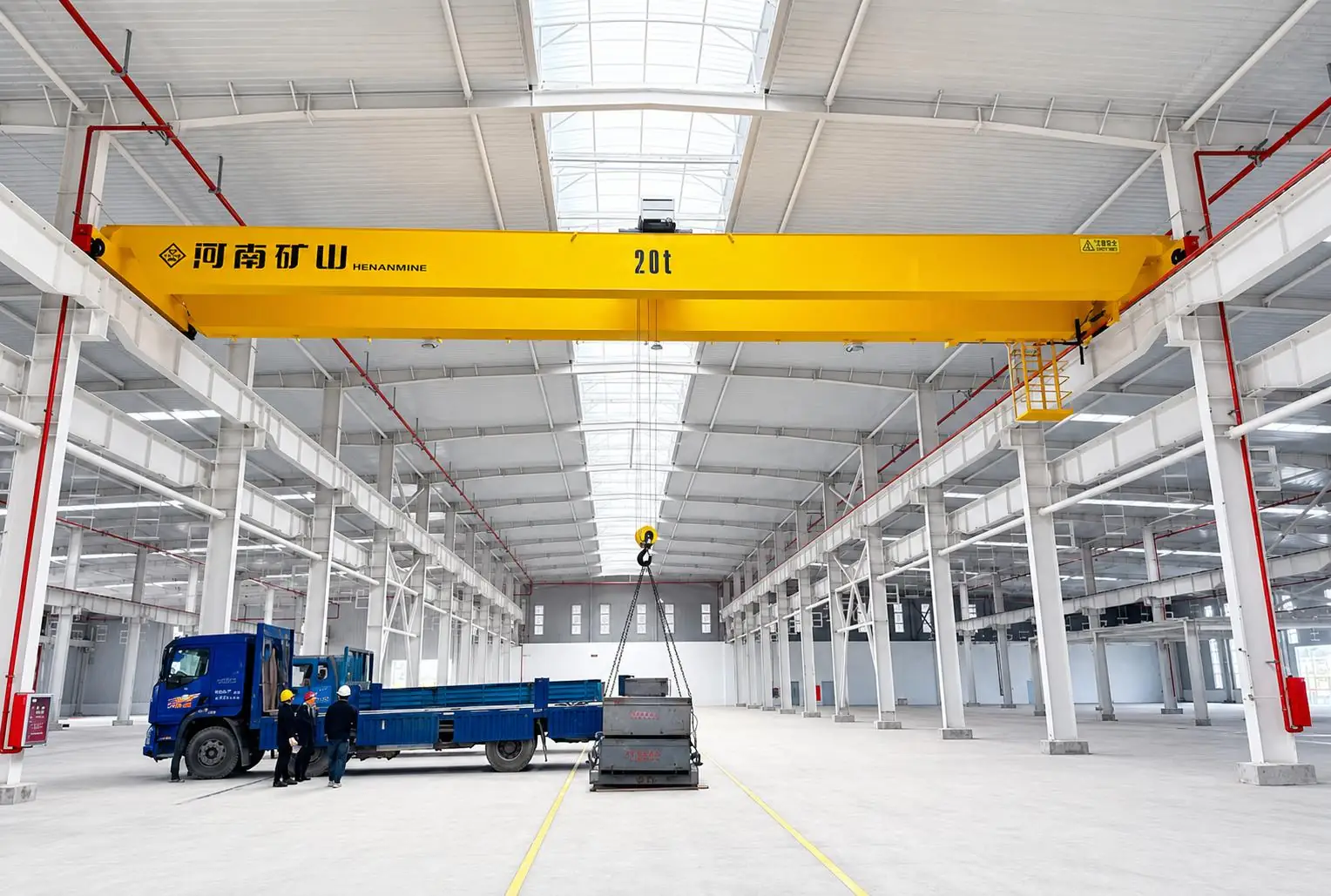
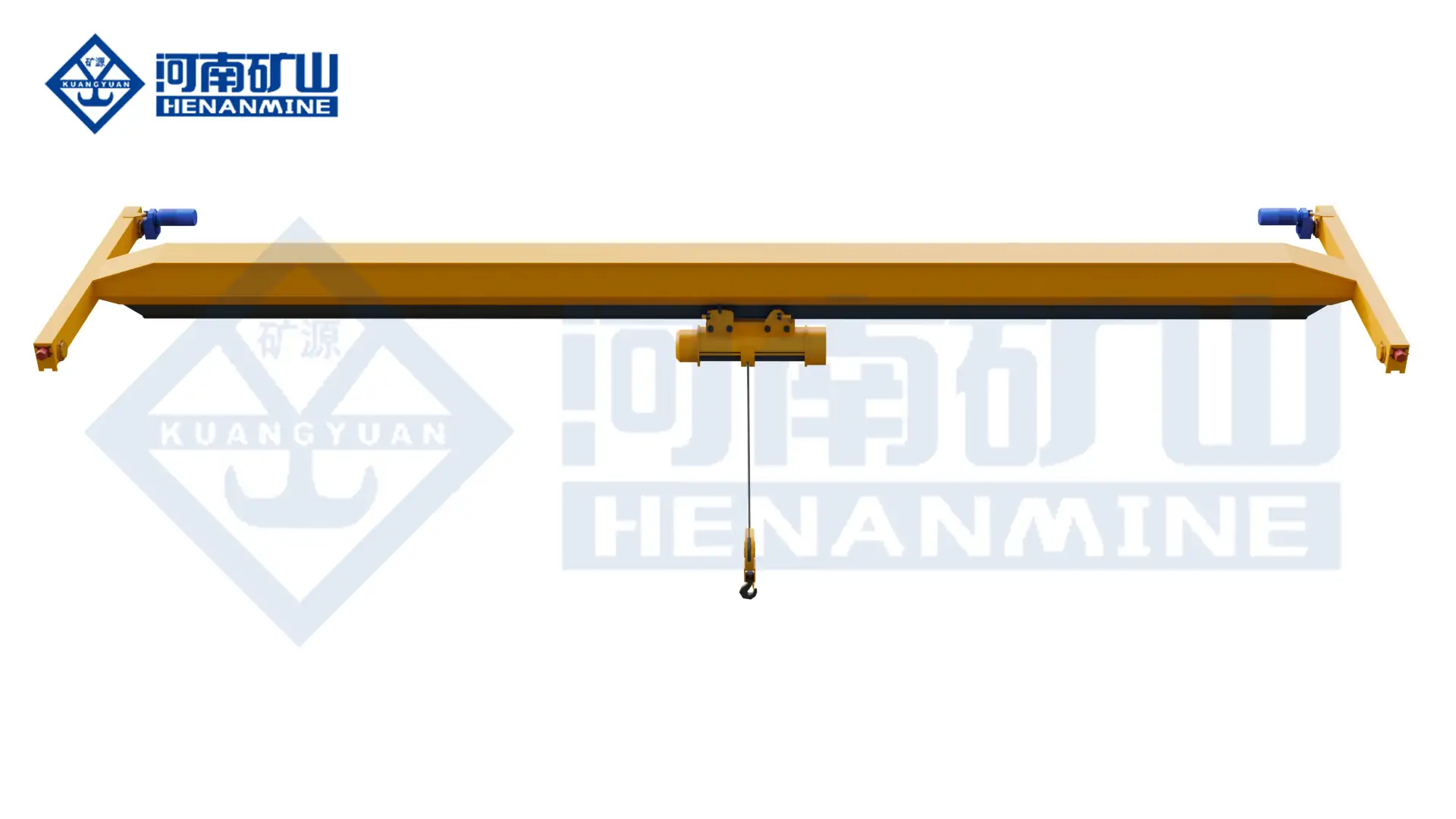
    Henan Mine Crane Single-Girder Bridge Crane
    Henan Mine Crane Single-Girder Bridge Crane
    Project planning notes

    Key points for this crane project.

    1. Define Your Lifting Requirements
    2. Match the Duty Cycle to a Recognized Duty Class
    3. Choose the Right Crane Type for Your Facility
    Read the technical guide

    Define Your Lifting Requirements

    Selection needs to be based on production conditions, not the equipment itself. The core basis for all crane parameters is only two: the maximum lifting load and the conventional lifting load. These two values are usually not the same, if only based on the rare peak load selection, it is very easy to cause equipment specifications redundancy, procurement and operation and maintenance costs.

    Before the inquiry, it is necessary to sort out the list of core hoisting working conditions and specify the hoisting weight, reclaim position, running track and operation frequency. This 1 simple operation, which can avoid most of the selection differences of engineering, safety, operation and maintenance departments in advance.

    At the same time, three key equipment parameters need to be defined:

    1. Hook height and lifting height: comprehensively consider the headroom height of the factory building, sandwich structure and various fixed obstacles, accurately determine the effective vertical lifting stroke of the electric hoist, and ensure that the lifting operation is free of interference.
    2. Operation span: According to the overall width of the workshop or the installation spacing of crane rails, the corresponding crane needs to cover the global horizontal operation range, which is the core basic parameter of equipment selection.
    3. Bridge and trolley running speed: combined with the workshop material transfer efficiency requirements, matching the appropriate equipment level running rate, taking into account the operation efficiency and operation stability.

    In addition, a sufficient safety margin shall be reserved based on the design of the maximum rated load of the equipment. Overload operation is the core cause of crane equipment damage and failure shutdown. At the same time, it will directly violate the industry safety operation standards and have great safety risks.

    Match the Duty Cycle to a Recognized Duty Class

    Duty cycle indicates how frequently, how rapidly and how severely a crane will be used – and it immediately influences the frame strength, the motor sizes, brakes and gearbox the crane requires. The Crane Manufacturers Association of America (CMAA) and the Hoist Manufacturers Institute (HMI) list duty classifications standardized enough that most respected builders spec against:

    Duty ClassTypical UseExample Application
    Class A/B (Standby–Light)Infrequent lifting, long idle periodsMaintenance bays, small shops
    Class C (Moderate)Regular use, moderate speedMachine shops, light manufacturing
    Class D (Heavy)Frequent, intensive daily useGeneral manufacturing, multi-shift plants
    Class E (Severe)Continuous, high-speed cyclingSteel warehouses, high-volume production
    Class F (Continuous Severe)Round-the-clock, heavy serviceSteel mills, nuclear facilities

    Don‘t under design the duty class to reduce initial capital cost if your line involves several shifts, starts and stops, or constant material throughout the line. The savings are normally realized within the first year to year and a half by drive and brake motor premature failure.

    Choose the Right Crane Type for Your Facility

    Overhead crane is a category, not a single product. The right type depends on coverage area, building structure, and how materials move through your space.

    Crane TypeBest ForMobility
    Bridge crane (single/double girder)Full-bay coverage in permanent buildingsFixed runway
    Gantry craneFacilities without adequate building support, outdoor useSelf-supporting, often portable
    Jib craneLocalized, repetitive lifts at a single workstationRotates around a fixed column
    Monorail craneFixed, repeatable paths through tight or curved layoutsFollows a fixed curved or straight track

    Bridge cranes are still the default for permanent, full coverage handling because they use the building structure to support the load. Gantry cranes are logical when you can‘t support the runway loads in your building, or when you need to move the crane. Jib and monorail cranes address narrower issues – just one workstation, or a set production path – at a cost a small fraction of a full bridge system.

    Secide Between Single and Double Girder, Top-Running and Under-Running

    Once a bridge crane has been selected, two additional core structural options must be determined, as they directly influence the equipment’s overall configuration and operational performance: the choice between a single-girder and a double-girder design, and between top-running and suspendedtype configurations.

    The single-girder crane adopts a single I-beam main girder, the overall structure is light and compact, the installation space is small, the procurement and operation and maintenance costs are lower, and the adaptability is stronger. It is the mainstream choice for small and medium-sized factories to be economical and practical.

    The double-girder crane adopts a symmetrical structure of double main girders, with stronger overall rigidity and more stable bearing performance. It not only has a larger effective lifting height, but also has a rated load of hundreds of tons. Its bearing capacity and operation stability far exceed that of the single-girder crane. It is a special standard equipment for heavy-duty, high-frequency and high-standard hoisting operations in large factories.

    Top-running vs. under-running

    The top running crane runs along the top of the track, which can fully release the rated load of the equipment, while retaining the maximum effective lifting height, the overall bearing capacity and the utilization rate of the working space are higher, and it is suitable for large-scale, heavy-duty, and high-working conditions. Lifting system.

    The under running crane adopts the roof suspended ceiling installation method, does not occupy the ground and column space, the layout is more clean and flexible, the space adaptation advantage is outstanding, very suitable for light load conditions, plant floor height is limited, the site layout is compact production scene.

    The selection of the above two structures has no absolute advantages and disadvantages, and the optimal scheme depends entirely on the load-bearing capacity of the plant structure and the indoor headroom height, which is also a crucial consideration dimension in the selection of cranes.

    Select the Hoist and Control System

    Electric hoist is the core lifting mechanism of crane, the choice of hoist type directly determines the use cost and operating performance of the equipment, the two types of mainstream model adaptation scenarios are different.

    • The wire rope hoist has stronger carrying capacity and runs more smoothly under high frequency and high strength operating conditions. It is a general preferred model for heavy load and high frequency lifting scenarios and is suitable for most heavy industrial production conditions.
    • The chain hoist has outstanding cost performance and is more suitable for work stations with small tonnage and light load. However, long-term continuous heavy-duty operation is easy to aggravate body wear and tear, and its service life will be greatly reduced, which is not suitable for high-intensity work scenarios.

    On the control side, modern cranes typically offer:

    • The wired handle has simple control structure, low cost, wired connection, stable and reliable operation, and easy maintenance. It is the mainstream choice for conventional basic working conditions.
    • Wireless remote control can liberate the operator's activity space, greatly improve the operation flexibility and vision safety, especially suitable for large-span and large-scale hoisting operation scenarios, and avoid the risk of operation blind area.

    The cab control is specially designed for large cranes or high-capacity, high-throughput heavy-duty systems, and is suitable for high-strength, high-precision, and all-weather industrial operations.

    The variable frequency drive system (VFD) is a valuable upgrade configuration for cranes. Although the initial purchase cost increases slightly, it can realize soft start and stop of equipment, precise positioning, reduce mechanical impact and wear, effectively extend the life of equipment and reduce long-term maintenance costs.

    Verify Facility and Runway Compatibility

    Before finalizing the procurement proposal, the following site conditions must be verified:

    1. Structural bearing parameters: the joint civil engineer shall confirm the track beam specifications, column spacing and equipment wheel pressure load to ensure that the plant structure meets the equipment operation requirements.
    2. Clearance and obstacles: do not only refer to the height of the highest floor of the factory building, but also check the running path of the crane in the whole process, completely avoid all kinds of obstacles such as spray pipes, ventilation pipes, lighting equipment and supporting steel beams, and verify the effective operation clearance.
    3. Supporting conditions for power supply: confirm the power supply scheme in advance, including the selection of sliding contact line or drag chain cable, equipment grounding mode and installation position of electric control cabinet.
    4. Feasibility of on-site installation: The construction risks of retrofitting cranes in old factory buildings are completely different from those of supporting equipment in new factory buildings. Improper planning can easily lead to rework and delay of construction period, which is a common problem of project landing.

    For the old plant renovation project, this link can directly screen out a large number of unsuitable crane models. Therefore, the verification of plant conditions must be placed in the early stage of selection, rather than remedied after the completion of procurement, from the source to avoid adaptation failure, project rework and other problems.

    Prioritize Safety Features and Regulatory Compliance

    In the United States, the bridge crane to strictly follow the OSHA 1910.179 "bridge and gantry crane" specification, equipment construction and inspection process usually refer to ASME B30.2 and CMAA industry standards. The following security configurations are hard standard equipment and cannot be omitted:

    • Overload protection and load limit switch: real-time monitoring of hoisting load, once exceeding the rated tonnage immediately limit the operation, from the source to avoid overload caused by equipment damage and safety accidents;
    • Emergency stop device on the operation console: the operator can stop with one key at any time to deal with sudden abnormal working conditions, quickly cut off the operation of the equipment, and build a strong defense line for sudden risks;
    • Lifting upper and lower limit switches: accurately control the lifting stroke of the hook, effectively prevent dangerous working conditions such as over-range operation, topping, falling bottom, etc., and avoid damage to the mechanical structure;
    • Anti-sway and anti-collision system: it is mostly used in medium and high-end models, which can effectively inhibit hoisting shaking, avoid hidden dangers of equipment collision, and greatly improve equipment operation stability and operation safety factor;
    • Acousto-optic integrated early warning device: when the equipment is running, it will send out light and sound prompt synchronously to clearly warn the on-site personnel and avoid the potential safety hazard of man-machine cross operation.

    In addition to the equipment hardware configuration, the OSHA specification clearly requires the equipment daily power-on precheck and regular in-depth inspection.

    Account for Environmental and Operating Conditions

    The actual operating environment of the crane directly determines the material selection, anti-corrosion coating, motor parameters and electrical protection level of the equipment, and the following key working conditions should be considered in the selection:

    • Extreme temperature environment: whether it is cold storage low temperature conditions, or high temperature conditions in the foundry, all need to match the exclusive motor specifications and lubricating medium, to avoid the failure of conventional accessories due to temperature change.
    • High humidity and flushing conditions: For food processing and other scenes that require high-frequency water washing and killing, waterproof flushing grade accessories must be selected and matched with corrosion-resistant coatings to prevent problems such as moisture corrosion and water inflow failures.
    • Dust and explosion-proof environment: For flammable, explosive and high dust scenes such as grain processing, woodworking production and chemical workshops, special structures for fire prevention and explosion-proof shall be adopted. Pneumatic hoist is also a common adaptation model for such high-risk environments.
    • Outdoor open-air working conditions: outdoor operation scenarios without closed plant protection, cranes need to be equipped with anti-ultraviolet protective coatings and fully sealed electrical components to resist outdoor environmental erosion such as sunlight, wind and rain.

    According to the actual working environment, one-time accurate selection can effectively avoid premature corrosion and damage failure of the equipment, which is far lower and more stable than the renovation cost of later failure renovation and installation of anti-corrosion accessories.

    Plan for Maintenance, Serviceability, and Future Expansion

    A hard-to-service crane will hurt you in downtime long after the asking price is forgotten. Choose models with easily reachable parts, walkways, and platforms so that inspection and maintenance take less time. If you‘ll be operating a number of bays, standardize your hoists and controls so that your spare parts inventory and personnel training is manageable.

    It‘s also helpful to be specific with future growth in mind: has there been either available capacity in the electrical panel, a runway designed for a longer length than you presently require, or structural clearances for a second bridge further in the future. These types of “wants” are significantly less expensive to include in the design at purchase than to modify at a later date.

    Calculate Total Cost of Ownership, Not Just Purchase Price

    The purchase unit price is the most intuitive purchase cost, but it is often the lowest expenditure in the 15 to 25 year service cycle of the crane. The total cost of ownership (TCO) of the equipment consists of four core segments:

    1. Energy cost: Equipped with high-efficiency motor and variable frequency drive system (VFD) equipment, can effectively reduce power consumption, while reducing equipment running heat, long-term energy saving benefits.
    2. Maintenance and spare parts cost: priority should be given to the models with strong versatility of spare parts, short supply cycle and common standardized spare parts with existing equipment in the factory area, so as to reduce the difficulty of subsequent operation and maintenance and the cost of consumables.
    3. Cost of downtime loss: Crane failure downtime will directly cause production stagnation, and the capacity loss caused by the shutdown is usually much higher than the input cost of preventive maintenance.

    Comprehensive long-term cost of use, the purchase of higher unit price of high-quality cranes, with lower frequency of parts replacement, fewer downtime failures, the total life cycle cost is much lower than the low-cost low-cost low-equipped models, is a more cost-effective long-term choice.

    Discuss the crane arrangement for your project.

    Start with what the hook must lift and where it must reach. Review the building interface, working cycle and supply scope together so an attractive catalogue configuration also fits the project. Share the load, available drawings, working cycle and site conditions with Henan Mine Crane so the required configuration and supply boundary can be discussed.

    Related crane configurations

    Single-Girder Bridge Crane

    View product parameters
    Lifting capacity: 1–20 tSpan: 7.5–31.5 mLifting height: 6, 9, 12, 18, 24 or 30 m; capacity-dependent

    Use an LDA single-girder bridge and electric hoist for general workshop material handling. Select the lifting capacity, runway geometry and hoist duty around the building and load.

    LH Electric Hoist Double Girder Crane

    View product parameters
    Lifting capacity: 3, 5, 10, 16, 20 tSpan: 10.5–31.5 mLifting height: 6, 9, 12 or 18 m

    Use an LH double-girder bridge with an electric-hoist trolley for workshop lifting, assembly and maintenance. Match the hoist arrangement to the suspended load, hook travel and available building space.

    Updated 2026 · Henan Mine Crane
  • Automated Handling Systems Presented at the 2026 Changyuan Crane Exhibition

    Automated Handling Systems Presented at the 2026 Changyuan Crane Exhibition

    Industry & Partnerships

    Automated Handling Systems Presented at the 2026 Changyuan Crane Exhibition

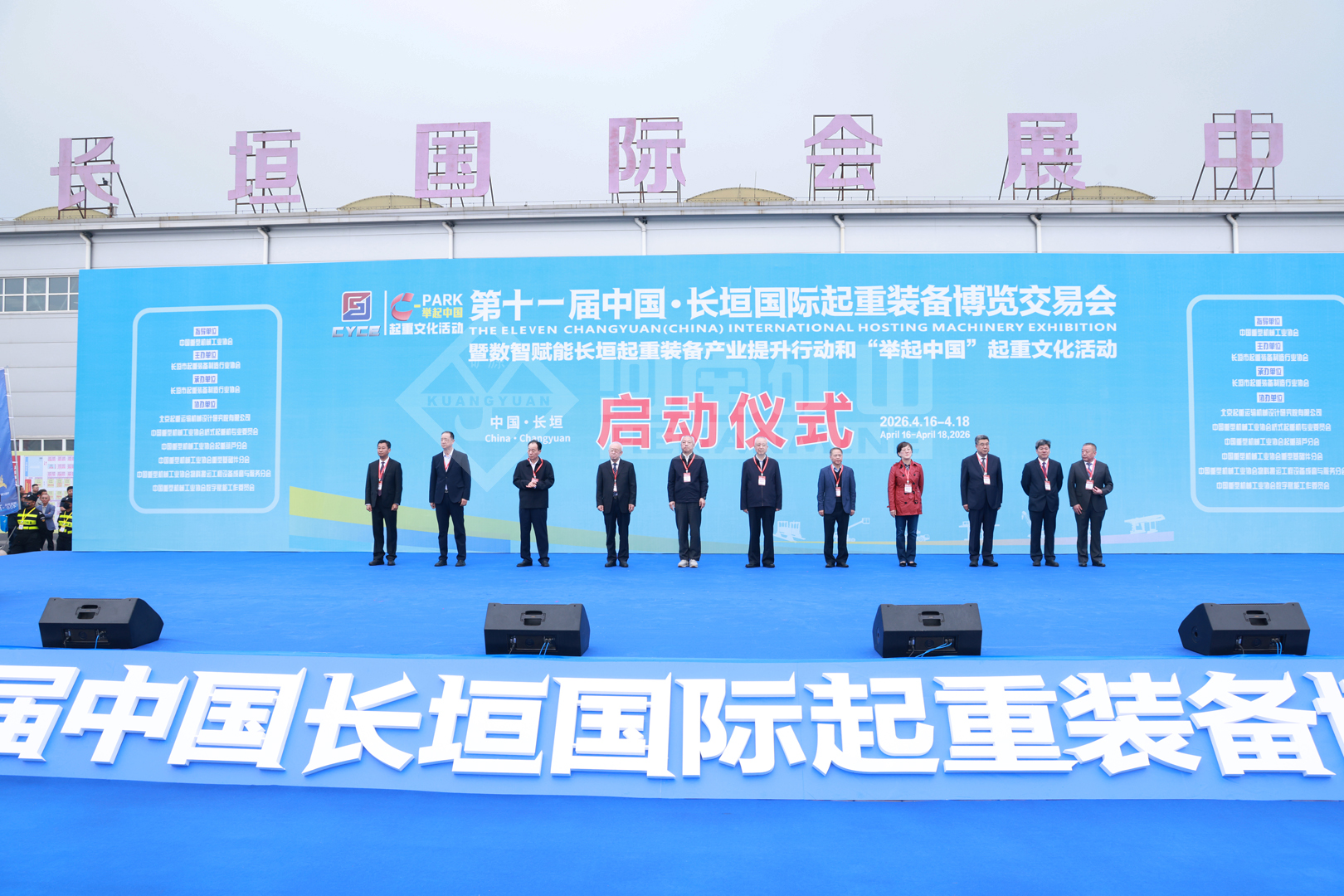
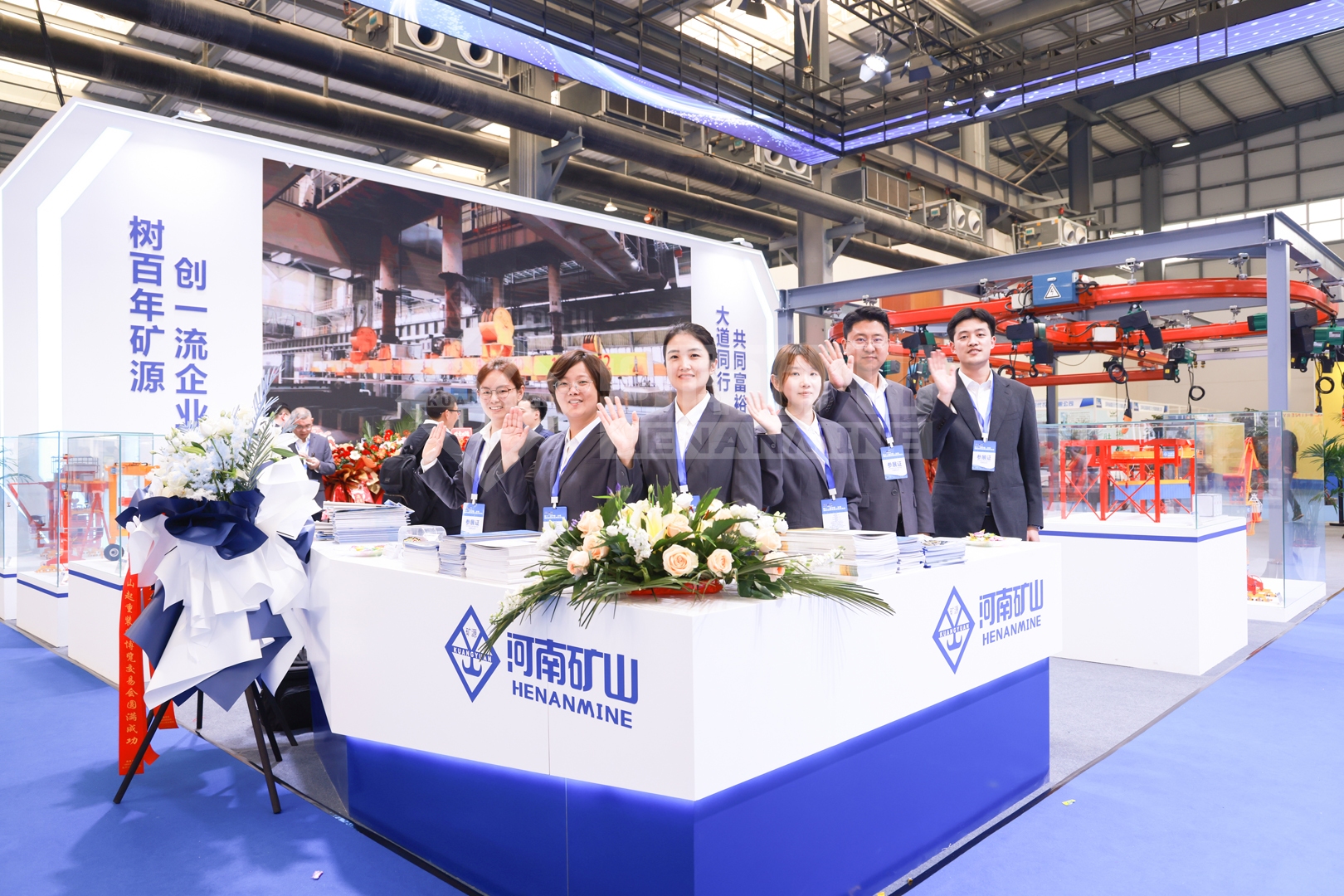
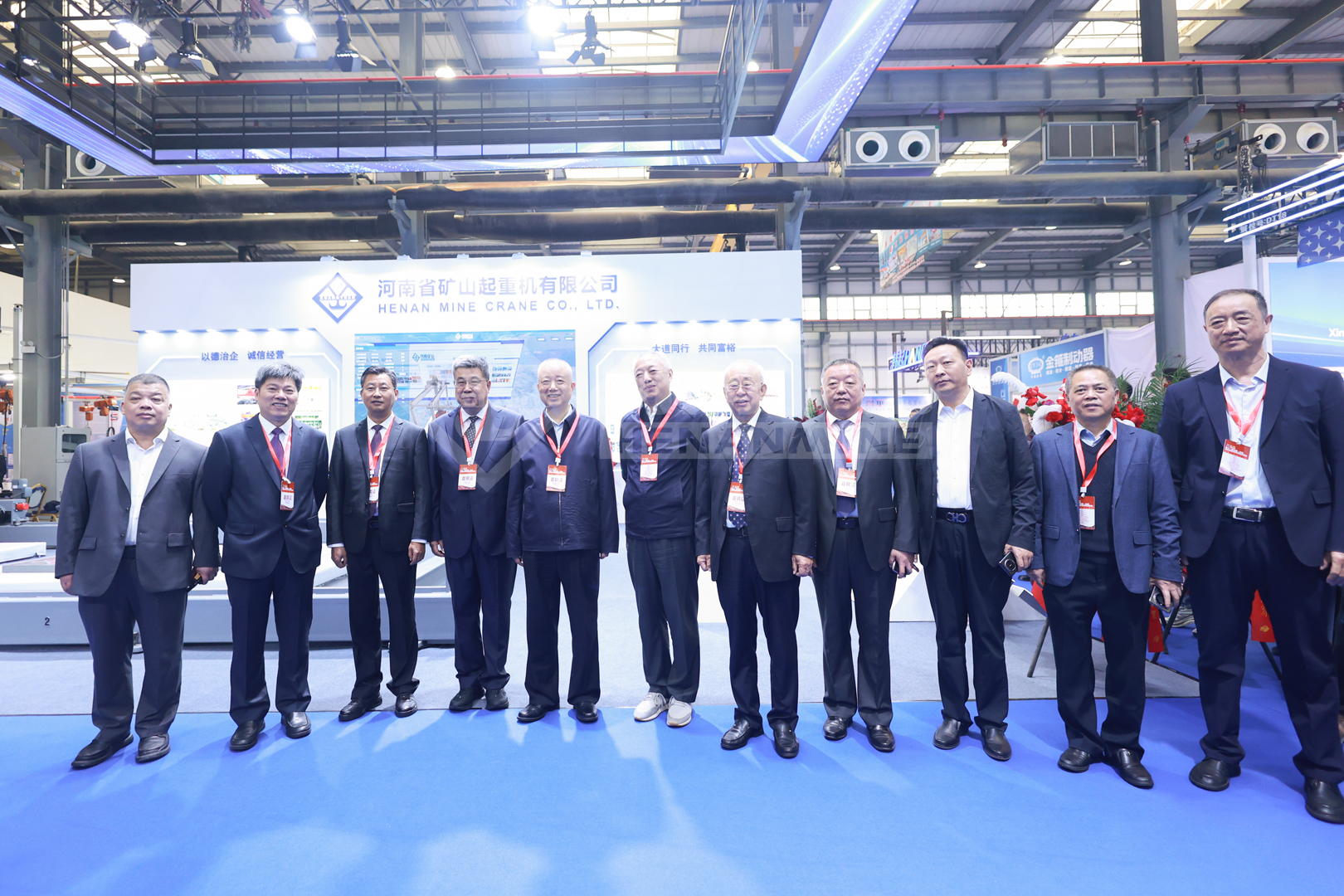
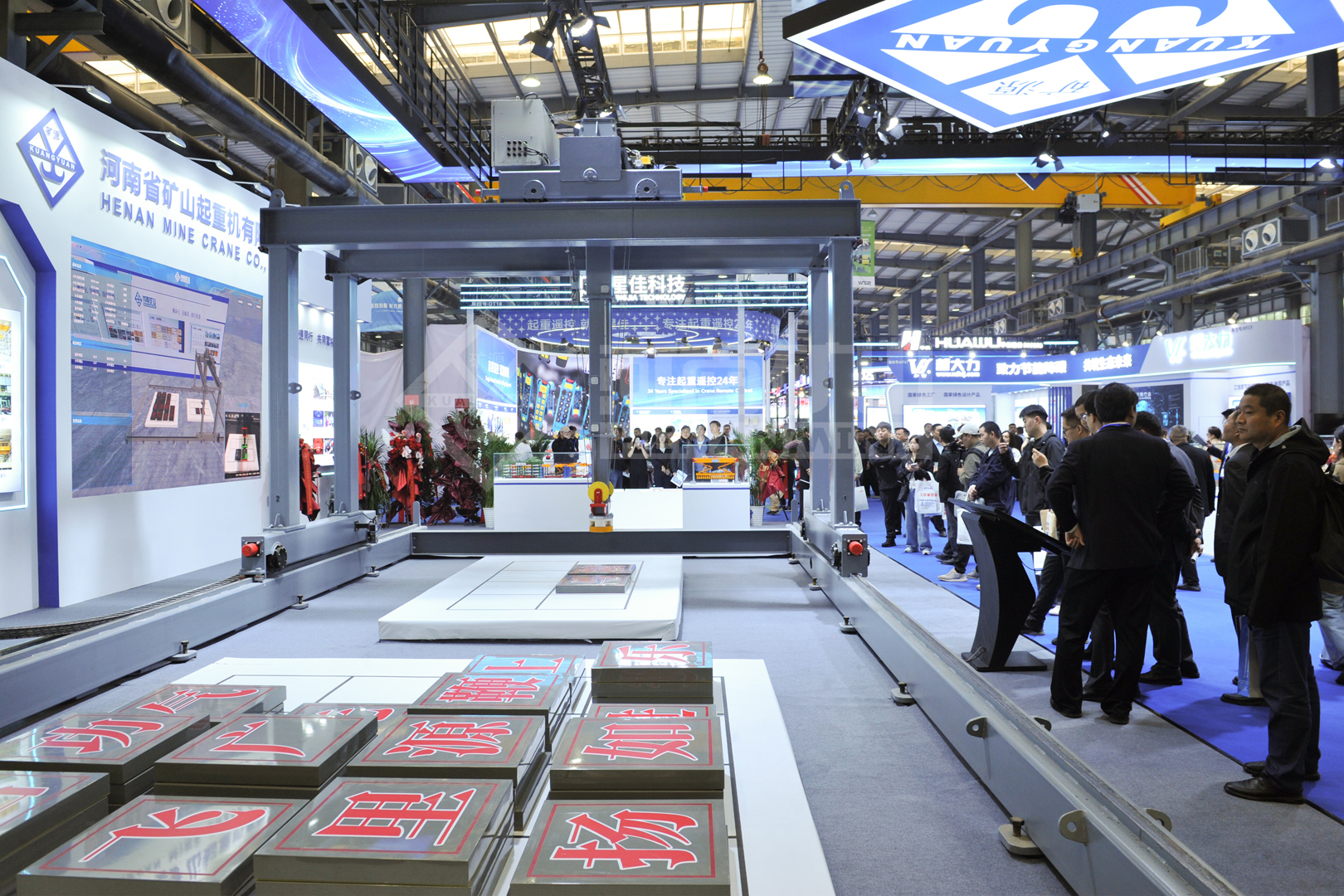
    Henan Mine Crane presented crane equipment and automated handling systems at the eleventh China Changyuan International Crane Equipment Expo, which opened on 16 April 2026.

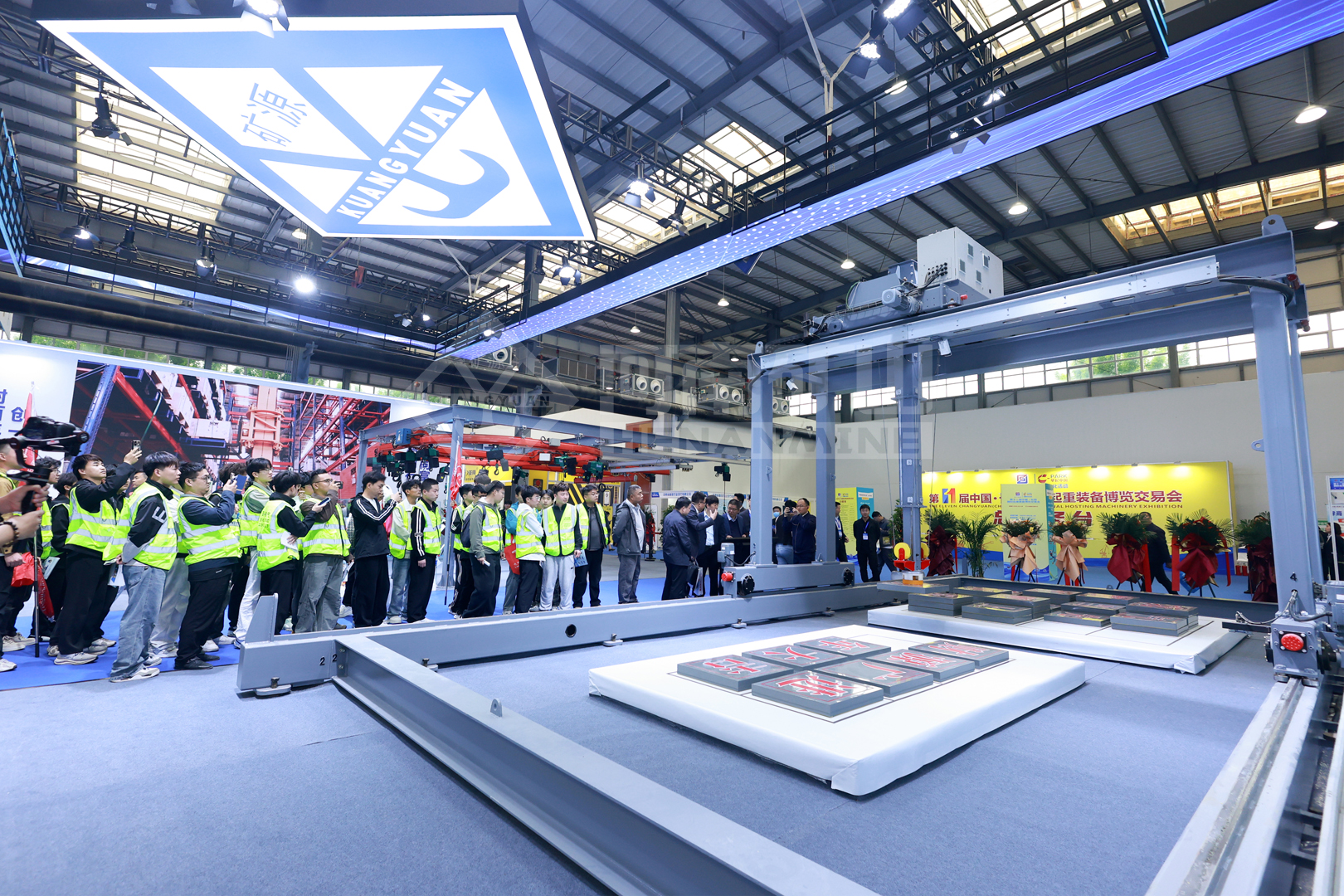
    Automated material-handling demonstration at the Changyuan exhibition
    Automated material-handling demonstration at the Changyuan exhibition.

    From crane equipment to a handling system

    The display included an automated handling concept combining warehouse management, dispatch and image recognition with automatic transfer, sorting and stacking. Demonstration equipment and models supported discussions with visitors.

    Technical exchanges and manufacturing visits

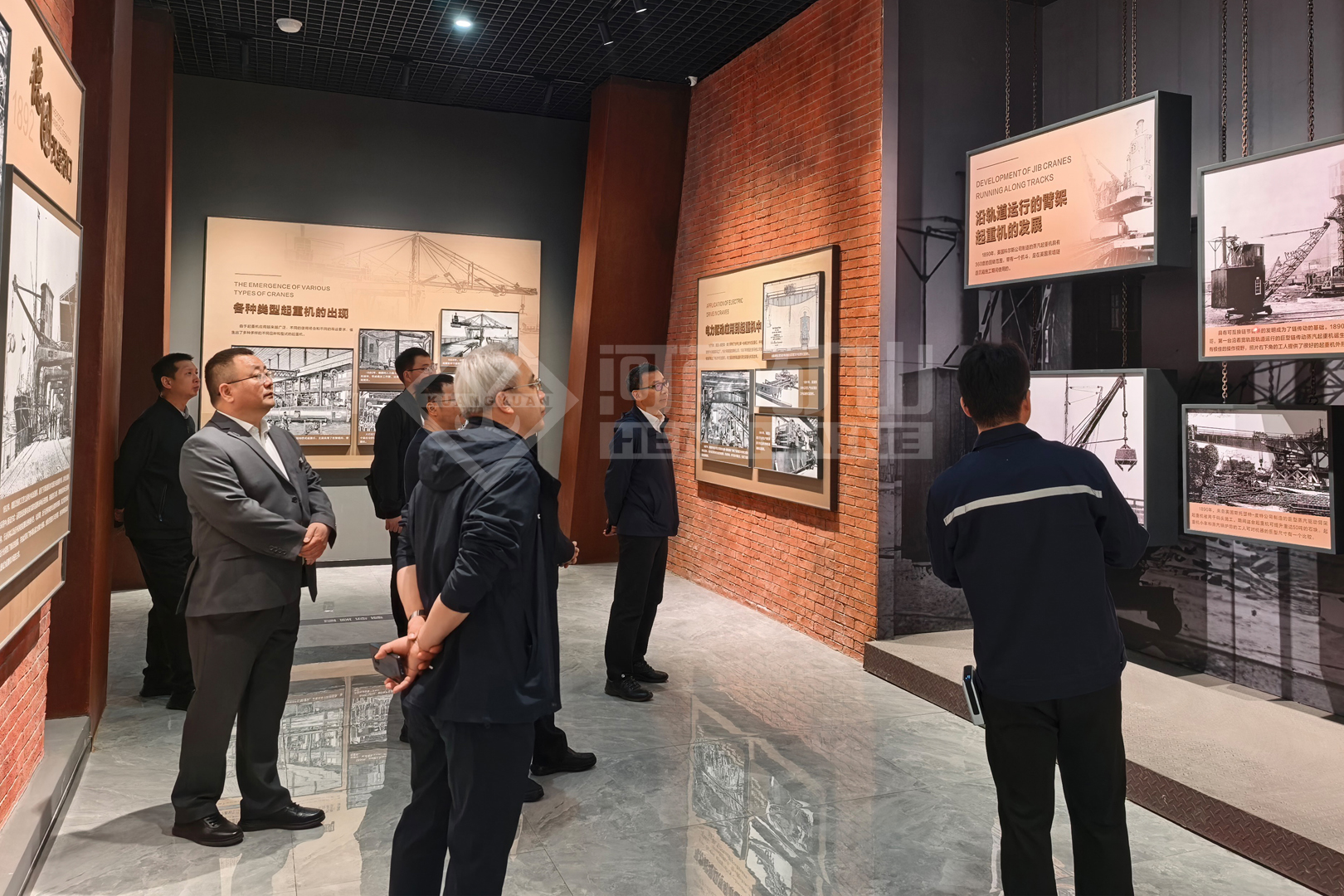
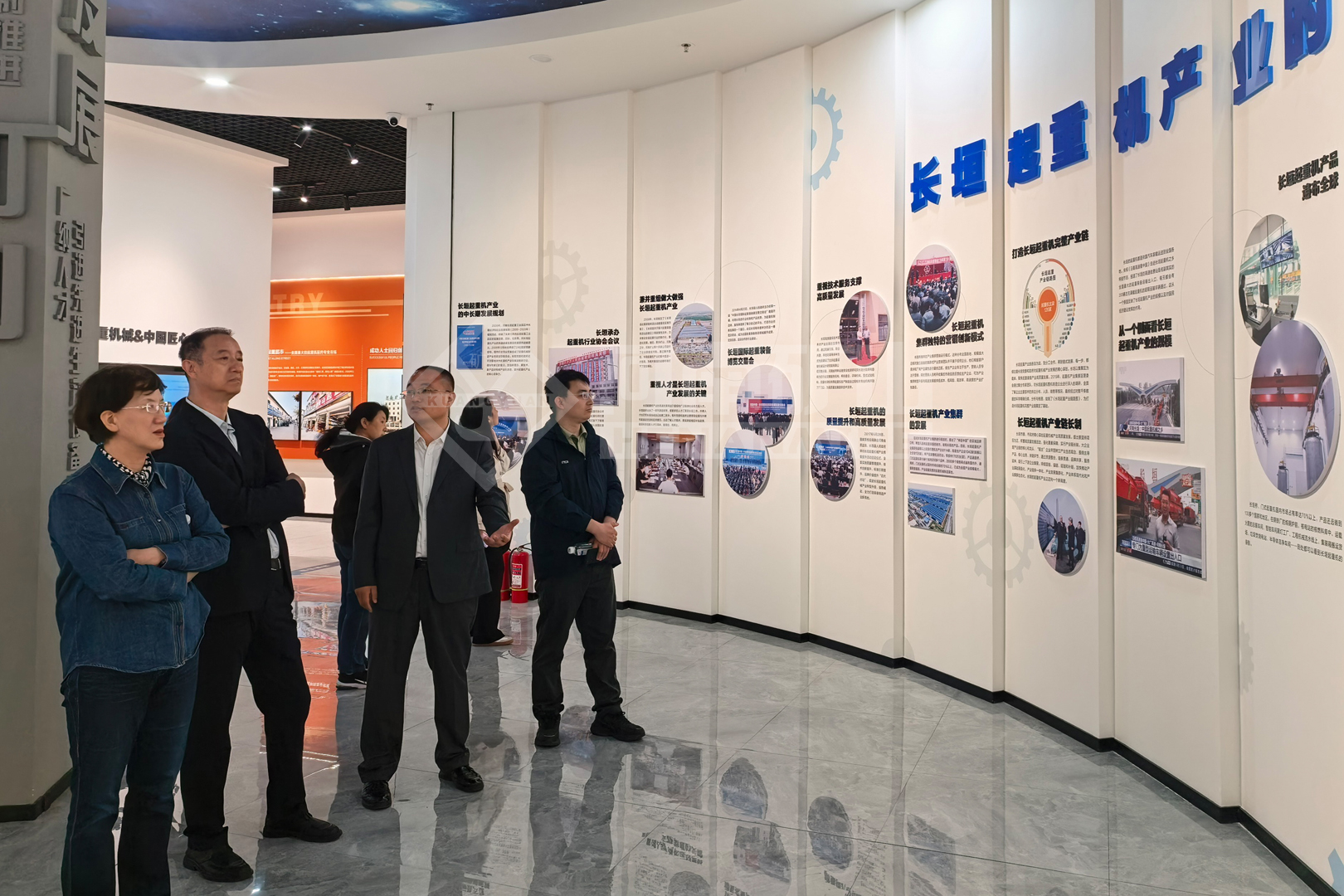
    Company representatives joined industry and steel-sector discussions, while visiting groups toured the industrial park and crane museum. A comparable automation proposal requires a defined material flow, load data, operating modes and interfaces with the customer’s production systems.

    Develop an automated handling specification

    Share your handled material, storage layout, target operating cycle and software interfaces for a technical review.

  • 2026 Changyuan Crane Expo: Equipment Displays and Manufacturing Visits

    2026 Changyuan Crane Expo: Equipment Displays and Manufacturing Visits

    Industry & Partnerships

    2026 Changyuan Crane Expo: Equipment Displays and Manufacturing Visits

    Ahead of the eleventh China Changyuan International Crane Equipment Expo on 16–18 April 2026, Henan Mine Crane announced its display plans at stands CT07 and CT08.

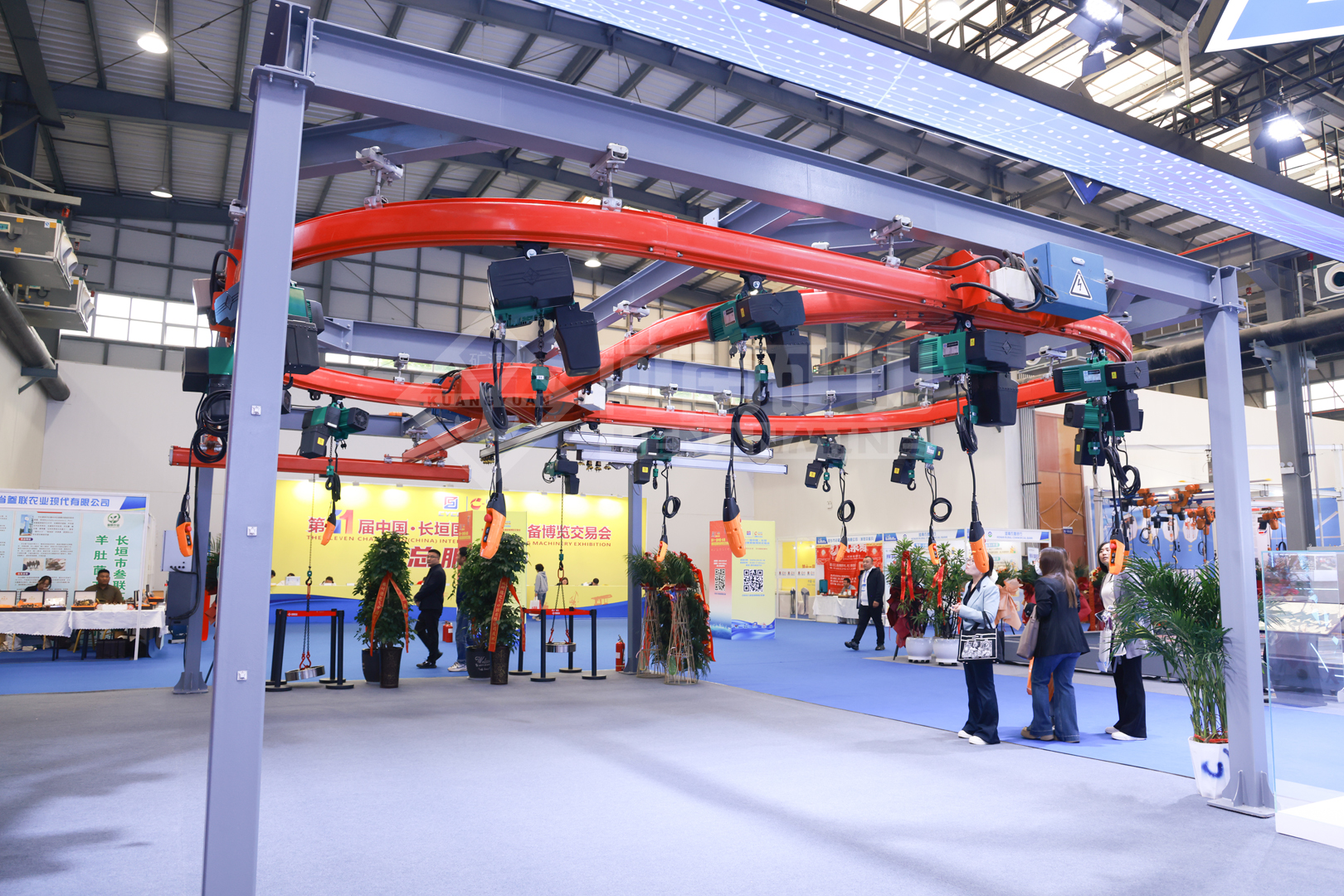
    Crane demonstration equipment and grab attachment at an exhibition stand
    Crane demonstration equipment and grab attachment at an exhibition stand.

    Crane equipment and technology displays

    The announcement introduced the exhibition’s focus on equipment developments, digital technology and industrial cooperation. Crane demonstration equipment and models provided a basis for technical discussions with visitors.

    Manufacturing and museum visits

    The programme also invited visitors to the manufacturing workshops and crane museum. Customers planning a later factory visit can contact the team with the equipment of interest, inspection purpose and proposed dates.

    Arrange a technical discussion or factory visit

    Tell us your application, equipment requirements and the manufacturing information your team would like to review.

  • Port Crane Failure Prevention Under Continuous Operating Duty

    Port Crane Failure Prevention Under Continuous Operating Duty

    Technical guide

    Port Crane Failure Prevention Under Continuous Operating Duty

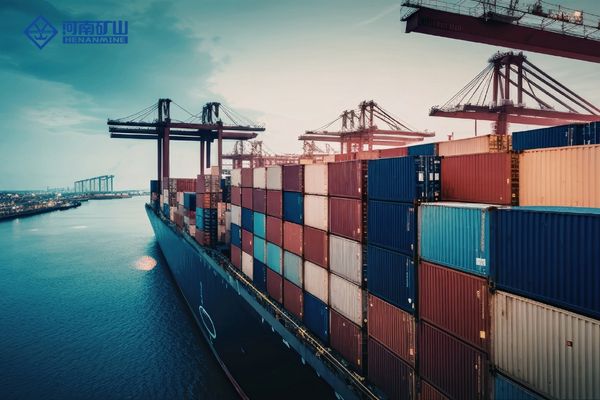
    Continuous terminal work exposes weaknesses in the lifting cycle, travel equipment and maintenance arrangements. Review recurring failure causes and specify access, monitoring and support around the way the crane will actually operate.

    Henan Mine CraneTechnical guide · Updated 2026Crane selection, project scope and operating requirements
    port crane failures
    port crane failures
    Project planning notes

    Key points for this crane project.

    1. Why Continuous Port Crane Operations Accelerate
    2. Common Causes of Port Crane Failures
    3. How to Prevent Port Crane Failures Under Continuous
    Read the technical guide

    Why Continuous Port Crane Operations Accelerate Failure

    High cycles and cumulative mechanical stress

    Continuous operation of port cranes will repeat lifting, luffing, travel, rotating and other actions at high frequencies, and the number of daily operation cycles is extremely high. Each operation will cause stress loss to core components such as wire ropes, gearboxes, bearings, and brakes. Under continuous operation conditions, the stress of the components cannot be cushioned and released, and irreversible mechanical fatigue will be formed over a long period of time. This will continue to reduce the structural strength of the components, increase the gap and friction loss of the accessories, offset the standard operating parameters of the port crane, and ultimately cause various common faults such as abnormal noise, caton, and component failure of the port crane.

    24/7 operation impact on component life

    The design service life of port crane parts is adapted to conventional intermittent operating conditions, and 24-hour continuous operation will significantly exceed the design and operation benchmark of the parts, accelerating the overall aging and loss. Long-term heavy-duty friction of transmission components, rapid failure of lubricating media, and significant increase in wear rate. The electrical components continue to be energized and work, and the cooling buffer time is lacking, and the aging rate of the components is significantly accelerated. Due to the influence of marine corrosion conditions, the service life of various accessories has been greatly reduced, and the traditional maintenance mode cannot be adapted to the needs of high-intensity operations, which can easily cause early scrap of components and frequent failures of port cranes.

    Downturn impact on productivity and cost

    The port terminal is an assembly line operation mode, and the sudden shutdown of the crane will directly cause the entire operation line to stagnate, interrupt the transfer of goods, cause ships to be stuck in the port, and the backlog of vehicles will be greatly reduced. The throughput of the terminal. Unplanned crane downtime not only generates direct costs such as emergency repairs, parts replacement, and manual dispatching, but also shortens the overall service life of port cranes and increases labor costs. At the same time, freight delays will damage the port's reputation for performance. Data show that a small increase in the length of unplanned downtime will significantly increase the port's comprehensive operating costs and restrict the overall profitability.

    Common Causes of Port Crane Failures

    Mechanical wear issues

    Wear and tear of mechanical components is the most common and most common cause of failure of port cranes in continuous operation, and it is also the core cause of progressive failure of port cranes. In the continuous operation of high-frequency and heavy-duty loads, the core transmission and load-bearing components such as gearboxes, drive shafts, travel wheels, brake pads, wire ropes, and bearings continue to withstand multiple forces such as friction, impact, and extrusion. Long-term high-frequency operation will lead to surface wear of components, excessive mating clearance, deformation and loosening, and then transmission caton, braking failure, unstable lifting and other failures. In addition, minor operational problems such as slight overload, cargo center of gravity offset, and port crane alignment deviation during operation will be infinitely magnified during continuous operation, accelerating component wear and aging.

    Electrical and control overheating

    The electrical and control system is the core control module of the port crane, and it is also a vulnerable module under continuous operation. Under 24-hour uninterrupted operation, electrical components such as motors, frequency converters, power distribution cabinets, sensors, cable harnesses, etc. continue to work, and heat continues to accumulate and cannot be fully dissipated, which can easily cause overheating of the system. High temperature can lead to attenuation of the performance of electrical components, aging of the insulation layer, abnormal line resistance, and then sensor failure, signal transmission delay, inverter error, insufficient motor power and other failures. Especially in the superimposed scenarios of high temperature in summer, closed port computer rooms, and high-load operations of port cranes, the probability of overheating of the electrical system is greatly increased, and safety tripping and abnormal start and stop of port cranes are frequently triggered.

    Marine corrosion damage

    Port cranes have been deployed in coastal and riverside terminals for a long time, and they face harsh marine working conditions such as high humidity, high salt spray, sea breeze erosion, and rainwater erosion all year round. Corrosion is the key cause of permanent loss of port cranes. The chloride ions in the salt spray are highly permeable and will continue to corrode the crane's steel structure, metal connectors, mechanical components and electrical interfaces. Continuous operation will further exacerbate corrosion hazards. The continuous vibration of port cranes will cause fine cracks in the anticorrosive coating on the metal surface, and salt spray and water vapor will invade the substrate through cracks, causing steel structure corrosion, component stagnation, and bolt corrosion and loosening.

    Structural fatigue and dynamic load

    Henan Mine Crane manufactured the main steel structure of the main girder, end beam, gantry, etc. of the port crane, which needs to continuously withstand multiple forces such as the dynamic load of the cargo, the vibration of the port crane itself, and the impact of the sea breeze. Under continuous operation, dynamic loads repeatedly and alternately act on the same position of the steel structure, and long-term accumulation will cause fatigue of the metal structure and produce fine fatigue cracks. Unlike static port crane wear and tear, steel structure fatigue has a strong concealment, and the initial cracks are difficult to identify with the naked eye. As the frequency of operations increases and the load continues to act, the cracks will gradually expand, eventually leading to serious problems such as structural deformation, cracking, and excessive deflection.

    Maintenance and operator errors

    Human-made operation and maintenance and improper operation are important subjective reasons for frequent failures in the continuous operation of port cranes. At the maintenance level, some port operation and maintenance teams follow the maintenance cycle of conventional intermittent operations and are not adapted to the high-loss characteristics of 24-hour continuous operation. There are problems such as untimely lubrication, inadequate inspections, failure to replace lost parts in advance, and lag in anti-corrosion maintenance, resulting in the continuous accumulation of minor hidden dangers, which eventually evolved into major failures. At the operational level, operators are prone to fatigue operations and illegal operations during long-term high-intensity operations, including slightly overloaded lifting, emergency stopping and turning, cargo shaking operations, and irregular operations such as forced alignment of port cranes.

    How to Prevent Port Crane Failures Under Continuous Operations

    Preventive maintenance and lubrication

    Targeted preventive maintenance and refined lubrication are the basic means to prevent crane failures in continuous operation. In view of the 24-hour uninterrupted operating conditions, it is necessary to abandon the conventional maintenance cycle and formulate an exclusive maintenance plan for high-frequency refinement and normalization. Shorten the inspection, maintenance, and lubrication cycle of core components, focusing on vulnerable components such as gearboxes, bearings, wire ropes, and brakes, regularly clean up impurities, supplement and replace special lubricating media, and choose wear-resistant greases suitable for high temperature, high load, and marine working conditions to avoid friction losses caused by lubrication failure. At the same time, a standardized maintenance ledger is established to record the loss status, maintenance time, and operating parameters of components to achieve traceability of losses and predictability of hidden dangers.

    Condition monitoring and predictive inspection

    Relying on intelligent condition monitoring and predictive inspection technology to replace traditional manual passive maintenance, it is the core failure prevention solution suitable for continuous operation Henan Mine Crane manufactured port cranes. Through the installation of intelligent port cranes such as temperature sensors, vibration sensors, current monitoring modules, and load monitoring systems, the operation data of port cranes is collected in real time, and the operating status of mechanical transmission, electrical control, and structure is monitored around the clock. Based on big data analysis, the operating parameters of port cranes are changing trends, and the hidden dangers of component wear, aging, and overheating are accurately predicted, and targeted maintenance is completed in the budding stage of failure, so as to investigate hidden dangers and preventative maintenance in advance.

    Corrosion protection and marine parts

    In view of the harsh marine working conditions of the port, strengthen the anti-corrosion protection of port cranes and adapt to marine-grade special components, which can effectively resist various failures caused by corrosion. In the manufacturing stage of port cranes, special marine anticorrosive technology is used to remove rust, spray anticorrosive, and passivate the steel structure to improve the corrosion resistance of the substrate. In daily operation and maintenance, regularly repair the damaged anticorrosive coating, clean up the accumulation of salt spray and water vapor on the surface of the port crane, and prevent the spread of corrosion. At the same time, ordinary vulnerable parts, electrical interfaces, and fasteners are replaced with marine-specific accessories, which have the characteristics of salt spray resistance, high moisture resistance, corrosion resistance, and high temperature resistance.

    Standardized operator training

    Standardizing operating procedures and strengthening personnel training are key measures to reduce human failures and reduce the loss of port cranes. In view of the high-intensity working conditions of continuous operation, standardized port crane operation specifications have been established, and illegal operations such as overload lifting, emergency stopping and turning, savage alignment, and cargo shaking operations are clearly prohibited, and the operation standards of the whole process of starting and stopping, lifting, travel, and luffing of port cranes are standardized to reduce the impact and loss of port cranes caused by human operation. Carry out regular special training for operators, covering the operating principle of port cranes, fault early warning signal identification, standardized operation procedures, emergency response methods, etc., to enhance the professional ability of operators and the ability to identify hidden dangers.

    How to Improve Port Crane Reliability and Availability

    Critical component replacement schedule

    The service life of the core components of port cranes is obviously differentiated. If you want to continuously improve the reliability and operational availability of port cranes, you need to accurately sort out the list of key core components of port cranes, classify and define load-bearing components, transmission components, electrical core components, and vulnerable consumable components, and formulate a dedicated standardized replacement cycle based on the loss rate of continuous operating conditions. For high-frequency wear-resistant parts such as wire ropes, brake pads, bearings, seals, etc., the replacement cycle is shortened. Formulate special testing and iteration plans for core precision components such as gearboxes, motors, and sensors. For long-lasting components such as steel structures, regular non-destructive testing is carried out to clarify the loss threshold.

    Data-driven maintenance planning

    Fully integrate the full amount of data from daily inspection, intelligent monitoring, and port crane operation, build a port crane maintenance data system, and use data as the support to achieve accurate predictive maintenance. By analyzing the historical change curves of temperature, vibration, load, wear, and electrical parameters of port cranes, we can accurately locate the high-frequency loss points, the high-occurrence period of hidden dangers, and the cause of failure. Relying on the laws of data, plan maintenance plans in advance, use the off-season of port operations and the ship window period to carry out targeted maintenance, component replacement, and port crane commissioning, and completely transform the passive operation and maintenance mode of emergency repair after failure, so that maintenance work is accurate and efficient, minimize the impact of maintenance on normal operations, and continuously improve the effective operating time of port cranes.

    Spare parts preparation for less downtime

    The scientific reserve and planning of spare parts is an important guarantee to reduce the length of unplanned downtime and improve the availability of port cranes. Combining the model of port crane, the frequency of component loss, and the type of high failure, a complete spare parts inventory system is established, focusing on the reserve of vulnerable parts, core precision parts, electrical accessories, anticorrosive accessories and other key materials to ensure that replacement and repair can be completed quickly when hidden faults occur. At the same time, combined with the operation data of the port crane and the maintenance plan, the quantity and category of spare parts inventory are dynamically adjusted to avoid the delay in emergency repairs and the increase in downtime caused by the shortage of spare parts.

    Timely modernization of aging equipment

    For old port cranes with long service life, attenuation of core performance, frequent failures, and high maintenance costs, simple maintenance and component replacement cannot completely solve the reliability problem. At this time, it is necessary to scientifically evaluate the adaptability, operating stability, maintenance cost and operating efficiency of port cranes, and start the intelligent and modern upgrading of port cranes in a timely manner. Upgrade and iterate the electrical control system, transmission system, monitoring system, and anticorrosive structure of old port cranes, replace backward accessories, optimize the operating parameters of port cranes, and install intelligent monitoring modules to enhance the automation, intelligence, and anti-loss capabilities of port cranes. For old port cranes with low retrofit value, complete the iterative update of port cranes in a timely manner, ensure the reliability and stability of continuous operation of port cranes from the hardware level, and adapt to the needs of efficient port operations.

    Discuss the crane arrangement for your project.

    Continuous terminal work exposes weaknesses in the lifting cycle, travel equipment and maintenance arrangements. Review recurring failure causes and specify access, monitoring and support around the way the crane will actually operate. Share the load, available drawings, working cycle and site conditions with Henan Mine Crane so the required configuration and supply boundary can be discussed.

    Related crane configurations

    Explore crane product families and technical parameters ↗

    Updated 2026 · Henan Mine Crane
  • First Crane Batch Installed for Hainan’s Commercial Space Launch Site

    First Crane Batch Installed for Hainan’s Commercial Space Launch Site

    Project Deliveries

    First Crane Batch Installed for Hainan’s Commercial Space Launch Site

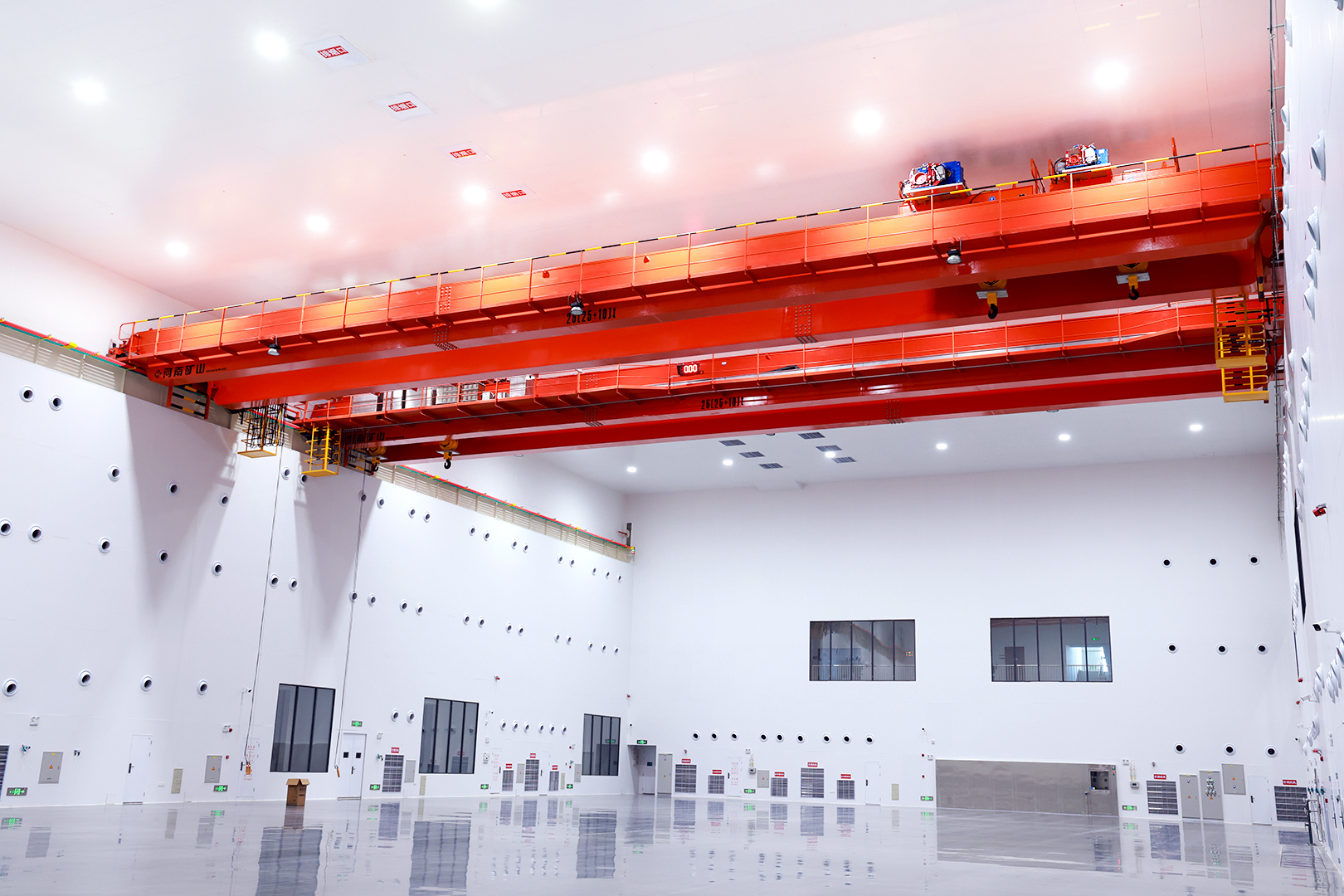
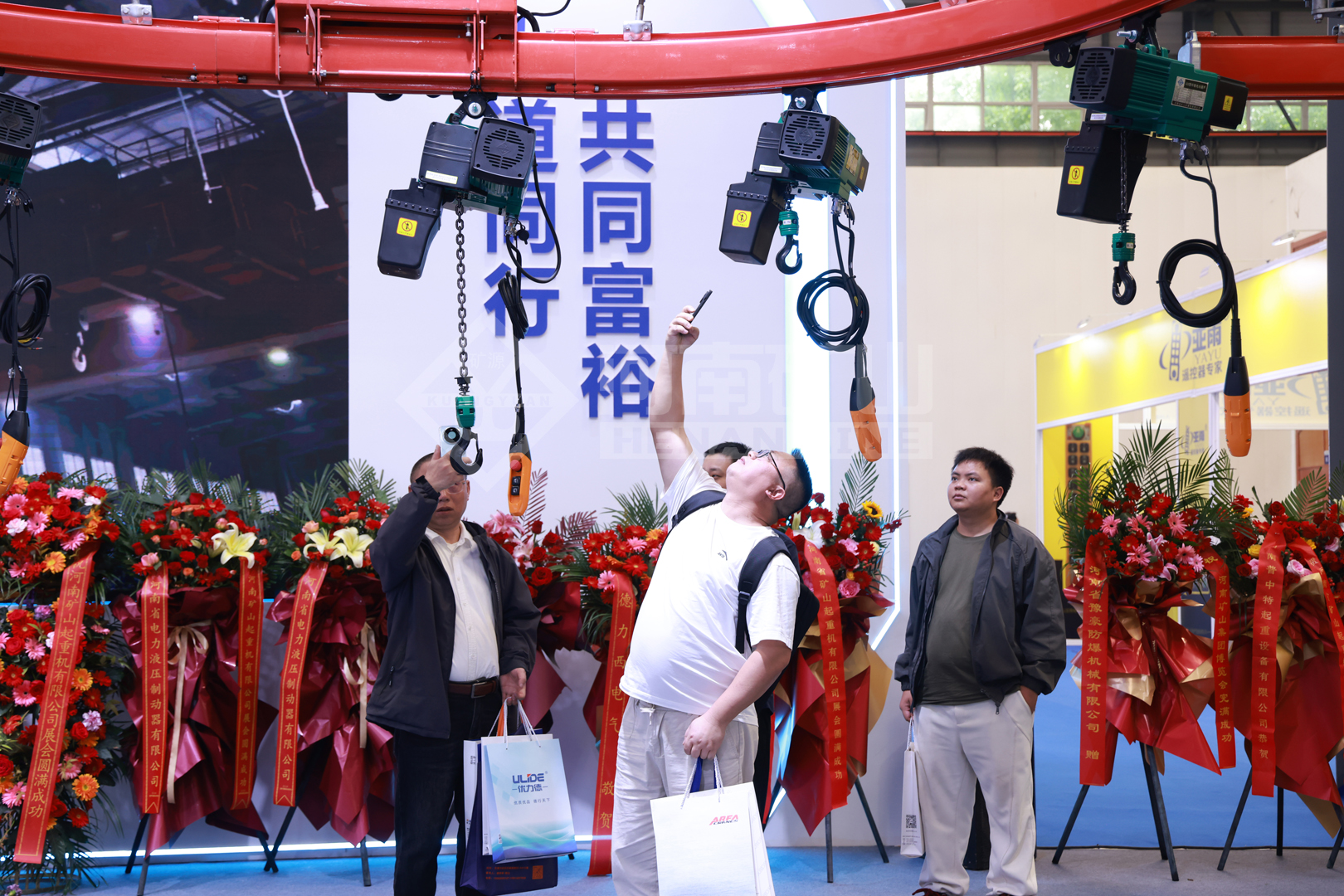
    The first batch of lifting equipment supplied by Henan Mine Crane has been installed for the Hainan commercial space launch site. The equipment supports the lifting and transfer of large aerospace equipment within the project’s facilities.

    Henan Mine Crane overhead cranes installed in a large aerospace building
    The first crane batch has been installed for aerospace equipment handling.

    Lifting support for launch-site facilities

    On 29 September 2026, Hainan International Commercial Aerospace Launch Co., Ltd. held a user meeting and launched joint exercises for the site’s second-phase project. Henan Mine Crane representatives attended and discussed equipment support and further cooperation.

    The installed lifting equipment forms part of the handling infrastructure for large aerospace equipment and supports recurring operations within the launch-site facilities.

    Plan the complete aerospace handling route

    An aerospace lifting proposal needs the component dimensions, total suspended load, lift path and available building clearances. Tooling interfaces, coordinated movements and the inspection sequence can then be addressed within the project specification.

    Discuss an aerospace lifting project

    Share the equipment envelope, load, lifting height, building layout and required handling sequence. Our team can review the crane configuration and the interfaces with your installation.

  • Henan Mine Crane Carries Out a Confidentiality Awareness Campaign

    Henan Mine Crane Carries Out a Confidentiality Awareness Campaign

    Company & People

    Henan Mine Crane Carries Out a Confidentiality Awareness Campaign

    Henan Mine Crane carried out a confidentiality awareness campaign around China’s National Security Education Day in April 2026.

    National Security Education Day employee awareness campaign visual
    National Security Education Day employee awareness campaign visual.

    Awareness and workplace responsibilities

    The campaign addressed employees’ understanding of confidentiality and the responsibilities associated with their roles. The company described the activities as part of its wider approach to enterprise development and information protection.

    Continuing company communications

    The annual education day provided the setting for the awareness campaign. The accompanying visual introduced the campaign’s theme to employees.

    Contact our team

    For equipment information or a company enquiry, share the relevant details with Henan Mine Crane.

  • Port Crane Condition Monitoring: Warning Signs and Maintenance Priorities

    Port Crane Condition Monitoring: Warning Signs and Maintenance Priorities

    Technical guide

    Port Crane Condition Monitoring: Warning Signs and Maintenance Priorities

    A terminal can learn from changes in vibration, temperature, travel behaviour and fault history before a breakdown disrupts cargo flow. Organise those observations into an inspection and maintenance plan for the actual crane.

    Henan Mine CraneTechnical guide · Updated 2026Crane selection, project scope and operating requirements
    Port Crane Condition Monitoring: Warning Signs and Maintenance Priorities
    Henan Mine Crane lifting equipment
    Project planning notes

    Key points for this crane project.

    1. Common Causes of Port Crane Failures Under
    2. Consequences of Port Crane Failures
    3. Best Practices to Prevent Crane Failures in
    Read the technical guide

    Common Causes of Port Crane Failures Under Continuous Operation

    Mechanical Wear and Aging

    Mechanical wear is the most common cause of failure under continuous operation of port cranes, but also one of the main reasons for equipment shutdown, mainly affecting the core force components such as winches, winches, motors, brakes, etc., which bear the action of lifting and panning for a long time, and are in a high load and high friction state.

    In the continuous operation of the working conditions, the wear and tear of these parts will be significantly accelerated:

    • The wire rope which can be used stably for 3-5 years under the condition of intermittent operation will be shortened significantly under the high-intensity load of 24-hour uninterrupted operation, and its service life can only be maintained for 1-2 years;
    • The gearbox internal gears are in the state of meshing and rotating for a long time, which will lead to wear of the tooth surface and cracking of the top of the teeth due to continuous friction, and if lubrication and maintenance are not carried out in time, it may also lead to serious faults such as stuck gears, which will directly lead to the shutdown of the equipment;
    • Brakes need to perform frequent braking operations for a long time, the brake pads will wear out quickly, which will lead to increased brake clearance and decreased braking efficiency, and in serious cases, brake failure will occur, leading to safety accidents.

    After 36 hours of continuous operation of an RTG crane in a coastal port, the brake pads were not inspected and replaced for a long time, and the wear and tear exceeded the standard, resulting in brake failure, and the spreader slid down slowly with the container, which didn’t cause a fall, but the equipment was shut down for 12 hours for maintenance, affecting the pace of port operations.

    Improper Maintenance

    Inadequate maintenance is another major core cause of port crane failure, of which ‘passive maintenance’ is the most prominent harm.

    Many ports for the pursuit of efficiency, such as equipment failure before maintenance, resulting in small defects, small wear and tear accumulated into a major failure, not only higher maintenance costs, but also extend the downtime.

    In practice, the maintenance work is often negligent, especially the following easily overlooked links, easy to accelerate equipment failure:

    • Insufficient lubrication of moving parts: no timely lubrication and maintenance of moving parts, will exacerbate the friction between the parts of the loss, accelerate the rate of wear and tear, and thus shorten the service life of the parts.
    • Wire rope inspection is not meticulous: daily inspection in the wire rope status is not carefully checked, cannot be found in time broken wire, rust and other hidden dangers, easy to bury the safety risk of wire rope breakage.
    • Safety system debugging is not timely: limit switches, emergency stop devices and other safety components are not regularly debugged according to the regulations, which will lead to the failure of its safety protection function and significantly increase the safety risks of equipment operation.

    An STS crane in a port suffered from abnormal vibration and slight rattling of the gear box. The maintenance personnel did not conduct in-depth inspection, but only did surface inspection, which ultimately led to gear collapse, equipment downtime and maintenance for 3 days, and repair cost of more than 1 million yuan.

    Afterwards, it was confirmed that the noise was a signal of increased gear wear, and timely troubleshooting could have prevented the failure.

    Environmental Factors

    Most of the port cranes operate in the open air, exposed to the harsh natural environment for a long time, the erosion of environmental factors will further accelerate the aging of the equipment and increase the risk of failure. Among them, salt spray and high humidity in coastal ports, as well as strong winds and extreme temperature differences prevalent in all types of ports, are the main environmental factors affecting the life of the equipment.

    Salt spray and high humidity can cause serious corrosion to the metal parts of cranes:

    Consequences of Port Crane Failures

    Operational and Economic Losses

    Port crane failure is the most direct consequence of operational disruption and economic loss: on the one hand, it will lead to berth stoppage, ship stranding, resulting in high stranding charges, stranding fees; on the other hand, the repair of a large number of manpower and material resources need to be invested in the cost of tens of thousands of yuan of minor failures, major failures of more than a million dollars, and cannot be repaired, then need to be replaced by a huge amount of money to replace the equipment.

    Personnel Safety Risk

    The most serious consequence of the failure of the harbour crane is the threat to the life safety of the operator and the site personnel, such accidents often lead to catastrophic injuries and even death. Cranes, as large and heavy equipment, can lift heavy loads weighing up to tens of tonnes, and in the event of a failure, accidents such as heavy loads falling and equipment collapsing can cause fatal injuries to personnel on site.

    • Crush injuries, personnel are crushed by crane parts, falling heavy objects or the gap between the equipment and the ground, resulting in damage to bones, muscles, internal organs, and in severe cases, can lead to extrusion syndrome, renal failure and other complications;
    • Traumatic amputation, where personnel are entangled in the operating parts of a crane, resulting in a broken limb that requires lifelong use of a prosthesis;
    • Traumatic brain injury, where personnel are struck by falling weights, fall from equipment, or become involved in equipment collisions, resulting in concussions and severe brain damage that may cause cognitive impairment, memory loss, and lifelong disability;
    • Spinal cord injuries, where accidents such as falls and equipment overturning may lead to cervical, thoracic and lumbar spine injuries, triggering serious consequences such as quadriplegia and paralysis of the lower limbs;
    • In addition, there may be multiple fractures, internal bleeding, electric shock injuries and other injuries, and some serious accidents can directly lead to death, bringing irreparable losses to families and enterprises.
    Port Crane Condition Monitoring: Warning Signs and Maintenance Priorities
    Lifting equipment and application context

    Best Practices to Prevent Crane Failures in Continuous Operations

    Establishment of a Perfect Preventive Maintenance System

    Preventive maintenance is the core measure to reduce the incidence of harbour crane failures, the need to abandon the ‘passive maintenance’ mode, the establishment of a scientific and systematic maintenance system. First of all, clear maintenance focus, focus on the core components of the crane:

    • Regular wire rope breakage, corrosion inspection, wear and tear over the standard, there are potential safety hazards of the wire rope to be replaced in a timely manner, to eliminate the risk of wire rope breakage;
    • Regularly lubricate and maintain the core transmission parts such as gear box, bearings, winches, etc., and scientifically adjust the lubrication cycle to reduce the friction loss of the parts in combination with the operating environment of the harbour and the operating load of the equipment;
    • Regularly check the brake, limit switches, emergency stop devices and other safety systems, to ensure that the safety components are fully functional and reliable; at the same time, regular inspection of the electrical system, focusing on checking the line insulation, wiring fastening, and timely investigation of short circuits, poor contact and other hidden dangers.

    Secondly, make a reasonable maintenance plan, combined with the crane’s operating load, service life and manufacturer’s recommendations, to develop routine maintenance, regular inspection, quarterly overhaul, annual overhaul of the hierarchical maintenance plan.

    • Daily maintenance is the responsibility of the operator, focusing on checking the integrity of the appearance of the equipment, operating noise, key parts of the lubrication status, etc., and timely investigation of intuitively visible basis of hidden danger;
    • Regular inspection is carried out by professional maintenance personnel, with the help of professional testing tools, focusing on the investigation of hidden equipment hidden problems, so as to achieve early detection and early disposal;
    • Quarterly maintenance and annual overhaul need to carry out comprehensive dismantling of equipment, accurate testing and system debugging, and timely replacement of aging, wear and tear over the standard components, to ensure that the equipment is always in the optimal operating state, to protect the needs of continuous operation.

    In addition, we make good maintenance records, recording in detail the time, content, problems found and treatment measures of each maintenance. By analysing the maintenance records, we can grasp the operating status and wear and tear pattern of the equipments, so that we can pre-judge the risk of failures in advance and optimise the maintenance plan.

    Upgrade Advanced Monitoring System

    Upgrading the monitoring system with the help of modern technology can realise real-time monitoring of the operating status of cranes and fault prediction, effectively reducing the incidence of failure.

    On the one hand, the introduction of the Internet of Things (IoT) monitoring technology, crane core components installed sensors, real-time collection of equipment operating parameters and uploaded to the cloud for data analysis.

    Once the monitoring of data anomalies, immediately triggered an early warning mechanism to remind the maintenance staff to investigate and dispose of hidden dangers in a timely manner, to achieve the hidden dangers of early discovery, early treatment.

    On the other hand, the application of predictive maintenance technology, combined with artificial intelligence (AI) and machine learning algorithms for in-depth analysis of operational data, the construction of component wear prediction model, accurate prediction of the remaining service life of the core components, to truly achieve the goal of active protection ‘before failure, first maintenance’.

    At the same time, the establishment of a layered inspection system, the integration of daily pre-inspection, periodic special inspections and comprehensive testing, relying on professional testing equipment to accurately investigate hidden dangers, comprehensive coverage of the equipment monitoring links, to achieve the crane without dead ends, the whole process of monitoring, and build a strong line of defence for the safe operation of equipment.

    Emphasis on Operator Training and Certification

    1. Conduct comprehensive training courses covering the basic structure of cranes, operating principles, load calculation, safe operating procedures, emergency response methods, etc., to ensure that operators are proficient in equipment operation skills, and understand the identification of common failures and emergency response measures.
    2. strengthen day-to-day management, carry out regular safety training and case warning education, strengthen the safety awareness of operators, put an end to illegal operation, overloading and other behaviours, and guide operators to develop good habits of standardised operation and regular inspection.

    Implement Effective Load Management Measures

    Reasonable load management can effectively reduce the operating stress of the crane and reduce the risk of failure.

    Discuss the crane arrangement for your project.

    A terminal can learn from changes in vibration, temperature, travel behaviour and fault history before a breakdown disrupts cargo flow. Organise those observations into an inspection and maintenance plan for the actual crane. Share the load, available drawings, working cycle and site conditions with Henan Mine Crane so the required configuration and supply boundary can be discussed.

    Related crane configurations

    Explore crane product families and technical parameters ↗

    Updated 2026 · Henan Mine Crane
  • Quality Inspections and Employee Suggestions Support Manufacturing Control

    Quality Inspections and Employee Suggestions Support Manufacturing Control

    Quality & Manufacturing

    Quality Inspections and Employee Suggestions Support Manufacturing Control

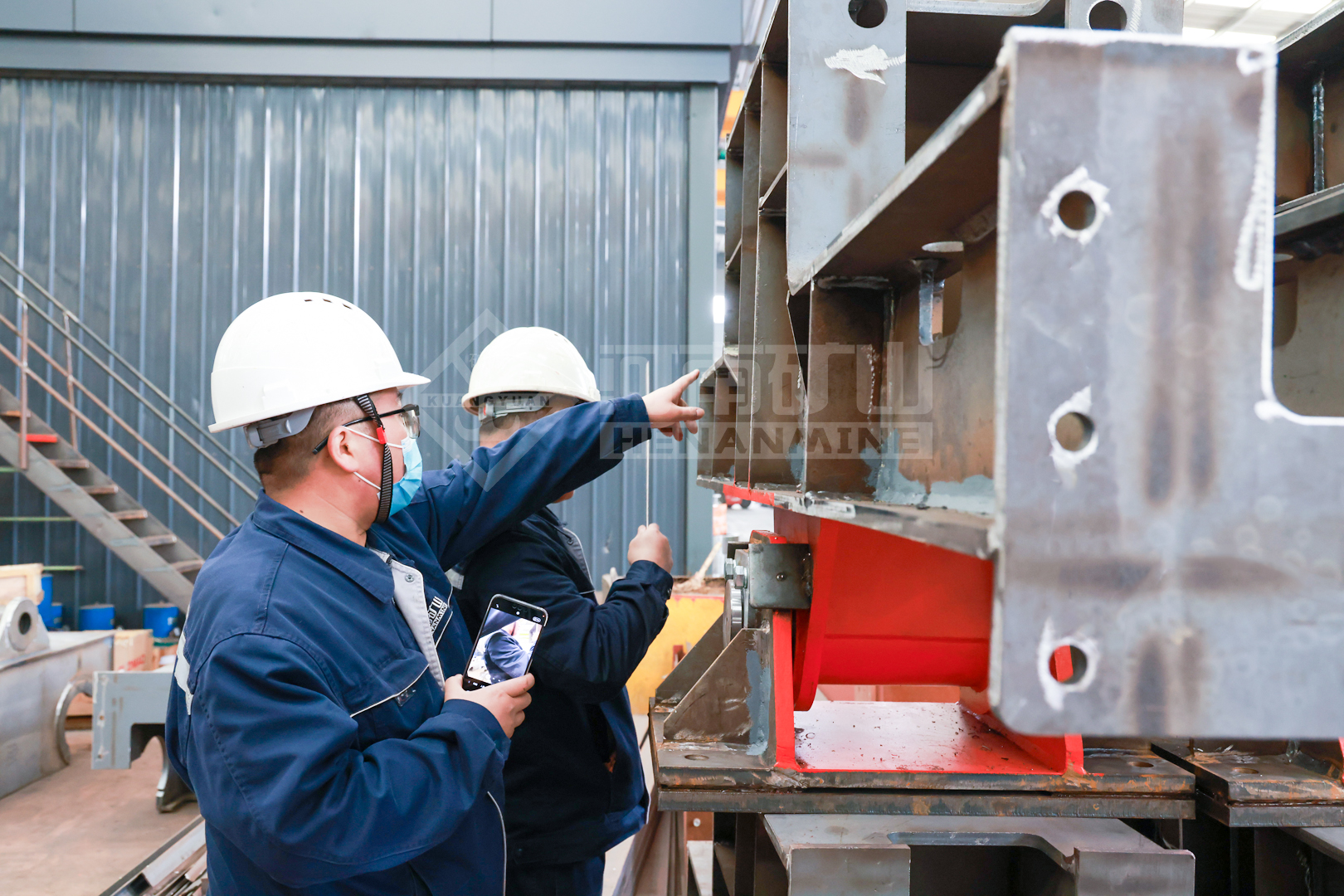
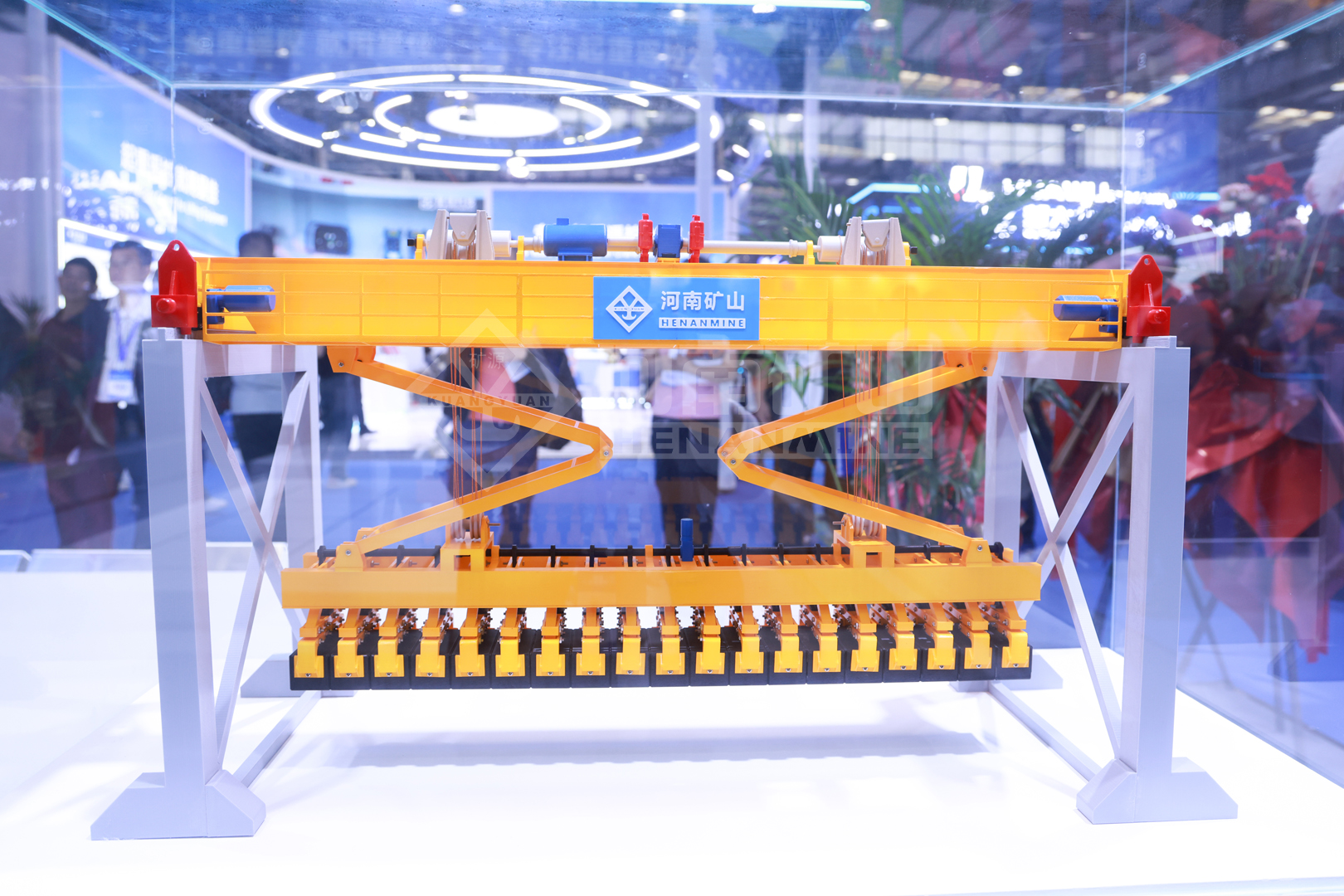
    Henan Mine Crane’s Quality Month programme combined manufacturing inspections with recognition for employee suggestions on improving product quality.

    Quality inspector measuring a large fabricated component
    Quality inspector measuring a large fabricated component.

    Cross-department manufacturing checks

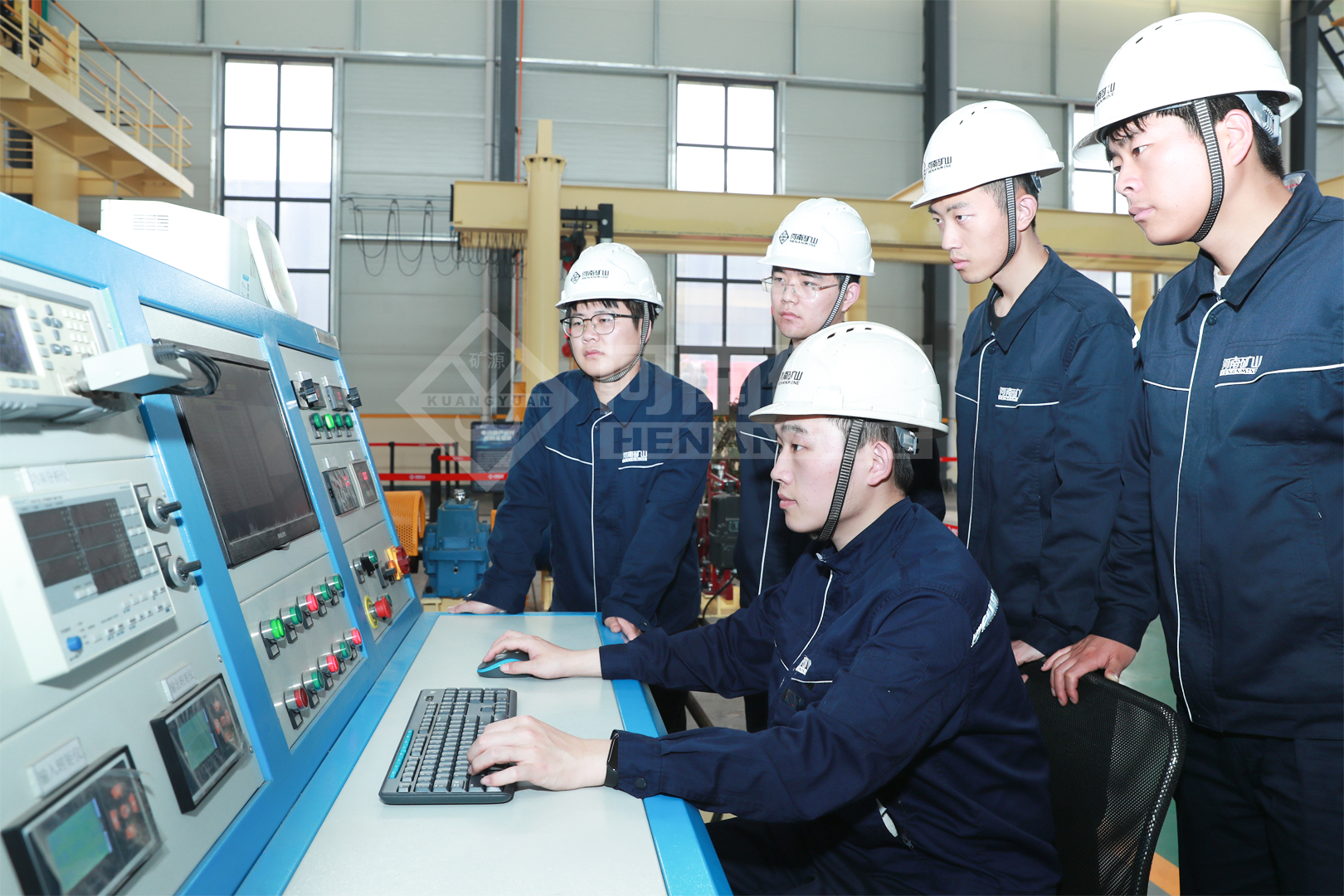
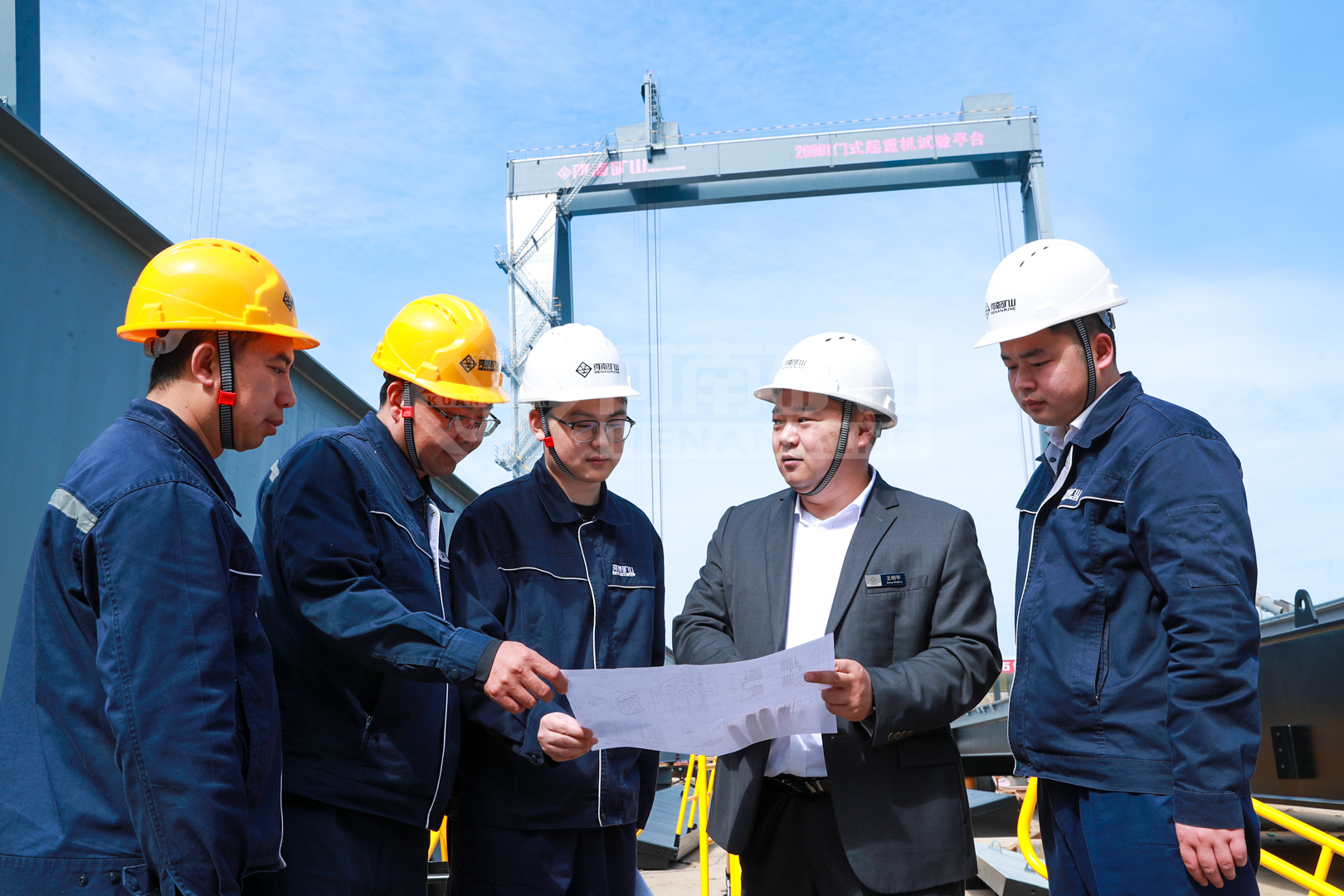
    The quality assurance department worked with specialists from several departments to inspect manufacturing details and identify defects. The inspection programme extended across production activities.

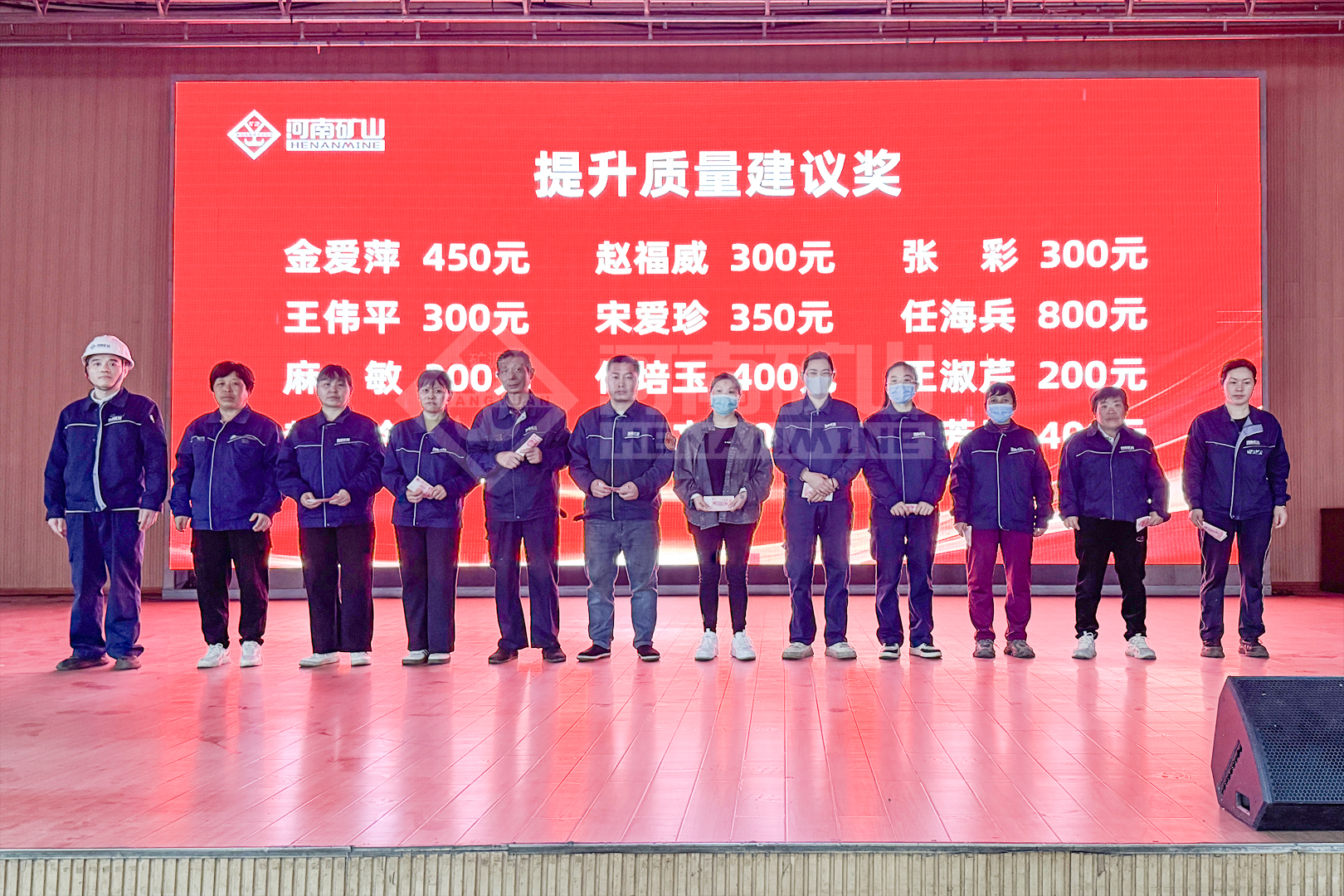
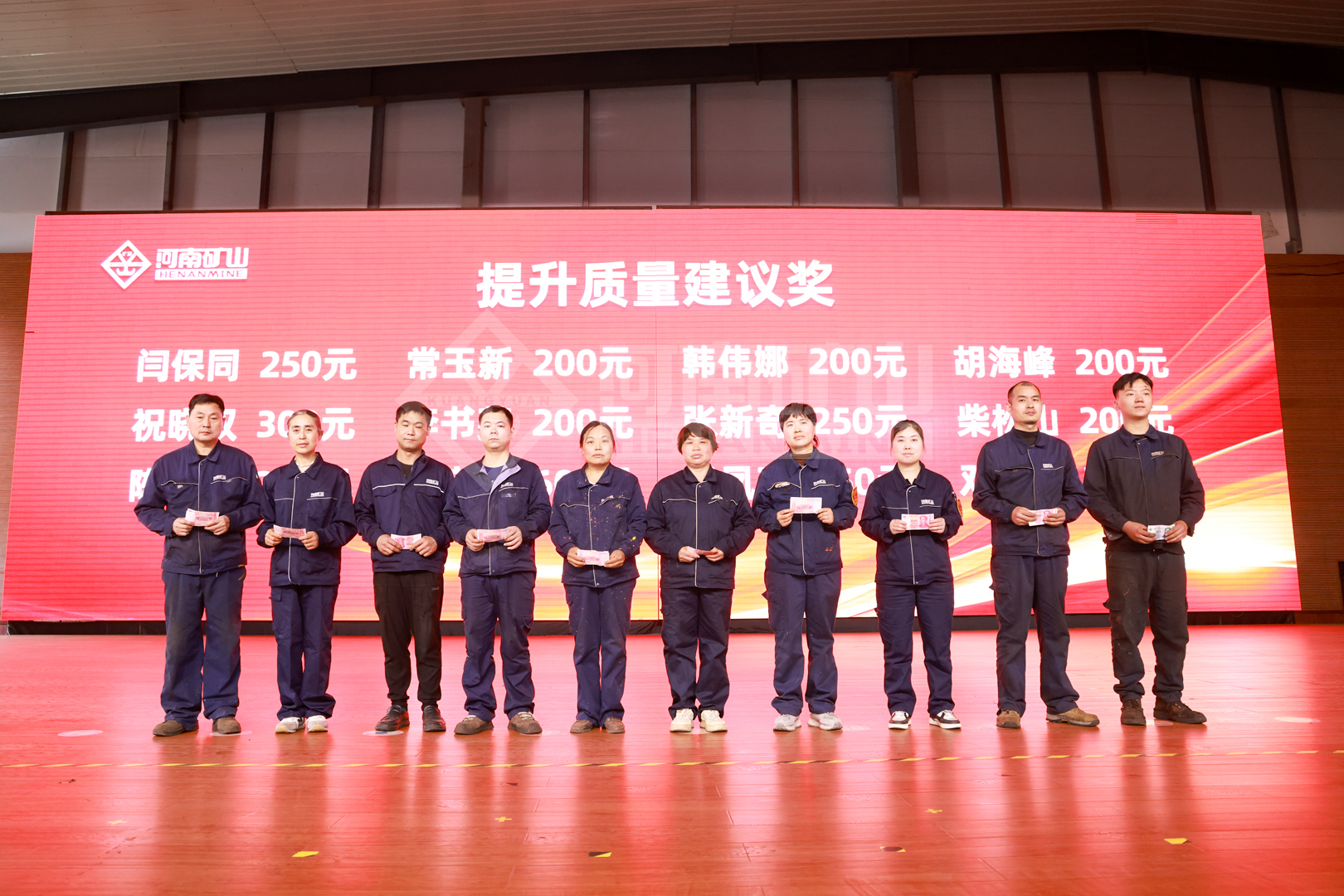
    Recognition for practical improvements

    Employees with effective quality-improvement suggestions received recognition through a recurring programme. For a crane purchase, an agreed inspection and test plan can identify which records, checks and witness points apply to the equipment being ordered.

    Discuss your inspection and test plan

    Share the crane specification, required inspection points and handover documents for your project.

  • CNC Turning Competition Tests Machining Accuracy and Workshop Skills

    CNC Turning Competition Tests Machining Accuracy and Workshop Skills

    Quality & Manufacturing

    CNC Turning Competition Tests Machining Accuracy and Workshop Skills

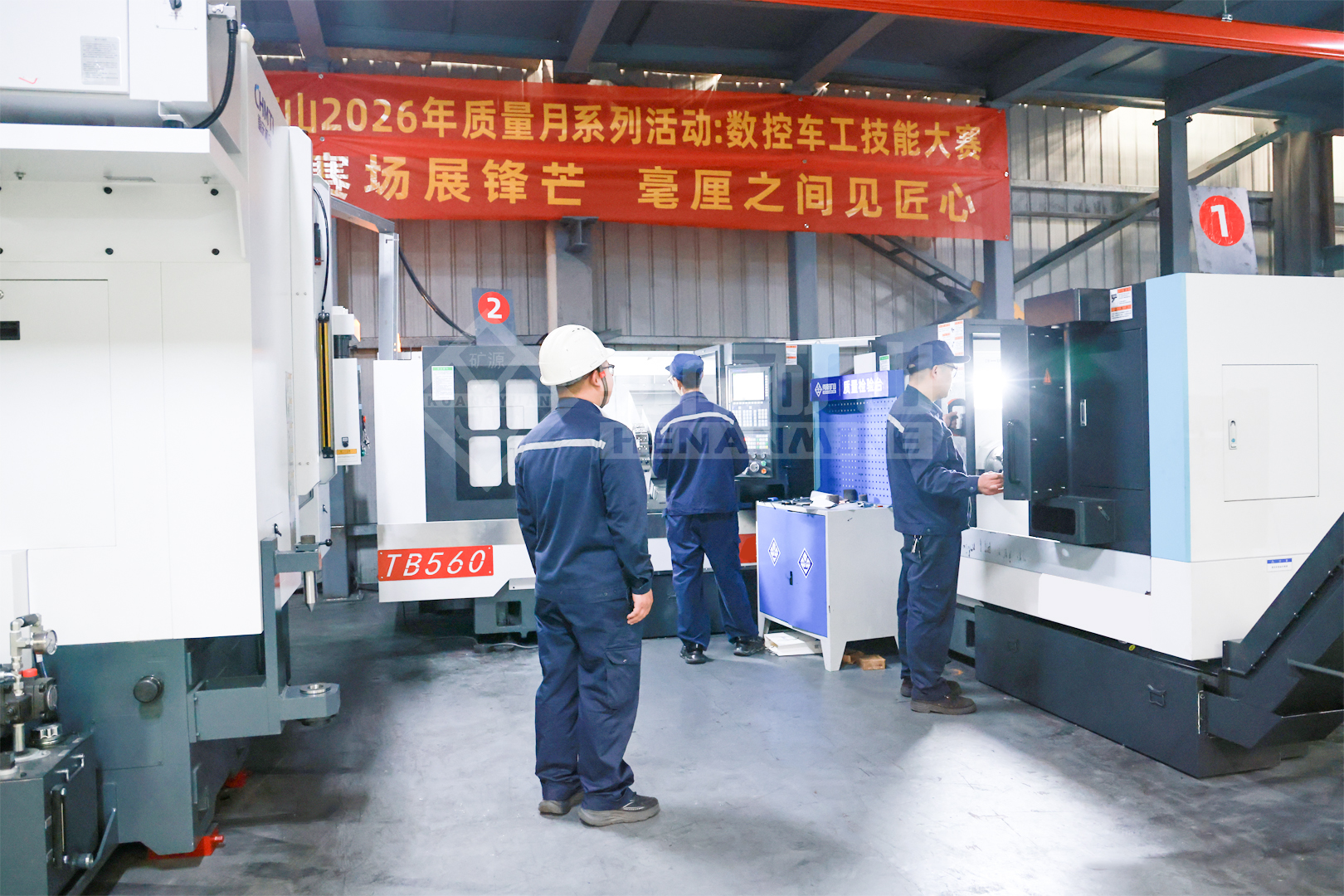
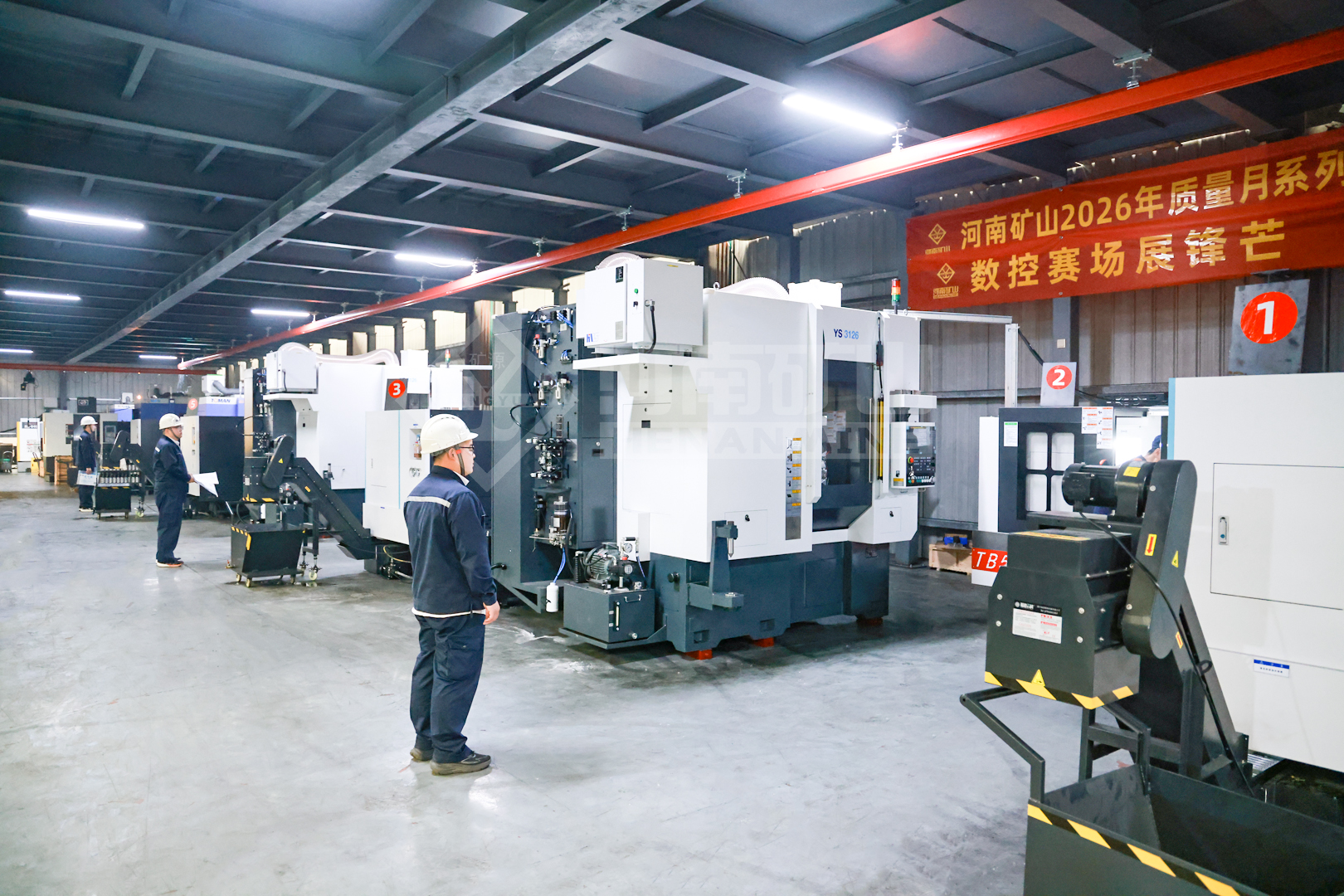
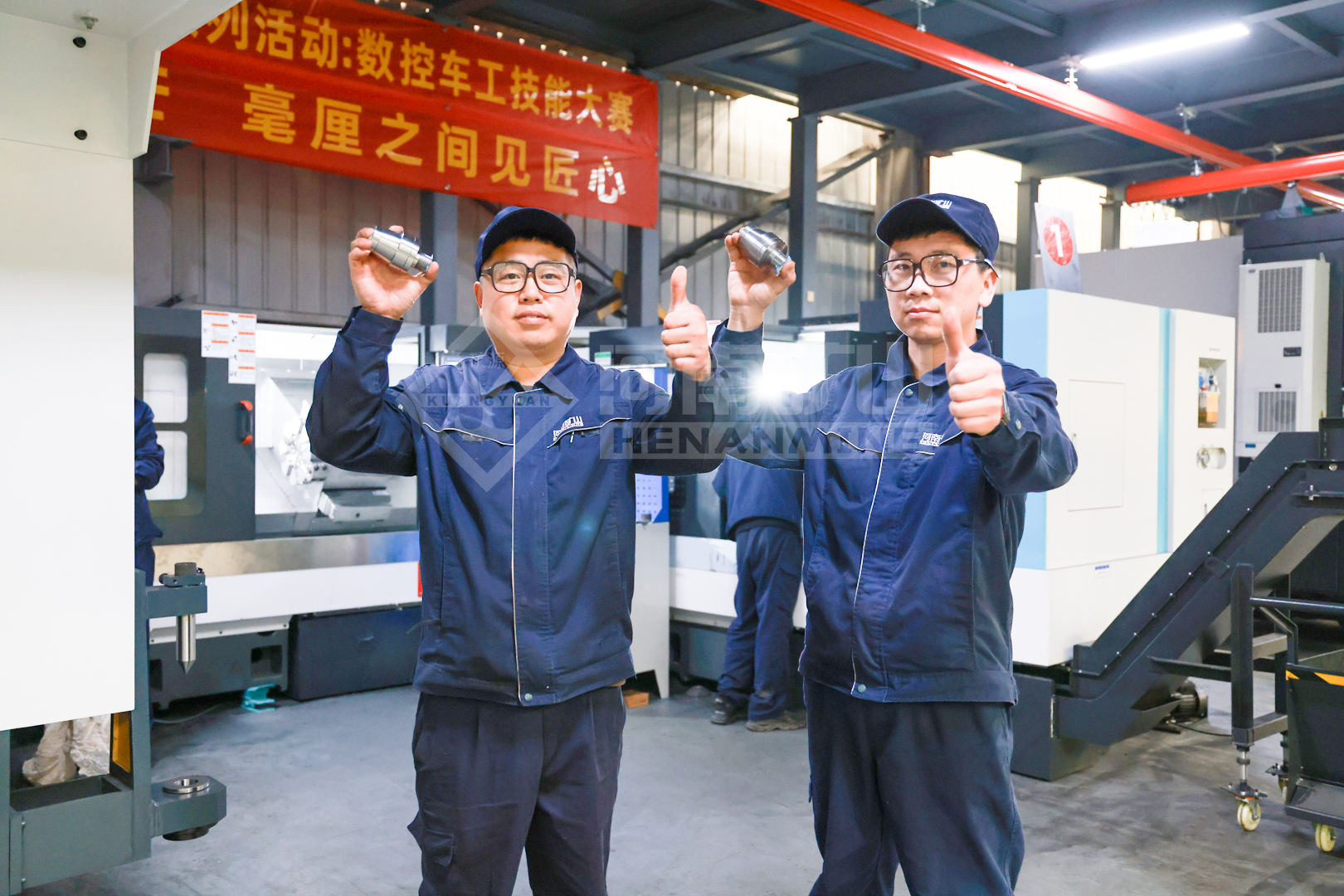
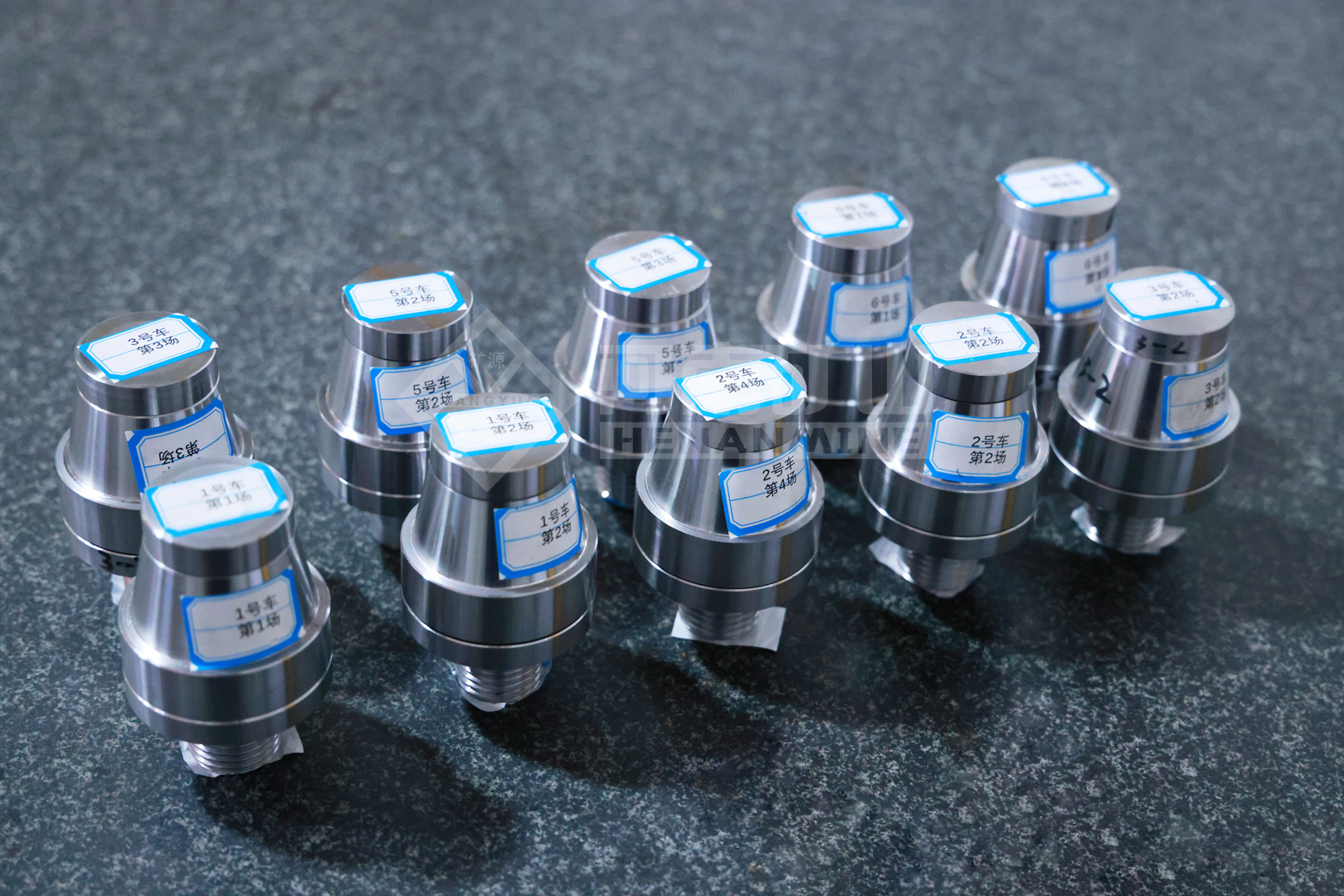
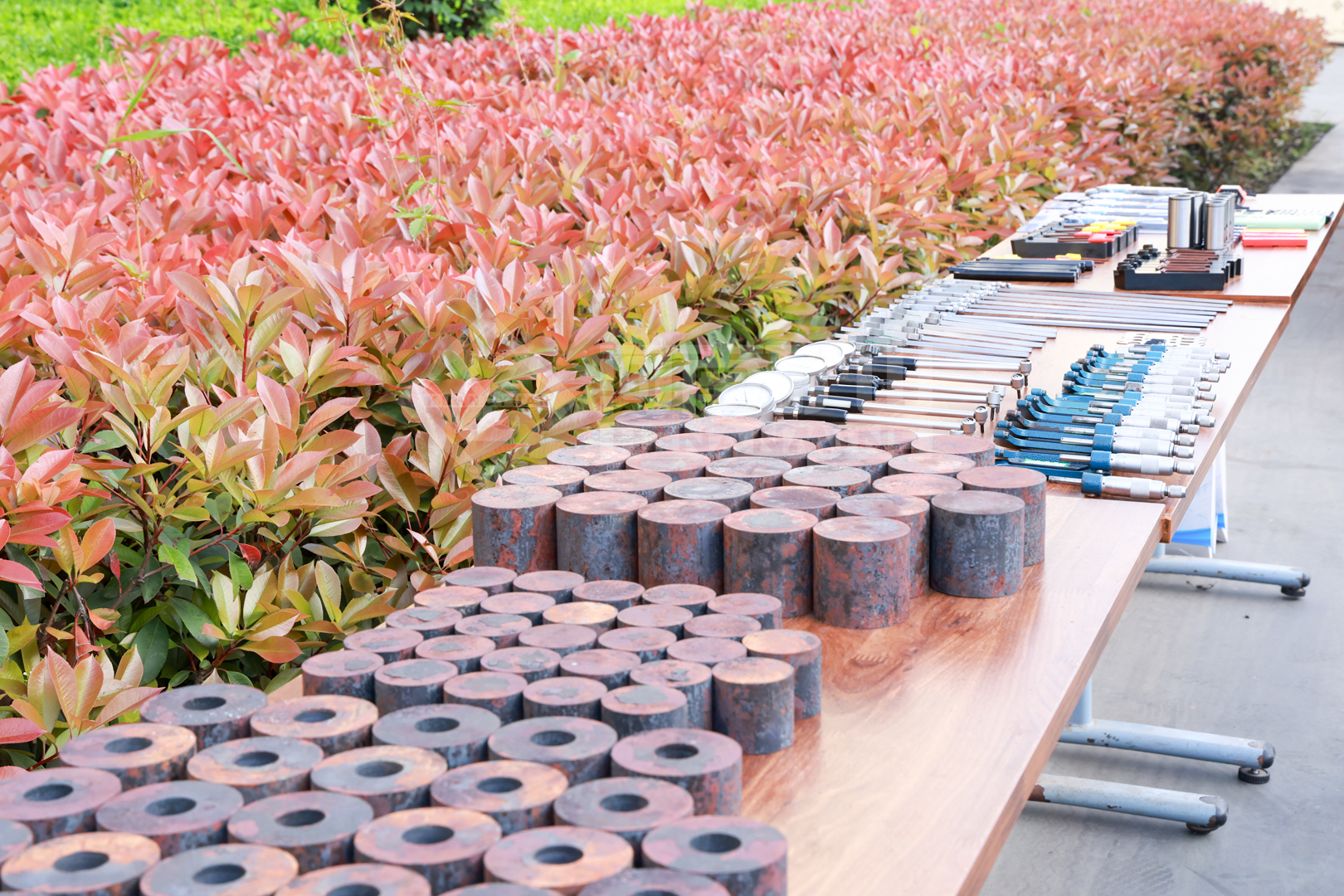
    Henan Mine Crane held a CNC turning skills competition on 14 April 2026 as part of its Quality Month programme.
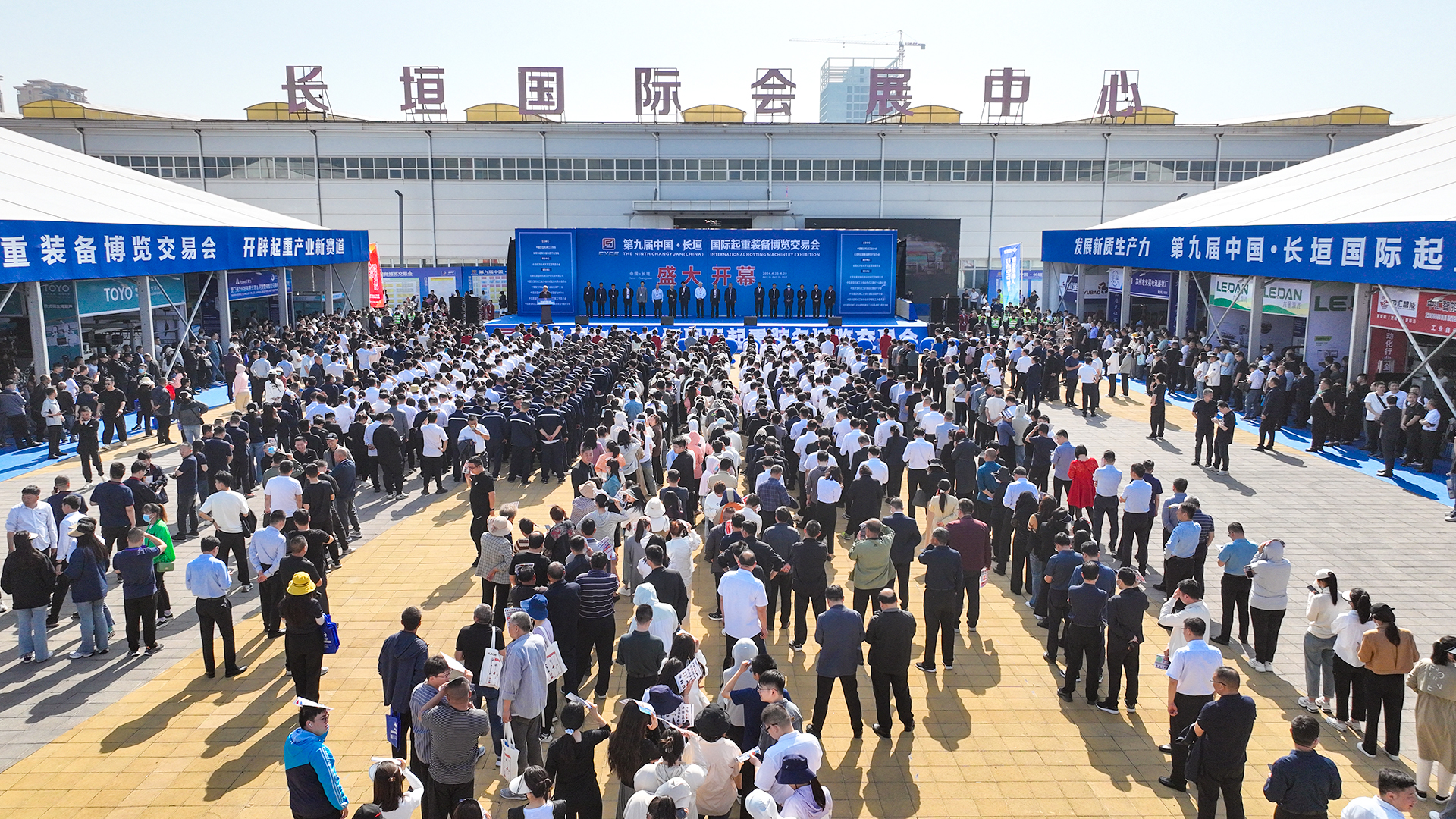
    Machinists at CNC turning stations during the competition
    Machinists at CNC turning stations during the competition.

    Practical machining and workpiece inspection

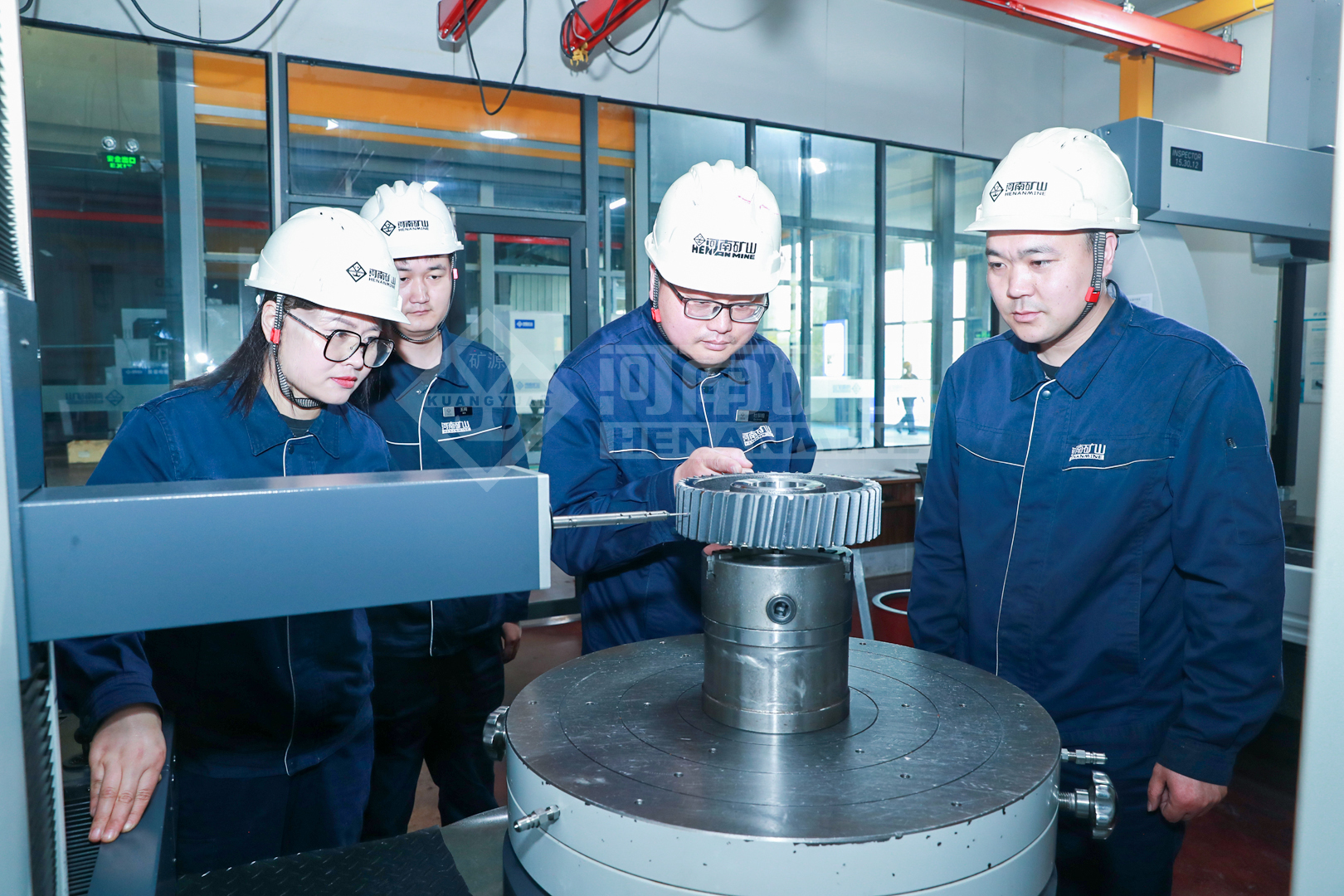
    Participants operated CNC machines and produced test workpieces. Assessment considered machining accuracy, practical efficiency and day-to-day performance, connecting the competition with ongoing workshop work.

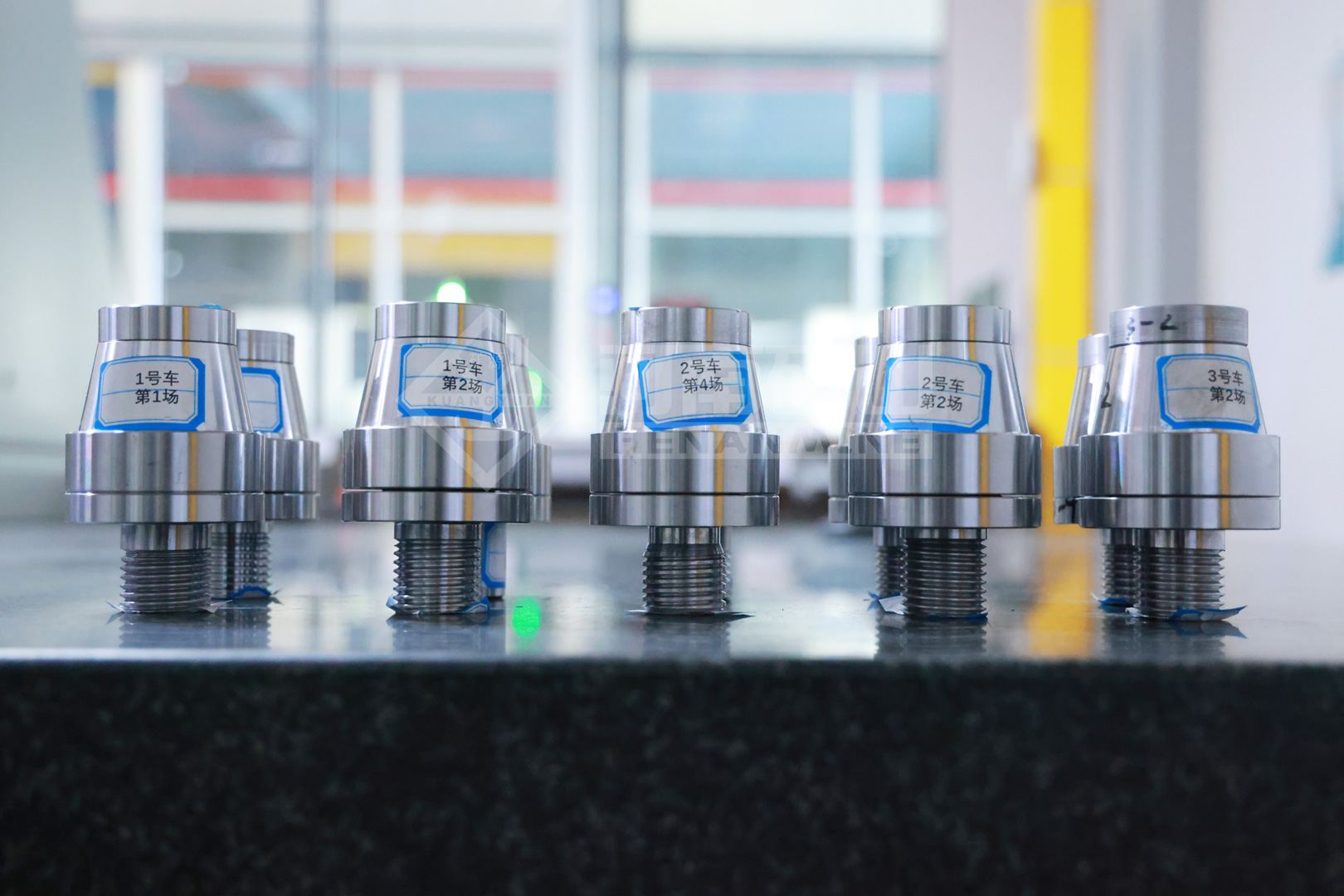
    Confirm dimensional requirements for crane components

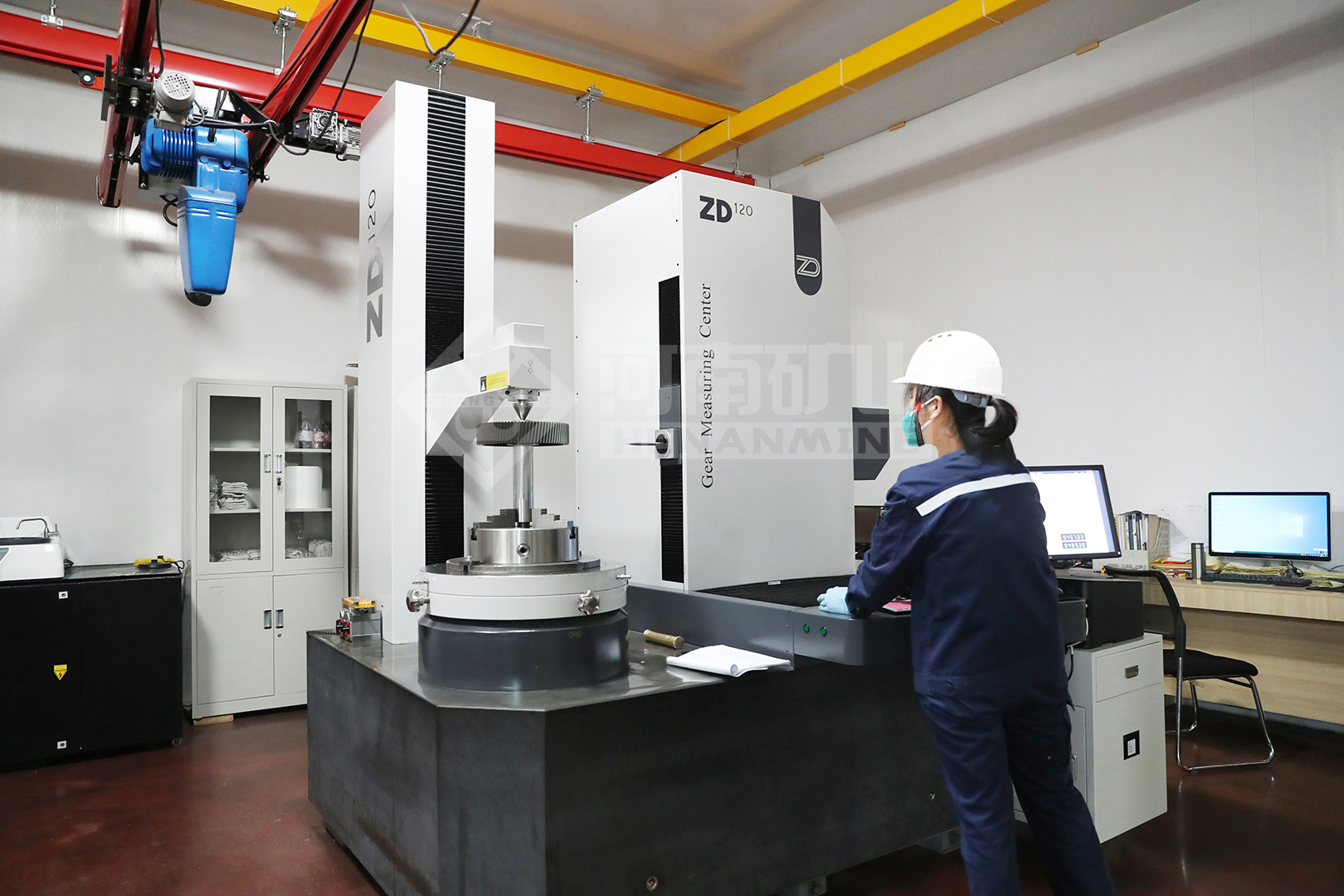
    Machined components need tolerances and inspection methods appropriate to their function. For procurement reviews, component drawings, inspection records and traceability requirements can be included in the order’s quality plan.

    Discuss your crane quality plan

    Tell us the equipment duty, component requirements and inspection documents needed for your project.

  • Custom Crane Engineering for Buildings with Complex Handling Routes

    Custom Crane Engineering for Buildings with Complex Handling Routes

    Technical guide

    Custom Crane Engineering for Buildings with Complex Handling Routes

    Unusual load paths, restricted clearances and process interfaces can make a standard arrangement difficult to use. Identify the constraints that require engineering changes and distinguish them from options that add little operational value.

    Henan Mine CraneTechnical guide · Updated 2026Crane selection, project scope and operating requirements
    Henan Mine Crane overhead crane inside a workshop bay
    Henan Mine Crane overhead crane inside a workshop bay
    Project planning notes

    Key points for this crane project.

    1. Why Standard Cranes Cannot Meet Complex Facility
    2. How Custom Cranes Solve Complex Facility Challenges
    3. Why Custom Cranes Deliver Better Operational
    Read the technical guide

    Why Standard Cranes Cannot Meet Complex Facility Requirements

    Limitations of standard crane designs

    The design logic of the standard crane is based on general working conditions and adopts fixed span, load parameters and structure. The core advantages are mass production, controllable cost and short delivery cycle. However, this standardized design has obvious limitations, and its parameter settings cannot cover all industrial scenarios, especially when it is aimed at non-standardized requirements, it is often reluctantly adapted. For example, the span of a standard crane is mostly conventional specifications, which makes it difficult to adapt to the irregular layout of a special plant. The lifting height and operating range are fixed, which cannot meet the space requirements of special production processes. Spreaders and fixtures are universal models, which are inefficient for handling goods of special shapes and materials, and even have safety risks.

    Challenges in complex industrial facilities

    • The problem of space constraints is prominent. Some factories have low headroom, narrow passages, and cross-interference with multiple equipment. The volume and trajectory of the standard crane cannot be adapted, and the installation is difficult, or even the installation cannot be completed.
    • The load requirements are special, and the handling of overweight, large-size, and irregularly shaped goods is frequent. The carrying capacity and spreader design of standard cranes cannot be met, and they are prone to problems such as unstable load and difficult handling.
    • The production process is complex, with high requirements for multi-process collaboration and automation linkage. The operating path and control mode of the standard crane cannot be deeply integrated with the existing production process, which affects the overall production efficiency.
    • The harsh working environment, high temperature, dust, corrosion, explosion-proof and other special working conditions put forward higher requirements for the material, protection level, and component performance of the crane, and the general configuration of the standard crane is difficult to cope with, prone to equipment failure, shortened service life and other problems.

    How Custom Cranes Solve Complex Facility Challenges

    Customized design for limited installation spaces

    Customized cranes are based on on-site working conditions as the core design basis, completely breaking the space constraints of standard cranes. The design team will survey the parameters of the plant size, headroom height, equipment layout, etc. on the spot, and design the span, lifting height, operating range and structural form of the crane in a targeted manner. For low-plant height scenarios, a lightweight and compact structure can be used to maximize the use of vertical space. For irregular layout and narrow passages, the operating trajectory can be optimized and the size of the equipment can be adjusted to avoid interference with existing equipment and building structures. According to special installation conditions, a detachable and modular structure can be designed to reduce the difficulty of installation and ensure the smooth landing of the equipment.

    Engineered for specific load requirements

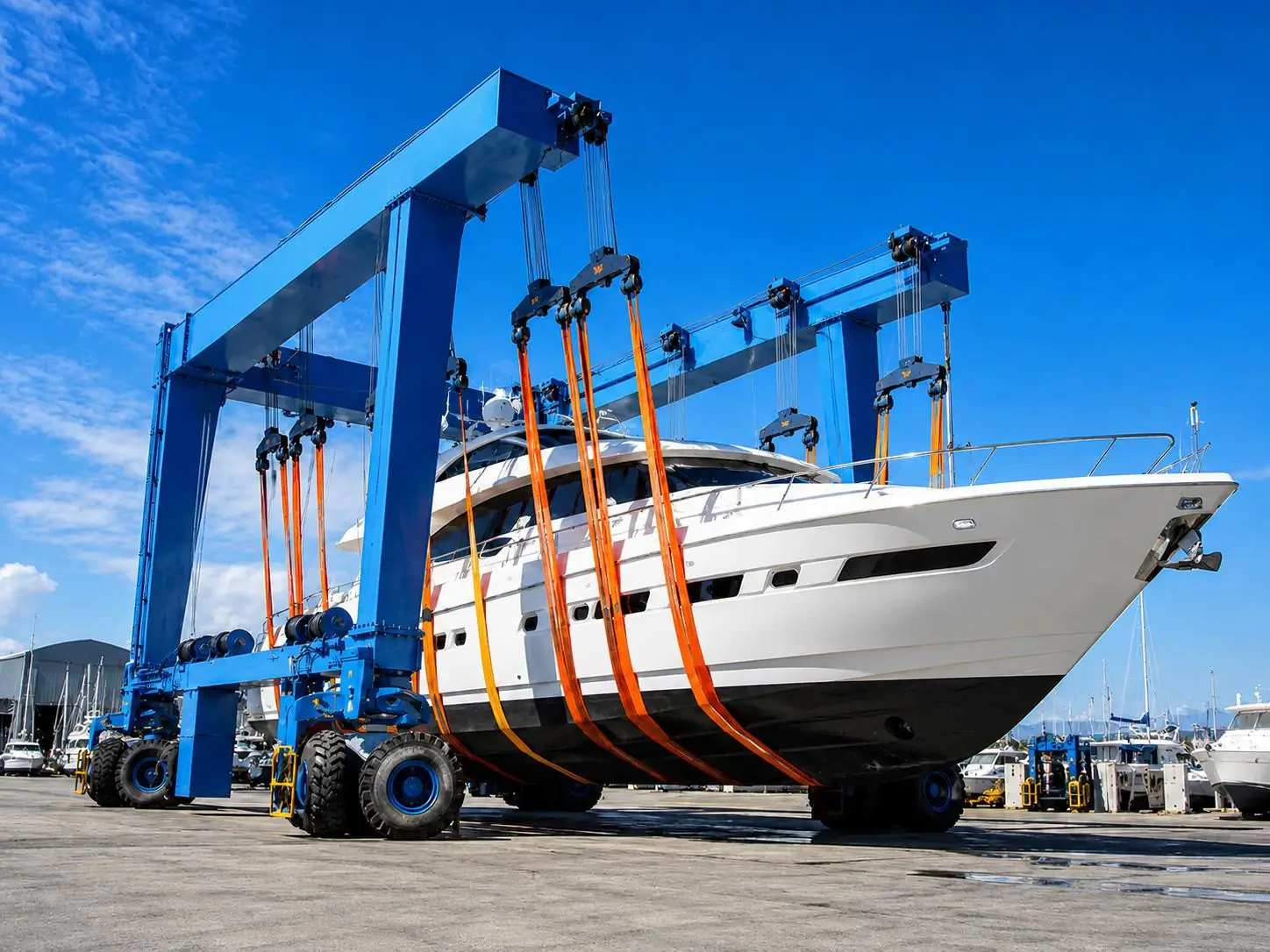
    For the special load requirements in complex facilities, Henan Mine Crane manufactured customized cranes can be accurately adapted. Whether it is overweight loads, large-size components, or irregular-shaped, fragile, and high-value goods, the design team will combine the characteristics of the goods to optimize the crane's carrying structure, power system, and braking system to ensure the stability and safety of the handling process. At the same time, exclusive spreaders, fixtures and auxiliary devices, such as special grab buckets, suction cups, balance beams, etc., can be customized to improve the efficiency and accuracy of cargo grabbing and transportation, and avoid cargo damage. For the handling of large-scale steel structure parts, customized cranes with large spans and high loads can be designed with special spreaders to achieve one-time hoisting in place.

    Integration with existing production processes

    One of the core advantages of customized cranes is the ability to deeply integrate with existing production processes to achieve seamless material handling and production processes. The design team will comprehensively sort out the production process of the enterprise, analyze the material handling needs of each process, optimize the operating path, operating speed and operating rhythm of the crane, reduce invalid movement, and improve the logistics efficiency between production lines. At the same time, according to the needs of intelligent upgrading of enterprises, customized cranes can be linked with automated control systems, conveyor lines, intelligent manufacturing equipment, etc. to achieve automated and intelligent handling, reduce manual intervention and reduce labor costs. For example, in an automated production workshop, customized cranes can work together with robots and conveyor lines to realize automatic material grabbing, transportation, and loading, improve overall production efficiency, and promote the intelligent transformation of enterprises.

    Designed for special working environments

    For harsh working environments such as high temperature, dust, corrosion, and explosion-proof, Henan Mine Crane Manufactured customized cranes can meet the needs of special working conditions through material selection, component optimization, and protection design. In a high-temperature environment, high-temperature-resistant materials can be selected and a heat dissipation system can be installed to ensure the stable operation of the equipment under high-temperature conditions. In dust and corrosive environments, sealing and protection designs can be adopted, and corrosion-resistant and dust-proof components can be selected to extend the service life of the equipment. In explosion-proof scenarios, explosion-proof motors and explosion-proof electrical components can be used to meet explosion-proof standards and eliminate safety hazards. In addition, customized cranes can also optimize the convenience of equipment maintenance according to environmental characteristics, reduce late operation and maintenance costs, and ensure long-term stable operation of equipment in harsh environments.

    Why Custom Cranes Deliver Better Operational Performance

    Improved material handling efficiency

    Customized cranes greatly improve material handling efficiency by optimizing the lifting route and adapting to the production process. Compared with the fixed operating mode of standard cranes, customized cranes can adjust the operating trajectory and operating rhythm according to actual production needs, reduce invalid movement and waiting time, and realize rapid material transfer. At the same time, the design of exclusive spreaders and fixtures improves the efficiency of cargo grabbing and loading and unloading, and avoids delays in operations caused by unsuitable spreaders. In the collaborative operation of the production line, customized cranes can accurately match the material requirements of each process, ensure the timely supply of materials, avoid the delay in material handling affecting the production progress, and improve the operating efficiency of the production line as a whole, helping enterprises to achieve production capacity improvement.

    Higher precision and control

    Customized cranes can be equipped with customized control systems to achieve high-precision positioning and stable control, and completely solve the problems of inaccurate positioning and large load swing of standard cranes. By optimizing the control algorithm and installing a precise positioning device, the positioning accuracy of the customized crane can reach the centimeter level, which can meet the handling needs of precision equipment and high-value goods. At the same time, it can be equipped with an sway control system and a shock absorption device to reduce the swing amplitude of the load during handling, improve operating stability, and avoid cargo damage and equipment collisions caused by load swing. Whether it is fine assembly, precise hoisting, or operations in high-risk environments, customized cranes can achieve precise control to ensure the safety and quality of operations.

    Reduced downtime and production interruptions

    Due to insufficient adaptability of standard cranes, they are prone to equipment failure, operation caton and other problems, resulting in production interruption and increased downtime losses. Henan Mine Crane manufactured customized crane is designed based on actual working conditions, and the equipment performance is highly matched with the production requirements, which can effectively avoid production bottlenecks caused by insufficient equipment capacity. At the same time, the selection of high-quality components and optimized structural design of customized cranes have improved the long-term operating reliability of the equipment, reduced the incidence of failures, and reduced downtime. In addition, the customized operation and maintenance plan can realize regular maintenance and timely maintenance of the equipment, further improve the stability of the equipment, ensure the continuous and smooth production process, and reduce economic losses caused by production interruptions.

    Custom Cranes vs Standard Cranes: Long-Term Value Comparison

    From the perspective of long-term operation, the core values of customized cranes and standard cranes are significantly different. The specific comparison is as follows:

    Comparison DimensionCustom CranesStandard Cranes
    Operational EfficiencyOptimize handling processes, improve logistics efficiency, reduce unnecessary operationsFixed operation mode, prone to operation delays and low efficiency
    Long-term ReliabilityTargeted design, high-quality components, low failure rate, long service lifeGeneral design, prone to failures due to unsuitable working conditions, short service life
    Maintenance CostCustomized maintenance plan, convenient maintenance, low long-term maintenance costFrequent failures, difficult maintenance, high long-term maintenance cost
    Overall Cost-PerformanceHigh initial investment, low long-term operation cost, higher overall valueLow initial investment, high long-term operation cost, low overall cost-performance

    Industries That Require Custom Crane Solutions

    Heavy manufacturing and steel industry

    Heavy-duty manufacturing and the steel industry have high-tonnage, high-frequency, and special environmental handling needs, such as the handling of large steel structure parts, steel coils, castings, etc., such materials are heavy in weight and large in volume, and production scenarios are often accompanied by harsh working conditions such as high temperature and dust. The carrying capacity, protection level and structural design of standard cranes cannot meet their long-term stable operation needs, and they are prone to frequent failures and low handling efficiency. Customized cranes can optimize the carrying structure according to the characteristics of the industry, choose suitable materials, and accurately match the handling needs of high loads and special working conditions, becoming an essential equipment for production operations in this industry.

    Shipbuilding and large equipment production

    In shipbuilding and large-scale equipment production, the hoisting of large components (such as hull segments and large mechanical components) is the core process. The large size and uneven weight of such components require extremely high crane span, carrying capacity and positioning accuracy. The fixed parameters of the standard crane cannot be adapted to the hoisting needs of large components, and it is prone to problems such as unstable hoisting and positioning deviation. The customized design can optimize the crane span, operating trajectory and spreader configuration according to the component size, hoisting path and on-site space, accurately match the hoisting requirements, ensure the safe and efficient hoisting of large components, and ensure production progress and operation safety.

    Energy and infrastructure projects

    In the manufacturing of electric power and energy equipment and infrastructure construction, the precise lifting of precision equipment and large-scale components is in prominent demand, such as transformers, generator sets, large steel structure brackets, etc., such materials have strict requirements for the stability and positioning accuracy of the handling process, and any deviation may cause equipment damage or construction delays. Henan Mine Crane manufactured customized cranes can be equipped with high-precision control systems to optimize braking and shock absorption design, achieve precise positioning and stable handling, and adapt to the complex installation environment on site to ensure the quality and progress of project construction, and meet the industry's core requirements for equipment reliability and accuracy.

    How to Choose the Right Custom Crane Manufacturer

    When choosing a custom crane manufacturer, it is first necessary to evaluate its engineering design and customization capabilities. Focus on whether the enterprise has a professional design team and rich experience in program design, whether it can provide targeted solutions based on on-site working conditions, and whether it has the ability to optimize the structure and innovate technology to ensure that the equipment can be accurately adapted to its own needs. Secondly, we should pay attention to the manufacturing quality and project experience of the enterprise. Investigate the production capacity and quality control system of the enterprise, whether it has the delivery experience of large-scale customized crane projects, and whether it can guarantee the production quality and delivery cycle of the equipment.

    Henan Mine Crane

    In complex industrial facilities, the limitations of standard cranes are becoming more and more prominent, while customized cranes have completely solved the material handling problems under complex working conditions with the advantages of targeted design, precise adaptation, and efficient operation. Whether it is space adaptation, load carrying, process integration, or environmental adaptation, customized cranes can achieve better performance, improve production efficiency, reduce operating costs, and ensure operational safety. For companies that pursue long-term development and pay attention to production efficiency, choosing Henan Mine Crane Factory to customize cranes is not only the optimization of equipment selection, but also an important measure to enhance their core competitiveness. Only by choosing a professional custom crane manufacturer and creating exclusive equipment adapted to its own working conditions can material handling become a boost to enterprise production, not a bottleneck.
    Discuss the crane arrangement for your project.

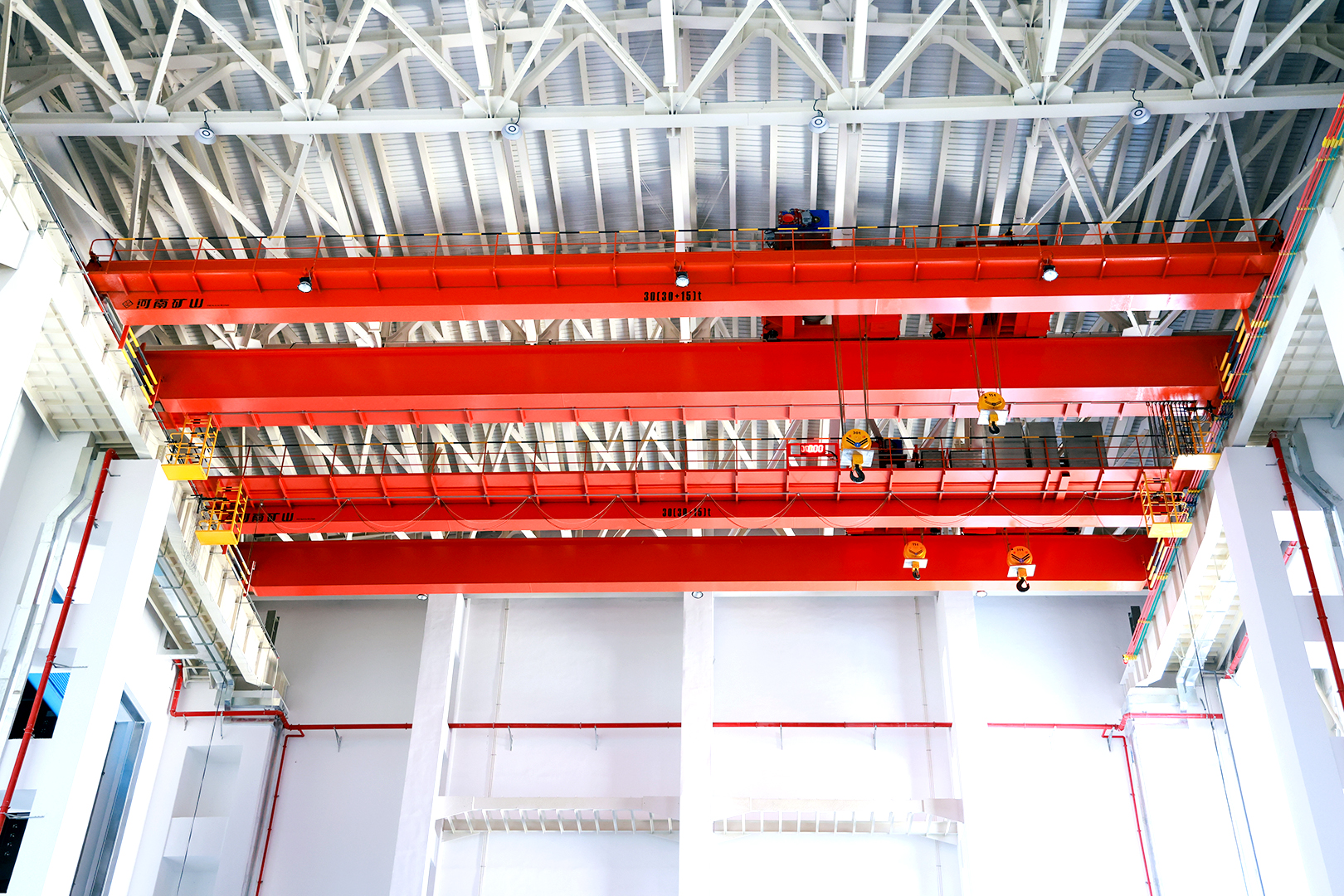
    Unusual load paths, restricted clearances and process interfaces can make a standard arrangement difficult to use. Identify the constraints that require engineering changes and distinguish them from options that add little operational value. Share the load, available drawings, working cycle and site conditions with Henan Mine Crane so the required configuration and supply boundary can be discussed.
    Related crane configurations

    Explore crane product families and technical parameters ↗
    Updated 2026 · Henan Mine Crane