Engineering · Manufacturing · Project support
info@hnksglobal.comWhatsApp +86 18836207779 ↗

Blog

  • Steel Fabrication Cranes: Plate, Sections and Assembly Handling

    Steel Fabrication Cranes: Plate, Sections and Assembly Handling

    Selection guide

    Steel Fabrication Cranes: Plate, Sections and Assembly Handling

    Fabrication shops need lifting coverage across changing workpieces and assembly positions. Provide the material geometry, lifting points and production route so crane capacity, hook coverage and operating duty can be reviewed together.
    Henan Mine CraneSelection guide · Updated 2026Crane selection, project scope and operating requirements
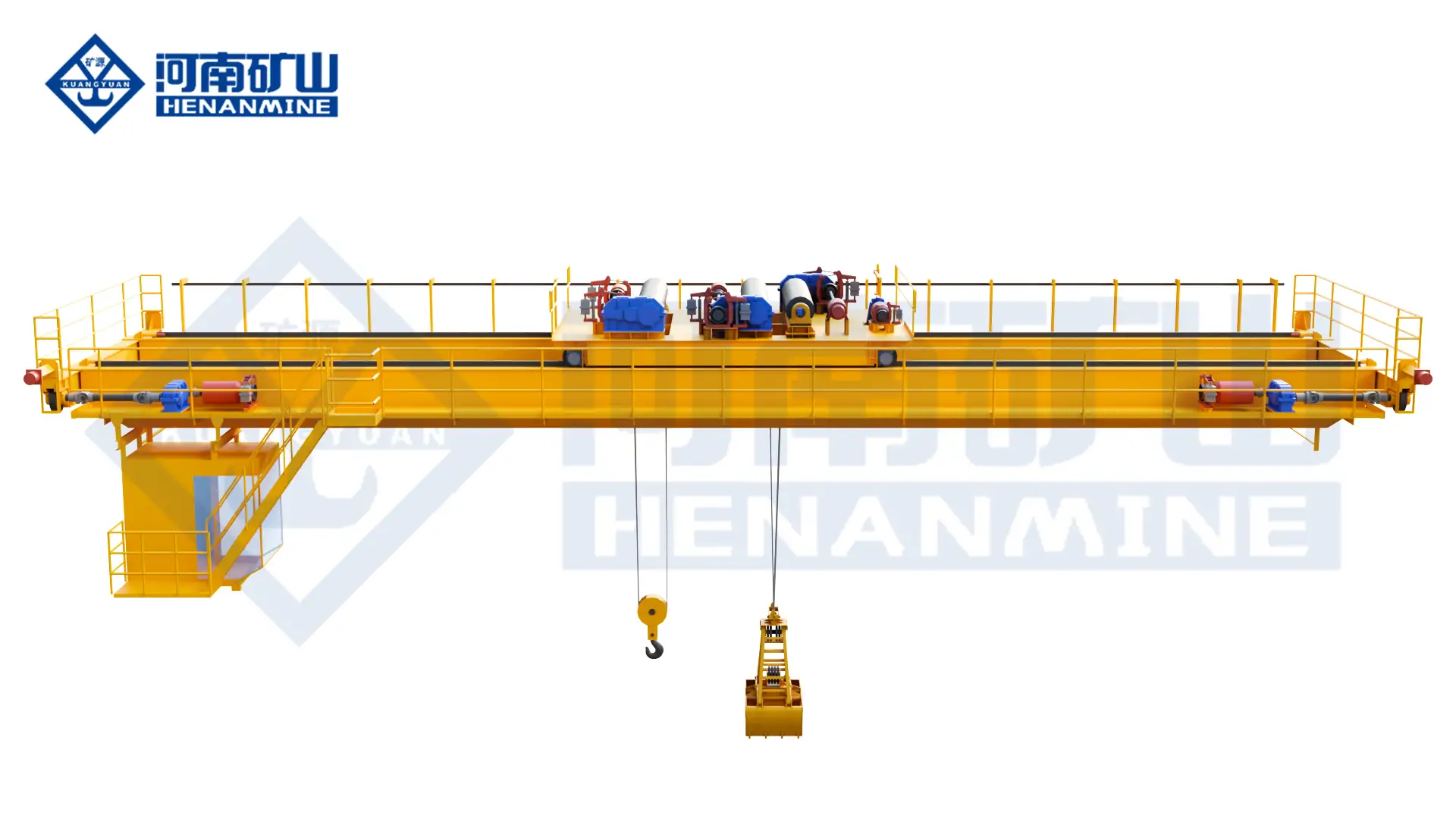
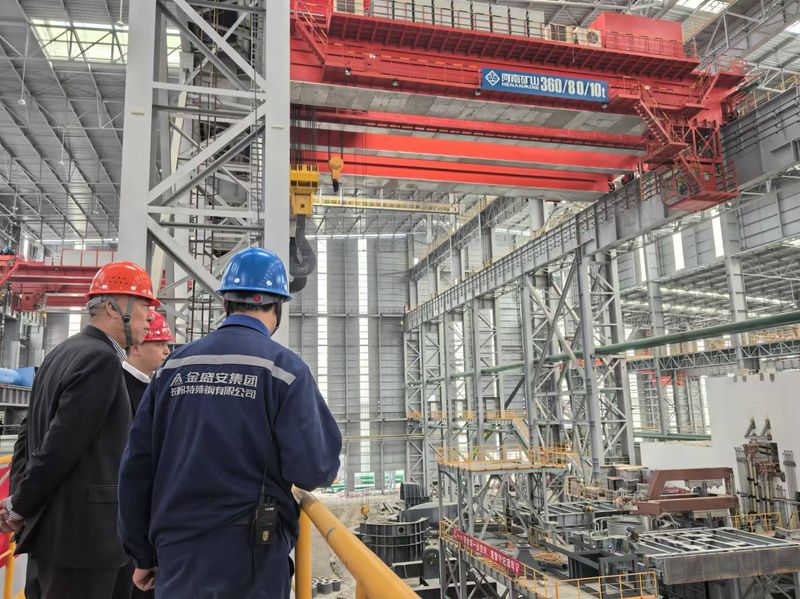
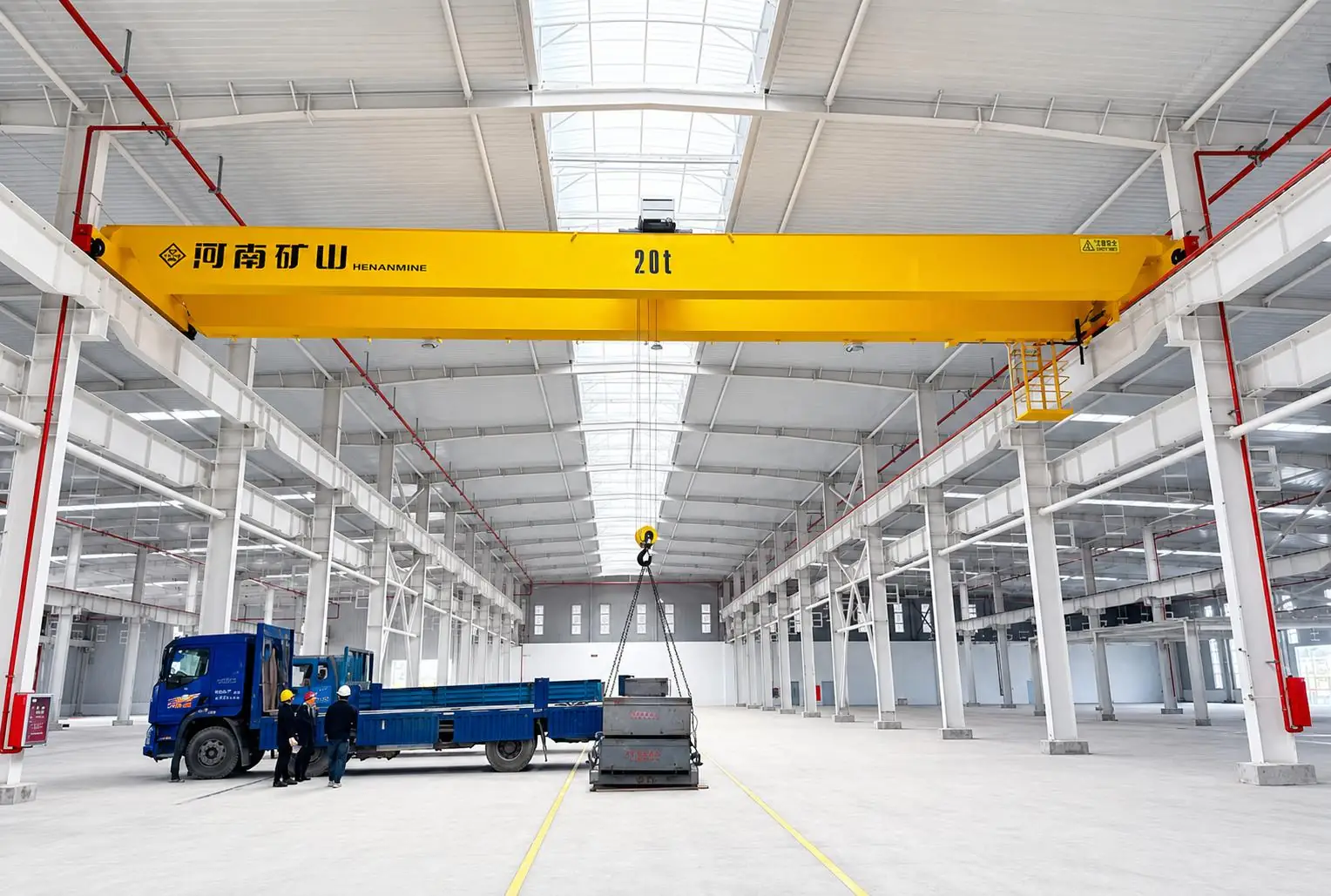
    Henan Mine Crane overhead crane inside a workshop bay
    Henan Mine Crane overhead crane inside a workshop bay
    Project planning notes

    Key points for this crane project.

    1. What Is a Steel Fabrication Crane?
    2. Steel Fabrication Applications by Process Area
    3. System Components and Operating Principle
    Read the technical guide

    What Is a Steel Fabrication Crane?

    A steel fabrication crane is a material-handling system configured for structural steel, platework, tanks, machinery frames, bridge components, pressure equipment, pipe assemblies and other fabricated metal products. It moves raw steel and work-in-process between stock, cutting, drilling, fit-up, welding, turning, inspection, surface treatment and shipping areas.

    The term describes an application rather than one fixed crane design. A small fabrication bay may use a single-girder overhead crane with radio control. Long welded assemblies may require two hoists or a double-trolley bridge. Raw plate handling may justify a magnetic beam. An outdoor stockyard may need a gantry crane, while a side bay or machine station may be served by a semi-gantry crane.

    Steel fabrication is also different from primary steelmaking. Most fabrication shops handle solid material at ambient temperature, while foundry and metallurgical cranes address molten metal, extreme heat and a different safety architecture. Henan Mine Crane selects the system from the actual fabrication process using its single-girder bridge crane, double-girder bridge crane, semi-gantry crane and gantry crane platforms.

    Steel Fabrication Applications by Process Area

    Receiving and Raw Stock

    Unload and store plate, H-beams, I-sections, angles, pipes and bars with hooks, approved clamps, spreader beams or magnetic systems matched to the material.

    Cutting and Preparation

    Feed plasma, laser, oxy-fuel, saw, drill and edge-preparation stations while controlling plate orientation, table approach and clearance above machinery.

    Fit-Up and Welding

    Position beams, shells, stiffeners, frames and subassemblies at jigs, rotators and welding stations using creep speed and clear operator sight lines.

    Turning and Repositioning

    Rotate or tail long fabrications only through a documented lifting method using two hooks, two cranes, a turning beam or purpose-designed fixtures.

    Blasting, Painting and Finishing

    Transfer finished steel through cleaning, coating, curing and inspection zones with environmental protection selected for dust, moisture, paint and solvent conditions.

    Assembly and Dispatch

    Support trial assembly, dimensional inspection, weighing, staging and truck loading for structural frames, vessels, modules and completed equipment.

    System Components and Operating Principle

    1. Bridge, gantry or semi-gantry structure: provides the required work area while transferring vertical, transverse, longitudinal and dynamic loads to the building or ground-supported runway.
    2. Hoist or process trolley: supplies the capacity, lift, speed, reeving, brakes and duty required for the declared fabrication cycle.
    3. End carriages and drives: move the crane along the runway with speed control, alignment, braking and wheel loads matched to the structure.
    4. Below-hook equipment: connects hooks to plate, sections, pipe or assemblies through approved slings, beams, clamps, magnets or custom fixtures.
    5. Power and controls: coordinate lifting and travel through pendant, radio, cabin or PLC-assisted operation, including limits, overload monitoring and optional anti-sway.
    6. Runway and electrification: include rails, beams, columns or brackets, conductor system, isolators, access and maintenance provisions where specified.

    Rated-load basis: capacity starts with the maximum gross suspended load. Include the steel component, spreader beam, lifting magnet, clamps, slings, shackles, hook block and every suspended accessory. Also define eccentric loads, multiple pickup points, retained blasting media or liquid and approved turning cases.

    Steel Fabrication Crane Selection Considerations

    Selection begins with the complete material-flow map. The heaviest load establishes only part of the requirement; long-load stability, workstation access, cycle frequency and the building interface frequently determine the final configuration.

    Load Matrix

    Raw plate and sections, work-in-process and finished assemblies; minimum, normal and maximum mass; dimensions; center of gravity; stiffness; pickup points and attachment mass.

    Material Route

    Receiving, stock, cutting, drilling, fit-up, welding, inspection, blasting, coating and dispatch locations; required transfers, crossings, buffers and future expansion.

    Duty and Cycle

    Lifts per hour, starts, travel distance, shifts, annual hours, load spectrum, simultaneous motions, peak production, maintenance window and consequence of downtime.

    Long-Load Control

    Maximum component length, permissible deflection, hook spacing, two-hoist or two-crane operation, synchronization, load sharing, permitted rotation and tag-line method.

    Building and Runway

    Rail-center span, runway length and elevation, headroom, hook approaches, column spacing, wheel-load limits, clearances, foundations and installation access.

    Attachment and Surface

    Hook, slings, beam, clamp, magnet or vacuum device; material grade, surface condition, temperature, edge geometry, coating and acceptable contact marks.

    Environment

    Indoor or outdoor use, ambient range, welding fume, grinding dust, blasting media, humidity, paint or solvent area, wind, corrosion and wash-down requirements.

    Control and Acceptance

    Pendant, radio, cabin or automation; creep speed; anti-sway; restricted zones; collision avoidance; proof load; representative-load trial and documentation.

    Steel Fabrication Crane Configurations Compared

    The comparison separates crane structures and handling functions that can serve the same plant but are not interchangeable.

    ConfigurationTypical Fabrication DutyMain AdvantagePrimary Limitation
    Single-Girder Overhead CraneGeneral stock, parts and assembly handlingLower self-weight and compact systemCapacity, span, headroom and service intensity must remain within the selected platform
    Double-Girder Overhead CraneHeavy frames, machinery structures and intensive productionHigher capacity and flexible trolley arrangementsGreater self-weight and runway reaction
    Double-Trolley Overhead CraneLong beams, vessels, frames and controlled turningTwo lifting points can operate independently or in an approved synchronized modeLoad sharing and synchronization require defined controls and procedures
    Electromagnetic CraneFerromagnetic plate, sections, billets and steel offcutsFast pickup without manual sling placementMaterial, surface, thickness, air gaps and power-loss retention must be validated
    Semi-Gantry CraneSide bay, machine line or local production areaOne elevated rail and one floor rail reduce the need for a full runway on both sidesFloor rail affects aisle planning and guarding
    Gantry CraneOutdoor steel stock, large fabrications and loading areaGround-supported coverage independent of the workshop roofGround rails, foundations, weather, wind and vehicle crossings require coordination

    Published Configuration Reference Ranges

    The ranges below summarize published Henan Mine Crane product platforms that can be configured for steel fabrication. They are preliminary selection references rather than one universal steel fabrication crane model.

    Long Loads, Two-Point Lifting and Turning

    Long beams, trusses, shells, pipes and welded frames may be lighter than the crane capacity but still govern the design. The lift plan must control bending, torsion, pickup spacing, local contact stress, center-of-gravity uncertainty and the effect of unequal hoist motion.

    • One hoist with spreader: suitable when the beam or fixture distributes the load and the center of gravity remains within the approved range.
    • Two hoists on one crane: supports adjustable hook spacing and controlled load sharing for long components.
    • Two independent trolleys: offers broader spacing and separate operation, with synchronization only when engineered and permitted.
    • Two-crane tandem lift: requires defined command control, compatible speeds, capacity allocation, communication and a site lifting plan.
    • Turning operation: requires a documented sequence, approved attachments, controlled load path and adequate clear space; it is not created by capacity alone.

    Tandem-load data: provide the heaviest and longest component drawings, lifting-point coordinates, center-of-gravity tolerance, permissible deflection, required rotation, minimum and maximum hook spacing and the allowable difference between lifting points.

    Lifting Attachments for Plate, Sections and Assemblies

    AttachmentSuitable LoadData RequiredCritical Limitation
    Hook with SlingsGeneral frames, machinery and approved lifting pointsSling angle, edge protection, headroom, pickup points and load balanceManual rigging time and safe access
    Spreader or Lifting BeamLong beams, pipes, trusses and flexible assembliesPickup spacing, adjustment range, load cases, beam mass and storageAttachment mass consumes crane capacity and headroom
    Plate or Beam ClampCompatible plate edges, flanges and profilesThickness, hardness, surface, orientation, jaw range and approved useWrong geometry or side loading can invalidate the clamp rating
    Electromagnet or Magnetic BeamFerromagnetic plate, sections and offcutsMaterial, thickness, flatness, temperature, surface, air gap, load layers and retained-load strategyNot every steel grade, shape or surface condition is suitable
    Vacuum LifterCompatible smooth plate where surface contact is acceptableSurface porosity, condition, temperature, plate size and backup provisionsScale, rust, holes or rough surfaces can prevent reliable sealing
    Custom Fixture or TurnerRepeated product families and controlled rotationAll product variants, engagement, fail-safe behavior, changeover and test methodRequires product-specific design and acceptance

    Attachment Capacity Is Part of Crane Capacity

    The same principle applies to magnets: the published crane rating may include the magnet mass, so usable material capacity must be confirmed explicitly.

    Attachment storage, changeover, electrical connections, identification, inspection status and the prevention of wrong-device selection should be included in the operating concept.

    Workshop Layout, Runway and Production Coverage

    A fabrication-crane quotation should show the useful hook envelope, not only the nominal span. Columns, end approaches, trolley approach, hook block size, roof bracing, lighting, extraction ducts, machines and maintenance platforms can create blind areas.

    New Workshop

    Coordinate crane wheel loads, rail elevation, column grid, roof clearance, maintenance access and electrification before structural steelwork is released for fabrication.

    Existing Runway

    Survey rails, beams, brackets, columns, connections and foundations for geometry, wear, corrosion, fatigue and the reactions from the proposed crane and duty.

    Outdoor Yard

    Define foundations, rail drainage, vehicle crossings, stormwater, wind operating limits, storm securing, corrosion category, temperature and safe parking position.

    Controls, Positioning and Workshop Environment

    Control Strategy

    Radio control commonly supports mobile fabrication teams and a direct view of the load. Pendant control can suit local, lower-speed work. A cabin may be justified for heavy, repetitive or long-travel service. PLC-assisted functions can add stored positions, restricted zones, anti-sway, collision avoidance, diagnostics and production-system interfaces.

    Required positioning should be stated as a measurable tolerance at a defined load, speed and location. Creep speed, brake response, load swing and operator visibility are often more important at a welding jig than maximum travel speed.

    Environmental Review

    Welding fumes, conductive grinding dust, blasting media, humidity and outdoor corrosion influence motor, brake, cable, bearing, enclosure, coating and maintenance decisions. A paint or solvent area requires a documented hazardous-area review before electrical equipment is selected.

    An explosion-protected crane is not selected solely because painting occurs somewhere in the plant. The owner’s area-classification documents, substance data, ventilation and local rules establish whether special electrical protection is required.

    Design Basis, Inspection and Acceptance

    The contract identifies the destination, governing crane classification, structural and mechanism rules, electrical requirements, below-hook device standard, local inspection and registration route. Depending on the project, the design basis may reference ISO 4301 classification; EN 13001, EN 15011 and EN 13155; or CMAA 70 with applicable ASME B30.2, B30.20 and BTH-1 provisions.

    Design Review

    Load and duty matrix, classification, fatigue basis, deflection criteria, wheel loads, attachment, control philosophy, environmental data, access and interface schedule.

    Factory Inspection

    Material traceability, welding and NDT records as specified, dimensions, mechanism tests, panels, software, limits, alarms, coating and document review.

    Site Acceptance

    Runway and alignment checks, functional and load tests, attachment trial, long-load sequence, controls, safety functions, training, spares and final documentation.

    Published Industrial Manufacturing References

    XCMG Manufacturing Program

    A published Henan Mine Crane industrial-manufacturing reference states that more than 300 intelligent cranes of multiple types were contracted for XCMG Group and used across construction-machinery assembly and structural production processes.

    Evidence boundary: these references demonstrate batch crane supply for structural production, assembly and heavy equipment manufacturing. They do not establish one standard steel fabrication crane specification; every new system is configured from its own loads, layout, duty and acceptance criteria.

    Steel Fabrication Crane Price and Budget Scope

    Steel fabrication crane prices vary materially because public listings may describe only a basic crane package or kit, while an operational project can also require bridge girders, runways, electrification, attachments, freight, erection, commissioning and local inspection.

    These figures are scope examples, not Henan Mine Crane quotations and not complete installed steel-fabrication systems.

    Public ReferenceScope InterpretationBudget Use
    Complete Steel Fabrication Crane ProjectCrane, runway, attachment, interfaces, logistics and site services as specifiedRequired for a comparable procurement budget

    Main Cost Drivers

    Comparable quotation rule: issue the same load matrix, material-flow plan, duty, building data, attachment requirement, standards and supply boundary to every supplier. Require a priced list of inclusions, exclusions, provisional items, utilities, site services and acceptance tests.

    Information Required for a Steel Fabrication Crane Quote

    A complete enquiry allows the crane, runway, attachment, controls and site services to be selected and priced on one defined basis.

    Load and Attachment Data

    Maximum gross load, normal load distribution, dimensions, center of gravity, material and surface, pickup points, lifting beam, clamps, magnets, slings and finished-product drawings.

    Production Duty

    Process map, lifts and starts per hour, shifts, annual hours, load spectrum, travel distance, simultaneous motion, cycle target, availability and future capacity plan.

    Workshop and Runway

    Rail-center span, runway length and elevation, lift, headroom, approaches, column spacing, rail and beam details, existing wheel-load limits, foundations and installation access.

    Long-Load Operations

    Maximum length, stiffness, hook spacing, two-point load sharing, synchronization tolerance, turning sequence, tandem operation and clearance envelope.

    Controls and Environment

    Pendant, radio, cabin or automatic mode; speed and positioning; anti-sway; collision zones; power supply; dust, fumes, paint area, humidity, corrosion, temperature and outdoor wind.

    Commercial and Compliance Scope

    Destination, standards, inspection route, Incoterm, freight, runway, installation, electrification, commissioning, load test, operator training, spares, documentation and warranty.

    Frequently Asked Questions

    Which crane is suitable for a steel fabrication shop?

    Single-girder cranes commonly serve light-to-medium general handling. Double-girder cranes suit heavier or more intensive duty. Long loads may require two hoists or trolleys, while outdoor stock normally favors a gantry crane.

    How is crane capacity calculated?

    Add the heaviest workpiece, beam, magnet, clamps, slings, shackles, hook block and every suspended component. Then evaluate eccentric loading, multiple pickup points, load sharing, dynamics and approved turning cases.

    When are two hoists or two trolleys required?

    They are considered when a long or flexible assembly needs two support points, when hook spacing must change, or when an approved turning sequence requires separate control. Capacity split and synchronization must be specified.

    Can an electromagnetic crane lift every steel plate?

    Magnetic properties, thickness, flatness, temperature, coating, rust, scale, air gaps and stacked layers affect holding performance. The magnet and power-loss strategy must be validated against each approved load family.

    How much does a steel fabrication crane cost?

    Neither represents a complete installed project; final price depends on the full technical and commercial scope.

    Can an existing runway be reused?

    Only after rails, beams, brackets, columns, connections and foundations are checked for condition, geometry, fatigue and the proposed vertical, horizontal and dynamic crane reactions.

    Is radio control suitable for fabrication?

    Radio control can provide a direct view of the load and mobility between workstations. The risk assessment must still define operator position, emergency stop coverage, travel warnings, restricted zones and control of multiple cranes.

    What should be tested before handover?

    Testing covers motions, brakes, limits, overload protection, controls, attachments, positioning, collision functions, representative long loads, tandem modes, proof load and the agreed emergency response.

    Related Steel Fabrication Crane Products

    These product platforms cover the principal indoor, long-load, magnetic and outdoor handling routes used in steel fabrication facilities.

    European-Style Single-Girder Crane

    Compact overhead platform for general plate, parts and subassembly transfer.

    Intelligent Electric Hoist Overhead Crane

    Double-girder electric-hoist platform for heavier fabrication and assembly duty.

    Double-Trolley Overhead Crane

    Two-point lifting platform for long beams, frames, vessels and controlled repositioning.

    Electromagnetic Bridge Crane

    Magnetic handling platform for compatible steel plate, sections and offcuts.

    Single-Girder Semi-Gantry Crane

    Local lifting solution for a side bay, machine line or workshop extension.

    Single-Girder Gantry Crane

    Ground-supported system for outdoor stock, fabrication and dispatch areas.

    Submit the load and attachment matrix, longest-product drawing, production flow, lifts per hour, span, lift, runway and building data, control requirements, environment, destination and supply boundary. Henan Mine Crane will prepare a configuration-based technical and commercial proposal.

    Discuss the crane arrangement for your project.

    Fabrication shops need lifting coverage across changing workpieces and assembly positions. Provide the material geometry, lifting points and production route so crane capacity, hook coverage and operating duty can be reviewed together. Share the load, available drawings, working cycle and site conditions with Henan Mine Crane so the required configuration and supply boundary can be discussed.

    Related crane configurations

    Explore crane product families and technical parameters ↗

    Updated 2026 · Henan Mine Crane
  • Automated Coke-Container Crane Enters Operation at a Coking Plant

    Automated Coke-Container Crane Enters Operation at a Coking Plant

    Products & Technology

    Automated Coke-Container Crane Enters Operation at a Coking Plant

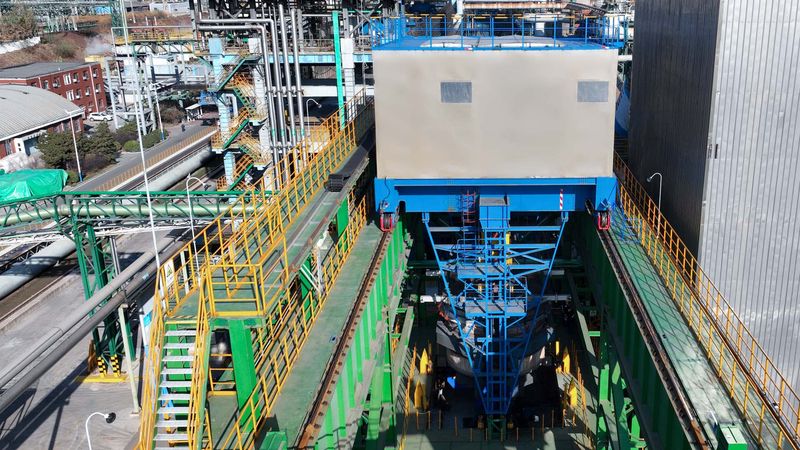
    Two automated coke-container cranes developed by Henan Mine Crane entered operation for an industrial coking customer in late 2024.

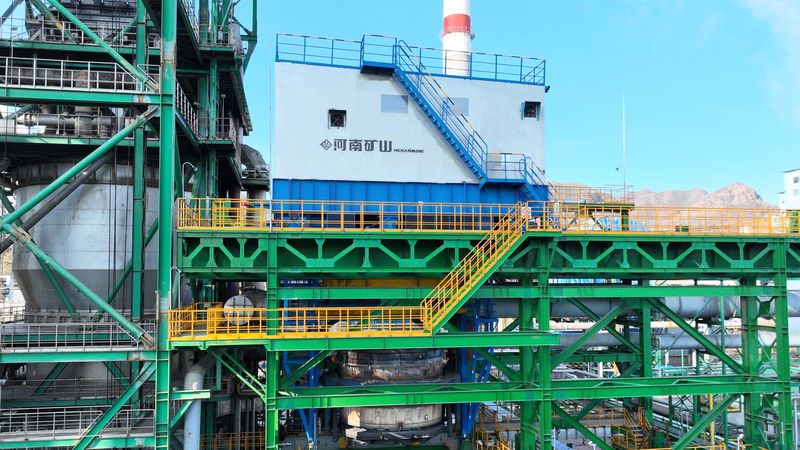
    Automated coke-container handling installation at the coking plant
    Automated coke-container handling installation at the coking plant.

    Automation for the handling sequence

    The source describes inverter speed control, positioning, remote video monitoring and human-machine interaction. Centralised electrical control works with mechanical assistance to reduce sway. It does not provide a verified duty class, load rating, positioning tolerance or energy-saving percentage for a general product range.

    Define the hot-process environment

    A project specification should identify the complete suspended load and container geometry, heat exposure, process positions, operating cycle, power supply, control-room interface and manual recovery mode. Agree which interlocks, operating modes and positioning criteria are to be demonstrated at factory and site acceptance.

    Discuss your lifting requirement

    Send the container drawing, thermal conditions, site layout and handling cycle to review an automated crane configuration.

  • Henan Mine Crane Presents Lifting Equipment at the 2024 Supply Chain Expo

    Henan Mine Crane Presents Lifting Equipment at the 2024 Supply Chain Expo

    Industry & Partnerships

    Henan Mine Crane Presents Lifting Equipment at the 2024 Supply Chain Expo

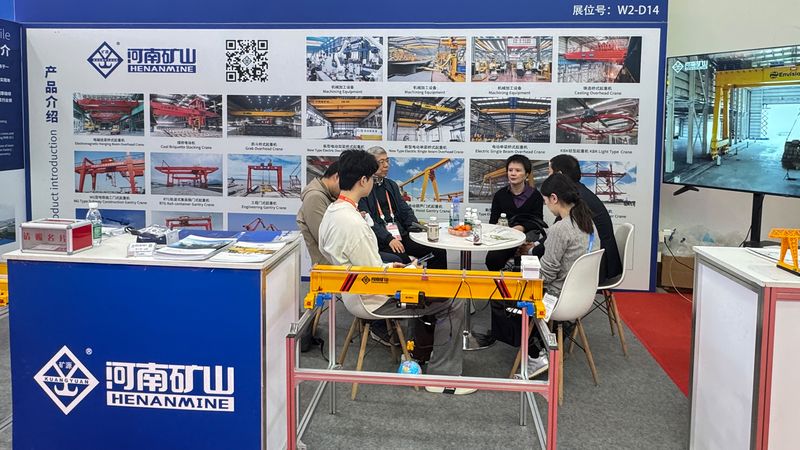
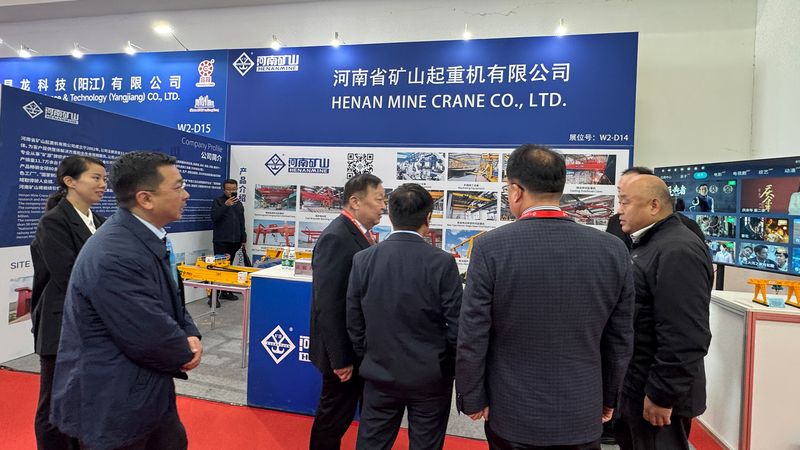
    Henan Mine Crane exhibited at the second China International Supply Chain Expo in Beijing in November 2024.

    Visitors discussing crane applications at the Henan Mine Crane exhibition stand
    Visitors discussing crane applications at the Henan Mine Crane exhibition stand.

    Equipment and supply-chain discussions

    Visitors reviewed the company’s crane manufacturing displays and discussed potential cooperation at the stand. The report documents participation and conversations; it does not establish an equipment specification, certification or purchase order.

    What to request after an exhibition meeting

    A procurement team can move from an initial discussion to a project RFQ by sharing the load and handling path, site dimensions, duty, power supply and delivery destination. Ask for a configuration drawing, component schedule, inspection plan and clearly defined supply boundary.

    Explore Henan Mine Crane

    Share your crane application and project requirements with the engineering team for a specific proposal.

  • Slab Handling Cranes: Stock Arrangement and Transfer Requirements

    Slab Handling Cranes: Stock Arrangement and Transfer Requirements

    Selection guide

    Slab Handling Cranes: Stock Arrangement and Transfer Requirements

    Slab handling depends on product dimensions, lifting tools and the storage or process route. Describe the material condition and transfer sequence so the complete crane and attachment arrangement can be developed for the task.

    Henan Mine CraneSelection guide · Updated 2026Crane selection, project scope and operating requirements
    Slab Handling Crane for Steel Mill Storage and Transfer
    Slab Handling Crane for Steel Mill Storage and Transfer
    Project planning notes

    Key points for this crane project.

    1. What Is a Slab Handling Crane?
    2. Slab Handling Crane Configurations
    3. Compare Slab Lifting and Motion Configurations
    Read the technical guide

    What Is a Slab Handling Crane?

    A slab handling crane is a purpose-engineered metallurgical overhead crane that moves semi-finished steel slabs between production and storage stages. Typical duties include receiving slabs from a continuous caster, clearing a cooling bed, transferring material to inspection or scarfing stations, organizing stockyard stacks, feeding a reheating furnace and loading railcars, trucks or internal transfer equipment.

    The equipment differs from a general hook crane because the slab itself defines the lifting system. Length, width, thickness, surface temperature, camber, scale condition, stack spacing and permitted contact zones determine whether a mechanical clamp, electromagnetic beam, hook beam or another approved attachment can establish secure load control. High cycle frequency and precise placement may also require synchronized lifting, anti-sway, low-speed positioning, coordinate control and production-system communication.

    Rated capacity cannot be selected from slab net weight alone. The engineering basis must identify whether the contractual capacity represents slab payload or gross suspended load. A complete gross-load calculation includes the maximum slab or slab group, clamp or magnet beam, rotating structure, hook blocks, equalizing equipment and every component suspended below the trolley. Dynamic factors and the governing design basis are then applied.

    Henan Mine Crane configures YB slab cranes for hot and ambient handling. Final project drawings define attachment geometry, control logic, safety functions and inspection requirements.

    Slab Handling Crane Configurations

    01 · Mechanical Slab Clamp Crane

    Side-gripping mechanical or powered tongs engage approved slab faces. The arrangement avoids dependence on magnetic holding power and suits defined thickness and width ranges. Jaw geometry, closing force, locking status, surface scale and anti-release protection require project approval.

    02 · Electromagnetic Slab Crane

    A suspended magnet beam lifts magnetically responsive slabs without side access. Fast pickup and release support high-throughput yards, but magnetic duty, slab temperature, air gaps, power continuity, residual magnetism and emergency retention strategy govern suitability.

    03 · Fixed-Orientation Transfer Crane

    A non-slewing lifting system transfers slabs along a consistent storage or production axis. Reduced rotating mass and simpler control can support dependable repetitive handling when pickup and placement orientations remain aligned.

    04 · Rotating Slab Handling Crane

    A slewing trolley or rotating beam changes slab orientation between process bays, stacks, inspection lines and dispatch lanes. Rotation envelope, cable management, load inertia, collision zones and positioning accuracy form part of the crane design.

    05 · Automated Slab Warehouse Crane

    PLC control, encoders, ranging devices, anti-sway, stack coordinates and plant communication support unmanned or supervised automatic cycles. Manual recovery, safe-zone logic, inventory reconciliation and degraded-mode operation remain essential.

    06 · Synchronized Dual-Lift System

    Load sharing, hoist synchronization, skew monitoring, rope reeving and independent protective functions limit twist and unequal loading.

    Compare Slab Lifting and Motion Configurations

    ConfigurationLoad InterfacePrincipal AdvantageEngineering Constraint
    Mechanical slab clampSide faces or defined gripping zonesNo magnetic holding dependency; positive mechanical interfaceRequires approved thickness, width, edge condition and jaw access; contact marks may require review
    Electromagnetic beamUpper slab surface through magnetic attractionFast pickup; no side access; adaptable magnet groupingFerromagnetic material only; air gap, temperature, scale, power loss and residual magnetism affect performance
    Hook or lifting beamEngineered lifting points, chains or approved riggingFlexible for unusual pieces and maintenance loadsSlower cycle; manual rigging exposure; lifting points and sling angles require control
    Non-slewing trolleyClamp, magnet or beam kept on fixed axisSimpler operating path and lower rotating complexityCannot correct orientation without another handling stage
    Slewing trolley or beamAttachment rotates around a controlled vertical axisPlaces slabs across different bay and stack orientationsHigher dead load, headroom demand, inertia and collision-control complexity
    Automatic coordinate handlingAttachment combined with sensors and stored positionsRepeatable stacking, traceable moves and reduced cycle variationRequires reliable slab identity, clear zones, recovery logic and maintained calibration

    Attachment selection rule: slab temperature, magnetic properties, dimensional range, surface condition, stack access and failure consequence must be established before crane capacity, trolley layout and control functions are frozen.

    Slab Handling Applications Across the Steel Process

    Process AreaMaterial ConditionPrimary Handling DemandConfiguration Direction
    Continuous-casting dischargeNewly cast hot slabs leaving the caster or transfer tableHigh radiant heat, production continuity and controlled pickupHeat-shielded clamp crane with precise low-speed approach
    Cooling bed and slab yardHot slabs during staged cooling and buffer storageChanging temperature, stack sequence and large coverage areaClamp or approved magnetic system with coordinated yard travel
    Inspection and conditioningSlabs routed to grinding, scarfing, marking or flaw detectionAccurate presentation and possible orientation changeRotating clamp, magnet beam or engineered lifting beam
    Finished-slab warehouseAmbient slabs stored by grade, heat, order or destinationInventory accuracy, dense stacking and repetitive cyclesAutomated or semi-automated crane with coordinate control
    Reheating-furnace feedSelected slabs transferred from storage to rolling preparationProduction sequencing and furnace charging interfaceHigh-duty crane with controlled placement and plant interlocks
    Rail, truck or internal dispatchSlabs loaded to transport equipment or transfer carsVehicle position variation and personnel separationClamp, magnet or lifting beam with zone monitoring

    A hot-slab transfer crane may prioritize thermal protection, heavy duty and availability; an ambient warehouse crane may prioritize inventory control, positioning and dense storage. Materially different process conditions can require separate operating modes or separate cranes.

    Slab Handling Crane Technical Selection Framework

    The following range reflects the published Henan Mine Crane YB product envelope and a practical quotation framework. It is not a universal rating for every slab, building or destination. Final values appear on the approved project data sheet and general arrangement.

    Selection ItemProject Data RequiredProcurement Control
    Rated lifting capacityMaximum slab mass, number of slabs, attachment mass and contractual capacity definitionConfirm net payload versus gross suspended load before mechanism sizing
    SpanRunway rail-center distance, working coverage, end approaches and building reactionsBuilding clear width is not substituted for crane span
    Lifting heightLowest pickup, highest stack, attachment depth, rail elevation and service clearanceAvailable hook or clamp elevation is checked on a vertical section
    Slab geometryMinimum and maximum length, width, thickness, camber, edge profile and weight distributionEvery attachment operating envelope is approved in writing
    Temperature exposureSlab surface temperature, ambient air, radiant exposure, distance, dwell time and heat cyclesTemperature terms are separated; a slab rating is not treated as ambient-air temperature
    Duty classificationLifts per hour, load spectrum, shifts, annual hours, travel distance and service-life targetCapacity and fatigue duty are evaluated independently
    Motion performanceCycle target, safe high-speed route, low-speed placement, rotation and positioning toleranceSpeed follows process flow, load stability and stopping distance
    Control and powerPlant power, communication protocol, operating station, backup mode and cybersecurity boundaryI/O, interlocks, data ownership and recovery sequence are documented

    Safety and Control Architecture for Slab Handling

    The safety concept covers secure pickup, hoisting, travel, rotation, placement and release under the governing design basis and plant risk assessment.

    Clamp Status and Release Interlocks

    Open, closed and locked states are monitored where applicable. Hoisting permission, load presence and release conditions are interlocked so that a clamp cannot be opened during an unsafe suspended state.

    Magnet Power-Loss Strategy

    Magnetic systems require a documented response to supply interruption. Battery or alternate power, holding-time monitoring, alarms, controlled lowering and restricted personnel zones are selected from the load risk.

    Hoist and Load Protection

    Overload limitation, dual-point synchronization, upper and lower limits, brake monitoring, rope guidance and low-speed positioning protect the lifting path and prevent unequal loading.

    Anti-Sway and Position Control

    Mechanical reeving, VFD motion profiles, encoder feedback and optional electronic anti-sway reduce pendulation. Position tolerance is specified at the attachment and verified through commissioning.

    Travel, Rotation and Collision Zones

    End limits, buffers, anti-collision, slewing limits, clearance monitoring and protected storage coordinates prevent contact with structures, equipment, adjacent cranes and slab stacks.

    High-Temperature Protection

    Heat shields, protected electrical cabinets, temperature-rated cables, appropriate lubrication and component placement reduce radiant exposure. Inspection intervals reflect scale, heat and thermal cycling.

    Automated-Mode Safeguards

    Access control, zone scanning, permissive logic, fault diagnosis, safe stop, controlled restart and manual recovery govern unmanned or supervised cycles.

    Operator and Maintenance Safety

    High-visibility cabin design, cameras, warning devices, isolation points, platforms, access routes and component-removal space support controlled operation and maintainability.

    Crane Structure, Headroom and Operating Logic

    Heavy slab service commonly uses a top-running double-girder bridge with an engineered winch trolley. The arrangement provides structural stiffness, mechanism access and space for synchronized hoists, a rotating platform or a suspended clamp beam. Long slabs may require two lifting points so that load sharing and slab deflection remain controlled throughout acceleration, travel and placement.

    Headroom is governed by more than hook height. Rail elevation, bridge depth, trolley structure, rope geometry, clamp opening height, slab thickness, required clearance above stacks and maintenance-removal paths must be shown on one dimensioned vertical section. A rotating attachment also requires a verified plan-view envelope at every operating elevation.

    An automatic cycle normally includes destination validation, approach at controlled speed, attachment alignment, secure pickup confirmation, vertical clearance, bridge and trolley travel, optional rotation, stack-position verification, controlled lowering and release confirmation. Fault recovery must define retained load condition, safe manual access and the route back to a known coordinate.

    Stack height, cooling separation, grade segregation, retrieval sequence and buffer locations determine travel distance and cycle time. Motion values should follow the process model rather than maximum speed alone.

    Project Case: 50+50 t Slab Clamping Crane

    The project applies an electrically adjustable slab clamp with positioning control to high-capacity steel-mill material handling.

    Digital speed control and a guiding arrangement support stable heavy-load motion and accurate placement. PLC control, weighing, fault alarms and operating-data functions provide a foundation for monitored production and later automation integration.

    The case demonstrates that dual-point load control, clamp adjustment, thermal protection, positioning, monitoring and maintenance access must operate as one system. Temperature and performance values remain project-specific.

    Engineering, Manufacturing and Quality Documentation

    A slab handling crane should be released through an agreed document and inspection plan. Records connect the approved load case and control philosophy to the fabricated structure, assembled mechanisms and commissioned attachment.

    Approved Design Package

    General arrangement, wheel loads, attachment drawing, lifting-point geometry, mechanism data, electrical demand and control narrative.

    Structural Quality

    Material identification, approved welding procedures, welder qualification, dimensional checks and specified non-destructive examination.

    Mechanism Verification

    Hoist synchronization, brakes, drums, ropes, wheels, reducers, lubrication, rotation drives and maintenance-access checks.

    Attachment Inspection

    Clamp opening range, jaw contact, pins, locks, sensors, magnet circuits, beam geometry and safe-release interlocks.

    Functional Testing

    Motion tests, limits, alarms, overload functions, position feedback, automated sequences and contracted witness points.

    Final Handover

    Final drawings, manuals, configured parameters, inspection records, spare-parts schedule and commissioning documentation.

    Installation, Commissioning and Lifecycle Planning

    Site and Runway Verification

    Confirm rail centers, elevation, alignment, supporting structure, maximum wheel loads, horizontal forces, conductor location, erection access and available assembly space before shipment.

    Shipping and Erection Plan

    Define transport divisions, lifting points, temporary supports, girder assembly, trolley placement, attachment installation, high-temperature protection and site responsibility matrix.

    Cold Commissioning

    Verify travel alignment, brakes, limits, encoders, clamp or magnet functions, rotation, alarms, interlocks, communication and manual recovery without a process load.

    Load and Process Acceptance

    Conduct contracted static, dynamic and functional tests, then validate pickup, transfer, positioning and release using approved trial slabs and controlled operating zones.

    Attachment Maintenance

    Inspect clamp jaws, pins, bushes, locks, guides and sensors; check magnet insulation, cables, power backup and beam condition. Wear limits and replacement criteria belong in the manual.

    Thermal and Electrical Inspection

    Monitor heat shields, cable protection, cabinet cooling, seals, lubrication condition, brakes, ropes and temperature-affected components at intervals derived from actual exposure.

    Automation Support

    Maintain coordinate calibration, sensor health, network interfaces, backups, fault logs and recovery procedures. Software changes require controlled authorization and documented validation.

    Critical Spare Parts

    Plan brakes, encoders, sensors, contactors, VFD-related components, limits, seals, clamp wear parts, cable assemblies and selected magnet-power components around production consequence.

    Slab Handling Crane Price and Project Cost

    Custom slab cranes require project quotation because capacity, attachment, temperature, duty and automation change the system materially. General bridge-crane figures provide only a lower-level market benchmark; they do not represent a fixed Henan Mine Crane slab-crane price.

    Budget LevelIndicative Market PositionTypical ScopeMain Cost Drivers
    Manual slab clamp process craneProject quotationDouble-girder crane, open-winch trolley, engineered clamp and metallurgical protectionGross load, slab range, clamp adjustment, heat, duty, span and documentation
    Automated slab warehouse craneProject quotationCrane, attachment, sensors, anti-sway, positioning, PLC and plant interfaceCoordinate accuracy, throughput, redundancy, system integration and recovery mode
    Turnkey slab-handling installationProject quotationEquipment plus selected runway, delivery, erection, commissioning, load testing and trainingDestination, civil and runway work, access, local labor, permits and shutdown plan

    Price comparison basis: normalize capacity definition, attachment, duty, temperature protection, rotation, automation, runway, electrification, packing, freight, erection, commissioning, load testing, training and spare parts. A low equipment figure can exclude the highest-risk project interfaces.

    Information Required for a Slab Handling Crane Quote

    A complete request establishes attachment geometry, crane duty and project boundary. Slab schedules, building drawings and process-flow diagrams should accompany the following data.

    Slab Size and Mass Range

    Minimum and maximum length, width, thickness, unit mass, number lifted per cycle, camber, edge condition and center-of-gravity variation.

    Temperature and Surface Condition

    Maximum slab surface temperature, ambient temperature, radiant exposure, scale, moisture, contact restrictions and cooling pattern.

    Handling Route and Stack Plan

    Pickup and placement coordinates, transfer distance, stack orientation, maximum stack height, gaps, retrieval logic and vehicle interfaces.

    Capacity and Attachment

    Required payload, proposed clamp or magnet, attachment mass, opening range, rotation requirement, auxiliary hook and special handling modes.

    Duty and Throughput

    Moves per hour, load spectrum, shifts, annual hours, target cycle time, production criticality and standby or redundancy requirements.

    Building and Runway

    Rail centers, bridge travel, rail elevation, runway beam and rail data, column spacing, roof obstructions, wheel-load limits and maintenance access.

    Control and Automation

    Cabin or supervised control, automatic operating zones, positioning accuracy, anti-sway, cameras, plant PLC/MES interface and recovery philosophy.

    Power, Destination and Scope

    Voltage, frequency, destination country, governing requirements, delivery term, runway scope, installation, testing, training and required schedule.

    Slab Handling Crane FAQ

    How is slab crane capacity calculated?

    Capacity begins with the maximum slab or slab group and the complete lifting attachment. The contract must state whether rated capacity means net slab payload or gross suspended load. Dynamic and design factors are then applied under the governing engineering basis.

    Which attachment is suitable for hot slabs?

    A temperature-rated mechanical clamp is a common direction where side access and slab geometry permit positive gripping. A magnetic system requires confirmed temperature capability, air-gap conditions and power-loss controls. Final attachment selection follows a documented risk and geometry review.

    Can one clamp handle different slab widths and thicknesses?

    An electrically or hydraulically adjustable clamp can cover an approved operating range. Minimum and maximum dimensions, jaw contact zones, opening clearance, clamping force and locking indication must be defined for every permitted slab family.

    Can a slab handling crane rotate the load?

    A slewing trolley or rotating lifting beam can change slab orientation. Rotation angle, envelope, inertia, cable routing, stopping accuracy and collision protection are incorporated into the crane and building layout.

    Can the crane operate near 650°C slabs?

    Final approval distinguishes slab surface temperature, ambient air, distance, exposure time and thermal cycling.

    Is an electromagnetic system safe during a power failure?

    Safety depends on the engineered retention and recovery concept. Backup power, monitored holding time, alarms, restricted access and controlled lowering may be required. A generic magnet without a documented power-loss strategy is not an acceptable basis.

    Can the same crane handle billets?

    Possible suitability depends on billet geometry, bundle condition, attachment contact and operating route. A slab clamp is not automatically suitable for billets. The complete billet range and proposed attachment require separate engineering approval.

    What information determines crane duty?

    Load spectrum, moves per hour, travel distance, full-load frequency, operating shifts, annual hours, motion speeds and production consequence determine structural and mechanism duty. Rated tonnage alone is insufficient.

    Can slab warehouses be automated?

    Automated handling can combine encoders, ranging devices, anti-sway, coordinate storage, slab identification and plant communication. Safe zones, manual recovery, calibration, inventory reconciliation and fault handling form part of the system.

    What should a quotation include?

    A complete quotation identifies capacity basis, attachment, span, lift, duty, speeds, controls, temperature design, safety functions, wheel loads, documentation, testing, delivery boundary, installation responsibility, schedule and exclusions.

    Related Steel Mill Crane Products

    Related configurations support adjacent steel-production tasks. Final product selection remains tied to load geometry, temperature, duty, attachment and process risk.

    Electromagnetic Hanging Crane

    Rotating magnetic-beam system for approved plates, profiles and other magnetically responsive steel loads.

    Upper-Rotating Magnetic Crane

    Slewing-trolley magnetic crane for multi-angle positioning in steel storage and production bays.

    Double-Girder Bridge Crane

    Customizable bridge platform for higher capacities, demanding duty and specialized below-the-hook equipment.

    Metallurgical Bridge Crane

    Heavy-duty overhead crane family developed for heat, dust and intensive metallurgical production service.

    Quenching Crane

    Fast controlled lifting system for transferring and immersing high-temperature workpieces during heat treatment.

    Four-Girder Casting Crane

    Ultra-heavy metallurgical crane for intensive ladle transfer and molten-metal production duties.

    Configure a Slab Handling Crane for the Steel Process

    Submit the slab dimensions and mass range, temperature, attachment preference, handling route, stack plan, throughput, span, lifting height, duty, runway information, power supply, automation scope, destination and delivery boundary. Henan Mine Crane will prepare a project-specific technical configuration and commercial quotation.

    Discuss the crane arrangement for your project.

    Slab handling depends on product dimensions, lifting tools and the storage or process route. Describe the material condition and transfer sequence so the complete crane and attachment arrangement can be developed for the task. Share the load, available drawings, working cycle and site conditions with Henan Mine Crane so the required configuration and supply boundary can be discussed.

    Related crane configurations

    Upper Rotating Magnetic Overhead Crane

    View product parameters
    Lifting capacity: 5+5–25+25 tListed spans: 25–34 mLifting height: 10–16 m for the listed arrangements

    A rotating magnetic beam for positioning long steel products. Magnet arrangement, material temperature and power-loss protection require a matched specification.

    Electromagnetic Overhead Crane

    View product parameters
    Lifting capacity: 5 – 32 tSpan: 10.5 – 31.5 mLifting height: 6 – 30 m

    Lift ferromagnetic steel with a matched electromagnetic lifting arrangement. Product shape, contact area, temperature and handling frequency determine the magnet and crane configuration.

    Updated 2026 · Henan Mine Crane

  • Single-Girder Crane Selection: Capacity, Hoist Geometry and Working Duty

    Single-Girder Crane Selection: Capacity, Hoist Geometry and Working Duty

    Selection guide

    Single-Girder Crane Selection: Capacity, Hoist Geometry and Working Duty

    A single-girder proposal should be checked against the required lifting cycle and building envelope. Compare model-specific hoist dimensions, hook positions and support information before fixing the equipment arrangement.

    Henan Mine CraneSelection guide · Updated 2026Crane selection, project scope and operating requirements
    Single Girder Crane
    Single Girder Crane
    Project planning notes

    Key points for this crane project.

    1. What Is a Single Girder Crane?
    2. Components and Operating Principle
    3. Single Girder Crane Configurations
    Read the technical guide

    What Is a Single Girder Crane?

    A single girder crane uses one primary bridge girder to carry the hoisting unit across the working area. In the most common overhead arrangement, an electric wire-rope or chain hoist travels beneath the girder, while powered end carriages move the complete bridge along parallel runway rails. Hoist lifting, cross travel and bridge travel provide vertical, lateral and longitudinal load movement.

    The search term covers more than one support arrangement. A top-running single-girder overhead crane travels on rails installed above runway beams. An underhung single-girder crane travels beneath compatible runway beams. A single-girder gantry crane places the bridge on travelling legs and ground rails. These systems can use similar electric hoists, but their structural interfaces, wheel loads, clearances and site work are different.

    Single-girder construction is commonly selected for general industrial handling where capacity, span, duty and hook-height requirements remain within an efficient electric-hoist design. One girder normally reduces bridge deadweight, wheel reactions, fabrication, freight and erection scope compared with a comparable double-girder bridge. The resulting cost advantage depends on the complete system rather than the girder count alone.

    A single girder is not automatically a light-duty or low-capacity crane. Henan Mine Crane publishes broad product-family ranges, including engineered top-running models extending to high capacities and spans. Practical selection still follows structural calculation, hoist capability, fatigue duty, hook coverage, maintenance access and destination requirements. Where a process trolley, very high duty, greater hook height, walkway access or special attachment cannot be integrated efficiently, a double-girder design may provide the stronger lifecycle solution.

    Components and Operating Principle

    The crane structure, hoist, end carriages, power distribution and controls form one coordinated load-handling system. The main girder transfers the suspended load and bridge self-weight into the end carriages. Wheels transfer vertical and horizontal reactions through the rails into the runway or gantry legs. The selected hoist controls lifting performance and much of the hook approach.

    A purchase specification should identify every interface. Bridge steel and lifting machinery do not automatically include runway beams, rails, support columns, foundations, incoming plant power, installation, test weights or local statutory inspection. Defining these boundaries before quotation prevents equipment-only prices from being compared with complete installed systems.

    01 · Main Girder

    A rolled section, composite beam or welded box girder carries the moving hoist and transfers load into the end carriages. Span, capacity, deflection, fatigue and hoist-wheel loading establish the design.

    02 · Electric Hoist

    The lifting unit includes motor, brake, gearbox, drum or load chain, rope or chain guide, hook block and limits. Capacity, lift, reeving, speed and duty must match the handling cycle.

    03 · End Carriages

    Wheel assemblies support the bridge and provide longitudinal travel. Wheel diameter, spacing, rail profile, drives and guide arrangement are coordinated with runway geometry and reactions.

    04 · Electrification

    Conductor bars or festoon systems supply the bridge, while a festoon, cable track or energy chain supplies the moving hoist. Voltage, travel length and environment determine the arrangement.

    05 · Controls and Protection

    Pendant, radio, cabin or PLC controls operate the motions with emergency stop, brakes, upper and lower limits, overload protection and project-specific alarms or interlocks.

    06 · Runway Interface

    Rails, beams, brackets, columns and foundations receive crane forces. New and existing structures require approved wheel loads, side thrust, alignment tolerance and end-stop design.

    Single Girder Crane Configurations

    Top-Running Single-Girder Overhead Crane

    Bridge wheels travel on rails above the runway beams, while the electric hoist normally runs beneath the girder. This is the principal configuration for production workshops, warehouses, fabrication bays and maintenance facilities.

    Underhung Single-Girder Crane

    Bridge end carriages travel on the lower flanges of suspended runway beams. The arrangement can improve floor utilization and end approach, but roof beams, hangers, connections and runway flanges must be verified for crane reactions.

    Low-Headroom Electric-Hoist Crane

    A compact or offset hoist arrangement reduces the vertical distance between runway level and upper hook position. It is developed for low roofs or existing buildings where usable hook height has direct production value.

    Single-Girder Gantry Crane

    Travelling legs support the bridge on ground rails. This configuration serves yards, workshops without elevated runway steel and production zones where building loads should remain independent.

    Intelligent Single-Girder Crane

    Variable-frequency drives, load monitoring, anti-sway, positioning, diagnostic functions and PLC communication can be integrated where motion quality, process repeatability or production data are required.

    Special-Environment Single-Girder Crane

    Explosion-proof, cleanroom, insulated, corrosion-resistant or metallurgical electric-hoist variants require environment-specific equipment, materials, enclosures and protective logic defined by the operating hazard.

    The support arrangement is selected before the final hoist and bridge dimensions are released. Top-running and underhung systems are not interchangeable without structural review. A gantry crane is also a separate project type because leg geometry, ground rails, wind actions, travel lanes and foundations become part of the load path.

    Selection Considerations

    A commercially complete single-girder crane specification begins with the load and operating cycle, then coordinates the lifting mechanism with building geometry and project scope. Capacity alone cannot establish girder size, hoist duty, wheel loads, motor ratings or price.

    Include payload, lifting beam, slings, clamps, magnets, grabs and every below-hook component. State maximum, normal and future loads rather than nominal product weight alone.

    Span is normally the runway rail centreline distance. Runway length determines longitudinal coverage, electrification length and installation quantities.

    Provide lowest pickup, highest placement, rail elevation, roof clearance, load height and rigging depth. Required hook height must be checked on a dimensioned arrangement.

    Define lifts per hour, full-load frequency, load spectrum, travel distance, shifts and annual operating hours. These data determine structural and mechanism service requirements.

    End approach, side approach, obstructions and safe operating zones determine whether the hook can reach every required pickup and placement point.

    Existing or new runway beams require rail data, support spacing, wheel-load checks, alignment tolerances and an assigned structural approval responsibility.

    Specify lifting and travel speeds, low-speed range, acceleration, radio or pendant operation, anti-sway, positioning accuracy and any coordinated motion.

    Temperature, dust, humidity, corrosion, washdown, hazardous-area classification, destination rules and inspection authority influence component and documentation selection.

    Single Girder Crane Compared with Other Configurations

    The most economical structure is the one that meets the complete operating requirement without transferring excessive cost into the runway, building, maintenance plan or production risk. The following comparison separates common arrangements by load path and application.

    ConfigurationStructural ArrangementTypical ApplicationCommercial Advantage
    Top-running single girderOne bridge girder on rails above runway beams; hoist below girderGeneral manufacturing, assembly, warehousing and maintenanceLow bridge deadweight, economical structure and broad electric-hoist selection
    Underhung single girderOne bridge girder suspended below compatible runway beamsLighter production bays, extensions and buildings designed for suspended runwaysClear floor area and potentially improved end approach
    Double-girder overhead craneTwo bridge girders carrying a hoist trolley or process trolleyHigher capacity, longer span, demanding duty and specialized liftingImproved hook height, stiffness, access and process-equipment integration
    Single-girder gantry craneOne bridge girder supported by travelling legs on ground railsOutdoor yards or facilities without suitable elevated runway supportIndependent support and optional cantilever coverage
    Workstation bridge craneLight enclosed track with floor or ceiling supportErgonomic handling and localized repetitive workLow rolling resistance and precise manual or powered movement

    A double-girder crane is not automatically superior, and a single-girder crane is not automatically limited to occasional service. The final decision follows calculated bridge behavior, selected hoist duty, usable hook envelope, required access and total installed cost.

    Technical Specification Framework

    Henan Mine Crane maintains several single-girder product families. Published ranges describe available engineering platforms rather than guaranteed combinations. Final capacity, span, lifting height, speeds, working class and wheel loads are confirmed on the approved general arrangement and technical schedule.

    A capacity shown within a family range does not confirm suitability at every span or duty. Long spans, high capacities, severe load spectra and demanding hook-height requirements require a project-specific bridge and hoist check. The single-girder bridge crane product data supports preliminary selection; the contract specification and approved drawings control the delivered equipment.

    Hoist Selection, Headroom and Hook Coverage

    The hoist is the principal operating mechanism on a single-girder crane. Its body position, trolley wheelbase, drum or chain arrangement, hook block and reeving determine lifting speed, upper hook position, side approach and maintenance envelope. A low acquisition price has limited value when the hook cannot reach the required machine, rack or assembly position.

    Electric Wire-Rope Hoist

    Common industrial selection for broader capacities, lifting heights and speed options. Drum capacity, rope reeving, fleet angle, brake, gearbox and trolley duty are matched to the operating cycle.

    Electric Chain Hoist

    Compact solution for lighter loads and localized handling. Chain container, reeving, duty, lifting speed and upper-limit arrangement must fit the available vertical envelope.

    Low-Headroom Hoist

    Offset geometry positions the hoist body around the girder to improve the highest hook elevation. The complete dimensional drawing must also preserve inspection and removal access.

    Variable-Frequency Motion

    VFD control supports smooth acceleration, controlled low speed and reduced load swing. Required minimum speed and positioning performance should be stated numerically.

    Two-Hoist Handling

    Two lifting units can support long loads where permitted by the bridge design. Individual capacities, combined loading, hook spacing and allowed control modes must be defined.

    Below-Hook Attachment

    Lifting beams, C-hooks, clamps, magnets and grabs add suspended weight and change load geometry. Attachment mass is included in crane capacity and headroom calculations.

    Approval drawings should state span, rail elevation, crane top clearance, highest and lowest hook positions, left and right hook approaches, end approaches, bridge depth and maintenance clearances. These dimensions establish usable coverage more accurately than capacity and lifting height alone.

    Runway, Building and Electrical Interface

    A bridge crane and its runway form one structural system. The crane supplier provides crane weight, maximum wheel loads, wheel spacing, horizontal forces and relevant operating data. The responsible structural party verifies runway beams, brackets, columns, connections, foundations and building stability. Existing runway reuse requires condition, geometry and capacity checks before manufacturing dimensions are frozen.

    Rail and Alignment

    Rail section, gauge, straightness, elevation, joint condition and end stops influence wheel contact, skewing and travel quality. Crane runway tolerances are normally tighter than general building-steel tolerances.

    Wheel Loads and Reactions

    Maximum and minimum wheel loads, impact, side thrust and braking forces are assessed with the crane in governing hook positions. A replacement crane can impose different reactions at the same rated capacity.

    Clearance and Access

    Roof bracing, ducts, lights, sprinklers, cable trays and adjacent equipment require clearance throughout bridge travel. Safe access is required for hoist, drives, panels and wearing parts.

    Incoming Power

    Voltage, frequency, phase, isolation point, grounding and available fault level are confirmed before electrical design. Runway conductor scope and the interface to plant power are assigned in the offer.

    Freestanding Runway

    Independent columns can avoid loading an existing building. Column spacing, floor use, foundations, aisle traffic and future expansion become project design inputs.

    Underhung Support

    Suspended systems require beam-flange, hanger, connection and roof-reaction checks. The ability to hang a static load from a roof does not by itself establish crane runway suitability.

    Industrial Applications

    Machining and Fabrication

    Moves plate, profiles, fixtures, machine parts and welded assemblies between cutting, machining, welding, inspection and dispatch stations.

    Assembly and Production

    Supports component positioning, subassembly transfer and line-side material supply where smooth low speed and accurate hook approach improve process control.

    Warehouse and Logistics

    Handles machinery, tools, dies, steel products and unit loads across storage bays without consuming the permanent floor lanes required by mobile lifting equipment.

    Maintenance Facilities

    Provides coverage for motors, pumps, gearboxes, vehicle components and production machinery during removal, inspection and reinstallation.

    Precast and Building Materials

    Transfers molds, reinforcement assemblies and finished components when load weight, lifting points, span and operating environment suit an electric-hoist bridge or gantry system.

    Controlled or Hazardous Areas

    Cleanroom, explosion-proof, corrosion-resistant or insulated variants are configured only after the required cleanliness, zone, gas or dust group, temperature class and material restrictions are declared.

    Standard single-girder cranes are intended for defined general-service conditions. Molten metal, suspended permanent magnets, high-temperature loads, explosive atmospheres, corrosive exposure and unattended automation require dedicated product selection and risk controls rather than additions to a conventional specification.

    Project Experience: 300+ Intelligent Cranes for XCMG Manufacturing

    Henan Mine Crane reports the successive supply of more than 300 intelligent cranes of various types for XCMG manufacturing operations. The equipment supports assembly and structural-component movement across engineering-machinery production processes, with project configurations covering bridge, gantry and specialized crane forms.

    The program emphasizes high-precision positioning, digital controls, remote monitoring, fault warning and production-system integration. This range confirms that one factory program can require several crane architectures rather than one repeated model.

    For a single-girder package within a comparable manufacturing environment, the transferable engineering priorities are load-path definition, repeatable low-speed motion, verified hook coverage, appropriate working duty, maintainable electrification and consistent control logic. The final design remains specific to each bay, capacity and production task.

    Engineering, Manufacturing, Delivery and Acceptance

    A reliable single-girder crane project connects approved operating data to structural design, mechanism selection, fabrication, inspection, packing, erection and handover. General arrangement drawings and interface loads are approved before bridge dimensions or runway connections are released.

    Manufacturing control can include material identification, welding procedures, dimensional inspection, mechanism records, electrical diagrams, coating checks and factory functional tests. Site control can include rail survey, bridge assembly, electrical verification, protective-device settings, no-load checks, rated-load testing and commissioning records.

    Supply PackageTypical ContentTechnical ControlCommercial Boundary
    Crane bridge packageMain girder, end carriages, wheels, drives, buffers, connections and specified access itemsCapacity, span, duty, deflection basis and wheel reactions approvedAssembly hardware and shipping splits listed
    Hoist and lifting equipmentHoist, trolley, rope or chain, hook block, brakes, limits and overload protectionLift, headroom, speeds, reeving and service duty confirmedBelow-hook attachment and rigging boundary stated
    Electrical and controlsPanels, pendant or radio, VFDs, crane wiring, alarms and moving electrificationVoltage, frequency, control philosophy and enclosure rating confirmedIncoming supply and runway feed responsibility assigned
    Runway and supportsRails, clips, beams, brackets, columns, stops and foundations where contractedTravel length, rail section, support spacing and structural reactions approvedBuilding and civil work explicitly included or excluded
    Documents and inspectionDrawings, manuals, certificates, electrical diagrams, inspection records and packing documentsLanguage, approval stages and witness points agreedFactory and site acceptance criteria identified
    Logistics and site servicesExport packing, freight, unloading, erection, alignment, wiring, testing and training as contractedIncoterm, access, lifting equipment, labor and test weights assignedTaxes, permits and local inspection responsibility stated

    Single Girder Crane Price and Total Project Cost

    Public international pricing shows why a single figure cannot represent every single-girder crane. A component kit, complete bridge package and installed system contain different scope. Capacity, span, lift, duty, hoist, controls, runway, freight and site access materially change the project value.

    Budget PositionTypical Included BasisCommon Exclusions or Variables
    Custom high-duty or special-environment craneEngineered bridge, hoist, controls and protection for the declared processRunway, automation, certification, freight, site work and local inspection must be defined

    Commercial comparison: capacity, span, lifting height, working class, speeds, hoist model, controls, bridge steel, runway scope, electrification, documentation, freight, installation and testing should be normalized before quotations are compared. A low kit price is not equivalent to a commissioned crane system.

    Indicative positions were checked against public market information in September 2026 and are intended for preliminary capital planning. They are not fixed Henan Mine Crane quotations. Currency, destination, steel cost, specification and site conditions can change contract value.

    Quote Information and Frequently Asked Questions

    A complete request for quotation should provide maximum gross suspended load, normal load spectrum, load dimensions, lifting attachment, span, runway length, lifting height, rail elevation, headroom, operating cycle, required speeds, control method, environment, power supply, building or runway information, destination, delivery term and required installation boundary.

    Load and Process Data

    Maximum and routine loads, attachment mass, dimensions, center of gravity, lifting points, cycles per hour, travel route and production consequence.

    Building and Coverage Data

    Span, runway length, rail elevation, highest hook position, roof obstacles, column spacing, hook approaches and existing runway details.

    Operating and Control Data

    Working shifts, load spectrum, lifting and travel speeds, low-speed positioning, pendant, radio, cabin, PLC and anti-sway requirements.

    Commercial and Site Data

    Destination, voltage, Incoterm, governing requirements, inspection authority, installation resources, test weights and commissioning scope.

    What is the difference between a single girder crane and a single girder overhead crane?

    Single girder crane is the broader term. A single-girder overhead crane travels on elevated runway beams, while a single-girder gantry crane is supported by legs travelling on ground rails.

    How much does a single girder crane cost?

    Installed and engineered project values depend on scope.

    When should a double-girder crane be selected?

    Double girders are considered when capacity, span, duty, hook height, stiffness, trolley arrangement, service access or process equipment cannot be integrated efficiently into a single-girder system.

    Can a single-girder crane use an existing runway?

    Reuse is possible after structural capacity, rail section, gauge, alignment, end stops, clearances and proposed wheel loads are verified. Matching rated capacity alone does not confirm compatibility.

    Which hoist is suitable for a single-girder crane?

    Wire-rope hoists cover a broad range of industrial capacities, lifts and speeds. Chain hoists serve lighter compact handling. Low-headroom hoists improve upper hook elevation where building height is restricted.

    Can a single-girder crane be supplied with radio remote control?

    Pendant and radio control are common options. Cabin, PLC, variable-frequency motion, anti-sway, load monitoring and positioning functions are configured when justified by the process.

    Does the crane quotation include runway and installation?

    Runway steel, rails, columns, foundations, freight, erection, electrical feed, test weights and local inspection are included only when expressly listed. Every offer should contain a scope and exclusion schedule.

    What documents support acceptance?

    The handover package can include approved drawings, wheel-load data, electrical diagrams, manuals, component records, inspection results, factory test documents, commissioning settings and site load-test records.

    Related Crane Products

    Product selection follows the approved load, span, duty, runway arrangement, environment and handling process. Each linked model represents a separate configuration platform.

    Single-Girder Overhead Crane

    Top-running electric-hoist bridge for general manufacturing, assembly, warehouse and maintenance service.

    Intelligent Electric-Hoist Crane

    Compact electric-hoist configuration with controlled motion options for modern industrial production.

    Underhung Overhead Crane

    Suspended bridge arrangement for compatible runway beams and verified building support.

    Double-Girder Overhead Crane

    Two-girder bridge for higher capacity, longer span, demanding duty and improved hook height.

    Explosion-Proof Overhead Crane

    Dedicated electrical and mechanical configuration for a formally classified hazardous area.

    European Single-Girder Gantry Crane

    Ground-supported electric-hoist gantry for workshops, material yards and logistics areas.

    Submit the maximum gross load, span, lifting height, runway length, duty cycle, hook coverage, building information, power supply, control requirements, operating environment, destination and required supply boundary. Henan Mine Crane will prepare a configuration-based technical and commercial proposal.

    Discuss the crane arrangement for your project.

    A single-girder proposal should be checked against the required lifting cycle and building envelope. Compare model-specific hoist dimensions, hook positions and support information before fixing the equipment arrangement. Share the load, available drawings, working cycle and site conditions with Henan Mine Crane so the required configuration and supply boundary can be discussed.

    Related crane configurations

    Single-Girder Bridge Crane

    View product parameters
    Lifting capacity: 1–20 tSpan: 7.5–31.5 mLifting height: 6, 9, 12, 18, 24 or 30 m; capacity-dependent

    Use an LDA single-girder bridge and electric hoist for general workshop material handling. Select the lifting capacity, runway geometry and hoist duty around the building and load.

    LH Electric Hoist Double Girder Crane

    View product parameters
    Lifting capacity: 3, 5, 10, 16, 20 tSpan: 10.5–31.5 mLifting height: 6, 9, 12 or 18 m

    Use an LH double-girder bridge with an electric-hoist trolley for workshop lifting, assembly and maintenance. Match the hoist arrangement to the suspended load, hook travel and available building space.

    Updated 2026 · Henan Mine Crane
  • Shipyard Gantry Cranes: Vessel Blocks, Trolley Tasks and Working Height

    Shipyard Gantry Cranes: Vessel Blocks, Trolley Tasks and Working Height

    Selection guide

    Shipyard Gantry Cranes: Vessel Blocks, Trolley Tasks and Working Height

    Shipyard coverage needs to follow the vessel assembly and transfer process. Provide the block geometry, lifting arrangements and required hook positions so the gantry configuration can be reviewed against the planned yard work.

    Henan Mine CraneSelection guide · Updated 2026Crane selection, project scope and operating requirements
    Shipyard Gantry Cranes
    Shipyard Gantry Cranes
    Project planning notes

    Key points for this crane project.

    1. What Is a Shipyard Gantry Crane?
    2. Selection Considerations
    3. Shipyard Gantry Cranes Compared with Other Gantry and Port Cranes
    Read the technical guide

    What Is a Shipyard Gantry Crane?

    A shipyard gantry crane, also called a shipbuilding gantry crane or shipyard Goliath crane, is a large rail-mounted crane that spans a fabrication area, slipway or dry dock. Unlike a general yard crane, it is engineered to lift long and flexible hull blocks, coordinate several lifting points, turn sections in the air when required, and place modules at controlled assembly positions.

    The crane structure commonly combines a double-girder bridge with one rigid leg and one flexible leg. This arrangement accommodates large spans while controlling structural restraint. The lifting system may use upper and lower trolleys, two coordinated trolleys or several hooks, depending on the block-turning method and required lifting capacity.

    Hull Block Assembly

    Lift decks, bulkheads, side shells and preassembled hull sections between fabrication, alignment and welding positions.

    Dry Dock Erection

    Position bow, stern, engine-room and superstructure modules during final hull erection and pre-launch construction.

    Ship Repair and Conversion

    Remove or install propulsion equipment, rudders, propellers, deck machinery and conversion modules during major dock work.

    Offshore Module Handling

    Handle selected vessel, platform, FPSO and offshore wind modules within a defined fabrication and assembly corridor.

    Selection Considerations

    Block Mass and Load Distribution

    Define maximum and typical block mass, dimensions, centre of gravity, lifting lugs, rigging mass and allowable local loads. Individual hook, trolley, combined and turning capacities must remain distinct.

    Section Rotation Method

    Establish pickup points, hook spacing, required rotation angle, load transfer between hooks, control sequence and permitted forces at every stage of the turn.

    Span, Lift and Hook Coverage

    Map rail centres, dry-dock width, highest module, lowest hook position, side approaches, cantilever needs and all interference zones.

    Operating Cycle and Design Life

    State lifts and turns per shift, load spectrum, travel distances, operating hours, planned vessel program and future block-size changes.

    Runways and Foundations

    Coordinate wheel loads, wheel spacing, horizontal forces, storm anchoring, rail tolerances, drainage and geotechnical information with the civil design.

    Wind and Corrosion Basis

    Provide site wind data, storm procedures, temperature, salt exposure, humidity, rainfall and coating-life requirements.

    Power and Operating Philosophy

    Define site supply, cable route, control stations, variable-speed motions, synchronized lifting, communications and data interfaces.

    Transport and Erection Strategy

    Confirm shipment segmentation, route limits, unloading method, erection cranes, temporary works, assembly space and site test responsibilities.

    The lifting-capacity schedule must identify the permissible load for every operating case. The arithmetic sum of several hook or trolley ratings does not automatically establish the crane’s combined lifting or section-turning capacity.

    Shipyard Gantry Cranes Compared with Other Gantry and Port Cranes

    Crane type should follow the handled object and operating process. A shipyard Goliath crane is selected for large hull blocks and dock assembly; container and harbor cranes use different handling systems, motion requirements and acceptance criteria.

    Crane ConfigurationPrimary LoadOperating AreaPrincipal Selection Difference
    Shipyard Gantry CraneHull blocks, superstructures and large marine modulesShipyard fabrication area, slipway or dry dockVery large span, coordinated hooks and engineered section-turning cases
    Double-Girder Gantry CraneMachinery, steel structures and general heavy cargoIndustrial yard or assembly bayGeneral hook handling without the complete ship-block turning system
    Rail-Mounted Container Gantry CraneISO containers under a dedicated spreaderContainer terminal or intermodal yardContainer stacking geometry, anti-sway and terminal operating cycle
    Rubber-Tyred Gantry CraneContainers or defined industrial loadsPaved yard with block-to-block mobilityTyre travel and steering replace fixed shipyard rails
    Container Straddle CarrierIndividual containers or compatible unit loadsTerminal transfer routeMobile pickup and transport rather than full dock-span coverage
    Portal Harbor CraneShip cargo, grabs, hooks or project cargoQuay or terminal apronSlewing and luffing cargo transfer instead of hull-block assembly

    Hull Block Lifting, Turning and Positioning

    Establish Every Load Case

    Engineering starts with the block in its fabrication position and follows it through pickup, initial suspension, rotation, load transfer, final orientation and landing. Hook forces can change substantially as the centre of gravity moves relative to the lifting points.

    Select the Trolley and Hook Arrangement

    Upper-and-lower trolleys can pass or work at different elevations. Two trolleys can distribute a long block across separated lifting points. Multi-hook systems require defined individual capacities, combined capacity, hook spacing and permitted simultaneous movements.

    Control Motion and Synchronization

    PLC supervision and variable-frequency drives can coordinate selected motions, limit speed during critical stages and monitor deviations. The allowable synchronization tolerance and response to a sensor, drive or communication fault must be stated in the technical agreement.

    Verify the Lifting Attachment

    Spreader beams, equalizing devices, slings, shackles and block lifting lugs form part of the load path. Their masses reduce available payload, and their geometry affects headroom, hook approach and section stability.

    Shipyard Gantry Crane Specifications

    The current Henan Mine Crane product data identifies the following available ranges. These values describe configurable equipment, not one automatic model combination. Final dimensions, speeds, duty, wind criteria, power supply, wheel loads and acceptance tolerances are established in the approved project documents.

    ParameterProject Definition
    Lifting capacityIndividual hook, trolley, combined-lifting and turning ratings
    SpanRail centre distance, leg clearances, cantilevers and structural restraint
    Lifting heightHighest and lowest hook positions including rigging and load depth
    Working classSelected from load spectrum, cycles, travel and required design basis
    Hoisting speedFull-load, no-load, positioning and turning-stage speeds
    Travel speedLoaded and unloaded speeds, acceleration, skew control and stopping distance
    Operating temperatureSite minimum, maximum, humidity, salt exposure and solar heating
    Power supplySite voltage, fault level, feeder, cable reel or conductor interface

    Representative Shipyard and Shipbuilding Crane Projects

    Shipbuilding lifting projects range from one very large dock-spanning Goliath crane to coordinated crane packages serving fabrication and final-assembly workstations. The following project cases demonstrate both requirements. Client identities remain confidential where project disclosure is restricted.

    450 t Large-Span Shipbuilding Gantry Crane

    Henan Mine Crane developed this configuration for a large shipbuilding application requiring heavy hull sections to be lifted and positioned across a wide assembly footprint.

    The completed configuration demonstrates why rated capacity cannot be evaluated independently. Hook arrangement, combined lifting cases, block geometry, runway tolerances, coastal protection, maintenance access and storm parking provisions must be developed as one operating system.

    12-Crane Package for Large Cruise Ship Final Assembly

    The equipment package supports staged handling of steel structures, subassemblies, machinery and outfitting materials within a large cruise ship final-assembly operation. Multiple crane specifications were assigned to separate production zones so that load capacity, hook approach, positioning speed and workstation layout could match each task.

    It demonstrates the wider plant-planning requirement: heavy dock assembly and lighter component workstations often require different crane types under one material-flow strategy.

    Comparable Project Scope for RFQ Review

    A technically comparable project case should identify the handled load, individual and combined capacities, span, lifting height, trolley and hook arrangement, working class, wind basis, control philosophy, runway interface and delivery scope. A similar capacity alone does not establish comparable engineering complexity.

    Structure, Runways and Coastal-Site Design

    Rigid and Flexible Leg Arrangement

    A rigid leg transmits longitudinal and transverse forces while the flexible leg accommodates the deformation behavior of a very wide bridge. Girder geometry, leg stiffness, wheel groups and connections are evaluated as one structural system.

    Runway and Foundation Interface

    The crane proposal must provide wheel loads, wheel spacing, longitudinal and transverse actions, rail requirements and anchoring loads. Civil design must address soil conditions, differential settlement, rail alignment, drainage and access for inspection.

    Wind Protection and Storm Parking

    Anemometers, alarms, service brakes, rail clamps, storm anchors and tie-down provisions are selected around the governing wind basis.

    Marine Corrosion Protection

    Surface preparation, coating system, dry-film thickness, edge treatment, enclosed-space protection, fastener materials and electrical enclosures must match the coastal exposure category and required coating life. Inspection access and touch-up procedures form part of lifecycle planning.

    Control, Monitoring and Safety Functions

    Coordinated Motion Control

    PLC and variable-frequency control can coordinate selected hooks, trolleys and long-travel drives. The control narrative should define permissible simultaneous motions, speed limits and recovery from a failed device.

    Load and Position Monitoring

    Load values, hook positions, trolley positions, crane travel, wind speed and selected drive conditions can be displayed and recorded. Alarm and shutdown limits require defined acceptance tests.

    Hoisting and Travel Protection

    Overload protection, hoisting limits, travel limits, brakes, buffers, emergency stops, anti-collision and overspeed protection are specified for the selected mechanisms and applicable requirements.

    Skew Control and Rail Protection

    Long-span crane travel requires coordinated drives, rail-position monitoring where specified, wheel-flange protection and clear maintenance criteria for alignment and skew trends.

    The final tolerance, measuring method, load condition, permitted duration and response to deviation must be defined contractually before this value becomes an acceptance requirement.

    Engineering, Manufacturing and Documentation

    A shipbuilding crane purchase requires an agreed design basis and inspection plan before fabrication. Henan Mine Crane can establish the equipment scope around the shipyard layout, lift cases, local regulations and required project documents.

    Manufacturing capability and production facilities are presented in the Henan Mine Crane Factory Scene Display. The contract should identify which inspections are witnessed, which records are supplied and which criteria govern acceptance.

    Delivery, Installation and Commissioning

    Segmented Delivery Planning

    Girder and leg segmentation must match road, port, vessel and site lifting limits. Packing, lifting points, temporary supports and storage conditions are agreed before dispatch.

    Erection and Rail Verification

    Site work includes rail survey, temporary stability, structural assembly, drive alignment, electrical installation and storm-restraint commissioning under the approved erection method.

    Functional and Load Testing

    Commissioning verifies individual mechanisms, coordinated movements, limits, brakes, alarms, emergency functions and applicable load cases. A section-turning demonstration requires an agreed test method.

    Lifecycle Access and Spares

    Platforms, access routes, isolation points and component-removal paths should be reviewed during design. Initial spares and long-term critical spares follow the operating and maintenance strategy.

    Shipyard Gantry Crane Price and Project Cost

    Large shipyard cranes are individually engineered. Very high capacity, dual-trolley lifting, section-turning systems, long spans, high lifting heights, high-voltage power and extensive coastal protection can move the project into a multi-million-dollar budget before foundations, rails, international transport, erection and commissioning are complete.

    Cost PackageTypical InclusionsPrincipal Cost Drivers
    Crane EquipmentBridge, legs, wheel groups, trolleys, hoists, controls and specified safety functionsCapacity, span, height, duty, trolley layout, wind and corrosion requirements
    Lifting and Turning SystemMultiple hooks, spreader beams, equalizing equipment, sensors and coordinated controlsBlock geometry, hook spacing, turning load cases and acceptance tolerance
    Civil and Electrical InterfacesFoundations, rails, storm anchors, drainage, substation, feeder and power distributionSoil, wheel loads, runway length, voltage and site construction conditions
    Delivery and Site WorkPacking, inland transport, ocean freight, unloading, erection, tests, training and handoverShipment size, route, installation cranes, labor, schedule and test scope

    A valid quotation comparison uses the same capacity definitions, lift cases, span, height, working class, wind basis, coating system, control scope, power interface, documentation, delivery term and site-service boundary. Equipment-only pricing is not directly comparable with a complete installed-system proposal.

    Shipyard Gantry Crane FAQ

    What is the difference between a shipyard gantry crane and a general gantry crane?

    A shipyard crane is designed around hull blocks, very large spans, coordinated lifting points and possible section turning. A general gantry crane normally performs single-hook or main-and-auxiliary-hook handling without the complete shipbuilding process package.

    Can one crane lift and turn a complete hull block?

    Yes, where the crane, trolley arrangement, hooks, lifting attachments and control system are engineered for every stage of the turning operation. The turning capacity can be lower than the combined straight-lifting capacity.

    Why are rigid and flexible legs used?

    The rigid leg provides lateral restraint, while the flexible leg accommodates the deformation behavior of a very long bridge and reduces unwanted restraint. Final geometry follows the structural analysis and site layout.

    What information is required for hull-block turning design?

    Required data includes block mass, dimensions, centre of gravity, lifting-lug positions, allowable forces, rigging arrangement, initial and final orientations, turning sequence, landing supports and environmental limits.

    Can the crane operate in coastal wind and salt spray?

    It can be configured for the specified coastal environment. The design must state operating and storm wind criteria, parking procedure, clamps and anchors, coating system, enclosure ratings, materials and inspection intervals.

    Are rails and foundations included in the crane price?

    Only when expressly stated. The commercial schedule should separate crane equipment, rails, civil works, storm anchors, electrical infrastructure, transport, erection, commissioning and tests.

    What power supply is required?

    Power depends on crane size and site infrastructure. The final electrical design must match the destination grid and operating demand.

    How is synchronized lifting accepted?

    The technical agreement should state the measured variable, tolerance, load condition, travel distance, sampling method, alarm threshold and shutdown response. Factory and site tests then verify the agreed control performance.

    What information is required for a formal quotation?

    Provide maximum and typical loads, turning cases, block drawings, span, lifting height, runway length, dock cross-section, duty, wind and corrosion data, power supply, project location, required standards, inspection plan and delivery and installation scope.

    Related Gantry and Port Crane Products

    Double-Girder Gantry Crane

    Heavy-duty hook handling for industrial yards, fabrication and equipment assembly.

    Rail-Mounted Container Gantry Crane

    Rail-mounted container stacking systems for terminals and intermodal yards.

    Rubber-Tyred Gantry Crane

    Mobile gantry systems for container blocks or compatible yard-handling duties.

    Portal Harbor Crane

    Slewing and luffing crane systems for quay cargo and project-load handling.

    Container Straddle Carrier

    Mobile container pickup and transport equipment for terminal transfer routes.

    Gantry Crane Product Range

    Review the full Henan Mine Crane gantry crane range and available configurations.

    A project-specific proposal is prepared from the ship block data, dock layout, operating cases and required commercial boundary. The RFQ should include:

    • Maximum and typical block loads, dimensions, centres of gravity and lifting points.
    • Span, lifting height, runway length, dock cross-section and required hook coverage.
    • Operating cycle, wind data, coastal exposure and site power supply.
    • Project location, governing standards, inspections, delivery terms and installation scope.

    Discuss the crane arrangement for your project.

    Shipyard coverage needs to follow the vessel assembly and transfer process. Provide the block geometry, lifting arrangements and required hook positions so the gantry configuration can be reviewed against the planned yard work. Share the load, available drawings, working cycle and site conditions with Henan Mine Crane so the required configuration and supply boundary can be discussed.

    Related crane configurations

    Double Trolley Electric Hoist Crane

    View product parameters
    Lifting capacity: 1+1 – 32+32 tSpan: 7.5 – 31.5 mLifting height: 6 – 30 m

    Lift long components or serve separate working positions with two electric-hoist trolleys on one bridge. Trolley spacing, load sharing and independent or coordinated operation are specified for the task.

    Dual Trolley Explosion Proof Bridge Crane

    View product parameters
    Lifting capacity: 20+20tSpan: 10m – 35mLifting height: 6m – 30m

    Combine two-trolley handling with the declared hazardous-area specification. Coordinate hook loads, lifting sequence, electrical protection and operator controls for the complete installation.

    Updated 2026 · Henan Mine Crane
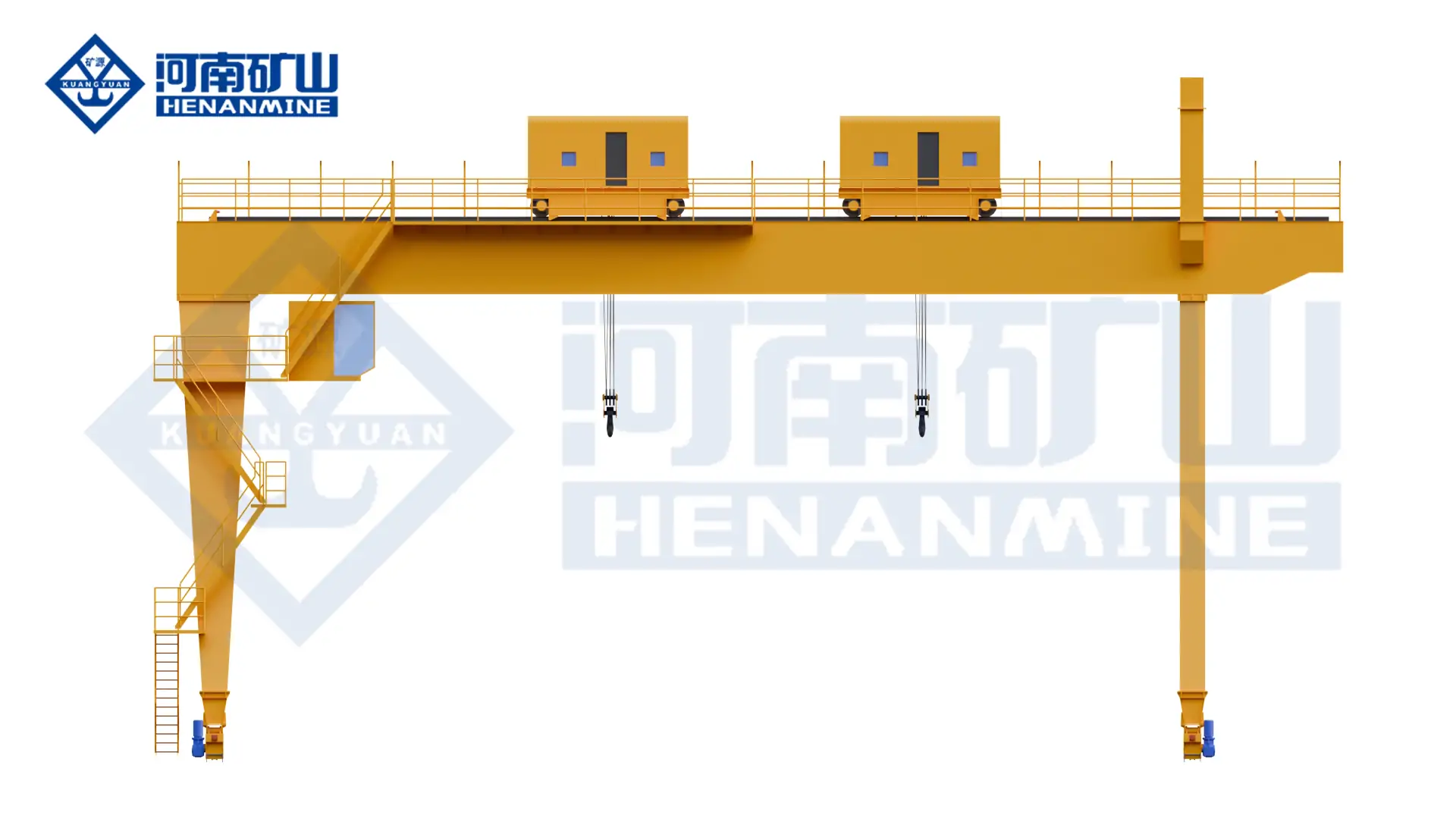
  • Scrap Handling Cranes with Magnets: Stock and Material Transfer

    Scrap Handling Cranes with Magnets: Stock and Material Transfer

    Selection guide

    Scrap Handling Cranes with Magnets: Stock and Material Transfer

    Magnetic scrap handling depends on the material form and the lifting system's intended use. Describe stock presentation, transfer points and release requirements so the magnet and crane arrangement can be considered together.

    Henan Mine CraneSelection guide · Updated 2026Crane selection, project scope and operating requirements
    Henan Mine Crane Electromagnetic Overhead Crane
    Henan Mine Crane Electromagnetic Overhead Crane
    Project planning notes

    Key points for this crane project.

    1. Describe the scrap presented to the magnet
    2. Map pickup, transfer and release positions
    3. Define the complete lifting system
    Read the technical guide

    Describe the scrap presented to the magnet

    Start with the material rather than the crane capacity alone. Identify whether the stock consists of plates, offcuts, bundles, loose pieces or a mixture. Describe its shape, surface condition, temperature and how it is stored at the pickup point.

    A magnet proposal must relate to the material it is intended to handle. Do not assume that every metal in a mixed scrap stream can be lifted magnetically or that one attachment performs identically on all stock presentations. Identify sorting and rejected-material requirements in the process description.

    Map pickup, transfer and release positions

    Show stockpile boundaries, transport vehicles, loading positions and receiving equipment on the yard or building drawing. Identify the required release locations and any restrictions on bringing a suspended load over adjacent operations.

    The working envelope should include the attachment and the lifted material throughout the route. Describe how the pile changes during the shift and how the operator sees the pickup and release area. These details affect coverage and control selection.

    Define the complete lifting system

    Ask the proposal to describe the magnet, its suspension, electrical supply, control functions and crane lifting arrangement together. State the intended handling sequence and the information needed to confirm the permissible suspended load.

    Request a documented response for interruption of magnet power and other relevant fault conditions. The required arrangement depends on the application and site assessment; a general statement about backup power is not a substitute for the proposed system description.

    Use the operating cycle to discuss crane duty

    Describe the sequence from approaching the pile to releasing the load and returning for the next pickup. Include travel distances, shifts, typical stock conditions and expected interruptions. Distinguish normal operation from occasional unusual lifts.

    Agree how the proposed attachment and operating method will be demonstrated using representative material. Acceptance should address the intended pickup and release task, the control functions and the agreed documentation rather than rely on an unrelated catalogue example.

    Prepare a magnetic scrap handling enquiry

    Provide photographs of representative stock, a handling-area drawing, load information and the required material route. Identify any existing magnet or crane that will remain in service and describe its interface with the new equipment.

    Henan Mine Crane can discuss the crane arrangement against this operating brief. Keep the attachment specification, electrical responsibility, site restrictions and acceptance scope visible in the quotation comparison.

    Discuss the crane arrangement for your project.

    Magnetic scrap handling depends on the material form and the lifting system's intended use. Describe stock presentation, transfer points and release requirements so the magnet and crane arrangement can be considered together. Share the load, available drawings, working cycle and site conditions with Henan Mine Crane so the required configuration and supply boundary can be discussed.

    Related crane configurations

    Electromagnetic Overhead Crane

    View product parameters
    Lifting capacity: 5 – 32 tSpan: 10.5 – 31.5 mLifting height: 6 – 30 m

    Lift ferromagnetic steel with a matched electromagnetic lifting arrangement. Product shape, contact area, temperature and handling frequency determine the magnet and crane configuration.

    Electromagnetic Hook Double Gantry Crane

    View product parameters
    Lifting capacity: 10-50 tSpan: 18-35 mLifting height: 8 – 24 m

    Handle steel products with a gantry arrangement combining hook and electromagnetic lifting functions. Define the trolley arrangement, load cases and changeover sequence for the yard.

    Updated 2026 · Henan Mine Crane
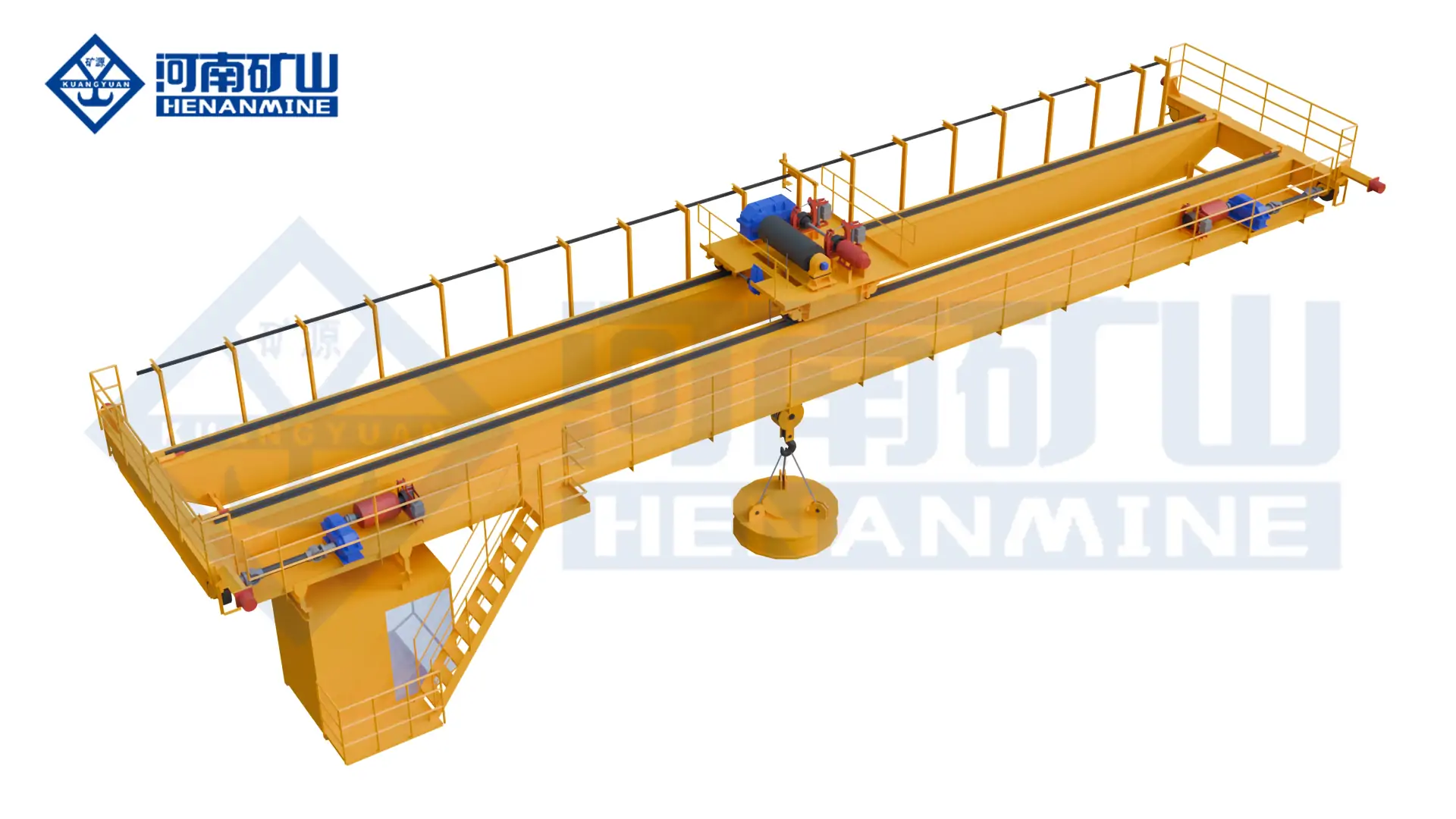
  • Henan Mine Crane and Inovance Sign Technology Cooperation Agreement

    Henan Mine Crane and Inovance Sign Technology Cooperation Agreement

    Industry & Partnerships

    Henan Mine Crane and Inovance Sign Technology Cooperation Agreement

    Henan Mine Crane and Shenzhen Inovance Technology signed a strategic cooperation agreement at the intelligent industrial park on 23 November 2024.

    Representatives signing the cooperation agreement
    Representatives signing the cooperation agreement.

    Engineering and product cooperation

    The meeting covered technical and product development using both companies’ resources. Representatives also visited the crane museum and manufacturing facilities. The announcement is a cooperation agreement; it does not specify a particular drive model or certify every crane supplied.

    Specify the drive system for an order

    For a crane project, confirm the offered motors, inverters, brakes, control architecture, required interfaces and spare-parts support in the equipment schedule. Request the exact component list and applicable test plan rather than assuming a partnership defines the installed configuration.

    Explore Henan Mine Crane

    Contact the project team to review the drive and control specification for the proposed crane.

  • Scrap Handling Cranes with Grabs: Material, Storage and Feeding Duty

    Scrap Handling Cranes with Grabs: Material, Storage and Feeding Duty

    Selection guide

    Scrap Handling Cranes with Grabs: Material, Storage and Feeding Duty

    A grab-based scrap operation needs the attachment matched to the material and process. Provide the scrap characteristics, storage layout and feeding sequence before comparing grab volume, crane duty and operating arrangements.

    Henan Mine CraneSelection guide · Updated 2026Crane selection, project scope and operating requirements
    Henan Mine Crane Grab And Hook Dual Purpose Crane
    Henan Mine Crane Grab And Hook Dual Purpose Crane
    Project planning notes

    Key points for this crane project.

    1. Identify what the grab must collect and discharge
    2. Review the storage and feeding geometry
    3. Account for the attachment within the lifting
    Read the technical guide

    Identify what the grab must collect and discharge

    A scrap grab is selected around the material stream and the handling task. Describe piece dimensions, entanglement, mixed material, moisture and the condition of the stockpile. Explain whether the task is sorting, loading, storage transfer or feeding a downstream process.

    Provide representative material photographs and identify items that may obstruct closure or discharge. Grab volume alone cannot describe the resulting lifted load or the ability to handle every form of scrap.

    Review the storage and feeding geometry

    Mark stock areas, walls, hoppers and receiving equipment on the process drawing. Show where the grab opens and closes and where it must travel with material. Include obstructions above the working area and space needed around the discharge position.

    Describe the feed sequence and what happens when receiving equipment pauses. This helps separate the required crane movements from the operation of gates, conveyors or other process equipment. Interfaces should have an agreed owner and a defined control boundary.

    Account for the attachment within the lifting arrangement

    Ask the supplier to identify the grab mass, suspension arrangement, selected lifting mechanism and the basis for the permissible combined suspended load. State how attachment information and material characteristics will be confirmed before final selection.

    Where the proposed grab needs an electrical or hydraulic service, clarify the source of that service and how it travels with the attachment. Include cable management, maintenance access and the location of service components in the equipment discussion.

    Evaluate the real operating sequence

    Describe pickup, closure, hoisting, transfer, opening and return as one cycle. State the intended shifts and material flow, including how work continues when a pile becomes uneven or a loading position is occupied.

    For automated functions, identify what detects material, receiving-equipment readiness and obstructions. Agree the response to a failed pickup or interrupted discharge before defining acceptance. Avoid treating an advertised automation feature as a complete process integration scope.

    Include wear access and acceptance in the enquiry

    Discuss access to grab wear points, actuators, suspension parts and travelling services. Identify where the attachment can be set down for inspection without blocking the operating route.

    Send Henan Mine Crane the material description and process layout together. Request an offer that identifies the proposed attachment, crane duty, service interfaces and test scope so the complete feeding operation can be evaluated.

    Discuss the crane arrangement for your project.

    A grab-based scrap operation needs the attachment matched to the material and process. Provide the scrap characteristics, storage layout and feeding sequence before comparing grab volume, crane duty and operating arrangements. Share the load, available drawings, working cycle and site conditions with Henan Mine Crane so the required configuration and supply boundary can be discussed.

    Related crane configurations

    Grab And Hook Dual Purpose Crane

    View product parameters
    Lifting capacity: 5 – 16 tSpan: 10.5 – 31.5 mLifting height: 6 – 20 m

    Switch between bulk-material pickup and hook lifting with a grab-and-hook overhead arrangement. Define each load case, the grab type and the changeover procedure for the working area.

    Grab Hook Gantry Crane

    View product parameters
    Lifting capacity: 1t – 20tSpan: 6m – 30mLifting height: 4m – 18m

    Combine grab and hook handling on an electric-hoist gantry arrangement. Match the lifting appliance, load cases and changeover method to the outdoor handling layout.

    Updated 2026 · Henan Mine Crane

  • 360 t Four-Girder Casting Crane Reviewed at a Steel Plant

    360 t Four-Girder Casting Crane Reviewed at a Steel Plant

    Project Deliveries

    360 t Four-Girder Casting Crane Reviewed at a Steel Plant

    During a November 2024 visit to Guizhou Steel Rope and Jinsheng’an Group, Henan Mine Crane representatives reviewed a four-girder casting crane the company had manufactured for the latter.

    Representatives viewing the four-girder casting crane in the steel-plant workshop
    Representatives viewing the four-girder casting crane in the steel-plant workshop.

    Project equipment observed on site

    The company report identifies the supplied crane as a 360 t four-girder casting crane at Jinsheng’an Group. The accompanying photographs show a large overhead crane in an industrial building. The report does not provide a verified span, duty class, lifting height or acceptance record for this installation.

    Define the casting-crane duty

    Molten-metal handling calls for a project-specific assessment of the complete lifted load, ladle geometry, working cycle, heat exposure, redundancy, personnel access and the applicable local safety rules. Request the general arrangement, design basis, protective functions and inspection documents for the actual offer.

    Separate site evidence from a new quotation

    A site visit demonstrates that the installed equipment was inspected by the company’s representatives. It does not establish that a future crane will have identical dimensions, controls or performance. Compare a new proposal against the buyer’s building and process requirements.

    Discuss your lifting requirement

    Send the ladle load, process route, workshop drawing and duty requirements to discuss a casting-crane configuration.