Engineering · Manufacturing · Project support
info@hnksglobal.comWhatsApp +86 18836207779 ↗

Blog

  • Crane Projects for American Samoa: Coastal Exposure and Process Conditions

    Crane Projects for American Samoa: Coastal Exposure and Process Conditions

    Technical guide

    Crane Projects for American Samoa: Coastal Exposure and Process Conditions

    Coastal and processing environments require a clear description of the actual exposure. Provide moisture, atmosphere and handling information so protection, cleaning and service access can be reviewed alongside the lifting arrangement.
    Henan Mine CraneTechnical guide · Updated 2026Crane selection, project scope and operating requirements
    Crane Suppliers in American Samoa
    Crane Suppliers in American Samoa
    Project planning notes

    Key points for this crane project.

    1. Quick Selection Reference: Types of Cranes to Fit in
    2. Why American Samoa Needs Reliable Lifting Equipment
    3. Mainstream crane types for American Samoa market
    Read the technical guide

    Quick Selection Reference: Types of Cranes to Fit in American Samoa

    For the vast majority of buyers in American Samoa, compact overhead cranes, electric hoists, jib cranes, and small to medium gantry cranes are the most practical lifting solutions made in China. Bridge crane is suitable for indoor operation of workshop, warehouse and maintenance facilities, and gantry crane can be used for outdoor storage yard, port supporting and cargo handling.

    Lower cost electric hoists and jib cranes are suitable for small lifting points, fishery processing plants, maintenance stations and warehouse loading areas. For coastal and port scenarios, corrosion protection design and spare parts planning are the most important aspects of selection.

    Why American Samoa Needs Reliable Lifting Equipment

    Port and Inter-Island Logistics

    Pago Pago Port is the local core shipping hub, with container terminal, multi-purpose terminal, service terminal and inter-island passenger and freight terminal, which undertakes almost all external material transportation. The rear yard, maintenance workshop, cargo loading and unloading area and container supporting area of the port all need stable lifting equipment to support daily operation.

    Port / Logistics UseRecommended Equipment
    Warehouse cargo handlingElectric hoist overhead crane
    Port maintenance workshopOverhead crane
    Small cargo yardGantry crane
    Vessel and equipment repairJib crane / electric hoist
    Container support areaGantry crane / hoist system
    Inter-island cargo supportPortable gantry crane

    Material loading and unloading of inter-island transportation, maintenance of port equipment, transfer of bulk cargo and container auxiliary operation are inseparable from corresponding lifting equipment.

    Tuna Processing and Cold Chain Storage

    Tuna fishing and canning is the largest private sector in American Samoa, and canned tuna is also a core local export. The corresponding processing plant, cold chain warehouse area and equipment maintenance room all need light and medium-sized lifting equipment to complete equipment maintenance, material transfer and spare parts handling.

    ApplicationRecommended Crane
    Fish processing plant maintenanceElectric hoist overhead crane
    Cold storage equipment handlingLow headroom overhead crane
    Pump and motor maintenanceJib crane
    Packing and warehouse areaElectric chain hoist
    Spare parts handlingWire rope hoist
    Utility maintenanceSmall overhead crane

    Most of these scenarios have limited space, which requires compactness, moisture-proof and corrosion-proof capabilities of equipment. In the low-temperature warehouse area, the low-temperature resistance of equipment shall be considered.

    Warehouse and Repair Shop

    Local government maintenance facilities, port machine repair shops, utility maintenance points, small processing plants and various warehouses all have scattered lifting demands. The hoisting capacity in such scenarios is not large, but the distribution is scattered, which requires high flexibility, easy installation and convenient maintenance of the equipment. Commonly used equipment including electric hoist bridge crane, low clearance crane, jib crane, mobile gantry crane, chain hoist, monorail crane system, can according to different station flexible configuration.
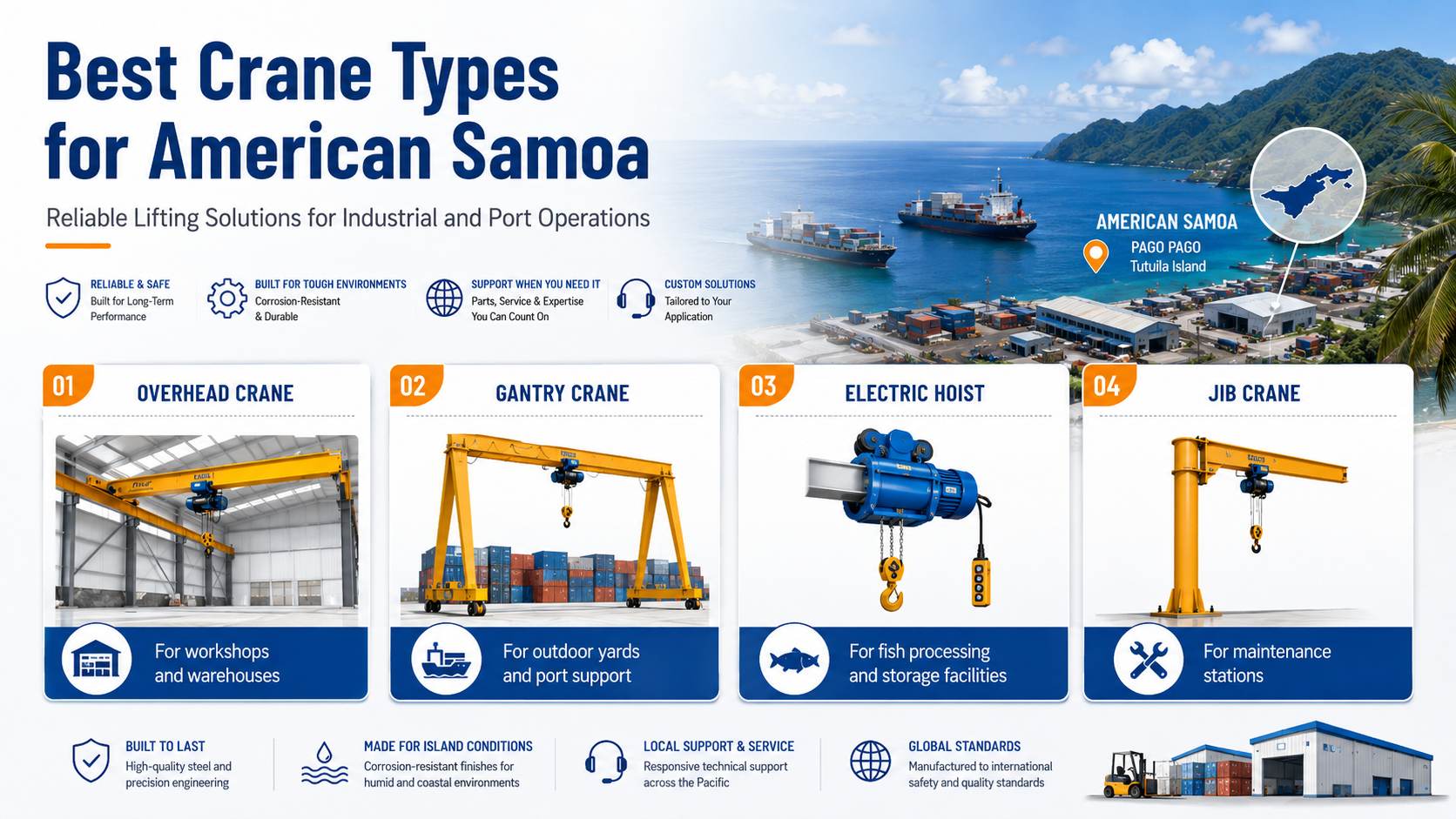
    Crane Suppliers in American Samoa
    Crane Suppliers in American Samoa

    Mainstream crane types for American Samoa market

    Overhead crane for workshop warehouse

    Bridge crane is suitable for warehouse, port maintenance workshop, fishery processing plant, maintenance station indoor lifting operation. For the American Samoa market, we prefer a compact, simple to maintain, and suitable for the wet coastal environment. Applicable scenarios include repair shops, warehouse loading and unloading, fishery processing plant maintenance, equipment repair, utility sites, and small industrial plants.

    Crane TypeBest Use
    Single Girder Overhead CraneLight to medium workshop lifting
    Electric Hoist Overhead CraneWarehouses and small factories
    Low Headroom CraneBuildings with limited height
    Manual / Semi-electric CraneLow-frequency lifting
    European Type Overhead CraneCompact and smoother operation

    Local buyers choose this kind of equipment, common concerns are very practical: limited plant space, need compact structure; wet sea salt fog, equipment easy to rust; local maintenance resources are few, hope equipment easy to maintain; spare parts replenishment cycle is long, worry about broken accessories; installation without guidance, afraid of not being installed. Our scheme will give priority to compact structure design to adapt to limited plant height; upgrade anti-corrosion coating and electrical sealing for coastal environment; equip with common wearing parts along with equipment; complete installation drawings and remote video guidance to minimize local installation and maintenance threshold.

    Gantry crane for outdoor storage yard and port

    Gantry cranes are a more suitable option for outdoor sites where there is no existing shop crane beam. In American Samoa, small gantry cranes can be used in port yard, small cargo yard, maintenance yard, equipment handling, high flexibility. Applicable scenarios include port supporting area, outdoor cargo yard, small construction site, maintenance station, container auxiliary operation and inter-island cargo transfer support.

    Crane TypeBest Use
    Portable Gantry CraneFlexible light-duty lifting
    Single Girder Gantry CraneGeneral outdoor lifting
    Semi Gantry CraneOne-side building support
    Rubber Tyred Gantry CraneFlexible yard movement
    Double Girder Gantry CraneHeavier cargo handling

    The pain points of the local outdoor scene are also clear: the coastal salt spray corrosion is strong, and the ordinary equipment will rust in a few years; the local installation resources are limited, so it is hoped that the equipment assembly is simple; the structure shall be stable and can withstand the seaside wind; the transportation size shall not be too large, otherwise the container cannot be loaded with expensive freight; the spare parts shall be equipped together.

    When we make the scheme, we will control the size of main girder, and give priority to sectional structure to facilitate container transportation; upgrade the anti-corrosion grade for outdoor coastal scenes, and conduct waterproof sealing treatment for electrical cabinets; calculate the wind load structurally to ensure the stability of seaside use; commonly used wearing parts shall be shipped together with the equipment to reduce the trouble of replenishment in the later period.

    Electric hoist and jib crane for small field

    For many small facilities in American Samoa, it is not necessary to use the whole bridge crane. The electric hoist and the jib crane are more practical, low in cost and fast in installation, which can fully meet the lifting requirements of local stations. Applicable scenarios include small warehouses, maintenance stations, fishery processing maintenance points, cold chain warehouse areas, loading and unloading points, and station hoisting.

    EquipmentBest Use
    Electric Chain HoistSmall load lifting
    Wire Rope HoistMedium-duty lifting
    Jib CraneLocal workstation lifting
    Manual HoistLow-frequency lifting
    Monorail HoistFixed-path material handling
    Portable Gantry CraneFlexible maintenance lifting

    This kind of equipment is small in size, convenient for transportation and installation, and low in site requirements, which is very suitable for buyers with limited budget and small lifting capacity. It can also be used as a supplement to large equipment to cover scattered station lifting requirements.

    Special type selection for marine corrosion protection

    American Samoa is a coastal island market, and corrosion protection is one of the most important considerations in crane selection. Cranes used in ports, warehouses and coastal workshops shall consider the configuration of anti-corrosion coating, sealed electrical components and protective fasteners, otherwise the service life of equipment will be greatly shortened in high-salt and high-humidity environment.

    RequirementRecommended Solution
    Coastal air exposureAnti-corrosion paint system
    Outdoor operationWeatherproof electrical cabinet
    High humiditySealed electrical components
    Port warehouse useAnti-rust surface treatment
    Long service lifeSpare parts and maintenance package

    Many buyers are easy to ignore this point at first. With ordinary indoor equipment, it takes less than a year or two for paint surface blistering and rust, electrical components are affected with damp, but the operation and maintenance costs are increased. Anti-corrosion design in advance, although the initial cost increases slightly, but can greatly extend the service life of the equipment, more cost-effective in the long run.

    How to choose the crane that suits the working conditions of American Samoa

    Before selecting a model, clarify a few basic questions: Is the equipment used in the port, warehouse, workshop, tuna processing plant or maintenance site? Indoor or outdoor? What material is hanging? How long does it take per day? Is the site near the sea? Is it for long-term fixed use or temporary maintenance?

    Once these problems are settled, the general direction of the equipment will not be wrong.

    The more accurate the parameters are, the more suitable the scheme will be for the actual use requirements.

    ParameterBuyer Should Confirm
    SpanBuilding or yard width
    Lifting heightRequired hook height
    Working dutyLight, medium or customized
    Power supplyVoltage, phase and frequency
    Control methodPendant or wireless remote
    EnvironmentIndoor, outdoor, coastal, humid or corrosive
    Installation siteNew building, existing workshop or open yard

    For remote island markets such as American Samoa, buyers should pay additional attention to shipping routes and cycles, whether container transportation can be used, whether girders can be segmented, port unloading conditions, whether installation tools are matched, whether spare parts are prepared in advance, whether there is remote installation guidance, and how to plan long-term maintenance. To put it bluntly, the crane for American Samoa has never been the largest and most functional model, but the compact structure, corrosion resistance, simple installation, easy maintenance, spare parts supply of guaranteed style. Too complex automation equipment, local nobody will debug maintenance, but easy to go wrong.

    Why choose China crane manufacturer

    Competitive manufacturing cost

    China's mature crane industry chain can give more cost-effective quotation on the premise of ensuring structural and electrical quality. Whether it's a standard bridge crane, gantry crane, electric hoist, jib crane, or a customized corrosion-resistant special condition equipment, it can be adapted to different project budgets without paying for a brand premium.

    Island Project Custom Design

    China suppliers have a high degree of customization flexibility, lifting weight, span, lifting height, control mode and power supply specifications can be adjusted as required. For American Samoa's island characteristics, we can upgrade marine corrosion protection, optimize compact structures, design segmented girders, adapt to local voltages, and complete vulnerable spare parts kits to maximize local use and transportation.

    Full Export Support

    Cross-border sourcing, complete documentation and service support can save buyers a lot of trouble. We will provide a complete set of export information, including technical drawings, commercial invoices, packing list, certificate of origin, operation manual, maintenance manual, inspection certificate, spare parts list, reduce the buyer's customs clearance and acceptance of the trouble. Drawings and video guidance are provided during the installation phase, and Remote Debugging support can be arranged.

    Practical after-sales support

    After-sales in the remote island market has consistently been a top concern for buyers. We will send the common wearing parts and key spare parts together before delivery, so as to reduce the waiting cost of replenishment in the later period. Detailed drawings and remote video guidance are provided during installation phase, and all manuals are provided in English. At the same time, it shall be provided with operation training guidelines and daily maintenance list, and provide long-term technical consulting services to minimize the maintenance threshold on site.

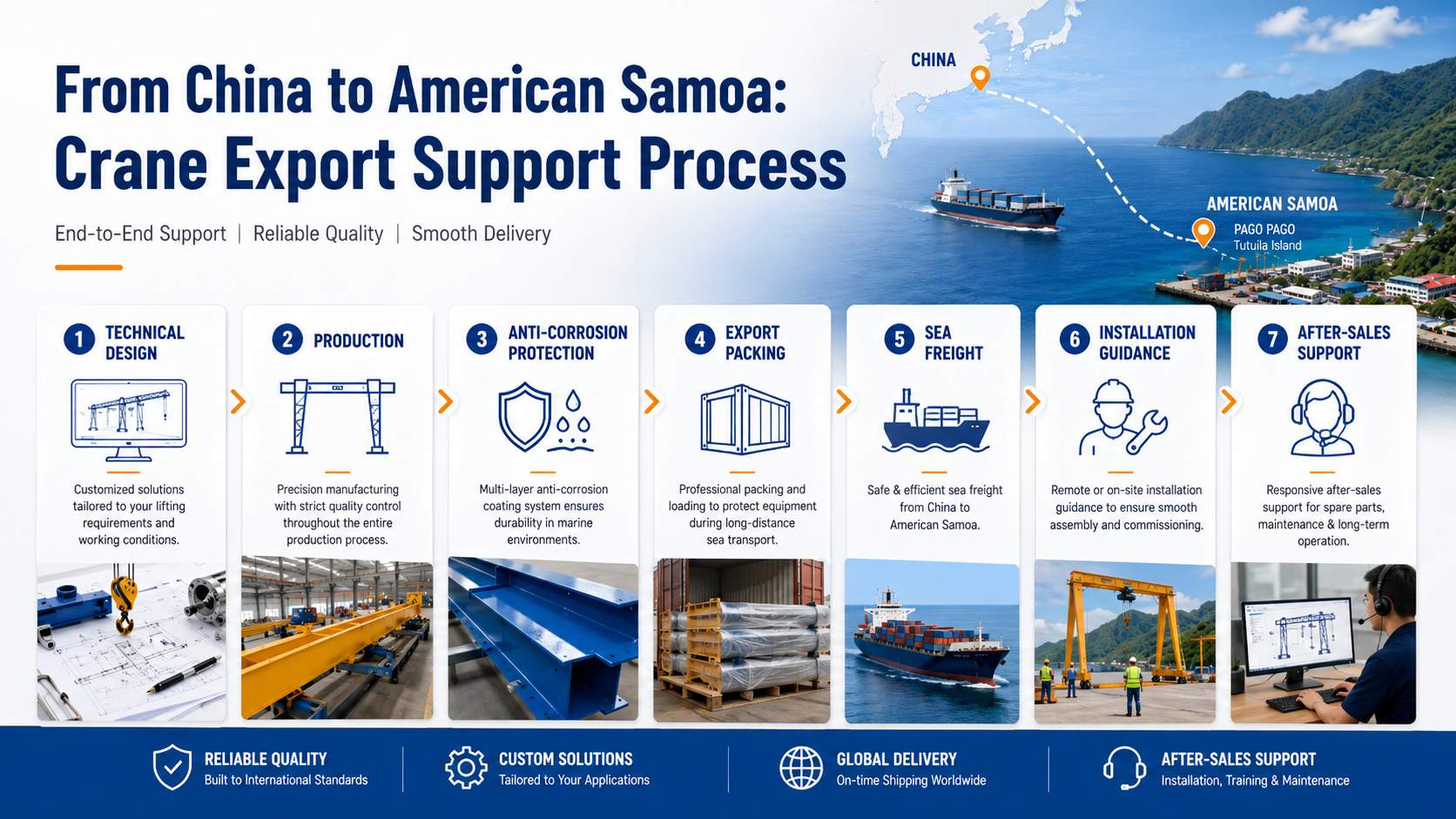
    Crane Transportation Scheme from China to American Samoa

    American Samoa is a remote island in the South Pacific, and maritime planning is important. According to the equipment size, container, frame cabinet, bulk cargo ship and other transportation modes can be selected, and Pago Pago Port is the main unloading port. Bridge, gantry crane girder will do sectional design, with export special moisture-proof packaging, convenient container transportation and splicing.

    ItemWhy It Matters
    Crane sizeAffects container, flat rack or breakbulk shipping
    Main beam lengthMay require sectional design
    Packing methodProtects electrical and mechanical parts from humidity
    Destination portAffects unloading and inland transport
    Customs documentsHelps avoid clearance delay
    Installation toolsNeeded for site assembly
    Spare parts packageReduces downtime after delivery
    Remote supportImportant when local service resources are limited

    When we do the American Samoa project, we will check the equipment size in advance, give priority to the detachable structure design, try to adapt to the standard container, and reduce the transportation cost. Packaging will be multi-layer moisture-proof and rust-proof treatment, and electrical components will be sealed and packaged separately to minimize the loss of long-distance sea transportation. If the buyer needs advice on port unloading and inland transhipment, we can also provide reference solutions.

    American Samoa Home Page

    Buyer Type in American SamoaRecommended Crane Solution
    Small workshopElectric hoist + jib crane
    Port maintenance facilityOverhead crane / jib crane
    WarehouseElectric hoist overhead crane
    Fish processing facilityLow headroom overhead crane / electric hoist
    Cold storage maintenanceElectric chain hoist / jib crane
    Outdoor cargo yardSingle girder gantry crane
    Inter-island logistics supportPortable gantry crane
    Utility maintenance facilityJib crane / overhead crane

    Common Purchase Mistakes

    Ignoring the effects of coastal corrosion is the most common point of trampling. The island port environment, salt fog and high humidity are much more aggressive on equipment than the normal inland environment. If ordinary equipment is used from the beginning, structural corrosion and electrical failure will come quickly, and the maintenance cost in the later period will be very high. Corrosion protection design must be taken into consideration from the selection stage.

    The selected equipment is too large in size, difficult to transport, and will add a lot of extra cost. Too long main girder and size structure will greatly increase transportation cost, even unable to walk standard container, can only walk bulk cargo, freight is expensive, cycle is long. When selecting type, give priority to sectional girder design, control the transportation size, can save a lot of logistics cost.

    Not preparing spare parts in advance is also a problem that many buyers are easy to ignore. American Samoa's remote location has long sea lead times for spare parts replenishment. Only buy bare metal, such as equipment is broken and then find spare parts, the first is a month or two, the equipment parked cannot be used, delay things. It is best to place an order when the common wearing parts together.

    Ignore the installation support, also can delay the construction period. Imported equipment is not like local procurement, door-to-door service is not so convenient. If the supplier only sells the equipment, but does not give installation drawings, video guidance and technical support, the local workers have not installed it, and it is easy to install it incorrectly or not.

    Only looking at the lowest price will cost more money. Equipment with too low price will often be reduced in anti-corrosion treatment, structural materials and electrical accessories. Either the anti-corrosion ability is poor in a few years, or the electrical parts are easy to be affected with damp and fail, or the structural strength is not enough, and the actual service life is very short, which is more expensive in a long time.

    Epilogue

    For American Samoa buyers, the most practical China lifting equipment is electric hoists, jib cranes, compact overhead cranes and small to medium-sized gantry cranes. These devices are suitable for most scenarios such as warehouses, port facilities, fishery processing plants, cold chain maintenance, maintenance workshops, outdoor cargo yards, etc. Because American Samoa is a remote island market and the coastal environment is characterized by high humidity and salinity, buyers should prefer suppliers who can provide corrosion protection design, export packaging, sectional construction options, spare parts supply, installation guidance and long-term remote technical support, rather than just looking at the quotation of single equipment.

    Customize Your Solution

    As a professional hoisting equipment manufacturer, Henan Mine Crane Co., Ltd. has rich service experience in Pacific Island projects, and can provide customized light and medium-sized hoisting equipment of all categories, which is suitable for various ports, processing, warehousing and maintenance projects in American Samoa. If you have procurement requirements, you can send us the lifting weight, span, lifting height, service environment, power supply conditions, installation site, specific purpose and anti-corrosion requirements, and the engineering team will issue an appropriate scheme and quotation for you.

    FAQs About Crane Supplier in American Samoa

    Can China cranes be exported to American Samoa?

    However, the Buyer shall confirm the transportation route, packing method, customs clearance documents, installation conditions and spare parts supporting scheme before shipment, so as to ensure that the equipment can arrive at the port smoothly and complete installation.

    Which crane is the best fit for the American Samoa market?

    For most buyers, electric hoist, jib crane, compact bridge crane, small and medium-sized gantry crane are very practical choices, suitable for warehouse, workshop, port supporting facilities, maintenance facilities and most other scenarios.

    Are overhead cranes suitable for American Samoa workshops?

    Overhead crane can be used in indoor workshop, warehouse, fishery processing plant, cold chain maintenance and port maintenance station, and low clearance can be customized according to the height of factory building to upgrade anti-corrosion configuration for coastal environment.

    Are gantry cranes suitable for outdoor scenes in American Samoa?

    Gantry cranes can be used for outdoor cargo yard, port supporting area, bulk cargo loading and unloading, maintenance station and inter-island logistics support, and anticorrosion and salt spray resistant configuration can be customized for coastal scenes.

    Do cranes in American Samoa require corrosion protection?

    Coastal and port environment is recommended to do anticorrosive upgrade. Buyers can choose from a dedicated anti-corrosion coating system, protective electrical cabinets and adaptive outdoor design to greatly extend the service life of the equipment in high salt and high humidity environments.

    What information is required for purchasing a crane?

    The buyer shall provide the rated lifting weight, span, lifting height, operating environment, power supply parameters, control mode, specific application, installation site, corrosion protection and other special requirements.

    How will China suppliers support the installation at the American Samoa site?

    The supplier can provide installation drawings, operation manuals, video guidance, remote technical support, supporting spare parts and operation training materials to assist in completing installation and commissioning on site.

    What documents are required to import cranes into American Samoa?

    Commonly used documents include commercial invoice, packing list, certificate of origin, technical drawings, inspection certificate, operation manual, maintenance manual and spare parts list, which can be supplemented according to the requirements of customs clearance and project acceptance.

    Discuss the crane arrangement for your project.

    Coastal and processing environments require a clear description of the actual exposure. Provide moisture, atmosphere and handling information so protection, cleaning and service access can be reviewed alongside the lifting arrangement. Share the load, available drawings, working cycle and site conditions with Henan Mine Crane so the required configuration and supply boundary can be discussed.

    Related crane configurations

    Galvanizing Process Overhead Crane

    View product parameters
    Lifting capacity: 5 – 32 tSpan: 10.5 – 31.5 mLifting height: 6 – 24 m

    Transfer suspended workpieces through a galvanizing process with a crane matched to the line. Coordinate lifting points, corrosive exposure, tank geometry and the required handling sequence.

    Updated 2026 · Henan Mine Crane
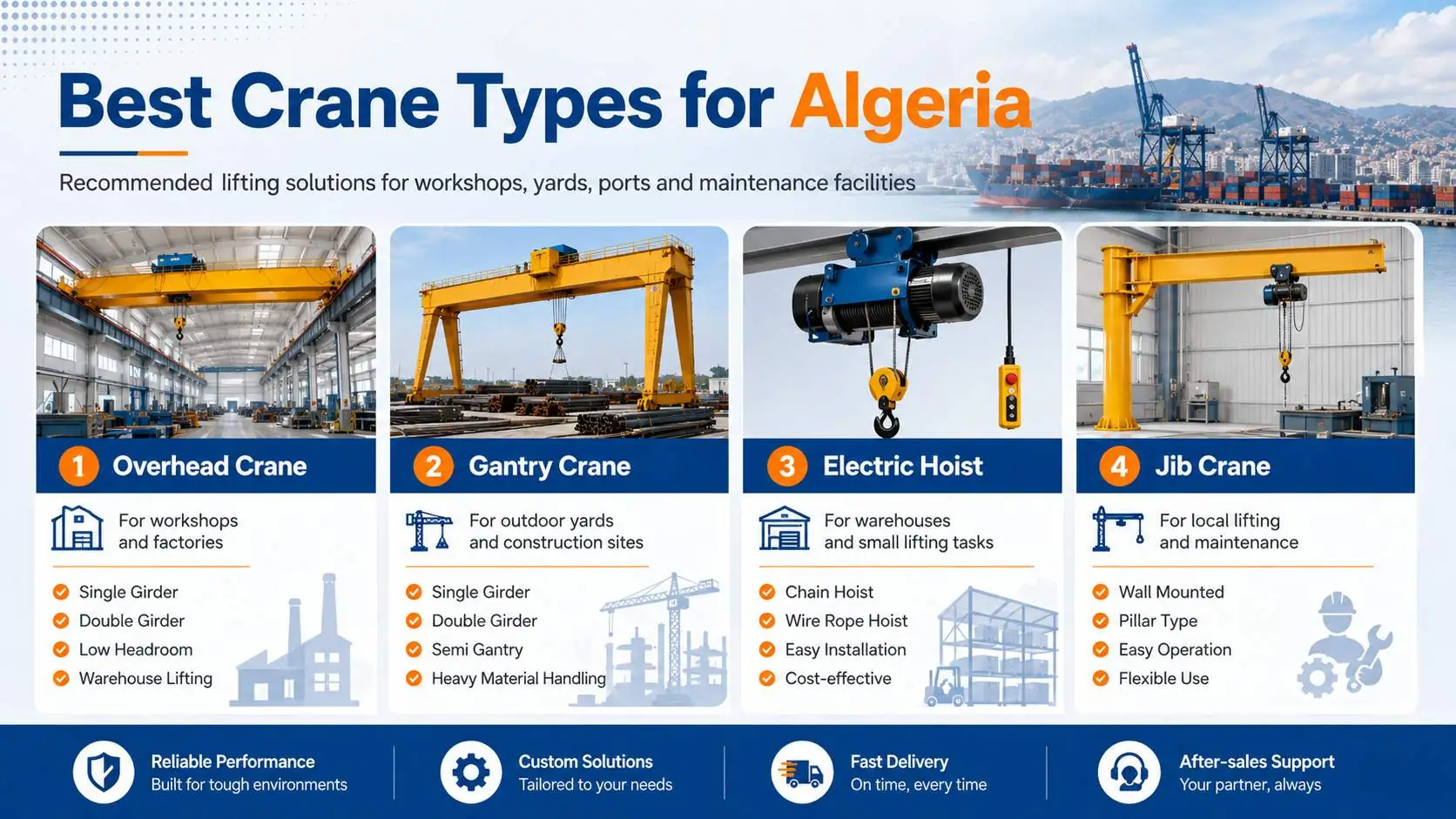
  • Crane Sourcing for Algeria: Equipment, Documents and Site Responsibilities

    Crane Sourcing for Algeria: Equipment, Documents and Site Responsibilities

    Technical guide

    Crane Sourcing for Algeria: Equipment, Documents and Site Responsibilities

    An export supply enquiry should make the lifting task and destination work understandable. Define the load, working area and required project documents, then clarify installation, acceptance and support responsibilities in the quotation.

    Henan Mine CraneTechnical guide · Updated 2026Crane selection, project scope and operating requirements
    Crane Suppliers in Algeria
    Crane Suppliers in Algeria
    Project planning notes

    Key points for this crane project.

    1. Quick selection reference: crane types for the
    2. Core Demand Scenarios for the Algeria Market
    3. Mainstream crane types for the Algeria market
    Read the technical guide

    Quick selection reference: crane types for the Algeria market

    For the vast majority of Algeria buyers, China overhead cranes and gantry cranes are the two most practical options. Bridge crane is suitable for indoor scenes such as factory, warehouse, steel workshop, oil and gas maintenance workshop, etc., and gantry crane is more suitable for outdoor yard, construction site, port, logistics park and heavy material handling. Explosion-proof cranes and hoists can be selected for oil and gas and chemical hazardous areas, and small workshops and maintenance stations can use light and small equipment such as electric hoists and rotary arm cranes.

    Core Demand Scenarios for the Algeria Market

    Industrial workshops and storage facilities

    In Algeria, the demand for light and medium-sized lifting equipment is stable in the scenarios of mechanical maintenance, steel structure processing, equipment assembly, production and manufacturing, automobile maintenance and spare parts storage. Such scenarios are mostly stationary indoor operations, where reliability, ease of operation and long service life of the equipment are important.

    ApplicationRecommended Crane
    Machinery workshopSingle girder overhead crane
    Heavy repair facilityDouble girder overhead crane
    Warehouse liftingElectric hoist overhead crane
    Local workstation liftingJib crane
    Assembly lineMonorail hoist system
    Heavy industrial plantDouble girder overhead crane

    Oil, Gas and Petrochemical Facilities

    This is a very core market segment in Algeria.

    Oil & Gas / Petrochemical UseRecommended Crane
    Pump and compressor maintenanceOverhead crane
    Valve and pipeline component handlingJib crane / electric hoist
    Refinery maintenance workshopDouble girder overhead crane
    Hazardous area liftingExplosion-proof crane / explosion-proof hoist
    Outdoor equipment yardGantry crane
    Heavy component maintenanceHeavy-duty overhead crane

    Port and Logistics Facilities

    Algeria relies on Mediterranean routes and is an important trading node in North Africa. DP World's local port and supply chain services cover container trade, manufacturing, energy, logistics infrastructure and other fields. The port rear yard, storage area, maintenance workshop and breakbulk loading and unloading area all need corresponding lifting equipment support.

    Port / Logistics UseRecommended Equipment
    Container support facilityGantry crane / reach stacker support equipment
    Break-bulk cargo handlingGantry crane / portal crane
    Warehouse loadingElectric hoist crane
    Maintenance workshopOverhead crane
    Outdoor cargo yardDouble girder gantry crane
    Logistics depotGantry crane + electric hoist system

    Infrastructure and traffic engineering project

    The supporting building materials yard, prefabricated component factory and steel structure processing field will drive the demand for lifting equipment.

    Commonly used equipment include site gantry crane, mobile gantry crane, small hoisting electric hoist, bridge crane in prefabrication workshop, jib crane at maintenance point, and heavy gantry crane will be used for hoisting of large parts.

    Mining, Steel & Heavy Material Handling

    The development of mining and steel industry in Algeria will drive the demand for heavy workshop cranes, gantry cranes, maintenance cranes and material handling systems.

    Equipment maintenance workshop with heavy bridge crane, steel coil steel plate loading and unloading with double beam bridge crane, outdoor material yard with double beam gantry crane, spare parts handling with electric hoist, maintenance station with jib crane, long size steel structure transfer using gantry crane.

    Crane Suppliers in Algeria
    Crane Suppliers in Algeria

    Mainstream crane types for the Algeria market

    Overhead crane for workshop plant

    Overhead crane is one of the most commonly used lifting solutions for Algeria factories, warehouses and industrial maintenance facilities. It runs along the crane beam in the factory building, does not occupy the ground working space, and can cover the hoisting requirements of the whole workshop. Suitable scenarios include manufacturing workshop, mechanical repair shop, steel structure processing plant, finished product warehouse, oil and gas maintenance workshop, utility maintenance and industrial production line.

    Crane TypeBest Use
    Single Girder Overhead CraneLight to medium workshop lifting
    Double Girder Overhead CraneHeavy-duty industrial lifting
    Low Headroom CraneBuildings with limited height
    Electric Hoist CraneWarehouses and small factories
    European Type Overhead CraneCompact design and higher precision
    Explosion-proof Overhead CraneOil, gas and chemical hazardous areas

    Local buyers choose this type of equipment, and common concerns include limited floor height, need for compact structure, lifting of heavy components, operation in high temperature environment, safe indoor operation, simple maintenance, stable supply of spare parts and reliable after-sales service.

    Gantry cranes for outdoor storage yards and construction sites

    Gantry cranes are a more suitable option for outdoor sites where there is no existing shop crane beam. It can be installed without relying on the building structure and with its own supporting legs, with strong outdoor adaptability, and is very applicable to the building material yard, steel yard, logistics park, port rear yard, prefabricated component factory and mining supporting yard in Algeria.

    Crane TypeBest Use
    Single Girder Gantry CraneGeneral outdoor lifting
    Double Girder Gantry CraneHeavy material handling
    Semi Gantry CraneOne-side building support
    Portable Gantry CraneLight and flexible lifting
    Rubber Tyred Gantry CraneFlexible yard movement
    Rail Mounted Gantry CraneFixed heavy-duty yard operation

    Algeria's outdoor sites generally have large temperature differences and dust, salt spray corrosion in coastal areas, and strong wind in some areas. We can upgrade the dustproof sealing structure pertinently to improve the high temperature resistance grade of electrical components; special marine anti-corrosion coating shall be applied to coastal projects to improve the corrosion resistance of structural parts and electrical parts; meanwhile, windproof fixing devices shall be configured to adapt to outdoor working conditions. The size main girder can be designed in sections, which is convenient for sea transportation and inland transportation.

    Electric hoist and jib crane for small field

    Many small workshops, warehouses and maintenance points in Algeria do not need the whole large bridge crane. Light and small equipment such as electric hoist and rotary arm crane have lower cost and faster installation, which can fully meet the lifting demand of station. Small warehouses, maintenance stations, assembly points, local lifting areas, loading and unloading points, can use this kind of equipment.

    EquipmentBest Use
    Electric Chain HoistSmall load lifting
    Wire Rope HoistMedium-duty lifting
    Jib CraneLocal workstation lifting
    Manual HoistLow-frequency lifting
    Monorail HoistFixed-path material handling

    This kind of equipment is small in size, easy to transport and install, low in site requirements, very suitable for buyers with limited budget and small lifting capacity, and can also be used as supplementary equipment for large cranes.

    Explosion-proof crane for oil and gas chemical industry zone

    Due to the large scale of Algeria's oil, gas and petrochemical industry, explosion-proof lifting equipment must be used for operations in many dangerous areas. This kind of equipment through the special electrical and mechanical design, avoid itself as a source of ignition, suitable for flammable and explosive working environment.

    ApplicationRecommended Equipment
    Hazardous workshop liftingExplosion-proof overhead crane
    Local hazardous area maintenanceExplosion-proof jib crane
    Small lifting pointExplosion-proof electric hoist
    Fixed-path liftingExplosion-proof monorail hoist
    Heavy maintenanceExplosion-proof double girder crane

    Oil and gas field maintenance, refining workshop, chemical plant, compressor station, pump room and hazardous chemicals warehouse all need explosion-proof equipment of corresponding grade. Be sure to confirm the hazardous area classification, gas group, temperature group and certification requirements before type selection, not by experience.

    Lifting equipment for port and freight transportation

    For Algeria's port and logistics projects, in addition to the conventional workshop crane, but also to provide a variety of supporting solutions. According to different goods, gantry crane, gantry crane, electric hoist, jib crane, yard equipment can be flexible combination. Corresponding equipment configuration can be found in port warehouse, freight yard, container supporting area, breakbulk loading and unloading area, maintenance workshop and logistics center.

    How to choose the crane suitable for Algeria working conditions

    Before selecting a model, clarify several basic questions: whether to put the equipment indoors or outdoors? Is it a workshop, warehouse, port, oil and gas, logistics, infrastructure or maintenance scenario? What material is being lifted? Is the daily operation frequency high? Is the site located on the coast, in an industrial city, or in a desert area? Is the project temporary or permanent? Is the work area a hazardous environment? These problems are clear, the direction of the equipment will not choose the wrong. The more accurate the parameters are, the more suitable the scheme will be for the actual use requirements.

    ParameterBuyer Should Confirm
    SpanBuilding or yard width
    Lifting heightRequired hook height
    Working dutyLight, medium or heavy duty
    Power supplyVoltage, phase and frequency
    Control methodPendant, wireless remote or cabin
    EnvironmentIndoor, outdoor, coastal, dusty, hot or hazardous
    Installation siteNew project or existing structure

    Algeria's working condition has its own characteristics, and the type selection cannot directly copy the general configuration.

    Some inland areas have high temperature in summer and large amount of dust in outdoor sites; coastal port areas have salt spray corrosion; heavy industrial projects have large load and long operation time; oil and gas projects have explosion-proof requirements; cross-border transportation of spare parts takes a long time, so it is better to prepare all wearing parts in advance; installation and commissioning require clear guidance and remote support; some projects have clear requirements for technical documents and inspection reports. Simply put, cranes suitable for Algeria not only meet the lifting requirements, but also match the site environment, temperature and humidity, corrosion risk, installation conditions and long-term maintenance planning.

    Why choose China crane manufacturer

    More competitive manufacturing costs

    China's mature crane industry chain can give more cost-effective quotation on the premise of ensuring structural and electrical quality. Whether it's standard bridge and gantry cranes, electric hoists, explosion-proof cranes, or custom-made equipment for special conditions, they can be adapted to different project budgets without paying for brand premiums.

    Can be flexibly customized according to project requirements

    China suppliers have a high degree of customization flexibility, lifting weight, span, lifting height, control mode and power supply specifications can be adjusted as required. For projects in Algeria, we can do coastal anti-corrosion design, high-temperature dust-proof configuration, explosion-proof rating customization, low-clearance structure optimization, local voltage adaptation, and can also be matched with common spare parts kits to maximize the local use environment.

    Full Export Services Support

    Cross-border sourcing, complete documentation and service support can save buyers a lot of trouble. We will provide a complete set of export information, including technical drawings, commercial invoices, packing list, certificate of origin, operation manual, maintenance manual, inspection certificate, spare parts list, reduce the buyer's customs clearance and acceptance of the trouble. Drawings and video guidance are provided during the installation phase, and Remote Debugging support can be arranged.

    Practical after-sales support

    The after-sales service of cross-border procurement has always been the focus of buyers 'concern. We will send the common wearing parts and key spare parts together before delivery, so as to reduce the waiting cost of replenishment in the later period. Detailed drawings and remote video guidance will be provided during the installation phase and manuals will be available in English or French. At the same time, it shall be provided with operation training guidelines and daily maintenance list, and provide long-term technical consulting services to minimize the maintenance threshold on site.

    Crane transportation plan from China to Algeria

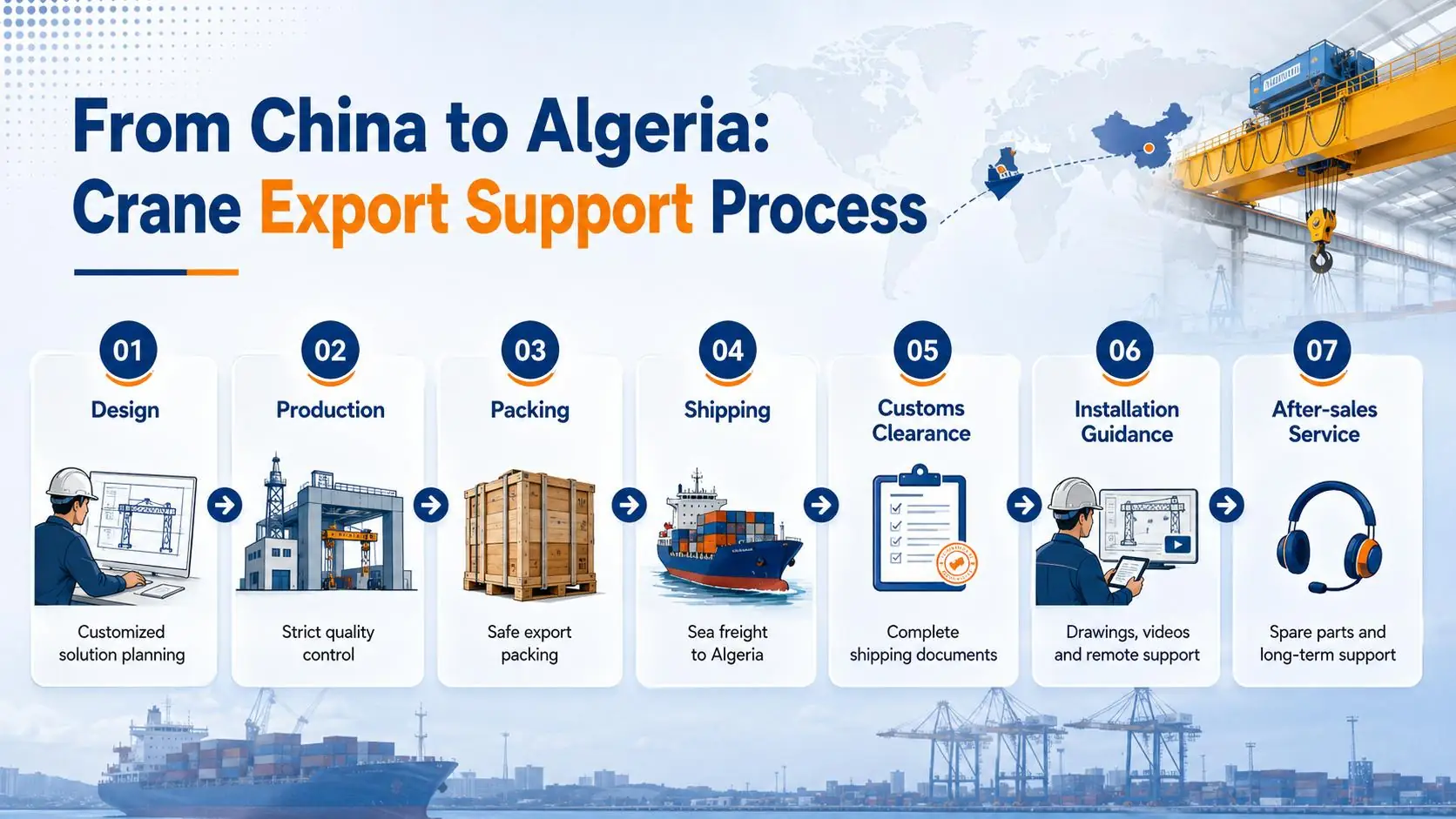
    Algeria is close to the Mediterranean Sea, and sea transportation is the main mode of transportation for China's crane export. According to the size of the equipment, different transportation modes such as container, frame cabinet and bulk cargo ship can be selected, and ports such as Algiers and Oran are commonly used unloading ports. The main girder of large bridge and gantry cranes will be designed in sections, with special export packaging for convenient transportation and site splicing.

    ItemWhy It Matters
    Crane sizeAffects container, flat rack or breakbulk shipping
    Main beam lengthMay require sectional design
    Packing methodProtects electrical and mechanical parts
    Destination portAffects delivery time and inland transport
    Customs documentsHelps avoid clearance delay
    Installation toolsNeeded for site assembly
    Spare parts packageReduces downtime after delivery
    Language documentsEnglish or French documents may be useful

    When we do Algeria project, we will check the equipment size in advance, give priority to detachable structure design, optimize packaging scheme, and separately carry out moisture-proof, shock-proof and dust-proof treatment for electrical components to minimize the loss of long-distance sea transportation. If the buyer needs inland transhipment proposal, we can also provide transportation reference.

    Tips for different buyers in Algeria

    Buyer Type in AlgeriaRecommended Crane Solution
    Small workshopElectric hoist + jib crane
    Machinery repair factorySingle girder overhead crane
    Heavy industrial workshopDouble girder overhead crane
    Oil and gas facilityExplosion-proof crane / overhead crane
    Petrochemical plantExplosion-proof hoist / overhead crane
    Outdoor construction yardGantry crane
    Steel material yardDouble girder gantry crane
    WarehouseElectric hoist overhead crane

    Common Mistakes in Purchasing Cranes in Algeria

    The equipment with too low quotation will often be reduced in structural materials and electrical accessories. Either the structural strength is insufficient, or the electrical parts have poor high temperature resistance and dust prevention ability, high failure rate, or installation and debugging are difficult, and the actual service life is very short, which is more expensive for a long time.

    For outdoor projects in Inner Six Desert Areas, if ordinary electrical configuration is used, high temperature and sand dust will accelerate the aging of motors, electric controls and brakes, resulting in frequent failures. High temperature resistant and dustproof sealing design in advance can greatly reduce the failure rate and prolong the service life of equipment.

    Near the coast or port projects, if you use ordinary outdoor crane, salt fog will quickly corrosion structure paint and electrical components, it won't be long before rust damage, electrical failure. Anti-corrosion coating and electrical protection shall be done in advance, which can greatly prolong the service life of equipment.

    Oil and gas, petrochemical projects, hazardous areas must use the corresponding level of explosion-proof equipment. Replacing with ordinary crane has great potential safety hazard and cannot pass safety audit.

    Buyers must first confirm the hazardous area division, and then select the corresponding configuration of equipment.

    The local voltage, frequency and power supply stability shall be informed to the manufacturer in advance, so that the manufacturer can match the corresponding motor and electrical system. The power supply parameters do not match, so the equipment cannot be used directly when it arrives at the site, and the additional configuration shall be changed, resulting in delay of construction period.

    Imported equipment is not like local procurement, door-to-door service is not so convenient. If the supplier only sells the equipment regardless of the installation instructions, and does not provide spare parts and technical support, no one can solve the equipment problems, and the downtime loss will be very large.

    Epilogue

    For Algeria buyers, bridge cranes and gantry cranes are the most practical lifting equipment made in China. Bridge type is suitable for indoor workshop, warehouse, factory, oil and gas maintenance station and heavy industry workshop, and portal type is suitable for outdoor yard, construction site, logistics park, mining supporting area and port supporting operation. Because Algeria has strong demand for energy, industry, logistics and infrastructure construction, and the working condition environment is special, when buyers select suppliers, they shall give priority to manufacturers who can provide customized design, export packaging, technical documents, installation guidance, anti-corrosion selection, explosion-proof configuration, spare parts supply and long-term after-sales service, rather than only looking at the quotation of single equipment.

    Customize Your Solution

    As a professional hoisting equipment manufacturer, Henan Mine Crane has rich project service experience in North Africa and Middle East, and can provide all kinds of hoisting equipment customization, which is suitable for various industrial, oil and gas, port, infrastructure and logistics projects in Algeria. If you have procurement requirements, you can send us the lifting weight, span, lifting height, service environment, power supply conditions, installation site, specific purpose and special requirements, and the engineering team will issue you an appropriate scheme and quotation.

    FAQs About Crane Supplier in Algeria

    Can China cranes be exported to Algeria?

    Depending on the size of the equipment, destination and project requirements, the equipment can be transported to Algeria by sea or multimodal transport. The main unloading ports are Mediterranean ports such as Algiers and Oran.

    Which crane is best suited for the Algeria market?

    For most buyers, overhead and gantry cranes are the most practical options. Bridge type is suitable for indoor workshop and warehouse, and portal type is suitable for outdoor storage yard, construction site and logistics terminal. Oil and gas chemical engineering projects need additional explosion-proof.

    Are overhead cranes suitable for Algeria plants?

    Bridge crane can be used for mechanical maintenance, steel structure processing, warehouse, production workshop, oil and gas maintenance facilities and heavy industrial workshop. Low clearance can also be customized according to the height of the workshop, and special upgrading can be made for high temperature and dusty environment.

    Are gantry cranes suitable for outdoor scenarios in Algeria?

    Outdoor building materials storage yard, construction site, port supporting area, logistics station, steel storage yard and mining supporting area can be used. Anti-corrosion and anti-salt spray configuration can be customized in coastal area, and high-temperature dustproof upgrade can be carried out in six areas.

    Are explosion-proof cranes required for Algeria's oil and gas projects?

    In some dangerous operation environments in oil and gas, chemical and petrochemical areas, explosion-proof cranes or hoist of corresponding grade shall be used. The buyer should confirm the hazardous area classification, gas group, temperature group and certification requirements before purchasing.

    What information is required for purchasing a crane?

    The buyer shall provide the rated lifting weight, span, lifting height, operating environment, power supply parameters, control mode, specific purpose, installation site, qualification documents and special requirements.

    How can China suppliers support installation in Algeria?

    The supplier can provide installation drawings, operation manuals, video guidance, remote technical support, supporting spare parts and operation training materials to assist in completing installation and commissioning on site.

    What documents are required for importing cranes to Algeria?

    Commonly used documents include commercial invoice, packing list, certificate of origin, technical drawings, inspection certificate, operation manual, maintenance manual and spare parts list, which can be supplemented according to the requirements of customs clearance and project acceptance.

    Discuss the crane arrangement for your project.

    An export supply enquiry should make the lifting task and destination work understandable. Define the load, working area and required project documents, then clarify installation, acceptance and support responsibilities in the quotation. Share the load, available drawings, working cycle and site conditions with Henan Mine Crane so the required configuration and supply boundary can be discussed.

    Related crane configurations

    Single-Girder Bridge Crane

    View product parameters
    Lifting capacity: 1–20 tSpan: 7.5–31.5 mLifting height: 6, 9, 12, 18, 24 or 30 m; capacity-dependent

    Use an LDA single-girder bridge and electric hoist for general workshop material handling. Select the lifting capacity, runway geometry and hoist duty around the building and load.

    LH Electric Hoist Double Girder Crane

    View product parameters
    Lifting capacity: 3, 5, 10, 16, 20 tSpan: 10.5–31.5 mLifting height: 6, 9, 12 or 18 m

    Use an LH double-girder bridge with an electric-hoist trolley for workshop lifting, assembly and maintenance. Match the hoist arrangement to the suspended load, hook travel and available building space.

    Updated 2026 · Henan Mine Crane
  • Crane Projects for Afghanistan: Load Requirements and Site Preparation

    Crane Projects for Afghanistan: Load Requirements and Site Preparation

    Technical guide

    Crane Projects for Afghanistan: Load Requirements and Site Preparation

    A complete enquiry combines the required lifting task with practical site information. Describe the support conditions, power requirements, access and installation arrangements so equipment and project responsibilities can be reviewed consistently.

    Henan Mine CraneTechnical guide · Updated 2026Crane selection, project scope and operating requirements
    Crane Suppliers in Afghanistan
    Crane Suppliers in Afghanistan
    Project planning notes

    Key points for this crane project.

    1. Why Afghanistan Needs Reliable Lifting Equipment
    2. The most suitable crane type for the Afghan market
    3. How to choose a crane for Afghanistan
    Read the technical guide

    Why Afghanistan Needs Reliable Lifting Equipment

    Industrial workshop and maintenance station

    In the local scenarios of mechanical maintenance, steel structure processing, vehicle maintenance, small-scale manufacturing, equipment assembly and power maintenance in Afghanistan, the demand for light and medium-sized lifting equipment is stable. This kind of scene is mostly indoor work, space is limited, the requirement of the equipment is strong, easy to operate, easy to repair the broken.

    ApplicationRecommended Crane
    Machinery workshopSingle girder overhead crane
    Heavy equipment repairDouble girder overhead crane
    Warehouse liftingElectric hoist overhead crane
    Local workstation liftingJib crane
    Outdoor maintenance yardGantry crane

    Infrastructure and supporting projects

    Afghanistan has long-term needs for roads, houses, energy facilities and logistics infrastructure. According to relevant World Bank development reports, strengthening regional trade cooperation and logistics infrastructure can improve local market accessibility, and the demand for lifting equipment for corresponding storage, construction and prefabricated projects will continue to be released. Building materials yard, prefabricated factory, steel structure factories, all need the corresponding outdoor lifting equipment. Commonly used are yard with gantry crane, temporary construction site with mobile gantry crane, small hoisting with electric hoist, precast workshop with bridge crane.

    Mining supporting material handling

    Afghanistan has a certain reserve of mineral resources, and there has also been news of relevant mining cooperation in recent years. However, before the mining project is officially put into production, it is often necessary to build supporting maintenance workshop, material storage yard and spare parts warehouse first, and the lifting demand of these supporting facilities will be released first. Iron ore, lead-zinc mine, gold mine and other projects, the early stage of the equipment maintenance workshop, material yard, spare parts warehouse, steel structure yard, all need the corresponding lifting equipment support.

    Mining-related UseRecommended Crane
    Equipment repair workshopHeavy-duty overhead crane
    Outdoor material storageGantry crane
    Spare parts handlingElectric hoist
    Steel structure yardDouble girder gantry crane
    Maintenance stationJib crane

    The most suitable crane type for the Afghan market

    Overhead crane for workshop plant

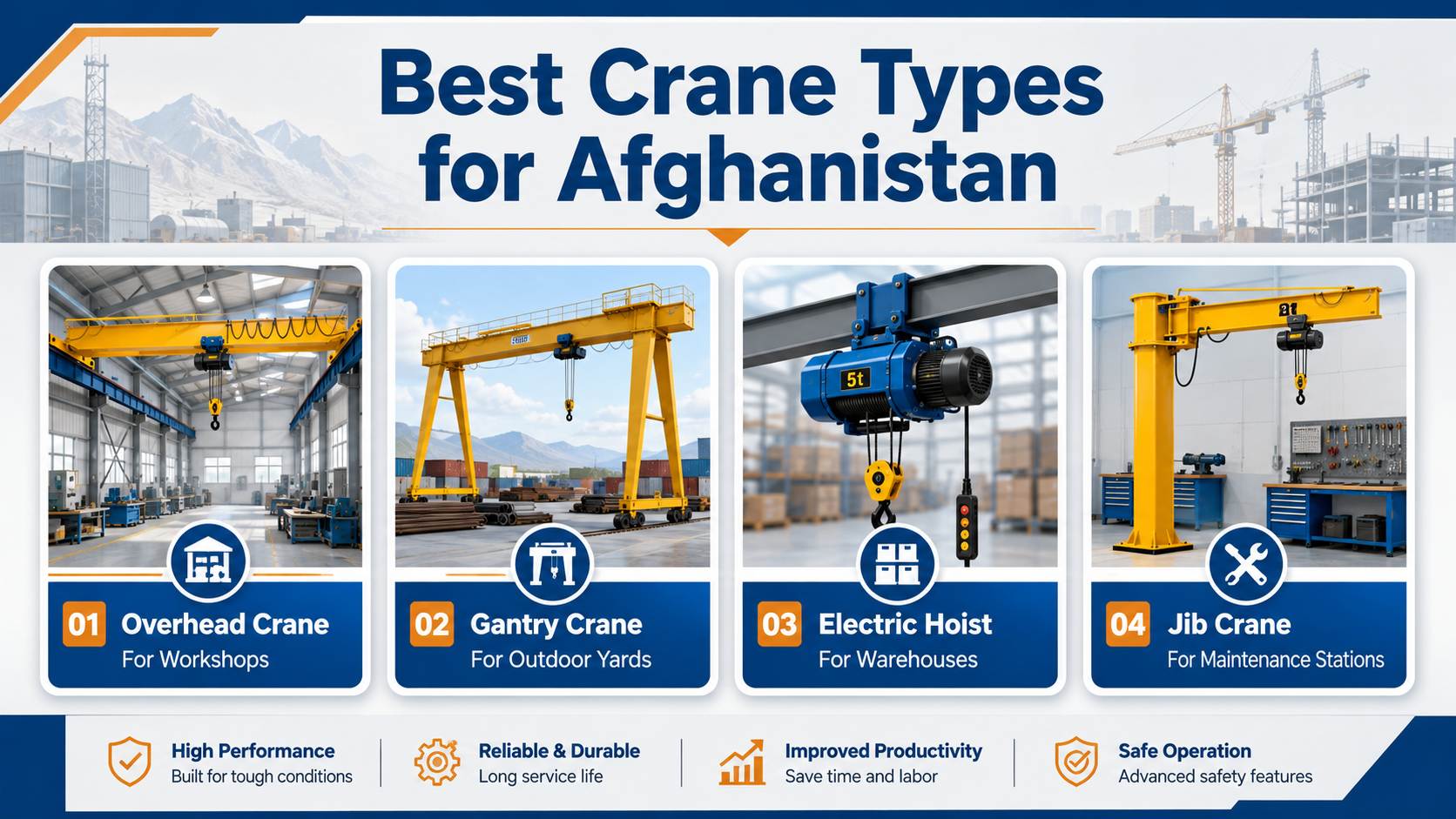
    Bridge crane is one of the most practical lifting solutions for factories, workshops and warehouses in Afghanistan. It runs along the track in the factory building, can cover the whole working surface, does not occupy the space of the surface, and is very suitable for indoor fixed operation scenes. Suitable scenarios include industrial production workshops, mechanical maintenance, steel structure processing, finished product warehouses, electrical equipment maintenance, and manufacturing plants.

    Crane TypeBest Use
    Single Girder Overhead CraneLight to medium workshop lifting
    Double Girder Overhead CraneHeavy-duty industrial lifting
    Low Headroom CraneBuildings with limited height
    Electric Hoist CraneWarehouse and small factory lifting
    Manual / Semi-electric CraneLow-budget or low-frequency lifting

    Local buyers choose this kind of equipment, the common concern is very practical: workshop floor height is not enough to do? Will routine maintenance be troublesome? Will the operation be too complicated? Budget can control? Spare parts is good to find? Is braking and lifting safety guaranteed? Our scheme will check the height of the plant in advance, give priority to the configuration with simple structure and low failure rate, ship the common wearing parts together, and select the easy-to-use handle or remote control for operation mode, so as to minimize the local use threshold.

    Gantry crane for outdoor storage yard construction site

    Gantry cranes are the most suitable option for outdoor sites where there is no existing shop crane beam.can be instal without depending on a building structure and has strong outdoor adaptability.

    Crane TypeBest Use
    Single Girder Gantry CraneGeneral outdoor lifting
    Double Girder Gantry CraneHeavy-duty material handling
    Semi Gantry CraneOne-side building support
    Portable Gantry CraneLight and flexible lifting
    Rubber Tyred Gantry CraneFlexible yard movement

    Building materials yard, steel yard, prefabricated factory, mining material field, logistics station, outdoor equipment maintenance area, can be used. Outdoor sites in Afghanistan are generally windy and dusty. The ground conditions of some construction sites are ordinary, and many are temporary projects. When we make the scheme, we will strengthen the dust-proof seal and adjust the structural strength. We can also make the quick-assembly structure to facilitate the site transfer. In view of the problem of long-distance transportation, main girder can be segmented design, convenient container shipment, splicing again to the scene.

    Electric hoist and jib crane for small field

    In many small workshops, maintenance stations and warehouses in Afghanistan, it is not necessary to install the whole bridge crane, electric hoist, manual hoist, jib crane and other light and small equipment, which is low in cost and fast in installation, which is enough to meet the demand.

    EquipmentBest Use
    Electric Chain HoistSmall load lifting
    Wire Rope HoistMedium-duty lifting
    Jib CraneLocal workstation lifting
    Manual HoistLow-frequency lifting
    Monorail HoistFixed-path material handling

    It is applicable to small maintenance room, station hoisting, warehouse loading and unloading, equipment maintenance and assembly point of production line. This type of equipment is small, easy to transport, simple installation, low requirements on the site, is very suitable for the limited budget, the lifting quantity is not big buyers.

    Crane Suppliers in Afghanistan
    Crane Suppliers in Afghanistan

    How to choose a crane for Afghanistan

    Define the usage scenario of the equipment first

    Think about a few basic questions: Do you want to put the equipment indoors or outdoors? Workshop, warehouse, construction site, mine or logistics field? What material is hanging? How long does it take per day? Is the site fixed or temporary? Once these problems are settled, the general direction will not be wrong.

    Check the technical parameters clearly

    Parameters are the basis of making a scheme. The more accurate the information is, the more practical the scheme will be.

    ParameterBuyer Should Confirm
    SpanBuilding or yard width
    Lifting heightRequired hook height
    Working dutyLight, medium or heavy duty
    Power supplyVoltage, phase and frequency
    Control methodPendant, wireless remote or cabin
    EnvironmentIndoor, outdoor, dusty, hot or corrosive
    Installation siteNew project or existing structure

    Adapted to local conditions in Afghanistan

    The operating environment in Afghanistan has its own characteristics, and the conventional configuration cannot be copied when selecting equipment.

    The outdoor sites are generally dusty, and the temperature in some areas is high in summer; many projects are located in remote areas with limited local maintenance resources; the transportation cycle of spare parts replenishment is long; the power supply stability in some areas is ordinary; the cross-border transportation route is complex, and the transportation of large items shall be planned in advance. Therefore, for the Afghan market, the best crane is never the highest configuration and most functions, but the style with strong structure, simple maintenance, easy installation and guaranteed spare parts supply. Too complex automation system, no one can repair the local, but easy to go wrong.

    Why choose China crane manufacturer

    Competitive manufacturing costs

    China's mature crane industry chain can offer more flexible prices on the premise of ensuring structural and electrical quality. Whether it is standard bridge crane, gantry crane, electric hoist, or customized special working condition equipment, the cost performance is outstanding. For budget-sensitive Afghan buyers, they can get the equipment they need at a reasonable cost, without paying for premium brands.

    Can be customized according to project requirements

    The customization flexibility of China suppliers is very high, lifting weight, span, lifting height, control mode and power supply specification can be adjusted according to the project. For the working conditions in Afghanistan, we can strengthen the dustproof design, outdoor wind-proof and rain-proof configuration, adapt to the local voltage, and match with the vulnerable spare parts package to fit the local use environment to the greatest extent.

    Full export documentation support

    For cross-border procurement, it is important to have complete documents, otherwise customs clearance will be troublesome. We will provide a complete set of export information, including technical drawings, packing list, commercial invoice, certificate of origin, operation manual, maintenance manual, spare parts list, inspection certificate, to minimize the buyer's customs clearance and acceptance of the trouble.

    Practical after-sales support

    Remote support is particularly important in Afghanistan, where local maintenance resources are limited.

    We will send the commonly used wearing parts and key spare parts together to reduce the trouble of replenishment in the later period. Provide drawings and video guidance during the installation phase, and can also arrange remote video commissioning. All manuals shall be provided with English version, and operation training guidelines, daily maintenance list and long-term technical consulting service shall be provided.

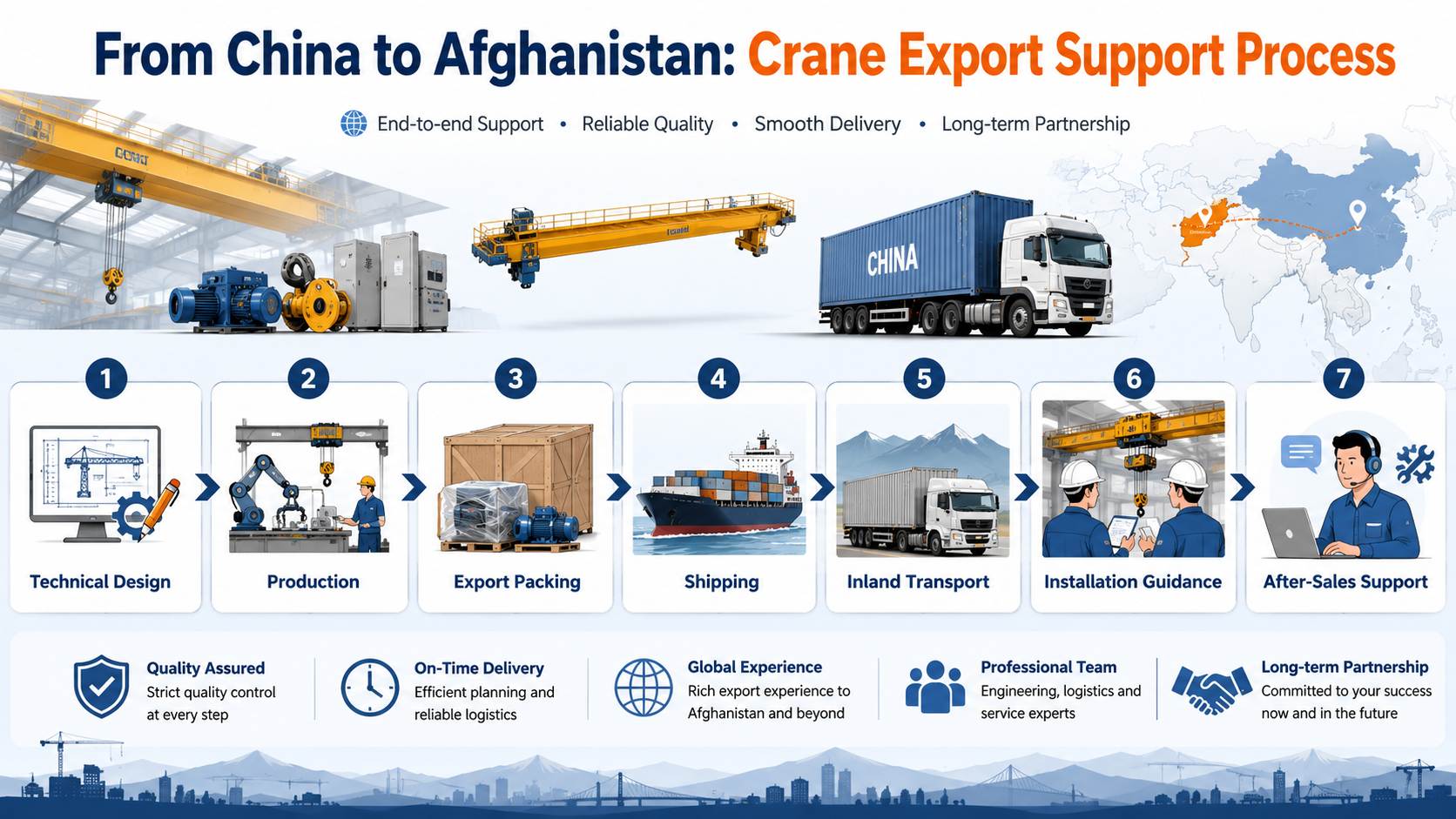
    Crane Transportation Plan from China to Afghanistan

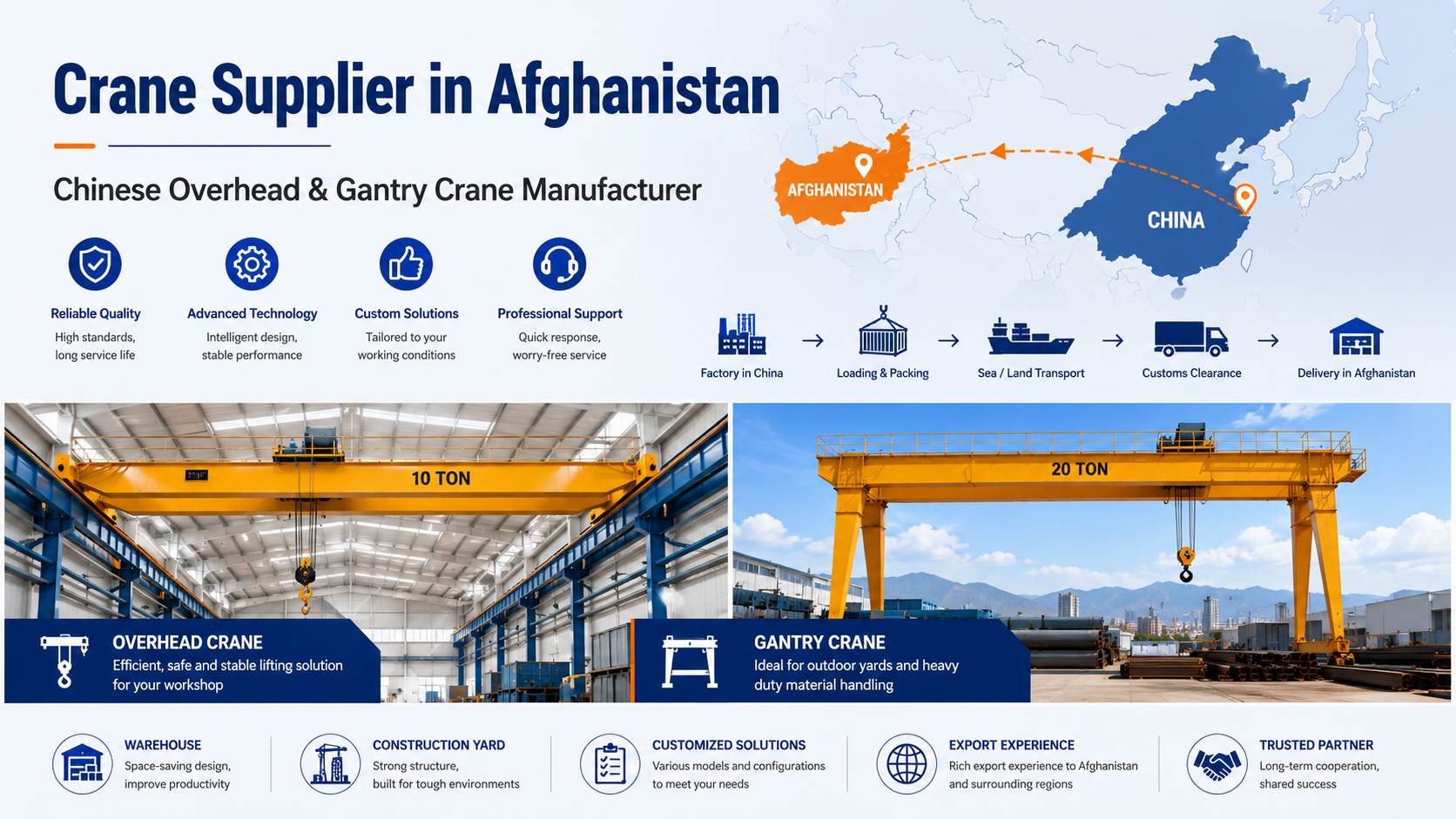
    Afghanistan is a landlocked country with no access to the sea, and crane transportation basically requires multimodal transport. According to the location and route of the project, the equipment is usually transported to the ports of neighboring countries by sea first, and then transported into the country by road or railway, or transported by land through the trade channel of Central Asia. Regional situations and access routes have changed from time to time in recent years, and transport costs and timeliness are likely to fluctuate. Before placing an order, the buyer must confirm with the supplier the transportation route, packing method, customs clearance documents and inland transit plan to avoid problems in the middle.

    ItemWhy It Matters
    Crane sizeAffects container or breakbulk shipping
    Main beam lengthMay require sectional design
    Packing methodProtects electrical and mechanical parts
    Inland routeAffects delivery time and cost
    Customs documentsHelps avoid clearance delay
    Installation toolsNeeded for site assembly
    Spare parts packageReduces downtime after delivery

    When we do the Afghanistan project, we will check the size in advance and give priority to the detachable structure design to facilitate the container transportation. Packaging will also be dustproof, moisture-proof, anti-knock treatment, electrical components separately reinforced, as far as possible to reduce the loss of long-distance transport.

    Compliance and Import Considerations

    This part does not constitute legal advice, but only reminds the buyer and the seller to verify the applicable export control and sanction rules and confirm the compliance of the project before the transaction. Including end user identity, project owner, payment method, bank channel, project location, restricted party screening, required qualification certificates, import documents and local regulatory requirements, all of which shall be checked in advance. In short, before exporting cranes to Afghanistan, both the supplier and the demander should confirm trade compliance, end-user information and payment arrangements to avoid subsequent risks.

    Crane Suppliers in Afghanistan
    Crane Suppliers in Afghanistan

    Tips for Different Buyers in Afghanistan

    Buyer Type in AfghanistanRecommended Crane Solution
    Small workshopElectric hoist + jib crane
    Machinery repair factorySingle girder overhead crane
    Heavy maintenance workshopDouble girder overhead crane
    Outdoor construction yardGantry crane
    Steel material yardDouble girder gantry crane
    WarehouseElectric hoist overhead crane
    Mining support facilityHeavy-duty overhead crane
    Logistics depotGantry crane + hoist system

    Common Mistakes in Purchasing Cranes in Afghanistan

    Just looking at the lowest price

    Equipment with too low quotation will often be reduced in structural materials and electrical accessories. Either the structural strength is not enough, or the electrical parts are easy to break, or the installation is difficult, and the actual service life is very short, which is more expensive.

    Ignore shipping and installation issues

    For Afghan buyers, shipping routes and on-site installation are sometimes as important as the price of equipment. If the transfer restriction is not calculated in advance, the sectional design is not done, and the equipment cannot be transported to the site or cannot be installed, the loss will be greater.

    No spare parts prepared in advance

    The replenishment cycle of spare parts for remote projects is very long. Only buy bare metal, and then find spare parts when they are broken. The first time is for several months. The equipment cannot be used when it is parked, which delays things. It is best to place an order when the common wearing parts together.

    Don't check the power supply conditions

    The local voltage, frequency and power supply stability shall be informed to the manufacturer in advance, so that the manufacturer can match the corresponding motor and electrical parts. The power supply does not match, the equipment cannot be pulled back to use, but also to change the configuration, very troublesome.

    Choose function is too complex equipment

    For many Afghan sites, simple, durable and easily repaired equipment is the most appropriate. Function is too complex automation system, the local no one will debug maintenance, no one can solve the problem, but became a decoration.

    Epilogue

    For buyers in Afghanistan, bridge cranes and gantry cranes are the most practical China lifting equipment. Bridge type is suitable for indoor workshop, warehouse and maintenance station, and portal type is suitable for outdoor storage yard, construction site and heavy material handling. Because of the particularity of import logistics and site conditions in Afghanistan, buyers must choose suppliers who can provide customized design, export packaging, transportation support, installation guidance, spare parts supply and long-term technical services, not just the price of a single unit.

    Customize Your Solution

    As a professional hoisting equipment manufacturer, Henan Mine Crane has rich experience in project service in Central Asia and South Asia, and can provide all kinds of hoisting equipment customization to adapt to various industrial, infrastructure, mining and logistics projects in Afghanistan. If you have procurement requirements, you can send us the lifting weight, span, lifting height, service environment, power supply conditions, installation site and specific purpose, and the engineering team will issue you an appropriate scheme and quotation.

    FAQs About Crane Supplier in Afghanistan

    Can China cranes be exported to Afghanistan?

    Exports are possible, but both buyers and sellers need to confirm shipping routes, documentation, payment methods, end user information, and applicable trade compliance requirements prior to shipment.

    Which crane is the Afghan market?

    For most Afghan buyers, overhead and gantry cranes are the most practical options. Bridge type is suitable for indoor workshop and warehouse, and portal type is suitable for outdoor storage yard and construction site.

    Is the overhead crane suitable for the workshop in Afghanistan?

    Bridge crane can be used for mechanical maintenance, steel structure processing, warehouse, production workshop and equipment maintenance, and low clearance can be customized according to the height of the workshop.

    Are gantry cranes suitable for outdoor scenarios in Afghanistan?

    Gantry cranes can be used for outdoor building materials storage yard, construction site, mining supporting area, logistics station and steel storage yard, and dust-proof and wind-proof outdoor configuration can also be customized.

    What information is required for purchasing a crane?

    The buyer shall provide the rated lifting weight, span, lifting height, operating environment, power supply parameters, control mode, specific purpose, installation site and required qualification documents.

    How can China suppliers support the installation in Afghanistan?

    The supplier can provide installation drawings, operation manuals, video guidance, remote technical support, supporting spare parts and operation training materials to assist in completing installation and commissioning on site.

    What documents are required to import cranes into Afghanistan?

    Commonly used documents include commercial invoice, packing list, certificate of origin, technical drawings, inspection certificate, operation manual, maintenance manual and spare parts list, which can be supplemented according to customs clearance requirements.

    Do Afghan buyers need to purchase spare parts with the equipment?

    No, Henan Mine Crane Co., Ltd. provides 7*24 hours service, provide global remote technical support, sufficient stock of core accessories to ensure stable operation of the equipment.

    Discuss the crane arrangement for your project.

    A complete enquiry combines the required lifting task with practical site information. Describe the support conditions, power requirements, access and installation arrangements so equipment and project responsibilities can be reviewed consistently. Share the load, available drawings, working cycle and site conditions with Henan Mine Crane so the required configuration and supply boundary can be discussed.

    Related crane configurations

    Single-Girder Bridge Crane

    View product parameters
    Lifting capacity: 1–20 tSpan: 7.5–31.5 mLifting height: 6, 9, 12, 18, 24 or 30 m; capacity-dependent

    Use an LDA single-girder bridge and electric hoist for general workshop material handling. Select the lifting capacity, runway geometry and hoist duty around the building and load.

    LH Electric Hoist Double Girder Crane

    View product parameters
    Lifting capacity: 3, 5, 10, 16, 20 tSpan: 10.5–31.5 mLifting height: 6, 9, 12 or 18 m

    Use an LH double-girder bridge with an electric-hoist trolley for workshop lifting, assembly and maintenance. Match the hoist arrangement to the suspended load, hook travel and available building space.

    Updated 2026 · Henan Mine Crane
  • Crane Manufacturing Workshops Upgraded for Safer Production

    Crane Manufacturing Workshops Upgraded for Safer Production

    Quality & Manufacturing

    Crane Manufacturing Workshops Upgraded for Safer Production

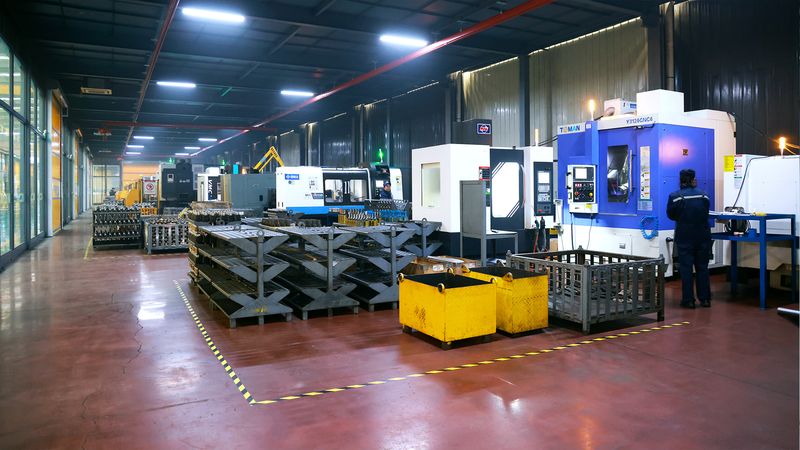
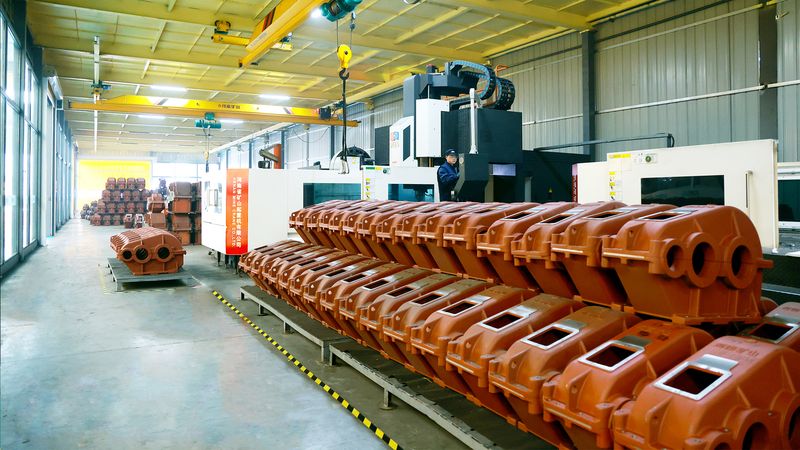
    Henan Mine Crane reported the first group of upgrades to its machining, gearbox and storage workshops in December 2024.

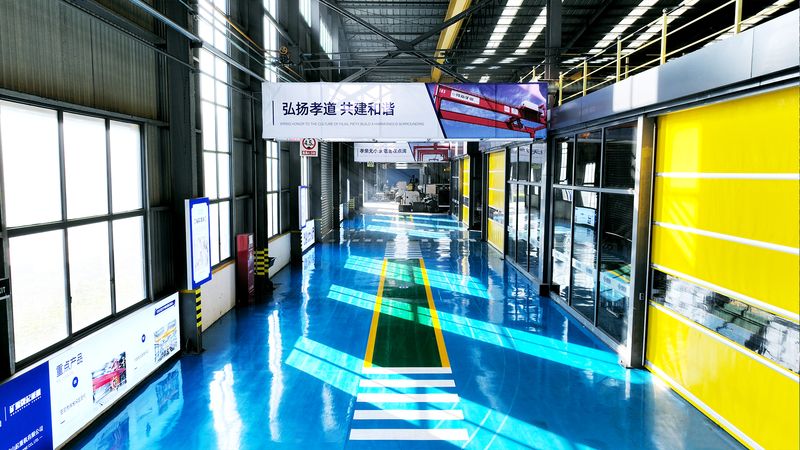
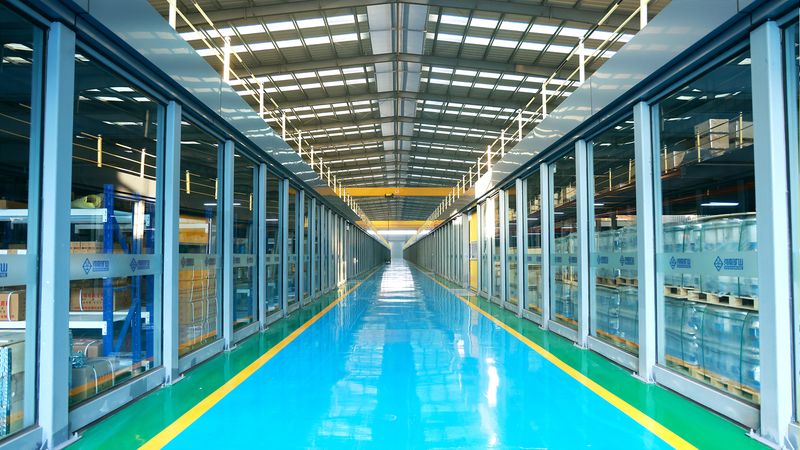
    Long enclosed production and inspection corridor
    Long enclosed production and inspection corridor.

    Production layout and working environment

    The renovated areas show defined walkways, enclosed production spaces and equipment zones. The company describes climate-controlled areas and a more orderly layout for work and material flow.

    What to review in a factory visit

    A prospective customer can inspect the relevant machining, fabrication, assembly and test areas, then request the actual process plan, inspection points and traceability records for the ordered crane. A workshop renovation is separate from product certification or a promise about project lead time.

    Explore Henan Mine Crane

    Contact the manufacturing team to plan a relevant factory visit or discuss required quality records.

  • Waste-to-Energy Cranes: Mixing, Storage and Feeding Requirements

    Waste-to-Energy Cranes: Mixing, Storage and Feeding Requirements

    Selection guide

    Waste-to-Energy Cranes: Mixing, Storage and Feeding Requirements

    Waste-to-energy handling connects bunker storage with a defined feeding process. Describe the material, grab tasks and operating sequence so the crane configuration and automation scope can be developed around the plant.

    Henan Mine CraneSelection guide · Updated 2026Crane selection, project scope and operating requirements
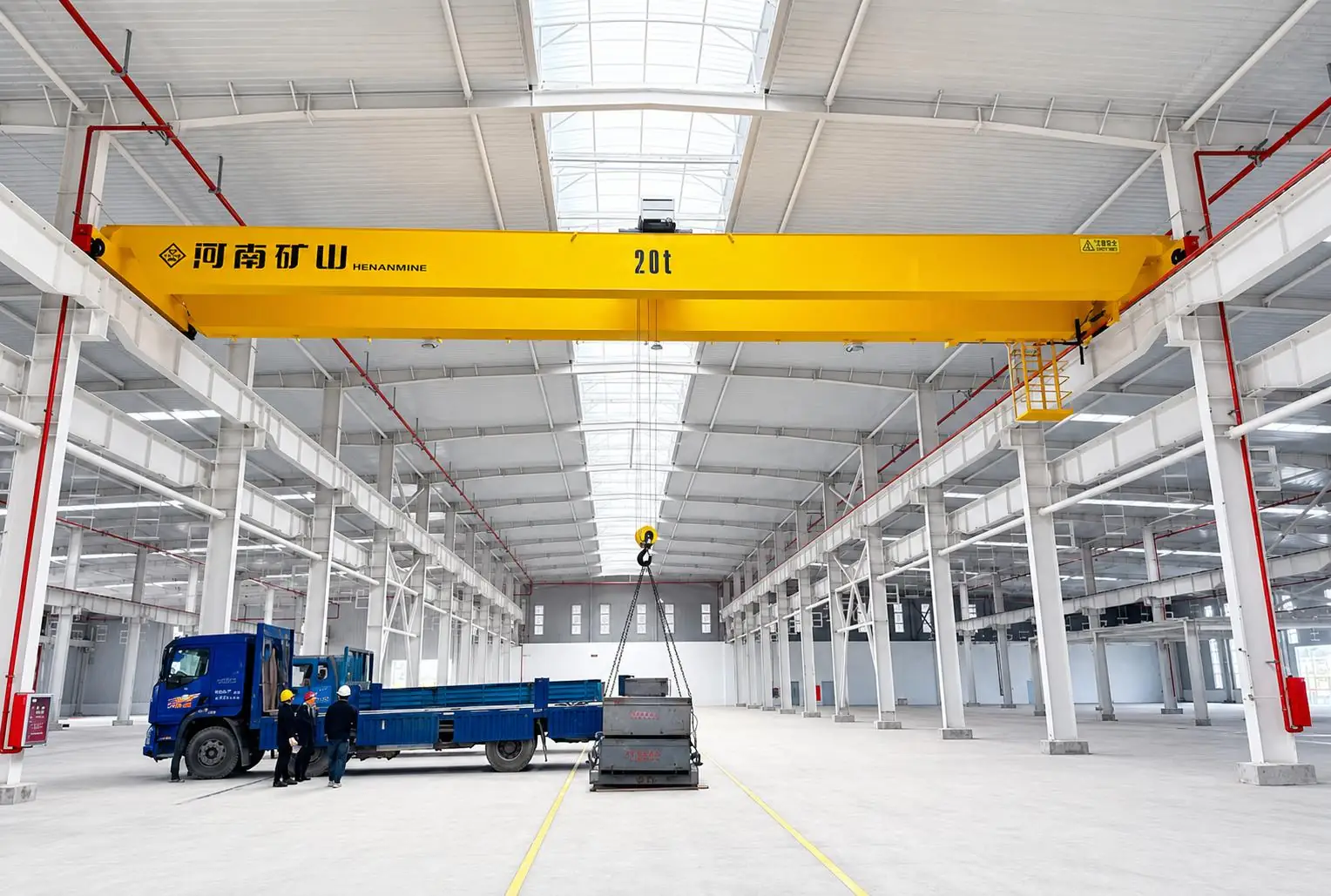
    Henan Mine Crane overhead crane inside a workshop bay
    Henan Mine Crane overhead crane inside a workshop bay
    Project planning notes

    Key points for this crane project.

    1. A Waste Handling Package from One Crane Manufacturer
    2. What a Waste to Energy Crane Does
    3. Select the Crane and Waste Grab Together
    Read the technical guide

    A Waste Handling Package from One Crane Manufacturer

    Crane, grab and controls

    We propose the bridge, trolley, waste grab, power supply and control system together. The technical offer defines what is included and how the equipment connects to the bunker and feed hoppers.

    Engineering around furnace demand

    Our selection considers waste payload, cycle time, mixing and transfer work. You receive an equipment arrangement and operating basis that can be checked against the plant’s required handling rate.

    Support through commissioning

    Installation guidance, commissioning assistance, operator training and spare-parts support can be included. The quotation separates equipment supply from site services, so the project team can budget both.

    Our practical advantage: Henan Mine Crane has a published, commissioned automatic grab crane reference in waste incineration power generation. That experience provides a concrete starting point for discussing control functions and the proposed operating sequence.

    What a Waste to Energy Crane Does

    A waste to energy crane, also called a waste bunker crane or garbage grab crane, moves municipal solid waste inside the storage bunker and delivers it to incinerator feed hoppers. Its workload includes more than furnace feeding.

    Bunker taskWhat the crane arrangement provides
    Clear the reception areaTransfer newly delivered waste away from tipping positions to keep the receiving area usable.
    Mix and redistribute wasteMove waste between bunker zones to blend incoming material and manage the stored pile.
    Feed the furnace hoppersCarry waste to designated discharge points, with controlled approach and hopper-ready interlocks where included.
    Record handled loadsA weighing option can record loads and feeding totals, with the measurement method and calibration procedure stated in the offer.

    For plant operators, the key result is enough handling capacity to perform these tasks while maintaining the agreed feeding schedule. Crane tonnage alone does not describe that capacity.

    Select the Crane and Waste Grab Together

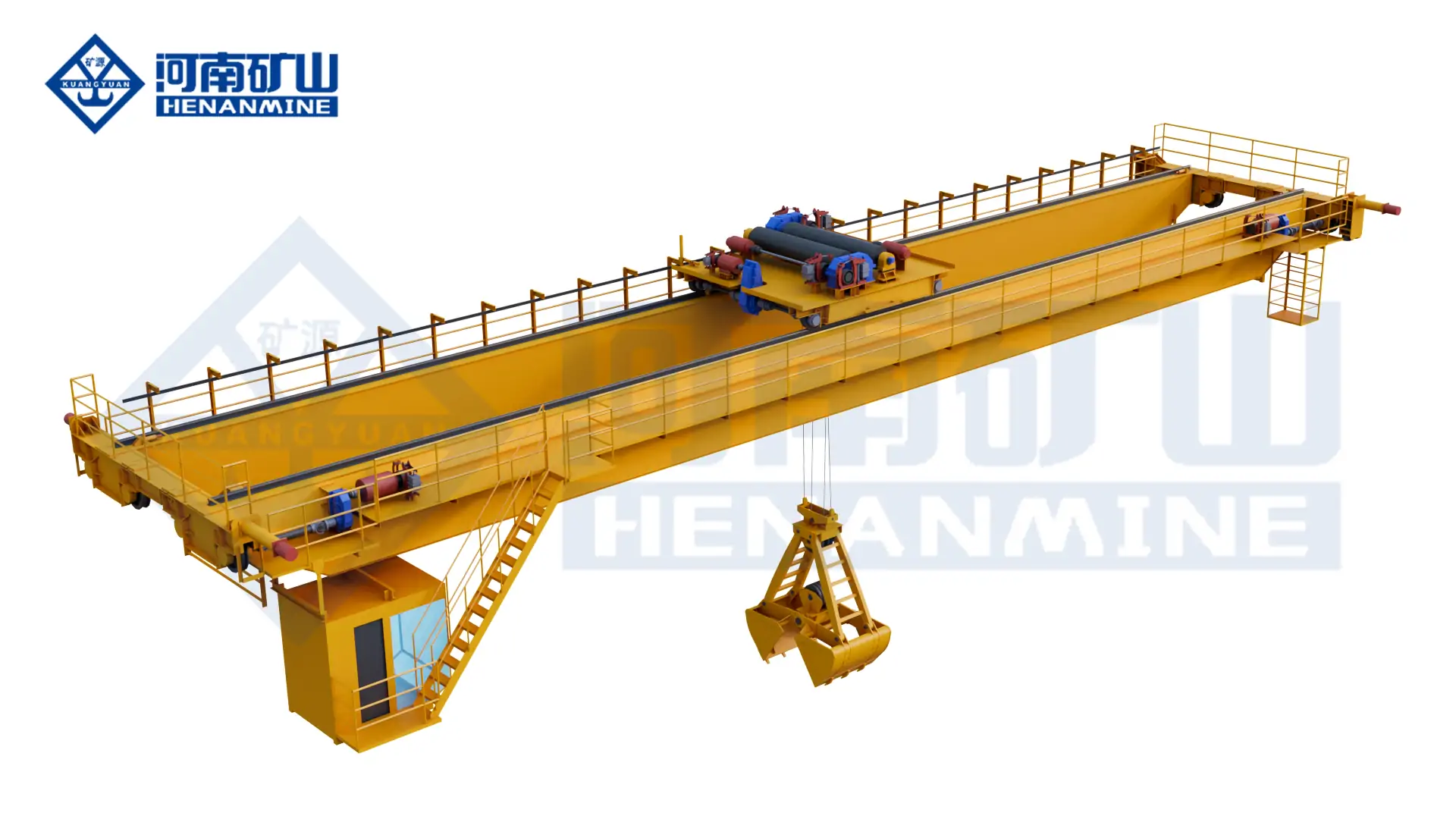
    For a building-mounted waste bunker, a dedicated double-girder grab overhead crane is the usual starting arrangement. We select the grab geometry, lifting machinery and travel system around the waste and bunker layout.

    Plant conditionEquipment approach
    Mixed municipal waste with bulky or irregular piecesEvaluate a multi-tine or orange-peel waste grab, including penetration, closure, retention and maintenance access.
    A more uniform bulk streamCompare grab geometries against the actual material. A clamshell suitable for coal or sand is not automatically suitable for mixed refuse.
    Frequent mixing and repeated furnace feedingSelect the mechanisms and duty classification from the expected load spectrum and operating cycles.
    An existing bunker and runwayDevelop the replacement layout around rail spacing, wheel reactions, building clearance and hopper reach.
    A phased automation projectOffer the initial operating modes and separately identify sensors, plant interfaces and functions for a later upgrade.

    Compare the Main Handling Arrangements

    ArrangementBest procurement fitImportant distinction
    Dedicated waste grab overhead craneBunker mixing, transfer and repeated incinerator feeding.Grab performance, complete-cycle throughput and continuous service duty drive the design.
    General-purpose grab overhead craneDefined bulk streams such as coal, ore or other process materials.Waste compatibility and severe-duty requirements require a separate review.
    Grab-and-hook overhead craneAreas combining occasional bulk handling with equipment lifting.Attachment flexibility does not establish suitability for continuous furnace feeding.
    Electric-hoist overhead craneWorkshop and equipment-maintenance lifting.This is a separate maintenance duty from waste bunker handling.
    Grab-and-hook gantry craneSuitable outdoor auxiliary material handling areas.Ground rails, weather conditions and material compatibility determine suitability.

    Technical Schedule for Your Offered Crane

    The final specification identifies the crane being supplied, rather than combining capacity and speed ranges from unrelated catalogue models.

    ParameterWhat our technical offer states
    Rated lifting load — tThe applicable rating and its load basis, including the grab and other below-hook equipment as required by the selected arrangement.
    Net waste payload — t/cycleExpected waste mass per grab, calculated separately from the total suspended mass.
    Grab volume — m³Selected volume, geometry, grab self-weight and assumed waste density and filling factor.
    Span, travel and lift — mRunway centre distance, working envelope, pickup depth, hopper discharge height and end approaches.
    Motion speeds — m/minHoisting, lowering, trolley and bridge speeds, with acceleration and approach settings used in the cycle calculation.
    Handling rate — t/hCalculated performance for the agreed routes, workload split and operating assumptions.
    Duty and environmentMechanism duty, load spectrum, operating hours, enclosure protection and corrosion provisions.
    Controls and interfacesOperating modes, weighing option, alarms, plant signals and any contracted automation functions.

    Check Handling Capacity Before Choosing the Tonnage

    Rated lifting load and hourly waste throughput describe different requirements. The complete cycle includes grab closing, hoisting, travel, controlled discharge and return. Mixing and bunker transfer also use crane time.

    Illustrative throughput calculation

    The following assumptions demonstrate the calculation only: a 5 m³ grab, waste density of 0.35 t/m³, a filling factor of 0.80, grab self-weight of 2.00 t, a 90-second cycle and 75% productive utilisation. These are not specifications of a selected Henan Mine Crane model.

    CalculationIllustrative result
    Net waste payload: 5 × 0.35 × 0.801.40 t per grab cycle
    Payload plus assumed grab self-weight: 1.40 + 2.003.40 t suspended mass, before any further attachments
    Hourly handling: 1.40 × (3,600 ÷ 90) × 0.7542 t/h
    Average furnace feed for an assumed 750 t/day: 750 ÷ 2431.25 t/h
    Feeding plus an assumed 50% mixing and transfer allowance46.875 t/h, or approximately 46.9 t/h

    In this example, 42 t/h is below the assumed combined demand of 46.9 t/h. Selecting the crane from furnace-feed tonnage alone would miss the additional bunker workload. Grab size, route length, cycle time and the crane arrangement have to be evaluated together.

    For a project calculation, measured waste properties, the actual route and workload split replace these assumptions. The offered crane rating is checked separately against the complete suspended load and the applicable load basis. The performance proposal and acceptance test use the agreed operating conditions.

    Automation That Matches the Plant’s Operating Routine

    Automation can reduce repetitive operator movements, but the useful specification is the sequence the crane performs and how it handles interruptions. We separate the operating functions in the offer.

    Control levelOffered operating scope
    Manual or remote operationOperator-directed picking and discharge, with the contracted motion controls and protections.
    Semi-automatic cyclesOperator-selected pickup followed by defined travel or discharge sequences, subject to the agreed interlocks.
    Automatic bunker operationA project-engineered sequence using the contracted position feedback, waste-surface information, hopper signals and zone management. Sensor coverage and recovery procedures form part of the scope.

    Optional functions include weighing, anti-sway, multiple-crane coordination and plant control-system interfaces. The proposal identifies the required hardware and software, the signals exchanged with the plant, and the available operator override and fault-recovery modes.

    Project Reference: Automatic Grab Crane in WTE Service

    Henan Mine Crane’s manufacturer report dated December 2025 records an automatic grab crane entering service at a waste incineration power generation project.

    Published featureInstalled project description
    Motion and positioningVariable-frequency control throughout the crane, with absolute-encoder position feedback.
    Handling functionsAnti-sway, automatic fixed-point grabbing and constant-weight cyclic operation.
    Operating modesManual operation, wireless remote control and fixed-point discharge.
    Controls and protectionPLC and VFD control, with short-circuit, overload and hoisting-limit protections.
    Future expansionA reserved interface for full automation.

    The report does not publish plant identity, lifting capacity, grab volume or daily throughput. The reserved interface is an upgrade provision; it does not establish fully unattended bunker operation. Equipment for a new project is specified against that plant’s duty.

    Plan for the Day a Crane or Grab Needs Service

    In a waste bunker, a crane can have adequate normal capacity and still leave the plant exposed during maintenance. We develop the service arrangement alongside the operating layout.

    Crane coverage during an outage

    For multiple-crane layouts, we assess whether the available crane can reach the required bunker zones and hoppers. Parking positions and access matter if a stopped crane obstructs a shared runway.

    A workable grab-service area

    We incorporate the agreed grab landing and maintenance position into the layout. A spare grab or replacement wear-part package can be quoted where justified by the maintenance plan.

    Parts and maintenance information

    The supply package can include parts identification, lubrication instructions, inspection guidance and recommended operational spares for the selected drives, brakes, ropes and grab equipment.

    The crane count follows the feeding duty and outage strategy. Two cranes are not automatically full redundancy: the remaining equipment must have both the reach and the capacity required for the agreed reduced or full operating condition.

    Protection for the Waste Bunker Environment

    Moisture, airborne dust and corrosive conditions influence coatings, enclosures, cable systems and machinery access. Our engineering review selects those provisions from the stated service conditions.

    The proposal can identify electrical enclosure protection, cabinet ventilation or cooling, corrosion treatment and service access. Explosion protection is not assumed from the words “waste crane”.

    Hopper permissives, restricted zones and plant alarm signals can be included in the agreed control interface. Their function and response are documented with the plant team.

    Waste to Energy Crane Price and Quotation Scope

    The price of a waste-to-energy crane depends on the bridge and trolley arrangement, grab, operating duty, span, lifting height, controls and site-service scope. Compare quotations for the same bunker layout and feeding requirement.

    Budget the equipment and site work separately

    Quotation itemScope to compare
    Crane and waste grabBridge, trolley, lifting machinery, grab arrangement, load basis and operating duty
    Controls and automationManual and automatic functions, sensors, weighing, operator station, software and plant interfaces
    Electrification and runway interfacesPower-feed equipment, cable systems, rail-related equipment and the division of supply
    Destination workFreight, local handling, runway steelwork, civil works, erection resources and plant integration
    Commissioning and handoverSite support, functional checks, throughput acceptance, training, documentation and agreed spares

    Henan Mine Crane separates the equipment package, optional functions and site services in the offer. Delivery basis, installation responsibilities, lead time and warranty terms are stated for the selected configuration and destination.

    Send the bunker drawing and feeding duty to obtain an itemized quotation with a clear equipment and service boundary.

    From Engineering Drawings to Site Acceptance

    Project stageDeliverables available within the agreed supply
    Engineering reviewGeneral arrangement, working envelope, wheel reactions, technical schedule and control-interface description.
    Factory acceptanceAgreed inspections and tests of crane motions, brakes, limits, control sequences and applicable load-test requirements, with corresponding records.
    Site commissioningInstallation checks, travel and hopper-position setup, plant-signal checks and weighing calibration where supplied.
    Operational acceptanceA representative waste-handling test using the agreed routes, material conditions and workload split. Factory motion tests alone do not prove site waste throughput.
    HandoverContracted manuals, electrical drawings, parts lists, maintenance information, training and control-system backup or access provisions.

    The acceptance plan ties the performance test to the same assumptions used in crane selection. This gives the plant team a clear basis for checking the supplied equipment.

    Waste to Energy Crane FAQs

    What is the difference between crane lifting capacity and waste payload?

    Waste payload is the waste carried in one grab. Total suspended mass also includes the grab and applicable attachments. Our technical schedule states the rating basis and expected net waste payload separately.

    Can a waste to energy crane run automatically?

    Yes, automatic sequences can be engineered for the agreed bunker layout and plant interfaces. The offered scope identifies sensing, control functions, operator intervention and recovery arrangements; a reserved interface alone does not provide fully unattended operation.

    How many waste cranes does a plant need?

    The number follows the total feeding, mixing and transfer workload and the maintenance strategy. We assess both normal operation and the required operating condition when a crane is unavailable.

    Can you supply a replacement crane for an existing waste bunker?

    We can evaluate a replacement against the existing runway, building clearance, hopper positions and plant interfaces. The proposal includes the crane arrangement and reactions for project coordination.

    Do you provide installation and commissioning support?

    Installation guidance, commissioning assistance and operator training can be included in the offer. The quotation identifies the selected services, site responsibilities and commercial terms.

    What is needed to start a waste crane quotation?

    A bunker layout and short description of daily waste intake, furnace feeding demand and desired operating mode are enough to begin. Henan Mine Crane develops the initial arrangement and identifies the remaining design inputs.

    Related Crane Equipment

    Intelligent Grab Overhead Crane

    Explore the control platform behind automated bulk-material handling.

    Grab-and-Hook Overhead Crane

    Compare attachment flexibility for suitable auxiliary handling duties.

    Single-Girder Grab Crane

    Review a separate grab arrangement for defined bulk-material tasks.

    Grab-and-Hook Gantry Crane

    Explore outdoor auxiliary handling where ground-supported runways fit.

    Workshop Overhead Crane

    Select equipment-maintenance lifting separately from the waste bunker duty.

    New Electric Hoist

    Review compact hoisting equipment for separately rated service tasks.

    Discuss the crane arrangement for your project.

    Send your bunker layout, daily waste intake and preferred operating mode. Henan Mine Crane will develop a proposed crane arrangement, a grab and capacity basis, and an itemized equipment and service quotation.

    Related crane configurations

    Explore crane product families and technical parameters ↗

    Updated 2026 · Henan Mine Crane

  • Waste Handling Cranes: Grab Selection and Working-Cycle Inputs

    Waste Handling Cranes: Grab Selection and Working-Cycle Inputs

    Selection guide

    Waste Handling Cranes: Grab Selection and Working-Cycle Inputs

    Variable waste material requires the attachment and crane to be considered together. Provide the material characteristics, handling area and repeated work sequence before comparing grab arrangements and operating duty.

    Henan Mine CraneSelection guide · Updated 2026Crane selection, project scope and operating requirements
    Waste Handling Crane
    Waste Handling Crane
    Project planning notes

    Key points for this crane project.

    1. Application overview
    2. A Crane Designed Around the Waste Bunker
    3. Choose the Right Waste Handling Configuration
    Read the technical guide

    Application overview

    Primary application MSW storage pits and waste-to-energy feed hoppers

    Handling functions Receiving, mixing, stacking, weighing and feeding

    Control options Operator control, assisted cycles or engineered automation

    Commercial scope Quoted against plant drawings and operating requirements

    A Crane Designed Around the Waste Bunker

    A waste handling crane works above the storage pit, transfers incoming municipal waste between zones, mixes material to support a consistent feed and delivers defined batches to the incinerator hopper. These operations involve repeated starts, reversals and grab cycles in an atmosphere that can contain moisture, dust and corrosive contaminants. The equipment specification must address both production demand and maintainability.

    The overhead bridge, hoisting mechanism, opening-and-closing system, bucket, runway interface and controls are specified together. A crane selected only by its nominal lifting capacity may not deliver the required tonnes per hour, cover the entire pit or provide the operational reserve needed when one unit is unavailable.

    For recycling or scrap facilities, Henan Mine Crane can assess an alternative grab-and-hook arrangement or a separate material-specific lifting system. A waste-to-energy feed crane is not interchangeable with a ferrous-scrap magnetic crane or an occasional-duty warehouse hoist.

    Choose the Right Waste Handling Configuration

    01 · MSW Bunker Grab Crane

    A double-girder overhead crane with an application-matched grab for wide pit coverage, waste homogenisation and reliable hopper charging.

    02 · Manual or Assisted Control

    Operator-directed pickup and feed, with defined travel limits, speed control, load indication and optional positioning assistance.

    03 · Automated Grab Cycles

    Engineered repeatable pickup, distribution and hopper-feed sequences with approved operating zones and operator intervention provisions.

    04 · Dual-Crane Bunker Coverage

    A duty and standby arrangement where incinerator availability demands an alternative crane during servicing or a unit fault.

    05 · Grab and Weighing System

    A bucket selected for waste density and fill behavior, paired with a weighing arrangement when the process requires batch or feed records.

    06 · Corrosion-Conscious Package

    Coating, sealed electrical equipment and accessible service points specified for the site’s moisture, leachate and cleaning regime.

    07 · Smaller Transfer Station

    A lighter grab-crane option may suit intermittent sorting or transfer work after actual cycle frequency and materials are confirmed.

    08 · Recycling and Scrap Handling

    Grabs or hook-and-grab systems are selected for the actual material; magnetic lifting is considered only for suitable ferrous loads.

    Waste Crane Configuration Comparison

    The selection is based on the operating cycle and the material, not solely on the lowest equipment price.

    ConfigurationBest-fit operationDesign priorityKey limitation to assess
    Double-girder MSW grabFrequent bunker mixing and hopper feedDuty, reach, bucket payload and availabilityTotal installed system scope
    Automated MSW grabDefined repeatable feed and distribution cyclesPositioning, interlocks and plant integrationCommissioning and exception handling
    Single-girder grabSmaller, intermittent transfer dutiesBuilding load and cost efficiencyMay not suit intensive WtE feed duty
    Hook-and-grabSeparate approved loose and unit-load tasksAttachment change and load controlNot automatically suitable for continuous MSW feed

    Sizing the Grab for Real Waste, Not a Catalogue Number

    Bucket volume is only one input. Actual lifted waste depends on bulk density, grab fill, the moisture and composition of the stream, and the weight of the empty bucket. The crane’s rated load must cover the bucket, its maximum permitted contents and the applicable lifting arrangement. Waste that bridges inside the grab or contains bulky objects may reduce the practical fill and increase cycle time.

    The required hourly handling rate must include incinerator feed and material turning, pit redistribution and time reserved for grab inspection. Travel distances from pickup zones to each feed hopper and permitted motions around pit walls determine a workable cycle. Henan Mine Crane can develop the preliminary grab and drive configuration from a pit plan, waste description, throughput target and operating schedule.

    The allowable payload must be calculated for the final grab and operating conditions.

    Project Specification: Parameters to Confirm

    The following schedule is the basis for an engineered proposal. Values are selected from the facility’s drawings and production demand; no single capacity or span applies to every waste handling crane.

    ParameterInformation required for selection
    Waste and process capacityMSW or other material; tonnes per day and required peak feed rate
    Material propertiesDensity range, moisture, bulky items, abrasive content and fill characteristics
    Bucket and crane ratingRequired grab volume; empty bucket mass plus allowable material payload
    Pit and runway geometryRail gauge, travel length, rail-top elevation, pit depth and service access
    Hopper arrangementNumber and coordinates of receiving hoppers, opening sizes and exclusion zones
    Operating dutyShifts, lifting cycles, load spectrum, permitted downtime and standby policy
    Controls and interfacesOperator station, automation functions, weighing signals and plant control interface
    Site conditionsPower supply, ambient conditions, washdown, dust, corrosion and local compliance

    Automation That Fits the Plant's Operating Plan

    Operator-Directed

    A trained operator supervises pickup, blending and charging. Control stations, sightlines, camera views and override arrangements are established against the bunker layout.

    Assisted Sequences

    Selected travel and discharge moves can be repeatable while the operator retains responsibility for irregular waste, blocked grabs and exceptional loads.

    Integrated Automation

    Defined pickup areas, hopper destinations, weighing, anti-sway functions and operating-state signals can be incorporated after interface and safety review.

    Automatic operation is a specified project function, not an implied feature of every grab crane. The automation proposal should identify its covered zones, interlocks, manual recovery mode, data exchange with the plant and acceptance tests.

    Safety, Availability and Maintenance Access

    Define the Operating Envelope

    End limits, hook/grab travel limits, overload protection, emergency stops and crane-to-crane separation are assessed in the complete layout. Travel restrictions must keep the grab clear of hopper edges, bunker walls and accessible personnel areas.

    Fire detection, waste-bunker ventilation, hazardous-area classification and local electrical requirements are plant-level inputs. Explosion-protected equipment is specified only where the site’s formal classification requires it.

    Plan for Service Continuity

    Where continuous furnace feed is essential, evaluate two-crane coverage, a defined standby sequence and safe access to one crane while the other remains available. The arrangement should be checked against the number of hoppers and feasible service positions.

    Inspection points for ropes, brakes, wheels, bucket pins, hydraulic components where fitted and electrical panels should be reachable without unnecessary exposure above the waste pit. Spare parts and a planned maintenance schedule are included in the operating concept.

    Automatic Grab Crane in a Waste-to-Energy Project

    In 2025, Henan Mine Crane placed an automatic grab crane developed for a waste-incineration power-generation project into operation. Its operating functions include automatic fixed-point grabbing and constant-weight repetitive cycles.

    The project crane combines variable-frequency speed control and encoder-based positioning with anti-sway functions. It provides manual, wireless-remote and fixed-point unloading modes and an interface reserved for future automation upgrades. These functions illustrate the available engineering approach; the control scope for each new plant is defined in its project specification.

    For a comparable installation, Henan Mine Crane assesses the purchaser’s bunker geometry, waste stream, required feed rate, operating cycles and plant interfaces before selecting the grab, crane mechanisms and control functions.

    Project Functions

    Operation: fixed-point automatic grabbing and repeatable constant-weight cycles

    Waste Handling Crane Price and Quotation Scope

    A waste-bunker crane cannot be priced responsibly from a lifting-capacity figure alone. Advertised grab-crane prices online often concern a basic crane or attachment and do not establish the cost of a waste-to-energy bunker system. An equipment-only price and an installed, automated two-crane plant package are different commercial scopes.

    Henan Mine Crane prepares a project quotation that identifies the priced items, specified functions and exclusions. For procurement comparison, request an itemised offer covering:

    Crane equipment Bridge, trolley, hoists, drives, controls and number of units.

    Material handling Bucket type, rated volume, spare grab and weighing scope.

    Plant interfaces Automation, power feed, runway, structural works and fire-system interfaces.

    Delivery and support Testing, shipping terms, installation, commissioning, training and spares.

    Final pricing follows the agreed technical specification and destination. An accurate offer states the quotation currency, trade term, validity period, schedule, warranty scope and responsibility for site installation.

    Prepare a Waste Crane RFQ That Can Be Engineered

    Send the bunker plan with rail elevations, pit dimensions and hopper locations; waste type and daily or hourly throughput; expected grab cycles and operating hours; desired control mode; number of cranes; site electrical supply; destination; and any project specification or applicable local code. An existing plant can also submit crane and runway drawings for retrofit assessment.

    Frequently Asked Questions

    What is a waste handling crane used for?

    In a waste-to-energy plant, it lifts waste from the reception pit, redistributes and mixes it, and feeds the incinerator hopper. The same term can also describe different equipment at recycling or transfer facilities.

    How is the crane’s lifting capacity determined?

    The suspended load includes the empty grab and the maximum approved waste payload. Grab volume, density and filling behavior must be checked together with the selected lifting mechanism and project safety requirements.

    How is the required throughput calculated?

    Assessment considers practical payload per cycle, travel distance, hoisting and grab operation, time spent mixing and feeding, and planned interruptions. Incinerator daily capacity is an input, not a crane cycle specification.

    Is a single-girder crane suitable for an incinerator?

    It may suit a limited or intermittent task, but continuous bunker feeding needs an operating-duty, handling-rate and availability review. A smaller catalogue crane should not be specified as a direct replacement for a high-cycle process crane.

    Does every waste plant require two cranes?

    No fixed number fits every plant. Where furnace feed must remain available during maintenance or a unit fault, dual-crane coverage is commonly evaluated against throughput, hopper positions, operating policy and allowable downtime.

    Can the crane operate automatically?

    Automatic pickup, transfer, weighing and discharge functions can be engineered for defined zones. The proposal must state the supplied functions, safety interlocks, plant communication, exception handling and manual recovery procedure.

    Which bucket is used for municipal waste?

    Grab geometry and actuation are selected for the density, bulky content, abrasiveness, moisture and required volume of the actual waste stream. A bucket intended for coal or ore should not be assumed suitable without evaluation.

    Is an explosion-proof crane required?

    That decision follows the facility’s documented hazardous-area classification and applicable local rules. The waste application alone does not establish a universal explosion-protection rating.

    What affects a waste handling crane’s price?

    Crane rating and duty, span and runway length, grab design, redundancy, controls, environmental protection, test requirements and the delivery and installation scope. A project-specific offer is needed to compare complete systems.

    Can an existing waste bunker be upgraded?

    A retrofit can be considered after reviewing runway condition, wheel loads, rail gauge, available headroom, power supply, hopper geometry and the access needed for installation and future maintenance.

    Related Waste and Bulk-Handling Crane Products

    Intelligent Grab Double-Girder Crane

    A double-girder grab platform for engineered bulk-handling and control configurations.

    Single-Girder Grab Crane

    An option for selected smaller or intermittent bulk-material duties after duty verification.

    Grab-and-Hook Overhead Crane

    Separate hook and grab tasks in approved transfer or recycling operations.

    Double-Girder Bridge Crane

    A bridge-crane structural family for engineered industrial lifting applications.

    Unmanned Grab Crane Application

    Automation concepts for defined bulk-material handling processes and facility interfaces.

    Provide your pit and hopper drawings, daily throughput, waste properties, operating schedule, preferred control level and destination. Henan Mine Crane will assess the grab, crane duty, bunker coverage and commercial scope for your facility.

    Discuss the crane arrangement for your project.

    Variable waste material requires the attachment and crane to be considered together. Provide the material characteristics, handling area and repeated work sequence before comparing grab arrangements and operating duty. Share the load, available drawings, working cycle and site conditions with Henan Mine Crane so the required configuration and supply boundary can be discussed.

    Related crane configurations

    Grab And Hook Dual Purpose Crane

    View product parameters
    Lifting capacity: 5 – 16 tSpan: 10.5 – 31.5 mLifting height: 6 – 20 m

    Switch between bulk-material pickup and hook lifting with a grab-and-hook overhead arrangement. Define each load case, the grab type and the changeover procedure for the working area.

    Grab Hook Gantry Crane

    View product parameters
    Lifting capacity: 1t – 20tSpan: 6m – 30mLifting height: 4m – 18m

    Combine grab and hook handling on an electric-hoist gantry arrangement. Match the lifting appliance, load cases and changeover method to the outdoor handling layout.

    Updated 2026 · Henan Mine Crane
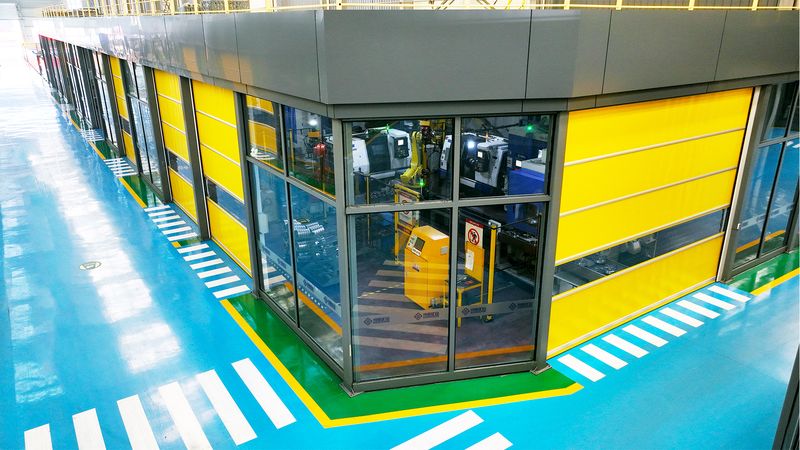
  • Warehouse Crane Systems: Storage Coverage and Material Transfers

    Warehouse Crane Systems: Storage Coverage and Material Transfers

    Selection guide

    Warehouse Crane Systems: Storage Coverage and Material Transfers

    Warehouse lifting should support the actual storage and dispatch process. Map handling units, access lanes and transfer points so the crane arrangement can be assessed within the facility's overall material flow.

    Henan Mine CraneSelection guide · Updated 2026Crane selection, project scope and operating requirements
    Henan Mine Crane overhead crane inside a workshop bay
    Henan Mine Crane overhead crane inside a workshop bay
    Project planning notes

    Key points for this crane project.

    1. What Is a Warehouse Crane?
    2. Warehouse Handling Applications
    3. Warehouse Crane Specifications
    Read the technical guide

    What Is a Warehouse Crane?

    A warehouse crane is a lifting system selected for material movement inside a storage or distribution building. In industrial warehouses, an overhead bridge crane commonly provides three-axis movement: the hoist raises and lowers the load, the trolley crosses the bridge, and the bridge travels along the warehouse bay.

    The term can also describe underhung cranes, monorails, workstation cranes, jib cranes and floor-running gantry cranes. These systems do not provide identical coverage. The correct choice depends on whether the load must serve a complete rectangular bay, a fixed route, one workstation or several separate handling zones.

    Equipment scope: Henan Mine Crane warehouse solutions are industrial lifting cranes for suspended loads. An AS/RS stacker crane retrieves pallets or totes within storage racks and belongs to a separate warehouse-automation category.

    Warehouse Handling Applications

    Warehouse crane configuration begins with the complete load route. Pickup and placement positions, racks, mezzanines, dock doors, lighting, sprinklers, conveyors and forklift routes establish the required hook envelope and operating clearances.

    Receiving and Unloading

    Warehouse cranes transfer machinery, steel bundles, tooling and other heavy goods from receiving positions to inspection or staging areas. The system layout incorporates vehicle clearance and controlled suspended-load routes.

    Storage and Retrieval

    Industrial loads can be positioned in designated floor or rack locations where forklift handling is unsuitable. The lifting attachment, hook approach and storage access are matched to the handled material.

    Order Staging and Dispatch

    Powered bridge and trolley travel supports the movement of heavy orders between storage, packing, staging and outbound loading positions. Motion speeds and control functions are selected for the required throughput and placement accuracy.

    Equipment Maintenance

    Dedicated lifting coverage supports maintenance of conveyors, compactors, dock equipment and warehouse machinery. Hook approach and lifting height are configured for component removal and replacement.

    Warehouse Crane Specifications

    Each warehouse crane is configured from project-specific load, geometry, duty, building and electrical data. The approved technical schedule and general arrangement drawing define the selected parameters and contractual interfaces.

    SpecificationProject InformationPurchasing Significance
    Rated capacityMaximum payload plus relevant lifting accessories, stated in the required unitDetermines the lifting mechanism and structural demand
    SpanRunway rail centreline distance or required support geometryAffects girder design, wheel loads, transport and erection
    Lifting heightRequired lowest-to-highest hook travel and available headroomDefines rope length, hoist arrangement and usable storage height
    Runway lengthRequired bridge travel and end approach at both endsDetermines coverage, conductor length and runway scope
    Operating dutyLifts per hour, shifts, travel distances and actual load spectrumMatches motors, brakes, gearing and structure to service
    Motion and controlHoist, trolley and bridge speeds; pendant, radio or specified automationConnects production rate with placement control and operator position
    Warehouse environmentTemperature, humidity, dust, corrosion, restricted areas and fire-protection interfacesDefines protection, materials and layout coordination
    Electrical supplyVoltage, frequency, phases, earthing and incoming connection pointPrevents incompatible equipment and unclear site electrical scope

    Selection Considerations

    Warehouse Handling Route

    Receiving, storage, picking, staging and dispatch positions establish the required crane coverage. Aisle crossings and prohibited suspended-load areas form part of the operating layout.

    Load and Lifting Attachment

    Selection data comprise maximum and normal load weights, dimensions, centre of gravity, pickup points and the mass of slings, lifting beams, magnets or grabs.

    Structural Support and Clearance

    Building plans and sections provide the basis for evaluating runway or roof steel against crane reactions, wheel spacing, hook approaches and maintenance clearances.

    Operating Duty and Throughput

    Mechanism and structural duty are selected from lifts per hour, operating shifts, travel distances and load spectrum. Repetitive order movement requires a different duty basis from occasional maintenance lifting.

    Warehouse Crane Compared with Other Indoor Handling Configurations

    Alternative configurations are evaluated against the same load route, building drawing and operating cycle. Hook coverage, structural interface, headroom and aisle obstruction are considered together with rated capacity.

    ConfigurationCoverageStructural InterfaceSelection Logic
    Top-Running Single GirderRectangular warehouse bayRuns on supported runway railsCommon starting arrangement where capacity, span, duty and headroom permit
    Top-Running Double GirderRectangular bay with trolley travel across two girdersHigher bridge weight and project-specific wheel loadsConsider for heavier service, longer spans, trolley arrangements or improved hook height
    Underhung CraneRectangular bay with potentially close side approachSuspended from verified roof or support structureUseful where floor columns are undesirable and overhead support is suitable
    Monorail or Jib CraneFixed path or localized circular sectorBuilding-mounted or independently supportedSuitable for fixed-route or localized handling where full-bay coverage is unnecessary
    Warehouse Gantry CraneDefined floor route or movable work zoneSupported by legs running on floor rails or wheelsConsider where an overhead runway is impractical; check aisle and rack interference
    AS/RS Stacker CraneAutomated travel inside rack aislesIntegrated with racks, controls and warehouse softwareDifferent equipment category; not a substitute for an industrial suspended-load crane

    Warehouse Crane System Components

    A complete warehouse crane system integrates the runway and supporting structure, crane bridge, hoisting mechanism, electrification, controls and safety interfaces. Commercial proposals should define the supply boundary for each system component.

    Warehouse Layout, Headroom and Hook Coverage

    Warehouse span alone does not establish usable hook coverage. The general arrangement defines side approach, end approach, highest hook position and the lowest hook level required to clear racks, equipment and vehicles.

    The crane envelope is coordinated with pallet racking, mezzanines, lighting, sprinklers, ventilation, cable trays, dock doors and roof bracing. Shared forklift and pedestrian areas require designated transfer zones and prohibited suspended-load routes.

    • Rack elevations, aisle widths and fixed obstructions
    • Pickup and placement heights throughout the handling route
    • Maintenance access around the hoist, trolley and travel drives

    Load Handling, Hoist and Operating Duty

    The heaviest item establishes only part of the requirement. A warehouse that repeatedly stages heavy orders may need a different hoist, brakes, travel mechanisms and control response from a crane used occasionally for maintenance.

    Load Definition

    Rated-capacity evaluation includes the payload and the mass of lifting beams, slings or other below-the-hook attachments, together with load dimensions and centre-of-gravity variation.

    Motion Selection

    Hoisting, trolley and bridge speeds are selected from travel distance, throughput and positioning requirements. Variable-frequency control provides smoother acceleration, deceleration and load placement where specified.

    Attachment Interface

    Hooks, spreader beams, magnets and grabs serve different materials. The technical schedule defines attachment power, storage position, dead weight and the resulting usable hook height.

    Duty Classification

    Crane and mechanism duty are derived from operating cycles, load spectrum, travel distances and service conditions. The quotation states the applicable classification and design basis.

    Runway, Building and Warehouse Integration

    Structural coordination requires crane wheel loads, wheel spacing, horizontal forces, support details and installation tolerances. Existing runways are evaluated from their structural condition and the reactions generated by the proposed crane, not from nameplate capacity alone.

    New-build projects benefit from crane integration before finalization of roof steel, columns, racks and building services. Retrofit projects require surveys of runway condition, rail alignment, clearances and incoming electrical supply before approval of the crane arrangement.

    • Runway scope, rail profile, end stops and conductor system
    • Responsibility for structural verification and required modifications
    • Assembly space, unloading route and erection access
    • Interfaces with racks, services and fire-protection equipment

    Warehouse Crane Safety and Control Configuration

    Safety functions and operating controls are configured for the destination requirements, crane arrangement and warehouse traffic pattern. The commercial proposal defines crane-mounted equipment, site interfaces and operating responsibilities.

    Load and Motion Protection

    The selected protection package can include overload protection, motion limits, service and holding brakes, emergency stopping and travel warnings.

    Operator Position

    Pendant, radio remote or cabin control is selected according to visibility, travel distance, operating exposure and site procedures.

    Shared Warehouse Space

    Pedestrian routes, forklift traffic, racks, doors and transfer zones form part of the operational risk assessment. Multiple-crane installations can incorporate anti-collision functions or defined operating restrictions.

    Inspection and Access

    The system layout provides safe inspection and maintenance access. Contract documentation defines testing records, manuals, labels and site-acceptance requirements.

    Applicable crane, electrical, inspection and workplace requirements are defined according to the destination country and contract. The technical proposal states the agreed design basis, duty classification, documentation scope and acceptance requirements.

    Warehouse Crane Price

    Warehouse crane pricing is established from the lifting capacity, span, lifting height, operating duty, crane configuration, controls, warehouse interfaces and contractual supply scope. A technically valid commercial offer therefore requires the warehouse drawing and defined operating conditions.

    Cost ComponentPrincipal Price DriversCommercial Definition
    Crane EquipmentCapacity, span, lifting height, single- or double-girder structure, hoist or trolley design and operating dutyBridge, end carriages, hoisting mechanism, travel drives, controls and specified protection
    Runway and SupportsRunway length, rail profile, supporting beams or columns, structural modifications and installation tolerancesSupply responsibility and civil or structural interfaces are stated separately
    Electrical and Control SystemPower supply, conductor length, control method, variable-frequency drives, anti-collision and automation functionsIncoming-power boundary, mobile electrification and site connection responsibilities are defined
    Delivery and Site ServicesPacking, destination, freight, unloading, erection access, commissioning, testing and trainingIncoterm, exclusions, local works and acceptance responsibilities form part of the commercial schedule

    Comparable quotation basis: Commercial evaluation should use an identical technical specification and itemized inclusion schedule covering crane equipment, runway, electrification, freight, unloading, erection, commissioning, testing, training, duties and taxes. The Overhead Crane Price page provides a complete cost-component overview.

    Manufacturing and Project Documentation

    Henan Mine Crane manufactures crane structures and integrates the hoisting, travel, control and electrical systems in accordance with the approved project specification. The agreed documentation package establishes the equipment configuration and warehouse interfaces. Henan Mine Crane Manufacturing Facilities.

    • Approved general arrangement drawing and warehouse-interface schedule
    • Inspection stages, factory-test scope and acceptance records
    • Operating manuals, electrical drawings and spare-parts documentation
    • Specified standards, conformity documentation and language requirements

    Installation, Commissioning and Maintenance

    Site Preparation

    Site readiness includes completed and surveyed runways, an available assembly area, protected nearby inventory, incoming power and suitable access for unloading and erection equipment.

    Erection and Commissioning

    The commissioning plan defines mechanical and electrical inspections, functional testing, applicable load testing, documentation handover and operator familiarization.

    Lifecycle Maintenance

    Inspection and maintenance intervals are established from the operating duty, environment, supplied manuals and local requirements. Coverage includes the hoist, brakes, ropes, wheels, rails, electrification and controls.

    The warehouse operator remains responsible for site procedures, trained personnel, inspections and safe use under applicable requirements. The contract should define where the equipment supplier’s scope ends and local responsibilities begin.

    Warehouse Crane FAQ

    What type of crane is used in a warehouse?

    Industrial warehouses commonly use overhead bridge cranes for full-bay coverage. Underhung cranes, monorails, jibs, workstation cranes and gantry cranes serve different structural or localized handling needs.

    Is a warehouse crane the same as a warehouse stacker crane?

    A bridge crane lifts suspended industrial loads across a bay. An AS/RS stacker crane travels inside storage aisles to place and retrieve pallets or totes as part of an automated warehousing system.

    Which configuration is appropriate: single-girder or double-girder?

    Single-girder cranes are commonly selected where capacity, span, duty and headroom permit. Double-girder configurations can support heavier service, longer spans, alternative trolley arrangements or different hook-height requirements. Final selection is based on the complete warehouse and operating data.

    Can a crane be installed in an existing warehouse?

    Installation is feasible subject to a site survey and engineering verification of the building, runway, clearances, electrical supply and erection access. Existing steelwork may require reinforcement, modification or an independent support system.

    Can a warehouse crane operate above pallet racks?

    Warehouse cranes can serve suitable rack or floor positions where the hook, attachment and load retain a clear operating path. Rack height, aisle width, sprinklers, lighting and restricted travel zones form part of the layout assessment.

    How much does a warehouse crane cost?

    Pricing is determined by capacity, span, lifting height, duty class, crane configuration, control system and supply boundary. Runways, supporting steel, freight, installation and local electrical work may be quoted separately. A project-specific price is prepared from the warehouse drawing and operating specification.

    Does the price include runway beams and installation?

    Inclusion depends on the agreed commercial scope. The quotation schedule identifies responsibility for crane equipment, runway rails or beams, supports, electrification, transport, unloading, erection, commissioning and testing.

    Can radio remote control be supplied?

    Pendant and radio remote controls are available according to operator position, visibility, travel distance and site practice. The proposal defines the primary control method and any required backup arrangement.

    What information is required for a warehouse crane quotation?

    Quotation data comprise rated capacity, load and attachment details, span, travel length, lifting height, operating duty, warehouse plan and section, existing structure, environmental conditions, electrical supply, destination and required delivery or installation scope.

    Related Warehouse Crane Products

    Single-Girder Bridge Crane

    Electric-hoist bridge-crane configuration for suitable warehouse capacities, spans and duty requirements.

    Double-Girder Bridge Crane

    Double-girder trolley configuration for heavier service, longer spans or alternative hook geometry.

    Underhung Crane

    Engineered suspended-runway arrangement for buildings with suitable overhead support capacity.

    5 Ton Overhead Crane

    Five-ton overhead-crane configurations for warehouse lifting and indoor material transfer.

    Overhead Shop Crane

    Workshop lifting systems for production, assembly and equipment-maintenance operations.

    All Overhead Cranes

    Henan Mine Crane overhead-crane range for general and special-purpose industrial applications.

    Henan Mine Crane prepares project-specific warehouse crane proposals from the lifting requirement, building geometry, handling route and commercial supply scope. Complete project data support accurate configuration, interface definition and quotation.

    • Maximum load, normal loads, dimensions and lifting attachment
    • Span, travel length, lifting height and rack or building clearances
    • Lifts per hour, shifts, travel distances and control preference
    • Power supply, environment, destination and delivery or installation scope

    Discuss the crane arrangement for your project.

    Warehouse lifting should support the actual storage and dispatch process. Map handling units, access lanes and transfer points so the crane arrangement can be assessed within the facility's overall material flow. Share the load, available drawings, working cycle and site conditions with Henan Mine Crane so the required configuration and supply boundary can be discussed.

    Related crane configurations

    Explore crane product families and technical parameters ↗

    Updated 2026 · Henan Mine Crane
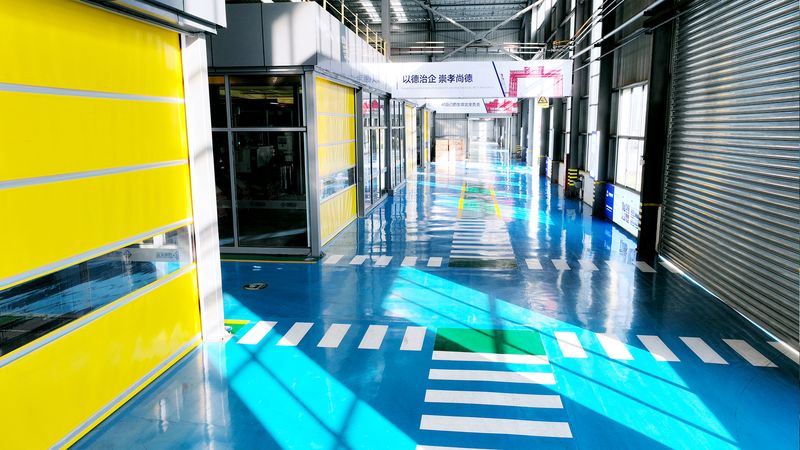
  • Thermal Power Plant Cranes: Maintenance Components and Working Positions

    Thermal Power Plant Cranes: Maintenance Components and Working Positions

    Selection guide

    Thermal Power Plant Cranes: Maintenance Components and Working Positions

    Power plant service tasks need a crane envelope matched to the equipment being removed or installed. Provide component weights, lifting points, working heights and transfer routes before comparing crane arrangements.

    Henan Mine CraneSelection guide · Updated 2026Crane selection, project scope and operating requirements
    Thermal Power Plant Crane Systems
    Thermal Power Plant Crane Systems
    Project planning notes

    Key points for this crane project.

    1. What Is a Thermal Power Plant Crane?
    2. Thermal Power Plant Crane Selection Considerations
    3. Thermal Power Plant Crane Systems Compared
    Read the technical guide

    What Is a Thermal Power Plant Crane?

    A thermal power plant crane is a lifting system specified for a defined area of a coal-fired, gas-fired, biomass or cogeneration facility. In the turbine hall, an overhead traveling crane installs and later handles generator and turbine components. Fuel-handling buildings may use grab cranes for coal. Boiler, mill, pump and maintenance areas often require smaller bridge cranes or local hoists.

    These applications have different load cases. A turbine-hall crane must reach every critical erection and overhaul position with sufficient lifting capacity and clearance. A coal grab crane is sized from bulk density, grab volume, hourly throughput and repeated operating cycles. A single generic crane specification cannot describe both duties reliably.

    Thermal Power Plant Crane Selection Considerations

    • Maximum suspended load: identify the generator stator, rotor, turbine casing and other heavy components; include the lifting beam, attachment and rigging in the load calculation.
    • Construction and maintenance: check the original unit erection plan and the future overhaul plan. The heaviest load and most difficult hook approach may occur at different stages.
    • Turbine-hall geometry: provide runway span and elevation, travel length, building section, delivery opening, hook approach and the complete lifting route.
    • Main and auxiliary hooks: define each hook’s load, speed, operating duty and permitted combined use.
    • Coal and ash properties: state bulk density, material temperature, dust exposure, required throughput and operating cycles before selecting a grab crane.
    • EPC schedule: coordinate drawing approval, runway readiness, crane delivery, erection, load testing and generating-unit installation.

    Thermal Power Plant Crane Systems Compared

    Crane systemPower plant dutyPrimary selection factorProject interface
    Double-girder turbine-hall overhead craneGenerator and turbine installation, rotor handling and overhaulMaximum suspended load, hook reach and controlled placementRunway loads, main and auxiliary hooks, building clearance
    Single- or double-girder maintenance craneBoiler, pump and auxiliary-equipment areasComponent load, headroom and service frequencyLocal building support and maintenance access
    Four-rope grab overhead craneCoal or other suitable bulk-material handlingBulk density, grab payload and cycles per hourDust control, hopper positions and material temperature
    Cross-travel overhead craneCoal-mill equipment transfer across connected baysEquipment route and track-switching arrangementRunway connection and control logic
    Double-girder gantry craneOutdoor component receiving and laydownHeavy-lift route, span and outdoor dutyFoundations, wind limits and power supply

    Selection rule: specify the turbine hall from the most demanding erection and overhaul lift; specify a grab crane from material throughput and operating duty. These are separate procurement packages.

    Crane Duties Across the Power Plant

    Plant areaTypical loadCritical consideration
    Turbine hallGenerator stator, rotor, turbine casing and major assembliesMain-hook capacity, lifting height, hook approach and precision control
    Boiler and feedwater areasFans, pumps, valves and service modulesRestricted headroom, access openings and hot surfaces
    Coal-handling buildingRaw coal between storage and transfer positionsGrab payload, dust, cycle time and fire protection
    Ash and slag areaBulk material where crane handling is requiredTemperature, abrasion, corrosion and grab suitability
    Outdoor laydown yardLarge delivered components and maintenance assembliesFoundation capacity, travel route and weather conditions

    Turbine-Hall Crane Engineering

    The heaviest load may be lifted during generator installation, while the most difficult hook position may be required during rotor extraction years later. The crane general arrangement should show every critical pickup and set-down position in plan and section.

    Design itemRequired project information
    Rated lifting capacityComponent mass plus lifting beam and rigging; main and auxiliary hook load cases
    Hook coverageRunway span and length, approach dimensions, pickup elevation and required set-down positions
    Runway and buildingMaximum wheel loads, horizontal forces, rail tolerances, access and erection method
    Motion controlNormal travel speed, minimum controllable positioning speed, braking and fault response
    MaintenanceWalkways, inspection points, electrical isolation, equipment removal route and spare parts

    If two cranes are intended for a tandem lift, the lift plan must check unequal load sharing, combined runway reactions, coordinated operation and a safe response to a fault. Two independent cranes do not automatically provide tandem-lift capability.

    Published Henan Mine Crane Product Ranges

    These published product-family ranges support early selection. A final power plant crane specification requires the verified load cases, operating duty and site drawings.

    Its capacity must not be treated as the standard requirement for every generating unit.

    Project Reference: Two 120 t Cranes in Indonesia

    The cranes supported the installation of three 380 MW supercritical coal-fired generating units. Heavy equipment handling, smooth movement and controlled positioning were central requirements.

    This project demonstrates a turbine-hall application. A different plant requires its own stator and rotor weights, rigging plan, hall dimensions, hook approach and runway calculations before selecting capacity. View the published thermal-power project account.

    Thermal Power Plant Crane Budget and Supply Scope

    Budget the turbine-hall or maintenance crane from the heaviest complete lift, lifting beam, required hook positions and operating cycle. A general workshop crane price does not define the cost of a turbine-hall installation.

    Budget packageInformation that sets the scope
    Crane and lifting appliancesComponent weights, lifting points, hook or beam arrangement, height and duty
    Runway and building interfacesRail centres, support elevations, reactions, access and structural responsibilities
    Power and controlsElectrical supply, positioning needs and any coordinated crane movements
    Delivery and handoverFreight, erection, commissioning, load testing, training, documents and spares

    Send the outage lifting schedule and available drawings to Henan Mine Crane for an itemised proposal. Compare the equipment budget separately from runway work and destination services. The Indonesian project reference elsewhere in this article is not a price quotation.

    Dust, Heat and Safe Operation

    The turbine hall, coal building and ash system have different operating environments. Specify ambient and radiant temperature, dust, humidity, corrosion and cleaning practice separately for each area. Electrical enclosure ratings and protective features should follow the actual site classification.

    • Coal and ash: confirm bulk density, grab payload, material temperature, abrasion and dust containment.
    • Hazardous locations: identify any formally classified area before specifying explosion-protected equipment.
    • Load protection: define overload limits, brakes, emergency stops, travel limits and recovery from power or drive faults.
    • Maintainability: provide access to the hoist, trolley, electrical system and crane runway after the generating units are installed.
    • Acceptance: agree factory inspection, site alignment, functional testing, load tests, operating records and training before handover.

    Thermal Power Plant Crane RFQ Checklist

    • Project country, generating-unit type and capacity, applicable standards and EPC milestones.
    • Heaviest erection and overhaul loads, dimensions, lifting points, center of gravity, lifting-beam and rigging weights.
    • Turbine-hall plan and section, runway span and length, rail elevation, hook approaches and delivery route.
    • Main and auxiliary hook duties, lifting height, normal and precision speeds, control method and power supply.
    • Existing or proposed runway structure, allowable wheel loads and installation access.
    • For bulk handling: material type, bulk density, grab volume, throughput and cycles per hour.
    • Required scope for freight, installation, commissioning, training, spare parts, warranty and local service.

    Thermal Power Plant Crane FAQ

    What crane is used in a turbine hall?

    A double-girder overhead traveling crane is commonly selected for heavy generator and turbine installation and later overhaul. Its capacity and hook arrangement follow the verified plant lifting plan.

    How is turbine-hall crane capacity determined?

    Check the maximum component mass together with lifting-beam and rigging weight. Then verify hook combinations, runway reactions, clearances, duty and the approved lifting method.

    Does every 380 MW unit require a 120 t crane?

    Another unit must be sized from its own equipment loads and erection and overhaul plan.

    What does a 120 t power plant crane cost?

    A project quotation requires the main and auxiliary hook ratings, span, lifting height, controls, runway interface, destination and installation scope.

    Can a coal grab crane replace the turbine-hall crane?

    The grab crane is designed for repeated bulk-material cycles. The turbine-hall crane handles large suspended machinery and controlled positioning.

    Related Henan Mine Crane Products

    Double-Girder Overhead Crane

    Heavy bridge-crane platform for generating-unit installation and overhaul.

    Grab Double-Girder Overhead Crane

    Repetitive handling of coal and other suitable bulk materials.

    5 Ton Overhead Crane

    Local service lifting for smaller pumps, valves and assemblies.

    Discuss the crane arrangement for your project.

    Send the generating-unit load list, turbine-hall drawings, coal-handling process data and EPC schedule. Henan Mine Crane can prepare an equipment configuration and itemized technical and commercial proposal for each plant area.

    Related crane configurations

    Explore crane product families and technical parameters ↗

    Updated 2026 · Henan Mine Crane
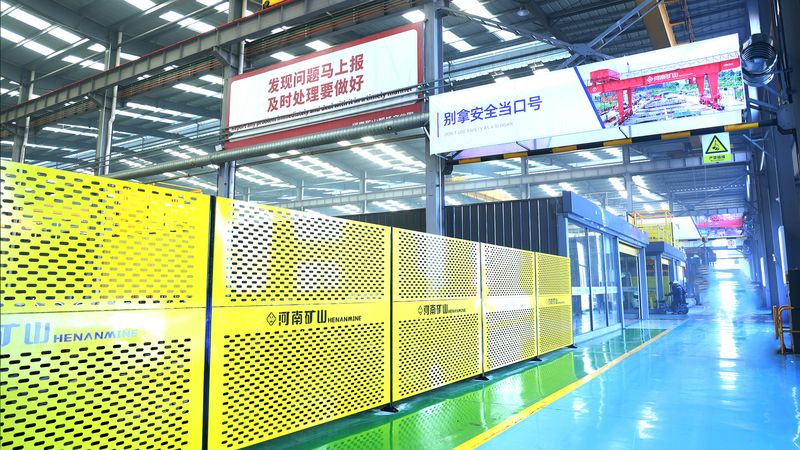
  • Steel Warehouse Cranes: Stock Geometry, Attachments and Bay Coverage

    Steel Warehouse Cranes: Stock Geometry, Attachments and Bay Coverage

    Selection guide

    Steel Warehouse Cranes: Stock Geometry, Attachments and Bay Coverage

    A steel warehouse crane needs to handle the actual product forms and storage pattern. Define stock dimensions, lifting attachments and transfer positions so the proposed arrangement can serve the bay without unnecessary rehandling.

    Henan Mine CraneSelection guide · Updated 2026Crane selection, project scope and operating requirements
    Steel Warehouse Crane Systems
    Steel Warehouse Crane Systems
    Project planning notes

    Key points for this crane project.

    1. What Is a Steel Warehouse Crane?
    2. Steel Warehouse Material Flow
    3. Steel Warehouse Crane System Architecture
    Read the technical guide

    What Is a Steel Warehouse Crane?

    A steel warehouse crane is an application-specific material-handling system that transfers steel between receiving, inspection, storage, production supply, order picking and dispatch. Unlike a general workshop crane selected mainly by capacity and span, a warehouse system must also control long-load orientation, stack access, material identity, storage location, retrieval sequence and the interface with trucks, rail wagons, conveyors or processing lines.

    The term does not describe one fixed machine. A light indoor warehouse may use a compact single-girder overhead crane. Intensive plate storage may use a double-girder electromagnetic crane with a rotating beam. Long nonmagnetic or coated products may require two hooks, two trolleys or a purpose-designed spreader. Outdoor stockyards commonly use a gantry crane with wind protection and ground-supported rails.

    Henan Mine Crane combines its single-girder bridge crane, double-girder bridge crane, magnetic lifting, double-trolley and gantry crane platforms with warehouse positioning, sensing and data functions selected for the declared process.

    Steel Warehouse Material Flow

    Crane coverage and storage logic should follow the complete route of every approved material family. Omitting an interface normally creates extra floor handling, unidentified stock or an unsafe manual recovery step.

    Receiving and Unloading

    Unload trucks or rail wagons within the permitted vehicle envelope, verify gross load and product identity, and place incoming steel in inspection or assigned buffer positions.

    Identification and Inspection

    Confirm material ID, heat number, grade, dimensions, weight, surface condition and release status before the storage location is recorded.

    Storage Allocation

    Assign a stack, cassette, rack or floor cell from product dimensions, grade, turnover, dunnage, stack-height limits and retrieval priority.

    Controlled Placement

    Position the load without striking adjacent stacks, racks, columns, vehicles or people, while maintaining required orientation and layer separation.

    Retrieval and Production Supply

    Retrieve the specified item or bundle, manage reshuffling where required and deliver it to cutting, fabrication or order-staging positions.

    Dispatch and Reconciliation

    Stage and load the shipping order, confirm the final vehicle handoff and update inventory only after the physical movement is completed and verified.

    Steel Warehouse Crane System Architecture

    1. Crane structure and runway: transfer vertical, longitudinal, transverse and dynamic reactions to the building or foundations while providing full required coverage.
    2. Hoist, trolley and travel drives: provide the declared capacity, lift, speed range, positioning control, braking and duty classification.
    3. Load attachment: connects to plate, profiles, pipe, coils or bundles through a magnet, rotating magnetic beam, hook, spreader, clamp, tong, C-hook or custom device.
    4. Sensing and protection: may include load, position, height-profile, skew, anti-collision, obstacle, access-gate, vehicle-presence and restricted-zone functions.
    5. Control system: coordinates pendant, radio, cabin, assisted or automatic operation, including mode selection, safe stopping and manual recovery.
    6. Warehouse data interface: exchanges material identity, location, movement order, completion status, alarms and reconciliation records with WMS, MES or ERP systems.

    Rated-load basis: the maximum gross suspended load includes the steel product, lifting magnet, magnetic or mechanical beam, clamps, slings, shackles, C-hook, hook block and every suspended accessory. Eccentric loading, unequal pickup, retained moisture, stacked layers and any permitted rotation or load-turning case also require evaluation.

    Steel Warehouse Crane Selection Considerations

    Selection starts with the full material and movement database. Capacity alone cannot establish attachment suitability, long-load stability, storage density, cycle performance or structural reactions.

    Material Master

    Mass, length, width, thickness, diameter, section, center of gravity, ferromagnetic response, surface, coating, temperature, stiffness, nesting and permitted pickup points.

    Throughput and Duty

    Inbound and outbound tonnes, moves per hour, starts, average and peak travel, shifts, annual hours, load spectrum, reshuffle ratio, availability target and maintenance window.

    Storage Geometry

    Stack, rack or cassette dimensions; stack height; dunnage; aisle; approach clearance; floor loading; reserved zones; vehicle bays and future expansion.

    Attachment and Orientation

    Magnetic eligibility, single- or multi-layer lift, required rotation, hook spacing, clamp locations, coil axis, pipe support, allowable deflection and changeover method.

    Building or Stockyard

    Span, runway length and elevation, lift, headroom, end and side approaches, rail and beam data, wheel-load limits, foundations, wind, drainage and installation access.

    Control and Acceptance

    Manual, assisted or automatic mode; warehouse interface; positioning and cycle criteria; exception recovery; safety functions; standards; inspection route and measurable handover tests.

    Steel Warehouse Crane Configurations Compared

    Crane configuration follows the material family, operating intensity, orientation requirement, building interface and attachment. Automation is a control and data layer that can be applied to several structural configurations; it is not a substitute for correct mechanical selection.

    ConfigurationTypical ApplicationPrincipal AdvantagesPoints Requiring Definition
    Single-Girder Overhead CraneGeneral indoor hook handling at lighter capacity and moderate duty.Compact structure, lower self-weight and efficient use of workshop space.Headroom, hook approach, hoist duty, long-load control and building reactions.
    Double-Girder Overhead CraneHeavier loads, intensive service, longer spans or process attachments.Higher structural capability and greater flexibility for trolleys, platforms and controls.Wheel loads, access, maintenance clearances, attachment mass and required duty class.
    Electromagnetic Bridge CraneRepetitive handling of validated ferromagnetic plate, profiles or billets without load rotation.Fast pickup without manual sling placement and efficient handling of approved product families.Magnetic test basis, air gap, layer control, backup power, retained-load response and exclusion zone.
    Rotating Magnetic-Beam CranePlate or long steel that must rotate between vehicle, storage and process orientations.Combines magnetic pickup with controlled orientation and dense storage access.Rotation envelope, load overhang, cable management, stack clearance and collision zoning.
    Double-Trolley or Two-Hook CraneLong, flexible, nonmagnetic, coated or mixed steel products requiring two support points.Variable support spacing and mechanical handling across diverse load families.Capacity split, load sharing, synchronization, skew, permitted independent motion and lift plan.
    Gantry CraneOutdoor steel stockyards, loading areas or buildings without a suitable runway structure.Ground-supported coverage with optional cantilevers for vehicle lanes.Wind actions, storm anchoring, rail and foundation design, drainage, travel path and outdoor protection.

    Mixed inventory: warehouses storing plate, profiles, coils and finished fabrications may require more than one attachment or more than one crane. Changeover time, attachment storage, interlocks and rated-load changes must be included in the operating concept.

    Published Crane Platform Ranges

    The following Henan Mine Crane product-page ranges provide an initial platform reference. They are not a universal warehouse specification. Final capacity, span, lift, duty, speeds and attachment are selected from the actual load case and operating cycle.

    Lifting Attachments for Warehouse Steel

    No single attachment safely handles every steel product. The approved attachment schedule should identify each load family, pickup method, rated capacity, inspection requirement, prohibited condition and storage position.

    AttachmentCommon Warehouse LoadsEngineering Checks
    Hooks, Slings and Spreader BeamMixed products, bundles, fabricated steel and approved lifting points.Sling angle, edge protection, balance, support spacing, bend radius and manual access.
    Plate ClampsSingle plate within the clamp’s approved thickness, hardness, orientation and surface range.Clamp model, minimum load, jaw condition, plate edge, number of clamps and permitted lifting direction.
    Magnet or Magnetic BeamValidated ferromagnetic plate, billet, profiles and selected bundles.Material response, thickness, flatness, air gap, coating, scale, temperature, layer control and retained-load plan.
    Rotating Magnetic BeamLong plate and profiles requiring controlled horizontal orientation.Overhang, rotation radius, cable routing, adjacent stacks, skew and travel interlocks.
    C-Hook or Coil TongEye-horizontal or eye-vertical coils within the specified ID, OD and width range.Coil orientation, telescoping risk, counterweight, protection pads, clearance and attachment self-weight.
    Pipe Beam, Cradle or TongsPipe, tube and round stock in approved single pieces or bundles.Rolling restraint, bundle integrity, support distance, coating protection and end clearance.

    Magnetic Load Integrity and Power-Loss Planning

    Electromagnetic handling is suitable only after the actual load range is validated. Magnetic grade, plate thickness, contact area, flatness, rust, mill scale, paint, protective film, oil, temperature and gaps between stacked products can all change holding force. A successful pickup of one plate does not validate another thickness, surface or multi-layer condition.

    • Define every approved material and surface condition, including minimum thickness and maximum air gap.
    • State whether single-sheet selection, multiple-sheet lifting or bundle lifting is permitted.
    • Include magnet, beam and cable-reel mass in crane capacity and structural reactions.
    • Specify power-loss behavior, retained-load indication, backup-energy duration and the emergency landing process.
    • Segregate suspended-load routes from people and control access to loading, storage and recovery zones.

    Manual, Assisted and Automated Warehouse Operation

    Operating LevelMovement ControlInventory ControlApplication Conditions
    ManualOperator controls all crane motions by pendant, radio or cabin.Location updates are manual or scanner-assisted.Variable work, lower movement volume and clear visibility with disciplined procedures.
    AssistedOperator initiates the move; positioning, anti-sway or protected approach functions assist execution.Movement orders and confirmations exchange with warehouse software.Repeatable lanes with exceptions that still require frequent operator judgment.
    AutomaticPLC or supervisory control executes validated routes, pickup, transfer and placement sequences.WMS, MES or ERP issues tasks and receives location, completion and exception records.Defined inventory, controlled geometry, measurable interfaces and formal exception recovery.

    Automation Data and Acceptance Criteria

    A warehouse movement record normally carries material ID, heat number, grade, dimensions, weight, storage cell, stack layer, status, order number and time stamps. The functional design also defines duplicate IDs, missing labels, mismatched weight, occupied positions, blocked routes, sensor failure, communication loss and manual recovery.

    Contract acceptance should use measurable criteria such as representative-load cycle time, positioning tolerance, correct item and location confirmation, interface response, alarm handling, safe-state behavior, recovery time and sustained trial performance. Values are established for the specific layout and process rather than assumed from a generic crane.

    Warehouse Layout, Runway and Civil Interfaces

    Coverage and Approaches

    Confirm rail-center span, runway length, hook and attachment approaches, loading-bay reach, cantilever coverage and positions inaccessible to the selected attachment.

    Vertical Envelope

    Coordinate rail elevation, crane depth, upper clearance, hook lift, beam or magnet depth, product height, stack height, vehicle height and maintenance access.

    Structural Reactions

    Provide maximum and minimum wheel loads, lateral and longitudinal forces, buffer loads, fatigue basis and rail tolerances for building, runway or foundation verification.

    Vehicle and People Separation

    Define loading zones, pedestrian routes, gates, barriers, warning devices, travel interlocks and the process for driver positioning during crane operation.

    Stack and Floor Design

    Confirm floor bearing, rack or dunnage capacity, stack stability, load distribution, drainage and the consequences of placing products in an incorrect cell.

    Outdoor Conditions

    For stockyards, specify operating and parked wind, storm anchoring, lightning, precipitation, corrosion, temperature, rail drainage and travel-path maintenance.

    Safety, Standards and Acceptance

    The project specification should state the governing jurisdiction, standards and editions. A common basis may include ISO 4301 for classification; EN 13001 and EN 15011 for crane design; EN 13155 for non-fixed load lifting attachments; or CMAA 70 with the applicable ASME B30.2, ASME B30.20 and ASME BTH-1 requirements. Electrical equipment may reference IEC 60204-32. Safety-related control design for automated functions may use ISO 13849-1 or IEC 62061 where applicable. Local statutory requirements and the signed contract remain controlling.

    Design Review

    Approve load cases, classification, structural and mechanism calculations, wheel loads, attachment logic, electrical architecture, safety functions and interface responsibility.

    Factory Verification

    Verify manufacturing records, material traceability, weld and nondestructive inspection scope, mechanism operation, control logic, alarms and documentation before shipment.

    Site Acceptance

    Check runway geometry, motions, brakes, limits, overload protection, collision functions, attachment performance, representative loads, proof load and agreed cycle scenarios.

    Operational Readiness

    Complete training, inspections, rescue and recovery procedures, attachment registers, preventive maintenance, critical spares, backup and restore, and change-control records.

    Operational boundary: no person should stand or pass under a suspended steel load. Automated operation requires controlled access, defined safe states and a documented method for removing or landing a retained load after a fault.

    Published Steel Plate Warehouse Automation Reference

    Henan Mine Crane has published a specialized crane reference for a steel plate storage facility serving steel-structure, bridge and high-rise fabrication.

    The delivered system reportedly managed more than 200 plate specifications.

    The application links physical plate movements with storage-location and production-order data, illustrating the value of designing the crane, attachment, control logic and warehouse software interface as one project.

    Evidence boundary: these figures are attributed to one official published project reference. They demonstrate a delivered application but do not define the performance, savings or acceptance criteria of another warehouse. Project outcomes depend on material mix, baseline process, layout, operating discipline, interfaces and contracted scope.

    Steel Warehouse Crane Price and Budget Scope

    A steel warehouse crane price cannot be established from capacity alone. Public equipment listings are useful only as broad market references because complete projects may also require a lifting beam or magnet, backup power, runway, electrification, controls, WMS interface, freight, installation, testing, training and civil work.

    The public market review below was completed on 20 September 2026. Prices may change. Marketplace technical fields can be incomplete or internally inconsistent, so every capacity, span, attachment and supply boundary requires confirmation in a signed proposal.

    Public ReferenceDisplayed ScopeCommercial Boundary
    Complete automated steel plate warehouse crane projectCrane, attachment, sensing, controls, data interface and site scopeRequires load database, throughput model, layout, runway data, interface specification, acceptance plan and delivery destination.

    Reference sources: public Henan Mine Crane supplier listings on Made-in-China and the Bohl Crane online store. These third-party prices are market observations, not quotations or offers from this page.

    Engineering and Procurement Deliverables

    A comparable procurement package separates technical performance from commercial scope. The following deliverables should be identified in the enquiry and proposal.

    Design Basis

    Load matrix, duty calculation, process description, governing standards, environment, reliability basis, safety functions and exclusions.

    Interface Drawings

    General arrangement, wheel loads, clearances, runway and rail data, power points, communication interface, foundation actions and installation access.

    Attachment Schedule

    Approved products, ratings, pickup conditions, prohibited conditions, changeover, inspection, power-loss response and attachment parking.

    Control Description

    Operating modes, sequences, interlocks, alarms, safe states, warehouse handshake, access control, event history and fault recovery.

    Inspection and Test Plan

    Hold points, material and weld records, factory tests, site tests, proof load, representative-load scenarios, interface tests and acceptance criteria.

    Lifecycle Package

    Manuals, drawings, parts list, certificates, training, preventive maintenance, critical spares, diagnostic access, backup files and support responsibility.

    Information Required for a Steel Warehouse Crane Quote

    Complete enquiry data allows mechanical, structural, attachment, control and commercial scope to be evaluated on one defined basis.

    Material and Load File

    Product family, material grade, minimum and maximum mass, dimensions, center of gravity, surface, temperature, bundle condition, attachment and gross suspended load.

    Movement and Throughput

    Inbound, storage, reshuffle, retrieval and outbound routes; moves per hour; tonnes per shift; load spectrum; peak schedule; availability and maintenance window.

    Warehouse Layout

    Plan, cross-section, span, runway length and elevation, storage cells, stacks, racks, aisles, vehicle bays, process interfaces, clearances and expansion zones.

    Existing Structure or Foundations

    Rail section, beams, brackets, columns, foundations, wheel-load limits, condition assessment, geometry survey, power supply and erection access.

    Controls and Warehouse Interface

    Operating modes, required speed and positioning, sensors, anti-collision, WMS or ERP protocol, material fields, cybersecurity responsibility, exceptions and recovery.

    Commercial and Compliance Scope

    Destination, standards, Incoterm, freight, runway, installation, commissioning, inspection, load test, training, spares, documentation, warranty and target schedule.

    Fastest route to a comparable proposal: submit a warehouse plan and cross-section, load spreadsheet, process-flow arrows, attachment preference, throughput target, runway data and required supply boundary. Open points can then be recorded explicitly instead of being hidden inside an assumed price.

    Frequently Asked Questions

    Which crane type is suitable for a steel warehouse?

    Single-girder cranes serve lighter general handling. Double-girder cranes suit heavier or intensive duty. Magnetic cranes support validated ferromagnetic loads, rotating systems control orientation, double-trolley cranes support long loads and gantry cranes serve outdoor stockyards.

    How is steel warehouse crane capacity calculated?

    Capacity starts with the maximum gross suspended load: steel product plus magnet, beam, clamps, slings, C-hook, shackles, hook block and every accessory. Eccentric load, unequal pickup and dynamic cases are then evaluated.

    Can one magnet lift every steel plate?

    Magnetic grade, thickness, flatness, coating, rust, scale, temperature, air gap and number of layers affect holding force. Each approved plate family and pickup condition requires validation.

    When is a rotating magnetic beam required?

    Rotation is considered when long steel arrives in one orientation but must be stored, processed or loaded in another. The design must include the complete rotation envelope and adjacent-stack clearance.

    Can an existing warehouse runway be reused?

    Only after rails, beams, brackets, columns, connections and foundations are checked for condition, geometry, fatigue and the proposed vertical, lateral, longitudinal and dynamic reactions.

    Does warehouse automation require a new ERP?

    Not necessarily. The required material fields, task handshake, ownership of location data, error codes, recovery process and communication protocol determine whether an existing WMS, MES or ERP can interface with the crane control system.

    What should be tested before handover?

    Testing should cover motions, brakes, limits, overload protection, attachment performance, power-loss response, representative products, protected zones, inventory transactions, alarms, manual recovery, proof load and contracted cycle scenarios.

    Related Steel Warehouse Crane Products

    These Henan Mine Crane product platforms cover common indoor, magnetic, rotating, long-load and outdoor warehouse requirements.

    European-Style Single-Girder Crane

    Compact overhead platform for lighter general warehouse transfer.

    Electromagnetic Bridge Crane

    Magnetic handling platform for validated plate, profiles and billets.

    Upper Rotating Magnetic Overhead Crane

    Rotating-trolley platform for long steel orientation and dense storage.

    Double-Trolley Overhead Crane

    Two-point lifting platform for long and mixed warehouse loads.

    Single-Girder Gantry Crane

    Ground-supported crane platform for outdoor steel storage areas.

    Submit the material list, maximum gross suspended load, warehouse layout, span, lift, movement frequency, attachment preference, control level, destination and required delivery scope. Henan Mine Crane will prepare a configuration and commercial proposal against the declared operating basis.

    Discuss the crane arrangement for your project.

    A steel warehouse crane needs to handle the actual product forms and storage pattern. Define stock dimensions, lifting attachments and transfer positions so the proposed arrangement can serve the bay without unnecessary rehandling. Share the load, available drawings, working cycle and site conditions with Henan Mine Crane so the required configuration and supply boundary can be discussed.

    Related crane configurations

    Explore crane product families and technical parameters ↗

    Updated 2026 · Henan Mine Crane
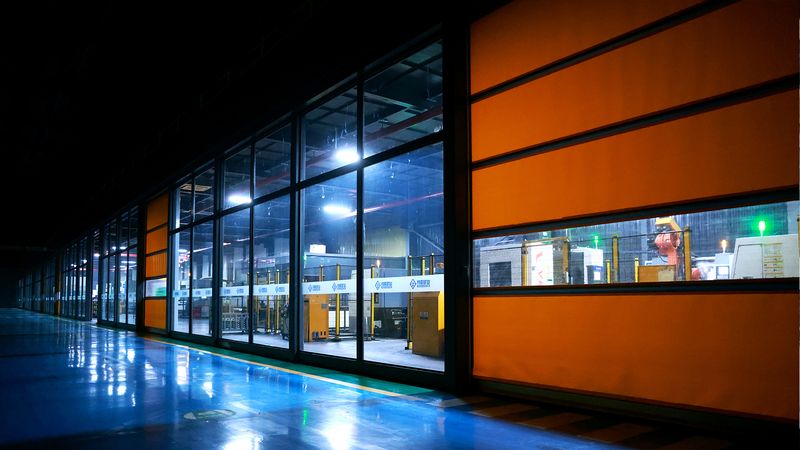
  • Steel Mill and Foundry Cranes: Distinguish the Handling Duties

    Steel Mill and Foundry Cranes: Distinguish the Handling Duties

    Selection guide

    Steel Mill and Foundry Cranes: Distinguish the Handling Duties

    Steel mills and foundries contain different material and heat conditions. Separate general handling, production and molten-material tasks before developing the crane configuration, attachment and protection requirements for each duty.

    Henan Mine CraneSelection guide · Updated 2026Crane selection, project scope and operating requirements
    specialized overhead crane serving a hot rolled steel plant
    specialized overhead crane serving a hot rolled steel plant
    Project planning notes

    Key points for this crane project.

    1. Steel Mill and Foundry Crane Systems by Process Area
    2. Selection Considerations
    3. Compare Steel Mill and Foundry Crane Types
    Read the technical guide

    Steel Mill and Foundry Crane Systems by Process Area

    Steel mill cranes are process-specific overhead lifting systems used throughout ironmaking, steelmaking, casting, rolling, storage and maintenance. Foundry cranes form the high-risk molten-metal segment of this larger equipment family. The selected structure, hoisting mechanism, attachment, control method and protection package must correspond to the exact material and production step.

    Direct ladle handling cannot be specified in the same manner as billet storage or general maintenance. Likewise, a magnetic crane intended for flat plate requires different pickup geometry and loss-of-power protection from a grab crane moving slag or scrap. A dependable procurement package separates each duty before equipment selection begins.

    Raw Materials and Scrap

    Grab, magnet and dual-purpose cranes move scrap, ore, coke, flux, slag and other bulk or ferrous material.

    Melting and Pouring

    Charging, ladle and casting cranes support furnace feed, molten-metal transfer, treatment and controlled pouring.

    Casting and Rolling

    Slab, billet, bloom, coil and plate cranes transfer hot and finished material between process and storage zones.

    Maintenance and Assembly

    Heavy-duty hook cranes provide planned access to furnaces, rolls, motors, gearboxes, ladle cars and production equipment.

    Selection Considerations

    Load Form and Temperature

    Identify molten metal, scrap, bulk feed, slag, slab, billet, coil, plate, mould or machinery; record normal and maximum temperature at pickup and travel.

    Complete Suspended Mass

    Include payload, ladle or container, refractory lining, magnet, grab, clamp, lifting beam, rigging and all allowances required by the governing design basis.

    Production Route and Cycle

    Define pickup and set-down stations, travel distances, lifts per hour, near-capacity lifts, shift pattern, production interlocks and required cycle time.

    Pickup and Release Method

    Confirm trunnion, hook, magnet, clamp, tong, C-hook, grab or beam interface, including rotation, opening, closing, power and safe-release requirements.

    Heat, Dust, Fumes and Splash

    Record ambient and radiant heat, conductive dust, scale, moisture, corrosive fumes, molten splash, outdoor exposure and enclosure requirements.

    Credible Failure Response

    Establish the required response to power loss, brake fault, drive failure, overspeed, overload, attachment power loss, upper-limit activation and control interruption.

    Building and Rail Interface

    Verify span, lift, approaches, wheel loads, horizontal reactions, rail section, alignment, support capacity, thermal effects and erection access.

    Controls, Standards and Supply Boundary

    Define cabin, radio or automation, power supply, plant communication, governing standard, inspection plan, documentation, freight and installation responsibilities.

    The crane name is not a complete specification. A magnetic plate crane, a ladle crane and a maintenance bridge crane can share the same rated capacity while requiring different duty classifications, attachments, brakes, controls, wheel loads and acceptance tests.

    Compare Steel Mill and Foundry Crane Types

    The preferred crane follows the production duty and handled material. This comparison provides an initial route from plant process to product family; final selection requires the complete operating and site data.

    Crane TypeHandled MaterialCritical Selection Point
    Double-Girder Foundry CraneMolten iron or steel ladlesComplete ladle mass, trunnion interface, heat exposure and molten-metal safety basis
    Four-Girder Casting CraneUltra-heavy ladles and foundry loadsMain and auxiliary trolley functions, torsional load cases and runway reactions
    Metallurgical Bin CraneCharge boxes and furnace feedBox geometry, opening and tipping method, furnace clearance and dust protection
    Rotating Magnetic Overhead CraneBillets, plates, bars and long steelMaterial magnetic properties, beam geometry, rotation, power-loss holding and stacking orientation
    Slab Handling CraneHot or ambient slabs and billetsMaterial temperature, pickup face, clamp or magnet response and storage geometry
    Grab Overhead CraneOre, coke, flux, slag and selected scrapBulk density, lump size, abrasiveness, grab volume, fill factor and discharge control
    Quenching CraneHot components for heat treatmentImmersion timing, lifting speed, emergency recovery and bath geometry
    Double-Girder Maintenance CraneRolls, motors, gearboxes and plant equipmentHeaviest maintenance lift, access path, headroom, precision and planned usage

    The ranges above identify separate Henan Mine Crane product families and do not represent every possible capacity–span combination. Final values follow structural calculation, mechanism selection, runway limits and the approved technical specification.

    Crane Coverage Across the Steel Production Process

    Stockyard and Scrap Bay

    Grab and magnetic cranes unload, sort, blend and feed scrap or bulk material. Crane capacity must include the attachment, and throughput calculations must use the actual grab fill factor or magnet pickup condition.

    Melt Shop and Foundry

    Bin cranes charge furnaces, while foundry and casting cranes lift ladles, transfer liquid metal and support pouring. Molten-metal duty requires a defined safety architecture and thermal protection rather than a general-purpose crane specification.

    Continuous Casting and Rolling

    Slab and billet cranes move material between casting machines, cooling areas, reheating furnaces, rolling lines and intermediate storage. Pickup geometry, material temperature and cycle time determine the attachment and control system.

    Finishing and Dispatch

    Magnetic beams, clamps, tongs and C-hooks handle plate, long steel and coils. Finished-material protection, rotation, stack height, warehouse management interfaces and safe holding during power loss become primary design inputs.

    Load Attachments for Steel Mill and Foundry Cranes

    The attachment is part of the lifting system, not an accessory selected after the crane. Its mass, geometry, power source, control logic and failure response affect crane capacity, headroom, stability and acceptance testing.

    Ladle Beam or Gantry Hook

    Engages ladle trunnions for molten-metal lifting. Trunnion diameter, centres, ladle envelope, seating and inspection access require confirmation.

    Electromagnetic Beam

    Lifts ferrous plate, billet, bar or scrap. Material grade, thickness, temperature, air gaps and safe holding after power loss govern selection.

    Grab Bucket

    Handles ore, coke, flux, slag and bulk scrap. Density, lump size, abrasiveness, moisture and target throughput define grab type and volume.

    Clamp, Tong or C-Hook

    Supports slab, billet, plate and coil handling. Contact pressure, surface protection, centre of gravity and loss-of-power behavior must be defined.

    Engineering Requirements for Metallurgical Duty

    Structural Load Cases

    Girders, trolley frames, end carriages, wheels and runway interfaces are assessed for lifted load, attachment, dynamic effects, off-centre positions, skew forces and applicable thermal conditions.

    Mechanism Duty

    Motors, gearboxes, brakes, drums, ropes, sheaves, bearings and wheels are selected from starts, operating time, load spectrum, travel distances and production criticality.

    Thermal and Environmental Protection

    Heat shields, protected cables, metallurgical-duty motors, ventilated cabinets, insulated cabins, dust-resistant enclosures and temperature monitoring are applied where the measured exposure requires them.

    Safe-Failure Architecture

    Multiple brakes, redundant drives, drum brakes, backup power, magnet holding, limits, overload protection and emergency placement can be specified when required by risk and governing rules.

    Motion and Positioning

    Variable-frequency control, creep speed, anti-sway, encoders, coordinated drives and automatic positioning support stable ladle movement and repeatable material stacking.

    Plant Integration

    PLC and HMI systems can exchange task, position, load, alarm and status data with plant controls, warehouse systems or manufacturing execution systems under an agreed interface specification.

    Safety functions must be specified by function, independence, setpoint, alarm, stop category, recovery method and verification test. A component name alone does not establish suitability for molten metal or continuous steel-production duty.

    Steel Mill Crane Specification Schedule

    A plant-wide inquiry should include a separate duty sheet for every crane. The schedule below identifies the minimum technical information required to compare proposals on the same basis.

    Specification GroupRequired InformationProcurement Effect
    Load and AttachmentMaximum and normal payload, temperature, dimensions, centre of gravity, attachment type and attachment massDetermines capacity, reeving, trolley, headroom and pickup system
    GeometryRunway span and length, rail elevation, lift, hook approaches, bay section, obstructions and service accessDefines crane envelope, girder depth, trolley arrangement and usable coverage
    Duty and PerformanceHours, cycles, starts, load spectrum, production rate, travel distances, speeds, positioning and design lifeControls working class, motor duty, brake duty, wheel life and lifecycle cost
    Environment and SafetyHeat, dust, fumes, moisture, splash, hazardous zones, required redundancy and emergency operating philosophyDefines protection, enclosure, cooling, braking, monitoring and test scope
    Runway and PowerRail section, structural capacity, allowable reactions, power supply, earthing, feeder location and conductor scopePrevents late building reinforcement and electrical interface changes
    Commercial BoundaryStandards, inspection, documentation, spares, delivery term, unloading, erection, commissioning, testing and trainingCreates comparable offers and exposes excluded project costs

    Representative Steel Mill and Foundry Crane Projects

    Comparable project evidence should match the process duty, handled material, capacity, attachment, environment and control philosophy. The following Henan Mine Crane projects represent three distinct steel-production requirements.

    360 t Foundry Crane

    The project uses a four-girder, four-rail, dual-trolley arrangement for a heavy casting workshop. The engineering scope addresses ultra-heavy ladle loads, thermal exposure, redundant hoisting functions and plant runway reactions.

    Four-Girder Casting Crane

    Independent main and auxiliary trolley functions support heavy molten-metal transfer and process assistance. Structural stiffness, load distribution, high-temperature protection and maintainable mechanism access form the core design requirements.

    Rotating Electromagnetic Beam Crane

    The rotating beam arrangement handles plate, billets, bars and other long ferrous loads without manual slinging. Magnet layout, rotation envelope, stacking orientation, anti-sway and power-loss holding are coordinated as one system.

    Engineering, Manufacturing and Project Documentation

    A reliable steel mill crane purchase establishes the design criteria, inspection points, functional tests and handover records before manufacture. Henan Mine Crane aligns the technical document schedule with the selected product, destination requirements and contracted supply scope.

    Manufacturing Controls

    • Mechanism, wheel, rope, brake and attachment checks
    • Heat shielding, cabin and electrical enclosure inspection

    Testing and Handover

    • Factory mechanism, brake, limit and interlock tests

    Governing standards, destination regulations, third-party inspection, witness points, certificate formats, document language and acceptance responsibilities should be named in the inquiry.

    Delivery, Installation, Commissioning and Maintenance

    Shipment and Site Readiness

    Transport segmentation, packing, unloading route, erection equipment, runway completion, power availability, production shutdowns and work permits are coordinated before dispatch.

    Erection and Alignment

    Installation covers bridge and trolley assembly, rail and wheel interface checks, attachment installation, cabin systems, electrification and verification of process clearances.

    Commissioning and Acceptance

    Commissioning verifies motions, brakes, limits, overload functions, emergency responses, attachment controls, alarms, plant interlocks and specified no-load and load tests.

    Lifecycle Maintenance

    Maintenance plans address ropes, drums, sheaves, hooks, attachments, brakes, wheels, rails, heat shields, cabins, magnets, grabs, electrical systems and safety functions based on duty and condition.

    Steel Mill and Foundry Crane Price

    These figures are market-screening references, not fixed Henan Mine Crane prices. High-capacity four-girder, automated, slab, coil and complete installed systems require an engineered commercial proposal.

    Cost PackageTypical InclusionsPrincipal Cost Drivers
    Crane EquipmentBridge, trolley, hoisting and travel mechanisms, cabin or controls, electrification and specified safety functionsCapacity, span, lift, duty, speeds, redundancy, heat exposure and automation
    Attachment PackageLadle beam, gantry hook, magnet beam, grab, clamp, tong, C-hook, rotation and attachment controlsMaterial geometry, temperature, pickup force, rotation, holding and failure response
    Runway, Building and PowerRails, runway beams, columns or reinforcement, conductor system, isolators, feeder and plant interfaces when includedRunway length, reactions, existing structure, foundations, power supply and local construction rates
    Delivery and Site ServicesPacking, freight, unloading, erection supervision or installation, commissioning, load testing, training and inspection supportDestination, shipment size, access, shutdown schedule, labor, test loads and regulatory process

    Commercial comparisons must use the same load, attachment, span, lift, duty, safety architecture, heat protection, automation, runway boundary, documentation, delivery term and site-service scope. Equipment-only listings are not directly comparable with complete installed-system quotations.

    Steel Mill and Foundry Crane FAQ

    What cranes are used in a steel mill?

    Common types include scrap and bulk-material grab cranes, charging cranes, ladle and casting cranes, slab and billet cranes, magnetic plate and bar cranes, coil-handling cranes, quenching cranes and general maintenance bridge cranes.

    What is the difference between a steel mill crane and a foundry crane?

    Steel mill crane is a broad term covering cranes throughout the production facility. A foundry crane is a specialized member of this family designed for molten-metal ladles, pouring and related high-temperature casting operations.

    Can one crane handle scrap, ladles and finished steel?

    A single crane should not be assumed suitable for all three duties. The attachments, load paths, working classes, heat exposure and required failure responses differ. Multi-purpose service requires explicit engineering and approval for every load case.

    How is foundry crane capacity calculated?

    Rated load includes molten metal, ladle shell and refractory lining, ladle beam or gantry hook, rigging and required design allowances. Liquid-metal mass by itself is not the complete suspended load.

    Which working class is required?

    Henan Mine Crane metallurgical product families are listed from A6 to A8. The final classification follows operating time, starts, load spectrum, cycle rate, process risk and the selected classification standard; rated capacity alone does not determine duty.

    How are steel mill cranes protected from heat and dust?

    Protection can include heat shields, heat-resistant cables and motors, ventilated or cooled cabinets, insulated cabins, protected brakes, dust-resistant enclosures and temperature monitoring. The package follows the measured ambient and radiant exposure.

    What happens if power is lost during magnetic lifting?

    The required response is established from the load and risk assessment. A magnetic system can include stored-energy holding, alarm, monitored power condition and a defined safe-placement procedure. Holding duration and test method must be specified.

    Can steel mill cranes operate automatically?

    Automatic task dispatch, positioning, anti-sway, collision avoidance, load tracking, inventory interfaces and remote monitoring can be integrated where the process layout, exclusion zones, communications and safety concept support automation.

    What information is required for a quotation?

    The RFQ should include process area, handled material, temperature, maximum and normal load, attachment, span, lift, runway length, operating cycle, required speeds, environment, control method, power supply, standards, inspection and delivery and installation scope.

    Related Steel Mill and Foundry Crane Products

    Double-Girder Casting Crane

    YZ double-girder, single-trolley crane for heavy ladle transfer and foundry production duty.

    Representative Steel Mill and Foundry Crane Projects

    Four-Girder Casting Crane

    YZS four-girder, dual-trolley system for ultra-heavy molten-metal and multi-function handling.

    Related Steel Mill and Foundry Crane Products

    Metallurgical Bridge Crane

    High-duty overhead crane family for hot-metal, foundry and steel-production handling.

    Slab Handling Crane

    Metallurgical process crane for hot or ambient slab, billet, stacking and transfer operations.

    Rotating Magnetic Overhead Crane

    Rotating electromagnetic beam system for plate, billet, bar and long-steel handling.

    Intelligent Grab Overhead Crane

    Double-girder grab crane for ore, coke, slag and bulk-material transfer in steel plants.

    Henan Mine Crane prepares a bay-by-bay crane configuration, attachment schedule, safety scope and commercial boundary from the production and site data. The RFQ should include:

    • Process area and handled material for each crane, including temperature, dimensions and maximum and normal mass.
    • Required ladle beam, gantry hook, magnet, grab, clamp, tong, C-hook or other below-hook attachment.
    • Runway span and length, lifting height, rail elevation, building section, obstructions and allowable reactions.
    • Operating hours, cycles, load spectrum, production rate, required speeds, positioning and process interlocks.
    • Ambient and radiant heat, dust, fumes, splash exposure, indoor or outdoor service and operator-control method.
    • Power supply, project country, governing standards, inspection plan, delivery term and installation boundary.

    Discuss the crane arrangement for your project.

    Steel mills and foundries contain different material and heat conditions. Separate general handling, production and molten-material tasks before developing the crane configuration, attachment and protection requirements for each duty. Share the load, available drawings, working cycle and site conditions with Henan Mine Crane so the required configuration and supply boundary can be discussed.

    Related crane configurations

    Double Girder Casting Crane

    View product parameters
    Lifting capacity: 75/20–200/50 tSpan: 10m – 35mLifting height: 6m – 25m

    Lift and transfer molten-metal ladles with a YZ casting crane configured for the full suspended load and casting process. Review ladle interfaces, thermal exposure and the operating sequence together.

    Four Beam Casting Crane

    View product parameters
    Lifting capacity: 125/32–320/80 tSpan: 10m~40mLifting height: 6m~30m

    Handle molten-metal ladles with a YZS four-beam casting crane. Main and auxiliary trolley functions, thermal exposure and the lifting sequence are selected for the casting process.

    Updated 2026 · Henan Mine Crane