Straddle Carrier Supply: Compare Diesel, Hybrid and Electric Arrangements
An energy choice needs to fit the operating cycle, infrastructure and maintenance plan. Give suppliers a common description of container movements and site conditions before comparing power arrangements and supply responsibilities.
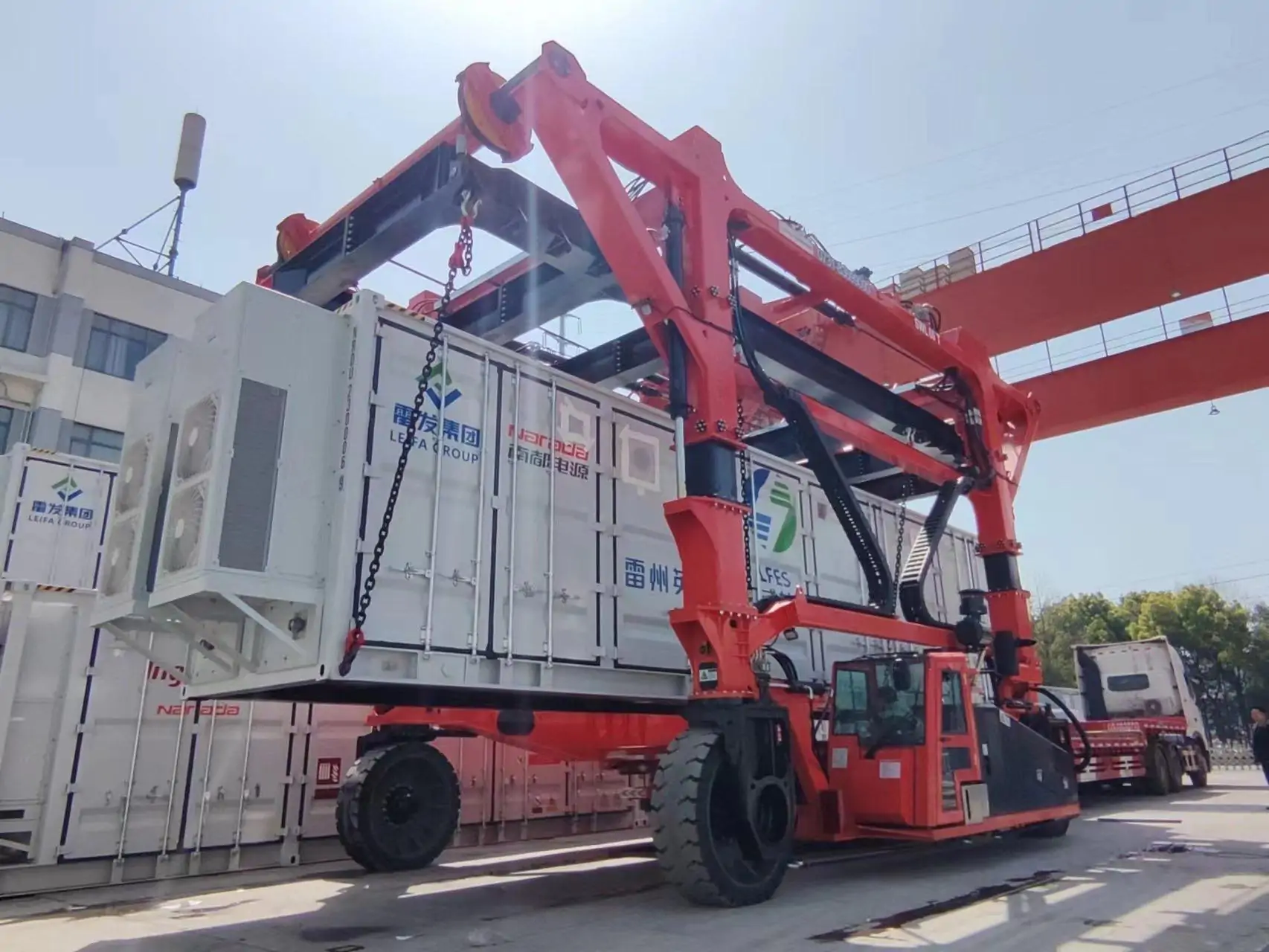
Key points for this crane project.
- What exactly is included in the TCO of straddle
- Cost structure of diesel straddle carrier
- Cost structure of electric straddle carrier
What exactly is included in the TCO of straddle carriers
TCO is also the total cost of ownership, which refers to the sum of all related expenses during the whole service life of a straddle carrier from purchase to retirement, not just the price of buying equipment. The general accounting logic is: straddle carrier TCO = procurement cost + energy cost + maintenance cost + infrastructure cost + tire loss + labor cost + downtime loss + power system replacement cost-equipment residual value. Many people step on the pit is only staring at the initial quotation, diesel straddle transport seems cheap, a few years of oil money and maintenance costs down, the total expenditure is higher instead. From the project data that has been landed in the industry, although the initial investment of battery-powered straddle carriers is high, the energy consumption and maintenance savings can completely cover the price difference in the whole cycle of equipment, and even achieve a lower total cost of ownership.
Cost structure of diesel straddle carrier
The biggest advantage of diesel straddle carriers is their low initial investment. No supporting battery pack and charging infrastructure are needed. The equipment itself has mature structure and can be put into operation after commissioning. There is almost no additional requirement for site supporting facilities. Fuel costs are the bulk of daily expenses, and the specific amount is directly related to local diesel prices, annual operating hours, load rates, driving distances, and idling ratios. The heavier and longer the operation, the higher the fuel expenditure, and the fluctuation of oil price will directly affect the stability of operating costs. Maintenance projects are relatively more. Diesel engine, fuel system, exhaust gas after-treatment, three-filter oil, cooling system, hydraulic transmission should be regularly maintained, components have many fault points, and long-term maintenance costs are not low.
Cost structure of electric straddle carrier
If charging piles, substation expansion, distribution line reconstruction and charging area planning are included, the initial investment will be higher. But its energy cost advantage is obvious. In areas where electricity prices are stable, the electricity cost per hour is much lower than diesel consumption. With peak-valley electricity price and valley charging strategy, the cost can be further reduced. According to industry data, the annual energy expenditure of electric models is usually much lower than that of diesel models. Maintenance costs are also lower. The diesel engine and exhaust gas aftertreatment system are removed, and the wearing parts are greatly reduced. The daily maintenance is mainly battery inspection, electrical system inspection and routine maintenance of hydraulic parts.
Diesel vs Electric Straddle Carrier TCO Comparison
| Cost Factor | Diesel Straddle Carrier | Electric Straddle Carrier |
|---|---|---|
| Energy Cost | Volatile, depends on diesel price | Lower with stable electricity tariff |
| Maintenance Cost | Higher (engine & aftertreatment) | Lower (fewer moving parts) |
| Infrastructure Cost | Low (fueling facility only) | Higher (chargers & grid upgrade) |
| Local Emissions | Higher tailpipe emissions | Zero tailpipe emissions |
| Noise Level | Higher | Significantly lower |
| Refuel/Recharge Speed | Fast, familiar process | Depends on charging strategy |
| Best Fit | Low-infrastructure / remote sites | High-utilization & low-carbon terminals |
What factors determine who has a lower TCO
The first core factor is the length of the year. The more hours the equipment works per year, the more significant the energy and maintenance savings are, and the easier it is for electric straddle carriers to recover the difference. For terminals with 24-hour multi-shift operation, the TCO advantage of electric models is usually outstanding; if the annual operation time is very short, the cost savings may not cover the initial price difference. The second is the difference between diesel and electricity prices. The higher the local oil price and the more stable the electricity price, the more cost-effective the electric model will be; if the electricity price is high or the cost of grid transformation is too high, diesel or hybrid is more pragmatic.
Select boundaries for applicable scenarios
Not all projects are suitable for electric. If the power grid of remote ports is unstable and there is no condition to install charging facilities, diesel is still a more pragmatic choice; for small storage yards with short annual operation time, the energy-saving benefits of electric vehicles cannot cover the price difference; in the case of continuous operation without charging window and no standby equipment, the energy supplement efficiency of diesel is more advantageous; for projects with tight short-term budget, diesel can also be selected first for transition. The advantage scenario of electric model is very clear: the dock with high load and multi-shift production industry saves considerable oil money and maintenance money after long-term operation; Green port with clear carbon emission reduction target, electric straddle carrier is the core equipment of zero emission yard; In areas where oil prices continue to be high, the cost advantage of electric models will be more obvious; Close to the Urban area, the port with noise limit, the operation noise of electric equipment is lower, and it is easier to meet the environmental protection requirements.
A few points to note when calculating TCO
When analyzing the total cost of ownership of straddle transport vehicles, do not only calculate the accounts of one year, but suggest to calculate them according to three cycles of 5 years, 8 years and 10 years respectively. The investment in the first year of electric models is definitely higher, but as the years lengthen, the savings in operating costs will gradually be reflected, and the longer the cycle, the more obvious the advantages. Also include hidden costs. The hidden costs of diesel models include oil price fluctuation risk, engine overhaul cost, after-treatment maintenance, idle fuel consumption and future carbon cost; the hidden costs of electric models include charging pile construction, power grid modification, peak electricity price, battery replacement expectation, high-voltage maintenance personnel training and charging downtime.
Epilogue
To make a comparison between diesel vs electric straddle carrier, we should not only focus on the purchase quotation to draw conclusions, but also pull through the accounts of the whole life cycle. Diesel straddle carriers are suitable for scenarios with limited infrastructure conditions and small workload, and the deployment flexibility threshold is low; electric straddle carriers perform better in TCO performance under high load and long-term operation scenarios, which is more in line with the direction of low-carbon transformation of ports; hybrid vehicles are transitional options that give consideration to cost and emission reduction.
Customize your own solution
As a professional straddle carrier manufacturer, Henan Mine Crane can provide customized solutions for diesel, hybrid and electric full series of container straddle carriers, supporting flexible selection of different configurations. We can also help customers do straddle TCO calculation services, combined with local energy prices, operating conditions, fleet size, give real cost comparison and selection recommendations. If you are doing fleet renewal or yard electrification planning, you can send us the annual operation time, oil and electricity price, processing tank quantity, shift system arrangement, and the engineering team will issue a suitable plan for you.
Discuss the crane arrangement for your project.
An energy choice needs to fit the operating cycle, infrastructure and maintenance plan. Give suppliers a common description of container movements and site conditions before comparing power arrangements and supply responsibilities. Share the load, available drawings, working cycle and site conditions with Henan Mine Crane so the required configuration and supply boundary can be discussed.
Related crane configurations
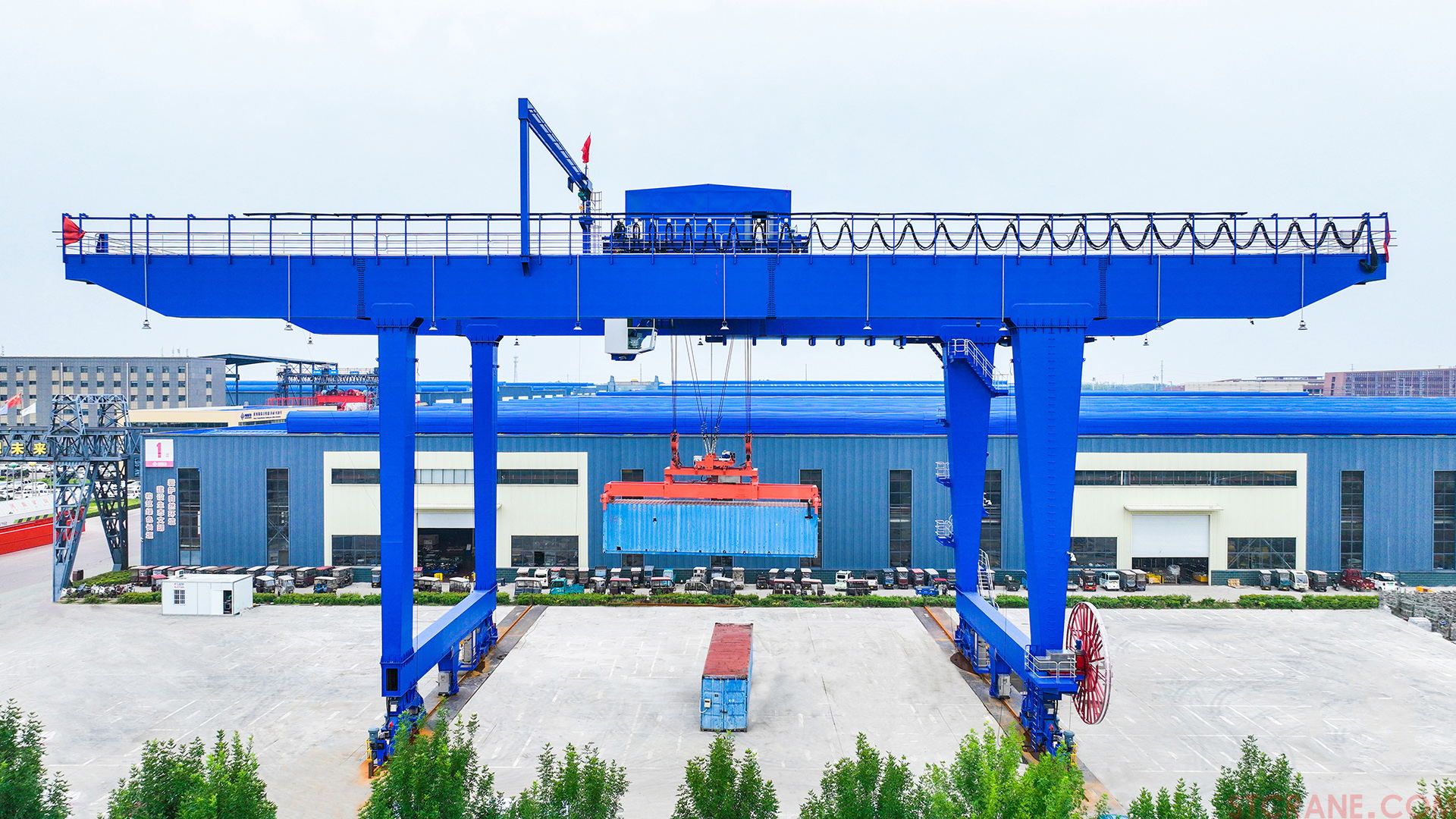
Container Straddle Carrier
View product parametersMove containers between handling positions with a straddle carrier matched to the travel route and stacking layout. Define container load, ground conditions, clearance and the preferred drive system.
LH Electric Hoist Double Girder Crane
View product parametersUse an LH double-girder bridge with an electric-hoist trolley for workshop lifting, assembly and maintenance. Match the hoist arrangement to the suspended load, hook travel and available building space.
Updated 2026 · Henan Mine Crane