Engineering · Manufacturing · Project support
info@hnksglobal.comWhatsApp +86 18836207779 ↗

Blog

  • Aerospace-Specific Bridge Cranes

    Aerospace-Specific Bridge Cranes

    Crane application

    Aerospace-Specific Bridge Cranes

    Review the bridge crane applications for aerospace. Discuss the load, site layout, operating duty and equipment supply scope.
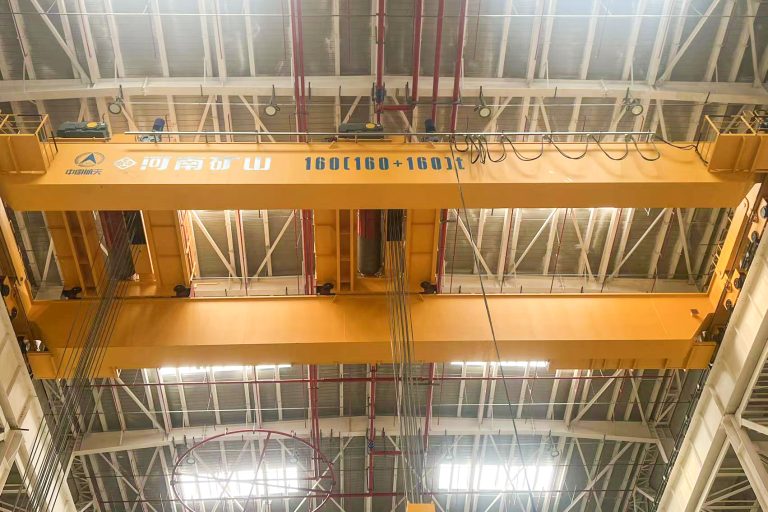
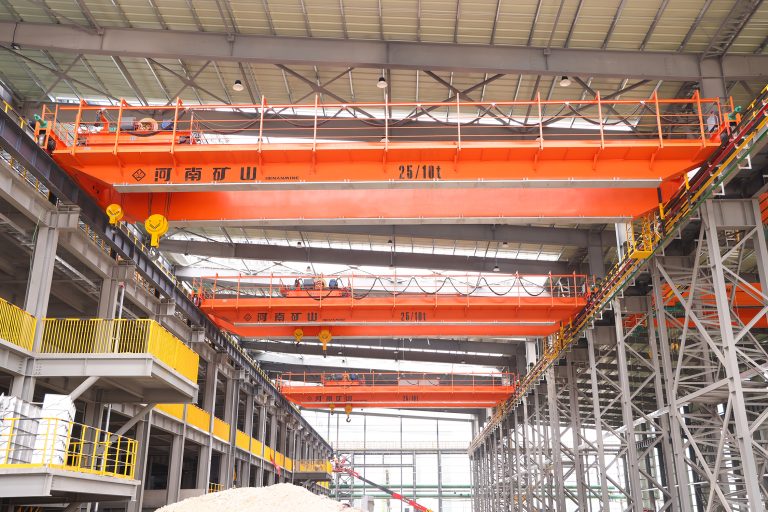
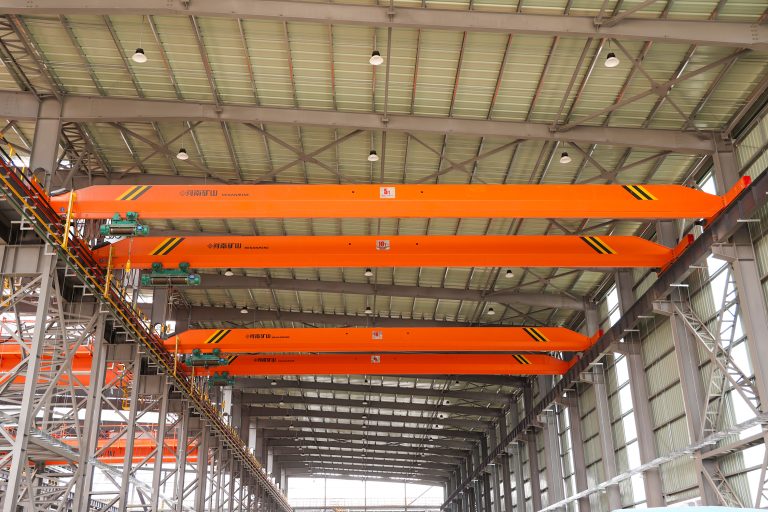
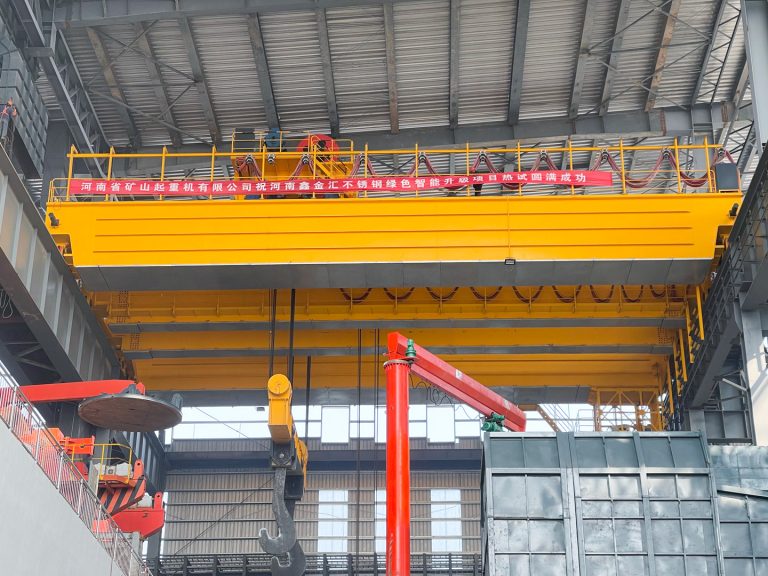
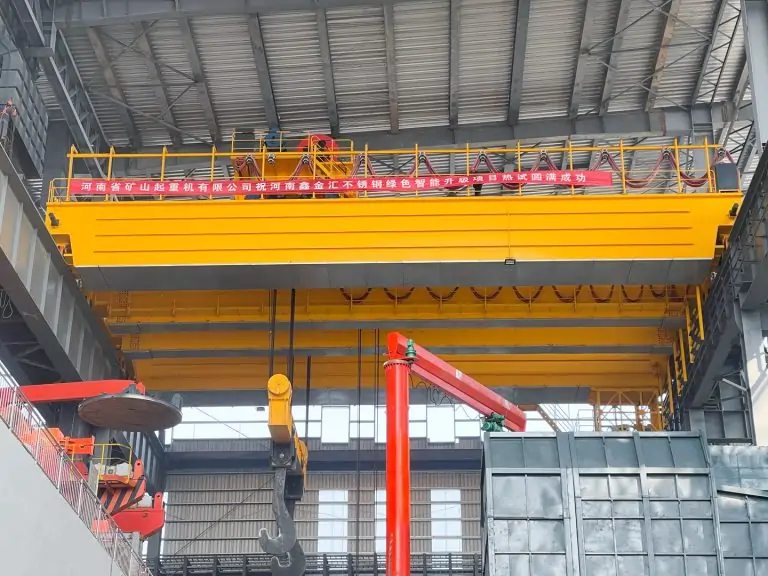
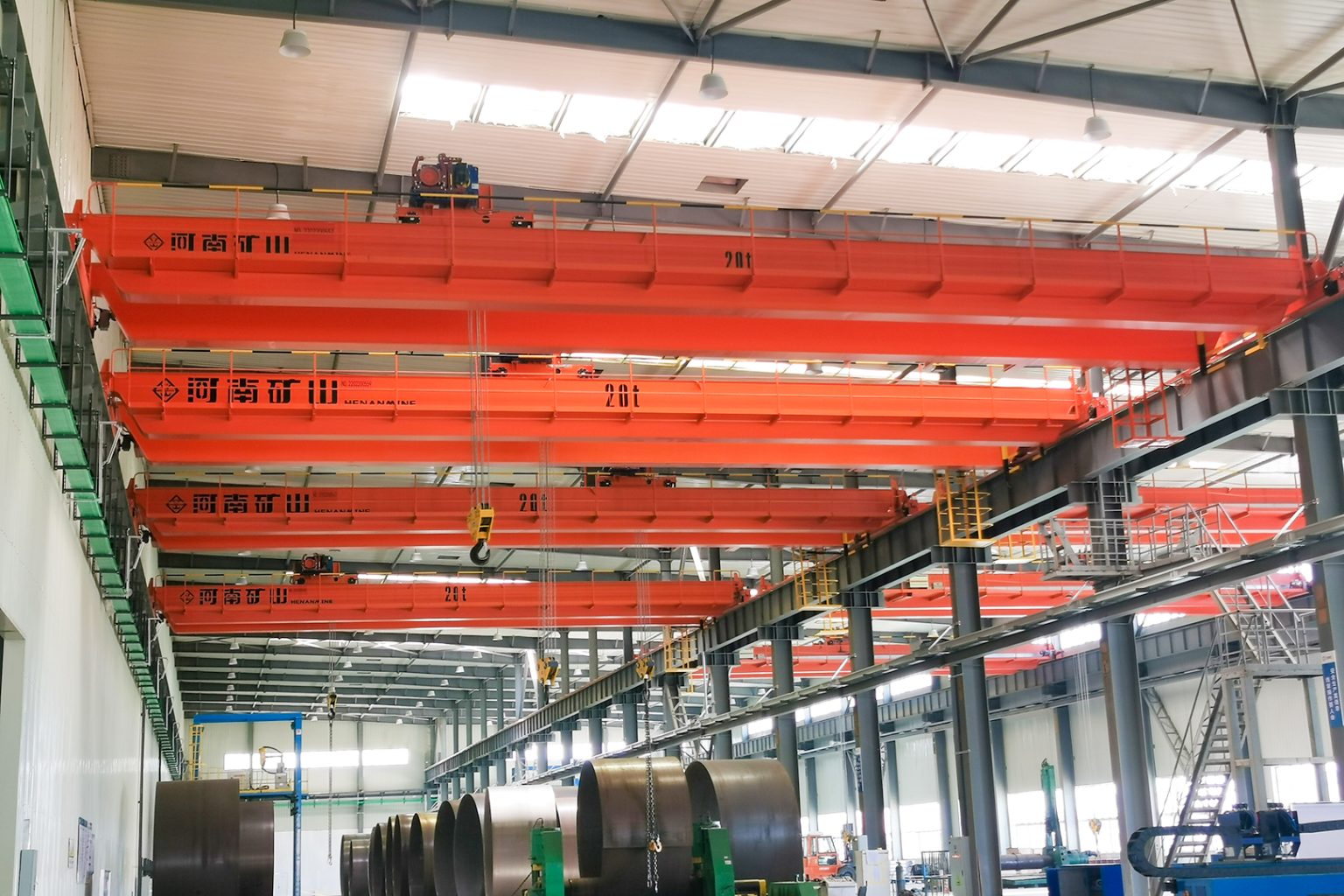
    Aerospace-Specific Bridge Cranes — Henan Mine Crane crane application photograph
    Aerospace-Specific Bridge Cranes — crane application overview.

    Precision assembly lifting

    Document component weight, lifting points, clearance envelope, permissible motion, alignment requirements and interaction with adjacent tools or assembly positions.

    Crane configuration and interfaces

    Ask for coordinated control functions, positioning criteria, interlocks, runway reactions, inspection access and acceptance demonstrations under the agreed load cases.

    Review the Overhead crane range and Aerospace cranes before defining the project-specific arrangement.

    Design the lifting process

    Use the project context above as a starting point. The following checks turn a crane application into a technical scope that suppliers can price and demonstrate for your site.

    Component protection and route

    Provide the largest component envelope, its mass and centre of gravity, certified lifting points and the permitted acceleration or rotation. Trace the travel route from pickup to assembly position, including clearances above tools, fixtures and finished surfaces. A wide component may drive the hook approach and synchronized movement requirements more than its weight. Define any prohibition on uncontrolled sway or contact as a measurable handling requirement.

    Positioning and coordination

    State the required positioning tolerance at the load, the operator sight line and the interaction with adjacent cranes or work platforms. If two hoists carry one assembly, describe how load sharing is measured and what happens if one motion is interrupted. A design may use low-speed drives, cameras, remote control or special lifting beams, but each should be specified against the actual assembly sequence. Document clean or corrosion-control requirements if they apply to the workplace.

    Verification before operation

    Ask for lifting appliance interfaces, general arrangement, structural reactions, control narrative, inspection access and the acceptance plan. Site demonstrations should include the real route and representative component geometry where practical, not only a static rated-load test. Clarify the responsibilities for special spreaders, runway installation, safety zones, commissioning and operator training. Any claimed positioning accuracy needs an agreed test condition and measurement method.

    Compare the proposed crane scope

    DecisionInformation to request
    Crane and lifting attachmentRated loads, load cases, hook coverage and the complete suspended-load calculation.
    Site interfacesRunway loads, rail or building drawings, electrical supply and installation responsibilities.
    Controls and protectionOperating sequence, required safety functions and a method for testing each function.
    Commercial scopeEquipment, transport, installation, commissioning, documentation, training and spare parts as separate line items.

    From technical offer to site acceptance

    Technical submittals

    A usable bid should show a general arrangement and a clear list of assumptions, not just a model name and capacity. Request the load schedule used in design, lifting-attachment drawings where applicable, span and hook-approach dimensions, wheel loads, electrical supply, control narrative and maintenance access. Check every drawing against the actual building or yard layout. Identify the standards and local approval requirements for the destination market in the enquiry, then confirm the bidder’s proposed design and documentation scope in writing.

    Installation and tests

    Agree when the runway or civil works will be ready, how crane components can reach the installation position and who provides lifting equipment for erection. Define the factory test, on-site installation inspection and site acceptance as separate milestones. The acceptance procedure should list representative loads, the travel route, protection devices, emergency stop and any automation or attachment functions included in the order. Record who supplies test weights, operators, power and access equipment; otherwise a nominal commissioning price may omit essential site work.

    Commercial comparison

    Ask for the same delivery basis and currency across proposals. Separate the crane, special lifting appliances, rails or conductors, transport, installation support, commissioning, training and initial spare parts. Lead time should identify the starting event, such as approved drawings or an effective contract, and any dependency on site readiness. Compare warranty scope and service response by the written contract terms. If a key input is still unknown, request a priced option or a stated assumption instead of allowing different bidders to silently use different specifications. Keep a written exception register so the engineering team can resolve open dimensions, process interfaces and responsibility boundaries before issuing the purchase order.

    Information to include in the enquiry

    • Load weights, dimensions, centre of gravity and lifting attachments.
    • Span, lifting height, runway or yard drawings, travel coverage and clearances.
    • Operating cycle, working environment, electrical supply and control requirements.
    • Supply boundaries, inspection documents, installation support and acceptance criteria.

    Discuss a comparable lifting task

    Send the handling task and available site drawings. Henan Mine Crane can define a proposed crane arrangement and identify the remaining information needed for a technical and commercial review.
  • Explosion-Proof Crane Specification: Area Classification and Lifting Duty

    Explosion-Proof Crane Specification: Area Classification and Lifting Duty

    Technical guide

    Explosion-Proof Crane Specification: Area Classification and Lifting Duty

    The hazardous-area information and the lifting job must be specified together. Identify the substances, area classification and operating conditions before reviewing the proposed protection concept and model-specific documentation.

    Henan Mine CraneTechnical guide · Updated 2026Crane selection, project scope and operating requirements
    explosion-proof crane for different scenarios
    explosion-proof crane for different scenarios
    Project planning notes

    Key points for this crane project.

    1. What is an explosion proof crane
    2. Why is specification selection so important?
    3. Main application industries and scenarios
    Read the technical guide

    What is an explosion proof crane

    Explosion-proof cranes are lifting equipment specially designed for dangerous places where flammable and explosive gases, steam, dust, and fibers exist. Its core function is not to "withstand explosive shock", but to avoid becoming an ignition source from the design source, and to eliminate the risk of igniting explosive mixtures through comprehensive control of electrical, mechanical and temperature. For the purchaser, the most critical principle is only one: the selection of explosion-proof cranes must start from the division of dangerous areas, and cannot only focus on the selection of lifting weights.

    Why is specification selection so important?

    The selection is wrong, first of all, it directly brings safety risks. In hazardous environments, motor sparks, surface overheating, high braking temperature, static electricity, mechanical impact sparks, cable damage, poor grounding, any omission may become the source of accidents. In a normal workshop, these problems may be just equipment failures, but in an explosive environment, the consequences will be much more serious. Conversely, blindly selecting the highest explosion-proof level will also cause unnecessary cost waste. Zone2 area does not need to use Zone1 high configuration, dust scene and gas scene protection logic is different, spray booth and hydrogen workshop temperature group requirements are also different. Excessive selection not only higher equipment prices, longer production cycle, follow-up maintenance is more complex, spare parts costs will also rise accordingly.

    Main application industries and scenarios

    IndustryTypical HazardCommon Crane Solution
    Chemical plantSolvent vapor, flammable gasExplosion-proof overhead crane
    Oil and gasHydrocarbon gas, vaporExplosion-proof bridge crane or hoist
    Paint workshopPaint mist, solvent vaporExplosion-proof monorail crane or hoist
    Pharmaceutical plantAlcohol vapor, powder dustExplosion-proof cleanroom crane
    Grain processingCombustible dustDust explosion-proof crane
    Coal handlingCoal dust, methaneExplosion-proof hoist or overhead crane
    Battery manufacturingSolvent vapor, chemical riskExplosion-proof overhead crane
    Hydrogen facilityHydrogen gasHigh-grade explosion-proof lifting system

    Explosion-proof cranes have a wide range of application scenarios, as long as they are lifting operations with flammable and explosive risks, they need to be configured accordingly.

    Industry Application Reference

    Common operations include chemical tank hoisting, reactor mixer displacement, paint solvent barrel handling, pump and valve equipment maintenance, lithium battery production equipment installation, powder material loading and unloading, refining and chemical plant maintenance, compressor workshop parts transfer, etc. Main explosion proof crane types

    Explosion-proof bridge crane

    Explosion-proof bridge crane is the most commonly used model in chemical, refining and pharmaceutical workshops. It runs along the track of the plant and covers a large working surface. It is divided into two structures: single beam and double beam. Suitable for normal lifting of main workshop, heavy equipment maintenance, large span dangerous area, medium and heavy load operation.

    Explosion-proof electric block

    Explosion-proof electric hoist is small in size and flexible in installation. It is mostly used for fixed lifting points, monorail lines and swing arm cranes. It is the mainstream choice for small operation points. Suitable for light and medium load, spray booth, chemical workshop, equipment maintenance point, fixed position lifting, chain hoist and wire rope hoist have corresponding explosion-proof models.

    Explosion-proof swing boom crane

    Explosion-proof swing arm crane is divided into wall type and column type. The main position is local hoisting, occupying a small area and flexible deployment. Suitable for pump maintenance, small chemical equipment handling, station assembly, dangerous area loading and unloading, local maintenance operations.

    Explosion-proof monorail crane

    Explosion-proof monorail crane runs along fixed track, load is transferred according to fixed route, mostly used for coating line, chemical material transportation, production process transfer. Suitable for fixed path material handling, production line circulation, coating system, chemical process transfer.

    Explosion-proof manual lifting equipment

    Explosion-proof manual hoist and manual single beam are mostly used for scenes with inconvenient power supply and low lifting frequency, completely avoiding electrical ignition sources. Suitable for low-frequency maintenance operations, small lifting points, limited power supply areas, high risk areas with extremely strict electrical equipment control.

    Mainstream certification system and scope of application

    Different regions, different project requirements of the certification system is different, early confirmation can avoid a lot of acceptance trouble.

    Certification System Comparison

    SystemCommon Market
    ATEXEurope & EU projects
    IECExInternational EPC projects
    NEC / CECNorth America
    GB/T 3836China-related projects

    ATEX is a mandatory EU explosion-proof directive, which must be met when exporting to Europe or participating in European EPC projects. NEC's Class/Division classification system is commonly used in the North American market. Domestic projects follow GB/T 3836 series standards. Before purchasing, confirm the certification system required by the project with the owner and safety consultant to avoid wrong purchase.

    First determine the dangerous area division, then select equipment

    Hazardous area classification is the basis of all selection, gas and dust should be evaluated separately.

    Gas hazardous environment is divided into three levels: Zone0 is the scene where explosive gas exists continuously or for a long time, which is generally not applicable to conventional electric lifting equipment and requires special engineering evaluation;Zone1 is the area where explosive gas may occur during normal operation and requires high standard explosion-proof design;Zone2 is the area that does not appear under normal conditions and only exists for a short time, and the explosion-proof requirements are relatively low. The dust hazard environment is the same: Zone20 is the continuous or frequent occurrence of dust, Zone21 is possible during normal operation, and Zone22 is only temporary. Grain processing, pulverized coal storage and transportation, powder production workshop, all belong to dust explosion prevention scene.

    How to determine the core specification parameters

    Basic performance parameters

    Rated lifting capacity, span and lifting height are basic items, but they cannot be selected only according to average load. The heaviest maintenance load, operation frequency, working level and future expansion demand should be included. Span and lifting height should be determined in combination with plant structure, column spacing and equipment layout. Crane layout in hazardous environment, but also try to avoid frequent passage from high-risk equipment, chemical tanks, open process areas, personnel channels. The working level determines the durability of the whole machine. Low-frequency maintenance crane and high-frequency production crane, the requirements for hoist, motor, brake are completely different, according to the actual operation time, lifting times per hour, load distribution to choose, avoid high waste or low with insufficient.

    Explosion-proof core parameters

    This part is the core of explosion-proof crane, cannot be selected by feeling, must be subject to the site dangerous area division report. The gas group is divided into IIA, IIB and IIC, and the danger degree increases in turn. Hydrogen and acetylene are required to use IIC configuration. If the wrong choice is made, there will be direct ignition risk.

    Complete machine configuration details

    Wire rope hoist and chain hoist have corresponding explosion-proof models, according to the load, lifting height, operation frequency selection. Electrical system from explosion-proof motor, explosion-proof electrical control cabinet, explosion-proof limit switch to explosion-proof cable gland, all to correspond to explosion-proof grade, any one of the common elements may become a hidden danger. The mechanical parts should also be treated accordingly. In high-risk scenarios, spark protection design is required. The collision parts of the travel wheels and hooks are made of copper alloy and other materials that do not produce sparks; the whole machine is grounded statically to avoid static electricity accumulation; and the brakes are well controlled for temperature to prevent excessive friction temperatures. Control mode can choose explosion-proof handle, wireless remote control, high-risk scenarios recommended remote control, so that operators away from dangerous areas.

    Environment adapting

    In addition to explosion-proof requirements, it is also necessary to take into account the general environmental conditions on site. Additional anti-corrosion design may be required for chemical industry area, clean adaptation shall be made for pharmaceutical clean workshop, rain, wind and salt fog prevention shall be made for outdoor oil and gas station, dust collection and sealing protection shall be considered for grain dust workshop. All of this will affect the final configuration and cost.

    How to read explosion proof signs

    Explosion-proof signs look complicated, but in fact each segment corresponds to clear parameters.

    For example, the gas explosion-proof mark Ex db eb IIB T4 Gb: Ex represents explosion-proof equipment, db/eb is explosion-proof type, IIB is gas group, T4 is temperature group, Gb is equipment protection level, corresponding to Zone1 gas area available. Equipment whose logo does not match the site area will definitely not pass the safety audit.

    Focus on industry selection

    Chemical plant

    Recommended explosion-proof bridge crane, explosion-proof electric hoist, explosion-proof swing crane, explosion-proof monorail crane.

    Oil and gas refining

    Recommended explosion-proof double-beam overhead crane, explosion-proof maintenance crane, explosion-proof monorail hoist, explosion-proof swing crane. Focus on gas groups, outdoor protection, corrosion protection coatings, operational reliability, territorial certification, full compliance documentation.

    Paint shop

    Recommended explosion-proof electric hoist, explosion-proof monorail crane, explosion-proof single beam crane. Focus on solvent vapor levels, zoning, handling methods, electrostatic grounding, spark protection components, and easy-to-clean design.

    Grain powder processing

    Recommended dust explosion-proof hoist, dust explosion-proof bridge crane, explosion-proof manual hoist, explosion-proof swing crane. Focus on dust area class, dust group, surface temperature control, enclosure protection class, dust prevention design, easy cleaning and maintenance.

    Pharmaceutical clean workshop

    Recommended explosion-proof clean crane, stainless steel anti-corrosion hoist, explosion-proof swing crane, explosion-proof monorail system.

    Lithium battery workshop

    Recommended explosion-proof overhead crane, explosion-proof electric hoist, anti-corrosion crane, precision lifting system. Focus on solvent vapor grade, clean workshop adaptation, fire and explosion risk control, corrosion prevention design, positioning accuracy, electrical safety.

    Hydrogen and LNG

    Recommended high-grade explosion-proof overhead crane, explosion-proof maintenance hoist, outdoor hazardous area lifting system.

    Explosion-proof vs Ordinary Crane

    ItemOrdinary CraneExplosion-proof Crane
    ApplicationGeneral industrial workshopsHazardous areas with flammable gas/dust
    MotorStandard industrial motorCertified explosion-proof motor
    HoistStandard wire rope/chain hoistCertified explosion-proof hoist
    Control CabinetStandard electrical enclosureExplosion-proof electrical enclosure
    Limit SwitchStandard limit switchExplosion-proof limit switch
    Surface TemperatureNo ignition risk controlControlled by temperature class
    Spark ProtectionNot requiredAnti-spark design for high-risk areas
    CertificationGeneral crane standardATEX / IECEx / NEC / national Ex standard

    The difference between the two is not a single component, but the design logic of the whole system.

    Common purchasing mistakes

    Just saying "to be explosion-proof" without giving specific area parameters is the most common problem. Only for the motor to do explosion-proof, other parts regardless, but also high-frequency step pit point. In an explosion-proof system, limit switches, junction boxes, cable connectors, control handles, any common part, may become an ignition source. There are also many projects that ignore the risk of dust explosion. Many people only pay attention to dust scenes such as gas, grain, flour and pulverized coal. The explosion power is also not small. Special dust explosion-proof cranes must be used. Gas explosion-proof models cannot be used directly. And ignore the surface temperature. Even without visible sparks, hot surfaces can ignite gases or dust, which is why temperature groups are central parameters.

    Selection Steps Reference

    The first step is to confirm the classification of hazardous areas, collect clear area class, gas/dust type, group, temperature group, EPL class, certification requirements, area drawings. The second step is to clarify the lifting requirements, including equipment type, lifting capacity, span, lifting height, speed, working level, working time, load type, accuracy requirements, indoor and outdoor. Step 3 Select crane type to match plant layout, lifting path, load weight, explosion limit. The fourth step is to determine the configuration of explosion-proof components, including the corresponding grades of hoists, motors, brakes, electronic controls, controls, limits, cables, and accessories. Step 5 Confirm mechanical spark protection requirements, and upgrade traveling wheels, hooks, buffers, grounding, coatings and contact parts as required.

    Selection Checklist

    ItemBuyer Input Required
    Crane typeOverhead / gantry / jib / monorail / hoist
    CapacityTons
    SpanMeters
    Lifting heightMeters
    Working dutyLight / medium / heavy / custom
    Hazard typeGas / vapor / dust / fiber
    Hazard zoneZone 1 / Zone 2 / Zone 21 / Zone 22
    Gas groupIIA / IIB / IIC

    According to this list before purchasing, the solution given by the supplier will be much more accurate.

    Discuss the crane arrangement for your project.

    The hazardous-area information and the lifting job must be specified together. Identify the substances, area classification and operating conditions before reviewing the proposed protection concept and model-specific documentation. Share the load, available drawings, working cycle and site conditions with Henan Mine Crane so the required configuration and supply boundary can be discussed.

    Related crane configurations

    Clean Explosion Proof Bridge Crane

    View product parameters
    Lifting capacity: 1t – 32tSpan: 7.5m – 28.5mLifting height: 6m – 20m

    Combine overhead lifting with the declared cleanliness and hazardous-area requirements. Specify particle-control expectations, process exposure and area classification for the complete lifting system.

    Dual Trolley Explosion Proof Bridge Crane

    View product parameters
    Lifting capacity: 20+20tSpan: 10m – 35mLifting height: 6m – 30m

    Combine two-trolley handling with the declared hazardous-area specification. Coordinate hook loads, lifting sequence, electrical protection and operator controls for the complete installation.

    Updated 2026 · Henan Mine Crane

  • Aerospace-Grade Customized Crane

    Aerospace-Grade Customized Crane

    Crane application

    Aerospace-Grade Customized Crane

    Review the custom aerospace crane arrangements. Review lifting points, coordination, positioning requirements and workshop clearances for your application.

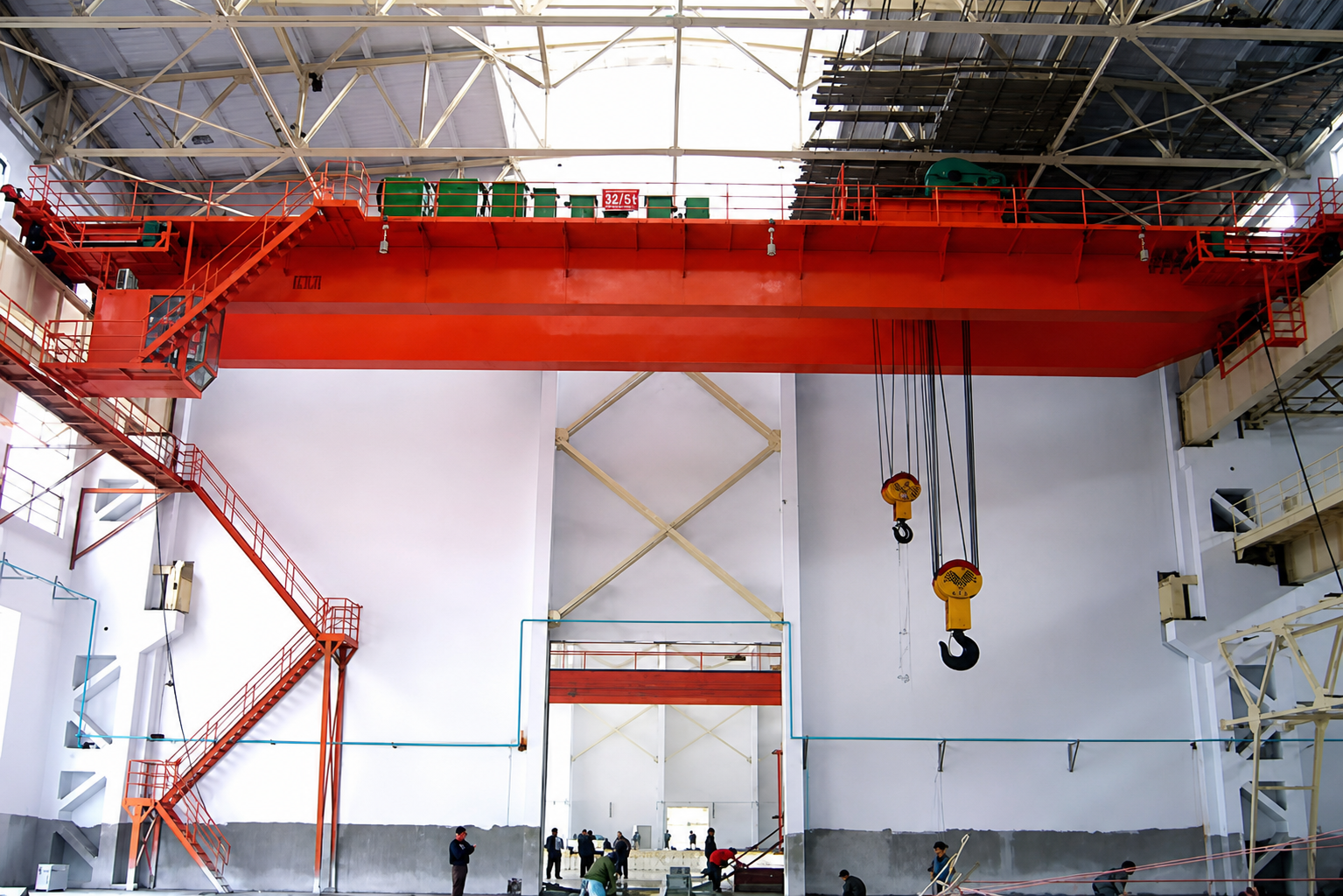
    Aerospace-Grade Customized Crane — Henan Mine Crane crane application photograph
    Aerospace-Grade Customized Crane — crane application overview.

    Precision assembly lifting

    Document component weight, lifting points, clearance envelope, permissible motion, alignment requirements and interaction with adjacent tools or assembly positions.

    Crane configuration and interfaces

    Ask for coordinated control functions, positioning criteria, interlocks, runway reactions, inspection access and acceptance demonstrations under the agreed load cases.

    Review the Overhead crane range and Aerospace cranes before defining the project-specific arrangement.

    Design the lifting process

    Use the project context above as a starting point. The following checks turn a crane application into a technical scope that suppliers can price and demonstrate for your site.

    Component protection and route

    Provide the largest component envelope, its mass and centre of gravity, certified lifting points and the permitted acceleration or rotation. Trace the travel route from pickup to assembly position, including clearances above tools, fixtures and finished surfaces. A wide component may drive the hook approach and synchronized movement requirements more than its weight. Define any prohibition on uncontrolled sway or contact as a measurable handling requirement.

    Positioning and coordination

    State the required positioning tolerance at the load, the operator sight line and the interaction with adjacent cranes or work platforms. If two hoists carry one assembly, describe how load sharing is measured and what happens if one motion is interrupted. A design may use low-speed drives, cameras, remote control or special lifting beams, but each should be specified against the actual assembly sequence. Document clean or corrosion-control requirements if they apply to the workplace.

    Verification before operation

    Ask for lifting appliance interfaces, general arrangement, structural reactions, control narrative, inspection access and the acceptance plan. Site demonstrations should include the real route and representative component geometry where practical, not only a static rated-load test. Clarify the responsibilities for special spreaders, runway installation, safety zones, commissioning and operator training. Any claimed positioning accuracy needs an agreed test condition and measurement method.

    Compare the proposed crane scope

    DecisionInformation to request
    Crane and lifting attachmentRated loads, load cases, hook coverage and the complete suspended-load calculation.
    Site interfacesRunway loads, rail or building drawings, electrical supply and installation responsibilities.
    Controls and protectionOperating sequence, required safety functions and a method for testing each function.
    Commercial scopeEquipment, transport, installation, commissioning, documentation, training and spare parts as separate line items.

    From technical offer to site acceptance

    Technical submittals

    A usable bid should show a general arrangement and a clear list of assumptions, not just a model name and capacity. Request the load schedule used in design, lifting-attachment drawings where applicable, span and hook-approach dimensions, wheel loads, electrical supply, control narrative and maintenance access. Check every drawing against the actual building or yard layout. Identify the standards and local approval requirements for the destination market in the enquiry, then confirm the bidder’s proposed design and documentation scope in writing.

    Installation and tests

    Agree when the runway or civil works will be ready, how crane components can reach the installation position and who provides lifting equipment for erection. Define the factory test, on-site installation inspection and site acceptance as separate milestones. The acceptance procedure should list representative loads, the travel route, protection devices, emergency stop and any automation or attachment functions included in the order. Record who supplies test weights, operators, power and access equipment; otherwise a nominal commissioning price may omit essential site work.

    Commercial comparison

    Ask for the same delivery basis and currency across proposals. Separate the crane, special lifting appliances, rails or conductors, transport, installation support, commissioning, training and initial spare parts. Lead time should identify the starting event, such as approved drawings or an effective contract, and any dependency on site readiness. Compare warranty scope and service response by the written contract terms. If a key input is still unknown, request a priced option or a stated assumption instead of allowing different bidders to silently use different specifications. Keep a written exception register so the engineering team can resolve open dimensions, process interfaces and responsibility boundaries before issuing the purchase order.

    Information to include in the enquiry

    • Load weights, dimensions, centre of gravity and lifting attachments.
    • Span, lifting height, runway or yard drawings, travel coverage and clearances.
    • Operating cycle, working environment, electrical supply and control requirements.
    • Supply boundaries, inspection documents, installation support and acceptance criteria.

    Discuss a comparable lifting task

    Send the handling task and available site drawings. Henan Mine Crane can define a proposed crane arrangement and identify the remaining information needed for a technical and commercial review.
  • 700T Gantry Crane for Super Bridge Projects

    700T Gantry Crane for Super Bridge Projects

    Crane application

    700T Gantry Crane for Super Bridge Projects

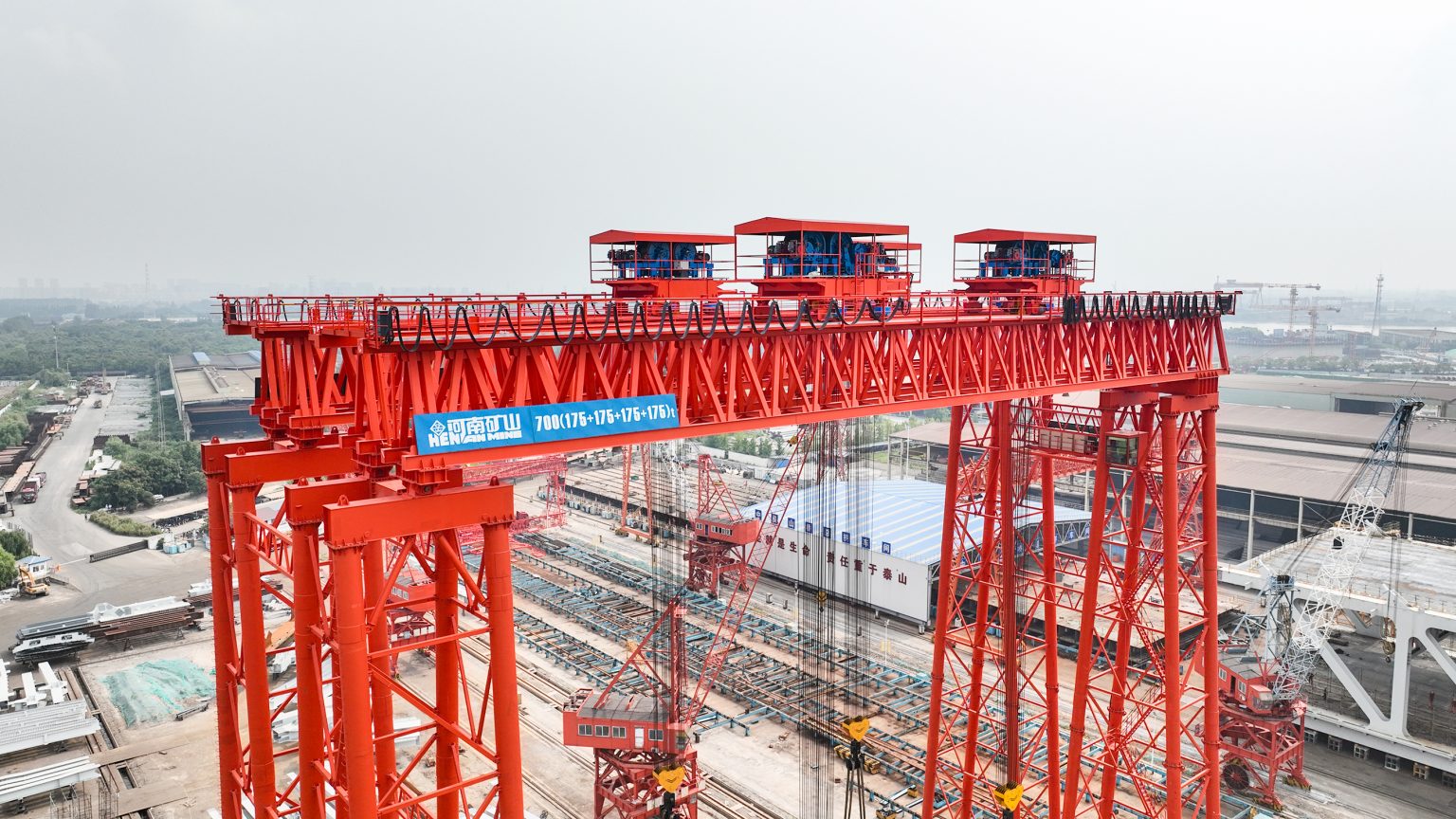
    Review the 700 t gantry crane application for the Zhangjinggao Yangtze River Bridge. Review structural lifting tasks and discuss your construction requirements.

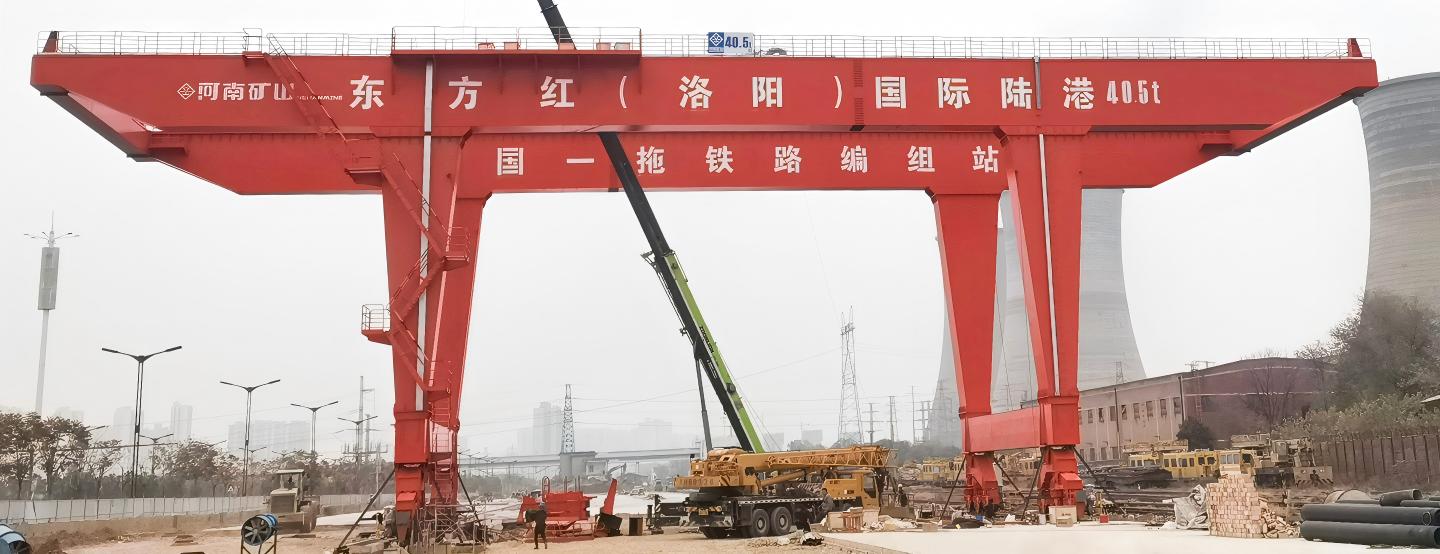
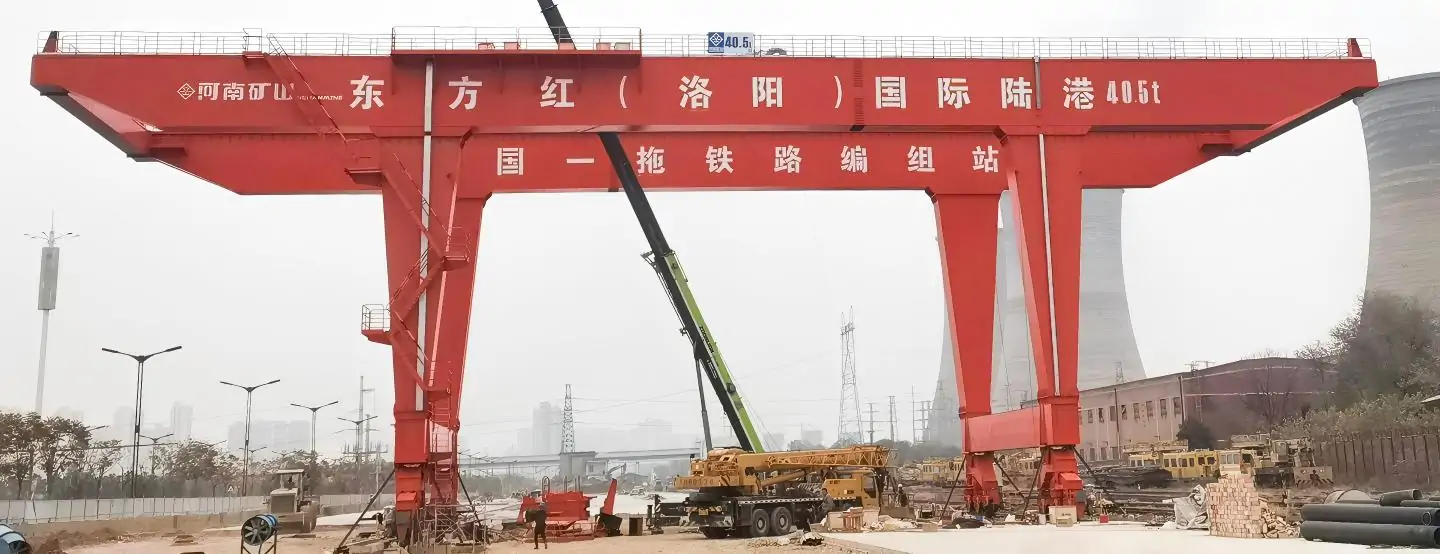
    700T Gantry Crane for Super Bridge Projects — Henan Mine Crane crane application photograph
    700T Gantry Crane for Super Bridge Projects — crane application overview.

    Project evidence

    • A 700 t gantry crane for the Zhangjinggao Yangtze River Bridge steel-tower works passed type testing.

    Heavy construction lifting

    Confirm the full component weight including rigging, centre of gravity, lifting points, assembly sequence, ground conditions and required travel envelope. Coordinate the crane with the temporary works and construction schedule.

    Crane configuration and interfaces

    Ask for lifting and travel arrangements, support reactions, wind limits, erection and dismantling method, site interfaces and acceptance tests for the proposed construction duty.

    Review the Double-girder gantry cranes and Engineering & construction cranes before defining the project-specific arrangement.

    Design the lifting process

    Use the project context above as a starting point. The following checks turn a crane application into a technical scope that suppliers can price and demonstrate for your site.

    Lifting plan before equipment size

    Provide the heaviest assembly including rigging, the centre of gravity, lifting points and the sequence of picks. Identify each temporary support and the permitted wind and ground conditions during the lift. Large structures may need paired hoists, synchronous travel or staged positioning, but these functions should follow the engineered lifting method. A headline capacity cannot establish whether the crane can pass columns, clear temporary works or place a segment in its final orientation.

    Site geometry and movement

    Share the worksite plan, longitudinal travel length, span, outreach, erection area and transport constraints. Show where the crane can be assembled, how components reach the site and how the machine will be dismantled. For rail or metro work, define the construction possessions and neighbouring operational systems. For bridge and caisson work, include foundation reactions, rail levels and the interface with launching, welding or alignment operations.

    Technical and commercial deliverables

    Request general arrangement and wheel-load drawings, lifting and travel procedures, wind operating limits, installation method, inspection points and acceptance test plan. Separate the supply of foundations, tracks, power, lifting beams and temporary works. Require a method for verifying synchronized motions and emergency stops under the agreed load cases. Delivery schedules should be reviewed against site readiness and the construction programme rather than copied from an unrelated project case.

    Compare the proposed crane scope

    DecisionInformation to request
    Crane and lifting attachmentRated loads, load cases, hook coverage and the complete suspended-load calculation.
    Site interfacesRunway loads, rail or building drawings, electrical supply and installation responsibilities.
    Controls and protectionOperating sequence, required safety functions and a method for testing each function.
    Commercial scopeEquipment, transport, installation, commissioning, documentation, training and spare parts as separate line items.

    From technical offer to site acceptance

    Technical submittals

    A usable bid should show a general arrangement and a clear list of assumptions, not just a model name and capacity. Request the load schedule used in design, lifting-attachment drawings where applicable, span and hook-approach dimensions, wheel loads, electrical supply, control narrative and maintenance access. Check every drawing against the actual building or yard layout. Identify the standards and local approval requirements for the destination market in the enquiry, then confirm the bidder’s proposed design and documentation scope in writing.

    Installation and tests

    Agree when the runway or civil works will be ready, how crane components can reach the installation position and who provides lifting equipment for erection. Define the factory test, on-site installation inspection and site acceptance as separate milestones. The acceptance procedure should list representative loads, the travel route, protection devices, emergency stop and any automation or attachment functions included in the order. Record who supplies test weights, operators, power and access equipment; otherwise a nominal commissioning price may omit essential site work.

    Commercial comparison

    Ask for the same delivery basis and currency across proposals. Separate the crane, special lifting appliances, rails or conductors, transport, installation support, commissioning, training and initial spare parts. Lead time should identify the starting event, such as approved drawings or an effective contract, and any dependency on site readiness. Compare warranty scope and service response by the written contract terms. If a key input is still unknown, request a priced option or a stated assumption instead of allowing different bidders to silently use different specifications. Keep a written exception register so the engineering team can resolve open dimensions, process interfaces and responsibility boundaries before issuing the purchase order.

    Information to include in the enquiry

    • Load weights, dimensions, centre of gravity and lifting attachments.
    • Span, lifting height, runway or yard drawings, travel coverage and clearances.
    • Operating cycle, working environment, electrical supply and control requirements.
    • Supply boundaries, inspection documents, installation support and acceptance criteria.

    Discuss a comparable lifting task

    Send the handling task and available site drawings. Henan Mine Crane can define a proposed crane arrangement and identify the remaining information needed for a technical and commercial review.
  • Explosion-Proof Crane Ignition Control: Electrical and Mechanical Interfaces

    Explosion-Proof Crane Ignition Control: Electrical and Mechanical Interfaces

    Technical guide

    Explosion-Proof Crane Ignition Control: Electrical and Mechanical Interfaces

    Ignition-risk control extends beyond selecting one protected component. Review the proposed electrical equipment, moving contacts and mechanical interfaces against the classified area and the crane's intended operating conditions.

    Henan Mine CraneTechnical guide · Updated 2026Crane selection, project scope and operating requirements
    Explosion-proof Crane
    Explosion-proof Crane
    Project planning notes

    Key points for this crane project.

    1. What Is Explosion-proof Crane Anti-Spark Design?
    2. Main Spark Sources in Crane Operation
    3. Key Technologies of Anti-Spark Design
    Read the technical guide

    What Is Explosion-proof Crane Anti-Spark Design?

    Definition and working principle

    Its core working principle is mainly divided into three aspects, from the source to eliminate spark generation, the overall equipment for all-round explosion-proof protection, while continuing to release the accumulation of static electricity three logics. Source blocking means replacing metal materials that are easy to generate sparks, optimizing mechanical structure, eliminating friction and impact sparks. Full protection is to do explosion-proof sealing treatment for all electrical components to prevent electric short circuit and electric arc spark generated by leakage. Dynamic discharge is to build a safe operation system without ignition source in an all-round way by means of exclusive antistatic structure, real-time dredging of electrostatic charges accumulated during equipment operation, avoiding electrostatic discharge sparks.

    Key design requirements

    The spark-free explosion-proof design is not a single component transformation, but a systematic engineering of the whole machine, which must strictly meet the four core design requirements.

    • Zero ignition requirements under all working conditions: no open fire, arc, friction spark and high temperature heating point shall be produced in all operation links such as crane lifting, operation, braking and limit, and the surface temperature of equipment shall be strictly lower than the ignition temperature of explosive medium.
    • Material adaptability requirements: All moving parts that are easy to friction, impact and electrostatic accumulation must be made of spark-free, antistatic and corrosion-resistant materials to eliminate mechanical sparks caused by hard steel collision and adapt to humid and corrosive high-risk working conditions.
    • Static electricity controllable requirements: The entire equipment has a complete static electricity discharge path, and the grounding system is stable and reliable.

    Main Spark Sources in Crane Operation

    Electrical spark sources

    Electric spark is the most common and dangerous ignition source in Henan Mine Crane manufactured explosion-proof crane operation, and it is also the core cause of most industrial explosion accidents. Crane electrical system structure is complex, frequent movement, long-term operation is prone to various types of fault spark. Common sources of electrical sparks include: electric arcs and sparks generated when the motor starts, stops, and runs overloaded. Contact sparks generated by frequent switching of control elements such as contactors, relays, switches, and buttons. Cable aging, damage, extrusion wear caused by short circuit, leakage spark.

    At the same time, loose terminals, failure of line insulation layer and lax sealing of electric control box will lead to dust and combustible gas intrusion into the interior, which will aggravate the probability of electrical short circuit and produce continuous electric spark. In addition, frequency converters, sensors and other precision electrical components failure, voltage and current fluctuations overload, will also produce high temperature arc, instantly reach the explosive medium ignition conditions, trigger safety accidents.

    Mechanical spark sources

    Mechanical spark belongs to high frequency recessive ignition source, which is easy to be ignored. It is mostly produced in the friction and impact process of crane mechanical movement. The core moving parts of conventional cranes, such as wheels, rails, hooks, pulleys, brakes, rope guides, etc., are mostly made of ordinary carbon steel. In high-frequency operation, long-term friction between wheels and rails, start-stop collision, will produce a large number of mechanical sparks and high-temperature particles.

    The repeated friction and collision between hook and lifting workpiece, wire rope and pulley groove, and severe friction and heat generation during emergency braking of brake pad will produce dot sparks and high temperature heat sources. At the same time, the wear, deformation and loosening of parts caused by long-term operation of equipment will aggravate the probability of hard impact and continuously generate mechanical sparks. This kind of spark has short duration and strong concealment, but it is enough to ignite light combustible dust and volatile gases, which has great potential safety hazards.

    Static electricity risks

    Electrostatic spark is an invisible killer in high-risk dust and gas environment. In the continuous operation of crane, the relative movement and friction contact of various parts will continuously generate electrostatic charges. Constant friction between wire rope and pulley, cargo and sling, wheel and track, fuselage and air dust will lead to static electricity accumulation.

    If the equipment lacks perfect antistatic design and discharge structure, electrostatic charge cannot be exported in time, and will continue to accumulate in the fuselage, lifting appliance, wire rope and other parts. When the electrostatic voltage reaches the breakdown threshold, electrostatic discharge sparks will be generated. Compared with electrical and mechanical sparks, electrostatic spark energy is small, but it accurately adapts to the ignition threshold of combustible gas and dust, which is one of the main explosion causes in fine high-risk scenes such as chemical industry, pharmacy and aluminum powder processing.

    Key Technologies of Anti-Spark Design

    Explosion-proof electrical components

    Explosion-proof electrical component technology is the core means to block electrical sparks. The core components include explosion-proof motor, explosion-proof contactor, explosion-proof switch, explosion-proof electric cabinet, explosion-proof cable and explosion-proof terminal.

    The electric control box of the equipment is integrally formed by thick steel plate, the joint surface is precisely machined, and the gap is strictly controlled within the explosion-proof standard range, which can effectively block the internal arc and flame leakage. The cable inlet port is equipped with special explosion-proof sealing joint, and the packing sealing technology is adopted to prevent the invasion of combustible medium and the spark of loose line. At the same time, the electrical system is equipped with overload, short circuit, phase loss and overheat multiple protection devices. Once electrical fault occurs, it will automatically shut down, eliminate electrical spark from the source, and adapt to various hazardous gas environments in Zone 1 and Zone 2 and dust environments in Zone 20, Zone 21 and Zone 22.

    Anti-sparking mechanical design

    In the structural optimization, optimize the assembly accuracy of components, reduce component clearance and running sloshing, and reduce the probability of friction impact. Braking system adopts stable and flexible braking structure, matched with flame-retardant anti-spark brake pads to avoid severe friction, high temperature and spark caused by emergency braking. Polishing and passivation treatment shall be done to all edges and burrs of metal parts to prevent sparks from collision at sharp parts during lifting operation. At the same time, the transmission system adopts a fully sealed design to avoid dust from entering and aggravating the wear of components, and to ensure long-term stable operation without sparks.

    Anti-static protection

    Anti-static protection design to build a full range of electrostatic discharge system, completely solve the electrostatic accumulation discharge hidden danger. First of all, all parts of the Henan Mine Crane manufactured crane metal structure, track, sling, wire rope and so on are reliably grounded, and the grounding resistance is strictly controlled within 0.1 Ω to ensure that static electricity is quickly exported.

    Secondly, non-metallic parts such as wheels, buffer blocks and seals are made of special antistatic materials, and the surface resistance is controlled in the standard range to avoid electrostatic accumulation. Anti-static discharge devices are installed at key parts of equipment to dynamically remove static electricity generated during operation. At the same time, regularly calibrate the stability of grounding system, eliminate electrostatic retention caused by loose grounding and corrosion, comprehensively avoid explosion risk caused by electrostatic spark, and adapt to various high-dust, high-volatility and high-risk operation scenarios.

    Materials and Components Used in Anti-Spark Cranes

    Spark-resistant materials

    The material selection of anti-spark explosion-proof crane directly determines the explosion-proof safety level. All core friction parts are made of special anti-spark materials with high adaptation, high wear resistance and anti-static. In terms of metal materials, copper alloy materials such as aluminum bronze, brass and beryllium copper alloy are preferred. These materials have moderate hardness and will not produce open flame sparks during friction and impact. At the same time, they have corrosion resistance, oxidation resistance and wear resistance, and are suitable for chemical and wet corrosion conditions.

    For non-metallic materials, asbestos-free flame retardant and antistatic braking materials are used for braking parts, explosion-proof and flame-retardant engineering plastics are used for insulating parts, and corrosion-resistant and antistatic rubber materials are used for sealing parts.

    Specialized crane components

    In addition to the core material, anti-spark explosion-proof crane equipped with a full set of professional explosion-proof special parts, to achieve complete explosion-proof no dead angle. Special parts include explosion-proof lifting hook, anti-spark pulley block, anti-static wire rope, explosion-proof travel wheel, flexible explosion-proof brake, explosion-proof limiter, explosion-proof buffer and other mechanical parts. All parts are customized for explosion-proof working conditions to eliminate potential safety hazards of common parts.

    Electrical special parts cover explosion-proof frequency conversion control system, explosion-proof lighting, explosion-proof emergency stop device, explosion-proof signal alarm, etc. A complete set of special parts match each other and cooperate with each other to form a complete spark-free explosion-proof system, which not only ensures operation safety, but also takes into account equipment lifting efficiency and durability.

    Explosion-proof Standards and Protection Levels

    Understanding explosion-proof classifications

    The protection level of explosion-proof cranes has strict hierarchy division, which is mainly classified according to the explosive medium type and dangerous area level of the working environment. According to the type of medium, it can be divided into two categories: gas explosion prevention and dust explosion prevention. Gas explosion prevention is suitable for oil and gas, chemical volatile gas scene, dust explosion prevention is suitable for mine, powder processing, pharmaceutical dust scene.

    According to the classification of hazardous areas, the gas environment is divided into Zone 1 (continuous explosive gas environment) and Zone 2 (accidental explosive gas environment). Dust environment is divided into 20 areas, 21 areas, 22 areas. At the same time, according to the explosion-proof protection capability, the equipment is divided into Ex d explosion-proof type, Ex e increased safety type, Ex ia intrinsic safety type and other protection types. Different types are suitable for different danger level scenarios. The higher the level, the stronger the explosion-proof protection capability and the higher the safety redundancy. Enterprise selection should strictly match the site working condition level to avoid safety accidents caused by insufficient protection.

    International safety standards

    The design, production, inspection and acceptance of Henan Mine Crane manufactured anti-spark explosion-proof crane must strictly comply with the global general international safety standards and domestic national standards.

    How Anti-Spark Design Improves Crane Safety and Reliability

    Reducing explosion risks

    At the same time, the systematic explosion-proof protection system can withstand various sudden working condition risks such as equipment aging, component wear, operation errors, and environmental fluctuations, avoid safety accidents caused by single protection failure, and comprehensively ensure the safety of operators, equipment, and production lines., to eliminate major economic losses and safety accountability issues caused by explosion accidents.

    Improving equipment durability

    Standardized anti-spark explosion-proof design not only improves safety, but also greatly prolongs the service life of equipment and reduces operation and maintenance costs. Special anti-spark copper alloy material, anti-static wear-resistant materials, with strong corrosion resistance, wear resistance, impact resistance, can effectively resist chemical corrosion, dust wear, high frequency impact and other working conditions, reduce the aging of parts, damage probability.

    Explosion-proof sealing structure can isolate dust and corrosive gases from invading the equipment, protect electrical components and transmission structures from environmental erosion, and reduce equipment failure frequency.

    Ensuring reliable operation

    High-risk industrial production requires very high continuity and stability of equipment. Equipment shutdown failure will directly lead to production line shutdown and cause huge economic losses. Spark free explosion-proof crane adopts systematic and refined explosion-proof design, multiple protection of electrical system, stable and wear-resistant mechanical structure, continuous and effective electrostatic protection, greatly improved anti-interference ability and environmental adaptability of equipment.

    The equipment can operate continuously and stably under severe conditions such as high temperature, dust, corrosion, inflammable and explosive, etc., and prevent sudden shutdown and equipment failure caused by spark hidden danger, electrical failure and electrostatic problem. At the same time, the standardized design structure makes equipment operation and maintenance more convenient, troubleshooting is simpler, effectively guarantees the continuous, efficient and stable operation of industrial production lines, and provides core equipment support for large-scale production of enterprises.

    Applications of Explosion-proof Anti-Spark Cranes

    Oil and gas industries

    The oil and gas industry is the core application scenario of spark-free explosion-proof cranes, covering the whole process conditions of oilfield exploitation, oil and gas refining, oil and gas storage, pipeline operation and maintenance, etc. In this kind of scenario, natural gas, volatile gas of crude oil and light combustible oil gas exist all the year round, which is easy to form explosive mixed gas, and the requirements for spark protection of equipment are extremely high.

    Spark free explosion-proof crane can perfectly adapt to the lifting operation of oil and gas platform, refining workshop and storage tank area. In the process of equipment maintenance, material transfer and component lifting, there is no spark and no electrostatic hidden danger in the whole process, effectively avoiding the risk of oil and gas explosion. It is an essential core equipment for safe production in the oil and gas industry. It is widely used in onshore oil fields, offshore drilling platforms, oil and gas processing plants and other scenarios.

    Chemical and pharmaceutical industries

    The chemical and pharmaceutical industries have complex working conditions, and a large amount of volatile combustible gases, chemical dust and organic solvent vapor will be generated during production, storage and transportation. The hidden dangers of explosion are dense and the risks are extremely high. Fine chemical industry, pesticide production, pharmaceutical synthesis, powder pharmaceutical workshops, etc., strict requirements for equipment ignition source control, ordinary cranes are completely unable to adapt.

    Spark free explosion-proof crane through all-round spark-free, anti-static, anti-corrosion design, can safely complete the lifting and transfer of chemical raw materials, pharmaceutical intermediates, finished materials, production equipment, eliminate spark caused by medium combustion explosion accidents, meet the chemical industry, pharmaceutical industry refined, high-level explosion-proof safety standards, adapt to indoor workshops, storage areas, outdoor equipment areas and other multi-scene operations.

    Mining and hazardous areas

    Mining industry and various high-risk explosion-proof areas are important application areas of anti-spark explosion-proof cranes. Coal mine, nonferrous metal mine, powder mine operation process, will produce a lot of coal dust, metal dust, mining combustible gas, dust accumulation is easy to form explosive mixtures, small sparks can cause major mine accidents.

    With the advantages of mechanical friction-free spark, electrical arc-free and static discharge, the sparking-free explosion-proof crane can safely adapt to hoisting scenarios such as underground mine, open-pit Kuangqu, ore bin transfer and mine equipment maintenance. At the same time, it can also be used in grain processing, aluminum processing, spraying workshop, dangerous goods storage and other high-risk areas where flammable and explosive dust and gas exist. It is the core safety lifting equipment for high-risk conditions in the whole industry.

    Henan Mine Crane

    A reliable explosion-proof crane is not only about meeting lifting requirements but also about ensuring safe and stable operation in hazardous environments. Henan Mine Crane Factory focuses on customized crane solutions for industries with strict safety requirements, providing explosion-proof cranes designed for oil and gas, chemical, mining, and other high-risk applications. Through optimized structures, reliable components, and strict manufacturing processes, the cranes help reduce spark risks and improve operational safety.

    With rich experience in crane manufacturing, Henan Mine Crane Factory can customize explosion-proof lifting equipment according to specific working conditions, including lifting capacity, span, lifting height, and protection requirements. From design to production, every detail is considered to achieve reliable performance, longer service life, and efficient material handling, helping customers maintain safe and continuous industrial operations.

    Discuss the crane arrangement for your project.

    Ignition-risk control extends beyond selecting one protected component. Review the proposed electrical equipment, moving contacts and mechanical interfaces against the classified area and the crane's intended operating conditions. Share the load, available drawings, working cycle and site conditions with Henan Mine Crane so the required configuration and supply boundary can be discussed.

    Related crane configurations

    Clean Explosion Proof Bridge Crane

    View product parameters
    Lifting capacity: 1t – 32tSpan: 7.5m – 28.5mLifting height: 6m – 20m

    Combine overhead lifting with the declared cleanliness and hazardous-area requirements. Specify particle-control expectations, process exposure and area classification for the complete lifting system.

    Dual Trolley Explosion Proof Bridge Crane

    View product parameters
    Lifting capacity: 20+20tSpan: 10m – 35mLifting height: 6m – 30m

    Combine two-trolley handling with the declared hazardous-area specification. Coordinate hook loads, lifting sequence, electrical protection and operator controls for the complete installation.

    Updated 2026 · Henan Mine Crane

  • 50+50T Slab Clamping Crane

    50+50T Slab Clamping Crane

    Crane application

    50+50T Slab Clamping Crane

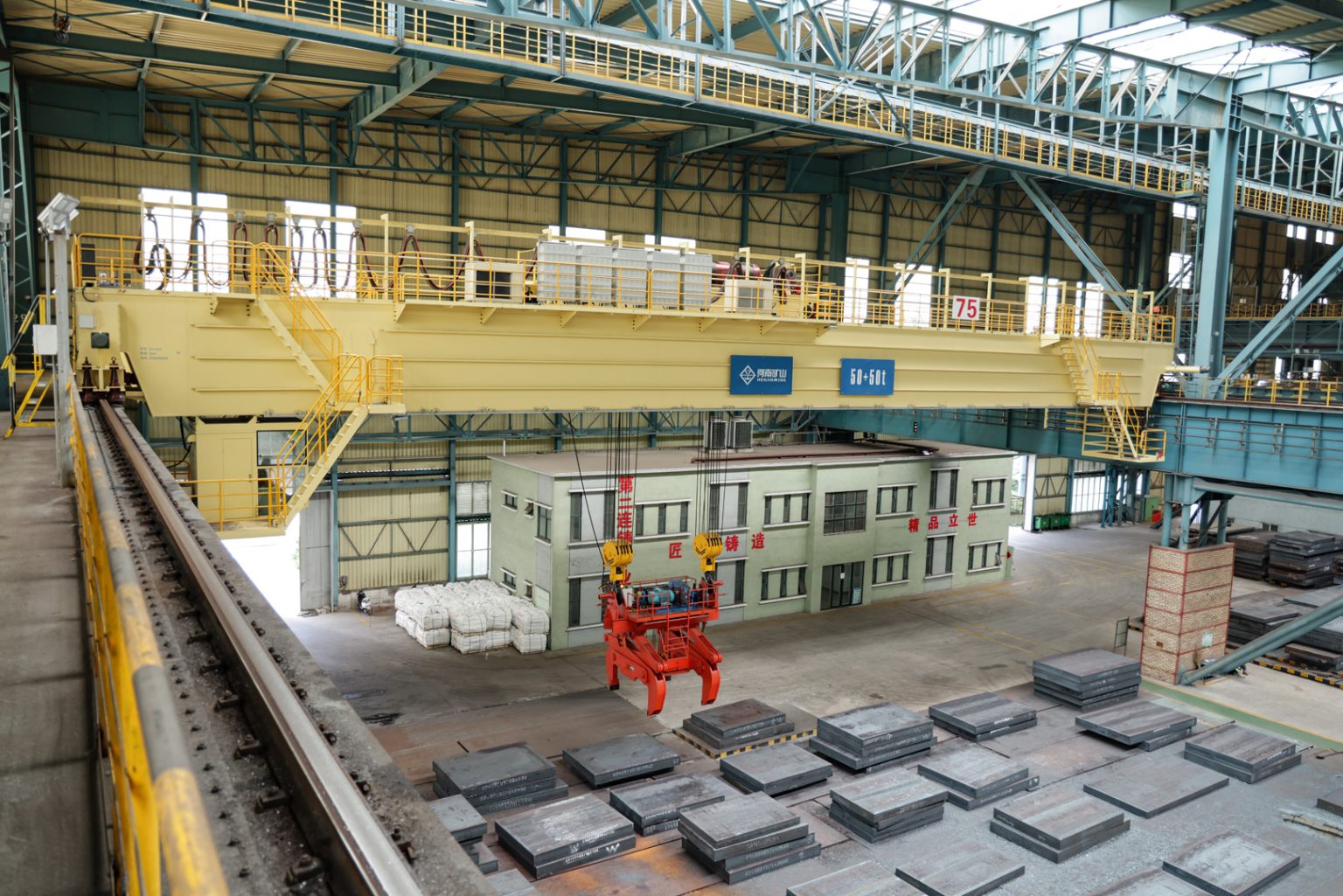
    Review the slab clamping crane handling applications. Review the handling task, load geometry, working duty and equipment interfaces for your application.

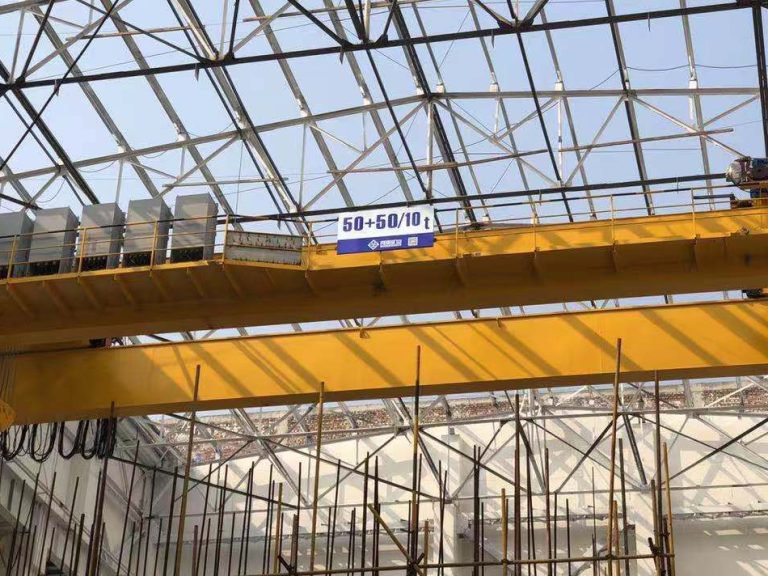
    50+50T Slab Clamping Crane — Henan Mine Crane crane application photograph
    50+50T Slab Clamping Crane — crane application overview.

    Steelmaking and metal handling

    Define the complete suspended load, ladle or steel-product geometry, process temperature, crane duty and safe travel path. For molten-metal work, include auxiliary lifting, heat shielding, redundant protections and inspection access in the specification.

    Crane configuration and interfaces

    Ask for the crane arrangement, hook and lifting appliance interfaces, runway loads, control and monitoring functions, inspection access and a test plan matched to the plant process.

    Review the Metallurgical overhead cranes and Steel & metallurgy cranes before defining the project-specific arrangement.

    Design the lifting process

    Use the project context above as a starting point. The following checks turn a crane application into a technical scope that suppliers can price and demonstrate for your site.

    Load shape and lifting attachment

    A handling line must be sized for the material as well as its nominal weight. Record the longest and shortest piece, thickness, stack condition, temperature, centre of gravity and whether several pieces are lifted at once. For magnet beams, provide the number and spacing of magnets, expected residual magnetism and the power-loss response. For clamps, provide gripping faces, allowable pressure and the secure-release sequence. The attachment and the load both count towards the suspended mass.

    Motion and stacking accuracy

    Show the pickup and deposit points, permitted rotation, vertical clearance, storage rack geometry and the tolerance at which a load may be released. Synchronised lifting, anti-sway and automatic stacking are different control scopes; define which movements actually require them. Ask how the operator confirms a safe grip and how the crane responds to a partial pickup, misalignment or obstruction. Interface signals with a production line or warehouse system should be listed before control architecture is chosen.

    Demonstrating the arrangement

    A technical proposal should include the lifting attachment drawing, crane layout, power backup or retention concept where relevant, exclusion zones, maintenance access and the load cases used for design. Witness a handling trial with representative material, including the heaviest and most awkward pieces and an agreed simulated fault condition. Clarify who supplies the magnet, clamp, control interface, spare attachment parts and operator training. A rated crane capacity does not by itself verify a safe plate, slab or block handling process.

    Compare the proposed crane scope

    DecisionInformation to request
    Crane and lifting attachmentRated loads, load cases, hook coverage and the complete suspended-load calculation.
    Site interfacesRunway loads, rail or building drawings, electrical supply and installation responsibilities.
    Controls and protectionOperating sequence, required safety functions and a method for testing each function.
    Commercial scopeEquipment, transport, installation, commissioning, documentation, training and spare parts as separate line items.

    From technical offer to site acceptance

    Technical submittals

    A usable bid should show a general arrangement and a clear list of assumptions, not just a model name and capacity. Request the load schedule used in design, lifting-attachment drawings where applicable, span and hook-approach dimensions, wheel loads, electrical supply, control narrative and maintenance access. Check every drawing against the actual building or yard layout. Identify the standards and local approval requirements for the destination market in the enquiry, then confirm the bidder’s proposed design and documentation scope in writing.

    Installation and tests

    Agree when the runway or civil works will be ready, how crane components can reach the installation position and who provides lifting equipment for erection. Define the factory test, on-site installation inspection and site acceptance as separate milestones. The acceptance procedure should list representative loads, the travel route, protection devices, emergency stop and any automation or attachment functions included in the order. Record who supplies test weights, operators, power and access equipment; otherwise a nominal commissioning price may omit essential site work.

    Commercial comparison

    Ask for the same delivery basis and currency across proposals. Separate the crane, special lifting appliances, rails or conductors, transport, installation support, commissioning, training and initial spare parts. Lead time should identify the starting event, such as approved drawings or an effective contract, and any dependency on site readiness. Compare warranty scope and service response by the written contract terms. If a key input is still unknown, request a priced option or a stated assumption instead of allowing different bidders to silently use different specifications. Keep a written exception register so the engineering team can resolve open dimensions, process interfaces and responsibility boundaries before issuing the purchase order.

    Information to include in the enquiry

    • Load weights, dimensions, centre of gravity and lifting attachments.
    • Span, lifting height, runway or yard drawings, travel coverage and clearances.
    • Operating cycle, working environment, electrical supply and control requirements.
    • Supply boundaries, inspection documents, installation support and acceptance criteria.

    Discuss a comparable lifting task

    Send the handling task and available site drawings. Henan Mine Crane can define a proposed crane arrangement and identify the remaining information needed for a technical and commercial review.
  • Carbon Material Crane Selection: Dust and Static-Electricity Considerations

    Carbon Material Crane Selection: Dust and Static-Electricity Considerations

    Technical guide

    Carbon Material Crane Selection: Dust and Static-Electricity Considerations

    Carbon handling conditions vary with the material, process and surrounding atmosphere. Describe the dust, contact surfaces and handling method so protection and control measures can be considered for the complete installation.

    Henan Mine CraneTechnical guide · Updated 2026Crane selection, project scope and operating requirements
    anti-static overhead crane
    anti-static overhead crane
    Project planning notes

    Key points for this crane project.

    1. Carbon material anti-static Crane mainstream
    2. Core equipment requirements for carbon material
    3. Carbon material working conditions suitable for
    Read the technical guide

    Carbon material anti-static Crane mainstream application scenarios

    Not all carbon material operating scenes need high antistatic cranes, equipment configuration standards depend entirely on the material form, dust concentration and operating environment. Powder concentration, ventilation restrictions, dust suspension of large working conditions, is the core of the anti-static Crane application scenarios.

    Carbon black production and packaging production line

    Carbon black production, filling and packing area will continuously generate a large amount of fine carbon black dust, and the concentration of dust in the air is very easy to reach the critical hazardous value.

    Workshop equipment maintenance, material tonnage bag handling, production line equipment lifting operations, all need special anti-static lifting equipment.

    Carbon material handling Crane in this scenario, need to control the entire static electricity generation and accumulation, to eliminate static sparks, to protect the packaging workshop continuous safe production.

    Graphite and carbon powder deep processing workshop

    High-purity graphite, ultra-fine carbon powder processing, screening, transfer workshop, belongs to the closed dust-free working environment. The space is relatively closed, the dust cannot spread quickly, and the risk of electrostatic detonation is extremely high when it is suspended in the operation area for a long time.

    Raw material transfer, hopper lifting, equipment maintenance lifting operations in the workshop must rely on anti-static Overhead Crane to complete, from the equipment level to avoid static electricity safety hazards.

    Lithium battery carbon material production plant

    The production process of new energy battery anode carbon material and composite carbon material requires high safety of the production environment. In addition to the demand for dust explosion prevention, the purity of materials cannot be affected by impurities and static electricity generated by the operation of the equipment.

    Anti-static cranes suitable for this scenario can control the risk of static electricity, but also reduce the equipment dust, wear and tear of parts debris, taking into account the production safety and material quality.

    Coal and Coke Processing Workshop

    Raw coal refining, coke milling, coal powder transfer operation area, dust combustible properties, high risk level of the operating environment. The equipment maintenance, material transfer and workpiece lifting in the workshop require lifting equipment suitable for anti-explosion and anti-static working conditions.

    Activated Carbon and Fine Chemical Carbon Materials Plant

    Food-grade and industrial-grade activated carbon processing, as well as various types of fine chemical carbon material preparation processes, mostly completed in a controlled closed workshop. Powder lifting, equipment maintenance process, the slightest static potential may cause safety problems, anti-static design is the standard equipment requirements.

    Dust-sensitive storage and transfer station

    Carbon material finished product warehousing, tonnage bag transfer, distribution conveying area, although there is no continuous production of dust, but the operation process will disturb the residual dust, the formation of the stage of suspended dust environment. This type of scenario also requires lifting equipment with static electricity prevention and control capabilities to avoid the safety risks associated with intermittent operations.

    Core equipment requirements for carbon material handling conditions

    Carbon dust conditions of the equipment selection criteria, and ordinary industrial lifting conditions are completely different. Conventional Crane to meet the load and durability needs, while carbon material special cranes, the core around the electrostatic prevention and control, dust control, safety pocket design.

    Perfect static electricity control ability

    When the Crane is running, the friction between the wheels and the track, the wire rope expansion and contraction, the operation of the electrical components, the material shaking friction, will generate electrostatic charge. Ordinary equipment cannot release the charge, the long-term accumulation will form high-voltage static electricity.

    Carbon special cranes need to build a complete charge dissipation channel to avoid localized accumulation of charge, and reduce the probability of electrostatic discharge and sparks from the source.

    Dust explosion risk prevention and control

    All types of refined carbon dust are combustible dust, in a confined space, suitable concentration, dry environment, as long as there is a tiny ignition source, it may cause an explosion. Crane as a high-frequency operation equipment, must eliminate the possibility of becoming an ignition source.

    The overall design of the equipment needs to be adapted to high-risk dust conditions, strict control of friction sparks, electrostatic sparks, electrical sparks, three types of core risk points.

    Reliable grounding and jumper system

    Many manufacturers of simple anti-static design only do the whole machine grounding, ignoring the moving parts of the cross-connect conduction. Crane main girder, trolley, hoist, traveling mechanism and other independent moving parts, must all do conductive cross-connection.

    Only all metal components, moving parts to form a continuous conductive path, and then access to the plant grounding system, in order to truly realize the zero buildup of static electricity, which is the core of the Crane grounding anti-static design key.

    Low dust disturbance design

    Crane operation, start and stop, alignment process, cannot produce strong airflow disturbance, to avoid stirring the ground, equipment surface dust, exacerbating the workshop dust suspension concentration.

    At the same time, the surface of the equipment adopts smooth sealing design, which is not easy to accumulate dust, easy to clean, and reduces the secondary static electricity hidden danger caused by dust adhesion.

    Adaptability to high-risk zoning conditions

    Part of the carbon deep processing workshop will be divided into explosion-proof high-risk areas, such areas of equipment standards far beyond the ordinary anti-static requirements. According to the level of hazardous areas in the plant, customized anti-explosion and anti-static lifting equipment to match the safety specifications of the zoning.

    Convenient testing and maintenance conditions

    Antistatic structure is not a one-time configuration, long-term use will appear ground aging, wear and tear of conductive parts, line oxidation and other issues. Equipment design needs to be reserved for convenient detection points, convenient daily inspection, resistance testing, component replacement, to protect the long-term effectiveness of anti-static function.

    anti-static overhead crane
    anti-static overhead crane

    Carbon material working conditions suitable for mainstream anti-static Crane models

    Different plants have different site layouts, operating frequency and risk levels, and different anti-static Crane models are suitable. Selecting the model according to the needs cannot only meet the safety standards, but also reasonably control the equipment procurement costs.

    Anti-static Overhead Crane

    This is the mainstream model for carbon indoor production workshop, suitable for material transfer, equipment maintenance, material lifting operations in the closed plant. The whole machine adopts fully sealed anti-static design, complete conductive path, smooth operation and low dust disturbance.

    Widely used in carbon black, graphite, battery carbon material and other indoor standardized production lines, is the most versatile anti-static Overhead Crane model.

    Anti-static Gantry Crane

    Suitable for outdoor and semi-outdoor carbon material yard, open-air transfer area, outdoor equipment maintenance site. Optimized grounding protection and component sealing design for dry, windy and dusty outdoor conditions.

    It can effectively resist the influence of outdoor environment and maintain stable static electricity prevention and control ability, suitable for bulk carbon material handling operations in the yard.

    Low headroom anti-static Crane

    The height of some old carbon material factories and confined deep-processing workshops is limited, and the conventional Crane structure will occupy too much headroom. Low headroom anti-static hoist cranes optimize the structural layout to save vertical space.

    Under the premise of not lowering the anti-static and anti-dust standards, it is suitable for the lifting needs of low-rise plants.

    Customized explosion-proof cranes for high-risk areas

    For high-risk workshops with extremely high dust concentration and strict explosion-proof level, ordinary anti-static equipment cannot meet the requirements. Need to customize the explosion-proof anti-static integrated Crane, electrical components of the explosion-proof sealing, structure of the frictionless spark design.

    This type of carbon material explosion-proof Crane is specially adapted to high-risk dust explosion conditions, fully adapted to the factory explosion-proof norms.

    Carbon material equipment maintenance Crane

    Specialized for carbon production line mixer, hopper, feeder, dust removal equipment maintenance lifting, low frequency, fixed working conditions. The equipment focuses on static electricity prevention and control and precise alignment, and is suitable for production line operation in narrow space.

    Procurement must verify the core technical parameters

    Carbon material antistatic Crane selection, cannot only refer to conventional lifting parameters, electrostatic prevention and control, conductive design, working conditions to adapt to the parameters is to determine the core of the safety of the equipment, the procurement stage must be verified one by one.

    Rated lifting load

    According to the material tonnage bags, raw materials, hoppers, production equipment, fittings and accessories of the actual weight of the selection, set aside a reasonable load margin. Avoid overloading of equipment, which may lead to secondary risks such as increased mechanical friction and heating of components.

    Equipment span

    Accurately match the working width of the workshop, the layout of the production line, and the range of material transfer to ensure that the equipment covers the whole working area, and reduce the dust disturbance and component friction caused by frequent traveling.

    Effective lifting height

    Combined with the workshop headroom, material transfer path, and equipment maintenance height, it can meet the space requirement of high lifting and equipment disassembly, and at the same time avoid the risk of static electricity accumulation brought by high level operation.

    Working level

    Distinguish between equipment use scenarios, production line high-frequency transfer operations need to use high working level equipment, workshop low-frequency maintenance operations can be used for conventional working level. Different working levels of equipment, parts wear-resistant, conductive stability design varies greatly.

    Grounding and cross-connection design

    Focus on verification of the main girder, traveling trolley, hoist, rail, cable system, all moving parts of the cross-connection, to confirm that the entire machine without isolated metal components, conductive path continuous without breaks, grounding resistance in line with industry safety standards.

    Anti-static accessories selection

    Wheels, cables, seals, contact points, surface coatings and other accessories that are prone to static electricity, must use special anti-static, conductive materials. Eliminate the accumulation of static electricity in ordinary insulated fittings, and control the generation of static electricity from the source of fittings.

    Manipulation

    The high-risk dust workshop prioritizes the use of wireless remote control, reducing the personnel close contact with high-risk areas. Conventional workshop can choose handle control, all control parts are anti-static, dustproof sealing treatment.

    Adaptation conditions for on-site working conditions

    Combined with the workshop dust concentration, air humidity, ventilation conditions, explosion-proof zoning level to adjust the equipment configuration. Dry, high dust, closed without ventilation of high-risk conditions, need to upgrade a full set of anti-static explosion-proof configuration.

    Surface treatment and sealing level

    The whole equipment adopts smooth dustproof coating, which is not easy to accumulate dust and easy to clean. Electrical components and transmission structure are all sealed to avoid dust from entering the internal parts and affecting the conductivity and operation of the equipment.

    anti-static overhead crane
    anti-static overhead crane

    Carbon material crane anti-static core design principle

    The core logic of anti-static Crane is not to eliminate the generation of static electricity, but through scientific design, so that the generated static electricity can be quickly and safely dissipated to avoid the accumulation of discharge, suitable for high-risk working conditions of carbon dust.

    Grounding design of the entire structure

    All metal load-bearing structures and traveling structures of Crane are reliably connected to the special grounding network in the factory to establish a stable charge release channel. The static electricity generated by equipment operation can be directly channeled into the earth, avoiding the accumulation of electricity in the machine body.

    Grounding point, grounding material, grounding resistance will directly affect the anti-static effect, but also the core focus of the equipment acceptance project.

    Conductive spanning of moving parts

    Crane main girder and trolley, trolley and hoist, fixed rail and travel mechanism are relative moving parts, there is an insulation gap. Through the special conductive jumper, conductive cable, all the independent components connected to a single conductive system.

    Reduce the source of static electricity

    Optimize the structure and material of equipment operation, reduce the friction coefficient of components. Choose low-friction, anti-static wheels, wire ropes and sealing accessories to reduce the probability of friction and electricity generation.

    At the same time, optimize the logic of equipment operation to achieve smooth start-stop and even-speed travel to reduce sudden shaking and friction brought about by static electricity increment.

    Electrical protection for dusty working conditions

    All electrical control components, motors and brakes adopt dustproof sealing structure to prevent dust from accumulating on the surface of electrical components. This prevents dust from causing short-circuits, discharges, heat generation and other potential safety hazards.

    Adaptation to the overall safety system of the plant

    Crane anti-static design needs to be matched with the plant dust removal system, ventilation system, explosion-proof control system. Equipment static electricity prevention and control, workshop dust management, environmental ventilation control synergies, in order to avoid the risk of dust explosion.

    Antistatic Crane supplier screening points

    Carbon material special anti-static crane belongs to non-standard customized safety equipment, ordinary crane manufacturers can only produce general-purpose models, are not familiar with the dust explosion, static electricity prevention and control of professional design standards, it is very easy to design loopholes.

    Verification of manufacturers of carbon material working conditions professional experience

    Priority is given to manufacturers with long-term service in carbon black, graphite, battery carbon materials, fine chemical dust projects. This kind of manufacturers are clear about the dust characteristics of different carbon materials, risk level, and can optimize the equipment anti-static program.

    Checking the cases of similar projects on the ground

    Field to see the manufacturers of powder materials plant, explosion-proof workshop, carbon processing project landing cases, real project experience, is a direct reflection of the equipment safety design capabilities.

    Evaluation of professional engineering customization capabilities

    High-quality manufacturers will first verify the plant process, dust concentration, explosion-proof zoning, grounding conditions, and then targeted design of equipment structure, grounding system, accessories configuration, rather than applying the general anti-static template.

    Verification of a full set of professional and technical information

    Regular manufacturers can provide a full set of equipment assembly drawings, grounding cross-connection schematic diagrams, electrical drawings, anti-static accessories list, adaptive instructions for working conditions, daily maintenance specifications and other acceptance information to meet the factory safety supervision, explosion-proof acceptance standards.

    Confirmation of core parts configuration standards

    Check one by one the core accessories such as motor, brake, anti-static cable, conductive wheels, grounding connectors, surface coating, etc., to eliminate the substitution of common accessories for special anti-static accessories, and safeguard the performance of the equipment from the source.

    Clear factory testing and acceptance standards

    Before leaving the factory, the equipment must complete the whole machine grounding continuity test, resistance test, electrical sealing test, no-load full-load test run, and issue a complete test report to ensure that the anti-static function is up to standard.

    Confirmation of the scope of working condition compliance

    Confirm the compliance level of the equipment according to the different standards of ordinary areas, dusty and high-risk areas, and explosion-proof zones in the plant, and match the anti-static or anti-explosion anti-static configurations according to the needs to avoid insufficient configurations or excessive redundancy.

    Verify long-term after-sales operation and maintenance capability

    Anti-static components are wear and tear parts that need to be regularly tested and replaced. Reliable manufacturers can provide long-term inspection, resistance testing, parts replacement, upgrading and transformation of working conditions and other after-sales support to ensure the long-term safe operation of the equipment.

    Purchasing selection of high-frequency misunderstanding

    Carbon Crane safety hazards, mostly from the selection stage of cognitive bias, seemingly minor omissions, will be buried for a long time static electricity and explosion-proof risk.

    Only focus on lifting capacity, span and other basic parameters, completely ignoring the static electricity prevention and control, dust explosion-proof core configuration, ordinary Crane for carbon dust high-risk conditions.

    Subjectively believe that ordinary cranes can be adapted to carbon workshop with simple modification, without realizing the hidden risks brought by isolated components, grounding breaks and common accessories.

    Neglecting the explosive properties of carbon dust, only focusing on the basic safety of equipment, ignoring the risk of electrostatic sparks as the core ignition source.

    Failure to clarify the level of hazardous zoning in the plant, the uniform selection of low or high equipment, either safety is not up to standard, or a waste of cost.

    Only do the whole machine grounding, ignoring the moving parts across the connection, resulting in localized electrostatic buildup of equipment, there is a potential risk of discharge.

    Only look at the manufacturer's “anti-static” publicity rhetoric, do not verify the specific grounding design, accessories, materials, test reports, equipment in name only.

    Crane design does not combine the plant dust removal, ventilation system, equipment operation and plant safety system does not match, the prevention and control effect is greatly reduced.

    There is no regular anti-static testing and maintenance program, the equipment is used for a long time after the aging of the conductive parts fail, the risk continues to accumulate.

    Frequently Asked Questions

    What is a carbon material-specific antistatic crane?

    This is a special lifting equipment customized for carbon dust combustible working conditions, through the complete grounding across the connection, anti-static accessories, sealed dust-proof structure, smooth operation design, control of static electricity generation and buildup, to eliminate dust safety accidents caused by static electricity sparks, specifically for all types of carbon material powder handling scenarios.

    Do all carbon material factories need anti-static Crane?

    No, they don't. Only powder suspension, dry confined, there is a risk of dust explosion process needs to be configured. Lumpy carbon materials, storage without dust diffusion, and open-air low-dust operation scenarios can be simplified according to the actual working conditions.

    Are anti-static design and explosion-proof design the same thing?

    No, they are not. The core of anti-static design is to control the risk of static buildup and discharge, while explosion-proof design is to eliminate electrical, friction, static electricity and all kinds of ignition sources. High-risk dust workshop needs to be equipped with both anti-static + explosion-proof dual design, ordinary dust conditions only need anti-static design can be.

    What is the difference between equipment grounding and component cross-connection?

    Grounding is the whole machine charge into the earth, is the overall discharge channel; across the connection is connected to all the independent moving parts, eliminating the potential difference between the components, to avoid partial discharge. The two are indispensable, together form a complete electrostatic prevention and control system.

    Crane which parts of the most important static electricity prevention and control?

    Traveling wheels, conductive cables, movement across the joints, grounding terminals, electrical sealing components, surface coating is the core components, but also the most likely to generate static electricity, the key position of the conduction breakpoints, is the focus of routine testing and maintenance.

    Can ordinary industrial Cranes be converted to anti-static equipment?

    Low-dust, low-risk conditions can do simple transformation, but high-risk explosion-proof conditions cannot be transformed to replace. Ordinary equipment insulation accessories, open structure cannot be completely rectified, there are permanent safety hazards, must be the original factory customized special anti-static models.

    What information do I need to provide to the manufacturer before requesting a quotation?

    Material type and dust concentration, operating area explosion-proof grade, equipment load, span, lifting height, workshop layout drawings, frequency of operation, to facilitate manufacturers to accurately match the anti-static configuration and customized solutions.

    Summarize

    Carbon material Crane antistatic design is not a dispensable additional configuration, but to adapt to high-risk working conditions of powder, to ensure the core of the plant's safe production. Its core value is to control the risk of static electricity from the end of the equipment, to eliminate the potential danger of dust explosion, matching the special safety requirements of carbon material production.

    Equipment selection should not only focus on the lifting capacity, but should also be combined with the characteristics of the material dust, the workshop hazard level, plant safety system, matching the corresponding static electricity prevention and control, grounding across, dust sealing design. Reasonable equipment configuration cannot only avoid safety risks, but also avoid the cost waste caused by excessive investment.

    Henan Mine Crane has been engaged in dust explosion-proof, anti-static lifting equipment customization for many years, familiar with all kinds of carbon materials, powder chemicals, new energy materials, the risk of working conditions, can be targeted to the design of carbon materials Crane anti-static program, supporting the complete testing information and long-term operation and maintenance services, suitable for global high-risk powder operation projects.

    If you are not sure whether your project needs anti-static Crane, need to match what kind of configuration, you can provide material parameters, workshop conditions, equipment requirements, our engineering team will provide you with an exclusive safety fit program.

    Discuss the crane arrangement for your project.

    Carbon handling conditions vary with the material, process and surrounding atmosphere. Describe the dust, contact surfaces and handling method so protection and control measures can be considered for the complete installation. Share the load, available drawings, working cycle and site conditions with Henan Mine Crane so the required configuration and supply boundary can be discussed.

    Related crane configurations

    Anode Carbon Block Stacking Crane

    View product parameters
    Lifting capacity: 10 – 30 tSpan: 13.5-40 mLifting height: 6 – 20 m

    Handle and stack anode carbon blocks with a crane configured around block geometry, gripping method and storage layout. Define the transfer sequence and automation interfaces before selection.

    Dust-Proof Explosion-Proof Overhead Crane

    View product parameters
    Lifting capacity: 1t – 10tSpan: 7.5m – 28.5mLifting height: 6m – 20m

    Configure suspended lifting for a declared combustible-dust environment. Dust classification, surface-temperature limits and enclosure requirements form part of the crane and hoist specification.

    Updated 2026 · Henan Mine Crane

  • 40.5t Rail Mounted Container Gantry Crane for International Inland Port

    40.5t Rail Mounted Container Gantry Crane for International Inland Port

    Crane application

    40.5t Rail Mounted Container Gantry Crane for International Inland Port

    Review the container crane at an international inland port. Discuss the load, site layout, operating duty and equipment supply scope.

    40.5t Rail Mounted Container Gantry Crane for International Inland Port — Henan Mine Crane crane application photograph
    40.5t Rail Mounted Container Gantry Crane for International Inland Port — crane application overview.

    Project evidence

    • The underlying Dongfanghong inland-port container handling project is corroborated.

    Container and warehouse handling

    Map the load units, storage or yard lanes, stacking height, travel route, handling cycle, building or rail clearances and vehicle interfaces. Specify the operating wind, power and communication conditions where applicable.

    Crane configuration and interfaces

    Ask for a general arrangement, wheel loads, spreader or lifting attachment scope, travel and positioning controls, protection functions and commissioning tests for the declared handling sequence.

    Review the Rail-mounted container gantry cranes and Warehousing & logistics cranes before defining the project-specific arrangement.

    Design the lifting process

    Use the project context above as a starting point. The following checks turn a crane application into a technical scope that suppliers can price and demonstrate for your site.

    Yard operation and handling cycle

    Start with the container mix: 20-foot, 40-foot, high-cube and any non-standard units. State the maximum gross mass of a container and whether the quoted capacity includes the spreader. Map train, truck and storage lanes separately. A rail-mounted gantry crane that serves a railway track and a storage block may need different outreach, travel length and positioning logic from a crane serving only trucks. The target moves per hour should be stated with the stacking pattern and average travel distance, not as an isolated throughput number.

    Layout and control decisions

    Share a scaled yard plan showing rail gauge, clear span, cantilever outreach, stacking height, truck lanes, rail sidings and the end positions. Specify how operators will work: on board, from a remote console or through an automated terminal system. Anti-sway, container finding and collision protection need an agreed operating scenario and acceptance method. Clarify the spreader type, power supply, cable management, wind conditions, storm anchoring and the required interface to the terminal-management system before prices are compared.

    Acceptance and supply boundary

    Ask each bidder to state rated load at the spreader, duty assumptions, wheel loads, rail tolerances and the civil works excluded from crane supply. Review the scope for rails, power distribution, communications, commissioning, operator training and spare parts. Factory tests can check major drives and controls; site tests must demonstrate the actual lifting sequence, emergency stops, limit devices, travel protection and agreed positioning functions with the yard interfaces available. A planned terminal capacity is not the tested hourly performance of one crane.

    Compare the proposed crane scope

    DecisionInformation to request
    Crane and lifting attachmentRated loads, load cases, hook coverage and the complete suspended-load calculation.
    Site interfacesRunway loads, rail or building drawings, electrical supply and installation responsibilities.
    Controls and protectionOperating sequence, required safety functions and a method for testing each function.
    Commercial scopeEquipment, transport, installation, commissioning, documentation, training and spare parts as separate line items.

    From technical offer to site acceptance

    Technical submittals

    A usable bid should show a general arrangement and a clear list of assumptions, not just a model name and capacity. Request the load schedule used in design, lifting-attachment drawings where applicable, span and hook-approach dimensions, wheel loads, electrical supply, control narrative and maintenance access. Check every drawing against the actual building or yard layout. Identify the standards and local approval requirements for the destination market in the enquiry, then confirm the bidder’s proposed design and documentation scope in writing.

    Installation and tests

    Agree when the runway or civil works will be ready, how crane components can reach the installation position and who provides lifting equipment for erection. Define the factory test, on-site installation inspection and site acceptance as separate milestones. The acceptance procedure should list representative loads, the travel route, protection devices, emergency stop and any automation or attachment functions included in the order. Record who supplies test weights, operators, power and access equipment; otherwise a nominal commissioning price may omit essential site work.

    Commercial comparison

    Ask for the same delivery basis and currency across proposals. Separate the crane, special lifting appliances, rails or conductors, transport, installation support, commissioning, training and initial spare parts. Lead time should identify the starting event, such as approved drawings or an effective contract, and any dependency on site readiness. Compare warranty scope and service response by the written contract terms. If a key input is still unknown, request a priced option or a stated assumption instead of allowing different bidders to silently use different specifications. Keep a written exception register so the engineering team can resolve open dimensions, process interfaces and responsibility boundaries before issuing the purchase order.

    Information to include in the enquiry

    • Load weights, dimensions, centre of gravity and lifting attachments.
    • Span, lifting height, runway or yard drawings, travel coverage and clearances.
    • Operating cycle, working environment, electrical supply and control requirements.
    • Supply boundaries, inspection documents, installation support and acceptance criteria.

    Discuss a comparable lifting task

    Send the handling task and available site drawings. Henan Mine Crane can define a proposed crane arrangement and identify the remaining information needed for a technical and commercial review.
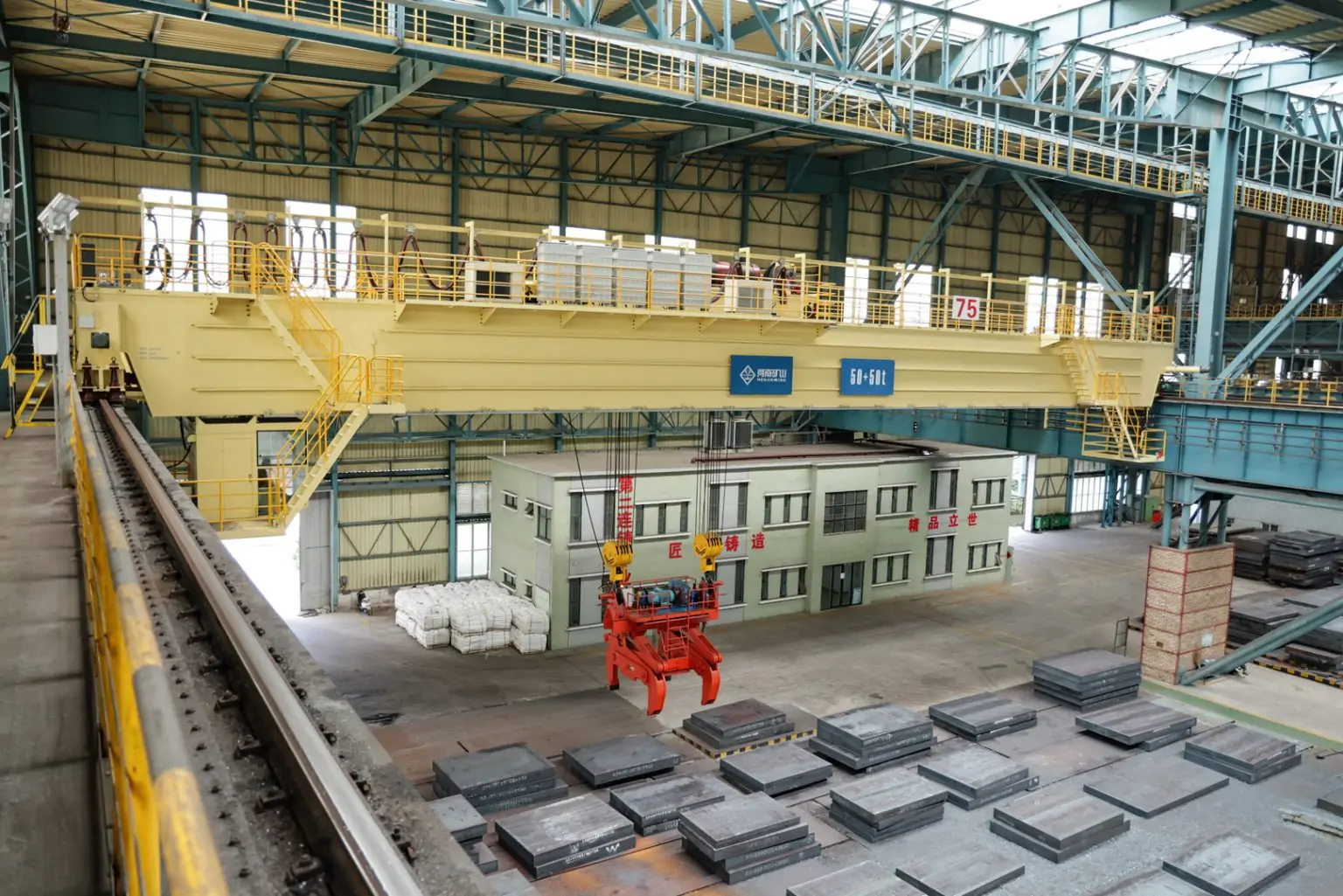
  • 4 Girder Casting Crane Supplier by Henan Mine Crane Factory

    4 Girder Casting Crane Supplier by Henan Mine Crane Factory

    Crane application

    4 Girder Casting Crane Supplier by Henan Mine Crane Factory

    Review the four-girder casting crane project scope. Review load definitions, process exposure, lifting arrangements and working duty for your project.

    4 Girder Casting Crane Supplier by Henan Mine Crane Factory — Henan Mine Crane crane application photograph
    4 Girder Casting Crane Supplier by Henan Mine Crane Factory — crane application overview.

    Steelmaking and metal handling

    Define the complete suspended load, ladle or steel-product geometry, process temperature, crane duty and safe travel path. For molten-metal work, include auxiliary lifting, heat shielding, redundant protections and inspection access in the specification.

    Crane configuration and interfaces

    Ask for the crane arrangement, hook and lifting appliance interfaces, runway loads, control and monitoring functions, inspection access and a test plan matched to the plant process.

    Review the Metallurgical overhead cranes and Steel & metallurgy cranes before defining the project-specific arrangement.

    Design the lifting process

    Use the project context above as a starting point. The following checks turn a crane application into a technical scope that suppliers can price and demonstrate for your site.

    Molten-metal lifting sequence

    Describe where a ladle is picked up, where it travels, how it is poured and how it is returned. Provide the mass of the ladle, lining, molten metal, lifting beam and rigging as separate inputs. The main-hook capacity alone does not define the crane: auxiliary-hook duty, hook spacing, approach, travel speed, plant clearances and the number of lifts per shift matter. If the process includes charging, tundish transfer or maintenance lifts, separate those cycles rather than assuming one arrangement can serve them all.

    Protection and maintainability

    For a hot shop, specify ambient and radiant temperatures at the bridge, trolley, electrical cabinets and operator position. Discuss heat shielding, cable routing, braking and overspeed protection, redundant functions where applicable, access for inspection and a safe maintenance position. These features need a project-specific risk assessment and applicable design standard; a catalogue label such as “metallurgical” does not establish suitability for molten-metal duty. Provide runway condition and building clearances so that protective equipment can be installed and serviced.

    What to compare at technical review

    Request general arrangement drawings, the mass calculation for the suspended load, main and auxiliary hook duties, duty classification, wheel loads, electrical interfaces and a list of protective functions. Compare each offer against the same process sequence and site drawings. Define factory and site acceptance tests for rated load, interlocks, brakes, limit switches and operational travel. Agree how production will be isolated during installation and how spare components will be supported. Published case tonnages describe those installations only; a new crane must be sized to its own process.

    Compare the proposed crane scope

    DecisionInformation to request
    Crane and lifting attachmentRated loads, load cases, hook coverage and the complete suspended-load calculation.
    Site interfacesRunway loads, rail or building drawings, electrical supply and installation responsibilities.
    Controls and protectionOperating sequence, required safety functions and a method for testing each function.
    Commercial scopeEquipment, transport, installation, commissioning, documentation, training and spare parts as separate line items.

    From technical offer to site acceptance

    Technical submittals

    A usable bid should show a general arrangement and a clear list of assumptions, not just a model name and capacity. Request the load schedule used in design, lifting-attachment drawings where applicable, span and hook-approach dimensions, wheel loads, electrical supply, control narrative and maintenance access. Check every drawing against the actual building or yard layout. Identify the standards and local approval requirements for the destination market in the enquiry, then confirm the bidder’s proposed design and documentation scope in writing.

    Installation and tests

    Agree when the runway or civil works will be ready, how crane components can reach the installation position and who provides lifting equipment for erection. Define the factory test, on-site installation inspection and site acceptance as separate milestones. The acceptance procedure should list representative loads, the travel route, protection devices, emergency stop and any automation or attachment functions included in the order. Record who supplies test weights, operators, power and access equipment; otherwise a nominal commissioning price may omit essential site work.

    Commercial comparison

    Ask for the same delivery basis and currency across proposals. Separate the crane, special lifting appliances, rails or conductors, transport, installation support, commissioning, training and initial spare parts. Lead time should identify the starting event, such as approved drawings or an effective contract, and any dependency on site readiness. Compare warranty scope and service response by the written contract terms. If a key input is still unknown, request a priced option or a stated assumption instead of allowing different bidders to silently use different specifications. Keep a written exception register so the engineering team can resolve open dimensions, process interfaces and responsibility boundaries before issuing the purchase order.

    Information to include in the enquiry

    • Load weights, dimensions, centre of gravity and lifting attachments.
    • Span, lifting height, runway or yard drawings, travel coverage and clearances.
    • Operating cycle, working environment, electrical supply and control requirements.
    • Supply boundaries, inspection documents, installation support and acceptance criteria.

    Discuss a comparable lifting task

    Send the handling task and available site drawings. Henan Mine Crane can define a proposed crane arrangement and identify the remaining information needed for a technical and commercial review.
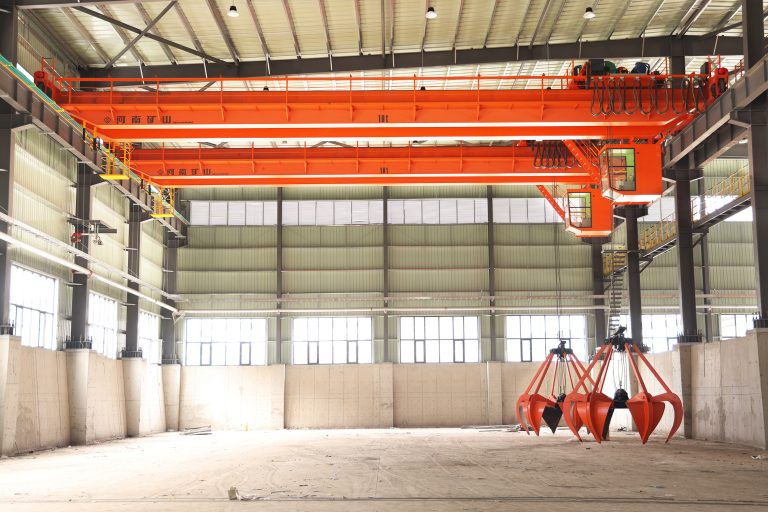
  • Outdoor Bridge Cranes: Wind Monitoring and Parking Requirements

    Outdoor Bridge Cranes: Wind Monitoring and Parking Requirements

    Technical guide

    Outdoor Bridge Cranes: Wind Monitoring and Parking Requirements

    Wind-related requirements should cover lifting, travel and the parked condition. State the site design basis and operating envelope, then ask the supplier to document the relevant limits and securing arrangements.

    Henan Mine CraneTechnical guide · Updated 2026Crane selection, project scope and operating requirements
    Henan Mine Crane Single-Girder Bridge Crane
    Henan Mine Crane Single-Girder Bridge Crane
    Project planning notes

    Key points for this crane project.

    1. Challenges Faced by Outdoor Bridge Cranes
    2. Understanding Wind Loads on Bridge Cranes
    3. Key Elements of Bridge Crane Anti-Wind Design
    Read the technical guide

    Challenges Faced by Outdoor Bridge Cranes

    The outdoor complex and changeable wind environment brings multiple irreversible safety and production hidden dangers to the operation of the Henan Mine Crane bridge crane. It is also the core pain point that must be solved in the wind resistance design, focusing on three dimensions:

    Strong wind affects the overall stability of the crane: outdoor open field, coastal, mountainous, industrial park and other scenes, instantaneous gust, sustained wind will form lateral thrust and overturning moment on the crane girder, end beam, trolley and lifting load. Crane belongs to high-altitude large-span flexible structure, its own center of gravity is high, wind area is large, wind force will directly break the balance of equipment force, resulting in body tilt, shaking violently, greatly increase the risk of swinging and falling of lifting objects, completely unable to meet the safety requirements of heavy-load operation.

    Risk of crane sliding along the track: When the wind exceeds the friction resistance between the wheel and the track, it will push the bridge crane to slide along the track without control, which is commonly known as "running track" in the industry. This kind of uncontrolled movement is not controlled by operation, which may lead to wheel gnawing, track wear and travel mechanism damage, or cause collision between crane and track terminal, workshop column and other equipment, resulting in equipment damage accident. Especially in the no-load standby state of the crane, the weight is insufficient, and the risk of slip will be greatly doubled.

    Structural damage and production interruption hidden dangers: long-term wind impact, instantaneous strong wind load will continue to wear crane steel structure, resulting in bending of the main girder, weld cracking, loose joints, structural deformation and other structural damage, greatly shortening the service life of the equipment. At the same time, the crane must be shut down urgently to avoid danger in windy weather. The sudden abnormal wind will disrupt the production plan, cause delay of construction period and decrease of production capacity. Frequent equipment maintenance and fault shutdown will continuously increase the operation and maintenance cost of the enterprise and affect the continuous operation of the production line.

    Understanding Wind Loads on Bridge Cranes

    How wind forces affect bridge crane operation

    The effect of wind on the bridge crane is not a single thrust, but an omni-directional, multi-component composite load, mainly in the form of horizontal wind pressure on the core structure of the equipment, omni-directional interference equipment operating state:

    Acting on the crane bridge structure: The overall bridge composed of the main girder and end beam of the Henan Mine Crane bridge crane is the main wind-bearing carrier. The large-span bridge has a large windward area. The horizontal wind pressure will generate lateral thrust on the bridge, causing the fuselage to sway and shift., long-term stress will cause fatigue deformation of the steel structure and destroy structural stability.

    Action on trolley and lifting equipment: lifting trolley, winch mechanism, wire rope, hook and other moving parts have compact structure and flexible center of gravity. Under the action of wind force, lateral deviation and swing are easy to occur, resulting in trolley operation jamming and positioning deviation. In serious cases, trolley derailment and mechanism jamming will be caused, affecting the normal operation of equipment.

    Acting on lifting load: lifting materials, equipment without fixed constraints, wind area is irregular, wind will cause a large swing, rotation, not only cannot accurately fall, but also produce additional tension and torque, reverse pull crane body, aggravate the shaking of the whole machine, easy to cause lifting objects fall, equipment overturn major safety accidents.

    On the whole, the wind load will completely break the force balance of the crane, reduce the stability of equipment operation, aggravate the track wear and running mechanism failure, and destroy the track flatness and wheel-rail coordination accuracy for a long time, forming a vicious circle and continuously affecting the safe operation of the equipment.

    Key factors influencing crane wind loads

    The wind load borne by the bridge crane is not a fixed value, and is affected by multiple factors such as environment, equipment parameters and operating conditions. The core influencing factors are divided into five categories:

    Wind speed and local climate conditions: Wind speed is the core index that determines the wind load intensity. The greater the wind speed, the exponential increase of wind pressure, and the stronger the impact on equipment. At the same time, climate differences such as coastal typhoon, mountain gust, seasonal monsoon and rainstorm accompanied by strong wind will lead to different wind frequency, duration and peak intensity in different regions, which directly determines the wind resistance level required by equipment.

    Crane span and height: the larger the crane span, the larger the windward area of the main girder, the higher the overall wind load; the higher the installation height of the equipment, the greater the wind speed at high altitude, the air flow is unobstructed, and the wind load effect is more obvious. The wind pressure resistance of the crane at high altitude and high position is much higher than that of the low equipment.

    Structural surface area: The greater the total windward area of the exposed structure of the crane steel structure, electrical room, cab, winch mechanism, etc., the more the wind capacity, the greater the wind load. Cranes with redundant structure design, excessive external parts and square shape have significantly higher wind resistance.

    Lifting load characteristics: the volume, shape and windward area of the lifting material directly affect the additional wind load. Large area plates, frame equipment, bulk materials and other lifting loads are subject to large wind areas, which is easy to generate large wind disturbance loads and greatly increase the mechanical load of the whole machine. At the same time, under no-load and full-load conditions, the center of gravity of equipment is different, and the wind-resistant stability is also obviously different.

    Installation environment: open industrial area, port dock, coastal beach, mountain tuyere and other unobstructed environment, wind no attenuation, wind load is the strongest; and there are factory buildings sheltered, surrounded by buildings, wind will be weakened, wind load is relatively small, is an important reference basis for wind resistance design selection.

    Key Elements of Bridge Crane Anti-Wind Design

    Structural design for wind resistance

    Structural optimization is the foundation of bridge crane wind-resistant design. It improves wind-resistant bearing capacity from equipment body and reduces wind load influence from root. The core optimization dimension includes four points:

    Optimize the structural design of the main girder: abandon the traditional heavy and square main girder shape, adopt streamlined and box-shaped optimized section design, reduce the windward area of the main girder and reduce the wind impact on the premise of ensuring the load-bearing capacity. For large-span cranes, transverse stiffeners and auxiliary support structures are added to improve the bending and deformation resistance of the main girder and avoid structural deformation caused by wind impact.

    Improve the overall structural rigidity: by optimizing the steel structure ratio of the whole machine, strengthening the connection nodes between the end beam and the main girder, strengthening the base of the traveling mechanism, etc., improve the overall rigidity of the crane and reduce the shaking and resonance of the fuselage under the action of wind. Effectively avoid weld cracking, bolt loosening and structural fatigue damage caused by long-term wind vibration, and improve the overall stability of the equipment.

    Reduce redundant wind-receiving area: simplify external redundant structure of equipment, optimize installation layout of cab, electrical cabinet and winch mechanism, adopt embedded and flat design, and reduce protruding parts. For the equipment that must be externally installed, add a diversion structure to reduce wind resistance and wind capacity, and reduce wind load from the physical level.

    Selection of suitable materials and safety factors: Henan Mine Crane outdoor crane main steel structure selection of high strength weather resistant steel, both lightweight and high strength, to resist wind impact and outdoor corrosion environment. The wind resistance design shall reserve safety margin strictly according to international and national standards. For high wind areas and coastal typhoon areas, the structural safety coefficient shall be appropriately improved to adapt to extreme wind conditions.

    Rail and travel system wind protection

    The track and traveling system are the core of the support and operation of the crane, and are also the key link for wind prevention and anti-skid. The vast majority of outdoor crane wind-caused accidents are related to insufficient protection of the track system. After the wind breaks through the wheel-rail friction force, it will directly push the equipment to run track and derail, so the windproof design of track system is very important.

    Track flatness and alignment accuracy: track installation must strictly follow industry standards to ensure full horizontal alignment, no offset, no settlement, no deformation. The uneven and offset track will greatly reduce the contact friction force between wheel and rail, and it is easy to cause slip under the action of wind force; at the same time, the accurate track layout can ensure uniform stress of equipment and avoid structural damage caused by local stress concentration.

    Optimize wheel-rail contact state: adopt double-rim wear-resistant wheel design to improve the fit and wrapping between wheel and rail, increase contact friction area and improve natural anti-skid resistance. Regularly calibrate wheel/rail clearance to avoid excessive clearance, partial wear and other problems, and ensure the basic anti-slip ability of equipment under static state.

    Optimize the design of travel mechanism: the travel drive mechanism is equipped with a special windproof brake base to optimize the rigidity of the transmission structure and avoid the idling and failure of the mechanism caused by wind reverse thrust. For large-span and high-capacity outdoor cranes, multi-wheel balanced force design is adopted to disperse wind load and improve the stability of the whole machine in orbit.

    Crane anchoring and fixing systems

    Anchor fixing system is the ultimate protection means of bridge crane against extreme wind, mainly used for rigid fixation under equipment shutdown and extreme storm weather, making up for wheel brake and structural wind resistance performance short board, eliminating the risk of whole machine sliding and overturning, and is the indispensable core windproof configuration of outdoor crane.

    The core function of the anchoring device: under the scenarios of wind speed exceeding the allowable range of equipment work, storm attack, long-term shutdown of equipment, etc., the crane is firmly locked with the ground and track through mechanical rigid fixation, so as to offset the super wind thrust, eliminate track running and overturning accidents from the root cause, and ensure the safety of equipment in extreme weather.

    Common Anti-Wind Devices Used in Bridge Cranes

    Rail clamps and wind brakes

    Rail clamp and windproof brake are the most widely used active windproof equipment for Henan Mine Crane outdoor bridge cranes. They are suitable for most conventional outdoor operation scenarios. They are divided into two types: mechanical and hydraulic. They have high degree of automation and stable protection effect.

    Automatic rail clamp system working principle: automatic rail clamp equipped with intelligent induction and power drive mechanism, equipment shutdown, power failure or wind speed exceeds the standard, the system automatically triggers clamping action, jaws closely attached to both sides of the track, relying on mechanical clamping force to produce strong anti-skid resistance, locking crane travel mechanism, to prevent slippage. When the equipment starts operation, it will automatically release the reset, which will not affect the normal operation.

    Core advantages of outdoor application: high degree of automation of equipment, no need for manual high-altitude operation, high safety and fast response speed; can adapt to bridge cranes of different tonnage and span, with strong versatility; can be linked with wind speed monitoring system to realize intelligent protection without manual intervention, greatly reducing operation and maintenance costs.

    Difference between hydraulic and mechanical schemes: hydraulic rail clamp has sufficient power, stable clamping force, no noise, suitable for high-capacity, large-span heavy bridge cranes, and can cope with high-intensity wind loads; mechanical rail clamp has simple structure, low failure rate, convenient maintenance, high cost performance, and is suitable for small and medium-sized conventional outdoor cranes to meet normal wind protection requirements.

    Crane wheel braking systems

    The wheel brake system is the foundation windproof protection device of crane, which relies on the traveling mechanism brake to realize windproof and anti-skid, and is the first protective barrier of the windproof system of the whole machine. Its core principle is to lock the wheel rotation through the travel brake, prevent the wheel from rolling and sliding, and use the static friction force of the wheel and rail to resist the wind thrust.

    Windproof function of the travel brake: after the equipment stops, the brake automatically locks the wheels, limits the rotation of the wheels, and avoids the problem of track running caused by wind-driven wheel rolling. Under normal light wind and small wind conditions, it can independently realize anti-skid protection, ensure the stability and quiescence of equipment, and is suitable for daily routine weather protection.

    Limitations of single wheel braking: wheel braking can only limit wheel rolling, but cannot prevent the overall lateral slip of the fuselage. When the wind force is too large and exceeds the maximum static friction force of wheel and rail, even if the wheel is locked, the whole machine will still slide along the track, and the protection ability is limited. At the same time, relying solely on wheel braking for a long time will aggravate the wear of brake pads and wheels and shorten the service life of the mechanism. Therefore, wheel braking can only be used as basic protection, and multiple protection systems must be formed with rail clamps and anchoring devices.

    Wind anchoring systems

    Windproof anchoring system is the ultimate protection configuration for extreme weather, belonging to passive rigid protection device, specially for typhoon, strong storm, sustained wind and other conditions beyond the conventional protection capacity, is a necessary configuration of cranes in high-risk wind environment.

    Extreme weather fixed protection principle: through the factory embedded anchor base, anchor pin, connecting rod and other parts, the crane machine and the ground foundation rigid connection, completely lock the fuselage displacement, completely offset the thrust and overturning moment of super wind, eliminate equipment slip, overturning risk, even if encountered more than ten strong winds, but also can ensure that the equipment intact.

    Scenes requiring strengthened anchoring protection: coastal typhoon-prone areas, which are hit by strong typhoons and storms all the year round, with high wind intensity and strong suddenness; plateau, open Gobi, mountain tuyere and other high-wind areas, with frequent strong winds and gusts all the year round, with strong wind persistence; large-scale open-air industrial storage yards, ports, logistics parks and other open operation scenarios without shelter, with no attenuation of wind force and significant wind load effect. All the above scenarios must be equipped with special wind-proof anchoring system.

    Wind Load Calculation and Design Standards for Bridge Cranes

    Basic principles of crane wind load calculation

    Accurate calculation of wind load is the core basis of Henan Mine Crane bridge crane wind resistance design, which directly determines the structural design standard, wind protection equipment selection and safety margin setting. All wind resistance design needs to be based on accurate wind load calculation. The core calculation logic revolves around three core elements.

    Corresponding relationship between wind speed and wind pressure: wind speed is the basic parameter, wind pressure increases exponentially with wind speed, and it is the core pressure source of wind acting on equipment. Wind speed of different grades corresponds to fixed wind pressure standard, which is the basic value of load calculation. It is necessary to strictly follow the local meteorological extreme wind speed value to eliminate insufficient protection caused by parameter underestimation.

    Crane wind area: including the main girder, end beam, trolley, electrical equipment, hanging load and other exposed structures of the total windward area, the larger the wind area, the greater the wind load under the same wind speed, is the core variable of load calculation, calculation needs to fully cover all wind-affected parts, no omission calculation.

    Importance of environmental data: wind load calculation must rely on real meteorological data of project location, including annual average wind speed, extreme maximum wind speed, typhoon frequency, wind duration and other parameters. Accurate environmental data can ensure that the calculation results conform to the actual working conditions, avoid insufficient or excessive design redundancy, and balance safety and economy.

    Factors engineers consider during design

    In the process of wind resistance design and load calculation of bridge crane, engineers need to integrate four core parameters to achieve accurate adaptation of design scheme to scene requirements:

    Local maximum wind speed: collect the meteorological extreme wind speed data of the project location in recent 10-20 years, distinguish between normal working wind speed and extreme storm wind speed, calculate the working wind load and static wind load respectively, and match the double-layer protection standard.

    Crane working conditions: distinguish between no-load, half-load, full load, standby four core conditions, different conditions of equipment gravity, wind state, stability, wind load force difference is very large, need to be calculated one by one, to ensure the safety of all working conditions.

    Maximum lifting load: calculate the additional wind load under the maximum lifting load state in combination with the rated load of the crane, avoid the risk of equipment overturning and lifting out of control caused by heavy load wind, and ensure the wind safety of heavy load operation.

    Equipment installation position: according to different installation positions such as coastal, inland, open factory area, mountain area and tuyere, correct wind load coefficient, adjust structural rigidity and windproof equipment configuration accordingly, and adapt to the wind environment exclusive to the scene.

    Compliance with international crane design requirements

    All kinds of standards clearly stipulate the core parameters of crane wind load calculation method, wind resistance structure design requirements, wind protection device configuration standard, extreme working condition safety margin, etc., which are the hard basis of engineering design. Following standardized design, safety hazards, unqualified acceptance, and equipment failure caused by non-standard design can be completely avoided.

    At the same time, according to different operation environments, the standard requires to reserve differentiated safety margin. The safety factor shall be improved in high wind, coastal and typhoon areas. The redundancy design can be reasonably optimized in inland conventional areas, so as to ensure equipment safety, avoid resource waste and realize the optimal balance between safety and cost.

    Discuss the crane arrangement for your project.

    Wind-related requirements should cover lifting, travel and the parked condition. State the site design basis and operating envelope, then ask the supplier to document the relevant limits and securing arrangements. Share the load, available drawings, working cycle and site conditions with Henan Mine Crane so the required configuration and supply boundary can be discussed.

    Related crane configurations

    Single-Girder Bridge Crane

    View product parameters
    Lifting capacity: 1–20 tSpan: 7.5–31.5 mLifting height: 6, 9, 12, 18, 24 or 30 m; capacity-dependent

    Use an LDA single-girder bridge and electric hoist for general workshop material handling. Select the lifting capacity, runway geometry and hoist duty around the building and load.

    LH Electric Hoist Double Girder Crane

    View product parameters
    Lifting capacity: 3, 5, 10, 16, 20 tSpan: 10.5–31.5 mLifting height: 6, 9, 12 or 18 m

    Use an LH double-girder bridge with an electric-hoist trolley for workshop lifting, assembly and maintenance. Match the hoist arrangement to the suspended load, hook travel and available building space.

    Updated 2026 · Henan Mine Crane