Crane application
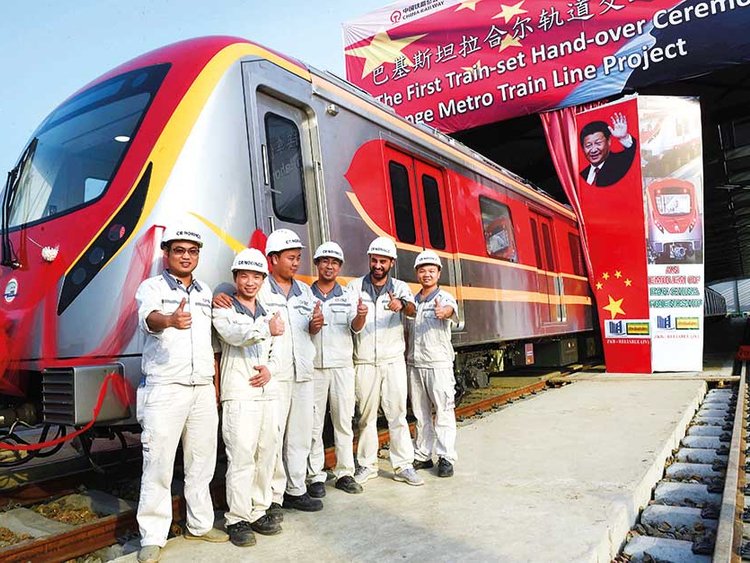
Henan Mine Crane Helps China-Pakistan Economic Corridor Lahore Orange Line Metro Open for Operation
Review crane handling for Lahore’s Orange Line metro project. Review lifting tasks, construction interfaces, equipment arrangements and project scope.
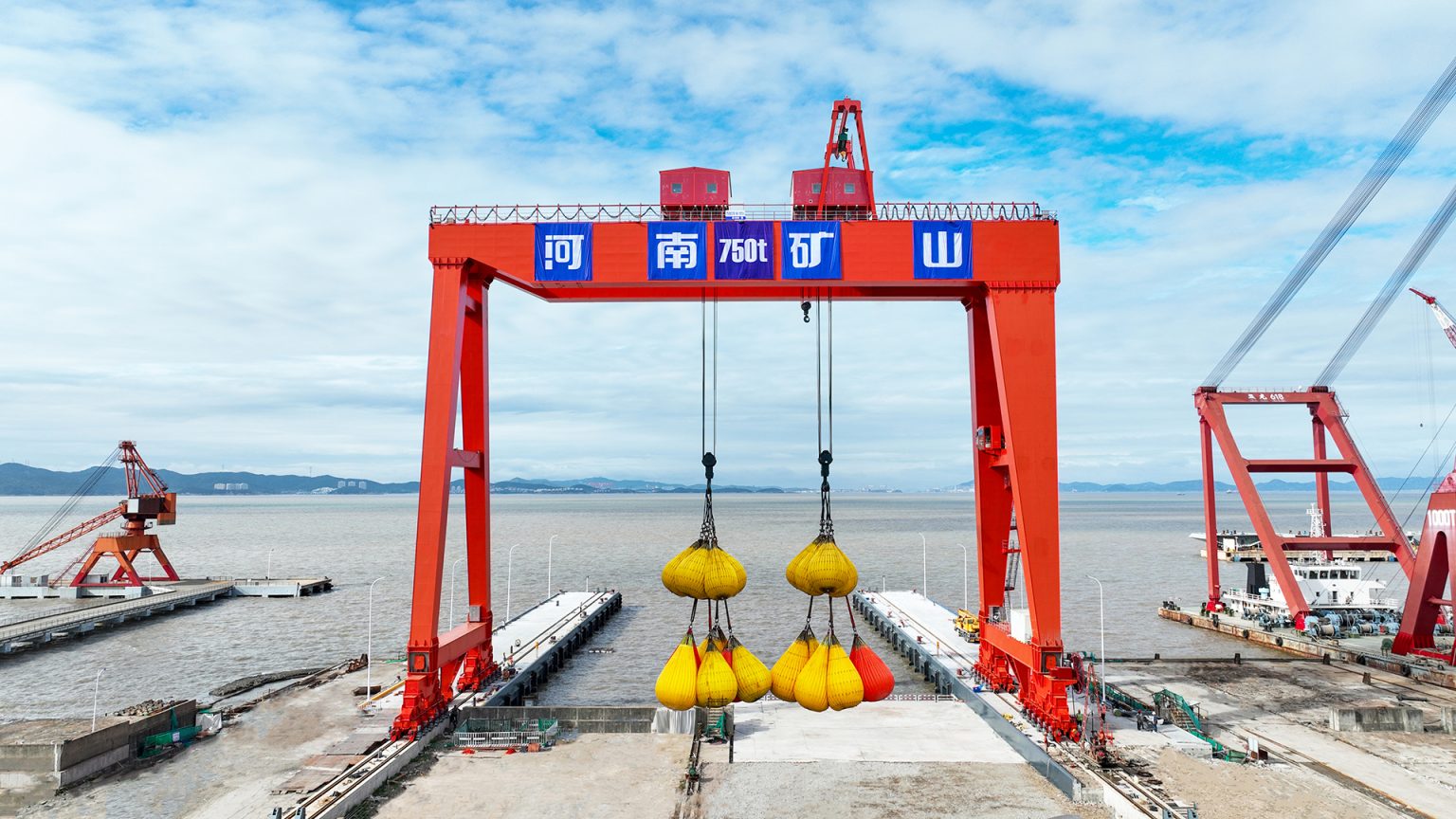
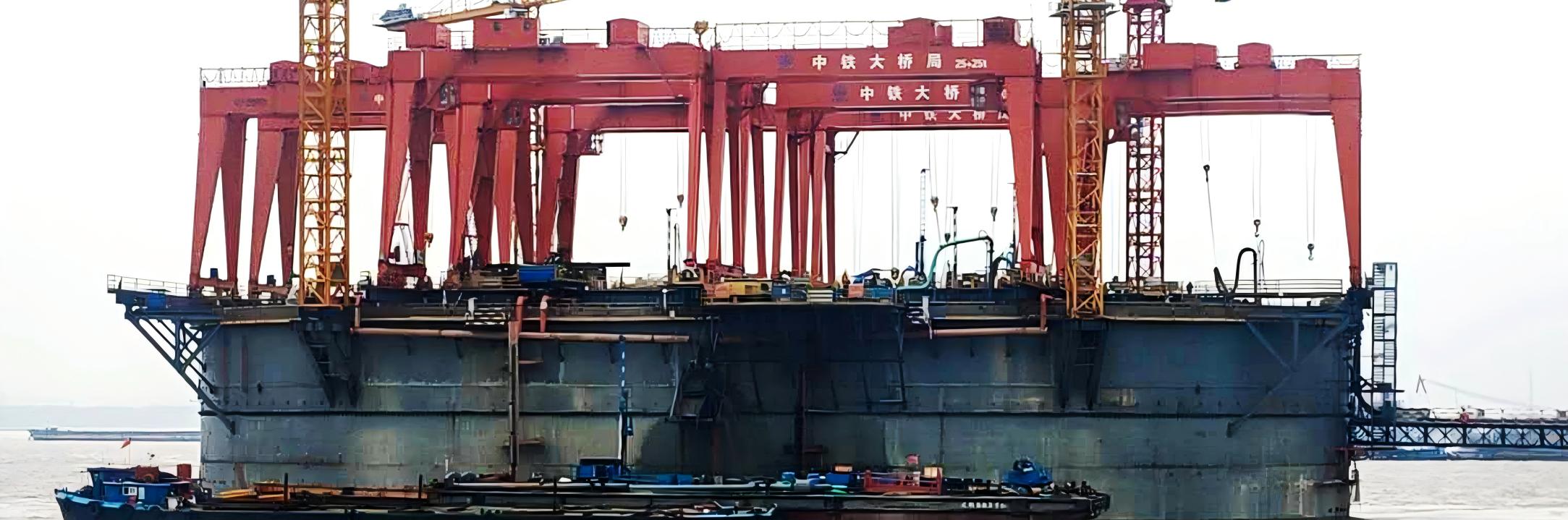
Heavy construction lifting
Confirm the full component weight including rigging, centre of gravity, lifting points, assembly sequence, ground conditions and required travel envelope. Coordinate the crane with the temporary works and construction schedule.
Crane configuration and interfaces
Ask for lifting and travel arrangements, support reactions, wind limits, erection and dismantling method, site interfaces and acceptance tests for the proposed construction duty.
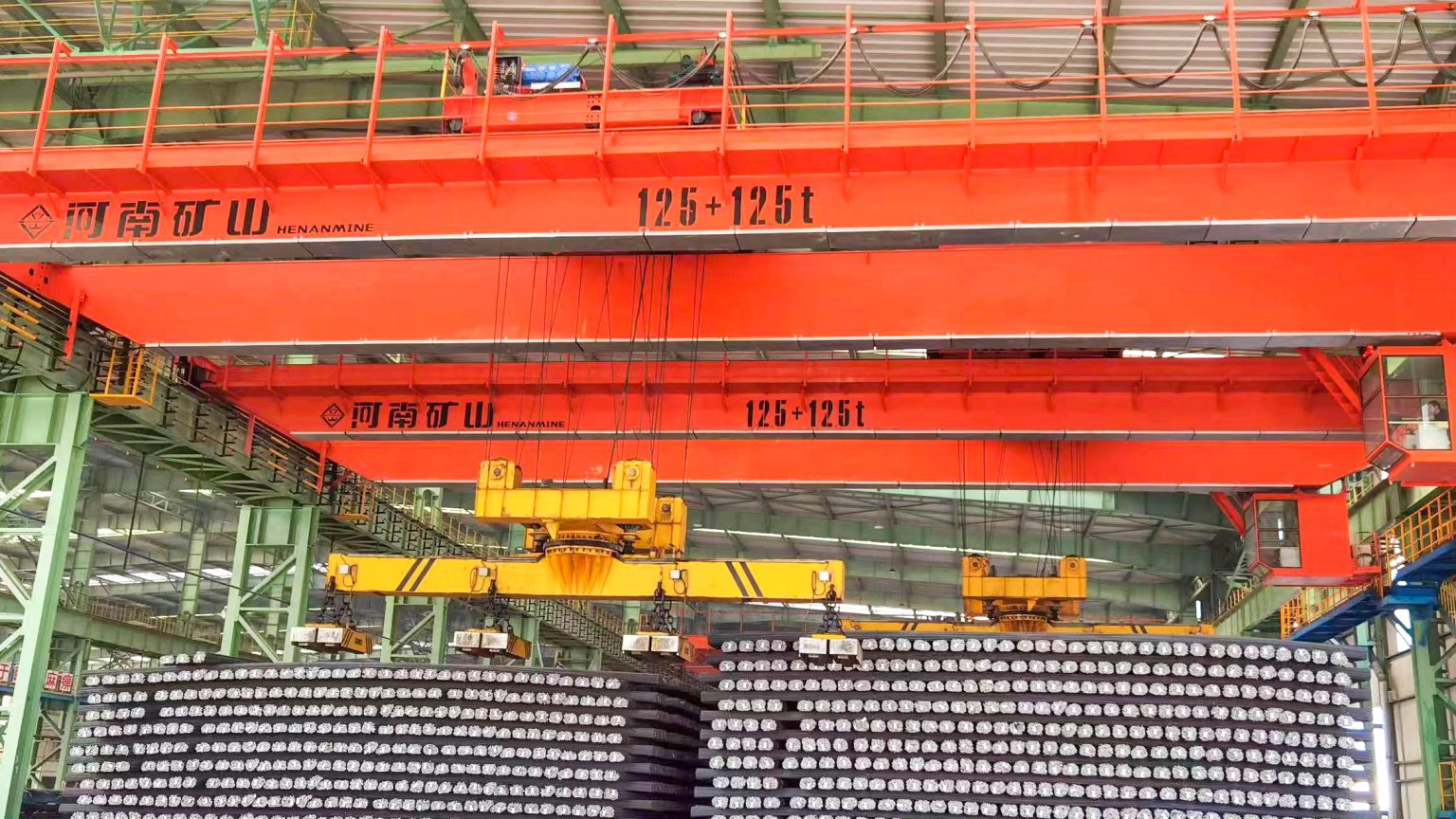
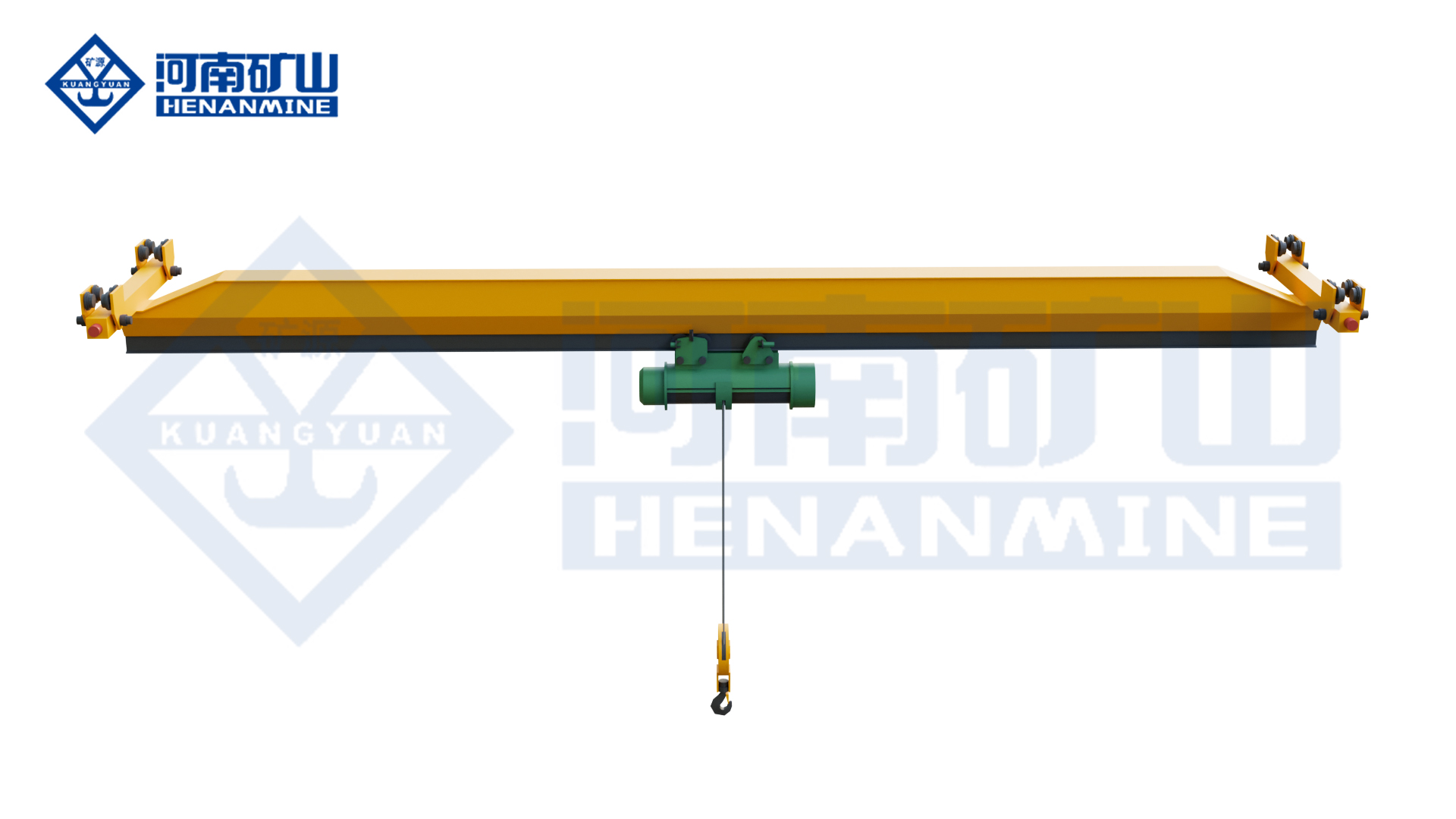
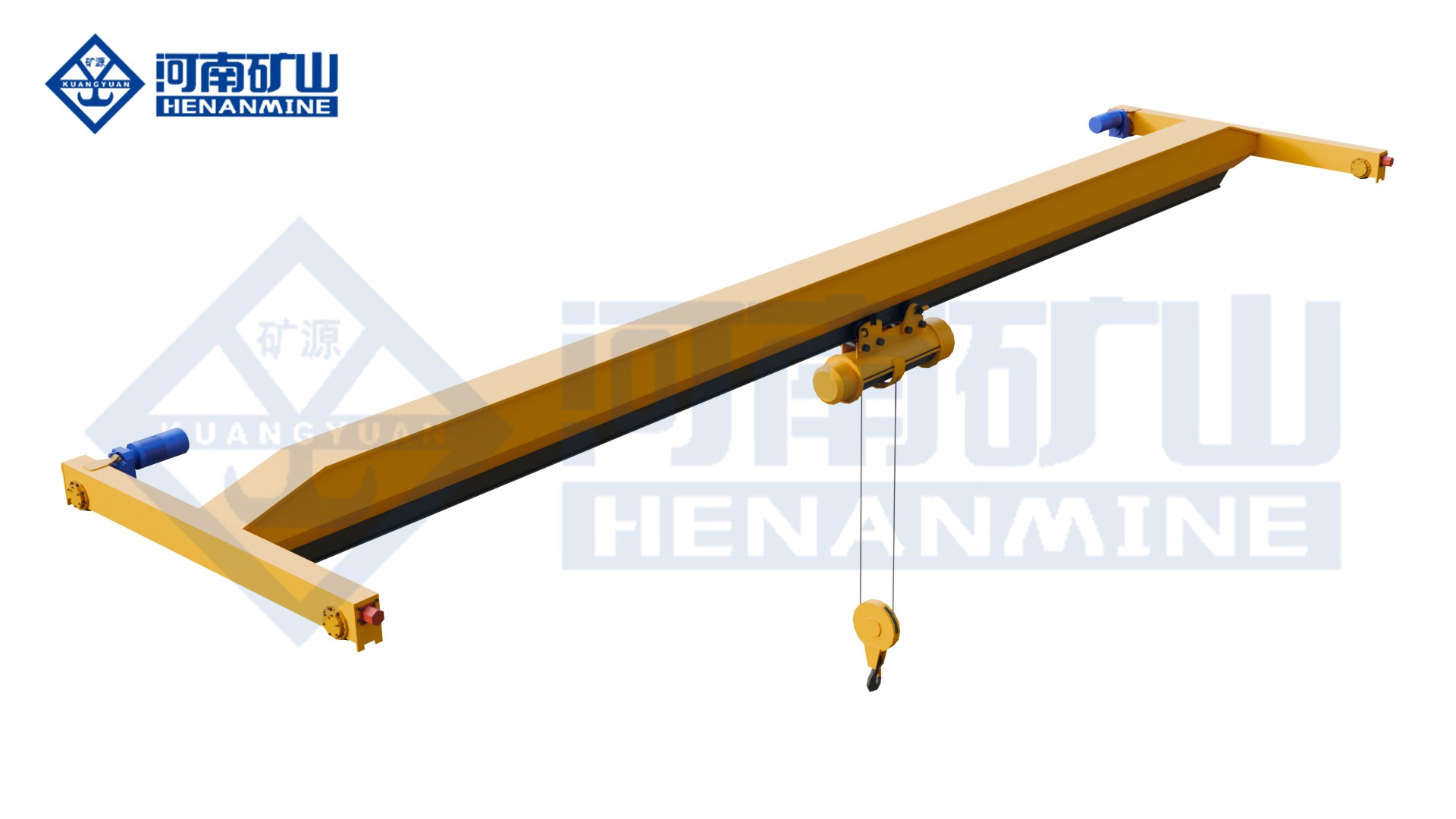
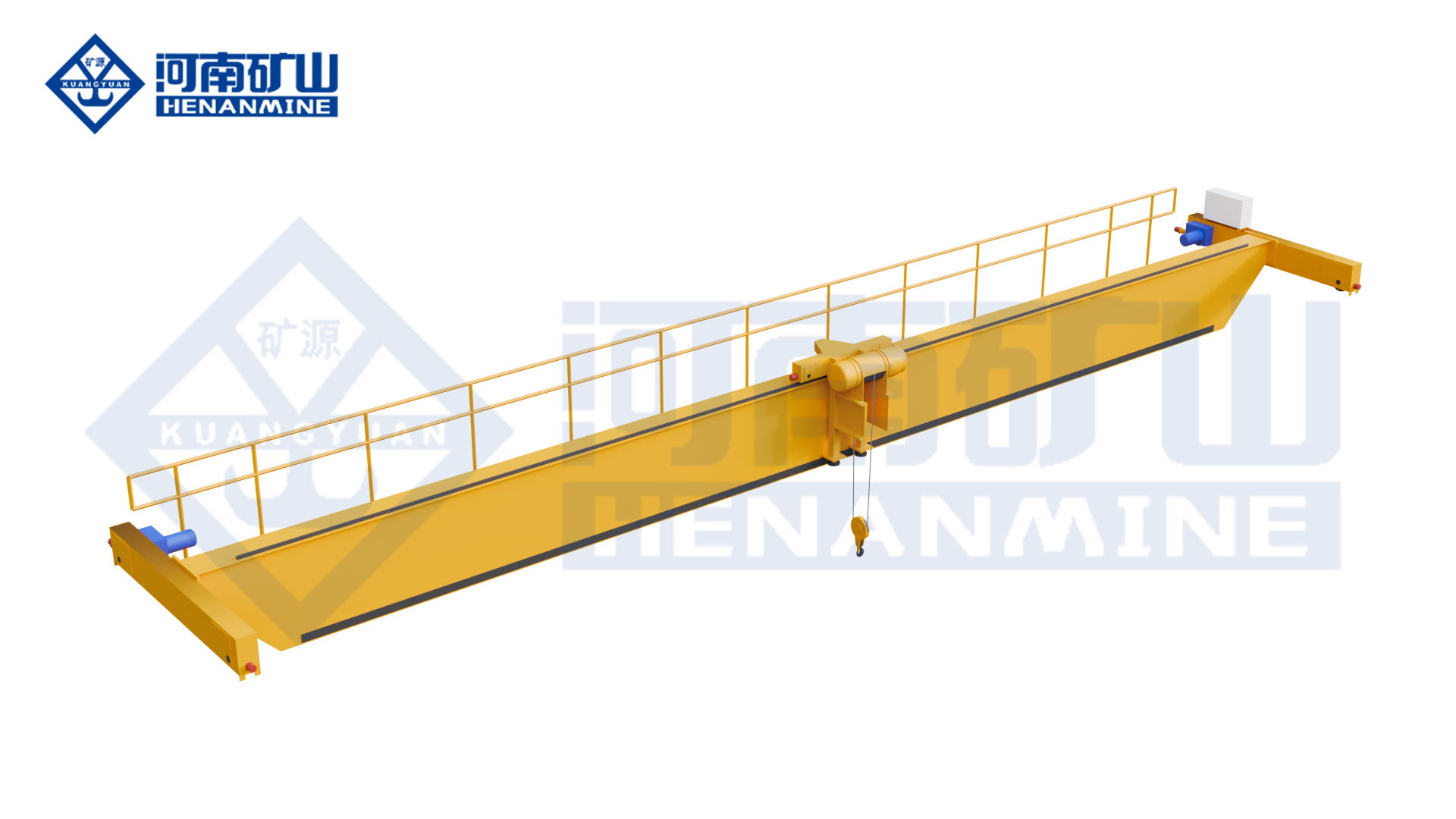
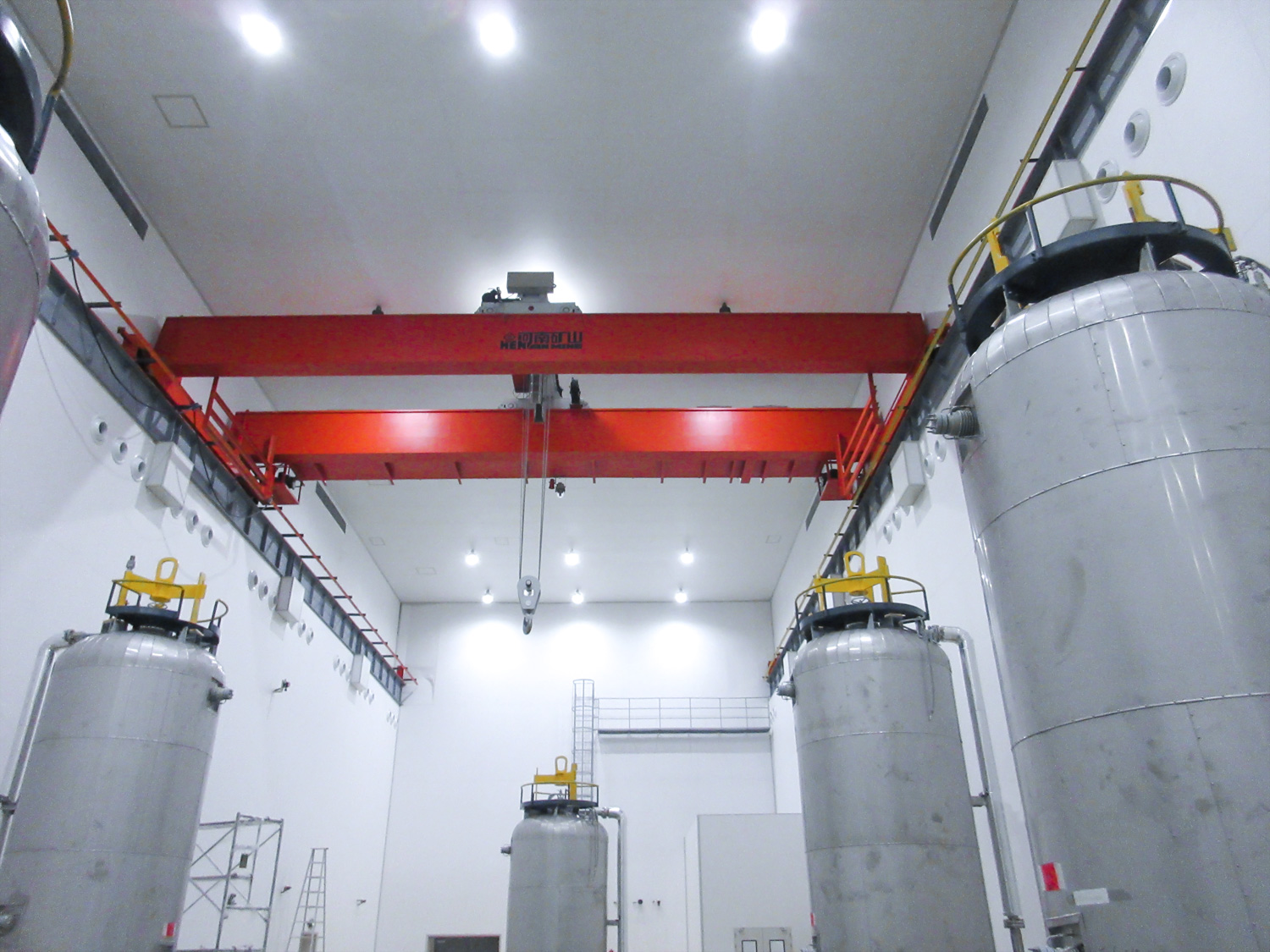
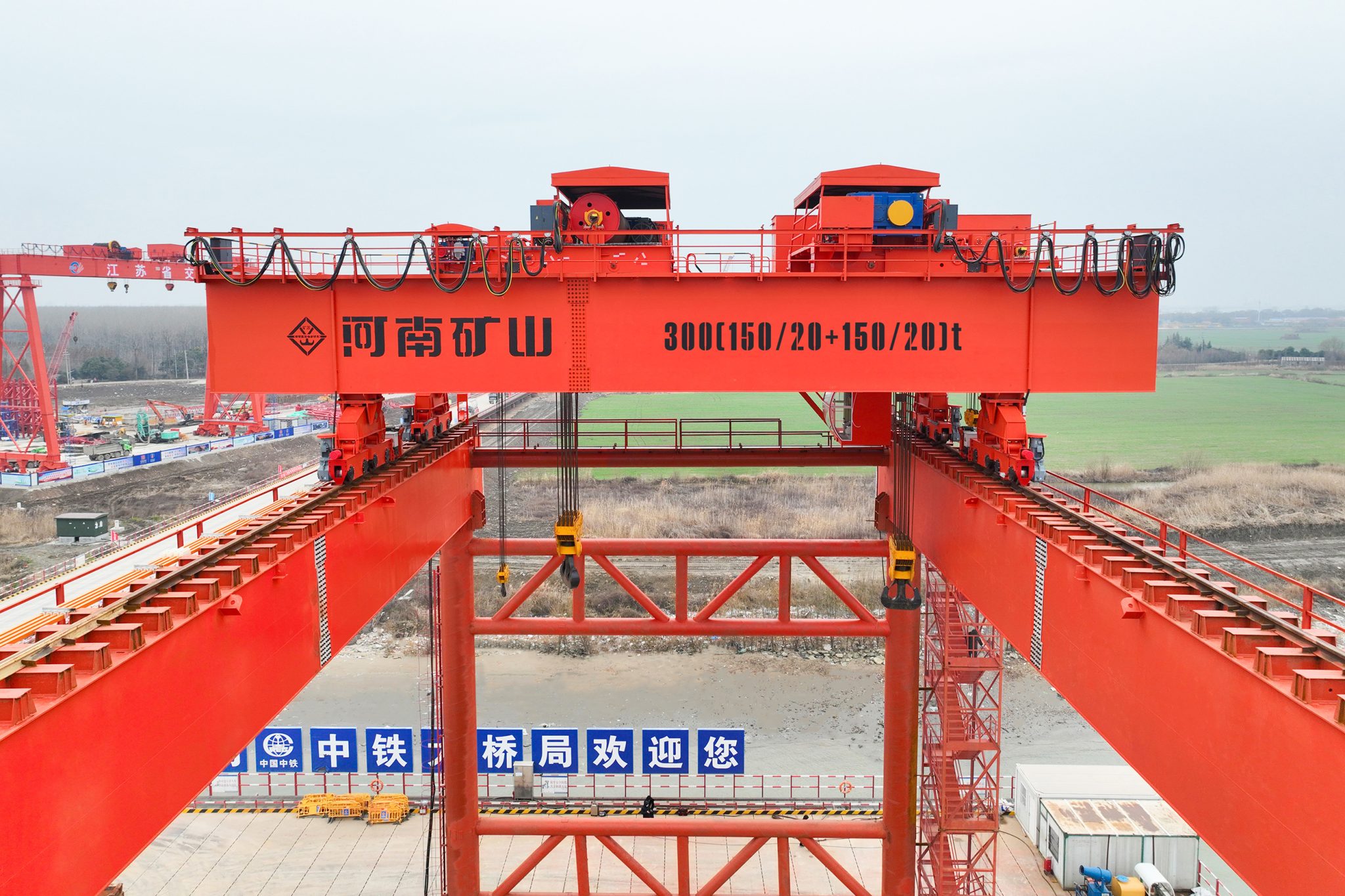
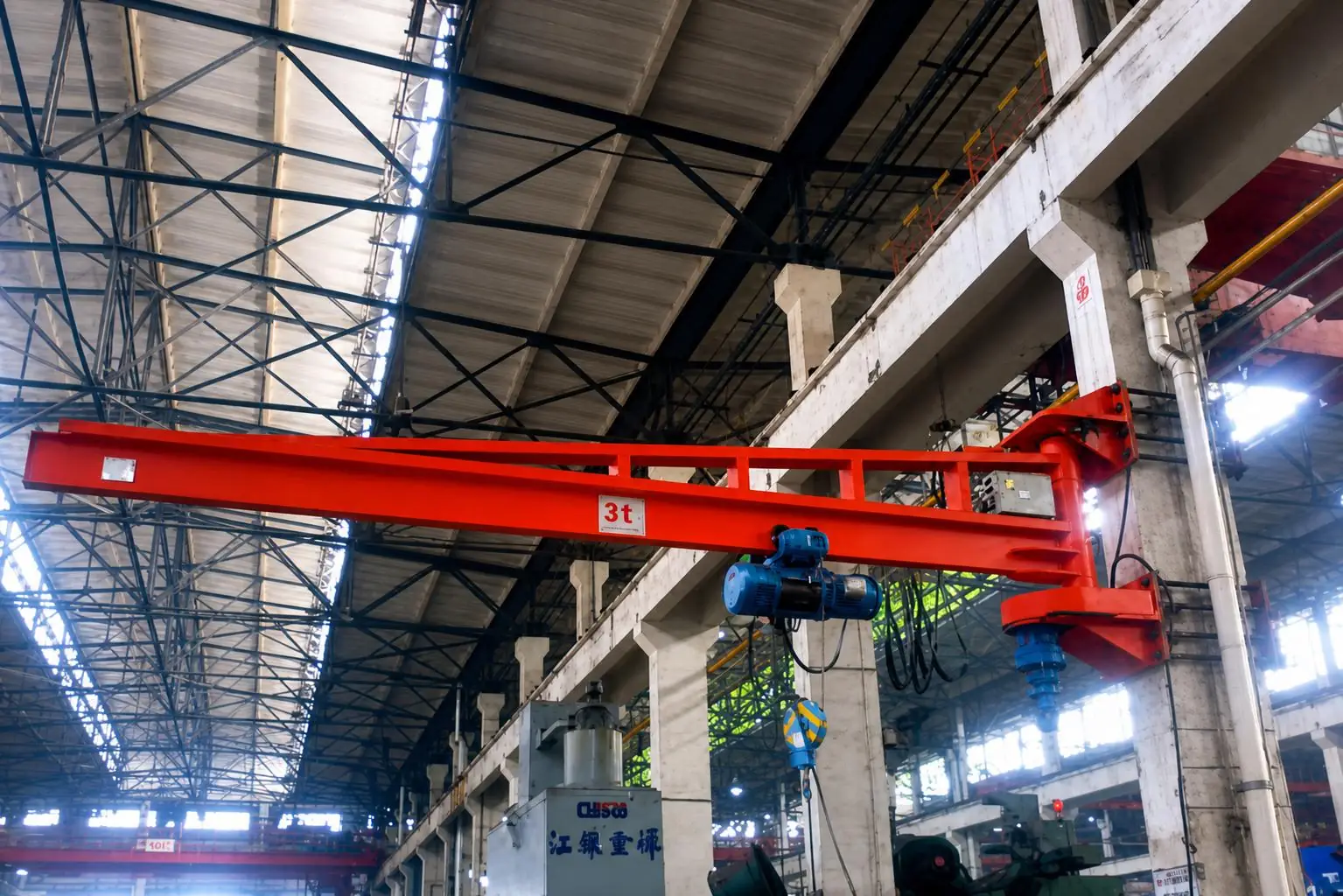
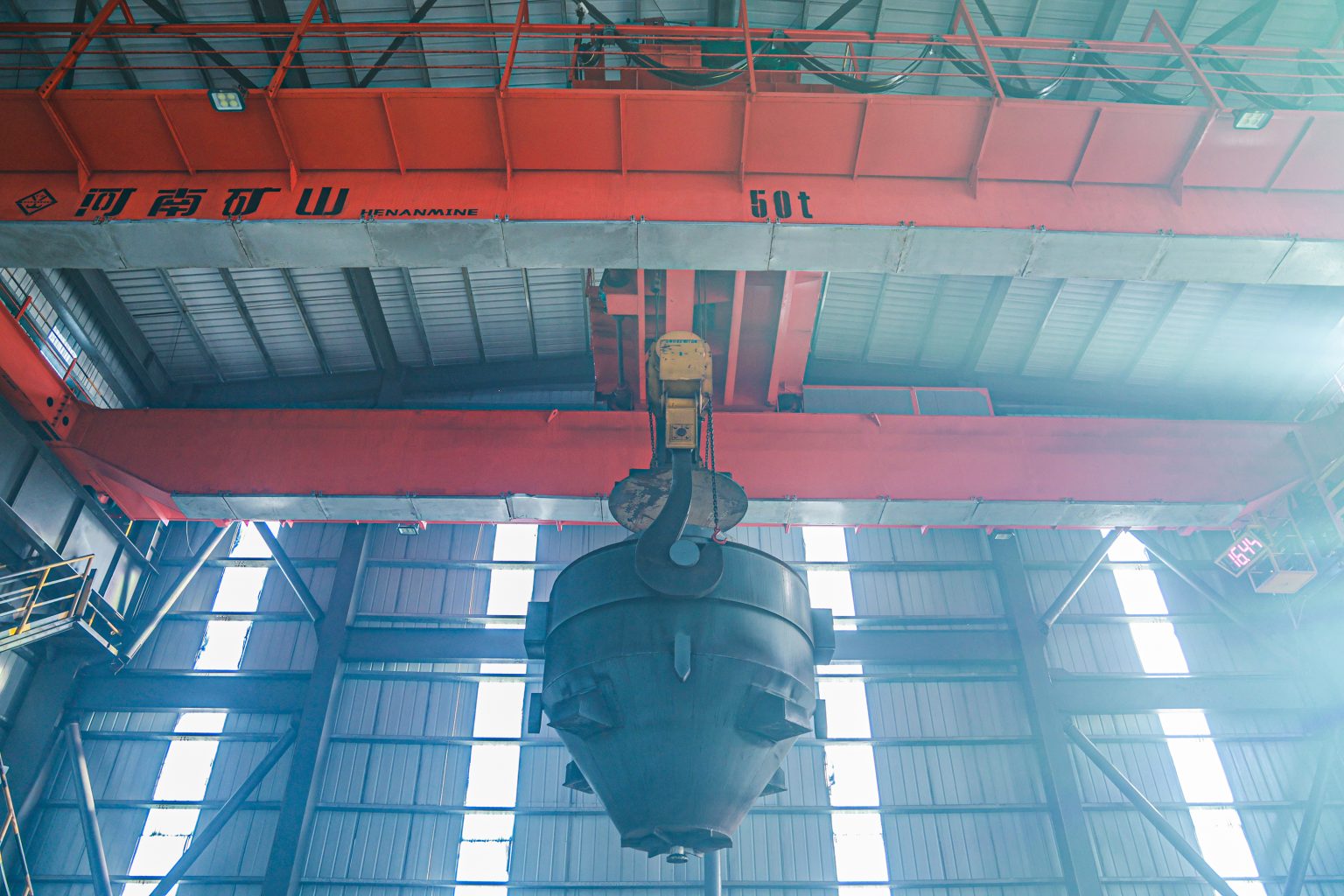
Review the Double-girder gantry cranes and Engineering & construction cranes before defining the project-specific arrangement.
Project planning
Design the lifting process
Use the project context above as a starting point. The following checks turn a crane application into a technical scope that suppliers can price and demonstrate for your site.
Lifting plan before equipment size
Provide the heaviest assembly including rigging, the centre of gravity, lifting points and the sequence of picks. Identify each temporary support and the permitted wind and ground conditions during the lift. Large structures may need paired hoists, synchronous travel or staged positioning, but these functions should follow the engineered lifting method. A headline capacity cannot establish whether the crane can pass columns, clear temporary works or place a segment in its final orientation.
Site geometry and movement
Share the worksite plan, longitudinal travel length, span, outreach, erection area and transport constraints. Show where the crane can be assembled, how components reach the site and how the machine will be dismantled. For rail or metro work, define the construction possessions and neighbouring operational systems. For bridge and caisson work, include foundation reactions, rail levels and the interface with launching, welding or alignment operations.
Technical and commercial deliverables
Request general arrangement and wheel-load drawings, lifting and travel procedures, wind operating limits, installation method, inspection points and acceptance test plan. Separate the supply of foundations, tracks, power, lifting beams and temporary works. Require a method for verifying synchronized motions and emergency stops under the agreed load cases. Delivery schedules should be reviewed against site readiness and the construction programme rather than copied from an unrelated project case.
Compare the proposed crane scope
| Decision | Information to request |
|---|---|
| Crane and lifting attachment | Rated loads, load cases, hook coverage and the complete suspended-load calculation. |
| Site interfaces | Runway loads, rail or building drawings, electrical supply and installation responsibilities. |
| Controls and protection | Operating sequence, required safety functions and a method for testing each function. |
| Commercial scope | Equipment, transport, installation, commissioning, documentation, training and spare parts as separate line items. |
From technical offer to site acceptance
Technical submittals
A usable bid should show a general arrangement and a clear list of assumptions, not just a model name and capacity. Request the load schedule used in design, lifting-attachment drawings where applicable, span and hook-approach dimensions, wheel loads, electrical supply, control narrative and maintenance access. Check every drawing against the actual building or yard layout. Identify the standards and local approval requirements for the destination market in the enquiry, then confirm the bidder’s proposed design and documentation scope in writing.
Installation and tests
Agree when the runway or civil works will be ready, how crane components can reach the installation position and who provides lifting equipment for erection. Define the factory test, on-site installation inspection and site acceptance as separate milestones. The acceptance procedure should list representative loads, the travel route, protection devices, emergency stop and any automation or attachment functions included in the order. Record who supplies test weights, operators, power and access equipment; otherwise a nominal commissioning price may omit essential site work.
Commercial comparison
Ask for the same delivery basis and currency across proposals. Separate the crane, special lifting appliances, rails or conductors, transport, installation support, commissioning, training and initial spare parts. Lead time should identify the starting event, such as approved drawings or an effective contract, and any dependency on site readiness. Compare warranty scope and service response by the written contract terms. If a key input is still unknown, request a priced option or a stated assumption instead of allowing different bidders to silently use different specifications. Keep a written exception register so the engineering team can resolve open dimensions, process interfaces and responsibility boundaries before issuing the purchase order.
Information to include in the enquiry
- Load weights, dimensions, centre of gravity and lifting attachments.
- Span, lifting height, runway or yard drawings, travel coverage and clearances.
- Operating cycle, working environment, electrical supply and control requirements.
- Supply boundaries, inspection documents, installation support and acceptance criteria.
Discuss a comparable lifting task
Send the handling task and available site drawings. Henan Mine Crane can define a proposed crane arrangement and identify the remaining information needed for a technical and commercial review.