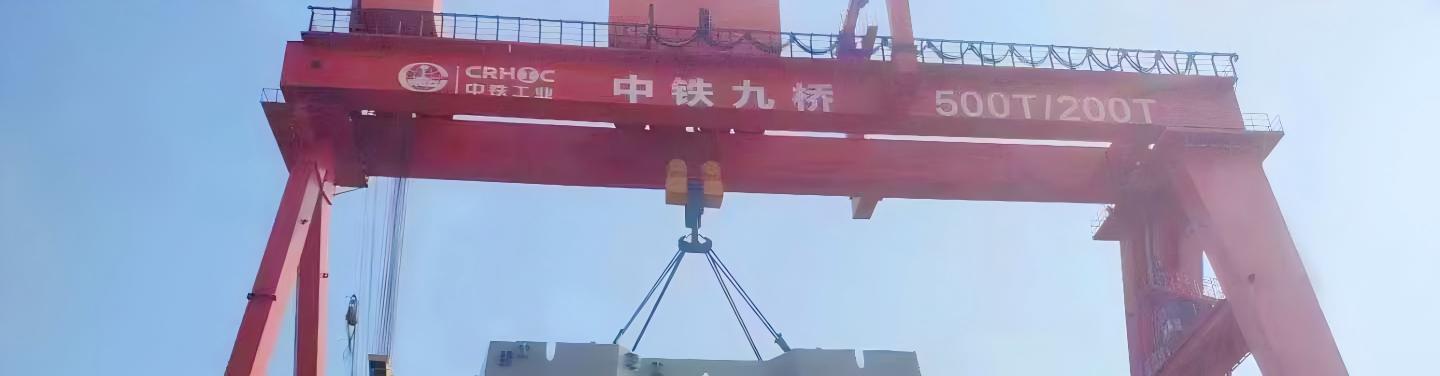
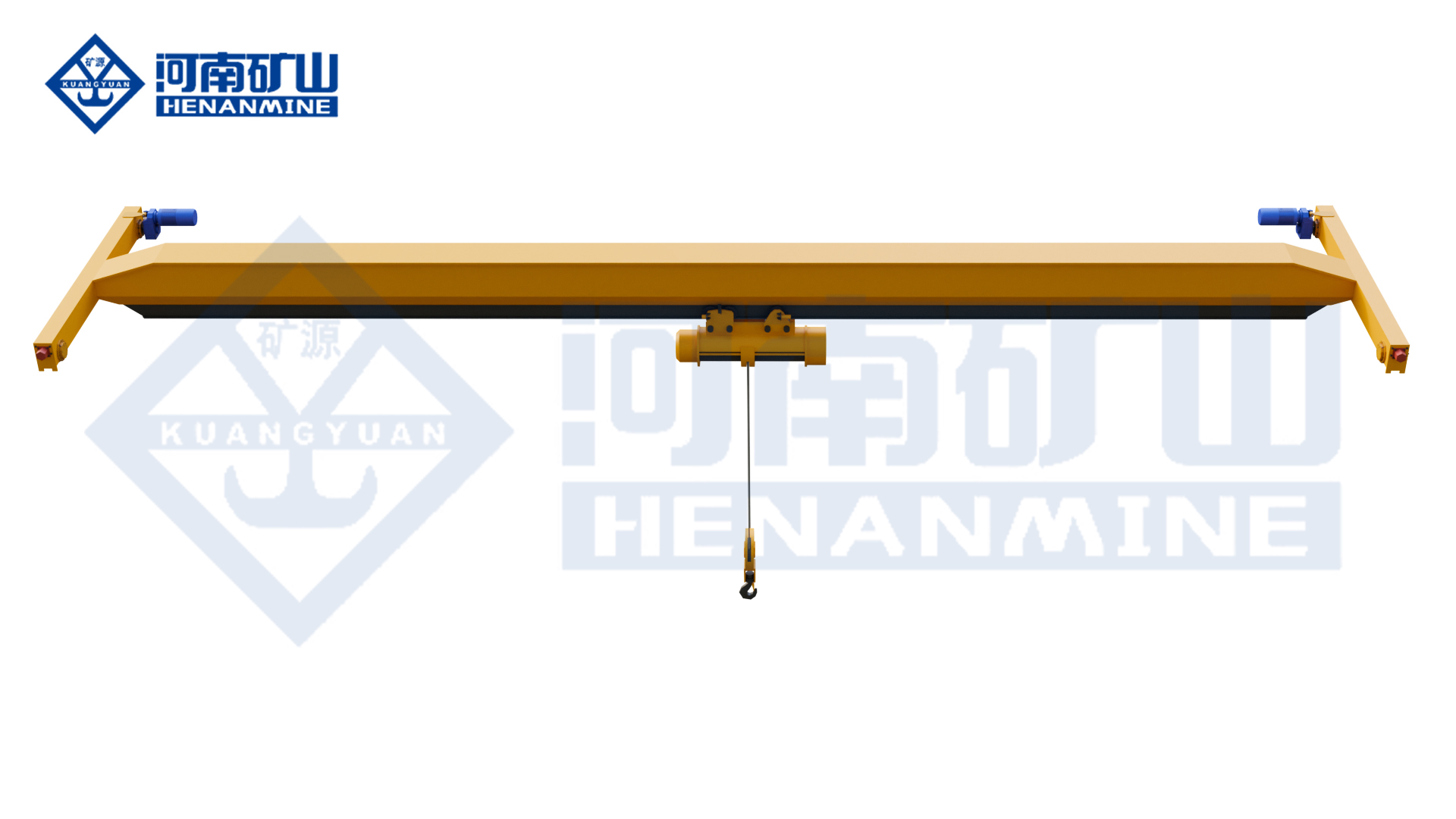
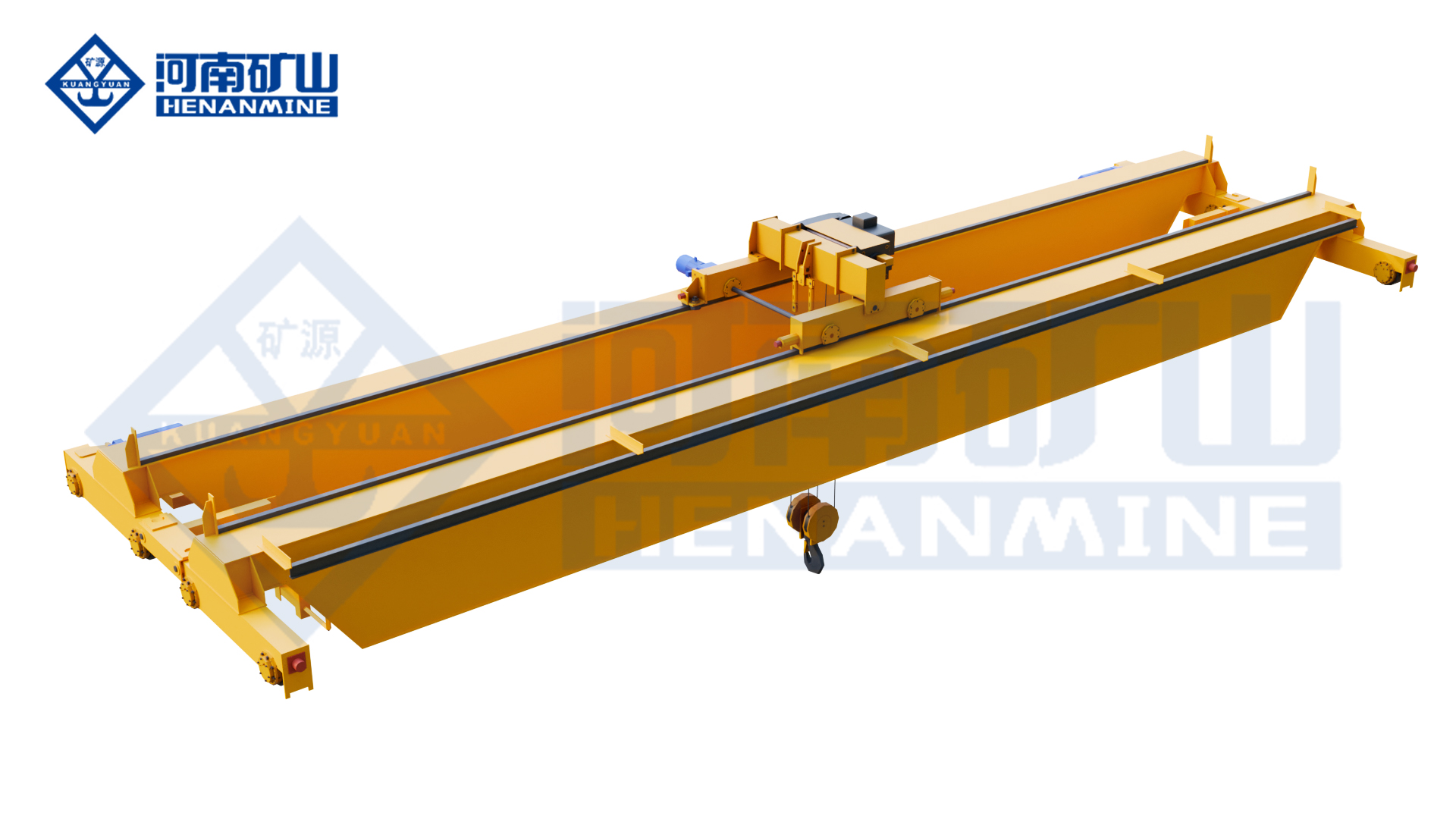
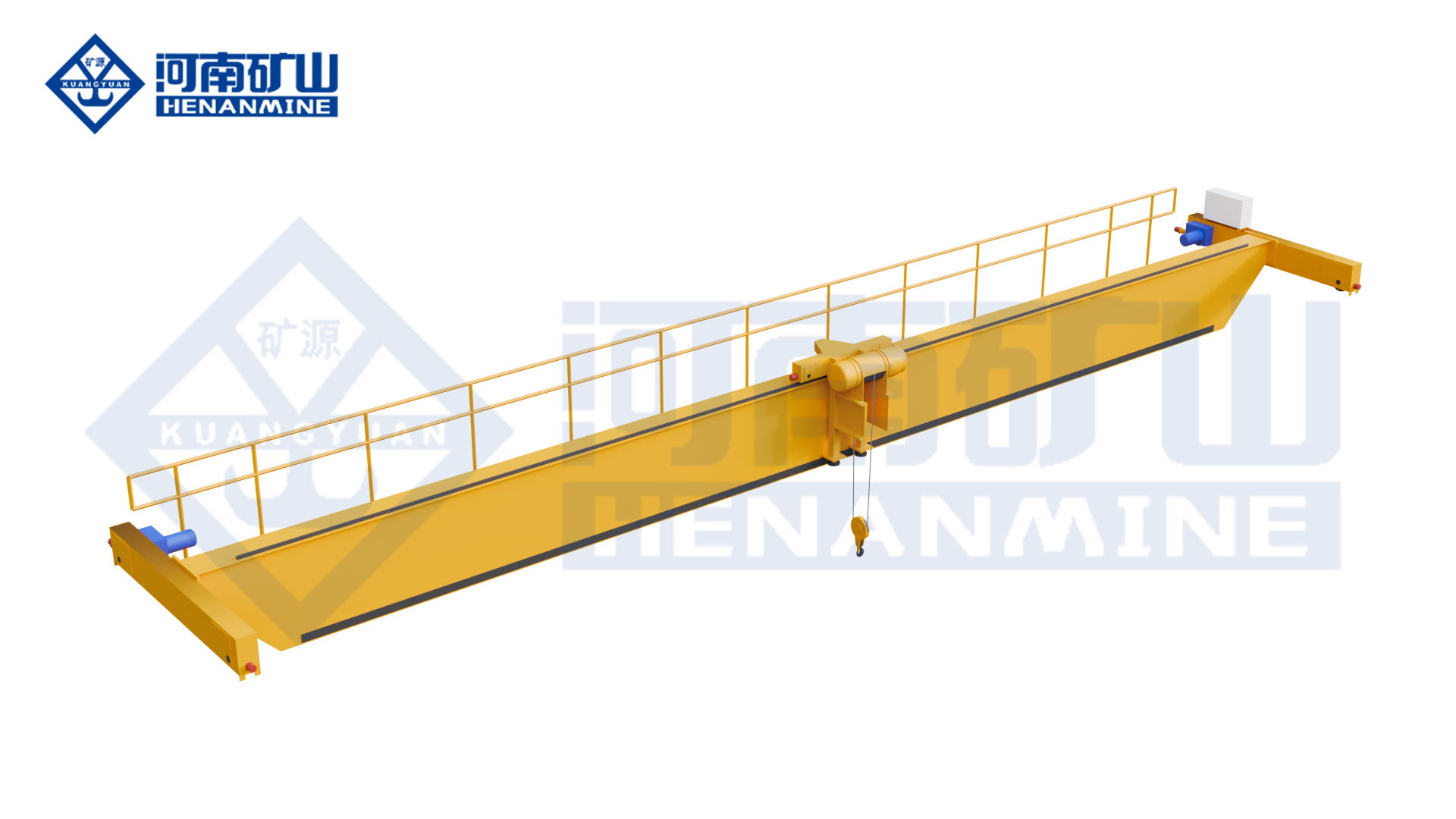
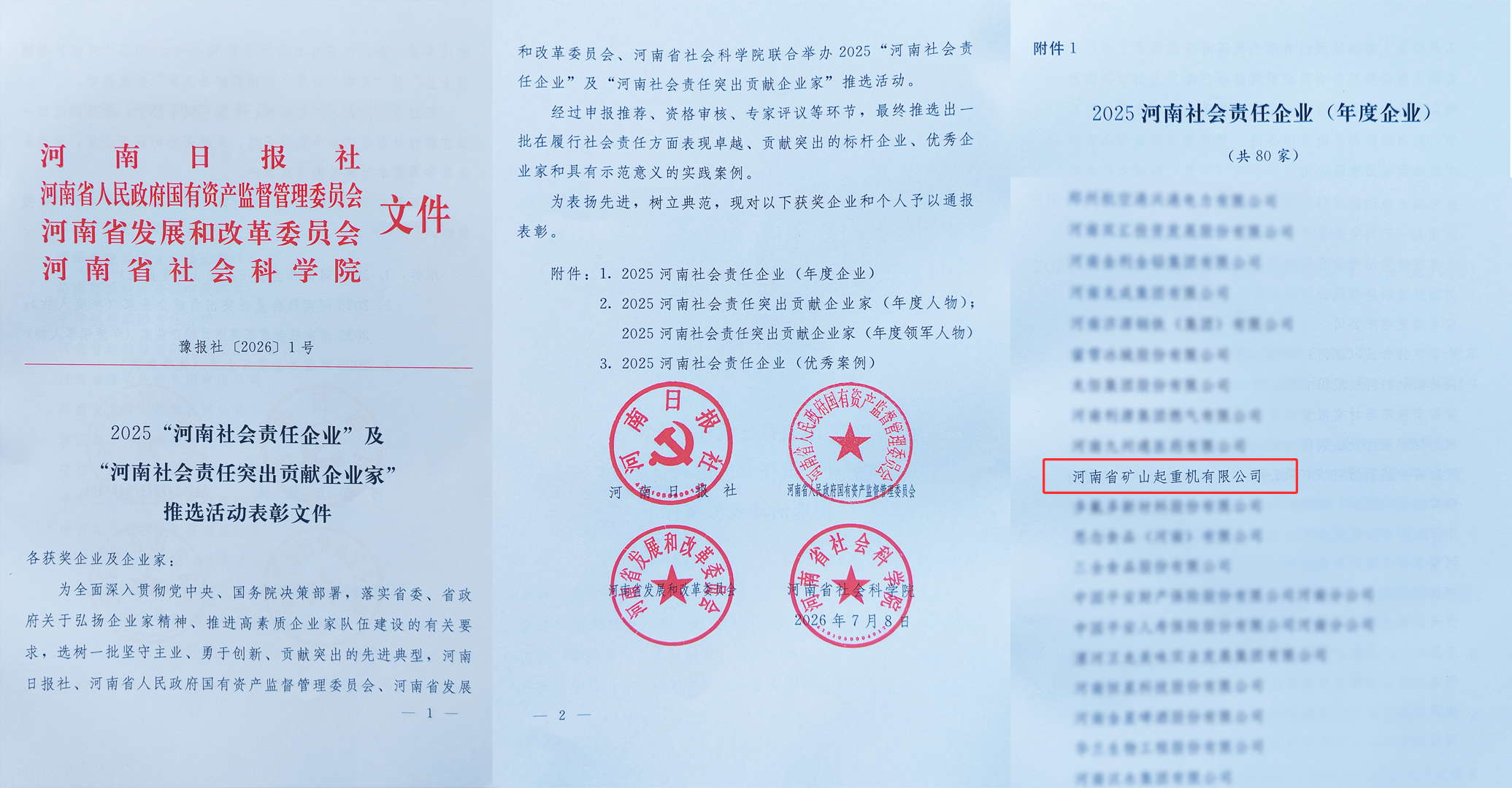
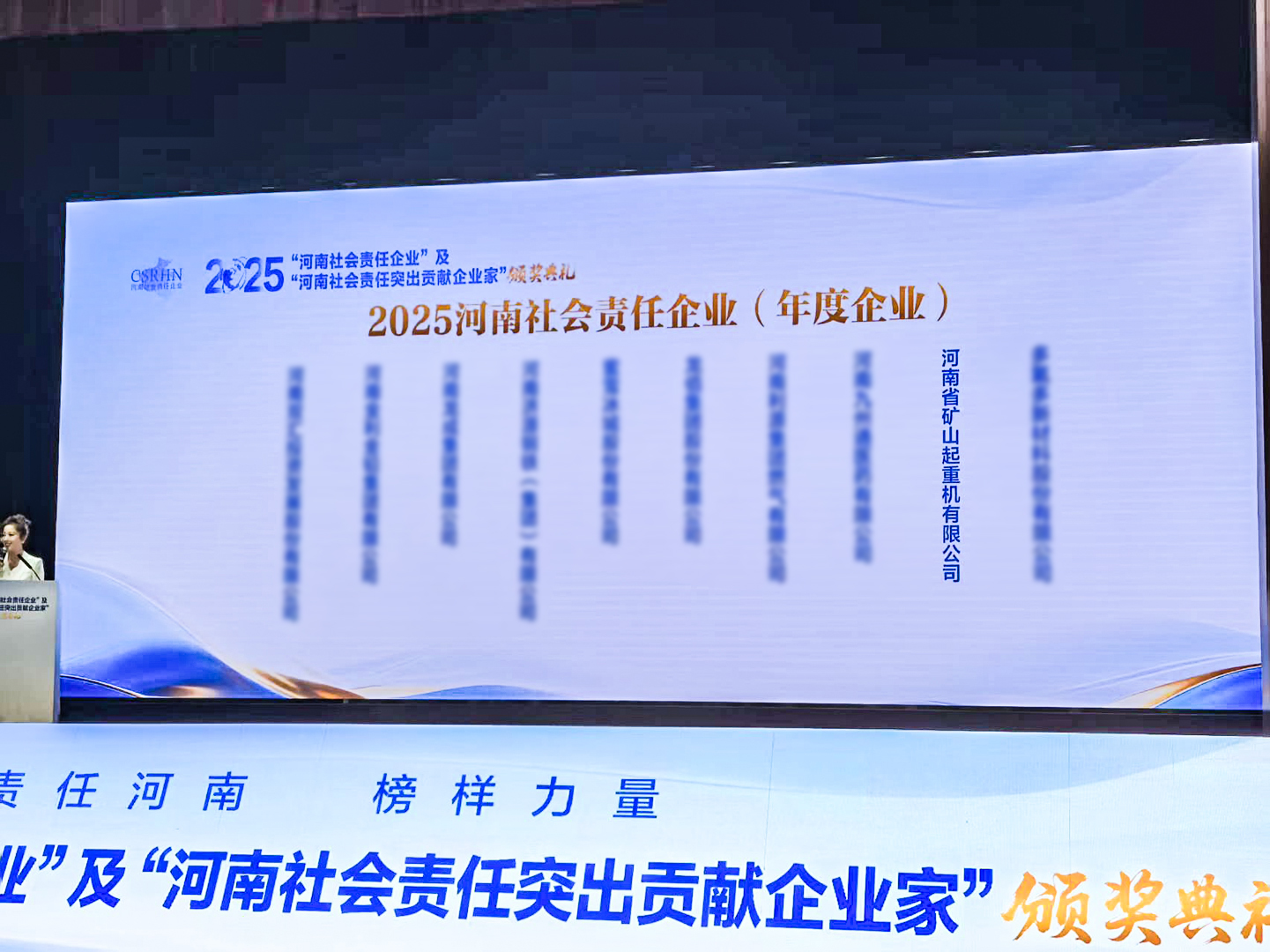
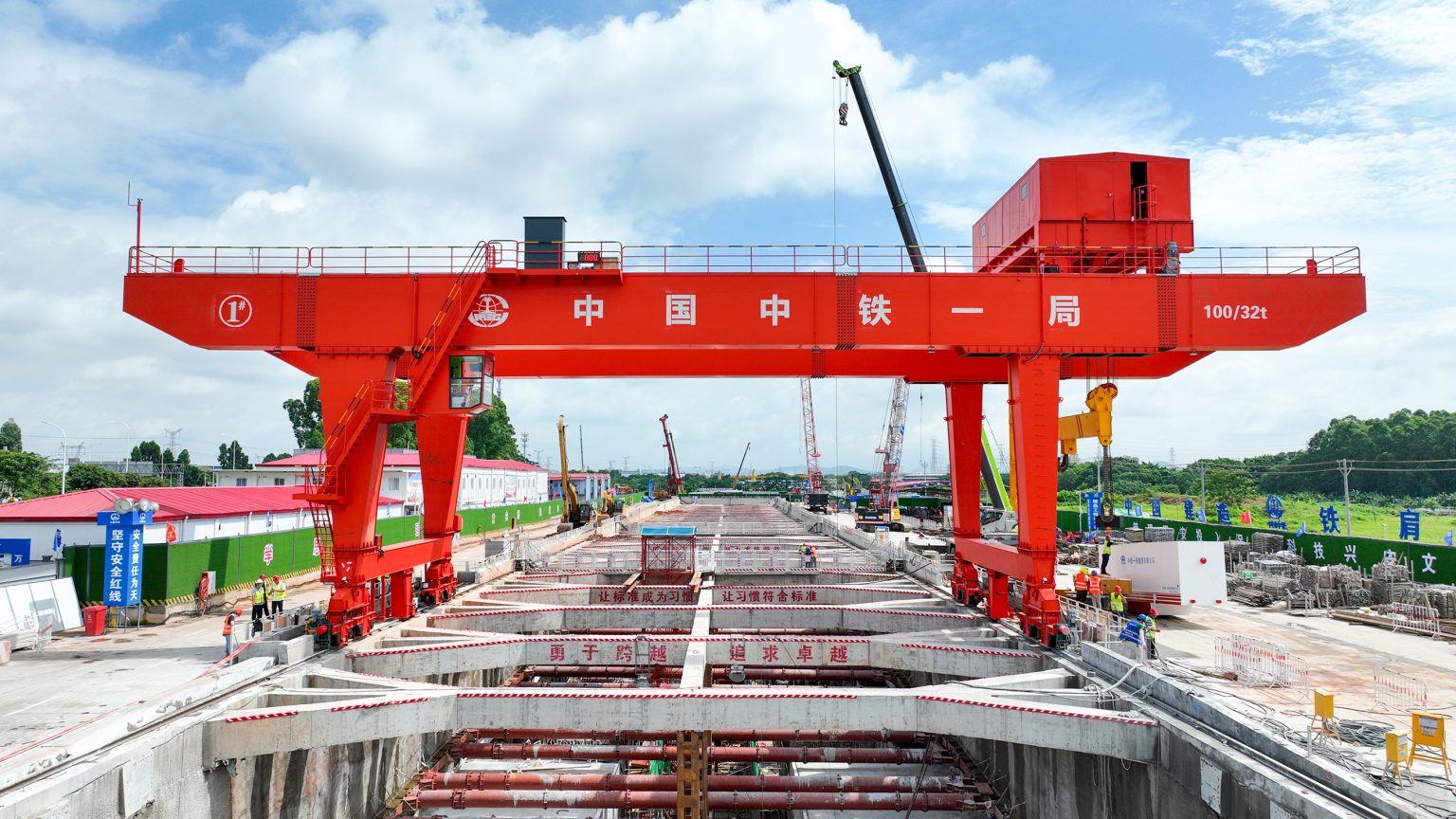
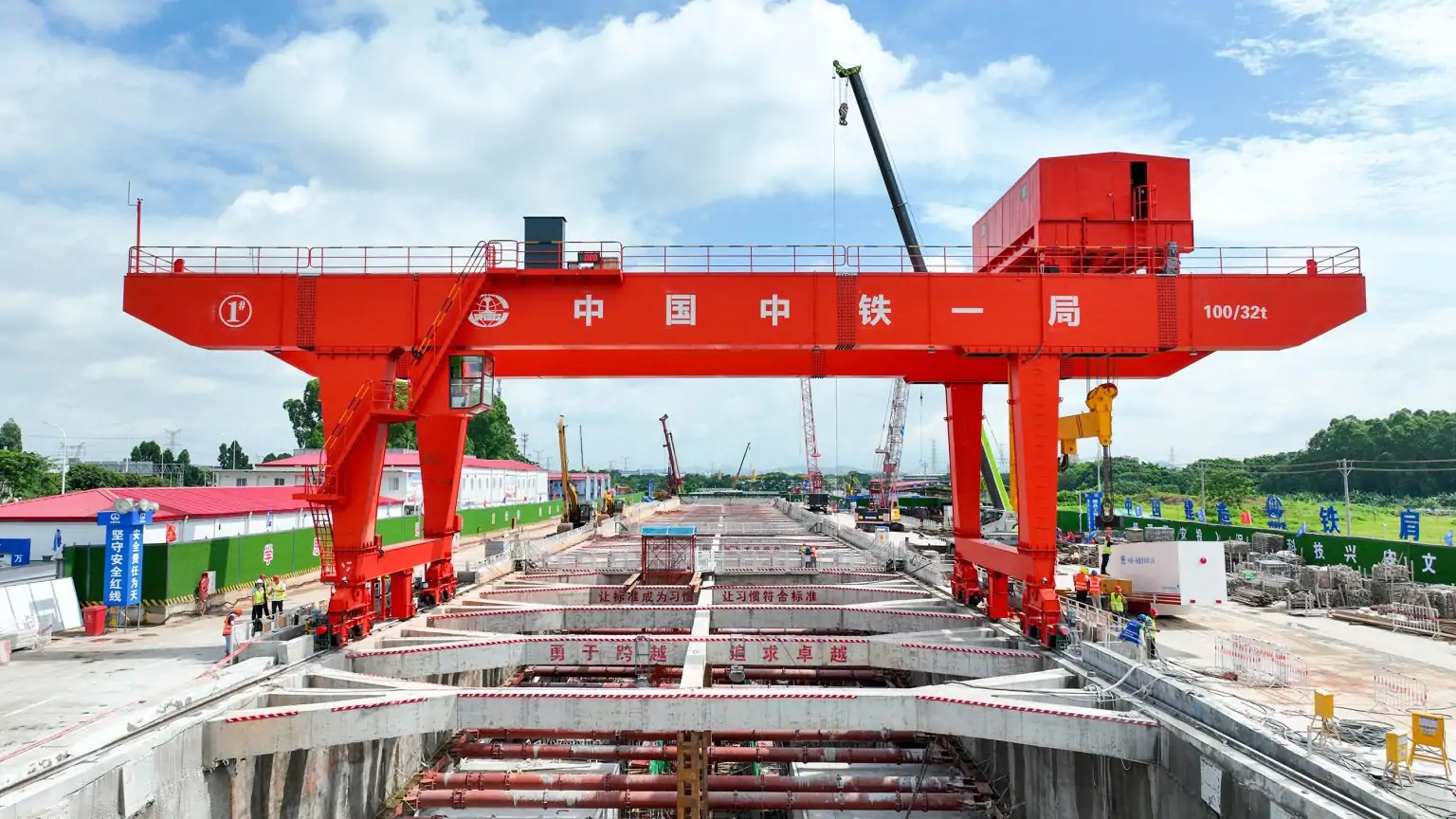
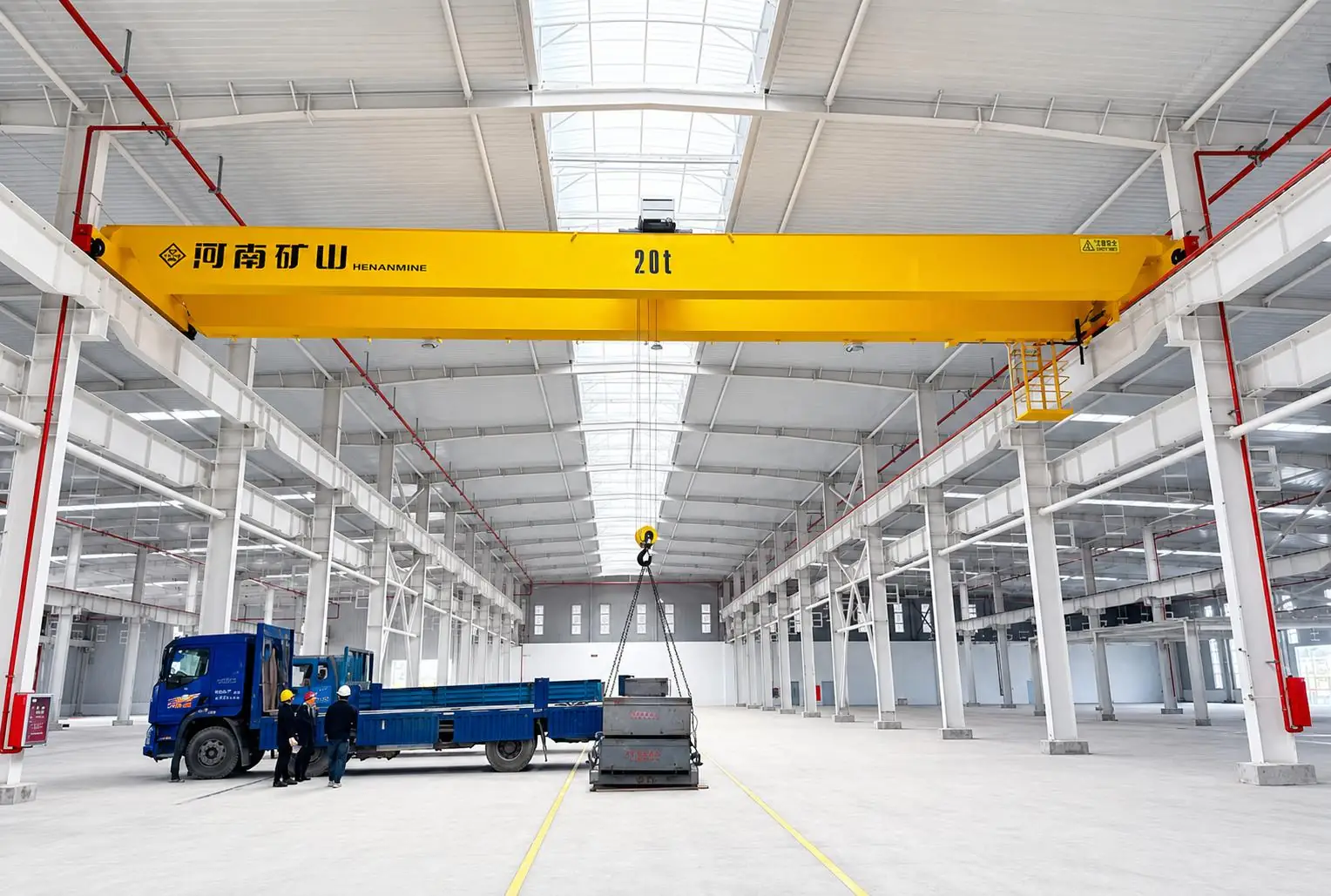
Crane application
Henan Mine Crane Intelligent Coke Drum Crane
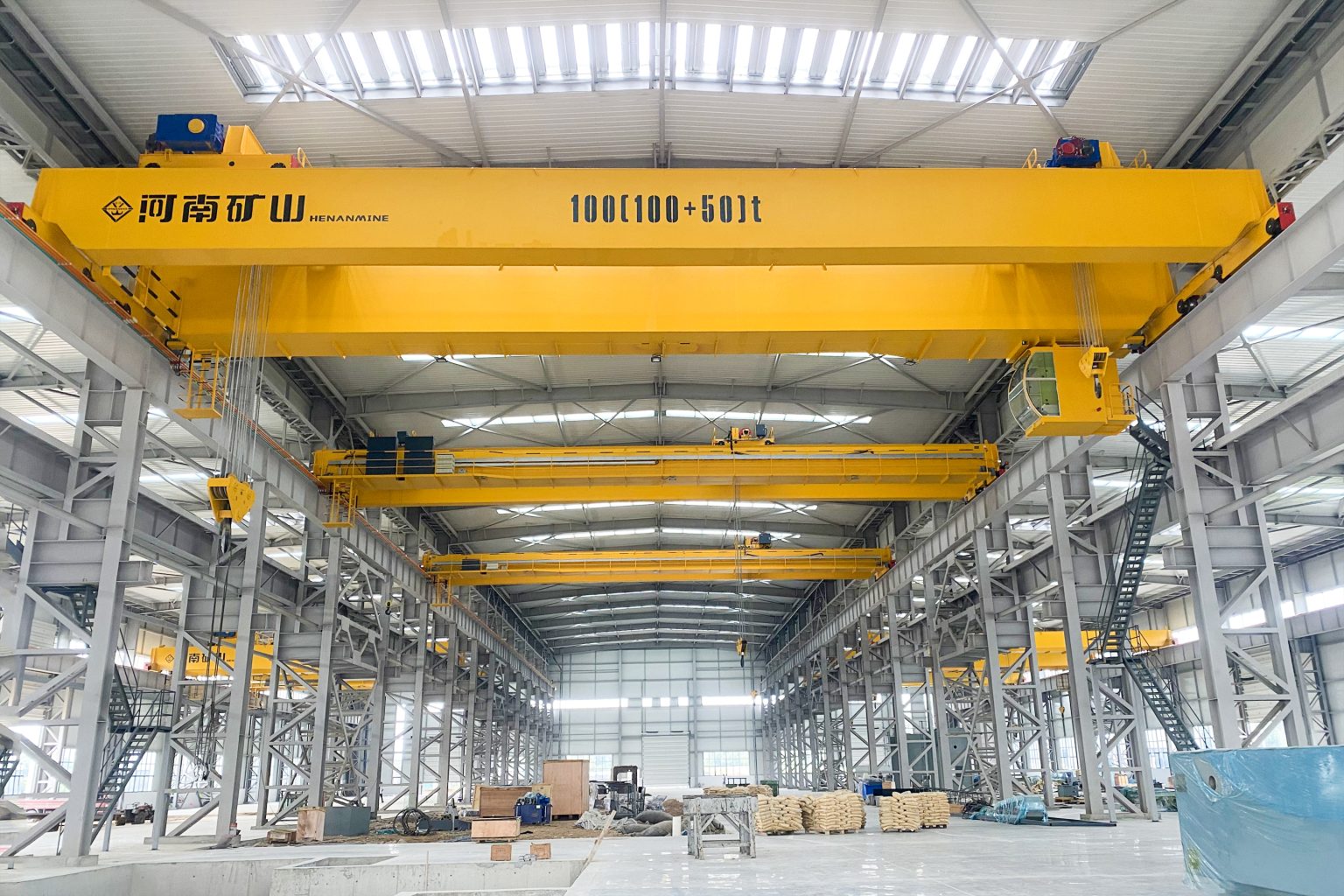
Review the intelligent coke handling crane project. Review material properties, handling cycles, grab or vessel interfaces and required control functions.
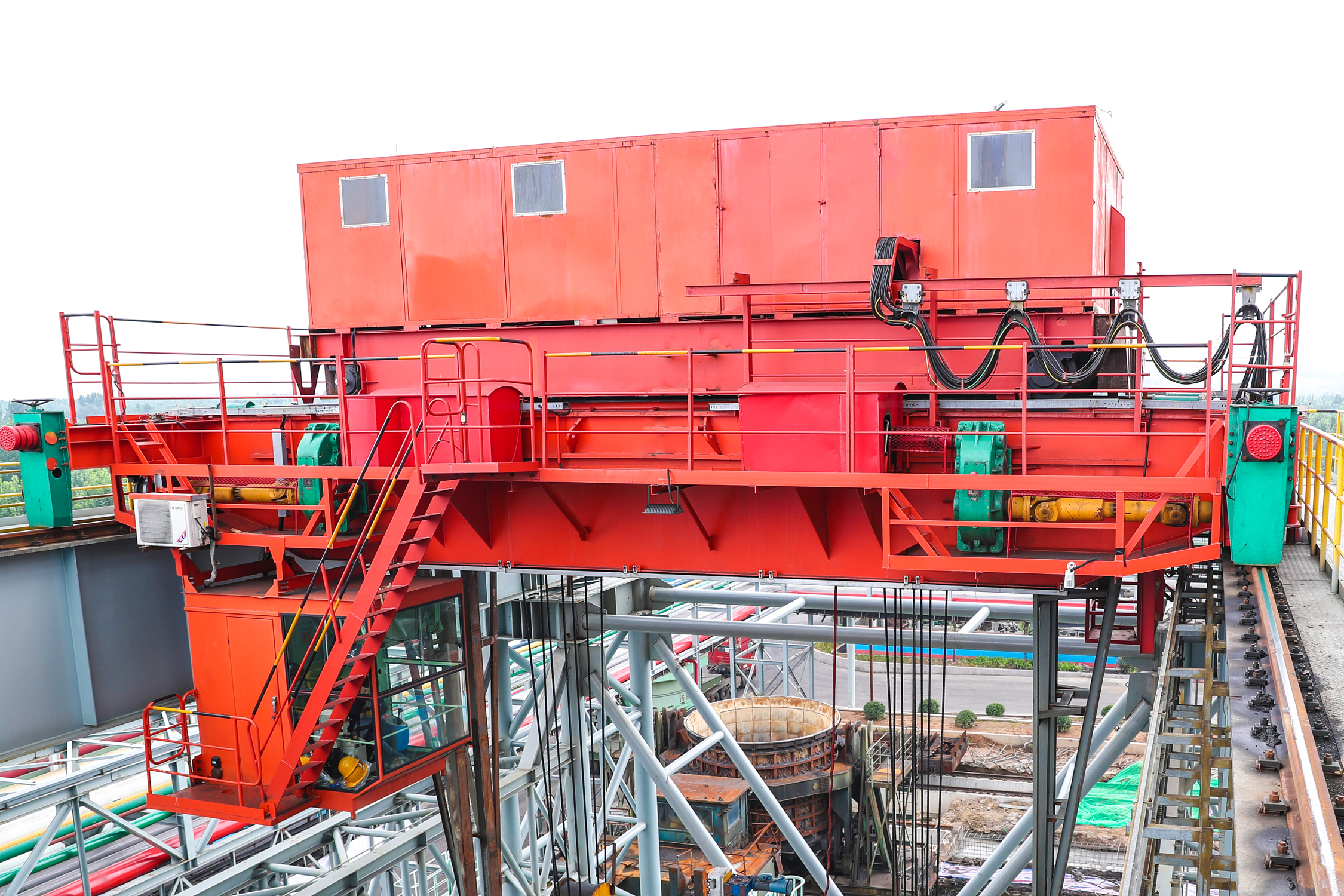
Steelmaking and metal handling
Define the complete suspended load, ladle or steel-product geometry, process temperature, crane duty and safe travel path. For molten-metal work, include auxiliary lifting, heat shielding, redundant protections and inspection access in the specification.
Crane configuration and interfaces
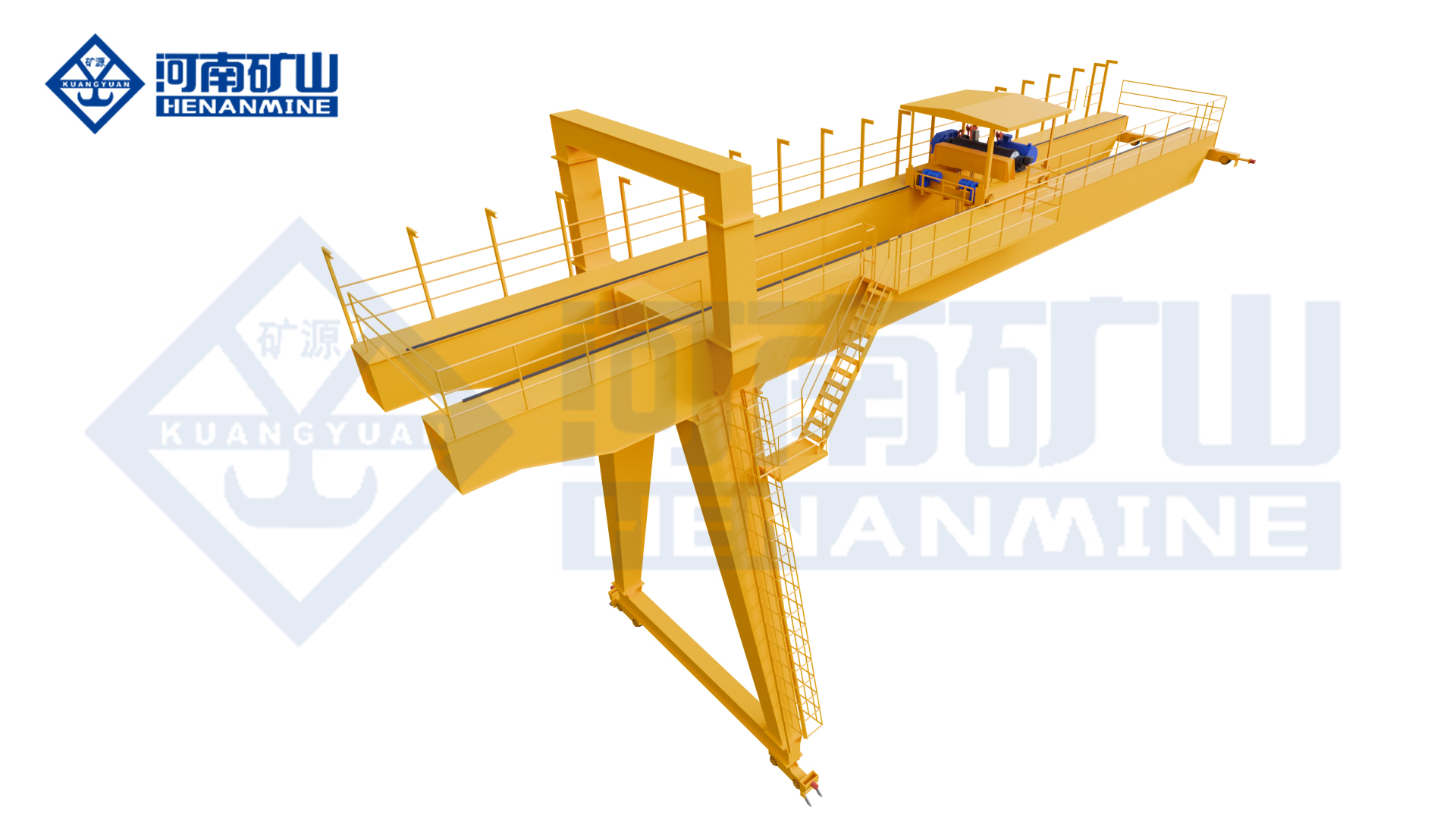
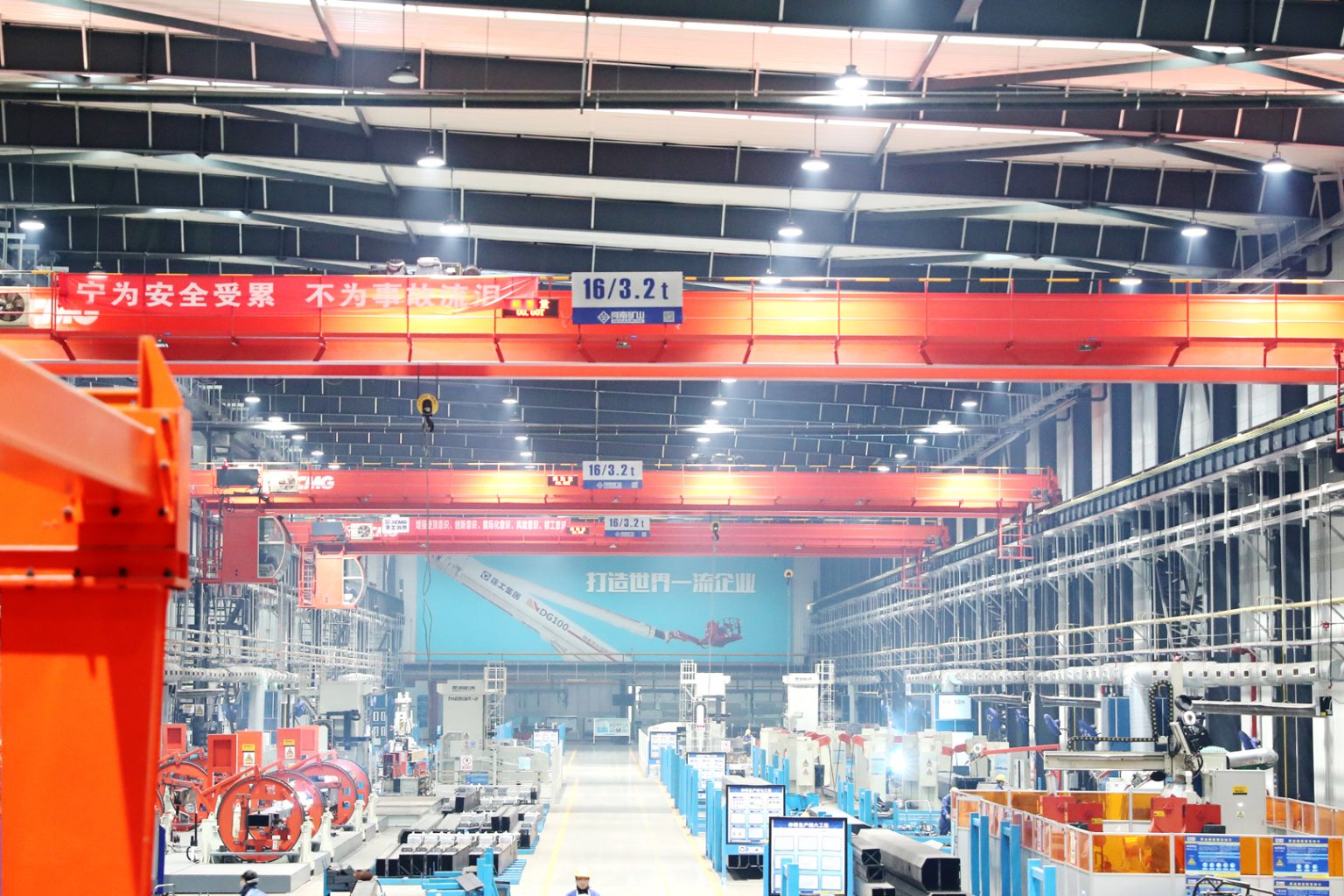
Ask for the crane arrangement, hook and lifting appliance interfaces, runway loads, control and monitoring functions, inspection access and a test plan matched to the plant process.
Review the Metallurgical overhead cranes and Steel & metallurgy cranes before defining the project-specific arrangement.
Project planning
Design the lifting process
Use the project context above as a starting point. The following checks turn a crane application into a technical scope that suppliers can price and demonstrate for your site.
Material flow and duty
Identify the material handled, bulk density, particle size, moisture, temperature and the location of pickup and discharge points. A grab crane must be evaluated against bucket fill factor, actual lifted mass, cycle time and the position of hoppers or stockpiles. For coke-drum or coke-jar handling, document the vessel or container geometry, connection points and any hot surfaces. State whether the crane operates continuously, in batches or as an emergency backup, since each produces a different duty case.
Controls and operating environment
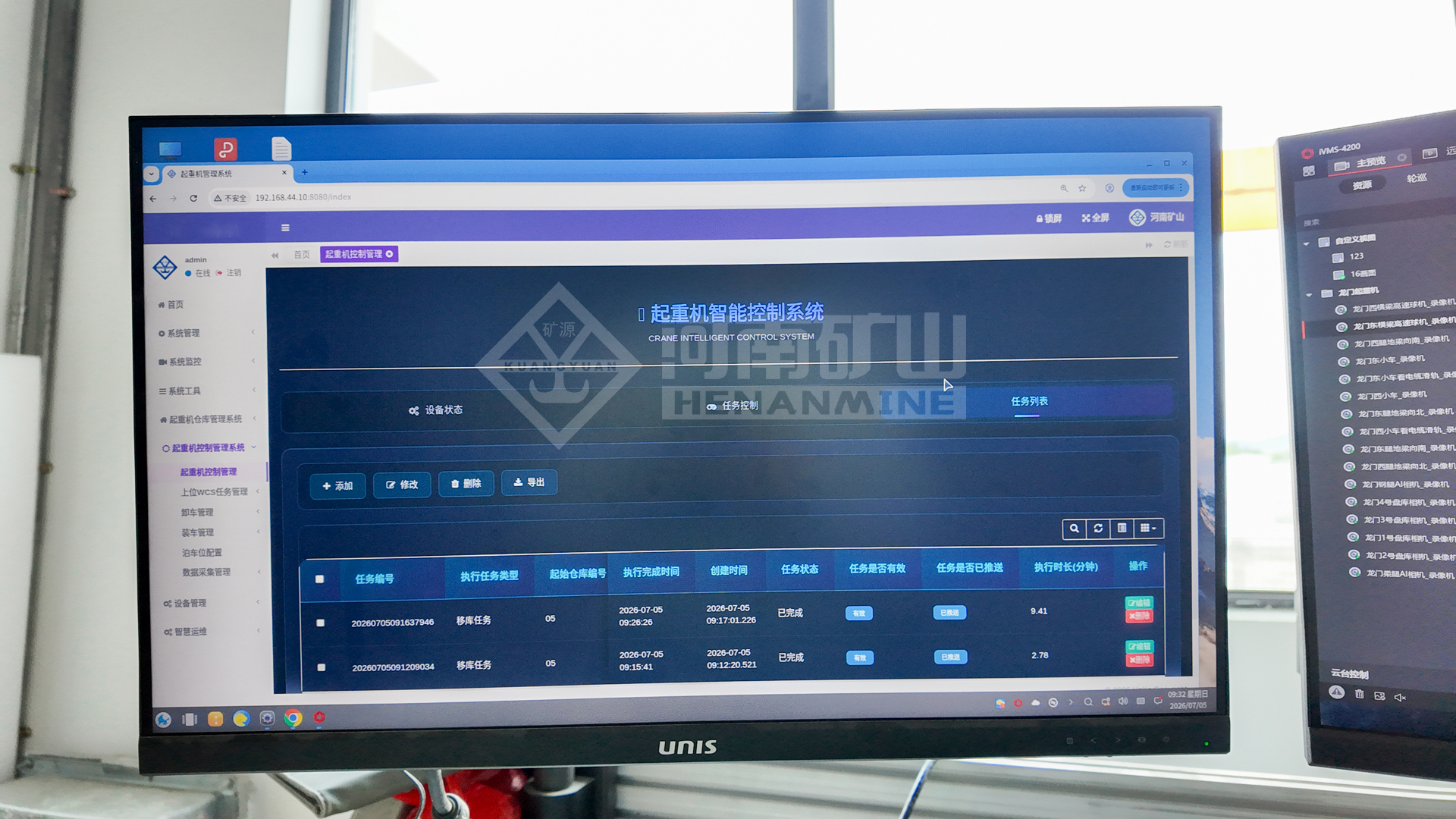
Dust, heat and corrosive vapours affect the selection of enclosures, cables, braking and maintenance access. Specify the exposure at each component rather than using a single plant-wide temperature. For remote or unmanned operation, map the complete sequence: material detection, pickup, travel, discharge, obstruction handling and recovery after an interruption. Camera views, sensors, anti-sway and monitoring should each have an agreed purpose and acceptance test; automation must also permit safe manual intervention.
Procurement and commissioning
Request the proposed grab or attachment scope, bucket volume basis, duty assumptions, runway loads and a material flow diagram. Compare cycle-time claims under the same travel distances and material conditions. The acceptance plan should use representative material and include fault recovery, travel and hoist protections, emergency stop, communication loss and maintenance isolation. Clarify who supplies the hopper interface, dust-control equipment, remote console, plant signals and spare wear parts. This makes competing crane quotations comparable.
Compare the proposed crane scope
| Decision | Information to request |
|---|---|
| Crane and lifting attachment | Rated loads, load cases, hook coverage and the complete suspended-load calculation. |
| Site interfaces | Runway loads, rail or building drawings, electrical supply and installation responsibilities. |
| Controls and protection | Operating sequence, required safety functions and a method for testing each function. |
| Commercial scope | Equipment, transport, installation, commissioning, documentation, training and spare parts as separate line items. |
From technical offer to site acceptance
Technical submittals
A usable bid should show a general arrangement and a clear list of assumptions, not just a model name and capacity. Request the load schedule used in design, lifting-attachment drawings where applicable, span and hook-approach dimensions, wheel loads, electrical supply, control narrative and maintenance access. Check every drawing against the actual building or yard layout. Identify the standards and local approval requirements for the destination market in the enquiry, then confirm the bidder’s proposed design and documentation scope in writing.
Installation and tests
Agree when the runway or civil works will be ready, how crane components can reach the installation position and who provides lifting equipment for erection. Define the factory test, on-site installation inspection and site acceptance as separate milestones. The acceptance procedure should list representative loads, the travel route, protection devices, emergency stop and any automation or attachment functions included in the order. Record who supplies test weights, operators, power and access equipment; otherwise a nominal commissioning price may omit essential site work.
Commercial comparison
Ask for the same delivery basis and currency across proposals. Separate the crane, special lifting appliances, rails or conductors, transport, installation support, commissioning, training and initial spare parts. Lead time should identify the starting event, such as approved drawings or an effective contract, and any dependency on site readiness. Compare warranty scope and service response by the written contract terms. If a key input is still unknown, request a priced option or a stated assumption instead of allowing different bidders to silently use different specifications. Keep a written exception register so the engineering team can resolve open dimensions, process interfaces and responsibility boundaries before issuing the purchase order.
Information to include in the enquiry
- Load weights, dimensions, centre of gravity and lifting attachments.
- Span, lifting height, runway or yard drawings, travel coverage and clearances.
- Operating cycle, working environment, electrical supply and control requirements.
- Supply boundaries, inspection documents, installation support and acceptance criteria.
Discuss a comparable lifting task
Send the handling task and available site drawings. Henan Mine Crane can define a proposed crane arrangement and identify the remaining information needed for a technical and commercial review.