To avoid the pitfalls of port crane procurement and reduce the hidden costs of the whole life cycle, the core lies in on-demand selection, adaptation to working conditions, and long-term consideration. According to different terminals, different working conditions, and different operating needs, the four core selection principles are summarized to help enterprises accurately select the right port cranes to achieve cost reduction, efficiency enhancement, and long-term operation.
Match capacity to cargo requirements
Tonnage matching is the core basis of Henan Mine Crane port crane selection. Equipment parameters must be determined strictly according to the main cargo type of the terminal, the maximum load of a single piece, the tonnage of conventional operations, and the average daily throughput. The special container terminal needs to match the standard container load and stacking height parameters, the bulk cargo terminal needs to be adapted to the loading and unloading tonnage of ore, coal, grain and other bulk cargo, and the grocery terminal needs to take into account the lifting needs of special-shaped cargo and high-capacity equipment. When selecting models, reject the misunderstandings of small tonnage utilization and high-capacity blindly, accurately calculate the peak operating load and high-frequency operating interval, and reserve a reasonable safety margin, not only to avoid overload loss and insufficient efficiency of small-tonnage equipment, but also to eliminate the waste of no-load energy consumption of high-capacity equipment.
Choose the right crane type
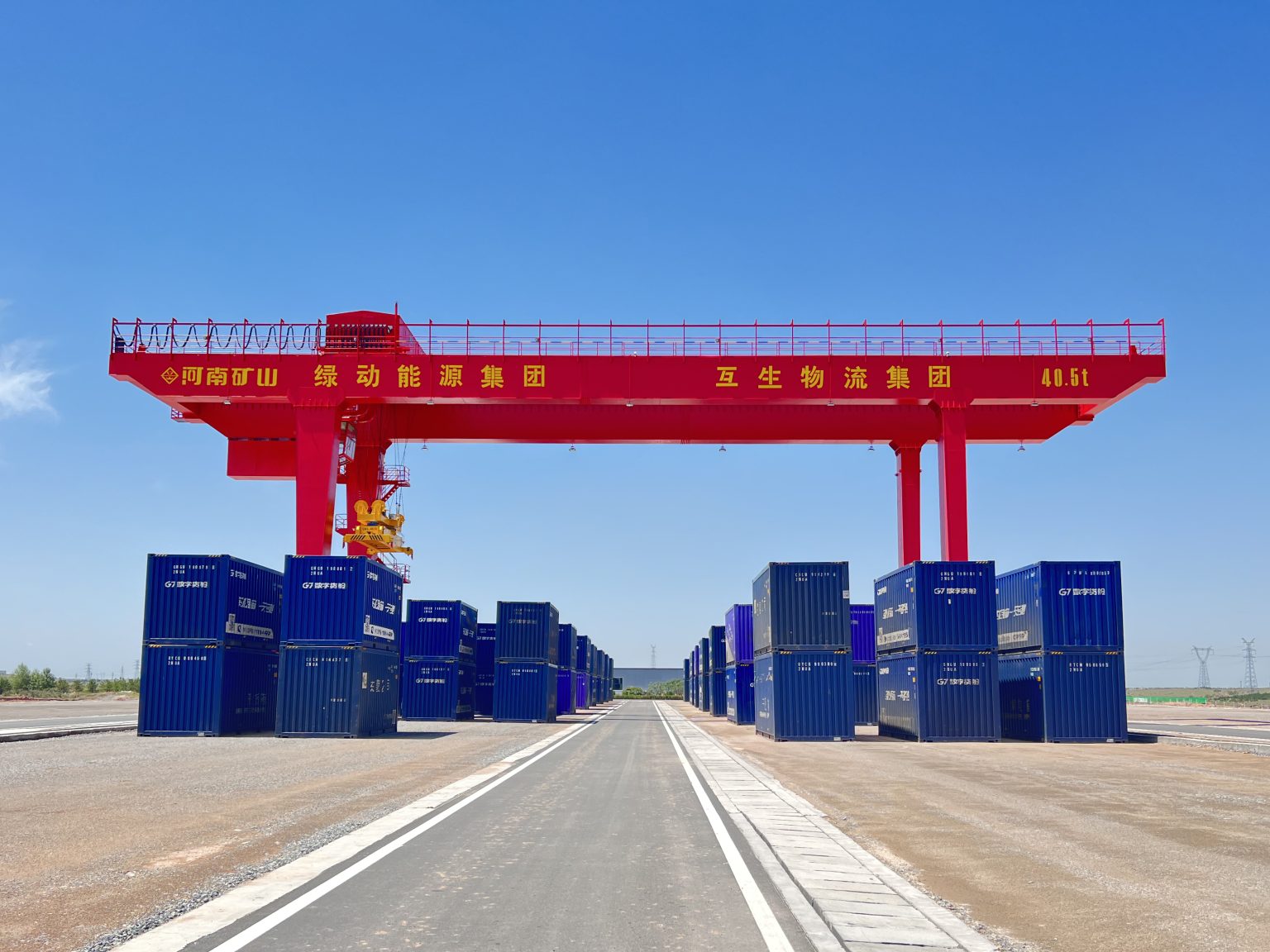
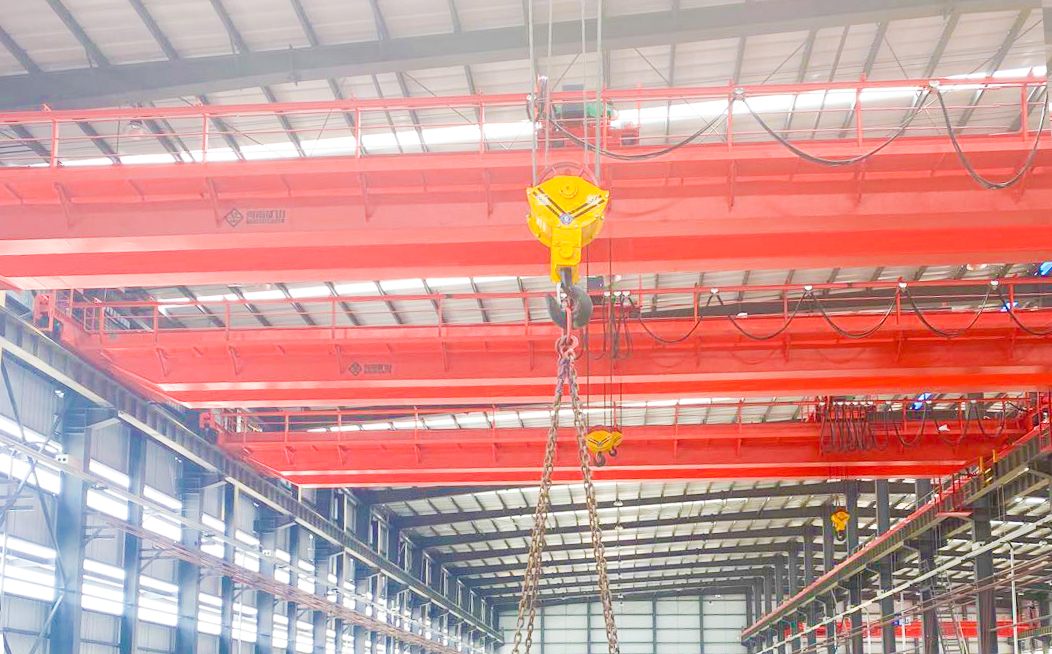
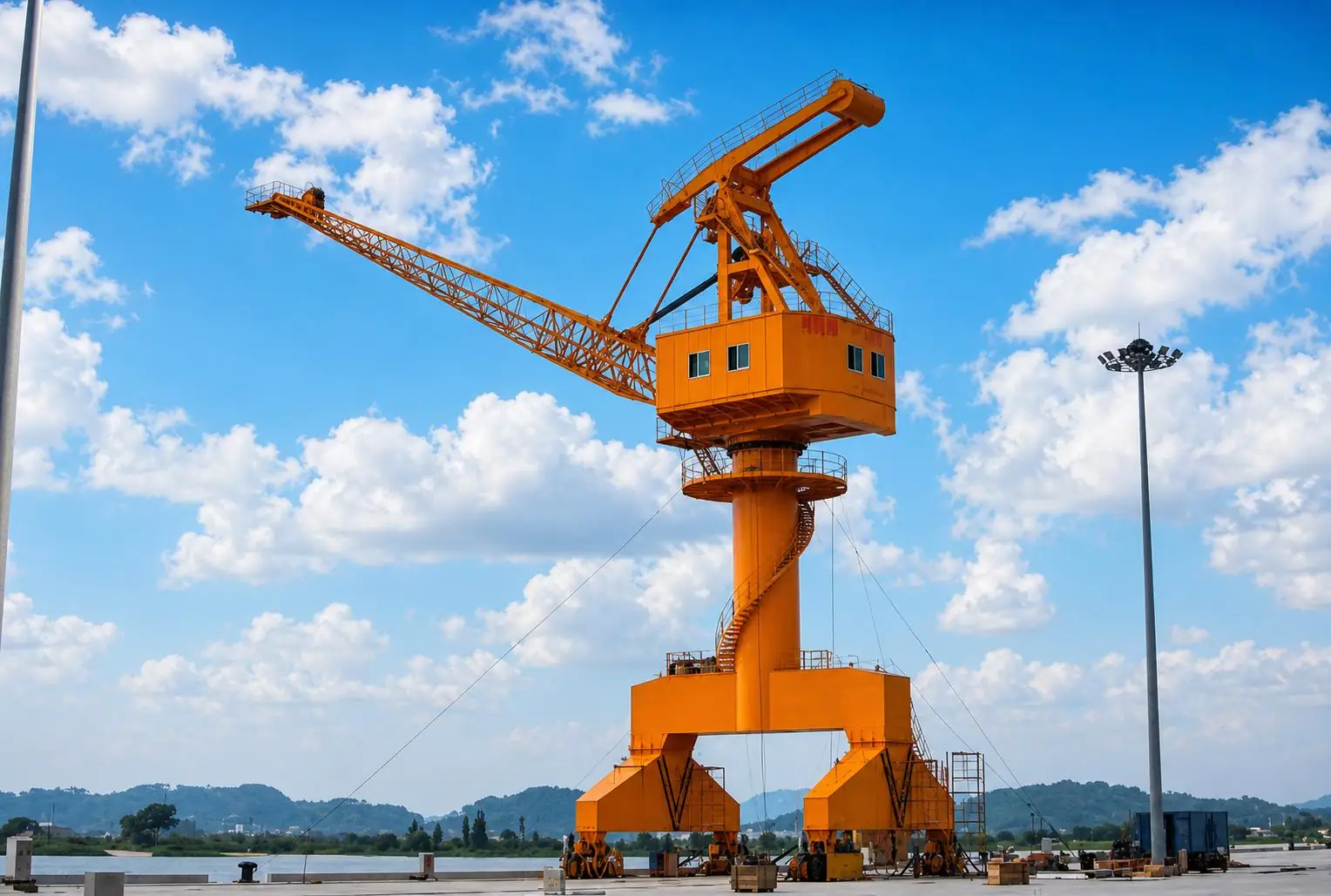
The adaptation scenarios of different types of Henan Mine Crane port cranes are very different. The wrong model is selected, and no matter how accurate the parameters are, efficient operation cannot be achieved. Mainstream port cranes include shore bridges, gantry cranes, rail gantry cranes, tire gantry cranes, mobile port cranes and other models, which are adapted to different berths, operating modes and site conditions.
Shore bridge equipment is preferred for shore container loading and unloading, gantry cranes are suitable for yard stacking operations, and gantry cranes and mobile cranes are suitable for small and medium-sized general-purpose terminals and multi-category cargo operations. Automated intelligent terminals need to be equipped with intelligent electronic control and remote dispatching adaptation models, while traditional artificial terminals can choose high-stability conventional models. Only by accurately matching the model according to the operation scenario can the performance of the equipment be maximized and the efficiency shortcomings and waste of resources be eliminated.
Consider port environment and conditions
The port operates near the sea and the river, and the environment is complex and special. Harsh environments such as salt spray corrosion, high humidity, high winds, heavy rains, and alternating high and low temperatures require extremely high anti-corrosion properties, windproof capabilities, waterproof and dustproof grades, and structural strength of cranes. When choosing Henan Mine Crane port cranes, the geographical location, climatic conditions, and operating environment of the port must be fully considered, and the equipment configuration must be selected in a targeted manner.
In coastal high-salt spray ports, anticorrosive models with hot-dip galvanized, heavy anticorrosive spraying, and stainless steel core accessories need to be selected to avoid equipment corrosion and aging. Windy and high-altitude ports need to strengthen windproof anchoring and anti-overturning structures, and be equipped with intelligent windproof early warning systems. In rainy and humid areas, the waterproof and dustproof level of the electronic control system needs to be upgraded to prevent circuit short circuits and equipment failures. The selection of models that fit the environmental working conditions can greatly reduce the equipment failure rate and extend the service life of the equipment.
Evaluate manufacturer support and customization
The hardware parameters of the equipment are only the basis. The manufacturer's technical strength, after-sales guarantee, and customization capabilities directly determine the long-term operating cost and stability of the equipment. A high-quality port crane manufacturer can provide process services such as working condition survey, program customization, equipment production, installation and commissioning, operation and maintenance training, and life-long maintenance.
When selecting models, priority is given to manufacturers with large-scale port equipment production qualifications, rich terminal supporting cases, and perfect after-sales system, focusing on the manufacturer's parts supply capacity, fault response speed, and equipment customization capabilities. Regular manufacturers can provide more than 10 years of parts guarantee, 24-hour on-site after-sales response, and support the customization of exclusive equipment according to the terminal site, operation requirements, and automation planning, so as to avoid problems such as poor adaptability, difficult maintenance, and difficult upgrades from the source, and significantly reduce the hidden cost of the whole life cycle of the equipment.