Engineering · Manufacturing · Project support
info@hnksglobal.comWhatsApp +86 18836207779 ↗

Blog

  • Automated Die-Handling Cranes Support an Automotive Stamping Workshop

    Automated Die-Handling Cranes Support an Automotive Stamping Workshop

    Products & Technology

    Automated Die-Handling Cranes Support an Automotive Stamping Workshop

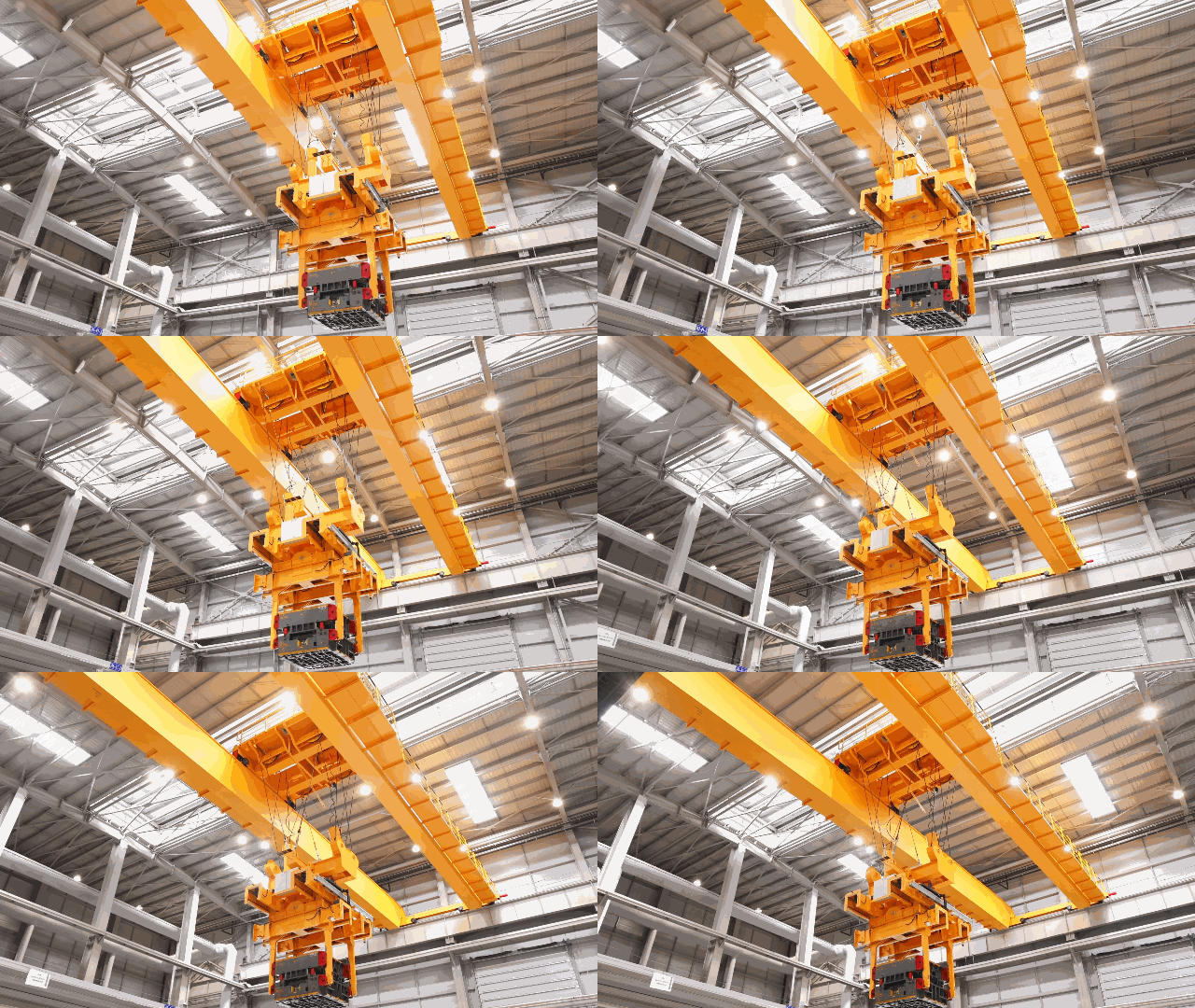
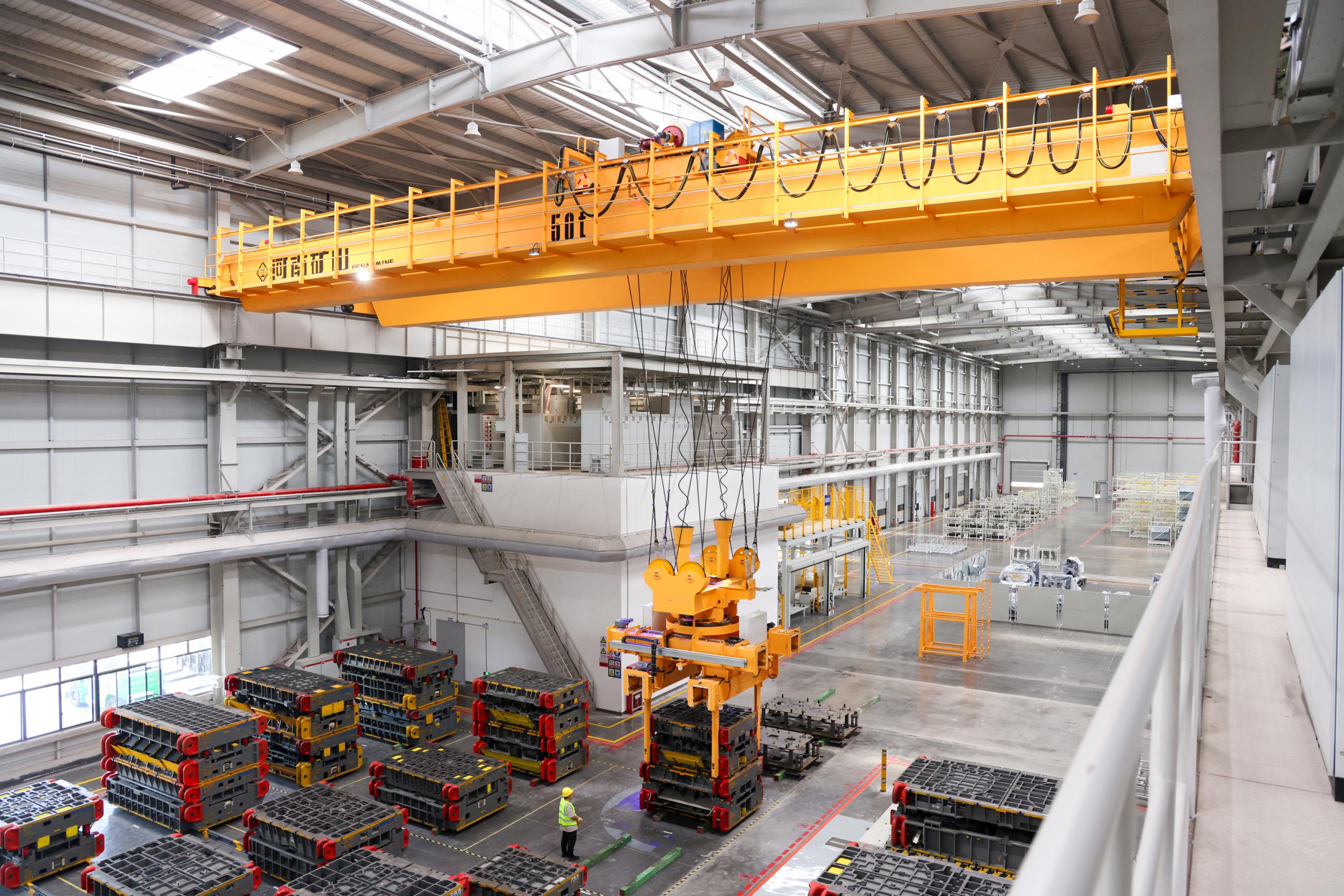
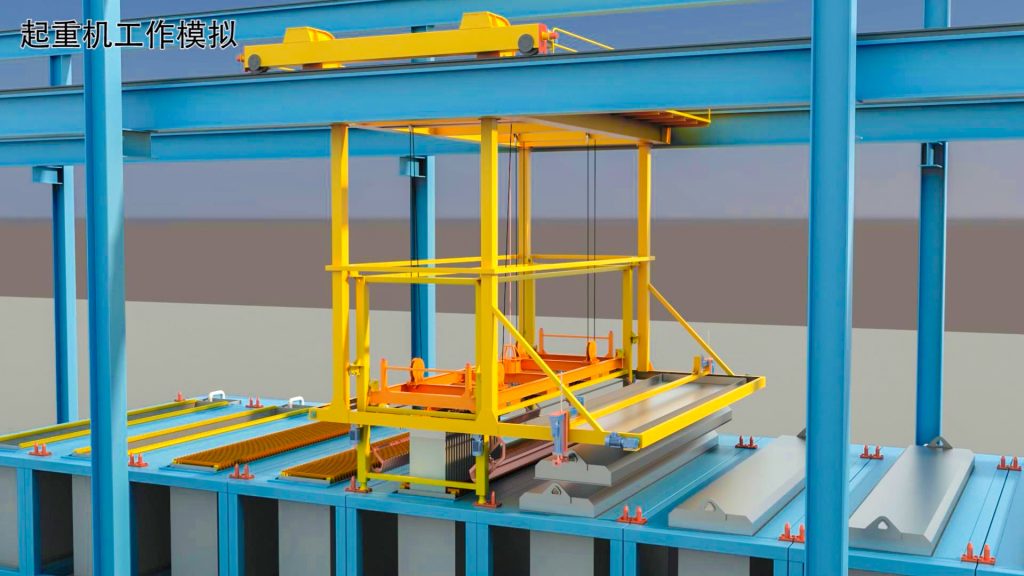
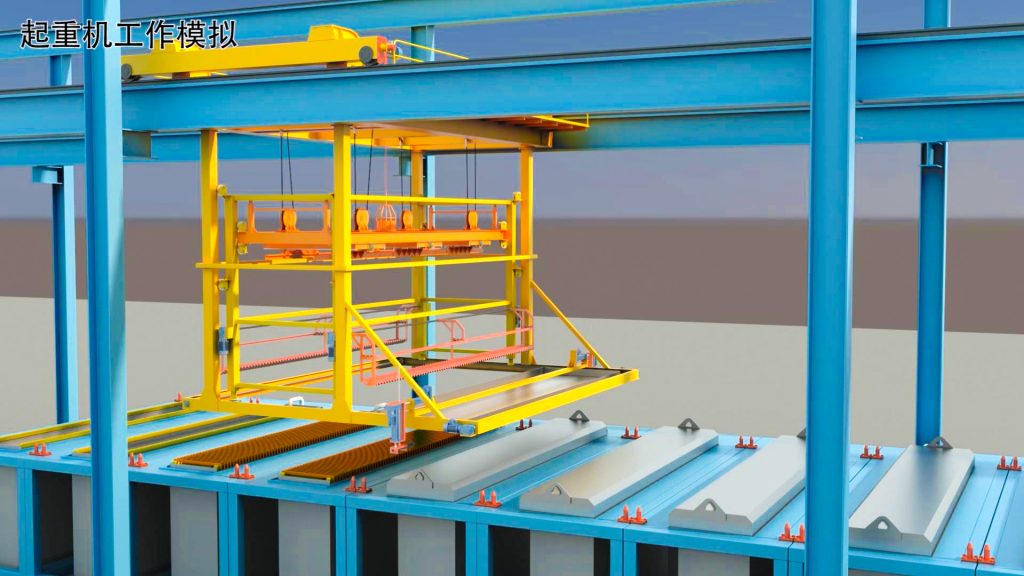
    Henan Mine Crane developed a batch of automated cranes for die handling in an automotive manufacturer’s stamping workshop.

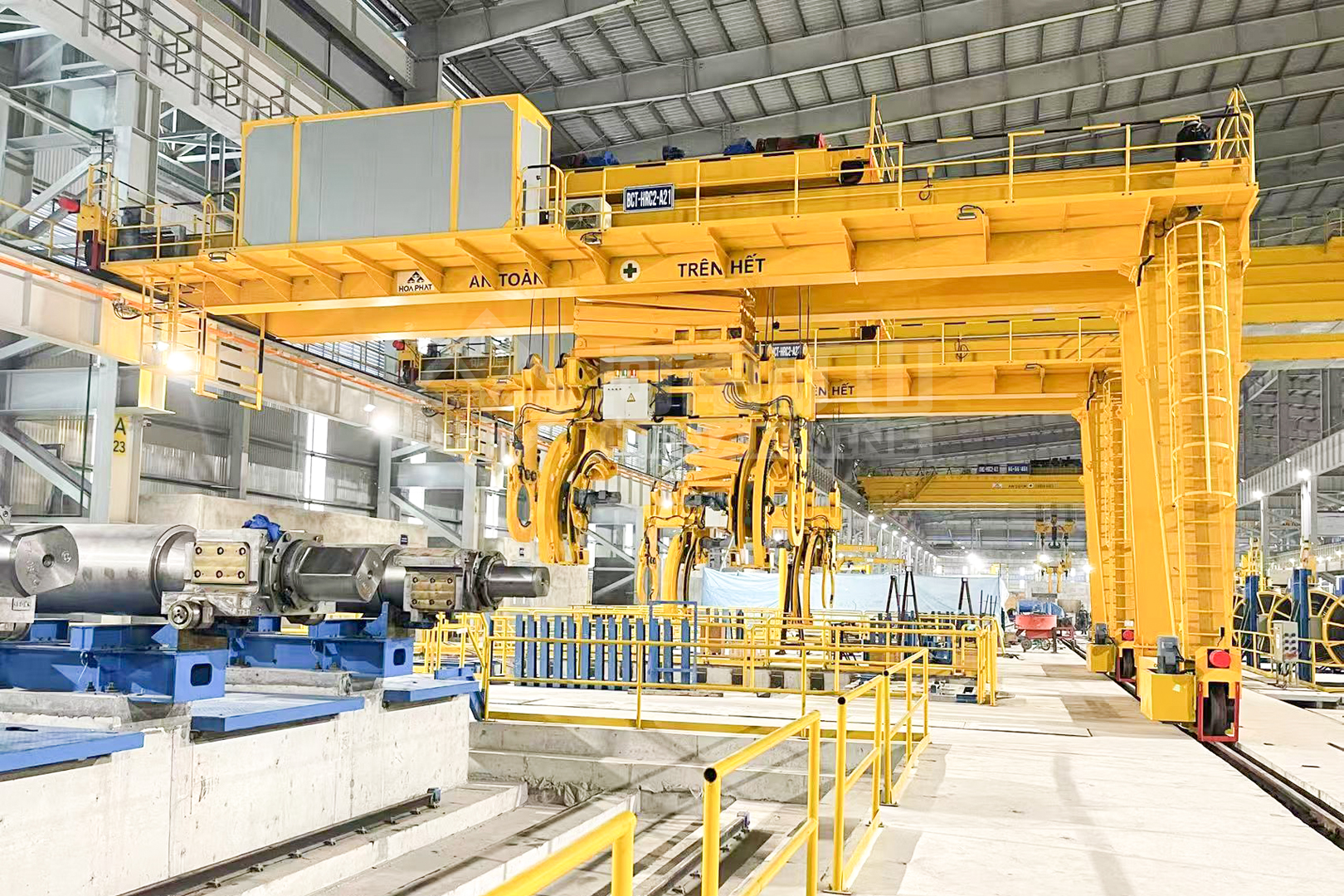
    Automated overhead crane above an automotive die storage area
    Automated overhead crane above an automotive die storage area.

    Coordinated crane and lifting-attachment movement

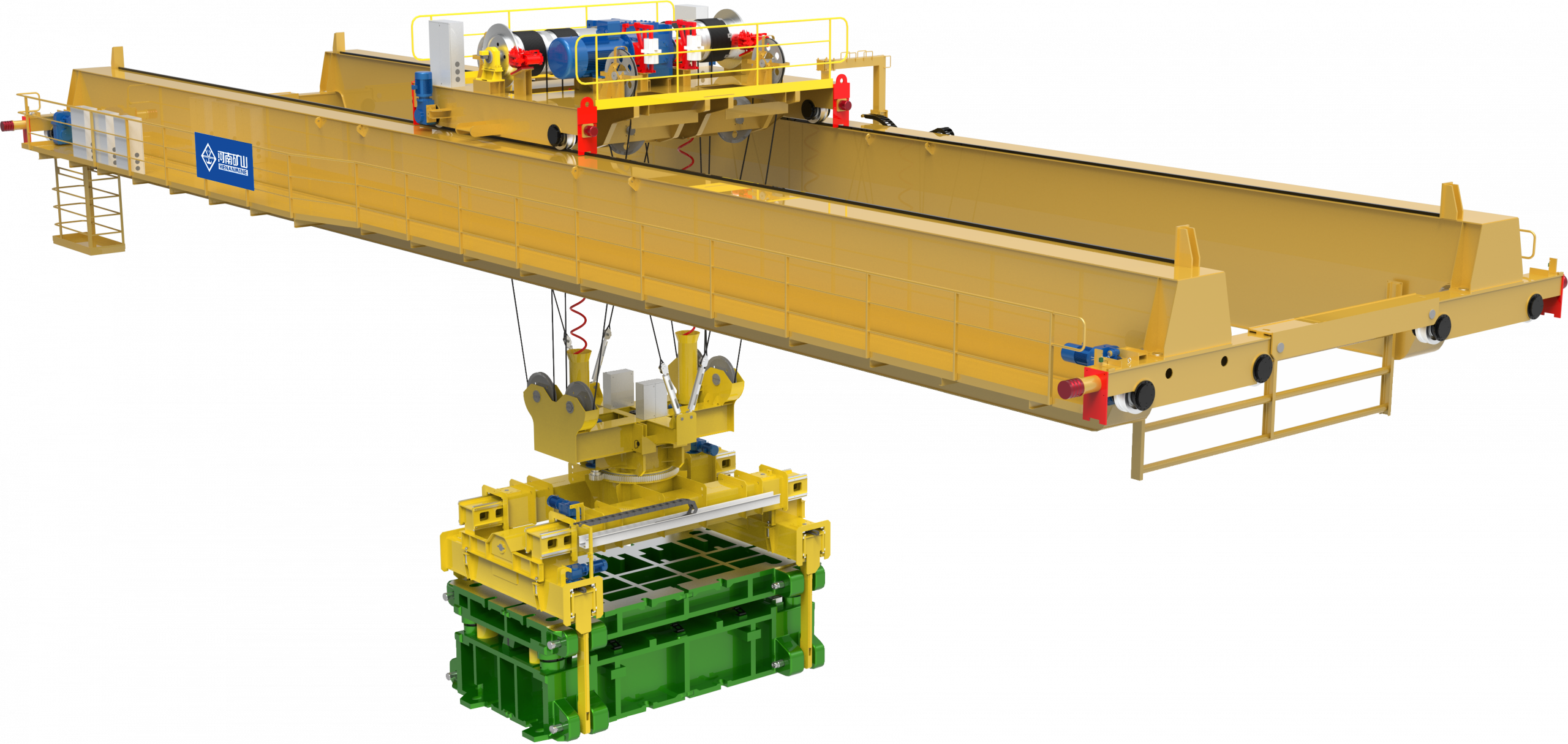
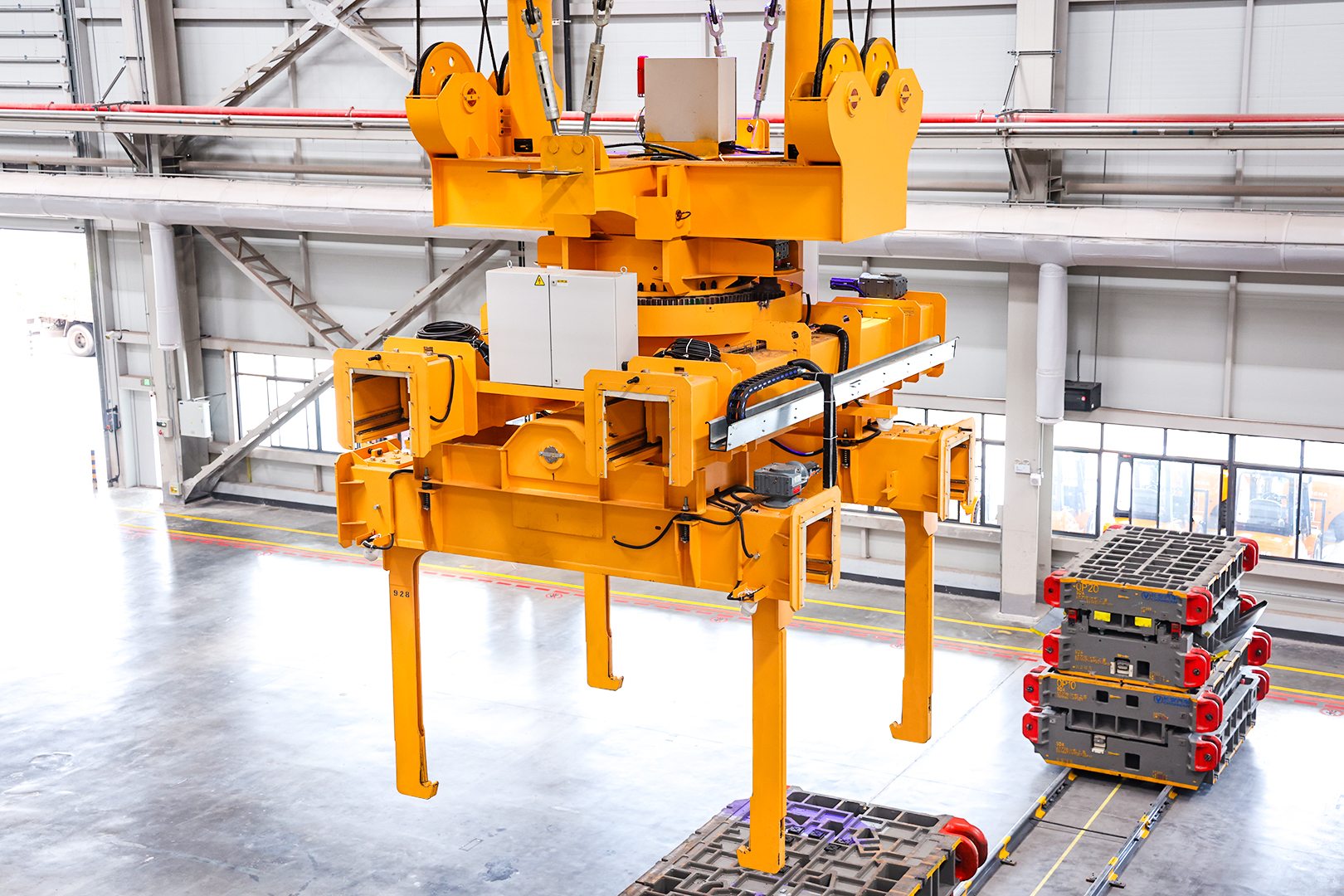
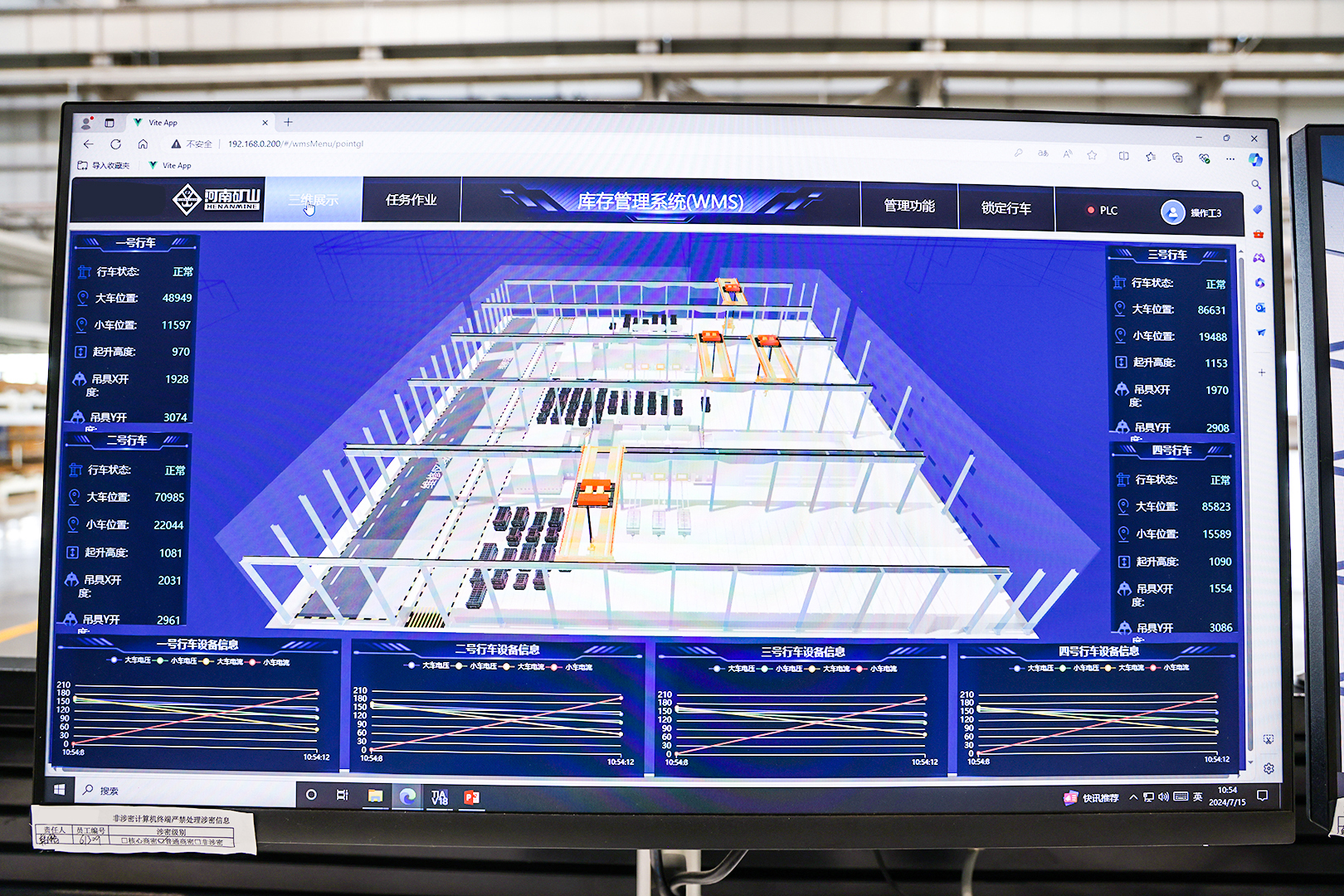
    The equipment combines automatic positioning and WCS management with a dedicated lifting attachment. The attachment adjusts along the X and Y axes and rotates about the Z axis, working with crane travel to accommodate different die configurations.

    Operating modes and protective functions

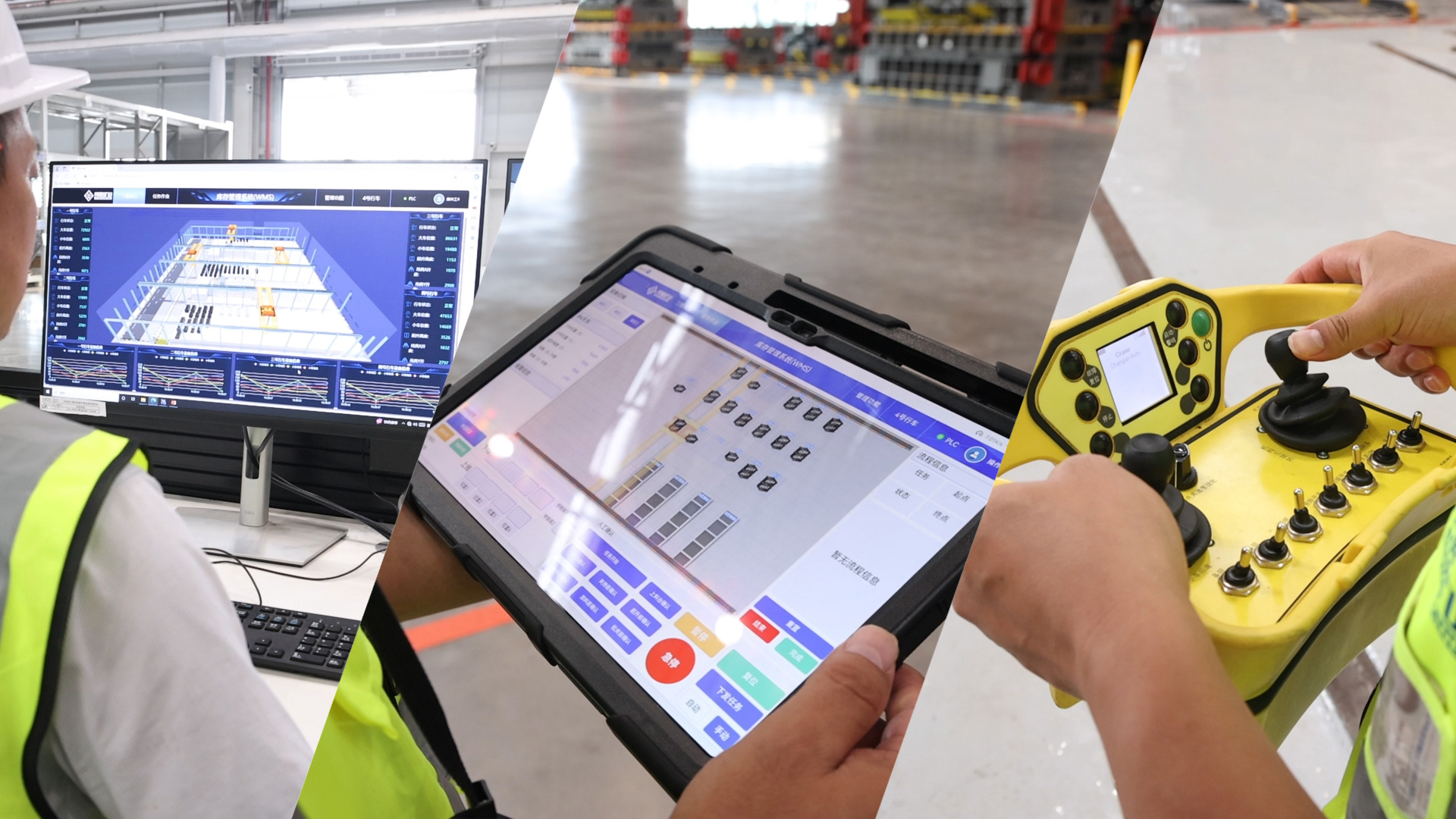
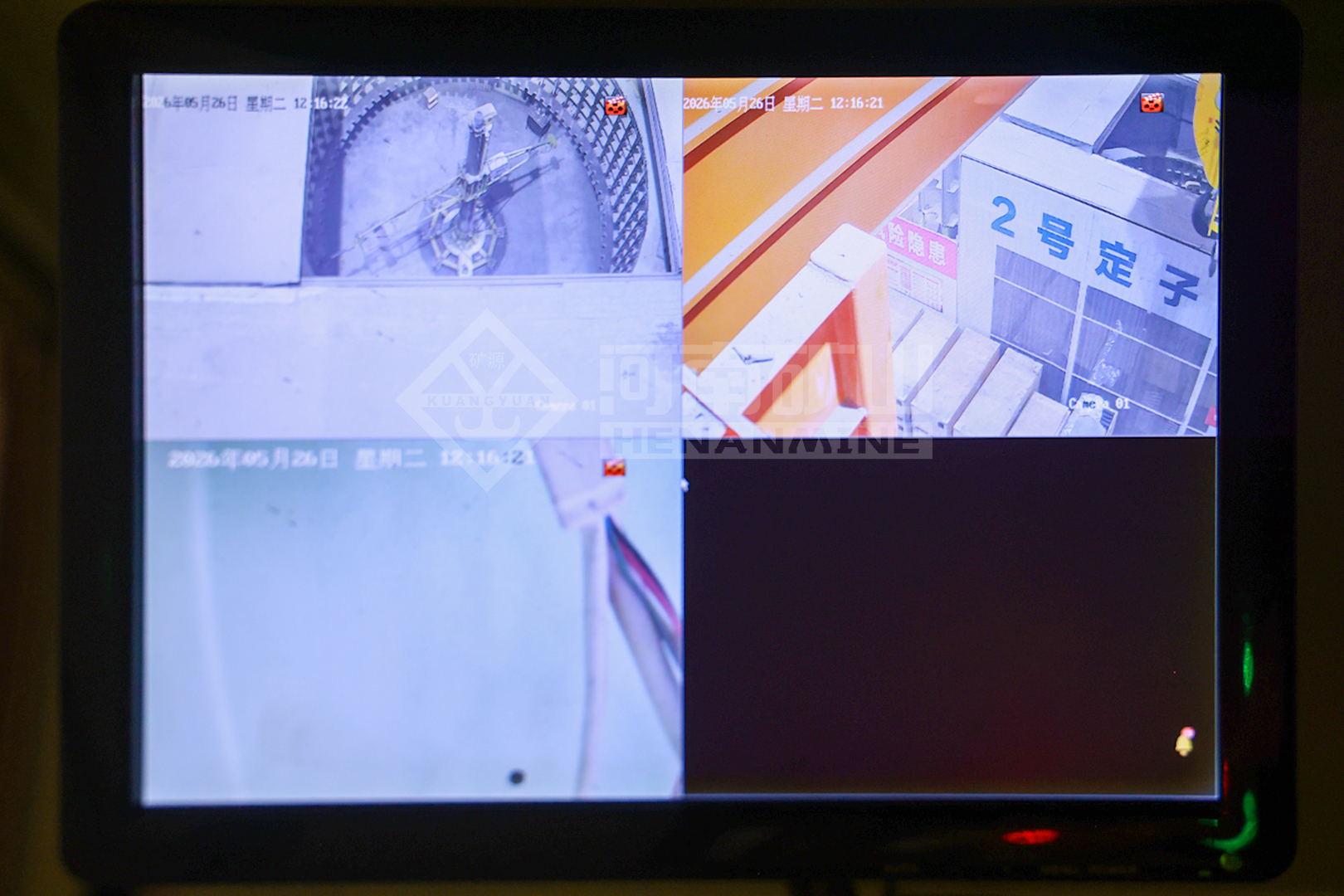
    The reported arrangement includes a control room, a mobile operating interface and remote control. Sway control, laser anti-collision protection, area light curtains, video monitoring and three-dimensional visualisation form part of the equipment description.

    Define the transfer task before specifying automation

    A comparable enquiry should include die weights and dimensions, lifting points, storage and press interfaces, transfer routes and operating cycles. Positioning tolerances, guarded areas and recovery modes should be agreed for the specific installation and acceptance test.

    Discuss your lifting requirement

    Share the die schedule, workshop layout, press interfaces and required transfer cycle for a handling-system review.

  • Gantry Crane Types: Compare Working Coverage and Site Interfaces

    Gantry Crane Types: Compare Working Coverage and Site Interfaces

    Technical guide

    Gantry Crane Types: Compare Working Coverage and Site Interfaces

    Different gantry arrangements offer different relationships with the runway, building and cargo route. Compare the structural layout and support requirements first, then review configuration-specific capacity and dimensional information.

    Henan Mine CraneTechnical guide · Updated 2026Crane selection, project scope and operating requirements
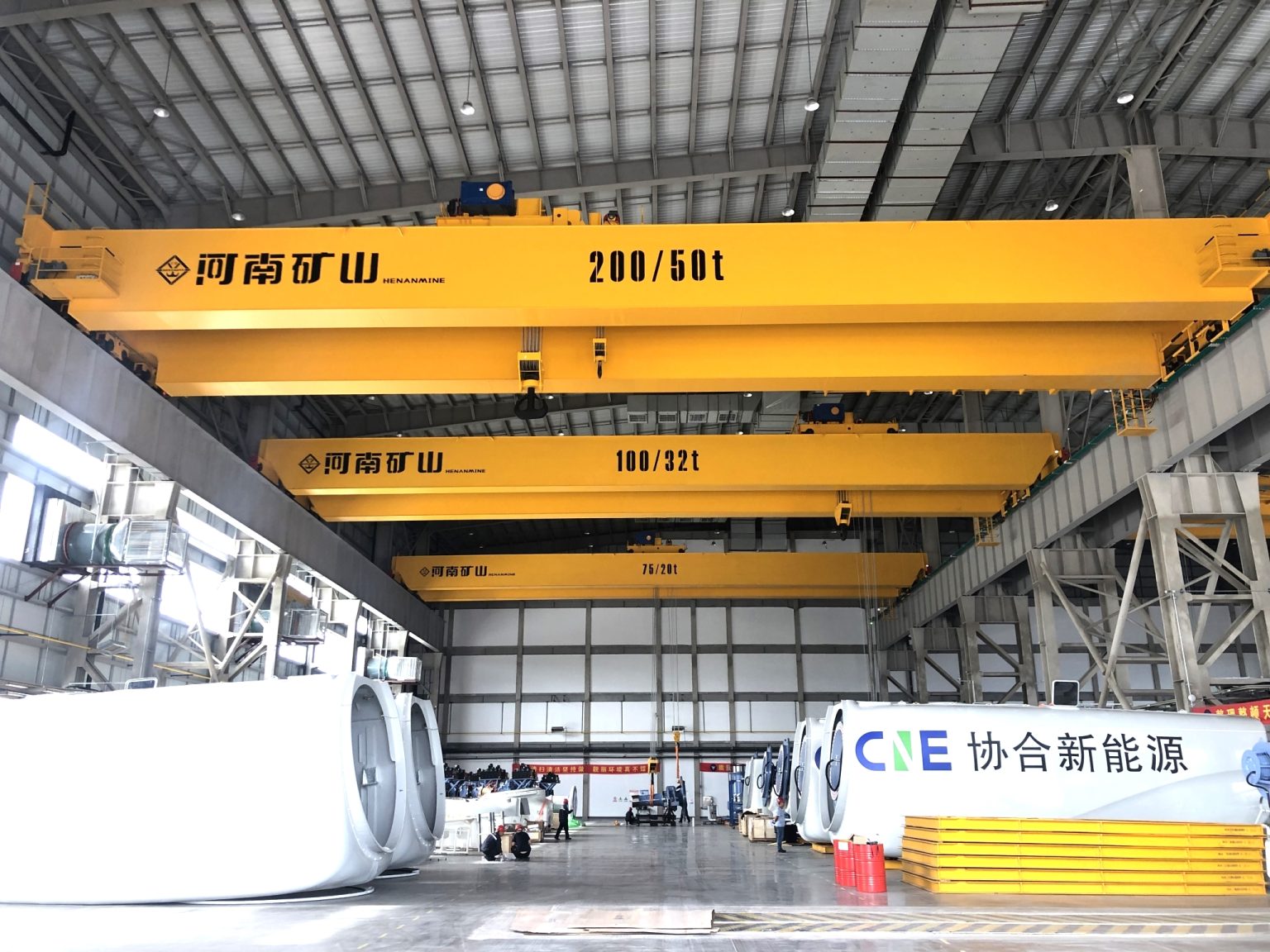
    Henan Mine Crane overhead crane inside a workshop bay
    Henan Mine Crane overhead crane inside a workshop bay
    Project planning notes

    Key points for this crane project.

    1. What Is a Gantry Crane?
    2. Types of Gantry Cranes
    3. Main Applications of Gantry Cranes
    Read the technical guide

    What Is a Gantry Crane?

    Basic Definition

    A Gantry Crane, also known as a Gantry Crane, is a lifting device supported by a portal frame. Its main girder is supported by both sides of the outriggers, and the bottom of the outriggers is equipped with a travel mechanism, which can move on the ground track or tires to realize the horizontal movement of the whole machine.

    Unlike overhead cranes, gantry cranes do not need to be attached to the columns or roof structure of the plant, its support is completely independent, installation and site adaptability is stronger. Whether it is an open yard or a workshop with certain space limitations, as long as there is a level working surface, it can basically be deployed.

    Main Components

    There are not many core components of gantry cranes, but each of them has a direct impact on operational safety and efficiency. The first is the main girder, which is divided into single and double main girders. It is the core structure for carrying heavy loads and determines the maximum lifting capacity and span of the crane.

    Next is the supporting leg, connecting the main girder and traveling mechanism, transferring the weight and load of the whole machine, common L-type, C-type design, C-type outriggers will be done tilted or curved processing, the purpose is to leave a larger lateral space, so that the extra-wide cargo smoothly through the outriggers underneath.

    Then the lifting mechanism, responsible for the lifting and lowering of heavy loads, mainly consists of motors, reels, wire ropes, hooks, etc. It is the core power unit to realize the lifting operation. travel mechanism is divided into two types: rail type and tire type, rail type runs on a fixed track by steel wheels, and tire type relies on rubber tires to achieve movement.

    Finally, there is the control system, which is divided into wired handle, wireless remote control and cab operation, and is responsible for controlling the lifting, traveling, luffing and other actions, and at the same time integrates all kinds of safety protection devices to ensure the safety of operation.

    How It Differs from an Overhead Crane

    Many people can’t tell the difference between a gantry crane and an overhead crane, but the core difference between the two is in the structural support and installation conditions. Overhead cranes, also known as overhead cranes, run on the columns and roof rails of the plant, with the main beams suspended under the roof rails, without independent legs, and can only work inside the plant.

    Gantry cranes, on the other hand, are independent portal frames with outriggers directly on the ground without the need for the plant to provide support, which means that they can be used in non-fixed construction environments such as open fields, temporary yards, and outdoor construction sites, whereas overhead cranes can only be deployed in scenarios with fixed plants.

    From the point of view of the scope of operation, the mobile range of bridge cranes is limited by the span of the plant, while the span of the gantry crane can be flexibly customized according to the site, from a few meters to dozens of meters can be achieved, and can even be made to do a double cantilever design, to expand the area covered by the operation.

    In addition, there are differences in installation costs. Overhead cranes need to renovate the plant and lay special tracks, with high renovation costs and a long cycle; gantry cranes only need to level the site, lay simple tracks or directly deploy tire-type, with faster installation and commissioning, and less alteration to the existing site.

    Types of Gantry Cranes

    There are many ways to categorize gantry cranes, the most commonly used is according to the main girder design, movement mode and structural form, different types are suitable for different working conditions and loads.

    Single Girder Gantry Cranes

    Its trolley mostly adopts the under-hanging design, hanging directly below the main girder track operation.

    Its advantages are simple structure, low cost, easy maintenance; disadvantages are limited carrying capacity, overall stability is not as good as double main girder, easy to shake in heavy load or large span operation, not suitable for long-term high-intensity heavy operations.

    Single-girder gantry crane manufactured by Henan Mine Crane

    Double Main Girder Gantry Crane

    Double main girder gantry crane consists of two parallel main girders, mostly using box beam or truss structure, box beam has the characteristics of large stiffness and good stability, suitable for high-capacity operations. Its supporting legs and main girder are more firmly connected, and the overall structure is more stable.

    Its disadvantages are self-importance, higher cost than single main girder, slightly longer installation and commissioning cycle, and slightly higher energy consumption. However, in long-term high-intensity, high-load operations, the stability and safety of the double main girder is more secure, and it is the first choice for heavy-duty working conditions.

    Henan Mine Crane’s MG double girder gantry crane

    Rail Mounted Gantry Cranes (RMG)

    Rail Mounted Gantry Crane (RMG) is a gantry crane that runs on a fixed rail. Its outriggers are equipped with steel wheels at the bottom, which travel on the pre-buried track, and the running path is completely limited by the track, so it can only move in a straight line along the track.

    The core advantage of RMG is its high positioning accuracy, up to centimeter level, which is suitable for high-density stockpiling operations, such as container yards in ports and raw material yards in large factories, and can realize accurate stacking and fast access of containers. It has strong carrying capacity, can be designed with larger span and cantilever, suitable for single cantilever, double cantilever and other configurations, with low difficulty of automation transformation, suitable for intelligent yard deployment.

    Its disadvantages are poor mobility and flexibility, unable to trans-regional transfer, once the track laying is completed, the operating range is fixed, the site is difficult to transform, the initial infrastructure costs are high, the need to lay special tracks and power supply systems.

    Tire Gantry Crane (RTG)

    Tire Gantry Crane, called Rubber Tyred Gantry Crane in English, or RTG for short, relies on rubber tires to achieve mobility, there is no fixed track limitations, and it can be moved freely on a level site, and it is very flexible for cross-box and cross-area operations.

    The advantage of RTG is that it has excellent site adaptability, does not need to lay tracks, and can be quickly deployed in old yards and temporary yards, with low site modification costs. It can also be driven by diesel, electric or hybrid power, and is suitable for scenarios where the site is irregular and the operation area is frequently adjusted, such as port bulk yards and prefabricated parts processing plants.

    Portable/Mobile Gantry Cranes

    Portable gantry crane, also called mobile gantry crane, is a small gantry crane with flexible height and span adjustment, mostly with detachable design for easy transportation and installation.

    With simple structure and light weight, these cranes can be moved to any working position by forklift or trailer, and no professional tools are needed for installation and easy operation, making them ideal for small-scale operation scenarios.

    Full Gantry Cranes

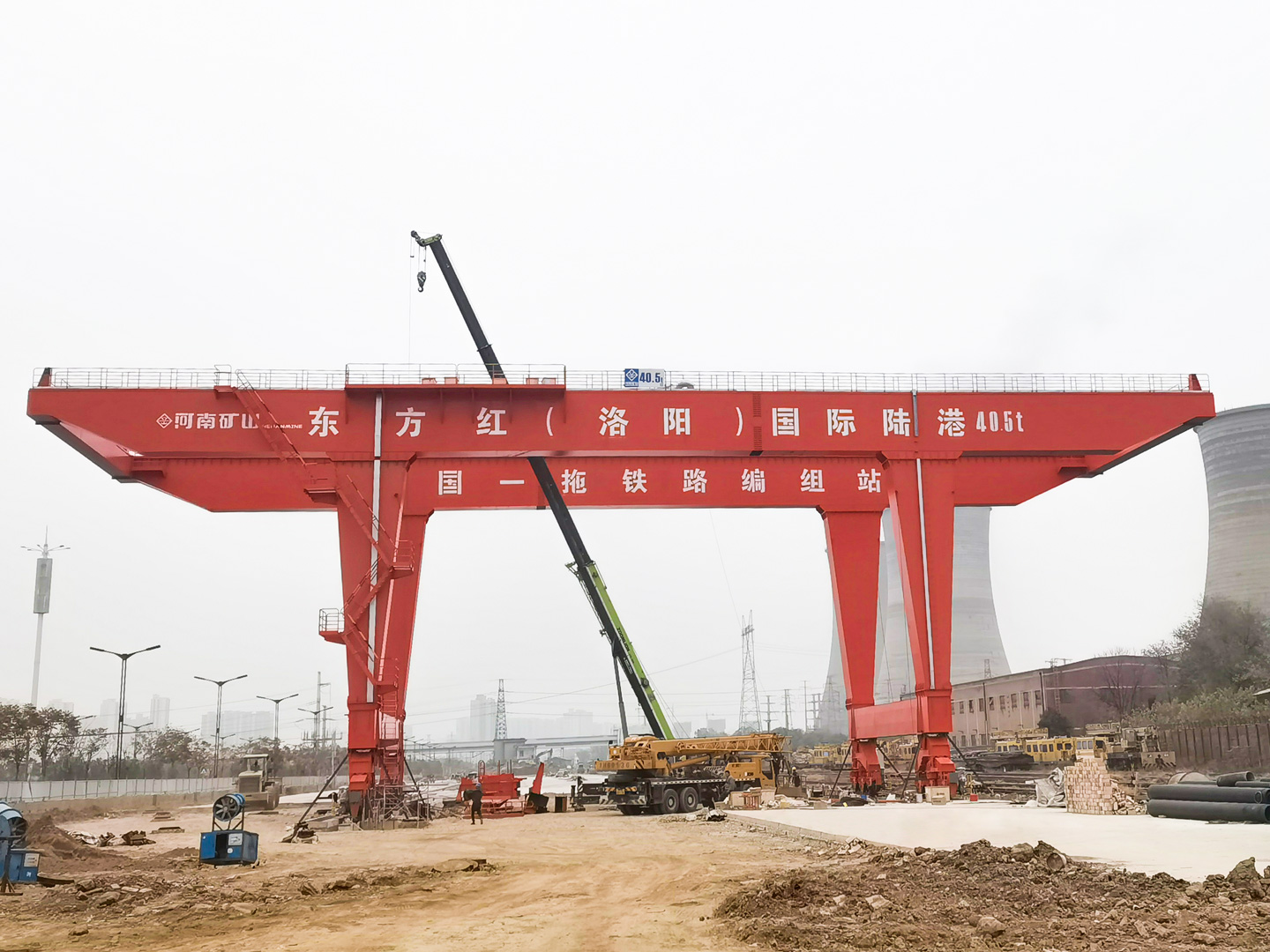
    Full Gantry Crane is the most common type of gantry crane. It has two supporting legs, and the two ends of the main girder are connected to the supporting legs to form a complete gantry frame, and the whole machine is completely independent of the site, not attached to any building structure.

    Its operating range covers the whole area under the main girder, suitable for open open yard, harbor, construction site and other scenes, can realize all-round material handling, wide range of carrying capacity and span, from light to heavy duty operations can be adapted.

    Semi-portal Crane

    Semi-gantry cranes, also called half-gantry cranes, have only one supporting leg, while the other outrigger is attached to the column or ground track of the plant, and one end of the main girder is supported by the outrigger, while the other end is hung on the track of the plant.

    Main Applications of Gantry Cranes

    Gantry cranes have become the core lifting equipment in many industries due to their flexible installation methods and powerful loading capacity, and the following are the most common application scenarios.

    Ports and Container Terminals

    Ports and container terminals are the core application scenarios of gantry cranes, especially RMG and RTG, which are almost the standard equipment in container yards. In container yards, gantry cranes are mainly responsible for stacking and transferring containers, stacking containers unloaded by shore cranes to designated locations, and also quickly removing containers according to instructions to complete loading and unloading operations.

    The complexity of the operating environment in the port, container weight, high frequency of operation, the stability and efficiency of the crane requires a very high degree of RMG is suitable for a high degree of automation, high stockpiling density of large ports, to achieve accurate stacking and fast access; RTG is suitable for small and medium-sized ports or temporary yards, the flexibility of the mobile mode can be adapted to the different stockpiling layout.

    In addition to containers, gantry cranes can also be used for handling bulk cargoes and general cargoes in ports, such as coal, ores, steel, etc. By replacing the lifting gears (such as grabs and electromagnetic suction cups), different materials can be handled, which is suitable for handling multiple types of cargoes in ports.

    Construction and Infrastructure

    In construction and infrastructure projects, gantry cranes are the main equipment for lifting heavy components, especially in bridge projects and prefabricated parts processing plants. In bridge construction, gantry cranes are mainly responsible for lifting and installing bridge girders. Large-span double girder gantry cranes can easily lift girders of dozens of tons or even hundreds of tons, and accurately place them in the designated positions.

    In precast concrete component processing plants, gantry cranes are responsible for the handling and stacking of precast panels, precast columns and precast girders, lifting precast components from the production line, transferring them to the yard for storage, or loading them directly for transportation. The flexible mobility of the tire gantry crane can be adapted to the material handling needs of different production areas in the processing plant.

    In addition, in large-scale construction projects, gantry cranes are also used for the lifting of structural steel components and the installation of large equipment, such as the lifting of steel roof frames in factories, and the installation and dismantling of tower cranes, to ensure the safety of high-altitude heavy-duty work by virtue of their stable load-bearing capacity.

    Manufacturing and Fabrication

    In manufacturing and steel fabrication plants, gantry cranes are mainly responsible for the transportation and assembly of heavy equipment and steel structure parts. In steel processing plants, gantry cranes lift steel plates and profiles to processing stations, complete cutting, welding, assembly and other processes, and then lift the assembled steel structure parts (such as plant frames and bridge components) to the finished product yard.

    In large equipment manufacturing enterprises, gantry cranes are responsible for the handling and installation of heavy equipment, such as machine tools, generators, large pressure vessels, etc. The equipment is lifted from the production workshop and transferred to the installation site, or the assembly and commissioning of the equipment is completed in the workshop.

    Single girder gantry cranes are suitable for small and medium-sized manufacturing enterprises for light-duty operations, while double girder gantry cranes are suitable for large manufacturing enterprises for heavy equipment handling, with a stable structure, to ensure the safety of high-precision equipment handling, to avoid damage to the equipment due to shaking.

    Shipbuilding and Marine Industry

    In shipbuilding and marine engineering, gantry cranes are the core equipment for lifting heavy modules and hull components, especially in large shipyards. In the shipbuilding process, gantry cranes are responsible for the assembly and lifting of hull segments, lifting the segments to the ship’s platform, completing the welding assembly and forming a complete hull structure.

    Shipbuilding, hull segments of large weight and size, the crane’s carrying capacity and span requirements are extremely high, double main girder gantry cranes are the preferred equipment, some of the oversized tonnage shipbuilding gantry cranes, the lifting capacity can reach hundreds of tons, the span can cover the entire ship platform, to achieve the precise lifting and positioning of the segments.

    Key Advantages of Gantry Cranes

    Gantry cranes are widely used in various industries because of their flexibility, cost advantage and strong working ability, the following are the core advantages.

    Flexible Installation

    One of the biggest advantages of gantry cranes is their flexible installation, which does not depend on fixed buildings. It does not need to be attached to the columns or roof of the plant, but only needs a flat working site, it can be quickly deployed, whether it is an open yard, temporary site, or existing plant, can be adapted.

    Rail gantry cranes only need to lay a simple track, tire gantry cranes do not even need a track, driving directly on the level ground, the installation and commissioning cycle is short, usually within a few days to complete the deployment, compared with the bridge crane plant modification, the installation cost and time are significantly reduced.

    In addition, the span and height of the gantry crane can be flexibly customized, according to the size of the operating site and the size of the material, adjusting the span of the main girder and the height of the lifting height, to adapt to the operational needs of different scenarios, and will not be affected by the site limitations of the operational efficiency.

    Cost-Effective for Outdoor Operations

    For outdoor operations, the cost advantage of gantry cranes is very obvious. The first is the installation cost, does not require large-scale transformation of the site, no need to lay complex track and power supply system, especially tire-type gantry cranes, almost no need for site modification, can be deployed directly.

    High Load Capacity

    Gantry cranes have a wide range of load capacity, from light loads to super heavy duty operations can be adapted.

    Scalability and Customization

    Gantry cranes support a high degree of customization, according to the user’s operational needs, adjusting the span, lifting height, lifting capacity, travel mode and other core parameters to adapt to different working conditions. For example, if a port yard needs a double cantilever design, or a shipyard needs a large span and tonnage, all can be realized through customization.

    In addition, the spreader of gantry cranes can be flexibly replaced. By replacing the spreader such as hooks, C-hooks, electromagnetic suction cups, grabs, etc., different materials can be handled, from containers and steel to bulk cargo and prefabricated parts, all of which can be adapted to enhance the versatility of the equipment.

    Mobility Options

    Gantry cranes provide a variety of mobility options to suit different sites and operational scenarios. Rail gantry cranes run along a fixed track with high positioning accuracy, suitable for high-density stockpiling and automated operations; tire gantry cranes can be moved freely and are flexible in cross-area operations, suitable for irregular site scenarios.

    How to Choose the Right Gantry Crane

    To choose the right gantry crane, you can’t just look at the lifting capacity, but also combine various factors such as operating scenes, load characteristics, site conditions and budget, etc. The following are the core selection factors.

    Key Selection Factors

    First of all, it is necessary to clarify the required lifting capacity, which is the basis for selection, but not only the weight of the cargo itself. The weight of the spreader (e.g. grab, electromagnetic suction cup, C-hook) should also be taken into account, so as to avoid inadequate selection, which may lead to failure of normal operation.

    Next is the span and lifting height, these two parameters are directly determined by the operating site. The span should match the actual width of the site to ensure that the main girder of the crane can completely cover the operating area, while also reserving the outriggers and the site columns, equipment safety clearance.

    Lifting height is determined according to the height of the goods stacked, the height of the equipment, to ensure that the goods can be lifted smoothly, without collision with the top structure of the site, other equipment, while a small amount of space can be reserved to cope with the future operational needs of the slightest adjustment.

    Work level should not be ignored, it is directly related to the service life and stability of the crane. Working level is determined by the frequency and duration of operation, outdoor heavy-duty operations, high-frequency operations need to choose a higher working level to avoid premature wear and tear of the equipment, frequent failures.

    For example, port container yard gantry cranes, continuous operation for more than 10 hours a day, high frequency of operation, you need to choose A6 and above the level of work; and small workshop maintenance cranes, the frequency of operation is low, A3-A4 level can meet the demand.

    Also consider the working environment, outdoor operations need to pay attention to wind, dust, corrosion performance, coastal ports to choose high corrosion grade equipment, windy and snowy areas in the north need to be configured with windproof devices; indoor operations focus on space adaptability, to avoid height, span and plant conflict.

    Frequency of operation will also affect the selection, high-frequency continuous operation is recommended to choose double girder gantry cranes, the structure is more stable, more durable; low-frequency, light load operation, single girder or portable cranes have more cost advantages.

    Finally, the budget and full life cycle cost, cannot just look at the initial purchase price. Consideration should be given to installation costs, operating costs (energy consumption, maintenance fees), spare parts costs and downtime losses. For example, electric gantry cranes have a slightly higher initial investment, but lower long-term energy consumption, which is suitable for long-term stable operation.

    Gantry Crane vs Overhead Crane – Which One Is Better?

    Gantry cranes and overhead cranes are both core equipment for industrial lifting, but there is no absolute “better”, only “more suitable”. The differences between the two are mainly focused on the structure, cost, application scenarios, combined with their own working conditions to choose, in order to avoid waste and inconvenience.

    Comparison ItemGantry CraneOverhead Crane
    Structural SupportIndependent gantry frame, supported by legs on the groundDepends on factory columns and roof rails, no independent legs
    Installation CostLow, no factory modification needed; tire-type requires no trackHigh, needs factory reinforcement and roof track laying
    Application ScenarioOutdoor yards, ports, construction sites, no fixed factoryIndoor workshops, manufacturing plants, fixed indoor sites
    Long-term FlexibilityHigh, adjustable span/lifting height, movable and reusableLow, limited by factory structure, hard to adjust or move
    Positioning AccuracyGood (especially RMG), suitable for high-density stackingHigh, suitable for indoor high-precision operations

    Structural comparison

    The core structural difference lies in the different support methods. Gantry crane adopts independent portal frame, the main girder is supported by both sides of the outriggers, the outriggers directly to the ground, does not rely on any building structure, the whole machine can run independently.

    Overhead Crane (Overhead Crane) does not have independent legs, the main girder is suspended on the roof track of the plant, relying on the plant columns to carry the weight of the whole machine, can only be moved within the track inside the plant, and cannot be extended to the outside of the plant operations.

    In terms of structural rigidity, the rigidity and stability of double girder gantry cranes are no less than that of overhead cranes, while the rigidity of single girder gantry cranes is slightly inferior, but is sufficient to meet the needs of light and medium-sized operations; the main girder of the overhead cranes is mostly of double girder design, which has a more uniform rigidity and is suitable for high-precision operations inside the plant.

    Installation cost differences

    Installation cost differences mainly come from site remodeling and equipment deployment. The installation cost of gantry cranes is relatively lower, especially for tire-type gantry cranes, which do not need to lay tracks, and can be installed and commissioned in a few days by just leveling the site.

    Although rail-type gantry cranes need to lay tracks, they do not need to remodel the existing building, and the cost of track laying is controllable; whereas overhead cranes must be attached to the plant, and need to reinforce the plant and lay roof tracks, with high remodeling costs and a long period of time, especially in old plants, which may require additional reinforcement of the columns, further increasing the cost.

    In addition, gantry cranes can be disassembled and transferred flexibly, and if the site is subsequently relocated, the equipment can be utilized twice to reduce long-term investment; bridge cranes, once installed, are almost impossible to move, and the risk of idle equipment is higher.

    Application suitability

    The core advantage of gantry cranes is outdoor suitability, suitable for open yards, ports, construction sites and other scenarios without fixed plant, whether it is container storage, bridge lifting, or bulk cargo handling, can be flexibly adapted to the span and height can be freely customized.

    Bridge cranes are more suitable for plant operations, such as manufacturing workshops, steel processing plants, mainly used for workshop equipment maintenance, material handling, component assembly, the scope of work is restricted by the plant, but the positioning accuracy is high, suitable for indoor high precision, high frequency operations.

    Simply put, for outdoor work, inter-area movement and no fixed plant, choose gantry cranes; for indoor fixed sites, high-precision work and reliance on plant structure, choose overhead cranes.

    Long-term flexibility

    Long-term flexibility of gantry cranes is stronger, whether it is the span, lifting height, or mobile mode, can be adjusted according to the subsequent operational needs, for example, rail-type gantry cranes can extend the track to expand the operating range, and tire-type gantry cranes can be shifted to the operating area at any time.

    If the subsequent site expansion, operational load adjustment, gantry cranes can be adapted through the transformation of the main girder, replacement of spreaders, etc., without the need for a complete replacement of equipment; bridge cranes are restricted by the structure of the plant, and once the plant is fixed, the span and lifting height cannot be adjusted, and if the operational requirements change, only to re-procure the equipment, which is less flexible.

    Comparison Table

    Structural Support Independent gantry frame, supported by legs on the ground Depends on factory columns and roof rails, no independent legs

    Safety Features to Consider

    Gantry cranes are mostly used for outdoor heavy-duty operations in complex environments with large loads. Safety features are the core of selection and use, and the following key safety devices are indispensable and indispensable.

    Overload protection

    Overload protection is the most basic and important safety device, which is used to prevent the crane from overloading. It can detect the lifting load in real time, and when the load exceeds the rated lifting capacity, it will automatically cut off the lifting power and stop the lifting action, so as to avoid safety accidents such as deformation of the main girder and breakage of the wire rope due to overloading.

    Especially for outdoor heavy-duty work, the weight of goods may have errors, overload protection can effectively avoid such risks, it is recommended to choose the equipment with overload alarm function, once close to the rated load, it will send out an alarm to remind the operator to pay attention.

    Anti-sway control

    Outdoor work is easily affected by wind, and the goods are easily shaken after lifting, which not only affects the operation efficiency, but also may collide with the equipment and personnel, resulting in potential safety hazards. Anti-sway control device can effectively inhibit cargo shaking, so that the cargo can be lifted and moved smoothly.

    For outdoor scenes such as ports and construction sites, it is recommended to prioritize the configuration of anti-shaking control, especially for large-span and high lifting height gantry cranes, the anti-shaking function can significantly improve operational safety and efficiency, and reduce the probability of collision damage to the goods.

    Limit switches

    Limit switches are divided into hoisting limit and traveling limit, which are used to limit the operating range of the crane and prevent the equipment from exceeding the safety boundary. The lift limit prevents the hook from rising too high and hitting the main girder or other components, while the travel limit prevents the crane from traveling to the end of the track and being derailed.

    Limit switches need to be checked regularly to ensure sensitivity, and once a fault occurs, they need to be shut down immediately for maintenance to avoid safety accidents caused by limit failure. Some of the higher-end machines are also equipped with double limit switches to further enhance safety.

    Wind protection systems

    Outdoor gantry cranes must be equipped with wind protection systems, especially in coastal ports and open construction sites, where the wind is strong and can easily cause the crane to shift and tip over. Common windproof devices include rail clamps, anchoring devices, windproof cables and so on.

    The rail clamp can fix the crane wheels on the track to prevent the wind from pushing the equipment to move; the anchoring device can fix the crane to the ground, which is suitable for long-term parking in windy weather; the windproof cable can assist in fixing the main girder to reduce the impact of the wind on the equipment.

    Emergency braking

    Emergency braking device is an emergency safety guarantee, when the crane fails and the personnel is in danger, the operator can cut off the power supply of the equipment immediately through the emergency stop button and stop all the actions to avoid the expansion of the accident.

    Emergency braking button should be installed in the operator’s easy to reach position, such as cab, wireless remote control, ground operator station, and at the same time, should be tested regularly to ensure that it can work properly in an emergency situation, no stalling, failure.

    Frequently Asked Questions

    The following are the most frequently asked questions when you understand and purchase gantry cranes, combined with the actual working conditions, to give easy-to-understand answers to help you quickly clear up your doubts.

    What is the difference between RMG and RTG cranes?

    The core difference between RMG and RTG cranes is the way of movement, RMG is a rail-mounted gantry crane, relying on a fixed track to run, with a fixed operating range and high positioning accuracy, suitable for high-density stockpiling, such as large container terminals; RTG is a tire-mounted gantry crane, relying on rubber tires to move without a track, with a high degree of flexibility, suitable for small and medium-sized ports, and temporary storage yards.

    In addition, RMG has higher stockpiling density and operational efficiency, and is suitable for automation; RTG has low site modification costs and can operate across regions, but its positioning accuracy and stockpiling density are slightly lower than that of RMG.

    What industries use gantry cranes the most?

    The most widely used gantry cranes are in ports and container terminals, where RMG and RTG are indispensable in almost all container yards; followed by the construction and infrastructure industries for bridge lifting and prefabricated parts handling; and the manufacturing industry and steel fabrication factories, where they are commonly used for the handling and assembly of heavy equipment and components.

    In addition, shipbuilding and offshore engineering, mining, bulk yards and other industries will also use a large number of gantry cranes, especially double girder gantry cranes, suitable for heavy-duty operations.

    How much does a gantry crane cost?

    There is no fixed standard for the price of a gantry crane, which mainly depends on the lifting capacity, span, working level and configuration, and there is a big difference.

    In addition, the higher the configuration (such as anti-shaking, automation, windproof device), the price will increase accordingly.

    What is the maximum capacity of a gantry crane?

    The maximum lifting capacity of a gantry crane does not have a fixed upper limit and can be customized according to demand.

    Can gantry cranes be customized?

    Yes, and customization is one of the core advantages of gantry cranes. Almost all parameters can be customized according to the user’s working conditions, such as span, lifting height, lifting capacity, working level, as well as the mode of movement (rail, tire), spreader (hook, grab, electromagnetic suction cup), control system (remote control, cab) and so on.

    For example, if the port needs double cantilever design, the double cantilever main girder can be customized; if the coastal area needs anti-corrosion, the equipment can be customized with high anti-corrosion grade; if the small workshop needs compact layout, the miniaturized and detachable gantry cranes can be customized, which can be fully adapted to their own operational needs.

    Discuss the crane arrangement for your project.

    Different gantry arrangements offer different relationships with the runway, building and cargo route. Compare the structural layout and support requirements first, then review configuration-specific capacity and dimensional information. Share the load, available drawings, working cycle and site conditions with Henan Mine Crane so the required configuration and supply boundary can be discussed.

    Related crane configurations

    Explore crane product families and technical parameters ↗

    Updated 2026 · Henan Mine Crane

  • Joint Crane Manufacturing Laboratory Agreement Signed with Northwestern Polytechnical University

    Joint Crane Manufacturing Laboratory Agreement Signed with Northwestern Polytechnical University

    Industry & Partnerships

    Joint Crane Manufacturing Laboratory Agreement Signed with Northwestern Polytechnical University

    Henan Mine Crane signed an agreement for a crane intelligent-manufacturing and application-technology joint laboratory with Northwestern Polytechnical University at a November 2025 technology exhibition.

    Representatives at the technology exhibition joint-signing ceremony
    Representatives at the technology exhibition joint-signing ceremony.

    Research and manufacturing cooperation

    The agreement concerns manufacturing technology, process optimisation and talent development. The exhibition also displayed examples of specialised lifting equipment for zinc processing and brewing.

    From research to an equipment specification

    The joint laboratory is intended to connect research with crane manufacturing and application needs. For a proposed application, define the load, process interfaces, operating environment and evidence required before selecting equipment.

    Contact Henan Mine Crane

    For product information, a manufacturing visit or a company enquiry, send the relevant details to our team.

  • Gantry Crane Components: What the Structure and Travel Systems Do

    Gantry Crane Components: What the Structure and Travel Systems Do

    Technical guide

    Gantry Crane Components: What the Structure and Travel Systems Do

    Understanding the main components makes technical proposals easier to compare. Review the bridge, legs, lifting mechanism and travel equipment as a connected system, with particular attention to the load path and site interfaces.

    Henan Mine CraneTechnical guide · Updated 2026Crane selection, project scope and operating requirements
    Henan Mine Crane Track Switching Overhead Crane
    Henan Mine Crane Track Switching Overhead Crane
    Project planning notes

    Key points for this crane project.

    1. Basic Definition
    2. Key Characteristics
    3. Main Structure of a Gantry Crane
    Read the technical guide

    Basic Definition

    The core structure of a gantry crane is a horizontal main girder, supported by two or more vertical outriggers at both ends or in the middle, and equipped with a travel device at the bottom of the outriggers – either steel wheels that fit on the track or rubber tires that can be moved freely.

    This structure allows it to accomplish both vertical lifting and lowering of heavy loads, as well as moving horizontally with heavy loads. Unlike ordinary lifting equipment, it forms a complete lifting system on its own, without the use of any external structures, which is the most essential difference between it and a bridge crane.

    Key Characteristics

    The first core characteristic of gantry crane is independent support structure. Its outriggers directly transfer the weight of the whole machine and lifting load to the ground, without having to rely on the columns or roof of the plant as in the case of bridge cranes, which is also the basis for its ability to work in the open field.

    Its operation scenes are not limited to outdoor, indoor large-scale workshop can also be adapted. For example, in a large steel processing plant, when the workshop space is sufficiently open, the gantry crane can connect indoor processing and outdoor yard material transfer, which is very practical.

    Large span and high load capacity is another major feature.

    Compared with bridge cranes, it is also more flexible in terms of installation. Track-type gantry cranes only need to lay a simple ground track, and tire-type cranes do not even need a track, and can be put into use by leveling the site without large-scale reconstruction of the existing site.

    Main Structure of a Gantry Crane

    Many customers will ask “how to judge the quality of a gantry crane” when inspecting the equipment. In fact, the answer is very simple, look at its six core structural components, you can have a basic judgment on the performance and durability of the equipment. These components work in conjunction with each other, and if one of them is missing, the whole machine will not be able to complete the lifting operation properly.

    Main Girder

    The main girder is the core component of the gantry crane that carries the trolley and the hoisting mechanism, and all the lifting loads will eventually be transferred to the main girder. Its design directly determines the maximum lifting capacity and span of the crane.

    The main girder is mainly divided into two forms: single main girder and double main girder. Single main girder mostly adopts I-beam or combined cross-section, which has lighter deadweight and lower processing and manufacturing cost; double main girder is mainly box beam or truss structure, which has greater cross-section stiffness and can withstand larger load and span, and is the first choice for heavy-duty operation.

    In actual selection, single main girder is preferred for light and medium load scenarios, while double main girder is a safer choice for heavy-duty working conditions such as shipbuilding and harbor.

    Support Legs

    Support legs are the “leg bones” connecting the main girder and the ground, and their core role is to evenly distribute the load transmitted by the main girder to the travel mechanism or track on the ground. Its structural strength and stability are directly related to the safety of the whole machine.

    The shape of the outrigger will be designed according to the operational requirements, and the common ones are L-type and C-type. L-type outrigger has a simple structure and is suitable for regular working conditions; C-type outrigger will be bent or inclined to leave a larger lateral space, so that the extra wide cargo can pass under the outrigger without any problem.

    For semi-portal cranes, one side of the outrigger is on the ground, and the other side is attached to the wall or column of the plant, which can further save space and equipment costs.

    Hoisting Mechanism

    Hoisting mechanism is the “power core” of gantry crane, responsible for completing the vertical lifting and lowering of heavy loads, and it is also the most critical execution part. Its main form is electric hoist or winch system, the specific selection depends on the lifting capacity.

    No matter which form, the hoisting mechanism is composed of motor, reel, wire rope (or chain), hook set and other components. The material of the wire rope and the design of the drum will directly affect the smoothness of the lift and the service life of the equipment.

    Trolley System

    The trolley system is equivalent to the “arm” of the gantry crane, which is erected on the track of the main girder, and can move horizontally along the main girder with the hoisting mechanism, and its core role is to adjust the position of the load in the direction of the span to realize accurate positioning.

    The trolley system mainly consists of frame, traveling wheels, driving device and guiding device. The trolley of double main girder gantry crane usually runs between two main girders for better stability; while the trolley of single main girder adopts under-hanging design, which is directly suspended on the rail below the main girder.

    In the handling of long materials, double trolley configuration is also used. The synchronized action of two trolleys ensures that the materials are always kept horizontal, avoiding tilting during the handling process.

    Traveling Mechanism

    The traveling mechanism is the “mobile foot” of the gantry crane, which is installed at the bottom of the outrigger and is responsible for driving the whole machine to move in the specified direction, thus expanding the operation coverage. Its form corresponds directly to the way the crane moves.

    The running mechanism of rail-type gantry cranes is a steel wheel set, which runs with the pre-embedded steel rails on the ground, with a fixed trajectory and high positioning accuracy; tire-type gantry cranes are equipped with rubber tires and a hydraulic drive system, which can move freely on a flat surface, and are extremely flexible.

    The braking system and buffer device in the operating mechanism are the key safety components, the braking system can make the whole machine stop smoothly, and the buffer device can avoid hard collision between the crane and the end of the rail or other equipment.

    Electrical Control System

    The electrical control system is the “brain” of the gantry crane, from which all the commands are issued and all the safety protection functions are integrated. At present, the mainstream equipment adopts PLC control system, which can realize the precise coordination of movements.

    There are two main operation modes: cab operation and wireless remote control operation. The cab is generally set on the side of the main girder or above the trolley, which is suitable for long time and high frequency operation; the wireless remote control is more flexible, the operator can observe the lifting situation at any position on the site, which is suitable for complex working conditions.

    Overload protection, limit protection, emergency braking and other safety functions are also realized through the electrical system. When the equipment is overloaded, over travel and other abnormal conditions, the system will automatically cut off the power to avoid safety accidents.

    How Does a Gantry Crane Work?

    The working process of a gantry crane is essentially a three-directional movement to transport heavy loads from one position to another. These three movements seem to be simple, but only with the cooperation, can complete efficient and safe lifting operations.

    Vertical Lifting Movement

    Vertical lifting is the most basic movement of the gantry crane, which is completed independently by the hoisting mechanism. When the operator sends out the lifting command, the motor of the lifting mechanism starts and drives the drum to rotate.

    When the drum rotates, the wire rope will be reeled or released, and the hook set will rise or fall accordingly. When rising, the wire rope bears the tension of the weight and lifts the weight from the ground; when descending, the reel slowly releases the wire rope and puts the weight into the specified position smoothly.

    During this process, the inverter drive system of the hoisting mechanism will play a role in making the lifting and lowering action smoother and avoiding the impact on the heavy load or equipment due to excessive speed.

    Horizontal Trolley Movement

    When a heavy load is lifted, it needs to be repositioned within the span of the main girder, which requires the horizontal movement of the trolley system. The operator controls the trolley drive to move the trolley from side to side along the track of the main girder.

    For example, in a steel processing plant, lifting a steel plate from the raw material area to the cutting station requires lifting the plate and then moving the trolley to accurately deliver the plate to the top of the cutting equipment. The movement accuracy of the trolley directly affects the operational efficiency of the subsequent processes.

    For large-span cranes, the traveling speed of the trolley will be divided into two gears, high speed for empty load and low speed for heavy load, taking into account the efficiency and safety.

    Longitudinal Crane Travel

    The movement of the trolley can only cover the span of the main girder, while the longitudinal operation of the whole machine allows the crane to extend its working range to the whole site. When heavy loads need to be transported from point A to point B in the working area, the running mechanism will drive the whole machine to move along the rail or the ground.

    For example, in a container yard, a rail-mounted gantry crane can cover the entire stockpile area along the rail, transport containers from one end of the yard to the other, and move with the trolley to complete the stacking operation at different locations.

    When the whole machine is running, it will be protected by a travel limit device. When approaching the end of the track, the system will automatically slow down and stop to prevent derailment.

    Three-Dimensional Material Handling

    Combining the three actions of vertical lifting, lateral movement of the trolley and longitudinal running of the whole machine, the gantry crane realizes three-dimensional material handling in X, Y and Z directions. This is the core reason why it can be adapted to all kinds of complex lifting scenarios.

    To give a practical example, in the port container loading and unloading operations: first of all, through the lifting mechanism, the container in the truck is lifted vertically; then the trolley moves horizontally to move the container to the designated columns in the yard; and finally the whole machine operates vertically to move the container to the designated rows, and then vertically descends to the stockpile position. The whole process is the perfect cooperation of the three movements.

    Different Types of Gantry Cranes

    There is no “all-purpose model” for gantry cranes, and different operational scenarios and load requirements correspond to different types. Just like the tools should be selected according to the needs, choose the right model, in order to ensure that the operational needs at the same time, control the procurement and operating costs.

    Single Girder Gantry Crane

    Single Girder Gantry Crane is the representative of lightweight design, the overall weight is light, and the processing and installation costs are much lower than double girder models.

    For example, it can be used for precast panel handling in small precast concrete yards, equipment maintenance in machine shops, and heavy load transfer in small warehouses. It is also easy to maintain, with fewer wearing parts and low operating costs.

    Single-girder gantry crane manufactured by Henan Mine Crane

    Double Girder Gantry Crane

    Hull segment lifting in the shipbuilding industry, heavy container handling in ports, and steel ladle transfer in steel mills are all its core application scenarios. Although the initial purchase cost is higher, its stability and durability are more guaranteed in long-term high-intensity operations.

    Rail Mounted Gantry Crane (RMG)

    The core feature of the Rail Mounted Gantry Crane (RMG) is that it runs along a fixed track, and the moving trajectory cannot be changed. Its positioning accuracy can reach centimeter level, which is suitable for operation scenarios requiring high-density stockpiling.

    Rubber Tyred Gantry Crane (RTG)

    Rubber Tyred Gantry Crane (RTG) is free from the limitation of tracks, relying on rubber tires to move freely on the level ground, with great flexibility. It does not need to lay special tracks, has low site modification costs, and can be quickly deployed to temporary operating sites.

    RTGs are commonly used in small and medium-sized ports, temporary container yards, and prefabricated parts processing plants, where they can be moved across container zones and operating areas to accommodate flexible adjustments to the site layout, although the positioning accuracy and stockpiling density are slightly lower than those of RMGs.

    Portable Gantry Crane

    It has a simple structure, light weight, and can be disassembled and transported by forklift or trailer.

    Equipment maintenance in factory workshops, temporary small parts lifting in construction sites, heavy equipment handling in laboratories are all its application scenarios. No specialized tools are needed for its installation, and operators can get started after simple training, making it an ideal choice for temporary lifting operations.

    Discuss the crane arrangement for your project.

    Understanding the main components makes technical proposals easier to compare. Review the bridge, legs, lifting mechanism and travel equipment as a connected system, with particular attention to the load path and site interfaces. Share the load, available drawings, working cycle and site conditions with Henan Mine Crane so the required configuration and supply boundary can be discussed.

    Related crane configurations

    Track Switching Overhead Crane

    View product parameters
    Lifting capacity: 1 – 32 tSpan: 3 – 30 mLifting height: 4 – 20 m

    Transfer an electric hoist between connected crane tracks with a track-switching arrangement. Rail alignment, transfer positions and interlocks are coordinated with the building and lifting sequence.

    Updated 2026 · Henan Mine Crane

  • 600 t Low-Headroom Overhead Crane Supports a Pumped Storage Project

    600 t Low-Headroom Overhead Crane Supports a Pumped Storage Project

    Project Deliveries

    600 t Low-Headroom Overhead Crane Supports a Pumped Storage Project

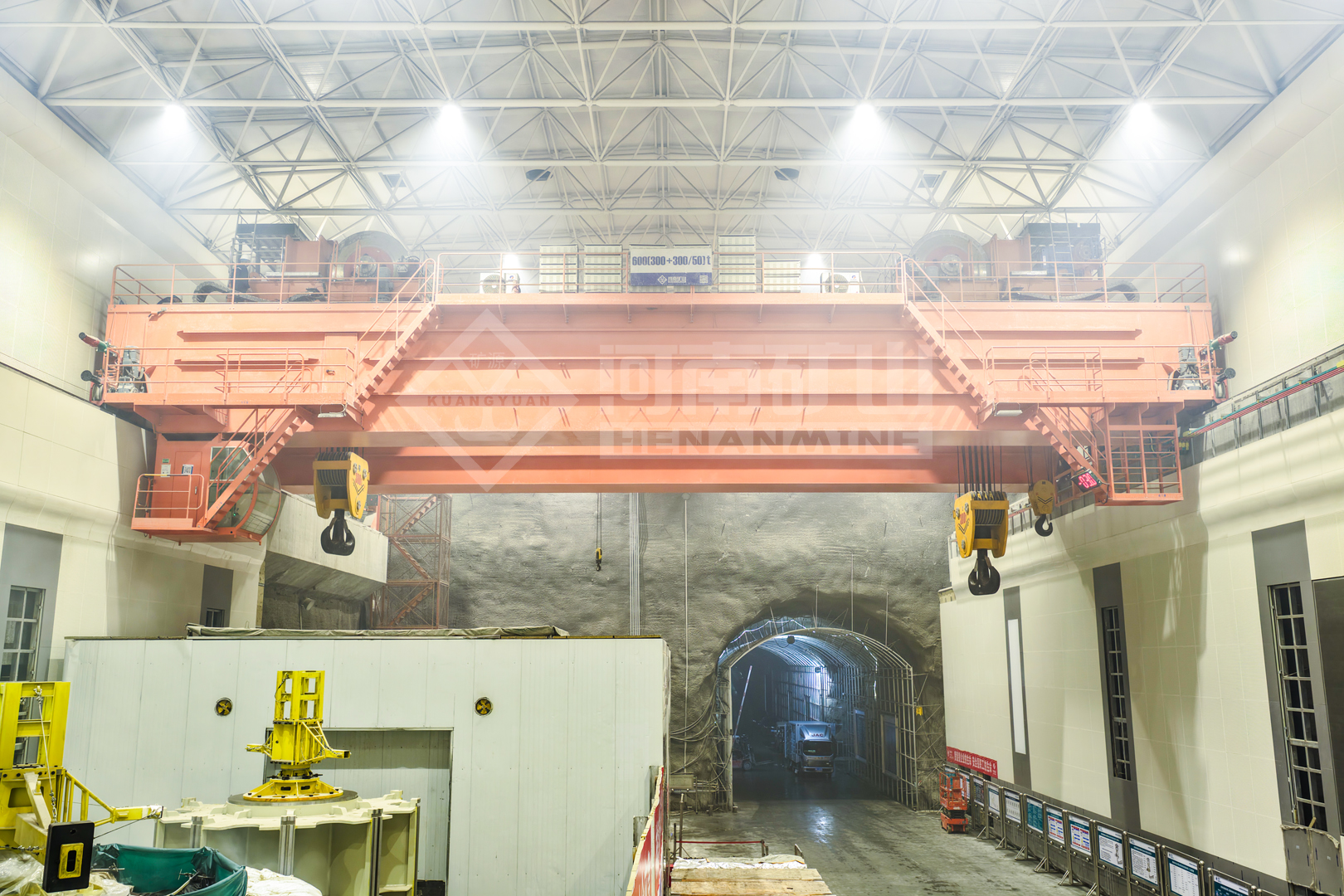
    Henan Mine Crane supplied several crane types for a pumped storage power station project, including a 600 t overhead crane with a low-headroom structural arrangement.

    Heavy-duty overhead crane inside a power station hall
    Heavy-duty overhead crane inside a power station hall.

    Heavy lifting within a restricted envelope

    The 600 t crane uses variable-frequency control, coordinated double-hook lifting, sway control and digital monitoring. The low-headroom arrangement addresses the space available around the lifting equipment.

    Agree equipment interfaces and acceptance checks

    For a power station crane, specify the component weights, lifting points, hook spacing, required lift path and available clearances. Factory assembly checks, site testing and the handover documents should be agreed within the project scope.

    Review a power station lifting requirement

    Share the maximum load, equipment dimensions, installation sequence and powerhouse drawing for a technical review.

  • More Than 100 Cranes Serve a Southeast Asian Steel Plant

    More Than 100 Cranes Serve a Southeast Asian Steel Plant

    Project Deliveries

    More Than 100 Cranes Serve a Southeast Asian Steel Plant

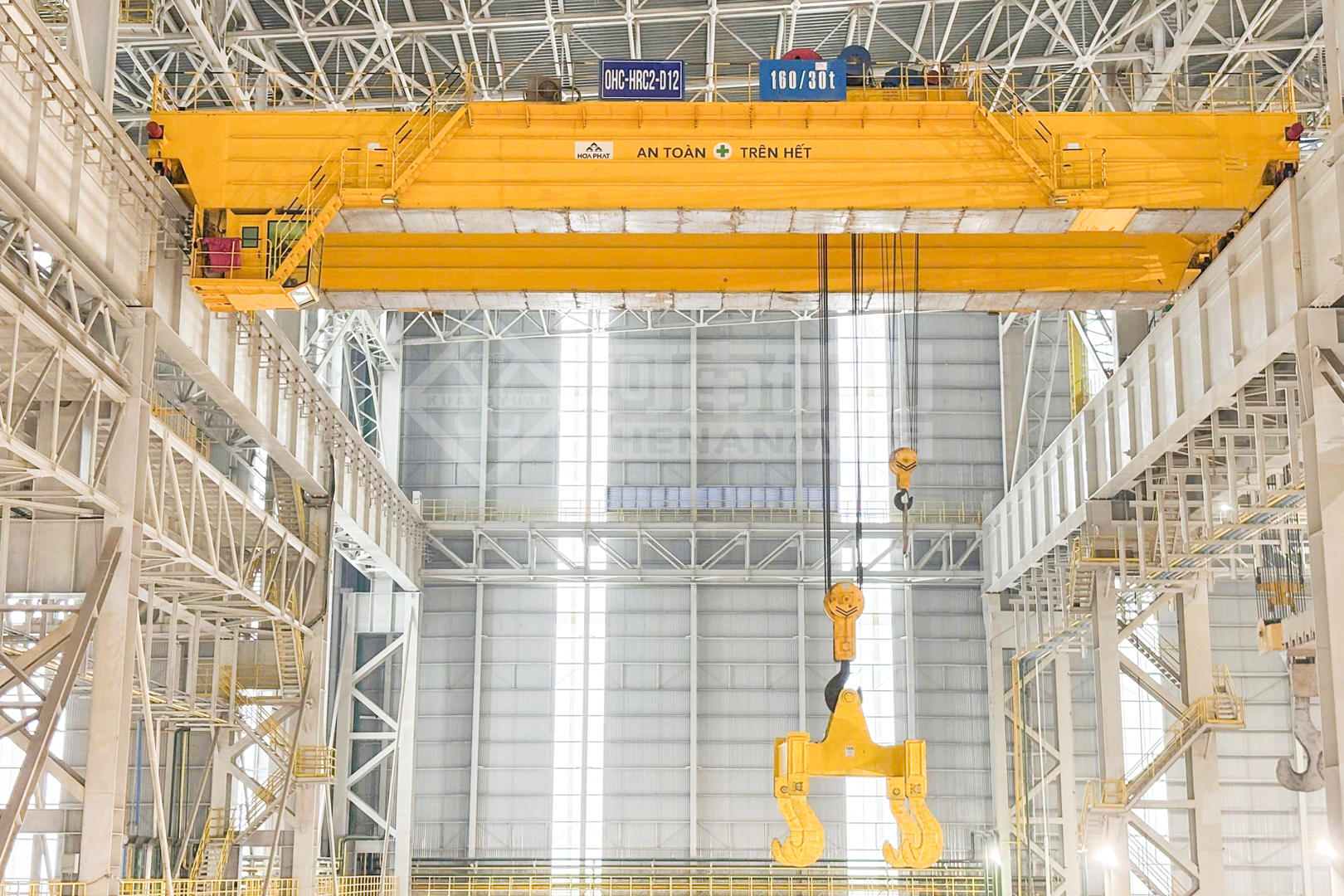
    More than 100 Henan Mine Crane units have been applied at a large steel plant in Southeast Asia, covering production, material transfer and scrap handling.

    Overhead crane and slab lifting attachment in a steel plant building
    Overhead crane and slab lifting attachment in a steel plant building.

    Different cranes for different steel plant duties

    The supply includes 160 t double-girder overhead cranes, slab-tong cranes and lower-rotating electromagnetic beam cranes. Double-girder, double-trolley gantry cranes serve the project’s port scrap yard.

    Build a crane schedule around the process

    The equipment count is distinct from each crane’s rated capacity. For a comparable steel plant, list the load and lifting attachment required in each process area, the expected working cycle, environmental conditions and interfaces with production and yard operations.

    Prepare your steel plant crane schedule

    Send the workshop and yard layouts, material types, load schedule and operating cycles so the equipment configuration can be reviewed.

  • Gantry Crane Ownership: Inspection, Access and Maintenance Planning

    Gantry Crane Ownership: Inspection, Access and Maintenance Planning

    Technical guide

    Gantry Crane Ownership: Inspection, Access and Maintenance Planning

    A purchase specification should allow the crane to be inspected and maintained throughout its service. Review the documentation, access provisions, component condition checks and responsibilities required for the proposed operating environment.

    Henan Mine CraneTechnical guide · Updated 2026Crane selection, project scope and operating requirements
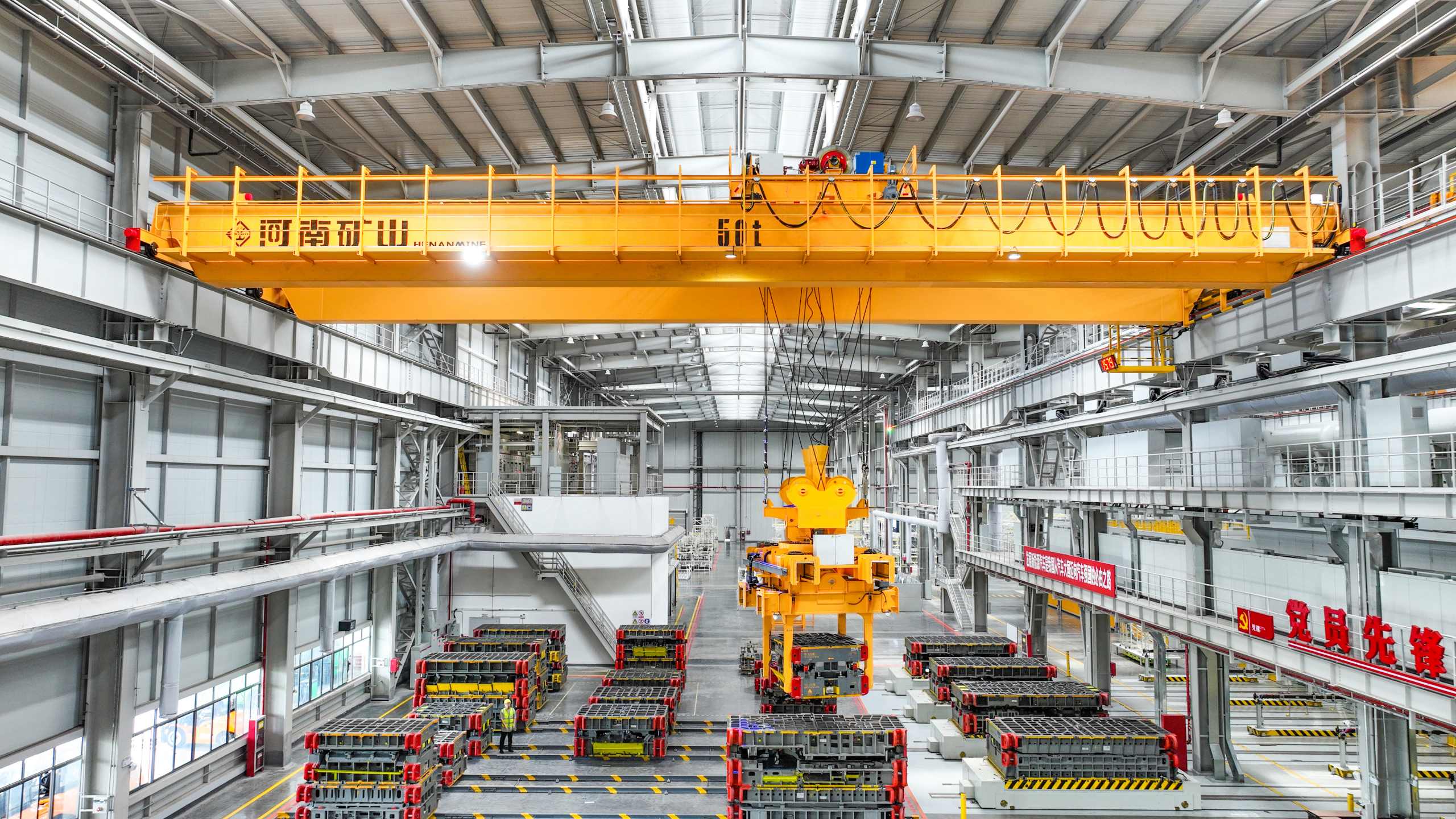
    Henan Mine Crane overhead crane inside a workshop bay
    Henan Mine Crane overhead crane inside a workshop bay
    Project planning notes

    Key points for this crane project.

    1. What Is A Gantry Crane?
    2. Common Types Of Gantry Cranes
    3. Where Are Gantry Cranes Used?
    Read the technical guide

    What Is A Gantry Crane?

    Definition and basic concept

    Henan Mine Crane Gantry crane is a kind of large crane equipment with supporting legs and independent landing operation, which belongs to the core category of bridge crane. The main structure consists of bridge girder, supporting legs on both sides, travel mechanism, lifting mechanism and electric control system. The whole structure is a door-shaped frame structure. It can directly complete heavy lifting, material translation and span operation under the support of ground track or rubber tire without relying on building carriers such as factory roof and wall.

    Compared with traditional lifting equipment, gantry crane is extremely adaptable and compatible with various complex working conditions such as indoor workshops, open storage yards, port terminals, steel plant areas, etc. It is the core equipment for industrial heavy load handling, heavy lifting and batch material transfer. It is widely used in heavy industry production and infrastructure scenarios.

    How gantry cranes work

    The core work logic of gantry crane is three-dimensional cooperative operation, which completes the complete lifting process through multi-mechanism linkage. Firstly, the vertical lifting of heavy objects is completed by the wire rope and hook assembly of the lifting mechanism, and the lifting height and landing speed are accurately controlled. Then the trolley operating mechanism drives the lifting device to move horizontally along the main girder to realize left and right alignment of materials. Finally, the travel mechanism of the whole machine drives the portal frame to move longitudinally along the ground track or tire track for a long distance to complete the large-scale material transfer.

    The whole set of operation process is uniformly regulated by the electrical control system, which can realize manual control, remote control and automatic program control modes. Each mechanism is stable and accurate in coordination, which can effectively avoid the problems of material deviation and hoisting deviation, ensure the continuity and stability of heavy load operation, and meet the requirements of high-frequency and high-intensity industrial operation.

    Common Types Of Gantry Cranes

    Single girder gantry crane

    Single-beam gantry crane is the mainstream crane type with lightweight and high cost performance in industrial field. It adopts simple structure of single main girder with bilateral support legs, and its overall weight is light, installation and debugging are convenient, and the overall cost is economical. It is the preferred equipment for lightweight lifting operations in small and medium-sized enterprises.

    Semi gantry crane

    Semi-gantry crane adopts unique semi-dependent and semi-autonomous hybrid structure, one side of the landing leg walks independently along the ground track, and the other side relies on the fixed support of the workshop column or wall track, which combines the dual advantages of space-saving gantry crane and independent operation of gantry crane. The equipment occupies a very small area, the space utilization rate is extremely high, the installation and commissioning are simple and flexible, and it is specially adapted to the working conditions with limited space. It is mainly used in semi-open areas such as the edge of the plant and the entrance of the workshop, and efficiently solves the problem of small and medium-sized material transfer at the indoor and outdoor connection positions.

    Rubber tyred gantry crane (RTG)

    Tire gantry crane (RTG) abandons the traditional fixed track design, adopts wear-resistant solid rubber tires as the core component of the traveling mechanism, does not need complicated track laying and infrastructure transformation, can freely turn, flexible transition, site adaptability is very strong. It can stably operate on hardened pavement, open storage yard, flat open space and other sites, perfectly adapt to temporary construction and multi-site rotation operation scenarios, widely used in site lifting, bulk cargo transfer, municipal engineering and small port cargo stacking, and is the preferred model for industrial mobile lifting operations.

    Rail mounted gantry crane (RMG)

    Rail-mounted gantry crane (RMG) belongs to fixed heavy industrial lifting equipment, relying on special heavy rail track standard operation, with stable operation, accurate positioning, high load limit, strong structural stability and many other advantages, can support all-weather long-term, high-frequency, standardized continuous heavy load operations. The equipment has low operation noise, small mechanical wear, low failure rate, convenient operation and maintenance, and is highly suitable for large-scale industrial production scenarios. It is widely used in large-scale port container stacking, steel mill raw material transfer, large-scale logistics park and standardized heavy industrial plant area. It is the core equipment for large-scale heavy-duty large-scale operation.

    Where Are Gantry Cranes Used?

    Manufacturing plants and workshops

    In all kinds of industrial manufacturing plants and production workshops, gantry cranes are the core heavy-duty equipment for material flow, equipment assembly and finished product transfer of production lines, adapting to all kinds of industrial processing scenarios. Light single-beam and semi-portal models are suitable for small and medium-sized machining, hardware manufacturing and equipment assembly workshops to efficiently complete the lifting and transfer of raw materials and finished products; heavy double-beam models are specially designed for heavy equipment and steel structure manufacturing enterprises to accurately lift large components and heavy equipment, effectively improving the automation degree of workshop production and overall operation efficiency.

    Warehouses and logistics centers

    Large storage bases and logistics transfer centers have dense cargo, high circulation frequency and large operation load. Gantry cranes are key equipment to improve storage operation efficiency, which can quickly complete the loading and unloading, stacking and cross-regional transfer of containers, heavy pallet goods and bulk materials. Among them, RTG and RMG special models are adapted to standardized logistics storage yards, which can scientifically utilize storage space, organize cargo stacking, completely replace inefficient manual handling mode, significantly improve logistics turnover speed, and effectively reduce enterprise storage manpower and time operation costs.

    Shipyards and ports

    Port and shipbuilding plant is the core application scenario of heavy gantry crane, which has been exposed to sea wind erosion and humid outdoor conditions for a long time. Large double-beam gantry crane and RMG rail gantry crane have the characteristics of super heavy load, corrosion resistance, wind resistance and wear resistance, and can operate continuously and stably 24 hours a day. They mainly undertake heavy load tasks such as ship segment component lifting, hull assembly, port container loading and unloading, bulk cargo transfer, etc. They are the core infrastructure supporting the operation of port shipping and shipbuilding industry.

    Steel plants and heavy industries

    Steel works, metallurgy and various heavy industry production scenarios have harsh working conditions and large loads, which have extremely high standards for the stability, safety and durability of lifting equipment. Gantry crane with high temperature resistance, dust resistance, heavy load impact resistance, wear resistance excellent performance, can stably complete the lifting, transfer and stacking of steel coils, profiles, heavy castings, metallurgical equipment, can adapt to high temperature, high dust harsh plant environment, continue to ensure continuous uninterrupted stable operation of heavy production line, reduce equipment failure shutdown probability.

    Gantry Crane Safety Guide

    Henan Mine Crane Gantry crane overseas operation strictly follows the global mainstream lifting equipment safety standard system, covering the United States OSHA, EU EN and international ISO and other authoritative specifications, comprehensively avoid all kinds of overseas lifting operation safety risks, effectively meet the equipment access conditions in Europe and the United States, and adapt to the normalization and standardization of overseas engineering projects.

    Common safety risks during crane operation

    Gantry crane operation conditions are complex, outdoor, heavy load, high frequency operation scenarios are prone to various safety hazards, the core risks are concentrated in four categories:

    1. Overload operation risk: The actual lifting weight exceeds the rated load of the equipment, which will lead to deformation of the main girder, breakage of the wire rope, deformation of the supporting leg, and serious accidents such as equipment collapse and heavy falling. It is the most common and dangerous illegal operation.
    2. Risk of load swing: too fast start and stop of equipment, uneven movement speed, deviation of lifting center of gravity and excessive outdoor wind force will cause heavy objects to shake greatly, which is easy to cause material collision, personnel injury and lifting deviation, resulting in damage to equipment and site.
    3. Mechanical failure risk: wire rope wear and fracture, brake failure, gear box jam, wheel failure, line aging and other equipment problems, will lead to takeoff and landing out of control, travel failure, brake failure, resulting in sudden safety accidents.
    4. Risk of improper operation of personnel: operators take up posts without certificates, operate illegally, lack of operation proficiency, lack of concentration of operation attention, and fail to investigate hidden dangers on site in a standardized manner, which are the core causes of man-made safety accidents.

    Essential gantry crane safety devices

    1. Overload protection system: strictly comply with OSHA and ISO lifting safety standards, can accurately monitor the lifting load data of gantry crane in real time 24 hours. Once it is detected that the weight of heavy objects exceeds the rated load of equipment, the system will immediately trigger acousto-optic alarm, synchronously cut off the lifting power supply, lock the lifting action, completely prohibit overload operation, and eliminate major safety risks such as structural deformation, wire rope fracture and equipment overturning caused by overload from the source.
    2. The equipment body and operation terminal are equipped with one-button emergency stop button. In case of sudden hidden dangers such as mechanical failure, personnel intrusion, heavy object shaking out of control, etc. during operation, all power supplies can be cut off instantly, so that the equipment can be shut down immediately and locked, and dangerous working conditions can be quickly blocked, so as to effectively avoid accident expansion and ensure the safety of equipment and on-site personnel.
    3. Limit switches: international general safety configuration, including lifting height limit, operating stroke limit, operating range limit three core devices. It can accurately limit the maximum operating range of gantry cranes, monitor the running stroke of equipment in real time, and automatically shut down once it is close to the limit position, so as to eliminate problems such as over-travel operation, component collision, structural pulling deformation, etc., and comprehensively protect the structural safety of equipment.
    4. Anti-collision devices: equipped with high-precision infrared and radar dual sensing system, suitable for various indoor and outdoor operation scenarios. It can intelligently identify obstacles, operators and peripheral equipment within the operation range all day long. When collision risk is detected, the system will automatically slow down and warn, and force shutdown in case of emergency, effectively avoiding safety accidents such as mechanical collision, equipment damage and personnel injury.
    5. The whole system includes wind speed detector, rail clamp and windproof anchoring device, which can monitor the environmental wind speed in real time, automatically send out early warning and lock the travel mechanism in windy weather, fix the position of the whole machine, effectively prevent the equipment from being blown by strong wind, sliding and overturning, and adapt to complex outdoor weather conditions.

    Gantry Crane Inspection Checklist

    The graded daily, monthly and annual inspection system can accurately identify potential faults, improve equipment operation reliability and avoid sudden downtime and safety accidents.

    Daily inspection before operation

    Basic inspection must be done before starting up every day, all-round investigation of hidden dangers in real-time operation, core inspection items:

    • Hook and wire rope condition: Carefully check the overall state of the hook every day to ensure that there are no defects such as deformation, cracks, severe wear, etc., and the hook anti-drop spring and buckle device are complete and effective. At the same time, check that the wire rope is free from broken wire, broken strand, corrosion and extrusion deformation, keep the rope body lubricated sufficiently and arranged orderly, prevent rope clamping damage, and avoid potential lifting and falling hazards from the source.
    • Brake and limit switch testing: During the no-load test run of equipment, it is necessary to comprehensively detect the working state of the brake to ensure that the brake response is sensitive, the engagement is stable, and there is no slip, jamming or abnormal noise. At the same time, check the high and low limit switches and travel limit switches one by one to ensure accurate triggering, timely shutdown due to power failure, no failure delay, and eliminate the risk of over-travel operation.
    • Electrical system inspection: daily comprehensive inspection of the appearance of the electric control cabinet, operating handle, external cable, to eliminate cable damage, aging, leakage and other safety hazards. Confirm that the indicator lamp, display screen and various sensing elements of the equipment operate normally, and all wiring terminals are firmly connected without looseness, so as to ensure the stable and safe operation of the electrical system.
    • Structural component checks: check the core structures such as main girder, supporting leg and key weld through visual inspection to ensure no damage such as cracking, deformation, unwelding and corrosion. Carefully check the fastening state of all kinds of fixing bolts and connecting parts, and ensure that there is no loosening and falling off, so as to ensure that the whole machine structure is stable, and there is no abnormal shaking and deviation during operation.

    Monthly inspection items

    Carry out in-depth special inspection every month to investigate hidden faults and ensure long-term stable operation of equipment:

    • Wheels and travel mechanism: monthly inspection shall carefully check the wear state of travel wheels to ensure uniform wear without partial wear, crack, jamming and other damage problems. Comprehensively detect the operating conditions of the traveling transmission mechanism to ensure that the whole machine runs smoothly without abnormal noise and jitter, the wheels and rails fit closely and smoothly, and the traveling system operates stably for a long time.
    • Motors and gearboxes: Regularly detect the operating conditions of the motor, check whether the operating temperature and working noise of the equipment are within the standard range, and eliminate abnormal heating, abnormal noise and other hidden dangers. At the same time, check that the lubricating oil level of the gearbox is sufficient, the oil quality is clean, and there is no leakage, dryness and blocking problem, so as to ensure the efficient operation of the transmission system.
    • Control systems: monthly comprehensive commissioning of the whole machine electronic control system, check the control gear accuracy, sensitive response, no operation delay, failure, jamming and other problems. Simultaneously check the status of equipment operating procedures to ensure that automated control and manual control functions are stable and normal, and ensure the safe and compliant operation of the equipment control system.
    • Safety devices: Check the complete set of safety devices of gantry crane item by item, including overload protection, emergency stop, limit switch, collision prevention and wind protection equipment. Comprehensively check the sensitivity and operation status of the device, repair hidden dangers in time, ensure that all safety components function in good condition, trigger accurately, and meet overseas safety operation standards.

    Annual inspection and load testing

    • Structural integrity assessment: annual inspection needs to comprehensively check the structural strength of gantry crane girder, outrigger and overall frame, focusing on metal fatigue, structural deformation and hidden damage caused by long-term heavy load operation. Evaluate the structural stability and load-bearing performance of the whole machine through professional testing means, investigate structural hidden dangers in advance, and avoid major safety problems such as equipment deformation and collapse caused by long-term strain.
    • Welding and connection inspection: All key welds, bolts, pin shafts and various connection accessories of the equipment shall be inspected comprehensively every year, and hidden dangers such as weld cracking, desoldering, metal corrosion, bolt loosening and accessory wear shall be carefully investigated.
    • Load performance testing: carry out rated load and overload simulation test in strict accordance with OSHA and ISO industry standards, and comprehensively inspect the core performance of equipment such as vertical takeoff and landing, lateral travel, brake locking, etc. Accurately verify the rated load of the equipment, the operation positioning accuracy and the operation status of the complete set of safety protection devices to ensure that the load performance of the whole machine meets the standard and can be put into operation safely and in compliance.

    Inspection record documentation: annual inspection shall record all inspection data, load test results and hidden danger rectification details, and establish standardized equipment electronic and paper inspection files.

    Gantry Crane Maintenance Guide

    Scientific full-cycle maintenance system can greatly reduce equipment failure rate, prolong equipment service life, reduce enterprise equipment replacement and maintenance costs, and ensure long-term efficient, safe and stable operation of equipment.

    Preventive maintenance practices

    Preventive maintenance is the core of equipment operation and maintenance, with the core principles of early protection, early investigation and early replacement to avoid failures. Regularly maintain the moving parts, transmission parts and electrical parts of the equipment, fill lubricating grease on time, replace worn parts and monitor operating parameters. Regularly monitor equipment operation noise, temperature, energy consumption, operation status, timely discover abnormal hidden dangers, achieve early detection and early treatment of faults, and prevent small faults from evolving into major equipment problems.

    Mechanical maintenance

    Mechanical maintenance is mainly aimed at the normal maintenance of high-loss core parts of portal cranes. It is necessary to regularly clean wire rope dirt, add special lubricating grease, check wire breakage and corrosion hazards, and simultaneously detect the wear deformation of hooks and the effectiveness of anti-drop devices. At the same time, timely clean up wheel and bearing sundries, regularly supplement grease maintenance and correct wheel alignment accuracy, check gear box oil level and oil quality, change oil on time, adjust brake clearance and brake pad state, and comprehensively ensure stable operation of mechanical structure and sensitive braking.

    Electrical maintenance

    Gantry crane electrical system maintenance focus on accurate control, power safety and stable operation, daily cleaning of motor dust, detection of insulation performance and operating temperature, fastening terminals to avoid motor failure. At the same time, comprehensively check the cable circuit and electric control cabinet, clean up the dust accumulation, check the aging damage and poor contact hidden danger of the circuit, eliminate the leakage short circuit problem, calibrate the sensor and various safety devices regularly, and ensure the sensitive and stable operation of the electrical and safety system.

    Henan Mine Crane

    As the core equipment of industrial heavy load operation, gantry crane's selection adaptability, equipment quality, safety performance and maintenance system directly determine the production efficiency, operation safety and long-term operation cost of enterprises. Different working conditions, load requirements, site conditions, corresponding to different types of gantry cranes, only matching the exclusive design scheme, can maximize the performance of the equipment, avoid equipment idle, overload loss, safety hazards and other problems.

    Henan Mine Crane Factory professional crane manufacturers cannot only provide standardized high-quality gantry crane equipment, but also rely on rich industry experience to provide personalized customization, working condition adaptation, safety optimization, full-cycle maintenance one-stop solutions for enterprises. From equipment structure design, parameter customization, intelligent upgrading, installation and debugging, operation training, regular inspection and fault repair, all-round guarantee of equipment safety, stability and efficient operation, and adaptation to manufacturing, port, construction, logistics, heavy industry and other industrial scenarios.

    Discuss the crane arrangement for your project.

    A purchase specification should allow the crane to be inspected and maintained throughout its service. Review the documentation, access provisions, component condition checks and responsibilities required for the proposed operating environment. Share the load, available drawings, working cycle and site conditions with Henan Mine Crane so the required configuration and supply boundary can be discussed.

    Related crane configurations

    Explore crane product families and technical parameters ↗

    Updated 2026 · Henan Mine Crane

  • Modular Frequency Conversion Wind Crane | High Precision Lifting Solution for Wind Industry

    Modular Frequency Conversion Wind Crane | High Precision Lifting Solution for Wind Industry

    Project review

    Modular Frequency Conversion Wind Crane | High Precision Lifting Solution for Wind Industry

    Explore the wind industry variable-frequency cranes. Review the handling task, load geometry, working duty and equipment interfaces for your application.

    Modular Frequency Conversion Wind Crane | High Precision Lifting Solution for Wind Industry — Henan Mine Crane crane application photograph
    Modular Frequency Conversion Wind Crane | High Precision Lifting Solution for Wind Industry — crane application overview.

    Energy and materials production

    Specify the product or component geometry, process exposure, lifting attachment, handling frequency, working environment and any clean, corrosive or classified-area requirements.

    Crane configuration and interfaces

    Ask for the applicable equipment configuration, area classification where relevant, mechanical and electrical interfaces, inspection access and a site-specific test plan.

    Review the Overhead crane range and Energy & new materials cranes before defining the project-specific arrangement.

    Design the lifting process

    Use the project context above as a starting point. The following checks turn a crane application into a technical scope that suppliers can price and demonstrate for your site.

    Separate assembly and maintenance lifts

    List the generator, rotor, transformer or other components by mass, geometry and lifting points. A crane serving initial construction may have a very different duty cycle from one retained for long-term maintenance. Confirm the highest lift, hook approach, overlap with plant equipment and the space needed to turn or set down a component. For paired hooks or tandem lifts, provide the load-sharing and control requirements as part of the lifting study.

    Power and building interfaces

    Show the power hall, workshop or outdoor layout and the proposed crane runway. Building reactions, access platforms, installation openings and the temporary route for shipping crane components should be coordinated early. Outdoor applications require site-specific wind, temperature and corrosion inputs. If the plant has safety-classified equipment or restricted access, state the applicable procurement and documentation requirements rather than assuming a conventional industrial package is acceptable.

    Test scope and lifecycle support

    Compare general arrangement, hook duties, wheel loads, duty assumptions, electrical supply, control mode and inspection access across offers. Define a site acceptance sequence using the major maintenance components and agreed lifting fixtures. Check emergency stops, limits, brakes and the available safe-set-down position. Identify the supply boundary for rails, conductors, civil work, commissioning, training and spare parts, so an apparently low equipment price is not compared with a complete installed scope.

    Compare the proposed crane scope

    DecisionInformation to request
    Crane and lifting attachmentRated loads, load cases, hook coverage and the complete suspended-load calculation.
    Site interfacesRunway loads, rail or building drawings, electrical supply and installation responsibilities.
    Controls and protectionOperating sequence, required safety functions and a method for testing each function.
    Commercial scopeEquipment, transport, installation, commissioning, documentation, training and spare parts as separate line items.

    From technical offer to site acceptance

    Technical submittals

    A usable bid should show a general arrangement and a clear list of assumptions, not just a model name and capacity. Request the load schedule used in design, lifting-attachment drawings where applicable, span and hook-approach dimensions, wheel loads, electrical supply, control narrative and maintenance access. Check every drawing against the actual building or yard layout. Identify the standards and local approval requirements for the destination market in the enquiry, then confirm the bidder’s proposed design and documentation scope in writing.

    Installation and tests

    Agree when the runway or civil works will be ready, how crane components can reach the installation position and who provides lifting equipment for erection. Define the factory test, on-site installation inspection and site acceptance as separate milestones. The acceptance procedure should list representative loads, the travel route, protection devices, emergency stop and any automation or attachment functions included in the order. Record who supplies test weights, operators, power and access equipment; otherwise a nominal commissioning price may omit essential site work.

    Commercial comparison

    Ask for the same delivery basis and currency across proposals. Separate the crane, special lifting appliances, rails or conductors, transport, installation support, commissioning, training and initial spare parts. Lead time should identify the starting event, such as approved drawings or an effective contract, and any dependency on site readiness. Compare warranty scope and service response by the written contract terms. If a key input is still unknown, request a priced option or a stated assumption instead of allowing different bidders to silently use different specifications. Keep a written exception register so the engineering team can resolve open dimensions, process interfaces and responsibility boundaries before issuing the purchase order.

    Information to include in the enquiry

    • Load weights, dimensions, centre of gravity and lifting attachments.
    • Span, lifting height, runway or yard drawings, travel coverage and clearances.
    • Operating cycle, working environment, electrical supply and control requirements.
    • Supply boundaries, inspection documents, installation support and acceptance criteria.

    Discuss a comparable lifting task

    Send the handling task and available site drawings. Henan Mine Crane can define a proposed crane arrangement and identify the remaining information needed for a technical and commercial review.

  • Overhead Crane Quotation Inputs: Drawings, Duty and Unresolved Details

    Overhead Crane Quotation Inputs: Drawings, Duty and Unresolved Details

    Technical guide

    Overhead Crane Quotation Inputs: Drawings, Duty and Unresolved Details

    A drawing-led enquiry helps suppliers identify the same operating constraints. Separate confirmed dimensions from estimates and list the decisions still open, so the quotation can state its assumptions clearly.

    Henan Mine CraneTechnical guide · Updated 2026Crane selection, project scope and operating requirements
    overhead crane quote
    overhead crane quote
    Project planning notes

    Key points for this crane project.

    1. What Basic Information Is Required for an Overhead
    2. What Workshop Dimensions Should You Provide?
    3. How Do Operating Conditions Affect Overhead Crane
    Read the technical guide

    What Basic Information Is Required for an Overhead Crane Quote?

    The basic project information is the first-hand information of the manufacturer's preliminary judgment of the crane plan. If any item is missing, the quotation will have a large deviation.

    Lifting capacity

    The rated lifting weight is the primary parameter for the selection of Henan Mine Crane manufactured bridge cranes. It is necessary to clarify the maximum carrying weight of the equipment and strictly distinguish between the rated load and the weight of the workpiece being hoisted daily in the workshop. Be sure to confirm the weight of the conventional workpiece and indicate whether there is a need for intermittent heavy-duty lifting. You also need to confirm in advance whether you need a double-hanging point structure of the main and auxiliary hooks. In high-capacity operation scenarios, the combination of the main and auxiliary hooks will directly change the structure design and production cost of the whole machine.

    Crane type

    Bridge cranes are divided into different categories such as single-girder bridge cranes, double-girder bridge cranes, European-style bridge cranes, and explosion-proof bridge cranes. There are obvious gaps between different models in terms of structural weight, carrying capacity, top space occupation, and cost. You need to clarify the direction of project selection, whether it is a general single-beam crane for workshops or a double-beam bridge crane for heavy-duty operations. Whether you need a low-headroom hoist, or special models such as metallurgical and explosion-proof. Once the crane type selection judgment is wrong, the subsequent complete design plan and supporting parts selection will fail, resulting in the quotation completely losing its reference significance, and the project communication cycle will be prolonged.

    Project location

    The location of the project will directly determine the transportation plan, on-site installation conditions, and local special equipment acceptance specifications. Overseas projects also need to confirm the location of the destination port and inland road transportation conditions, so as to facilitate manufacturers to calculate freight and export packaging plans, and simultaneously match local voltage levels and safety regulations to prevent equipment from being unable to meet local market access requirements after production is completed. Providing the project location in advance can also evaluate the feasibility and related costs of after-sales on-site service.

    Installation or replacement

    At the inquiry stage, it is necessary to distinguish whether the project is the installation of brand new equipment or the demolition and replacement of the old crane. For new plant projects, the plant structure and track foundation can be planned and designed simultaneously with the crane, making the construction process smoother. For the replacement project of old equipment, it is necessary to fully consider the original cow legs, track load-bearing and on-site space constraints, and evaluate whether the old main girder and old electromechanical components need to be removed. The demolition of old equipment will generate additional labor and safety protection costs. The quotation range corresponding to the two project scenarios is very different, and the unclear information can easily cause the quotation to be missed.

    What Workshop Dimensions Should You Provide?

    The size parameters of the plant directly determine the overall design of the crane. It is the most likely information to be missed in the inquiry. It is recommended to give priority to the provision of plant drawings. When there are no drawings, the following data will be accurately measured.

    Building span and runway length

    The span of the plant refers to the distance between the centerline of the support of the legs on both sides, which is the effective span of the Henan Mine Crane manufactured bridge crane. The total length of the track represents the laying length of the running track of the cart, which determines the maximum travel distance of the cart. The larger the span of the main girder, the more steel plate materials are required, and the cost of the equipment body will increase. The total length of the track directly affects the purchase and consumption of track steel, sliding contact wires, and power supply cables. These two geometric parameters are the core basis for quotation accounting.

    Lifting height

    The lifting height is defined as the vertical distance from the lowest lifting position of the hook to the highest lifting position. Many customers are accustomed to directly using the total height of the plant to estimate, and often ignore the vertical space occupied by the gourd body itself. The higher the lifting height, the larger the dimensions of the wire rope reel and hoist mechanism, and the height of the whole machine will increase synchronously, and the production cost will also rise. If the estimation of this parameter is not accurate, after the delivery of the equipment is completed, there will be a problem that the hook cannot reach the lifting height required for production, and it needs to be reworked and retrofitted.

    Headroom and installation space

    The headroom height and installation space represent the remaining vertical space at the top of the plant that can be used to arrange the crane. For low-rise factory scenes, low-clearance gourds are preferred to minimize the top occupation of the equipment. If the top pipes, ventilation pipes, and bridges of the plant are dense, it is necessary to reserve space for equipment installation and later maintenance operations in advance. Once the on-site space is estimated to be insufficient, there will be situations where the selected model cannot be installed in the field, and high plant renovation costs will be required in the later stage. Providing on-site photos to match the measured dimensions can help engineers quickly judge the adaptability of the model.

    Runway and support structure

    Track and support structure information, including track model, track pressure plate, embedded parts, and plant leg load-bearing capacity. For the new plant project, the manufacturer can simultaneously complete the design of the rail steel structure. For the renovation project of the old factory building, the bearing capacity of the original concrete bull legs or steel structure columns must be verified to determine whether structural reinforcement treatment is required. When the carrying capacity of the leg of cattle is insufficient, even if all the indicators of the crane body meet the standards, the project cannot pass the acceptance of special equipment. Provide the original steel structure inspection report when inquiring, which allows the quotation to include the reinforcement project in the evaluation scope, avoiding hidden additions.

    How Do Operating Conditions Affect Overhead Crane Pricing?

    The working conditions are a key variable that cannot be ignored when inquiring.

    Duty class and frequency

    The working level and frequency of use of bridge cranes are divided into A1-A8 levels according to ISO standards, corresponding to different daily operating hours and the number of lifting cycles. A3 belongs to the light-load level, which is mostly used for equipment maintenance, and the number of daily hoisting is small. A5 is the most commonly used level in general workshops. A6 and A7 are high-frequency heavy-duty, suitable for continuous operation scenarios in prefabricated parts factories and steel workshops. The higher the level of work, the stronger the thickness of the main girder steel plate, the configuration standards of the reducer, motor, and brake system, and the higher the procurement cost. If the actual working level is underestimated, the equipment is prone to frequent failures after it is put into use, which greatly shortens the service life of the whole machine and brings higher long-term maintenance costs.

    Load type

    The types of lifting materials need to be distinguished from ordinary steel, molds, castings, or high-temperature metallurgical workpieces, flammable and explosive materials, and powdery corrosive materials. Ordinary workpieces only need to be equipped with standard hooks. High-temperature workpieces should be equipped with heat insulation protection and metallurgical special gourds. In the case of dangerous goods hoisting, the explosion-proof configuration of the whole machine is required. Different load types, raw material selection and safety protection schemes are completely different, which will directly affect the quotation of the whole machine. When inquiring, describe the shape, temperature, and chemical properties of the suspended object in detail so that manufacturers can choose matching parts to avoid budget waste caused by insufficient safety redundancy or excessive configuration.

    Operating environment

    The operating environment includes indoor and outdoor scenes, and at the same time confirm whether there are special conditions such as dust, moisture, corrosive gases, and high and low temperatures on the site. The dust workshop needs to improve the dust protection level of the motor. In the chemical corrosion environment, the whole machine should be anticorrosive sprayed, and stainless steel accessories should be selected. Cold-resistant lubricants and low-temperature-resistant electrical components must be replaced in low-temperature areas. Henan Mine Crane manufactured outdoor bridge cranes also need to be equipped with rainproof, sunscreen, and windproof anchoring devices. Such special environmental requirements will bring additional customization costs. If the inquiry stage is not stated, the later equipment transformation will generate a lot of additional expenses.

    Lifting and travel speeds

    The lifting and operating speed are divided into two schemes: fixed speed and frequency conversion speed regulation. Ordinary material handling workshops choose a fixed-speed plan, and the procurement cost is lower. In precision assembly and mold hoisting scenarios, frequency conversion and speed regulation are required to achieve smooth start and stop and reduce the impact of workpiece shaking. The frequency conversion system will increase the cost of the electronic control part, but it can reduce the impact and wear of the structure and extend the life of the equipment. When inquiring, it is necessary to clarify the lifting speed of the hook, the horizontal running speed of the trolley, and the vertical travel speed of the trolley.

    What Technical Specifications Should Be Confirmed Before Quotation?

    After the basic dimensions and working conditions are determined, it is necessary to confirm the core technical configuration of the crane. Different configurations have significant differences in equipment quality, quotation, and service life.

    Girder configuration

    The structure configuration of the main girder is divided into two types: single main girder and double main girder. The single beam has light weight and high cost performance, which is suitable for conventional lifting of small and medium tonnage. The double-beam structure has stronger rigidity and is suitable for working conditions with high-capacity, high working level and high lifting height. At the same time, it is necessary to confirm the main girder steel grade, welding process standards, surface rust removal and painting requirements, and export projects have higher standards for paint film thickness and anticorrosive grade. The main girder is the core load-bearing component of the bridge crane. The material and process standards are different, and the cost gap is obvious.

    Hoist and trolley

    The hoist and trolley mechanism are the core operating components of the bridge crane, which are divided into two categories: wire rope electric hoist and chain hoist. European-style gourds and domestic standard gourds differ in operating noise, maintenance cycle, and purchase price. The lifting trolley is divided into manual trolley and electric trolley. It is necessary to confirm the driving form of the trolley and whether the core components are original brand parts or domestic accessories. The brand of the core parts directly affects the quotation of the whole machine and the later maintenance cost. Determining the configuration of the hoist and trolley during the inquiry can effectively avoid the inconsistent grade of the parts in the quotation, resulting in price comparison distortion.

    Power supply and controls

    The power supply method and the control system need to confirm the on-site power supply voltage and frequency, and the power supply form is selected from the sliding contact line power supply or the cable reel power supply. The operation mode can be selected from the handle, wireless remote control, and cab operation. Some automated production lines also require PLC linkage and remote operation monitoring functions. The selection of components and on-site wiring schemes corresponding to different electronic control schemes are different. Overseas projects must confirm the local voltage standard in advance to prevent the electronic control system of the equipment from being unable to adapt to the site. The cost changes caused by differences in electronic control schemes can easily be ignored by purchasing personnel when comparing quotations.

    Safety features

    The safety device is a necessary configuration for the Henan Mine Crane manufactured crane, and there are a number of optional upgrade configurations at the same time. The standard configuration generally includes an overload limiter, an upper and lower limit switch, a buffer, and a stroke limit. The upgraded configuration includes laser anti-collision, wire rope condition monitoring, brake protection, real-time load monitoring, and emergency shutdown system. The safety configuration list is different, and the final quotation will be significantly different. When purchasing personnel compare multiple quotations, they must check whether all the safety accessories are included one by one. Low-cost plans often delete safety accessories, and install them separately in the later stage, but the overall cost is higher, and there are still safety risks.

    What Additional Costs Should Be Included in an Overhead Crane Quote?

    Many customers compare prices only to compare the price of the crane host, ignoring the cost of supporting projects, and only when the project landed did they find that the budget was seriously overspent. A complete quotation should clearly state all supporting items.

    Runway and steelwork

    Track and steel structure engineering, including crane track, track pressure plate, embedded parts, beef leg reinforced steel structure and other supporting components. The basic quotation of many manufacturers only includes the crane body, and the track and supporting steel structure need to be accounted for separately. For new-build plant projects, the amount of steel structure engineering is large, which accounts for a relatively high part of the total project budget. When inquiring, it is necessary to confirm whether the quotation includes a full set of track materials, steel structure processing and reinforcement plans, and include this part of the cost in the budget evaluation to prevent the steel structure project from generating large additional expenditures after the host is determined.

    Installation and commissioning

    Installation and commissioning services cover on-site hoisting, equipment assembly, electrical wiring, no-load and load testing, and commissioning of the whole machine. Overseas projects can choose factory technicians to go to the site to guide the installation, or provide complete installation drawings for the local construction team to complete the operation. At the same time, confirm whether the quotation includes special equipment inspection materials and on-site acceptance services to avoid additional commissioning and inspection costs in the later stages of the project. The workload of installation and commissioning is greatly affected by on-site conditions. The scope of service can be clarified in advance so that the quotation can fully cover all the labor costs in the implementation phase of the project.

    Transportation and packaging

    Transportation and packaging costs, domestic projects are mainly road transportation. Export projects require fumigation, wooden box packaging, container loading, and short-distance port transshipment. The heavy-duty main girder is an ultra-long and over-limit cargo, which will result in additional over-limit transportation costs. The quotation of foreign trade orders needs to distinguish between FOB, CIF and other trade terms, clarify the packaging standards of equipment, and use moisture-proof fumigated wooden boxes for export equipment to prevent corrosion and damage during shipping. The corresponding costs vary greatly from different transportation distances, cargo sizes, and packaging grades. The delivery boundaries are locked at the inquiry stage to avoid transportation-related budget gaps.

    Warranty and after-sales support

    For warranty and after-sales support, it is necessary to confirm the warranty period of the bridge crane, the warranty scope of wearing parts, whether to provide remote technical support, and the supply cycle of spare parts. Strong manufacturers will provide long-term spare parts supply and remote fault diagnosis services. The warranty policies of different manufacturers are obviously different. The warranty period of some low-cost plans is short, and the price of spare parts for later maintenance is high. When calculating the full-cycle cost of the project, after-sales related costs must be taken into account. When inquiring, write the warranty period, after-sales response timeliness, and spare parts supply terms into the requirements to facilitate horizontal comparison of the comprehensive service value of different suppliers.

    What Mistakes Can Lead to an Inaccurate Overhead Crane Quote?

    Many procurement inquiries step on the pit. The root cause is not that the manufacturer's quotation is not accurate, but that there are omissions in the preliminary preparations. The following four types of high-frequency errors are recommended to avoid before the inquiry.

    Providing incomplete specifications

    The parameters are incomplete, only the tonnage is simply given, and key information such as span, lifting height, and working level is missing. Manufacturers can only estimate according to conventional standard models, and the reference value of the quotation obtained is very low. In the subsequent deepening of the design stage, once the parameters are changed, the price will be significantly increased, delaying the overall procurement cycle. It is recommended to organize a complete list of parameters, and attach factory drawings and on-site photos simultaneously to facilitate engineers to quickly evaluate working conditions and output accurate plans at once. Complete parameter information is the most basic prerequisite for obtaining a reliable quotation.

    Overlooking building conditions

    Ignore the original conditions of the plant, and only pay attention to the crane equipment itself when inquiring, and do not check the layout of the plant's legs, column load-bearing, and top pipeline. When the equipment production was completed and the entry was completed, it was discovered that the structure of the plant could not carry the crane load, and it needed to be reinforced and transformed, and the construction period and budget were both out of control. For the renovation project of the old factory building, the inspection of the building support structure must be completed in advance to obtain load-bearing data. Many project delays and budget overruns are due to ignoring the evaluation of the physical conditions of the plant in the early stage, and waiting until the equipment is manufactured to find that the structure does not meet the requirements for use.

    Comparing different supply scopes

    When comparing quotations from different manufacturers, the boundaries of the scope of supply were not carefully checked. A The manufacturer's quotation includes host + track + installation. B The manufacturer only reports the crane body, not the track, electronic control accessories and other accessories. If you directly compare the total price, it is easy to make a wrong judgment, choose a low-cost plan by mistake, and continue to add items in the future. The core of the price comparison work is to unify the supply boundaries and check the equipment, auxiliary materials, and service items in the list item by item. Only under the premise that the scope of supply is exactly the same, the price comparison is meaningful, so as to avoid falling into the trap of low-priced quotation.

    Ignoring additional costs

    Ignore all kinds of additional costs, only calculate the payment for crane equipment, and omit transportation, packaging, installation and commissioning, inspection, steel structure transformation and other costs. There was a budget gap in the mid-term of the project, and the safety configuration was forced to be reduced to reduce costs. After getting the quotation, it is recommended to split the mainframe, auxiliary materials, engineering, and service items one by one to see all hidden costs clearly. Many purchases only look at the unit price of the host, underestimating the expenditure on supporting projects, and only when the project is implemented do they find that the total budget is insufficient, and they are forced to adjust the plan, which affects the progress of project delivery.

    Henan Mine Crane

    Henan Mine Crane Factory can provide customized bridge crane solutions according to the hoisting needs of different industrial scenarios, covering single-beam, double-beam, European-style and explosion-proof types. Combining the lifting weight, span, lifting height, plant layout and actual operating conditions, the equipment configuration is reasonably determined.

    If you are planning to support the lifting equipment of the new plant, or preparing to replace or upgrade the existing bridge crane, you can provide specific lifting requirements, plant drawings and on-site photos to facilitate the engineering team to evaluate the actual working conditions, formulate a suitable equipment plan and provide a detailed quotation. Complete project information helps to clarify the technical configuration, compare the costs of different solutions, and reduce subsequent adjustments. Contact Henan Mine Crane Factory for customized bridge crane solutions and quotations that suit your project needs.

    Discuss the crane arrangement for your project.

    A drawing-led enquiry helps suppliers identify the same operating constraints. Separate confirmed dimensions from estimates and list the decisions still open, so the quotation can state its assumptions clearly. Share the load, available drawings, working cycle and site conditions with Henan Mine Crane so the required configuration and supply boundary can be discussed.

    Related crane configurations

    Single-Girder Bridge Crane

    View product parameters
    Lifting capacity: 1–20 tSpan: 7.5–31.5 mLifting height: 6, 9, 12, 18, 24 or 30 m; capacity-dependent

    Use an LDA single-girder bridge and electric hoist for general workshop material handling. Select the lifting capacity, runway geometry and hoist duty around the building and load.

    LH Electric Hoist Double Girder Crane

    View product parameters
    Lifting capacity: 3, 5, 10, 16, 20 tSpan: 10.5–31.5 mLifting height: 6, 9, 12 or 18 m

    Use an LH double-girder bridge with an electric-hoist trolley for workshop lifting, assembly and maintenance. Match the hoist arrangement to the suspended load, hook travel and available building space.

    Updated 2026 · Henan Mine Crane

  • 40.5t Rail-mounted Container Gantry Crane|Helping YITO International Dry Port

    40.5t Rail-mounted Container Gantry Crane|Helping YITO International Dry Port

    Project review

    40.5t Rail-mounted Container Gantry Crane|Helping YITO International Dry Port

    Explore container gantry crane handling at Dongfanghong International Inland Port. Discuss container loads, rail geometry, spreader functions and working duty.

    40.5t Rail-mounted Container Gantry Crane|Helping YITO International Dry Port — Henan Mine Crane crane application photograph
    40.5t Rail-mounted Container Gantry Crane|Helping YITO International Dry Port — crane application overview.

    Project evidence

    • The Dongfanghong (Luoyang) International Inland Port account confirms a rail-mounted container gantry with variable-frequency control, PLC and anti-sway.

    Container and warehouse handling

    Map the load units, storage or yard lanes, stacking height, travel route, handling cycle, building or rail clearances and vehicle interfaces. Specify the operating wind, power and communication conditions where applicable.

    Crane configuration and interfaces

    Ask for a general arrangement, wheel loads, spreader or lifting attachment scope, travel and positioning controls, protection functions and commissioning tests for the declared handling sequence.

    Review the Rail-mounted container gantry cranes and Warehousing & logistics cranes before defining the project-specific arrangement.

    Design the lifting process

    Use the project context above as a starting point. The following checks turn a crane application into a technical scope that suppliers can price and demonstrate for your site.

    Yard operation and handling cycle

    Start with the container mix: 20-foot, 40-foot, high-cube and any non-standard units. State the maximum gross mass of a container and whether the quoted capacity includes the spreader. Map train, truck and storage lanes separately. A rail-mounted gantry crane that serves a railway track and a storage block may need different outreach, travel length and positioning logic from a crane serving only trucks. The target moves per hour should be stated with the stacking pattern and average travel distance, not as an isolated throughput number.

    Layout and control decisions

    Share a scaled yard plan showing rail gauge, clear span, cantilever outreach, stacking height, truck lanes, rail sidings and the end positions. Specify how operators will work: on board, from a remote console or through an automated terminal system. Anti-sway, container finding and collision protection need an agreed operating scenario and acceptance method. Clarify the spreader type, power supply, cable management, wind conditions, storm anchoring and the required interface to the terminal-management system before prices are compared.

    Acceptance and supply boundary

    Ask each bidder to state rated load at the spreader, duty assumptions, wheel loads, rail tolerances and the civil works excluded from crane supply. Review the scope for rails, power distribution, communications, commissioning, operator training and spare parts. Factory tests can check major drives and controls; site tests must demonstrate the actual lifting sequence, emergency stops, limit devices, travel protection and agreed positioning functions with the yard interfaces available. A planned terminal capacity is not the tested hourly performance of one crane.

    Compare the proposed crane scope

    DecisionInformation to request
    Crane and lifting attachmentRated loads, load cases, hook coverage and the complete suspended-load calculation.
    Site interfacesRunway loads, rail or building drawings, electrical supply and installation responsibilities.
    Controls and protectionOperating sequence, required safety functions and a method for testing each function.
    Commercial scopeEquipment, transport, installation, commissioning, documentation, training and spare parts as separate line items.

    From technical offer to site acceptance

    Technical submittals

    A usable bid should show a general arrangement and a clear list of assumptions, not just a model name and capacity. Request the load schedule used in design, lifting-attachment drawings where applicable, span and hook-approach dimensions, wheel loads, electrical supply, control narrative and maintenance access. Check every drawing against the actual building or yard layout. Identify the standards and local approval requirements for the destination market in the enquiry, then confirm the bidder’s proposed design and documentation scope in writing.

    Installation and tests

    Agree when the runway or civil works will be ready, how crane components can reach the installation position and who provides lifting equipment for erection. Define the factory test, on-site installation inspection and site acceptance as separate milestones. The acceptance procedure should list representative loads, the travel route, protection devices, emergency stop and any automation or attachment functions included in the order. Record who supplies test weights, operators, power and access equipment; otherwise a nominal commissioning price may omit essential site work.

    Commercial comparison

    Ask for the same delivery basis and currency across proposals. Separate the crane, special lifting appliances, rails or conductors, transport, installation support, commissioning, training and initial spare parts. Lead time should identify the starting event, such as approved drawings or an effective contract, and any dependency on site readiness. Compare warranty scope and service response by the written contract terms. If a key input is still unknown, request a priced option or a stated assumption instead of allowing different bidders to silently use different specifications. Keep a written exception register so the engineering team can resolve open dimensions, process interfaces and responsibility boundaries before issuing the purchase order.

    Information to include in the enquiry

    • Load weights, dimensions, centre of gravity and lifting attachments.
    • Span, lifting height, runway or yard drawings, travel coverage and clearances.
    • Operating cycle, working environment, electrical supply and control requirements.
    • Supply boundaries, inspection documents, installation support and acceptance criteria.

    Discuss a comparable lifting task

    Send the handling task and available site drawings. Henan Mine Crane can define a proposed crane arrangement and identify the remaining information needed for a technical and commercial review.