Engineering · Manufacturing · Project support
info@hnksglobal.comWhatsApp +86 18836207779 ↗

Blog

  • RMG Cranes Explained: Rails, Yard Coverage and Container Handling

    RMG Cranes Explained: Rails, Yard Coverage and Container Handling

    Technical guide

    RMG Cranes Explained: Rails, Yard Coverage and Container Handling

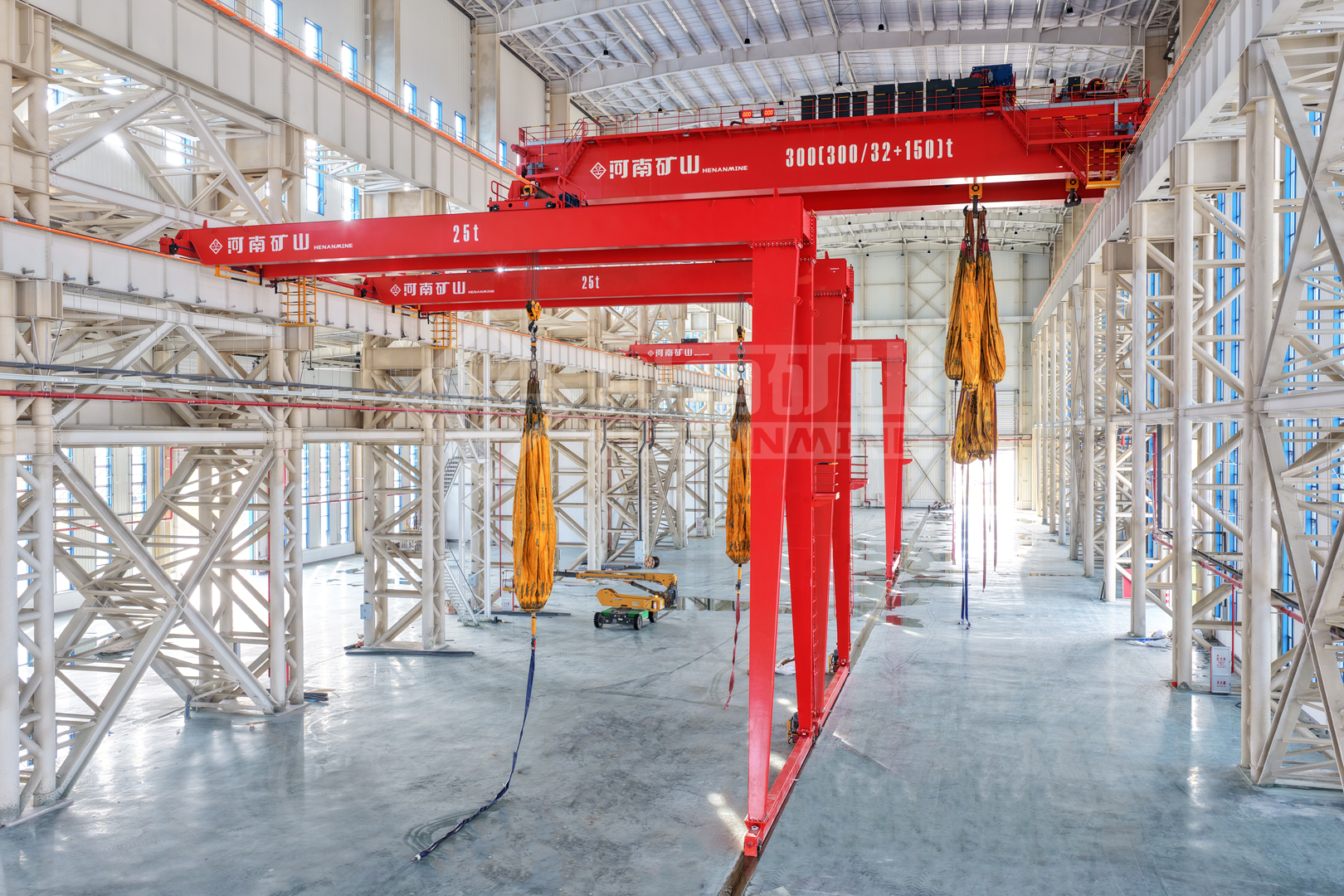
    A rail-mounted gantry crane operates within a defined runway and handling envelope. Understand how the rails, span, stacking area and transfer lanes work together before comparing RMG configurations for a terminal or logistics yard.
    Henan Mine CraneTechnical guide · Updated 2026Crane selection, project scope and operating requirements
    Henan Mine Crane Rail-Mounted Gantry (RMG)
    Henan Mine Crane Rail-Mounted Gantry (RMG)
    Project planning notes

    Key points for this crane project.

    1. What Is an RMG Crane?
    2. Main Components of an RMG Crane
    3. How Does an RMG Crane Work?
    Read the technical guide

    What Is an RMG Crane?

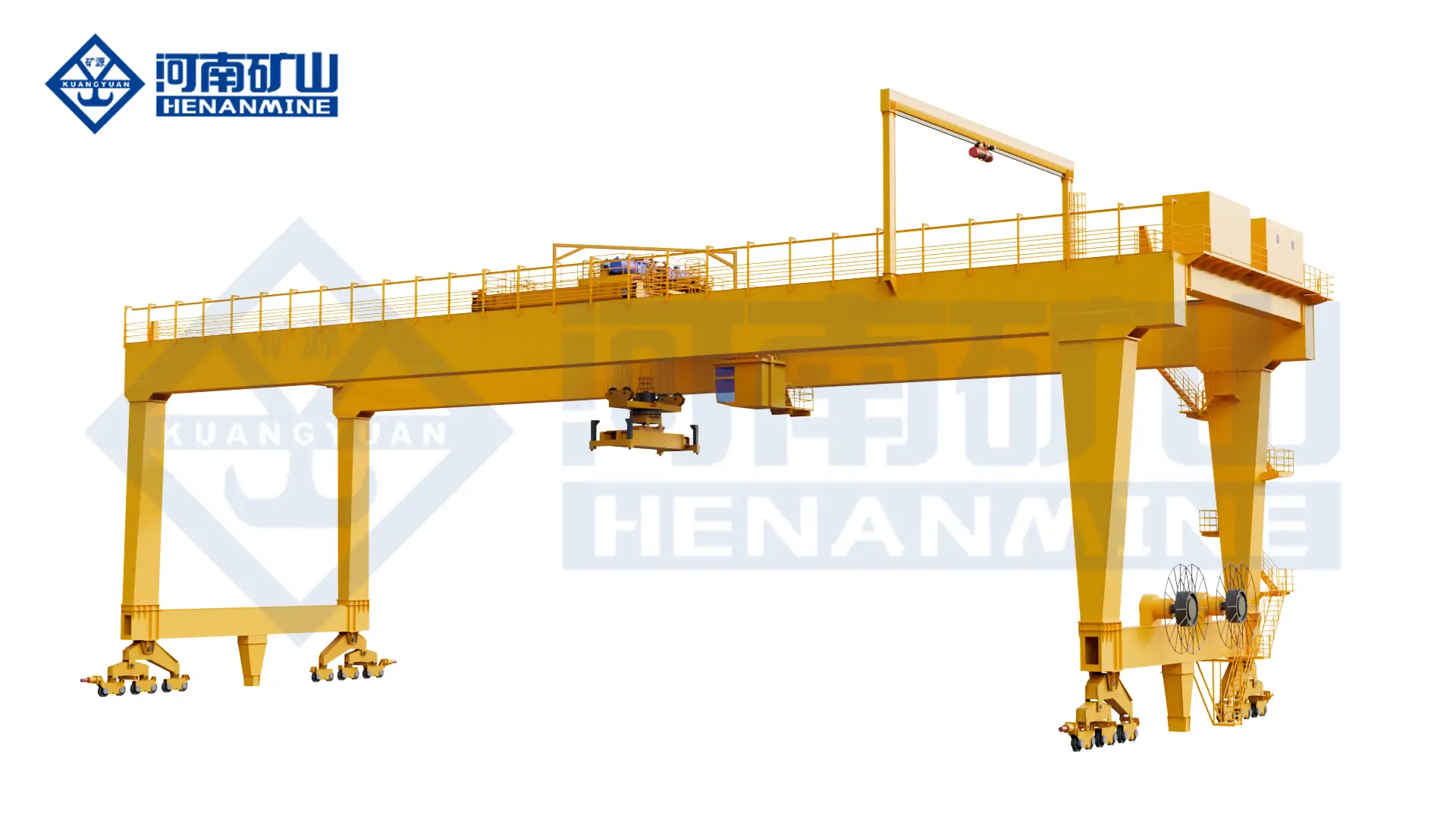
    The full name of RMG crane is Rail-Mounted Gantry Crane (Rail-Mounted Gantry Crane), also often referred to as rail-mounted container gantry crane, is a kind of heavy industrial lifting equipment equipped with a fixed rail travel system, specially adapted for standardized container loading, unloading, stacking, and transshipment operations.

    Unlike mobile lifting equipment, RMG cranes must rely on precision steel rails laid on a concrete foundation to operate, and the operating path is fixed. They are mainly used in standardized and large-volume cargo operation scenarios such as port container terminals, railway intermodal depots, and inland logistics hubs, and can efficiently complete the whole process of container lifting, handling, stacking, and alignment transshipment operations.

    Its core basic characteristics can be summarized as three points:

    • Orbital travel design: The whole machine runs in a straight line along a fixed steel rail, and the travel path is limited, but the stability, positioning accuracy, operating speed and energy saving far exceed that of tire cranes, eliminating ground slippage, offset and other problems.
    • Long-span rigid steel structure: it adopts bridge-type gantry steel frame structure, which can span multiple rows of container storage areas, and is equipped with laterally movable lifting trolleys, lifting mechanisms and special container spreaders, which are suitable for large-area yard operations.
    • Modular customized configuration: the equipment span and cantilever structure (single cantilever, double cantilever, and no cantilever) can be customized according to the yard layout and operation needs, and adapted to the operation planning of different sites.

    Main Components of an RMG Crane

    The overall structure of the RMG crane is specially designed for heavy-duty, high-frequency and accurate container operations. The core components work together to ensure the stable and efficient operation of the equipment. The main components are as follows:

    • Gantry steel frame main body: The core load-bearing structure is made of high-strength steel (Q235, Q345, etc.), including vertical outriggers, horizontal main beams, end beams and beams. It is extremely rigid and can span multiple rows of container stacking areas to support the load of the whole machine and resist harsh environments such as high winds and humidity in ports and outdoor depots.
    • Track travel system: it consists of fixed steel rails embedded in the concrete foundation, crane steel travel wheels, bogies, track clamps and windproof braking devices. It is the core of RMG's high-precision positioning to ensure the smooth longitudinal travel of the whole machine.
    • Lifting trolley: it can move at a uniform speed laterally along the main girder, and is equipped with a complete lifting mechanism, which is responsible for accurately adjusting the horizontal position of the spreader and adapting it to container pick-and-place operations in different positions.
    • Lifting mechanism: it includes core components such as drive motor, reducer, reel, wire rope, pulley block, etc., which is responsible for the vertical lifting of containers and is the core power unit for cargo hoisting.
    • Special spreader for containers: Standard Twist-lock structure, which can accurately lock the four corners of the container, firmly fix the box body, prevent offset and falling off during hoisting, and support single-box and double-box hoisting modes.
    • Power and control system: it adopts full electric drive, powered by sliding contact wire, cable reel or busbar, and is equipped with PLC programmable controller, sensor, and frequency conversion drive system. It supports three modes of manual operation, remote control, and fully automatic operation of the cab, and can be connected to the intelligent management system of the yard.
    • Safety auxiliary system: including anti-collision sensors, overload protection devices, wind speed monitors, windproof anchoring devices, ladders, maintenance platforms, lighting systems, etc., to ensure the safety of equipment and operations in all directions.

    How Does an RMG Crane Work?

    The core working logic of RMG crane is to realize the precise alignment, pick-up, transshipment, and stacking of containers through three-dimensional linkage of vertical track travel, horizontal trolley movement, and vertical lifting. With sway control technology, the operation is stable and efficient.

    Three core exercise methods

    • Vertical travel (operation of the whole machine): The entire RMG crane walks in a straight line before and after the embedded fixed steel rail, which can quickly complete the alignment of the whole machine, accurately reach the target container operation area, and fully cover the vertical operation area of the yard, laying the foundation for subsequent precise operations.
    • Horizontal travel (trolley operation): The lifting trolley equipped with the lifting mechanism moves smoothly laterally along the main girder, which can fine-tune the horizontal position of the spreader with high precision and accurately align the center point of the container, effectively making up for the slight deviation of the longitudinal positioning of the whole machine, and ensuring zero alignment error.
    • Vertical lifting (lifting operation): The lifting mechanism drives the special spreader to lift smoothly, completing the container grabbing, lifting, lowering and precise placement. The equipment is equipped with a multi-rope sway control structure, which can effectively suppress the shaking of the box and greatly improve the operating stability and safety factor.

    Standard operating cycle process

    1. The whole machine travels accurately along the embedded steel rail to the container station to be operated, completes the initial positioning of the locked area, and accurately locks the operating range, laying a solid foundation for subsequent refined operations.;
    2. The lifting trolley is accurately fine-tuned laterally along the main girder, and the special spreader is driven to align the standard positioning points of the four corners of the container to achieve precise alignment at the millimeter level and eliminate operating deviations.;
    3. The spreader is smoothly lowered to fit the box body, and the four-corner rotary locking mechanism automatically and accurately bites the corners of the container. After the locking verification is completed, the box body is smoothly lifted so that it is completely separated from the container stacking or transportation carrier.;
    4. Through the collaborative linkage between the vertical travel of the whole machine and the horizontal movement of the lifting trolley, the container is smoothly suspended and transported to the target storage area, directly above the designated drop-off point of the freight truck or railway carriage.;
    5. The control system controls the spreader to descend at a uniform speed and slowly. After the container is completely and safely landed, the rotary lock mechanism is unlocked to complete the standardized unloading and landing operation.;
    6. The spreader is reset and lifted at no load, and the equipment quickly returns to the standby state, seamlessly connecting the next round of operation cycle, ensuring continuous and efficient operation of the yard around the clock.

    The modern intelligent RMG crane (ARMG fully automatic rail gantry crane) can rely on the terminal operating system to realize unattended continuous operation and greatly improve the throughput efficiency of the yard.

    Key Features of RMG Cranes

    Compared with traditional lifting equipment, the design of RMG cranes is fully adapted to the needs of modern high-density, high-throughput, and intelligent depots, and its core advantages and characteristics are very prominent.:

    High work efficiency

    With precise linkage control, it can complete 28-40 container operations per hour, and the automated model is more efficient. At the same time, it supports the hoisting of double 20-foot containers and single 40/45-foot large containers, and the throughput of a single operation is greatly improved, which can meet the 24-hour uninterrupted continuous operation of the yard.

    Energy-saving and low-carbon

    The whole machine is driven by pure electricity, has no diesel exhaust emissions, and meets the standards of green port construction. Equipped with a regenerative braking energy recovery system, excess electrical energy can be recovered during container decentralization and equipment deceleration, and the energy consumption and utilization rate can be greatly improved. At the same time, the equipment has no vulnerable parts such as tires and diesel engines, and the daily maintenance workload and maintenance cost are much lower than that of fuel-fired tire cranes.

    Intelligent adaptability

    The fixed track operation path can be entered into the system in a programmable manner, which is the optimal equipment for the automated transformation of the yard. It can be seamlessly connected to the TOS terminal management system of the yard, and supports remote centralized control, automatic unmanned operation, intelligent obstacle avoidance, and automatic container identification and positioning. It is widely used in international smart ports such as Rotterdam, Hamburg, and Singapore.

    Strong durability

    The whole machine adopts heavy-duty anticorrosive steel structure, which is suitable for harsh working conditions such as high salt spray in ports, outdoor wind and rain. The standardized industrial design allows the service life of the equipment to reach more than 25 years, far surpassing ordinary lifting equipment, and the long-term use is extremely cost-effective.

    Advantages of RMG Cranes

    Combining the dimensions of operating performance, cost, safety, and environmental protection, RMG cranes have a comprehensive competitive advantage over traditional yard lifting equipment.:

    1. Production capacity advantage: The multi-agency high-speed linkage operation mode is adopted, which supports 24-hour uninterrupted and stable operation, and the throughput of operations under automated working conditions is greatly improved, which is perfectly adapted to the high-intensity and high-frequency operation needs of large logistics hubs and core ports.
    2. Space advantage: The equipment has the core capabilities of long-span coverage and high-rise stacking, supports high-density intensive stacking of containers, and significantly improves the storage capacity and land utilization rate of the unit site.
    3. Cost advantage: The energy consumption of the whole machine's pure electric drive is low, and it is equipped with regenerative braking energy-saving technology to effectively reduce power consumption; the equipment has no vulnerable components such as tires and diesel engines, and the structural wear rate is low, which greatly reduces the later operation and maintenance costs.
    4. Intelligent advantages: It is natively adapted to the intelligent control system of the yard, which can seamlessly realize remote centralized control and unattended automatic operation, effectively reducing labor costs and avoiding the operational risks caused by human operation errors.
    5. Safety advantages: It is equipped with multiple safety protection systems such as anti-collision, overload protection, windproof anchoring, and real-time fault self-inspection as standard. The automated operation mode greatly reduces the entry of personnel into high-risk operation areas and guarantees the safety of yard operations in all directions.
    6. Durability advantages: It adopts heavy-duty industrial-grade steel structure design, has excellent wind resistance, anti-corrosion, anti-vibration, and anti-vibration properties, and is suitable for harsh outdoor working conditions in ports. The service life of the equipment can reach more than 25 years, and the durability is extremely strong.
    7. Adaptation advantages: It supports the rapid replacement of special spreaders, which cannot only meet the batch operation of standard containers, but also adapt to heavy-duty and special cargo hoisting and transshipment, taking into account the needs of standardized operations and diversified special working conditions, and is extremely versatile.

    RMG Crane vs RTG Crane

    RMG rail gantry crane and RTG tire gantry crane are the two mainstream equipment in the port yard. The functions are similar, but the adaptation scenarios, performance, and cost are greatly different. They are the core comparison items for the selection of yard equipment:

    Contrast dimensionRMG rail gantry craneRTG tire gantry crane
    Walking style and flexibilityFixed steel rail walking, fixed path, low flexibility, unable to move across areas at willRubber tires walk, can move freely, the site is flexible to adapt, and the working area can be quickly adjusted
    Power sourcePure electric drive, energy saving and zero emissionsDiesel/hybrid/electric drive, traditional models have high fuel consumption and pollution
    Work efficiency and accuracyFast speed, accurate positioning, high stacking density, and excellent automation efficiencyThe speed is medium, the road surface is uneven and easy to offset, and the accuracy and stability are slightly poor.
    Initial input costHigh, steel rails need to be laid, foundations need to be retrofitted, and supporting power facilities need to be installed.Low, no rail infrastructure is required, and the equipment can be operated when it enters the field
    Late operating costsExtremely low, energy saving, low wear and easy maintenanceHigher, tires are easy to wear, diesel consumables are large, and parts are lost.
    Service lifeAbout 25 yearsAbout 15 years
    Automation adaptabilityExcellent, it is the preferred equipment for smart yard automationGenerally, the movement is random, and the automatic transformation is difficult.
    Environmental adaptabilityStrong wind resistance, seismic resistance, stability, and excellent operating ability in bad weatherWindproof and weak stability, operation needs to be restricted in windy weather

    Selection summary: RMG cranes are preferred for large-scale fixed depots that pursue long-term efficient, intelligent, and high-density operations; the site is flexible, short-term operations, and small-scale depots are suitable for RTG cranes.

    Common Applications of RMG Cranes

    Relying on the core advantages of high precision, high production capacity, and easy automation, RMG cranes focus on standardized, high-volume, high-frequency, and fixed-layout cargo operation scenarios. The core application areas are as follows:

    • Port container terminal: As the core application scenario of RMG crane, it is mainly responsible for the automated storage, orderly dispatching, interval transshipment and consolidation of containers in the port area. It is perfectly adapted to the high-intensity, high-throughput, and all-weather large-scale operation needs of large ports. It is the core equipment of smart port yard.
    • Railway intermodal yard: it can efficiently complete the rapid transfer and alignment of containers between railway carriages, freight trucks, and storage depots, open up public railway and sea railway multimodal transport links, and greatly improve the turnover efficiency of intermodal transport hubs and the speed of cargo movement.
    • Inland logistics hub/container yard: adapt to inland standardized container warehousing and turnover yard operations, relying on the advantages of high-precision positioning and high-density stacking, maximize the use of limited site resources, and improve the storage floor area ratio and intensive operation level of inland yard.
    • Large-scale industrial freight yard: The equipment is extremely scalable. Through the replacement of special customized spreaders, it can be adapted to multi-category heavy-duty hoisting and transshipment operations such as heavy steel, modular engineering equipment, and structured bulk cargo, so as to get rid of the restrictions of single container operations and adapt to diversified industrial freight scenarios.

    How to Choose the Right RMG Crane

    The purchase of suitable RMG cranes needs to be considered in combination with site conditions, operating requirements, and long-term planning. The core selection points are as follows:

    Adapt to yard span and layout

    It needs to be determined according to the number of container rows in the yard and the width of the lane.

    Determine the stacking and lifting height

    The type needs to be selected according to the storage density requirements of the yard. The higher the height, the higher the site utilization rate, and the higher the requirements for equipment structure stiffness and control accuracy.

    Choose the automation level as needed

    • Small and low-throughput yard: manual operation models are preferred, with simple configuration and excellent cost performance, which can fully meet the needs of daily basic container loading, unloading and storage operations.
    • Medium-sized conventional yard: adapted to semi-automatic ARMG models, relying on remote monitoring + automatic travel and collaborative operation, balancing operating costs and operating efficiency, and adapting to medium and high-frequency yard operation scenarios.
    • Large-scale smart yard (annual throughput of more than 500,000 TEU): Fully automated ASC unattended models are selected to support uninterrupted and continuous operation around the clock, and are suitable for high-throughput, high-density, and intelligent modern ports and hub yards.

    Optimize performance and energy consumption configuration

    Priority is given to the configuration of frequency conversion speed regulation and regenerative braking energy-saving models to accurately match the on-site power supply load conditions; combined with the actual operating intensity of the yard, scientifically match the lifting, trolley and travel operating speed, while ensuring efficient operation, energy consumption and consumption are effectively reduced, and a two-way balance between efficiency and energy saving is achieved.

    Pay attention to safety and compliance standards

    The equipment must comply with FEM, EN, and ISO international lifting equipment standards, and be equipped with a full set of safety systems such as sway control, anti-collision, overload protection, wind monitoring, and emergency braking. The marine anticorrosive coating structure needs to be selected for port scenes to adapt to harsh environments.

    Consider infrastructure and long-term costs

    Plan the rail foundation and power supporting infrastructure in advance, and give priority to modular design models to facilitate later maintenance and upgrading; comprehensively compare equipment purchase prices, infrastructure costs, operation and maintenance costs, and service life to calculate the long-term return on investment.

    Discuss the crane arrangement for your project.

    A rail-mounted gantry crane operates within a defined runway and handling envelope. Understand how the rails, span, stacking area and transfer lanes work together before comparing RMG configurations for a terminal or logistics yard. Share the load, available drawings, working cycle and site conditions with Henan Mine Crane so the required configuration and supply boundary can be discussed.

    Related crane configurations

    Rail-Mounted Gantry (RMG)

    View product parameters
    Lifting capacity: 35 t, 40.5 t, 50 tSpan: 18 – 35 mLifting height: 12.3 – 21 m

    Use an RMG for container transfer along a fixed rail layout. Select the lifting arrangement, yard coverage and positioning controls from the container flow and stacking requirements.

    Container Overhead Crane

    View product parameters
    Lifting capacity: 30-65 tSpan: 18-35 mLifting height: 8 – 20 m

    Transfer containers within a defined overhead runway area using a double-girder bridge and matched spreader. Container size, working clearance and the handling sequence determine the arrangement.

    Updated 2026 · Henan Mine Crane
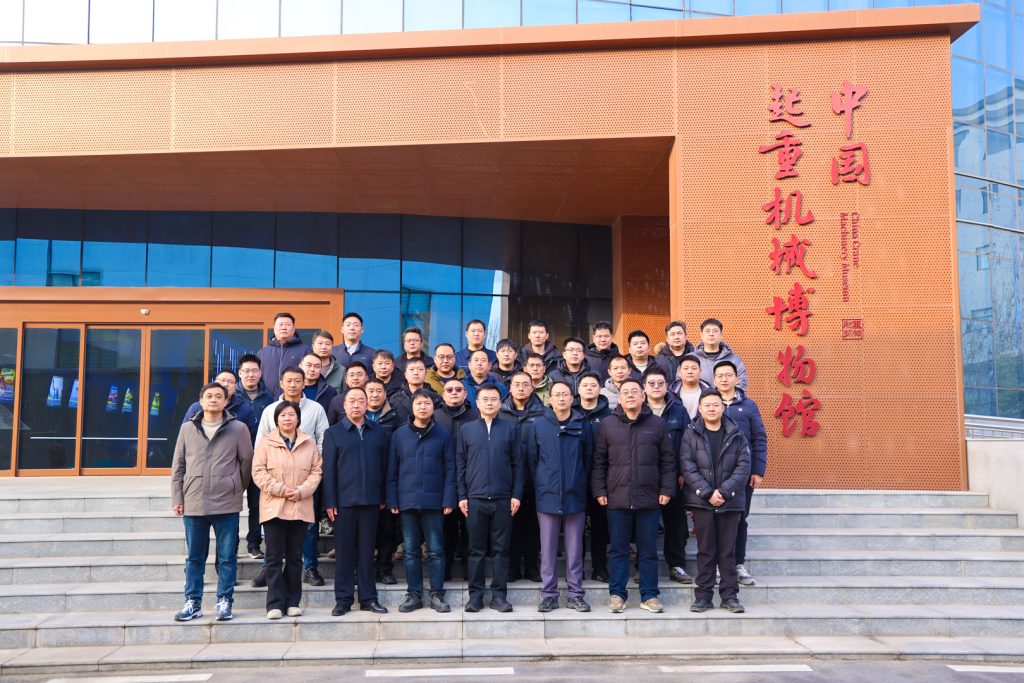
  • 291 Participants Complete Henan Mine Crane’s 2026 Summer Internship

    291 Participants Complete Henan Mine Crane’s 2026 Summer Internship

    Company & People

    291 Participants Complete Henan Mine Crane’s 2026 Summer Internship

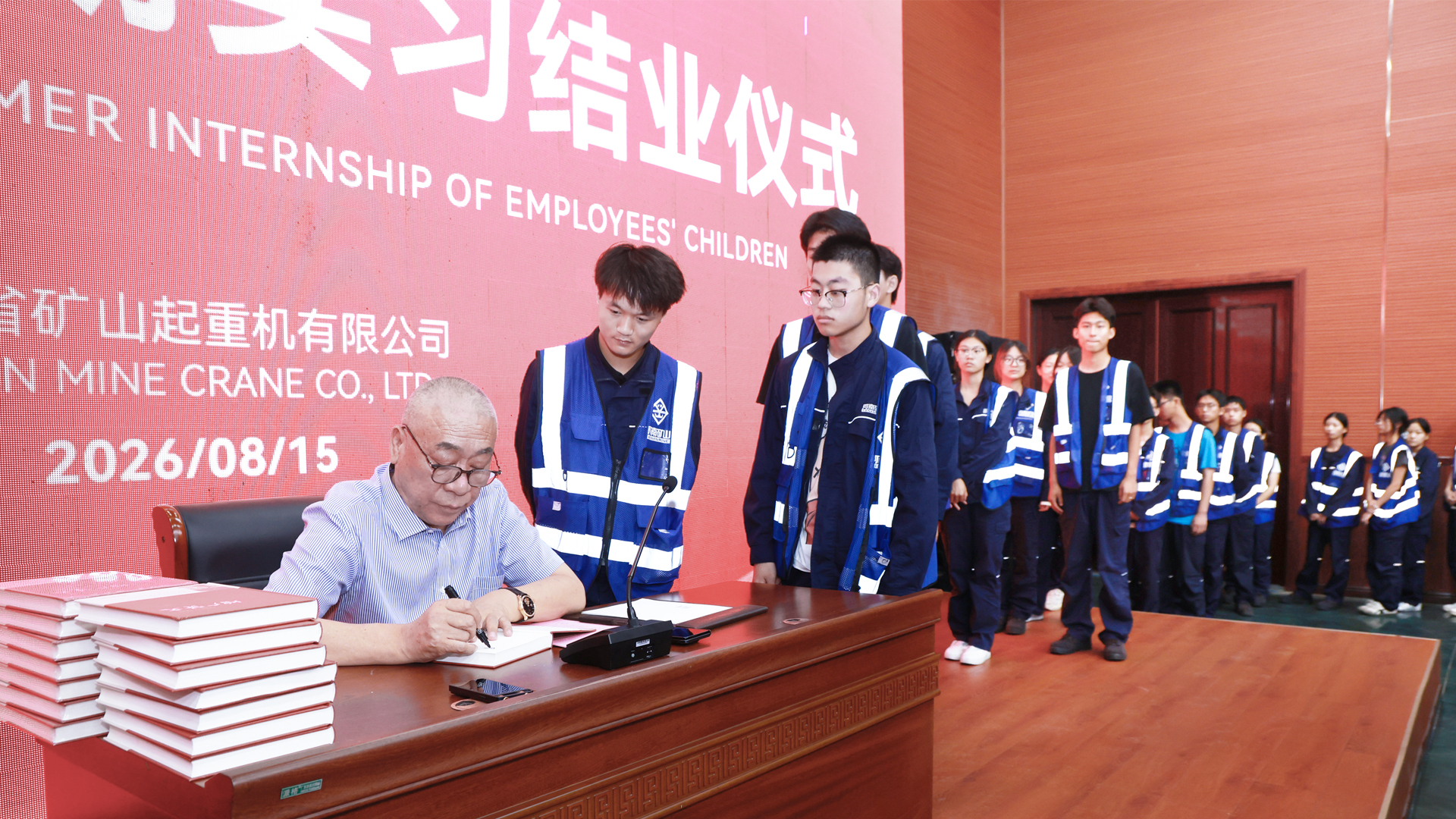
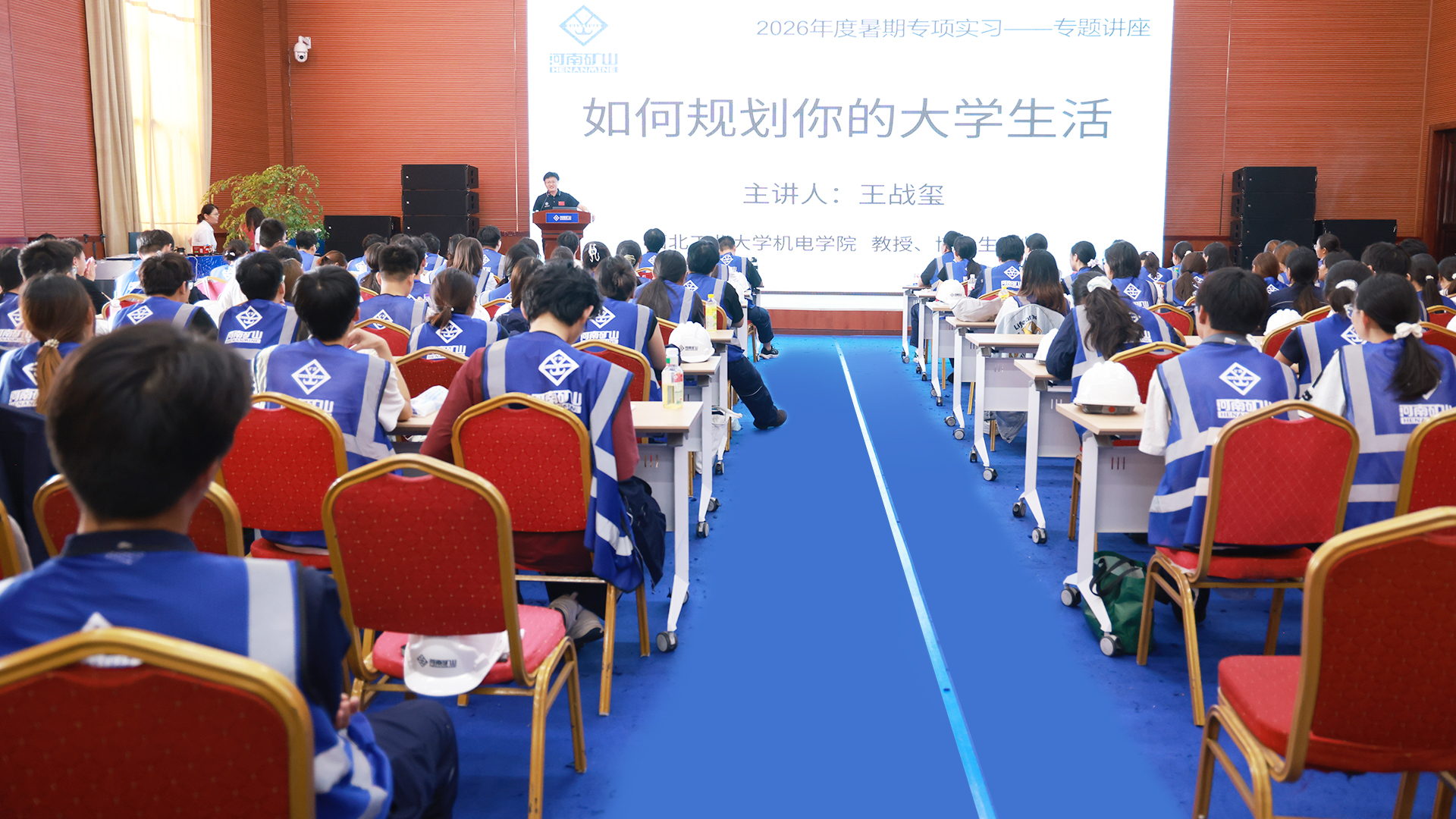
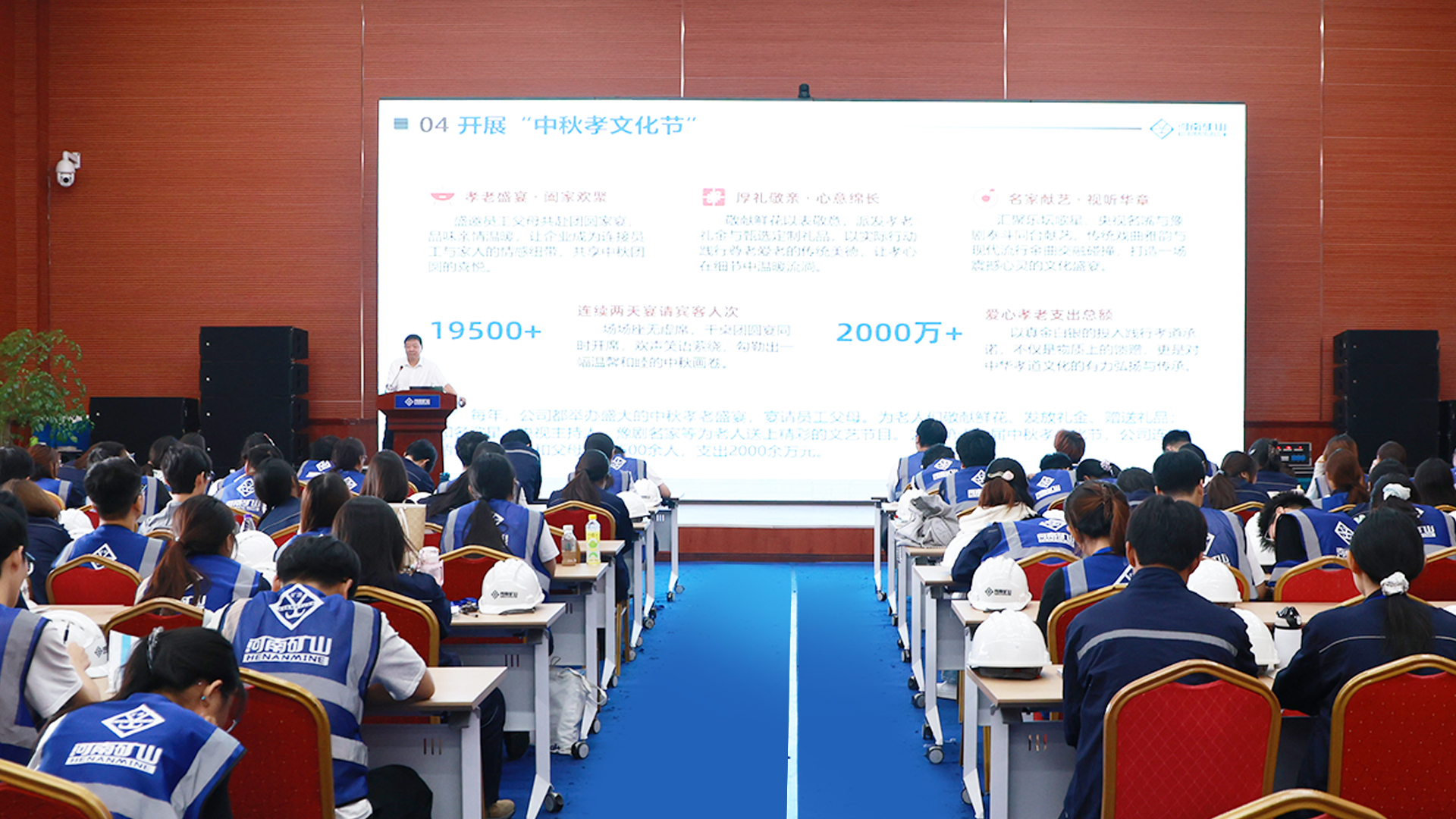
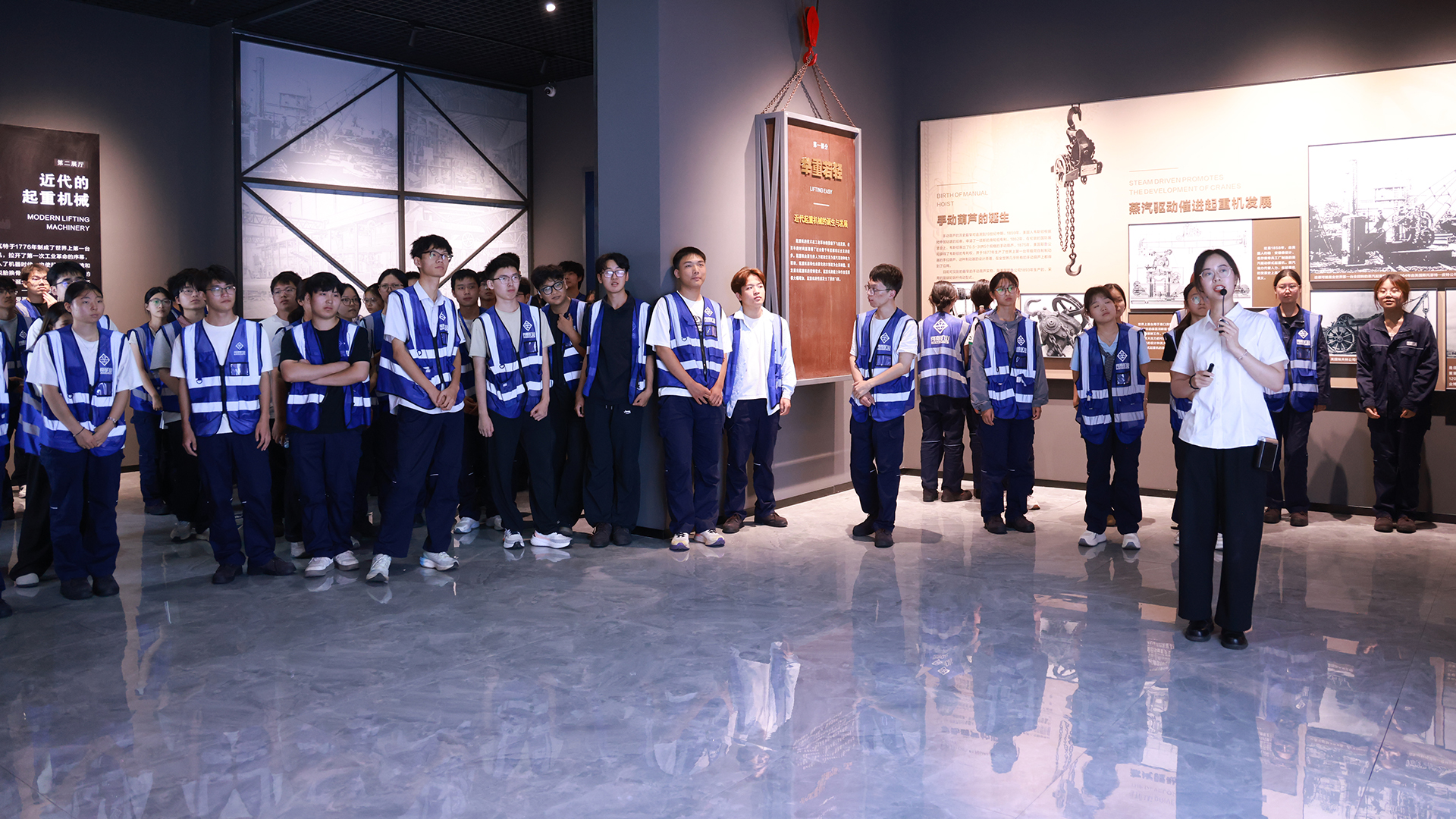
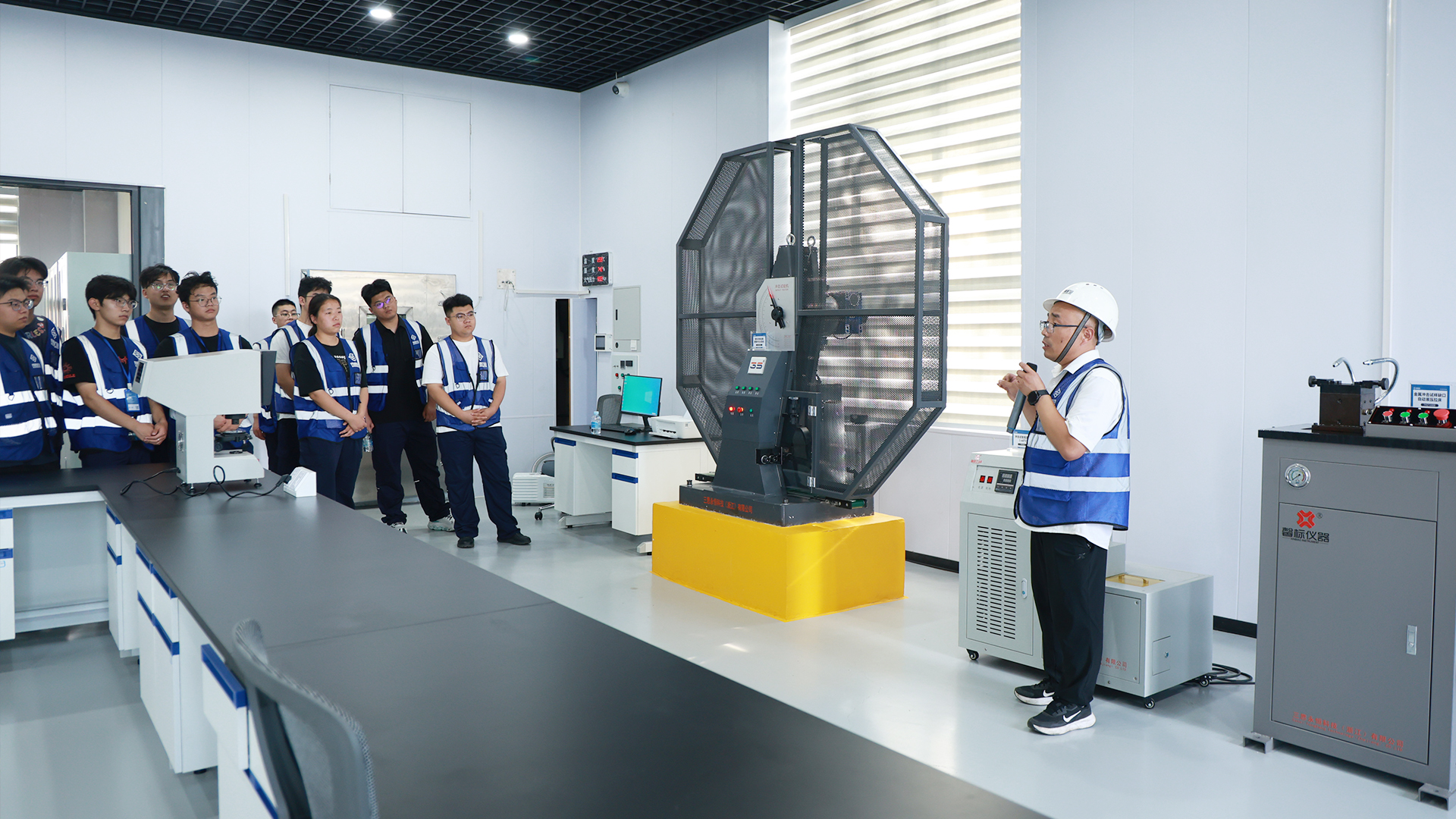
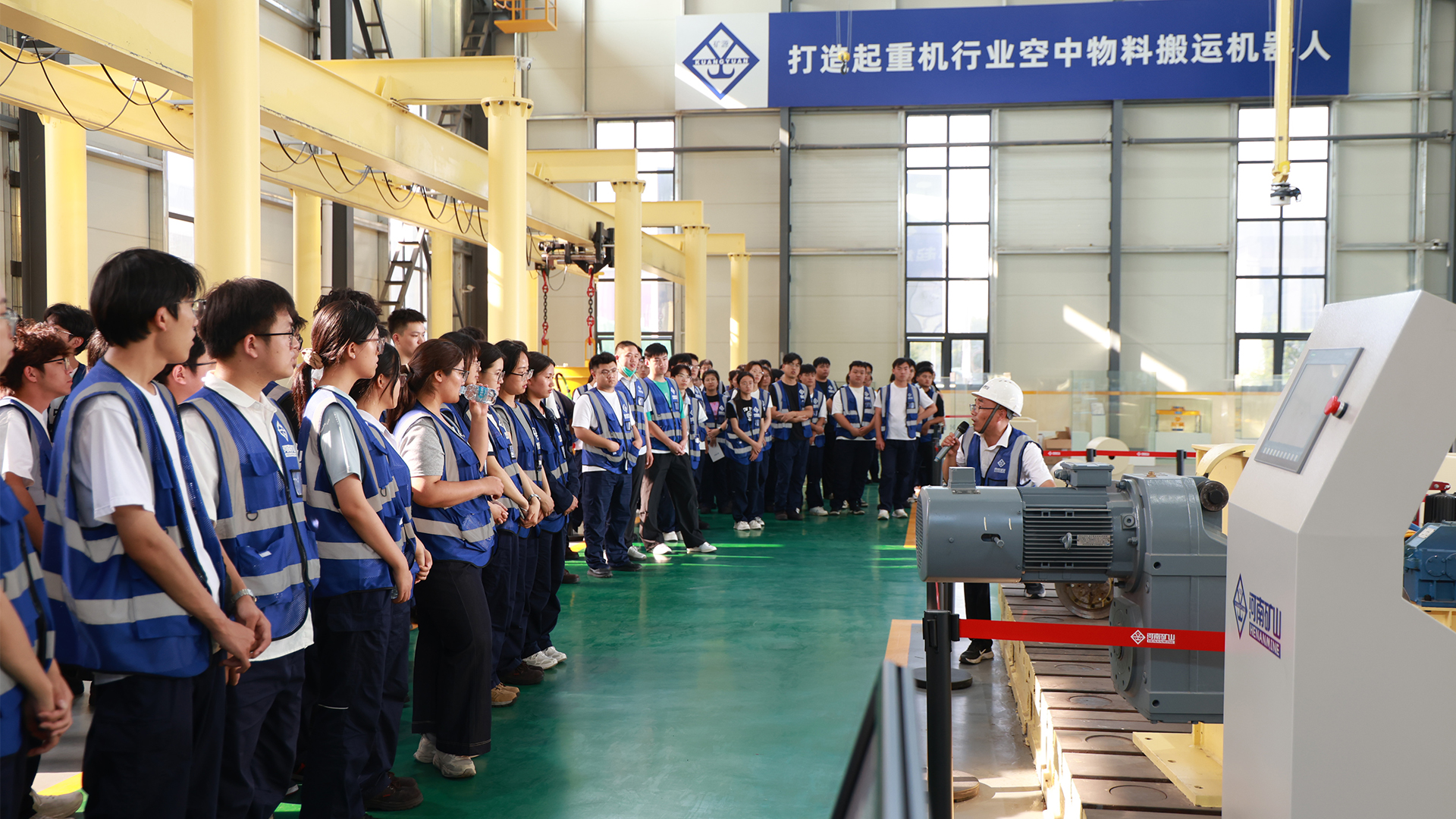
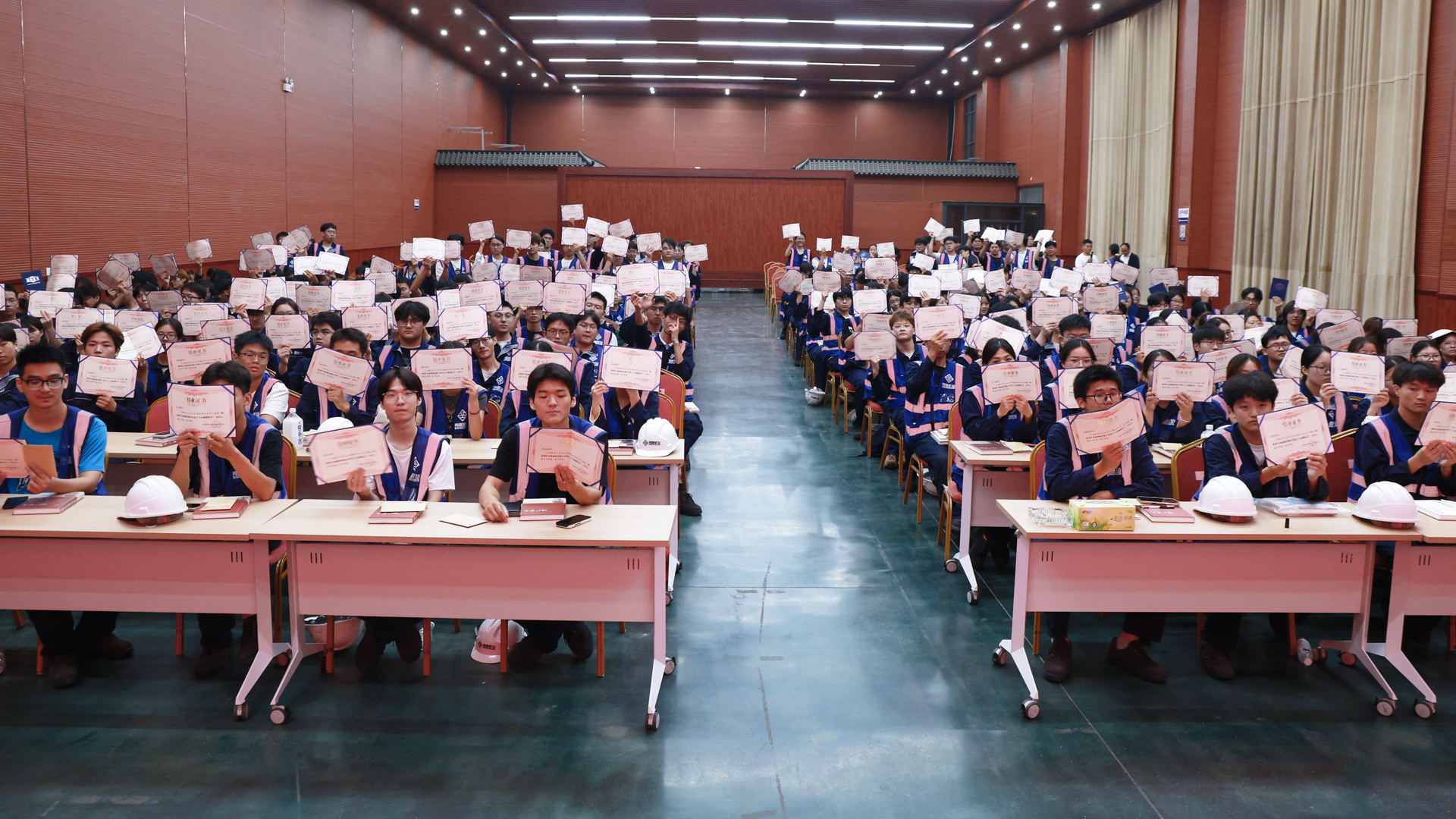
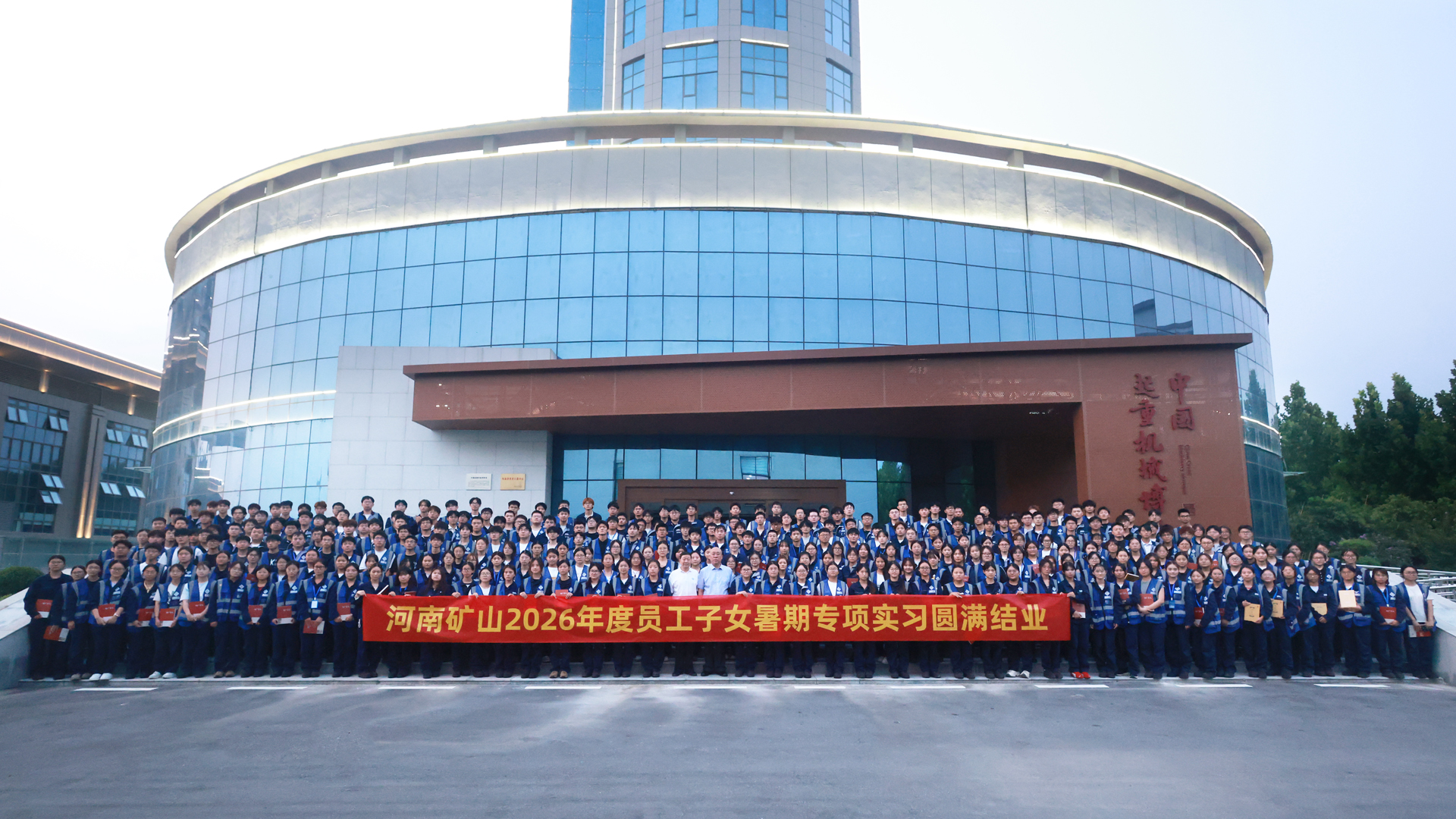
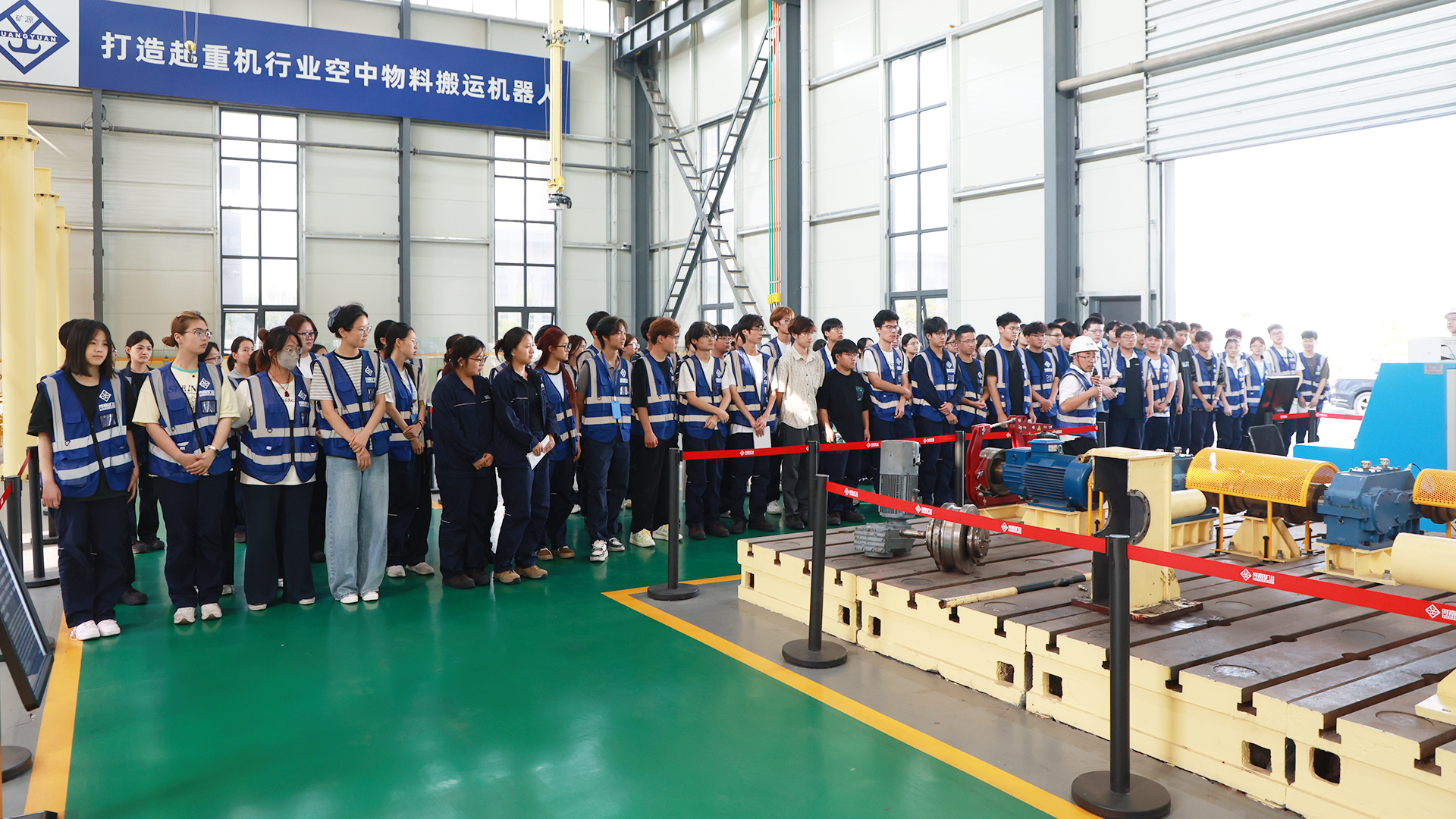
    Henan Mine Crane marked the completion of its 2026 summer internship on 15 August. A total of 291 employees’ children completed the programme and received allowances and certificates.

    Interns visiting a crane equipment demonstration area
    Interns visiting a crane equipment demonstration area.

    Workplace learning and technical visits

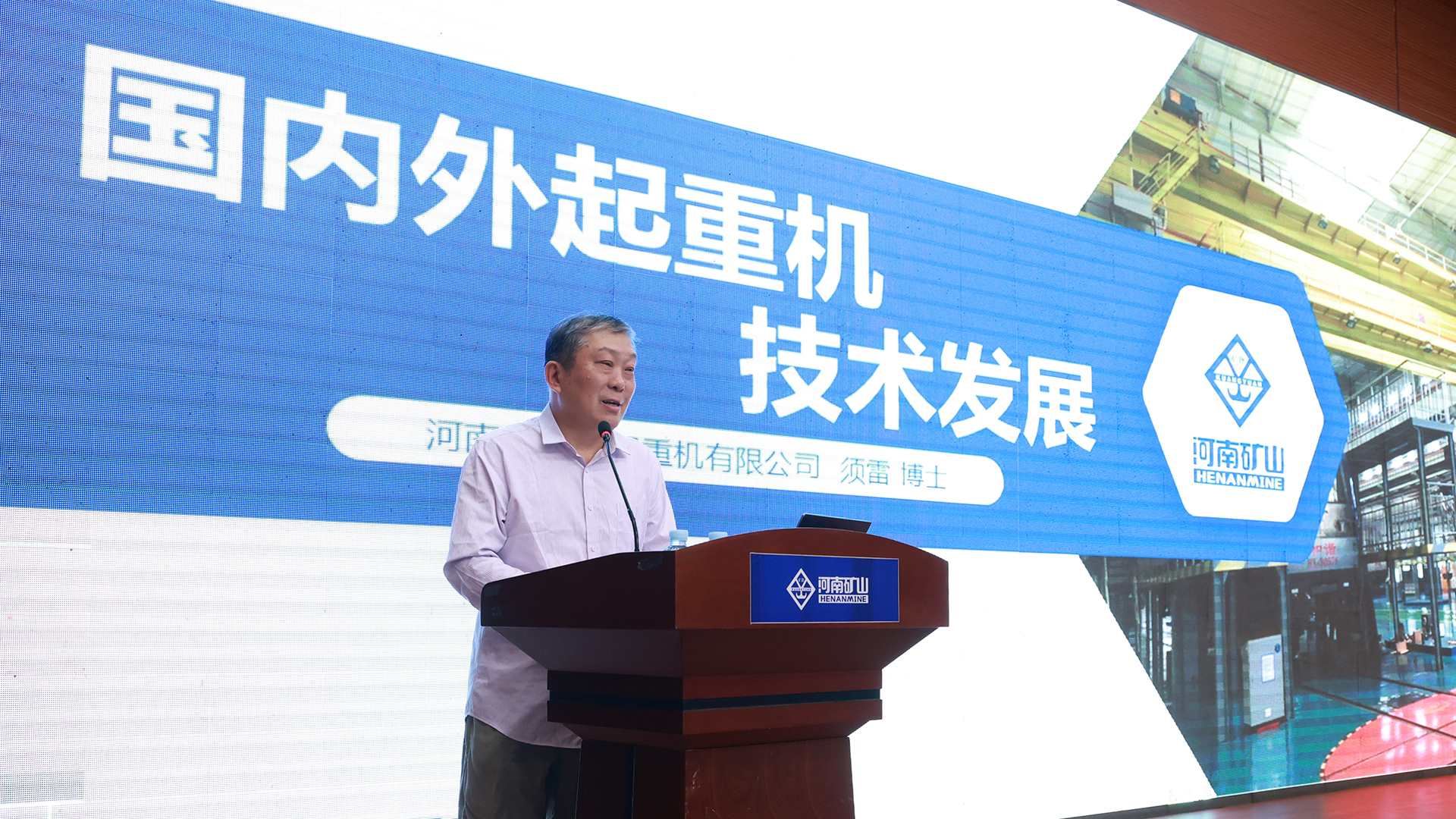
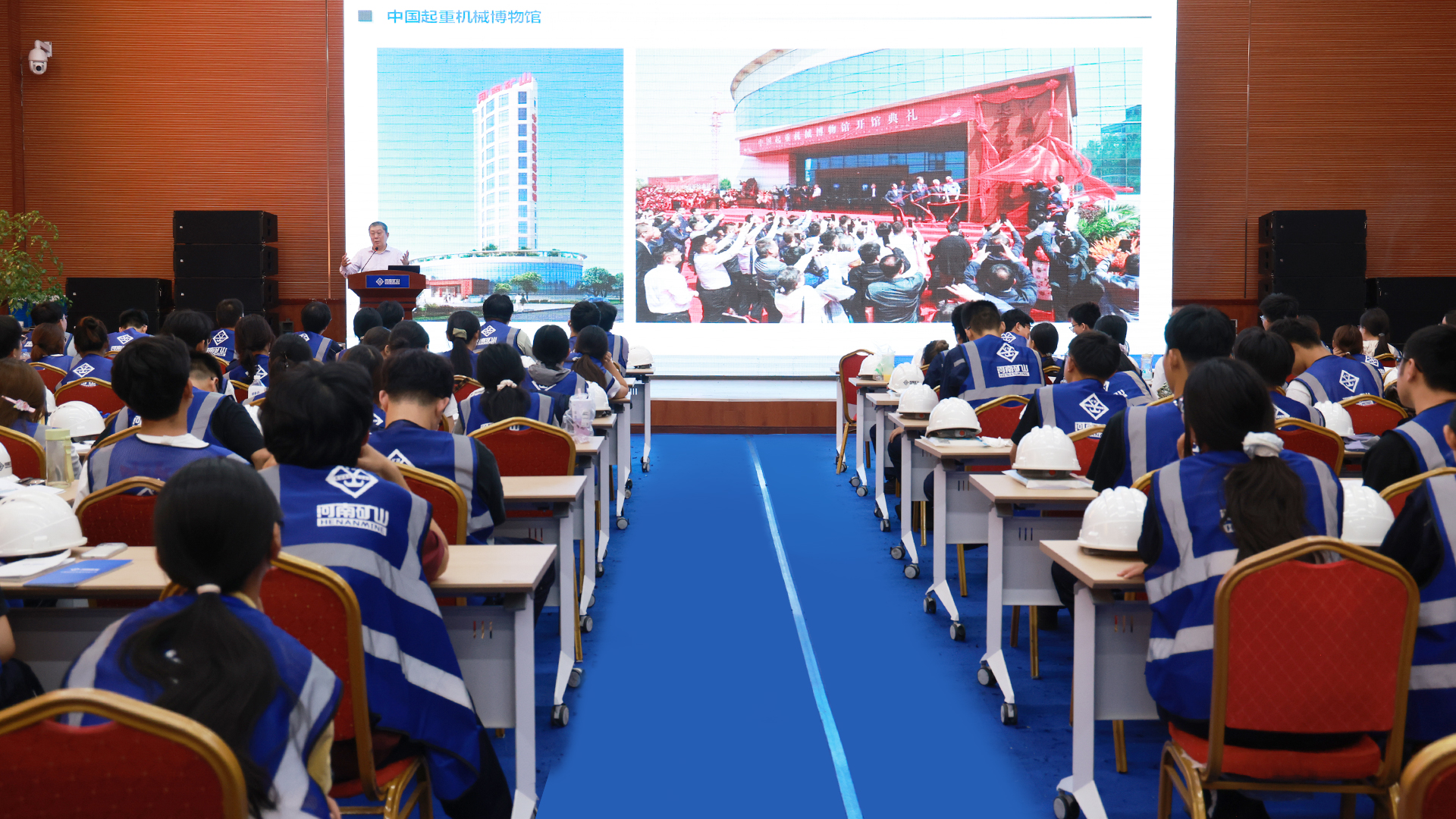
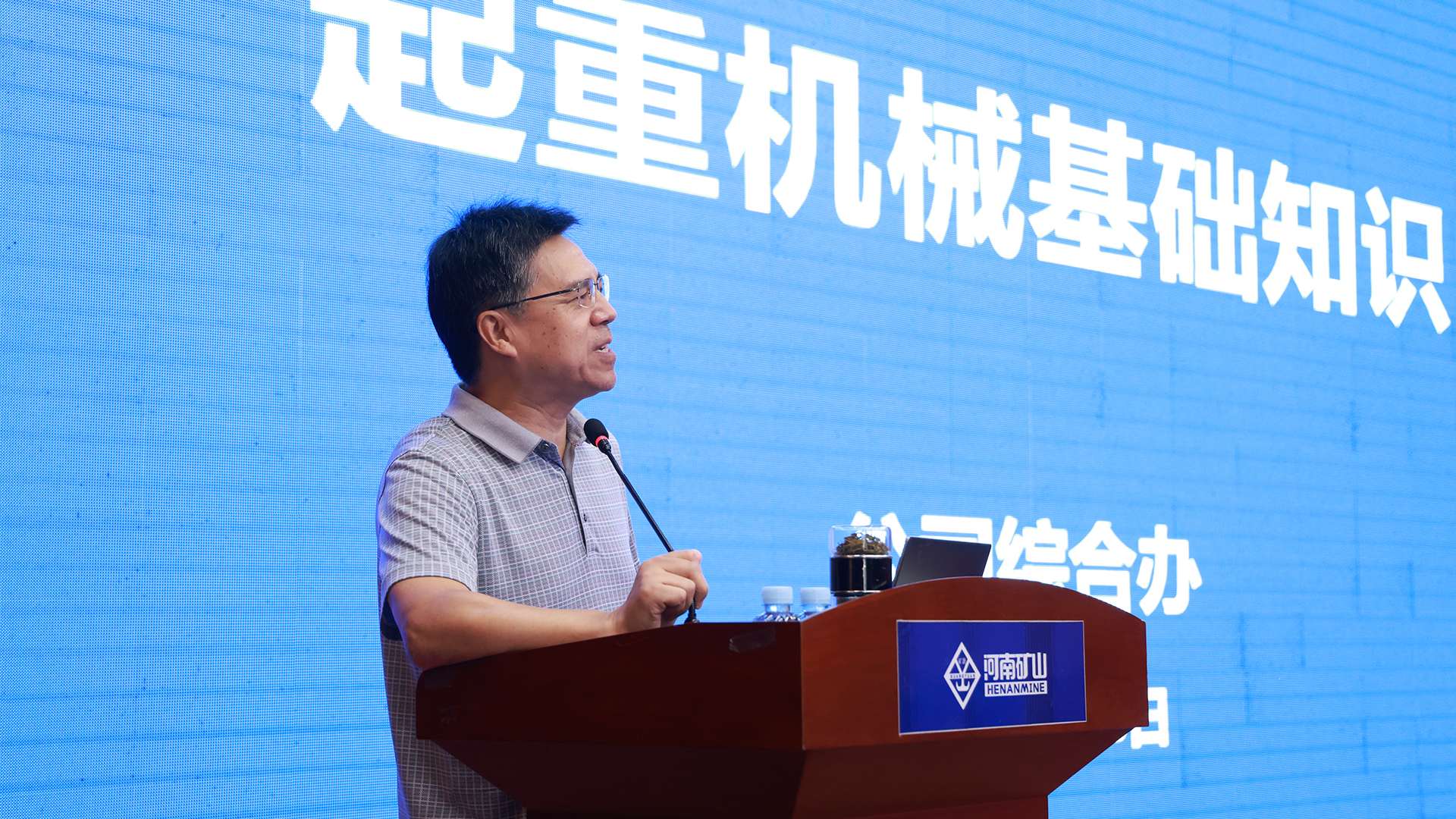
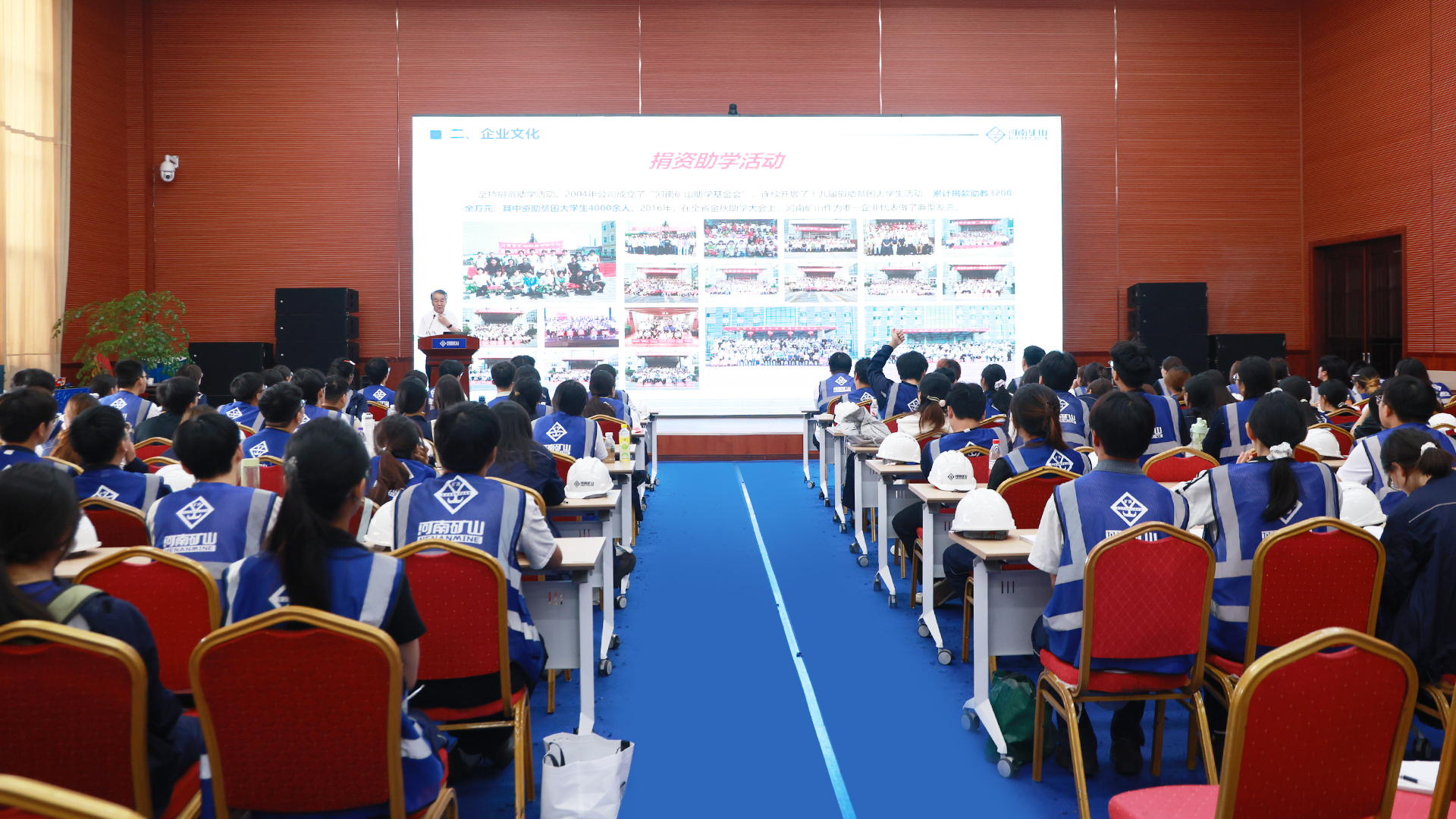
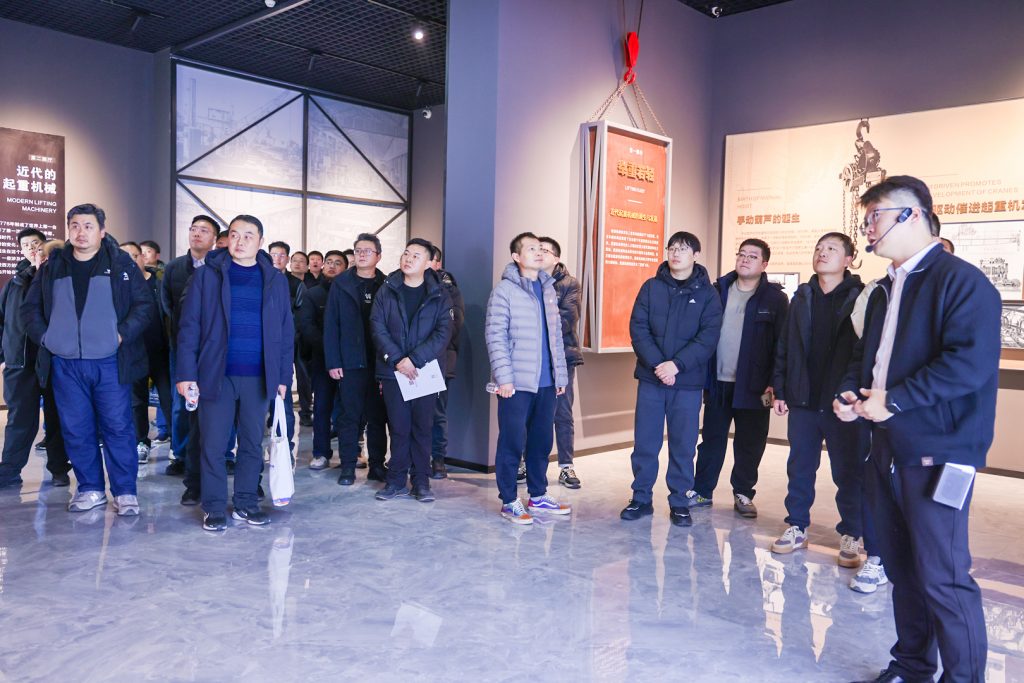
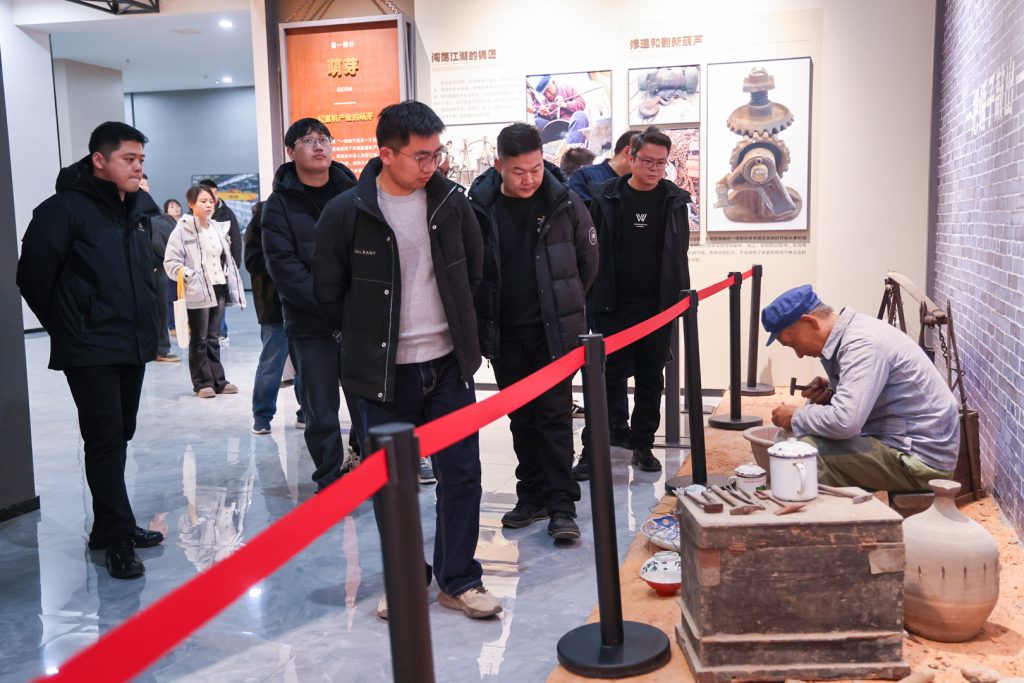
    The programme combined practical experience with lectures. Participants visited the crane museum, service-life test laboratory and physical and chemical laboratory to learn about the company’s equipment and manufacturing environment.

    Closing ceremony and learning outcomes

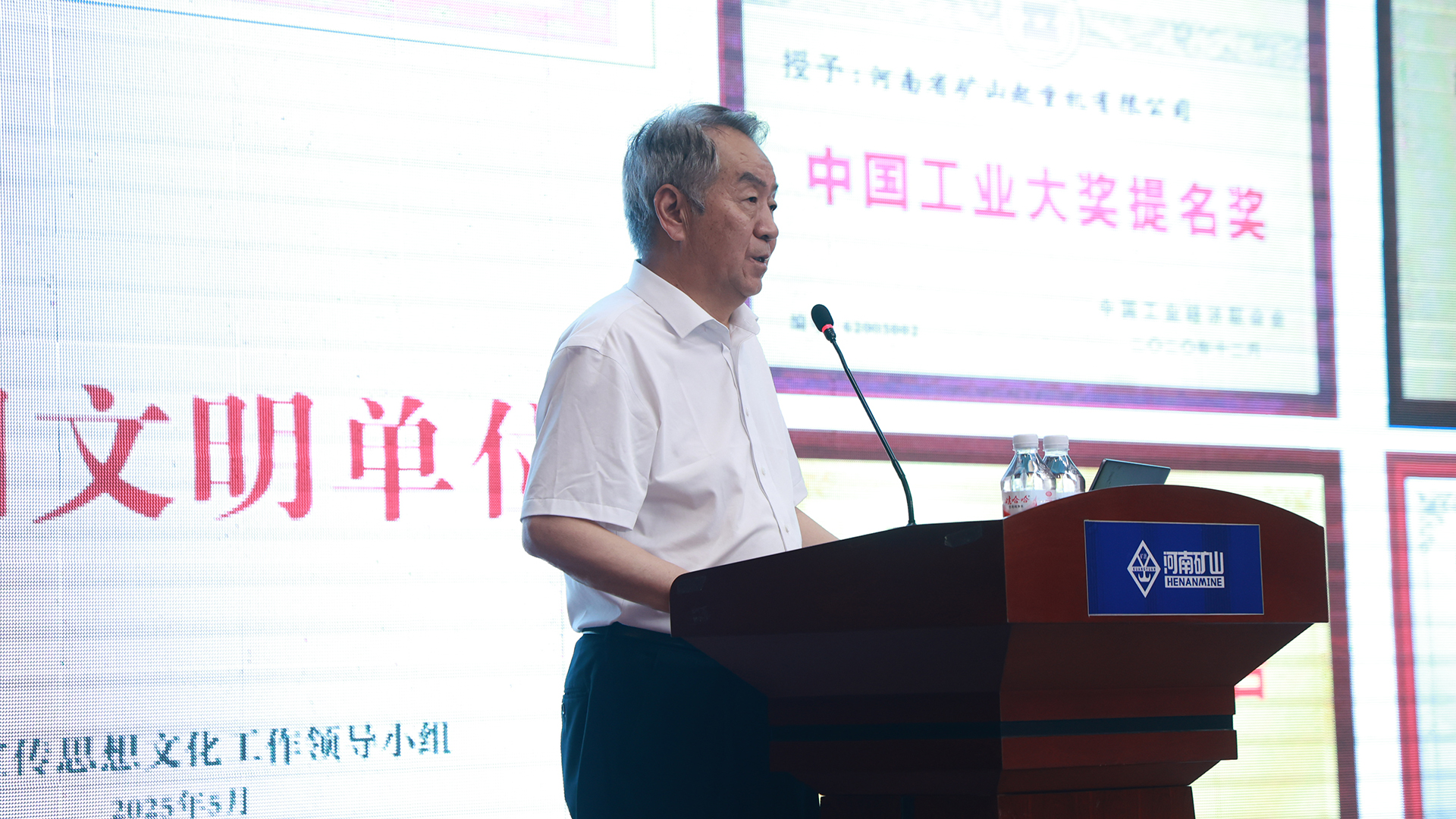
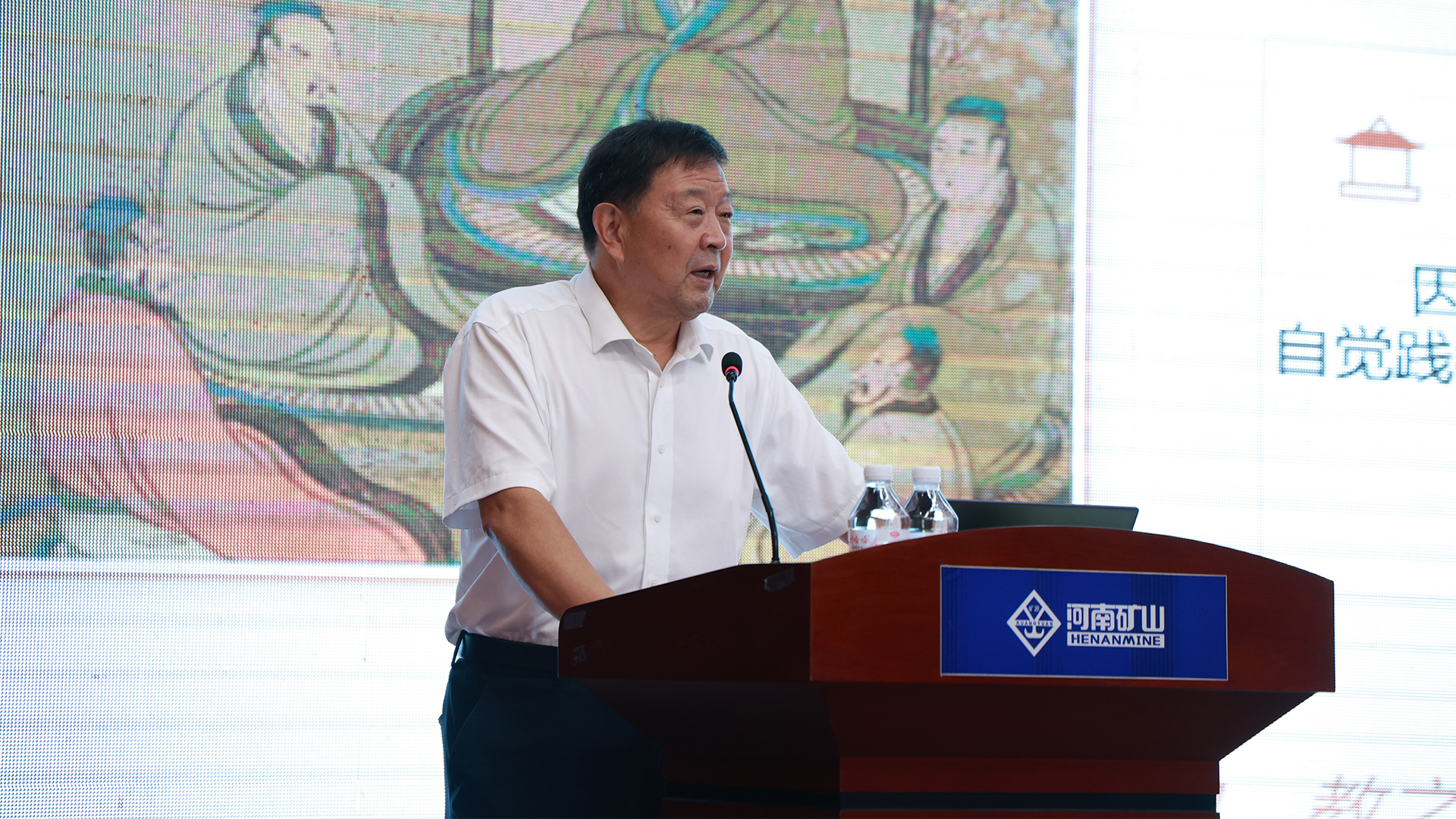
    At the closing ceremony, participants received certificates and books. Speakers encouraged the students to apply their learning and develop their workplace skills. The internship forms part of the company’s support for employee families.

    View photographs from the summer internship

    Arrange an equipment discussion

    For a commercial project or manufacturing visit, contact the team with your purpose and the equipment information you need.

  • Wire-Rope Electric Hoists Receive Henan Provincial Brand Recognition

    Wire-Rope Electric Hoists Receive Henan Provincial Brand Recognition

    Quality & Manufacturing

    Wire-Rope Electric Hoists Receive Henan Provincial Brand Recognition

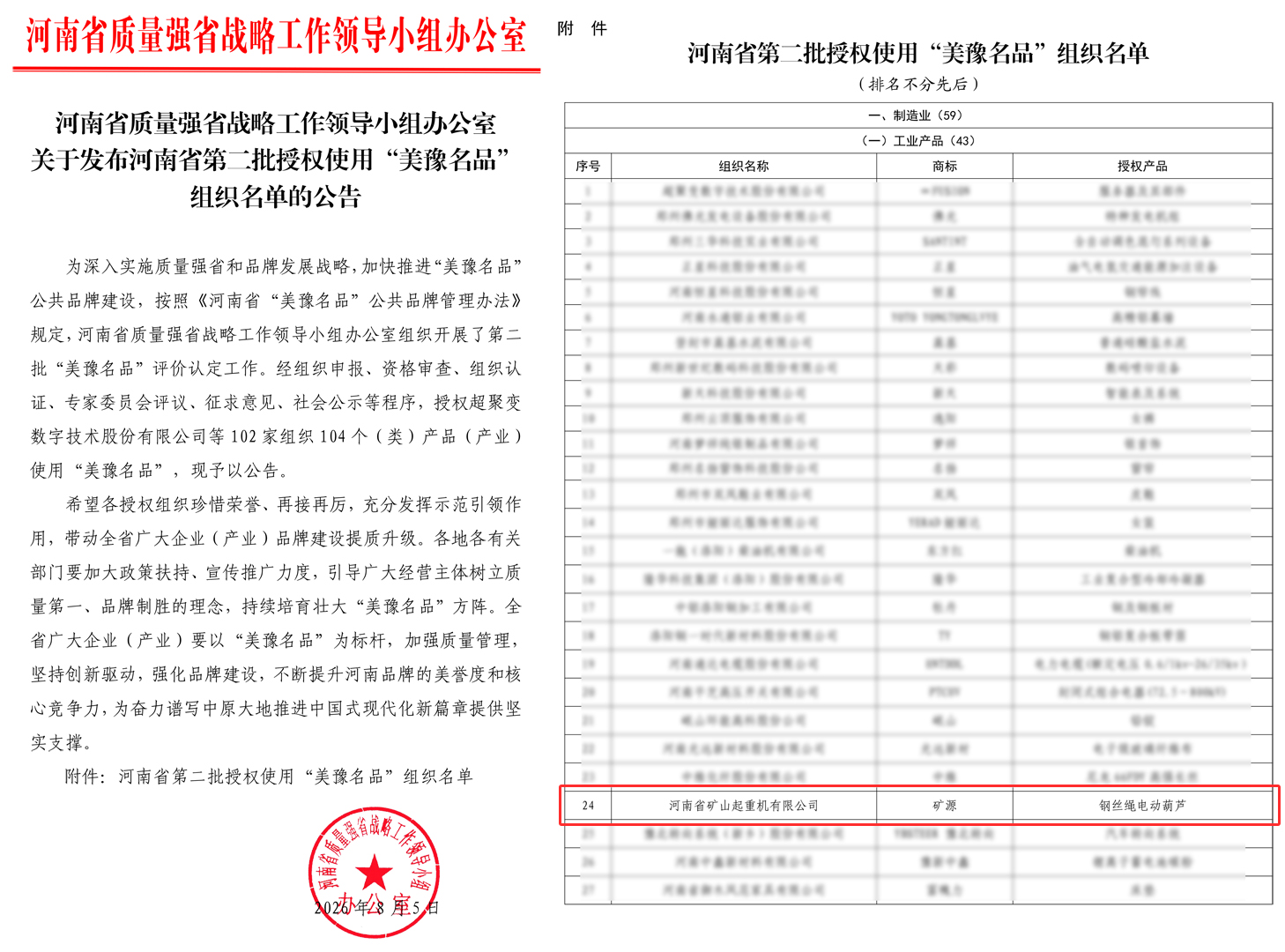
    Henan Mine Crane’s wire-rope electric hoists were included in the second group of organisations authorised to use the Meiyu Mingpin provincial public brand designation.

    Henan provincial brand authorisation notice and product list
    Henan provincial brand authorisation notice and product list.

    Recognition across crane and hoist products

    The hoist inclusion followed earlier recognition for the company’s overhead and gantry cranes. The designation is a Henan provincial brand programme; it does not by itself specify the configuration of an exported hoist.

    Select a hoist for its intended duty

    Procurement still requires a rated load, lifting height, duty, travel arrangement, power supply and control method. Site conditions and any applicable conformity requirements should be included in the technical enquiry.

    Specify your lifting equipment

    Send the rated load, lifting height, duty and installation arrangement. We can discuss a suitable hoist or crane configuration.

  • 500 t Twin-Hoist Overhead Crane for Rail Tunnel Construction

    500 t Twin-Hoist Overhead Crane for Rail Tunnel Construction

    Project Deliveries

    500 t Twin-Hoist Overhead Crane for Rail Tunnel Construction

    A 500 t double-girder overhead crane manufactured by Henan Mine Crane is in use at a high-speed rail construction project. The bridge marking identifies a 250/250 t twin-hoist arrangement. Its configuration includes variable-frequency motion control, coordinated hooks, electrical anti-sway, monitoring and visual protection for heavy handling in a confined tunnel environment. Site-specific lifting procedures and acceptance records remain essential to any comparable application.

    Yellow 500 t twin-hoist overhead crane spanning a rail-construction tunnel
    Henan Mine Crane 500 t overhead crane inside a tunnel construction site; the bridge is marked 250/250 t.

    Heavy lifting in a constrained tunnel

    The project photograph shows a large yellow bridge crane spanning a tunnel construction bay, with two main hoists suspended above the working area. The bridge marking reads 500 t and 250/250 t. A second photograph shows the installed crane and construction team; it does not depict a suspended load or a load test. The equipment has entered use at a high-speed rail project. The span, lifting height, runway length and measured cycle time have not been published.

    A similar purchase starts with the heaviest individual component, its dimensions and centre of gravity, lifting-point spacing, required travel path and the usable tunnel envelope. Check the complete rigging weight and how load share between the two hoists will be controlled. A combined bridge rating alone cannot establish the permissible loading of each hook or the lifting plan for an asymmetrical component.

    Twin-hoist motion and sway control

    The project configuration includes coordinated multiple-hook operation, variable-frequency control and an electrically controlled anti-sway function. These features may help during approach and alignment, but no numerical positioning accuracy, sway reduction or energy saving result is published. Specify the exact operating modes and measurable acceptance criteria in the equipment contract rather than relying on a general feature label.

    Define the allowable difference in hook height, load sharing and travel speed for synchronized lifts. Ask how the controls respond to one hoist reaching a limit, a drive fault, a communications interruption or a load imbalance. The operator needs a clear view of the lifting zone and a deliberate procedure for transferring between synchronized and independent modes where both are permitted.

    Yellow twin-hoist bridge crane above the tunnel construction team at the rail project site
    Site team beneath the installed overhead crane at the tunnel project. The photograph records the construction environment.

    Tunnel conditions, monitoring and access

    The installation involves humid and dusty rail-construction conditions, digital status monitoring and camera-based visual protection. Electrical enclosure protection, cables, sensors, lighting and maintenance access therefore need to be chosen against the actual site survey. No ingress-protection rating or environmental measurement has been published for applying this configuration to another project.

    Provide a tunnel cross-section with the crane envelope, track position, obstructions, ventilation, work platforms, personnel routes and emergency access. Include power-supply arrangement and permitted outage recovery. Where multiple work crews share the bay, define exclusion zones, signalling and the authority to release a lift. The monitoring system should record the agreed alarms and operating conditions without substituting for the on-site lifting supervisor.

    Documents and acceptance for a rail project

    Before ordering, agree the general arrangement, structural and wheel-load data, runway interface, hook approaches, travel limits, controls and safety interlocks. The factory and site test plan should identify individual- and combined-hoist test cases, synchronized movement, limiting devices, emergency stop, power-loss recovery, alarms and monitoring records. Load tests must follow the applicable project and local requirements.

    Request installation and commissioning records, operator instructions, inspection and maintenance schedules, spare-parts information and a clear division of responsibility for the runway, power, lifting accessories and rigging. For a narrow construction bay, plan how the equipment and large components will reach the site and how the crane can be maintained after commissioning.

    Specify a Rail-Construction Crane

    Share the heaviest component, lifting points, tunnel cross-section, runway geometry, lifting height, duty and local acceptance requirements for a project-specific proposal.

  • Crane Inspectors Begin Ten-Day Training at Henan Mine Crane

    Crane Inspectors Begin Ten-Day Training at Henan Mine Crane

    Quality & Manufacturing

    Crane Inspectors Begin Ten-Day Training at Henan Mine Crane

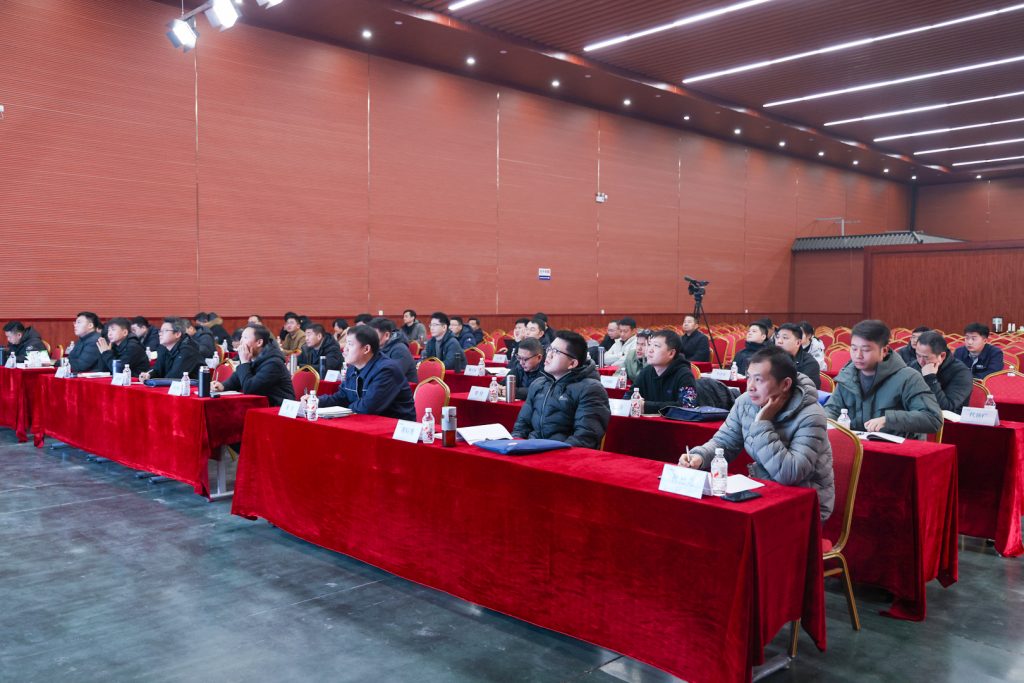
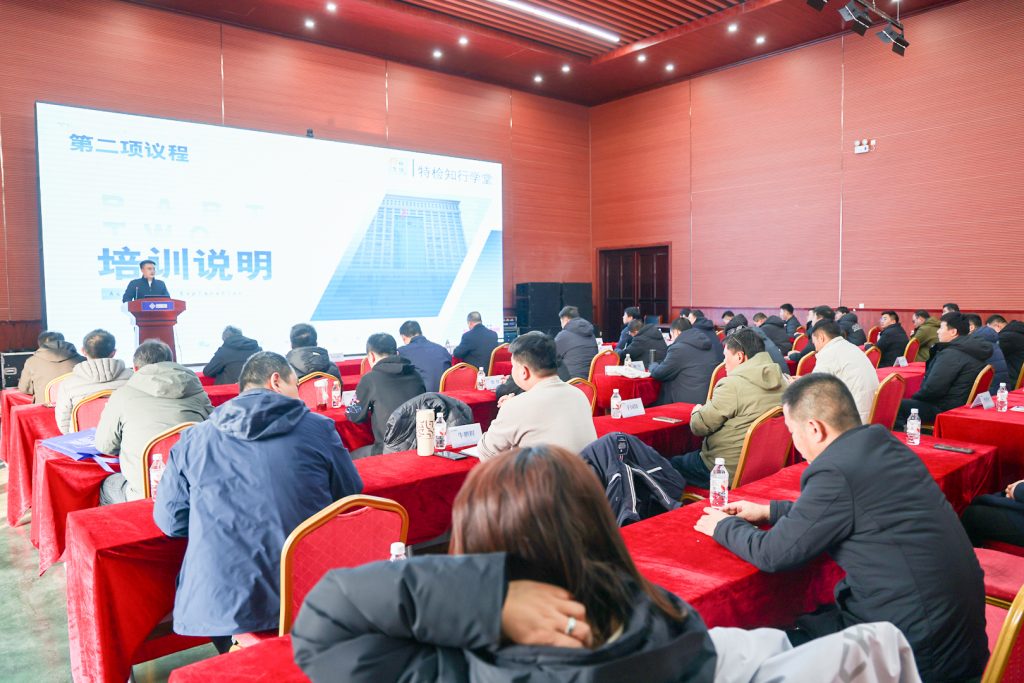
    Crane inspection personnel from 18 cities in Henan began a ten-day training programme at Henan Mine Crane’s intelligent industrial park in late January 2026.

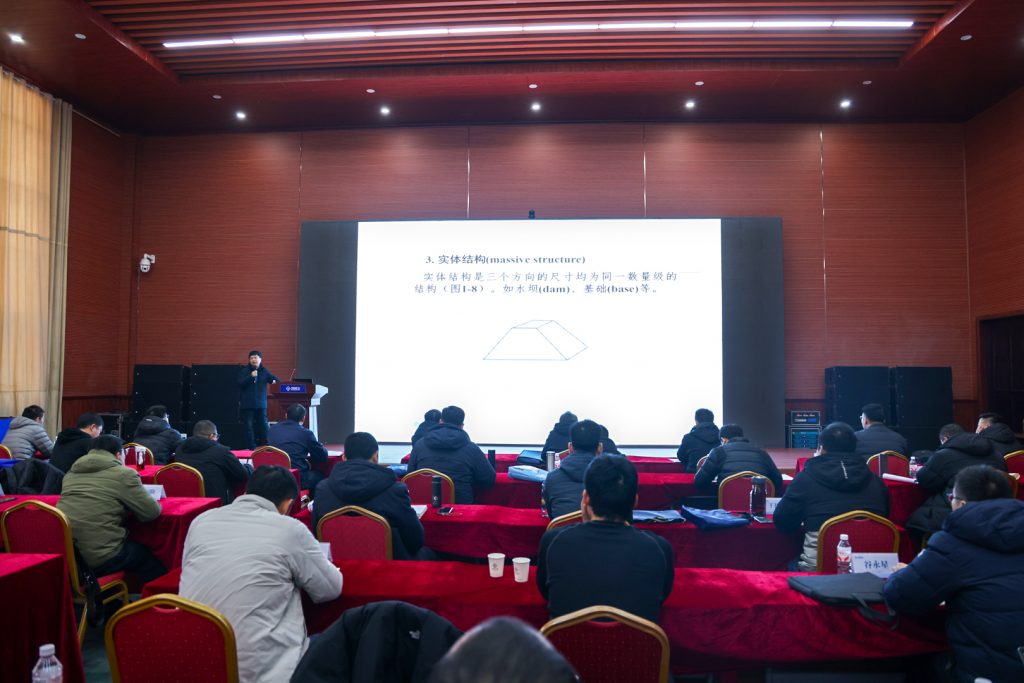
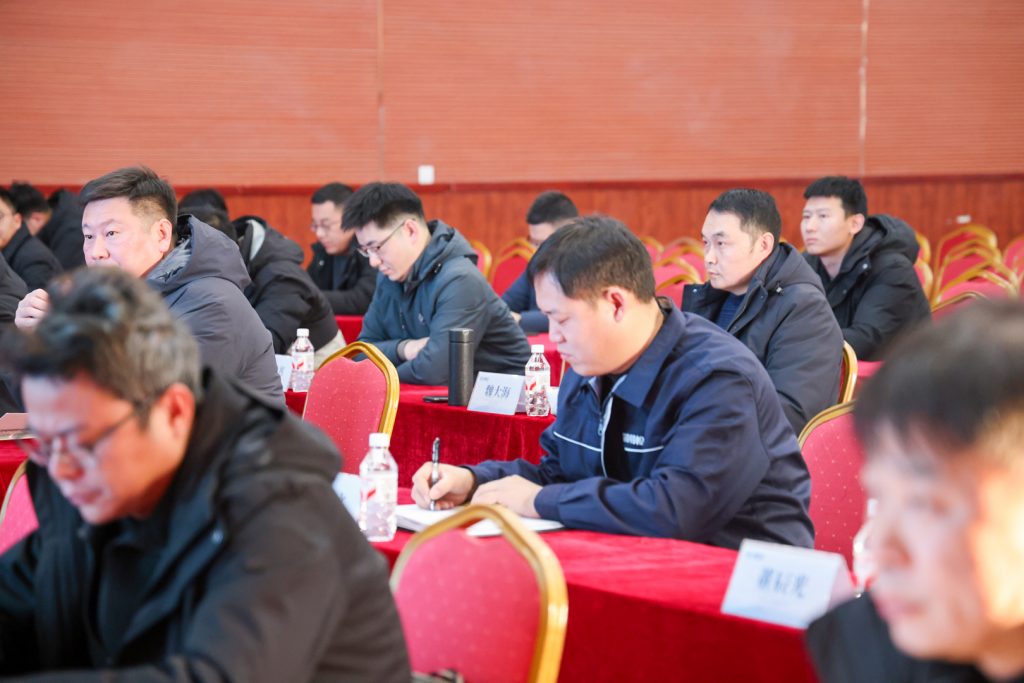
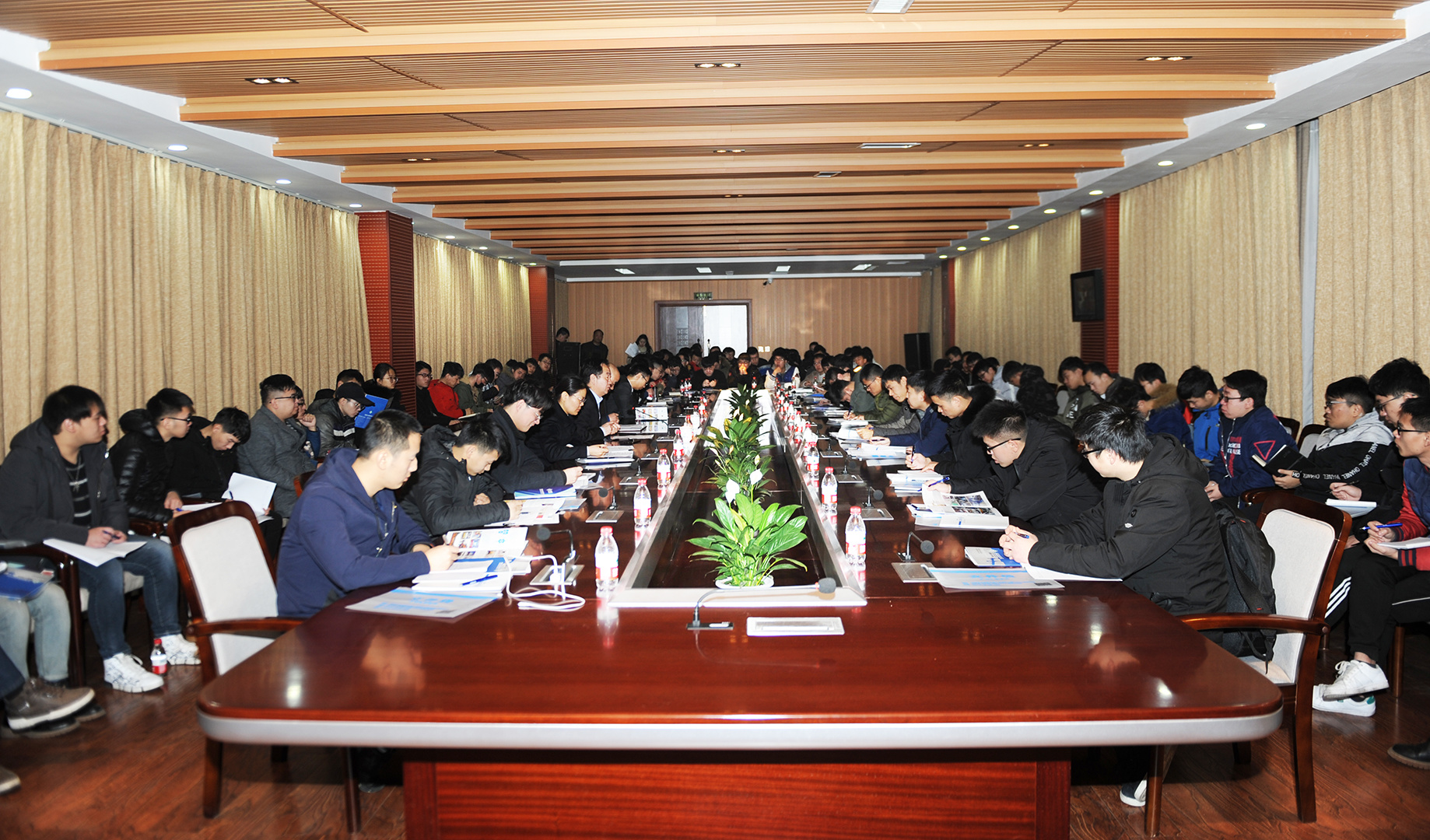
    Crane inspection trainees attending a projected classroom session
    Crane inspection trainees attending a projected classroom session.

    Theory, manufacturing and inspection practice

    The programme was planned by Henan Mine Crane, North China University of Water Resources and Electric Power, and a provincial special-equipment inspection institute. It combined classroom work with manufacturing and testing facilities.

    Inspection records for equipment projects

    Training across design, workshop and inspection settings supports a shared understanding of crane quality and safety checks. Buyers should agree the applicable inspection scope, witness points and documents for their particular crane order.

    Contact Henan Mine Crane

    For product information, a manufacturing visit or a company enquiry, send the relevant details to our team.

  • Gantry Crane Applications: Match the Arrangement to the Handling Route

    Gantry Crane Applications: Match the Arrangement to the Handling Route

    Technical guide

    Gantry Crane Applications: Match the Arrangement to the Handling Route

    A gantry crane can serve many lifting tasks, but the supporting surface and movement path differ between sites. Compare the load, required coverage and access conditions before choosing a rail-running or mobile arrangement.

    Henan Mine CraneTechnical guide · Updated 2026Crane selection, project scope and operating requirements
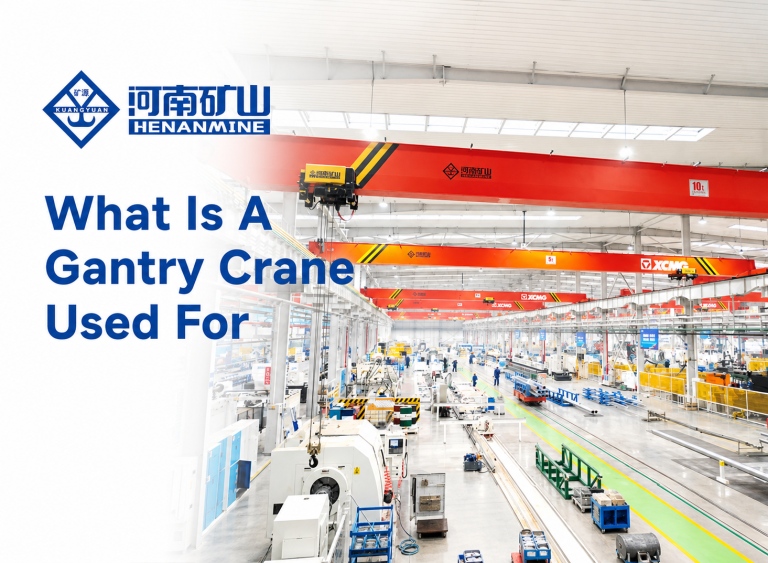
    What Is A Gantry Crane Used For
    What Is A Gantry Crane Used For
    Project planning notes

    Key points for this crane project.

    1. How Does a Gantry Crane Work?
    2. What Are Gantry Cranes Used For?
    3. Why Choose A Gantry Crane for Industrial
    Read the technical guide

    How Does a Gantry Crane Work?

    Henan Mine Crane manufactured gantry crane is a mobile heavy lifting equipment with its own support structure, also known as gantry crane in the industry, belonging to the derivative upgrade category of bridge crane. Its core definition is: supporting the main girder structure by rigid legs on both sides, relying on the ground track or tire travel system to realize the movement of the whole machine, matching with the lifting trolley and lifting mechanism that can slide horizontally, completing the vertical lifting, horizontal translation and vertical travel of heavy objects. The whole equipment adopts electric drive, accurately controls lifting, operation, amplitude variation and other actions through control system, ensures operation stability by mechanical transmission and braking system, and can complete lifting, handling, stacking and loading and unloading of heavy materials with full coverage and no dead angle in designated operation area, so as to meet the continuous and large-scale industrial production operation requirements.

    What Are Gantry Cranes Used For?

    The versatility and high adaptability of gantry cranes make them cover all heavy handling scenarios in the industry. Different tonnage and structure models can accurately match the working conditions of various industries. The following are the detailed operation scenarios and core values of the seven core application fields.

    Manufacturing and heavy equipment production

    Gantry crane is the core hoisting equipment of heavy industry manufacturing industry, which runs through the whole process of heavy industry production, parts processing and equipment assembly. The tonnage of all kinds of heavy machinery and equipment, precision molds, and large-scale production parts in the workshop is extremely large, far exceeding the carrying capacity of ordinary handling equipment. The equipment runs smoothly and accurately, which can safely complete heavy workpiece transfer, station switching and raw material handling, effectively protect precision components, and stably guarantee product processing accuracy and production line operation efficiency.

    It can cooperate with the whole process of equipment assembly, steel structure welding, component processing and equipment maintenance, complete the accurate alignment and suspension fixing operation of heavy components, effectively reduce manual intensity, shorten production cycle, and adapt to large-scale assembly line production. At the same time, it is widely suitable for steel, automobile, general machinery, new energy power and other industries, which can meet the lifting and transportation needs of steel, frame, large machine tools and wind power components, and can be produced efficiently by all-round energy heavy industry.

    Warehouses and material handling facilities

    Gantry cranes are widely used in large-scale storage, material storage and logistics transit bases, effectively making up for the shortcomings of traditional equipment such as forklifts.

    Relying on accurate and large-scale operation capacity, portal cranes can stack stored goods in a regular manner, optimize the storage layout of zones, and greatly improve the utilization rate of site space. The equipment supports all-weather uninterrupted continuous operation, can efficiently handle centralized loading and unloading and transfer of large-batch materials, simplify logistics operation process, significantly improve the overall turnover efficiency of warehousing, and assist the efficient and stable operation of logistics warehousing system.

    Ports and container terminals

    Gantry cranes are the core lifting equipment in ports and container terminals, supporting the efficient flow of global container and bulk cargo logistics. It mainly undertakes ship loading and unloading, truck transfer and stacking of marine containers, and can realize multi-layer regular stacking and rapid and accurate alignment operations. Compared with traditional lifting equipment, it has higher operation efficiency and stronger stability, which can continuously improve the cargo handling capacity of the port and ensure the normal and efficient operation of the terminal.

    The port scene mainly adopts Henan Mine Crane manufactured RMG rail type and RTG tire gantry crane, which complement each other's advantages and adapt to different port working conditions. RMG has accurate positioning and strong bearing capacity, suitable for standardized yard fixed operation;RTG has excellent mobility and can flexibly switch operation areas. With intelligent dispatching and unmanned control system, the equipment can complete automatic loading and unloading stacking, greatly reducing manual intervention, which is the key core equipment for intelligent automatic port construction.

    Construction and infrastructure projects

    With excellent outdoor adaptability, gantry cranes have become the core main lifting equipment for municipal infrastructure, bridge tunnels, large venues and other projects. It can efficiently complete the hoisting and transfer of heavy materials such as steel structure frames, precast concrete members and large-scale reinforced building materials, accurately realize the alignment of high-altitude and large-span members, effectively guarantee the construction accuracy of engineering projects, and stably promote the overall construction progress.

    The equipment can be fully adapted to all kinds of large-scale infrastructure complex outdoor conditions, undertake the erection and displacement of box girders and T beams in bridge engineering, responsible for segment hoisting, equipment installation and material transfer in tunnel construction, and widely used in plant infrastructure, municipal engineering and large-scale venue construction, providing stable and efficient heavy hoisting support for various infrastructure projects.

    Shipyards and marine industry

    Shipbuilding and offshore engineering have strict standards for the load, accuracy and stability of lifting equipment. Henan Mine Crane manufactured heavy gantry cranes are the core standard equipment of shipyards and dry docks. It supports ship construction, assembly and maintenance operations in the whole process, and can accurately complete fine procedures such as hull section docking, deck and engine room equipment assembly, effectively ensure ship construction accuracy, and greatly improve the overall safety and standardization of offshore equipment construction.

    Why Choose A Gantry Crane for Industrial Applications?

    In the field of industrial heavy lifting, gantry cranes can fully replace traditional equipment and become the mainstream choice in the industry. The core comes from its irreplaceable scene advantages, performance advantages and cost-effective advantages, which fully meet the diversified operation needs of modern industry.

    Independent structural design

    Gantry crane adopts integrated independent support structure, completely without relying on the main building body such as plant wall, roof, column, etc., and does not need complex civil engineering reconstruction projects. The landing threshold is extremely low. Whether it is a brand-new blank factory area, an open-air material storage yard, an old transformation workshop, or an unobstructed outdoor operation site, it can be directly installed and put into use. It completely solves the pain point of traditional equipment such as bridge crane depending on building structure, adapts to various non-standard sites and flexible working conditions, and covers various industrial lifting environments.

    Indoor and outdoor usability

    Gantry crane factory standard windproof, rainproof, dustproof, anti-corrosion and other protective technology, the overall weather resistance is excellent, not limited by the operation site and environment, truly realize indoor and outdoor dual scene universal. It cannot only stably complete precision hoisting operation in closed dust-free indoor production workshop, but also adapt to severe outdoor working conditions such as open-air construction site, coastal port, sandstorm and cold, wet and rainy, etc. It can operate normally and continuously throughout the year, greatly improve equipment utilization rate, and adapt to industrial construction requirements of all seasons and scenes.

    Broad lifting capacity

    Gantry crane has a very wide load coverage, tonnage configuration is very complete, comprehensive coverage from light to heavy lifting needs. It can fully meet the differentiated tonnage operation requirements of machinery, steel, port, energy and other industries, and has strong adaptability.

    Flexible customization and installation

    Gantry crane installation process is simple and convenient, construction cycle is short, no large-scale civil engineering foundation works, can be quickly commissioned and put into production after mobilization, effectively saving project duration and installation cost. At the same time, the equipment supports all-round personalized customization service. According to the actual working conditions such as user site span, effective lifting height, operation frequency, special environment, etc., the manufacturer can tailor-made anti-corrosion, explosion-proof, high-low leg, intelligent automation and other exclusive models to accurately adapt to the differentiated and non-standardized industrial lifting operation requirements of various enterprises.

    High efficiency and safety

    Henan Mine Crane manufactured gantry crane stable operation, high positioning accuracy, wide operation coverage, support long-term uninterrupted continuous operation, can greatly improve the efficiency of industrial material handling and engineering construction, effectively reduce labor investment and time cost. The equipment is equipped with multiple safety protection systems such as overload limit, travel limit, emergency braking, anti-fall, etc., comprehensively avoiding safety risks such as lifting deviation, overload, sliding, etc., minimizing the accident rate on the construction site, and comprehensively ensuring the stable operation of the equipment and the personal safety of the operators.

    How to Choose the Right Gantry Crane for Your Application?

    Reasonable type selection is the key to ensure the operation efficiency, service life and safety of portal cranes. Blind type selection is easy to cause problems such as idle equipment, insufficient load and site mismatch. When selecting models, users need to combine their own working conditions, comprehensively consider the five core factors, and accurately match the optimal models.

    Determine capacity and duty cycle

    At the same time, in combination with the frequency matching model of field operation, the economical and portable single-beam gantry crane can be selected for intermittent low-frequency operation, and the stable and durable double-beam model is preferred for high-frequency and continuous heavy industrial lifting scenarios, effectively ensuring the stability and service life of long-term operation of the equipment.

    Check span and lifting height

    Before the user selects the type, it is necessary to accurately measure the effective span and maximum lifting height of the operation site, and determine the core parameters of the equipment in combination with the material stacking range and the actual operation area planning. The larger the span and lifting height of the equipment, the higher the requirements for the structural strength, overall rigidity and anti-shaking performance of the main girder. For the complex working conditions of large span and high lifting, it is recommended to select the reinforced double-beam structure type to effectively avoid the deformation and shaking problems of equipment operation and stably ensure the accuracy and safety of lifting operation.

    Choose crane type and operation mode

    It is necessary to match the corresponding gantry crane model according to the site space and operation scene. Semi-gantry crane is suitable for indoor narrow workshop. Full-gantry crane is selected for open-air large-area storage yard. Portable equipment can be used for temporary short-term operation. RMG and RTG cranes are specially matched for port container scene. At the same time, ground operation, wireless remote control and cab control mode can be selected as required. Intelligent unmanned dispatching system can be upgraded for high-frequency standardized operation to meet diversified operation requirements.

    Assess working conditions

    Operating environment is the core reference factor for type selection, and targeted equipment protection and configuration upgrade shall be made according to field conditions. Windproof, rainproof and sun-proof protective devices shall be installed for outdoor operation. A complete set of anti-corrosion and anti-rust treatment shall be carried out in coastal areas with high salt fog. Explosion-proof special models shall be selected for dust and inflammable and explosive conditions. Temperature control protective accessories shall be fitted for high and low temperature extreme environments to ensure stable and safe operation of portal cranes under various special conditions.

    Consider smart automation features

    For large-scale, standardized and high-frequency industrial lifting scenarios, upgrading intelligent automation functions can greatly improve operation efficiency. Intelligent gantry crane can be equipped with automatic positioning, intelligent dispatching, remote monitoring, automatic fault alarm and unmanned operation system, which can reduce manual operation intervention, reduce labor cost, improve lifting accuracy and operation efficiency, and perfectly adapt to the intelligent upgrading development needs of modern factories, smart ports and other scenarios.

    Henan Mine Crane

    Gantry crane is the core main equipment of heavy material handling, large component hoisting and engineering construction in modern industry. From light temporary operations to heavy normal industrial operations, gantry cranes can provide accurate, reliable and efficient lifting solutions, providing core equipment support for the large-scale, intelligent and efficient development of modern industry.

    Equipment selection and quality control is the key to play the lifting value, choose professional and regular gantry crane manufacturers, not only can obtain high-quality equipment in line with national standards, but also enjoy one-to-one condition survey, personalized customization, installation and commissioning, life-long maintenance of the whole process services. Henan Mine Crane Factory can customize its own gantry crane solutions for different industries and different working conditions, accurately match various operation scenarios, maximize operation efficiency, reduce operation and maintenance costs, ensure operation safety, and protect industrial production and engineering construction of enterprises.

    Discuss the crane arrangement for your project.

    A gantry crane can serve many lifting tasks, but the supporting surface and movement path differ between sites. Compare the load, required coverage and access conditions before choosing a rail-running or mobile arrangement. Share the load, available drawings, working cycle and site conditions with Henan Mine Crane so the required configuration and supply boundary can be discussed.

    Related crane configurations

    Explore crane product families and technical parameters ↗

    Updated 2026 · Henan Mine Crane
  • Henan Mine Crane Opens a New Chapter of School-Enterprise Cooperation

    Henan Mine Crane Opens a New Chapter of School-Enterprise Cooperation

    Henan Mine Crane Opens a New Chapter of School-Enterprise Cooperation

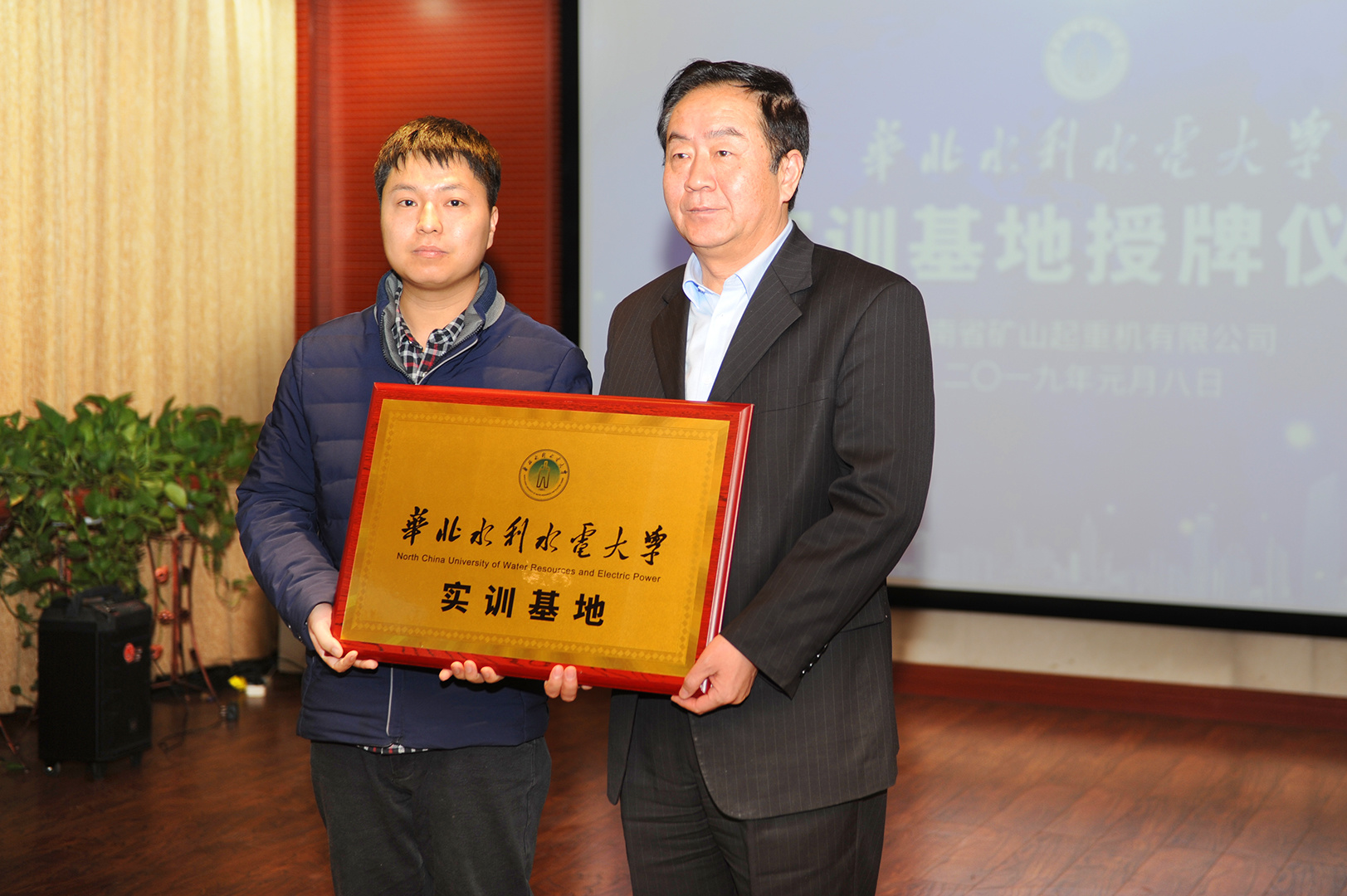
    Henan Mine Crane was officially listed as the training base of North China University of Water Resources and Hydropower (NUWHP), opening a new chapter of school-enterprise cooperation.
    Henan Mine Crane Industry-University-Research Cooperation

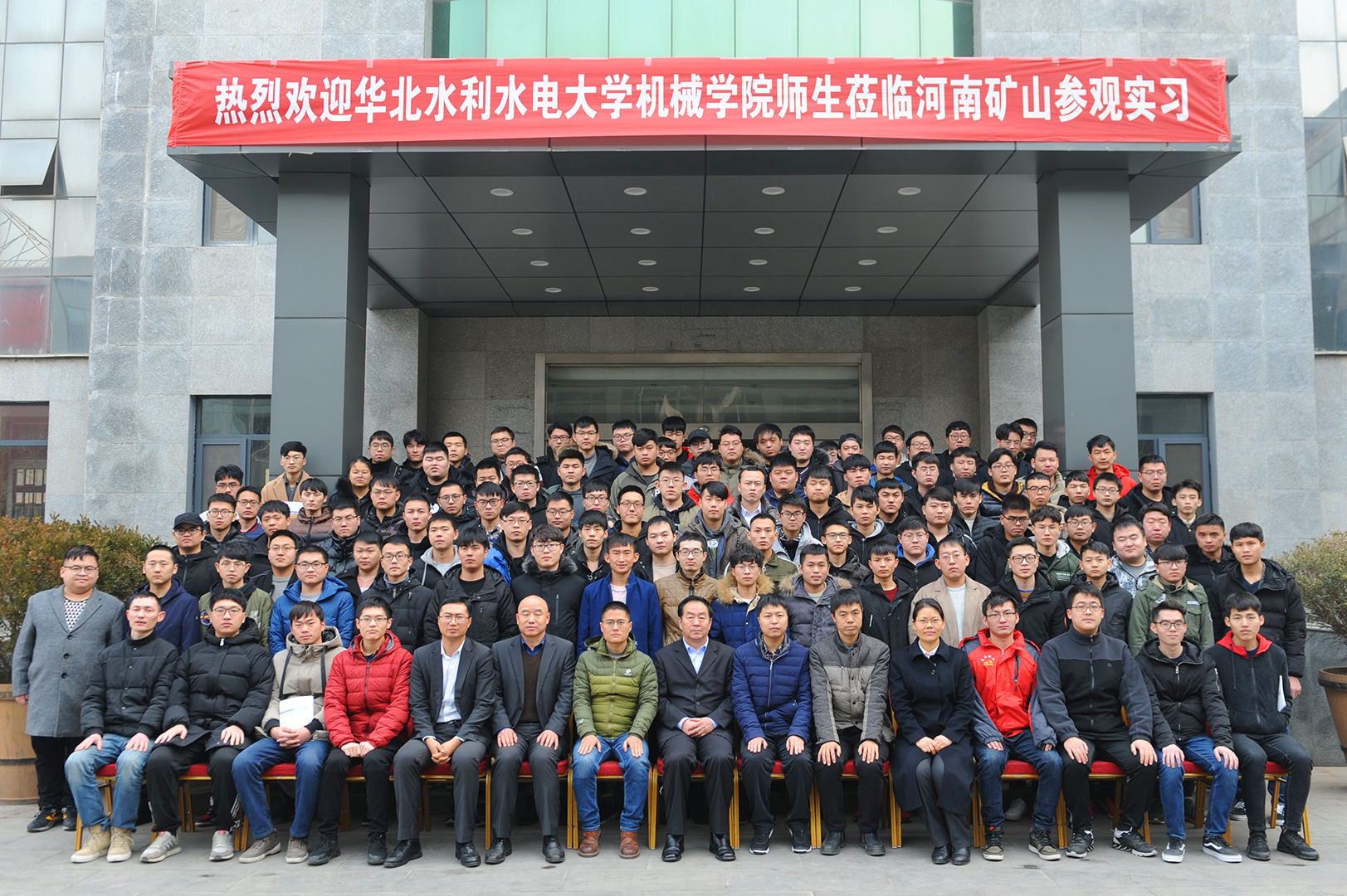
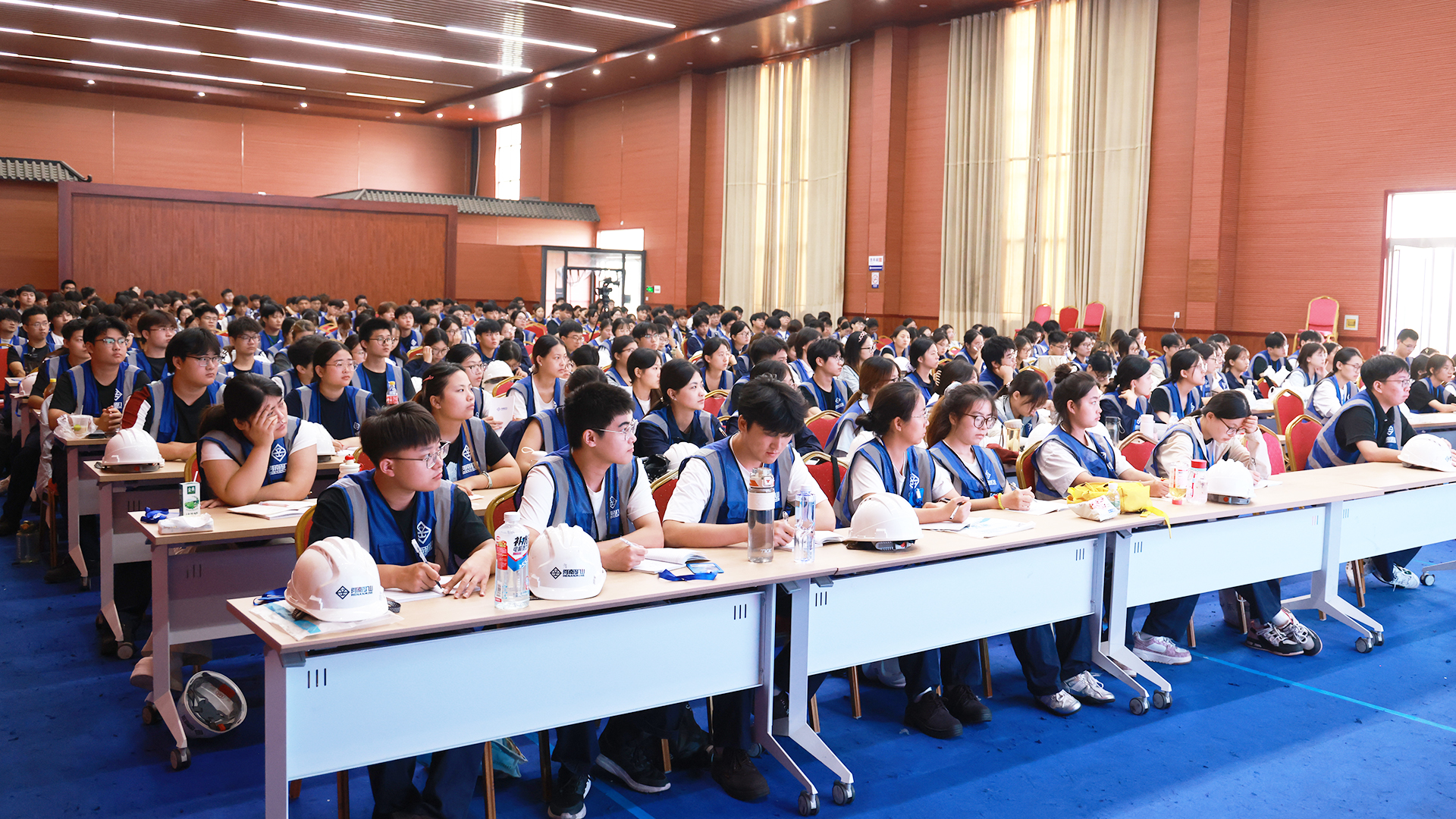
    Three teachers from the Mechanical College of North China University of Water Conservancy and Hydropower led a group of 105 college students to the enterprise for a three-day visit and internship.

    Mr. Yue Xiangbin, President of Henan Mine Crane, Mr. Ding Yuqi, Deputy General Manager and other leaders attended the welcome meeting and introduced the enterprise development, enterprise culture and production layout.
    Henan Mine Crane Industry-University-Research Cooperation

    The company hoped that the interns would combine theoretical knowledge and production practice to improve their professional ability and lay a good foundation for employment.

    Henan Mine Crane Industry-University-Research Cooperation

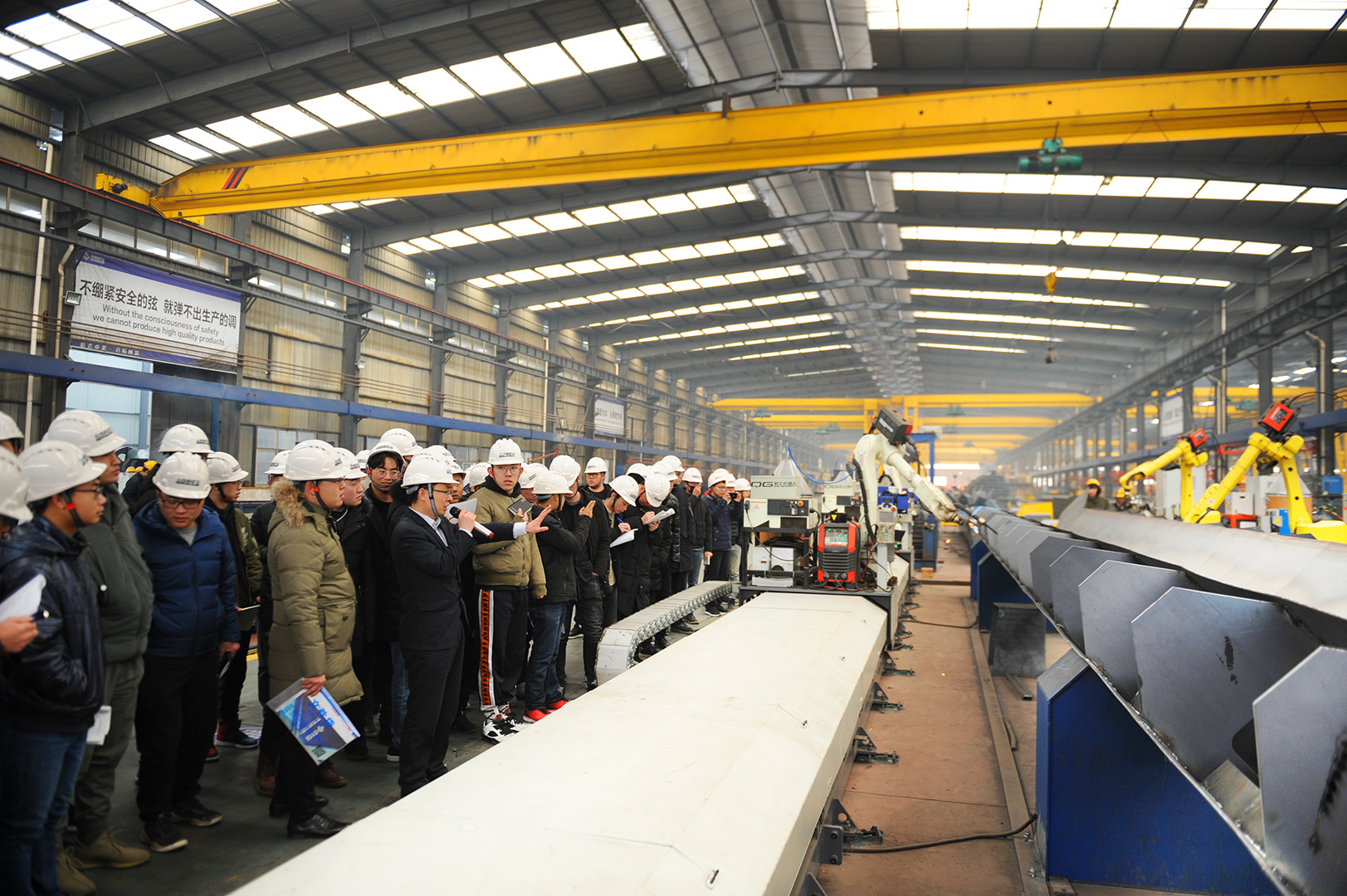
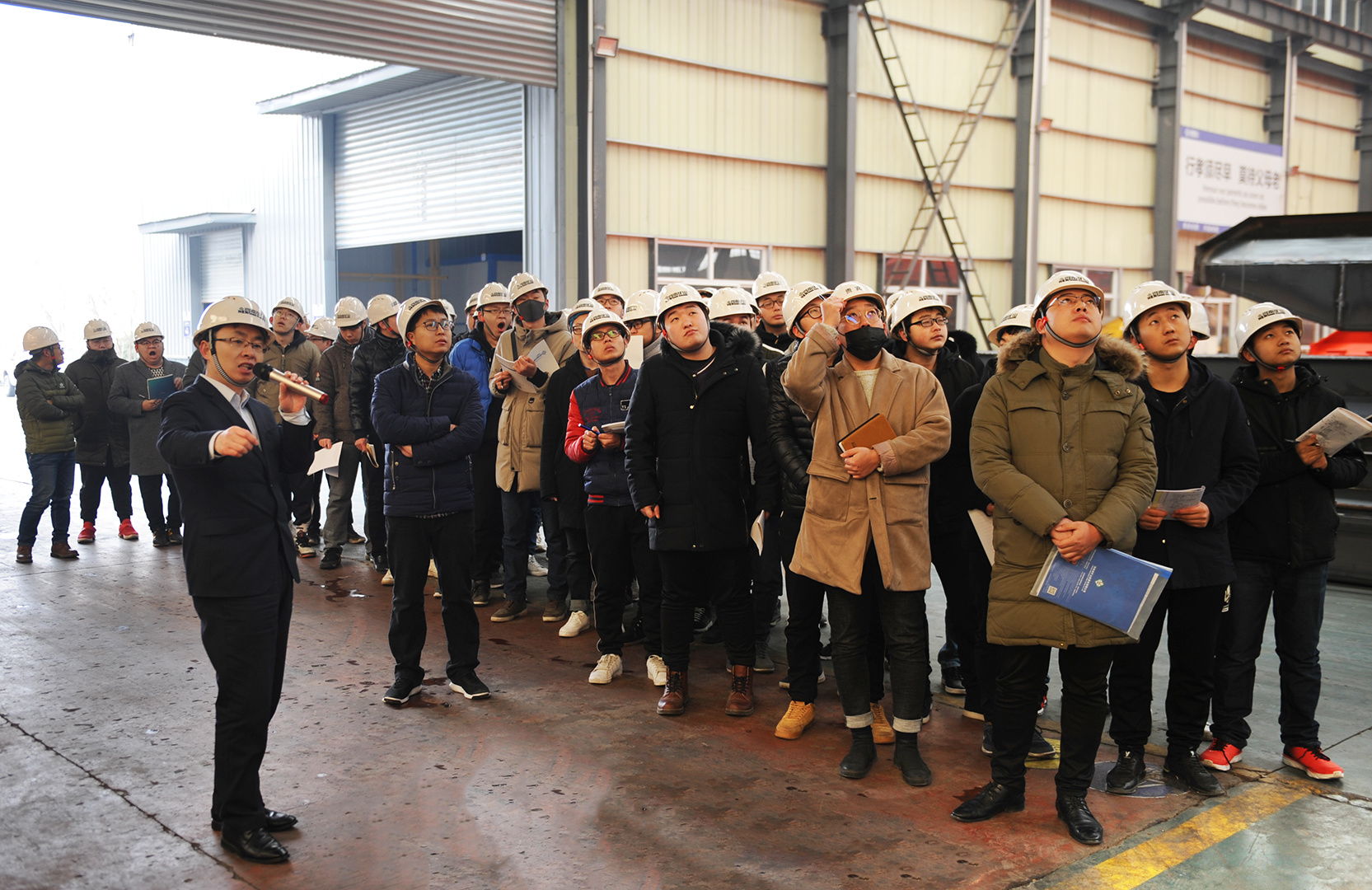
    After the hanging ceremony, the interns were divided into two groups to enter the production line to learn the crane manufacturing process.

    Through field study, students more intuitively grasp the production and assembly points of lifting equipment.
    Henan Mine Crane Industry-University-Research Cooperation

    This cooperation has built a bridge between the campus and enterprise talent training. Henan Mine Crane will continue to promote school-enterprise collaboration to cultivate professional and technical personnel for the lifting equipment industry.
    Henan Mine Crane Industry-University-Research Cooperation

    Relying on the integration of industry, academia and research, the enterprise will continue to improve its technical strength and provide better lifting solutions for global customers.

    Henan Mine CraneDiscuss your requirements ↗
  • 600 t Double-Trolley Overhead Crane Installed for Marine Equipment Manufacturing

    600 t Double-Trolley Overhead Crane Installed for Marine Equipment Manufacturing

    Project Deliveries

    600 t Double-Trolley Overhead Crane Installed for Marine Equipment Manufacturing

    A 600 t double-girder overhead crane from Henan Mine Crane completed installation and trial operation at a marine equipment manufacturing base, ahead of production use.

    Double-trolley arrangement on the marine equipment overhead crane
    Double-trolley arrangement on the marine equipment overhead crane.

    Independent and coordinated trolley operation

    The crane uses two trolleys that can operate independently or together for large and elongated components. Variable-frequency drives and PLC control support controlled travel and load-dependent speed arrangements.

    Define the combined lifting arrangement

    A similar project needs the component geometry, centre of gravity, lifting points and required hook separation. The technical agreement should define coordinated movement, load limits, positioning requirements and the acceptance procedure for the proposed handling sequence.

    Review a large-component lifting study

    Send the component weights and dimensions, lifting-point drawing and workshop layout so the crane arrangement can be evaluated.

  • How a Gantry Crane Works: Structure, Motions and Operating Coverage

    How a Gantry Crane Works: Structure, Motions and Operating Coverage

    Technical guide

    How a Gantry Crane Works: Structure, Motions and Operating Coverage

    The gantry structure carries the lifting mechanism while its travel arrangement defines the working area. Use the required pick-up and set-down positions to connect the basic crane motions with a practical site layout.

    Henan Mine CraneTechnical guide · Updated 2026Crane selection, project scope and operating requirements
    Henan Mine Crane overhead crane inside a workshop bay
    Henan Mine Crane overhead crane inside a workshop bay
    Project planning notes

    Key points for this crane project.

    1. What Is a Gantry Crane?
    2. How Does a Gantry Crane Work?
    3. Types of Gantry Cranes
    Read the technical guide

    What Is a Gantry Crane?

    Gantry crane, also often referred to as gantry crane, portal crane (gantry crane), is a kind of self-supporting bridge lifting equipment. In simple terms, it is a lifting device built on a gantry frame structure. It supports the horizontal main girder through vertical outriggers, and can rely on wheels, casters, and rails to move as a whole. Without the support of the plant building structure, the three-dimensional space lifting operation of heavy objects can be completed.

    The specifications of gantry cranes have a huge span and cover the needs of the whole scene. They are as small as portable small equipment for workshop maintenance, which can easily lift automobile engines and small machinery and equipment, and as large as giant industrial models used in ports and shipyards. They can carry hundreds of tons of heavy cargo and are the core equipment of heavy industrial production.

    Core components of gantry crane

    A complete gantry crane is composed of five core components, and all components work together to ensure stable and efficient lifting operations.

    • Outriggers: As the core support structure for self-supporting and load-bearing equipment, A-shaped and inverted V-shaped vertical shapes with excellent stability are mostly used. Single-leg and double-leg designs are the most common on the market. Large heavy-duty gantry cranes will be equipped with multiple sets of outriggers to ensure the overall stability of the equipment during operation in all directions.
    • main girder/bridge frame: The core load-bearing beam erected laterally above the outriggers on both sides is divided into two mainstream structures, single main girder and double main girder. It is a key component that carries heavy loads and determines the operating span and load-bearing upper limit of the equipment.
    • Running trolley: A movable travel mechanism equipped with a crane, which can slide accurately laterally along the main girder, flexibly adjust the starting position, and realize the precise horizontal positioning of the goods within the operating span.
    • Hoisting hoist: The core lifting execution device of the equipment relies on the transmission structure of wire rope, chain and pulley block to complete the cargo lifting operation. According to the type of power, it can be divided into three types: manual, electric and hydraulic, which are adapted to the needs of different loads and operating frequencies. Working conditions.
    • travel mechanism: it consists of wheels, non-slip casters, load-bearing steel rails, wear-resistant rubber tires and other components, which can support the entire equipment to complete the longitudinal movement, directly determining the movement mode, travel stability and scene adaptation ability of the gantry crane.

    How Does a Gantry Crane Work?

    The core working logic of the gantry crane is vertical lifting and multi-dimensional horizontal movement. Through the coordinated operation of the three moving axes, the hook can cover the three-dimensional space in the working area and accurately complete the cargo grabbing, transshipment, and unloading operations.

    Three core motion axes

    1. Vertical lifting movement: the crane uses a motor to drive the retractable wire rope or chain to drive the hook and load to lift smoothly to complete the core operation process of lifting and accurately positioning the goods from the ground.
    2. Horizontal travel movement: The running trolley can slide left and right laterally along the main girder, quickly adjust the horizontal position of the hook and the cargo, and accurately cover all operating points within the operating span.
    3. Longitudinal travel movement: The entire gantry crane can rely on ground tracks or rubber tires to complete the longitudinal travel before and after, greatly widening the overall operation coverage to achieve long-distance smooth transfer of goods

    Standardized operation steps

    Conventional lifting operations follow a five-step process, with standardized operation and high safety.

    • Equipment alignment: Operators clean up the work site in advance to ensure smooth and smooth passage. The gantry crane adjusts the position of the whole machine so that the main girder accurately covers the top of the material to be hoisted. Correct the operating benchmark to avoid the hidden dangers of hoisting offset and build a solid safety foundation for subsequent lifting and transshipment.
    • Precise positioning: After the alignment of the whole machine is completed, control the trolley to move laterally along the main girder, fine-tune the position of the hook and the crane, combine the shape of the cargo, and locate the center of gravity lifting point, effectively prevent the cargo from tilting and shaking during the hoisting process, and ensure that the overall hoisting attitude is stable and controllable.
    • Hook lifting: according to the specifications and weight of the goods, choose the appropriate spreader specifications to complete the binding and hanging, and confirm that the locking force is uniform, start the crane to lift the material at a uniform speed, so that the goods are off the ground and avoid surrounding obstacles to maintain a stable hoisting state.
    • Transfer and shift: after the cargo is lifted, the standard safe lifting height is maintained, and the linkage control equipment walks vertically and laterally at a uniform speed and smooth operation throughout the process to prevent the goods from shaking caused by sudden stops and turns, and the materials are safely and accurately transferred to the target operating area.
    • Unloading and unloading: After the material is in place, the placement position and angle are carefully calibrated, and the goods are slowly lowered. After the material is stabilized and the force is not offset, the spreader and binding device are removed and the complete lifting operation process is standardized.

    Power and control system

    Industrial-grade gantry cranes are mostly driven by electric power, powered by cable tow chains, sliding contact lines, and cable reels to ensure the stable operation of hoists, trolleys, and travel mechanisms; small portable equipment can be driven by manual chains or powered by batteries.

    The operation methods include wired control of the handle, wireless remote control, and cab control. Large-scale equipment comes standard with frequency conversion speed regulation, limit protection, overload protection, and sway control systems to greatly improve operating stability and safety.

    Types of Gantry Cranes

    Gantry cranes can be divided into four categories according to structure, main girder type, movement method, and application scenarios. Different models are adapted to different working conditions, which is the core basis for selection.

    Classification by structure

    ModelStructural featuresApplicable scenarios
    Full gantry craneSelf-supporting legs on both sides, walking on the ground as a whole, stable structure and strong bearing capacityOutdoor yard, steel mill, shipyard, heavy industrial operation scene
    Semi-gantry craneSingle-sided floor-to-ceiling legs, relying on the wall/track support of the plant on one side, saving spaceIndoor workshop, semi-outdoor venue with building support
    Portable gantry craneWith casters, adjustable height and span, lightweight design, can be passed manuallyWorkshop maintenance, light assembly, small cargo hoisting

    Classification by main beam structure

    • The main light and medium-sized material hoisting operations are suitable for most indoor and outdoor conventional industrial conditions. Extremely versatile
    • Double main girder gantry crane: equipped with double parallel main girder structure, the overall carrying capacity is strong, the operating stability is excellent, the effective lifting height is greater, the maximum load can reach hundreds of tons, and it can be adapted to heavy materials and high-frequency continuous operations for a long time. It is mostly used in large-scale heavy industry scenarios.

    According to the differences in beam structure, the main girder can be divided into two types: box beam and truss beam. The box beam has good overall sealing, high structural strength, outstanding weather resistance and corrosion resistance, and is suitable for various complex working conditions. The truss beam has lighter weight, excellent wind resistance, and strong stability. It is the preferred structure for outdoor and open-air operation scenarios.

    Classified by way of movement and walking

    • Rail gantry crane (RMG): Relying on fixed steel rail track, high positioning accuracy, large carrying tonnage, stable and reliable operation, can be adapted to high-frequency continuous operations in scenarios such as port steel mills, material depots, etc. It is the core equipment for heavy-duty transshipment in fixed factories.
    • Tire gantry crane (RTG): The use of wear-resistant rubber tires to walk the structure without laying a fixed track, the site has strong adaptability, can be freely and flexibly transferred, and the movement efficiency is high. It is widely used in the stacking and transshipment operations of various container depots.
    • Portable adjustable gantry crane: equipped with silent casters, it can be easily moved manually, and the height of the equipment and the operating span can be flexibly adjusted.

    Customized models for dedicated scenes

    • Shore bridge gantry crane (STS): It is a special large-scale heavy-duty equipment for ports, designed for ship container loading and unloading operations, with a large span and strong carrying capacity. It is the core main equipment for the loading and unloading of import and export goods in maritime ports.
    • Container gantry crane: customized research and development for standardized container operations, which can efficiently complete the stacking, handling and regular transshipment of containers, and adapt to large-scale container operation scenarios such as port yards, logistics parks, etc.
    • Goliya extra-high-capacity gantry crane: Super-heavy customized gantry equipment with super-heavy load and ultra-high stability is mainly used in ship construction, large-scale steel structure assembly, heavy industry equipment assembly and other super-heavy operation scenarios
    • L-shaped/U-shaped gantry crane: By optimizing the shape and overall structure of the outriggers to adapt to special site space and special operation clearance requirements, the hoisting problem of restricted space can be solved, and the site adaptability is more flexible.

    Common Applications of Gantry Cranes

    With the advantages of no need for building support, universal indoor and outdoor, flexible and efficient, and wide load coverage, gantry cranes cover almost all heavy industry, logistics, and maintenance industries. The core application scenarios are as follows:

    • Ports and container depots: relying on large-scale professional gantry equipment such as RTG RMG STS, it can efficiently complete the loading, unloading, stacking and transshipment of containers. Stable operation and strong carrying capacity are the core main equipment of modern port logistics and warehousing operations.
    • Shipbuilding and shipyards: high-capacity double main beams and Golyat gantry cranes are adapted to heavy-duty working conditions in shipyards, which can safely and accurately lift super-heavy components such as hull modules, decks, marine engines, etc. To meet the needs of large-scale assembly operations for ship construction.
    • Industrial manufacturing and steel structure processing: widely used in various industrial production scenarios, it can smoothly transfer steel raw materials, machinery and equipment, and finished components to adapt to the assembly process of the production line and the daily material turnover operations of the factory.
    • Steel mills and waste yards: it can be used with special lifting accessories such as electromagnetic suction cups and grab buckets to adapt to the lifting and handling of various heavy bulk materials such as steel coil steel scrap, and to adapt to the high-frequency heavy-duty operating conditions of steel mills and waste yards.
    • Construction site: suitable for outdoor temporary construction scenes, it can efficiently hoisting prefabricated building components, engineering building materials and large-scale construction equipment, easy to install, strong adaptability, and perfectly fits the needs of temporary lifting operations on the construction site.
    • Workshop maintenance and warehousing and logistics: lightweight portable gantry cranes are mostly used for the maintenance and hoisting of motor hvac equipment, machinery and equipment, and small and medium-sized gantry equipment can meet the needs of daily warehousing and logistics operations such as warehouse cargo stacking and transshipment.
    • Power and energy industry: it is suitable for power engineering scenarios such as wind power and thermal power, and can complete the hoisting, installation and maintenance of heavy equipment such as generator sets, transformers, large wind power components, etc. To ensure the safe and efficient operation and maintenance of power equipment.

    Advantages of Using a Gantry Crane

    Self-supporting structure

    The gantry crane adopts an independent and self-supporting frame structure, no need to rely on the load-bearing system of the plant building, no need to strengthen and transform the main body of the plant, and the equipment can be put into use. It can be perfectly adapted to various special operating scenarios such as temporary construction sites without load-bearing structures, factories, etc. The threshold for site adaptation is extremely low.

    Extremely flexible

    The whole machine has extremely high operational flexibility, supports fixed-point precise hoisting and global mobile operations, portable models can be quickly shifted and stored, orbital and tire models can be adapted to fixed-station high-frequency operations and site free transition requirements, and can be stably adapted to various indoor and outdoor complex operating environments.

    Low installation cost

    Compared with traditional bridge cranes, gantry cranes do not need to build a complex top track load-bearing system. The overall assembly process is simple and easy to disassemble, greatly shortening the construction cycle and effectively controlling project investment. It is very suitable for temporary engineering projects, leasing plant operations and industrial scenarios with controllable budgets.

    Excellent outdoor operation performance

    The equipment as a whole has been treated with professional anti-corrosion, windproof and waterproof technology, and can withstand harsh outdoor working conditions such as open-air wind, rain, temperature difference, exposure, etc. for a long time. It effectively solves the industry shortcoming that bridge cranes cannot operate outdoors. The stability and durability of outdoor operations are more prominent.

    Customizable

    The whole machine supports highly customized design, the operating span, the lifting height, the rated load, and the travel mode can be adjusted according to the on-site working conditions. The portable model can flexibly adjust the height and span, and can be adapted to later production capacity upgrades and changes in working conditions. The equipment is extremely scalable and adaptable.

    Safe and efficient

    The equipment can completely replace manual heavy-duty handling and reduce the risk of work-related injuries from the root cause. Relying on an accurate three-dimensional positioning system, the accuracy of material hoisting and positioning is greatly improved. With multiple safety protection devices such as overload limit, sway control, emergency braking, etc., it can effectively avoid safety hazards such as overload, collision, material shaking, etc., and comprehensively improve operation safety and production efficiency.

    Factors to Consider When Choosing a Gantry Crane

    Scientific and reasonable equipment selection is the core prerequisite to ensure the safety and stability of lifting operations, control the input cost of the project, and improve the overall operating efficiency. In the selection process, users need to focus on the ten core selection dimensions combined with the actual working conditions on the site to accurately match and adapt to the model.

    • Rated load:When selecting the type, it is necessary to comprehensively calculate the weight of the cargo, the weight of the spreader and the weight of various ancillary accessories, reasonably reserve the safe load margin, strictly prevent overload, and select the type to ensure the safe and stable operation of the equipment from the source.
    • Operating span: Accurately measure the effective operating width between the two legs. The larger the operating span, the higher the requirements for the structural strength and overall stability of the main girder. The manufacturing cost of the equipment will also increase. The span parameters need to be reasonably planned in combination with the scope of operation.
    • Lifting height: combine the height of the cargo stacking on site with the height of the surrounding obstacles to accurately determine the maximum effective lifting height of the hook to ensure that the equipment has sufficient working space to avoid bumps and interference during the lifting process.
    • Operating frequency: According to the frequency of use of the equipment, the working condition level is divided into light intermittent operations, medium-sized conventional operations, and heavy-duty continuous operations. The corresponding working level of equipment is matched to effectively improve the durability and service life of the equipment.
    • Mobile mode: High-frequency operations in fixed factories give priority to orbital models that require frequent transitions and flexible operations. Tire-type or portable models can be selected. Indoor scenes with building support conditions can be adapted to half-door models. On-demand matching and adaptation of mobile solutions
    • Operating environment: outdoor open-air scenes need to be equipped with optional windproof, anticorrosive and waterproof protection configuration, uneven ground needs to be adapted to special travel structures, corrosive moisture and dust scenes need to be customized, special anticorrosive coating needs to be adapted to complex working conditions and environments
    • Power and control methods: manual or battery-powered models can be selected for light-duty and low-frequency operations, industrial high-frequency heavy-duty operations, priority is given to electric power systems, and various control modes such as wireless remote control cab control can be used with handles according to operating needs.
    • Material selection: Heavy-duty industrial heavy-duty operations give priority to steel structure, high strength, strong bearing capacity, frequent transitions in lightweight operations, and scenarios with high anti-corrosion requirements. Aluminum alloy material can be selected to take into account lightness and corrosion resistance.
    • Safety configuration: When selecting the type, priority is given to a full set of safety devices such as overload protection, stroke limit switch, emergency braking, sway control intelligent braking, etc., which strictly comply with industry safety standards and avoid all kinds of hoisting safety hazards in all directions.
    • Budget and long-term needs: comprehensively consider the overall cost of equipment procurement, installation, commissioning and late maintenance, while reserving space for equipment span and load upgrade, taking into account the current use needs and long-term production expansion to improve the overall cost performance of the equipment.

    Discuss the crane arrangement for your project.

    The gantry structure carries the lifting mechanism while its travel arrangement defines the working area. Use the required pick-up and set-down positions to connect the basic crane motions with a practical site layout. Share the load, available drawings, working cycle and site conditions with Henan Mine Crane so the required configuration and supply boundary can be discussed.

    Related crane configurations

    Explore crane product families and technical parameters ↗

    Updated 2026 · Henan Mine Crane

  • Crane Equipment Supports the Jimusar Cogeneration Project in Xinjiang

    Crane Equipment Supports the Jimusar Cogeneration Project in Xinjiang

    Project Deliveries

    Crane Equipment Supports the Jimusar Cogeneration Project in Xinjiang

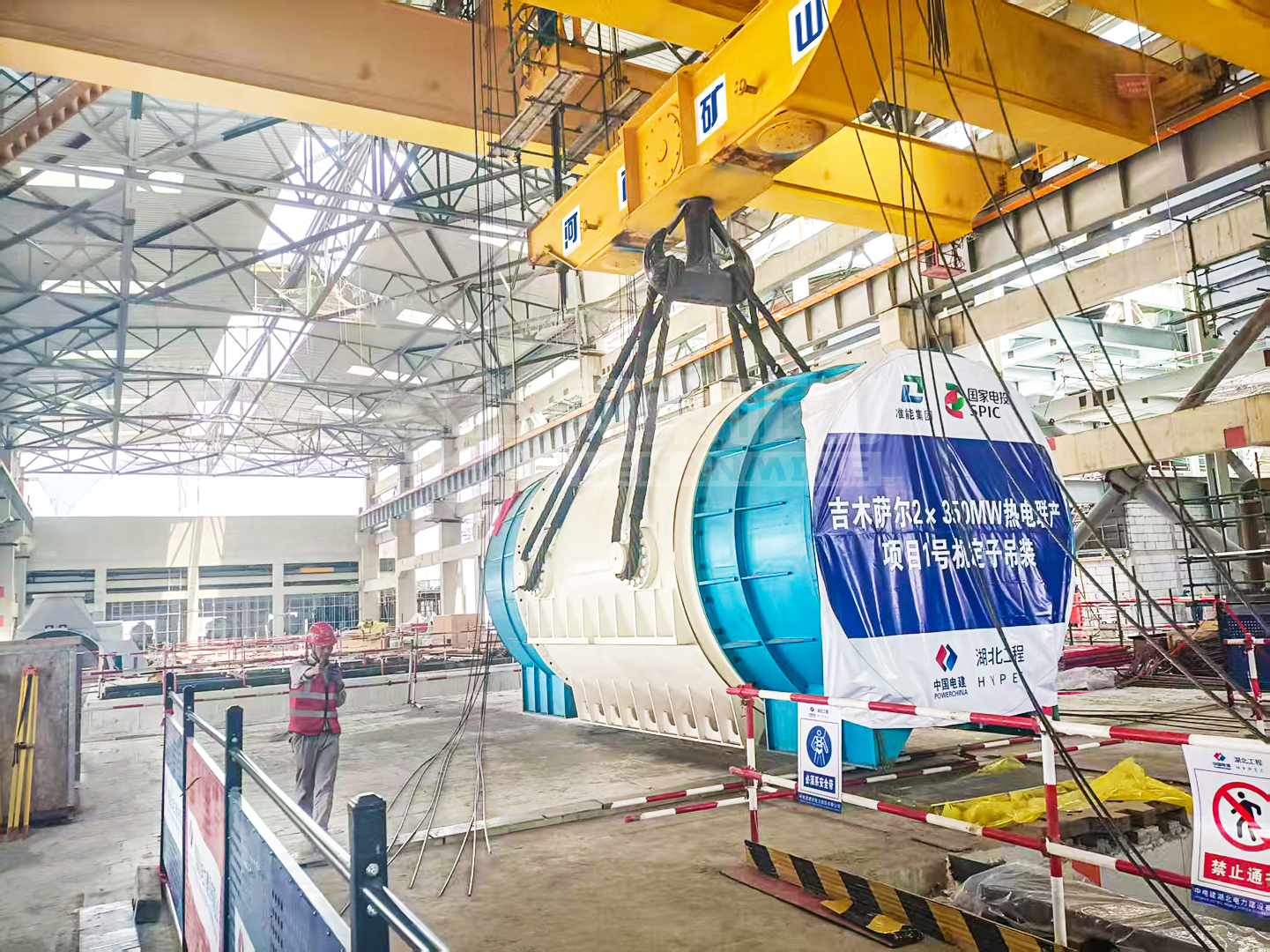
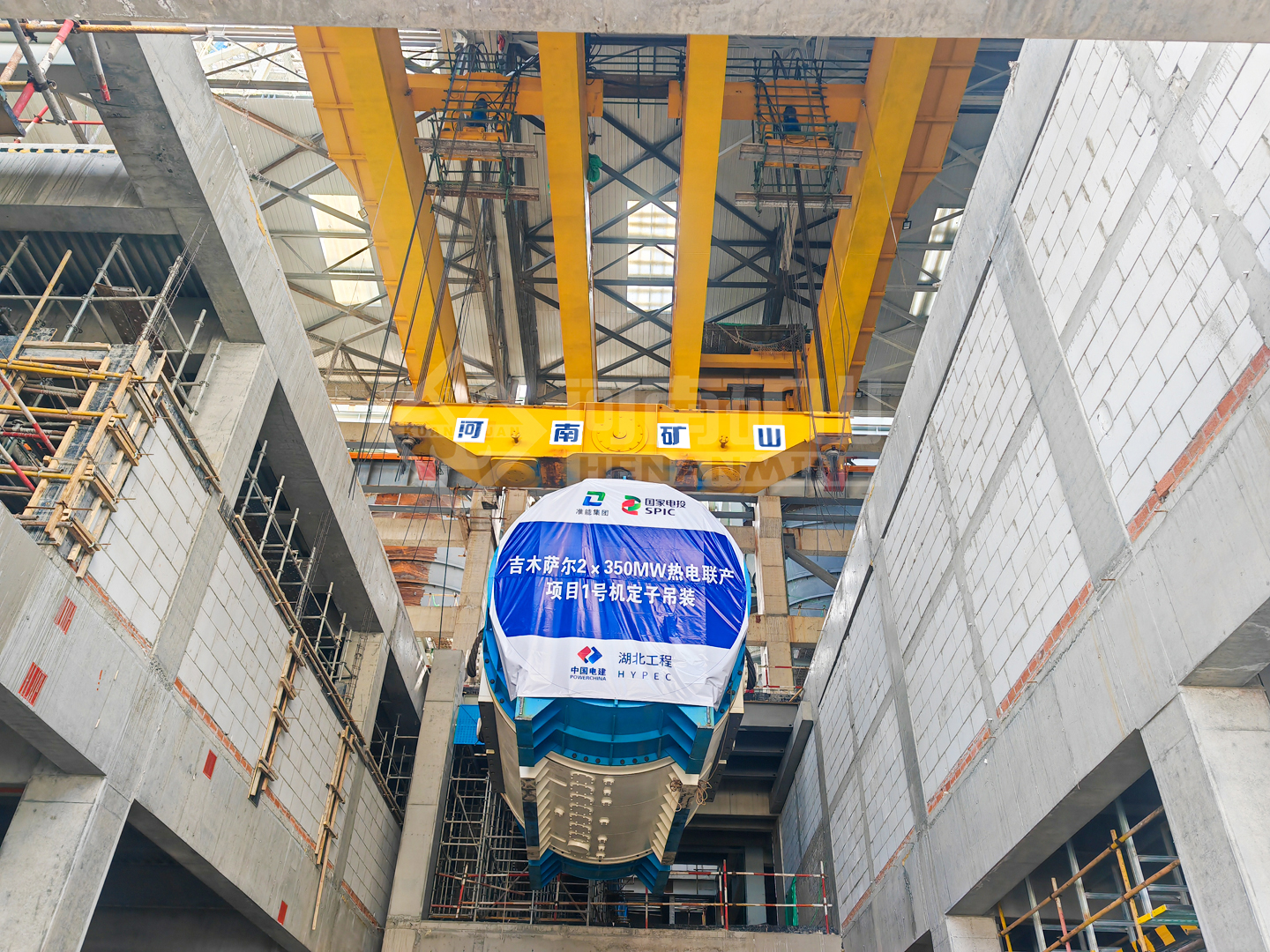
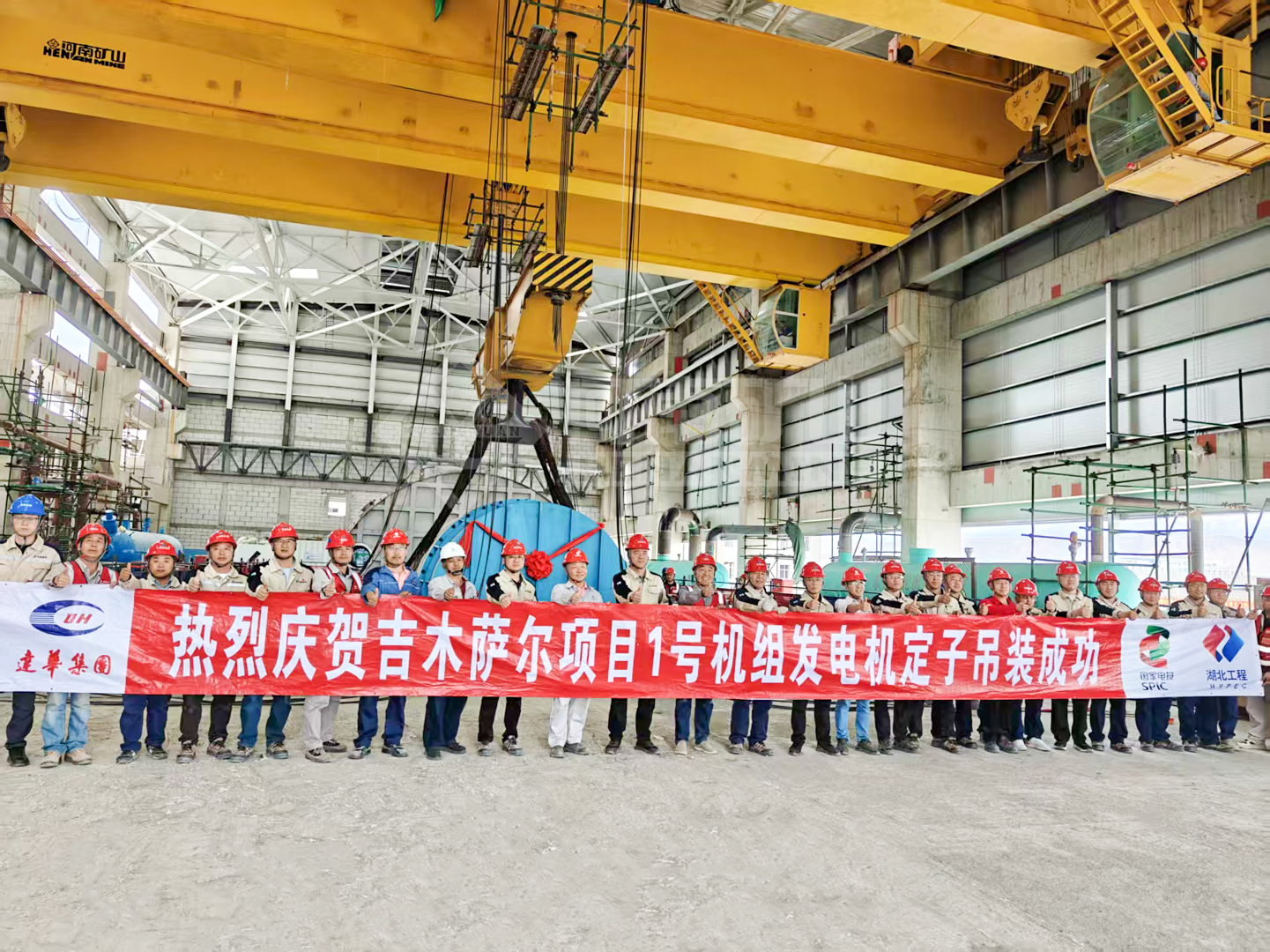
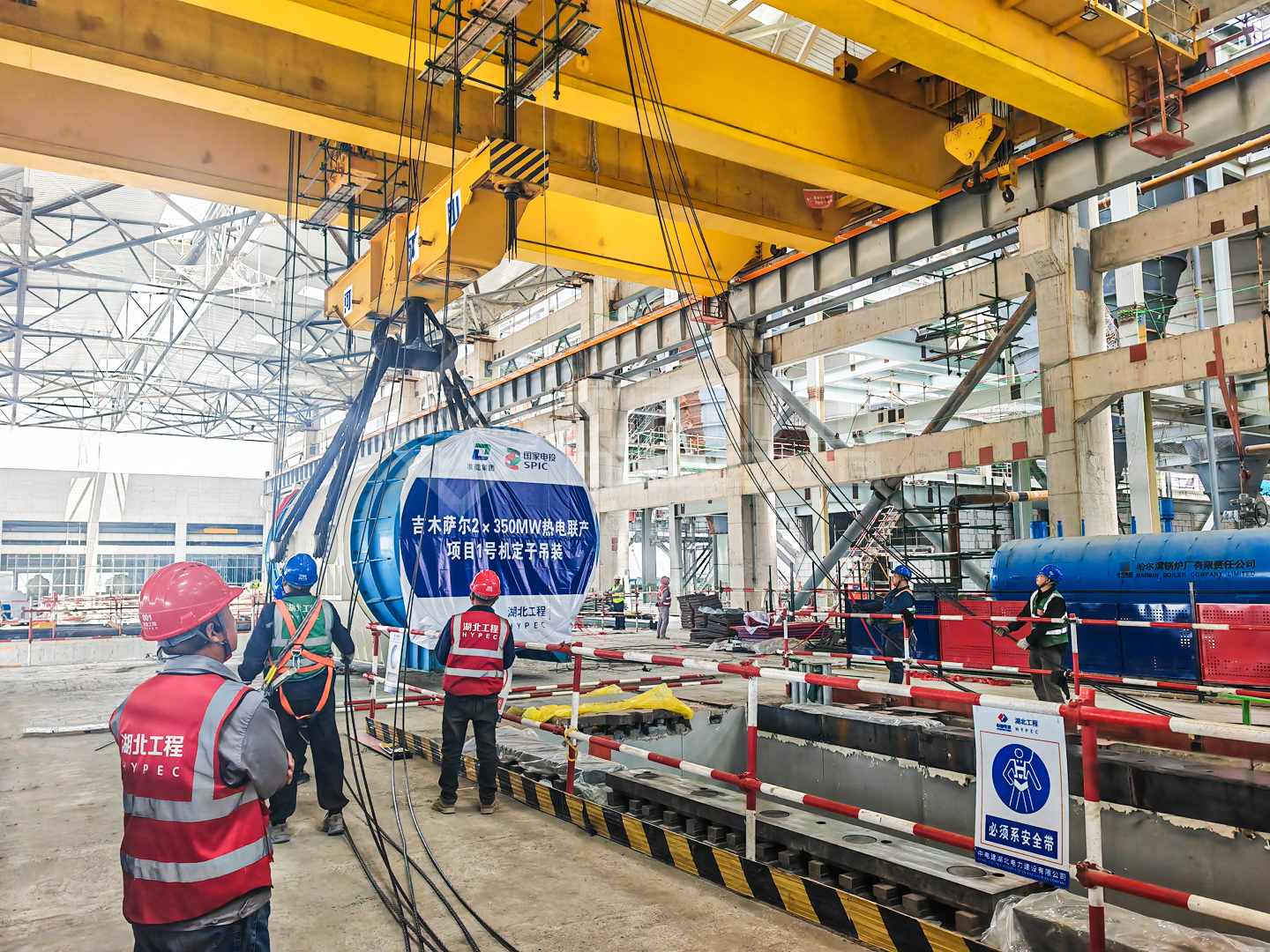
    Henan Mine Crane equipment supported construction of the 2 × 350 MW cogeneration project in Jimusar County, Xinjiang. The MW figures describe the power plant units, rather than crane lifting capacity.
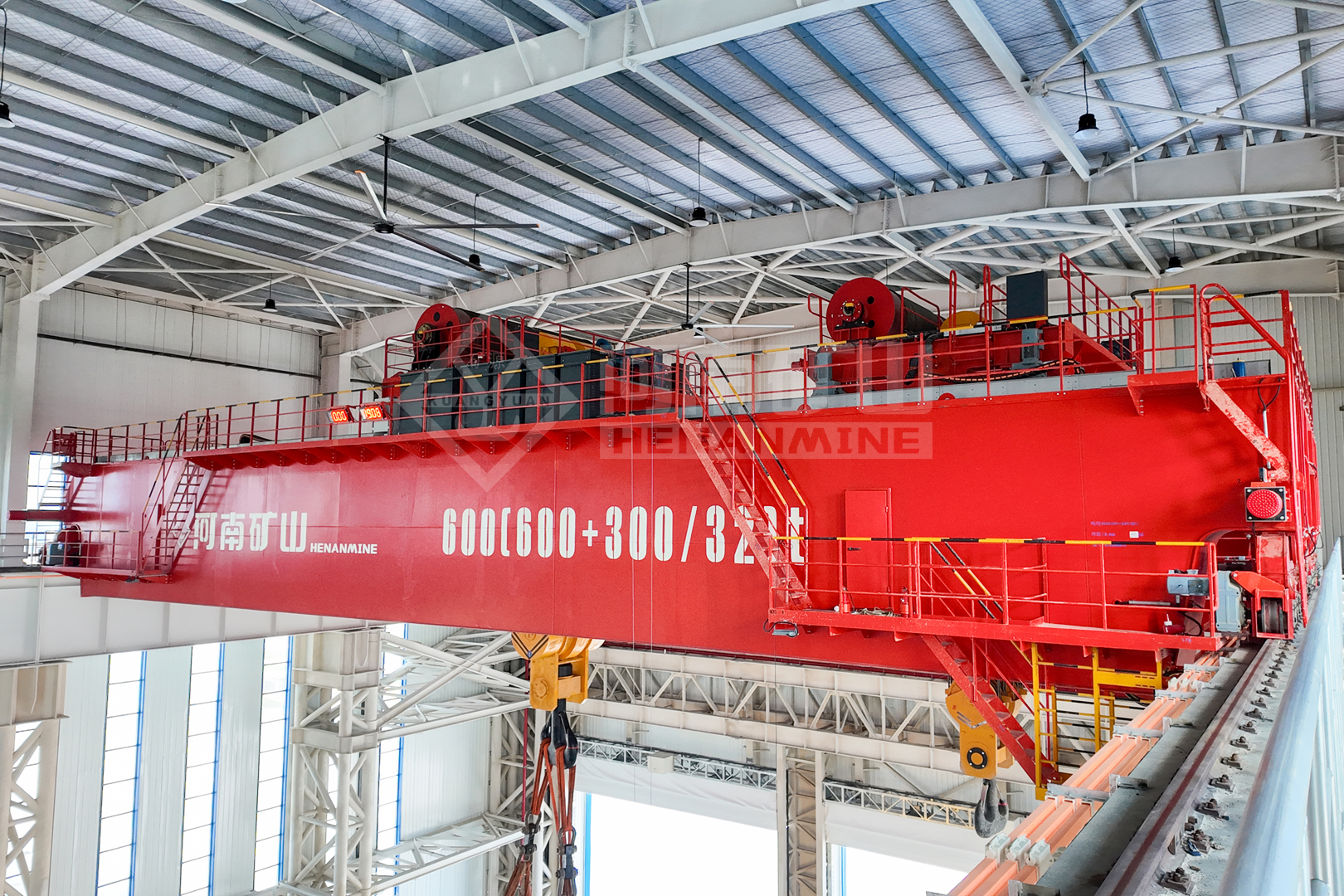
    Power plant crane positioning a large generator component
    Power plant crane positioning a large generator component.

    Controls for equipment handling

    The crane arrangements use variable-frequency speed control and PLC control for lifting and travel. The project required equipment suitable for heavy-component handling in a hot and dusty operating environment.

    Specify the site conditions and suspended load

    For a power plant enquiry, provide the actual lifted weights, lift path, clearances and installation sequence. Temperature, dust exposure and required protection measures should be confirmed for the particular equipment and location.

    Discuss your power plant crane

    Share the component load list, building drawing and operating conditions for the equipment proposal.