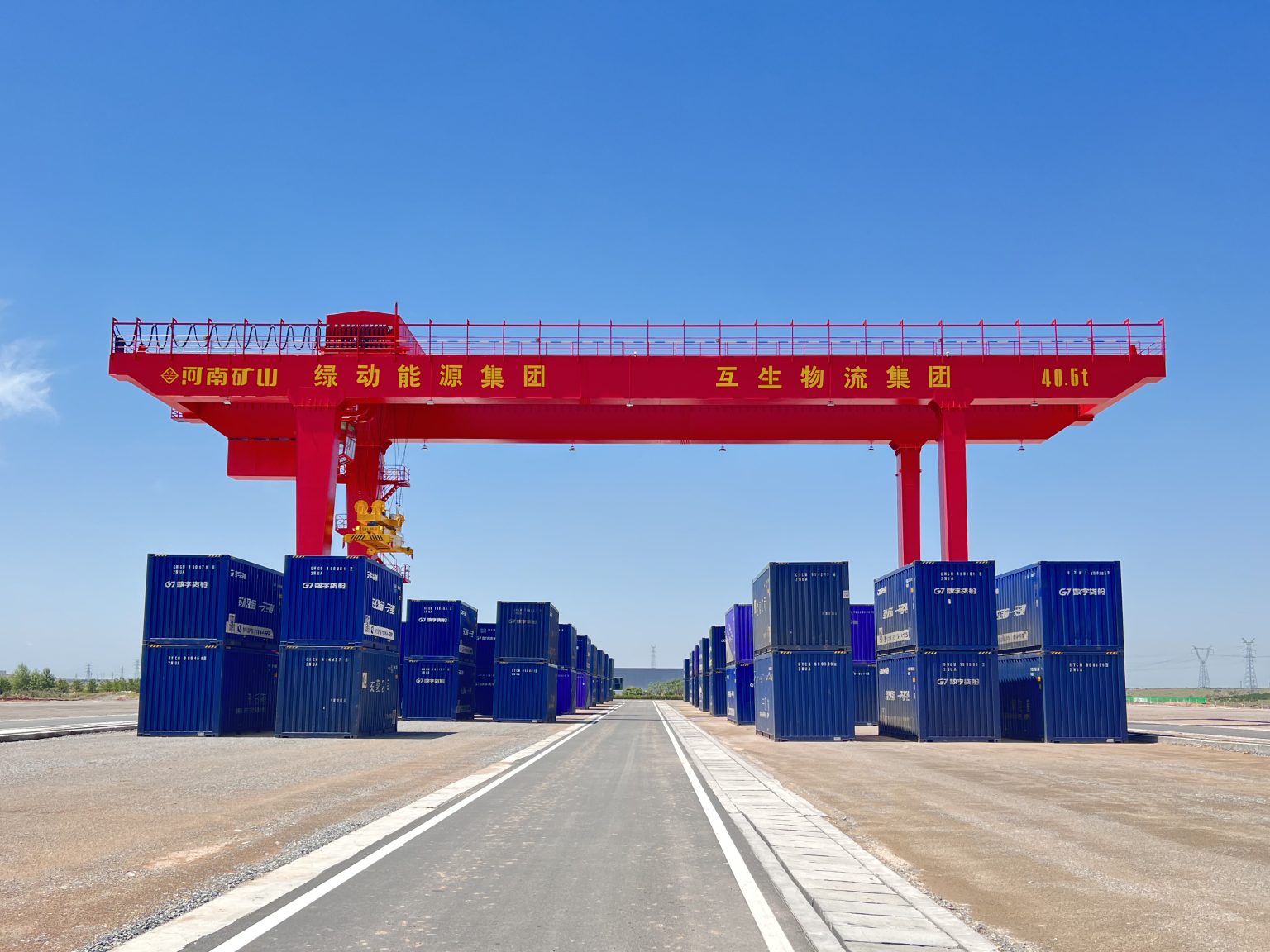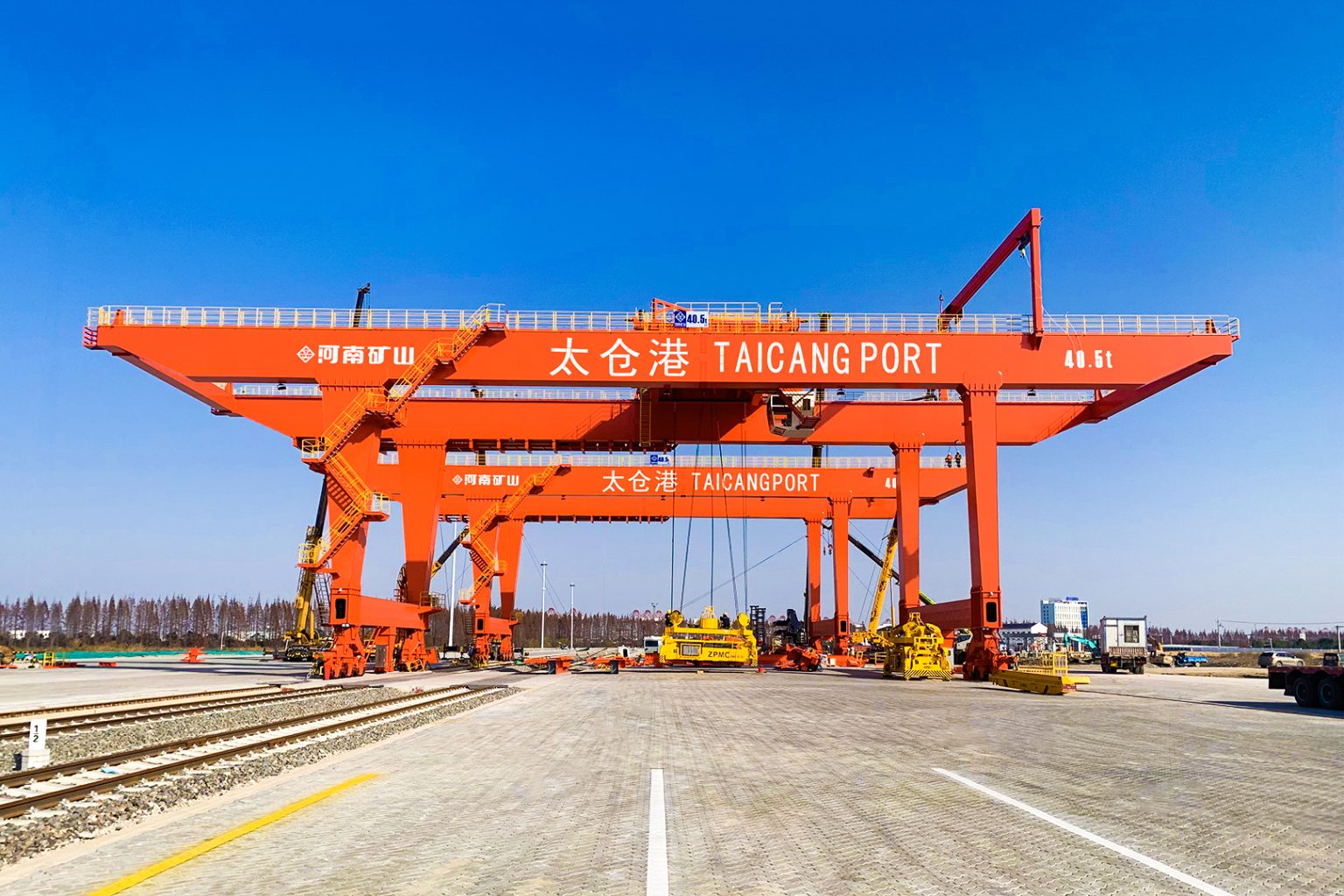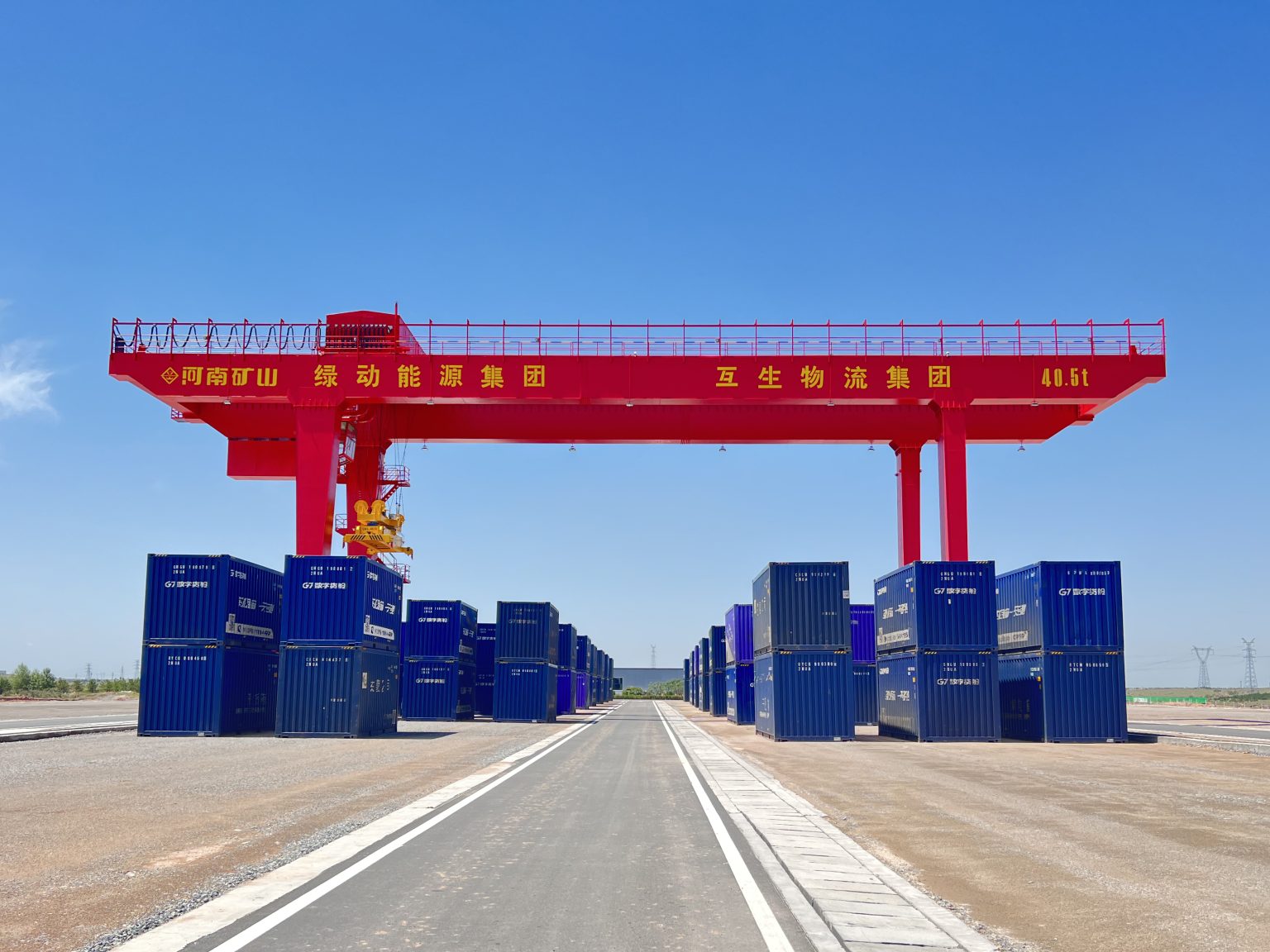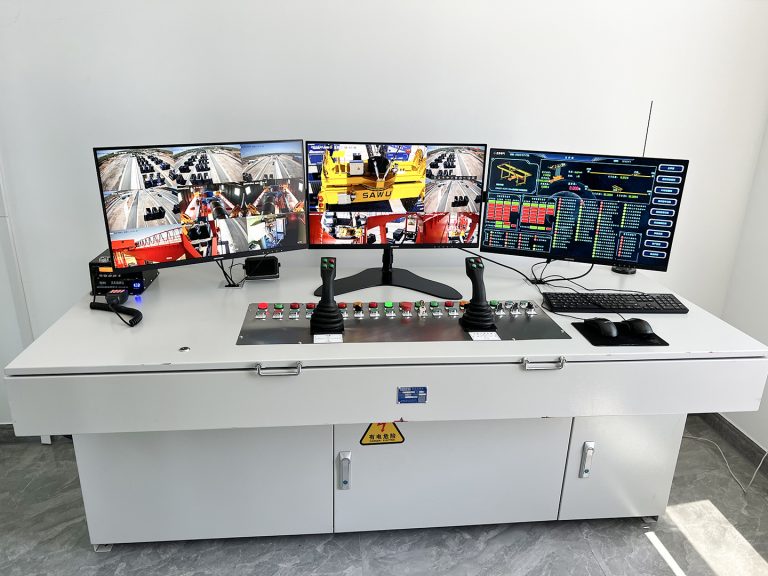
Henan Mine Crane · Engineered Overhead Lifting Systems
Overhead Crane Suppliers for Industrial Lifting Projects
A qualified overhead crane supplier must convert load, duty, building and process data into an engineered bridge-crane system—not merely provide a hoist, bridge beam or catalogue price.
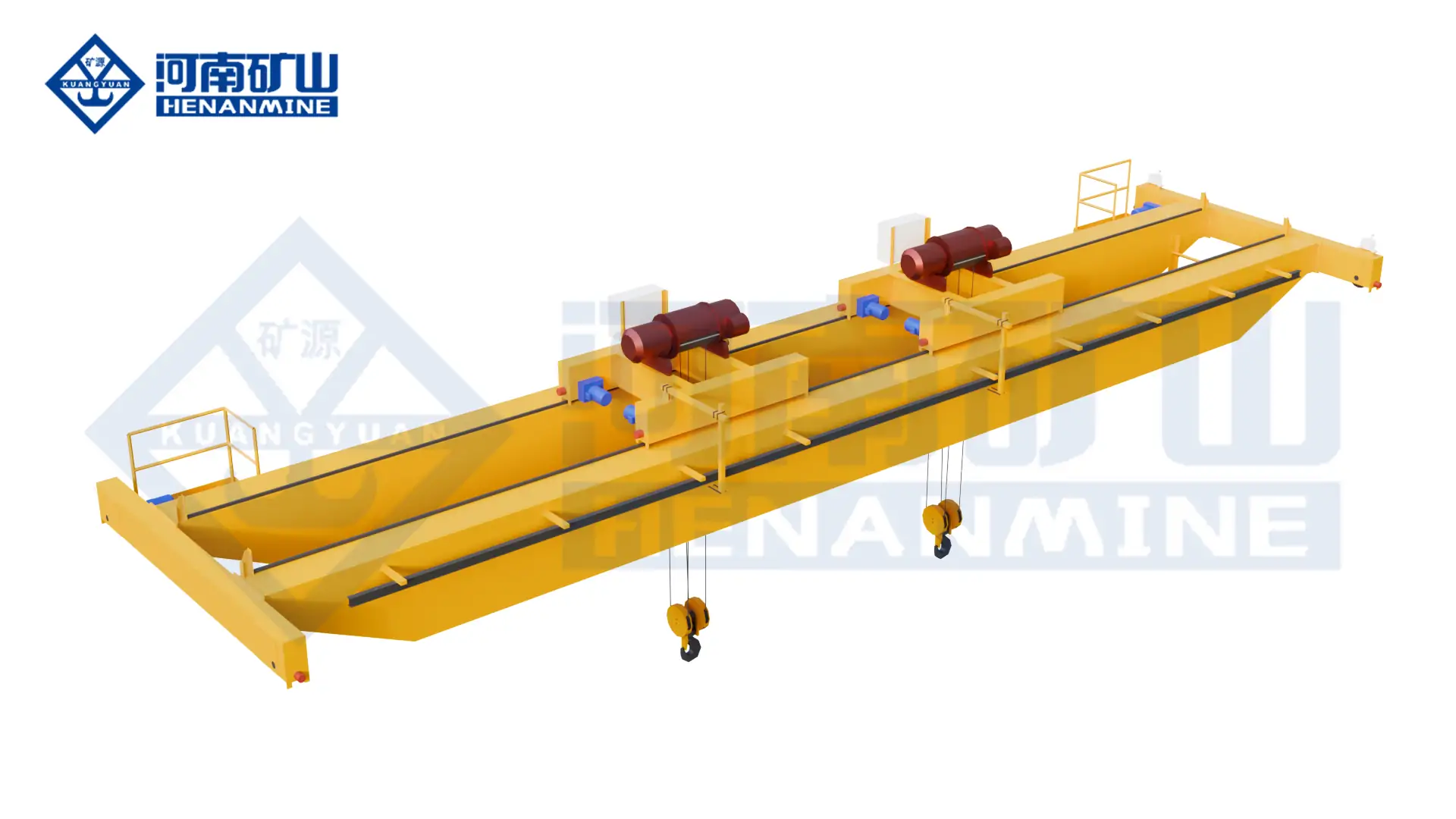
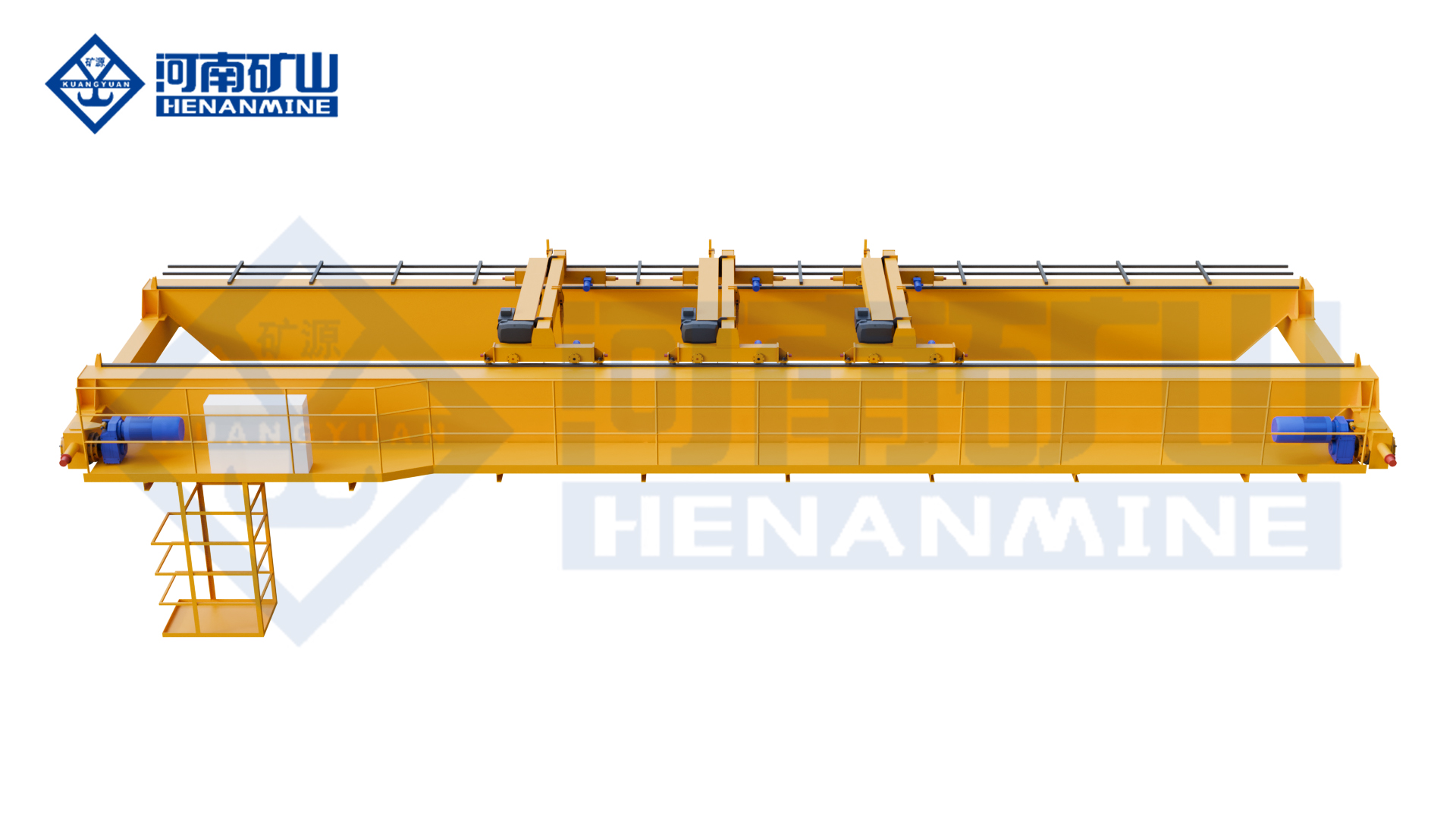
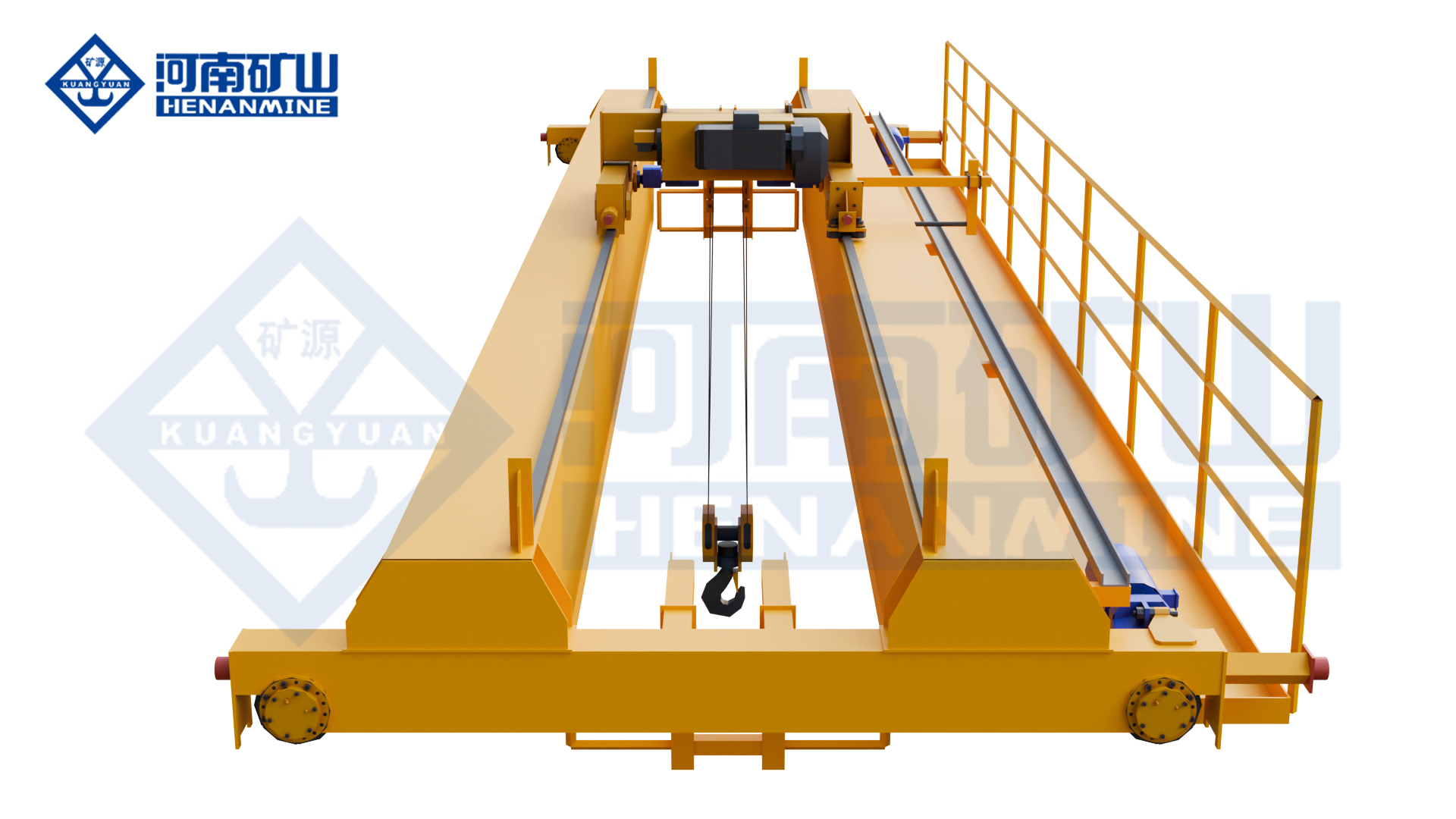
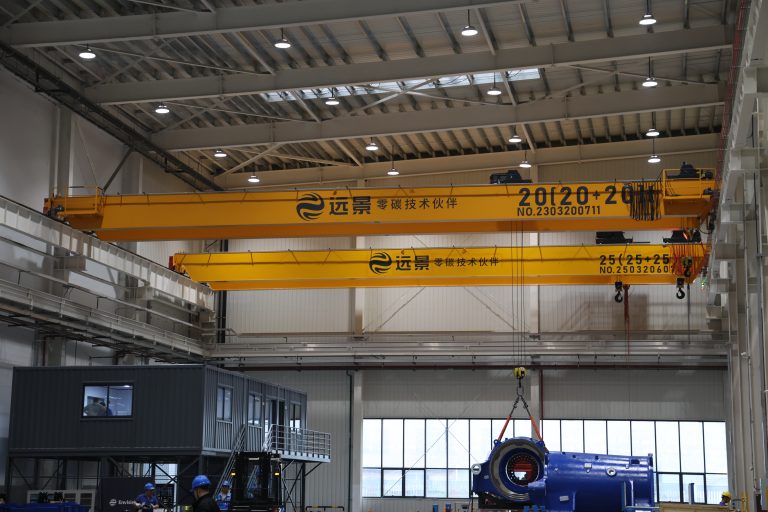
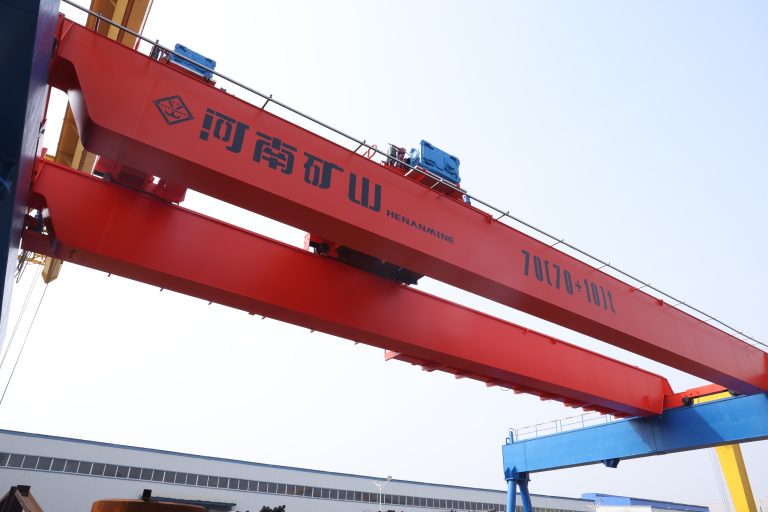
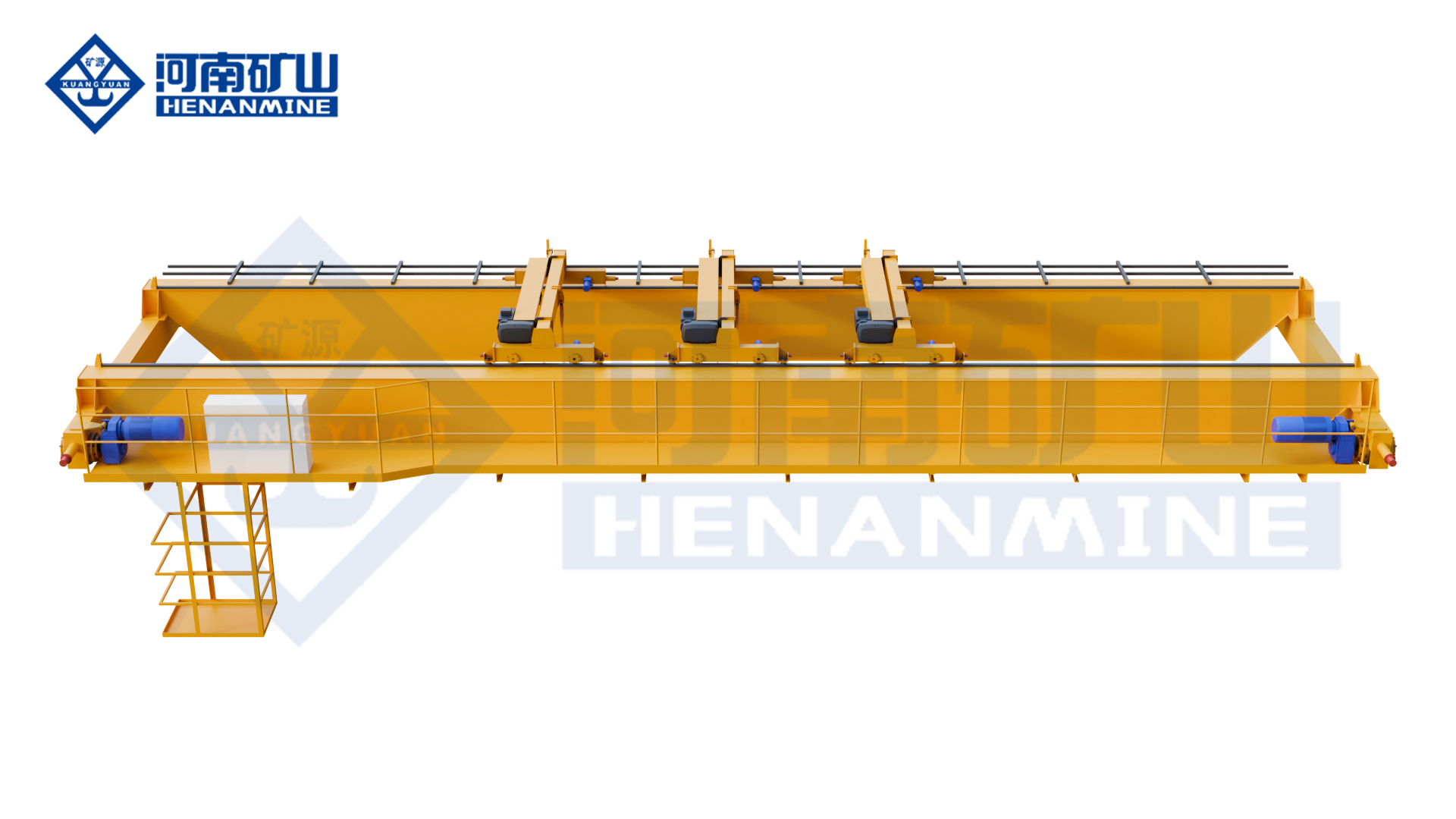
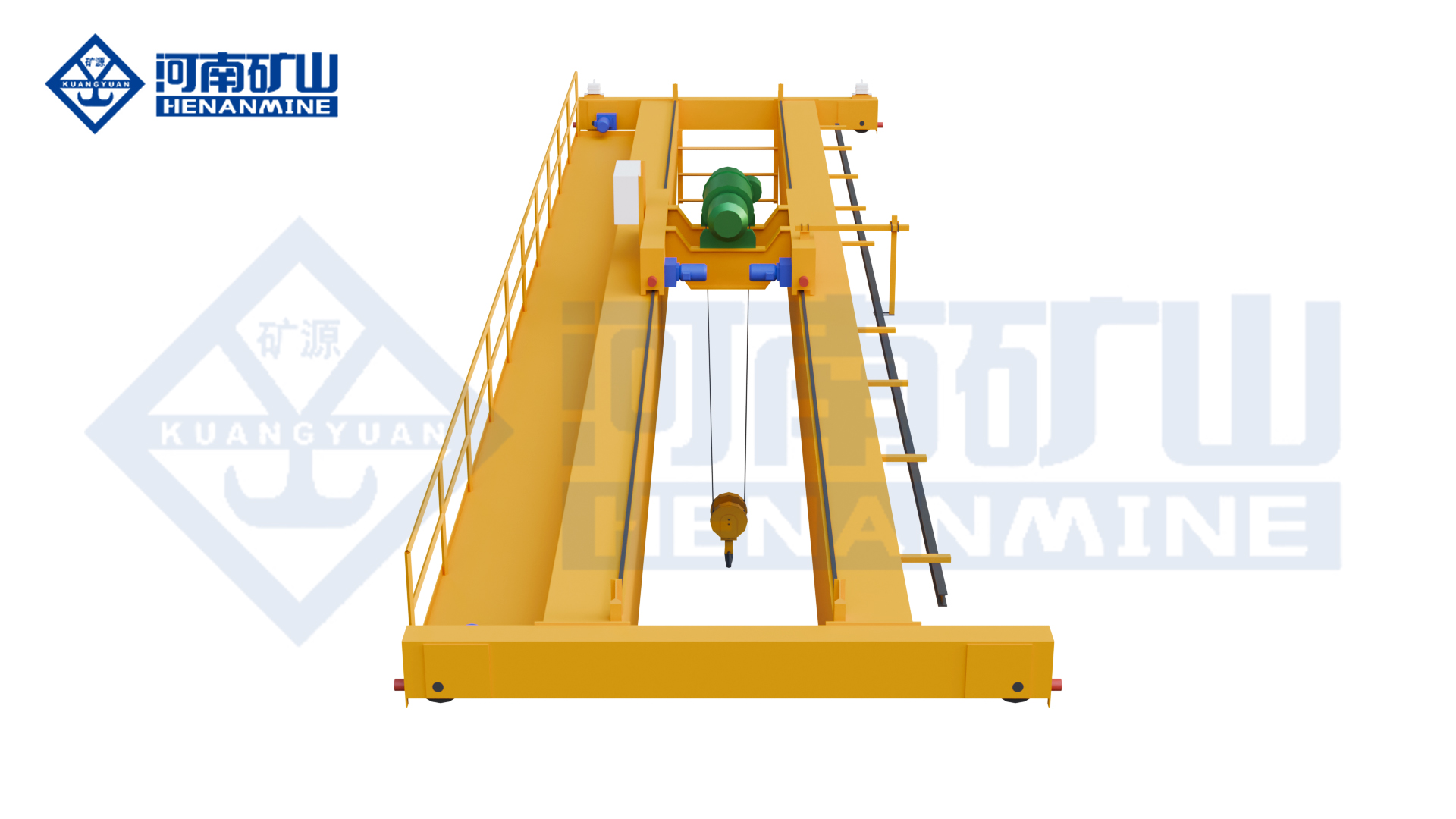
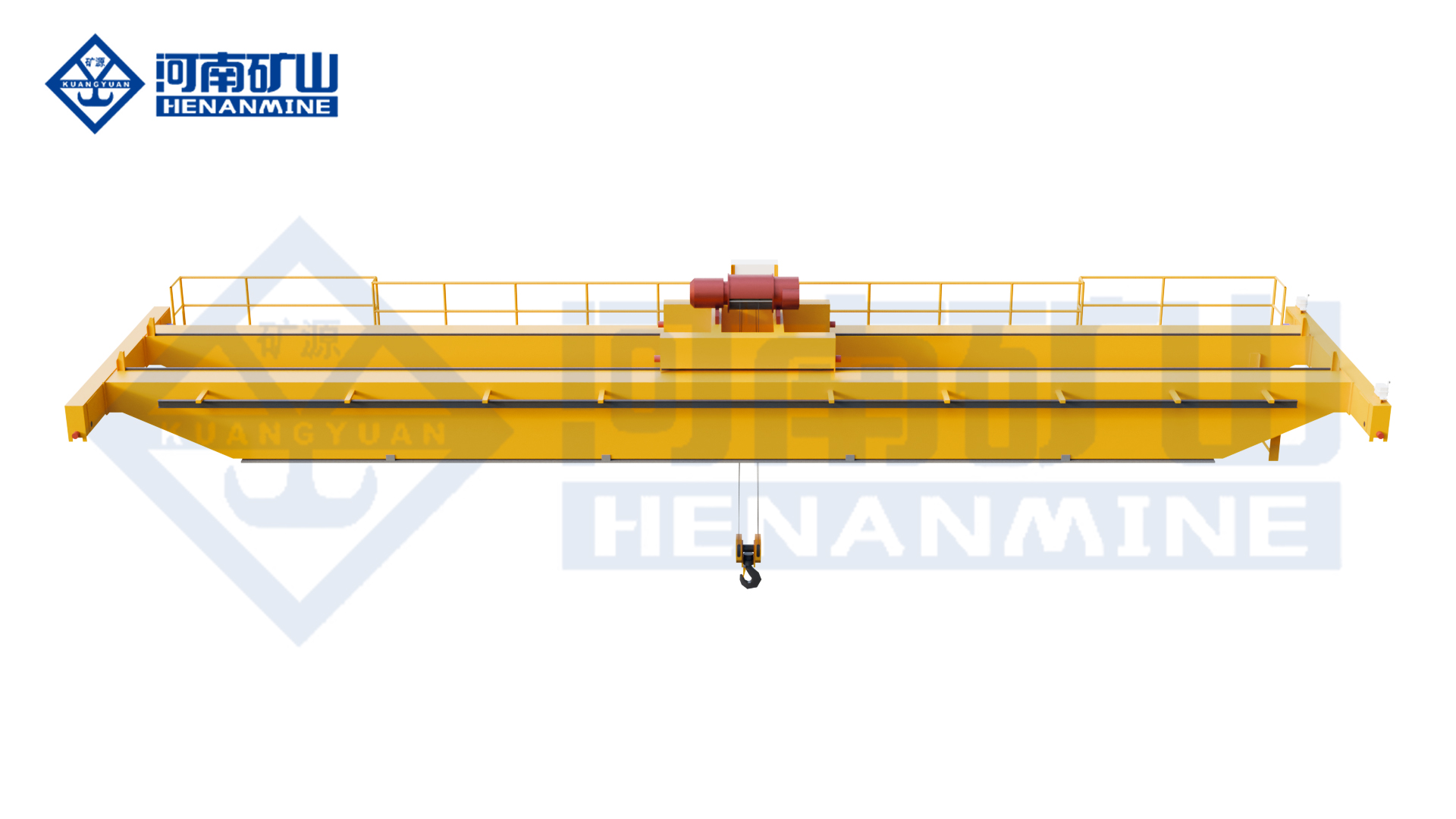
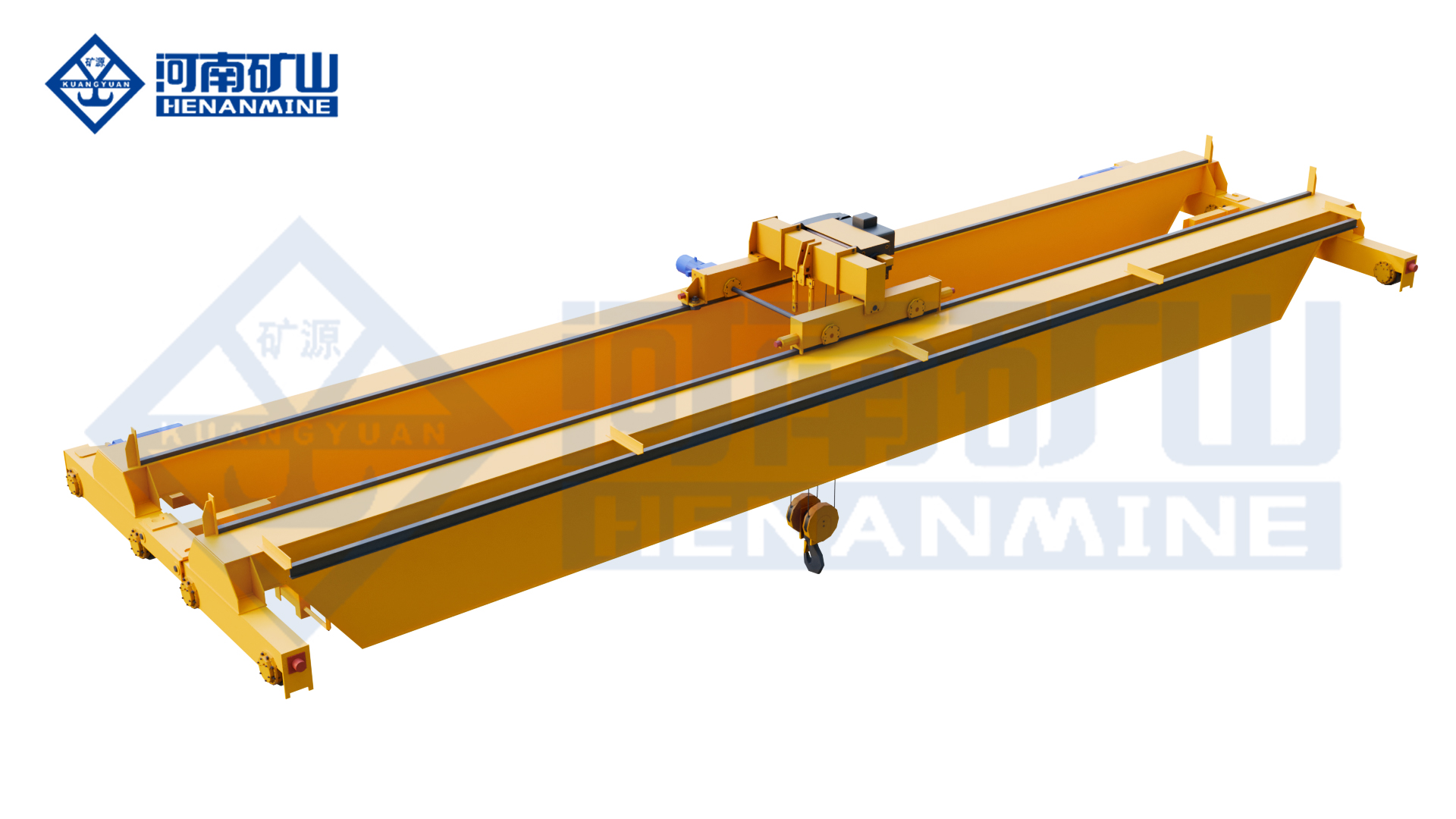
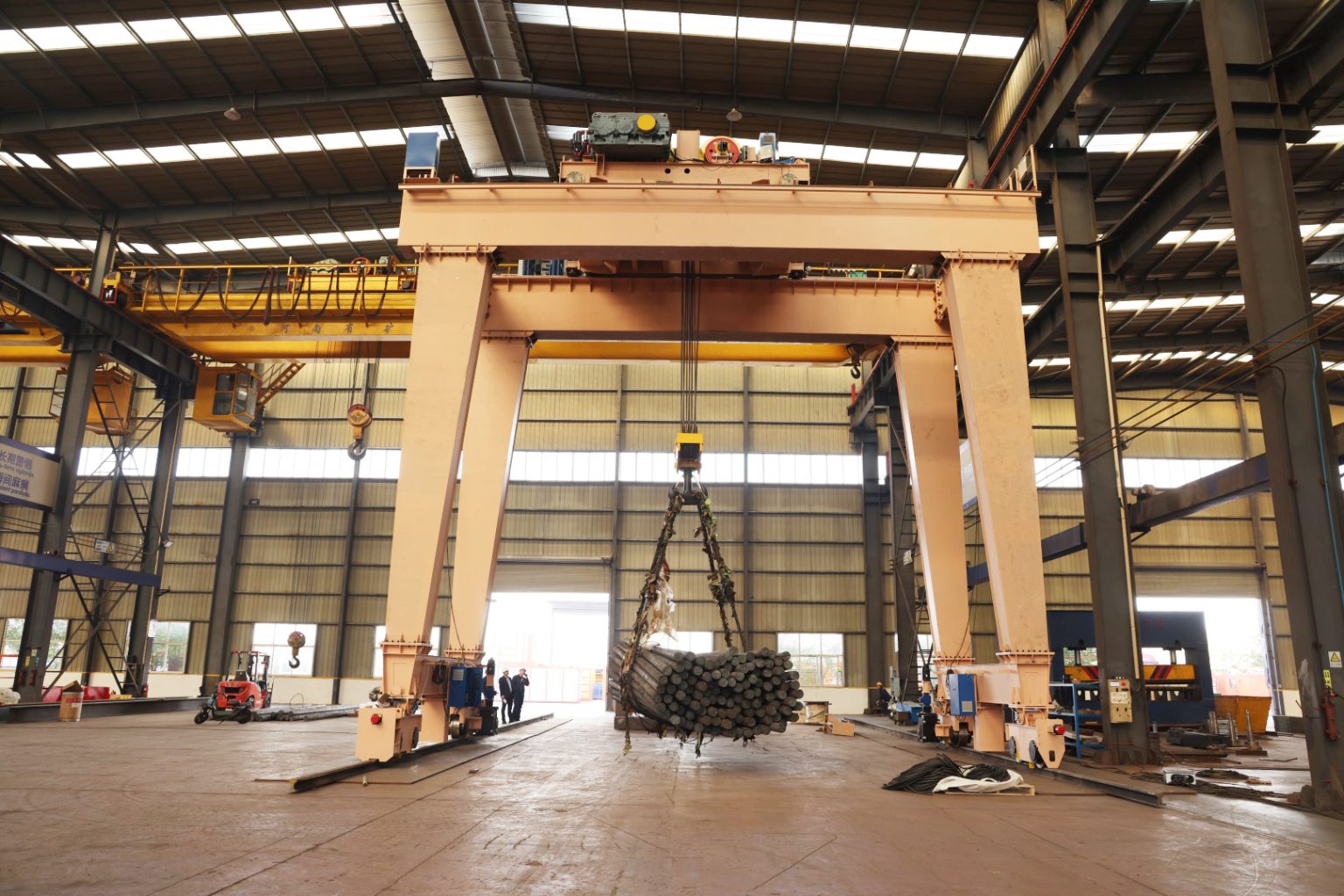
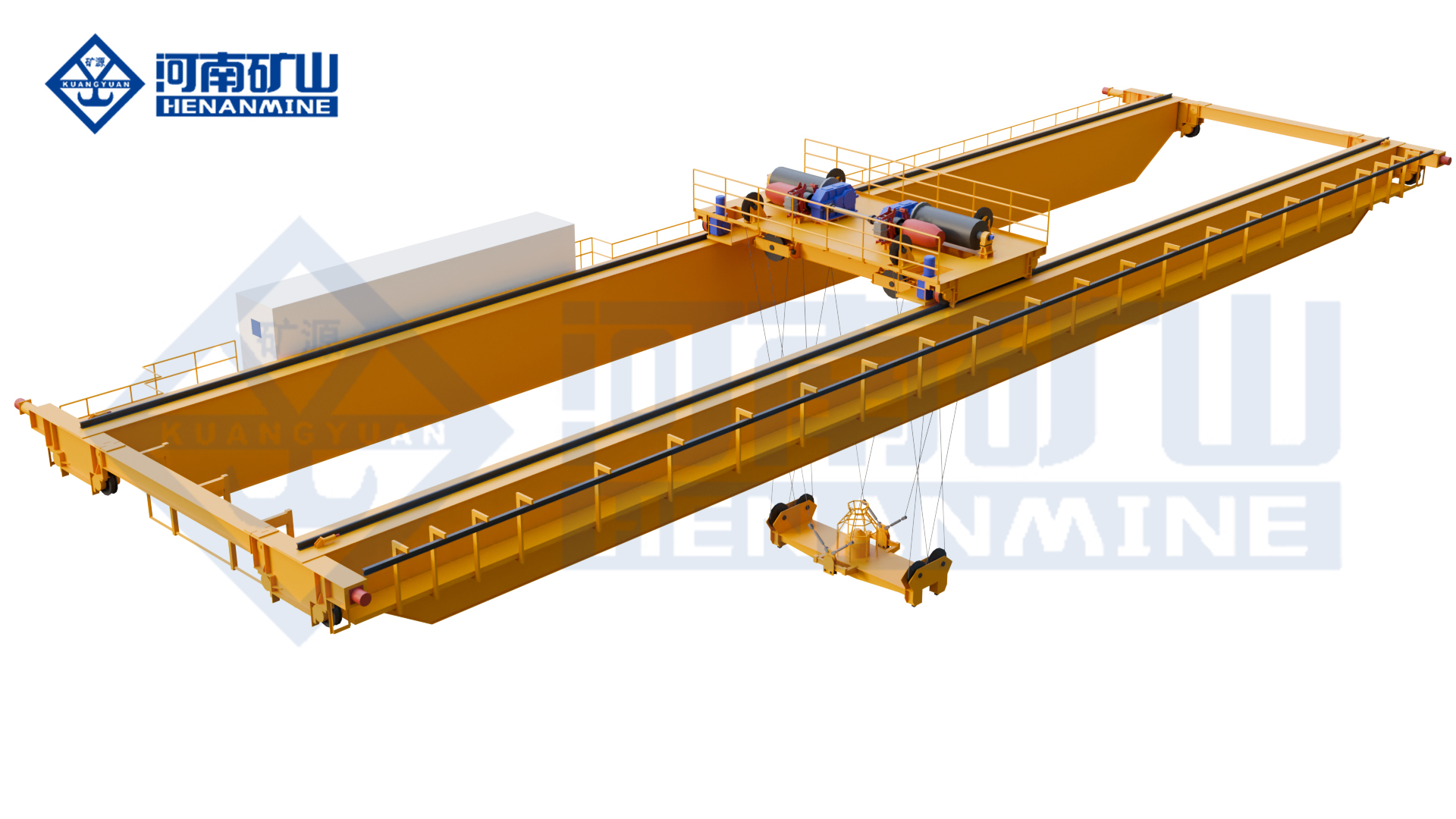
Henan Mine Crane supplies single-girder, double-girder, underhung, metallurgical, grab, magnetic, explosion-proof and automated overhead cranes for general manufacturing and process industries. Each proposal defines equipment configuration, technical parameters, quality records, delivery boundary, installation interface and acceptance requirements.
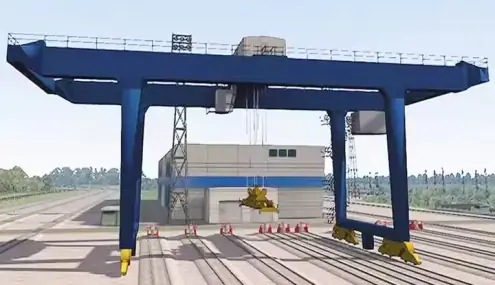
PRODUCT RANGE
General & Process Cranes
ENGINEERING BASIS
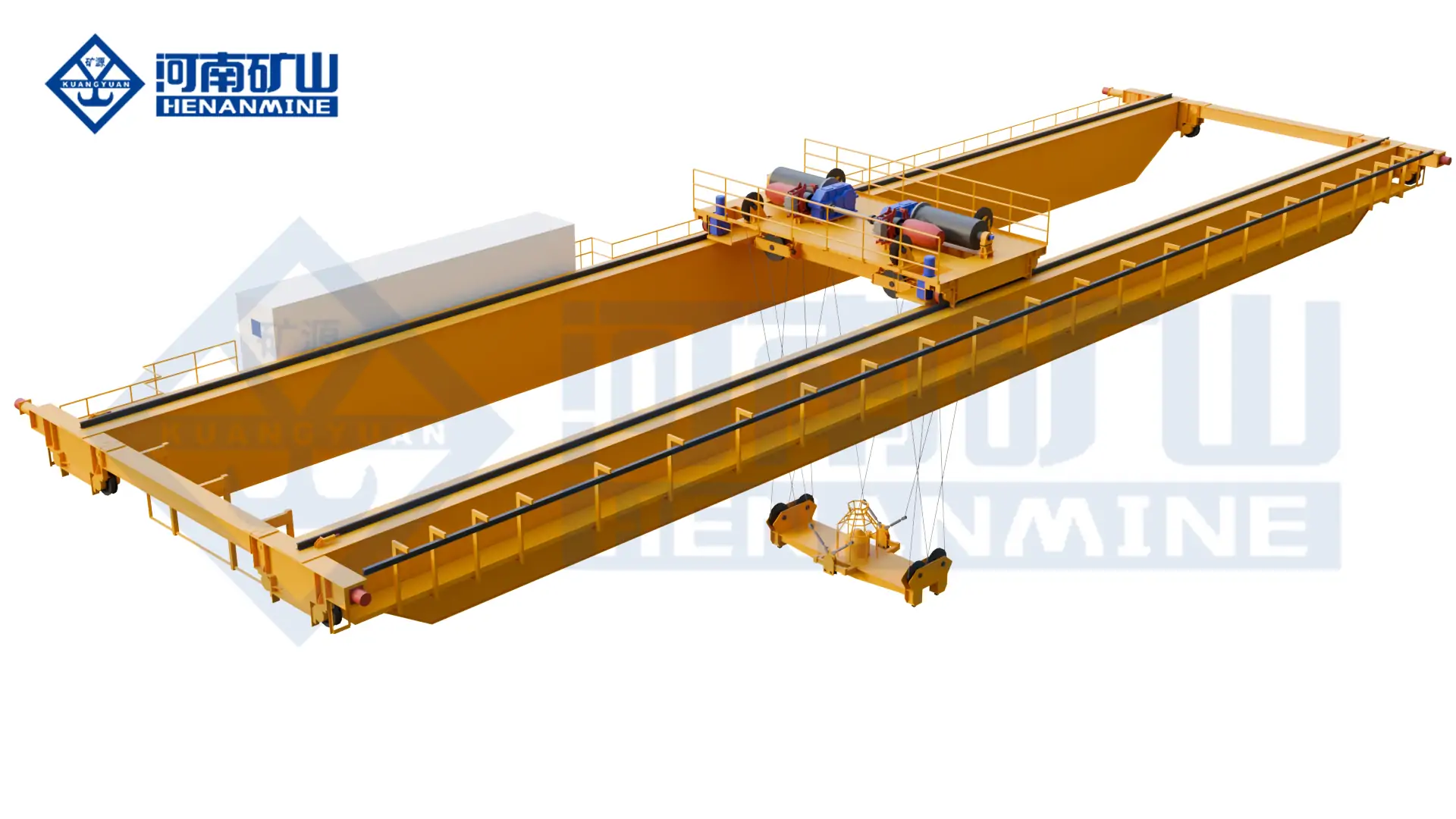
Load, Duty, Building & Process
PROJECT EVIDENCE
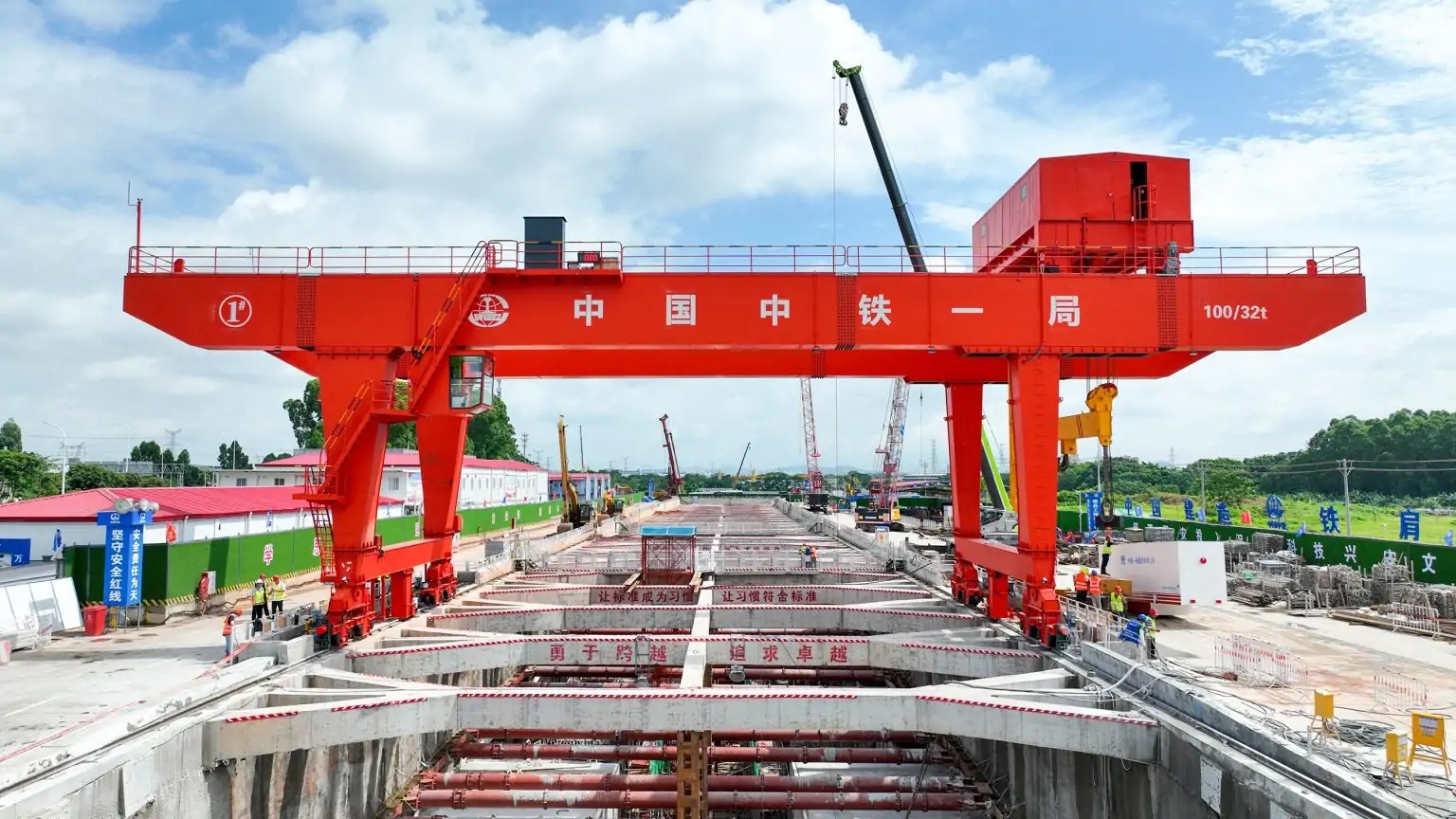
Drawings, Tests & Quality Records
COMMERCIAL CONTROL
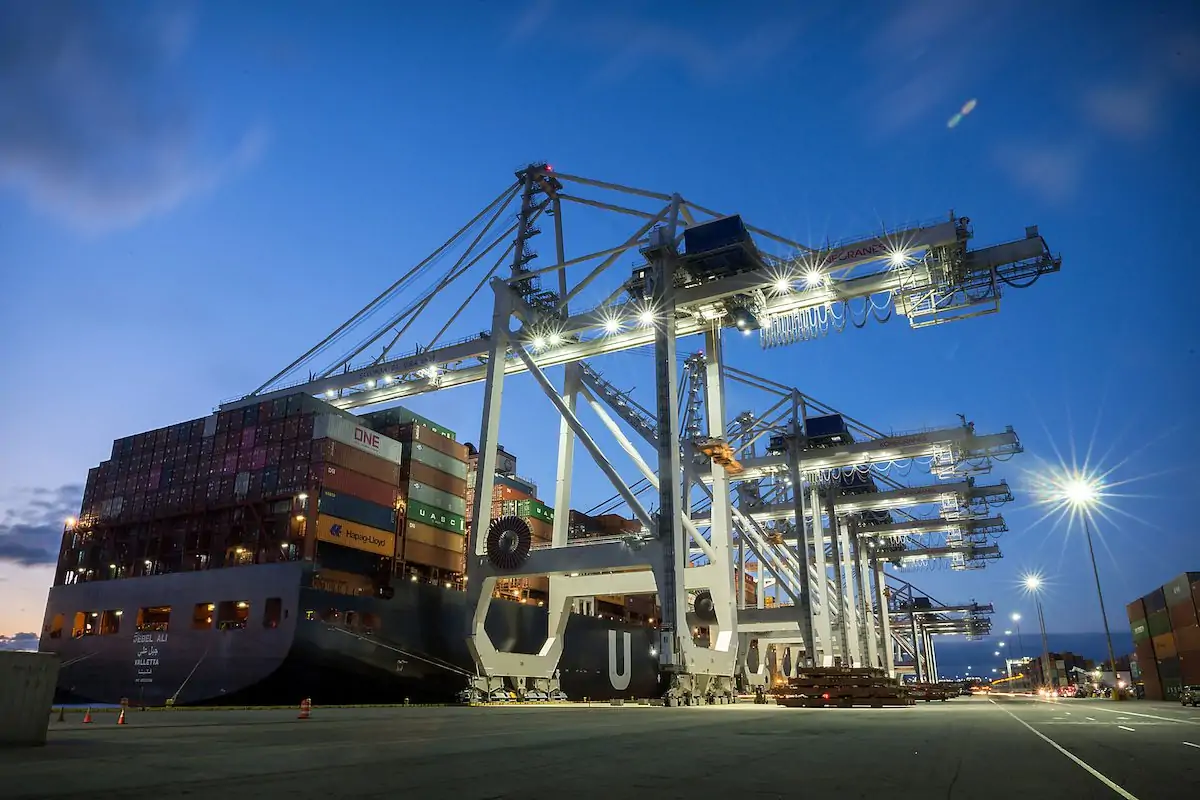
Equipment, Delivery & Site Scope
What Should an Overhead Crane Supplier Provide?
An overhead crane supplier may be a direct manufacturer, a system integrator, a regional distributor or a turnkey contractor. The commercial label alone does not establish capability. The required role depends on whether the project covers only crane equipment or also includes runway steel, electrification, freight, erection, commissioning, load testing and statutory acceptance.
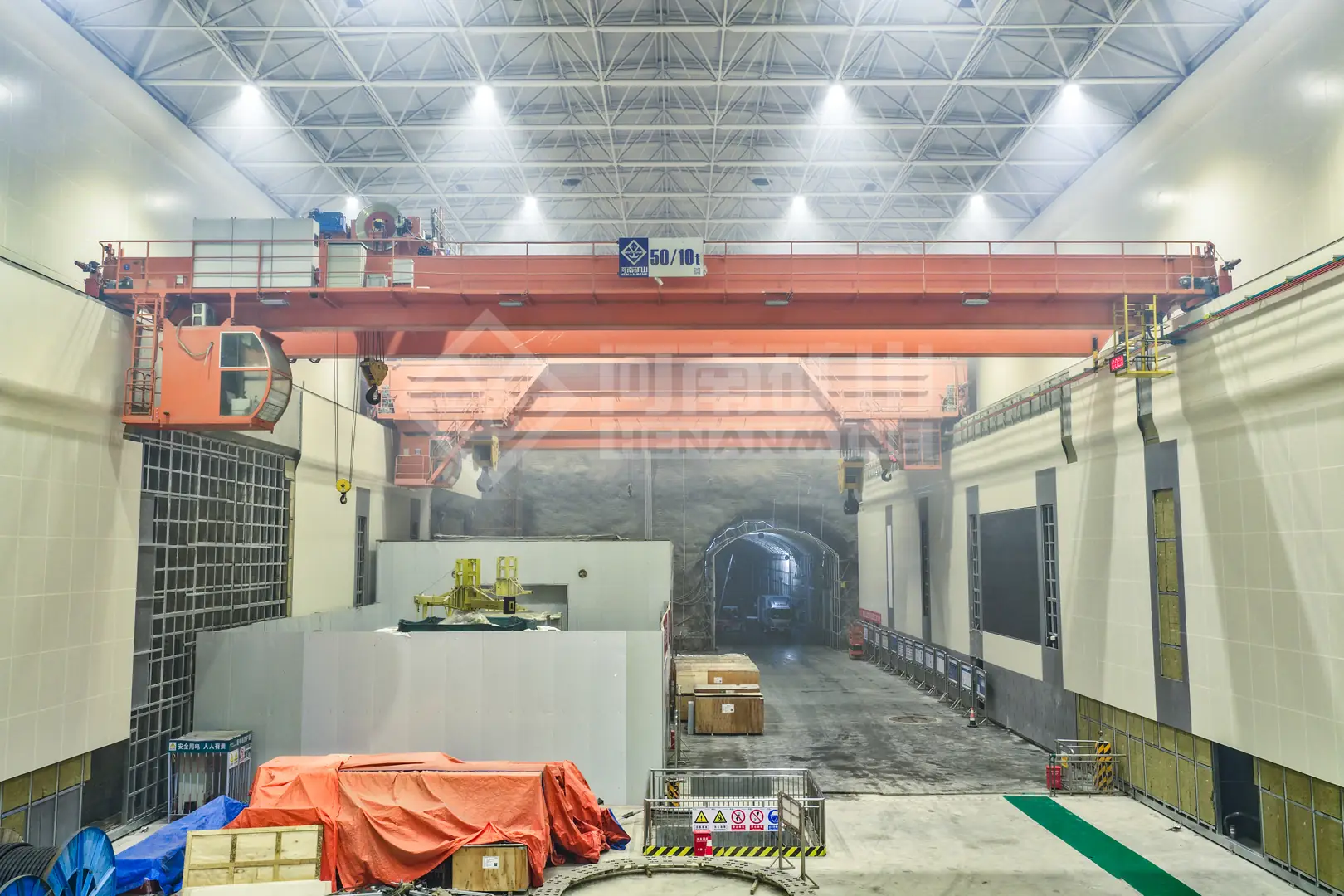
For a standard workshop crane, a packaged electric hoist and single-girder bridge may satisfy the operating task. Steel production, foundry, bulk handling, hazardous areas and automated material flow require deeper process engineering. The supplier must understand the handled material, operating environment, attachment, crane duty, control philosophy and consequence of interruption before finalizing the structure and mechanisms.
A complete proposal identifies the design basis, rated capacity, span, lifting height, duty classification, speeds, power supply, controls, safety functions, wheel loads, documentation, testing and supply boundary. A price without these items cannot support a reliable comparison because omitted runway, installation or acceptance work can exceed the apparent equipment-price difference.
Core Capabilities of Industrial Overhead Crane Suppliers
01 · Crane Selection and Engineering
Translate payload, dimensions, duty, building geometry and operating route into the correct bridge, hoist or trolley, end carriages, controls and safety package.
Evidence to confirm: Dimensioned general arrangement, technical data sheet, wheel loads and declared design basis.
02 · General Overhead Crane Portfolio
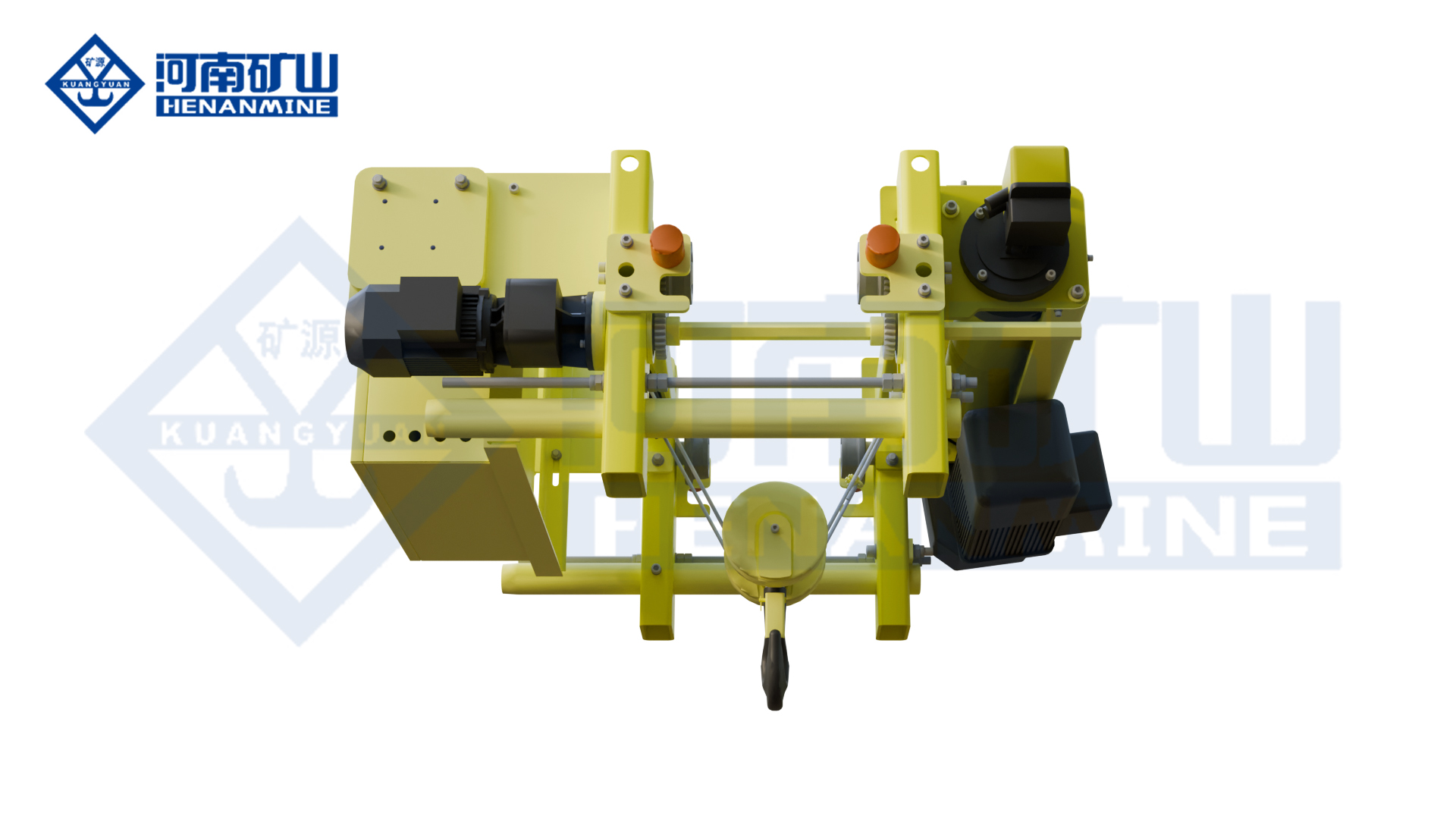
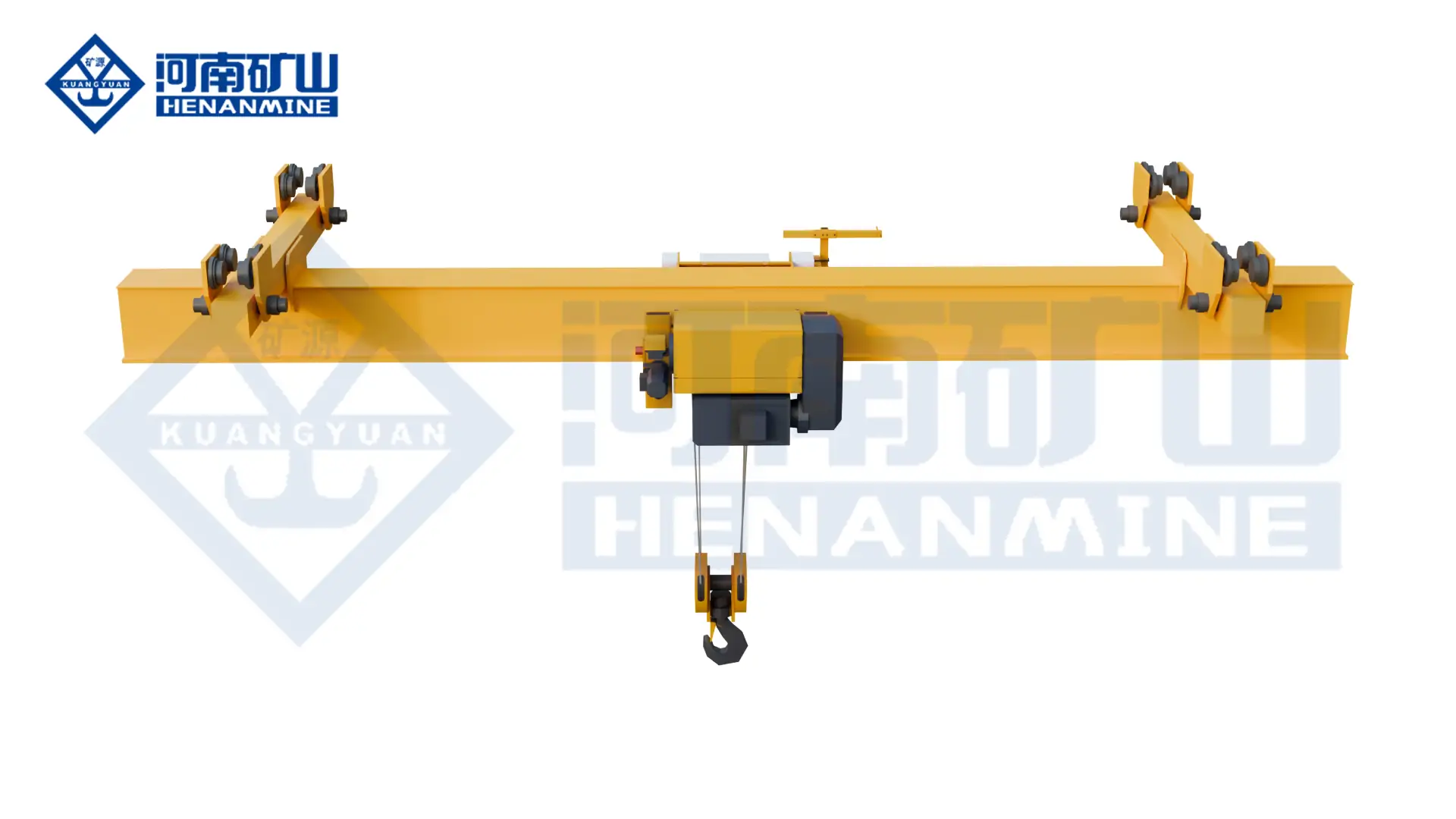
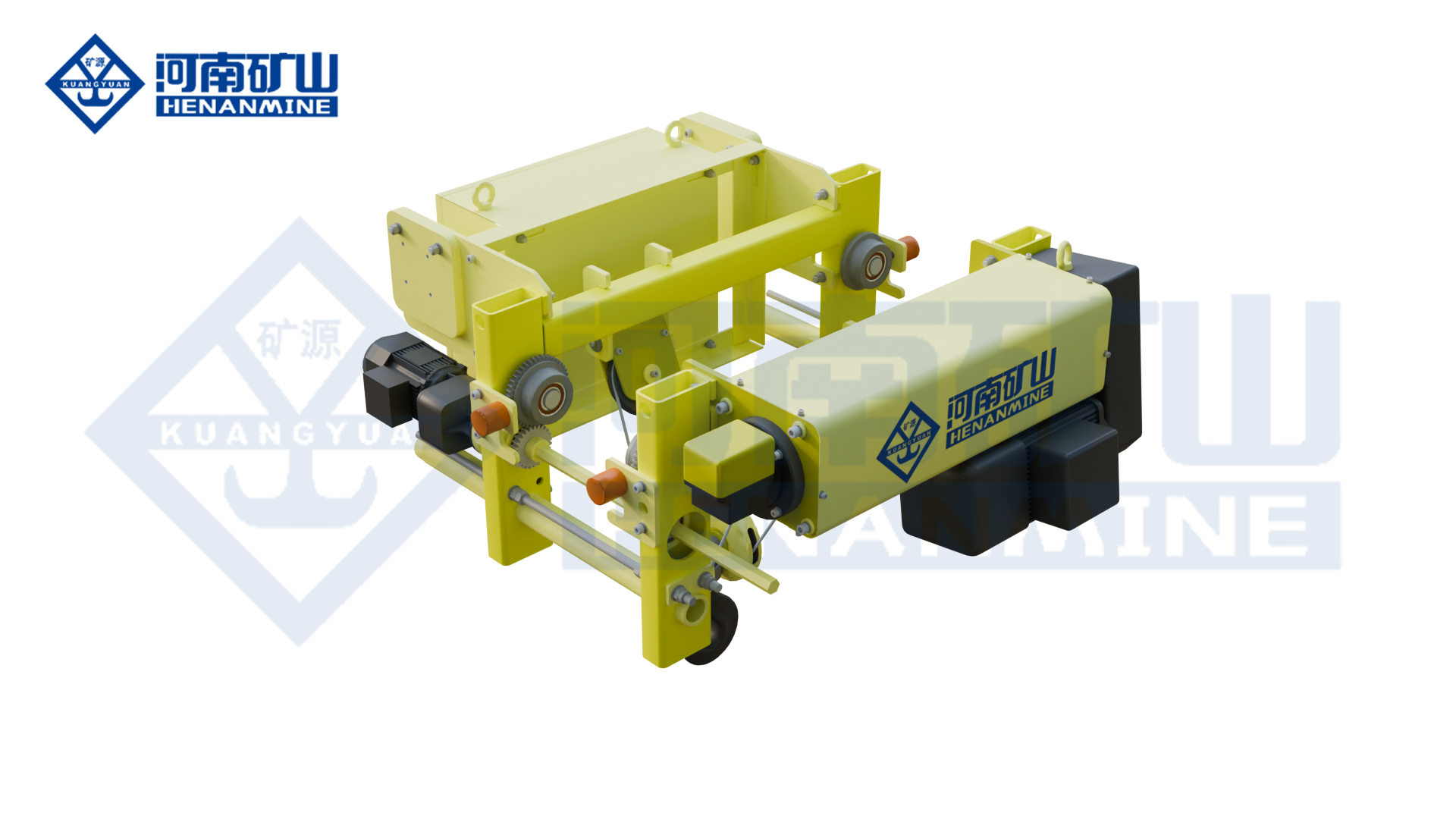
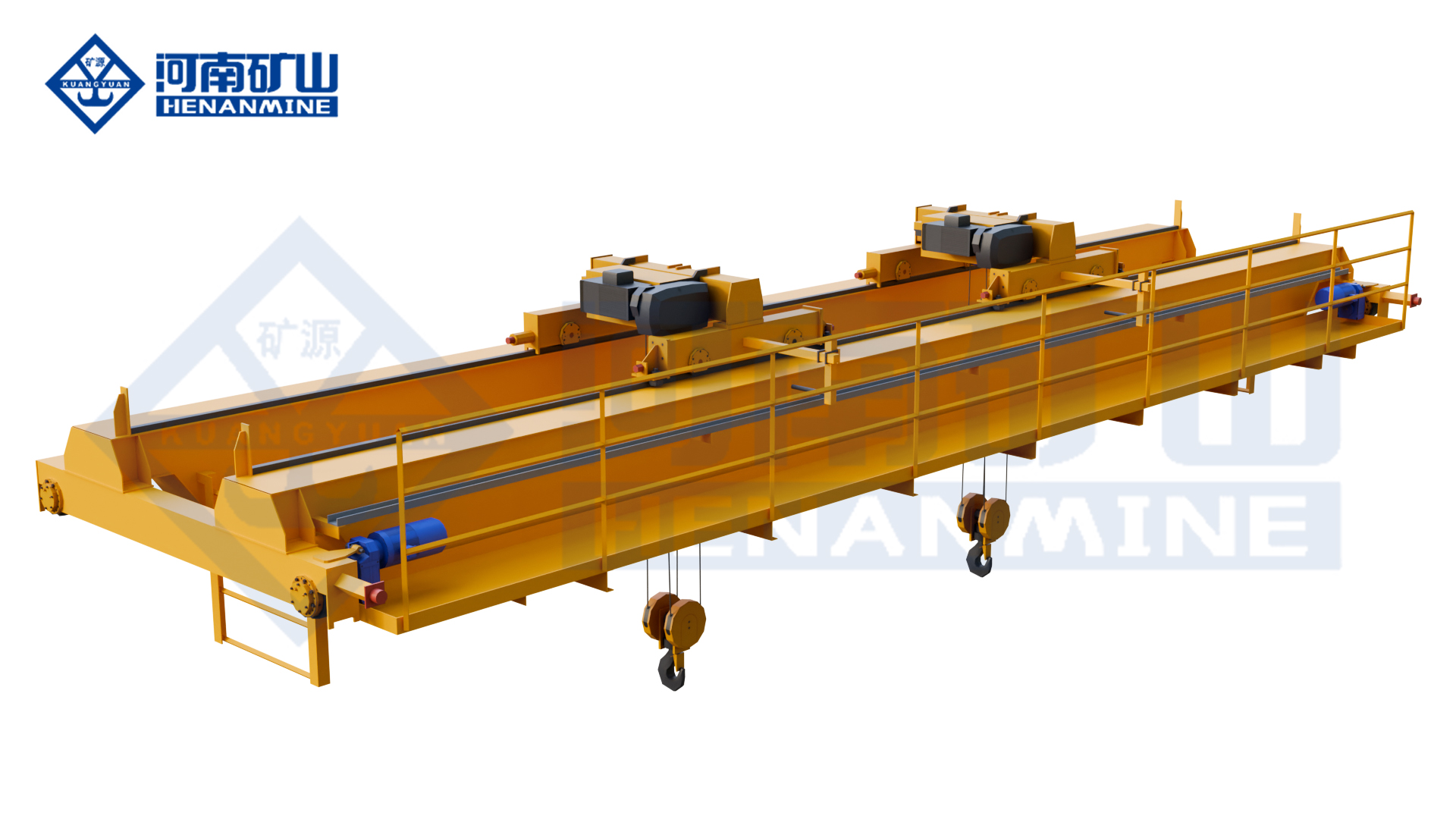
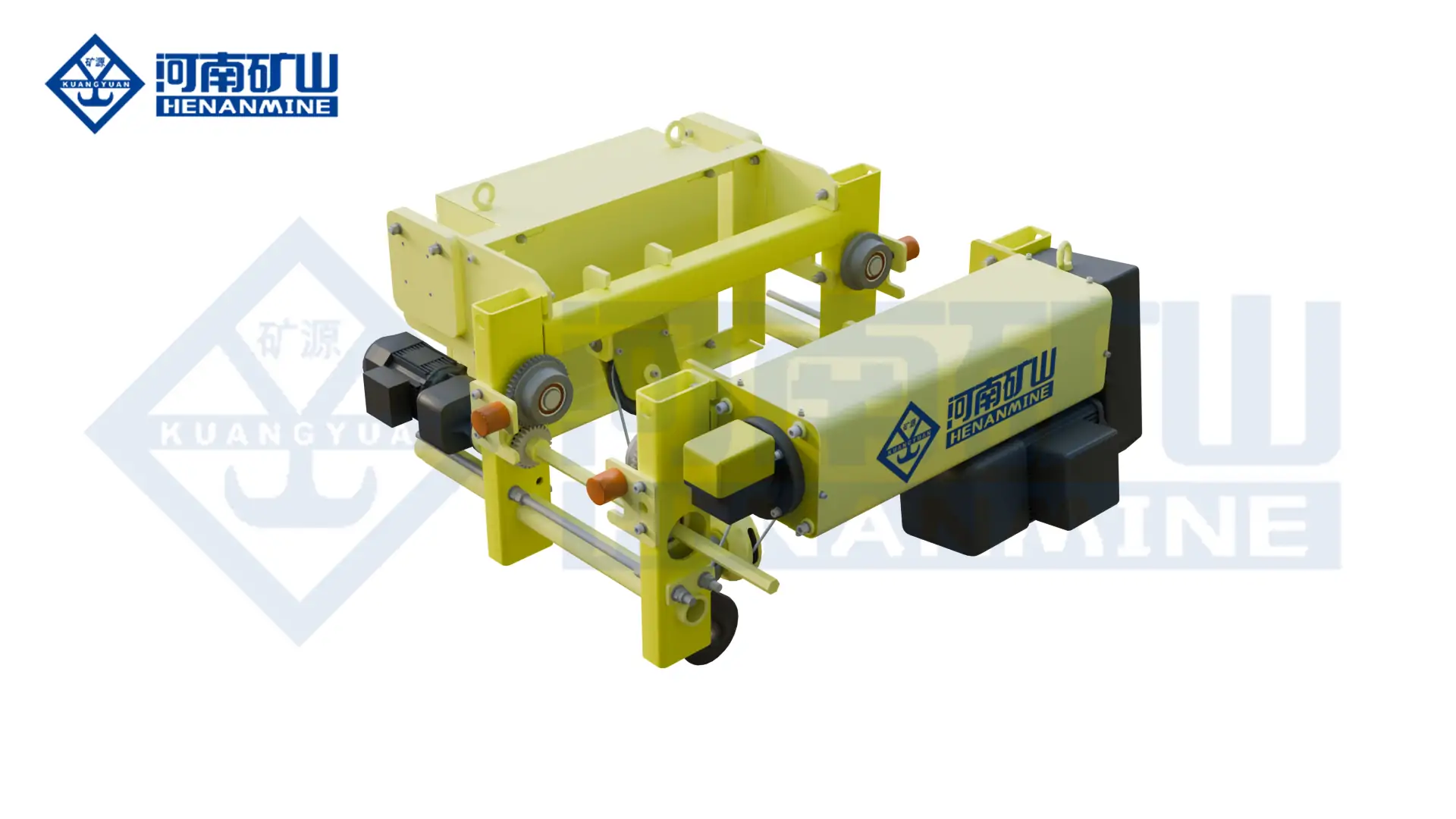
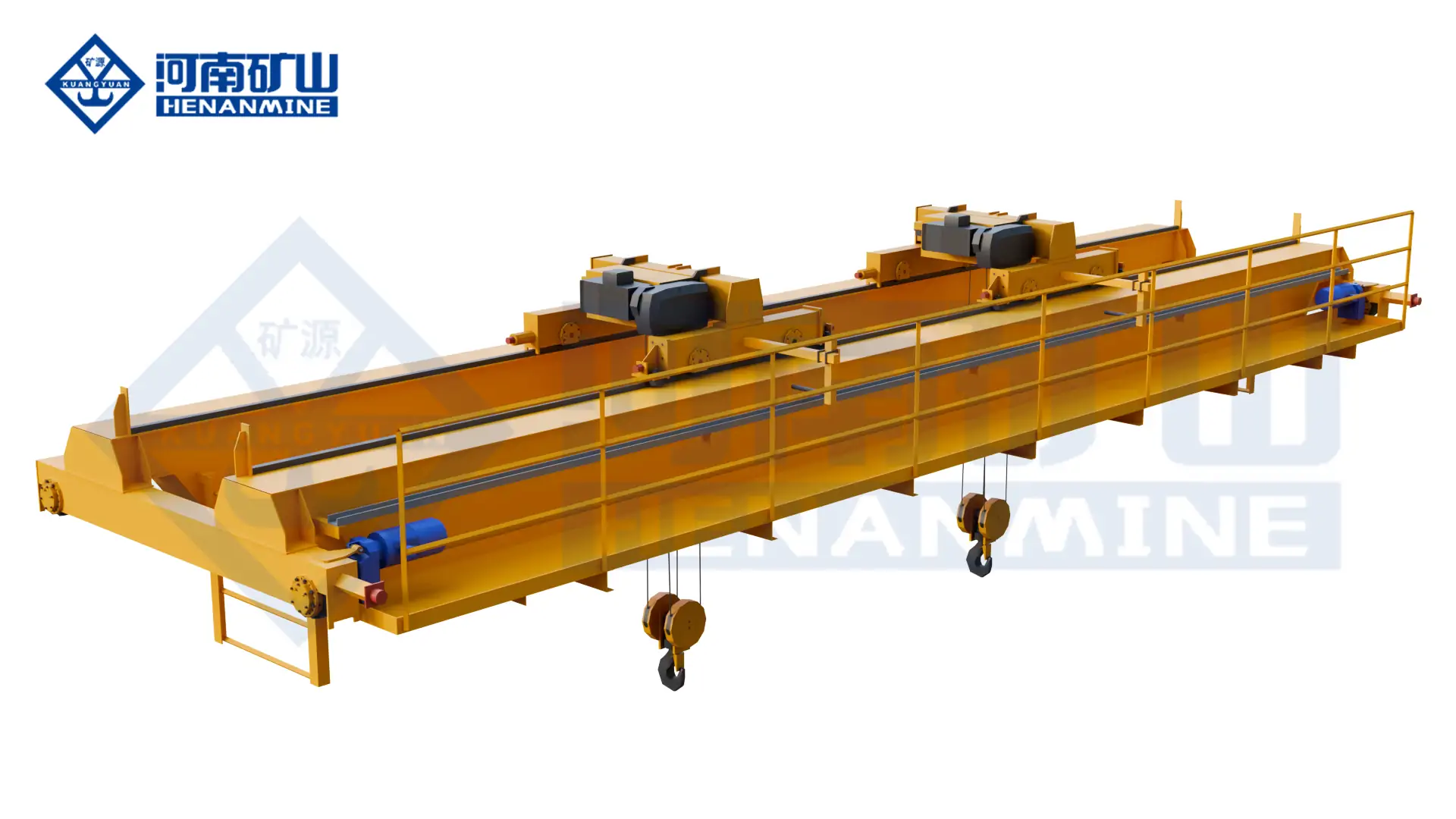
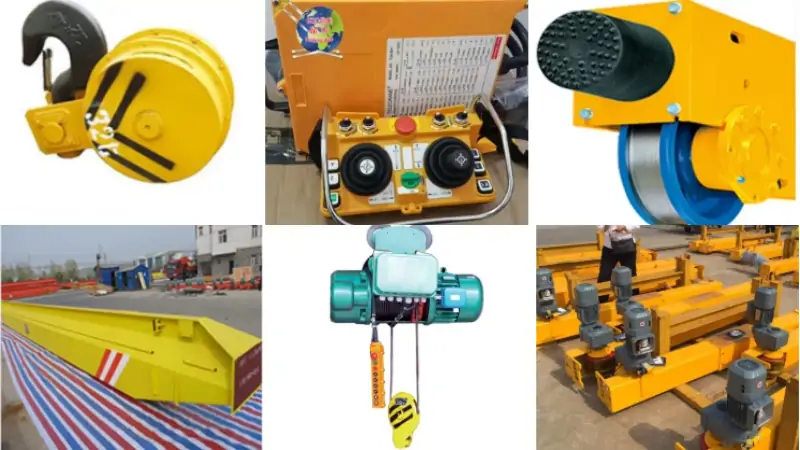
Supply single-girder, double-girder, top-running and underhung systems with chain hoists, wire-rope hoists or open-winch trolleys for approved capacities and duties.
Evidence to confirm: Product data tied to span, lift, duty, mechanism and runway arrangement.
03 · Process Crane Capability
Configure foundry, grab, magnetic, insulated, explosion-proof, cleanroom and automated cranes around the handled material and operating hazard.
Evidence to confirm: Comparable project evidence and a process-specific safety and control description.
04 · Manufacturing and Inspection
Control materials, welding, machining, assembly, coating and electrical panels through approved drawings and an agreed inspection plan.
Evidence to confirm: Material records, welding documentation, dimensional checks, test reports and release records.
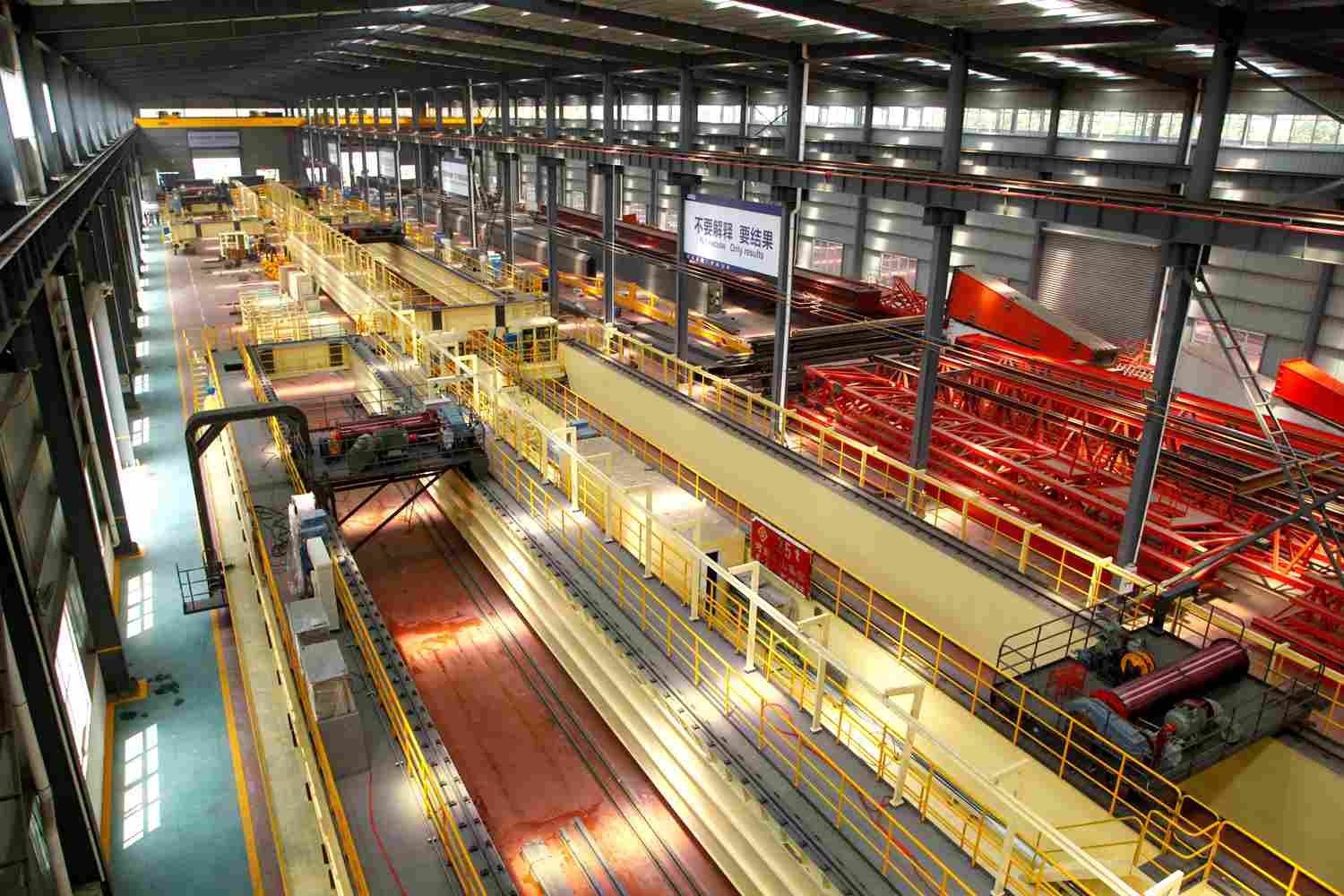
05 · Export and Site Coordination
Plan shipping divisions, packing, freight interfaces, site access, runway information, erection method, commissioning and acceptance responsibilities.
Evidence to confirm: Packing list, shipping drawing, installation information and responsibility matrix.
06 · Lifecycle Support
Provide manuals, spare-parts data, maintenance schedules, troubleshooting support and modification information for the installed crane configuration.
Evidence to confirm: Final documentation set, critical-spares schedule and defined technical-support channel.
Compare Overhead Crane Supplier Models
| Supplier Model | Typical Scope | Commercial Advantage | Primary Control Point | Suitable Procurement Context |
|---|---|---|---|---|
| Direct crane manufacturer | Design, fabrication, mechanisms, controls and factory testing | Technical control, customization and direct factory communication | Local erection, permits and statutory work may require regional partners | International projects with a defined local site team |
| Manufacturer with local installer | Factory equipment plus regional erection and commissioning | Clear division between equipment engineering and local execution | Interface responsibility must be contractually assigned | Projects requiring imported equipment and local site compliance |
| Turnkey system integrator | Crane, runway, electrification, installation and acceptance coordination | One broad project interface and integrated schedule | Equipment origin, design ownership and subcontract scope require visibility | Retrofits or projects needing one contracted delivery package |
| Regional distributor | Standard cranes, hoists, parts and local service | Local response, familiar regulations and installation resources | Customization and factory engineering may pass through another company | Standard regional applications and service-intensive installations |
| Equipment trader | Commercial coordination for equipment from third-party factories | Can consolidate purchasing or logistics | Engineering authority, quality control and post-delivery accountability require close verification | Simple procurement only when technical responsibility is independently controlled |
| Used-equipment dealer | Existing crane, hoist or components with condition-dependent scope | Lower initial equipment cost in selected cases | Fit, fatigue history, documents, controls, runway compatibility and recertification create uncertainty | Low-risk applications after independent inspection and engineering review |
Supplier selection rule: assign responsibility for design, runway interface, installation, commissioning and acceptance before comparing price. Unassigned interfaces become project risk.
Match Supplier Experience to the Crane Application
| Industry / Application | Handled Material | Starting Crane Type | Critical Engineering Data | Supplier Evidence Required |
|---|---|---|---|---|
| General manufacturing | Machine parts, tools, weldments and assemblies | Single- or double-girder hook crane | Hoist duty, positioning, hook approach and building fit | Projects with similar capacity, span and production frequency |
| Warehouse and logistics | Coils, plates, unit loads and stored equipment | Hook, clamp, magnet or automated crane | Storage geometry, inventory logic, collision zones and throughput | Attachment integration and positioning-control capability |
| Steel mill and foundry | Ladles, hot metal, billets, coils and plates | Heavy-duty metallurgical or process crane | Heat, duty, redundancy, braking, attachment and load-path risk | Documented process cranes with comparable hazards |
| Bulk and waste handling | Ore, coal, biomass, slag, aggregate or waste | Grab crane with manual or automated control | Bulk density, grab volume, fill factor, cycle time and hopper interface | Material-specific grab and productivity calculations |
| Hazardous production | Loads within classified gas or dust areas | Explosion-proof overhead crane | Zone, group, temperature class, protection concept and documentation | Correct hazardous-area equipment and compliance package |
| Automated production | Repeatable loads moving between fixed process points | PLC-controlled process crane | Accuracy, anti-sway, sensors, interlocks, plant communication and recovery mode | Commissioned automation with defined fallback operation |
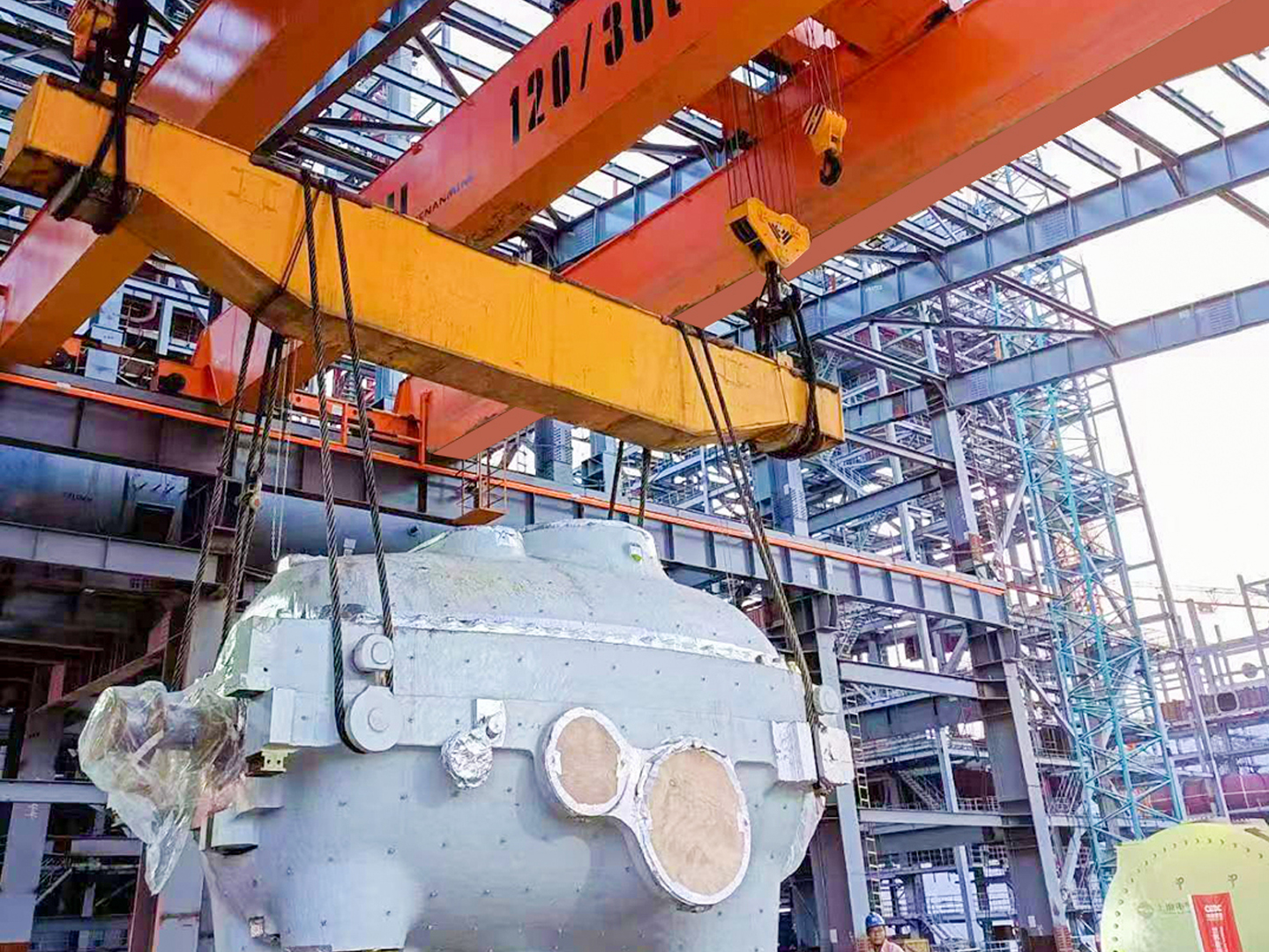
Load attachment is part of the crane system. A hook supports rigged loads, a grab handles loose bulk material, a magnet handles compatible ferrous products, and a lifting beam controls long or multi-point loads. Changing the attachment changes suspended weight, dynamic behavior, duty, electrical demand and risk controls; attachment selection should therefore precede final crane sizing.
Technical Selection and Quotation Framework
Every shortlisted supplier should quote against one measurable project data sheet. Missing information creates different assumptions and prevents a valid commercial comparison. The following matrix defines the minimum technical basis and the corresponding supplier deliverable.
| Data Group | Project Information | Supplier Deliverable | Procurement Control |
|---|---|---|---|
| Maximum gross suspended load | Payload plus hook block, beam, magnet, grab, clamp, sling and every suspended component | Rated capacity, mechanism sizing and load-case statement | No capacity margin is inferred from payload alone |
| Span and working coverage | Runway rail centers, bridge travel, pickup points, placement points and side approaches | General arrangement with span and hook approaches | Building width is not substituted for crane span |
| Lift and available headroom | Lowest pickup, highest placement, rigging depth, rail elevation and roof obstructions | Dimensioned vertical section and highest-hook position | Hoist geometry is confirmed before bridge fabrication |
| Duty and load spectrum | Lifts per hour, average load, full-load frequency, shifts, annual hours and travel distances | Crane and mechanism classification with motor and brake basis | Capacity and duty are evaluated independently |
| Runway and building | Rail size, beam data, support spacing, alignment condition and building reactions | Maximum and minimum wheel loads plus horizontal forces | Building engineer receives approved reactions |
| Speeds and controls | Hoist, trolley and bridge speeds, low-speed positioning, pendant, radio, cabin or automation | Motor, VFD, brake and control description | Operating mode and emergency fallback are stated |
| Environment and hazard | Temperature, dust, humidity, corrosion, washdown, heat, clean area or hazardous classification | Enclosures, materials, coating and protection schedule | Generic outdoor or explosion-proof labels are not accepted |
| Power and acceptance | Voltage, frequency, phases, destination rules, inspection authority and test requirements | Electrical data, inspection plan and document schedule | Factory and site acceptance boundaries are written |
Safety, Standards and Control Requirements
The governing technical basis depends on destination, crane type and application. Contract documents should identify the applicable crane, electrical, structural and occupational requirements instead of combining incompatible clauses without hierarchy. Safety functions must correspond to the risk assessment and operating method.
Load and Hoist Protection
Overload limiting, upper and lower limits, brakes, rope or chain guidance, hook protection and low-speed control are selected for the hoisting mechanism and duty.
Travel Protection
End limits, buffers, rail sweeps, warning devices, emergency stops and anti-collision functions reflect runway length, traffic and multiple-crane operation.
Electrical Protection
Isolation, overcurrent protection, phase monitoring, earthing, enclosure rating, conductor arrangement and cable management match the plant supply and environment.
Process-Crane Safeguards
Molten metal, magnets, grabs, hazardous areas and automated operation require dedicated redundancy, monitoring, interlocks or operating restrictions.
Inspection and Test Planning
Drawing reviews, material checks, welding inspections, functional tests, protective-device settings and witness points should be agreed before manufacturing.
Operator and Maintenance Access
Platforms, walkways, clearances, isolation points and component-removal routes are evaluated with the building and maintenance strategy.
Runway, Building and Headroom Responsibility
An overhead crane is only one part of the load path. Vertical wheel loads, horizontal forces, buffers, conductor equipment and maintenance access interact with runway beams, columns, foundations and the building frame. The crane supplier should issue approved reactions and rail requirements; the responsible structural party should verify the supporting system and connection details.
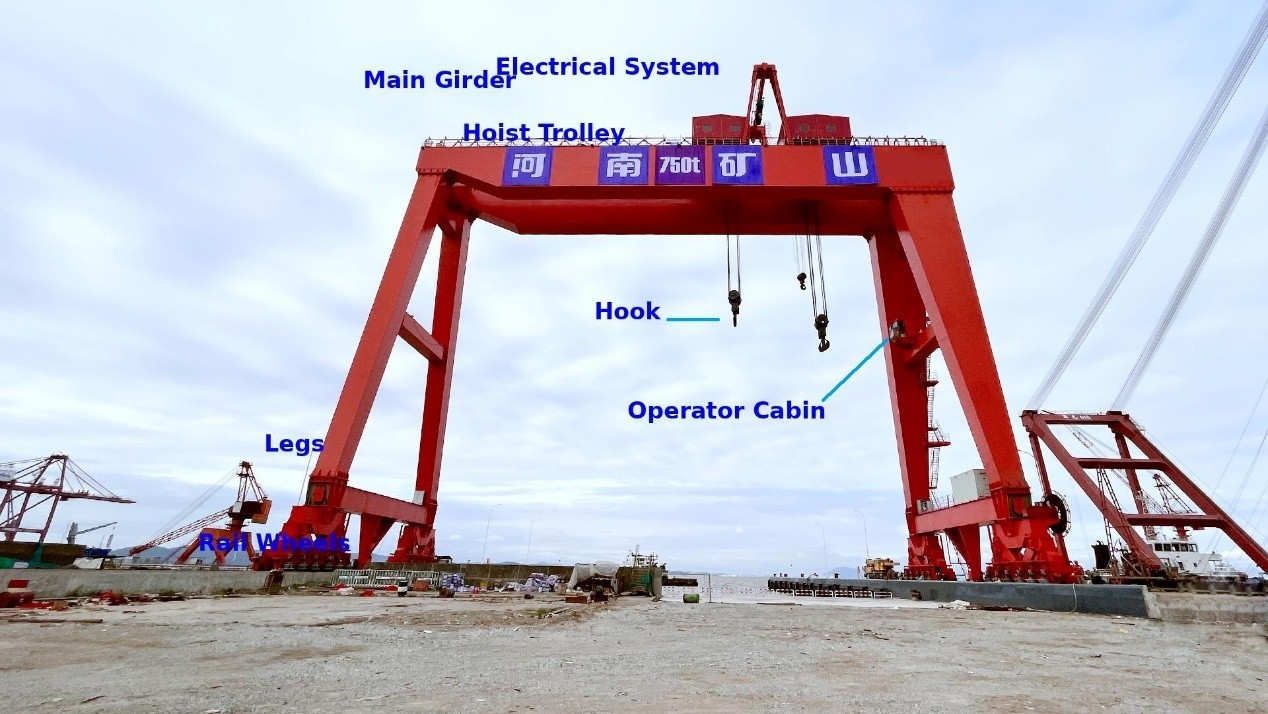
Top-running cranes place wheels on rails above the runway beams. Underhung cranes suspend end carriages from the lower flanges of compatible runway beams. A freestanding runway transfers crane loads through independent columns and foundations. Each arrangement creates different reactions, alignment tolerances and erection requirements.
Headroom should be verified on a dimensioned building section. Rail elevation, bridge depth, hoist or trolley position, highest hook, load height, rigging depth, roof bracing and service-clearance zones must be shown together. A lower equipment price has little value when the final hook height cannot complete the required lift.
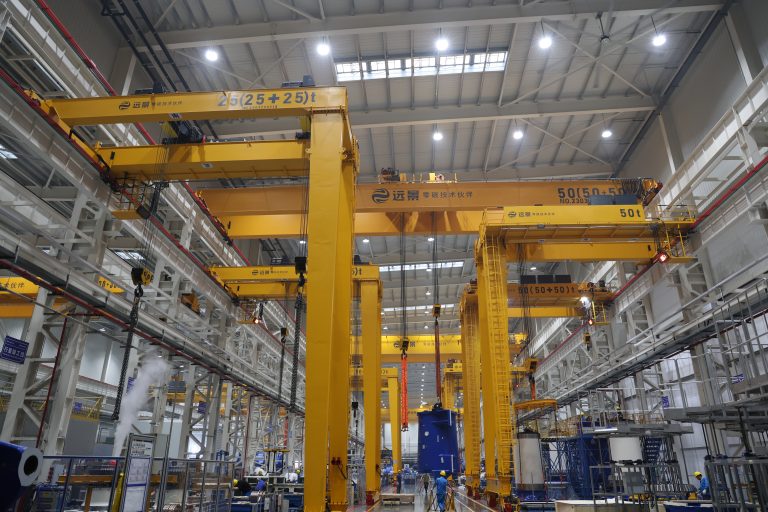
Project Case: Crane Fleet for a Special Steel Production Base
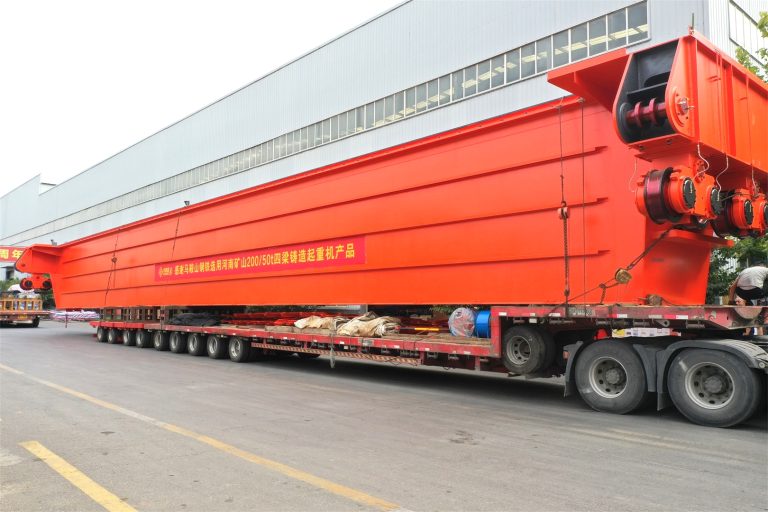
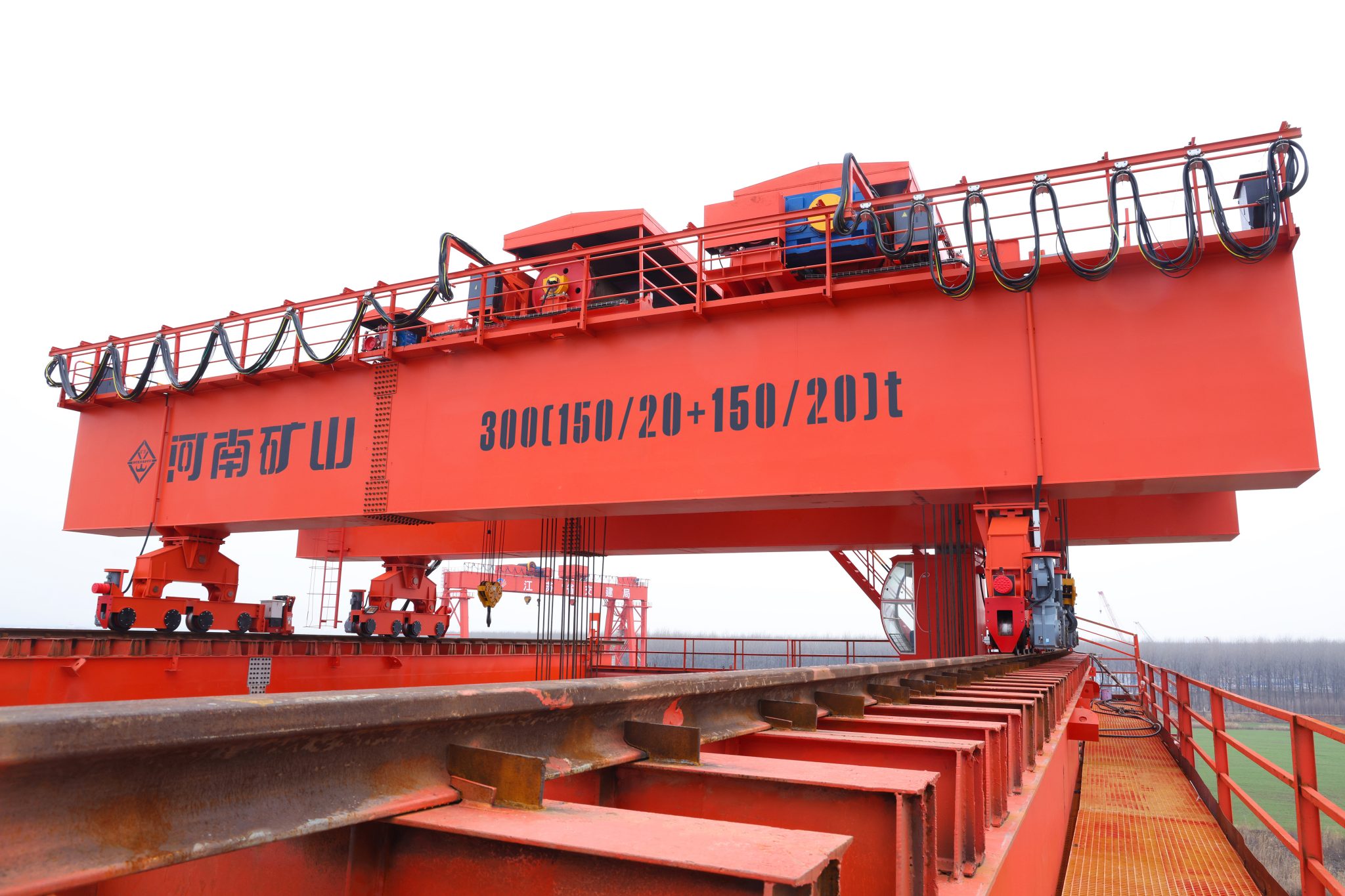
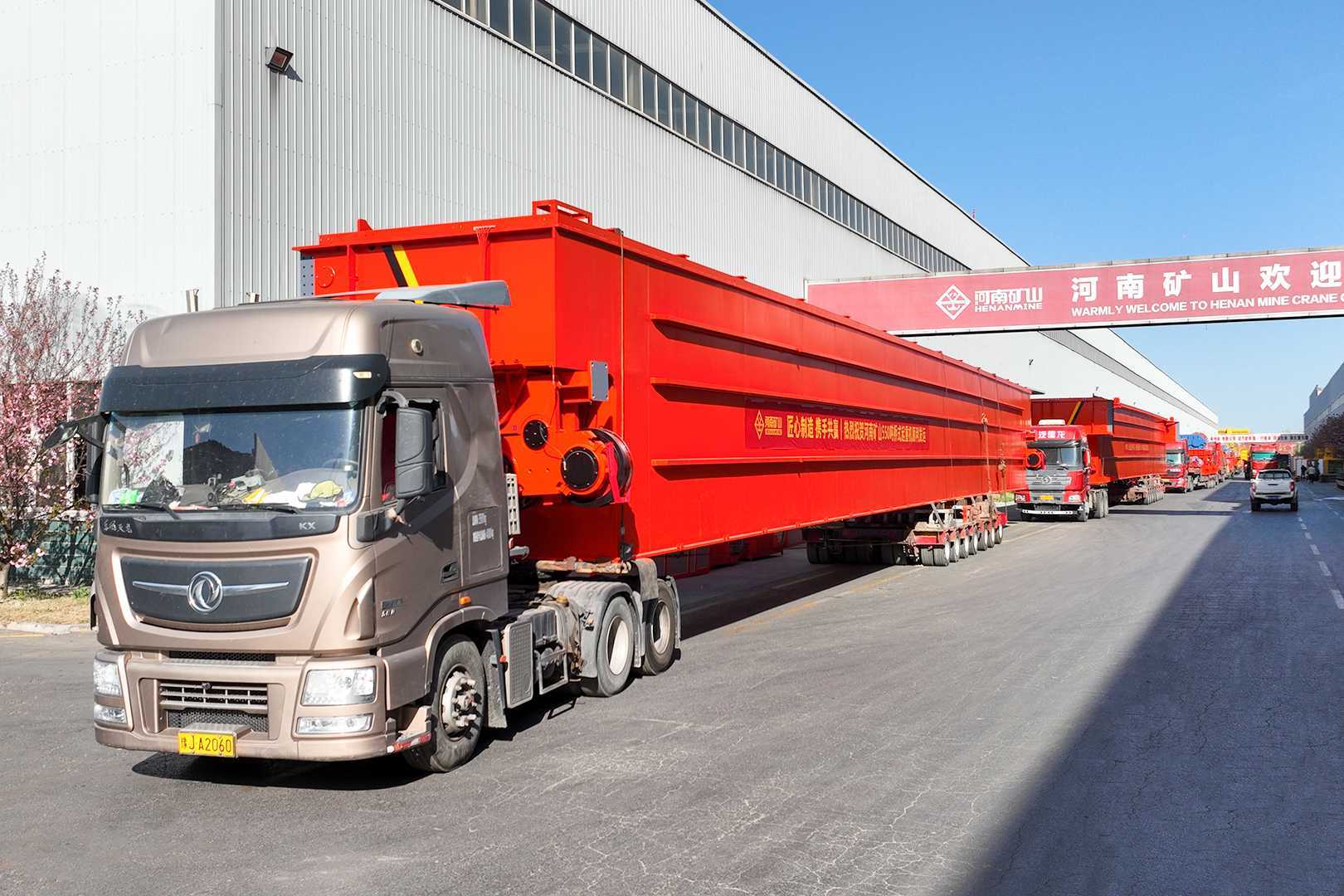
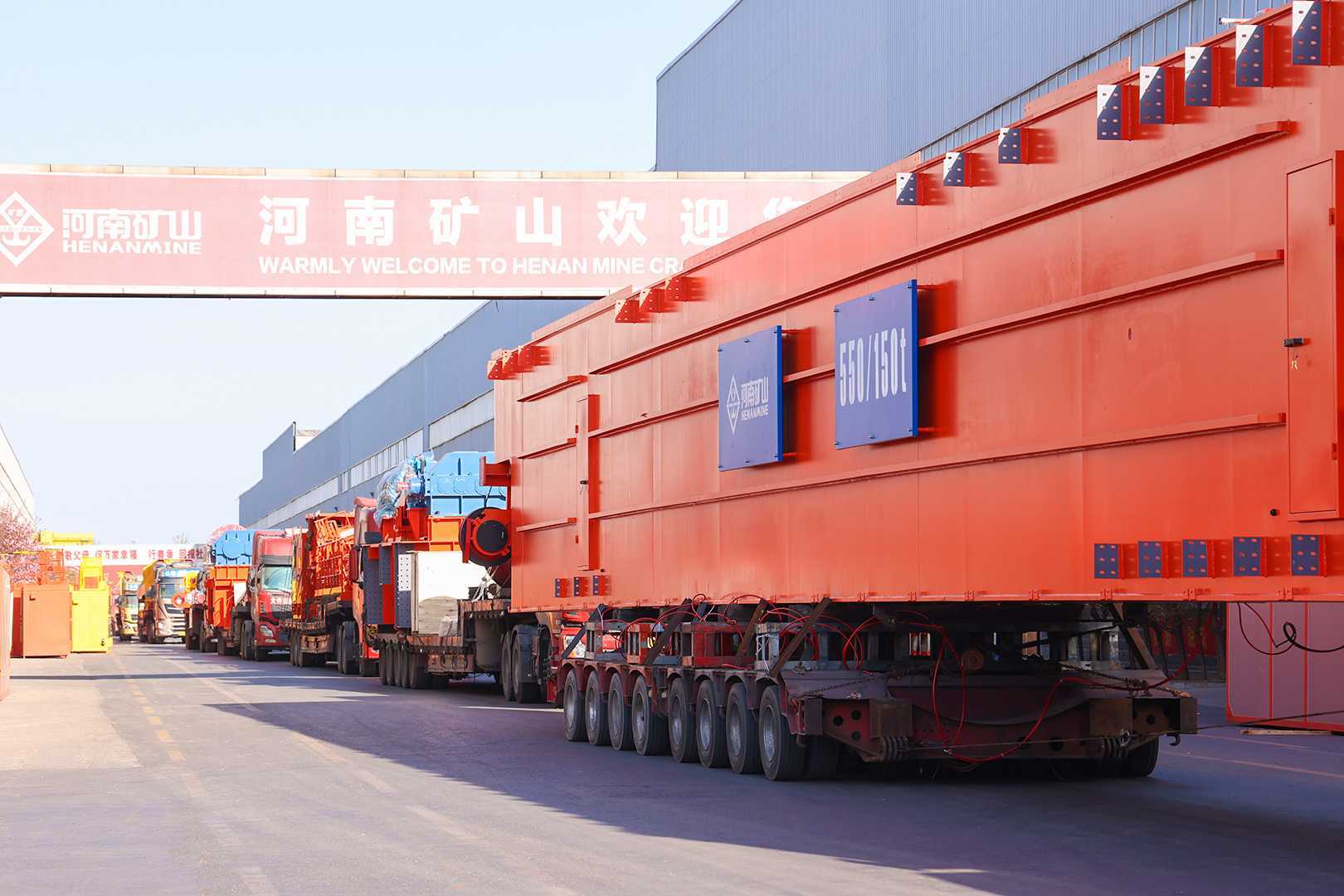
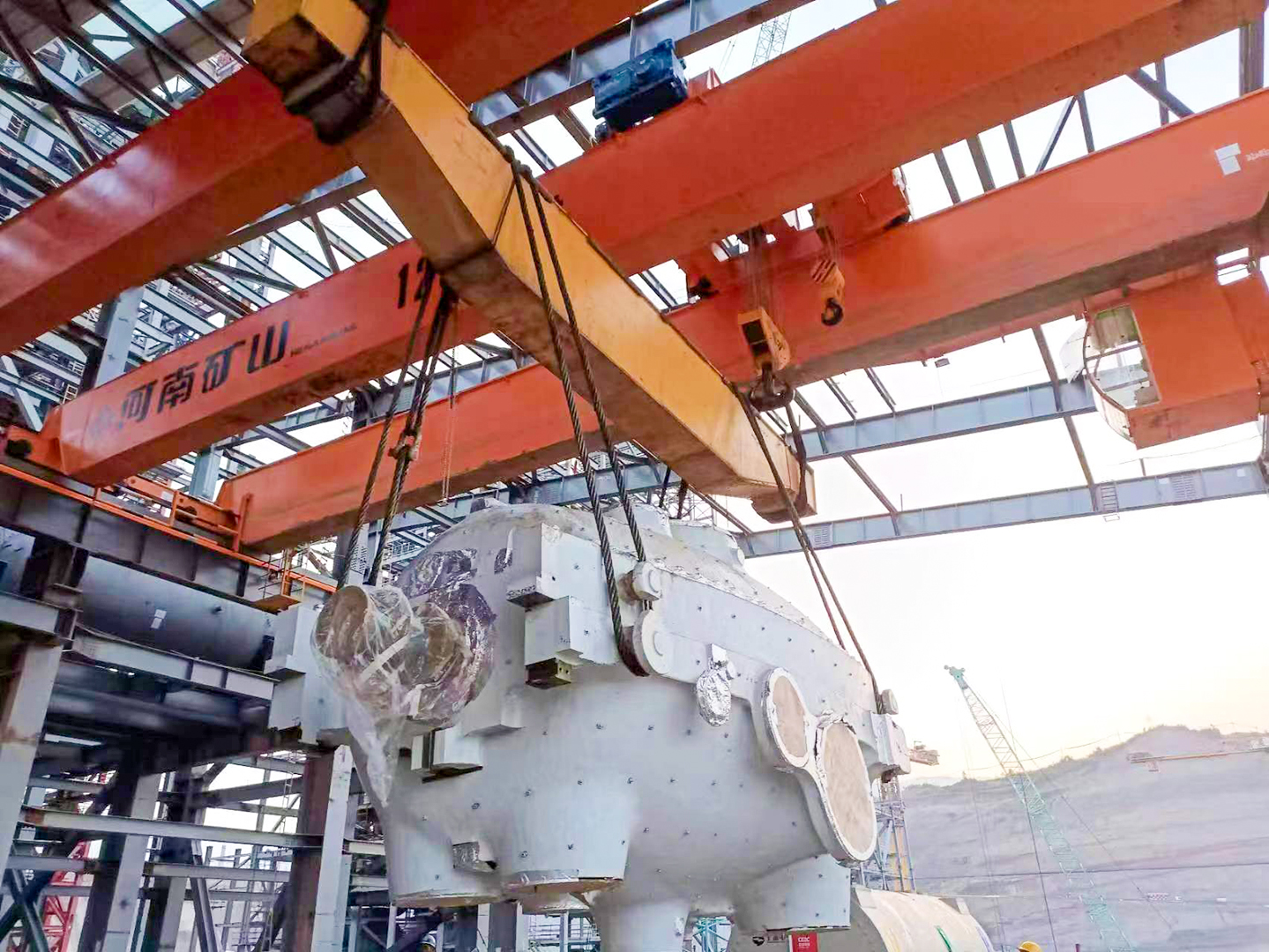
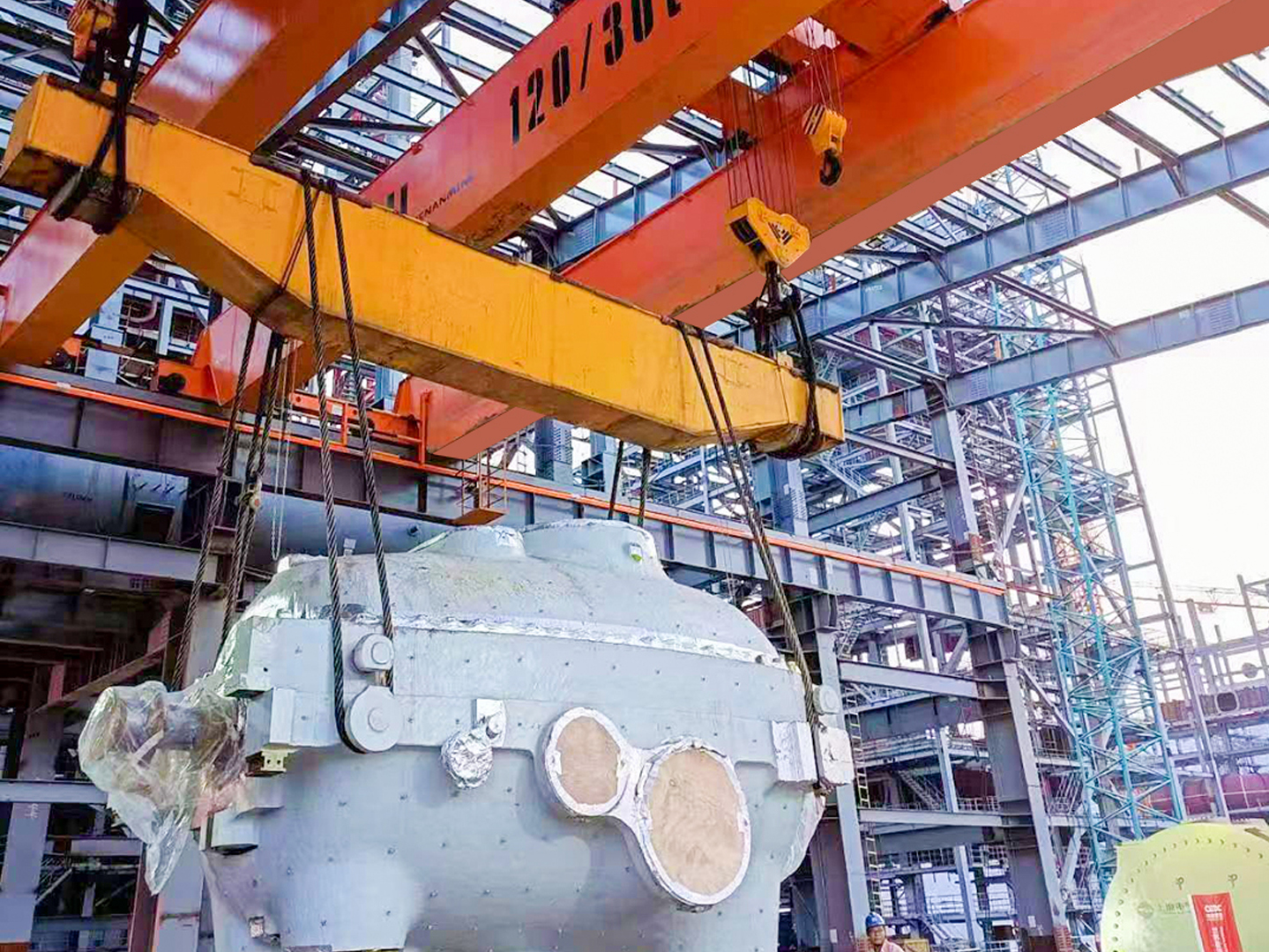
A 3.2-million-ton premium special steel base required a coordinated crane fleet rather than one universal bridge-crane design. Henan Mine Crane supplied more than 30 core equipment units serving steelmaking, refining, rolling and auxiliary production stages.
The reported fleet included 200 t foundry cranes, 200/50 t four-girder foundry cranes, 160/63 t cranes, 40+40 t cranes and overhead rotating electromagnetic-beam cranes. Foundry cranes served molten-metal operations, rotating electromagnetic equipment handled directional steel transfer, and smaller cranes supported auxiliary tasks.
The procurement value lies in application separation. Each production stage received a crane structure, lifting mechanism, attachment, duty and control package matched to the material and hazard. The case demonstrates the capability expected from an industrial overhead crane supplier: process study, multi-type engineering, manufacturing coordination and project-wide delivery.
Engineering Deliverables and Quality Records
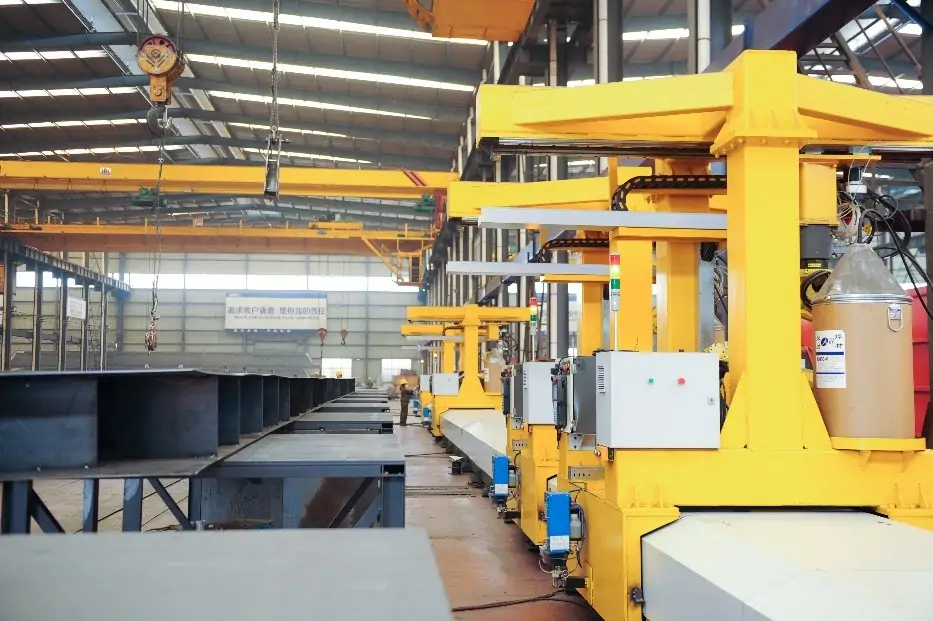
Supplier capability should be demonstrated through project documents and controlled manufacturing records. Required evidence should be listed before order placement because inspection scope affects engineering, production access, schedule and price.
Design Package
General arrangement, wheel loads, hook approaches, electrical demand, component schedule and declared design basis.
Structural Records
Material identification, approved welding procedures, welder qualifications, dimensional inspection and specified examination records.
Mechanism Data
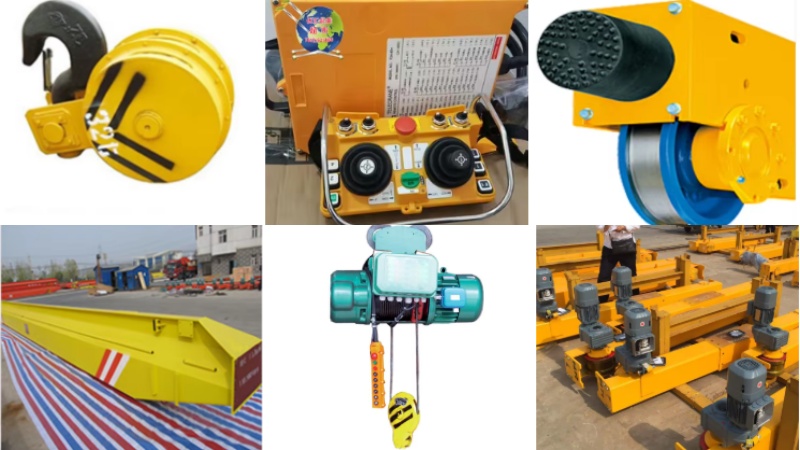
Motor, gearbox, brake, drum, rope or chain, wheel, bearing, limit and protective-device information for the selected duty.
Electrical Documents
Single-line diagram, schematics, terminal data, control narrative, I/O schedule and configured drive parameters.
Inspection and Testing
Inspection plan, witness points, functional checks, brake and limit verification, protective-device setting and contracted load testing.
Handover Package
Manuals, maintenance schedule, spare-parts list, test records, commissioning information and final approved drawings.
Project Delivery, Installation and Lifecycle Support
Engineering Approval
Confirm technical data, drawings, wheel loads, electrical demand, control description, deviations, document schedule and approval milestones before production release.
Factory Production and Testing
Track material, fabrication, mechanism assembly, electrical-panel checks, protective functions, inspections, witness points and release documentation.
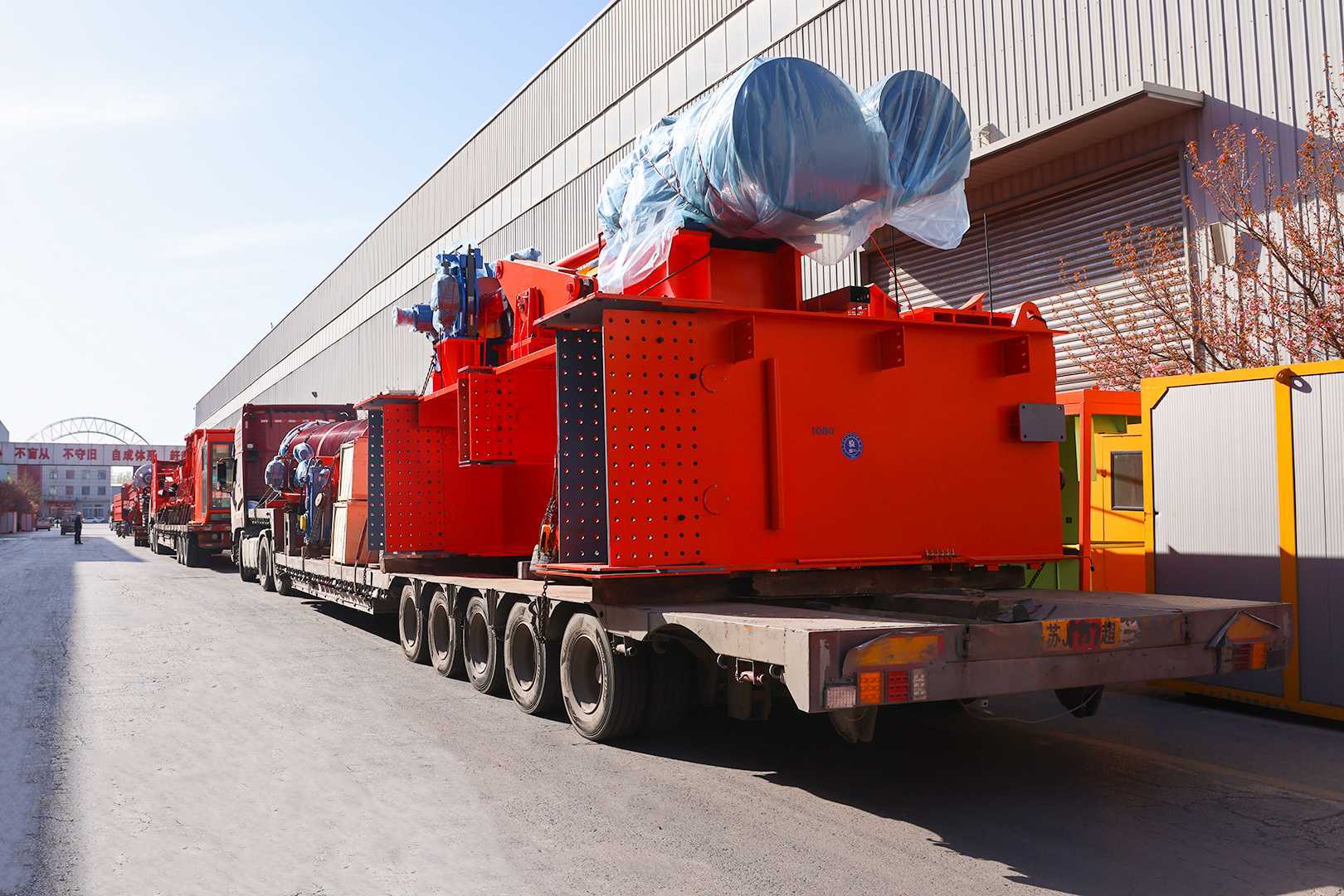
Packing and International Delivery
Define shipping divisions, corrosion protection, packing, labels, lifting points, container or project-cargo method, trade term and delivery boundary.
Runway and Site Readiness
Verify runway span, elevation, rail alignment, building capacity, incoming power, erection access, shutdown windows and available assembly space.
Installation and Commissioning
Assign erection, alignment, electrical termination, parameter setting, functional checks, load testing, statutory inspection and operator training.
Maintenance and Spare Parts
Provide inspection schedules, lubrication data, wear limits, critical spares, electrical drawings and technical support matched to the installed configuration.
Overhead Crane Price and Supplier Scope
The following September 2026 market figures support preliminary budgeting. They are not fixed Henan Mine Crane prices. Published values use different regional labor, installation and equipment boundaries, so every proposal must be normalized before commercial ranking.
| Configuration | Indicative Market Position | Typical Stated Basis | Items Requiring Confirmation | Supplier Comparison Control |
|---|---|---|---|---|
| Workstation bridge system | US$2,000–80,000 | Broad market range for light modular systems; a 1 t, 20 × 25 ft system may approach US$30,000 | Support steel, hoist, electrification, freight, assembly and floor work | Confirm complete coverage dimensions and installed boundary |
| Ceiling-hung or freestanding monorail | US$15,000–25,000 | Approximate 1–2 t, 25 ft class market examples | Hoist, support structure, track length, curves, installation and testing | Compare equivalent track length and support arrangement |
| 5 t single-girder bridge crane | Around US$40,000 | North American benchmark for a base crane near or below 40 ft span | Runway, conductor system, freight, access, installation and acceptance | Require one written inclusion and exclusion schedule |
| 10 t single-girder bridge crane | Around US$65,000 | North American installed-project benchmark under a conventional configuration | Span, lift, duty, building work, controls and regional labor | Confirm whether installation and load testing are included |
| Double-girder bridge crane | US$65,000–100,000+ | Market range for common 5–10 t examples; heavy process cranes exceed this range | Open-winch trolley, platforms, runway, automation, special environment and testing | Separate general-duty and process-crane quotations |
| Heavy-duty or automated process crane | Project quotation | Application-specific engineering and contracted supply boundary | Attachment, redundancy, plant interfaces, civil work, commissioning and production shutdowns | Evaluate total project cost and lifecycle responsibility |
Commercial normalization: compare crane equipment, runway, electrification, packing, freight, installation, commissioning, load testing, training, spare parts and acceptance as separate line items. A lower equipment figure does not establish a lower installed project cost.
Information Required for an Overhead Crane Supplier Quote
A complete request for quotation reduces assumptions and makes proposals technically comparable. Building drawings, load sketches and operating-cycle data should accompany the following information whenever available.
Load and Material
Maximum and typical load, dimensions, weight distribution, center of gravity, lifting points, attachment, temperature and any hazardous characteristics.
Capacity and Duty
Required rated capacity, lifts per hour, average load, full-load frequency, shifts, annual operating hours and expected service life.
Span and Building
Runway rail centers, building width, column spacing, rail elevation, runway beam and rail data, roof obstructions and available headroom.
Lift and Motion
Lowest pickup, highest placement, lifting height, rigging depth, bridge travel, required speeds, low-speed positioning and target accuracy.
Controls and Power
Pendant, radio or cabin operation, voltage, frequency, phases, conductor arrangement, VFDs, anti-sway, automation and plant communication.
Environment and Destination
Indoor or outdoor location, temperature, dust, humidity, corrosion, hazardous-area data, destination country and governing requirements.
Inspection and Documents
Drawing approval, calculations, material records, witness points, factory testing, site testing, language and third-party inspection.
Commercial Boundary
Delivery location, trade term, runway scope, installation, commissioning, load-test responsibility, training, spare parts and required schedule.
Overhead Crane Supplier FAQ
What is the difference between an overhead crane supplier and manufacturer?
A manufacturer designs and fabricates crane equipment. A supplier may be a manufacturer, distributor, integrator or contractor. The proposal should identify the legal manufacturer, design authority, equipment origin and party responsible for project performance.
Which documents should be requested before placing an order?
The pre-order package should include technical data, general arrangement, wheel loads, electrical demand, supply boundary, deviation list, document schedule, inspection plan, delivery schedule and commercial terms.
How can overseas overhead crane suppliers support local installation?
A practical structure combines factory engineering and remote or site supervision with a qualified local installation team. Responsibilities for lifting equipment, labor, permits, rail alignment, electrical work and acceptance should be assigned in writing.
Should the lowest overhead crane price determine the supplier?
No. Supplier comparison should use equal equipment, duty, runway, controls, documentation, freight, installation and testing boundaries. Omitted site work or inadequate duty can create a higher total project cost.
How is the required crane duty established?
Duty follows load spectrum, lifts per hour, travel distances, operating shifts, annual hours, speed and process consequence. Rated tonnage alone cannot determine motor, brake, bearing or structural fatigue requirements.
Can one supplier provide both the crane and runway?
Yes, when the contracted scope includes runway steel or an independent support structure. Structural responsibility, foundations, building interfaces, local calculations and installation tolerances must still be clearly assigned.
What should factory acceptance cover?
The agreed plan may cover document review, dimensions, mechanisms, electrical panels, motor operation, brakes, limits, warning devices, protective functions and available no-load or simulated tests before shipment.
How should spare parts be specified?
Critical spares should reflect the installed motors, brakes, drives, contactors, encoders, limits, ropes, wheels and controls. Part numbers, quantities, storage requirements and recommended commissioning spares should be listed.
Which crane type suits a standard workshop?
A single-girder electric wire-rope-hoist crane is a common starting point for moderate general-duty handling. Span, lift, headroom, duty, hook approach and runway reactions determine final suitability.
When is a process-crane supplier required?
Process-crane capability is required when molten metal, grabs, magnets, hazardous areas, automated production, high duty or critical loads create requirements beyond a conventional packaged-hoist bridge crane.
Related Overhead Crane Products
Compare product families after the load, duty, building and process requirements have been defined. Each configuration is finalized through project-specific engineering.
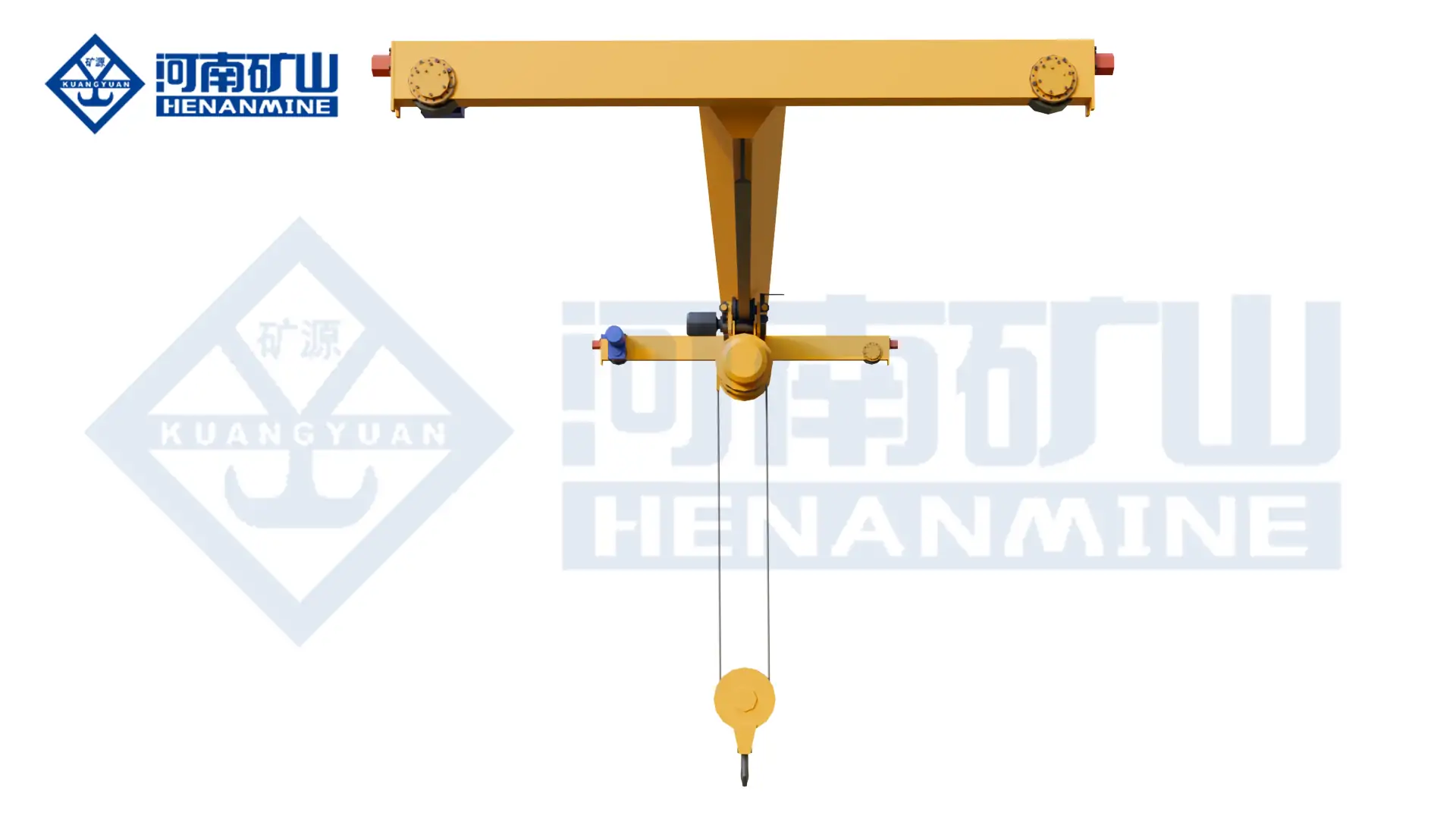
Single-Girder Overhead Crane
Cost-controlled electric-hoist bridge for general manufacturing, assembly and maintenance.
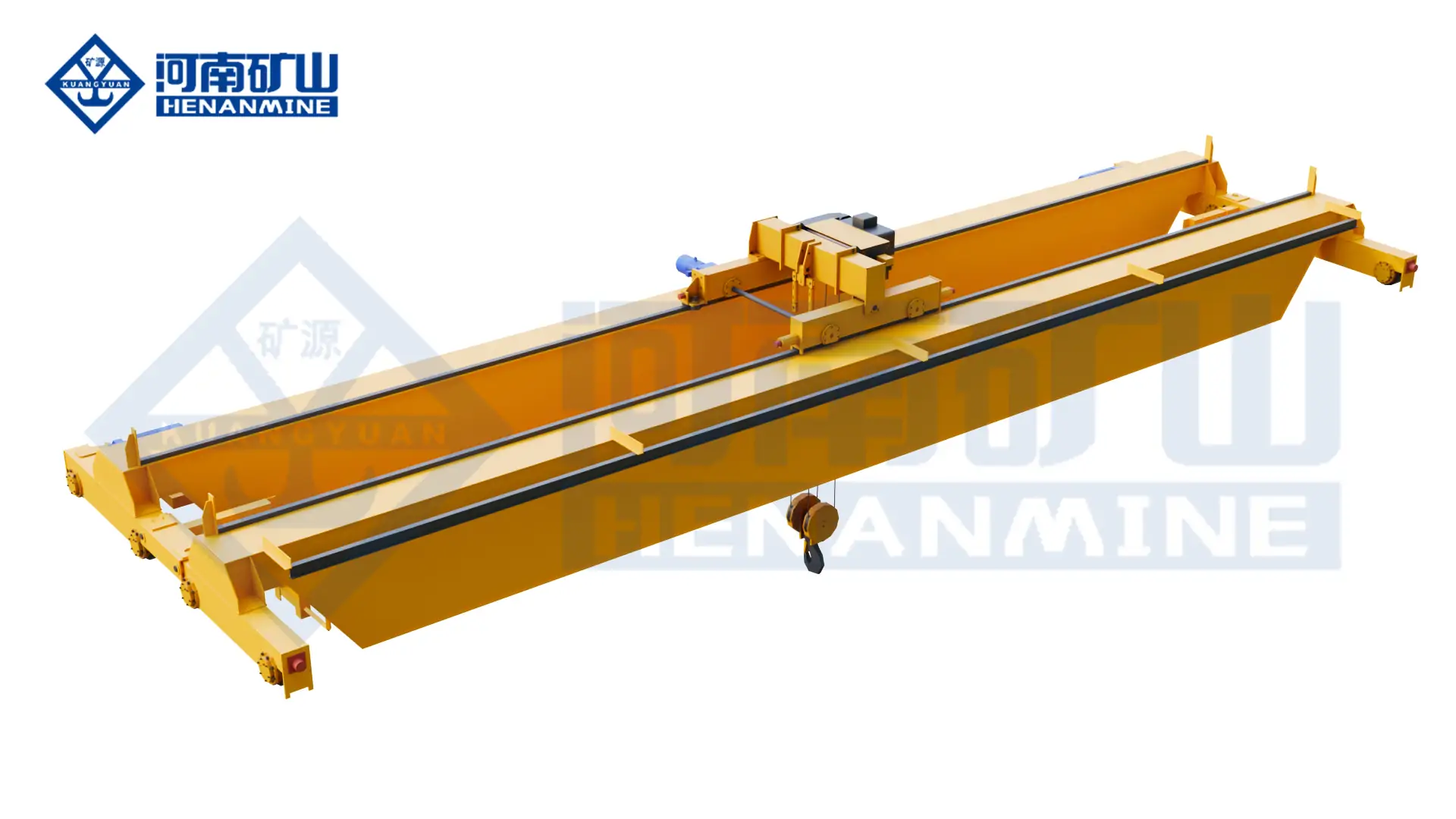
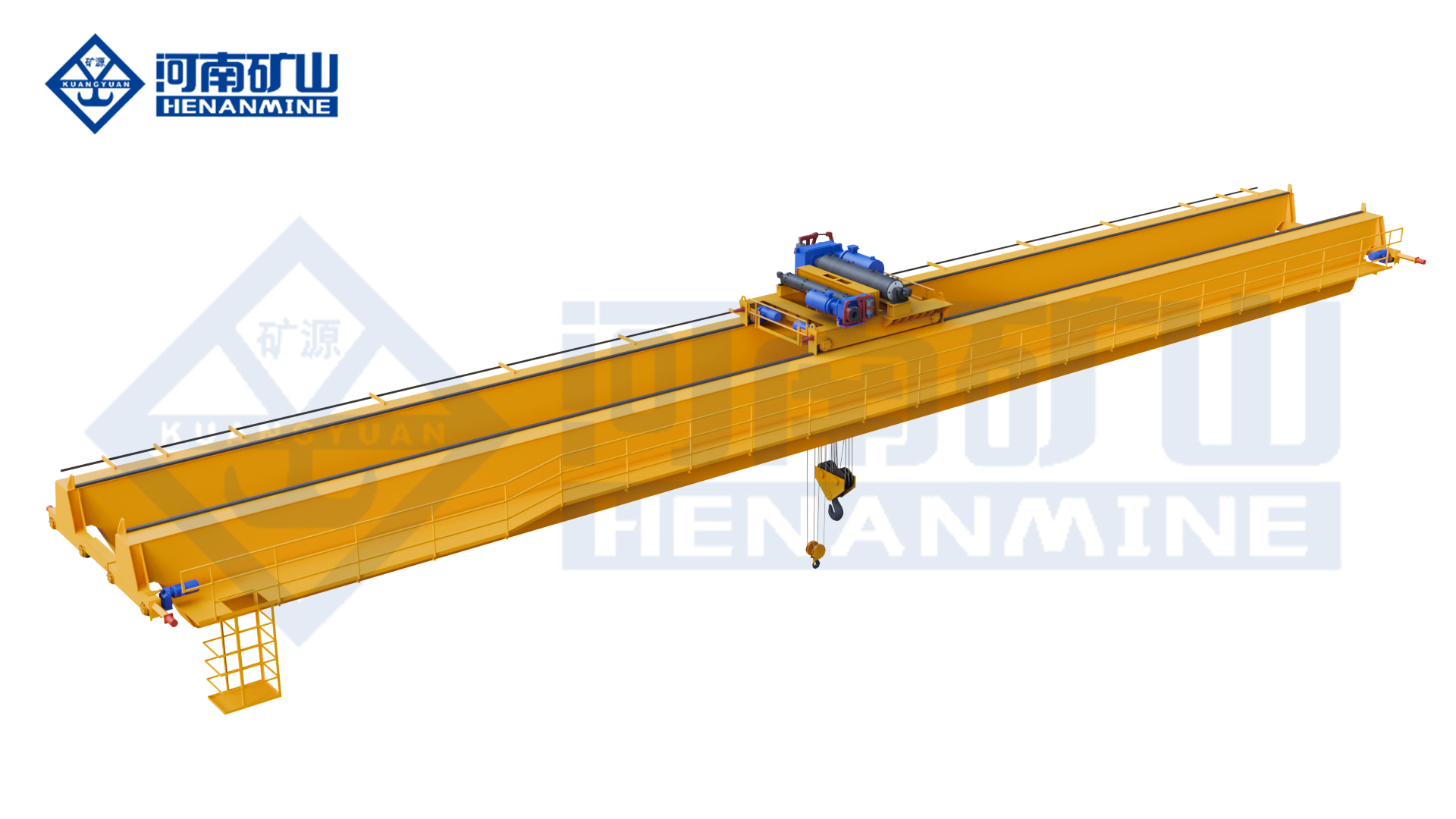
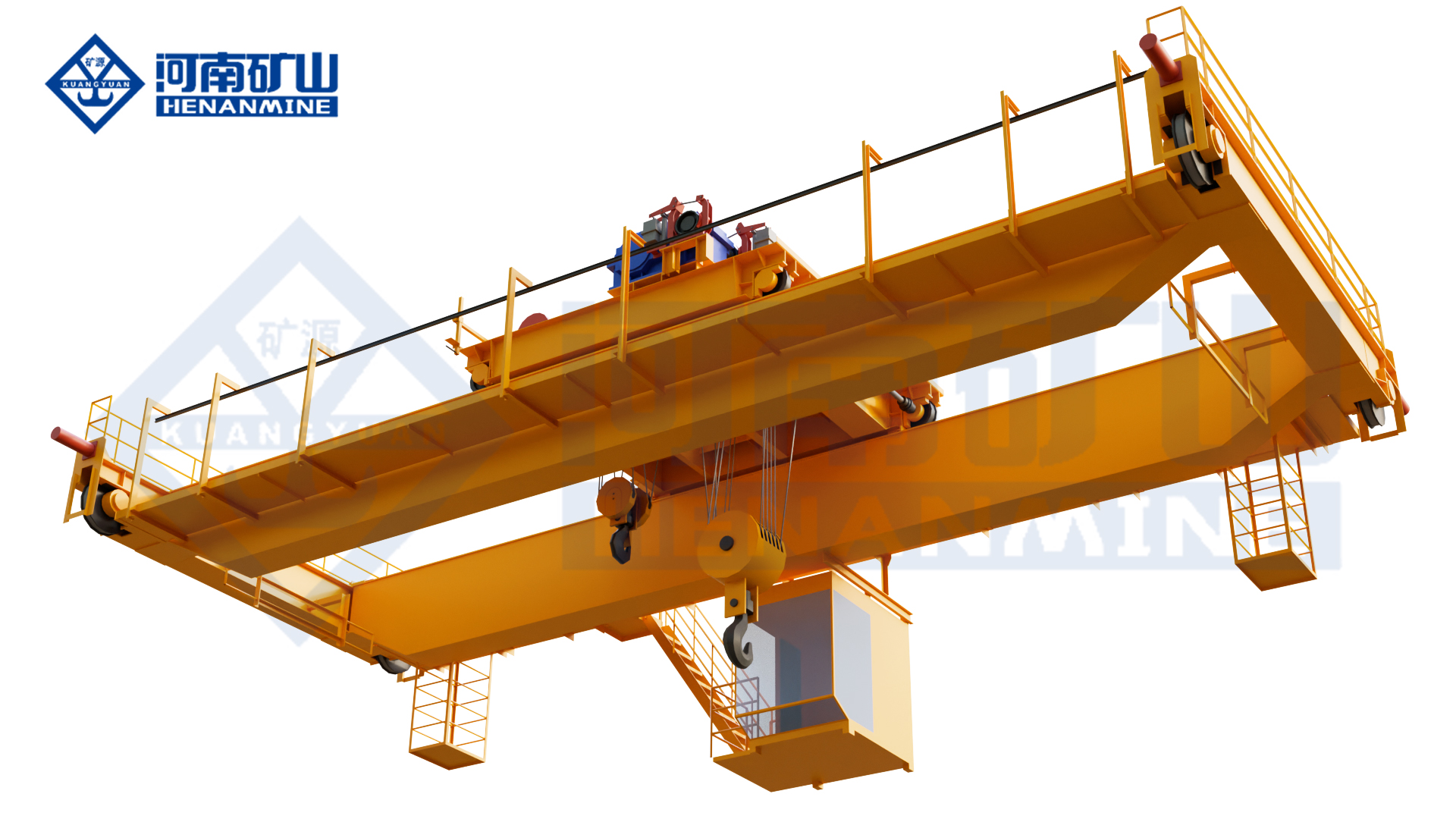
Double-Girder Overhead Crane
Two-girder platform for higher capacity, longer span, demanding duty and process equipment.

Underhung Overhead Crane
Suspended bridge arrangement for compatible runway beams and verified building support.
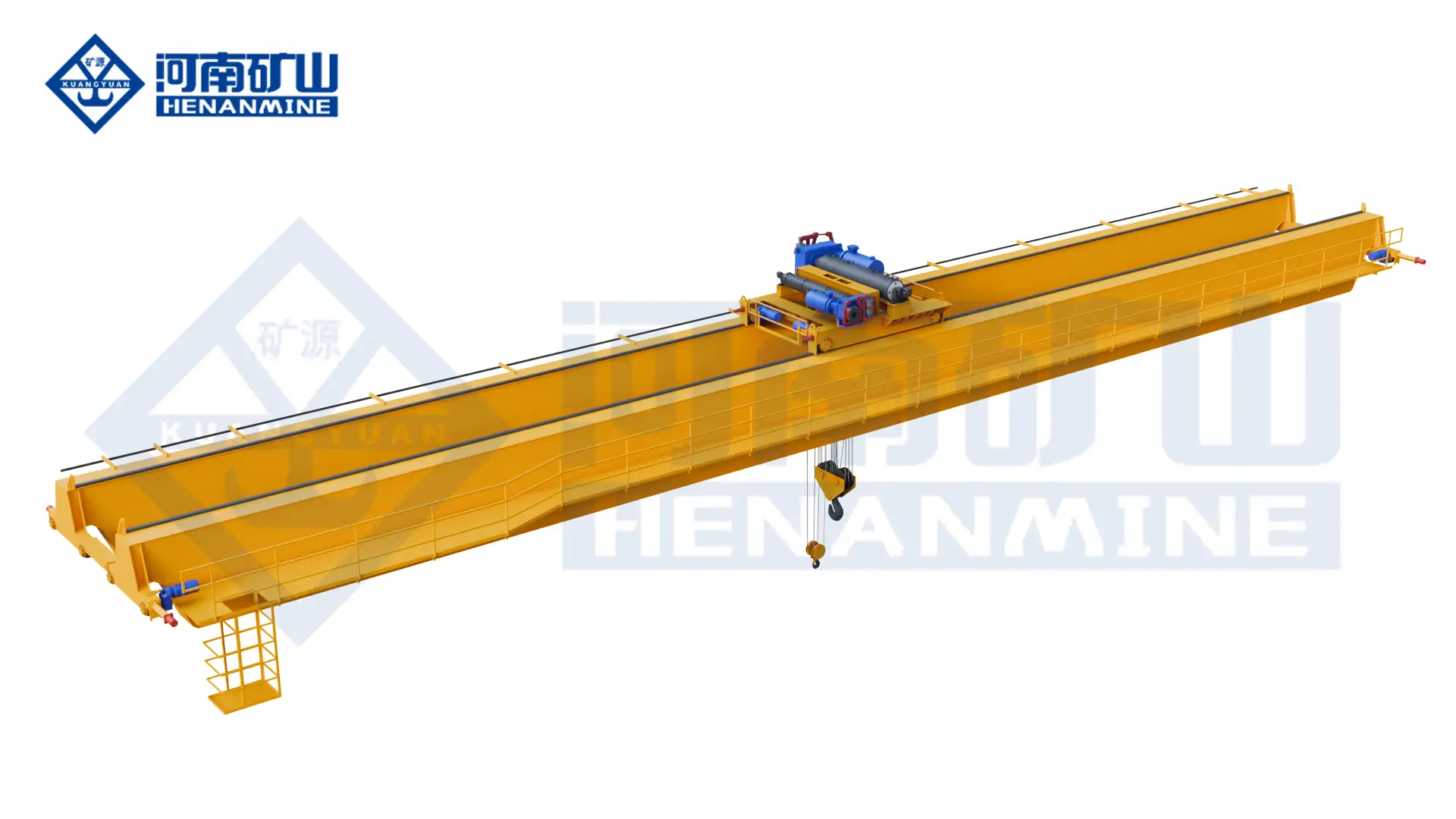
Explosion-Proof Overhead Crane
Dedicated lifting system for a formally defined hazardous gas or dust area.

Metallurgical Overhead Crane
Heavy-duty process crane developed for hot-metal and severe metallurgical service.
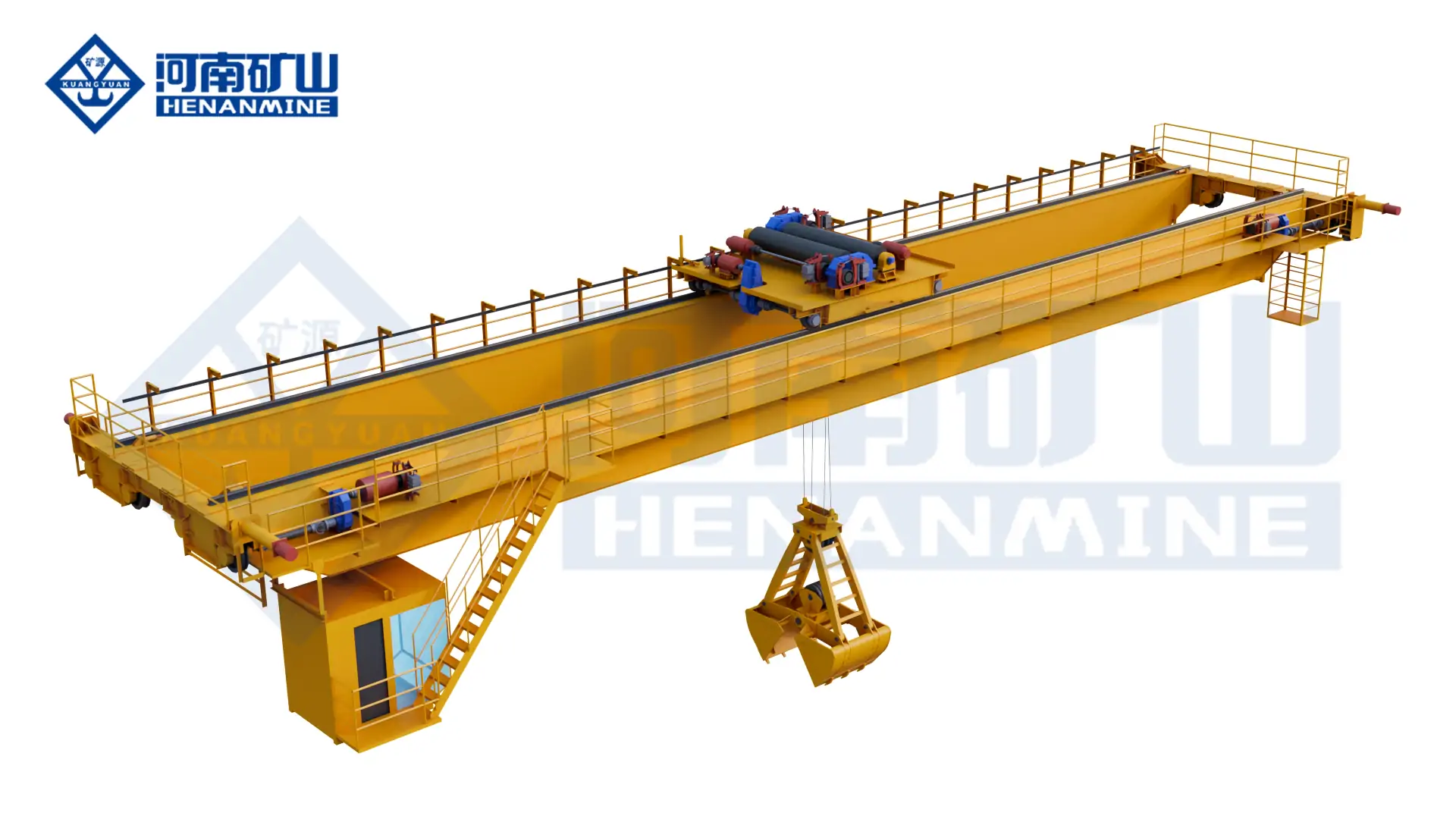
Intelligent Grab Overhead Crane
Grab-bucket and intelligent-control configuration for repetitive bulk-material handling.
Request an Overhead Crane Supplier Proposal
Submit the application, maximum gross load, span, lifting height, duty, runway information, power supply, controls, operating environment, destination country and required project boundary. Henan Mine Crane will prepare a technical configuration and commercial quotation.