Henan Mine Crane · Rail-to-Road Container Transfer Systems
Intermodal Terminal Crane Systems
Rail-mounted and rubber-tyred container cranes engineered for transfer between freight trains, trucks and storage blocks.
An intermodal terminal crane package is selected around track layout, live-rail clearances, truck exchange lanes, under-spreader load, train length, peak lifts per hour, yard storage strategy, power infrastructure and terminal-control interfaces.
TRANSFER PATH
Rail ↔ Truck ↔ Storage
CORE EQUIPMENT
RMG, RTG and Straddle Carrier
CONTAINER DUTY
20 ft, 40 ft and 45 ft
PRIMARY DESIGN INPUT
Train and Truck Interface
What Is an Intermodal Terminal Crane?
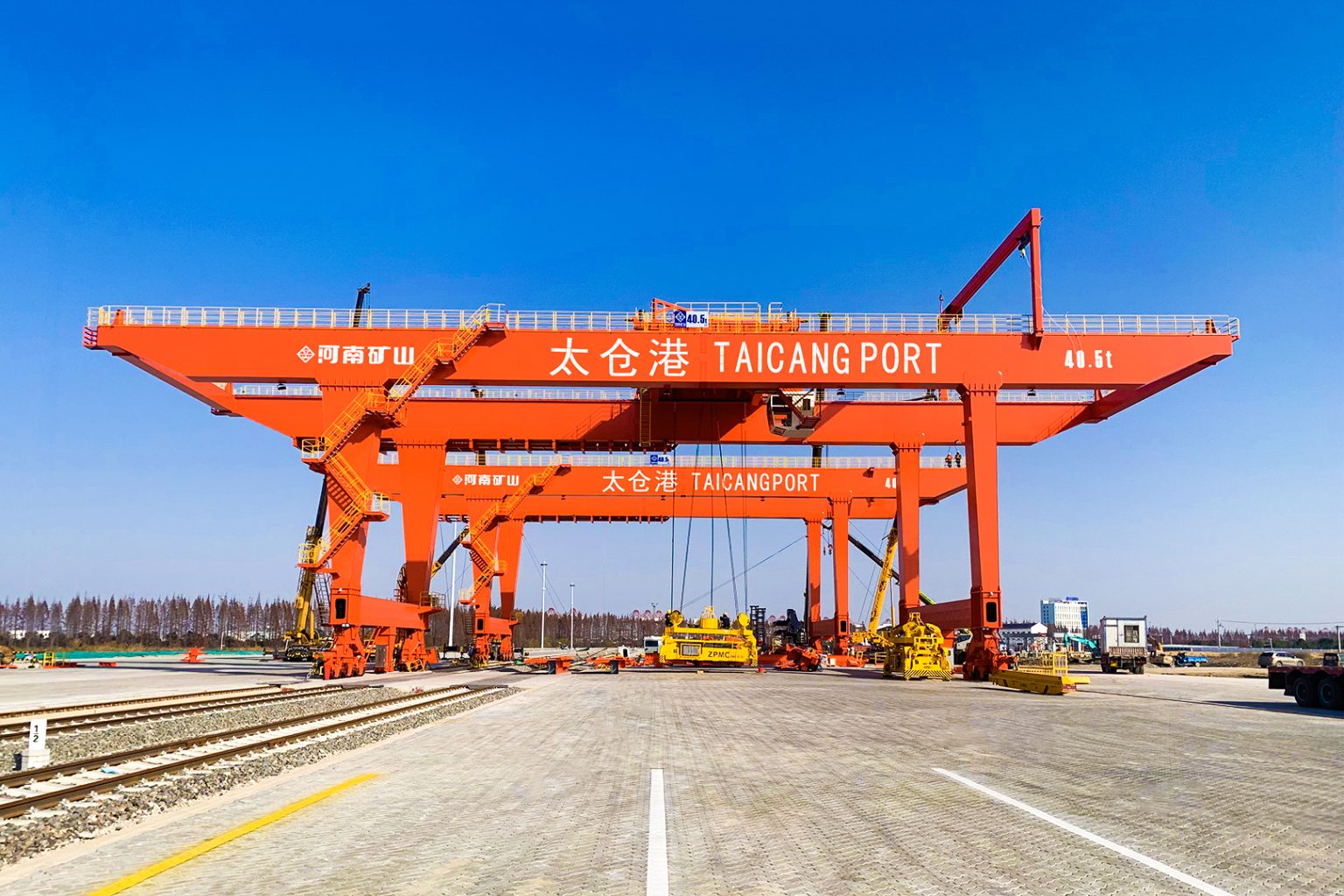
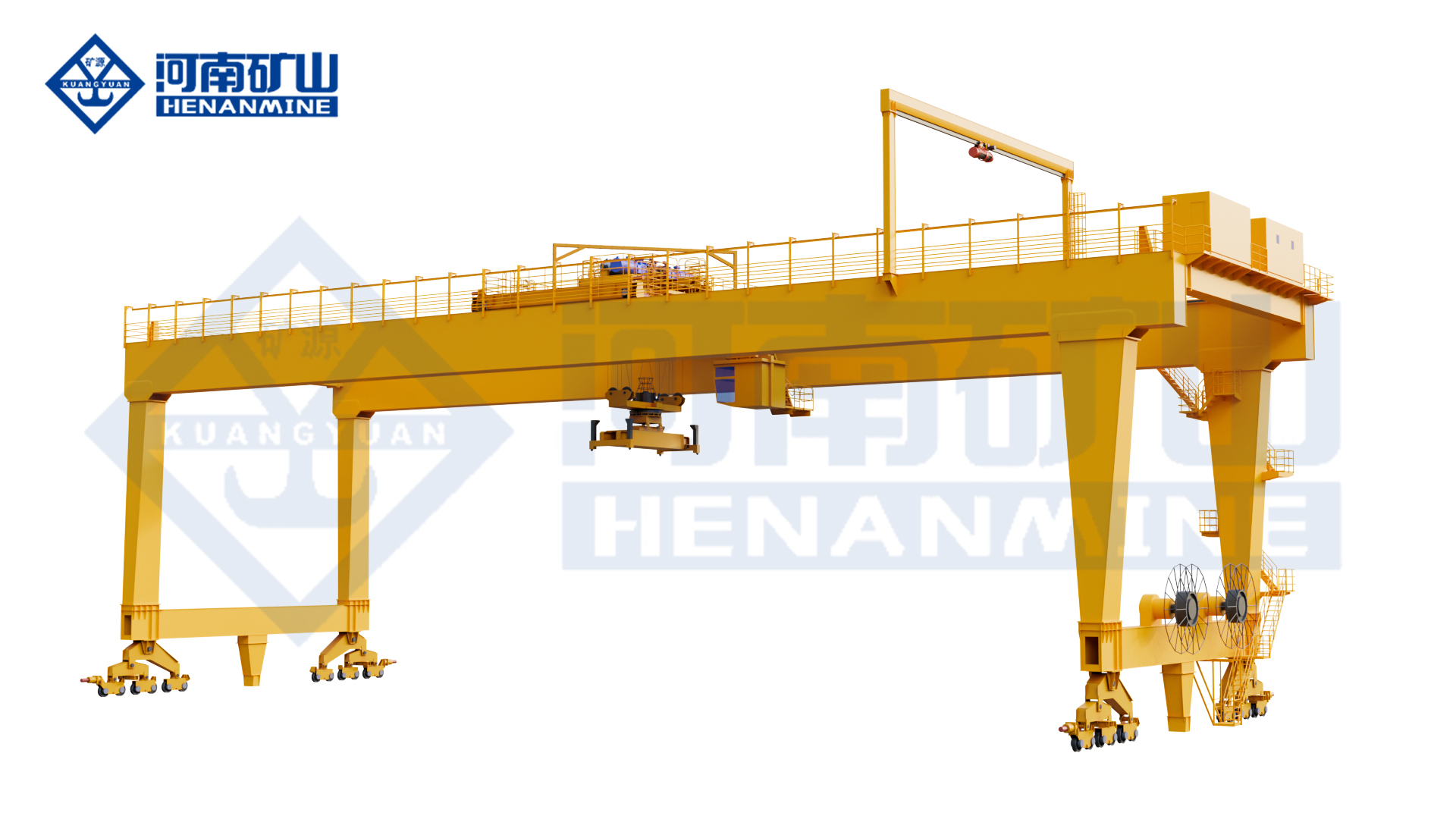
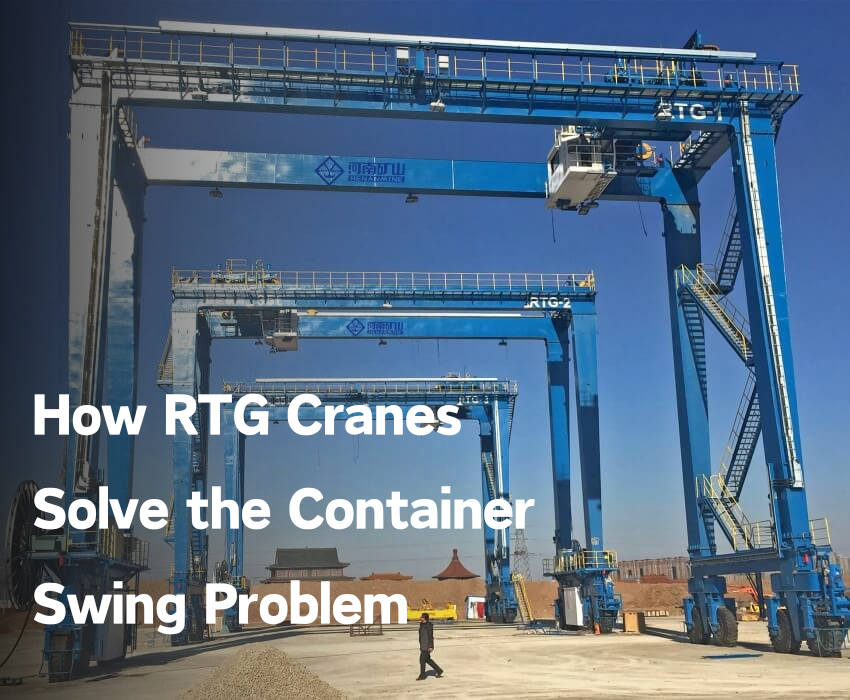
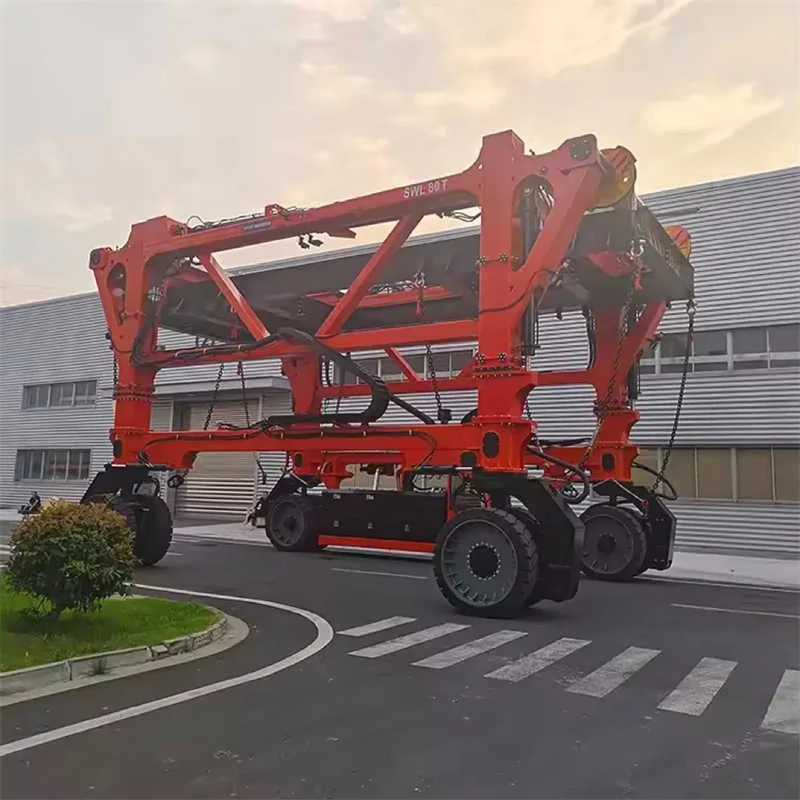
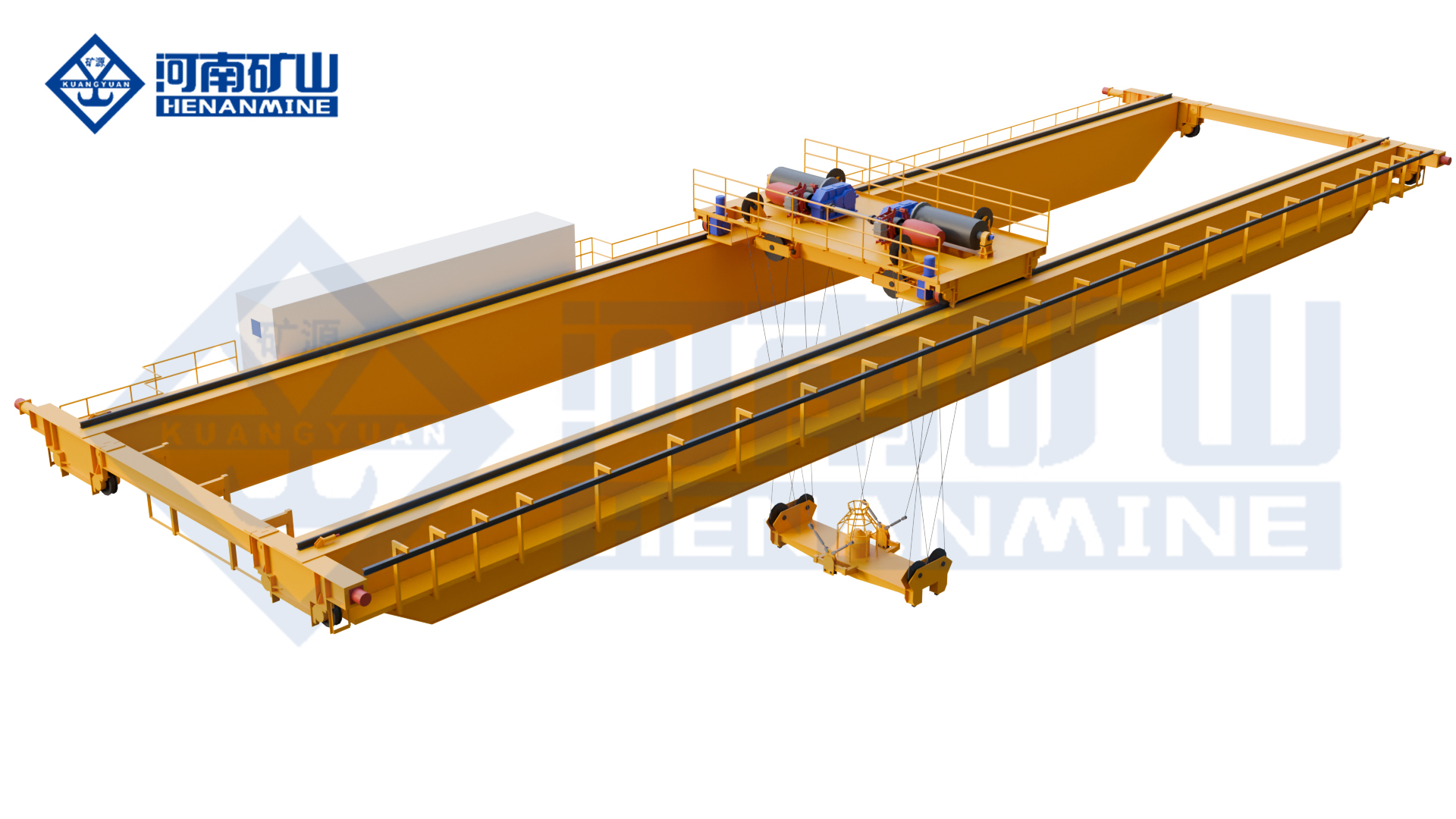
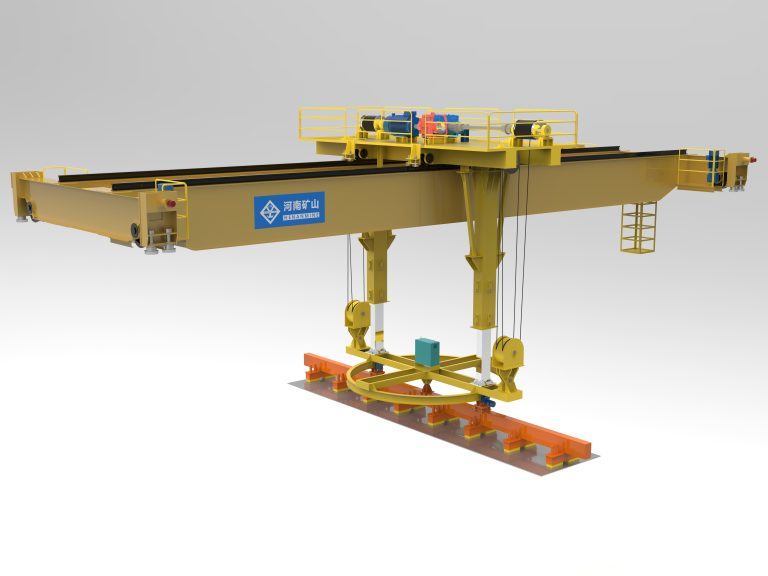
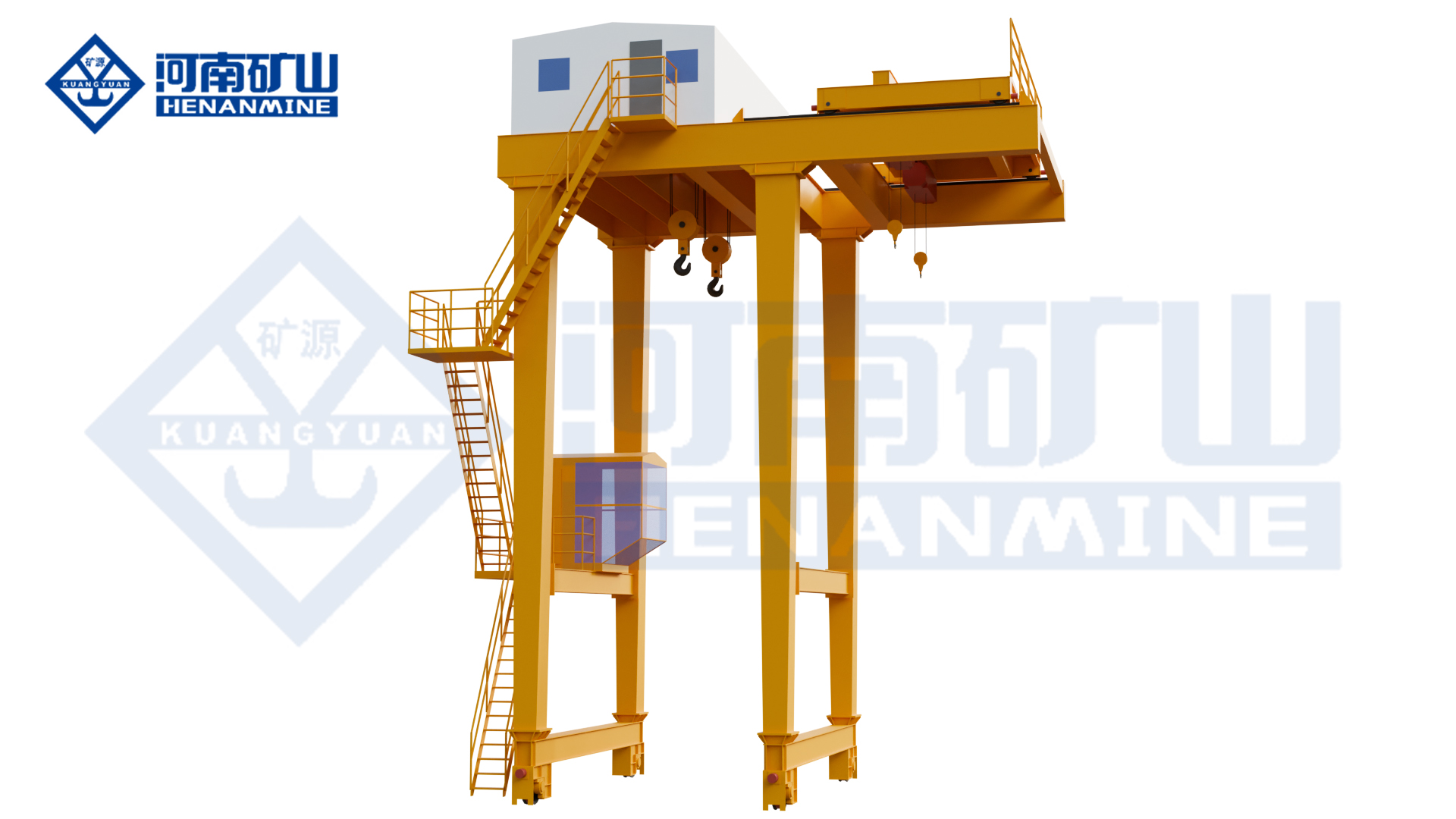
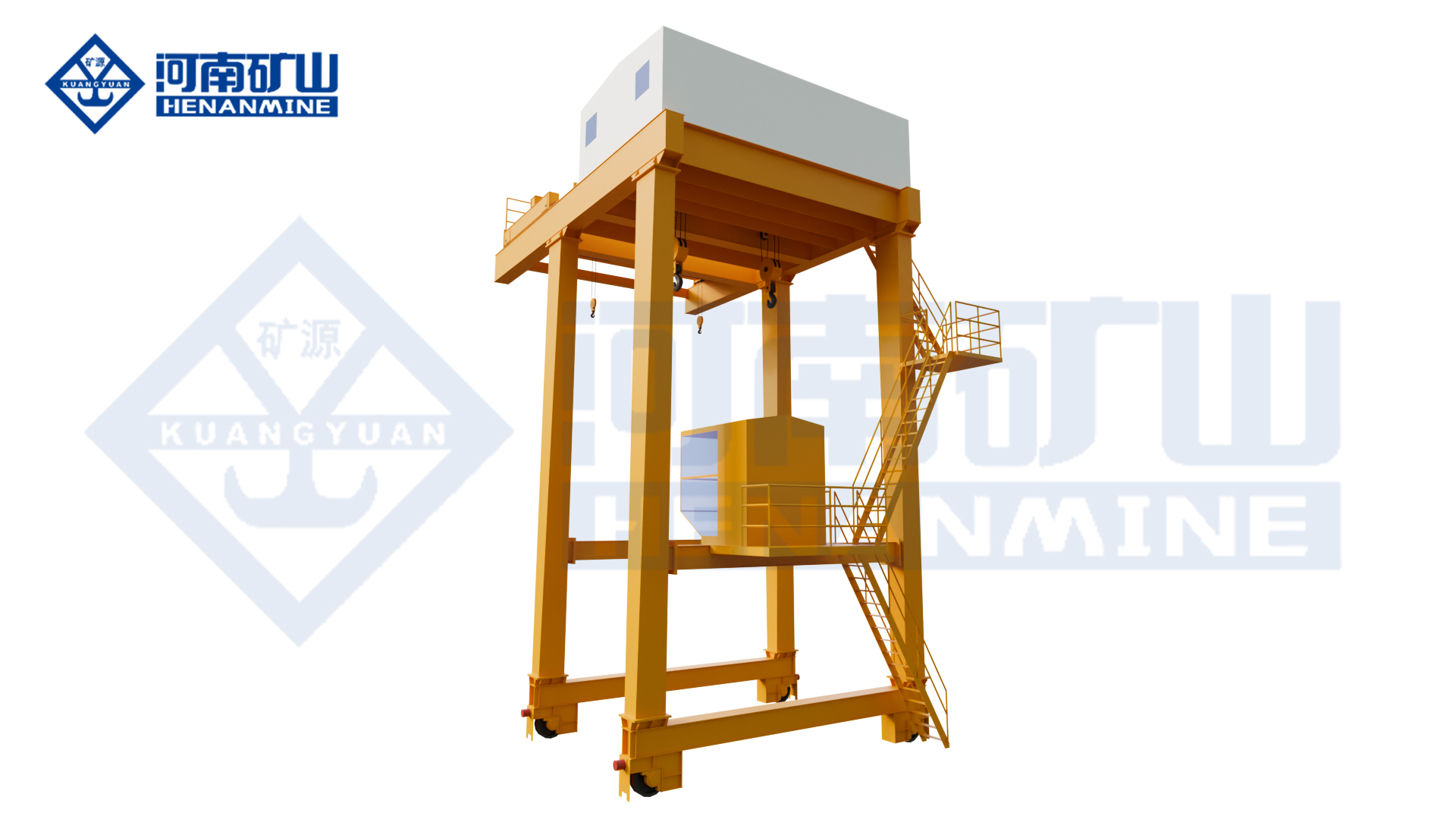
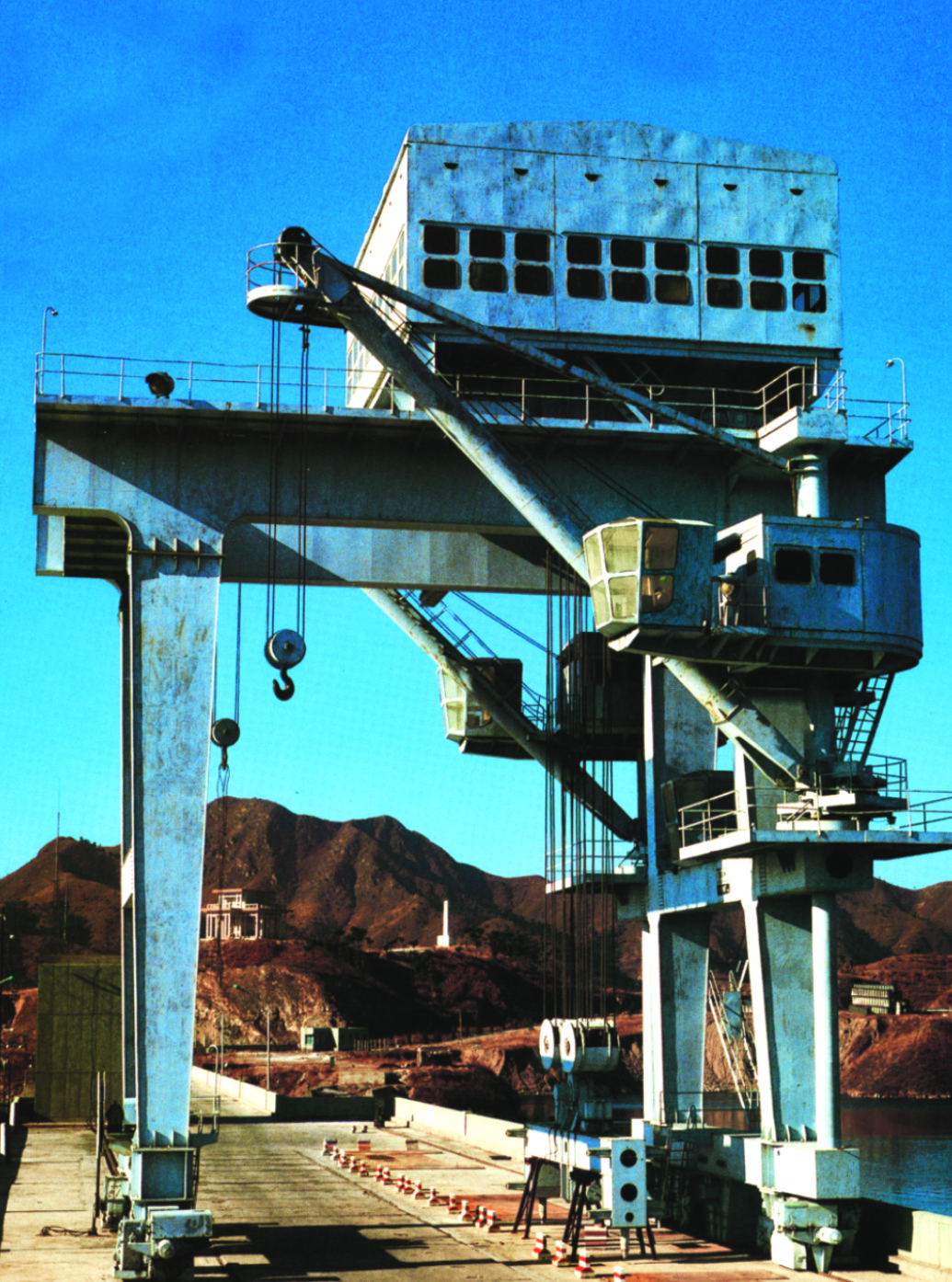
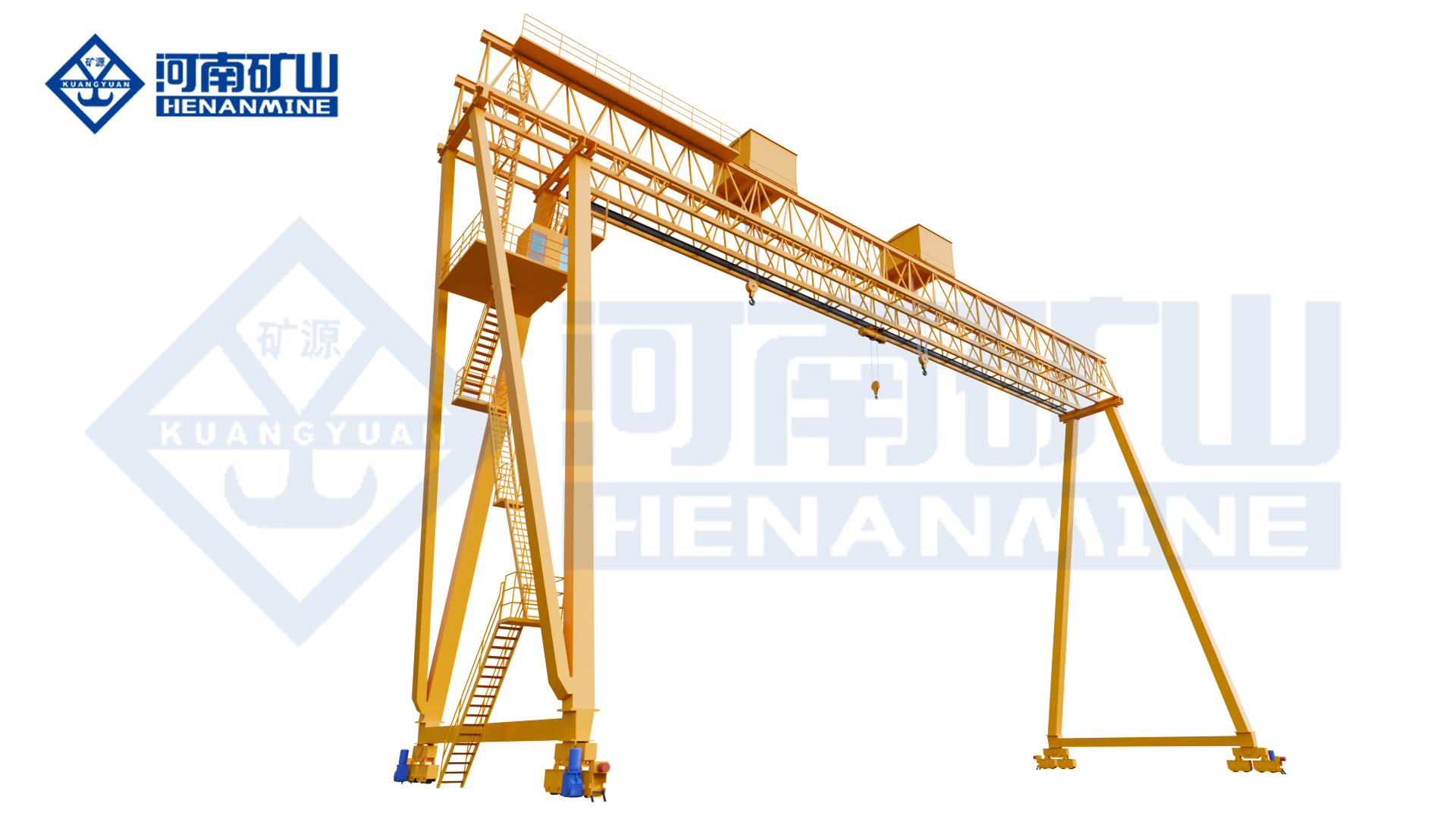
An intermodal terminal crane transfers ISO containers between rail wagons, road vehicles and storage or exchange positions without unpacking the cargo. In a fixed rail transfer zone, the primary lifting machine is often a rail-mounted gantry crane (RMG). A rubber-tyred gantry crane (RTG) serves sites that need flexible block allocation; a straddle carrier can combine short-distance movement with stacking.
The purchase decision is determined by the complete transfer path: how many working rail tracks and truck lanes must be spanned, where containers are staged, how trains are switched, and how the terminal operating system dispatches each lift. A port-linked rail terminal may add quayside equipment, but a standalone inland rail-to-road facility does not require a ship-to-shore crane.
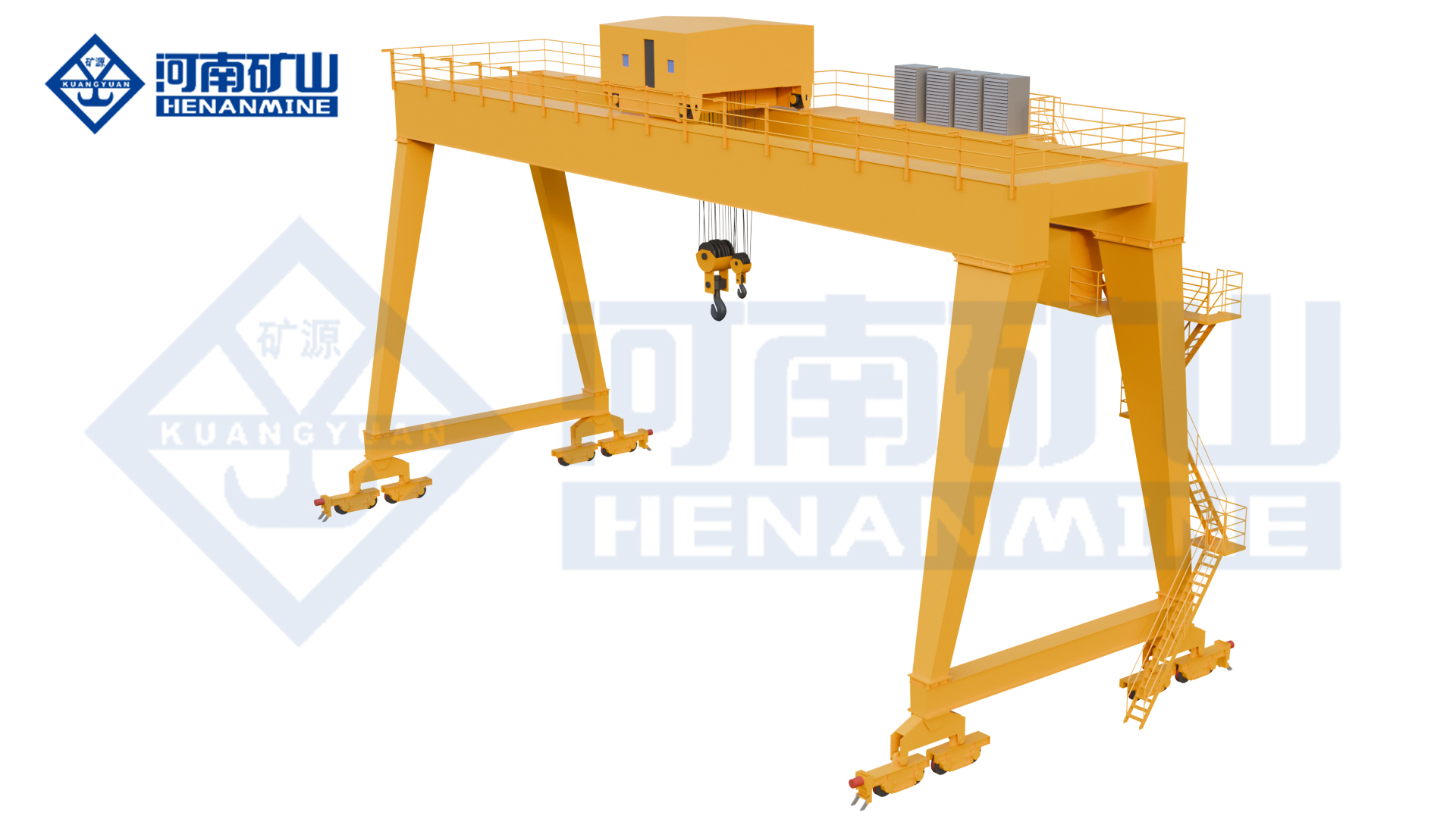
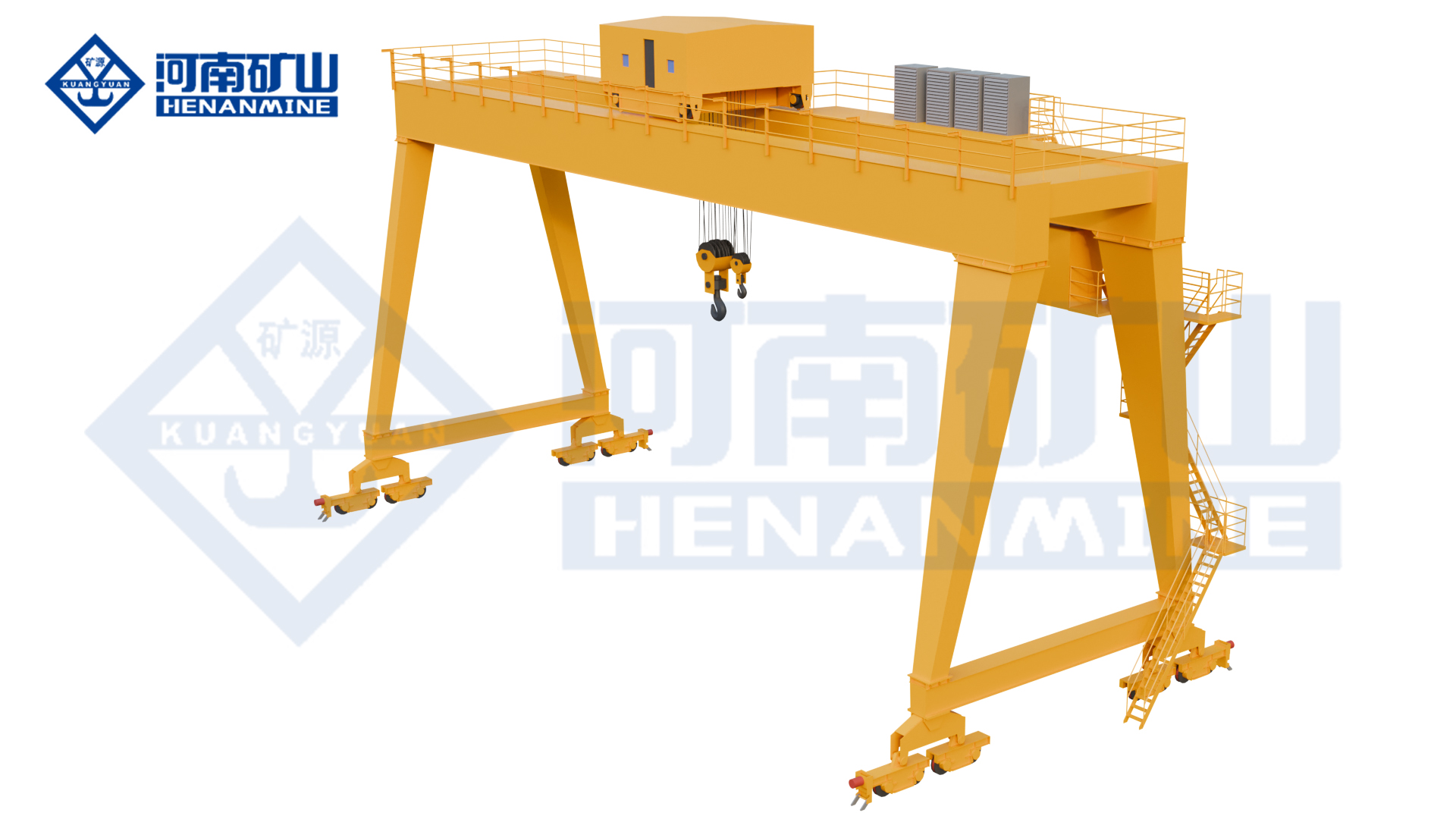
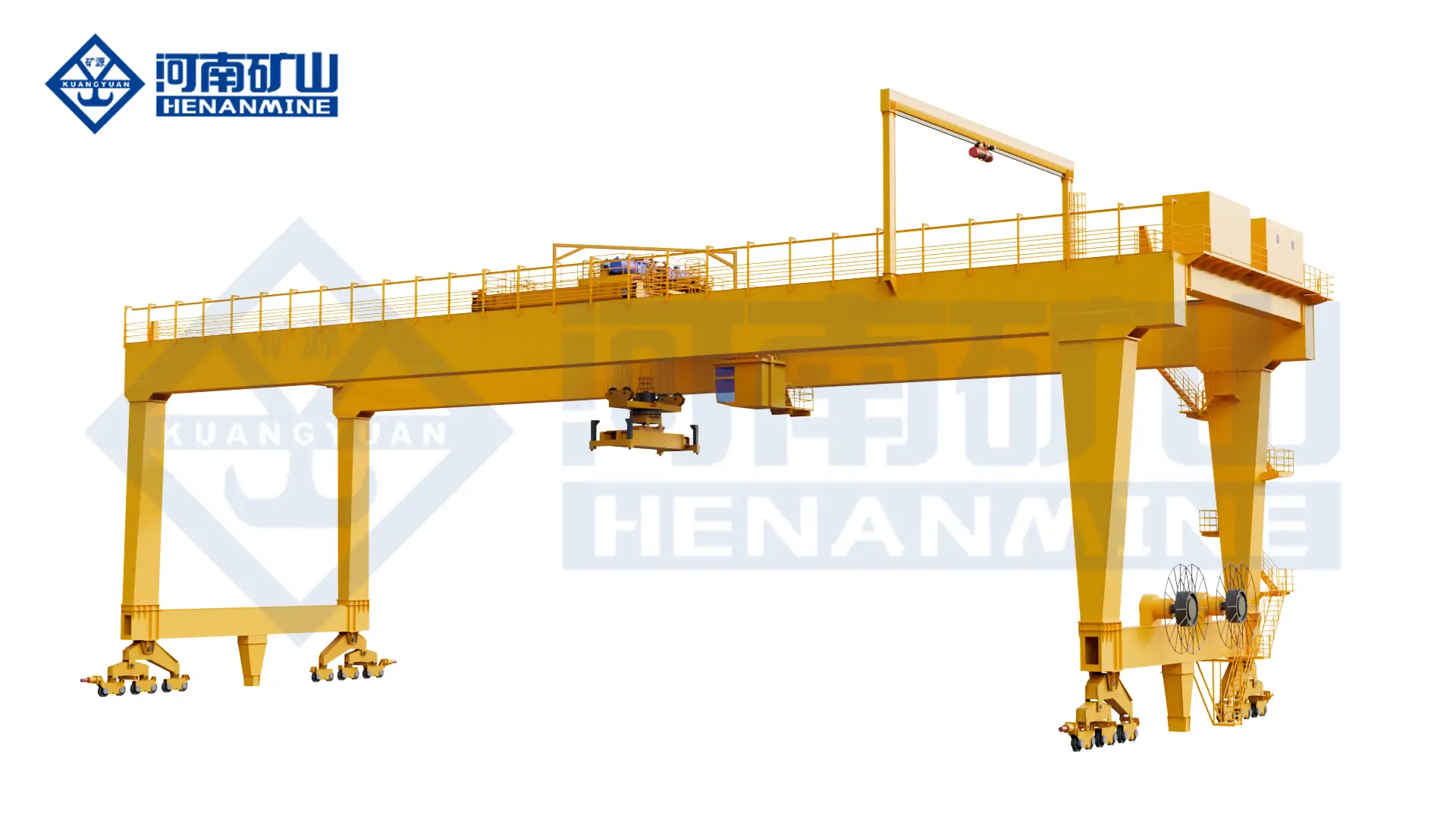
Henan Mine Crane supplies rail-mounted gantry cranes, RTG cranes and container straddle carriers for different terminal layouts.
Container Flow from Train to Truck or Yard
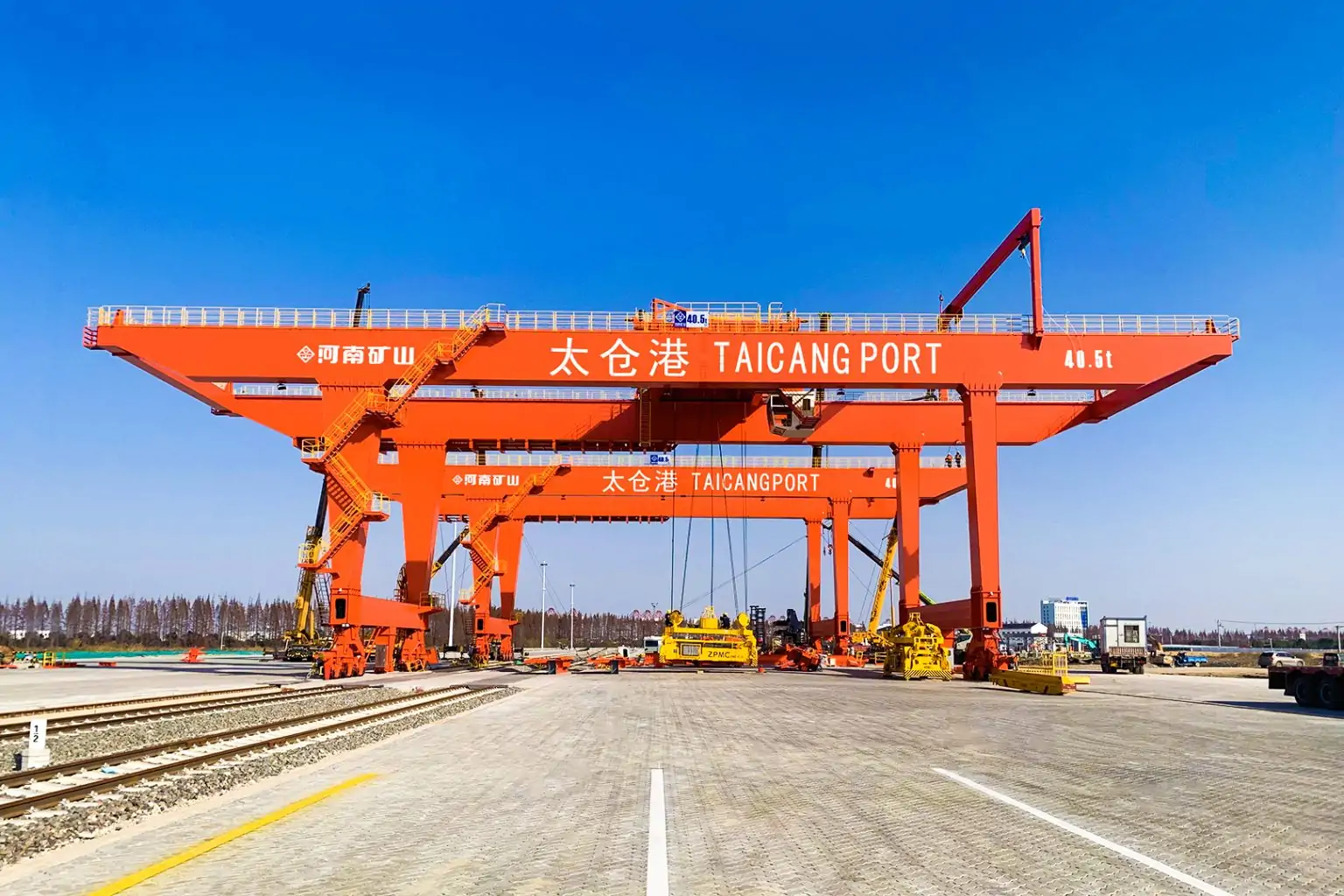
A rail-to-road move begins with the wagon stopping inside a protected lifting zone. After the lift path and container locks are confirmed, the spreader picks the box from the wagon, transfers it across the rail bundle and places it on a truck chassis or planned stack position. The reverse move loads an outbound train.
Rail service windows, road-vehicle queues and storage dwell time must be modeled together. A crane sized only for its nominal lift rate can still leave a train waiting when truck exchange positions or yard inventory control become the bottleneck.
Direct rail-to-truck
Prioritize wagon reach, safe truck exchange and short container travel.
Rail-to-stack
Prioritize stacking height, retrieval logic, rehandles and inventory accuracy.
Rail-to-rail
Check whether the same crane span covers both train tracks and required buffer positions.
Intermodal Terminal Crane Selection Considerations
Track and lane geometry
Set rail centers, train envelope, truck lanes, stack rows, maintenance access and future expansion before fixing the crane span.
Under-spreader duty
Specify the loaded-container gross mass, spreader and headblock masses, duty cycle, wind case and overload policy separately.
Peak transfer demand
Use train schedules, peak lifts per hour, operating hours, dwell and rehandles to size the fleet.
Ground and rail interface
Confirm wheel loads, rail/foundation scope, pavement bearing, drainage and utilities with the civil designer.
Power and controls
Compare cable-fed electric RMGs with diesel, hybrid or electric RTGs using site power availability and operating profile.
Operating model
Set cabin, remote or automated operation and define terminal-control handshakes, recovery and manual override.
A fixed, high-volume rail bundle generally favors an RMG. A terminal with changing blocks or staged expansion may favor an RTG. The final selection depends on measured site geometry and an agreed operating model.
Intermodal Terminal Crane Configurations Compared
| Configuration | Best-fit duty | Principal advantage | Critical site requirement |
|---|---|---|---|
| Rail-mounted gantry (RMG) | Fixed rail bundle with truck exchange and/or storage lanes | Wide fixed coverage and grid-electric operation | Rails, foundations, end clearances and rail-track possession |
| Rubber-tyred gantry (RTG) | Changing yard blocks, phased development or shared rail/stack duty | Can relocate between operating zones | Pavement bearing, turning space, charging or fuel support |
| Container straddle carrier | Short-haul transfer between rail-side exchange and distributed stacks | Transport and stacking in one mobile machine | Traffic segregation, vehicle routes and maintenance access |
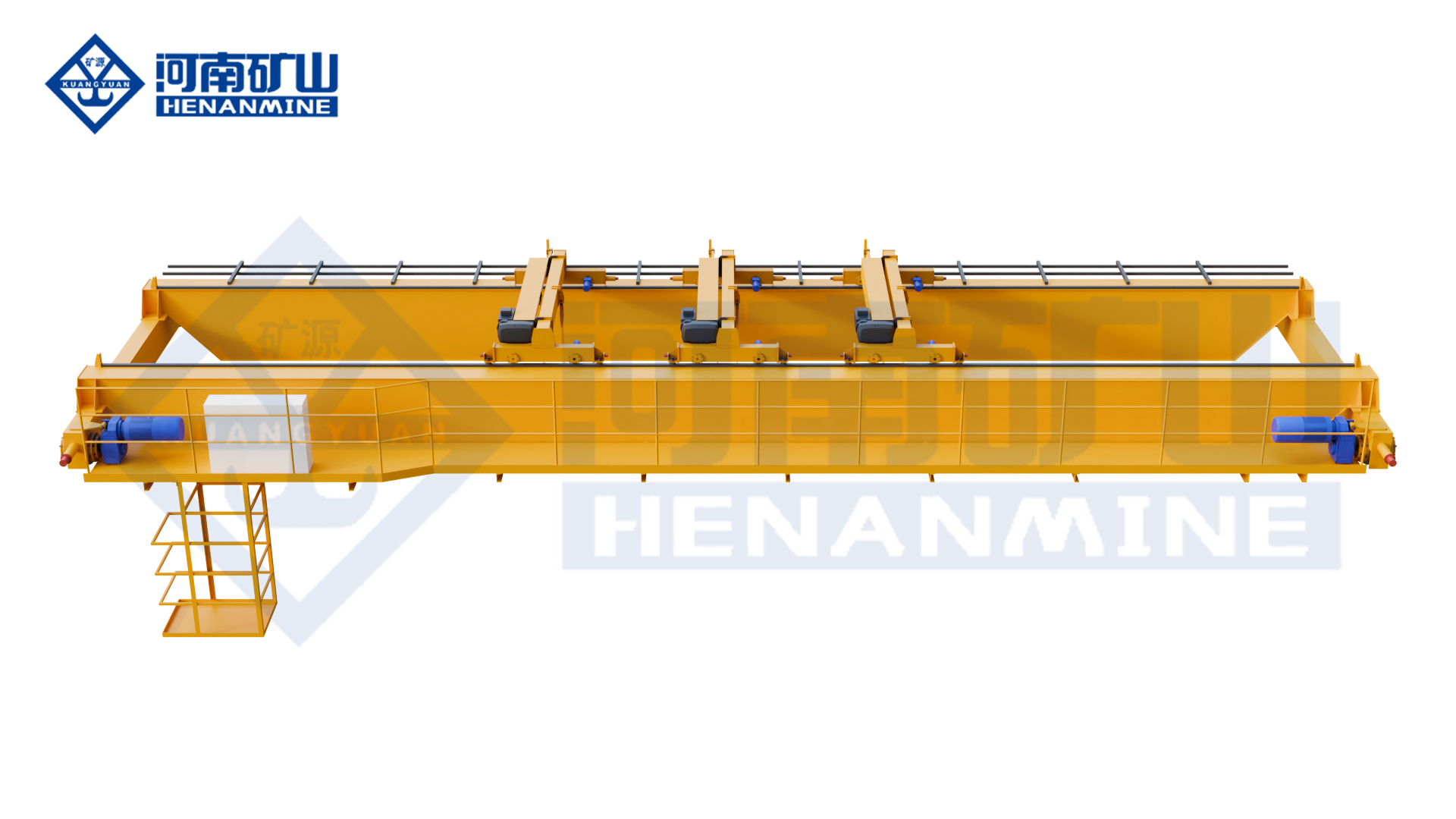
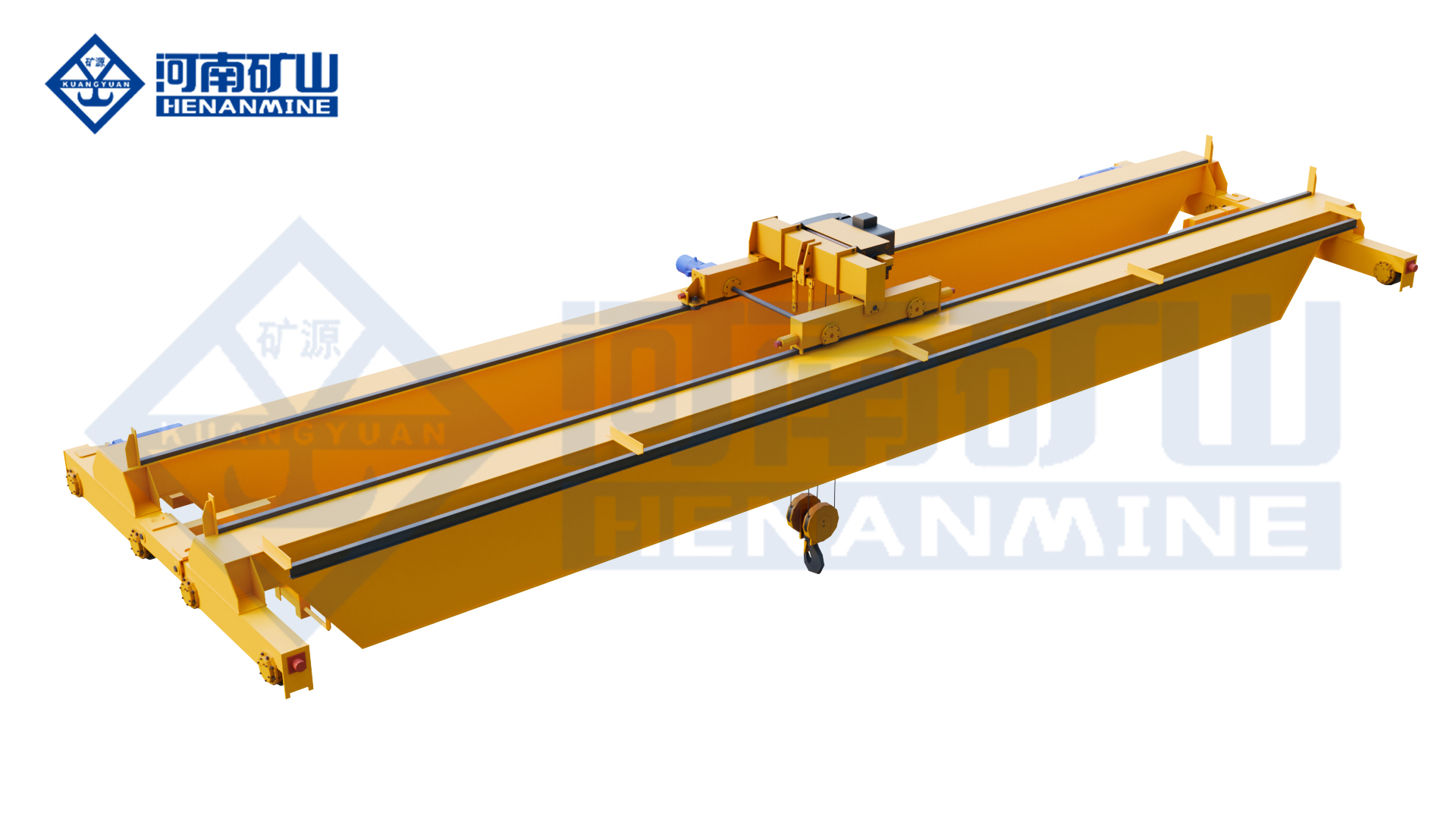
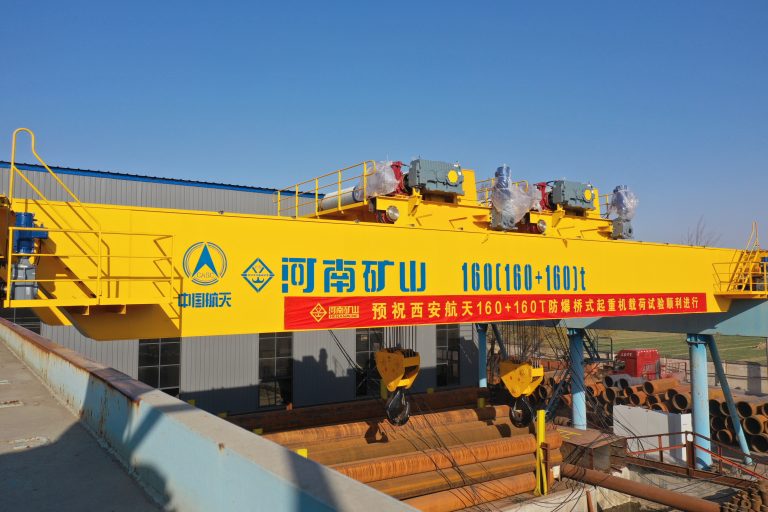
| Container overhead crane | Covered or structurally constrained transfer bay | Fixed-area handling where a runway is available | Verified building structure, clearances and runway loads |
Each configuration needs a project-specific equipment schedule. General-purpose gantry cranes and container cranes should not be treated as interchangeable without a spreader, duty and site-interface review.
Published Container Crane Ranges for Early Screening
Henan Mine Crane publishes the following RMG range for its port-crane product family. These are product-family values, not a guaranteed specification for every intermodal terminal.
| Parameter | Published RMG range | What must be fixed in the RFQ |
|---|---|---|
| Rated lifting capacity | 35 t, 40.5 t or 50 t; customized options | State whether the rating is under the spreader and include accessory weights. |
| Span | 18–35 m or customized | Submit track centers, lanes, stack rows and clearance drawings. |
| Lifting height | 12.3–21 m or customized | Define railcar and truck envelopes plus required stacking height. |
| Work class | A6–A8 | Specify annual cycles and lift spectrum rather than selecting duty from a label alone. |
| Lifting speed | 0–20 m/min | Require loaded and empty motion speeds with acceleration and cycle assumptions. |
Published range: Henan Mine Crane RMG product data. Final parameters are confirmed through the terminal layout, structural calculations and approved drawings.
Rail Span, Clearance and Throughput Planning
The rail interface controls much of the crane geometry. Draw the live track envelope, adjacent track clearance, wagon height, truck height, maintenance lane and any overhead electrification or signaling constraints before releasing the general arrangement. The crane must fit the highest credible operating container and the required spreader clearance.
Fleet sizing should use peak train arrival patterns, permitted working windows, expected container mix, average rehandles and realistic operating availability. Throughput expressed in TEU or tonnes cannot be converted directly into crane moves without the operating assumptions.
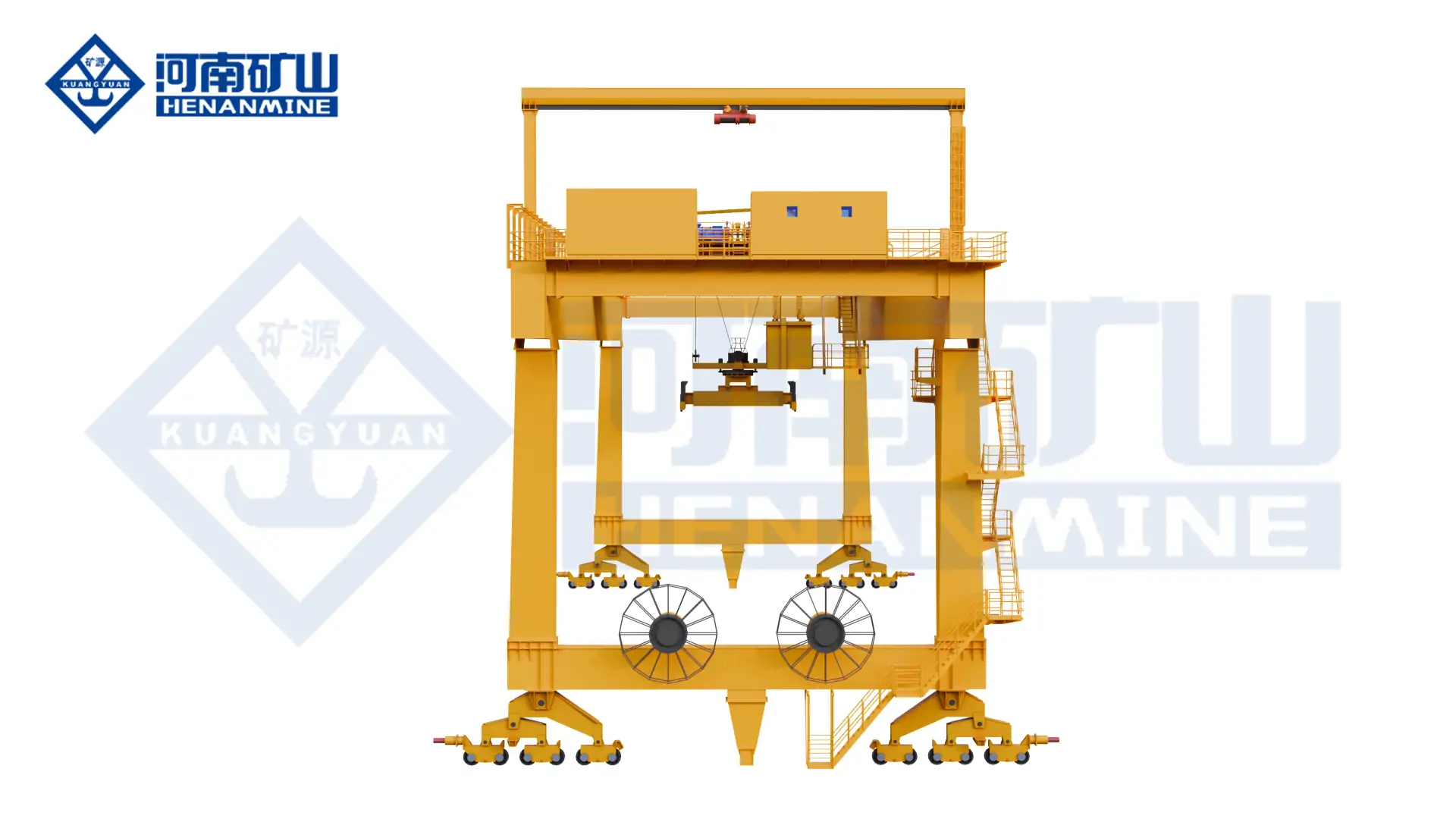
Working rail tracks
Track count, centers and train length set span and crane travel.
Truck exchange
Chassis positions and turn times set lane count and traffic control.
Storage and peak flow
Dwell, stack tiers, rehandles and peak lifts set fleet duty and redundancy.
Rail obstructions
Electrification and other overhead assets set lifting clearances and isolation procedures.
RMG vs. RTG for Intermodal Terminals
| Decision factor | RMG | RTG |
|---|---|---|
| Travel path | Fixed rails along a planned transfer corridor | Tyres allow movement between blocks |
| Site investment | Rail foundations and power distribution must be designed early | Pavement, traffic lanes and power/fuel infrastructure are critical |
| Rail-bundle coverage | Good fit for repeated moves over a stable rail layout | Useful where rail-side duty shares a broader flexible yard |
| Expansion | Rail alignment sets the operating envelope | Equipment can be redeployed if geometry and ground conditions permit |
| Automation | Fixed geometry can simplify positioning and repeatability | Automation requires vehicle guidance, geofencing and route control |
The lowest equipment price does not determine the lower-cost terminal. Rails, foundations, pavement, power, fuel, labor, maintenance, fleet flexibility and construction phasing belong in the same lifecycle comparison.
Spreaders, Railcar Interface and Load Control
The spreader and headblock are part of the rated lifting system. Define 20 ft, 40 ft and 45 ft handling, single- or twin-lift duty, twistlock confirmation, skew correction, rotation, anti-sway and safe landing logic. Any non-container cargo requires a separately engineered attachment and operating procedure.
Rail wagon pickup
Confirm wagon position, lock release, adjacent-track restrictions and visibility of the pick point.
Truck landing
Specify chassis height range, traffic stop positions and anti-collision zones.
Stack placement
Set maximum tier, approach path, container recognition and mis-stow prevention.
Exception handling
Define response to failed twistlock status, uneven load, lost communication or power interruption.
Controls should prevent travel or hoist commands that conflict with confirmed spreader and landing states. Acceptance tests should demonstrate these interlocks with representative containers.
Automation, Remote Operation and Terminal Interfaces
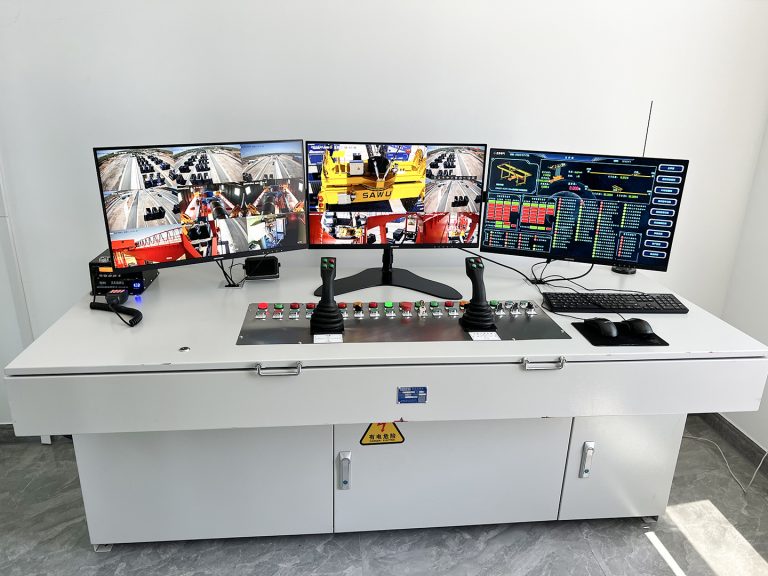
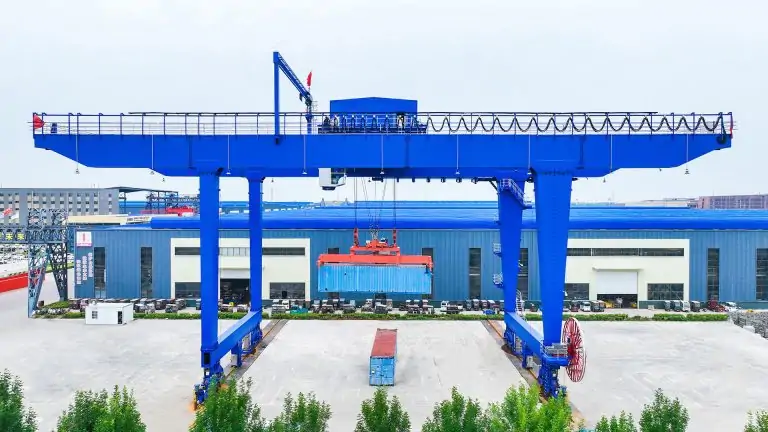
Remote operation or automation is a system decision. A terminal operating system issues work orders; the equipment control system validates location, route, spreader state and safe zones; the crane reports completion and exceptions. OCR, positioning and anti-sway may be added according to the operating concept.
The RFQ should specify the interface owner, data fields, latency and fail-safe behavior. Manual recovery, local maintenance mode, remote-station visibility and a clear handover procedure are required when the crane cannot complete a commanded move.
- Work-order acknowledgement and container identity exchange
- Railcar, chassis and stack-position confirmation
- Obstacle detection, exclusion zones and emergency-stop integration
- Cybersecurity, network availability and logged exception recovery
Power, Civil Works and Lifecycle Cost
Electric RMG
Define incoming voltage, cable-reel or conductor system, peak demand, regeneration treatment and emergency power behavior.
RTG power options
Compare diesel, hybrid and electric supply against site emissions rules, charging access, operating hours and movement between blocks.
Civil boundary
Allocate rail beams, pavement, drainage, power trenches, lighting and communications to named contract packages.
Service and spares
Price critical drives, brakes, spreader parts, tyres or wheel assemblies, remote diagnostics and on-site response.
A like-for-like comparison requires the same capacity, span, stacking height, duty, automation scope, incoterm and acceptance scope. Operating-cost estimates should show electricity or fuel use, maintenance and expected utilization assumptions.
Outdoor Conditions, Wind and Storm Securing
Intermodal yards operate through heat, rain, dust and wind. The approved design basis should state local temperature range, wind conditions, seismic requirements where applicable, corrosion exposure and any dust or snow loading. Outdoor electrical protection and maintenance access should match the site environment.
For rail-mounted equipment, the storm procedure needs a defined wind alarm, operating stop threshold, rail clamps or other restraint, and a secured parking position. For rubber-tyred equipment, the procedure must address parking, brake condition, tie-downs and traffic control. Design wind speeds and restraint loads are project-specific and must be verified in engineering.
Safety, Standards and Acceptance Testing
Acceptance should test the full transfer sequence, not only the nominal hoist capacity. The agreed package should cover structural and electrical documentation, spreader compatibility, overload protection, limit devices, emergency stops, anti-collision, braking, wind alarms and rescue access. Applicable local crane, electrical and rail-interface requirements are set in the contract.
Design review
General arrangement, load cases, wheel loads, rail/foundation interface and control philosophy.
Factory acceptance
Drives, brakes, spreader logic, alarms, simulated faults and documentation.
Site acceptance
Rated-load railcar/truck transfers, interlocks and emergency recovery.
Handover
Training, as-built drawings, manuals, spares and maintenance plan.
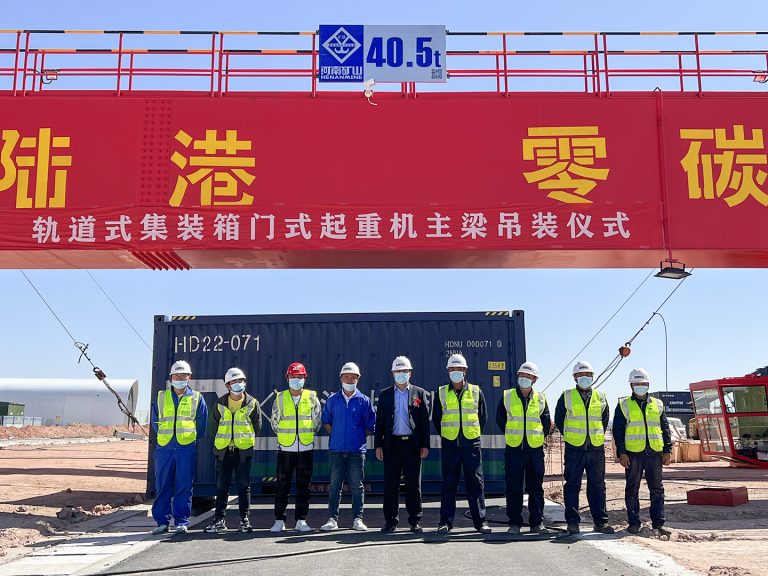
Published 40.5 t RMG Land Port Project
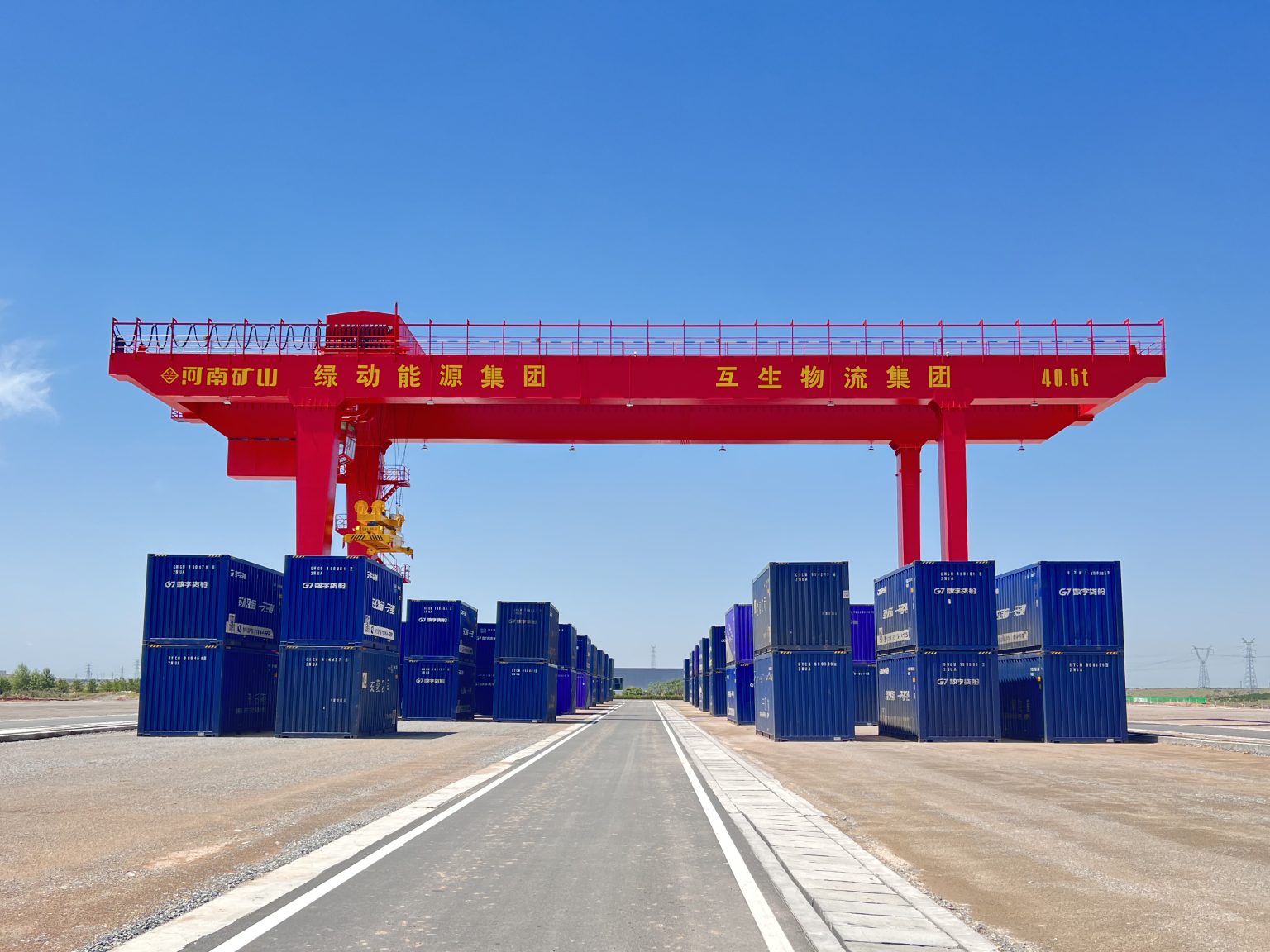
Henan Mine Crane reports a 40.5 t rail-mounted container gantry crane for Wanli Land Port in Ordos. The published project describes a logistics hub with a target annual throughput of 5 million tonnes. The crane serves container loading and unloading at the land port.
The published equipment description identifies Schneider Electric variable-frequency drives, Siemens PLC controls, anti-sway functions, remote monitoring and integration with the land port energy-data platform. This is a relevant fixed-rail handling reference for intermodal buyers. The 5-million-tonne figure is the hub target, not an independently verified crane throughput result.

Intermodal Terminal Crane Price and Project Budget
Public pricing reviewed in 2026 spans equipment-only guides, individual stock offers and multi-crane rail-yard contracts. These figures have different supply boundaries and should be compared only after the terminal duty and project scope are fixed.
| Public reference | Published value | What the value covers | Budget interpretation |
|---|---|---|---|
| SLKJ Crane 2026 manufacturer guide: 40 t, six-wide RTG | US$280,000–350,000 | Indicative FOB factory equipment; guide excludes shipping, customs, installation and custom features | Early equipment-screening signal, not a rail-terminal project quotation |
| SLKJ Crane 2026 manufacturer guide: 40–100 t RMG | US$200,000–2,000,000+ | Broad FOB factory equipment range across capacities and spans | Not a price for a specific 40.5 t intermodal layout |
| Nucleon 2026 stock offer: 41 t RTG, 23.47 m span | US$995,672 per unit | Specific A7, 16-tyre crane offered FOB; final configuration and shipping terms apply | Illustrates how a named high-spec unit differs from a generic guide |
| Virginia Port Authority 2021 authorization: up to three cantilever RMGs | Contract cap US$17.97 million | Up to three cranes plus related equipment and systems for Central Rail Yard | A contract ceiling, not a published unit price or current Henan Mine Crane quote |
A project RFQ should separate the crane and spreader, automation and control interfaces, rails or pavement, electrical infrastructure, freight, erection, commissioning, training, spares and warranty. Henan Mine Crane pricing is determined from the approved layout and agreed delivery scope.
Public references: SLKJ Crane, “Gantry Crane Price Guide 2026”; Nucleon Crane, “41t RTG Crane In Stock” (August 2026); Virginia Port Authority, Resolution 21-15 (2021).
Engineering and Procurement Deliverables
- General arrangement with rail, truck, stack and maintenance clearances
- Capacity, duty-cycle and lift-spectrum calculations; spreader and headblock schedule
- Wheel loads, rail or pavement design inputs and foundation interface drawings
- Power demand, cable or charging arrangement, control architecture and network interface list
- Safety philosophy, FAT/SAT procedures, training and spare-parts proposal
- Contract scope matrix identifying each civil, electrical, software and installation responsibility
The equipment, terminal systems and civil packages should share one agreed interface register before manufacturing drawings are approved.
Intermodal Terminal Crane RFQ Data
| RFQ field | Information to provide |
|---|---|
| Terminal operations | Rail-to-road, rail-to-stack or rail-to-rail flow; operating hours and peak lifts per hour |
| Rail geometry | Track count and centers, train length, wagon envelope, electrification and exclusion zones |
| Road and yard geometry | Truck lanes, chassis heights, storage rows, stack tiers, pavement plan and future phases |
| Lifting duty | Gross container mass, 20/40/45 ft mix, dangerous-goods policy and attachment requirements |
| Site conditions | Temperature, wind, dust, corrosion, seismic criteria and drainage |
| Utilities and controls | Power supply, TOS/ECS, OCR, remote-operation scope and network requirements |
| Commercial scope | Destination, incoterm, freight, civil works, erection, testing, training, warranty and spares |
A site drawing and representative train and truck operating schedule allow a supplier to develop a configuration that can be priced and accepted against measurable targets.
Intermodal Terminal Crane FAQ
Which crane is normally used at a rail intermodal terminal?
A rail-mounted gantry crane is a common choice where rail tracks and truck or stack positions remain fixed. RTGs can suit terminals that need redeployment between blocks or phased expansion. The choice follows actual geometry and throughput.
What capacity should an intermodal crane have?
Capacity is specified under the spreader for the heaviest approved loaded container, with spreader and headblock masses addressed in the hoist and structural design. Published 35 t, 40.5 t and 50 t product ratings are screening options, not a substitute for a site lift study.
Can one RMG span several rail tracks and a truck lane?
Yes, if the engineered span and clearances cover the entire rail bundle, truck exchange positions and maintenance access. The track centers and operating envelopes must be provided before the crane geometry is fixed.
Can an RTG work in a rail terminal?
Yes. An RTG can serve rail-side exchange and storage where pavement bearing, traffic routes, turning space and safe segregation are designed for the machine.
Can an existing intermodal crane be automated?
Some cranes can accept positioning, remote-operation or automated functions after a structural, electrical, controls, network and safety assessment. Integration and remaining equipment life determine the practical scope.
What is included in an intermodal crane price?
Public numbers may describe a factory machine, a specific stocked unit or a multi-crane contract. A comparable project quote must list the spreader, power system, controls, civil interfaces, transport, erection, testing, training and spares.
What should be tested before handover?
The agreed FAT and SAT should cover rated-load operation, railcar and truck transfers, spreader confirmation, safe zones, wind and fault alarms, emergency stops, recovery procedures and terminal-system handshakes.
Related Intermodal Terminal Crane Products
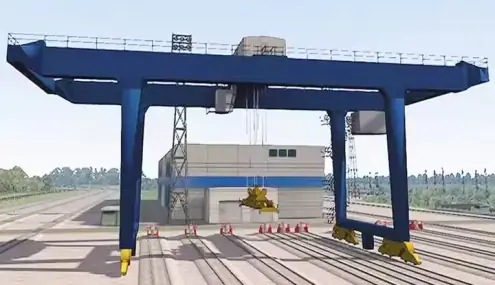
RMG Gantry Crane
Fixed-rail container transfer across rail tracks, truck lanes and storage rows.

Rubber-Tyred Gantry Crane
Mobile container handling for phased layouts and shared yard blocks.

Container Straddle Carrier
Short-haul transport and stacking between exchange and storage positions.
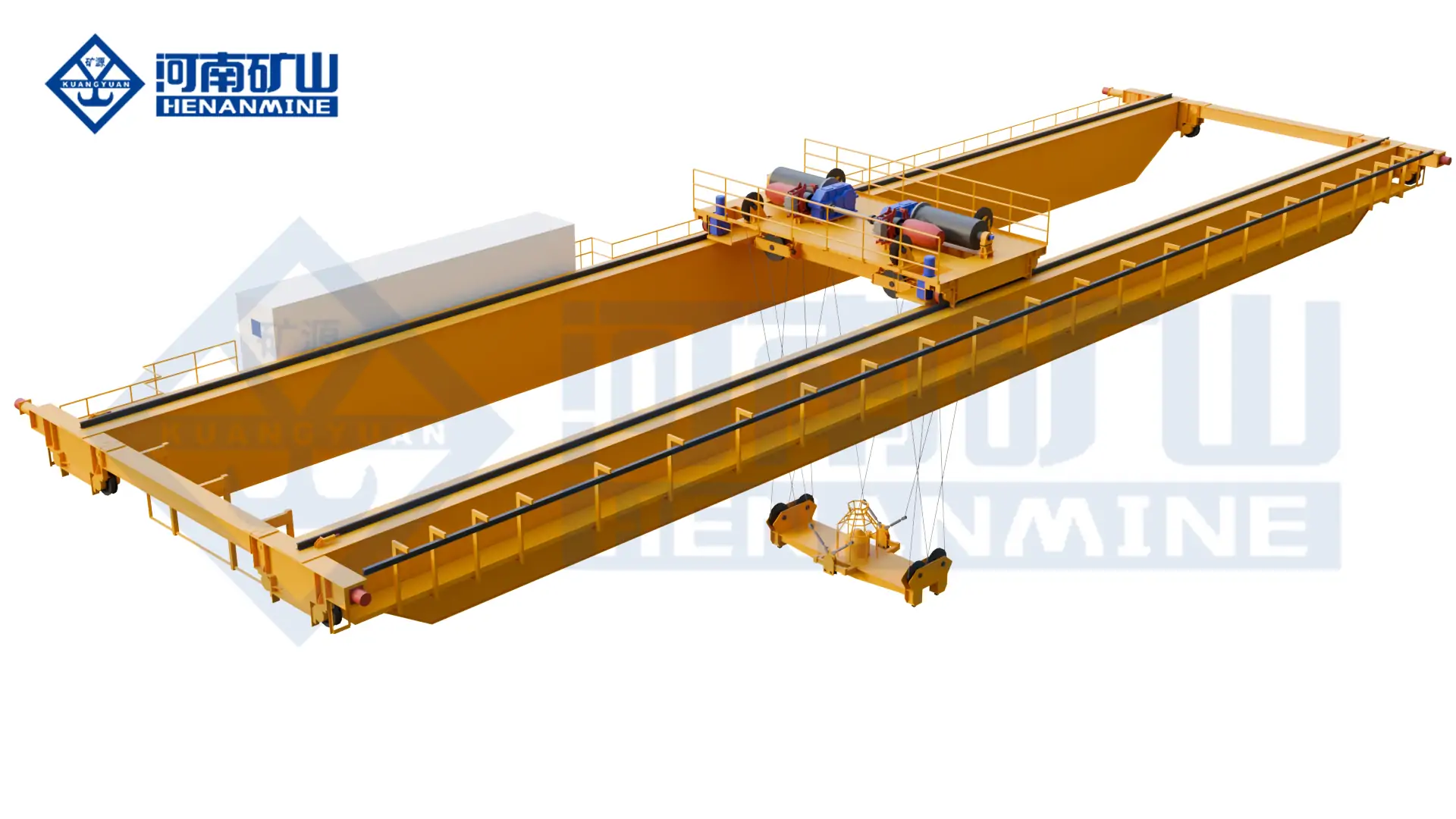
Container Overhead Crane
Fixed-area container handling where a suitable building runway is available.
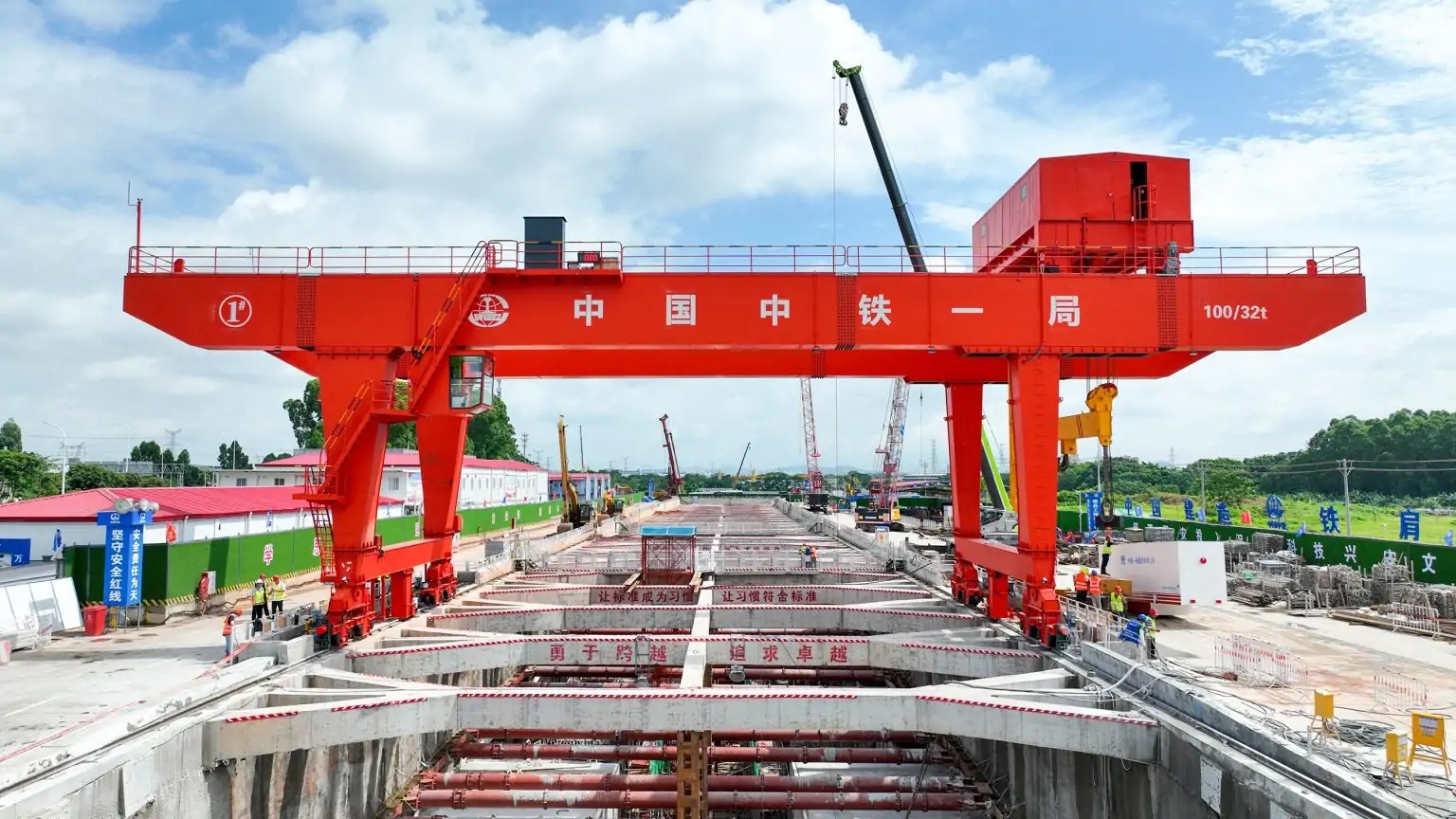
Double-Girder Gantry Crane
Outdoor heavy-cargo lifting for a separate project-cargo area within a multimodal site.
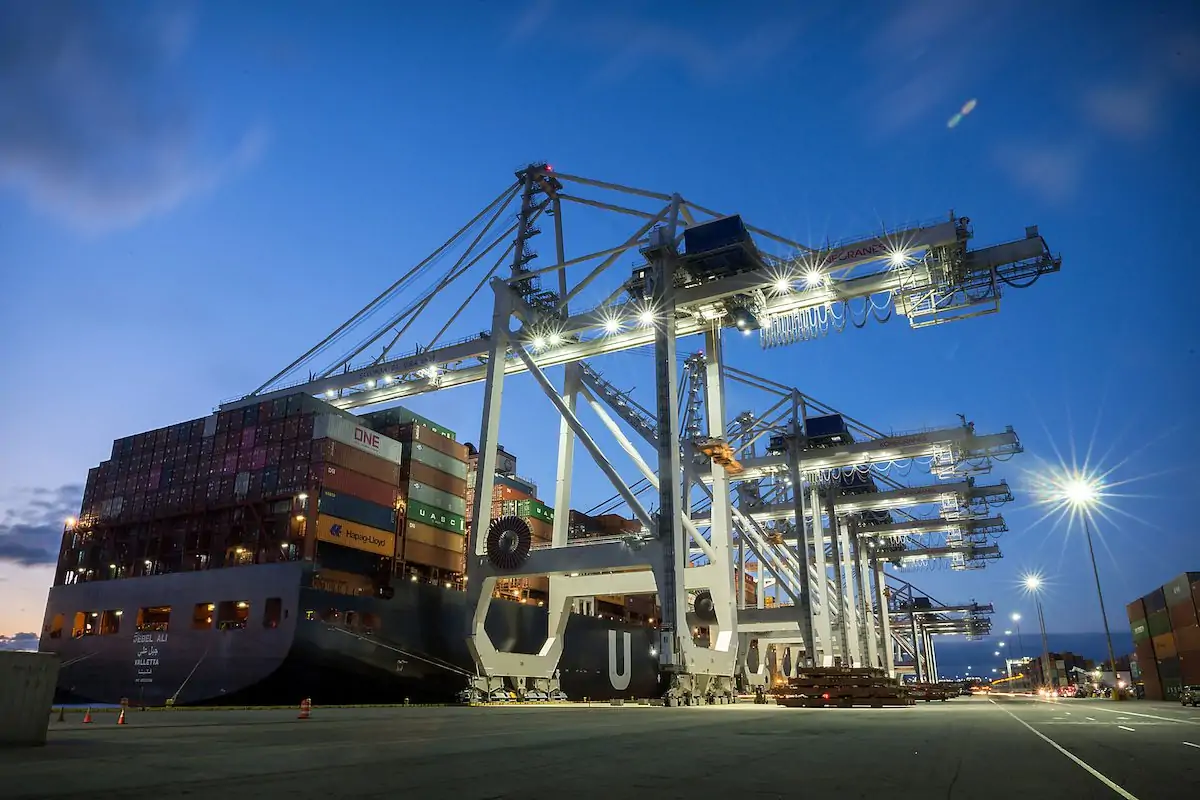
Ship-to-Shore Crane
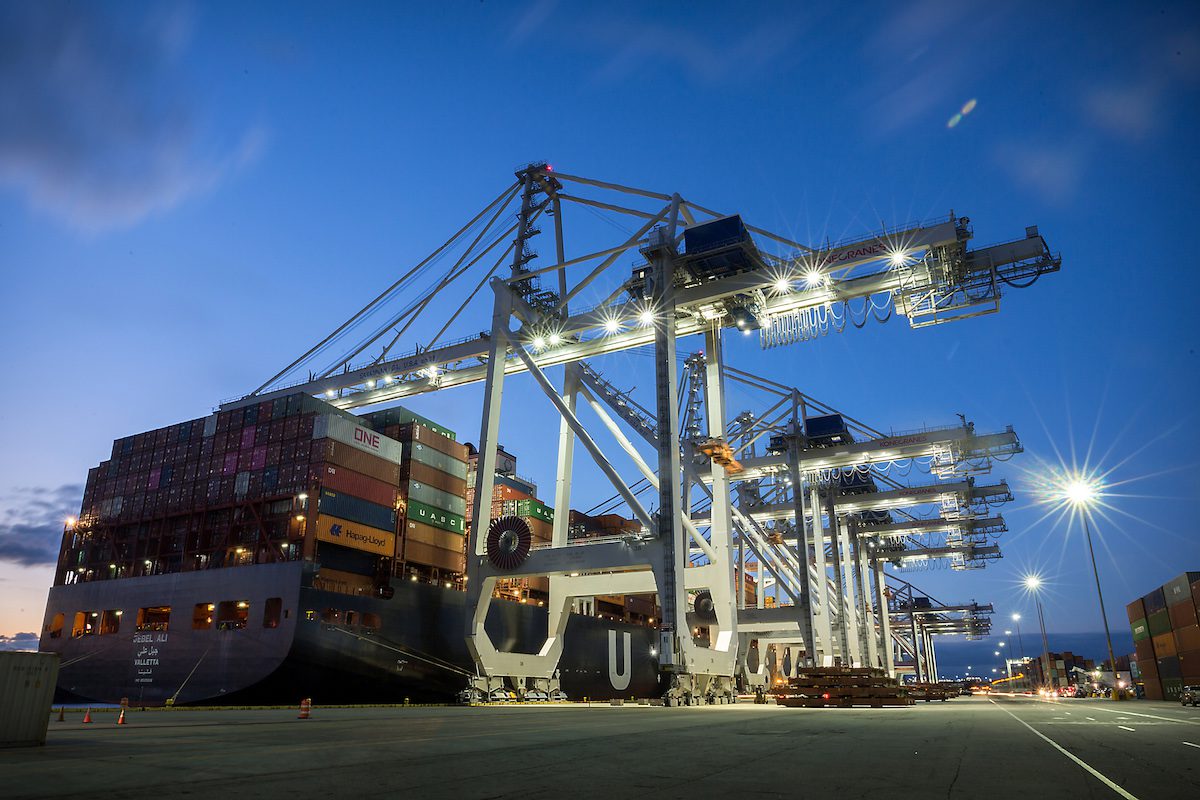
Vessel-interface equipment for port terminals connected to intermodal rail yards.
Request an Intermodal Terminal Crane Quote
Submit the rail-yard layout, track and truck geometry, container mix, peak transfer demand, power data, automation scope, site conditions and delivery boundary for an engineered proposal.