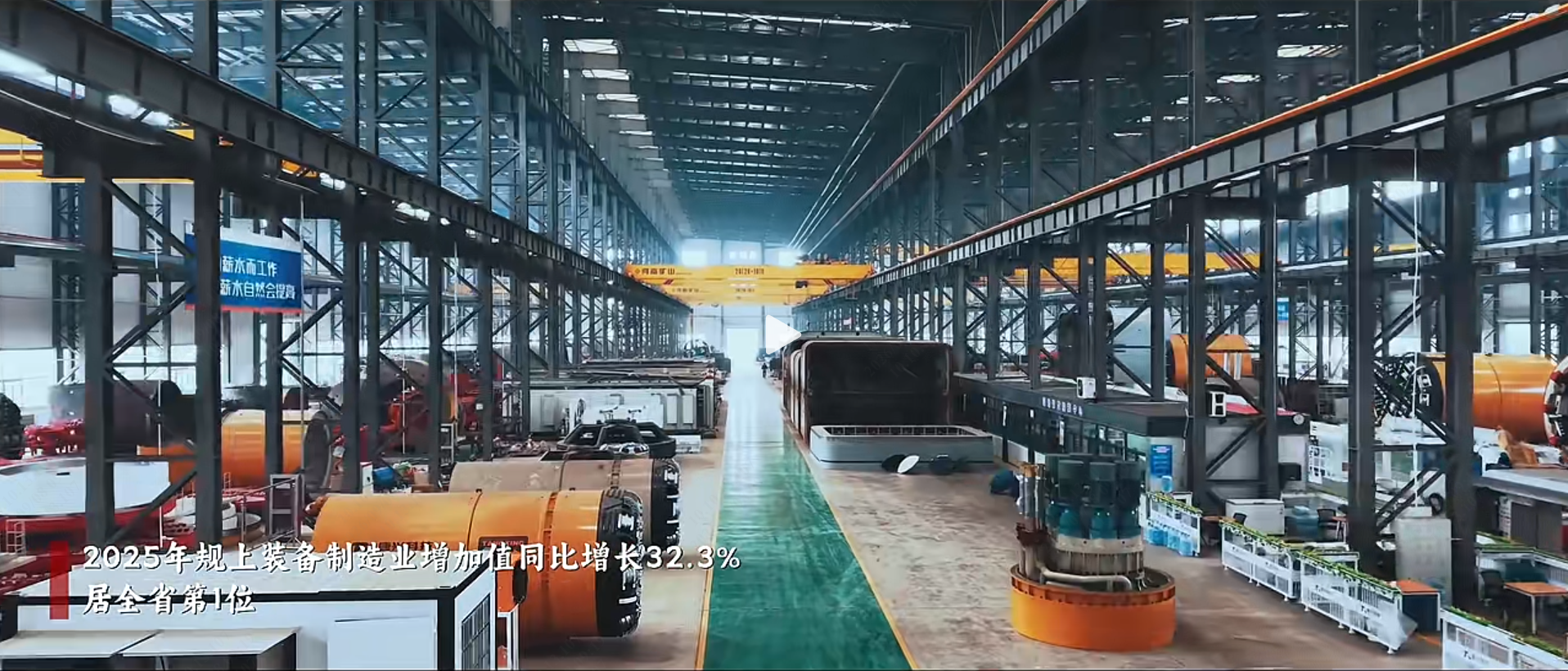
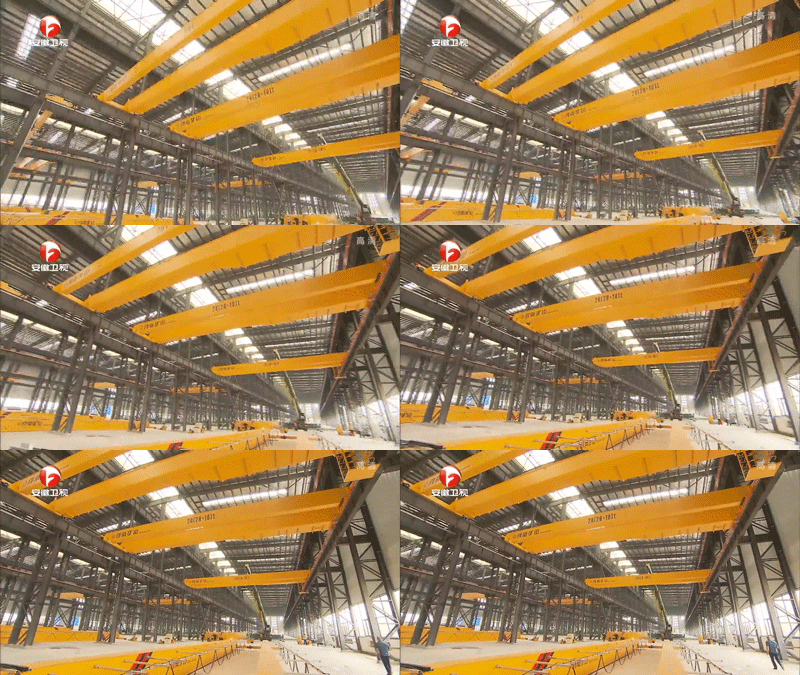
Many equipment selection errors in enterprises are essentially ignoring the special signals of working conditions and forcibly adapting standard lifting equipment to non-standard scenarios. The following 10 core warning signals, as long as any one is met, it means that your working conditions are no longer suitable for standard models. Customized industrial cranes are a more scientific, economical and safer choice.
Required capacity exceeds standard models
The rated load of standard cranes has strict industry fixed gears, covering conventional light, medium and heavy lifting needs, but for oversized tonnage and unconventional heavy-duty lifting scenarios, the upper load limit of standard models cannot meet the operating requirements. If the weight, combined load, and dynamic load of the materials that need to be hoisted in your production operation exceed the parameter range of all standard lifting equipment, forced use of standard equipment will cause overload operation, structural deformation, insufficient safety factor, etc., which can easily cause safety accidents. At this time, it is necessary to optimize the main girder structure, travel mechanism, and lifting system through customized design to create a high-capacity exclusive industrial crane to match the needs of heavy-duty operations.
Span or lift height is unusual
The span and lifting height of the standard crane are all fixed standardized dimensions, which are suitable for general plant construction specifications. However, many old factories, customized production workshops, and outdoor engineering sites will have non-standard spans and ultra-high/ultra-low lifting requirements. For example, in scenarios where the span of the plant is between two standard gears, ultra-high lifting and hoisting of high-altitude equipment is required, and the height of the fuselage needs to be reduced in low-rise plants, the standard equipment either cannot be installed or the scope of operation is limited. Customized cranes can accurately customize the span and lifting height on demand, adapt to non-standard size scenarios, and maximize the use of working space.
Working space has clearance limits
Some production workshops have space limitations such as dense beams and columns, narrow top space, limited passages on both sides, and compact equipment layout. The size of the standard crane fuselage, the reserved clearance for operation, and the fixed end beam structure are very prone to colliding with the structure of the plant, unable to pass normally, and the blind area of the operation is too large. Customized special cranes for small spaces can optimize the fuselage structure, compress the end size, adjust the layout of the lifting mechanism, reduce the safety gap, and complete the complete hoisting operation in a limited space. It is perfectly adapted to small and complex work sites and solves the equipment adaptation problems caused by space constraints.
Crane duty cycle is extremely high
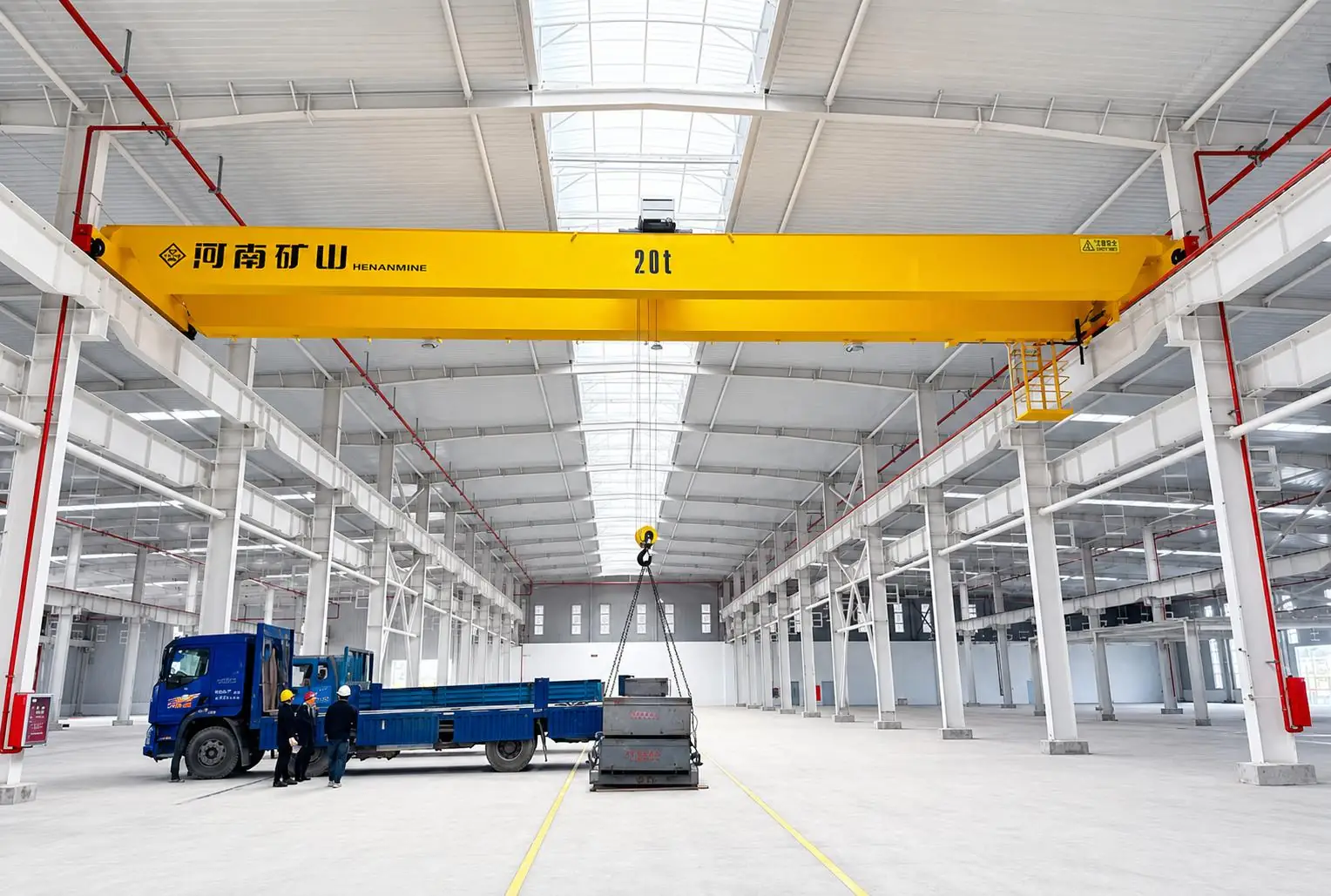
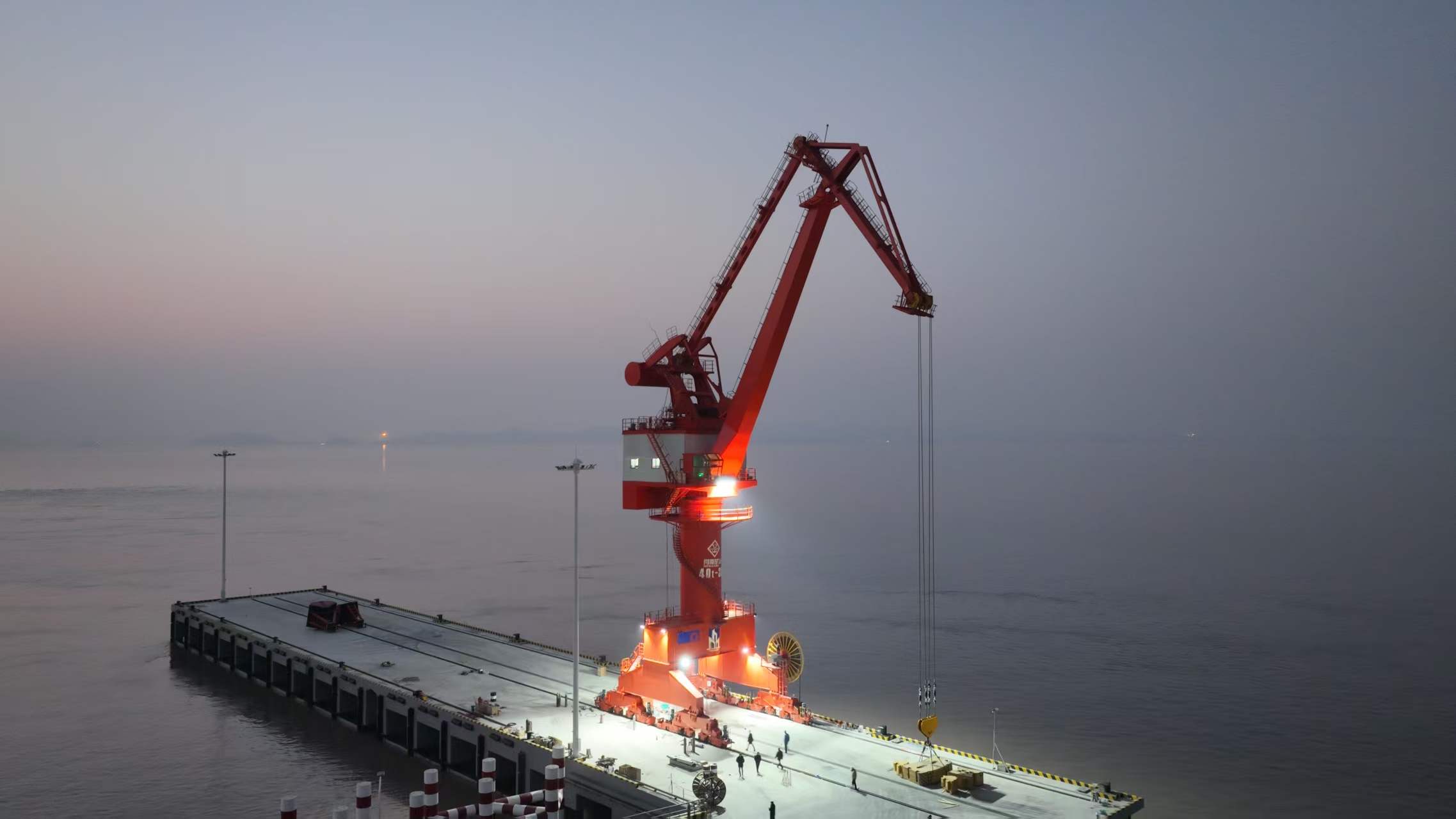
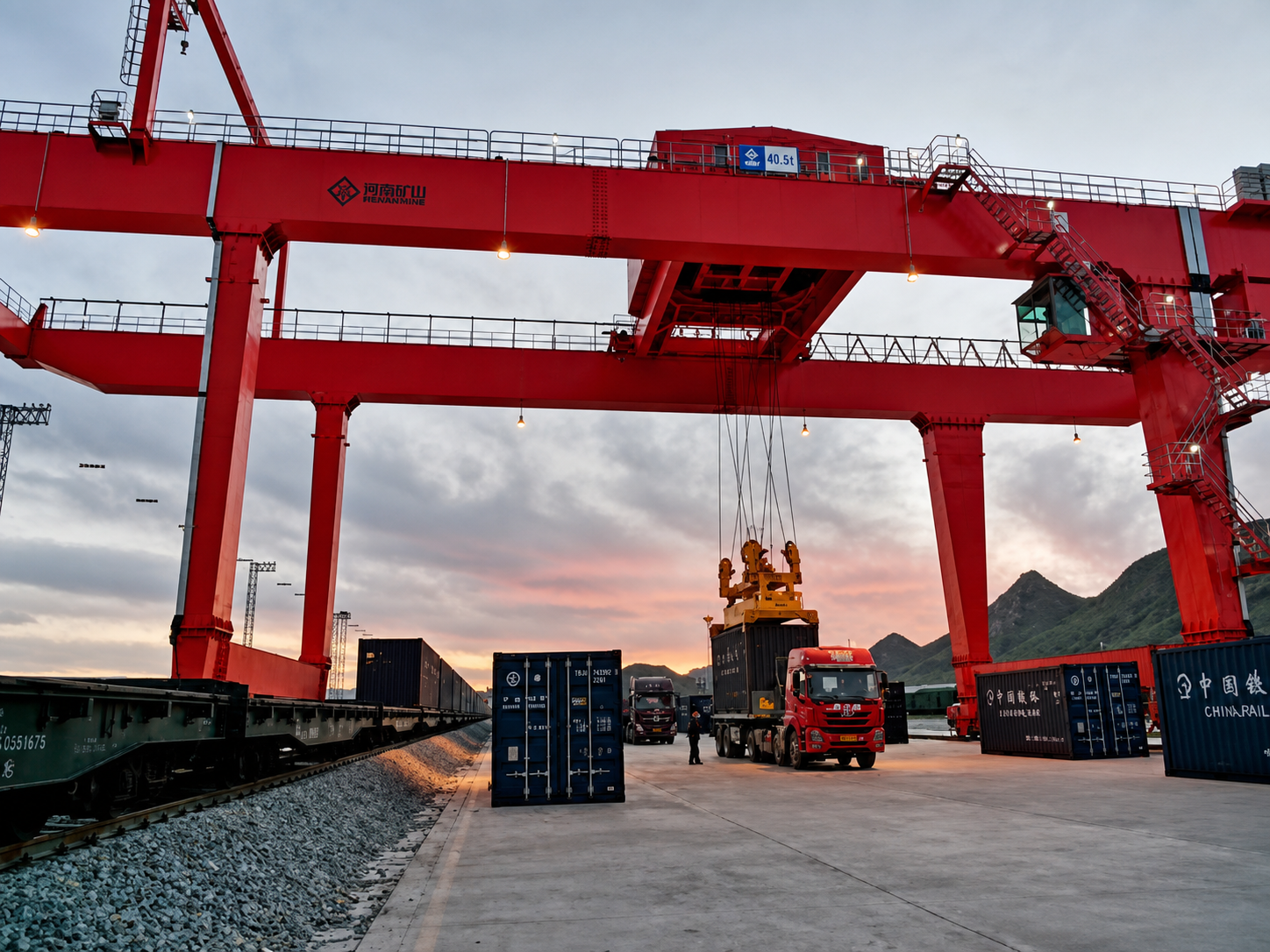
Ordinary standard cranes are designed for low-frequency, intermittent hoisting operations, and cannot be adapted to the high-load conditions of assembly line matching, continuous production, and 24-hour uninterrupted operation. In heavy industry manufacturing, assembly line production, port loading and unloading scenarios, cranes start and stop frequently, run continuously, and switch loads frequently. Standard equipment will quickly experience wear and aging, motor overheating, component fatigue, frequent failures and shutdowns. Henan Mine Crane manufactured customized high-work port cranes, which can be upgraded with high-strength wear-resistant parts, high-power adapted motors, enhanced transmission and braking systems, and adapted to ultra-high operating frequencies to meet the needs of continuous operation around the clock, greatly reducing the probability of failure and shutdown.
Loads require special handling
Standard spreaders and standard operating logic can be used for hoisting conventional steel, materials, and boxes, but for special loads such as flammable and explosive, precision instruments, high-temperature castings, ultra-long and ultra-wide special-shaped components, and vulnerable materials, standard lifting equipment cannot achieve safe and stable hoisting. Customized cranes under special working conditions can be equipped with exclusive spreaders, fine-tuning the lifting speed, adding sway control, precise positioning, and smooth start and stop functions, supporting slow alignment, micro-speed fine-tuning, and anti-impact hoisting, and adapting to the refined and safe operation requirements of special materials to avoid material damage, hoisting offset, and falling risks.
Operating environment is challenging
Conventional workshops at room temperature, dryness and dust-free are suitable scenarios for standard cranes, while harsh environments such as chemical industry, metallurgy, mines, ports, alpine, high temperature, dust, humidity, and corrosive gases can quickly corrode and damage the electrical and metal structures and transmission components of standard cranes. Customized anti-corrosion and explosion-proof cranes can be targeted for protection according to environmental characteristics: high-temperature-resistant materials and heat dissipation systems are used in high-temperature environments, low-temperature environments are adapted to low-temperature-resistant electrical components and lubrication systems, and corrosive environments are multi-layer anti-corrosion spraying and sealing treatment. The explosion-proof area is equipped with a full set of explosion-proof electrical equipment, which is fully adapted to complex and harsh working conditions.