Engineering · Manufacturing · Project support
info@hnksglobal.comWhatsApp +86 18836207779 ↗

Blog

  • CNC Turning Competition Tests Machining Accuracy and Workshop Skills

    CNC Turning Competition Tests Machining Accuracy and Workshop Skills

    Quality & Manufacturing

    CNC Turning Competition Tests Machining Accuracy and Workshop Skills

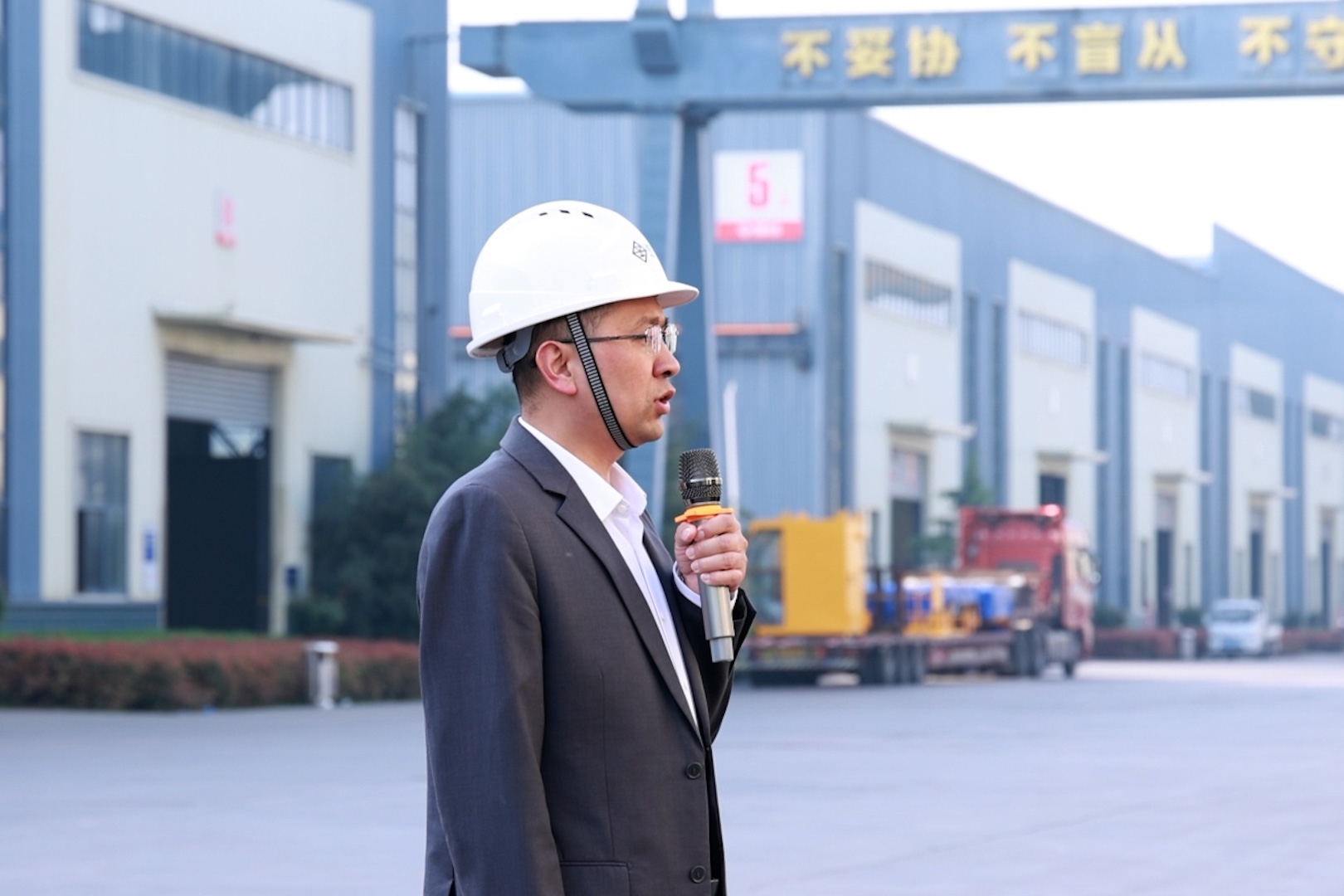
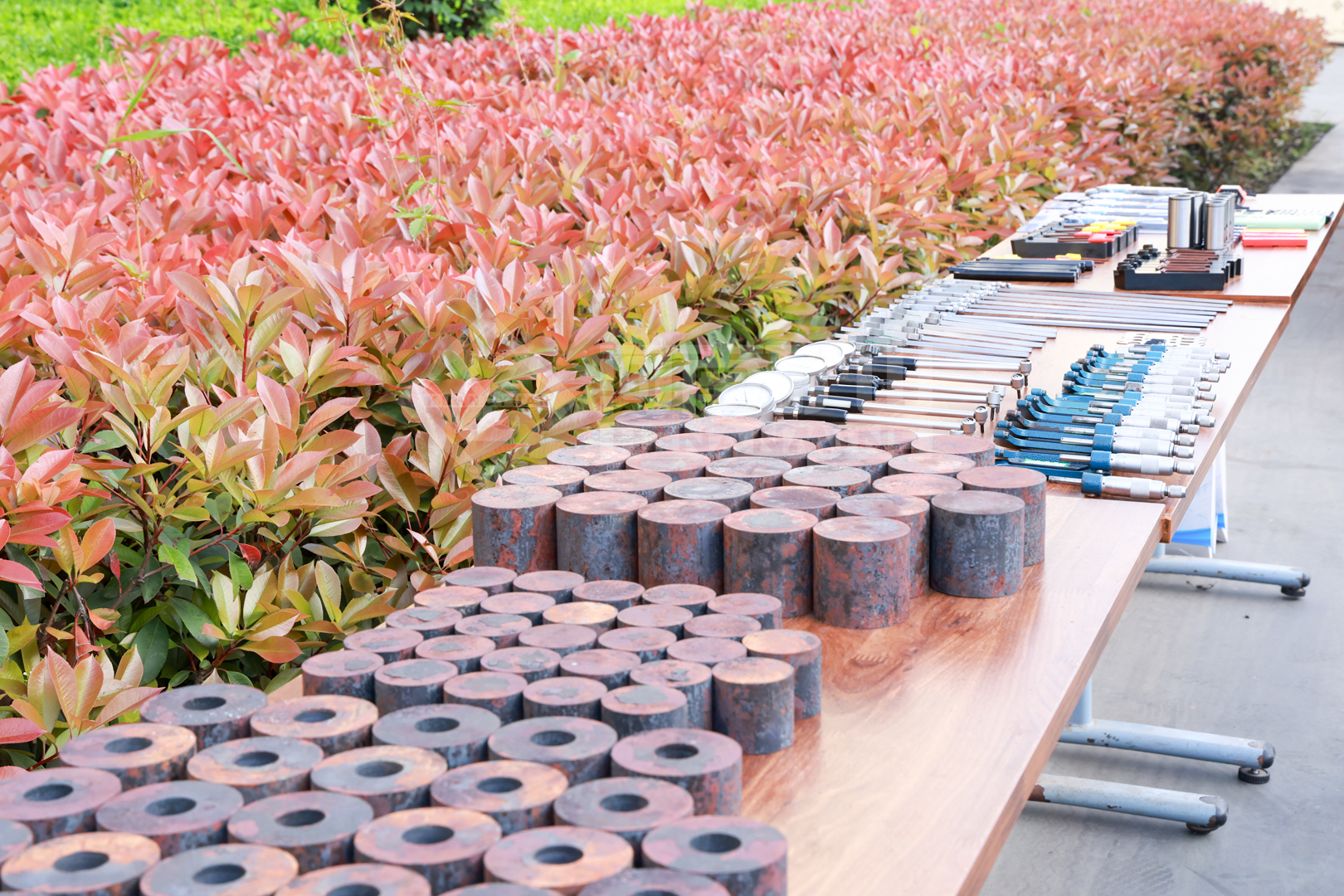
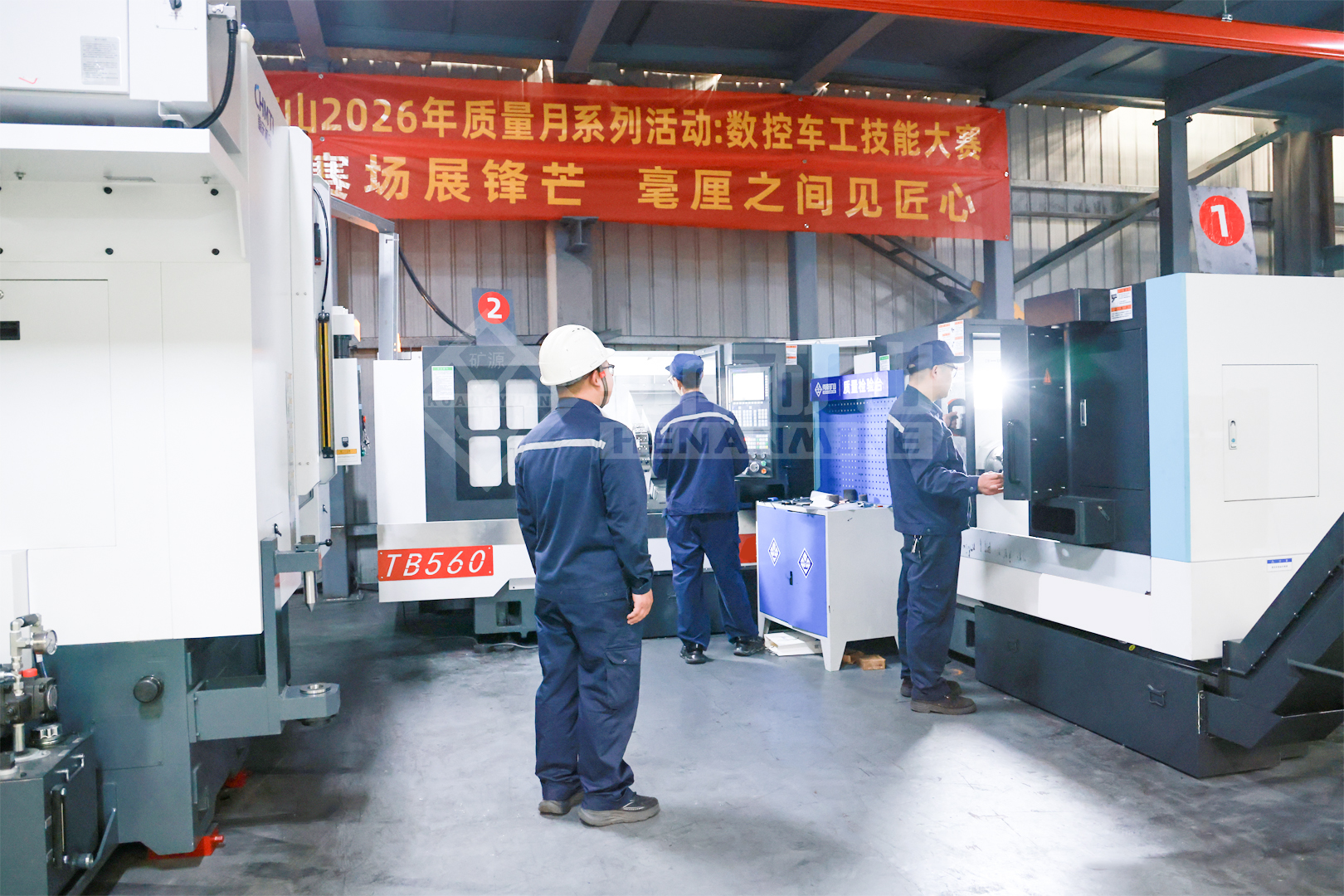
    Henan Mine Crane held a CNC turning skills competition on 14 April 2026 as part of its Quality Month programme.

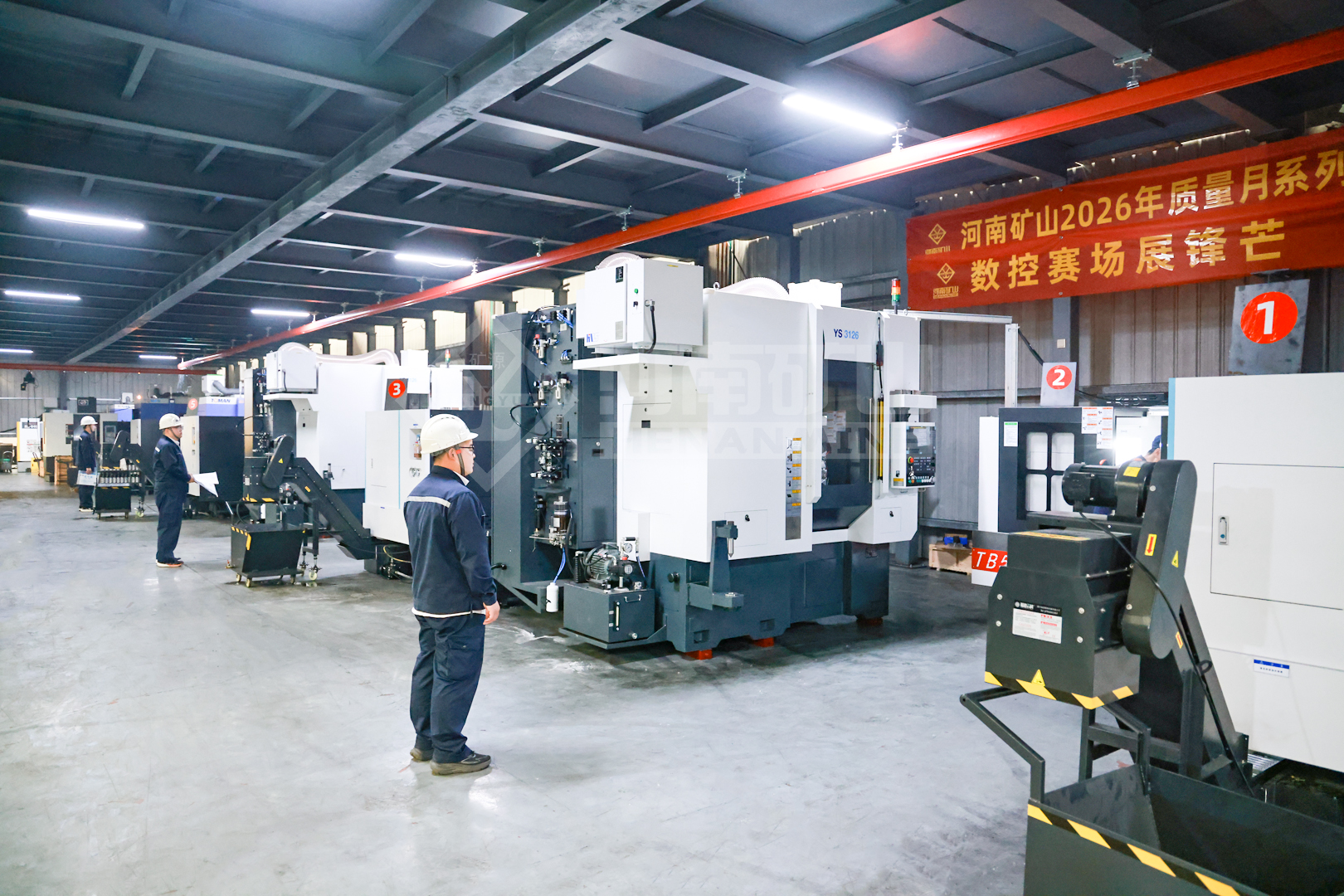
    Machinists at CNC turning stations during the competition
    Machinists at CNC turning stations during the competition.

    Practical machining and workpiece inspection

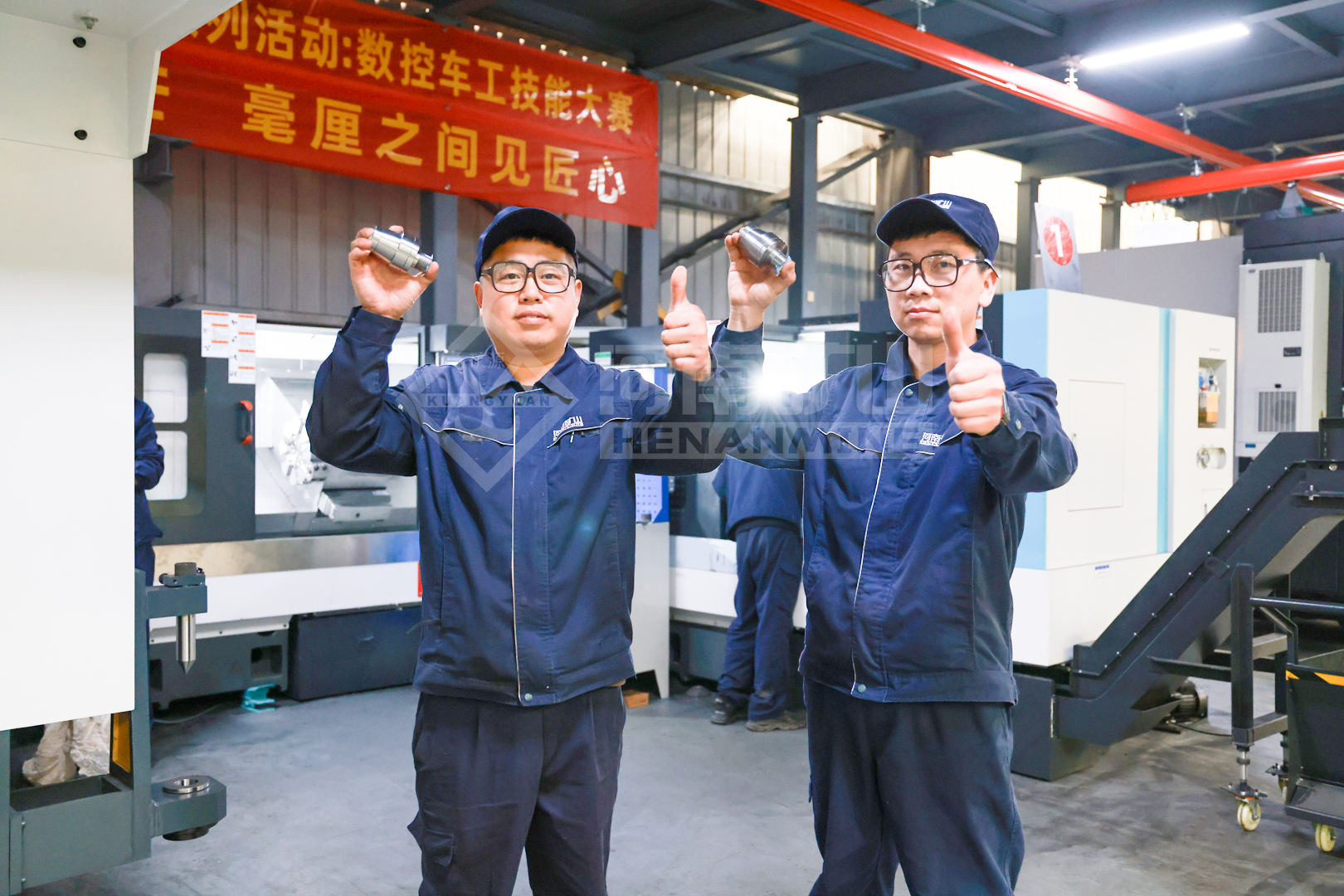
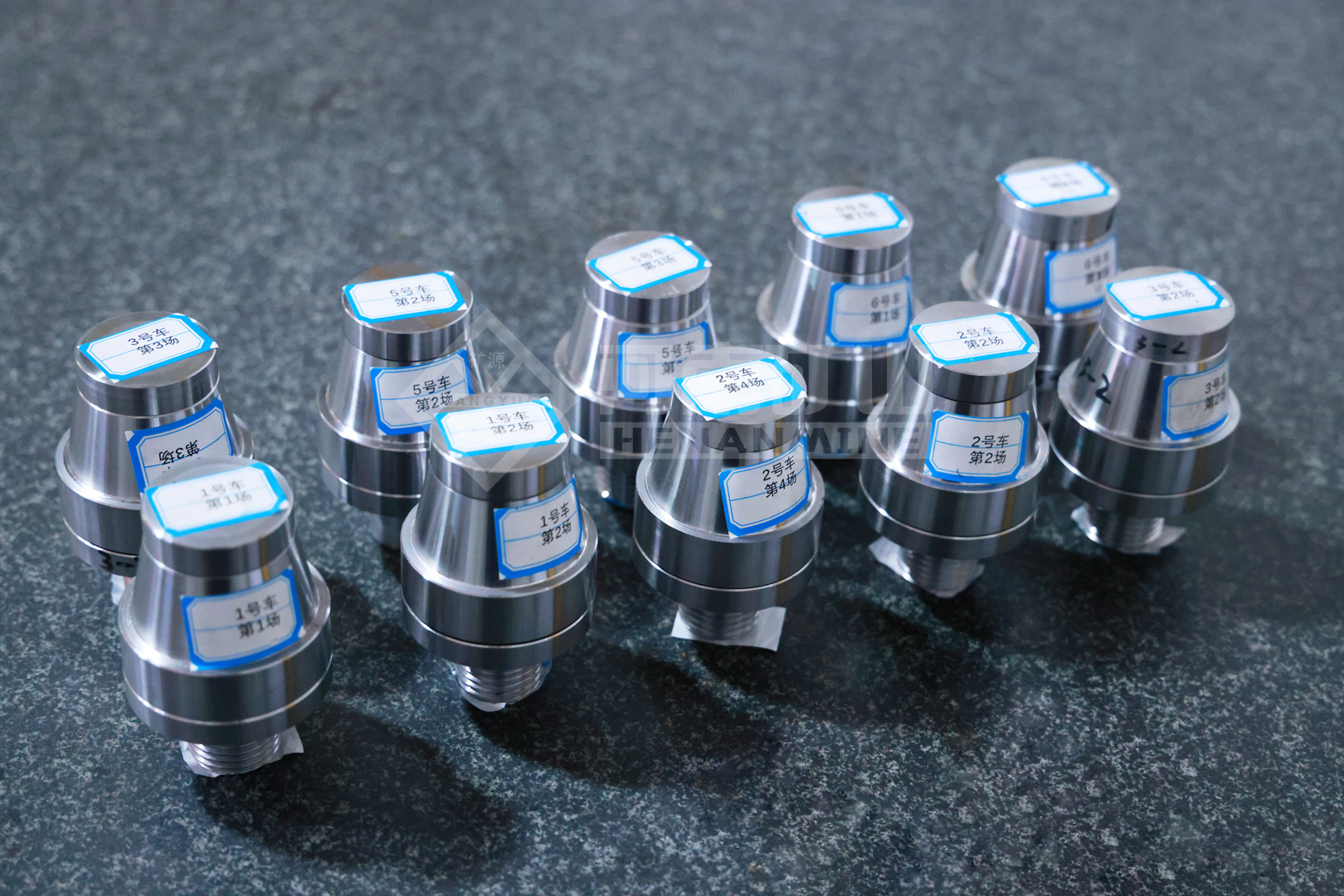
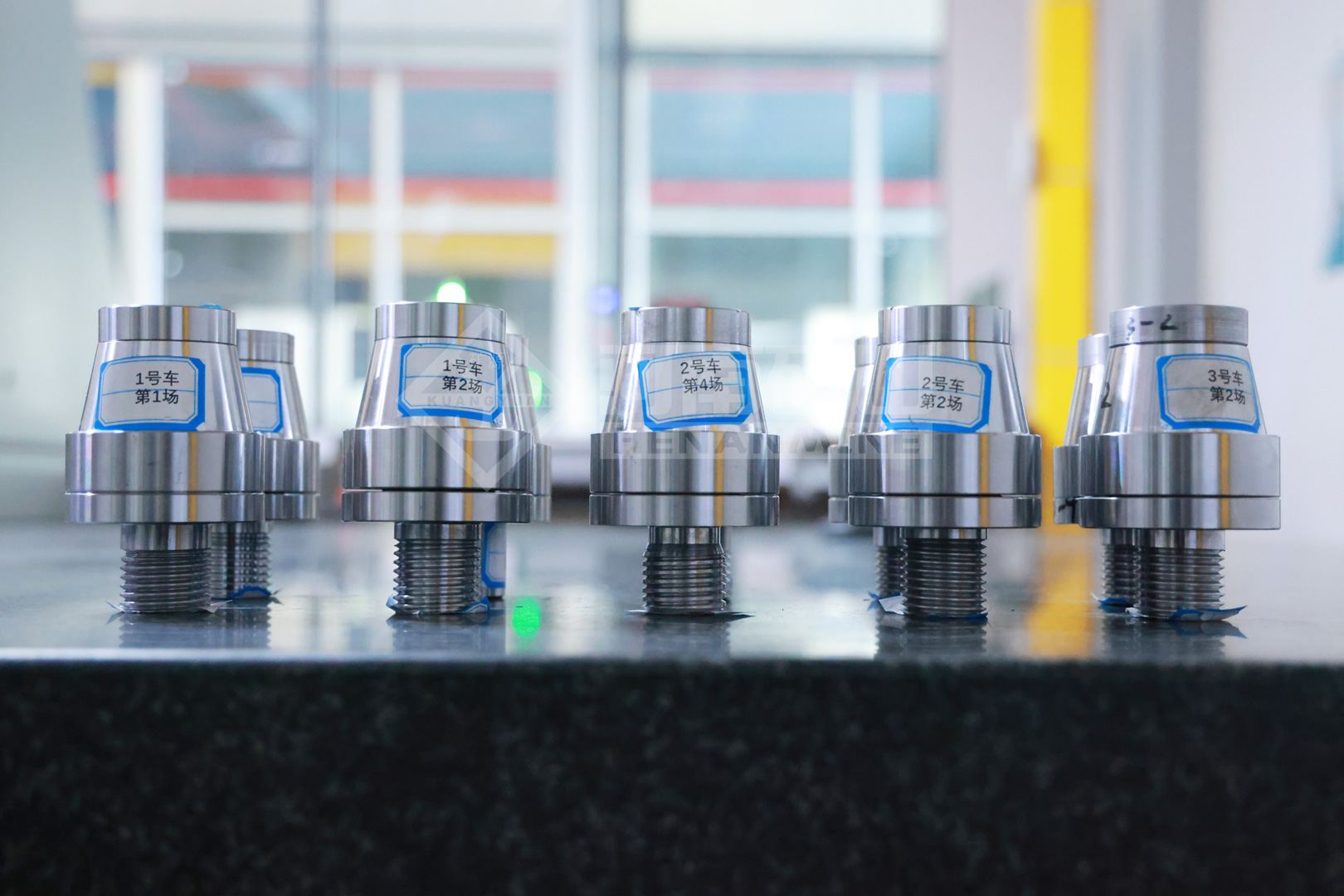
    Participants operated CNC machines and produced test workpieces. Assessment considered machining accuracy, practical efficiency and day-to-day performance, connecting the competition with ongoing workshop work.

    Confirm dimensional requirements for crane components

    Machined components need tolerances and inspection methods appropriate to their function. For procurement reviews, component drawings, inspection records and traceability requirements can be included in the order’s quality plan.

    Discuss your crane quality plan

    Tell us the equipment duty, component requirements and inspection documents needed for your project.

  • Custom Crane Engineering for Buildings with Complex Handling Routes

    Custom Crane Engineering for Buildings with Complex Handling Routes

    Technical guide

    Custom Crane Engineering for Buildings with Complex Handling Routes

    Unusual load paths, restricted clearances and process interfaces can make a standard arrangement difficult to use. Identify the constraints that require engineering changes and distinguish them from options that add little operational value.

    Henan Mine CraneTechnical guide · Updated 2026Crane selection, project scope and operating requirements
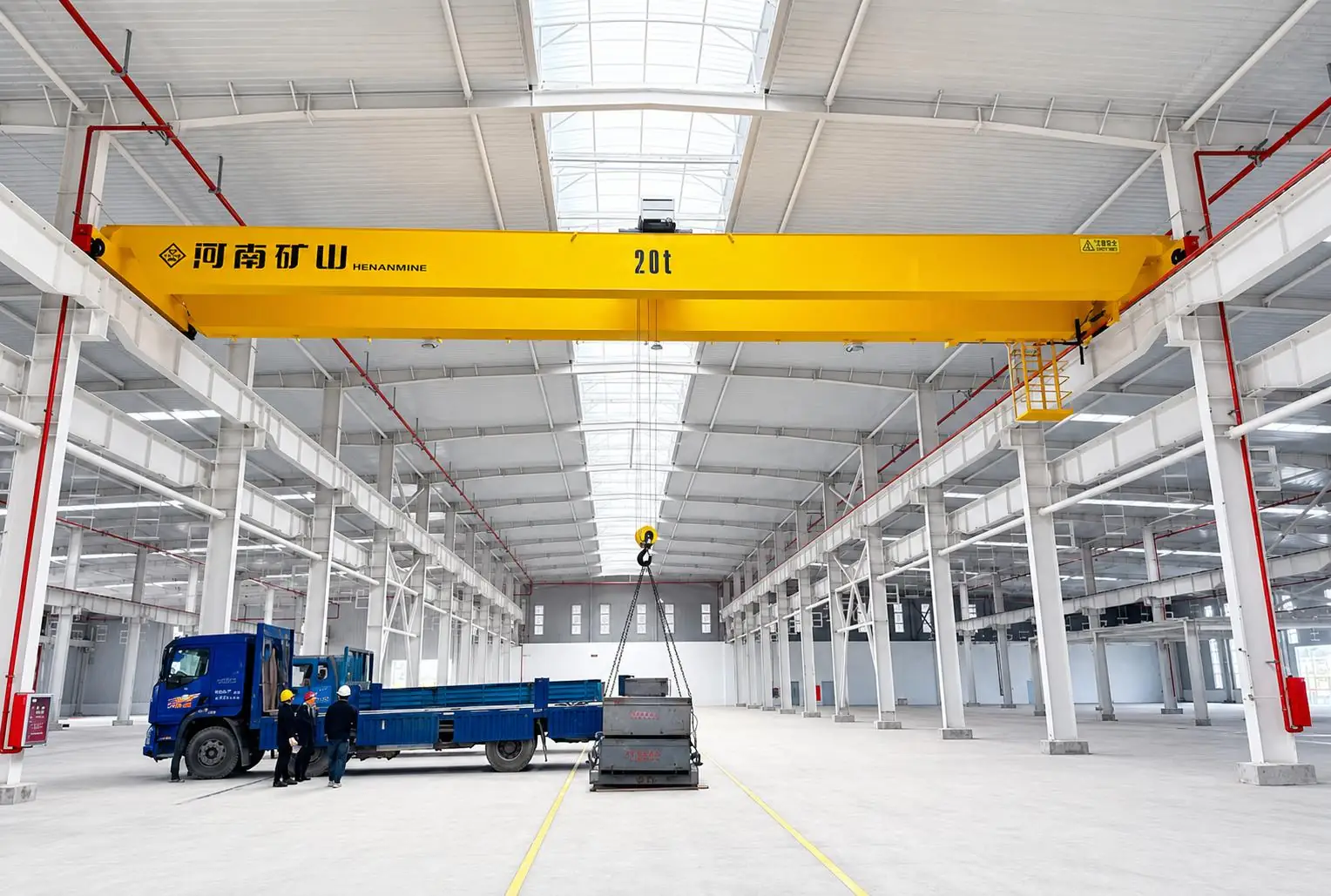
    Henan Mine Crane overhead crane inside a workshop bay
    Henan Mine Crane overhead crane inside a workshop bay
    Project planning notes

    Key points for this crane project.

    1. Why Standard Cranes Cannot Meet Complex Facility
    2. How Custom Cranes Solve Complex Facility Challenges
    3. Why Custom Cranes Deliver Better Operational
    Read the technical guide

    Why Standard Cranes Cannot Meet Complex Facility Requirements

    Limitations of standard crane designs

    The design logic of the standard crane is based on general working conditions and adopts fixed span, load parameters and structure. The core advantages are mass production, controllable cost and short delivery cycle. However, this standardized design has obvious limitations, and its parameter settings cannot cover all industrial scenarios, especially when it is aimed at non-standardized requirements, it is often reluctantly adapted. For example, the span of a standard crane is mostly conventional specifications, which makes it difficult to adapt to the irregular layout of a special plant. The lifting height and operating range are fixed, which cannot meet the space requirements of special production processes. Spreaders and fixtures are universal models, which are inefficient for handling goods of special shapes and materials, and even have safety risks.

    Challenges in complex industrial facilities

    • The problem of space constraints is prominent. Some factories have low headroom, narrow passages, and cross-interference with multiple equipment. The volume and trajectory of the standard crane cannot be adapted, and the installation is difficult, or even the installation cannot be completed.
    • The load requirements are special, and the handling of overweight, large-size, and irregularly shaped goods is frequent. The carrying capacity and spreader design of standard cranes cannot be met, and they are prone to problems such as unstable load and difficult handling.
    • The production process is complex, with high requirements for multi-process collaboration and automation linkage. The operating path and control mode of the standard crane cannot be deeply integrated with the existing production process, which affects the overall production efficiency.
    • The harsh working environment, high temperature, dust, corrosion, explosion-proof and other special working conditions put forward higher requirements for the material, protection level, and component performance of the crane, and the general configuration of the standard crane is difficult to cope with, prone to equipment failure, shortened service life and other problems.

    How Custom Cranes Solve Complex Facility Challenges

    Customized design for limited installation spaces

    Customized cranes are based on on-site working conditions as the core design basis, completely breaking the space constraints of standard cranes. The design team will survey the parameters of the plant size, headroom height, equipment layout, etc. on the spot, and design the span, lifting height, operating range and structural form of the crane in a targeted manner. For low-plant height scenarios, a lightweight and compact structure can be used to maximize the use of vertical space. For irregular layout and narrow passages, the operating trajectory can be optimized and the size of the equipment can be adjusted to avoid interference with existing equipment and building structures. According to special installation conditions, a detachable and modular structure can be designed to reduce the difficulty of installation and ensure the smooth landing of the equipment.

    Engineered for specific load requirements

    For the special load requirements in complex facilities, Henan Mine Crane manufactured customized cranes can be accurately adapted. Whether it is overweight loads, large-size components, or irregular-shaped, fragile, and high-value goods, the design team will combine the characteristics of the goods to optimize the crane's carrying structure, power system, and braking system to ensure the stability and safety of the handling process. At the same time, exclusive spreaders, fixtures and auxiliary devices, such as special grab buckets, suction cups, balance beams, etc., can be customized to improve the efficiency and accuracy of cargo grabbing and transportation, and avoid cargo damage. For the handling of large-scale steel structure parts, customized cranes with large spans and high loads can be designed with special spreaders to achieve one-time hoisting in place.

    Integration with existing production processes

    One of the core advantages of customized cranes is the ability to deeply integrate with existing production processes to achieve seamless material handling and production processes. The design team will comprehensively sort out the production process of the enterprise, analyze the material handling needs of each process, optimize the operating path, operating speed and operating rhythm of the crane, reduce invalid movement, and improve the logistics efficiency between production lines. At the same time, according to the needs of intelligent upgrading of enterprises, customized cranes can be linked with automated control systems, conveyor lines, intelligent manufacturing equipment, etc. to achieve automated and intelligent handling, reduce manual intervention and reduce labor costs. For example, in an automated production workshop, customized cranes can work together with robots and conveyor lines to realize automatic material grabbing, transportation, and loading, improve overall production efficiency, and promote the intelligent transformation of enterprises.

    Designed for special working environments

    For harsh working environments such as high temperature, dust, corrosion, and explosion-proof, Henan Mine Crane Manufactured customized cranes can meet the needs of special working conditions through material selection, component optimization, and protection design. In a high-temperature environment, high-temperature-resistant materials can be selected and a heat dissipation system can be installed to ensure the stable operation of the equipment under high-temperature conditions. In dust and corrosive environments, sealing and protection designs can be adopted, and corrosion-resistant and dust-proof components can be selected to extend the service life of the equipment. In explosion-proof scenarios, explosion-proof motors and explosion-proof electrical components can be used to meet explosion-proof standards and eliminate safety hazards. In addition, customized cranes can also optimize the convenience of equipment maintenance according to environmental characteristics, reduce late operation and maintenance costs, and ensure long-term stable operation of equipment in harsh environments.

    Why Custom Cranes Deliver Better Operational Performance

    Improved material handling efficiency

    Customized cranes greatly improve material handling efficiency by optimizing the lifting route and adapting to the production process. Compared with the fixed operating mode of standard cranes, customized cranes can adjust the operating trajectory and operating rhythm according to actual production needs, reduce invalid movement and waiting time, and realize rapid material transfer. At the same time, the design of exclusive spreaders and fixtures improves the efficiency of cargo grabbing and loading and unloading, and avoids delays in operations caused by unsuitable spreaders. In the collaborative operation of the production line, customized cranes can accurately match the material requirements of each process, ensure the timely supply of materials, avoid the delay in material handling affecting the production progress, and improve the operating efficiency of the production line as a whole, helping enterprises to achieve production capacity improvement.

    Higher precision and control

    Customized cranes can be equipped with customized control systems to achieve high-precision positioning and stable control, and completely solve the problems of inaccurate positioning and large load swing of standard cranes. By optimizing the control algorithm and installing a precise positioning device, the positioning accuracy of the customized crane can reach the centimeter level, which can meet the handling needs of precision equipment and high-value goods. At the same time, it can be equipped with an sway control system and a shock absorption device to reduce the swing amplitude of the load during handling, improve operating stability, and avoid cargo damage and equipment collisions caused by load swing. Whether it is fine assembly, precise hoisting, or operations in high-risk environments, customized cranes can achieve precise control to ensure the safety and quality of operations.

    Reduced downtime and production interruptions

    Due to insufficient adaptability of standard cranes, they are prone to equipment failure, operation caton and other problems, resulting in production interruption and increased downtime losses. Henan Mine Crane manufactured customized crane is designed based on actual working conditions, and the equipment performance is highly matched with the production requirements, which can effectively avoid production bottlenecks caused by insufficient equipment capacity. At the same time, the selection of high-quality components and optimized structural design of customized cranes have improved the long-term operating reliability of the equipment, reduced the incidence of failures, and reduced downtime. In addition, the customized operation and maintenance plan can realize regular maintenance and timely maintenance of the equipment, further improve the stability of the equipment, ensure the continuous and smooth production process, and reduce economic losses caused by production interruptions.

    Custom Cranes vs Standard Cranes: Long-Term Value Comparison

    From the perspective of long-term operation, the core values of customized cranes and standard cranes are significantly different. The specific comparison is as follows:

    Comparison DimensionCustom CranesStandard Cranes
    Operational EfficiencyOptimize handling processes, improve logistics efficiency, reduce unnecessary operationsFixed operation mode, prone to operation delays and low efficiency
    Long-term ReliabilityTargeted design, high-quality components, low failure rate, long service lifeGeneral design, prone to failures due to unsuitable working conditions, short service life
    Maintenance CostCustomized maintenance plan, convenient maintenance, low long-term maintenance costFrequent failures, difficult maintenance, high long-term maintenance cost
    Overall Cost-PerformanceHigh initial investment, low long-term operation cost, higher overall valueLow initial investment, high long-term operation cost, low overall cost-performance

    Industries That Require Custom Crane Solutions

    Heavy manufacturing and steel industry

    Heavy-duty manufacturing and the steel industry have high-tonnage, high-frequency, and special environmental handling needs, such as the handling of large steel structure parts, steel coils, castings, etc., such materials are heavy in weight and large in volume, and production scenarios are often accompanied by harsh working conditions such as high temperature and dust. The carrying capacity, protection level and structural design of standard cranes cannot meet their long-term stable operation needs, and they are prone to frequent failures and low handling efficiency. Customized cranes can optimize the carrying structure according to the characteristics of the industry, choose suitable materials, and accurately match the handling needs of high loads and special working conditions, becoming an essential equipment for production operations in this industry.

    Shipbuilding and large equipment production

    In shipbuilding and large-scale equipment production, the hoisting of large components (such as hull segments and large mechanical components) is the core process. The large size and uneven weight of such components require extremely high crane span, carrying capacity and positioning accuracy. The fixed parameters of the standard crane cannot be adapted to the hoisting needs of large components, and it is prone to problems such as unstable hoisting and positioning deviation. The customized design can optimize the crane span, operating trajectory and spreader configuration according to the component size, hoisting path and on-site space, accurately match the hoisting requirements, ensure the safe and efficient hoisting of large components, and ensure production progress and operation safety.

    Energy and infrastructure projects

    In the manufacturing of electric power and energy equipment and infrastructure construction, the precise lifting of precision equipment and large-scale components is in prominent demand, such as transformers, generator sets, large steel structure brackets, etc., such materials have strict requirements for the stability and positioning accuracy of the handling process, and any deviation may cause equipment damage or construction delays. Henan Mine Crane manufactured customized cranes can be equipped with high-precision control systems to optimize braking and shock absorption design, achieve precise positioning and stable handling, and adapt to the complex installation environment on site to ensure the quality and progress of project construction, and meet the industry's core requirements for equipment reliability and accuracy.

    How to Choose the Right Custom Crane Manufacturer

    When choosing a custom crane manufacturer, it is first necessary to evaluate its engineering design and customization capabilities. Focus on whether the enterprise has a professional design team and rich experience in program design, whether it can provide targeted solutions based on on-site working conditions, and whether it has the ability to optimize the structure and innovate technology to ensure that the equipment can be accurately adapted to its own needs. Secondly, we should pay attention to the manufacturing quality and project experience of the enterprise. Investigate the production capacity and quality control system of the enterprise, whether it has the delivery experience of large-scale customized crane projects, and whether it can guarantee the production quality and delivery cycle of the equipment.

    Henan Mine Crane

    In complex industrial facilities, the limitations of standard cranes are becoming more and more prominent, while customized cranes have completely solved the material handling problems under complex working conditions with the advantages of targeted design, precise adaptation, and efficient operation. Whether it is space adaptation, load carrying, process integration, or environmental adaptation, customized cranes can achieve better performance, improve production efficiency, reduce operating costs, and ensure operational safety. For companies that pursue long-term development and pay attention to production efficiency, choosing Henan Mine Crane Factory to customize cranes is not only the optimization of equipment selection, but also an important measure to enhance their core competitiveness. Only by choosing a professional custom crane manufacturer and creating exclusive equipment adapted to its own working conditions can material handling become a boost to enterprise production, not a bottleneck.

    Discuss the crane arrangement for your project.

    Unusual load paths, restricted clearances and process interfaces can make a standard arrangement difficult to use. Identify the constraints that require engineering changes and distinguish them from options that add little operational value. Share the load, available drawings, working cycle and site conditions with Henan Mine Crane so the required configuration and supply boundary can be discussed.

    Related crane configurations

    Explore crane product families and technical parameters ↗

    Updated 2026 · Henan Mine Crane

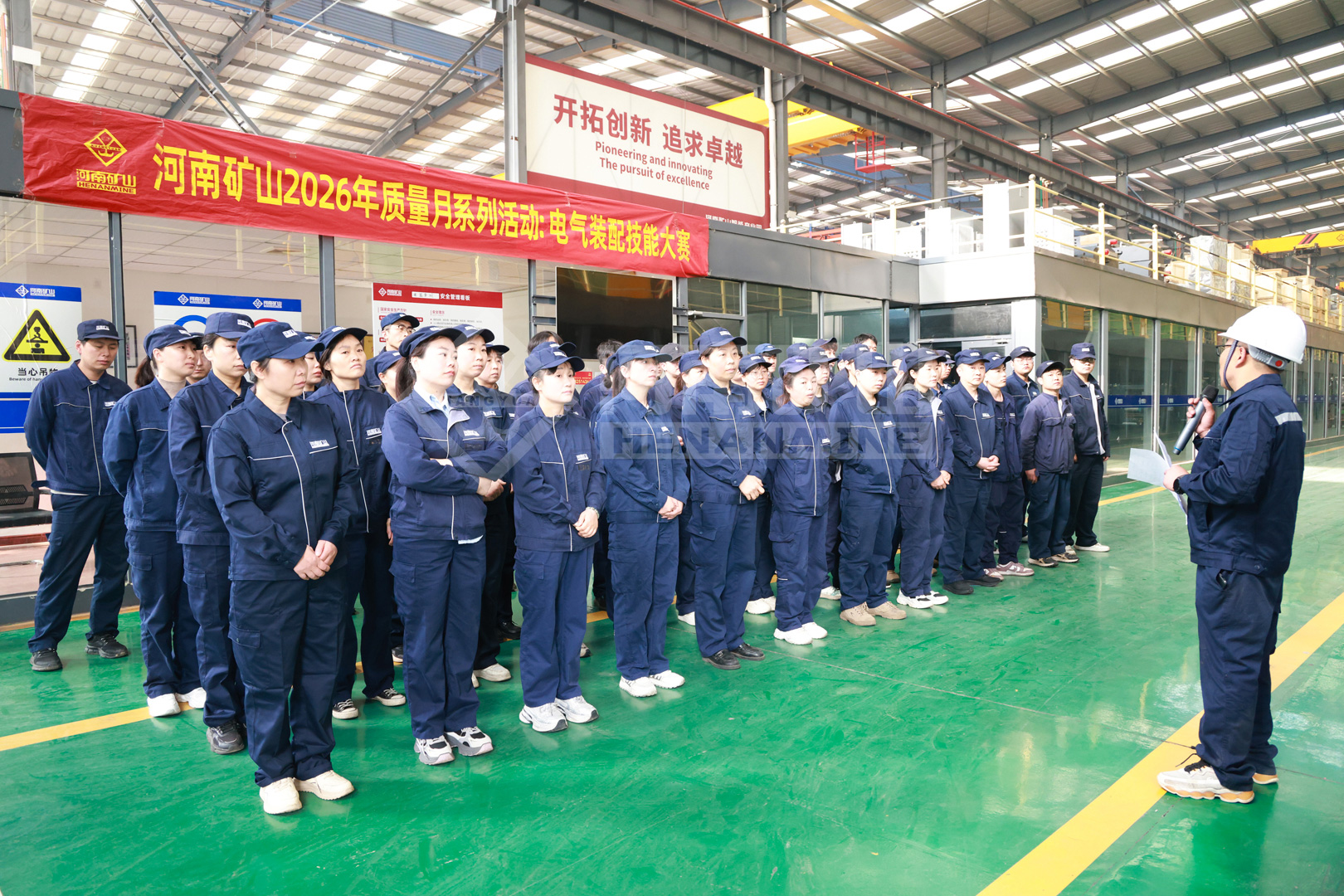
  • Electrical Assembly Competition Focuses on Wiring and Functional Work

    Electrical Assembly Competition Focuses on Wiring and Functional Work

    Quality & Manufacturing

    Electrical Assembly Competition Focuses on Wiring and Functional Work

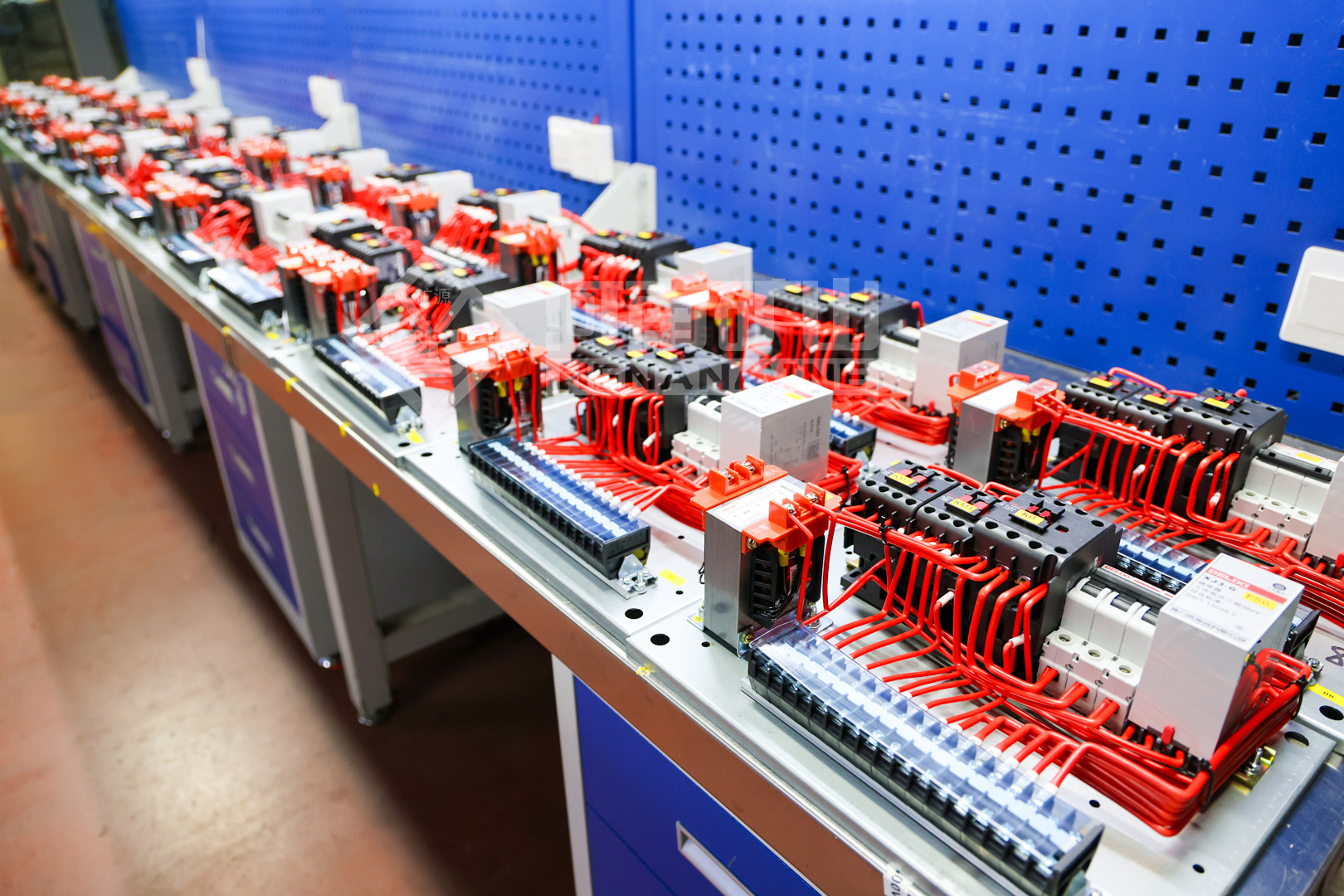
    Henan Mine Crane held an electrical assembly skills competition as part of its 2026 Quality Month programme.

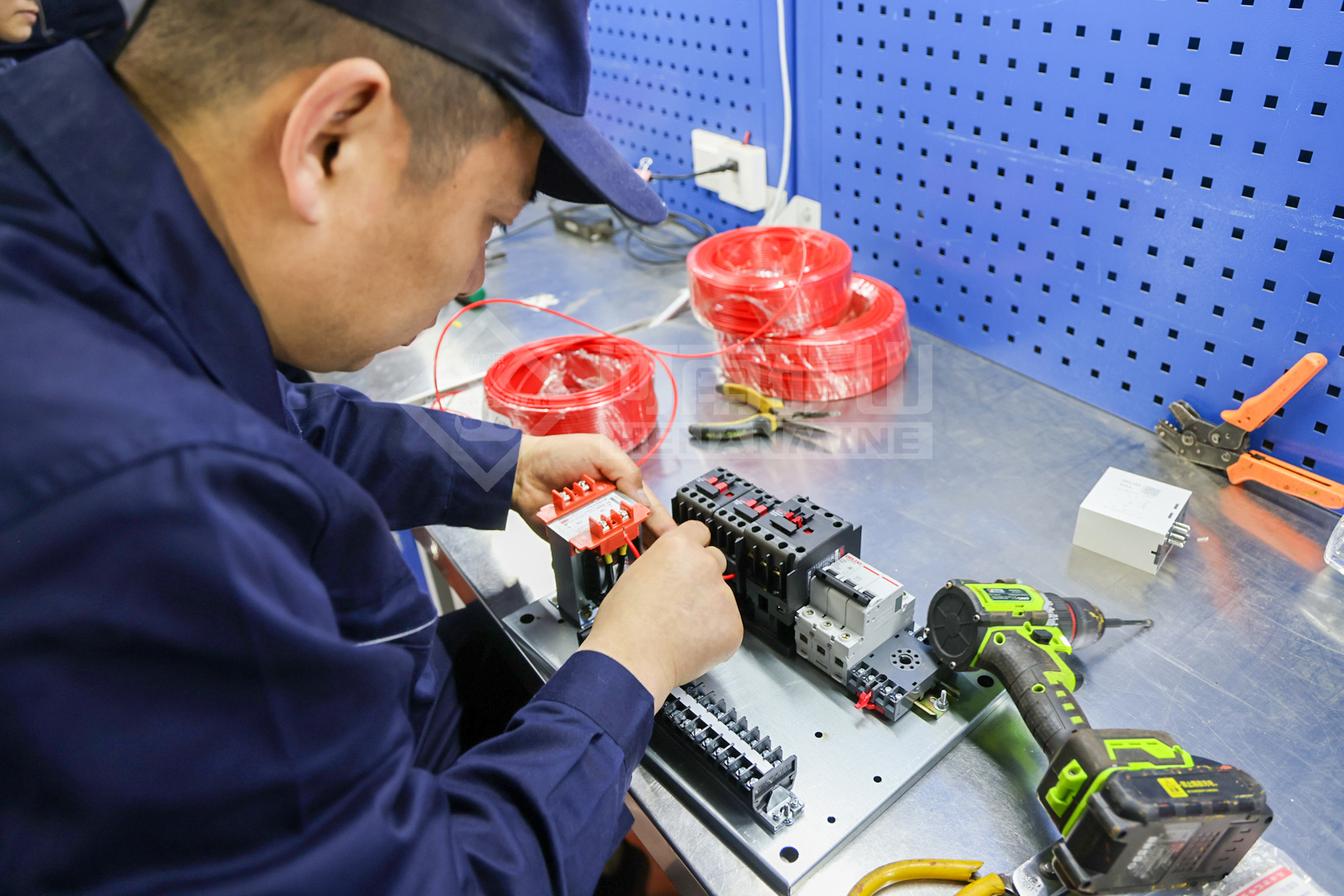
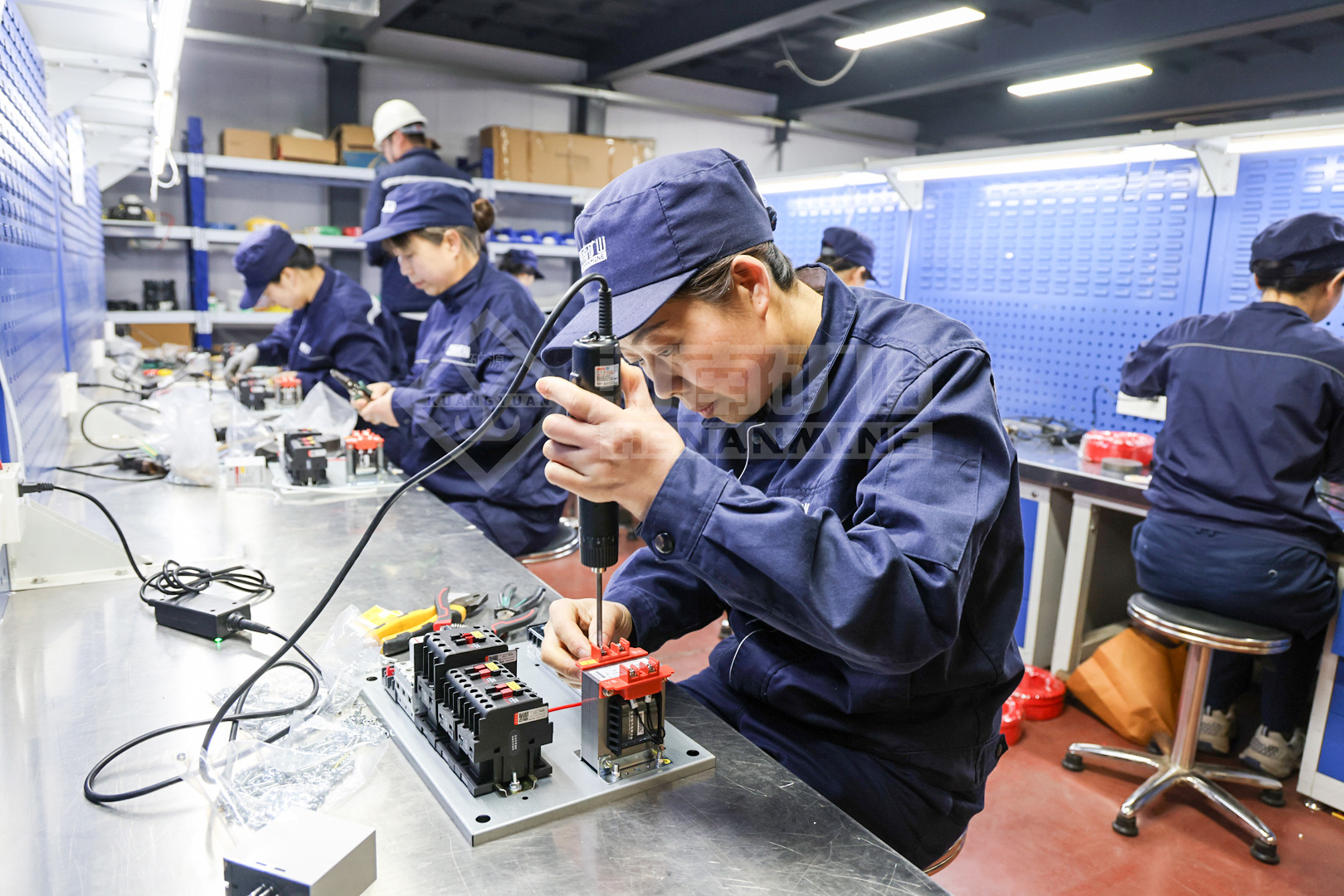
    Participants wiring control equipment during the competition
    Participants wiring control equipment during the competition.

    Wiring, fastening and commissioning tasks

    Participants completed practical assembly work including wiring, securing components and commissioning tasks. Assessment combined on-site performance with day-to-day quality work.

    Specify the electrical system for the application

    A crane enquiry should confirm power supply, control method, site conditions and the required electrical documentation. Agreed functional checks and acceptance records provide a basis for reviewing the completed system.

    Discuss your crane control requirements

    Provide the power supply, operating environment, control preference and required interfaces for the equipment proposal.

  • Process Cranes Support Carbon Handling and Aluminium Production in Baotou

    Process Cranes Support Carbon Handling and Aluminium Production in Baotou

    Products & Technology

    Process Cranes Support Carbon Handling and Aluminium Production in Baotou

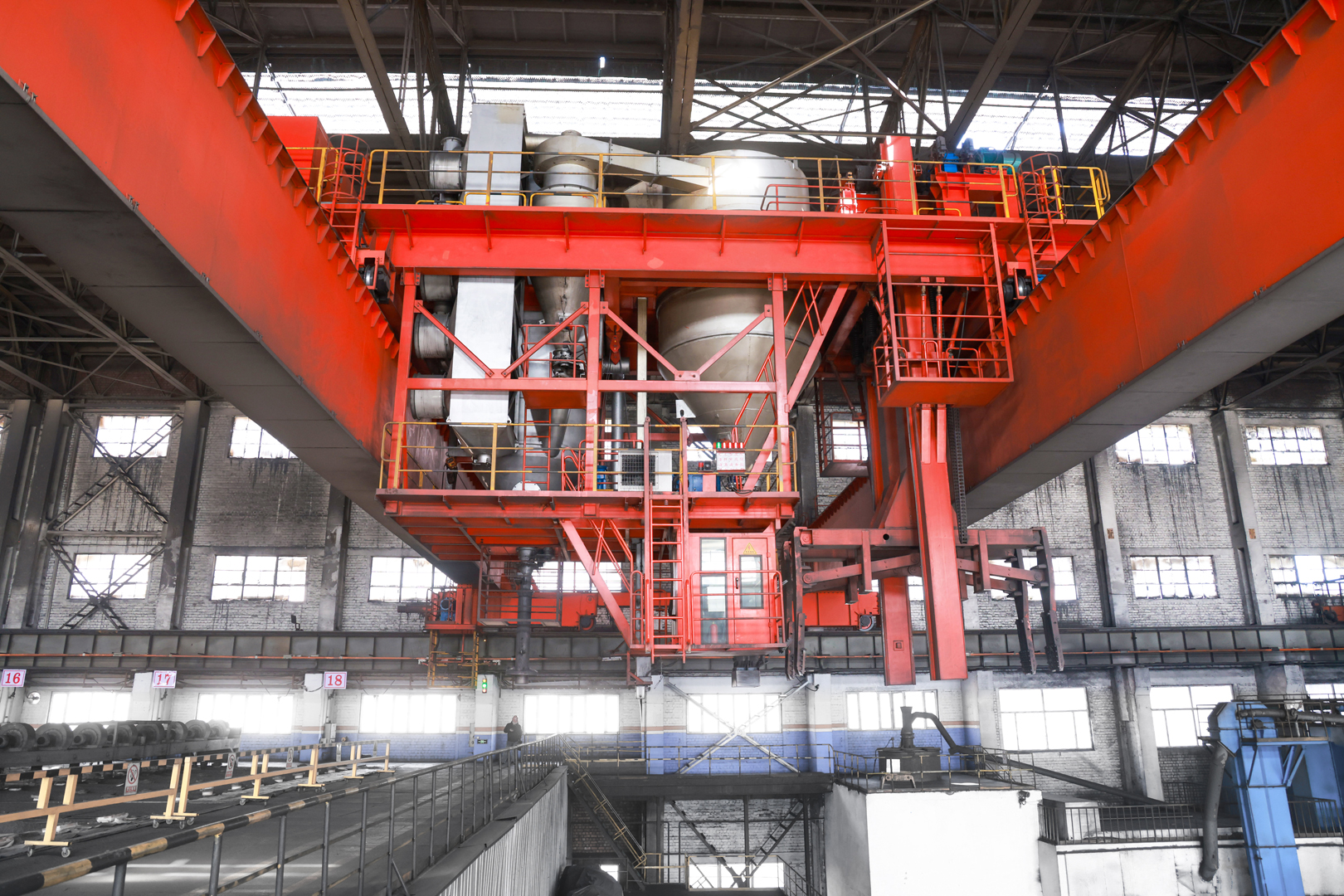
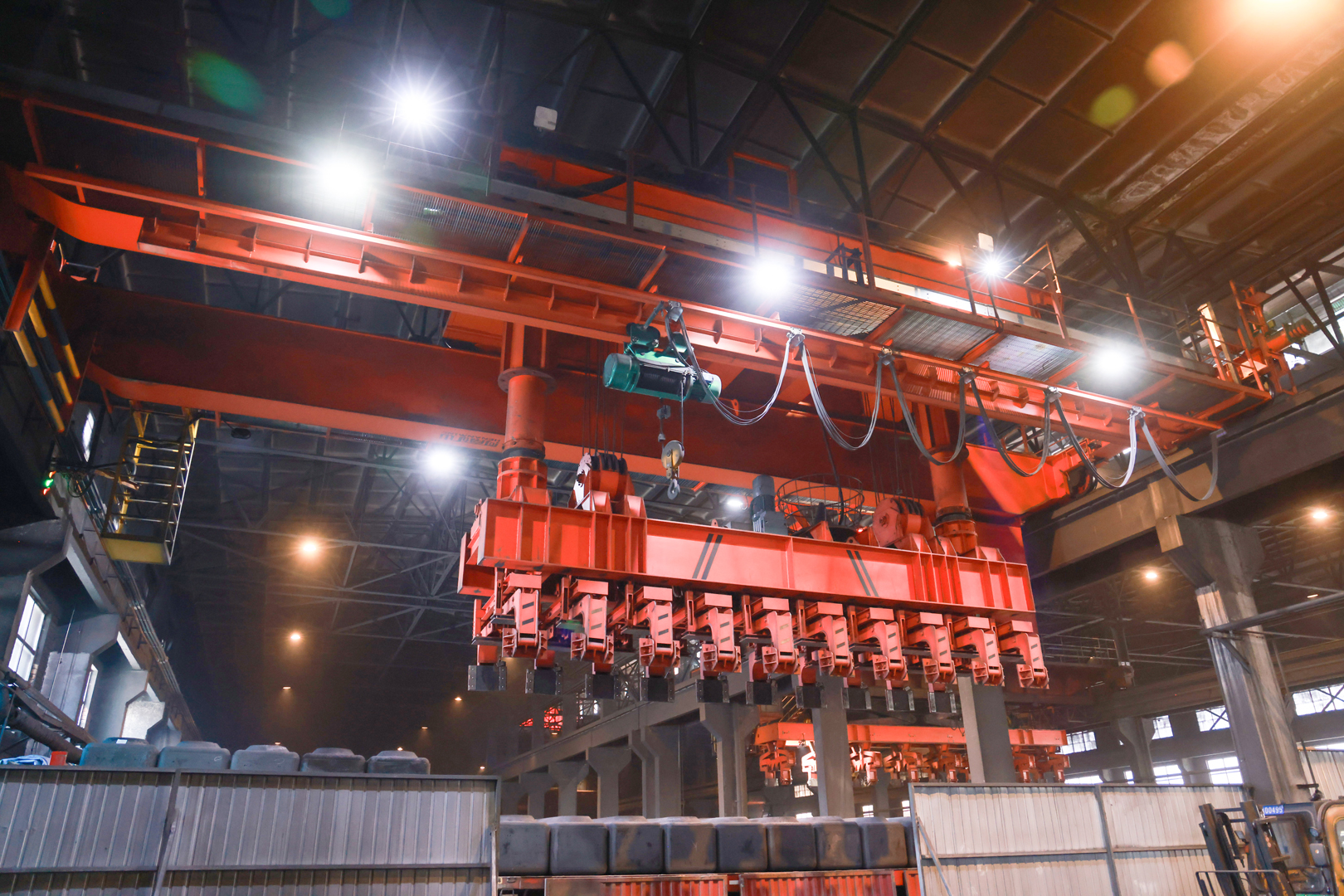
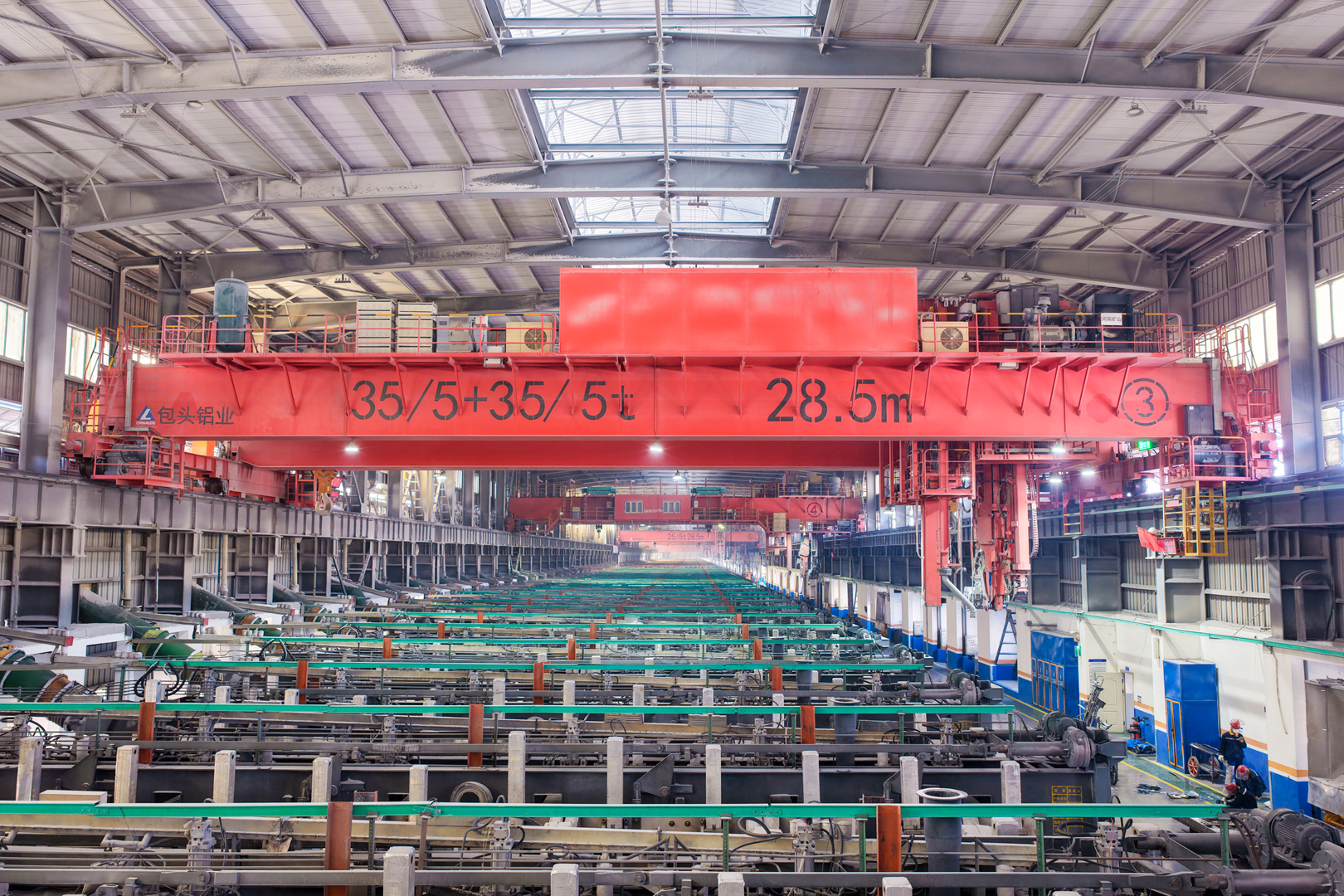
    Henan Mine Crane developed specialised equipment for an aluminium producer in Baotou, covering carbon-block handling, anode storage and electrolytic production.

    Process crane above carbon-handling lines at an aluminium plant
    Process crane above carbon-handling lines at an aluminium plant.

    Combined suction and carbon-block handling

    A multifunctional suction crane combines a double carbon-block clamp with suction and material distribution. Its clamp opening mechanism accommodates different block sizes, allowing the handling arrangement to be matched to the plant’s materials.

    Anode storage and transfer

    The anode-stacking crane uses an adjustable combined clamp. The reported arrangement can lift ten anode blocks in a cycle, with the number adjusted to the production requirement. Block quantity is a handling configuration, rather than a crane lifting-capacity rating.

    Pot-tending functions and project interfaces

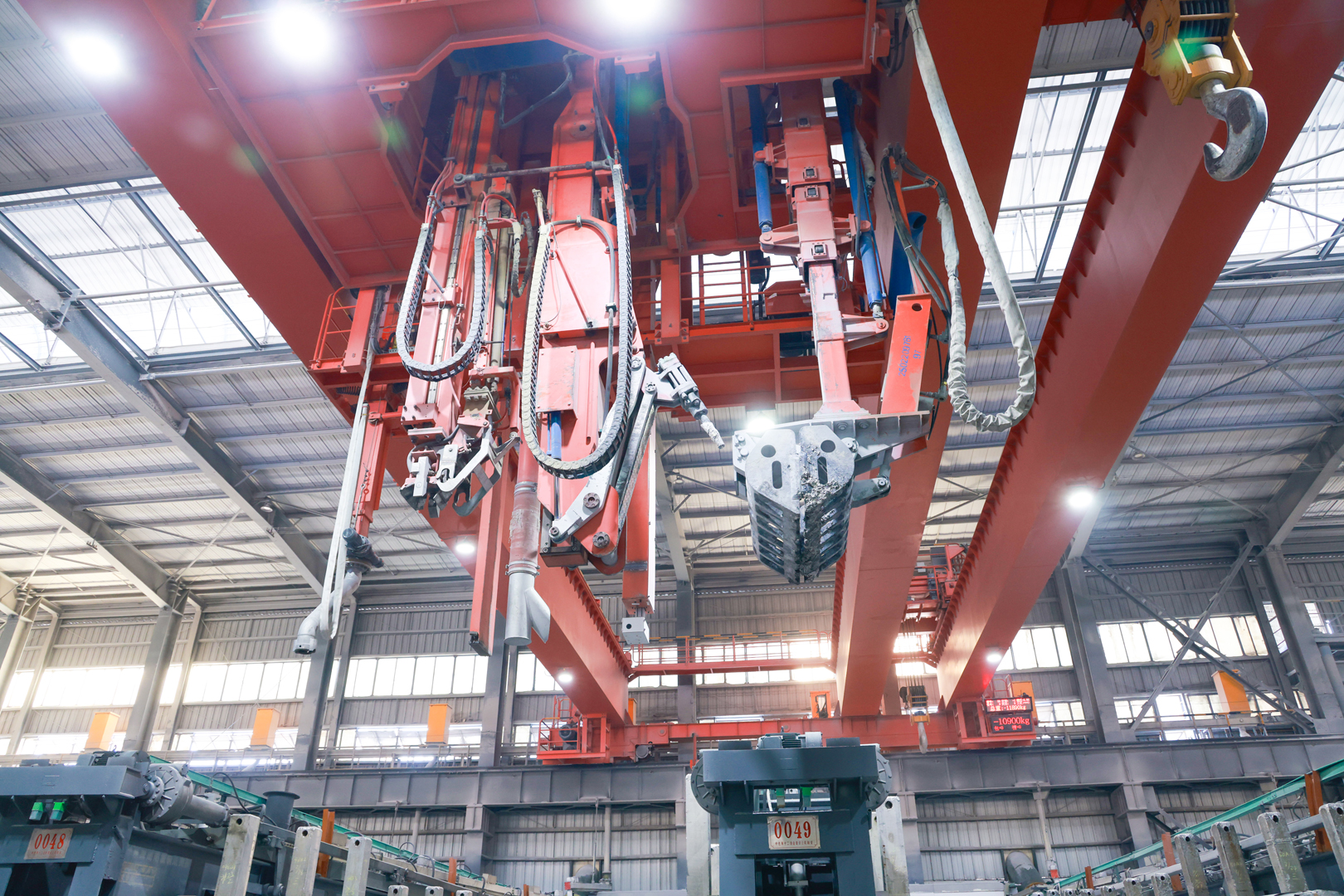
    The electrolytic-aluminium equipment combines crust breaking, anode replacement, residue removal and covering-material handling. The reported automation uses vision-based operation and a height-measurement and tightening system. These functions must be reviewed against the specific potline layout and work sequence.

    For a comparable project, provide carbon-block dimensions and weights, required operations, cycle frequency and the interfaces with storage or potline equipment. The proposal should identify operating modes, protective measures and acceptance checks for the actual installation.

    Discuss your lifting requirement

    Send the process layout, block dimensions, load schedule and required operations for an equipment review.

  • Crane Wheel Wear: Rail Alignment, Loading and Inspection Checks

    Crane Wheel Wear: Rail Alignment, Loading and Inspection Checks

    Technical guide

    Crane Wheel Wear: Rail Alignment, Loading and Inspection Checks

    Repeated flange damage or uneven tread wear should prompt a review of the wheel and runway system. Record the wear pattern, operating conditions and alignment findings before treating replacement wheels as the complete solution.

    Henan Mine CraneTechnical guide · Updated 2026Crane selection, project scope and operating requirements
    crane wheel wear
    crane wheel wear
    Project planning notes

    Key points for this crane project.

    1. Why Crane Wheel Wear Should Not Be Ignored
    2. Common Causes of Rapid Crane Wheel Wear
    3. How Different Types of Crane Wheel Wear Develop
    Read the technical guide

    Why Crane Wheel Wear Should Not Be Ignored

    Many companies have a misunderstanding of the operation and maintenance of crane wheel wear, believing that it is a conventional wearing part, and there is no need to intervene in time for minor wear, and it can be replaced after the wear seriously affects travel. In fact, progressive wheel wear is an important early warning of equipment failure. Letting it go will cause multiple chain losses. The specific hazards are reflected in the following three aspects.

    • Operation and maintenance cost loss: Long-term abnormal wear and tear of wheels will continue to increase the operation and maintenance expenses of enterprise equipment. Frequent replacement of wheels and repair of damaged tracks are required in the short term, resulting in a large number of accessories and labor costs. Long-term problems such as track deformation, main girder offset, and transmission system loss will be induced, resulting in irreversible aging of equipment, greatly reducing the overall service life of the crane, and the cumulative loss cost is extremely high.
    • Equipment safety hazards: Wheels with excessive wear and tear will completely disrupt the travel balance and stability of the crane. Wear and tear of the rims can easily cause the equipment to run off and derail, and the risk of derailment increases sharply. Uneven wear and tear of the tread surface can cause equipment operation jitter, abnormal noise, and unbalanced force. Under heavy-duty and high-altitude operating conditions, it can easily cause major safety accidents such as equipment overturning and heavy objects falling, which seriously threaten the safety of on-site operations.
    • Loss of production efficiency: sudden wheel wear and failure will directly cause the crane to stop for maintenance, disrupt the original production schedule of the enterprise, and cause delays in construction and reduced production capacity.

    Common Causes of Rapid Crane Wheel Wear

    • The rapid wear and tear of crane wheels is not caused by a single factor, but the result of the superposition of multi-dimensional problems such as installation, material, operation and maintenance, working conditions, and load. The premature aging and wear of most wheels is not a product quality problem, but is caused by irregular use and maintenance in the later stage.

    Misaligned crane wheels

    Wheel dislocation is the primary cause of abnormal wear and tear of crane wheels. It mostly occurs after the equipment is newly installed, the wheels are replaced, or the force is deformed for a long time. It is mainly manifested as uneven wheel track, vertical tilt, and the wheels are not parallel to the track. Under normal working conditions, the tread of the lower wheel is evenly subjected to force and the wear is controllable. Once misalignment occurs, the rim will continue to rub hard and squeeze the side of the track, resulting in huge lateral friction, causing edge gnawing and unilateral wear. Slight misalignment accelerates loss, and severe misalignment will cause equipment to run off, walk stuck, and quickly damage the wheels and tracks.

    Uneven rail installation

    The installation accuracy and maintenance quality of the track directly determine the service life of the wheels of Henan Mine Crane manufactured crane. The uneven track, excessive straightness, uneven spacing, and loose joints are important causes of rapid wheel wear. When the equipment travels to the defective part of the track, it will produce bumps and shocks, resulting in dot-like and wavy wear on the tread, coupled with the continuous friction of the track micro-displacement, it will form a vicious circle of track deformation and wheel wear that intensify each other.

    Excessive wheel loads

    Overloading operations and uneven load distribution are the core human causes of wheel wear. Many companies are overloaded for a long time in order to catch up with the construction period, and problems such as deformation of the main girder and unilateral overloading will cause the carrying pressure of a single wheel to far exceed the design threshold. According to the principle of mechanical wear, high-pressure loads will destroy the hardened layer on the surface of the wheel, accelerate metal fatigue, and cause tread creasing, peeling, and rapid wear. At the same time, the inertial impact force generated by frequent emergency start-stop and cable-stayed slanting will further increase wheel loss and significantly shorten the service life of equipment accessories.

    Poor wheel material selection

    The material and heat treatment process of the wheel directly determine its wear resistance and fatigue resistance. Improper material selection is a common cause of premature wheel aging. In order to control costs, some enterprises choose non-standard wheels with ordinary carbon steel, poor forging technology or substandard heat treatment. The hardened layer of such wheels is weak and the hardness and toughness are insufficient. Under the conditions of continuous friction and heavy-duty impact, problems such as plastic deformation of the tread and surface shedding can easily occur. In addition, light-duty standard wheels are optional for heavy-duty and high-frequency operation scenarios, and the material performance cannot be adapted to the working conditions, which will also cause the wheels to wear out quickly and be scrapped.

    Inadequate lubrication

    Standardized lubrication is the basic means to delay wheel wear, and insufficient lubrication and maintenance is an operation and maintenance loophole that can easily be ignored. The long-term lack of oil on the contact surface of the wheel track and the bearing, the wrong selection of grease, and the accumulation of impurities will put the equipment in a state of dry friction, greatly increasing the coefficient of friction and speeding up the wear rate. Impurities such as on-site sand, gravel, iron shavings, etc. entering the contact surface will form abrasive particles and wear, and scratches on the tread will produce pits and scratches. At the same time, lubrication failure will also cause the bearing to heat up and stagnate, resulting in poor wheel rotation, partial wear and other failures.

    Harsh operating conditions

    Harsh operating conditions will greatly speed up the wear rate of crane wheels, and various loss incentives are common in steel mills, mines, chemical industry, outdoor construction sites and other scenes. The high temperature environment will weaken the metal strength of the wheel and accelerate the aging of the surface. Wet, rainy and snowy weather can easily cause rust on the track and wheels, exacerbating friction loss. On-site dust and iron shavings will cause continuous abrasive wear, while acid-base corrosion will destroy the surface structure of the wheel. Compared with standard indoor working conditions, the wheel wear speed can be increased by 2 to 3 times in harsh environments such as corrosion, dust, and high temperature.

    How Different Types of Crane Wheel Wear Develop

    Crane wheel wear is not a single form, and different causes of failure will correspond to different types of wear. Only by accurately identifying wear patterns and figuring out the development patterns of various types of wear can we solve problems in a targeted manner and avoid blind maintenance and replacement. Wheel wear in the industry is mainly divided into four categories, and the development process and fault characteristics of various types of wear are as follows.

    Flange wear

    Rim wear is the most common wear failure of cranes. It is mostly caused by wheel misalignment, track offset, and equipment travel deviation. It is mainly manifested as rim thinning, burr, and severe wear on one side. The fault developed in a gradual manner, with only slight loss and no obvious abnormal noise in the initial stage. In the mid-term, the thickness of the rims decreased sharply, and there was friction noise and slight deviation when travel. Excessive wear and tear in the later stage will completely lose the ability to limit the position, which can easily cause derailment, caton and even rim fracture accidents, which is also the core reason for most wheels to be scrapped in advance.

    Tread wear

    Tread wear occurs on the bearing contact surface of the wheel and the track, and is often manifested as the tread is flattened, thinned, wavy lines or local grooves, mainly caused by long-term overload, insufficient lubrication, uneven track, and impurity abrasion. The law of its wear process is clear, and the initial size is only slightly reduced, which does not affect the operation of the equipment. Uneven wear and tear occurred in the mid-term, and the equipment shook slightly when travel. Excessive wear in the later stage will cause heavy-duty jitter, braking offset, and peeling off of the surface, which will greatly reduce operating stability and accelerate track damage.

    Uneven wheel wear

    Uneven wear is also called partial wear. It is manifested as a large difference in the wear of the left and right wheels and the same side of the wheels, and the local depression loss is serious. It is mostly caused by the tilt of the wheel installation, uneven force on the four wheels, deformation of the main girder, excessive track height difference and unilateral overload. The fault is extremely concealed, and it is difficult to identify with the naked eye at the beginning, but it continues to destroy the travel balance. After the wear difference expands, the problem of equipment jitter and deviation will intensify, which will not only accelerate the scrap of the wheels, but also pull the steel structure, causing irreversible damage such as equipment accuracy degradation and fuselage aging.

    Cracks and surface damage

    Cracks, peeling, peeling, and pits are severe surface damage to the wheels, which are mostly caused by long-term fatigue and wear, heavy-duty impact, substandard materials, and corrosion conditions. At the beginning of the failure, there are only fine surface scratches and microcracks, which are not easy to investigate. As the equipment continues to operate, the stress continues to accumulate, and the cracks will continue to expand in depth. In the later stage, the surface surface will fall off and penetrating cracks will occur, which will greatly reduce the strength of the wheel structure. There is a risk of fracture and collapse, and there is no repair value. Once found, it must be replaced immediately to prevent the equipment from operating with diseases.

    How to Identify Crane Wheel Wear Problems Early

    Crane wheel wear is a gradual process, and there is a sufficient window for intervention from mild loss to severe failure. The core reason for the frequent failures of most enterprises is the lack of awareness of early troubleshooting and the missed opportunity for rectification. Mastering the following three types of early identification methods can predict the hidden dangers of wear in advance and realize pre-failure control.

    Visual inspection signs

    Visual inspection is the simplest and most frequent way of troubleshooting. It is suitable for daily pre- and post-shift inspections. No professional equipment is required, and dominant wear problems can be quickly identified. Daily inspections need to focus on three core parts. First, check the rim to see if there are thinning, burrs, gaps, and severe wear on one side. The second is to tread the surface, check whether the surface is smooth, for scratches, pits, peeling, wave wear, partial shedding and other problems. Third, the wheel as a whole, compare the degree of wear of the same side and diagonal wheels to determine whether there is partial wear and dimensional deviation. At the same time, the wheel diameter, rim thickness, and tread wear can be measured with the help of simple measuring tools, and the standard parameters of the equipment can be compared.

    Abnormal noise and vibration

    Abnormal wear and tear of the wheels in the early stage will be accompanied by obvious abnormal operating noise and vibration changes, which is an important early warning signal. Under normal conditions, the crane walks smoothly, the noise is uniform, and there is no obvious vibration. If there is continuous metal friction noise, sharp rail gnawing sound, and caton noise when the equipment is travel, it is highly likely that it is caused by abnormal friction between the rim and the track, uneven tread wear, and lubrication failure. If periodic shaking, fuselage shaking, and local vibration intensify during travel, it means that the wheels have problems such as uneven wear, surface irregularities, and bearing wear and stagnation.

    Changes in crane travel

    The subtle changes in the travel state of the crane are the core basis for judging wheel wear and abnormal alignment. Early wear and dislocation problems will directly change the travel trajectory and operating state of the equipment. Common abnormal manifestations include the crane's travel deviation, inability to travel in a straight line, travel caton, obvious start-stop shaking, and inconsistent travel speed on both sides. Some equipment will also have problems such as continuous edge gnawing on one side of the track, increased wheel travel resistance, smooth no-load travel and heavy-duty caton. These are typical early symptoms of wheel wear, alignment deviation, and uneven load. Once it is found that the travel state is abnormal, it must be stopped immediately for testing, priority should be given to investigating wheel wear, track accuracy, and installation alignment problems, and the hidden dangers must be solved from the root cause.

    How to Prevent Crane Wheels from Wearing Out Quickly

    The rapid wear and tear of crane wheels can be prevented and controlled, and there is no need for frequent replacement of accessories and passive maintenance. A complete set of prevention plans with strong implementation are as follows.

    Maintain wheel and rail alignment

    Precise alignment is the core foundation to prevent abnormal wear and tear. After the equipment is newly installed, overhauled, and the wheels or tracks are replaced, professional measuring tools must be used to calibrate the level, verticality, wheel track, and diagonal dimensions of the wheels to ensure that all wheels are parallel, symmetrical, and fit perfectly with the track to eliminate offset, tilt, and misalignment problems. In daily operation and maintenance, the wheel alignment accuracy and track parallelism are regularly checked every quarter, and the deviation is fine-tuned in time. In view of the wheel skew caused by the deformation of the main girder and the offset of the end beam, the accuracy of the steel structure needs to be corrected synchronously to eliminate the problem of lateral friction and rail gnawing from the root cause.

    Control operating loads

    Standardizing load operation is a key artificial control method to delay wheel wear. Strictly abide by the rated load standards of Henan Mine Crane manufactured cranes to prevent long-term overload and extreme load operations. It is strictly forbidden to cable-stayed and single-sided heavy loads to avoid overload of a single wheel. Optimize operating habits, eliminate frequent emergency start, emergency braking, and high-speed start and stop, and reduce the damage of inertial impact to the wheel tread. For equipment with uneven force on four wheels, the force balance is regularly checked, and the load is evenly distributed by fine-tuning the wheel height and alignment accuracy to avoid excessive local pressure and accelerated wear. Stable and standardized load operation can greatly slow down the metal fatigue of the wheels and extend the service life.

    Select suitable wheel materials

    On-demand selection is a prerequisite for eliminating premature aging and wear from the hardware level. Enterprises need to match high-quality wheels of corresponding specifications and materials according to crane tonnage, operating frequency, and working conditions, so as to eliminate low-cost and inferior non-standard products. For conventional heavy-duty cranes, high-strength alloy forged wheels are preferred. After overall heat treatment and high-frequency quenching of the tread, the hardness of the tread is guaranteed to be up to standard, the thickness of the hardened layer is sufficient, and the wear resistance and impact resistance are both high.24-hour continuous operation, high temperature, high dust and other harsh working conditions, customized wheels with thickened hardened layer, corrosion resistance and fatigue resistance need to be selected to meet the needs of high-intensity operations.

    Improve rail conditions

    The quality of the track directly determines the rate of wheel wear, and a normalized track maintenance mechanism needs to be established. Deal with the gaps, steps, and damaged positions of the track joints in a timely manner, and polish the burrs and bumps of the joints. Tighten loose track pressure plates and bolts to prevent micro-displacement of track operation. Regularly clean up dust, iron shavings, sand and gravel and other impurities on the surface of the track to avoid abrasive wear. Under humid and corrosive conditions, the track is regularly treated with anti-rust and anti-corrosion treatment to reduce the loss of oxidized rust to the wheels. A flat, stable and clean track is the core guarantee for extending the life of the wheels.

    Follow a regular maintenance schedule

    Systematic maintenance is the core guarantee for long-term wear prevention and control and prolonging equipment life. Establish a special maintenance ledger for crane wheels, implement daily inspection, weekly inspection, monthly inspection, and annual inspection systems, and realize early detection and early rectification of hidden dangers. Do a good job in the daily lubrication and maintenance of wheel bearings and travel mechanisms, choose lubricating greases suitable for working conditions, and regularly replenish and change oil to eliminate dry friction operation. The frequency of lubrication should be appropriately encrypted under harsh working conditions. Regularly detect the amount of wheel wear, surface state, and crack defects, polish minor wear, scratches, and burrs in time, and replace the wheels with excessive wear and crack damage in time to avoid the expansion of minor faults.

    Extend Crane Wheel Life with Proper Maintenance and Design

    To maximize the life of crane wheels and completely solve the problem of frequent wear and tear, it is necessary to break the passive maintenance thinking, rely on the full-dimensional systematic control of product design, installation and construction, daily operation, and late maintenance, and build an active preventive operation and maintenance system to reduce the rate of wheel loss in all directions. The specific control points are as follows:

    • Optimize product design: Professional manufacturers will optimize the wheel structure in a targeted manner based on the tonnage of equipment, operating frequency and working conditions, adopt high-precision forging technology, and match reasonable tread and rim curvature to optimize the force distribution. In view of harsh scenarios such as high load, high corrosion, and dust, the material and structural strength are upgraded to effectively improve the wear resistance, impact resistance, and corrosion resistance of the wheels, and the problem of premature aging and wear is avoided from the design end.
    • Strict control of installation accuracy: strictly implement high-precision installation standards, accurately calibrate the matching accuracy of wheels, travel tracks, steel structures and transmission systems of the whole machine, and correct various offset, misalignment, and tilt problems. Eliminate alignment deviations, track and other basic defects from the installation link, avoid lateral friction and local overload when the equipment is running, and reduce the occurrence of abnormal wear and tear from the root cause.
    • Standardize operating operations: establish standardized lifting operating procedures, strictly control the rated load, and eliminate illegal operations such as overload, cable-stayed slanting, and unilateral heavy loads. At the same time, standardize the rhythm of equipment start and stop, avoid frequent emergency start and stop, high-speed operation, greatly reduce the damage of inertial impact force to the wheel tread, delay wheel metal fatigue through standardized operation, and extend the service life of accessories.
    • Implement fine maintenance: establish a normalized inspection, lubrication, correction, replacement and maintenance system, regularly detect wheel wear status, track accuracy, and bearing working conditions, and deal with minor faults and hidden dangers in a timely manner. Adjust the maintenance frequency according to the operating environment, do a good job of lubrication, maintenance and equipment calibration, and continuously maintain the best operating condition of the crane to avoid the accumulation of minor faults and cause severe wear and tear.

    Henan Mine Crane

    The premature aging and wear of crane wheels is the result of the comprehensive effects of equipment installation, track conditions, material matching, operating specifications and maintenance quality, and is not simply the natural loss of accessories. All kinds of wear problems have a clear evolution process and pre-signs. Through normalized condition monitoring and early troubleshooting, hidden faults can be identified in advance. Implement scientific and refined equipment management to ensure the long-term stable operation of lifting equipment.

    Industrial and mining enterprises that have long suffered from frequent wheel wear, repeated replacement, downtime and missed work can rely on professional crane manufacturing and supporting operation and maintenance solutions to completely improve. Henan Mine Crane Factory relies on mature structural design, accurate supporting technology and wheel material selection standards adapted to multiple conditions, combined with a strong maintenance guidance plan, to help enterprises significantly extend the service life of the wheels. Reduce operation and maintenance costs from the source, avoid safety risks such as derailment and jitter, so that every lifting equipment can maintain an efficient, safe and stable long-term operating state.

    Discuss the crane arrangement for your project.

    Repeated flange damage or uneven tread wear should prompt a review of the wheel and runway system. Record the wear pattern, operating conditions and alignment findings before treating replacement wheels as the complete solution. Share the load, available drawings, working cycle and site conditions with Henan Mine Crane so the required configuration and supply boundary can be discussed.

    Related crane configurations

    Rail-Mounted Container Gantry Crane

    View product parameters
    Lifting capacity: 35 t, 40.5 t, 50 tSpan: 18 – 35 mLifting height: 12.3 – 21 m

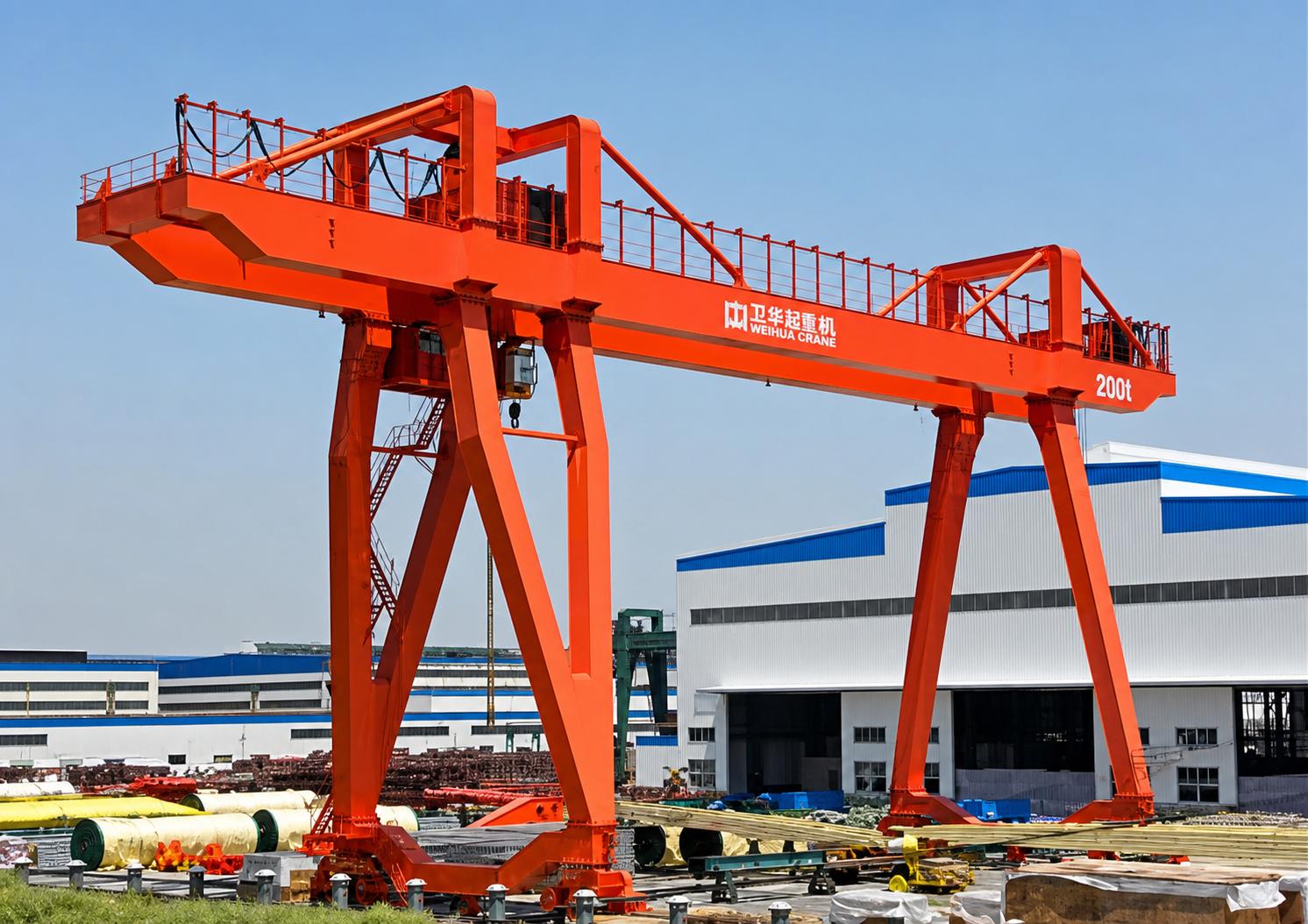
    Handle containers along a fixed yard runway with a rail-mounted container gantry crane. Coordinate the spreader, stacking geometry, rail layout and transfer positions around the terminal operation.

    Rail-Mounted Gantry (RMG)

    View product parameters
    Lifting capacity: 35 t, 40.5 t, 50 tSpan: 18 – 35 mLifting height: 12.3 – 21 m

    Use an RMG for container transfer along a fixed rail layout. Select the lifting arrangement, yard coverage and positioning controls from the container flow and stacking requirements.

    Updated 2026 · Henan Mine Crane

  • Henan Mine Crane Signs Development Agreements with SEW and Inovance

    Henan Mine Crane Signs Development Agreements with SEW and Inovance

    Industry & Partnerships

    Henan Mine Crane Signs Development Agreements with SEW and Inovance

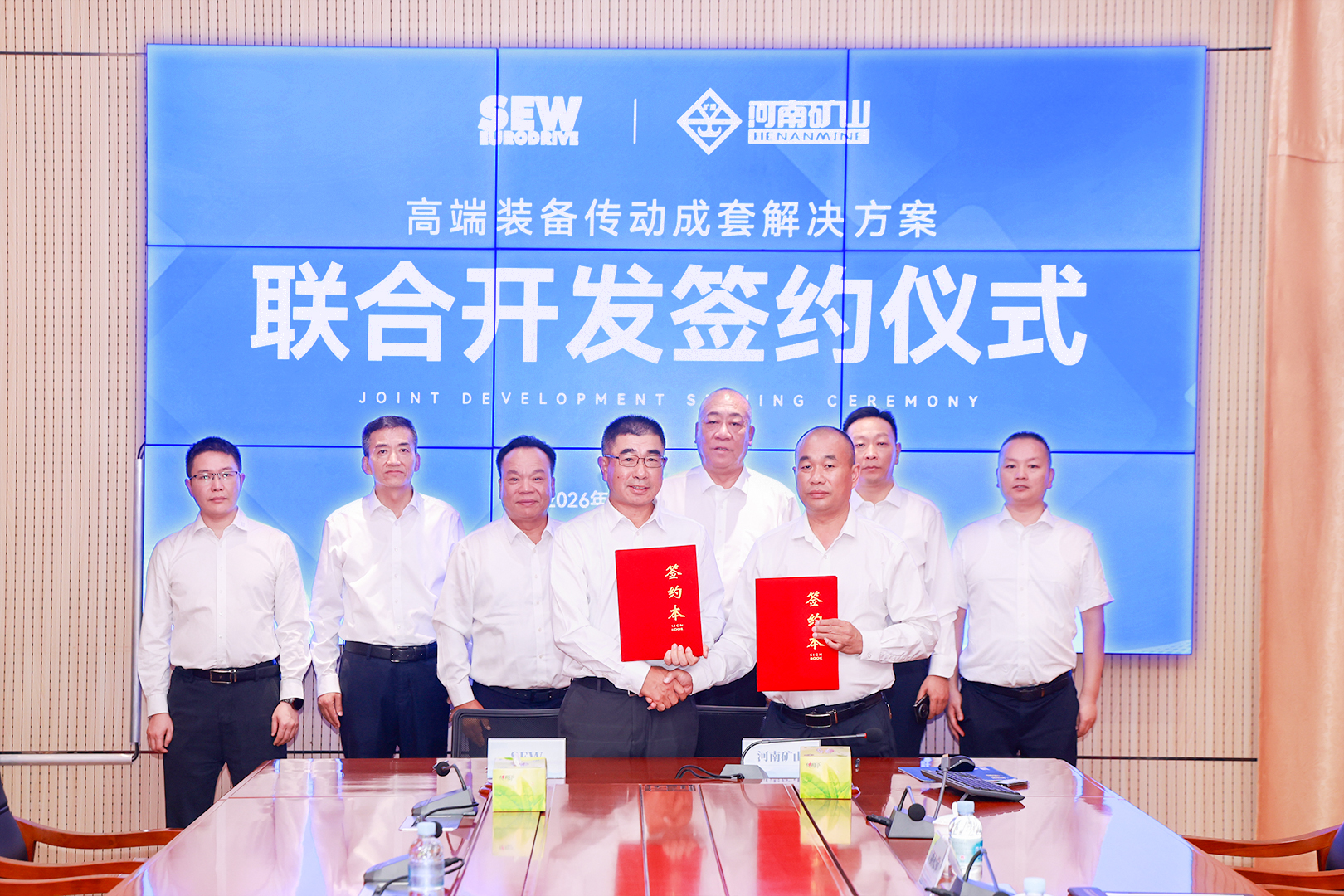
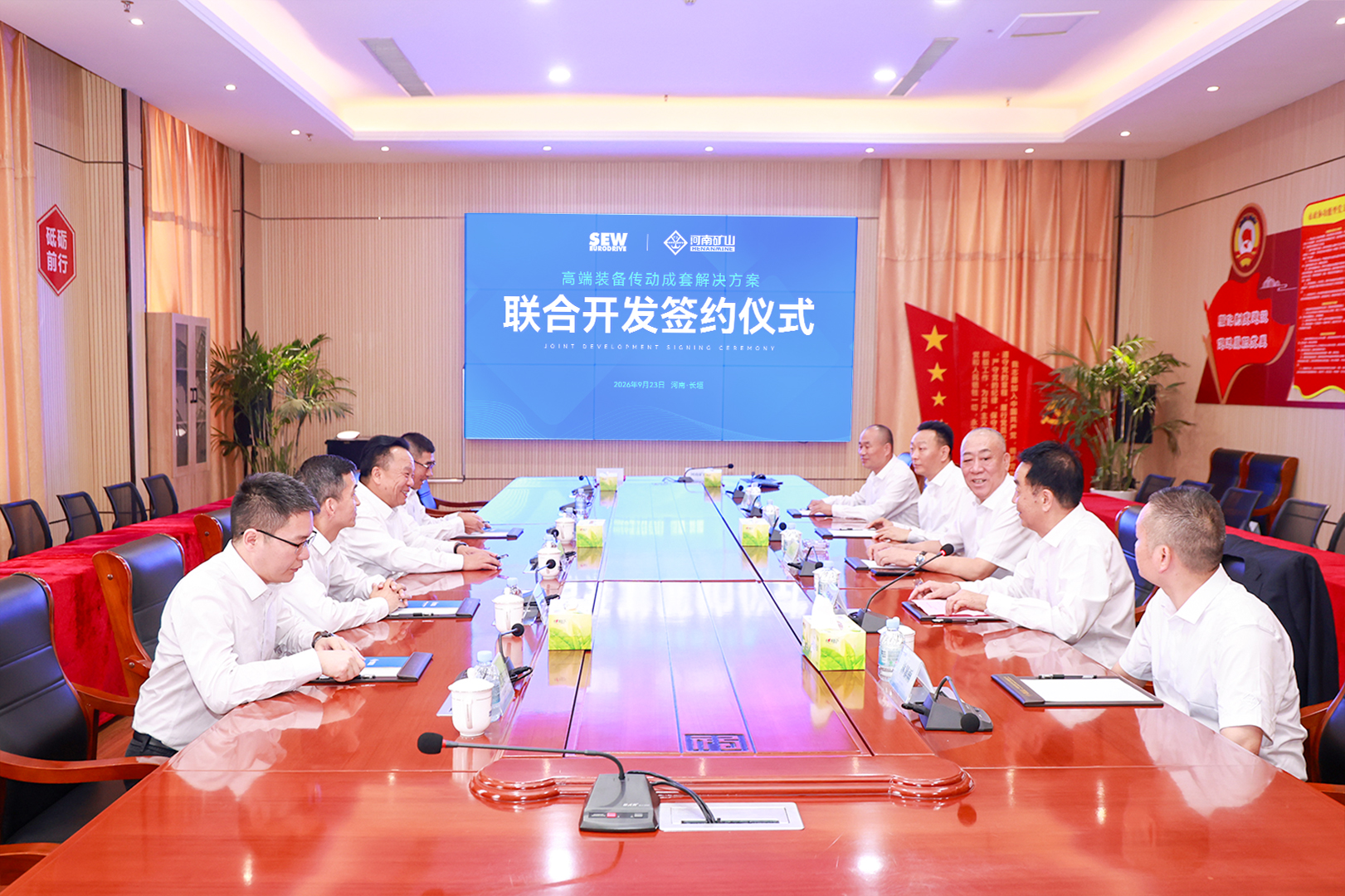
    Henan Mine Crane signed separate cooperation agreements with SEW China and Inovance on 23 September 2026. The agreements address drive-system development, technical research, product testing and industrial automation.

    Henan Mine Crane and SEW representatives at a joint-development signing
    The SEW cooperation agreement was signed on 23 September 2026.

    Drive-system development with SEW

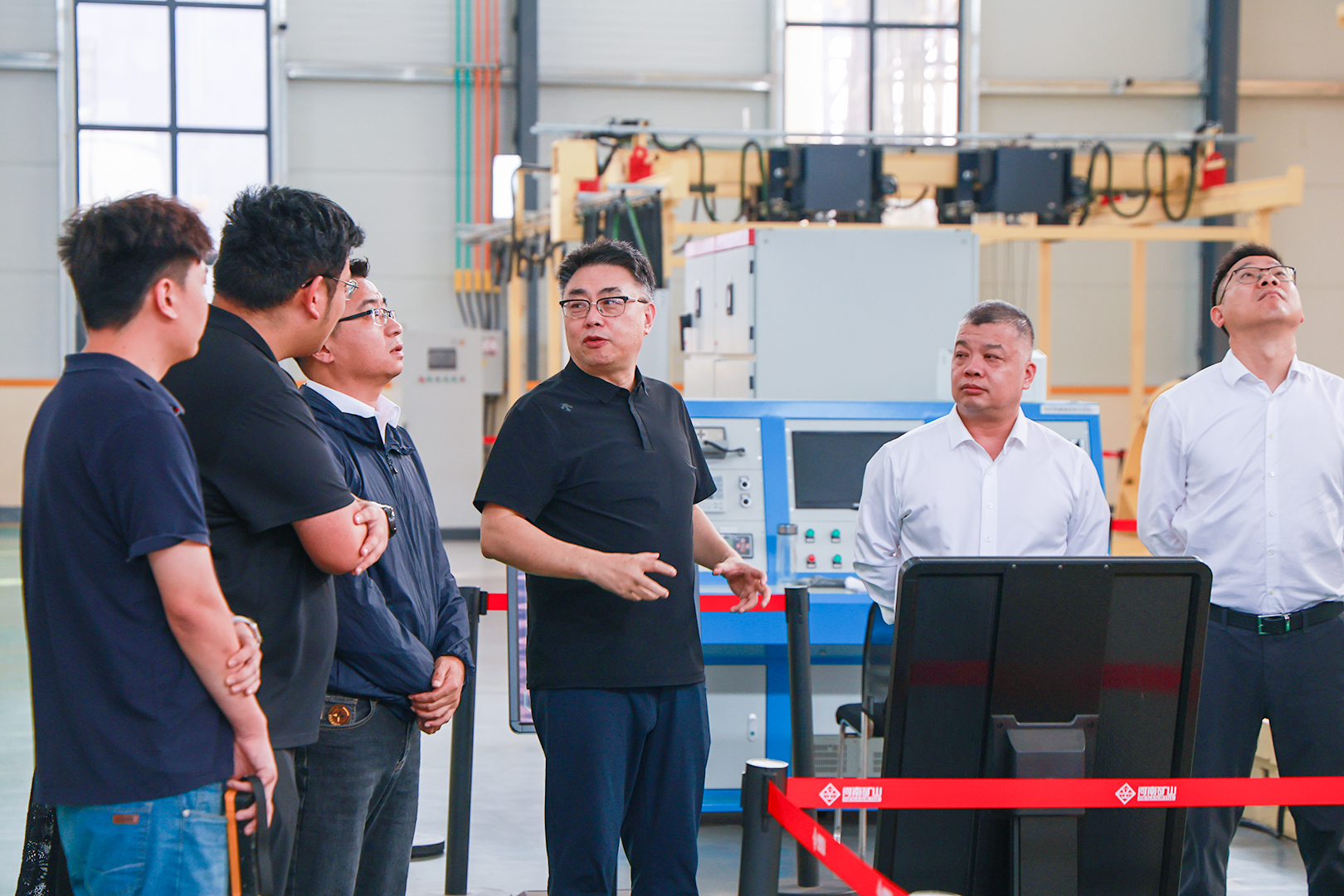
    The SEW agreement covers joint development of integrated drive solutions for lifting equipment. Representatives met at the industrial park and discussed technical development within crane applications.

    Research and testing with Inovance

    The agreement with Inovance addresses joint technical research and new-product testing, including automation, digital systems and intelligent equipment development.

    For an individual crane order, component selection and control functions should be defined in the technical proposal alongside the lifting duty, operating cycle and integration interfaces.

    Discuss your crane control requirements

    Send the operating cycle, required control functions, electrical supply and site interfaces. Our team can review the equipment and component scope for your application.

  • 2026 Mid-Autumn Family Festival Programme at Henan Mine Crane

    2026 Mid-Autumn Family Festival Programme at Henan Mine Crane

    Company & People

    2026 Mid-Autumn Family Festival Programme at Henan Mine Crane

    Henan Mine Crane announced the programme for its 13th Mid-Autumn family festival, setting out activities for employees and their families. The programme combined cultural performances with recognition of parents and older family members.

    Announcement graphic for the 13th Henan Mine Crane Mid-Autumn family festival
    The company announced the programme for its 2026 family festival.

    The announced family programme

    The programme listed activities for 23–24 September 2026, including performances, flowers and family celebrations. It continued the company’s Mid-Autumn festival tradition.

    Company and workforce activities

    The festival programme forms part of Henan Mine Crane’s employee and family activities. Company information and manufacturing visits are available for procurement teams preparing a supplier review.

    Discuss your supplier review

    Contact our team with your crane requirements, company information or proposed factory-review topics. We can discuss the next step for your project.

  • 2026 Quality Month Opens with Manufacturing Skills and Inspection Activities

    2026 Quality Month Opens with Manufacturing Skills and Inspection Activities

    Quality & Manufacturing

    2026 Quality Month Opens with Manufacturing Skills and Inspection Activities

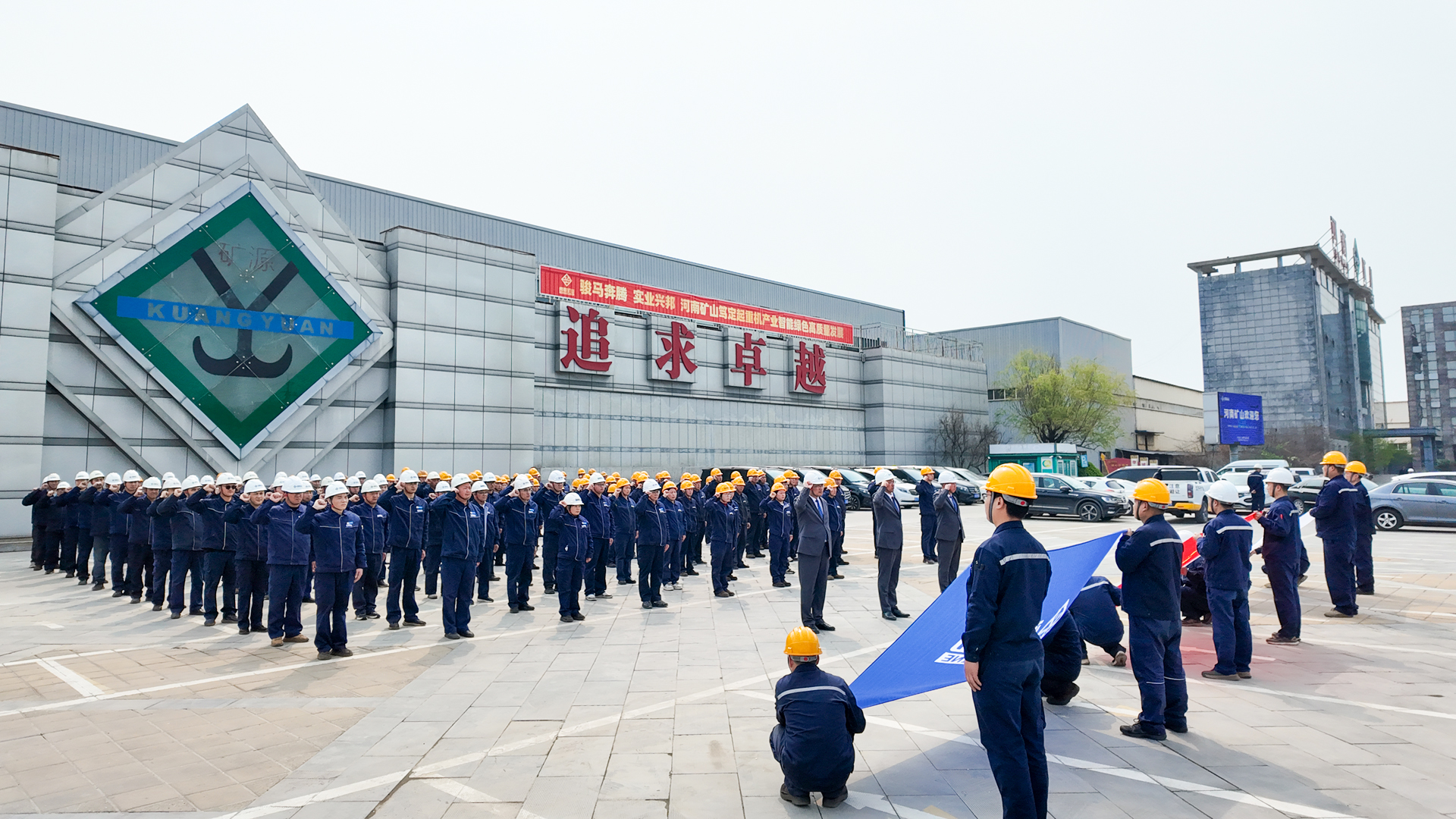
    Henan Mine Crane launched its 2026 Quality Month on 31 March at the headquarters and intelligent industrial park.

    Employees assembled outside the factory for the Quality Month launch
    Employees assembled outside the factory for the Quality Month launch.

    Skills, training and manufacturing checks

    The programme announced ten activity areas, including quality research, skills competitions, appearance-quality assessments and training. Welding, CNC turning and electrical assembly were among the practical disciplines covered.

    Improvement work across production

    The planned activities combined case discussions, defect analysis and improvements to production-process tools. Collective and individual recognition was included alongside practical quality work.

    For an equipment order, customers can agree the relevant inspection points, witness arrangements and records within the project’s inspection and test plan.

    Contact Henan Mine Crane

    For product information, a manufacturing visit or a company enquiry, send the relevant details to our team.

  • Full-Service Crane Supply: Define the Engineering and Site Responsibilities

    Full-Service Crane Supply: Define the Engineering and Site Responsibilities

    Technical guide

    Full-Service Crane Supply: Define the Engineering and Site Responsibilities

    A single supplier can coordinate several project stages, but the quotation still needs clear boundaries. Establish who provides design information, installation resources, commissioning, training and support before comparing full-service offers.

    Henan Mine CraneTechnical guide · Updated 2026Crane selection, project scope and operating requirements
    Henan Mine Crane overhead crane inside a workshop bay
    Henan Mine Crane overhead crane inside a workshop bay
    Project planning notes

    Key points for this crane project.

    1. What Is a Full-Service Crane Manufacturer?
    2. Key Reasons to Choose a Full-Service Crane
    3. Which Crane Projects Benefit Most From a
    Read the technical guide

    What Is a Full-Service Crane Manufacturer?

    If you want to choose the right partner, you must first clearly distinguish the three types of mainstream cooperation subjects in the lifting industry, and accurately understand the core definitions and service advantages of the whole process service manufacturers.

    The full-process service crane manufacturer is a one-stop industrial lifting equipment service provider integrating working condition consulting, custom design, independent production, exclusive customization, quality inspection and testing, installation and commissioning, personnel training, lifetime maintenance, and technical upgrading. Enterprises do not need to connect multiple third-party teams, and one partner can handle all aspects of the whole life cycle of the crane project, and realize the seamless integration of design, production, construction, and after-sales.

    Core differences between the three types of lifting service providers

    The service capabilities of crane equipment suppliers, ordinary manufacturers, and full-process service manufacturers in the industry vary greatly, which is also the key to determining the success or failure of the project.:

    • Crane equipment supplier: essentially an equipment distributor, it has no independent design and production capacity, and is only responsible for the resale and supply of finished equipment. Only basic selection suggestions can be provided, and third-party teams need to be connected for installation, commissioning, and after-sales. The service is fragmented and there is no responsible entity.
    • Ordinary crane manufacturers: they have independent design and production capacity to ensure the quality of equipment, but the service chain is short. Most of them are only responsible for the shipment of equipment. They do not provide professional installation, commissioning, operator training and long-term maintenance services. Follow-up use problems need to be solved by the enterprise itself.
    • Full-process service crane manufacturers: integrate full-chain service capabilities, independently control all aspects of design, production, quality inspection, installation, operation and maintenance, and upgrade, and provide one-to-one exclusive docking throughout the process, with clear authority and responsibilities, and escort the whole process from project establishment to equipment scrap.

    The whole process manufacturer comes standard with core services

    Regular full-process crane manufacturers can provide one-stop standardized full-chain services, which are fully adapted to various industrial hoisting conditions, and the core services cover nine major sectors.:

    • Working condition survey and plan consultation: on-site survey of plant layout, operating environment and hoisting parameters, and tailor-made exclusive lifting solutions based on the production conditions of the enterprise;
    • Professional design and engineering research and development: relying on a senior engineering team, strictly following industry standards, complete the refined customized design of equipment structure, electrical system, and safety system;
    • Independent equipment manufacturing: own standardized plant and production line, independent processing and production of core components, strict control of production technology and product quality in the whole process;
    • Personalized equipment customization: customize exclusive equipment for special-shaped factories, high-risk working conditions, and special hoisting needs, and adapt to various unconventional operating scenarios;
    • Factory quality inspection and performance testing: complete multiple tests such as load testing, functional debugging, and safety verification before the equipment leaves the factory, and strictly prevent the delivery of unqualified equipment.;
    • On-site installation and equipment commissioning: the original professional engineers come to the site to complete the equipment assembly, line docking, and commissioning of the whole machine to ensure that the equipment is up to standard and put into operation.;
    • Professional training for operators: provide free systematic training on equipment operation, daily maintenance, and safety operation specifications for on-the-job personnel of the enterprise;
    • Lifetime maintenance and parts supply: provide normalized inspection, troubleshooting, and emergency repair services to ensure the rapid supply of original parts and reduce equipment downtime and loss;
    • Technical support and equipment upgrade: provide lifetime exclusive technical consulting services, support the transformation of old equipment, functional iteration, and system optimization, and adapt to the upgrading needs of enterprises.

    Key Reasons to Choose a Full-Service Crane Manufacturer

    Compared with the traditional fragmented cooperation model, the core values of full-process crane manufacturers are reflected in multiple dimensions such as project control, equipment quality, safety of use, and long-term cost. It is the best choice for efficient landing of industrial lifting projects.

    One-stop docking

    Traditional lifting projects need to be connected to the design team, equipment manufacturers, installation and construction teams, and after-sales maintenance providers separately. Multi-party communication is prone to information deviations, liability prevarication, delays in construction, etc., which greatly increases the cost of enterprise management.

    The full-process service manufacturer, as the only responsible body, connects one-to-one throughout the process and coordinates all aspects of the project. From early-stage plan communication, mid-term production and construction, to late-stage operation and maintenance upgrades, all issues only need to be connected to one team, the communication efficiency is greatly improved, the project authority and responsibilities are clear and clear, and the loopholes and risks of multi-party collaboration are completely avoided, so that the project landing is more worry-free and efficient.

    Accurate matching of working conditions

    Standardized crane equipment often has the problem of ”parameters are up to standard and working conditions are inconsistent". It seems that the tonnage matches, but it cannot be adapted to the actual operating scenarios of the enterprise, and it is prone to problems such as low efficiency, rapid equipment loss, and safety hazards.

    The whole process manufacturers accurately customize equipment parameters through the six dimensions of load, span, lifting height, operating frequency, on-site environment, and plant space, and are perfectly adapted to 24-hour heavy loads, high and low temperatures, dust corrosion, site restrictions, and other complex working conditions. Equipment solutions, compared with general standard equipment, have a longer service life, higher operating efficiency, and stronger safety.

    Strong customization ability

    The layout of industrial plants is differentiated and the production conditions are diversified. In many old factories, special production lines, and high-risk operation scenarios, general cranes cannot meet the needs of use. The full-process service manufacturer has a full range of customization capabilities, and can personalize the whole structure and system of the equipment.:

    It can customize and transform the core modules of the main girder structure, operating mechanism, electronic control system, remote control device, track, safety protection, power supply, explosion-proof and anti-corrosion, etc., and adapt to special working conditions such as special-shaped factories, narrow spaces, high temperature and heavy loads, explosion-proof factories, ports and docks. There is no need to transform the factory building to efficiently adapt to the production needs of enterprises.

    Full chain quality control

    The separation of design and production is the main cause of equipment quality defects. Third-party OEM and subcontracted production are prone to problems such as substandard technology, poor component adaptability, and no traceability of quality.

    Manufacturers realize the integrated control of R&D, design, production, and quality inspection, and standardize the quality control of the whole process.

    Professional installation and commissioning

    Crane installation and commissioning is a key link in determining the operating effect of equipment. Non-professional construction can easily lead to equipment deviation, abnormal noise, substandard load, safety system failure and other problems, and even cause safety accidents, increasing later maintenance costs.

    The whole process manufacturer is equipped with original licensed engineers, who are familiar with the design and performance of the equipment, and can standardize the whole process of survey, assembly, wiring, load testing, functional debugging and safety verification, accurately eliminate installation hidden dangers, ensure that the equipment is qualified for one-time commissioning, quickly put into production, and effectively avoid rework and downtime.

    Compliance safety equipment

    Lifting operations are high-risk operations and must strictly follow industry safety regulations such as OSHA, ANSI/ASME, and CMAA.Many ordinary equipment can only meet the basic hoisting function, and the safety configuration is missing or later installed, which has great hidden dangers and operational risks.

    The whole process manufacturer integrates a full set of safety systems such as overload protection, emergency stop control, stroke limit, anti-collision, sound and light early warning in the equipment design stage, without the need for later installation.

    Long-term after-sales maintenance

    Cranes are the core supporting equipment of industrial production. Once they fail and stop, they will directly cause the production line to stagnate and cause huge economic losses. Ordinary equipment suppliers only provide short-term warranty, and the after-sales response is slow, the supply of accessories is lagging, and there is no professional maintenance plan.

    Which Crane Projects Benefit Most From a Full-Service Manufacturer

    Not all simple hoisting projects require full-process services, but for the following high-frequency, heavy-duty, special working conditions, and large-scale systematic hoisting projects, priority is given to full-process manufacturers to maximize risk avoidance and efficiency.:

    • Supporting projects for cranes in newly built factories: adapt to the overall planning of the new factory area, equipment parameters and installation points fit the plant infrastructure and moving line design, and complete the design, production, installation and acceptance in an integrated manner, match the construction cycle, and avoid adaptation deviations and rework problems.
    • Integrated material conveying and lifting project: adapt to the material conveying needs of the whole plant on the automated assembly line, co-ordinate the integrated design and commissioning of multi-equipment, track, and electronic control systems, ensure the coordinated operation of equipment, and realize the integrated lifting and transportation of materials automation.
    • All-weather heavy-duty production workshop scenarios: adapt to 24-hour high-frequency heavy-duty operating conditions in metallurgy, heavy industry and other industries, customize heavy-duty equipment and support exclusive maintenance plans to reduce equipment failure rates and ensure continuous and stable operation of production lines.
    • High-temperature and heavy-duty metal processing projects: For high-temperature, heavy-duty, dust-corroded and harsh working conditions such as steel forging and metal smelting, high-temperature and anti-corrosion materials and reinforced structures are used to adapt to special operating environments and extend the service life of equipment.
    • High-frequency transportation scenarios for warehousing and logistics: adapt to high-frequency start-stop, frequent loading, unloading and transportation conditions of logistics and warehousing, optimize equipment operation speed and control accuracy, improve equipment stability, and efficiently ensure material transportation efficiency.
    • Large-scale hoisting projects in ports and shipyards: suitable for large-span and large-load open-air hoisting conditions in ports and shipyards, customized special lifting equipment, with anti-corrosion, windproof and other outdoor protection configurations to meet the hoisting needs of heavy-duty components.
    • Special high-risk working conditions projects: adapt to explosion-proof, anticorrosive, and dust-free special working conditions such as chemical and pharmaceutical industries, customize special protection configurations, strictly comply with industry safety regulations, and meet the requirements of high-risk environmental operations.
    • Multi-machine linkage intelligent lifting project: According to the needs of synchronous linkage hoisting of multiple equipment, the electronic control and linkage system are uniformly designed, and the anti-collision protection mechanism is equipped to realize the coordinated and precise operation of equipment and create an intelligent lifting operation system.

    Screening criteria for high-quality full-process crane manufacturers

    The qualifications and strengths of lifting service providers in the market are uneven. When selecting companies, reliable partners can be selected from the seven core dimensions to avoid cooperation risks.:

    1. Professional engineering design and research capabilities: It has a senior professional engineering team, which can independently complete working condition calculation, structural design, electrical research and development, and program optimization. It has the ability to solve various complex lifting condition problems in a targeted manner, and can provide exclusive customized design solutions.
    2. Perfect independent production capacity: it has its own production plant, modern processing equipment, welding equipment, testing equipment, independent production of core components, no outsourcing OEM, and can control the production process and product quality throughout the process to ensure the stability of the equipment.
    3. Complete product system: products cover bridge cranes, gantry cranes, jib cranes, electric hoists and various customized lifting equipment, which can meet the diversified hoisting needs of different industries, different working conditions, and projects of different sizes.
    4. The products meet domestic and foreign industry safety standards.
    5. Perfect after-sales guarantee system: Establish a perfect parts storage and maintenance service system, which can provide long-term services such as remote technical guidance, on-site maintenance, regular maintenance, and equipment upgrades. The after-sales response is timely and the service system is mature.
    6. Rich experience in industry projects: it has multi-industry landing cases, can provide reference cases for projects with similar working conditions and customer reputation certificates, and has landing service experience for large-scale projects, special working conditions projects, and overseas projects.

    What to Look for When Selecting a Full-Service Crane Manufacturer

    The whole-process crane manufacturer breaks the cumbersome model of traditional project fragmentation and multi-team docking, and creates a standardized, closed-loop eight-step one-stop service system, which is seamless throughout the process and has clear authority and responsibilities, greatly simplifying the project landing process, effectively saving enterprise time and management costs.:

    1. Survey and evaluation of working conditions: on-site investigation of plant structure, site space, operating environment, hoisting load and frequency, combined with industry specifications to comprehensively sort out project requirements, and investigate construction difficulties and safety hazards in advance.
    2. Customized plan planning: Based on site survey data and enterprise production needs, customize adaptable lifting solutions, and finalize precise equipment parameters, operation configuration and overall construction planning.
    3. Exclusive engineering design: A team of professional engineers will complete the structural mechanics design, electrical system configuration and a full set of safety protection plans, which will be refined and customized for special working conditions to ensure that the equipment fits the on-site use scenario.
    4. Production quality inspection and delivery: the whole process of independent production and processing, after multiple rounds of performance testing, load verification, safety testing and quality audit, strictly control the quality of the factory to ensure that the equipment is delivered up to standard.
    5. On-site installation and construction: The original factory's licensed technical team is on-site construction, co-ordinating equipment transportation, on-site assembly, track calibration, electrical wiring and a complete set of standardized installation operations.
    6. Long-term maintenance services: provide regular inspections, preventive maintenance, troubleshooting and emergency repairs, original parts supply and lifetime technical consultation to continuously ensure the stable operation of the equipment.
    7. Iterative upgrading of equipment: according to the expansion of enterprise production capacity, changes in working conditions and new industry regulations, provide services such as equipment transformation, control system optimization, and intelligent upgrading to extend the service life and adaptability of equipment.

    Discuss the crane arrangement for your project.

    A single supplier can coordinate several project stages, but the quotation still needs clear boundaries. Establish who provides design information, installation resources, commissioning, training and support before comparing full-service offers. Share the load, available drawings, working cycle and site conditions with Henan Mine Crane so the required configuration and supply boundary can be discussed.

    Related crane configurations

    Explore crane product families and technical parameters ↗

    Updated 2026 · Henan Mine Crane

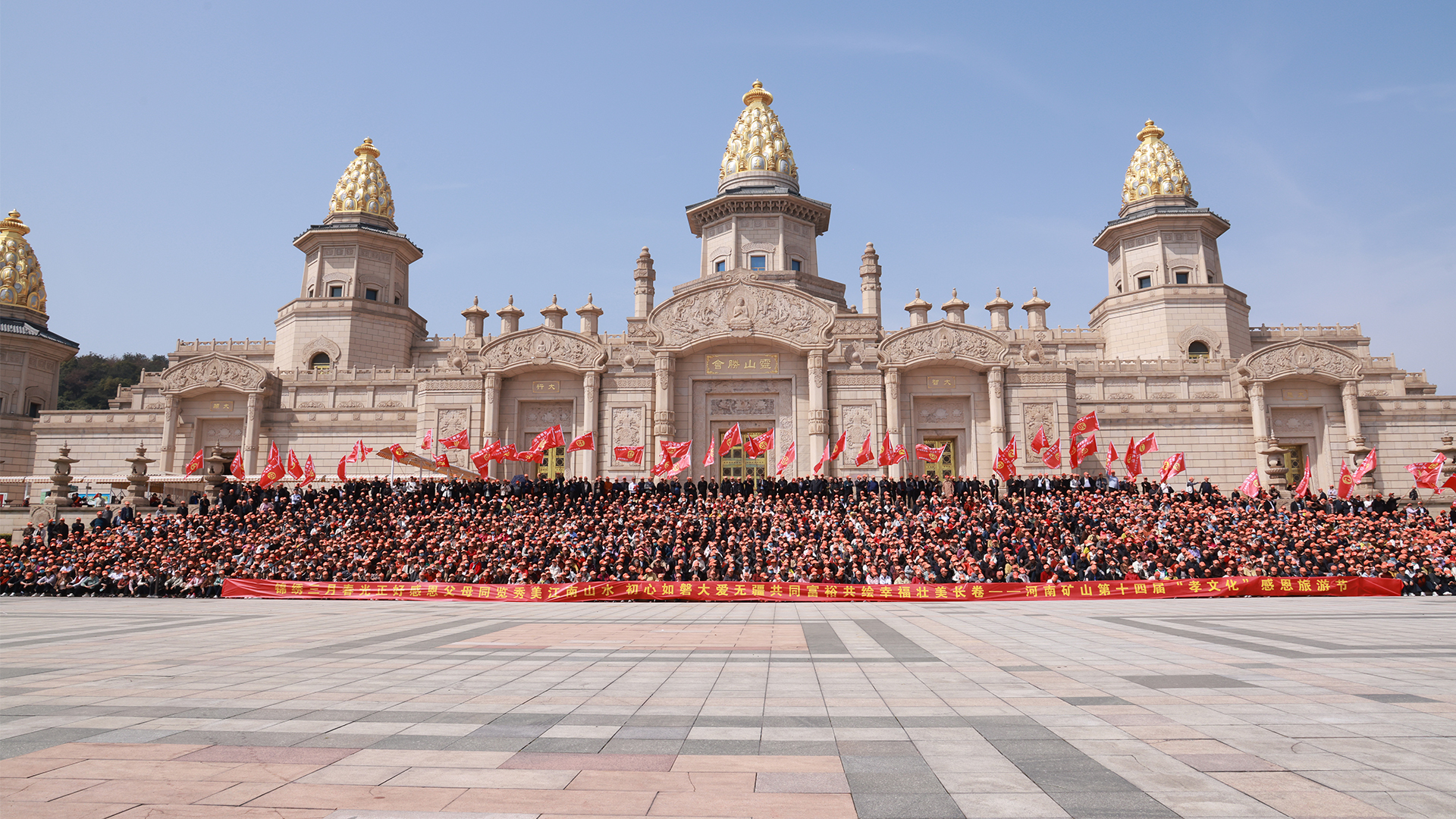
  • More Than 4,000 Employees’ Parents Complete a Six-Day Appreciation Tour

    More Than 4,000 Employees’ Parents Complete a Six-Day Appreciation Tour

    Company & People

    More Than 4,000 Employees’ Parents Complete a Six-Day Appreciation Tour

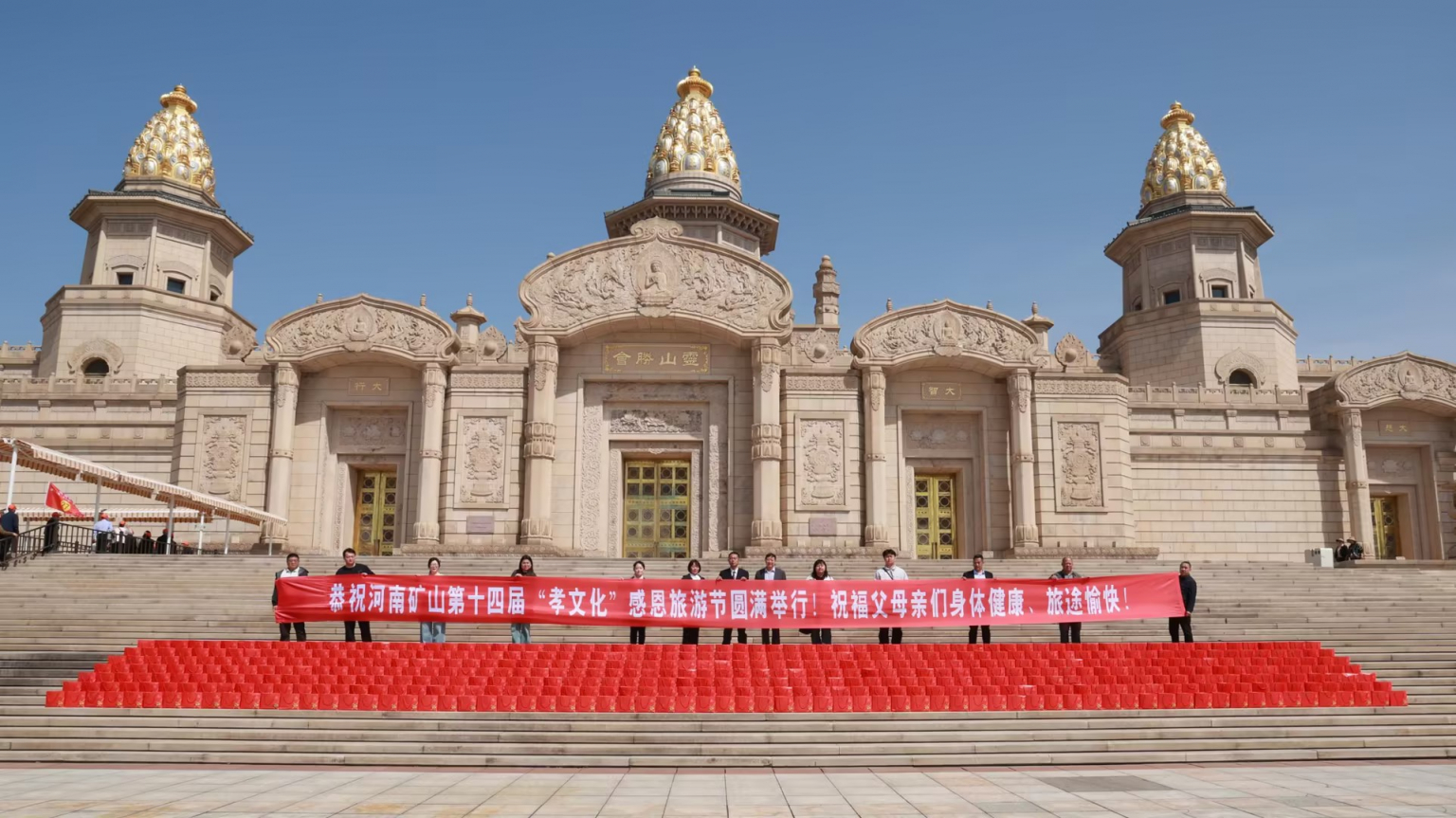
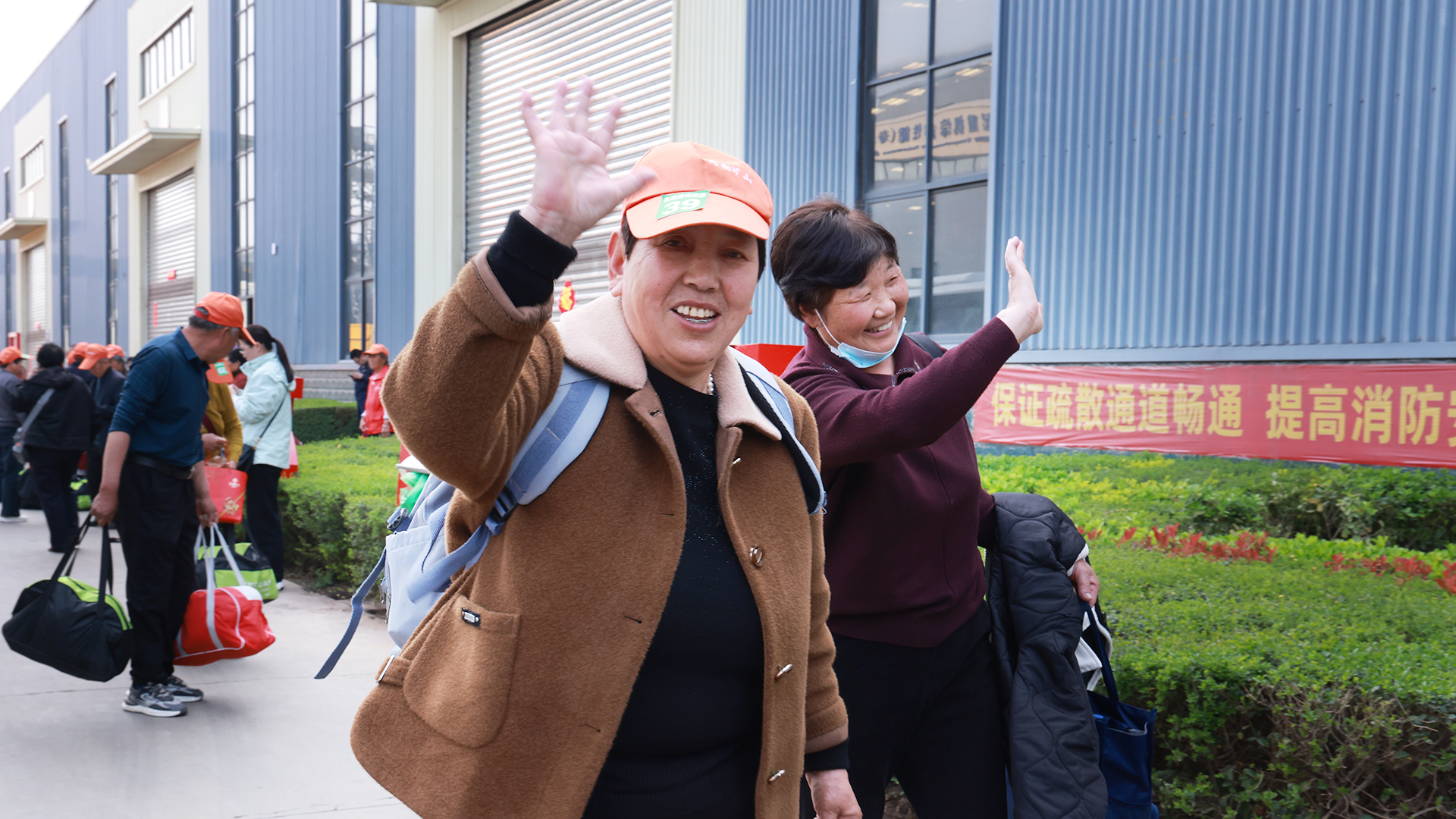
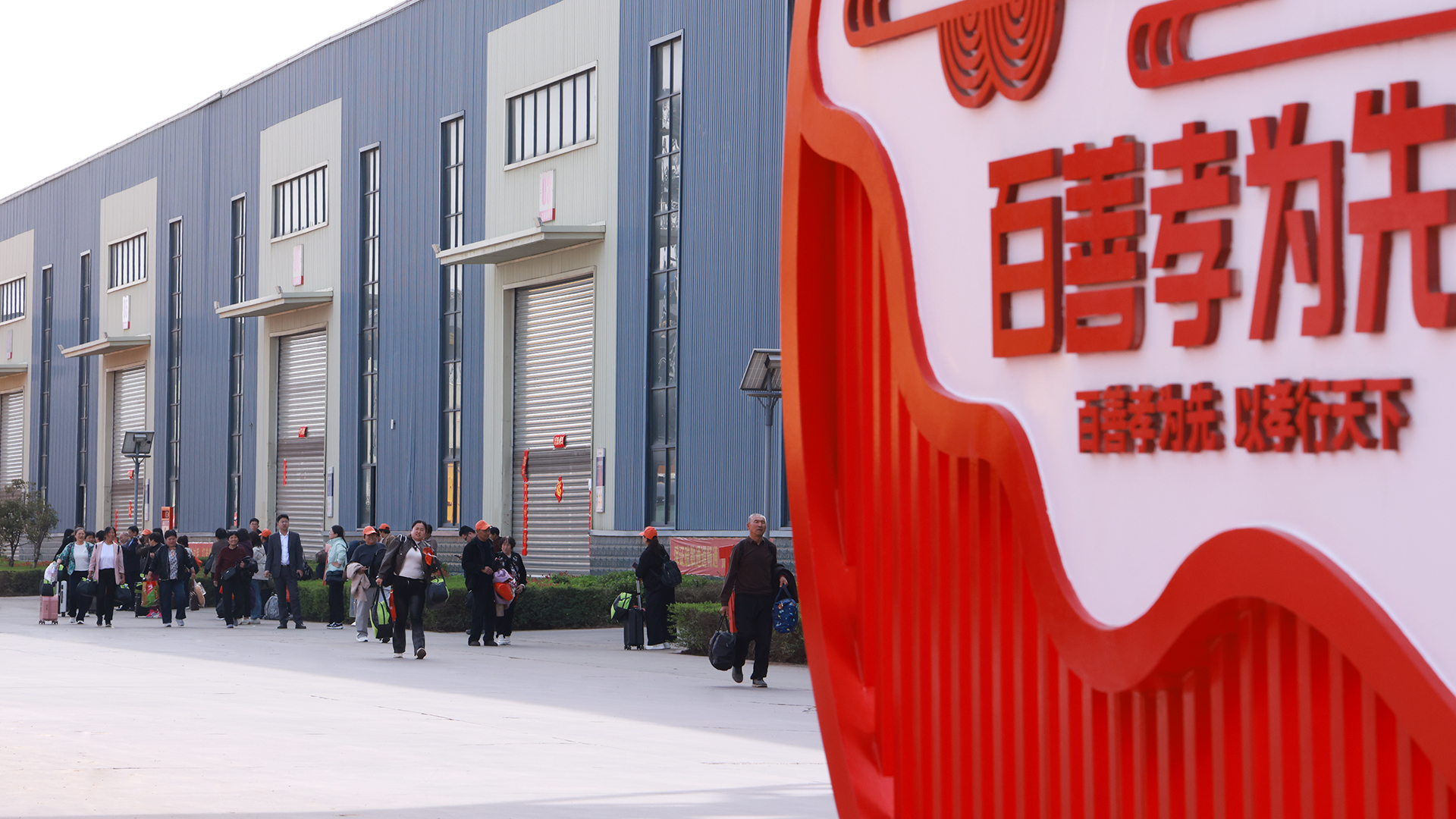
    Henan Mine Crane’s fourteenth parents’ appreciation tour concluded on 29 March 2026. More than 4,000 employees’ parents took part in a company-funded six-day visit to Xuzhou, Nanjing, Suzhou and Wuxi.

    Large tour group outside a temple entrance during Henan Mine Crane’s 2026 parents’ appreciation tour
    Large tour group outside a temple entrance.

    An organised programme for employees’ families

    The trip combined sightseeing with arranged accommodation and meals. Company partners and local branches also provided gifts for the travelling parents.

    Transport and support throughout the journey

    Accompanying staff, drivers and medical personnel supported the group’s daily travel and visits. The company has held the annual parents’ appreciation programme since 2012.

    The photo report records the completed trip, including group visits, hospitality and support arrangements.

    View the event photo gallery

    Contact Henan Mine Crane

    For product information, a manufacturing visit or a company enquiry, send the relevant details to our team.