Engineering · Manufacturing · Project support
info@hnksglobal.comWhatsApp +86 18836207779 ↗

Blog

  • The Six-Day Route for Henan Mine Crane’s 2026 Parents’ Tour

    The Six-Day Route for Henan Mine Crane’s 2026 Parents’ Tour

    Company & People

    The Six-Day Route for Henan Mine Crane’s 2026 Parents’ Tour

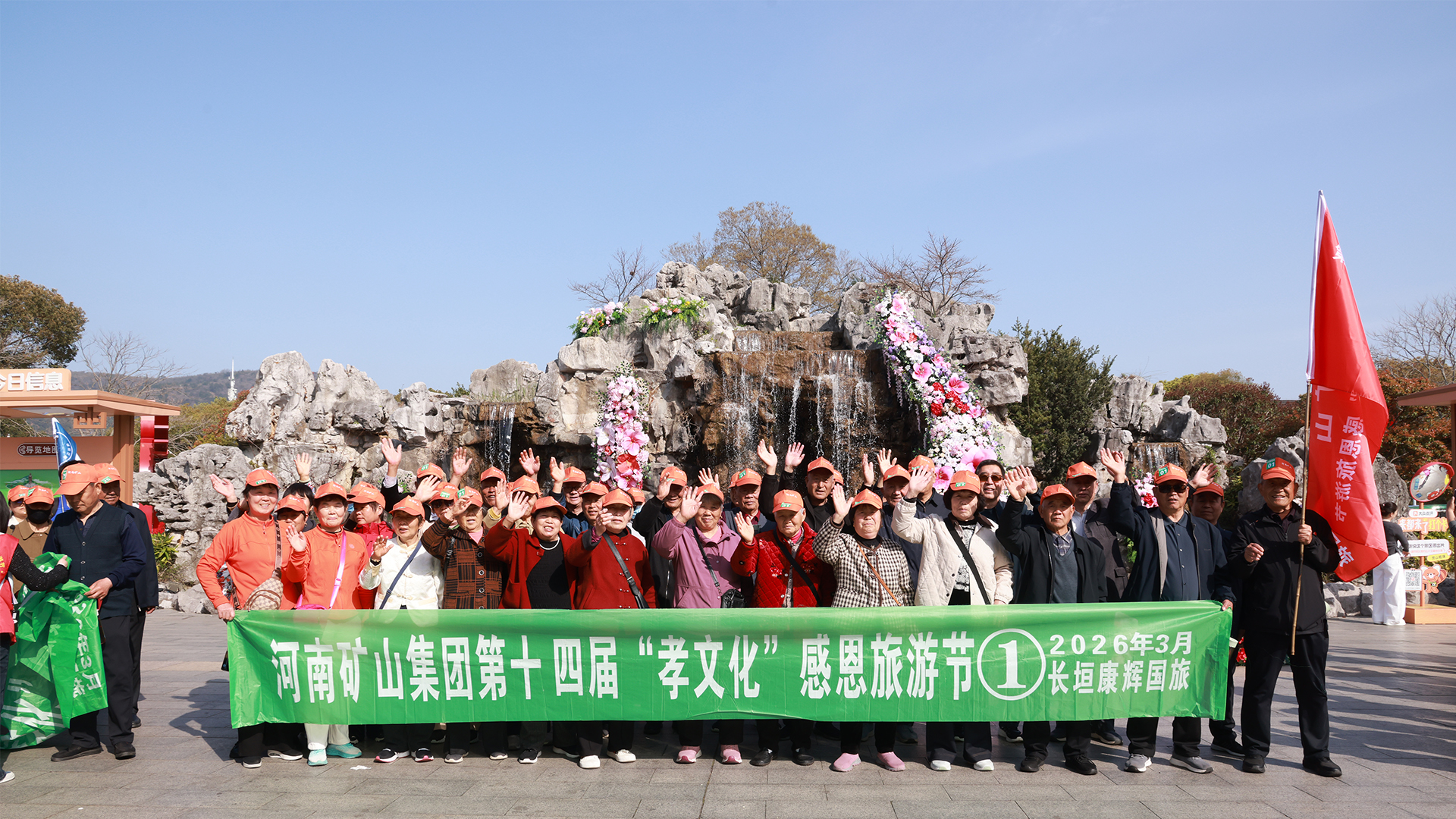
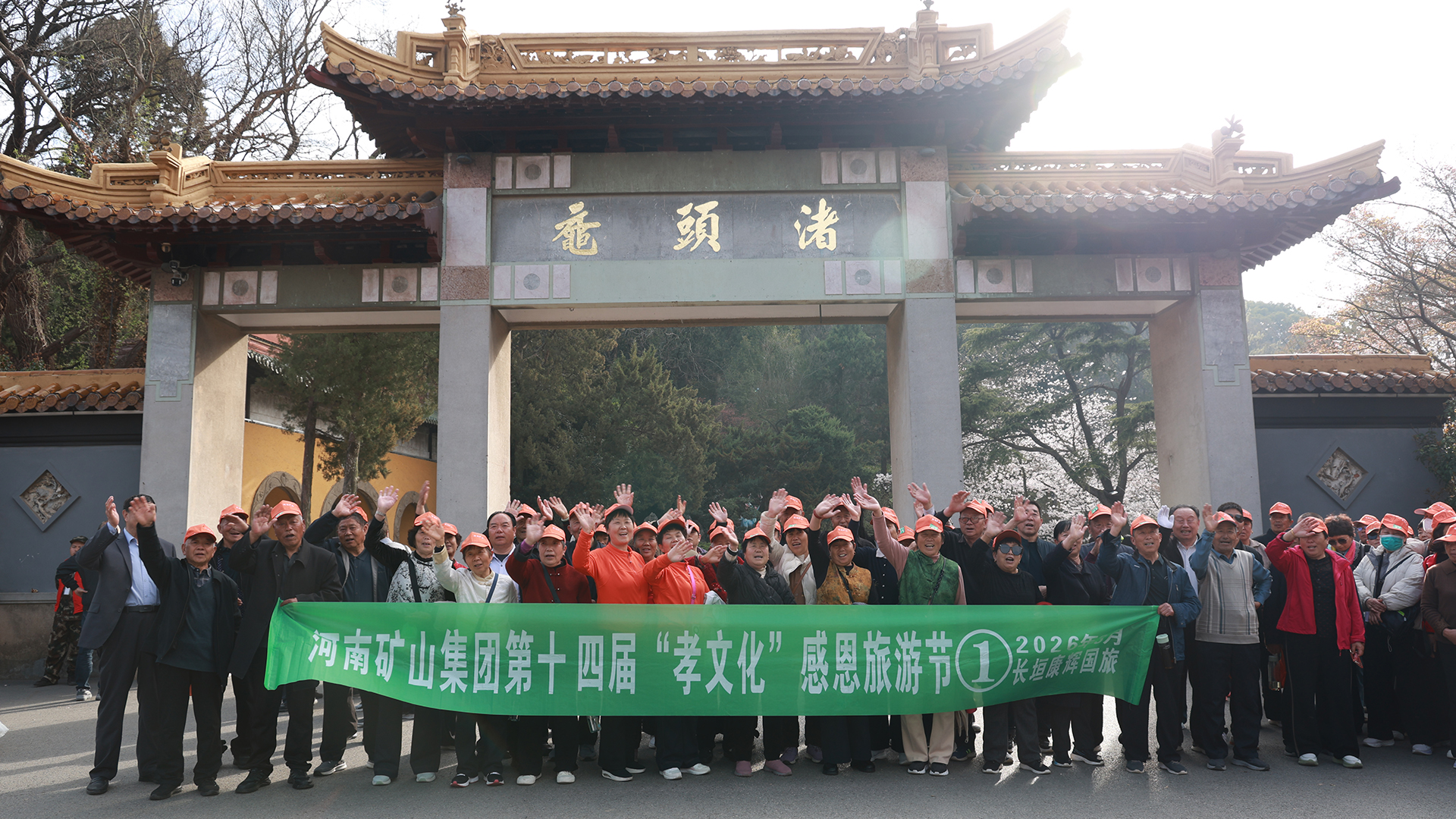
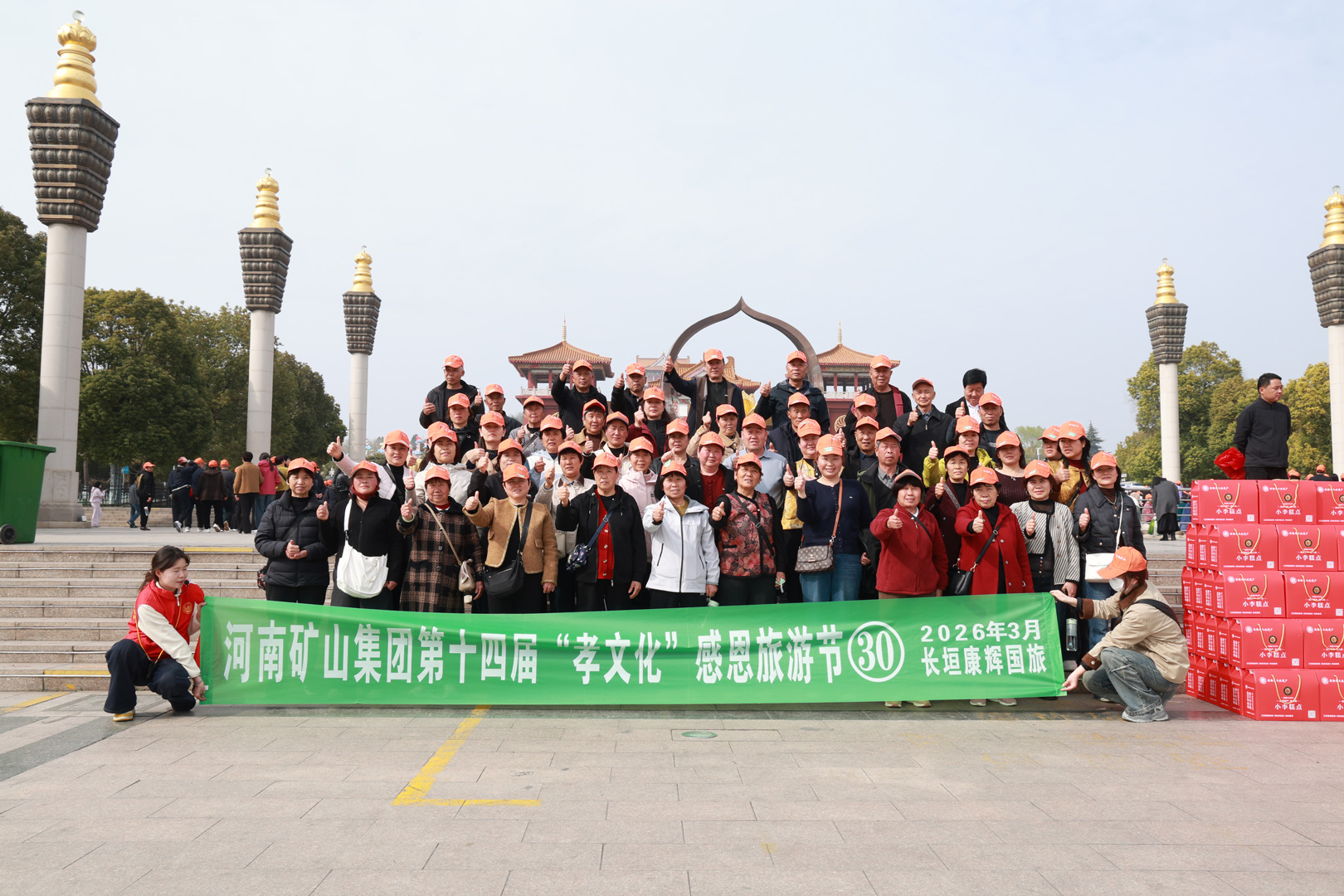
    The itinerary for Henan Mine Crane’s fourteenth parents’ appreciation tour outlined a six-day route through Xuzhou, Nanjing, Suzhou and Wuxi, starting on 24 March 2026.

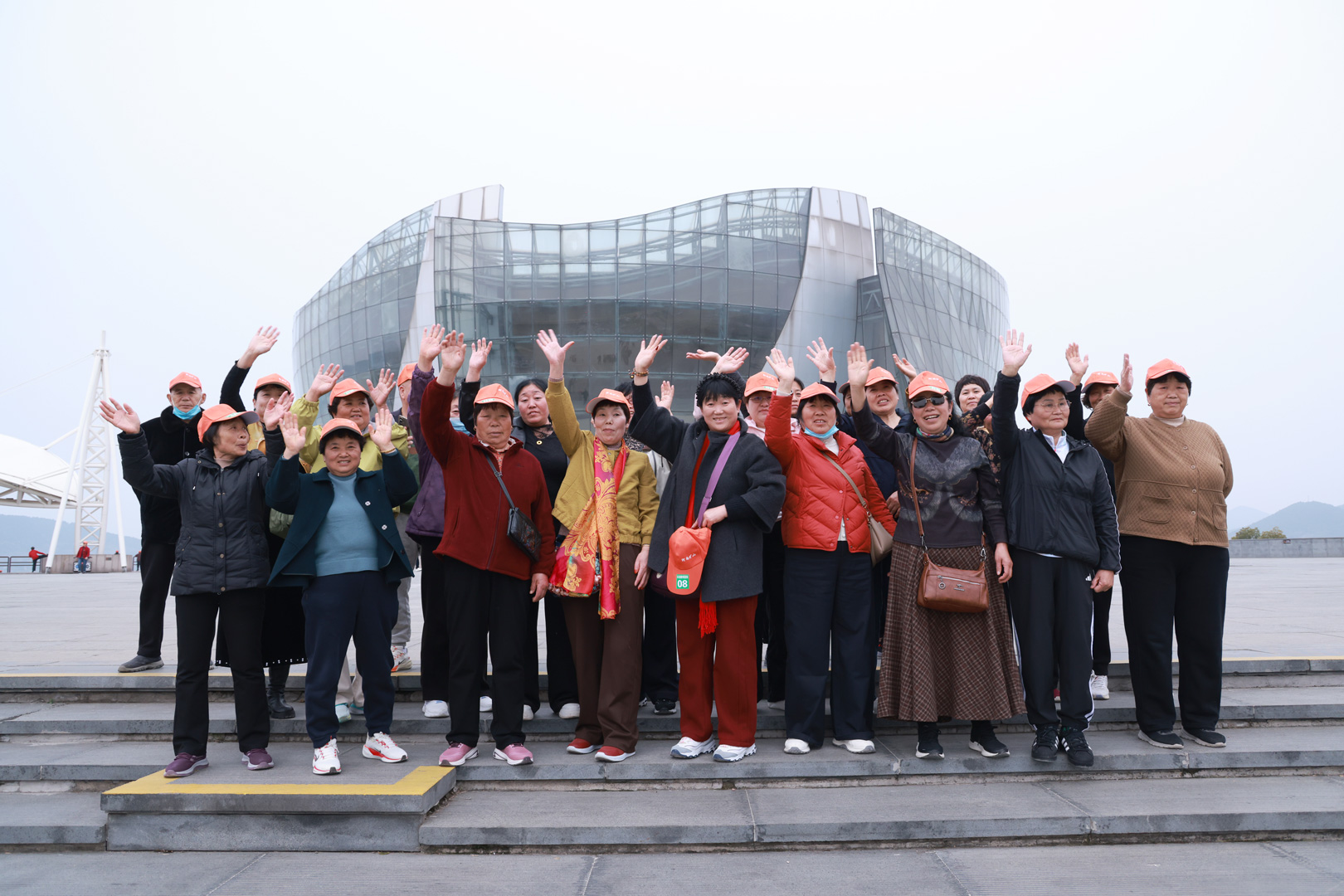
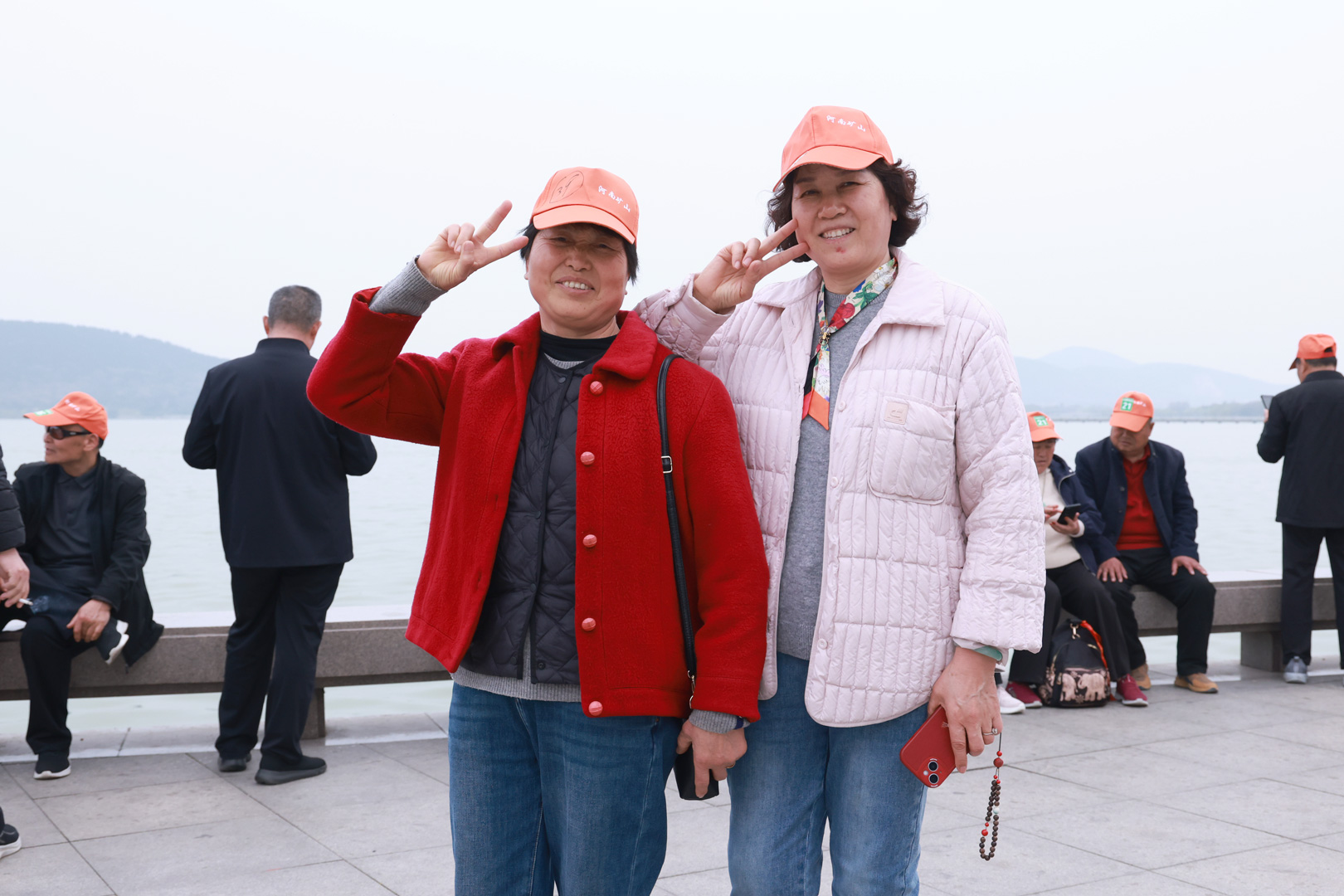
    Lakeside scenery included in the tour itinerary for Henan Mine Crane’s 2026 parents’ tour
    Lakeside scenery included in the tour itinerary.

    Four cities and a varied sightseeing programme

    The announced programme included Yunlong Lake and Baolian Temple in Xuzhou; Nanjing’s Qinhuai area, Sun Yat-sen Mausoleum and Niushoushan; Suzhou’s Tongli and Lingering Garden; and Wuxi’s Yuantouzhu and Lingshan Buddha.

    Departure and return arrangements

    More than 4,000 employees’ parents were expected to take part in the company-funded journey. The published plan began in Changyuan and included a return stage through Nanjing after the sightseeing programme.

    This itinerary announcement records the planned route. The separate completion report describes the finished tour.

    View the event photo gallery

    Contact Henan Mine Crane

    For product information, a manufacturing visit or a company enquiry, send the relevant details to our team.

  • Port Crane Productivity Features: Match Options to the Handling Cycle

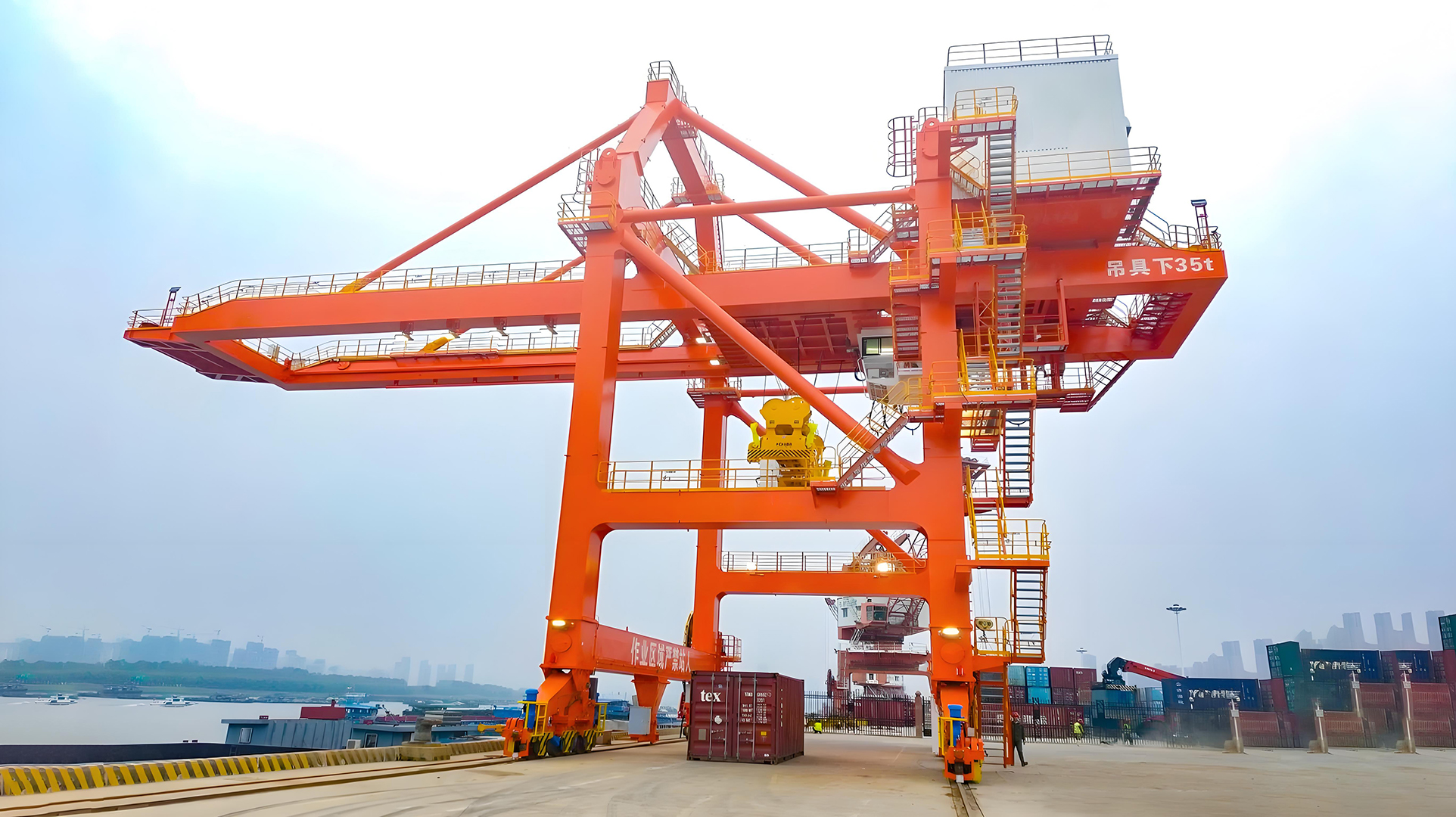
    Port Crane Productivity Features: Match Options to the Handling Cycle

    Technical guide

    Port Crane Productivity Features: Match Options to the Handling Cycle

    Faster individual motions do not automatically shorten a complete cargo cycle. Map the lift, transfer, positioning and handover stages before selecting controls or automation features intended to improve terminal throughput.

    Henan Mine CraneTechnical guide · Updated 2026Crane selection, project scope and operating requirements
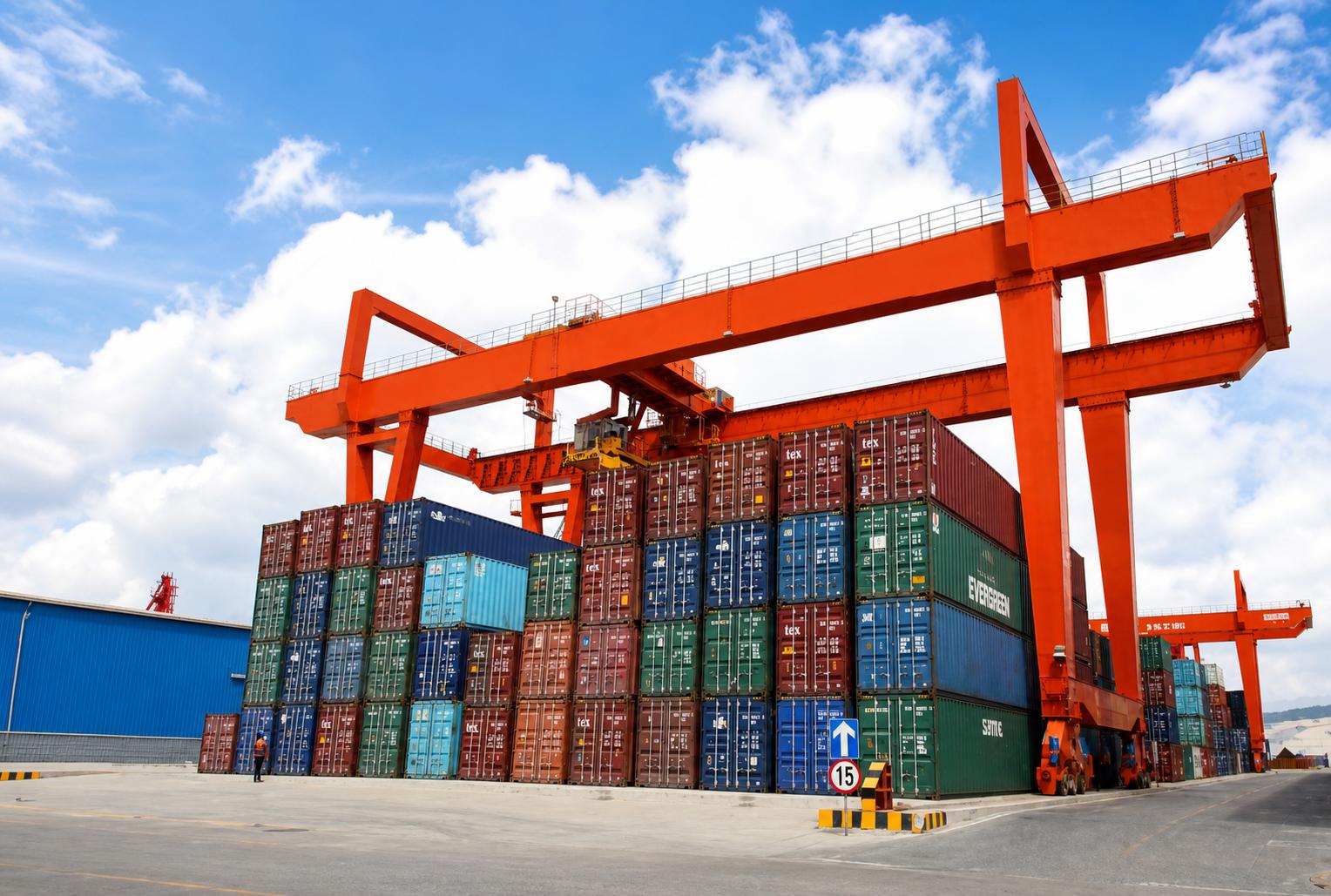
    port crane efficiency
    port crane efficiency
    Project planning notes

    Key points for this crane project.

    1. How Lifting Performance Affects Loading Speed
    2. How Positioning Systems Improve Handling Accuracy
    3. How Automation Improves Crane Productivity
    Read the technical guide

    How Lifting Performance Affects Loading Speed

    Lifting performance is the basic core ability of Henan Mine Crane manufactured port cranes, and it is also the core factor that directly determines the basic speed of port crane loading and unloading operations. Different from ordinary lifting equipment, port shore bridges and field bridges need to be adapted to high-frequency, continuous, and large-load operation scenarios. The three parameters of lifting speed, rated load, and trolley operation cooperate with each other to directly determine the efficiency of the single-box cycle operation of the port crane, which is the core guarantee of the basic throughput of the terminal.

    Hoisting speed

    The lifting speed of port cranes is the core dynamic parameter that affects the beat of container loading and unloading, and directly determines the time-consuming lifting and unloading of goods. The lifting speed parameters of traditional ordinary cranes are conservative, with low-speed operation at full load and limited speed-up at no load. In high-frequency batch operations, a lot of time loss will occur, which greatly reduces the overall operating efficiency of port cranes.

    Lifting capacity

    The rated lifting weight of a port crane is not simply the upper limit of the load, but the key index that determines the upper limit of the adaptability and efficiency of the crane operation. Port operations cover 20-foot and 40-foot standard containers, overweight and heavy-duty containers and special cargo. Insufficient lifting capacity will not only limit the scope of operations, but also frequent load-limiting and diversion operations, which will seriously slow down the overall loading and unloading progress.

    Professional port cranes strictly follow international port operating standards. The rated lifting weight under the spreader covers the mainstream range of 35t-65t. Large and ultra-heavy models can achieve heavy-duty operations of 80t and above, and are fully adapted to high-frequency operation scenarios such as 40-foot ultra-heavy containers and double-box stacking cranes. It is worth noting that the lifting performance of the equipment has been optimized by the professional load curve, and the rated load can still be maintained at a stable load under the condition of large extension distance, and the load will not plummet due to the increase of the operating radius. There is no need to repeatedly adjust the operating position and split the cargo operation, which greatly reduces the loss of adaptation to working conditions and ensures efficient and stable operation throughout the process.

    Trolley movement

    Trolley operation is the core action of container horizontal alignment, translation and drop-off. The speed, stability and accuracy of trolley operation directly affect the efficiency of loading and unloading alignment. Traditional crane trolleys mostly run at uniform speed, with large start-stop impact and high alignment deviation. They require repeated manual fine-tuning and consume a lot of alignment time. It is an invisible pain point that restricts the speed of the operation.

    The new generation of Henan Mine Crane manufactured port cranes is equipped with an intelligent frequency conversion trolley operation system to achieve three-stage smooth operation of acceleration, uniform speed and deceleration. The operating speed is controllable and adjustable, taking into account the translation efficiency and operating stability. High-speed translation can quickly complete the horizontal transfer of container ships between the shore and the yard, precise deceleration and buffering can avoid the shaking and offset of the cargo, and greatly reduce the time cost of manual correction and secondary alignment. In batch container loading and unloading operations, stable and efficient trolley operation performance can effectively compress the alignment time of each round of operations and continuously improve the overall operation beat.

    How Positioning Systems Improve Handling Accuracy

    The core of loading and unloading efficiency lies not only in speed, but also in accuracy. Many terminal equipment has excellent speed parameters, but due to insufficient positioning accuracy, problems such as alignment deviation, box bumps, and misalignment of boxes frequently occur, which not only requires rework adjustment and slows down the pace of operation, but also increases the risk of cargo loss and equipment failure. Through intelligent technology, the precision positioning system completely solves the problem of alignment accuracy, realizes one-time precise alignment and drop-off, and accelerates efficiency from the details.

    Anti-sway technology

    Cargo shaking is a common pain point in port lifting operations. During crane lifting, trolley translation, and cart travel, the box body can easily swing due to inertia. In traditional operations, you can only wait for the shaking to subside naturally. A single operation takes a few seconds or even tens of seconds to stabilize the box. The efficiency loss is great under high-frequency operations. At the same time, there are safety risks of the box colliding with the hull, yard, and adjacent cargo.

    Precision positioning

    Precise positioning technology relies on the integration of multiple technologies such as satellite positioning, laser ranging, and encoder real-time monitoring to achieve millimeter-level precise control of crane operating position and spreader landing point. In the traditional manual operation mode, the operator relies on experience to visually align, which is greatly affected by light, field of vision, weather, and operation proficiency. The alignment deviation is large, it takes a long time, and the accuracy of the operation is uneven.

    The modern intelligent positioning system can automatically calibrate the operation coordinates and correct the operating position of carts, trolleys, and spreaders in real time. The accuracy of the drop point can reach the millimeter level, which fully meets the high-precision requirements of high-density container stacking, precise loading and unloading of ships, and small space operations. Precise positioning does not require repeated manual fine-tuning, which greatly reduces the difficulty of operation, while avoiding box-dropping errors and stacking misalignment caused by alignment deviations, and reducing rework. In high-density depots and large-scale ship loading and unloading scenarios, the efficiency improvement effect is particularly significant.

    Automatic container alignment

    Automatic container alignment technology is the core configuration of efficient operation of intelligent ports, completely subverting the traditional manual visual alignment operation mode. The system can automatically identify container box corners, keyholes, ship space and yard positioning signs, match operating coordinates in real time, and independently complete the precise docking of spreaders and containers. The technology can be adapted to complex weather scenarios such as day and night operations, rain, snow and fog, and is not limited by light and field of vision, and maintains high-precision alignment around the clock. It is the standard core function of large-scale automated unmanned terminals and high-throughput terminals.

    How Automation Improves Crane Productivity

    Rising labor costs, low upper limits on manual operation efficiency, and poor operation stability are the core bottlenecks restricting the increase in the production capacity of traditional port operations. The landing application of automation technology has completely broken the limitations of manual operations, realized the standardized, continuous and efficient operation of lifting operations, greatly improved the production capacity of stand-alone machines and the overall operating efficiency of the terminal, while reducing the risk of human operation failure.

    Automated handling

    The automated loading and unloading operating system can realize the fully automatic flow of containers from the ship, the collection card, and the yard, without manual control throughout the process, and independently complete the whole process of lifting, translation, unloading, locking, and unlocking. The system is equipped with standardized operating procedures, and all operating processes are unified, standardized, and accurate, completely avoiding the arbitrariness, lag, and error rate of manual operations.

    In batch operation scenarios, automation equipment can maintain uninterrupted and stable operation for 24 hours, without efficiency loss such as manual rest, shift changes, and fatigue operations. Taking the domestic automated benchmark terminal as an example, the shore bridge equipped with a fully automatic loading and unloading system can stably reach 35-40 boxes per hour of natural box operation by a single machine, which far exceeds the production capacity of traditional manual operation equipment, and greatly improves the overall daily and monthly throughput of the terminal.

    Intelligent path planning

    Traditional crane operations rely on manual planning of the operating path, and there are problems such as redundant paths, repetitive positions, and untimely avoidance. There are too many invalid trips, which is a serious waste of operating time. Relying on big data algorithms and real-time operation scenario modeling, the intelligent path planning system can independently plan the optimal operation path based on the ship's docking location, container stacking location, peripheral equipment operation status, and traffic movement lines.

    The system can avoid operating obstacles in real time, actively avoid adjacent equipment, dynamically optimize the trajectory of carts, trolleys, and hoists, and minimize invalid position and waiting time. At the same time, it can realize the optimization of the collaborative operation path of multiple cranes, avoid mutual interference with equipment and operation congestion, greatly improve the overall operation efficiency of the terminal, and maximize the operational value of each equipment operation.

    Remote operation

    Remote control technology has completely changed the on-site high-altitude operation mode of the crane. The operator can remotely complete the equipment control in the central control room to get rid of the limitations of the on-site environment and high-altitude operation. This function not only improves the operating environment, reduces the intensity of manual labor, and improves the safety of operations, but also realizes a significant upgrade from the efficiency level. Remote control with high-definition video real-time return, multi-angle monitoring, and accurate sensor feedback, the operation field of view is more comprehensive and the response is more timely, and the operation lag and errors caused by the blind spot of the field of view are eliminated.

    How Crane Design Supports Different Port Operations

    The port operation scenarios are complex and diverse, covering standard containers, special heavy-duty cargo, boxes of different sizes, berths and yard operations under different working conditions. The structural design and adaptability design of the crane directly determine the adaptability of the equipment to working conditions. The universal, modular and flexible design can avoid the stagnation of operations and idle equipment caused by the limitations of the equipment's working conditions, and ensure efficient operation in multiple scenarios.

    Spreader compatibility

    The spreader is the core component of the crane docking container, and the compatibility of the spreader directly determines the type of cargo and adaptation scenarios that the equipment can operate. Traditional fixed spreaders can only be adapted to single-size containers, and manual replacement of spreaders is required when operating boxes of different specifications, which is time-consuming and laborious, which seriously affects the continuity of operations. The modern port crane is equipped with a modular universal spreader system, which supports fast and adaptive switching of 20-foot, 40-foot, and 45-foot standard containers, and is compatible with a variety of box types such as ordinary containers, reefers, and open-top boxes. Some models support simultaneous operation of double-box spreaders, which can complete double-box loading and unloading in a single time, doubling the operating efficiency.

    Working range

    The operating range covers core parameters such as crane lifting height, trolley track gauge, and trolley extension distance. Insufficient operating range is an important reason for the low efficiency of many old terminal equipment. Limited operating radius will cause large ships to be unable to dock, high-rise containers cannot be stacked, and the corner areas of the yard cannot be covered. Frequent adjustment of ship berths and splitting of operating areas will greatly reduce operating efficiency.

    Henan Mine Crane manufactured professional port crane has been designed with optimized structure, and the outer extension distance can cover mainstream large-scale berth specifications such as 48m and 65m. The lifting height is adapted to the needs of multi-layer container stacking and large-scale ship loading and unloading, and the ability to cover a wide range of operations can complete the entire ship and the entire yard at once, without repeated shifting and adjustment. Sufficient operating range allows the equipment to be adapted to the operation scenarios of high-capacity and large-size ships, greatly increasing the coverage of a single operation, and improving the overall throughput efficiency from the dimension of operation coverage.

    Container size flexibility

    At present, port cargo transportation is showing a diversified trend. In addition to conventional standard containers, the proportion of special-shaped size, ultra-heavy weight, and non-standard box cargo continues to increase. The flexibility of equipment size adaptation directly determines the adaptability of terminal operations and the efficiency of customs clearance. The new type of port crane adopts a flexible adaptation design, combined with adjustable spreaders and intelligent size recognition system, which can be independently adapted to container cargo of different lengths, heights and widths, without the need to retrofit equipment and replace accessories in advance. At the same time, the equipment supports the stable lifting of eccentric loads and irregular cargo, which is perfectly adapted to the needs of bulk collection, special boxes, and overrun boxes.

    How Reliability Affects Loading and Unloading Efficiency

    For continuous port operation scenarios, equipment reliability is the bottom line to ensure long-term efficient operation. No matter how excellent the speed, intelligence, and adaptability of the configuration, once the equipment fails frequently and stops for maintenance, it will lead to interruption of operations, ship stagnation, and yard congestion, resulting in economic losses that far exceed the benefits of operation speed-up. High-reliability design, long-term protection, and intelligent maintenance are the core guarantees for the continuous and efficient output of port equipment.

    Equipment durability

    The port terminal belongs to a harsh working environment with high dust, high humidity, high salt spray, and strong wind. The equipment runs continuously at high frequencies and large loads for a long time, and the structural strength and durability of the accessories are extremely demanding. Ordinary equipment with insufficient durability is prone to structural corrosion, component wear, hydraulic leakage and other problems, which frequently cause minor failures and interfere with the rhythm of operations. The port crane adopts a high-strength alloy steel structure and has undergone special treatment for anti-corrosion, anti-rust and anti-salt spray to adapt to the harsh working conditions of coastal ports. The core transmission, hydraulic, and electrical components are all equipped with high-end configurations in the industry.

    Reduced downtime

    The length of downtime is the core index to measure the comprehensive operating efficiency of port equipment. The shorter the non-operating downtime of the equipment, the longer the effective operating time, and the higher the terminal's production capacity. Relying on highly durable hardware configuration and intelligent preventive maintenance system, the equipment failure and shutdown rate is greatly reduced. At the same time, the equipment adopts a modular disassembly and assembly design, even if parts replacement and equipment overhaul are required, disassembly and assembly maintenance can be completed quickly, greatly shortening the maintenance time.

    Reduce sudden downtime, shorten maintenance downtime, avoid chain problems such as ship stagnation, yard congestion, and operation delays, and continuously improve the overall loading and unloading efficiency and operating income of the terminal from the perspective of long-term operation.

    Henan Mine Crane

    The efficiency enhancement of loading and unloading of port cranes relies on the all-round collaborative optimization of the performance of the whole machine, positioning accuracy, intelligent automation, adaptation of working conditions and stable operation and maintenance. It is difficult to achieve substantial production capacity improvement with a single parameter upgrade. High-quality port lifting equipment can be adapted to various terminal operation scenarios, reduce operation deviations and equipment downtime losses, continuously optimize operation beats and reduce operating costs. As a professional crane manufacturer, Henan Mine Crane Factory can customize and adapt high-efficiency intelligent port equipment according to different terminal berths, freight specifications and operating capacity requirements to help major terminals achieve stable efficiency, improve quality and reduce costs.

    Discuss the crane arrangement for your project.

    Faster individual motions do not automatically shorten a complete cargo cycle. Map the lift, transfer, positioning and handover stages before selecting controls or automation features intended to improve terminal throughput. Share the load, available drawings, working cycle and site conditions with Henan Mine Crane so the required configuration and supply boundary can be discussed.

    Related crane configurations

    Explore crane product families and technical parameters ↗

    Updated 2026 · Henan Mine Crane

  • 78 Coaches Depart with Employees’ Parents for the 2026 Appreciation Tour

    78 Coaches Depart with Employees’ Parents for the 2026 Appreciation Tour

    Company & People

    78 Coaches Depart with Employees’ Parents for the 2026 Appreciation Tour

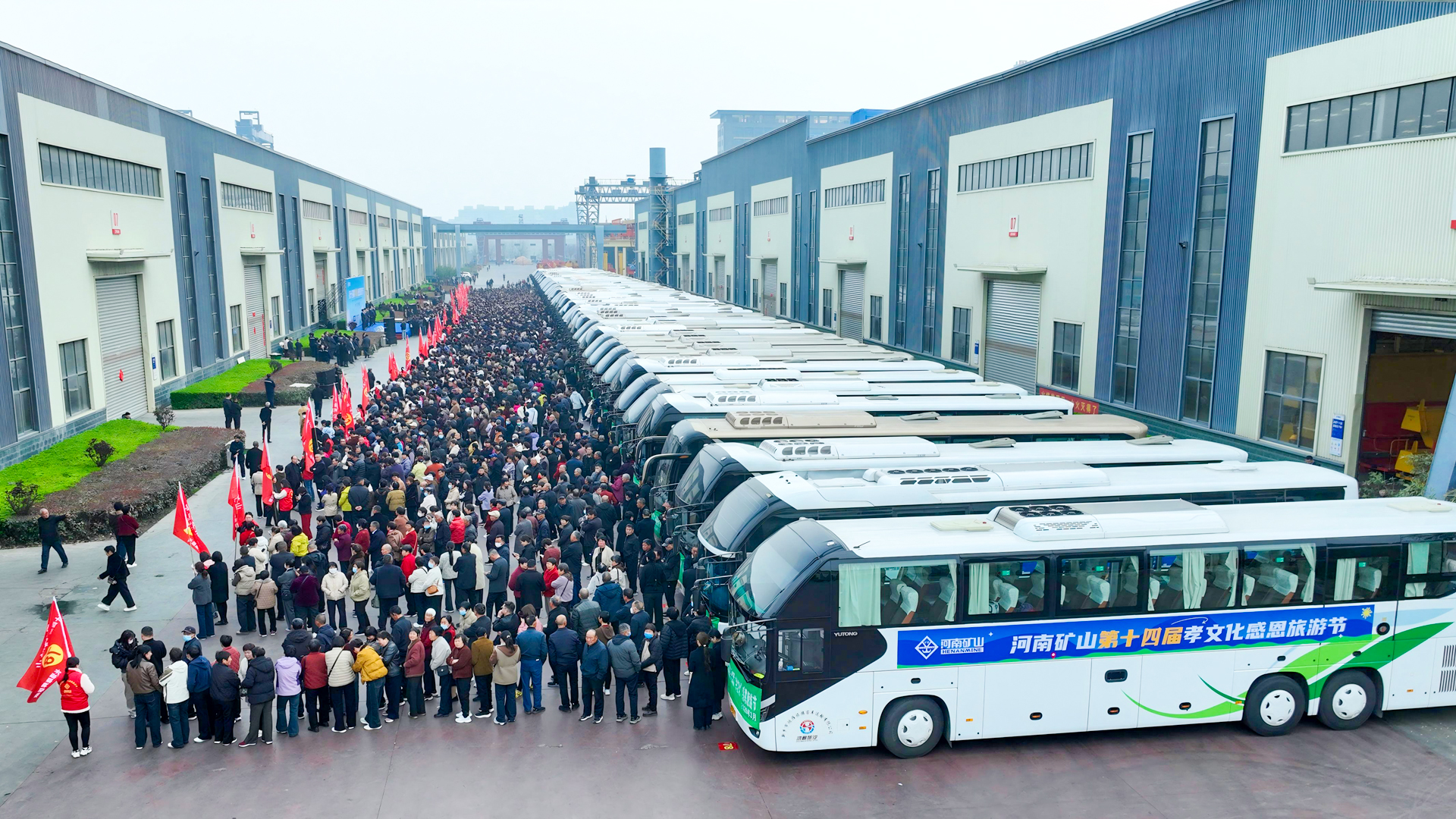
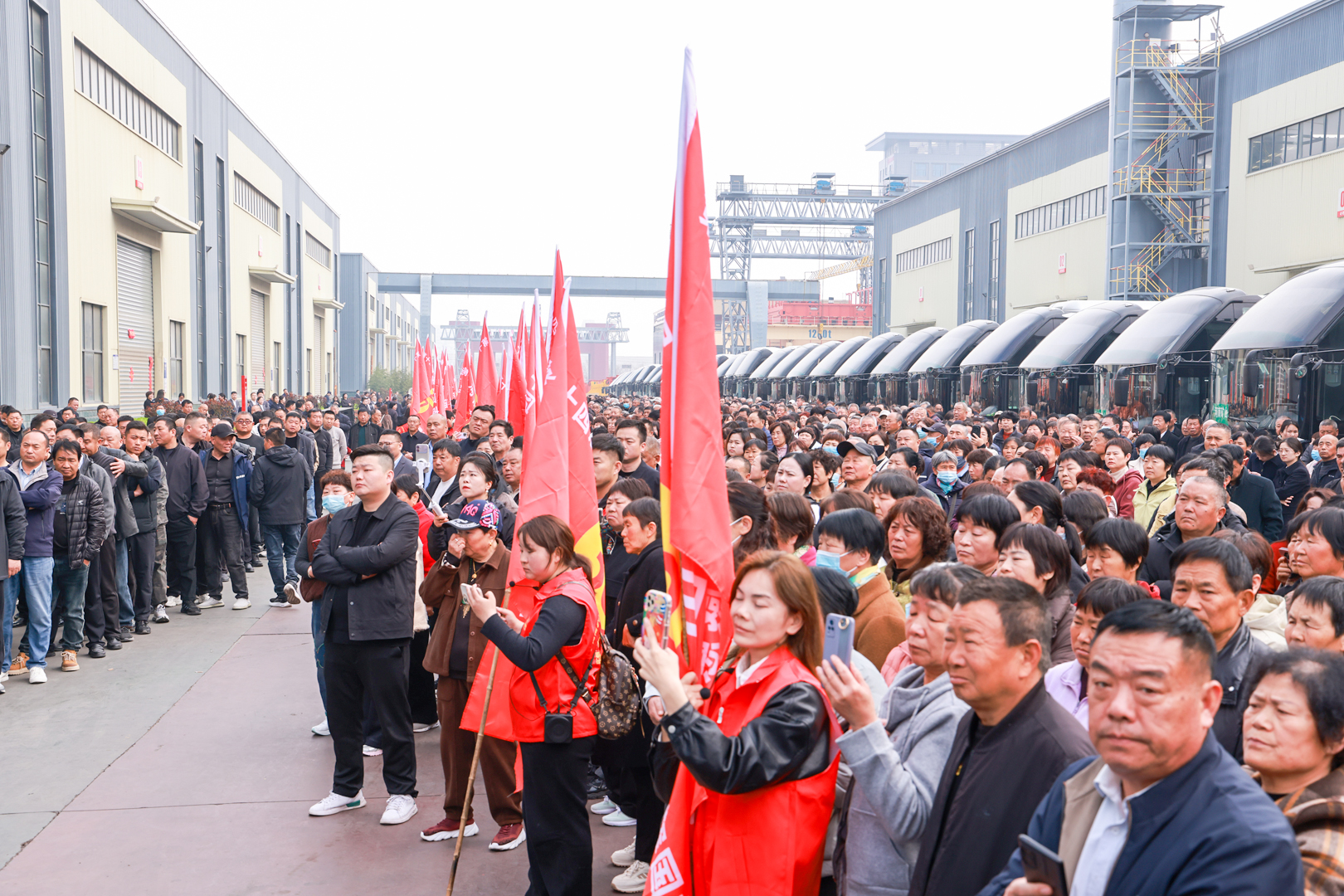
    Henan Mine Crane opened its fourteenth parents’ appreciation tour on 24 March 2026. More than 4,000 employees’ parents departed from the intelligent industrial park in 78 coaches.

    Coaches and participants lined up at the manufacturing park
    Coaches and participants lined up at the manufacturing park.

    Six days across four cities

    The announced route covered Xuzhou, Nanjing, Suzhou and Wuxi over six days. The company-funded programme was organised for employees’ parents as part of its recurring family-support activities.

    Travel organisation and participant care

    At the opening, organisers emphasised consideration for fellow travellers and the responsibilities of drivers and accompanying staff. Meals, travel and rest arrangements formed part of the support programme.

    View the event photo gallery

    Contact Henan Mine Crane

    For product information, a manufacturing visit or a company enquiry, send the relevant details to our team.

  • Parents’ Appreciation Tour Reaches Wuxi Before the Return Journey

    Parents’ Appreciation Tour Reaches Wuxi Before the Return Journey

    Company & People

    Parents’ Appreciation Tour Reaches Wuxi Before the Return Journey

    The Wuxi stage of Henan Mine Crane’s fourteenth parents’ appreciation tour brought employees’ parents to the Lingshan Buddha and Yuantouzhu before the journey home.

    Tour group at the entrance to the Lingshan scenic area during Henan Mine Crane’s 2026 parents’ appreciation tour
    Tour group at the entrance to the Lingshan scenic area.

    Visits around Wuxi and Taihu Lake

    The group visited the Lingshan Buddha and spent time at Yuantouzhu, a scenic area beside Taihu Lake. The accompanying photographs record sightseeing and group visits.

    Local hospitality and the return route

    A company partner in Wuxi provided gifts for the travelling parents. After the Wuxi programme, the group travelled towards Nanjing for the return stage of the six-day tour.

    View the event photo gallery

    Contact Henan Mine Crane

    For product information, a manufacturing visit or a company enquiry, send the relevant details to our team.

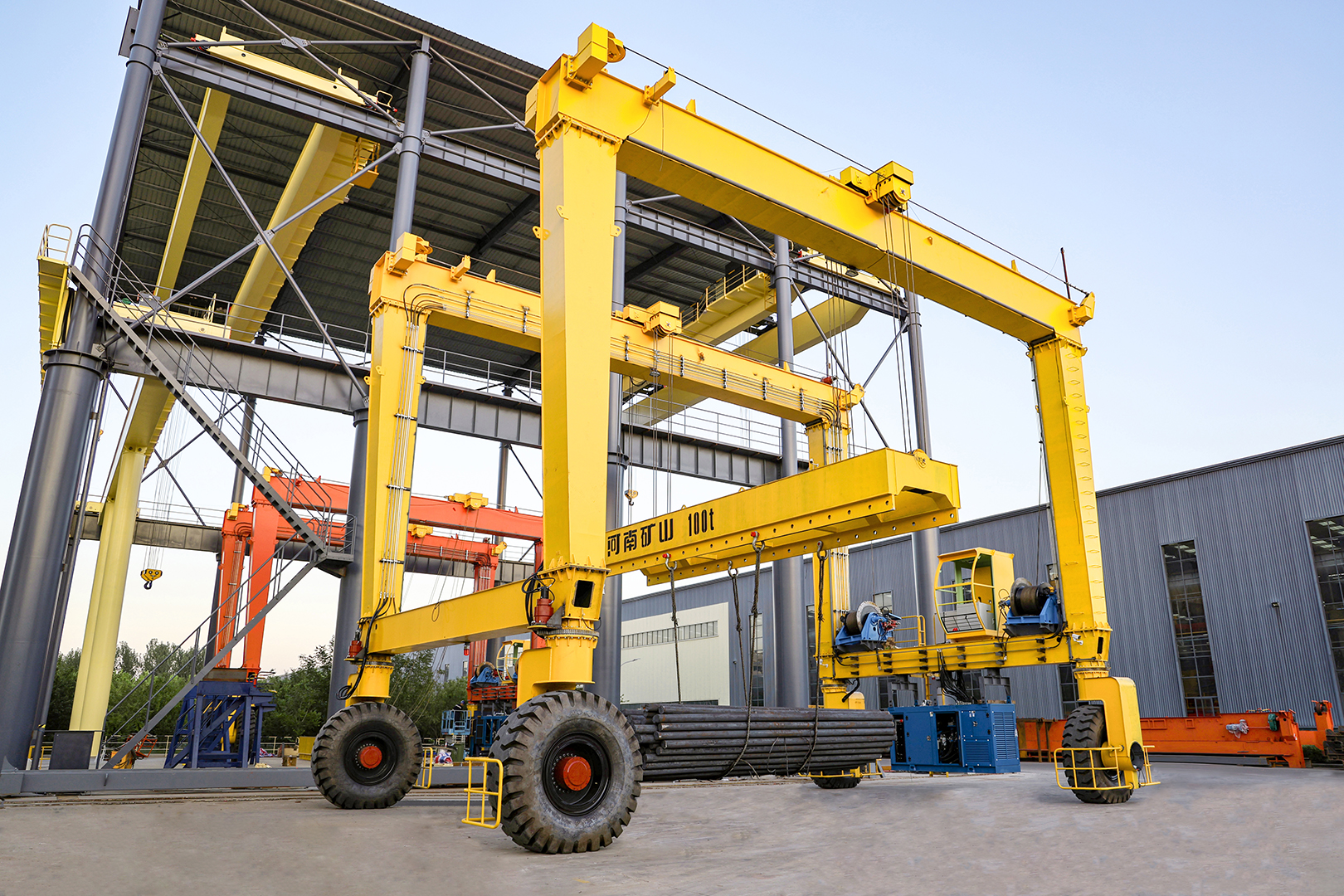
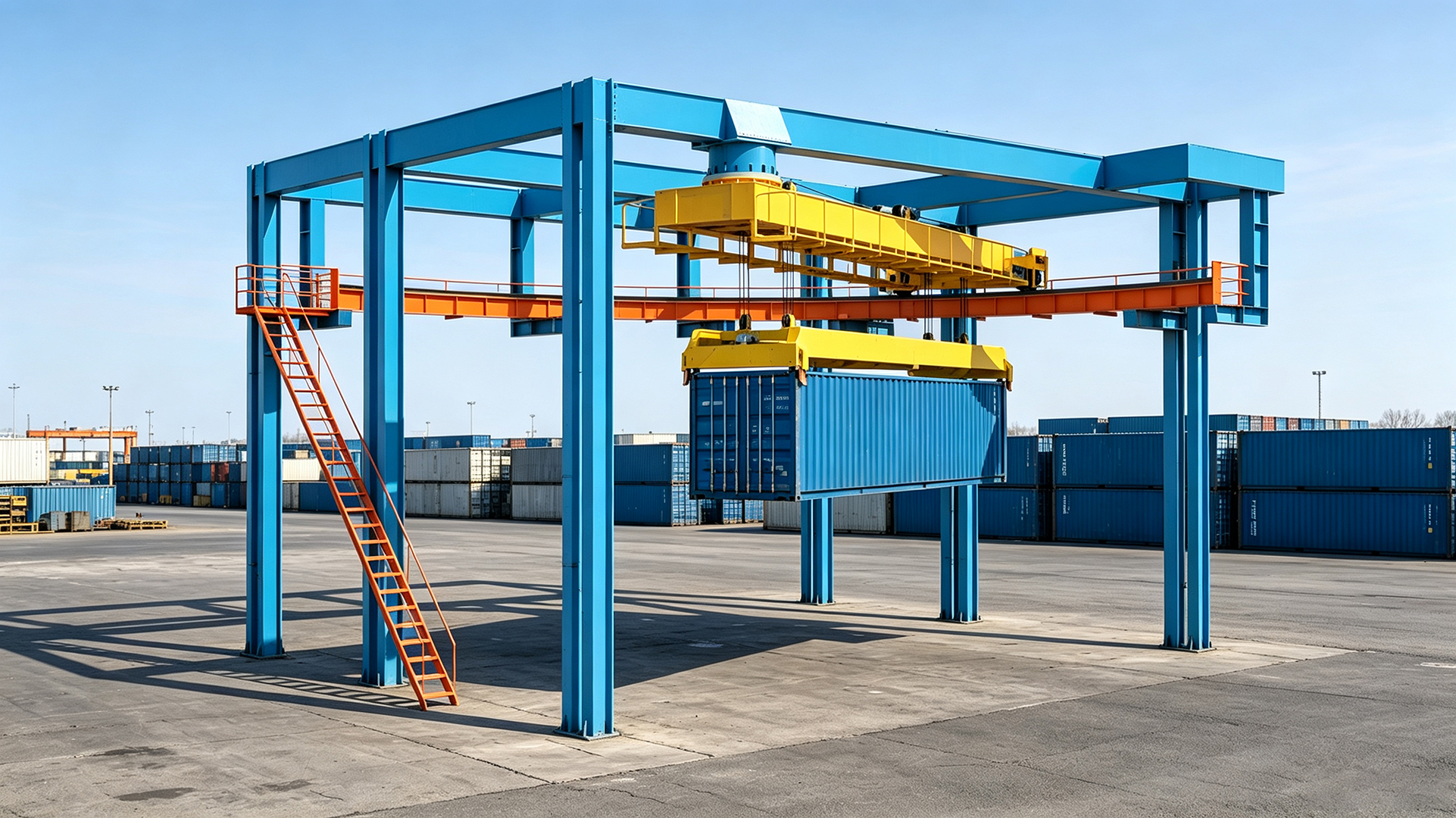
  • Double-Girder Gantry Cranes for Outdoor Port Lifting: Selection Inputs

    Double-Girder Gantry Cranes for Outdoor Port Lifting: Selection Inputs

    Technical guide

    Double-Girder Gantry Cranes for Outdoor Port Lifting: Selection Inputs

    Outdoor heavy lifting requires a coordinated review of payload, runway conditions and environmental exposure. Provide the cargo geometry and operating route so the gantry arrangement can be checked against the actual port site.

    Henan Mine CraneTechnical guide · Updated 2026Crane selection, project scope and operating requirements
    Double-Girder Gantry Cranes for Outdoor Port Lifting: Selection Inputs
    Henan Mine Crane lifting equipment
    Project planning notes

    Key points for this crane project.

    1. Structural Advantages of Double Girder Gantry Cranes
    2. MG Universal Double Girder Gantry Crane
    3. RMG (Rail Mounted Container Gantry Crane)
    Read the technical guide

    Structural Advantages of Double Girder Gantry Cranes

    Core structural components

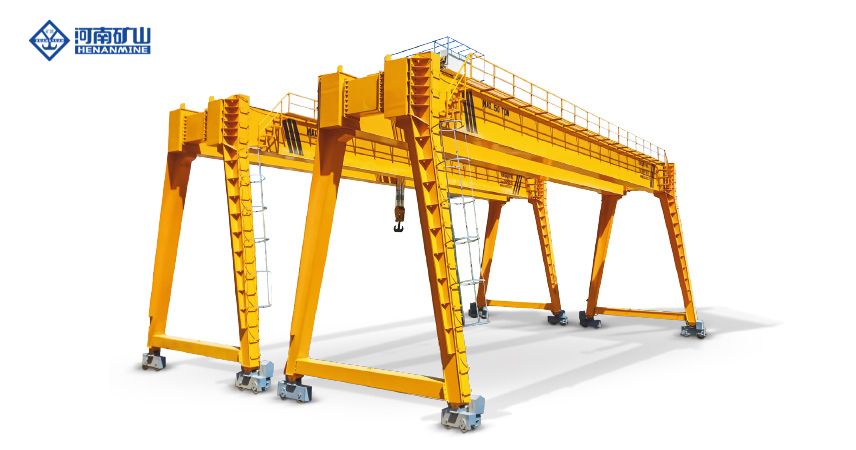
    The core structure of Double Girder Gantry Crane consists of four main components, namely two parallel main girders, outriggers on both sides, ground track travelling mechanism and hoisting trolley system.

    Among them, the hoisting trolley runs along the top rail of the main girder. Compared with the single girder design, the hook position can be lifted above the plane of the main girder, obtaining an additional hook height of 450mm to 900mm, which is especially critical in scenarios such as multi-layer cargo stacking and lifting of tall components in ports, and can effectively adapt to the height requirements of port operations.

    Load-bearing performance advantages

    The core load-carrying advantage of the double girder structure lies in the load dispersal design. The two main girders bear the load independently, which makes the static deflection and dynamic deflection of the whole machine much smaller than that of a single girder crane of the same span, and the structural rigidity is better.

    Functional expansion and maintainability advantages

    Double girder gantry cranes have greater functionality and expandability. The bridge deck space between the two main girders can be installed with an access platform to provide a safe working platform for the main maintenance personnel;

    The top of the main girder can also be integrated with cabs, lighting systems, windproof anchorage devices and other ancillary facilities, solving the single girder structure space constraints, unable to accommodate a variety of ancillary configurations of the pain point.

    Combined with the high-intensity, 24-hour continuous operation characteristics of the harbour, the maintainability of the equipment directly affects the annual downtime and comprehensive operating costs, and this advantage of the double girder design can effectively reduce operational losses and improve operational continuity.

    MG Universal Double Girder Gantry Crane

    The MG model is mainly responsible for bulk cargo handling and bulk material stacking in port yards, which is a cost-effective choice for medium-sized general cargo ports, and the spreader can be flexibly changed to improve the utilisation rate.

    From the parameter selection point of view, port outdoor open-air scene should give priority to the choice of working class A6 or A7 MG type gantry crane. A6 corresponds to the heavy duty working system, the number of working cycles per day, high utilisation rate, to meet the port of the daily multi-shift continuous operation of the intensity of the demand;

    A7 is suitable for all-weather high-frequency operation of busy terminals. In terms of anti-corrosion treatment, coastal ports should require the whole machine structure to adopt anti-salt spray anti-corrosion coating system, and the electrical system is equipped with IP55 or above protection level to resist the corrosive attack of the marine atmosphere.

    MG type universal double girder gantry crane core parameters reference

    • Span: 12m~35m, can be customised to a larger span according to the actual needs of the port yard, suitable for all kinds of site conditions.
    • Lifting height: 6m~20m, can be flexibly customised according to the stacking height of the yard to meet the needs of multi-layer cargo lifting.
    • Working class: covering A5, A6, A7, can be accurately matched according to the intensity of port operations, to ensure the stable operation of the equipment.
    Double-Girder Gantry Cranes for Outdoor Port Lifting: Selection Inputs
    Lifting equipment and application context

    RMG (Rail Mounted Container Gantry Crane)

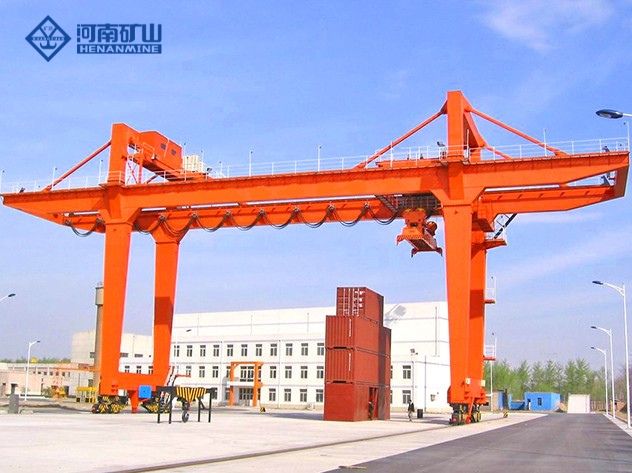
    RMG (Rail Mounted Container Gantry Crane) is the core equipment of container port area, travelling along the ground track, equipped with automatic telescopic spreader, can accurately grab 20 feet, 40 feet standard containers, the operational efficiency is much higher than manual and forklift.

    Compared with RTG, RMG has better stability, accuracy and lower energy consumption.

    RMG core parameters reference

    • Main accessories: Equipped with cargo hooks, grabs, electromagnetic suction cups, lifting beams and other commonly used lifting tools, which can be switched on demand to enhance the utilisation rate of the equipment.
    • Applicable port types: widely applicable to bulk cargo ports, integrated freight terminals, railway container freight stations and open-air cargo yards, with strong versatility.
    • Working level: A6~A8, suitable for high-frequency and high-intensity continuous operation in container ports.
    • Applicable port types: large container ports, railway container loading yards, inland container transfer stations.
    • Power supply: cable reel, slip line or bus duct power supply, all-electric drive design, green and low emission, in line with the demand of port environmental protection.

    Heavy Duty Double Girder Gantry Crane for Shipbuilding

    Gantry cranes for shipbuilding usually use double trolley configuration: the main trolley is responsible for the lifting of the main segments, the deputy trolley is used for auxiliary positioning and turning, the two cars can work together to complete the super-long, super-heavy workpiece into the position of the precise.

    In order to adapt to the outdoor marine environment, the structural steel is made of high-strength weather-resistant steel, and the thickness of the surface anticorrosion coating is usually more than 250 microns, and it is equipped with multiple safety systems such as high wind alarm, automatic windproof anchoring, and anti-deviation limitation.

    The procurement cycle of this type of equipment is usually 12 to 36 months, and it is necessary to synchronise the equipment selection and foundation design work at the dockyard design stage to ensure that the parameters between the track, foundation and crane are coordinated.

    Five Key Dimensions in The Selection of Outdoor Double Girder Gantry Cranes for Harbours

    Lifting capacity and span of the synergistic match

    Special attention should be paid to the fact that the rated lifting capacity refers to the combined weight of the hook and all attachments below it (including spreaders, slings, stretcher beams, etc.).

    Precise positioning of work levels

    The working level (defined as Class A by ISO standard, corresponding to GB/T 3811 by Chinese standard) is the most neglected but most far-reaching parameter in the selection of cranes. Class A5 is suitable for general yard operations with medium frequency and medium load spectrum;

    Class A6 is suitable for high-frequency, heavy-load continuous port operations and is the benchmark configuration for most container ports and bulk terminals;

    Class A7 is suitable for 24-hour, high-intensity, continuous production operations, such as coal loading in coal bunkers of power plants and raw material yards of steel mills, etc. Class A8 corresponds to the most severe continuous full-load working conditions. Selecting a low working class can lead to a serious reduction in the fatigue life of the equipment, often resulting in structural problems such as cracks in the main girder within 3 to 5 years.

    Wind resistance and corrosion protection

    In the open-air operating environment of the port, wind load and salt spray corrosion are the two major ‘natural enemies’ of equipment life. Coastal ports should require the whole machine according to the design of not less than 11 gusts of non-working wind resistance, and configure automatic wind anchorage device (typhoon anchorage piles);

    Power supply and drive system

    Large span, high-capacity double girder door crane electrical drive system is the key to influence the operational efficiency and energy consumption.

    The degree of automation and future scalability

    With the advancement of port intelligent upgrading, the potential of automation transformation of cranes has become an important dimension of the procurement decision. For new container ports, it is recommended to reserve automation interfaces during selection:

    The control system adopts PLC architecture and reserves the communication protocol of the upper system (e.g. OPC-UA), the trolley and trolley travelling encoder reserves the absolute value signal output, and reserves the installation space and wire slots for the future addition of laser anti-shaking, machine vision alignment and other modules.

    Selection and Procurement Precautions

    Avoid the core misunderstanding when purchasing: Do not take the lifting capacity as the only reference and ignore the working level that determines the life of the equipment, the configuration and price difference between different working levels of the same tonnage (e.g.

    Emphasis on after-sales service and spare parts supply: suppliers are required to commit to a 5-year local reserve of key spare parts, 2-4 hours on-site response, and give preference to vendors with local technical service outlets to shorten the troubleshooting cycle and reduce operational risks.

    Discuss the crane arrangement for your project.

    Outdoor heavy lifting requires a coordinated review of payload, runway conditions and environmental exposure. Provide the cargo geometry and operating route so the gantry arrangement can be checked against the actual port site. Share the load, available drawings, working cycle and site conditions with Henan Mine Crane so the required configuration and supply boundary can be discussed.

    Related crane configurations

    LH Electric Hoist Double Girder Crane

    View product parameters
    Lifting capacity: 3, 5, 10, 16, 20 tSpan: 10.5–31.5 mLifting height: 6, 9, 12 or 18 m

    Use an LH double-girder bridge with an electric-hoist trolley for workshop lifting, assembly and maintenance. Match the hoist arrangement to the suspended load, hook travel and available building space.

    Double Girder Electric Hoist Gantry Crane

    View product parameters
    Lifting capacity: 3t – 50tSpan: 7.5m – 35mLifting height: 4m – 30m

    Cover an outdoor handling area with a double-girder gantry and electric-hoist trolley. Select the load rating, leg geometry, cantilever arrangement and travel coverage around the yard layout.

    Updated 2026 · Henan Mine Crane

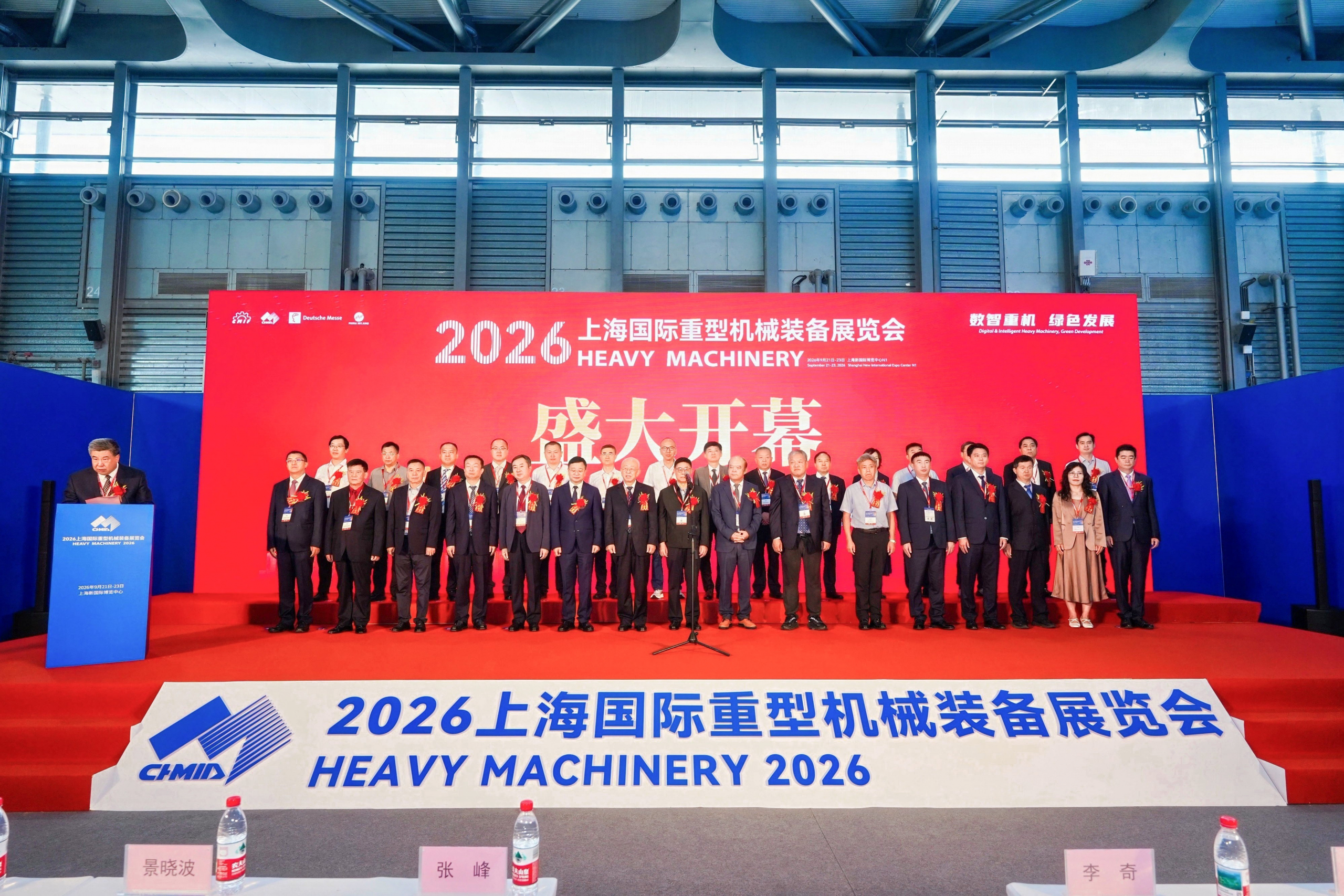
  • Henan Mine Crane Exhibits at the 2026 Shanghai Heavy Machinery Show

    Henan Mine Crane Exhibits at the 2026 Shanghai Heavy Machinery Show

    Industry & Partnerships

    Henan Mine Crane Exhibits at the 2026 Shanghai Heavy Machinery Show

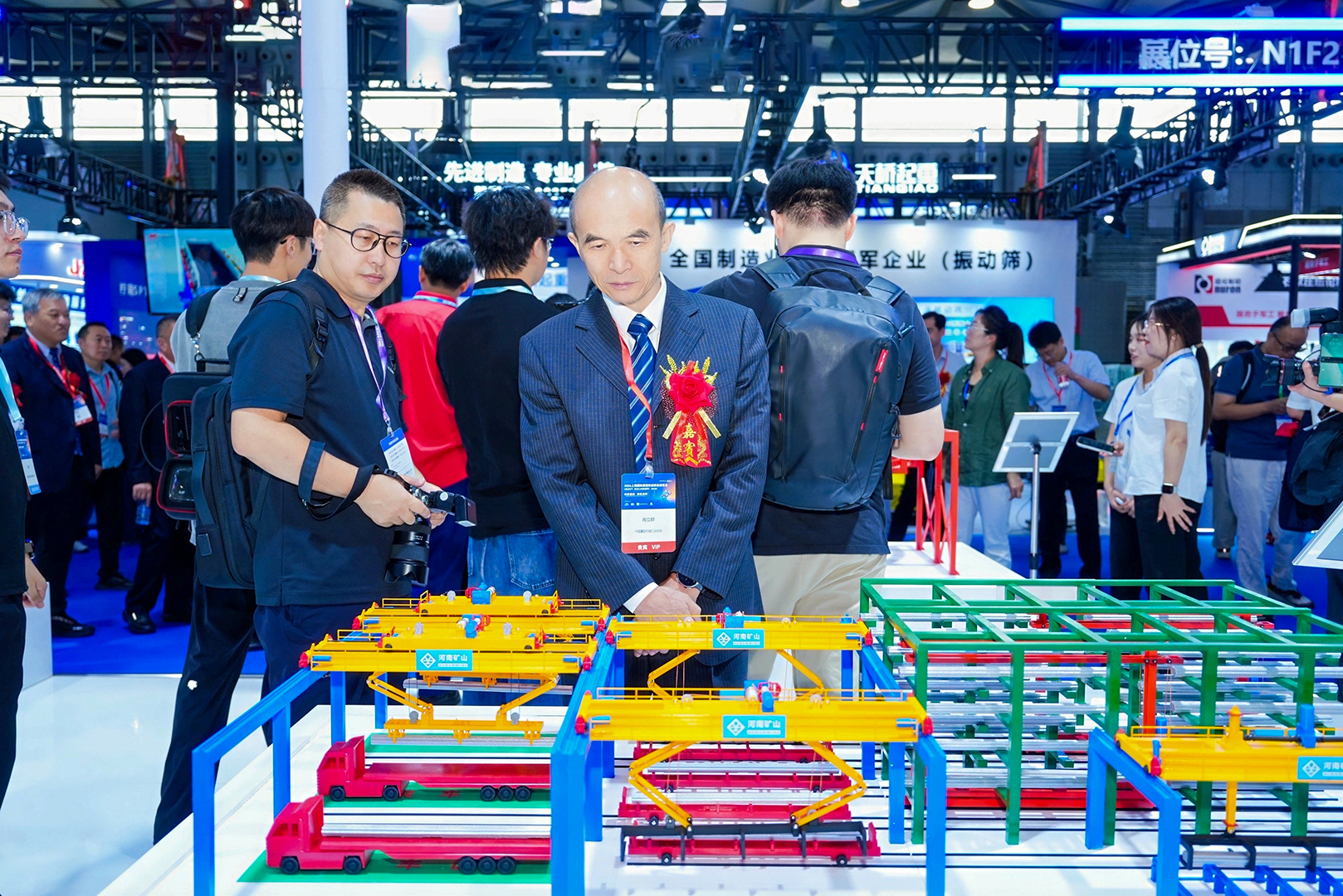
    Henan Mine Crane presented lifting equipment and handling technologies at the Shanghai New International Expo Centre on 21 September 2026.

    Visitors studying a container crane model at the exhibition
    Visitors studying a container crane model at the exhibition.

    Equipment and application discussions

    The exhibition display brought crane configurations, technical developments and industrial handling applications together at stand N1F1. Visitors included industry representatives, technical specialists and potential project partners.

    Turn an exhibition discussion into a specification

    For a new lifting project, the useful starting information is the load, work area, lifting height and operating cycle. A building layout and details of the handled material help the technical team compare suitable crane arrangements.

    Continue your technical discussion

    Send the lifting task, required capacity and site drawing. We can discuss the equipment arrangement and the next information needed for a proposal.

  • Mid-Autumn Benefit Deliveries Begin for Henan Mine Crane Sales Families

    Mid-Autumn Benefit Deliveries Begin for Henan Mine Crane Sales Families

    Company & People

    Mid-Autumn Benefit Deliveries Begin for Henan Mine Crane Sales Families

    Henan Mine Crane began its annual Mid-Autumn benefit delivery programme on 18 September 2026, recognising the contribution of sales employees and their families.

    Vehicles assembled for Mid-Autumn benefit deliveries
    Vehicles assembled for Mid-Autumn benefit deliveries.

    A four-day delivery programme

    The programme arranged 35 vehicles to deliver festival packages to 1,750 sales employee representatives over four days. The deliveries preceded the company’s thirteenth Mid-Autumn family festival, scheduled for 23–24 September.

    Recurring employee and family activities

    The benefit deliveries form part of the company’s recurring employee-family programmes. The annual Mid-Autumn festival brings employees and parents together for a shared celebration.

    View benefit delivery photographs

    Contact the equipment team

    For a crane project, send your application and site requirements so your enquiry can be directed to the relevant team.

  • Henan Mine Crane Joins SEW’s Foshan Opening and Discusses Drive Cooperation

    Henan Mine Crane Joins SEW’s Foshan Opening and Discusses Drive Cooperation

    Industry & Partnerships

    Henan Mine Crane Joins SEW’s Foshan Opening and Discusses Drive Cooperation

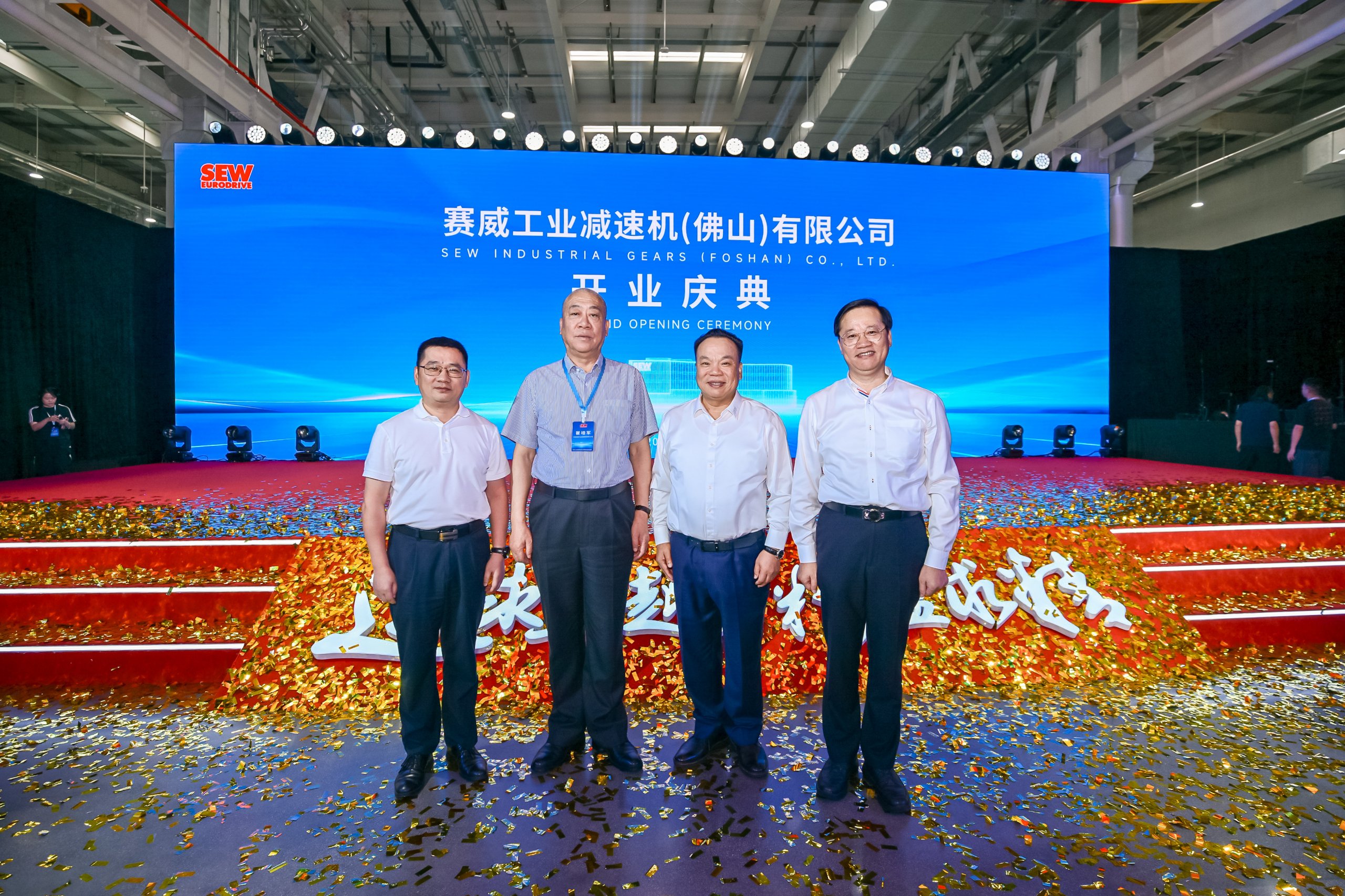
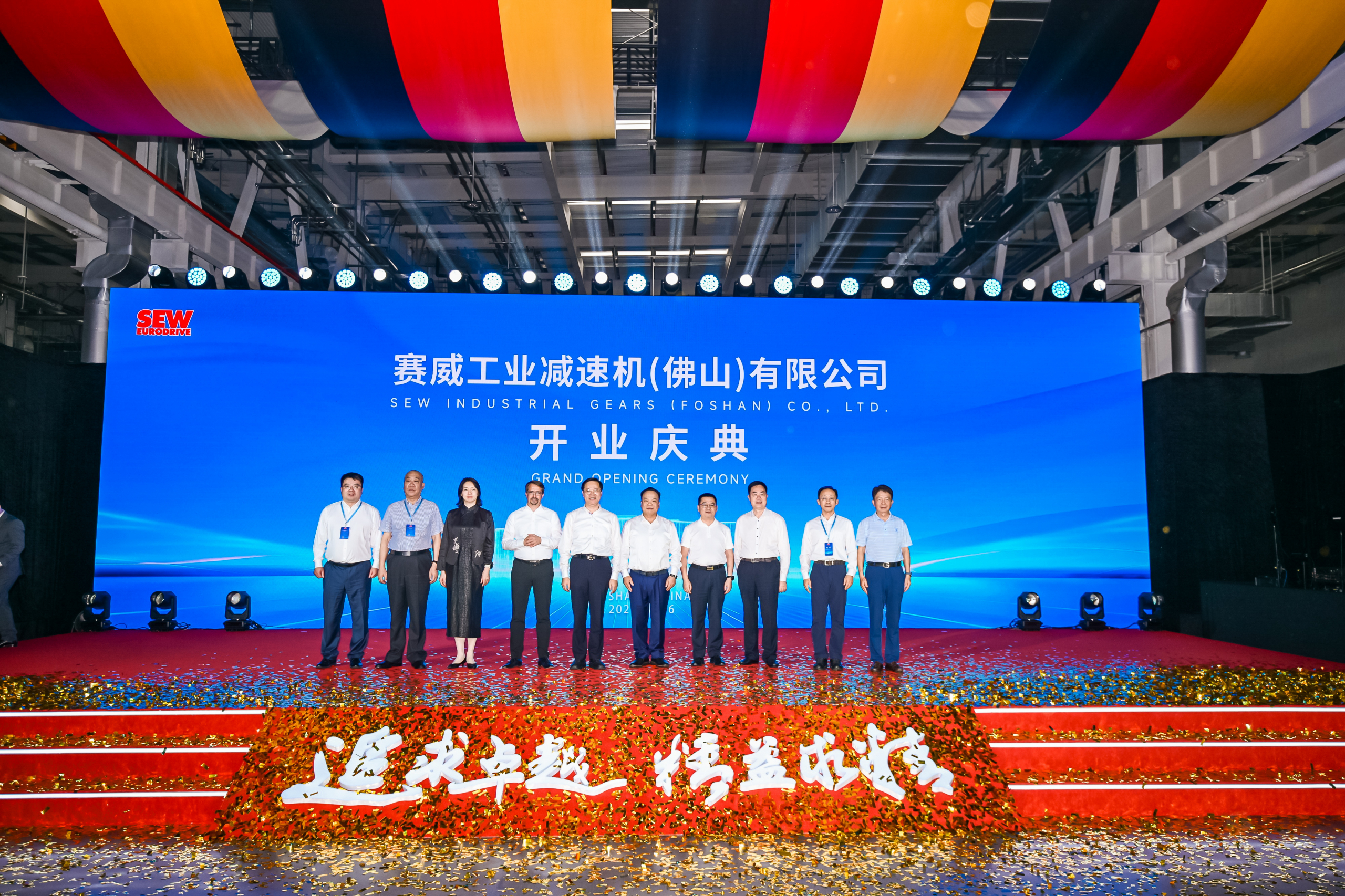
    Henan Mine Crane took part in the opening of SEW’s Foshan branch on 16 September 2026. The event provided an opportunity to discuss future cooperation in drive technology and crane development.

    Representatives at the SEW Foshan opening ceremony
    Representatives at the SEW Foshan opening ceremony.

    Drive systems and automation

    The exchange covered the relationship between crane manufacturing, transmission systems, intelligent drives and industrial automation. Henan Mine Crane’s founder Cui Peijun attended and addressed the opening event.

    Specify components around the lifting task

    A cooperation announcement does not define the bill of materials for every crane. For procurement, drive selection should be confirmed against duty, travel speed, control requirements, ambient conditions and the agreed technical specification.

    Discuss your crane drive requirements

    Share the load spectrum, working cycles, travel speeds and preferred component requirements for your equipment enquiry.

  • Xuzhou Opens the Sightseeing Programme for Employees’ Parents

    Xuzhou Opens the Sightseeing Programme for Employees’ Parents

    Company & People

    Xuzhou Opens the Sightseeing Programme for Employees’ Parents

    Xuzhou was the first sightseeing stop on Henan Mine Crane’s fourteenth parents’ appreciation tour, with visits to Baolian Temple and Yunlong Lake.

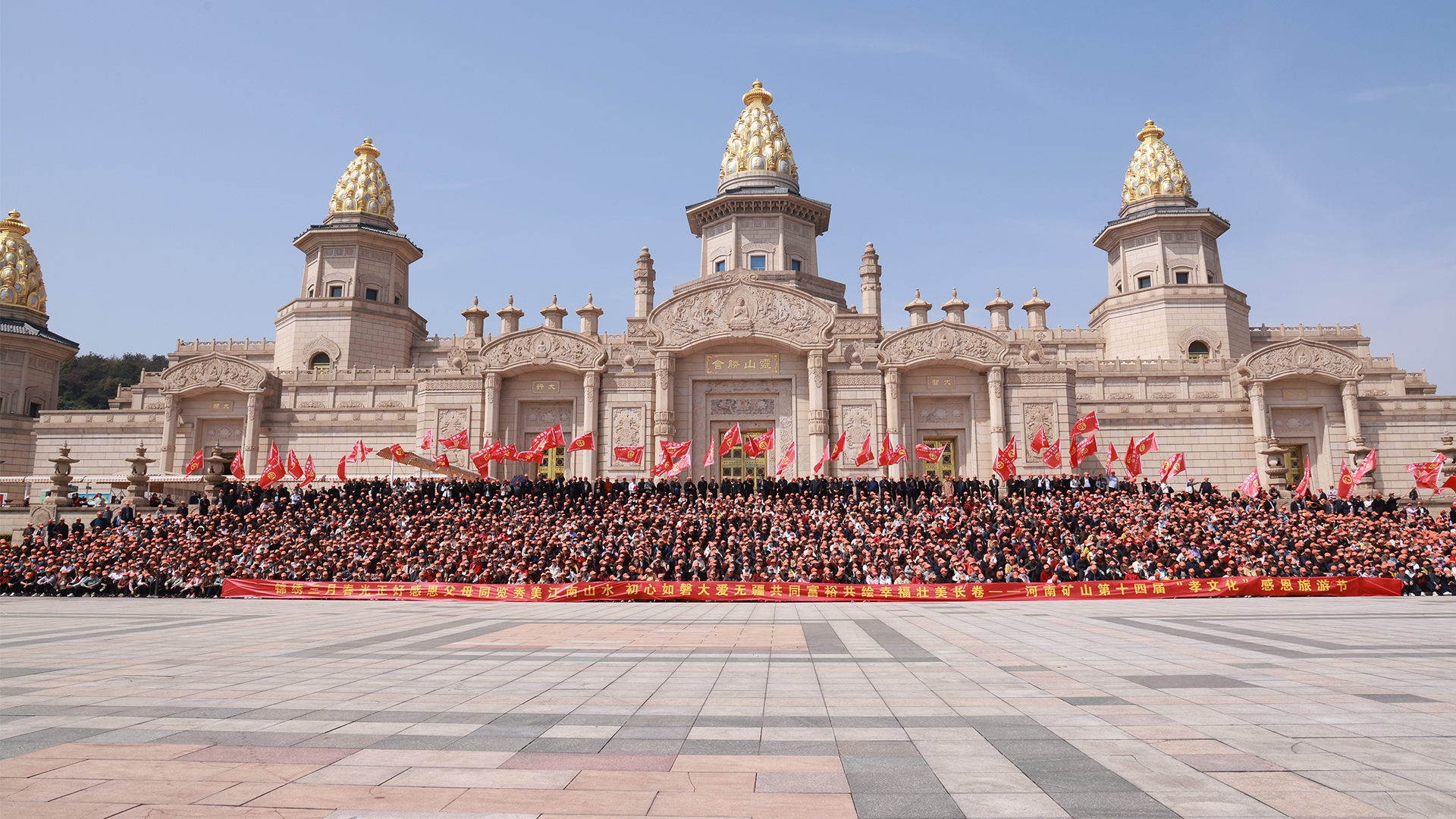
    Tour group holding a banner in the temple forecourt during Henan Mine Crane’s 2026 parents’ appreciation tour
    Tour group holding a banner in the temple forecourt.

    Baolian Temple and Yunlong Lake

    The travelling parents toured Baolian Temple and took group photographs before continuing to Yunlong Lake. The lakeside programme provided time for walking and sightseeing together.

    Support from the Xuzhou branch

    The company’s Xuzhou branch prepared local gifts for participants. Dinner and accommodation were arranged before the group’s onward journey to Nanjing.

    View the event photo gallery

    Contact Henan Mine Crane

    For product information, a manufacturing visit or a company enquiry, send the relevant details to our team.

  • Overhead Crane Radio Control: Visibility, Access and Operating Requirements

    Overhead Crane Radio Control: Visibility, Access and Operating Requirements

    Technical guide

    Overhead Crane Radio Control: Visibility, Access and Operating Requirements

    Radio control changes where the operator can stand, but it must suit the lifting task and site layout. Review sight lines, operating zones, control functions and emergency arrangements when comparing it with pendant or cabin operation.

    Henan Mine CraneTechnical guide · Updated 2026Crane selection, project scope and operating requirements
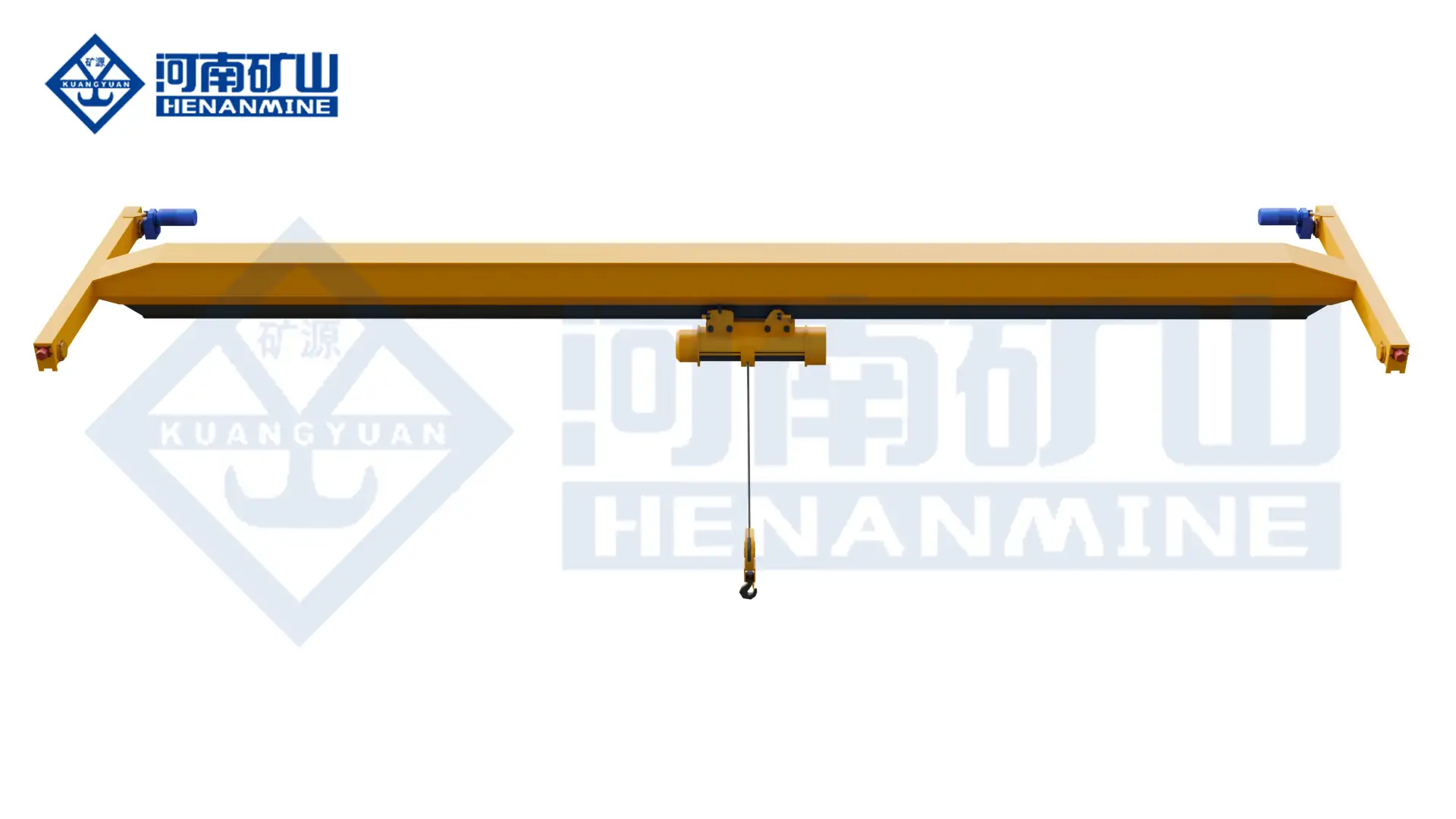
    Henan Mine Crane Single-Girder Bridge Crane
    Henan Mine Crane Single-Girder Bridge Crane
    Project planning notes

    Key points for this crane project.

    1. What Is Remote Control for an Overhead Crane?
    2. When Does Remote Control Make Sense?
    3. When a Pendant Control May Still Be the Better
    Read the technical guide

    What Is Remote Control for an Overhead Crane?

    The remote control system of bridge crane is an intelligent control system that relies on radio frequency technology to transmit operating instructions to the crane receiving terminal through handheld transmitting equipment to get rid of the shackles of wired cables. Unlike the wired handle control of traditional fixed cables, the wireless remote control allows the operator to freely adjust the operating position, which is one of the core configurations of modern industrial crane upgrades.

    Wireless remote control VS wired handle control

    The wired handle is standard for traditional control. The advantage is that the connection is stable, there is no signal interference, no need to charge, and the cost is low. It is suitable for simple and low-frequency hoisting operations; the disadvantage is that the scope of operation is limited by the cable, there are hidden dangers of cable wear, fracture, and personnel stumbling, and the flexibility is poor.

    The wireless remote control relies on radio frequency signal control to get rid of the shackles of cables. The operator can freely choose the best operating station, with a better field of vision, greater safety and flexibility, and adaptability to complex working conditions. The shortcoming is the need to maintain the battery regularly, avoid radio frequency interference, and the initial purchase cost is higher. At present, the dual-control scheme of "remote control as the main and wired handle as the backup" is generally adopted in high-end industrial scenarios, taking into account high efficiency and safety.

    Core operating functions

    The industrial-grade crane remote control system has full coverage of functions, and can accurately control all the core actions of the crane, adapting to the needs of various hoisting operations.:

    • Lifting control: accurately control the lifting and lowering of the hoist, support multi-speed speed regulation and frequency conversion to start and stop smoothly, effectively eliminate the problem of heavy objects shaking and shifting
    • Vertical operation of the cart: control the entire crane to walk back and forth along the track of the plant to complete a wide range of longitudinal displacement hoisting operations
    • Horizontal operation of the trolley: control the movement of the crane and the trolley left and right along the main girder to achieve precise fine-tuning of the lifting point
    • Emergency shutdown: equipped with an eye-catching red emergency stop button, in case of sudden failure or danger, the power of the whole machine can be cut off instantly, all operating actions can be terminated, and safety accidents can be avoided.

    At the same time, the system comes with a safety self-locking function that stops when you let go to prevent misoperation. Some customized models also support auxiliary functions such as horn warning, light reminder, and magnetic suction cup control.

    Core components

    A complete set of wireless remote control system for industrial bridge cranes, with streamlined structure and strong stability, the core contains five components:

    • Handheld transmitter: divided into handheld button-type and waist-mounted control boxes, integrated buttons, joysticks, batteries, coding chips, and antennas, responsible for sending operation instructions
    • On-board receiver: fixed near the crane electrical cabinet, receives wireless signals and decodes them into operating instructions that can be recognized by the equipment
    • Signal antenna: Strengthen the stability of radio frequency signal transmission and avoid blocking interference. The mainstream frequency bands include 433MHz, 915MHz, and 2.4GHz frequency hopping frequency bands.
    • Relay output module: docking crane contactor, frequency conversion drive, PLC system, precise control of motor start and stop, speed regulation
    • Safety interlock power supply module: stable power supply for transmitter and receiver, equipped with fault self-locking and signal loss protection circuit to ensure operation safety

    When Does Remote Control Make Sense?

    Wireless remote control does not just need to be configured, but in complex industrial conditions, it can greatly improve the safety factor and operating efficiency. The following five types of scenarios are the best applicable scenarios for remote control systems.

    Limited field of vision for work

    Traditional wired control is limited by station position, and operators cannot move flexibly. When encountering scenes with dense plant equipment, complex hoisting paths, and obstructed obstacles, blind spots in the field of vision can easily appear, resulting in hoisting offset and collision accidents.

    After being equipped with wireless remote control, the operator can freely move to the best observation point, observe the lifting, moving, and landing status of heavy objects at close range, maintain a safe distance throughout the process, completely solve the problem of blind spots in the field of vision, and adapt to complex path hoisting operations.

    Precision hoisting operation

    In scenarios such as the installation of machinery and equipment, the construction of production lines, the alignment of molds, and the precise splicing of steel structures, the accuracy of hoisting is extremely high, and millimeter-level offsets may cause equipment damage and construction rework.

    The wireless remote control supports the operator to look directly at the trajectory of heavy objects throughout the process, and can fine-tune the hoisting position and operating speed in real time, without the need for special personnel to assist in observation, greatly improving the alignment accuracy, and perfectly adapting to the precise hoisting needs of various precision components and heavy equipment.

    Harsh operating environment

    Scenes such as metallurgical casting, chemical workshops, dust workshops, high-temperature material handling, high-noise factories, and restricted operating areas have safety hazards such as high temperature, dust, chemical corrosion, and noise pollution. Long-term close-range operations by operators can easily cause occupational injuries.

    Wireless remote control allows operators to stay away from high-risk areas for hoisting and operate in a safe location to reduce personal risks. Note: Remote control is only an auxiliary means of risk control and cannot replace basic safety facilities such as overload protection, limit devices, and labor insurance protection. It needs to be used in conjunction.

    Large working area

    Large-scale steel structure workshops, multi-span factories, and large storage areas have large crane operation spans and wide operation coverage. The cable length of the traditional wired handle is limited, and the operator cannot follow the movement of heavy objects throughout the process, resulting in large blind spots and inconvenient operation.

    The wireless remote control has no operating range limit, and the operator can follow the movement of heavy objects throughout the control process, which is suitable for large-span and large-range hoisting operations, and completely solves the problem of space limitations of wired control.

    Hoisting point dispersion

    The hoisting points in some workshops are not fixed, and operators need to frequently switch operating positions and travel to and from multiple stations. The fixed wired control mode is cumbersome and inefficient to operate, and it is also easy to cause cable entanglement and wear problems.

    The high flexibility of wireless remote control can be adapted to multi-point and mobile hoisting operations, without the need for fixed control stations, reducing the configuration of auxiliary personnel, simplifying the operation process and improving construction efficiency.


    When a Pendant Control May Still Be the Better Choice

    Wireless remote control has outstanding advantages, but not all scenarios are suitable. In some simple working conditions, the traditional wired handle control is more cost-effective and practical.:

    • Suitable for small enclosed workshop operation scenarios, the operation area is narrow, the hoisting operation path is organized and simple, there is no high-altitude cross-operation, large-scale rotation and complex positioning operation requirements, the operation process is single, and the traditional control method is fully adapted to the on-site operating conditions.
    • The overall operating utilization rate of the crane is low, and it is only used for temporary and short-term hoisting operations such as equipment maintenance and material transfer. There is no need to install a wireless remote control system to improve operating efficiency.
    • There are no obstructions such as equipment, walls, materials, etc. on the job site, and the field of vision of the job is transparent and there are no blind spots. The operator can clearly observe the whole process of lifting, translation, and positioning of heavy objects in real time at a fixed and safe station, and the equipment can be accurately controlled and the hidden dangers of the operation can be dealt with in a timely manner, without the need for remote control and long-distance operation.
    • The overall operation and maintenance budget of the project and equipment transformation are limited, and the basic control operation plan with simple structure, convenient operation, zero maintenance and low cost is preferred. The purchase and maintenance costs of wireless remote control equipment are high, and there is no need to install it.
    • The on-site hoisting operation mode has a single structure, mostly simple hoisting operations with fixed points, short distances, and repeatability. The operation process has not changed and the operation difficulty is low. The advantages of intelligence and convenience of the wireless remote control system cannot be used, and the efficiency-enhancing effect is minimal.

    The wired handle does not require charging, no signal interference, zero maintenance costs, and extremely low failure rate. It can fully meet the needs of simple low-frequency hoisting operations without additional upgrades to the remote control system.

    Remote Control vs. Pendant Control: What Should Buyers Compare?

    In order to facilitate the rapid selection of models by enterprises, organize the core differences between the two control modes, covering key dimensions such as operational flexibility, applicability, cost, and risk.:

    Comparison FactorRemote ControlWired Pendant Control
    Operator MobilityHigh freedom, no space restrictionsLimited, restricted by cable length
    Load VisibilityFlexible positioning, zero visual blind spotsFixed operating position, prone to blind spots
    Large Workshop AdaptabilityExcellent, allows full load-following operationInconvenient with obvious limitations
    Simple Lifting TasksOverqualified with low cost performanceFully sufficient and well-matched
    Initial Purchase CostRelatively highLow and cost-effective
    Positioning FlexibilityExtremely high, ideal for complex working conditionsModerate, only for basic operations
    Potential Safety HazardsNo cable tripping or abrasion risksCable aging, tripping and breakage risks exist
    Daily Maintenance RequirementsBattery management and anti-interference handling requiredMaintenance-free with stable performance

    Key Factors to Consider Before Choosing Remote Control

    After it is determined that the remote control system needs to be installed, it cannot be purchased blindly. It needs to be combined with the working conditions of the equipment and the environment of the factory to avoid adaptation failures and safety risks.:

    • Crane parameters: reasonable selection based on equipment tonnage, working level and operating frequency, heavy-duty work system, high-capacity bridge crane, it is recommended to give priority to adapting to high-specification industrial remote control systems to ensure the stability of high-intensity operations
    • Scope of operation: combine the span of the plant and the total length of the crane cart to match the corresponding remote control transmission radius to eliminate problems such as incomplete signal coverage and long-distance control failure.
    • Heavy object characteristics: For precision components, special-shaped workpieces, and large-size heavy-duty materials, a remote control system with high fine-tuning accuracy and stable frequency conversion start and stop is preferred to effectively avoid lifting shaking and alignment deviation.
    • Operating environment: distinguish between indoor and outdoor operating scenarios, outdoor, dusty, high humidity, and corrosive working conditions. High-protection remote control models need to be selected to adapt to complex environments and extend the service life of equipment.
    • Signal anti-interference ability: In scenes where the radio frequency equipment in the factory is dense and the steel structure is severely obscured, a frequency hopping anti-interference remote control system must be installed to avoid the risk of signal serial frequency, interruption, and loss of control.
    • Safety configuration: Be sure to verify that the core safety functions are complete, including emergency shutdown, signal loss self-locking, overload linkage protection, etc., to ensure the safety and compliance of hoisting operations in all directions.
    • Comprehensive cost of use: comprehensively consider the battery life of the equipment, the convenience of charging, the cost of replacement of accessories and the difficulty of late maintenance, taking into account the cost performance of initial investment and long-term operation and maintenance.
    • Equipment compatibility: Ensure that the remote control system is perfectly adapted to the existing hoist, drive motor, frequency conversion drive, electrical control cabinet, and stroke limit device on the site, without the need to significantly transform the original equipment and reduce the cost of transformation.

    Safety Features to Look for in a Remote-Controlled Overhead Crane

    Safety is the core criterion of bridge crane operation. For a high-quality remote-controlled crane system, it needs to be equipped with a complete safety protection mechanism as standard to avoid operational risks and ensure construction safety in all directions. The core safety configuration is as follows:

    • Redundant emergency shutdown system: equipped with a dual safety circuit, the shutdown response is rapid and the operation is stable, and the power of the equipment can be cut off instantly in case of emergency.
    • Communication failure self-protection mechanism: real-time monitoring of wireless signals, once the signal is interrupted, beyond the control range, etc., the equipment will automatically stop and lock
    • Anti-collision and stroke limit protection: equipped with stroke limit and anti-collision protection, it can be adapted to multi-machine parallel operation scenarios to avoid collisions and over-range accidents.
    • Sound and light linkage early warning device: lights and beeps are automatically triggered when the equipment is running, and surrounding personnel are reminded to avoid in a timely manner to ensure the order of on-site operations.
    • Multi-level authority control: support multiple authentication methods such as key switch, password unlocking, RFID authorization, etc., effectively prevent unauthorized personnel from misoperation
    • Overload and limit linkage protection: integrated overload protection, lifting and operating limit linkage functions to accurately avoid the risks of illegal operations such as overload and over-range.
    • Encrypted radio frequency transmission technology: independent equipment coding and encryption frequency hopping transmission mode are used to eliminate signal serial frequency, interference, and theft.
    • Single-action interlocking protection: intelligent avoidance of multi-instruction synchronization conflicts, prevent equipment failure due to incorrect instructions, and ensure operational stability

    Discuss the crane arrangement for your project.

    Radio control changes where the operator can stand, but it must suit the lifting task and site layout. Review sight lines, operating zones, control functions and emergency arrangements when comparing it with pendant or cabin operation. Share the load, available drawings, working cycle and site conditions with Henan Mine Crane so the required configuration and supply boundary can be discussed.

    Related crane configurations

    Single-Girder Bridge Crane

    View product parameters
    Lifting capacity: 1–20 tSpan: 7.5–31.5 mLifting height: 6, 9, 12, 18, 24 or 30 m; capacity-dependent

    Use an LDA single-girder bridge and electric hoist for general workshop material handling. Select the lifting capacity, runway geometry and hoist duty around the building and load.

    LH Electric Hoist Double Girder Crane

    View product parameters
    Lifting capacity: 3, 5, 10, 16, 20 tSpan: 10.5–31.5 mLifting height: 6, 9, 12 or 18 m

    Use an LH double-girder bridge with an electric-hoist trolley for workshop lifting, assembly and maintenance. Match the hoist arrangement to the suspended load, hook travel and available building space.

    Updated 2026 · Henan Mine Crane