Mechanical wear issues
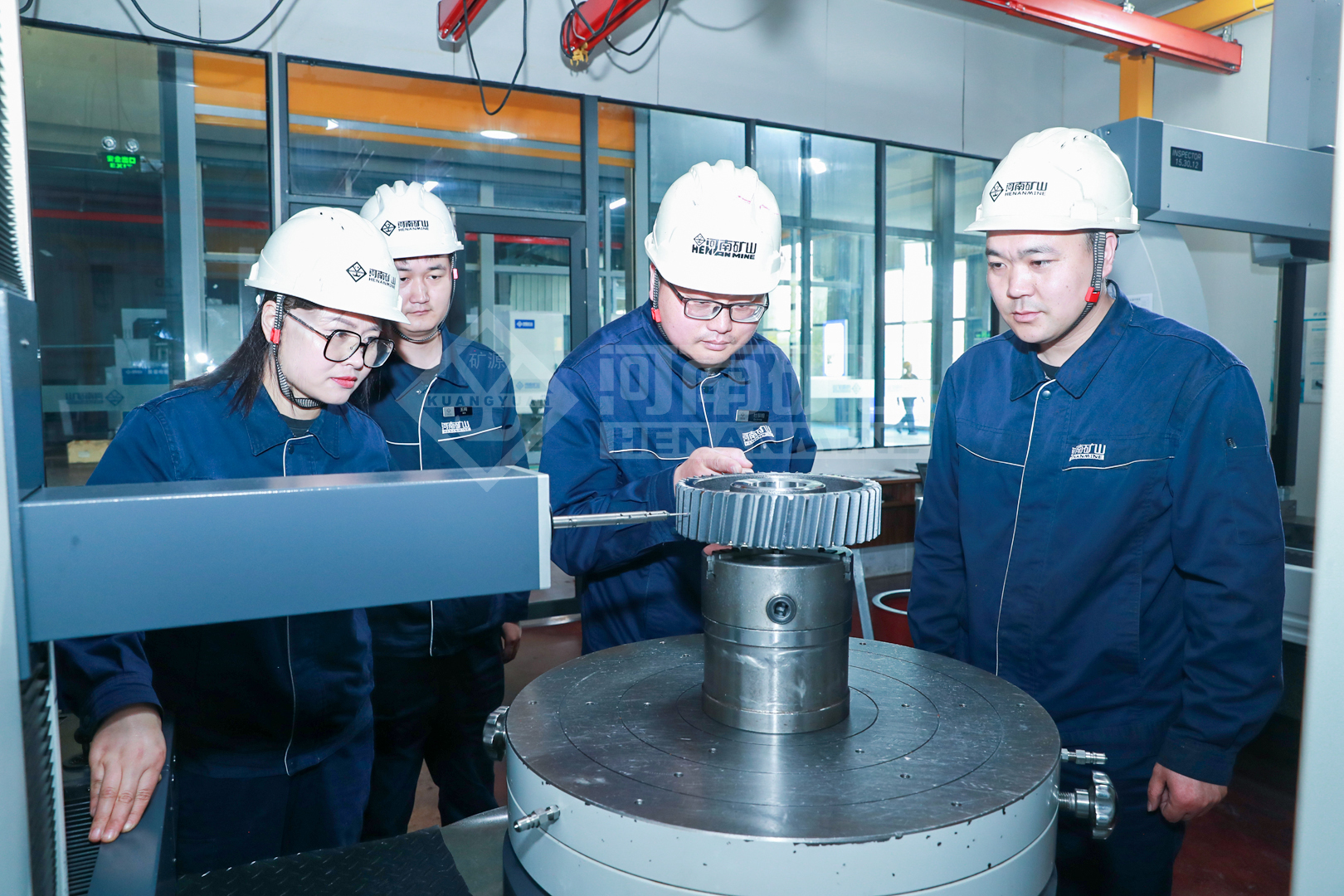
Wear and tear of mechanical components is the most common and most common cause of failure of port cranes in continuous operation, and it is also the core cause of progressive failure of port cranes. In the continuous operation of high-frequency and heavy-duty loads, the core transmission and load-bearing components such as gearboxes, drive shafts, travel wheels, brake pads, wire ropes, and bearings continue to withstand multiple forces such as friction, impact, and extrusion. Long-term high-frequency operation will lead to surface wear of components, excessive mating clearance, deformation and loosening, and then transmission caton, braking failure, unstable lifting and other failures. In addition, minor operational problems such as slight overload, cargo center of gravity offset, and port crane alignment deviation during operation will be infinitely magnified during continuous operation, accelerating component wear and aging.
Electrical and control overheating
The electrical and control system is the core control module of the port crane, and it is also a vulnerable module under continuous operation. Under 24-hour uninterrupted operation, electrical components such as motors, frequency converters, power distribution cabinets, sensors, cable harnesses, etc. continue to work, and heat continues to accumulate and cannot be fully dissipated, which can easily cause overheating of the system. High temperature can lead to attenuation of the performance of electrical components, aging of the insulation layer, abnormal line resistance, and then sensor failure, signal transmission delay, inverter error, insufficient motor power and other failures. Especially in the superimposed scenarios of high temperature in summer, closed port computer rooms, and high-load operations of port cranes, the probability of overheating of the electrical system is greatly increased, and safety tripping and abnormal start and stop of port cranes are frequently triggered.
Marine corrosion damage
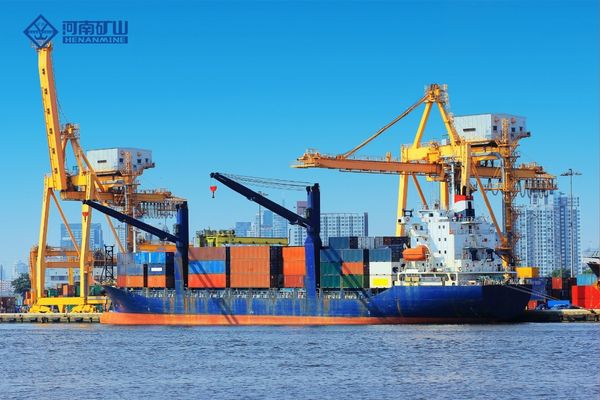
Port cranes have been deployed in coastal and riverside terminals for a long time, and they face harsh marine working conditions such as high humidity, high salt spray, sea breeze erosion, and rainwater erosion all year round. Corrosion is the key cause of permanent loss of port cranes. The chloride ions in the salt spray are highly permeable and will continue to corrode the crane's steel structure, metal connectors, mechanical components and electrical interfaces. Continuous operation will further exacerbate corrosion hazards. The continuous vibration of port cranes will cause fine cracks in the anticorrosive coating on the metal surface, and salt spray and water vapor will invade the substrate through cracks, causing steel structure corrosion, component stagnation, and bolt corrosion and loosening.
Structural fatigue and dynamic load
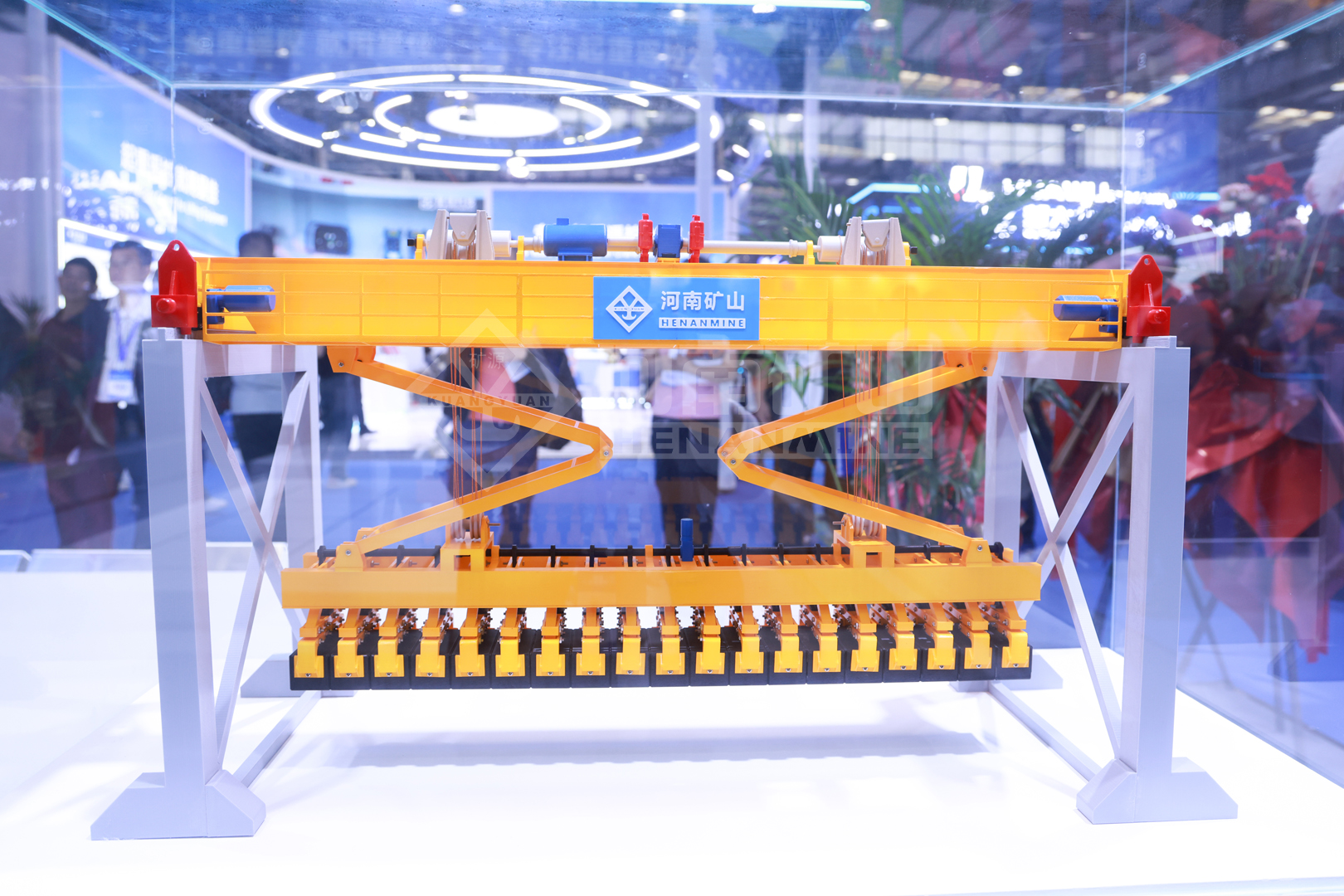
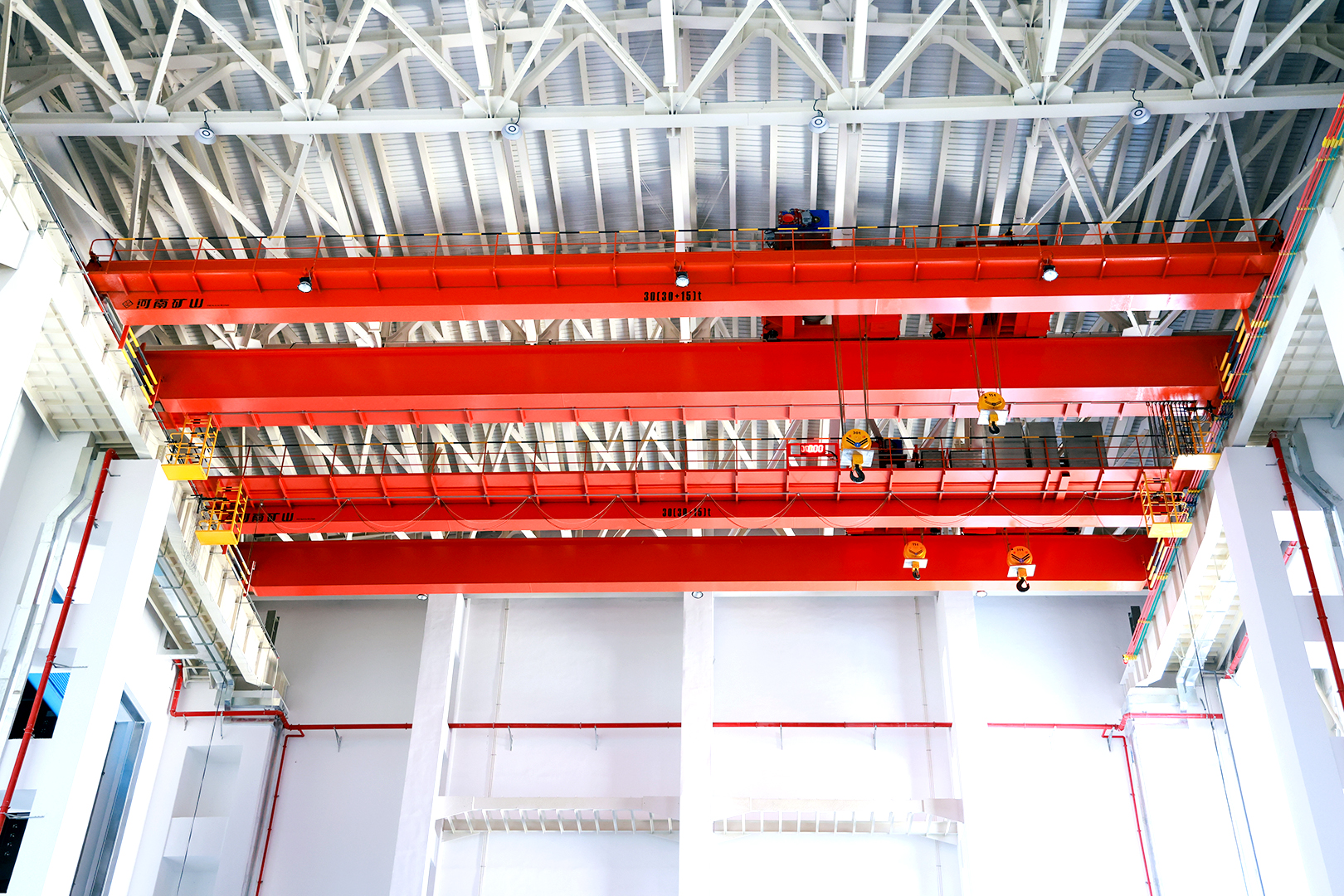
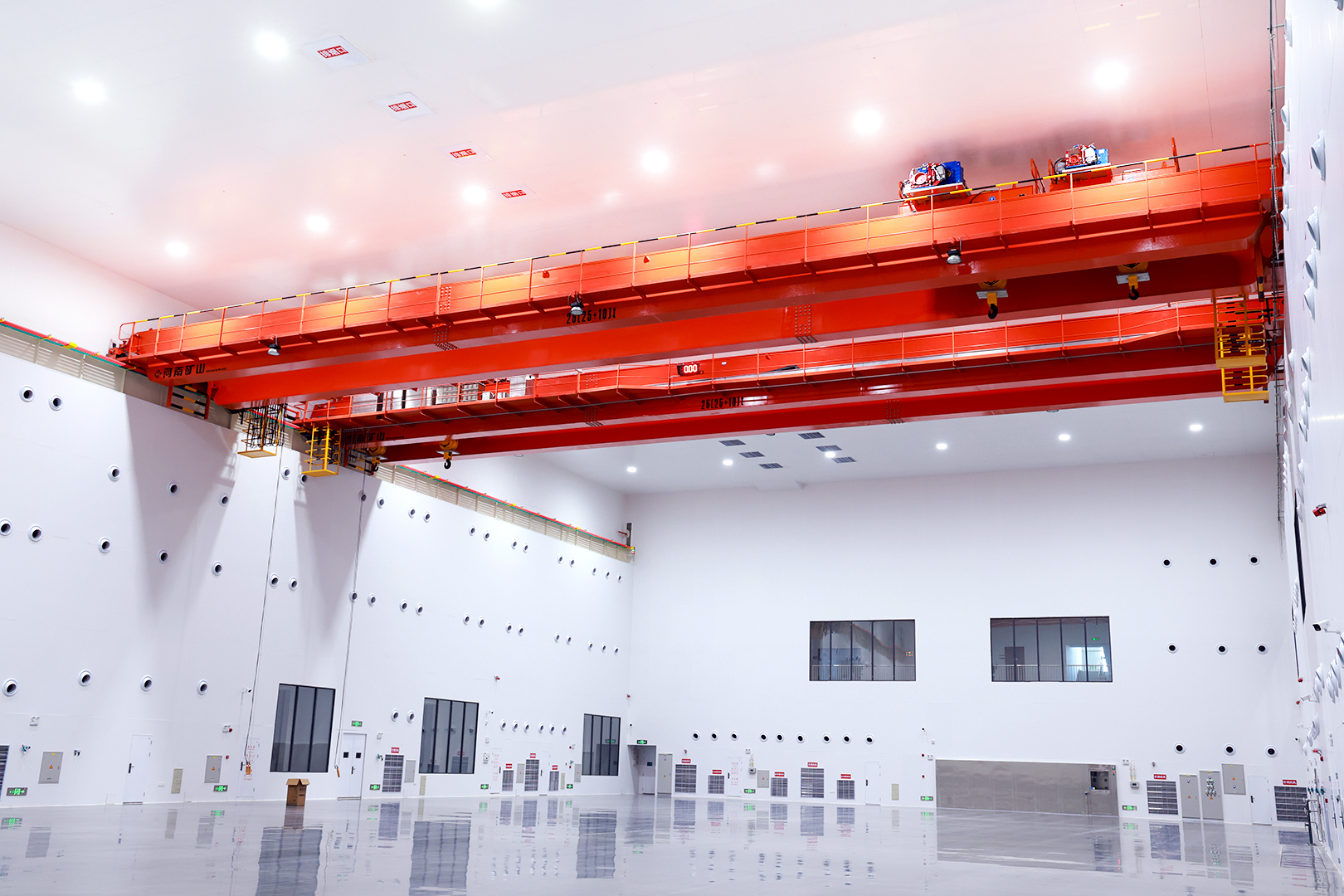
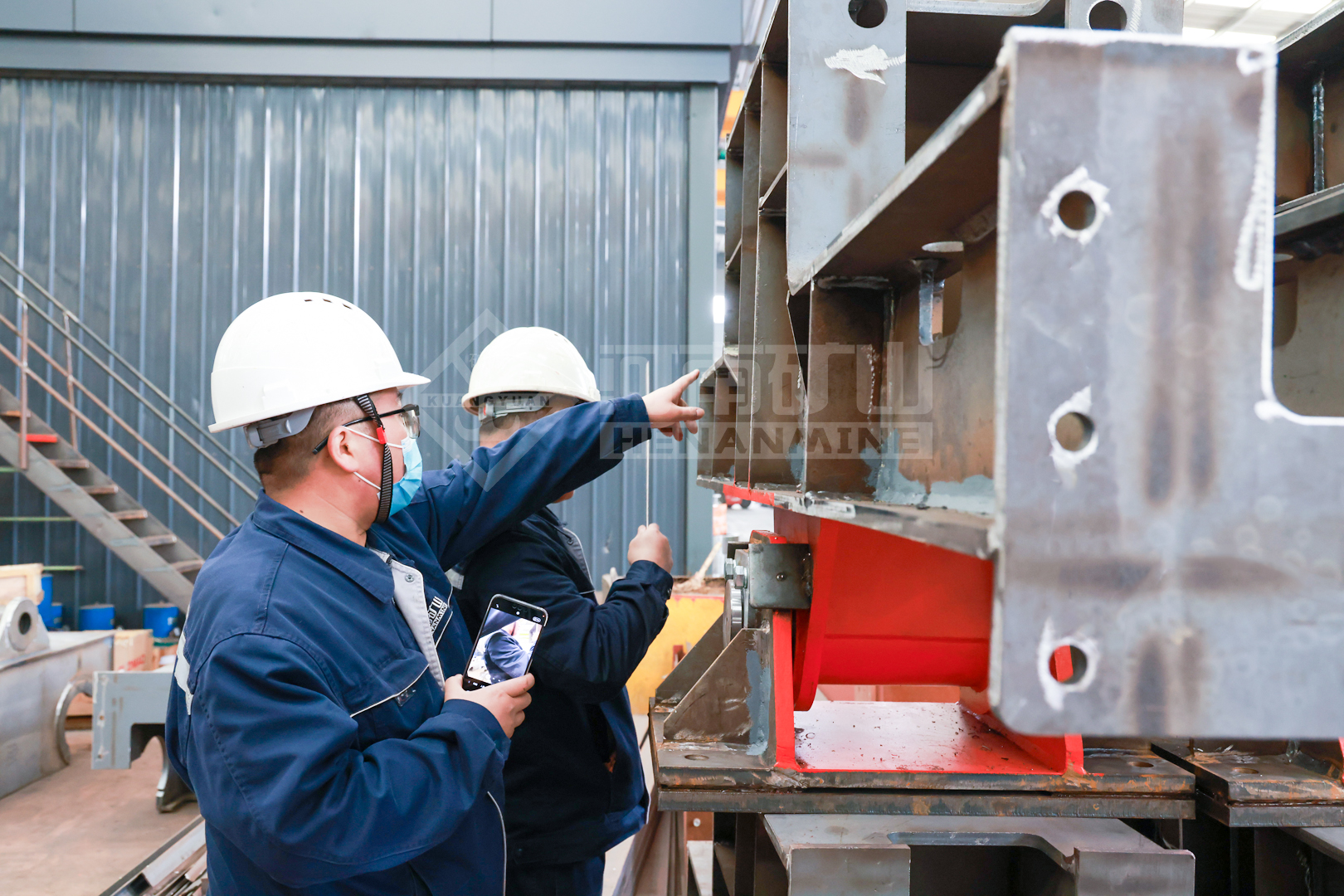
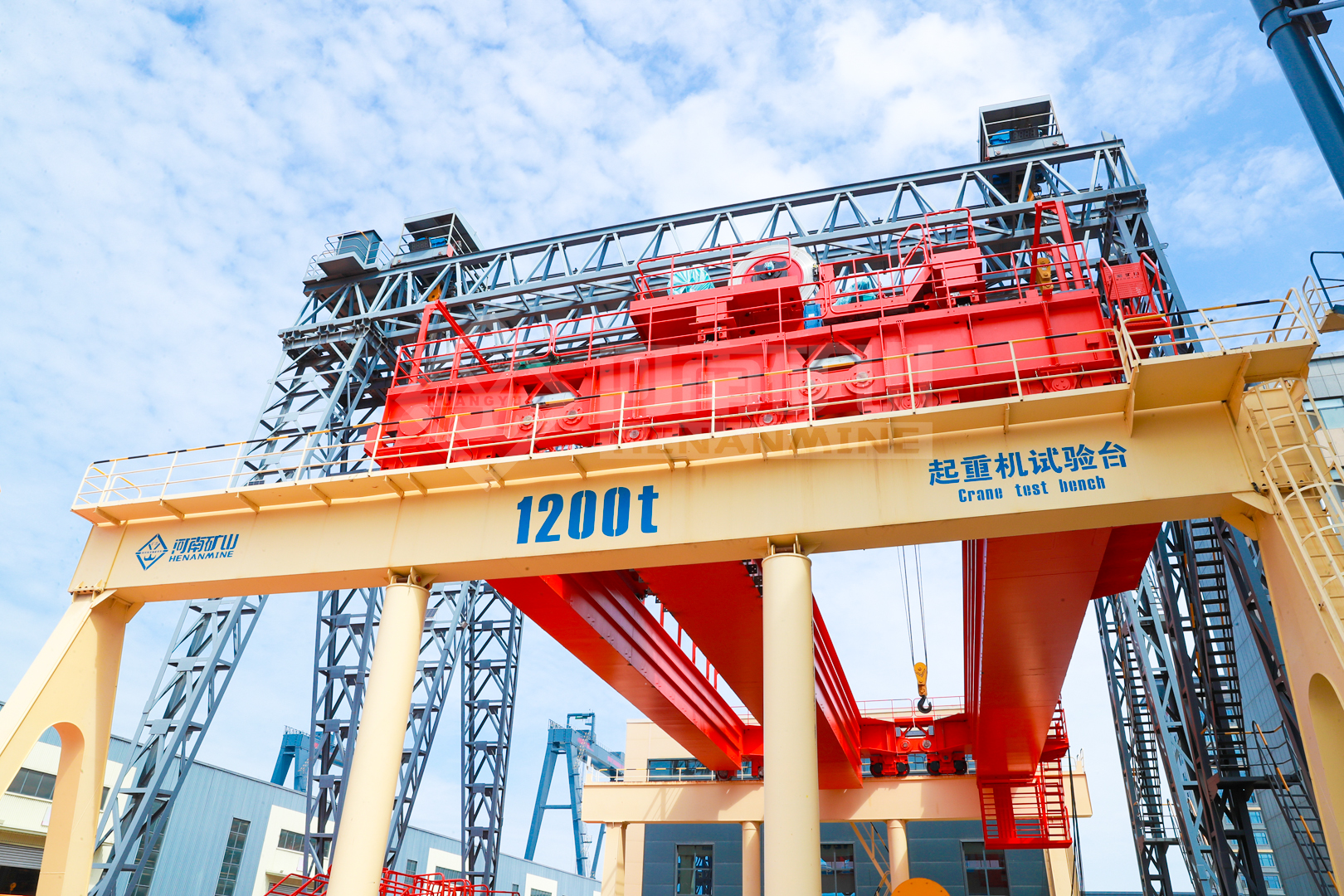
Henan Mine Crane manufactured the main steel structure of the main girder, end beam, gantry, etc. of the port crane, which needs to continuously withstand multiple forces such as the dynamic load of the cargo, the vibration of the port crane itself, and the impact of the sea breeze. Under continuous operation, dynamic loads repeatedly and alternately act on the same position of the steel structure, and long-term accumulation will cause fatigue of the metal structure and produce fine fatigue cracks. Unlike static port crane wear and tear, steel structure fatigue has a strong concealment, and the initial cracks are difficult to identify with the naked eye. As the frequency of operations increases and the load continues to act, the cracks will gradually expand, eventually leading to serious problems such as structural deformation, cracking, and excessive deflection.
Maintenance and operator errors
Human-made operation and maintenance and improper operation are important subjective reasons for frequent failures in the continuous operation of port cranes. At the maintenance level, some port operation and maintenance teams follow the maintenance cycle of conventional intermittent operations and are not adapted to the high-loss characteristics of 24-hour continuous operation. There are problems such as untimely lubrication, inadequate inspections, failure to replace lost parts in advance, and lag in anti-corrosion maintenance, resulting in the continuous accumulation of minor hidden dangers, which eventually evolved into major failures. At the operational level, operators are prone to fatigue operations and illegal operations during long-term high-intensity operations, including slightly overloaded lifting, emergency stopping and turning, cargo shaking operations, and irregular operations such as forced alignment of port cranes.