Engineering · Manufacturing · Project support
info@hnksglobal.comWhatsApp +86 18836207779 ↗

Blog

  • Automated Warehouse Cranes for Logistics Centres: Layout and Interfaces

    Automated Warehouse Cranes for Logistics Centres: Layout and Interfaces

    Technical guide

    Automated Warehouse Cranes for Logistics Centres: Layout and Interfaces

    A logistics crane needs to fit the storage system and transfer process around it. Define handling units, storage positions, throughput assumptions and control interfaces before evaluating a proposed automated arrangement.
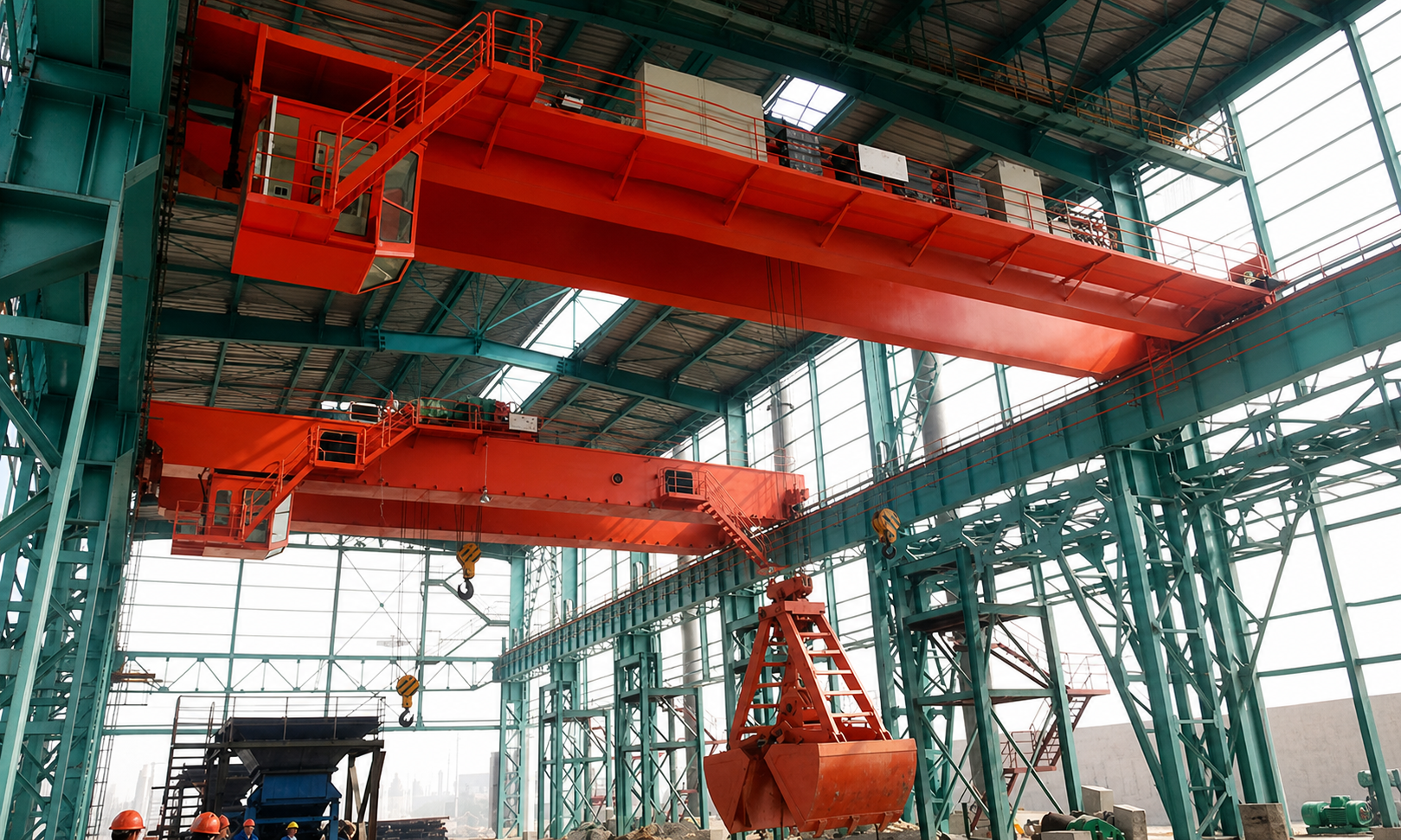
    Henan Mine CraneTechnical guide · Updated 2026Crane selection, project scope and operating requirements
    Henan Mine Crane Modular Electric Hoist Overhead Crane
    Henan Mine Crane Modular Electric Hoist Overhead Crane
    Project planning notes

    Key points for this crane project.

    1. What Is an Intelligent Warehouse Crane?
    2. Why Are Intelligent Warehouse Cranes Becoming the
    3. Types of Intelligent Warehouse Cranes
    Read the technical guide

    What Is an Intelligent Warehouse Crane?

    Definition and Working Principle

    Henan Mine Crane manufactured intelligent warehouse crane is automated lifting and handling equipment that stores, retrieves, and transports goods within a warehouse with minimal human intervention. What separates it from a conventional crane is the layer of control, sensing, and software that lets it operate autonomously rather than under constant manual direction.

    Most intelligent warehouse cranes function as the mechanical core of an automated storage and retrieval system (AS/RS). Rather than an operator directing every lift, the crane receives a task from a control system, calculates the fastest path, positions itself automatically, and confirms completion back to the software, all without manual input. The operator's role shifts from "driving" the equipment to monitoring exceptions and confirming that the system is running as expected.

    • Automatic positioning:the crane locates the correct rack position using sensors rather than operator judgment
    • Automatic lifting and traveling:hoist and travel motions are computer-controlled, not manually driven
    • Automatic inventory handling:every movement is logged, so the system always knows what is stored where, down to the individual bin or pallet position

    This last point is worth emphasizing: in a manual warehouse, inventory accuracy depends on a human correctly scanning, recording, or remembering a location. In an intelligent warehouse crane system, the location is generated and confirmed by the machine itself, which removes an entire category of human error from the process.

    Main Components

    An intelligent warehouse crane is built from several interdependent subsystems, each of which contributes to overall reliability and performance:

    • Crane bridge:the structural frame that spans the aisle or bay and carries the mast and hoist assembly
    • Hoisting mechanism:the motor, drum, and rope or chain assembly that lifts loads vertically
    • Intelligent control system:the onboard computer (typically a PLC or industrial controller) that executes tasks and coordinates motion across all axes simultaneously
    • Servo motors and frequency converters:precision drives that control speed, acceleration, and positioning far more tightly than a standard induction motor
    • Positioning sensors:laser or encoder-based systems that confirm exact location along the rail and mast
    • Barcode/RFID readers:used to identify and verify individual loads before storage or retrieval
    • Communication system:wireless or trailing-cable links to the central control network that transmit task assignments and status updates
    • WMS interface:the software connection that turns warehouse-level orders into crane-level tasks, and reports back inventory movements in real time

    Each of these subsystems can fail independently, which is why vendor support and spare parts availability matter as much as the initial specification.

    Typical Applications

    Intelligent warehouse cranes are used across a range of facility types, each with different priorities and constraints:

    • E-commerce fulfillment centers:high SKU counts, fast turnover, and heavy peak-season volume swings
    • Manufacturing warehouses:feeding components directly to production lines on a just-in-time basis
    • Cold storage warehouses:automation reduces worker exposure to extreme temperatures and improves throughput in low-visibility conditions
    • Automotive parts warehouses:high accuracy needed for dense parts catalogs with thousands of similar-looking SKUs
    • Pharmaceutical distribution centers:traceability, controlled handling, and audit-ready inventory records are often regulatory requirements, not just efficiency goals

    Why Are Intelligent Warehouse Cranes Becoming the Standard in Logistics Centers?

    Higher Warehouse Storage Density

    Because Henan Mine Crane manufactured intelligent cranes operate with millimeter-level positioning accuracy, they can run in narrow aisles that would be unsafe for a forklift or manually operated crane. Narrower aisles mean more racking fits into the same building footprint. Combined with the ability to fully maximize vertical warehouse space, often reaching heights well beyond what a forklift mast can safely achieve, this typically allows facilities to store significantly more inventory without expanding the building itself.

    Faster Order Fulfillment

    Automated material handling removes the delays inherent in manual operation: travel to equipment, manually navigating aisles, and manually confirming locations. Cranes travel direct, computer-calculated paths with minimal wasted motion, and because they don't need breaks, shift changes, or rest periods, many systems support continuous 24/7 operation, a meaningful advantage during peak season surges when order volume can spike several times over baseline. For operations running compressed fulfillment windows, same-day or next-day shipping commitments, for example — the ability to run unattended overnight shifts can be the difference between meeting a cutoff and missing it.

    Improved Inventory Accuracy

    Every movement an intelligent crane makes is logged automatically. Real-time inventory updates and automatic location confirmation remove the manual data entry errors that come with paper-based or scanner-dependent processes, which is one of the most consistently cited benefits in industry case studies. This matters most in operations with strict cycle-count requirements or regulatory traceability obligations.

    Lower Operating Costs

    Automation also cuts time required for repetitive handling tasks by reducing manpower requirements and using accurate, sensor-guided movements, meaning lower levels of product damage and improved equipment use than manual handling fleets, which often sit idling between tasks or need a multitude of operators on multiple shifts in order to function.

    Enhanced Workplace Safety

    Crane accidents, whether mobile or stationary are heavily skewed to human error miscalculated clearances, fatigue, blind spots when operating cranes manually. Intelligent systems are minimizing this risk by automatic detection of obstacles, and collision avoidance, as well as remote monitoring for abnormal conditions abnormal vibration or torque, increased motor temperature that prevent incidents before they happen, rather than after.

    Types of Intelligent Warehouse Cranes

    Choosing the right category is the first real decision point, since each type is engineered for a different load profile, aisle configuration, and warehouse layout.

    Crane TypeBest ForTypical Load
    Stacker craneHigh-rise AS/RS pallet warehousesPallets, up to several tons
    Double-deep stacker craneHigher-density layouts, deeper racksPallets
    Multi-shuttle systemHigh-throughput distribution centersMixed, high cycle rates
    Customized solutionOversized or non-standard cargoVaries

    Stacker Crane

    Cycle times for a well-specified stacker crane commonly fall in the range of one to two minutes per single-cycle pallet movement, though this varies with lift height and travel distance.

    Mini Load Crane

    Built for smaller, lighter items, cartons, plastic bins, and small parts, mini load cranes are common in parts distribution and e-commerce piece-picking operations where SKU density matters more than raw load weight. Because the loads are lighter, mini load systems can often achieve faster cycle times than pallet-handling equivalents.

    Double-Deep Stacker Crane

    By reaching two positions deep into a rack instead of one, this configuration increases storage density in warehouses with suitable layouts, though it adds complexity to retrieval sequencing, the crane may need to relocate the front pallet before accessing the one behind it, which increases average cycle time even as it improves overall space utilization.

    Multi-Shuttle Crane Systems

    For high-throughput logistics centers and large-scale e-commerce distribution, multi-shuttle systems combine crane movement with independent shuttle carriers that travel within the rack structure itself, decoupling vertical lifting from horizontal placement. This architecture can hit far higher aggregate cycle rates than a single stacker crane alone, at the cost of a more complex control system and a higher initial investment.

    Customized Intelligent Warehouse Crane Solutions

    Facilities with heavy-duty storage, unusual environmental conditions, or oversized cargo handling needs often require a purpose-engineered system rather than an off-the-shelf configuration. This is common in industries handling coils, molds, or oversized industrial components that don't fit standard pallet or bin dimensions.

    In practice, most logistics centers end up combining more than one crane type within a single facility rather than standardizing on a single configuration. A distribution center might run mini load cranes for a fast-moving small-parts zone alongside standard stacker cranes for bulk pallet storage, with a multi-shuttle system reserved for the highest-velocity SKUs. Mapping which product categories belong in which zone, based on velocity, weight, and dimensions, is a useful exercise before finalizing equipment counts and types.

    10 Key Factors to Consider When Choosing an Intelligent Warehouse Crane

    Selecting the right system means matching ten interdependent variables to your operation, get these right, and the rest of the buying process becomes straightforward.

    1. Warehouse Dimensions: Building height, rack height, aisle width, and available installation space set the physical envelope every other decision must fit inside. A crane that is mechanically ideal on paper is useless if it cannot physically be installed within your existing structural clearances, so a site survey should happen before, not after, equipment is specified.
    2. Load Capacity:Assess maximum load weight, typical average load, and realistic future expansion requirements,undersizing capacity is one of the costliest mistakes to correct later, since it often requires structural rework rather than a simple component swap. It's also worth understanding standardized duty classifications at this stage: systems such as CMAA (Class A through F), FEM, and ISO 4301 rate cranes by how intensely they can be used based on load percentage and cycle frequency. Selecting a crane rated for occasional light service but operating it at near-continuous heavy-duty cycles is one of the fastest ways to shorten equipment life.
    3. Lifting Height:Confirm the maximum storage level the crane must reach and the total travel distance per cycle, since both affect cycle time,a crane that must travel further vertically on every cycle will inherently move fewer pallets per hour than one serving a shorter rack, all else being equal.
    4. Operating Speed:Hoisting speed, traveling speed, fork extension speed, and positioning accuracy together determine how many cycles the crane can complete per hour. These specifications should be evaluated together rather than individually, since a crane with a very fast travel speed but slow fork extension may not deliver the throughput gain its top-line speed rating suggests.
    5. Storage Throughput:Model expected pallets per hour, especially during peak operating periods, against realistic order processing requirementsrather than average-day volume alone. Many operators size equipment to average daily volume and then discover it cannot keep pace during seasonal peaks, throughput modeling should always be based on the busiest sustained period the operation expects to face, not the annual average.
    6. Automation Level:Decide whether the operation needs semi-automatic assistance,where an operator still confirms or triggers key actions, or fully automatic, lights-out warehouse capability, where the crane operates without any human presence in the aisle. The software and safety requirements differ substantially between the two, and retrofitting from semi-automatic to fully automatic later is typically far more expensive than specifying the correct level upfront.
    7. Software Integration:Confirm compatibility with your WMS, Warehouse Control System (WCS), ERP, and any existing IoT connectivity,a crane that can't talk to your systems creates a manual bottleneck regardless of its mechanical capability. This is frequently the single most underestimated line item in a crane procurement budget, since integration work often requires custom middleware development rather than an out-of-the-box connection.
    8. Positioning Accuracy:Compare laser positioning, encoder systems, and RFID technologyoptions, since accuracy requirements scale with how tightly you plan to pack your racks. A facility running standard single-deep pallet racking has more tolerance for positioning variance than one running narrow-aisle or double-deep configurations, where a few centimeters of error can mean a failed placement.
    9. Energy Efficiency:Search for regenerative braking, VFDs and otherwise low energy consumption designs that will really make a difference in operating cost over a number of years of operation. Regenerative braking especially will inject a meaningful proportion of energy expended during slowing back into your power system, especially when multiplied up for the hundreds of cycles a day a crane might undertake.
    10. Maintenance Requirements:Evaluate remote diagnostics, predictive maintenancecapability, spare parts availability, and the vendor's service support network before signing — this factor is consistently underweighted during purchasing decisions, yet it directly determines how much unplanned downtime the operation will experience over the equipment's service life. Henan Mine Crane manufactured crane with excellent specifications but a distant, unresponsive service network can cost more in lost throughput during a single extended outage than the entire annual maintenance budget for a better-supported alternative.

    Intelligent Features That Matter Most

    Beyond the core mechanics, the software layer is what actually delivers on the "intelligent" label:

    • Automatic route optimization:calculates the fastest travel path for each task in real time, adjusting dynamically as other tasks are added to the queue
    • AI-based task scheduling:sequences multiple pending tasks to minimize total cycle time, often batching nearby storage and retrieval operations to reduce empty travel
    • Real-time equipment monitoring:gives operations teams live visibility into crane status, current task, and performance metrics through a dashboard rather than relying on periodic manual checks
    • Predictive maintenance:analyzes vibration, temperature, and motor load data to flag component wear before it causes downtime, shifting maintenance from a fixed calendar schedule to an as-needed basis
    • Automatic fault diagnosis:speeds up troubleshooting when an issue does occur by identifying the likely failure point rather than requiring a technician to manually isolate it
    • Cloud-based data management:centralizes performance data across multiple cranes or sites, which is particularly valuable for operators managing several distribution centers under one operations team
    • Digital twin technology:allows layout changes and throughput scenarios to be simulated before physical implementation, reducing the risk of costly design mistakes discovered only after installation

    Safety Features Every Intelligent Warehouse Crane Should Have

    Automation reduces certain risks, but it introduces its own safety-critical dependencies. A properly specified system should include:

    • Anti-collision system to prevent contact with racking, other equipment, or personnel, typically using a combination of laser scanning and software-enforced exclusion zones
    • Load monitoringto detect and respond to overload conditions in real time, halting operation before a mechanical failure can occur
    • Emergency stop functionsaccessible both locally at the crane and remotely from a central control room
    • Overspeed protectionon hoist and travel motions, which prevents runaway conditions in the event of a control system fault
    • Rope and hoist monitoringto catch wear before failure, since wire rope and chain degradation is a leading cause of catastrophic crane incidents
    • Obstacle detectionfor both fixed and moving objects in the crane's path, including personnel who may enter the aisle unexpectedly
    • Redundant safety controlsso a single sensor or component failure doesn't create an unsafe condition, critical safety functions should never depend on a single point of failure

    How to Match the Crane with Your Warehouse Layout

    Even the right crane type will underperform if it isn't matched to the physical facility. Before finalizing a purchase, confirm:

    • Rack configuration:single-deep, double-deep, or shuttle-compatible racking each require different crane capabilities and control logic
    • Warehouse ceiling height:actual clearance versus theoretical lift height, accounting for sprinkler systems, lighting, and structural beams that may reduce usable height
    • Floor flatness:rail-mounted systems have tight tolerance requirements, and an out-of-spec floor can require costly remediation before installation
    • Material flow design:how goods physically move from receiving to storage to shipping, since the crane's aisle position and orientation should minimize unnecessary cross-warehouse travel
    • Inbound and outbound frequency:peak-hour load versus average daily load, which determines whether a single crane per aisle is sufficient or whether multiple cranes or a shuttle system are needed
    • Future warehouse expansion:whether the layout can accommodate additional aisles, a taller rack structure, or additional cranes later without a full system redesign

    Common Mistakes to Avoid When Selecting an Intelligent Warehouse Crane

    Procurement teams that skip due diligence on these points tend to regret it within the first operating year:

    • Choosing based only on initial price:the cheapest quote rarely reflects total lifecycle cost, and a lower-spec system often requires earlier replacement or more frequent repair
    • Ignoring software compatibility:a mechanically excellent crane is still a bottleneck if it can't integrate with your WMS, forcing manual workarounds that erase much of the automation benefit
    • Underestimating future throughput growth:sizing for today's volume alone often forces an early retrofit that costs significantly more than specifying adequate headroom from the start
    • Selecting insufficient load capacity:a common and expensive error, especially when product mix changes over time and average pallet weight increases beyond original assumptions
    • Overlooking maintenance and service support:remote systems with no local service network create long downtime windows that can outweigh any upfront cost savings within the first significant breakdown
    • Neglecting operator training:even highly automated systems need trained staff for oversight, exception handling, and safety response; treating the crane as fully "hands-off" from day one is a common cause of avoidable incidents

    How Intelligent Warehouse Cranes Improve ROI

    The financial case for automation tends to rest on a handful of measurable outcomes, and evaluating them together, rather than any single metric in isolation, gives the clearest picture of payback timing:

    • Reduced labor costs:fewer operators needed for repetitive handling tasks, particularly valuable in labor markets where warehouse staffing has become increasingly difficult
    • Increased warehouse capacity:higher storage density within the same building footprint, which can defer or eliminate the need for a facility expansion
    • Faster order processing:shorter cycle times translate directly into fulfillment speed, which matters increasingly as customer expectations around delivery windows tighten
    • Reduced inventory errors:automatic tracking reduces costly stock discrepancies that otherwise require manual cycle counts and write-offs
    • Lower product damage:sensor-guided handling reduces mishandling incidents compared with manual forklift or crane operation
    • Long-term operational savings:energy-efficient drives and predictive maintenance reduce both utility and repair costs over the equipment's service life

    Documented deployments in steel and electronics warehousing have reported storage density gains and labor cost reductions in the double- and triple-digit percentage range, underscoring why automation investment has accelerated across logistics operators facing tight labor markets. When modeling ROI internally, it's worth building a simple comparison: total installed cost of the intelligent crane system against the combined savings from reduced headcount, reduced facility expansion need, and reduced error-related write-offs over a five- to ten-year horizon. Most operators find that the software integration and training costs — not the crane hardware itself — are the largest variable in how quickly that payback is realized, which is another reason software compatibility deserves early attention in the selection process rather than being treated as an afterthought.

    It also helps to separate ROI into "hard" and "soft" categories when presenting the business case internally. Hard savings, reduced headcount, reduced facility square footage, reduced error write-offs, are straightforward to quantify and typically drive the initial payback calculation. Soft benefits, improved workplace safety, better customer satisfaction from faster and more accurate order fulfillment, and greater resilience during labor shortages, are harder to put a dollar figure on but often prove just as important once the system has been operating for a year or more. Facilities that track both categories from the start tend to make a stronger case for expanding automation into additional aisles or zones later.

    Why Choose a Customized Intelligent Warehouse Crane Solution?

    Standard configurations work for many facilities, but Henan Mine Crane Factory customized intelligent warehouse crane solution is often the better fit when requirements fall outside typical parameters:

    • Tailored to warehouse dimensions:engineered to your exact height, span, and aisle constraints rather than forcing your facility to fit a standard product line
    • Optimized for industry requirements:cold chain, pharmaceutical, or heavy industrial applications each have distinct needs around temperature rating, traceability, or load handling that off-the-shelf systems may not fully address
    • Scalable automation:designed to add aisles, shuttles, or throughput capacity as the operation grows, avoiding a full system replacement down the line
    • Integration with existing systems:built to connect with legacy WMS or ERP platforms rather than forcing a costly and disruptive system replacement just to accommodate the new crane
    • Long-term technical support: a dedicated service relationship rather than a one-time equipment sale, which matters considerably given how much lifecycle cost is tied to maintenance and downtime

    Frequently Asked Questions (FAQ)

    What is the difference between a warehouse crane and a stacker crane?

    A warehouse crane is the broad equipment category, bridge, gantry, and jib cranes all qualify. A stacker crane is a specific type built for automated storage and retrieval, running on fixed rails within a single aisle.

    How much weight can an intelligent warehouse crane lift?

    Can warehouse cranes integrate with WMS and ERP systems?

    Most intelligent warehouse cranes connect to a WMS through a Warehouse Control System layer, and many also exchange data directly with ERP and MES platforms.

    Laser and encoder-based positioning systems typically achieve placement accuracy within a few millimeters, enabling narrow-aisle and double-deep storage configurations.

    A single-aisle stacker crane with WMS integration commonly takes several weeks to a few months from delivery to commissioning; multi-shuttle systems across multiple aisles take longer.

    How often should intelligent warehouse cranes be maintained?

    Most manufacturers recommend daily visual checks, monthly inspection of brakes and structural components, and a full annual service, supplemented by remote monitoring where available.

    Are intelligent warehouse cranes suitable for cold storage warehouses?

    Yes, with modifications such as low-temperature-rated motors, lubricants, sensors, and condensation-resistant electrical enclosures.

    What is a crane duty class and why does it matter?

    Duty class is a standardized rating, such as CMAA A through F, FEM, or ISO 4301 — that describes how intensely a crane can be used based on load percentage and cycle frequency. Selecting the wrong duty class for your actual usage pattern accelerates wear and increases the risk of premature failure.

    Do intelligent warehouse cranes require a dedicated IT infrastructure?

    Most installations require a stable local network, a server or cloud instance to run the Warehouse Control System, and integration middleware to connect with the existing WMS or ERP. The scale of this infrastructure depends on the number of cranes and the level of automation deployed.

    Henan Mine Crane

    Selecting the most appropriate intelligent warehouse crane involves weighing up the dimensions of the warehouse, load requirements, throughput, degree of automation, software integration, safety, energy efficiency and long term maintenance requirements. The most suitable solution is not the one with the highest specifications, but the one that is designed to work with your workflow today while allowing the capacity and capabilities to grow into the future. This considered approach can often result in a more efficient warehouse and cost effective automation solution.

    Every logistics center is different, with various storage configurations, levels of handling and automation objectives. That’s why there is no “one size fits all” answer. If you are designing a new automated warehouse or considering automating an existing one, a knowledgeable crane manufacturer will help you find the most effective system for your intelligent warehouse crane. Partnering with a specialist offering everything from crane design to software integration, installation and commissioning, and support for the life of your warehouse will ensure you get a high quality, dependable, easy-to-operate system that meets your needs and continues to support your growth.

    Discuss the crane arrangement for your project.

    A logistics crane needs to fit the storage system and transfer process around it. Define handling units, storage positions, throughput assumptions and control interfaces before evaluating a proposed automated arrangement. Share the load, available drawings, working cycle and site conditions with Henan Mine Crane so the required configuration and supply boundary can be discussed.

    Related crane configurations

    Modular Electric Hoist Overhead Crane

    View product parameters
    Lifting capacity: 1 – 32 tSpan: 7.5 – 31.5 mLifting height: 6–30 m

    Use a modular electric-hoist overhead crane for production, assembly and maintenance lifting. Select the hoist arrangement, hook coverage and movement control for the workshop and operating cycle.

    Intelligent Grab Overhead Crane

    View product parameters
    Lifting capacity: 5 – 50 tSpan: 10.5 – 31.5 mLifting height: 6 – 30 m

    Handle bulk materials with a grab overhead crane configured for the material and working cycle. Select the grab volume, lifting arrangement and operating sequence from pickup and discharge conditions.

    Updated 2026 · Henan Mine Crane
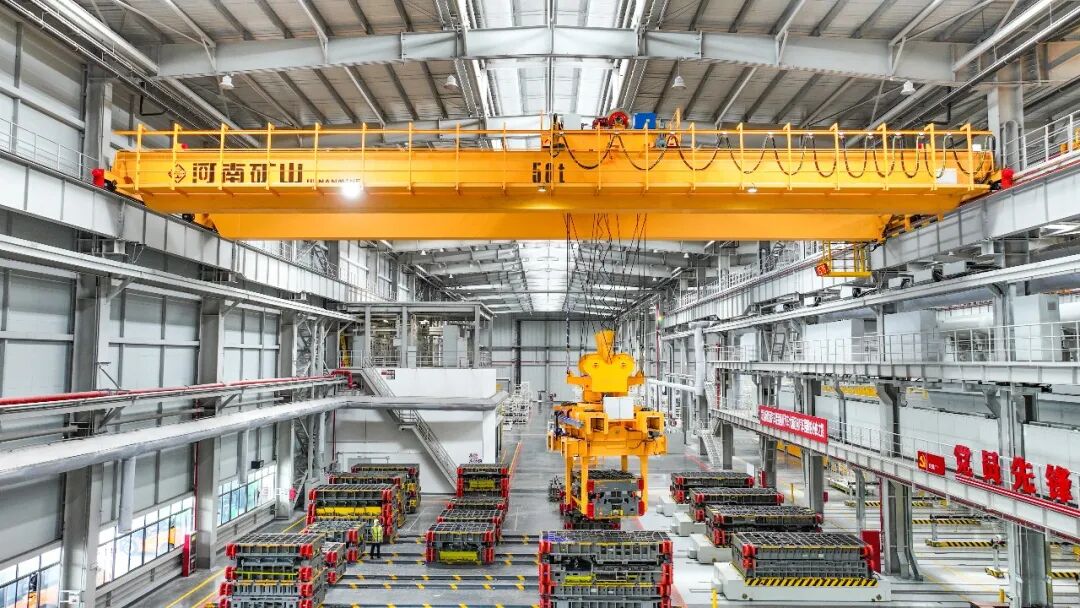
  • Unmanned Overhead Cranes: Motion Control and Exception Recovery

    Unmanned Overhead Cranes: Motion Control and Exception Recovery

    Technical guide

    Unmanned Overhead Cranes: Motion Control and Exception Recovery

    Removing routine operator movement changes the design and operating responsibilities. Define the lifting sequence, detection requirements and response to abnormal events so the crane can be assessed as part of the workshop process.

    Henan Mine CraneTechnical guide · Updated 2026Crane selection, project scope and operating requirements
    Unmanned Overhead Cranes: Motion Control and Exception Recovery
    Henan Mine Crane lifting equipment
    Project planning notes

    Key points for this crane project.

    1. What Is an Intelligent Overhead Crane?
    2. Core Technologies to Evaluate
    3. Key Technical Parameters for Selection
    Read the technical guide

    What Is an Intelligent Overhead Crane?

    Definition

    Many people think that an Intelligent Overhead Crane is an automation module added to a traditional crane, but this is not the case.

    It is a complete set of automated lifting system, the core configuration is indispensable, including AI-based control algorithms, high-precision positioning equipment, automatic anti-shaking technology, sensor safety system, PLC control architecture, as well as with the MES, ERP system integration capabilities.

    The intelligent overhead crane for unmanned workshop provided by Henan Mine Crane to global customers will be customized according to the workshop scenarios, such as strengthening the load monitoring in heavy-duty workshops, and improving the positioning accuracy in precision manufactured workshops to ensure that it is suitable for the actual operational needs.

    In short, it is not a simple superposition of “traditional crane + automation”, but an “intelligent handler” that can autonomously complete the work, interface with the production system, and ensure safety, which is the core reason why it can be adapted to unmanned workshop.

    How It Differs from Traditional Overhead Cranes

    FeatureTraditional CraneIntelligent Crane
    OperationManualAutomated / Remote
    PositioningOperator-controlledMillimeter precision
    Anti-swayManual skillAutomatic suppression
    System IntegrationStandaloneIntegrated with MES/ERP
    Suitable for Unmanned WorkshopNoYes

    The difference between the two, from the operation logic to the system integration, there is a fundamental difference, I have organized a simple comparison, we will understand at a glance:

    To give a practical example, the traditional crane positioning all depends on the operator's experience, the error is often in a few centimeters or even a dozen centimeters; while the millimeter-level positioning of the intelligent overhead crane can accurately put the material into the designated position, without the secondary adjustment of manpower.

    Core Technologies to Evaluate

    When selecting, the core technology directly determines the adaptability and stability of the crane, these five technical points must focus on, you can't have one without the other.

    Intelligent Control System (PLC + AI)

    This is the “brain” of the intelligent bridge crane, the core is the combination of PLC control architecture and AI control algorithm, we often use Rockwell Control logix series PLC for integrated logic control and data processing, with Power Flex series inverter to realize the full digital vector control, the effect is more stable.

    It can realize motion control, AI task planning and automatic path optimization, and can complete the whole process of material gripping, handling and placing autonomously without human intervention.

    This system is especially critical for unmanned workshops with repeated production cycles and multi-station operations. For example, automotive parts workshop, repeat the same handling tasks every day, AI control algorithms can optimize the operation path, reduce ineffective action.

    The smart overhead crane system we made for an automobile factory is controlled by PLC+AI, realizing the automation linkage of multiple work stations and greatly reducing the waiting time.

    Anti-Sway Technology

    This is the necessary technology for unmanned operation, which is also the point that many purchasing managers tend to ignore. In the unmanned workshop, there is no operator to adjust manually, load swaying if uncontrollable, not only will delay the operation, but also may hit the equipment or materials.

    When selecting, we should focus on the active anti-sway control algorithm and load sway detection sensor, these two components directly determine the anti-sway effect.

    A good anti-sway intelligent crane can detect the magnitude of load shaking in real time, automatically adjust the crane's operating speed and acceleration, quickly suppress shaking, and achieve faster positioning, but also reduce the stress on the crane structure, and extend the service life of the equipment.

    For example, long girder handling in steel structure factories, the load shaking amplitude is large, without advanced anti-shaking technology, it is impossible to realize unmanned operation, which is also our key consideration when selecting the model for steel structure factories.

    High-Precision Positioning

    Positioning accuracy directly affects the quality of operation, the requirements of different industries are not the same, the selection should be based on their own production needs, not blindly pursue high precision (the higher the precision, the higher the cost).

    Common positioning systems are laser positioning, absolute encoder, RFID markers and visual alignment, we will match according to the customer's scene, such as precision workshop priority with laser positioning, heavy workshop with absolute encoder is more stable.

    Precision requirements of different industries, I organized a reference: automotive manufacturing needs ± 1-2mm, steel manufacturing ± 3-5mm, heavy manufacturing ± 5-10mm.

    Previously, an automotive parts customers, blindly choose the ± 1mm precision equipment, later found that it cannot be used, but also spend a lot of cost, so it is important to accurately match the industry needs.

    Sensor & Safety System Integration

    In the unmanned workshop, safety is the bottom line, the sensor safety system must be complete, there cannot be any omission. In our solutions for customers, we will build a triple protection network of “radar monitoring + video surveillance + interlock protection” to ensure operational safety.

    Load monitoring sensors keep track of the loaded weight in real time to avoid overloading; anti-collision system prevents interference between multiple cranes; LiDAR/radar detects people or equipment intruding into the work area and immediately triggers emergency braking.

    These configurations are not optional, but are necessary to ensure the safe operation of unmanned workshop, the selection must be confirmed one by one, to avoid potential safety hazards in the later stage.

    MES / ERP / WMS Integration

    Without system integration, it is not a real intelligent bridge crane, and cannot realize the whole process automation of unmanned workshop.

    The crane must be able to communicate smoothly with the MES (Manufacturing Execution System), ERP (Enterprise Resource Planning System) and WMS (Warehouse Management System) in the workshop to realize the real-time synchronization of operation data, such as the issuance of the handling task, the feedback of the operation status, and the recording of material information.

    Unmanned Overhead Cranes: Motion Control and Exception Recovery
    Lifting equipment and application context

    Key Technical Parameters for Selection

    In addition to the core technology, the matching of technical parameters is also very critical, directly affecting the service life of the crane and operational efficiency, these four parameters must focus on.

    Lifting Capacity & Span

    Selection, first of all, to match their own production workflow, such as the weight of the materials handled, the workshop's span, cannot blindly pursue high-capacity, large span.

    For example, heavy manufacturing workshop, need to handle dozens of tons or even hundreds of tons of materials, you need to choose a high-capacity crane; and electronic components workshop, material weight is light, small tonnage will be enough.

    Also consider the future expansion needs, such as plans to expand the scale of production, increase the weight of materials, selection can be appropriate to set aside a certain margin, to avoid the late secondary replacement equipment, increase costs.

    When we make a plan for our customers, we will first calculate the actual needs of the workshop and future planning, and recommend the most suitable tonnage and span to avoid waste.

    Duty Classification

    This is the key to determine the durability of cranes, mainly referring to ISO 4301 and FEM classification (A5-A8), of which ISO 4301-5:2025 specifically for the classification of bridge and gantry cranes to make clear provisions.

    Unmanned heavy-duty workshop, because of the high intensity and long time of operation, usually need to choose a higher DUTY CLASS, such as A7, A8 class, so as to ensure the long-term stable operation of the equipment, and reduce the breakdown and shutdown.

    As for the unmanned workshop with small workload and long interval, it is enough to choose A5 or A6 class, which can meet the demand and save the cost.

    A heavy manufacturing customer chose A6 class equipment to save costs, but the result was that the parts were worn out in less than a year and had to be shut down for repairs, which delayed production.

    Speed & Acceleration Control

    The core is the Variable Frequency Drive (VFD), which can realize the smooth acceleration and deceleration of the crane, avoiding the load swaying due to excessive speed, and also reducing the mechanical wear of the equipment.

    At the same time, energy-saving motion curves are also important to reduce energy consumption, which can save a lot of electricity costs in the long run.

    Different industries have different needs, for example, automotive manufacturing workshops, where the work beat is fast and the running speed needs to be increased appropriately, and precision manufacturing workshops, where smooth running is required and the speed should not be too fast.

    Redundancy & Backup Systems

    An unmanned workshop cannot afford to have a “single point of failure”, otherwise the entire production process will be interrupted, so redundancy and backup systems are indispensable.

    The core configuration consists of a dual brake system, redundant control modules and emergency manual operators. The dual brake system avoids safety incidents caused by the failure of one brake; the redundant control module automatically switches to the backup module when the main module fails to ensure that the operation continues.

    Emergency manual operation device can manually intervene the crane operation in unexpected situations (such as power failure, system failure) to avoid material damage or equipment failure.

    Industry-Specific Considerations

    Unmanned workshops in different industries have different operating scenarios and pain points, and the selection cannot be generalized, but should be combined with industry-specific features.

    Steel Structure Plants

    The unmanned workshop in steel structure plants has three core pain points: long beams are shaking, multiple cranes are easy to interfere, and the welding line needs to be docked.

    When long beams are handled, the load shakes a lot, and ordinary anti-shaking technology can't meet the demand, so it is necessary to choose anti-sway intelligent crane with advanced anti-shaking function to quickly suppress shaking and ensure operational safety.

    Multiple cranes operating at the same time, it is easy to collision interference, so you need to have a multi-crane coordination logic, to realize the partition automation, so that each crane in the designated area of operation, to avoid conflict.

    In addition, the crane should be able to seamlessly connect with the welding line to realize the automatic transfer and positioning of materials to match the production rhythm of the welding line and improve the overall efficiency.

    Automotive Manufacturing

    Automotive manufacturing workshop has a high degree of unmanned, the most stringent requirements for cranes, the core pain point is the production of fast beat, high positioning accuracy, the need for 24-hour uninterrupted operation.

    Redundant safety systems cannot be missing, dual brakes, redundant control modules are necessary to ensure long-term stable operation of the equipment to avoid affecting the production rhythm.

    Heavy Manufacturing Workshops

    The core pain points of heavy manufacturing workshops are heavy loads, irregular workflow, high stress on equipment structure, and extremely high requirements on crane durability and adaptability.

    The irregular operation flow requires the crane to have adaptive path planning function, which can adjust the handling path autonomously according to the material position and operation demand without manual intervention.

    In addition, the load monitoring sensors should be highly accurate, and can monitor the load weight in real time to avoid overloading and protect the equipment and material safety.

    Safety Standards & Compliance

    In particular, unmanned systems must have functional safety logic and redundant protection mechanisms, which are clearly required by international standards and are key to guaranteeing operational safety.

    When selecting a crane, be sure to check whether the equipment meets the standards of your region to avoid compliance issues that could affect production.

    ROI Considerations

    Many purchasing managers focus on the initial cost and ignore the long-term return on investment when selecting a model, which is actually a misunderstanding. The ROI of intelligent overhead cranes needs to be viewed from a long-term perspective, which is mainly reflected in these 4 aspects.

    Labor Cost Reduction

    One of the core advantages of the unmanned workshop is the reduction of labor costs. Traditional overhead cranes require a dedicated operator and supervision, making labor costs high.

    Intelligent overhead crane can realize fully automated operation, does not need full-time operator, only need a small number of maintenance personnel, can meet the daily operation requirements, greatly reducing labor expenses.

    For example, a medium-sized unmanned workshop, the original need for five crane operators, replaced by intelligent crane, only one maintenance personnel, can save hundreds of thousands of dollars a year in labor costs.

    Increased Productivity

    Intelligent cranes operate at a steady pace, without the fatigue and error problems of manual operation, and can realize 24-hour uninterrupted operation, significantly increasing productivity.

    Automatic anti-shaking and high-precision positioning can reduce the operating waiting time and speed up the operating rhythm; and the integration of MES system can realize the automatic issuance and scheduling of operating tasks to avoid ineffective action.

    Reduced Material Damage

    Manual operation is prone to positioning deviation and load shaking, resulting in material collision and damage, especially for precision parts, which can cause great loss after damage.

    Intelligent crane millimeter positioning and automatic anti-shaking technology, can accurately place the material, reduce collision, significantly reduce the material damage rate.

    Typical Payback Period

    The payback period of different industries is different, mainly depends on the labor cost, work volume and material loss, I combined with our project experience, organized a reference:

    Automobile manufacturing: 2-4 years, this kind of workshop has high labor cost, large work volume, and the fastest payback;

    Steel fabrication: 3-5 years, moderate work volume, material loss reduction and labor cost savings is the main gain;

    Heavy manufacturing: 4-6 years, high initial investment, relatively stable work volume, slightly longer payback cycle, but long-term gains are obvious.

    Lifecycle Cost Analysis

    In addition to ROI, the full life cycle cost (TCO) of the crane should be accounted for, not only the initial purchase price, but also the long-term operating costs are critical.

    CAPEX Components

    Initial investment mainly includes 4 parts: crane hardware, automation system, software integration and commissioning costs.

    Crane hardware is the foundation, including main girder, end girder, hoisting mechanism, etc.; automation system includes PLC, AI control module, sensors, etc.; software integration is mainly the docking with MES and ERP system; commissioning costs are the debugging and trial operation after equipment installation.

    Many customers will choose low-cost automation system or software integration service to save cost, and as a result, the system is unstable and poor docking problems occur in the later stage, but increase the maintenance cost.

    OPEX Components

    Operating costs mainly include energy consumption, routine maintenance, software updates and predictive maintenance services.

    Intelligent cranes consume less energy than traditional cranes because variable frequency drives and energy-saving motion profiles can reduce power consumption; routine maintenance is mainly the inspection and replacement of sensors and braking systems; software updates can improve equipment performance and adapt to production upgrades in the workshop.

    Predictive maintenance service is very important, through the equipment operation data, to find potential faults in advance, to avoid downtime and reduce losses, which is also one of the value-added services provided by Henan Mine Crane to customers.

    Long-Term Value

    When selecting the model, we also need to consider the long-term value of the equipment, such as scalability, software upgradability and Industry 4.0 compatibility.

    Common Mistakes When Selecting an Intelligent Overhead Crane

    Think of automation as an add-on, not a system-level design. Many customers buy traditional cranes and then add automation modules, the result is that the system is incompatible, unstable operation problems, and cannot realize the real unmanned.

    Ignore the network architecture. Intelligent cranes need stable network support in order to communicate smoothly with MES and ERP systems, many customers ignore the network construction, resulting in the equipment cannot be linked properly.

    Underestimate the complexity of integration. System integration is not a simple docking, need to be combined with the workshop's production process, the existing system for customization, many customers think that they can directly docking, the results of the late emergence of a variety of problems, delays in production.

    Choose low positioning accuracy equipment. In order to save costs, blindly choose low-precision equipment, the result cannot meet the production requirements, had to be remodeled twice, but increased costs.

    No planning for future expansion. Selection only consider the current demand, no reserve margin, later expansion of production scale, the equipment cannot be adapted, only to replace the new equipment.

    Selection Checklist for Procurement Managers

    In order to facilitate your quick check, I have compiled a procurement checklist, check against the selection, you can avoid most of the pits.

    1. clarify the required positioning accuracy, does it match your industry needs?

    2. cranes are compatible with existing MES systems, communication protocols match?

    3. is the safety redundancy system complete (dual brakes, redundant control modules, etc.)?

    Has the anti-shaking performance been tested and can it meet the demand of unmanned operation?

    Is the duty class aligned with the production output and can it meet the demand of long-term operation?

    Is there an upgrade path for the equipment to meet future production upgrades?

    Frequently Asked Questions

    Can existing overhead cranes be upgraded to intelligent systems?

    Yes, some of the upgrades are feasible, such as adding sensors and automation control modules to realize simple automation, just like the intelligent overhead cranes that many customers have chosen to upgrade, which can save a certain amount of cost.

    But if you want to achieve full unmanned, or new system integration is more efficient. Existing crane structure, control system may not be able to adapt to the complexity of the intelligent function, after the transformation of the stability and compatibility is not as good as the new equipment, in the long run, rather than directly purchasing a new intelligent overhead crane for unmanned workshop cost-effective.

    How reliable are unmanned crane systems?

    Unmanned crane systems are very reliable and even more stable than manual operation, provided they are equipped with redundant controls and predictive maintenance.

    What is the ideal positioning accuracy?

    There is no uniform standard, the key is to look at the needs of the industry. Accuracy requirements vary greatly from industry to industry, and the core is to match your own production needs.

    Automobile manufacturing needs the highest accuracy, usually ± 1-2mm; steel structure manufacturing ± 3-5mm can be; heavy manufacturing ± 5-10mm is enough, blind pursuit of high accuracy will only increase the cost, no practical significance.

    Is intelligent crane suitable for heavy-duty loads?

    As long as you choose the right duty class and strengthen the structure design, it can meet the demand of heavy-duty loads.

    Henan Mine Crane

    Henan Mine Crane has done more than twenty years of crane R & D and production, to provide unmanned workshop crane solution to the global unmanned workshop in many industries, familiar with the pain points and needs of different industries.

    We will not simply recommend equipment to you, but will customize the most suitable solution according to your workshop scenarios, production needs, budget, to help you achieve truly unmanned operations, improve productivity and reduce long-term costs.

    Whether you are a new unmanned workshop, or existing workshop upgrade, you can contact our engineering team, we will give you a free demand estimation and program planning, to help you choose the right equipment, less detour.

    Discuss the crane arrangement for your project.

    Removing routine operator movement changes the design and operating responsibilities. Define the lifting sequence, detection requirements and response to abnormal events so the crane can be assessed as part of the workshop process. Share the load, available drawings, working cycle and site conditions with Henan Mine Crane so the required configuration and supply boundary can be discussed.

    Related crane configurations

    Modular Electric Hoist Overhead Crane

    View product parameters
    Lifting capacity: 1 – 32 tSpan: 7.5 – 31.5 mLifting height: 6–30 m

    Use a modular electric-hoist overhead crane for production, assembly and maintenance lifting. Select the hoist arrangement, hook coverage and movement control for the workshop and operating cycle.

    Intelligent Grab Overhead Crane

    View product parameters
    Lifting capacity: 5 – 50 tSpan: 10.5 – 31.5 mLifting height: 6 – 30 m

    Handle bulk materials with a grab overhead crane configured for the material and working cycle. Select the grab volume, lifting arrangement and operating sequence from pickup and discharge conditions.

    Updated 2026 · Henan Mine Crane
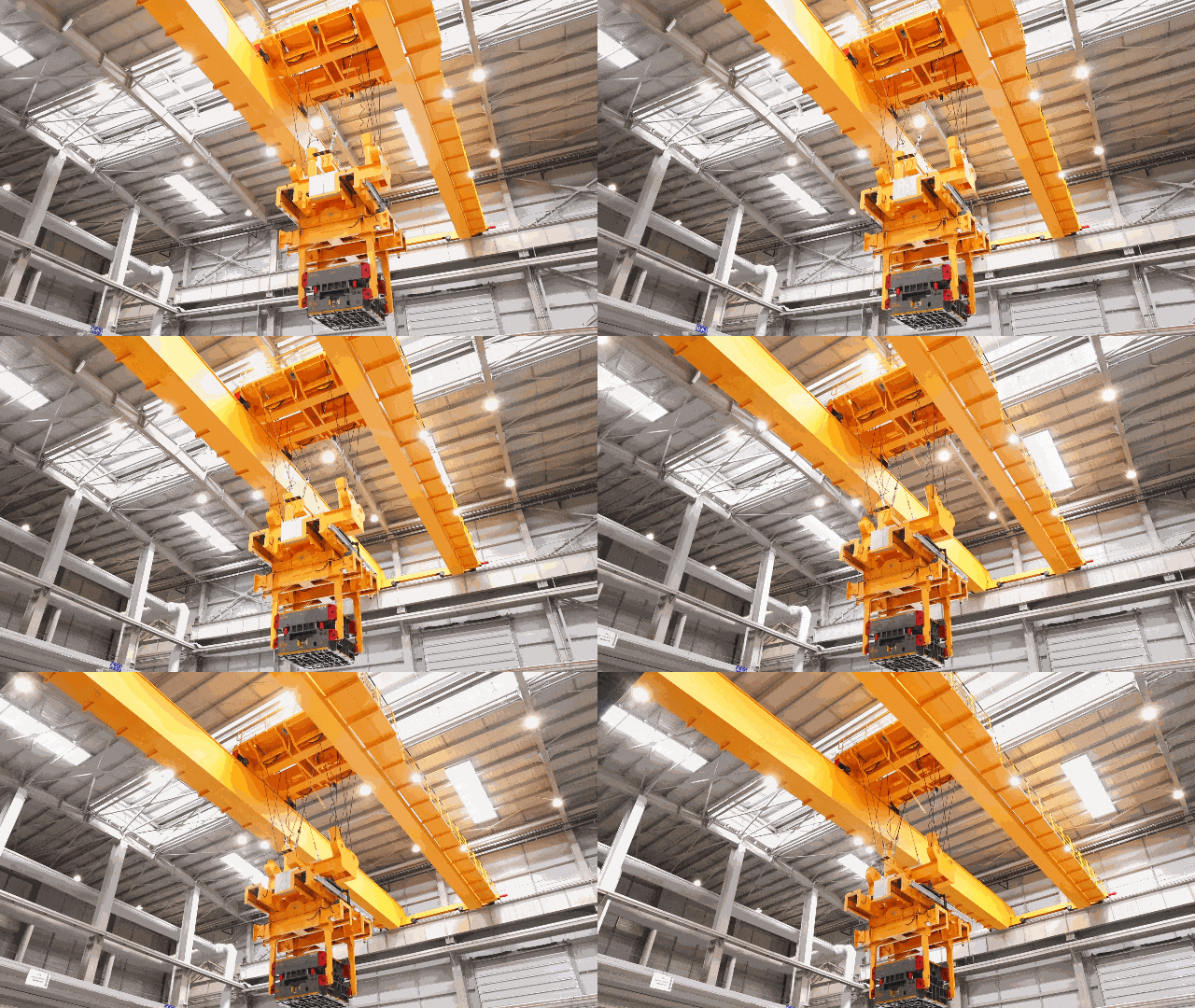
  • Unmanned Workshop Crane Projects: Process Readiness and Integration Scope

    Unmanned Workshop Crane Projects: Process Readiness and Integration Scope

    Technical guide

    Unmanned Workshop Crane Projects: Process Readiness and Integration Scope

    A workshop needs stable handling tasks and clear interfaces before crane automation is specified. Review the process, transfer equipment and recovery responsibilities to decide which functions the crane supplier must provide.

    Henan Mine CraneTechnical guide · Updated 2026Crane selection, project scope and operating requirements
    Unmanned Workshop Crane Projects: Process Readiness and Integration Scope
    Henan Mine Crane lifting equipment
    Project planning notes

    Key points for this crane project.

    1. What Is an Intelligent Crane?
    2. Why Intelligent Cranes Are Essential for Unmanned
    3. Main Types of Intelligent Cranes for Automated
    Read the technical guide

    What Is an Intelligent Crane?

    Definition of intelligent crane system

    Intelligent crane integration of automation control, sensor positioning, data communications and other areas of technology, can autonomously complete the material grasping, handling, positioning, scheduling, sensing and analysis of decision-making and implementation of closed-loop, and unmanned workshop with other systems to collaborate with the linkage, is the core component of the unmanned crane solution, is not a simple automation and crane superimposed.

    Difference between traditional crane and intelligent crane

    Traditional cranes are operated manually as the core, relying on the operator's experience and judgment, there are problems such as low efficiency, large errors, and many safety hazards. The intelligent crane completely get rid of artificial dependence.

    • Operation mode: Traditional cranes need to be operated on-site, intelligent cranes can realize fully autonomous operation, remote monitoring, without human intervention.
    • Precision control: Traditional crane positioning error in centimeters, intelligent cranes can achieve millimeter-level positioning, suitable for precision material handling needs.
    • Synergy: Traditional cranes run independently and cannot be linked with other systems in the workshop. Intelligent cranes can be seamlessly connected to the MES, ERP system, to achieve global scheduling.
    • Safety: Traditional cranes rely on manual warning, intelligent cranes with active anti-collision, real-time status monitoring and other functions, to avoid safety risks from the source.
    • Operation and maintenance mode: Traditional cranes use after-the-fact maintenance, intelligent cranes support predictive maintenance, early warning failures, reduce downtime losses.

    Key technologies involved

    Intelligent crane intelligence, is dependent on the synergistic support of the four core technologies.

    • Automation control system: PLC as the core, equivalent to the core control unit of the intelligent crane, can independently plan the handling path, adjust the operating speed, to achieve unmanned operation, is the core of the automated crane system.
    • Sensor and positioning system: Laser positioning, visual positioning, encoder and other technologies, combined with MEMS acceleration sensors and fiber grating strain sensors to achieve millimeter-level accurate positioning, real-time sensing of the location of the material, the state of the equipment, to ensure the accuracy and safety of the handling, is the key to intelligent material handling.
    • Data communication and remote monitoring: Through industrial Ethernet, 5G and other high-speed communication protocols, real-time data interaction between the equipment and the workshop control system and remote monitoring platform can be realized, supporting remote scheduling, troubleshooting, and data visualization, and some of the high-end models support 5GVR remote control, which effectively improves the efficiency of operation and maintenance.

    Why Intelligent Cranes Are Essential for Unmanned Workshops

    Intelligent cranes are essential for unmanned workshops, and their necessity is directly related to the productivity, operating costs and market competitiveness of enterprises.

    Reduce labor dependency

    The core demand of unmanned workshop is unmanned, traditional cranes need to be equipped with professional operators, and there are recruitment difficulties, high training costs, personnel mobility and other issues. Intelligent cranes can realize fully autonomous operation, without the need for on-site operators, only 1-2 remote monitoring personnel can manage multiple devices, significantly reducing labor costs, cracking the unmanned workshop labor shortage problem.

    Enable continuous 24 hour operation

    The advantage of unmanned workshop is all-weather production, traditional cranes are subject to artificial rest, shift and other restrictions, cannot realize 24-hour operation. Intelligent cranes do not need to rest, can be continuously operated around the clock, combined with intelligent scheduling system to reasonably allocate handling tasks, maximize the release of unmanned workshop capacity, suitable for large orders, fast-paced production enterprises.

    Enhance safety in high risk environments

    Many unmanned workshops have high risk environments such as high temperature, high pressure, toxicity, radiation, etc., and the risk of manual operation is extremely high.

    Support smart factory transformation

    As the core equipment of the unmanned workshop, the smart crane can be seamlessly connected with MES, ERP, WMS and other systems to realize the digital management of material handling, production scheduling, equipment operation and maintenance, and provide core support for smart factory transformation. Through real-time collection of equipment operation and handling data, it helps enterprises optimize the production process, accurately control costs, and promotes enterprises to upgrade from automation to intelligence, which is in line with the national development trend of intelligent manufacturing.

    Main Types of Intelligent Cranes for Automated Workshops

    Intelligent Overhead Crane

    Intelligent Overhead Crane is the main equipment of indoor production line in unmanned workshop, suitable for indoor production workshop and precision manufacturing workshop, with compact structure and small space occupation, which won't affect the operation of the ground equipment, with high positioning accuracy, which can be customized according to the workshop's span and height, and suitable for the handling needs of materials of different weights, and part of the model adopts the design of low headroom, which can enhance the vertical operation space.

    Intelligent Gantry Crane

    Intelligent gantry cranes are suitable for large unmanned workshops and outdoor work areas, and are the preferred equipment for heavy-duty scenarios in industrial automation cranes. They can be deployed independently without the need to rely on the roof of the workshop, and have a strong loading capacity, which is suitable for the handling of heavy materials and large parts, and have a high level of protection, which can withstand the harsh outdoor environment, and support all-weather continuous operation, and are suitable for all kinds of heavy-duty work conditions.

    Automated Handling Crane System

    Automated Handling Crane System is an integrated form of unmanned crane solution, mainly applicable to unmanned warehouses and logistics sorting workshops, can be seamlessly connected to the warehouse automation system to realize the full automation of material inbound, outbound, inventory and sorting, which can enhance the utilization rate of the warehouse space, and support the collaborative operation of multiple devices to enhance the logistics handling efficiency.

    Key Factors When Choosing an Intelligent Crane

    The core of selecting an Intelligent Crane is to match the actual needs, without blindly pursuing high-end configuration. A number of key factors directly determine the practicality, stability and input-output ratio of the equipment, these factors need to be combined with the actual working conditions of the unmanned workshop to focus on the investigation, a reasonable balance of indicators, in order to select the appropriate equipment.

    Automation level

    The automation level of intelligent cranes is divided into two categories: semi-automatic and fully automatic. When selecting cranes, it is necessary to combine the automation level of unmanned workshops and production requirements to avoid under- or over-configuration, and at the same time, it is necessary to anticipate the future production plan to ensure that the selected equipment can be adapted to the workshop to meet the subsequent upgrading requirements, and to ensure the long-term usability.

    Positioning accuracy

    Unmanned workshop material handling requires high positioning accuracy, positioning error will lead to material damage and production interruptions, the selection of intelligent cranes need to focus on positioning accuracy indicators, combined with the type of material to determine the appropriate accuracy standards, while understanding the adaptability of commonly used positioning technology to protect the handling accuracy and operational safety.

    Anti sway performance

    sway control performance is crucial for intelligent cranes, especially in high altitude and heavy load handling scenarios, as the swaying of the spreader will affect the operational efficiency and safety of intelligent cranes. When selecting cranes, attention should be paid to the control algorithm of the equipment. High-quality equipment can effectively control the swaying amplitude of the spreader to ensure that there is no obvious swaying during lifting and operation to ensure operational safety and handling efficiency, which is suitable for all kinds of unmanned workshop working conditions.

    Load capacity and duty class

    Load capacity and duty class are the basic indexes of intelligent cranes. When selecting cranes, it is necessary to combine them with the operating conditions of unmanned workshops, determine the load capacity according to the maximum weight of materials to be handled on a daily basis, and at the same time, leave a reasonable margin, and select the appropriate duty class in combination with the frequency of operation and the demand for continuous operation, so as to avoid insufficient loading or wastage of resources.

    System integration ability

    System integration ability is the key to the intelligent crane to play the advantages of intelligence, the selection of intelligent cranes need to confirm that the equipment can be seamlessly connected with the existing system of unmanned workshop to achieve synchronization of production scheduling, material information and inventory data, to ensure that the production and handling of synergies, to avoid the later compatibility issues to increase the cost of transformation.

    Safety design

    Unmanned workshop without artificial on-site supervision, the safety design of the intelligent crane is particularly important, choose the right intelligent crane need to pay attention to anti-collision, overload protection, power failure protection and emergency stop and other functions, while confirming that the equipment has the ability to monitor the real-time operating status, can be an early warning of failures, to avoid safety accidents and interruptions in production.

    Remote monitoring and control

    Remote monitoring and control functions can reduce the cost of unmanned workshop equipment operation and maintenance, selecting intelligent cranes need to pay attention to whether the equipment supports remote centralized scheduling, operation data visualization and handling trajectory traceability, and at the same time, confirm that the remote troubleshooting and parameter debugging capabilities, reduce the input of on-site operation and maintenance personnel to enhance the management efficiency.

    Maintenance and reliability

    The reliability of equipment directly affects the continuous production of unmanned workshop, when selecting the equipment, we need to examine the predictive maintenance ability, the quality of core components and after-sales service, to confirm that the supply of spare parts is sufficient to provide timely maintenance support, while paying attention to the material and process of the equipment, to ensure that the equipment has a low failure rate and a long service life, and to reduce the unplanned downtime.

    Typical Application Scenarios

    Unmanned workshop in different industries, material types, operational needs vary greatly, the following are five typical application scenarios, you can benchmark your own industry, quickly lock the selection direction.

    1. Material handling in steel mills: With heavy load, high temperature and continuous operation as the core demand, intelligent gantry cranes are preferred, requiring strong load capacity, high protection level, high temperature prevention, fully automated handling of billets and steel, and part of the scenarios need to be equipped with multi-modal data fusion safety assessment system.
    2. Automated Warehouse: With high efficiency, precision and synergy as the core demand, the automated handling crane system is preferred, which needs to have the ability to integrate with WMS and AGV systems, support multi-storey shelves and dense storage of materials handling, and realize efficient connection between warehouse and production line without connection fault.
    3. Manufacturing production line: With precision, flexibility and high efficiency as the core demand, intelligent overhead travelling crane is preferred, which is required to have high positioning accuracy and good anti-swinging performance, adapt to the precision material transfer between processes, and be able to collaborate with the MES system to synchronize the production beats.
    4. Paper and pulp industry: With wet, heavy load as the core demand, give priority to intelligent cranes with high protection level and corrosion resistance, requiring stable load capacity, automated handling of paper rolls and pulp, and anti-corrosion process for key components.
    5. Port and yard operations: Outdoor, heavy-duty, all-weather operations as the core demand, giving priority to intelligent gantry cranes, requiring strong adaptability, wind resistance, can realize the fully automated handling of containers, large cargo, some models have blockchain equipment traceability.

    Common Mistakes to Avoid

    Combined with our years of experience in selection services, many companies in the selection of intelligent cranes, easy to fall into the following four misunderstandings, resulting in equipment that cannot be adapted to the needs of the waste of inputs, must be avoided.

    • Choosing low automation level for future needs: Some enterprises choose intelligent cranes with low automation level to save costs, which leads to unmanned workshop upgrading in the later stage, the equipment cannot be adapted to the need for replacement, but increase costs.
    • Ignoring system compatibility: In advance to confirm the compatibility of the crane with the workshop existing MES, ERP and other systems, resulting in the installation of the equipment cannot be integrated, cannot realize intelligent collaboration, reduced to automation crane.
    • Focusing only on price: Some companies choose low-priced equipment, it seems to save the initial cost, but the equipment failure rate is high, high maintenance costs, lagging after-sales service, instead of affecting the production, increasing long-term costs, technological sophistication is not blindly stacked high-end configuration, need to be combined with the actual scenario match.
    • Overlooking after sales service: The operation and maintenance of intelligent cranes require professional technical support, some companies choose the manufacturer of imperfect after-sales service, equipment failure cannot be repaired in a timely manner, resulting in production interruptions, causing huge losses.

    Future Development Trends

    With the continued promotion of Industry 4.0, the technology of intelligent cranes is constantly upgraded, combined with the latest technology trends in 2026, the future will be developed in the following four directions, the selection can be properly pre-judged, choose the equipment with the potential for upgrading.

    • Fully autonomous crane system: Without human intervention, it can realize autonomous path planning, material identification, fault self-healing, and even work with robots to achieve truly unmanned handling.
    • Deep integration with smart factory: Not only material handling equipment, but also will become the data node of the smart factory, which can collect and analyze data in real time to provide more accurate support for production scheduling and process optimization, and combine with digital twin technology to realize real-time mapping and interaction between the virtual and real worlds.
    • Upgrade of digital monitoring platform: The use of big data, artificial intelligence technology, to achieve accurate prediction of the operating state of the equipment, fault warning, and even the integration of remote operation and maintenance and predictive maintenance can be realized, and multiple cranes working together will show more advanced group intelligence.

    Henan Mine Crane

    As a large-scale intelligent crane manufacturer in China, Henan Mine Crane Factory can provide one-stop unmanned crane solution from customized design, equipment supply, system integration to after-sales service, to help enterprises achieve unmanned production upgrade, reduce costs and improve efficiency.

    The selection of intelligent cranes is not about parameterization, but long-term value. Choose a suitable demand, reliable quality, perfect service intelligent crane, in order to escort the efficient operation of unmanned workshop, to achieve the long-term goal of intelligent transformation of enterprises.

    Discuss the crane arrangement for your project.

    A workshop needs stable handling tasks and clear interfaces before crane automation is specified. Review the process, transfer equipment and recovery responsibilities to decide which functions the crane supplier must provide. Share the load, available drawings, working cycle and site conditions with Henan Mine Crane so the required configuration and supply boundary can be discussed.

    Related crane configurations

    Galvanizing Process Overhead Crane

    View product parameters
    Lifting capacity: 5 – 32 tSpan: 10.5 – 31.5 mLifting height: 6 – 24 m

    Transfer suspended workpieces through a galvanizing process with a crane matched to the line. Coordinate lifting points, corrosive exposure, tank geometry and the required handling sequence.

    Modular Electric Hoist Overhead Crane

    View product parameters
    Lifting capacity: 1 – 32 tSpan: 7.5 – 31.5 mLifting height: 6–30 m

    Use a modular electric-hoist overhead crane for production, assembly and maintenance lifting. Select the hoist arrangement, hook coverage and movement control for the workshop and operating cycle.

    Updated 2026 · Henan Mine Crane

  • Automated Electromagnetic Cranes: Material, Magnet and Transfer Inputs

    Automated Electromagnetic Cranes: Material, Magnet and Transfer Inputs

    Technical guide

    Automated Electromagnetic Cranes: Material, Magnet and Transfer Inputs

    Magnetic handling depends on the material condition and the complete attachment arrangement. Describe the workpieces, stacking pattern and handling sequence so the magnet system and automation interfaces can be reviewed for the task.

    Henan Mine CraneTechnical guide · Updated 2026Crane selection, project scope and operating requirements
    Automated Electromagnetic Cranes: Material, Magnet and Transfer Inputs
    Henan Mine Crane lifting equipment
    Project planning notes

    Key points for this crane project.

    1. What Is an Electromagnetic Crane?
    2. Why Electromagnetic Cranes Are Ideal for Automated
    3. Key Factors to Consider When Choosing an
    Read the technical guide

    What Is an Electromagnetic Crane?

    An electromagnetic crane is an overhead or gantry crane that has an electromagnetic lifting head as opposed to the usual hook, sling, grab, etc. The magnet has a coil through which you send direct current; the resulting magnetic field has enough pull to hold ferrous material. Remove the current and the magnetic field collapses and you drop whatever you had clamped. That simplicity is an advantage when automating repetitive operations, such as separation.

    • Electromagnetic lifting chuck: It is a supporting operation device at the lower end of the hook, which can directly contact and absorb various loads. It is the core executive component to realize material grabbing operation.
    • Bridge/gantry crane: composed of bridge, hoist and travel trolley, mainly used to accurately adjust the operation position of electromagnetic chuck, complete the translation, alignment and positioning of load.
    • Control system: the core function is to control the excitation and demagnetization of electromagnet, and at the same time, it can coordinate the whole set of control logic of equipment operation and accurate positioning under automatic working conditions.
    • Power supply and cable reel device: stable supply of DC power for the electromagnetic chuck moving dynamically throughout the whole process, accurate control of current transmission status, to ensure continuous power supply and reliable operation during dynamic operation of the equipment.

    This, compared to a mechanical grab crane, is the contact and control. A grab crane is a grab against a load with hydraulic or mechanical jaws, requires force and is slow and imprecise, an electromagnetic is an instant grip across a wide, even contact zone and as quick to release, however, only works on ferrous metal and load release is wholly dependent on power quality.

    Why Electromagnetic Cranes Are Ideal for Automated Metal Handling

    Increased Productivity

    Since the magnet engages and releases in less than a second automated electromagnetic cranes significantly reduce cycle time when compared to the slower, manually rigged slings or grabs. When incorporated into a controlled sequence such a crane can operate non-stop loading, conveying and stacking product without operator intervention feeding upstream and downstream processes at a consistent rate.

    Improved Workplace Safety

    Automation also removes operators away from suspended loads and away from hot or sharp or unstable material.

    Lower Operating Costs

    Less manual rigging steps means less man hour cost per lift. Even, hands-off contact lessens surface damage to plate & coil products which can be important where material finish has greater eventual resale or downstream processing value. Ultimately, the speed, less damage and less staffing help justify the added cost of an automated electromagnetic crane.

    Key Factors to Consider When Choosing an Electromagnetic Crane

    Type of Material to Be Handled

    Choosing a magnet begins by considering the workpiece; what you are lifting are steel plates, billets, scrap, coils, pipe, beams, rebar, pig iron, ore? The shape of the workpiece determines the shape of the magnet.

    Regular, flat workpieces like plates, coils and slabs require large, flush, even contact points rectangular or square magnets are ideal in this application. Dodge irregular or loosely piled loads, such as mixed scrap or cast ingots by using a circular magnet that extends into the spaces and clutches uneven surfaces. Rectangular or square magnets are suitable for long, round materials such as coiled rebar or pipe.

    Material Weight and Load Capacity

    Define capacity in terms of three figures: the maximum single load you expect to lift, an average load per shift, plus a safety margin above each. Under-sizing leads to a limit and a safety problem; over-sizing leads to capital sitting idle on capacity you never need. Allow for growth in planned production levels if higher capacity is needed it is much easier to add an extra gear or two later than upgrade the crane structure.

    Figures are general planning ranges, always confirm exact load data with your crane supplier before finalizing capacity.

    Material Temperature

    Cold-rolled and ambient temperature material can run on standard (room-temperature) magnets. Hot steels direct from the rolling mill or furnace require special high-temperature electromagnets using heatable coil insulation and materials rated for sustained operation far above ambient. These magnets will usually require forced-air or even water cooling to run in a safe coil temperature range and to prevent early coil insulation destruction. If you have any portion of your process that handles hot material, temperature rating is not and should not be optional: it is the first filter step for your magnet choices.

    Lifting Frequency and Duty Cycle

    Duty cycle is the percent of time the magnet can remain energized safely within a constant cycle (often 10-minute, generally) without over-heating.

    The crane duty rating (see safety section below) should be relative to the operation frequency, not only the peak lifting capacity.

    Automation Compatibility

    An electromagnetic crane bought for automated handling has to function as one node in a larger control system, not a standalone machine. Confirm the crane and its control system can integrate with:

    • Industrial robot: It can carry out parallel cooperative operation with cranes, and can undertake the connection and supporting processing tasks of upstream and downstream processes. Through signal interaction, equipment linkage interlocking is realized to avoid action conflict and meet the continuous automation operation requirements of assembly line.
    • MES and ERP management platform: It can collect and monitor on-site inventory and material flow data in real time, and dynamically update the production and operation status of the whole line. Relying on data linkage, closed-loop management of production planning, material scheduling and warehousing information is realized, and fine control of factories is supported.
    • Automatic production line: strict synchronization and coordination requirements for equipment action sequence, operation rhythm and start-stop logic. Electromagnetic crane shall match the overall rhythm of production line to complete synchronous start and stop and accurate alignment, so as to ensure continuous and stable operation of the whole line.
    • Remote monitoring system: Support operators to complete remote monitoring, status viewing and fault warning of multiple cranes in the central control room. It can realize centralized and unified dispatching of equipment and remote start-stop control, greatly reduce on-site duty intensity and improve operation and maintenance efficiency.
    • Smart Factory and Industry 4.0 Infrastructure: Complete data acquisition, log storage, status archiving, and intelligent analytics capabilities. It can upload equipment operation parameters, operation records and fault data in real time, providing data support for equipment operation and maintenance, capacity optimization and digital upgrading.

    If the electromagnetic crane cannot communicate with the existing industrial system to achieve control signals and data interaction, it will form an automatic island. Even if the peripheral equipment has been fully automated, the equipment still needs to rely on manual trigger operation, which seriously restricts the automation level and production efficiency of the whole production line.

    Common Mistakes When Selecting an Electromagnetic Crane

    In the selection process of automatic electromagnetic crane and electromagnetic chuck, most of the problems such as equipment failure, low efficiency and high cost of transformation originate from unreasonable decision-making in the selection stage. The following are the most common mistakes in the industry:

    • Price alone as the selection criteria: blindly choose low-cost equipment, will lead to electromagnetic chuck specifications are too small, the working load rate is not up to standard, cannot adapt to the actual working conditions
    • Neglecting the working cycle adaptation requirements: not matching the equipment load duration according to the working condition standard, it is easy to cause problems such as overheating of the chuck and unplanned shutdown of the equipment, which greatly shortens the service life of the electromagnetic chuck.
    • Underestimating future production expansion demand: only referring to the current production capacity selection, without reserving equipment performance margin, the equipment cannot meet the demand for production increase after several years of use, and is forced to invest high costs for equipment upgrading and transformation.
    • Electromagnetic chuck type selection error: different structures of electromagnetic chuck adapt to the type of material there are differences, adapt to the plate lifting chuck cannot efficiently grab loose waste, and vice versa, mismatch will directly lead to a significant decline in operating efficiency.
    • Ignoring automation compatibility performance: The system integration capability of the equipment is not considered when selecting, resulting in the crane being unable to interface with the factory automation control system, and the subsequent high cost of equipment modification is required to achieve intelligent linkage.
    • Disregard the convenience of equipment operation and maintenance: The selection of electromagnetic chuck and control system with great difficulty in maintenance and maintenance will significantly increase the difficulty of daily operation and maintenance of equipment and increase the long-term operation cost of production line.
    • Neglecting the environmental conditions of the site working conditions: failure to select equipment with corresponding protection level according to outdoor, high temperature, corrosion and other special working conditions will lead to accelerated aging of the electromagnetic chuck, premature failure, and greatly reduced stability and service life of the equipment.

    Maintenance Considerations Before Purchasing

    • Routine Inspection: Ongoing reliability depends on regular checks of the magnet surface for wear or damage, electrical cables for insulation breakdown, brake systems for wear, and control panels for fault codes or loose connections.
    • Preventive Maintenance: A sound maintenance program includes periodic coil resistance testing , power supply inspection, mechanical lubrication of crane moving parts, and regular verification of every safety system listed above.
    • Expected Service Life: Magnet and crane service life depends on operating hours, load frequency, environmental conditions, and the quality and consistency of maintenance. Ask any supplier for realistic service-life expectations under your specific operating profile, not just a generic figure.

    Discuss the crane arrangement for your project.

    Magnetic handling depends on the material condition and the complete attachment arrangement. Describe the workpieces, stacking pattern and handling sequence so the magnet system and automation interfaces can be reviewed for the task. Share the load, available drawings, working cycle and site conditions with Henan Mine Crane so the required configuration and supply boundary can be discussed.

    Related crane configurations

    Electromagnetic Overhead Crane

    View product parameters
    Lifting capacity: 5 – 32 tSpan: 10.5 – 31.5 mLifting height: 6 – 30 m

    Lift ferromagnetic steel with a matched electromagnetic lifting arrangement. Product shape, contact area, temperature and handling frequency determine the magnet and crane configuration.

    Electromagnetic Hanging Beam Crane

    View product parameters
    Lifting capacity: 5 – 50 tSpan: 10.5 – 31.5 mLifting height: 6 – 20 m

    Support long steel products with an electromagnetic hanging beam. Beam length, magnet spacing and lifting points are configured around product geometry, orientation and stacking requirements.

    Updated 2026 · Henan Mine Crane

  • Grab Bridge Cranes for Waste Plants: Material Flow and Duty Requirements

    Grab Bridge Cranes for Waste Plants: Material Flow and Duty Requirements

    Technical guide

    Grab Bridge Cranes for Waste Plants: Material Flow and Duty Requirements

    Waste handling brings variable material and repeated operating cycles. Define storage, mixing and feeding tasks together with grab requirements and site conditions before developing the bridge crane specification.

    Henan Mine CraneTechnical guide · Updated 2026Crane selection, project scope and operating requirements
    Bridge cranes for waste treatment plants
    Bridge cranes for waste treatment plants
    Project planning notes

    Key points for this crane project.

    1. First understand the operating conditions of the
    2. Determine the required lifting capacity and grab
    3. Choose the right crane structure
    Read the technical guide

    First understand the operating conditions of the waste treatment plant

    Let’s choose the type, do not rush to see the parameters of the equipment, you have to first feel through the operating environment of their own plant – waste treatment plant conditions and ordinary factories are not the same, continuous operation, harsh environments, variable loads, these characteristics directly determines the configuration of the crane requirements.

    Continuous operation of the mandatory requirements

    We can understand this way, ordinary factory cranes may only run for a few hours a day, while the cranes in rubbish factories, 24 hours a day, there may be 20 hours in the repeated grabbing, transferring rubbish, the motor, transmission, brake loss is extremely large, light load level of equipment cannot carry.

    Harsh operating environment

    How harsh the environment of the rubbish treatment plant, have done the operation and maintenance of friends are clear, this is also easy to wear and tear of the crane core reasons.

    First of all, high humidity, rubbish pit, sorting workshop is always in a humid state, especially in summer, the water vapour in the air mixed with the steam from the rubbish leachate, it is easy to erode the metal parts of the equipment; secondly, corrosive gases, fermentation of rubbish will produce hydrogen sulphide, ammonia and other corrosive gases, these gases will slowly corrode the main beams, electrical cabinets and cables, and after a long time, there will be rusty parts, electrical short-circuit problems.

    Coupled with the high dust and odour in the workshop, the dust will drill into the cracks of the motor and gearbox, wear the internal parts, and will also block the electrical interface, further increasing the probability of failure. So when we select, anti-corrosion, dust and moisture-proof configuration, absolutely cannot be saved.

    Irregular and variable load conditions

    Rubbish and ordinary materials are not the same, its density is not uniform, some places loose, some places lumps, and even mixed with stones, metal and other hard objects, it is difficult to control the load when grabbing.

    In addition, the impact load when the grab falls will also cause additional wear and tear on the structure and components of the crane. These uncertainties have to be taken into account in advance when selecting the type, to avoid equipment in a long-term unstable load state.

    Determine the required lifting capacity and grab volume

    Figure out the working conditions, the next step is to combine the daily handling capacity of the plant, determine the crane’s lifting capacity and grab volume – these two parameters directly determine the equipment can keep up with the pace of production, cannot choose a small enough to use, cannot choose a large waste of cost.

    Combined with the daily handling capacity (TPD) accounting needs

    First of all, we should clarify the daily processing capacity of the plant (unit: t per day, TPD), which is the core basis for calculating the lifting capacity and grab volume.

    We can simply calculate: assuming that the plant operates for 20 hours a day, the number of cycles that the crane needs to complete per hour (grasping, transferring, unloading) is about 15-20 times, combined with the average density of the rubbish, you can calculate the weight of the rubbish that needs to be grasped for each time, and then determine the rated lifting capacity of the crane.

    The key to the selection of grab is to adapt to the characteristics of the rubbish.

    Grab is the crane’s gripper, selection is not right, and then the good use of the crane cannot play a role.

    Hydraulic grabs have large gripping force and tight closure, suitable for viscous, uneven density of domestic rubbish, and are not prone to leakage and jamming problems; electro-hydraulic grabs are relatively simple in structure, easier to maintain, and are suitable for loose rubbish, such as crushed industrial rubbish.

    From the shape point of view, the orange petal grab is suitable for blocky and granular rubbish, with large grabbing volume and high efficiency, such as the crushed rubbish in waste incineration plants; the shell-shaped grab has a small closing gap and is suitable for loose and finely crushed domestic rubbish, which can effectively prevent leakage of materials and reduce the workload of on-site cleaning.

    In addition, the volume of the grab should be matched with the lifting capacity and the density of the rubbish – for dense rubbish, choose a small volume grab; for loose rubbish with low density, choose a large volume grab, so as to ensure that the weight of each grab is up to the standard and to enhance the operational efficiency.

    Sufficient safety margin must be reserved

    The load of the waste treatment plant is unstable, so the lifting capacity must be reserved for safety margin, not just stuck to the actual demand to choose.

    Generally speaking, the dynamic load factor should be considered – when the crane is gripping, lifting and running, the load will produce a certain impact force, and this impact force is the dynamic load.

    At the same time, the equipment must be equipped with a reliable overload protection system, which can automatically stop the crane once the load exceeds the rated value, preventing equipment damage, falling rubbish and other safety accidents, which is also the basic requirement for safe operation of rubbish plants.

    Grab Type Bridge Crane
    Grab Type Bridge Crane

    Choose the right crane structure

    The structure of the crane directly determines its stability, lifting height and operating range. Combined with the size of the rubbish pit of the rubbish plant and the operational requirements, the selection of single girder and double girder, as well as the matching of span and coverage, are the key considerations.

    Priority to double girder structure for rubbish plant

    Many purchasing friends will consider choosing single girder grab type overhead travelling crane in order to save the upfront cost, but combined with the working condition of rubbish plant, I recommend giving priority to double girder structure – not that single girder is bad, but double girder is more suitable for the heavy load and high frequency operation demand of rubbish plant.

    The main girder of double girder crane is more rigid and stable, and it is not easy to deform the main girder when grabbing heavy loads of rubbish and frequently starting and stopping.

    Moreover, the lifting height of double girder is higher, which can make full use of the vertical space of the rubbish pit and increase the rubbish storage capacity.

    In addition, double girder cranes have a larger operating range and can be paired with larger grabs to enhance operational efficiency.

    On the contrary, single girder cranes, rigidity and stability is relatively weak, long-term heavy-duty operation is prone to failure, and the lifting height and operating range is limited, suitable for small daily handling capacity, light load of small waste transfer stations, such as daily handling of 500t or less of the plant, if a large incineration plant, choose a single girder later will certainly be a problem.

    Span and coverage to match the size of the rubbish pit

    Crane span, to strictly match the width of the rubbish pit, the core requirement is ‘full coverage, no dead ends’ – that is to say, when the crane is running, the grab can cover the entire area of the rubbish pit, there will not be a corner of the rubbish cannot catch the situation.

    For example, if the width of the pit is 20m, the span of the crane can be chosen to be about 22m, leaving 1-2m of safe running space to avoid collision with the edge of the pit and the columns of the plant when the crane is running. If the rubbish pit is longer, you can match multiple cranes, or choose a large span double girder crane to ensure that the entire rubbish pit can be covered.

    In addition, the need for precise positioning should also be considered – the position of the inlet of the waste incineration plant is fixed, and the crane is required to feed the waste into the inlet accurately, which requires the crane’s operation and positioning accuracy to be high enough to avoid feeding deviation, which will affect the incineration efficiency.

    Selection of operating level and core components

    Cranes in waste treatment plants need to withstand high-frequency, heavy-duty operations for a long time, so the operating level and the selection of core components must be durable and reliable.

    Operating level must meet the heavy-duty standard

    As we mentioned earlier, the cranes in the waste plant need to reach FEM A7/A8 class or CMAA E/F class, which corresponds to the requirements of heavy-duty and continuous operation, and can withstand frequent starts and stops and heavy-duty loads, and won’t wear out the components too quickly because of long-time operation.

    The choice of operating level directly determines the configuration of core components such as motors, gearboxes, brakes, etc. – heavy-duty level cranes will be paired with more durable motors and gearboxes, which can withstand high-frequency start-stop wear and tear; the braking performance of the brakes is also stronger, and can be used to stop the machine quickly and smoothly under heavy loads to ensure operational safety.

    Core components to adapt to high-frequency operation

    Motor, gearbox, brake, is the crane’s ‘three core components’, their quality directly determines the service life and operational stability of the equipment, selection must focus on.

    Motor, we should use heavy-duty motors suitable for high-frequency starting and stopping, the power should be matched with the lifting capacity and the frequency of operation, to avoid motor overloading and burning problems.

    Gearboxes should use wear-resistant, strong load-bearing capacity models, to adapt to frequent variable-speed operation, reduce gear wear

    Brake to choose redundant braking system, that is, double braking, even if one set of braking system failure, the other set can work normally, to avoid the safety hazards of stopping failure.

    In addition, cables and electrical interfaces should also be well protected, using wear-resistant, corrosion-resistant cables, electrical interfaces to do sealing to avoid dust, moisture intrusion, resulting in electrical short circuits.

    Grab Cranes
    Grab Cranes

    Selection of automation and intelligent control system

    Now more and more waste treatment plants, especially large-scale incineration power generation projects, will consider the automation function of the crane – automation not only reduces the workload of the operator, but also improves the operational precision and efficiency, and safeguards the incineration stability.

    Semi-automatic operation

    For small and medium-sized waste treatment plants with small daily handling capacity and relatively simple operating procedures, semi-automatic operation is sufficient.

    Semi-automatic operation is mainly controlled by remote control, the operator can be in the driver’s cab, or in the safe area around the rubbish pit, through the remote control to control the operation of the crane, the grabbing and unloading, without close contact with the rubbish, not only to improve the working environment of the operator, but also to enhance the safety of the operation.

    It should be noted that the semi-automatic operation of the crane, to ensure that the vision of the cab is good enough, the operator can clearly see the situation of the grapple and the rubbish pit, to avoid operational deviation; at the same time, it should be equipped with a simple positioning system, to facilitate the accurate delivery of the rubbish into the feeding port or the designated area.

    Fully automatic operation

    The fully-automatic system mainly relies on PLC control and 3D rubbish pit scanning technology, which can scan the distribution of rubbish in the rubbish pit in real time and automatically plan the grabbing route to complete the grabbing, mixing, transferring and feeding of rubbish without manual intervention.

    Moreover, the fully-automatic system can achieve even mixing of waste, avoiding the accumulation of single waste, allowing fuller combustion in the incinerator, enhancing power generation efficiency and reducing environmental emissions.

    In addition, the fully-automatic crane can also be paired with a data monitoring system to provide real-time feedback on the operating status of the equipment, the amount of rubbish grabbed and the amount of material fed, which facilitates scheduling and management by the management personnel and realises the automated linkage of the entire production line.

    Anti-swaying and accurate positioning are essential features

    Regardless of whether it is a semi-automatic or fully-automatic crane, anti-swaying and precise positioning functions are indispensable – the operating space of the waste treatment plant is limited, and it is necessary to accurately feed the rubbish into the feeding port, once the grab swings, it will not only affect the operating efficiency, but also may collide with the plant equipment or the edge of the rubbish pit, which will lead to a safety accident.

    The anti-sway function is mainly controlled by a frequency converter (VFD), which can regulate the running speed of the crane, reduce the swaying amplitude of the grab, and allow the grab to run smoothly.

    Precise positioning function can be achieved through the encoder and positioning sensors to achieve precise start and stop of the crane and precise placement of the grab, ensuring that the rubbish can be accurately fed into the feed opening to avoid deviation.

    Corrosion protection and durability

    The high corrosion, dust and humidity environment of waste treatment plants is the main reason for the wear and tear of grab cranes, so anti-corrosion protection and durability configuration must be done sufficiently – this part of the investment can significantly extend the service life of the equipment, reduce the maintenance costs in the later stage, seemingly increasing the budget in the early stage, but in fact, it can save long-term operation and maintenance expenses. .

    Anti-corrosion paint to reach C4/C5 standards

    Specifically, the main structure should first do a thorough descaling treatment to remove the oxide skin and rust on the surface, and then apply primer and topcoat, the primer mainly plays the role of rust prevention, while the topcoat plays the role of corrosion and wear-resistant, and the thickness of the coating should reach the prescribed standard to ensure the anti-corrosion effect. In addition, the welded parts of the main structure, to do additional anti-corrosion treatment to avoid corrosion of the welded seams.

    Selection of closed trolley and stainless steel parts

    Crane trolley is the core running parts, easy to dust and corrosive gas erosion, so it is recommended to use closed trolley design – closed trolley can be motor, gearbox, electrical system and other core components sealed inside, to avoid dust and corrosive gas intrusion, reduce component wear and failure probability.

    At the same time, the trolley guide rail, wheels, hooks and other wear parts, it is recommended to use stainless steel or special treatment of wear-resistant and corrosion-resistant materials, these materials can resist corrosion and wear and prolong the service life of the components, reduce the frequency of replacement. In addition, the bucket body and chain of the grapple should be made of wear-resistant and corrosion-resistant manganese steel to cope with the wear and corrosion of the rubbish.

    Cable and electrical system protection

    Cable and electrical system is the nerve of the crane, once corroded or blocked, it will lead to equipment shutdown, so the protection must be in place.

    Cables should be selected wear-resistant, corrosion-resistant, waterproof special cable, the outer layer of the cable should be done to protect the casing, to avoid wear and tear or corrosion of the cable; electrical cabinets should be made fully sealed, the electrical interface should be selected waterproof and dustproof joints, to avoid the intrusion of dust and water vapour, resulting in an electrical short-circuit; at the same time, the electrical system should be made corrosion-resistant treatment, the selection of corrosion-resistant electrical components, to ensure that the electrical system operates stably.

    In addition, the cable wiring should be reasonable, to avoid the cable being squeezed or worn by the crane operation, but also to do a good job of fixing the cable to prevent the cable from loosening and falling off, triggering safety accidents.

    Essential safety features of waste treatment plant

    Redundant braking system

    As we mentioned earlier, cranes in waste plants need to start and stop frequently, and the load is unstable, so they must be equipped with a redundant braking system, that is, double braking – a set of main braking system, a set of backup braking system, even if the main braking system fails, the backup braking system can also work normally, to avoid cranes from stopping and failing to work, load falling and other safety accidents.

    At the same time, the braking performance of the brake to meet the requirements of heavy-duty operations, can be fast and smooth stopping under heavy loads, the braking distance should be controlled within the specified range to ensure operational safety.

    Basic safety devices should not be missing

    In addition to redundant braking system, there are several basic safety devices are necessary: overload protection system, real-time detection of the load weight, once more than the rated value, automatic shutdown and alarm to prevent overloading operations;

    Lifting height limiter, can limit the maximum lifting height of the grab, to avoid the grab lifting too high to crash the main girder; running stroke limiter, can limit the running range of the crane, to avoid the crane overrun to crash the plant columns;

    Emergency stop button, distributed in the driver’s cab, the ground operating station and the key parts of the equipment, in case of an emergency, can immediately cut off the power shutdown, to avoid the expansion of the accident.

    Fire cables and monitoring and alarm systems

    For waste incineration plant, but also equipped with fireproof cable – incinerator around the high temperature, and there are fire hazards, fireproof cable can be maintained in the high temperature environment, even if a fire, but also can slow down the burning speed of the cable, for the evacuation of personnel and equipment downtime to buy time.

    At the same time, the crane should be paired with a monitoring and alarm system, real-time monitoring of the operating status of the equipment, including motor temperature, gearbox oil temperature, braking system status, load weight, etc., once the anomaly occurs, an alarm signal can be immediately issued to remind the management staff to deal with timely!

    Special Requirements for Electrical System

    Waste treatment plant electrical system, especially incineration plant, need to deal with high temperature, high corrosion, frequent start and stop conditions, so the electrical system selection, to meet the special requirements to ensure stable operation.

    Heat resistance to adapt to the incineration plant’s high-temperature environment

    Incineration plant feeding area and incinerator surrounding, high temperature, so the components of the electrical system, to choose heat-resistant type, can maintain normal operation in a high temperature environment, to avoid the problem of component aging, burning. For example, motors, frequency converters, electrical cabinets, etc., should be selected high temperature models, electrical cabinets should also be done to dissipate heat treatment, to avoid the internal temperature is too high, affecting the operation of electrical components.

    Backup power supply and remote diagnostic function

    Most of the waste treatment plants are in continuous operation, once the power failure, crane shutdown will lead to rubbish accumulation, affecting the production, so the electrical system should be equipped with standby power supply – standby power supply can be used to provide temporary power for the crane in case of a power failure to ensure that the crane can complete the remaining rubbish transfer and shutdown operations, avoiding rubbish accumulation and equipment Damage. In addition, the electrical system should be equipped with remote diagnostic function, so that the management personnel can check the operating status of the electrical system of the equipment in real time through the remote terminal, find out the hidden dangers of the electrical faults in time, and arrange for the maintenance in advance to avoid the expansion of the faults; at the same time, the remote diagnostic function can also realise the remote troubleshooting and the maintenance guidance to reduce the on-site workload of the maintenance personnel and improve the maintenance efficiency.

    Docking to plant DCS system

    Large waste treatment plants, especially incineration power generation projects, will have their own DCS (Distributed Control System), so the crane’s electrical system, to be able to dock the plant’s DCS system, to achieve data interoperability and linkage control.

    By docking the DCS system, the crane’s operating data, the amount of rubbish grabbed and the amount of feed can be uploaded in real time to the central control room of the plant, where the management staff can unify the scheduling and management, and realise the linkage of the crane and other production line equipment such as incinerator and sorting equipment, so as to improve the operating efficiency of the whole plant.

    At the same time, the DCS system can also monitor the operating status of the crane in real time, and once abnormalities occur, it can immediately send out an alarm signal, which is convenient for timely treatment.

    Maintenance and after-sales support

    Waste treatment plant crane is the core equipment, once the failure, it will affect the operation of the entire production line, so the maintenance and after-sales support, but also the selection of the type must focus on the factors to consider – choose a reliable after-sales manufacturers, can reduce the later operation and maintenance trouble, to ensure that the equipment for long-term stable operation.

    Predictive maintenance system

    It is recommended to use cranes equipped with predictive maintenance system – predictive maintenance system can monitor the operating status of the equipment through sensors in real time, including motor temperature, gearbox oil temperature, bearing wear, cable insulation, etc., to detect potential equipment failures in a timely manner, and send out early warning signals to remind the management personnel to arrange for maintenance in advance. This way of maintenance can avoid sudden breakdowns.

    This kind of maintenance can avoid downtime caused by sudden failure and reduce production loss, and also prolong the service life of parts, reduce maintenance cost and realise the fine management of equipment.

    Spare parts supply and after-sales response time

    When selecting the model, we should ask the manufacturer’s spare parts supply and after-sales response time, to avoid the shortage of spare parts resulting in prolonged down time. At the same time, the manufacturer’s after-sales response time should be controlled within 24 hours, it is best to have a local service network, once the equipment failure, the manufacturer can quickly go to the door to deal with the problem, solve the problem in time and restore the equipment to run.

    In addition, it is also necessary to ask about the qualifications of the manufacturer’s after-sales team to ensure that the after-sales personnel have professional maintenance technology and can quickly troubleshoot and solve the problem .FAT and SAT tests must be in place Before the equipment leaves the factory and after installation and commissioning, FAT (Factory Acceptance Test) and SAT (Site Acceptance Test) must be in place – these two tests are the key to ensuring the quality and performance of the equipment, and can avoid unqualified equipment from being put into use. FAT test is mainly carried out in the factory of the manufacturer, focusing on testing the performance of the equipment, safety configuration, operational stability, etc., to ensure that the equipment meets the design requirements and relevant standards; SAT test is carried out at the site of the waste treatment plant, focusing on testing the equipment’s installation accuracy, operational status, docking compatibility, etc., to ensure that the equipment can be adapted to the plant’s working conditions and normal operation.

    Selection of common misconceptions

    Many purchasing friends in the selection, easy to be biased by some of the wrong ideas, resulting in improper selection, and a variety of problems later. These common misunderstandings, must be avoided in advance.

    The first misunderstanding, in order to save upfront costs, choose a light load level crane. It is not worth the loss.

    The second misunderstanding, ignore the anti-corrosion protection configuration. The corrosive environment of the rubbish plant, the crane’s loss is great, if the anti-corrosion protection is not in place, the equipment cannot be used for 1-2 years on the main structure of the corrosion, damage to the components of the problem!

    The third misunderstanding, underestimation of the frequency of operation cycle, resulting in the equipment cannot keep up with the rhythm of production. Many purchasing in the calculation of the lifting capacity and grab volume, only considered the daily handling capacity, but underestimated the hourly frequency of the operating cycle, affecting the operation of the production line.

    The fourth misunderstanding, do not consider the automation upgrade needs, only choose the basic model equipment.

    Nowadays, the automation level of the waste disposal industry is getting higher and higher, and many plants will be upgraded to automation in the later stage. If the crane selected in the early stage does not support automation upgrading, it will need to invest extra money in transformation in the later stage, and even need to replace the equipment, which will increase the unnecessary expenses.

    The fifth misunderstanding, ignore the after-sales support, only look at the price of the equipment.

    Many purchasing feel that the quality of the equipment is the most important, after-sales is not important, but once the equipment of the rubbish plant fails, it will affect the production, if the after-sales response is not timely, the supply of spare parts is not in place, the downtime will be greatly extended, resulting in huge production losses – choose a reliable after-sales manufacturers, more important than choosing a low-priced equipment.

    Case reference

    In order to let you understand the selection process more intuitively, we share with you a selection case of 800TPD domestic waste incineration plant for your reference.

    The final selection plan: choose two sets of 10t double girder grab type overhead travelling crane, with a span of 22m, a lifting height of 16m, and an operating level of FEM A8, to meet the requirements of heavy-duty and high-frequency operations;

    The grapple is a hydraulic shell-shaped grapple with a volume of 5 cubic m, which is suitable for the characteristics of domestic rubbish and avoids leakage and jamming; it is equipped with a semi-automatic remote control system, which allows the operator to operate it in a safe area, and it is equipped with an anti-swinging and precise positioning function, which ensures that the rubbish is accurately fed into the feeding opening.

    Purchasing Selection Checklist

    In order to facilitate quick checking when selecting models, a procurement selection checklist has been compiled, against which you can check one by one to avoid missing key points:

    1. Daily handling capacity (TPD): clarify the daily handling capacity of the plant, and account for the crane’s lifting capacity and grab volume;
    2. Waste pit dimensions: confirm the length, width and depth of the waste pit, matching the span and lifting height of the crane;
    3. Operating level: ensure that the equipment reaches FEM A7/A8 class or CMAA E/F class to meet the requirements of heavy-duty and high-frequency operations;
    4. Crane structure: according to the working conditions, give priority to the double girder structure to ensure the span can cover the rubbish pit without dead angle;
    5. Grab selection: according to the type of rubbish, select hydraulic/electro-hydraulic grab, orange flap/bay grab to match the density of rubbish;
    6. Automation level: according to the scale of the plant, choose semi-automatic or fully automatic operation, equipped with sway control and precise positioning function;
    7. Anti-corrosion protection: confirm that the anti-corrosion paint reaches C4/C5 level, choose closed trolley and stainless steel parts, and provide good cable and electrical protection;
    8. Electrical system: select heat-resistant and corrosion-resistant electrical components, equipped with backup power supply and remote diagnostic function, which can be docked to the DCS system of the plant;
    9. After-sales support: confirm that the manufacturer has mature waste treatment plant cases, can provide 24-hour after-sales response, local service outlets, and timely supply of spare parts;

    Discuss the crane arrangement for your project.

    Waste handling brings variable material and repeated operating cycles. Define storage, mixing and feeding tasks together with grab requirements and site conditions before developing the bridge crane specification. Share the load, available drawings, working cycle and site conditions with Henan Mine Crane so the required configuration and supply boundary can be discussed.

    Related crane configurations

    Grab And Hook Dual Purpose Crane

    View product parameters
    Lifting capacity: 5 – 16 tSpan: 10.5 – 31.5 mLifting height: 6 – 20 m

    Switch between bulk-material pickup and hook lifting with a grab-and-hook overhead arrangement. Define each load case, the grab type and the changeover procedure for the working area.

    Intelligent Grab Overhead Crane

    View product parameters
    Lifting capacity: 5 – 50 tSpan: 10.5 – 31.5 mLifting height: 6 – 30 m

    Handle bulk materials with a grab overhead crane configured for the material and working cycle. Select the grab volume, lifting arrangement and operating sequence from pickup and discharge conditions.

    Updated 2026 · Henan Mine Crane
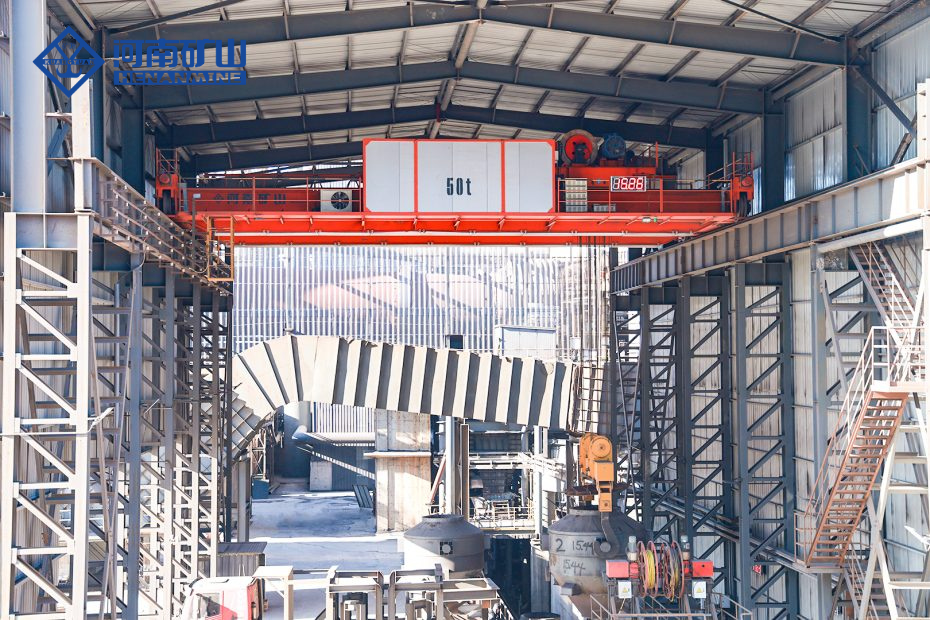
  • Container Straddle Carrier Buying: Load, Route and Stacking Questions

    Container Straddle Carrier Buying: Load, Route and Stacking Questions

    Technical guide

    Container Straddle Carrier Buying: Load, Route and Stacking Questions

    A carrier must suit the container movements and circulation space at the yard. Review the load basis, stacking requirement, ground conditions and transfer interfaces before comparing equipment and support offers.

    Henan Mine CraneTechnical guide · Updated 2026Crane selection, project scope and operating requirements
    Container Straddle Carrier by Henan Mine Crane
    Container Straddle Carrier by Henan Mine Crane
    Project planning notes

    Key points for this crane project.

    1. Basic Understanding of the Equipment
    2. Things to think about when choosing:
    3. Find out how much weight your load can hold and what
    Read the technical guide

    Basic Understanding of the Equipment

    The main parts of the machine include the gantry structure, lifting frame, telescopic container lifting device, steering system, power unit, hydraulic system, operator cab, and safety sensors. It's pretty straightforward: you put a container to be retrieved, lift it to a safe height, move it around the yard, and then put it down to stack it – and all of this is done by one unit on its own.

    Here are a few things to think about when choosing:

    Equipment TypeInitial InvestmentThroughputLabor Demand
    Straddle CarrierMediumHighLow
    RTG CraneMedium-highMedium-highMedium
    Reach StackerLow-mediumMediumMedium
    Terminal Tractor + ChassisLowMediumHigh

    When picking a container yard straddle carrier, the first thing to do is to work out the actual workload. First, you need to work out the average daily container throughput, peak-hour throughput, and truck turnaround time. Then, you need to work out the ratio of inbound to outbound containers, the proportion of empty versus full containers, and whether there are any special container types, like refrigerated or hazardous materials containers.

    Things to think about when choosing:

    Check how much work the yard can do and what it needs to be able to do that

    When picking a container yard straddle carrier, the first thing to do is to work out the actual workload. First, you need to work out the average daily container throughput, peak-hour throughput, and truck turnaround time. Then, you need to work out the ratio of inbound to outbound containers, the proportion of empty versus full containers, and whether there are any special container types, like refrigerated or hazardous materials containers.

    Find out how much weight your load can hold and what kind of container you need to use it in.

    Stacker Truck Specifications: The rated payload is a key factor. For regular 20-foot and 40-foot standard containers, models with a 35–40 metric ton capacity are enough. But if you need 45-foot containers, double-container lifting or heavy-duty specialty containers, go for models with a 45–60 metric ton capacity.

    Making sure the stacking height and yard utilisation match up.

    The height you can stack them at directly affects how much space you have in the yard. The most common set-ups are 1-over-2 (2-tier stacking), 1-over-3 (3-tier stacking) and 1-over-4 (4-tier stacking).

    The higher the stacking level, the more storage space you get per unit area. But this means you need equipment with a higher lifting height, which costs more to buy, takes longer to operate and means the operators need better visibility. High-level stacking is great for yards on the outskirts of cities where land costs are high, and in core port areas. But for inland yards with plenty of land and fast turnover, 2–3-layer stacking is a better option.

    When picking the stacking height for straddle carriers, it's worth thinking about space reserves for business growth over the next few years. There's no need to go for the highest spec model straight away.

    Choosing the Right Power Type: Diesel, hybrid, electric

    Choosing the power type is a key part of the procurement decision. At the moment, the main options are diesel, hybrid, and fully electric. Lots of customers find it tricky to choose between diesel and electric straddle carriers.

    Diesel models have the most mature technology, are cheaper to buy at first, and don't need as much extra infrastructure. They're great for places with limited power supply or irregular operations, like inland stockpiles in the mining industry.

    Hybrid models add an energy recovery system to the diesel base, which reduces fuel consumption and emissions. They're perfect for yards that want to cut energy consumption but don't have charging infrastructure yet, making them a smart choice during a transitional phase.

    Diesel vs. Hybrid vs. Electric Straddle Carrier

    ItemDiesel Straddle CarrierHybrid Straddle CarrierFull Electric Straddle Carrier
    Purchase CostLowerMediumHigher
    Operating CostHigher (fuel)MediumLower (electricity)
    CO₂ EmissionsHighMediumZero on-site
    MaintenanceMore componentsMediumFewer moving parts
    Infrastructure RequirementLowLowCharging station needed
    Best ForRemote / high-duty yardsTransition scenariosGreen ports & urban yards

    We can adapt the steering systems to fit the yard layout.

    The steering system has a big impact on how adaptable the equipment is to the yard layout. There are a few different types, like two-wheel steering, four-wheel steering, and crab-style steering. When picking a straddle carrier steering system, it's really important to make sure it's the right width for the aisle in your yard and that it can handle the density of containers.

    For standard, open yards, two-wheel steering is enough, but for yards with narrow aisles and dense container areas, go for all-wheel steering straddle carriers, which have a smaller turning radius and are easier to manoeuvre.

    When you need to move stuff around quickly and carefully, like when you're stacking things or working in narrow spaces, diagonal-steering straddle carriers are a better option. They mean you don't have to keep adjusting the vehicle's position, which saves a lot of time.

    Choose the automation levels you need.

    Lots of yards are currently upgrading digitally, and there are custom automated straddle carrier solutions available at different levels, so there's no need to implement everything at once.

    The basic model that you drive yourself is great for small yards that need to be flexible.

    Semi-automated models have automatic positioning and collision-avoidance assistance, which makes them easier to use and more stable.

    With remote-control models, operators can control the vehicle from a central control room, keeping them away from harsh outdoor environments and reducing the number of on-site personnel.

    Fully automated, driverless models are kitted out with GPS, LiDAR, and obstacle detection to automatically plan routes and get jobs done. They work with the Terminal Operating System (TOS) and are great for automated container terminals, cutting labour costs.

    We can’t compromise on safety features.

    Whatever model you choose, you'll need to make sure all the basic safety features are included. Stacker crane collision avoidance systems, load monitoring, wind speed alarms, emergency braking, automatic locking for lifting gear and panoramic video surveillance are all essential.

    For yards on the coast or in open areas, we need wind speed alarms and automatic locking devices that kick in when wind speeds go past safe limits. For hazardous materials yards, we might also add automatic fire suppression systems. And for yards where lots of vehicles are operating at the same time, we need a vehicle-to-vehicle distance anti-collision interlock function. When picking STF safety configurations, upgrades should be made as needed based on the yard's risk level.

    Getting used to the local climate and environment

    The way plants do in different regions depends on the environment there.

    High-temperature ports in the Middle East need heat-resistant cooling designs and dust-proof sealing configurations. Engines and hydraulic systems have to be adapted for high temperatures, and cabs need to be equipped with high-capacity air conditioning. We've already used our customised straddle carrier solutions for high-temperature ports on loads of overseas projects in the high-temperature sector.

    In rainy yards in Southeast Asia, electrical sealing and rust/corrosion protection need to be strengthened to stop rainwater from eroding electrical components.

    Vans used for moving stuff around in coastal salt fog need anti-corrosion coatings that are made for the sea, with important parts made of materials that don't rust to stop salt fog from damaging the equipment and making it last longer.

    Inland yards with high wind and sand must improve air filtration and dust-proof sealing to reduce sand and dust wear on transmission components.

    Just do the maths to work out the total cost of owning it.

    A lot of procurement problems come from focusing too much on the purchase price and not enough on the long-term operating costs. When you're doing a total cost of ownership (TCO) analysis for straddle carriers, make sure you include the purchase price, fuel/electricity costs, maintenance expenses, tire wear, labor costs, downtime losses, and residual value.

    For instance, electric models might cost more to buy, but they use less energy and cost less to maintain. In situations where they're used a lot, the extra cost can be made back in a few years. Diesel models might cost less up front, but you'll be spending more on fuel and maintenance in the long run.

    When working out the total cost of ownership of an inter-yard truck, you've got to base it on a 10–15-year service life. That's the only way to make sure you're getting a good picture of the cost differences between the different options. It's also worth calculating the full return on investment (ROI) for the inter-yard truck, including the benefits of labour savings, efficiency gains and reduced downtime.

    Assessment of the supplier’s capabilities

    It's more important to choose the right supplier than to compare specs. When evaluating suppliers of inter-yard trucks, you shouldn't just base your decision on price.

    It's important to look at how good they are at customising their engineering, and whether they can adapt their designs to your yard layout and operational needs. Next, have a look at their project case studies to see if they've got experience implementing solutions at yards of a similar type and size.

    You should also check out their manufacturing qualifications and quality certifications, like international ones like CE and ISO. It's also really important to have experience with automation and remote diagnostics for container handlers. When it comes to overseas projects, it's really important to focus on after-sales support, like having a global network of spare parts, setting up and getting started on containers, and staff training.

    As a professional straddle carrier manufacturer, Henan Mine Crane offers a full range of services, from designing solutions and manufacturing to installing, setting up, and maintaining your crane over its lifetime. We make customised container straddle carriers that are just right for yards in different regions around the world.

    Here are some common mistakes to watch out for when choosing your models.

    If you only compare the price you pay upfront, you might end up with a low-cost model that breaks down a lot and is off the road a lot, which can end up costing you more in the long run.

    If you go for high-stack models without thinking about the yard layout, you might find yourself with too narrow aisles and difficulty moving equipment around, which can really mess up your efficiency.

    If you don't think about how things might change in the future and only go for diesel models now, you might have to pay a lot more to adapt later when the rules about the environment get stricter.

    If you don't think about how your supplier can help you after you've bought something, you might not get the parts you need when you need them. For example, you could be waiting months for replacement parts, which could cost you more than the price difference between the equipment models.

    Not thinking the cost of replacing tyres will be as high as it is. If the ground conditions are poor, tyres wear out quickly, so when choosing models, check the tyre specifications and durability.

    Here are some recommended configurations for different scenarios.

    We've got these small inland container depots (ICDs). Go for 35–40 metric-ton diesel models with 2–3-layer stacking and basic manual operation – you'll get the best bang for your buck and it'll be a breeze to keep them in good nick.

    Medium-sized dry port logistics parks: Go for 40–45 metric-ton hybrid or electric models with 3-layer stacking and semi-automated assistance. These are great for balancing efficiency and environmental sustainability, and they're perfect for medium-to-large-volume throughput.

    Large international container terminals: Go for 45–60-metric-ton models with 3–4-layer stacking. You can upgrade these to remote control or fully automated operation, integrate with the terminal's TOS system, and they're suited for high-throughput operations.

    High-Temperature Ports in the Middle East: Diesel or hybrid models with extra heat resistance, dustproofing and protection against corrosion, as well as stronger cooling systems, to handle extreme heat.

    Inland Logistics Hubs in Africa: Choose proven diesel models with simple, reliable designs and readily available, interchangeable parts, suitable for environments with limited maintenance resources.

    Discuss the crane arrangement for your project.

    A carrier must suit the container movements and circulation space at the yard. Review the load basis, stacking requirement, ground conditions and transfer interfaces before comparing equipment and support offers. Share the load, available drawings, working cycle and site conditions with Henan Mine Crane so the required configuration and supply boundary can be discussed.

    Related crane configurations

    Container Straddle Carrier

    View product parameters
    Lifting capacity: 30 – 50 tStacking arrangement: 1 over 3 – 1 over 6Working class: A7 – A8

    Move containers between handling positions with a straddle carrier matched to the travel route and stacking layout. Define container load, ground conditions, clearance and the preferred drive system.

    Anode Carbon Block Stacking Crane

    View product parameters
    Lifting capacity: 10 – 30 tSpan: 13.5-40 mLifting height: 6 – 20 m

    Handle and stack anode carbon blocks with a crane configured around block geometry, gripping method and storage layout. Define the transfer sequence and automation interfaces before selection.

    Updated 2026 · Henan Mine Crane
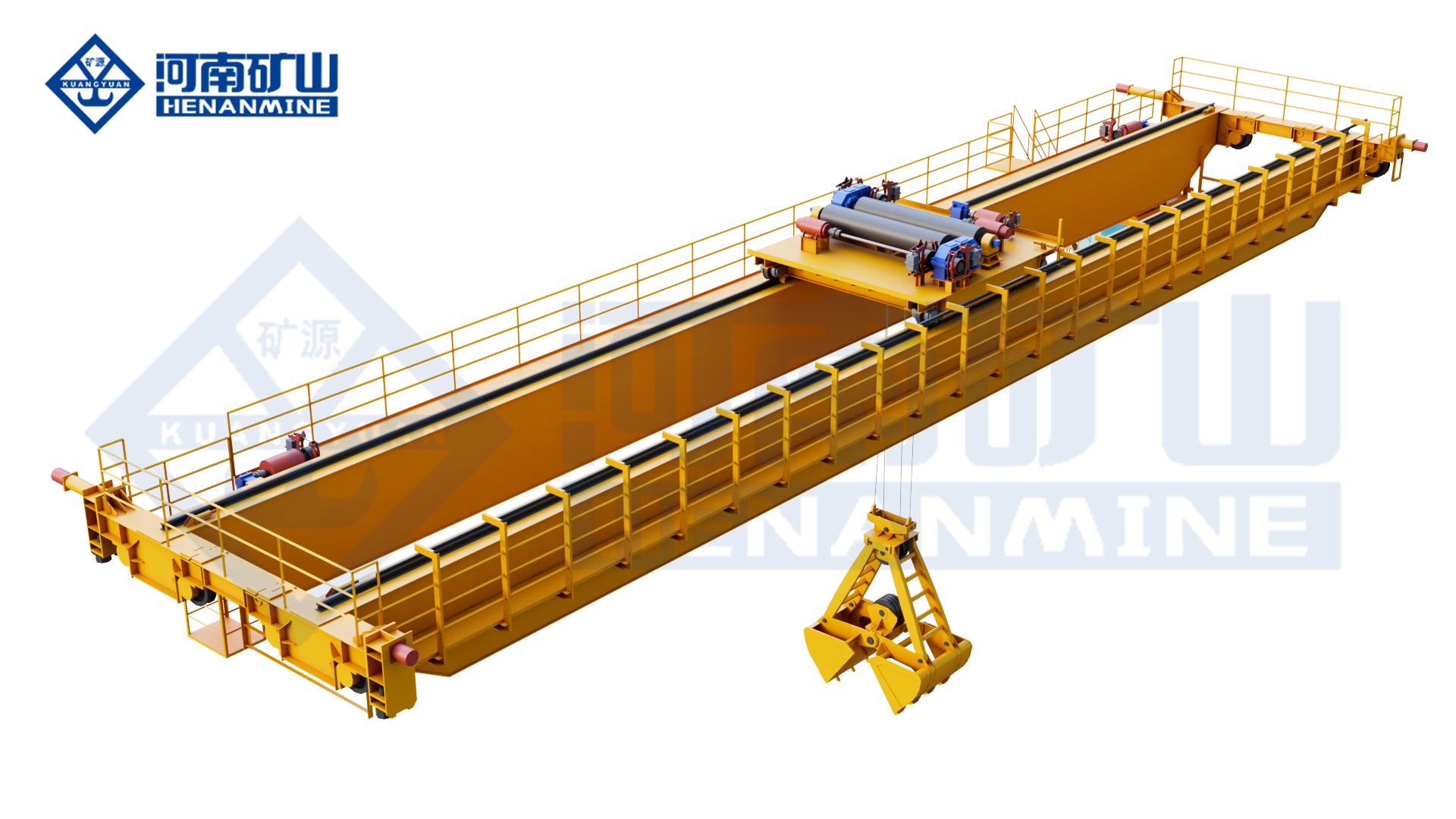
  • STS Crane Procurement: Define the Vessel and Quay Working Envelope

    STS Crane Procurement: Define the Vessel and Quay Working Envelope

    Technical guide

    STS Crane Procurement: Define the Vessel and Quay Working Envelope

    The crane arrangement must be checked against the intended vessels and terminal geometry. Provide the container service, outreach positions, lifting heights and landside transfer requirements before comparing STS proposals.

    Henan Mine CraneTechnical guide · Updated 2026Crane selection, project scope and operating requirements
    STS
    STS
    Project planning notes

    Key points for this crane project.

    1. What Is a Ship-to-Shore Crane and Why the Choice
    2. Key STS Crane Specifications Explained
    3. Step 1: Define Your Design Vessel and Outreach
    Read the technical guide

    What Is a Ship-to-Shore Crane and Why the Choice Matters

    Henan Mine Crane manufactured ship-to-shore (STS) crane, also called a quay crane or portainer, is a large rail-mounted gantry crane installed along a container terminal's berth. Its job is simple to describe and hard to execute at scale: lift containers off a vessel and place them on yard transport equipment, or reverse the sequence during loading. A modern crane repeats this cycle dozens of times per hour, every hour a vessel is alongside.

    Because STS cranes are structurally fixed to the quay and rated for a specific vessel envelope, the specification decision is largely irreversible. A crane with too little outreach cannot be stretched later without a major (and costly) boom replacement. A quay designed for a lighter crane class can't simply absorb a heavier one without civil works. That's why the selection process has to start with vessel and traffic forecasting, not a manufacturer's catalog.

    The financial stakes reinforce this. Vessel turnaround time is one of the most expensive variables in container shipping economics, every extra hour at berth is an hour of lost capacity for both the carrier and the terminal. A well-specified crane fleet directly shortens that time; a poorly specified one becomes a permanent bottleneck that no amount of yard-side efficiency can fix.

    Key STS Crane Specifications Explained

    Before working through the selection framework, it helps to have a shared vocabulary. These are the specifications that appear on every STS crane data sheet and drive both performance and cost:

    SpecificationWhat It Means
    Waterside outreachDistance the boom extends over the vessel from the waterside rail
    Lift height (above rail)Maximum height the spreader can reach, covering deck stacking
    Safe working load (SWL)Maximum rated lifting capacity, single or twin-lift
    Trolley/hoist speedSpeed of horizontal and vertical container movement
    BackreachDistance the girder extends landward of the portal frame
    Rail gaugeDistance between waterside and landside rails

    Two of these, outreach and lift height, are non-negotiable once fixed, which is why Step 1 below is dedicated entirely to getting them right.

    Step 1: Define Your Design Vessel and Outreach Requirement

    Start with the largest vessel your terminal expects to serve over the crane's operating life, not just today's calling fleet. This "design vessel" sets the floor for outreach and lift height requirements.

    Match Henan Mine Crane manufactured STS crane class to vessel class. Use this as a starting reference point, then confirm against your specific design vessel's dimensions:

    • Panamax:fits vessels through the original Panama Canal locks; roughly 13 container rows across; moderate outreach and lift height.
    • Post-Panamax:built for beam widths beyond the original locks; roughly 18 rows across; greater outreach and taller structure.
    • Super-Post-Panamax:designed for the largest vessels in service, 22–24+ rows, with ultra-long outreach and higher lift capacity.
    • ULCV-class:latest generation for mega-ships exceeding 24 rows, typically paired with tandem or twin-lift spreaders.

    Plan for a 20-year vessel outlook, not just current calls. Vessel sizes have grown steadily for decades, and a crane specified only for today's largest ship risks becoming obsolete well before the end of its structural life. Underspecifying outreach is one of the most common and costly mistakes in STS procurement, it's a permanent structural constraint that can't be corrected after commissioning.

    Step 2: Match Crane Class to Terminal Throughput Targets

    Reach defines what vessels the Henan Mine Crane manufactured STS crane can serve. Throughput capacity defines how quickly it can serve them. This step is about matching a crane’s productivity measured in gross moves per hour (GMPH) to your terminal’s business objectives.

    • Medium-scale terminalsgenerally need standard efficiency levels and can operate effectively with single-lift cranes at moderate hoist speeds.
    • High-volume terminals(roughly 5 million TEU or more annually) typically require 25–40 moves per crane hour, which usually means tandem or twin-lift spreader technology capable of handling two 20-foot containers simultaneously.
    • Multi-crane gangsare standard at major hub terminals, with combined gang productivity of 100–150 GMPH across three to five cranes working a single vessel simultaneously.

    Trolley and hoist speed are the mechanical levers behind these numbers, but faster movement also means higher energy draw, a trade-off worth weighing against your terminal's actual throughput requirement rather than defaulting to the fastest available option.

    Step 3: Evaluate Automation Level

    Automation is the point at which STS crane selection most directly addresses labor strategy, safety objectives, and capital budget. There are four major levels:

    1. Manual operation an operator in the crane cab (fully automated movement). Lower capital investment, increase longer-term dependence on labor.
    2. Semi-automated the trolley move and the container positioning over the ship are semi-automated; a remote operator is used to safely perform the final lowering and twist-lock connection.
    3. Remote/remote-assist operators are in a control-room on the deck instead of the crane cab, which results in a better working environment and a single operator is able to operate a number of cranes.
    4. Fully automated systems which involve very little human involvement throughout the cycle and are co-related with the use of automated stacking cranes and AGVS in the yard.

    Two real-world reference points illustrate where terminals land on this spectrum. Shanghai International Port Group's Yangshan Phase 4 terminal operates as a largely automated deep-sea facility, combining automated STS cranes with AGVs and automated stacking cranes. APM Terminals' Maasvlakte II facility in Rotterdam, by contrast, runs semi-automated STS cranes with remote cabin operation from a shore-based control room, a middle-ground approach that many terminals find more operationally practical than full automation.

    The decision should follow from your business case, not from an appetite for the newest technology. Full automation delivers the biggest efficiency gains at high-volume hub and transshipment terminals where consistent, round-the-clock throughput is the competitive differentiator. Mid-size terminals, or those with variable trade patterns, often get better returns from semi-automated or remote-assist configurations that improve safety and consistency without the full infrastructure investment automation demands.

    Step 4: Confirm Quay and Site Infrastructure Readiness

    Henan Mine Crane STS crane is only as reliable as the infrastructure that supports it. Prior to specification closure, check:

    • Rail system:Confirm rail gauge, alignment, and condition, proper spacing and leveling are critical for safe, smooth crane travel along the berth.
    • A ground survey and review of the structural engineer calculations should be undertaken prior to selecting a crane class.
    • Electrical supply:Electric and hybrid cranes need voltage, phase, and connection specifications confirmed against terminal power infrastructure; shore power voltage for modern cranes commonly runs in the 4,000–13,200-volt range.
    • Clearance and obstructions:Check overhead clearance restrictions (for example, near airports), private utility corridors, and existing crane rail spacing if you're adding to an existing fleet.

    Retrofitting an existing quay for a heavier or longer-reach crane class is possible but often involves substantial civil works, reinforcing rails, upgrading electrical capacity, or even widening the quay apron. It's far cheaper to confirm compatibility before signing a purchase order than to discover a mismatch during commissioning.

    Step 5: Build Your Total Cost of Ownership Model

    Purchase price is the most visible number in an STS crane deal, but it's rarely the number that determines whether the investment pays off. A complete TCO model should include:

    • Initial purchase price:New Post-Panamax and Super-Post-Panamax cranes commonly range from roughly 8 to 15 million dollars per unit, with fully automated ULCV-class cranes trending higher depending on scope, region, and customization.
    • Financing structure:Outright purchase, structured financing, and operating leases all shift the cash-flow profile differently; leasing can preserve capital for yard-side investment but typically costs more over the crane's full life.
    • Expected service life:Most STS cranes are engineered for 25–30 years of service; amortize the investment against that horizon rather than a shorter planning window.

    Running these numbers side by side for two or three shortlisted configurations, rather than comparing sticker price alone, is usually what separates a crane investment that pays for itself from one that quietly erodes terminal margins for a decade.

    Step 6: Qualify and Compare Manufacturers

    With specifications and budget defined, the final step is vetting suppliers. Qualified means more than brand recognition.

    • Reference installations:at terminals with a similar vessel profile and throughput target to yours, ideally ones you can visit or contact directly.
    • Component quality and sourcing:Electrical system components from established suppliers (Henan Mine Crane Factory) tend to improve long-term reliability, though they also affect price.
    • Standards compliance:Confirm the manufacturer designs to relevant international standards, including ISO 4301-1 for crane classification, FEM 1.001 for hoisting appliance design, and EN 13135 for safety design requirements.
    • Warranty, spares, and service support:Long-term parts availability and local service capability matter more over a 25-year asset life than a marginally lower upfront quote.
    • Customization capability:Terminals in high-wind, seismic, or extreme-temperature regions need engineering adjustments that not every manufacturer handles equally well.

    Sustainability and Energy Efficiency Considerations

    Energy efficiency has moved from a nice-to-have to a standard evaluation criterion in Henan Mine Crane STS crane procurement. A few features are worth specifying explicitly:

    • Regenerative braking/drive systems, which recapture energy during container lowering and can meaningfully cut overall power consumption.
    • Connectivity to shore power, removing the need for onboard diesel generation and reducing direct emissions at the quay.
    • Variable speed drives are used to increase energy efficiency and allow more flexible control of the hoist and trolley speeds.
    • Hybrid Power configurations where the power system can be switched from shore power or on board generation, as for terminals with weak grid infrastructure.

    These features increase the capital cost but generally pay back in the form of lower energy bills plus, more and more, in premiums attached to meeting port sustainability targets which will be a consideration for carriers in selecting terminals.

    Common Mistakes in STS Crane Procurement

    A few recurring errors show up across terminal projects:

    1. Only defining outreach for the present fleet, as no account is taken of increasing vessel size during the crane’s life.
    2. Treatment of quay infrastructure as an afterthought only learning ground bearing or power restrictions when the crane has been ordered.
    3. This definition is overly reliant on full automation without any throughput or labor-cost business case to justify the premium.
    4. Comparing purchase price alone, ignoring financing structure, energy costs, and maintenance over a 25–30 year horizon.
    5. Underweighting manufacturer track recordin favor of the lowest quoted price, then absorbing the cost of poor spares availability or slower service response later.

    Frequently Asked Questions

    What outreach does an STS crane need to cover a ULCV?

    What is the difference between an STS crane and an RTG crane?

    An STS crane is a fixed, rail-mounted crane that moves containers between a vessel and the quay, while an RTG crane is a mobile, rubber-tired crane that stacks and moves containers within the storage yard. The two work as complementary parts of the same handling chain rather than substitutes for each other.

    Is full automation worth it for a mid-size container terminal?

    Full automation is usually justified only at high-volume hub terminals; mid-size terminals often get a better return from semi-automated or remote-operated cranes that improve safety and consistency without the full infrastructure cost.

    Can an existing quay be upgraded to support a larger STS crane?

    Yes, but it requires engineering review of rail gauge, ground-bearing capacity, and power supply, and may involve significant civil works if the existing quay was not designed for the new crane's weight and reach.

    Henan Mine Crane

    Selecting the appropriate ship to shore crane is simply about designing a dependable container handling package that shall meet the needs of today and tomorrow. From vessel size and handling capacity, to automation needs, infrastructure conditions and life-cycle costs, each factor will influence the long-term efficiency and ROI of the system. A sound STS crane system maximizes a terminal‘s productivity for many years to come by helping minimize vessel.

    Backed by rich experience of producing heavy duty cranes and providing equipment customization, our engineering team specializes in offering STS cranes designed for specific terminal needs, ship conditions and working environments to various customers. From technical consultation and equipment design, manufacturing, installation support to after sales service, Henan Mine Crane Factory is committed to becoming a dedicated partner of your safe, productive and reliable container handling projects for dependable and cost-effective investments.

    Discuss the crane arrangement for your project.

    The crane arrangement must be checked against the intended vessels and terminal geometry. Provide the container service, outreach positions, lifting heights and landside transfer requirements before comparing STS proposals. Share the load, available drawings, working cycle and site conditions with Henan Mine Crane so the required configuration and supply boundary can be discussed.

    Related crane configurations

    Ship-To-Shore Crane (STS)

    View product parameters
    Lifting capacity: 40-65 80-120 tBoom outreach: 40-72 mWorking class: A8

    Transfer containers between ship and quay with an STS crane selected for the berth and vessel envelope. Define the lifting-appliance arrangement, outreach, rail position and handling cycle.

    Container Overhead Crane

    View product parameters
    Lifting capacity: 30-65 tSpan: 18-35 mLifting height: 8 – 20 m

    Transfer containers within a defined overhead runway area using a double-girder bridge and matched spreader. Container size, working clearance and the handling sequence determine the arrangement.

    Updated 2026 · Henan Mine Crane
  • RTG Manufacturer Selection: Yard Fit and After-Sales Scope

    RTG Manufacturer Selection: Yard Fit and After-Sales Scope

    Technical guide

    RTG Manufacturer Selection: Yard Fit and After-Sales Scope

    Manufacturer assessment needs to include the actual yard operation and the support expected at the site. Compare technical information, infrastructure interfaces, commissioning and spare-parts arrangements using a common RTG project brief.

    Henan Mine CraneTechnical guide · Updated 2026Crane selection, project scope and operating requirements
    Henan Mine Crane Rubber Tyred Gantry (RTG)
    Henan Mine Crane Rubber Tyred Gantry (RTG)
    Project planning notes

    Key points for this crane project.

    1. What is a tire gantry crane (RTG)
    2. The core value of choosing the right RTG crane
    3. Define the core requirements of your RTG project
    Read the technical guide

    What is a tire gantry crane (RTG)

    Basic Definition

    The tire gantry crane is a mobile gantry lifting equipment equipped with a rubber tire travel system, which is mainly used for standardized yard operations such as container stacking, in-field transfer, cargo loading and unloading. The whole equipment does not need to lay a fixed track, can be hardened and leveled field free travel, flexible steering, adapt to the needs of multi-scene transfer operations.

    Different from ordinary workshop gantry cranes, RTG Crane is designed for outdoor all-weather heavy-duty working conditions, structural strength, travel stability, wind and corrosion resistance are in accordance with the standards of the port yard to build, more suitable for long-term and high-frequency container operation scenarios.

    Mainstream Application Scenarios

    Container terminal yard is the most important application scenario of RTG equipment, which mainly undertakes core operations such as container stacking and storage, on-site transfer, and truck loading after ship unloading. The flexible mobile capability of the equipment can be adapted to the simultaneous operation requirements of multiple berths and regions of the terminal.

    Inland container freight station, railroad freight yard is also the core use of RTG scene. This type of site operating range of flexible, dynamic line of change, no rail restrictions on the container yard Crane, can be better adapted to the railroad container grouping, transit, temporary storage operations.

    Various types of integrated logistics hubs, multimodal transportation parks, RTG cranes are commonly used to complete the road, rail, waterway cargo transfer. The equipment can be flexibly adjusted according to the yard planning operation area, adapted to different cargo flow rhythm and site layout.

    Why RTG manufacturer selection is critical

    RTG Crane does not belong to the ordinary standardized lifting equipment, is a set of integrated steel structure, power drive, travel steering, electronic control system, wind anti-corrosion complex complete sets of equipment. The design and assembly precision of each system will affect the operating status of the whole machine.

    Outdoor port yards have complex working conditions, often experiencing high winds, sun exposure, temperature changes, rain erosion, and some coastal sites also have salt spray corrosion problems. Only port crane manufacturers who are deeply engaged in the field of port equipment can optimize the structure and configuration of the equipment to adapt to the harsh outdoor operating environment.

    Ordinary general-purpose Crane manufacturers lack experience in the design of yard conditions, the production of equipment is prone to rapid tire wear, travel offset, stacking inaccuracy, excessive energy consumption and other problems, long-term use will bring many hidden problems to the yard operation.

    The core value of choosing the right RTG crane manufacturers

    Equipment stability directly determines the yard capacity

    The throughput efficiency of the container yard is completely dependent on the continuous operation capability of the lifting equipment. Once the RTG crane fails and stops, it will directly cause the interruption of container stacking and transfer, and the entire operation rhythm of the yard will be disrupted.

    High-quality manufacturers of tire gantry cranes, low machine failure rate, stable operating conditions, able to adapt to high-intensity, long-time continuous operation of the yard. Inferior equipment frequent breakdowns and downtime, will directly pull down the overall throughput of the yard, resulting in hidden economic losses.

    Engineering design level determines the core performance of the equipment

    The stability of RTG equipment, container stacking accuracy, anti-swaying effect and energy consumption all depend on the engineering design capability of the manufacturer. Reasonable structural force design can effectively reduce equipment operation shaking and ensure neat and accurate stacking of high-level containers.

    Mature power and electronic control matching design can reduce the impact of equipment start and stop, so that the whole machine runs more smoothly. Many common problems of low-priced equipment, such as large alignment deviations, travel jams, and serious shaking, are essentially the result of pre-design defects.

    Manufacturer strength affects the whole life cycle cost of equipment

    Many purchasers are only concerned about the unit price of equipment purchases, ignoring the later long-term operating costs. Professional RTG Crane suppliers will optimize the power system and structural configuration according to the site conditions, effectively reducing fuel or power consumption.

    At the same time, the excellent production process and high-quality parts with, can reduce the frequency of replacement of wearing parts, reduce annual maintenance costs, reduce the loss of unplanned downtime.

    In the long run, the comprehensive utilization cost of equipment from reliable manufacturers is much lower than that of low-priced and low-matched equipment.

    Supporting services to ensure long-term stable operation

    RTG belongs to the high-value port special equipment, the service life can reach more than ten years, later troubleshooting, parts replacement, equipment debugging are inseparable from the manufacturer's support. A perfect after-sales system is an important guarantee for long-term stable operation of the yard.

    Lack of service capability of the manufacturer, equipment delivery response lag, slow supply of parts, small faults dragged into a big problem, will significantly affect the normal operating rhythm of the yard.

    Define the core requirements of your RTG project first

    Confirmation of equipment application scenarios

    First of all, clarify the core operational use of the equipment, whether it is purely used for multi-layer stacking of containers, or taking into account the field of container transfer, truck loading and unloading operations. Different operational focus, the corresponding equipment configuration and parameter design will be significantly different.

    If it is a railroad terminal operation, it needs to adapt to the operational rhythm of railroad container grouping and transfer; if it is an intermodal yard, it needs to take into account the flexible operational needs of multiple cargo flows and multiple lines of movement. Precise positioning of the scene, in order to avoid configuration redundancy or lack of functionality.

    Sort out the core technical parameters

    Before purchasing, you need to sort out the complete equipment parameters, including rated lifting capacity, equipment span, the number of rows of suitable containers, the maximum lifting height, the number of layers of stacked containers. With the cantilever operation needs of the yard, but also clear cantilever length and operating range.

    At the same time need to determine the operating parameters of the equipment, including the traveling speed of large vehicles, trolley operating speed, lifting speed. These parameters directly match the efficiency of the yard operation, and is the core basis for manufacturers to issue customized solutions.

    Determine the type of power drive

    Currently the mainstream RTG equipment is divided into four power forms, suitable for different site conditions and environmental requirements. Traditional diesel-driven RTG is suitable for remote yards without stable utility power, with strong mobility and wide adaptability.

    Hybrid RTGs take into account mobility and energy saving, and can switch power modes according to operation scenarios, making them suitable for small and medium-sized integrated yards.

    Battery-type RTG is a new environmentally friendly model in recent years, with zero emission and low noise, suitable for green smart ports, urban logistics parks and other sites with strict requirements on environmental protection and noise.

    Mapping the site operating environment

    The natural environment of the outdoor yard is an important reference for equipment selection and design. It is necessary to confirm the perennial temperature range of the site, the maximum wind level, rainfall frequency, coastal sites need to focus on verifying the degree of salt spray corrosion.

    At the same time to confirm the yard ground hardening conditions, flatness, and local environmental protection tailpipe emission standards. These environmental parameters, determines the equipment wind level, anti-corrosion process, power configuration and protection standards.

    Verify whether the supplier is the source manufacturer

    Verify the core significance of the identity of the manufacturer

    Source tire gantry crane manufacturer, the whole process of controlling the equipment design, steel selection, structural welding, machine assembly, factory testing. In the program customization, quality control control, schedule adjustment, problem rectification has the absolute initiative.

    Trade suppliers do not have their own production workshops and rely on external OEM for their equipment, so they cannot do in-depth customization according to the site conditions and have very little room for configuration adjustment. Once there is a quality or adaptation problem, the docking process is cumbersome and the rectification efficiency is extremely low.

    Factory strength verification method

    Purchasers can take the initiative to ask for factory photos, production workshop operation video, large-scale steel structure processing equipment information, and visually check the manufacturer's production scale and hardware conditions. At the same time, verify the formal registration qualification of the enterprise and the export record in the past years to confirm the export experience of the manufacturer.

    Focus on requesting the same type of RTG landing project cases, including the same tonnage, the same working conditions, the same area of the yard project records. Regular manufacturers, can be ready to cooperate with online video factory inspection or offline field inspection, the production process is transparent and can be checked.

    Adaptive cooperation scenarios for trading companies

    If the procurement of standardized conventional models, no special working conditions customization needs, no requirements for equipment modification projects, trading companies with mature project coordination capabilities can be included in the alternative.

    This kind of high-quality traders usually have long-term fixed cooperation with reliable factories, in the export documents, international logistics docking, customs clearance and other aspects of experience, can simplify the docking process of overseas customers. However, for complex non-standard projects and demanding port projects, the source manufacturers are still preferred.

    Evaluate the engineering design and customization ability of manufacturers

    Customize the design to fit the actual working conditions of the yard.

    A professional RTG design team will not directly apply common drawings to mass-produce equipment. They will optimize the overall structure and operating parameters of the equipment by taking into account the overall layout of the customer's yard, the logic of container storage, the frequency of daily operations, and the wind conditions of the site.

    The design program will fully match the dynamic line of the yard, avoiding problems such as blind spots, travel interference, stacking deviation, etc., so that the rhythm of the equipment operation is fully adapted to the daily operational needs of the yard, and to improve the overall smoothness of the operation.

    Optimized structure design and wheel pressure parameters

    The degree of tire wear, the stability of the whole machine, the value of ground pressure, and the smoothness of travel of RTG equipment are all determined by the preliminary structural design. Reliable manufacturers will accurately calculate the weight distribution of the whole machine, optimize the wheel pressure ratio, and adapt to the ground loading conditions of the yard.

    Reasonable structural optimization can effectively reduce abnormal tire wear, ground settlement, travel offset and other common problems, reduce the later operation and maintenance costs, and extend the service life of the equipment and the site.

    Diversified customized solutions

    Manufacturers can adjust the container span configuration and cantilever structure style according to customer needs, and install anti-sway system, automatic deflection correction steering, and remote equipment monitoring module as required. For the automated yard, OCR recognition, yard management system linkage and other intelligent supporting functions can be adapted.

    Meanwhile, it can be equipped with energy-saving control system and regenerative braking system to optimize the power solution according to the environmental protection and energy consumption requirements of the site, which can be adapted to different scenarios such as common yard, green port and automated terminal.

    Provide a complete set of technical information

    Regular tire gantry crane manufacturers, delivery of equipment at the same time, will provide a full set of standardized technical documents. Including equipment overall layout drawings, ground wheel pressure data, energy consumption parameters, electrical schematic diagrams, foundation construction reference materials.

    Supporting the provision of equipment operation manuals, maintenance guidelines, factory inspection reports and other documents, to fully meet the acceptance of overseas projects, for the record, the later maintenance and bidding data review needs.

    Examination of production strength and quality control system

    Steel Structure Processing and Manufacturing Capability

    RTG gantry crane main girder, gantry, end beams and other core steel structure, determines the overall stability and service life of the equipment. Professional manufacturers have a full set of large-scale cutting, welding, machining, precision calibration equipment, to ensure that the steel structure size is accurate, solid welding.

    Full control of the whole process of material preparation, assembly, welding, grinding and assembling effectively avoids production problems such as welding deformation, dimensional deviation and structural loosening, and ensures the structural stability of the equipment for long-term outdoor heavy-duty operation.

    Selection standard of core parts

    The core parts of the power system, traveling system and control system of the equipment directly affect the equipment failure rate and operation performance. Focus on verifying the brand and specification of diesel engine/motor, generator set, reducer, brake, PLC control system, container spreader, special tires, steering accessories.

    Reliable manufacturers will choose the industry mainstream mature parts, parts of strong generality, high stability, global replacement procurement is convenient, can significantly reduce the difficulty and cost of late maintenance.

    Standardized factory inspection process

    Perfect quality control system is the guarantee of equipment quality. Regular manufacturers will carry out a number of testing procedures, such as random inspection of raw materials, non-destructive testing of welded seams, review of overall dimensions, and testing of electrical circuits.

    After the equipment assembly is completed, the whole machine will be carried out no-load test run, graded load test, full-load operation test, travel and steering debugging, all-round checking of hidden equipment, to ensure that the performance of each factory RTG equipment is up to standard.

    Outdoor anti-corrosion and anti-rust treatment process

    RTG equipment operates in the open air all year round, so the wind, sun, rain and coastal salt fog will accelerate the aging of the equipment. The surface anti-corrosion coating process directly determines the outdoor service life of the equipment.

    High-quality manufacturers will use professional rust removal process, with multi-layer anticorrosion primer, intermediate paint, weather-resistant topcoat, to form a complete protection system, effectively resisting the harsh outdoor environment, to avoid rusting of the steel structure, paint peeling and other problems.

    Verification of similar RTG project experience

    The importance of similar project experience

    Tire gantry crane belongs to the port yard special equipment, and ordinary workshop gantry crane design standards, working condition requirements, operating logic is completely different. No port yard project experience manufacturers, it is difficult to control the outdoor heavy load, high frequency operation, wind and corrosion resistance and other core details.

    Deeply cultivated in the field of port equipment RTG suppliers, familiar with different regions of the world's climatic conditions, yard operation habits, project acceptance standards, can avoid all kinds of landing pitfalls in advance, to ensure that the equipment adapted to the local working conditions.

    Ask for high matching project cases

    When screening manufacturers, do not just look at the general publicity cases, and prioritize the request and their own projects to highly match the landing project. Focus on checking the same lifting capacity, the same container span, the same stacking height parameters, the same kind of yard scene, the same climate area of the completed project.

    Inland yards, ordinary ports, coastal high corrosion terminal equipment configuration varies greatly, matching the high degree of cases, in order to truly reflect the actual delivery capacity of manufacturers.

    Verification of project authenticity credentials

    Manufacturers can be asked to provide project site photos, equipment operation video, complete project case reports, factory commissioning records. Conditionally, you can verify the end customer feedback, intuitive understanding of the long-term operational status of the equipment.

    Regular export manufacturers will accumulate a large number of traceable overseas landfill project information, which can prove their own project landing strength in all aspects.

    Evaluation of drive system and energy consumption control capability

    Scenarios of various RTG power solutions

    There are obvious differences in the technical accumulation of different manufacturers in various types of power systems. Diesel-driven RTGs are suitable for remote yards without stable utility power and with high mobility requirements; pure electric RTGs are suitable for standardized terminals with regular operations and the pursuit of low operating costs.

    Hybrid RTGs are suitable for small and medium-sized integrated logistics yards, taking into account the needs for flexible transfer and energy saving; battery-driven RTGs are more in line with the construction standards of green ports and low-carbon parks, and are suitable for regions with stringent environmental control.

    Energy consumption determines long-term operating costs

    The energy consumption of equipment is one of the biggest operating expenses of the yard all year round. Excellent manufacturers will reduce the energy consumption of equipment operations through power system optimization, electronic control program debugging, brake energy recovery and other designs.

    The seemingly small difference in energy consumption in a single shift, after years of high-frequency operation, will form a huge cost difference, which directly affects the overall profitability of the project.

    Adaptation to local environmental emission requirements

    The exhaust emission and noise control standards of ports and logistics parks around the world are different. Professional manufacturers will adjust the engine configuration, exhaust gas treatment device, and noise reduction structure according to the environmental policy of the region where the project is located.

    Long-term value of energy-saving design

    The energy-saving design equipped with regenerative braking, frequency conversion speed control, and intelligent start/stop can recover excess energy when the equipment is decelerating, braking, and standing idle. This proven energy-saving solution can continuously reduce equipment fuel or electricity consumption, with obvious cost advantages for long-term use.

    Evaluate automation and intelligent control capabilities

    Adaptation to different levels of control

    Automation planning varies greatly from one yard to another, with some traditional yards retaining manual operation modes and new smart yards adopting semi-automatic or fully-automatic operation modes. Reliable manufacturers will accurately match the corresponding control system according to the actual operation planning of customers.

    They will not blindly pile up high-end automation functions to increase the procurement cost, nor will they reduce the necessary configurations to make it impossible to meet the upgrading needs of the yard.

    Core practical automation functions

    Currently, the mainstream practical configurations include precise sway control control, automatic container alignment, automatic deviation correction, remote troubleshooting, real-time operation data monitoring and other functions. The automated yard can also realize data interoperability and cooperative operation between equipment and yard management system.

    These functions can reduce manual operation errors, lower operational risks, simplify equipment operation and maintenance processes, and meet the management needs of modernized yards.

    Practical significance of intelligent configuration

    Modern ports and logistics yards pay more and more attention to operational safety, labor cost control and digital management. A mature intelligent control system not only improves operational stability, but also provides data support for digital operation and maintenance and fine management of the yard.

    Verification of qualification certification and export compliance capability

    A full set of export documents handling capacity

    Overseas project delivery, need to be supported by a complete set of foreign trade documents.

    All documents are in standardized format, complete information, and can be directly used for customs clearance, project filing, project acceptance, without the need for secondary modification and supplementation.

    The necessity to verify the compliance in advance

    This may result in delayed customs clearance and acceptance of the project after the arrival of the equipment, which may result in port demurrage costs, or affect the overall progress of the project and cause large economic losses.

    Therefore, the compliance qualification and documentation capabilities must be completed in the procurement of a comprehensive verification of the pre-purchase.

    Scientific comparison of RTG Crane offers

    Reject the single price comparison thinking

    Low-priced offers often have hidden shrinkage, many suppliers by simplifying the anti-corrosion process, replacement of low-end accessories, deletion of ancillary services, shrinking equipment materials to suppress the offer. Short-term procurement cost reduction, later operation and maintenance, rectification, downtime losses will increase exponentially.

    Procurement selection should be a comprehensive configuration, process, service, qualification, delivery ability to judge, not just look at the final offer.

    Check the complete scope of supply item by item

    Carefully check all the items included in the offer to confirm whether it covers the main steel structure, lifting mechanism, trolley operation system, power unit, electronic control system, special container spreader, wear-resistant tires, operating cab, a full set of safety protection devices.

    At the same time to clarify whether the offer includes basic spare parts, factory commissioning, technical guidance services, to distinguish between standard items and value-added payment items, to avoid the later generation of invisible add-ons.

    Check the brand specifications of core parts

    The brand and model of core parts such as engine, motor, reducer, PLC control system, spreader, tires, etc. directly determine the operating performance, failure rate and service life of the equipment.

    Need to be clearly labeled in the offer and contract accessories brand specifications, lock the configuration standards, to eliminate the problem of high with publicity, low with delivery.

    Clear foreign trade terms of business

    Finalize EXW, FOB, CIF and other trade terms in advance, and clearly delineate the rights and responsibilities and costs of production and delivery, shipping logistics, customs clearance, and transportation at destination ports, so as to avoid budget overruns and disputes over rights and responsibilities in the later stage.

    Evaluate delivery, project management and docking capability

    Delivery cycle directly affects project progress

    The duration of port and yard projects is extremely rigid, and the delivery time of the equipment directly determines the pace of commissioning and operation of the site. Reliable manufacturers with stable production capacity and standardized scheduling can specify a fixed production cycle and complete production, packing and shipment delivery in strict accordance with the agreed time.

    Professional Project Coordination Capability

    Mature manufacturers will be equipped with an exclusive project docking team to follow up the whole process of drawing review, production progress, factory quality inspection, packing and shipping, and data docking. We take the initiative to synchronize the project nodes and coordinate and solve all kinds of docking problems in time.

    At the same time, we plan in advance for equipment packaging, fixing, moisture protection, to avoid cargo damage, moisture, deformation and other problems in the process of sea transportation.

    Communication efficiency reflects the reliability of manufacturers

    Overseas projects have long docking cycles and many technical details.

    Clear and efficient technical communication can reduce information deviation and program repetition, ensure the smooth progress of the project, and is also a visual reflection of the manufacturer's execution ability.

    Discuss the crane arrangement for your project.

    Manufacturer assessment needs to include the actual yard operation and the support expected at the site. Compare technical information, infrastructure interfaces, commissioning and spare-parts arrangements using a common RTG project brief. Share the load, available drawings, working cycle and site conditions with Henan Mine Crane so the required configuration and supply boundary can be discussed.

    Related crane configurations

    Rubber Tyred Gantry (RTG)

    View product parameters
    Lifting capacity: 20t – 100tSpan: 5m – 30mLifting height: 6m – 30m

    Use a rubber-tyred gantry for heavy handling where the operating layout requires a mobile tyre-supported arrangement. Define the load, steering modes, route and ground conditions for the project.

    Updated 2026 · Henan Mine Crane
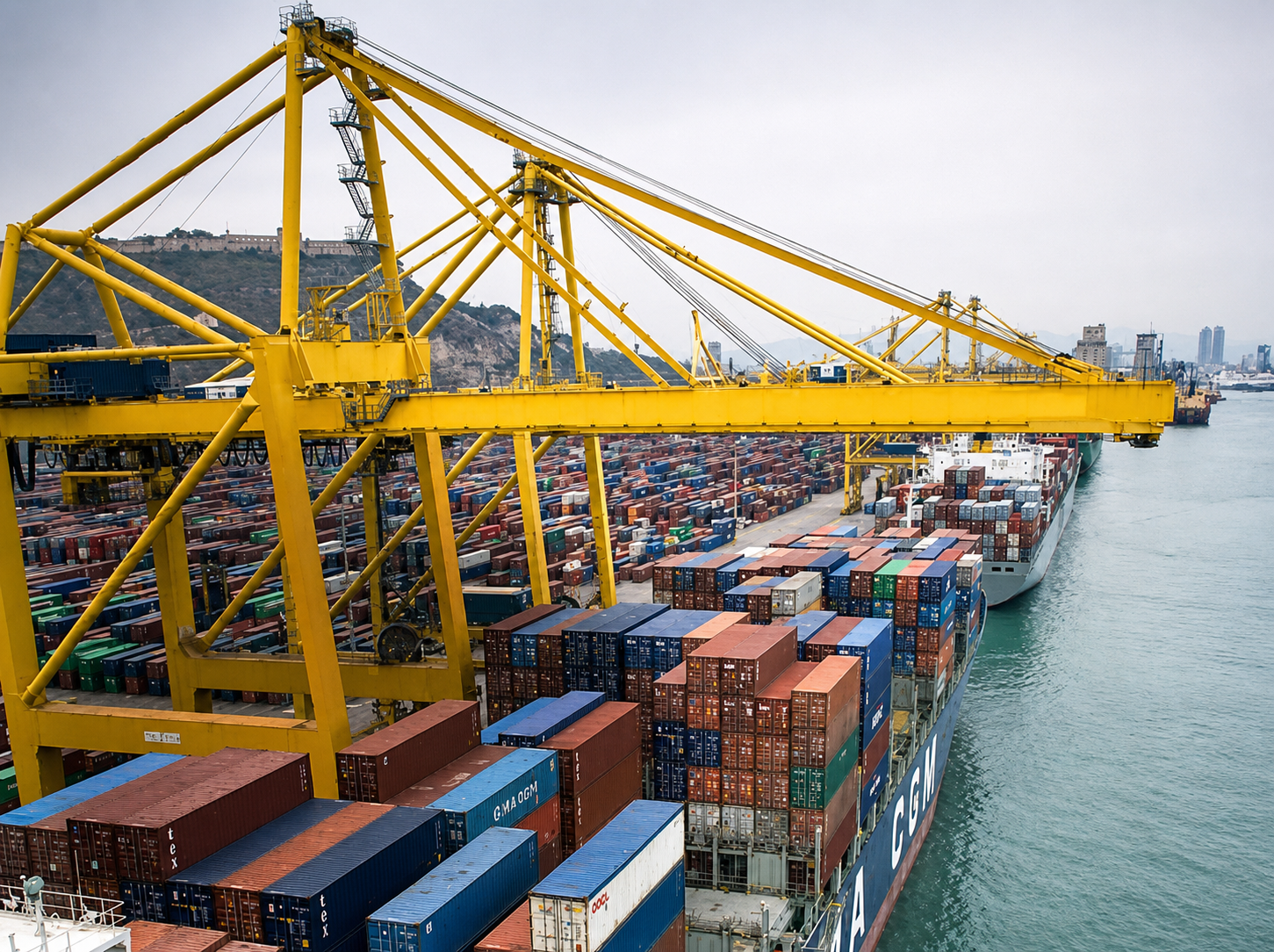
  • Gantry Crane Manufacturer Review: Load Cases, Documents and Site Work

    Gantry Crane Manufacturer Review: Load Cases, Documents and Site Work

    Technical guide

    Gantry Crane Manufacturer Review: Load Cases, Documents and Site Work

    A complete proposal should make the equipment arrangement and project responsibilities understandable. Compare supplier drawings, load assumptions and support information before judging offers by headline capacity or price.

    Henan Mine CraneTechnical guide · Updated 2026Crane selection, project scope and operating requirements
    Henan Mine Crane overhead crane inside a workshop bay
    Henan Mine Crane overhead crane inside a workshop bay
    Project planning notes

    Key points for this crane project.

    1. Mainstream application projects of gantry cranes
    2. Core Procurement Requirements for Gantry Crane
    3. Procurement must verify the core technical
    Read the technical guide

    Mainstream application projects of gantry cranes

    Gantry cranes cover most of the open-air industrial lifting scenarios by virtue of their large span, no plant dependency, and adaptability to outdoor work, and are the mainstream lifting equipment for overseas industrial projects. Different projects are suitable for different models, operational use, the following table clearly summarizes the various mainstream application scenarios, to facilitate the procurement of rapid matching needs.

    Application ScenariosRecommended Crane TypesCore Working Functions
    Outdoor Storage YardsSingle Girder Gantry Crane, Standard Gantry CraneHandling stacking, transferring, loading and unloading of steel, pipes, machinery parts, precast components and heavy raw materials for daily outdoor operations.
    Mining & Quarry ProjectsHeavy-duty Industrial Gantry Crane, Double Girder Gantry CraneEquipment maintenance, spare parts replacement and heavy material transportation, adapting to dusty and harsh outdoor mining conditions.
    Precast Concrete YardsSingle/Double Girder Gantry Crane (Optional)Moving production molds, finished precast components and raw materials to support frequent and regular cyclic lifting tasks.
    Shipyards & Fabrication YardsDouble Girder Gantry Crane, Custom Gantry CraneLifting oversized and heavy steel structures and ship components to meet high-load and high-stability assembly requirements.
    Ports, Logistics Bases & Industrial YardsRail-mounted Gantry Crane, Rubber-tyred Gantry CraneCargo transfer, large equipment movement and yard arrangement, adapting to variable outdoor weather and batch cargo operations.
    Workshop Extension & Semi-outdoor AreasSemi-gantry Crane, Light-duty Gantry CraneSuitable for open workshops without complete overhead rail systems, requiring no complex foundation for temporary or long-term semi-outdoor lifting work.

    Core Procurement Requirements for Gantry Crane Projects

    The uncertainty of outdoor working conditions makes the procurement standard of gantry cranes much higher than that of ordinary indoor lifting equipment, and is also the core basis for overseas buyers to screen suppliers of outdoor gantry cranes.

    Stable outdoor adaptability

    Open-air equipment is exposed to wind and rain, sand and dust, and temperature changes all year round, and some coastal and arid areas are also subject to corrosion and strong winds. The equipment must be equipped with basic windproof, rainproof, dustproof and anti-corrosion configurations in order to ensure uninterrupted and stable operation throughout the year.

    Heavy-duty and stable structural design

    Users choose gantry cranes, mostly to solve the heavy-duty, large-scale lifting problems. The material thickness and welding process of the main girder, outriggers and traveling structure of the equipment directly determine the load carrying capacity and service life of the equipment, which is also the key to distinguish the quality of the equipment.

    Adapt to the site layout

    Different plants have different site widths, traveling distances, foundation bearing capacity, and operating lines. High-quality manufacturers will not apply the standard model, but will adjust the equipment span, travel length, and leg height according to the actual layout of the site, so as to adapt to the exclusive working conditions of the project.

    Simple installation and low operation and maintenance costs

    The difficulty of installation and commissioning of outdoor equipment directly affects the progress of the project. The convenience of daily maintenance and parts replacement can also effectively reduce the time and capital cost of long-term operation and maintenance in the plant.

    Complete technical data and engineering support

    Overseas project customs clearance, local acceptance, equipment operation and maintenance, all need a full set of formal technical documents. Reliable gantry crane manufacturers can provide equipment drawings, load data, operation manuals, testing records, as well as supporting the pre-work condition survey, program optimization engineering services.

    Long-term spare parts supply and after-sales response

    Yards, mines, ports project once the equipment downtime, will produce huge production losses. Manufacturers' after-sales response speed, general spare parts reserve capacity, and long-term maintenance services are important guarantees for the stable operation of the project.

    Procurement must verify the core technical parameters

    Parameter adaptation is the basis for stable operation of the equipment, any parameter deviation will result in the equipment not being able to adapt to the site conditions, affecting the commissioning of the project. When overseas procurement selection, you can check the core parameters one by one against the following table to avoid selection errors and ensure that the equipment is adapted to local working conditions and production needs.

    Key Technical ParametersSelection RequirementsSite Adaptation Instructions
    Lifting CapacityCalculated based on maximum load, lifting tool weight and safety marginAvoid overloading operation. Reserve sufficient load margin for long-term heavy-duty working conditions.
    SpanFully match the effective working width of the yardEliminate working blind spots and space waste to ensure full coverage of lifting operations.
    Lifting HeightFit stacking and maintenance height with safety clearance reservedPrevent cargo collision and insufficient limit height during lifting procedures.
    Travel LengthLayout according to on-site operation routeEnsure full coverage of the working area and improve overall yard operation fluency.
    Duty ClassClassified as light, medium and heavy; choose heavy grade for frequent operationsMatch daily operation frequency to avoid excessive equipment wear under long-term high-intensity work.
    Working EnvironmentAdapt to on-site wind, dust, humidity, corrosion and temperature changesEquip customized anti-corrosion, dust-proof, wind-proof and high-temperature resistant devices for complex outdoor conditions.
    Control MethodPendant control, wireless remote control, cabin control optionalSelect according to operation accuracy requirements, working habits and actual application scenarios.
    Power SupplyVoltage and frequency conform to local infrastructure standardsConfirm on-site power parameters in advance to avoid commissioning and operation failures.

    Common Misconceptions in Procurement

    Many buyers are accustomed to simply price selection, ignoring the core differences in equipment configuration, process, service, and later frequent failure and downtime problems.

    Arbitrary application of common models, not combined with the actual working conditions selection, will lead to poor adaptability of equipment, unable to meet the operational needs.

    Neglect outdoor corrosion, sand, high temperature and other environmental factors, omit the exclusive protection configuration, significantly shorten the service life of the equipment.

    Neglecting the working level of the equipment, using light load equipment to cope with high-frequency heavy-duty operations, long-term overload operation is very likely to cause safety hazards.

    Do not verify the manufacturer's experience in similar projects, do not confirm the scope of the offer, ignore the after-sales responsibility, will lead to project delays, additional additions and other issues.

    Summarize

    Selecting a reliable gantry crane manufacturer is never simply looking for a low price quote, the core is a comprehensive solution to match the project conditions. Model suitability, accuracy of technical parameters, production process, quality inspection standards, manufacturer experience and long-term service, far more important than the price of a single purchase.

    Henan Mine Crane, as a professional global gantry crane source manufacturers, with mature overseas project landing experience, can provide model selection, non-standard customization, protection upgrades, technical docking, installation and after-sales service for all kinds of outdoor complex working conditions. We always take the actual needs of the project as the core, and provide highly adaptable and stable gantry crane solutions for global industrial customers.

    There are gantry crane procurement and selection needs, you can provide equipment tonnage, span, lifting height, site conditions and drawings, Henan Mine Crane engineers team for your one-on-one customization of exclusive lifting solutions.

    Discuss the crane arrangement for your project.

    A complete proposal should make the equipment arrangement and project responsibilities understandable. Compare supplier drawings, load assumptions and support information before judging offers by headline capacity or price. Share the load, available drawings, working cycle and site conditions with Henan Mine Crane so the required configuration and supply boundary can be discussed.

    Related crane configurations

    Explore crane product families and technical parameters ↗

    Updated 2026 · Henan Mine Crane
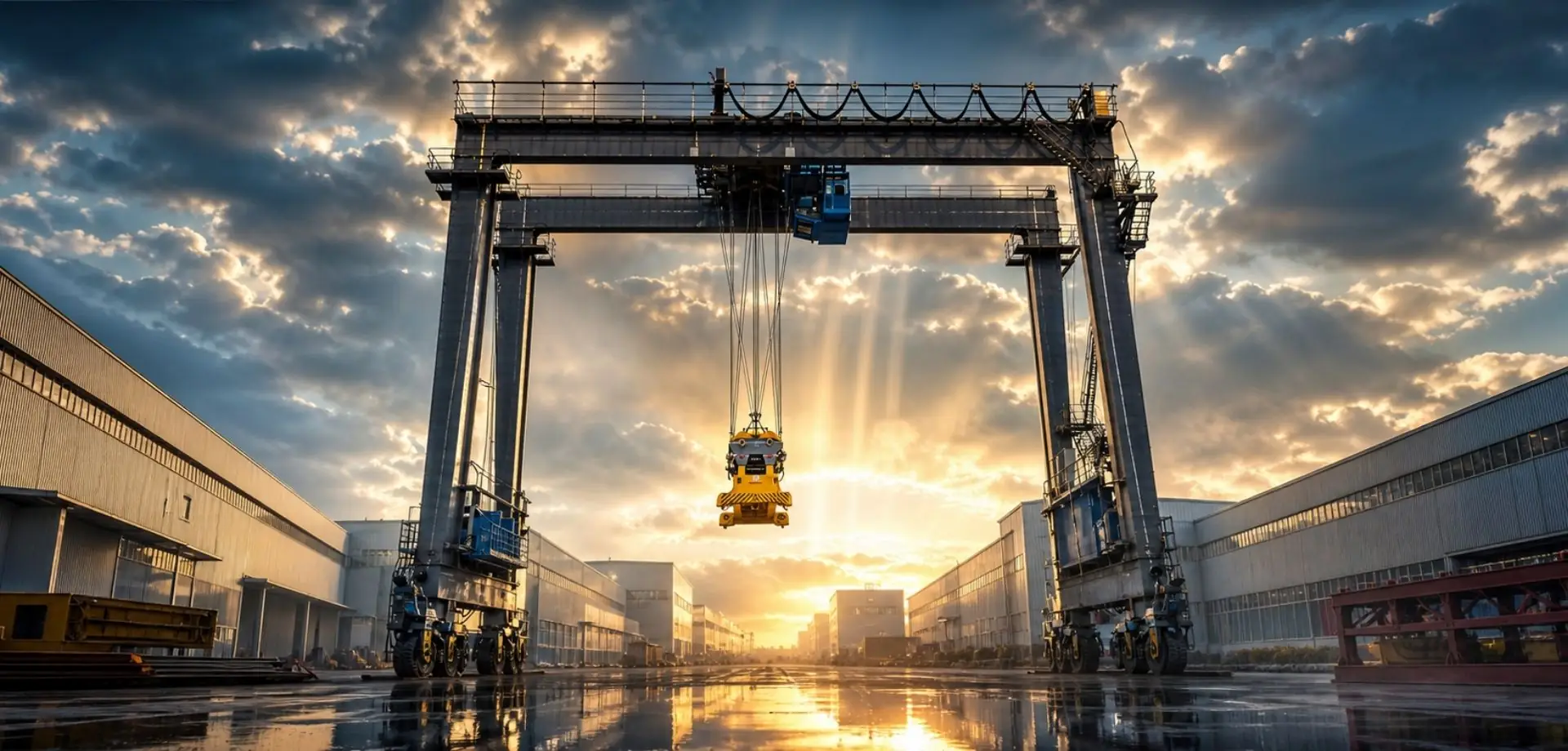
  • QZ Grab Cranes for Coal Power Plants: Grab and Material-Flow Inputs

    QZ Grab Cranes for Coal Power Plants: Grab and Material-Flow Inputs

    Technical guide

    QZ Grab Cranes for Coal Power Plants: Grab and Material-Flow Inputs

    Coal handling should be specified around storage, transfer and feeding movements. Provide the material information, operating cycle and required grab arrangement so the proposed QZ crane can be reviewed for the application.

    Henan Mine CraneTechnical guide · Updated 2026Crane selection, project scope and operating requirements
    QZ Grab Cranes for Coal Power Plants: Grab and Material-Flow Inputs
    Henan Mine Crane lifting equipment
    Project planning notes

    Key points for this crane project.

    1. What Is a QZ Grab Crane?
    2. Why Coal Power Plants Use QZ Cranes
    3. Key Specifications to Match to Your Plant
    Read the technical guide

    What Is a QZ Grab Crane?

    A QZ grab crane is a double-girder overhead traveling crane equipped with a specialized grab bucket instead of a standard hook. It works by lowering an open clamshell or orange peel bucket into a pile of loose material, closing the jaws to capture a load, lifting it, and releasing it at a discharge point. The "QZ" designation is a standard Chinese crane classification indicating a double-girder bridge crane built specifically for grab-bucket operation, distinct from general-purpose QD (hook) cranes.

    QZ cranes matter in coal power plants because they solve a problem hook cranes can't: coal doesn't come in discrete units that can be slung or hooked. It arrives as loose, free-flowing bulk material that has to be scooped, not lifted. The grab mechanism is what makes continuous, unattended handling of thousands of tons of coal per day possible.

    Why Coal Power Plants Use QZ Cranes

    Coal moves through a power plant in a defined sequence, and the QZ crane typically operates at two to three points in that chain:

    1. Coal yard to bunker. Incoming coal is stockpiled in an open or covered yard. A QZ crane grabs coal from the pile and transfers it into intermediate storage bunkers that feed the boiler.
    2. Bunker to feeder. In some plant layouts, an indoor QZ crane moves coal from bunkers directly toward the crushing and pulverizing stage.
    3. Ash and slag removal. The same crane class, often with a different grab, handles bottom ash or slag removal from the boiler area.

    This is why the crane is usually specified for round-the-clock, high-duty-cycle operation rather than occasional lifting it is effectively part of the plant's fuel supply chain, and downtime translates directly into constrained boiler feed.

    Key Specifications to Match to Your Plant

    Before comparing suppliers, four numbers define whether a QZ crane will actually fit your operation:

    • The core error of type selection is that only coal load is calculated, and rated lifting weight must include grab weight.
    • Non-standard span can adapt to special sites, but it will increase procurement costs and prolong delivery cycle.
    • The calculation standard shall not be based on the distance from the ground to the roof, but shall be calculated according to the actual distance from the lowest operating point of the equipment to the highest point of the hook in combination with the height of the coal pile, the depth of the coal bunker and the safety margin.
    • work level: for the selection of the most error-prone key parameters. Low-level selection will cause structural fatigue, premature aging of equipment and greatly shorten service life.

    Sizing the Grab to Your Coal Handling Needs

    Most procurement teams are prone to high-cost selection errors: only based on volume selection grab, ignoring weight load and material density.

    • The rated safe working load (SWL) of the crane is the only core calculation benchmark. This value is the standard rated load calibrated by the equipment manufacturer. It is the upper limit standard to ensure the safe operation of the crane structure, traveling mechanism and lifting mechanism. All grab selection calculations shall not exceed the parameter range.
    • Accurately deduct the self-weight of the supporting grab. The self-weight of the grab is greatly affected by the material, structure form and size size. The self-weight of the small light grab is only several hundred kilograms, and the self-weight of the large grab dedicated to the heavy load of the thermal power plant can reach several tons. It is a core load variable that is easily ignored.
    • By subtracting the grab weight from the rated load, the maximum effective load of coal materials that the equipment can carry can be accurately calculated. This value is the maximum weight of materials allowed to be loaded in actual operation, which is the core basic data for subsequent volume calculation.

    The takeaway for procurement: never give a supplier a target grab volume alone. Give them your crane's SWL, your coal's bulk density range, and your required safety margin. Volume is an output of that calculation, not an input to it.

    Choosing the Right Grab Type for Coal

    Coal is a loose, free-flowing, relatively low-density bulk material, which narrows the grab selection considerably compared to handling scrap metal or ore.

    Bucket Type Selection

    Shell grab is the mainstream choice of coal handling operation in thermal power plants. Symmetrical hinged hopper body opens and closes smoothly, can smoothly cut into coal pile, airtight lock material, effectively reduce material leakage, adapt to the characteristics of strong loose coal fluidity, suitable for stacking and reclaiming operation of coal yard and coal bunker of power plant.

    Plum blossom grab is mostly used for scrap steel, construction waste and other hard irregular materials, relying on multi-petal claw body puncture grab. Coal operation only needs to shovel the stored material, without piercing and biting, so the plum blossom grab has poor adaptability, low operation efficiency and insufficient economy, which is not suitable for coal conveying conditions in thermal power plants.

    Shell Structure Selection

    For coal-burning conditions, the high-sealing closed shell grab with overlapping edge structure is preferred. The enclosed hopper body is specially designed for fluidized fine materials such as pulverized coal and loose coal, which can effectively reduce the material spillage during transportation, inhibit dust overflow, and meet the operation requirements of environmental protection, dust prevention, loss reduction and consumption reduction of power plants.

    The open grab is more suitable for heavy wear-resistant materials such as sand and ore, and the bucket body has poor sealing performance, large operation leakage and serious dust diffusion.

    Drive Mode Selection

    • Mechanical rope grab: simple structure, high cost performance, is a general selection of conventional coal-fired operations. It relies on crane winch mechanism to realize opening and closing, without independent power source, convenient operation and maintenance, low failure rate, and is suitable for conventional extensive stacking and reclaiming operation of power plant.
    • Electro-hydraulic grab bucket: bucket body integrated motor and hydraulic pump, only need a single lifting wire rope to work, accurate opening and closing, strong unloading controllability, suitable for power plant automation, semi-automatic coal bunker loading conditions, suitable for refined operation scenarios.
    • Electric grab: performance between mechanical and electro-hydraulic, control accuracy is better than pure mechanical grab, at the same time do not have to bear the complex operation and maintenance costs of hydraulic system, moderate cost performance.

    closed shell grab is preferred for coal-fired operation in thermal power plant. Mechanical rope type is selected for conventional general scenarios, and electro-hydraulic type is preferred for automatic coal bunker feeding scenarios, which can be flexibly matched according to the automation degree of the plant area.

    Coal Dust and Explosion-Proofing Requirements

    This is the single most commonly overlooked safety requirement in QZ crane procurement for coal service, and it's specific to this application in a way that generic crane buying guides don't address.

    Coal dust is a combustible dust. When airborne in sufficient concentration and exposed to an ignition source, it presents a genuine explosion hazard a risk that doesn't exist in the same way for cranes handling ore, sand, or scrap metal. This has direct implications for how a QZ crane should be specified for coal service:

    1. Electrical explosion-proof configuration: electrical parts such as motors, control cabinets, junction boxes and cable drums in pulverized coal area shall be equipped with dust explosion-proof specifications according to the hazard level of the plant, and shall comply with NFPA and IEC/ATEX standards to prevent dust ignition and explosion risks.
    2. Dust suppression protection measures: dust suppression devices are equipped at the grab material taking and unloading points, which can effectively reduce the risk of dust explosion and reduce the dust on the surface area of the equipment structure. Dust accumulation not only affects the clean operation and maintenance of equipment, but also forms secondary fire hazards. Dust suppression design can avoid safety risks doubly.
    3. Closedgrab advantage: the closed grab structure mentioned above has a double protective effect, not only can reduce the leakage of coal-fired materials, but also can greatly reduce the amount of fine pulverized coal dust, control dust diffusion from the source, adapt to the dust prevention and control of thermal power plants and safety production requirements.

    Buyers should raise hazard classification explicitly with suppliers rather than assuming standard industrial-grade electricals are adequate.

    Throughput and Duty Cycle Planning

    The model selection shall take the hourly coal consumption of boiler as the core benchmark, reverse calculate the number of operation cycles required by crane per hour, and comprehensively consider three key factors: rated loading capacity of single grab, complete operation cycle time (lowering, closing, lifting, travel, unloading and resetting), effective operation time of equipment and standby redundancy capacity of coal bunker.

    Some crane load parameters meet the standard, but the operation cycle frequency is low, and the feeding speed cannot keep up with the boiler consumption speed, which will form the upstream feeding bottleneck of the combustion system. This problem is extremely costly to investigate and rectify after equipment installation and must be avoided in advance at the selection stage.

    At the same time, the A6/A7 high-level work level mentioned earlier is directly linked to device throughput. High-frequency continuous cycle operation crane, need to match the corresponding structure and mechanical performance level, can effectively avoid high-intensity operation of equipment accelerated wear, early aging failure.

    Safety Systems and Standards to Require

    Beyond dust-specific protections, a coal-service QZ crane should include the safety systems standard to heavy-duty grab operation:

    • Full-stroke limit switch: equipped with lifting, cart and trolley operation limit device, accurately limit the equipment operation stroke, prevent over-stroke collision, derailment and other mechanical failures, and ensure the stability of the whole machine operation.
    • laser height measurement configuration: suitable for automatic, semi-automatic coal bunker feeding conditions, can accurately control the discharge height, ensure the height of the operation is uniform, improve the accuracy of automatic operation and operation standardization.
    • electrical safety protection: integrated low voltage, phase sequence protection function, and configuration of emergency stop device, can deal with abnormal voltage, phase sequence fault and other electrical problems, emergency conditions can be quickly shut down to avoid electrical safety risks.
    • Remote control system: It has become the mainstream configuration of coal conveying operation in thermal power plants, which can avoid long-term exposure of operators to dust and noise, and greatly improve operation safety and operation convenience.

    On the standards side, ask suppliers to confirm compliance with recognized frameworks commonly FEM (European crane design standards) and ISO 4301 for duty classification and request documentation, not just a verbal assurance. If your plant operates under an insurer-mandated inspection regime, confirm the crane's duty class rating is compatible with what your inspection authority requires; a mismatch can affect operating certification at annual inspection.

    Discuss the crane arrangement for your project.

    Coal handling should be specified around storage, transfer and feeding movements. Provide the material information, operating cycle and required grab arrangement so the proposed QZ crane can be reviewed for the application. Share the load, available drawings, working cycle and site conditions with Henan Mine Crane so the required configuration and supply boundary can be discussed.

    Related crane configurations

    Grab And Hook Dual Purpose Crane

    View product parameters
    Lifting capacity: 5 – 16 tSpan: 10.5 – 31.5 mLifting height: 6 – 20 m

    Switch between bulk-material pickup and hook lifting with a grab-and-hook overhead arrangement. Define each load case, the grab type and the changeover procedure for the working area.

    Grab Hook Gantry Crane

    View product parameters
    Lifting capacity: 1t – 20tSpan: 6m – 30mLifting height: 4m – 18m

    Combine grab and hook handling on an electric-hoist gantry arrangement. Match the lifting appliance, load cases and changeover method to the outdoor handling layout.

    Updated 2026 · Henan Mine Crane