Engineering · Manufacturing · Project support
info@hnksglobal.comWhatsApp +86 18836207779 ↗

Blog

  • Large-Span Gantry Cranes for Bridge Projects: Geometry and Support Inputs

    Large-Span Gantry Cranes for Bridge Projects: Geometry and Support Inputs

    Technical guide

    Large-Span Gantry Cranes for Bridge Projects: Geometry and Support Inputs

    Large spans must be considered with the lifted element, operating route and supporting works. Share the construction layout and lifting sequence so the gantry arrangement can be checked against the actual project stages.
    Henan Mine CraneTechnical guide · Updated 2026Crane selection, project scope and operating requirements
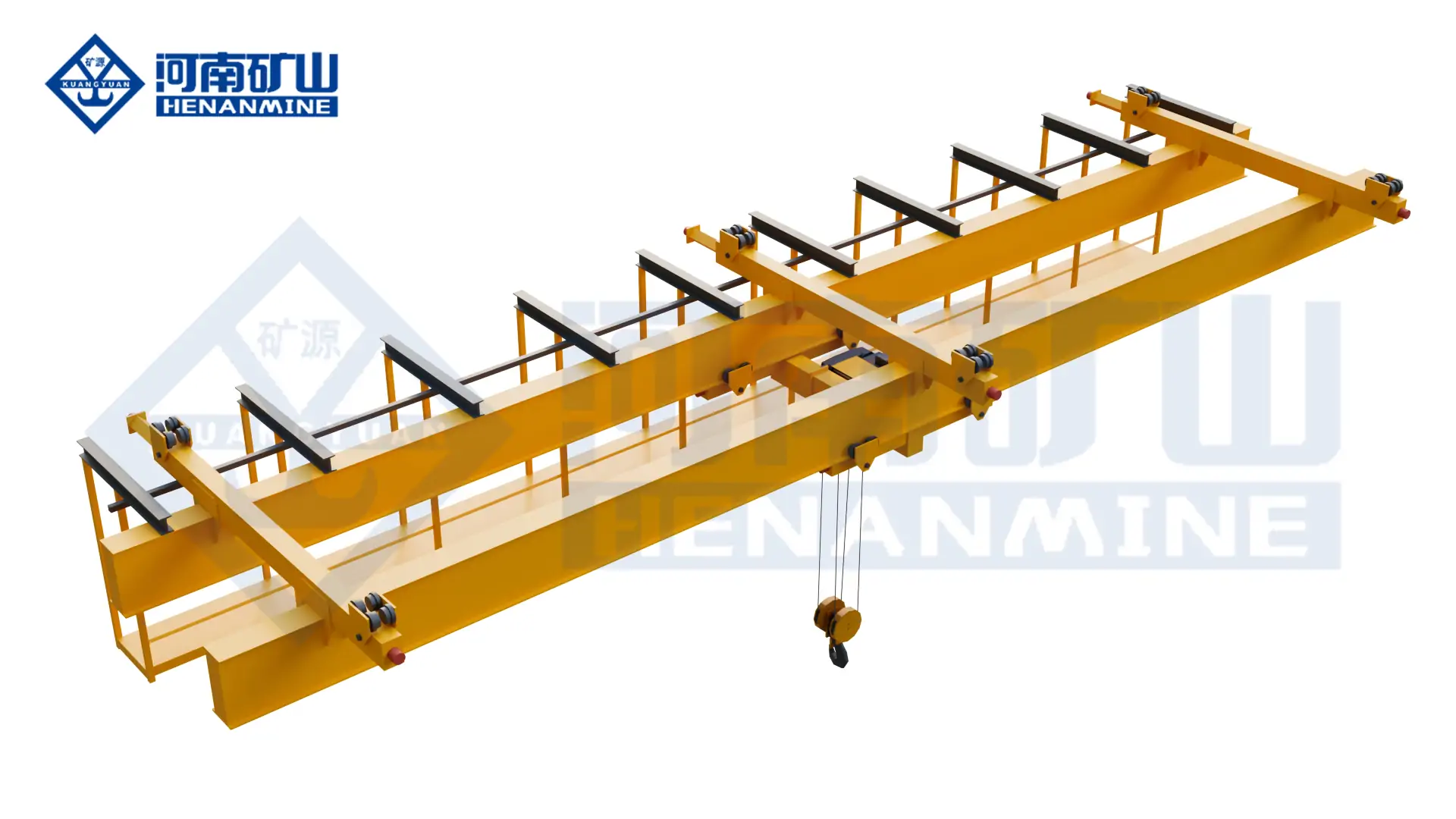
    Henan Mine Crane Multi Support Double Girder Underhung Crane
    Henan Mine Crane Multi Support Double Girder Underhung Crane
    Project planning notes

    Key points for this crane project.

    1. What Is a Large-Span Gantry Crane?
    2. Key Applications in Bridge Construction
    3. The 5-Factor Selection Framework
    Read the technical guide

    What Is a Large-Span Gantry Crane?

    Long-span gantry crane is self-supporting lifting equipment, using truss or box beam structure, without attachment to the building structure can achieve long-span operation. In bridge construction, portal crane and bridge erecting machine are similar in appearance, but their uses are significantly different.

    Gantry crane of beam yard is mostly used for lifting and loading transfer of beam slab of prefabricated yard; bridge erecting machine is special bridge building equipment, which can move forward by itself relying on the built pier, and directly complete the erection construction of bridge span beam section by the bridge bearing fuselage.

    Both types of equipment support single/double beam, truss/box beam structures. Truss type light weight, good wind resistance, suitable for outdoor large-span construction; box beam overall stiffness is higher, more suitable for high-capacity heavy lifting operations.

    Key Applications in Bridge Construction

    Large-span gantry crane can be adapted to multiple construction stages of bridge engineering, equipment selection needs to be accurately matched according to the specific construction scenario, the application scenarios are as follows:

    • Transfer operation of prefabrication yard: conventional beam lifting gantry crane is used to complete the transfer operation of beam body and segment components from prefabricated pedestal to storage area or transfer equipment, which is the core equipment for standardized construction of prefabrication factory area.
    • Whole span erection construction: one-time integral hoisting and erection of whole span prefabricated beam body, mostly used for highway and railway repetitive bridge projects. This construction method can ensure the stability of the project quality, effectively reduce the on-site labor input, and improve the degree of construction standardization.
    • Segmental assembly construction: self-propelled bridge gantry crane is adopted, and prefabricated segments are assembled span by span or balanced cantilever to complete the construction of bridge span. The process is widely used in urban viaducts, curved bridges and projects with limited traffic and narrow construction space.
    • Viaduct and viaduct construction: for viaduct structure, viaduct construction scene, gantry crane can carry heavy prefabricated components along the bridge body longitudinal travel operation, adapt to the construction site space is limited, bridge line bending and other complex conditions.

    The 5-Factor Selection Framework

    Before comparing various types of crane models, a standardized SLTMS selection framework can be relied on for evaluation. The framework covers the core elements 5 span, load, site, construction method and specification, and can accurately determine the gantry crane configuration scheme of the suitable project:

    1. Span : refers to the effective operation coverage distance between the legs or piers of the equipment, which is the core parameter to determine the fuselage specifications, travel layout and overall adaptation scheme of the gantry crane.
    2. Load: Based on the actual self-weight of construction components such as beams and segments, and in combination with industry standards, the safety redundancy factor is superimposed to accurately check and approve the rated hoisting load of equipment to ensure operation safety.
    3. Site: Comprehensive evaluation of the construction site foundation bearing capacity, pier height, line curve radius and site traffic conditions, in order to match the equipment support structure and travel operation plan.
    4. Method: Combined with the established construction scheme of the project, adapt to the mainstream technology such as whole-span erection, span-by-span assembly, balanced cantilever construction, etc., and match the equipment operation mode and construction logic.

    The following will be the 5 selection of the core elements of the detailed dismantling and professional analysis.

    Matching Span Length to Crane Configuration

    Span requirements are very different from one type of crane to another and therefore getting this right at an early stage avoids the need for re-design later on.

    For longer spans, balanced-cantilever launching gantries can span 100m or more, as the gantry extends out from a central pier steadily, with segments laid on each side in alternate movements, keeping the gantry in balanced condition. This type of gantry can be used for deep valleys, high piers and curved alignments which shorter span gantries are incapable of.

    Guideline: if your longest span is greater than 50m, or your alignments has very sharp curves or very irregular pier heights, build your structure around a segmental/balanced-cantilever gantry rather than a traditional double-girder type unit.

    Calculating Load Capacity Correctly

    In the purchase of bridge erecting machine, the most common error with the biggest economic loss is the underweight type selection.

    Pure theoretical static load selection of equipment cannot adapt to the dynamic construction conditions on site, easy to cause problems such as site reconstruction in the middle of construction, secondary purchase of equipment, etc., resulting in additional costs far exceeding the cost of reasonable selection in the early stage.

    The common tonnage range of different structure types of bridge erecting machine is as follows:

    In high-precision infrastructure projects, the importance of this precise control system is no less than the rated lifting capacity of the equipment.

    Erection Method: Full-Span vs. Span-by-Span vs. Balanced Cantilever

    Before the project lifting capacity and equipment selection, the established bridge erection method must be determined. The construction method directly determines the type of adaptation of the gantry crane, which is the pre-core condition for equipment selection.

    • Whole span erection: the entire prefabricated bridge span is hoisted in place at one time, which is suitable for standardized repeated bridge span construction along roads and railways. The beam body is prefabricated in the controlled environment of the factory, and the construction quality is stable and reliable, which can greatly reduce the on-site operation personnel and the open-air construction process.
    • Span-by-span assembly and erection: relying on the lifting trolley on the gantry crane truss, multiple prefabricated segments are assembled into a complete bridge span. After the prestressed tensioning process is completed, the equipment is moved forward to carry out the construction of the lower 1 span. The construction method is extremely efficient, and large-scale highway projects can achieve a single-span two-day erection cycle as soon as possible, which is very suitable for projects with tight construction periods.
    • Balanced cantilever erection: take the pier as the center, extend and assemble symmetrically to both sides section by section, and maintain the structural balance during construction through bilateral alternate hoisting. This method is suitable for complex terrain conditions such as long-span bridges, curved bridges and deep valleys, and has wider applicability, but the overall construction progress is more gentle than span-by-span assembly.
    • Engineering example: Sydney western M7 highway project a total of 150 bridges, more than 2700 prefabricated segments, the project combined with the site conditions, the simultaneous use of span-by-span assembly and balanced cantilever two kinds of erection process. Large-scale infrastructure projects are usually based on bridge span parameters and site conditions, flexible with a variety of construction methods.

    Site and Terrain Assessment

    Before finalizing a gantry order, walk through the site conditions that determine whether the machine can actually operate as specified:

    • Ground bearing capacity— soft or variable subgrade may require ground improvement or a rail-mounted system to distribute load, since inadequate bearing capacity is a common cause of gantry instability.
    • Pier height variability— upward-type segmental gantries designed for self-erection at low first-and-last-span piers avoid the pier-height restrictions that trip up standard configurations.
    • Curvature and alignment— tight horizontal curves down to roughly 100-meter radii require specially hinged gantries, in some cases with up to six hydraulically regulated hinge points, to travel smoothly through the kinked sections of the girder during segment placement.
    • Access and headroom— confirm travel path clearance, working space, and whether the site is indoor, outdoor, or exposed to significant wind loading, since this affects the choice between truss and box-girder frame designs.

    Projects on deep valleys or high-pier terrain particularly favor launching gantries over ground-based cranes, because the gantry supports itself on the completed structure rather than needing stable ground access beneath every span.

    Safety Systems and Compliance Standards

    A large-span gantry crane operating over active construction zones, traffic, or waterways needs safety systems well beyond a basic overload cutoff. At minimum, evaluate whether a candidate machine includes:

    • Foundation bearing capacity: weak, uneven bearing capacity of the subgrade need to do foundation reinforcement treatment, or the use of rail-type equipment to disperse the load, the lack of foundation bearing capacity is a common cause of the instability of the bridge machine.
    • Pier height difference: the upper-mounted self-assembling segmental bridge erecting machine can be used to adapt to the low piers of the head and tail spans and avoid the pier height limit of conventional models.
    • Operating space and clearance: it is necessary to verify the equipment clearance and construction operation space, and distinguish indoor and outdoor operating scenes and strong wind load environment, so as to determine the selection of truss type or box beam type fuselage structure.

    The engineering project of deep valley and high pier terrain is more suitable for bridge erecting machine operation, which is better than ground crane. The bridge erecting machine relies on the stress operation of the completed bridge structure, and does not need to have stable foundation conditions under each span, which is suitable for complex terrain construction.

    Single-Girder vs. Double-Girder vs. Segmental Launching Gantry

    FeatureSingle-Girder GantryDouble-Girder GantrySegmental Launching Gantry
    Best-fit beam typeT-beam, U-beamHeavier precast beamsPrecast box girder segments
    Erection methodFull-span, lighter loadsFull-span, medium loadsSpan-by-span, balanced cantilever
    Structural designLight, basic frameHigher rigidityTruss or hinged, self-launching
    Ideal project typeStandard highway bridgesMedium-duty highway/rail bridgesLong-span, curved, or high-pier viaducts
    Relative cost tierLowestMid-rangeHighest

    Buy vs. Rent and Cost/ROI Considerations

    Equipment strategy should be driven by project duration and utilization rate, not budget in advance. Contractors bidding on a one-off bridge for a shorter or single-span project are more likely to favor renting or initial procurement of a dedicated subcontract package.

    Consider also being prepared to look outside the sticker. Equipment purchase decisions in bridge work act as the convergence of a production and transportation and installation budget selecting an undersized gantry to minimize the initial purchase cost of a piece of equipment routinely adds the cost of downtime, safety exposure, yard rework various “industry sources estimate” that these separate factors can amount to a sum “many times” that of the remaining difference in purchase price between optimally sized and undersized equipment.

    Think of the purchase price as just one line item in the entire cost of ownership and operation, including mobilization, site preparation, field operator training, and schedule delay costs, if the machine does not perform as needed.

    Frequently Asked Questions

    Q: What span can a large-span gantry crane cover in bridge construction?

    Most conventional single- and double-girder gantries have spans between 20 and 50m. Balanceds cantilever segmental launching gantries, which are over 100m have become the default option on long span or curved alignments.

    Q: How much safety margin should I add above the actual beam weight?

    Industry practice sets rated capacity at 1.2 to 1.25 times the actual beam or segment weight, accounting for dynamic loads generated during lifting and positioning rather than just static weight.

    Q: What's the difference between a beam-lifting gantry and a launching gantry?

    A beam-lifting gantry operates in the casting yard, moving precast beams onto transporters. A launching gantry self-launches across completed piers and places segments directly into the span, supported by the bridge structure itself rather than the ground.

    Q: Can a launching gantry handle curved bridge alignments?

    Q: Should I buy or rent a bridge launching gantry?

    Shorter or single bridge projects are usually more economic with rental or a subcontracted erection package.

    Q: What safety systems should a large-span gantry crane include as standard?

    As a minimum: wind speed/direction monitoring, with automatic power cut-off, overload limiters, electrical fault protectionand mechanical safety devices such as hydraulic cylinder lock devices.

    Discuss the crane arrangement for your project.

    Large spans must be considered with the lifted element, operating route and supporting works. Share the construction layout and lifting sequence so the gantry arrangement can be checked against the actual project stages. Share the load, available drawings, working cycle and site conditions with Henan Mine Crane so the required configuration and supply boundary can be discussed.

    Related crane configurations

    Multi Support Double Girder Underhung Crane

    View product parameters
    Lifting capacity: 3 – 40 tSpan: 10 – 80 mLifting height: 6 – 30 m

    Use a multi-support double-girder underhung arrangement for wide-span working areas and large components. The building supports, lifting coverage and load distribution are designed together.

    Single-Girder Bridge Crane

    View product parameters
    Lifting capacity: 1–20 tSpan: 7.5–31.5 mLifting height: 6, 9, 12, 18, 24 or 30 m; capacity-dependent

    Use an LDA single-girder bridge and electric hoist for general workshop material handling. Select the lifting capacity, runway geometry and hoist duty around the building and load.

    Updated 2026 · Henan Mine Crane
  • Explosion-Proof Overhead Crane Selection for Classified Areas

    Explosion-Proof Overhead Crane Selection for Classified Areas

    Technical guide

    Explosion-Proof Overhead Crane Selection for Classified Areas

    Equipment selection needs the site's hazardous-area information as well as the lifting parameters. Describe the substances and operating conditions so the complete crane configuration and documentation can be reviewed against the project requirements.

    Henan Mine CraneTechnical guide · Updated 2026Crane selection, project scope and operating requirements
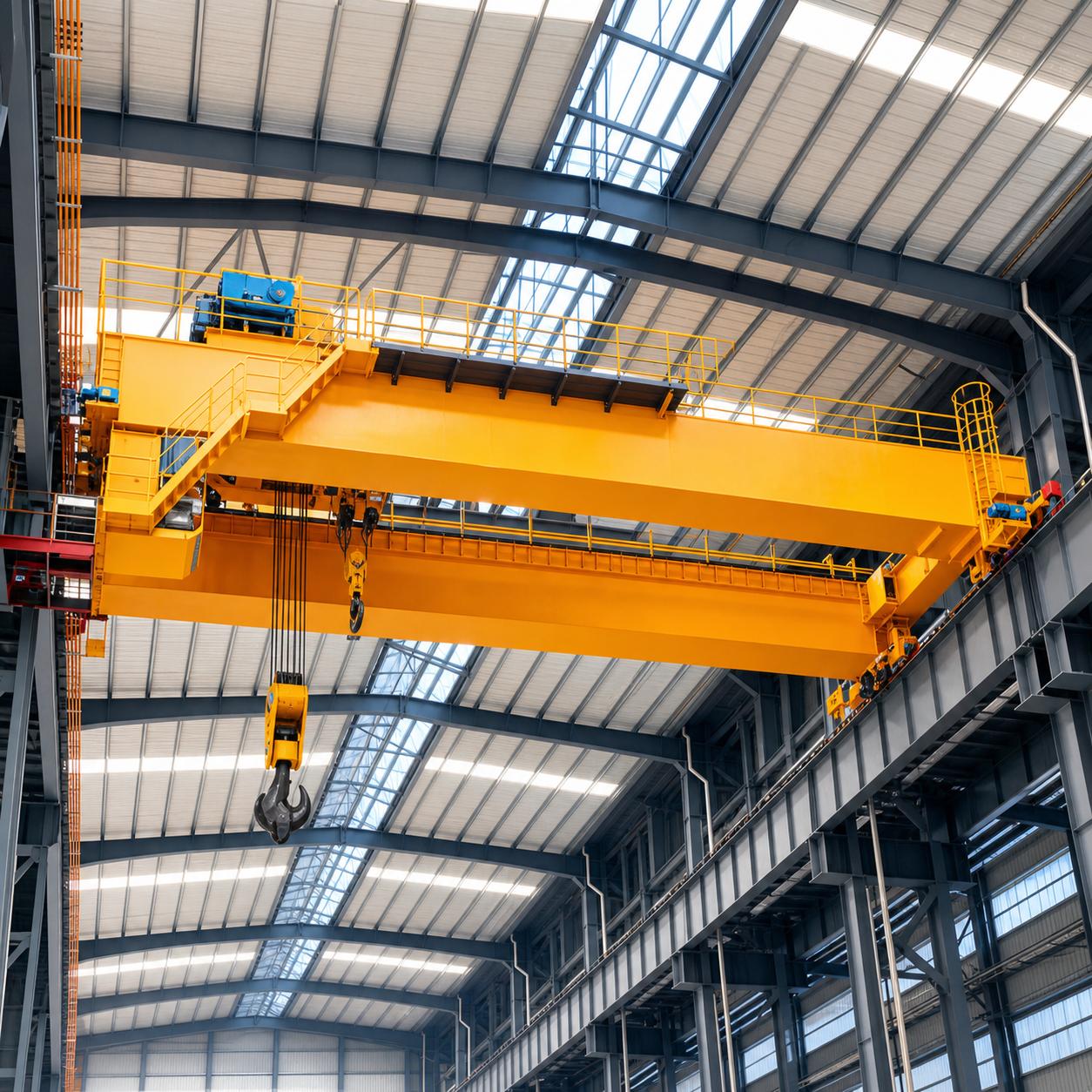
    Explosion-Proof Overhead Crane Selection for Classified Areas
    Henan Mine Crane lifting equipment
    Project planning notes

    Key points for this crane project.

    1. What Is an Explosion-Proof Overhead Crane
    2. Understand Hazardous Zone Classification Before
    3. Identify the Required Explosion Protection Standard
    Read the technical guide

    What Is an Explosion-Proof Overhead Crane

    Explosion-proof bridge cranes are special lifting equipment specially designed for hazardous environments of explosive gases, steam, and combustible dust. The whole machine has undergone explosion-proof modified design from electrical systems, mechanical components, structural materials to control systems, and can safely complete material lifting, translation, and transfer operations in designated hazardous areas, eliminating various ignition sources such as electric sparks, high temperature, and friction sparks throughout the process.

    Core anti-ignition principle

    The safety hazards of ordinary cranes are concentrated in the three dimensions of electrical sparks, mechanical high temperature, and friction static electricity, while explosion-proof cranes completely avoid risks through multiple protection mechanisms.:

    • Fully sealed explosion-proof electrical system: All electrical components such as motors, control cabinets, junction boxes, limit switches, etc. Adopt explosion-proof, increased safety, and intrinsically safe explosion-proof housings, which are completely sealed and isolated, which can accommodate sparks and arcs generated by internal short circuits, and prevent flame and high temperature leakage from igniting external explosive media.
    • Precise control of surface temperature: the surface temperature of all operating components is strictly limited to below the spontaneous combustion temperature of the on-site medium to eliminate the risk of spontaneous combustion at high temperature and adapt to dangerous working conditions of different temperature levels.
    • Anti-static and anti-friction spark design: The easy-to-friction parts are made of non-spark alloy material, and the whole machine is equipotential connected and reliably grounded to eliminate the accumulation of static electricity; the structure of the wheels, hooks, wire ropes and other components is optimized to avoid sparks from hard impact.
    • Flame-retardant and anticorrosive protection: The cable is made of thickened flame-retardant insulation material, and the equipment shell is treated with anticorrosive sealing, which is suitable for dangerous working conditions such as moisture, corrosion, and dust, so as to avoid safety hazards caused by aging and failure of components.

    Core applicable industry scenarios

    Explosion-proof bridge cranes are designed for flammable, explosive and high-risk working conditions, and are widely adapted to hazardous operating scenarios in multiple industries. The core application areas are as follows:

    • Oil and gas industry: suitable for offshore operating platforms, onshore refineries, LNG gas storage stations and oil and gas storage areas to meet the needs of equipment maintenance, pipe and material transfer operations.
    • Petrochemical and chemical industry: it covers petrochemical processing plants, fine chemical workshops, hazardous chemical production and storage plants, and is suitable for all kinds of flammable and explosive chemical media working conditions.
    • Pharmaceutical manufacturing industry: it is used in clean production workshops with combustible vapors such as API synthesis and organic solvent processing, taking into account safety and clean production standards.
    • Coating industry: suitable for high-risk environments filled with flammable and explosive volatile vapors such as painting workshops, coating and ink blending workshops, etc.
    • Dust explosion-proof industry: it can be used in grain storage and processing, wood grinding, pulverized coal treatment, plastic powder processing, etc., which are prone to combustible dust and have the risk of dust explosion.

    Understand Hazardous Zone Classification Before Selecting a Crane

    The selection of all explosion-proof cranes must be based on the on-site hazardous area classification report as the primary basis. In hazardous areas of different levels, the length of time and probability of risk of explosive media exist are different, and the corresponding explosion-proof levels and protection requirements of equipment are also very different, and they are not universal. At present, the industry uniformly divides hazardous areas into two categories: gas vapor hazardous areas and combustible dust hazardous areas.

    Gas and steam hazardous area (Zone 0/1/2)

    It is suitable for working conditions of combustible gases and volatile vapors such as oil and gas, chemical industry, coating, etc., and is graded according to the length and probability of the explosive atmosphere.:

    • Zone 0: The explosive gas/steam atmosphere persists, long-term or frequently, with the highest risk level, and the equipment is required to have the highest level of explosion-proof protection. It is mostly used in closed workshops for hazardous chemicals that continue to evaporate inside closed storage tanks.
    • Zone 1: During normal operation, there is an intermittent and occasional explosive atmosphere. It is the most common high-risk operation area in industry. Most industrial explosion-proof cranes are adapted to this area level.

    Hazardous area for burning dust (Zone 20/21/22)

    Suitable for dust conditions such as grain, wood, pulverized coal, plastic powder, etc., the dust explosion has stronger concealment and faster combustion and explosion speed. The classification standards are as follows:

    • Zone 20: Combustible dust clouds persist or frequently exist in the working space, with the highest risk, and are more common inside closed crushing and screening equipment.
    • Zone 21: There is a high probability of dust clouds during normal operation, which is the main operating hazard area of the dust factory area.
    • Zone 22: Dust clouds are generated briefly under abnormal working conditions, and the risk of daily operations is low.

    The key significance of regional classification for selection

    The electrical explosion-proof level, mechanical protection standard, and temperature level of the crane must match the on-site regional level one by one. Zone 1 equipment cannot be adapted to Zone 0 high-risk environments, and dust explosion-proof equipment and gas explosion-proof equipment cannot be mixed.

    Identify the Required Explosion Protection Standard

    Interpretation of core certification parameters

    When selecting the type, you need to focus on checking the four core parameters, which are indispensable.:

    • Explosion-proof category of equipment: Category II corresponds to the gas explosion-proof environment, and Category III corresponds to the dust explosion-proof environment. It is strictly distinguished and cannot be mixed.
    • Gas/dust category: Gas is divided into IIA, IIB, and IIC (IIC contains high-risk media such as hydrogen and acetylene, with the highest protection level); dust is divided into IIIA, IIIB, and IIIC, which are suitable for different flammable and explosive media.
    • Explosion-proof protection method: common explosion-proof type Ex d, increased safety type Ex e, intrinsically safe type Ex i, match the corresponding protection method according to the level of the hazardous area.

    Compliance verification requirements

    After the selection, a professional explosion-proof engineer must verify the authenticity of the certificate and the matching of the parameters to eliminate problems such as the application of certificates, inconsistent parameters, and expired certificates.

    Determine the Required Crane Capacity and Duty Class

    The tonnage and working level of the explosion-proof crane directly determine the service life and operating safety of the equipment. Too small parameters will lead to overload, overheating, and accelerated aging of the equipment. Too large parameters increase procurement and operation and maintenance costs, which need to be accurately accounted for.

    Accurately calculate the rated lifting weight

    The selection of lifting capacity should not only refer to the maximum material weight. It needs to be comprehensively calculated in combination with actual working conditions to fully cover static loads, dynamic loads and long-term needs:

    • Limit operating load: accurately calculate the maximum material weight on site as the upper limit of the rated lifting weight of the equipment to eliminate the risk of overload operation.
    • Normal operating load: count the conventional lifting weight of daily high-frequency operations, match the adapted crane working level, and avoid the hidden dangers of long-term light load loss or overload operation.
    • Long-term expansion margin: Combined with long-term planning such as plant capacity upgrading and equipment iteration, the lifting capacity margin is reasonably reserved to improve the versatility and service cycle of equipment, and avoid short-term equipment elimination and repeated investment.

    Match the adapted work level

    The crane working level (A3-A8) is the core parameter that matches the frequency of operation, load strength and equipment design life, and it is also the key index for the selection of explosion-proof working conditions. The adaptation levels of different working conditions are divided as follows:

    1. A3-A4 light-level working conditions: suitable for daily short-term operation, low-frequency start-stop maintenance scenarios, mainly used for non-continuous operation scenarios such as regular maintenance of storage tanks and production equipment.
    2. A5-A6 intermediate working conditions: suitable for normal and continuous production operations in factories, and extremely versatile. It is the standard selection for mainstream explosion-proof factories such as chemical industry, grain and oil, and coating.
    3. A7-A8 heavy-duty working conditions: suitable for high-frequency, heavy-duty, and harsh working conditions of uninterrupted operation, it is widely used in high-risk continuous production lines such as oil and gas refining and chemical industry, fine heavy industry and chemical industry.

    The actual selection needs to comprehensively consider the core factors such as the daily operating time of the equipment, the frequency of start and stop per hour, and the range of load fluctuations, so as to accurately match the working level, effectively avoid the dual problems of high-configuration redundancy and waste, low-configuration overload and aging, and ensure the long-term safe and stable operation of the equipment.

    Select the Right Explosion-Proof Hoist and Electrical Components

    Explosion-proof wire rope hoist

    Explosion-proof wire rope hoist has strong bearing capacity and stable operation. It is suitable for high-capacity, large lifting height and high-frequency heavy-duty operating conditions. It is often used in double-beam explosion-proof bridge cranes and is widely used in high-intensity heavy-duty explosion-proof scenarios such as oil and gas refining and chemical industry and heavy industry.

    Explosion-proof chain hoist

    The explosion-proof chain hoist has a compact structure, a lightweight body, and a small headroom. It is suitable for small tonnage, low lifting height, and restricted plant floor height. It is often used in single-beam explosion-proof bridge cranes, which are suitable for the normal transfer of light materials in the workshop.

    Configuration of key explosion-proof electrical components

    All components of the complete electrical system must have formal explosion-proof qualifications, and the explosion-proof level is accurately matched with the hazardous area on site. The core configuration requirements are as follows:

    • Explosion-proof motor: The dual explosion-proof structure of explosion-proof and safety-enhancing is adopted, and the sealing and insulation process is used to eliminate the problem of operating sparks and overheating of components from the root cause.
    • Explosion-proof control cabinet and wiring box: an integrated fully sealed protective shell with dust-proof, explosion-proof and flame-retardant properties, which effectively blocks internal arc leakage and avoids the risk of ignition.
    • Explosion-proof limit switch and operation button: It adopts intrinsically safe explosion-proof design, with sensitive control and accurate limit, which can achieve safe and stable operation in high-risk environments.
    • Explosion-proof braking and emergency stop components: The redundant safety design of dual brakes is adopted to realize automatic self-locking of power failure, and there is no spark and no high temperature during emergency shutdown to ensure the safety of extreme working conditions.

    Evaluate Crane Structure and Layout Requirements

    The structural form and dimensional parameters of the crane need to be adapted to the plant structure and working space, otherwise there will be problems such as restricted installation, blind spots in operation, and waste of space, which will affect the stability of explosion-proof protection at the same time.

    Single beam VS double beam explosion-proof crane selection

    • High-temperature heat storage of transmission components: Bearings, gears and other transmission components operate at high frequencies for a long time. If the lubrication is insufficient, friction heat accumulation will occur, causing the surface temperature of the components to exceed the standard.
    • Explosion-proof single-beam bridge crane: compact structure, low cost, light weight, suitable for scenes with small tonnage of 1-20t, low-frequency operations, and limited net height of the plant, it is mostly used in light chemical, coating, and grain and oil workshops.
    • Hidden dangers of static electricity accumulation and discharge: The lack or failure of the grounding protection of the equipment will cause the continuous accumulation of static electricity, which will eventually cause sparks of electrostatic discharge and cause explosions.
    • Risk of overheating of the brake system: Frequent start-stop braking of the equipment will continue to generate frictional heat energy, which will cause the surface of the brake assembly to be high temperature and touch the ignition threshold of flammable and explosive media.
    • Explosion-proof double-girder bridge crane: strong bearing capacity, high stability, good fatigue resistance, suitable for 5-75t high-capacity, high-frequency heavy-duty, long-span operation scenarios, mostly used in oil and gas refining and chemical, heavy-duty chemical high-risk plants.

    Check the core layout parameters

    In the selection stage, it is necessary to accurately check the spatial layout parameters to ensure that the equipment is perfectly adapted to the working conditions of the plant, no installation interference, and no blind spots in operation. The core verification items are as follows:

    • Plant span: Refers to the distance between the center of the crane track, which determines the coverage of equipment operations. The selection needs to strictly match the span of the measured plant to ensure that the running stroke of the cart fits the working area, the equipment translation is smooth, and the problems such as operation caton and insufficient working range caused by span deviation are avoided.
    • Rated lifting height: it is the maximum safe vertical lifting stroke of the hook, which determines the vertical lifting capacity. It is necessary to combine on-site material stacking and equipment hoisting height approval, and reserve a safety margin to take into account the daily routine hoisting and large-scale components and ultra-high equipment hoisting requirements.
    • The clearance height of the workshop: it is the effective space from the load-bearing structure at the top of the workshop to the ground, which is the core restriction condition for the installation of equipment. The selection of the type needs to comprehensively consider the structural height of the main girder, hoist, limiting device, etc., and reserve a safe buffer distance to avoid interference and collision between the equipment and the plant structure.
    • End distance and hook coverage: The end distance is the safe distance from the end of the cart to the end of the track, which directly affects the coverage area of the operation. Reasonable optimization of the end distance parameters can effectively reduce the blind spots around the walls and columns, realize the global coverage of the workshop, and improve the flexibility of material transfer and operating efficiency.
    • Adaptability of track and column: The crane track needs to be accurately matched with the plant column and roof load-bearing structure to ensure smooth laying and uniform force.

    Review Safety Features and Control Systems

    Qualified explosion-proof bridge cranes must be equipped with a full set of redundant safety protection devices to realize fault self-inspection, active protection, emergency risk avoidance, and avoid the risks of dangerous working conditions in all directions.

    Essential basic safety equipment

    • Overload protection device: equipped with a high-precision load detection module, it can instantly sound and light alarm and lock the lifting action when it is overloaded, effectively avoiding component deformation, motor overheating, wire rope fracture and other failures, and eliminating the hidden dangers of explosion under high-risk working conditions.
    • Upper and lower limit and travel limit devices: equipped with explosion-proof limit switches to accurately limit the lifting of the hook and the travel stroke of the equipment, prevent problems such as rushing to the top, falling to the bottom, and offside collisions, and avoid ignition sparks caused by mechanical impact and friction.
    • Fail-safe brakes: The redundant design of power-off self-locking is adopted, and the braking is stable during normal operation. The load can be instantly locked in the event of sudden power failure or failure, so as to prevent safety accidents such as sliding hooks, sliding cars, and falling heavy objects.
    • Multi-point explosion-proof emergency stop device: Intrinsically safe explosion-proof emergency stop buttons are set in multiple places on the fuselage and operation console. In emergency conditions, one-button power-off and shutdown can be turned off and all actions can be locked, and the loss can be stopped quickly to prevent the accident from expanding.
    • Anti-collision system: suitable for multi-machine operation scenarios on the same track, real-time monitoring of equipment spacing through explosion-proof infrared induction, automatic deceleration, early warning and shutdown at close range, to avoid friction sparks and high temperature caused by equipment collisions, and to ensure explosion-proof and safe production in intensive workshops.

    How to Choose a Reliable Explosion-Proof Crane Manufacturer

    The core of equipment selection depends on parameter matching and half on the strength of manufacturers. The selection of manufacturers needs to focus on 7 dimensions of verification.:

    1. Customized R&D capabilities: With exclusive program R&D and design capabilities, it can be customized on demand according to plant space parameters, operating frequency, explosion-proof level and on-site environmental conditions, and can be applied to general models to meet the needs of personalized high-risk working conditions.
    2. The whole machine and the core components such as motors, hoists, and electrical components all hold valid and traceable explosion-proof certifications.
    3. Strict quality inspection system: establish a standardized factory quality inspection process, and strictly complete all tests such as load performance testing, electrical explosion-proof testing, and safety function verification before the whole machine leaves the factory, so as to prevent the delivery of unqualified equipment from the source.
    4. Design ability to adapt to all working conditions: it can accurately match customized design plans for different lifting capacity, plant span, work level, explosion-proof level and complex environmental working conditions, and adapt to various high-risk production scenarios.

    Discuss the crane arrangement for your project.

    Equipment selection needs the site's hazardous-area information as well as the lifting parameters. Describe the substances and operating conditions so the complete crane configuration and documentation can be reviewed against the project requirements. Share the load, available drawings, working cycle and site conditions with Henan Mine Crane so the required configuration and supply boundary can be discussed.

    Related crane configurations

    Clean Explosion Proof Bridge Crane

    View product parameters
    Lifting capacity: 1t – 32tSpan: 7.5m – 28.5mLifting height: 6m – 20m

    Combine overhead lifting with the declared cleanliness and hazardous-area requirements. Specify particle-control expectations, process exposure and area classification for the complete lifting system.

    Dual Trolley Explosion Proof Bridge Crane

    View product parameters
    Lifting capacity: 20+20tSpan: 10m – 35mLifting height: 6m – 30m

    Combine two-trolley handling with the declared hazardous-area specification. Coordinate hook loads, lifting sequence, electrical protection and operator controls for the complete installation.

    Updated 2026 · Henan Mine Crane

  • Winter Hotpot Programme Opens for Henan Mine Crane Employees

    Winter Hotpot Programme Opens for Henan Mine Crane Employees

    Company & People

    Winter Hotpot Programme Opens for Henan Mine Crane Employees

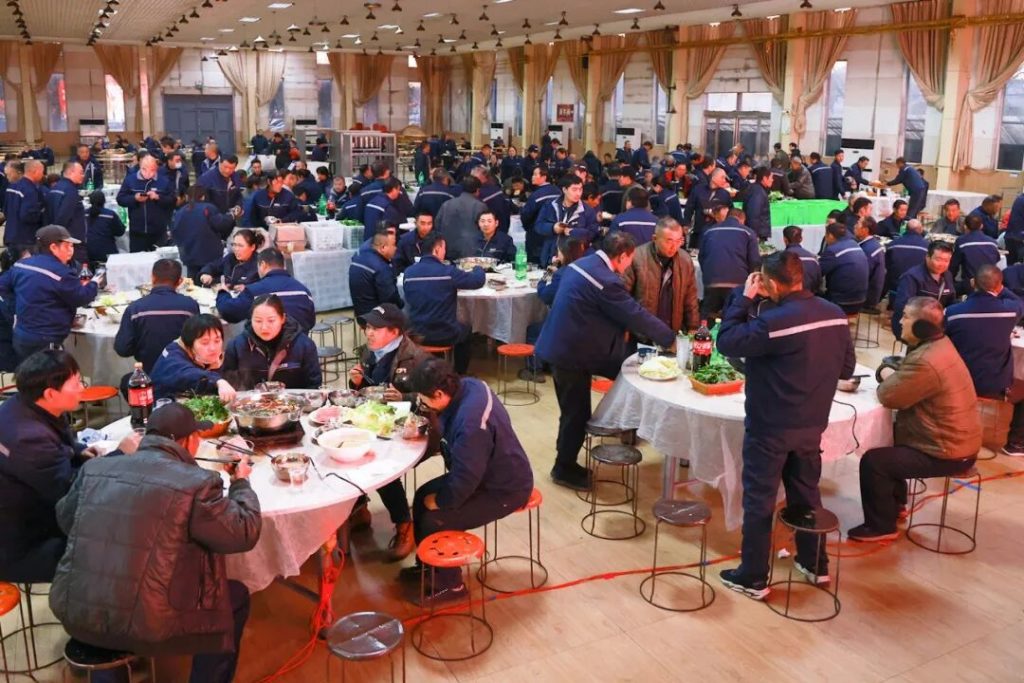
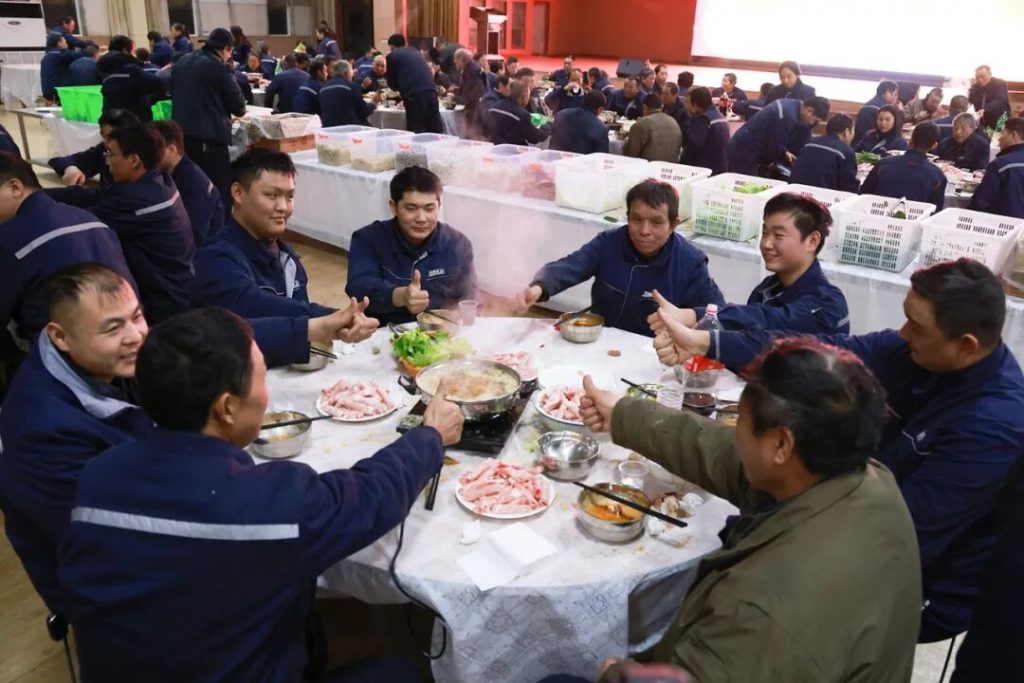
    Henan Mine Crane’s workplace welfare programme included a hotpot meal for employees during November 2025.

    Employees sharing a hotpot meal in a busy dining hall
    Employees sharing a hotpot meal in a busy dining hall.

    A shared meal for workshop and office teams

    Employees gathered for a warm meal during the fourth-quarter work period. It follows other company activities for employees and their families.

    People behind daily manufacturing

    The photo feature records a staff activity. Equipment quality and delivery depend on the agreed technical specification, manufacturing controls and project inspection process.

    View the event photo gallery

    Contact Henan Mine Crane

    For product information, a manufacturing visit or a company enquiry, send the relevant details to our team.

  • Foundry and Hot-Process Crane Selection: Separate Heat and Load Requirements

    Foundry and Hot-Process Crane Selection: Separate Heat and Load Requirements

    Technical guide

    Foundry and Hot-Process Crane Selection: Separate Heat and Load Requirements

    The lifted material, attachment and surrounding environment create different demands on the crane. Record the handling sequence and exposure conditions so the proposed arrangement can be developed around the actual foundry operation.

    Henan Mine CraneTechnical guide · Updated 2026Crane selection, project scope and operating requirements
    foundry crane
    foundry crane
    Project planning notes

    Key points for this crane project.

    1. Why Foundries Need Specialized Industrial Cranes
    2. Common Crane Types for Foundries and
    3. Key Factors to Consider When Selecting a Foundry
    Read the technical guide

    Why Foundries Need Specialized Industrial Cranes

    Radiant heat exposure

    The core working condition challenge of the foundry workshop is continuous strong thermal radiation. Molten metal ladles and smelting furnaces will radiate hundreds of degrees Celsius of heat energy, which is not simply environmental high temperature. The heat will continue to bake the main girder of the crane, trolley, wire rope, motor, and electrical cabinet, accelerating the aging of the paint, the decline in the strength of the metal material, and the brittleness of the cable insulation layer. The failure rate of the electrical and transmission components of ordinary cranes will increase exponentially under long-term thermal radiation. Even if it is far away from the bath, intermittent thermal shock in the operating area will shorten the life of the whole machine.

    Heavy loads and molten metal

    The casting crane undertakes the transportation of molten metals such as molten steel, molten iron, and molten aluminum. The load is not only static weight, but also includes the weight of the ladle and the dynamic impact load caused by the shaking of the liquid metal. Molten metal is a high-risk load, and once the spreader and lifting mechanism fail, it will cause a serious safety accident. The equipment must not only meet the rated load, but also need redundant safety braking and anti-overturning spreader structure. Conventional cranes have insufficient safety redundancy and are not suitable for liquid metal hoisting. From the structural design of the special crane for casting, it provides multiple protections against impact loads and the risk of liquid metal leakage to ensure stable and controllable heavy-duty transportation.

    Harsh operating conditions

    In addition to high-temperature thermal radiation, the foundry workshop is also accompanied by a large amount of metal dust, oxidized soot, splashing metal debris, and corrosive fumes in some scenes. Dust can easily invade bearings, gears, brakes, and electrical contacts, causing wear, stagnation, and short circuits. The crane needs to continue to operate in a dusty, vibrating, and high temperature splash environment. The sealing and wear resistance of ordinary models are insufficient, and the mechanism will be stuck and electrical failures will occur in a short period of time. The special casting crane optimizes the sealing and wear-resistant structure of the whole machine, improves the splash resistance, maintains stable operation under harsh working conditions, reduces sudden downtime, and guarantees the continuous production of the casting production line.

    Common Crane Types for Foundries and High-Temperature Applications

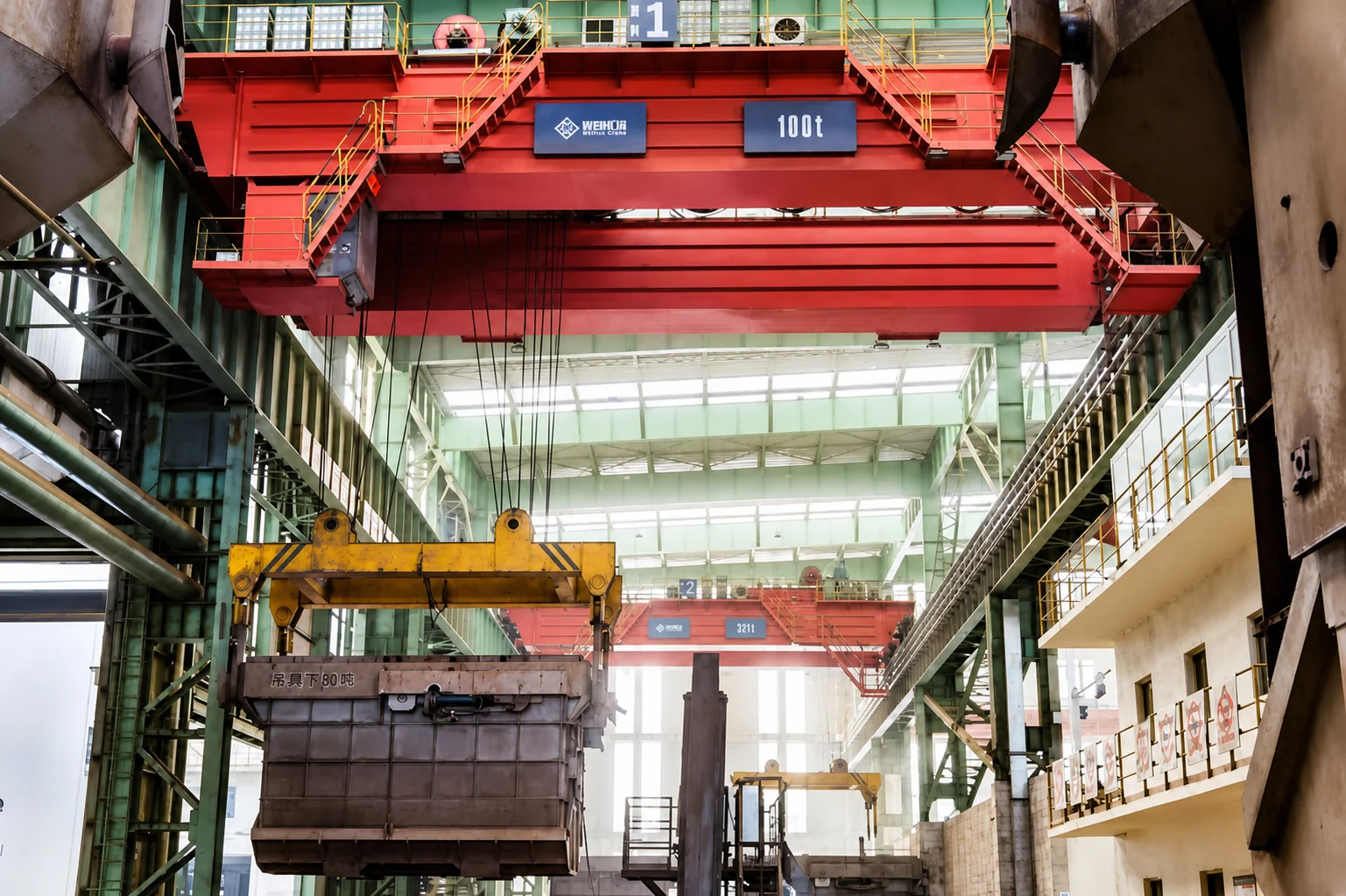
    Foundry overhead cranes

    The foundry bridge crane is the main model with the most extensive application range in the foundry workshop. It adopts a double-beam or four-beam structure and is suitable for high-temperature cross-operation such as smelting, casting, and ingot transfer. The structure of the whole machine is stronger, equipped with thermal insulation protection and dual braking safety system, and the working level generally reaches the A7/A8 extra-heavy level, which can withstand thermal radiation and frequent start and stop for a long time. This model runs along the top track of the plant and does not occupy ground space. It is suitable for the transfer of materials, hot blanks, and empty ladles in large and medium-sized foundry workshops.

    Ladle handling cranes

    Ladle/ladle crane is specially used for the lifting, transshipment, and alignment of molten metal ladles. It is a high-risk core process equipment in the foundry workshop. The equipment comes standard with a fixed gantry hook structure to withstand the huge load of ladles and molten metal. The lifting mechanism is equipped with two sets of independent braking systems, which have load monitoring and early warning functions for the tilt of the package body. This type of crane has the highest requirements for safety and redundancy, and can complete the liquid metal transportation from the furnace to the casting station, covering steel and non-ferrous metal casting scenes. All key metal components, wire ropes, and electrical components are selected with high temperature resistant models to cope with close-range and strong thermal radiation environments.

    Charging and casting cranes

    The feeding and casting crane is mainly responsible for feeding the smelting furnace and the precise casting of liquid metal in the casting station, taking into account the needs of heavy-duty lifting and high-precision alignment. Under feeding conditions, the material impact is large, and the casting process requires low speed and stability to prevent the liquid metal from shaking and overflowing. The lifting speed of this model is adjustable, and the micro-motion control performance of the trolley is strong, and it can cooperate with the production line to complete the complete process of feeding, slag removal, and casting. The equipment structure strengthens thermal insulation protection against close-range thermal radiation in the furnace mouth area, while optimizing the operation response, which is convenient for operators to control the dumping of ladles and the flow of liquid metal.

    Key Factors to Consider When Selecting a Foundry Crane

    Load capacity and workshop layout

    The first step in the selection is to calculate the maximum load. All the weight of the ladle, the weight of the molten metal, and the weight of the spreader must be included, and a safety margin must be reserved. It cannot be simply matched according to the nominal tonnage of the product. At the same time, it is necessary to map the span of the plant, the height of the rail top, the position of the column, the workshop passage, the layout of the furnace and the casting station. The restricted space needs to optimize the contour of the trolley to avoid obstacles such as the steel structure and furnace body of the plant.

    Duty class and operating frequency

    The working level is the core index that can be easily ignored in the selection of casting cranes, and ordinary A3-A5 light and intermediate cranes cannot be used for continuous casting operations. The foundry hoists molten metal, with frequent start and stop, and large load fluctuations. The mainstream selection of A7 and A8 special heavy work grades. It is necessary to count the number of daily cycles, the length of a single job, and the ratio of no-load and heavy-load alternation to determine the level of work. If the working level is selected to be low, the mechanism, gear, and wire rope will be overloaded and tired for a long time, and the risk of metal fatigue and fracture will quickly occur.

    Lifting speed and positioning accuracy

    The lifting speed and positioning accuracy requirements of different casting processes are obviously different. When transporting molten metal, it is necessary to be stable at low speed to suppress liquid shaking. The speed of feeding and transferring the billet can be appropriately increased to ensure production efficiency. The casting station requires precise micro-motion control to achieve precise alignment of the ladles. When selecting the model, confirm the speed regulation scheme of the lifting mechanism, check the micro-motion capacity of the trolley, and take into account the operating efficiency and safety. Too fast speed will cause the metal liquid to shake violently, which will increase safety risks. If the accuracy is insufficient, the pass rate of the finished product will decrease.

    Molten metal handling requirements

    There are mandatory special requirements for cranes lifting molten metal. Fixed gantry hooks are preferred for spreaders. The lifting mechanism must be equipped with a dual independent braking system, real-time monitoring of the loading load, and an alarm device for the tilt of the package body. It is necessary to distinguish different metals such as molten steel, molten iron, and liquid aluminum, corresponding to different temperature levels and splash protection schemes. At the same time, plan the emergency response design, such as keeping the load from falling in a fault state. Ordinary heavy-duty cranes cannot be retrofitted for liquid metal lifting. All structures, spreaders, and safety components must comply with the relevant safety regulations for molten metal hoisting and meet the requirements of supervision and inspection.

    Heat Protection and Safety Requirements for Foundry Cranes

    Heat shields and insulation

    Heat insulation panels and heat shields are the most basic protective means to isolate the thermal radiation of the ladle. High-temperature-resistant heat insulation panels are installed at the bottom of the main girder, the bottom of the trolley, and the electrical box to block the direct baking of metal structures and electrical components by radiant heat. The selection of insulation materials needs to withstand continuous high temperature and resist metal splashing and burning, while taking into account the lightweight structure to avoid increasing the weight of the crane. According to the distance of the working area from the bath, different thermal radiation levels are divided, and the thickness and structure of the heat insulation board are adjusted.

    Heat-resistant components

    Ordinary wire ropes, motors, cables, and seals will fail quickly in high temperature environments, and Henan Mine Crane casting cranes must choose a full set of high temperature resistant supporting components. High-temperature resistant steel wire ropes, metallurgical special motors, high-temperature resistant special cables, and high-temperature greases can maintain material properties in a continuous thermal environment. Bearings, gears, pulleys and other transmission components should also be upgraded to improve wear resistance and strength at high temperatures. The selection of parts and components should not only look at the nominal temperature, but also consider the long-term thermal cycle aging effect. All accessories of the whole machine close to the high temperature area need to be tested under high temperature conditions to ensure long-term stable operation.

    Braking and overload protection

    In the case of molten metal hoisting, the braking system is the bottom line of safety. The casting crane adopts a redundant design of dual brakes. The main brake and the safety brake are independent of each other, and the load can still be locked if a single brake fails. The equipment integrates an overload protection device to monitor the lifting load in real time, automatically cut off the lifting action and trigger an alarm when it is overloaded. At the same time, limit limits and cushioning devices are configured to prevent over-stroke collisions between large cars and small cars. The system can collect the status of the brake in real time and give early warning of brake pad wear.

    Operator protection and remote controls

    Traditional cab operation will expose the operator to high temperature, strong light, and metal splashing for a long time. Modern foundry cranes provide heat-insulated and air-tight cabs or wireless remote control systems. The heat-insulated cab is equipped with a heat-insulating layer, shading protection, cooling and ventilation to isolate high temperature and thermal radiation. The remote control scheme can place the operator in a safe area away from the bath to operate, reducing the risk of personal injury. The remote control system needs to ensure stable signal, low latency, and emergency stop function. Enterprises can combine the layout of the workshop, choose the dual modes of cab and remote control, take into account the operating vision and personnel safety, and adapt to different casting processes.

    Applicable safety standards

    From design, materials, manufacturing, factory testing to on-site installation and acceptance, every link must be benchmarked to corresponding standards, and reports on flaw detection, load testing, and high temperature testing must be kept. Export projects need to match local industry safety regulations. At the procurement stage, it is necessary to confirm whether the manufacturer designs and produces in accordance with the corresponding standards, and the equipment acceptance and annual inspection also need to comply with the specifications to avoid compliance risks and safety risks.

    How to Evaluate Foundry Crane Manufacturers

    High-temperature project experience

    Evaluation manufacturers first investigate the landing cases of high-temperature casting projects, and give priority to manufacturers with a large number of metallurgical and non-ferrous metal casting crane delivery experience. Ordinary crane manufacturers are familiar with hoisting factories at room temperature, but they lack project experience in molten metal hoisting and strong thermal radiation conditions, and they have insufficient understanding of thermal deformation, dust protection, and safety redundancy design of molten metal. Manufacturers are required to provide project cases of the same tonnage, the same conditions, on-site real shots, and customer feedback to understand the long-term operating performance of the equipment. Mature manufacturers can predict various potential problems in high temperature operating conditions and avoid risks in advance during the program phase.

    Custom engineering and testing

    The working conditions of the foundry workshop are extremely differentiated, and there are few fully standardized equipment, which requires manufacturers to provide customized engineering design services. Professional manufacturers will survey the working conditions of the workshop on the spot, do thermal environment assessment, load simulation, structural finite element analysis, and adjust the main girder, heat insulation, electronic control, and spreader plans in a targeted manner. Before the equipment leaves the factory, it needs to complete the full load test, brake performance test, and high temperature simulation test, and issue a complete test report. It is necessary to refuse to do only simple re-marking of standardized cranes, customized design capabilities and rigorous factory testing are the key to ensuring that casting cranes are adapted to high-temperature and high-risk working conditions.

    Maintenance and technical support

    Henan Mine Crane Casting cranes are high-risk special equipment, and the late maintenance capacity directly determines the length of downtime and safety level of the production line. When evaluating suppliers, confirm the localized technical team, spare parts warehousing, emergency response timeliness, and regular inspections, non-destructive testing, and annual inspection assistance services. Wearing parts are lost faster in high temperature environments, and the supply of original spare parts needs to be stabilized. Excellent manufacturers can provide remote equipment condition monitoring, predict component aging in advance, and carry out preventive maintenance. A perfect technical support system can shorten the downtime, reduce the probability of sudden accidents, and ensure the continuous operation of the casting production line.

    Lifecycle cost comparison

    Many purchases only compare the unit price of equipment purchases, ignoring the whole life cycle cost. The comprehensive cost of casting cranes includes purchase price, installation fee, annual inspection fee, replacement of spare parts, maintenance working hours, energy consumption, and loss of downtime. Low-cost equipment often simplifies heat insulation, braking, and material configuration. The failure rate is high in the later stage, the replacement of spare parts is frequent, and the loss of production is huge. During the evaluation, it is necessary to account for all costs within a 5- to 10-year cycle, and comprehensively compare equipment reliability, maintenance costs, and expected service life. The early investment of high-quality casting cranes is higher, but there are fewer failures, lower long-term comprehensive costs and stronger safety.

    Common Mistakes to Avoid When Buying a Foundry Crane

    Underestimating heat exposure

    The most common selection misunderstanding is to underestimate the impact of thermal radiation, only refer to the ambient temperature of the workshop, and ignore the thermal shock of the short-range radiation of the ladle. The purchasing staff believes that the air temperature in the workshop is not high, so they directly choose ordinary bridge cranes without increasing heat insulation protection. After the equipment is put into use, the main girder, electrical cabinet, and cables continue to be heated, and insulation aging, structural deformation, and frequent tripping repairs occur in the short term. Thermal radiation is not continuous and constant, and instantaneous high temperature shocks will occur when the liquid metal is dumped and close to the furnace body.

    Choosing the wrong duty class

    The low selection of work level is a major safety hazard in the foundry workshop. In order to save budget, some purchases use A5 and A6 grade cranes to undertake high-frequency molten metal hoisting. The structure and transmission mechanism of this kind of equipment are designed according to a medium load cycle, and cannot withstand a large number of daily start-stop and alternating loads in the foundry workshop. After being put into production, the wire ropes, gears, and wheels quickly fatigue and wear, greatly increasing the risk of structural fracture. The work level cannot be judged by the rated load, but must be determined based on the daily work cycle and load spectrum. Rather, the selection margin is too large, and the work level must not be downgraded to drive down costs.

    Overlooking safety requirements

    Many purchases focus on load and price, ignoring the mandatory safety provisions for molten metal hoisting, and omitting safety configurations such as double braking, load monitoring, and gantry hooks. Some enterprises purchase ordinary cranes and retrofit their own spreaders for molten steel transfer, which is a major safety hazard and cannot pass the inspection of special equipment. Safety configuration cannot be regarded as an optional value-added item, and the safety redundancy of molten metal hoisting is a hard requirement. In the early stage of procurement, it is necessary to sort out the safety list, check the equipment configuration item by item, refuse to delete the safety components, and avoid huge losses caused by later rectification, shutdown, and safety accidents.

    Focusing only on purchase price

    The simple price comparison is to purchase high-frequency pit-stepping points. Low-cost casting cranes often use methods such as thinning the main girder steel plate, downgrading high-temperature accessories, and simplifying brake protection to compress costs. Short-term procurement costs have fallen, but the equipment failure rate has soared, and the loss of spare parts replacement and shutdown has continued to increase. In the event of a safety accident, the loss is incalculable. Procurement decisions should integrate safety level, equipment life, maintenance costs, and supplier service capabilities. Take the purchase price as one of the reference indicators, not the only judgment criterion, and choose a safe and reliable solution with better economy throughout the life cycle.

    Henan Mine Crane

    The selection of cranes in foundries and high-temperature industrial environments requires comprehensive consideration of complex working conditions such as thermal radiation, molten metal lifting, heavy-duty and high-frequency operations, and dust. From lifting weight, working level to thermal protection and safety configuration, every parameter is related to production efficiency, equipment reliability and on-site operation safety. Choosing a suitable casting crane must not only meet the current hoisting needs, but also take into account the workshop layout, production cycle and long-term maintenance costs to avoid frequent downtime or subsequent retrofits due to improper selection.

    Henan Mine Crane provides lifting equipment for metallurgical, casting and heavy industrial scenarios, including double-girder casting cranes, four-girder casting cranes and metallurgical bridge cranes. Corresponding plans can be formulated according to the load requirements, operating conditions and on-site conditions of the project. Whether it is molten metal transfer, pouring operations, or heavy-duty material handling in high-temperature workshops, professional engineering design and reasonable equipment configuration can provide strong support for production and operation. If you are planning to build a new foundry or upgrade an existing hoisting system, you are welcome to contact the Henan Mine Crane team to communicate project parameters and customized requirements to obtain crane solutions that are more suitable for actual working conditions.

    Discuss the crane arrangement for your project.

    The lifted material, attachment and surrounding environment create different demands on the crane. Record the handling sequence and exposure conditions so the proposed arrangement can be developed around the actual foundry operation. Share the load, available drawings, working cycle and site conditions with Henan Mine Crane so the required configuration and supply boundary can be discussed.

    Related crane configurations

    Double Girder Casting Crane

    View product parameters
    Lifting capacity: 75/20–200/50 tSpan: 10m – 35mLifting height: 6m – 25m

    Lift and transfer molten-metal ladles with a YZ casting crane configured for the full suspended load and casting process. Review ladle interfaces, thermal exposure and the operating sequence together.

    Four Beam Casting Crane

    View product parameters
    Lifting capacity: 125/32–320/80 tSpan: 10m~40mLifting height: 6m~30m

    Handle molten-metal ladles with a YZS four-beam casting crane. Main and auxiliary trolley functions, thermal exposure and the lifting sequence are selected for the casting process.

    Updated 2026 · Henan Mine Crane

  • Port Crane Availability: Plan Maintenance Around High-Traffic Operations

    Port Crane Availability: Plan Maintenance Around High-Traffic Operations

    Technical guide

    Port Crane Availability: Plan Maintenance Around High-Traffic Operations

    High utilisation makes service access and response planning part of the equipment decision. Review the working cycle, recurring faults, maintenance windows and spare-parts arrangements when planning improvements to crane availability.

    Henan Mine CraneTechnical guide · Updated 2026Crane selection, project scope and operating requirements
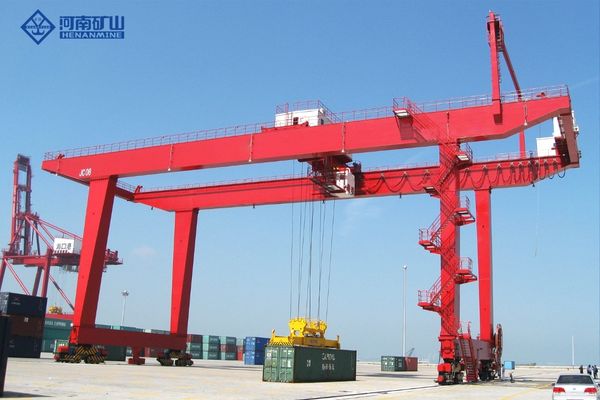
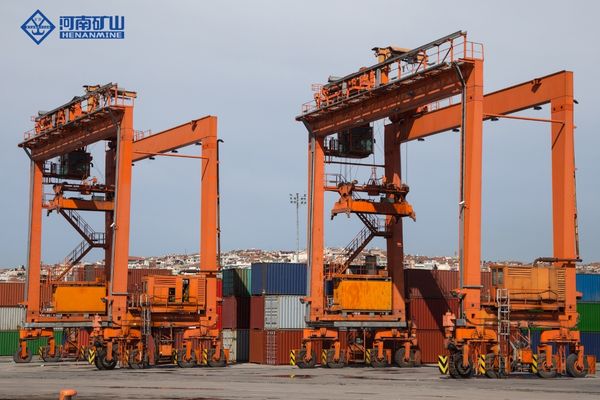
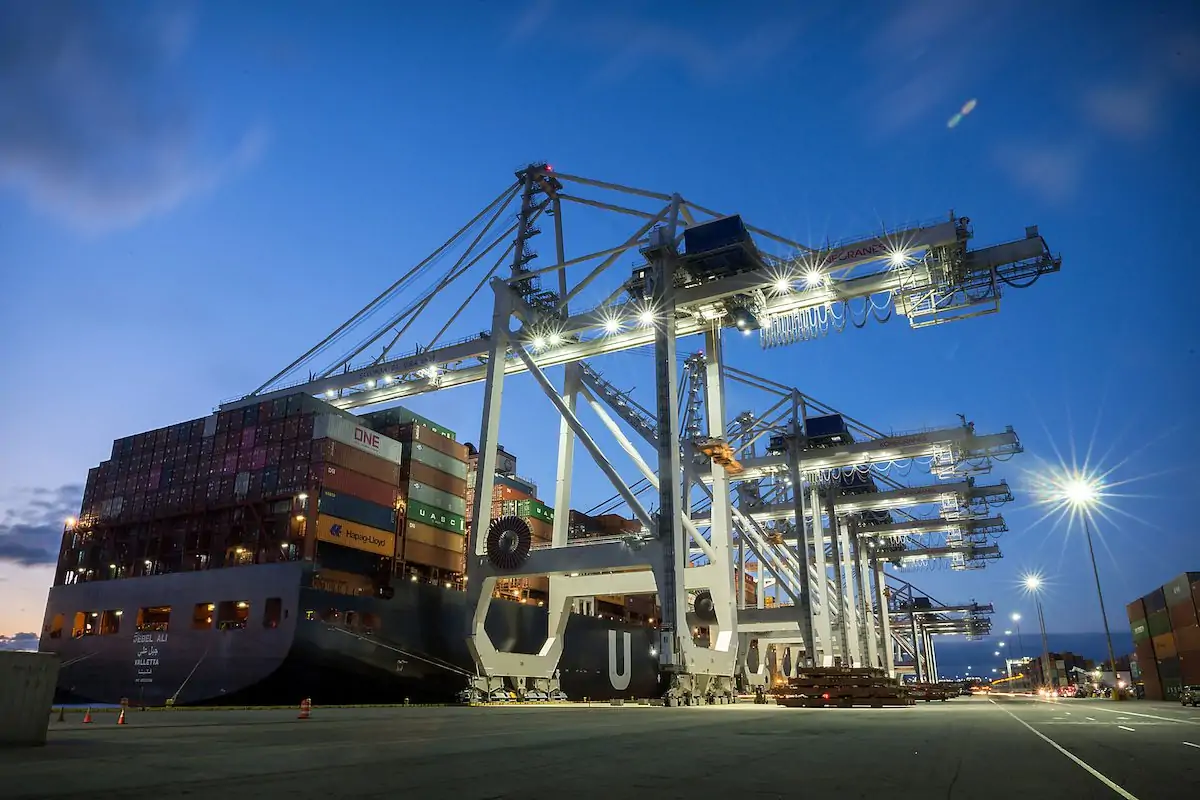
    Henan Mine Crane Port Crane
    Henan Mine Crane Port Crane
    Project planning notes

    Key points for this crane project.

    1. Core Causes of Port Crane Downtime in High-traffic
    2. Identify and Address Root Causes of Downtime
    3. Adopt Predictive & Preventive Maintenance Strategies
    Read the technical guide

    Core Causes of Port Crane Downtime in High-traffic Terminals

    Compared to ordinary terminals, cranes in high-flow ports are in an overloaded state, and the risk of downtime is infinitely amplified, and the core driving factors are mainly divided into four categories:

    1. the equipment long-term high load operation, minor faults are very easy to quickly evolve into major failures;
    2. the terminal of all aspects of operation linkage, yard scheduling, ship scheduling, collector card diversion, and so on any part of the inefficiency, will aggravate the crane wear and tear;
    3. the lack of systematic equipment operation and maintenance, heavy maintenance and light prevention;
    4. human operation, environmental erosion and other external factors superimposed to further enhance the probability of failure.

    Identify and Address Root Causes of Downtime

    Build a systematic root cause analysis (RCA) system. To solve the problem of crane downtime, do not rush to repair, you need to carry out professional root cause analysis first, jump out of the surface maintenance misunderstanding. Terminals should establish a complete fault ledger, integrated inspection, operation and maintenance data, combined with the frequency of operation, peak and other operational data, digging deep into the core causes of failure.

    For example, if the wire rope breaks frequently, you can’t just replace the parts, you need to trace the operation, maintenance, parts wear and tear and other deeper problems to prevent the recurrence of the same kind of failure.

    Combined with industry operation and maintenance data, high-flow quay crane unplanned downtime, mainly from five core issues, corresponding to different prevention and control direction:

    Electrical and Control System Issues

    automated, semi-automated shore bridge and gantry crane core failure point, high-flow terminal operating rhythm, electrical components, PLC controller, all kinds of sensors for a long time high-frequency start-stop operation, very easy to fail, false alarms, coupled with the port of the open-air environment, line aging, short-circuiting moisture, unstable power supply voltage problems, will trigger equipment Sudden shutdown.

    These faults are hidden faults, difficult to investigate high professional requirements, ordinary operation and maintenance personnel are difficult to quickly locate the problem, often significantly lengthen the maintenance time, further aggravating the terminal operation congestion.

    Human Errors and Operational Inefficiencies

    Crane core components, significantly shorten the service life of the equipment, and even instantly triggered equipment failure and safety accidents, is the most easy to ignore the high-flow terminal but the impact of great downtime factors.

    Severe Environmental Erosion

    coastal high-flow terminals are unique to the high incidence of hidden danger, high air salt content in the harbor area, high humidity, coupled with extreme temperature differences, strong winds and heavy rains and other inclement weather, the salt spray will quickly corrode the crane metal steel structure, fasteners and electrical wiring shells, resulting in short circuits, corrosion problems.

    At the same time, high or low temperature environment will accelerate grease failure, thermal expansion and contraction of components deformation, continue to aggravate the aging speed of the equipment, so that the original durable components fail in advance, significantly increasing the probability of unplanned downtime.

    Importance of Root cause Analysis (RCA)

    Indirectly induced crane downtime of the core operational issues, high-flow terminals, if the yard planning chaos, container stacking disorder, unreasonable ship scheduling, truck scheduling lag, will lead to cranes are forced to frequent idling, long-distance travel, repeated inverted box handling, additional increase in equipment operating load and frequency of operation.

    The original loading and unloading can be completed at a time, it takes Multiple operations to complete, not only a waste of operating time, but also accelerate the wear and tear of components, so that the crane is in a long-term fatigue state, and ultimately induced all kinds of mechanical and electrical failures, forming a vicious cycle of operational inefficiency and equipment downtime.

    Henan Mine Crane Port Crane
    Henan Mine Crane Port Crane

    Adopt Predictive & Preventive Maintenance Strategies

    Preventive maintenance is the basis for downtime, in strict accordance with the original equipment (OEM) standards, the development of normalized grading maintenance plan, low-cost routine maintenance, to avoid high amounts of overhaul downtime, and put an end to equipment with sick operation. High-flow terminals need to be graded according to component maintenance: daily inspection of the core checking wire rope, brake and other key parts;

    weekly and monthly maintenance focus on lubrication, fastening and line inspection; annual steel structure flaw detection, core component overhaul and other in-depth maintenance. Strictly adhere to the original specifications, timely handling of minor faults, with professional operation and maintenance team, to ensure the effectiveness of maintenance.

    Predictive maintenance is more suitable for high-intensity operation of high-traffic terminals, relying on the real-time operation data of equipment to predict failures and realize accurate operation and maintenance, avoiding excessive maintenance and eliminating unplanned downtime.

    The terminal can collect core data such as operating hours and component status through sensors to build a big data early warning model, which automatically warns of data anomalies and allows the O&M team to overhaul the equipment in advance without affecting normal operations. This data-driven model can improve the efficiency of operation and maintenance, promote maintenance from passive repair to active prediction, is the core means to improve the reliability of cranes.

    Leverage Smart Technologies and Automation

    Intelligent Transformation of Old Equipment

    Old cranes do not need to blindly replace the entire machine, priority upgrade of electrical components, control systems, retrofitting intelligent monitoring module, lower cost, can extend the life of the equipment, improve the stability of the operation, reduce the aging failure downtime, to adapt to the needs of high-traffic operations.

    IoT Real-time Monitoring

    Relying on IoT sensors, 24-hour remote monitoring of crane core component status, operation and environmental data, through the intelligent platform into operation and maintenance commands, in advance to lock the hidden dangers, formulate maintenance programs, to achieve proactive prevention and control; at the same time, linkage of the whole dock scheduling, reducing ineffective equipment operation and wear and tear.

    Automated Operation Reduces Errors

    Through automatic ship scheduling, berth intelligent allocation, precise positioning of containers, unmanned gantry crane operation and other automated means, reduce operator violations, fatigue operation errors, optimize operational consistency, avoid overloading of equipment, and reduce the risk of downtime from the source.

    Optimize Spare Parts and Maintenance Resources

    Yard planning is closely related to crane downtime, irrational stockpile layout will lead to frequent reversal of the crane, long-distance travel, significantly aggravating the wear and tear of equipment.

    With the help of digital twin technology, high-flow terminals can build a three-dimensional visualization model of the terminal to achieve precise positioning of containers, intelligent allocation of stacking positions, maximize the use of yard space, reduce repeated crane handling and idling operations, reduce equipment loss from the source of operation, and indirectly reduce the probability of downtime.

    Refinement of spare parts management, to eliminate the shortage of spare parts delayed maintenance. Untimely supply of spare parts is a key factor in prolonging crane downtime, especially wire rope, drums, bearings and other wear parts, as well as customized core components, once out of stock, the maintenance period will be significantly lengthened.

    High-flow terminals need to establish a refined spare parts inventory management system, combined with crane failure data, wearing parts loss cycle, reasonable reserves of core spare parts and high-frequency wearing parts, and give priority to ensure that the inventory of high-wear, high-value parts is sufficient; at the same time to establish a stable spare parts purchasing channels, for the customization of the components in advance, to avoid infinite prolongation of downtime due to the shortage of spare parts.

    Improve Workforce Efficiency and Operational Standards

    Licensed operators and regular training to enhance operational professionalism. High-traffic terminals must strictly implement the operator licensing system, all shore bridge, gantry crane operators must hold international or domestic recognized professional qualifications, familiar with the port crane safety practices and standard operating procedures.

    At the same time, abandon the concept of “a training for life”, regular retraining and practical assessment, for the special requirements of high-flow operating scenarios, to strengthen the standardized operation, emergency response, daily inspection and other skills training, synchronized with the Division of the rigging workers to collaborate on training, to open up the operation team and operation and maintenance team collaboration barriers, to reduce the failure to work together, Improve the inspection and monitoring system.

    Improve the inspection and monitoring system

    Normalized inspection is the last line of defense to prevent and control crane downtime, high-flow terminals need to abandon the “heavy maintenance, light inspection” of the wrong concept, the development of graded inspection plan, combined with equipment operation data rather than simply fixed calendar, to carry out daily inspection, special inspection and in-depth overhaul.

    Daily pre-shift inspection is completed by the operator, focusing on the investigation of safety hazards and intuitive failures; special inspection is completed by the operation and maintenance team, focusing on the core components of the operating state; in-depth inspection is carried out regularly, covering the steel structure, control system, hydraulic system and other full-dimensional components, so that hidden problems are discovered and disposed of as early as possible.

    At the same time, remote monitoring technology, relying on sensors to upload real-time equipment data, remote warning of hidden problems, operation and maintenance personnel can quickly dispose of minor problems; complex maintenance can be entrusted to a third-party professional organizations, double guarantee maintenance quality.

    FAQ

    Q1: What is the most effective way to reduce the downtime of high-flow quay cranes?

    A2:Automation can significantly reduce the probability of human error, while optimizing the linkage scheduling of ships, berths and yards, reducing ineffective crane operations and overloading, improving operational coherence, and reducing downtime triggers from both operational and operational dimensions.

    Q3:Why is spare parts management vital to the normal operation of cranes?

    A3:High flow terminal operation is uninterrupted, once the core spare parts shortage, the maintenance period will be greatly extended, even small faults can cause long downtime, especially customized components, adequate spare parts inventory can make the maintenance work quickly to the ground, maximize the compression of downtime.

    Q4: How should the maintenance frequency of harbor cranes be determined?

    Q5: Can small and medium-sized high-traffic terminals implement these downtime reduction strategies?

    A5:Completely possible, all strategies are scalable, small and medium-sized terminals can start from the basic preventive maintenance, licensed operator training, spare parts management, and then gradually land IoT monitoring, predictive maintenance and other advanced technologies, step by step to achieve the goal of reducing downtime.

    Q6: What are the most avoidable causes of downtime for harbor cranes?

    A6: One is the unqualified operator’s illegal operation, and the other is the inefficiency of yard scheduling and operation planning, both of which do not require high technical investment, and can be completely avoided through standardized management, professional training and process optimization, which is the preferred breakthrough for downtime reduction.

    Discuss the crane arrangement for your project.

    High utilisation makes service access and response planning part of the equipment decision. Review the working cycle, recurring faults, maintenance windows and spare-parts arrangements when planning improvements to crane availability. Share the load, available drawings, working cycle and site conditions with Henan Mine Crane so the required configuration and supply boundary can be discussed.

    Related crane configurations

    Explore crane product families and technical parameters ↗

    Updated 2026 · Henan Mine Crane

  • Fire-Safety Training and Evacuation Drill Held Across Manufacturing Teams

    Fire-Safety Training and Evacuation Drill Held Across Manufacturing Teams

    Quality & Manufacturing

    Fire-Safety Training and Evacuation Drill Held Across Manufacturing Teams

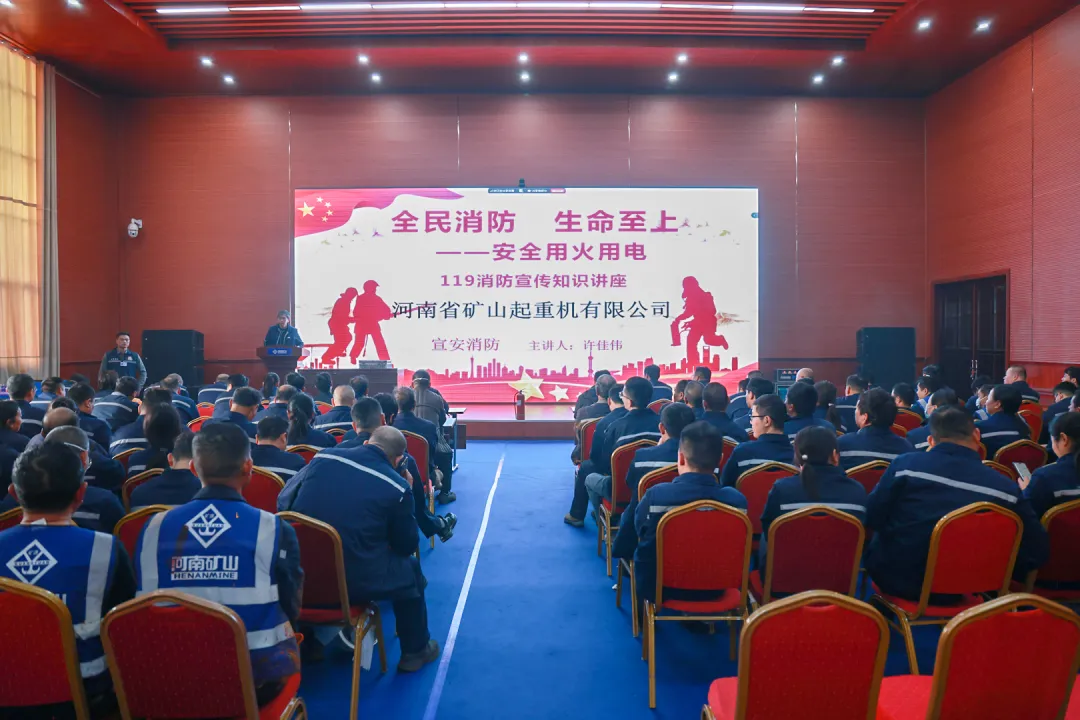
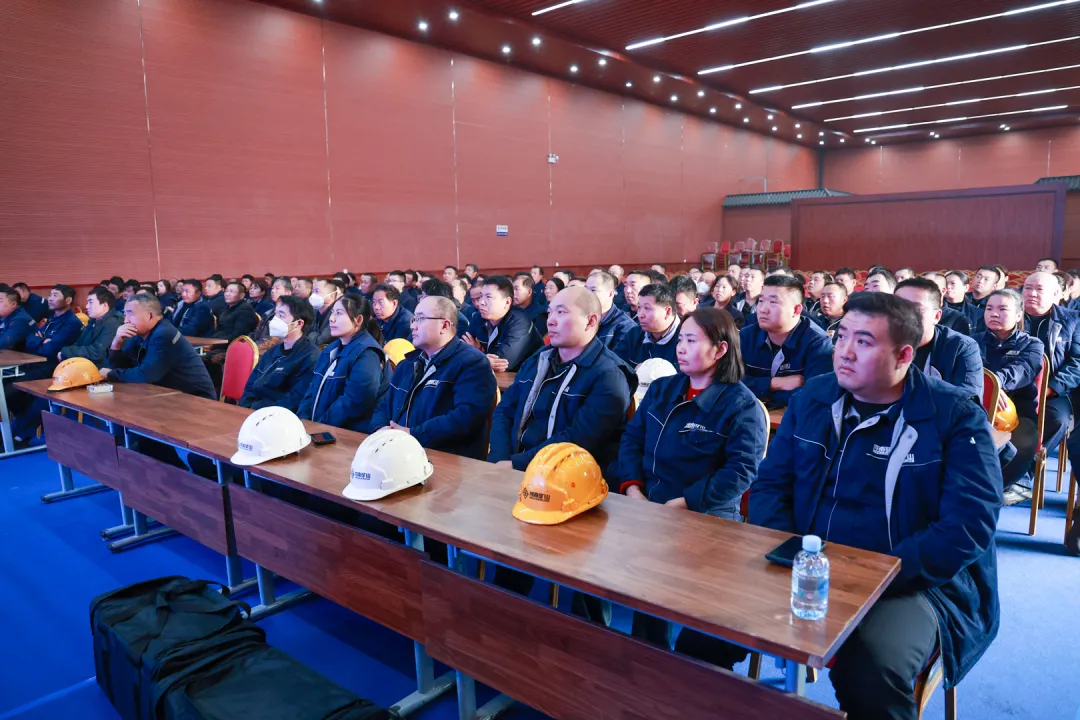
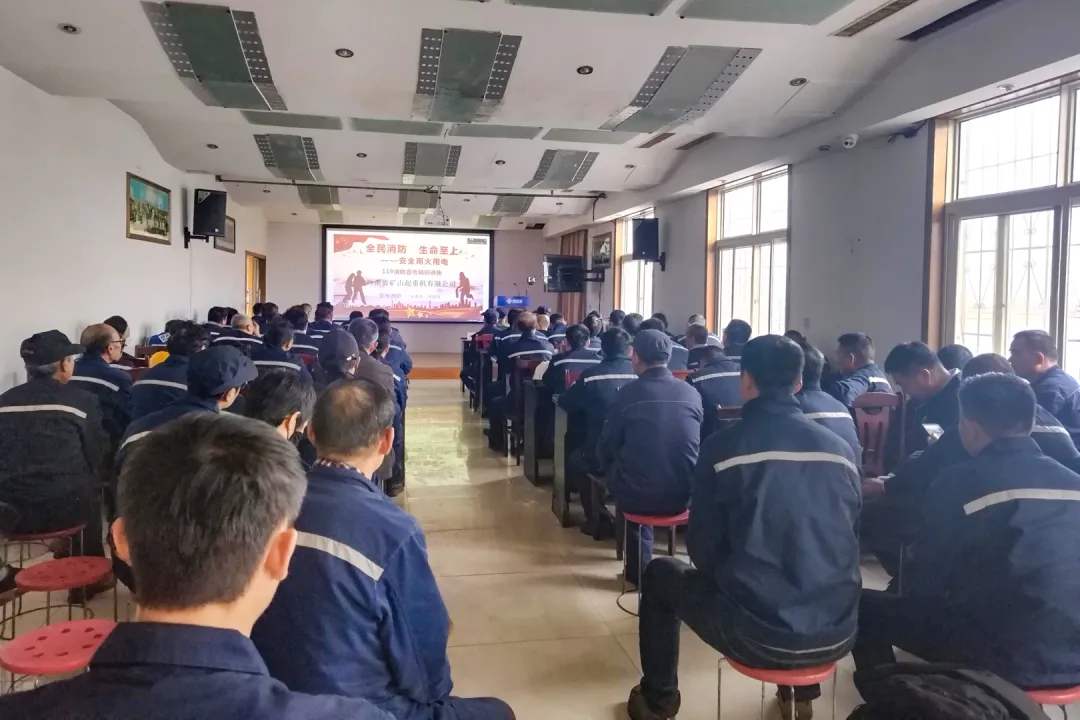
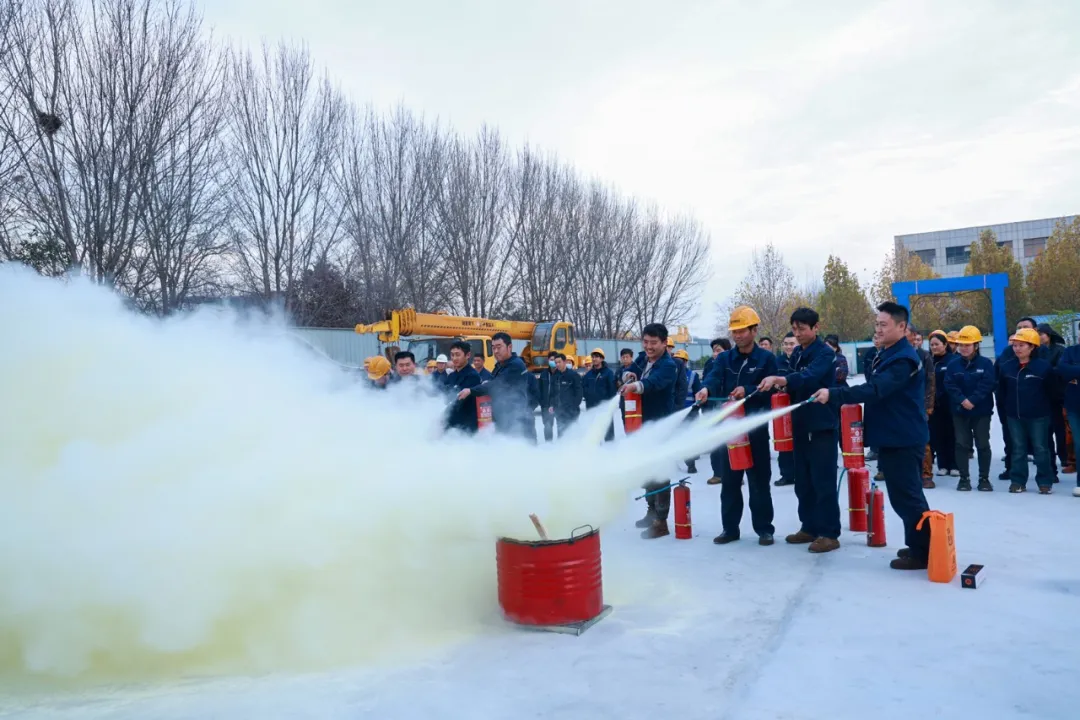
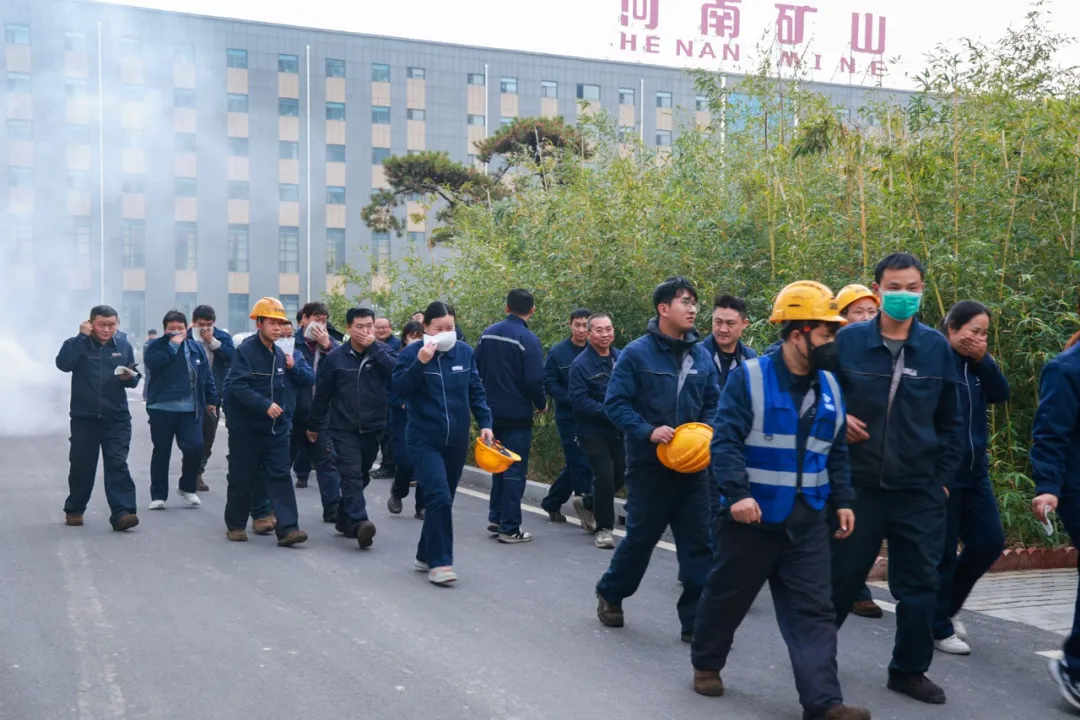
    Henan Mine Crane held fire-safety training and evacuation exercises on 12 November 2025 for 292 workshop leaders, safety staff and emergency-response members.

    Fire-safety presentation in the company auditorium
    Fire-safety presentation in the company auditorium.

    Training followed by practical exercises

    The programme covered fire prevention, reporting, first response and self-evacuation, followed by extinguisher and escape drills. Case studies were used to discuss common workplace hazards.

    Site safety during manufacturing

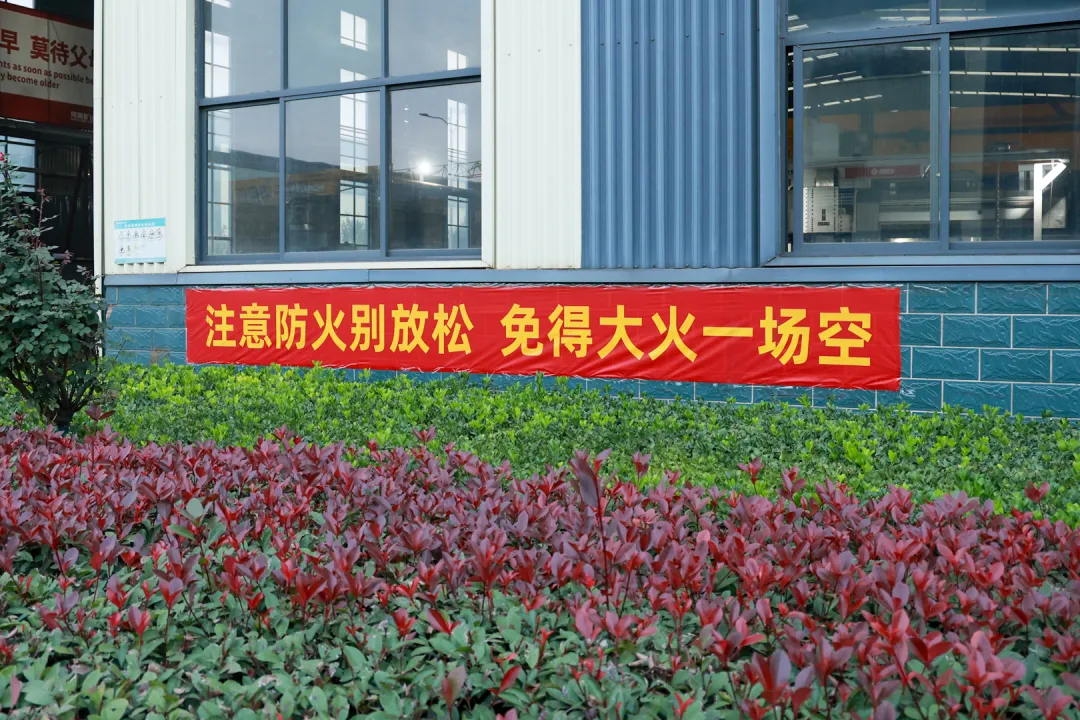
    The exercise formed part of a wider fire-safety month programme of inspections and training. Buyers planning a factory visit or equipment inspection can coordinate site entry and safety requirements with the manufacturing team.

    View the event photo gallery

    Contact Henan Mine Crane

    For product information, a manufacturing visit or a company enquiry, send the relevant details to our team.

  • Overhead Crane Maintenance Costs: Address the Causes of Repeated Work

    Overhead Crane Maintenance Costs: Address the Causes of Repeated Work

    Technical guide

    Overhead Crane Maintenance Costs: Address the Causes of Repeated Work

    Cost control starts with understanding why service interventions recur. Connect fault records and component wear with the operating duty, access conditions and spare-parts strategy before choosing changes to the maintenance plan.

    Henan Mine CraneTechnical guide · Updated 2026Crane selection, project scope and operating requirements
    overhead crane maintenance costs
    overhead crane maintenance costs
    Project planning notes

    Key points for this crane project.

    1. Why Overhead Crane Maintenance Costs Matter
    2. Choose The Right Crane Design Initially
    3. Establish A Preventive Maintenance Program
    Read the technical guide

    Why Overhead Crane Maintenance Costs Matter

    Rising maintenance and downtime costs

    With the increase of the service life of the equipment, the wear and aging of the parts of the bridge crane will gradually become prominent, and the maintenance cost will increase year by year. On the one hand, frequent failure repairs require a lot of manpower, material and financial resources, especially the secondary maintenance rate of non-original parts is extremely high. Data show that the secondary failure rate of cranes using inferior parts is 2.3 times that of regular parts, which further pushes up maintenance expenditures. On the other hand, the shutdown and shutdown caused by the failure of the bridge crane will disrupt the production plan, causing indirect losses such as order delays and production capacity declines.

    Importance of reducing lifecycle costs

    Reducing the life cycle cost of Henan Mine Crane manufactured bridge cranes is a key measure for enterprises to enhance their core competitiveness. The whole life cycle cost not only includes the initial procurement cost, but also covers long-term maintenance, repair, upgrade, energy consumption and many other expenses. For enterprises, optimizing crane operation and maintenance costs is essentially a reasonable allocation of production resources, which can build a solid foundation for the long-term development of enterprises.

    Choose The Right Crane Design Initially

    Match cranes with working conditions

    Selection is the first step in controlling long-term maintenance costs. The core principle is to accurately match the bridge crane with the actual working conditions. Enterprises need to combine workshop span, lifting weight, operating frequency, ambient temperature, material characteristics and other factors to choose the appropriate crane type. For example, cranes made of high-temperature resistant materials need to be selected in high-temperature environments. In scenarios of frequent operations, priority should be given to durable models to avoid premature equipment wear and frequent failures due to improper selection, thereby increasing maintenance costs.

    Select durable crane components

    The durability of parts directly determines the maintenance frequency and cost of bridge cranes. In the selection of models, priority should be given to high-quality parts that have been verified by the market, such as wear-resistant wheels, high-strength wire ropes, and reliable electrical components. Although the initial investment in high-quality parts is slightly higher, it can significantly reduce the incidence of failures, reduce the frequency of replacement, and significantly save maintenance costs in the long run. For example, the selection of high-quality frequency conversion speed control system can reduce mechanical shocks and electrical failure rates, and the payback period usually does not exceed two years.

    Consider customized crane solutions

    For companies with special operating needs, customized Henan Mine Crane manufactured bridge crane solutions are an effective way to reduce long-term costs. The customized design can optimize the structure and performance of the equipment according to the unique working conditions of the enterprise, and avoid the functional redundancy or insufficient performance of the general-purpose crane. For example, for scenarios where workshop space is limited, compact bridge cranes are customized. According to the needs of high-precision handling, customized models with precise positioning function cannot only improve operating efficiency, but also reduce maintenance problems caused by poor equipment adaptability.

    Establish A Preventive Maintenance Program

    Create regular inspection schedules

    Preventive maintenance is the core means to reduce long-term maintenance costs, and regular inspections are the basis for preventive maintenance. Enterprises need to establish a scientific inspection system, and formulate daily, weekly, monthly, and quarterly inspection plans based on the operating intensity and service life of the crane. The inspection content should cover the operating status of the equipment, the wear and tear of parts, the lubrication system, the electrical system, etc., so as to detect potential hidden faults in a timely manner and avoid small faults from turning into major problems. For example, the straightness and elevation of the track are measured once a month to confirm that the thermal expansion deformation does not exceed the allowable range to prevent abnormal track wear.

    Maintain critical crane components

    The key components of bridge cranes, such as wire ropes, brakes, bearings, motors, etc., are the key objects of maintenance. It is necessary to carry out regular maintenance of key parts in accordance with the requirements of the equipment manual, including cleaning, lubrication, fastening, adjustment, etc. For example, regularly check the wire rope for lubrication and wear, and replace the wire rope with excessive wear in time. Adjust the clearance of the brake to ensure stable braking performance and avoid downtime and increased maintenance costs caused by the failure of key components.

    Replace parts before failure

    Passive maintenance often leads to a significant increase in maintenance costs, and early replacement of parts that are about to fail can effectively avoid sudden failures. Through regular inspections and condition monitoring, grasp the wear law and service life of parts and components, and replace them in time before the parts reach the limit of service life. This kind of ”prevention before it happens" maintenance method cannot only reduce the loss of sudden downtime, but also reduce the difficulty and cost of maintenance.

    Improve Crane Operation And Management

    Train operators properly

    The professional level of operators directly affects the service life and maintenance costs of bridge cranes. Enterprises need to conduct systematic training for operators, including equipment operating procedures, safety precautions, daily inspection points, emergency handling of faults, etc. Qualified operators can standardize the operation of equipment to avoid equipment damage caused by improper operation. At the same time, they can detect abnormal conditions in the operation of the equipment in a timely manner, report and deal with them in a timely manner, and reduce the cost losses caused by the expansion of failures.

    Avoid common operating mistakes

    In actual operation, some common misoperation will accelerate equipment wear and increase maintenance costs. For example, overloading operations can cause deformation of the structure of the bridge crane and damage to parts. Emergency stop and emergency start will produce greater mechanical impact and damage the transmission components. Illegal operations can cause safety accidents and damage equipment at the same time. Therefore, it is necessary to standardize the behavior of operators, eliminate problems such as overload and illegal operations, develop good operating habits, and reduce equipment failures from the source.

    Perform daily equipment checks

    Daily inspection is an important part of timely detection of equipment abnormalities. Operators need to conduct basic inspections of bridge cranes before and after daily operations. The inspection content includes the appearance of the equipment, the status of the wire rope, the sensitivity of the brake, the limiting device, the lubrication condition, etc., and then start the operation after confirming that the equipment is not abnormal. There is no need to invest a lot of time in daily inspections, but it can effectively investigate potential hidden dangers and avoid major problems caused by small failures. Long-term persistence can significantly reduce maintenance costs.

    Apply Smart Maintenance Technologies

    Use condition monitoring systems

    With the development of industrial intelligence, intelligent maintenance technology has provided a new path for Henan Mine Crane manufactured bridge cranes to reduce costs and increase efficiency. The condition monitoring system can collect crane operating data in real time through sensors, such as vibration, temperature, current, wear and other parameters, and monitor the operating status of the equipment in real time. When the equipment is abnormal, the system will issue an early warning in a timely manner to help maintenance personnel quickly locate the point of failure, reduce troubleshooting time and improve maintenance efficiency.

    Adopt predictive maintenance methods

    Predictive maintenance is based on equipment operation data and AI analysis to predict the service life of parts and the probability of failure, so as to formulate an accurate maintenance plan. Compared with traditional preventive maintenance, predictive maintenance is more targeted, which can avoid the problem of excessive maintenance or insufficient maintenance, and further reduce maintenance costs. For example, by analyzing the operating current and temperature data of the motor, predict the risk of failure of the motor, and carry out maintenance or replacement in advance to avoid the high maintenance costs caused by the motor burning down.

    Improve maintenance efficiency

    The application of intelligent maintenance technology can greatly improve maintenance efficiency and reduce labor costs. For example, the remote operation and maintenance system can realize the remote monitoring and fault diagnosis of bridge cranes, and maintenance personnel can investigate some faults without going to the site. The intelligent maintenance management platform can automatically generate maintenance plans, record maintenance data, manage spare parts inventory, optimize the maintenance process, reduce the cumbersome manual operation, and make maintenance work more efficient and accurate.

    Optimize Lubrication And Parts Management

    Follow proper lubrication practices

    Lubrication is an important part of the maintenance of bridge cranes. Reasonable lubrication can reduce the wear and tear of parts, extend the service life of equipment, and reduce maintenance costs. At the same time, the status of the lubrication system needs to be checked regularly to avoid problems caused by insufficient or excessive lubrication.

    Manage spare parts effectively

    The rationality of spare parts management directly affects maintenance efficiency and cost. Enterprises need to establish a sound spare parts inventory management system, according to the model, service life and maintenance needs of bridge cranes, reasonably reserve commonly used spare parts, such as wire ropes, brake linings, bearings, etc., to avoid maintenance delays caused by the shortage of spare parts, while avoiding the waste of funds caused by the backlog of spare parts. In addition, priority should be given to the selection of spare parts from the original factory or formal channels to ensure the quality of spare parts and reduce the probability of secondary maintenance.

    Prevent corrosion damage

    For bridge cranes operating in humid and corrosive environments, corrosion is an important factor that leads to equipment damage and increased maintenance costs. Enterprises need to take effective anti-corrosion measures, such as regular rust removal and painting of the metal structure of the crane, and the selection of parts made of corrosion-resistant materials to avoid the erosion of the equipment by rain and corrosive gases. At the same time, it is necessary to keep the operating environment of the equipment dry and clean, reduce the impact of corrosive media on the equipment, and extend the service life of the equipment.

    Extend Crane Life With System Upgrades

    Upgrade outdated control systems

    With the continuous progress of technology, old control systems often have problems such as low operating efficiency, high failure rate, and high energy consumption. Upgrading the old control system, such as replacing it with an intelligent frequency conversion control system, can improve the operating accuracy and stability of the equipment, reduce the electrical failure rate, and reduce energy consumption.

    Replace aging components

    For bridge cranes with a long service life, some parts will have problems such as aging and severe wear, and it is difficult to restore their performance even if they are frequently maintained. At this time, key aging parts, such as motors, reducers, wheel sets, etc., need to be replaced in time to avoid frequent failures and increased maintenance costs caused by aging parts. Although there is a certain initial investment in replacing aging parts, it can significantly improve the performance of the equipment and extend the service life of the equipment. In the long run, it has a high price/performance ratio.

    Improve energy efficiency

    Optimizing the energy consumption performance of Henan Mine Crane manufactured cranes is also an important way to reduce long-term operating costs. In addition to upgrading the control system, the energy consumption of the equipment can also be reduced by replacing energy-saving motors, optimizing the operating parameters of the equipment, and adopting regenerative braking technology. For example, regenerative braking technology can recover the energy generated during the descent of the crane and reduce energy waste. The payback period is usually 3-5 years, and the long-term energy-saving benefits are significant.

    Henan Mine Crane

    Reducing the long-term maintenance cost of bridge cranes is not an overnight task, but requires the establishment of a long-term and systematic maintenance plan. Enterprises need to combine their own production needs and equipment conditions, starting from multiple dimensions such as selection, operation and maintenance, technology upgrading, and spare parts management, formulate a scientific maintenance strategy, transform passive maintenance into active prevention, and realize cost control throughout the life cycle of equipment.

    In the long run, investing in reliable Henan Mine Crane Factory crane solutions is the core guarantee for reducing maintenance costs. Whether it is high-quality equipment in the selection stage, intelligent technology application and professional service support in the operation and maintenance stage, enterprises need to make reasonable investment. Through scientific cost control and reasonable resource investment, it cannot only reduce the long-term maintenance cost of the crane, but also improve the operating efficiency and stability of the equipment, provide strong support for the production and development of the enterprise, and achieve the long-term goal of cost reduction and efficiency.

    Discuss the crane arrangement for your project.

    Cost control starts with understanding why service interventions recur. Connect fault records and component wear with the operating duty, access conditions and spare-parts strategy before choosing changes to the maintenance plan. Share the load, available drawings, working cycle and site conditions with Henan Mine Crane so the required configuration and supply boundary can be discussed.

    Related crane configurations

    Ship-To-Shore Crane (STS)

    View product parameters
    Lifting capacity: 40-65 80-120 tBoom outreach: 40-72 mWorking class: A8

    Transfer containers between ship and quay with an STS crane selected for the berth and vessel envelope. Define the lifting-appliance arrangement, outreach, rail position and handling cycle.

    Single-Girder Bridge Crane

    View product parameters
    Lifting capacity: 1–20 tSpan: 7.5–31.5 mLifting height: 6, 9, 12, 18, 24 or 30 m; capacity-dependent

    Use an LDA single-girder bridge and electric hoist for general workshop material handling. Select the lifting capacity, runway geometry and hoist duty around the building and load.

    Updated 2026 · Henan Mine Crane
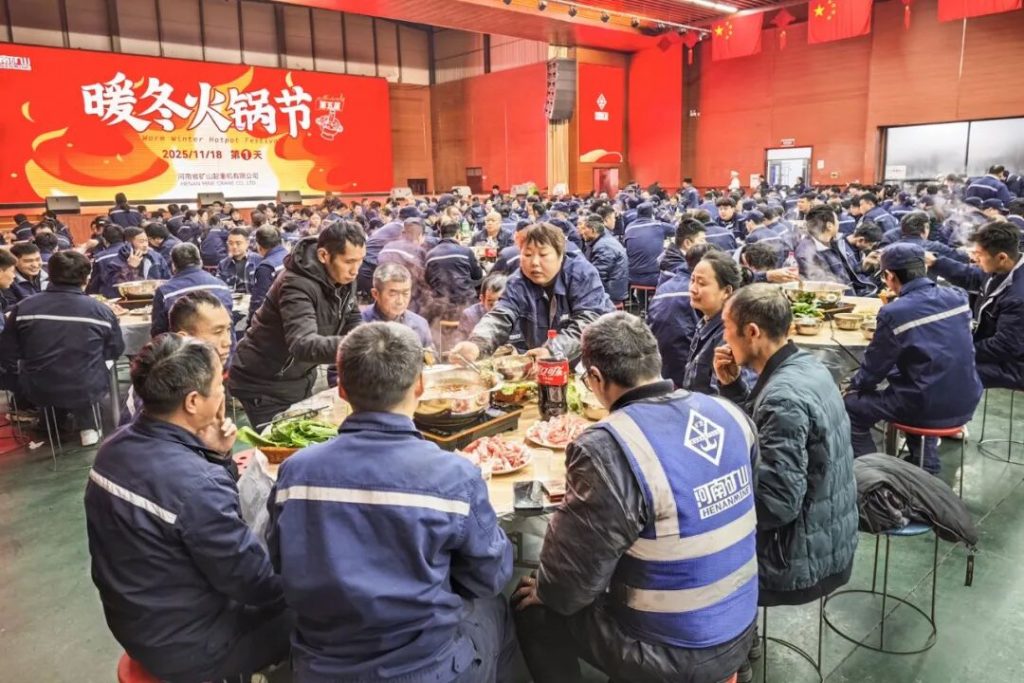
  • Port Crane Energy Reduction: Review Drives and Operating Patterns

    Port Crane Energy Reduction: Review Drives and Operating Patterns

    Technical guide

    Port Crane Energy Reduction: Review Drives and Operating Patterns

    Energy improvement needs a measured picture of the crane's work. Compare lifting and travel cycles, idle time and the energy supply arrangement before assessing control changes or equipment options.

    Henan Mine CraneTechnical guide · Updated 2026Crane selection, project scope and operating requirements
    port crane energy consumption
    port crane energy consumption
    Project planning notes

    Key points for this crane project.

    1. What Causes High Energy Consumption in Port Cranes?
    2. How Can Electrification Improve Port Crane Energy
    3. How Can Port Crane Operations Be Optimized to Save
    Read the technical guide

    What Causes High Energy Consumption in Port Cranes?

    The problem of high energy consumption of port cranes is not caused by a single factor, but the result of multiple factors such as equipment operation mechanism, operating conditions, and standby energy consumption. For mainstream cranes such as port shore bridges, rail cranes, and tire cranes, the operation process includes multiple links such as lifting, travel, standby, and auxiliary operation. The unreasonable operation of each link will cause energy loss. Among them, dynamic operation energy consumption and long-term standby energy consumption are the two core sources of waste. The following is a breakdown of the core operation scenarios, and an in-depth dismantling of the core incentives for high energy consumption.

    Hoisting and lowering

    Lifting and descending are the most energy-consuming operations of port cranes, accounting for about half of the energy consumption of the whole machine. Not only is energy wasted, but it will also cause equipment to heat up and aging lines, coupled with unstable manual operation speed and frequent start and stop, which further exacerbates the waste of energy consumption and equipment loss.

    Trolley and gantry travel

    Trolley and gantry travel belong to high-frequency operations. The traditional transmission structure is highly rigid, and frequent start-stop and speed regulation of equipment will produce a lot of inertial energy consumption. Manual operation often has problems such as blind speed-up, emergency braking, and path redundancy. Repeated displacement and invalid travel are common. Old equipment lacks the ability to adjust speed accurately, which not only consumes additional power, but also exacerbates mechanical wear and tear, and the overall energy consumption and waste will be further magnified under large-scale operations.

    Auxiliary and standby power

    At the same time, auxiliary equipment such as lighting, hydraulics, cooling, etc. continue to operate around the clock, without intelligent start-stop control function, coupled with aging of old equipment lines, leakage, voltage instability and other problems, long-term continuous invalid energy consumption, accumulating over time, resulting in a lot of energy waste.

    How Can Electrification Improve Port Crane Energy Efficiency?

    Electrification transformation is the basic core plan for energy saving and consumption reduction of port cranes, as well as the core path for upgrading traditional fuel-fired cranes and improving the quality of old electric equipment. Compared with the traditional power model, the electrification system thoroughly optimizes the energy consumption structure from the three dimensions of power source, drive system, and energy recovery, significantly reduces invalid energy consumption, improves energy utilization, and reduces exhaust emissions and operating noise. Perfectly adapted to green port construction standards.

    Electric vs. diesel power

    The core difference between diesel power and electric power directly determines the basic energy consumption level and operating cost of Henan Mine Crane port crane. Traditional diesel-driven tire cranes and mobile cranes have extremely low energy utilization rates. The rest is wasted in the form of heat, exhaust gas, and noise. At the same time, insufficient fuel combustion, idle speed, fuel consumption, variable speed loss and other problems are prominent, not only high energy consumption, but also a large number of exhaust gas pollutants will be generated, and operation and maintenance costs remain high.

    At present, the mainstream equipment electrification transformation plan in the industry retains the emergency function of the diesel engine set, adopts MAINS power supply for conventional operations, and flexibly switches between special operating conditions in transition, taking into account energy saving and practicality.

    Energy-efficient motors and VFDs

    High-efficiency and energy-saving motors and frequency conversion speed control systems (VFDs) are the core hardware support for electrification and energy saving, and they are also the most cost-effective solution for the energy-saving transformation of old cranes. Ordinary asynchronous motors equipped with traditional cranes have low energy efficiency levels, and their operating efficiency declines significantly under light-load and no-load conditions. Long-term operation energy consumption is serious, and they cannot adapt to dynamic load changes. Speed regulation relies on mechanical braking, and energy consumption is greatly wasted.

    Regenerative braking and energy recovery

    Regenerative braking and energy recovery technology are the core highlights of electrification and energy saving, which can realize energy recycling and completely solve the problem of energy waste in the descent and braking links. The traditional crane braking mode is energy consumption braking, which converts all kinetic energy and gravity potential energy into heat energy loss, which is the core pain point of the waste of energy consumption of the whole machine. The regenerative braking system is equipped with a two-way converter, which can convert excess gravity potential energy and kinetic energy into standard alternating current under working conditions such as cargo descent, equipment braking, and trolley return, and feed it back to the power grid or store it in the energy storage unit.

    Some Henan Mine Crane new port cranes equipped with supercapacitor energy storage equipment can store the recovered power for high-power conditions such as equipment start-up and acceleration to further reduce the peak energy consumption load of the power grid. This technology is perfectly adapted to the operating characteristics of high-frequency lifting and frequent braking of port cranes. It is the core technology for cost reduction and efficiency enhancement of large-scale ports.

    How Can Port Crane Operations Be Optimized to Save Energy?

    The upgrading of hardware electrification is the basis for energy saving, and the refined optimization of operating processes is the key to low-cost and continuous improvement of energy-saving effects. There is no need for large-scale equipment transformation. Only by optimizing the operation action, controlling the standby time, and upgrading the scheduling mode, the energy-saving effect can be quickly implemented, and it can be adapted to the lightweight energy-saving transformation needs of various ports, large, medium and small.

    Optimize crane movements

    Irregular crane operation actions, redundant operating paths, and unreasonable speed control are the most important human-made energy consumption wastes in manual operation mode. In traditional manual operations, in order to pursue operational efficiency, operators generally have irregular operations such as rapid acceleration, rapid braking, ultra-high-speed operation, and repeated displacement. Each invalid action will produce additional energy consumption and mechanical loss.

    The core of action optimization is to establish a standardized operating process, implement operating guidelines for uniform speed operation, smooth start and stop, and plan the optimal travel operating path. According to the cargo tonnage, operating height, and yard location, exclusive operating parameters are formulated to prevent blind speed-up and emergency braking. Unify the travel routes of trolleys and gantry frames to avoid invalid operations such as redundant travel across regions and repeated alignment. At the same time, standardize the rhythm of lifting operations, smooth lifting of heavy loads and low speeds, and uniform speed operation of light loads to reduce the impact of energy consumption caused by switching working conditions. Through standardized action control, the energy consumption of a single operation can be effectively reduced, mechanical wear and tear can be reduced, and the two-way benefits of energy saving and equipment longevity can be realized.

    Reduce idle time

    Invalid standby time is too long, which is an important reason for the waste of normalized energy consumption of port cranes. Most terminal cranes have an average standby time of more than 8 hours a day, and the cumulative loss of standby energy consumption is great. In scenarios such as operation gaps, ship waiting, cargo transfer and connection gaps, and personnel shifts, the equipment is powered on at no load for a long time, and the auxiliary equipment continues to operate, resulting in a lot of invalid energy consumption.

    Targeted optimization can be implemented in both directions from system control and equipment transformation. At the system level, equipment start-stop control specifications are formulated, and the main drive system and idle auxiliary equipment are turned off in time when there is no operating task, so as to eliminate long-term no-load standby. At the equipment level, an intelligent standby control module is installed to realize low-load sleep of the equipment, timed power failure, induction start and stop under working conditions, and automatic switching of energy-saving modes between operations to reduce standby power consumption.

    Optimize crane scheduling

    Unreasonable scheduling of port crane clusters can lead to uneven equipment workload, repetitive operations, and no-load rushes. It is the core cause of the high overall energy consumption of large-scale terminals. The traditional manual scheduling model lacks overall coordination, and it is prone to problems such as multiple equipment in a single area, no-load standby of equipment in remote areas, and unbalanced distribution of light and heavy operations, resulting in a large amount of cluster energy consumption and waste.

    The core of optimized scheduling is to realize global intelligent overall scheduling, combining ship arrival time, cargo throughput, yard distribution, and equipment working conditions to scientifically allocate crane operation tasks. Avoid the situation where a single equipment is overloaded with high-frequency operations and multiple equipment are on standby invalid, balance the operating load of the equipment, and reduce long-distance shift operations across regions. At the same time, reasonably plan the operating shifts, take advantage of the low electricity prices of the power grid at peak times, optimize the high-power operating hours, and reduce the peak electricity costs.

    How Does Automation Reduce Port Crane Energy Consumption?

    Automation and intelligence are high-end solutions for energy saving and consumption reduction of Henan Mine Crane port cranes, which completely solve the problems of randomness, irregularity and inefficiency of manual operation. Relying on intelligent sensing, algorithm control, and automatic positioning technology, it realizes precise control and intelligent optimization of the whole process of crane operation, avoids the waste of energy consumption caused by human operation from the root cause, and adapts to high-intensity and high-frequency port operation scenarios to achieve energy-saving, high-efficiency, and stable trinity upgrades. It is the core standard of smart port construction.

    Automated movement and positioning

    Manual alignment is prone to deviation, repeated displacement and emergency start and stop, resulting in a lot of invalid energy consumption and time loss. The automated precise positioning system can plan the optimal travel path according to on-site working conditions, realize automatic driving, smooth speed regulation and precise alignment, avoid redundant actions throughout the process, and greatly reduce the inertial energy consumption caused by start and stop. The parameters of the entire operation process are stable and controllable, so as to get rid of the arbitrariness of manual operation.

    Anti-sway and intelligent control

    Crane start-stop and variable-speed operations can easily cause the cargo to sway. Manual operation requires waiting for the cargo to stabilize and repeatedly correcting the position, which not only slows down the pace of the operation, but also continues to produce excess energy consumption. The intelligent sway control control system can monitor the swing state in real time, dynamically fine-tune the operating parameters of the motor through algorithms, and actively suppress the shaking of the goods without manually waiting for correction. This technology effectively shortens the operating cycle and reduces the invalid operating loss of equipment.

    Energy-efficient operating strategies

    Traditional manual operation only relies on experience to regulate equipment, and cannot dynamically adapt energy consumption according to real-time loads and working conditions, which is likely to cause energy waste. Relying on big data and AI algorithms, the automated intelligent system monitors parameters such as lifting height, load, and operating distance in real time, and automatically matches the optimal energy-saving operation strategy. The equipment can intelligently distinguish between heavy-duty, light-load and no-load operating conditions, flexibly adjust the operating speed and start-stop logic, reduce the output of high-energy-consuming operating conditions, and optimize the operation rhythm of multiple equipment clusters, balance the load and peak-off operations, and comprehensively tap the overall energy-saving space of the terminal.

    What Is the Most Effective Way to Reduce Port Crane Energy Consumption?

    Combining the three categories of energy-saving solutions mentioned above: hardware upgrade, process optimization, and intelligent empowerment, a single energy-saving method has certain limitations. The cost of simple equipment upgrade is high, and the upper limit of energy-saving for simple process optimization is low. It is difficult to implement a single automation transformation.

    Upgrade drive and recovery systems

    The upgrade of the drive and energy recovery system is the core hardware foundation for energy saving and consumption reduction, and it is a prerequisite for achieving significant energy saving. Inefficient motors of old equipment, traditional braking systems, and drive structures without frequency conversion control are the root causes of high energy consumption. Priority is given to completing the core hardware upgrade, replacing the first-class energy-efficient and energy-saving motor, equipped with a VFD frequency conversion speed control system, and supporting a regenerative braking energy recovery device to solve the problem of basic energy consumption and waste from the source of power.

    The program has the most direct energy-saving effect and the strongest stability. It is the hardware upgrade method with the highest neutral price ratio of all energy-saving solutions.

    Optimize operating practices

    Normalized operation optimization is the key to low-cost and continuous amplification of energy-saving effects, and it is a long-term energy-saving method with zero cost and high return. After the hardware upgrade, it is equipped with standardized operating specifications, a refined scheduling system, and a strict standby control mechanism, which can further tap the potential of energy saving, make up for the shortcomings of hardware energy saving, and solve the waste of energy consumption caused by human operation and management loopholes.

    At the same time, a standardized operating model can reduce equipment failures and losses, reduce long-term operation and maintenance costs, extend the service life of equipment, and realize the long-term value of energy saving, cost reduction, quality improvement, and efficiency enhancement. It is a basic control method that all ports must implement.

    Combine electrification and automation

    The deep integration of electrification and automation is the best and ultimate solution for energy saving and consumption reduction of Henan Mine Crane port cranes, and it is also the development trend of smart green ports. Electrification solves the problems of high energy consumption of equipment and hardware and energy that cannot be recovered, and automation solves the problems of irregular manual operation, inefficient operation, and unreasonable scheduling. The two complement each other and enable them to completely open up the energy-saving link of the whole crane process.

    Electrification hardware provides a stable foundation for intelligent automation control, and automation algorithms can maximize the energy-saving advantages of electrified equipment and realize optimal dynamic energy consumption control. At the same time, it fully meets the requirements of the dual-carbon policy and environmental protection assessment, and helps the port achieve low-cost, green, and intelligent long-term development.

    Henan Mine Crane

    The energy saving and consumption reduction of port cranes is not a single equipment transformation, but a systematic project covering hardware systems, operating processes, intelligent control, and operation management. Investigate the pain points of energy consumption and waste in lifting, travel, and standby from the root cause, rely on electrification transformation to consolidate the foundation of energy saving, tap the potential of lightweight energy saving through operation optimization, and realize intelligent and accurate energy saving with the help of automation technology, and finally maximize the energy-saving effect through a combination of electrification, automation and refined operations.

    For port companies of different sizes and equipment working conditions, Henan Mine Crane Factory can provide customized and phased crane energy-saving transformation solutions, which are accurately adapted to various budgets and operating scenarios. Priority can be given to frequency conversion upgrades and energy recovery and lightweight transformation of old equipment, which can be quickly implemented and quickly returned to cost. Small and medium-sized terminals can achieve zero cost, efficiency and quality improvement through process optimization. Large-scale smart ports can implement integrated electrification and automation transformation plans. Relying on mature equipment technology and landing experience, it will help major ports easily achieve cost reduction and efficiency enhancement and green and low-carbon transformation, and firmly occupy the core advantages of low-carbon development in the industry.

    Discuss the crane arrangement for your project.

    Energy improvement needs a measured picture of the crane's work. Compare lifting and travel cycles, idle time and the energy supply arrangement before assessing control changes or equipment options. Share the load, available drawings, working cycle and site conditions with Henan Mine Crane so the required configuration and supply boundary can be discussed.

    Related crane configurations

    Explore crane product families and technical parameters ↗

    Updated 2026 · Henan Mine Crane
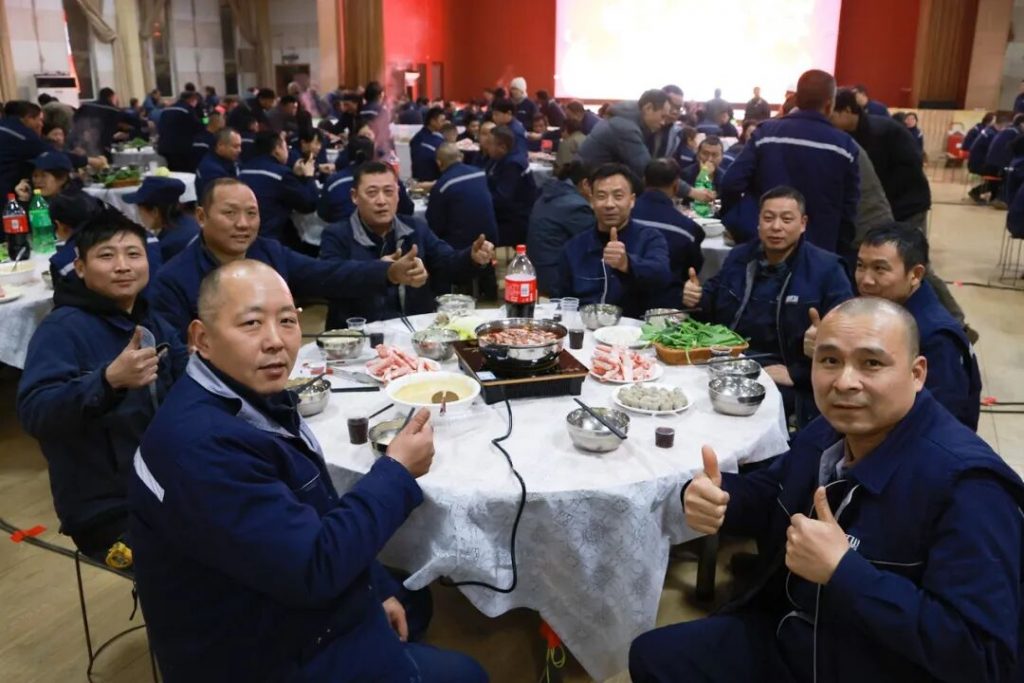
  • Automated Crane Service Recognised by an Industrial Customer

    Automated Crane Service Recognised by an Industrial Customer

    Project Deliveries

    Automated Crane Service Recognised by an Industrial Customer

    Henan Mine Crane reports that an industrial customer recognised its equipment and follow-up service with a 2025 supplier award.
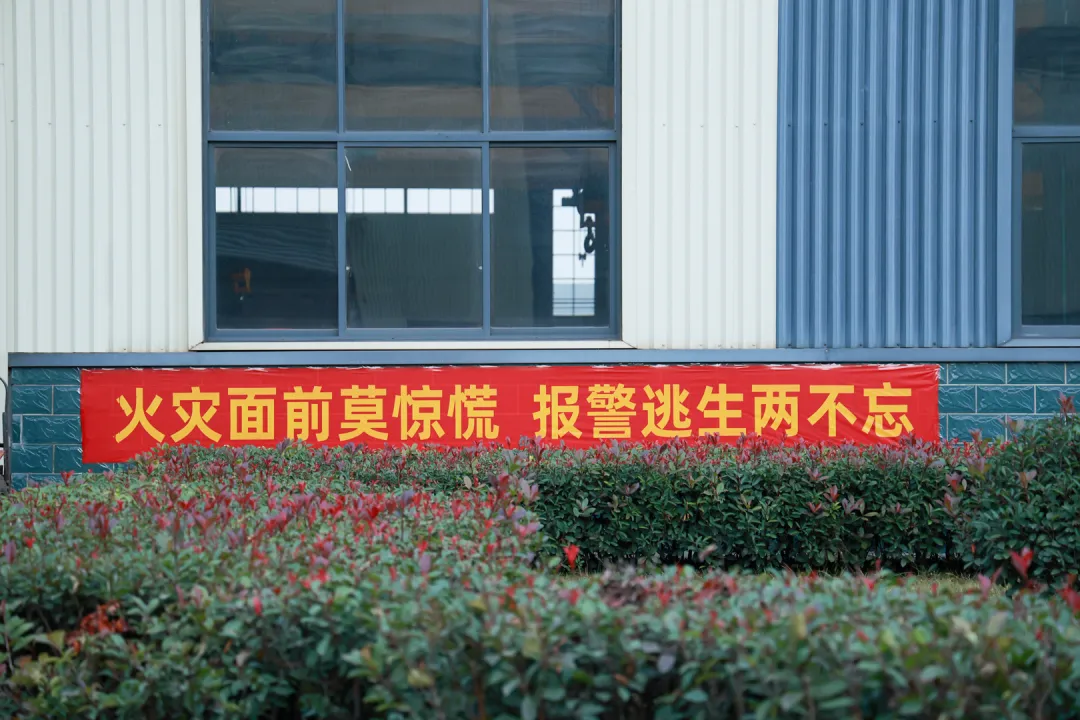
    Yellow overhead cranes operating above a customer workshop
    Yellow overhead cranes operating above a customer workshop.

    Customer operation and ongoing support

    Automated cranes were operating in the customer’s workshop, with the service team following equipment condition and coordinating maintenance with technical colleagues.

    Confirm service terms for a new order

    A procurement specification should identify the warranty scope, response method, spares, maintenance responsibilities and any on-site support. These terms should be agreed for the actual plant and operating conditions.

    Discuss your lifting requirement

    Share the application, installed equipment and support expectations to discuss a project-specific service scope.

  • Container Handling Cost Reduction: Review the Terminal Workflow

    Container Handling Cost Reduction: Review the Terminal Workflow

    Technical guide

    Container Handling Cost Reduction: Review the Terminal Workflow

    Container movements create costs across several connected operations. Map the vessel, yard and delivery interfaces to identify unnecessary transfers, waiting and poorly coordinated equipment before choosing an improvement project.

    Henan Mine CraneTechnical guide · Updated 2026Crane selection, project scope and operating requirements
    Henan Mine Crane Ship-To-Shore Crane (STS)
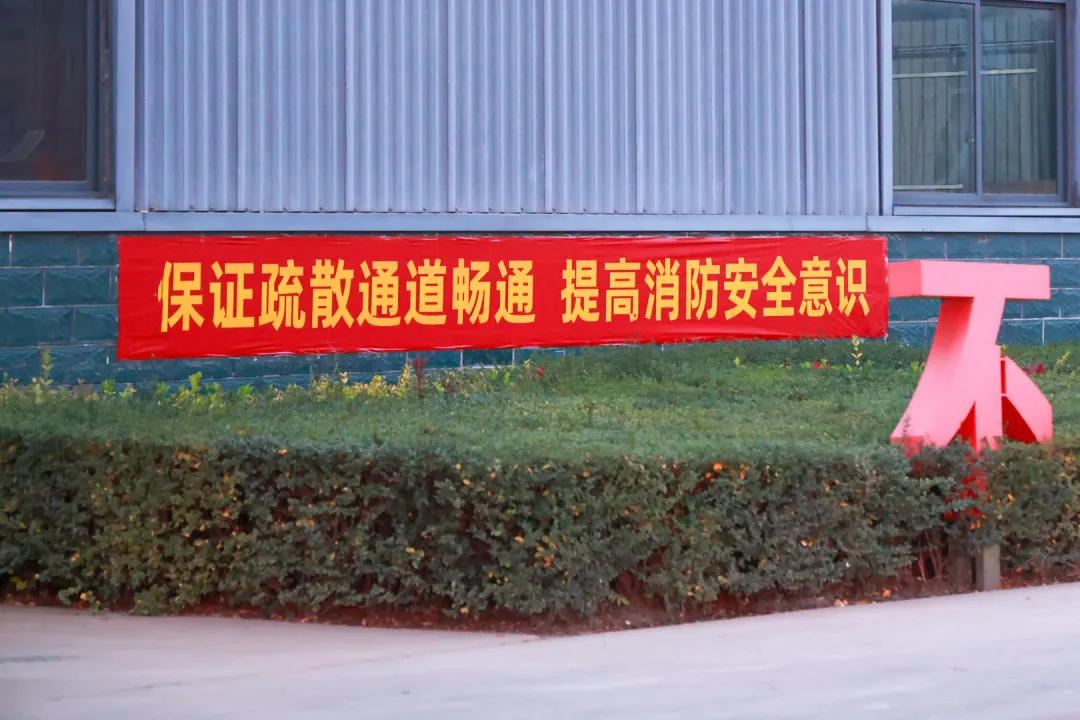
    Henan Mine Crane Ship-To-Shore Crane (STS)
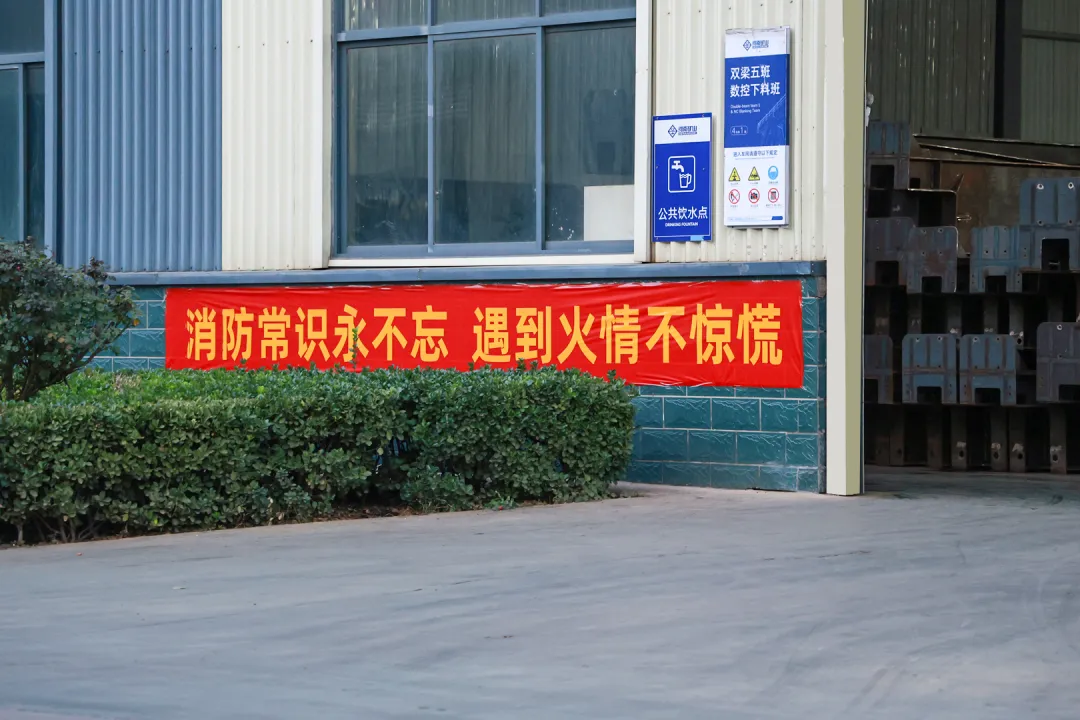
    Project planning notes

    Key points for this crane project.

    1. Cost components of container handling
    2. Optimize yard layout
    3. Opt-in equipment configuration
    Read the technical guide

    Cost components of container handling

    Many operating costs are only procurement and fuel, in fact, the complete cost includes three categories. The first category is equipment investment cost, namely CAPEX, covering the procurement, installation and commissioning of STS quayside crane, RTG tire gantry crane, RMG rail gantry crane, container straddle carrier, dock tractor and other equipment, as well as supporting infrastructure investment. The second category is operating costs, that is, OPEX, the highest proportion of energy costs, diesel, electricity, charging costs are included; followed by labor costs, drivers, maintenance personnel compensation expenses; there are maintenance spare parts, tire wear and tear such daily expenses, tire wear and tear for RTG, straddle transport such tire equipment, is a fixed expenditure that cannot be ignored.

    Optimize yard layout

    Unreasonable yard planning will make the equipment travel distance longer, fuel consumption increased, but also cause a large number of dumping operations, increase the workload of equipment for nothing. When planning the container area, it is necessary to divide the area according to the flow direction of the container, arrange the inlet container and the outlet container separately, set up the exclusive operation area for the refrigerator and dangerous goods container, store the empty containers in a centralized way, and minimize the trans-regional long-distance transfer. The cold chain container port area and dangerous goods container yard shall be divided into separate operation scope to reduce the extra distance caused by cross-transfer. The core is to reduce repeated dumping of boxes.

    Opt-in equipment configuration

    Different handling equipment adapts to completely different scenarios, and selecting the wrong model will directly increase long-term operating costs. The equipment selection of container terminal is the basis of cost reduction. RTG tire gantry crane is the main equipment of many storage yards, and the cost reduction space is also the largest. Existing diesel equipment can be modified by electric RTG, or electric RTG crane can be purchased directly, with hybrid system, remote control and automatic alignment function, which cannot only reduce energy consumption, but also improve operation efficiency. RMG rail gantry crane is suitable for large-scale fixed storage yard, with higher stacking density, lower labor demand, low electrification operation cost and great automation upgrade potential.

    Common Container Handling Equipment Comparison

    Equipment TypeInitial InvestmentEnergy CostLabor Demand
    Diesel RTGMediumHighMedium
    Electric RTGMedium-highLowMedium
    RMG CraneHighVery lowLow
    Straddle CarrierMediumMediumLow

    Advancing Electrification Transformation

    Electrification is the most direct way to reduce terminal energy consumption cost. The most mature scheme is to change diesel RTG into electric one. After the transformation, the energy consumption cost of single box is obviously reduced, and the equipment maintenance items are also less. For storage yards without fixed power supply conditions, hybrid port equipment can be used for transition first to gradually reduce fuel consumption. Lithium battery container straddle carriers and dock tractors are also very mature, suitable for short-distance high-frequency transfer scenarios. When calculating energy-saving benefits, it is necessary to combine the annual operation time, fuel consumption, local electricity price, and then calculate the battery life cycle to obtain a clear return cycle.

    Increase equipment utilization

    When equipment is idle, depreciation and fixed costs are always incurred, and the cost of single box operation is naturally high. To improve the utilization rate of port equipment, we can undertake more operations without adding new equipment. Equipped with container equipment fleet management system, real-time scheduling and operation dispatch, reduce equipment idle driving and waiting time. If conditions permit, AI yard scheduling system can be used to dynamically allocate equipment according to workload to avoid uneven busy and idle. Daily attention shall be paid to key operation indicators, such as hourly operation volume of single machine, equipment availability rate, empty driving ratio, energy consumption of single box, downtime, and improvement space shall be found with data to gradually improve overall operation efficiency.

    Common Mistakes in Cost Reduction

    Many docks are easy to take detours. The most common is to focus only on the purchase price, low-cost equipment often high energy consumption, more failures, short life, full-cycle costs are higher. Some terminals are blindly automated, but they do not sort out the operation flow first. The problems of the flow itself are not solved, and the automation cannot play an effective role. There are also many projects that ignore long-term electrification planning and purchase all diesel equipment. In a few years, emission restrictions will be encountered, and the transformation will cost a sum of money. A total cost of ownership analysis of port equipment, including all expenditures over 10 to 15 years, can truly judge the economics of the proposal.

    FAQ

    How can ports effectively reduce container handling costs?

    It can be promoted from several dimensions: yard layout adjustment, equipment electrification transformation, automation upgrading, predictive maintenance and scheduling improvement. It cannot be realized by one item alone, but system adjustment should be made in combination with its own working conditions.

    Are automated terminals cheaper to operate?

    The initial investment is higher, but in the long run, the labor cost is lower and the operation efficiency is more stable. The cost advantage of the whole life cycle will gradually appear. The specific return cycle depends on the operation volume and labor cost level of the terminal.

    Are electric RTGs cheaper than diesel RTGs?

    The purchase price is slightly higher, but the energy consumption and maintenance cost are lower, and the terminal with sufficient operation time can usually recover the price difference in a few years, so it is more cost-effective to operate for a long time.

    Epilogue

    Reducing container handling costs is never by buying the cheapest equipment, but by adjusting the whole chain from yard planning, equipment selection to operation maintenance. Future container terminals will develop in the direction of smarter, lower energy consumption and less manual intervention. Only by laying out reasonable equipment schemes and operation systems in advance can we maintain cost advantages in long-term competition.

    Customized terminal cost optimization scheme

    Henan Mine Crane professional port crane equipment supplier, we can provide you with container terminal cost optimization assessment. You only need to provide annual throughput, existing equipment, yard layout, energy cost and automation goals, and our engineering team will issue targeted improvement solutions, covering RTG/RMG upgrade, straddle carrier selection, electrification route planning, smart port solutions and more. You can also contact us for free to receive the "Modern Port Container Handling Cost Reduction Self-Inspection List" to help you quickly sort out the improvement space of existing operations.
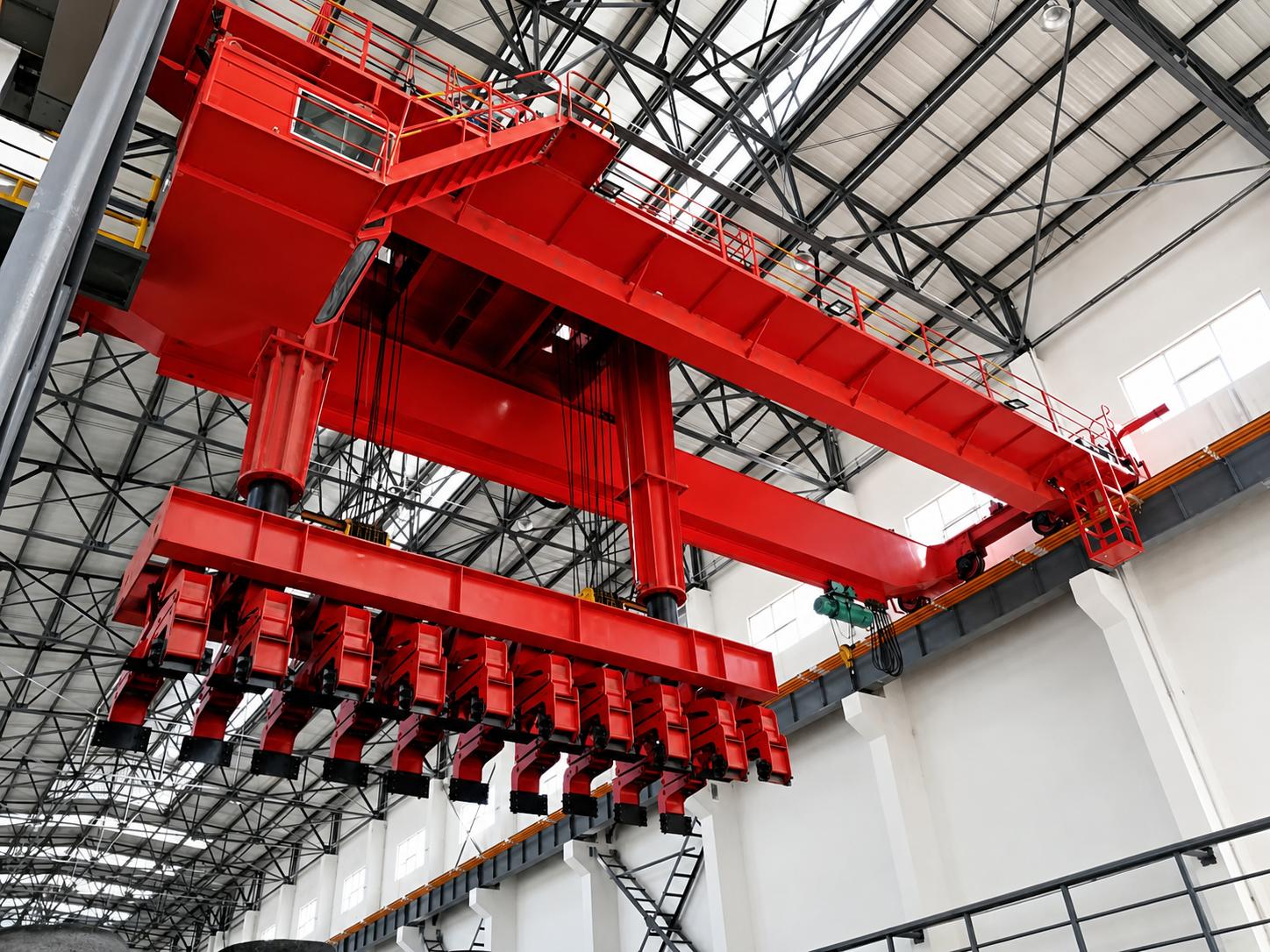
    Discuss the crane arrangement for your project.

    Container movements create costs across several connected operations. Map the vessel, yard and delivery interfaces to identify unnecessary transfers, waiting and poorly coordinated equipment before choosing an improvement project. Share the load, available drawings, working cycle and site conditions with Henan Mine Crane so the required configuration and supply boundary can be discussed.
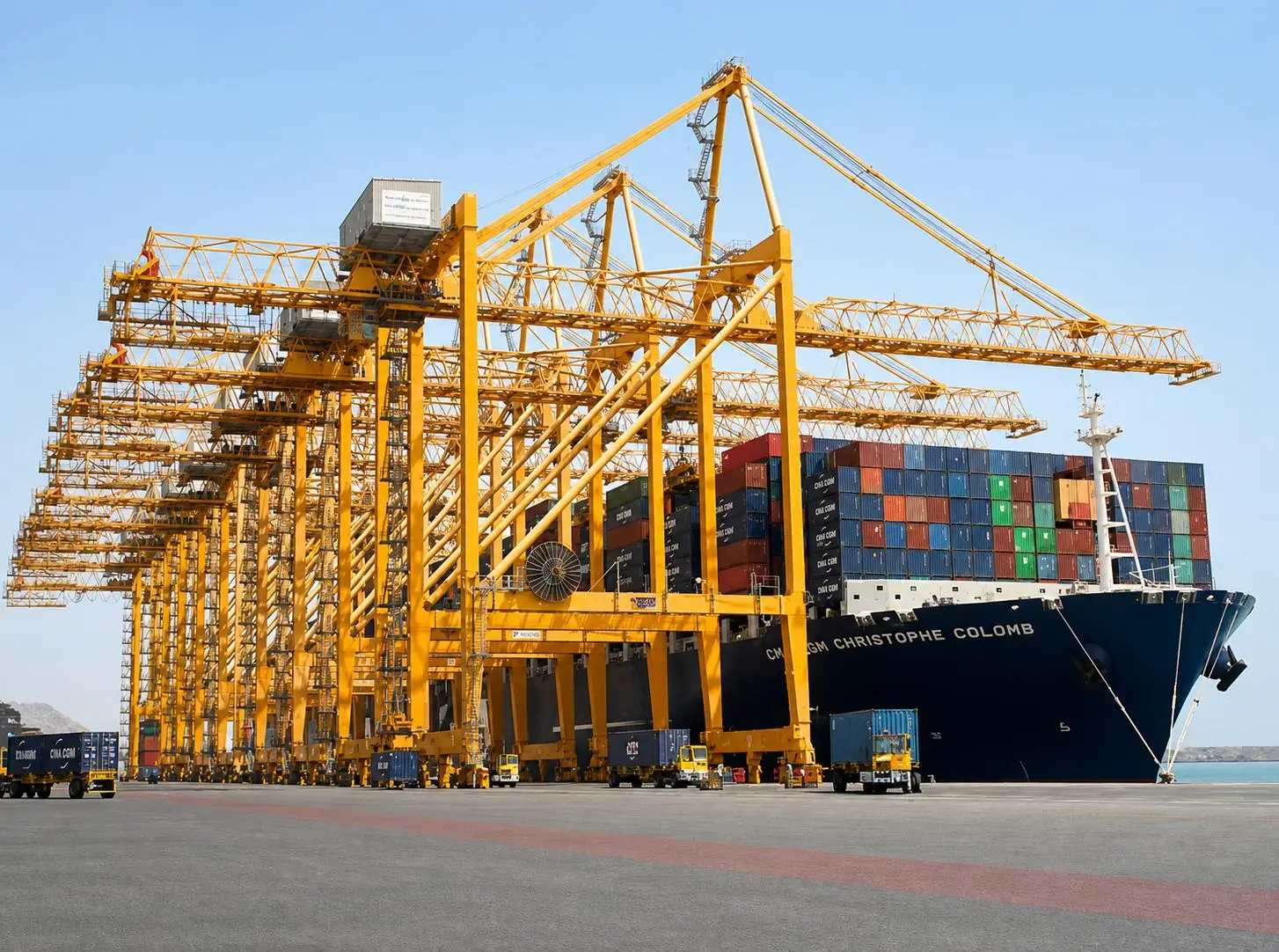
    Related crane configurations

    Ship-To-Shore Crane (STS)

    View product parameters
    Lifting capacity: 40-65 80-120 tBoom outreach: 40-72 mWorking class: A8

    Transfer containers between ship and quay with an STS crane selected for the berth and vessel envelope. Define the lifting-appliance arrangement, outreach, rail position and handling cycle.

    Container Overhead Crane

    View product parameters
    Lifting capacity: 30-65 tSpan: 18-35 mLifting height: 8 – 20 m

    Transfer containers within a defined overhead runway area using a double-girder bridge and matched spreader. Container size, working clearance and the handling sequence determine the arrangement.

    Updated 2026 · Henan Mine Crane