Engineering · Manufacturing · Project support
info@hnksglobal.comWhatsApp +86 18836207779 ↗

Blog

  • Henan Mine Crane Launches Its Fourteenth Exam Transport Programme

    Henan Mine Crane Launches Its Fourteenth Exam Transport Programme

    Company & People

    Henan Mine Crane Launches Its Fourteenth Exam Transport Programme

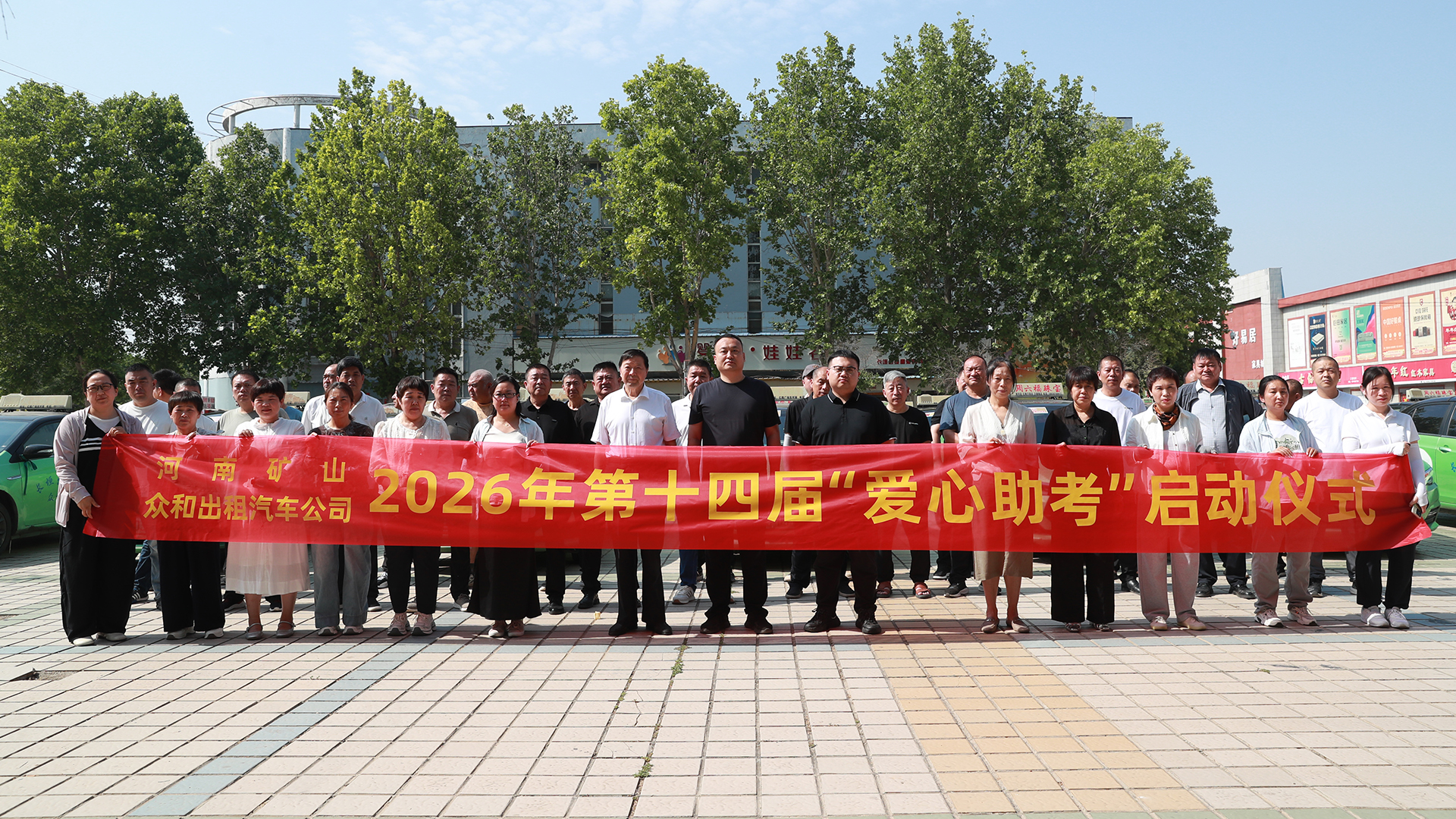
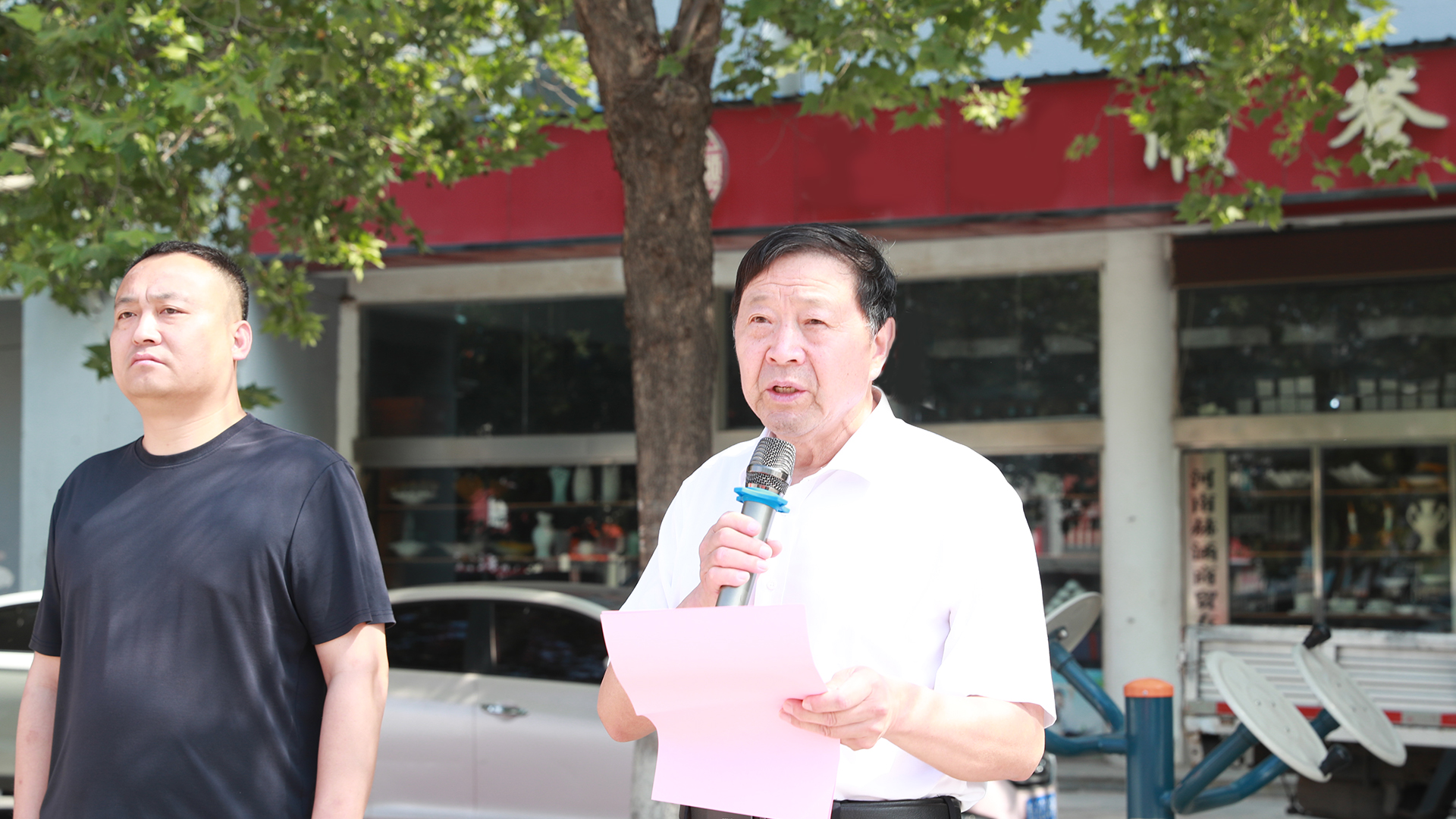
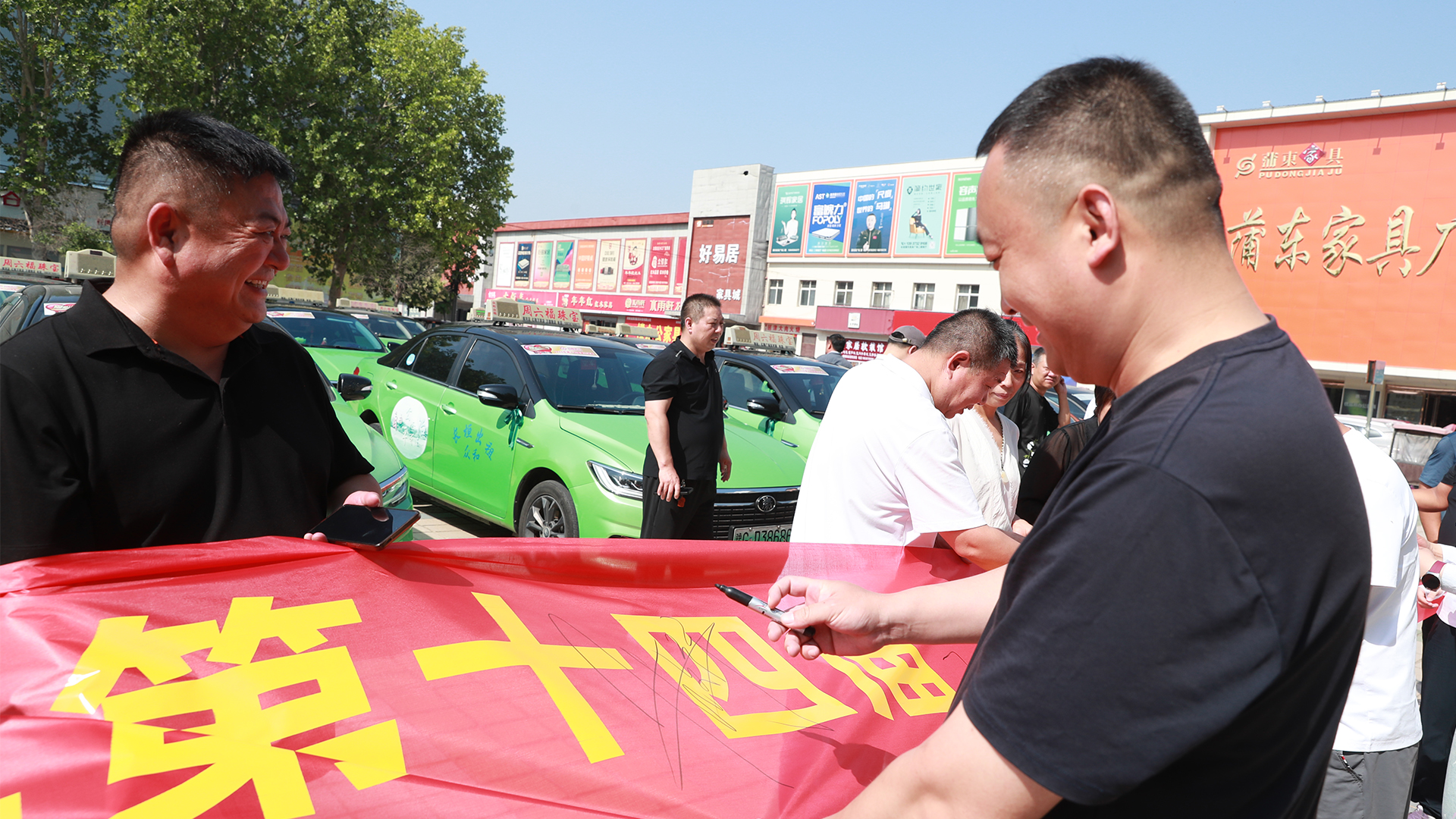
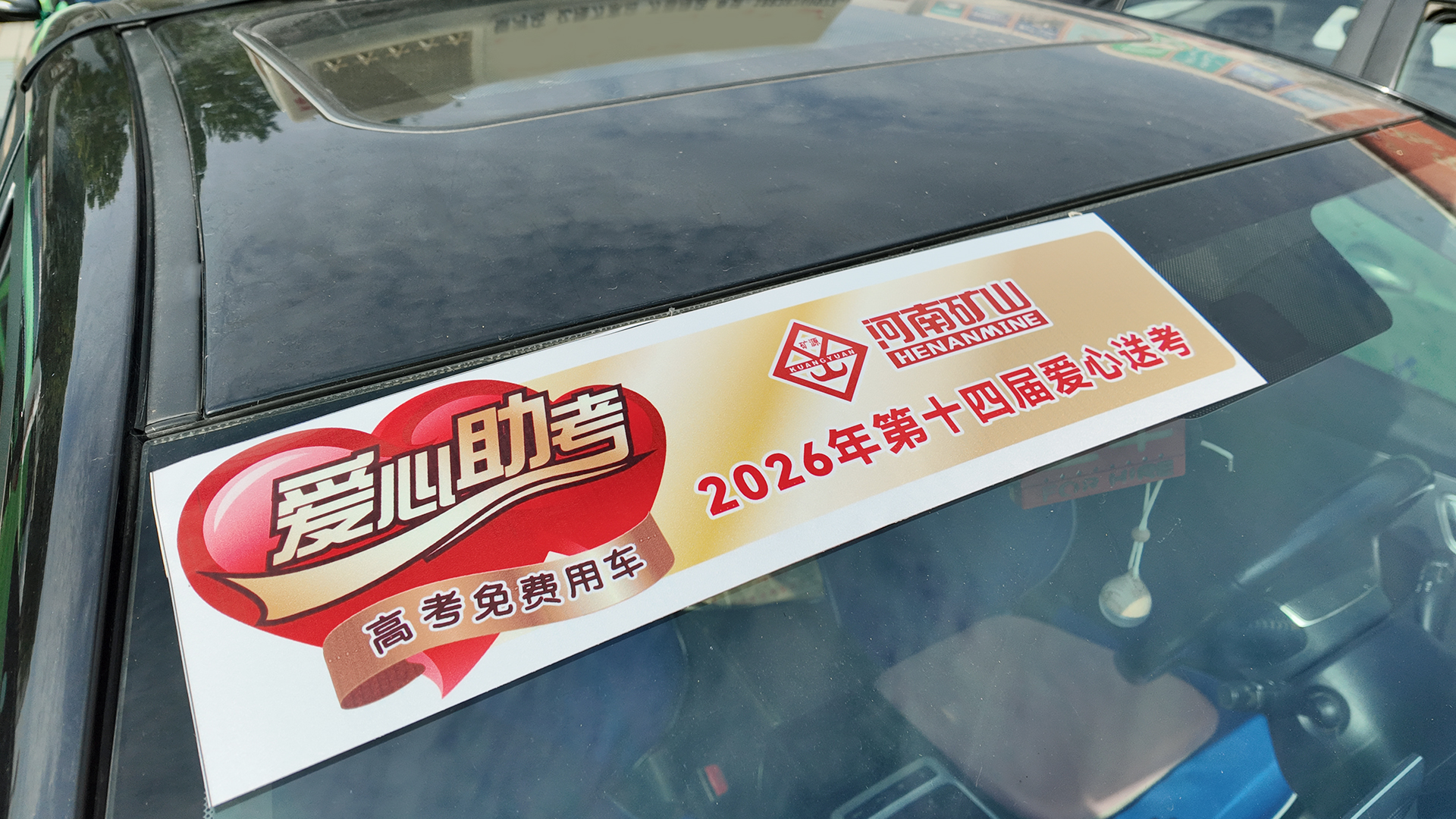
    Henan Mine Crane launched its fourteenth exam transport programme on 5 June 2026, arranging free transport for students during the 7–9 June university entrance examinations.
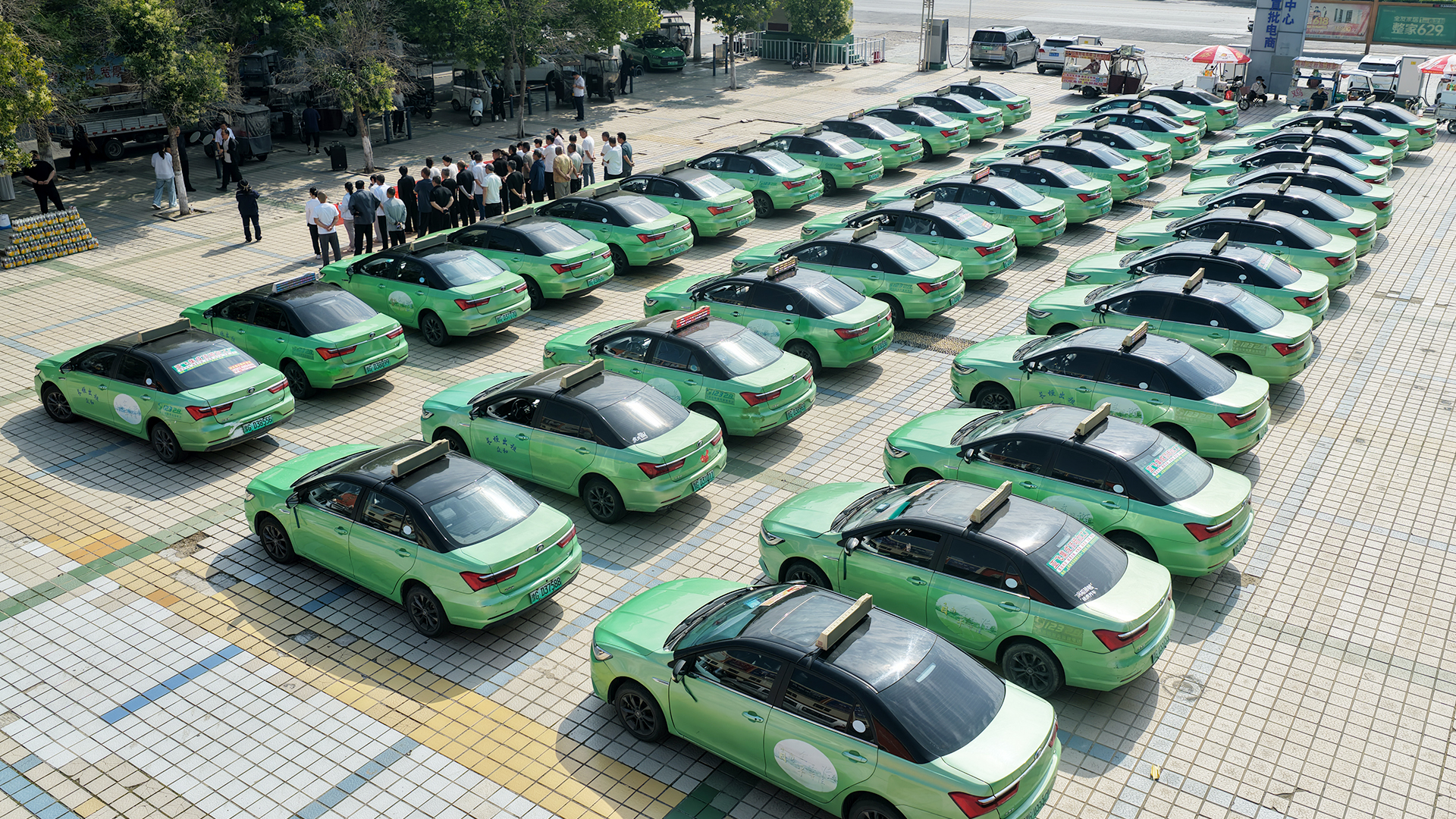
    Green vehicles arranged for the examination transport programme
    Green vehicles arranged for the examination transport programme.

    Vehicles prepared for examination travel

    The programme used a fleet of green vehicles that underwent safety checks and cleaning. Students could use the service during the stated examination period by presenting their admission documents.
    A recurring local community activity

    The company has organised exam transport since 2012. The programme forms part of its local community support alongside education grants and other charitable activities.
    Contact Henan Mine Crane

    For equipment information or a company enquiry, send the details to our team.

  • Harvest-Season Meeting Recognises Employees and Coordinates Summer Work

    Harvest-Season Meeting Recognises Employees and Coordinates Summer Work

    Company & People

    Harvest-Season Meeting Recognises Employees and Coordinates Summer Work

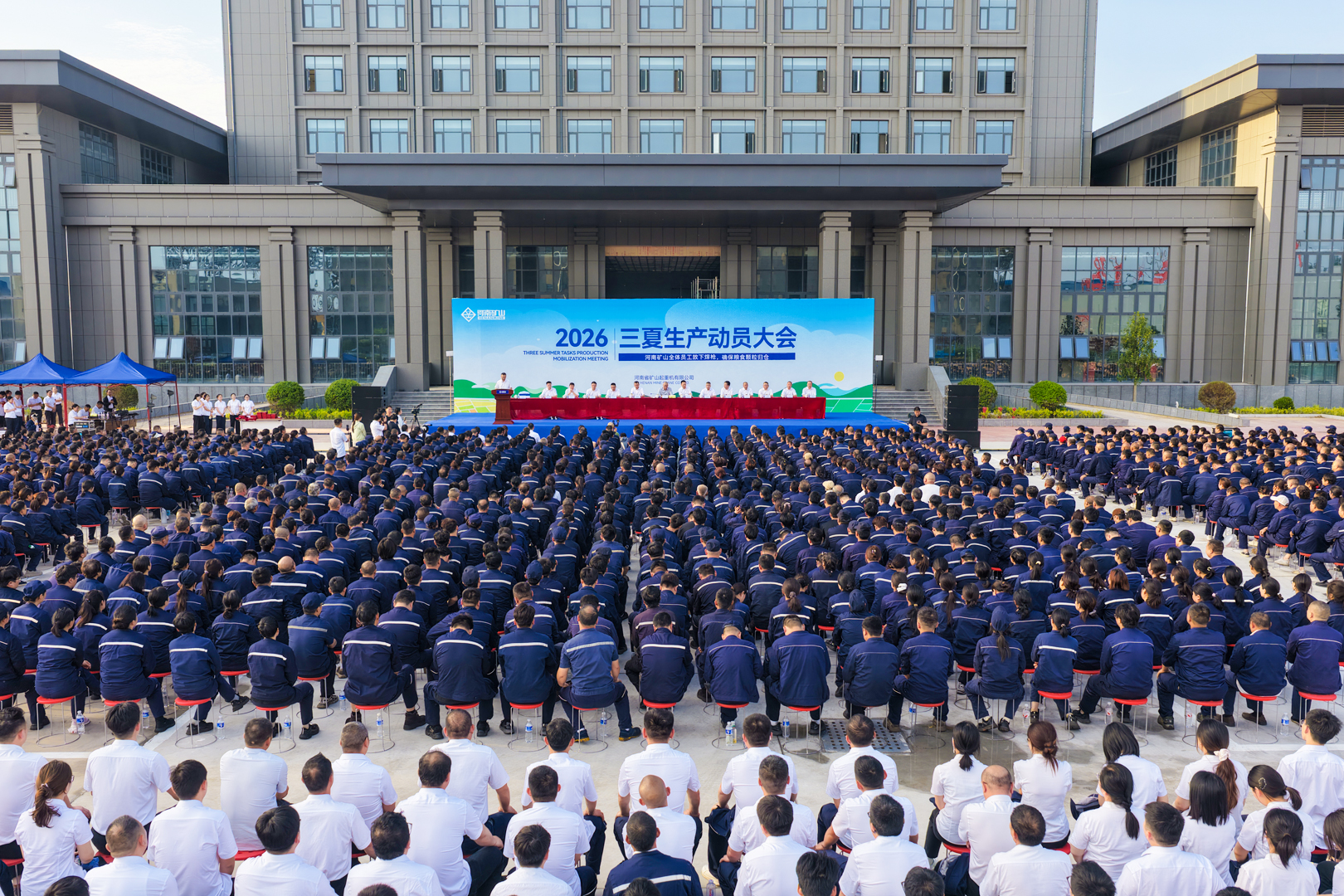
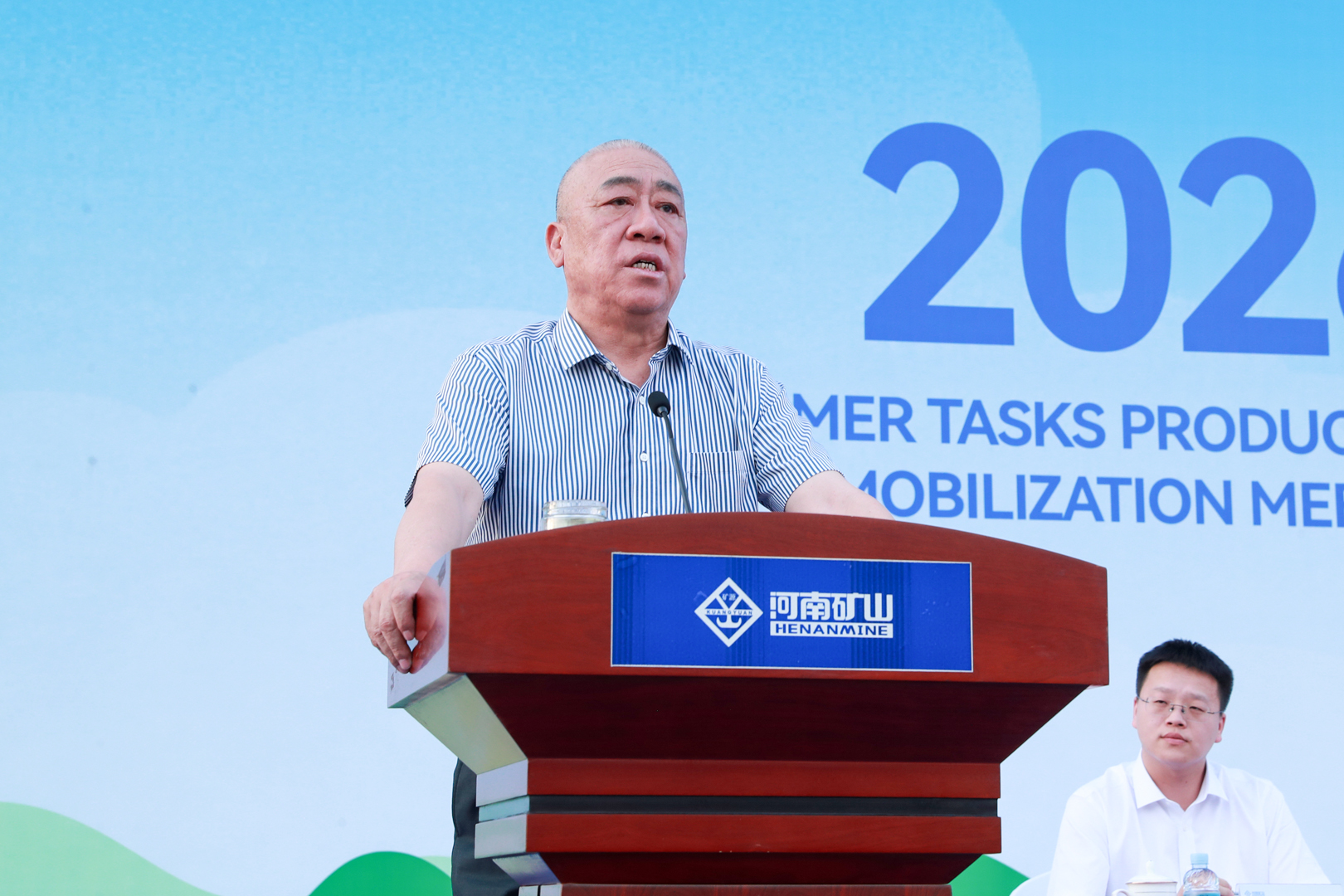
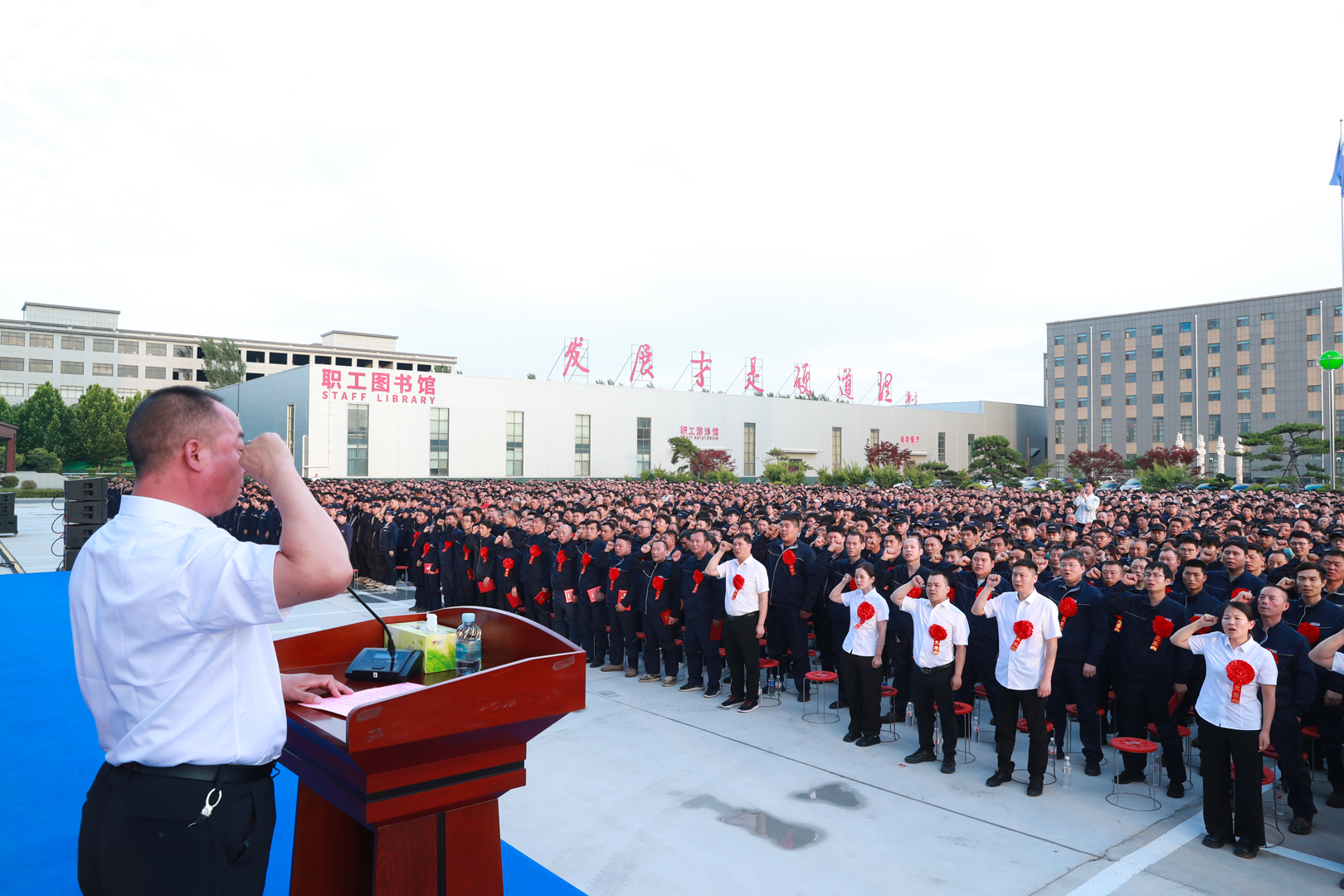
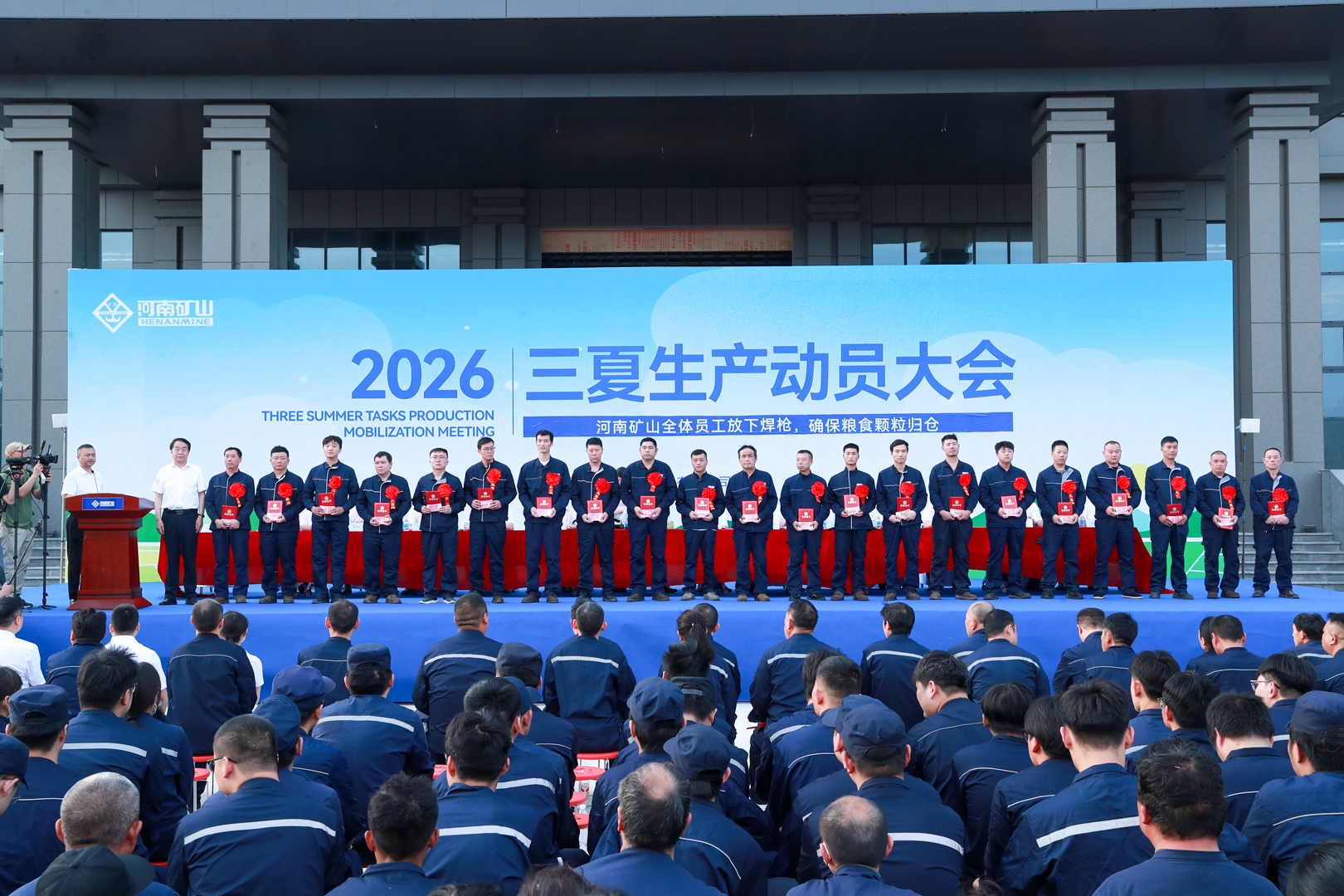
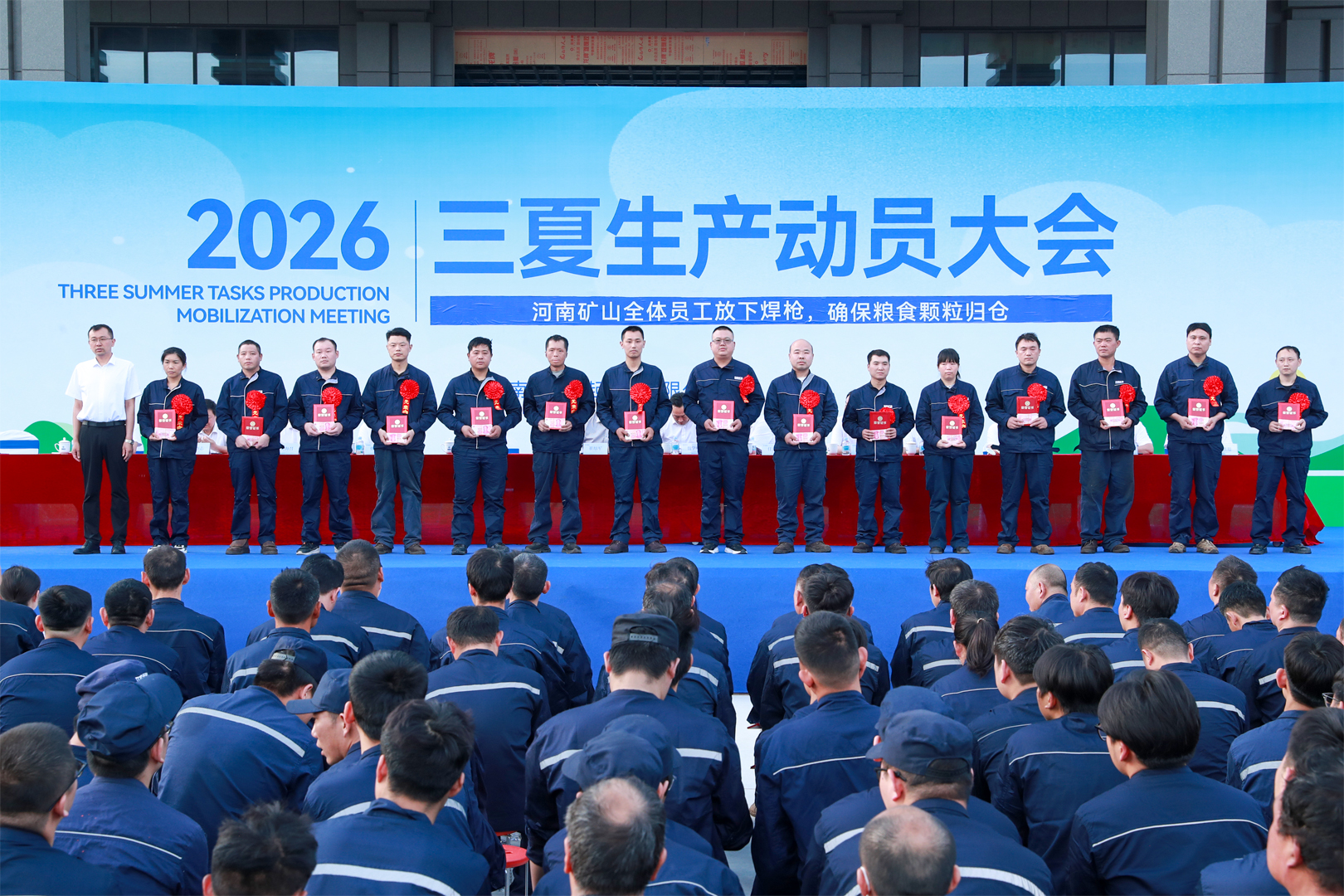
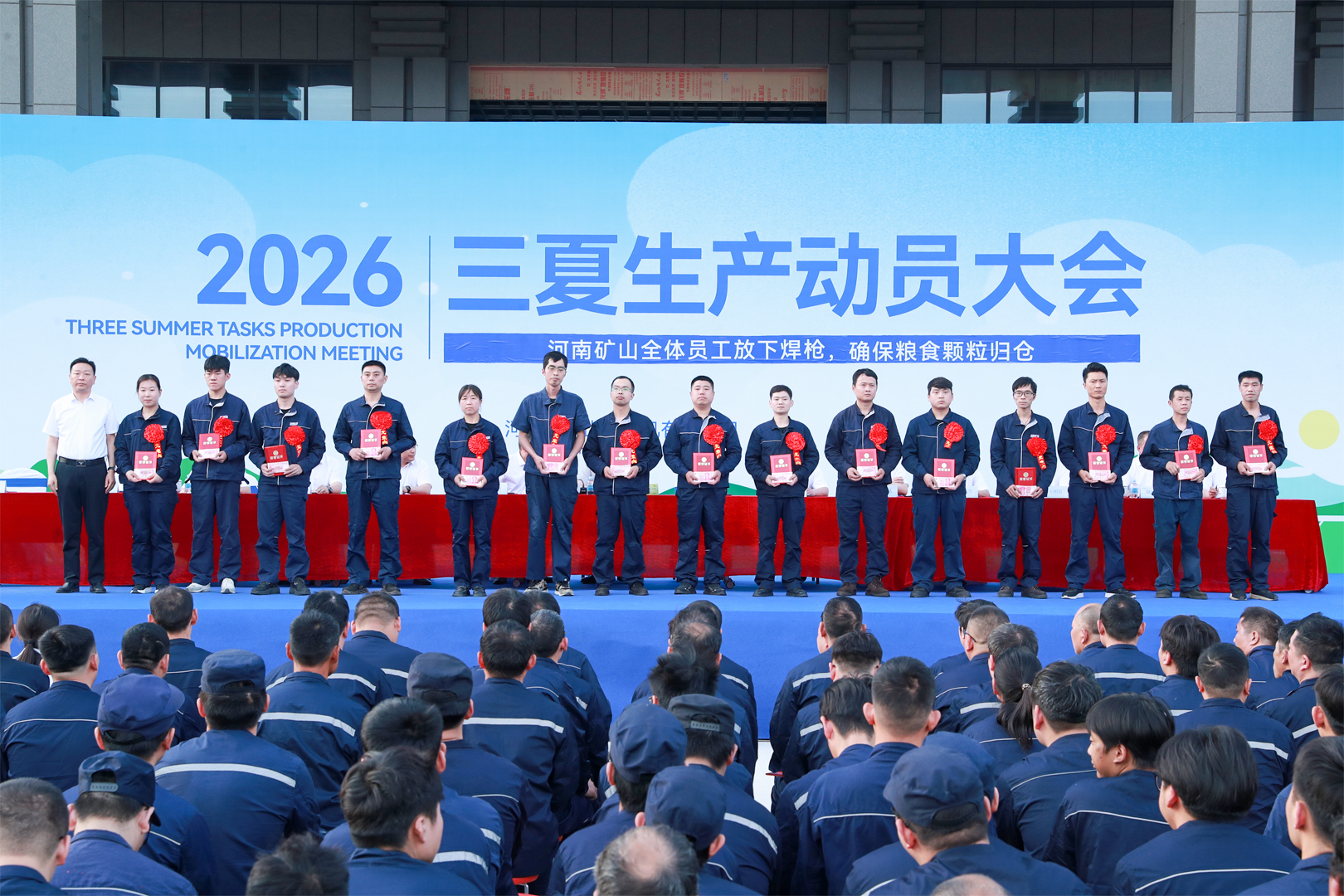
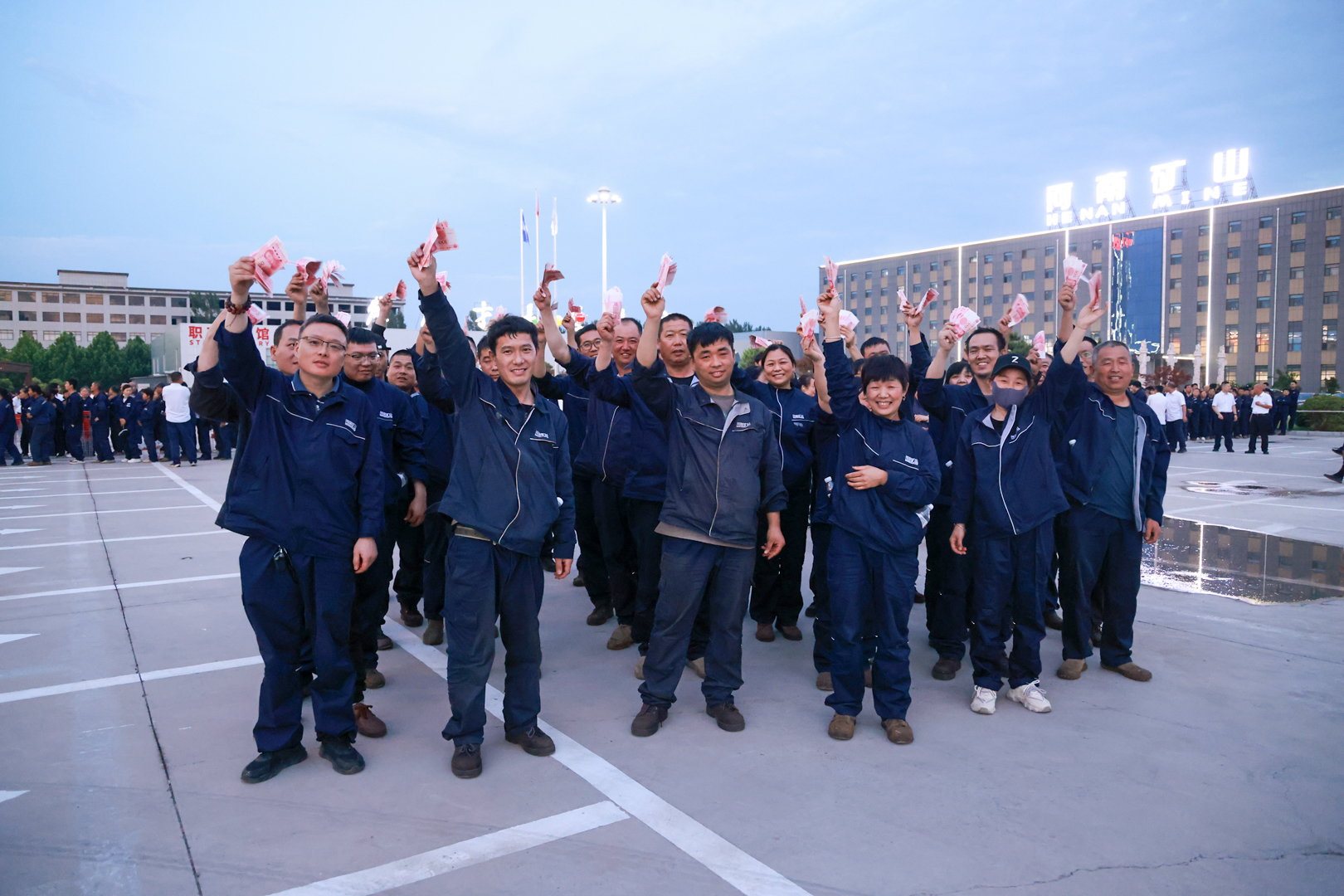
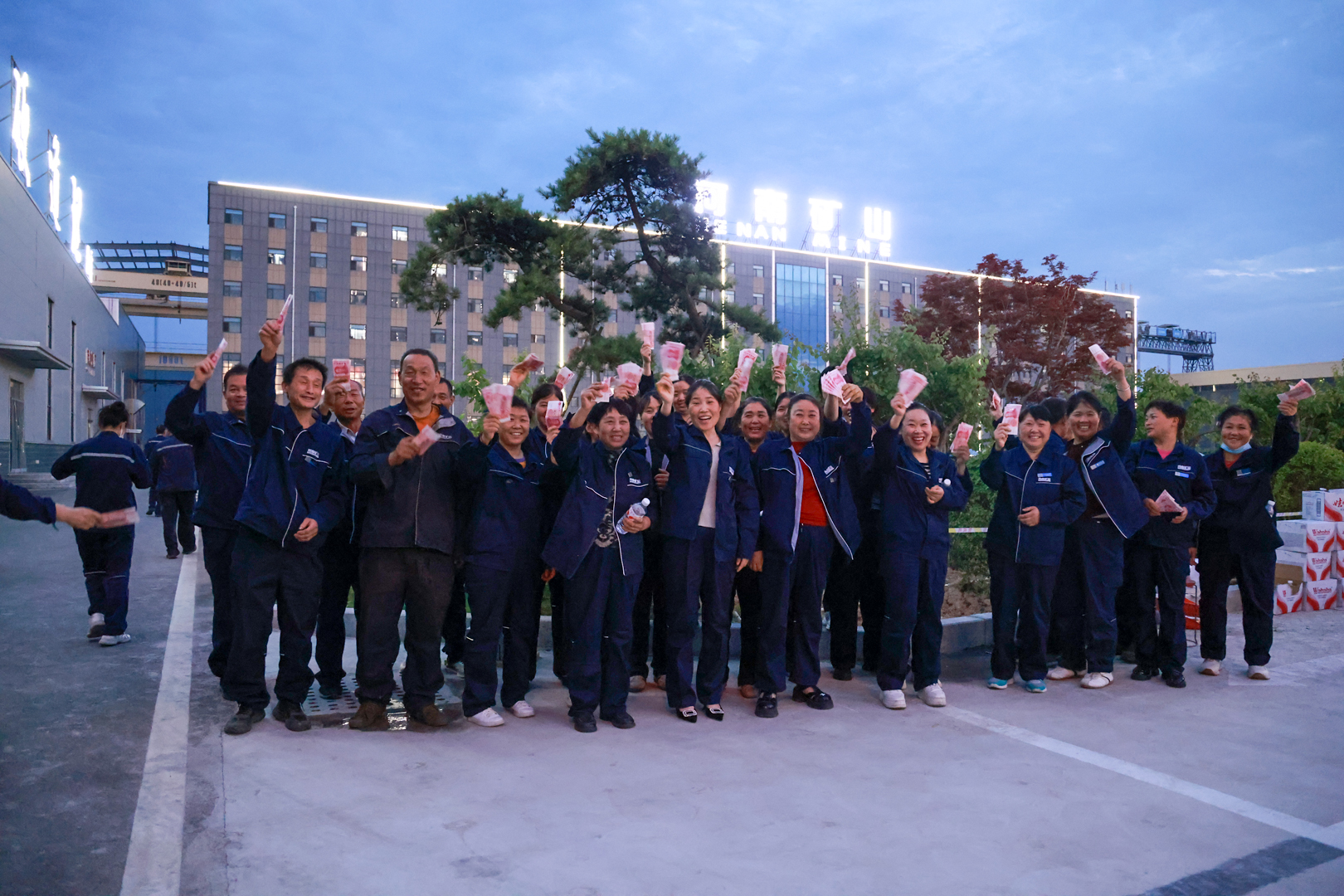
    Henan Mine Crane held its summer harvest-season meeting at the intelligent industrial park on 31 May 2026, combining employee recognition with arrangements for the busy farming period.

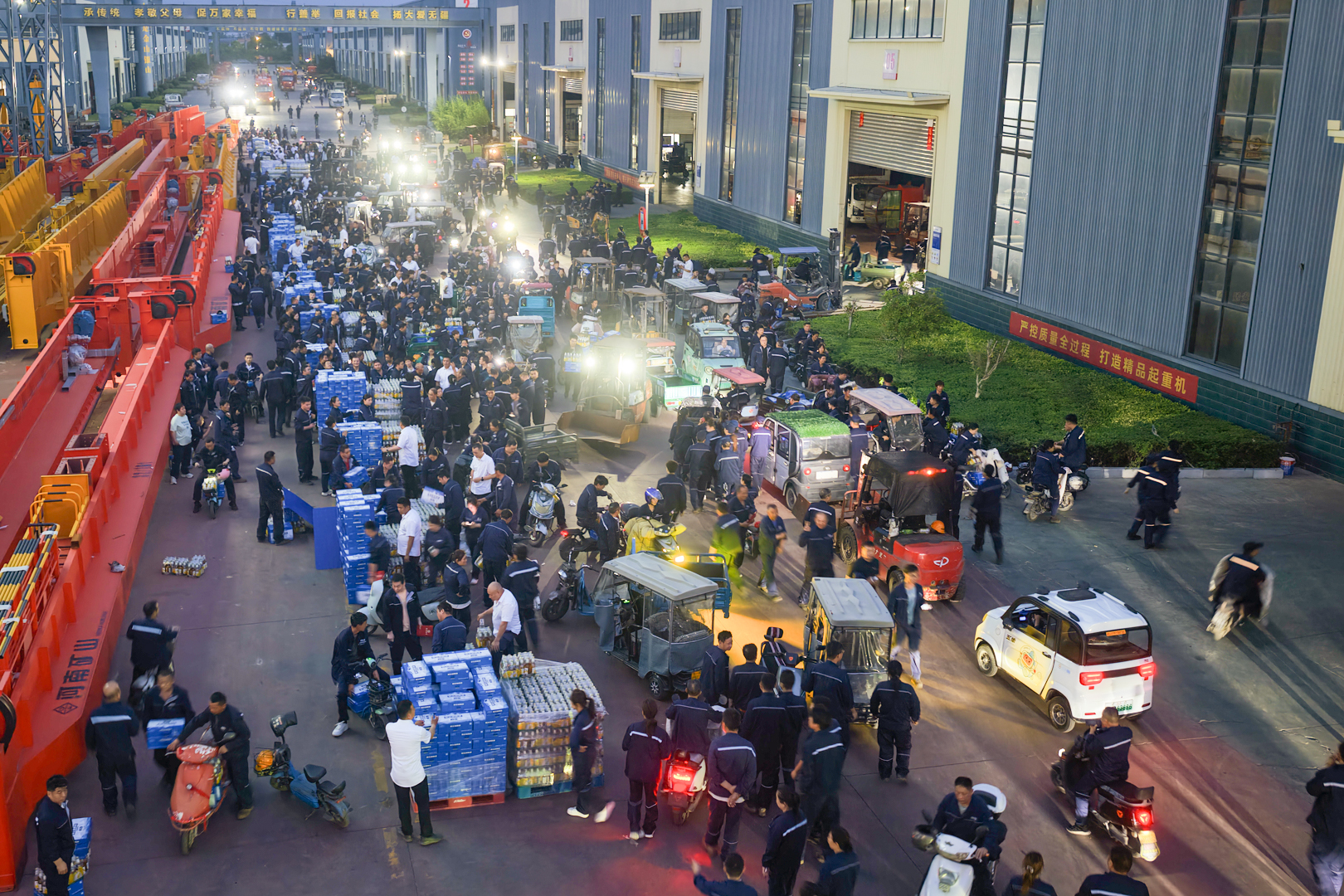
    Employees assembled outside for the harvest-season meeting
    Employees assembled outside for the harvest-season meeting.

    Recognition and seasonal benefits

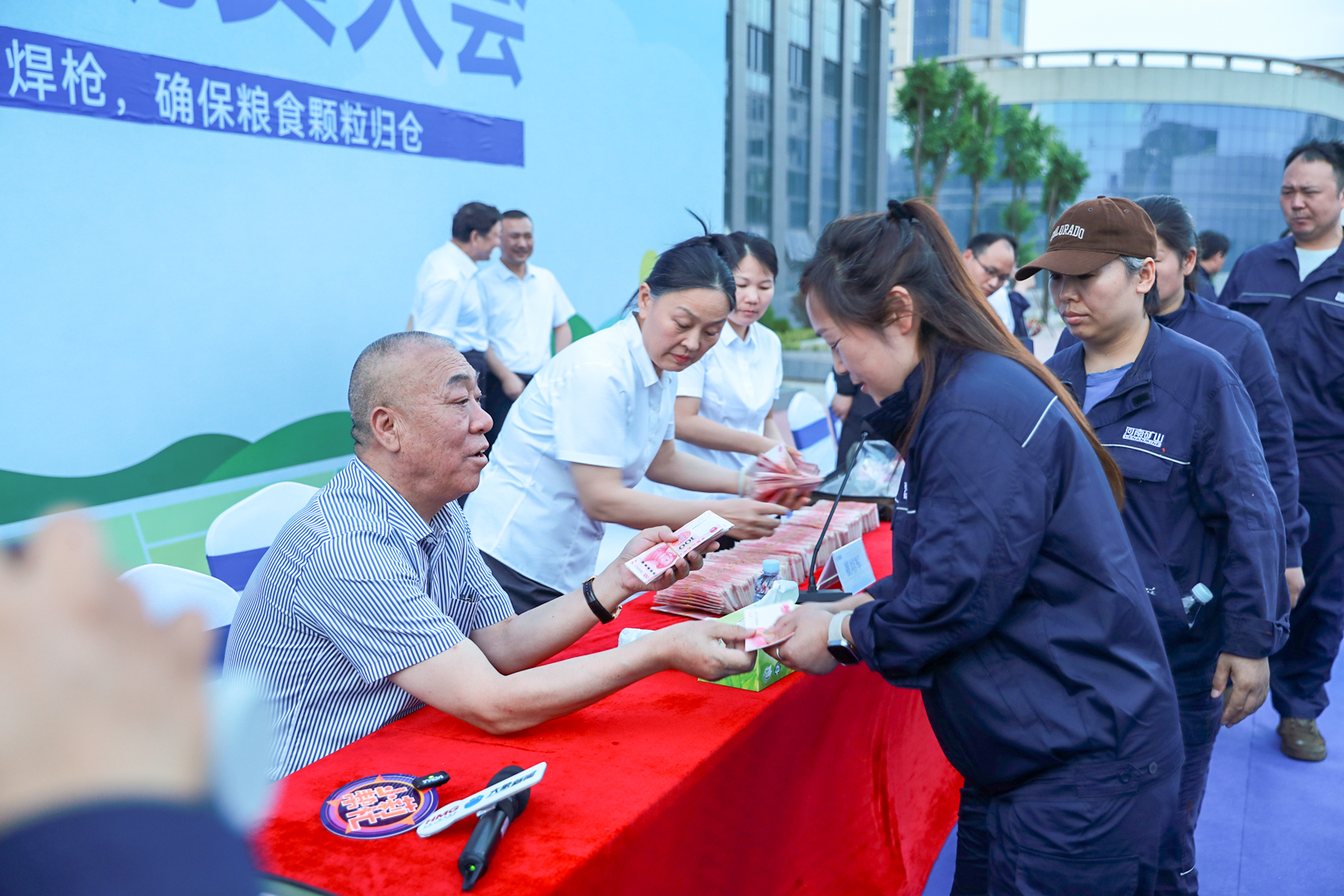
    The meeting recognised 118 employees for model work, craftsmanship and technical skills. More than 5,200 employees were provided with a CNY 1,000 seasonal allowance and benefit packages.

    Paid leave and production responsibilities

    Employees with family harvest needs were supported in returning home on paid leave. The meeting also addressed product quality and the responsibilities of staff continuing workshop production during the season.

    Contact the manufacturing team

    For an equipment order, manufacturing inspection or project enquiry, contact our team with the required information.

  • RMG Crane Suppliers: A Technical and Commercial Comparison Checklist

    RMG Crane Suppliers: A Technical and Commercial Comparison Checklist

    Technical guide

    RMG Crane Suppliers: A Technical and Commercial Comparison Checklist

    An RMG proposal needs to match the yard layout, container flow and automation interfaces. Compare the evidence behind each supplier's design, then clarify civil works, commissioning and long-term support responsibilities.

    Henan Mine CraneTechnical guide · Updated 2026Crane selection, project scope and operating requirements
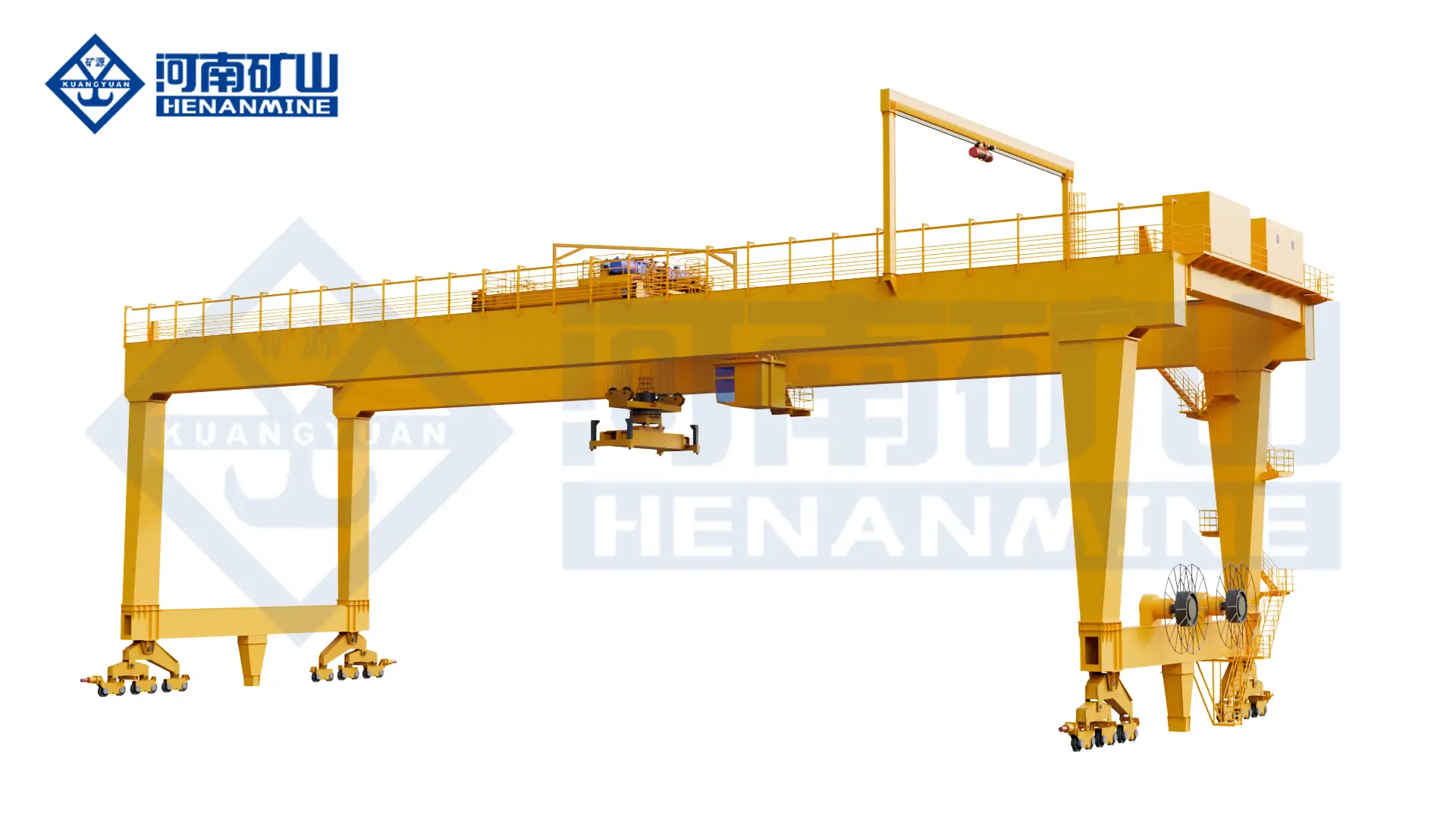
    Henan Mine Crane Rail-Mounted Gantry (RMG)
    Henan Mine Crane Rail-Mounted Gantry (RMG)
    Project planning notes

    Key points for this crane project.

    1. Define the container task before comparing RMG
    2. Check the physical working envelope
    3. Clarify automation and terminal-system interfaces
    Read the technical guide

    Define the container task before comparing RMG suppliers

    Describe how containers move into, within and out of the yard block. Show storage positions, rail or vehicle transfer points and the required operating lanes. State the container handling modes and clarify the capacity definition used in the enquiry.

    Ask each supplier to show how the spreader and other suspended equipment are treated in the proposed load basis. Keep the same container cycle and yard arrangement for all offers so differences in the RMG concept can be understood.

    Check the physical working envelope

    Review the proposed rail-centre span, useful trolley travel and hook or spreader positions against the yard drawing. Identify the limits created by the crane structure, end approaches and adjacent equipment.

    The rail and civil teams need configuration-specific reactions and interface information. Confirm the rail requirements, power-supply arrangement and responsibility for any runway equipment. A nominal stacking description does not replace the dimensional review of the complete handling area.

    Clarify automation and terminal-system interfaces

    Define the required operating mode and identify which movements remain under direct operator control. For automated functions, agree how container identity, positions, transfer permissions and exceptional events are handled.

    Ask who supplies the detection equipment, communications and control interfaces, and who integrates them with the terminal systems. The proposal should describe the recovery process as well as the normal operating cycle. Integration assumptions belong in the technical scope, not in an unresolved list after delivery.

    Compare maintenance and infrastructure access

    Review how technicians reach the spreader, lifting equipment, travel drives and control equipment. Check that service access works within the yard layout and planned operating windows.

    Identify the division between crane equipment, rail works, power infrastructure and destination resources. These items can differ substantially between supplier offers even when the cranes appear to serve the same stacking block.

    Agree acceptance against representative yard tasks

    Set an acceptance basis around the operating duties agreed for the project. Define the relevant documents, functional checks, interface demonstrations and responsibility for correcting findings.

    Use the supplier shortlist to compare these deliverables and the support arrangements after handover. A strong RMG offer explains how the crane fits the yard and how the connected systems will be brought into operation; a generic supplier ranking cannot establish those points.

    Discuss the crane arrangement for your project.

    An RMG proposal needs to match the yard layout, container flow and automation interfaces. Compare the evidence behind each supplier's design, then clarify civil works, commissioning and long-term support responsibilities. Share the load, available drawings, working cycle and site conditions with Henan Mine Crane so the required configuration and supply boundary can be discussed.

    Related crane configurations

    Rail-Mounted Gantry (RMG)

    View product parameters
    Lifting capacity: 35 t, 40.5 t, 50 tSpan: 18 – 35 mLifting height: 12.3 – 21 m

    Use an RMG for container transfer along a fixed rail layout. Select the lifting arrangement, yard coverage and positioning controls from the container flow and stacking requirements.

    Rail-Mounted Container Gantry Crane

    View product parameters
    Lifting capacity: 35 t, 40.5 t, 50 tSpan: 18 – 35 mLifting height: 12.3 – 21 m

    Handle containers along a fixed yard runway with a rail-mounted container gantry crane. Coordinate the spreader, stacking geometry, rail layout and transfer positions around the terminal operation.

    Updated 2026 · Henan Mine Crane

  • Crane Museum and Test Laboratory Open for Science and Technology Week

    Crane Museum and Test Laboratory Open for Science and Technology Week

    Company & People

    Crane Museum and Test Laboratory Open for Science and Technology Week

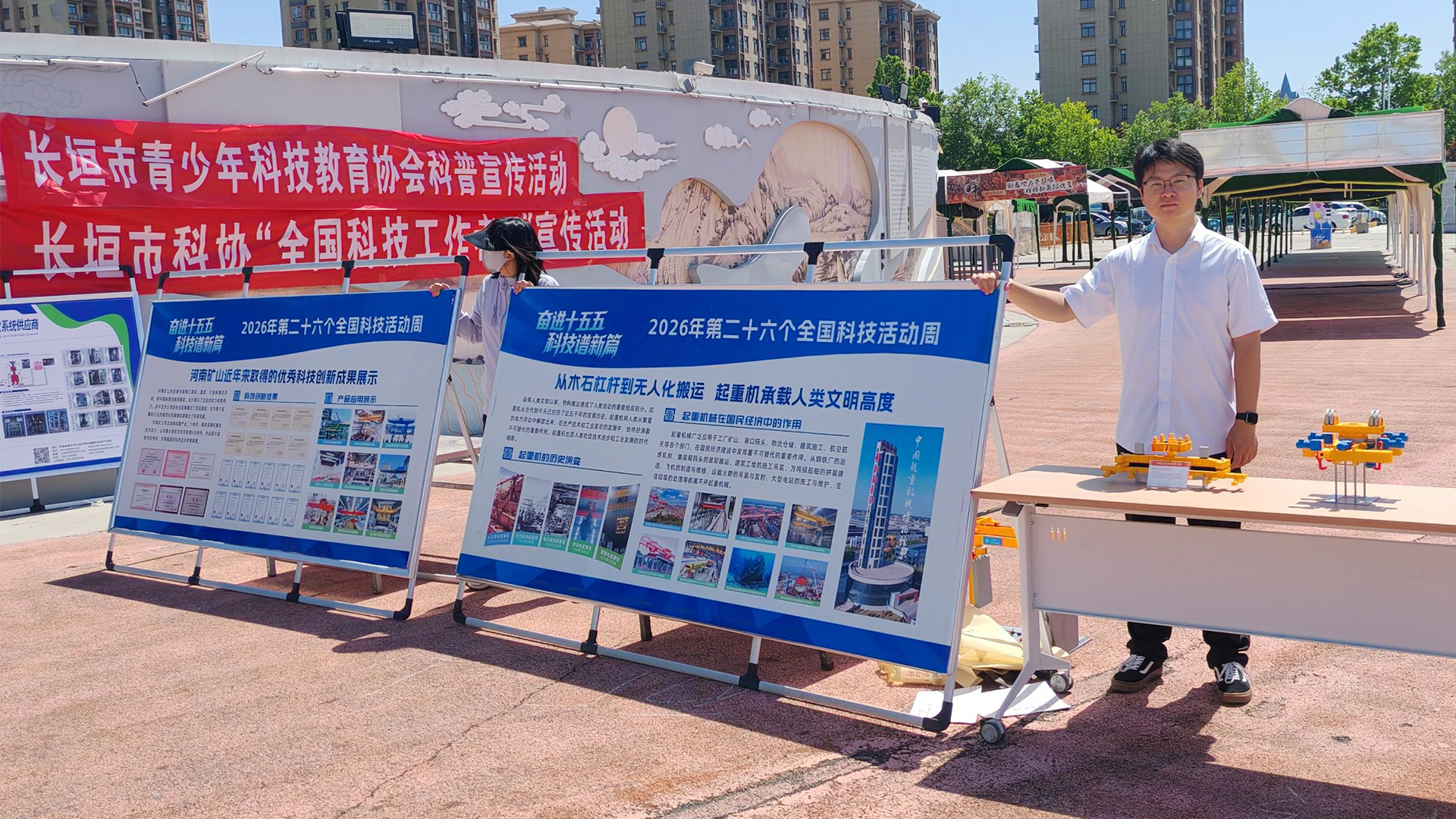
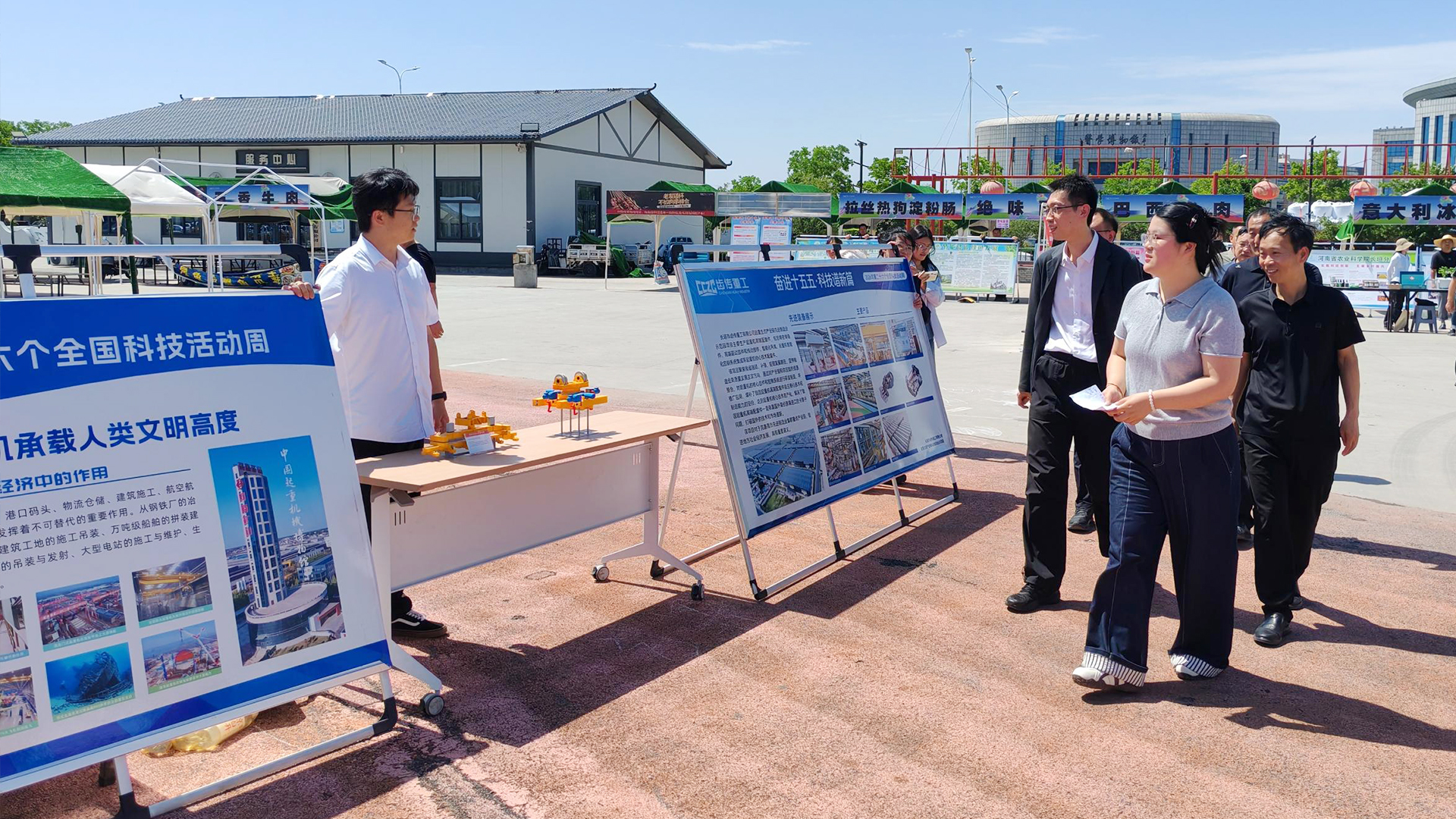
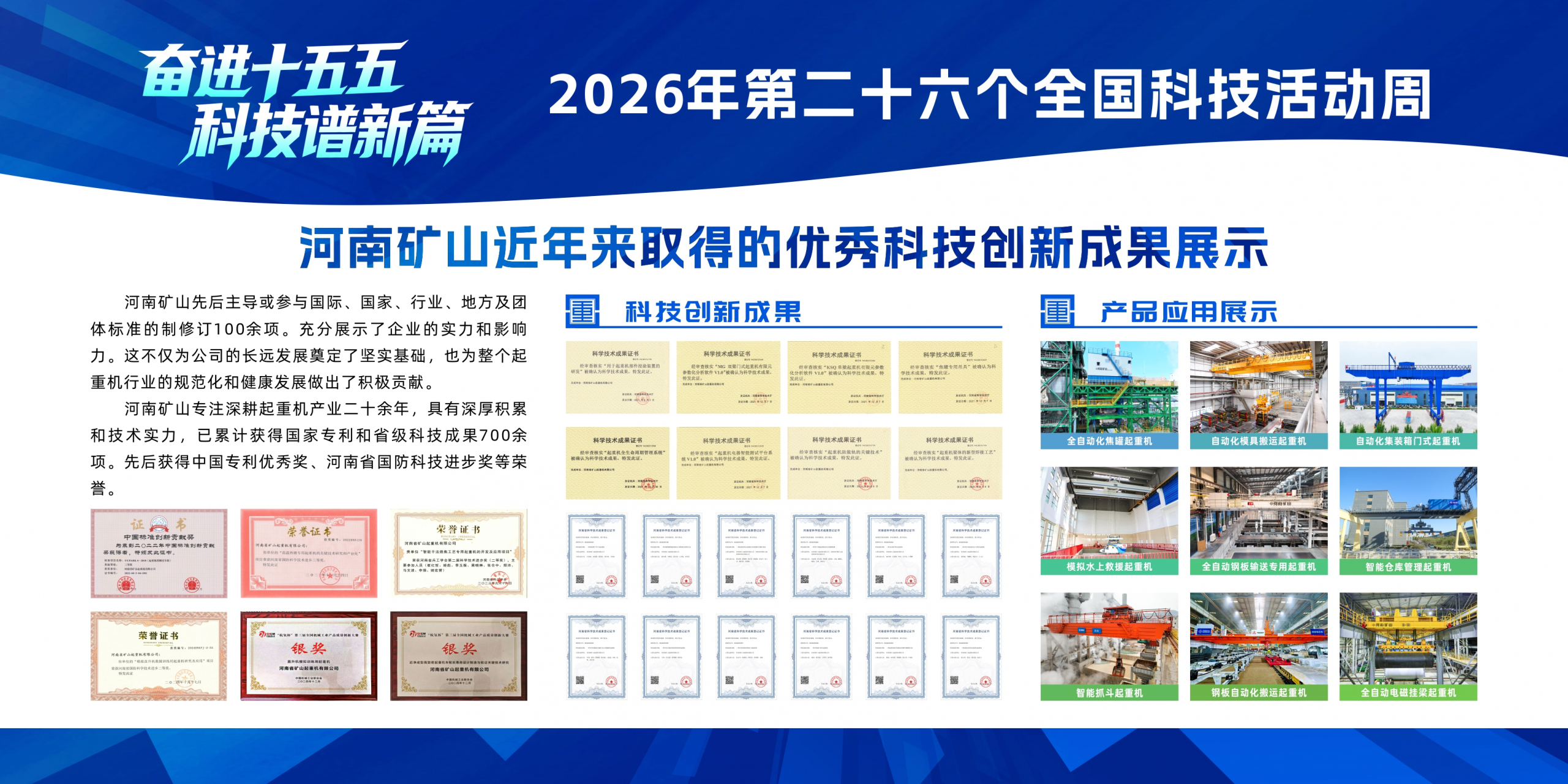
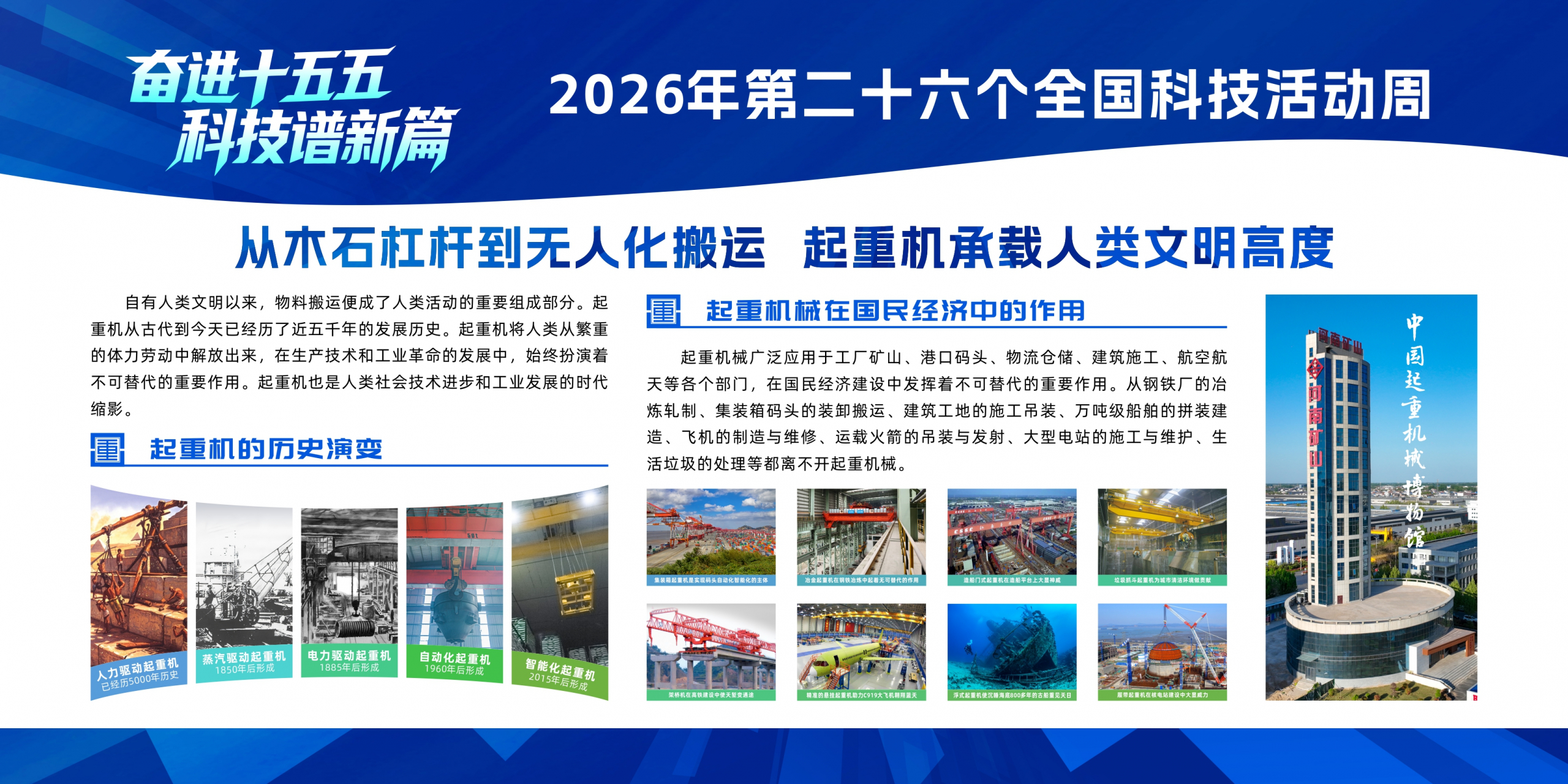
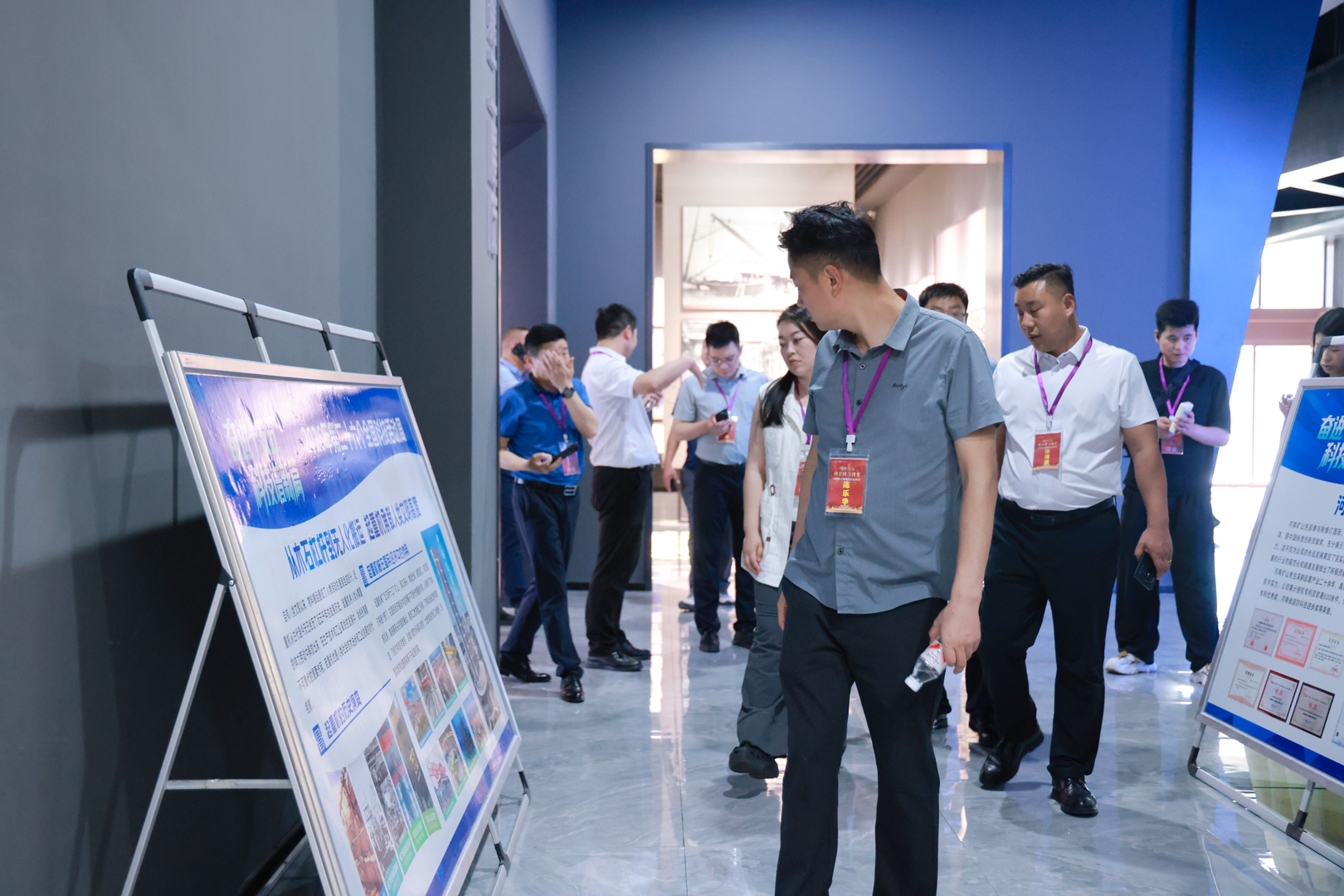
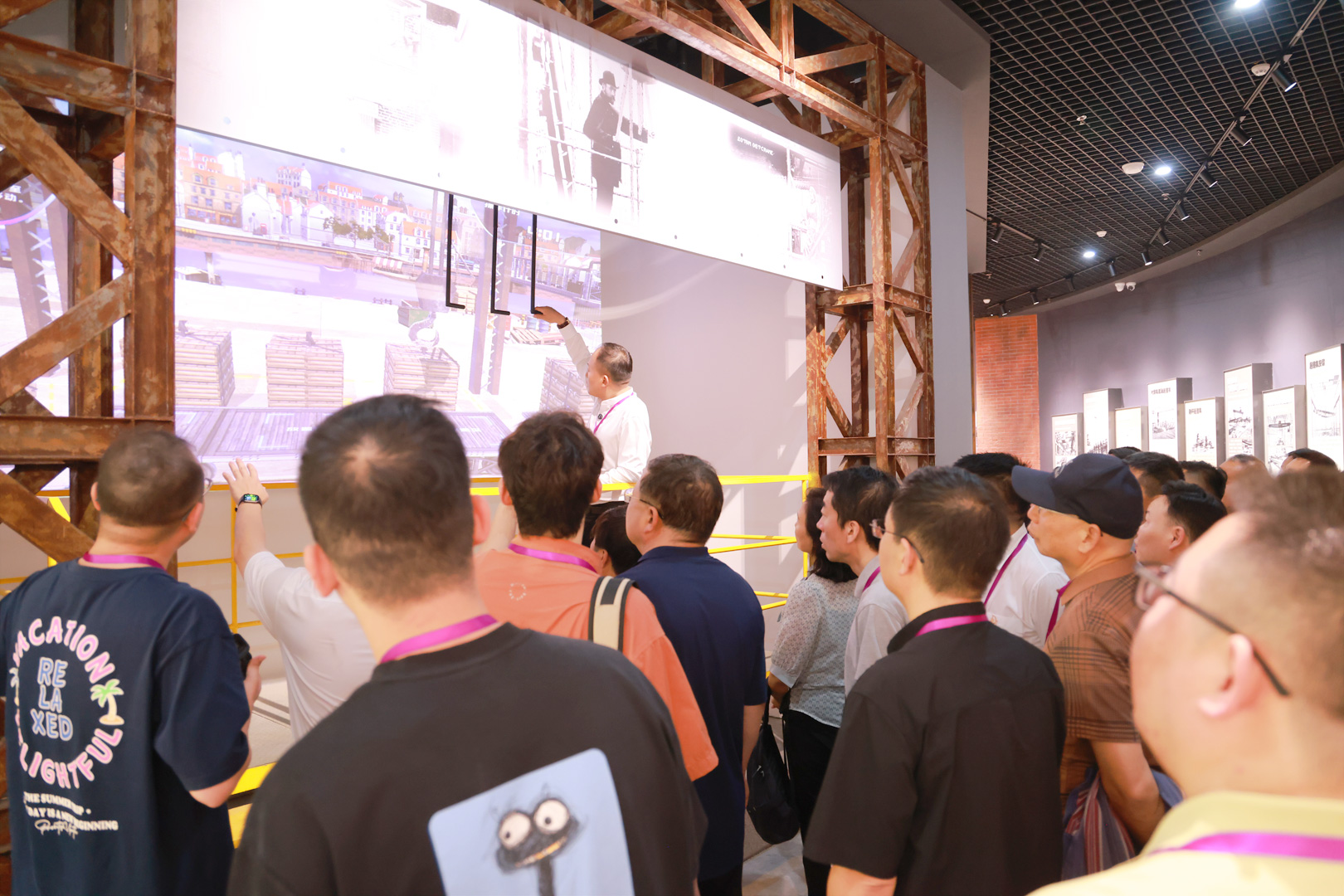
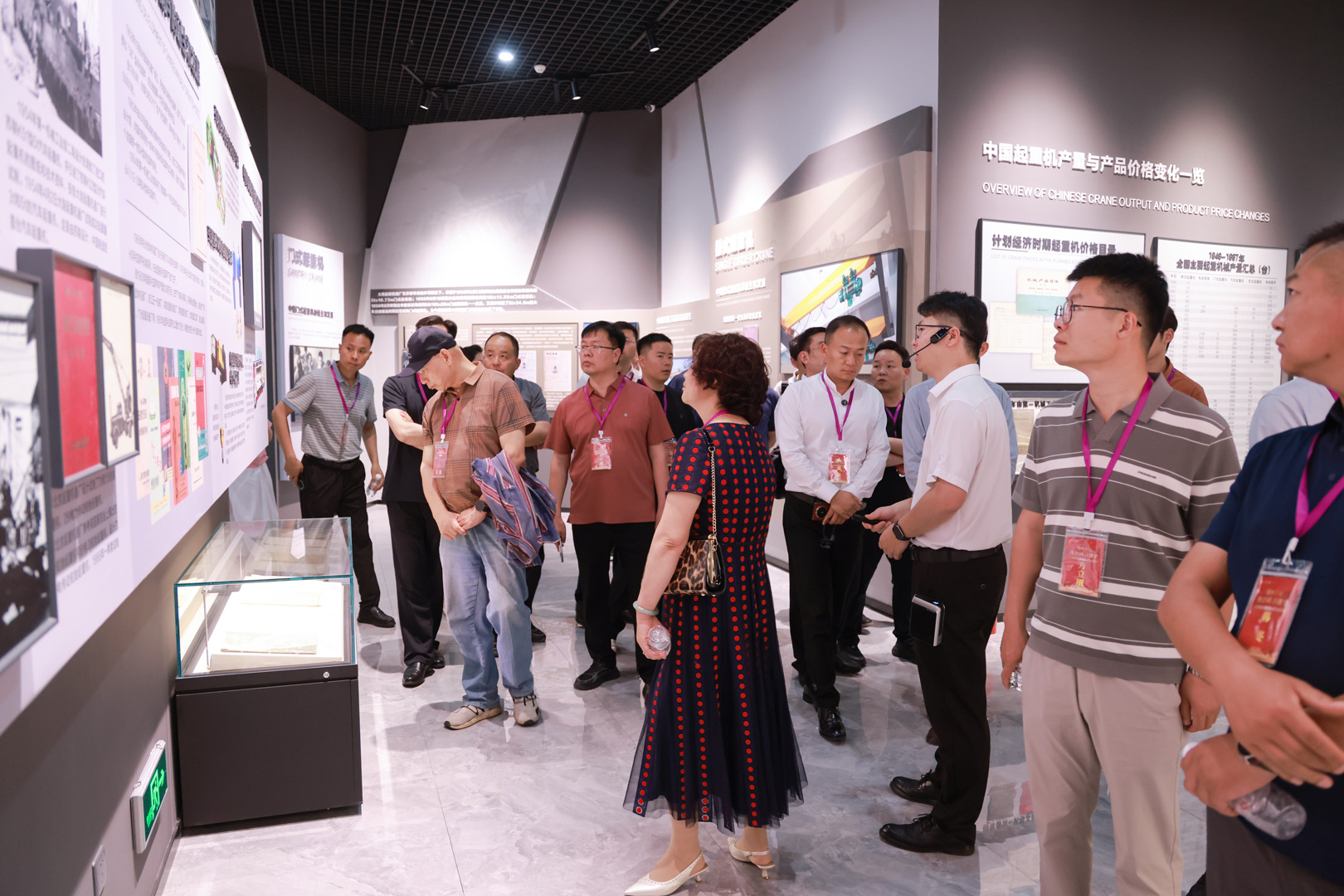
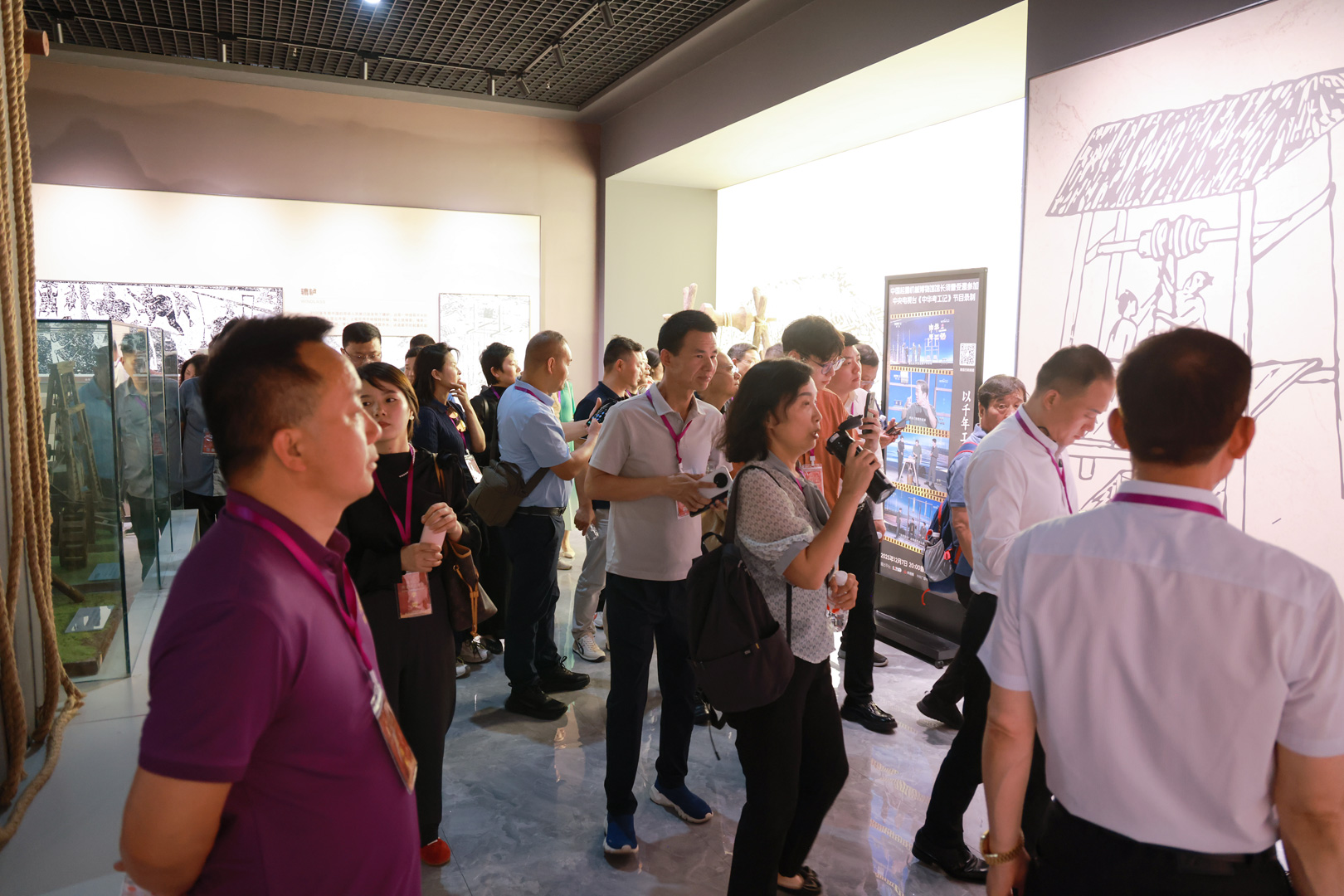
    Henan Mine Crane and the China Crane Machinery Museum organised public science activities during China’s Science and Technology Week in May 2026.

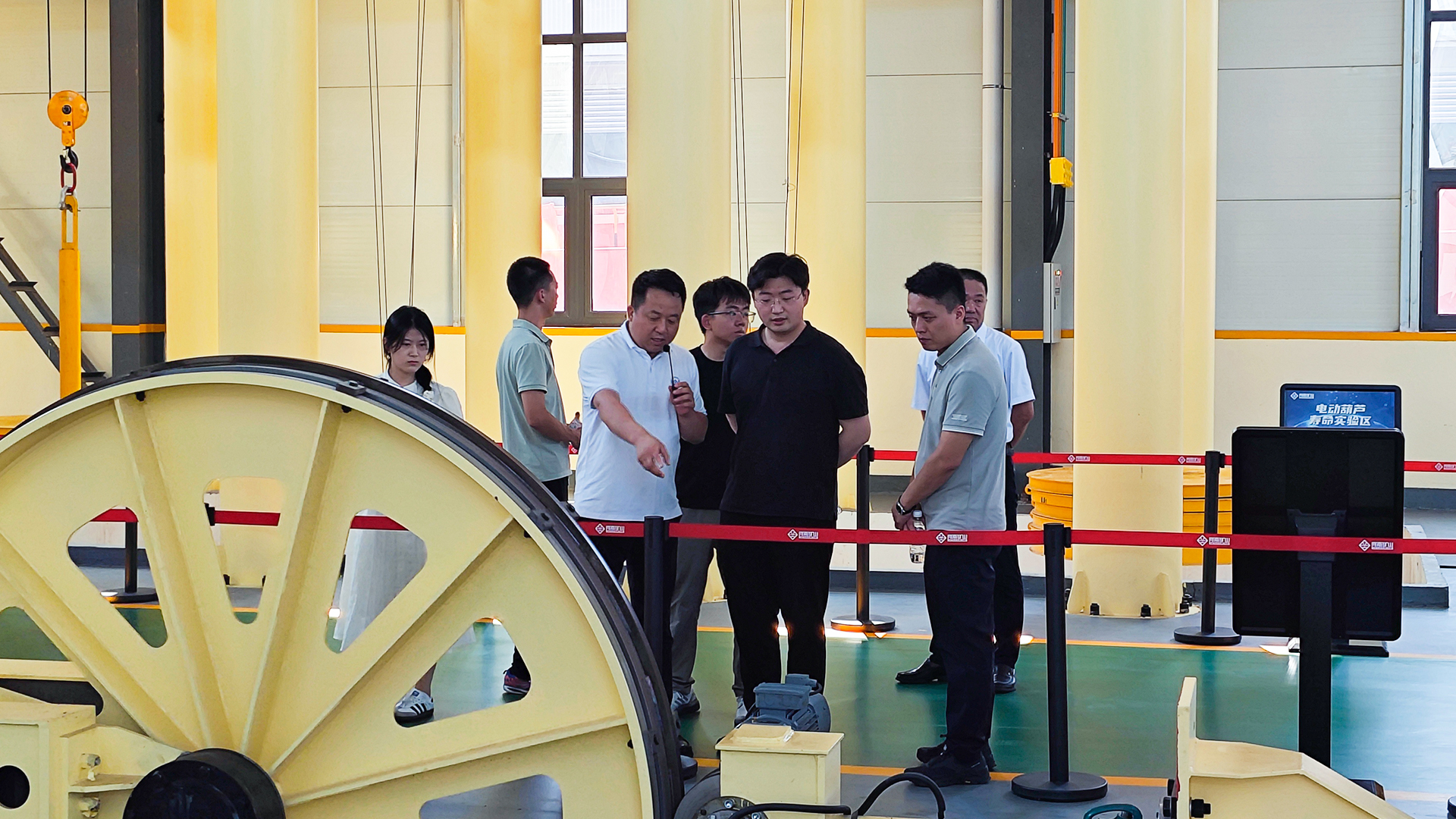
    Visitors viewing crane test equipment in the laboratory
    Visitors viewing crane test equipment in the laboratory.

    Museum visits and public exhibits

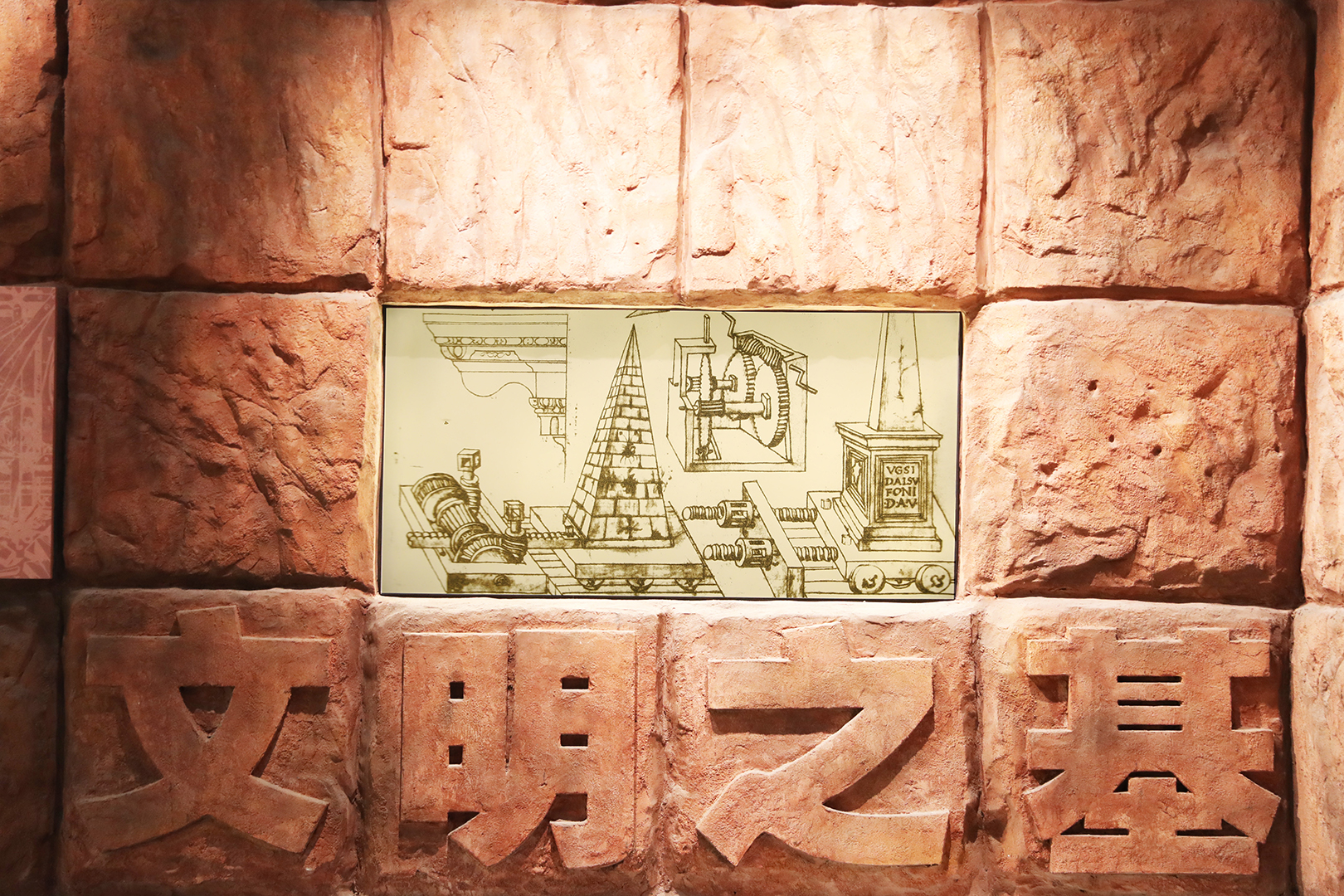
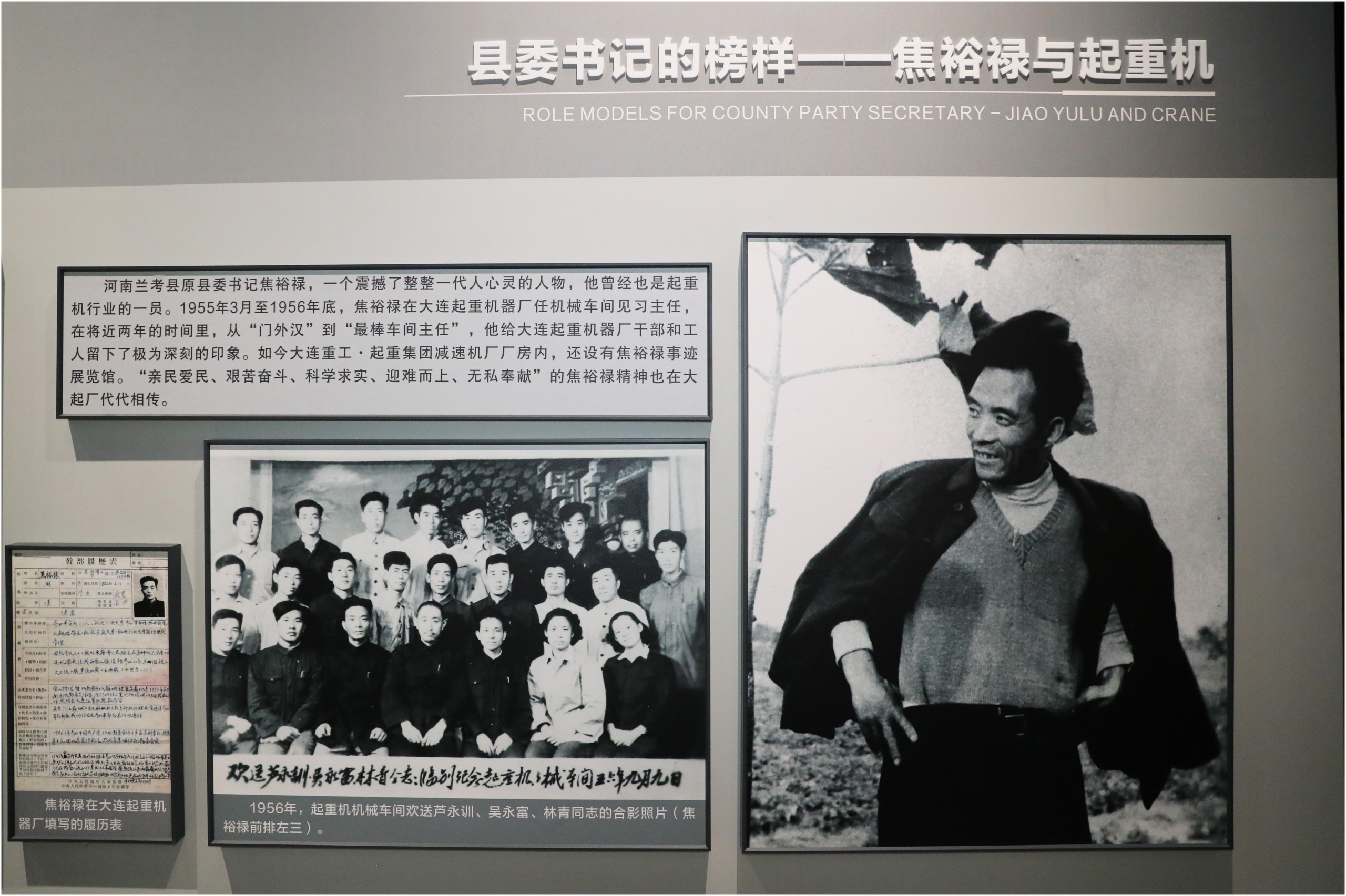
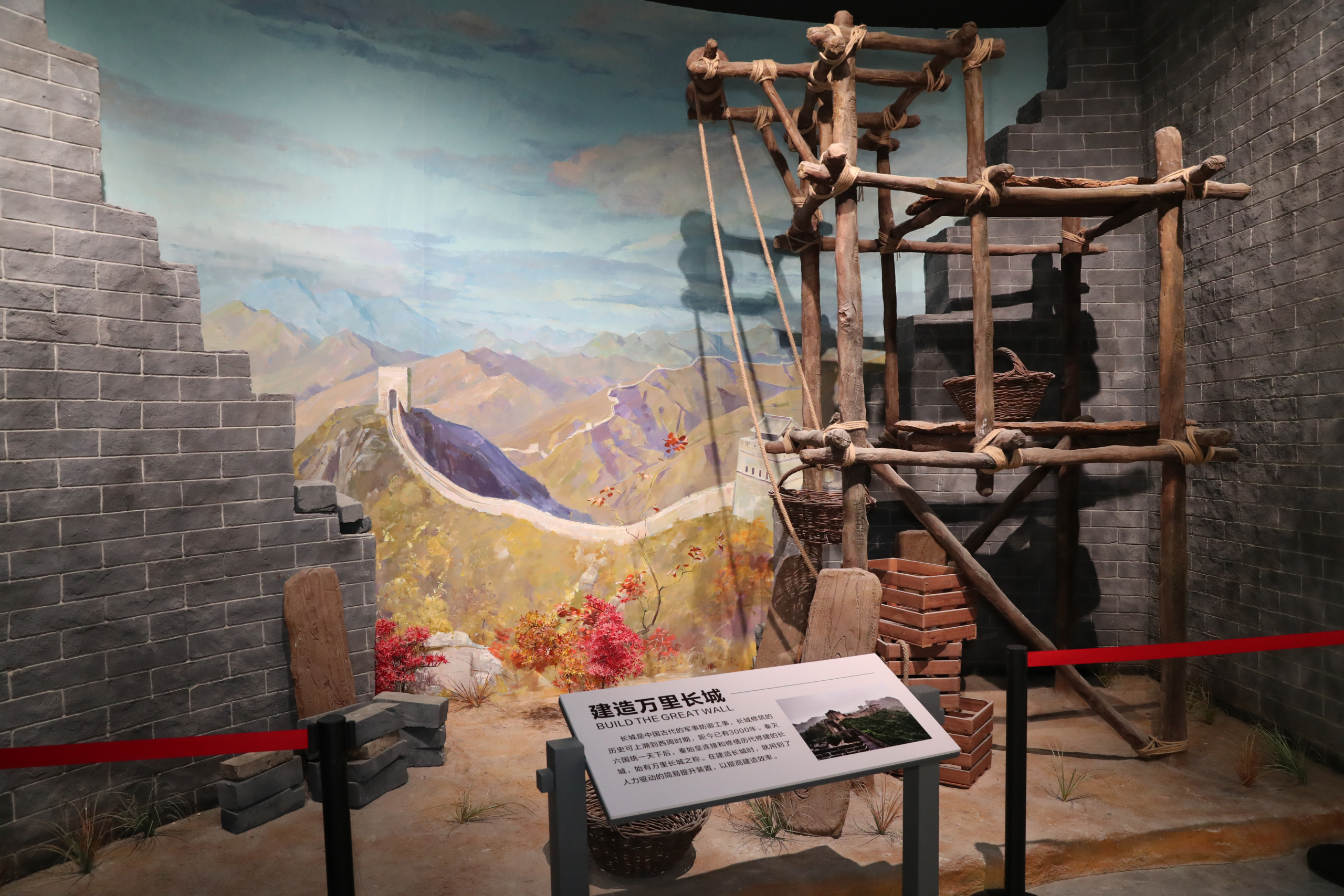
    Museum volunteers joined Changyuan’s science-week event on 28 May. An open day on 30 May introduced visitors to lifting history, museum exhibits and crane developments.

    An introduction to testing facilities

    Visitors also learned about whole-crane and component testing at the comprehensive performance and service-life laboratory. The visit introduced how testing can contribute to design evaluation and quality control.

    Plan a manufacturing or equipment visit

    Tell us your visit purpose, the equipment of interest and the information your team needs to review.

  • First Batch of 14 Cranes Dispatched for a Vietnam Project

    First Batch of 14 Cranes Dispatched for a Vietnam Project

    Project Deliveries

    First Batch of 14 Cranes Dispatched for a Vietnam Project

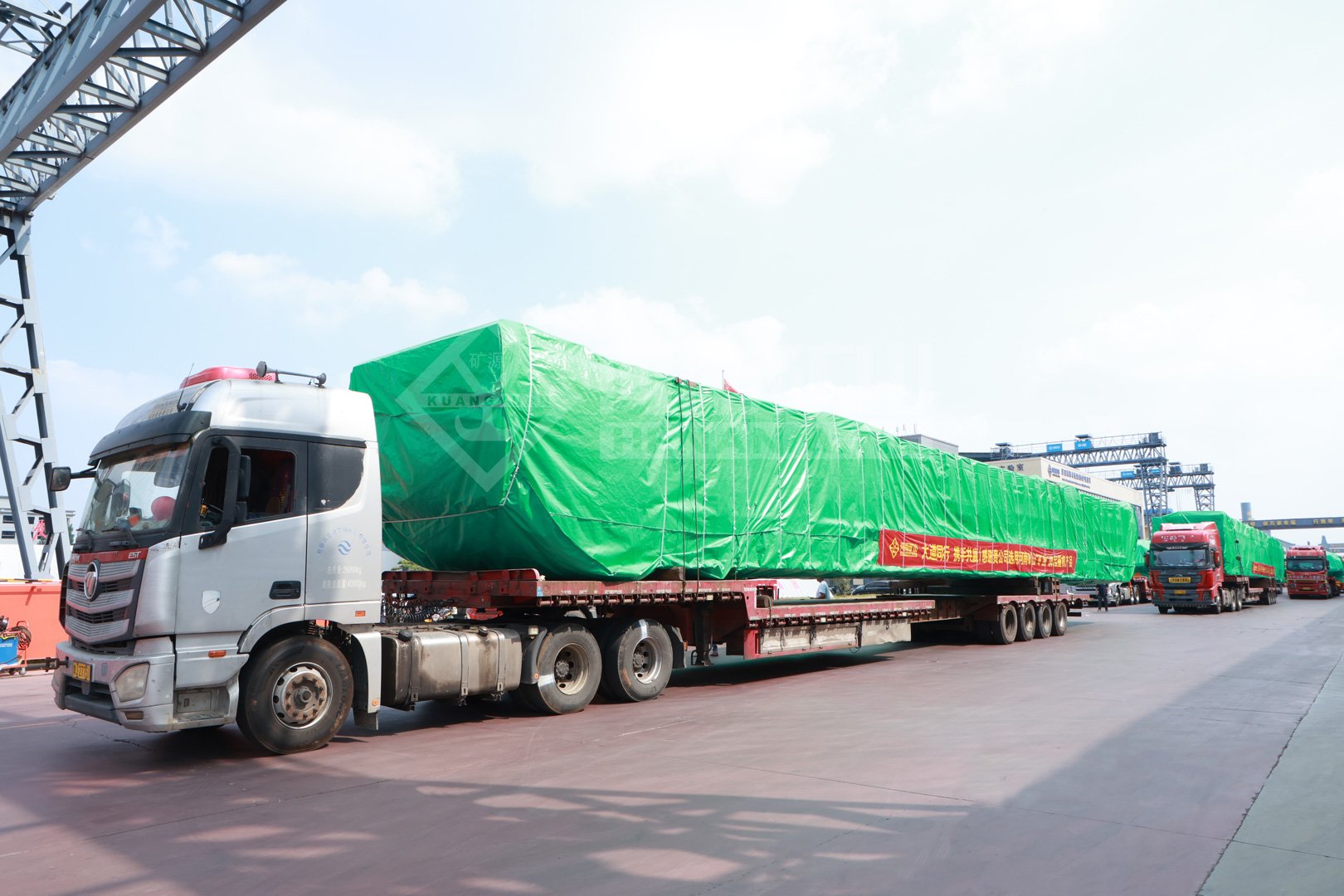
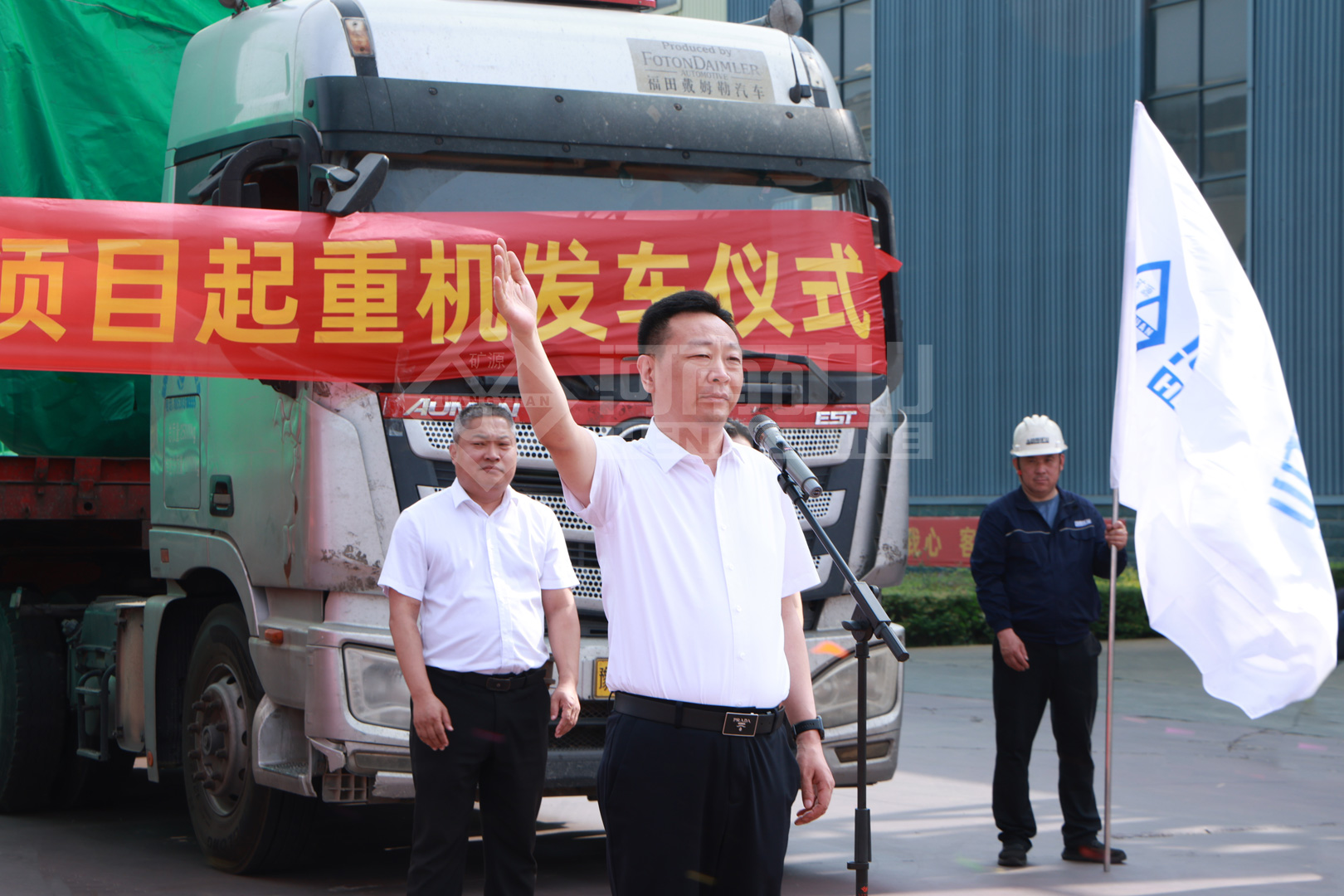
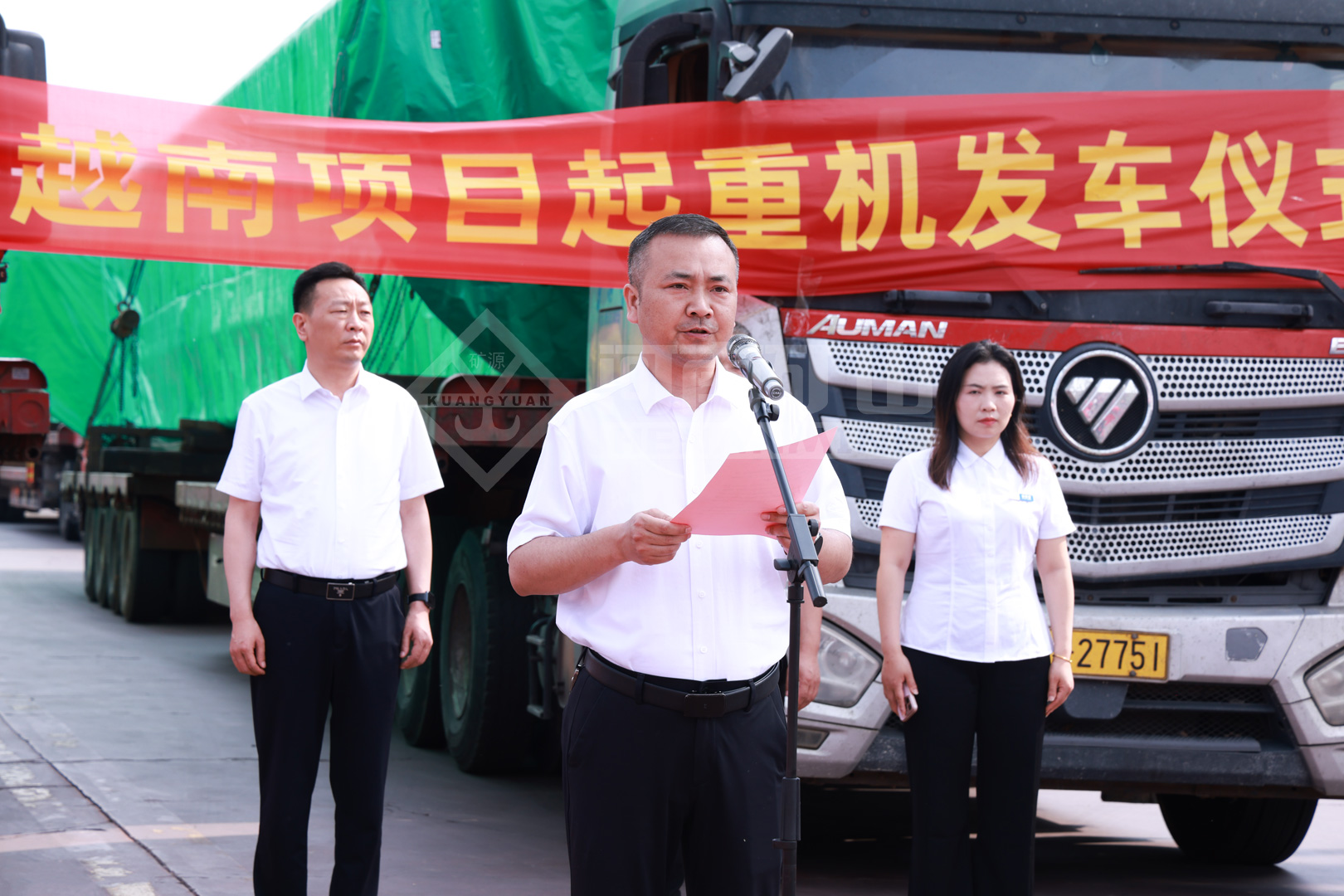
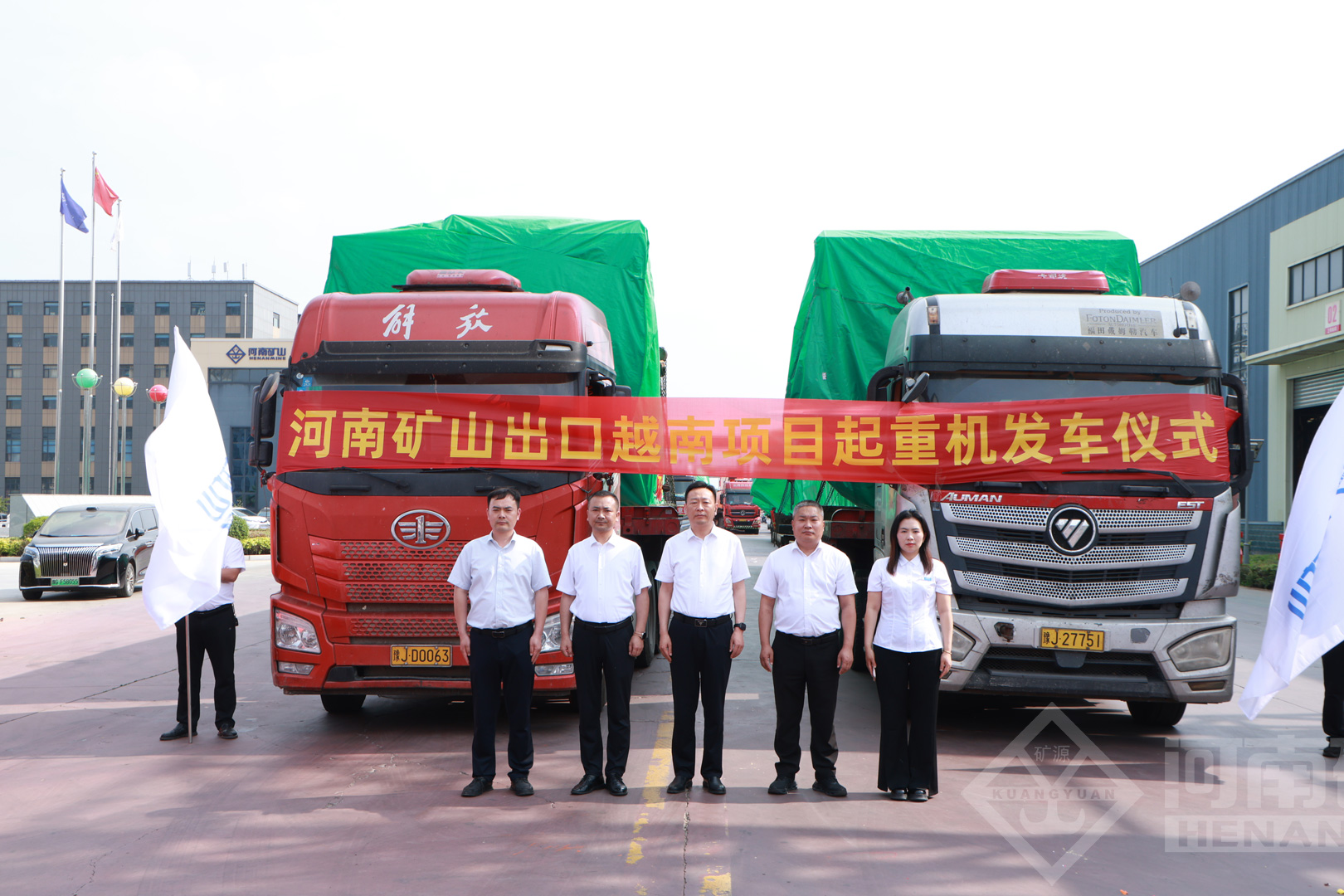
    Henan Mine Crane held a dispatch ceremony on 15 May 2026 for the first batch of 14 cranes supplied to a project in Vietnam.

    Covered crane equipment leaving the manufacturing site
    Covered crane equipment leaving the manufacturing site.

    Batch dispatch from the manufacturing site

    The equipment left the factory as the project’s first crane batch. The number 14 is the shipment quantity; individual crane capacities and configurations depend on the agreed equipment schedule.

    Coordinate delivery and site preparation

    For a multi-crane import order, define the supply scope, packing requirements, transport restrictions and installation responsibilities. Site readiness and the unloading plan should be coordinated with the expected shipment sequence.

    Plan a crane delivery to Vietnam

    Send the crane schedule, lifting requirements, destination and installation plan so supply and delivery arrangements can be discussed.

  • 10-Ton Overhead Crane Cost: What to Include in Your Quotation

    10-Ton Overhead Crane Cost: What to Include in Your Quotation

    Technical guide

    10-Ton Overhead Crane Cost: What to Include in Your Quotation

    A 10-ton rating does not define the complete purchase price. Set out the span, hook travel, operating cycle and site work so competing quotations cover the same equipment and installation boundary.

    Henan Mine CraneTechnical guide · Updated 2026Crane selection, project scope and operating requirements
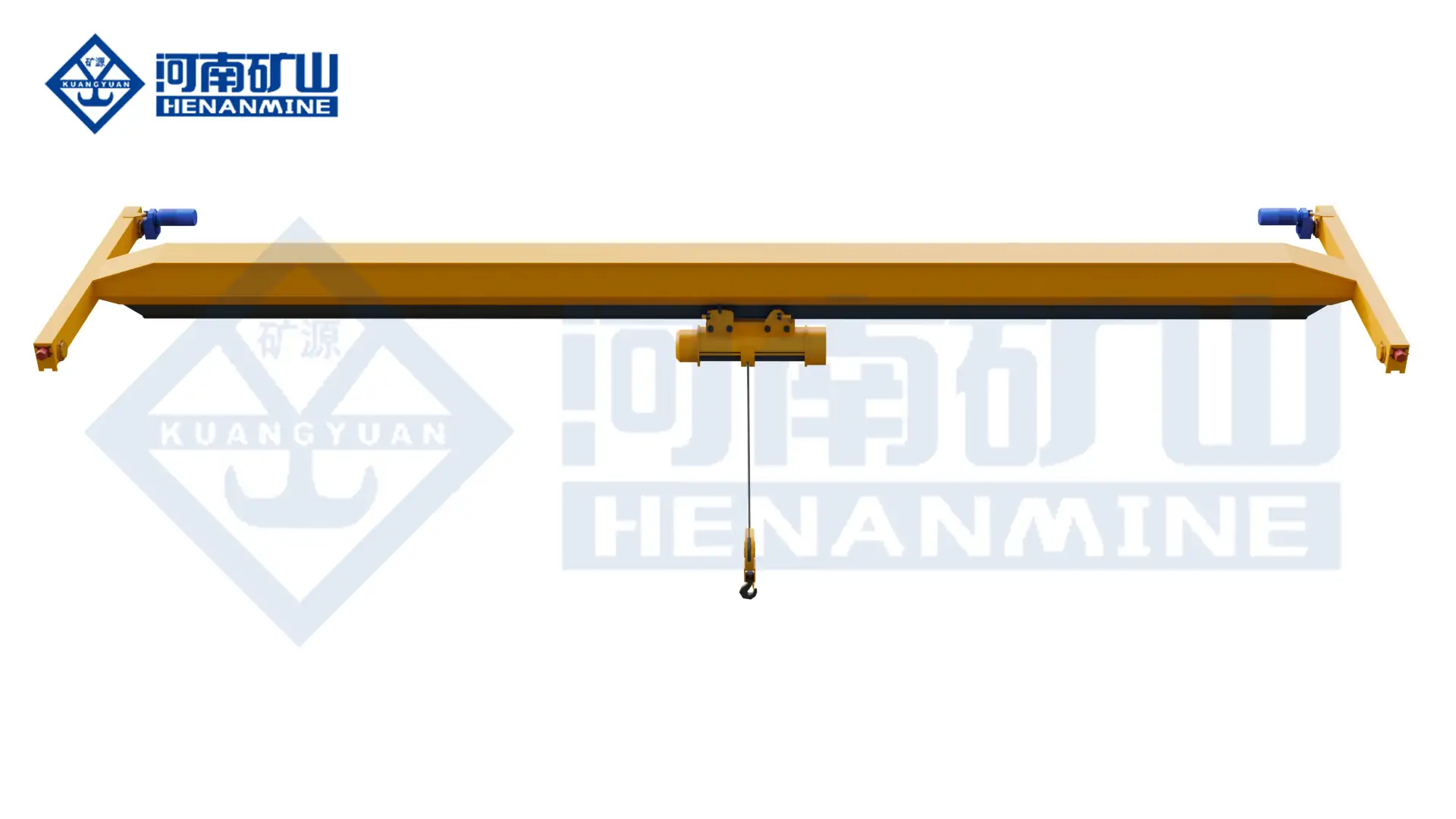
    Henan Mine Crane Single-Girder Bridge Crane
    Henan Mine Crane Single-Girder Bridge Crane
    Project planning notes

    Key points for this crane project.

    1. Define what the ten-ton requirement includes
    2. Separate crane arrangement from the capacity label
    3. Show the dimensions that affect the quotation
    Read the technical guide

    Define what the ten-ton requirement includes

    State whether the requested load is the item alone or the complete suspended load. List the weight of slings, a spreader, a magnet or another attachment separately, and explain how the item will be picked up and placed.

    The proposed crane must also suit the normal operating cycle. Give suppliers the typical load pattern, lifts per hour and hours of use. Two ten-ton offers may use different lifting mechanisms or working-duty assumptions even before the building dimensions are considered.

    Separate crane arrangement from the capacity label

    A ten-ton project can be developed around different structural and hoist arrangements. Compare the proposed single- or double-girder concept with the required hook envelope, working duty and runway interfaces.

    Request the actual dimensional drawing rather than treating a broad catalogue range as the size of the quoted machine. The relevant questions are whether the hook reaches each required position, whether the crane fits the bay and which support reactions the building team must review.

    Show the dimensions that affect the quotation

    Provide the runway rail-centre span, required long travel and high and low hook positions. Add the roof level, runway elevation and obstructions that affect headroom or hook coverage. Identify dimensions that are estimates and provide a drawing or survey where available.

    Height and span change the proposed arrangement and should be held consistent when offers are compared. A lower equipment figure is difficult to interpret if it assumes a different lifting range or working area.

    Split the budget into equipment and site work

    Ask for a written boundary covering the crane structure, lifting mechanism, drives, controls and attachment. List rails, runway beams, conductor systems and the building electrical connection separately so each item has an identified supplier.

    Installation can involve assembly, lifting resources, site labour, electrical work, inspections and commissioning. Clarify which of these services are included and what the purchaser must provide. Packing, transport and the agreed delivery point also belong in the project comparison.

    Compare figures only after the scope is aligned

    Published equipment listings can describe different configurations and supply boundaries. They do not establish the delivered cost of a crane for a particular workshop. Use them as background to a defined enquiry, then obtain a quotation tied to the project drawing and scope.

    For each offer, mark optional items and provisional assumptions. Compare the crane configuration, site work, delivery, documentation and support together before deciding which total represents the required project.

    Prepare the information needed for a budget quotation

    Send the maximum load and attachment details, a workshop plan, the required hook positions and a description of daily use. Include the site power supply and destination, together with the installation and support services you expect.

    Ask Henan Mine Crane to identify the proposed arrangement, unresolved technical inputs and boundary of supply. This provides a clearer purchasing basis than assigning a fixed price to every crane carrying the same ten-ton label.

    Discuss the crane arrangement for your project.

    A 10-ton rating does not define the complete purchase price. Set out the span, hook travel, operating cycle and site work so competing quotations cover the same equipment and installation boundary. Share the load, available drawings, working cycle and site conditions with Henan Mine Crane so the required configuration and supply boundary can be discussed.

    Related crane configurations

    Single-Girder Bridge Crane

    View product parameters
    Lifting capacity: 1–20 tSpan: 7.5–31.5 mLifting height: 6, 9, 12, 18, 24 or 30 m; capacity-dependent

    Use an LDA single-girder bridge and electric hoist for general workshop material handling. Select the lifting capacity, runway geometry and hoist duty around the building and load.

    LH Electric Hoist Double Girder Crane

    View product parameters
    Lifting capacity: 3, 5, 10, 16, 20 tSpan: 10.5–31.5 mLifting height: 6, 9, 12 or 18 m

    Use an LH double-girder bridge with an electric-hoist trolley for workshop lifting, assembly and maintenance. Match the hoist arrangement to the suspended load, hook travel and available building space.

    Updated 2026 · Henan Mine Crane

  • Henan Mine Crane and Youfa Group Discuss Equipment and Manufacturing Cooperation

    Henan Mine Crane and Youfa Group Discuss Equipment and Manufacturing Cooperation

    Industry & Partnerships

    Henan Mine Crane and Youfa Group Discuss Equipment and Manufacturing Cooperation

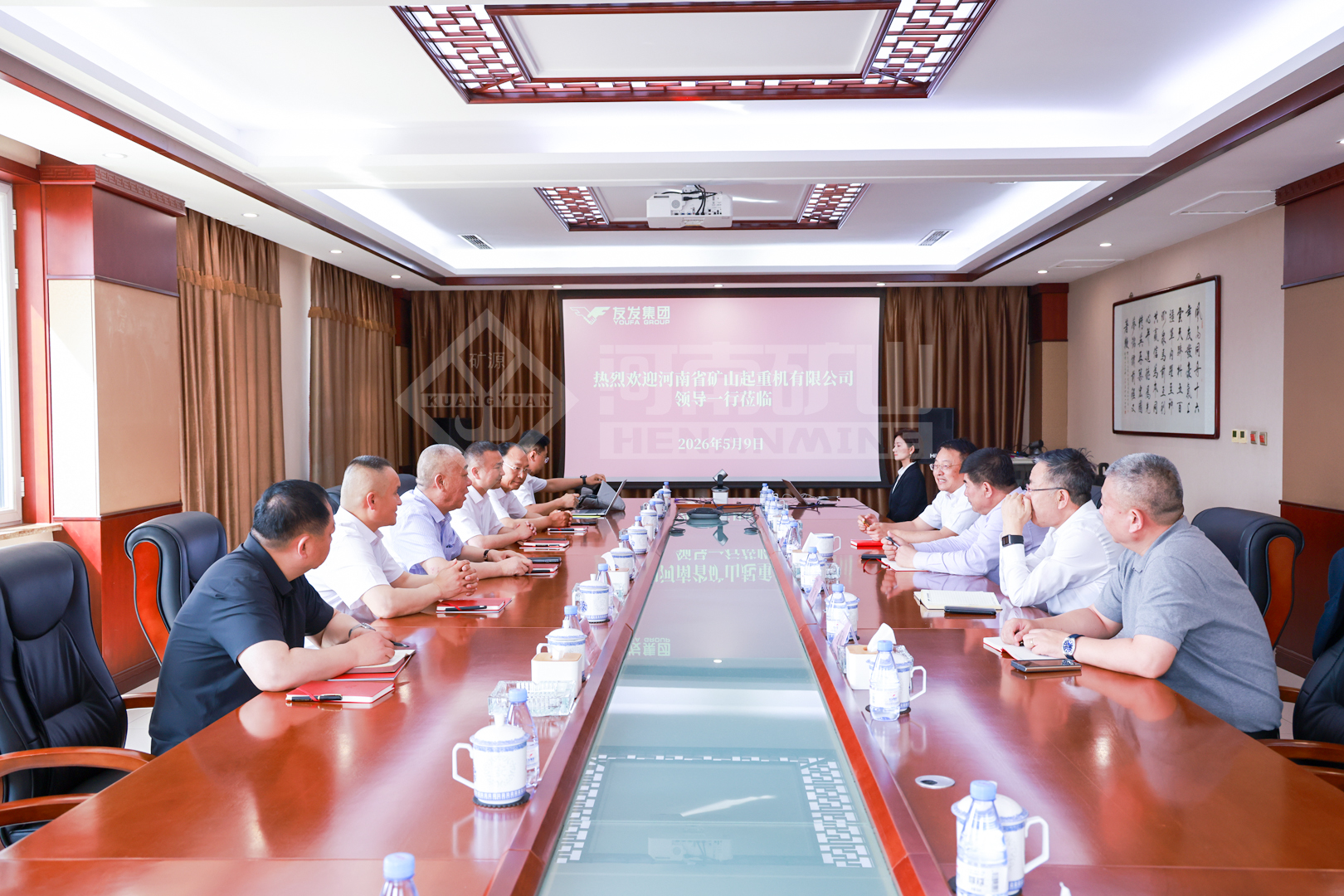
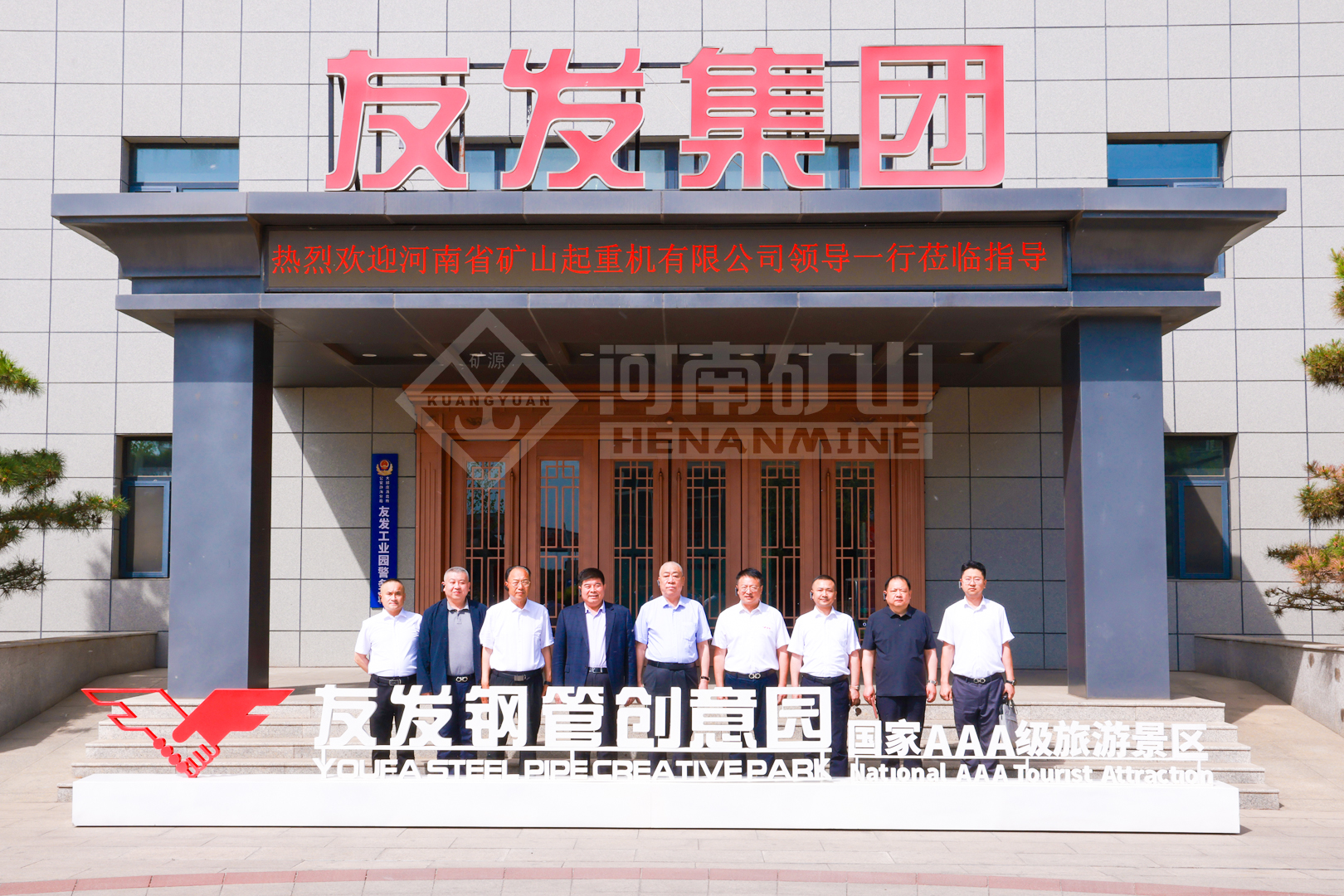
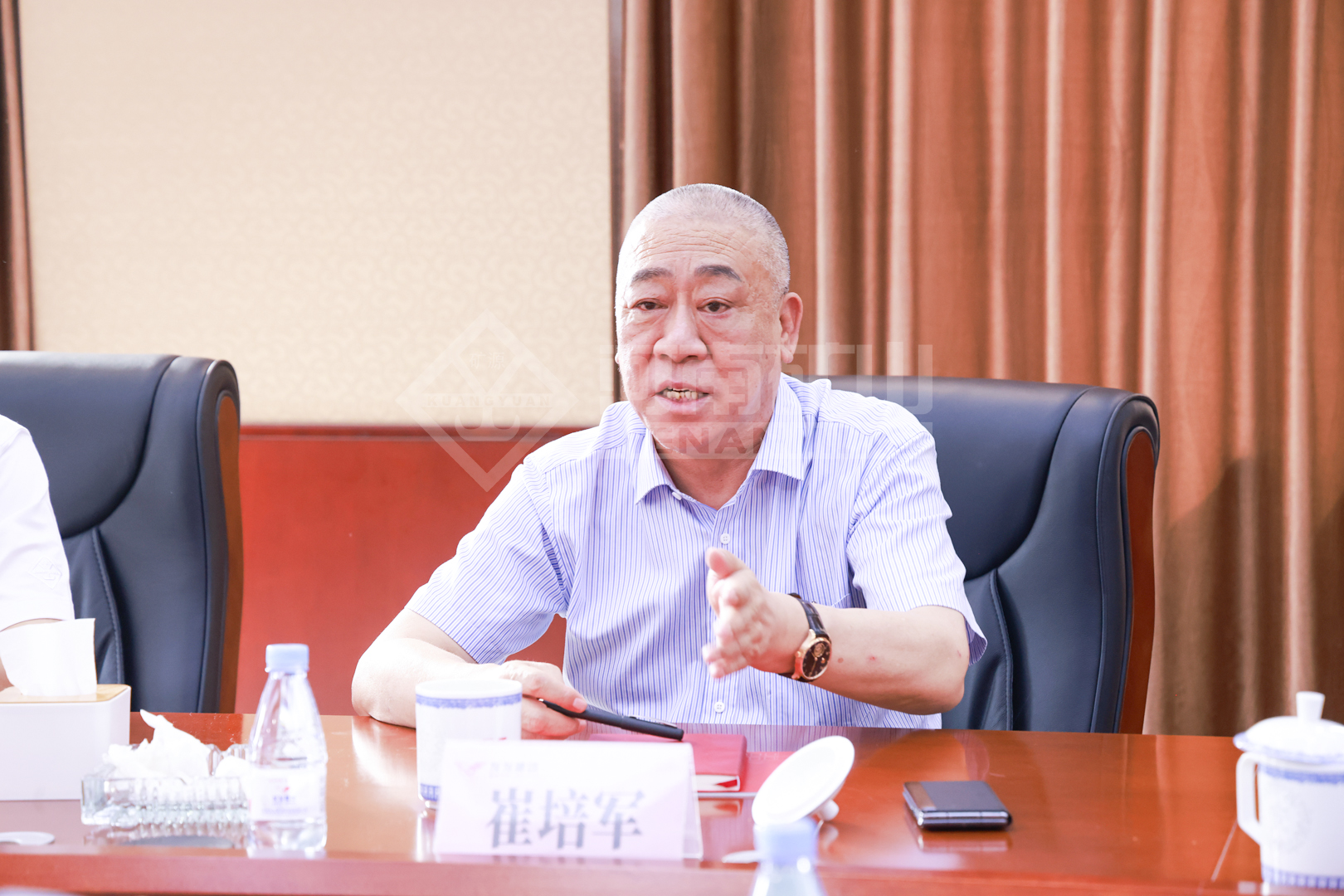
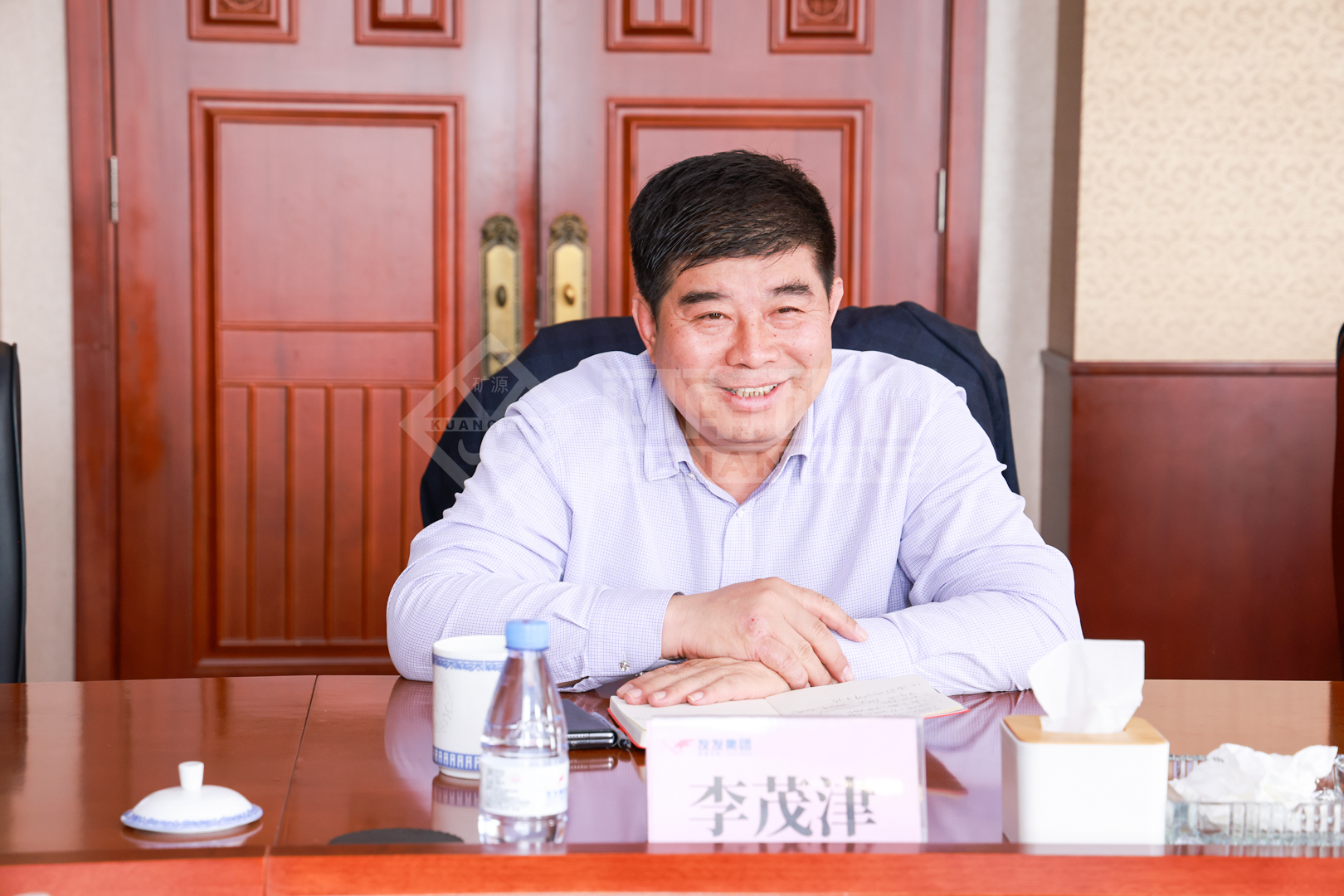
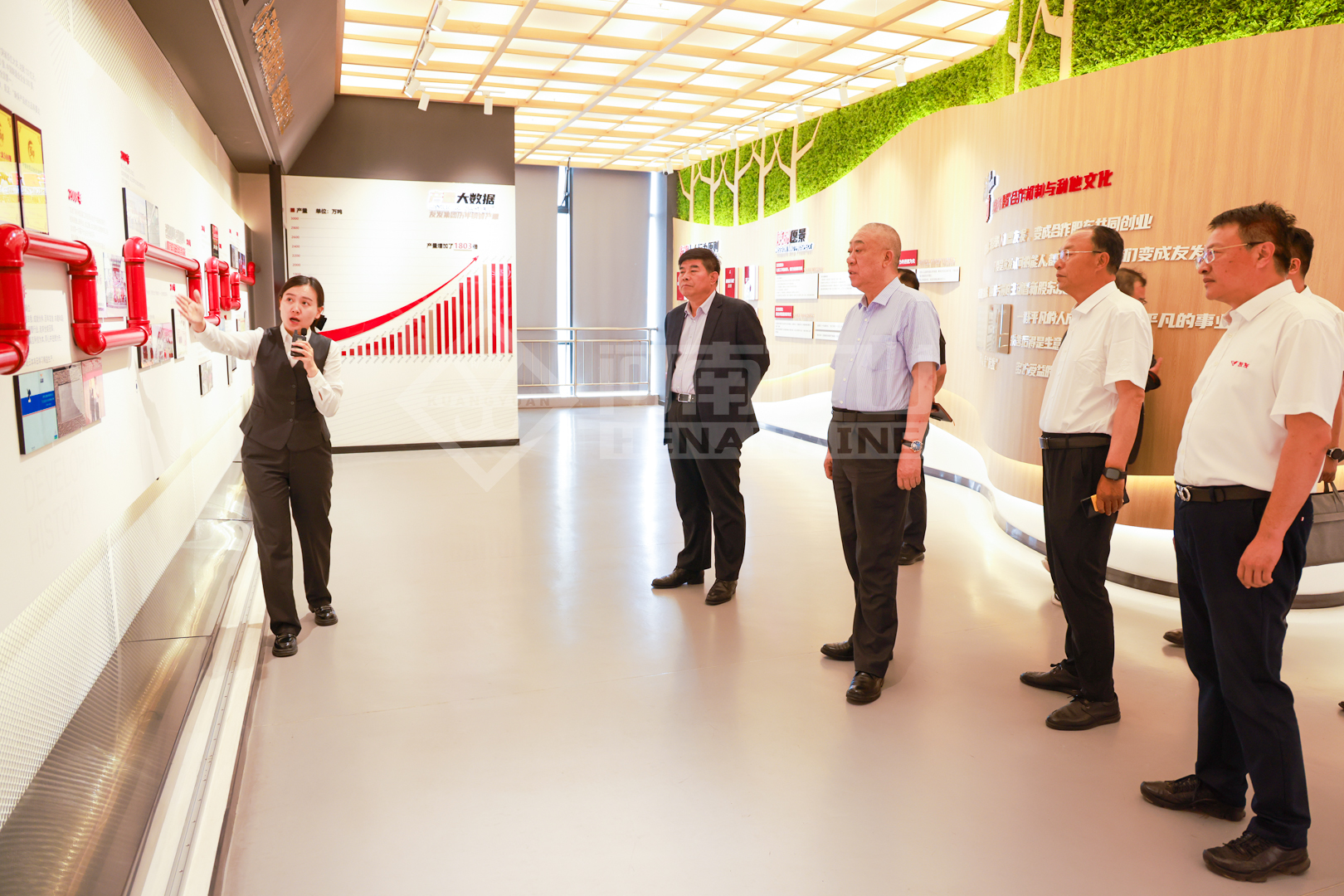
    Henan Mine Crane representatives visited Tianjin Youfa Steel Pipe Group on 9 May 2026 for an exchange on equipment development and manufacturing cooperation.

    Henan Mine Crane and Youfa Group representatives meeting in Tianjin
    Henan Mine Crane and Youfa Group representatives meeting in Tianjin.

    Equipment upgrades and industrial coordination

    The teams discussed their manufacturing activities and opportunities for further cooperation. The exchange covered equipment upgrades, industrial-chain coordination and greener, more intelligent production.

    Connect handling equipment with pipe production

    For pipe manufacturing, a crane enquiry should describe bundle lengths and weights, pickup methods, storage arrangements and interfaces with processing lines. These inputs help establish the lifting attachment and coverage needed for each operating area.

    Discuss handling for a pipe manufacturing plant

    Provide the pipe or bundle data, production layout and operating cycle for a technical discussion.

  • Cold-Chain Warehouse Cranes: Automation, Condensation and Access

    Cold-Chain Warehouse Cranes: Automation, Condensation and Access

    Technical guide

    Cold-Chain Warehouse Cranes: Automation, Condensation and Access

    Cold storage combines repetitive handling with temperature changes and restricted maintenance access. Define the load units, storage positions and transfer interfaces before choosing an automated stacking arrangement.

    Henan Mine CraneTechnical guide · Updated 2026Crane selection, project scope and operating requirements
    Cold-Chain Warehouse Cranes: Automation, Condensation and Access
    Henan Mine Crane lifting equipment
    Project planning notes

    Key points for this crane project.

    1. Describe the load unit and storage task
    2. Specify the temperature zones and transitions
    3. Coordinate the crane with racks and transfer
    Read the technical guide

    Describe the load unit and storage task

    Begin with the pallets, bins or other load units that the system must move. Define dimensions, weight, load stability and the way the unit is presented at the transfer station. Identify overhang, damaged packaging or variable load presentation that the equipment must detect or accommodate.

    Show the storage positions and the sequence from receipt to dispatch. The lifting and transfer arrangement needs to match those tasks, rather than being selected from the storage height alone.

    Specify the temperature zones and transitions

    Provide the intended operating temperatures and explain which parts of the system move between zones. Describe moisture exposure, door openings and the process around warm-to-cold transfers so condensation and icing risks can be reviewed by the equipment and facility teams.

    Ask the supplier to identify how the proposed components and service arrangements address the stated conditions. A general statement that a crane is suitable for cold storage does not describe every interface in a temperature-controlled warehouse.

    Coordinate the crane with racks and transfer equipment

    The storage system needs agreement on the load positions, clearances and handover arrangements. Review the proposed travel path, lifting range and load-transfer mechanism with the rack and conveyor suppliers.

    Define which system confirms load presence and correct presentation before movement is authorised. Identify the physical and control boundaries between the storage machine, conveyors and warehouse systems so integration work is included in the project scope.

    Plan access and recovery before operation starts

    A high-density storage arrangement still needs a practical maintenance and recovery plan. Review how technicians reach service points and how a damaged or misplaced load will be recovered using the equipment-specific procedures.

    Agree the operating boundaries and responsibilities during an equipment fault or service intervention. The supplier proposal should make these arrangements understandable alongside the normal automatic cycle.

    Review performance using a defined warehouse cycle

    Specify the receipt, storage, retrieval and dispatch tasks used to assess the proposed system. Identify the load mix and operating assumptions so movement performance is evaluated against a representative process rather than an isolated maximum speed.
    Compare the crane, rack interfaces, controls, integration, commissioning and support within the same boundary of supply. Keep any unresolved facility information visible before the equipment and operating concept are approved.

    Discuss the crane arrangement for your project.

    Cold storage combines repetitive handling with temperature changes and restricted maintenance access. Define the load units, storage positions and transfer interfaces before choosing an automated stacking arrangement. Share the load, available drawings, working cycle and site conditions with Henan Mine Crane so the required configuration and supply boundary can be discussed.

    Related crane configurations

    Anode Carbon Block Stacking Crane

    View product parameters
    Lifting capacity: 10 – 30 tSpan: 13.5-40 mLifting height: 6 – 20 m

    Handle and stack anode carbon blocks with a crane configured around block geometry, gripping method and storage layout. Define the transfer sequence and automation interfaces before selection.

    Modular Electric Hoist Overhead Crane

    View product parameters
    Lifting capacity: 1 – 32 tSpan: 7.5 – 31.5 mLifting height: 6–30 m

    Use a modular electric-hoist overhead crane for production, assembly and maintenance lifting. Select the hoist arrangement, hook coverage and movement control for the workshop and operating cycle.

    Updated 2026 · Henan Mine Crane

  • Process Training Covers Coating, Threaded Holes and Crane Welding

    Process Training Covers Coating, Threaded Holes and Crane Welding

    Quality & Manufacturing

    Process Training Covers Coating, Threaded Holes and Crane Welding

    Henan Mine Crane’s Quality Month programme included targeted process training in coating, threaded-hole production and welding.

    Instructor explaining machining and drawing requirements
    Instructor explaining machining and drawing requirements.

    Coating and threaded-hole production

    The coating sessions addressed appearance and protection through controlled application. Threaded-hole training covered drilling position, thread production, dimensional inspection and quality acceptance.

    Welding requirements from production drawings

    Welding sessions reviewed the required processes and the interpretation of production drawings, including weld locations and groove geometry. For a crane order, the specified environment and duty should guide coating requirements, inspection points and the documents needed at handover.

    Define the manufacturing requirements for your order

    Send the operating environment, coating requirements and inspection plan with your crane enquiry.

  • Welding Skills Competition Combines Theory and Practical Assessment

    Welding Skills Competition Combines Theory and Practical Assessment

    Quality & Manufacturing

    Welding Skills Competition Combines Theory and Practical Assessment

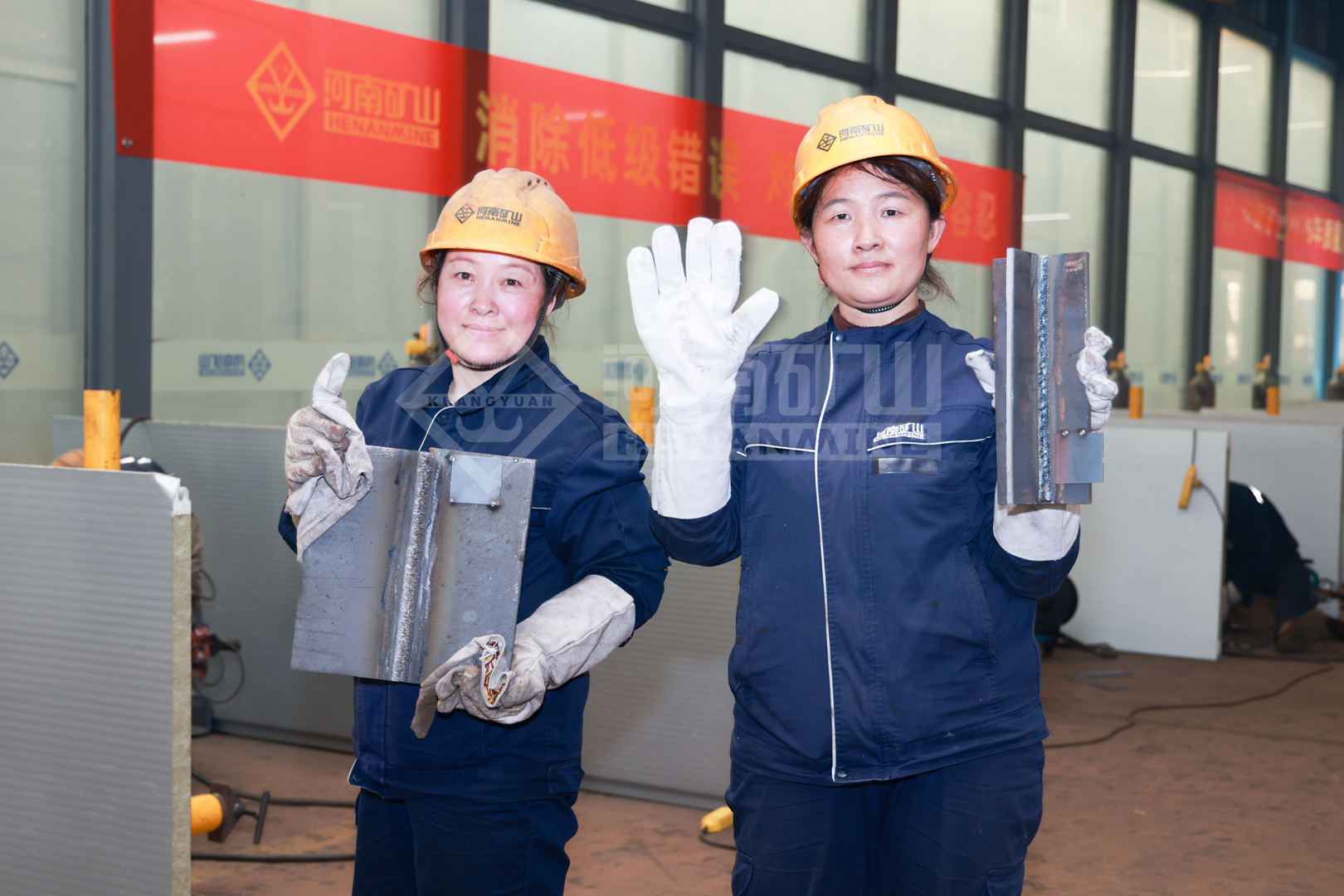
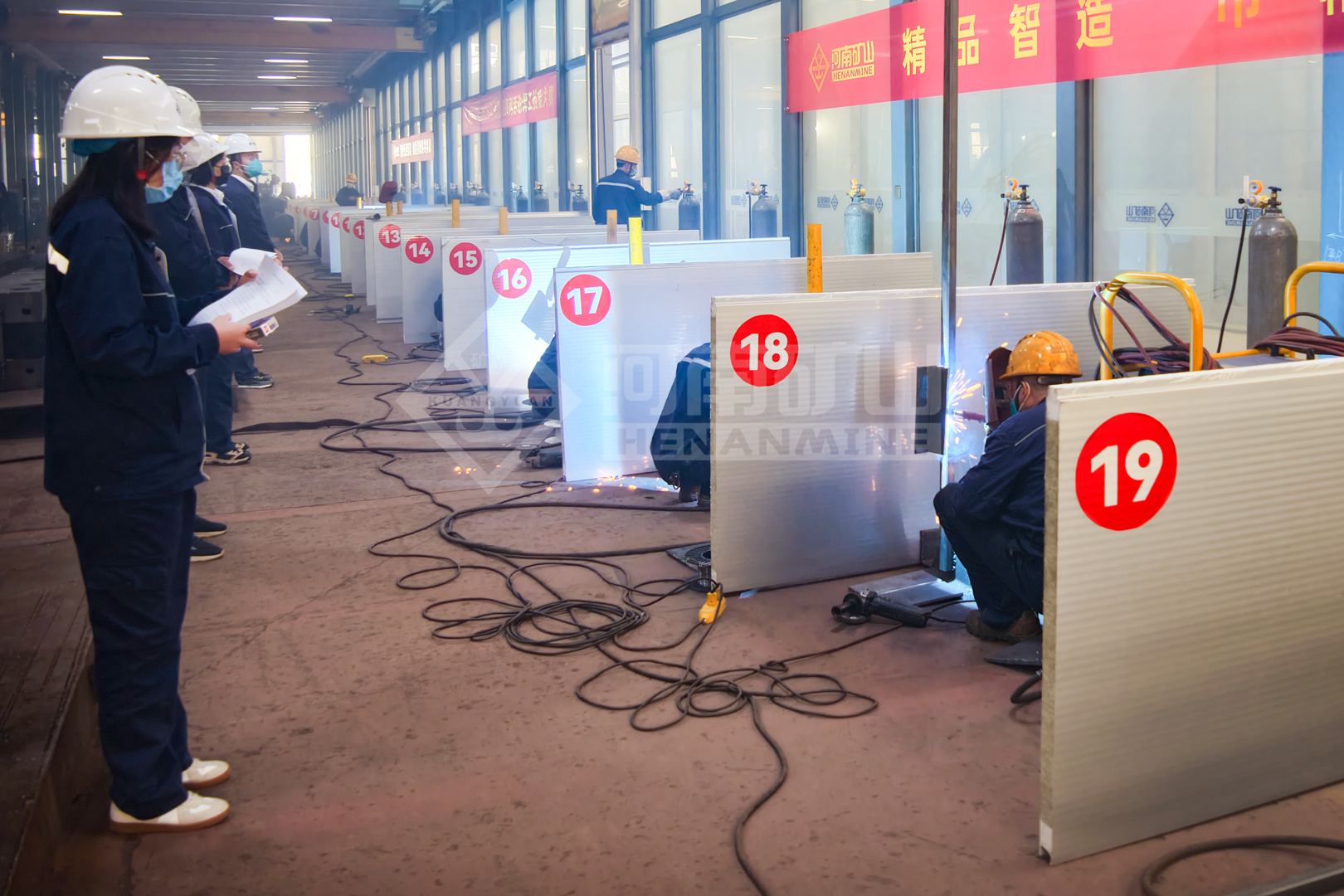
    Henan Mine Crane’s Quality Month welding competition tested theoretical knowledge and practical welding skills, with employees competing across workshop tasks.

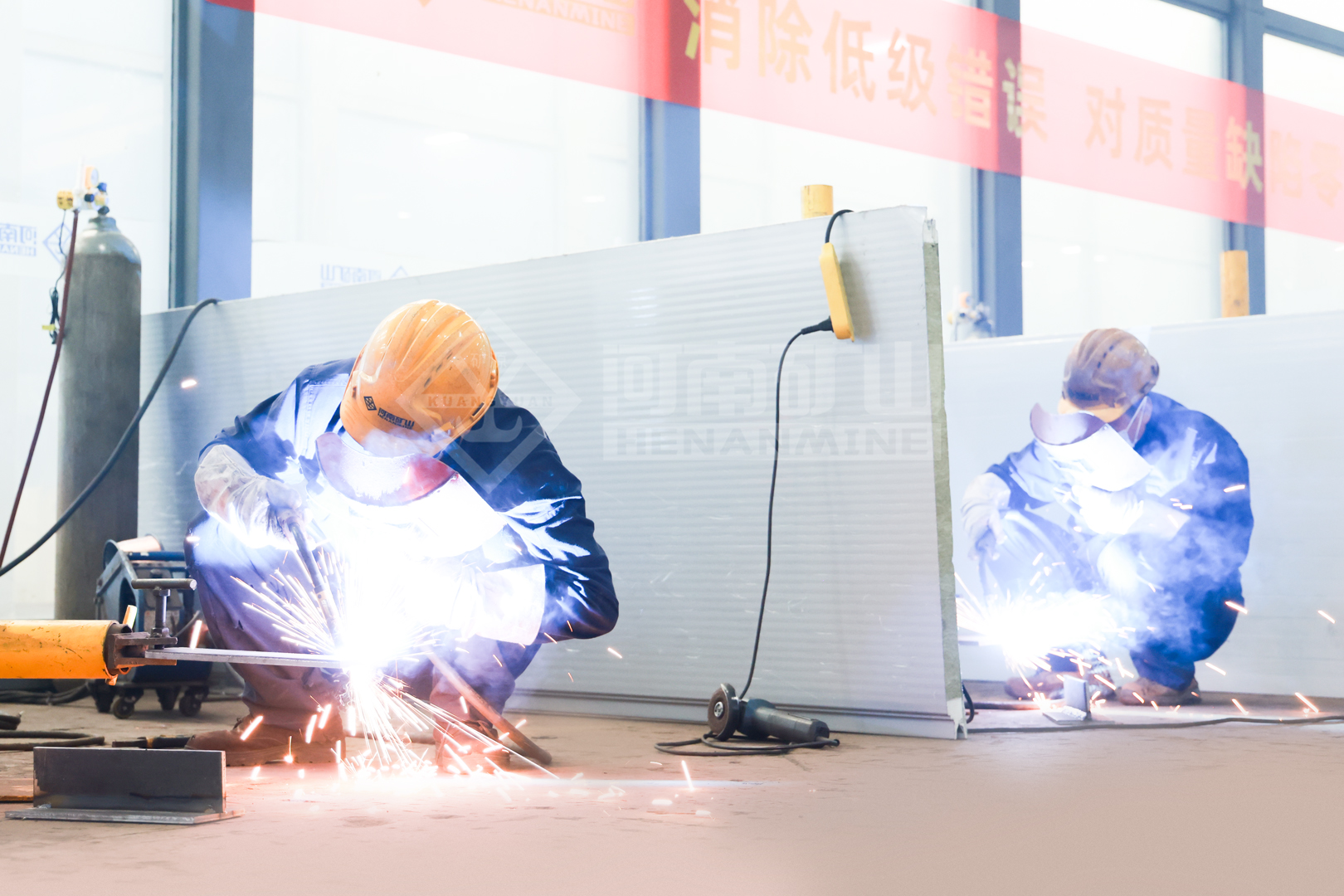
    Welder completing a practical competition task
    Welder completing a practical competition task.

    Practical welding and assessment

    Participants completed welding exercises including flat and overhead welding. Specialists from the process and quality departments assessed the work against the competition’s quality requirements, with the women’s committee observing the event.

    Skills development and equipment inspection

    The programme connected practical workmanship with continuing employee development. For an equipment purchase, the required weld inspection methods, acceptance criteria and records should be established for the crane’s design and duty.

    Discuss manufacturing inspection requirements

    Share the crane application and required inspection documents so the project’s quality and acceptance scope can be reviewed.