Project review
Container Gantry Cranes Boost Railway Logistics Upgrades
Explore the container gantry cranes for railway logistics. Review container loads, rail or yard layout, spreader functions and terminal operating interfaces.
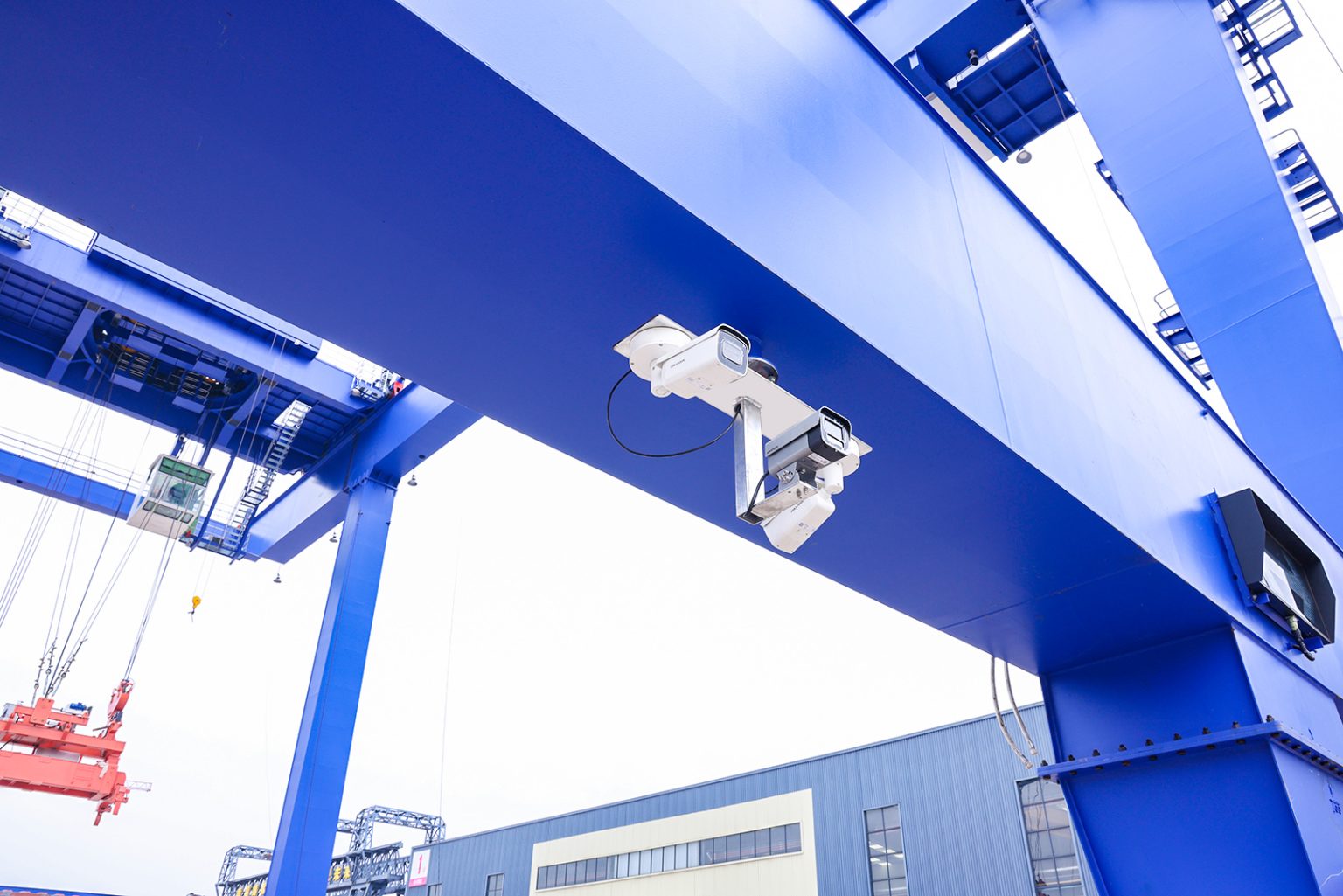
Container and warehouse handling
Map the load units, storage or yard lanes, stacking height, travel route, handling cycle, building or rail clearances and vehicle interfaces. Specify the operating wind, power and communication conditions where applicable.
Crane configuration and interfaces
Ask for a general arrangement, wheel loads, spreader or lifting attachment scope, travel and positioning controls, protection functions and commissioning tests for the declared handling sequence.
Review the Rail-mounted container gantry cranes and Warehousing & logistics cranes before defining the project-specific arrangement.
Project planning
Design the lifting process
Use the project context above as a starting point. The following checks turn a crane application into a technical scope that suppliers can price and demonstrate for your site.
Yard operation and handling cycle
Start with the container mix: 20-foot, 40-foot, high-cube and any non-standard units. State the maximum gross mass of a container and whether the quoted capacity includes the spreader. Map train, truck and storage lanes separately. A rail-mounted gantry crane that serves a railway track and a storage block may need different outreach, travel length and positioning logic from a crane serving only trucks. The target moves per hour should be stated with the stacking pattern and average travel distance, not as an isolated throughput number.
Layout and control decisions
Share a scaled yard plan showing rail gauge, clear span, cantilever outreach, stacking height, truck lanes, rail sidings and the end positions. Specify how operators will work: on board, from a remote console or through an automated terminal system. Anti-sway, container finding and collision protection need an agreed operating scenario and acceptance method. Clarify the spreader type, power supply, cable management, wind conditions, storm anchoring and the required interface to the terminal-management system before prices are compared.
Acceptance and supply boundary
Ask each bidder to state rated load at the spreader, duty assumptions, wheel loads, rail tolerances and the civil works excluded from crane supply. Review the scope for rails, power distribution, communications, commissioning, operator training and spare parts. Factory tests can check major drives and controls; site tests must demonstrate the actual lifting sequence, emergency stops, limit devices, travel protection and agreed positioning functions with the yard interfaces available. A planned terminal capacity is not the tested hourly performance of one crane.
Compare the proposed crane scope
| Decision | Information to request |
|---|---|
| Crane and lifting attachment | Rated loads, load cases, hook coverage and the complete suspended-load calculation. |
| Site interfaces | Runway loads, rail or building drawings, electrical supply and installation responsibilities. |
| Controls and protection | Operating sequence, required safety functions and a method for testing each function. |
| Commercial scope | Equipment, transport, installation, commissioning, documentation, training and spare parts as separate line items. |
From technical offer to site acceptance
Technical submittals
A usable bid should show a general arrangement and a clear list of assumptions, not just a model name and capacity. Request the load schedule used in design, lifting-attachment drawings where applicable, span and hook-approach dimensions, wheel loads, electrical supply, control narrative and maintenance access. Check every drawing against the actual building or yard layout. Identify the standards and local approval requirements for the destination market in the enquiry, then confirm the bidder’s proposed design and documentation scope in writing.
Installation and tests
Agree when the runway or civil works will be ready, how crane components can reach the installation position and who provides lifting equipment for erection. Define the factory test, on-site installation inspection and site acceptance as separate milestones. The acceptance procedure should list representative loads, the travel route, protection devices, emergency stop and any automation or attachment functions included in the order. Record who supplies test weights, operators, power and access equipment; otherwise a nominal commissioning price may omit essential site work.
Commercial comparison
Ask for the same delivery basis and currency across proposals. Separate the crane, special lifting appliances, rails or conductors, transport, installation support, commissioning, training and initial spare parts. Lead time should identify the starting event, such as approved drawings or an effective contract, and any dependency on site readiness. Compare warranty scope and service response by the written contract terms. If a key input is still unknown, request a priced option or a stated assumption instead of allowing different bidders to silently use different specifications. Keep a written exception register so the engineering team can resolve open dimensions, process interfaces and responsibility boundaries before issuing the purchase order.
Information to include in the enquiry
- Load weights, dimensions, centre of gravity and lifting attachments.
- Span, lifting height, runway or yard drawings, travel coverage and clearances.
- Operating cycle, working environment, electrical supply and control requirements.
- Supply boundaries, inspection documents, installation support and acceptance criteria.
Discuss a comparable lifting task
Send the handling task and available site drawings. Henan Mine Crane can define a proposed crane arrangement and identify the remaining information needed for a technical and commercial review.