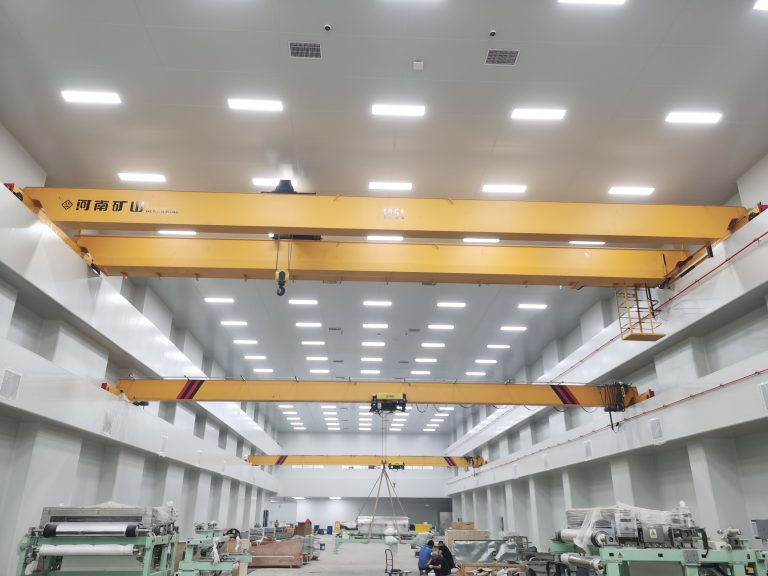
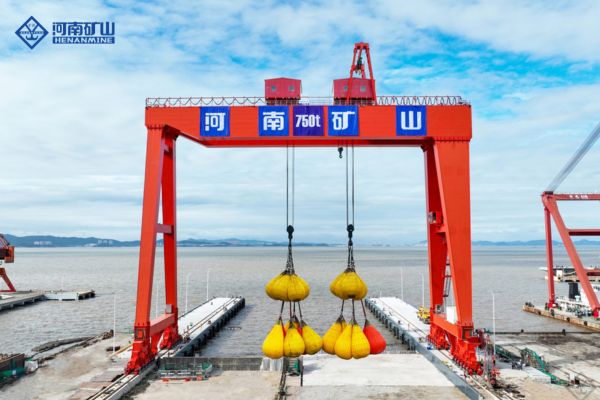
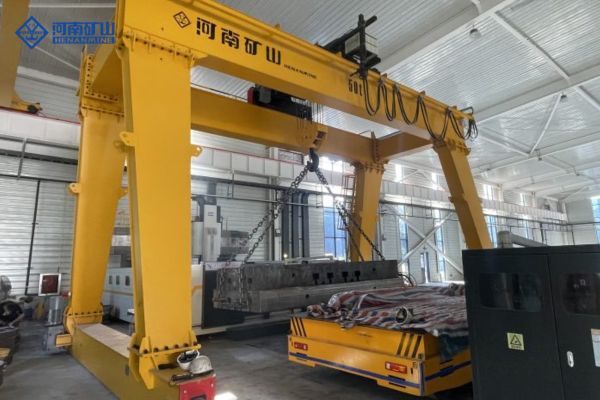
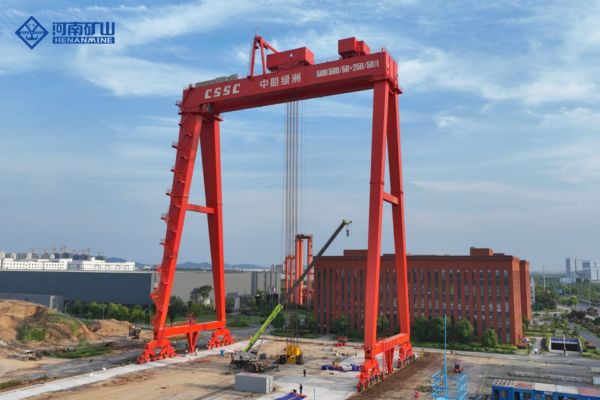
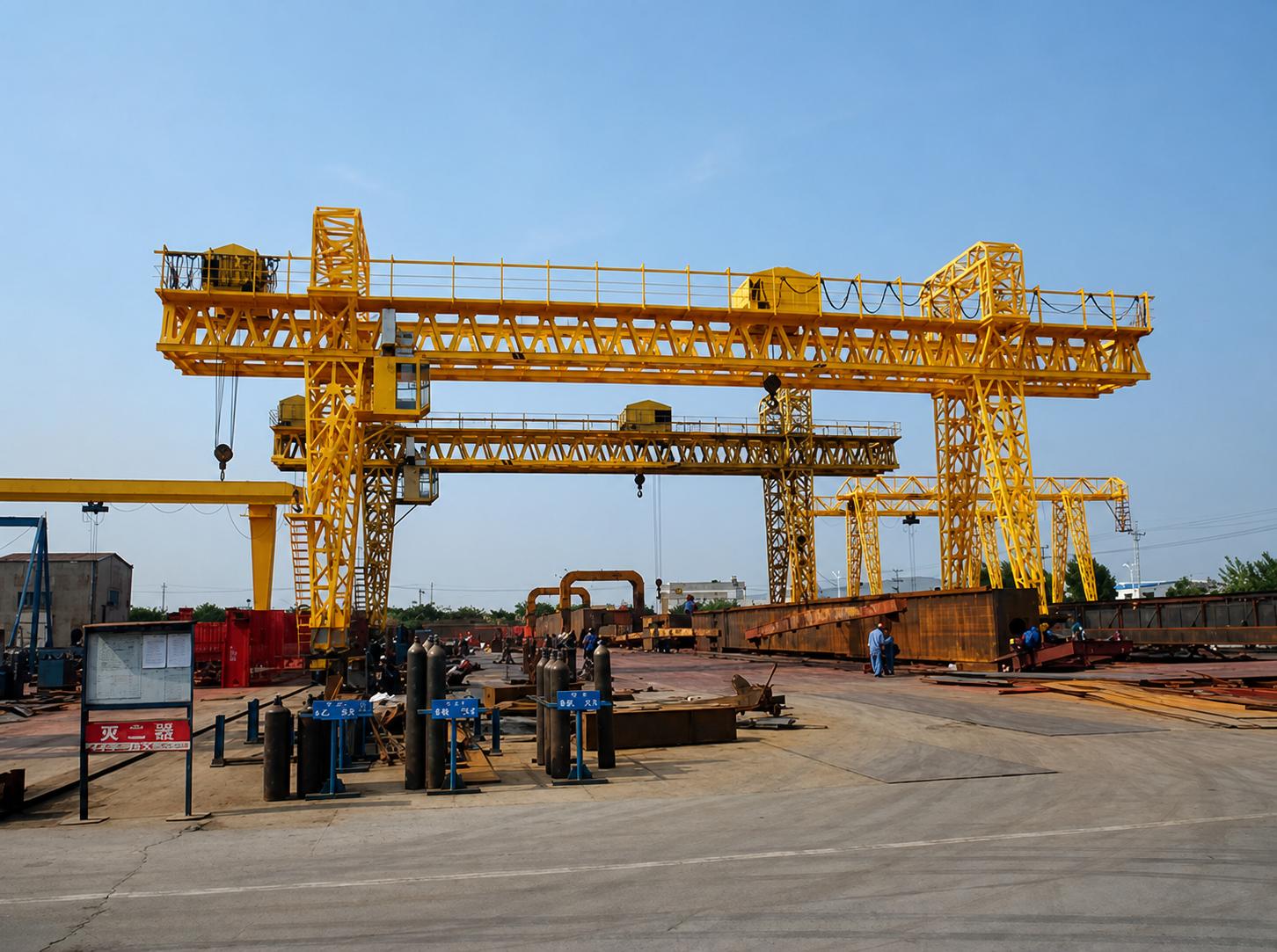
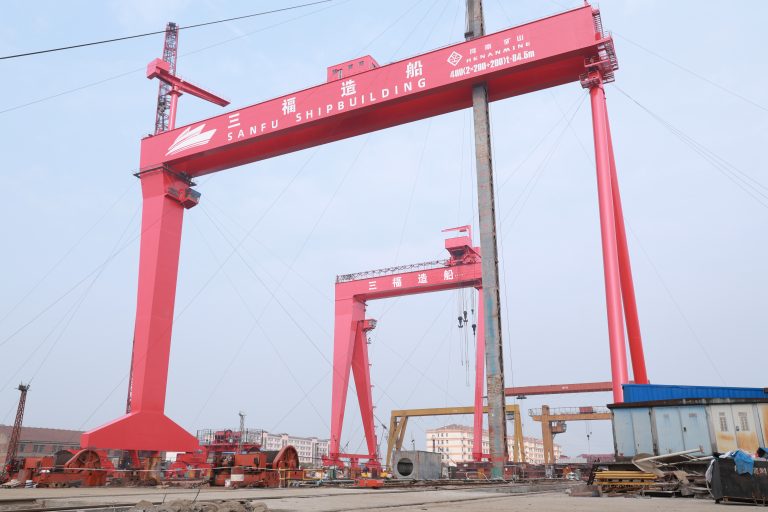
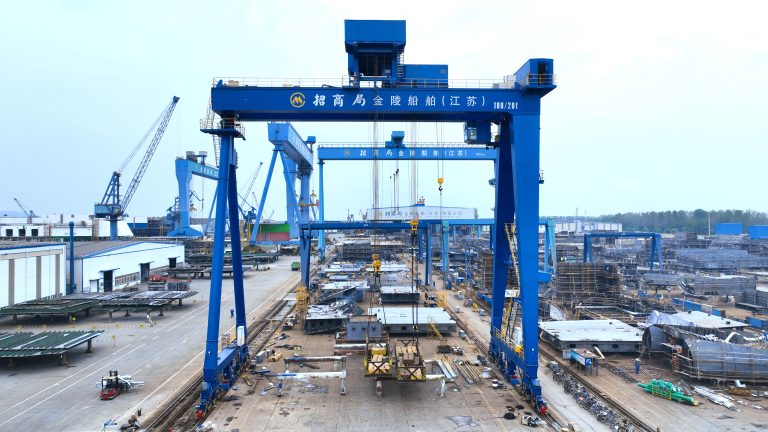
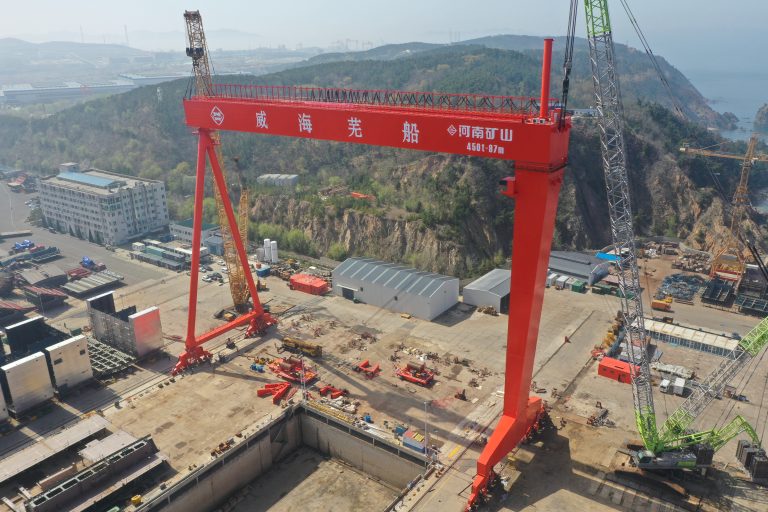
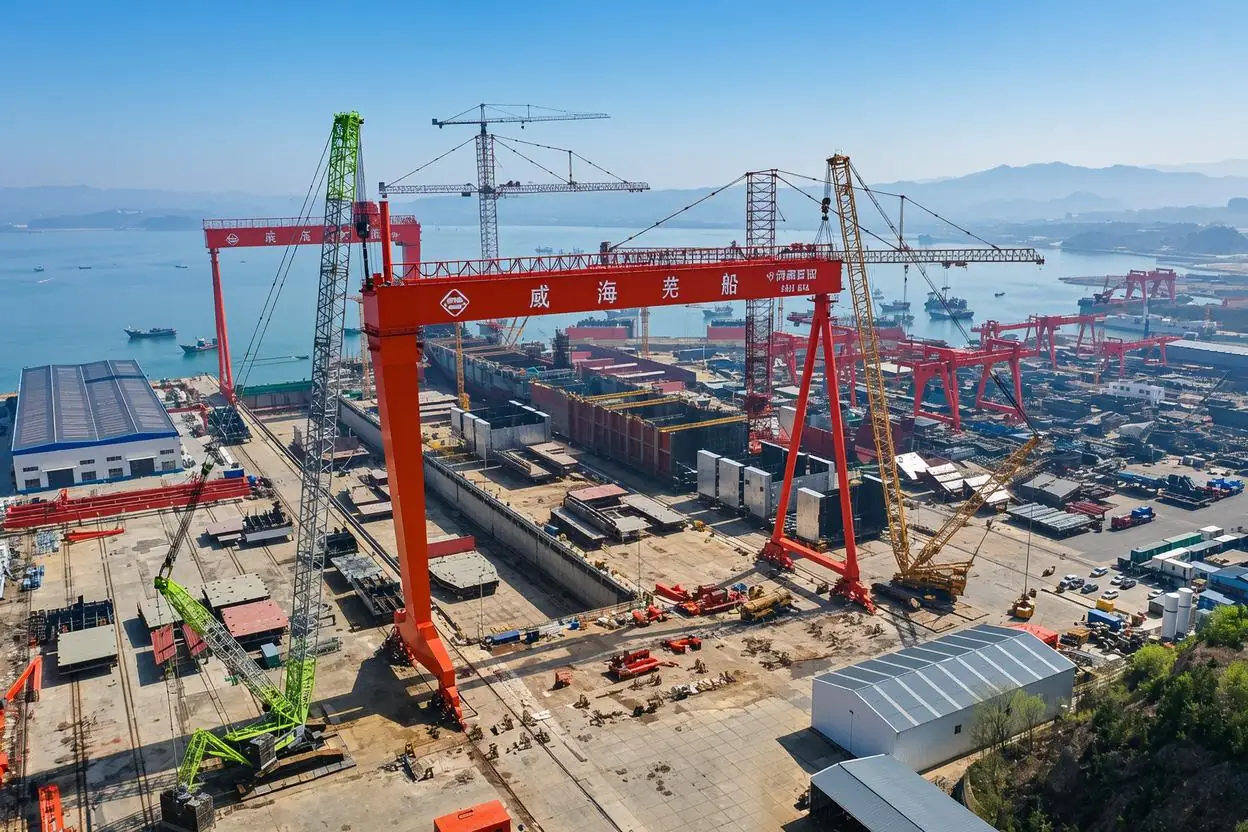
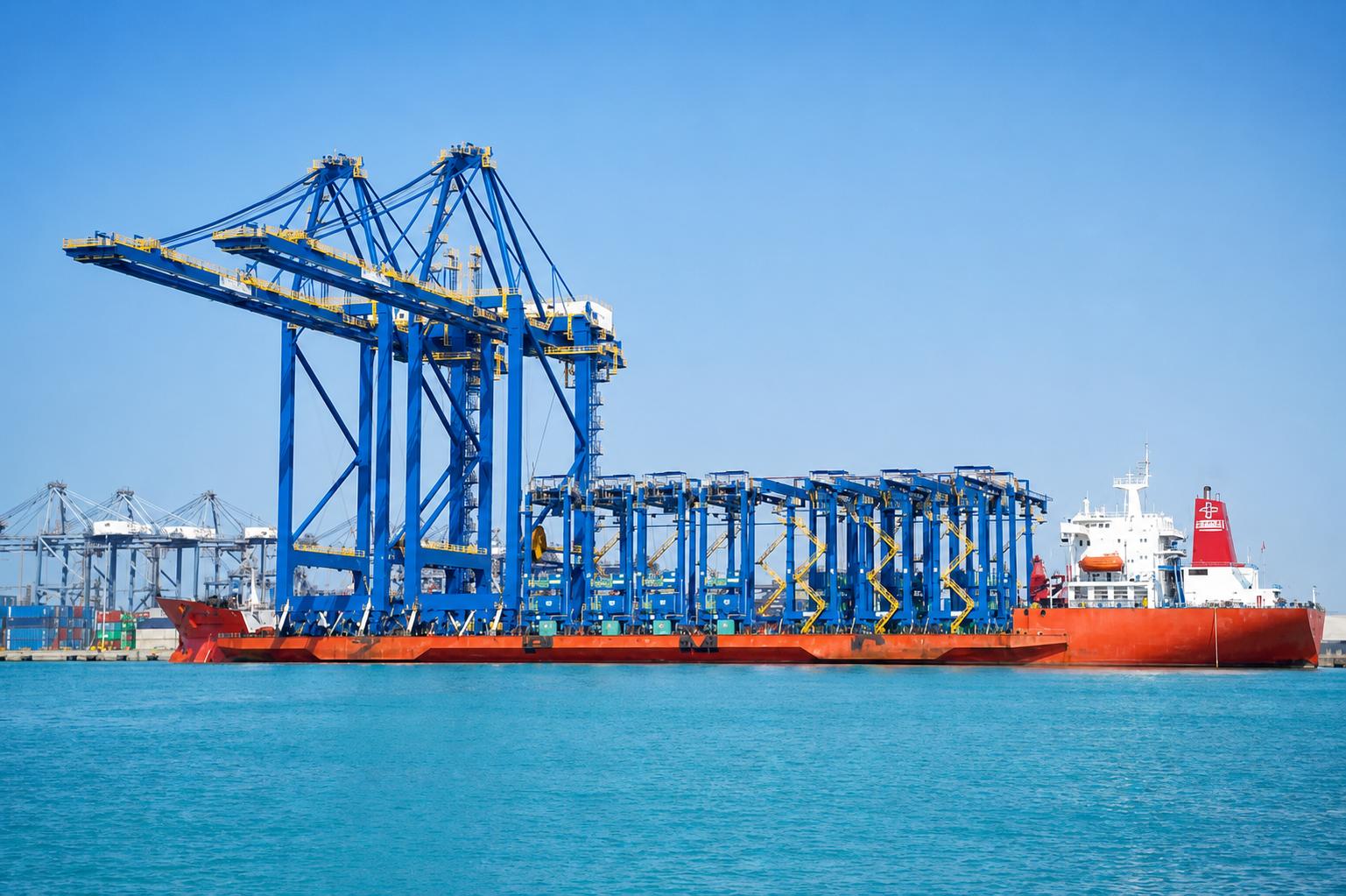
A lot of shipyard equipment adaptation problems stem from the procurement stage of parameter checking is not meticulous. The parameters of shipbuilding Crane is not a simple tonnage matching, but a combination of site, working conditions, the environment of the full range of adaptation, each parameter affects the use of equipment.
Rated lifting capacity
Equipment tonnage selection cannot only refer to the weight of conventional components, you need to account for the hull segments, the maximum deadweight of heavy equipment, while superimposed on the self-weight of the spreader and the operating dynamic load factor.
We must reserve sufficient load-bearing safety margin to prevent the equipment from long-term full-load and overload operation, and avoid structural fatigue and safety hazards from the source.
Equipment span
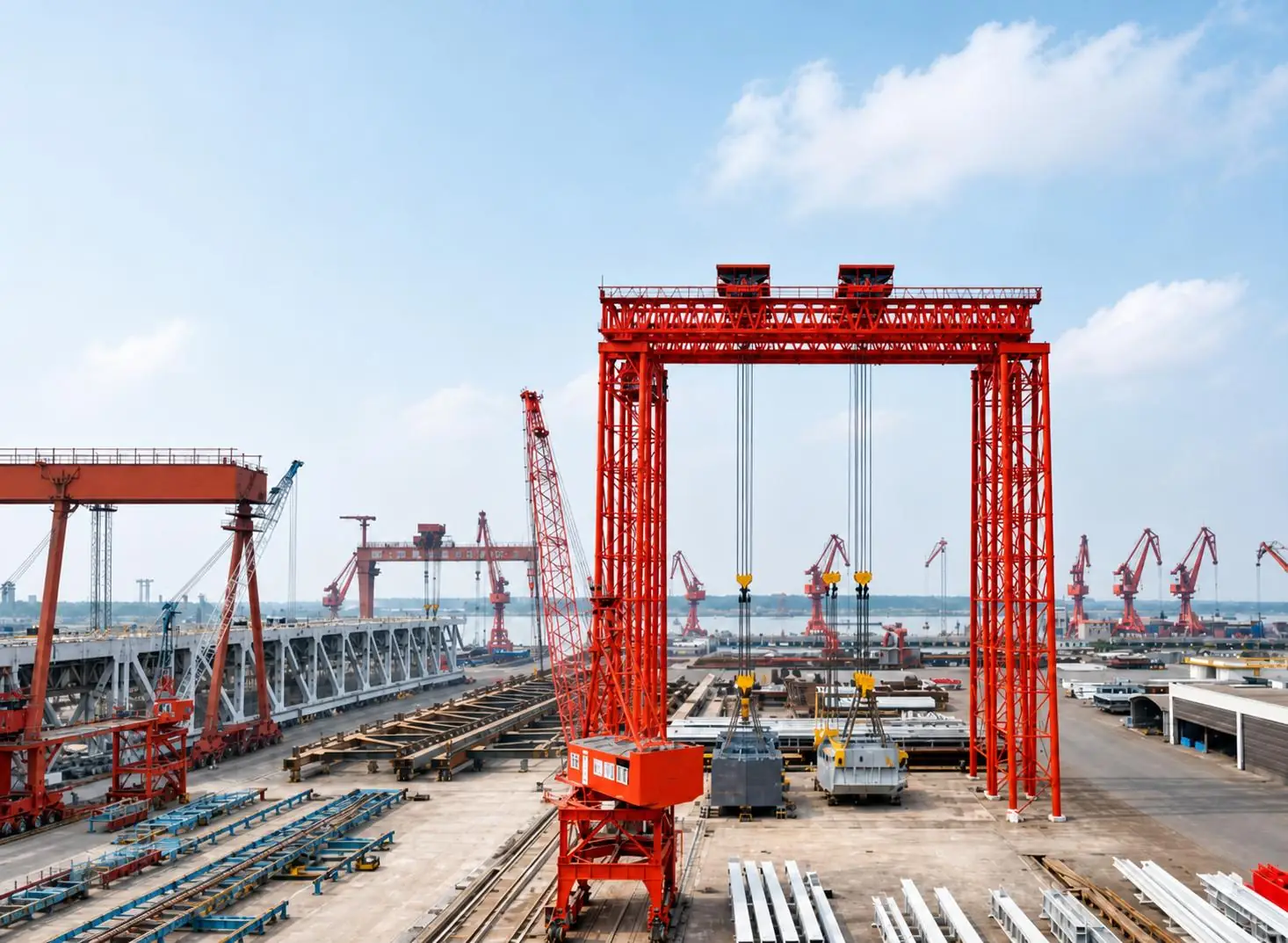
The span directly determines the operating width of the equipment, which needs to accurately match the width of the dock, the layout of the assembly area and the spacing of the construction channel.
If the span is too small, there will be a large number of blind zones, unable to cover the hull construction area; if the span is too large, it will cause a waste of equipment performance and affect the overall stability of the fuselage.
Lifting height
The lifting height should be determined by combining the hull construction height, large equipment installation position and site headroom size.
It should be ensured that the heavy load can smoothly cross the construction obstacles after lifting, to meet the space requirements of high-level assembly and high-level equipment installation, and to avoid collision of lifting and restricted operation.
Running length
The running length determines the coverage of the Crane traveling along the track, which is directly related to the operational coverage of the whole shipyard and yard.
It needs to be planned according to the overall construction line of the shipyard, component stacking area, and segment assembly points to ensure that there is no lifting dead space in the whole yard, and there is no need for manual secondary transfer.
Working level
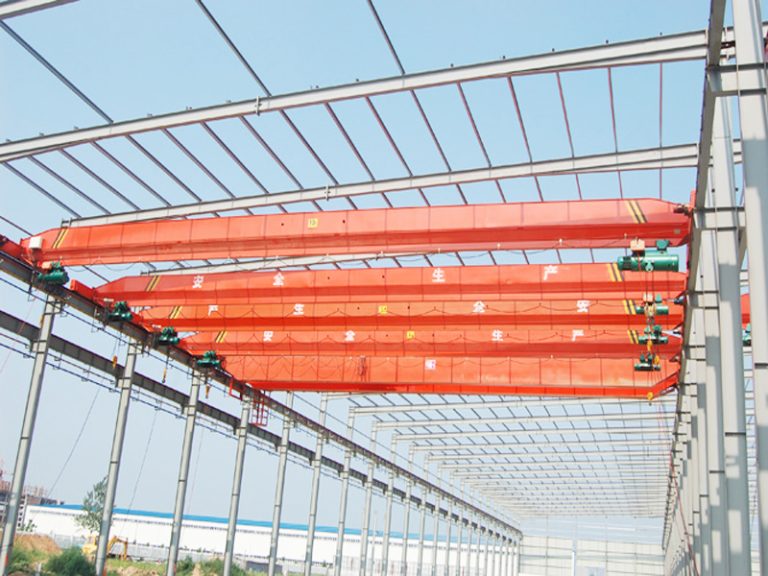
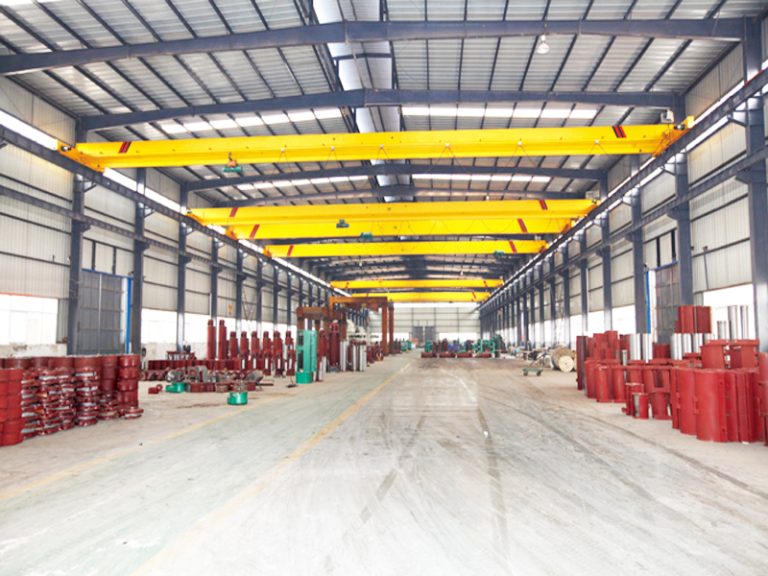
The working level is the core index that distinguishes the equipment's ability to adapt to heavy loads. Shipyard operation is high-frequency, heavy-duty, and year-round continuous construction, which necessitates the selection of medium-heavy and heavy-duty working class equipment.
Light and medium standard models are completely unable to adapt to shipbuilding conditions, and short-term use will result in structural wear and tear, aging of accessories, and frequent failures.
Number of hooks and lifting points
Conventional auxiliary work can use the main and auxiliary hooks to meet the needs of basic lifting. Large hull segments and shaped offshore modules require synchronized and coordinated lifting of multiple lifting points.
When purchasing, it is necessary to determine the number of hooks and synchronization control mode according to the lifting process of the largest components, so as to ensure the even force and accurate alignment of lifting.
Operation speed
The speed ratio of hoisting, traveling of trolley and traveling of the whole machine needs to be adapted to the safety standard of shipbuilding construction. The high-precision assembly process is suitable for low-speed smooth operation, and the material transfer process can be appropriately accelerated.
Reasonable speed matching cannot only guarantee the construction safety and assembly precision, but also match the overall construction rhythm.
Outdoor environment protection configuration
Coastal shipyards must focus on verifying the equipment's wind resistance level, anticorrosion coating process, electronic control of moisture and dust level.
High-quality marine Crane will use multi-layer anticorrosion spraying, sealed electronic control box, high temperature and salt spray resistant cables, specially adapted to the seaside strong winds, high corrosion, high humidity and harsh environments.
Power supply standard
Manufacturers will match the motor and electronic control configuration according to the local power system to avoid mismatch in power supply, resulting in equipment failure to start, circuit burnout, abnormal operation and other problems.
Inspection of a full set of compliant technical data
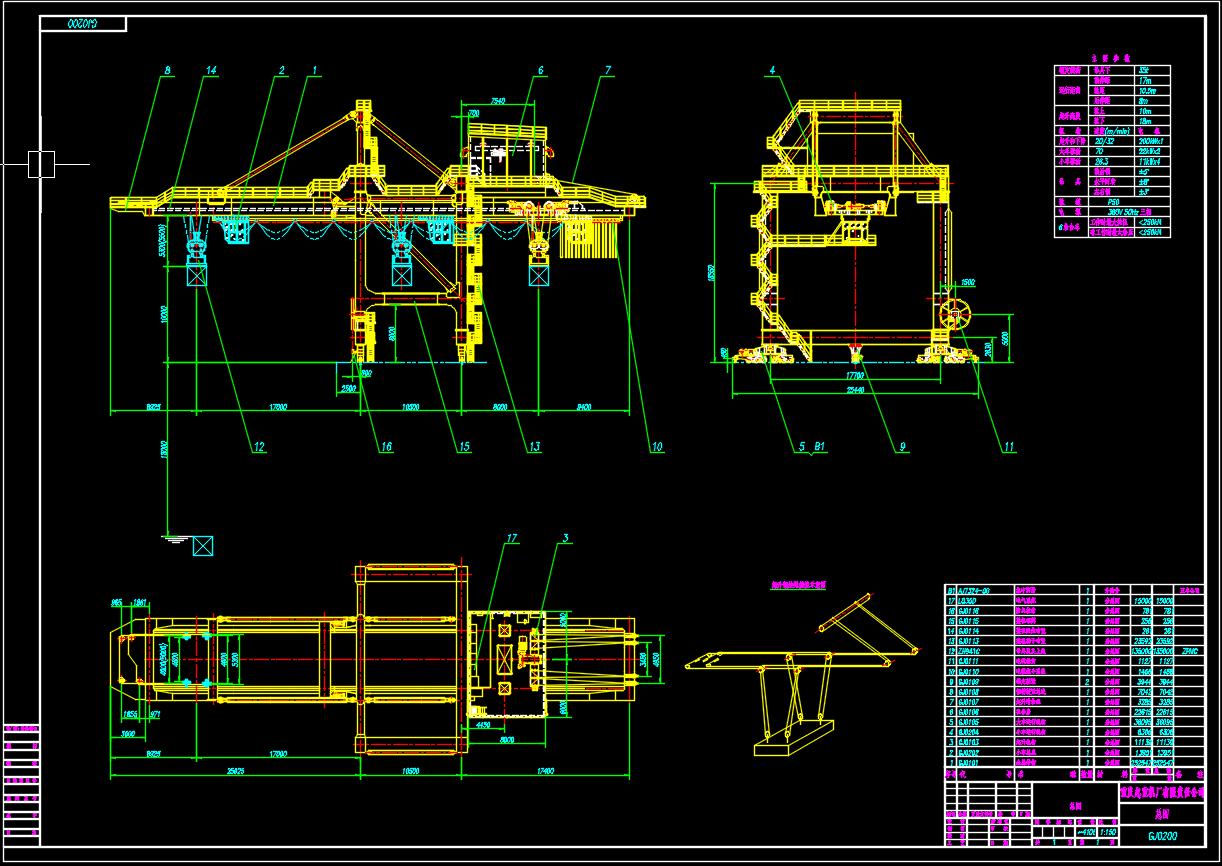
Regular manufacturers can provide equipment assembly drawings, technical parameter lists, structural stress calculations, wheel load data, electrical schematics, a full set of parts lists and factory inspection reports, which can meet the global project acceptance standards.
Confirmation of core parts brand and configuration
The operational stability and service life of Crane depends entirely on the quality of core accessories. Focus on verifying the brand and configuration standard of motor, reducer, brake, electronic control system, wire rope, hook, traveling wheel, control system.