WASTE BUNKER HANDLING · MIXING · FURNACE FEEDING
Waste to Energy Crane
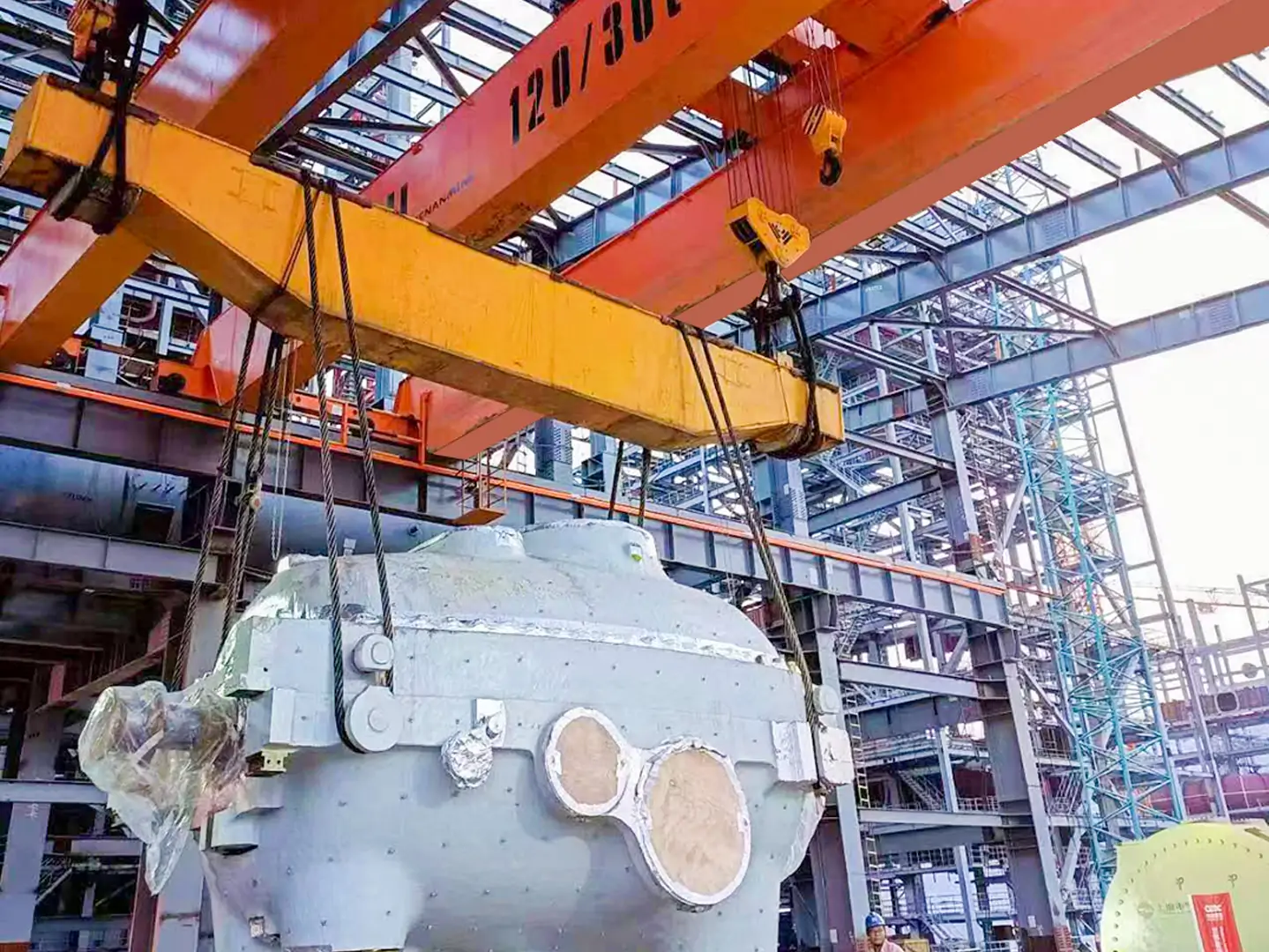
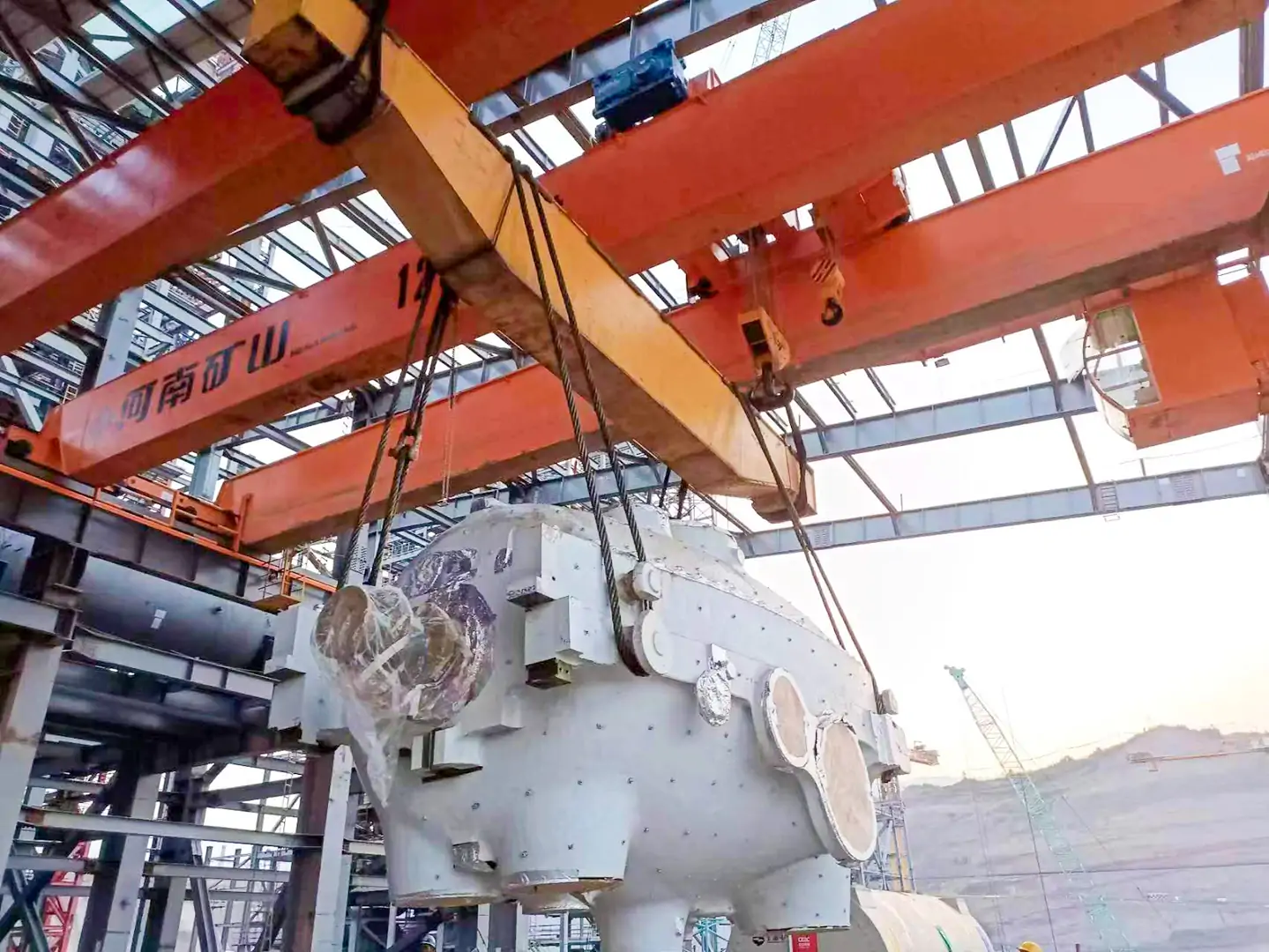
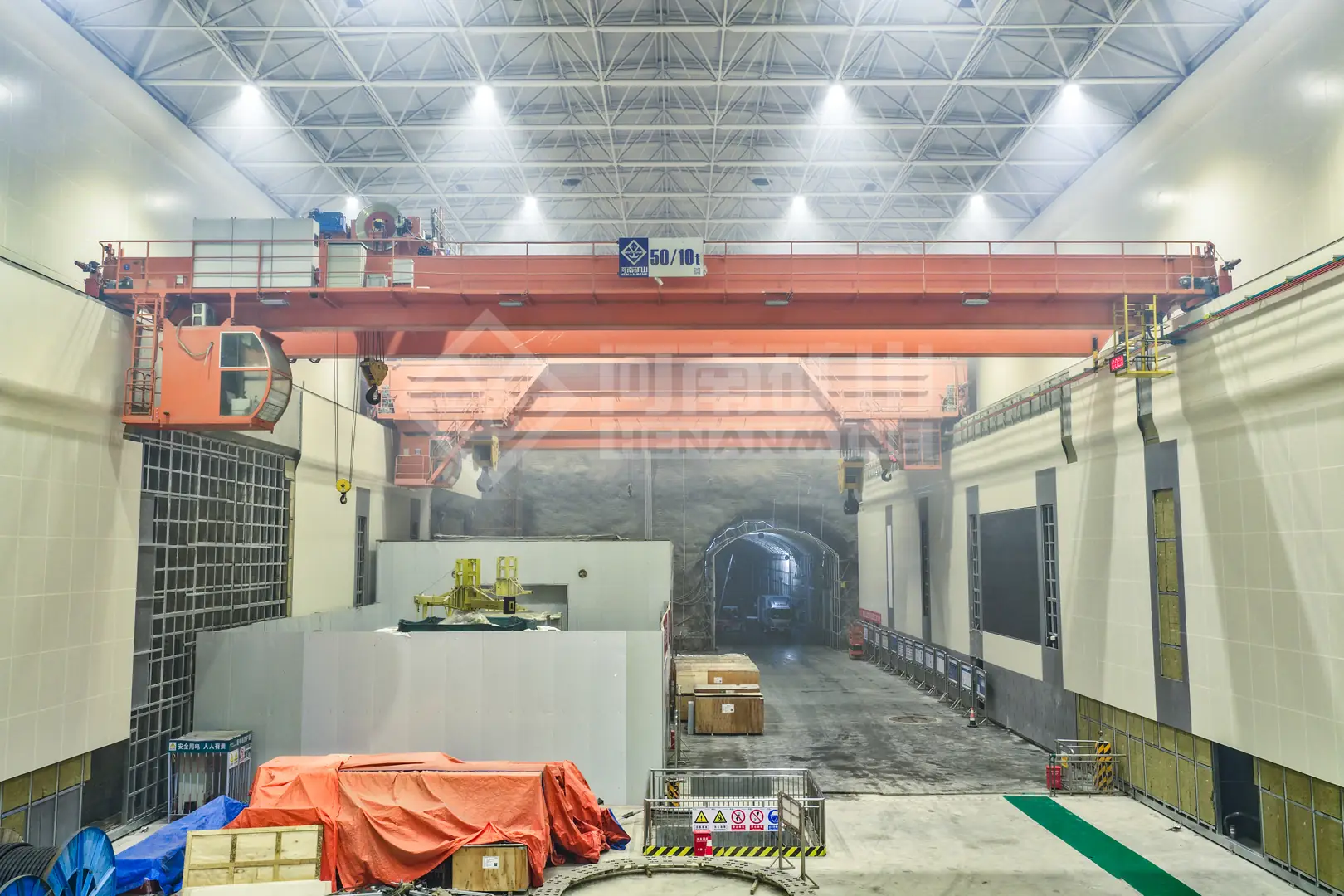
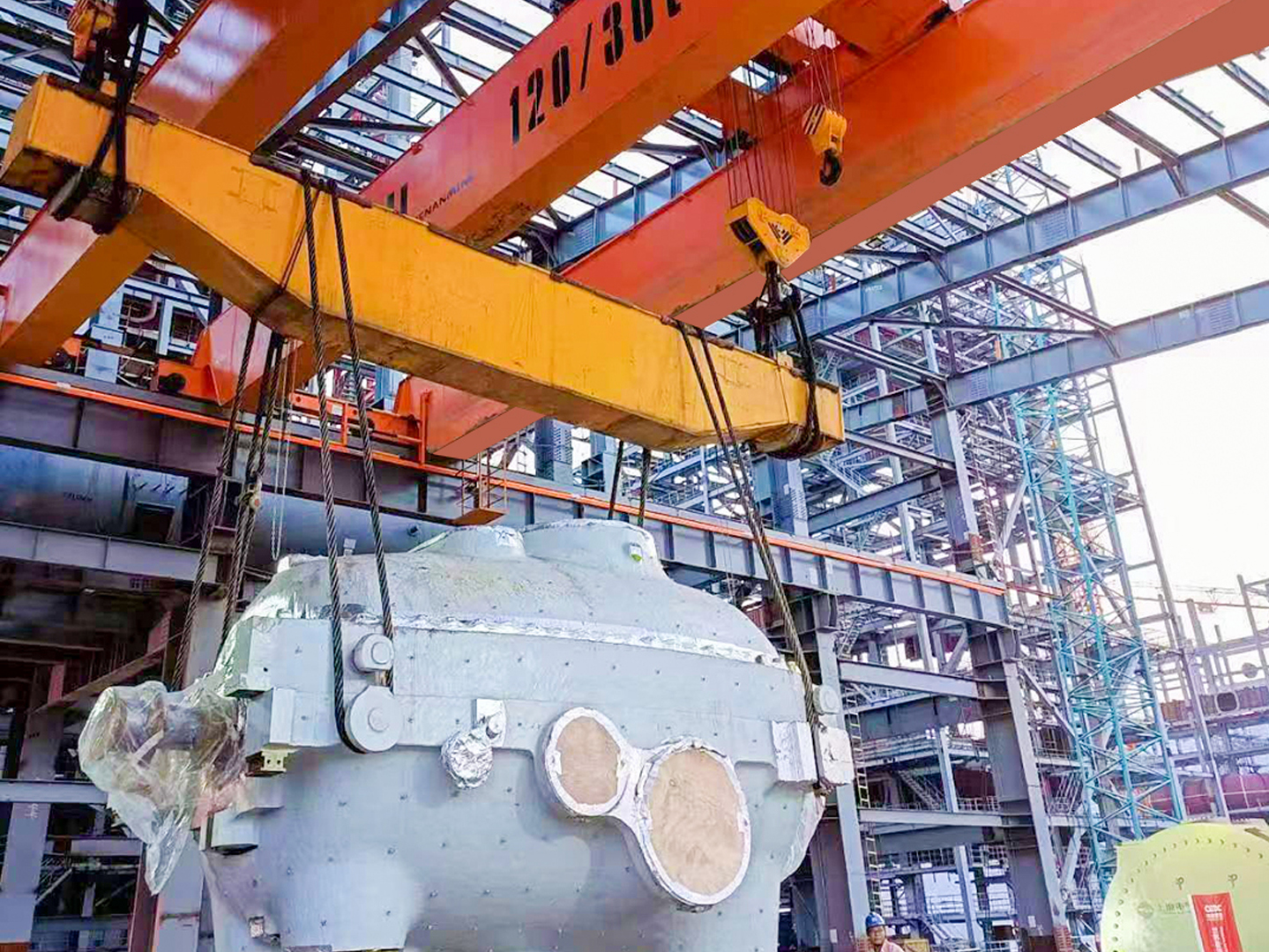
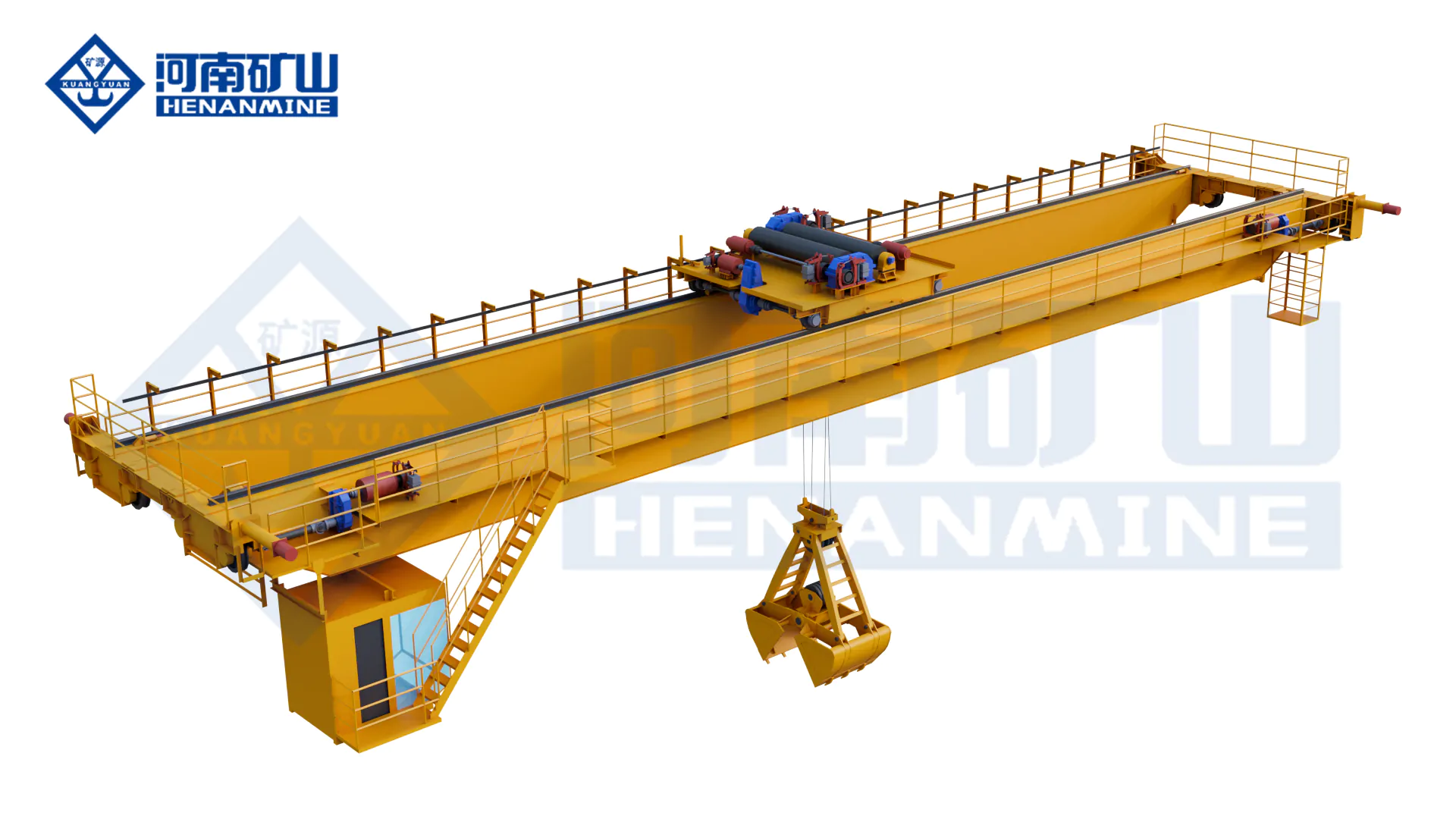
Henan Mine Crane supplies engineered grab overhead cranes for waste reception, bunker mixing and furnace feeding at waste-to-energy plants.
The furnace needs a steady waste supply while the crane also clears the tipping area and mixes the bunker. We bring the crane, grab and controls into one proposal, with handling capacity calculated for the complete working cycle.
A Waste Handling Package from One Crane Manufacturer
Crane, grab and controls
We propose the bridge, trolley, waste grab, power supply and control system together. The technical offer defines what is included and how the equipment connects to the bunker and feed hoppers.
Engineering around furnace demand
Our selection considers waste payload, cycle time, mixing and transfer work. You receive an equipment arrangement and operating basis that can be checked against the plant’s required handling rate.
Support through commissioning
Installation guidance, commissioning assistance, operator training and spare-parts support can be included. The quotation separates equipment supply from site services, so the project team can budget both.
Our practical advantage: Henan Mine Crane has a published, commissioned automatic grab crane reference in waste incineration power generation. That experience provides a concrete starting point for discussing control functions and the proposed operating sequence.
What a Waste to Energy Crane Does
A waste to energy crane, also called a waste bunker crane or garbage grab crane, moves municipal solid waste inside the storage bunker and delivers it to incinerator feed hoppers. Its workload includes more than furnace feeding.
| Bunker task | What the crane arrangement provides |
|---|---|
| Clear the reception area | Transfer newly delivered waste away from tipping positions to keep the receiving area usable. |
| Mix and redistribute waste | Move waste between bunker zones to blend incoming material and manage the stored pile. |
| Feed the furnace hoppers | Carry waste to designated discharge points, with controlled approach and hopper-ready interlocks where included. |
| Record handled loads | A weighing option can record loads and feeding totals, with the measurement method and calibration procedure stated in the offer. |
For plant operators, the key result is enough handling capacity to perform these tasks while maintaining the agreed feeding schedule. Crane tonnage alone does not describe that capacity.
Select the Crane and Waste Grab Together
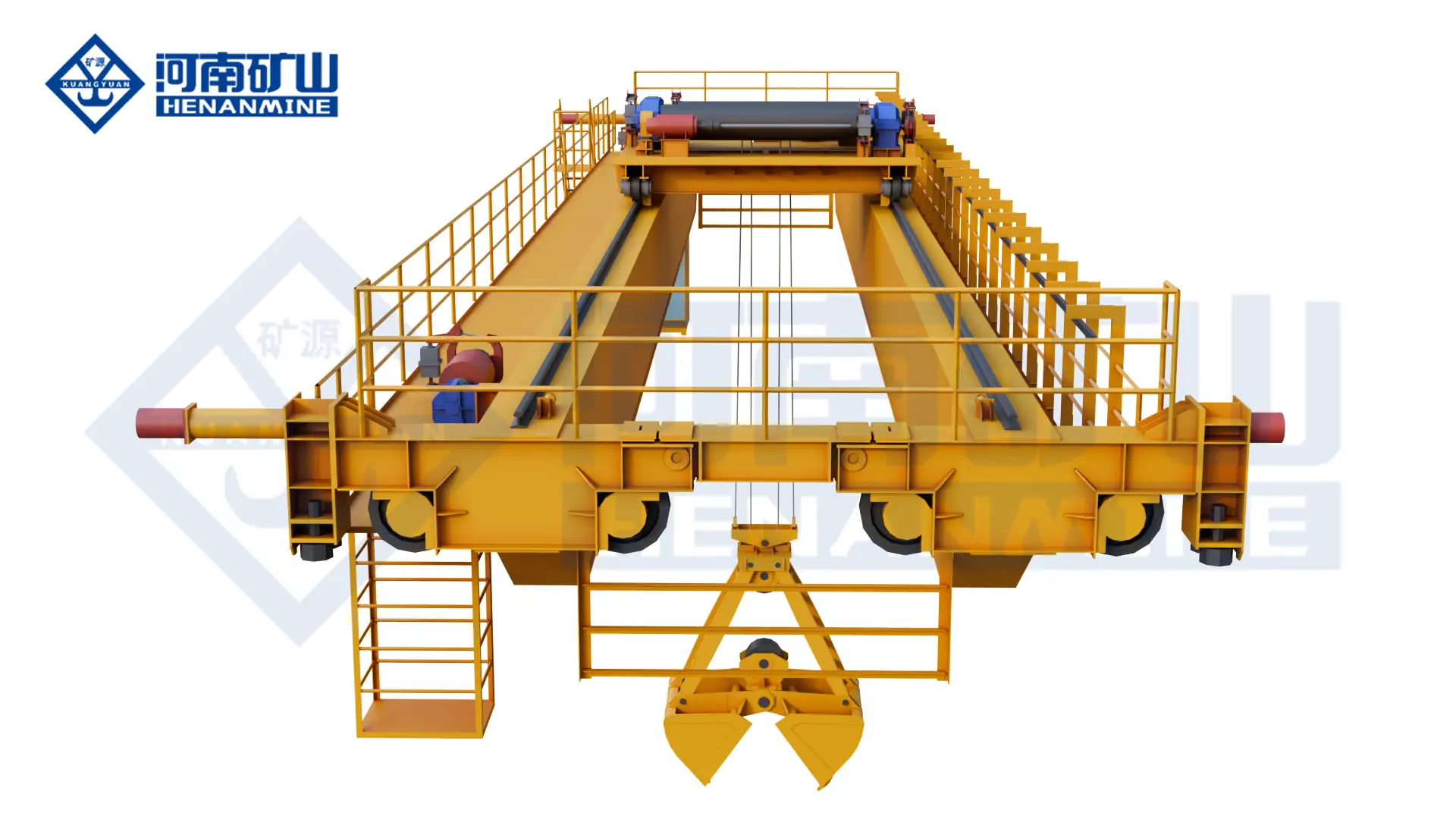
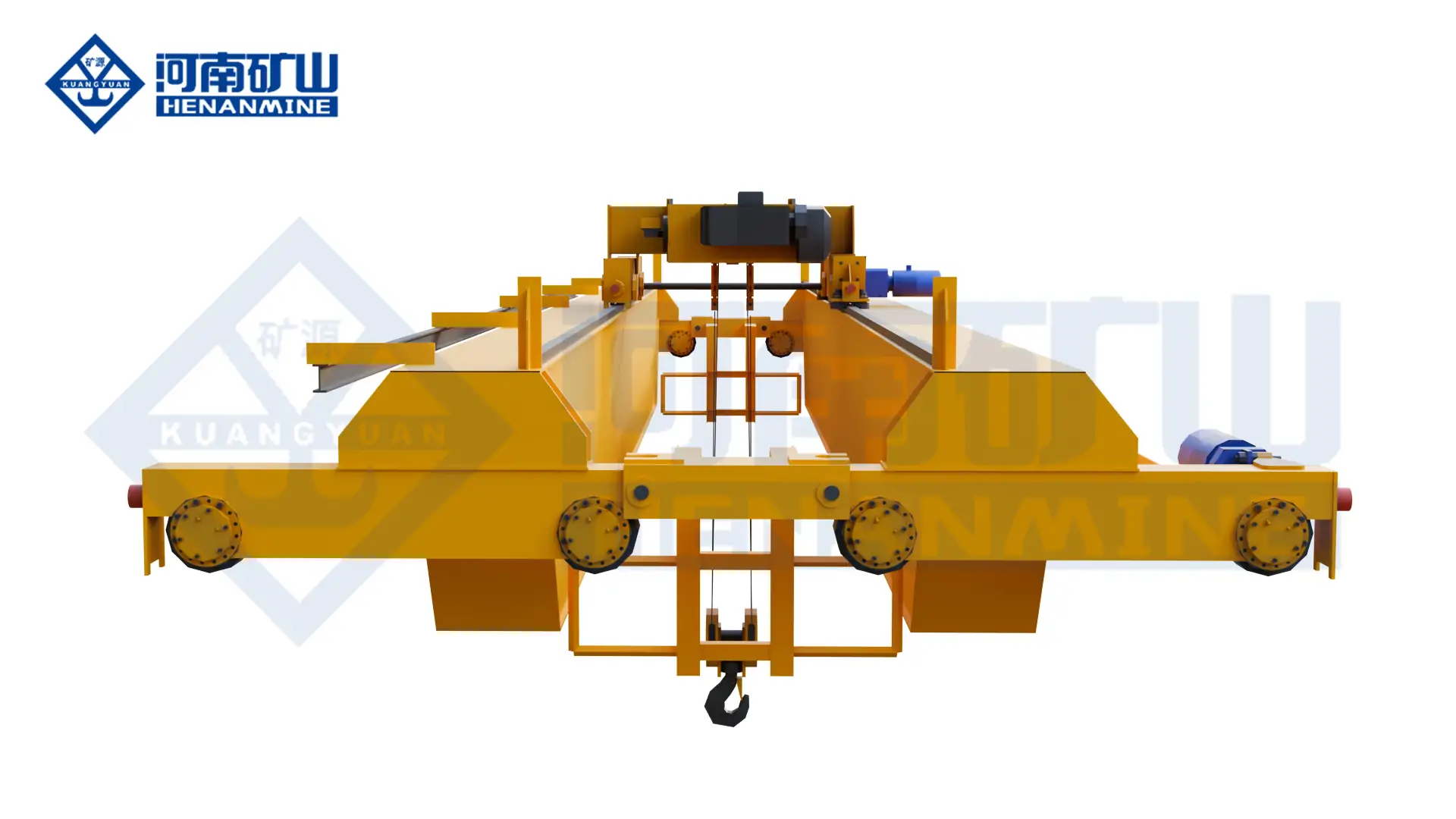
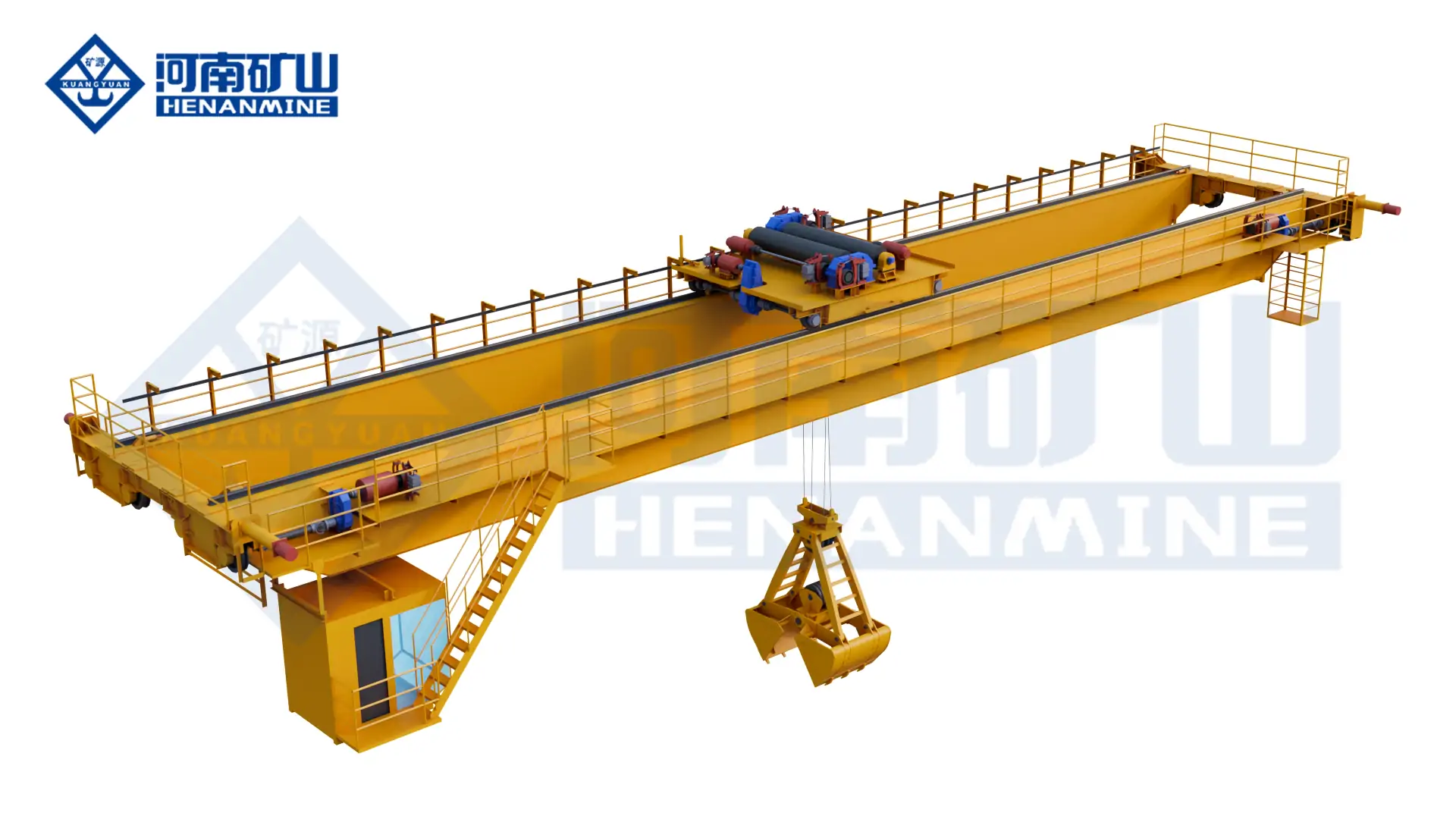
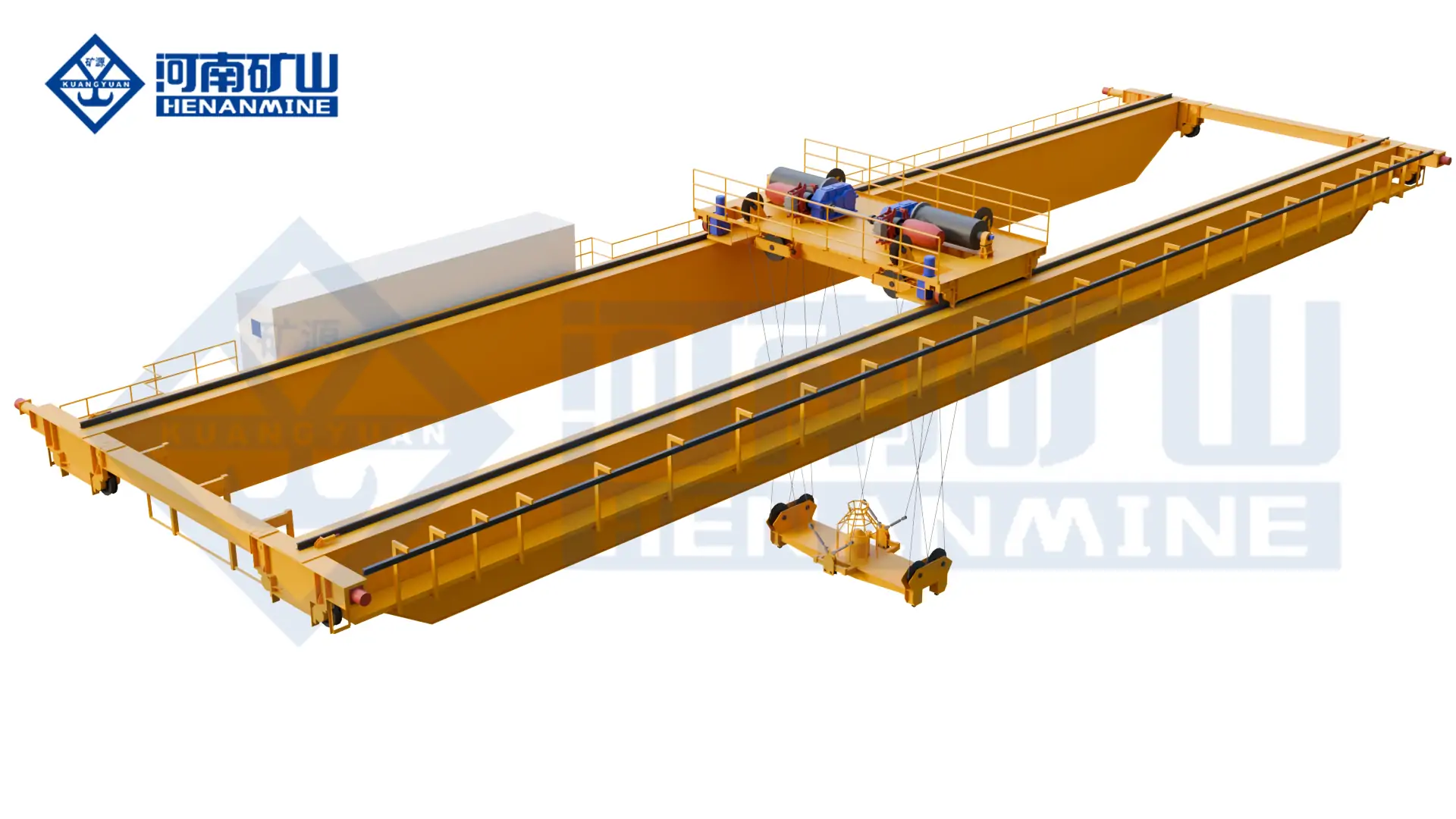
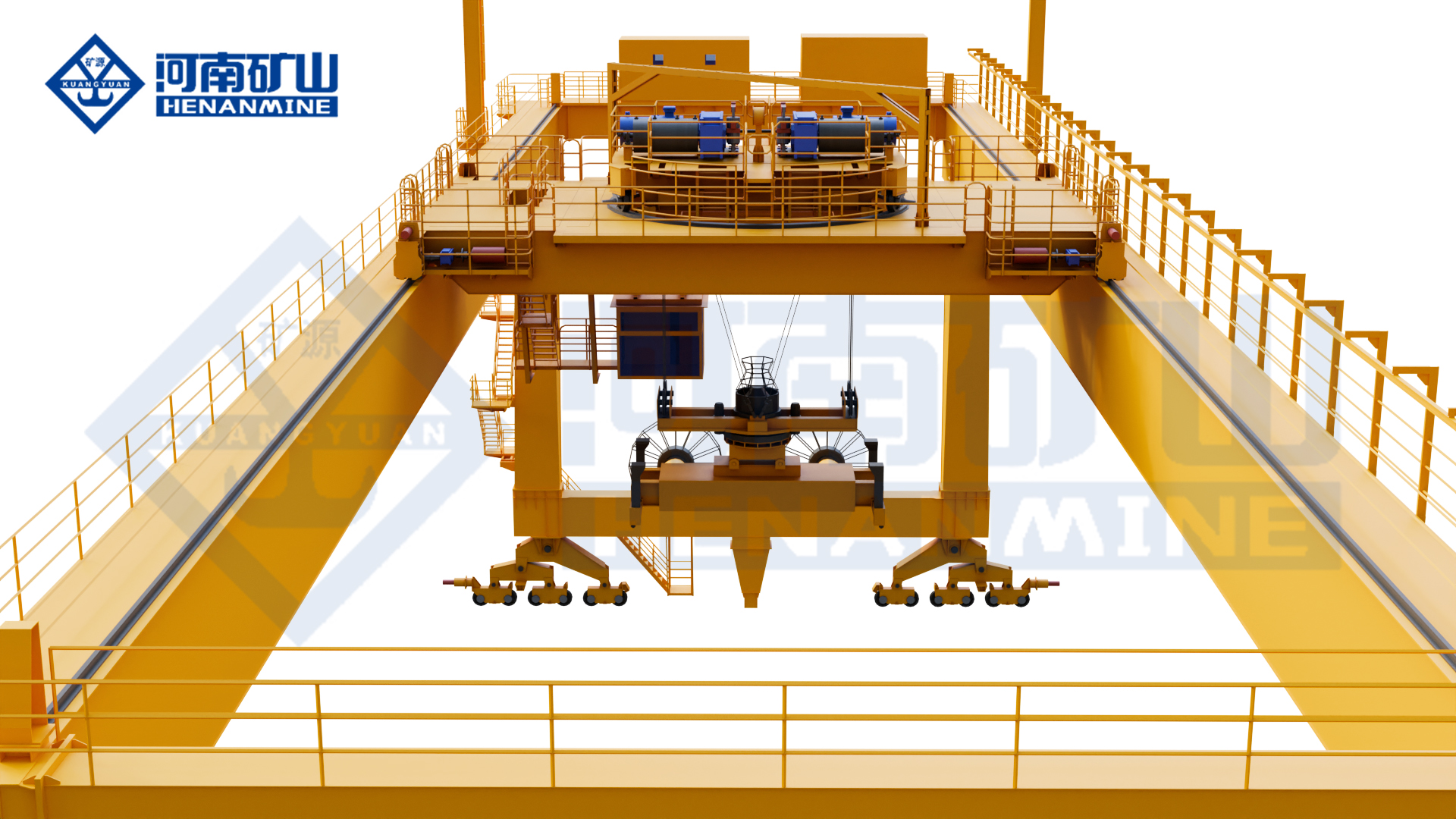
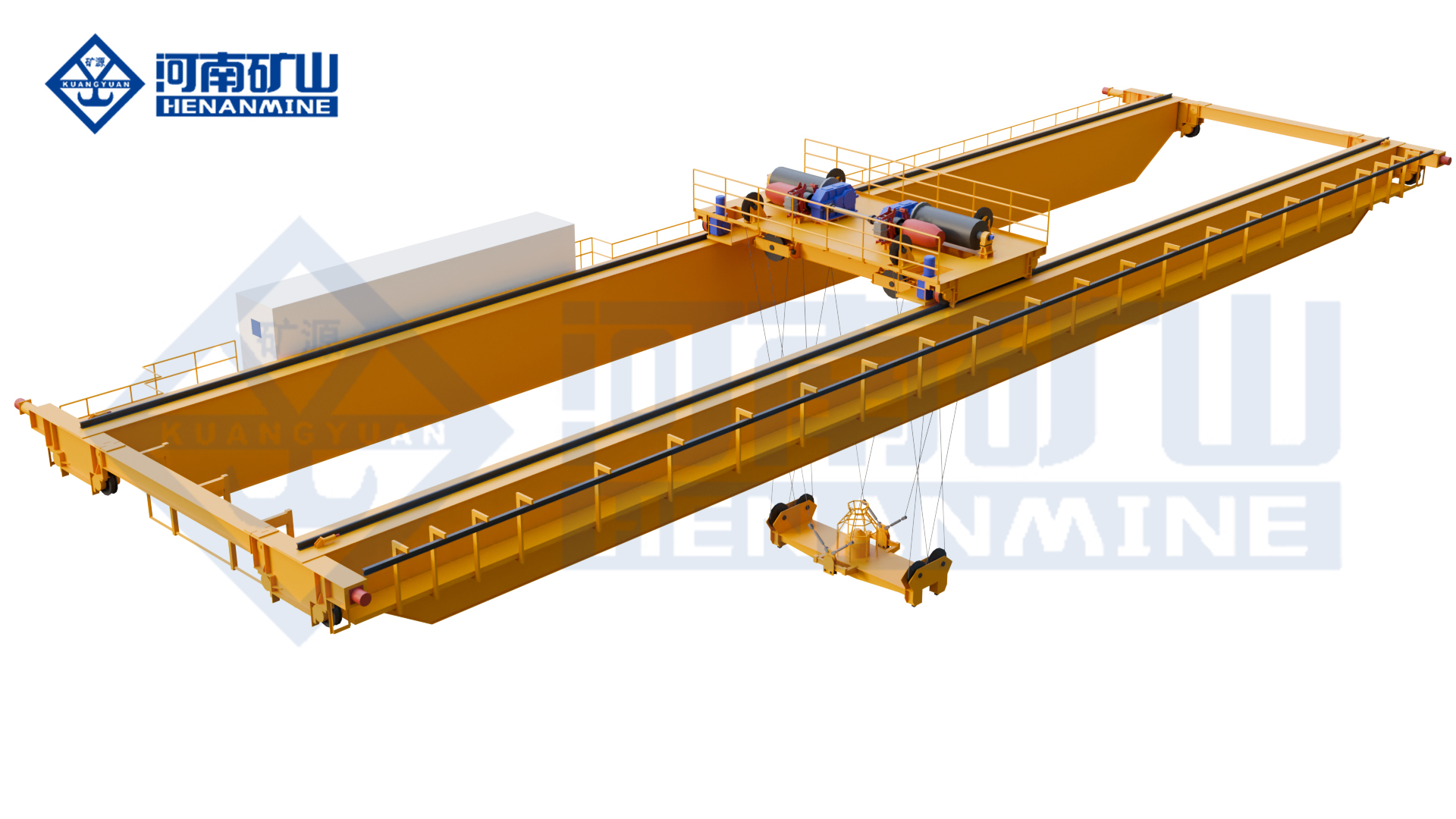
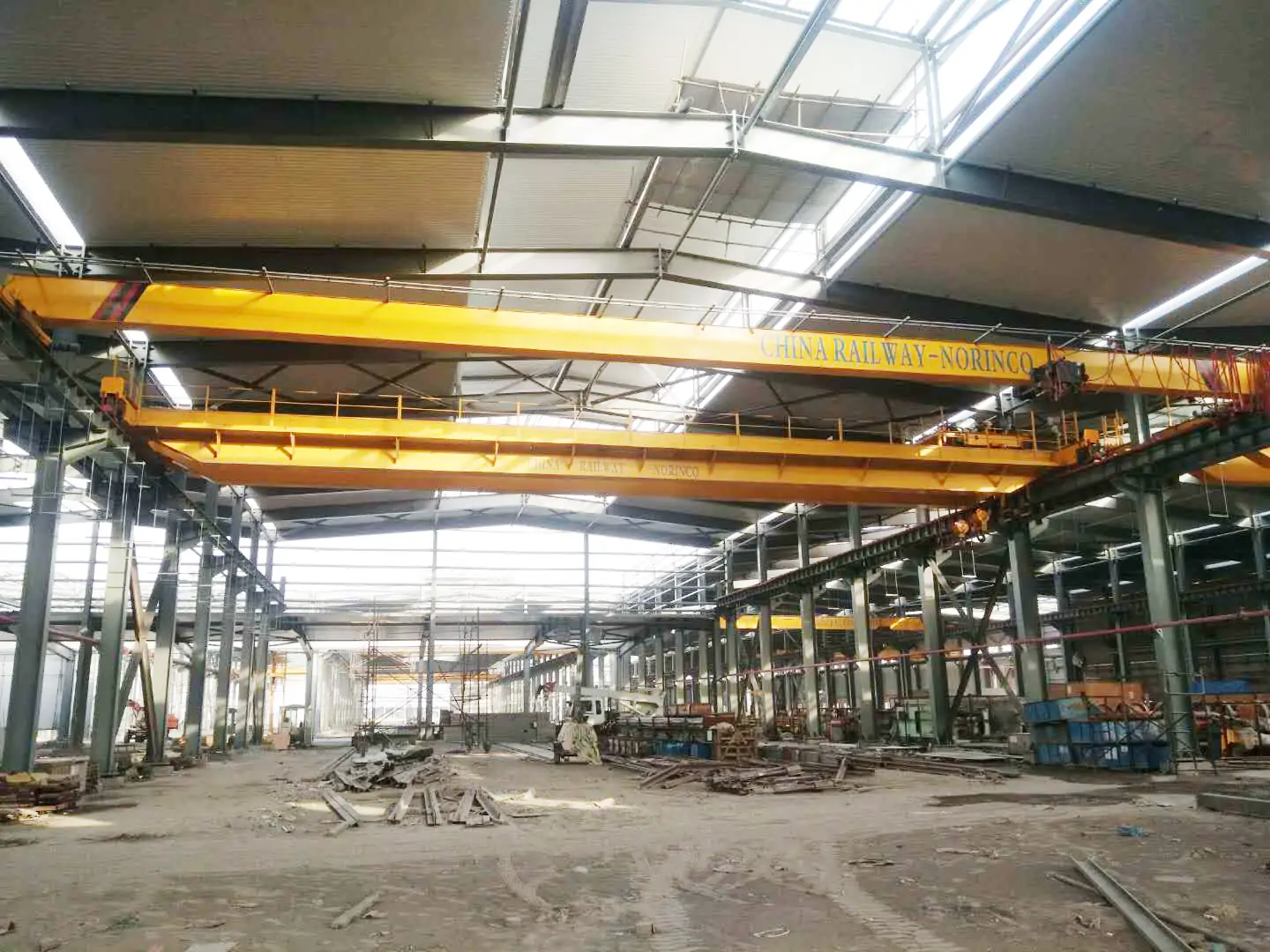
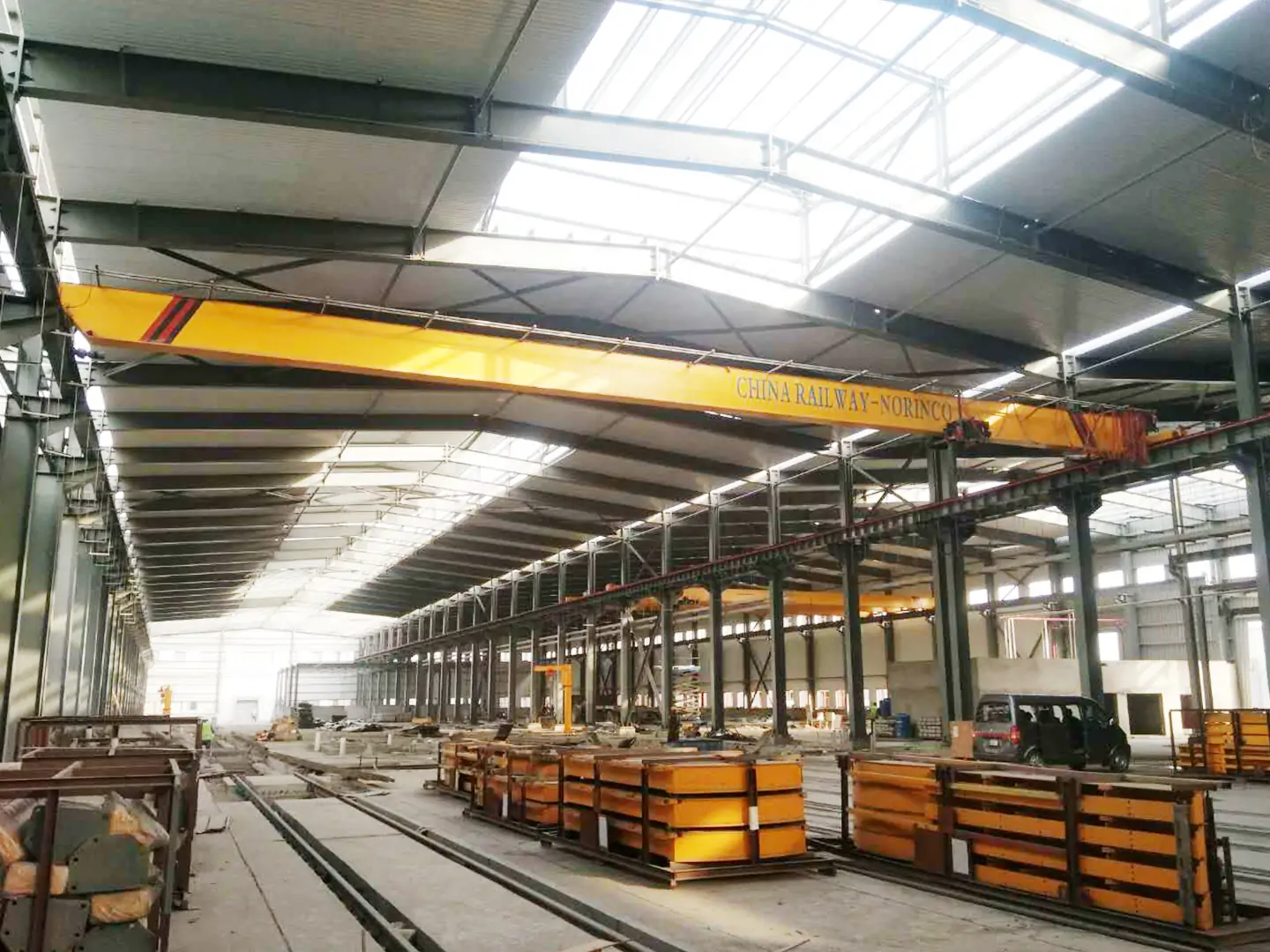
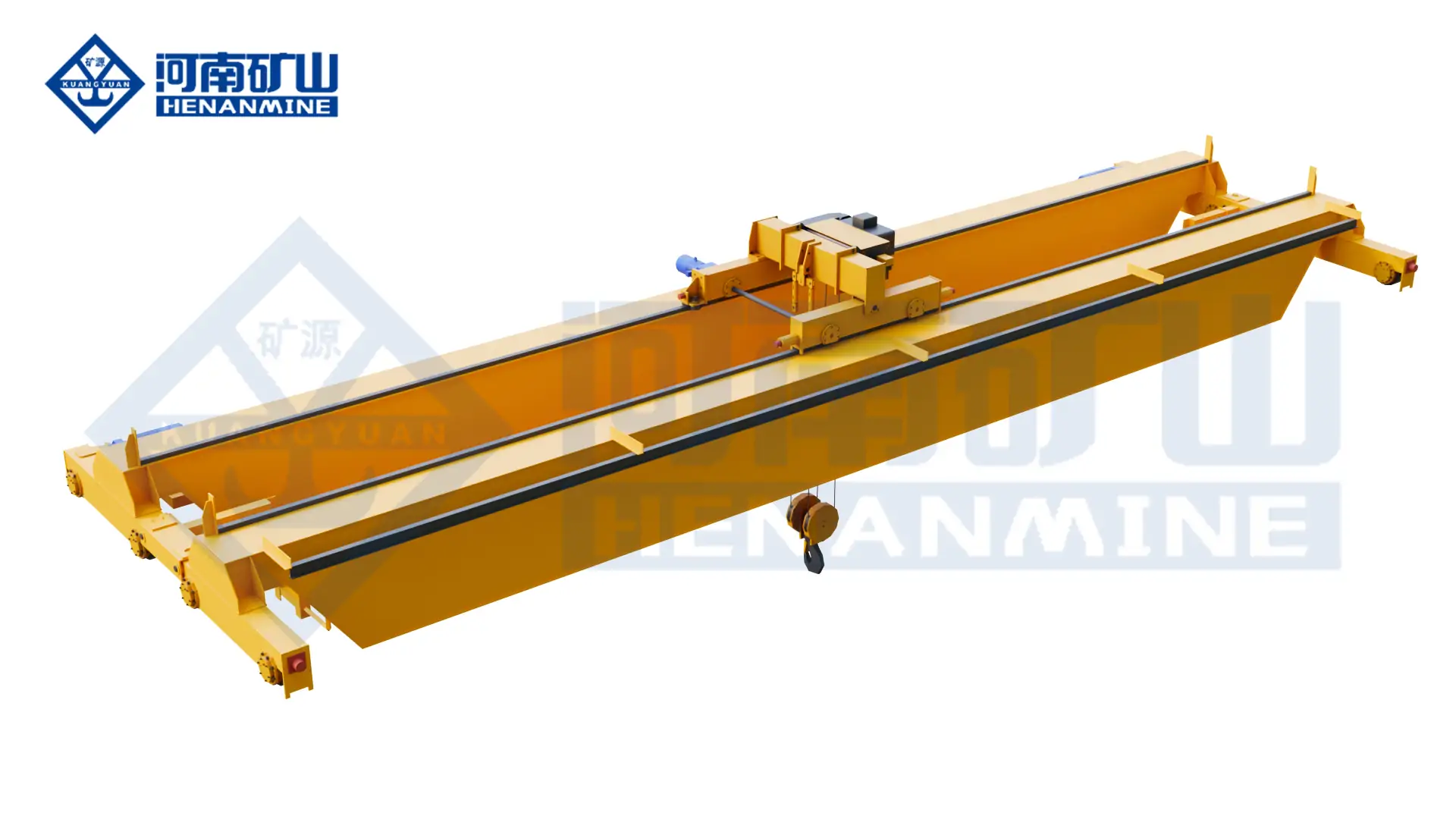
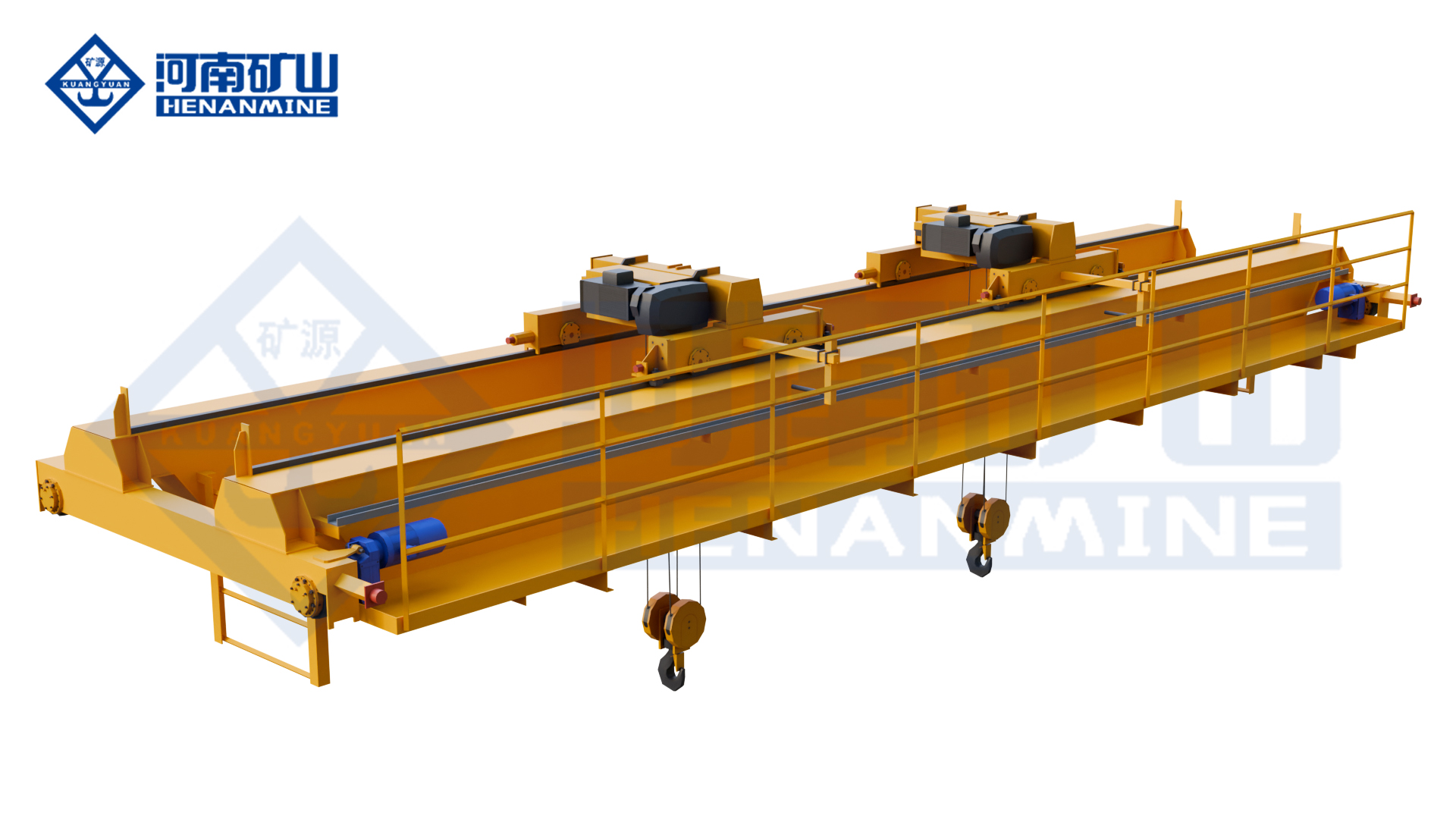
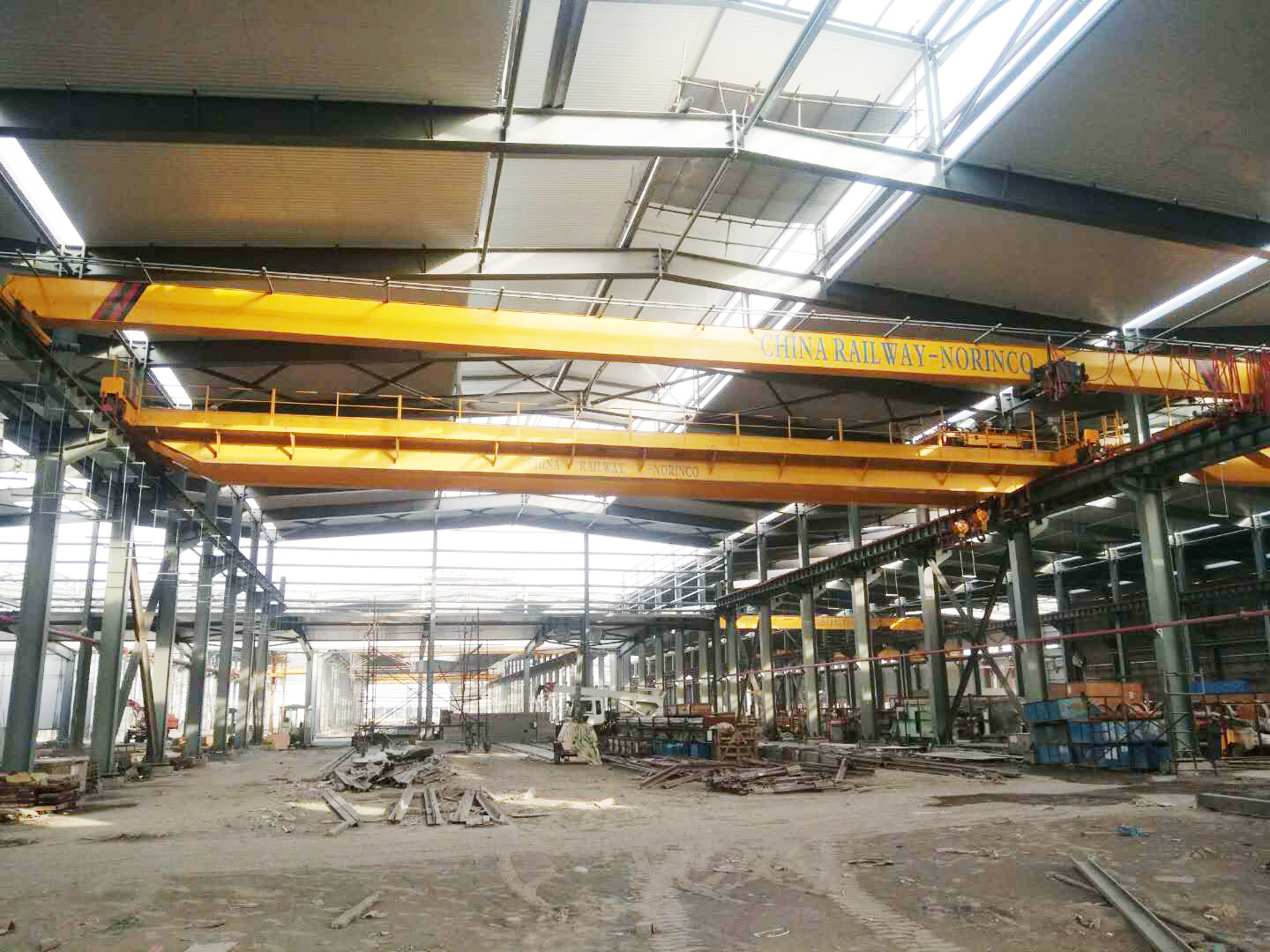
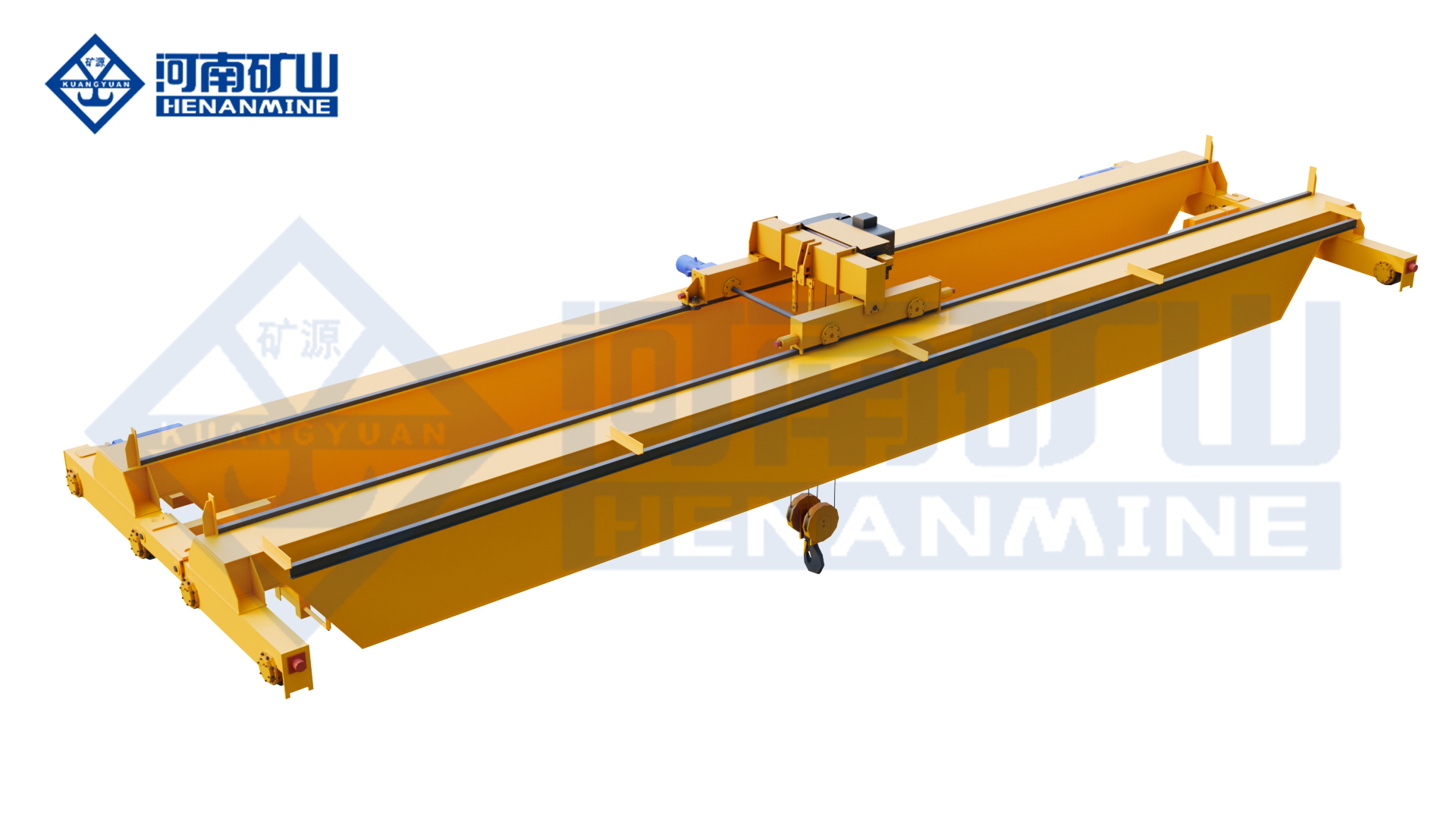
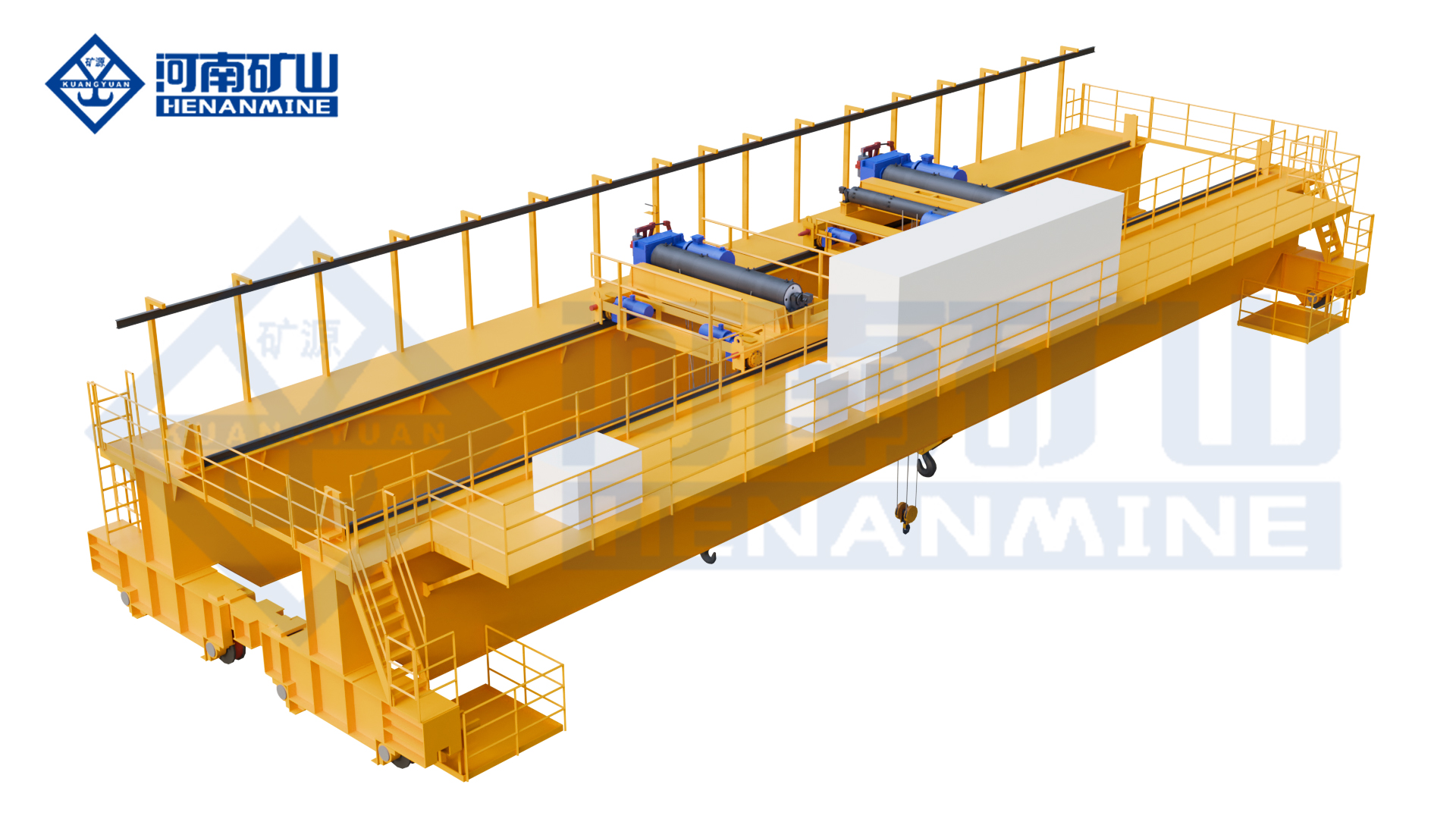
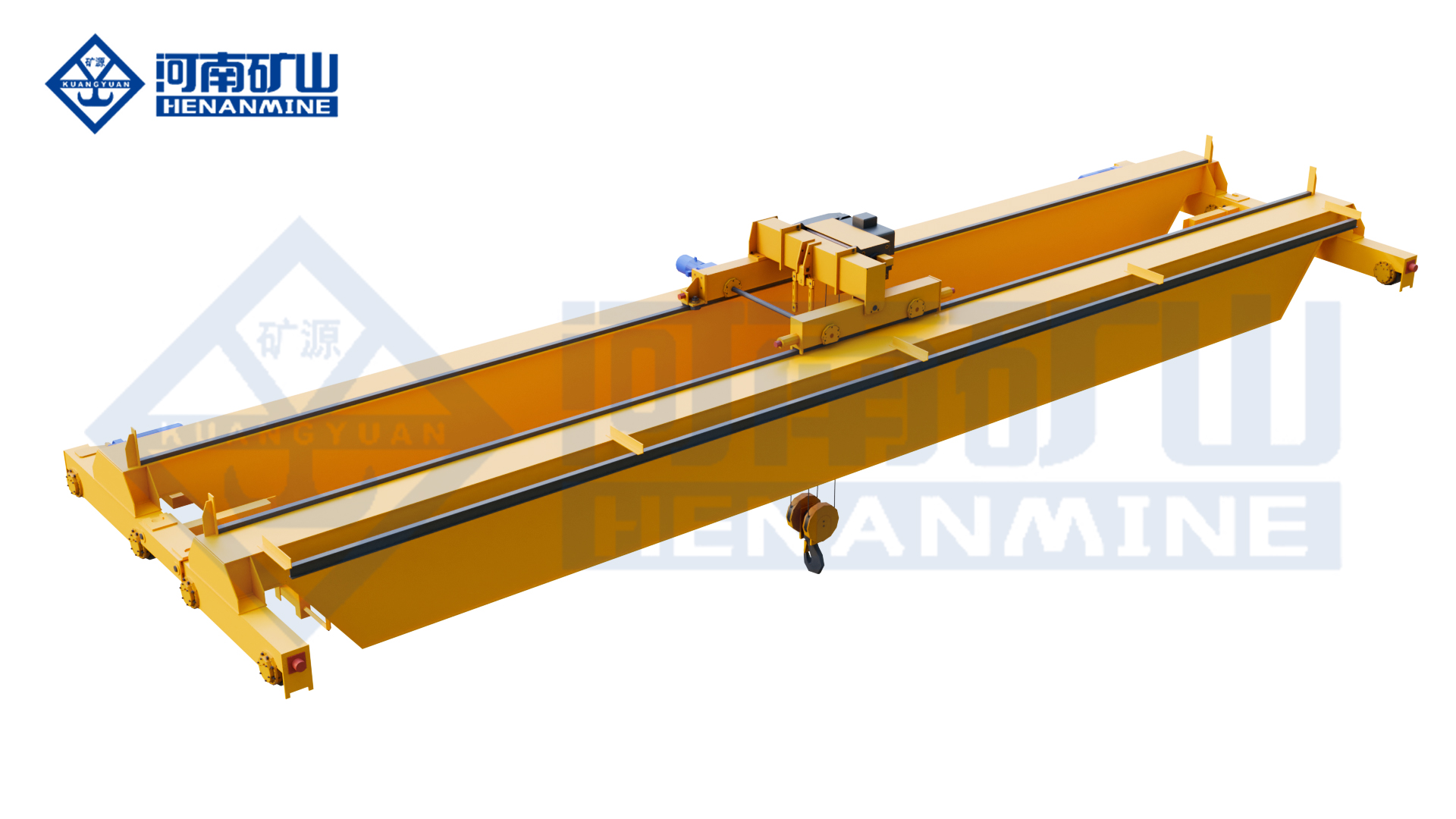
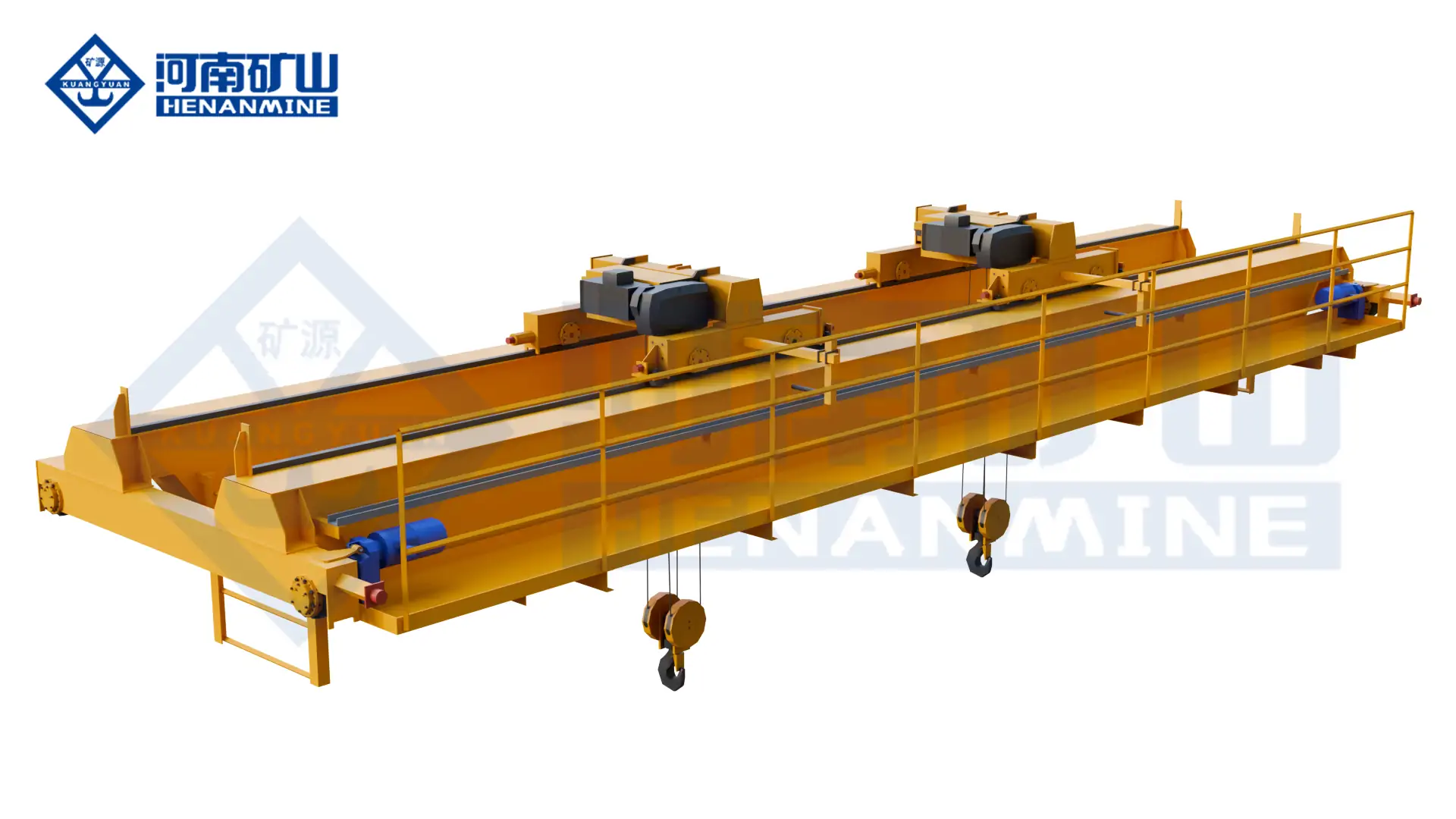
For a building-mounted waste bunker, a dedicated double-girder grab overhead crane is the usual starting arrangement. We select the grab geometry, lifting machinery and travel system around the waste and bunker layout.
| Plant condition | Equipment approach |
|---|---|
| Mixed municipal waste with bulky or irregular pieces | Evaluate a multi-tine or orange-peel waste grab, including penetration, closure, retention and maintenance access. |
| A more uniform bulk stream | Compare grab geometries against the actual material. A clamshell suitable for coal or sand is not automatically suitable for mixed refuse. |
| Frequent mixing and repeated furnace feeding | Select the mechanisms and duty classification from the expected load spectrum and operating cycles. |
| An existing bunker and runway | Develop the replacement layout around rail spacing, wheel reactions, building clearance and hopper reach. |
| A phased automation project | Offer the initial operating modes and separately identify sensors, plant interfaces and functions for a later upgrade. |
Compare the Main Handling Arrangements
| Arrangement | Best procurement fit | Important distinction |
|---|---|---|
| Dedicated waste grab overhead crane | Bunker mixing, transfer and repeated incinerator feeding. | Grab performance, complete-cycle throughput and continuous service duty drive the design. |
| General-purpose grab overhead crane | Defined bulk streams such as coal, ore or other process materials. | Waste compatibility and severe-duty requirements require a separate review. |
| Grab-and-hook overhead crane | Areas combining occasional bulk handling with equipment lifting. | Attachment flexibility does not establish suitability for continuous furnace feeding. |
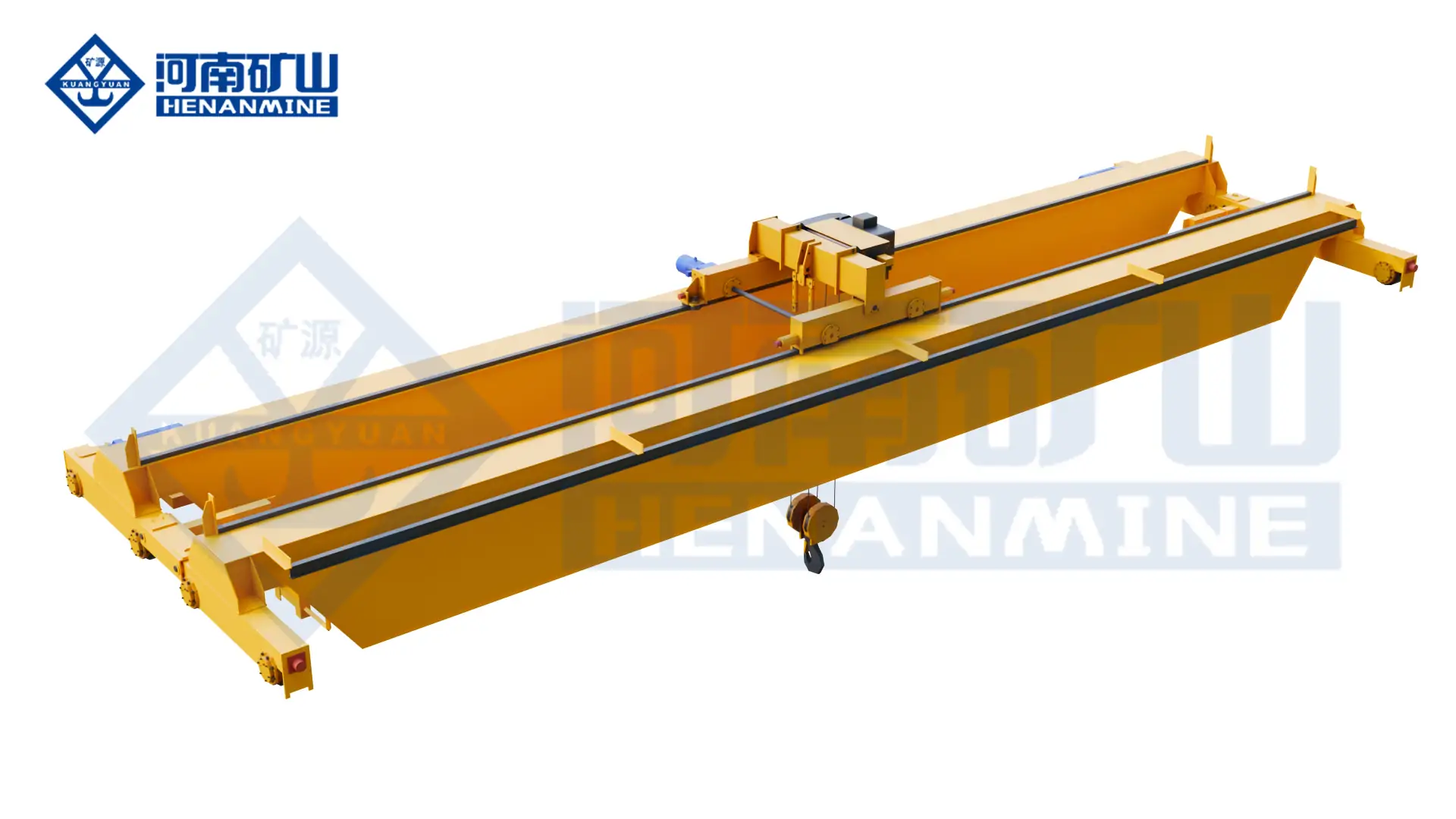
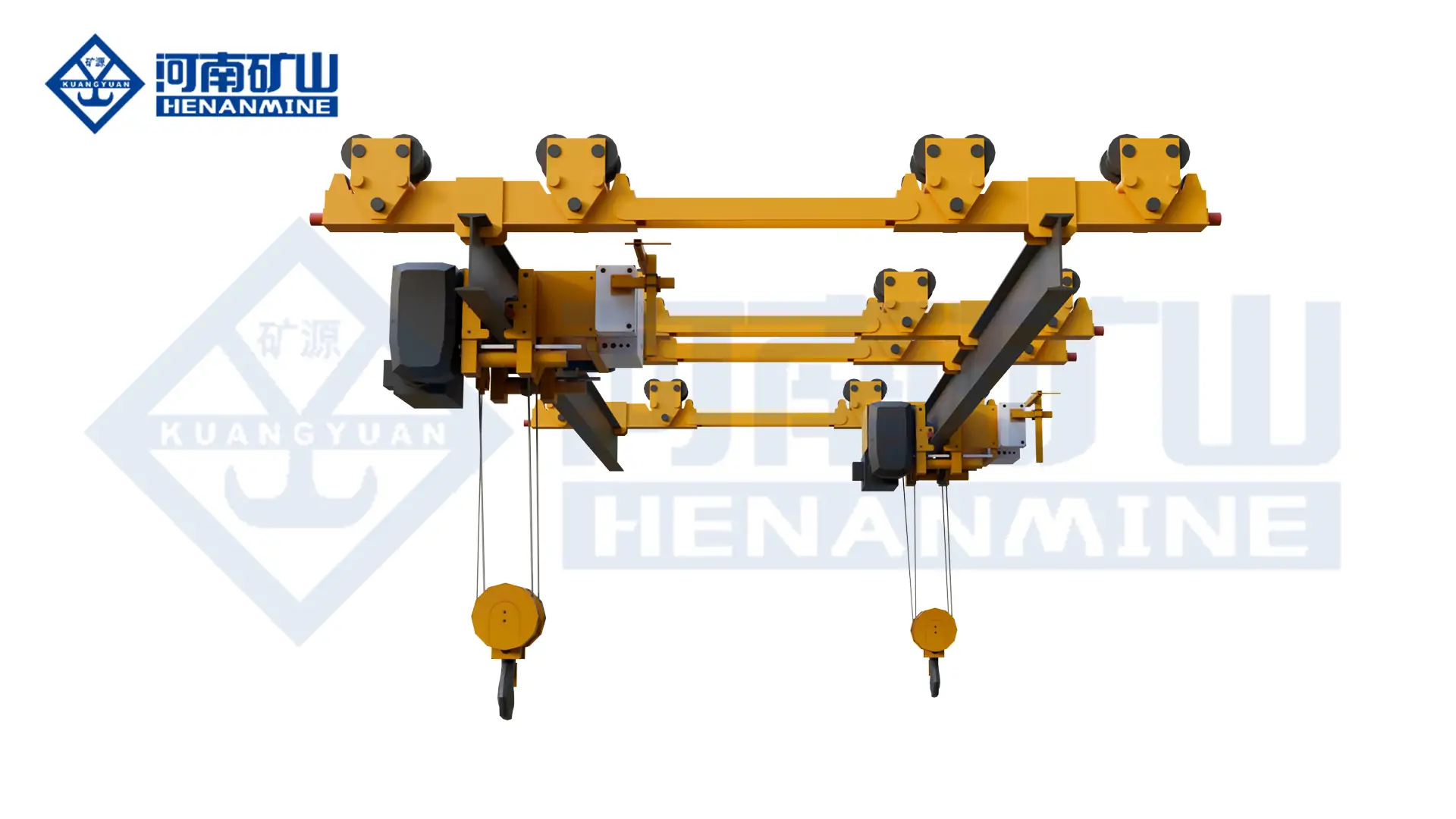
| Electric-hoist overhead crane | Workshop and equipment-maintenance lifting. | This is a separate maintenance duty from waste bunker handling. |
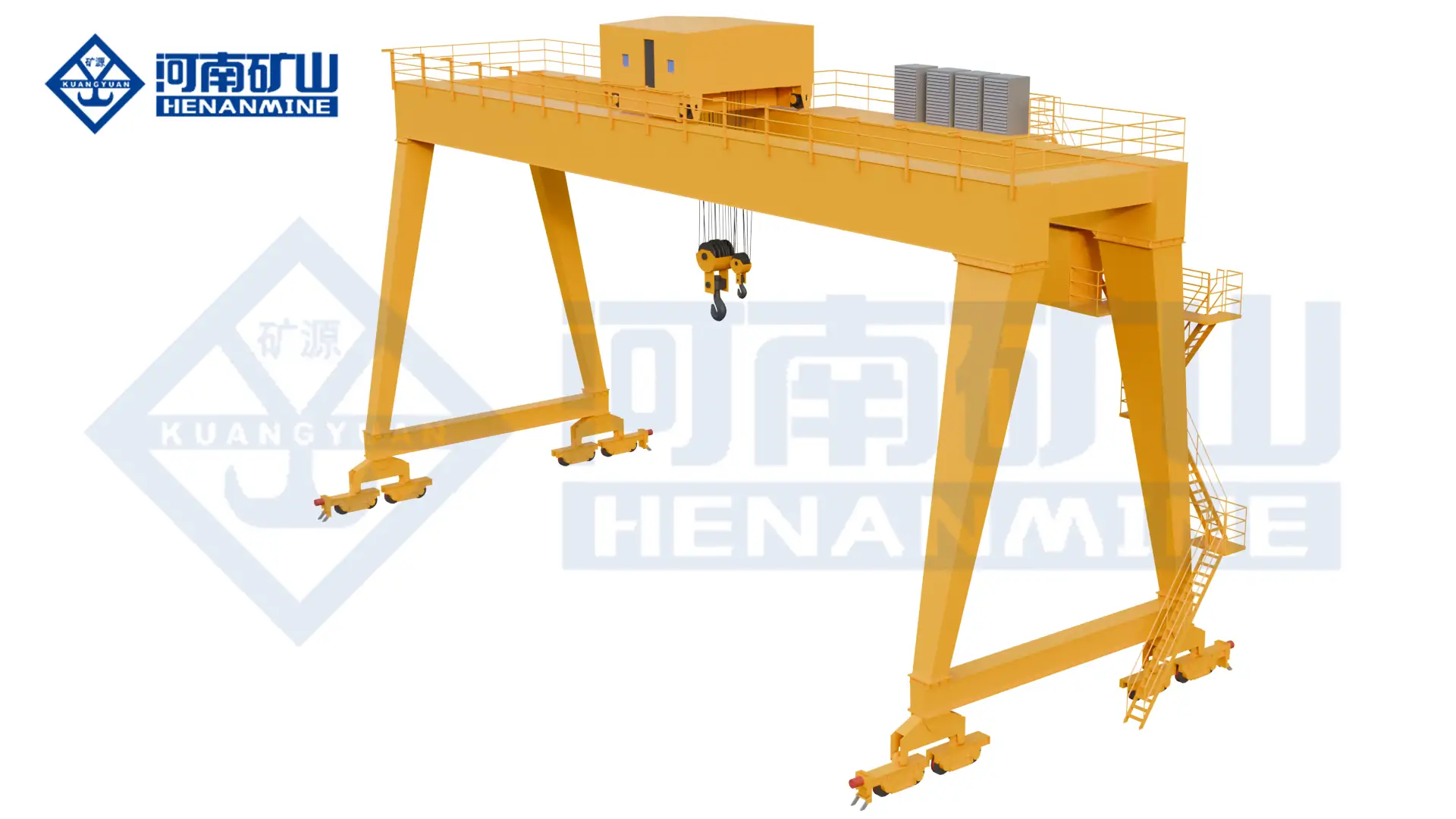
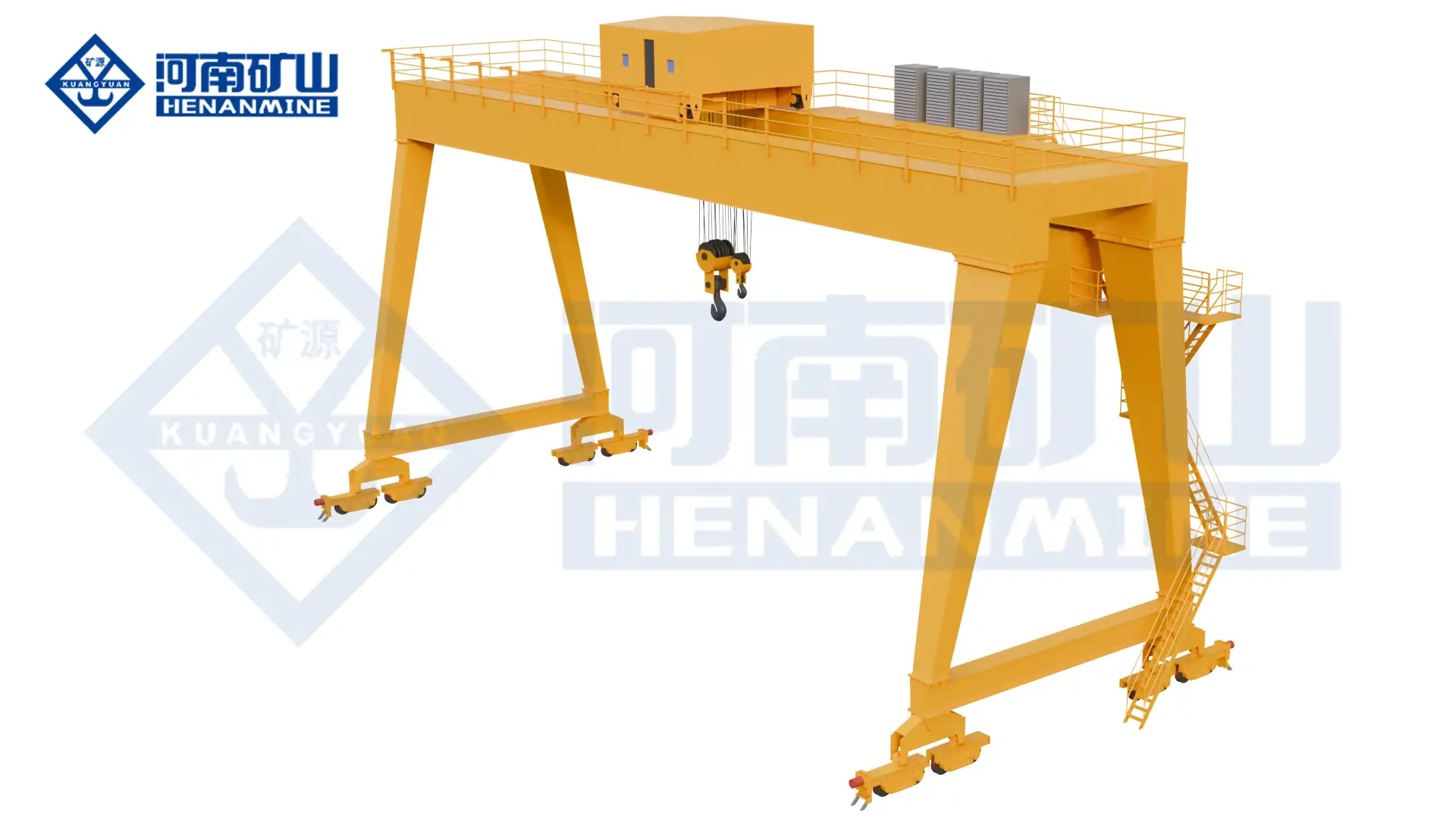
| Grab-and-hook gantry crane | Suitable outdoor auxiliary material handling areas. | Ground rails, weather conditions and material compatibility determine suitability. |
Technical Schedule for Your Offered Crane
The final specification identifies the crane being supplied, rather than combining capacity and speed ranges from unrelated catalogue models.
| Parameter | What our technical offer states |
|---|---|
| Rated lifting load — t | The applicable rating and its load basis, including the grab and other below-hook equipment as required by the selected arrangement. |
| Net waste payload — t/cycle | Expected waste mass per grab, calculated separately from the total suspended mass. |
| Grab volume — m³ | Selected volume, geometry, grab self-weight and assumed waste density and filling factor. |
| Span, travel and lift — m | Runway centre distance, working envelope, pickup depth, hopper discharge height and end approaches. |
| Motion speeds — m/min | Hoisting, lowering, trolley and bridge speeds, with acceleration and approach settings used in the cycle calculation. |
| Handling rate — t/h | Calculated performance for the agreed routes, workload split and operating assumptions. |
| Duty and environment | Mechanism duty, load spectrum, operating hours, enclosure protection and corrosion provisions. |
| Controls and interfaces | Operating modes, weighing option, alarms, plant signals and any contracted automation functions. |
| Building and service interfaces | Wheel reactions, rail requirements, electrification, access platforms and grab-service arrangements. |
Check Handling Capacity Before Choosing the Tonnage
A larger rated load does not necessarily produce more tonnes per hour. The crane must close the grab, hoist, travel, discharge and return; mixing and bunker transfer also consume cycles.
Illustrative calculation: why feeding capacity can be overstated
Assume a 5 m³ grab, waste bulk density of 0.35 t/m³ and a filling factor of 0.80. These are example inputs, not specifications of an offered Henan Mine Crane model.
| Calculation | Illustrative result |
|---|---|
| Waste payload: 5 × 0.35 × 0.80 | 1.40 t of waste per cycle. |
| If grab self-weight is assumed to be 2.00 t | 3.40 t total suspended mass before any additional attachments; this is not a selected crane rating. |
| A 90-second cycle and 75% productive utilisation | 1.40 × (3,600 ÷ 90) × 0.75 = 42 t/h of waste handling. |
| A plant feeding 750 t/day evenly over 24 hours | 31.25 t/h average furnace feed. |
| If mixing and transfer add 50% to feeding tonnage | 46.875 t/h total handling demand, before any additional project margin. |
Result: the example arrangement delivers 42 t/h against an assumed demand of about 46.9 t/h. Selecting it solely from furnace feed tonnage would miss the additional workload. We evaluate grab size, route length, cycle time and crane arrangement together to close that gap.
For the project calculation, measured waste properties and the actual duty split replace these assumptions. The proposal states the performance basis so the acceptance test can use comparable conditions.
Automation That Matches the Plant’s Operating Routine
Automation can reduce repetitive operator movements, but the useful specification is the sequence the crane performs and how it handles interruptions. We separate the operating functions in the offer.
| Control level | Offered operating scope |
|---|---|
| Manual or remote operation | Operator-directed picking and discharge, with the contracted motion controls and protections. |
| Semi-automatic cycles | Operator-selected pickup followed by defined travel or discharge sequences, subject to the agreed interlocks. |
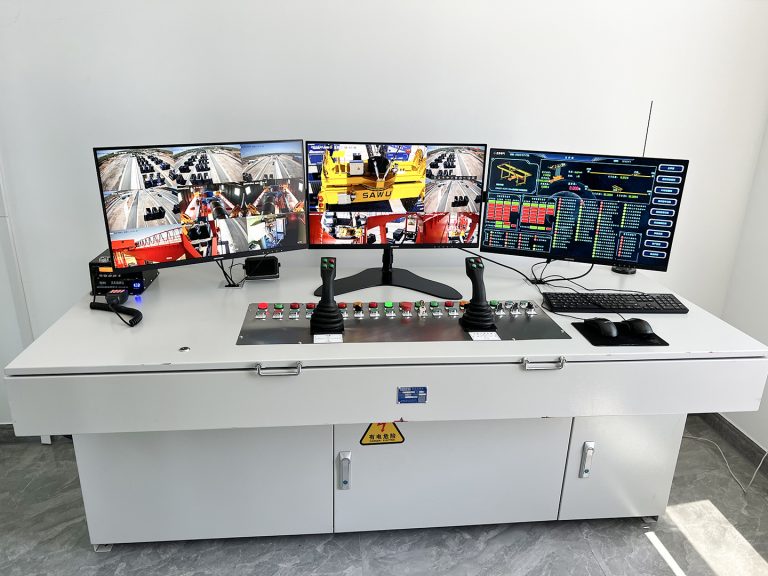
| Automatic bunker operation | A project-engineered sequence using the contracted position feedback, waste-surface information, hopper signals and zone management. Sensor coverage and recovery procedures form part of the scope. |
Optional functions include weighing, anti-sway, multiple-crane coordination and plant control-system interfaces. The proposal identifies the required hardware and software, the signals exchanged with the plant, and the available operator override and fault-recovery modes.
Project Reference: Automatic Grab Crane in WTE Service
Henan Mine Crane’s manufacturer report dated December 2025 records an automatic grab crane entering service at a waste incineration power generation project.
| Published feature | Installed project description |
|---|---|
| Motion and positioning | Variable-frequency control throughout the crane, with absolute-encoder position feedback. |
| Handling functions | Anti-sway, automatic fixed-point grabbing and constant-weight cyclic operation. |
| Operating modes | Manual operation, wireless remote control and fixed-point discharge. |
| Controls and protection | PLC and VFD control, with short-circuit, overload and hoisting-limit protections. |
| Future expansion | A reserved interface for full automation. |
The report does not publish plant identity, lifting capacity, grab volume or daily throughput. The reserved interface is an upgrade provision; it does not establish fully unattended bunker operation. Equipment for a new project is specified against that plant’s duty.
Plan for the Day a Crane or Grab Needs Service
In a waste bunker, a crane can have adequate normal capacity and still leave the plant exposed during maintenance. We develop the service arrangement alongside the operating layout.
Crane coverage during an outage
For multiple-crane layouts, we assess whether the available crane can reach the required bunker zones and hoppers. Parking positions and access matter if a stopped crane obstructs a shared runway.
A workable grab-service area
We incorporate the agreed grab landing and maintenance position into the layout. A spare grab or replacement wear-part package can be quoted where justified by the maintenance plan.
Parts and maintenance information
The supply package can include parts identification, lubrication instructions, inspection guidance and recommended operational spares for the selected drives, brakes, ropes and grab equipment.
The crane count follows the feeding duty and outage strategy. Two cranes are not automatically full redundancy: the remaining equipment must have both the reach and the capacity required for the agreed reduced or full operating condition.
Protection for the Waste Bunker Environment
Moisture, airborne dust and corrosive conditions influence coatings, enclosures, cable systems and machinery access. Our engineering review selects those provisions from the stated service conditions.
The proposal can identify electrical enclosure protection, cabinet ventilation or cooling, corrosion treatment and service access. Where the plant has a classified hazardous area, equipment suitability and the required certification are addressed for that location. Explosion protection is not assumed from the words “waste crane”.
Hopper permissives, restricted zones and plant alarm signals can be included in the agreed control interface. Their function and response are documented with the plant team.
Waste to Energy Crane Price and Quotation Scope
Waste to energy cranes are quoted by configuration. Span, lifting height, grab type, duty, automation and site-service scope can change the price substantially. A marketplace asking price is useful only when its equipment scope is understood.
Public seller asking prices checked in 2026
| Public listing | Advertised price | Scope limitation |
|---|---|---|
| Shandong Intercontinental Huanqiu Heavy Industry Machinery Co., Ltd. — garbage grab crane listing on Made-in-China | US$8,800–118,800 per set; reference FOB price. | The page presents differing capacity descriptions. This is an advertised configuration range, not a comparable fixed-specification installed WTE system. |
| Dafang seller store on DIYTrade — “Garbage grab crane” | US$100,000 per piece. | The listing does not define a fixed capacity, span or automation package, or establish an installed project cost. |
These are other suppliers’ public asking prices, not Henan Mine Crane quotations or a verified transaction-price range. Freight, duties, building works and site installation are not established by the figures above.
What your Henan Mine Crane quotation separates
The commercial offer lists the crane and grab package, controls and automation options, electrification, recommended spares, documentation, packing and delivery basis. Installation guidance, commissioning and training are priced with their stated service scope. Runway steelwork, rails, civil works and plant integration responsibilities are identified so the purchasing team can compare the total project scope.
Lead time and warranty terms are stated in the offer for the selected configuration and destination.
From Engineering Drawings to Site Acceptance
| Project stage | Deliverables available within the agreed supply |
|---|---|
| Engineering review | General arrangement, working envelope, wheel reactions, technical schedule and control-interface description. |
| Factory acceptance | Agreed inspections and tests of crane motions, brakes, limits, control sequences and applicable load-test requirements, with corresponding records. |
| Site commissioning | Installation checks, travel and hopper-position setup, plant-signal checks and weighing calibration where supplied. |
| Operational acceptance | A representative waste-handling test using the agreed routes, material conditions and workload split. Factory motion tests alone do not prove site waste throughput. |
| Handover | Contracted manuals, electrical drawings, parts lists, maintenance information, training and control-system backup or access provisions. |
The acceptance plan ties the performance test to the same assumptions used in crane selection. This gives the plant team a clear basis for checking the supplied equipment.
Waste to Energy Crane FAQs
What is the difference between crane lifting capacity and waste payload?
Waste payload is the waste carried in one grab. Total suspended mass also includes the grab and applicable attachments. Our technical schedule states the rating basis and expected net waste payload separately.
Can a waste to energy crane run automatically?
Yes, automatic sequences can be engineered for the agreed bunker layout and plant interfaces. The offered scope identifies sensing, control functions, operator intervention and recovery arrangements; a reserved interface alone does not provide fully unattended operation.
How many waste cranes does a plant need?
The number follows the total feeding, mixing and transfer workload and the maintenance strategy. We assess both normal operation and the required operating condition when a crane is unavailable.
Can you supply a replacement crane for an existing waste bunker?
We can evaluate a replacement against the existing runway, building clearance, hopper positions and plant interfaces. The proposal includes the crane arrangement and reactions for project coordination.
Do you provide installation and commissioning support?
Installation guidance, commissioning assistance and operator training can be included in the offer. The quotation identifies the selected services, site responsibilities and commercial terms.
What is needed to start a waste crane quotation?
A bunker layout and short description of daily waste intake, furnace feeding demand and desired operating mode are enough to begin. Henan Mine Crane develops the initial arrangement and identifies the remaining design inputs.
Related Crane Equipment
Intelligent Grab Overhead Crane
Explore the control platform behind automated bulk-material handling.
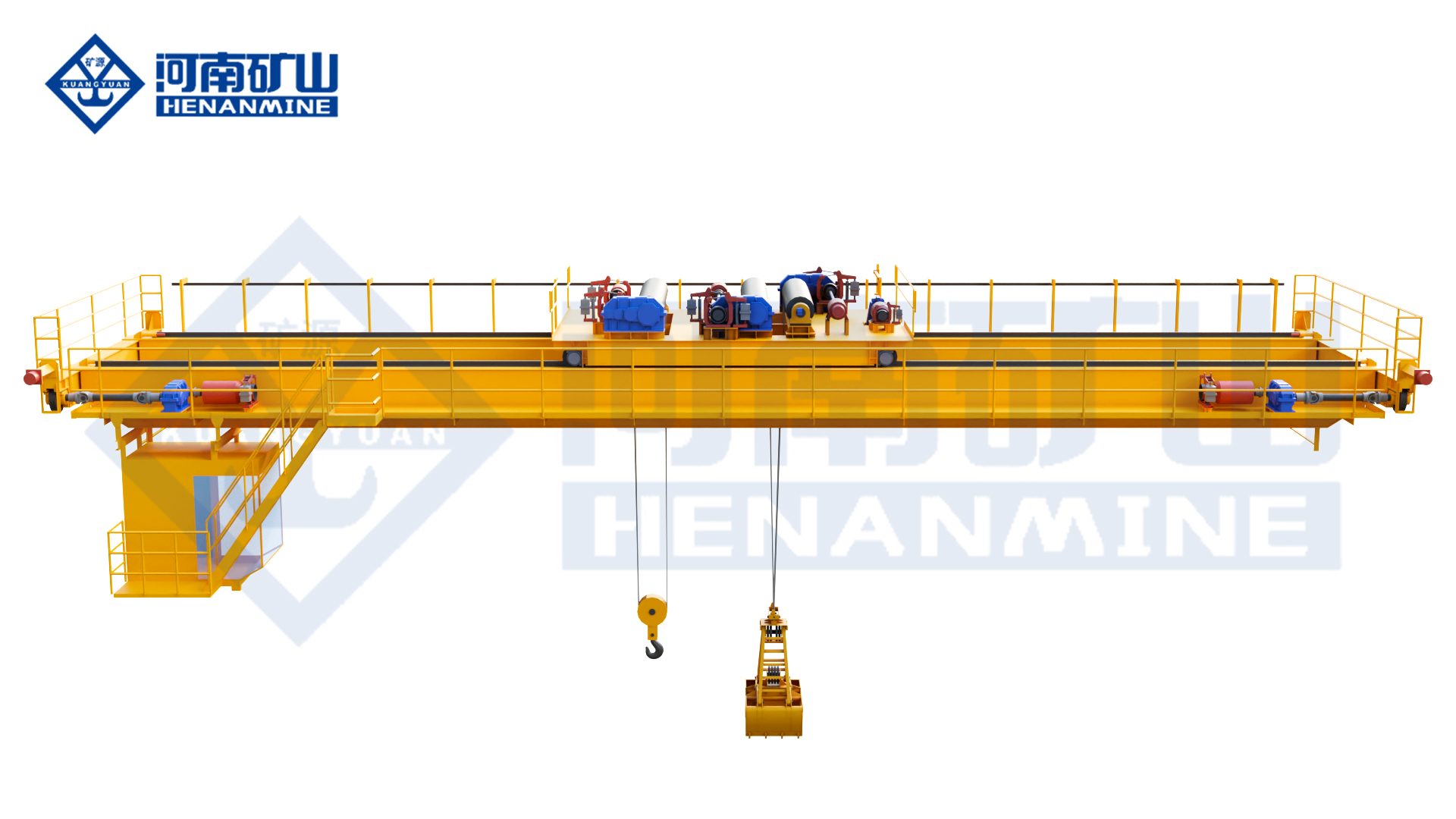
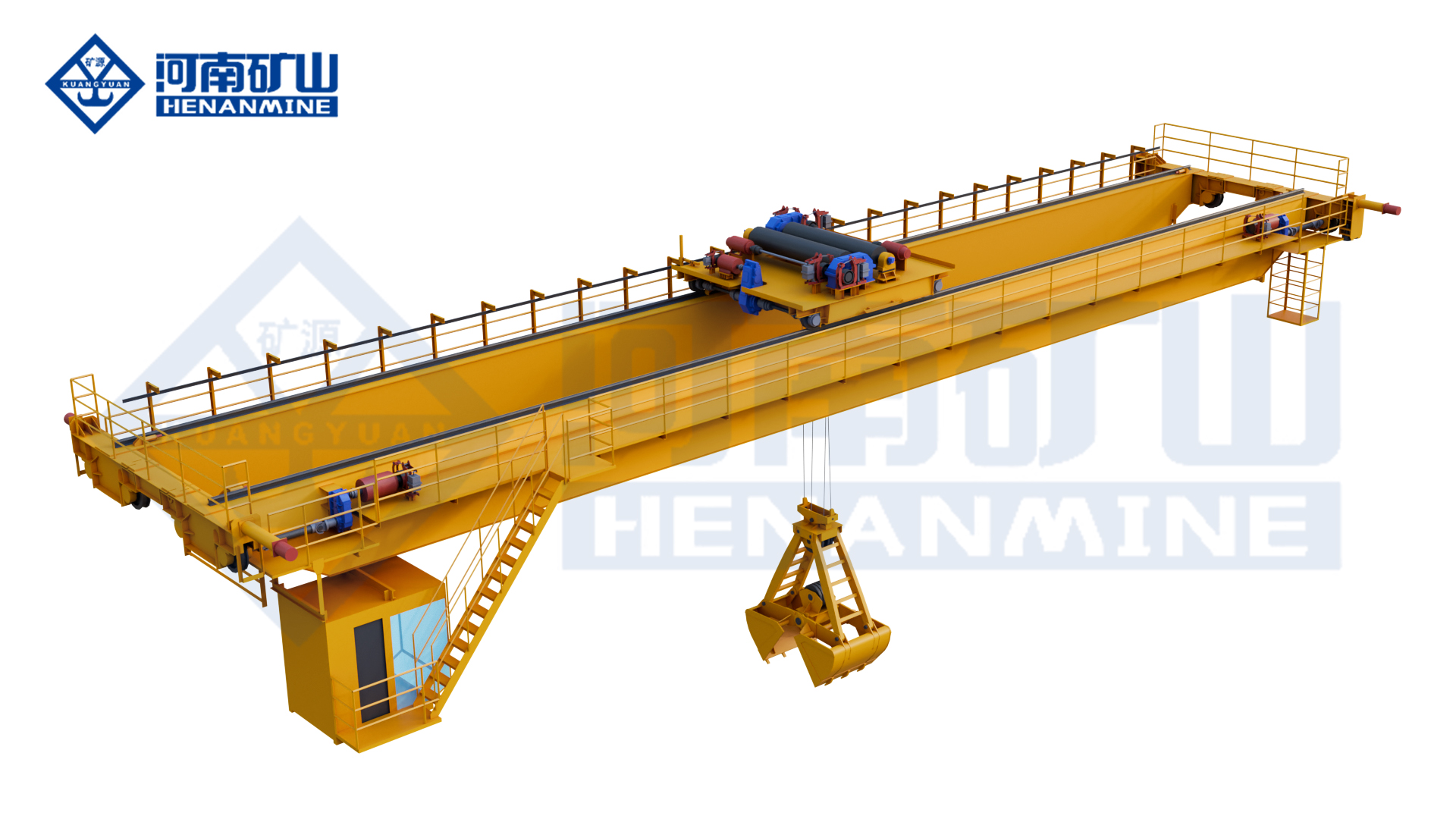
Grab-and-Hook Overhead Crane
Compare attachment flexibility for suitable auxiliary handling duties.
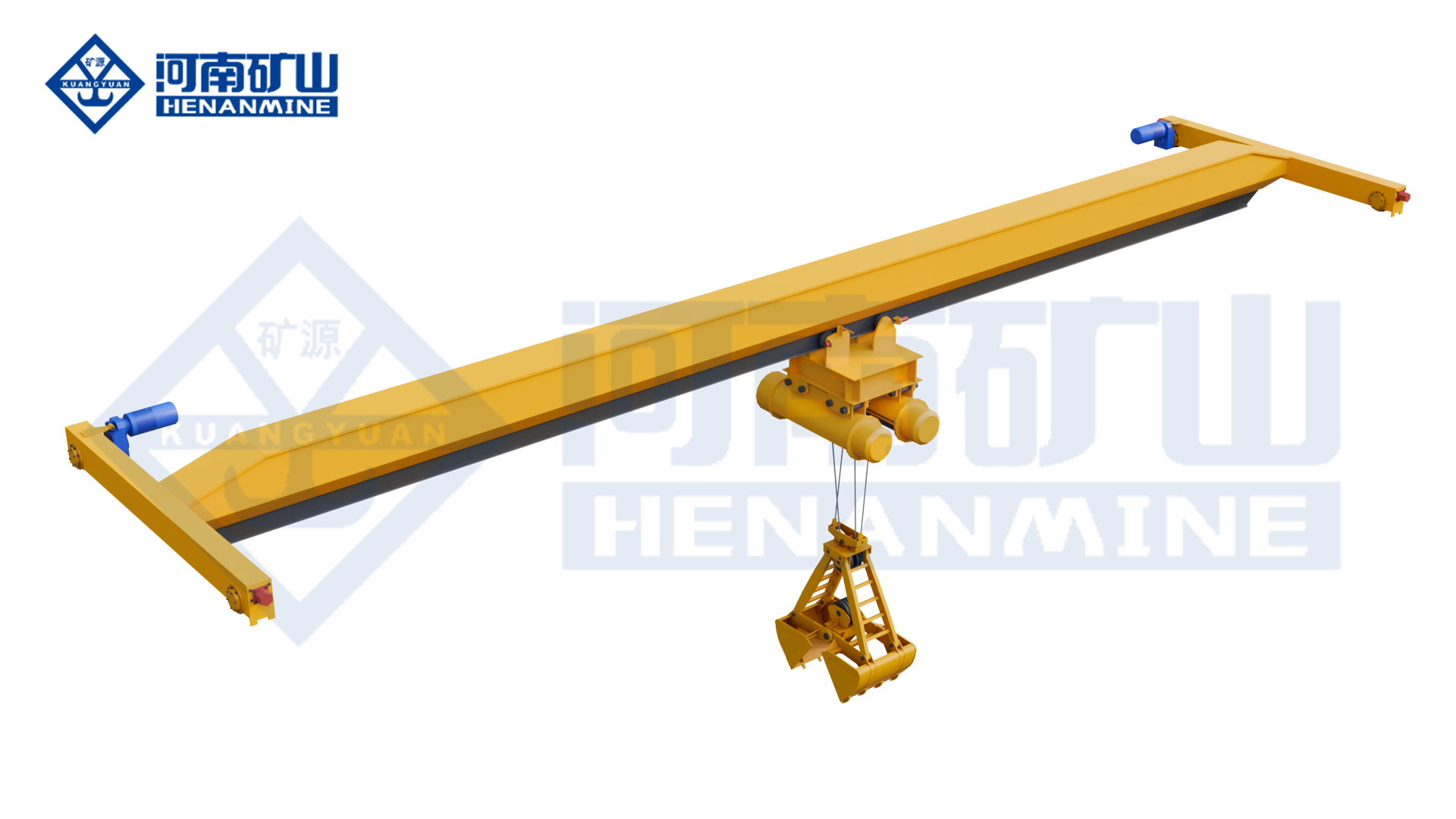
Single-Girder Grab Crane
Review a separate grab arrangement for defined bulk-material tasks.
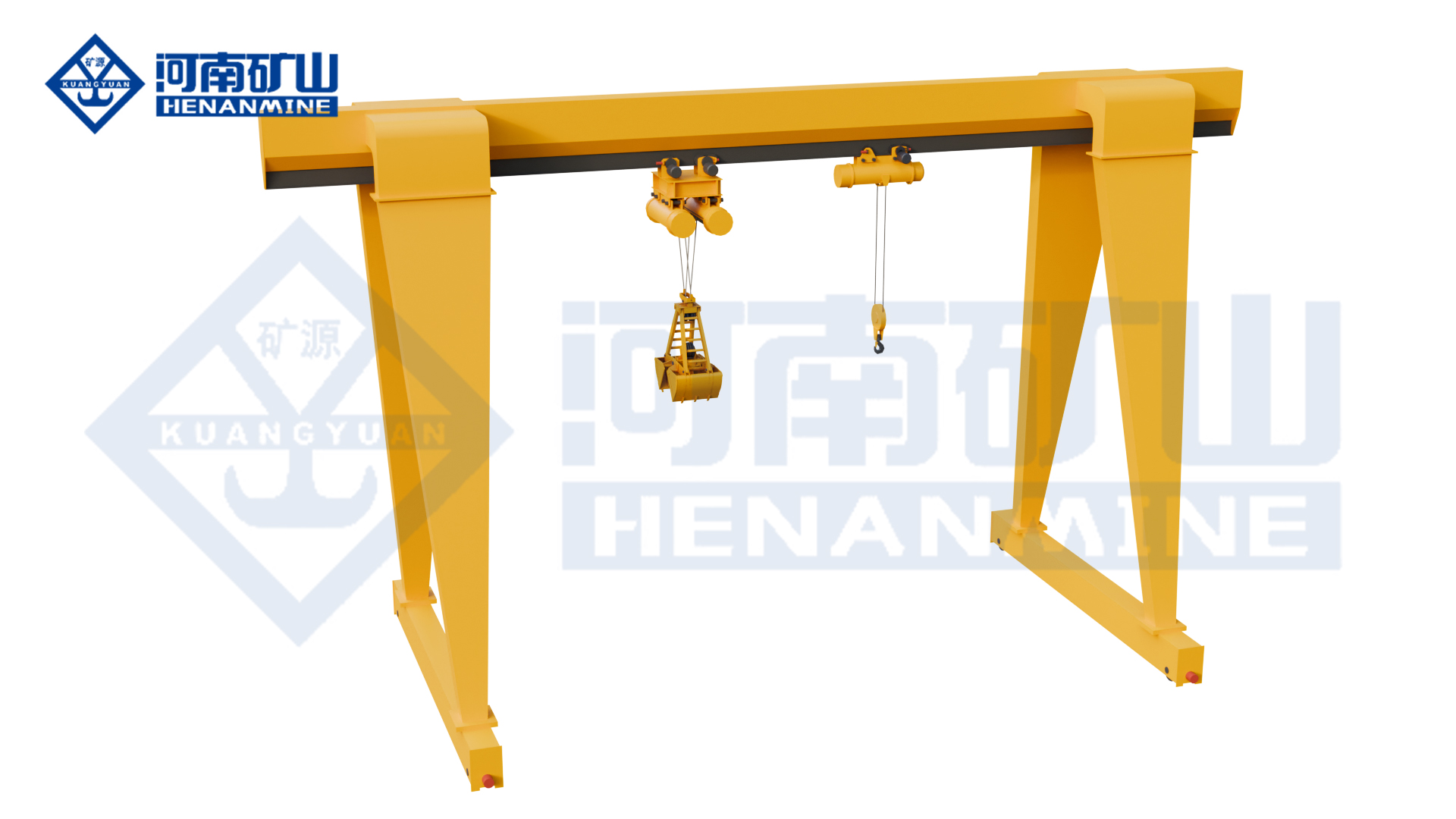
Grab-and-Hook Gantry Crane
Explore outdoor auxiliary handling where ground-supported runways fit.
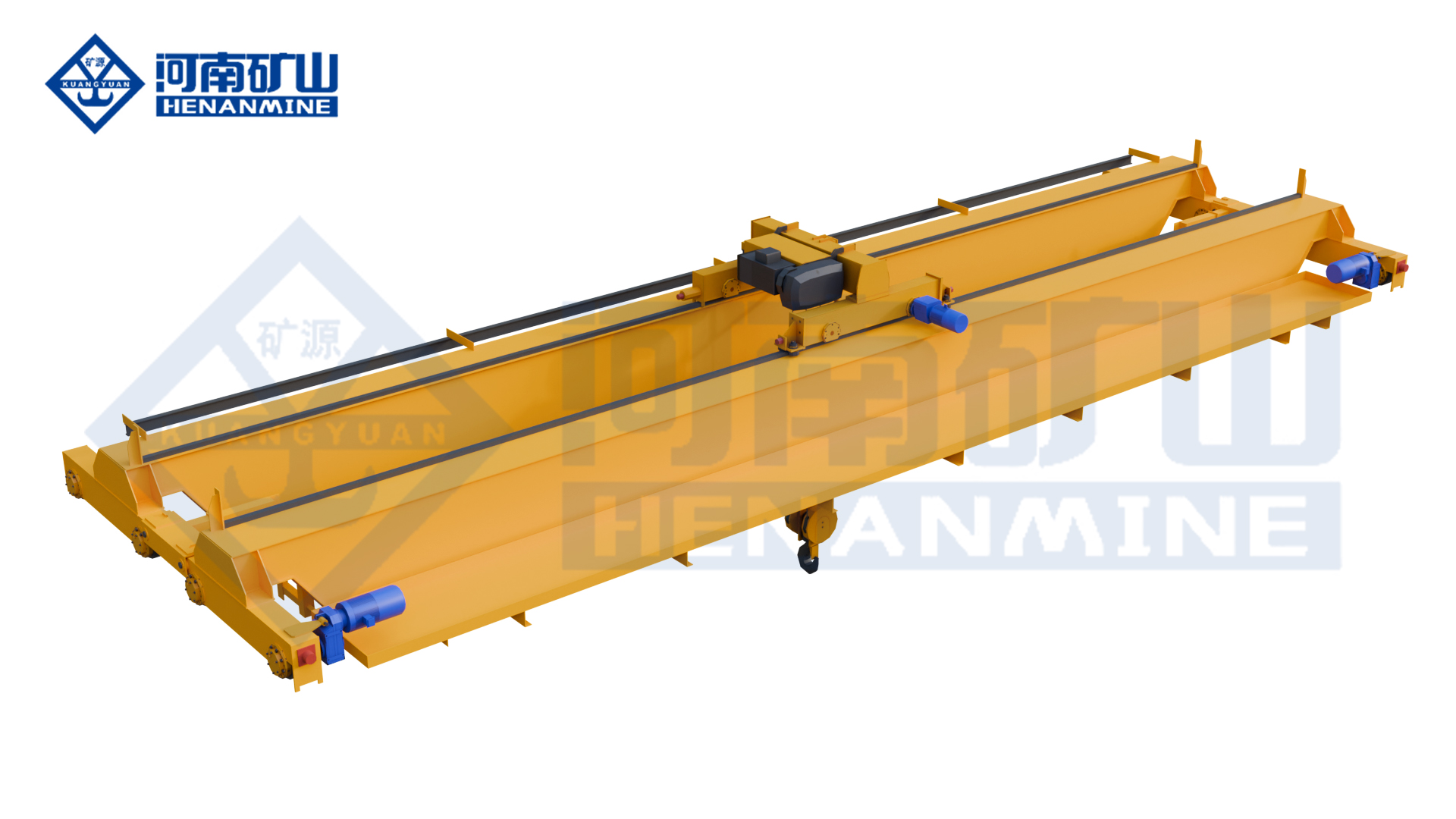
Workshop Overhead Crane
Select equipment-maintenance lifting separately from the waste bunker duty.
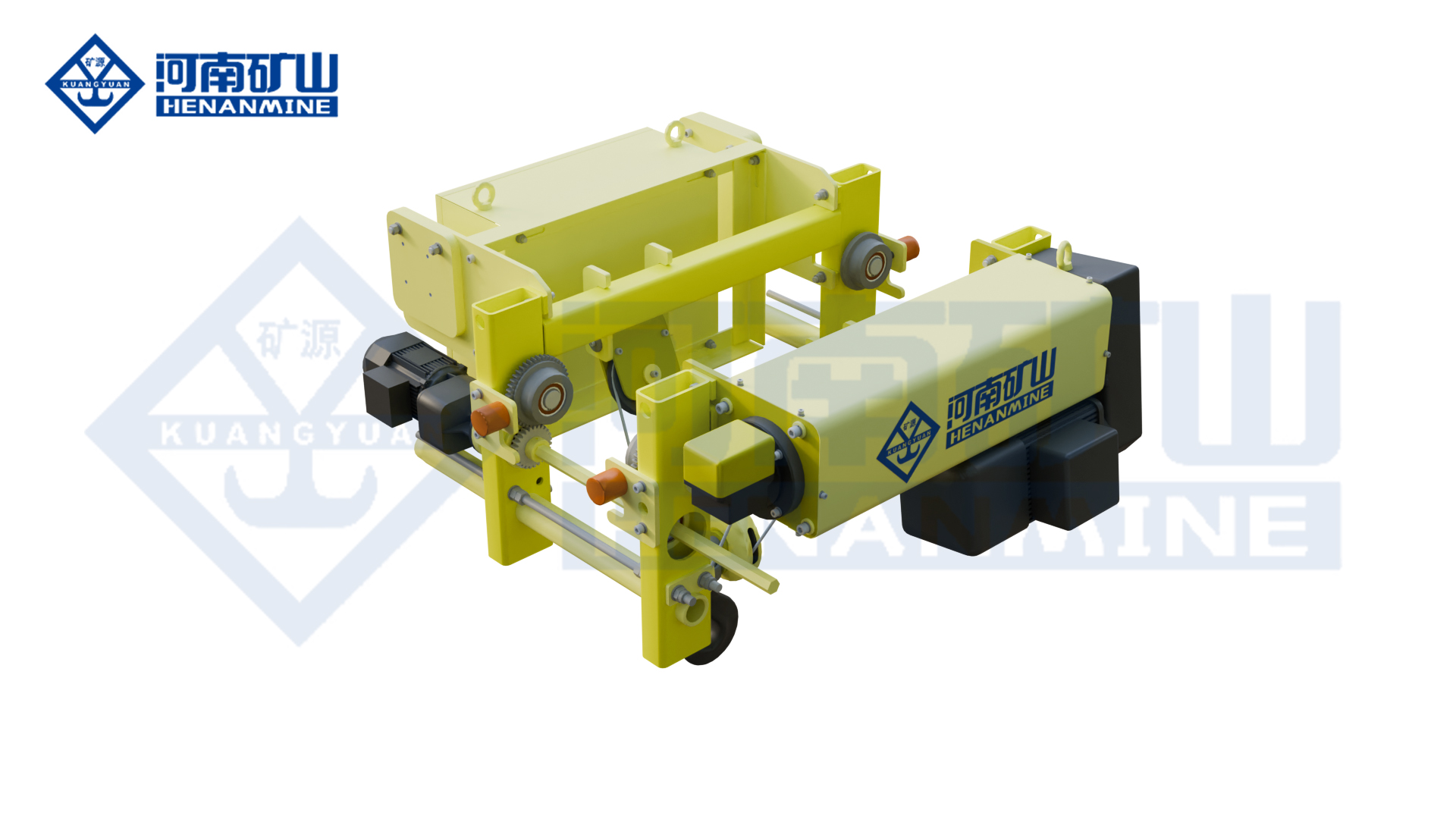
New Electric Hoist
Review compact hoisting equipment for separately rated service tasks.
Get a Waste Crane Arrangement and Itemized Quote
Send your bunker layout, daily waste intake and preferred operating mode. Henan Mine Crane will develop a proposed crane arrangement, a grab and capacity basis, and an itemized equipment and service quotation.
Request a Waste Crane Quote
Email Bunker Drawings
Email: info@hnksglobal.com