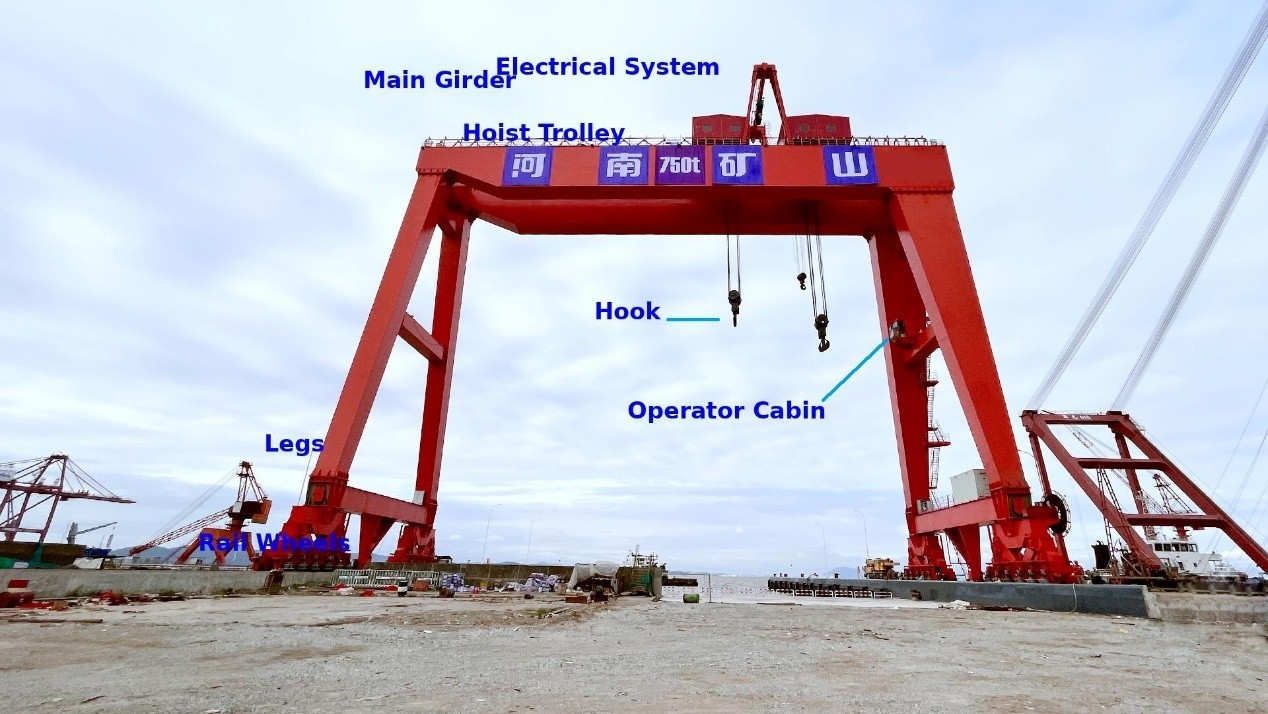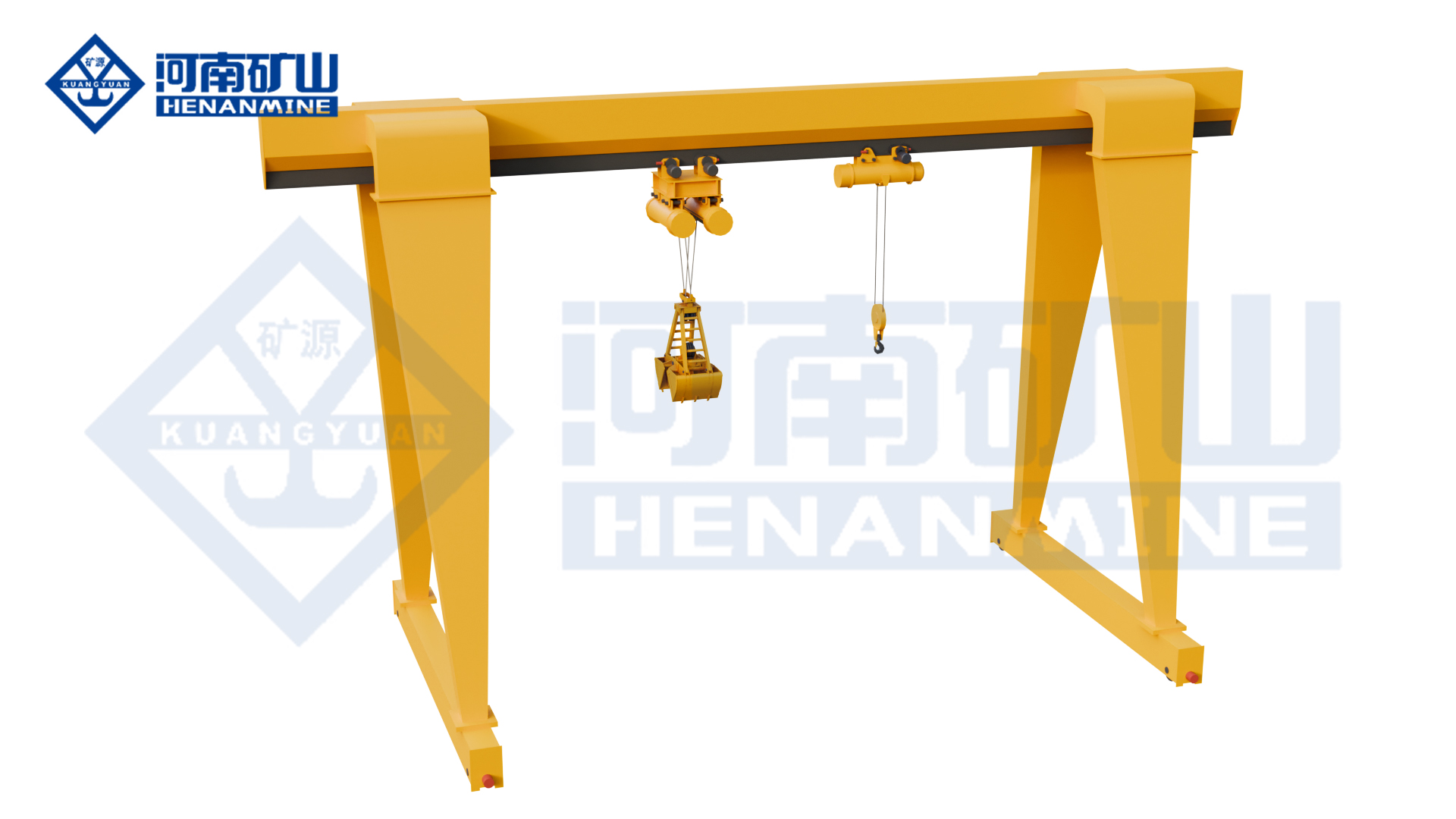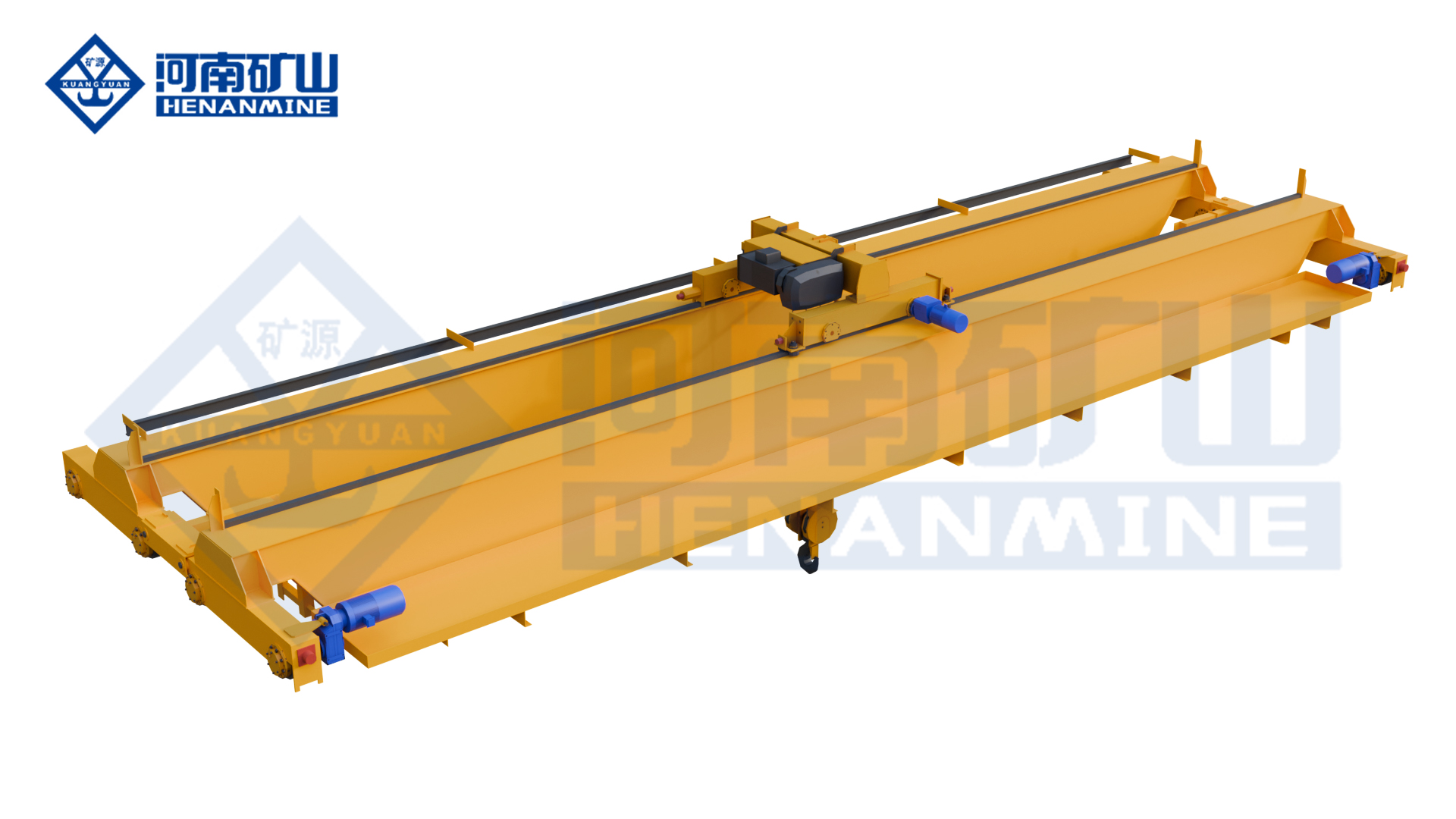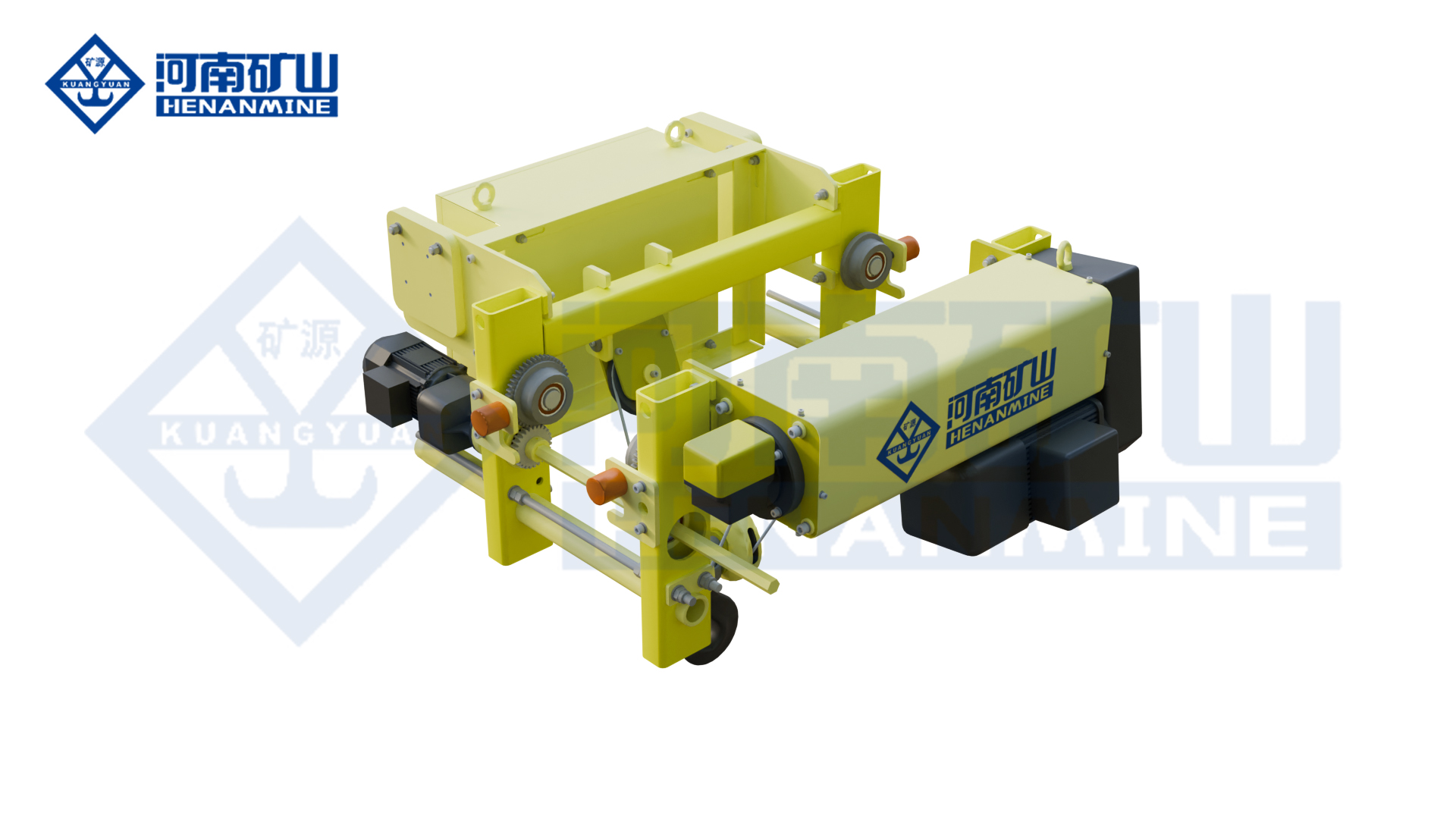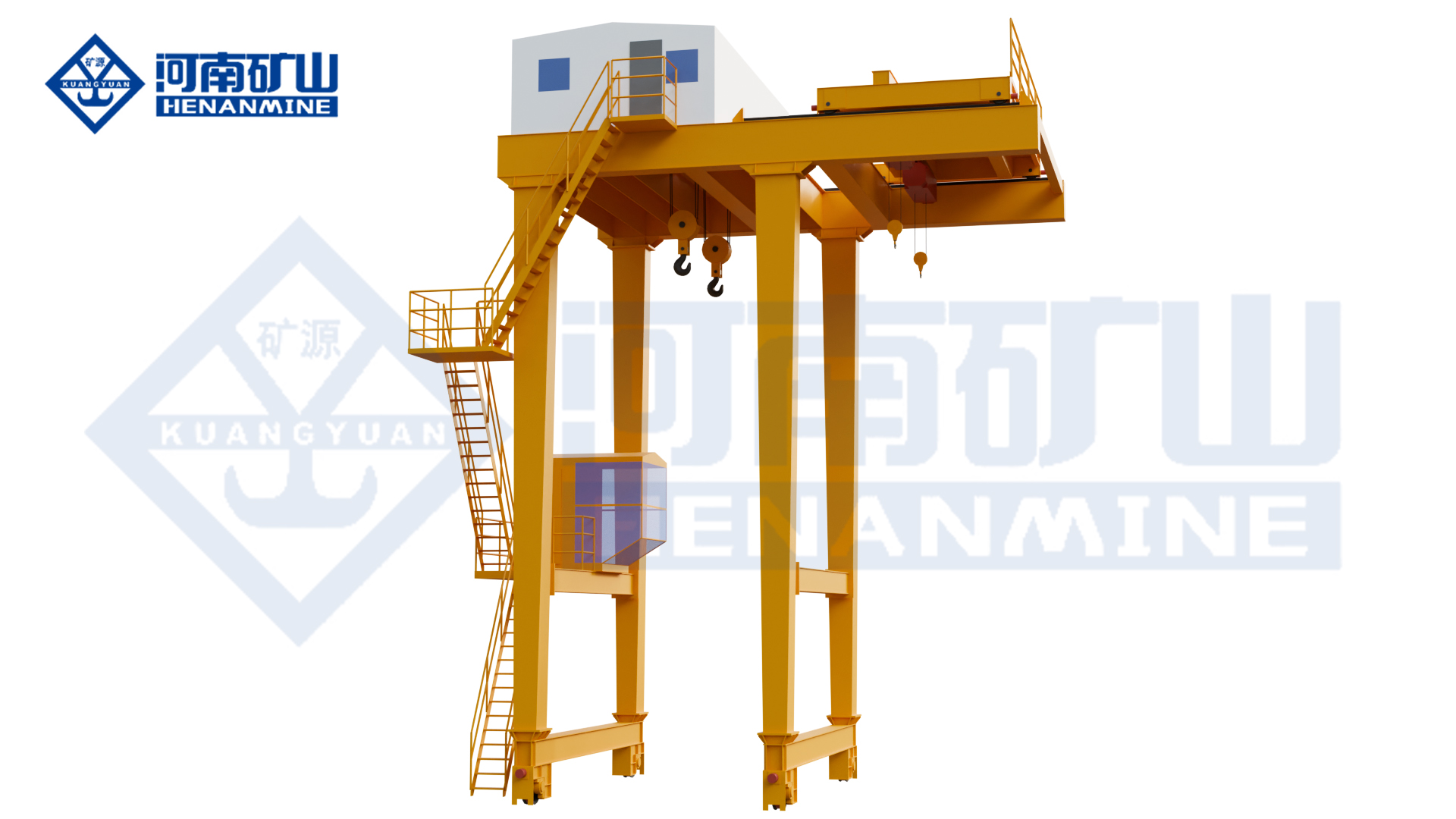
分类: Cranes by Working Environment

  • Dam Gantry Crane for Gates & Stoplogs

    Dam Gantry Crane for Gates & Stoplogs

    Dam Gantry Crane for Gates & Stoplogs

    GATE HANDLING EQUIPMENT · PROJECT ENGINEERING · LIFECYCLE SUPPORT

    Dam Gantry Crane for Gates & Stoplogs

    Henan Mine Crane supplies QM dam gantry cranes for lifting, lowering and transferring water-control gates and stoplogs. The equipment package brings together the gantry, hoisting arrangement, gate connection and controls for your dam layout.

    From crane selection and manufacturing to agreed commissioning support, we help turn your gate-handling requirements into a defined equipment solution and an itemized quotation.

    Discuss Your Dam Crane Project
    Explore Our Supply Package

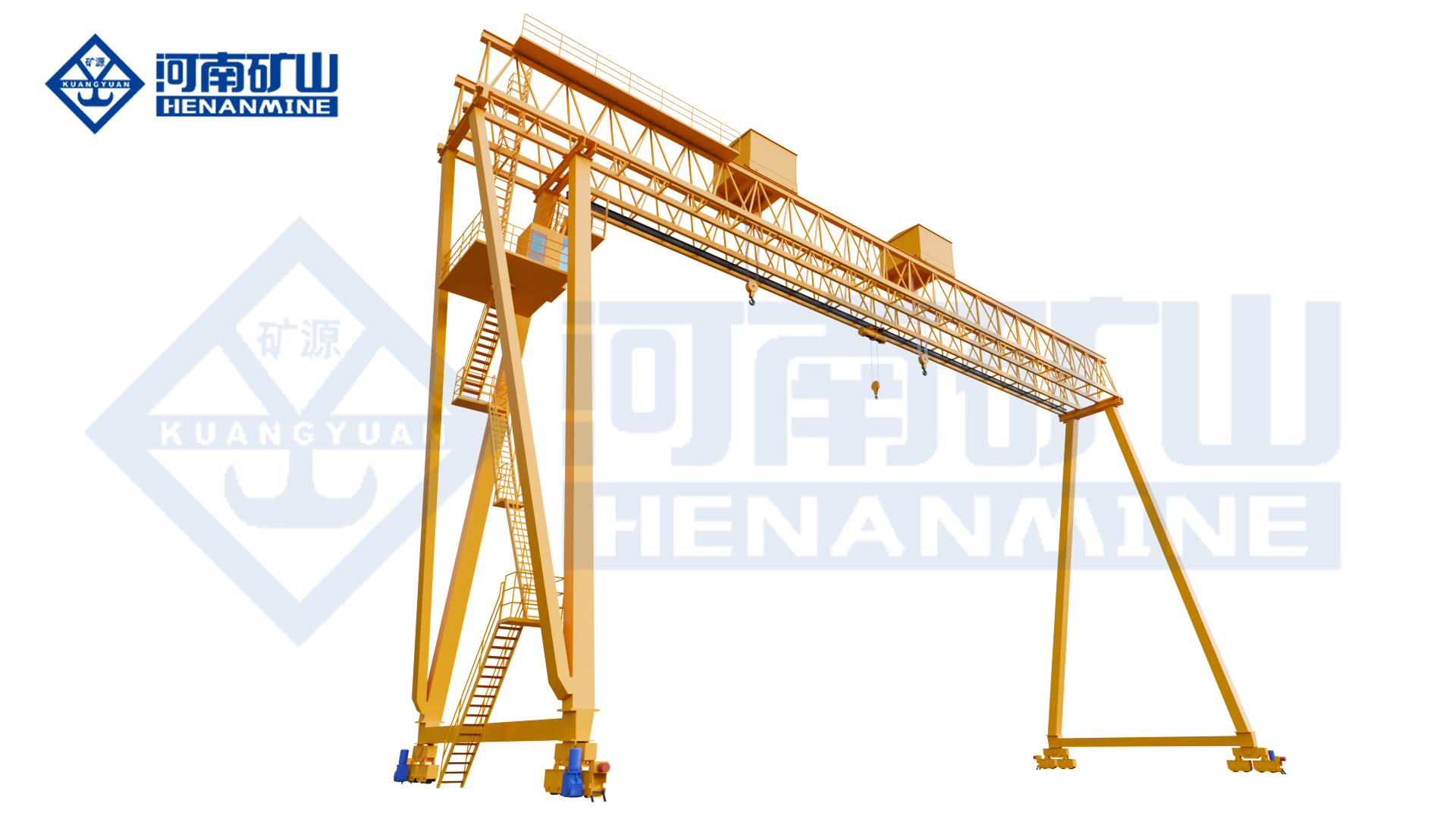
    QM dam gantry crane product rendering with lifting positions and rail-mounted structure
    QM gate-hoist gantry arrangement. Equipment dimensions and lifting positions are tailored to the project.

    A Gate-Handling Solution for Your Dam

    A dam gantry crane, also called a dam-top or dam-crest gantry crane, travels along rails to connect gate slots with deck transfer, storage and maintenance positions. It handles the movement that a fixed gate hoist cannot provide between those locations.

    Our QM product family is configured around the gate and the site. The resulting package combines lifting duty, reach, connection geometry and outdoor protection, with a clear boundary between crane supply and site works.

    What Henan Mine Crane Can Provide

    A project-specific crane arrangement

    We develop the crane layout around the working positions: gate pickup, transfer, maintenance and parking. The arrangement makes the proposed lifting reach and clearances visible before manufacture.

    A coordinated equipment package

    The supply package can include the gantry, hoisting mechanisms, gate-handling beam, travel system and controls. Included equipment and optional functions are listed together in the technical offer.

    Support through installation and operation

    Installation guidance, commissioning, training and spare-parts support can be included in the project scope. The commercial offer identifies the selected service package and responsibilities.

    Your project offer: a proposed configuration, technical schedule and itemized supply scope. Detailed approval drawings and handover documentation follow the agreed engineering and delivery stages.

    QM Dam Gantry Crane Equipment Package

    Equipment / parameter How the package is configured
    Product family QM hydraulic gate-hoist gantry crane for water-control equipment.
    Main hoisting system Rating based on suspended load and the approved gate operating-force cases; single or coordinated lifting positions as appropriate.
    Gate connection Beam and attachment arrangement matched to gate lifting points and slot clearances.
    Gantry and runway coverage Rail span, travel and lifting reach matched to gate bays, transfer route and parking position.
    Lifting stroke Travel above and below rail matched to pickup, transfer and maintenance elevations.
    Operating speeds and controls Motion and positioning configuration matched to the handling sequence and duty.
    Auxiliary lifting A separate maintenance lifting arrangement where included in the project package.
    Outdoor service Coating, drainage, electrical protection and parking restraints selected for site exposure.

    Capacity, span, stroke, speeds and duty classification are project-specific. The technical schedule identifies the proposed values and their design basis; the approved drawings define the manufactured configuration.

    Equipment for Spillway, Intake and Tailrace Handling

    Application Crane solution Practical result
    Spillway stoplogs Lifting arrangement and beam for individual elements, with access to the storage rack. Place and recover stoplogs through the maintenance sequence.
    Intake gates Gate-specific attachments, lifting stroke and controlled approach to the guides. Move the gate between its slot and the deck handling position.
    Tailrace / draft-tube gates Below-rail lifting coverage and transfer to the maintenance area. Support isolation-gate handling during generating-unit maintenance.
    Removable trash racks Panel lifting connection and deck transfer coverage. Remove rack sections for inspection or replacement.

    Gate-panel handling and debris cleaning are separate functions. A cleaning grab or rake belongs in the package only when that duty is included.

    Crane Configurations We Can Develop

    We translate the gate attachment geometry and handling route into a lifting arrangement. The configuration review connects each operating requirement with a mechanism, interface or control function.

    Project requirement Proposed solution Engineering output
    A central pickup or lifting beam A suitable single lifting position and gate connection. Attachment geometry, approach clearance and load basis.
    A gate lifted at two sides Coordinated lifting arrangement for the approved two-point geometry. Point loads, alignment limits and synchronization concept.
    Pickup below the water surface Gate-handling beam with a defined engagement and release arrangement. Beam interface and connection-verification method.
    Several bays on one runway Rail travel and working coverage across the selected positions. Coverage layout and operating sequence.
    Replacement of an existing crane A new arrangement evaluated against the existing runway and deck. Proposed wheel reactions and an interface review for civil verification.

    Emergency closure and movement under flow are developed as specific operating duties. Their mechanism, power-loss response and acceptance conditions are addressed separately from routine maintenance handling.

    Dam Gantry Crane Compared with Other Lifting Arrangements

    Equipment What it provides Application boundary
    QM dam gantry crane Gate lifting and transfer between working positions along the runway. Combines gate interfaces, operating forces and crane travel.
    Fixed gate hoist Dedicated gate operation at one location. Useful for immediate local operation or simultaneous operation of several gates.
    Double-Girder Gantry Crane Outdoor lifting of machinery and dry components. Gate operation under water loads requires a separate engineered configuration.
    Truss Gantry Crane Outdoor construction and component handling. General handling duty does not establish gate holding or emergency capability.
    Electric-Hoist Overhead Crane Lifting within an indoor maintenance bay. Building runway coverage differs from dam-deck and submerged pickup access.

    A mobile crane serves gate bays in sequence. We evaluate the handling route and required availability when discussing whether one shared crane is appropriate.

    Engineering the Gate Load and Lifting Interface

    We use the approved gate-load schedule to develop the crane rating and lifting arrangement. The review covers the gate, suspended beam and gear, load distribution at the attachments and the applicable wet operating-force cases. Hydraulic force calculations remain part of the gate design.

    For scale, a 40 t gate with 2 t of beam and rigging has a dry suspended mass of 42 t, approximately 412 kN of weight. This illustrative calculation is not a crane rating: friction, buoyancy, hydraulic forces and the design criteria still affect the selection.

    The lifting-interface design connects the crane to the gate. Beam geometry, guide entry, connection confirmation and controlled release are addressed as one handling sequence, rather than left as unrelated accessories.

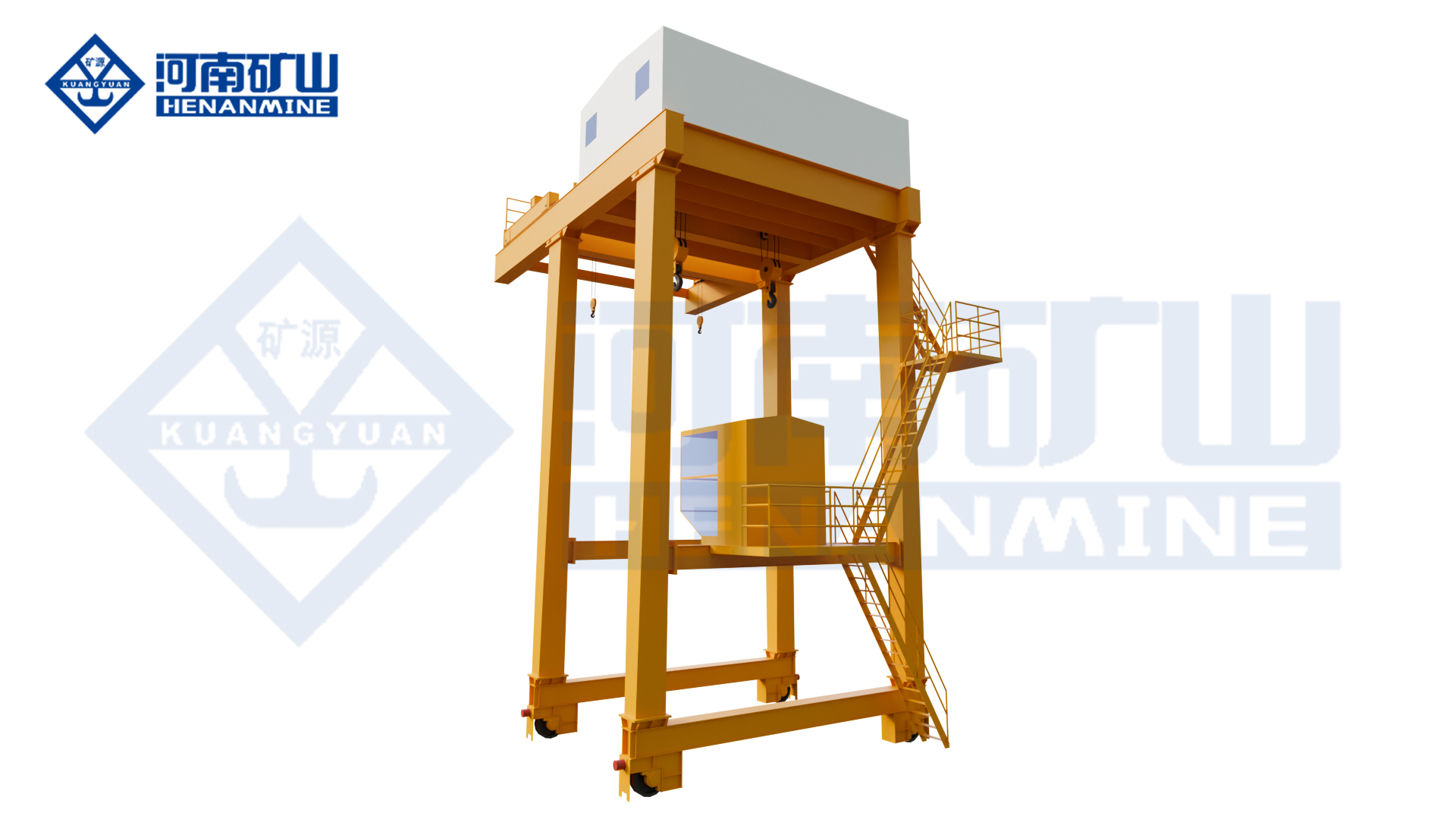
    QM gate gantry crane front rendering showing lifting positions
    Front view of the QM arrangement: lifting positions follow the gate attachment geometry.
    QM dam gantry crane perspective rendering with service access
    The crane layout combines structural reach, hoisting arrangement and maintenance access.

    Controls and Protection Matched to Gate Duty

    Positioning and alignment

    We develop the motion-control arrangement for gate placement and the selected lifting geometry. Two-point lifting includes an agreed synchronization concept and response to alignment faults.

    Holding and power loss

    The braking and holding arrangement follows the intended duty. Where emergency functions are included, the project design addresses the stated power-loss scenario and recovery sequence.

    Outdoor protection

    The package addresses humidity, water exposure and wind. Operating limits and storm-parking restraints are treated separately, with restraint reactions coordinated with the civil interface.

    These functions are identified in the technical offer and verified through the agreed test plan. Emergency gate movement under flow requires site-approved hydraulic and operating conditions.

    Crane Drawings That Connect with Your Civil Design

    Our crane design provides the equipment layout and interface information needed for coordination with the dam and runway. The project drawing package can include working positions, wheel reactions, rail geometry, parking restraints, electrification and service access.

    For a replacement, we compare the proposed crane arrangement with the available as-built information. The civil designer verifies the existing supports against the new reactions; the crane design then follows the agreed interface.

    Access to brakes, ropes and drives is considered alongside the gate transfer route. Component removal space and erection access are addressed during layout development, reducing the chance of discovering an obstruction after equipment arrives.
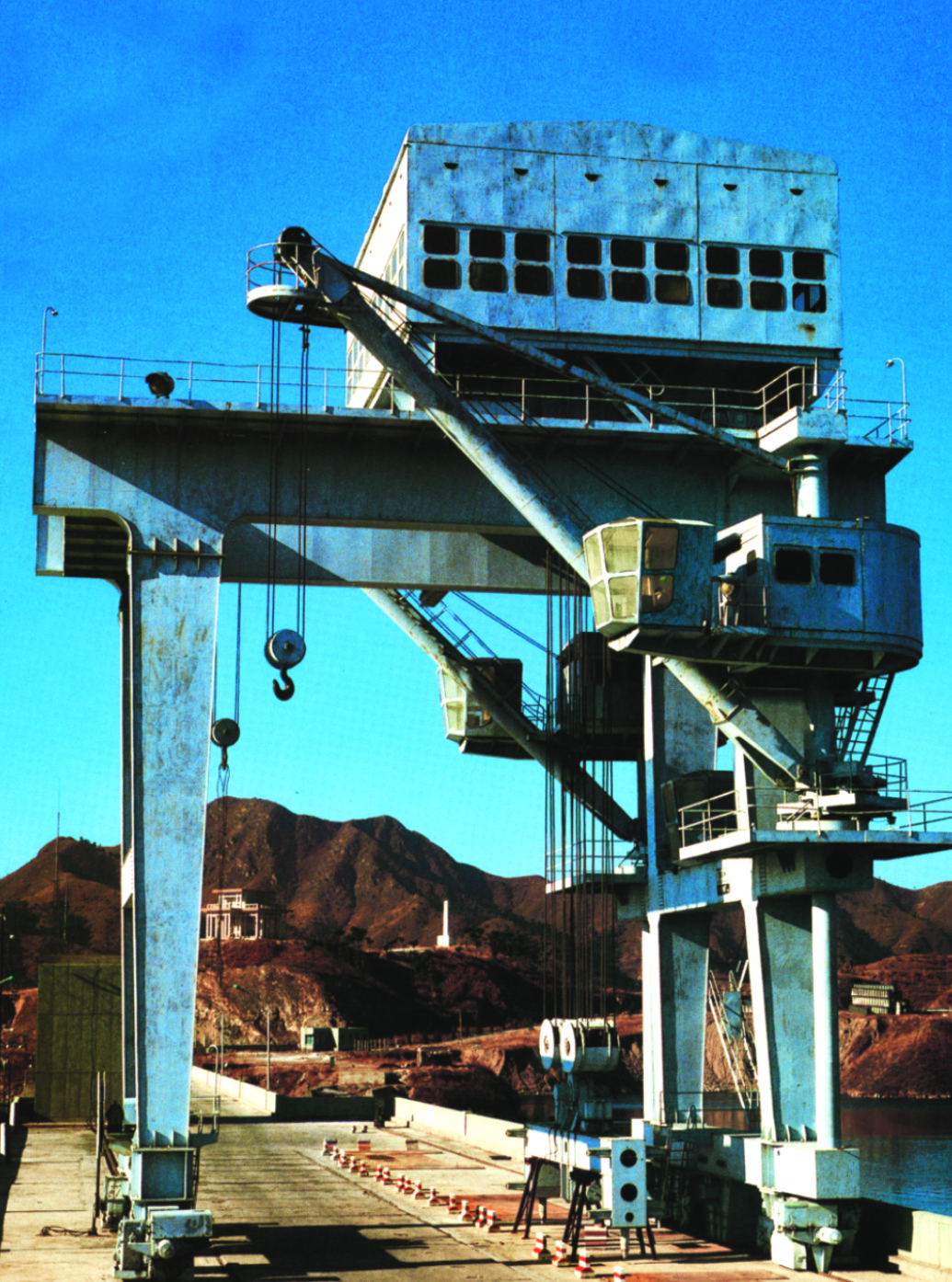
    Dam-top crane arrangement showing machinery enclosure and service platforms
    Dam-top equipment with machinery enclosure, rail travel and service access.

    Henan Mine Crane Hydropower Project Experience

    Henan Mine Crane’s published pumped-storage project includes a 600 t low-headroom overhead crane with variable-frequency control, coordinated dual-hook lifting and digital monitoring. The project report describes factory assembly and lifecycle quality support.

    This is powerhouse lifting equipment. A dam gate crane has its own operating forces and interfaces; the QM proposal addresses those separately. View the pumped-storage crane project

    Industry application: Big Bend Dam

    Knight Construction & Supply reports commissioning a 40-ton tailrace draft-tube crane at Big Bend Dam in 2021. The application demonstrates a dedicated tailrace handling role. Project contractor: Knight Construction & Supply.

    A Dam Gantry Crane Quote with a Clear Supply Boundary

    Our quotation separates the crane equipment from optional systems and site services. That gives your procurement team a defined package to budget and compare, with the delivery term, exclusions and service responsibilities stated in the offer.

    Quotation line Package content
    Crane equipment Gantry, main hoisting arrangement, travel drives and service access.
    Gate-handling interface Beam, connecting hardware and the contracted engagement / release arrangement.
    Electrical and controls Operating modes, positioning, protection and synchronization where included.
    Site interfaces Rail and electrification supply, restraints and related installation scope as agreed.
    Delivery and site services Packing, transport, erection support, commissioning and training as selected.
    Operating support Documentation, selected spare parts and the agreed warranty and service terms.

    A public W 031 hydropower gantry listing from Hebei Weiyuan advertises US$10,000–300,000 per piece. That broad advertisement does not define a matching configuration or installed cost. Your Henan Mine Crane offer is based on the selected equipment and project scope.

    A preliminary offer identifies the available design basis and open engineering items. The final equipment quotation follows the confirmed gate loads, arrangement and supply package.

    From Equipment Proposal to Handover

    Project stage Our contribution Project output
    Technical proposal Develop the equipment configuration and identify the supply boundary. Proposed arrangement, technical schedule and commercial offer.
    Detailed engineering Develop the structural, mechanical and control arrangement for approval. Project drawings and interface information under the agreed documentation scope.
    Manufacture and inspection Produce and inspect the equipment against the approved design. Manufacturing and test records required by the agreed inspection plan.
    Dispatch Prepare identified components for the selected transport route. Packing information, component identification and shipment coordination.
    Installation and commissioning Provide the contracted site guidance or service package. Commissioning and acceptance records under the approved procedures.
    Handover Provide the agreed operating documentation and training. Operation and maintenance information, parts identification and support contacts.

    The project schedule links drawing approval, manufacture, inspection, dispatch and site work. On-site attendance and installation responsibilities are defined in the offer; civil works and plant operating approvals remain with the appointed project parties.

    Support After the Crane Enters Service

    Henan Mine Crane offers technical support, maintenance guidance and replacement-parts assistance. We help identify parts from the crane model, nameplate, drawings and component details, and review equipment information for troubleshooting.

    For planned maintenance, the support scope can cover ropes, brakes, lifting connections, travel mechanisms and control functions. Warranty coverage, site attendance and spare-parts supply arrangements are set out in the commercial agreement.

    Start with the Information You Already Have

    A gate drawing, existing crane photo or brief project description is enough to start a technical discussion. Include the application, approximate load, project country and planned installation date where available. We help organize the remaining equipment-selection questions as the proposal develops.

    Request a Crane Proposal
    Contact Henan Mine Crane

    What happens next: we review the lifting task and site layout, discuss a suitable arrangement and define the equipment and service scope for quotation.

    Dam Gantry Crane FAQ

    What can Henan Mine Crane supply for a dam gantry project?

    A QM crane package can include the gantry, hoisting arrangement, gate connection, travel and controls, together with project engineering and selected site services. The quotation lists the included equipment and service responsibilities.

    Can you develop a solution from preliminary gate information?

    Yes. We can begin with available gate information and a site layout. The preliminary proposal identifies open items; approved loads and interfaces form the basis for final design.

    Can one crane serve several gates?

    We can evaluate a shared runway arrangement for multiple gate positions. Coverage, travel time and the required operating sequence determine whether the shared crane suits the plant.

    Can you provide synchronized two-point lifting?

    We can develop a coordinated lifting arrangement for the gate geometry and specified point loads. The technical offer defines the synchronization functions and alignment limits.

    Can you replace a crane on an existing dam runway?

    We can develop a replacement arrangement and provide its interface information. Reuse of the runway follows a survey and civil verification of the proposed reactions.

    Are emergency gate functions included?

    They are included only when part of the contracted engineering scope. The proposal addresses the specified water conditions, gate sequence, power-loss response and acceptance requirements.

    Do you provide installation and commissioning support?

    Support can be included in the project offer. The selected package identifies site guidance or attendance, commissioning work and the responsibilities of each party.

    What documentation accompanies the crane?

    The agreed handover package includes operating and maintenance information and the contracted drawings and test records. Documentation requirements are listed during technical and commercial review.

    Henan Mine Crane · Technical information reviewed: 2026

    Get a Dam Gantry Crane Equipment Proposal

    Work with Henan Mine Crane on the crane arrangement, gate-handling package and delivery scope for your dam project. Start with your available drawings or a brief description of the lifting task.

    Request a Quote
    Email Project Drawings

    Email: info@hnksglobal.com
    Henan Mine CraneDiscuss your requirements ↗
  • Biomass Cranes for Efficient Fuel Handling

    Biomass Cranes for Efficient Fuel Handling

    Biomass Cranes for Efficient Fuel Handling

    BIOMASS STORAGE · FUEL BLENDING · BOILER FEEDING

    Biomass Cranes for Efficient Fuel Handling

    Move wood chips, bark and other loose biomass from reception to storage and feed hoppers with an engineered grab crane from Henan Mine Crane.

    We supply the crane, selected fuel grab and controls as a coordinated package. Your proposal includes the working layout, handling-capacity calculation and plant interfaces, with commissioning and spare-parts options.

    Request a Biomass Crane Quote

    Find Your Fuel Configuration

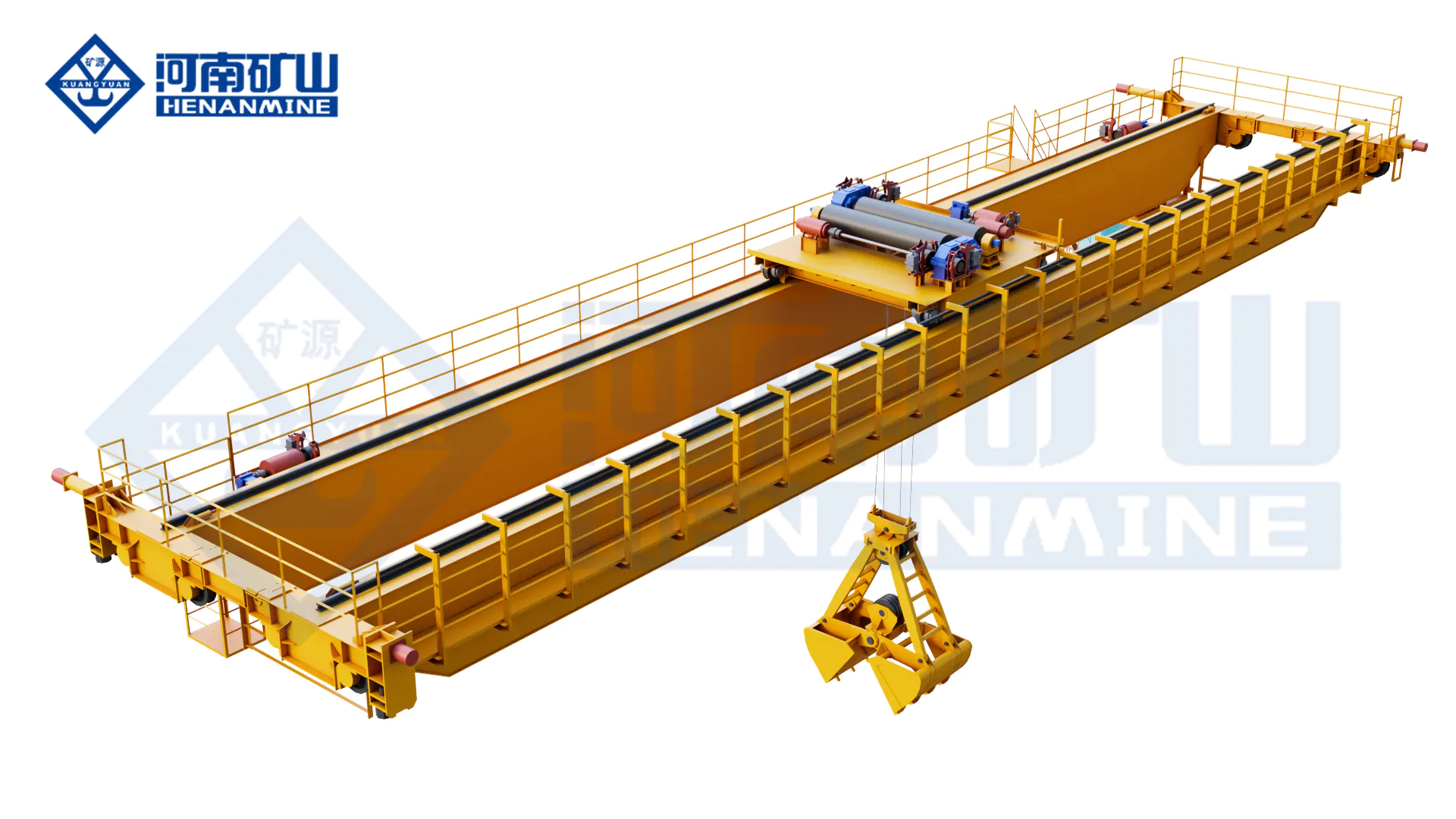
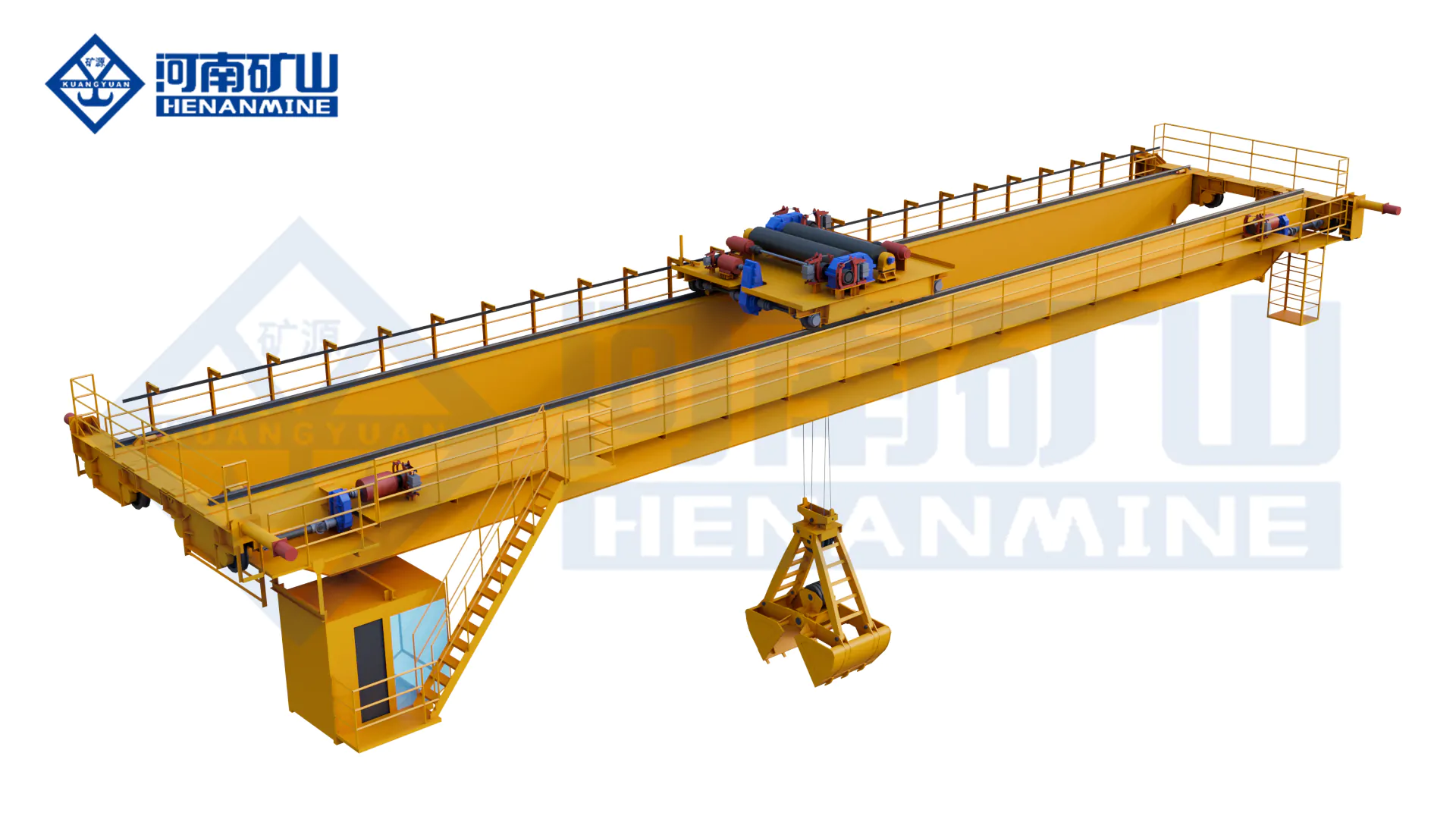
    Henan Mine Crane intelligent double-girder grab overhead crane platform
    Intelligent grab crane platform. Fuel grab geometry and the final control package are engineered for the biomass installation.

    Keep Fuel Moving from the Receiving Pit to the Boiler

    A biomass crane transfers fuel in batches: it clears incoming deliveries, distributes material through the store, blends selected stocks and replenishes the feed hopper. The downstream feeder meters fuel to the boiler. We engineer the crane around both systems so reception work does not consume the capacity needed for feeding.

    One coordinated equipment package

    Bridge, trolley, hoisting system, fuel grab and controls are selected together. This keeps grab self-weight, usable payload, motion performance and electrical interfaces within one technical offer.

    Useful storage coverage

    We map pickup zones, hopper openings, approach distances and maintenance positions onto the fuel-store drawing. An overhead arrangement can reduce dependence on loader aisles inside the covered working area.

    A defined route to operation

    The offer can include installation guidance, commissioning, operating instruction and recommended spares. Equipment, site services and plant responsibilities are itemized for procurement.

    Biomass Crane Configuration and Technical Details

    Item Configuration supplied for the project
    Crane arrangement Overhead grab crane for a fuel hall or bunker; gantry arrangements evaluated for suitable outdoor storage.
    Base grab-crane family QZ catalogue family: 5–20 t. The biomass-duty configuration, grab and automation are selected for the installation.
    Lifting capacity and payload The technical schedule separates rated lifting load, grab self-weight and net fuel payload.
    Grab volume and closure Selected from fuel density range, particle size, moisture, required throughput and hopper dimensions.
    Span, travel and lifting height Dimensioned from runway centres, storage depth, discharge elevation and the usable working envelope.
    Motion speeds and duty Hoisting and travel speeds, acceleration and duty classification matched to the calculated load spectrum and cycles.
    Operating modes Manual, assisted cycles or engineered automatic operation, with the included functions stated in the offer.
    Plant interfaces Hopper demand, level signals, downstream readiness, restricted zones and agreed plant-network communications.
    Delivery documentation Arrangement drawings, technical schedule, electrical documentation, manuals and contracted inspection records.

    The QZ catalogue capacity identifies the base product family. It does not establish fuel throughput or suitability for a particular continuous-duty cycle. Those values are set out for the offered crane.

    Choose the Grab for the Fuel You Actually Handle

    Fuel form Handling approach What our selection addresses
    Wood chips A clamshell or other bulk-material grab matched to the chip characteristics. Bucket volume, penetration, retained load and discharge into the receiving hopper.
    Bark and fibrous residues A grab evaluated for long pieces, interlocking material and incomplete closure. Tine or shell geometry, closing action and the risk of material hanging across the opening.
    Wood pellets and similar granular fuels A bulk grab selected for retention and controlled discharge. Fines leakage, drop height, pellet damage and dust at transfer points.
    Loose agricultural residues Material-specific grab selection using the actual size and compaction range. Low bulk density, uneven filling and the time needed to obtain a useful payload.
    Straw or biomass bales A separately engineered bale clamp or bale-handling attachment. Bale dimensions, mass, wrapping, gripping method and storage pattern.

    A single grab will not suit every fuel stream. For plants switching between fuels, we evaluate the density range, attachment changeover and controls needed for each operating mode.

    Select for the Whole Fuel-Handling Shift

    Our engineering review connects boiler demand with delivery peaks and storage movements. Low-density fuel can fill a large grab without producing much mass; a denser fuel can reach the permitted suspended load before the grab is full.

    Operating condition How we develop the arrangement
    Deliveries concentrated into a short daily window Calculate receiving-pit clearance alongside ongoing hopper replenishment.
    Several fuel grades or storage zones Map stock locations and blending transfers, with fuel segregation and task priorities included where required.
    A narrow hopper or restricted headroom Match grab opening, approach height, travel path and discharge control to the available space.
    Automatic night-shift feeding Develop task scheduling, hopper signals, sensing, alarms and a controlled recovery mode.
    Operation during crane maintenance Assess buffer storage, recovery time, spare-grab arrangements and any alternative handling route.

    Biomass Crane Compared with Other Fuel-Handling Arrangements

    Arrangement Where it fits Effect on the plant layout
    Intelligent grab overhead crane A covered store needing multiple pickup zones, blending and automatic hopper replenishment. Travels above the store; runway structure, headroom and service access form part of the layout.
    Moving floor and conveyor system A defined reclaim and transfer route with comparatively fixed material flow. Useful where continuous reclaim is the main task; blending and access depend on the storage design.
    Wheel loader with a receiving hopper Sites needing mobile handling across accessible floor areas. Requires traffic routes, turning space and an operating plan for vehicles and people.
    Grab-and-hook gantry crane Suitable outdoor auxiliary handling or mixed bulk and equipment duties. Uses ground-supported runways and must suit the fuel, weather and operating frequency.
    Dedicated bale-handling crane Straw or other packaged biomass delivered as bales. Uses a bale-specific attachment and storage strategy instead of a loose-fuel bucket.

    We develop the crane and its transfer interfaces around the chosen fuel-handling system. A crane feeding a buffer hopper can work alongside conveyors and metering equipment.

    Size by Tonnes per Hour, Then Check the Suspended Load

    Net fuel payload depends on the grab’s useful volume, the fuel bulk density and how well it fills. Total handling demand includes receiving, blending and rehandling as well as boiler feed.

    Illustrative wood-chip calculation

    Assume a 6 m³ grab, fuel density of 0.25 t/m³ and an effective filling factor of 0.80. These are calculation inputs for this example, not specifications of an offered crane.

    Calculation Result
    Fuel payload: 6 × 0.25 × 0.80 1.20 t per cycle.
    A complete 120-second cycle at 75% productive utilisation 1.20 × (3,600 ÷ 120) × 0.75 = 27 t/h of handling capacity.
    If the same fuel stream falls to 0.15 t/m³ Payload becomes 0.72 t; calculated capacity falls to 16.2 t/h with the other assumptions unchanged.
    If grab self-weight is assumed to be 2.20 t The first condition produces 3.40 t of suspended mass before additional attachments. The maximum fuel density must also be checked.

    What this means for selection: the lightest fuel may govern the volume and cycle rate, while the densest permitted fuel may govern lifting load. We check both and state the assumed routes, filling factor and productive time in the capacity calculation.

    Boiler thermal output alone is insufficient for crane sizing. Fuel consumption also depends on heating value, moisture and plant efficiency; the boiler supplier’s mass-flow requirement provides the feeding basis.

    Control the Sequence from Hopper Demand to Fuel Delivery

    For an automatic system, a hopper demand signal starts a handling task. The crane checks the permitted route and destination readiness, collects fuel from the assigned zone and discharges inside the programmed opening area.

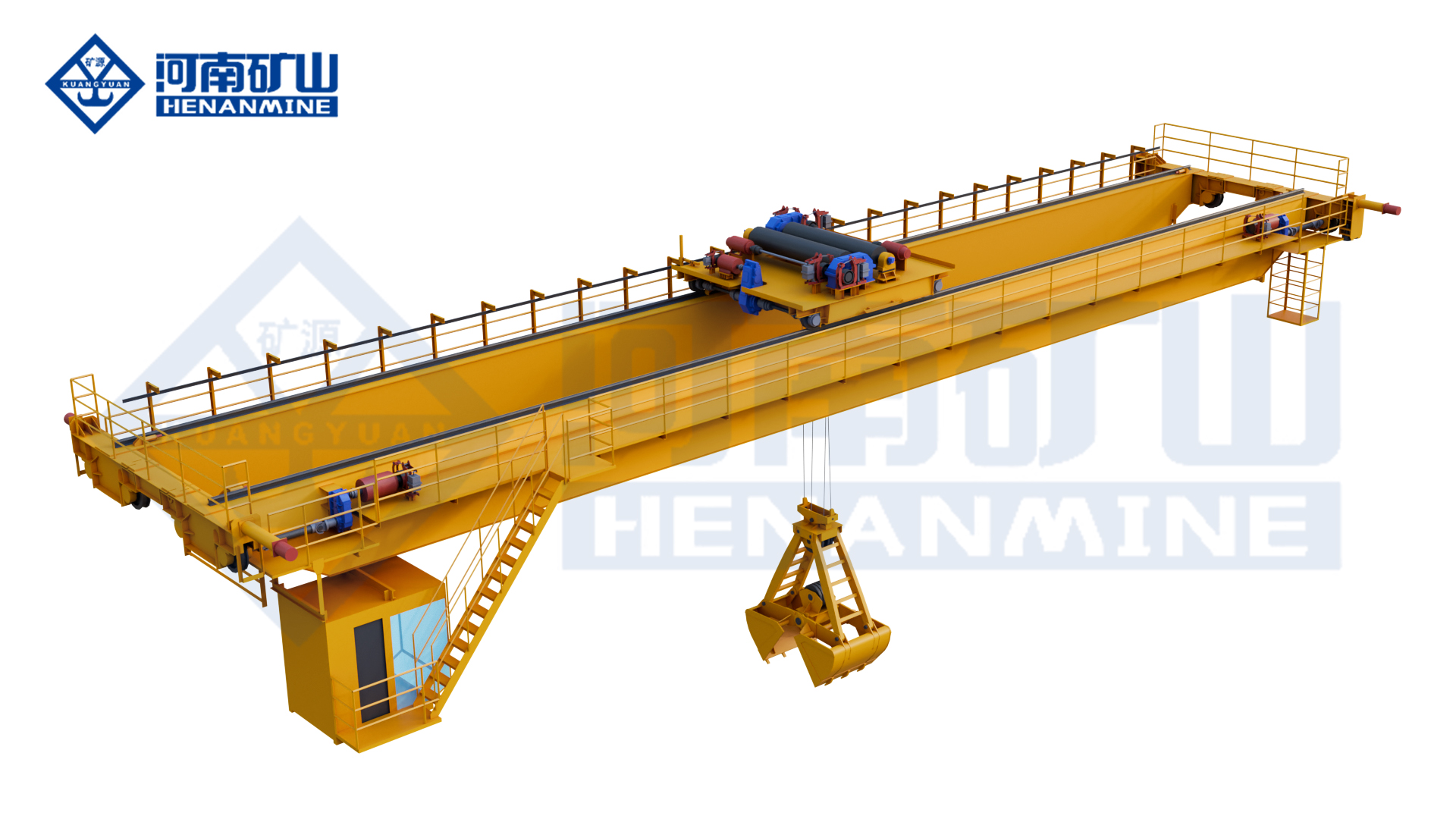
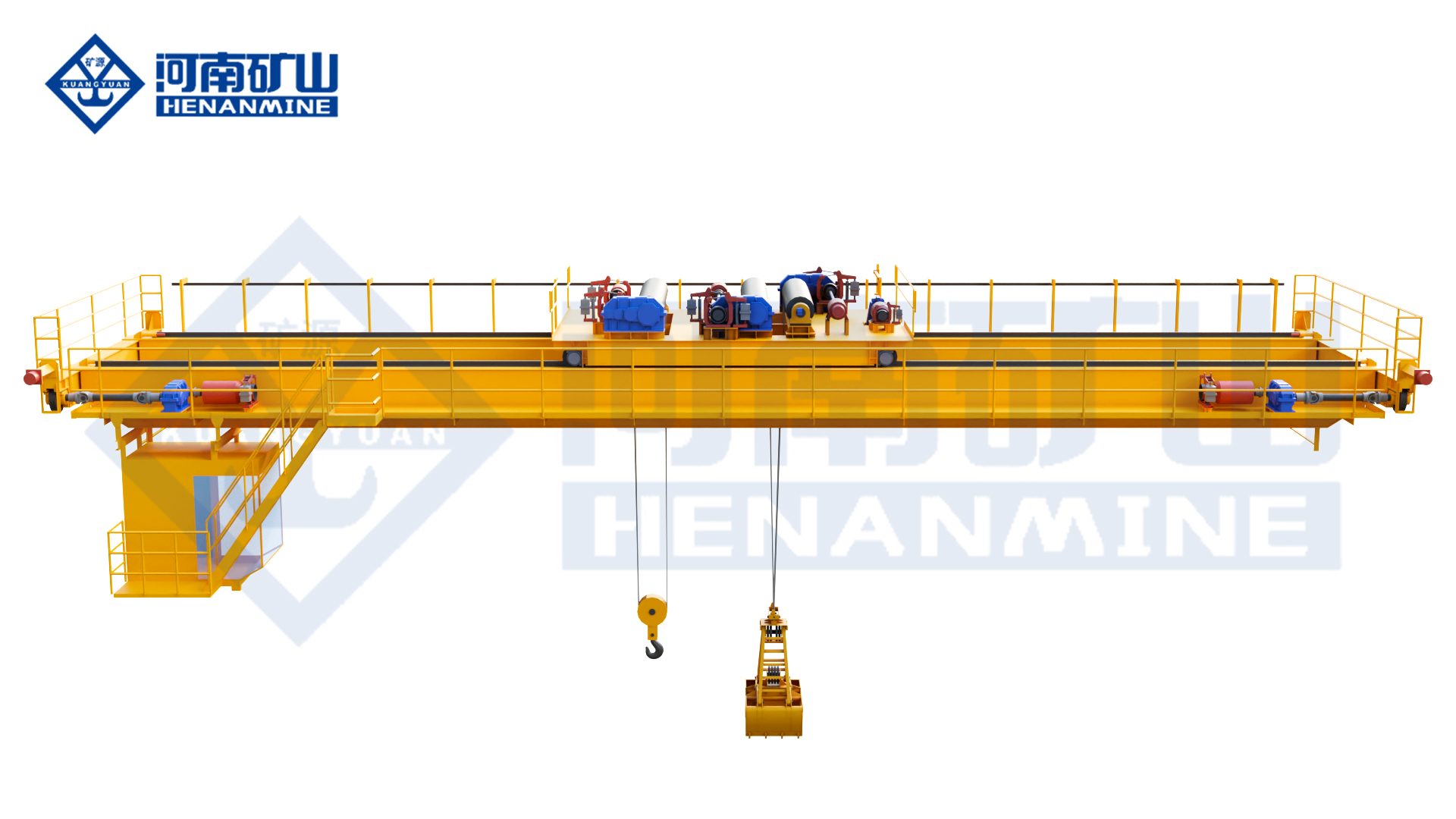
    Henan Mine Crane intelligent grab overhead crane structure and trolley arrangement
    Double-girder intelligent grab crane structure. The biomass grab, sensors and plant interfaces form part of the selected project package.

    Receiving and feeding priorities

    The offered control sequence can prioritize hopper replenishment while allocating available cycles to truck reception, storage distribution and blending.

    Positioning and load control

    VFD motion control, position feedback, anti-sway and weighing can be included. Pile-surface sensing and slack-rope protection are specified where required by the selected grab and automation concept.

    Clear operating and recovery modes

    The control package identifies manual access, assisted cycles, automatic functions, alarms and recovery procedures. Multiple-crane coordination is engineered when included.

    The interface schedule defines signals exchanged with the plant PLC or DCS, their purpose and the response to a lost signal. The hopper and downstream feeder remain part of the coordinated process.

    Project Experience in Automated Fuel and Bulk Handling

    Biomass industry example: Kaunas, Lithuania

    Konecranes’ 2013 CXT Biomass brochure documents a New Heat project at a 10 MW boiler house in Kaunas. The fuel hall had three tipping bunkers, three storage areas and a double hopper. The installation used a 4 t hoist and a 2.5 m³ hydraulic clamshell grab, with automated operation, sway control and slack-rope prevention.

    This was a Konecranes installation. It illustrates why cycle calculations, building clearance and the fuel-store layout matter alongside hoist capacity; its dimensions and ratings are not Henan Mine Crane product specifications.

    Henan Mine Crane: commissioned automatic grab technology

    Henan Mine Crane’s December 2025 project report records an automatic grab crane entering service at a waste incineration power generation facility. Its published functions include variable-frequency control, absolute-encoder feedback, anti-sway, fixed-point grabbing and constant-weight cyclic operation.

    This is experience in an adjacent fuel-handling application. A biomass proposal receives its own grab, material-flow and operating-duty selection.

    Build Service Access into the Fuel Store

    A dependable feeding arrangement includes a practical way to inspect the crane, service the grab and recover from a stoppage. We develop the following provisions with the equipment layout:

    Provision Delivery benefit
    Grab parking and service position An accessible landing area for inspection, wear-part replacement and attachment changeover.
    Machinery and sensor access Platforms and access arrangements for the selected crane, with cleaning access for sensors where fitted.
    Wear parts and operational spares An itemized recommendation for ropes, brakes, grab wear parts and selected electrical components.
    Maintenance and control records Supplied manuals, parts identification and contracted control-system backup and access provisions.

    The available hopper buffer, expected repair duration and alternative fuel route determine what the plant can sustain during an outage. Where two cranes are proposed, we assess remaining reach and throughput when one is unavailable.

    Protection for Dust, Moisture and Controlled Access

    Fuel properties and the building environment guide enclosure protection, coatings, cable systems and cabinet ventilation or cooling. The crane package includes the agreed load protection, motion limits, emergency stops and operating-zone controls.

    For a classified combustible-dust area, the proposal identifies the applicable equipment suitability and certification scope. Dust protection and explosion protection are separate requirements. Truck-tipping zones, personnel access and maintenance isolation are addressed in the agreed operating logic.

    Crane controls can exchange fire or plant-alarm signals where specified. The fuel store’s fire detection, suppression and process protection remain coordinated plant systems.

    Biomass Crane Price, Delivery and Acceptance

    Henan Mine Crane quotes the complete selected configuration. Grab volume and self-weight, span, lift, operating duty, automation and installation conditions all affect the offer.

    Quotation item Scope shown in the offer
    Crane and fuel grab Bridge, trolley, lifting machinery, selected grab, drives and crane controls.
    Automation and plant integration Included sensors, operating sequences, software functions and plant interfaces; optional upgrades listed separately.
    Runway and electrification Supply boundaries for rails, runway steelwork, conductor systems, cables and incoming power.
    Delivery and site services Packing, delivery basis, installation guidance, commissioning, training and destination-specific service scope.
    Testing and handover Agreed factory inspections, applicable load tests, site functional checks and representative fuel-handling acceptance conditions.

    The commercial proposal states lead time, warranty terms and exclusions. Equipment shipment and site services are separated so the project team can compare quotations on the same basis.

    For performance acceptance, the test uses the agreed fuel properties, pickup and discharge route, and workload split. Factory motion testing verifies the equipment functions; the site test establishes performance in the actual fuel store.

    Start with a Layout and Your Fuel Requirement

    Send a fuel-store drawing, the fuel types and the required boiler-feed rate. If the layout is still being developed, a sketch and daily delivery profile are enough to begin the initial engineering review.

    Your proposal: a recommended crane and grab arrangement, capacity calculation basis, operating-mode description, plant interfaces and itemized equipment and service scope.

    Send Your Fuel-Handling Enquiry

    Biomass Fuel-Handling Crane FAQs

    What is a biomass crane?

    A biomass crane moves fuel between receiving areas, storage zones and feed hoppers. For loose fuel, it normally uses a grab. Bale handling requires a suitable bale attachment and a separately engineered handling arrangement.

    Can one grab handle wood chips, bark and pellets?

    Sometimes, but compatibility depends on particle size, density, moisture, closure and discharge behaviour. We evaluate the permitted fuel range and identify any attachment changes or operating limits in the proposal.

    Does the crane feed the boiler continuously?

    The crane normally replenishes a buffer or feed hopper in batches. Downstream equipment meters fuel to the boiler. Crane capacity, hopper storage and the feeding sequence are selected together.

    How is the required lifting capacity calculated?

    The rating is selected against the complete permitted suspended load, including the grab, fuel and applicable attachments. Net fuel payload and tonnes-per-hour performance are calculated separately.

    Can the crane run automatically at night?

    Automatic operation can be engineered with the required sensing, hopper signals, zone controls and recovery modes. The offer defines the functions and the plant supervision and intervention arrangements.

    Can you replace a crane in an existing biomass hall?

    We can assess the existing runway, clearances, hopper locations and electrical interfaces. The proposed arrangement identifies wheel reactions, working coverage and installation requirements.

    What is included in a biomass crane quotation?

    The offer identifies the crane and grab, control functions, electrification, documentation, spares and selected site services. Delivery time, warranty and exclusions are stated for the proposed configuration.

    Henan Mine Crane · Technical information reviewed: 2026

    Request a Biomass Crane Proposal

    Get a crane and grab package designed around your fuel, storage building and boiler demand. Send your layout to Henan Mine Crane for an engineered arrangement and itemized quotation.

    Request a Quote

    Email Fuel-Store Drawings

    Email: info@hnksglobal.com
    Henan Mine CraneDiscuss your requirements ↗