
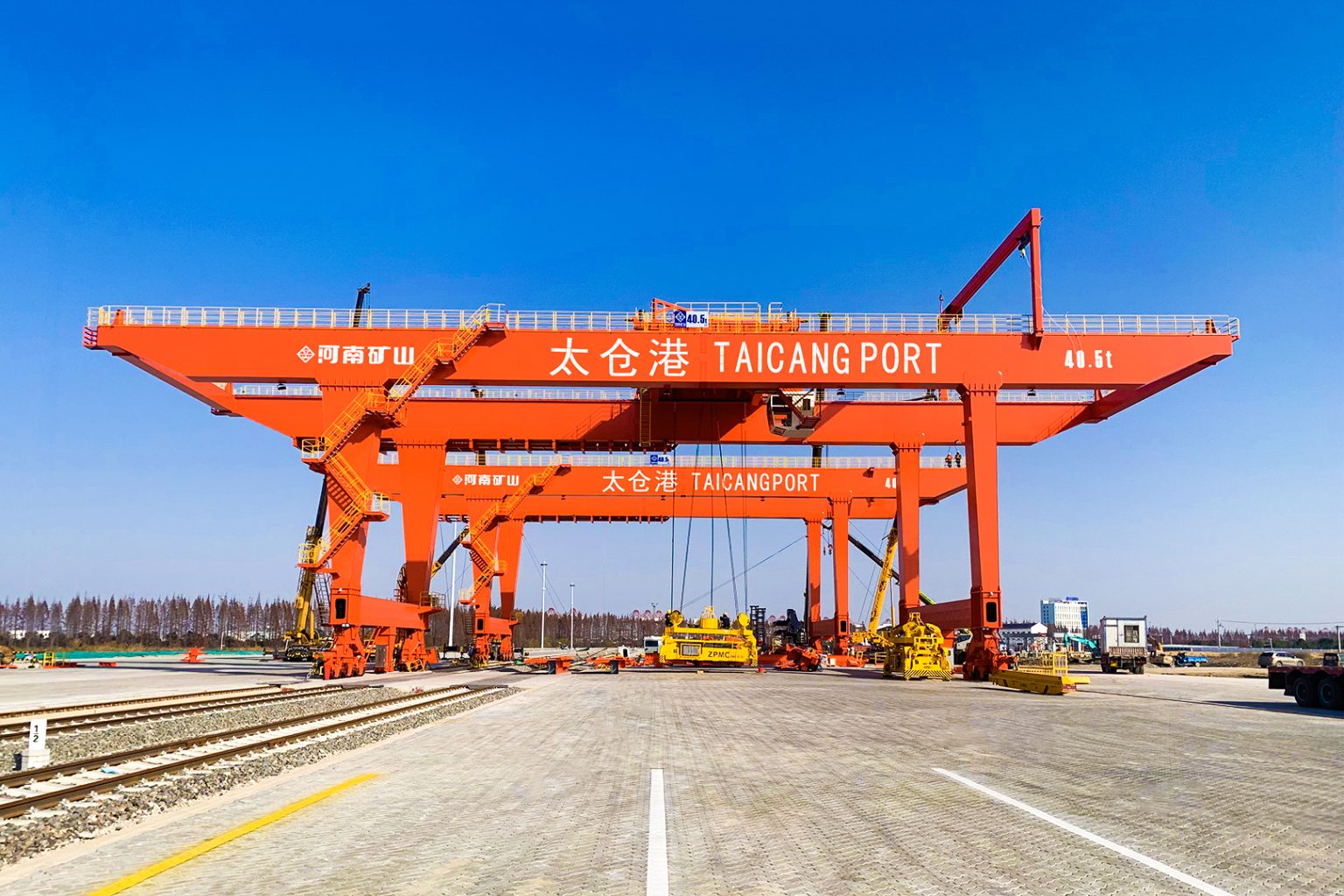
Henan Mine Crane · Marine Terminal, Inland Depot and Intermodal Yard Systems
Container Yard Crane Systems
Engineered RTG, RMG, straddle-carrier and fixed container crane systems for stacking, truck exchange, rail transfer and short-distance container movement.
Henan Mine Crane configures each container yard crane around annual throughput, peak gate and rail demand, block geometry, stacking height, container mix, pavement or rail limits, power infrastructure, automation interfaces, wind exposure and contracted acceptance targets.
CORE CONFIGURATIONS
RTG, RMG, Straddle and Fixed Crane
CONTAINER DUTY
20 ft, 40 ft and 45 ft Containers
YARD INTERFACES
Stack, Truck, Rail and Transfer Lane
PROJECT PRIORITY
Throughput, Density and Lifecycle Cost
What Is a Container Yard Crane?
A container yard crane lifts, stacks and transfers ISO containers inside a marine terminal, inland container depot, rail-intermodal facility, bonded logistics park or industrial distribution yard. Unlike an STS crane at the berth, a yard crane works between storage positions and landside or terminal-transport exchange lanes.
The main configurations are rubber-tyred gantry cranes for mobile block service, rail-mounted gantry cranes for fixed high-density blocks, straddle carriers that combine transport and stacking, and fixed container overhead cranes for dedicated transfer bays. Each configuration changes the yard layout, civil works, fleet quantity, operating method and long-term cost.
Henan Mine Crane supplies rubber-tyred gantry cranes, rail-mounted gantry cranes, container straddle carriers and container overhead cranes for new yards, capacity expansions and equipment replacement.
Container Yard Crane Selection Considerations
Annual and Peak Throughput
Annual TEU, peak gate moves, vessel exchange peaks, rail windows, operating hours and reserve capacity establish crane quantity and duty.
Block Geometry
Rows under the span, truck lanes, stack height, block length, reefer aisles and maintenance access define span, lift and travel envelope.
Container and Spreader Duty
Container size, maximum gross mass, single or twin lift, empty-container share and out-of-gauge work determine rated load and spreader functions.
Mobility and Layout Stability
Changing blocks favor mobile RTG or straddle systems; permanent high-density blocks support rail-mounted and automated configurations.
Civil and Power Infrastructure
Pavement bearing, wheel loads, rails, settlement, drainage, substations, cable routes and charging or fueling strategy affect total project scope.
Automation and TOS Interfaces
Remote operation, positioning, OCR, truck guidance, equipment-control and terminal-operating-system interfaces require defined ownership and acceptance criteria.
Container Yard Crane Configurations Compared
| Configuration | Operating Pattern | Main Strength | Primary Project Check |
|---|---|---|---|
| Rubber-Tyred Gantry Crane | Serves one block and can relocate between blocks | Flexible deployment without fixed travel rails | Pavement loads, steering, block-change route, power source and lane alignment |
| Rail-Mounted Gantry Crane | Runs on a permanent rail path over fixed blocks or rail tracks | Wide span, precise travel path and strong automation potential | Rail civil works, settlement, cantilever, transfer zones and crane interference |
| Container Straddle Carrier | Combines horizontal transport, lifting and stacking | Full-yard mobility with fewer equipment handovers | Traffic management, lane width, pavement, fleet dispatch and visibility |
| Container Overhead Crane | Fixed handling over a dedicated bay or covered transfer area | Clear ground routes and controlled fixed-area operation | Runway structure, building clearance, truck interface and spreader approach |
| Automated Stacking Crane Block | Dedicated RMG/ASC block with controlled transfer zones | Repeatable positioning, remote supervision and high storage density | TOS/ECS interfaces, safety zoning, recovery mode, data quality and acceptance testing |
Container Yard Layout Before Crane Selection
Crane capacity alone does not establish yard performance. Block orientation, container dwell profile, import and export segregation, reefer positions, hazardous-container areas, empty stacks, truck appointments and rail schedules determine how often a crane must travel, rehandle or wait.
The span is normally developed from the number of container rows, clearances and one or more truck or transfer lanes. Lift height follows the required stack height plus safe spreader clearance. Cantilevers add exchange positions without placing trucks inside the rail gauge, but they also increase structural and civil demands.
Layout studies should model normal flow, peak-hour congestion, crane outages, maintenance access, emergency routes and future block expansion before final equipment quantities are released.
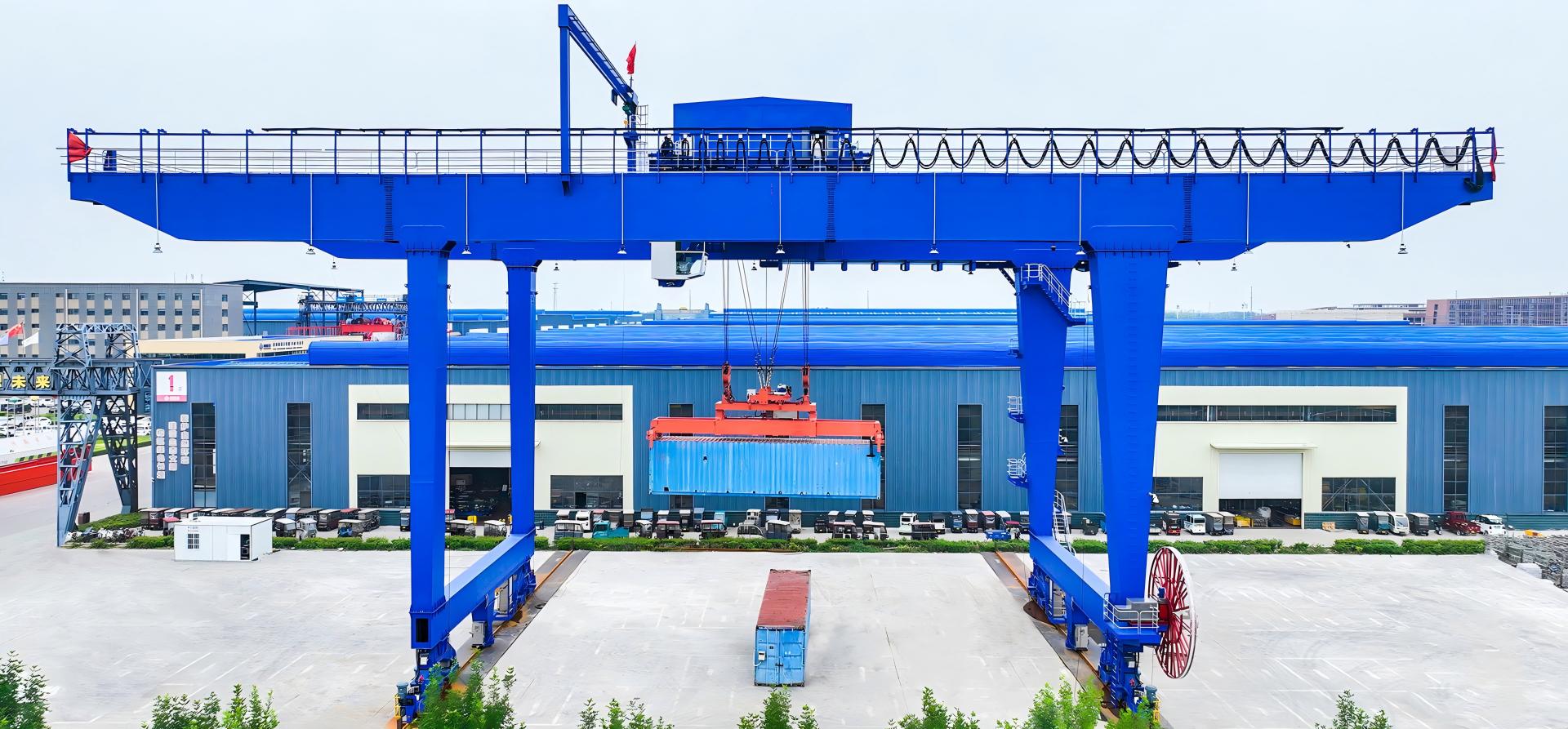
Published Container Yard Crane Ranges
The ranges below summarize published Henan Mine Crane product families. Final values are selected from the verified yard layout, rated load definition, duty spectrum, local code, wind data and interface requirements.
| Equipment Family | Published Capacity | Published Geometry | Duty and Motion |
|---|---|---|---|
| RTG | 35 t, 40.5 t, 50 t or customized | Span 8–35 m; lift 6–21 m | A6–A8; trackless yard travel |
| RMG | 35 t, 40.5 t, 50 t or customized | Span 18–35 m; lift 12.3–21 m | A6–A8; published hoist speed 0–20 m/min |
| Container Straddle Carrier | 30–50 t or customized | Lift 9–18 m; stacking up to 1-over-6 family range | A7–A8; unladen up to 25 km/h; laden up to 15 km/h |
| Container Overhead Crane | 30–65 t or customized | Span 18–35 m; lift 8–20 m | A6–A7; fixed runway operation |
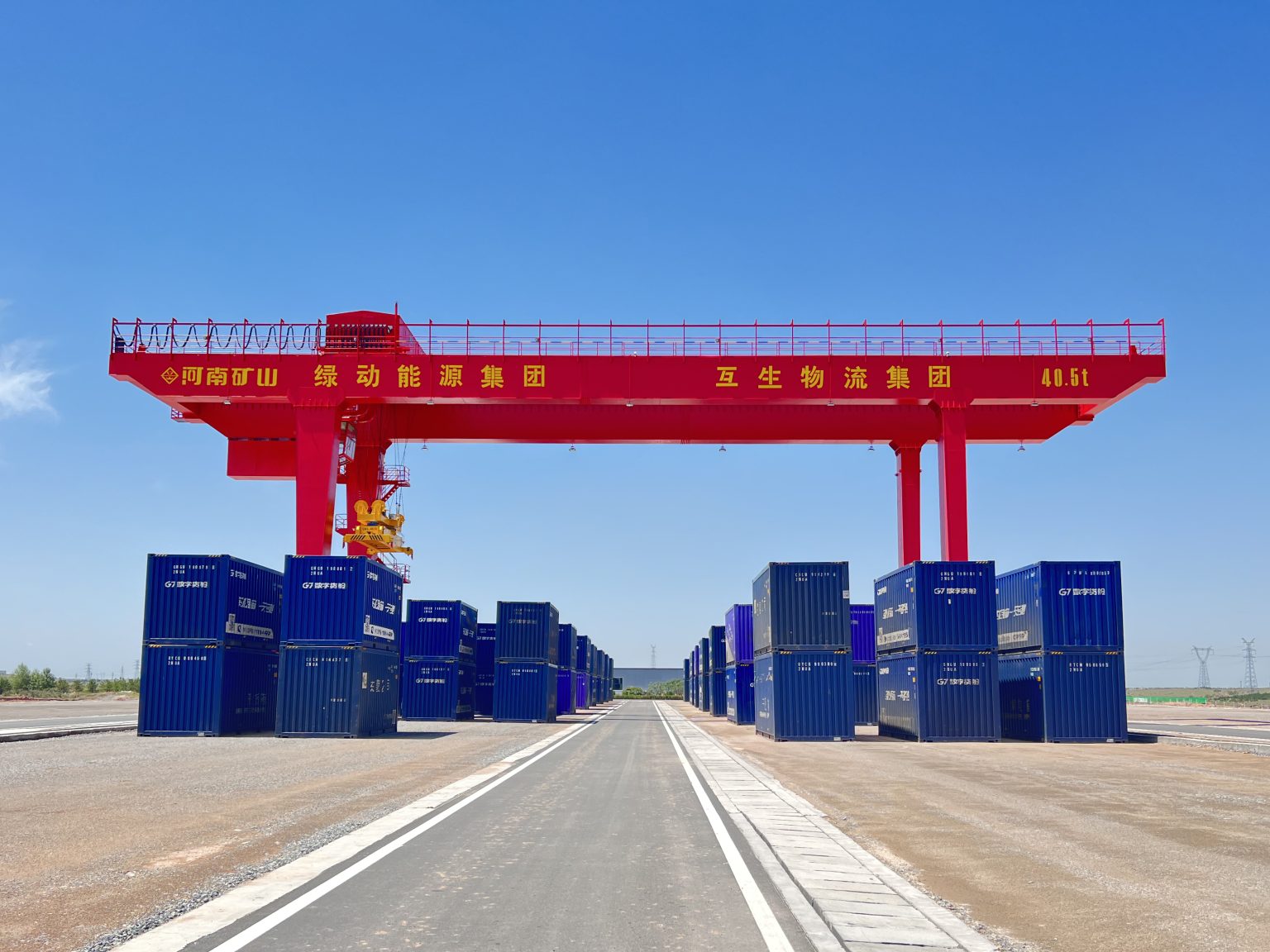
RTG vs. RMG for a Container Yard
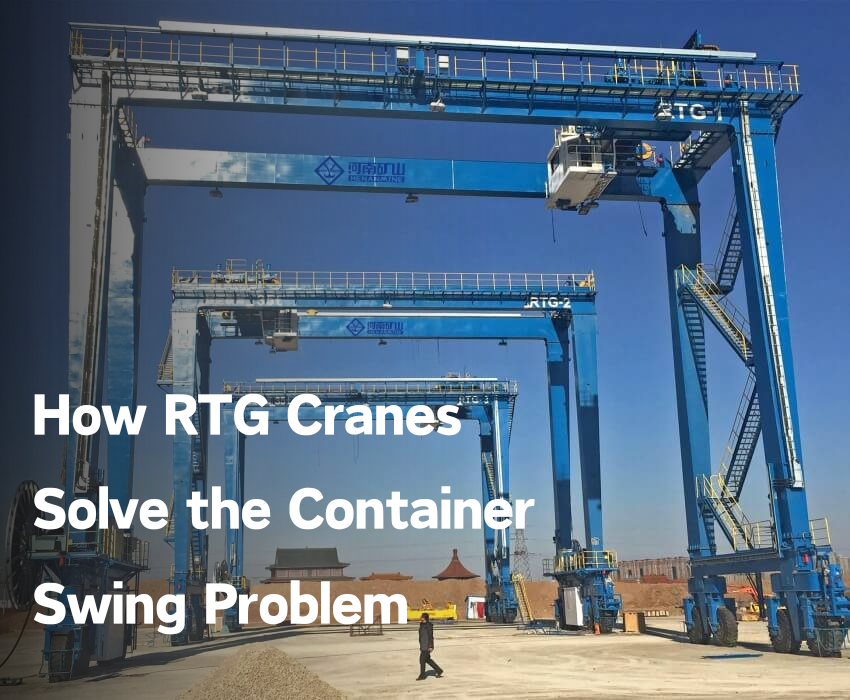
RTG cranes suit phased terminals, changing block assignments and yards where fixed rail construction is not justified. Their block-change capability improves deployment flexibility, while steering control, tire condition, pavement quality and power transition require disciplined maintenance and operating procedures.
RMG cranes suit stable blocks, high rail share, wide spans and automation-led operating concepts. Grid power and a fixed travel path support repeatable positioning, but rail foundations, settlement control and crane-interference management increase front-end engineering. A mixed fleet can retain RTG flexibility while dedicating RMG blocks to high-volume flows.

A project comparison should include crane price, rails or pavement, electrical distribution, transfer equipment, labor model, energy, tire or rail maintenance, automation support, scheduled downtime and expected container moves over the evaluation period. The detailed RMG vs. RTG cost analysis provides an additional lifecycle framework.
Fleet Sizing and Throughput
The required fleet is based on peak moves rather than annual TEU alone. Productive moves per hour are reduced by trolley and gantry travel, spreader alignment, truck arrival variation, rehandles, block changes, shift transitions, maintenance and system delays. Reserve capacity is normally assigned for planned service and unplanned outages.
Demand Profile
Peak vessel exchanges, gate appointments, train windows and import dwell create the design workload.
Cycle Components
Hoist, trolley, gantry, alignment, twistlock confirmation and data handshakes define theoretical cycle time.
Operational Allowance
Traffic conflicts, rehandles, block changes, inspections and weather reduce net productive availability.
Redundancy
Maintenance reserve and recovery plans protect gate, rail and berth service commitments during crane outages.
Spreader, Anti-Sway and Positioning
| Function | Specification Items | Acceptance Evidence |
|---|---|---|
| Telescopic Spreader | 20/40/45 ft, rated load, single or twin lift, flippers, skew and trim | Functional test, interlock test and proof-load documentation |
| Anti-Sway | Passive rope arrangement, active control, operating envelope and wind condition | Measured residual sway under agreed cycles and loads |
| Container Positioning | Stack profile, target coordinates, sensor coverage and reference system | Repeatability test across defined stack positions |
| Truck Guidance | Lane detection, chassis stop position, driver signal and exclusion zones | Scenario testing for normal, offset and aborted approaches |
Power and Electrification Options
Diesel-Electric RTG
Independent block operation and relocation without fixed conductors; fuel, emissions, noise and engine maintenance remain lifecycle inputs.
Hybrid or Battery RTG
Stored energy and regeneration can reduce engine operating hours; battery duty, charging strategy and thermal management require cycle analysis.
Cable-Reel or Busbar E-RTG
Grid electricity supports lower local emissions; conductor layout, street crossing and off-grid block-change travel must be engineered.
Grid-Powered RMG
Fixed rails and electrical supply suit stable high-duty blocks; substation capacity, harmonics, cable management and backup strategy are included in system design.
Automation and Terminal System Integration
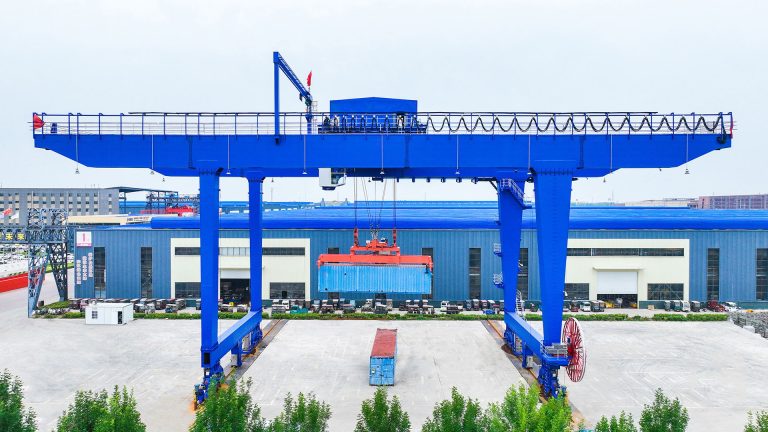
Automation scope can progress from operator-assistance functions to remote operation and fully automated stacking cycles. Typical functions include auto-steering, anti-sway, stack profiling, container positioning, truck guidance, collision prevention, equipment-condition monitoring and automated job reporting.
The interface matrix identifies data ownership between the terminal operating system, equipment control system, crane PLC, OCR, positioning, gate and rail systems. Message timing, exception handling, cybersecurity, time synchronization and manual recovery are included in the functional design.
Acceptance uses stated scenarios: normal container moves, wrong-container prevention, blocked lanes, lost communications, sensor degradation, emergency stops, power recovery and return to automatic service.
Pavement, Rails and Civil Interfaces
RTG wheel loads, tire pressure, turning zones and surface tolerance are coordinated with pavement design. Drainage grates, utility covers, crossfalls and transitions cannot interrupt steering or load distribution. Accurate lane markings and reference paths support auto-steering and truck positioning.
RMG projects require verified rail gauge, rail elevation, straightness, foundation stiffness, differential settlement, end stops, buffers and storm anchoring. Wheel-load envelopes cover normal operation, acceleration, braking, wind and out-of-service conditions.
Civil drawings and crane data sheets are exchanged before manufacture so wheel reactions, rail tolerances, conductor routes, cable pits and maintenance access are consistent across contracts.
Safety, Wind and Marine Environment
Load and Motion Protection
Overload protection, hoist limits, overspeed protection, brakes, travel limits, buffers, emergency stops and fault monitoring are matched to the design code and risk assessment.
Collision and Traffic Control
Crane-to-crane protection, stack collision prevention, truck guidance, pedestrian exclusion and audible or visual warnings are defined by the operating concept.
Wind Management
Operating wind limits, alarm thresholds, parking procedures and out-of-service securing are established from site wind data and the selected structural code.
Corrosion Protection
Coating system, surface preparation, enclosed-component protection, stainless hardware and electrical enclosure ratings follow salt, humidity, rainfall and pollution exposure.
Access and Maintenance
Stairs, ladders, platforms, fall protection, machinery access, lighting, isolation points and component-removal routes support planned maintenance.
Contract Codes
Applicable ISO, FEM, EN, IEC, electrical, machinery and local port requirements are stated in the contract with an agreed document hierarchy.
40.5 t RMG Container Yard Project
Taicang Port International Hub
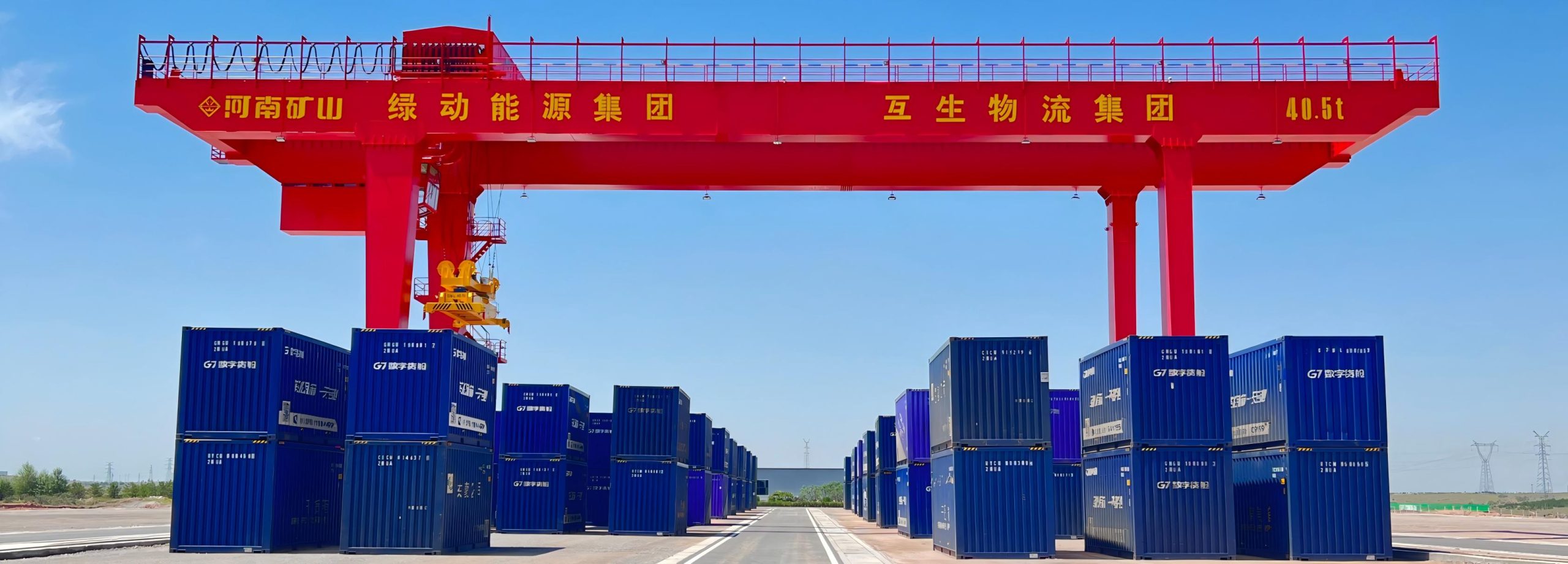
Henan Mine Crane published a 40.5 t rail-mounted container gantry crane project for Taicang Port. The crane was configured as core container-yard handling equipment for an international logistics hub.
The disclosed project functions include integration with the terminal logistics-management platform, remote operating-status visibility, automatic container seeking and lifting-device guidance. The lifting-device concept also supports interchangeability for containers and selected non-container cargo duties.
This project demonstrates the combined engineering boundary of crane mechanics, spreader functions, positioning, controls and terminal data integration. Site-specific performance remains governed by the final contract and acceptance program.
Container Yard Crane Price and Project Budget
Public web prices reviewed in 2026 vary sharply because some values describe a basic equipment configuration, while public port contracts can include multiple cranes, controls, auxiliary equipment and system integration. Freight, duties, civil works, electrical infrastructure, erection, commissioning and terminal acceptance are separate unless expressly included.
| Public Reference | Published Value | Supply Level | Commercial Boundary |
|---|---|---|---|
| Dongqi Crane 40 t Diesel RTG Guide, 2025 | US$280,000–350,000 | Published 6-wide equipment guide | Not a delivered terminal contract; specification, destination and services require confirmation |
| Dongqi Crane 50 t Hybrid RTG Guide, 2025 | US$380,000–480,000 | Published 7-wide equipment guide | Energy storage, charging, automation and regional compliance can change the final scope |
| Dongqi Crane 45 t Full-Electric RTG Guide, 2025 | US$450,000–550,000 | Published 6-wide equipment guide | Substation, conductor system, yard cabling and civil works are normally evaluated separately |
| ZEHUA 35–40 t RMG Supplier Listing, 2026 | US$280,000 listed | Supplier listing for a stated crane family | Listing price is not evidence of rails, automation, freight, erection or acceptance inclusion |
| WEIHUA 40 t, 30 m RMG Guide, 2025 | US$350,000–550,000 | Published equipment-range reference | Rail foundations, power distribution and terminal interfaces remain project-specific |
| Virginia Port Authority, Up to 3 CRMGs, 2021 | Contract cap US$17.97 million | Cantilever RMGs plus related equipment and systems | If all three are supplied, the cap equals up to US$5.99 million per crane-package equivalent before separating system scope |
| Henan Mine Crane Yard System | Project-specific RFQ | Configured crane, spreader, controls and agreed services | Price follows geometry, duty, quantity, automation, civil interface, Incoterm and destination |
Main Cost Drivers
Rated load, rows, truck lanes, stacking height, cantilevers, block length and duty class.
Diesel, hybrid, battery or grid supply, anti-sway, remote operation, OCR and TOS integration.
Pavement, rails, foundations, substations, conductors, networks, drainage and storm anchors.
Ocean transport, erection, commissioning, load tests, productivity trials, training, spares and warranty.
Engineering and Procurement Deliverables
Technical Proposal
General arrangement, design basis, load definition, duty, speeds, power, controls, spreader and environmental criteria.
Civil Interface Data
Wheel loads, rail gauge, tolerances, pavement reactions, conductor route, buffers, anchors and maintenance clearances.
Electrical and Controls
Single-line data, connected load, drive philosophy, control architecture, network requirements and interface register.
Quality Documentation
Inspection and test plan, material records, welding and NDT records, certificates, factory tests and document schedule.
Site and Acceptance Scope
Transport, erection, commissioning, proof load, functional trials, productivity tests, training and handover requirements.
Lifecycle Support
Recommended spares, special tools, preventive-maintenance schedule, remote diagnostics, warranty and service response.
Container Yard Crane RFQ Data
| RFQ Item | Information Required | Engineering Use |
|---|---|---|
| Operating Demand | Annual and peak TEU, gate moves, rail windows, dwell time, operating hours and target productivity | Configuration, quantity, duty and reserve |
| Container Mix | 20/40/45 ft mix, maximum gross mass, reefer, empty, twin-lift and out-of-gauge duty | Capacity, spreader and load cases |
| Yard Layout | Block plan, rows, lanes, stack height, block length, rail or truck interfaces and expansion plan | Span, lift, cantilever, travel and fleet arrangement |
| Civil Data | Pavement capacity, rail gauge, foundation, settlement, drainage and storm-securing locations | Wheel arrangement, reactions and securing system |
| Power and Controls | Voltage, frequency, grid capacity, fuel or charging plan, operator mode and automation functions | Powertrain, electrical and control architecture |
| Site Environment | Operating and storm wind, temperature, salt, humidity, rain, lightning, seismic and dust data | Structure, coatings, enclosures and operating limits |
| Commercial Scope | Destination, Incoterm, code, civil works, installation, tests, training, spares and warranty | Comparable technical and commercial quotation |
A preliminary concept can be prepared from the yard layout, throughput target, stacking pattern, container duty and site environment. A firm quotation requires verified civil interfaces, power data, automation boundaries, destination requirements and acceptance criteria.
Container Yard Crane FAQ
Is a container yard crane the same as a container gantry crane?
Often, but not always. RTG and RMG cranes are container gantry cranes and are the most common yard systems. The broader term can also include straddle carriers and fixed container overhead cranes.
Which crane suits a flexible or expanding yard?
RTG cranes and straddle carriers can relocate without fixed travel rails. The final choice depends on stacking density, horizontal-transport concept, pavement, traffic and fleet size.
Which crane suits a fixed high-density block?
An RMG or automated stacking crane block can provide wide coverage, grid power and repeatable positioning when the yard layout and transfer zones remain stable.
How are span and lifting height selected?
Span covers the required container rows, clearances and truck or transfer lanes. Lifting height covers the specified stack plus safe spreader clearance and operating margin.
Can a manual yard crane be prepared for later automation?
Automation-ready design can reserve control capacity, sensors, networks, positioning references and safety interfaces. Later feasibility still depends on structure, drives, braking, data quality and the operating environment.
What belongs in a turnkey yard-crane contract?
The contract can include cranes, spreaders, electrification, controls, automation, selected rails or civil interfaces, freight, erection, commissioning, performance tests, training, spares and warranty. Included and excluded items should be scheduled explicitly.
Related Container Yard Crane Products
Rail-Mounted Gantry Crane
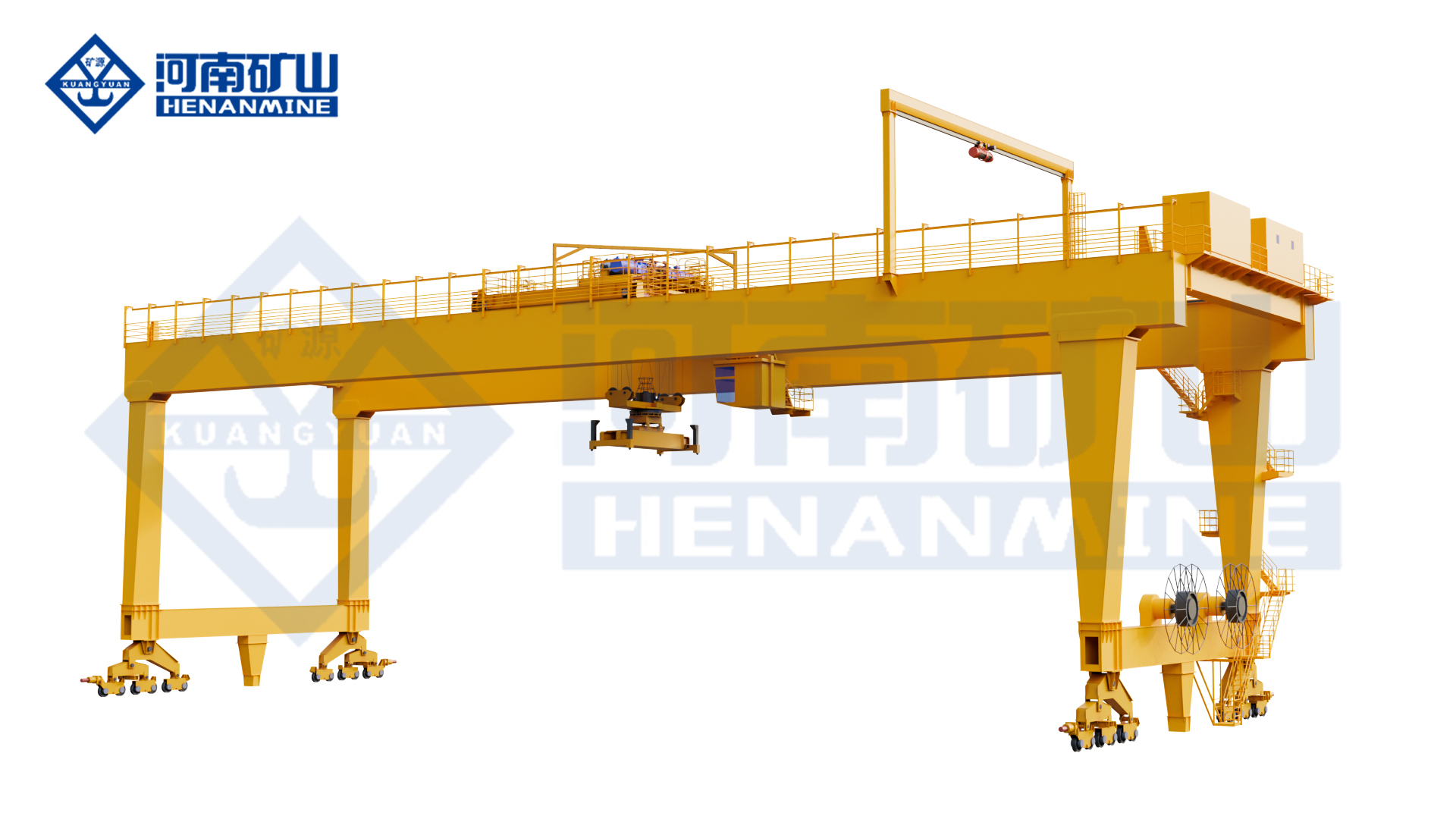
Electric yard or rail crane for fixed blocks, wide spans and automation-led operations.
Rubber-Tyred Gantry Crane
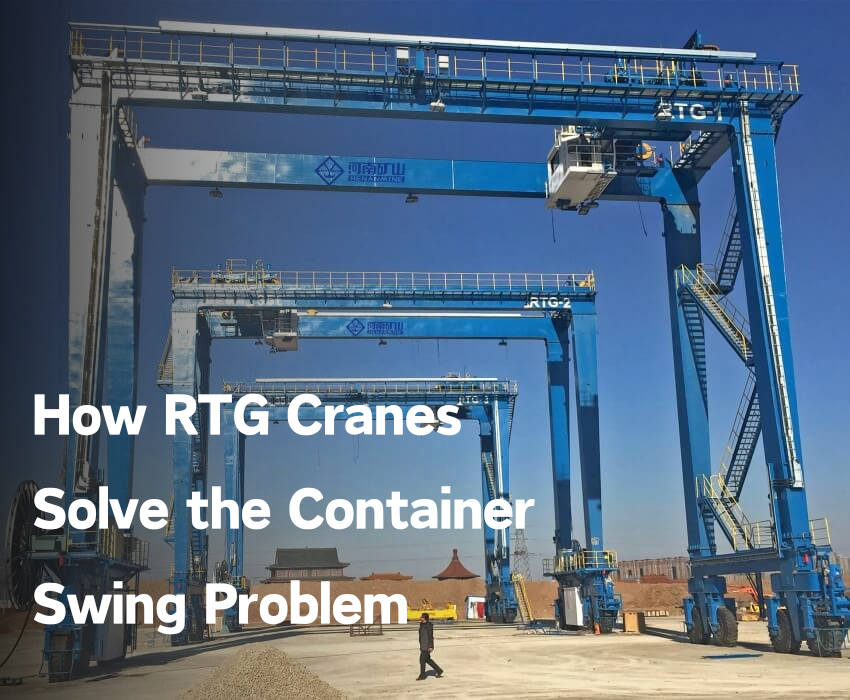
Mobile yard crane for flexible block allocation and phased terminal expansion.
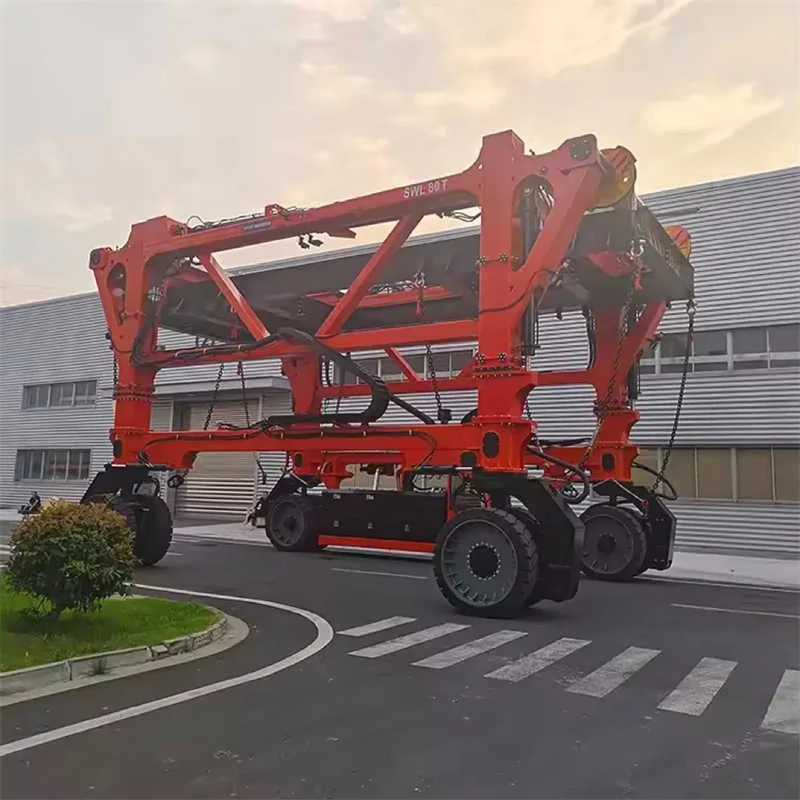
Container Straddle Carrier
Mobile equipment combining short-distance container transport, lifting and stacking.
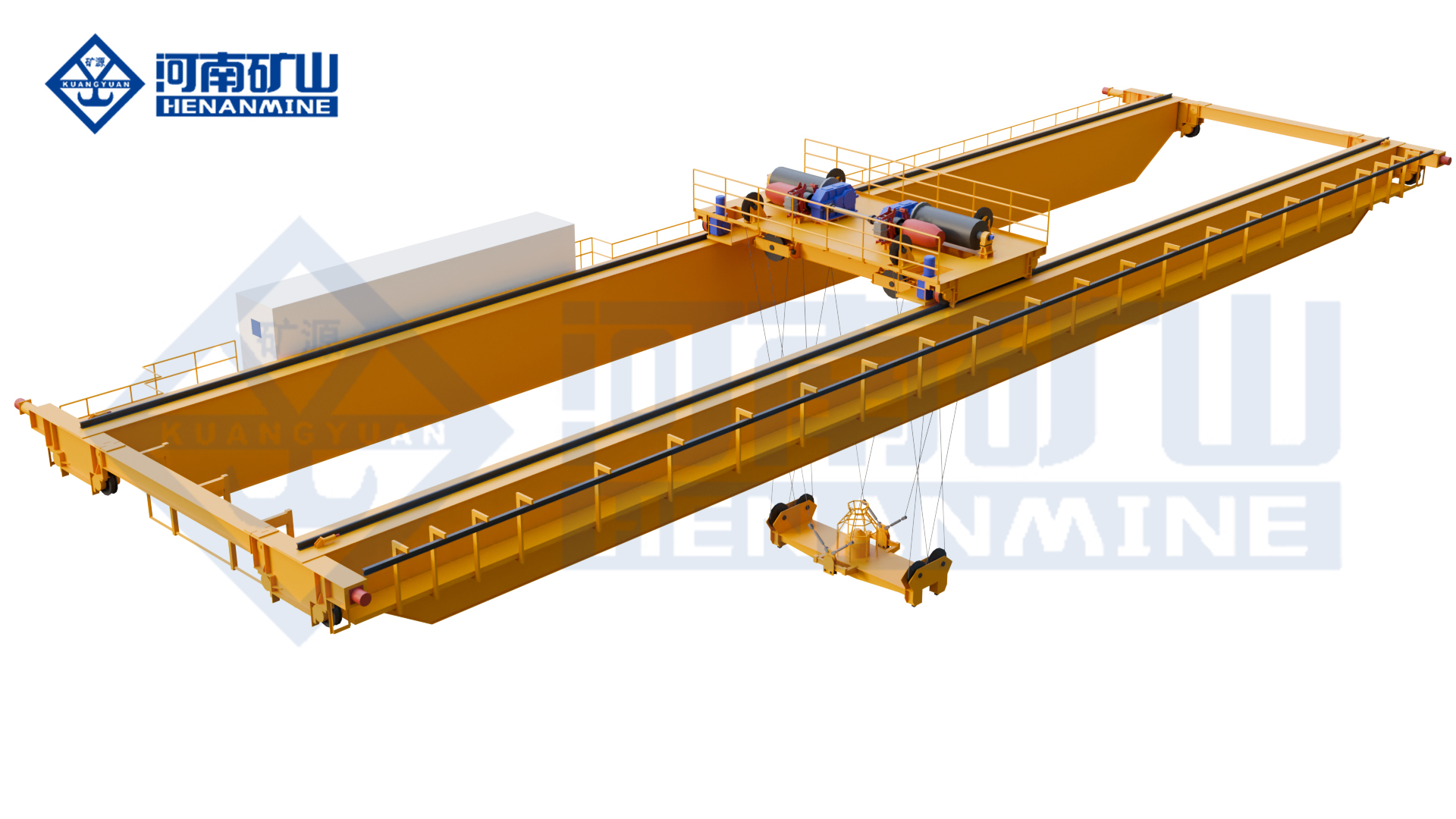
Container Overhead Crane
Fixed-area container handling for inland depots, logistics bays and covered facilities.
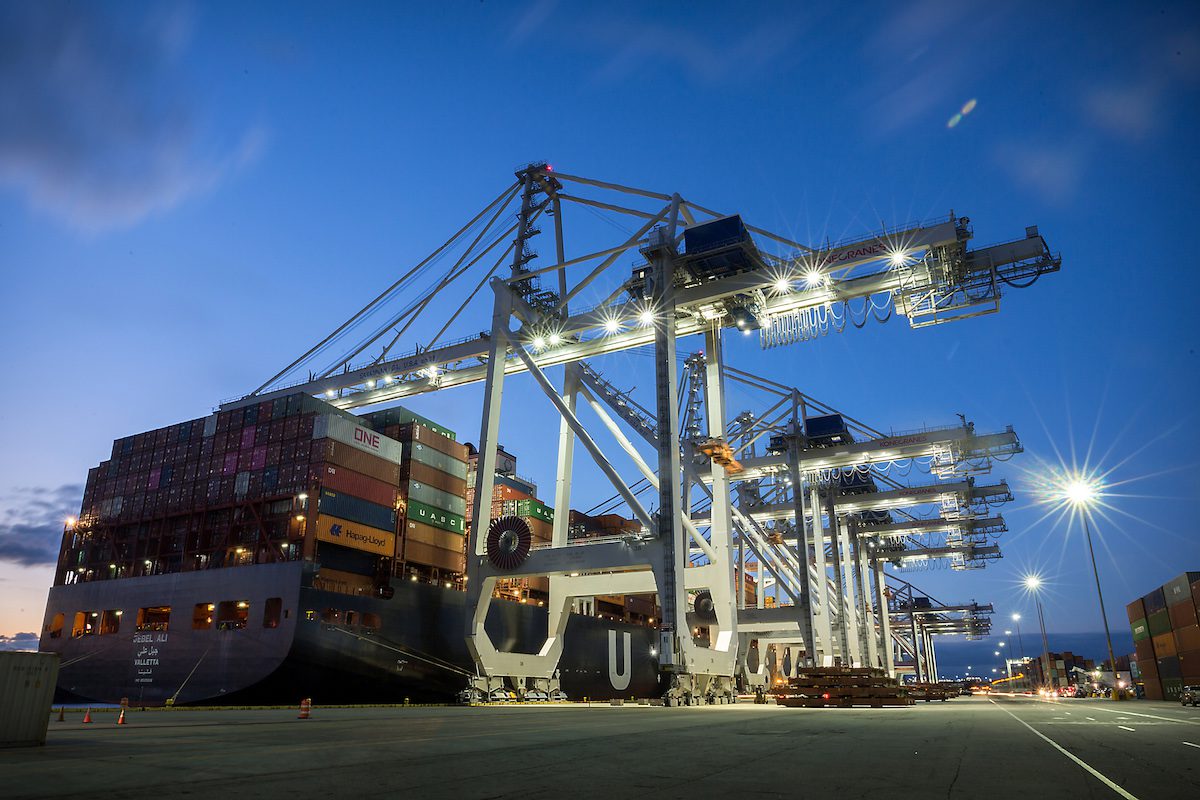
Ship-to-Shore Crane
Quayside crane establishing the vessel-to-yard container flow at marine terminals.
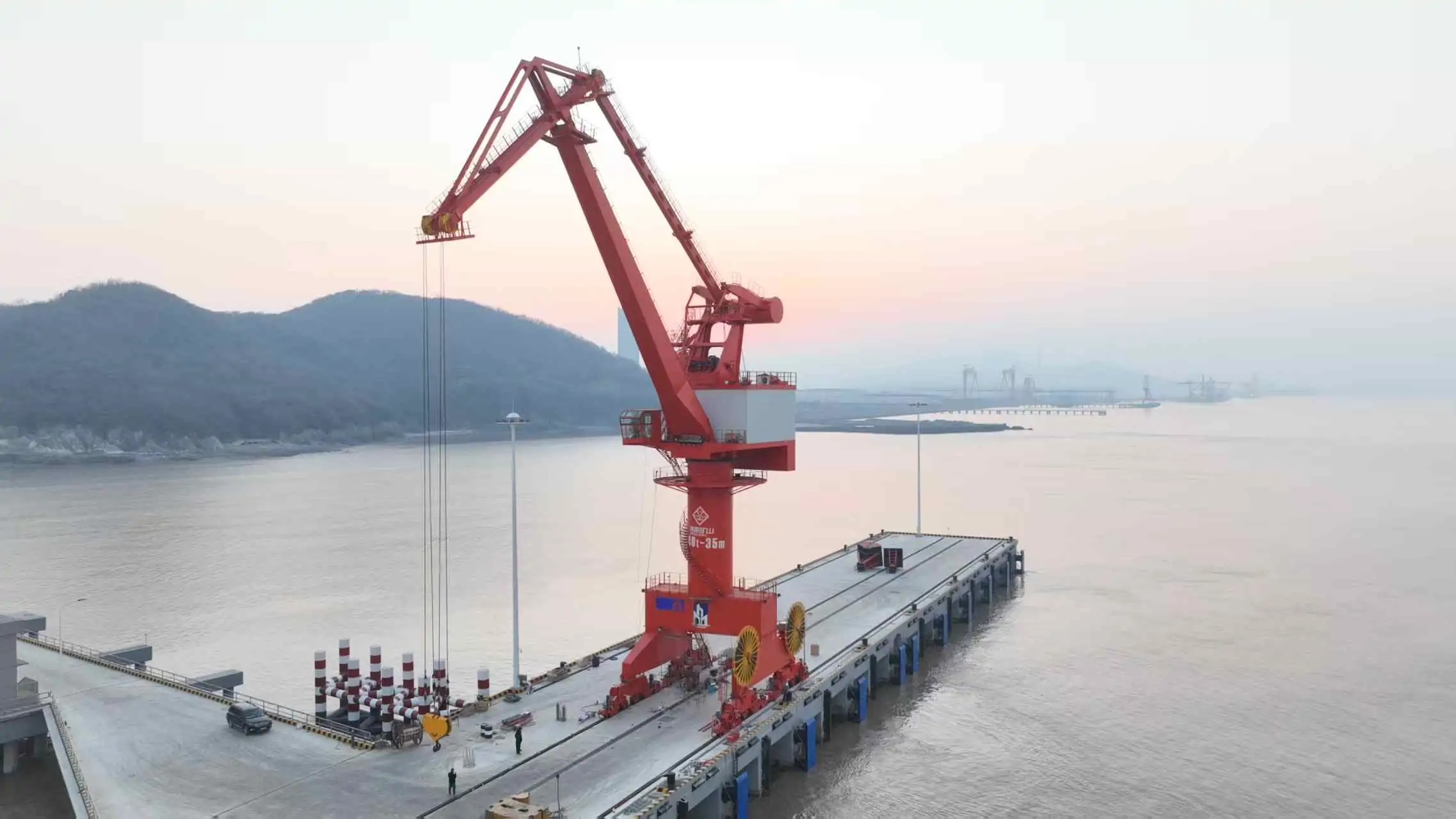
Portal Harbor Crane
Flexible berth equipment for containers, general cargo and project cargo operations.
Technical review: Henan Mine Crane Engineering
Last reviewed: 2026
Request a Container Yard Crane Quote
Submit the yard layout, throughput target, container mix, stacking pattern, civil data, power supply, automation scope, site environment, destination and installation boundary for an engineered proposal.