Engineering · Manufacturing · Project support
info@hnksglobal.comWhatsApp +86 18836207779 ↗

Blog

  • Port and Logistics Cranes for Egypt Projects: Build the Equipment Brief

    Port and Logistics Cranes for Egypt Projects: Build the Equipment Brief

    Technical guide

    Port and Logistics Cranes for Egypt Projects: Build the Equipment Brief

    An export enquiry should describe the actual port or logistics operation and its site interfaces. Include the cargo, working area, environmental inputs and installation responsibilities when requesting a technical and commercial proposal.
    Henan Mine CraneTechnical guide · Updated 2026Crane selection, project scope and operating requirements
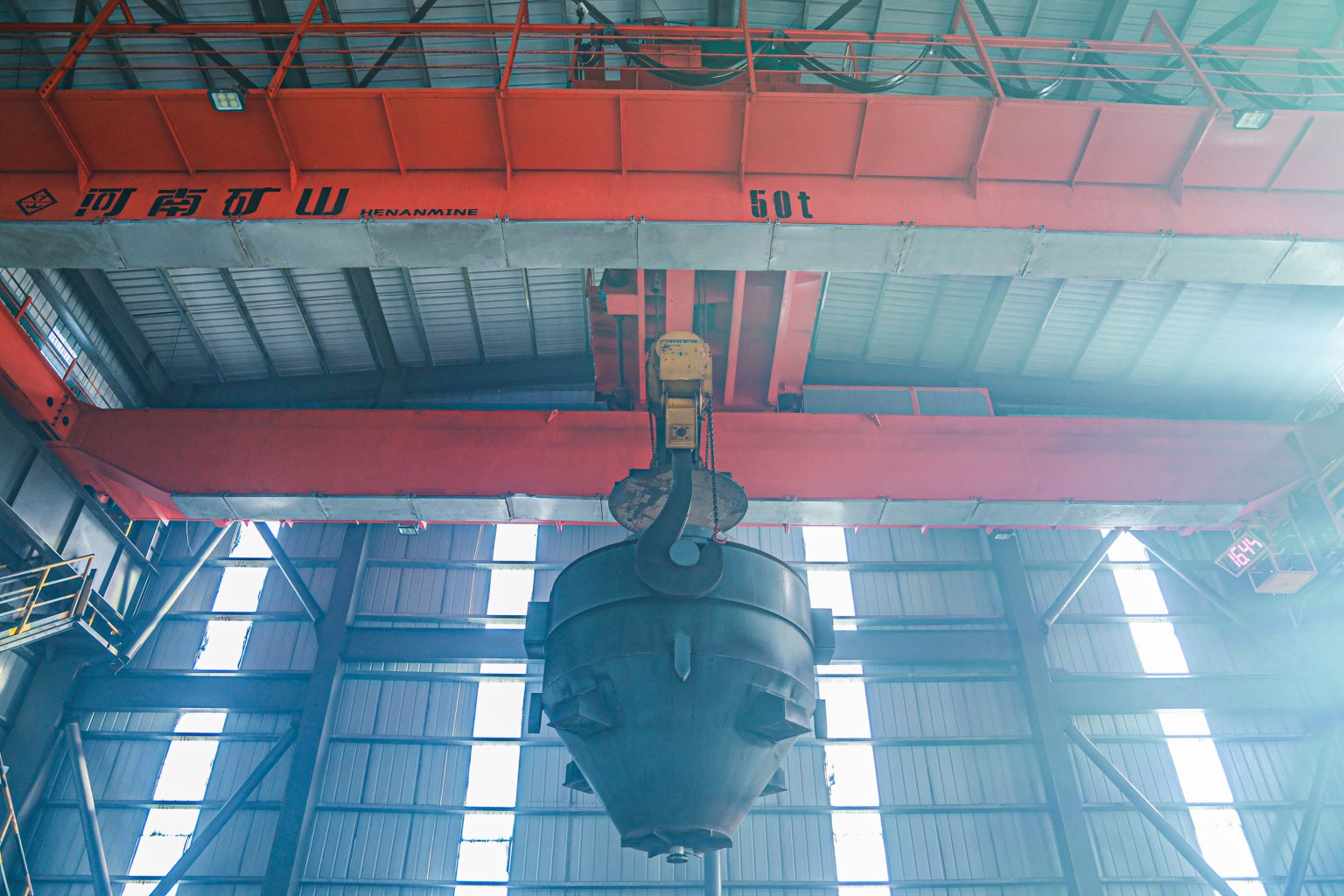
    Henan Mine Crane overhead crane inside a workshop bay
    Henan Mine Crane overhead crane inside a workshop bay
    Project planning notes

    Key points for this crane project.

    1. Which projects in Egypt need Port Logistics Cranes?
    2. Common Procurement Requirements in Egyptian Port
    3. Recommended Crane Types for Egypt Port Logistics
    Read the technical guide

    Which projects in Egypt need Port Logistics Cranes?

    Specialized container terminals

    Egypt's major container ports are responsible for a large number of import, export and transit container business, Port Said East Port, Alexandria New Port and other modern container hubs, handling thousands of standard containers per day. Shore bridges are responsible for ship loading and unloading, yard bridges are responsible for yard stacking and transshipment, and the whole set of equipment system directly determines the container throughput capacity of the terminal.

    This type of project requires high operational efficiency, continuous operation capability and automation level of the equipment, which is the core service scenario of Egypt port crane supplier.

    General Bulk Cargo Ports

    Traditional ports such as Alexandria Old Port and Port Said West Port Area are dominated by bulk cargo handling such as steel, engineering equipment, building materials and agricultural products. Flexible equipment such as gantry cranes and mobile harbor cranes are needed to meet the lifting needs of different types and sizes of cargo.

    This type of port operation category miscellaneous, cargo form of large differences in the generality and flexibility of the Crane is more demanding.

    Industrial and bulk cargo specialized terminals

    Egypt's port industrial zones supporting a large number of specialized industrial terminals, mainly serving the petrochemical, steel, cement, energy and other industries. Responsible for raw materials into the factory, finished products outbound, large industrial equipment lifting and other operations, requiring high-capacity, heavy-duty port cranes.

    This type of project on the equipment load margin, structural strength and stability requirements are stringent, must use industrial-grade heavy-duty models.

    Inland dry port and logistics hub

    With the improvement of Egypt's inland logistics network, a number of large inland dry ports and integrated logistics hubs have been built around Cairo, the Suez Canal economic zone, and near the new administrative capital. These sites are mainly responsible for temporary storage of goods, distribution, transshipment, container dismantling and consolidation business, and a large number of gantry cranes and Overhead Cranes are used to complete the yard and warehousing operations.

    Inland logistics hubs have wide open spaces and high operating frequency, requiring equipment with good operational stability and low maintenance costs.

    Warehousing and Supporting Operation Area

    Port and logistics parks supporting warehouses, maintenance workshops, equipment storage areas, the need for small and medium-sized lifting equipment to assist material handling, equipment maintenance, tool storage. This type of scenario mostly uses single girder, double girder Overhead Cranes or small gantry cranes, which are suitable for light and medium loads, and normalized operation requirements.

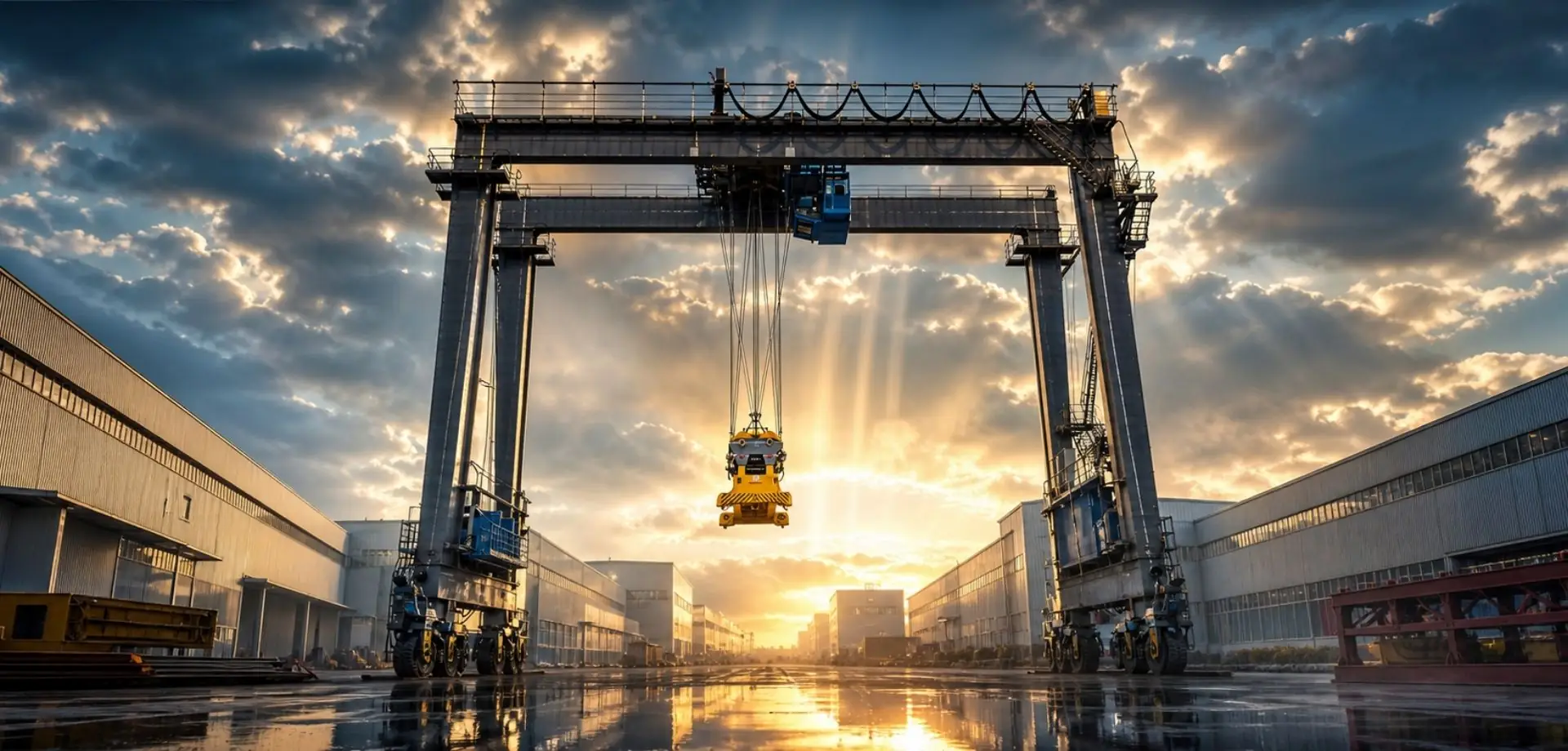
    Henan Mine Crane manufactured Automated Container Gantry Crane

    Common Procurement Requirements in Egyptian Port Logistics Industry

    Heavy-duty outdoor continuous operation capability

    Egyptian ports and logistics parks generally use two or three shifts of uninterrupted operation mode, Crane daily operating hours up to 16-20 hours. The equipment needs to withstand high-frequency, large load cyclic operation for a long time, ordinary industrial light-duty models are completely unable to adapt to this high-intensity working conditions.

    The purchaser will focus on the working level, structural strength and durability of the core components of the equipment to ensure that the equipment can maintain stable operation under continuous operation.

    Stringent anti-corrosion protection requirements

    Egypt's ports along the Mediterranean and Red Sea coasts are subject to marine salt spray erosion all year round, and the high salt content of the air is extremely corrosive to the steel structure and metal parts. Ordinary industrial painting process, 1-2 years will appear paint peeling, steel structure corrosion problems, seriously affecting the service life of the equipment.

    All coastal port projects require Crane to adopt multi-layer marine heavy-duty anti-corrosion coating system, and key components are galvanized or passivated to resist salt spray corrosion.

    Suitable for high temperature and sandy environment

    Inland and desert neighboring logistics parks, dusty weather is frequent, fine sand and dust is easy to invade the equipment running parts and electrical cabinets, resulting in wear and tear, jamming and circuit failure.

    The equipment needs to be equipped with high-temperature-resistant electrical components, heat dissipation optimized structure and fully sealed dustproof design to adapt to the harsh local climate conditions.

    Stable and Reliable Electrical Control System

    Some areas in Egypt have poor grid stability and frequent voltage fluctuations. Crane electrical system needs to have good voltage adaptability and anti-interference ability, to avoid equipment downtime or failure due to voltage fluctuations.

    At the same time, the control system should be simple to operate, easy to maintain, adapt to the technical level of local operators, reduce the difficulty of later use and maintenance.

    Perfect after-sales and parts supply

    The local industrial parts supply chain in Egypt is not perfect, and the procurement cycle of niche brands and customized parts is long and costly. Once the equipment fails, the untimely supply of spare parts will lead to a long downtime, resulting in huge economic losses.

    Purchasers prioritize suppliers that can provide fast technical response, stock commonly used wearing parts, and support cross-border parts supply.

    Flexible and customized solutions

    Cargo types, site layouts, and operational processes vary greatly from port to port and logistics project to logistics project. Standardized universal equipment is difficult to fully adapt to all scenarios, requiring suppliers to customize the equipment span, reach, lifting height, spreader type and control system according to the actual needs of the project.

    Recommended Crane Types for Egypt Port Logistics Projects

    Shore Bridge Container Crane (STS)

    Shore bridge is the core equipment at the berth front of container terminals, specializing in the loading and unloading operations of ocean-going container ships. With large outreach, high lifting height and high operating speed, it can be adapted to meet the needs of large container ships docking operations.

    Newly built modern container terminals in Egypt are generally equipped with high-capacity, automated shore bridges to enhance the efficiency of ship loading and unloading.

    Tire-type Gantry Crane (RTG)

    The core scenario served by RTG crane supplier Egypt is container yard operation. The tire yard bridge does not need to lay a fixed track, mobile and flexible, strong site adaptability, and can be freely adjusted to the operating area according to operational requirements.

    It is suitable for container yards and inland dry ports with flexible layout and large fluctuation in operation volume, and is the most widely used type of yard crane in Egypt.

    Rail Mounted Gantry Crane (RMG)

    RMG crane supplier Egypt main standardized, automated container yard. The rail yard bridge runs along the fixed rail, with high positioning accuracy, good running stability, higher operating frequency, and can be docked to semi-automated and fully automated terminal control system.

    It is suitable for new large-scale standardized container terminals and intelligent logistics parks to realize high-density and high-efficiency yard operations.

    Gantry Harbor Cranes

    Gantry Cranes have a solid structure and a large operating range, and can be adapted to the loading and unloading of a variety of cargoes, such as steel, equipment, bulk cargoes and so on. They are widely used in Egypt's traditional general-purpose ports, industrial terminals and bulk cargo ports.

    This type of equipment is highly versatile and can be used to meet diversified cargo lifting needs by replacing different spreaders.

    Mobile Harbor Cranes

    Mobile harbor cranes do not require a fixed installation base, and can quickly switch between operating berths and areas. It is suitable for multi-purpose terminals, temporary work sites, small and medium-sized ports, and can flexibly respond to the loading and unloading needs of different types of cargo.

    For small and medium-sized Egyptian ports with unstable workload and changing cargo types, mobile harbor cranes are a cost-effective choice.

    Specialized Bridge and Gantry Cranes for Logistics Zones

    Inland logistics hubs, warehousing parks and ancillary workshops, mostly use single-girder and double-girder Overhead Cranes and Gantry Cranes. Responsible for cargo stacking, pallet transfer, equipment maintenance and other operations, suitable for light and medium load, normalized logistics scenarios.

    This type of equipment is simple in structure, convenient in maintenance and low in operation cost, and it is the standard equipment in the logistics supporting area.

    Core technical parameters to be confirmed by the purchaser

    Rated lifting capacity

    Lifting capacity selection needs to consider the maximum weight of goods, spreader weight and safety margin. Container operation should be calculated according to the weight of fully loaded container plus spreader, while bulk cargo and industrial equipment operation should be determined according to the maximum load of a single piece, and full load long-term operation is strictly prohibited.

    Outreach and span

    The outreach of the quay bridge should match the width and draught depth of the docking ship to ensure that it covers the whole operating range of the ship. The span of the yard bridge should match the standard partition width of the yard, and the operation radius of the gantry crane and mobile harbor crane should cover the operation area of the berth and the yard.

    Lifting height

    The lifting height needs to take into account the ship's deck height, the number of container stacking layers, and the safety headroom of cargo lifting. At the same time, it should take into account the tide difference along the Egyptian coast to ensure that loading and unloading operations can be carried out normally at both high and low tides.

    Running length

    The running length of the truck determines the operation coverage of the equipment, which needs to match the length of the quay berth, the overall layout of the yard and the logistics operation line to ensure that there is no dead angle in the whole area.

    Working Level

    Port and logistics projects are mostly high-frequency continuous operations, and must use medium-heavy duty and above working level equipment. The core operation area needs to use heavy-duty working level to avoid equipment aging in advance due to long-term overload operation.

    Operating speed parameters

    The lifting speed, trolley running speed and trolley traveling speed directly affect the operation efficiency of the terminal and yard. According to the demand of project throughput, it is necessary to reasonably match the speed parameters to balance the operational efficiency and smoothness of operation.

    Maneuvering mode

    Traditional terminals can use cab control or wireless remote control, while new automated terminals can be equipped with semi-automatic or fully automatic control systems. The control mode should match the automation level of the project and the technical ability of the operators.

    Environmental protection requirements

    Coastal projects need to specify the level of marine heavy corrosion protection, inland dusty areas need to specify the level of dustproof sealing, high temperature areas need to specify the requirements of high temperature resistance, to ensure that the equipment is suitable for the local environmental conditions.

    Power supply conditions

    Some remote areas have unstable power supply, manufacturers can be required to provide voltage stabilization and protection devices.

    Henan Mine Crane manufactured Automated Container Gantry Crane

    How to select the right Egyptian port logistics Crane suppliers

    Confirm whether it is the source manufacturer

    Purchasers should first verify whether the supplier has independent harbor crane research and development, production and assembly capabilities, rather than a mere trade intermediary. The source manufacturer can control the welding process, structural quality, anti-corrosion standards and the quality of core parts, to protect the quality of equipment from the source.

    Henan Mine Crane Industrial has a large exclusive production base for port lifting equipment, with a full range of port and logistics cranes with independent production capacity, full export qualifications, and can be batch customized to meet the Egyptian conditions of the special equipment.

    Verification of similar port logistics project experience

    Priority is given to suppliers with experience in Egypt and Middle East and Africa port projects. Manufacturers with local project experience are familiar with Egypt's climatic conditions, operating habits, acceptance standards and import processes, and can optimize the equipment program to avoid the problem of incompatibility.

    Evaluate engineering support capability

    High-quality suppliers can provide customized solutions based on the terminal layout, yard drawings, operational requirements provided by the customer, free of charge to review site conditions, recommend the appropriate type and configuration of Crane. Instead of simply marketing standardized generic equipment.

    Verification of a full set of technical documents

    Regular export manufacturers can provide a complete set of technical data in English, including equipment assembly diagrams, technical parameter manuals, electrical schematic diagrams, load data, list of core components, factory quality inspection reports, operation and maintenance manuals. Meet the needs of customs clearance, acceptance, documentation and later operation and maintenance of Egyptian projects.

    Confirmation of core component brands and configurations

    Core components such as motor, reducer, brake, PLC control system, wire rope, spreader, etc. directly determine the operational stability and service life of the equipment. When purchasing, it is necessary to clarify the brand, specification and protection level of the components, and eliminate under-allocation and under-provisioning.

    Verify the quality control and factory inspection process

    Port Cranes belong to heavy-duty and high-risk equipment, and before leaving the factory, they must complete a full set of quality inspection processes, such as weld flaw detection, structural dimensional calibration, electrical system testing, no-load test run, full-load load test, overload test, and so on. Manufacturers are required to provide complete quality inspection records to ensure that the equipment has no hidden quality problems.

    Clarify the scope of installation and commissioning and services

    Confirm in advance whether the supplier provides equipment shipping, on-site installation guidance, machine commissioning, start-up acceptance and operator training services. Overseas port projects require high installation accuracy, and professional technical guidance can effectively avoid problems such as irregular installation and commissioning.

    Confirmation of warranty and after-sales parts support

    Clarify the warranty period, warranty coverage and after-sales response time. Priority should be given to suppliers that can provide remote technical support, stock commonly used wearing parts, and support cross-border fast parts supply to ensure stable operation of the equipment in the later stage.

    Henan Mine Crane manufactured Automated Container Gantry Crane

    Common Misconceptions of Purchasers

    Blindly pursuing low prices is the top purchasing mistake. Low-cost cranes usually adopt lightweight structures, low-grade parts and basic anti- corrosion treatment, leading to frequent failures. Low-cost cranes usually adopt lightweight structures, low-grade parts and basic anti- corrosion treatment, leading to frequent failures and high maintenance costs in long-term port operation.

    Ignoring coastal salt spray corrosion and choosing standard industrial painting will cause steel rust and component aging, greatly shortening crane Ignoring coastal salt spray corrosion and choosing standard industrial painting will cause steel rust and component aging, greatly shortening crane service life in Egyptian port environments.

    Mismatching crane models with actual cargo types and working scenarios results in poor adaptability and frequent equipment breakdowns at port and logistics yards. Using light-duty cranes for continuous operation

    Using light-duty cranes for continuous heavy port operations causes structural fatigue and component damage, bringing potential safety risks.

    Focusing only on main equipment prices while ignoring installation, commissioning, training and spare parts leads to extra hidden costs and project delays. Incomplete project data in the project

    Incomplete project data in the quotation stage leads to mismatched design solutions, repeated modifications, cost overruns and delayed construction.

    Frequently Asked Questions

    What type of Crane is best suited for Egyptian port projects?

    Container terminal berth front selection of quay cranes, container yard preferred RTG tire type yard bridge, new automated terminals can be used RMG rail type yard bridge. General bulk terminals use gantry cranes or mobile harbor cranes, inland logistics hubs use gantry or Overhead Crane.

    How to choose between RTG and RMG?

    RTG tire cranes are preferred for projects that require flexible adjustment of operation areas and irregular yard layout. In pursuit of standardization, automation, high-density operation of large container terminals and intelligent logistics parks, priority is given to the use of RMG rail-mounted cranes.

    How important is anti-corrosion protection for coastal projects?

    Salt spray corrosion along the Egyptian coast is the biggest source of loss for port equipment. High-quality marine heavy-duty corrosion protection can extend the service life of the equipment by 2-3 times, significantly reduce the maintenance costs and the probability of failure, which is the basis for the long-term stable operation of port equipment.

    What are the core technical documents I need to ask for before placing an order?

    You need to ask for the assembly drawings, detailed technical parameters, electrical schematic diagrams, load data, list of brands of core components, a full set of factory quality inspection reports, and English operation and maintenance manuals.

    Can a supplier provide both terminal and inland logistics equipment?

    Professional scale crane manufacturers can provide a full range of equipment such as shore bridge, RTG, RMG, gantry crane, mobile harbor crane, Overhead Crane, gantry crane, etc. in one stop. Covering the whole scene of port handling, yard transfer, inland logistics, unified after-sales system to reduce docking costs.

    How important is after-sales service to port logistics Crane?

    Port and logistics project downtime losses are extremely high, a single day of downtime may cause tens of thousands or even hundreds of thousands of dollars in economic losses. Rapid troubleshooting, parts replenishment and technical maintenance services can minimize the length of downtime and protect the normal operation of the project.

    In addition to the price also need to focus on what to check?

    Focus on checking the working level of the equipment, anti-corrosion process standards, core component brands, factory testing process, installation and commissioning service scope, warranty terms and after-sales parts supply capacity. These factors directly determine the long-term value of the equipment and operating costs.

    Henan Mine Crane manufactured Automated Container Gantry Crane

    Summary

    The core of selecting a reliable Egypt port and logistics crane supplier is not to find the lowest price, but to find a long-term partner who is suitable for the special working conditions in Egypt, matches the actual needs of the project, and can provide full-process support.

    Egypt port and logistics projects both coastal salt spray corrosion, high temperature and sunshine in summer, inland sand and dust frequent, continuous heavy-duty operation of the harsh characteristics of the crane design standards, manufacturing process and protection configuration requirements are much higher than ordinary industrial equipment. Only professional port equipment manufacturers can create durable equipment suitable for local working conditions.

    High-quality suppliers cannot only provide high-quality lifting equipment, but also from the analysis of working conditions, program design, manufacturing, factory testing, cross-border delivery, installation and commissioning to after-sales maintenance, to provide a full range of professional services. To help purchasers avoid common misconceptions, reduce project risks and full life cycle operating costs.

    Henan Mine Crane Industrial has been deeply engaged in the Middle East and Africa port and logistics lifting market for many years, and is familiar with the climatic conditions, operational standards and import procedures of Egyptian ports and logistics parks.

    If you have Egyptian port or logistics crane procurement needs, you can send your lifting capacity, reach / span, lifting height, cargo type, yard / berth layout and project drawings, our technical team will recommend the appropriate crane solutions for you.

    Discuss the crane arrangement for your project.

    An export enquiry should describe the actual port or logistics operation and its site interfaces. Include the cargo, working area, environmental inputs and installation responsibilities when requesting a technical and commercial proposal. Share the load, available drawings, working cycle and site conditions with Henan Mine Crane so the required configuration and supply boundary can be discussed.

    Related crane configurations

    Explore crane product families and technical parameters ↗

    Updated 2026 · Henan Mine Crane
  • Double-Girder Crane Sourcing Cost: Factory and Local Supply Boundaries

    Double-Girder Crane Sourcing Cost: Factory and Local Supply Boundaries

    Technical guide

    Double-Girder Crane Sourcing Cost: Factory and Local Supply Boundaries

    A sourcing comparison needs the same equipment specification and service boundary. Separate manufacturing, transport, site support and installation responsibilities before comparing a factory offer with a locally coordinated proposal.

    Henan Mine CraneTechnical guide · Updated 2026Crane selection, project scope and operating requirements
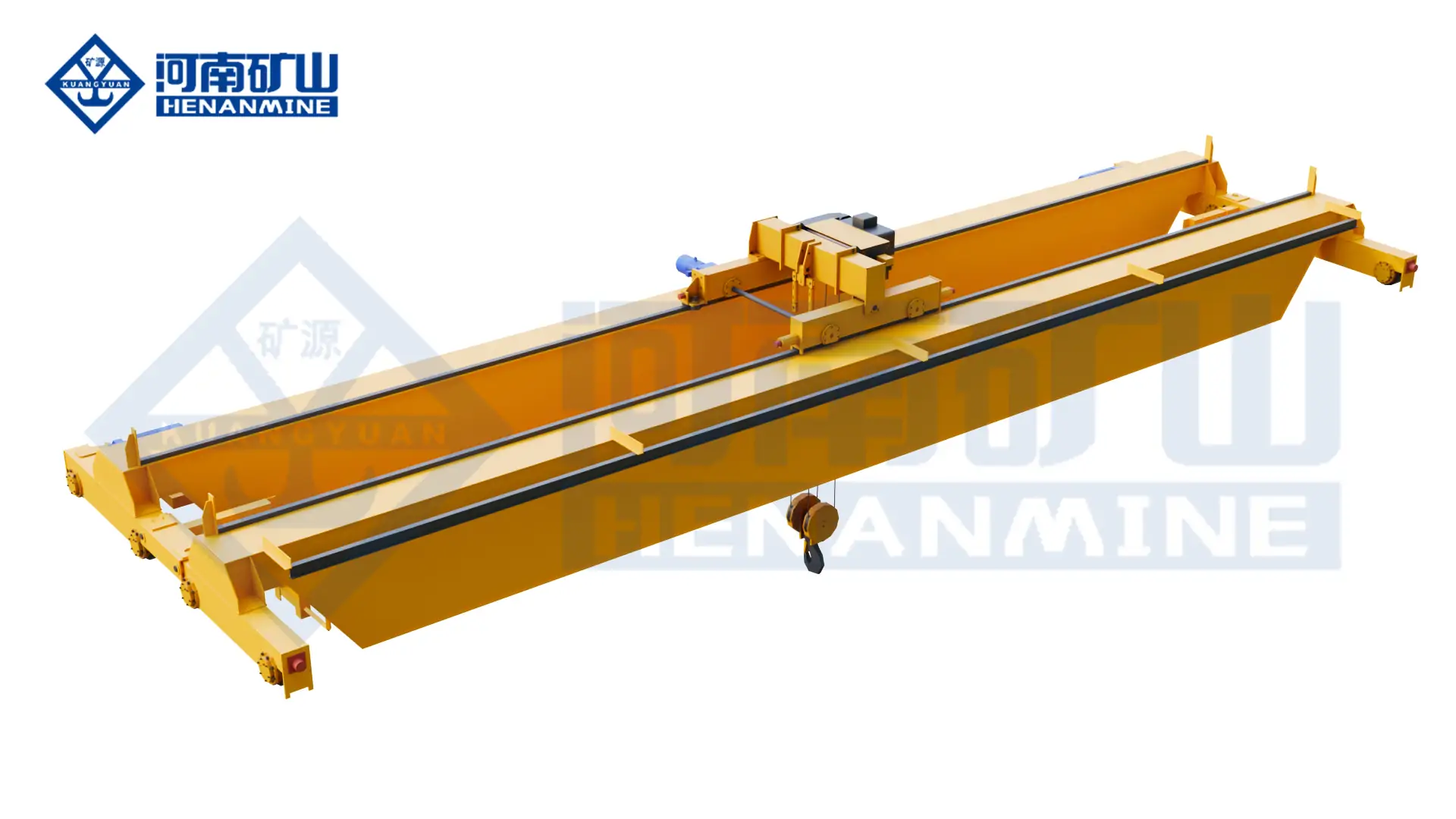
    Henan Mine Crane LH Electric Hoist Double Girder Crane
    Henan Mine Crane LH Electric Hoist Double Girder Crane
    Project planning notes

    Key points for this crane project.

    1. Double Girder Overhead Crane Cost Breakdown
    2. Factory Direct Double Girder Overhead Crane Cost
    3. Local Dealer Double Girder Overhead Crane Cost
    Read the technical guide

    Double Girder Overhead Crane Cost Breakdown

    Price factors

    The basic pricing core of the Henan Mine Crane manufactured double-girder bridge crane is determined by the hardware configuration and technical parameters of the product itself, which is the core part of the cost composition. The first is the rated lifting weight. The larger the lifting weight, the higher the grade of core components such as the thickness of the main girder steel plate, motor power, and wire rope specifications required, and the cost will rise. For example, the cost of a 50-ton double-girder crane is much higher than that of a 10-ton model. The second is the span and lifting height. The larger the span, the higher the bending resistance of the main girder.

    In addition, the level of work is also a key factor. Finally, brand differences in core components will also affect pricing.

    Hidden costs

    When calculating costs, many buyers often only pay attention to the quotation of the equipment itself, but ignore many hidden costs, which eventually leads to actual expenditures far exceeding the budget. First, transportation costs. Double-girder bridge cranes are large-scale equipment. Transportation requires special vehicles and professional loading and unloading. The farther the distance and the larger the equipment, the higher the transportation costs.

    Second, the cost of installation and commissioning. The crane is a special equipment. The installation requires a professional team to operate, and it also needs to cooperate with civil construction, track laying and other work. If the purchaser does not meet the relevant conditions, additional installation fees and civil renovation fees will be required. This part of the cost may be as high as tens of thousands of yuan. Fourth, the cost of late maintenance and spare parts, the supply price of spare parts and the cost of maintenance services in different procurement channels vary greatly. In the long run, this part of the hidden cost will directly affect the whole life cycle cost of the equipment.

    Factory Direct Double Girder Overhead Crane Cost

    Direct purchase benefits

    The factory direct supply model refers to the purchaser directly docking procurement with the crane manufacturer, eliminating intermediate links, and the core advantages are concentrated on cost and product control. First of all, the price advantage is significant. There is no intermediate price increase link for distributors. For large-volume purchases or large-scale crane purchases, the cost savings are more considerable.

    Secondly, product quality is more guaranteed. Buyers can directly connect with manufacturers to understand production processes and raw material procurement channels, and even go to the factory for on-site inspections to ensure that the equipment meets their own needs and quality standards, so as to avoid shoddy dealers. In addition, customized services are more flexible, and manufacturers can tailor equipment parameters according to the actual working conditions of the purchaser to meet individual use needs. Finally, the after-sales docking is more direct. When there is a quality problem or technical failure, the manufacturer's technical team can be directly contacted without going through the dealer's transit, and the response efficiency is higher.

    Direct purchase challenges

    Although the advantages of the factory direct supply model are obvious, there are also certain challenges, and buyers need to be prepared in advance. First, the early communication cost is high, and the purchaser needs to have certain professional knowledge and understand the technical parameters and selection criteria of the crane, otherwise it is prone to selection errors and affect the use effect. Second, it is difficult to coordinate transportation and installation. Manufacturers are usually only responsible for equipment production. Transportation, installation and other links require the purchaser to connect with third-party institutions on its own. Improper coordination may lead to delayed delivery of equipment, irregular installation and other problems.

    Third, the geographical restrictions are obvious. If the purchaser is far away from the manufacturer, the transportation cycle will be extended, and the response speed of on-site maintenance in the later stage may be affected, and some remote areas even need to pay additional on-site service fees. Fourth, the payment terms are relatively strict. Manufacturers usually require a certain percentage of the payment in advance. Some manufacturers may also require the full payment to be shipped after the account arrives, which has certain requirements for the purchaser's financial liquidity.

    Local Dealer Double Girder Overhead Crane Cost

    Dealer pricing factors

    The pricing of local distributors is not simply the ex-factory price of the equipment, but the final quotation after combining multiple factors. First of all, the purchase cost of the dealer and the price of the dealer's goods from the manufacturer are affected by the purchase volume and the cooperative relationship. The larger the purchase volume, the lower the price of the goods, and the quotation is relatively more advantageous. Secondly, for operating costs, local distributors are required to bear operating costs such as store rent, personnel wages, and storage costs. These costs will be apportioned to the quotation of each equipment.

    Third, service costs, dealers usually provide one-stop services such as transportation, installation, commissioning, and after-sales. These service costs will be included in the quotation system, especially the on-site service costs of local dealers are relatively low, and the service response is more timely. Fourth, the relationship between market supply and demand, if the local market has strong demand for double-girder bridge cranes, the dealer may appropriately increase the quotation. Conversely, in order to seize market share, certain discounts may be given. In addition, the brand positioning of the dealer will also affect the pricing. The quotation of the dealer acting for a well-known brand is usually higher than that of the dealer acting for an ordinary brand.

    Dealer advantages

    The core advantages of the local distributor model lie in convenience and service assurance, especially suitable for small and medium-sized enterprises that lack professional procurement teams and technical support. First, one-stop service saves worry and effort. Dealers usually provide full-process services from selection, quotation, transportation, installation to after-sales. Buyers do not need to connect multiple entities, greatly reducing communication and coordination costs.

    Second, the geographical advantages are obvious. Local distributors are closer to the purchaser, the transportation cycle is shorter, the equipment delivery speed is faster, and the late on-site maintenance and replacement of spare parts can also achieve rapid response, reducing the losses caused by equipment downtime. Third, the payment method is more flexible. Some distributors support payment in installments and cash on delivery to ease the financial pressure on buyers. Fourth, professional selection guidance, dealers are usually equipped with professional technical personnel, who can provide reasonable selection suggestions based on the actual working conditions of the purchaser, so as to avoid selection errors and reduce procurement risks.

    Factory Direct vs. Local Dealer Cost Comparison

    Initial price

    Judging from the initial purchase price, the factory direct supply model is generally lower than that of local distributors. For large-scale and high-configuration Henan Mine Crane manufactured double-girder bridge cranes, the price gap may be even greater. However, it should be noted that some distributors may drain through low prices, and charge additional fees for installation, spare parts, etc. In the later stage. Buyers need to carefully check the quotation details to avoid being misled by low prices.

    Service cost

    Service cost is one of the core differences between the two procurement models. Under the direct supply model of the factory, the basic after-sales service is usually provided by the manufacturer, but the purchaser shall bear the transportation, installation, commissioning and other services. If the manufacturer is required to provide on-site service, additional travel and labor costs will be paid. In the long run, the service cost may increase year by year. Local dealers usually include transportation, installation, commissioning and other services in the quotation. Some dealers will also provide free regular inspection and maintenance services. The supply price of spare parts in the later stage is relatively transparent. Although the initial quotation is higher, the long-term service cost is more controllable.

    Delivery time

    In terms of delivery time, local distributors have more advantages. Dealers usually reserve a certain amount of standard model inventory. After the purchaser places an order, transportation and installation can be quickly arranged. The delivery cycle is usually 7-15 days. In the factory direct supply mode, manufacturers need to arrange production according to the purchaser's order. The production cycle is usually 15-30 days. In addition to the transportation time, the overall delivery cycle may be as long as 30-45 days. If the purchaser has urgent needs, it may affect the production schedule. However, for equipment with high customization requirements, although the production cycle directly supplied by the factory is long, it can better meet individual needs, while distributors usually only provide standard models, and the customization ability is relatively weak.

    How to Calculate Total Crane Cost

    Total ownership cost

    Accounting for the cost of Henan Mine Crane manufactured double-girder bridge cranes should not only focus on the initial purchase price, but should fully account for the total cost of ownership (TCO) throughout the life cycle, which is the core basis for judging the cost performance of the procurement plan. The total cost of ownership mainly includes four parts, one is the initial procurement cost, that is, the quotation of the equipment itself. The fourth is the cost of scrap disposal, that is, the cost of disassembly and disposal after the service life of the equipment expires. The purchaser needs to comprehensively account for these four parts of the cost and compare the total cost of ownership of different procurement models, rather than simply comparing the initial quotation.

    Supplier evaluation

    Choosing the right supplier is the key to controlling the total cost of ownership. The purchaser needs to evaluate the supplier from multiple dimensions. First, the qualification and strength, verify whether the supplier has the special equipment production/operation qualification, the manufacturer needs to have the corresponding production license, and the distributor needs to have formal agency authorization and business qualification. The second is product quality. Check the supplier's product cases and customer evaluations to understand the performance, service life, failure rate, etc. of the equipment. The third is the service capability, which evaluates the supplier's after-sales response speed, service coverage, spare parts supply capacity, and whether it can provide one-stop service. The fourth is price transparency, which requires suppliers to provide detailed quotation details, clarify the composition of various fees, and avoid hidden charges.

    When to Choose Factory Direct Purchase

    The factory direct supply model is suitable for buyers who meet the following conditions. First, they have a certain professional procurement knowledge and technical team, and can independently complete the selection, docking, transportation and installation links. The second is that the procurement scale is large, or customized equipment is required, and there are special requirements for product parameters and configuration. The third is to pursue the ultimate procurement cost control, and be able to accept long delivery cycles and relatively complex coordination processes. Fourth, the area is closer to the manufacturer, or has the ability to solve transportation, installation and other problems on its own, so as to reduce the service shortcomings caused by the region.

    When to Choose a Local Dealer

    The local distributor model is more suitable for the following buyers, one is the lack of professional procurement and technical teams, hoping to obtain one-stop service, worry-free and labor-saving. The second is that there is an urgent need for use, and the equipment needs to be delivered and installed quickly. Third, the area is far away from the manufacturer, transportation and on-site maintenance are inconvenient, and local service providers are required to provide a quick response. Fourth, the liquidity of funds is limited and flexible payment methods are required. Fifth, the late service requirements are high, and we hope to obtain stable and convenient maintenance and spare parts supply. For example, for small and medium-sized enterprises and project parties with temporary lifting needs, choosing a local distributor model can effectively reduce communication costs and operational risks, and ensure that the equipment is put into use quickly.

    Henan Mine Crane

    In summary, the procurement cost of double-girder bridge cranes is not a single quotation, but a comprehensive system covering product configuration, procurement model, hidden costs and full life cycle services. The factory direct supply model relies on the advantages of price and customization to adapt to buyers with professional capabilities, cost control and personalized needs. The local distributor model focuses on convenient service and rapid response. It is more suitable for buyers who lack a professional team and pay attention to delivery efficiency and post-service. Buyers need to calculate the total cost of ownership based on their own needs and choose suppliers on the best basis.

    As a professional large-scale crane manufacturer, Henan Mine Crane Factory directly supplies double-girder bridge cranes, eliminating the need for intermediate price increases, which cannot only ensure product quality and customized needs, but also strictly control procurement costs. Welcome to consult and connect.

    Discuss the crane arrangement for your project.

    A sourcing comparison needs the same equipment specification and service boundary. Separate manufacturing, transport, site support and installation responsibilities before comparing a factory offer with a locally coordinated proposal. Share the load, available drawings, working cycle and site conditions with Henan Mine Crane so the required configuration and supply boundary can be discussed.

    Related crane configurations

    LH Electric Hoist Double Girder Crane

    View product parameters
    Lifting capacity: 3, 5, 10, 16, 20 tSpan: 10.5–31.5 mLifting height: 6, 9, 12 or 18 m

    Use an LH double-girder bridge with an electric-hoist trolley for workshop lifting, assembly and maintenance. Match the hoist arrangement to the suspended load, hook travel and available building space.

    Double Girder Casting Crane

    View product parameters
    Lifting capacity: 75/20–200/50 tSpan: 10m – 35mLifting height: 6m – 25m

    Lift and transfer molten-metal ladles with a YZ casting crane configured for the full suspended load and casting process. Review ladle interfaces, thermal exposure and the operating sequence together.

    Updated 2026 · Henan Mine Crane

  • Industrial Crane Types: Compare the Load Path and Operating Area

    Industrial Crane Types: Compare the Load Path and Operating Area

    Technical guide

    Industrial Crane Types: Compare the Load Path and Operating Area

    Crane types should be understood through the way they support and move the load. Define the task and facility constraints, then compare overhead, gantry and local lifting arrangements against the required coverage.

    Henan Mine CraneTechnical guide · Updated 2026Crane selection, project scope and operating requirements
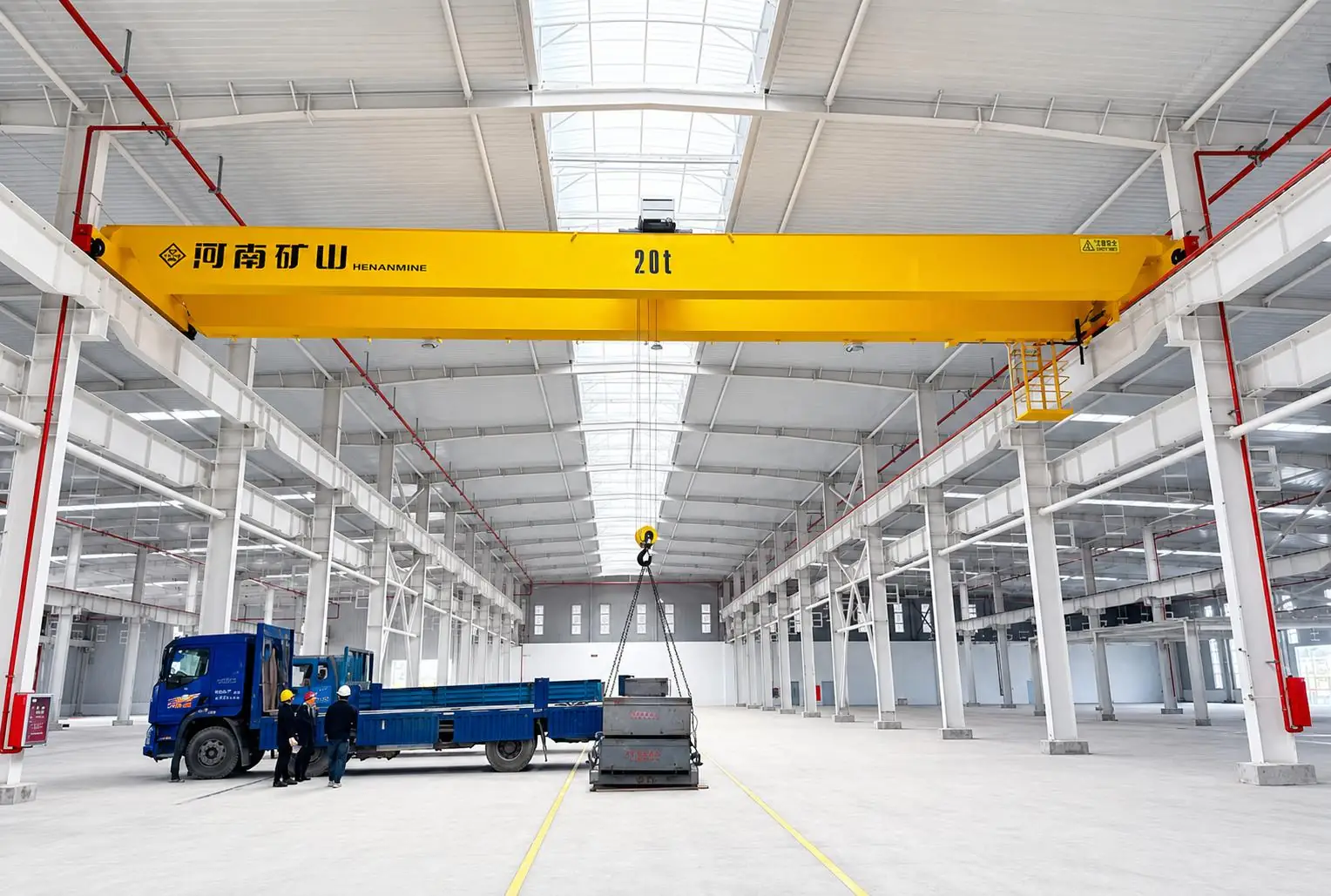
    Henan Mine Crane overhead crane inside a workshop bay
    Henan Mine Crane overhead crane inside a workshop bay
    Project planning notes

    Key points for this crane project.

    1. What Is an Industrial Crane?
    2. Overhead Cranes (Bridge Cranes)
    3. Gantry Cranes
    Read the technical guide

    What Is an Industrial Crane?

    Basic Definition

    Industrial crane is a mechanical device used to lift and carry heavy objects, the core function is to realize the movement of heavy objects in the vertical and horizontal direction through the lifting mechanism. It is not as simple as an ordinary lifting tool, but consists of a complete set of mechanical and electrical systems that can stably and safely handle loads of different weights and specifications.

    Whether it is a few tons of small equipment or hundreds or thousands of tons of heavy components, as long as the right type of crane is selected, accurate handling can be achieved. Its core value is to replace manual handling and solve the problem of heavy materials that cannot be moved manually.

    Main Components of a Crane

    Regardless of the type of crane, the core components are inseparable from these four, understand these components, can help you better judge the quality and performance of the equipment.

    The hoisting mechanism is the “power core” of the crane, mainly composed of motor, drum, wire rope or chain, hook, responsible for lifting and lowering heavy objects, is to complete the lifting operation of the core execution parts.

    Structural frame or boom is the crane’s “skeleton”, used to support the hoisting mechanism and heavy loads, different types of cranes, structural frame varies greatly – some are the main girder structure, some are retractable boom.

    Operation system determines the crane’s mobility, some are fixed on the track operation, some are mounted on tires or crawler trucks, can move freely, adapted to different operating sites.

    The control system is the “brain” of the crane, divided into cab control and wireless remote control, responsible for issuing a variety of action commands, while integrating overload protection, limit protection and other safety features to ensure operational safety.

    Why Different Types of Cranes Exist

    Many people will ask, why do we need to design so many kinds of cranes? In fact, the answer is very simple, it is because of the different operating scenarios, the demand is too different, a crane cannot meet all the working conditions.

    First of all, the load capacity is different, some operations only need to carry a few tons of heavy materials, some need to lift hundreds of tons of heavy components, such as shipbuilding, marine engineering, the crane’s load capacity requirements are extremely high.

    Secondly, the operating environment is different, some operate in closed plants with limited space; some operate in open-air construction sites and harbors, and need to cope with harsh environments such as rain and wind, salt spray, etc., which requires different protection and wind resistance of cranes.

    Mobile needs are also different, some operating sites are fixed, the crane does not need to move, as long as the coverage of the fixed area can be; some operating sites are scattered, the crane needs to be flexible and mobile, and even able to travel on complex roads.

    There are also differences in the scale of the project, small workshop maintenance and large infrastructure projects, the span of the crane, lifting height, operational efficiency requirements, but also completely different. It is these differences that give rise to different types of cranes, each adapted to different scenarios.

    Overhead Cranes (Bridge Cranes)

    Key Features

    Overhead cranes, also known as bridge cranes, are the most common type of cranes used in industrial plants. Its core feature is that it is mounted on a railroad beam inside the plant, and the whole body is suspended under the roof without occupying ground space.

    Its operating range is mainly the entire span area of the plant, suitable for indoor material handling, smooth running, accurate positioning, and can cooperate with the production line to complete continuous operation. Because it is installed indoors, it is not affected by external weather and maintenance is relatively simple.

    Typical Industrial Applications

    Manufacturing factories are the main application scenarios of overhead travelling crane, such as automobile factories, machinery factories, which are used to carry parts and semi-finished products on production lines, connecting various production processes and reducing the secondary backward transportation of materials.

    Iron and steel factories are also the core application fields of overhead travelling crane, from smelting and rolling of steel billets to handling and stacking of finished steel products, all of them need to cooperate with overhead travelling cranes, especially the double main girder model, which can cope with the lifting demand of heavy steel billets.

    In large warehouses and logistics centers, when heavy goods need to be handled and the floor space is limited, overhead travelling cranes are the ideal choice, which can operate on the top of the warehouse without interfering with the stacking of goods on the ground and the passage of people.

    Gantry Cranes

    Key Features

    The biggest difference between gantry cranes and overhead travelling cranes is that they have independent outriggers, which do not need to be attached to plant buildings, and the bottom of the outriggers are equipped with travelling devices, so that they can be operated on the ground track or on the level ground.

    Its biggest advantage is that it is suitable for outdoor operation, with large span and wide working range, and can cover the whole open field, such as harbor, yard, prefabrication yard, without large-scale modification of the existing site, and flexible installation.

    Main Variants

    Rail Mounted Gantry Crane (RMG), running on the ground laid track, with a fixed moving track, high positioning accuracy and large lifting capacity, is suitable for container terminals and large yards, and can realize high-density stockpiling and high-efficiency transshipment of goods.

    Tire Gantry Crane (RTG), using rubber tires as the travel device, do not need to lay tracks, can move freely on the level ground, great flexibility, suitable for small and medium-sized ports, temporary yards, can be quickly deployed for operations.

    Industrial Applications

    Container ports and terminals are the core application scenarios of gantry cranes. RMG and RTG are used in conjunction with each other to complete the loading and unloading of containers, stacking and storage, and connecting the port with the land logistics transfer, which is the core equipment for port operations.

    Shipyards are also inseparable from the gantry crane, especially large shipyards, need to lift hundreds of tons of gantry cranes, used to lift the hull segments, engines and other heavy parts, to ensure the accuracy of the hull assembly.

    Precast concrete yard, gantry cranes are responsible for handling prefabricated beams, prefabricated panels, prefabricated columns and other components, the characteristics of the outdoor open-air operation, just to match the layout of the prefabrication yard, can flexibly connect the production line and the yard.

    Jib Cranes

    Structure and Design

    The structure of Jib Crane is very characteristic, which consists of a horizontal jib and a vertical column, the jib can rotate around the column (usually the rotation angle is 180-360 degrees), and the hoisting mechanism is mounted on the jib, which can realize accurate lifting in a small range.

    Its relatively small size, does not occupy a large area of space, suitable for fixed station lifting operations, simple operation, one person can complete the operation, mainly used for small tonnage, small range of material handling.

    Common Types

    Wall-mounted jib cranes, installed directly on the wall of the plant, without the need for independent columns, saving the ground and roof space, suitable for fixed workstations in the workshop, such as machine tools next to the parts handling, equipment maintenance.

    Floor-mounted jib cranes, with independent columns, fixed to the ground, with a larger swivel range, slightly larger lifting capacity than wall-mounted, suitable for workstations in the middle of the workshop, can cover multiple operating points.

    Articulated Jib Cranes, the jib can be folded, telescopic, more flexible, can bypass obstacles, suitable for complex working conditions, such as narrow space lifting, irregular material handling.

    Applications

    Workshop workstations are the main application scenarios of jib cranes, such as machining workshop machine tools, used to carry processed parts, without the need for frequent mobilization of large cranes, to enhance the efficiency of workstation operations.

    Assembly production lines are also commonly used jib cranes, especially the assembly of small parts, jib cranes can accurately send the parts to the assembly station, reduce manual handling, reduce labor intensity.

    Mobile Cranes

    Key Characteristics

    The core feature of mobile cranes is strong mobility, can be flexibly transferred between different sites, without the need for fixed installation, can be quickly deployed to the scene of operation, suitable for temporary lifting, field operations or strong mobility conditions.

    Special Characteristics

    Shipyard Gantry Cranes, also known as Giant Gantry Cranes (Goliath Cranes), are heavy-duty cranes specially designed for the shipbuilding industry, and are characterized by their large span and extremely high lifting capacity.

    Because shipyards are mostly located in coastal areas, these cranes also have strong wind resistance and corrosion resistance, and can cope with coastal salt spray and windy environment to ensure long-term stable operation.

    Applications

    Large offshore structure assembly, such as offshore platforms, ship superstructure lifting, these components are heavy weight, large volume, ordinary cranes cannot carry, can only rely on shipyard gantry cranes to complete.

    Ship maintenance operations, when large ships need to be repaired, shipyard gantry cranes can lift the ship’s engine, propulsion system and other heavy parts, to facilitate maintenance personnel to overhaul and replace.

    Key Industrial Applications of Cranes

    Manufacturing Industry

    Manufacturing industry is one of the most widely used areas of cranes, throughout the entire process from raw materials to finished products. In the production line, cranes are responsible for handling raw materials, semi-finished products, components, connecting the various processing procedures.

    For example, in automobile manufacturing plants, cranes transport steel, engine, body and other components to the assembly line to ensure the continuity of production; machinery processing plants, cranes carry processed mechanical parts to reduce manual handling errors and labor intensity.

    Construction and Infrastructure

    Construction and infrastructure projects are almost inseparable from cranes. From the foundation construction stage of steel, concrete lifting, to the main structure of the steel structure, prefabricated components installation, and then later equipment into the field, all need to crane cooperation.

    In bridge construction, cranes lift prefabricated girders onto piers for installation; in highway construction, cranes move large paving equipment and roadbed materials; in high-rise buildings, tower cranes are responsible for the transfer of materials at high altitude, which is an important guarantee of construction efficiency.

    Ports and Logistics

    Ports and logistics industry, cranes are the core material transfer equipment. Container terminals, gantry cranes, quay cranes are responsible for container loading and unloading, stacking, connecting ships and land transportation.

    Large logistics centers, cranes are responsible for heavy cargo, large equipment handling and storage, especially outdoor yards, gantry cranes and mobile cranes with, can enhance the efficiency of logistics transfer, reduce the backlog of goods.

    Energy and Power Plants

    In the field of energy and power plants, cranes are mainly used for the installation and maintenance of heavy equipment. Power plant equipment such as turbines, generators, boilers, etc., are heavy and bulky, requiring large cranes for lifting and installation.

    In the new energy field, such as wind power and photovoltaic projects, cranes are responsible for lifting and installing fan blades and photovoltaic modules; in the construction of hydroelectric power plants, cranes are used to carry heavy components such as turbines and generator sets to ensure the smooth progress of the project.

    Mining and Heavy Industry

    In the field of mining and heavy industry, cranes are mainly used for bulk material handling and heavy equipment installation. In mines, cranes are used to handle bulk materials such as ores and coal, and cooperate with transportation equipment to complete material transfer.

    Iron and steel mills, cement factories and other heavy industrial enterprises, cranes are responsible for the entry of raw materials, finished products, as well as heavy equipment maintenance, overhaul, is the production of continuous operation of an important guarantee.

    How to Choose the Right Crane Type

    Selection of cranes, do not blindly pursue high-capacity, high configuration, fit their own conditions of choice, is the most economical and practical. Combined with many years of selection experience, I summarized a few key reference factors for your reference.

    Span and lifting height should not be ignored, the span should cover the width of the operating area, the lifting height to meet the demand for lifting height of the goods, but also reserve a certain amount of space to avoid interference with the surrounding structure.

    Mobile demand determines the type of crane, if the operating site is fixed, bridge cranes, jib cranes are more suitable; if you need to move flexibly, mobile cranes, tire gantry cranes are more suitable.

    Indoor or outdoor work, directly affect the selection of crane type. For indoor operation, give priority to bridge cranes and jib cranes; for outdoor operation, gantry cranes and mobile cranes should be selected, while considering wind and corrosion resistance requirements.

    Work level is related to the service life of the crane, high operating frequency, long duration of the scene, to choose high working level equipment; operating frequency of the scene is low, you can choose ordinary working level models, reduce costs.

    Safety and automation requirements, adjusted according to the operational scenarios. For high-risk operation scenarios, choose the equipment with perfect safety configuration; for large-scale projects and high-frequency operations, consider cranes with high degree of automation to enhance operational efficiency.

    Advantages of Using Industrial Cranes

    The reason why industrial cranes can become the core equipment of various industries, the core is that it can solve the heavy lifting problems that cannot be accomplished manually, bringing real value.

    Can enhance operational efficiency, manual handling of heavy materials is not only time-consuming and laborious, but also prone to errors, cranes can quickly complete the lifting and transfer of materials, reduce operating time, improve overall production efficiency.

    Reduce manual labor intensity, to avoid the risk of personal injury caused by manual handling, especially heavy material handling, cranes can replace a large number of manual labor, reduce the enterprise’s labor costs and safety risks.

    Enhance operational safety, modern cranes are equipped with comprehensive safety protection devices, such as overload protection, limit protection, emergency braking, can effectively avoid safety accidents in the lifting process, to protect personnel and equipment safety.

    Achieve efficient heavy material handling, for hundreds of tons, thousands of tons of heavy components, only cranes can complete the lifting operation, which is artificial and other small lifting tools cannot be replaced, but also industrial production, infrastructure projects to promote the smooth progress of the guarantee.

    Frequently Asked Questions

    Combined with the usual reception of customer experience, I have compiled a few of the most frequently asked questions, answered in an easy-to-understand way, to help you quickly clear up the selection and use of the key questions.

    What are the most common crane types used in industry?

    The most common crane types used in industry, there are four main types: overhead cranes (suitable for indoor workshops), gantry cranes (suitable for outdoor yards), mobile cranes (suitable for temporary work), jib cranes (suitable for fixed work stations). These four models cover most of the industrial lifting scenarios, and are the types that purchasers choose the most.

    What is the difference between gantry cranes and overhead cranes?

    The core difference lies in the support structure and working environment. Gantry cranes have independent legs and do not need to be attached to the plant, so they are suitable for outdoor work; overhead cranes do not have legs and are installed on the plant rail, so they can only work indoors. In addition, gantry cranes have a larger span and a more flexible operating range, while overhead cranes are more suitable for precise indoor operations.

    Which crane is outdoor applications?

    Gantry cranes are preferred for outdoor operations, especially rail and tire gantry cranes, which have large span and strong wind resistance, and can cover large operating areas such as open yards and ports. If it is a temporary outdoor work, mobility scene, mobile cranes (such as truck cranes) is more suitable, can be quickly deployed, flexible transfer.

    Can cranes be customized for specific industrial applications?

    Of course, customization is the core feature of industrial cranes. Almost all the core parameters can be customized, such as lifting capacity, span, lifting height, moving mode, but also according to the operating environment can be customized anti-corrosion, wind, explosion-proof and other features, fully adapted to the specific operating scenarios, to solve the special lifting needs.

    What Can Henan Mining Crane Factory Offer You?

    If you are selecting cranes for your project, and are not sure which type and which parameters are suitable for your operation scenario, you may want to submit the detailed parameters of your project (lifting capacity, operating site, application industry, etc.), and we will provide you with free technical consultation.

    Henan Mine Crane , as a professional crane manufacturer, integrates R&D, design, manufacturing, sales and service to provide customers Please feel free to contact us, we will provide you with free design drawings, and field survey!

    Discuss the crane arrangement for your project.

    Crane types should be understood through the way they support and move the load. Define the task and facility constraints, then compare overhead, gantry and local lifting arrangements against the required coverage. Share the load, available drawings, working cycle and site conditions with Henan Mine Crane so the required configuration and supply boundary can be discussed.

    Related crane configurations

    Explore crane product families and technical parameters ↗

    Updated 2026 · Henan Mine Crane
  • Diesel vs Electric RTG Cranes: Compare the Complete Energy Arrangement

    Diesel vs Electric RTG Cranes: Compare the Complete Energy Arrangement

    Technical guide

    Diesel vs Electric RTG Cranes: Compare the Complete Energy Arrangement

    The power choice should suit the yard's operating cycle and infrastructure. Define utilisation, relocation needs and service responsibilities before comparing energy supply, equipment scope and maintenance assumptions.

    Henan Mine CraneTechnical guide · Updated 2026Crane selection, project scope and operating requirements
    Henan Mine Crane Rubber Tyred Gantry (RTG)
    Henan Mine Crane Rubber Tyred Gantry (RTG)
    Project planning notes

    Key points for this crane project.

    1. What Is a Diesel RTG Crane?
    2. What Is an Electric RTG Crane?
    3. CAPEX Comparison: Initial Investment
    Read the technical guide

    What Is a Diesel RTG Crane?

    Definition

    Diesel RTG, also known as tire gantry crane, the core power source is a diesel engine driven generator set. All of its traveling, lifting and trolley running movements are driven by diesel power generation, which is a mature model used in port yards for decades.

    Key Characteristics

    Independent power source is the core feature of diesel RTG. It does not require external cables or skid wires, and can move freely throughout the yard without any restrictions on transfer operations, making it ideal for terminals where the yard layout is frequently adjusted or where the operating area is not fixed.

    The lack of a fixed electrical infrastructure means that it has a very low entry threshold. There is no need to build substations, no need to lay slip lines, no need to do cable trench, as long as the yard road surface is up to standard, the equipment can be transported to the site and debugged to start work, which can help terminals to save a lot of time and cost of the preliminary infrastructure.

    Typical Applications

    Medium-sized ports are the most important application scenarios for diesel RTG. These terminals have medium throughput and large fluctuation in operation volume, and the flexibility of diesel RTG can be well adapted to the operation demand at different times.

    There are also terminals in developing regions with limited infrastructure, such as some ports in Southeast Asia and Africa, where the capacity of the power grid is insufficient or the power supply is unstable. The self-powered nature of diesel RTGs allows them to be free from power grid constraints and to stably complete their operations.

    In addition, the old terminals that do not have the supporting slip line system, when expanding or updating the equipment, they will also give priority to the diesel RTG, without having to do a large-scale renovation of the existing yard, it can directly replenish the production capacity of the equipment, and the cost of renovation is very low.

    What Is an Electric RTG Crane?

    Definition

    An electric RTG is a tire-type gantry crane that relies on external grid power. There are three main forms of power sources: cable reel system, skid line system, and safety skid line system.

    Unlike diesel RTG, it does not have a large diesel generator set, the core power comes from the power grid, through different power supply methods, the power is delivered to the driving mechanism of the equipment to complete all the operational actions.

    Henan Mine Crane's electric RTG program for customers now will match different power supply methods according to the yard layout and operational requirements of the terminal. For example, for fixed block operation, the slip wire solution is more stable; for occasional transfer, the cable reel solution is more flexible.

    Key Characteristics

    Low emission is the most intuitive advantage of electric RTG. It has no diesel engine, so it does not produce exhaust emission directly during operation, and the noise level is much lower than diesel RTG, which can greatly improve the operating environment of the terminal, and it can also fit in the current green development trend of the global ports.

    Zero fuel consumption is the core cost difference between it and diesel RTG. There is no need to purchase diesel fuel, and you only need to pay for electricity, which in the vast majority of the world is much more stable and lower than the cost of diesel fuel, helping terminals to lock in long-term energy expenditures.

    Then there's the higher efficiency of energy utilization.

    CAPEX Comparison: Initial Investment

    Diesel RTG Capital Cost

    Looking at the purchase price of the equipment itself, the initial investment of a diesel RTG is much lower.

    More importantly, diesel RTG does not require additional electrical infrastructure investment. There is no need to build a substation, no need to lay slip wire, no need to make cable trench, and no need to do a large-scale remodeling of the yard's power supply system, which saves a large amount of infrastructure costs.

    For many terminals with limited initial capital, the low-threshold advantage of diesel RTG is very obvious. No need to invest a large amount of money to do infrastructure, just buy the equipment can be put into production, can quickly return to the capital, to ease the early capital pressure.

    Electric RTG Capital Cost

    The purchase price of electric RTG is higher. It requires additional configuration of variable frequency drive system, power supply receiving device, and supporting electrical control system, and the manufacturing cost of the whole machine is higher than that of the diesel model.

    In addition to the equipment itself, electric RTGs require additional infrastructure investment. Regardless of whether it is a slipline or cable reel solution, it requires the construction of a supporting substation, power supply lines, and the electrical infrastructure of the yard. This infrastructure cost, depending on the size of the yard, can be as little as several hundred thousand dollars or as much as tens of millions.

    For a new terminal in China, the purchase price of 12 electric RTGs was nearly two million dollars higher than a diesel model of the same specification. Together with the infrastructure investment for the slip lines and substation, the overall initial investment was nearly ten million dollars higher than a diesel solution.

    Infrastructure Investment Impact

    The layout and construction status of the yard will directly affect the infrastructure cost of electric RTG. The cost advantage of a new terminal is much larger than that of an old one.

    OPEX Comparison: Operating Costs

    Fuel vs Electricity Cost

    Energy cost is the largest fixed expense in RTG operation, and is also the core cost difference between the two models.

    FactorDiesel RTGElectric RTG
    Energy SourceDiesel fuelGrid electricity
    Energy Cost StabilityVolatileMore predictable
    Cost per MoveHigherLower (in most regions)

    This cost difference varies from region to region. Europe's diesel prices are high, the carbon tax is also high, the energy cost advantage of electric RTG is very obvious; the Middle East diesel prices are low, the cost advantage of the electric motor type will be weakened, and more depends on the terminal's sustainable development strategy; Southeast Asia and part of Africa, the power grid is unstable, the price of electricity fluctuates a lot, and diesel type of cost stability is better.

    There is another important point, diesel price is affected by the international situation, the supply and demand relationship is very big, fluctuations are frequent, it is difficult for the terminal to lock the long-term energy cost; while the fluctuation of the price of electricity is much smaller, the terminal can more accurately do the long-term cost budget.

    Maintenance Cost

    The maintenance cost of diesel RTG is much higher than that of electric RTG. The core reason is that the maintenance workload of diesel engine is extremely high.

    Every 1,000 hours to do a major maintenance, check the engine block, piston, injector nozzle and other core components, a few years to do an engine overhaul, a single overhaul costs can reach hundreds of thousands of dollars.

    There are also hydraulic systems, cooling system maintenance. Diesel-type cooling system working in a high-temperature environment for a long time, prone to clogging, leakage, need to be regularly cleaned and repaired, but also increase maintenance costs.

    The maintenance workload of electric RTG is much smaller. It does not have a diesel engine, eliminating all engine-related maintenance work, no oil changes, no filter changes, and no engine overhaul.

    The core components of the electric motor type are the motor and the electrical control system, with fewer moving parts, lower wear rate and lower maintenance frequency.

    Tire Wear

    There is little difference in tire wear between the two models. Tire wear is mainly related to the road conditions in the yard, the operator's driving habits, and the steering frequency of the equipment, and there is no direct correlation with the form of power.

    However, electric RTGs have smoother acceleration and deceleration control, without the frustration of diesel engines, so operators can control the equipment's movement and steering more smoothly, which to a certain extent reduces abnormal tire wear and prolongs the service life of tires.

    10-20 Year Lifecycle Cost Analysis

    Total Cost of Ownership (TCO) Model

    For RTGs of the same specification, the initial procurement + infrastructure cost of the diesel model is nearly ten million dollars lower than that of the electric motor model.

    Break-Even Analysis

    Many customers ask how long it will take for an electric RTG to pay for itself with a higher initial investment. This break-even point is mainly affected by two factors: the difference between local diesel and electricity prices, and the annual operating hours of the equipment.

    In Europe, the price of diesel is high and there is carbon tax, the payback cycle of the electric model can be shortened to 2-3 years; while in the Middle East, the price of diesel is low, the payback cycle will be lengthened to 5-7 years, or even longer.

    Environmental & ESG Impact

    Carbon Emission Reduction

    Diesel RTG will directly emit greenhouse gases and pollutants such as carbon dioxide and nitrogen oxides during operation, and the carbon emission of a diesel RTG in a year can reach several hundred tons.

    IMO and Port Environmental Regulations

    Port environmental regulations around the world are getting tighter and tighter, which is at the heart of why many terminals are having to consider electric RTGs.

    The European Union's Carbon Border Adjustment Mechanism (CBAM), as well as national non-road mobile machinery emission regulations, have imposed strict limits on carbon emissions from port equipment. Ports such as Hong Kong and Singapore have also introduced regulations to limit the use of high-emission diesel equipment in their ports.

    The ports of Los Angeles and Long Beach in the United States have even made it clear that the goal of zero emission from cargo handling equipment will be realized by 2030. In the future, diesel RTGs that do not meet the emission requirements will face the risk of being restricted and forced out of use, and terminals will also have to pay additional taxes related to carbon emissions.

    ESG & Green Port Certification

    Nowadays, global shipping companies and cargo owners are more and more concerned about the green development capability of ports, and will prefer to cooperate with ports that comply with green standards.

    Many international financial institutions will provide low-interest loans for green port projects, which can help terminals reduce financing costs.

    Automation and Smart Port Readiness

    Integration with TOS

    Nowadays, ports around the world are developing in the direction of automation and intelligence, and the integration capability of RTG, as the core equipment for yard operation, with the Terminal Operating System (TOS) is becoming more and more important.

    Both models can be integrated with the TOS system, but the electric system is better adapted in the automated terminal. The electric RTG's drive system is fully electrically controlled, which can be more accurately interfaced with the TOS system and automated dispatching system, with higher control accuracy and faster response time, and is more suitable for automated operations.

    It is difficult to accurately match the engine start/stop and power output of diesel RTGs with automation systems. In automated operation scenarios, there will be problems of untimely power response and increased energy consumption, and the adaptability is far less than that of electric RTGs.

    Energy Management Systems

    Electric RTG can be better connected to the port's intelligent energy management system to realize finer energy control.

    Through smart grid integration, electric RTGs can adjust the operating power according to the load condition of the power grid, avoiding the peak of electricity consumption and utilizing the low valley tariff to further reduce the energy cost. It can also reasonably distribute the power load of multiple equipment through load balancing to avoid overloading the power grid and ensure stable power supply.

    In addition, electric RTG can be equipped with a regenerative braking system, which converts the kinetic energy generated during the process of container descent and equipment braking into electrical energy and feeds it back into the power grid, further reducing energy consumption. This is something that cannot be achieved with diesel RTGs.

    Future-Ready Infrastructure

    The automation transformation of ports is not a short-term project, but a long-term plan for 10-20 years. By choosing electric RTGs now, we are actually preparing for future automation upgrades.

    Nowadays, almost all newly built automated terminals adopt electric RTG or RMG as the core equipment of the yard. Laying out electric RTG now, when doing automation upgrading in the future, we don't need to do large-scale remodeling of the power system of the equipment, and we don't need to supplement the infrastructure investment, which can significantly reduce the cost of upgrading in the future.

    Diesel RTG, almost no space for full automation upgrade. When ports promote automation in the future, diesel equipment will probably be eliminated, and terminals will need to re-invest funds to purchase new electric equipment, which will result in greater waste.

    Regional Cost Comparison

    Middle East Ports

    The Middle East region is characterized by low diesel prices and abundant supply, and the energy cost advantage of electric RTGs has been significantly reduced.

    For most terminals in the Middle East, diesel RTGs are still a very competitive option with low initial investment and low operating costs. But now that countries such as the UAE and Saudi Arabia are promoting the construction of green ports and smart ports, and Saudi Arabia's Vision 2030 includes a clear carbon reduction target for ports, the use of electric RTGs is gradually increasing.

    In this region, the choice of which model to use depends more on the terminal's sustainable development strategy than on a mere cost comparison. Terminals with a long-term green development plan will gradually move towards electrification, while terminals with a short-term cost focus will continue to mainstream diesel RTGs.

    Europe

    Europe is the region with the highest penetration of electric RTGs, centered on high fuel costs and strict carbon regulations.

    With the high price of diesel fuel in Europe and the carbon tax, the operating cost of diesel RTG is very high. At the same time, the EU's environmental regulations on port equipment emissions requirements are extremely strict, the old diesel RTG faces the risk of forced obsolescence.

    Maersk Terminals has already completed the electrification of all its RTGs at several of its terminals in Europe.

    Southeast Asia & Africa

    Most ports in Southeast Asia and Africa are characterized by limited infrastructure, insufficient grid capacity and unstable power supply, making the flexibility of diesel RTGs an obvious advantage.

    Many of the terminals in these regions do not have a stable power grid supply, and the stable operation of electric RTGs cannot be guaranteed. At the same time, the throughput of the terminals is generally not high, and the operation volume fluctuates greatly. The low initial investment and high flexibility of diesel RTGs can be better adapted to this scenario.

    However, with the development of ports in these regions, the gradual improvement of power grid infrastructure, coupled with the transmission of global environmental protection requirements, the application of electric RTGs is also gradually increasing, especially in Singapore, Malaysia and other regions with better infrastructure conditions.

    Diesel RTG Advantages

    The core advantage of diesel RTG is the low initial investment and low entry threshold. There is no need to do complex electrical infrastructure, the equipment can be used as soon as it is delivered to the site, which is very suitable for terminals with limited initial capital and insufficient infrastructure conditions.

    It does not rely on the power grid and can operate stably in areas with unstable power supply, which is an advantage that electric RTGs cannot match. In areas with poor grid infrastructure, diesel RTGs are almost the only option.

    It also has high operational flexibility and can be freely transferred throughout the yard without being restricted by cables or skid wires, making it ideal for terminals with an irregular yard layout, frequently adjusted operating areas, or terminals that need to temporarily replenish production capacity.

    Electric RTG Advantages

    The biggest advantage of electric RTGs is their low long-term operating costs. Although the initial investment is high, the energy and maintenance costs are much lower than those of diesel models, and the total life cycle cost advantage is obvious over a 10-20 year life cycle.

    There is also less maintenance work and higher equipment availability. Without the frequent maintenance of diesel engines, there is a lower incidence of breakdowns and less downtime for maintenance, which can be put into operation more often and improve the overall throughput capacity of the terminal.

    Common Buyer Mistakes

    In the course of serving customers, I have seen too many terminals stepping into the pitfalls when selecting a model, and the most common mistakes almost always lead to a significant increase in costs later.

    The first mistake is to compare only the purchase price of the equipment, ignoring the full life cycle cost. Many terminals only see the diesel RTG buy cheap, directly made the choice, did not count the subsequent more than ten years of fuel and maintenance costs, the results of a few years only to find that the overall expenditure is much higher than the electric model.

    The second mistake is to ignore the impact of infrastructure costs. Some terminals, when planning electric RTGs, only count the price of the equipment but not the infrastructure inputs such as sliding contact lines and substations, and as a result, halfway through the project, they find that the budget has been overspent, and the project schedule has been seriously affected.

    The third mistake is underestimating the fluctuation of fuel prices. Many terminals in the selection, in accordance with the low oil prices at the time to do costing, the results of subsequent oil prices rose sharply, the operating costs of diesel RTG directly doubled, the terminal's profits were seriously engulfed.

    The fourth mistake, is not calculate the full life cycle cost of 15 years, only look at the short-term expenditure of 3-5 years, ignoring the long-term use of equipment costs. Many marinas use them for 5 years before realizing that the cost of the diesel model has exceeded that of the electric model, but there is no turning back.

    The fifth mistake is to ignore future environmental regulations. Many marinas do not take into account future local emissions regulations when selecting a model, and as a result, within a few years of use, the diesel model does not meet the new emissions requirements, facing mandatory obsolescence, and having to re-invest in replacing the equipment.

    Decision Checklist

    In order to make it easier for you to quickly determine which model is suitable for your terminal, I have compiled a decision checklist, against which you can make a more reasonable choice.

    1. What is the annual operating hours of a single unit? Annual operating hours of more than 3,000 hours, the advantages of electric machine models will be very obvious.
    2. What are the local diesel and electricity prices? The greater the difference between the two prices, the faster the payback of the electric model.
    3. Does the terminal have a clear sustainability strategy and carbon reduction target? If so, electric models are a better choice for long-term planning.
    4. Does the terminal have sufficient grid capacity? Is the power supply stable? If the power grid is not stable, diesel engine is a more stable choice.
    5. Is there any automation upgrade plan for the terminal in the future? If so, electric models are better suited for subsequent upgrades.
    6. Are there any clear requirements on the emission of harbor equipment under local environmental regulations?

    Discuss the crane arrangement for your project.

    The power choice should suit the yard's operating cycle and infrastructure. Define utilisation, relocation needs and service responsibilities before comparing energy supply, equipment scope and maintenance assumptions. Share the load, available drawings, working cycle and site conditions with Henan Mine Crane so the required configuration and supply boundary can be discussed.

    Related crane configurations

    Rubber Tyred Gantry (RTG)

    View product parameters
    Lifting capacity: 20t – 100tSpan: 5m – 30mLifting height: 6m – 30m

    Use a rubber-tyred gantry for heavy handling where the operating layout requires a mobile tyre-supported arrangement. Define the load, steering modes, route and ground conditions for the project.

    LH Electric Hoist Double Girder Crane

    View product parameters
    Lifting capacity: 3, 5, 10, 16, 20 tSpan: 10.5–31.5 mLifting height: 6, 9, 12 or 18 m

    Use an LH double-girder bridge with an electric-hoist trolley for workshop lifting, assembly and maintenance. Match the hoist arrangement to the suspended load, hook travel and available building space.

    Updated 2026 · Henan Mine Crane

  • RTG Power Options for Middle East Terminals: Duty and Infrastructure

    RTG Power Options for Middle East Terminals: Duty and Infrastructure

    Technical guide

    RTG Power Options for Middle East Terminals: Duty and Infrastructure

    Regional location alone does not determine the appropriate RTG power system. Use the terminal's working cycle, environmental inputs and available infrastructure to compare diesel and electric arrangements on a project-specific basis.

    Henan Mine CraneTechnical guide · Updated 2026Crane selection, project scope and operating requirements
    Henan Mine Crane Rubber Tyred Gantry (RTG)
    Henan Mine Crane Rubber Tyred Gantry (RTG)
    Project planning notes

    Key points for this crane project.

    1. Middle East Port Context: Unique Decision Factors
    2. CAPEX Comparison Under Gulf Conditions
    3. OPEX Comparison in the Middle East
    Read the technical guide

    Middle East Port Context: Unique Decision Factors

    Fuel Pricing in Gulf Countries

    The price of diesel fuel in the Middle East has always been the core advantage of diesel RTG.

    This pricing model makes the volatility of diesel prices much lower than in Europe, without having to frequently deal with the fluctuations in operating costs caused by soaring oil prices. In the short term, it is true that diesel RTGs have a more controllable and attractive energy bill.

    However, it is important to note that this advantage is only in the short term. As global pressure to reduce carbon emissions intensifies and countries in the Middle East gradually adjust their energy policies, the price advantage of diesel is likely to diminish in the long term.

    Electricity Pricing Structure

    More noteworthy is that Saudi Arabia, the United Arab Emirates and other countries are increasing investment in renewable energy. Saudi Arabia's “City of the Future” NEOM's Oksargon Port, plans to rely entirely on solar, wind and other renewable energy supply, the UAE's Khalifa Port is also in the layout of the solar power supply system.

    This means that the cost of electricity for electric RTGs in the future has a lot of room to fall. Once connected to the renewable energy grid, the long-term energy cost advantage of electric RTGs will be more obvious, and they will be better suited to the trend of regional energy diversification.

    High-Temperature Operating Environment (45-55°C)

    For diesel RTGs, high temperatures put great pressure on the engine. Long-term operation of the engine in a high-temperature environment will accelerate the wear and tear of components, and even overheating and shutdown, greatly affecting the continuity of operations.

    The cooling load of electric RTGs will increase dramatically. Electrical components are easy to deteriorate and short-circuit under high temperature, requiring additional cooling system to maintain normal operation, which will also indirectly increase the energy consumption and maintenance workload a little.

    It can be said that no matter which form of power is chosen for RTGs in Middle East ports, desert heat adaptation is an essential part of the process, which is also a key factor affecting the life of the equipment and operating costs.

    Sand & Dust Conditions

    Middle East ports are generally faced with sand and dust, which is more insidious and long-lasting to RTGs than high temperatures. In many ports, neglecting to protect against sand and dust has led to frequent equipment failures and high maintenance costs.

    For diesel RTGs, sand and dust will frequently block the air filter, which needs to be replaced frequently, otherwise it will lead to insufficient engine air intake, power loss, and even wear out generator parts, shortening the service life of the engine.

    The core danger of electric RTG is in the electrical control cabinet. If sand enters the control cabinet, it will lead to poor contact and short circuit of the electrical components. Therefore, the sealing performance of the electrical cabinet is crucial, and it must reach a high IP protection level in order to resist the intrusion of sand and dust.

    CAPEX Comparison Under Gulf Conditions

    Diesel RTG Capital Investment

    Based on the equipment purchase price alone, the initial investment for a diesel RTG is indeed lower.

    More critically, diesel RTGs do not require additional investment in yard electrification infrastructure. There is no need to build a substation, lay slip lines or make cable trenches; the equipment is delivered to the site, commissioned and ready to go.

    This is particularly important for many ports in the Middle East that are expanding rapidly. Some medium-sized ports, for example, need to replenish yard capacity quickly, and diesel RTGs can be deployed quickly to meet capacity expansion needs without having to wait for lengthy infrastructure work.

    It is also suitable for temporary or flexible yard layouts, such as short-term leased yards and temporary transfer points, without the need to invest in fixed infrastructure, and with the flexibility to transfer the equipment at the end of the project, thus minimizing investment risk.

    Electric RTG Capital Investment

    The initial investment of electric RTG is much higher, which includes not only the equipment itself, but also a whole set of supporting electrification infrastructure.

    Firstly, the purchase price of the equipment, electric RTG needs to be equipped with variable frequency drive system, power supply receiving device, etc., the cost of the whole machine is higher than the diesel model. Secondly, there is the infrastructure investment, including substation construction, laying of slip wire or cable reel system, yard trenching and cable protection.

    The infrastructure cost will be higher especially when retrofitting an existing operating terminal (brownfield project). It is necessary to remodel the existing yard pavement and operation area, but also to avoid affecting the normal operation, the construction difficulty and cost will be greatly increased.

    OPEX Comparison in the Middle East

    Fuel Cost vs Electricity Cost

    Diesel fuel is indeed cheaper in the Middle East, which makes the short-term energy cost of diesel RTGs look more advantageous, but the situation is different when it comes to high-utilization terminal scenarios.

    Especially in high throughput hubs such as Dubai, Jeddah and Khalifa ports, where the annual operating hours of RTGs can reach more than 4,000 hours, this cost difference will be magnified infinitely. Over the course of a year, an electric RTG can save hundreds of thousands of dollars in energy expenses.

    And while diesel prices are less volatile than in Europe, they are still at risk of rising in the long term, while electricity prices are relatively stable, especially with the spread of renewable energy, and the energy costs of electric RTGs will be more manageable.

    Maintenance Cost in Desert Climate

    In the hot and dusty environment of the Middle East, the difference in maintenance cost between the two types of RTGs is very obvious, and this is the biggest headache for many ports in the later stages.

    The maintenance of diesel RTGs focuses on the engine. The high temperature will accelerate the engine wear, need to do frequent maintenance, every 100 hours or so to change the oil, filter, every 1,000 hours to do a major maintenance, a few years but also to do an engine overhaul, a single overhaul costs can reach hundreds of thousands of dollars.

    Sand and dust will also increase the maintenance workload, air filters, fuel filters need to be replaced often, otherwise it will lead to engine failure. For one of our Saudi customers, the filter replacement frequency for diesel RTGs is more than double that of temperate regions.

    An electric RTG is much simpler to maintain. It does not have a diesel engine, eliminating all engine-related maintenance, no oil changes, no injector repairs, and maintenance focuses on the electrical and cooling systems.

    Equipment Availability Rate

    For high throughput transshipment hubs in the Middle East, the equipment availability rate of RTGs has a direct impact on the efficiency of the port's throughput, and a minute of downtime can be costly.

    Electric RTGs typically have a higher availability rate. It has fewer mechanical parts and fewer points of failure, especially since there are no diesel engines that are prone to problems, and engine-related downtime is virtually non-existent.

    Diesel RTGs, on the other hand, are often down due to engine overheating, clogged filters, worn components, and other issues, and the rate of downtime rises significantly, especially during the hot summer months.

    15-20 Year Lifecycle Cost Modeling (Gulf Scenario)

    Key Variables in ROI Model

    To truly determine which is more cost-effective, diesel RTGs or electric RTGs, it is necessary to establish a 15-20 year Total Lifecycle Cost (TCO) model, in which there are several key variables that directly determine the return on investment for both types of equipment.

    The first is the annual hours of operation. In large transshipment hubs in the UAE and Saudi Arabia, the annual operating hours of RTGs are generally over 4,000-5,000 hours, and the larger the operating volume, the more obvious the cost advantage of electric RTGs; if it is a small or medium-sized port, with less than 3,000 operating hours per year, the short-term advantage of diesel RTGs will be more prominent.

    Secondly, there is the risk of fuel price escalation. Although the Middle East diesel prices are low now, but in the long run, with the carbon emission reduction policy to promote, diesel prices may rise, while the price of electricity will decline with the popularization of renewable energy, which will further widen the cost gap between the two.

    There are also maintenance cycles in high-temperature environments, and trends in carbon regulations. Environmental regulations are tightening in the Middle East, and in the future diesel RTGs may have to pay a carbon tax, which will also increase long-term operating costs.

    Break-Even Analysis (Typical Gulf Scenario)

    Many Middle East port customers ask how long it will take for electric RTGs to pay back the high initial investment. Based on our experience in the Middle East, the break-even point depends on the annual operating hours of the RTG.

    If the annual operating hours of RTGs are above 4,000-5,000 hours, the payback period of electric RTGs is usually 4-7 years under the electricity and diesel price levels in Saudi Arabia and the UAE.

    The higher the operating volume, the faster the payback. For example, in Abu Dhabi's Khalifa Port, where RTGs operate more than 5,000 hours a year, the payback cycle for electric RTGs took just over four years, with significant savings in operating costs every subsequent year.

    However, for small and medium-sized ports with less than 3,000 hours of operation per year, the payback period can stretch to 7-10 years or more, in which case the short-term economics of diesel RTGs are more favorable.

    ESG, Sustainability & Vision 2030 Impact

    Saudi Vision 2030

    This is also the core factor that must be considered when choosing RTGs for Saudi ports. The vision clearly puts forward the need to build smart ports and green logistics corridors, get rid of dependence on oil, and promote economic diversification. And electric RTGs, as low-emission and environmentally friendly equipment, are an important support for realizing this goal.

    For Saudi ports, the choice of electric RTGs is not only a cost consideration, but also an inevitable choice in line with the national strategy to obtain more policy support and resources.

    UAE Green Port Initiatives

    The UAE Green Port Initiatives are more forward-looking than Saudi Arabia's, especially the ports in Dubai and Abu Dhabi, which are already promoting electrification on a large scale.

    Dubai Ports World (DP World) has a clear sustainability roadmap with the goal of achieving carbon neutrality in port operations, and electric RTGs are a key piece of equipment to achieve this. Khalifa Port, the UAE's core port, has deployed 20 electric RTGs and has also built a solar-powered system to further reduce carbon emissions.

    What's more, green port projects in the UAE can be supported by green financing. Many international financial institutions offer low-interest loans to ports that adopt environmentally friendly equipment, which can significantly reduce port financing costs.

    ESG Financing Advantage

    With ESG concepts now commonplace around the world, electric RTGs can bring significant financing advantages to Middle East ports that are unmatched by diesel RTGs.

    Electric RTGs can significantly reduce a port's Scope 1 emissions, improve its ESG rating, and attract more international investors. At the same time, ports equipped with electric RTGs are more likely to qualify for green bond issuance and broaden financing channels.

    Grid Stability & Infrastructure Challenges

    Grid Capacity in Industrial Zones

    The normal operation of electric RTGs cannot be achieved without stable grid support, which is also a key consideration for Middle East ports when choosing electric RTGs.

    In major industrial hubs such as Dubai, Abu Dhabi and Jeddah, there is sufficient grid capacity and stable power supply to meet the demand of electric RTGs without worrying about grid overload.

    However, in some remote ports with limited grid capacity and less stable power supply, large-scale deployment of electric RTGs will face grid pressure. In this case, if electric RTGs are chosen hastily, there may be insufficient power supply and the equipment may not be able to operate normally.

    Substation Investment Planning

    Substation construction is a significant investment in electric RTG infrastructure, and requires advance planning to reduce long-term costs.

    If it is a new port (greenfield project), planning the electric RTG substation and power supply line in the planning stage can significantly reduce the infrastructure cost and avoid the trouble of later renovation.

    For the renovation of existing terminals, the construction of substations needs to take into account the compatibility of the existing site and power supply lines, which makes the construction more difficult and costly, so detailed planning and calculations need to be done in advance.

    Hybrid Transition Strategy

    For many Middle Eastern ports, the transition from diesel RTG to pure electric RTG is not only costly, but may also face challenges in terms of power grid and technology. A diesel-electric hybrid RTG is a good transition option.

    Hybrid RTG combines the advantages of diesel and electric, which can be powered by diesel when the grid is insufficient and switch to electric mode when the grid is stable, reducing energy costs and emissions.

    Moreover, hybrid RTGs can be upgraded to pure electric RTGs at a later stage without having to replace the entire equipment, only the power system needs to be modified, which can help ports save a lot of equipment replacement costs. This transition strategy is ideal for ports that have long-term electrification plans, but short-term capital or infrastructure shortfalls.

    Desert Climate Engineering Considerations

    Diesel RTG Adaptation

    The desert climate of the Middle East places high demands on diesel RTG adaptations, and equipment that is not properly adapted will have a much higher failure rate and a shorter service life.

    First of all, the cooling system must be equipped with a heavy-duty cooling system to increase the radiator area and improve the cooling efficiency in order to prevent the engine from overheating and shutting down under high temperature.

    Next is the engine oil, which must be selected as a high-temperature special oil, which can maintain good lubrication performance in high-temperature environments and reduce the wear and tear of engine parts.

    The filtration system should also be strengthened by adopting multi-stage air filtration and frequent replacement of filters to prevent sand and dust from entering the engine, thus avoiding engine wear and malfunction.

    Electric RTG Adaptation

    The desert adaptation of electric RTG focuses on the protection of the electrical system, the core of which is to resist high temperature and sand and dust.

    The electrical control cabinet must be equipped with an air conditioning system to keep the temperature inside the cabinet stable and prevent the electrical components from aging and short-circuiting under high temperature. At the same time, the use of heat-resistant insulating materials to enhance the high-temperature resistance of the electrical system, as in the case of the ultra-high-temperature sand and dust units designed for the Middle East environment, to ensure that key components operate reliably at high temperatures.

    In addition, cables must also be protected, using high-temperature-resistant, anti-abrasion cables to avoid aging and breakage caused by sand, dust and high temperatures.

    Strategic Decision Matrix for Gulf Ports

    ScenarioRecommended Option
    Rapid yard expansionDiesel RTG
    High-volume transshipment hubElectric RTG
    Vision 2030 alignmentElectric RTG
    Remote port with limited gridDiesel RTG
    Long-term ESG financing strategyElectric RTG

    This decision matrix, which is summarized from our practical experience with dozens of ports in the Middle East, can help you quickly match your own scenario. The core logic is: diesel for short-term expansion, electric for long-term development; diesel for remote ports, electric for core hubs.

    Common Mistakes in Gulf Projects

    These years of service in the Middle East ports, I have seen a lot of projects because of selection errors, resulting in a substantial increase in the cost of late, summarized, there are several common mistakes, we must avoid.

    The second mistake, underestimated the impact of high temperature on the engine. Many ports use conventional diesel RTGs without high-temperature adaptation, resulting in frequent engine overheating and shutdown in summer, seriously affecting operational efficiency, and later additional transformation costs.

    The third mistake is that there is no planning for electrification infrastructure when building new ports. Many new ports try to save trouble by deploying diesel RTGs first, and when they want to upgrade electric RTGs later, they find that there are no locations reserved for slip lines and substations in the yard, which makes it extremely difficult to transform, and the cost has doubled several times.

    The fourth mistake is that they only compare the unit price of the equipment and ignore the TCO at the system level. many ports only look at the cheapness of diesel RTGs when they buy them, but they do not calculate the fuel and maintenance costs for more than ten years or the long-term energy-saving benefits of electric RTGs, and then make the wrong decision.

    Decision Checklist for Middle East Port Operators

    In order to facilitate your quick decision-making, I have organized a simple checklist, against which you can avoid most of the selection pits.

    What is the annual operating hours of RTGs in your port? If it is more than 4000 hours, give priority to electric RTG.

    What are the local diesel price and industrial electricity price? The greater the difference between the two prices, the more obvious the advantage of electric RTG.

    Does your port have sustainability goals that are aligned with Saudi Vision 2030, UAE Green Ports Initiative? If so, electric RTGs are more appropriate.

    Do you have a 15+ year plan for port expansion? Electric RTGs are more cost stable in the long run.

    5. is green financing important to your port? Electric RTG can help you get more green financing support.

    Is your yard a new construction or a retrofit of an existing yard? New yards are prioritized for electric RTG infrastructure, while existing yards may consider a hybrid transition.

    Frequently Asked Questions (Middle East Focus)

    Is diesel still cheaper in Gulf countries?

    In the short term, yes. The price of diesel in the Middle East is regulated by the government and is cheaper than in many parts of Europe and Asia, so short-term operating costs are indeed lower.

    But in the long run, the cost advantage will gradually shrink. While the price of diesel is likely to rise in line with carbon policies, the cost of electricity for electric RTGs will fall as renewable energy becomes more widely available, and electric RTGs have lower maintenance costs, making them more advantageous in terms of whole life costs.

    Is electric RTG practical in 50°C?

    Yes, as long as it is properly adapted to the desert.

    How long is the ROI in Saudi or UAE ports?

    It mainly depends on the annual operating hours of the RTG. In the high throughput ports of Saudi Arabia and UAE, the annual operating hours of RTGs are more than 4,000 hours, and the payback period of electric RTGs is usually 4-7 years.

    The higher the operational capacity, the faster the payback. For example, Khalifa Port's electric RTGs, which operate over 5,000 hours per year, recouped the additional initial investment in just over four years, with significant annual operating cost savings to follow.

    Can diesel RTGs be retrofitted later?

    Can diesel RTGs be retrofitted later? Yes, and there are very mature retrofitting programs now, just like Konecranes' skid line retrofitting program, and Henan Mine Crane has also done oil-to-electricity and hybrid retrofitting of diesel RTGs for many Middle East ports.

    By removing the diesel genset and adding an electric drive system and power receiving devices (such as skid lines and cable reels), diesel RTGs can be converted to hybrid or electric RTGs without replacing the whole equipment, which can save a lot of investment.

    Which option aligns better with Vision 2030?

    There is no doubt that an electric or hybrid RTG system is the way to go. Saudi Arabia's Vision 2030 is centered on sustainable development and smart ports, and electric RTGs, with their low emissions and environmentally friendly features, are perfectly suited to this goal.

    Henan Mine Crane

    Henan Mine Crane has been doing port lifting equipment for more than 20 years, and has provided equipment supply and transformation programs for diesel RTGs and electric RTGs to dozens of ports in the Middle East, so it is familiar with the Middle East's climate, policies, and port operation characteristics.

    We will not simply push a certain type of equipment for you, but according to your port throughput, annual operating hours, local oil and electricity prices, long-term planning, to give you a complete life cycle costing, to help you choose a truly suitable program.

    Whether you are a new port to do equipment planning, or old ports to do equipment renewal, renovation, you can contact our engineering team, we will give you free cost estimates and program planning, to help you avoid the selection of the pit, to achieve long-term revenue maximization.

    Discuss the crane arrangement for your project.

    Regional location alone does not determine the appropriate RTG power system. Use the terminal's working cycle, environmental inputs and available infrastructure to compare diesel and electric arrangements on a project-specific basis. Share the load, available drawings, working cycle and site conditions with Henan Mine Crane so the required configuration and supply boundary can be discussed.

    Related crane configurations

    Rubber Tyred Gantry (RTG)

    View product parameters
    Lifting capacity: 20t – 100tSpan: 5m – 30mLifting height: 6m – 30m

    Use a rubber-tyred gantry for heavy handling where the operating layout requires a mobile tyre-supported arrangement. Define the load, steering modes, route and ground conditions for the project.

    LH Electric Hoist Double Girder Crane

    View product parameters
    Lifting capacity: 3, 5, 10, 16, 20 tSpan: 10.5–31.5 mLifting height: 6, 9, 12 or 18 m

    Use an LH double-girder bridge with an electric-hoist trolley for workshop lifting, assembly and maintenance. Match the hoist arrangement to the suspended load, hook travel and available building space.

    Updated 2026 · Henan Mine Crane

  • Custom Overhead Cranes: Resolve the Facility’s Operating Constraints

    Custom Overhead Cranes: Resolve the Facility’s Operating Constraints

    Technical guide

    Custom Overhead Cranes: Resolve the Facility's Operating Constraints

    Custom engineering should be tied to a clear handling problem. Identify load presentation, restricted space and process interfaces so proposed changes can be assessed against the factory's required work sequence.

    Henan Mine CraneTechnical guide · Updated 2026Crane selection, project scope and operating requirements
    customized overhead cranes
    customized overhead cranes
    Project planning notes

    Key points for this crane project.

    1. What Makes an Operating Condition “Complex” for an
    2. Why Do Standard Overhead Cranes Struggle in Complex
    3. How Are Customized Overhead Cranes Designed for
    Read the technical guide

    What Makes an Operating Condition “Complex” for an Overhead Crane?

    Whether the lifting conditions of an industrial plant are complex or not, the core lies not in the size of the lifting capacity, but in whether the working space, plant structure, production process, and operating environment exceed the design threshold of general equipment. Conventional standard bridge cranes are adapted to the basic scenarios of structured factories, dust-free at room temperature, low-frequency operations, and fixed processes, while the lifting conditions of complex factories are mainly concentrated in the four core special scenarios, which are also the core source of the difficulty of adapting lifting equipment for most enterprises. The root cause.

    Non-standard workshop structures

    A large number of old factories, renovated and expanded factories, and special industrial plants do not have the regular span, column spacing, and roof structure of standardized factories. Some factories have problems such as offset columns, scattered beams, special-shaped walls, irregular track foundations, and irregular plant spans. There are also some double-layer factories, mezzanine work areas, and special-shaped workshops. There is no unified equipment installation benchmark. The length of the main girder, the size of the end beam, and the installation and fixed structure of the standard bridge crane are all fixed parameters, and they cannot be adapted to the structural layout of the non-standard plant. Forced installation will have uneven force, poor fixation, and poor fit.

    Limited headroom and dense obstacles

    Many production workshops, storage workshops, and equipment integration workshops have extremely low headroom problems. Roof trusses, ventilation ducts, cable trays, and fire-fighting equipment are densely arranged, which compresses the installation and operation space of bridge cranes. At the same time, large-scale production equipment, tooling molds, fixed operation platforms, and material stacking racks are densely distributed in the workshop, forming a large number of shading areas. The hoist height, main girder thickness, lifting stroke, and operating trajectory of the standard bridge crane are fixed, and they cannot be installed normally in a low-clearance environment. It is easy to collide with obstacles during operation, and the blind spots of the operation are huge. It is impossible to achieve global coverage.

    Multi-process and high-frequency operations

    The lifting operations of heavy industry manufacturing, precision assembly, and assembly line production plants are no longer a single hoisting and transfer process, but cover multi-process cross-cutting operations such as raw material warehousing, station loading, process transfer, finished product cutting, equipment maintenance, and mold replacement. Such scenarios have extremely high requirements for the start-stop speed, positioning accuracy, continuous operation ability, and reversing flexibility of bridge cranes, which belong to 24-hour high-frequency and uninterrupted operation conditions. Standard bridge cranes are designed for intermittent operations. The motor, reducer, and control system cannot withstand the intensity of high-frequency start-stop and frequent reversing operations. Long-term high-frequency operation will quickly cause component wear, heat caton, positioning offset and other failures, which seriously affect the production beat.

    Heavy loads and harsh environments

    Industries such as steel smelting, chemical industry, energy, and heavy machinery manufacturing generally have the characteristics of heavy-duty hoisting and extreme environmental operations. On the one hand, the large weight of a single piece of workpiece, the large eccentric load, and the large hoisting span require strict requirements for the rigidity, carrying stability, and deformation resistance of the equipment structure. On the other hand, the factory area has been in harsh environments such as high temperature, high dust, high humidity, corrosive gases, and low temperature frost for a long time. The standard bridge crane adopts conventional materials and basic protection design, and has no special configuration for anti-corrosion, high temperature resistance, dust-proof, and moisture-proof. When operating in such environments, it is prone to paint shedding, metal corrosion, electrical component failure, structural aging and deformation.

    Why Do Standard Overhead Cranes Struggle in Complex Facilities?

    The core advantages of standard bridge cranes are strong versatility, low mass production costs, and adaptability to conventional scenarios. However, for the above-mentioned complex factory conditions, their fixed and standardized design defects will be infinitely magnified, not only unable to enable production, but also bring a series of problems such as low efficiency, soaring costs, and safety risks. The specific shortcomings are concentrated in four dimensions.

    Structural and dimensional mismatch

    The main girder span, end beam size, lifting height, and overall equipment height of the standard bridge crane are all fixed standardized parameters, which are adapted to the standard installation benchmarks of the regular plant. The non-standard structure, low headroom, and special-shaped space of the complex factory area do not match the size parameters of the standard equipment at all. Either the height of the equipment is too high to be installed, or the span of the main girder does not match and cannot be fixed, or the size of the end beam is limited and cannot walk normally. Even if the installation is barely completed, there will be problems such as uneven equipment force, poor track fit, and serious operation shaking, which cannot guarantee the stability of basic operations.

    Limited coverage and operating blind spots

    The operating trajectory and operating coverage of standard bridge cranes are fixed areas, and cannot be flexibly adjusted according to the layout of workshop equipment and process distribution. In complex workshops with dense obstacles and scattered multi-stations, standard bridge cranes have a large number of blind spots, which cannot cover the hoisting needs of corner stations, mezzanine areas, and narrow passages. Many enterprises have to rely on manual-assisted handling and small chain hoists to fill positions, which not only breaks the automated operation process, but also greatly increases labor costs and operational risks, and the integrity and efficiency of lifting operations cannot be guaranteed at all.

    Difficult and costly modifications

    In order to adapt to complex working conditions, many companies will choose to carry out late-stage transformation of standard bridge cranes, but the actual transformation is extremely difficult and cost-effective. The main girder structure, transmission system, and electrical system of a standard bridge crane are integrated and standardized designs. The parameters of each component match each other, and the span, lifting height, operating speed, and protection configuration cannot be individually modified in a targeted manner. To adapt to special working conditions, it is often necessary to disassemble the core structure and replace a large number of accessories. The transformation period is long, the labor cost is high, and the structural integrity of the equipment after the transformation is destroyed, the stability and safety are greatly reduced, and subsequent failures occur frequently, falling into a vicious circle of transformation, maintenance, and re-failure.

    Poor adaptability to future upgrades

    Modern industrial plants are in a state of continuous upgrading and iteration, and production process optimization, equipment renewal, capacity expansion, and workshop layout adjustment are the norm. The standard bridge crane has a single function, fixed parameters, and extremely poor expandability. There is no reserved upgrade interface, which cannot be adapted to the future automation transformation, production capacity improvement, and process addition needs of the factory. Once the working conditions and production requirements of the factory area are adjusted, the original standard bridge crane is likely to be directly scrapped, and it needs to be re-purchased and installed. The reuse rate of equipment is extremely low, and the investment in fixed assets of the enterprise is seriously wasted.

    How Are Customized Overhead Cranes Designed for Actual Operating Conditions?

    The core design logic of Henan Mine Crane customized bridge cranes is to adapt to working conditions first, and then define the equipment. It is different from the fixed parameters and general adaptations of standard equipment. Customized equipment takes the field working conditions, production processes, and operating requirements of the factory as the only design standards. The complete customized design process includes four core links, which fit the actual operation scenarios in all directions.

    Site measurement and lifting path planning

    The first step in custom design is not to finalize the equipment parameters, but to conduct a comprehensive field survey. Professional engineers will go deep into the workshop site to accurately measure the core data such as the headroom height, actual span, column position, obstacle distribution, basic orbital parameters, and operating area boundaries of the plant, and at the same time conduct in-depth research on the company's production process, hoisting frequency, load characteristics, operating hours, and future transformation plans. Based on the measured data and production requirements, plan the optimal lifting path, avoid all fixed obstacles, eliminate blind spots in the operation, ensure full coverage of lifting operations, no conflicts, and high efficiency, and provide accurate data support for subsequent equipment customization.

    Customized span, lifting height, and girder design

    Relying on field survey data, the core structure of the equipment is non-standard customized. For low-headroom workshops, optimize the hoist structure and the overall height of the compression equipment to ensure the rated lifting height in a limited space. For non-standard span factories, the length of the main girder and the structure of the end beam are customized to adapt to the layout of irregular tracks and columns. For heavy-duty and high-frequency operation scenarios, the design of high-strength box-shaped main girder, partial rail main girder, and reinforced end beam is adopted to improve the rigidity and deformation resistance of the equipment structure. For the transformation of old factories, the deviation compensation structure can be customized to adapt to the irregular track foundation, solve the problems of equipment installation in old factories, and adapt to various non-standard space and load conditions in all directions.

    Hoist and operating speed configuration

    Combine the process requirements of the enterprise with the frequency of operations to fine-tune the operating parameters of the equipment. For precision assembly and precise hoisting of small pieces, a low-speed stable and micro-speed fine-tuning mode is configured to ensure the positioning accuracy of hoisting. According to the high-frequency operation scenarios of raw material transportation and finished product transportation, the lifting speed of the hoist and the running speed of the cart are optimized to match the production beat and improve the transportation efficiency. For intermittent heavy-duty hoisting scenarios, optimize the motor power and load-bearing ratio, taking into account equipment stability and energy consumption control. At the same time, it is equipped with a frequency conversion speed control system to achieve stable start-stop and stepless speed regulation, eliminate load shaking, and adapt to the differentiated operating needs of different processes.

    Control and safety system customization

    The control system and safety system are the core guarantees for customized bridge cranes to adapt to complex working conditions. Conventional scenarios can be configured with basic ground operation and remote control operation modes. Automated assembly line scenarios can be customized with PLC intelligent control system, one-key hoisting, automatic tracking, and precise positioning functions, and support linkage with factory MES and automation equipment. In terms of safety configuration, anti-corrosion, dust-proof, high-temperature-resistant, and moisture-proof protection systems are customized for harsh environments to improve the environmental adaptability of equipment. For complex obstacle scenarios, intelligent anti-collision, load sway control, and blind spot monitoring systems are installed. For heavy-duty and high-risk working conditions, it is equipped with dual braking, overload limit, emergency shutdown, fault alarm, and real-time monitoring system to strengthen the operation safety line in all directions.

    What Are the Advantages of Customized Overhead Cranes?

    The customized bridge crane based on the full dimension of working conditions completely solves the shortcoming of standard equipment adaptation in complex factories, and creates core values for enterprises from the five dimensions of space utilization, operating efficiency, safety and security, intelligent adaptation, and full-cycle cost. It is also the core reason why customized lifting equipment is preferred in high-end industrial plants.

    Better use of limited workshop space

    Through structural optimization, size adaptation, and path planning, customized bridge cranes are perfectly adapted to complex workshops with low headroom, dense obstacles, and non-standard layout, completely breaking the rigid requirements of standard equipment for installation space and plant structure. The equipment fits the existing layout design of the workshop, does not take up excess working space, has no operating conflicts and no blind spots, and activates all the limited hoisting space and idle space in the workshop, so that every factory space can realize the value of the operation, without the need for enterprises to transform the plant to adapt to the equipment, greatly saving the cost of plant transformation and space expansion.

    Higher material handling efficiency

    The customized equipment fully matches the production process and operation beat of the enterprise, and accurately covers the hoisting needs of all stations. There is no need to manually fill the position, no need for secondary transportation, and no need to repeatedly adjust the hoisting position. The customized parameters of frequency conversion speed regulation, intelligent tracking, and fast start and stop greatly shorten the single hoisting cycle. The operation mode has full coverage without blind spots, opens up the whole process transfer link of raw materials, processes, and finished products, and completely solves the problems of standard equipment operation stuck, efficiency lag, and process disconnection.

    Improved safety and positioning accuracy

    Customized bridge cranes are equipped with scenario-based dedicated safety protection systems and high-precision control modules, and safety configurations such as sway control, anti-collision, overload protection, limit protection, and fault monitoring are matched on demand to eliminate safety accidents caused by equipment failures and human operation errors from the hardware level. At the same time, through the functions of micro-speed fine-tuning, intelligent positioning, and trajectory calibration, the positioning accuracy of hoisting is controlled at the millimeter level, which is perfectly adapted to harsh scenarios such as precision equipment assembly, high-precision mold installation, and precise hoisting in small spaces, and completely solves the pain points of large shaking of standard equipment, large positioning deviations, and unsafe high-risk working conditions.

    Easier integration with automated systems

    Customized bridge cranes reserve a complete intelligent upgrade interface, which supports seamless docking with industrial robots, automated assembly lines, intelligent warehousing systems, and intelligent control platforms in factories, and can realize intelligent functions such as automatic loading, automatic transfer, automatic unloading, real-time data upload, and remote monitoring and operation and maintenance, and adapt to the upgrade needs of intelligent factories in Industry 4.0. Compared with standard equipment that cannot be expanded or linked, customized bridge cranes can be used as the core carrier of intelligent logistics in the factory area, helping enterprises to realize unmanned and intelligent upgrading of lifting operations.

    Lower lifecycle and retrofit costs

    From the point of view of short-term procurement, the unit price of Henan Mine Crane customized bridge cranes is slightly higher than that of standard equipment, but from the point of view of the whole life cycle cost, the cost performance of customized equipment far exceeds that of standard equipment. The equipment structure fits the layout of the factory area, without the need for later transformation, eliminating the need for high transformation costs. At the same time, the equipment can be adapted to the future production capacity expansion and process upgrading of the factory, support functional iteration and parameter fine-tuning, the equipment reuse rate is extremely high, and the service life is longer. It completely avoids the frequent replacement of standard equipment and the waste of resources invested repeatedly, and reduces costs and increases efficiency for enterprises in the long term.

    Which Facilities Benefit Most from Customized Overhead Cranes?

    Customized bridge cranes are not general-purpose equipment, but they are indispensable core equipment for industrial plants with complex working conditions, high operating requirements, and strong intelligent requirements. The following four types of factories have the highest degree of adaptability and the most significant landing effect, which can maximize the core advantages of customized lifting equipment.

    Steel and heavy manufacturing plants

    Iron and steel plants, heavy machinery plants, foundries, forging plants and other factories have long faced heavy-duty hoisting, high-temperature radiation, high dust, and high-frequency impact conditions, and the workshop equipment is dense, the hoisting span is large, and the load is uneven. Henan Mine Crane customized bridge cranes can be targeted with high temperature resistance, dustproof and anticorrosive, high-strength structural design, suitable for high-capacity heavy-duty hoisting and harsh environment operations, equipment stability and fatigue resistance far exceed standard equipment, can effectively cope with the needs of continuous high-intensity operations, is the best choice for heavy-duty manufacturing plants.

    Machining and assembly workshops

    Precision machining, large-scale equipment assembly, and mold manufacturing workshops have extremely high requirements for hoisting and positioning accuracy, smooth operation, and no blind spots, and the precision equipment and fixtures inside the workshop are dense, and the space layout is complex. Customized bridge cranes can be controlled with high precision, sway control design, and exclusive path planning to achieve safe and accurate hoisting of small spaces and precision workpieces, avoid workpiece bumps and positioning deviations, ensure product processing and assembly accuracy, and help enterprises improve product yield.

    Warehouses and logistics facilities

    Large-scale industrial warehousing and intelligent logistics transit plants generally have the characteristics of limited headroom, dense material stacking, high frequency of entry and exit, and complex transit processes. Customized bridge cranes can customize the operating scope and operating parameters according to the storage layout, adapt to high-frequency and multi-batch material transfer operations, and can be connected to the intelligent storage system to realize automatic material inventory, accurate transfer, and zoning stacking, greatly improving the efficiency of warehousing and logistics turnover, and solving the pain points of large blind spots and lag in transportation of standard equipment.

    Energy, chemical, and other special-industry facilities

    In factories in special industries such as new energy, chemical industry, electric power, and environmental protection, the working conditions are very special. There are extreme environments such as corrosive gases, flammable and explosive, low temperature and humidity, and high altitude, and the safety requirements of hoisting operations are extremely high. Customized bridge cranes can be specially customized for explosion-proof, anti-corrosion, moisture-proof, insulation, and low temperature adaptation.

    Henan Mine Crane

    The core value of industrial lifting equipment is not only to meet the basic needs of use, but also to achieve adaptability, high efficiency, high safety and long-term stable operation. At a time when standardized factories are becoming increasingly saturated, industrial scenarios continue to be diversified and complicated, the adaptation shortcomings of general standard bridge cranes are becoming more and more prominent, and the customized design of working conditions has become an inevitable trend for the upgrading of lifting equipment in complex factories.

    Customized bridge cranes take the actual working conditions of the factory area as the core, and are accurately adapted from all dimensions of structure size, operating parameters, control system, and safety configuration. They perfectly solve the lifting problems of non-standard space, restricted working conditions, high-frequency heavy loads, and harsh environments, and have absolute advantages in space utilization, operating efficiency, safety protection, intelligent upgrading, and full-cycle cost control. For complex factories such as heavy industry manufacturing, precision assembly, warehousing and logistics, and special industries, choosing Henan Mine Crane Factory to customize bridge cranes is not only an equipment upgrade, but also the core layout of enterprise cost reduction and efficiency, safe production, and intelligent iteration.

    Discuss the crane arrangement for your project.

    Custom engineering should be tied to a clear handling problem. Identify load presentation, restricted space and process interfaces so proposed changes can be assessed against the factory's required work sequence. Share the load, available drawings, working cycle and site conditions with Henan Mine Crane so the required configuration and supply boundary can be discussed.

    Related crane configurations

    Single-Girder Bridge Crane

    View product parameters
    Lifting capacity: 1–20 tSpan: 7.5–31.5 mLifting height: 6, 9, 12, 18, 24 or 30 m; capacity-dependent

    Use an LDA single-girder bridge and electric hoist for general workshop material handling. Select the lifting capacity, runway geometry and hoist duty around the building and load.

    LH Electric Hoist Double Girder Crane

    View product parameters
    Lifting capacity: 3, 5, 10, 16, 20 tSpan: 10.5–31.5 mLifting height: 6, 9, 12 or 18 m

    Use an LH double-girder bridge with an electric-hoist trolley for workshop lifting, assembly and maintenance. Match the hoist arrangement to the suspended load, hook travel and available building space.

    Updated 2026 · Henan Mine Crane

  • Custom Metallurgical Crane Projects: Define the Steelmaking Process

    Custom Metallurgical Crane Projects: Define the Steelmaking Process

    Technical guide

    Custom Metallurgical Crane Projects: Define the Steelmaking Process

    A metallurgical proposal needs the process and lifting appliance described in detail. Provide the material, attachment, exposure and handling sequence before agreeing the required crane functions and protection scope.

    Henan Mine CraneTechnical guide · Updated 2026Crane selection, project scope and operating requirements
    casting crane for steel plant
    casting crane for steel plant
    Project planning notes

    Key points for this crane project.

    1. What is a casting crane
    2. First run through the process, calculate the load
    3. The right type of structure for different sizes of
    Read the technical guide

    What is a casting crane

    Crane is a special metallurgical overhead crane designed specifically for molten metal lifting scenarios, often called ladle crane, foundry crane, is the standard core equipment for steelmaking, continuous casting, foundry workshop.

    It is the standard core equipment for steelmaking, continuous casting and foundry workshop. The difference between it and ordinary standard Overhead Crane is completely different from the bottom of design, and the following English comparison table can visualize the core difference:

    ItemStandard Overhead CraneCasting Crane
    ApplicationGeneral material handlingMolten metal ladle handling
    Working EnvironmentNormal workshop conditionHigh temperature, dust, strong radiant heat
    Safety StandardBasic safety designHigh redundancy & fail-safe design
    Duty ClassLight to heavy dutyHeavy-duty metallurgical service
    Hoisting SystemStandard hoist trolleySpecial metallurgical hoisting mechanism
    Brake SystemSingle standard brakingDual redundant braking system
    Electrical ProtectionCommon industrial gradeHeat-resistant & sealed protection
    Core RiskLoad damage & equipment failureMolten metal accident & production shutdown

    First run through the process, calculate the load rating

    The working intensity, degree of heat radiation, and running path of different stations are completely different. For example, the frequency of operation, lifting range, and clearance requirements of each position are different in the electric furnace area, converter station, LF refining furnace, continuous casting rotary table, and slag ladle transfer area, and the corresponding equipment configurations will be adjusted as well.

    Accounting for the rated lifting capacity of the main hook is not just about the weight of the molten steel. The complete load should include the weight of the molten metal, the weight of the ladle body, the weight of the internal refractory lining, plus the self-weight of the lifting beam and hook set, and finally a reasonable safety margin.

    The load of the secondary hook should also be synchronized with the planning, usually mainly with the ladle tipping, maintenance lifting, intermediate package lifting and other auxiliary operations, do not have to pursue high-capacity, but to ensure that the action is flexible and reliable.

    Tonnage margin is not a waste. Molten metal lifting belongs to high-risk operations, sufficient load margin can reduce structural fatigue, braking system and reducer load, reduce the probability of late failure and shutdown. For steel mills in continuous production, stable operation is much more important than saving a little purchase cost.

    casting crane for steel plant
    casting crane for steel plant

    The right type of structure for different sizes of steel mills

    There is no uniform standard for the main structure of steel mill casting crane, which should be selected according to the rated tonnage, workshop span and safety level.

    Double girder casting crane is the most commonly used solution for small and medium-sized casting workshops and electric furnace steel mills. Double girder casting crane is the most commonly used solution. The double girder casting crane has mature technology, relatively controllable purchasing cost, convenient installation and maintenance, and can meet most of the medium tonnage ladle lifting requirements.

    For large-scale combined steel mills and heavy-duty continuous casting plants, the four girder casting crane is recommended, i.e. the four girders and four rails structure. The four girders spread the load, the overall stability is stronger, the high-capacity ladle runs more smoothly, the safety redundancy is higher, and it is suitable for the continuous production of high-intensity working conditions.

    The double trolley structure is optional for the work station that requires precise tipping of ladle and special pouring operation. The main trolley is responsible for the main lifting and transportation of the ladle, while the secondary trolley cooperates with the tipping and auxiliary operations, and the two work together to complete complex pouring operations.

    In some workshops with compact layout, rotary hooks or special ladle lifting tools are also available to optimize the angle of ladle alignment and adapt to the restricted layout of the work station.

    Work level can not be saved, to adapt to the rhythm of continuous production

    The working level of the casting Crane is a point where many purchasers tend to step on the pit. Steel plant operations are characterized by a single lifting weight are very large, start and stop frequently, year-round continuous operation, even if the number of single-day lifting is not particularly high, the load level and fatigue strength requirements are much higher than ordinary crane.

    Selection should be combined with the average daily operating hours, load ratio, production rhythm to determine the level of work, basically to use metallurgy-specific heavy grade work system design.

    Safe and redundant design, the core of metallurgical Crane

    Molten metal handling equipment, safety is always the first priority. Qualified molten metal handling crane must have a complete redundant safety design, cannot rely on a single component to ensure safety.

    The brakes of the hoisting mechanism are the most important and must be designed with dual brake redundancy.

    Two sets of brakes work independently, and when one set fails, the other set can also steadily hoist the rated load to avoid the risk of falling ladles, which is also the most basic requirement of ladle crane safety design.

    high-capacity casting Crane can also do redundant lifting design, dual motor, dual reducer, dual wire rope system, load sharing, single set of system failure can also maintain the emergency operation, to the overhaul and emergency disposal leave enough space. The basic limit, overload and anti-collision protection cannot be missing. Lifting up and down limit, large and small car travel limit, the same span of multi-vehicle collision avoidance, over-speed protection, these are standard, all-round limiting the dangerous action of the equipment. Also consider emergency scenarios.

    Steel mills inevitably encounter sudden power outages, control system failures, the equipment must have emergency descent, standby mode of operation, the hanging ladle can be safely placed in the designated location, cannot be suspended in mid-air jam — below the furnace and continuous casting equipment, the consequences are unimaginable.

    High-temperature dust environment, must do special protectionSteelmaking workshop heat radiation, metal dust, oxide skin splash, the crane's component loss is very large, customization must be targeted to do protection design. The bottom of the trolley should be equipped with heat-insulating baffles to block the heat radiation from the steel package upward, and protect the motor, reducer, brake and wire rope from high-temperature baking. The electrical cabinet should be sealed and insulated, and the internal temperature control system should be equipped with heat dissipation to avoid high temperature and accelerated aging of components.

    Cables should be of high temperature resistant special type, and the location of alignment should avoid the direct heat radiation area. Wire ropes and bearings should be lubricated with high-temperature-resistant grease to meet the lubrication requirements under high-temperature working conditions.

    For the metal dust and smoke in the workshop, the electronic control cabinet should improve the protection level, the sensing element to do dust sealing, maintenance platform to do easy to clean design, reduce the risk of failure caused by the accumulation of dust.

    If it is coastal or corrosive gas workshop, but also additional heavy anti-corrosion coating to protect the steel structure and fasteners from corrosion, to extend the service life of the equipment.

    Maneuvering and Mechanism Configuration, Suitable for Field Usage Habits

    The core components of the hoisting mechanism should be selected according to the metallurgical heavy-duty working conditions. The motor should have enough starting torque to match the operation rhythm of frequent starting and stopping; the reducer should be shock-resistant and have strong load capacity to adapt to the long-term operation under heavy load.

    The mainstream control mode is still the cab control, the operator has a good vision, can observe the whole ladle running path, to deal with unexpected situations more directly. The cab should be heat and sound insulation, with air conditioning, to improve the working environment of the operator.

    It can be equipped with remote control function, which can be used for maintenance, debugging and emergency operation, as a backup supplement to the main control.

    With PLC + frequency control system, the starting and stopping can be smoother, reduce the shaking of the ladle, and the alignment can be more accurate, meanwhile, reduce the mechanical shock and prolong the service life of the equipment. If there is a need, it can be equipped with load monitoring and operation data recording function, which is convenient for equipment management and maintenance planning.

    Matching workshop layout to avoid late installation jam

    Many projects have problems, not the equipment itself is not good, but with the workshop size did not match. Before customization, we must provide complete workshop drawings and check the size parameters.

    The span should correspond to the spacing of the centerline of the plant track, and the lifting height should meet the operating headroom of the furnace, refining furnace, continuous casting rotary table, and also reserve space for maintenance and lifting.

    Wheel pressure parameters must be accurately calculated in advance to the civil engineering side of the plant to check the carrying capacity. Crane self-massive, wheel pressure is much higher than ordinary crane, plant tracks and beams and columns are not enough bearing, the later rectification costs are very high.

    Also need to check the equipment and workshop facilities of the headroom distance, such as furnace roof, dust removal piping, pipe corridors, lighting, fire protection facilities, should leave enough safety clearance, cannot run when the collision.

    Full cycle cost is more important than just comparing prices

    Many steel mills purchase only look at the initial offer, in fact, for casting cranes, the full life cycle cost is the key.

    The initial procurement cost is only a part of the late brake pads, wire rope, wheel replacement, reducer maintenance, electrical component losses, are long-term fixed expenditures. More important is the cost of downtime, steel production line stop an hour of loss, may be worth half the difference in the price of the equipment.

    Therefore, when selecting a model, the priority is to look at the reliability of the equipment, safety redundancy and ease of maintenance, reliable equipment can reduce downtime, reduce long-term maintenance investment, from the full cycle point of view, but more money.

    Common Misconceptions in Selection

    Many customers are prone to take the casting Crane as a common overhead crane to purchase, only than the tonnage and price, ignoring the design requirements of metallurgical specialties, with frequent failures in a short period of time.

    Others only report the tonnage according to the weight of steel, not counting the weight of the ladle and refractory materials, resulting in the actual long-term overloading of the equipment operation, safety hazards.

    Underestimating the effect of heat radiation, not checking the wheel pressure and plant load, ignoring the emergency descent function, and only comparing the total price without looking at the details of the configuration are all very common pitfalls.

    FAQ

    What is the difference between a casting crane and an ordinary Overhead Crane?

    Ordinary overhead cranes are for general material lifting, casting cranes are specially designed for molten metal lifting, with higher safety redundancy, stronger thermal protection, higher working level, and the overall design standards are based on metallurgical working conditions, which is not a class of equipment at all.

    How to account for the rated tonnage of casting Crane?

    The weight of molten steel, ladle weight, refractory lining, spreader weight are added, plus a reasonable safety margin, not just the weight of molten steel.

    Why casting Crane must be equipped with double brakes?

    Because the lifting is high temperature molten steel, once the single brake fails, a fall accident will occur. Dual brake redundancy design, a set of failure of the other set can still stabilize the load, is the most basic safety requirements of metallurgical Crane.

    Casting Crane with a good cab or remote control?

    Mainstream or cab control, the operator has a good field of vision, to deal with complex working conditions more secure. Remote control can be used as a backup for maintenance, debugging and special operating scenarios.

    What technical information do I need to ask the supplier before purchasing?

    At least the general layout, wheel pressure diagram, electrical schematic diagram, list of safety devices, factory inspection report, load test procedures, operation and maintenance manuals, spare parts list. ConclusionHenan Mine Crane

    Discuss the crane arrangement for your project.

    A metallurgical proposal needs the process and lifting appliance described in detail. Provide the material, attachment, exposure and handling sequence before agreeing the required crane functions and protection scope. Share the load, available drawings, working cycle and site conditions with Henan Mine Crane so the required configuration and supply boundary can be discussed.

    Related crane configurations

    Double Girder Casting Crane

    View product parameters
    Lifting capacity: 75/20–200/50 tSpan: 10m – 35mLifting height: 6m – 25m

    Lift and transfer molten-metal ladles with a YZ casting crane configured for the full suspended load and casting process. Review ladle interfaces, thermal exposure and the operating sequence together.

    Four Beam Casting Crane

    View product parameters
    Lifting capacity: 125/32–320/80 tSpan: 10m~40mLifting height: 6m~30m

    Handle molten-metal ladles with a YZS four-beam casting crane. Main and auxiliary trolley functions, thermal exposure and the lifting sequence are selected for the casting process.

    Updated 2026 · Henan Mine Crane

  • Custom Gantry Crane Design Briefs: Loads, Routes and Site Constraints

    Custom Gantry Crane Design Briefs: Loads, Routes and Site Constraints

    Technical guide

    Custom Gantry Crane Design Briefs: Loads, Routes and Site Constraints

    A useful custom-design brief explains why standard arrangements do not meet the task. Show the load envelope, handling route and support constraints so the supplier can develop and justify the proposed changes.

    Henan Mine CraneTechnical guide · Updated 2026Crane selection, project scope and operating requirements
    Henan Mine Crane overhead crane inside a workshop bay
    Henan Mine Crane overhead crane inside a workshop bay
    Project planning notes

    Key points for this crane project.

    1. Why Custom Gantry Crane Solutions Are Needed For
    2. How To Define Your Gantry Crane Requirements Before
    3. Selecting The Right Gantry Crane Structure And
    Read the technical guide

    Why Custom Gantry Crane Solutions Are Needed For Industrial Applications

    Adapt to special working conditions and site restrictions

    Industrial application scenarios vary widely, and there are significant differences in site conditions and operating environments in different industries and factories. For example, lifting operations in narrow workshops need to control the horizontal size of the equipment, Henan Mine Crane gantry cranes in ports and docks need to withstand salt spray corrosion and strong winds, and high-temperature smelting workshops require equipment to have high temperature resistance. The fixed parameters of standardized gantry cranes are difficult to cover these special needs, and the customized design can optimize the structure and configuration of the equipment according to factors such as site size, environmental conditions, and working space to ensure that the equipment operates efficiently in a limited space while adapting to the operating requirements of extreme environments.

    Improve operational efficiency and production flexibility

    Customized gantry cranes can be specially designed in combination with the production process, cargo type, lifting weight and operating frequency of the enterprise. For mass production scenarios, the lifting speed and operating speed can be optimized, and the operating cycle can be shortened. For hoisting multi-category goods, it can be equipped with replaceable spreaders and precise positioning systems to improve hoisting accuracy and flexibility. Compared with standardized equipment, customized gantry cranes can reduce invalid operating time, reduce labor intervention costs, help enterprises optimize and upgrade production processes, and improve overall production efficiency.

    Ensure job safety and reduce long-term costs

    The safety risks of industrial lifting operations cannot be ignored. Customized design can strengthen safety protection measures for specific working conditions, such as the addition of anti-collision systems, overload protection devices, emergency braking systems, etc., to minimize the incidence of safety accidents. At the same time, customized gantry cranes can rationally configure performance parameters according to the actual needs of the enterprise, avoid the waste of resources caused by the “overuse” of standardized equipment, reduce the late maintenance costs and energy consumption of the equipment, and from the perspective of long-term operation, it can effectively reduce the comprehensive cost investment of the enterprise.

    How To Define Your Gantry Crane Requirements Before Design

    Clarify the core operating parameters

    Before designing a customized gantry crane, it is necessary to accurately sort out the core operating parameters, which is the basis of equipment design. First of all, the rated lifting weight must be determined, which must cover the weight of the cargo, the weight of the spreader and the dynamic load coefficient. The dynamic load coefficient is usually 1.1~1.25 times to avoid the equipment unable to operate normally due to insufficient lifting weight, or the parameters are too large to cause cost waste. Secondly, it is necessary to clarify the spatial parameters such as lifting height, span, and operating length, and determine it in combination with the site layout of the factory, the height of cargo stacking, and the coverage of the operation.

    Evaluate the operating environment and site conditions

    A comprehensive evaluation of the operating environment is a key part of custom design. Indoor operations need to pay attention to the clearance height of the workshop, the load-bearing capacity of the ground, and the installation conditions of the track to avoid the collision between the equipment and the workshop structure. For outdoor operations, factors such as wind speed, rainfall, temperature changes, and corrosive media need to be considered, and anticorrosive, windproof, and weather-resistant materials should be selected in a targeted manner. In addition, it is necessary to analyze the distribution of obstacles and the flow of personnel in the operating area to provide a basis for the layout of equipment and the design of safety protection.

    Sort out special functional requirements

    Combine the production characteristics of the enterprise to sort out whether there are special functional requirements. For example, precision assembly scenarios require high-precision positioning functions, which can be equipped with frequency conversion speed control systems and precision positioning devices. Explosion-proof electrical components and explosion-proof spreaders are required for flammable and explosive environments. For scenes that require remote control, a wireless remote control system and remote monitoring functions can be configured. At the same time, it is also necessary to consider the adaptability of the type of spreader (such as hooks, electromagnetic suction cups, clamps, etc.) to ensure that the spreader matches the type of cargo and improves the efficiency and safety of hoisting.

    Selecting The Right Gantry Crane Structure And Configuration

    Selection of single-beam and double-beam structures

    The structure of the gantry crane is mainly divided into two types: single beam and double beam, which need to be reasonably selected according to the lifting weight, span and operating scenario. The single-beam gantry crane has a simple structure, light weight and low cost. It is suitable for scenarios with large lifting weight, high operating frequency, and high precision requirements, such as heavy-duty manufacturing, port loading and unloading, and large-scale equipment assembly.

    Adaptation design in the form of outriggers

    The form of outriggers directly affects the stability of the Henan Mine Crane gantry crane and the adaptability of the site. The common forms of outriggers are L-shaped, C-shaped, A-shaped, and U-shaped. The L-shaped outriggers have a compact structure and are suitable for narrow sites or scenes that require work close to the wall. The C-type outriggers can realize the lateral entry and exit of goods, and are suitable for multi-span operation scenarios in the workshop. Type A outriggers have strong stability and are suitable for outdoor scenes with large spans and large lifting weights. The U-shaped legs have both stability and space utilization, and are suitable for all kinds of medium-sized operation scenarios. When customizing the design, it is necessary to choose the appropriate outrigger form based on the layout of the site and the way in and out of the goods.

    Configuration of track and operating system

    The track and operation system are the guarantee for the smooth operation of the gantry crane. Track selection needs to be determined according to the total weight of the equipment, operating speed, and ground load-bearing capacity. Common track types include light rail, heavy rail, etc. At the same time, it is necessary to ensure that the track is installed flat and firmly fixed to avoid offset during operation. The operating system can be divided into electric operation and manual operation. In industrial scenarios, electric operation is mostly used and equipped with frequency conversion speed regulating motors to achieve smooth start, stop and speed regulation, reduce shaking during operation, and improve job safety and comfort.

    Key Factors That Affect Custom Gantry Crane Design

    Load characteristics and operating frequency

    Load characteristics are the core factors affecting custom design. In addition to the rated lifting weight, the eccentricity of the load and the impact load need to be considered. If the center of gravity of the cargo is offset, the main girder and outrigger structure need to be optimized to enhance the anti-bias load capacity of the equipment. If there is an impact load during the operation, materials with better toughness need to be selected to strengthen the impact resistance of the equipment. The operating frequency determines the working level of the equipment. In high-frequency operating scenarios, higher-level parts and components need to be selected to improve the durability and reliability of the equipment.

    Site space and environmental conditions

    The size and shape of the site space directly limit the structural size and layout of the gantry crane. For example, a low-rise workshop needs to reduce the overall height of the equipment and adopt a compact design. Irregular venues need to be customized in the form of non-standard spans or outriggers. Environmental conditions such as high temperature, low temperature, corrosion, dust, etc. will affect the selection and protection design of equipment materials. High-temperature-resistant steel and thermal insulation components need to be selected for high-temperature environments, and anticorrosive treatment is required for corrosive environments. Common anticorrosive treatment methods include hot-dip galvanized, spraying anticorrosive paint, etc., and dust environments need to strengthen the sealing protection of electrical components.

    Safety standards and compliance requirements

    At the same time, it is also necessary to consider the maintainability of the equipment, design a structure that is easy to overhaul and replace parts, reduce the difficulty of late maintenance, and adapt to the use and maintenance needs of different regions of the world.

    Integrating Safety Features And Advanced Control Systems

    Configuration of core safety protection devices

    Safety is the primary principle of customized gantry crane design, and multiple safety guards need to be integrated. In addition to the basic limit and protection devices, an anti-collision system can also be added according to demand. The system detects obstacles through sensors and can automatically slow down or stop operation. The anemometer can monitor the wind speed in real time and issue an alarm and lock the equipment when it exceeds the standard. The emergency braking system can brake quickly in an emergency to prevent the cargo from falling, and the sound and light alarm device can issue a warning during operation to remind surrounding personnel to avoid. For high-risk operation scenarios, it can also be equipped with a remote monitoring system to monitor the operating status of the equipment in real time and detect and deal with abnormal conditions in time.

    Application of advanced control system

    The advanced control system can improve the operating accuracy and intelligence of the gantry crane. The commonly used control systems are frequency conversion speed control system, PLC control system, wireless remote control system, etc. The frequency conversion speed control system can realize stepless adjustment of lifting and operating speed to ensure smooth operation and reduce cargo shaking. The PLC control system can realize automatic control of equipment, such as automatic positioning and automatic cycle operation, to improve operation efficiency. The wireless remote control system makes it easy for operators to flexibly control the equipment, stay away from dangerous operating areas, and improve operating safety. Some high-end customized gantry cranes can also integrate Internet of Things technology to realize remote transmission and analysis of equipment operation data, and provide data support for equipment maintenance and production optimization.

    Custom Gantry Crane Solutions For Different Industries

    Manufacturing sector

    In the manufacturing industry, customized gantry cranes are mainly used for the assembly, handling and storage of heavy parts in the workshop. For automobile manufacturing, machining and other industries, single-beam or double-beam gantry cranes with medium and small lifting weights and high-precision positioning can be customized, equipped with special spreaders to achieve precise hoisting of precision components such as engines and machine tool beds. For the heavy-duty equipment manufacturing industry, double-beam gantry cranes with large lifting weights and long spans can be customized to meet the operational needs of large-scale equipment assembly. At the same time, automated control systems can be integrated to improve assembly efficiency.

    Port and logistics field

    Gantry cranes in the field of ports and logistics need to adapt to the outdoor and open-air operating environment and have strong windproof, anticorrosive and weatherproof properties. For container loading and unloading scenarios, double-beam gantry cranes with long spans and high lifting heights can be customized, equipped with special spreaders for containers, to achieve rapid loading, unloading and stacking of containers. For bulk cargo loading and unloading scenarios, gantry cranes equipped with grab can be customized to improve the efficiency of bulk cargo loading and unloading. At the same time, the port gantry crane can integrate an intelligent dispatching system to realize the collaborative operation of multiple equipment and optimize the port logistics process.

    Construction and bridge engineering

    In construction and bridge engineering, customized gantry cranes are mainly used for hoisting large components, such as bridge box girders and steel structure components. Such scenarios have extremely high requirements for the lifting weight, span, and stability of gantry cranes. Gantry cranes with large lifting weight and double-beam structure usually need to be customized, equipped with special hoisting beams and fixing devices to ensure the safety and stability of large-scale components during hoisting. At the same time, according to the site conditions of the construction site, the outrigger form and operating system of the equipment can be optimized to adapt to the complex construction environment.

    How A Professional Crane Manufacturer Develops A Custom System

    Demand research and program planning

    Through on-site investigation, communication with enterprise technical personnel, etc., sort out a detailed list of requirements, and then organize a professional and technical team to carry out plan planning, initially determine the structure, performance parameters, safety configuration and cost budget of the equipment, and form a preliminary customized plan for the enterprise to review.

    Design and simulation verification

    After the plan is approved, the manufacturer will carry out detailed design work, including structural design, electrical design, hydraulic system design, etc., and strictly follow relevant safety standards and technical specifications. During the design process, professional simulation software will be used to simulate and verify the structural strength, stability, and operating performance of the equipment, simulate the operating status of the equipment under different working conditions, and find and optimize potential problems in the design in time to ensure the rationality and reliability of the equipment design.

    Manufacturing and quality inspection

    After the design plan is determined, the manufacturer will start the manufacturing process, select high-quality raw materials and parts, and produce in strict accordance with the design drawings and process requirements. In the production process, a strict quality control system will be established to conduct quality inspections on all aspects of raw material procurement, parts processing, equipment assembly, etc. to ensure that every aspect meets quality standards. After the equipment is assembled, a comprehensive factory inspection will be carried out, including no-load test, rated load test, safety device test, etc., to ensure that the equipment performance is up to standard, safe and reliable.

    Installation, commissioning and after-sales support

    After the equipment leaves the factory, the manufacturer will arrange a professional installation team to go to the site for installation and commissioning to ensure that the equipment is firmly installed, runs smoothly, and the performance parameters meet the design requirements. At the same time, professional training will be conducted for enterprise operators to explain the operating specifications, safety precautions and daily maintenance methods of equipment. After the equipment is put into use, the manufacturer will also provide perfect after-sales support, including regular maintenance, fault repair, parts replacement, etc., to ensure the long-term stable operation of the equipment.

    Cost Factors To Consider When Designing A Custom Gantry Crane

    Equipment core configuration and material selection

    The core configuration of equipment and material selection are the main factors affecting the cost of Henan Mine Crane customized gantry cranes. The larger the parameters such as lifting weight, span, and lifting height, the larger the structural size and material usage of the equipment, and the higher the cost. The selection of high-end parts, such as imported motors, reducers, electrical components, etc., and high-quality steels, such as high-strength alloy steels, will improve the performance and durability of equipment, but it will also increase costs. In addition, special protection designs, such as anti-corrosion, explosion-proof, high temperature resistance, etc., will also bring additional cost investment.

    Manufacturing and installation and commissioning costs

    The process complexity and production cycle in the manufacturing process will affect the cost. The non-standard customized structure requires more complex processing technology, which increases the difficulty and cost of production. Installation and commissioning costs include on-site installation labor costs, transportation costs, commissioning costs, etc. If the working site conditions are complex and the installation is more difficult, the installation and commissioning costs will be increased accordingly. At the same time, if an enterprise needs to expedite production and installation, additional expedited costs may also be incurred.

    Late maintenance and operating costs

    When designing customized gantry cranes, later maintenance and operating costs also need to be considered. The durability and maintainability of the equipment directly affect the cost of late maintenance. The selection of parts with reliable quality and easy maintenance can reduce the frequency and cost of late maintenance. In addition, the energy consumption level of equipment will also affect operating costs. Optimizing the operating efficiency of equipment and selecting energy-saving motors can reduce energy consumption and reduce long-term operating costs.

    Henan Mine Crane

    Customized gantry crane solutions are the key to improving operational efficiency, ensuring operational safety, and adapting to special operating conditions in industrial applications. From clear requirements, selection and design, to integrating security systems and adapting to industry scenarios, every link needs to be accurately controlled. Choosing a professional Henan Mine Crane Factory crane manufacturer cannot only ensure the rationality and reliability of equipment design, but also achieve a balance between cost and performance. For enterprises, customized gantry cranes are not only a lifting equipment, but also an important support for optimizing production processes and enhancing core competitiveness. In the actual design process, enterprises need to combine their own needs and fully communicate with manufacturers to create a customized gantry crane system that is most suitable for their own working conditions to achieve long-term stable and efficient operation.

    Discuss the crane arrangement for your project.

    A useful custom-design brief explains why standard arrangements do not meet the task. Show the load envelope, handling route and support constraints so the supplier can develop and justify the proposed changes. Share the load, available drawings, working cycle and site conditions with Henan Mine Crane so the required configuration and supply boundary can be discussed.

    Related crane configurations

    Explore crane product families and technical parameters ↗

    Updated 2026 · Henan Mine Crane
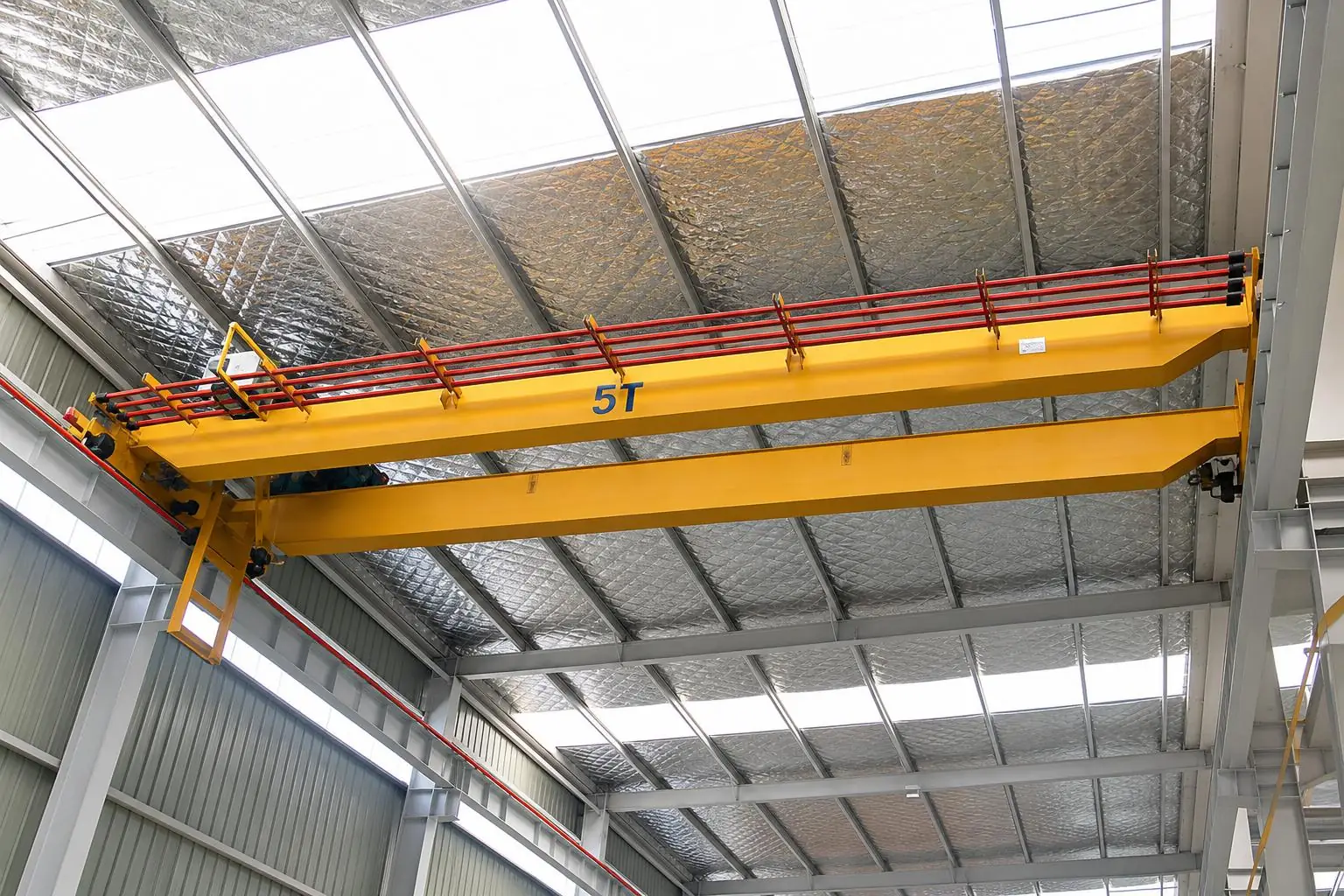
  • Crane Type Comparison for Industrial Projects: A Task-Based Approach

    Crane Type Comparison for Industrial Projects: A Task-Based Approach

    Technical guide

    Crane Type Comparison for Industrial Projects: A Task-Based Approach

    Compare crane concepts using the same load and working area. The support arrangement, handling route and required coverage help identify which options merit a configuration-specific technical proposal.

    Henan Mine CraneTechnical guide · Updated 2026Crane selection, project scope and operating requirements
    Henan Mine Crane overhead crane inside a workshop bay
    Henan Mine Crane overhead crane inside a workshop bay
    Project planning notes

    Key points for this crane project.

    1. Why Crane Selection Matters
    2. Comparison of Five Cranes in All Dimensions
    3. 6 Core Elements of Crane Selection in 2026
    Read the technical guide

    Why Crane Selection Matters

    The success of lifting operations depends directly on the degree of matching between the crane and the operational needs, mainly affecting three major dimensions:

    • Operational safety: each crane has a rated load, operating range, applicable terrain strict limitations, overloading, over the range or in the unsuitable environment for the operation, it is very easy to cause safety accidents.
    • Operational efficiency: the crane that fits the scene can be quickly deployed, accurate lifting, reducing waiting time and repeated operations, significantly shortening the duration of the work; selection errors will lead to slow deployment, restricted operations, slowing down the overall progress.
    • Cost control: blindly selecting high-end high-capacity equipment will result in waste of resources, increasing the cost of leasing, transport, operation and maintenance; selection of equipment with insufficient carrying capacity, and the need for frequent replacement of equipment, an additional increase in expenditure.

    In short, all cranes are tailored for specific operational needs, accurate selection, in order to avoid safety risks, improve efficiency, cost control, to avoid unnecessary losses.

    Comparison of Five Cranes in All Dimensions

    Gantry cranes

    Gantry cranes, also known as gantry cranes, are lifting equipment built on a gantry mobile frame, the core structure of the main girder and both sides of the outriggers, can be moved along the ground track or casters, no need to rely on the structure of the plant, is the mainstream choice for outdoor scenes.

    Core features

    • Extremely large size span: small models can be adapted to garages and small processing plants, large models can cover ports and railway yards, with load capacities ranging from a few tonnes to thousands of tonnes;
    • Flexible movement: the small model is equipped with heavy-duty castors and can be moved freely; the large model adopts rail-type design with stable operation and strong load-bearing capacity;

    Simple structure, convenient maintenance, no need for complex installation, can work on the ground.

    Application Scenario

    • Large-scale scenarios: container loading and unloading in ports, transferring in railway yards, lifting of large concrete components, and lifting of segments in shipyards;
    • Small-scale scenarios: light material transfer in machining workshops, auto repair factories, small processing plants, suitable for light and medium-sized load operations.

    Best fit

    Outdoor open-air work, limited budget, need to move the lifting of light and medium-sized loads, or rail-type heavy outdoor lifting scenarios.

    Truck Cranes

    Truck cranes are mobile cranes mounted on car chassis or wheeled platforms, equipped with telescopic booms, and are one of the most widely used and versatile models in the construction industry.

    Core features

    • Manoeuvrability pulling full: it can be driven directly on the road, quickly travelling to and from different construction sites, and no need to dismantle and transport in transit;
    • Efficient deployment: the boom is a telescopic structure, rapid deployment on site, short installation and removal time consuming, saving manpower and time costs;
    • Compact size: it can work in narrow sites, residential areas and small construction sites, and is suitable for complex spaces.

    Application Scenario

    • Civil construction: residential construction, small commercial building lifting;
    • Material transfer: building materials loading and unloading at construction sites, equipment handling, and lifting of small components in municipal engineering;
    • Emergency operation: rapid lifting support for unexpected scenarios, suitable for short-term, scattered, multi-location operations.

    Core Advantages

    Strong portability, fast deployment, high flexibility, can cope with the diversified lifting needs of light and medium-sized loads, is the first choice for short-term projects.

    Best Fit

    Short-term construction, multi-site transfers, confined space operations, light and medium load lifting scenarios.

    Tower Cranes

    Tower cranes are the iconic equipment for urban skyscrapers and large bridges, and they are the best choice for aerial lifting with ultra-high working height and strong stability.

    Core Features

    • Stability pulling full: the base is fixed on the ground or attached to the building structure, long-term continuous operation without shaking, high safety;
    • Suitable for long-term projects: it can be deployed along with the whole process of building construction, without frequent replacement of equipment.

    Main Segmentation Types

    • Hammerhead tower crane: the boom is a fixed horizontal structure, inverted ‘L’ shape, can be rotated horizontally, suitable for dense urban construction sites, multi-tower cranes working together;
    • Jib type tower crane: boom can be up and down pitch, rotation radius is smaller, can work in the extremely narrow urban sites, bearing capacity is stronger, but the cost is higher;
    • Self-erecting tower crane: small size, can be folded and transported, no additional equipment can be self-installed, lower carrying capacity, suitable for small short-term aerial projects, low-rise building construction.

    Application Scenario

    Skyscrapers, super high-rise residential, large bridges, large venues and other high-altitude heavy structure lifting, is the core equipment for large urban infrastructure.

    Best fit

    High-rise buildings, large-scale infrastructure, long-term high-altitude heavy lifting, dense urban site operation scenarios.

    Overhead Travelling Crane

    Bridge cranes, also known as overhead cranes, are lifting equipment designed for indoor industrial environments and are widely used in enclosed spaces such as factories, warehouses and workshops.

    The core structure consists of two parallel tracks, a load-bearing beam across the track, and a movable lifting trolley, which utilises the top space for the whole operation without occupying the ground operating area.

    Core Features

    • High accuracy: it can realise accurate positioning and smooth transfer of materials, suitable for assembly lines, precision assembly and other scenarios;
    • Outstanding efficiency: designed for repetitive operations, it can operate continuously for 24 hours, significantly reducing manual handling;
    • Space optimisation: make full use of the overhead space, the ground can be normal access, placement of equipment, to enhance the site utilization rate.

    Application Scenario

    • Manufacturing factory: heavy parts transfer of production line, equipment assembly;
    • Warehousing and logistics: efficient loading and unloading and stacking of warehouse goods;
    • Maintenance workshop: dismantling of large equipment, lifting and maintenance, suitable for indoor fixed routes, high-frequency, accurate lifting.

    Best Fit

    Indoor industrial production, warehousing and transfer, assembly line repetitive and accurate lifting scenarios.

    6 Core Elements of Crane Selection in 2026

    After clarifying the characteristics of each model, it is necessary to combine the following 6 elements to make a comprehensive judgement and accurately match the most suitable crane:

    Load Capacity and Rated Parameters

    The first consideration of the weight of the lifting object, strictly against the crane rated load table, to confirm the different heights, amplitude under the load capacity, reserve a safety margin, overloading operations are strictly prohibited. At the same time to distinguish between static lifting and mobile lifting, some cranes only support static fixed-point lifting.

    Requirements for Operating Height andAamplitude

    According to the maximum lifting height of the project, the boom needs to extend the distance to select equipment: high-rise building priority tower cranes; long-distance ground lifting priority high-capacity truck cranes or crawler cranes; need to be accurate vertical transfer scenarios, focusing on verification of the lifting height and operating radius.

    Operating Environmental Conditions

    Indoor/outdoor: choose bridge cranes indoors, and give priority to gantry, truck and crawler cranes outdoors; terrain conditions: choose truck cranes for flat and hardened ground, and choose crawler cranes for soft and muddy ground; climatic factors: high temperature, high humidity, and dusty environments, you need to choose the equipment with appropriate protection level to prolong the service life.

    Use Frequency and Duration

    • Short-term scattered operations: choose car cranes, rapid deployment, flexible transfer;
    • Long-term fixed operation: choose tower crane, bridge crane, gantry crane, continuous and stable operation;
    • High-frequency operation: choose high working level models to avoid overload and overheating failure.

    Mobility and Site Access

    1. Multi-site transfer: priority car crane, no pressure on the road;
    2. Narrow site: choose jib tower crane, small car crane;
    3. No hardened road surface: choose crawler crane, no need to level the site to work.

    Budget and Comprehensive Cost

    Comprehensive consideration of procurement/rental costs, transport costs, installation and removal costs, operation and maintenance costs: small scenes choose economical gantry cranes; short-term projects choose rental truck cranes; large-scale long-term projects, give priority to cost-effective fixed cranes, do not sacrifice safety and performance to compress costs.

    Crane Industry Innovation Trends in 2026

    In 2026, the crane industry to intelligent, green, safe depth upgrade, the core innovation direction:

    • Automation and remote control: 5G + AI technology landing, support for remote central control operation, unmanned autonomous operation, high-risk scenarios do not require personnel on-site guarding, to enhance operational safety and accuracy;
    • Sustainable green design: popularisation of electrified and hydrogen-driven models reduces fuel consumption and carbon emissions, and reduces noise to meet the requirements of urban environmental protection;
    • Intelligent safety monitoring: equipped with load sensors, tilt angle monitoring, anti-collision system, real-time early warning of overloading and tipping risks, and active avoidance of potential safety hazards;
    • Digital twin empowerment: through virtual simulation to simulate the lifting process, optimise the operation plan in advance and reduce the on-site error rate.

    These technological innovations make cranes safer, more efficient and environmentally friendly, and also provide more high-performance options for selection.

    Along with automation, green technology upgrades, the suitability of the crane and safety is further enhanced. Selection of priority to ensure safety and efficiency, taking into account cost control, if necessary, consult professional lifting equipment suppliers, combined with the actual needs of the project customised solutions, in order to achieve efficient, safe and economic operation of lifting operations.

    FAQ:

    1. Which crane is preferred for outdoor work?

    Priority is given to gantry cranes, rail-type or caster-type can be adapted to the open-air site, cost-effective, mobile and flexible, suitable for all kinds of outdoor light, medium and heavy lifting.

    1. What cranes are used for high-rise building construction?

    Tower cranes, especially hammerhead or jib tower cranes, high operating height, strong stability, is the standard for ultra-high-rise, large-scale bridge construction.

    1. What is the price range of gantry cranes?
    1. Can crawler cranes work on uneven ground?

    Yes, the crawler chassis has a large grounding area and strong grip, so it can work stably on muddy, soft and uneven ground without outriggers.

    1. What is the difference between overhead travelling crane and portal crane?

    Overhead cranes need to rely on plant tracks and are limited to indoor operation; gantry cranes have their own gantry brackets and can work on outdoor ground tracks without plant support.

    Discuss the crane arrangement for your project.

    Compare crane concepts using the same load and working area. The support arrangement, handling route and required coverage help identify which options merit a configuration-specific technical proposal. Share the load, available drawings, working cycle and site conditions with Henan Mine Crane so the required configuration and supply boundary can be discussed.

    Related crane configurations

    Explore crane product families and technical parameters ↗

    Updated 2026 · Henan Mine Crane
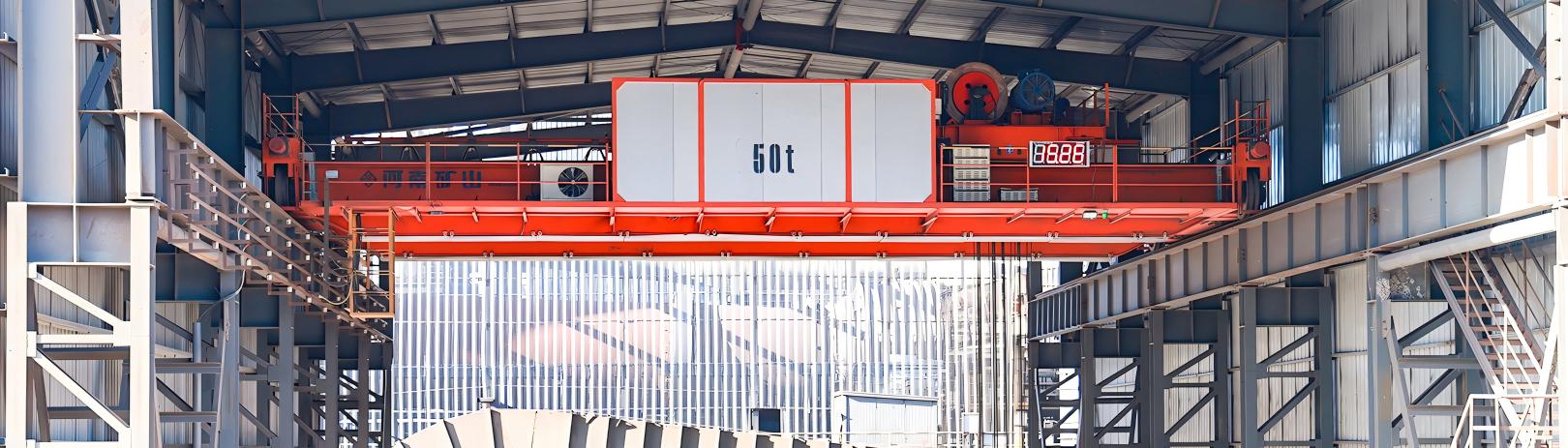
  • Crane Procurement for Bahamas Projects: Delivery and Site Readiness

    Crane Procurement for Bahamas Projects: Delivery and Site Readiness

    Technical guide

    Crane Procurement for Bahamas Projects: Delivery and Site Readiness

    Coordinate the lifting equipment with the actual project location and installation plan. Define the load, working area and delivery boundary so transport arrangements and site responsibilities can be clarified in the proposal.

    Henan Mine CraneTechnical guide · Updated 2026Crane selection, project scope and operating requirements
    Henan Mine Crane Single-Girder Bridge Crane
    Henan Mine Crane Single-Girder Bridge Crane
    Project planning notes

    Key points for this crane project.

    1. Why the Bahamas Needs a Specialized Crane Supplier
    2. Overhead Crane vs. Gantry Crane: Which Fits Your
    3. Why Buyers Choose Chinese Overhead & Gantry Crane
    Read the technical guide

    Why the Bahamas Needs a Specialized Crane Supplier

    The Bahamas is an archipelagic economy, with pillar industries for tourism, shipping and marine services, and relies on heavy lifting equipment throughout. In addition to mobile cranes, bridge and gantry lifting equipment is required for ship maintenance, container and bulk cargo operations at local core ports and shipyards.

    However, there is almost no local production capacity for lifting equipment. The bridge cranes, gantry cranes and electric hoists put into use in the Bahamas are all imported, and the equipment needs to be custom-designed according to the usage scenario and then shipped to the local area by sea. This 1 the status quo so that local buyers face three major challenges:

    • Local procurement channels are scarce. Most of the local lifting-related enterprises only do mobile crane leasing, lifting supporting services, and do not undertake the supply of fixed bridge and portal lifting equipment.
    • Climate adaptation requirements are high, and most manufacturers products cannot meet the standards. Conventional industrial cranes are designed in accordance with the temperate inland plant environment and cannot adapt to the local perennial salt spray erosion environment, nor can they meet the wind load standard for hurricane winds.
    • The import logistics process is cumbersome. Island countries transport large steel structure parts, requiring suppliers to have mature sea freight experience, ordinary inland distribution service providers are not competent.

    Ordinary lifting manufacturers only understand equipment manufacturing, and only suppliers who have a thorough understanding of the above three actual needs can deliver durable lifting equipment that can serve for more than ten years to avoid premature scrapping of equipment due to corrosion.

    Overhead Crane vs. Gantry Crane: Which Fits Your Bahamas Project?

    It is useful to be clear on terminology, as overhead crane and gantry crane address different problems.

    Overhead crane (alternatively bridge crane or EOT the Electric Overhead Traveling crane) can be installed in an Elevated runway, which is generally rigidly mounted onto structural columns of the building or dedicated support beams. The bridge spans above the working area, with a trolley and hoist moving along it. It is most commonly used in a shell of enclosed warehouse, workshop or shipyard fabrication hall where the floor must be free of obstructions.

    Gantry crane is merely the same lifting mechanism, but resting on its own set of legs sitting on the crane‘s floor. Here all the movement is independent of a building‘s structure, so suitable for outdoor yards, Container terminals, open marina boat yards – where a building‘s runway is not an economical proposition, or if the crane will need to be moved at a later date.

    FactorOverhead CraneGantry Crane
    Support structureBuilding columns/runway beamsIts own floor-mounted legs
    Typical settingIndoor workshops, shipyardsOutdoor yards, ports, marinas
    MobilityFixed to building runwayFull gantry or semi-gantry models can be relocated
    Best for Bahamas useVessel repair halls, warehousesContainer yards, boatyards, open construction sites
    Relative costHigher (requires building reinforcement)Lower, more cost-effective for outdoor spans

    In the majority of applications on ports and marinas in The Bahamas (where equipment is located outside and subjected to salinity) gantries are normally the preferable, more affordable option overhead cranes are more appropriate in enclosed areas such as repair workshops and manufacturing plants.

    Why Buyers Choose Chinese Overhead & Gantry Crane Manufacturers

    China is the world s largest producer of industrial lifting equipment. With the advantage of scale, China can provide cost-effective import solutions for buyers in niche markets such as the Bahamas. China s regular bridge crane, gantry crane manufacturers can design, produce and export complete sets of equipment in accordance with ISO, CE and other international standards, and the comprehensive landed cost is generally lower than similar products in Europe, America and the region.

    China s export advantages of lifting equipment mainly stem from three points:

    • The equipment can be adapted to Siemens, Schneider, ABB and other mainstream European and American electrical accessories, greatly reducing the difficulty and cost of local equipment maintenance and parts replacement in The Bahamas.
    • Cost-effective customization service: Relying on mature mass production lines and large-scale production capacity, manufacturers can customize the equipment span, operating parameters and anti-corrosion protective coatings according to project requirements to adapt to the special conditions of the island, while avoiding the high premium of overseas niche customization manufacturers, with significant cost-effective advantages.

    It should be noted that the quality level of China s crane market is uneven, with both affordable factories that only meet the basic national standards, as well as mature enterprises that have been deeply cultivated for export for 20 to 30 years and have independent research and development capabilities and hurricane sea equipment design qualifications. This is also the core significance of procurement screening and verification.

    Key Applications for Cranes in the Bahamas

    The market demand for bridge and gantry cranes in the Bahamas is mainly concentrated in four major areas, each scenario has different requirements for equipment conditions, span and load, the general standard finished equipment is often unable to adapt to the field conditions, must be based on the actual lifting operation needs to customize the parameters, rather than directly apply the product catalog parameters.

    • Ports and container terminals: The free port and Nassau port areas are responsible for transshipment and bulk cargo handling operations, requiring gantry cranes that can be adapted to high-frequency, heavy-load cycle operations to ensure stable and efficient container handling operations.
    • Yacht docks and shipyards: Relying on the mature luxury yacht maintenance service industry, the local docks are generally equipped with marine hoists and mobile gantry cranes, which are used for the landing, overhaul and maintenance of yachts, and are the core equipment of marine ship supporting services.
    • Building and resort development: Nassau, Paradise Island and outlying islands continue to promote the construction of hotels, resorts and infrastructure, tower cranes and gantry cranes are the core lifting equipment for engineering construction and civil construction.
    • Warehousing and industrial facilities: serving the processing, filling, logistics and warehousing bases supporting the tourism industry chain, relying on bridge cranes to complete material transfer, cargo loading and unloading and other warehousing operations to ensure the efficient operation of the supply chain.

    Engineering for Salt Air and Hurricane Conditions

    Island special condition design is the core link that most crane suppliers easily ignore, but also the key to determine the service life of equipment in the Bahamas, directly distinguish whether the equipment is only used for 5 years short-term scrap, or stable service for more than 25 years.

    Salt spray anti-corrosion protection design

    The entire territory of the Bahamas is close to the coast, and salt spray corrosion is the greatest loss hazard for lifting equipment. Ordinary single-layer industrial paint coating in high salt spray, high humidity of the island environment, usually 2 to 3 years will appear off, rust, accelerate the steel structure damage. Cranes adapted to Bahamas working conditions must adopt multi-layer marine grade anti-corrosion coating system, with standard configuration as follows:

    • Zinc-rich epoxy primer: provides cathodic sacrificial protection for steel structure substrates to prevent corrosion from the root cause.
    • Epoxy micaceous iron oxide intermediate paint: thickening protective paint film, forming a dense barrier layer, effectively blocking salt spray, water vapor penetration erosion of the substrate.
    • Polyurethane or fluorocarbon topcoat: has excellent anti-ultraviolet performance, can be long-term color preservation, resist the island strong sunshine aging erosion.

    This standard is suitable for high corrosion conditions such as marine, coastal and offshore, and is a hard corrosion index for purchasing lifting equipment in Bahamas.

    Design of Hurricane Wind Resistant Structure

    In addition to corrosion resistance, the structural design of equipment against wind loads is also critical. Bahamas is located in the Atlantic hurricane belt. All fixed bridge and gantry cranes are strictly prohibited from being designed according to conventional indoor working conditions and must be adapted to local extreme hurricane wind pressure standards.

    During the procurement verification, it is necessary to confirm that the structural design of the supplier strictly follows the local wind speed specification, and the equipment is equipped with exclusive wind-proof fixing device and storm locking structure, which can resist extreme strong wind weather and ensure the structural safety of the equipment during typhoon.

    How to Vet a Chinese Crane Manufacturer: A Buyer’s Checklist

    There is a substantial risk of omitting due diligence when cranes are procured overseas without a site visit. Before signing the contract, it must be checked item by item against the following list to avoid hidden dangers in procurement:

    • Verification of full set of qualification certification: confirm that the supplier holds effective ISO9001 quality management system certification and CE compliance certification, and require the other party to provide equipment anti-corrosion exclusive certification documents in written form, such as ISO 12944-6 C5H high corrosion environment coating certification, to eliminate problems such as qualification fraud and certification expiration.
    • Obtain overseas landing cases: actively ask for project cases and customer cooperation certificates of suppliers in coastal and tropical island markets, focus on verifying their overseas working condition service experience instead of only referring to domestic project performance, and ensure that manufacturers adapt to the special operating environment of Bahamas.
    • Verification of physical factory qualifications: a large number of so-called "manufacturers" on the market are actually trade intermediaries, without independent production capacity. The purchaser needs to ask the other party to provide real-life factory video, third-party factory audit report, or apply for online cloud factory inspection to verify the physical production base.
    • Confirm customization engineering parameters:core customization parameters such as equipment span, rated load, anti-corrosion coating system, electrical accessories model, etc. must be clearly listed in written form in the quotation sheet, and only oral commitment parameters are rejected to avoid late goods not matching the board.
    • All clauses shall be implemented in written agreement, and hidden clauses shall be eliminated.
    • Implementation of overseas after-sales support: confirm in advance that suppliers can provide overseas customers with remote technical guidance, spare parts inventory, on-site installation supervision and other supporting after-sales services to ensure smooth installation and stable operation and maintenance of equipment after landing.
    • Lock the formal production lead time: the production cycle of conventional overhead cranes is 60 to 90 days, and the production cycle of large and highly customized gantry cranes can reach 6 to 12 months, requiring additional sea transportation time. Suppliers must be required to provide written lead time commitments.

    Risk warning: no matter how much the price advantage of quotation is, if the supplier refuses to verify the factory and refuses to issue written technical parameters and compliance documents, it is an obvious cooperation risk signal, and it is necessary to terminate the cooperation carefully.

    Shipping & Import Logistics to the Bahamas

    After equipment production is complete, logistics transportation for export to Bahamas requires systematic planning. Crane Large steel structural members are usually shipped by bulk carrier or flat frame container, and can be unloaded to Freeport Container Terminal or Arawak Terminal in Nassau depending on the site location of the purchaser.

    1. Time limit: The shipping time limit from China's main ports to the Caribbean Sea is 30 to 60 days, which varies according to the route arrangement and transit nodes.
    2. Customs clearance information: customs clearance should provide accurate HS code, commercial invoice, packing list and other complete information.
    3. Port operation: after the steel structure equipment with super size arrives at the port, it is necessary to connect with the local agent in advance and make overall arrangements for the special lifting equipment for the port
    4. Overall cycle: The overall cycle for standard customized equipment from order placement to overseas delivery is recommended to be reserved for 4 to 6 months; for highly customized equipment, the cycle needs to be further extended.

    The delivery cycle is incorporated into the project construction and terminal upgrading planning in advance, which can effectively avoid additional cost losses such as construction delay and shutdown.

    Installation, Commissioning & After-Sales Support

    The operational reliability of the crane depends not only on the manufacturing quality of the equipment itself, but also on the quality of the installation and construction. Regular equipment suppliers usually provide two installation service modes: the 1 is to send professional engineers to the site for installation guidance and equipment debugging; the 2 is to provide a full set of detailed installation technical documents, with remote video and technical support, to assist the purchaser to rely on the local lifting team to complete the construction.

    For island markets such as the Bahamas, the value of long-range technology aftermarket is particularly prominent. It is not practical to send engineers to cross-border field for each after-sales problem. Therefore, three core after-sales conditions must be verified before purchasing:

    • Whether the supplier has regular spare parts such as motors, hoists, electrical accessories, etc., which can support fast delivery and replenishment;
    • Whether to provide 24 hours a day remote technical support, and the corresponding service language coverage;
    • Whether there is a cooperative service provider or local agent in the Caribbean to ensure the timeliness of after-sales response.

    Cost Factors & ROI for Crane Investment in the Bahamas

    The price span of bridge and portal cranes is large, and the core is affected by the load tonnage, equipment span and customization. The starting cost of conventional light single-beam bridge cranes is relatively low, only a few thousand dollars. However, for heavy-duty double-beam gantry cranes suitable for ports and shipyards, the equipment cost can reach hundreds of thousands of dollars after superimposing marine-grade anti-corrosion coating, customized span and high-end electrical accessories.

    When accounting for return on investment (ROI), the purchaser should not only focus on the price of the equipment, but also consider the cost of using the equipment throughout its life cycle, with the following core considerations:

    • Anti-corrosion coating upgrade cost: Upgrading the marine-grade anti-corrosion system in the early stage will slightly increase the purchase cost, but it can greatly improve the service life of the equipment in the salt spray environment, and greatly reduce the maintenance, renovation and replacement costs in the long term.
    • Comparison of procurement and rental costs: For sites with normal hoisting needs, the fixed crane can recover the premium cost of equipment by saving rental costs within a few years compared to the mobile crane rental model, and the long-term investment is more cost-effective.
    • Full landing cost accounting: budget calculation needs to integrate all costs such as shipping and customs duties, and take the CIF price of equipment as the basis for accounting, rather than simply referring to the ex-factory price, so as to avoid budget overruns in the later period.
    • Flexible financing payment scheme: some high-quality manufacturers and cooperative financial institutions support installment payment according to production nodes, which can effectively alleviate the cash flow pressure of large-scale equipment procurement and adapt to the investment needs of large and medium-sized projects.

    Discuss the crane arrangement for your project.

    Coordinate the lifting equipment with the actual project location and installation plan. Define the load, working area and delivery boundary so transport arrangements and site responsibilities can be clarified in the proposal. Share the load, available drawings, working cycle and site conditions with Henan Mine Crane so the required configuration and supply boundary can be discussed.

    Related crane configurations

    Single-Girder Bridge Crane

    View product parameters
    Lifting capacity: 1–20 tSpan: 7.5–31.5 mLifting height: 6, 9, 12, 18, 24 or 30 m; capacity-dependent

    Use an LDA single-girder bridge and electric hoist for general workshop material handling. Select the lifting capacity, runway geometry and hoist duty around the building and load.

    LH Electric Hoist Double Girder Crane

    View product parameters
    Lifting capacity: 3, 5, 10, 16, 20 tSpan: 10.5–31.5 mLifting height: 6, 9, 12 or 18 m

    Use an LH double-girder bridge with an electric-hoist trolley for workshop lifting, assembly and maintenance. Match the hoist arrangement to the suspended load, hook travel and available building space.

    Updated 2026 · Henan Mine Crane