Engineering · Manufacturing · Project support
info@hnksglobal.comWhatsApp +86 18836207779 ↗

分类: Explosion-proof bridge crane

  • Metallurgical Electric Single Girder Crane

    Metallurgical Electric Single Girder Crane

    Overhead Cranes / Henan Mine Crane

    Metallurgical Electric Single Girder Crane

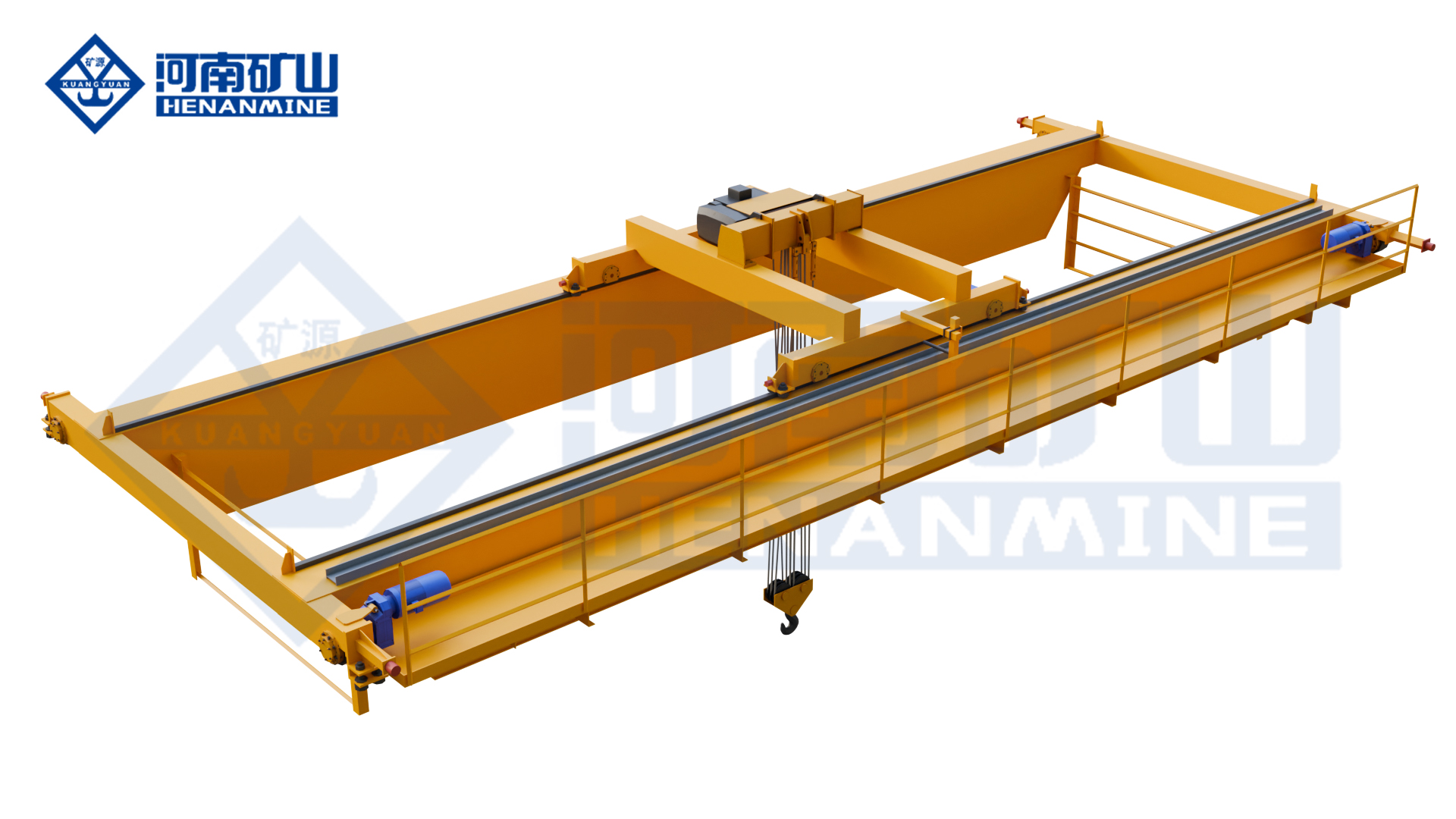
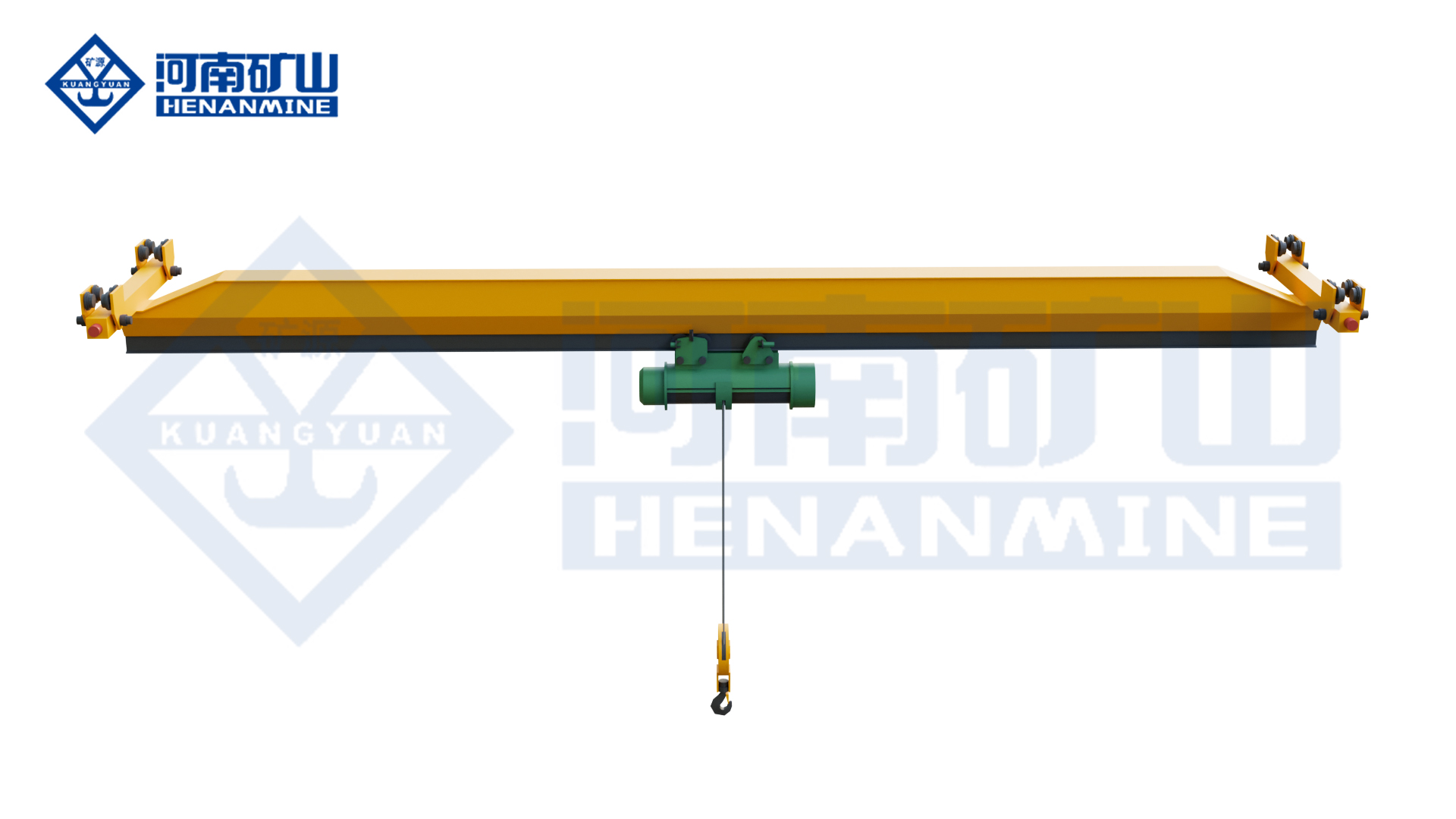
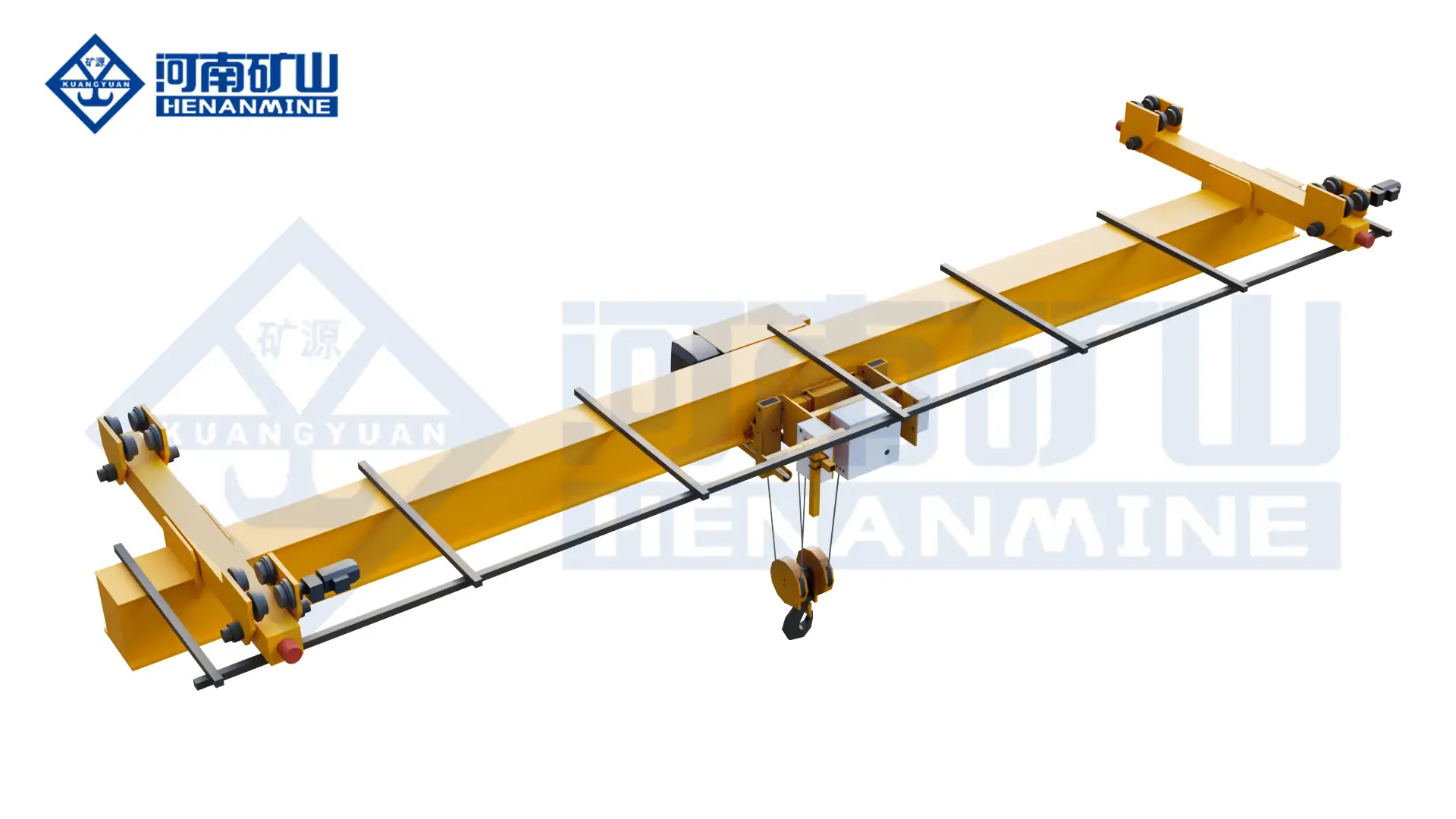
    Provide metallurgical lifting with an LDY single-girder crane and a matched metallurgical electric hoist. Define the hot-load duty, lifting appliance and thermal exposure for the complete arrangement.

    Lifting capacity1t – 10t
    Span7.5m – 28.5m
    Working classA6 – A7
    Technical specifications

    Define the total suspended load, duty and site conditions for your project.

    Technical specifications

    Check the load.
    Plan the configuration.

    Parameters and equipment options are matched to the application and confirmed in the technical proposal.

    Discuss your configuration
    Rated Lifting Capacity1t – 10t
    Span7.5m – 28.5m
    Lifting Height6m – 30m
    Working ClassA6 – A7
    Lifting Speed3.2 – 16m/min
    Travel Speed20 – 30m/min
    Hoist ModelYHⅡ Type Metallurgical Electric Hoist
    Protection LevelIP55 (IP67 optional)
    Thermal exposureDeclare ambient temperature, radiant heat and the lifting-task exposure
    Hazardous-area configurationMatched to the declared area classification, material group and temperature requirements

    Final parameters, dimensions, wheel loads and supply scope follow the approved project specification.

    Application & operation

    Matched to the handling task.

    Foundry workstations

    Coordinate lifting coverage around hot-material handling positions.

    Process maintenance

    Match the lifting appliance, operating access and local thermal conditions.

    Selection considerations

    Start with your operating conditions.

    01

    Load & lifting arrangement

    Specify hot load, lifting-appliance weight and material temperature. Include lifting-appliance weight and the required lifting positions.

    02

    Site & available space

    Provide runway span, hook positions and heat-source clearances. Coordinate the installation interfaces with the available site drawings.

    03

    Duty & control sequence

    Define metallurgical duty, hoist requirements and protective functions. Identify the required movements and control interfaces in the enquiry.

    Configuration comparison

    Compare related lifting arrangements.

    Crane arrangementHandling configuration
    Metallurgical Electric Single Girder CraneProvide metallurgical lifting with an LDY single-girder crane and a matched metallurgical electric hoist. Define the hot-load duty, lifting appliance and thermal exposure for the complete arrangement.
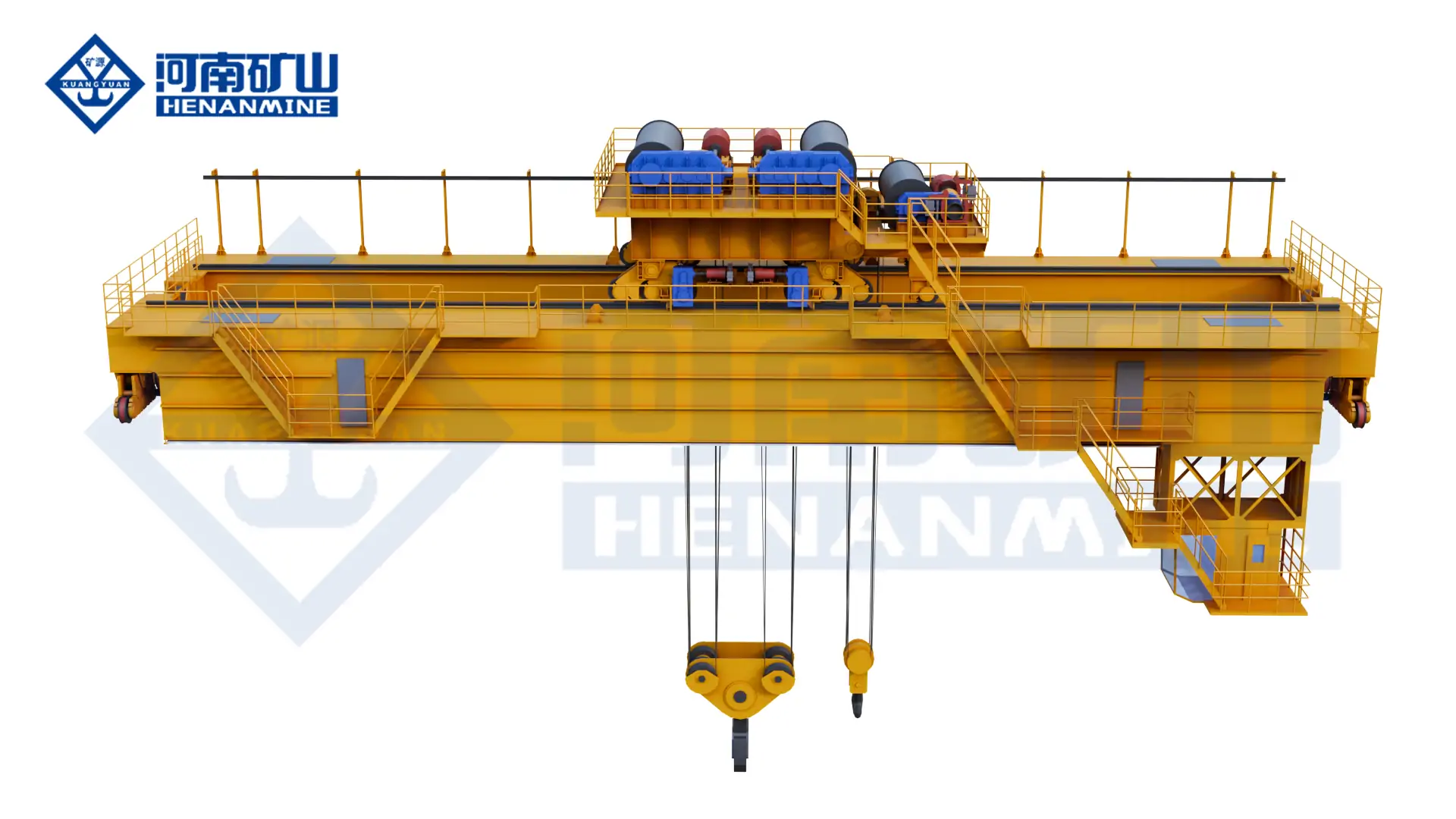
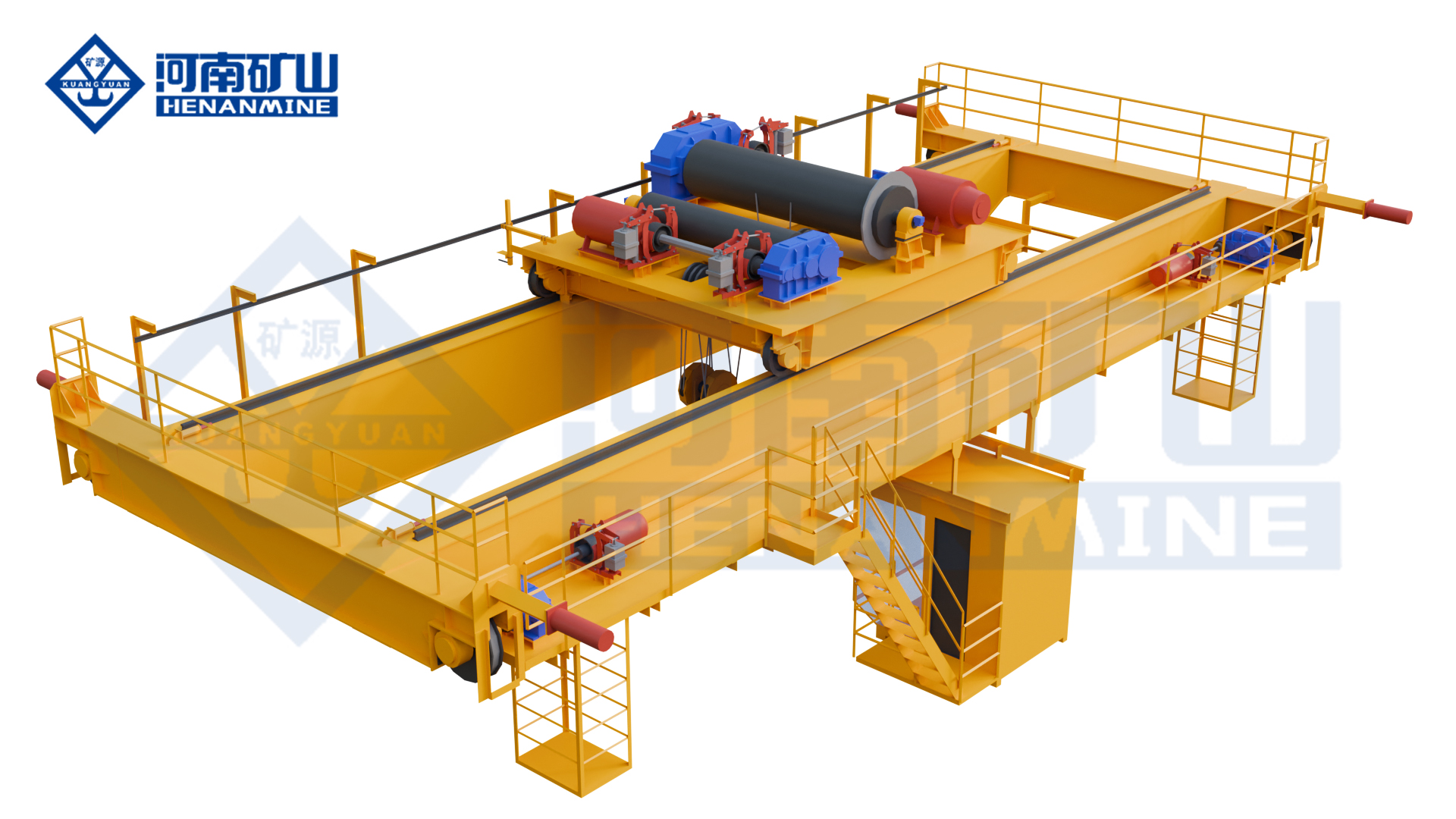
    Metallurgical Bridge CraneLift hot process loads with a YZD metallurgical bridge arrangement selected for the complete load and thermal conditions. Specify the lifting appliance, duty cycle and operating-protection requirements.
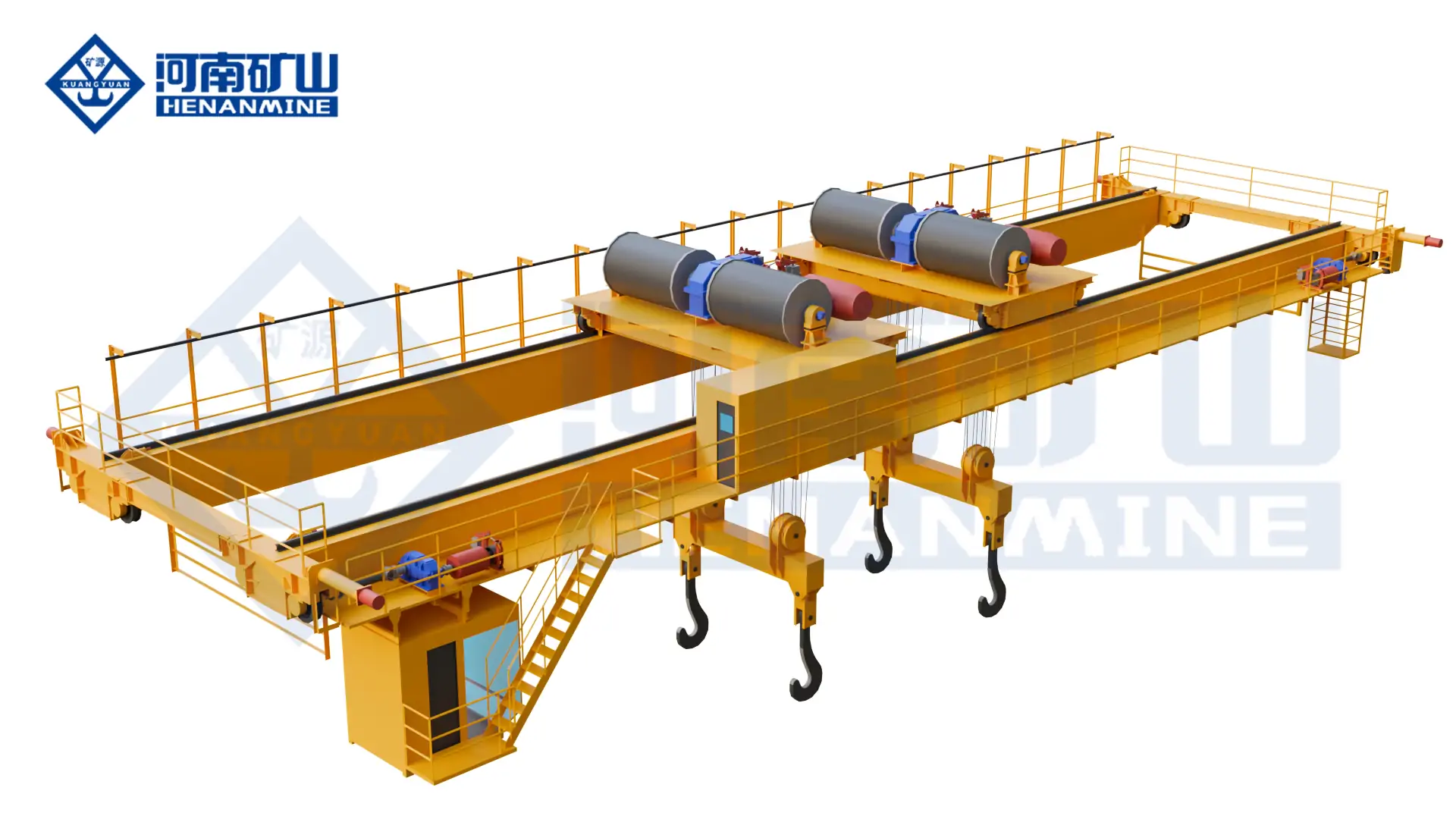
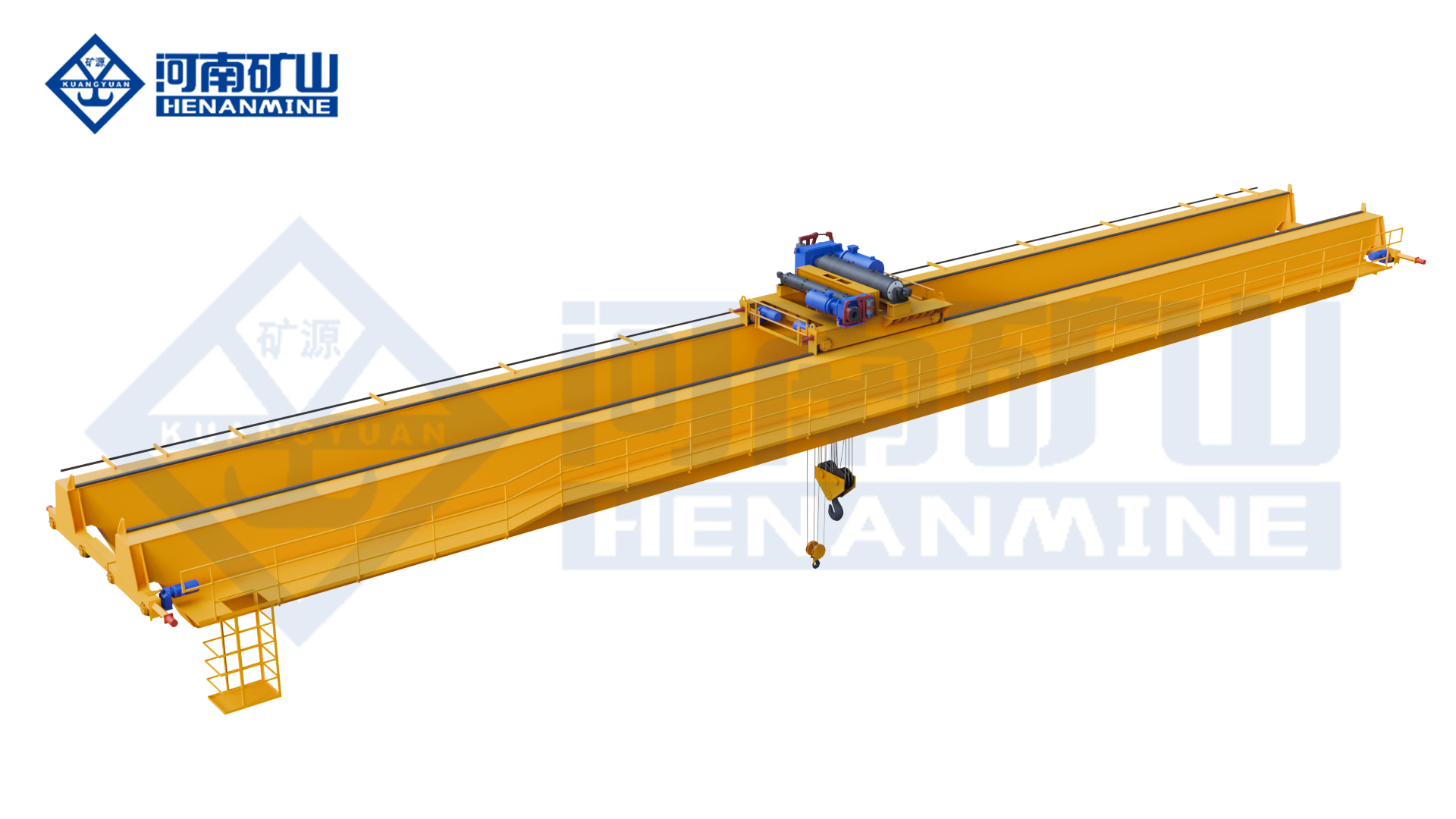
    Double Girder Casting CraneLift and transfer molten-metal ladles with a YZ casting crane configured for the full suspended load and casting process. Review ladle interfaces, thermal exposure and the operating sequence together.
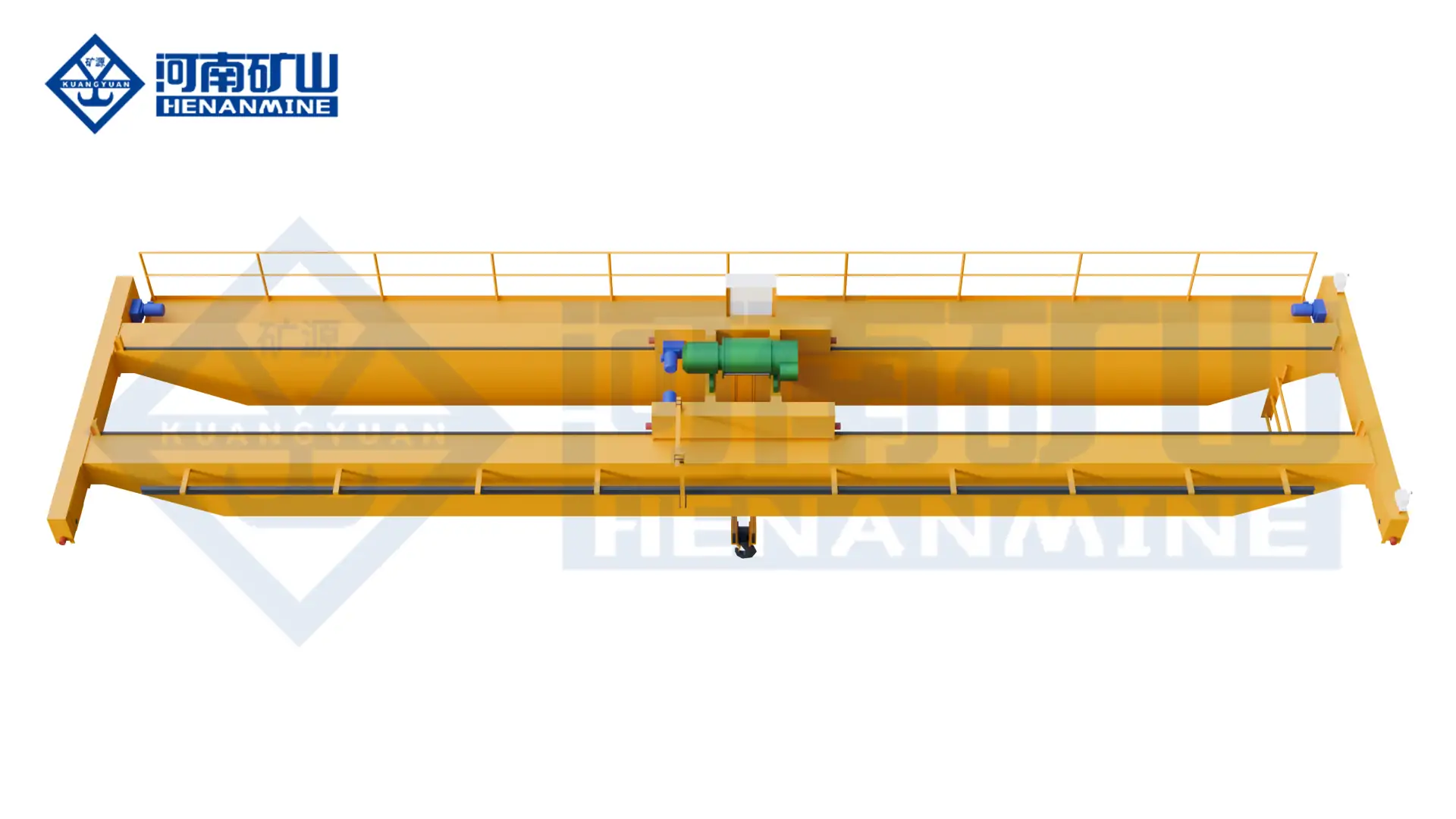
    YX Metallurgical Bridge CraneLift and turn material boxes with a YX metallurgical crane arrangement. The box interface, centre of gravity, turnover sequence and thermal conditions determine the lifting system.

    Operating protection & lifecycle support

    Plan beyond the equipment.

    01

    Operating protection

    Confirm overload protection, travel limits, brakes, emergency controls and the required process interlocks for the declared lifting task.

    02

    Installation & commissioning

    Agree runway reactions, structural interfaces, electrical connections, assembly, inspection and commissioning responsibilities before delivery.

    03

    Inspection & spares

    Plan inspection and maintenance of metallurgical hoist components, brakes and thermal protection. Agree service access, documentation and the required spare-parts scope.

    Questions before the order

    Clarify the details
    that shape the crane.

    What information is needed for a metallurgical electric single girder crane quotation?+

    Provide hot load, lifting-appliance weight and material temperature; runway span, hook positions and heat-source clearances; and metallurgical duty, hoist requirements and protective functions. Include drawings and the project destination when available.

    Why must the lifting task be declared as metallurgical duty?+

    Thermal exposure, load type and the handling sequence affect the hoist, brakes and protective provisions. Specify the complete process rather than only a nominal lifting capacity.

    What installation and support scope should be agreed?+

    Agree runway reactions, structural interfaces, electrical connections, assembly, inspection and commissioning responsibilities before delivery. Specify the documentation, training and spare-parts support needed for the project.

    Related equipment

    Explore the alternatives.
    Let’s discuss your project

    The right crane starts
    with your lifting task.

    Share hot load, lifting-appliance weight and material temperature, together with your site layout and operating cycle.
    info@hnksglobal.com
  • Explosion-Proof Bridge Crane

    Explosion-Proof Bridge Crane

    Overhead Cranes / Henan Mine Crane

    Explosion-Proof Bridge Crane

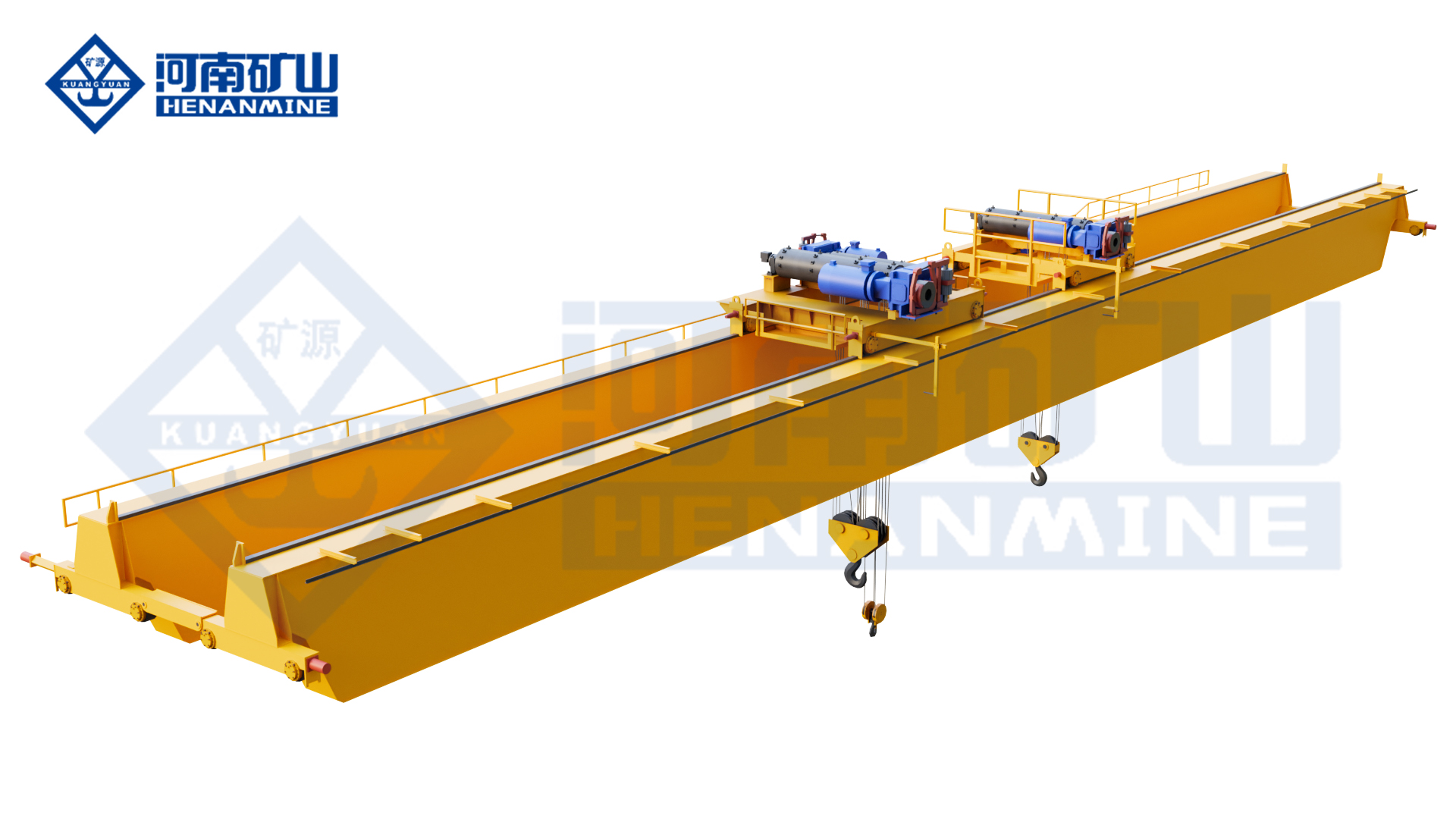
    Use a QB bridge crane for lifting in a declared explosive-gas environment. Select the load rating, main and auxiliary arrangement, electrical protection and control mode for the project.

    Lifting capacity5–50/10 t
    Span10.5~31.5
    Working classA4 ~ A6
    Technical specifications

    Define the total suspended load, duty and site conditions for your project.

    Technical specifications

    Check the load.
    Plan the configuration.

    Parameters and equipment options are matched to the application and confirmed in the technical proposal.

    Discuss your configuration
    ModelQB
    Lifting weight(t)5–50/10 t
    Span (m)10.5~31.5
    Lifting height (m)1~16
    Working classA4 ~ A6
    Hazardous-area configurationMatched to the declared area classification, material group and temperature requirements
    Lifting speed (m/min)3.7
    Trolley speed (m/min)9.3
    Crane moving speed (m/min)12
    Recommended railsP43
    power380V 50Hz 3Ph

    Final parameters, dimensions, wheel loads and supply scope follow the approved project specification.

    Application & operation

    Matched to the handling task.

    Hazardous production bays

    Transfer loads within the declared classified working area.

    Equipment maintenance

    Coordinate hook coverage and operating access around process equipment.

    Selection considerations

    Start with your operating conditions.

    01

    Load & lifting arrangement

    Specify main and auxiliary lifting tasks and complete suspended loads. Include lifting-appliance weight and the required lifting positions.

    02

    Site & available space

    Provide runway span, hook height and equipment clearances. Coordinate the installation interfaces with the available site drawings.

    03

    Duty & control sequence

    Define area classification, temperature requirements and operating duty. Identify the required movements and control interfaces in the enquiry.

    Configuration comparison

    Compare related lifting arrangements.

    Crane arrangementHandling configuration
    Explosion-Proof Bridge CraneUse a QB bridge crane for lifting in a declared explosive-gas environment. Select the load rating, main and auxiliary arrangement, electrical protection and control mode for the project.
    Explosion Proof Electric Hoist Bridge CraneUse an electric-hoist bridge arrangement for a declared hazardous area. The hoist, drives, controls and electrical installation are specified for the area classification and lifting duty.
    Explosion-Proof Suspended Overhead CraneProvide suspended electric-hoist lifting within a declared hazardous area. Review the overhead support, lifting duty and protection of the hoist, travel drives and controls as one system.
    Dual Trolley Explosion Proof Bridge CraneCombine two-trolley handling with the declared hazardous-area specification. Coordinate hook loads, lifting sequence, electrical protection and operator controls for the complete installation.

    Operating protection & lifecycle support

    Plan beyond the equipment.

    01

    Operating protection

    Confirm overload protection, travel limits, brakes, emergency controls and the required process interlocks for the declared lifting task.

    02

    Installation & commissioning

    Agree runway reactions, structural interfaces, electrical connections, assembly, inspection and commissioning responsibilities before delivery.

    03

    Inspection & spares

    Plan inspection and maintenance of brakes, protected electrical devices and lifting mechanisms. Agree service access, documentation and the required spare-parts scope.

    Questions before the order

    Clarify the details
    that shape the crane.

    What information is needed for a explosion-proof bridge crane quotation?+

    Provide main and auxiliary lifting tasks and complete suspended loads; runway span, hook height and equipment clearances; and area classification, temperature requirements and operating duty. Include drawings and the project destination when available.

    Do main and auxiliary hooks have the same permitted operation?+

    Specify each lifting task and whether combined operation is required. The technical proposal defines the hook ratings, operating combinations and hazardous-area configuration.

    What installation and support scope should be agreed?+

    Agree runway reactions, structural interfaces, electrical connections, assembly, inspection and commissioning responsibilities before delivery. Specify the documentation, training and spare-parts support needed for the project.

    Related equipment

    Explore the alternatives.

    Let’s discuss your project

    The right crane starts
    with your lifting task.

    Share main and auxiliary lifting tasks and complete suspended loads, together with your site layout and operating cycle.
    info@hnksglobal.com
  • Explosion Proof Electric Hoist Bridge Crane

    Explosion Proof Electric Hoist Bridge Crane

    Overhead Cranes / Henan Mine Crane

    Explosion Proof Electric Hoist Bridge Crane

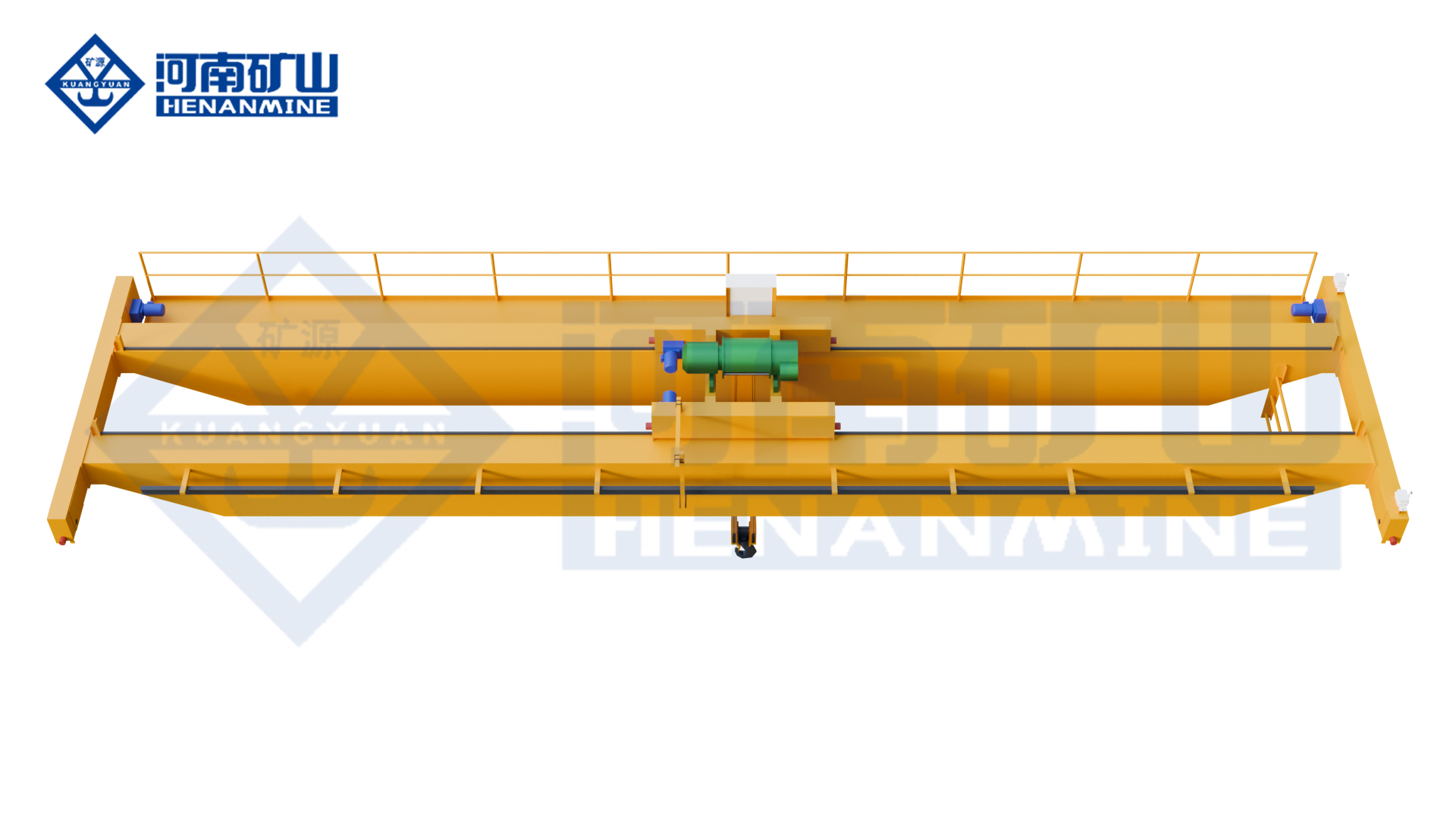
    Use an electric-hoist bridge arrangement for a declared hazardous area. The hoist, drives, controls and electrical installation are specified for the area classification and lifting duty.

    Lifting capacity1t – 10t
    Span7.5m – 28.5m
    Working classA3 – A5
    Technical specifications

    Define the total suspended load, duty and site conditions for your project.

    Technical specifications

    Check the load.
    Plan the configuration.

    Parameters and equipment options are matched to the application and confirmed in the technical proposal.

    Discuss your configuration
    Capacity1t – 10t
    Span7.5m – 28.5m
    Lifting height6m – 20m
    Working classA3 – A5
    Hoisting speed2m/min – 10m/min
    Crane travel15m/min – 30m/min
    Power supply380V/50Hz; 220V-660V/60Hz
    ControlsExplosion-proof ground handle / wireless remote
    Lifting arrangementSpecial explosion-proof electric hoist

    Final parameters, dimensions, wheel loads and supply scope follow the approved project specification.

    Application & operation

    Matched to the handling task.

    Classified workshops

    Lift components within a declared gas or dust hazardous area.

    Process maintenance

    Coordinate lifting coverage with the access and isolation needs of process equipment.

    Selection considerations

    Start with your operating conditions.

    01

    Load & lifting arrangement

    Specify suspended load, lifting points and process exposure. Include lifting-appliance weight and the required lifting positions.

    02

    Site & available space

    Provide runway layout, clearances and service access. Coordinate the installation interfaces with the available site drawings.

    03

    Duty & control sequence

    Define area classification, gas or dust group and temperature requirements. Identify the required movements and control interfaces in the enquiry.

    Configuration comparison

    Compare related lifting arrangements.

    Crane arrangementHandling configuration
    Explosion Proof Electric Hoist Bridge CraneUse an electric-hoist bridge arrangement for a declared hazardous area. The hoist, drives, controls and electrical installation are specified for the area classification and lifting duty.
    Explosion-Proof Bridge CraneUse a QB bridge crane for lifting in a declared explosive-gas environment. Select the load rating, main and auxiliary arrangement, electrical protection and control mode for the project.
    Explosion-Proof Suspended Overhead CraneProvide suspended electric-hoist lifting within a declared hazardous area. Review the overhead support, lifting duty and protection of the hoist, travel drives and controls as one system.
    Explosion-Proof Electric HoistSpecify an explosion-proof electric hoist for the declared load, mounting arrangement and hazardous area. Coordinate the hoisting mechanism, trolley, controls and electrical protection with the installation.

    Operating protection & lifecycle support

    Plan beyond the equipment.

    01

    Operating protection

    Confirm overload protection, travel limits, brakes, emergency controls and the required process interlocks for the declared lifting task.

    02

    Installation & commissioning

    Agree runway reactions, structural interfaces, electrical connections, assembly, inspection and commissioning responsibilities before delivery.

    03

    Inspection & spares

    Plan inspection and maintenance of protected hoist equipment, control devices and electrical enclosures. Agree service access, documentation and the required spare-parts scope.

    Questions before the order

    Clarify the details
    that shape the crane.

    What information is needed for a explosion proof electric hoist bridge crane quotation?+

    Provide suspended load, lifting points and process exposure; runway layout, clearances and service access; and area classification, gas or dust group and temperature requirements. Include drawings and the project destination when available.

    Which hazardous-area documents should accompany the enquiry?+

    Provide the area classification and the applicable gas or dust properties, temperature limits and destination requirements. The proposal should identify the equipment configuration and relevant documentation.

    What installation and support scope should be agreed?+

    Agree runway reactions, structural interfaces, electrical connections, assembly, inspection and commissioning responsibilities before delivery. Specify the documentation, training and spare-parts support needed for the project.

    Related equipment

    Explore the alternatives.

    Let’s discuss your project

    The right crane starts
    with your lifting task.

    Share suspended load, lifting points and process exposure, together with your site layout and operating cycle.
    info@hnksglobal.com
  • Dust-Proof Explosion-Proof Overhead Crane

    Dust-Proof Explosion-Proof Overhead Crane

    Overhead Cranes / Henan Mine Crane

    Dust-Proof Explosion-Proof Overhead Crane

    Configure suspended lifting for a declared combustible-dust environment. Dust classification, surface-temperature limits and enclosure requirements form part of the crane and hoist specification.

    Lifting capacity1t – 10t
    Span7.5m – 28.5m
    Working classA3 – A5
    Technical specifications

    Define the total suspended load, duty and site conditions for your project.

    Technical specifications

    Check the load.
    Plan the configuration.

    Parameters and equipment options are matched to the application and confirmed in the technical proposal.

    Discuss your configuration
    Rated Lifting Capacity1t – 10t
    Basic Span7.5m – 28.5m
    Lifting Height6m – 20m
    Hazardous-area configurationMatched to the declared area classification, material group and temperature requirements
    Hoist TypeSpecial dust explosion-proof electric hoist
    Drive MotorDust explosion-proof type motor
    Working ClassA3 – A5
    Lifting Speed2m/min – 10m/min
    Crane Travel Speed15m/min – 25m/min
    Control ModeDust explosion-proof ground handle / wireless remote
    Power Supply380V/50Hz; 220V-660V/60Hz
    Protection LevelIP65
    Working Temperature-20℃ ~ 45℃
    Structural FeatureLightweight + modular assembly

    Final parameters, dimensions, wheel loads and supply scope follow the approved project specification.

    Application & operation

    Matched to the handling task.

    Dust-producing processes

    Provide lifting coverage around material transfer or process equipment.

    Classified production bays

    Coordinate the hoist, drives and operator controls with the declared dust environment.

    Selection considerations

    Start with your operating conditions.

    01

    Load & lifting arrangement

    Specify load, lifting accessory and dust characteristics. Include lifting-appliance weight and the required lifting positions.

    02

    Site & available space

    Provide suspended runway layout, clearances and cleaning access. Coordinate the installation interfaces with the available site drawings.

    03

    Duty & control sequence

    Define dust area classification, temperature requirements and operating cycle. Identify the required movements and control interfaces in the enquiry.

    Configuration comparison

    Compare related lifting arrangements.

    Crane arrangementHandling configuration
    Dust-Proof Explosion-Proof Overhead CraneConfigure suspended lifting for a declared combustible-dust environment. Dust classification, surface-temperature limits and enclosure requirements form part of the crane and hoist specification.
    Explosion-Proof Suspended Overhead CraneProvide suspended electric-hoist lifting within a declared hazardous area. Review the overhead support, lifting duty and protection of the hoist, travel drives and controls as one system.
    Explosion Proof Electric Hoist Bridge CraneUse an electric-hoist bridge arrangement for a declared hazardous area. The hoist, drives, controls and electrical installation are specified for the area classification and lifting duty.
    Clean Explosion Proof Bridge CraneCombine overhead lifting with the declared cleanliness and hazardous-area requirements. Specify particle-control expectations, process exposure and area classification for the complete lifting system.

    Operating protection & lifecycle support

    Plan beyond the equipment.

    01

    Operating protection

    Confirm overload protection, travel limits, brakes, emergency controls and the required process interlocks for the declared lifting task.

    02

    Installation & commissioning

    Agree runway reactions, structural interfaces, electrical connections, assembly, inspection and commissioning responsibilities before delivery.

    03

    Inspection & spares

    Plan inspection and maintenance of dust-exposed enclosures, sealing components and protected controls. Agree service access, documentation and the required spare-parts scope.

    Questions before the order

    Clarify the details
    that shape the crane.

    What information is needed for a dust-proof explosion-proof overhead crane quotation?+

    Provide load, lifting accessory and dust characteristics; suspended runway layout, clearances and cleaning access; and dust area classification, temperature requirements and operating cycle. Include drawings and the project destination when available.

    Is dust enclosure protection sufficient by itself?+

    Provide the combustible-dust classification and temperature requirements as well as ingress-protection needs. The complete equipment configuration must be reviewed against the declared application.

    What installation and support scope should be agreed?+

    Agree runway reactions, structural interfaces, electrical connections, assembly, inspection and commissioning responsibilities before delivery. Specify the documentation, training and spare-parts support needed for the project.

    Related equipment

    Explore the alternatives.

    Let’s discuss your project

    The right crane starts
    with your lifting task.

    Share load, lifting accessory and dust characteristics, together with your site layout and operating cycle.
    info@hnksglobal.com
  • Dual Trolley Explosion Proof Bridge Crane

    Dual Trolley Explosion Proof Bridge Crane

    Overhead Cranes / Henan Mine Crane

    Dual Trolley Explosion Proof Bridge Crane

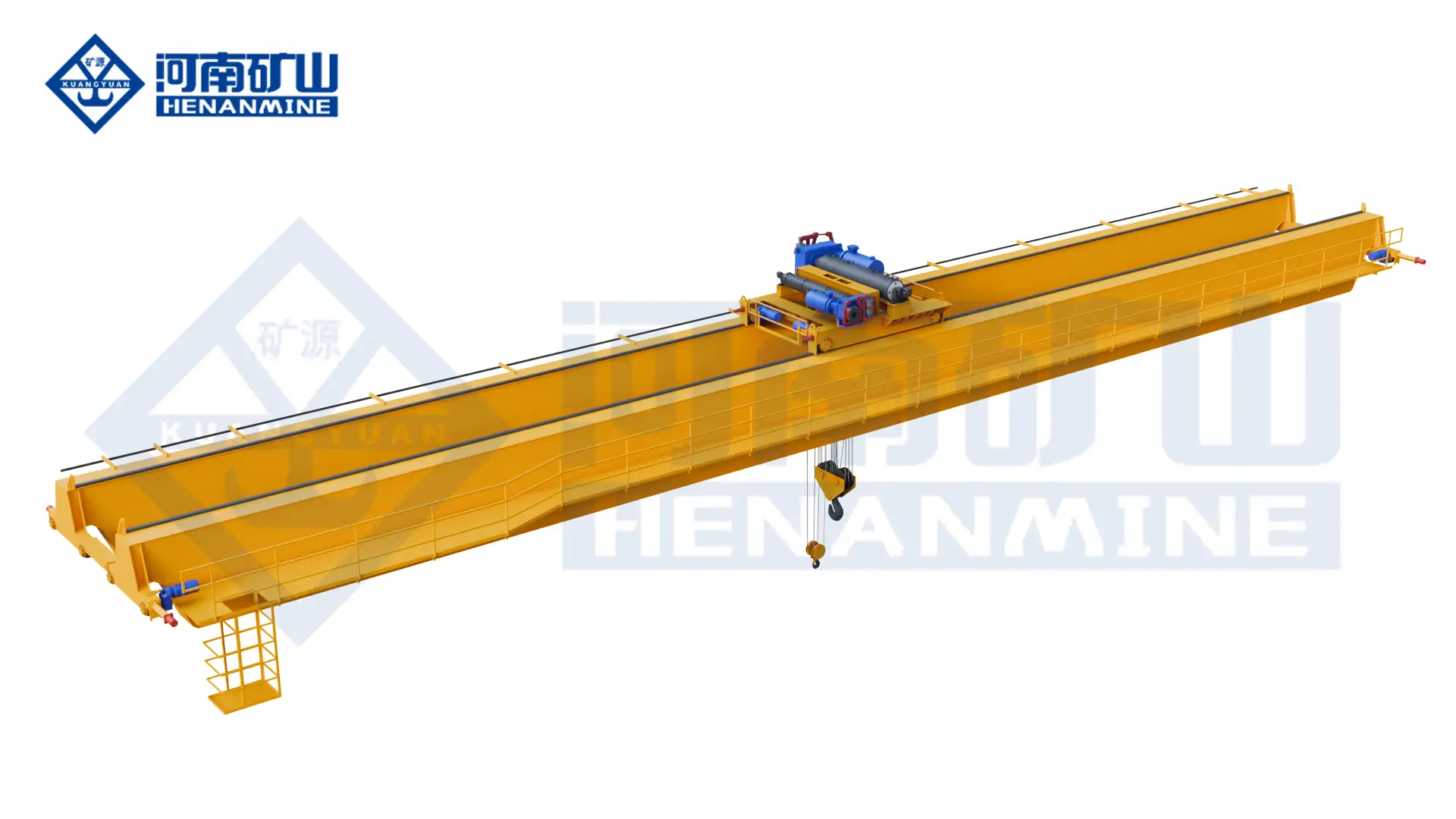
    Combine two-trolley handling with the declared hazardous-area specification. Coordinate hook loads, lifting sequence, electrical protection and operator controls for the complete installation.

    Lifting capacity20+20t
    Span10m – 35m
    Working classA4 – A6
    Technical specifications

    Define the total suspended load, duty and site conditions for your project.

    Technical specifications

    Check the load.
    Plan the configuration.

    Parameters and equipment options are matched to the application and confirmed in the technical proposal.

    Discuss your configuration
    Capacity20+20t
    Span10m – 35m
    Lifting height6m – 30m
    Working classA4 – A6
    Hoisting speed1m/min – 8m/min
    Trolley travel8m/min – 25m/min
    Crane travel10m/min – 30m/min
    Power supply380V/50Hz; 220V-660V/60Hz
    ControlsCabin/ground handle/wireless remote/PLC linkage

    Final parameters, dimensions, wheel loads and supply scope follow the approved project specification.

    Application & operation

    Matched to the handling task.

    Long hazardous-area loads

    Coordinate two lifting points within a classified production bay.

    Process equipment handling

    Match the lifting arrangement to the equipment and surrounding hazardous conditions.

    Selection considerations

    Start with your operating conditions.

    01

    Load & lifting arrangement

    Specify load at each hook and the intended combined lifting sequence. Include lifting-appliance weight and the required lifting positions.

    02

    Site & available space

    Provide trolley spacing, runway positions and maintenance access. Coordinate the installation interfaces with the available site drawings.

    03

    Duty & control sequence

    Define hazardous-area classification, temperature and control requirements. Identify the required movements and control interfaces in the enquiry.

    Configuration comparison

    Compare related lifting arrangements.

    Crane arrangementHandling configuration
    Dual Trolley Explosion Proof Bridge CraneCombine two-trolley handling with the declared hazardous-area specification. Coordinate hook loads, lifting sequence, electrical protection and operator controls for the complete installation.
    Explosion-Proof Bridge CraneUse a QB bridge crane for lifting in a declared explosive-gas environment. Select the load rating, main and auxiliary arrangement, electrical protection and control mode for the project.
    Explosion Proof Electric Hoist Bridge CraneUse an electric-hoist bridge arrangement for a declared hazardous area. The hoist, drives, controls and electrical installation are specified for the area classification and lifting duty.
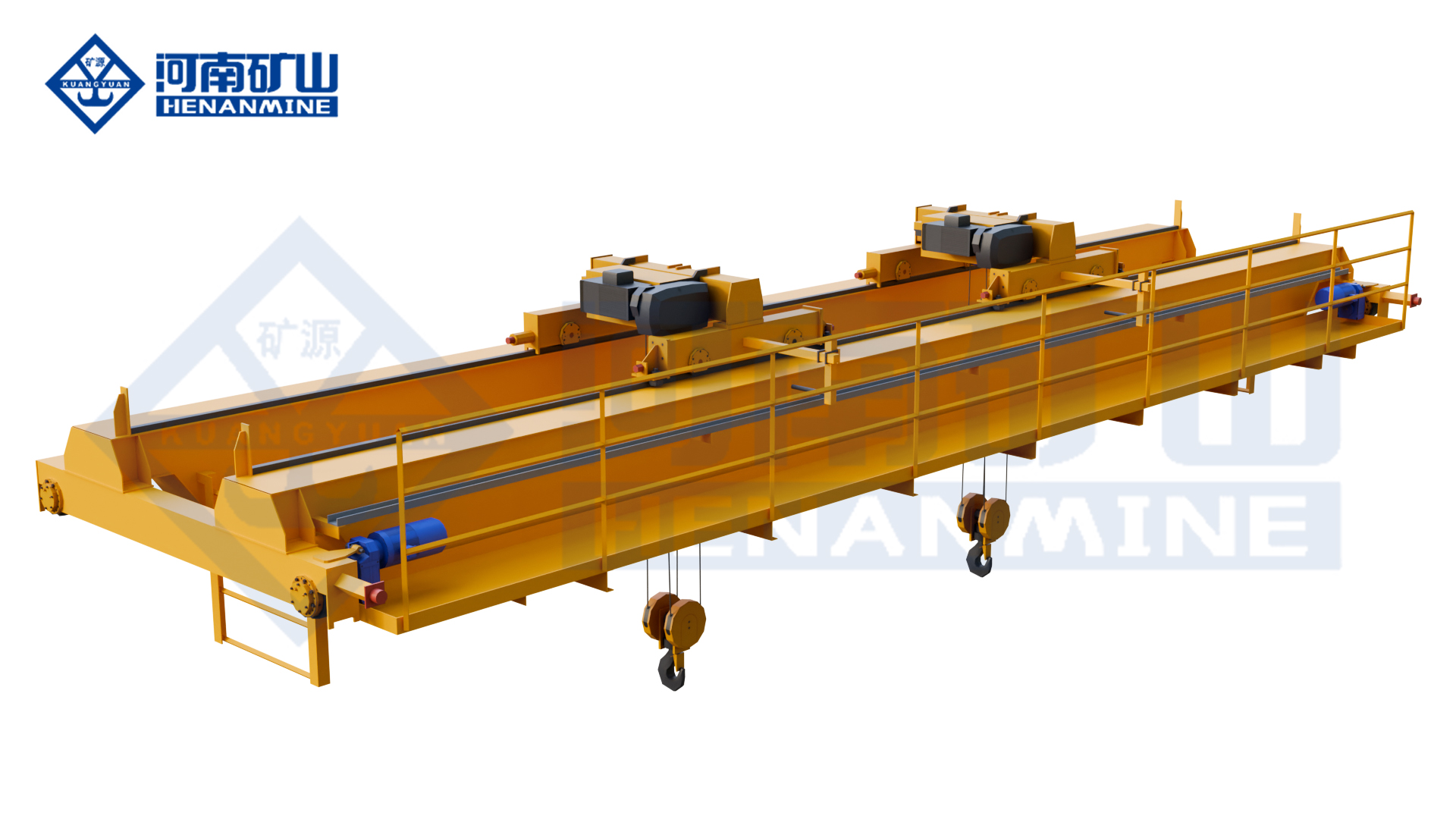
    Double Trolley Electric Hoist CraneLift long components or serve separate working positions with two electric-hoist trolleys on one bridge. Trolley spacing, load sharing and independent or coordinated operation are specified for the task.

    Operating protection & lifecycle support

    Plan beyond the equipment.

    01

    Operating protection

    Confirm overload protection, travel limits, brakes, emergency controls and the required process interlocks for the declared lifting task.

    02

    Installation & commissioning

    Agree runway reactions, structural interfaces, electrical connections, assembly, inspection and commissioning responsibilities before delivery.

    03

    Inspection & spares

    Plan inspection and maintenance of trolley interlocks, lifting mechanisms and protected electrical enclosures. Agree service access, documentation and the required spare-parts scope.

    Questions before the order

    Clarify the details
    that shape the crane.

    What information is needed for a dual trolley explosion proof bridge crane quotation?+

    Provide load at each hook and the intended combined lifting sequence; trolley spacing, runway positions and maintenance access; and hazardous-area classification, temperature and control requirements. Include drawings and the project destination when available.

    What must be reviewed for coordinated two-trolley operation?+

    Provide hook loads, lifting-point spacing, the load centre of gravity and the hazardous-area classification. The proposal defines permitted operating combinations and the protection of each relevant component.

    What installation and support scope should be agreed?+

    Agree runway reactions, structural interfaces, electrical connections, assembly, inspection and commissioning responsibilities before delivery. Specify the documentation, training and spare-parts support needed for the project.

    Related equipment

    Explore the alternatives.

    Let’s discuss your project

    The right crane starts
    with your lifting task.

    Share load at each hook and the intended combined lifting sequence, together with your site layout and operating cycle.
    info@hnksglobal.com
  • Double Girder Truss Gantry Crane

    Double Girder Truss Gantry Crane

    Gantry Cranes / Henan Mine Crane

    Double Girder Truss Gantry Crane

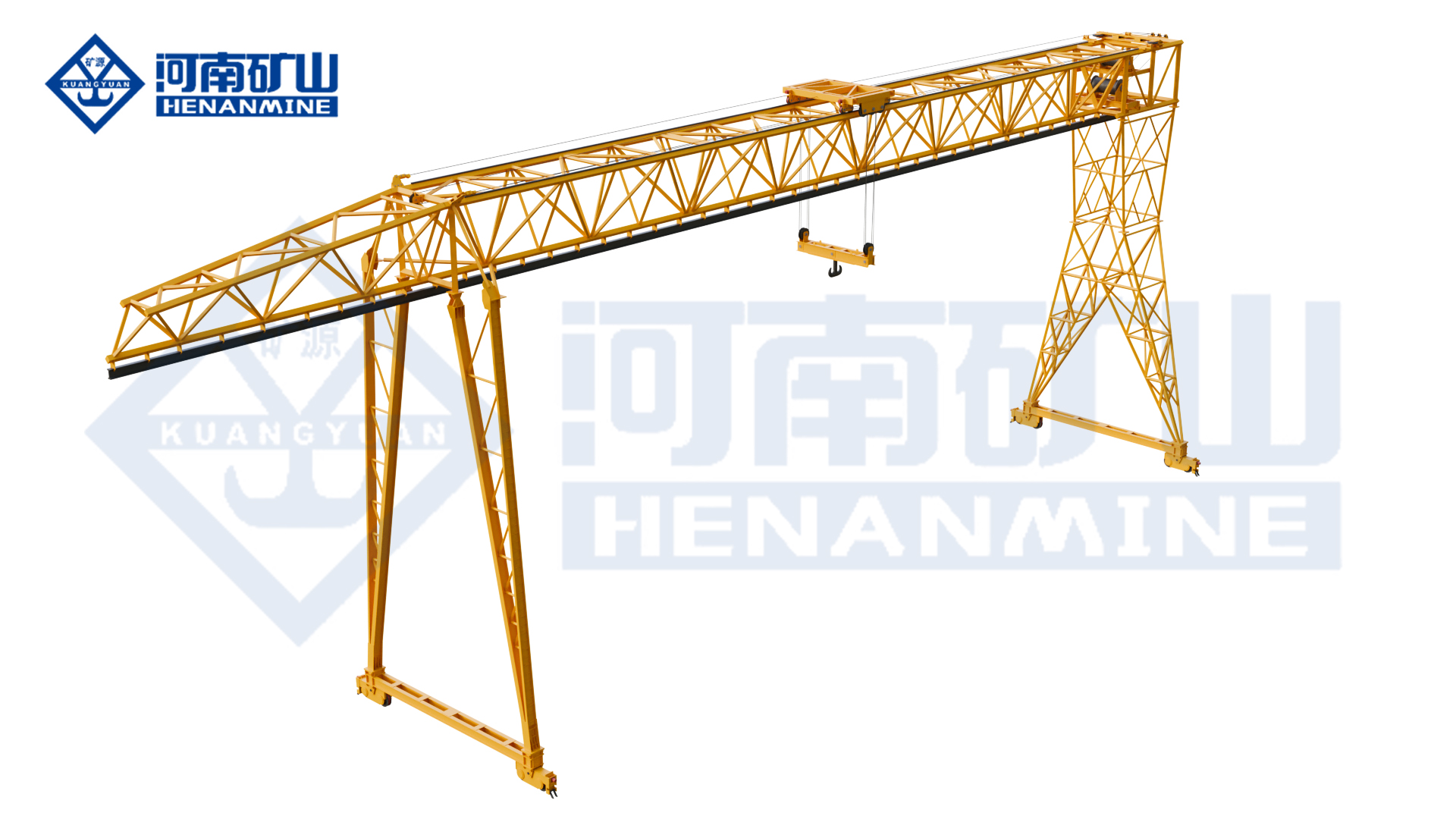
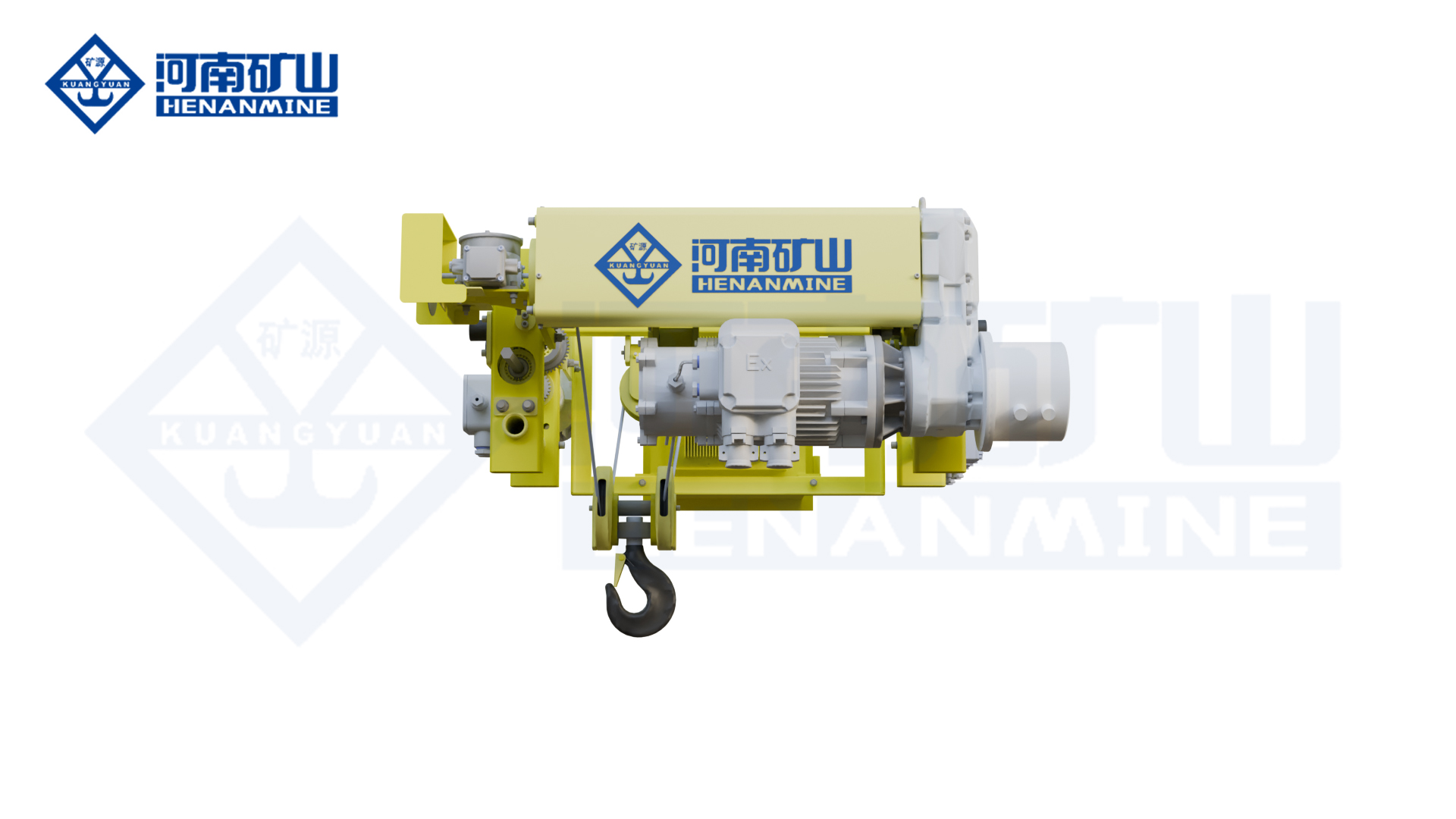
    Use a double-girder truss gantry for yard or construction handling with the lifting points specified for the load. Define trolley quantity, coordinated movements and the transport or assembly constraints.

    Lifting capacity5-50 t
    Span12 – 30 m
    Working classA3-A5
    Technical specifications

    Define the total suspended load, duty and site conditions for your project.

    Technical specifications

    Check the load.
    Plan the configuration.

    Parameters and equipment options are matched to the application and confirmed in the technical proposal.

    Discuss your configuration
    ModelMEH
    Crane TypeTruss Double Girder Gantry Crane
    Rated Lifting Capacity5-50 t
    Span12 – 30 m
    Lifting Height6 – 18 m
    Working DutyA3-A5
    Trolley Quantity2
    Drive SystemVFD Frequency Conversion
    Assembly TypeSectional Bolted Assembly
    Hoisting Speed3 – 10 m/min
    Travel Speed15-40 m/min
    Protection LevelIP54
    Power Supply220-690V, 50/60Hz
    MaterialHigh-Strength Q355B Steel
    ApplicationConstruction Site, Precast Yard, Cargo Yard, Logistics Park

    Final parameters, dimensions, wheel loads and supply scope follow the approved project specification.

    Application & operation

    Matched to the handling task.

    Precast and construction yards

    Handle long components between casting, storage and loading positions.

    Large workpieces

    Coordinate trolley spacing and suspended-load distribution for the handling task.

    Selection considerations

    Start with your operating conditions.

    01

    Load & lifting arrangement

    Specify workpiece length, lifting points and load distribution. Include lifting-appliance weight and the required lifting positions.

    02

    Site & available space

    Provide span, trolley spacing, rail layout and assembly access. Coordinate the installation interfaces with the available site drawings.

    03

    Duty & control sequence

    Define individual or coordinated lifting and outdoor site conditions. Identify the required movements and control interfaces in the enquiry.

    Configuration comparison

    Compare related lifting arrangements.

    Crane arrangementHandling configuration
    Double Girder Truss Gantry CraneUse a double-girder truss gantry for yard or construction handling with the lifting points specified for the load. Define trolley quantity, coordinated movements and the transport or assembly constraints.
    Truss Gantry CraneHandle yard materials with a truss-structure gantry crane matched to the load and working area. Define lifting coverage, leg geometry and the transport or assembly arrangement for the site.
    Double Girder Gantry CraneHandle machinery, steelwork and other heavy loads with a double-girder gantry crane. The lifting mechanism, runway, legs and any cantilevers are selected for the complete yard operation.
    Double Girder Electric Hoist Gantry CraneCover an outdoor handling area with a double-girder gantry and electric-hoist trolley. Select the load rating, leg geometry, cantilever arrangement and travel coverage around the yard layout.

    Operating protection & lifecycle support

    Plan beyond the equipment.

    01

    Operating protection

    Define travel limits, overload protection, traffic clearances and the outdoor operating limits for the proposed arrangement.

    02

    Installation & commissioning

    Agree rail foundations, runway alignment, wheel-load interfaces, erection access, electrical connections and commissioning responsibilities.

    03

    Inspection & spares

    Plan inspection and maintenance of truss joints, trolley mechanisms and coordinated-control devices. Agree service access, documentation and the required spare-parts scope.

    Questions before the order

    Clarify the details
    that shape the crane.

    What information is needed for a double girder truss gantry crane quotation?+

    Provide workpiece length, lifting points and load distribution; span, trolley spacing, rail layout and assembly access; and individual or coordinated lifting and outdoor site conditions. Include drawings and the project destination when available.

    Can two trolleys lift one component?+

    Provide the lifting-point geometry, centre of gravity and intended movement sequence. Load sharing, permitted operating combinations and coordinated controls must be defined for the proposed arrangement.

    What installation and support scope should be agreed?+

    Agree rail foundations, runway alignment, wheel-load interfaces, erection access, electrical connections and commissioning responsibilities. Specify the documentation, training and spare-parts support needed for the project.

    Related equipment

    Explore the alternatives.

    Let’s discuss your project

    The right crane starts
    with your lifting task.

    Share workpiece length, lifting points and load distribution, together with your site layout and operating cycle.
    info@hnksglobal.com
  • Clean Explosion Proof Bridge Crane

    Clean Explosion Proof Bridge Crane

    Overhead Cranes / Henan Mine Crane

    Clean Explosion Proof Bridge Crane

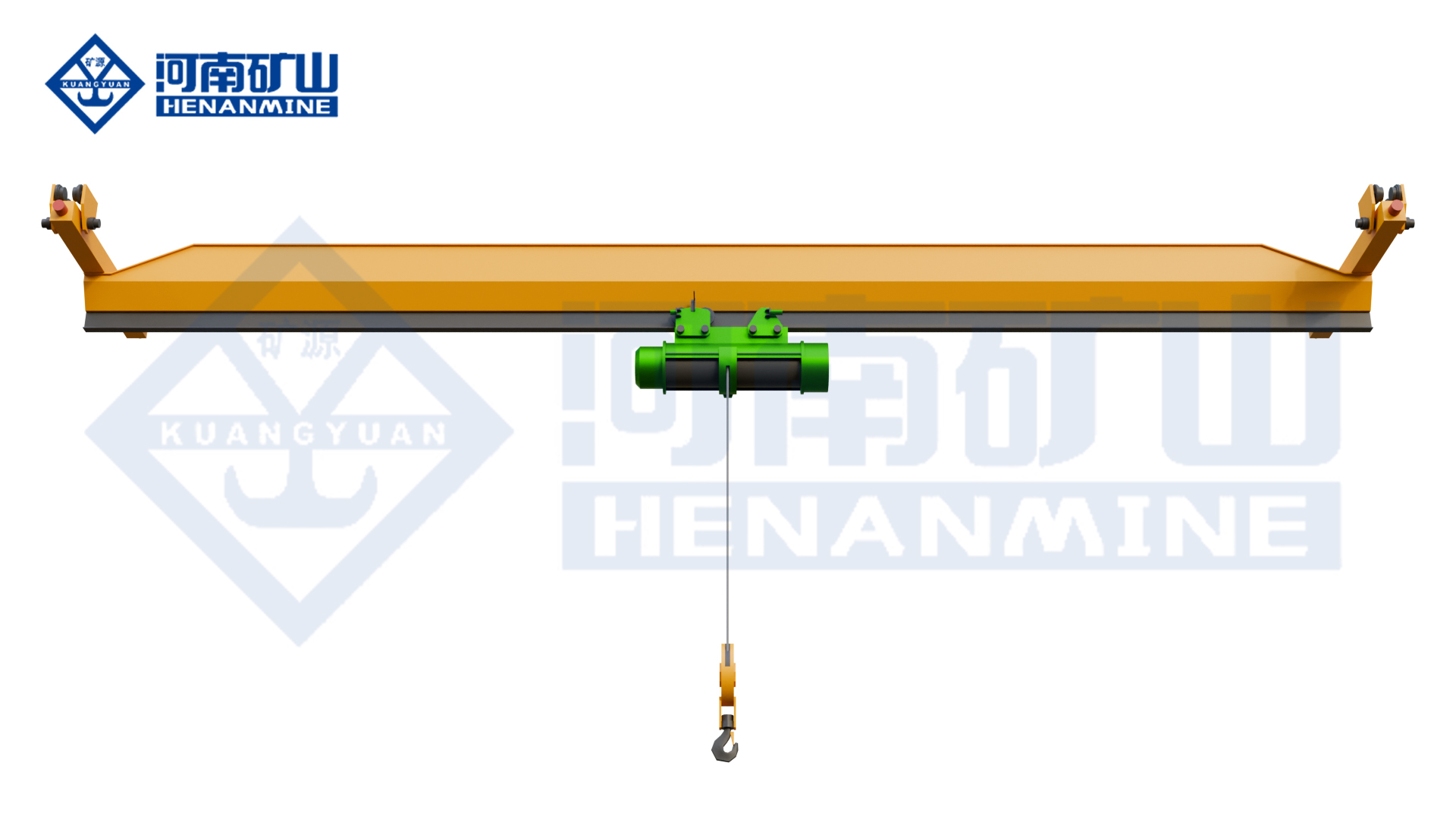
    Combine overhead lifting with the declared cleanliness and hazardous-area requirements. Specify particle-control expectations, process exposure and area classification for the complete lifting system.

    Lifting capacity1t – 32t
    Span7.5m – 28.5m
    Working classA3 – A5
    Technical specifications

    Define the total suspended load, duty and site conditions for your project.

    Technical specifications

    Check the load.
    Plan the configuration.

    Parameters and equipment options are matched to the application and confirmed in the technical proposal.

    Discuss your configuration
    Capacity1t – 32t
    Span7.5m – 28.5m
    Lifting height6m – 20m
    Working classA3 – A5
    Hoisting speed0.5m/min – 10m/min
    Crane travel5m/min – 30m/min
    Power supply380V/50Hz; 220V-660V/60Hz
    ControlsExplosion-proof wireless remote / cabin control

    Final parameters, dimensions, wheel loads and supply scope follow the approved project specification.

    Application & operation

    Matched to the handling task.

    Controlled production areas

    Coordinate lifting equipment with the process cleanliness specification.

    Hazardous process handling

    Match electrical equipment, control devices and installation details to the declared area.

    Selection considerations

    Start with your operating conditions.

    01

    Load & lifting arrangement

    Specify load and the cleanliness or particle-release specification. Include lifting-appliance weight and the required lifting positions.

    02

    Site & available space

    Provide building clearances, service access and cleanroom interfaces. Coordinate the installation interfaces with the available site drawings.

    03

    Duty & control sequence

    Define area classification, gas or dust data and process temperature. Identify the required movements and control interfaces in the enquiry.

    Configuration comparison

    Compare related lifting arrangements.

    Crane arrangementHandling configuration
    Clean Explosion Proof Bridge CraneCombine overhead lifting with the declared cleanliness and hazardous-area requirements. Specify particle-control expectations, process exposure and area classification for the complete lifting system.
    Explosion-Proof Bridge CraneUse a QB bridge crane for lifting in a declared explosive-gas environment. Select the load rating, main and auxiliary arrangement, electrical protection and control mode for the project.
    Explosion Proof Electric Hoist Bridge CraneUse an electric-hoist bridge arrangement for a declared hazardous area. The hoist, drives, controls and electrical installation are specified for the area classification and lifting duty.
    Explosion-Proof Suspended Overhead CraneProvide suspended electric-hoist lifting within a declared hazardous area. Review the overhead support, lifting duty and protection of the hoist, travel drives and controls as one system.

    Operating protection & lifecycle support

    Plan beyond the equipment.

    01

    Operating protection

    Confirm overload protection, travel limits, brakes, emergency controls and the required process interlocks for the declared lifting task.

    02

    Installation & commissioning

    Agree runway reactions, structural interfaces, electrical connections, assembly, inspection and commissioning responsibilities before delivery.

    03

    Inspection & spares

    Plan inspection and maintenance of enclosures, sealing surfaces and accessible service points. Agree service access, documentation and the required spare-parts scope.

    Questions before the order

    Clarify the details
    that shape the crane.

    What information is needed for a clean explosion proof bridge crane quotation?+

    Provide load and the cleanliness or particle-release specification; building clearances, service access and cleanroom interfaces; and area classification, gas or dust data and process temperature. Include drawings and the project destination when available.

    Does a cleanroom requirement define the explosion-protection specification?+

    Cleanliness and hazardous-area classification are separate inputs. Provide both so the equipment, materials and electrical configuration can be reviewed together.

    What installation and support scope should be agreed?+

    Agree runway reactions, structural interfaces, electrical connections, assembly, inspection and commissioning responsibilities before delivery. Specify the documentation, training and spare-parts support needed for the project.

    Related equipment

    Explore the alternatives.

    Let’s discuss your project

    The right crane starts
    with your lifting task.

    Share load and the cleanliness or particle-release specification, together with your site layout and operating cycle.
    info@hnksglobal.com