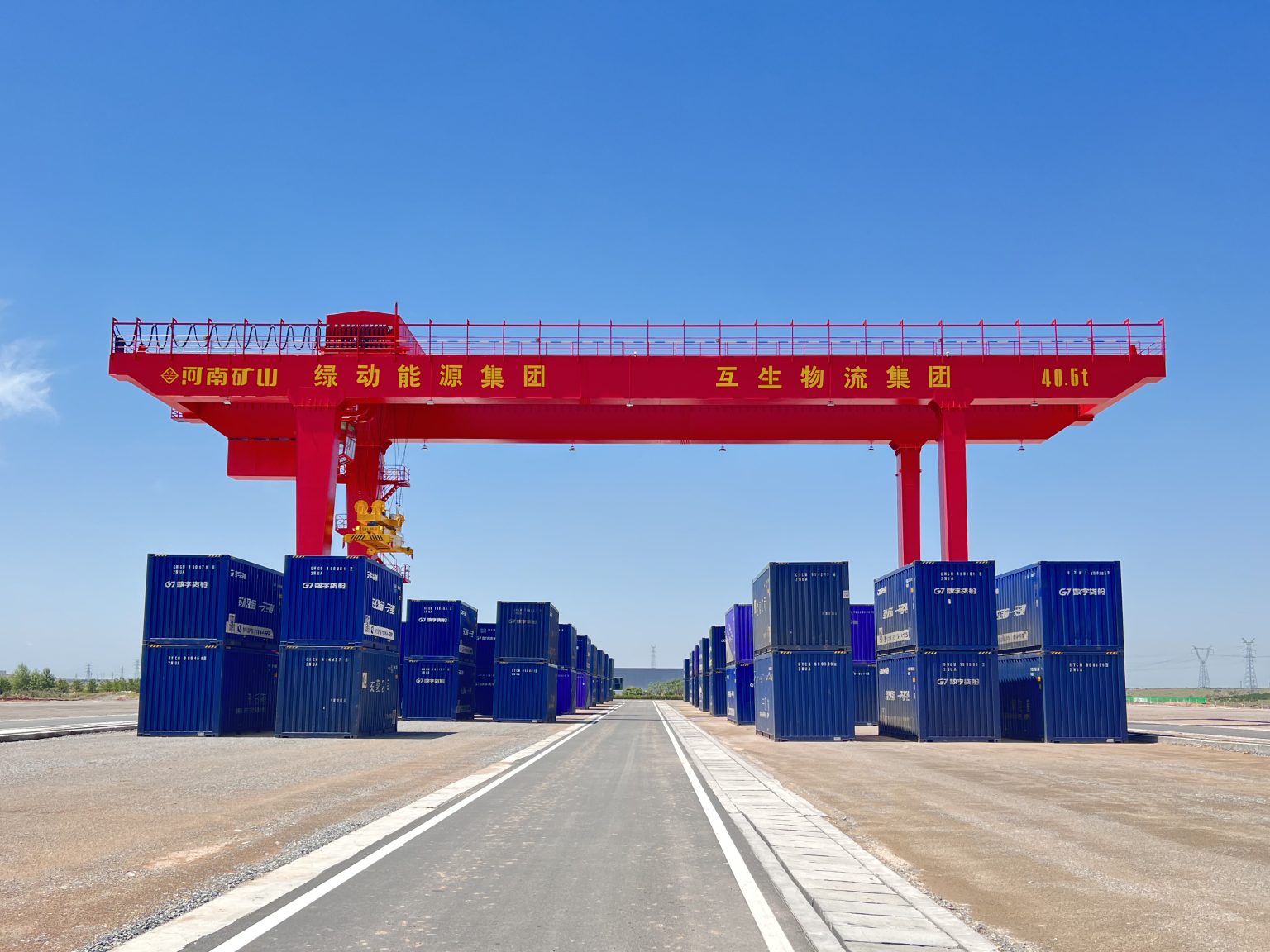
Henan Mine Crane · Dry Port, Rail Terminal and Bonded Depot Systems
Inland Container Depot Crane Systems
Engineered RMG and RTG crane systems for inland container depots, dry ports, rail-road terminals, customs-controlled yards and regional logistics hubs.
Henan Mine Crane develops each ICD crane configuration around annual and peak throughput, train and truck exchange windows, block geometry, container dwell, rail gauge, pavement capacity, available power, customs processes, future expansion and contracted acceptance criteria.
PRIMARY SYSTEMS
RMG, RTG and Mobile Handler
CONTAINER DUTY
20 ft, 40 ft and 45 ft ISO Units
DEPOT INTERFACES
Rail, Truck, Stack and Inspection
PROJECT BASIS
Throughput, Dwell and Expansion
What Is an Inland Container Depot Crane?
An inland container depot crane transfers, stacks and retrieves ISO containers at an inland container depot (ICD), dry port or intermodal rail terminal. It connects rail wagons, road trucks, storage blocks, inspection positions and empty-container areas without a ship-to-shore interface.
The term describes a facility application rather than one machine type. A fixed, high-volume rail apron commonly favors a rail-mounted gantry crane. Flexible storage blocks or staged development commonly favor a rubber-tyred gantry crane. Lower-throughput start-up yards may use reach stackers, while empty-container and repair zones often use dedicated mobile handlers.
The correct selection therefore begins with the depot operating model: annual TEU, peak train and gate demand, container dwell distribution, required stacking density, rehandle tolerance, rail service pattern, customs status and the date at which expansion must remain possible.
Inland Container Depot Crane Selection Considerations
Throughput and Peak Windows
Annual TEU alone is insufficient. Peak train discharge, truck appointments, operating shifts, wagon cut length and recovery capacity establish the required hourly moves and crane quantity.
Rail and Truck Interface
Track count, wagon clearance, electrification, road-truck lanes, chassis queues and transfer-buffer positions determine span, cantilever and operating sequence.
Container Mix and Dwell
20/40/45 ft mix, gross mass, reefer share, empties, customs holds, hazardous cargo and dwell-time variation affect block zoning, spreader duty and rehandles.
Land and Storage Density
Available hectares, stack height, row count, fire lanes, reefer access and expansion corridors determine whether mobility or fixed high-density coverage has greater value.
Civil and Utility Readiness
Ground bearing, axle or wheel loads, rail foundations, drainage, substation capacity, conductor routes and communications infrastructure shape total installed cost.
Operating Model and Growth
Manual, remote or automated operation, fleet dispatch, maintenance staffing, customs procedures and staged block commissioning should be fixed before final specification.
ICD Container Handling Systems Compared
| System | Strongest Fit | Main Advantage | Main Constraint |
|---|---|---|---|
| Rail-Mounted Gantry (RMG) | Permanent rail apron or stable high-density block | Wide coverage, grid power, repeatable travel path and strong automation potential | Rails, foundations and block geometry are fixed capital interfaces |
| Rubber-Tyred Gantry (RTG) | Growing depot with several storage blocks | Can change blocks and supports phased layout development | Pavement, steering, block-change route and power source need control |
| Reach Stacker | Start-up or lower-throughput depot with variable work areas | Fast deployment and direct rail, truck and stack access | Lower storage density, outreach derating, rehandles and concentrated axle loads |
| Empty Container Handler | Empty storage, repair and inspection area | High stacking for light containers with mobile deployment | Not a substitute for laden-container duty |
| Container Straddle Carrier | Mobile terminal needing transport plus stacking | Reduces handovers between horizontal transport and stack equipment | Traffic, lane width, pavement and fleet dispatch become critical |
| Fixed Container Overhead Crane | Covered inspection, transfer or specialist handling bay | Controlled fixed-area operation with clear floor routes | Limited to the runway envelope and dedicated interfaces |
Configuration rule: reach stackers suit flexible start-up operations; RTGs suit relocatable block development; RMGs suit stable rail interfaces and high-density long-term capacity. Many ICDs use a hybrid fleet rather than one equipment type throughout the site.
Crane Duties Across an Inland Container Depot
A rail apron requires predictable wagon access, safe clearance from tracks and a transfer plan that prevents the crane from waiting for trucks. Laden-container blocks prioritize storage density and retrieval sequence. Empty and repair areas prioritize fast sorting, high stacking and workshop access.
Customs inspection and bonded zones require positive container identification, controlled release status and a defined location for opening, scanning or examination. Reefer rows require electrical access without placing personnel in uncontrolled crane or truck paths.
Gate buffers, chassis parking, hazardous-goods segregation, fire routes and maintenance access should be represented on the same layout used to define crane span and travel. Isolated equipment selection cannot correct a conflicting depot flow.
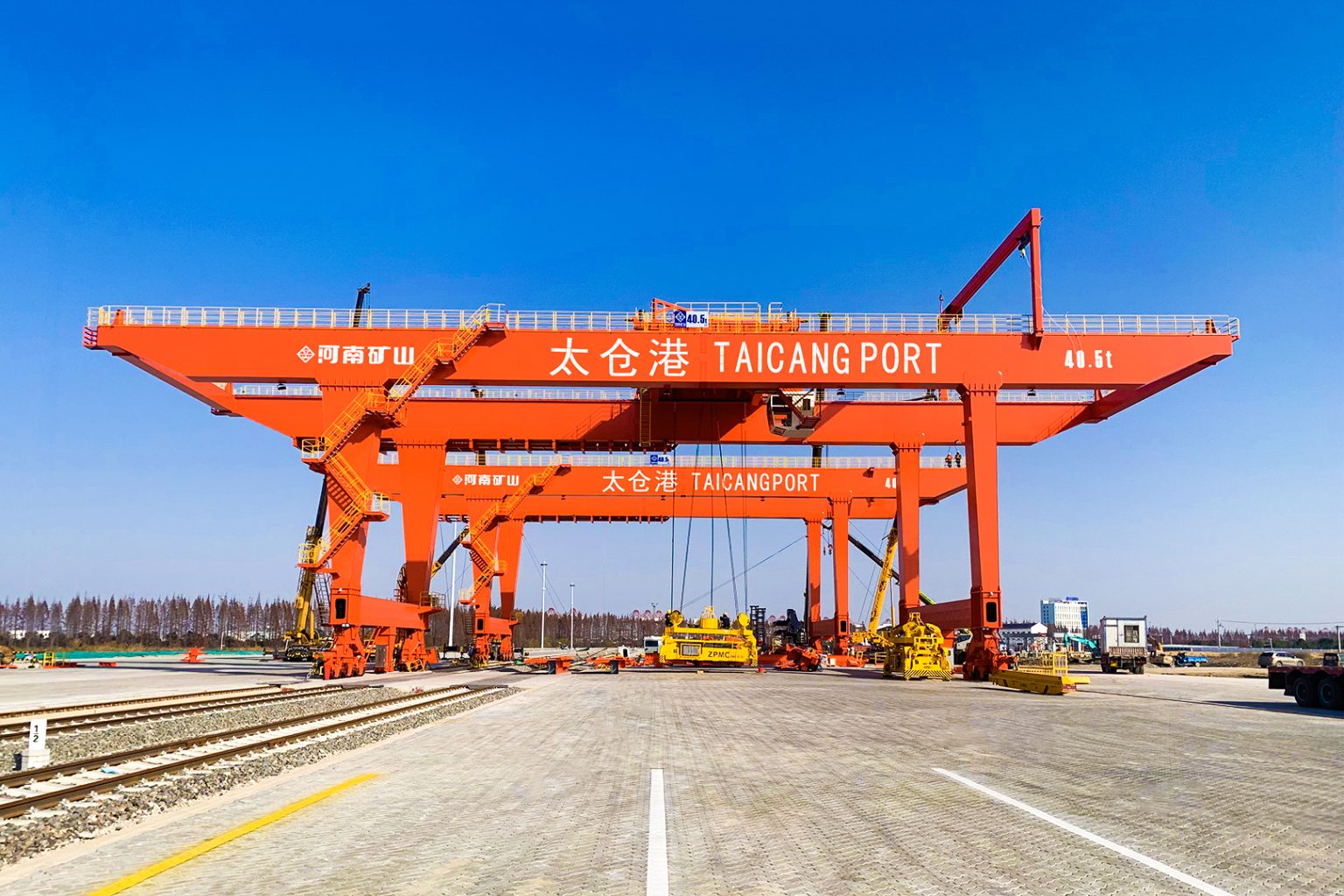
Published Henan Mine Crane RMG and RTG Ranges
These published product-family ranges support concept selection. The contract specification is established from verified loads, geometry, duty spectrum, wind, temperature, electrical supply, applicable code and the required container spreader.
| Equipment Family | Published Capacity | Published Span | Published Lift | Published Duty |
|---|---|---|---|---|
| RMG Container Gantry Crane | 35 t, 40.5 t, 50 t or customized | 18–35 m or customized | 12.3–21 m or customized | A6–A8; lifting speed 0–20 m/min |
| RTG Container Gantry Crane | 35 t, 40.5 t, 50 t or customized | 8–35 m or customized | 6–21 m or customized | A6–A8 |
Rated load must state whether it applies under the spreader, at the ropes or to another contract reference point. The spreader self-weight, eccentric loading, wind and dynamic effects remain part of the design basis.
Rail Apron, Truck Lane and Block Layout
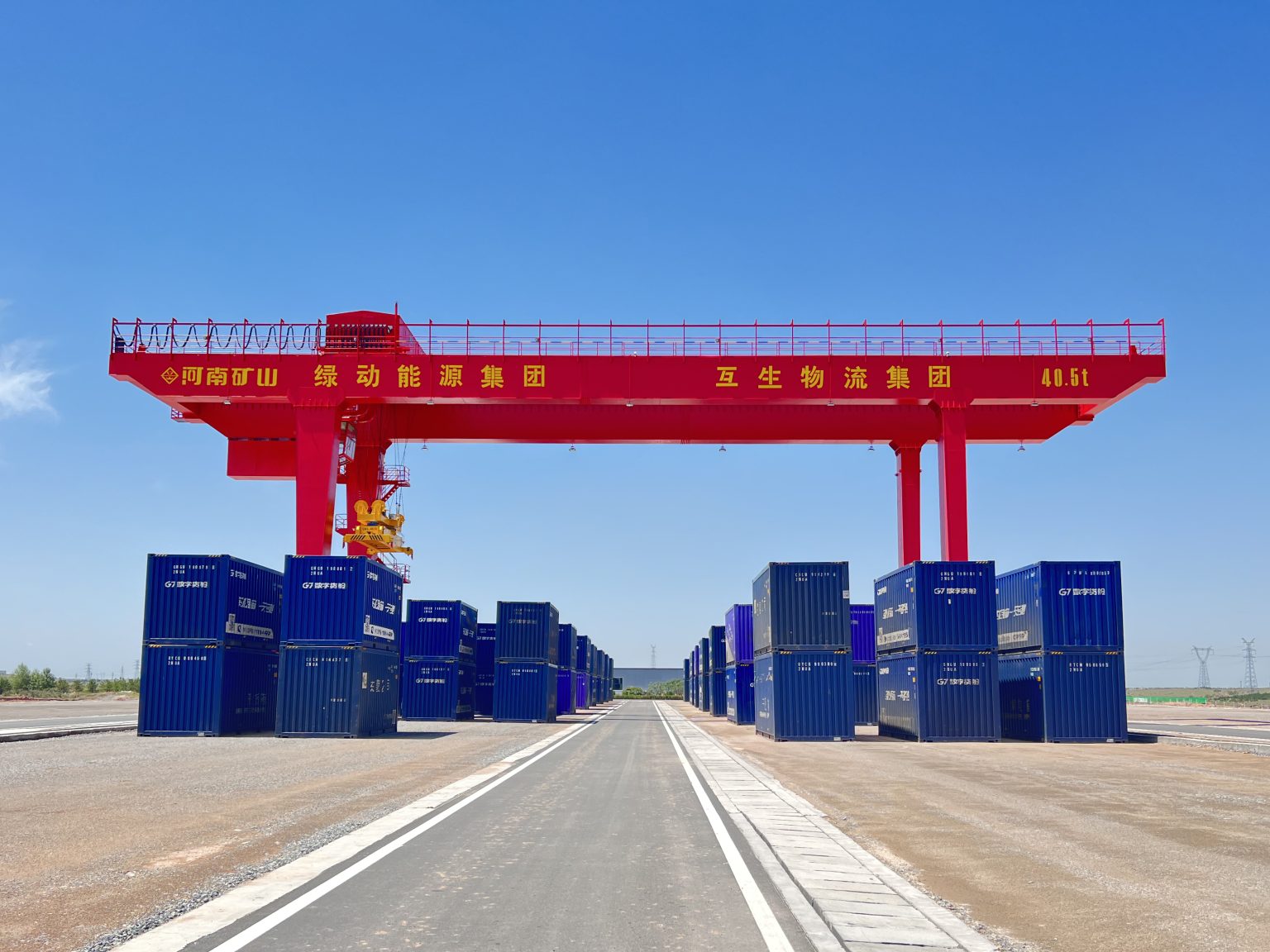
For rail service, the general arrangement should show track centers, wagon and locomotive envelopes, switch locations, signal sightlines, overhead electrification or catenary exclusions, safe access and emergency egress. The crane must not obstruct train assembly or trap road vehicles inside the rail zone.
For road exchange, truck lanes require verified turning paths, chassis alignment, queue capacity, driver-safe zones and protection from gantry travel. Cantilevers can place exchange positions outside the main rail gauge, but increase structural reactions and foundation scope.
Future tracks, block extensions and a second crane should appear on the concept layout even when they are not included in phase one. Early reservations for foundations, conductors, substations and network routes prevent later capacity from being blocked by completed civil works.
ICD Crane Capacity and Fleet Sizing
Crane quantity follows the busiest operating interval, not an annual average. A sizing model should include productive moves, rehandles, housekeeping moves, train cut changes, truck variability, customs holds, operator changes, planned maintenance and a defined outage scenario.
Annual TEU, peak train moves, gate profile, operating days, shifts and wagon cut length.
Direct transfer, stack placement, retrieval, rehandles, empty moves and customs inspection moves.
Preventive maintenance, fault allowance, refueling or charging, block change and recovery reserve.
Moves per operating hour, train completion window, truck cycle target and equipment availability definition.
A simulation or time-and-motion study is appropriate when one crane serves several tracks, when truck arrivals are highly variable or when two cranes share an overlapping rail apron. The study should state every assumption used to support the contracted capacity.
Spreader, Anti-Sway and Depot Control Functions
A telescopic spreader is specified for the required 20 ft, 40 ft and 45 ft containers, twistlock indication, flipper arrangement, sideshift, skew correction and optional rotation. Twin-lift or special cargo duty requires a separate load and operating study.
Anti-sway, controlled acceleration and fine positioning support safer placement on wagons, chassis and stacks. Position references may include encoders, laser systems, GNSS, cameras or other site-specific sensors; performance must be defined at the actual working position and environmental condition.
Container ID, job order, location confirmation, release status and fault data can exchange with terminal, yard or customs systems through a documented interface register. The contract should identify the data owner, message format, network boundary, cybersecurity responsibility and fallback operating mode.
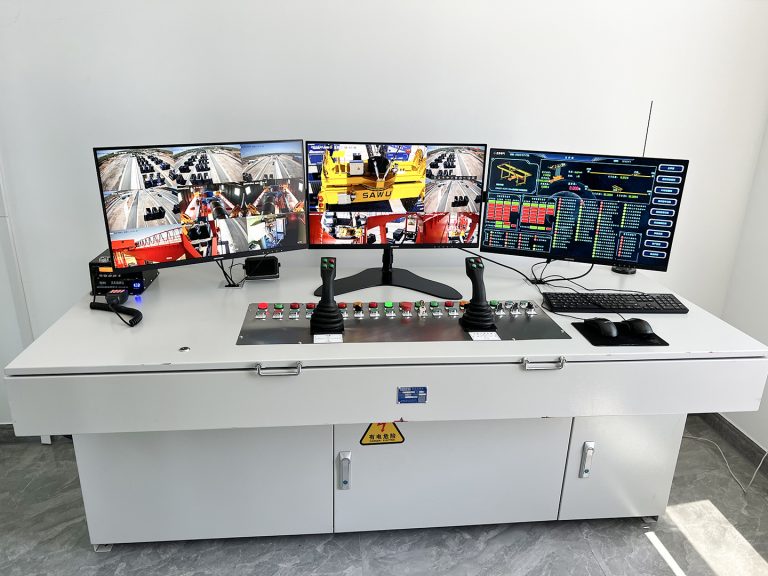
Power, Electrification and Automation Readiness

RMG cranes normally suit continuous grid power through a cable reel, festoon or conductor arrangement selected for the travel length and site standard. RTG options can include diesel-electric, hybrid, battery or grid-fed arrangements. Utility capacity, harmonic limits, regeneration, redundancy and emergency recovery belong in the early power study.
Manual cabin or radio operation can be combined with anti-sway, travel positioning and job guidance. Remote or automated operation adds controlled transfer zones, obstacle detection, truck or wagon alignment, equipment-control logic, video coverage, network resilience and formal software acceptance testing.
An automation-ready first phase can reserve structural mounting points, drive and brake performance, PLC capacity, network pathways, position references and safety interfaces. Reserved features should be listed as supplied, wired, programmed or future-only to avoid an ambiguous upgrade scope.
Civil, Wind and Environmental Interfaces
Rail and Foundation
RMG wheel loads, rail gauge, straightness, level, settlement, end stops, buffers and storm anchors require coordinated tolerances and survey records.
Pavement and Drainage
RTG and reach-stacker wheel or axle loads, steering paths, local rutting, drainage falls and buried services should be checked across every operating route.
Wind and Storm Securing
Operating limits, alarm thresholds, parking orientation, rail clamps, anchors and out-of-service design wind follow verified local data and the agreed structural code.
Climate and Corrosion
Temperature, dust, altitude, humidity, rainfall, lightning, industrial pollution and de-icing exposure determine materials, coatings, enclosures and component conditioning.
Maintenance Access
Isolation points, platforms, fall protection, lighting, machinery access, lifting points and component-removal routes support safe planned maintenance.
Contract Codes
Applicable ISO, FEM, EN, IEC, railway, machinery and local requirements should be listed with a clear document hierarchy and compliance schedule.
Safety, Security and Customs-Controlled Operations
An inland depot combines heavy equipment, live rail, public road trucks, restricted cargo and human inspection activity. The operating concept should separate people from crane travel, containers and vehicle paths while preserving emergency access and verifiable cargo custody.
Overload, limits, brakes, overspeed, emergency stops, travel protection and controlled fault recovery.
Truck guidance, barriers, pedestrian exclusion, rail permissions, warning systems and visibility controls.
ID confirmation, seal-status process, release authority, audit trail and exception handling.
Reefer access, hazardous segregation, damaged units, out-of-gauge loads and inspection isolation.
Greenfield and Phased ICD Development
| Development Stage | Typical Handling Approach | Capacity Reservation |
|---|---|---|
| Start-Up Volume | Reach stacker or limited mobile fleet for variable rail, truck and stack work | Protect future rails, blocks, substation space and circulation corridors |
| Growing Depot | RTG blocks with mobile equipment retained for inspection and exceptions | Prepare pavement, power route, data network and block-change path |
| Stable High Volume | RMG rail apron or high-density electric blocks with controlled transfer lanes | Allow second crane, extended runway, redundant power and automation interfaces |
A phased master plan should preserve the final traffic pattern from the first civil package. Temporary equipment can serve early demand, but permanent rail, drainage and utility decisions should remain compatible with the long-term handling system.
Case: 40.5 t RMG for Wanli Land Port
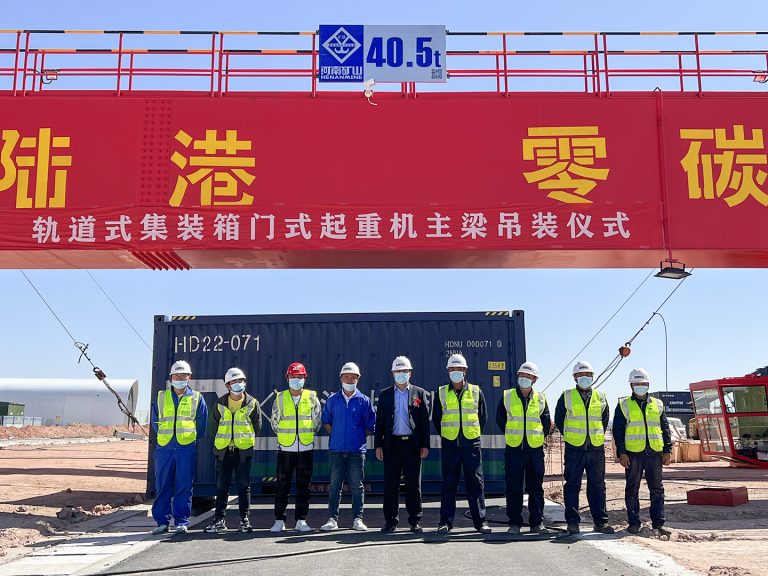
5-Million-Tonne Logistics Hub
Henan Mine Crane published a 40.5 t rail-mounted container gantry crane project for Wanli Land Port in Ordos. The land port was planned as a logistics hub for the distribution and transshipment of containers and new-energy-related materials, with a stated annual design target of 5 million tonnes.
The disclosed crane configuration includes a Schneider variable-frequency drive system, Siemens PLC control, intelligent anti-sway and remote operating-status monitoring. Equipment data connects with the land port energy data platform for coordinated logistics information management.
The case illustrates an ICD procurement boundary extending beyond steel structure and hoisting machinery: spreader control, positioning, safety logic, data interfaces and site commissioning must be engineered together. Final output remains dependent on the depot layout, train and truck flow, staffing and contracted acceptance test.
Inland Container Depot Crane Price and Project Budget
Public prices reviewed on 25 September 2026 show the scale of current equipment references, not a delivered ICD budget. Marketplace listings and manufacturer guides can exclude freight, import charges, rails, pavement, foundations, power distribution, software integration, erection, commissioning and acceptance testing.
| Public Reference | Published Price | Reference Scope | Budget Interpretation |
|---|---|---|---|
| Henan Mine Crane GoldSupplier Listing | US$200,000–600,000 | 40 t heavy-duty RMG, one-set minimum order | Public listing range; final geometry, duty, spreader, services and destination remain subject to quotation |
| 2026 Gantry Crane Price Guide | US$280,000–350,000 | 40 t, 6-wide RTG equipment reference | FOB factory starting point; shipping, customs, installation and custom features excluded |
| 2026 Gantry Crane Price Guide | US$350,000–450,000 | 50 t, 7-wide RTG equipment reference | Powertrain, stacking geometry, automation and regional compliance can materially change the price |
| 2026 Gantry Crane Price Guide | US$200,000–2,000,000+ | 40–100 t RMG, 30–50 m span | Broad configuration band; rails, foundations and terminal integration require separate confirmation |
| LTMG Alibaba Listing | US$285,000–295,000 | New 45 t diesel reach stacker listing | Marketplace reference; shipping, delivery, options, warranty execution and local support require verification |
| HELI Machinio Listing | US$319,000 | New 45 t, 15 m reach stacker listing | Dealer listing; final commercial terms and delivered cost require confirmation |
| Henan Mine Crane ICD System | Project-specific RFQ | Configured crane, spreader, controls and agreed services | Quotation follows capacity, span, lift, duty, quantity, interfaces, Incoterm, destination and site scope |
Total Installed Budget Structure
Crane structure, mechanisms, spreader, cabin or remote station, drives, controls and standard safety systems.
Rails, foundations, pavement, drainage, conductors, substations, networks, anchors and protected zones.
Export packing, ocean or inland freight, insurance, duties, unloading, oversized transport and temporary works.
Erection, energization, proof load, functional and productivity trials, training, spares, documentation and warranty.
Engineering, Testing and Handover Deliverables
Design Basis
General arrangement, load definition, duty spectrum, speeds, wind, environment, codes, power and operating concept.
Interface Data
Wheel reactions, rail or pavement criteria, electrical load, conductors, network ports, buffers, anchors and clearances.
Quality Records
Inspection and test plan, material traceability, welding and NDT records, certificates, factory tests and document register.
Site Acceptance
Survey confirmation, proof load, safety tests, functional trials, interface tests, productivity test and defect closeout.
Operations Package
Operating manuals, maintenance plan, electrical and control drawings, software backup, training and emergency procedures.
Lifecycle Support
Commissioning spares, recommended two-year spares, special tools, remote diagnostics, warranty and service response terms.
Inland Container Depot Crane RFQ Data
| RFQ Item | Required Project Data | Engineering Decision |
|---|---|---|
| Demand | Annual and peak TEU, train schedule, gate profile, shifts, target moves and completion windows | Equipment type, quantity, duty and reserve |
| Containers | 20/40/45 ft mix, maximum gross mass, empty, reefer, hazardous, OOG and twin-lift requirement | Rated load, spreader and load cases |
| Layout | CAD plan, track centers, wagon profile, rows, lanes, stack height, block length and future phases | Span, lift, cantilevers, travel and clearances |
| Civil Works | Geotechnical data, pavement capacity, rail gauge, settlement, drainage and anchor locations | Wheel arrangement, reactions and tolerances |
| Power and Controls | Voltage, frequency, grid capacity, operating mode, anti-sway, positioning and system interfaces | Powertrain, drives, PLC, network and automation scope |
| Environment | Operating and storm wind, temperature, humidity, dust, altitude, lightning and seismic data | Structure, coatings, enclosures and limits |
| Commercial Scope | Destination, Incoterm, codes, installation, tests, training, spares, warranty and delivery date | Comparable technical and commercial proposal |
A concept proposal can be prepared from the depot layout, traffic forecast, container mix and site environment. A firm quotation requires confirmed civil, power, control, logistics and acceptance boundaries.
Inland Container Depot Crane FAQ
What is the best crane for an inland container depot?
An RMG normally fits a permanent high-volume rail apron or dense block. An RTG fits flexible or phased storage blocks. A reach stacker often fits start-up and lower-throughput work. A hybrid fleet can separate rail, laden, empty and exception duties.
How much does an inland container depot crane cost?
Current public references reviewed in September 2026 place 40 t RTGs around US$280,000–350,000 and broad 40–100 t RMG configurations around US$200,000–2,000,000+. Delivered project cost depends on rails or pavement, power, controls, freight, installation and tests.
When should an ICD replace reach stackers with gantry cranes?
The change becomes attractive when land density, peak train completion, fuel and maintenance, rehandles or fleet congestion outweigh the flexibility of mobile handlers. A lifecycle model should compare the same throughput and civil boundary.
Can one RMG serve both rail tracks and storage rows?
Yes, when the span, cantilevers, clearances and operating sequence cover both functions. Fleet studies should verify that train service does not block stack retrieval or truck exchange during peak periods.
What information is needed for an accurate ICD crane quote?
The essential package includes a CAD layout, track and wagon data, stack geometry, throughput profile, container mix, rated-load basis, power supply, wind and climate data, control scope, destination, Incoterm and site-service boundary.
Can an inland depot crane be automated later?
Later automation is feasible when the original structure, drives, braking, PLC, positioning references, networks and safety zones support the upgrade. Automation-ready provisions should be contractually defined during the initial purchase.
Related Inland Terminal Crane Products
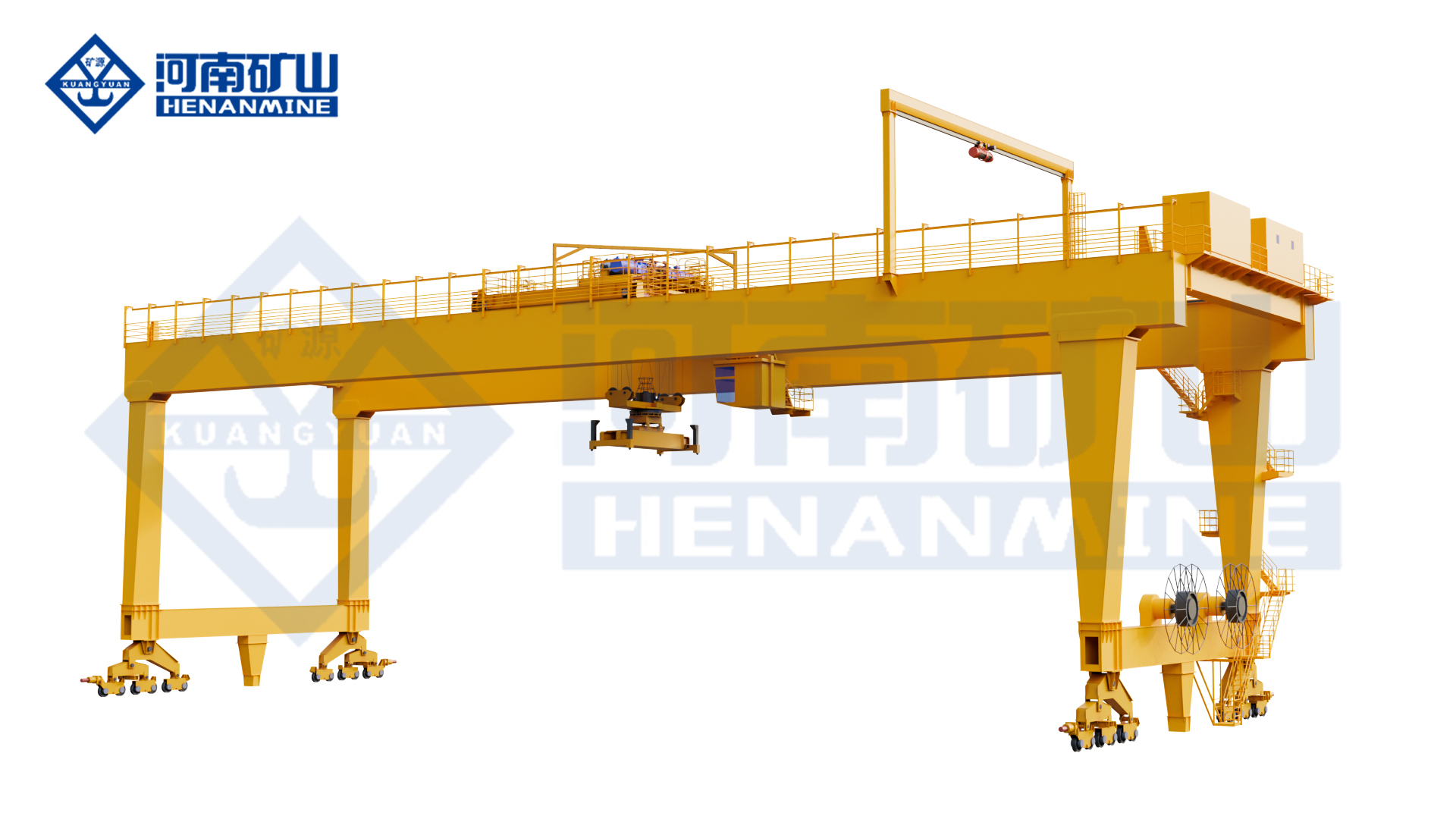
Rail-Mounted Gantry Crane
Electric crane for fixed rail aprons, dense container blocks and automation-led operations.
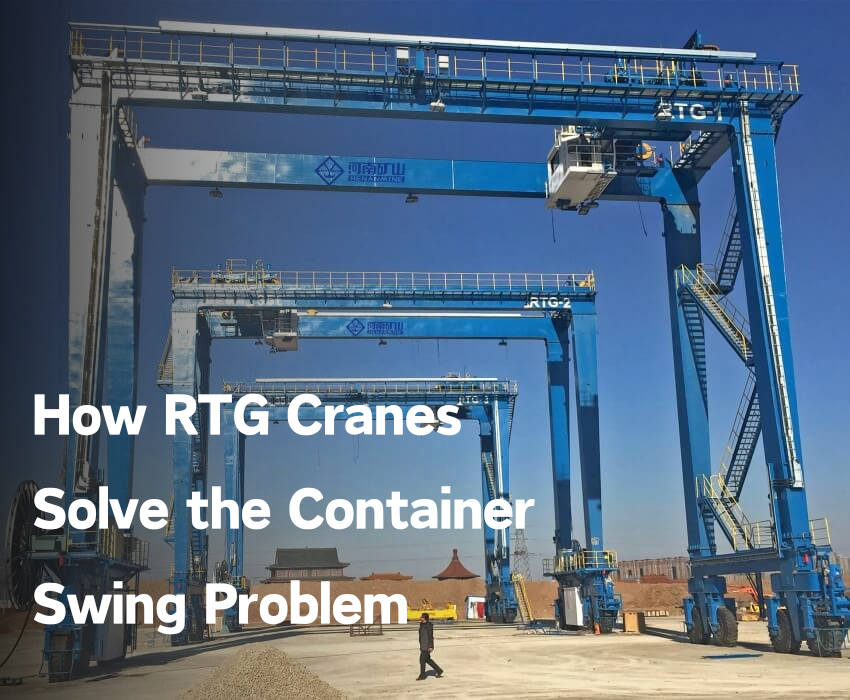
Rubber-Tyred Gantry Crane
Mobile block crane for flexible allocation, high stacking and phased depot expansion.
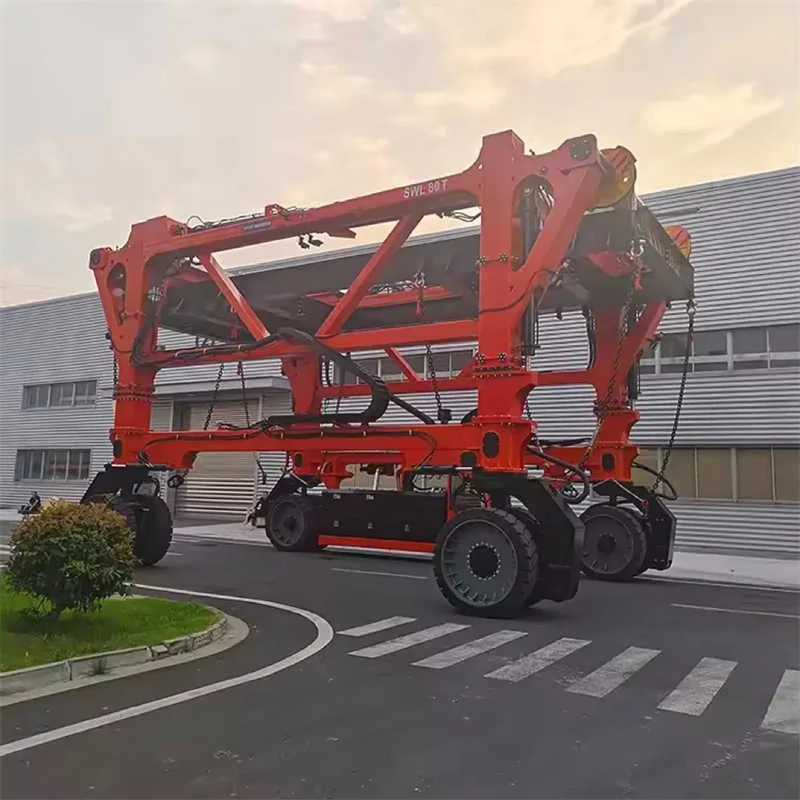
Container Straddle Carrier
Mobile equipment combining short-distance container transport, lifting and stacking.
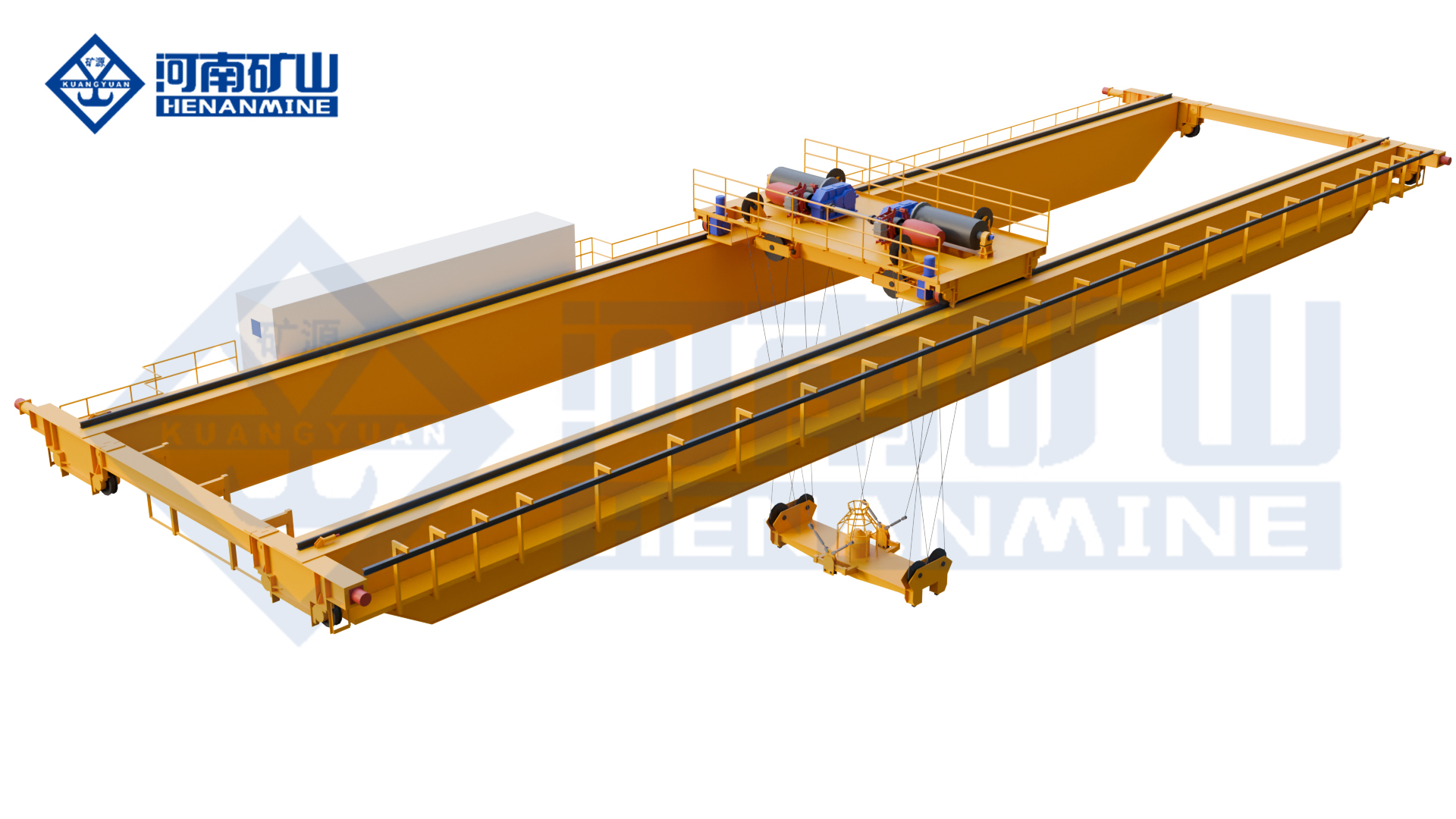
Container Overhead Crane
Fixed handling for inspection, logistics bays and weather-protected container work.
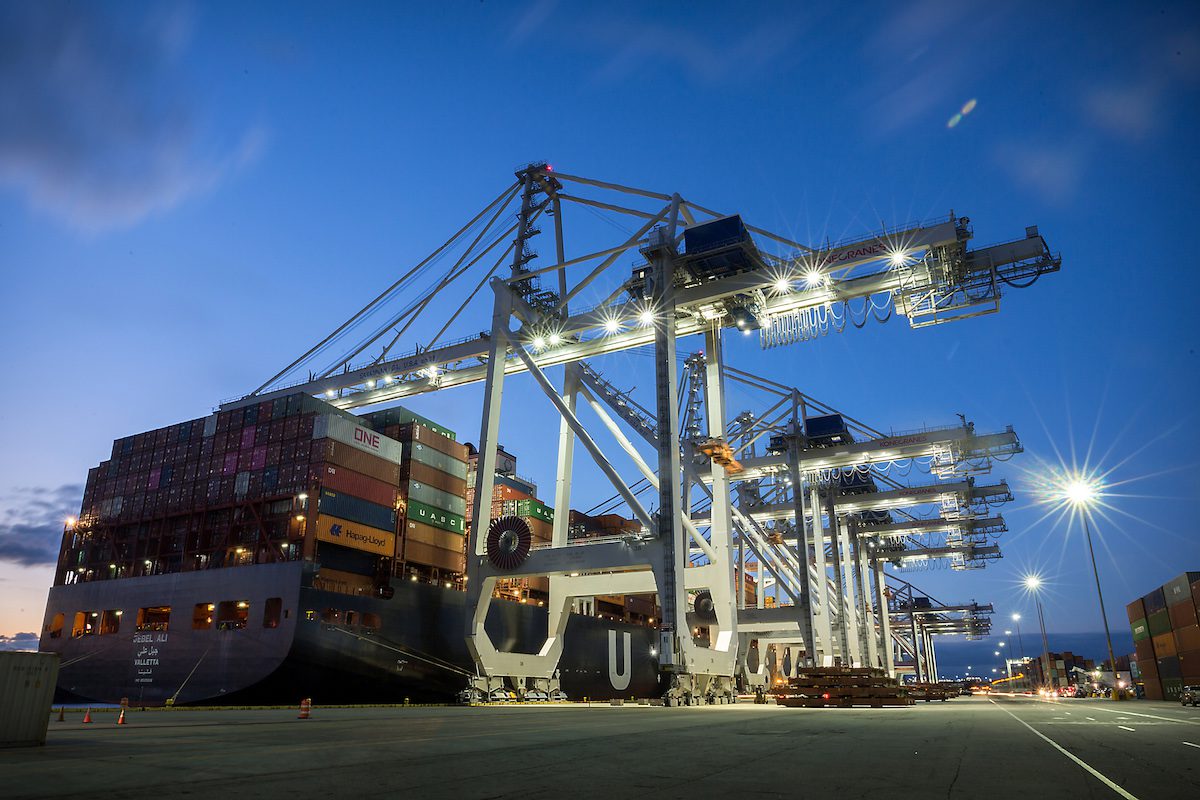
Ship-to-Shore Crane
Quayside equipment for seaport nodes feeding rail and road container corridors.
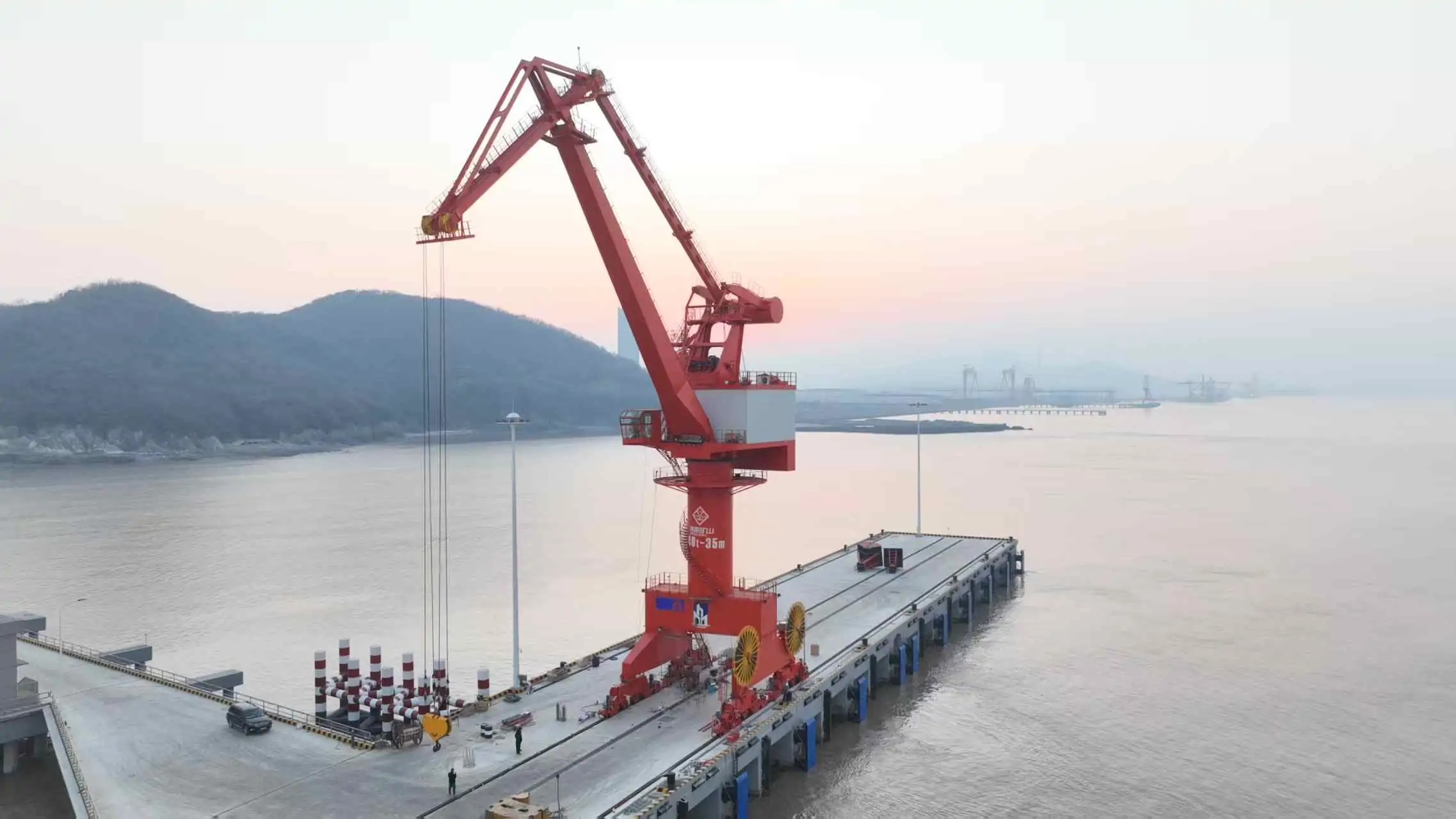
Portal Harbor Crane
Flexible berth equipment for river ports, containers, general cargo and project cargo.
Technical review: Henan Mine Crane Engineering
Last reviewed: 2026
Request an Inland Container Depot Crane Proposal
Submit the depot layout, throughput forecast, track and wagon data, container mix, stacking plan, civil information, power supply, control scope, destination and installation boundary for an engineered selection and commercial quotation.