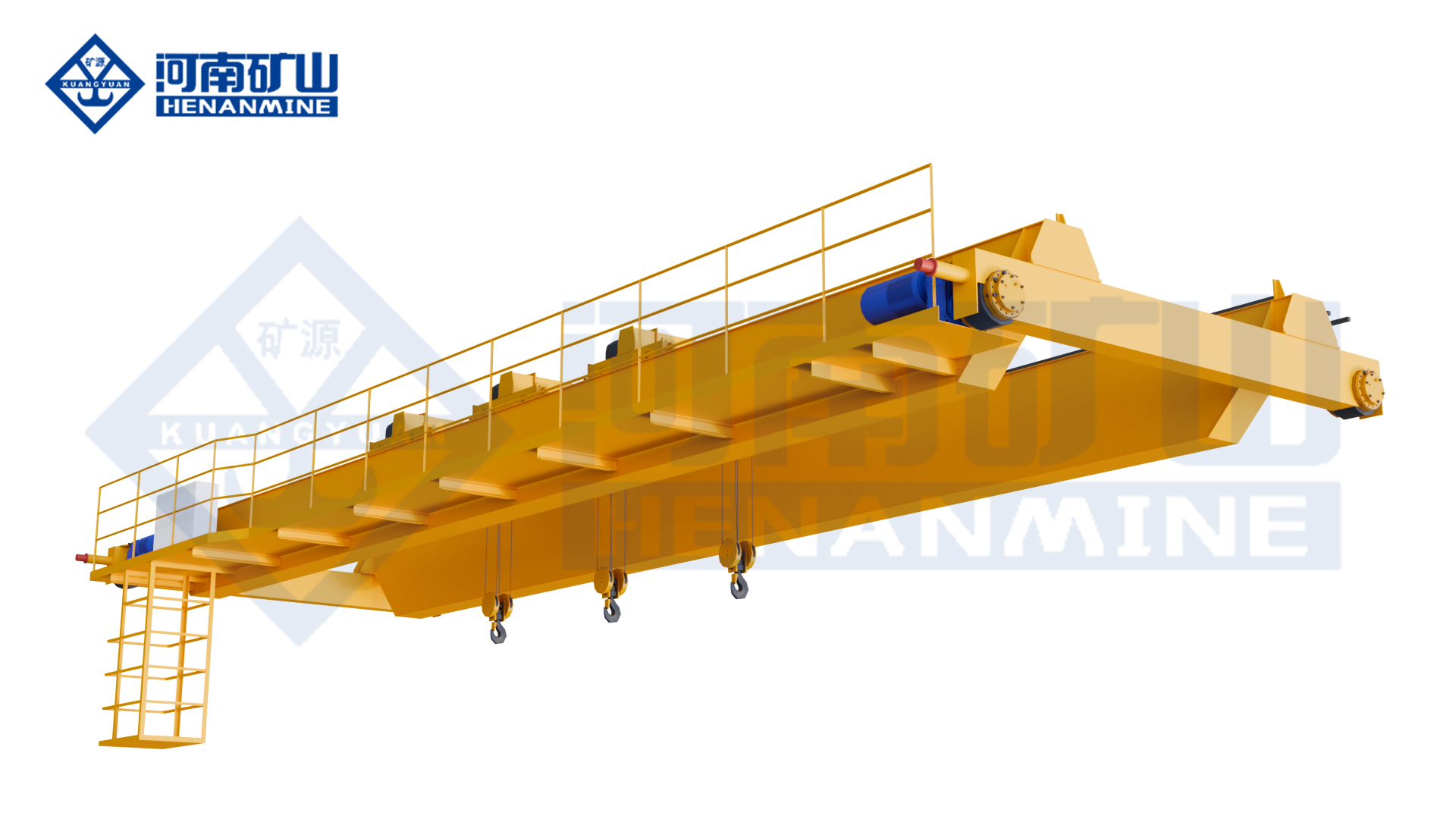
Henan Mine Crane · Pulp and Paper Handling
Paper Mill Cranes
Overhead crane systems for paper-machine maintenance, reel and roll handling, converting operations and mill logistics. Henan Mine Crane configures the bridge structure, lifting mechanism, controls and load-handling attachment to the plant’s operating zone and duty schedule.
Paper mills require different handling methods for machine components, paper rolls and raw materials. The proposed crane must match the actual load, handling frequency, building geometry and exposure conditions—not a generic industry label.
Crane Systems Across a Paper Mill
A paper mill crane may support machine installation and roll replacement, lift process equipment for maintenance, move parent rolls to converting lines or handle finished rolls in storage. A general-purpose hook crane can suit maintenance tasks, while dedicated reel handling may require a purpose-designed attachment and a more tightly controlled movement profile. Pulp bales, waste paper and loose bulk materials require separate gripping or grab arrangements.
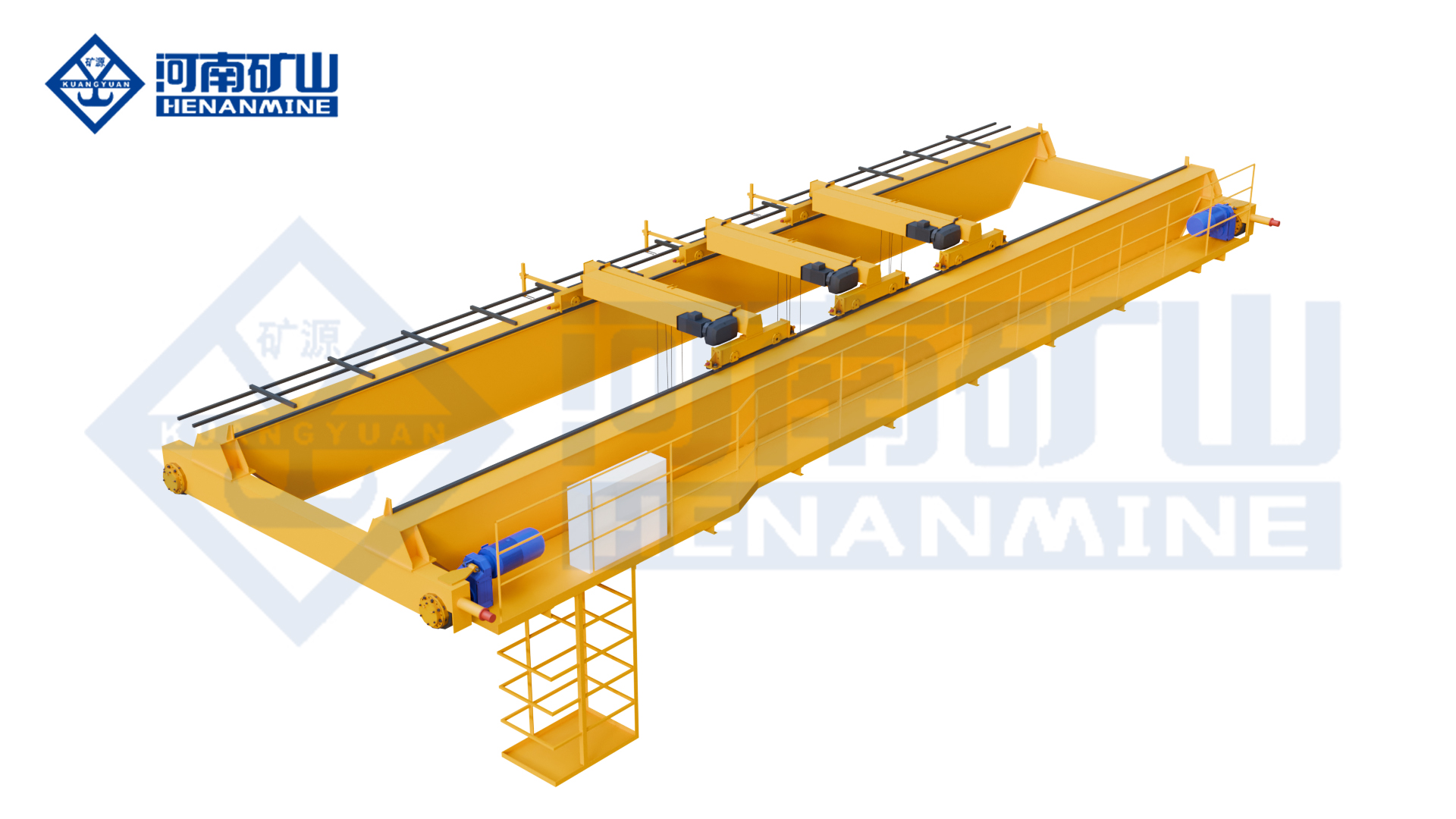
The mill layout determines whether these duties can be combined safely on one crane or require separate equipment. Henan Mine Crane offers bridge crane configurations for the defined process zones, including a three-trolley electric-hoist bridge crane described for paper-industry component handling and maintenance.
Paper Mill Crane Selection Considerations
The lifting schedule and plant interfaces determine the appropriate crane arrangement.
01 · Load Definition
Record heaviest reel, roll or machine component; include lifting beam, clamps, slings and other below-hook equipment in the required capacity.
02 · Handling Geometry
Confirm roll diameter, length, orientation, pickup and landing clearances, machine openings and permitted rotation.
03 · Building Envelope
Establish runway length, span, hook approach, available headroom, lifting height and existing column or runway loads.
04 · Duty Profile
Define lifts per hour, operating shifts, load distribution, travel distances and the time allowed for maintenance shutdowns.
05 · Mill Environment
Identify humidity, washdown, fibres and dust, corrosive chemicals, local temperature and any classified hazardous area.
06 · Load Attachment
Specify hooks, lifting beams, roll clamps or other approved attachments and the protection needed to prevent product damage.
07 · Control and Access
Choose pendant, radio or cabin control as appropriate; map operator visibility, access platforms and maintenance routes.
08 · Plant Integration
Coordinate crane operation with conveyors, production machines, pedestrian routes, fire protection and site electrical supply.
Paper Mill Crane Configurations Compared
The selection depends on the heaviest lift, the number of lifting points and whether the crane is assigned to maintenance or repeated process handling.
| Configuration | Appropriate duty | Important limitation |
|---|---|---|
| Single-girder overhead crane | Lighter maintenance and general material transfer | Check hook height, span and actual duty before selection. |
| Double-girder overhead crane | Heavier machine components or demanding operating duty | Confirm runway loads and the full building interface. |
| Three-trolley bridge crane | Separate lifting stations or engineered multi-point handling | Coordinated lifting requires a defined load-sharing and control strategy. |
| Dedicated roll-handling system | Frequent parent-roll transfer and controlled placement | Attachment compatibility and roll-damage prevention must be engineered separately. |
A three-trolley crane is not automatically a parent-roll handling system. Each lifting method and attachment must be qualified for its specified load and process.
Technical Specification Schedule
| Item | Basis for paper mill procurement |
|---|---|
| Rated capacity | Determine from the heaviest handling unit plus the lifting attachment; specify each trolley’s capacity separately where applicable. |
| Span and lift | Based on runway geometry, machine envelope, hook approach and clearances around rolls and equipment. |
| Duty class | Derived from actual load spectrum and cycles, not the paper-industry designation alone. |
| Hoist and travel | Speed and positioning response matched to throughput, product protection and maintenance lifts. |
| Electrical protection | Enclosure, cable routing and corrosion measures selected for measured humidity, dust and process exposure. |
| Power and control | Confirm site voltage, frequency, electrification, operator interface and any production-line interlock. |
As a product-specific example, the published three-trolley crane lists 1–32 t capacity, 7.5–31.5 m span, 6–30 m lifting height and A5–A6 working class. These figures describe that model’s published offering; they are not specifications for every paper mill crane or a commitment for a particular project.
Handling Paper Rolls Without Compromising Product Quality
A reel or parent roll is not a generic suspended load. The paper grade, roll diameter, core construction, wrap condition and acceptable contact pressure influence attachment selection. A hook crane can lift an approved beam or roll-handling device, but the attachment must be designed for the roll geometry and verified working load. Side clamps, core-engaging devices and vacuum systems have different operating envelopes and must not be treated as interchangeable.
The operating procedure should define pickup orientation, load stability, allowable acceleration, transfer route and landing support. Drive settings and operator visibility should be reviewed alongside the lifting attachment to reduce swing and avoid contact with the paper machine, building or other stored rolls.
Paper Mill Application Example: Three-Trolley Machine Maintenance
Henan Mine Crane’s three-trolley electric-hoist bridge crane is presented for paper-industry component handling and equipment maintenance. Three independently positioned lifting stations can be specified where a machine component has multiple approved lifting points or where different workstations need access along one bridge.
For a paper-machine maintenance lift, the engineering schedule identifies each component’s mass and centre of gravity, the lifting-point arrangement, trolley positions, combined bridge load, synchronized-motion requirement and path into the maintenance area. An approved lift plan and control philosophy govern any coordinated operation.
Technical drawings, inspection records and applicable project references can be included in the vendor-qualification discussion.
Inspection, Installation and Lifecycle Support
The supply specification should identify the applicable design standards, structural calculations, principal components, coating system and electrical enclosure requirements. The inspection plan should establish material traceability and the agreed fabrication, assembly, functional and load-testing checkpoints. Compliance documents are defined by contract and destination requirements; a generic certification statement cannot replace a project-specific compliance schedule.
For an existing mill, runway suitability, column capacity, building access and shutdown windows must be assessed before production. Delivery planning should include erection space, rigging access, temporary power, isolation of nearby process equipment, testing and operator training.
Maintenance planning covers hoists, brakes, wheels, travel drives, electrification and protective enclosures. Inspection frequency is determined by actual service, local regulations and the equipment manual. The spare-parts schedule should identify critical components against the mill’s acceptable downtime.
Paper Mill Crane Price and Total Project Cost
A paper mill crane price depends on capacity, span, duty, number of trolleys, lifting attachment, environmental protection, runway interface and the scope of site services. Public prices for general-purpose overhead cranes cannot be used as quotations for a three-trolley paper-machine crane or a dedicated roll-handling installation. The lifting attachment and mill integration may form a significant separate part of the investment.
Crane Equipment
Bridge, hoist or trolleys, drives, controls, electrification and specified protective equipment.
Mill Interfaces
Runway and building works, lifting attachment, production interlocks and equipment access changes.
Delivery and Handover
Packing, freight, installation, commissioning, inspections, training and initial spare parts.
A comparable commercial offer identifies currency, Incoterm, technical inclusions, exclusions, commissioning responsibilities and warranty terms. Final price follows the confirmed mill layout and lifting schedule.
Technical Information for Quotation
Submit a mill layout and runway drawing; load list with dimensions, centres of gravity and approved lifting points; roll diameter, length, weight and handling orientation where applicable; travel and lift distances; operating cycles and shifts; humidity, dust and chemical exposure; electrical supply; required attachments; control and automation interfaces; destination; and the required delivery, installation and testing scope.
Frequently Asked Questions
What is a paper mill crane?
An overhead lifting system configured for a specific pulp or paper production, maintenance or storage duty.
Which crane handles paper-machine components?
A properly rated hook crane or multi-trolley arrangement can be specified from the component mass, lifting points and maintenance route.
Can the same crane handle parent rolls?
Only with a qualified roll-handling attachment and a handling procedure matched to the roll and process.
When is a three-trolley crane appropriate?
Where multiple lifting stations or approved multi-point lifts justify separately controlled trolleys and engineered load sharing.
Is an A5–A6 crane required in every paper mill?
No. Working class follows actual operating cycles and load spectrum; A5–A6 describes the published three-trolley product range.
How is rated capacity calculated?
The heaviest permitted load includes the material and all below-hook lifting equipment, subject to the approved lift plan.
What protection is needed for a humid mill?
Electrical enclosure, cable and coating requirements are specified from actual moisture, washdown and chemical exposure.
Can a crane be installed in an existing mill?
Yes, subject to building and runway assessment, access for erection and a practical production shutdown plan.
Is a roll-handling attachment included in the price?
Only if included in the written equipment scope; roll clamps, beams or other devices should be itemized.
What is needed for a firm quotation?
Mill drawings, the load and lift schedule, environmental data, required attachments and the complete service scope.
Related Overhead Crane Products
Three-Trolley Electric-Hoist Crane
Multiple lifting stations for engineered component handling.
Double-Trolley Overhead Crane
Two-point handling subject to coordinated-lift design.
Single-Girder Overhead Cranes
General mill service and selected lighter maintenance lifts.
Double-Girder Overhead Cranes
Higher-capacity machine-area and maintenance configurations.
Overhead Crane Product Range
Compare available overhead crane configurations.
Paper Mill Lifting Proposal
Request a Paper Mill Crane Quote
Submit plant and runway drawings, the heaviest load and lift plan, roll specifications where relevant, operating cycles, environmental conditions, available power and project destination. Henan Mine Crane will prepare a defined equipment configuration and commercial scope.