Engineering · Manufacturing · Project support
info@hnksglobal.comWhatsApp +86 18836207779 ↗

Blog

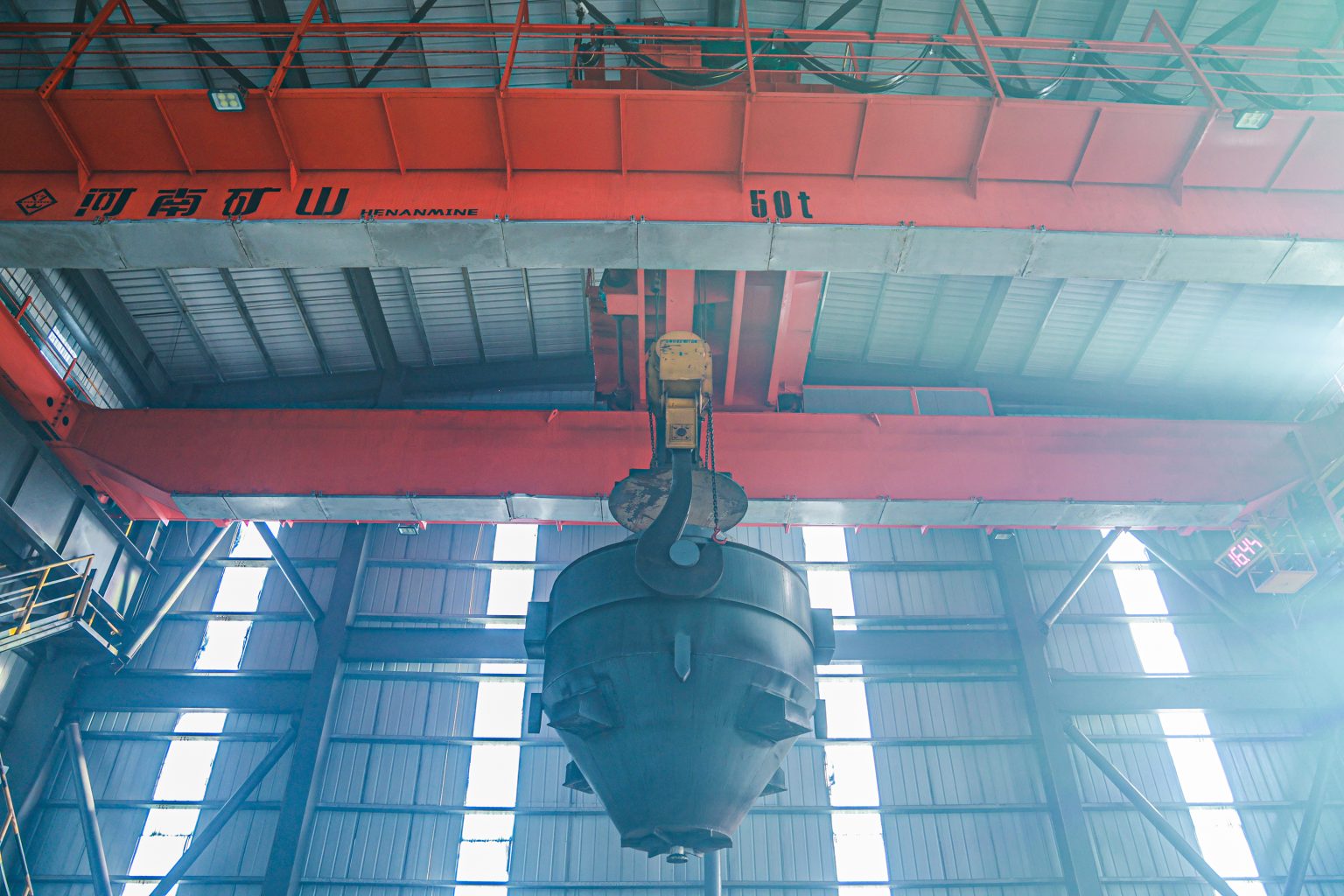
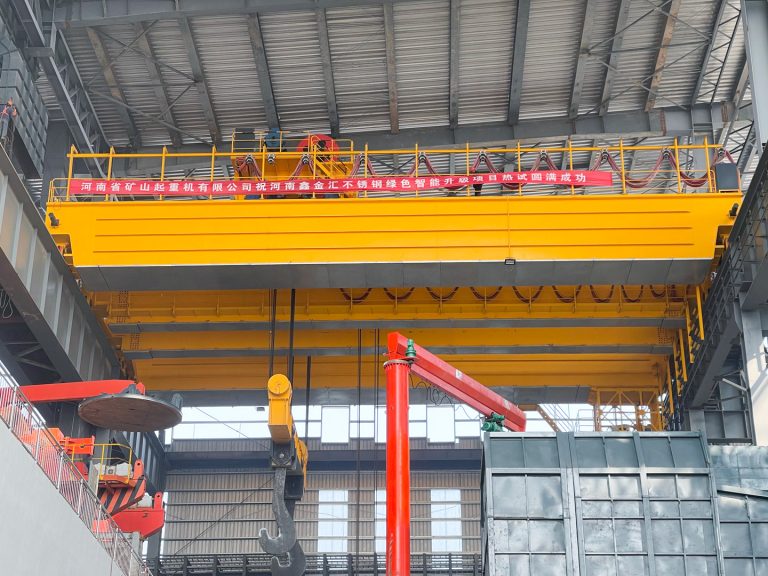
  • 4 Girder Casting Crane Supplier by Henan Mine Crane Factory

    4 Girder Casting Crane Supplier by Henan Mine Crane Factory

    Crane application

    4 Girder Casting Crane Supplier by Henan Mine Crane Factory

    Review the four-girder casting crane project scope. Review load definitions, process exposure, lifting arrangements and working duty for your project.
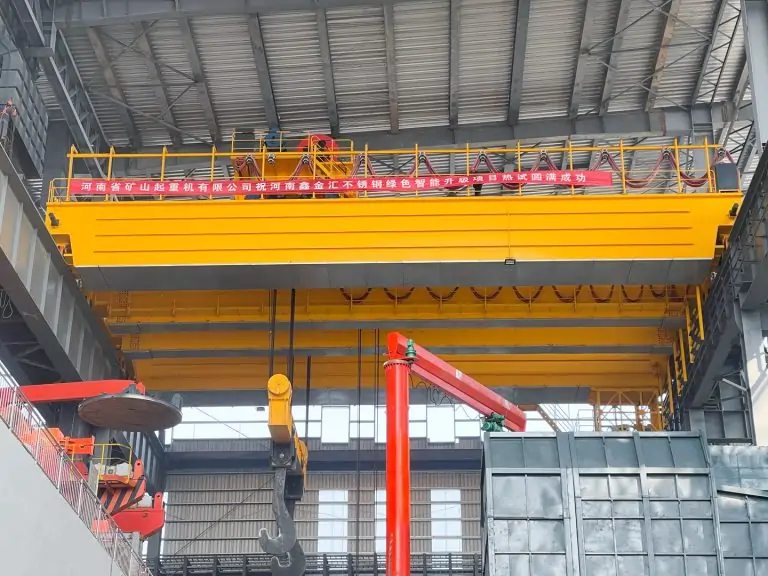
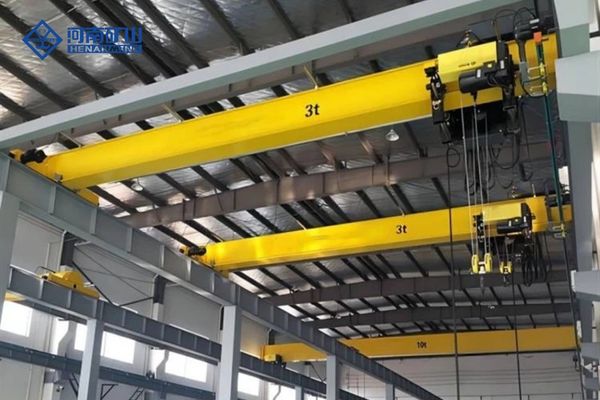
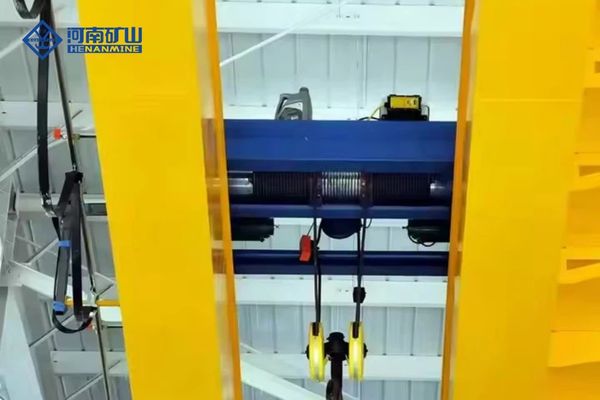
    4 Girder Casting Crane Supplier by Henan Mine Crane Factory — Henan Mine Crane crane application photograph
    4 Girder Casting Crane Supplier by Henan Mine Crane Factory — crane application overview.

    Steelmaking and metal handling

    Define the complete suspended load, ladle or steel-product geometry, process temperature, crane duty and safe travel path. For molten-metal work, include auxiliary lifting, heat shielding, redundant protections and inspection access in the specification.

    Crane configuration and interfaces

    Ask for the crane arrangement, hook and lifting appliance interfaces, runway loads, control and monitoring functions, inspection access and a test plan matched to the plant process.

    Review the Metallurgical overhead cranes and Steel & metallurgy cranes before defining the project-specific arrangement.

    Design the lifting process

    Use the project context above as a starting point. The following checks turn a crane application into a technical scope that suppliers can price and demonstrate for your site.

    Molten-metal lifting sequence

    Describe where a ladle is picked up, where it travels, how it is poured and how it is returned. Provide the mass of the ladle, lining, molten metal, lifting beam and rigging as separate inputs. The main-hook capacity alone does not define the crane: auxiliary-hook duty, hook spacing, approach, travel speed, plant clearances and the number of lifts per shift matter. If the process includes charging, tundish transfer or maintenance lifts, separate those cycles rather than assuming one arrangement can serve them all.

    Protection and maintainability

    For a hot shop, specify ambient and radiant temperatures at the bridge, trolley, electrical cabinets and operator position. Discuss heat shielding, cable routing, braking and overspeed protection, redundant functions where applicable, access for inspection and a safe maintenance position. These features need a project-specific risk assessment and applicable design standard; a catalogue label such as “metallurgical” does not establish suitability for molten-metal duty. Provide runway condition and building clearances so that protective equipment can be installed and serviced.

    What to compare at technical review

    Request general arrangement drawings, the mass calculation for the suspended load, main and auxiliary hook duties, duty classification, wheel loads, electrical interfaces and a list of protective functions. Compare each offer against the same process sequence and site drawings. Define factory and site acceptance tests for rated load, interlocks, brakes, limit switches and operational travel. Agree how production will be isolated during installation and how spare components will be supported. Published case tonnages describe those installations only; a new crane must be sized to its own process.

    Compare the proposed crane scope

    DecisionInformation to request
    Crane and lifting attachmentRated loads, load cases, hook coverage and the complete suspended-load calculation.
    Site interfacesRunway loads, rail or building drawings, electrical supply and installation responsibilities.
    Controls and protectionOperating sequence, required safety functions and a method for testing each function.
    Commercial scopeEquipment, transport, installation, commissioning, documentation, training and spare parts as separate line items.

    From technical offer to site acceptance

    Technical submittals

    A usable bid should show a general arrangement and a clear list of assumptions, not just a model name and capacity. Request the load schedule used in design, lifting-attachment drawings where applicable, span and hook-approach dimensions, wheel loads, electrical supply, control narrative and maintenance access. Check every drawing against the actual building or yard layout. Identify the standards and local approval requirements for the destination market in the enquiry, then confirm the bidder’s proposed design and documentation scope in writing.

    Installation and tests

    Agree when the runway or civil works will be ready, how crane components can reach the installation position and who provides lifting equipment for erection. Define the factory test, on-site installation inspection and site acceptance as separate milestones. The acceptance procedure should list representative loads, the travel route, protection devices, emergency stop and any automation or attachment functions included in the order. Record who supplies test weights, operators, power and access equipment; otherwise a nominal commissioning price may omit essential site work.

    Commercial comparison

    Ask for the same delivery basis and currency across proposals. Separate the crane, special lifting appliances, rails or conductors, transport, installation support, commissioning, training and initial spare parts. Lead time should identify the starting event, such as approved drawings or an effective contract, and any dependency on site readiness. Compare warranty scope and service response by the written contract terms. If a key input is still unknown, request a priced option or a stated assumption instead of allowing different bidders to silently use different specifications. Keep a written exception register so the engineering team can resolve open dimensions, process interfaces and responsibility boundaries before issuing the purchase order.

    Information to include in the enquiry

    • Load weights, dimensions, centre of gravity and lifting attachments.
    • Span, lifting height, runway or yard drawings, travel coverage and clearances.
    • Operating cycle, working environment, electrical supply and control requirements.
    • Supply boundaries, inspection documents, installation support and acceptance criteria.

    Discuss a comparable lifting task

    Send the handling task and available site drawings. Henan Mine Crane can define a proposed crane arrangement and identify the remaining information needed for a technical and commercial review.
  • Outdoor Bridge Cranes: Wind Monitoring and Parking Requirements

    Outdoor Bridge Cranes: Wind Monitoring and Parking Requirements

    Technical guide

    Outdoor Bridge Cranes: Wind Monitoring and Parking Requirements

    Wind-related requirements should cover lifting, travel and the parked condition. State the site design basis and operating envelope, then ask the supplier to document the relevant limits and securing arrangements.

    Henan Mine CraneTechnical guide · Updated 2026Crane selection, project scope and operating requirements
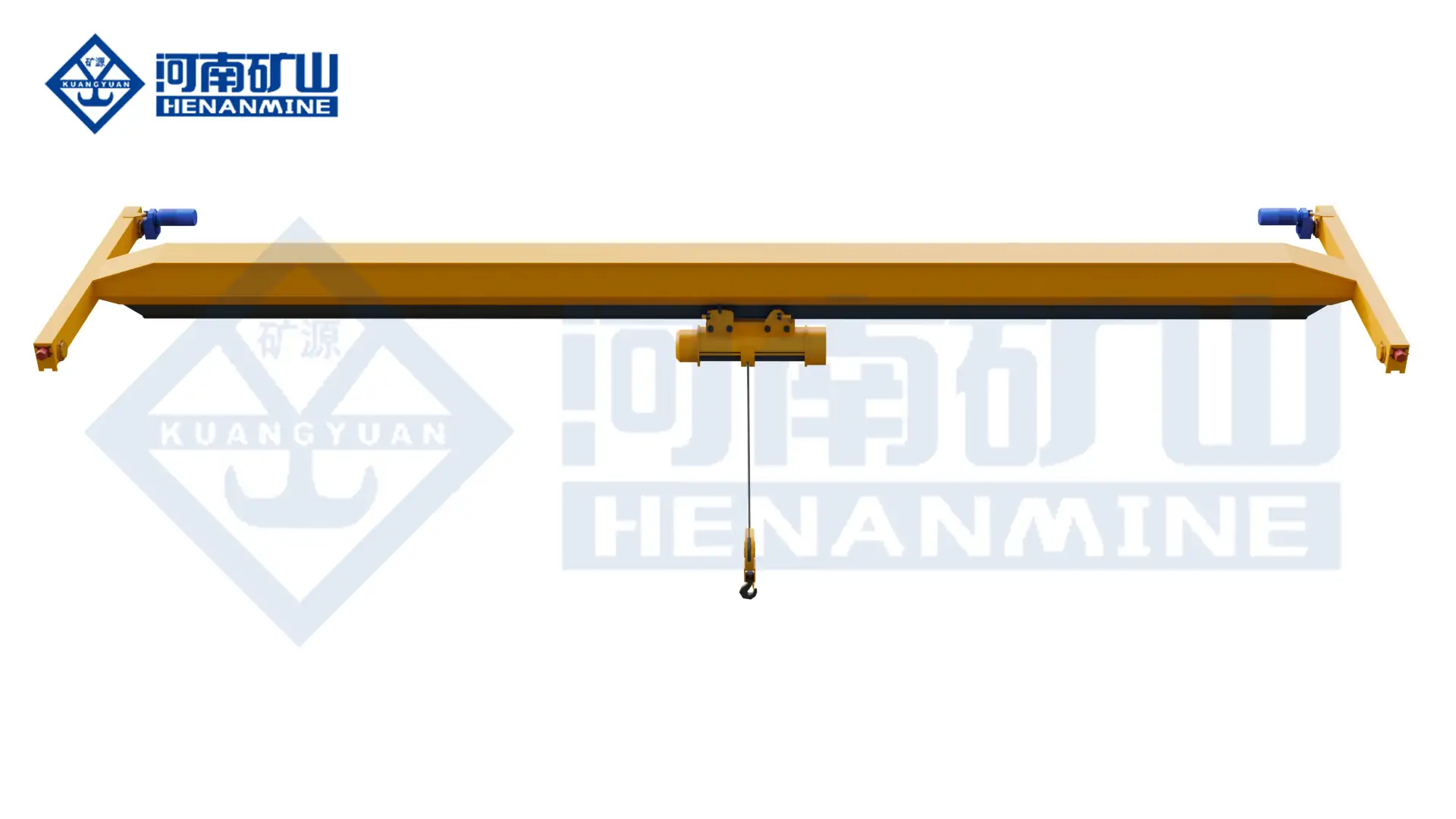
    Henan Mine Crane Single-Girder Bridge Crane
    Henan Mine Crane Single-Girder Bridge Crane
    Project planning notes

    Key points for this crane project.

    1. Challenges Faced by Outdoor Bridge Cranes
    2. Understanding Wind Loads on Bridge Cranes
    3. Key Elements of Bridge Crane Anti-Wind Design
    Read the technical guide

    Challenges Faced by Outdoor Bridge Cranes

    The outdoor complex and changeable wind environment brings multiple irreversible safety and production hidden dangers to the operation of the Henan Mine Crane bridge crane. It is also the core pain point that must be solved in the wind resistance design, focusing on three dimensions:

    Strong wind affects the overall stability of the crane: outdoor open field, coastal, mountainous, industrial park and other scenes, instantaneous gust, sustained wind will form lateral thrust and overturning moment on the crane girder, end beam, trolley and lifting load. Crane belongs to high-altitude large-span flexible structure, its own center of gravity is high, wind area is large, wind force will directly break the balance of equipment force, resulting in body tilt, shaking violently, greatly increase the risk of swinging and falling of lifting objects, completely unable to meet the safety requirements of heavy-load operation.

    Risk of crane sliding along the track: When the wind exceeds the friction resistance between the wheel and the track, it will push the bridge crane to slide along the track without control, which is commonly known as "running track" in the industry. This kind of uncontrolled movement is not controlled by operation, which may lead to wheel gnawing, track wear and travel mechanism damage, or cause collision between crane and track terminal, workshop column and other equipment, resulting in equipment damage accident. Especially in the no-load standby state of the crane, the weight is insufficient, and the risk of slip will be greatly doubled.

    Structural damage and production interruption hidden dangers: long-term wind impact, instantaneous strong wind load will continue to wear crane steel structure, resulting in bending of the main girder, weld cracking, loose joints, structural deformation and other structural damage, greatly shortening the service life of the equipment. At the same time, the crane must be shut down urgently to avoid danger in windy weather. The sudden abnormal wind will disrupt the production plan, cause delay of construction period and decrease of production capacity. Frequent equipment maintenance and fault shutdown will continuously increase the operation and maintenance cost of the enterprise and affect the continuous operation of the production line.

    Understanding Wind Loads on Bridge Cranes

    How wind forces affect bridge crane operation

    The effect of wind on the bridge crane is not a single thrust, but an omni-directional, multi-component composite load, mainly in the form of horizontal wind pressure on the core structure of the equipment, omni-directional interference equipment operating state:

    Acting on the crane bridge structure: The overall bridge composed of the main girder and end beam of the Henan Mine Crane bridge crane is the main wind-bearing carrier. The large-span bridge has a large windward area. The horizontal wind pressure will generate lateral thrust on the bridge, causing the fuselage to sway and shift., long-term stress will cause fatigue deformation of the steel structure and destroy structural stability.

    Action on trolley and lifting equipment: lifting trolley, winch mechanism, wire rope, hook and other moving parts have compact structure and flexible center of gravity. Under the action of wind force, lateral deviation and swing are easy to occur, resulting in trolley operation jamming and positioning deviation. In serious cases, trolley derailment and mechanism jamming will be caused, affecting the normal operation of equipment.

    Acting on lifting load: lifting materials, equipment without fixed constraints, wind area is irregular, wind will cause a large swing, rotation, not only cannot accurately fall, but also produce additional tension and torque, reverse pull crane body, aggravate the shaking of the whole machine, easy to cause lifting objects fall, equipment overturn major safety accidents.

    On the whole, the wind load will completely break the force balance of the crane, reduce the stability of equipment operation, aggravate the track wear and running mechanism failure, and destroy the track flatness and wheel-rail coordination accuracy for a long time, forming a vicious circle and continuously affecting the safe operation of the equipment.

    Key factors influencing crane wind loads

    The wind load borne by the bridge crane is not a fixed value, and is affected by multiple factors such as environment, equipment parameters and operating conditions. The core influencing factors are divided into five categories:

    Wind speed and local climate conditions: Wind speed is the core index that determines the wind load intensity. The greater the wind speed, the exponential increase of wind pressure, and the stronger the impact on equipment. At the same time, climate differences such as coastal typhoon, mountain gust, seasonal monsoon and rainstorm accompanied by strong wind will lead to different wind frequency, duration and peak intensity in different regions, which directly determines the wind resistance level required by equipment.

    Crane span and height: the larger the crane span, the larger the windward area of the main girder, the higher the overall wind load; the higher the installation height of the equipment, the greater the wind speed at high altitude, the air flow is unobstructed, and the wind load effect is more obvious. The wind pressure resistance of the crane at high altitude and high position is much higher than that of the low equipment.

    Structural surface area: The greater the total windward area of the exposed structure of the crane steel structure, electrical room, cab, winch mechanism, etc., the more the wind capacity, the greater the wind load. Cranes with redundant structure design, excessive external parts and square shape have significantly higher wind resistance.

    Lifting load characteristics: the volume, shape and windward area of the lifting material directly affect the additional wind load. Large area plates, frame equipment, bulk materials and other lifting loads are subject to large wind areas, which is easy to generate large wind disturbance loads and greatly increase the mechanical load of the whole machine. At the same time, under no-load and full-load conditions, the center of gravity of equipment is different, and the wind-resistant stability is also obviously different.

    Installation environment: open industrial area, port dock, coastal beach, mountain tuyere and other unobstructed environment, wind no attenuation, wind load is the strongest; and there are factory buildings sheltered, surrounded by buildings, wind will be weakened, wind load is relatively small, is an important reference basis for wind resistance design selection.

    Key Elements of Bridge Crane Anti-Wind Design

    Structural design for wind resistance

    Structural optimization is the foundation of bridge crane wind-resistant design. It improves wind-resistant bearing capacity from equipment body and reduces wind load influence from root. The core optimization dimension includes four points:

    Optimize the structural design of the main girder: abandon the traditional heavy and square main girder shape, adopt streamlined and box-shaped optimized section design, reduce the windward area of the main girder and reduce the wind impact on the premise of ensuring the load-bearing capacity. For large-span cranes, transverse stiffeners and auxiliary support structures are added to improve the bending and deformation resistance of the main girder and avoid structural deformation caused by wind impact.

    Improve the overall structural rigidity: by optimizing the steel structure ratio of the whole machine, strengthening the connection nodes between the end beam and the main girder, strengthening the base of the traveling mechanism, etc., improve the overall rigidity of the crane and reduce the shaking and resonance of the fuselage under the action of wind. Effectively avoid weld cracking, bolt loosening and structural fatigue damage caused by long-term wind vibration, and improve the overall stability of the equipment.

    Reduce redundant wind-receiving area: simplify external redundant structure of equipment, optimize installation layout of cab, electrical cabinet and winch mechanism, adopt embedded and flat design, and reduce protruding parts. For the equipment that must be externally installed, add a diversion structure to reduce wind resistance and wind capacity, and reduce wind load from the physical level.

    Selection of suitable materials and safety factors: Henan Mine Crane outdoor crane main steel structure selection of high strength weather resistant steel, both lightweight and high strength, to resist wind impact and outdoor corrosion environment. The wind resistance design shall reserve safety margin strictly according to international and national standards. For high wind areas and coastal typhoon areas, the structural safety coefficient shall be appropriately improved to adapt to extreme wind conditions.

    Rail and travel system wind protection

    The track and traveling system are the core of the support and operation of the crane, and are also the key link for wind prevention and anti-skid. The vast majority of outdoor crane wind-caused accidents are related to insufficient protection of the track system. After the wind breaks through the wheel-rail friction force, it will directly push the equipment to run track and derail, so the windproof design of track system is very important.

    Track flatness and alignment accuracy: track installation must strictly follow industry standards to ensure full horizontal alignment, no offset, no settlement, no deformation. The uneven and offset track will greatly reduce the contact friction force between wheel and rail, and it is easy to cause slip under the action of wind force; at the same time, the accurate track layout can ensure uniform stress of equipment and avoid structural damage caused by local stress concentration.

    Optimize wheel-rail contact state: adopt double-rim wear-resistant wheel design to improve the fit and wrapping between wheel and rail, increase contact friction area and improve natural anti-skid resistance. Regularly calibrate wheel/rail clearance to avoid excessive clearance, partial wear and other problems, and ensure the basic anti-slip ability of equipment under static state.

    Optimize the design of travel mechanism: the travel drive mechanism is equipped with a special windproof brake base to optimize the rigidity of the transmission structure and avoid the idling and failure of the mechanism caused by wind reverse thrust. For large-span and high-capacity outdoor cranes, multi-wheel balanced force design is adopted to disperse wind load and improve the stability of the whole machine in orbit.

    Crane anchoring and fixing systems

    Anchor fixing system is the ultimate protection means of bridge crane against extreme wind, mainly used for rigid fixation under equipment shutdown and extreme storm weather, making up for wheel brake and structural wind resistance performance short board, eliminating the risk of whole machine sliding and overturning, and is the indispensable core windproof configuration of outdoor crane.

    The core function of the anchoring device: under the scenarios of wind speed exceeding the allowable range of equipment work, storm attack, long-term shutdown of equipment, etc., the crane is firmly locked with the ground and track through mechanical rigid fixation, so as to offset the super wind thrust, eliminate track running and overturning accidents from the root cause, and ensure the safety of equipment in extreme weather.

    Common Anti-Wind Devices Used in Bridge Cranes

    Rail clamps and wind brakes

    Rail clamp and windproof brake are the most widely used active windproof equipment for Henan Mine Crane outdoor bridge cranes. They are suitable for most conventional outdoor operation scenarios. They are divided into two types: mechanical and hydraulic. They have high degree of automation and stable protection effect.

    Automatic rail clamp system working principle: automatic rail clamp equipped with intelligent induction and power drive mechanism, equipment shutdown, power failure or wind speed exceeds the standard, the system automatically triggers clamping action, jaws closely attached to both sides of the track, relying on mechanical clamping force to produce strong anti-skid resistance, locking crane travel mechanism, to prevent slippage. When the equipment starts operation, it will automatically release the reset, which will not affect the normal operation.

    Core advantages of outdoor application: high degree of automation of equipment, no need for manual high-altitude operation, high safety and fast response speed; can adapt to bridge cranes of different tonnage and span, with strong versatility; can be linked with wind speed monitoring system to realize intelligent protection without manual intervention, greatly reducing operation and maintenance costs.

    Difference between hydraulic and mechanical schemes: hydraulic rail clamp has sufficient power, stable clamping force, no noise, suitable for high-capacity, large-span heavy bridge cranes, and can cope with high-intensity wind loads; mechanical rail clamp has simple structure, low failure rate, convenient maintenance, high cost performance, and is suitable for small and medium-sized conventional outdoor cranes to meet normal wind protection requirements.

    Crane wheel braking systems

    The wheel brake system is the foundation windproof protection device of crane, which relies on the traveling mechanism brake to realize windproof and anti-skid, and is the first protective barrier of the windproof system of the whole machine. Its core principle is to lock the wheel rotation through the travel brake, prevent the wheel from rolling and sliding, and use the static friction force of the wheel and rail to resist the wind thrust.

    Windproof function of the travel brake: after the equipment stops, the brake automatically locks the wheels, limits the rotation of the wheels, and avoids the problem of track running caused by wind-driven wheel rolling. Under normal light wind and small wind conditions, it can independently realize anti-skid protection, ensure the stability and quiescence of equipment, and is suitable for daily routine weather protection.

    Limitations of single wheel braking: wheel braking can only limit wheel rolling, but cannot prevent the overall lateral slip of the fuselage. When the wind force is too large and exceeds the maximum static friction force of wheel and rail, even if the wheel is locked, the whole machine will still slide along the track, and the protection ability is limited. At the same time, relying solely on wheel braking for a long time will aggravate the wear of brake pads and wheels and shorten the service life of the mechanism. Therefore, wheel braking can only be used as basic protection, and multiple protection systems must be formed with rail clamps and anchoring devices.

    Wind anchoring systems

    Windproof anchoring system is the ultimate protection configuration for extreme weather, belonging to passive rigid protection device, specially for typhoon, strong storm, sustained wind and other conditions beyond the conventional protection capacity, is a necessary configuration of cranes in high-risk wind environment.

    Extreme weather fixed protection principle: through the factory embedded anchor base, anchor pin, connecting rod and other parts, the crane machine and the ground foundation rigid connection, completely lock the fuselage displacement, completely offset the thrust and overturning moment of super wind, eliminate equipment slip, overturning risk, even if encountered more than ten strong winds, but also can ensure that the equipment intact.

    Scenes requiring strengthened anchoring protection: coastal typhoon-prone areas, which are hit by strong typhoons and storms all the year round, with high wind intensity and strong suddenness; plateau, open Gobi, mountain tuyere and other high-wind areas, with frequent strong winds and gusts all the year round, with strong wind persistence; large-scale open-air industrial storage yards, ports, logistics parks and other open operation scenarios without shelter, with no attenuation of wind force and significant wind load effect. All the above scenarios must be equipped with special wind-proof anchoring system.

    Wind Load Calculation and Design Standards for Bridge Cranes

    Basic principles of crane wind load calculation

    Accurate calculation of wind load is the core basis of Henan Mine Crane bridge crane wind resistance design, which directly determines the structural design standard, wind protection equipment selection and safety margin setting. All wind resistance design needs to be based on accurate wind load calculation. The core calculation logic revolves around three core elements.

    Corresponding relationship between wind speed and wind pressure: wind speed is the basic parameter, wind pressure increases exponentially with wind speed, and it is the core pressure source of wind acting on equipment. Wind speed of different grades corresponds to fixed wind pressure standard, which is the basic value of load calculation. It is necessary to strictly follow the local meteorological extreme wind speed value to eliminate insufficient protection caused by parameter underestimation.

    Crane wind area: including the main girder, end beam, trolley, electrical equipment, hanging load and other exposed structures of the total windward area, the larger the wind area, the greater the wind load under the same wind speed, is the core variable of load calculation, calculation needs to fully cover all wind-affected parts, no omission calculation.

    Importance of environmental data: wind load calculation must rely on real meteorological data of project location, including annual average wind speed, extreme maximum wind speed, typhoon frequency, wind duration and other parameters. Accurate environmental data can ensure that the calculation results conform to the actual working conditions, avoid insufficient or excessive design redundancy, and balance safety and economy.

    Factors engineers consider during design

    In the process of wind resistance design and load calculation of bridge crane, engineers need to integrate four core parameters to achieve accurate adaptation of design scheme to scene requirements:

    Local maximum wind speed: collect the meteorological extreme wind speed data of the project location in recent 10-20 years, distinguish between normal working wind speed and extreme storm wind speed, calculate the working wind load and static wind load respectively, and match the double-layer protection standard.

    Crane working conditions: distinguish between no-load, half-load, full load, standby four core conditions, different conditions of equipment gravity, wind state, stability, wind load force difference is very large, need to be calculated one by one, to ensure the safety of all working conditions.

    Maximum lifting load: calculate the additional wind load under the maximum lifting load state in combination with the rated load of the crane, avoid the risk of equipment overturning and lifting out of control caused by heavy load wind, and ensure the wind safety of heavy load operation.

    Equipment installation position: according to different installation positions such as coastal, inland, open factory area, mountain area and tuyere, correct wind load coefficient, adjust structural rigidity and windproof equipment configuration accordingly, and adapt to the wind environment exclusive to the scene.

    Compliance with international crane design requirements

    All kinds of standards clearly stipulate the core parameters of crane wind load calculation method, wind resistance structure design requirements, wind protection device configuration standard, extreme working condition safety margin, etc., which are the hard basis of engineering design. Following standardized design, safety hazards, unqualified acceptance, and equipment failure caused by non-standard design can be completely avoided.

    At the same time, according to different operation environments, the standard requires to reserve differentiated safety margin. The safety factor shall be improved in high wind, coastal and typhoon areas. The redundancy design can be reasonably optimized in inland conventional areas, so as to ensure equipment safety, avoid resource waste and realize the optimal balance between safety and cost.

    Discuss the crane arrangement for your project.

    Wind-related requirements should cover lifting, travel and the parked condition. State the site design basis and operating envelope, then ask the supplier to document the relevant limits and securing arrangements. Share the load, available drawings, working cycle and site conditions with Henan Mine Crane so the required configuration and supply boundary can be discussed.

    Related crane configurations

    Single-Girder Bridge Crane

    View product parameters
    Lifting capacity: 1–20 tSpan: 7.5–31.5 mLifting height: 6, 9, 12, 18, 24 or 30 m; capacity-dependent

    Use an LDA single-girder bridge and electric hoist for general workshop material handling. Select the lifting capacity, runway geometry and hoist duty around the building and load.

    LH Electric Hoist Double Girder Crane

    View product parameters
    Lifting capacity: 3, 5, 10, 16, 20 tSpan: 10.5–31.5 mLifting height: 6, 9, 12 or 18 m

    Use an LH double-girder bridge with an electric-hoist trolley for workshop lifting, assembly and maintenance. Match the hoist arrangement to the suspended load, hook travel and available building space.

    Updated 2026 · Henan Mine Crane

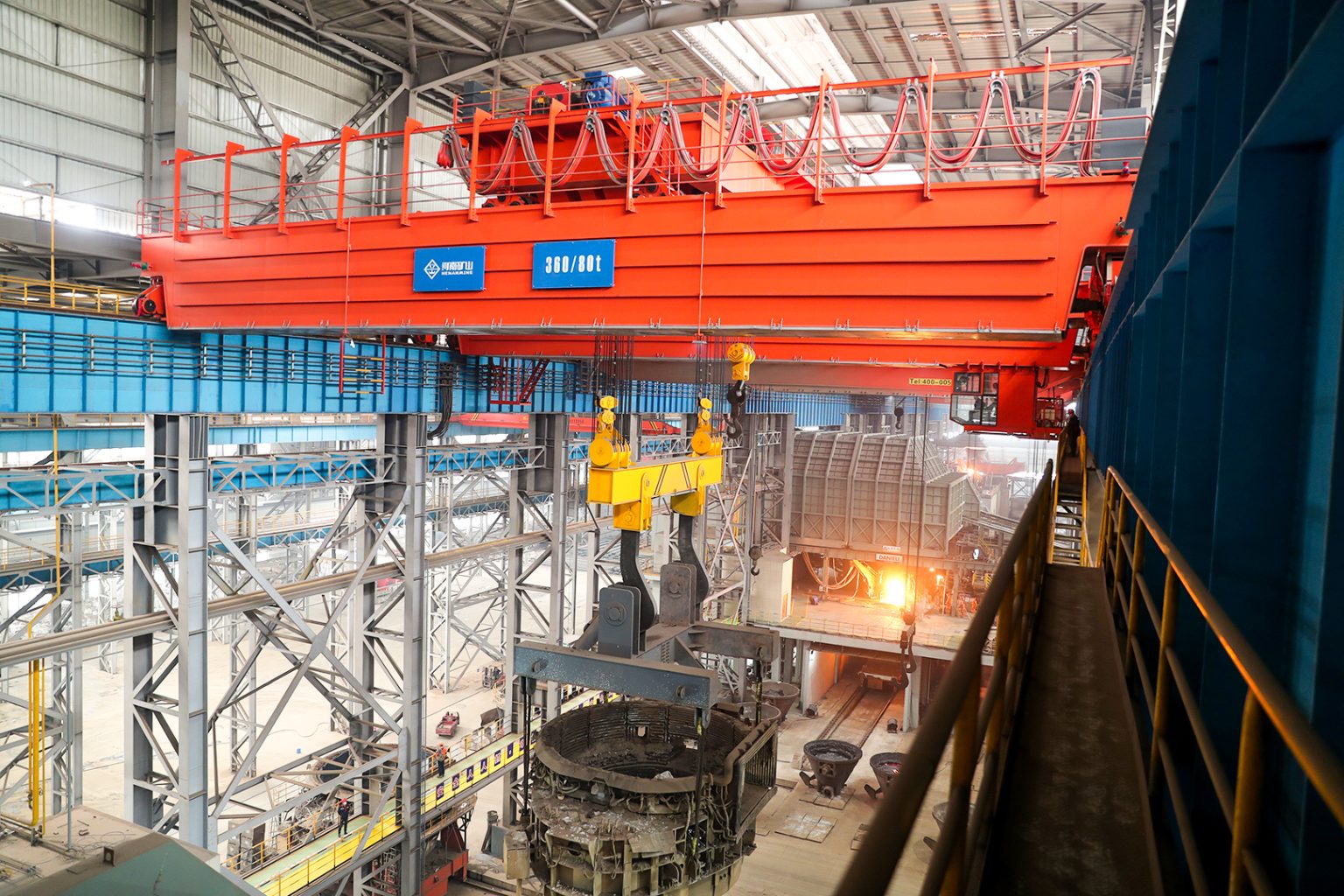
  • 360 Ton Foundry Crane Custom

    360 Ton Foundry Crane Custom

    Crane application

    360 Ton Foundry Crane Custom

    Review the 360t foundry crane configuration & scope. Review load definitions, process exposure, lifting arrangements and working duty for your project.

    360 Ton Foundry Crane Custom — Henan Mine Crane crane application photograph
    360 Ton Foundry Crane Custom — crane application overview.

    Steelmaking and metal handling

    Define the complete suspended load, ladle or steel-product geometry, process temperature, crane duty and safe travel path. For molten-metal work, include auxiliary lifting, heat shielding, redundant protections and inspection access in the specification.

    Crane configuration and interfaces

    Ask for the crane arrangement, hook and lifting appliance interfaces, runway loads, control and monitoring functions, inspection access and a test plan matched to the plant process.

    Review the Metallurgical overhead cranes and Steel & metallurgy cranes before defining the project-specific arrangement.

    Design the lifting process

    Use the project context above as a starting point. The following checks turn a crane application into a technical scope that suppliers can price and demonstrate for your site.

    Molten-metal lifting sequence

    Describe where a ladle is picked up, where it travels, how it is poured and how it is returned. Provide the mass of the ladle, lining, molten metal, lifting beam and rigging as separate inputs. The main-hook capacity alone does not define the crane: auxiliary-hook duty, hook spacing, approach, travel speed, plant clearances and the number of lifts per shift matter. If the process includes charging, tundish transfer or maintenance lifts, separate those cycles rather than assuming one arrangement can serve them all.

    Protection and maintainability

    For a hot shop, specify ambient and radiant temperatures at the bridge, trolley, electrical cabinets and operator position. Discuss heat shielding, cable routing, braking and overspeed protection, redundant functions where applicable, access for inspection and a safe maintenance position. These features need a project-specific risk assessment and applicable design standard; a catalogue label such as “metallurgical” does not establish suitability for molten-metal duty. Provide runway condition and building clearances so that protective equipment can be installed and serviced.

    What to compare at technical review

    Request general arrangement drawings, the mass calculation for the suspended load, main and auxiliary hook duties, duty classification, wheel loads, electrical interfaces and a list of protective functions. Compare each offer against the same process sequence and site drawings. Define factory and site acceptance tests for rated load, interlocks, brakes, limit switches and operational travel. Agree how production will be isolated during installation and how spare components will be supported. Published case tonnages describe those installations only; a new crane must be sized to its own process.

    Compare the proposed crane scope

    DecisionInformation to request
    Crane and lifting attachmentRated loads, load cases, hook coverage and the complete suspended-load calculation.
    Site interfacesRunway loads, rail or building drawings, electrical supply and installation responsibilities.
    Controls and protectionOperating sequence, required safety functions and a method for testing each function.
    Commercial scopeEquipment, transport, installation, commissioning, documentation, training and spare parts as separate line items.

    From technical offer to site acceptance

    Technical submittals

    A usable bid should show a general arrangement and a clear list of assumptions, not just a model name and capacity. Request the load schedule used in design, lifting-attachment drawings where applicable, span and hook-approach dimensions, wheel loads, electrical supply, control narrative and maintenance access. Check every drawing against the actual building or yard layout. Identify the standards and local approval requirements for the destination market in the enquiry, then confirm the bidder’s proposed design and documentation scope in writing.

    Installation and tests

    Agree when the runway or civil works will be ready, how crane components can reach the installation position and who provides lifting equipment for erection. Define the factory test, on-site installation inspection and site acceptance as separate milestones. The acceptance procedure should list representative loads, the travel route, protection devices, emergency stop and any automation or attachment functions included in the order. Record who supplies test weights, operators, power and access equipment; otherwise a nominal commissioning price may omit essential site work.

    Commercial comparison

    Ask for the same delivery basis and currency across proposals. Separate the crane, special lifting appliances, rails or conductors, transport, installation support, commissioning, training and initial spare parts. Lead time should identify the starting event, such as approved drawings or an effective contract, and any dependency on site readiness. Compare warranty scope and service response by the written contract terms. If a key input is still unknown, request a priced option or a stated assumption instead of allowing different bidders to silently use different specifications. Keep a written exception register so the engineering team can resolve open dimensions, process interfaces and responsibility boundaries before issuing the purchase order.

    Information to include in the enquiry

    • Load weights, dimensions, centre of gravity and lifting attachments.
    • Span, lifting height, runway or yard drawings, travel coverage and clearances.
    • Operating cycle, working environment, electrical supply and control requirements.
    • Supply boundaries, inspection documents, installation support and acceptance criteria.

    Discuss a comparable lifting task

    Send the handling task and available site drawings. Henan Mine Crane can define a proposed crane arrangement and identify the remaining information needed for a technical and commercial review.
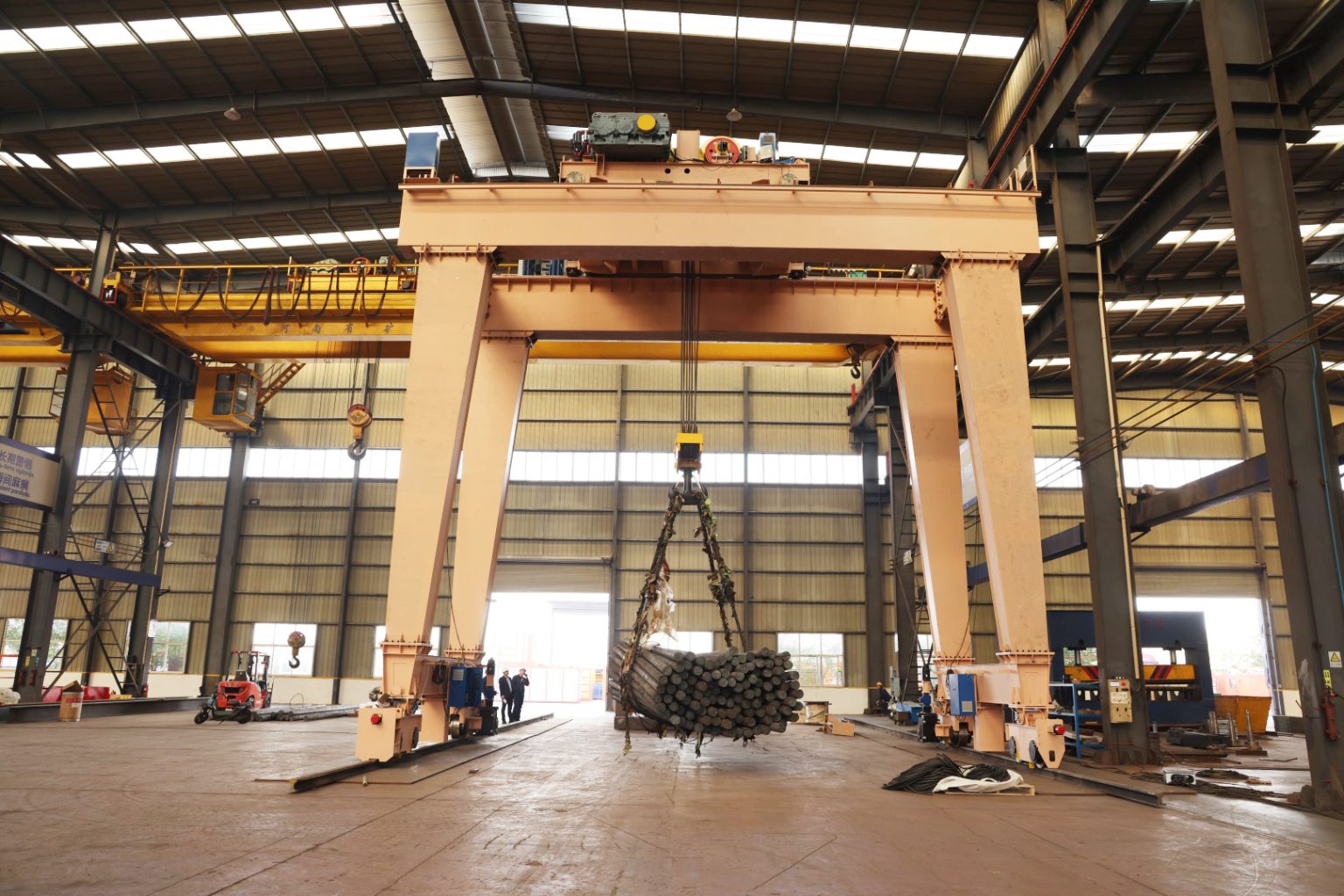
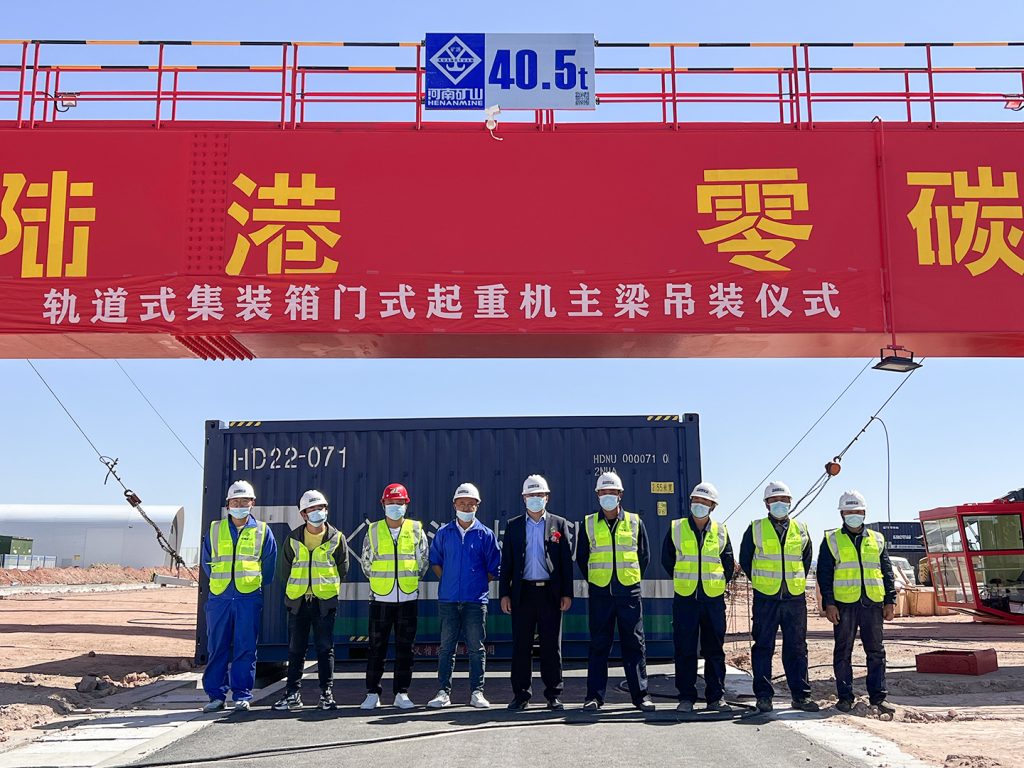
  • 100 Ton Double Main Girder Gantry Crane for Nuclear Power

    100 Ton Double Main Girder Gantry Crane for Nuclear Power

    Crane application

    100 Ton Double Main Girder Gantry Crane for Nuclear Power

    Review the nuclear project double-girder gantry crane. Review component loads, lifting points, rail geometry and construction-site requirements.

    100 Ton Double Main Girder Gantry Crane for Nuclear Power — Henan Mine Crane crane application photograph
    100 Ton Double Main Girder Gantry Crane for Nuclear Power — crane application overview.

    Power plant and hydropower lifting

    Provide generator, turbine or other component loads, lifting points, service clearances, hall or outdoor geometry and the construction and long-term maintenance sequences.

    Crane configuration and interfaces

    Ask for a general arrangement, main and auxiliary hook duties, support loads, operating controls, inspection access and commissioning tests.

    Review the Double-girder gantry cranes and Power & hydropower cranes before defining the project-specific arrangement.

    Design the lifting process

    Use the project context above as a starting point. The following checks turn a crane application into a technical scope that suppliers can price and demonstrate for your site.

    Separate assembly and maintenance lifts

    List the generator, rotor, transformer or other components by mass, geometry and lifting points. A crane serving initial construction may have a very different duty cycle from one retained for long-term maintenance. Confirm the highest lift, hook approach, overlap with plant equipment and the space needed to turn or set down a component. For paired hooks or tandem lifts, provide the load-sharing and control requirements as part of the lifting study.

    Power and building interfaces

    Show the power hall, workshop or outdoor layout and the proposed crane runway. Building reactions, access platforms, installation openings and the temporary route for shipping crane components should be coordinated early. Outdoor applications require site-specific wind, temperature and corrosion inputs. If the plant has safety-classified equipment or restricted access, state the applicable procurement and documentation requirements rather than assuming a conventional industrial package is acceptable.

    Test scope and lifecycle support

    Compare general arrangement, hook duties, wheel loads, duty assumptions, electrical supply, control mode and inspection access across offers. Define a site acceptance sequence using the major maintenance components and agreed lifting fixtures. Check emergency stops, limits, brakes and the available safe-set-down position. Identify the supply boundary for rails, conductors, civil work, commissioning, training and spare parts, so an apparently low equipment price is not compared with a complete installed scope.

    Compare the proposed crane scope

    DecisionInformation to request
    Crane and lifting attachmentRated loads, load cases, hook coverage and the complete suspended-load calculation.
    Site interfacesRunway loads, rail or building drawings, electrical supply and installation responsibilities.
    Controls and protectionOperating sequence, required safety functions and a method for testing each function.
    Commercial scopeEquipment, transport, installation, commissioning, documentation, training and spare parts as separate line items.

    From technical offer to site acceptance

    Technical submittals

    A usable bid should show a general arrangement and a clear list of assumptions, not just a model name and capacity. Request the load schedule used in design, lifting-attachment drawings where applicable, span and hook-approach dimensions, wheel loads, electrical supply, control narrative and maintenance access. Check every drawing against the actual building or yard layout. Identify the standards and local approval requirements for the destination market in the enquiry, then confirm the bidder’s proposed design and documentation scope in writing.

    Installation and tests

    Agree when the runway or civil works will be ready, how crane components can reach the installation position and who provides lifting equipment for erection. Define the factory test, on-site installation inspection and site acceptance as separate milestones. The acceptance procedure should list representative loads, the travel route, protection devices, emergency stop and any automation or attachment functions included in the order. Record who supplies test weights, operators, power and access equipment; otherwise a nominal commissioning price may omit essential site work.

    Commercial comparison

    Ask for the same delivery basis and currency across proposals. Separate the crane, special lifting appliances, rails or conductors, transport, installation support, commissioning, training and initial spare parts. Lead time should identify the starting event, such as approved drawings or an effective contract, and any dependency on site readiness. Compare warranty scope and service response by the written contract terms. If a key input is still unknown, request a priced option or a stated assumption instead of allowing different bidders to silently use different specifications. Keep a written exception register so the engineering team can resolve open dimensions, process interfaces and responsibility boundaries before issuing the purchase order.

    Information to include in the enquiry

    • Load weights, dimensions, centre of gravity and lifting attachments.
    • Span, lifting height, runway or yard drawings, travel coverage and clearances.
    • Operating cycle, working environment, electrical supply and control requirements.
    • Supply boundaries, inspection documents, installation support and acceptance criteria.

    Discuss a comparable lifting task

    Send the handling task and available site drawings. Henan Mine Crane can define a proposed crane arrangement and identify the remaining information needed for a technical and commercial review.
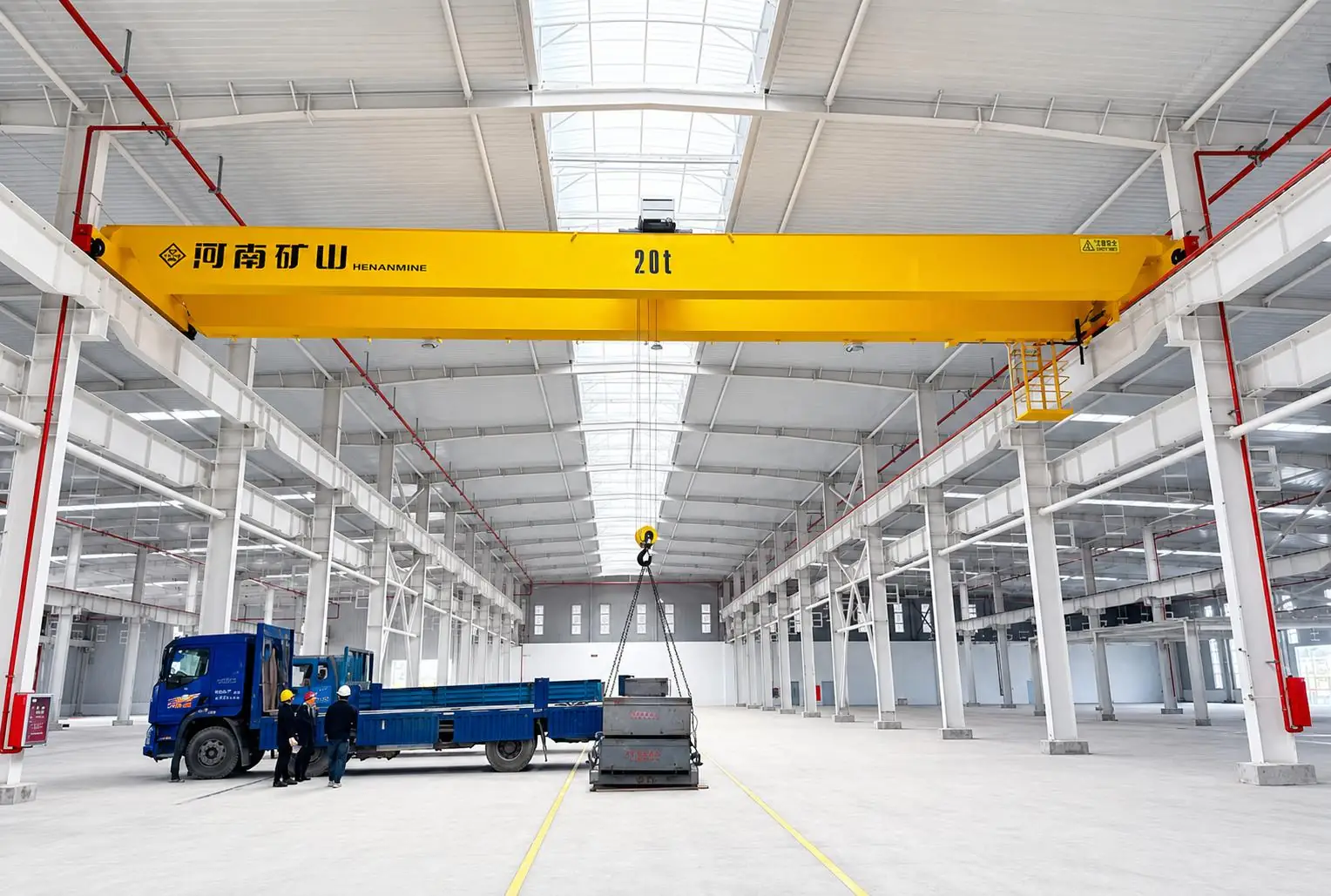
  • Heavy-Lifting Gantry Cranes: Assess the Load Path and Working Area

    Heavy-Lifting Gantry Cranes: Assess the Load Path and Working Area

    Technical guide

    Heavy-Lifting Gantry Cranes: Assess the Load Path and Working Area

    A gantry arrangement can provide lifting coverage where building-supported equipment is unsuitable. Review the ground or runway, load dimensions and required travel path before comparing the practical value of different configurations.

    Henan Mine CraneTechnical guide · Updated 2026Crane selection, project scope and operating requirements
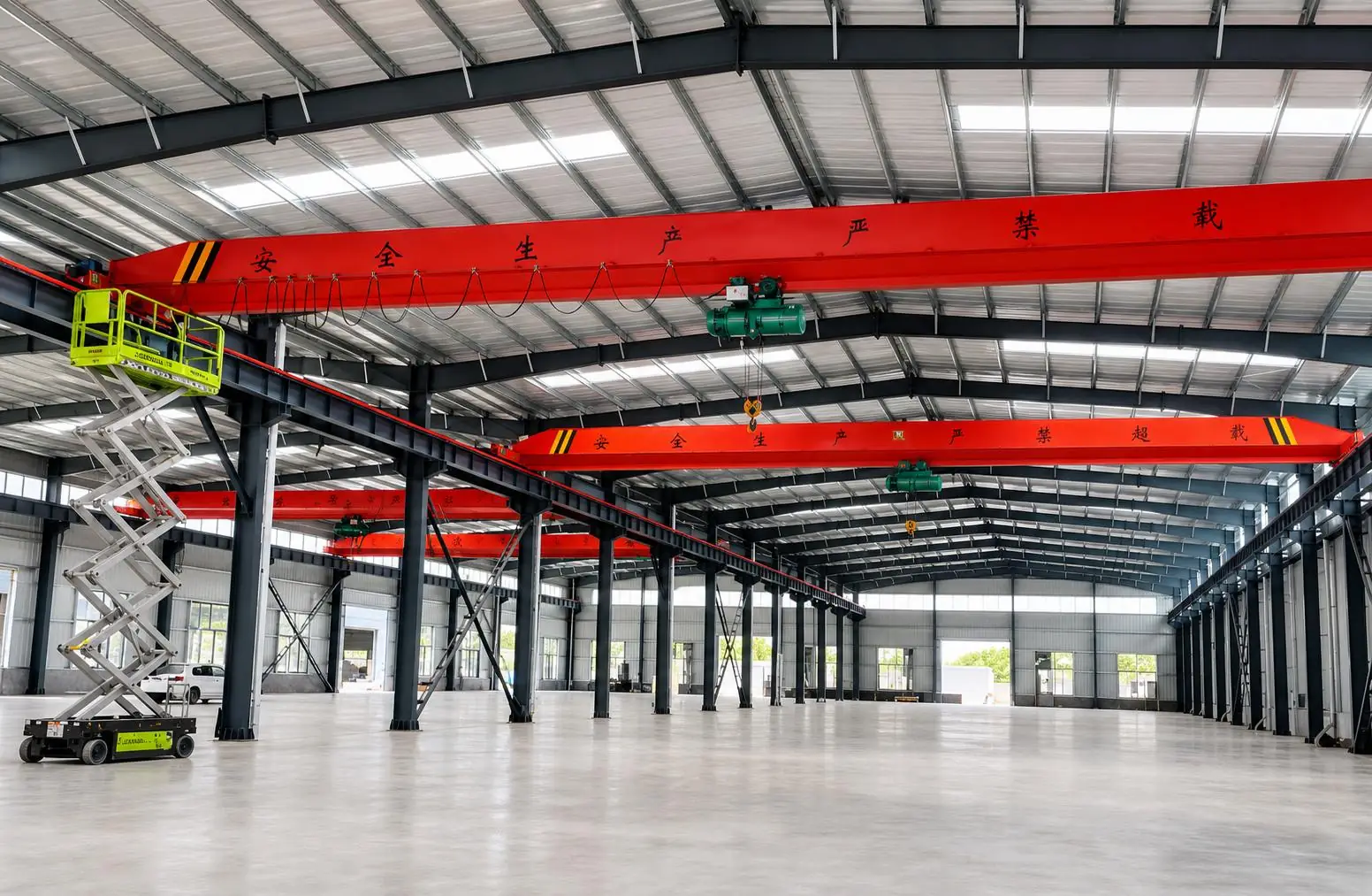
    Henan Mine Crane overhead crane inside a workshop bay
    Henan Mine Crane overhead crane inside a workshop bay
    Project planning notes

    Key points for this crane project.

    1. What Is a Gantry Crane?
    2. Key Benefits of Using Gantry Cranes for Heavy
    3. Gantry crane vs Overhead crane
    Read the technical guide

    What Is a Gantry Crane?

    Gantry Crane, also known as Gantry Crane, belongs to the bridge type crane. Its bridge through the two sides of the legs, lower beams and running gear, directly supported on the ground track or foundation, the core structure includes the gantry, lifting mechanism, trolley running mechanism and rail wheels. Some of the large equipment is also equipped with windproof devices such as rail clamps, which can withstand high winds and ensure the safety of outdoor operations.

    The working principle of gantry crane is simple and efficient. Through the lifting mechanism to achieve vertical lifting of heavy loads, trolley operating mechanism to drive the lifting device along the horizontal movement of the beam, with the trolley operating mechanism to drive the longitudinal movement of the gantry, the three together constitute a three-dimensional operating space, can accurately handle heavy loads without relying on the support of the building, high flexibility, suitable for a variety of venues and large-scale handling of large and heavy materials over long distances with high precision.

    Key Benefits of Using Gantry Cranes for Heavy Lifting

    Exceptional heavy load capacity

    Heavy Gantry Cranes are specially designed for heavy lifting, with professional mechanical design and high-strength steel, they can lift from several tonnes to hundreds of tonnes, and the customised models can reach thousands of tonnes, and are suitable for all kinds of heavy materials. Compared with traditional lifting equipment, it is not easy to be deformed under heavy load, and can work stably for a long time. It is suitable for heavy load scenarios such as shipyards and steel mills, and provides reliable heavy load solutions for heavy industries.

    Superior stability and safety

    Safety is of paramount importance in heavy lifting operations, and the structural design of the gantry crane guarantees safety from the root. It adopts A-shaped outriggers, double main beams and other enhanced designs to optimise load distribution, and is highly stable under heavy loads, avoiding heavy loads from swaying and tilting. Meanwhile, it is equipped with perfect safety devices such as overload protection, and its structure has undergone strict non-destructive testing, which can significantly reduce the incidence of safety accidents and escort the safe production of enterprises.

    High operational efficiency

    Traditional manual, forklift and other lifting methods are inefficient and limited by the weight of the material and the handling distance, cannot meet the needs of modern industry efficient continuous operation. Gantry cranes run smoothly, can quickly and accurately handle heavy loads, the efficiency of port use is 3-5 times that of traditional methods, but also reduces labour input, shortens the project cycle, and indirectly reduces operating costs.

    Excellent mobility and flexibility

    Gantry cranes are extremely flexible and can be selected from rail, rubber tyre (RTG) and portable types according to the operating scenarios, which are suitable for long-term fixed sites, complex outdoor sites and temporary operation needs respectively. It does not require large-scale modification of the site, can be flexibly adapted to indoor and outdoor scenarios, to achieve one equipment to meet a variety of operational needs, can avoid repeated procurement of equipment, improve equipment utilisation and reduce investment costs.

    Cost-effective solution

    Compared with bridge cranes, gantry cranes have more cost-effective advantages, which are centred on saving investment, maintenance and space. It does not need to rely on the building structure, installation and infrastructure costs are lower, the structure is simple and easy to maintain, and can make full use of outdoor space.

    Wide application range

    Gantry cranes have a wide application range, covering all kinds of industrial fields requiring heavy lifting, with core applications in harbours, shipyards, construction sites, steel mills, wind farms, etc., and can be adapted to indoor and outdoor, long-term or temporary lifting needs. Different types of gantry cranes have their own focus, RTG cranes are suitable for harbours, portable cranes are suitable for small and medium-sized enterprises, and full gantry cranes are suitable for large-scale heavy industries, and they have become the core equipment for heavy lifting in various industries due to their advantages of heavy load, flexibility and safety.

    Space optimisation and outdoor suitability

    Gantry cranes do not need to rely on the building structure, do not occupy the workshop column space, can make full use of indoor and outdoor unused space, to enhance the site utilisation, especially suitable for open yards, port terminals, can be achieved in the air lifting, ground access, to avoid site congestion. It also has strong outdoor adaptability, can work stably in high temperature, cold and other harsh environments, and the structure is treated with anti-corrosion and rust prevention, which can effectively resist environmental erosion and reduce equipment failure.

    Gantry crane vs Overhead crane

    Both are heavy lifting equipment, but the core differences are in infrastructure requirements and flexibility, as shown below:

    • Infrastructure requirements: Gantry cranes rely on building structures such as workshop columns and roofs for support, requiring reinforcement and modification of the building, with high infrastructure investment. Gantry cranes are supported by independent outriggers, do not need to rely on building structures, easy to install, and low infrastructure investment.
    • Flexibility: Bridge cranes are fixed inside the building, the operating range is limited, and outdoor operation cannot be realised. Gantry cranes can be divided into rail-type, tyre-type, portable and other types, can be flexibly moved to adapt to indoor and outdoor multi-scene operations, a wider range of operations.
    • Applicable scenes: Bidge cranes are more suitable for small and medium-sized lifting operations in indoor fixed workshops. Gantry cranes are more suitable for large outdoor sites, heavy load lifting operations, more adaptable.

    Overall, gantry crane vs bridge crane, gantry crane in flexibility, infrastructure costs, outdoor adaptability is more advantageous, more suitable for modern industrial multi-scene, heavy lifting needs.

    Gantry crane vs Jib crane / Mobile crane

    Jib cranes and mobile cranes are common small and medium-sized lifting equipment, compared with gantry cranes, the core difference is reflected in the load capacity, cost and performance:

    Load capacity: Jib cranes and mobile cranes have limited load capacity and can only undertake lifting tasks of several tonnes to tens of tonnes, which cannot meet the demand for heavy lifting. Gantry cranes can bear several tonnes to hundreds of tonnes of heavy loads, suitable for all kinds of heavy materials lifting.

    Cost and performance: Truck cranes are highly mobile, but the cost of a single lifting is high, suitable for temporary emergency lifting, unable to achieve continuous operation. Jib cranes have simple structure and low cost, but the operating range is narrow and low efficiency. Gantry cranes can achieve continuous, efficient heavy lifting, low long-term operating costs, wide operating range, more cost-effective.

    Applicable scenarios: Jib cranes are suitable for small material lifting in the workshop, and truck cranes are suitable for temporary emergencies and outdoor dispersed point lifting. Gantry cranes are suitable for long-term, continuous, heavy lifting operations, is the core choice for industrial heavy lifting.

    Key Industries That Benefit Most from Gantry Cranes

    Gantry cranes play an irreplaceable role in many industries due to their heavy-duty capacity, flexibility, safety and other advantages, of which the following five industries can best reflect their core value, and are also the main application areas of gantry cranes.

    1. Ports and container terminals: As the core equipment for container loading and unloading, transfer, RTG cranes and full gantry cranes can achieve rapid loading and unloading of containers, stacking and transfer, and significantly improve the efficiency of port operations, is the key equipment for the efficient operation of port logistics, and is suitable for all types of containers with heavy lifting requirements.
    2. Steel and metal fabrication plants: Used for billets, steel, heavy duty moulds and other materials handling and lifting, gantry cranes heavy-duty capacity and stability to meet the needs of the steel industry high-intensity, continuous operation, to avoid damage to the material handling process, to enhance production efficiency.
    3. Precast concrete production: Used for lifting, transferring and stacking of precast concrete components, gantry cranes can accurately locate the components to avoid collision and damage to the components, and at the same time improve the handling efficiency, promote the scale and efficiency of precast concrete production.
    4. Wind energy projects: Used for the lifting and loading of heavy components such as wind turbine blades, nacelles and towers, gantry cranes can realise lifting and loading operations with large loads and high lifting heights, which is suitable for the needs of complex outdoor sites of wind power projects, and ensures the safety and efficiency of wind power equipment installation.
    5. Railway and logistics hubs: For the loading and unloading of heavy goods, containers and railway equipment, the flexibility and efficiency of gantry cranes can improve the logistics turnover efficiency and meet the needs of railways and logistics hubs for ‘fast in, fast out’ operations, reducing logistics operating costs.

    How to Choose the Right Gantry Crane for Heavy Lifting

    When choosing the right gantry crane for heavy lifting, you need to combine your own operational needs, focusing on the following four core factors, to avoid safety risks, equipment damage or cost waste due to improper selection. Choosing the right load capacity is the key to avoid safety risks and equipment damage.

    At the same time, according to the size of the site, determine the span of the crane, to ensure that the operating range covers the entire lifting area, large-span scenarios can choose rigid-flexible outrigger design equipment, to reduce structural deformation.

    Operation level and frequency: According to the frequency of lifting operations, select the corresponding operation level, high-frequency, continuous operations need to choose high-strength, high-stability double girder gantry cranes, low-frequency, temporary operations can choose portable or single girder gantry cranes to reduce investment costs.

    Indoor vs. outdoor use: Indoor work can choose rail-type single girder gantry cranes to save space. For outdoor work, you need to choose gantry cranes with windproof and corrosion-resistant features. If you need to move flexibly, you can choose RTG tyre gantry cranes, which are suitable for outdoor complex sites and harsh environments.

    Mobility needs: For long-term operation at fixed sites, you can choose rail-type gantry cranes, which are more stable. For temporary operation and multi-site switching operation, you can choose portable or tyre-type gantry cranes, which are more flexible and can be put into use quickly without laying fixed tracks.

    As China's top gantry crane manufacturer, Henan Mine Crane Factory can provide professional selection guidance, combined with the enterprise's operating scenarios, load requirements, site conditions, for the enterprise to recommend the most suitable type of gantry cranes and specifications, to avoid the selection of misunderstanding, to protect the safety and efficiency of lifting operations.

    Why Choose Our Gantry Cranes

    Henan Mine Crane Factory, as the top gantry crane manufacturer in China, has become the preferred partner of many enterprises around the world with its strong manufacturing strength, professional technical team and perfect service system.

    • Powerful load-bearing: Henan Mine Crane Factory supports heavy-duty customised gantry cranes from 5T-500T and adopts high-strength steel structure design to ensure that the equipment is still stable and reliable in long-term high-load operation, meeting the needs of ports, shipyards and large-scale engineering lifting.
    • Intelligent and efficient: our gantry cranes are equipped with PLC intelligent control and frequency conversion speed control system to achieve accurate positioning and smooth operation, effectively reduce the swing and error, significantly improve operational efficiency and overall production rhythm.
    • Safety and reliability: Gantry cranes have integrated overload protection, limit protection and emergency braking system, multiple safety mechanisms work together to significantly reduce equipment failure and operational risk, to protect personnel and equipment safety.
    • Flexible customisation: Henan Mine Crane Factory gantry cranes can be customised according to project requirements in terms of span, lifting height and functional configurations, flexibly adapting to different industries and working conditions, and providing more targeted lifting solutions.
    • Energy saving and durability: Our gantry cranes adopt high-efficiency motors and optimised structural design, which reduces energy consumption and maintenance costs, and improves the service life of the equipment, helping enterprises to achieve long-term and stable economic returns.

    Henan Mine Crane

    Whether it is ports, shipyards, construction sites, or manufacturing, steel mills, wind farms, gantry cranes are able to solve the traditional lifting pain points by virtue of their own advantages, to promote efficient, safe and cost-effective operation of enterprises. With the development of automation and intelligent technology, gantry cranes will continue to be upgraded and become an indispensable core equipment for modern heavy industry, providing strong support for enterprise development.

    If you are looking for efficient, safe and reliable gantry cranes for heavy lifting, or need a professional customised solution, welcome to contact us. henan Mine Crane Factory, with China's top manufacturing strength, a professional technical team and a perfect service system, provides you with the right products and services to help enterprises to improve efficiency, reduce costs, and achieve high-quality development, you can contact us now to get a quote and selection guide.

    Discuss the crane arrangement for your project.

    A gantry arrangement can provide lifting coverage where building-supported equipment is unsuitable. Review the ground or runway, load dimensions and required travel path before comparing the practical value of different configurations. Share the load, available drawings, working cycle and site conditions with Henan Mine Crane so the required configuration and supply boundary can be discussed.

    Related crane configurations

    Explore crane product families and technical parameters ↗

    Updated 2026 · Henan Mine Crane

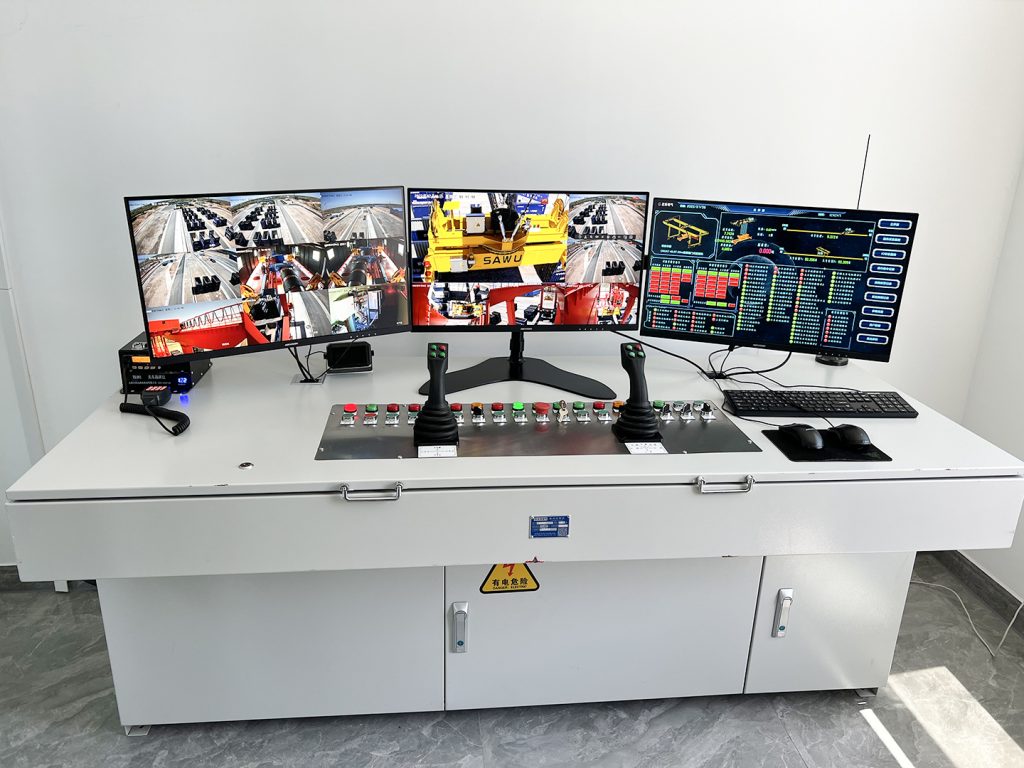
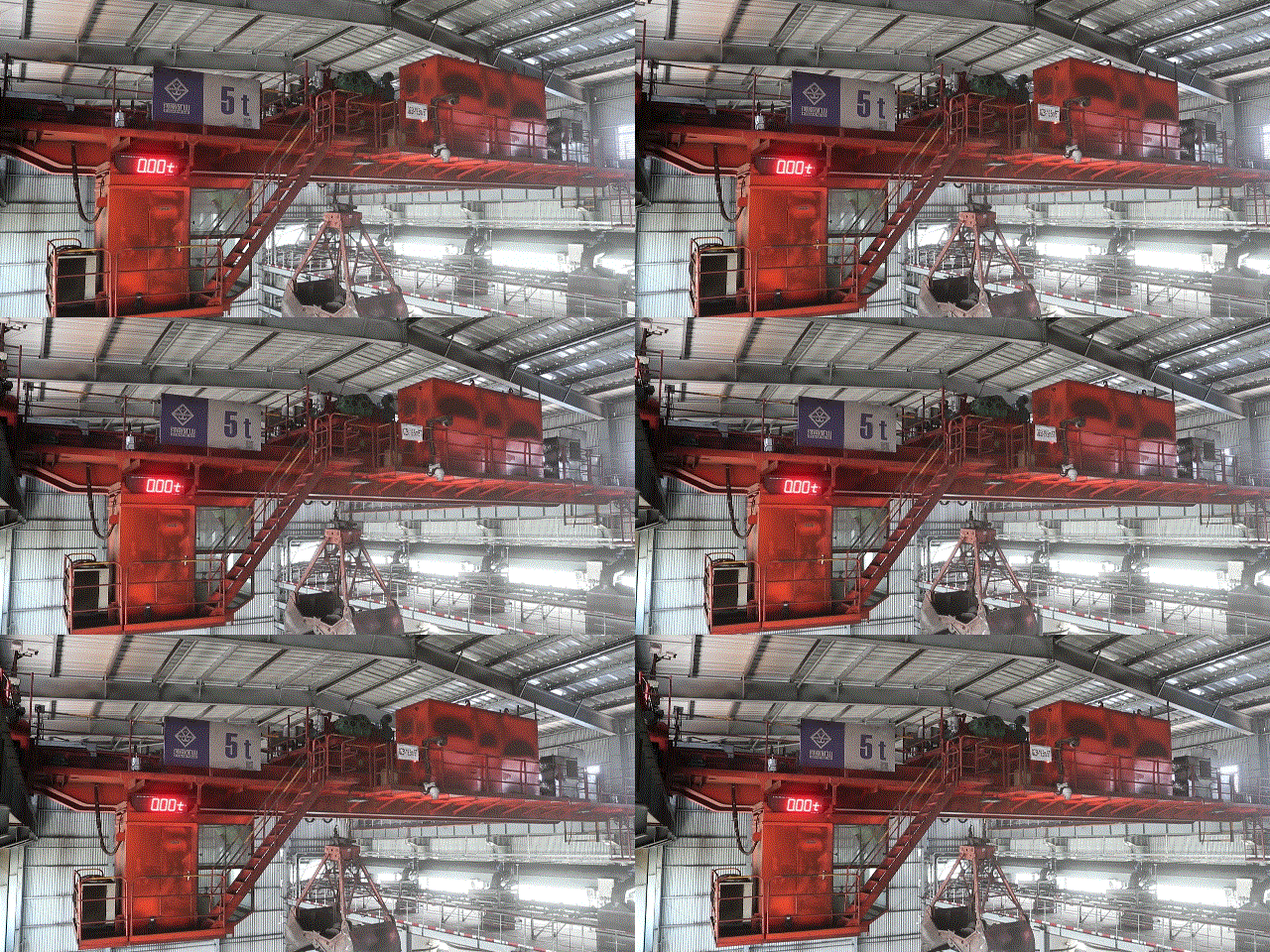
  • Unmanned Grab Crane Empowers Steel Group with One-Click Steelmaking

    Unmanned Grab Crane Empowers Steel Group with One-Click Steelmaking

    Project review

    Unmanned Grab Crane Empowers Steel Group with One-Click Steelmaking

    Explore the unmanned grab cranes for steelmaking. Review material properties, handling cycles, grab or vessel interfaces and required control functions.

    Unmanned Grab Crane Empowers Steel Group with One-Click Steelmaking — Henan Mine Crane crane application photograph
    Unmanned Grab Crane Empowers Steel Group with One-Click Steelmaking — crane application overview.

    Steelmaking and metal handling

    Define the complete suspended load, ladle or steel-product geometry, process temperature, crane duty and safe travel path. For molten-metal work, include auxiliary lifting, heat shielding, redundant protections and inspection access in the specification.

    Crane configuration and interfaces

    Ask for the crane arrangement, hook and lifting appliance interfaces, runway loads, control and monitoring functions, inspection access and a test plan matched to the plant process.

    Review the Metallurgical overhead cranes and Steel & metallurgy cranes before defining the project-specific arrangement.

    Design the lifting process

    Use the project context above as a starting point. The following checks turn a crane application into a technical scope that suppliers can price and demonstrate for your site.

    Material flow and duty

    Identify the material handled, bulk density, particle size, moisture, temperature and the location of pickup and discharge points. A grab crane must be evaluated against bucket fill factor, actual lifted mass, cycle time and the position of hoppers or stockpiles. For coke-drum or coke-jar handling, document the vessel or container geometry, connection points and any hot surfaces. State whether the crane operates continuously, in batches or as an emergency backup, since each produces a different duty case.

    Controls and operating environment

    Dust, heat and corrosive vapours affect the selection of enclosures, cables, braking and maintenance access. Specify the exposure at each component rather than using a single plant-wide temperature. For remote or unmanned operation, map the complete sequence: material detection, pickup, travel, discharge, obstruction handling and recovery after an interruption. Camera views, sensors, anti-sway and monitoring should each have an agreed purpose and acceptance test; automation must also permit safe manual intervention.

    Procurement and commissioning

    Request the proposed grab or attachment scope, bucket volume basis, duty assumptions, runway loads and a material flow diagram. Compare cycle-time claims under the same travel distances and material conditions. The acceptance plan should use representative material and include fault recovery, travel and hoist protections, emergency stop, communication loss and maintenance isolation. Clarify who supplies the hopper interface, dust-control equipment, remote console, plant signals and spare wear parts. This makes competing crane quotations comparable.

    Compare the proposed crane scope

    DecisionInformation to request
    Crane and lifting attachmentRated loads, load cases, hook coverage and the complete suspended-load calculation.
    Site interfacesRunway loads, rail or building drawings, electrical supply and installation responsibilities.
    Controls and protectionOperating sequence, required safety functions and a method for testing each function.
    Commercial scopeEquipment, transport, installation, commissioning, documentation, training and spare parts as separate line items.

    From technical offer to site acceptance

    Technical submittals

    A usable bid should show a general arrangement and a clear list of assumptions, not just a model name and capacity. Request the load schedule used in design, lifting-attachment drawings where applicable, span and hook-approach dimensions, wheel loads, electrical supply, control narrative and maintenance access. Check every drawing against the actual building or yard layout. Identify the standards and local approval requirements for the destination market in the enquiry, then confirm the bidder’s proposed design and documentation scope in writing.

    Installation and tests

    Agree when the runway or civil works will be ready, how crane components can reach the installation position and who provides lifting equipment for erection. Define the factory test, on-site installation inspection and site acceptance as separate milestones. The acceptance procedure should list representative loads, the travel route, protection devices, emergency stop and any automation or attachment functions included in the order. Record who supplies test weights, operators, power and access equipment; otherwise a nominal commissioning price may omit essential site work.

    Commercial comparison

    Ask for the same delivery basis and currency across proposals. Separate the crane, special lifting appliances, rails or conductors, transport, installation support, commissioning, training and initial spare parts. Lead time should identify the starting event, such as approved drawings or an effective contract, and any dependency on site readiness. Compare warranty scope and service response by the written contract terms. If a key input is still unknown, request a priced option or a stated assumption instead of allowing different bidders to silently use different specifications. Keep a written exception register so the engineering team can resolve open dimensions, process interfaces and responsibility boundaries before issuing the purchase order.

    Information to include in the enquiry

    • Load weights, dimensions, centre of gravity and lifting attachments.
    • Span, lifting height, runway or yard drawings, travel coverage and clearances.
    • Operating cycle, working environment, electrical supply and control requirements.
    • Supply boundaries, inspection documents, installation support and acceptance criteria.

    Discuss a comparable lifting task

    Send the handling task and available site drawings. Henan Mine Crane can define a proposed crane arrangement and identify the remaining information needed for a technical and commercial review.
  • Overhead Crane Maintenance Planning: Access, Records and Downtime

    Overhead Crane Maintenance Planning: Access, Records and Downtime

    Technical guide

    Overhead Crane Maintenance Planning: Access, Records and Downtime

    Maintenance is easier to plan when the crane specification includes access and information requirements. Organise inspections, service records and spare-parts responsibilities around the operating duty rather than waiting for repeated breakdowns.

    Henan Mine CraneTechnical guide · Updated 2026Crane selection, project scope and operating requirements
    Overhead Crane Maintenance Planning: Access, Records and Downtime
    Henan Mine Crane lifting equipment
    Project planning notes

    Key points for this crane project.

    1. Why You Should Maintain Your Overhead Crane
    2. Benefits of Regular Overhead Crane Maintenance
    3. Common Signs Your Overhead Crane Needs Maintenance
    Read the technical guide

    Why You Should Maintain Your Overhead Crane Regularly

    Regularly carrying out maintenance of overhead cranes is not a simple ‘equipment overhaul’, nor is it a dispensable additional expenditure, but an all-round, multi-level guarantee of production safety, operational efficiency and economic returns, which is an indispensable and important part of long-term development of the enterprise.

    • At the safety level, it can effectively avoid safety accidents such as falling objects and broken parts, and guard the lives of operators and site personnel;
    • At the efficiency level, it can improve the stability and reliability of equipment operation and reduce the impact of unplanned downtime on production; at the cost level, it can deal with minor faults in a timely manner, avoid escalation of faults, and save large amounts of maintenance and equipment replacement costs;

    More critically, normalised and standardised regular maintenance can help enterprises establish a scientific equipment management system, optimise production and operation processes, enhance core competitiveness, and more importantly, achieve sustainable, high-quality production and operation, and build a solid equipment foundation for the long-term development of the enterprise.

    Benefits of Regular Overhead Crane Maintenance

    Enhancing Safety

    Safe production is the bottom line of industrial operation, overhead travelling crane as a high altitude heavy equipment, its operation safety is directly related to the staff’s life safety and the production order of the enterprise, regular maintenance is the key to detect hidden dangers and eliminate accidents.

    Daily maintenance, technicians can find wire rope wear, hook deformation and other minor faults, to avoid its escalation into serious accidents such as falling objects, reduce the risk of work-related injuries, create a safe working environment.

    From the perspective of business operations, pay attention to crane maintenance is not only the responsibility of the staff, but also an important part of the cultivation of safety culture, can enhance the sense of security of the staff, and promote the formation of a good atmosphere of standardised operation.

    Ensuring Reliability and Efficiency

    The operating status of the overhead travelling crane directly determines the efficiency of material handling, which in turn affects the rhythm of the entire production process. A crane in the best operating condition can realise the synergistic and efficient operation of all components, and regular maintenance is the core means to guarantee the performance of the equipment.

    Regular maintenance, technicians will overhaul the core components of the crane, to ensure its optimal operation, from the root to reduce unplanned downtime; industrial production, sudden equipment failure will lead to production stagnation, increase costs, and regular maintenance can enhance the reliability of the equipment, to avoid such problems, to ensure that the production of continuous progress.

    Stable equipment performance is the basis for enterprises to improve the overall production efficiency, efficient continuous operation of cranes can seamlessly connect the various production processes, to ensure that the project is on schedule, and at the same time to enhance the production and delivery capacity and competitiveness of the industry.

    Cost-Effectiveness

    Overhead cranes belong to the enterprise’s major fixed asset investment, its procurement, installation costs are not expensive, and regular maintenance is the key to maximise the value of this investment, can save a lot of long-term operating costs for the enterprise.

    Many companies have ‘heavy use, light maintenance’ of the misunderstanding, ignoring the chain of small faults harm. Crane small wear and tear if long-term indulgence, will evolve into a major component damage, resulting in high maintenance and even equipment replacement costs; regular maintenance can be dealt with in a timely manner to deal with small problems, to avoid the escalation of failures, significant cost savings.

    At the same time, regular maintenance can effectively slow down the aging of the equipment, extend the service life of the bridge crane, so that the original design life of the equipment over the period of efficient operation, maximise the value of fixed assets, to achieve cost-effective and enhance the return on investment.

    Compliance with Regulations

    The operation and maintenance of overhead cranes are strictly bound by national and industry safety regulations and standards, including Canadian safety regulations, OSHA regulations and LOLER annual inspection standards, which must be strictly complied with by the enterprise, which is the basic requirement for complying with the operation and the embodiment of the enterprise’s operational capability.

    On the other hand, if a company neglects maintenance and equipment does not comply with regulations and standards, it will not only face legal penalties, but also make customers question the company’s production capacity and management level, which in turn affects the co-operation relationship and has a negative impact on the company’s long-term development.

    Other Core Values of Regular Maintenance

    In addition to the core benefits mentioned above, regular maintenance of overhead cranes can also bring a lot of added value to the daily operation and long-term development of the enterprise, optimising management and enhancing benefits from the details.

    • Firstly, regular maintenance can improve the management of equipment inspection records, professional maintenance service providers can systematically record and sort out the status of the equipment, help enterprises get rid of complicated paperwork, conveniently monitor the operation of the equipment, and provide accurate data support for subsequent equipment management and maintenance planning.
    • Secondly, regular maintenance can enhance customer satisfaction and guard the reputation of the enterprise. Crane failure caused by production stagnation will delay orders, triggering customer dissatisfaction and negative evaluation, affecting cooperation and new business; regular maintenance can eliminate such delays, to ensure that the orders are delivered on time, maintain good customer relations, and lay the foundation for business development.
    • In addition, timely maintenance can quickly identify and solve the complex problems of the equipment, so that the crane is always in normal service, to avoid the decline in production capacity due to long-term equipment downtime, to protect the overall productivity of the enterprise, to provide protection for the growth of corporate revenue.
    Overhead Crane Maintenance Planning: Access, Records and Downtime
    Lifting equipment and application context

    Common Signs Your Overhead Crane Needs Maintenance

    Before an overhead travelling crane breaks down, it will often show obvious warning signals, which operators and equipment managers need to pay attention to at all times. Once the following conditions are found, the crane should be shut down immediately and maintenance should be carried out to avoid escalation of the fault.

    • Damaged hooks: Hooks that are bent, permanently stretched, twisted, or cracked can lead to load imbalance, which can affect material handling or cause heavy objects to fall, while the stretching of the sling hook can lead to the separation of the hook from the latch, making it impossible to carry heavy objects stably. Operators need to check the status of the hook before each shift, and deal with the problem in time.
    • Abnormalities of wire rope: there is a risk of breakage if a single strand of wire rope breaks, and the damage to the wire rope may start from the inside, and when there is no obvious problem on the surface, the internal part is already seriously damaged; at the same time, lack of lubrication of the wire rope will cause dryness, which is easy to lead to corrosion and abrasion, so it is necessary to replace the damaged wire rope in time and regularly replenish the lubricant.
    • Wear of brake and buffer parts: brake pads, brakes, clutches are the key parts for controlling the operation of cranes, if there is wear, it will lead to a decline in crane manoeuvrability, unable to stop accurately, and there is a serious safety hazard; brake pads wear is more difficult to find out, if the crane does not run smoothly and the noise increases, you need to check the state of the brake pads in a timely manner.
    • Loose parts: regardless of the size of the loose parts of the equipment should not be ignored, small loose parts may affect the stability of the crane, and more likely to indicate that the equipment due to the load problem of loose fasteners in general, if left unattended, the follow-up may be key bolts loosened, triggering major equipment failures.
    • Component corrosion: steel rust will gradually reduce the bearing capacity of the crane, a small corrosion of the bolt may cause safety accidents, and corrosion may also appear in the wire rope inside, not easy to be found. If rust is found in the joints, bearings, wire ropes and moving parts of the crane, it should be inspected and treated with anticorrosion in time. Meanwhile, high humidity and easy contact with water operating environment should be strengthened to check the frequency of anticorrosion of the equipment.

    How Do You Inspect an Overhead Crane?

    The inspection of overhead travelling crane is not carried out blindly, it should be carried out according to the scientific classification and steps, according to the inspection frequency and depth, it can be divided into two categories of routine inspection and regular in-depth inspection, the different types of inspection have their own focus and complement each other, in order to fully grasp the operating status of the equipment.

    Two core inspection categories

    1. Routine inspection: carried out on a daily, weekly and monthly basis, the inspection focuses on hooks, chains, safety devices and other parts that are easy to wear and directly related to operational safety, and is completed by on-site operators or equipment management personnel, so as to discover obvious faults and hidden dangers in a timely manner.
    2. Regular in-depth inspection: carried out every few months or once a year, including the statutory LOLER annual inspection, to be completed by lifting engineers and other professional and technical personnel, the entire system of the crane for a comprehensive, in-depth inspection, to detect potential hidden faults, to ensure that the equipment as a whole in line with the operating standards.

    Key inspection steps

    • Operation test: Manoeuvre the crane to complete the standard lifting, panning, descending and other actions, carefully observe whether there is any abnormal shaking, noise and other conditions during the operation of the equipment, and synchronously test the response sensitivity of the operating instructions to ensure that the control is smooth and error-free.
    • Component inspection: all mechanical and electrical core components of the crane are checked one by one, focusing on verifying whether there are any abnormal problems such as wear and tear, aging, deformation, leakage, etc., to ensure that the components are in good condition and meet the operating standards.
    • Structural inspection: Comprehensive assessment of the crane frame, running track, support structure and other key parts, check whether there are stress deformation, fatigue damage and other hidden problems, to ensure that the overall structure of the equipment is stable and reliable.
    • Chain and hook analysis: Focus on checking whether there are problems such as broken and worn chains and verifying whether there are deformations, cracks and other abnormalities in the hook, so as to promptly identify the safety hazards of the load-bearing parts and prevent safety accidents from occurring.
    • Brake inspection: accurately test the response speed and braking force of the brake to ensure that the brake can quickly and accurately realise braking, safeguard the safe handling of the crane during operation, and eliminate the hidden danger of brake failure.
    Overhead Crane Maintenance Planning: Access, Records and Downtime
    Crane arrangement for technical discussion

    Implementing an Effective Preventive Maintenance Program

    To play the value of regular maintenance, companies need to abandon the ‘temporary maintenance’ thinking, the establishment of preventive maintenance system to meet their production needs, through standardisation, process management of maintenance work, specific can follow the following seven core steps.

    Develop a Maintenance Schedule

    Combined with the recommendations of crane manufacturers, industry norms and standards, taking into account the enterprise’s own production load and operating conditions, to develop a detailed maintenance schedule, specify the core components of the inspection, maintenance, overhaul frequency, to ensure that the maintenance work is fully covered, no omissions.

    Conduct Regular Inspections

    Daily, weekly and monthly routine inspections are fully integrated into the production process to achieve normalisation and standardisation of the inspection work; the scope of the inspection covers all the core components of the crane, such as electrical, mechanical and structural components, and it strictly follows the principle of ‘early discovery and early disposal’ to prevent small faults from escalating into major safety hazards from the root, and to ensure the stable operation of the equipment. Stable operation.

    Utilize Trained Personnel

    The maintenance and overhaul of overhead travelling crane is highly professional, and it is necessary to hire professional technicians with corresponding qualification and rich practical experience to carry out the operation, so as to ensure the precise identification of potential hidden dangers of the equipment, standardise the completion of each maintenance process, effectively avoid the secondary damage of the equipment triggered by non-professional operation, and guarantee the quality of maintenance and overhaul and the safety of the equipment operation.

    Maintain Comprehensive Records

    Detailed records of all inspections, maintenance, repair work, clear maintenance time, specific content, hidden dangers found and disposal methods, through the data tracking equipment operating status and failure patterns, to provide a scientific basis for subsequent maintenance planning.

    Invest in Quality Parts

    When repairing the equipment, we insist on using original, high-quality parts produced by regular manufacturers to prevent early failure of the equipment caused by poor-quality parts, and to protect the reliability and safety of crane operation.

    Implement a Feedback Loop

    Build exclusive communication and feedback channels between operators and maintenance personnel, operators daily contact with the equipment, can be the first time to capture the equipment abnormal sound, vibration and other hidden signals, timely feedback to the maintenance team, to achieve a rapid response to hidden problems, efficient disposal, from the source to avoid the escalation of small hidden problems into major failures.

    Leverage Technology

    The introduction of Internet of Things sensors, predictive maintenance software and other advanced technologies, real-time monitoring of the core components of the crane, through data analysis to pre-judge the possible failure of the equipment, to achieve the change from ‘after the fact maintenance’ to ‘prediction’, and more efficiently arrange for the maintenance work, minimising equipment downtime. Maintenance work, minimise equipment downtime.

    Common Overhead Crane Maintenance Mistakes and How to Avoid Them

    In the actual maintenance work of overhead travelling crane, many enterprises fall into all kinds of maintenance misunderstandings due to cognitive bias or management negligence, resulting in a significant reduction in the effect of equipment maintenance, and even aggravate the aging of the equipment. Only clear common misunderstandings, and master the corresponding avoidance methods, in order to let the maintenance work really play a role.

    Identifying Mistakes

    1. Ignore the routine inspection: in order to save time and cost, skip the daily, weekly and monthly routine inspections, resulting in early hidden equipment cannot be found in a timely manner, and ultimately evolve into a major failure.
    2. Ignore small problems: that the small wear and tear of equipment, small loose does not affect the operation, negligent treatment, unaware that these small problems will continue to accumulate, triggering a chain reaction, resulting in more serious equipment damage.
    3. Illegal use of equipment: overloading the crane or using it for work beyond its designed purpose, resulting in additional pressure on equipment components, accelerating wear and aging.
    4. Delayed maintenance period: after the discovery of equipment failure, due to production task tightness and other reasons, do not arrange for timely maintenance, continue to let the equipment ‘run with the disease’, which ultimately leads to the escalation of the failure, the maintenance cost increased significantly.

    Best Practices

    1. Strictly adhere to the inspection schedule: the maintenance and inspection programme is implemented on the ground, no matter how tight the production task is, all inspections are completed according to the frequency, so that the maintenance work becomes a fixed part of the production.
    2. Timely processing of all found problems: no matter how big or small the hidden problems are, as long as they are found during the inspection, they will be shut down immediately to deal with them without taking any chances, so as to prevent the escalation of failures from the root cause.
    3. Strengthen operator training: systematic training for crane operators, so that they are proficient in the operation of the equipment specifications, load limits and use of contraindications, to avoid damage to the equipment due to irregularities in operation.
    4. Establish a standardised maintenance process: standardise all aspects of maintenance work, clarify the content of the inspection, maintenance specifications, responsible personnel, the formation of a regular maintenance mechanism, to avoid the arbitrariness of maintenance work.
    5. Do a good job of the whole process of documentation: all the inspection, maintenance, repair work for archiving, maintenance work to achieve traceability, verifiability, for the long-term management of equipment and subsequent failure analysis to provide support.

    Discuss the crane arrangement for your project.

    Maintenance is easier to plan when the crane specification includes access and information requirements. Organise inspections, service records and spare-parts responsibilities around the operating duty rather than waiting for repeated breakdowns. Share the load, available drawings, working cycle and site conditions with Henan Mine Crane so the required configuration and supply boundary can be discussed.

    Related crane configurations

    Single-Girder Bridge Crane

    View product parameters
    Lifting capacity: 1–20 tSpan: 7.5–31.5 mLifting height: 6, 9, 12, 18, 24 or 30 m; capacity-dependent

    Use an LDA single-girder bridge and electric hoist for general workshop material handling. Select the lifting capacity, runway geometry and hoist duty around the building and load.

    LH Electric Hoist Double Girder Crane

    View product parameters
    Lifting capacity: 3, 5, 10, 16, 20 tSpan: 10.5–31.5 mLifting height: 6, 9, 12 or 18 m

    Use an LH double-girder bridge with an electric-hoist trolley for workshop lifting, assembly and maintenance. Match the hoist arrangement to the suspended load, hook travel and available building space.

    Updated 2026 · Henan Mine Crane

  • Wanli Land Port: Container Yard Crane Project Review

    Wanli Land Port: Container Yard Crane Project Review

    PROJECT REVIEW

    Wanli Land Port: Container Yard Crane Project Review

    At Wanli New Energy Smart Land Port in Ordos, Henan Mine Crane supplied a rail-mounted container gantry crane for container-yard handling. The installation illustrates the control functions, yard inputs and acceptance scope to consider for a comparable terminal.

    Orange rail-mounted container gantry crane spanning container lanes at Wanli Land Port
    Rail-mounted container gantry crane in the Wanli Land Port container yard.

    Project setting and equipment evidence

    The rail-mounted container gantry crane was delivered for container-yard use. The yard photograph shows one red crane spanning container lanes. A site photograph carries a 40.5 t marking on the bridge. Confirm rated load, spreader mass and permissible container weights from the equipment documentation when planning a comparable installation.

    The wider logistics project has a planned annual throughput goal of 5 million tonnes. Terminal throughput and an individual crane’s handling rate are different design inputs. For an engineering comparison, collect the container size mix, laden weights, planned moves per hour, stacking heights, yard lanes, rail gauge, travel length and truck interface.

    Controls and safety functions reported at Wanli

    The published configuration names Schneider variable-frequency drives, a Siemens PLC, RCMS remote monitoring and operation, anti-sway, truck anti-lift protection, automatic container finding, spreader zero-position monitoring and guided spreader positioning. A project photograph shows the remote operator desk with camera views, operating data and two joysticks.

    Define positioning tolerance, moves per hour and terminal-system integration separately in the purchase specification. Ask for a cause-and-effect list of interlocks, camera and network design, remote/manual transfer logic, fault recovery and a demonstration protocol for each required function.

    Scope to confirm before requesting a comparable crane

    Send a yard layout with rail and foundation constraints, container and spreader specifications, lift and travel duty, power supply, design wind and temperature range. Request a general arrangement, wheel loads, maintenance access plan, control architecture, installation boundaries and the expected documentation package.

    For acceptance, specify representative loaded-container moves, anti-sway and anti-lift demonstrations, spreader guiding tests, alarms, emergency stops, loss-of-communication recovery and operator training. Request factory test reports and commissioning records for the proposed configuration.

    Define a comparable container-yard crane

    The Wanli installation is a useful reference for the handling sequence and control functions, but its visible 40.5 t marking should not be transferred automatically to another terminal. Establish the required rated load with the spreader and container mass stated separately. Identify the heaviest laden unit, empty-container lifts, high-cube boxes and any out-of-gauge cargo. The selected spreader, stacking pattern and rail layout determine the real duty.

    Yard layout and operating cycle

    Provide a plan with rail gauge, storage lanes, road-truck lanes, railway tracks, crane travel length and the clearances to buildings and other machines. State the stacking height and whether containers pass across an active truck lane. Define a representative cycle from pickup to deposit, including the average travel distance and target moves per hour. Annual terminal throughput is a planning target for the whole site and cannot stand in for the capacity of one crane.

    Remote control and recovery

    For a remote operator position, list the camera views, communication links, alarm priorities and permissions for switching between remote and local control. Define the response to a lost camera image, blocked spreader, obstacle in a truck lane, communication interruption and incomplete container lock. Anti-sway and automatic positioning need an agreed measurement method: the terminal should specify the load, movement, wind and target position under which the function will be demonstrated.

    Offer and acceptance checklist

    ItemWhat to confirm
    Crane arrangementRated load basis, spreader type, span, cantilever outreach, lift height, travel length and wheel loads.
    Yard interfacesRails, foundations, power supply, cable management, network, terminal software and truck-lane protection.
    ControlsRemote/local transfer, anti-sway, container finding, spreader guidance, interlocks and fault recovery.
    Delivery scopeTransport, erection equipment, installation, factory and site tests, operator training, manuals and spare parts.

    Use the same operating assumptions and delivery basis when comparing supplier quotations. Ask for a general arrangement, a control narrative and a written list of exclusions before agreeing the commercial scope. The site acceptance procedure should include loaded-container moves across representative lanes, emergency stops, spreader lock checks and safe recovery from a simulated interruption. Test responsibilities and the availability of containers, power and operators should be agreed before commissioning starts.

    Plan a Container-Yard Crane

    Share your yard drawing, container weights and sizes, stacking pattern, target moves, rail span, travel distance, power supply and automation interfaces for a project-specific proposal.

  • Fully Automated Metallurgical Crane Empowering Alloy Smelting Project Upgrades

    Fully Automated Metallurgical Crane Empowering Alloy Smelting Project Upgrades

    Project review

    Fully Automated Metallurgical Crane Empowering Alloy Smelting Project Upgrades

    Explore the automatic cranes for alloy smelting. Review load definitions, process exposure, lifting arrangements and working duty for your project.

    Fully Automated Metallurgical Crane Empowering Alloy Smelting Project Upgrades — Henan Mine Crane crane application photograph
    Fully Automated Metallurgical Crane Empowering Alloy Smelting Project Upgrades — crane application overview.

    Steelmaking and metal handling

    Define the complete suspended load, ladle or steel-product geometry, process temperature, crane duty and safe travel path. For molten-metal work, include auxiliary lifting, heat shielding, redundant protections and inspection access in the specification.

    Crane configuration and interfaces

    Ask for the crane arrangement, hook and lifting appliance interfaces, runway loads, control and monitoring functions, inspection access and a test plan matched to the plant process.

    Review the Metallurgical overhead cranes and Steel & metallurgy cranes before defining the project-specific arrangement.

    Design the lifting process

    Use the project context above as a starting point. The following checks turn a crane application into a technical scope that suppliers can price and demonstrate for your site.

    Molten-metal lifting sequence

    Describe where a ladle is picked up, where it travels, how it is poured and how it is returned. Provide the mass of the ladle, lining, molten metal, lifting beam and rigging as separate inputs. The main-hook capacity alone does not define the crane: auxiliary-hook duty, hook spacing, approach, travel speed, plant clearances and the number of lifts per shift matter. If the process includes charging, tundish transfer or maintenance lifts, separate those cycles rather than assuming one arrangement can serve them all.

    Protection and maintainability

    For a hot shop, specify ambient and radiant temperatures at the bridge, trolley, electrical cabinets and operator position. Discuss heat shielding, cable routing, braking and overspeed protection, redundant functions where applicable, access for inspection and a safe maintenance position. These features need a project-specific risk assessment and applicable design standard; a catalogue label such as “metallurgical” does not establish suitability for molten-metal duty. Provide runway condition and building clearances so that protective equipment can be installed and serviced.

    What to compare at technical review

    Request general arrangement drawings, the mass calculation for the suspended load, main and auxiliary hook duties, duty classification, wheel loads, electrical interfaces and a list of protective functions. Compare each offer against the same process sequence and site drawings. Define factory and site acceptance tests for rated load, interlocks, brakes, limit switches and operational travel. Agree how production will be isolated during installation and how spare components will be supported. Published case tonnages describe those installations only; a new crane must be sized to its own process.

    Compare the proposed crane scope

    DecisionInformation to request
    Crane and lifting attachmentRated loads, load cases, hook coverage and the complete suspended-load calculation.
    Site interfacesRunway loads, rail or building drawings, electrical supply and installation responsibilities.
    Controls and protectionOperating sequence, required safety functions and a method for testing each function.
    Commercial scopeEquipment, transport, installation, commissioning, documentation, training and spare parts as separate line items.

    From technical offer to site acceptance

    Technical submittals

    A usable bid should show a general arrangement and a clear list of assumptions, not just a model name and capacity. Request the load schedule used in design, lifting-attachment drawings where applicable, span and hook-approach dimensions, wheel loads, electrical supply, control narrative and maintenance access. Check every drawing against the actual building or yard layout. Identify the standards and local approval requirements for the destination market in the enquiry, then confirm the bidder’s proposed design and documentation scope in writing.

    Installation and tests

    Agree when the runway or civil works will be ready, how crane components can reach the installation position and who provides lifting equipment for erection. Define the factory test, on-site installation inspection and site acceptance as separate milestones. The acceptance procedure should list representative loads, the travel route, protection devices, emergency stop and any automation or attachment functions included in the order. Record who supplies test weights, operators, power and access equipment; otherwise a nominal commissioning price may omit essential site work.

    Commercial comparison

    Ask for the same delivery basis and currency across proposals. Separate the crane, special lifting appliances, rails or conductors, transport, installation support, commissioning, training and initial spare parts. Lead time should identify the starting event, such as approved drawings or an effective contract, and any dependency on site readiness. Compare warranty scope and service response by the written contract terms. If a key input is still unknown, request a priced option or a stated assumption instead of allowing different bidders to silently use different specifications. Keep a written exception register so the engineering team can resolve open dimensions, process interfaces and responsibility boundaries before issuing the purchase order.

    Information to include in the enquiry

    • Load weights, dimensions, centre of gravity and lifting attachments.
    • Span, lifting height, runway or yard drawings, travel coverage and clearances.
    • Operating cycle, working environment, electrical supply and control requirements.
    • Supply boundaries, inspection documents, installation support and acceptance criteria.

    Discuss a comparable lifting task

    Send the handling task and available site drawings. Henan Mine Crane can define a proposed crane arrangement and identify the remaining information needed for a technical and commercial review.
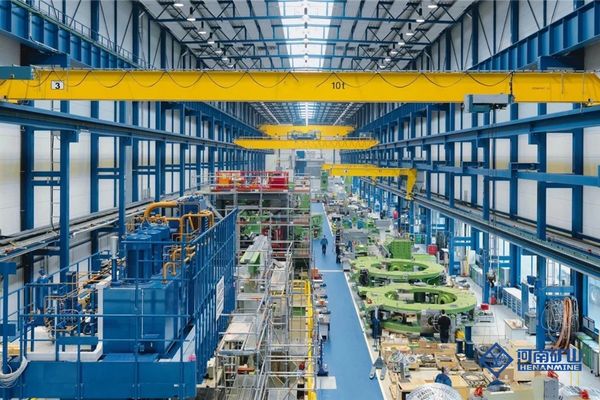
  • Buying a Single-Girder Crane: Check the Bay and Hoist Arrangement

    Buying a Single-Girder Crane: Check the Bay and Hoist Arrangement

    Technical guide

    Buying a Single-Girder Crane: Check the Bay and Hoist Arrangement

    A useful single-girder enquiry links the maximum suspended load with the workshop geometry. Compare the hoist position, hook approaches and working cycle before finalising the crane and runway interfaces.

    Henan Mine CraneTechnical guide · Updated 2026Crane selection, project scope and operating requirements
    Buying a Single-Girder Crane: Check the Bay and Hoist Arrangement
    Henan Mine Crane lifting equipment
    Project planning notes

    Key points for this crane project.

    1. Understand Your Lifting Requirements Before
    2. Choose the Right Type of Single Girder Crane
    3. Key Technical Parameters to Compare Before Buying
    Read the technical guide

    Understand Your Lifting Requirements Before Purchasing

    Before comparing equipment models, prices, and manufacturers, the primary core task is to sort out their actual operating needs. The basis for the selection of all single-girder crane parameters is derived from on-site working conditions. Accurate approval of basic requirements is the key to avoid overkill of equipment and small cars.

    Determine the heavy load

    Lifting load is the primary selection parameter of single girder crane, and it is easy to choose the wrong one. Procurement cannot only set the tonnage according to the occasional peak load, but the conventional load and the maximum load must be calculated at the same time to prevent the selection from being too large and wasteful, or too small to cause accelerated wear and tear of components.

    Verify the lifting height

    The lifting height is the vertical stroke of the hook, which is related to the usable working space of the plant. Estimation errors are very common. The selection of the type cannot only look at the nominal parameters of the equipment. It is necessary to calculate the headroom of the plant, the height of the main girder and the hoist, and the safety margin, and distinguish the installation height of the whole machine from the effective lifting height. The low-rise plant should also be included in the height occupied by the spreader to prevent insufficient lifting stroke after installation.

    Measuring span and operating stroke

    The span, cart travel, and on-site space determine the coverage of crane operations, which is the basis for customizing the specifications of single-girder cranes. Non-standard customization is required when the on-site dimensions do not match. It is also necessary to determine the longitudinal travel distance of the cart, investigate obstacles such as columns and pipelines, and reasonably plan the track and the whole machine plan.

    Confirm the operating environment

    The operating environment determines the crane material, protection level, electrical and anti-corrosion and explosion-proof scheme. Distinguish between indoor and outdoor installation, and outdoor models need to be windproof, rainproof and rustproof. At the same time, evaluate temperature and humidity, dust, corrosive media, and explosive gases; the working conditions of different industries such as steel mills, chemical industry, and papermaking require targeted configuration, and ordinary standard cranes cannot be directly applied.

    Choose the Right Type of Single Girder Crane

    Single-girder cranes are divided into a variety of structure and configuration types. The installation methods, space adaptability, operating performance, and applicable scenarios of different models are significantly different. Selecting the right model based on on-site working conditions can greatly improve operating efficiency and reduce procurement and operation and maintenance costs.

    Upper rail and lower suspension single girder cranes

    According to the installation structure, the core of single-girder cranes is divided into two categories: upper rail type and lower suspension type (underslung). The core basis for selection is the headroom of the plant, the track structure, and the span requirements.

    The upper-rail single-girder crane installs the track on the upper flange of the driving beam. The structure has strong bearing capacity, wide span adaptation range, and high operating stability. It can be adapted to large-span, medium- and high-frequency operation scenarios. There are no special restrictions on the structure of the track beam. It is the mainstream choice for industrial scenarios.

    The under-suspension single-girder crane track is installed on the lower flange of the driving beam. The biggest advantage is to save the top space of the plant, effectively increase the lifting height of the hook, and perfectly adapt to the transformation scenes of low-rise factories and old workshops.

    This model can be installed directly on the steel structure of the original building, without the need to build a special column, and is mostly used in assembly workshops, maintenance workshops, and light material handling scenes, but the upper limit of load-bearing and span is slightly lower than that of the upper rail type model.

    Electric hoist configuration selection

    The electric hoist is the core lifting component of a single-girder crane. Its configuration directly determines the lifting speed, operating accuracy, service life and operation adaptability of the equipment. It is the core guarantee of the carrying capacity and operating efficiency of a single-girder bridge crane.

    Commonly used hoists are divided into wire rope electric hoists and chain electric hoists:

    • The wire rope hoist has large bearing capacity, stable operation, wear-resistant and durable, and is suitable for medium- and heavy-duty and high-frequency continuous operation scenarios. It is the main industrial configuration.;
    • The chain hoist has a compact structure, compact size and high cost performance. It is mostly used in light load, low frequency, precision assembly, and equipment maintenance scenarios.

    At the same time, it is necessary to reasonably match the lifting speed and operating speed: a single-speed configuration can be selected for conventional operations, and a two-speed or frequency conversion speed control configuration can be selected for scenarios that pursue precise positioning and precision hoisting.

    Frequency conversion drive (VFD) can achieve stepless speed regulation, reduce the impact of equipment start and stop, protect the motor and steel structure, and extend the service life of the equipment. It is the preferred configuration for medium and high frequency operations.

    Selection of standard and customized models

    Standard single-girder cranes are suitable for conventional span, standard lifting height, and ordinary indoor room temperature and dust-free working conditions. Mass production is cost-effective and fast delivery speed, which can meet the basic handling needs of most ordinary warehouses and conventional workshops.

    When the working conditions exceed the standard parameters, the crane needs to be customized, such as non-standard span, special lifting height, special power supply, explosion-proof and anti-corrosion, and special control scenarios. The design is tailored according to the working conditions of the plant, and the space is better adapted to reduce failures and improve equipment utilization.

    Key Technical Parameters to Compare Before Buying

    The core of screening the advantages and disadvantages of equipment and comparing the product differences of different manufacturers lies in checking the parameters of the single girder crane. All key parameters must be clearly marked in the quotation and contract to avoid vague and shoddy parameters. The core comparison parameters are as follows:

    • Rated lifting weight: represents the maximum safe operating load of the equipment. When purchasing and selecting models, it is necessary to match the daily conventional operating load and the instantaneous peak load at the same time to ensure reasonable tonnage selection and avoid long-term overload operation or redundant waste of equipment performance.
    • Crane span: Refers to the centerline spacing of the equipment's operating track, which is the core size parameter. It needs to be checked according to the actual width of the plant to confirm the selection of standard sizes or customize non-standard spans as needed to ensure that the equipment is accurately adapted to on-site installation conditions.
    • Lifting height: For the effective vertical working stroke of the crane hook, it is necessary to reserve the space occupied by spreaders, fixtures, hanging beams and other accessories when selecting the type to ensure that the actual lifting height fully meets the needs of production operations.
    • Work level / work system: strictly refer to FEM, ISO, and CMAA industry standards to distinguish between different work levels of A1-A8, and match the corresponding working condition level with the daily working time, operating frequency, and load rate of the equipment to adapt to the long-term working intensity of the equipment.
    • Lifting and operating speed: it covers the three speed parameters of hook lifting, vertical operation of the cart, and horizontal operation of the trolley. According to the requirements of the operation accuracy, choose ordinary single-speed or frequency conversion speed regulation configuration, taking into account the operation efficiency and smooth operation.
    • Power supply method: Check the voltage, phase, and frequency standards of on-site industrial electricity, confirm whether the power supply configuration of the equipment matches, and confirm in advance whether transformer equipment needs to be installed for non-conforming working conditions to avoid power failure.
    • Control method: At present, the mainstream is divided into three forms: wired control of the handle, wireless remote control control, and cab control. It can be flexibly selected according to the operating scene, operating distance, and operating accuracy.
    • Hooks and lifting mechanisms: including ordinary hooks, rotating safety hooks and other types, it is necessary to focus on verifying the material technology and structural design of the lifting core mechanism to ensure the safety of hoisting and the durability of the structure.
    • Track and installation requirements: check the adapted track model and the carrying parameters of the driving beam, confirm the end limit, buffer device, installation reference and other supporting requirements, and ensure the equipment installation specifications and stable operation.

    The work level is often ignored. Ordinary single-girder cranes are mostly A3-A5 grade, and A6 and above should be selected for high-frequency continuous operation; low-level equipment can easily produce structural, motor, and brake failures due to heavy loads, which shortens the life of the equipment.

    How to Evaluate a Single Girder Crane Manufacturer

    High-quality equipment is inseparable from reliable manufacturers. Parameter matching is only the basis. The manufacturer's R&D production capacity, quality control system, customization ability, and after-sales guarantee directly determine the quality of equipment and long-term use experience.

    Production and industry experience

    Give priority to manufacturers with many years of special crane production experience, and focus on verifying whether manufacturers have landing cases in the same industry and under the same conditions. The production experience of ordinary warehouse cranes cannot replace the production capacity of equipment under special working conditions such as explosion-proof, high temperature, corrosion, etc.

    At the same time, investigate the manufacturer's self-research and design capabilities, whether it has finite element analysis, non-standard structural design capabilities, as well as its own production workshop and assembly line, and eliminate small manufacturers that are purely OEM and outsourced processing.

    Quality control system

    The equipment must complete full load and overload testing and debugging of the whole machine before leaving the factory, and a complete test report, quality inspection documents, and certificate of conformity can be provided.

    Customization ability

    High-quality manufacturers can realize full-dimensional customization according to on-site needs: non-standard structure size, special hoist configuration, customized control system, electrical components adapted to special environments, explosion-proof, anti-corrosion and dust-proof special protection, etc. Perfect customization capabilities are a direct manifestation of the manufacturer's engineering and technical strength, and can accurately solve the procurement problems of various complex factories and special working conditions.

    After-sales service guarantee

    Cranes are special equipment, and installation, commissioning and post-maintenance are essential. Before purchasing, it is necessary to confirm that the manufacturer can provide professional installation guidance, on-site commissioning, and equipment acceptance services.;

    Verify the inventory and delivery cycle of commonly used accessories to ensure convenient late maintenance and replacement; confirm that manufacturers provide lifetime technical support, regular maintenance return visits, and rapid response to failures to eliminate after-sales unprotected “one-shot sales”.

    Common Single Girder Crane Purchasing Mistakes

    Combined with industry procurement cases, summarize the eight high-frequency procurement misunderstandings to help companies accurately avoid pits:

    1. Only rely on the selection of rated load tonnage, ignoring the working level: for single-girder cranes of the same tonnage, there is a huge gap in the operating intensity and service life of the whole machine that can be adapted to different working levels. If low-level equipment is selected in high-frequency and continuous operation scenarios, various types of failures can easily occur frequently under long-term operation, greatly shortening the service life of the equipment.
    2. Ignoring the calculation of the headroom height of the plant: The height occupied by the crane's main girder, electric hoist, spreader and other structures was not comprehensively accounted for during the selection of the type. After the equipment is installed, the effective lifting height does not meet the production requirements, and the whole machine cannot be put into production normally.
    3. Failure to accurately measure the original track parameters: When purchasing the crane for the renovation project of the old workshop, the key parameters such as the original track model and load-bearing capacity were not carefully checked, and the travel mechanism of the new equipment cart did not match the track, causing it to be unable to be installed or the operation was stuck.
    4. One-sided pursuit of low-cost procurement: only compare the procurement quotation, ignoring the steel material, component configuration, welding technology, and after-sales guarantee. Low-cost equipment has frequent failures in the later stages and high maintenance frequency, but the overall operation and maintenance cost is higher.
    5. Ignore the on-site power supply conditions: the on-site voltage, phase, and frequency have not been verified in the early stage of procurement, and the equipment cannot be directly powered on and operated after it arrives. Additional procurement and installation of transformer equipment are required, which will increase the additional construction period and cost.
    6. Ignoring the special requirements of the operating environment: using ordinary standard cranes in special working conditions such as corrosion, high dust, flammable and explosive, the equipment will accelerate corrosion and aging, and the electrical components will have safety risks and bury safety hazards.
    7. Failure to verify the manufacturer's after-sales service capabilities: the manufacturer's maintenance response and spare parts inventory were not confirmed before the purchase, technical support was lacking after the equipment was delivered, the parts delivery cycle was long, and the failure could not be repaired in time, resulting in workshop downtime losses.
    8. The contract does not specify the technical parameters: the equipment specifications are only communicated verbally, and the key parameters such as load, span, and configuration are not implemented in the written contract. Once the goods are not on the board, there is a lack of basis for rights protection.

    A Practical Single Girder Crane Purchasing Checklist

    In order to facilitate the standardized selection of purchasing personnel, organize a complete set of procurement verification lists, and check them item by item before placing an order to eliminate omissions.:

    1. Operating conditions: Sort out the type of materials hoisted on site, the frequency of daily operations and the moving line planning of material handling, and determine whether the crane is installed indoors or outdoors. Comprehensively collect on-site environmental data, including environmental temperature and humidity, dust concentration, corrosive media, and whether there are explosion-proof requirements, as the basic basis for the overall configuration and selection of equipment.
    2. Load requirements: Carefully calculate the maximum peak load of hoisting and the long-term stable daily operating load, and reserve sufficient load margin in combination with the company's subsequent capacity expansion plan. The selection cannot only look at the tonnage. It needs to be determined comprehensively based on the dual indicators of operation frequency and actual load to avoid long-term overload of equipment or redundant performance.
    3. Span parameters: Accurately measure the span size between the center lines of the two operating tracks of the plant, and determine whether to choose a standard model or a non-standard customization. At the same time, investigate the location of obstacles such as plant columns, pipelines, and other equipment, and investigate the risk of interference in advance to ensure the normal operation of the crane.
    4. Lifting height: Calculate the actual effective lifting height available for the hook, and reserve a safety margin based on the headroom height of the plant, the height of the main girder and the hoist itself. For low-rise plant scenarios, priority is given to matching low-headroom electric hoists to maximize the use of limited headspace.
    5. Work level: Refer to FEM and ISO industry standards to match the corresponding crane work level, and select the appropriate level according to the actual work intensity and load cycle frequency on the site to prevent low-level equipment from being used for high-frequency operations, causing premature damage to the equipment.
    6. Environmental protection: Determine the electrical IP protection level according to the working conditions and environment. When there are special requirements, special protection programs such as explosion-proof, anti-corrosion, and high temperature resistance are provided to improve the operating stability of the equipment under harsh working conditions.
    7. Hoist configuration: Select the wire rope hoist or chain hoist based on the lifting weight and operation requirements, determine the lifting operation speed, and choose ordinary fixed speed or frequency conversion speed control scheme as needed, taking into account the smooth operation and operating efficiency.
    8. Control system: According to operating habits and operating scenarios, choose wired handle, wireless remote control or cab control method. Check the voltage and phase parameters of the on-site power supply in advance to ensure that the electrical system matches the on-site power supply conditions.
    9. Safety configuration: Itemize the complete set of safety accessories such as hook safety locks, overload protection, stroke limit switches, and end buffer devices, and require manufacturers to provide complete equipment quality inspection and inspection reports to ensure the safety of hoisting operations.
    10. Manufacturer qualification: Carefully verify the factory's landing project cases in the same industry, evaluate its quality control system, non-standard customization design capabilities, and complete after-sales service system, and give priority to regular manufacturers with their own production workshops.

    Discuss the crane arrangement for your project.

    A useful single-girder enquiry links the maximum suspended load with the workshop geometry. Compare the hoist position, hook approaches and working cycle before finalising the crane and runway interfaces. Share the load, available drawings, working cycle and site conditions with Henan Mine Crane so the required configuration and supply boundary can be discussed.

    Related crane configurations

    Single-Girder Bridge Crane

    View product parameters
    Lifting capacity: 1–20 tSpan: 7.5–31.5 mLifting height: 6, 9, 12, 18, 24 or 30 m; capacity-dependent

    Use an LDA single-girder bridge and electric hoist for general workshop material handling. Select the lifting capacity, runway geometry and hoist duty around the building and load.

    LH Electric Hoist Double Girder Crane

    View product parameters
    Lifting capacity: 3, 5, 10, 16, 20 tSpan: 10.5–31.5 mLifting height: 6, 9, 12 or 18 m

    Use an LH double-girder bridge with an electric-hoist trolley for workshop lifting, assembly and maintenance. Match the hoist arrangement to the suspended load, hook travel and available building space.

    Updated 2026 · Henan Mine Crane