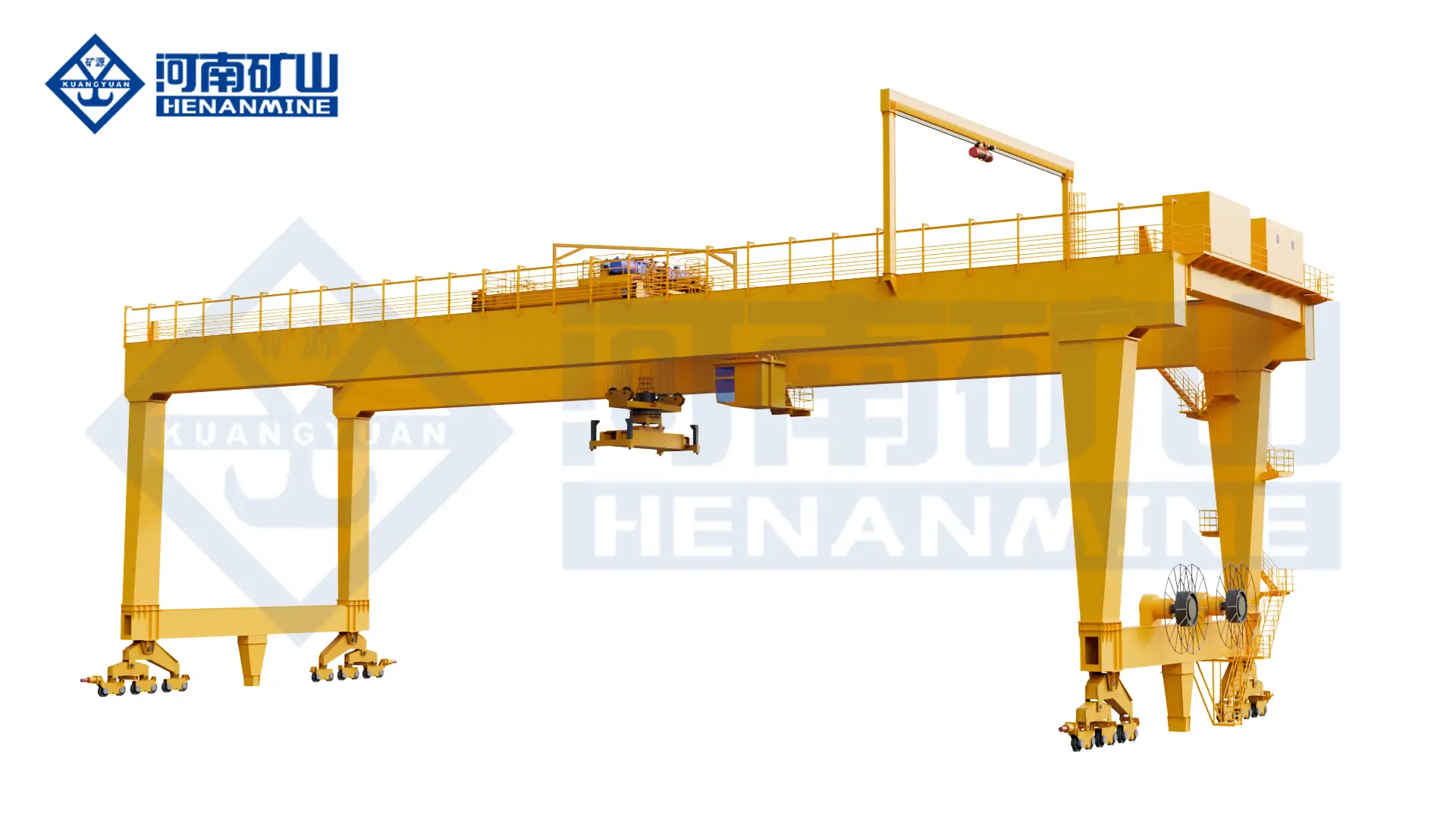
Port Cranes / Henan Mine Crane
Rail-Mounted Gantry (RMG)
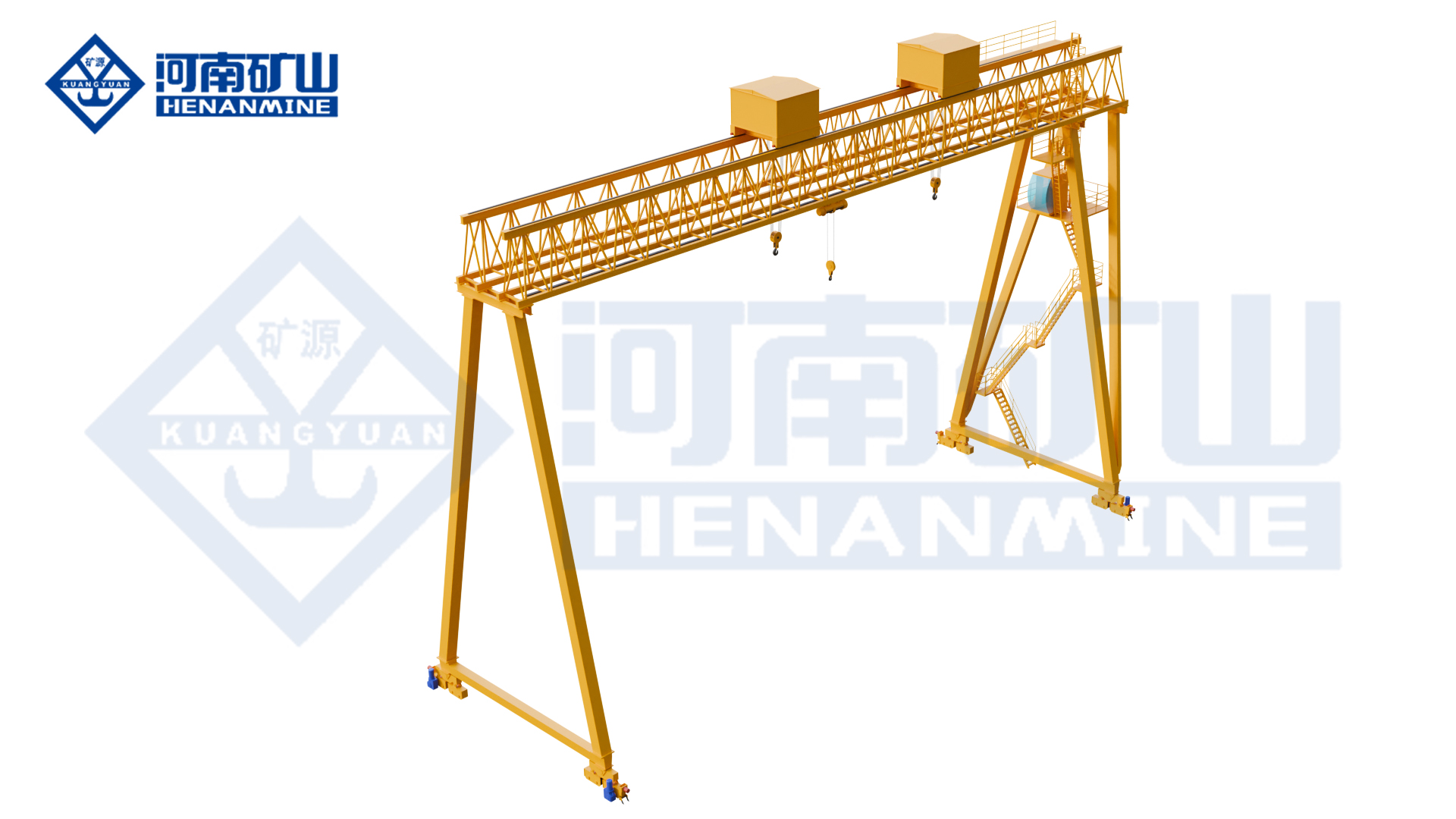
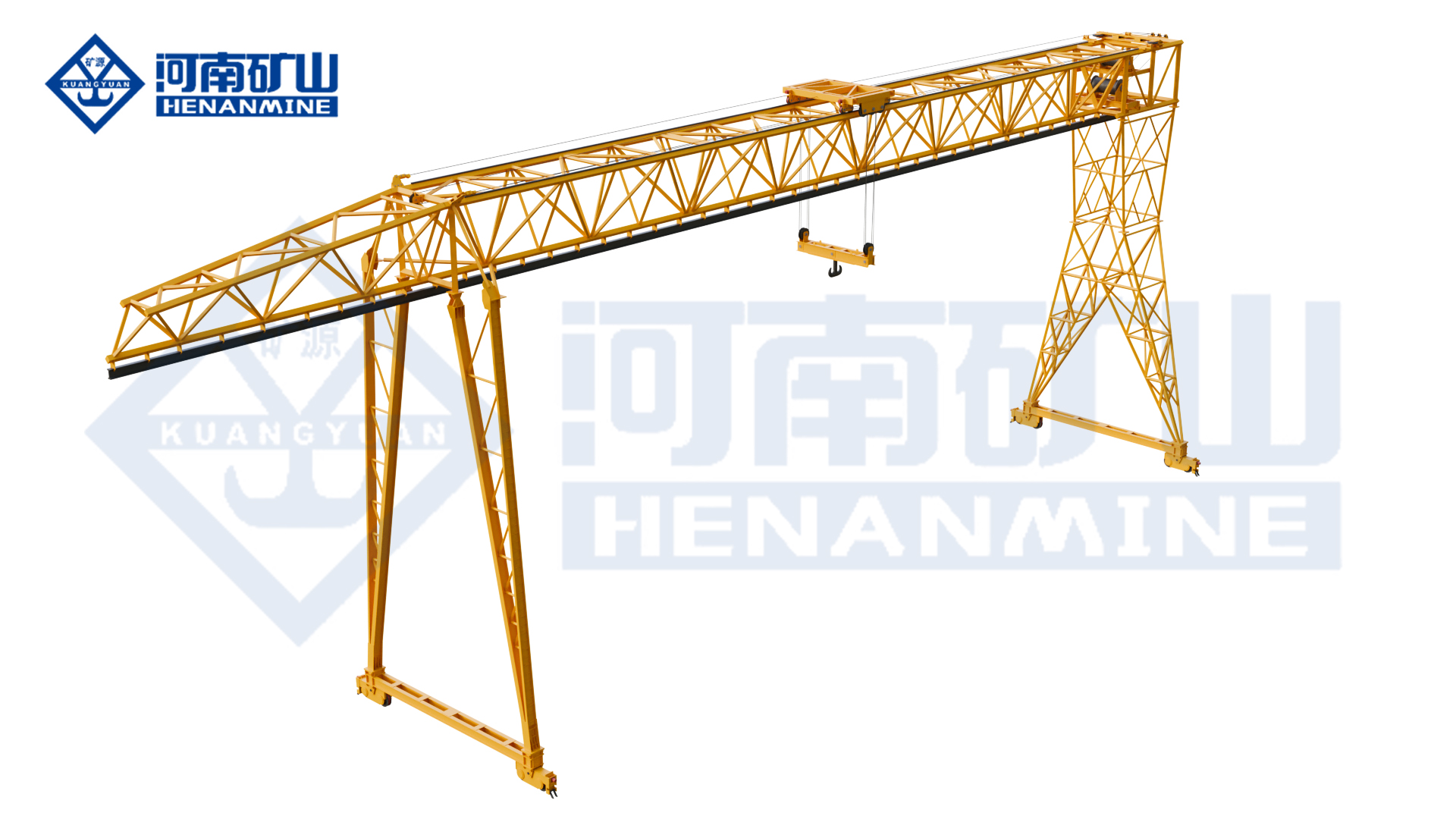
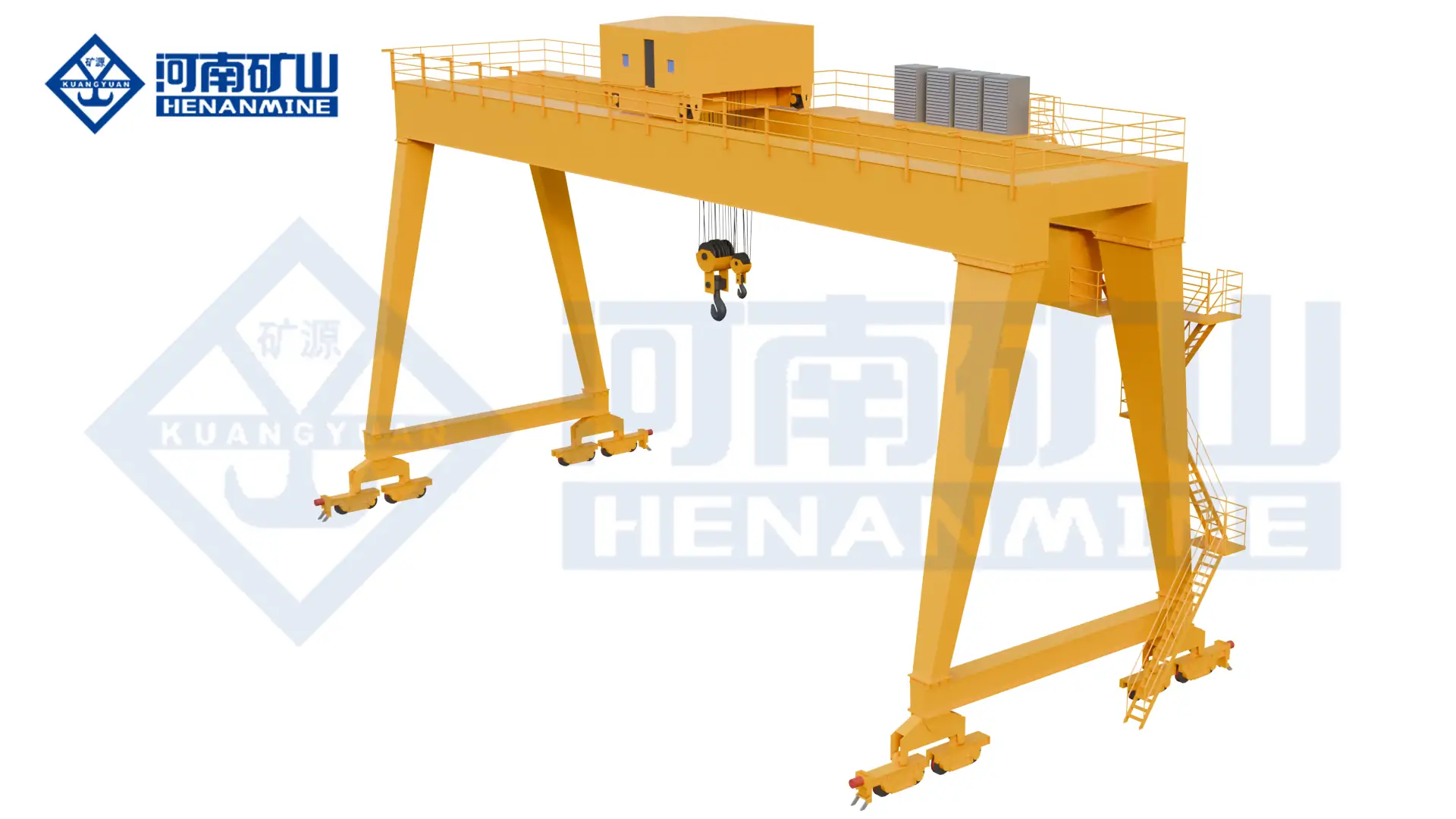
Use an RMG for container transfer along a fixed rail layout. Select the lifting arrangement, yard coverage and positioning controls from the container flow and stacking requirements.
Define the total suspended load, duty and site conditions for your project.
Technical specifications
Check the load.
Plan the configuration.
Parameters and equipment options are matched to the application and confirmed in the technical proposal.
Discuss your configuration| Lifting Capacity | 35 t, 40.5 t, 50 t |
|---|---|
| Span | 18 – 35 m |
| Max Lifting Height | 12.3 – 21 m |
| Working Class | A6 – A8 |
| Working Temperature Range | -20℃ ~ 40℃ |
| Lifting Speed | 0 – 20 m/min |
| Traveling Speed | 0 – 30 m/min |
| Spreader Type | 20’/40’/45′ Telescopic Spreader |
| Power Source | 3-phase AC 380V 50Hz(400V/415V customizable) |
| Control Mode | Cab control, remote operation, wireless remote control |
Final parameters, dimensions, wheel loads and supply scope follow the approved project specification.
Application & operation
Matched to the handling task.
Terminal working blocks
Coordinate container rows and transfer lanes within fixed runway coverage.
Intermodal transfer
Match the rail-mounted arrangement to road or rail handling interfaces.
Selection considerations
Start with your operating conditions.
Load & lifting arrangement
Specify container sizes, gross weights and lifting-appliance requirements. Include lifting-appliance weight and the required lifting positions.
Site & available space
Provide rail centres, stacking plan, transfer lanes and clearances. Coordinate the installation interfaces with the available site drawings.
Duty & control sequence
Define handling cycle, positioning or automation interfaces and climate. Identify the required movements and control interfaces in the enquiry.
Configuration comparison
Compare related lifting arrangements.
| Crane arrangement | Handling configuration |
|---|---|
| Rail-Mounted Gantry (RMG) | Use an RMG for container transfer along a fixed rail layout. Select the lifting arrangement, yard coverage and positioning controls from the container flow and stacking requirements. |
| Rubber Tyred Gantry (RTG) | Use a rubber-tyred gantry for heavy handling where the operating layout requires a mobile tyre-supported arrangement. Define the load, steering modes, route and ground conditions for the project. |
| Container Straddle Carrier | Move containers between handling positions with a straddle carrier matched to the travel route and stacking layout. Define container load, ground conditions, clearance and the preferred drive system. |
| Container Overhead Crane | Transfer containers within a defined overhead runway area using a double-girder bridge and matched spreader. Container size, working clearance and the handling sequence determine the arrangement. |
Operating protection & lifecycle support
Plan beyond the equipment.
Operating protection
Define the permitted load cases, operating limits, travel protection and lifting-appliance interlocks for the declared cargo-handling modes.
Installation & commissioning
Coordinate runway or pavement interfaces, operating clearances, power arrangements, assembly access and the terminal commissioning requirements.
Inspection & spares
Plan inspection and maintenance of rail travel equipment, spreader functions and positioning systems. Agree service access, documentation and the required spare-parts scope.
Questions before the order
Clarify the details
that shape the crane.
What information is needed for a rail-mounted gantry (rmg) quotation?+
Provide container sizes, gross weights and lifting-appliance requirements; rail centres, stacking plan, transfer lanes and clearances; and handling cycle, positioning or automation interfaces and climate. Include drawings and the project destination when available.
How is the required RMG geometry defined?+
Provide the container-yard and transfer-lane layout, rail positions, stacking heights and vessel-independent operating area. The spreader travel, clearances and runway loads follow the proposed arrangement.
What installation and support scope should be agreed?+
Coordinate runway or pavement interfaces, operating clearances, power arrangements, assembly access and the terminal commissioning requirements. Specify the documentation, training and spare-parts support needed for the project.
Related equipment
Explore the alternatives.

Port & Yard Cranes
Rubber Tyred Gantry (RTG)
Use a rubber-tyred gantry for heavy handling where the operating layout requires a mobile tyre-supported arrangement. Define the load, steering modes, route and ground conditions for the project.
View configuration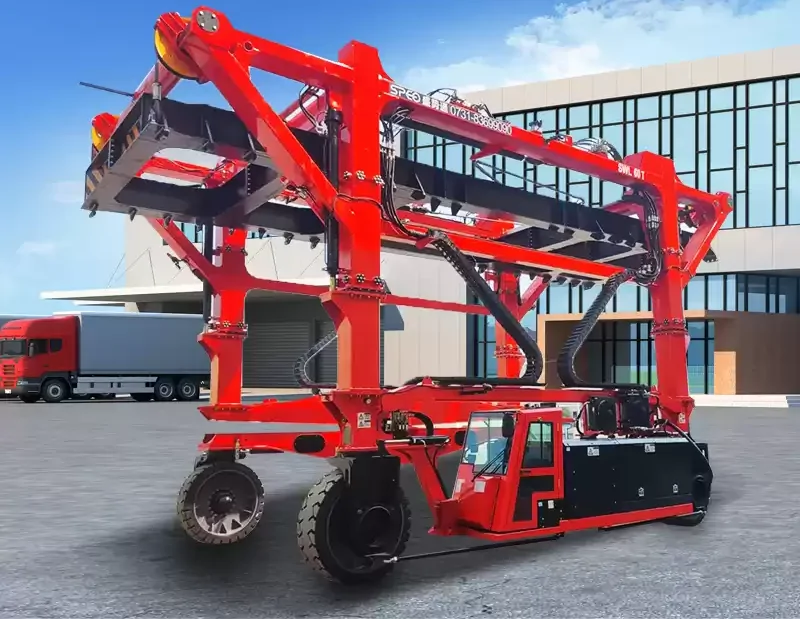
Port & Yard Cranes
Container Straddle Carrier
Move containers between handling positions with a straddle carrier matched to the travel route and stacking layout. Define container load, ground conditions, clearance and the preferred drive system.
View configuration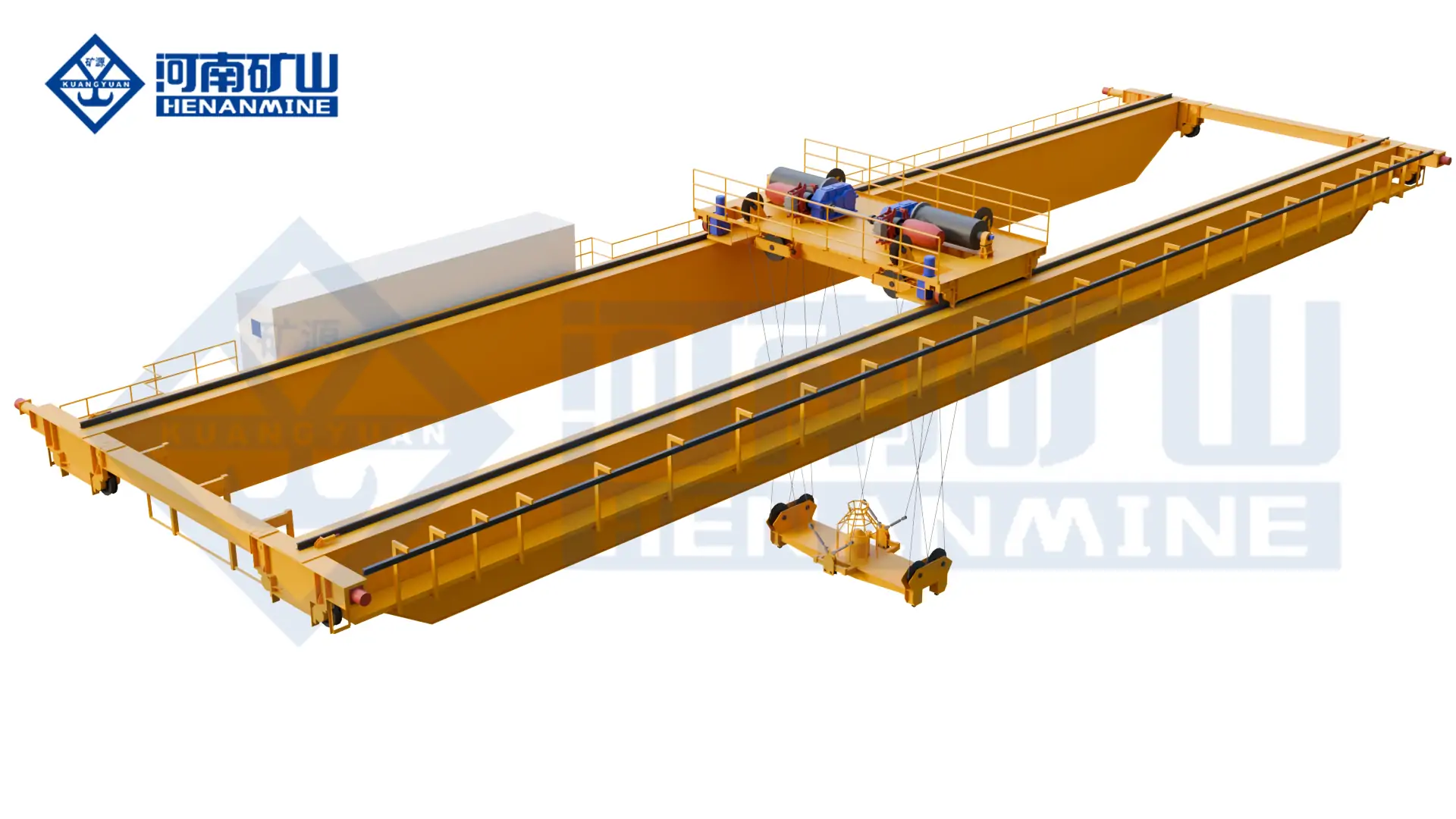
Overhead Cranes
Container Overhead Crane
Transfer containers within a defined overhead runway area using a double-girder bridge and matched spreader. Container size, working clearance and the handling sequence determine the arrangement.
View configurationLet’s discuss your project
The right crane starts
with your lifting task.
Share container sizes, gross weights and lifting-appliance requirements, together with your site layout and operating cycle.