Engineering · Manufacturing · Project support
info@hnksglobal.comWhatsApp +86 18836207779 ↗

分类: Products

Crane and hoist product details, configurations and technical parameters.

  • Multi-Point Suspension Crane

    Multi-Point Suspension Crane

    Overhead Cranes / Henan Mine Crane

    Multi-Point Suspension Crane

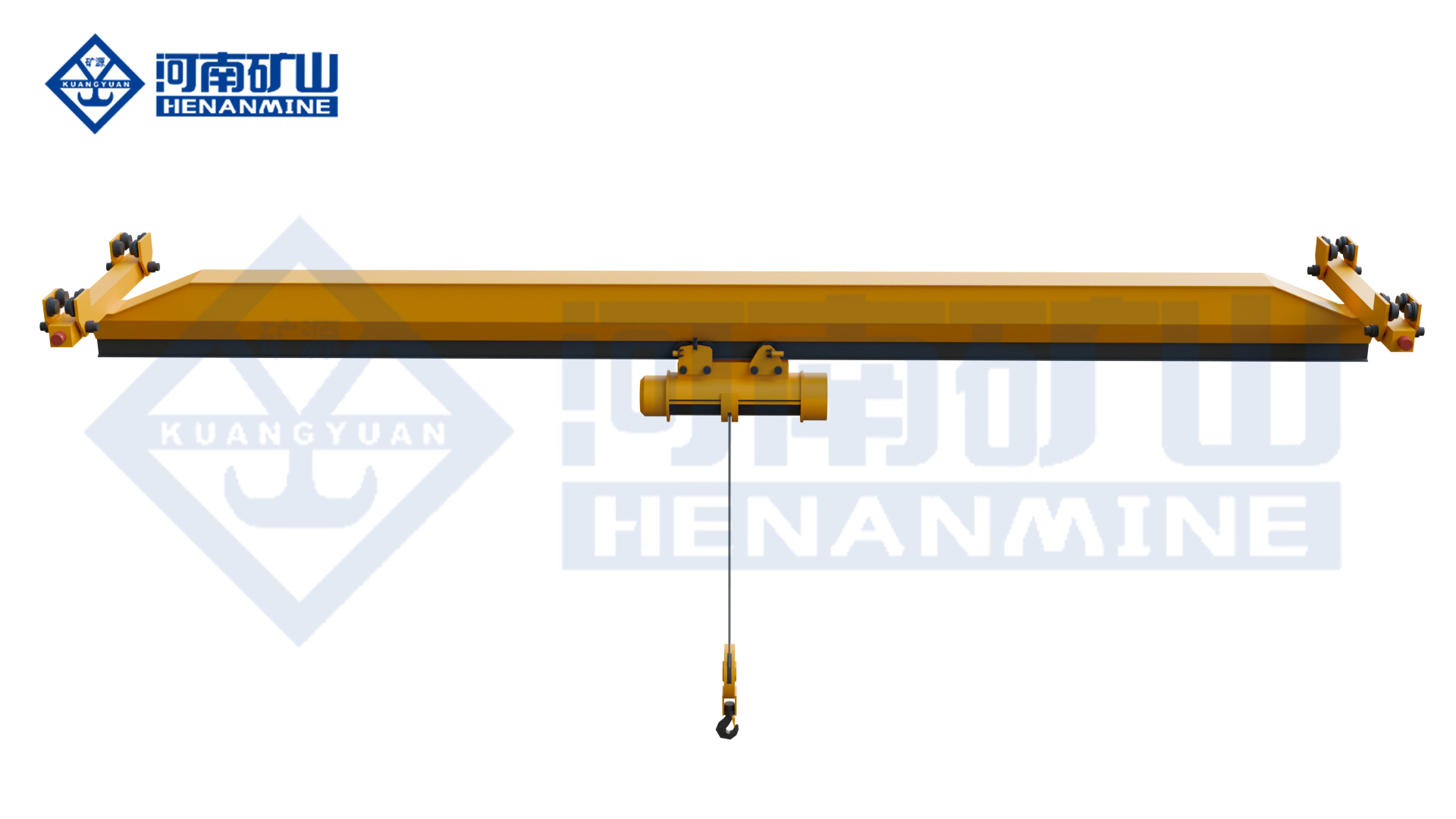
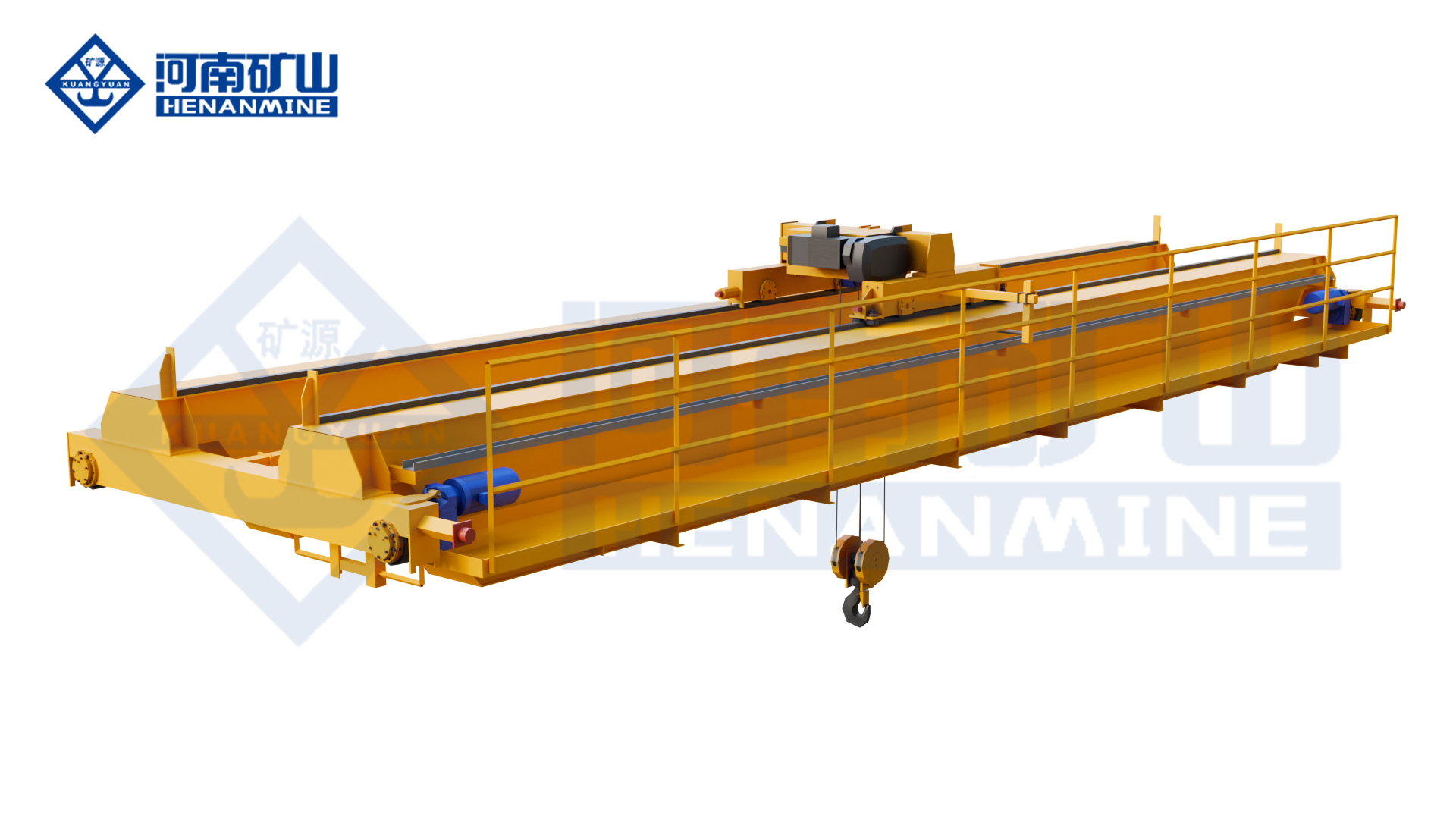
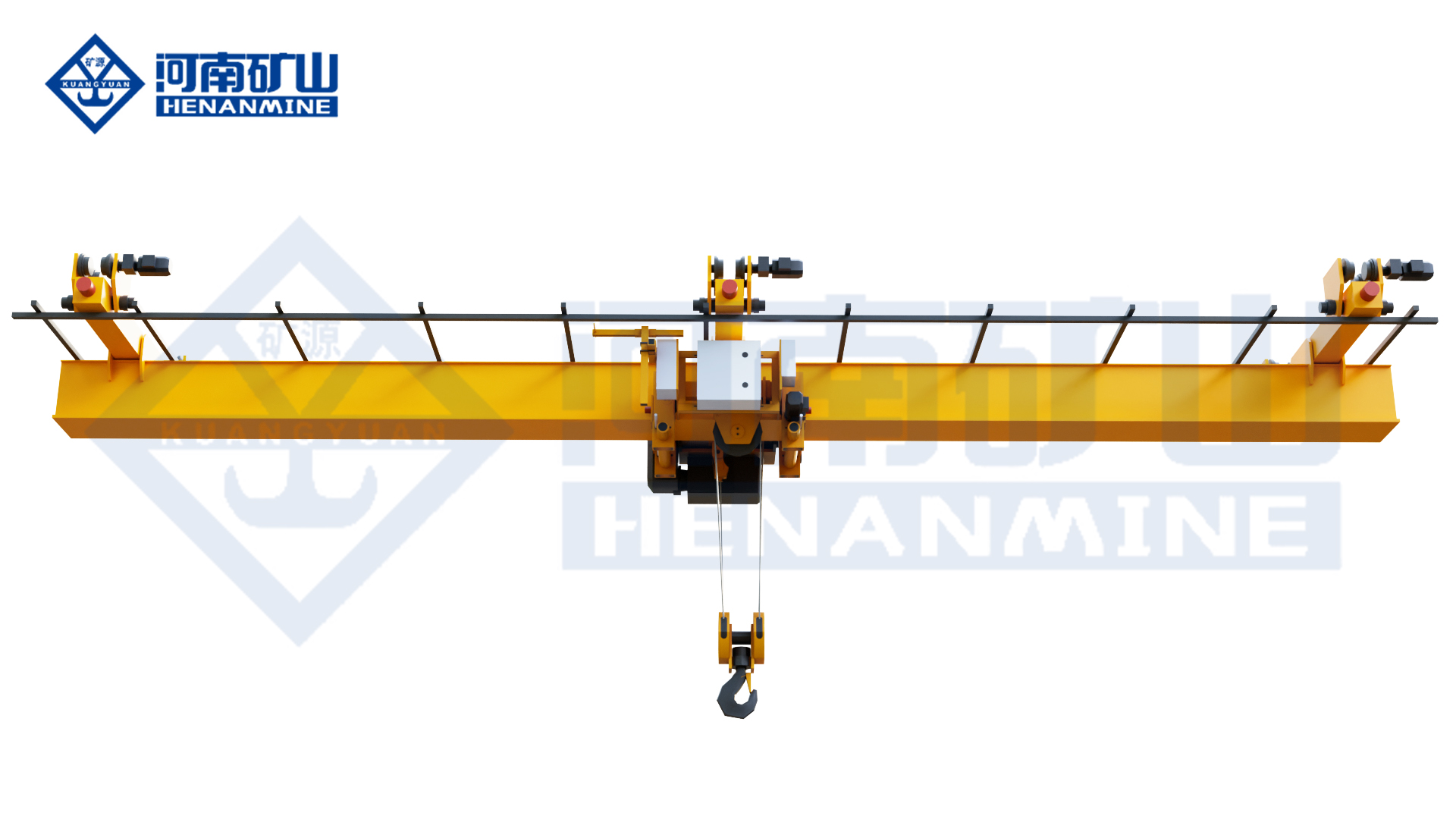
    Cover a wide working area with a multi-point suspended crane arrangement. Coordinate runway support positions, load distribution and travel geometry with the building structure.

    Lifting capacity1t – 20t
    Span10m – 60m
    Working classA3 – A6
    Technical specifications

    Define the total suspended load, duty and site conditions for your project.

    Technical specifications

    Check the load.
    Plan the configuration.

    Parameters and equipment options are matched to the application and confirmed in the technical proposal.

    Discuss your configuration
    Rated Lifting Capacity1t – 20t
    Applicable Span10m – 60m
    Number of Suspension Supports3+ sets
    Drive SystemThree-in-one drive system
    Working ClassA3 – A6
    Lifting Speed2m/min – 12m/min
    Crane Travel Speed15m/min – 30m/min
    Hoist TypeCustom electric hoist
    Control ModeGround handle / Wireless remote control / Cabin control
    Power Supply380V/50Hz; 220V-660V/60Hz
    Protection LevelIP54 (IP65 optional)
    Working Temperature-25℃ ~ 50℃
    Structural FeatureModular assembly

    Final parameters, dimensions, wheel loads and supply scope follow the approved project specification.

    Application & operation

    Matched to the handling task.

    Wide workshop coverage

    Arrange suspension points around available structural support lines.

    Large components

    Coordinate lifting coverage with assembly positions and equipment clearances.

    Selection considerations

    Start with your operating conditions.

    01

    Load & lifting arrangement

    Specify load geometry, lifting attachment and hook coverage. Include lifting-appliance weight and the required lifting positions.

    02

    Site & available space

    Provide support positions, runway sections and building reactions. Coordinate the installation interfaces with the available site drawings.

    03

    Duty & control sequence

    Define load distribution, travel alignment and operating cycle. Identify the required movements and control interfaces in the enquiry.

    Configuration comparison

    Compare related lifting arrangements.

    Crane arrangementHandling configuration
    Multi-Point Suspension CraneCover a wide working area with a multi-point suspended crane arrangement. Coordinate runway support positions, load distribution and travel geometry with the building structure.
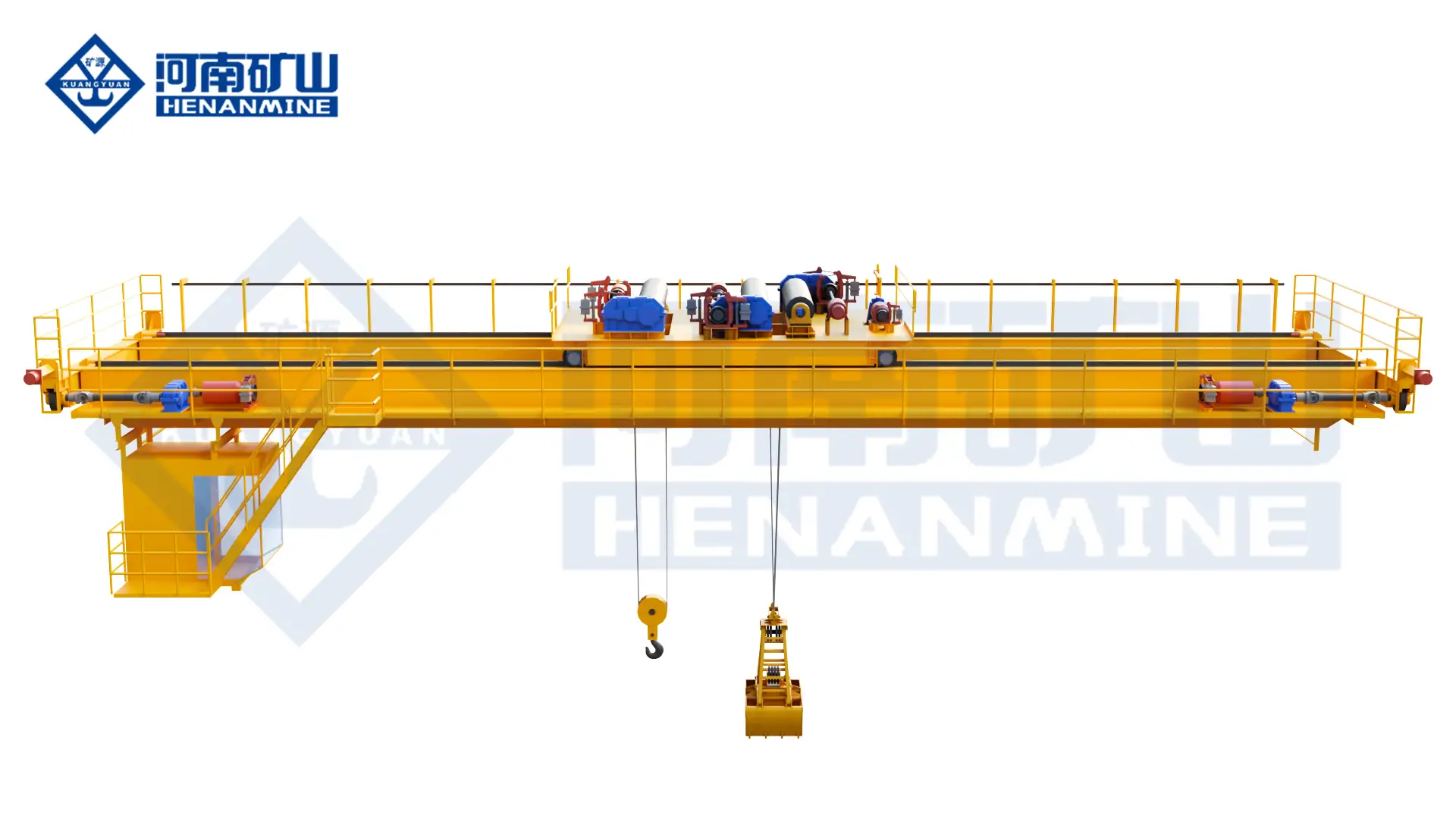
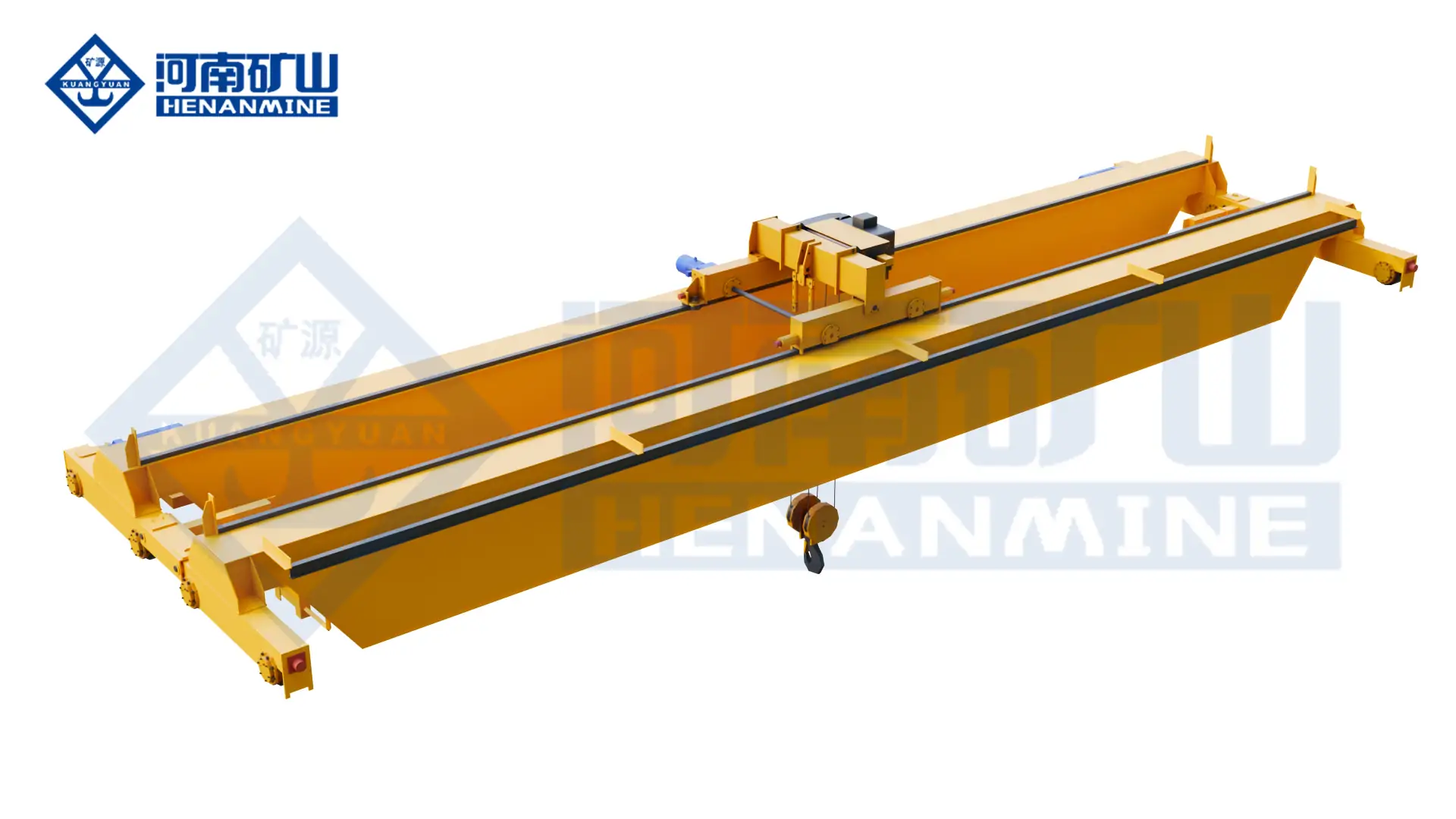
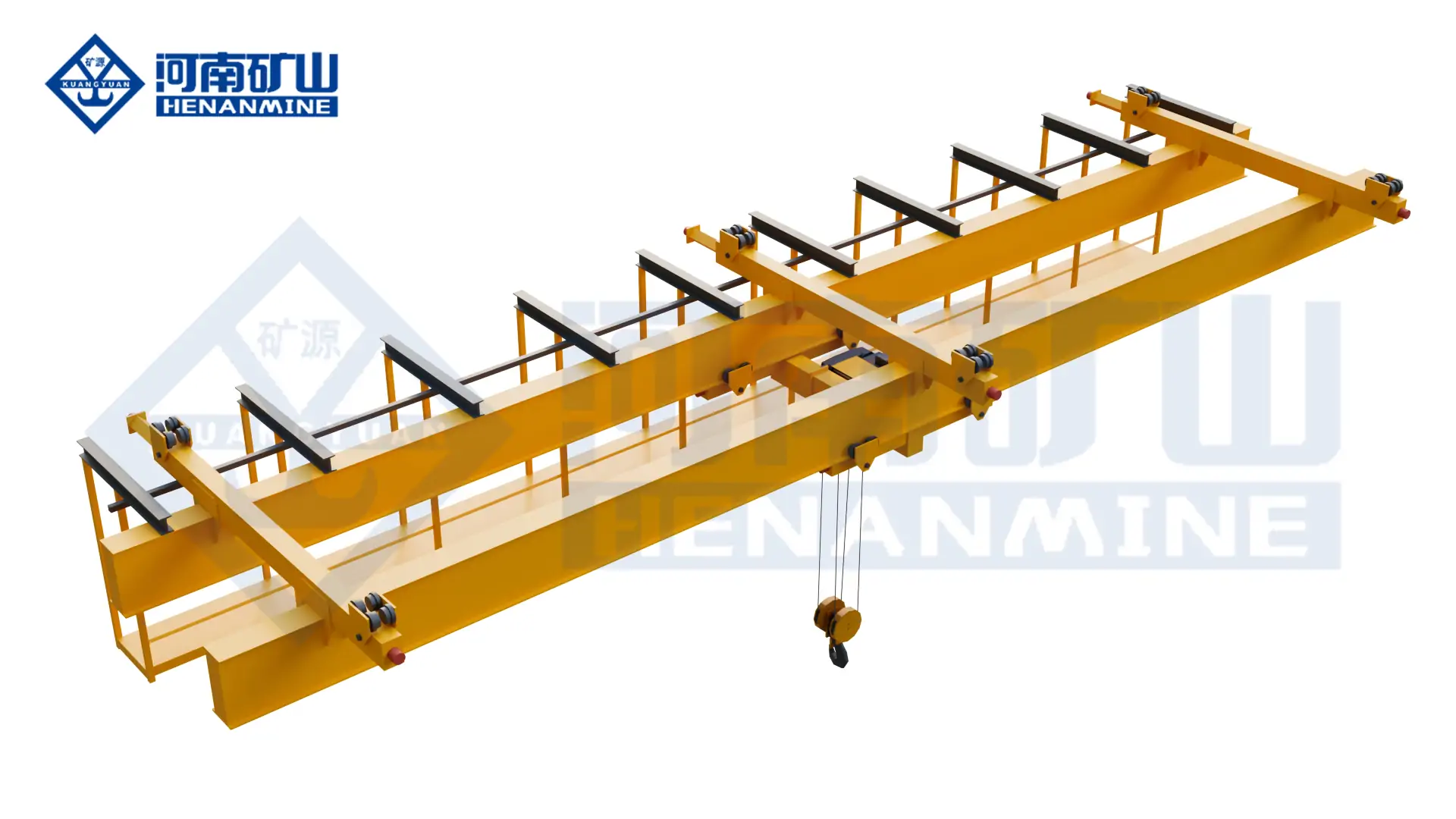
    Multi Support Double Girder Underhung CraneUse a multi-support double-girder underhung arrangement for wide-span working areas and large components. The building supports, lifting coverage and load distribution are designed together.
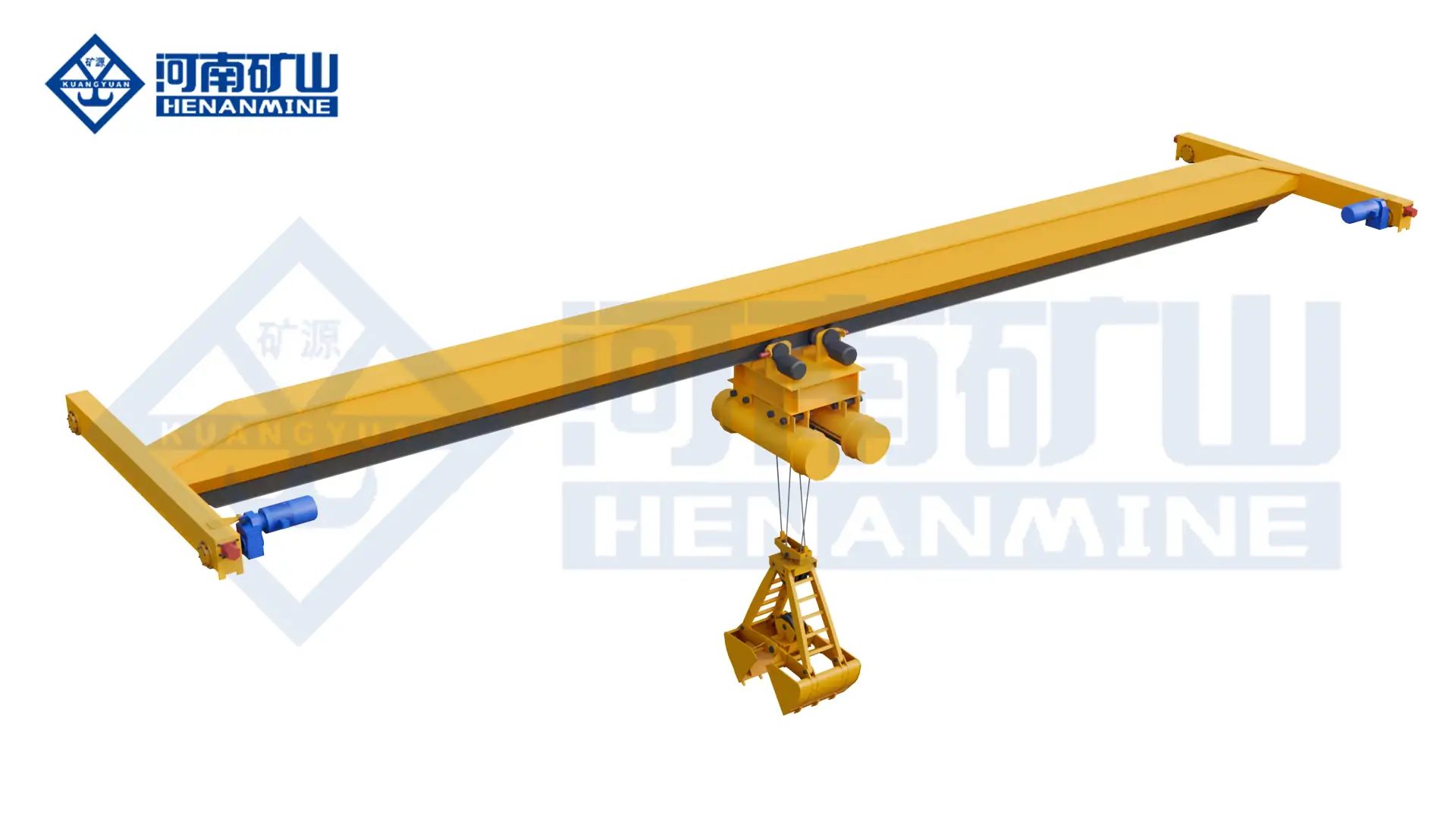
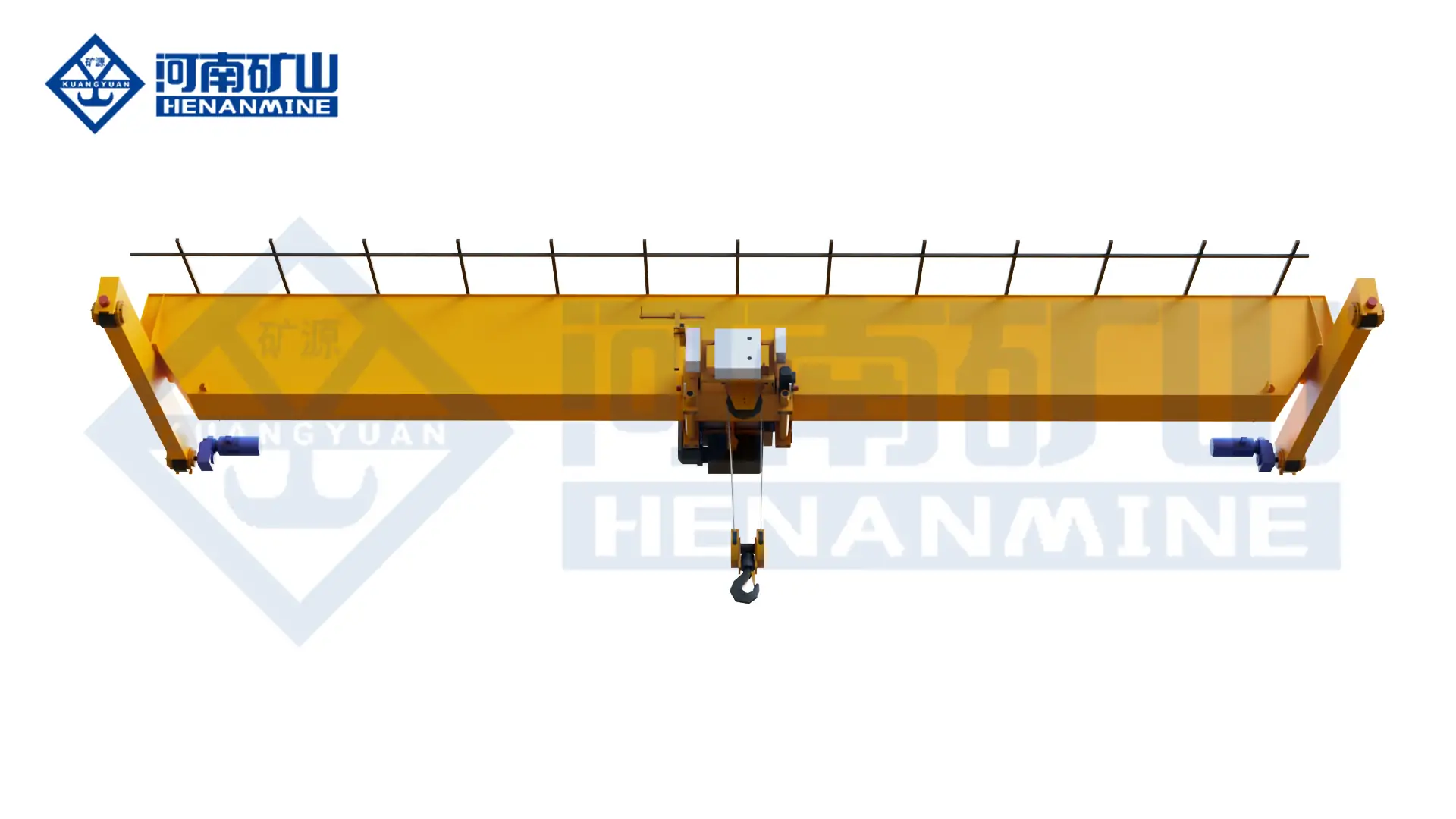
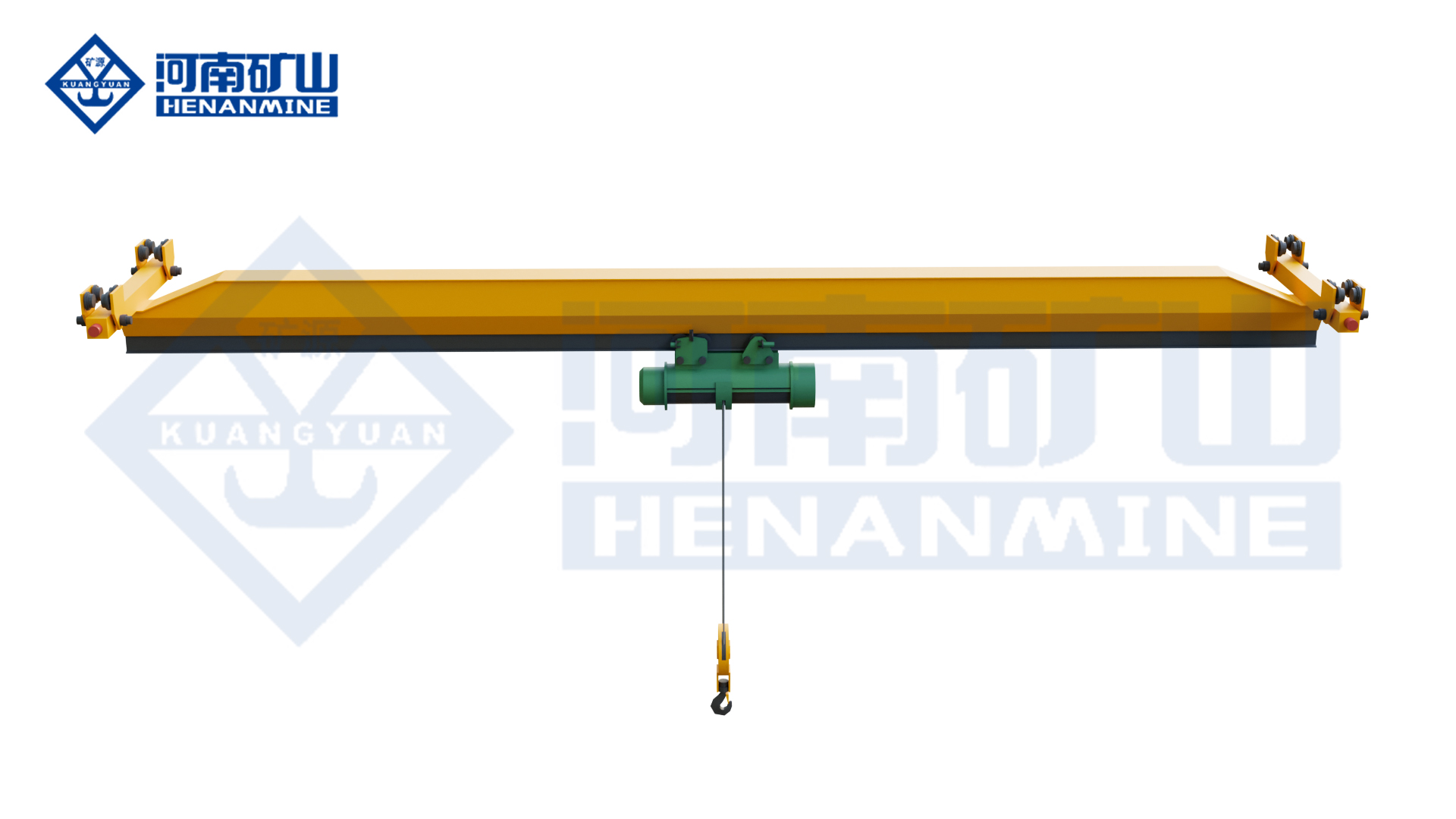
    Single-Beam Suspension CraneSuspend an LX single-girder crane from an approved overhead runway to cover workshop lifting positions. Building support, runway geometry and available hook height determine the installation.
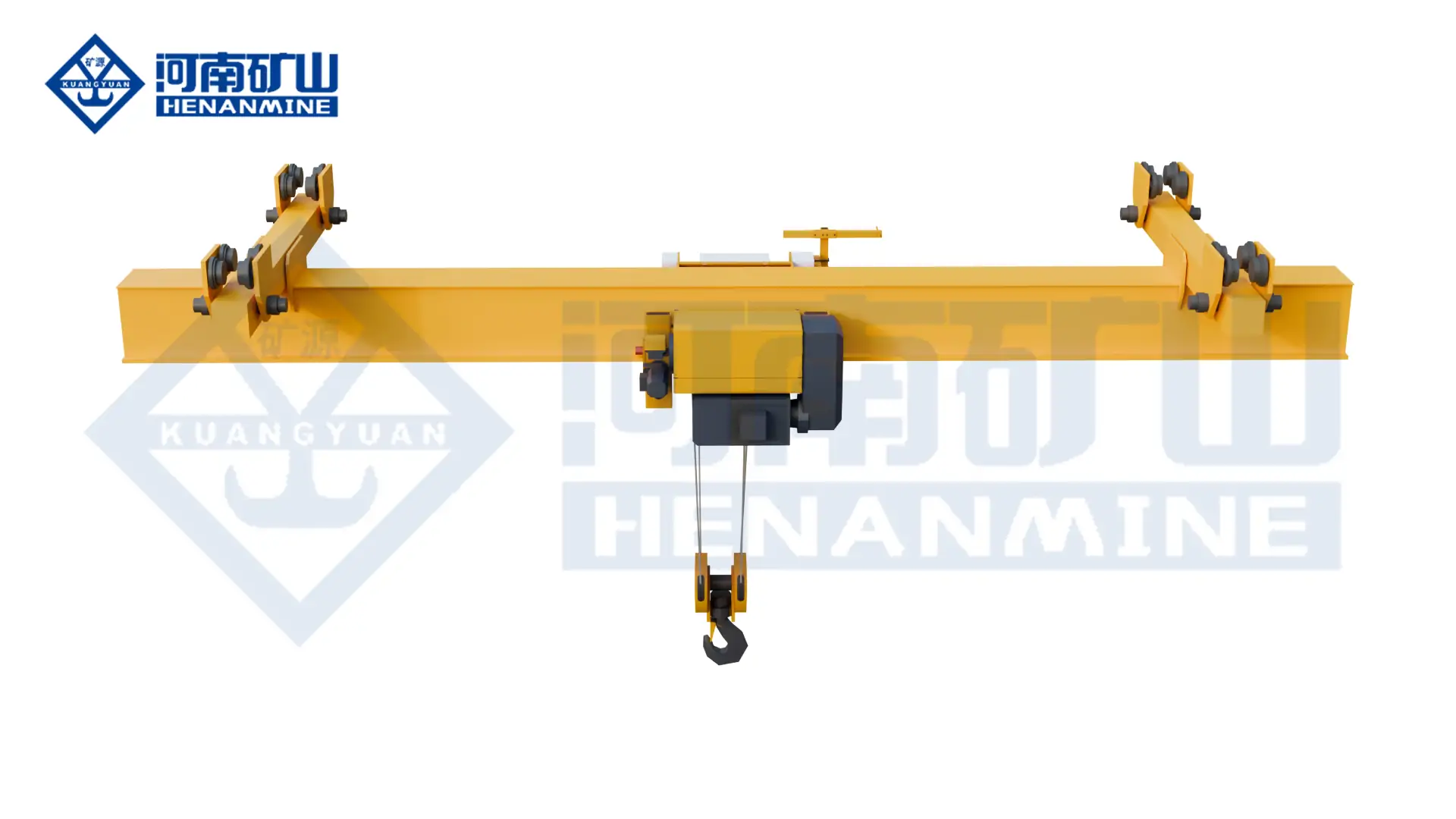
    European Style Electric Single Beam Suspended CraneUse a European-style electric-hoist suspension crane for overhead handling beneath a supported runway. Coordinate compact lifting geometry, travel control and building clearances with the workshop layout.

    Operating protection & lifecycle support

    Plan beyond the equipment.

    01

    Operating protection

    Confirm overload protection, travel limits, brakes, emergency controls and the required process interlocks for the declared lifting task.

    02

    Installation & commissioning

    Agree runway reactions, structural interfaces, electrical connections, assembly, inspection and commissioning responsibilities before delivery.

    03

    Inspection & spares

    Plan inspection and maintenance of suspension joints, runway contact surfaces and travel alignment. Agree service access, documentation and the required spare-parts scope.

    Questions before the order

    Clarify the details
    that shape the crane.

    What information is needed for a multi-point suspension crane quotation?+

    Provide load geometry, lifting attachment and hook coverage; support positions, runway sections and building reactions; and load distribution, travel alignment and operating cycle. Include drawings and the project destination when available.

    Why are all suspension positions needed before quotation?+

    Each support position affects the crane geometry and reactions. Provide the structural grid and runway drawings so load distribution, travel alignment and clearances can be coordinated.

    What installation and support scope should be agreed?+

    Agree runway reactions, structural interfaces, electrical connections, assembly, inspection and commissioning responsibilities before delivery. Specify the documentation, training and spare-parts support needed for the project.

    Related equipment

    Explore the alternatives.
    Let’s discuss your project

    The right crane starts
    with your lifting task.

    Share load geometry, lifting attachment and hook coverage, together with your site layout and operating cycle.
    info@hnksglobal.com
  • Metallurgical Electric Single Girder Crane

    Metallurgical Electric Single Girder Crane

    Overhead Cranes / Henan Mine Crane

    Metallurgical Electric Single Girder Crane

    Provide metallurgical lifting with an LDY single-girder crane and a matched metallurgical electric hoist. Define the hot-load duty, lifting appliance and thermal exposure for the complete arrangement.

    Lifting capacity1t – 10t
    Span7.5m – 28.5m
    Working classA6 – A7
    Technical specifications

    Define the total suspended load, duty and site conditions for your project.

    Technical specifications

    Check the load.
    Plan the configuration.

    Parameters and equipment options are matched to the application and confirmed in the technical proposal.

    Discuss your configuration
    Rated Lifting Capacity1t – 10t
    Span7.5m – 28.5m
    Lifting Height6m – 30m
    Working ClassA6 – A7
    Lifting Speed3.2 – 16m/min
    Travel Speed20 – 30m/min
    Hoist ModelYHⅡ Type Metallurgical Electric Hoist
    Protection LevelIP55 (IP67 optional)
    Thermal exposureDeclare ambient temperature, radiant heat and the lifting-task exposure
    Hazardous-area configurationMatched to the declared area classification, material group and temperature requirements

    Final parameters, dimensions, wheel loads and supply scope follow the approved project specification.

    Application & operation

    Matched to the handling task.

    Foundry workstations

    Coordinate lifting coverage around hot-material handling positions.

    Process maintenance

    Match the lifting appliance, operating access and local thermal conditions.

    Selection considerations

    Start with your operating conditions.

    01

    Load & lifting arrangement

    Specify hot load, lifting-appliance weight and material temperature. Include lifting-appliance weight and the required lifting positions.

    02

    Site & available space

    Provide runway span, hook positions and heat-source clearances. Coordinate the installation interfaces with the available site drawings.

    03

    Duty & control sequence

    Define metallurgical duty, hoist requirements and protective functions. Identify the required movements and control interfaces in the enquiry.

    Configuration comparison

    Compare related lifting arrangements.

    Crane arrangementHandling configuration
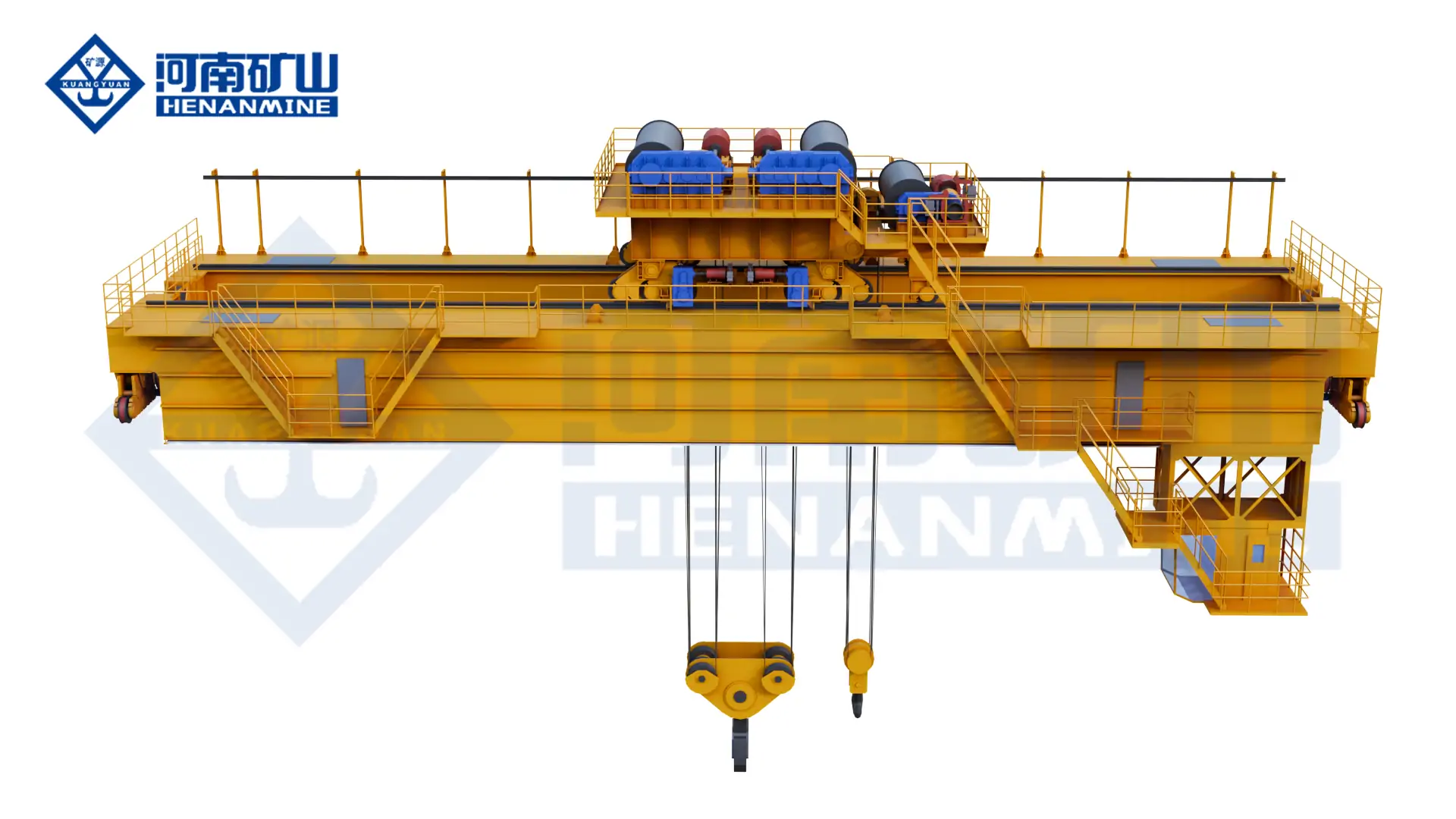
    Metallurgical Electric Single Girder CraneProvide metallurgical lifting with an LDY single-girder crane and a matched metallurgical electric hoist. Define the hot-load duty, lifting appliance and thermal exposure for the complete arrangement.
    Metallurgical Bridge CraneLift hot process loads with a YZD metallurgical bridge arrangement selected for the complete load and thermal conditions. Specify the lifting appliance, duty cycle and operating-protection requirements.
    Double Girder Casting CraneLift and transfer molten-metal ladles with a YZ casting crane configured for the full suspended load and casting process. Review ladle interfaces, thermal exposure and the operating sequence together.
    YX Metallurgical Bridge CraneLift and turn material boxes with a YX metallurgical crane arrangement. The box interface, centre of gravity, turnover sequence and thermal conditions determine the lifting system.

    Operating protection & lifecycle support

    Plan beyond the equipment.

    01

    Operating protection

    Confirm overload protection, travel limits, brakes, emergency controls and the required process interlocks for the declared lifting task.

    02

    Installation & commissioning

    Agree runway reactions, structural interfaces, electrical connections, assembly, inspection and commissioning responsibilities before delivery.

    03

    Inspection & spares

    Plan inspection and maintenance of metallurgical hoist components, brakes and thermal protection. Agree service access, documentation and the required spare-parts scope.

    Questions before the order

    Clarify the details
    that shape the crane.

    What information is needed for a metallurgical electric single girder crane quotation?+

    Provide hot load, lifting-appliance weight and material temperature; runway span, hook positions and heat-source clearances; and metallurgical duty, hoist requirements and protective functions. Include drawings and the project destination when available.

    Why must the lifting task be declared as metallurgical duty?+

    Thermal exposure, load type and the handling sequence affect the hoist, brakes and protective provisions. Specify the complete process rather than only a nominal lifting capacity.

    What installation and support scope should be agreed?+

    Agree runway reactions, structural interfaces, electrical connections, assembly, inspection and commissioning responsibilities before delivery. Specify the documentation, training and spare-parts support needed for the project.

    Related equipment

    Explore the alternatives.

    Let’s discuss your project

    The right crane starts
    with your lifting task.

    Share hot load, lifting-appliance weight and material temperature, together with your site layout and operating cycle.
    info@hnksglobal.com
  • Metallurgical Bridge Crane

    Metallurgical Bridge Crane

    Overhead Cranes / Henan Mine Crane

    Metallurgical Bridge Crane

    Lift hot process loads with a YZD metallurgical bridge arrangement selected for the complete load and thermal conditions. Specify the lifting appliance, duty cycle and operating-protection requirements.

    Lifting capacity5–74 t
    Span10 – 35 m
    Working classSpecified for the project
    Technical specifications

    Define the total suspended load, duty and site conditions for your project.

    Technical specifications

    Check the load.
    Plan the configuration.

    Parameters and equipment options are matched to the application and confirmed in the technical proposal.

    Discuss your configuration
    ModelYZD
    Lifting Capacity5–74 t
    Span10 – 35 m
    Lifting Height8 – 30 m
    Thermal exposureDeclare ambient temperature, radiant heat and the lifting-task exposure
    Lifting Speed0.1 – 4 m/min
    Traveling Speed0.5 – 10 m/min
    Protection ClassIP67(Core Components)
    Motor TypeYE4 ultra-high efficiency high-temperature resistant motor

    Final parameters, dimensions, wheel loads and supply scope follow the approved project specification.

    Application & operation

    Matched to the handling task.

    Foundry handling

    Transfer declared molten-metal or hot-solid loads with a process-specific arrangement.

    Metallurgical maintenance

    Coordinate the crane, load attachment and operating access with the production equipment.

    Selection considerations

    Start with your operating conditions.

    01

    Load & lifting arrangement

    Specify complete suspended load, lifting appliance and process temperature. Include lifting-appliance weight and the required lifting positions.

    02

    Site & available space

    Provide pickup positions, runway coverage and access around hot equipment. Coordinate the installation interfaces with the available site drawings.

    03

    Duty & control sequence

    Define working cycle, thermal protection and metallurgical operating requirements. Identify the required movements and control interfaces in the enquiry.

    Configuration comparison

    Compare related lifting arrangements.

    Crane arrangementHandling configuration
    Metallurgical Bridge CraneLift hot process loads with a YZD metallurgical bridge arrangement selected for the complete load and thermal conditions. Specify the lifting appliance, duty cycle and operating-protection requirements.
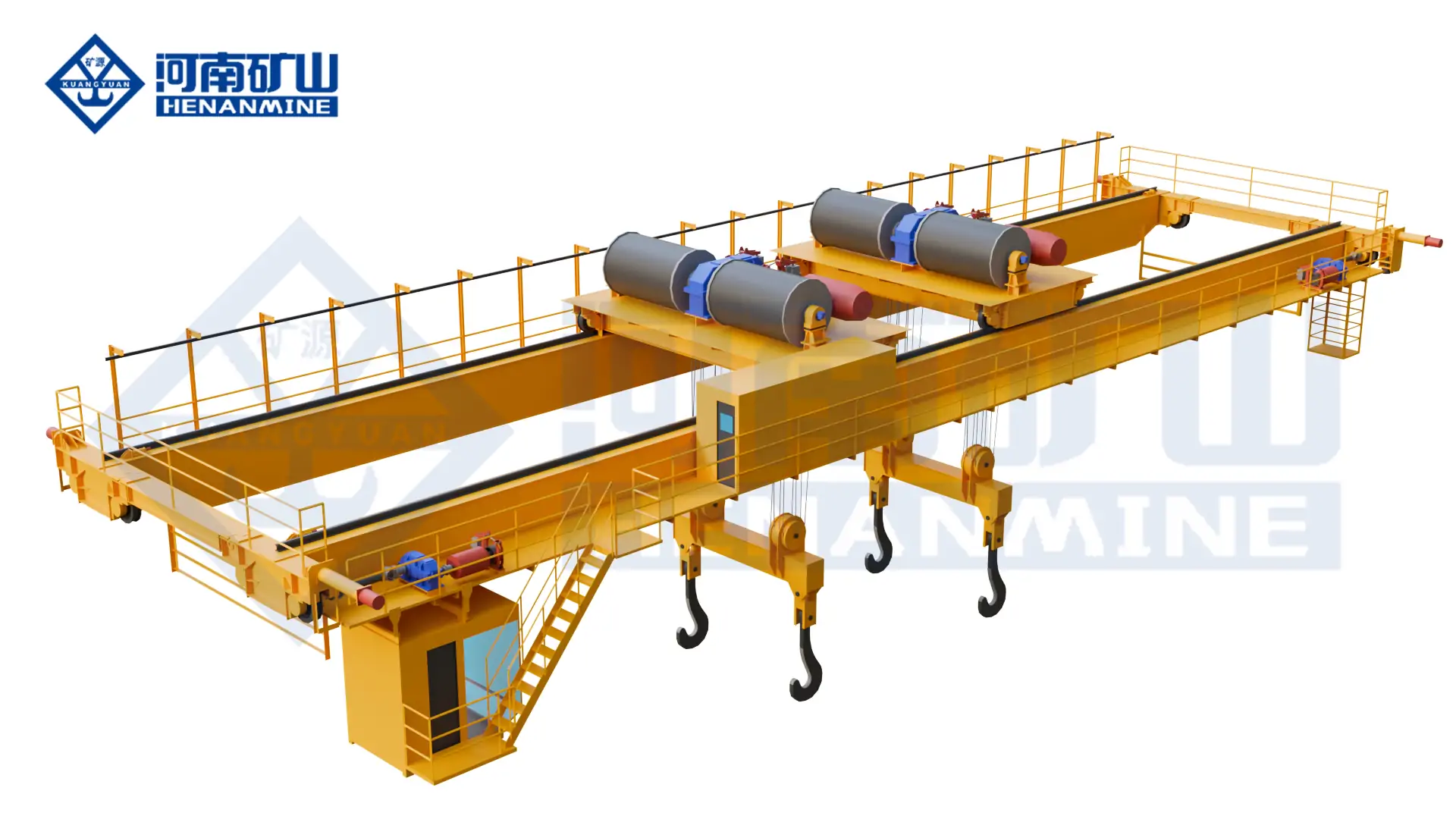
    Double Girder Casting CraneLift and transfer molten-metal ladles with a YZ casting crane configured for the full suspended load and casting process. Review ladle interfaces, thermal exposure and the operating sequence together.
    Four Beam Casting CraneHandle molten-metal ladles with a YZS four-beam casting crane. Main and auxiliary trolley functions, thermal exposure and the lifting sequence are selected for the casting process.
    Metallurgical Electric Single Girder CraneProvide metallurgical lifting with an LDY single-girder crane and a matched metallurgical electric hoist. Define the hot-load duty, lifting appliance and thermal exposure for the complete arrangement.

    Operating protection & lifecycle support

    Plan beyond the equipment.

    01

    Operating protection

    Confirm overload protection, travel limits, brakes, emergency controls and the required process interlocks for the declared lifting task.

    02

    Installation & commissioning

    Agree runway reactions, structural interfaces, electrical connections, assembly, inspection and commissioning responsibilities before delivery.

    03

    Inspection & spares

    Plan inspection and maintenance of hoisting brakes, heat shields and load attachment connections. Agree service access, documentation and the required spare-parts scope.

    Questions before the order

    Clarify the details
    that shape the crane.

    What information is needed for a metallurgical bridge crane quotation?+

    Provide complete suspended load, lifting appliance and process temperature; pickup positions, runway coverage and access around hot equipment; and working cycle, thermal protection and metallurgical operating requirements. Include drawings and the project destination when available.

    What defines the metallurgical lifting specification?+

    Provide the load and lifting-appliance drawings, thermal exposure, movement sequence and operating cycle. The crane configuration and protective functions are defined for the declared process.

    What installation and support scope should be agreed?+

    Agree runway reactions, structural interfaces, electrical connections, assembly, inspection and commissioning responsibilities before delivery. Specify the documentation, training and spare-parts support needed for the project.

    Related equipment

    Explore the alternatives.

    Let’s discuss your project

    The right crane starts
    with your lifting task.

    Share complete suspended load, lifting appliance and process temperature, together with your site layout and operating cycle.
    info@hnksglobal.com
  • L-Type Offset Gantry Crane

    L-Type Offset Gantry Crane

    Gantry Cranes / Henan Mine Crane

    L-Type Offset Gantry Crane

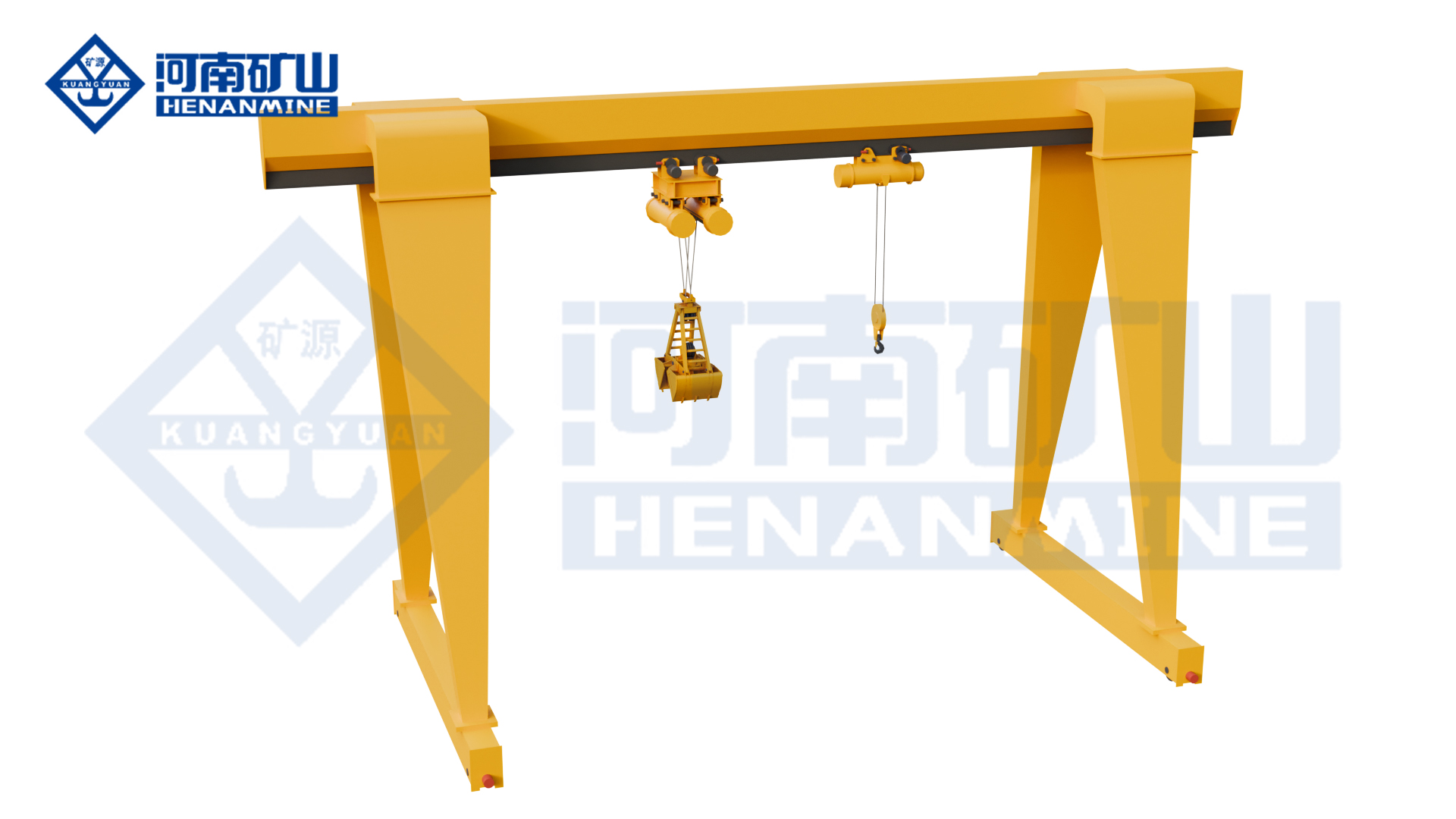
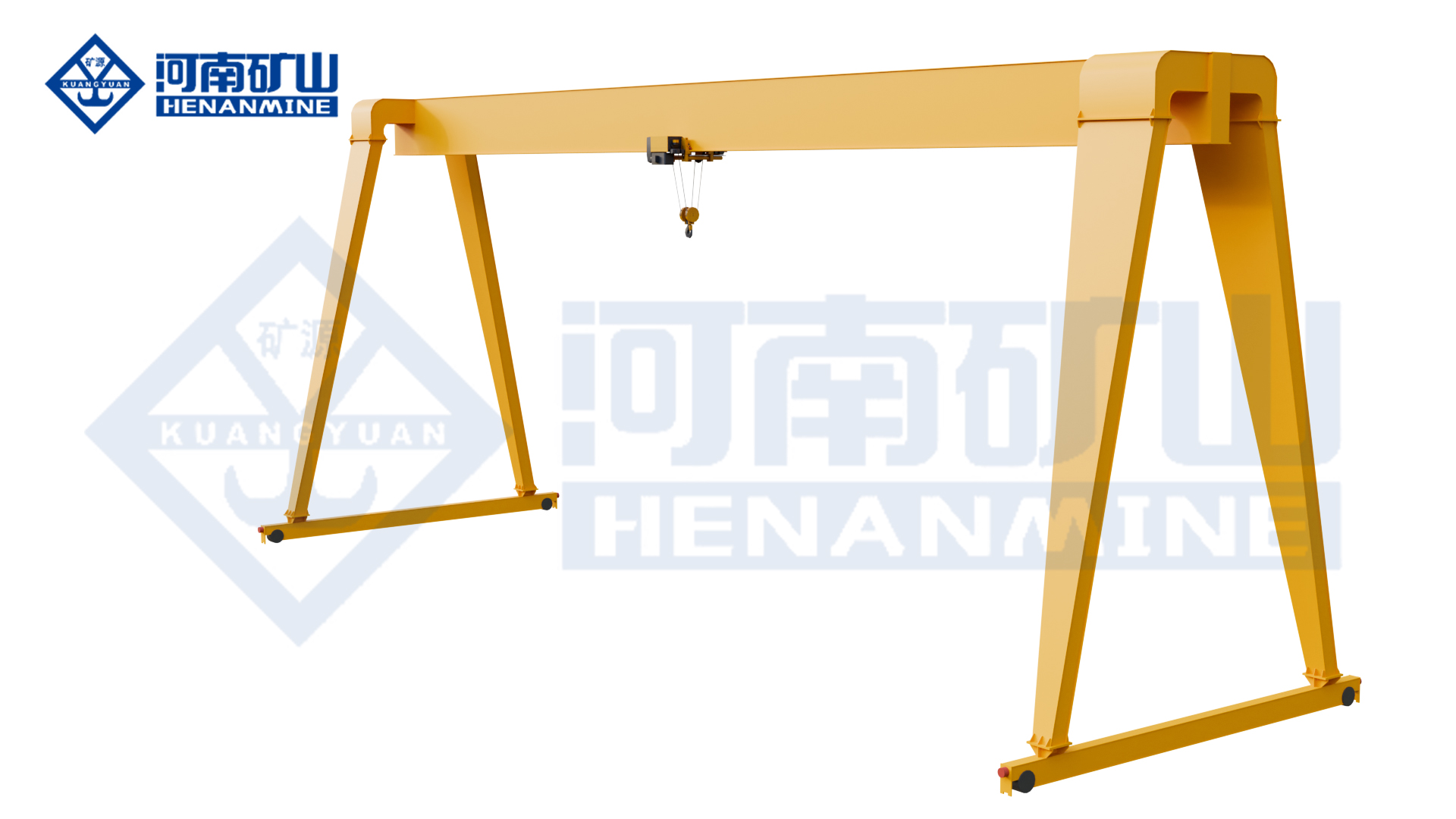
    Use an L-type single-girder gantry to coordinate side access and lifting coverage in a yard. Define the leg geometry, hook positions and workpiece clearance around the load route.

    Lifting capacity1t – 32t
    Span6m – 35m
    Working classA3~A5
    Technical specifications

    Define the total suspended load, duty and site conditions for your project.

    Technical specifications

    Check the load.
    Plan the configuration.

    Parameters and equipment options are matched to the application and confirmed in the technical proposal.

    Discuss your configuration
    TypeMHL
    Product NameElectric Hoist Gantry Crane
    Rated Lifting Capacity1t – 32t
    Span6m – 35m
    Lifting Height4m – 20m
    Working ClassA3~A5
    Structural FormL-shaped leg, single girder
    Lifting MechanismSpecial electric hoist
    Travel DriveThree-in-one frequency conversion drive
    Lifting AttachmentHook / Grab / Electromagnetic chuck
    Structure FeatureCompact structure, light self-weight
    Operation ModePendant control / remote control
    Power Supply380V/50Hz; 220-660V/50-60Hz
    Protection LevelIP54
    ApplicationLong material & general material handling

    Final parameters, dimensions, wheel loads and supply scope follow the approved project specification.

    Application & operation

    Matched to the handling task.

    Long-material handling

    Coordinate the load route and access around long workpieces.

    Outdoor loading

    Match rail positions, vehicle access and hook coverage to the site layout.

    Selection considerations

    Start with your operating conditions.

    01

    Load & lifting arrangement

    Specify workpiece length, lifting points and suspended load. Include lifting-appliance weight and the required lifting positions.

    02

    Site & available space

    Provide leg clearance, rail span, cantilever reach and loading route. Coordinate the installation interfaces with the available site drawings.

    03

    Duty & control sequence

    Define lifting cycle, control method and outdoor conditions. Identify the required movements and control interfaces in the enquiry.

    Configuration comparison

    Compare related lifting arrangements.

    Crane arrangementHandling configuration
    L-Type Offset Gantry CraneUse an L-type single-girder gantry to coordinate side access and lifting coverage in a yard. Define the leg geometry, hook positions and workpiece clearance around the load route.
    European Single Girder Gantry CraneCombine a single-girder gantry with a European-style electric hoist for yard handling. Specify the hook coverage, leg arrangement, travel layout and control requirements for the project.
    Single-Girder Gantry CraneCover an outdoor working area with a single-girder electric-hoist gantry crane. Coordinate span, lifting height, leg geometry and any cantilever coverage with the yard and loading route.
    Double Girder Electric Hoist Gantry CraneCover an outdoor handling area with a double-girder gantry and electric-hoist trolley. Select the load rating, leg geometry, cantilever arrangement and travel coverage around the yard layout.

    Operating protection & lifecycle support

    Plan beyond the equipment.

    01

    Operating protection

    Define travel limits, overload protection, traffic clearances and the outdoor operating limits for the proposed arrangement.

    02

    Installation & commissioning

    Agree rail foundations, runway alignment, wheel-load interfaces, erection access, electrical connections and commissioning responsibilities.

    03

    Inspection & spares

    Plan inspection and maintenance of leg connections, hoist trolley and gantry travel drives. Agree service access, documentation and the required spare-parts scope.

    Questions before the order

    Clarify the details
    that shape the crane.

    What information is needed for a l-type offset gantry crane quotation?+

    Provide workpiece length, lifting points and suspended load; leg clearance, rail span, cantilever reach and loading route; and lifting cycle, control method and outdoor conditions. Include drawings and the project destination when available.

    What determines whether the load can pass the leg area?+

    Provide the workpiece envelope, lifting orientation and vehicle or storage positions. The leg geometry, hook approach and handling route are checked in the proposed arrangement.

    What installation and support scope should be agreed?+

    Agree rail foundations, runway alignment, wheel-load interfaces, erection access, electrical connections and commissioning responsibilities. Specify the documentation, training and spare-parts support needed for the project.

    Related equipment

    Explore the alternatives.

    Let’s discuss your project

    The right crane starts
    with your lifting task.

    Share workpiece length, lifting points and suspended load, together with your site layout and operating cycle.

    info@hnksglobal.com
  • Intelligent Grab Overhead Crane

    Intelligent Grab Overhead Crane

    Overhead Cranes / Henan Mine Crane

    Intelligent Grab Overhead Crane

    Handle bulk materials with a grab overhead crane configured for the material and working cycle. Select the grab volume, lifting arrangement and operating sequence from pickup and discharge conditions.

    Lifting capacity5 – 50 t
    Span10.5 – 31.5 m
    Working classA6 – A8
    Technical specifications

    Define the total suspended load, duty and site conditions for your project.

    Technical specifications

    Check the load.
    Plan the configuration.

    Parameters and equipment options are matched to the application and confirmed in the technical proposal.

    Discuss your configuration
    Capacity5 – 50 t
    Span10.5 – 31.5 m
    Lifting height6 – 30 m
    Working classA6 – A8
    Hoisting speed30 – 49 m/min
    Trolley travel31 – 45 m/min
    Crane travel76 – 94 m/min
    Power supply220-690V, 50/60Hz
    ControlsRemote / Cabin / Unmanned Auto
    Lifting arrangementFour-Rope Mechanical Grab

    Final parameters, dimensions, wheel loads and supply scope follow the approved project specification.

    Application & operation

    Matched to the handling task.

    Bulk-material stores

    Transfer loose material between receiving, storage and discharge positions.

    Repeated handling cycles

    Coordinate grab movements and any required positioning or process interfaces.

    Selection considerations

    Start with your operating conditions.

    01

    Load & lifting arrangement

    Specify bulk density, particle size, moisture and grab dead weight. Include lifting-appliance weight and the required lifting positions.

    02

    Site & available space

    Provide pickup area, discharge height and required coverage. Coordinate the installation interfaces with the available site drawings.

    03

    Duty & control sequence

    Define handling cycle, throughput requirement and control or automation scope. Identify the required movements and control interfaces in the enquiry.

    Configuration comparison

    Compare related lifting arrangements.

    Crane arrangementHandling configuration
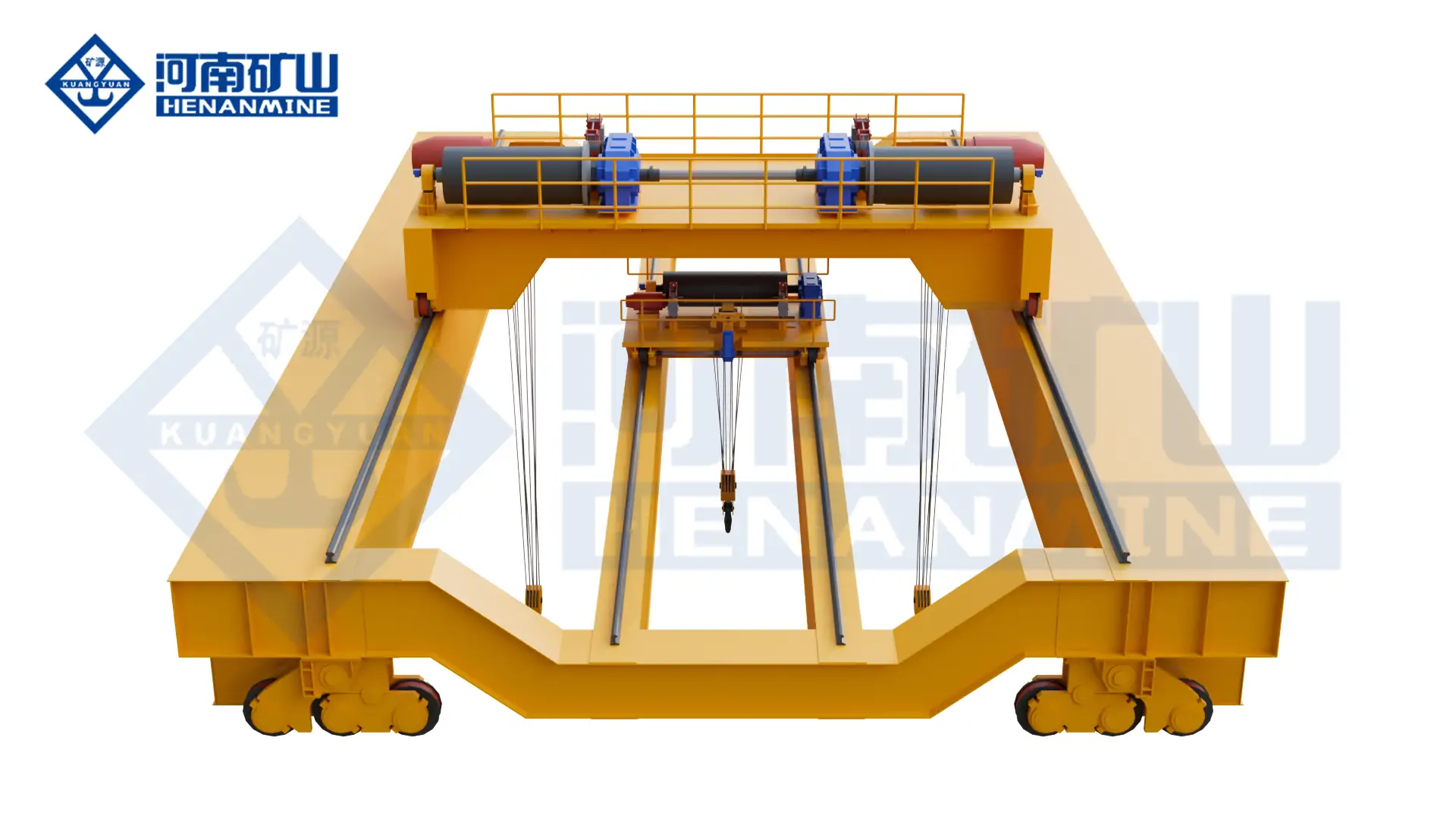
    Intelligent Grab Overhead CraneHandle bulk materials with a grab overhead crane configured for the material and working cycle. Select the grab volume, lifting arrangement and operating sequence from pickup and discharge conditions.
    Single Girder Grab CraneLift loose bulk material with an LDZ single-girder grab crane. Select the grab, complete suspended load and pickup or discharge geometry around the material and working cycle.
    Grab And Hook Dual Purpose CraneSwitch between bulk-material pickup and hook lifting with a grab-and-hook overhead arrangement. Define each load case, the grab type and the changeover procedure for the working area.
    Grab Hook Gantry CraneCombine grab and hook handling on an electric-hoist gantry arrangement. Match the lifting appliance, load cases and changeover method to the outdoor handling layout.

    Operating protection & lifecycle support

    Plan beyond the equipment.

    01

    Operating protection

    Confirm overload protection, travel limits, brakes, emergency controls and the required process interlocks for the declared lifting task.

    02

    Installation & commissioning

    Agree runway reactions, structural interfaces, electrical connections, assembly, inspection and commissioning responsibilities before delivery.

    03

    Inspection & spares

    Plan inspection and maintenance of grab ropes or actuators, sheaves and positioning devices. Agree service access, documentation and the required spare-parts scope.

    Questions before the order

    Clarify the details
    that shape the crane.

    What information is needed for a intelligent grab overhead crane quotation?+

    Provide bulk density, particle size, moisture and grab dead weight; pickup area, discharge height and required coverage; and handling cycle, throughput requirement and control or automation scope. Include drawings and the project destination when available.

    Does grab volume alone determine handling capacity?+

    The permissible suspended load includes the grab and material. Bulk density, fill conditions, operating cycle and the defined movement distances must be reviewed together.

    What installation and support scope should be agreed?+

    Agree runway reactions, structural interfaces, electrical connections, assembly, inspection and commissioning responsibilities before delivery. Specify the documentation, training and spare-parts support needed for the project.

    Related equipment

    Explore the alternatives.

    Let’s discuss your project

    The right crane starts
    with your lifting task.

    Share bulk density, particle size, moisture and grab dead weight, together with your site layout and operating cycle.
    info@hnksglobal.com
  • Modular Electric Hoist Overhead Crane

    Modular Electric Hoist Overhead Crane

    Overhead Cranes / Henan Mine Crane

    Modular Electric Hoist Overhead Crane

    Use a modular electric-hoist overhead crane for production, assembly and maintenance lifting. Select the hoist arrangement, hook coverage and movement control for the workshop and operating cycle.

    Lifting capacity1 – 32 t
    Span7.5 – 31.5 m
    Working classA5 – A6
    Technical specifications

    Define the total suspended load, duty and site conditions for your project.

    Technical specifications

    Check the load.
    Plan the configuration.

    Parameters and equipment options are matched to the application and confirmed in the technical proposal.

    Discuss your configuration
    Capacity1 – 32 t
    Span7.5 – 31.5 m
    Lifting height6–30 m
    Working classA5 – A6
    Hoisting speed0.8/5 – 8/16 m/min
    Power supply220-690V, 50/60Hz
    ControlsWireless Remote / Pendant Control

    Final parameters, dimensions, wheel loads and supply scope follow the approved project specification.

    Application & operation

    Matched to the handling task.

    Production handling

    Move components between machines, fixtures and storage positions.

    Equipment assembly

    Coordinate hook positions and control requirements around large assemblies.

    Selection considerations

    Start with your operating conditions.

    01

    Load & lifting arrangement

    Specify suspended load, workpiece geometry and placement requirements. Include lifting-appliance weight and the required lifting positions.

    02

    Site & available space

    Provide runway geometry, available headroom and service access. Coordinate the installation interfaces with the available site drawings.

    03

    Duty & control sequence

    Define load spectrum, lifting frequency and movement-control requirements. Identify the required movements and control interfaces in the enquiry.

    Configuration comparison

    Compare related lifting arrangements.

    Crane arrangementHandling configuration
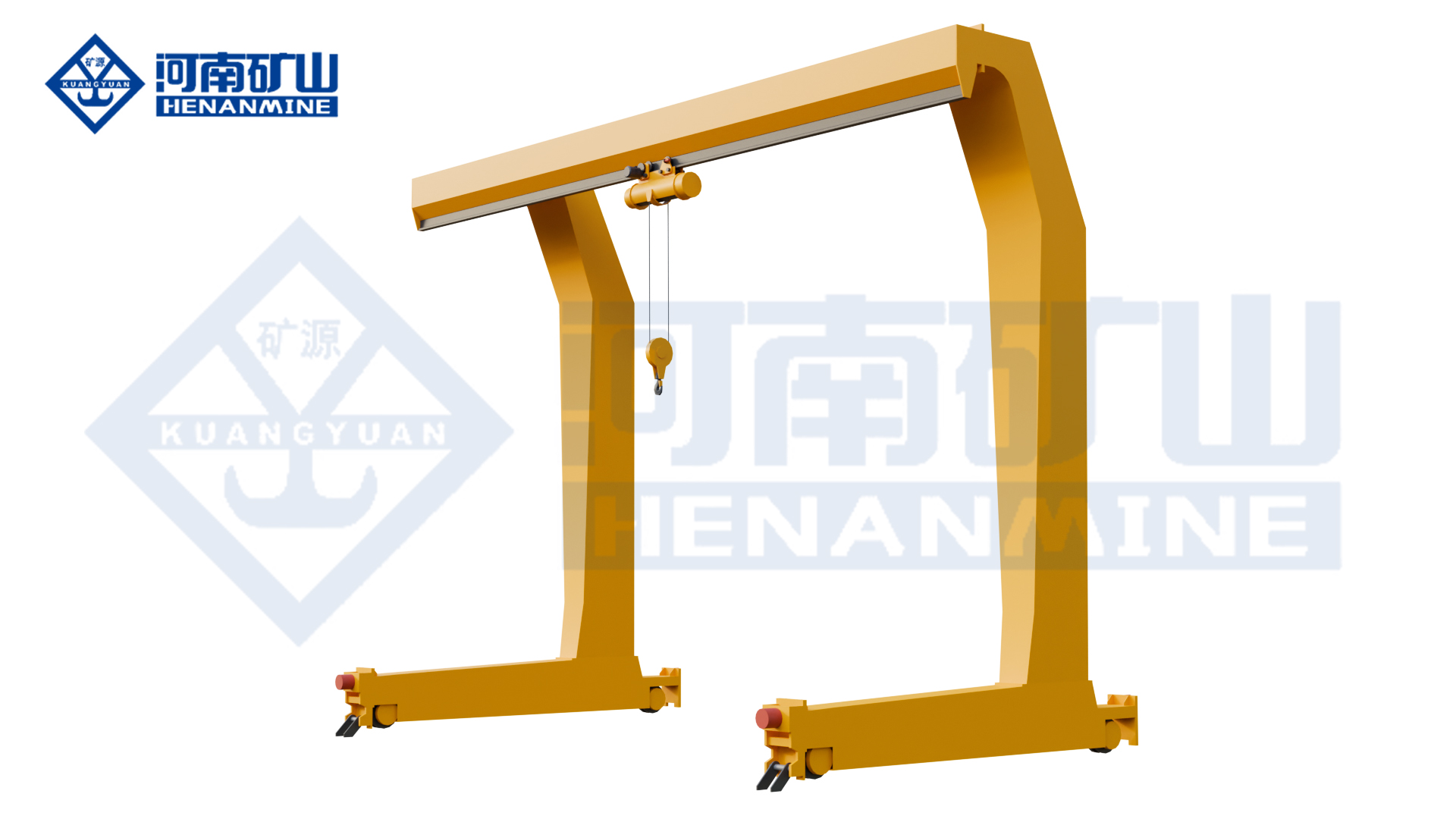
    Modular Electric Hoist Overhead CraneUse a modular electric-hoist overhead crane for production, assembly and maintenance lifting. Select the hoist arrangement, hook coverage and movement control for the workshop and operating cycle.
    LH Electric Hoist Double Girder CraneUse an LH double-girder bridge with an electric-hoist trolley for workshop lifting, assembly and maintenance. Match the hoist arrangement to the suspended load, hook travel and available building space.
    European-Style Electric Single Girder CraneHandle workshop components with a European-style single-girder crane and electric hoist. Match the compact lifting arrangement and movement control to the building and operating cycle.
    Double Trolley Electric Hoist CraneLift long components or serve separate working positions with two electric-hoist trolleys on one bridge. Trolley spacing, load sharing and independent or coordinated operation are specified for the task.

    Operating protection & lifecycle support

    Plan beyond the equipment.

    01

    Operating protection

    Confirm overload protection, travel limits, brakes, emergency controls and the required process interlocks for the declared lifting task.

    02

    Installation & commissioning

    Agree runway reactions, structural interfaces, electrical connections, assembly, inspection and commissioning responsibilities before delivery.

    03

    Inspection & spares

    Plan inspection and maintenance of hoist equipment, trolley drives and control components. Agree service access, documentation and the required spare-parts scope.

    Questions before the order

    Clarify the details
    that shape the crane.

    What information is needed for a modular electric hoist overhead crane quotation?+

    Provide suspended load, workpiece geometry and placement requirements; runway geometry, available headroom and service access; and load spectrum, lifting frequency and movement-control requirements. Include drawings and the project destination when available.

    What information defines the hoist and trolley?+

    Supply the load, lifting height, required movement speeds, daily operating cycle and building clearances. Hoist and trolley geometry are selected together with the bridge and controls.

    What installation and support scope should be agreed?+

    Agree runway reactions, structural interfaces, electrical connections, assembly, inspection and commissioning responsibilities before delivery. Specify the documentation, training and spare-parts support needed for the project.

    Related equipment

    Explore the alternatives.

    Let’s discuss your project

    The right crane starts
    with your lifting task.

    Share suspended load, workpiece geometry and placement requirements, together with your site layout and operating cycle.
    info@hnksglobal.com
  • Dual Trolley Insulated Overhead Crane

    Dual Trolley Insulated Overhead Crane

    Overhead Cranes / Henan Mine Crane

    Dual Trolley Insulated Overhead Crane

    Coordinate two lifting trolleys within an insulated overhead crane arrangement. Define the load at each hook, electrical isolation requirements and permitted individual or combined movements.

    Lifting capacity32/5+32/5t
    Span10m – 35m
    Working classA4 – A6
    Technical specifications

    Define the total suspended load, duty and site conditions for your project.

    Technical specifications

    Check the load.
    Plan the configuration.

    Parameters and equipment options are matched to the application and confirmed in the technical proposal.

    Discuss your configuration
    Capacity32/5+32/5t
    Span10m – 35m
    Lifting height6m – 30m
    Working classA4 – A6
    Hoisting speed0.8m/min – 10m/min
    Trolley travel8m/min – 25m/min
    Crane travel10m/min – 30m/min
    Power supply380V/50Hz; 220V-660V/60Hz
    ControlsCabin/ground handle/wireless remote

    Final parameters, dimensions, wheel loads and supply scope follow the approved project specification.

    Application & operation

    Matched to the handling task.

    Multiple lifting points

    Support a workpiece using the approved two-point lifting arrangement.

    Electrical process bays

    Coordinate the lifting path and isolation with the surrounding process equipment.

    Selection considerations

    Start with your operating conditions.

    01

    Load & lifting arrangement

    Specify individual hook loads, lifting-point spacing and load sharing. Include lifting-appliance weight and the required lifting positions.

    02

    Site & available space

    Provide trolley travel limits, runway layout and process clearances. Coordinate the installation interfaces with the available site drawings.

    03

    Duty & control sequence

    Define isolation requirements and independent or coordinated lifting sequence. Identify the required movements and control interfaces in the enquiry.

    Configuration comparison

    Compare related lifting arrangements.

    Crane arrangementHandling configuration
    Dual Trolley Insulated Overhead CraneCoordinate two lifting trolleys within an insulated overhead crane arrangement. Define the load at each hook, electrical isolation requirements and permitted individual or combined movements.
    Insulated Bridge CraneUse a QY insulated bridge arrangement for lifting in an electrically demanding industrial process. Coordinate the lifting load, isolation positions and inspection requirements with the site.
    Insulated Double Girder Travelling CraneProvide insulated double-girder lifting for a defined electrical process. The suspension arrangement, lifting appliance and isolation positions are selected from the load path and site conditions.
    Double Trolley Electric Hoist CraneLift long components or serve separate working positions with two electric-hoist trolleys on one bridge. Trolley spacing, load sharing and independent or coordinated operation are specified for the task.

    Operating protection & lifecycle support

    Plan beyond the equipment.

    01

    Operating protection

    Confirm overload protection, travel limits, brakes, emergency controls and the required process interlocks for the declared lifting task.

    02

    Installation & commissioning

    Agree runway reactions, structural interfaces, electrical connections, assembly, inspection and commissioning responsibilities before delivery.

    03

    Inspection & spares

    Plan inspection and maintenance of insulating elements, trolley interlocks and hoisting connections. Agree service access, documentation and the required spare-parts scope.

    Questions before the order

    Clarify the details
    that shape the crane.

    What information is needed for a dual trolley insulated overhead crane quotation?+

    Provide individual hook loads, lifting-point spacing and load sharing; trolley travel limits, runway layout and process clearances; and isolation requirements and independent or coordinated lifting sequence. Include drawings and the project destination when available.

    How is combined lifting specified?+

    Provide the load at each lifting point, the centre of gravity and the intended movements. Permissible individual and combined operation and the isolation arrangement are defined in the technical proposal.

    What installation and support scope should be agreed?+

    Agree runway reactions, structural interfaces, electrical connections, assembly, inspection and commissioning responsibilities before delivery. Specify the documentation, training and spare-parts support needed for the project.

    Related equipment

    Explore the alternatives.

    Let’s discuss your project

    The right crane starts
    with your lifting task.

    Share individual hook loads, lifting-point spacing and load sharing, together with your site layout and operating cycle.
    info@hnksglobal.com
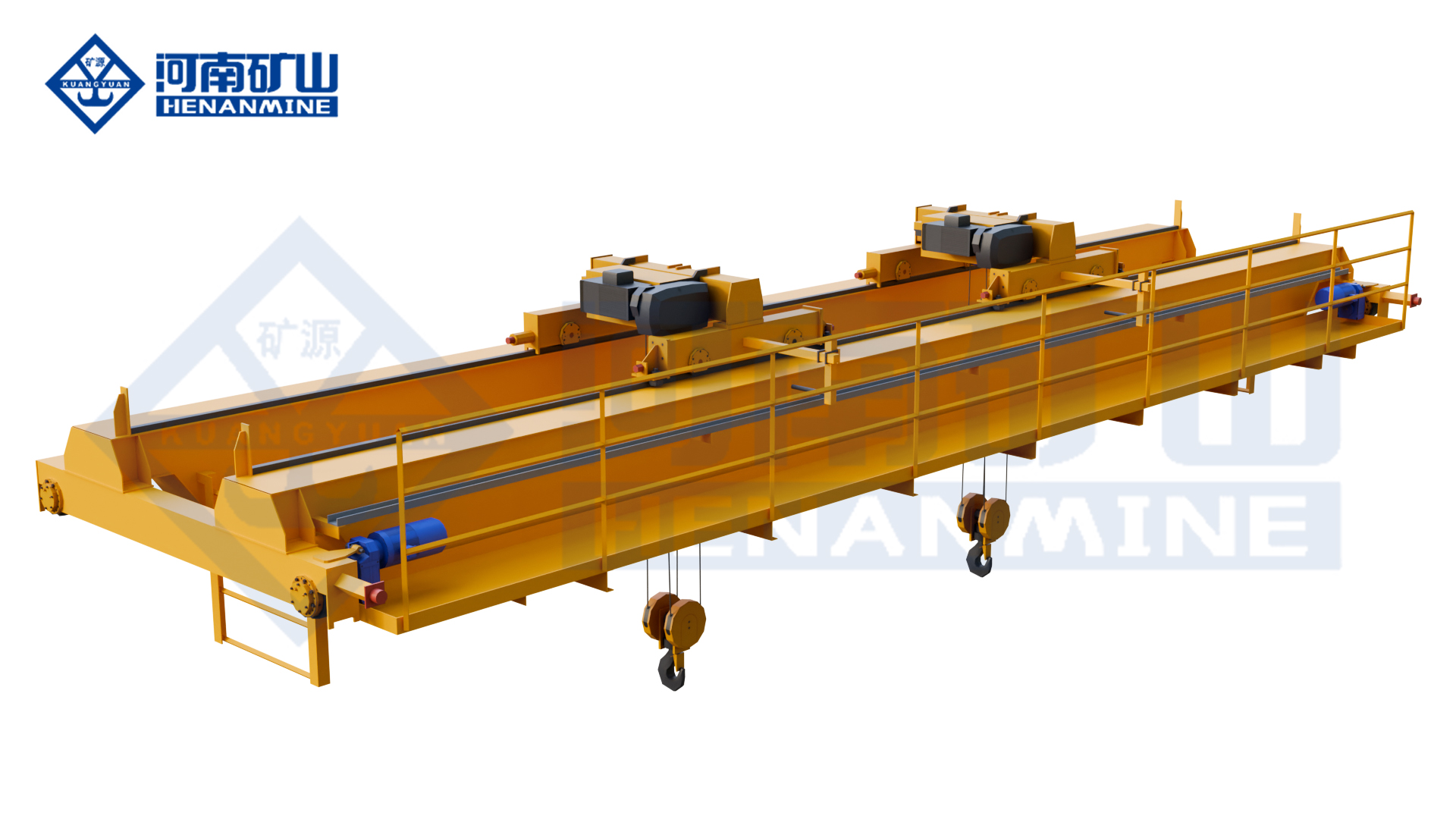
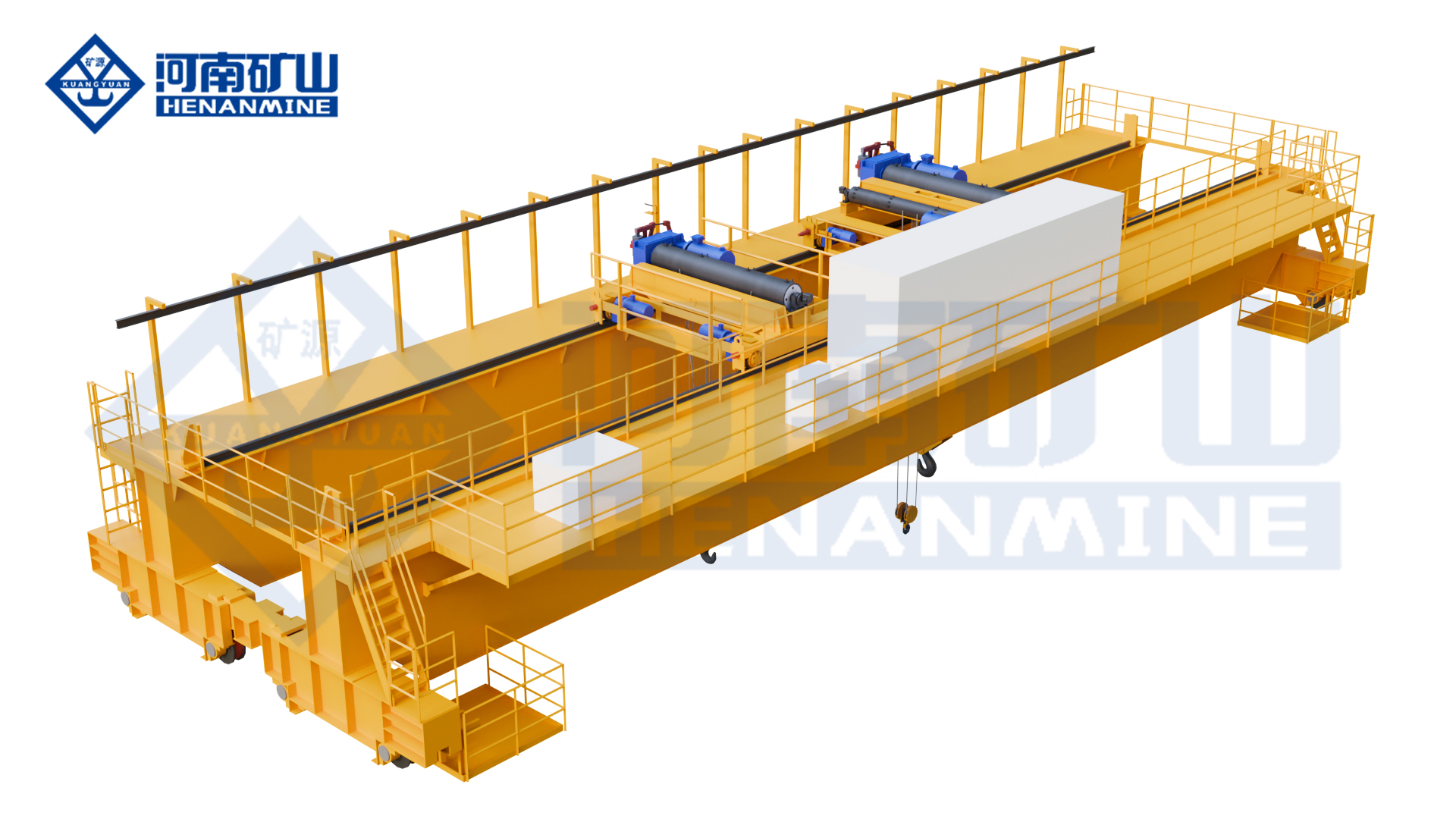
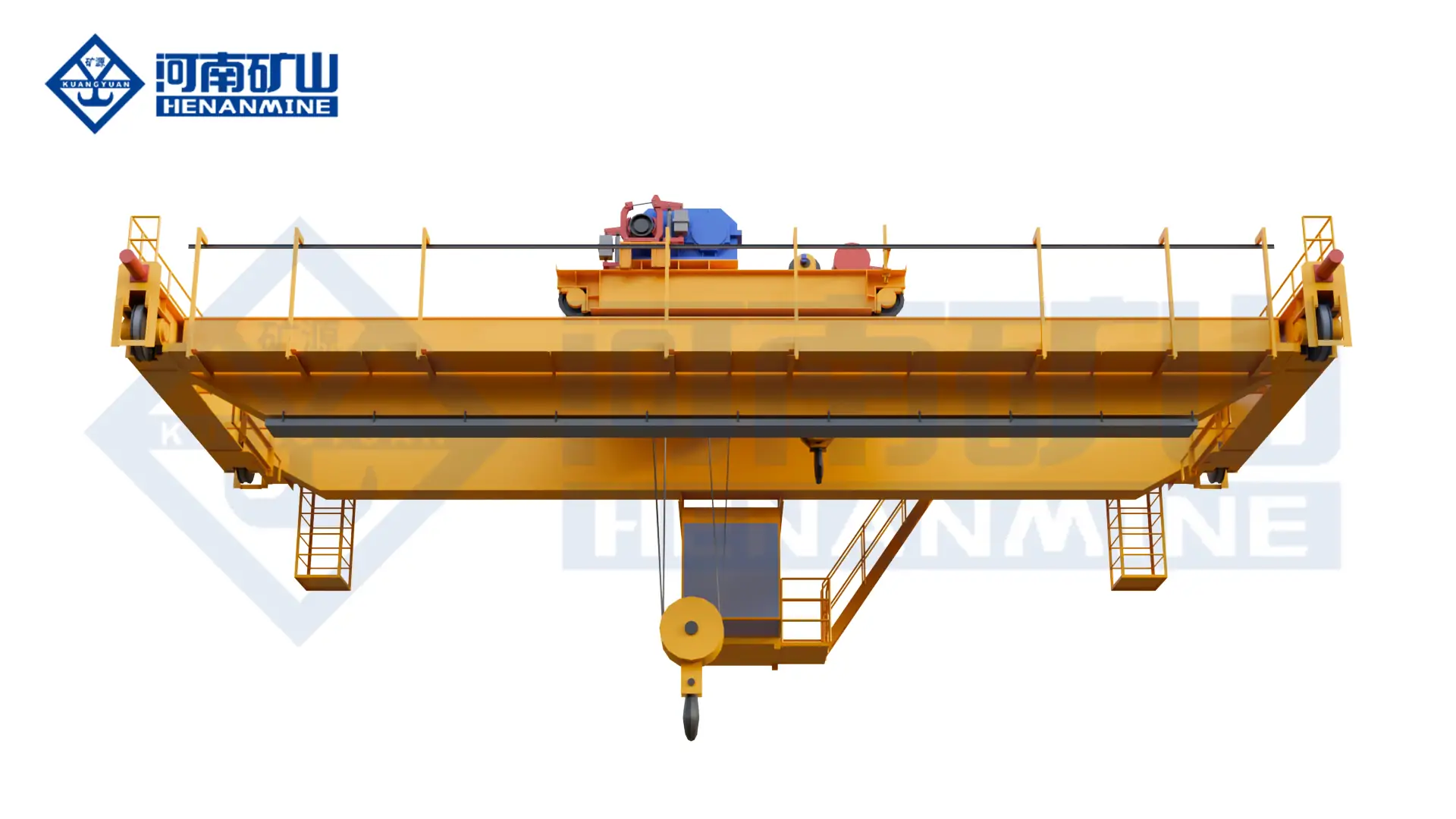
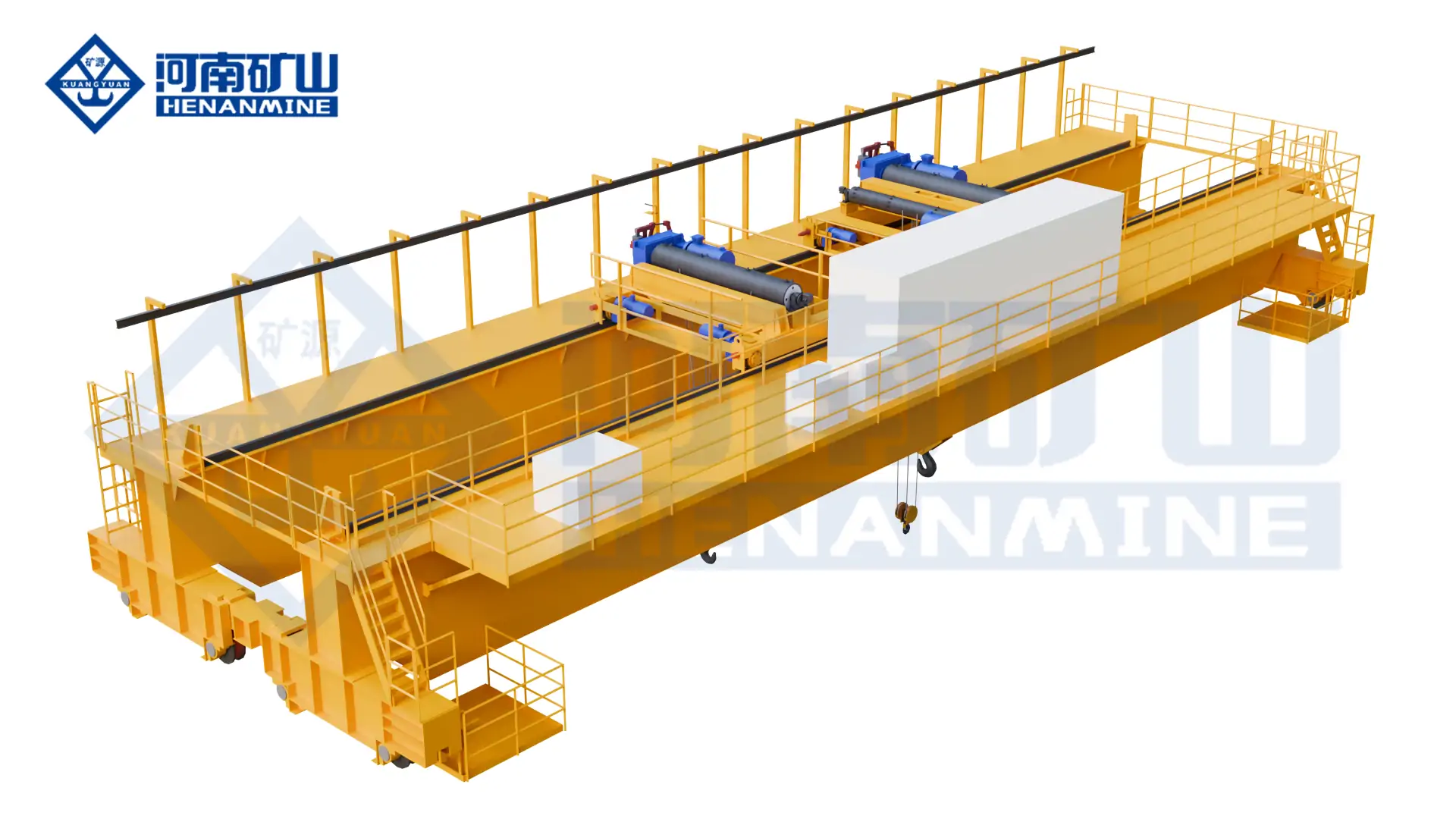
  • Insulated Bridge Crane

    Insulated Bridge Crane

    Overhead Cranes / Henan Mine Crane

    Insulated Bridge Crane

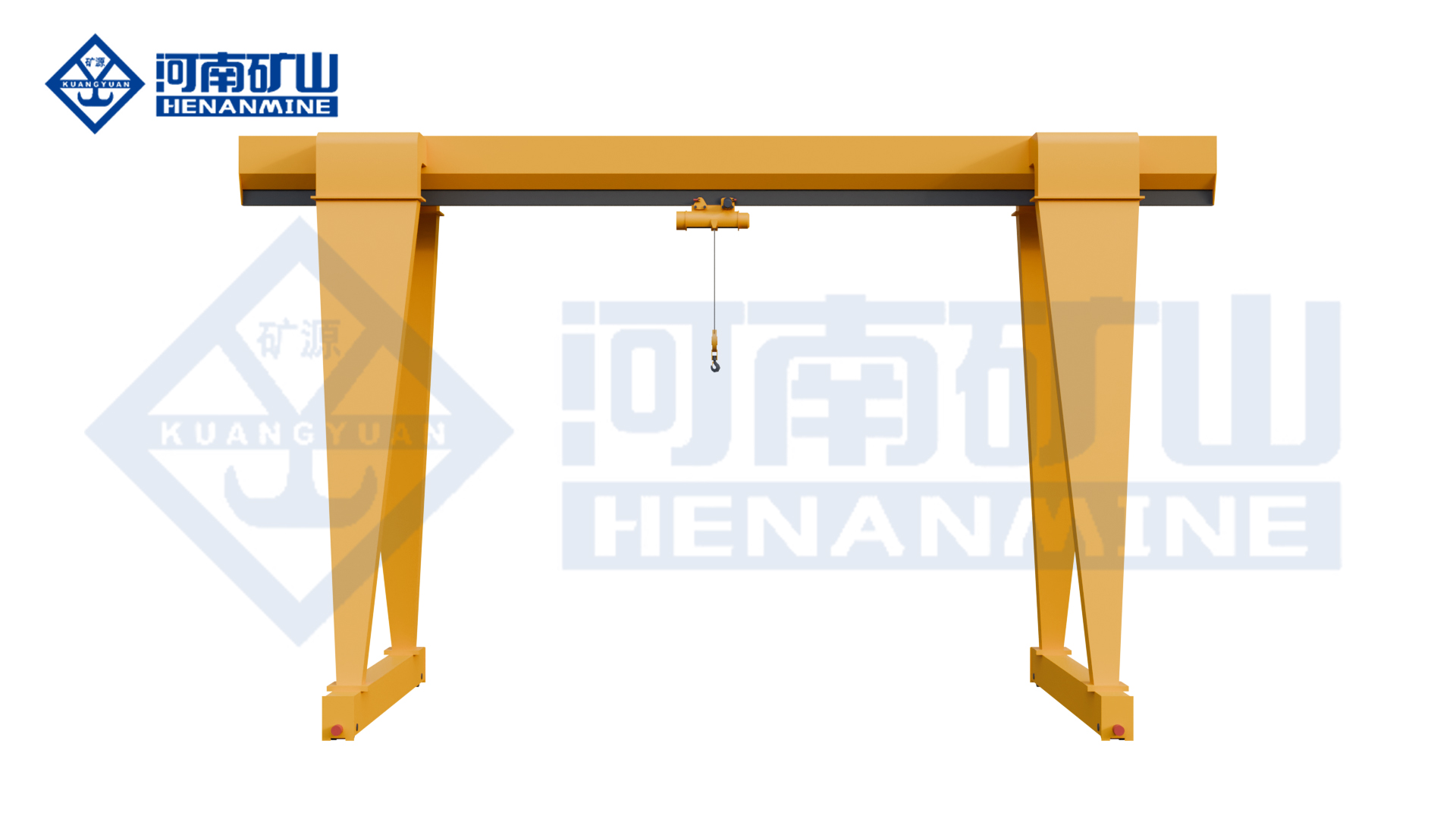
    Use a QY insulated bridge arrangement for lifting in an electrically demanding industrial process. Coordinate the lifting load, isolation positions and inspection requirements with the site.

    Lifting capacity5–20/5 t
    Span10m – 35m
    Working classA4 – A6
    Technical specifications

    Define the total suspended load, duty and site conditions for your project.

    Technical specifications

    Check the load.
    Plan the configuration.

    Parameters and equipment options are matched to the application and confirmed in the technical proposal.

    Discuss your configuration
    ModelQY
    Rated Lifting Capacity5–20/5 t
    Span10m – 35m
    Lifting Height6m – 30m
    Motor insulation classClass F (customizable to Class H)
    Control ModeCabin/ground handle/wireless remote
    Working ClassA4 – A6
    Lifting Speed0.8m/min – 10m/min
    Crane Travel Speed10m/min – 30m/min
    Trolley Travel Speed8m/min – 25m/min
    Insulation ProtectionInsulation pad + insulation sleeve + insulation plate
    Power Supply380V/50Hz; 220V-660V/60Hz
    Protection LevelIP65
    Working Temperature-25℃ ~ 120℃
    Structural FeatureHeavy-duty modular assembly

    Final parameters, dimensions, wheel loads and supply scope follow the approved project specification.

    Application & operation

    Matched to the handling task.

    Electrical process handling

    Transfer components while meeting the declared process isolation requirements.

    Industrial maintenance

    Coordinate lifting access around equipment with defined electrical conditions.

    Selection considerations

    Start with your operating conditions.

    01

    Load & lifting arrangement

    Specify workpiece, lifting appliance and main or auxiliary tasks. Include lifting-appliance weight and the required lifting positions.

    02

    Site & available space

    Provide process positions, runway geometry and electrical clearances. Coordinate the installation interfaces with the available site drawings.

    03

    Duty & control sequence

    Define isolation requirements, thermal exposure and inspection provisions. Identify the required movements and control interfaces in the enquiry.

    Configuration comparison

    Compare related lifting arrangements.

    Crane arrangementHandling configuration
    Insulated Bridge CraneUse a QY insulated bridge arrangement for lifting in an electrically demanding industrial process. Coordinate the lifting load, isolation positions and inspection requirements with the site.
    Insulated Double Girder Travelling CraneProvide insulated double-girder lifting for a defined electrical process. The suspension arrangement, lifting appliance and isolation positions are selected from the load path and site conditions.
    Dual Trolley Insulated Overhead CraneCoordinate two lifting trolleys within an insulated overhead crane arrangement. Define the load at each hook, electrical isolation requirements and permitted individual or combined movements.
    LH Electric Hoist Double Girder CraneUse an LH double-girder bridge with an electric-hoist trolley for workshop lifting, assembly and maintenance. Match the hoist arrangement to the suspended load, hook travel and available building space.

    Operating protection & lifecycle support

    Plan beyond the equipment.

    01

    Operating protection

    Confirm overload protection, travel limits, brakes, emergency controls and the required process interlocks for the declared lifting task.

    02

    Installation & commissioning

    Agree runway reactions, structural interfaces, electrical connections, assembly, inspection and commissioning responsibilities before delivery.

    03

    Inspection & spares

    Plan inspection and maintenance of process insulation components, lifting connections and inspection points. Agree service access, documentation and the required spare-parts scope.

    Questions before the order

    Clarify the details
    that shape the crane.

    What information is needed for a insulated bridge crane quotation?+

    Provide workpiece, lifting appliance and main or auxiliary tasks; process positions, runway geometry and electrical clearances; and isolation requirements, thermal exposure and inspection provisions. Include drawings and the project destination when available.

    Is motor insulation class the same as process isolation?+

    Motor insulation and isolation of the crane lifting path serve different functions. Specify the electrical process conditions and the required isolation and verification points.

    What installation and support scope should be agreed?+

    Agree runway reactions, structural interfaces, electrical connections, assembly, inspection and commissioning responsibilities before delivery. Specify the documentation, training and spare-parts support needed for the project.

    Related equipment

    Explore the alternatives.

    Let’s discuss your project

    The right crane starts
    with your lifting task.

    Share workpiece, lifting appliance and main or auxiliary tasks, together with your site layout and operating cycle.
    info@hnksglobal.com
  • Grab Hook Gantry Crane

    Grab Hook Gantry Crane

    Gantry Cranes / Henan Mine Crane

    Grab Hook Gantry Crane

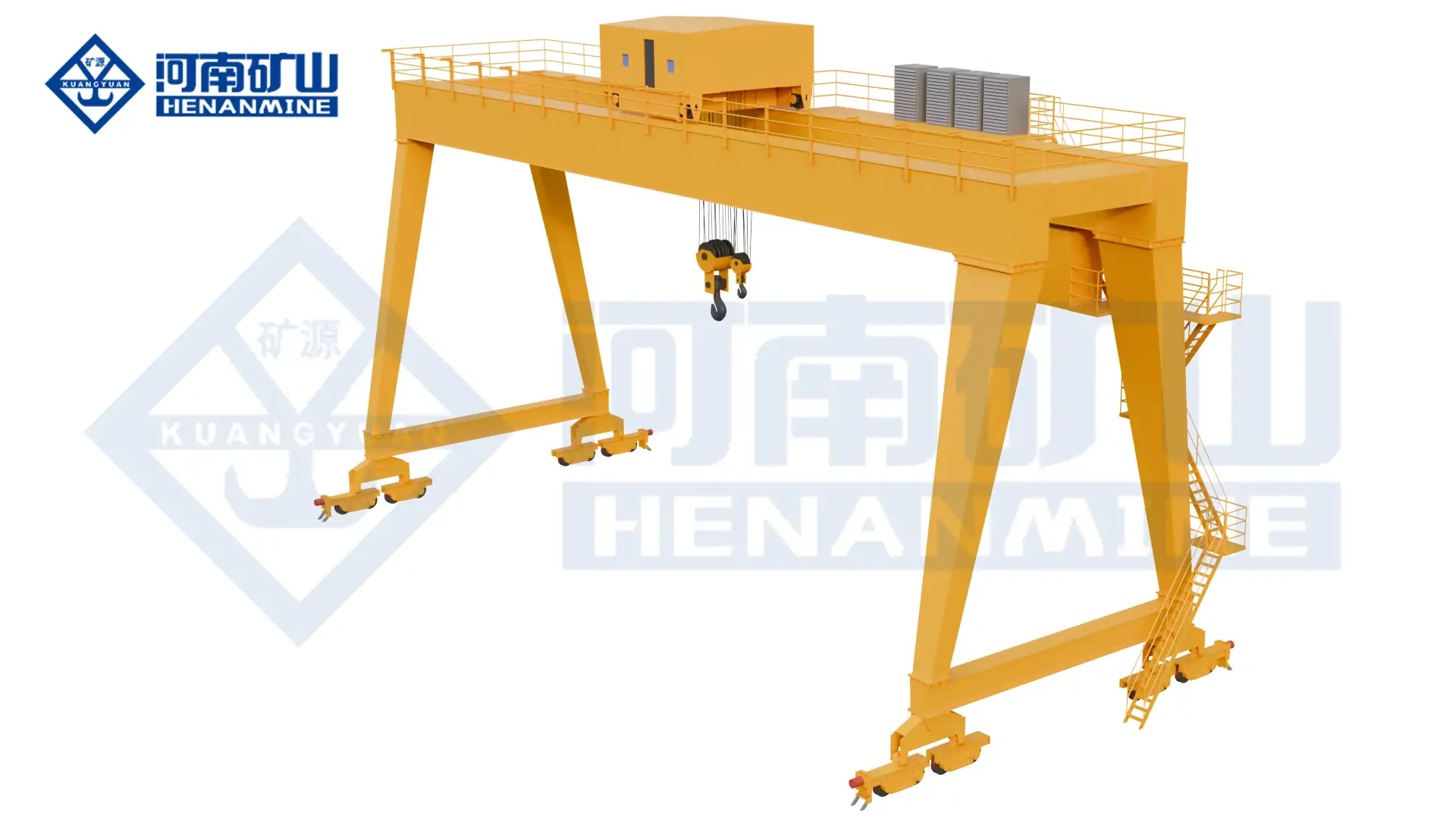
    Combine grab and hook handling on an electric-hoist gantry arrangement. Match the lifting appliance, load cases and changeover method to the outdoor handling layout.

    Lifting capacity1t – 20t
    Span6m – 30m
    Working classA5
    Technical specifications

    Define the total suspended load, duty and site conditions for your project.

    Technical specifications

    Check the load.
    Plan the configuration.

    Parameters and equipment options are matched to the application and confirmed in the technical proposal.

    Discuss your configuration
    TypeMHZE
    Product NameElectric Hoist Gantry Crane
    Rated Lifting Capacity1t – 20t
    Span6m – 30m
    Lifting Height4m – 18m
    Working ClassA5
    Grab Opening & Closing Time3-5s
    Switch ModeQuick change connecting device
    Wheel ProcessForging and rolling composite
    CouplingDrum tooth coupling
    Design FeatureModular design
    Operation ModePendant control / remote control
    Power Supply380V/50Hz; 220-660V/50-60Hz
    Protection LevelIP54
    ApplicationBulk cargo & piece goods mixed handling

    Final parameters, dimensions, wheel loads and supply scope follow the approved project specification.

    Application & operation

    Matched to the handling task.

    Mixed-material yards

    Transfer bulk materials and separately rigged unit loads within the specified area.

    Loading operations

    Coordinate pickup, discharge and vehicle positions with gantry coverage.

    Selection considerations

    Start with your operating conditions.

    01

    Load & lifting arrangement

    Specify bulk density, grab weight and maximum hook load. Include lifting-appliance weight and the required lifting positions.

    02

    Site & available space

    Provide rail span, pickup or discharge points and vehicle clearances. Coordinate the installation interfaces with the available site drawings.

    03

    Duty & control sequence

    Define changeover procedure, lifting duty and outdoor operating conditions. Identify the required movements and control interfaces in the enquiry.

    Configuration comparison

    Compare related lifting arrangements.

    Crane arrangementHandling configuration
    Grab Hook Gantry CraneCombine grab and hook handling on an electric-hoist gantry arrangement. Match the lifting appliance, load cases and changeover method to the outdoor handling layout.
    Grab And Hook Dual Purpose CraneSwitch between bulk-material pickup and hook lifting with a grab-and-hook overhead arrangement. Define each load case, the grab type and the changeover procedure for the working area.
    Single-Girder Gantry CraneCover an outdoor working area with a single-girder electric-hoist gantry crane. Coordinate span, lifting height, leg geometry and any cantilever coverage with the yard and loading route.
    Electromagnetic Hook Double Gantry CraneHandle steel products with a gantry arrangement combining hook and electromagnetic lifting functions. Define the trolley arrangement, load cases and changeover sequence for the yard.

    Operating protection & lifecycle support

    Plan beyond the equipment.

    01

    Operating protection

    Define travel limits, overload protection, traffic clearances and the outdoor operating limits for the proposed arrangement.

    02

    Installation & commissioning

    Agree rail foundations, runway alignment, wheel-load interfaces, erection access, electrical connections and commissioning responsibilities.

    03

    Inspection & spares

    Plan inspection and maintenance of grab connections, hoist equipment and travel mechanisms. Agree service access, documentation and the required spare-parts scope.

    Questions before the order

    Clarify the details
    that shape the crane.

    What information is needed for a grab hook gantry crane quotation?+

    Provide bulk density, grab weight and maximum hook load; rail span, pickup or discharge points and vehicle clearances; and changeover procedure, lifting duty and outdoor operating conditions. Include drawings and the project destination when available.

    Can the same rated capacity be assumed for every operating mode?+

    Provide the appliance dead weight and the material or unit-load weight for each mode. The proposal defines the permissible suspended loads and changeover arrangement.

    What installation and support scope should be agreed?+

    Agree rail foundations, runway alignment, wheel-load interfaces, erection access, electrical connections and commissioning responsibilities. Specify the documentation, training and spare-parts support needed for the project.

    Related equipment

    Explore the alternatives.

    Let’s discuss your project

    The right crane starts
    with your lifting task.

    Share bulk density, grab weight and maximum hook load, together with your site layout and operating cycle.
    info@hnksglobal.com
  • Grab And Hook Dual Purpose Crane

    Grab And Hook Dual Purpose Crane

    Overhead Cranes / Henan Mine Crane

    Grab And Hook Dual Purpose Crane

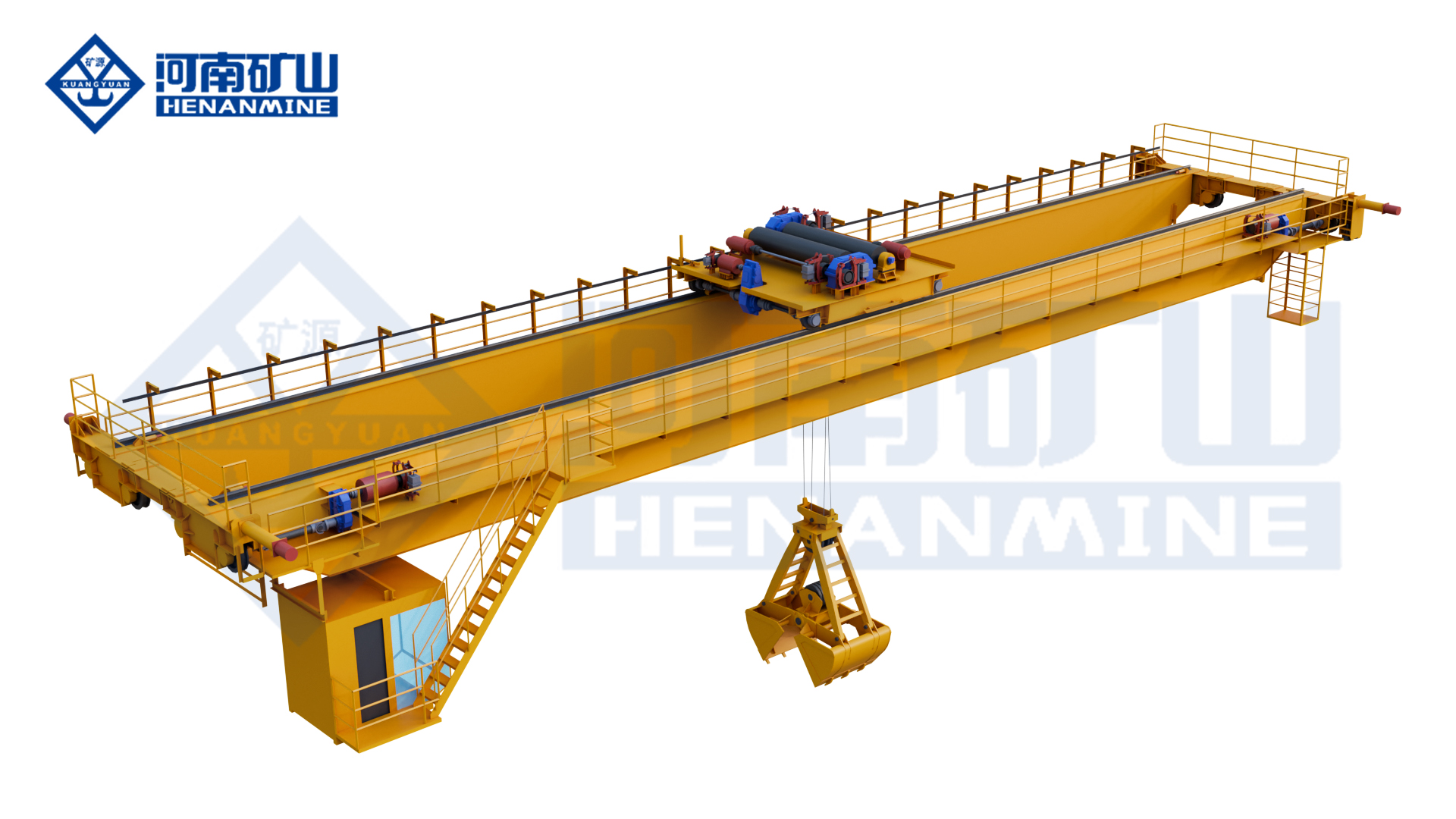
    Switch between bulk-material pickup and hook lifting with a grab-and-hook overhead arrangement. Define each load case, the grab type and the changeover procedure for the working area.

    Lifting capacity5 – 16 t
    Span10.5 – 31.5 m
    Working classA5 – A6
    Technical specifications

    Define the total suspended load, duty and site conditions for your project.

    Technical specifications

    Check the load.
    Plan the configuration.

    Parameters and equipment options are matched to the application and confirmed in the technical proposal.

    Discuss your configuration
    Capacity5 – 16 t
    Span10.5 – 31.5 m
    Lifting height6 – 20 m
    Working classA5 – A6
    Hoisting speed15 – 40 m/min
    Trolley travel5 – 20 m/min
    Crane travel10 – 40 m/min
    Power supply220-690V, 50/60Hz
    ControlsWireless Remote / Cabin Control
    Lifting arrangementDetachable Hydraulic Grab

    Final parameters, dimensions, wheel loads and supply scope follow the approved project specification.

    Application & operation

    Matched to the handling task.

    Bulk materials

    Transfer declared loose materials between receiving and discharge positions.

    Unit loads

    Handle separately rigged components using the specified hook arrangement.

    Selection considerations

    Start with your operating conditions.

    01

    Load & lifting arrangement

    Specify bulk density, material size and separately rigged load cases. Include lifting-appliance weight and the required lifting positions.

    02

    Site & available space

    Provide pickup points, discharge height and hook coverage. Coordinate the installation interfaces with the available site drawings.

    03

    Duty & control sequence

    Define grab type, appliance weight and mode-change requirements. Identify the required movements and control interfaces in the enquiry.

    Configuration comparison

    Compare related lifting arrangements.

    Crane arrangementHandling configuration
    Grab And Hook Dual Purpose CraneSwitch between bulk-material pickup and hook lifting with a grab-and-hook overhead arrangement. Define each load case, the grab type and the changeover procedure for the working area.
    Intelligent Grab Overhead CraneHandle bulk materials with a grab overhead crane configured for the material and working cycle. Select the grab volume, lifting arrangement and operating sequence from pickup and discharge conditions.
    Single Girder Grab CraneLift loose bulk material with an LDZ single-girder grab crane. Select the grab, complete suspended load and pickup or discharge geometry around the material and working cycle.
    Grab Hook Gantry CraneCombine grab and hook handling on an electric-hoist gantry arrangement. Match the lifting appliance, load cases and changeover method to the outdoor handling layout.

    Operating protection & lifecycle support

    Plan beyond the equipment.

    01

    Operating protection

    Confirm overload protection, travel limits, brakes, emergency controls and the required process interlocks for the declared lifting task.

    02

    Installation & commissioning

    Agree runway reactions, structural interfaces, electrical connections, assembly, inspection and commissioning responsibilities before delivery.

    03

    Inspection & spares

    Plan inspection and maintenance of grab mechanisms, hook connections and hoist rope systems. Agree service access, documentation and the required spare-parts scope.

    Questions before the order

    Clarify the details
    that shape the crane.

    What information is needed for a grab and hook dual purpose crane quotation?+

    Provide bulk density, material size and separately rigged load cases; pickup points, discharge height and hook coverage; and grab type, appliance weight and mode-change requirements. Include drawings and the project destination when available.

    How is the grab capacity selected?+

    Grab volume and dead weight must be checked against material bulk density, pickup conditions and the permissible suspended load. Define the hook load separately for the alternate operating mode.

    What installation and support scope should be agreed?+

    Agree runway reactions, structural interfaces, electrical connections, assembly, inspection and commissioning responsibilities before delivery. Specify the documentation, training and spare-parts support needed for the project.

    Related equipment

    Explore the alternatives.

    Let’s discuss your project

    The right crane starts
    with your lifting task.

    Share bulk density, material size and separately rigged load cases, together with your site layout and operating cycle.
    info@hnksglobal.com