Engineering · Manufacturing · Project support
info@hnksglobal.comWhatsApp +86 18836207779 ↗

分类: Electric Hoists

  • New Electric Hoist

    New Electric Hoist

    Electric Hoists / Henan Mine Crane

    New Electric Hoist

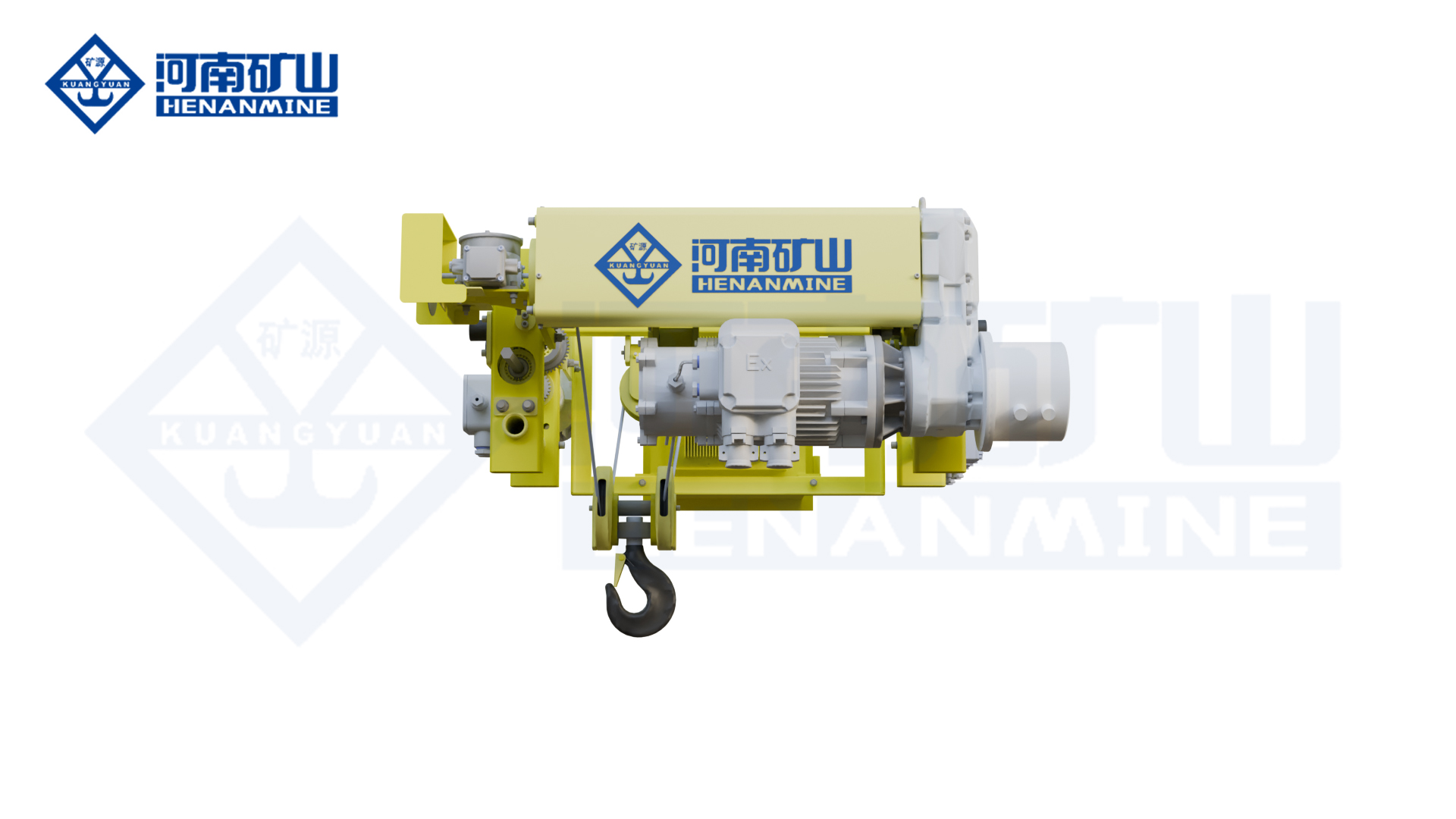
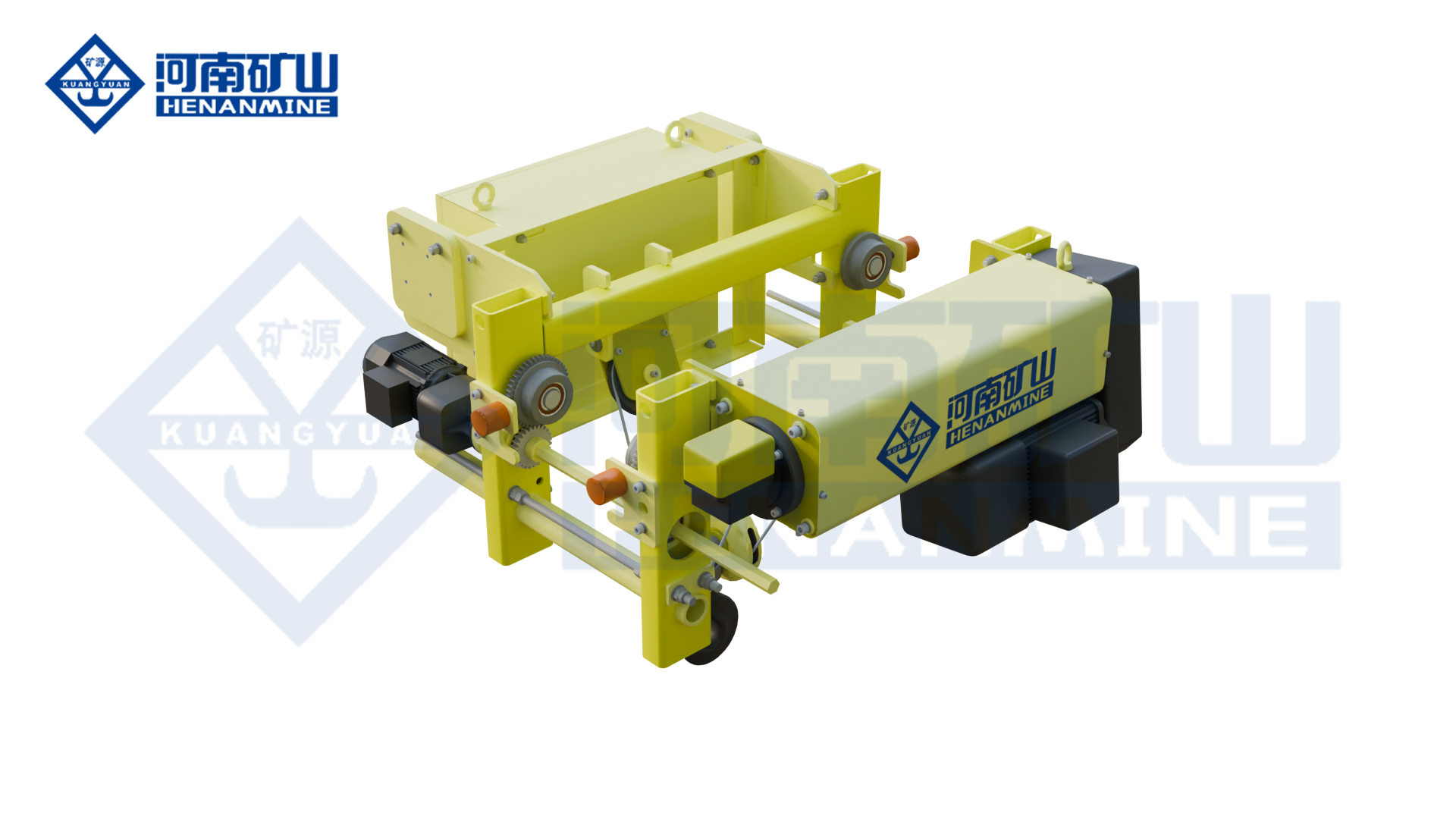
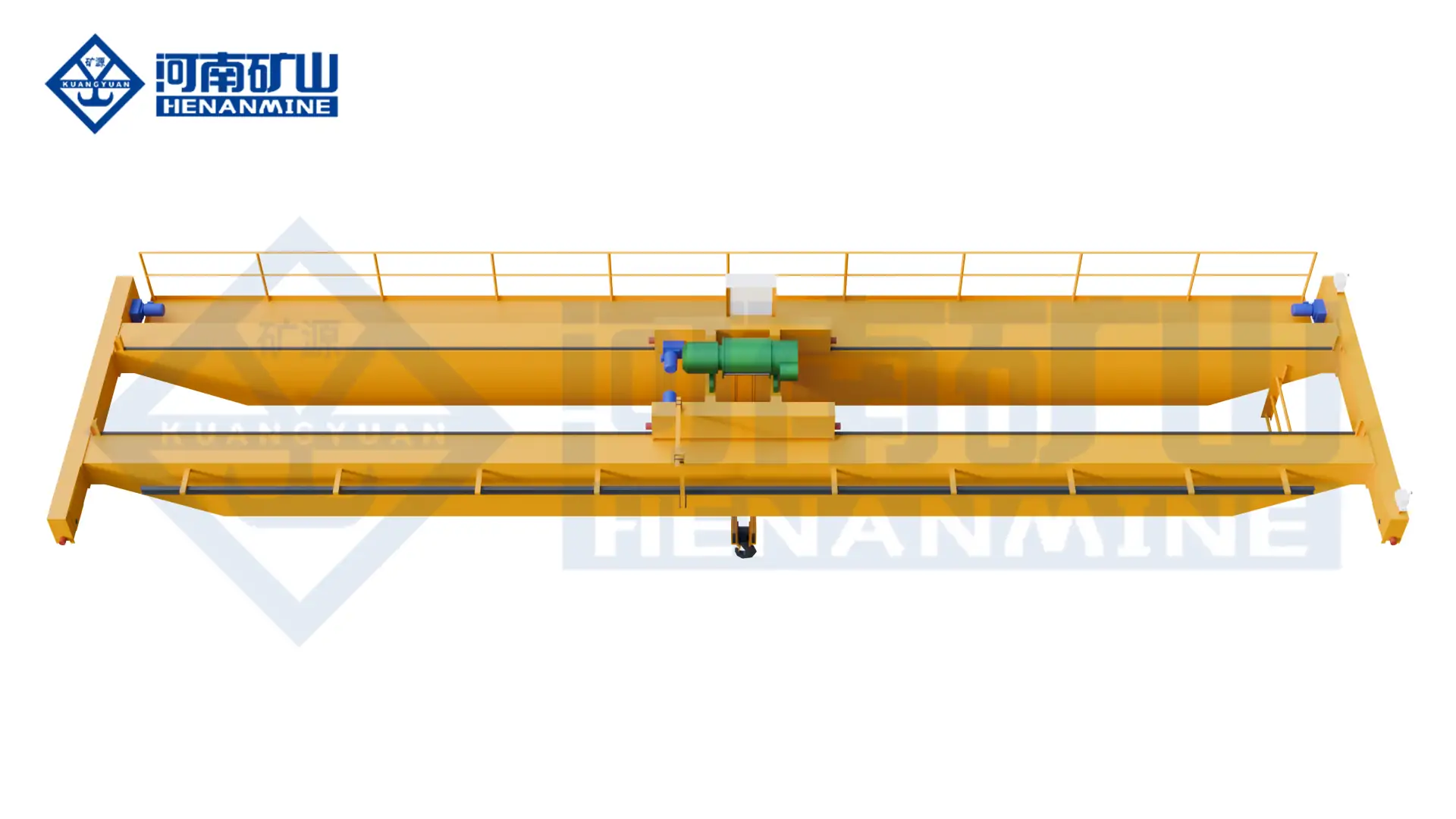
    Configure a compact electric hoist for a defined lifting point or crane system. Select the mounting arrangement, hook travel and operating duty around the load and installation space.

    Lifting capacity0.5t – 10t
    Lifting height3m – 30m
    DutyM5 – M6
    Technical specifications

    Define the total suspended load, duty and site conditions for your project.

    Technical specifications

    Check the load.
    Plan the configuration.

    Parameters and equipment options are matched to the application and confirmed in the technical proposal.

    Discuss your configuration
    Rated Lifting Capacity0.5t – 10t
    Lifting Height3m – 30m
    Lifting Speed0.3m/min – 8m/min
    Travel Speed10m/min – 20m/min
    Power Supply380V/50Hz, 415V/60Hz (Customizable)
    Motor Power0.5kW – 1.8kW
    Working ClassM5 – M6
    Protection LevelIP55 (IP65 optional)
    Working Environment-20℃ ~ 40℃, RH ≤ 85%

    Final parameters, dimensions, wheel loads and supply scope follow the approved project specification.

    Application & operation

    Matched to the handling task.

    Workshop lifting points

    Provide vertical lifting at a fixed or travelling installation.

    Crane mechanisms

    Integrate a matched electric hoist with the bridge and trolley arrangement.

    Selection considerations

    Start with your operating conditions.

    01

    Load & lifting arrangement

    Specify suspended load, hook travel and lifting speed requirement. Include lifting-appliance weight and the required lifting positions.

    02

    Site & available space

    Provide mounting method, beam details and available headroom. Coordinate the installation interfaces with the available site drawings.

    03

    Duty & control sequence

    Define load spectrum, starts per hour and site power. Identify the required movements and control interfaces in the enquiry.

    Configuration comparison

    Compare related lifting arrangements.

    Crane arrangementHandling configuration
    New Electric HoistConfigure a compact electric hoist for a defined lifting point or crane system. Select the mounting arrangement, hook travel and operating duty around the load and installation space.
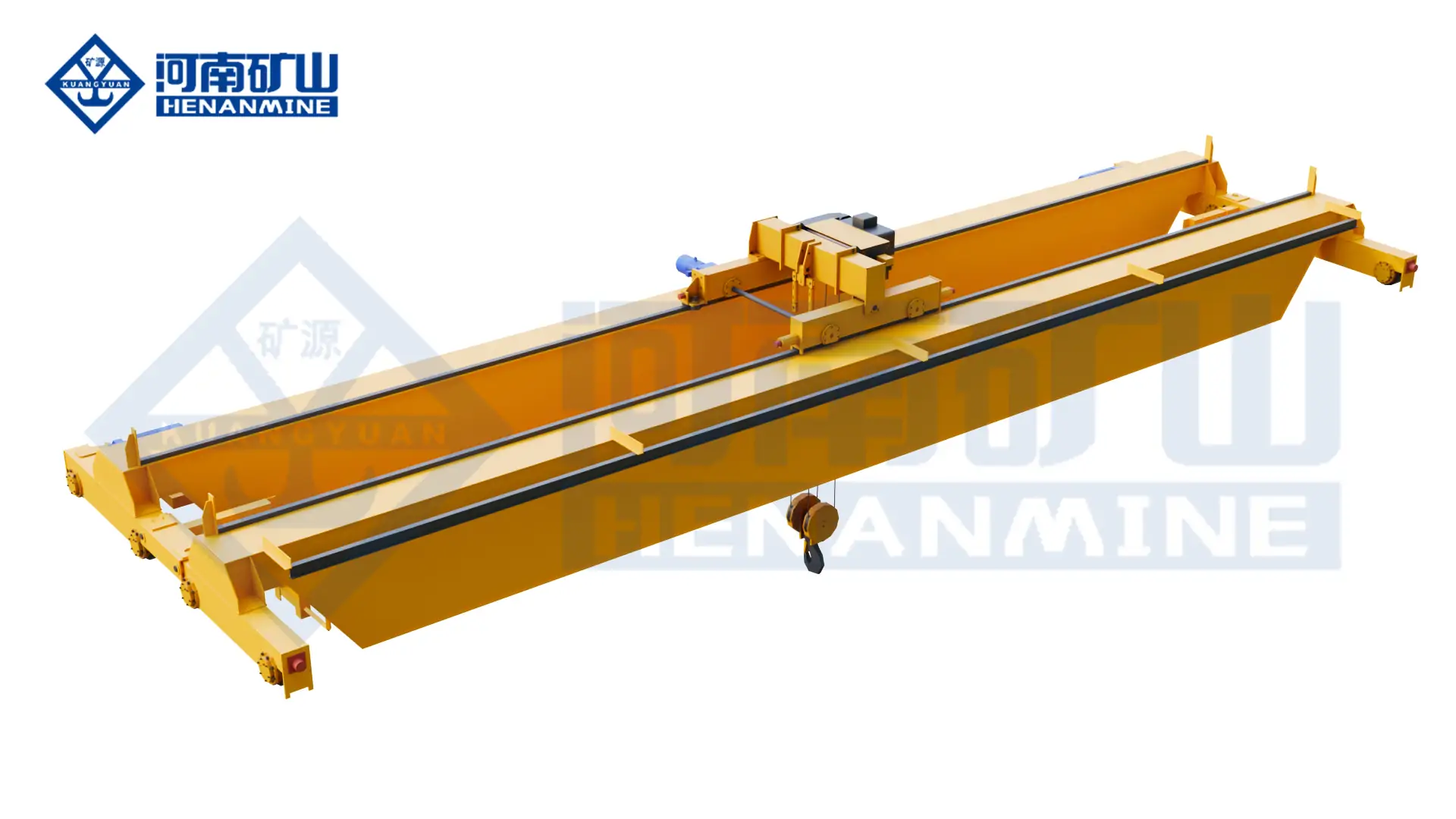
    Modular Electric Hoist Overhead CraneUse a modular electric-hoist overhead crane for production, assembly and maintenance lifting. Select the hoist arrangement, hook coverage and movement control for the workshop and operating cycle.
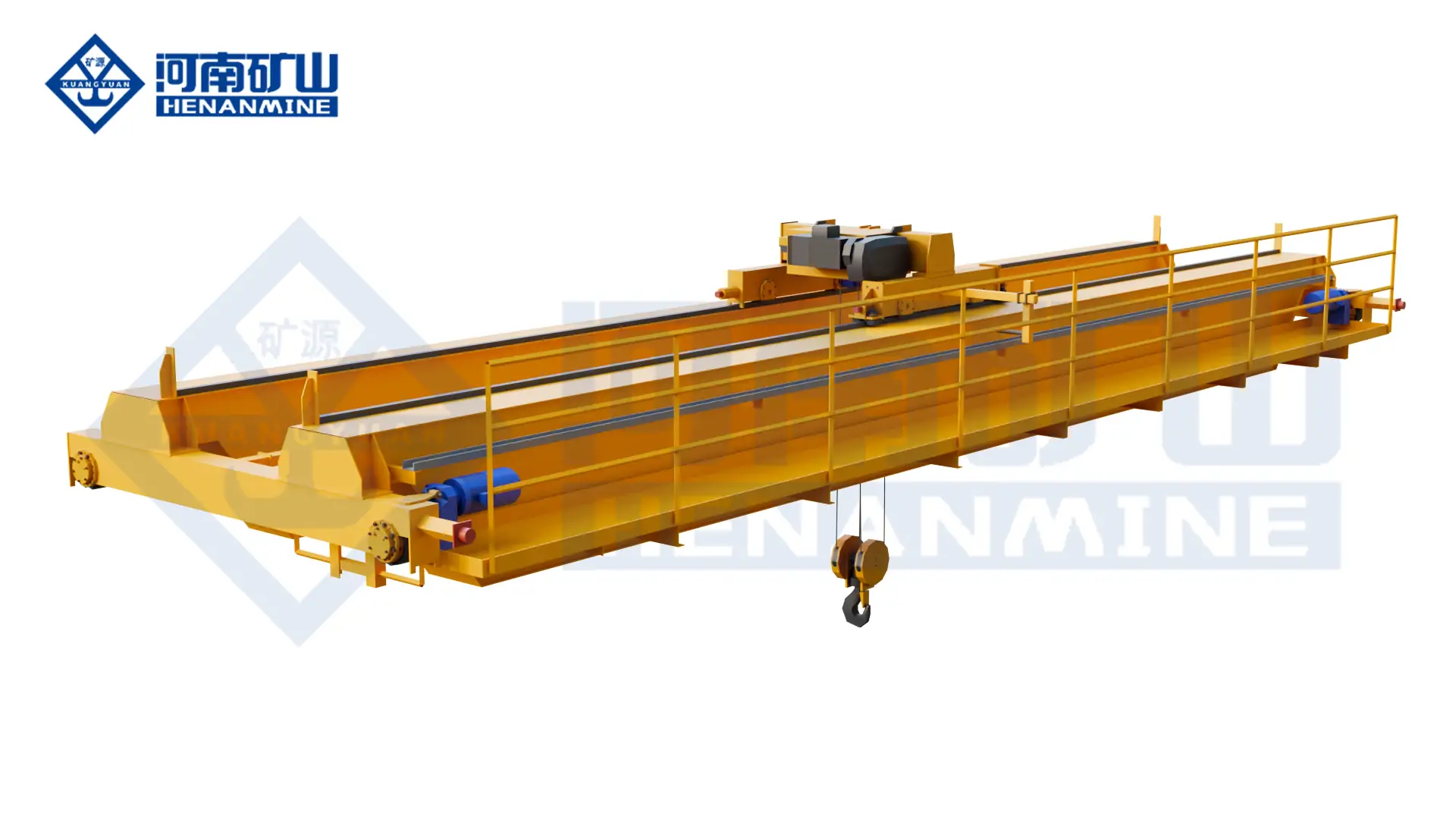
    LH Electric Hoist Double Girder CraneUse an LH double-girder bridge with an electric-hoist trolley for workshop lifting, assembly and maintenance. Match the hoist arrangement to the suspended load, hook travel and available building space.
    Explosion-Proof Electric HoistSpecify an explosion-proof electric hoist for the declared load, mounting arrangement and hazardous area. Coordinate the hoisting mechanism, trolley, controls and electrical protection with the installation.

    Operating protection & lifecycle support

    Plan beyond the equipment.

    01

    Operating protection

    Specify the required load protection, hoisting limits, braking, emergency controls and any declared hazardous-area requirements.

    02

    Installation & commissioning

    Agree mounting or beam interfaces, trolley arrangement, electrical connections, inspection, testing and commissioning responsibilities.

    03

    Inspection & spares

    Plan inspection and maintenance of hoist rope or load-bearing element, hook assembly and travel unit. Agree service access, documentation and the required spare-parts scope.

    Questions before the order

    Clarify the details
    that shape the crane.

    What information is needed for a new electric hoist quotation?+

    Provide suspended load, hook travel and lifting speed requirement; mounting method, beam details and available headroom; and load spectrum, starts per hour and site power. Include drawings and the project destination when available.

    What is needed to select a fixed or travelling hoist?+

    State the mounting method and whether horizontal travel is required. Provide beam dimensions, available headroom, travel length, lifting load and the operating cycle.

    What installation and support scope should be agreed?+

    Agree mounting or beam interfaces, trolley arrangement, electrical connections, inspection, testing and commissioning responsibilities. Specify the documentation, training and spare-parts support needed for the project.

    Related equipment

    Explore the alternatives.
    Let’s discuss your project

    The right crane starts
    with your lifting task.

    Share suspended load, hook travel and lifting speed requirement, together with your site layout and operating cycle.

    info@hnksglobal.com
  • Explosion-Proof Electric Hoist

    Explosion-Proof Electric Hoist

    Electric Hoists / Henan Mine Crane

    Explosion-Proof Electric Hoist

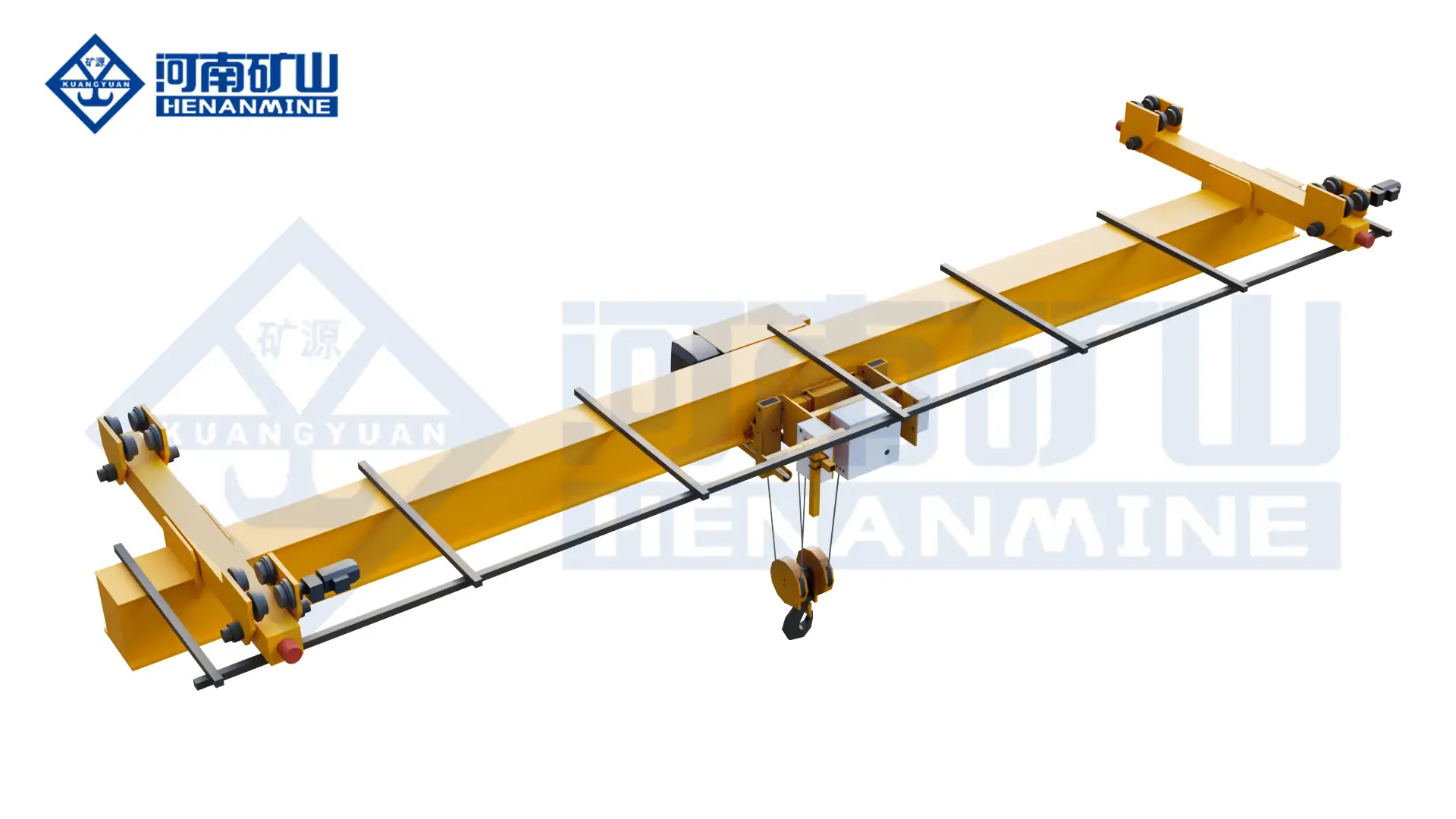
    Specify an explosion-proof electric hoist for the declared load, mounting arrangement and hazardous area. Coordinate the hoisting mechanism, trolley, controls and electrical protection with the installation.

    Lifting capacity0.25 t – 32 t
    Lifting height6 m – 60 m
    DutyFC=25%
    Technical specifications

    Define the total suspended load, duty and site conditions for your project.

    Technical specifications

    Check the load.
    Plan the configuration.

    Parameters and equipment options are matched to the application and confirmed in the technical proposal.

    Discuss your configuration
    Lifting Capacity0.25 t – 32 t
    Hoisting Height6 m – 60 m
    Hoisting Speed0.3 – 8 m/min
    Travel Speed14 – 30 m/min
    Hazardous-area configurationMatched to the declared area classification, material group and temperature requirements
    Temperature ClassT4 – T6
    Duty ClassFC=25%(Intermediate)
    Power Supply3-phase AC 380V 50Hz
    Working Environment-20℃ ~ 40℃, RH ≤ 85%, Altitude ≤ 1000m
    Steel Wire Rope6×19, 6×37; Diameter 3.6 – 17.5 mm
    Control ModeExplosion-proof wireless remote control, explosion-proof button box
    Minimum Curvature Radius0.8 m – 11 m

    Final parameters, dimensions, wheel loads and supply scope follow the approved project specification.

    Application & operation

    Matched to the handling task.

    Hazardous-area lifting points

    Provide lifting at a defined beam or crane position.

    Crane hoist systems

    Integrate the hoist and travel unit into the approved crane arrangement.

    Selection considerations

    Start with your operating conditions.

    01

    Load & lifting arrangement

    Specify rated suspended load, lifting height and hook arrangement. Include lifting-appliance weight and the required lifting positions.

    02

    Site & available space

    Provide beam section, mounting method and travel requirements. Coordinate the installation interfaces with the available site drawings.

    03

    Duty & control sequence

    Define area classification, temperature limits and hoisting duty. Identify the required movements and control interfaces in the enquiry.

    Configuration comparison

    Compare related lifting arrangements.

    Crane arrangementHandling configuration
    Explosion-Proof Electric HoistSpecify an explosion-proof electric hoist for the declared load, mounting arrangement and hazardous area. Coordinate the hoisting mechanism, trolley, controls and electrical protection with the installation.
    Explosion Proof Electric Hoist Bridge CraneUse an electric-hoist bridge arrangement for a declared hazardous area. The hoist, drives, controls and electrical installation are specified for the area classification and lifting duty.
    Explosion-Proof Suspended Overhead CraneProvide suspended electric-hoist lifting within a declared hazardous area. Review the overhead support, lifting duty and protection of the hoist, travel drives and controls as one system.
    New Electric HoistConfigure a compact electric hoist for a defined lifting point or crane system. Select the mounting arrangement, hook travel and operating duty around the load and installation space.

    Operating protection & lifecycle support

    Plan beyond the equipment.

    01

    Operating protection

    Specify the required load protection, hoisting limits, braking, emergency controls and any declared hazardous-area requirements.

    02

    Installation & commissioning

    Agree mounting or beam interfaces, trolley arrangement, electrical connections, inspection, testing and commissioning responsibilities.

    03

    Inspection & spares

    Plan inspection and maintenance of hoist rope, hook block and protected control equipment. Agree service access, documentation and the required spare-parts scope.

    Questions before the order

    Clarify the details
    that shape the crane.

    What information is needed for a explosion-proof electric hoist quotation?+

    Provide rated suspended load, lifting height and hook arrangement; beam section, mounting method and travel requirements; and area classification, temperature limits and hoisting duty. Include drawings and the project destination when available.

    Is the hoist supplied with a travelling trolley?+

    State whether a fixed hoist or a travelling arrangement is required. Beam geometry, flange width, travel length and the hazardous-area requirements determine the proposed mounting and trolley.

    What installation and support scope should be agreed?+

    Agree mounting or beam interfaces, trolley arrangement, electrical connections, inspection, testing and commissioning responsibilities. Specify the documentation, training and spare-parts support needed for the project.

    Related equipment

    Explore the alternatives.

    Let’s discuss your project

    The right crane starts
    with your lifting task.

    Share rated suspended load, lifting height and hook arrangement, together with your site layout and operating cycle.
    info@hnksglobal.com
  • Double Girder Truss Gantry Crane

    Double Girder Truss Gantry Crane

    Gantry Cranes / Henan Mine Crane

    Double Girder Truss Gantry Crane

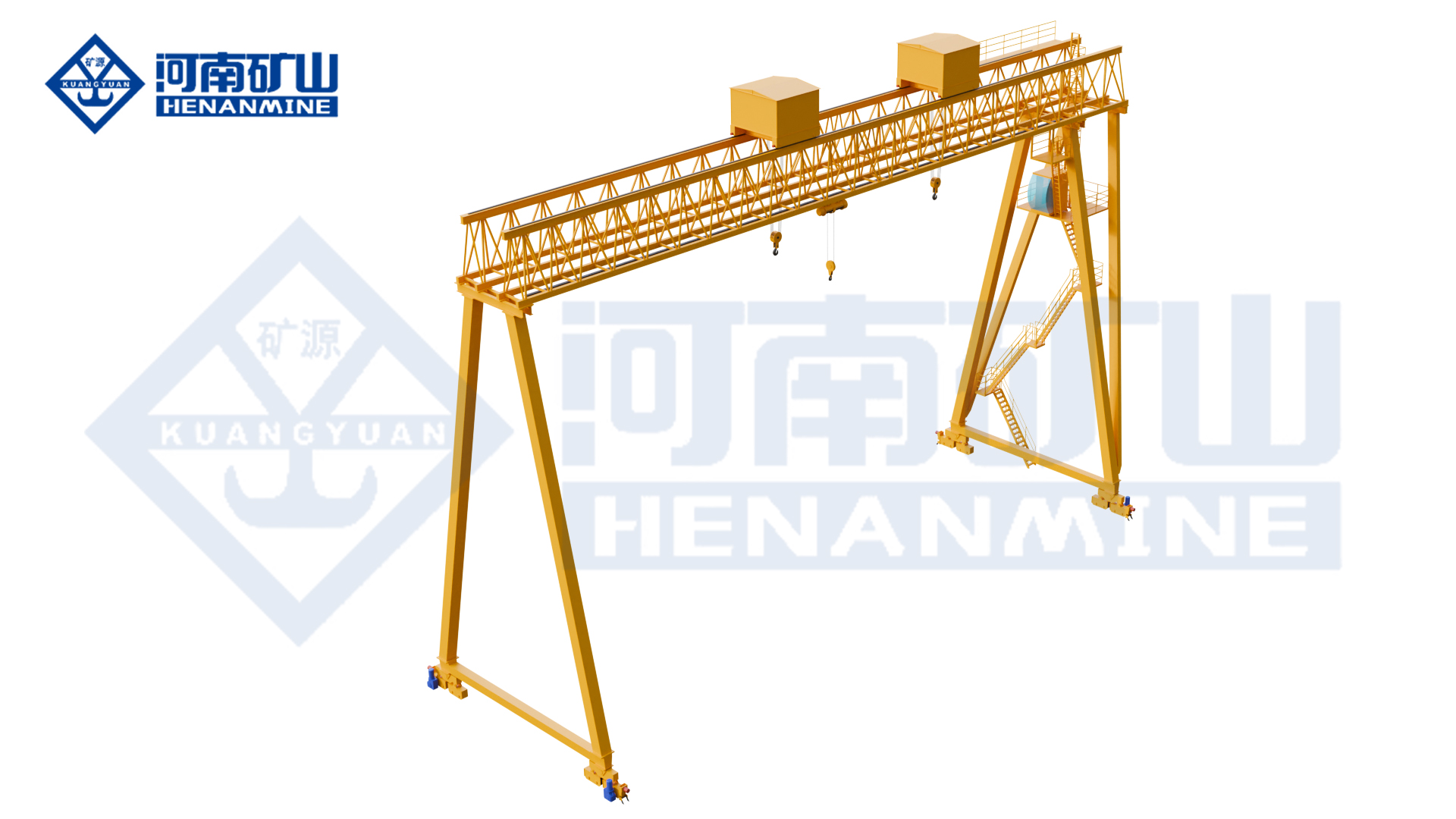
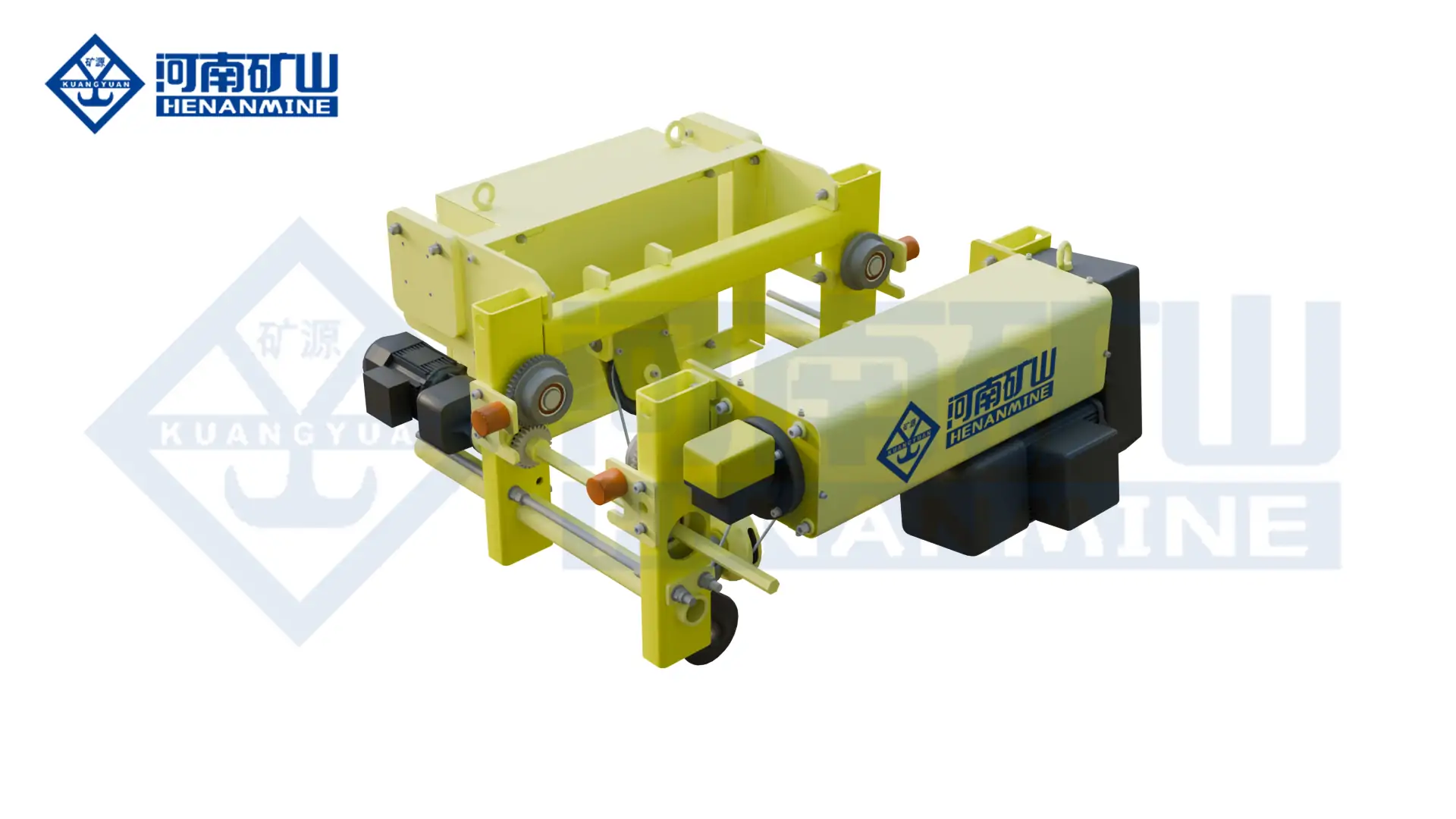
    Use a double-girder truss gantry for yard or construction handling with the lifting points specified for the load. Define trolley quantity, coordinated movements and the transport or assembly constraints.

    Lifting capacity5-50 t
    Span12 – 30 m
    Working classA3-A5
    Technical specifications

    Define the total suspended load, duty and site conditions for your project.

    Technical specifications

    Check the load.
    Plan the configuration.

    Parameters and equipment options are matched to the application and confirmed in the technical proposal.

    Discuss your configuration
    ModelMEH
    Crane TypeTruss Double Girder Gantry Crane
    Rated Lifting Capacity5-50 t
    Span12 – 30 m
    Lifting Height6 – 18 m
    Working DutyA3-A5
    Trolley Quantity2
    Drive SystemVFD Frequency Conversion
    Assembly TypeSectional Bolted Assembly
    Hoisting Speed3 – 10 m/min
    Travel Speed15-40 m/min
    Protection LevelIP54
    Power Supply220-690V, 50/60Hz
    MaterialHigh-Strength Q355B Steel
    ApplicationConstruction Site, Precast Yard, Cargo Yard, Logistics Park

    Final parameters, dimensions, wheel loads and supply scope follow the approved project specification.

    Application & operation

    Matched to the handling task.

    Precast and construction yards

    Handle long components between casting, storage and loading positions.

    Large workpieces

    Coordinate trolley spacing and suspended-load distribution for the handling task.

    Selection considerations

    Start with your operating conditions.

    01

    Load & lifting arrangement

    Specify workpiece length, lifting points and load distribution. Include lifting-appliance weight and the required lifting positions.

    02

    Site & available space

    Provide span, trolley spacing, rail layout and assembly access. Coordinate the installation interfaces with the available site drawings.

    03

    Duty & control sequence

    Define individual or coordinated lifting and outdoor site conditions. Identify the required movements and control interfaces in the enquiry.

    Configuration comparison

    Compare related lifting arrangements.

    Crane arrangementHandling configuration
    Double Girder Truss Gantry CraneUse a double-girder truss gantry for yard or construction handling with the lifting points specified for the load. Define trolley quantity, coordinated movements and the transport or assembly constraints.
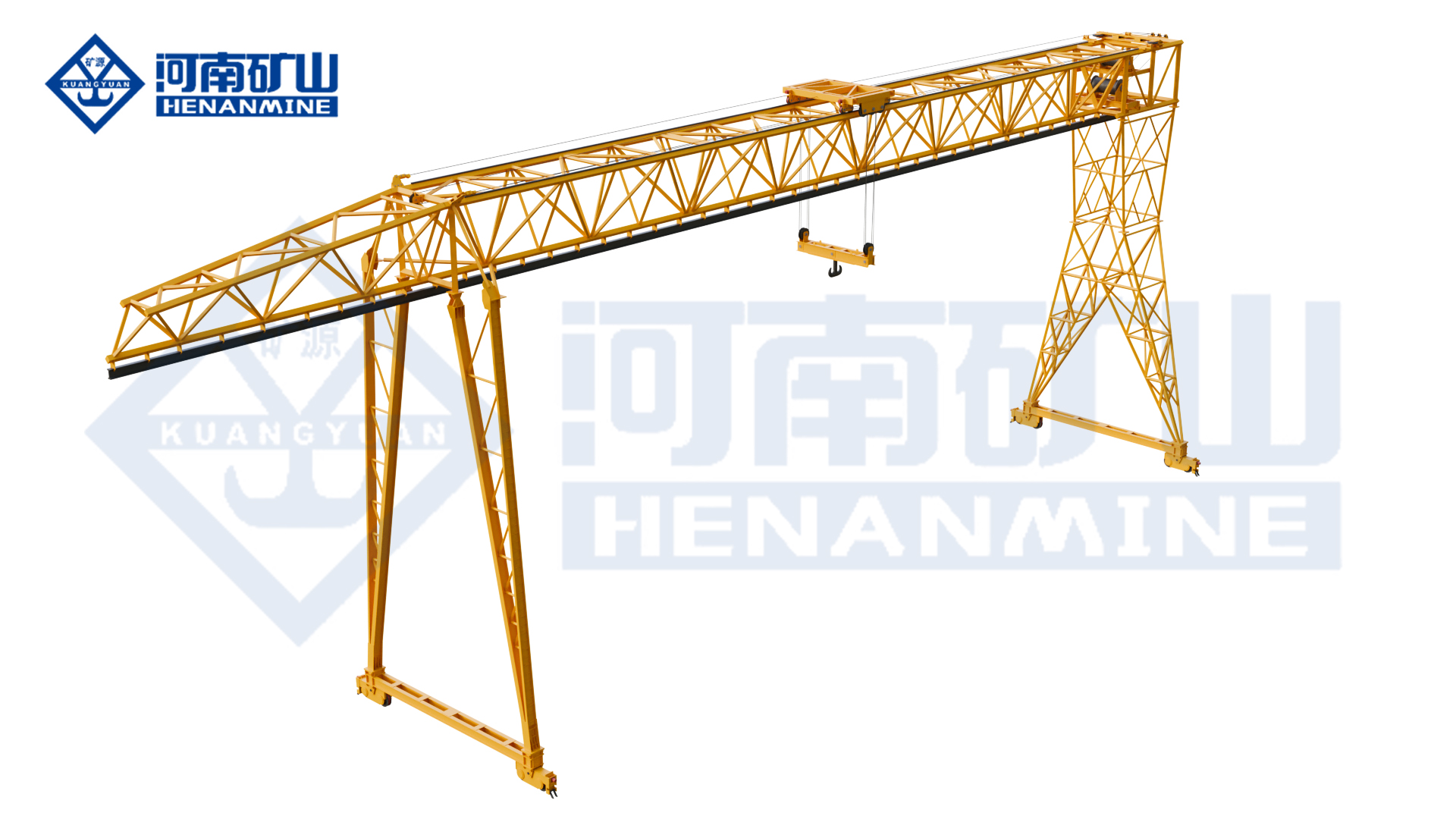
    Truss Gantry CraneHandle yard materials with a truss-structure gantry crane matched to the load and working area. Define lifting coverage, leg geometry and the transport or assembly arrangement for the site.
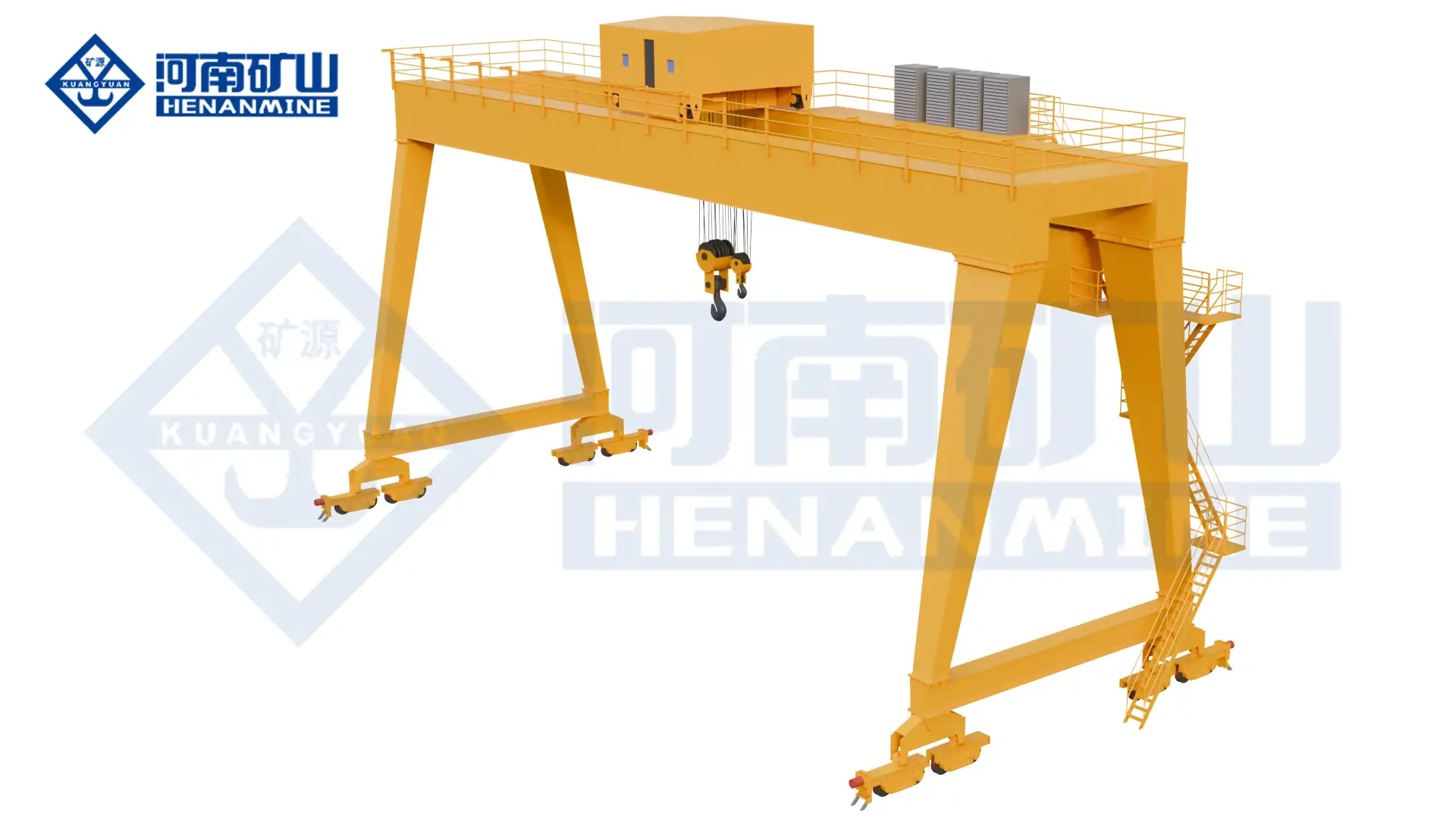
    Double Girder Gantry CraneHandle machinery, steelwork and other heavy loads with a double-girder gantry crane. The lifting mechanism, runway, legs and any cantilevers are selected for the complete yard operation.
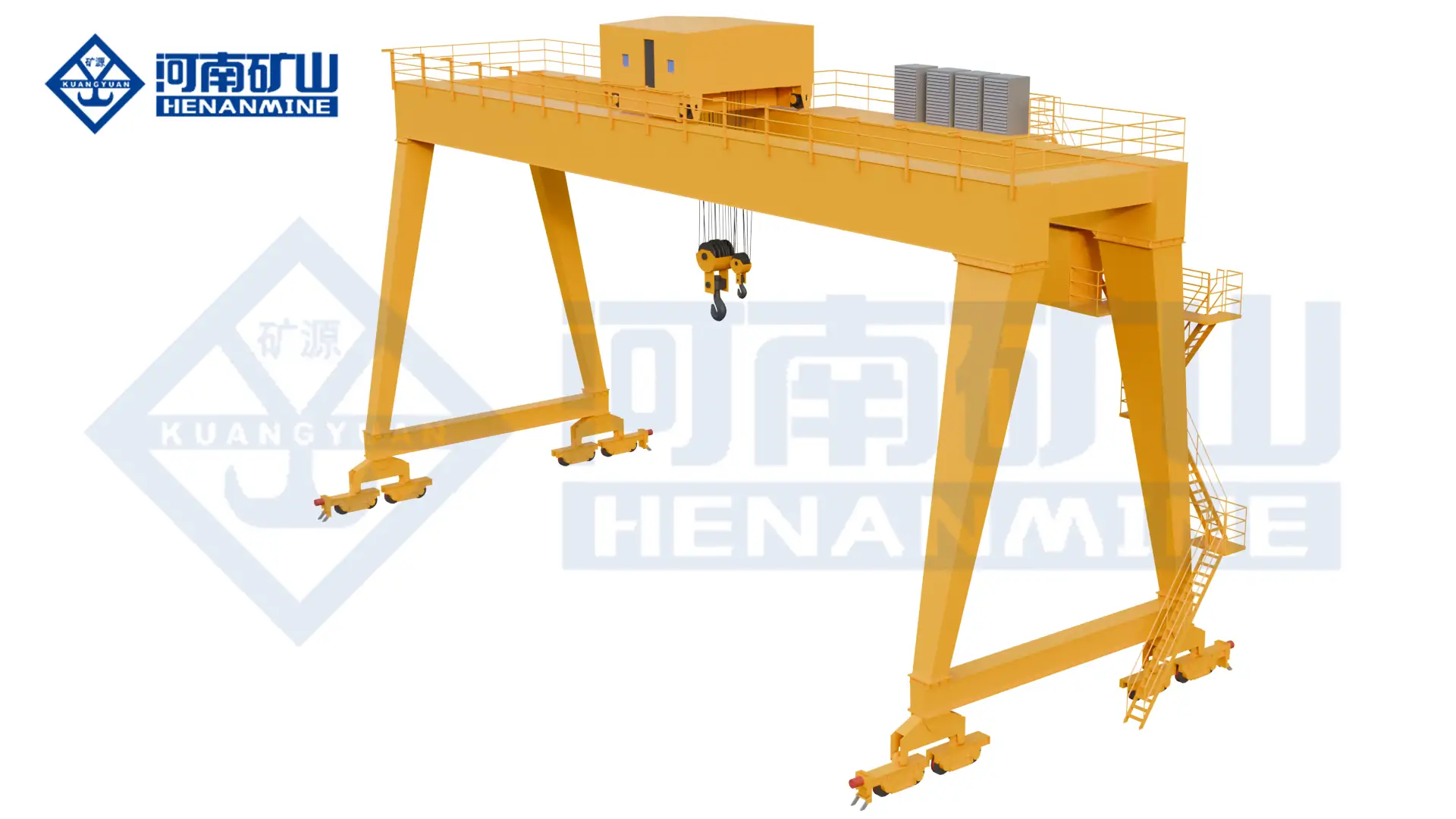
    Double Girder Electric Hoist Gantry CraneCover an outdoor handling area with a double-girder gantry and electric-hoist trolley. Select the load rating, leg geometry, cantilever arrangement and travel coverage around the yard layout.

    Operating protection & lifecycle support

    Plan beyond the equipment.

    01

    Operating protection

    Define travel limits, overload protection, traffic clearances and the outdoor operating limits for the proposed arrangement.

    02

    Installation & commissioning

    Agree rail foundations, runway alignment, wheel-load interfaces, erection access, electrical connections and commissioning responsibilities.

    03

    Inspection & spares

    Plan inspection and maintenance of truss joints, trolley mechanisms and coordinated-control devices. Agree service access, documentation and the required spare-parts scope.

    Questions before the order

    Clarify the details
    that shape the crane.

    What information is needed for a double girder truss gantry crane quotation?+

    Provide workpiece length, lifting points and load distribution; span, trolley spacing, rail layout and assembly access; and individual or coordinated lifting and outdoor site conditions. Include drawings and the project destination when available.

    Can two trolleys lift one component?+

    Provide the lifting-point geometry, centre of gravity and intended movement sequence. Load sharing, permitted operating combinations and coordinated controls must be defined for the proposed arrangement.

    What installation and support scope should be agreed?+

    Agree rail foundations, runway alignment, wheel-load interfaces, erection access, electrical connections and commissioning responsibilities. Specify the documentation, training and spare-parts support needed for the project.

    Related equipment

    Explore the alternatives.

    Let’s discuss your project

    The right crane starts
    with your lifting task.

    Share workpiece length, lifting points and load distribution, together with your site layout and operating cycle.
    info@hnksglobal.com