

Henan Mine Crane · Engineered Automotive Production Lifting Systems
Automotive Assembly Crane
Overhead travelling, suspended and workstation crane systems for press shops, body-in-white, powertrain machining, final assembly lines and plant maintenance in automotive manufacturing plants.
Henan Mine Crane engineers automotive assembly cranes around the takt time, load spectrum, positioning accuracy and building interface of each production area. Each proposal defines the crane, hoist and control system, runway interface, safety functions, electrical boundary, documentation, delivery and requested site services.
PRIMARY SYSTEM
Assembly Line Bridge Cranes
CAPACITY RANGE
0.5 t – 50 t
TYPICAL SPAN
7.5 m – 35 m
CONTROL OPTIONS
Pendant, Radio, PLC & Anti-Sway
What an Automotive Assembly Crane Has to Do
An automotive assembly crane is a lifting system engineered to keep pace with a production line rather than simply to move a load. In a vehicle plant, the crane is part of the process: it feeds stamping presses with dies, positions body panels and fixtures in the body shop, moves engines, transmissions and axles onto machining and marriage stations, supplies parts to assembly stations alongside the line, and supports maintenance and end-of-line operations. What separates these cranes from general workshop cranes is not usually tonnage — it is cycle profile, positioning accuracy, ergonomics and integration with the surrounding production equipment.
Assembly duty is defined by the takt time of the plant. A station that produces a vehicle every sixty seconds cannot wait on an uncontrolled crane swing or a hoist that creeps into position. Smooth stepless speed control, anti-sway behaviour, repeatable positioning and fast but gentle load handling directly determine whether the crane supports the line or bottlenecks it. At operator workstations, low operating forces and precise inching control also decide whether lifting assists the process or becomes an ergonomic and quality problem.
Automotive plants also impose strict building constraints. Conveyor lines, skid systems, automation cells and process equipment occupy the volume under the roof, so hook coverage, headroom, rail clearances and interference with existing steelwork often eliminate crane configurations long before price is discussed. The correct approach is to match the crane family to the area of the plant and the measured duty at each lifting point.
Henan Mine Crane supplies automotive assembly cranes as engineered packages: bridge or suspended structure, hoist and travel machinery, control and positioning systems, runway or suspension interface, safety functions and documentation — configured against the takt time, load spectrum, accuracy and building interface of the specific line.
Where Cranes Work in an Automotive Plant
Press and Stamping Shop
Double girder cranes change and transfer press dies, handle coil and blank feeding equipment and support press maintenance. Die handling is slow, precise, high-value lifting where hook approach, exact load control and reliability matter more than speed.
Body-in-White Shop
Cranes install and exchange welding fixtures, position body panels and subframe assemblies, and serve framing stations. Coverage must work around robots and conveyor steel, and every lift position has to repeat within the fixture tolerances of the station.
Powertrain Machining and Assembly
Engines, transmissions, cylinder heads and crankshafts are handled between machining cells, washing and test stations. These areas combine moderate loads with high cycle counts and demand controlled, gentle set-down on machined surfaces.
Final Assembly Line-Side Supply
Suspended and workstation crane systems feed seats, doors, batteries, fuel tanks, dashboards and powertrain units to the stations that install them. Low headroom, ergonomic effort levels and reach into the station without intruding on the line are the defining requirements.
Paint Shop and Utilities
Cranes maintain dipping, drying and treatment equipment, handle skids and carriers, and support the process tanks and ovens that run continuously. Environment class, enclosure protection and maintenance access drive the specification in this area.
Maintenance and End-of-Line Operations
Workshop and workstation cranes support equipment repair, test bays, wheel and headlamp alignment areas and general logistics. These cranes lift infrequently but must be available on demand, since downtime in a running plant is measured in lost vehicles per hour.
Crane Configurations for Assembly Service
Each production area favours a different crane family. The selection below shows how the configuration follows the load, the cycle and the building — and where each option earns or loses money over the life of the line.
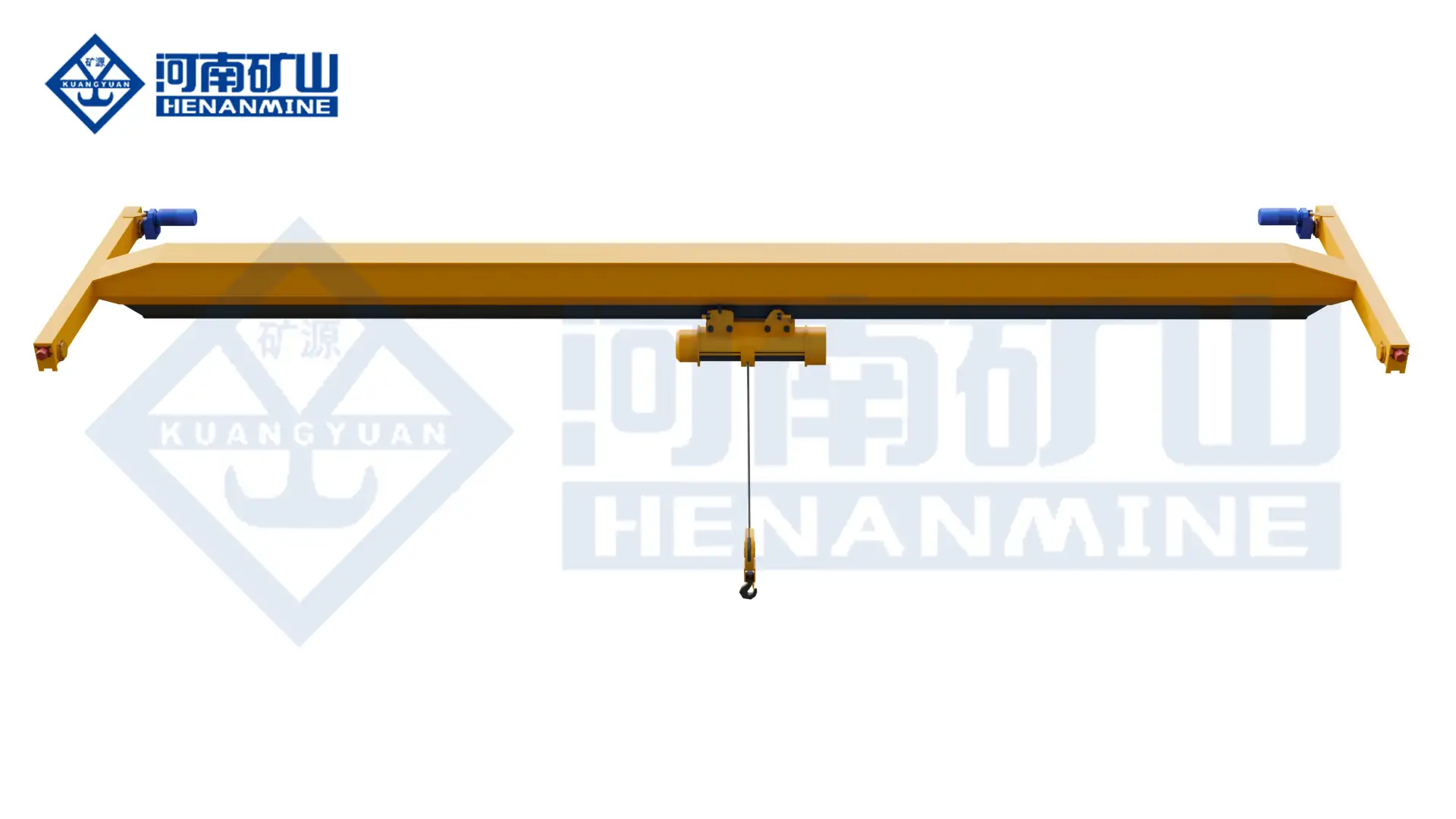
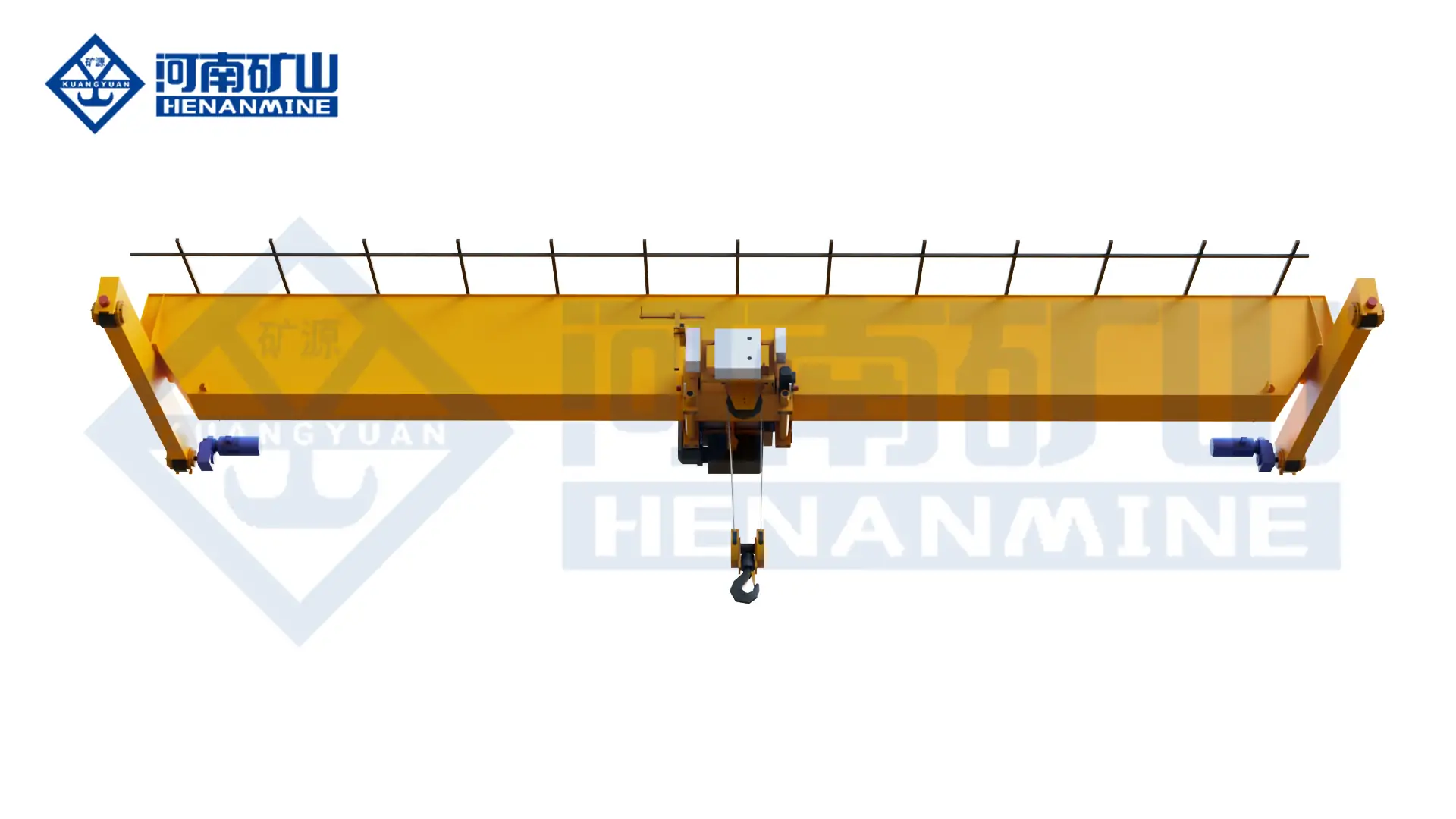
For most line-side and machining loads up to 20 t, a single girder crane with an electric hoist is the most economical configuration and covers the majority of assembly applications. European-style single girder cranes raise this baseline with FEM-oriented duty design, lower dead weight, better hook approach and smoother travel — the standard choice where high cycle counts, close tolerances or restricted building capacity apply.
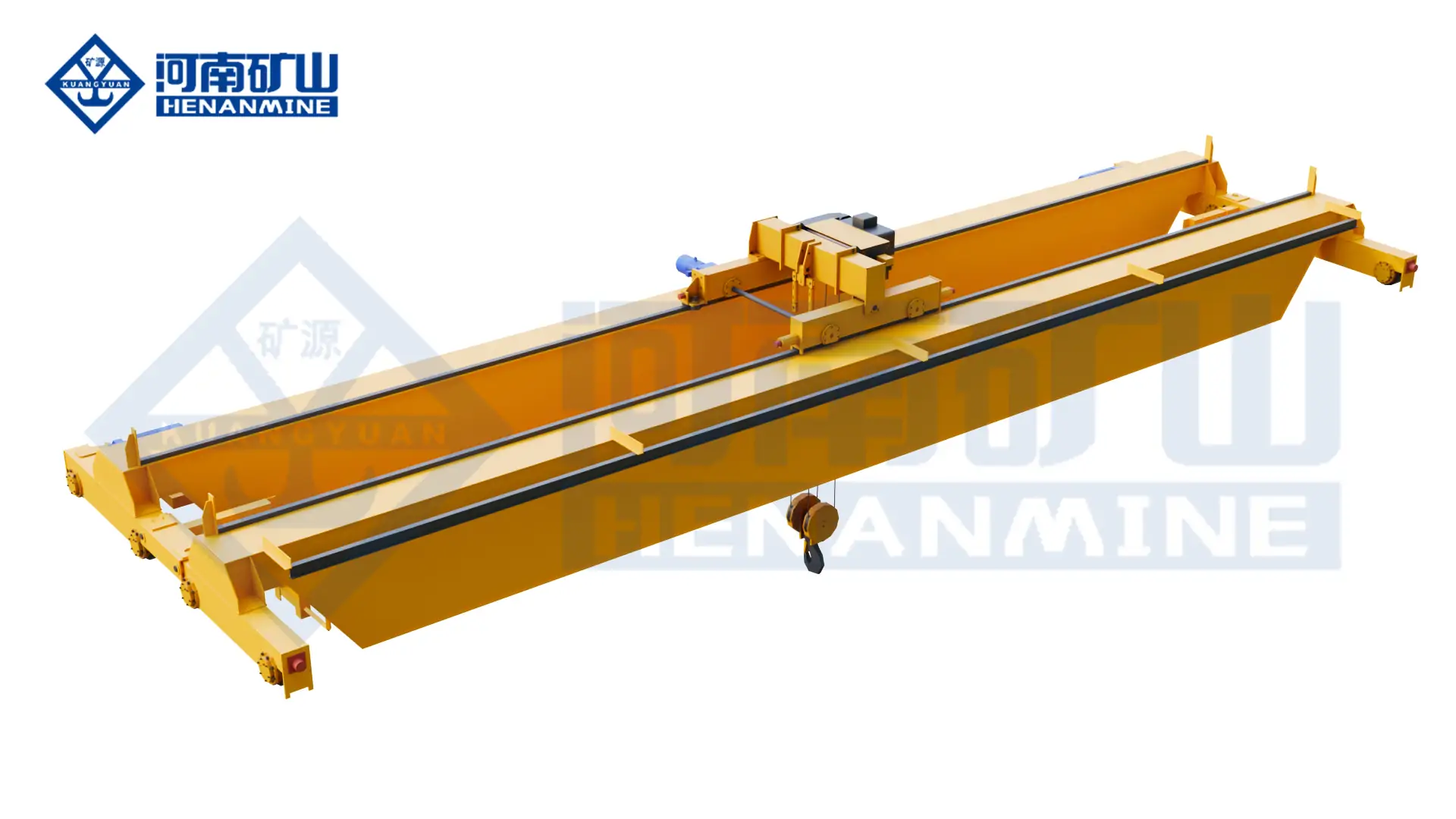
Where loads grow — press dies, skid systems, powertrain modules, complete fixtures and maintenance of heavy process equipment — double girder cranes take over, adding hook height, stiff long-travel behaviour and heavy-duty hoisting machinery. Double trolley versions handle long and flexible parts such as shafts, axles, rail segments and long weldments that would overload a single hook point or distort during lifting.
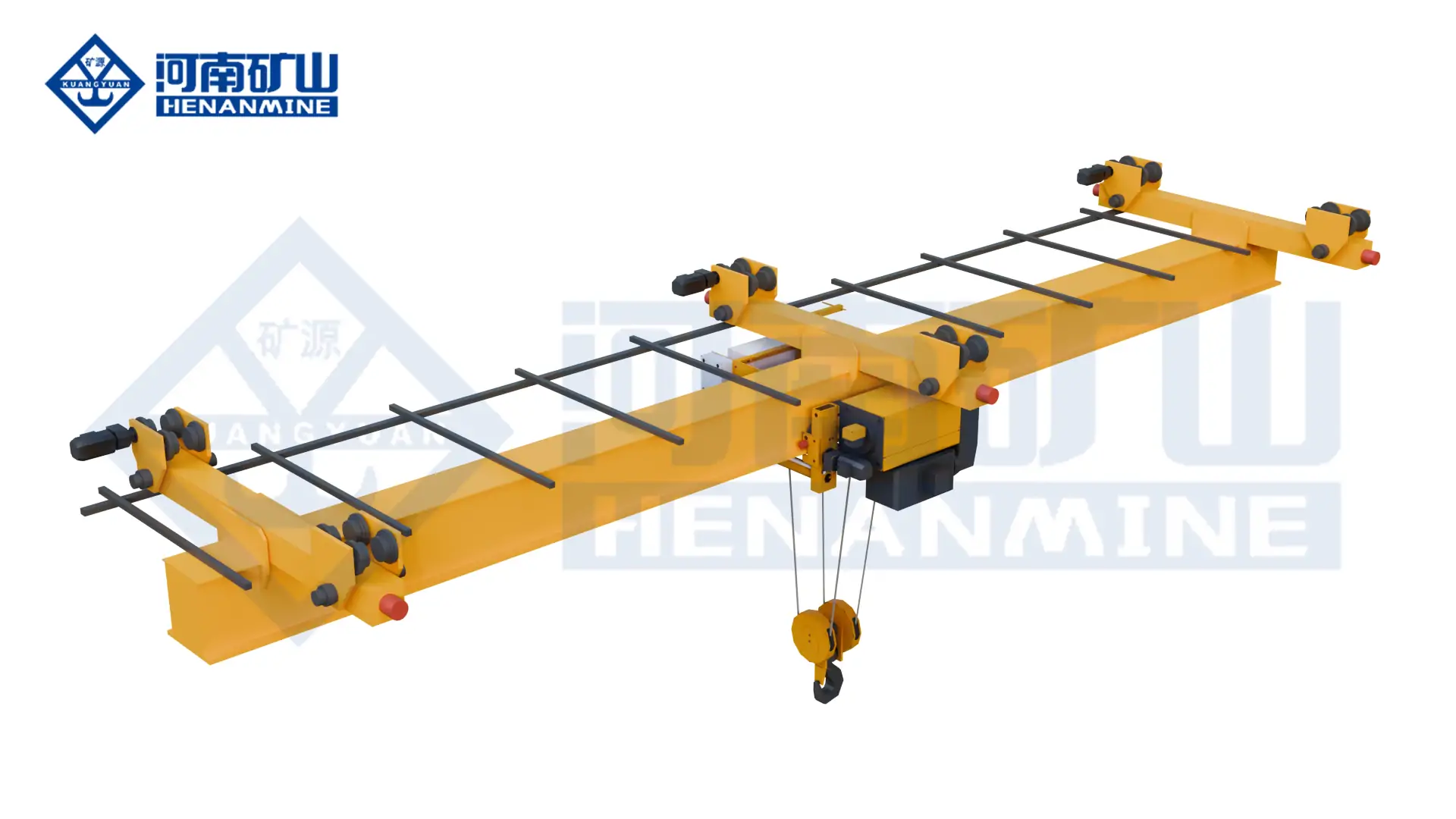
Suspended underhung systems bolt to the building roof steel instead of running on elevated runway rails, so they reach into stations at low headroom with minimal steelwork. Multi-point suspension designs cover wide or irregular bays. Intelligent hoist cranes close the loop with controlled positioning, anti-sway and operator guidance for the highest-accuracy stations.
Automotive Assembly Crane Selection Considerations
Selection begins with the production process and works outward to the crane. The parameters below establish the specification that a quotation must be built against, and the checklist that competing offers are compared on.
01 · Load Spectrum per Station
List every load at every lifting point with its fixture, spreader or tooling weight. The heaviest combination at the busiest station — not the average — sets the rated capacity for the whole system.
02 · Takt Time and Cycle Profile
Convert line takt into lifts per hour, travel distances and full-load ratio per station. These numbers set the ISO duty class of hoist, trolley and travel mechanisms — the difference between a line-speed crane and an early failure.
03 · Positioning Accuracy and Anti-Sway
Define the positioning tolerance at each station and the acceptable residual sway at set-down. These requirements select between standard speed control, frequency inverter control with crawl steps, and closed-loop anti-sway positioning.
04 · Headroom and Building Interface
Confirm clear height, roof steel capacity, existing conveyor and utility positions, and the clearance the process needs below the hook. Low buildings push the specification towards top-running, double girder or suspended configurations.
05 · Environment and Cleanliness Class
Paint shops, clean zones and battery areas impose dust, temperature and contamination limits on motors, brakes and controls. The enclosure and protection class is specified per area, not per building.
06 · Control and Line Integration
Define interlocks with conveyors, robots, skid systems and safety circuits, the control positions operators will use, and any interface to plant PLC or monitoring systems. Integration scope changes the electrical boundary of the offer.
07 · Ergonomics at the Station
Where operators handle loads manually, specify the permissible operating force, the reach envelope into the station and the precision of inching control. Ergonomic limits are production limits on an assembly line.
08 · Project Boundary and Compliance
Assign runway or suspension steel, conductor systems, installation, commissioning, load testing, spares and certification in writing before comparing offers, and state the standards the documentation must satisfy for the plant’s market.
Automotive Assembly Crane Configurations Compared
The most suitable configuration serves the takt time and accuracy of the station without transferring unnecessary cost into the building structure or the maintenance schedule.
| Configuration | Where It Fits Best | Typical Capacity | Positioning Behaviour | Critical Limit |
|---|---|---|---|---|
| Single girder bridge crane | General assembly, machining support, logistics bays | 1–20 t | Good with inverter control and crawl steps | Hoist under the girder reduces hook height |
| European-style single girder crane | High-cycle assembly stations, tight-tolerance areas | Up to 20 t class | Smooth FEM-oriented travel, close hook approach | Higher equipment price than standard single girder |
| Double girder bridge crane | Press shops, powertrain, skid systems, heavy fixtures | 5–50 t and above | Stiff travel, maximum hook height, precise heavy lifts | Heavier wheel loads and higher runway demands |
| Double trolley crane | Long parts — shafts, axles, rails, weldments | Per project, two coordinated trolleys | Synchronised two-point lifting without distortion | Only justified where long-part handling is routine |
| Suspended underhung system | Line-side supply at stations, low-headroom bays | 0.5–10 t typical | Light, ergonomic, direct reach into the station | Loads carried by the roof steel, not a runway |
| Intelligent hoist crane | Highest-accuracy stations, controlled processes | Model-specific | Closed-loop positioning with anti-sway | Premium controls must be matched to a real accuracy need |
Automotive Assembly Crane Technical Specification Framework
Henan Mine Crane maintains several crane families applied to automotive production service. The ranges below support preliminary configuration and are not guaranteed combinations. Final capacity, span, lift, working class, speeds and wheel loads are confirmed on the approved technical schedule and general arrangement drawing.
| Product Family | Published Capacity Position | Published Span Position | Lifting Height Position | Working Class Position | Primary Assembly Use |
|---|---|---|---|---|---|
| Single girder assembly line crane | 1–20 t across the family | 7.5–28.5 m or project-defined | 6–18 m or project-defined | A3–A5 by cycle profile | General assembly, machining support and logistics bays |
| European-style single girder crane | Up to 20 t class | 7.5–28.5 m | 6–18 m or customized | A5–A6 for high-cycle stations | Precision, high-cycle assembly with close tolerances |
| Multi-point suspension crane | 0.5–10 t typical | Wide or irregular bays by suspension design | Project-defined by roof geometry | A3–A4 line-side duty | Line-side supply at stations in low-headroom bays |
| Double girder assembly crane | 5–50 t and above | 10.5–35 m | 6–30 m or project-defined | A5–A6 by cycle profile | Press shop die handling, powertrain and skid systems |
| Intelligent electric hoist crane | Model-specific | Model-specific | Model-specific | A5–A6 based on the station | Controlled positioning and monitored lifting at key stations |
| Double trolley electric hoist crane | 5–50 t by project configuration | 10.5–31.5 m or project-defined | Project-defined | A5–A6 | Long parts such as shafts, axles and long weldments |
A capacity shown within one family does not confirm suitability at every span, lift or duty. Long spans, high cycle counts, precision requirements and integration with line controls require project-specific calculations and verification.
Building and Runway Interface
An automotive plant is a dense steel environment. The crane succeeds or fails at its interfaces with the building, and every one of these points has to be resolved before manufacture begins.
Wheel Loads and Rail Seats
Maximum and static wheel loads, with and without load, are verified against the runway beams and building columns. A crane change on an existing runway always starts with this check, not with the catalogue.
Suspended Loads on Roof Steel
Underhung and multi-point suspension systems hang from the building structure. The roof steel capacity, bracing positions and allowable deflection decide whether suspension is viable and how the load paths are arranged.
Clearance to Conveyors and Automation
Hook coverage is mapped against conveyors, skid tracks, robot cells and process tanks. The crane must reach the defined pick-up and set-down points without entering protected volumes or intruding on safety zones.
Power Feed and Conductor Systems
Conductor bars or festoon systems are routed along the runway with isolation, earthing and maintenance positions defined. Power feed placement affects plant electrical layout and must be fixed early in the project.
Controls, Positioning and Line Integration
Control selection follows the accuracy and rhythm of the station. The same crane structure can behave completely differently under pendant, radio or programmable control, and the difference shows directly in cycle time and damage rates.
Pendant and Radio Control
Pendant control keeps the operator at a fixed position beside the load; radio remote frees them to watch the load and the station. On assembly stations, radio control is usually the more productive and safer choice.
Frequency Inverter Travel and Hoist
Stepless speed control with defined acceleration and crawl steps lets the operator place loads without shock. On machined powertrain components, controlled set-down is a quality requirement, not a comfort feature.
Anti-Sway and Positioning Control
Closed-loop anti-sway and target positioning reduce swing, shorten waiting at the station and protect fixtures and parts. Encoder feedback and slow-approach zones place the hook within repeatable tolerances cycle after cycle.
Interlocks and Plant Systems
Where cranes share space with conveyors, robots or skid systems, interlocks, zone limits and signal exchange with the plant controller are engineered into the crane control. The interface scope belongs in the contract, not in site improvisation.
Duty Class and High-Cycle Assembly Reliability
Assembly cranes run many small cycles per shift for years. Reliability comes from matching mechanism classifications, brakes and structure to the measured duty — and from designs that can be maintained inside production windows.
The Default Duty Trap
Many general-purpose offers are built to infrequent-use classifications. On a station cycling every takt, those mechanisms consume their design life early. Duty class must be specified from the measured cycle profile, never left to the supplier default.
Fatigue and Structural Allowance
High-cycle welding details, wheel and rail contact and brake engagement counts are fatigue items. The structure is engineered for the number of cycles the line will actually run, not for a nominal tonnage figure.
Maintenance-Friendly Design
Wear parts, brakes and limit systems are arranged for fast access inside short production breaks. Maintenance positions and inspection routes are defined at design stage, because unplanned line stops cost vehicles, not minutes.
Documentation and Testing
Structural calculations, test certificates, overload and static load test reports and defined acceptance criteria support commissioning and the plant’s own safety and audit systems. Documentation scope is agreed before production starts.
Engineering and Supply Scope for Assembly Plant Projects
An automotive assembly crane project typically covers several crane families at once: standard and European-style single girder cranes for line-side and machining areas, double girder cranes for the press shop and powertrain, and suspended systems feeding the final assembly stations. Henan Mine Crane plans such projects around a common engineering baseline, so that control behaviour, spares and documentation stay consistent across the different areas of the plant.
A complete supply definition states the crane structure and machinery, the hoist and control system, the runway or suspension interface, conductor systems, the safety functions required at each station, the overload and acceptance testing regime, and the delivery, installation and commissioning responsibilities. Where the plant’s own engineering team installs, supervision, commissioning and load testing remain part of the package.
Standard configurations are typically delivered within 30 to 45 days after drawing approval, with engineered or automation-equipped cranes on confirmed project schedules. Multi-crane programs are sequenced against the plant’s shutdown and ramp-up calendar.
ASSEMBLY CAPACITY COVERAGE
0.5 t – 50 t
CRANE FAMILIES APPLIED
6 Product Platforms
STANDARD DELIVERY
30 – 45 Days
ENGINEERED DUTY RANGE
A3 – A6 Assembly Service
Automotive Assembly Crane Price Reference
Current market positions for Chinese-manufactured crane equipment, expressed as indicative ranges. An equipment price covers the crane ex-works; an installed project adds runway or suspension steel, conductor systems, freight, duty, installation and commissioning.
| Crane Scope | Typical Capacity | Indicative Equipment Price | What Moves the Number |
|---|---|---|---|
| Suspended workstation system | 0.125–2 t | US$1,800 – 8,000 per system | Rail length covered, number of bridges, hoist grade |
| Line-side monorail or suspended crane | 0.25–10 t | US$1,800 – 9,000 | Track routing, switches, curves, suspension points |
| Single girder assembly crane | 1–20 t | US$2,900 – 22,000 | Span, lift height, hoist grade, control mode |
| European-style single girder crane | 3.2–20 t class | US$13,000 – 49,000 | Duty rating, low-headroom design, speed control level |
| Double girder assembly and powertrain crane | 5–20 t | US$10,000 – 35,000 | Span, dual speed levels, cabin or radio control |
| Press shop die handling crane | 20–50 t | US$28,000 – 80,000 | Span, slow precise speed ratios, special duty build |
| Runway and rail package | Per bay length | US$5,000 – 20,000 | Bay length, rail profile, structural reinforcement |
| Freight, duty and installation | On equipment price | Typically +20 – 50 % on FOB | Destination, installation scope, local certification |
Comparing offers on an equipment price alone understates the real decision. Normalize every quotation to the same supply boundary — capacity including fixtures, span, lift, control mode and speed levels, conductor systems, installation, testing and documentation — before comparing numbers. A complete installed assembly crane system typically lands 30–60 % above the ex-works equipment figure.
Quote Information and Frequently Asked Questions
A complete enquiry should state the production area, the loads at each lifting point including fixtures and tooling, takt time, required positioning accuracy, building dimensions and roof steel condition, power supply, destination and the required supply boundary.
Load and Station Data
Part weights with fixtures and tooling at every lifting point, heaviest combination, lift frequency per station and the full production shift pattern.
Building and Geometry Data
Clear height, span or rail centers, travel lengths, roof steel or runway capacity, conveyor and automation positions, and the hook coverage each station requires.
Process and Accuracy Data
Positioning tolerance at set-down, acceptable residual sway, required speeds and inching behaviour, and any interlocks with conveyors, robots or plant systems.
Commercial and Site Data
Voltage and frequency, destination and Incoterm, installation responsibility, required certifications and documentation, spares level and requested delivery schedule.
What crane does an automotive assembly plant use?
Assembly plants use a combination of systems: single and European-style single girder bridge cranes for line-side and machining areas, double girder cranes for press shops and powertrain handling, double trolley cranes for long parts, and suspended workstation systems for ergonomic part supply at stations.
How is an assembly crane different from a standard workshop crane?
The difference is duty and control, not just tonnage. Assembly cranes are classified for high cycle counts tied to takt time, use stepless speed control with crawl and anti-sway behaviour for repeatable positioning, and integrate with conveyors, robots and plant safety systems.
Single or double girder for an assembly line?
Most line-side loads up to 20 t are served by single girder cranes at lower cost. Double girder becomes the right choice for loads above 20 t, for maximum hook height under the roof, or for stiff, precise handling of press dies, skids and powertrain modules.
How much does an automotive assembly crane cost?
Current market positions place single girder assembly cranes between roughly US$2,900 and 22,000 on an equipment basis, European-style single girder systems between US$13,000 and 49,000, and double girder assemblies from about US$10,000 for lighter units to US$80,000 for press shop die handling. Freight, duty and installation typically add 20–50 % over the equipment price.
Can the crane work with conveyors and robots in the same bay?
Yes, when it is engineered that way. Hook coverage is mapped against conveyor and robot positions, zone limits and interlocks are built into the crane control, and signal exchange with the plant controller is defined in the interface specification before manufacture.
What is the delivery time?
Standard configurations are typically delivered within 30 to 45 days after drawing approval. Cranes with anti-sway positioning, line integration or multi-crane program sequencing run on confirmed project schedules agreed before production starts.
Related Crane Products for Automotive Production
Product selection follows the approved load spectrum, cycle profile, accuracy requirement and building interface of each production area. Each linked model represents a separate configuration platform.
Single Girder Bridge Crane
Cost-effective line-side, machining support and logistics crane for the majority of assembly lifting up to 20 t.
European Style Electric Single Girder Crane
FEM-oriented single girder platform for high-cycle, close-tolerance assembly stations with smooth travel and low dead weight.
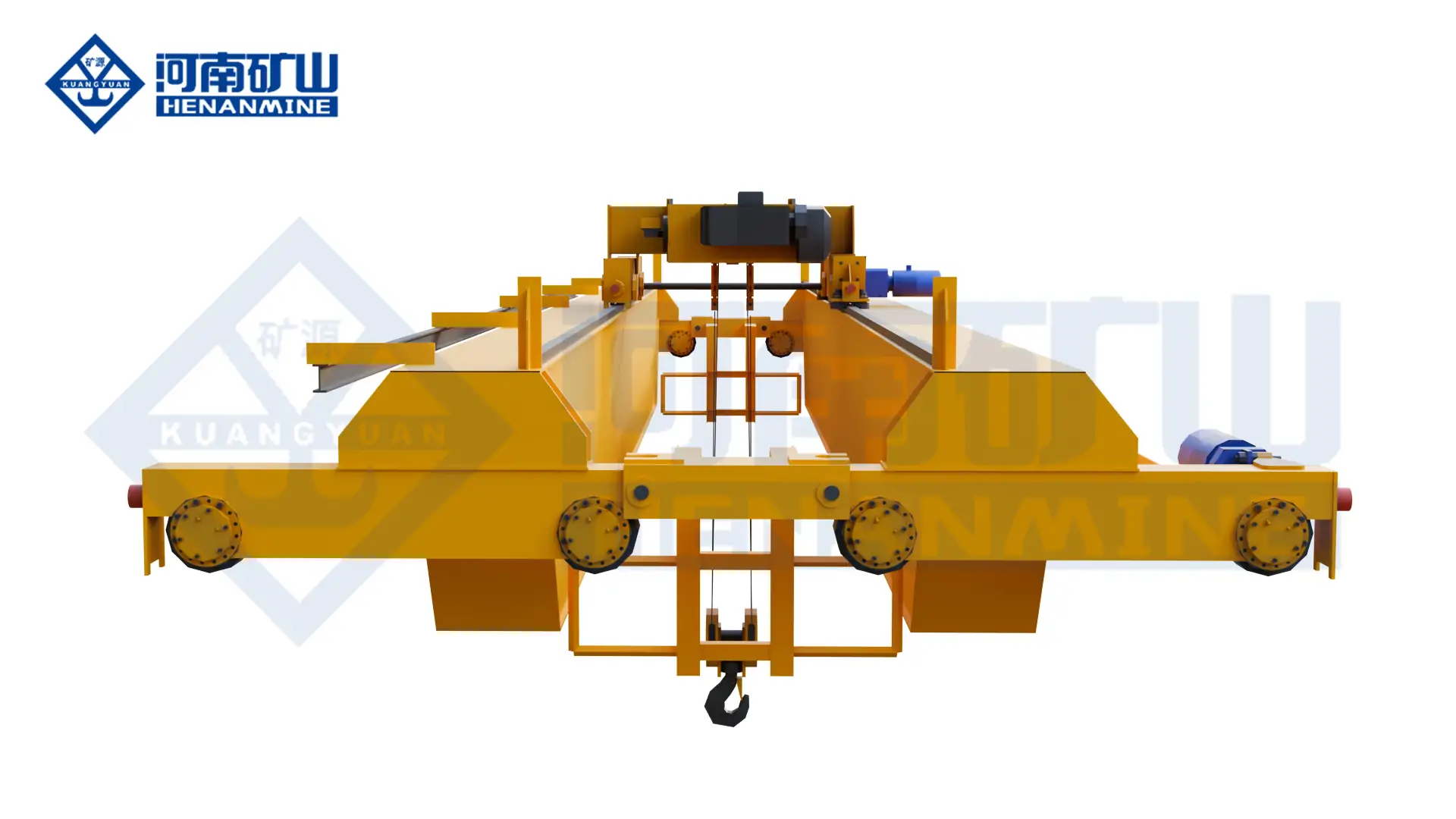
Double Girder Bridge Crane
Heavy-duty platform for press shop die handling, powertrain modules, skid systems and maintenance of large process equipment.
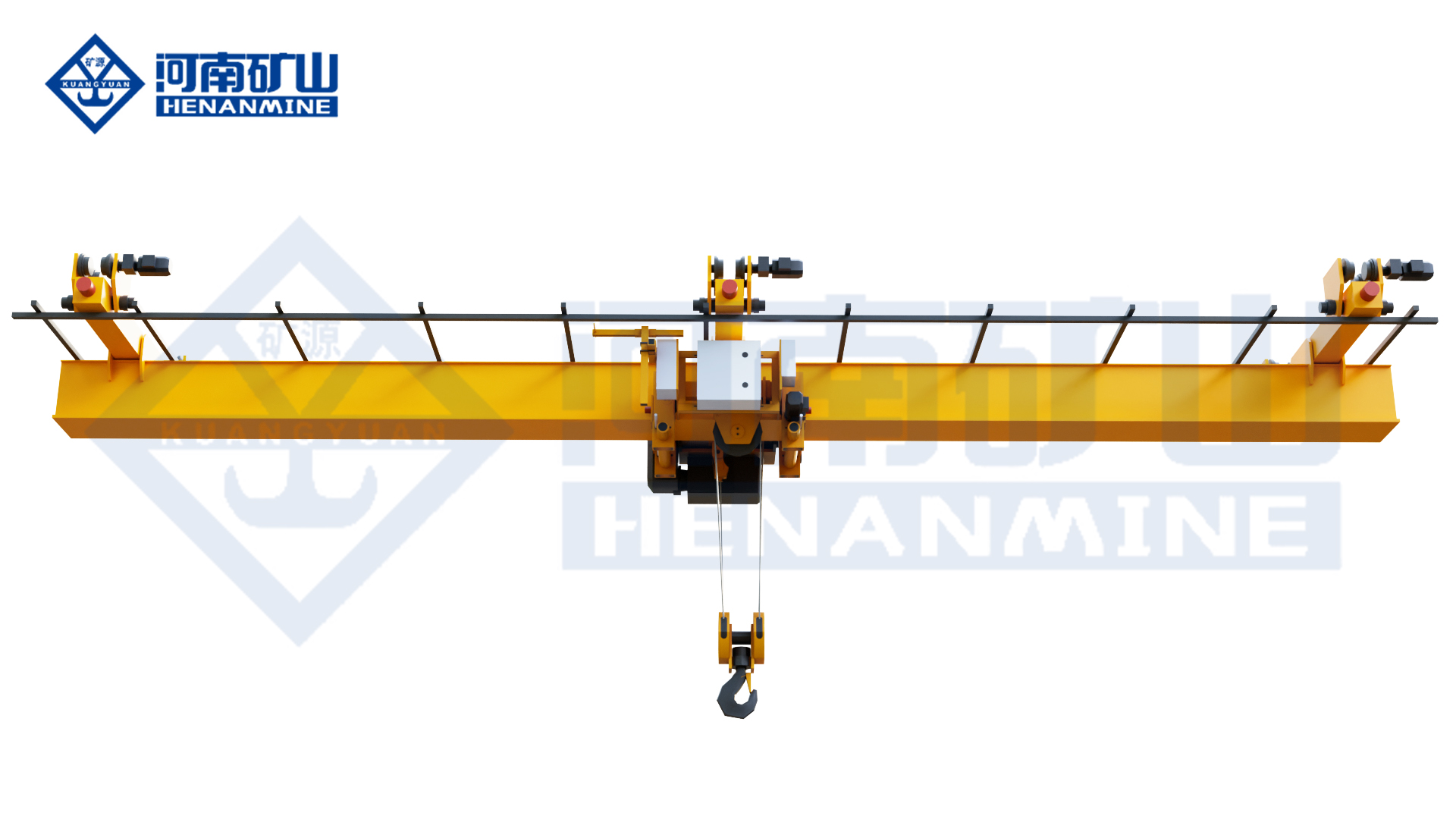
Multi-Point Suspension Crane
Roof-suspended crane system reaching into assembly stations at low headroom without elevated runway steel.
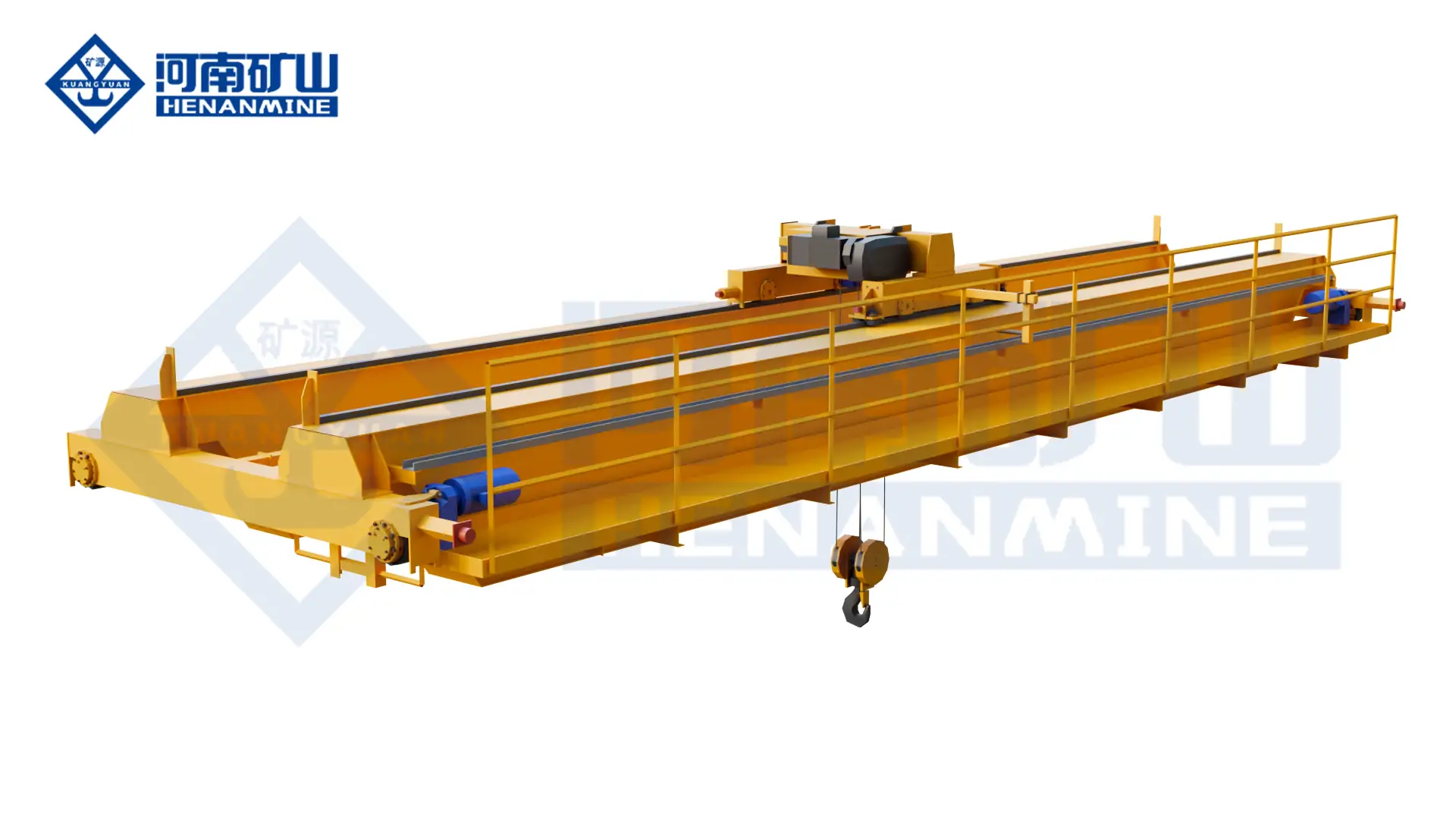
Intelligent Electric Hoist Overhead Crane
Smart hoist crane platform with controlled positioning, monitoring and operator guidance for the highest-accuracy stations.
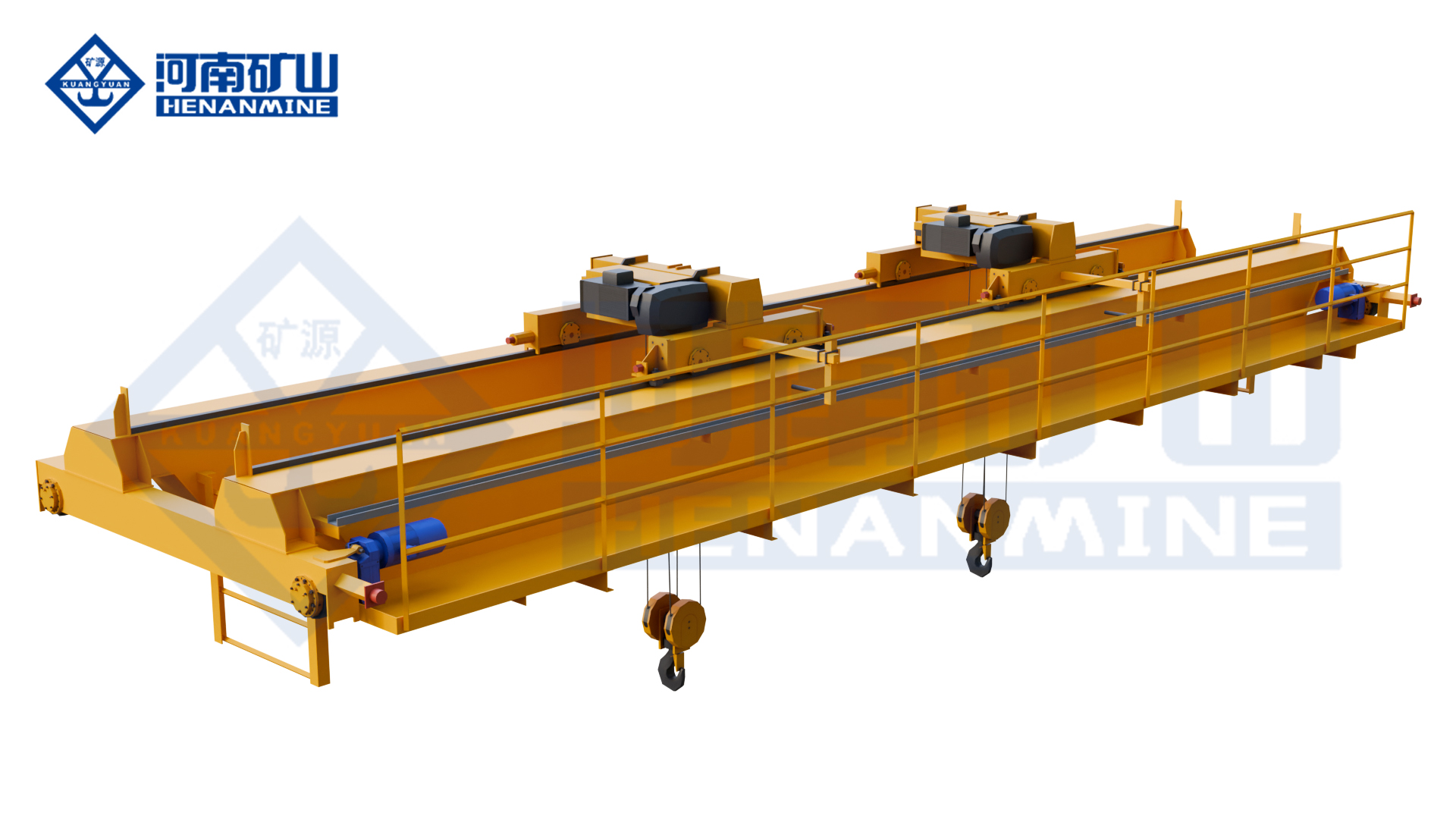
Double Trolley Electric Hoist Overhead Crane
Two coordinated trolleys for lifting long parts such as shafts, axles and long weldments without overload or distortion.
Get an Automotive Assembly Crane Engineered for Your Line
Send the station loads, takt time and building dimensions and receive a configured proposal with duty classification, control system, interface definitions, documentation and a delivery schedule for your production area.